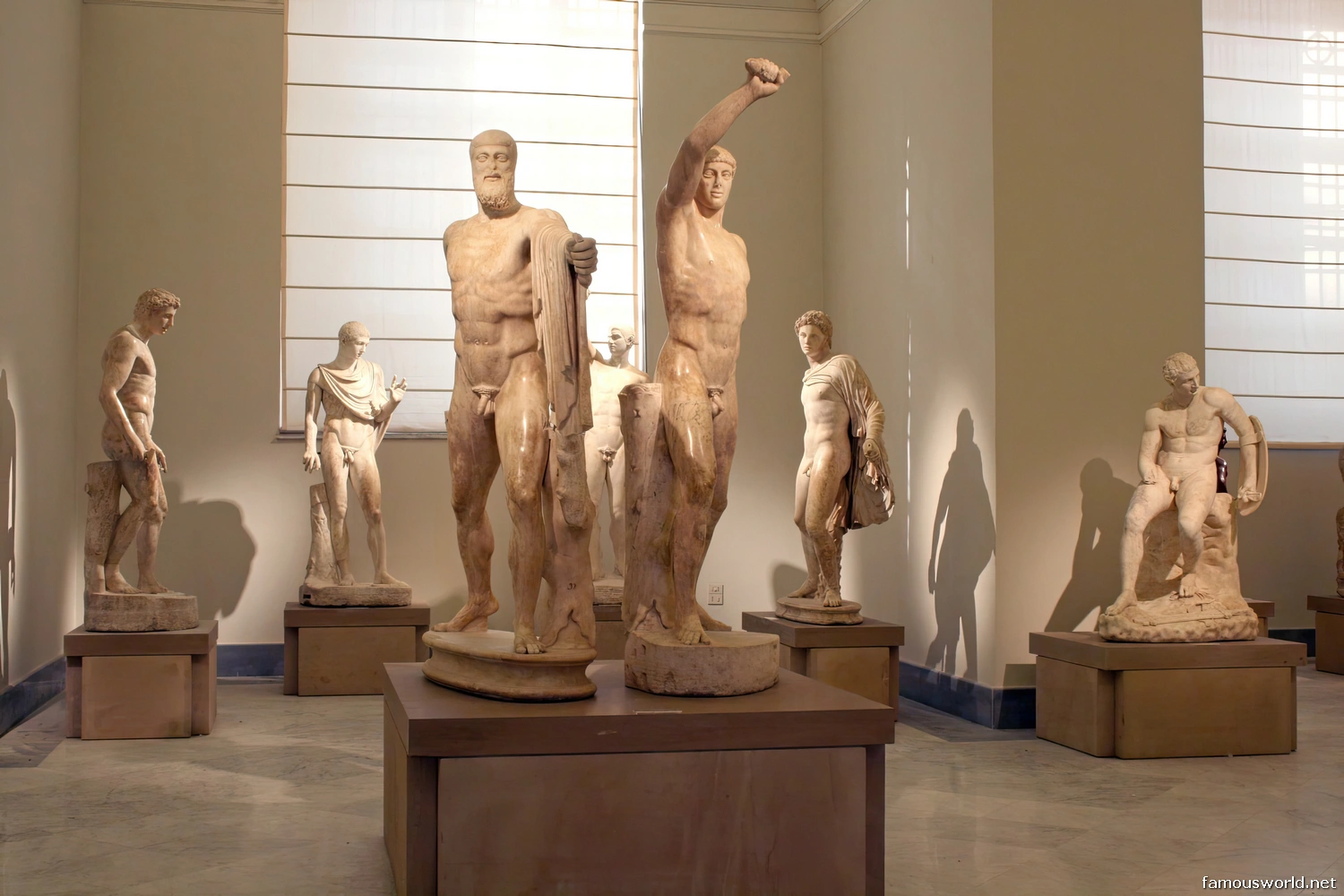

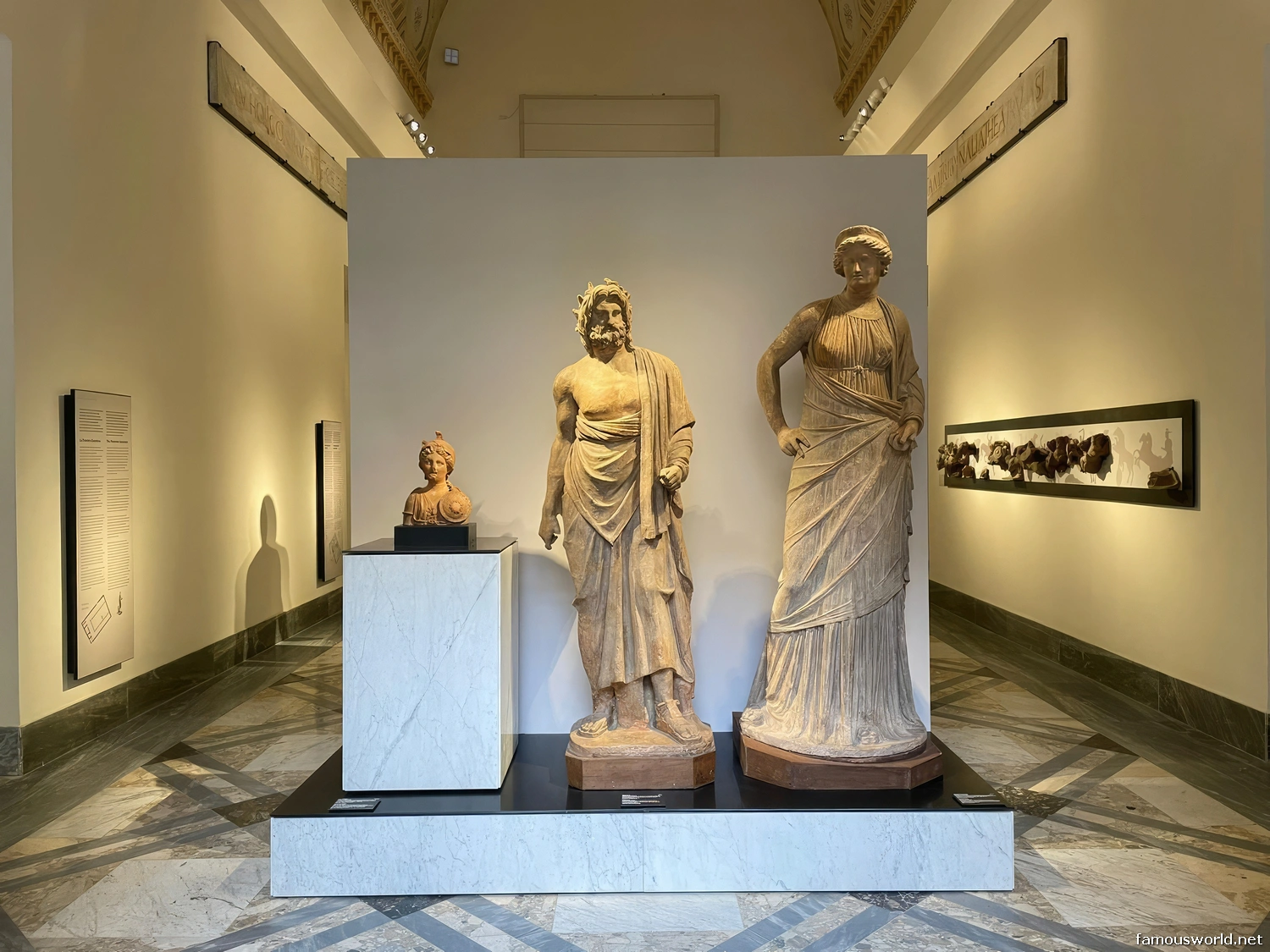
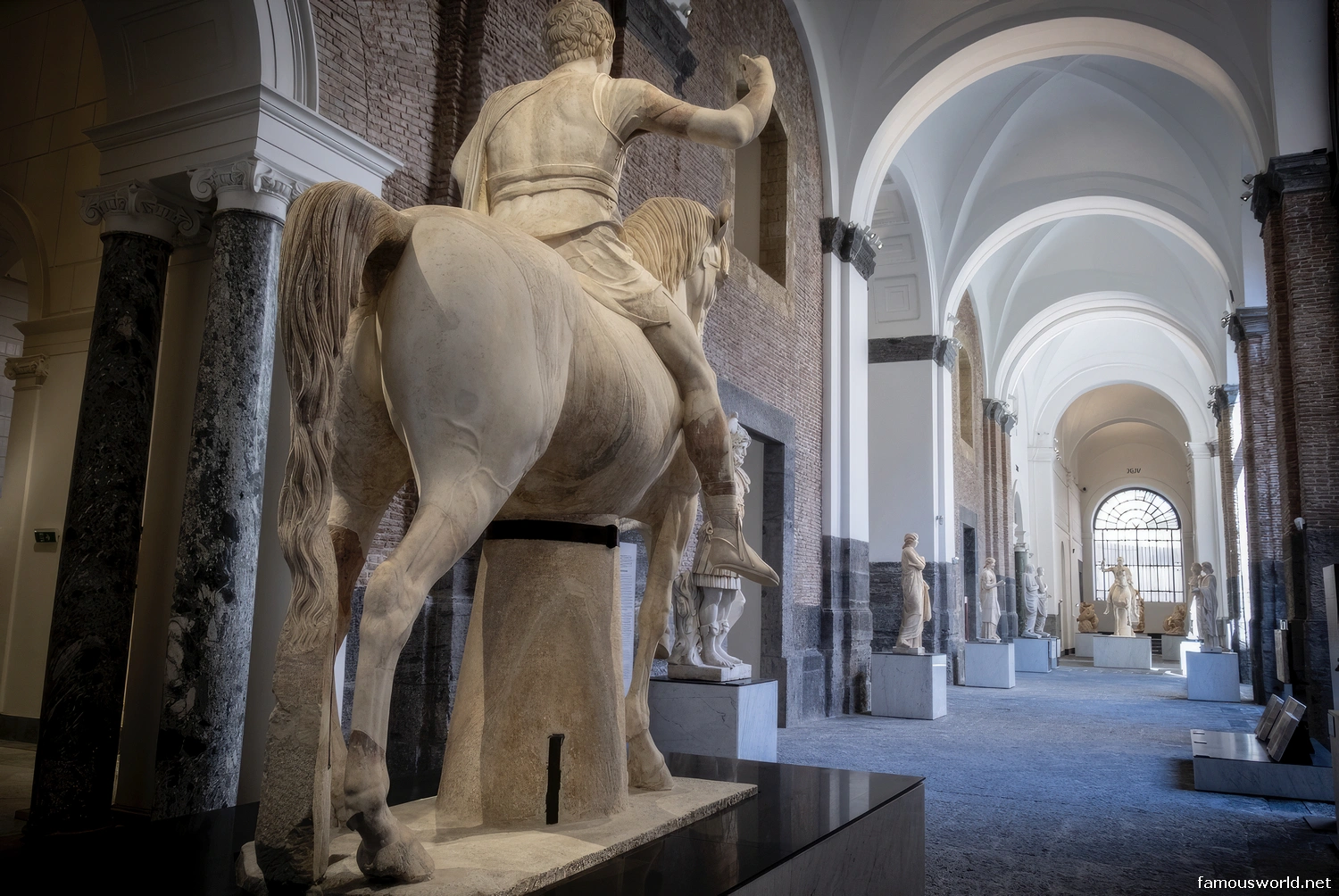

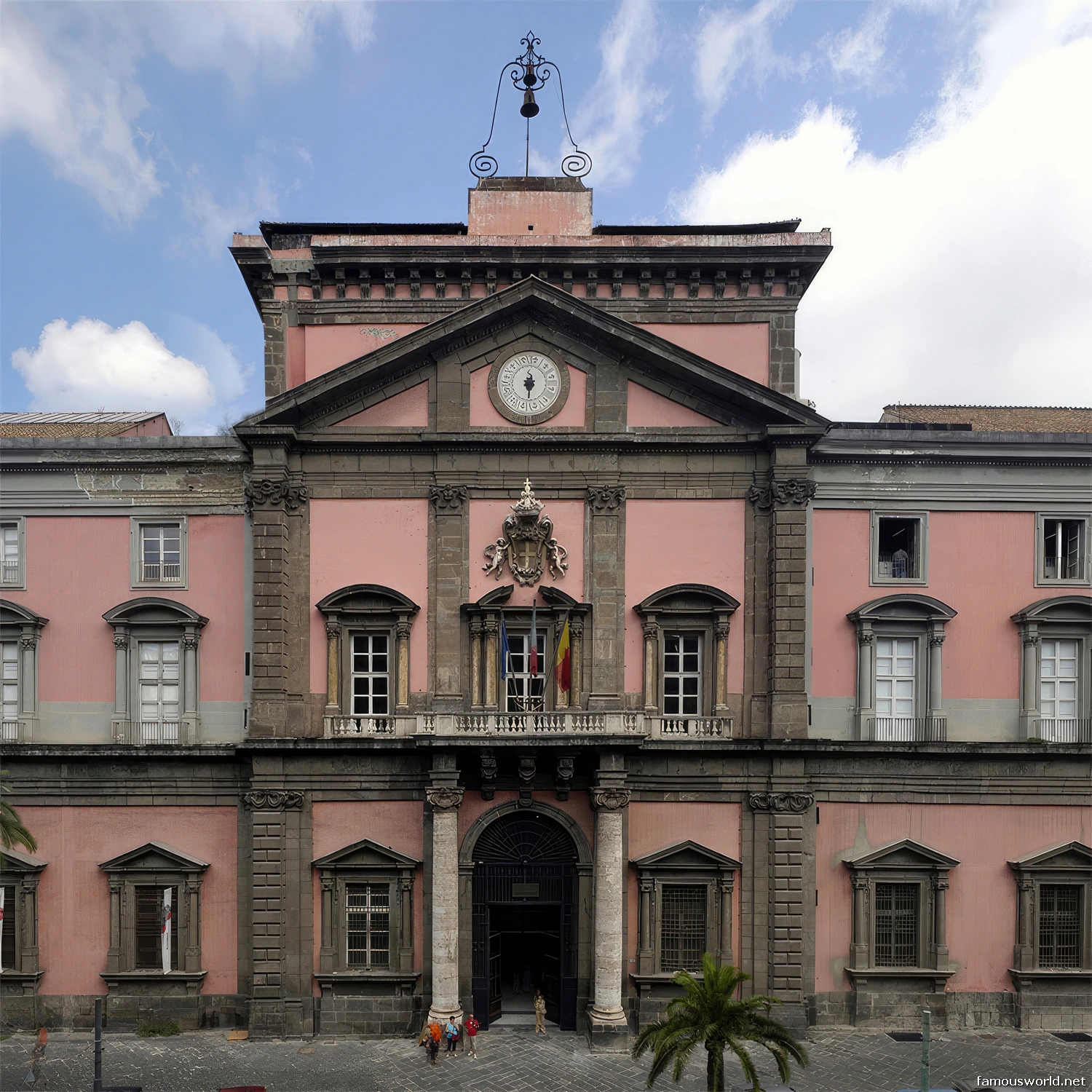
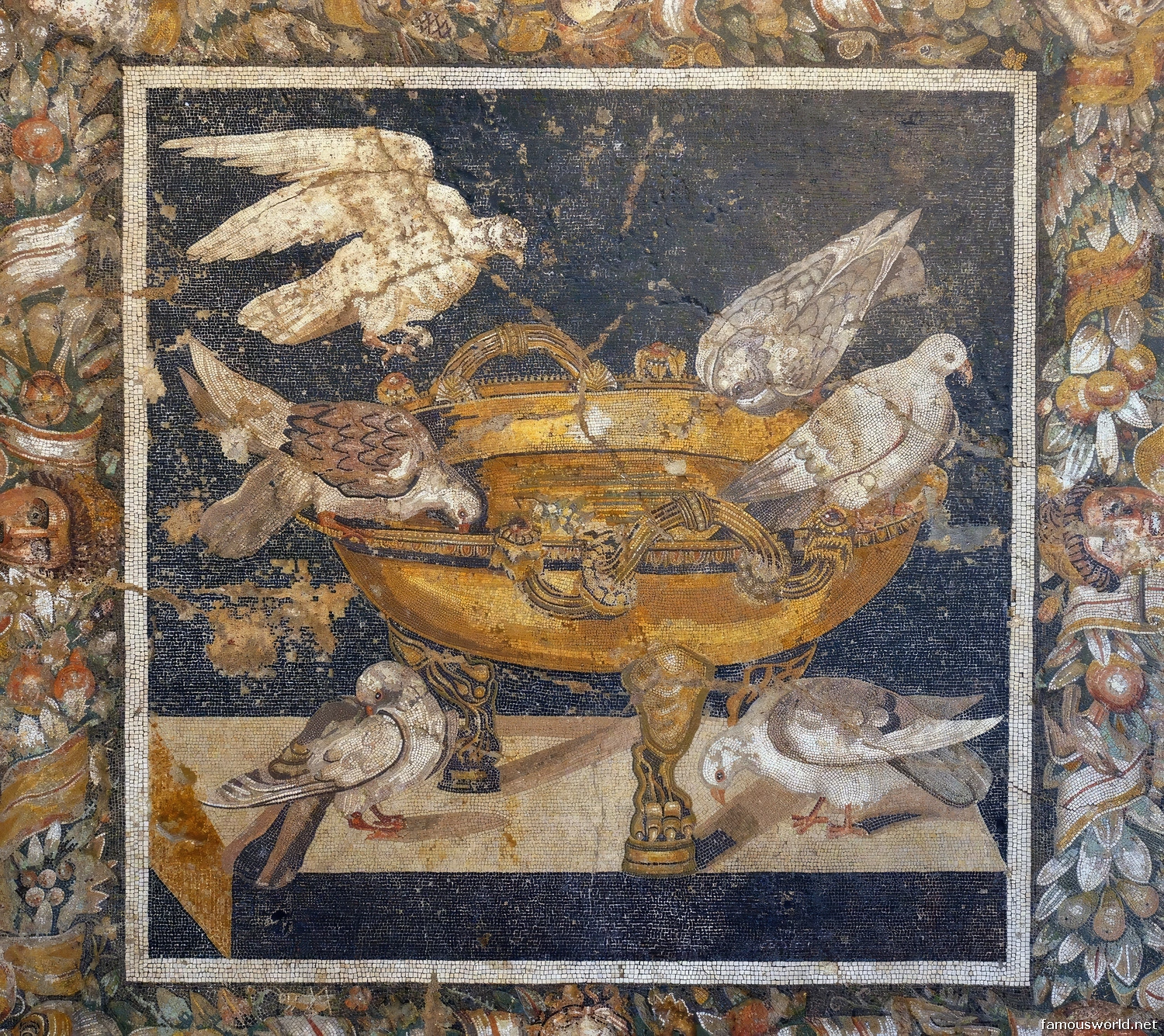
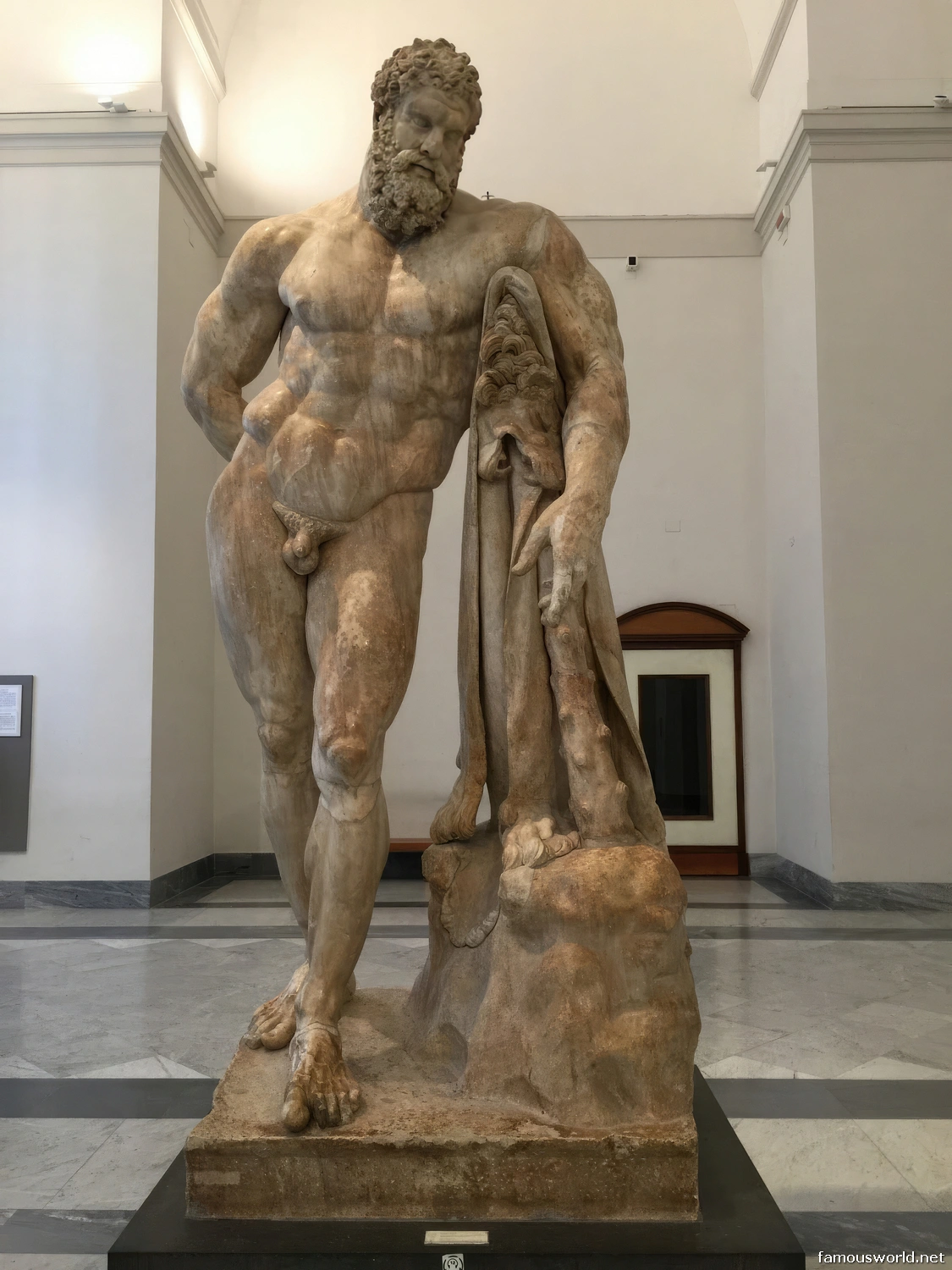
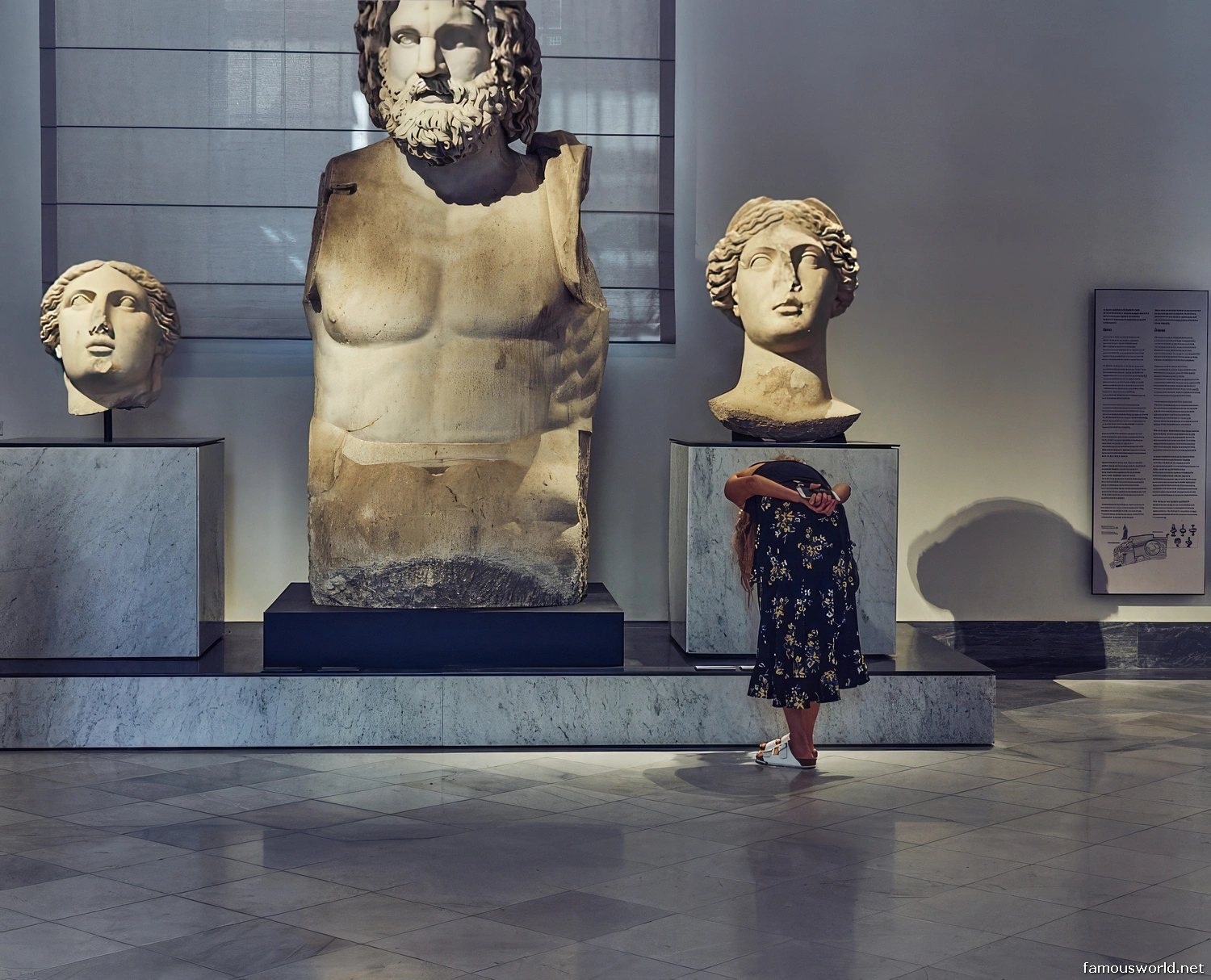
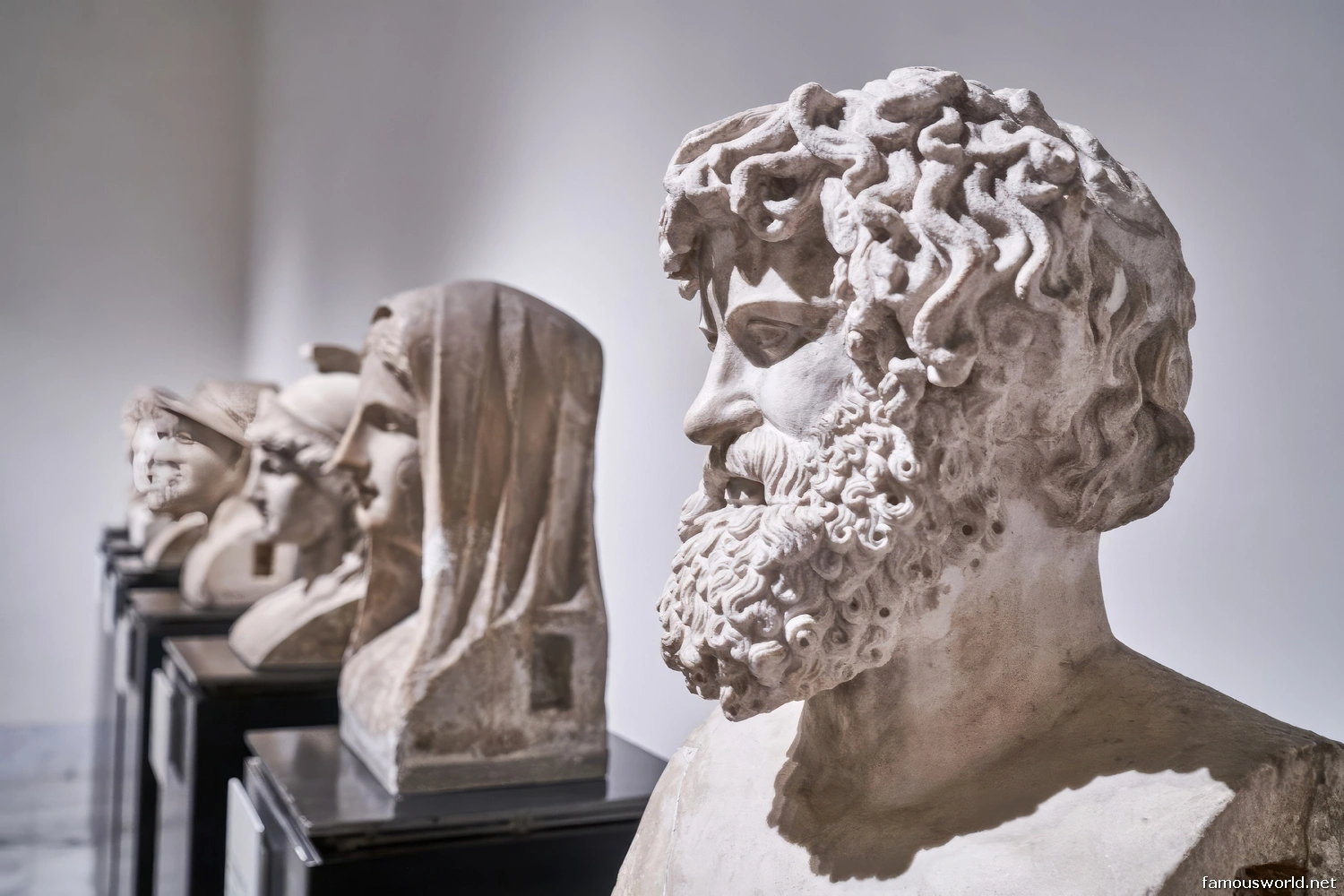
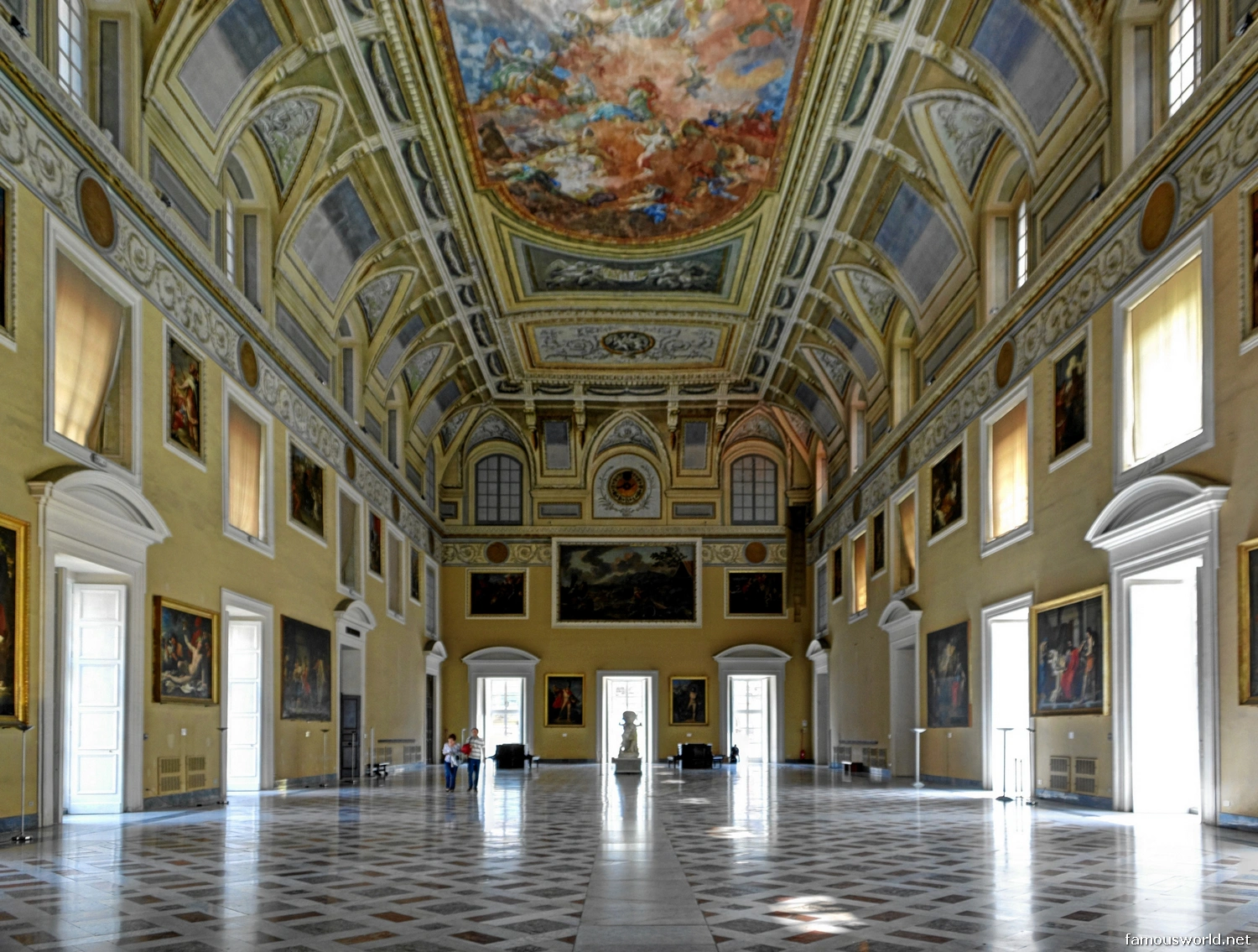

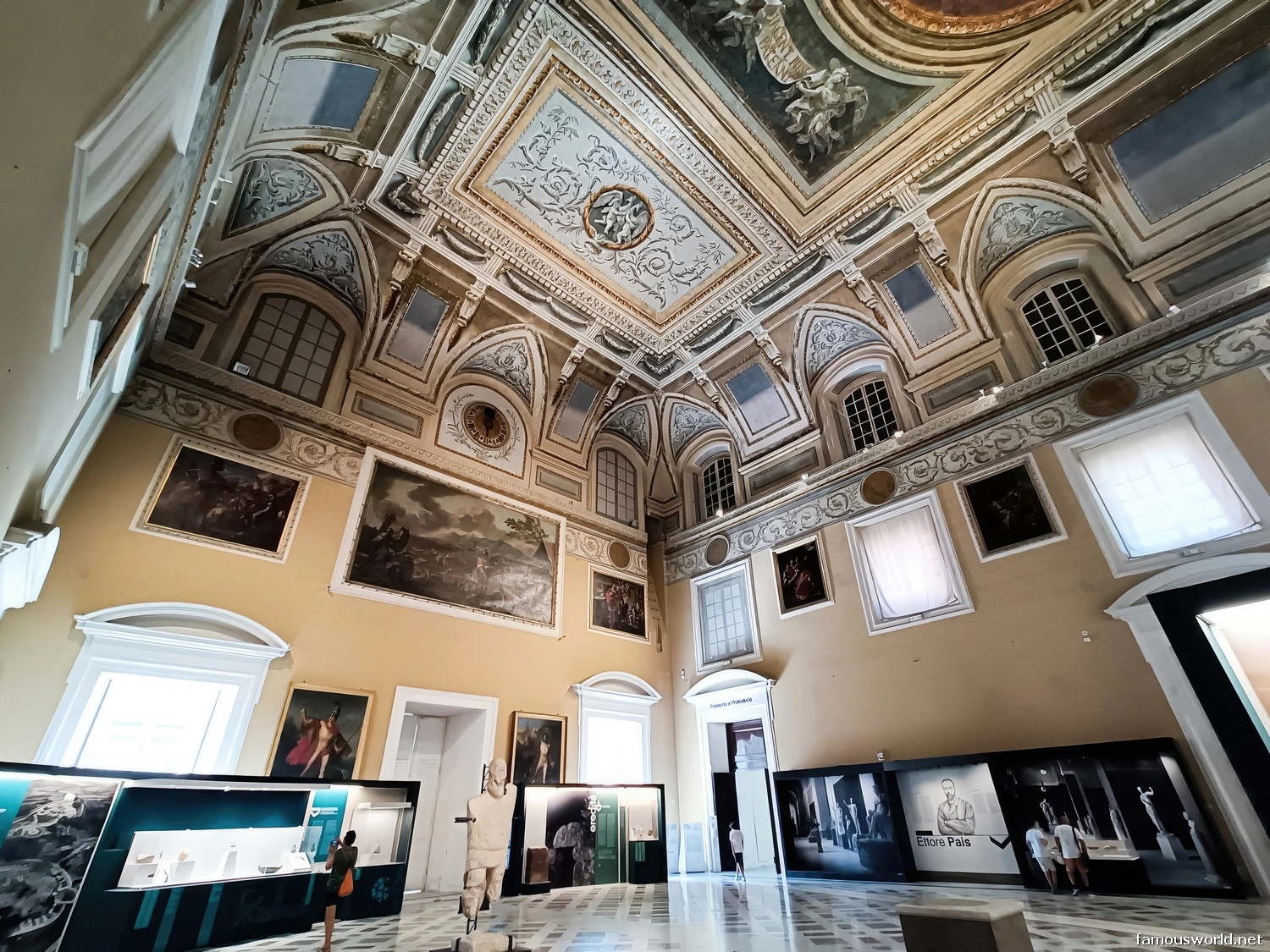
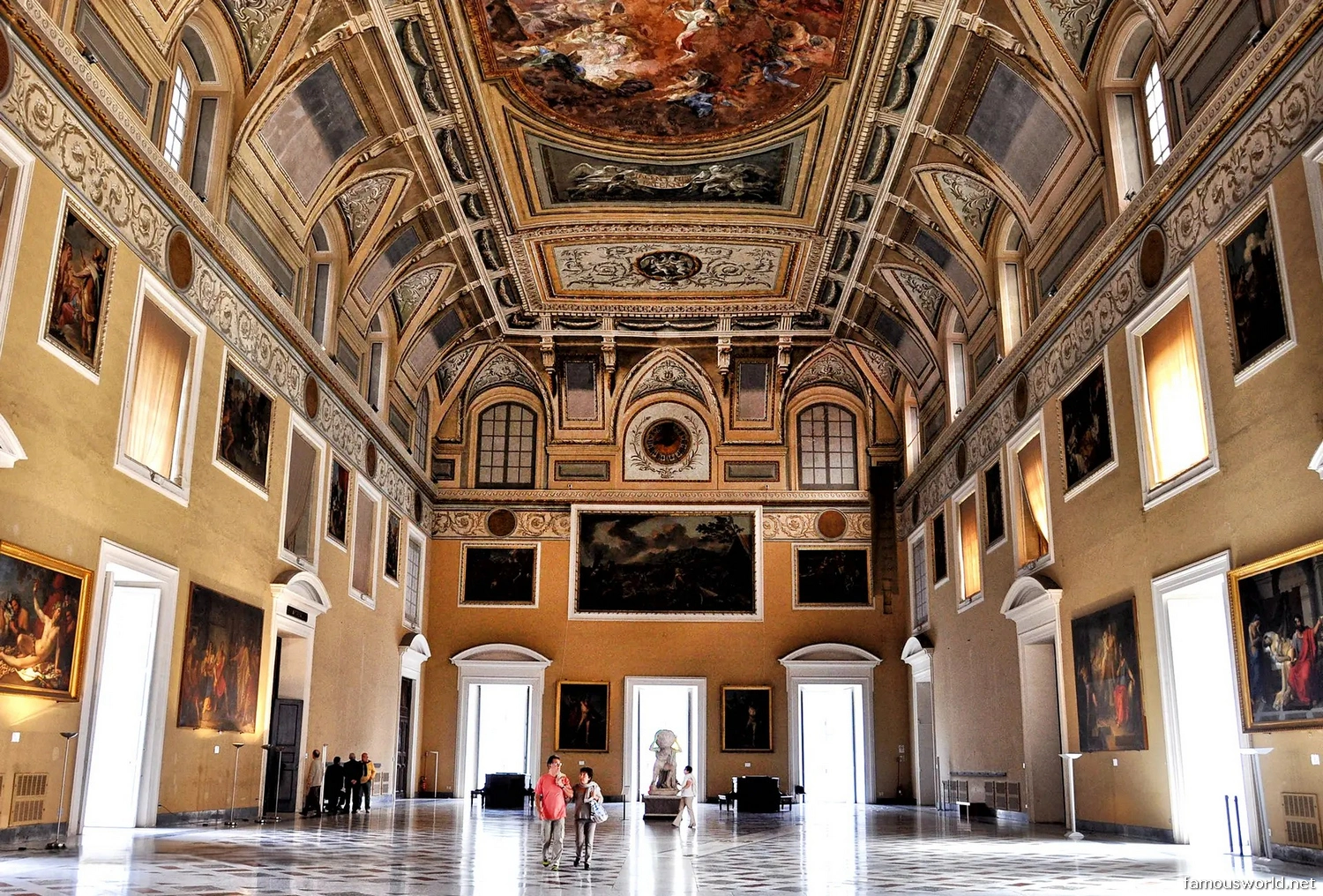
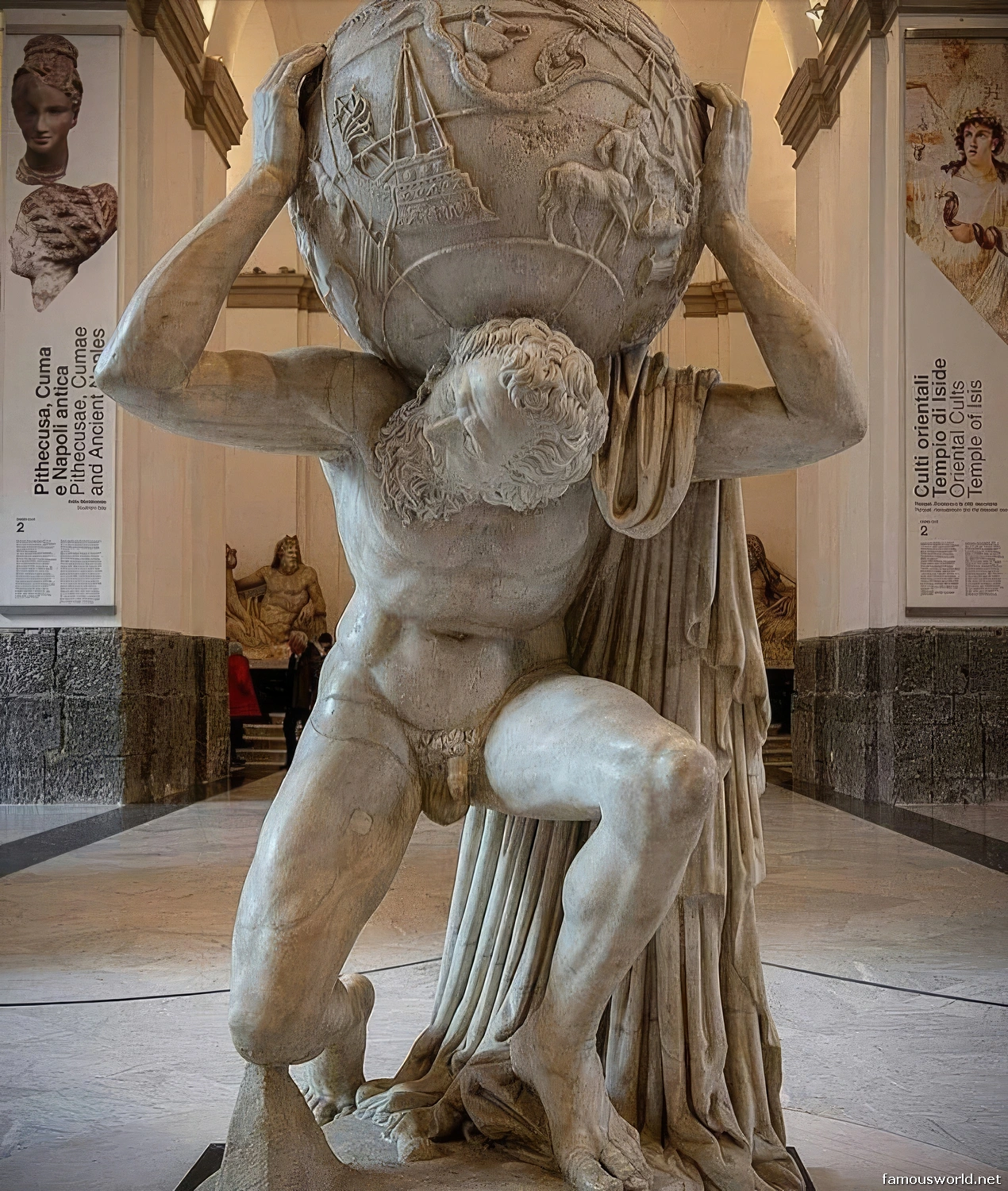


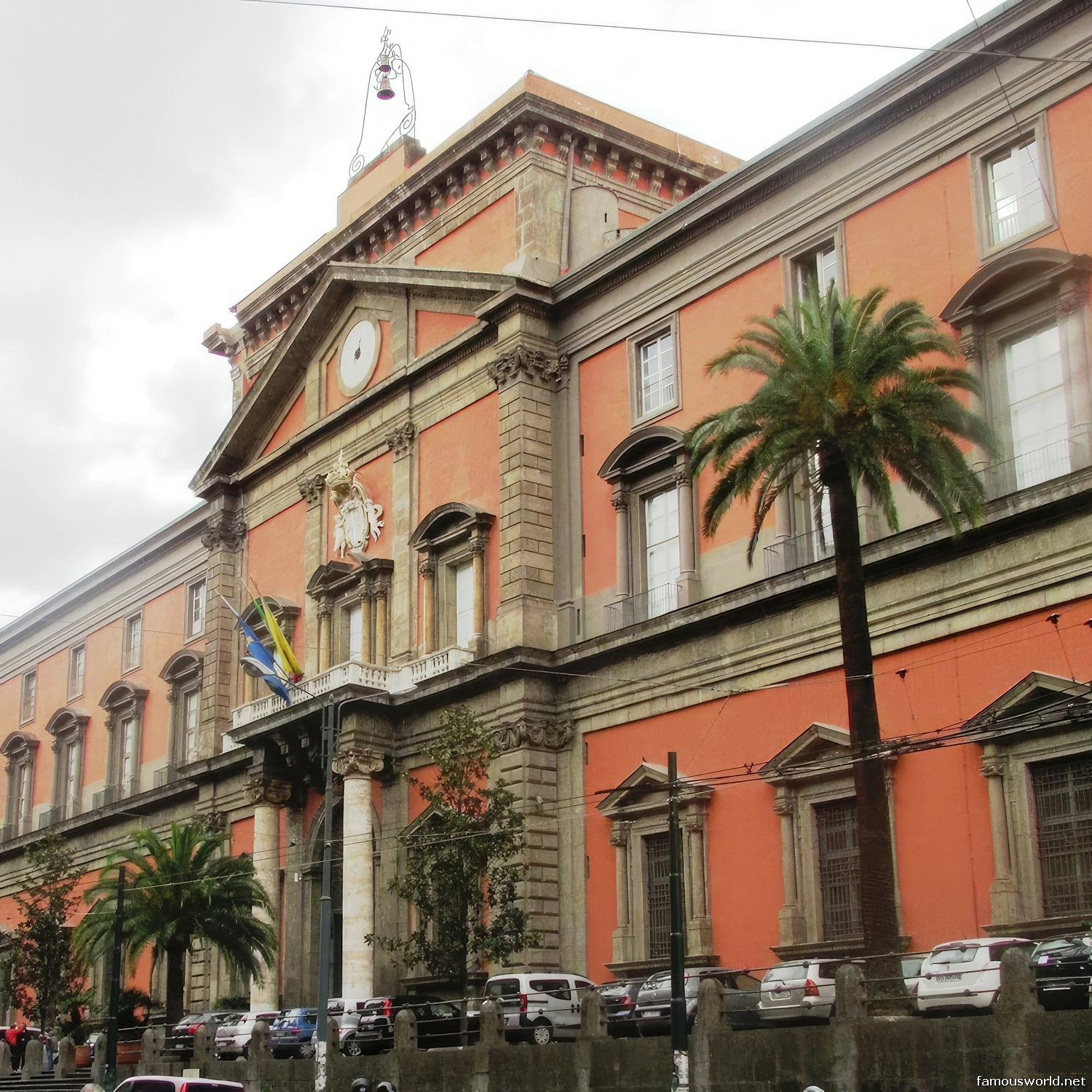
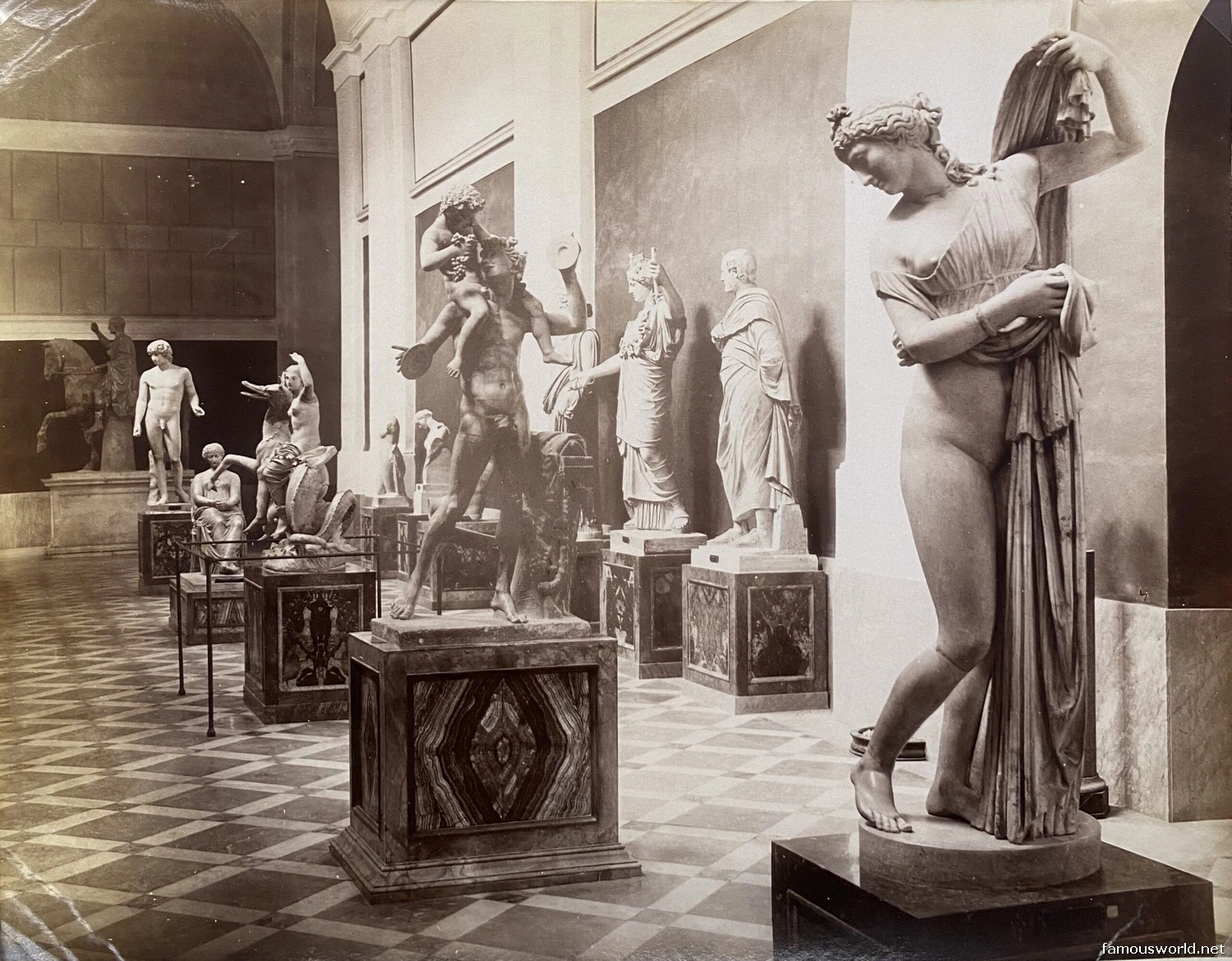

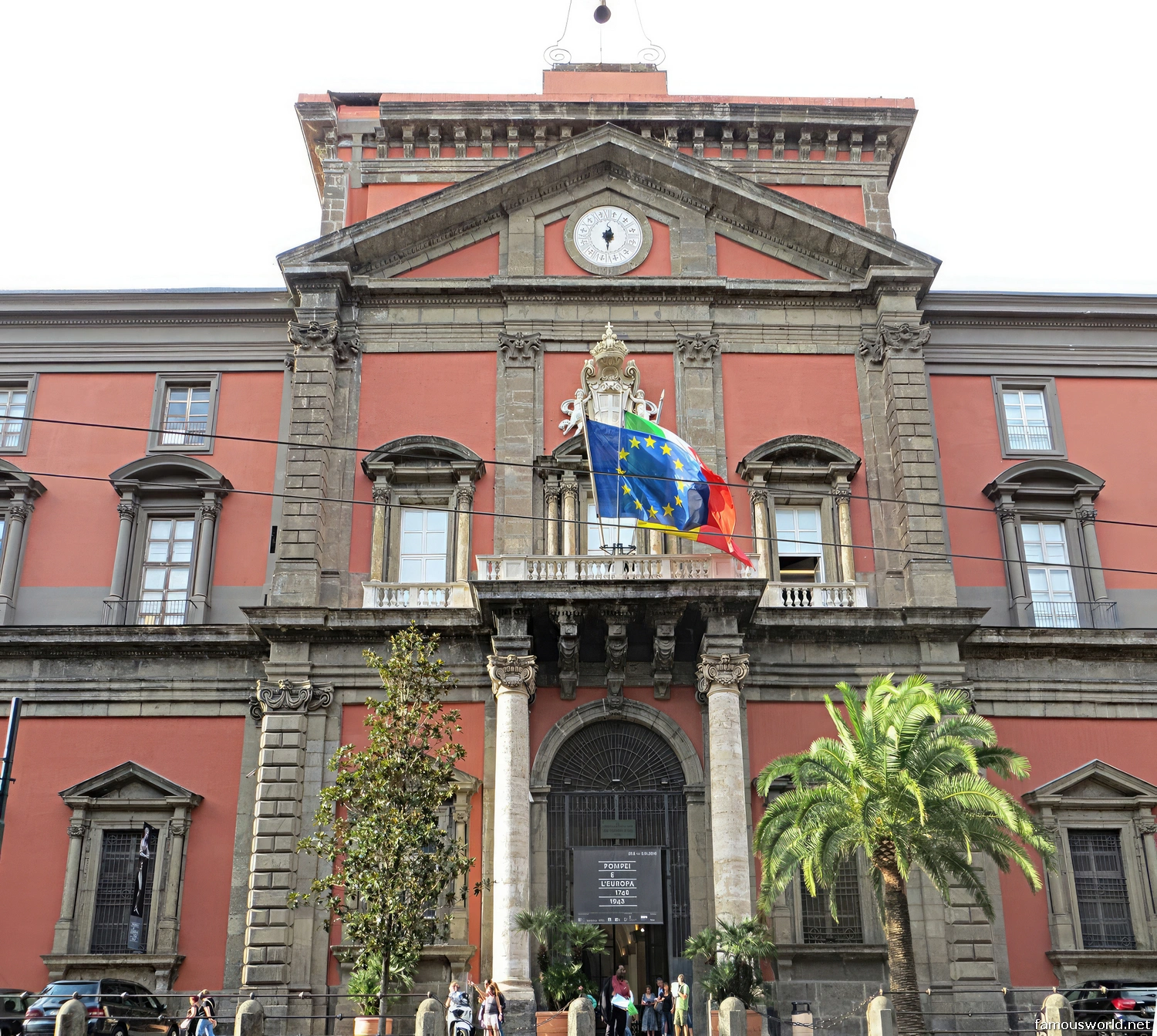
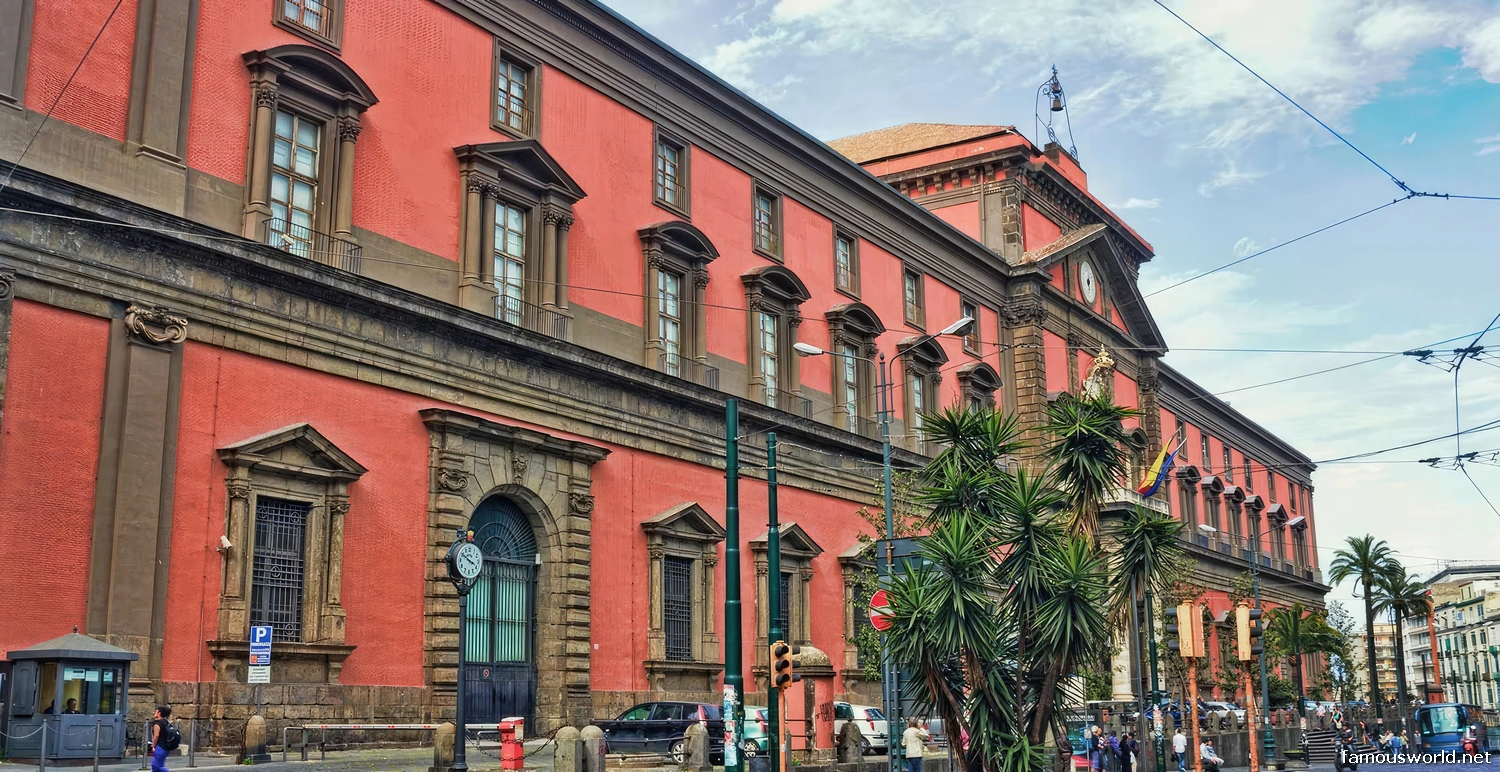
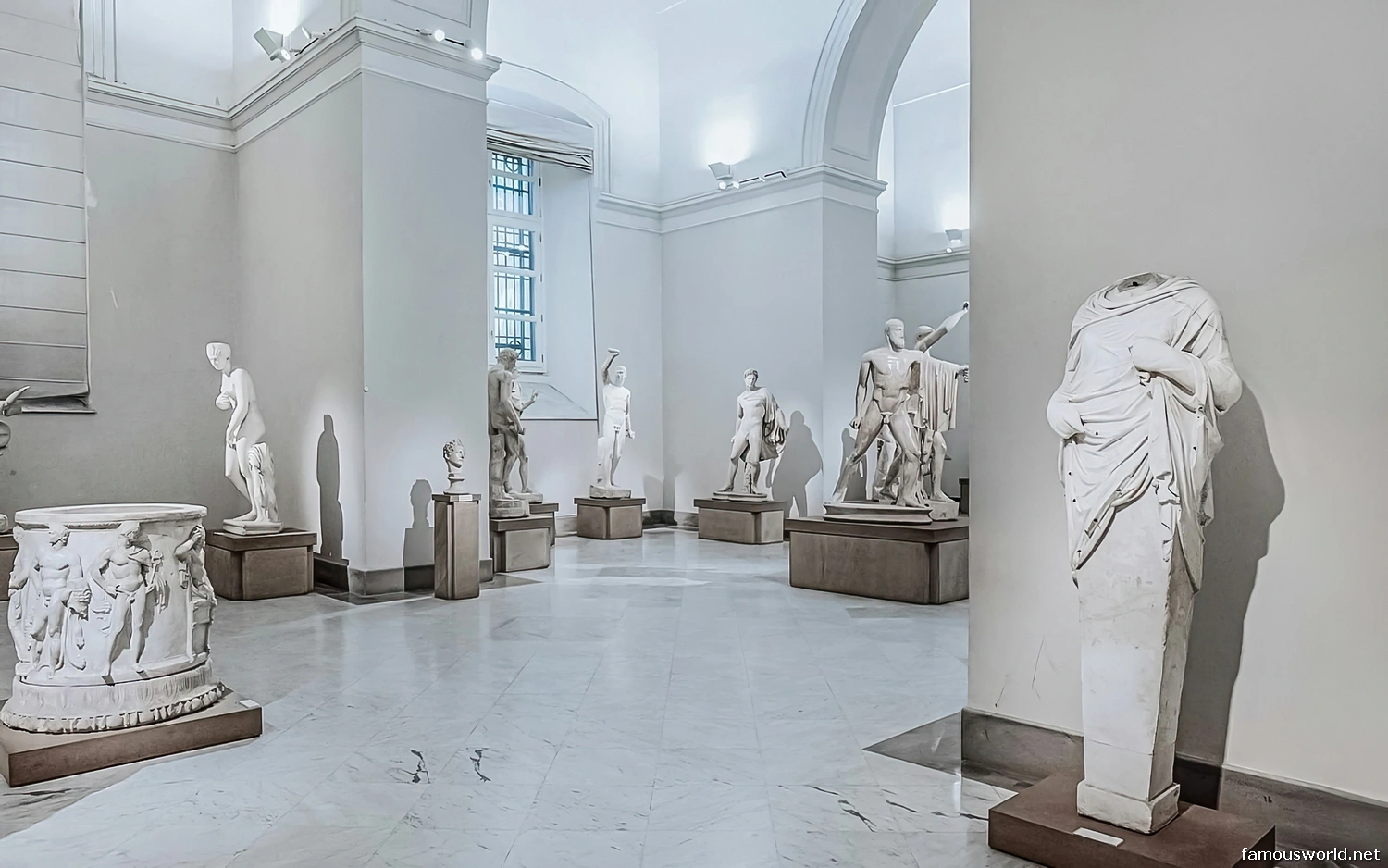
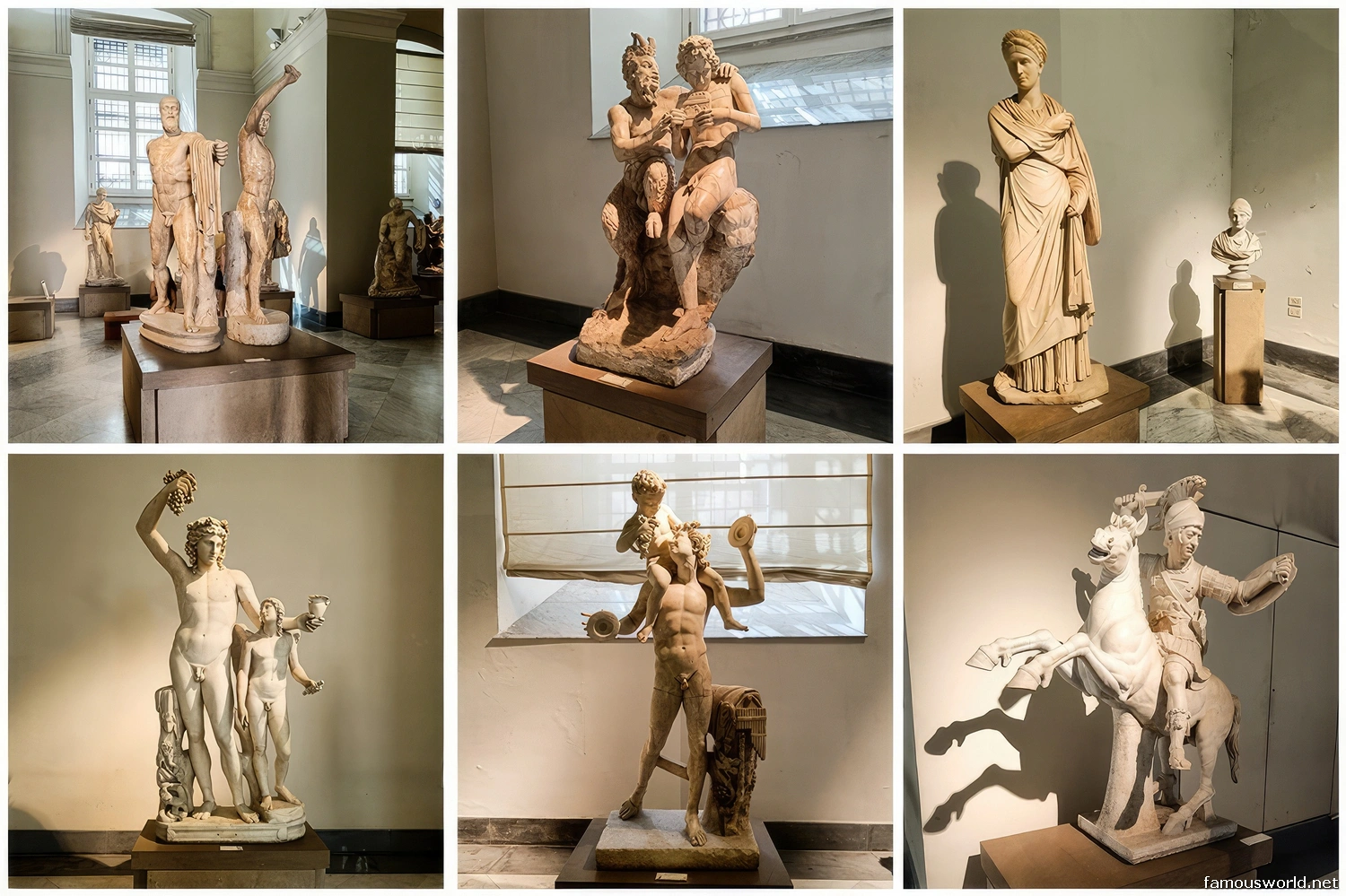

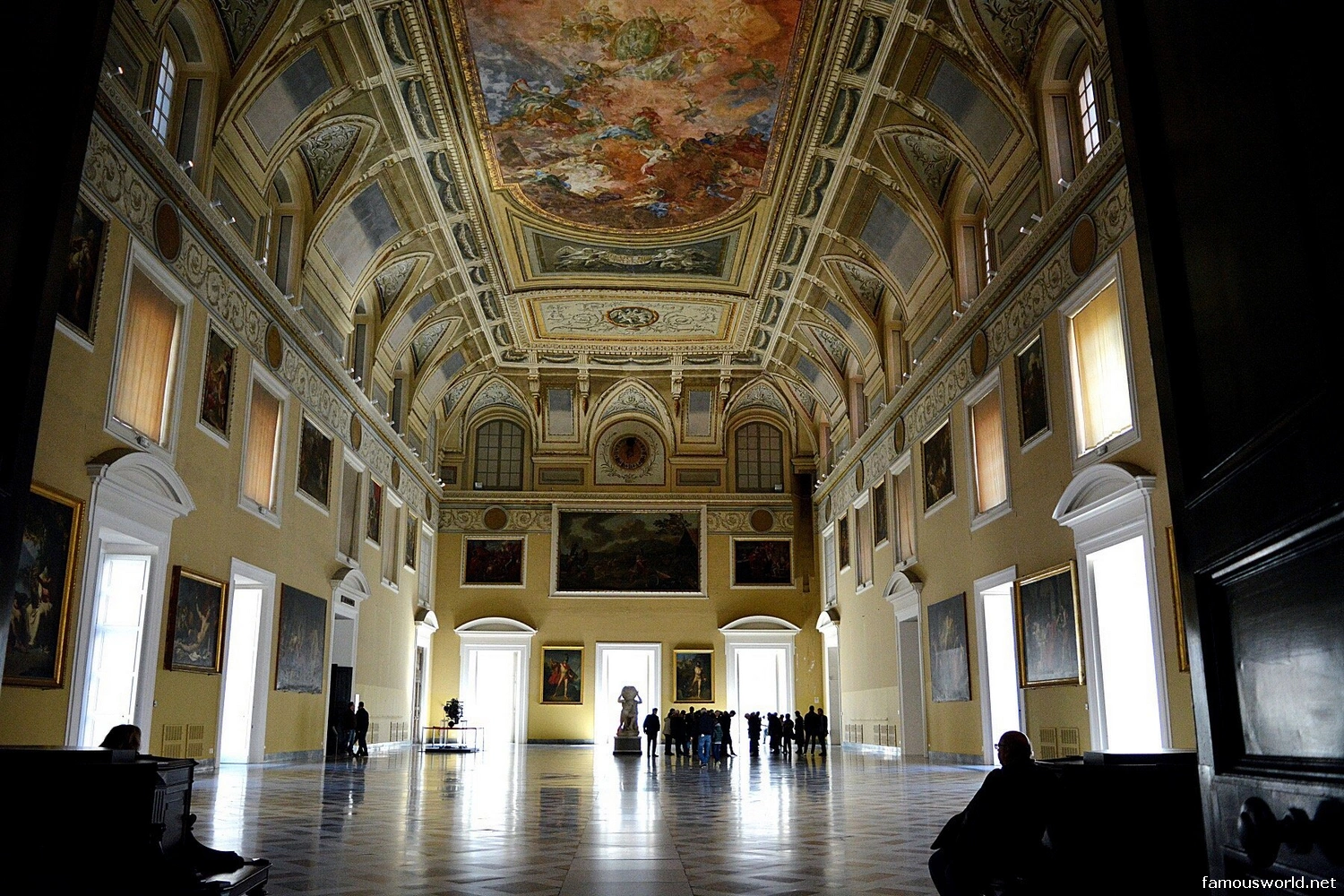
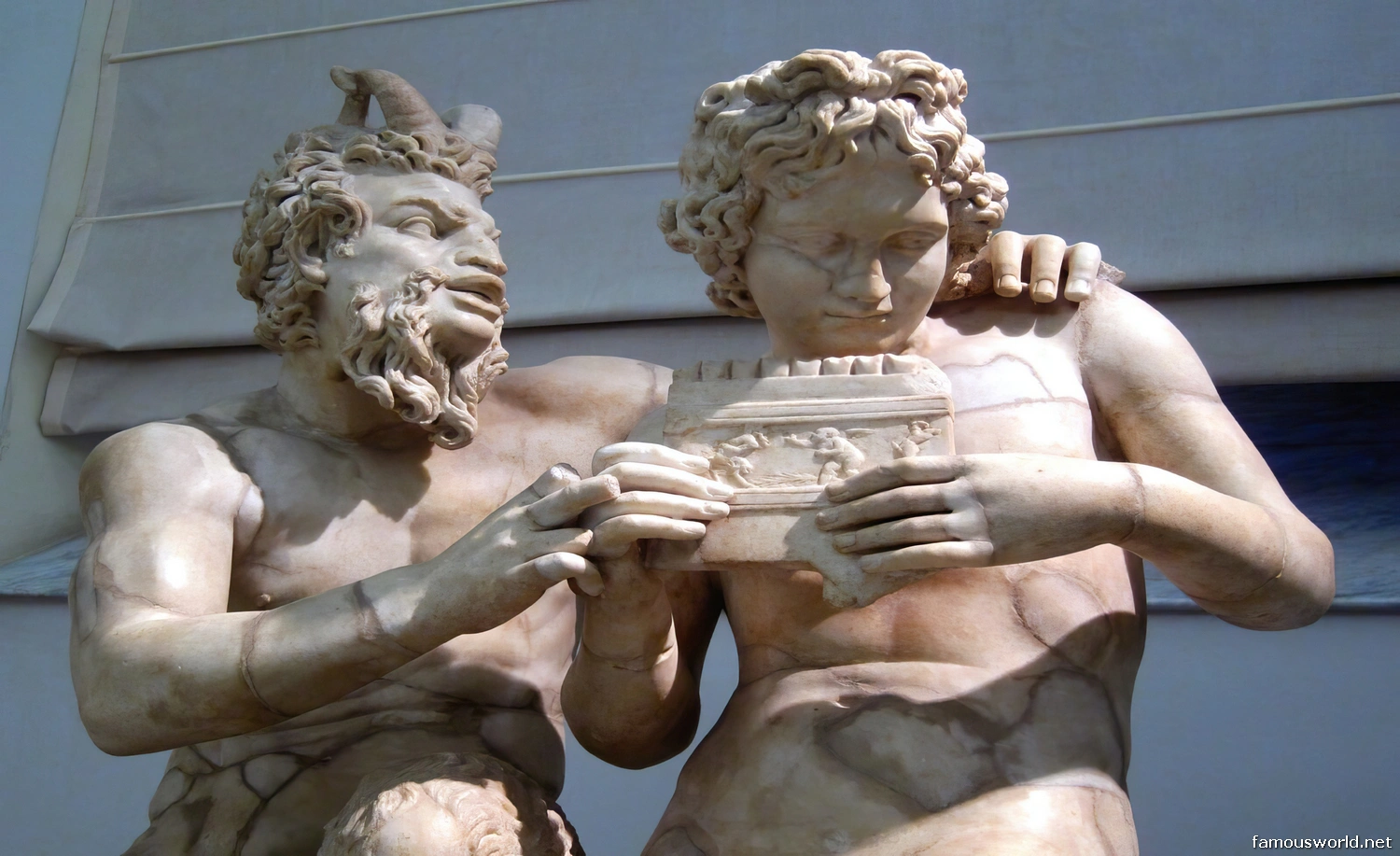
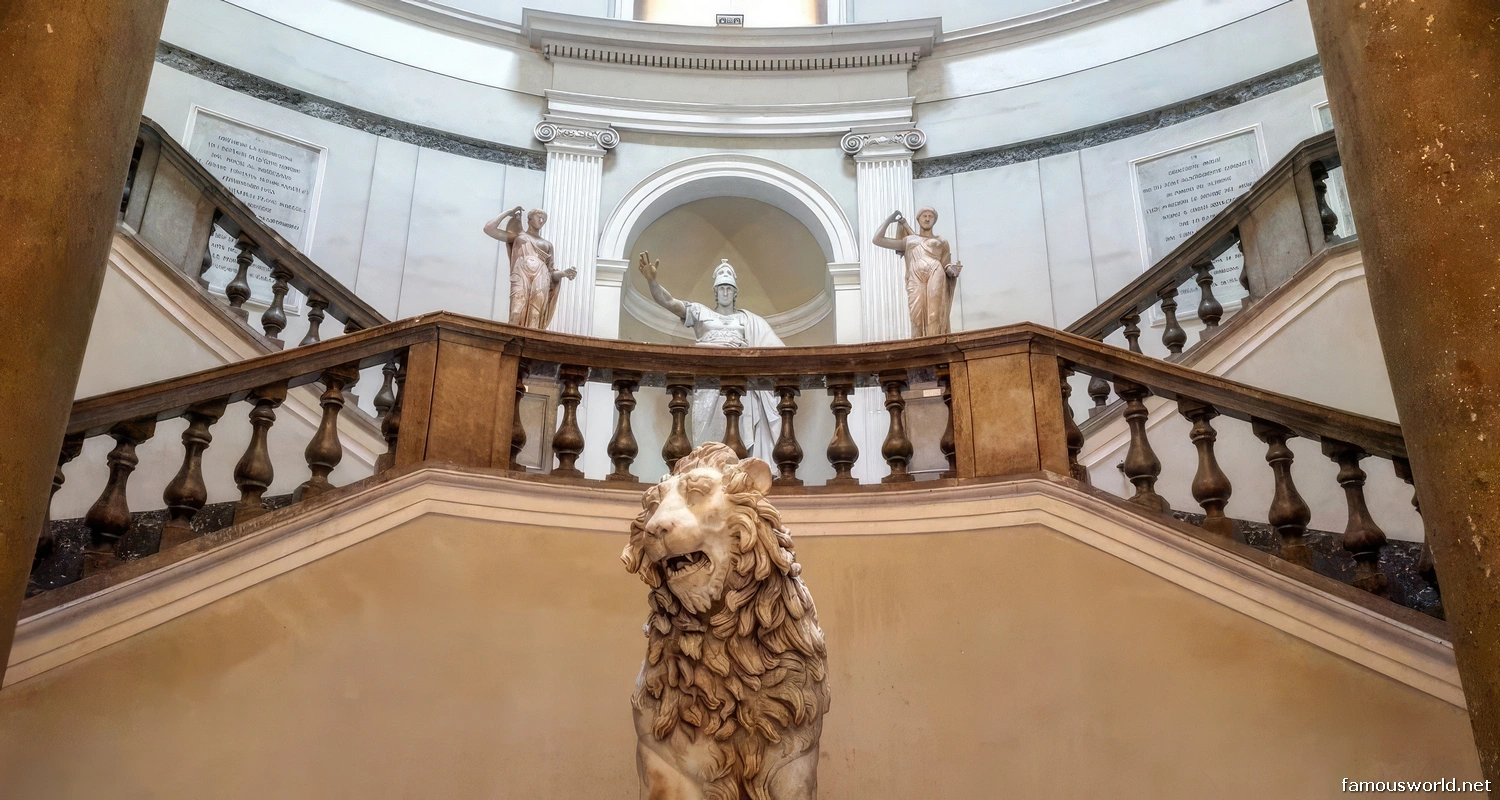
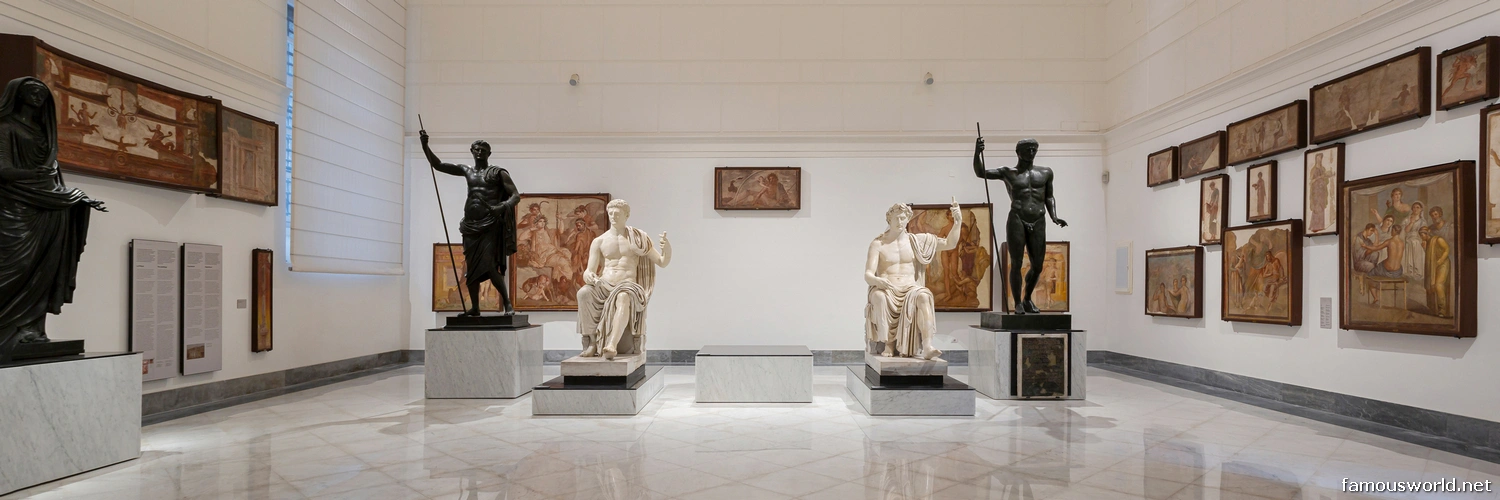
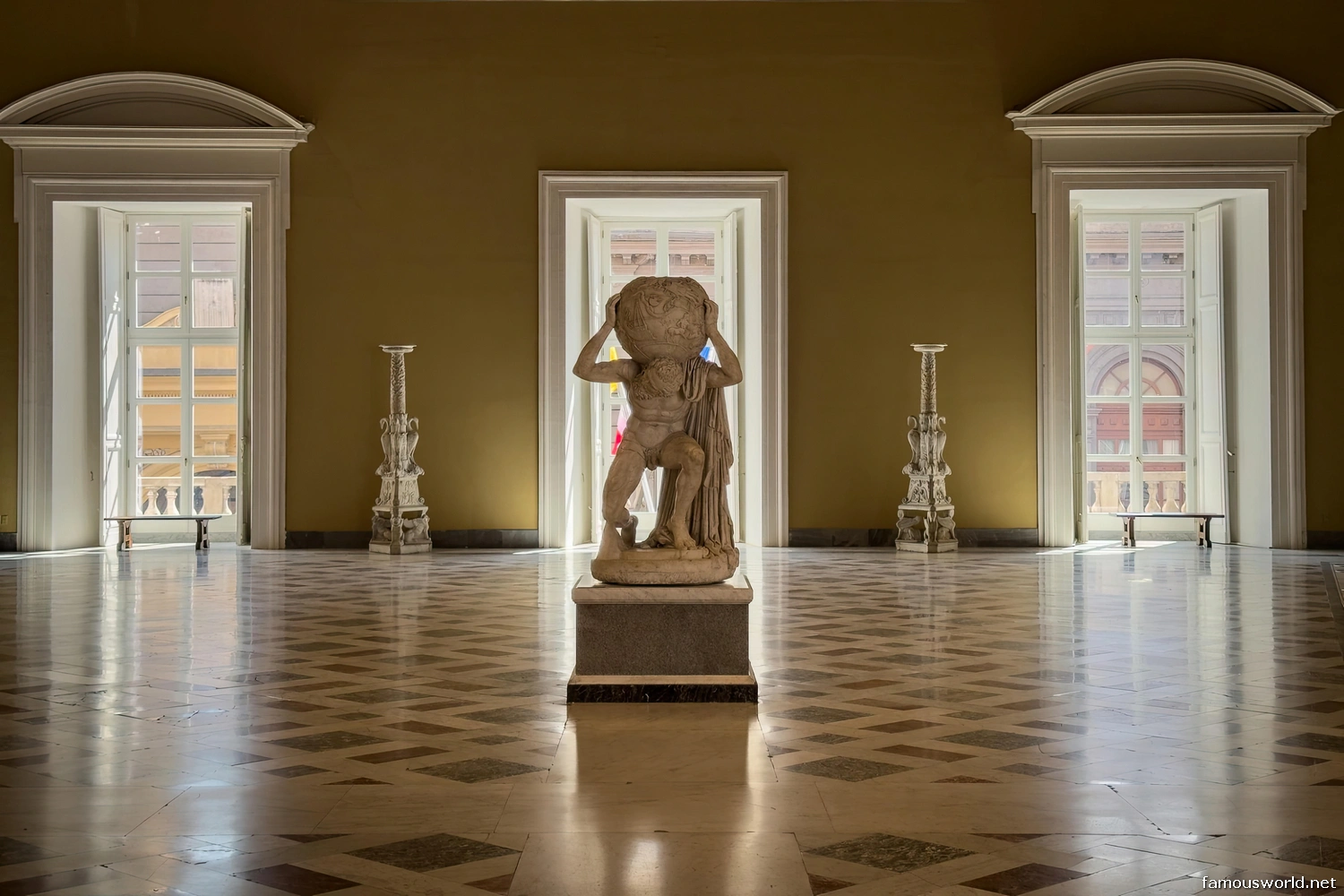
The National Archaeological Museum of Naples (MANN) is not simply a museum; it is one of the world’s most important and comprehensive repositories of Greco-Roman antiquities. Housed in a monumental Bourbon palace, it is the primary caretaker of the priceless treasures unearthed from the volcanic ash of Pompeii and Herculaneum. To walk its halls is to walk through the public and private lives of the ancient world, from the colossal marble gods of the Farnese Collection to the most intimate and delicate frescoes that once adorned Roman villas. The museum’s sheer scale and the unparalleled quality of its collection, including the famous Alexander Mosaic and the once-scandalous “Secret Cabinet,” make it an essential pilgrimage for anyone seeking to understand the art, culture, and daily life of the Roman Empire.
Listen to an introduction about Museo Archeologico Nazionale di Napoli

Name and Location
- Name: Museo Archeologico Nazionale di Napoli (MANN).
- Location: In the center of Naples, Italy, at Piazza Museo, 19.
How to Get There
The museum is a major landmark in Naples and is well-connected.
- By Metro: The easiest way to arrive. The “Museo” station (Line 1) and “Piazza Cavour” station (Line 2) are both located directly at the museum.
- By Bus: Numerous city bus lines stop in the piazza directly in front of the museum.
- By Car: Driving in central Naples is notoriously difficult. It is highly recommended to use public transportation.
- On Foot: The museum is within reasonable walking distance (15-20 minutes) from the main historical center (Centro Storico).
Landscape and Architecture
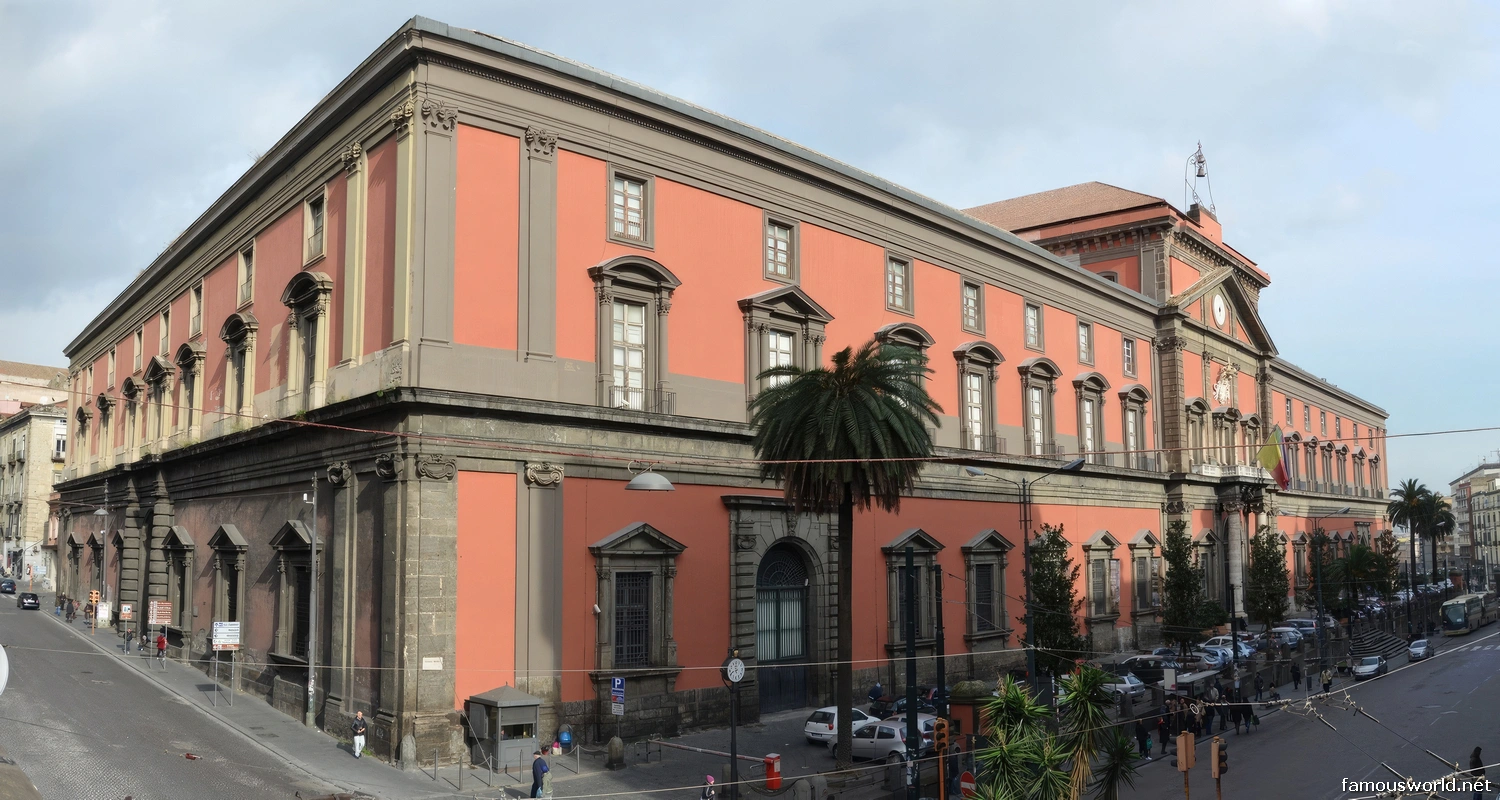
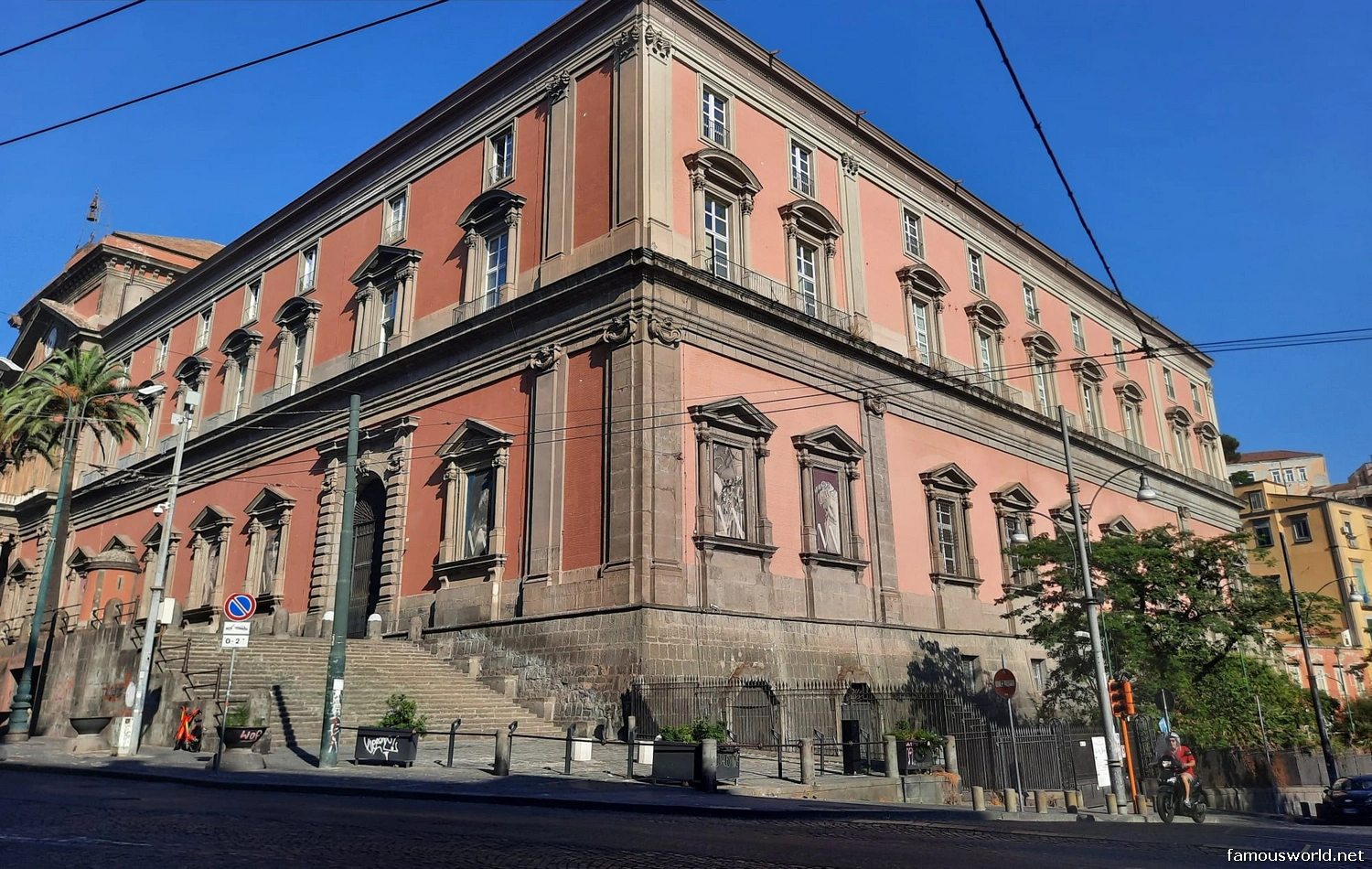
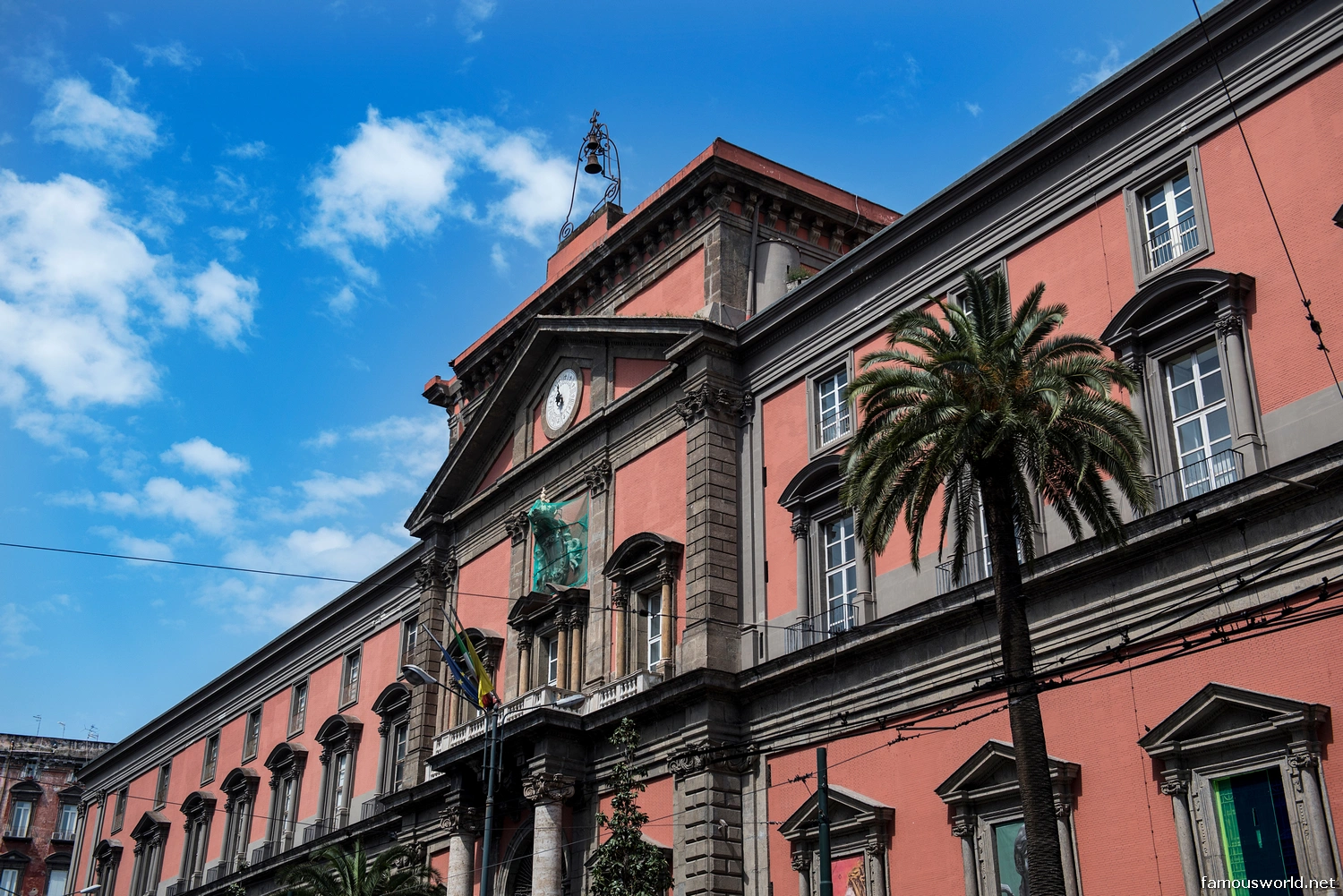
The museum is housed in a grand and imposing building that has served multiple purposes throughout its history.
- Bourbon Palace: The building was originally constructed in the late 16th century as a cavalry barracks and was later converted to become the seat of the University of Naples in the 17th century.
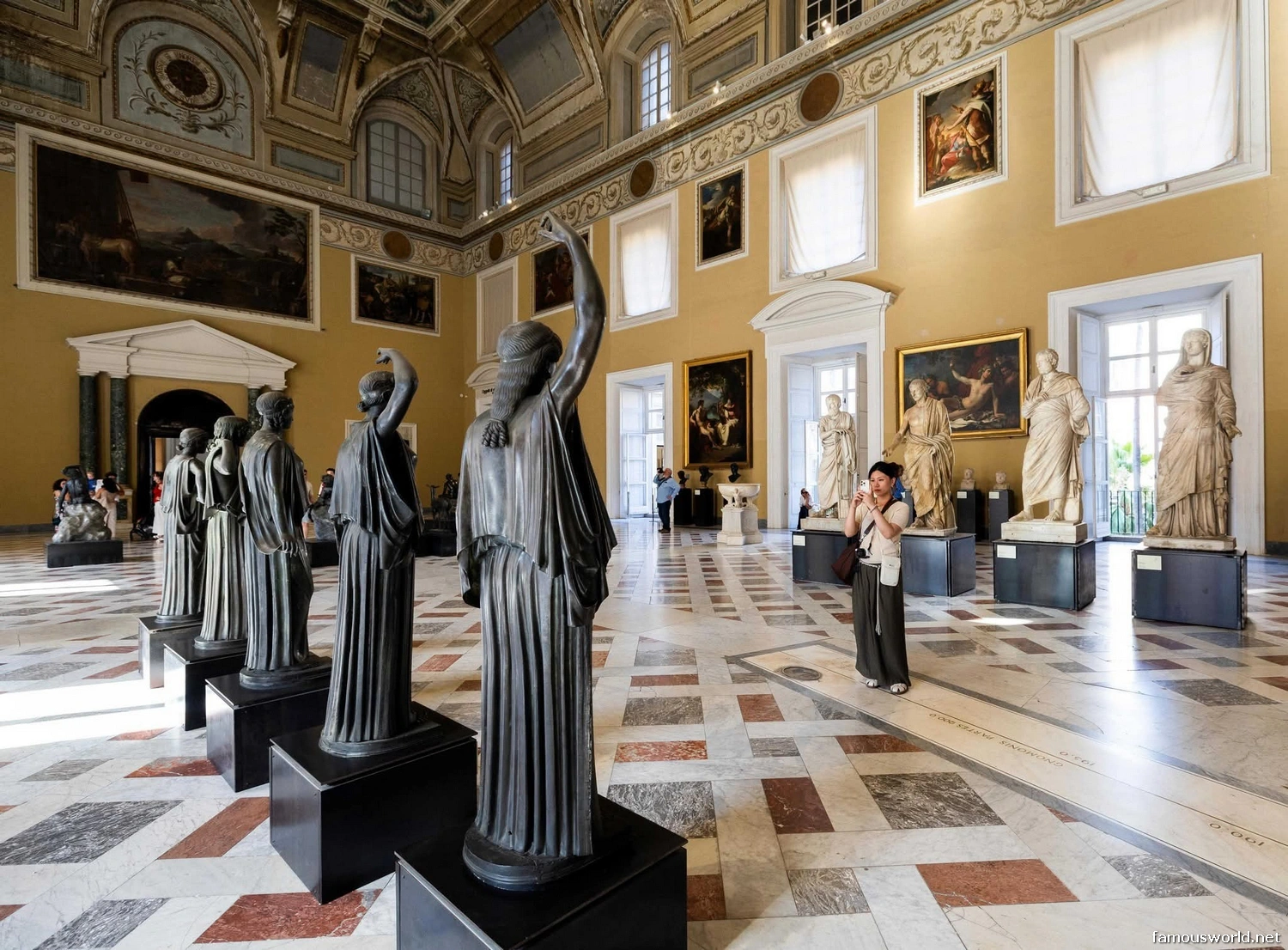
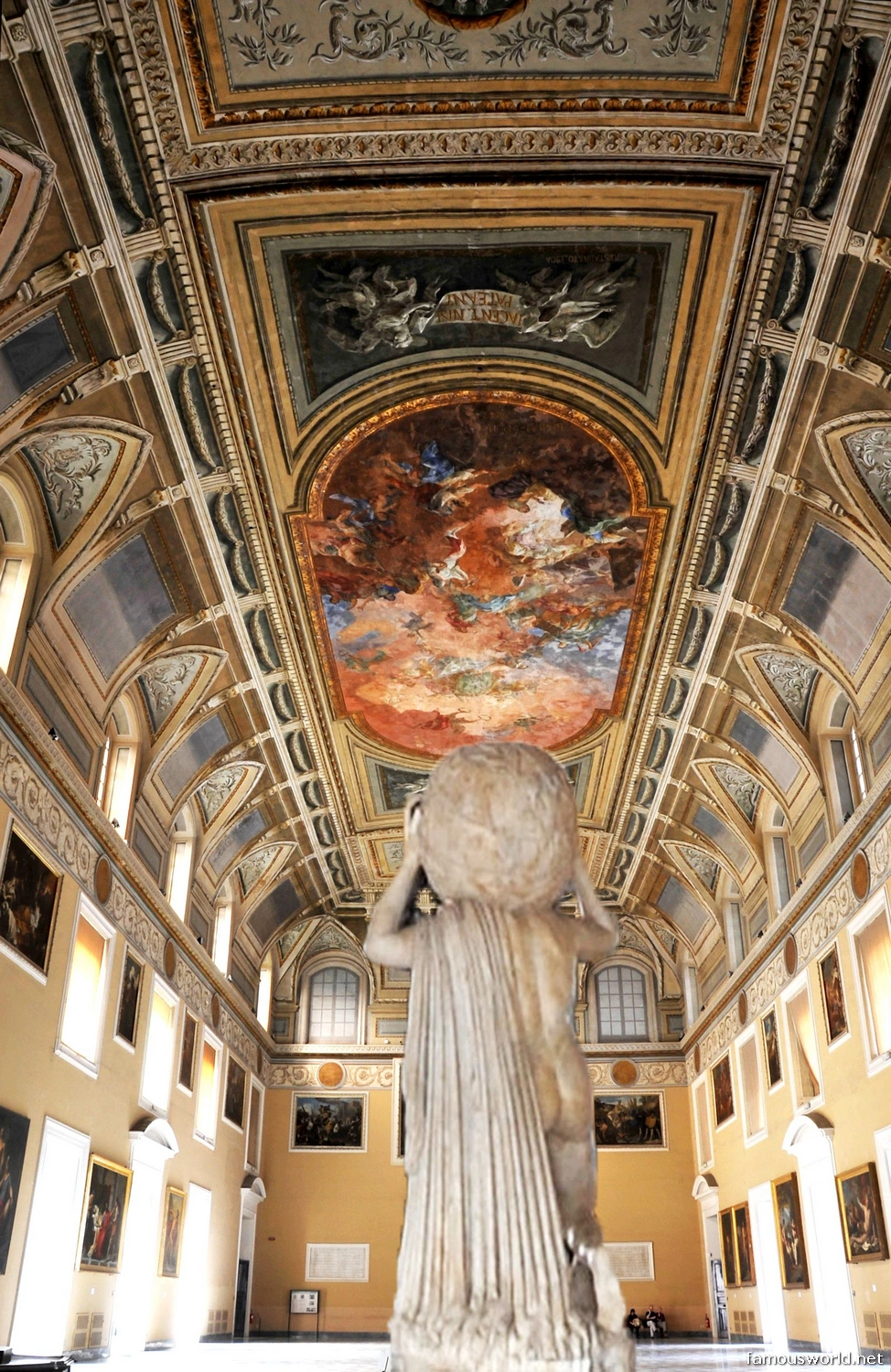
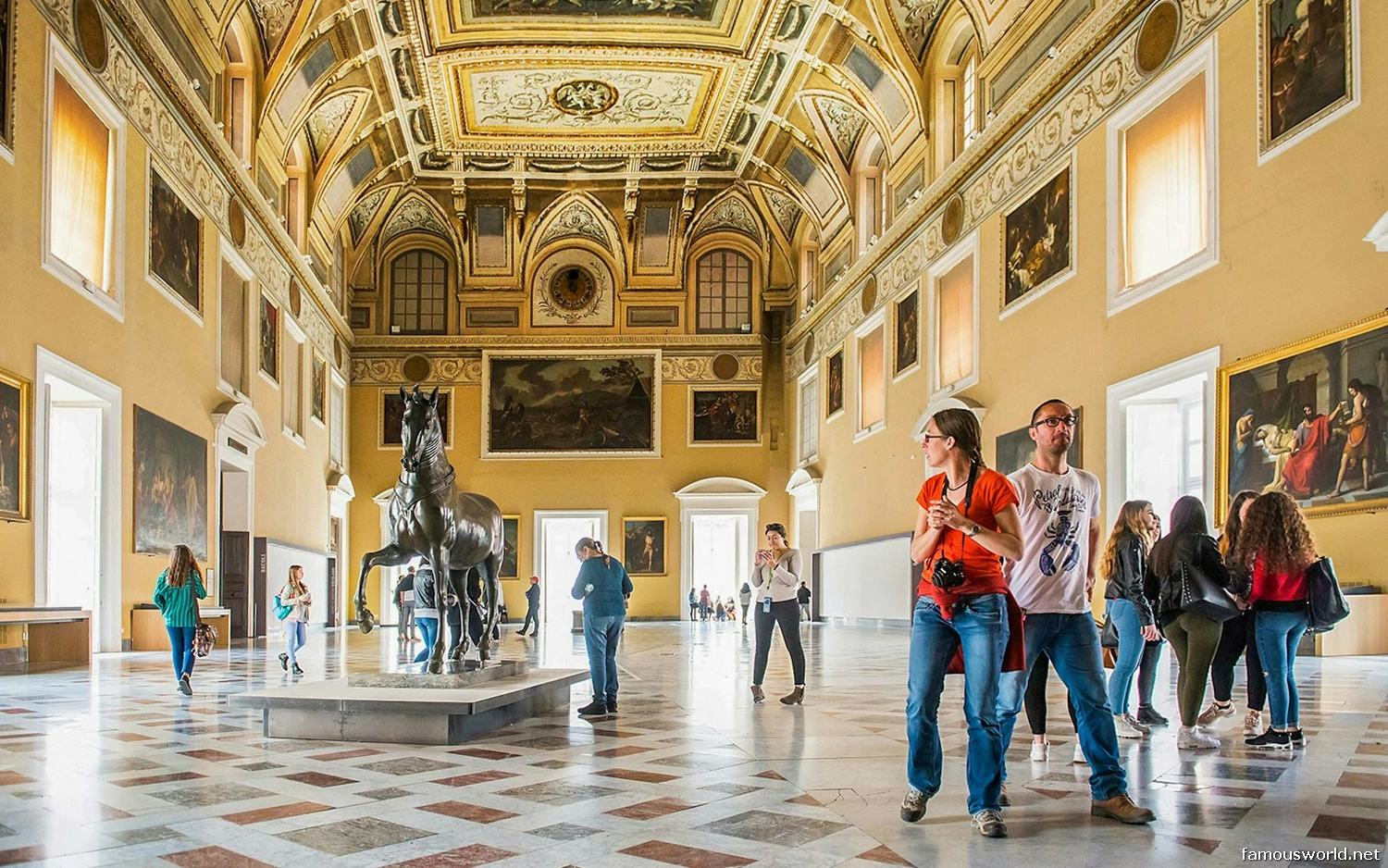
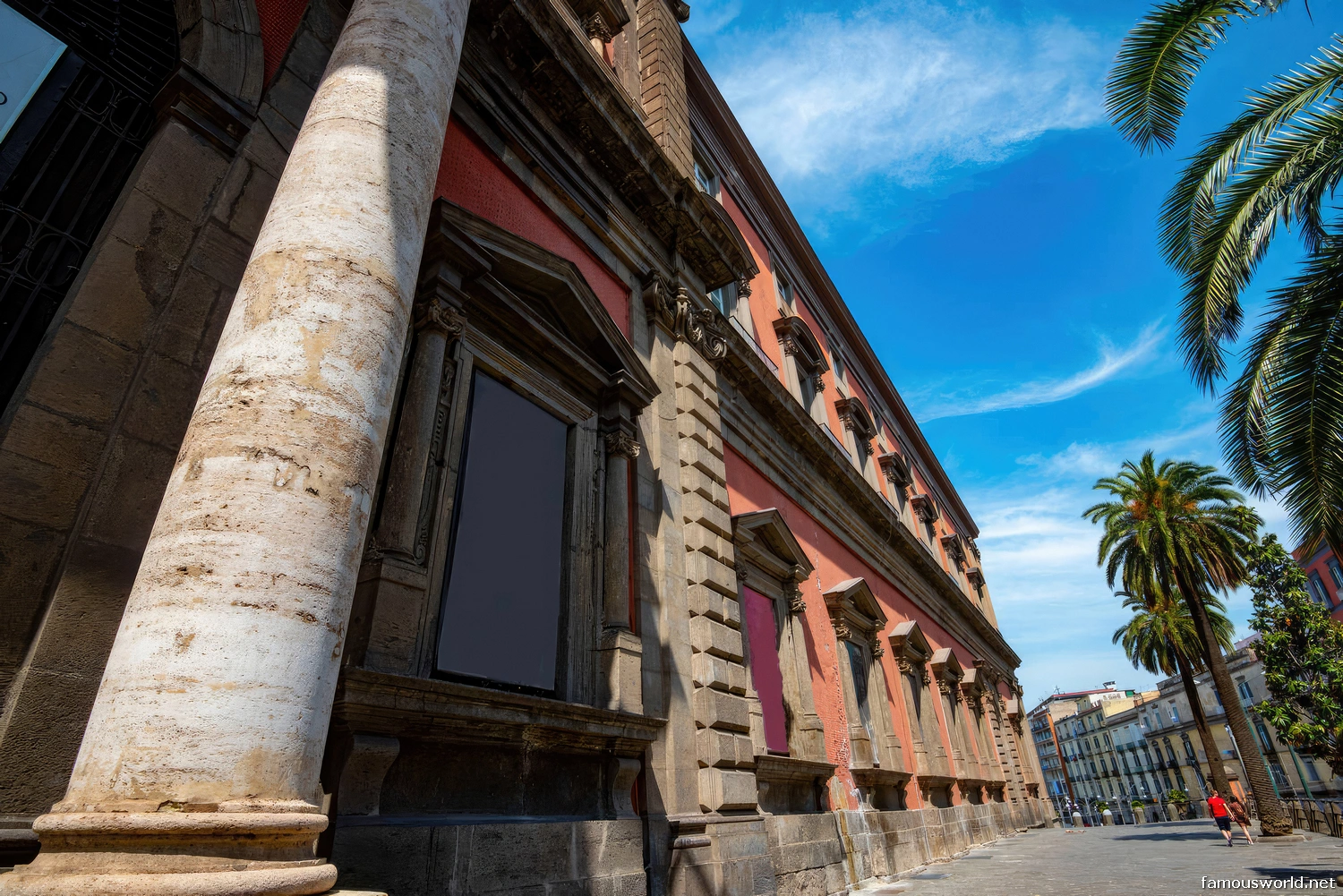
- Monumental Scale: It is a massive, sprawling palace built in a Neoclassical style, reflecting its later conversion into a royal museum by the Bourbon monarchy. Its vast halls, grand staircases, and spacious courtyards were designed to display monumental art.
- Historical Layers: The architecture itself tells a story, evolving from a military structure to a center of learning and finally to one of the world’s great public museums.
What Makes It Famous
MANN’s fame rests on its unrivaled collection of artifacts from the cities buried by Vesuvius and the colossal sculptures of the Farnese Collection.
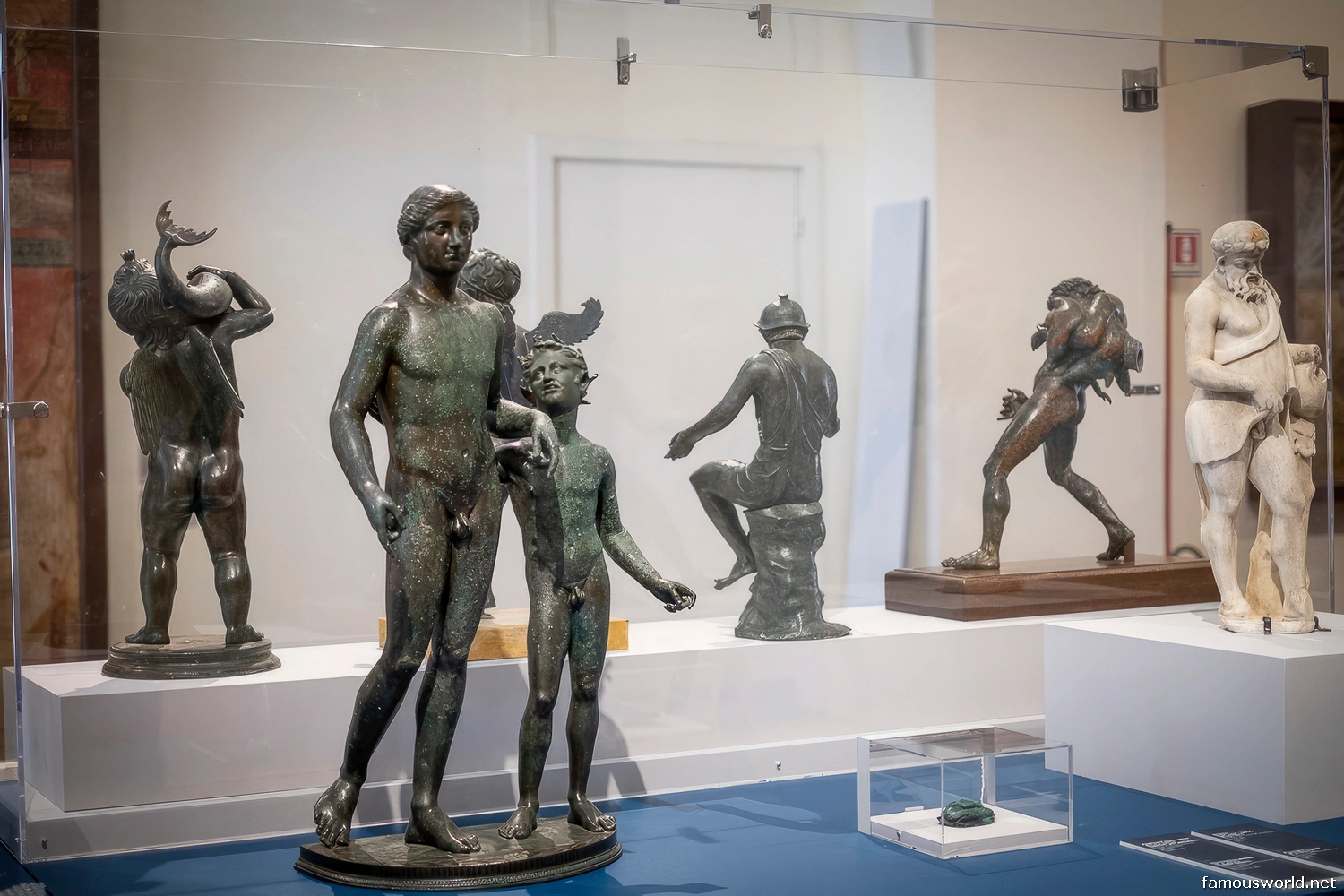
- Pompeii and Herculaneum Collection: This is the museum’s core. It holds the vast majority of the high-quality frescoes, mosaics, sculptures, and everyday objects (from glassware to carbonized food) recovered from these Roman cities.
- The Alexander Mosaic: One of the most famous mosaics from antiquity, discovered in the House of the Faun in Pompeii. It depicts the battle between Alexander the Great and Darius III of Persia with incredible detail and drama.
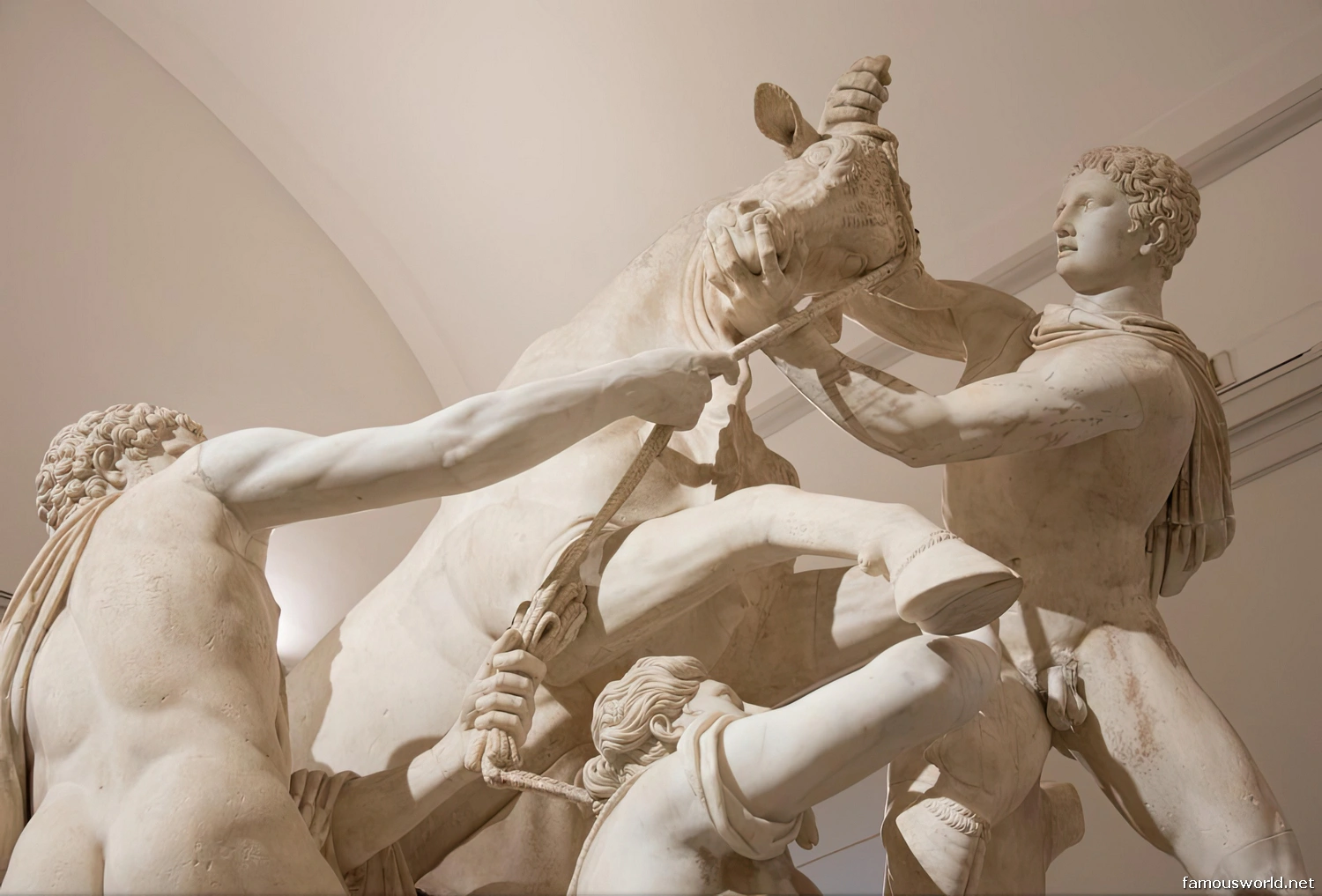
- The Farnese Collection: A spectacular collection of larger-than-life Roman marble sculptures, including the massive Farnese Bull (the largest single sculpture recovered from antiquity) and the powerfully muscular Farnese Hercules.
- The Secret Cabinet (Gabinetto Segreto): A famous (and once infamous) collection of erotic art from Pompeii and Herculaneum, which was kept locked away from the public for centuries.
Differences from Other Wonders (vs. Roman Archaeological Museum, Positano)
A vast, encyclopedic museum offers a starkly different experience from an intimate, in-situ archaeological site.
- Environment (Monumental Palace vs. Underground Excavation): MANN is a massive, sprawling public palace with grand, sunlit halls designed for exhibition. The MAR in Positano is a small, subterranean site, explored in its original, dimly lit context.
- Focus (Encyclopedic Collection vs. A Single Preserved Home): MANN presents a comprehensive, encyclopedic collection gathered from dozens of sites, covering all aspects of Greco-Roman art and life. The MAR focuses intensely on the story of a single, luxurious home and its inhabitants.
- Core Story (The Grandeur of Antiquity vs. Sudden Catastrophe): The core story of MANN is a celebration of the artistic pinnacle of the classical world. The core story of the MAR is the dramatic, sudden event of the 79 AD eruption that froze a single moment in time.
- Atmosphere (Grand and Academic vs. Intimate and Eerie): The experience at MANN can be overwhelming and academic, a lesson in art history on a grand scale. The experience in Positano is personal, quiet, and eerie, connecting you directly to the last moments of a Roman family.
Location on world map