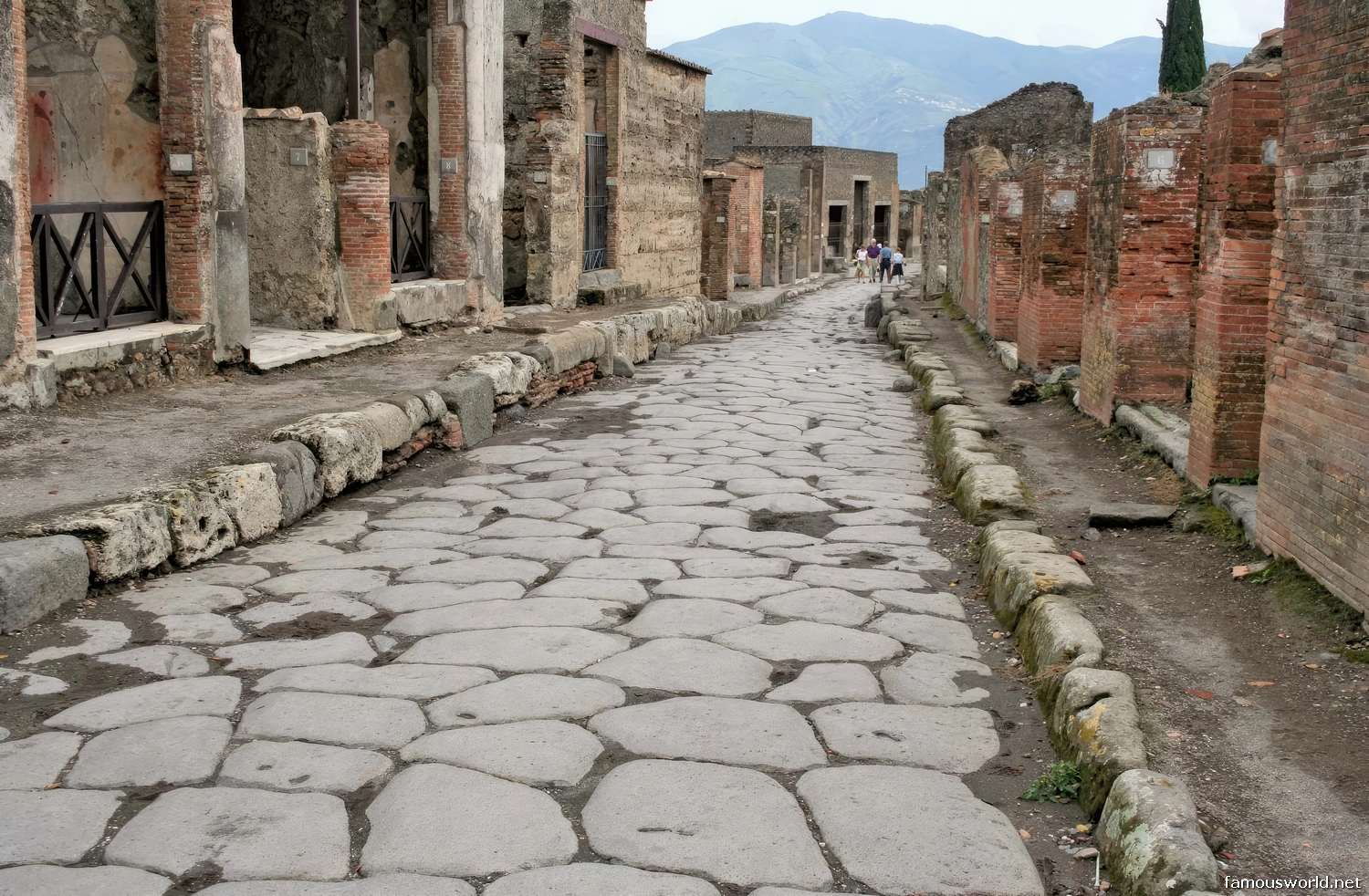
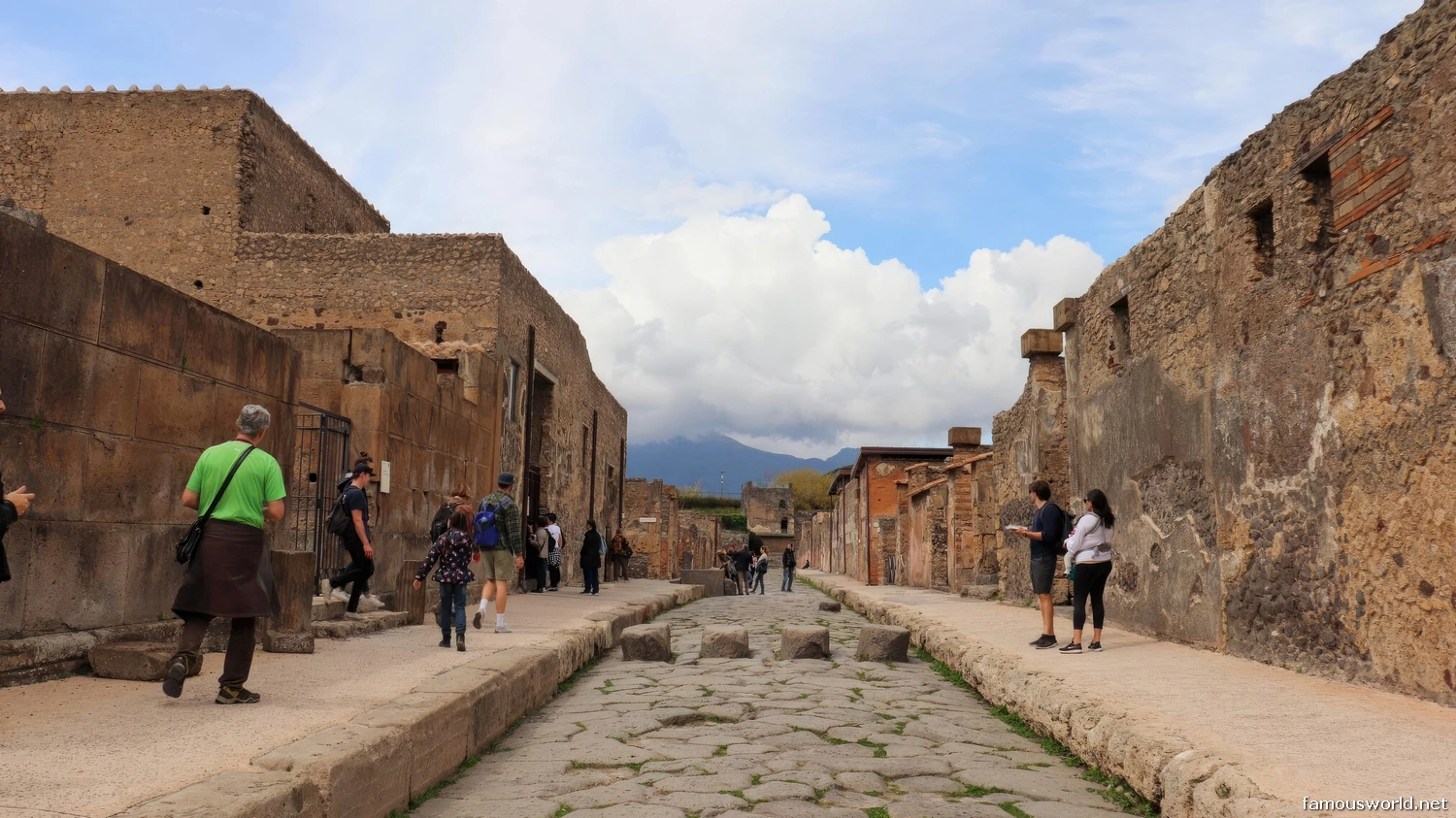
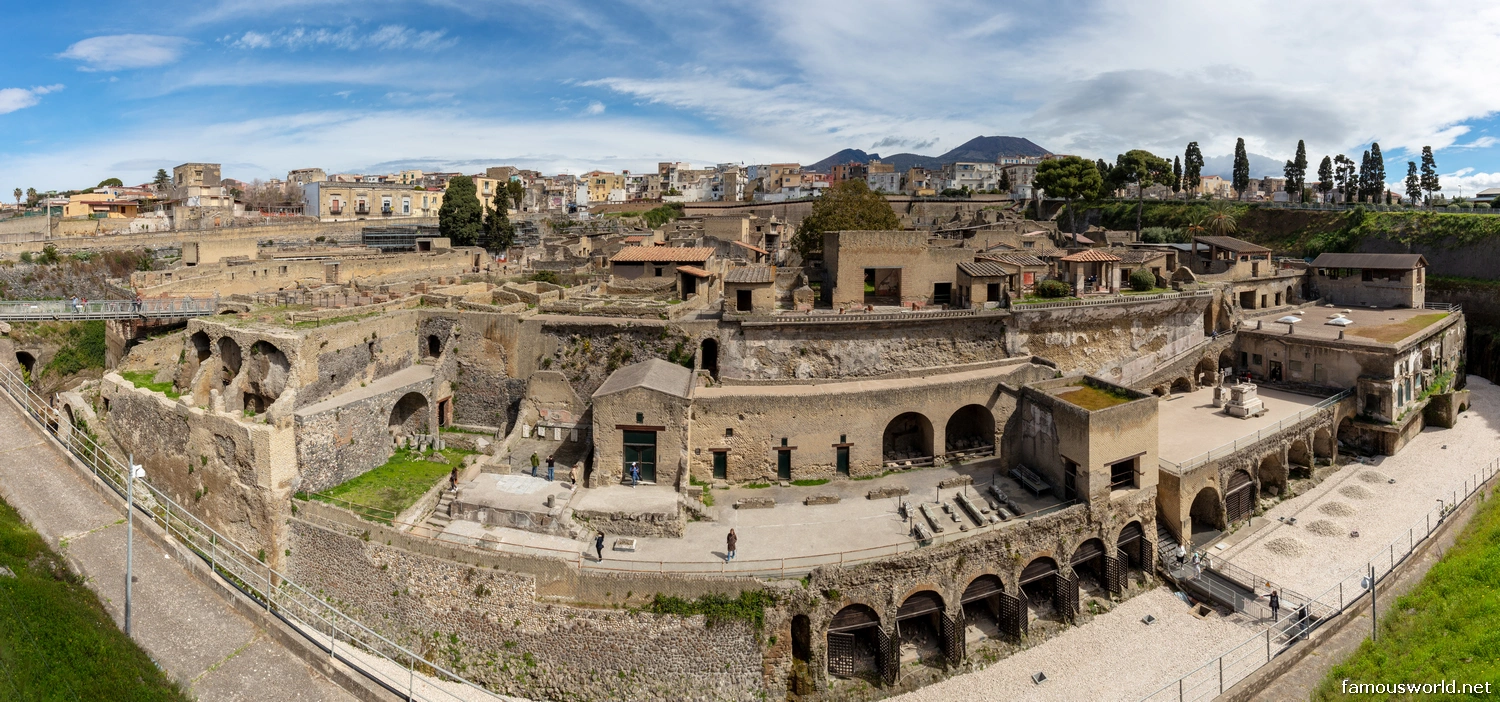
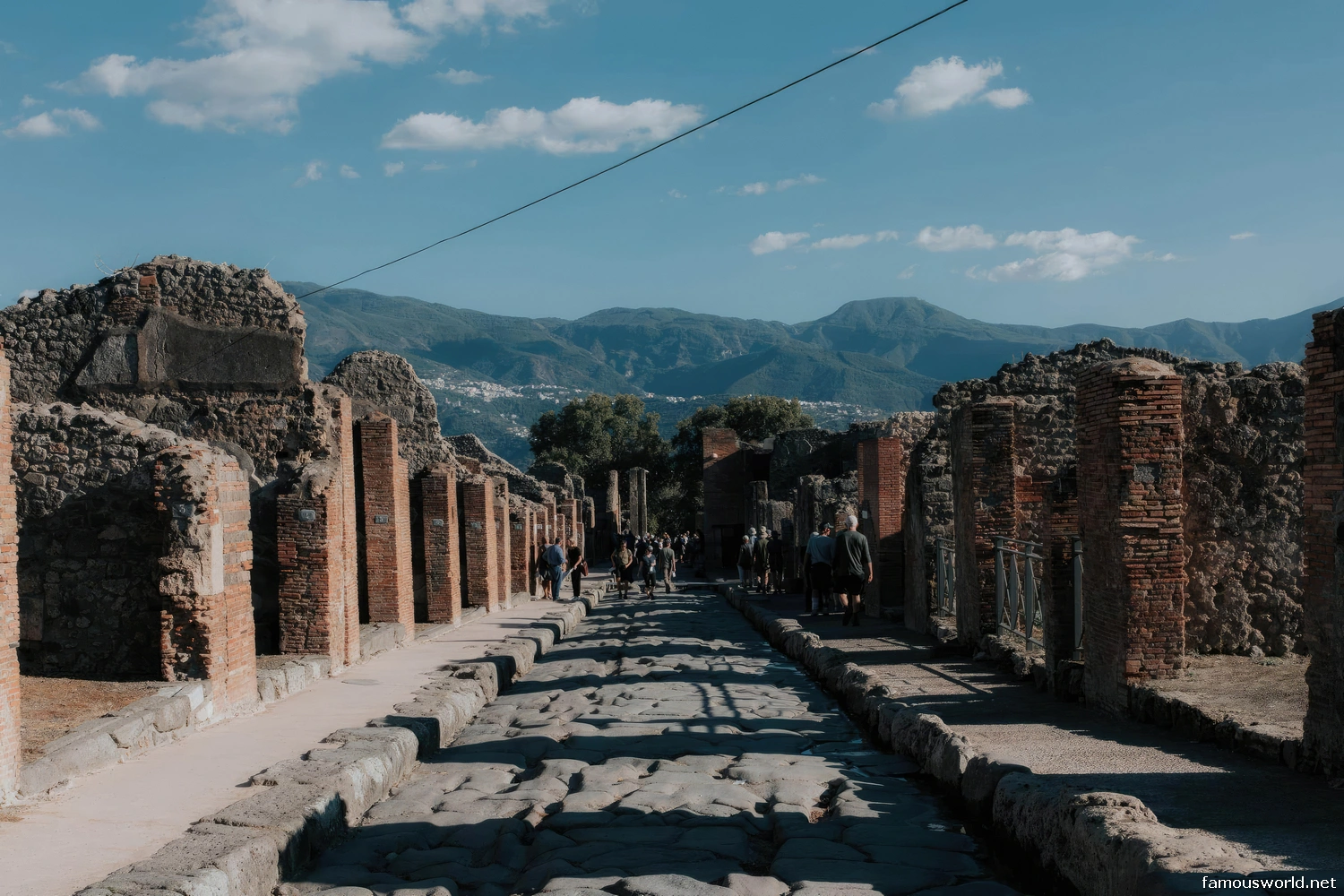
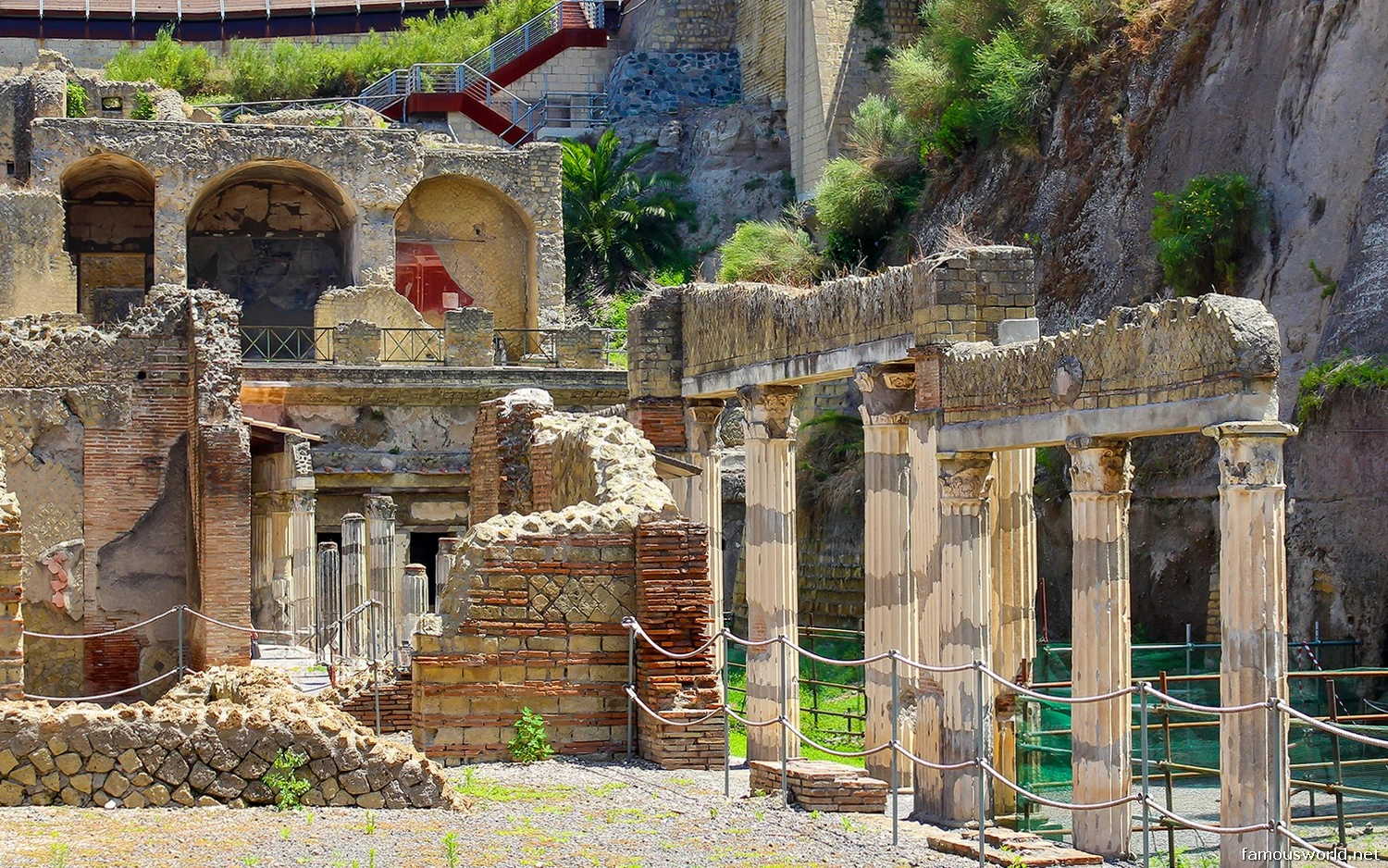
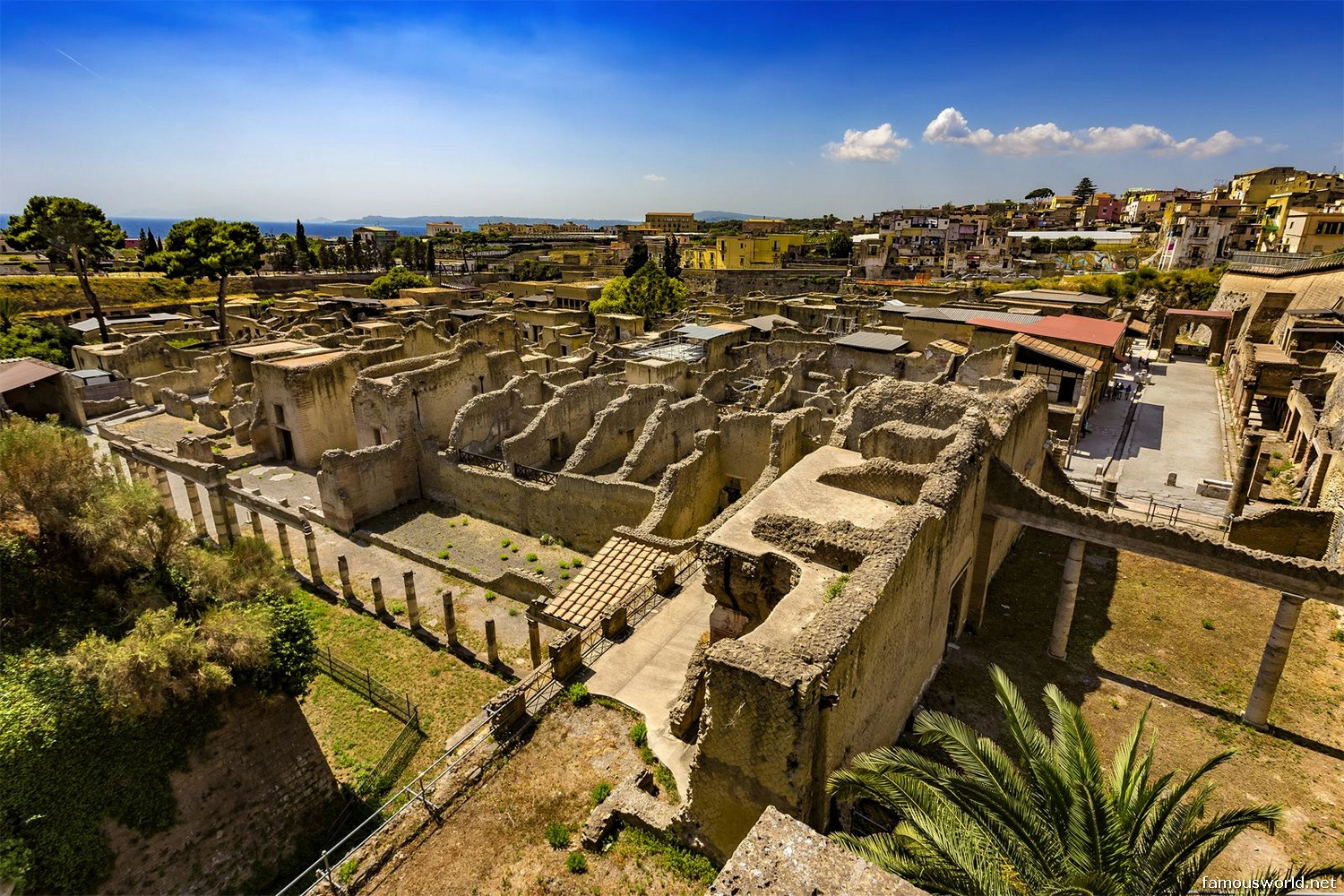
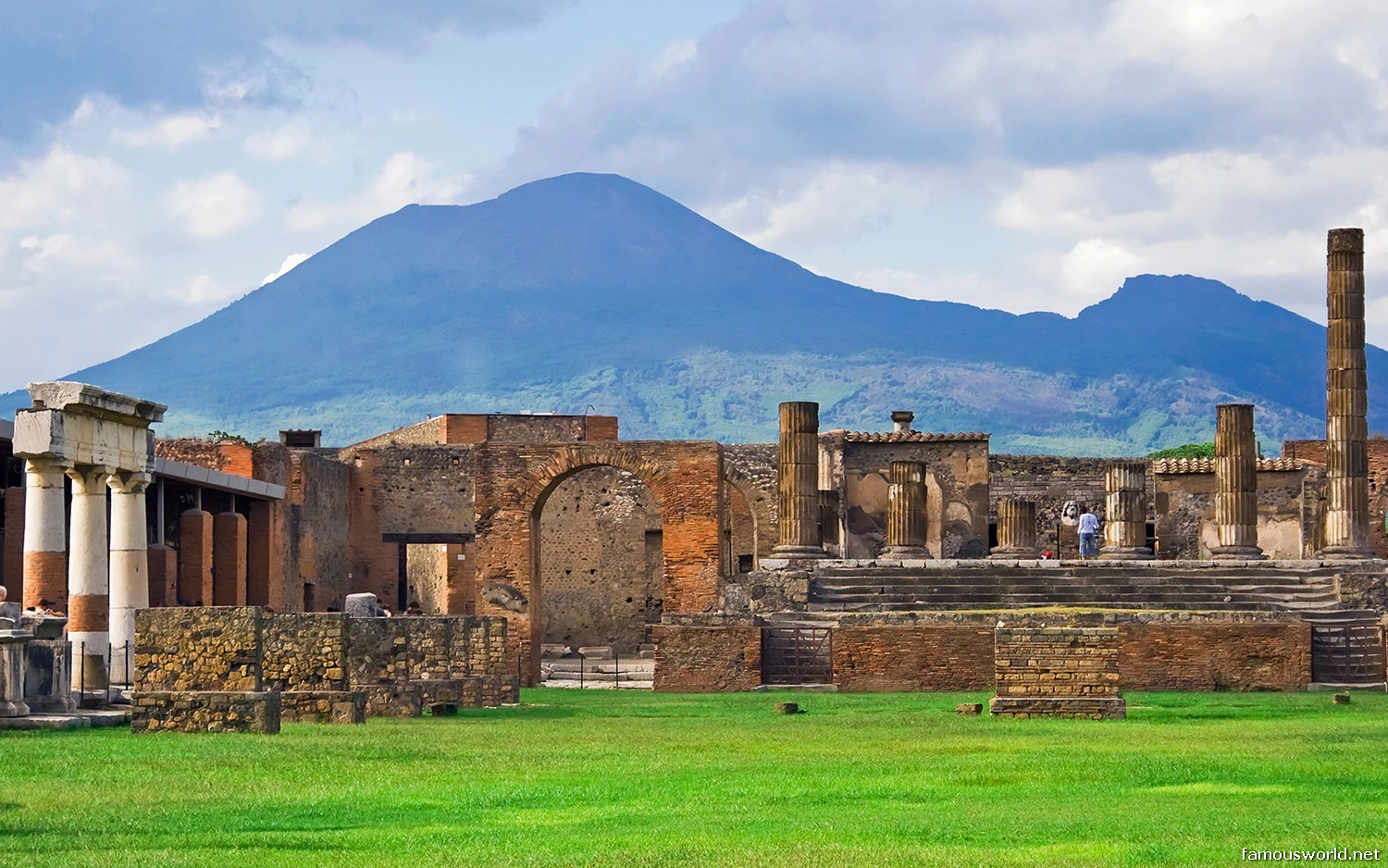
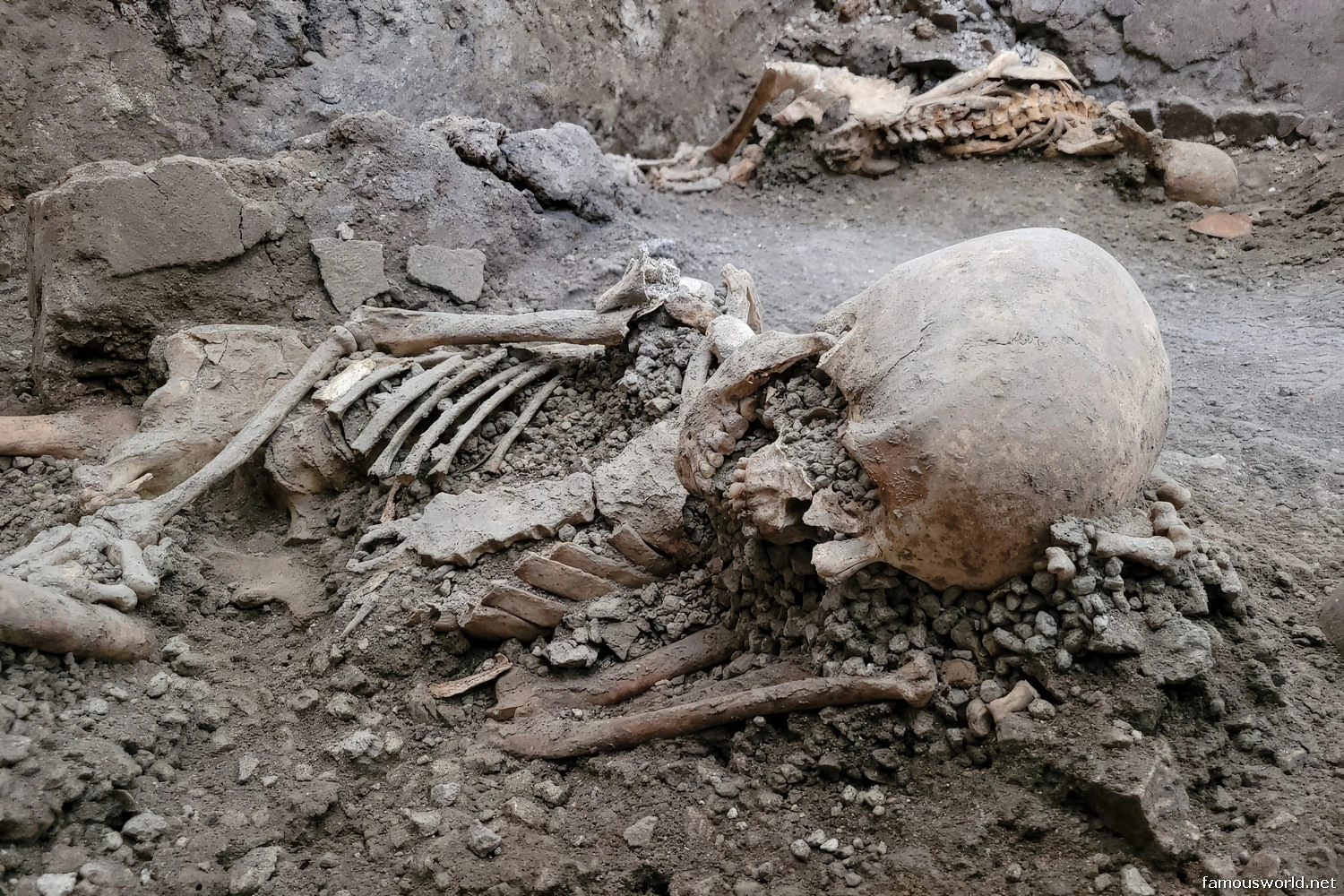
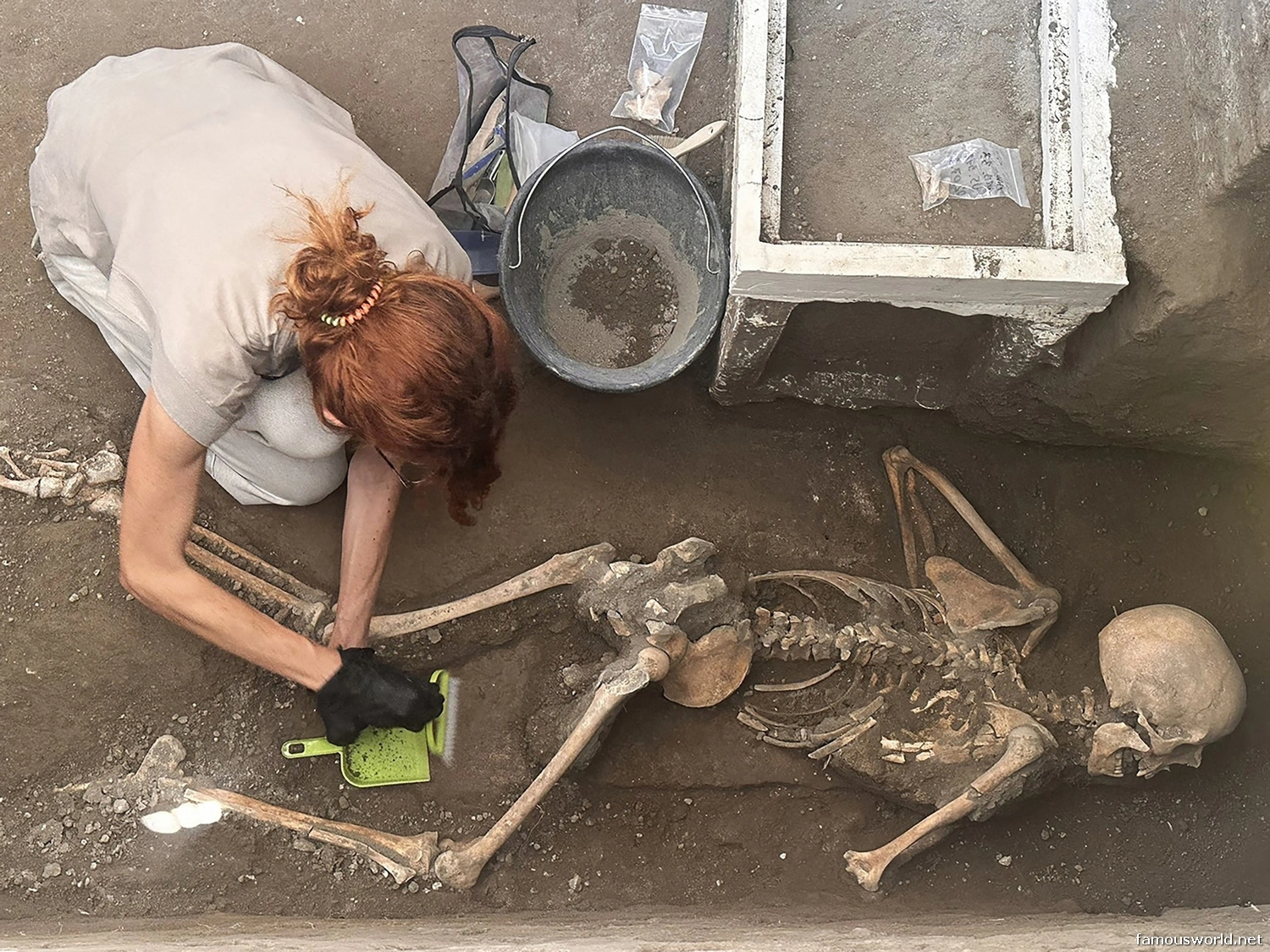
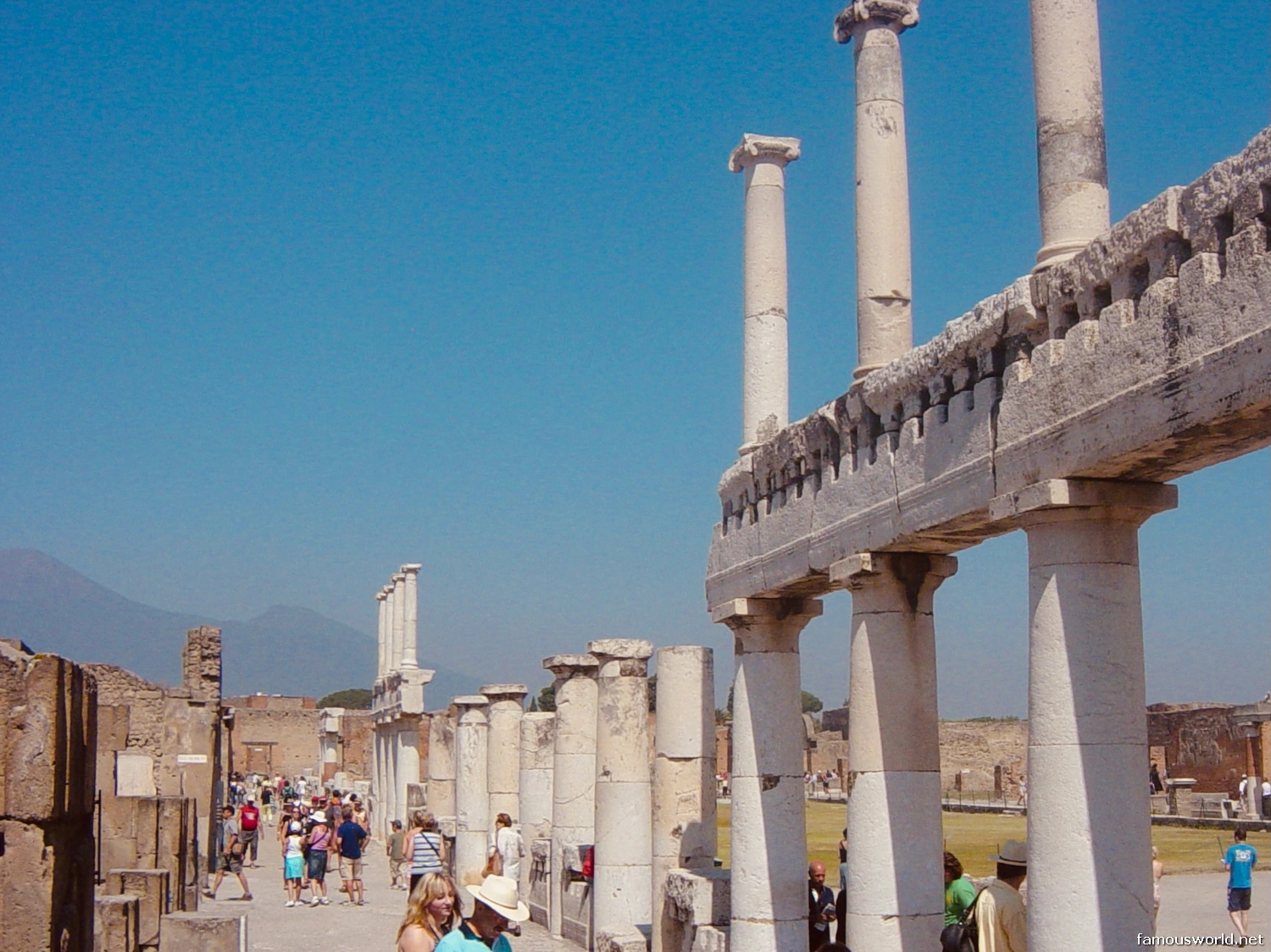
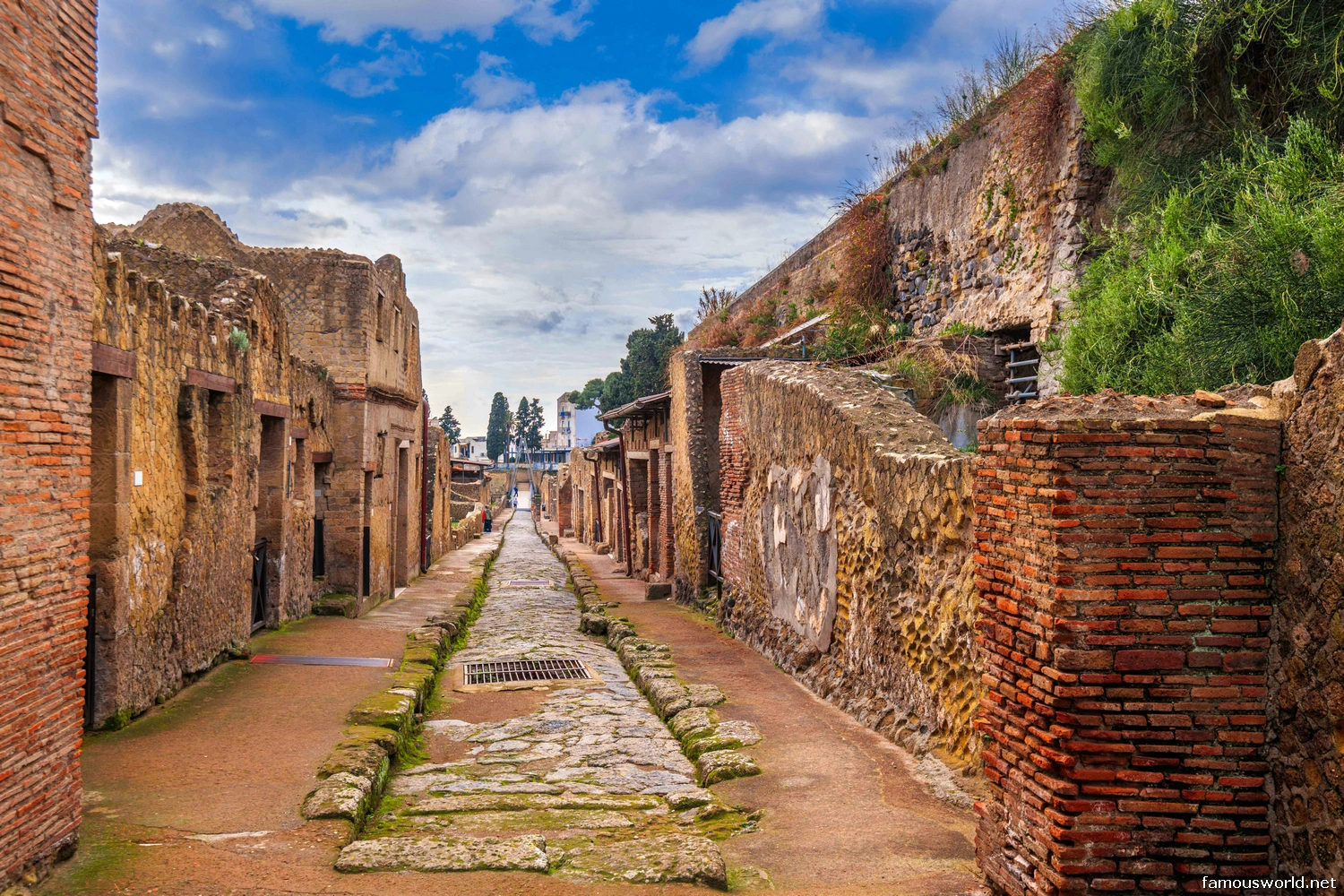
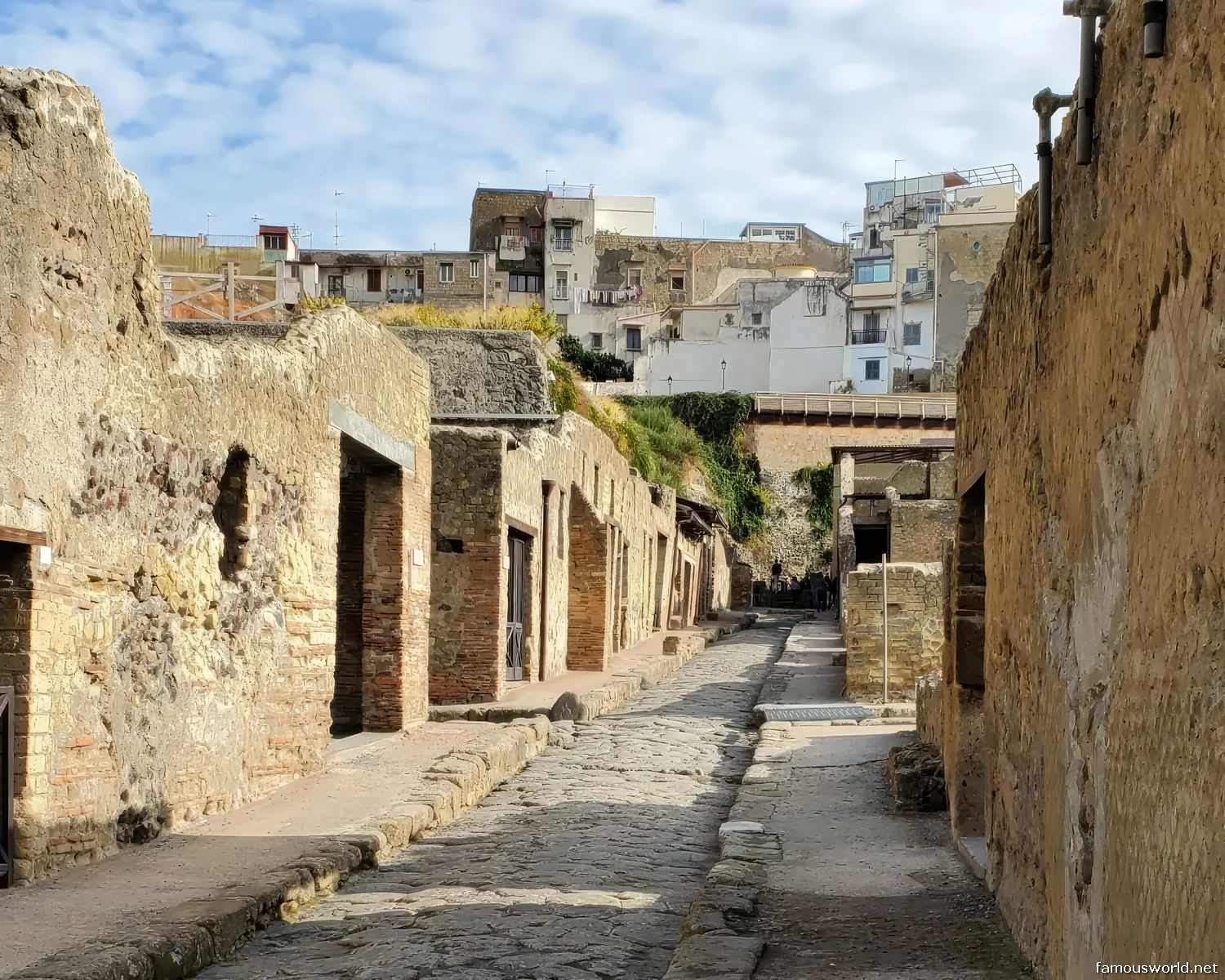
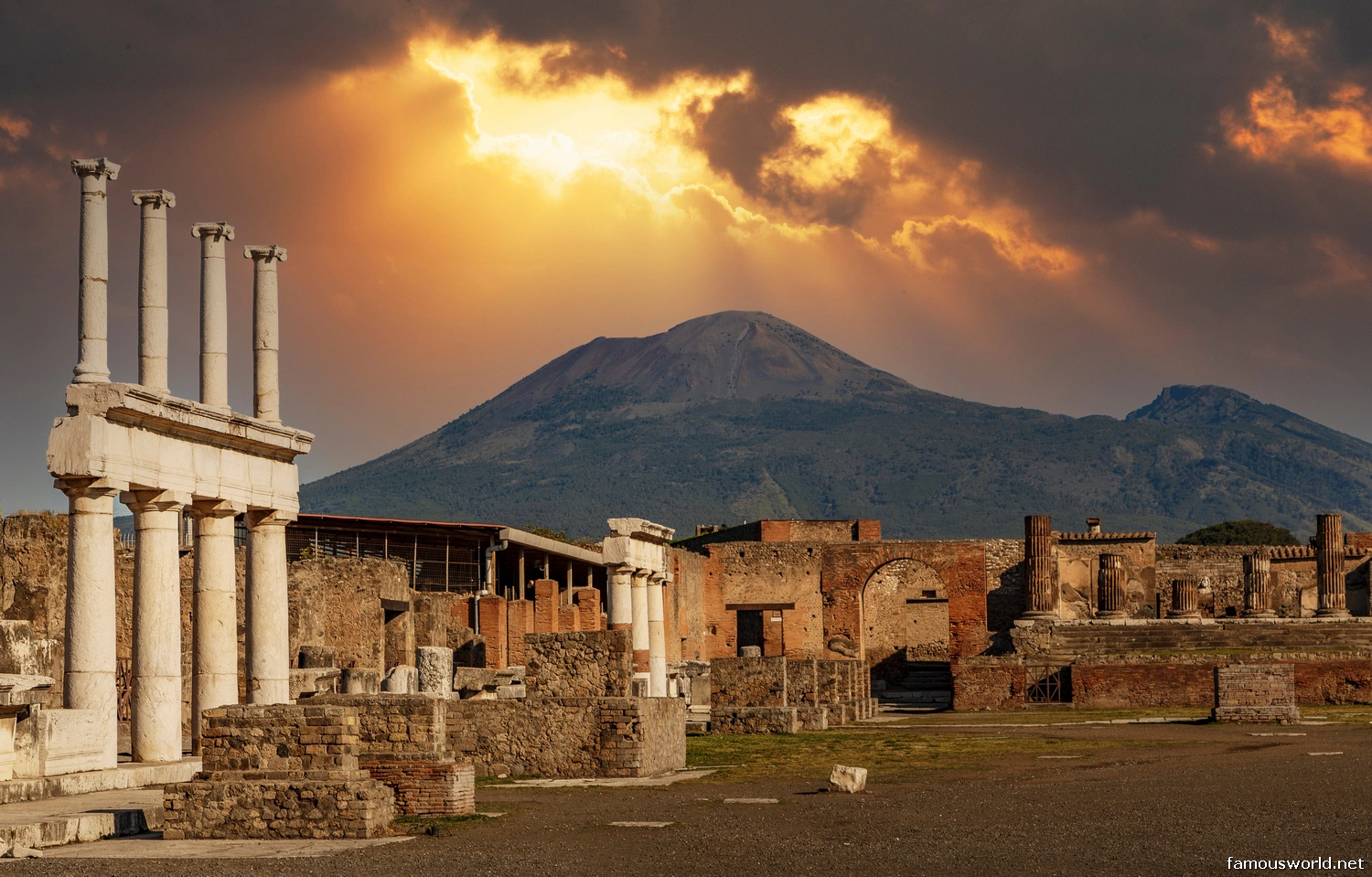
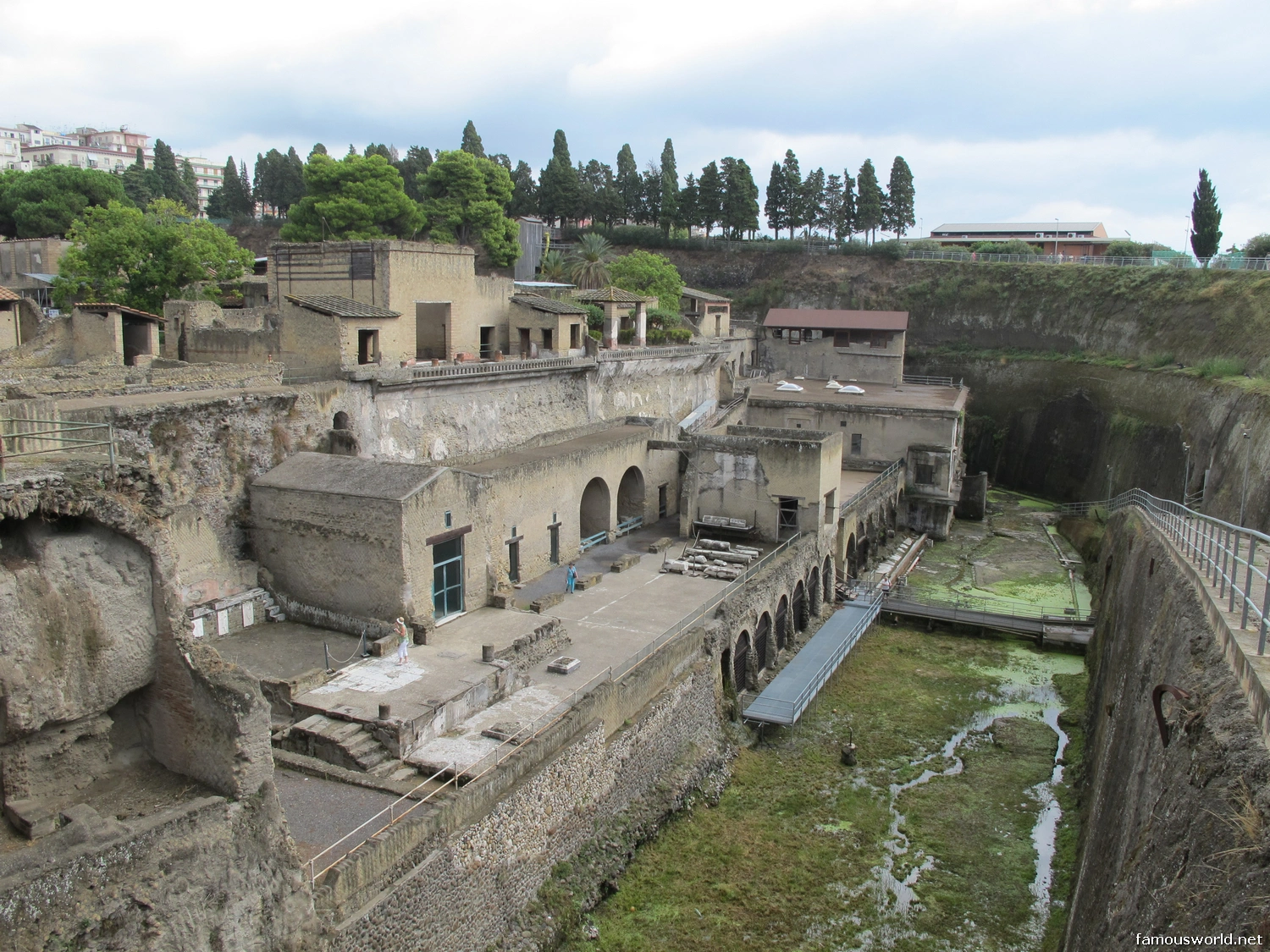
Frozen in time by the catastrophic eruption of Mount Vesuvius in 79 AD, the ancient Roman cities of Pompeii and Herculaneum offer an unparalleled window into the daily life of the ancient world. Buried for centuries, first under a thick blanket of volcanic ash and then under layers of earth, their rediscovery and excavation revealed entire cities preserved in a state of suspended animation. Unlike other ancient sites, which fell into ruin over time, these were captured in a single, tragic moment. Walking their stone-paved streets is a haunting and unforgettable experience, providing the most intimate and complete picture of Roman society in existence.
Listen to an introduction about Pompeii and Herculaneum

Name and Location
- Name: Pompeii and Herculaneum (Ercolano).
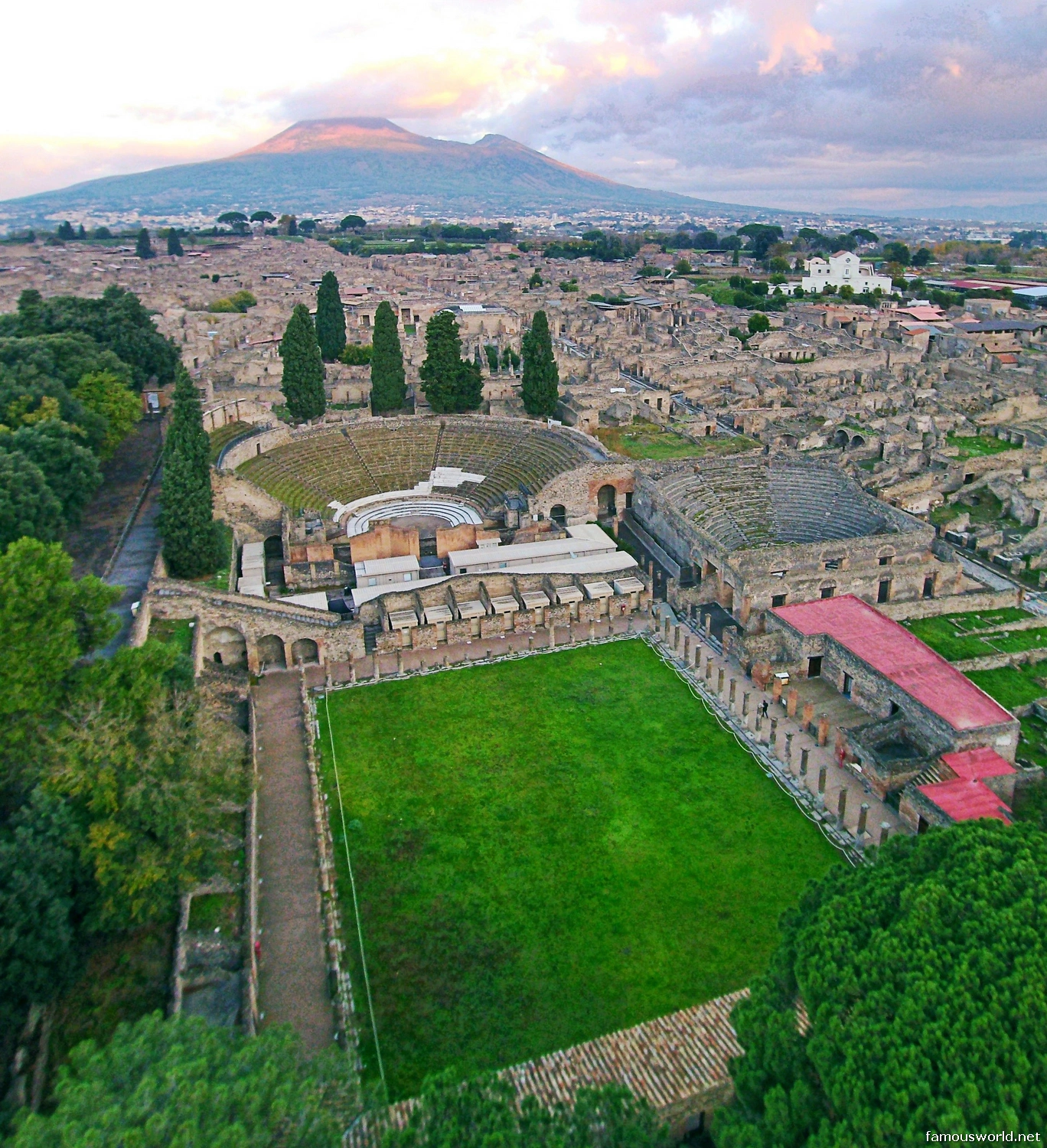
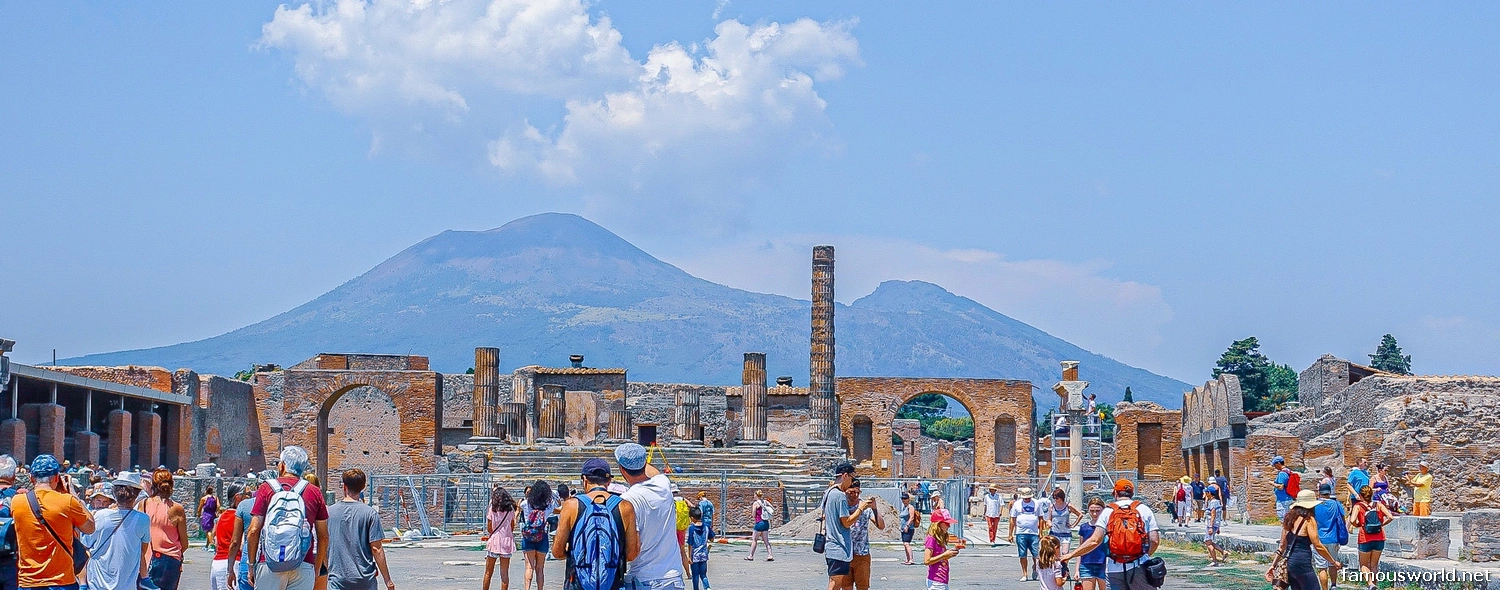
- Location: In the Campania region of Southern Italy, near the modern city of Naples, at the base of the volcano Mount Vesuvius.
How to Get There
The sites are major tourist destinations and are easily accessible from Naples or Sorrento.
- By Train: The most common method is the Circumvesuviana train line, which runs from Naples to Sorrento. The “Pompei Scavi-Villa dei Misteri” stop is directly opposite the main entrance to Pompeii. Herculaneum is reached via the “Ercolano Scavi” stop.
- By Car: The sites are accessible via the A3 motorway, though parking can be limited and train travel is often recommended.
- By Organized Tour: Numerous bus tours operate from Naples, Sorrento, and the Amalfi Coast, often combining a visit to one or both sites with a trip up Mount Vesuvius.
Landscape and Architecture
The sites are vast, open-air archaeological parks preserving the complete layout of Roman towns.
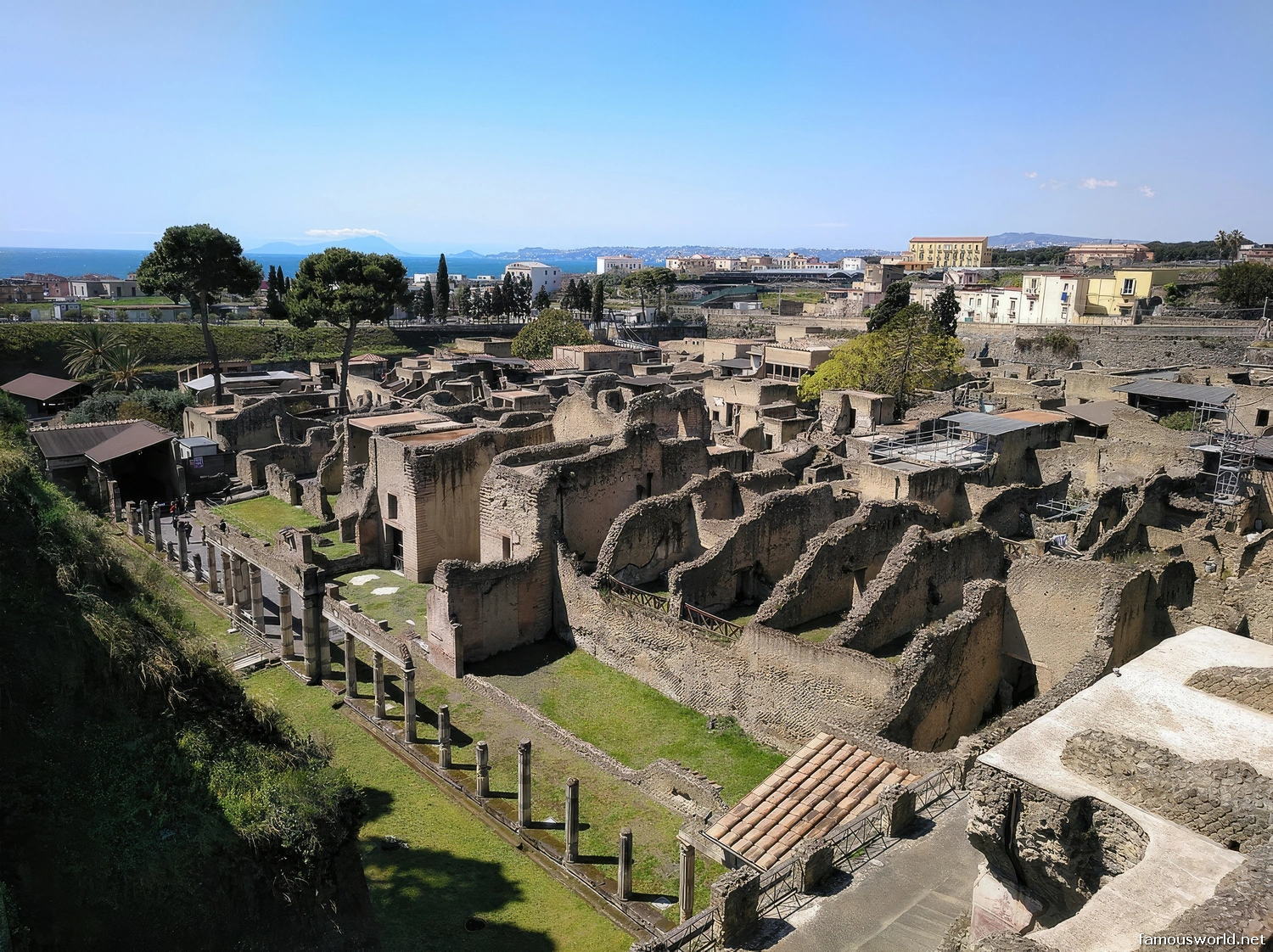
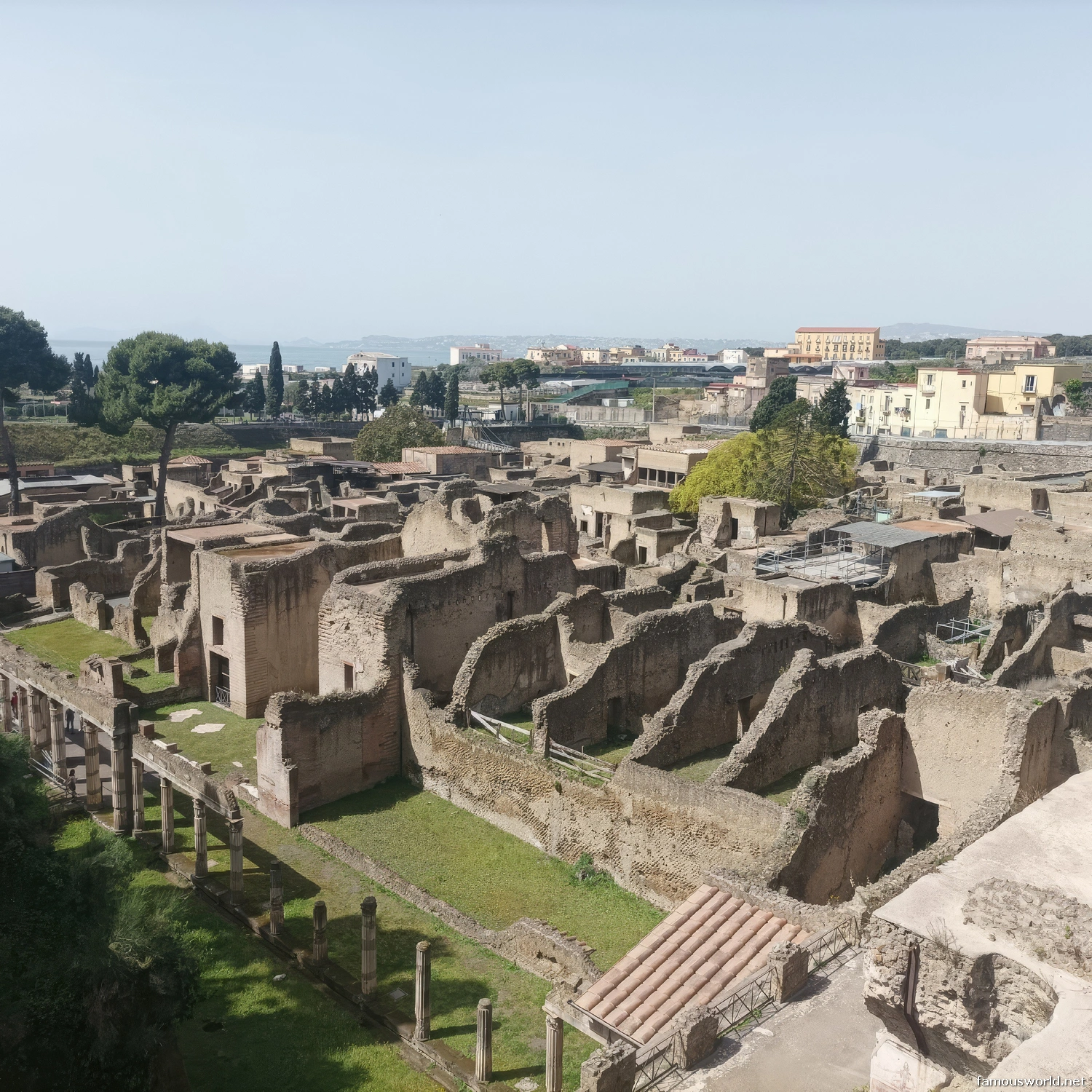
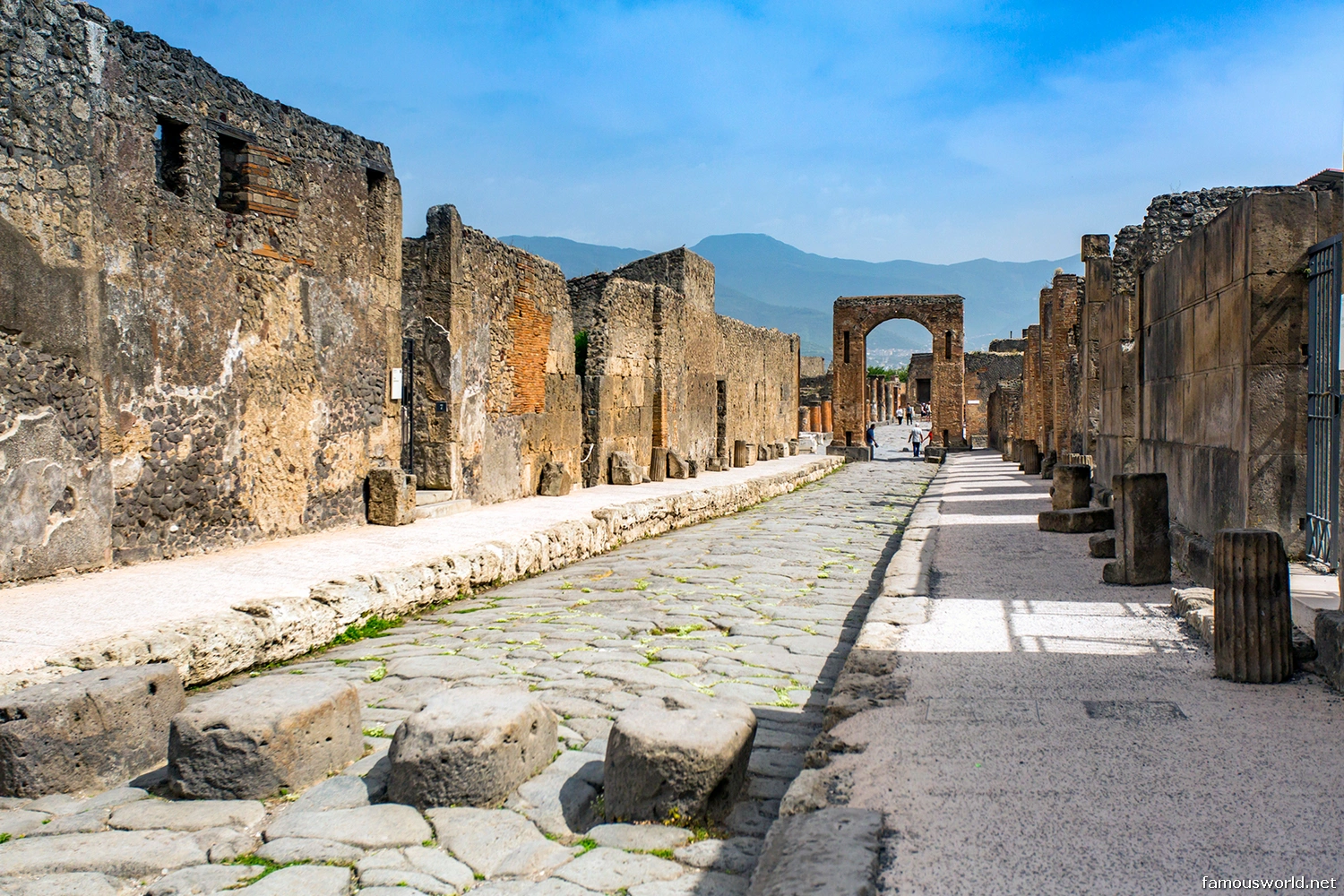
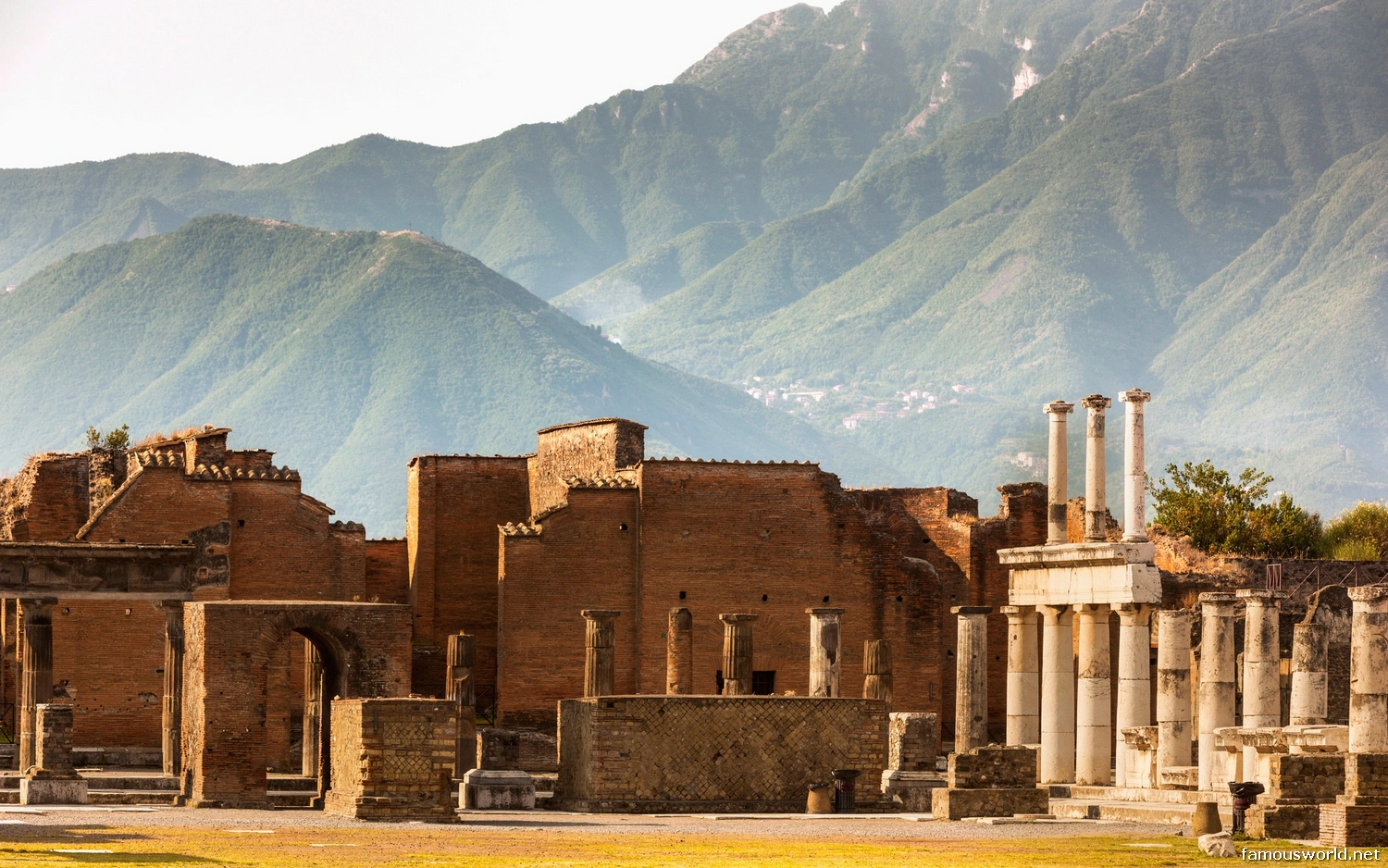
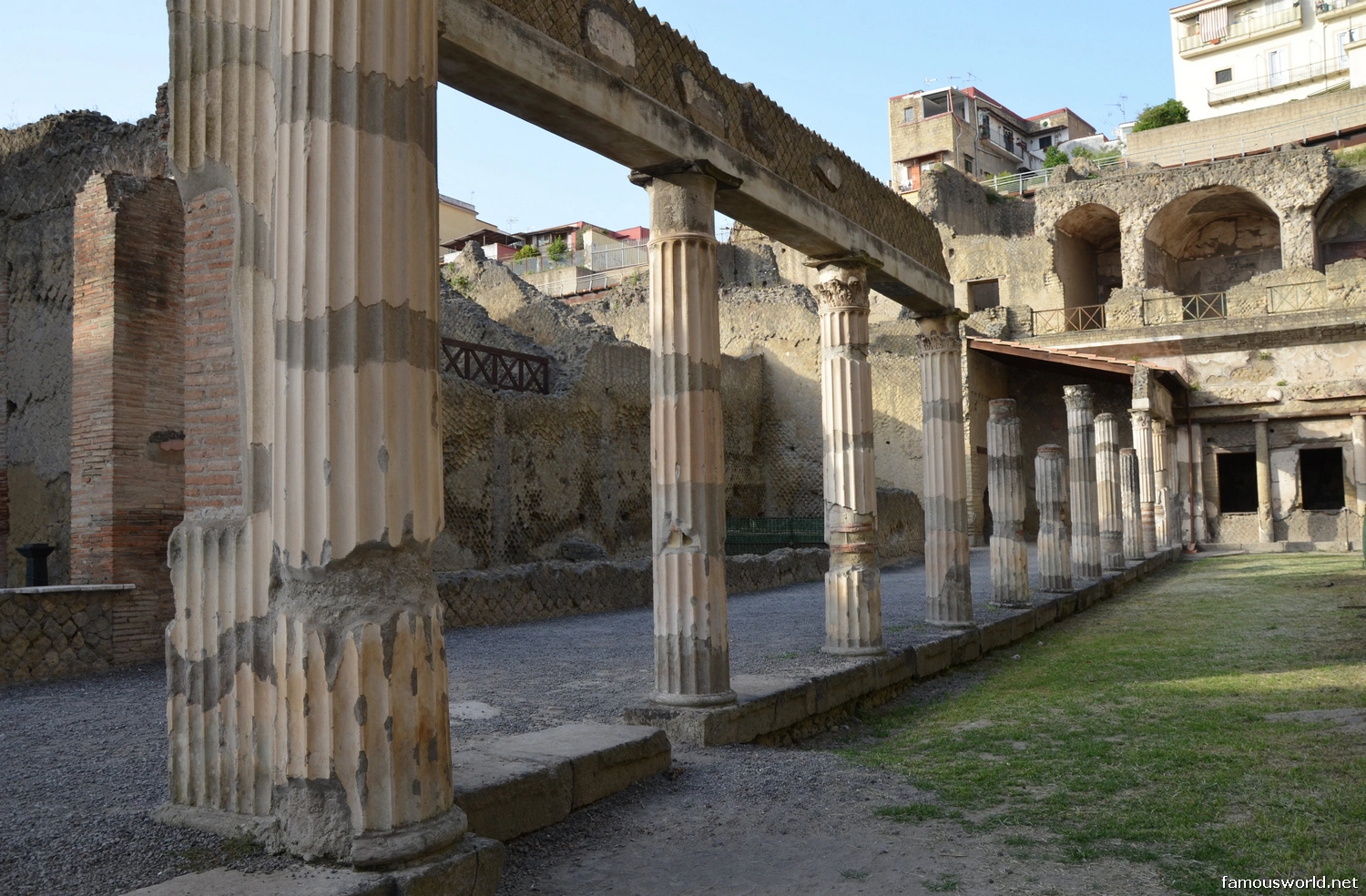
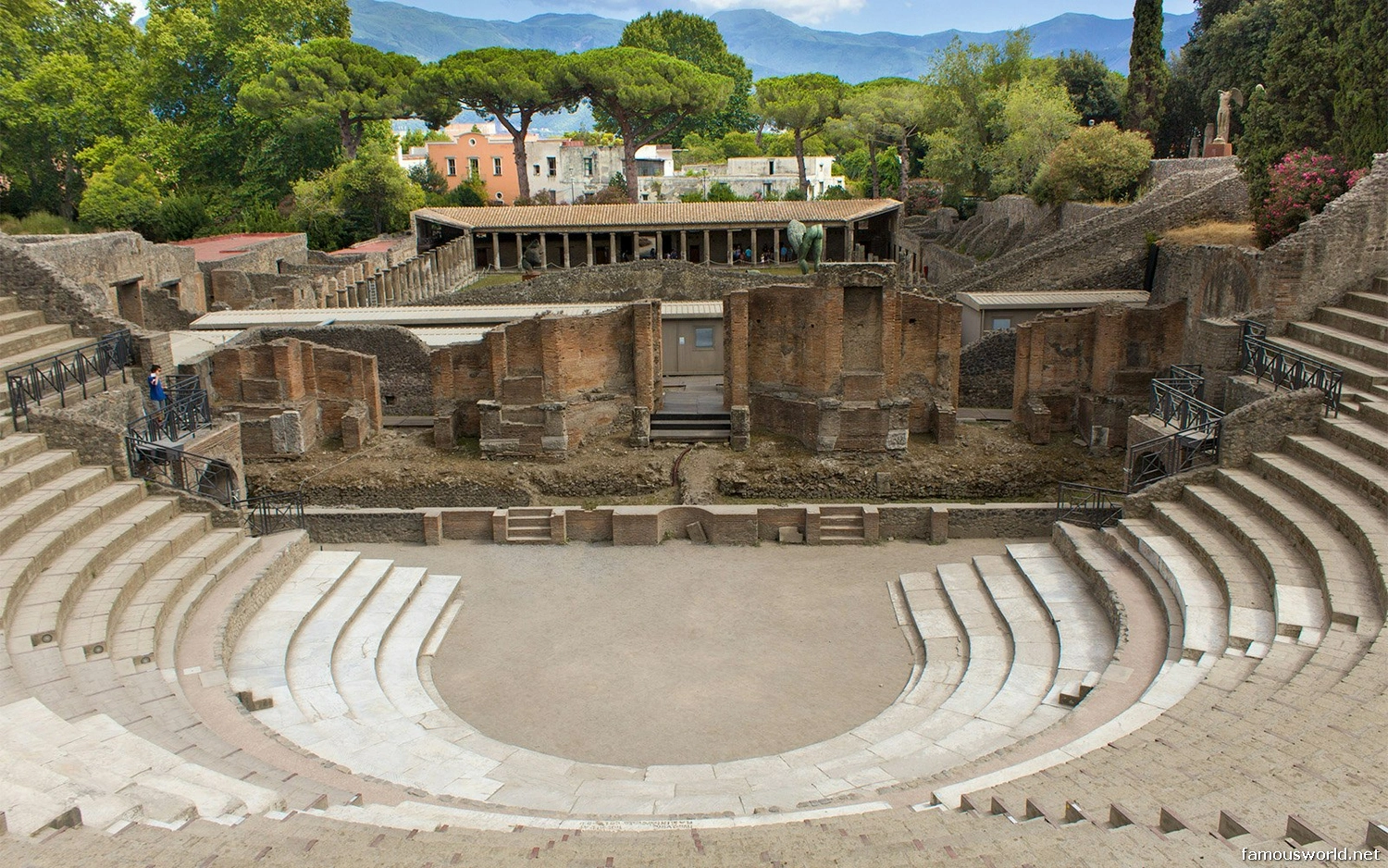
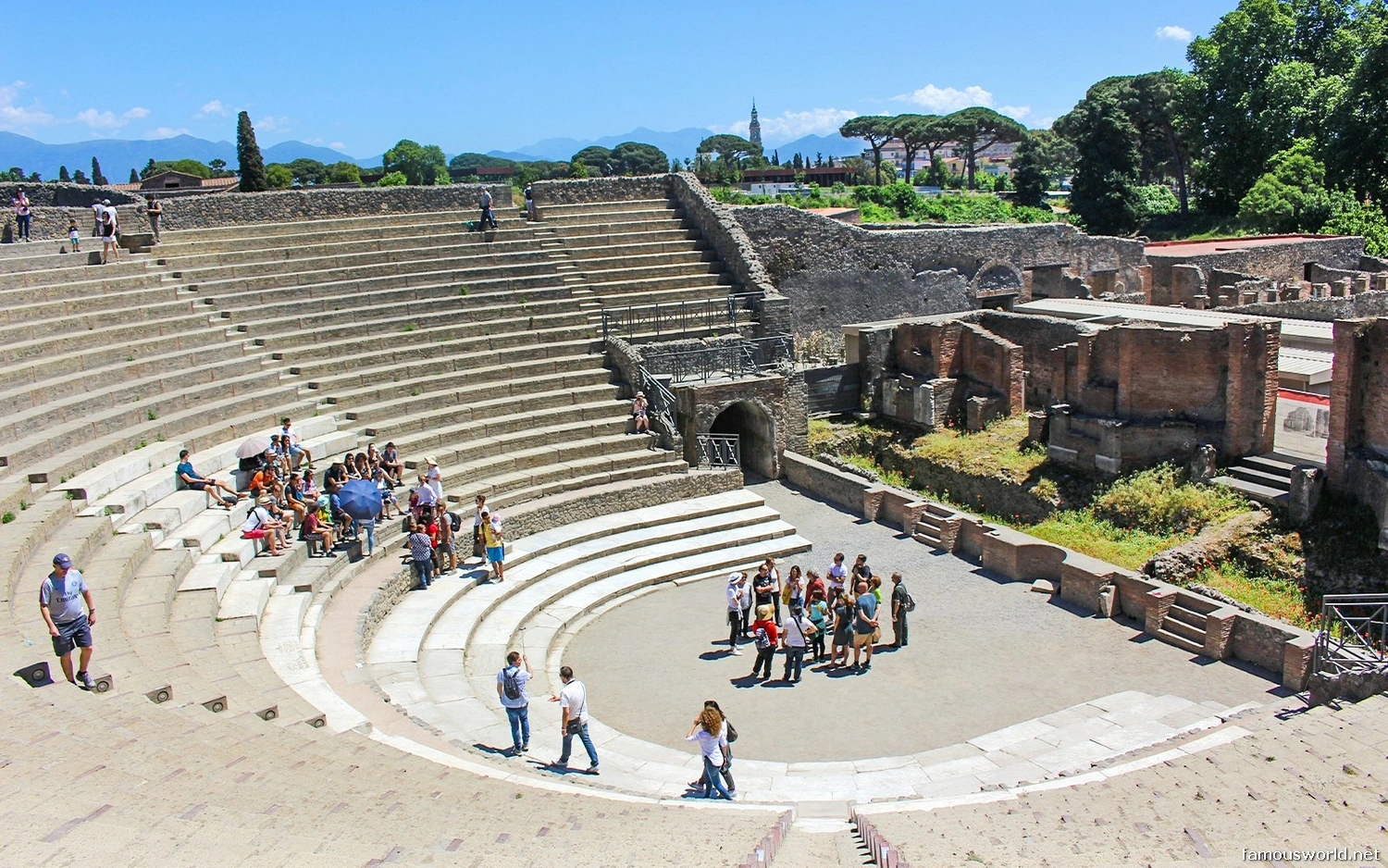
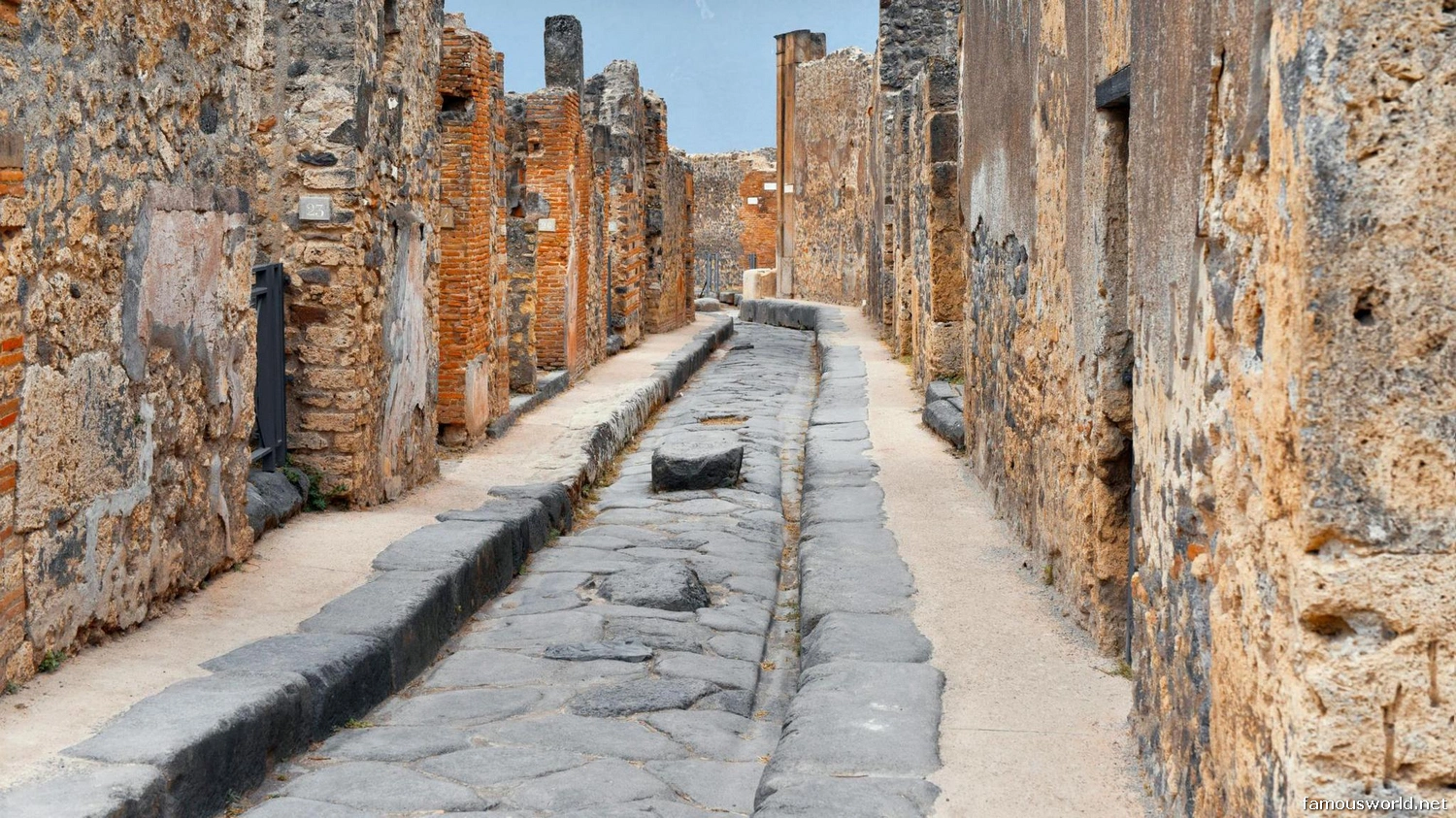
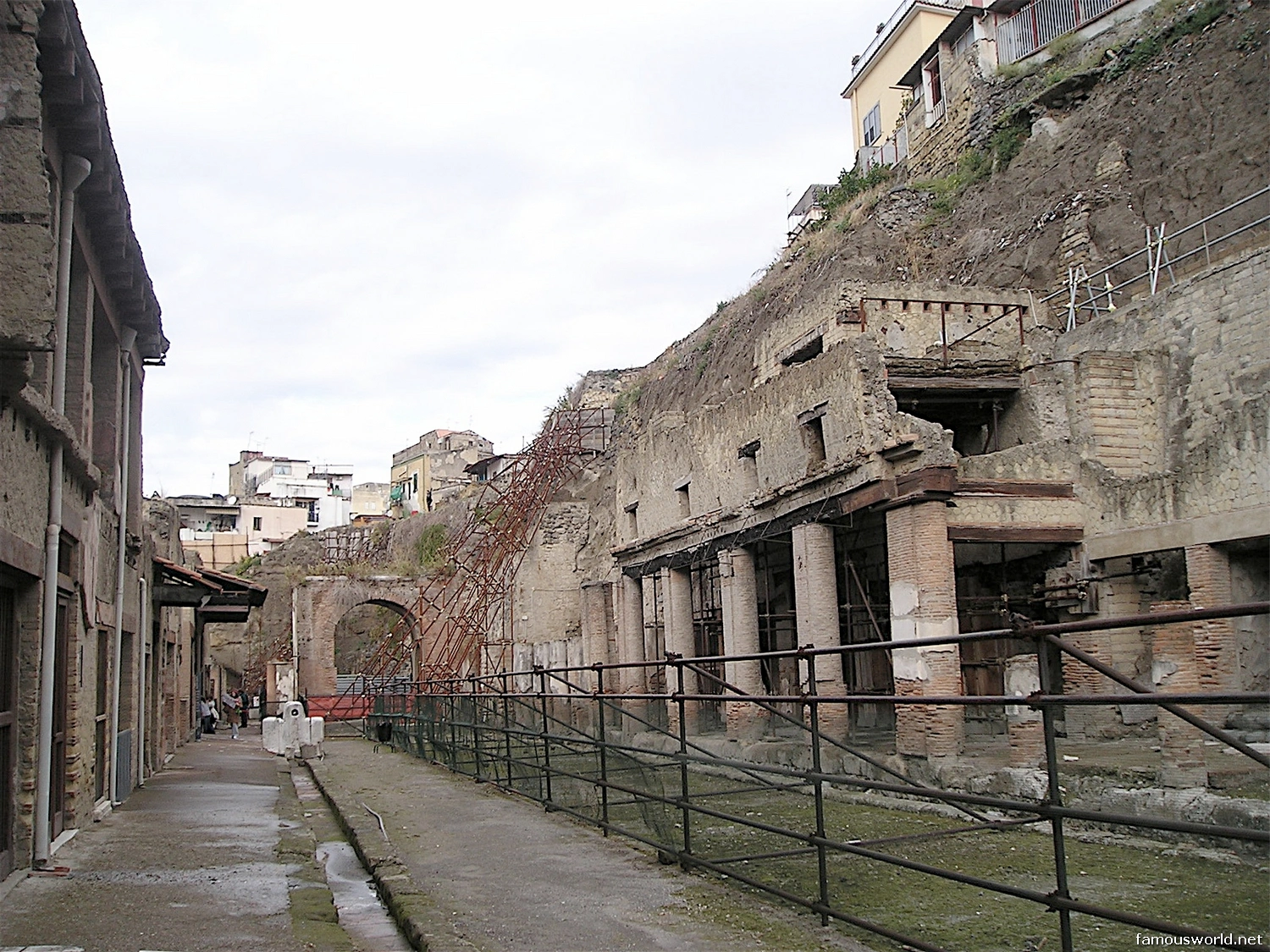
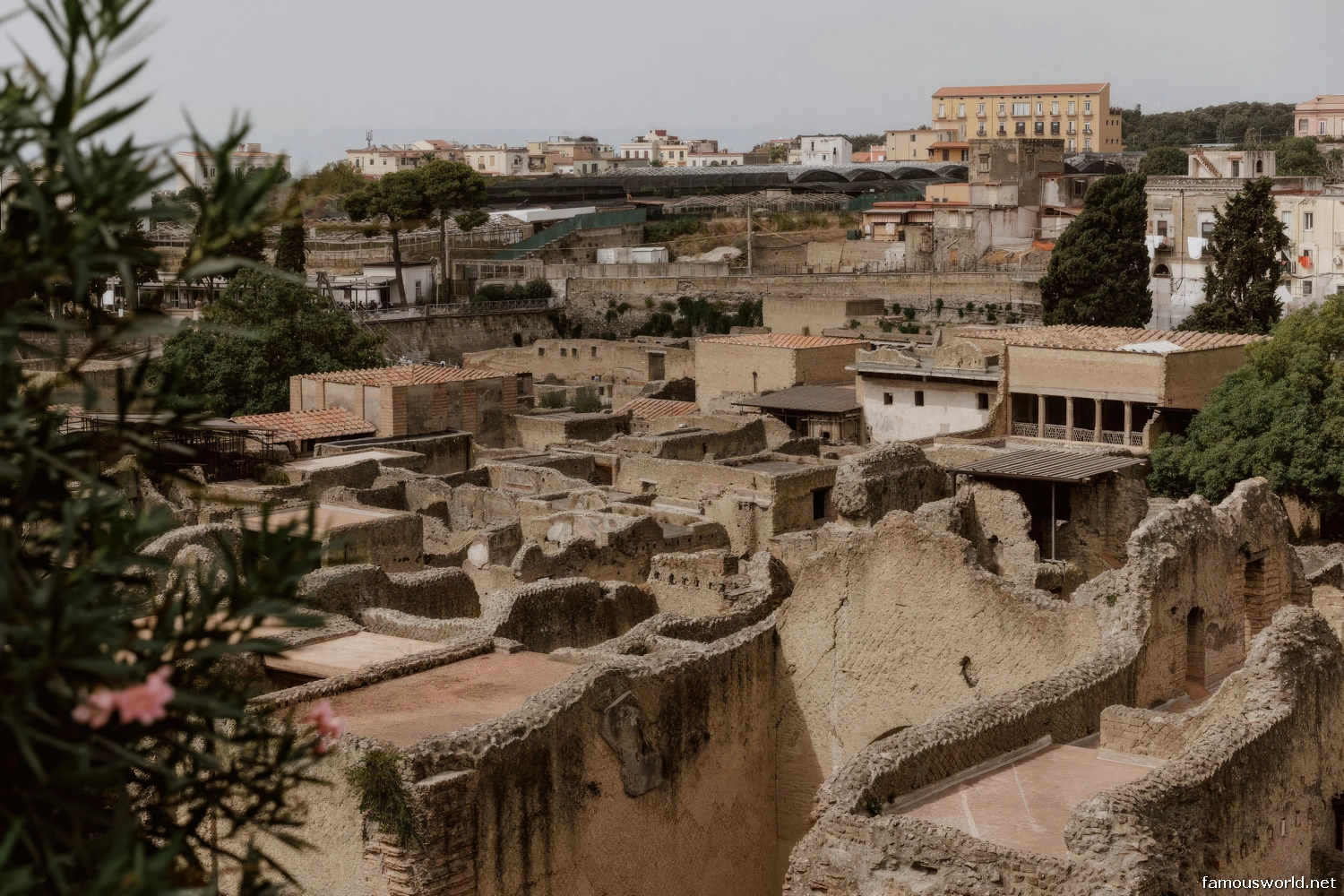
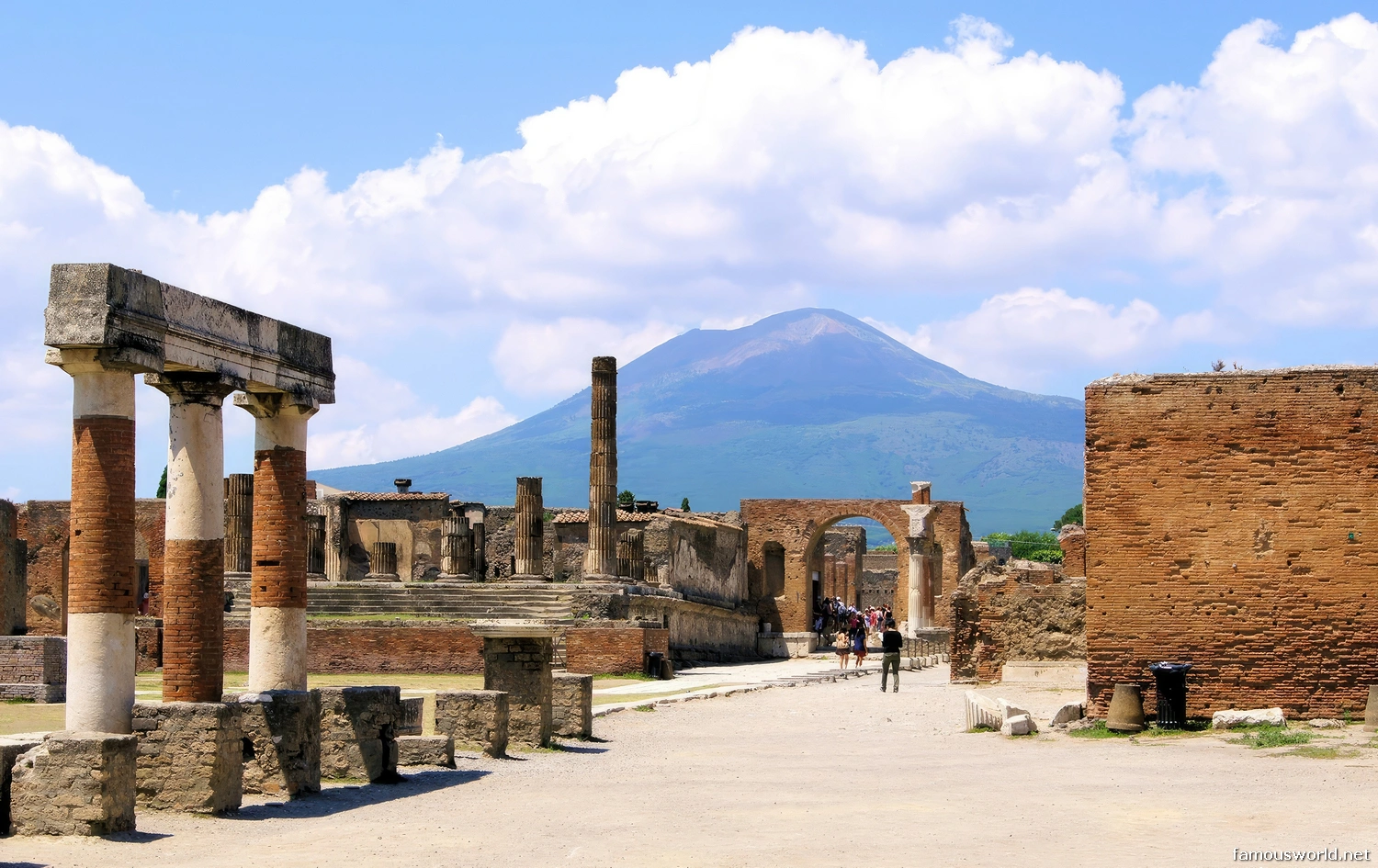
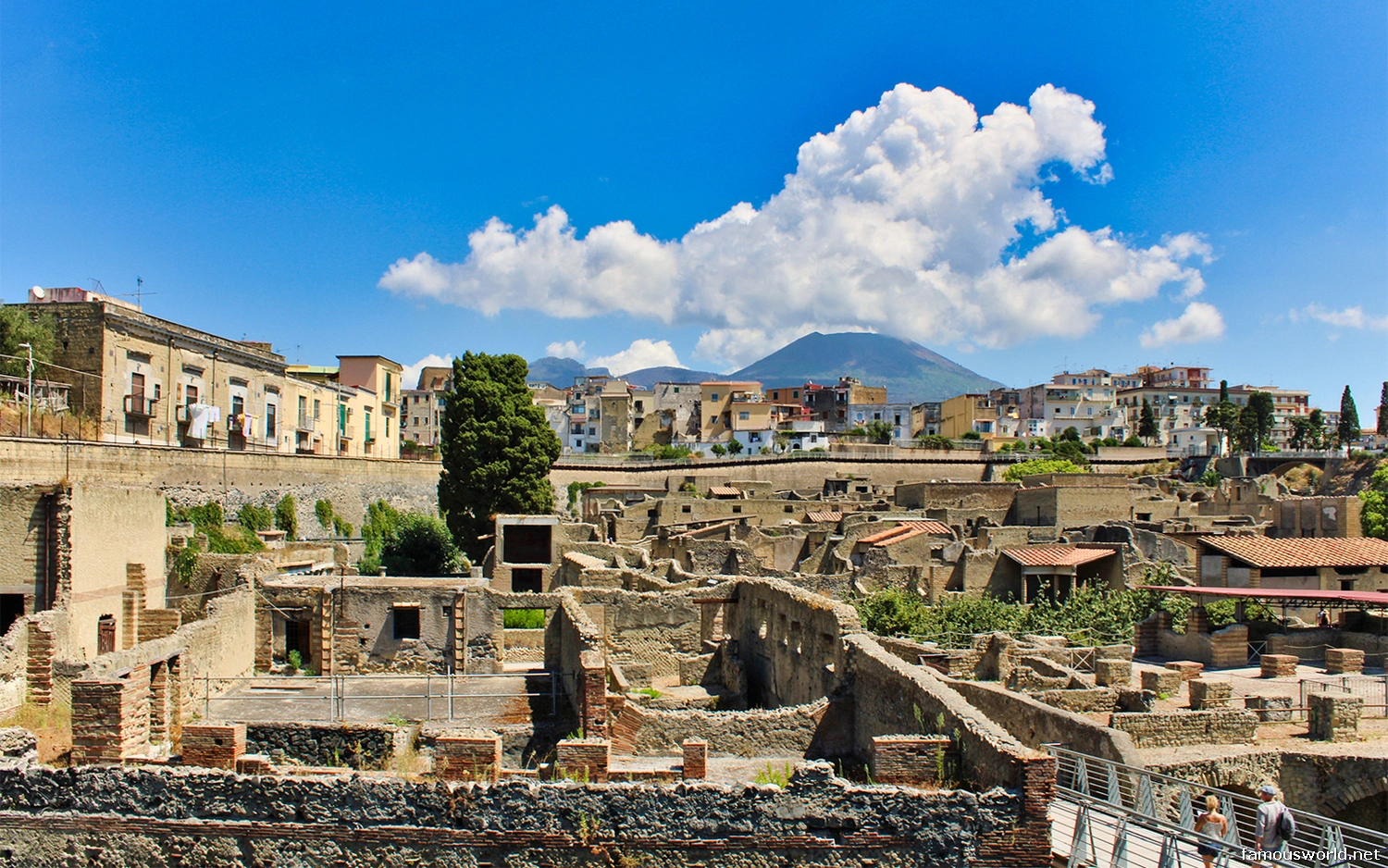
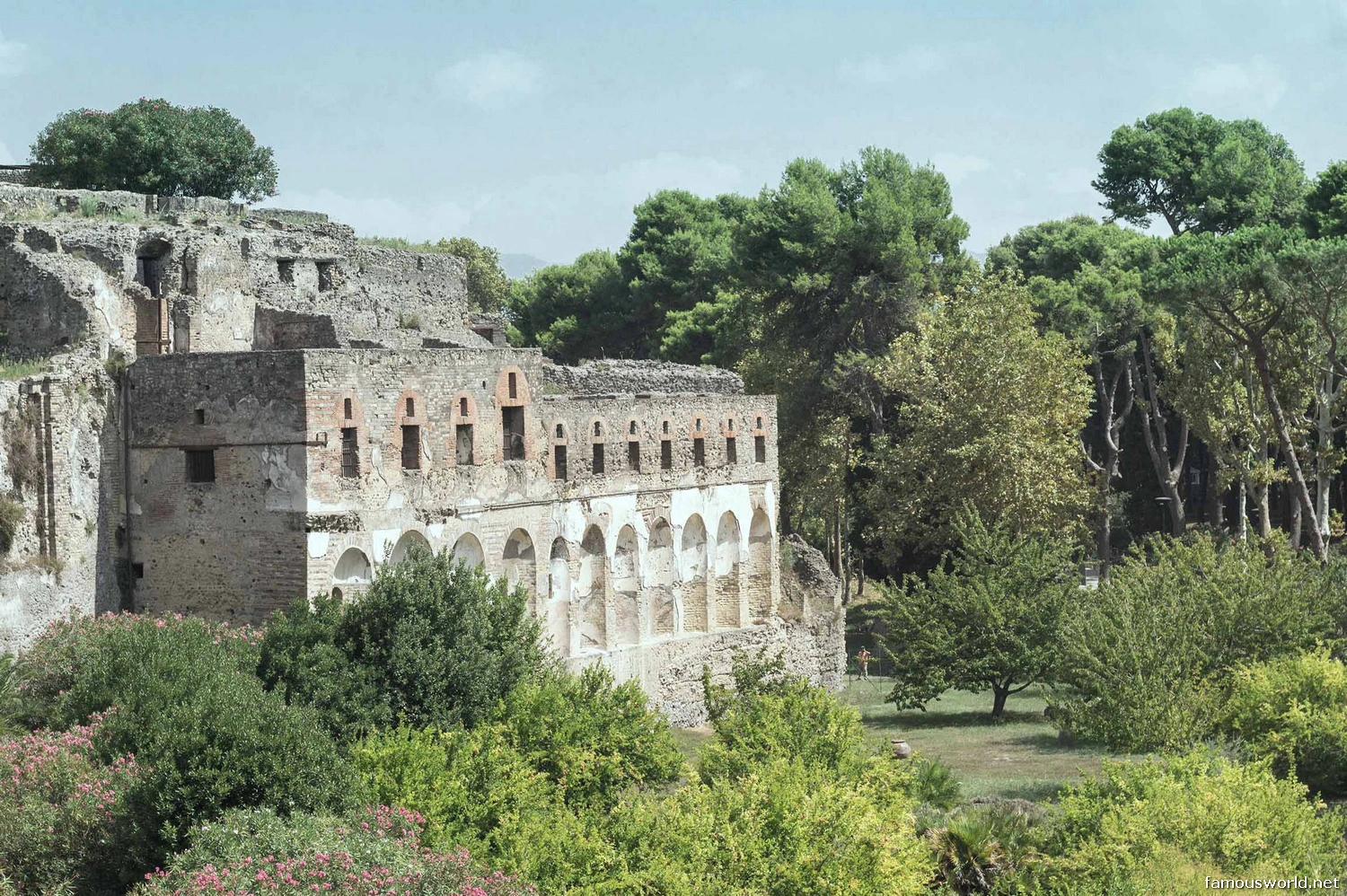
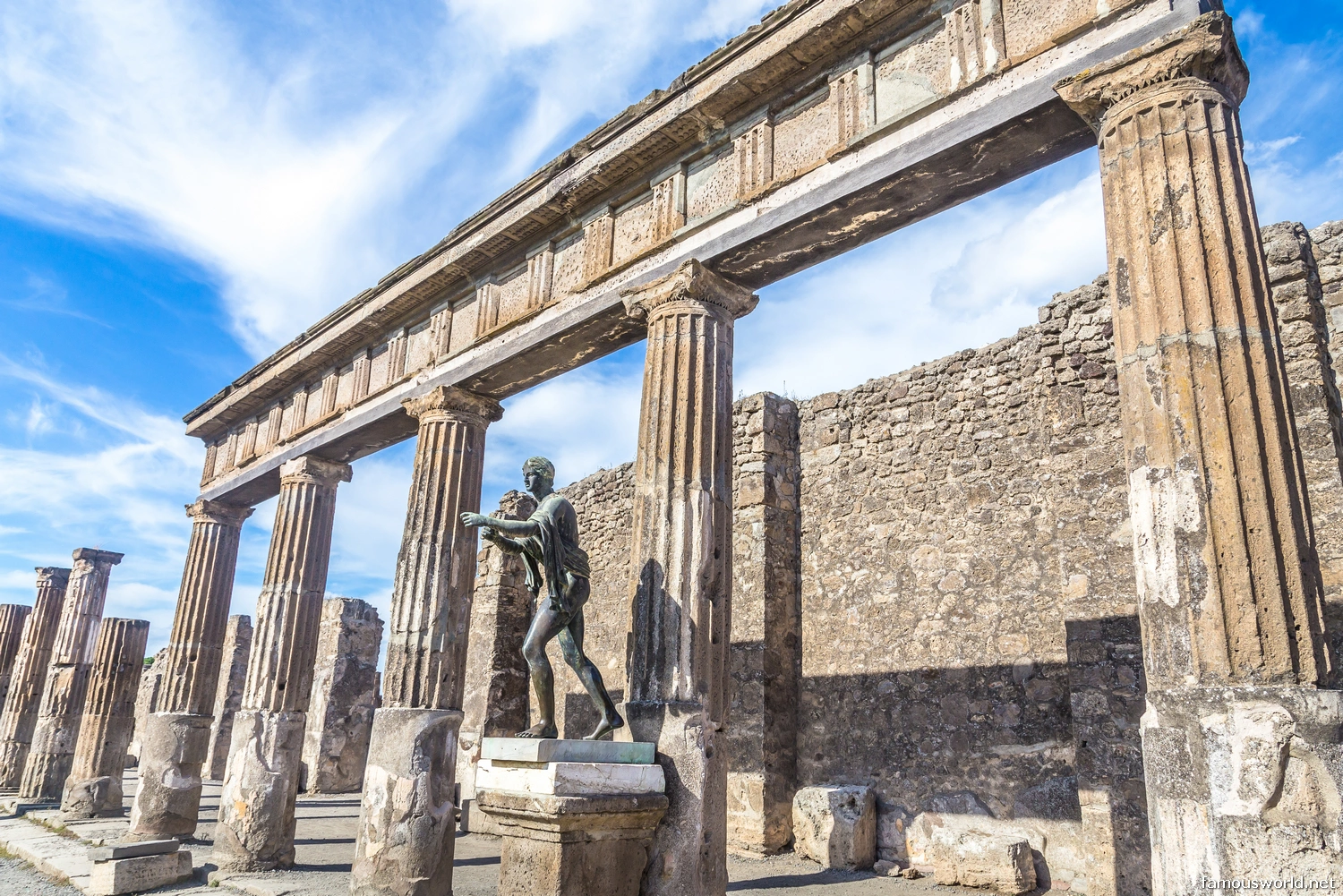
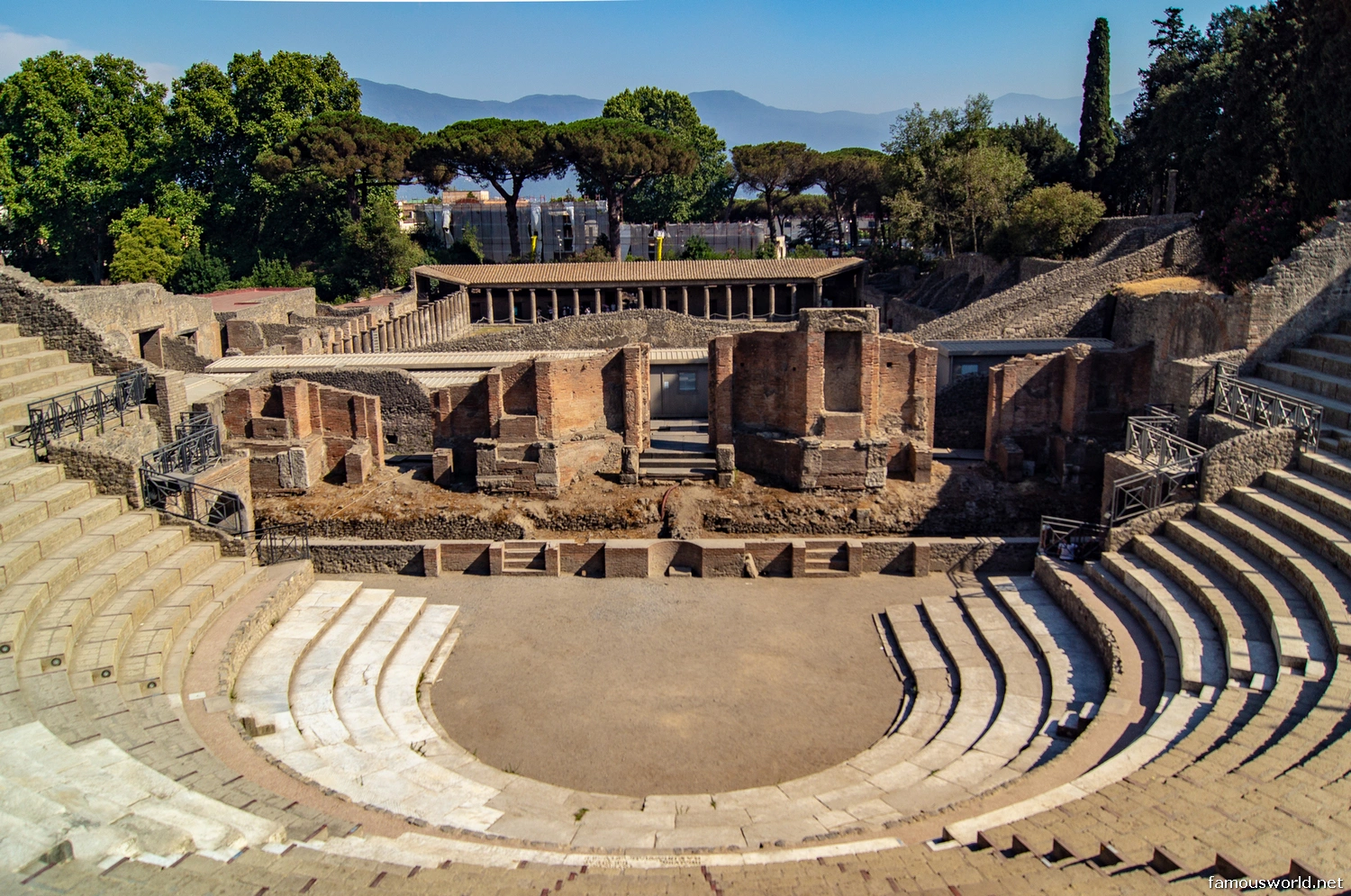
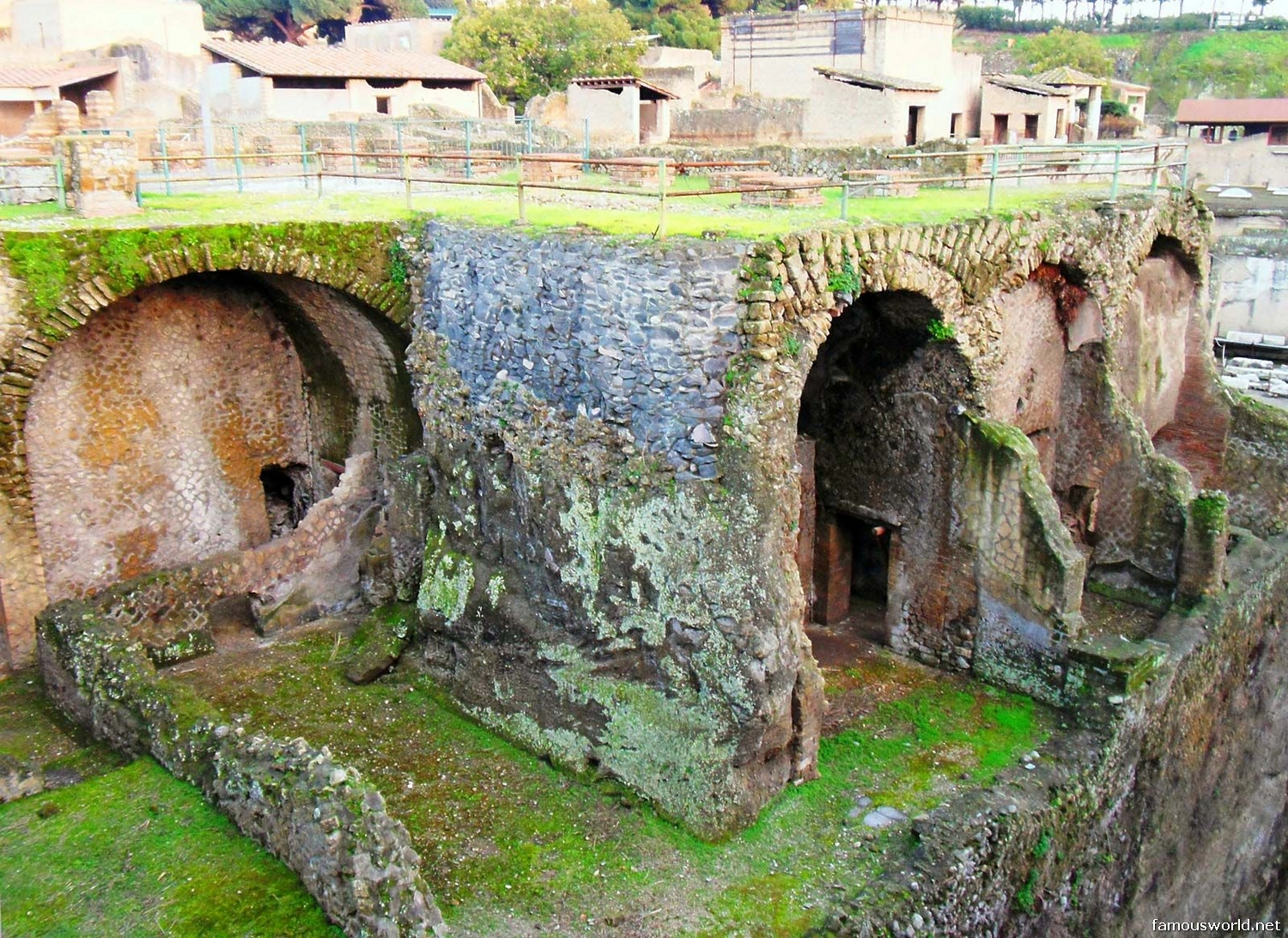
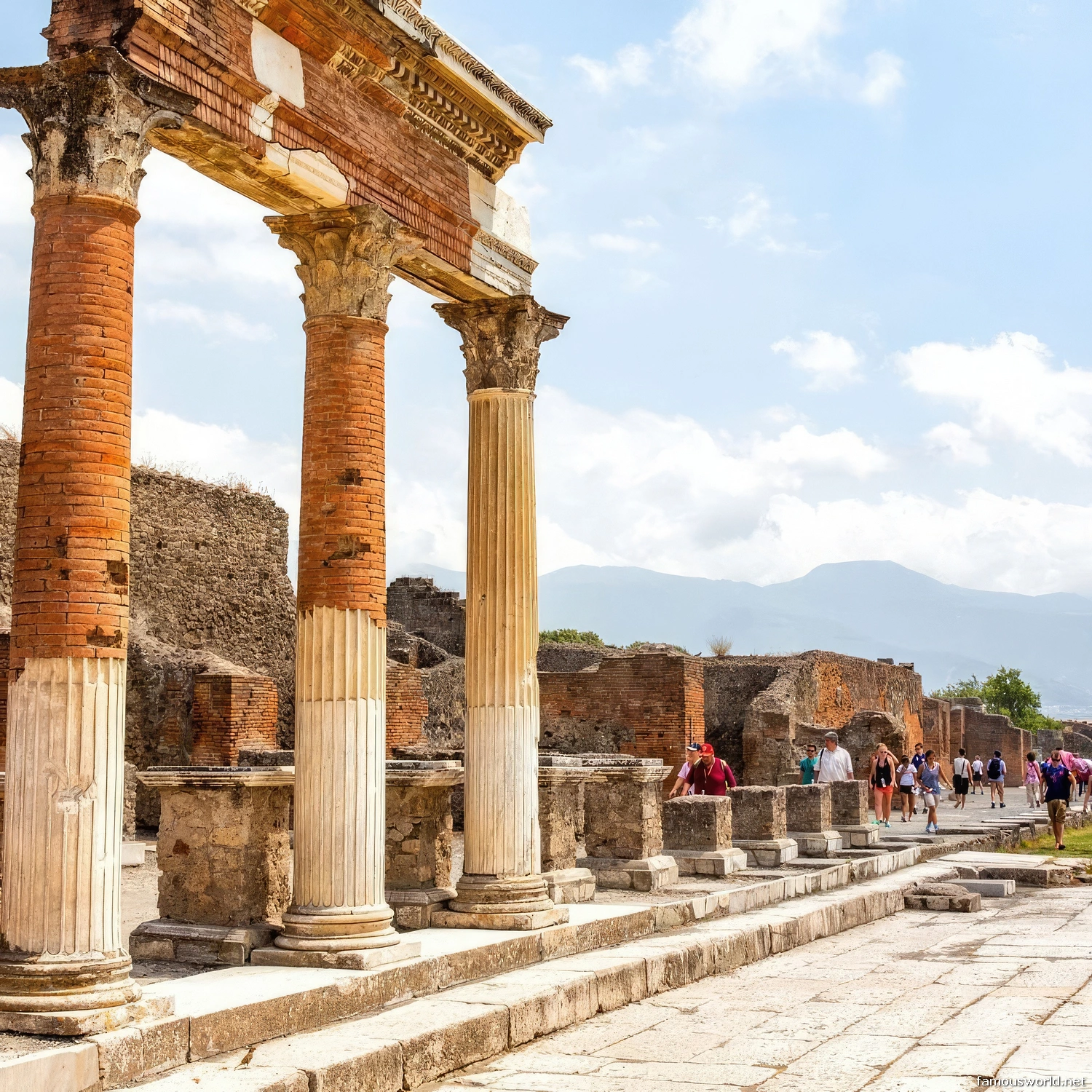
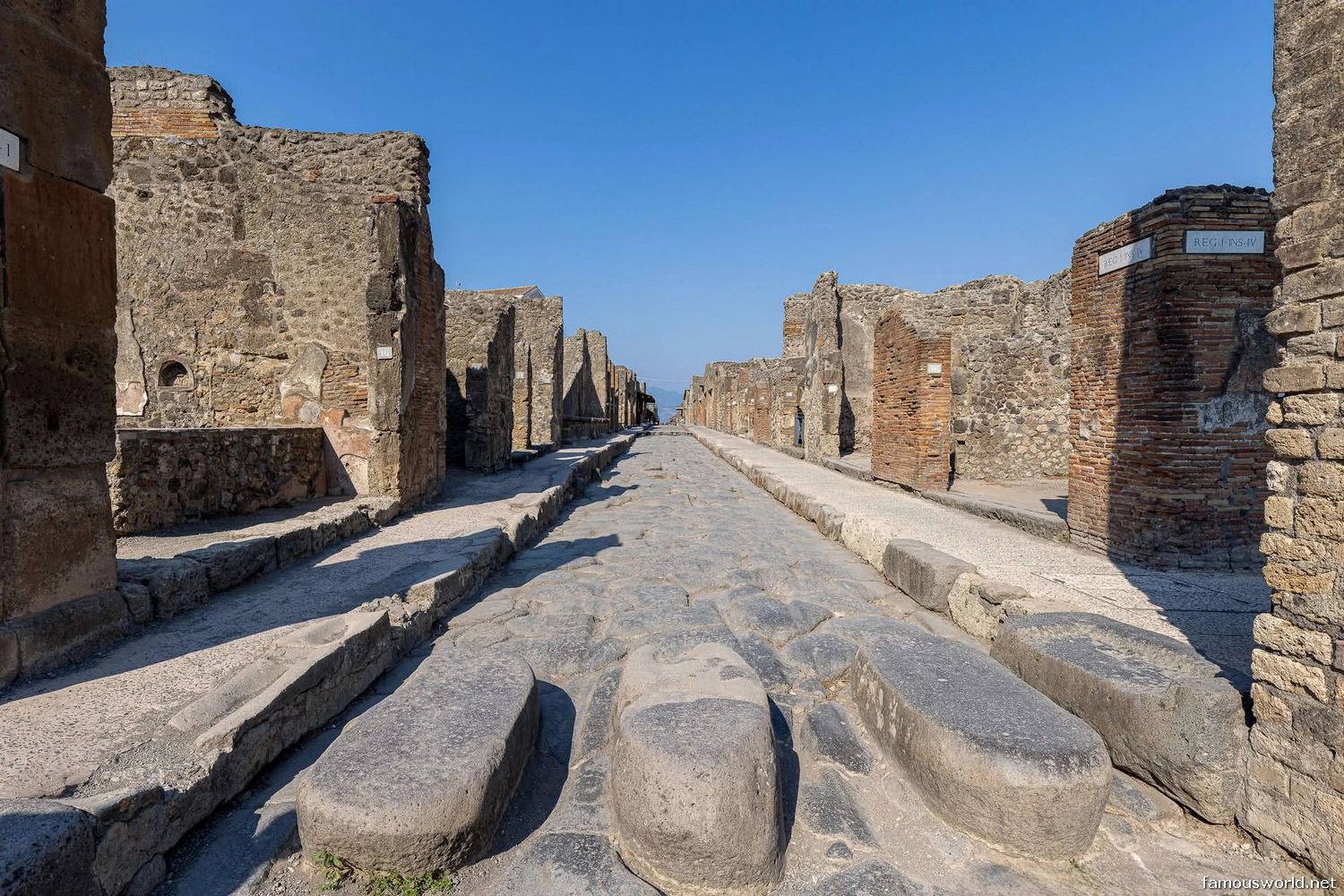
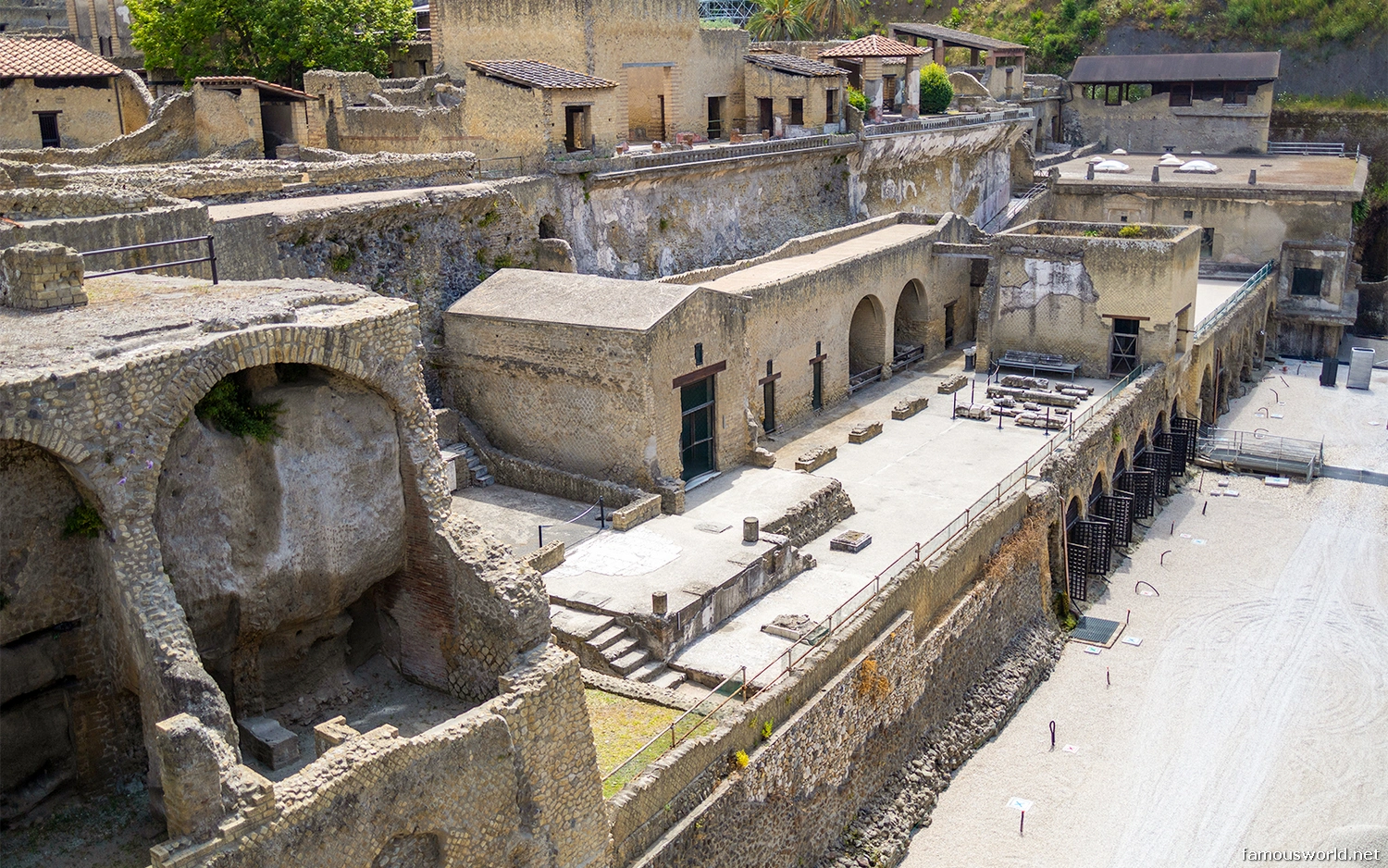
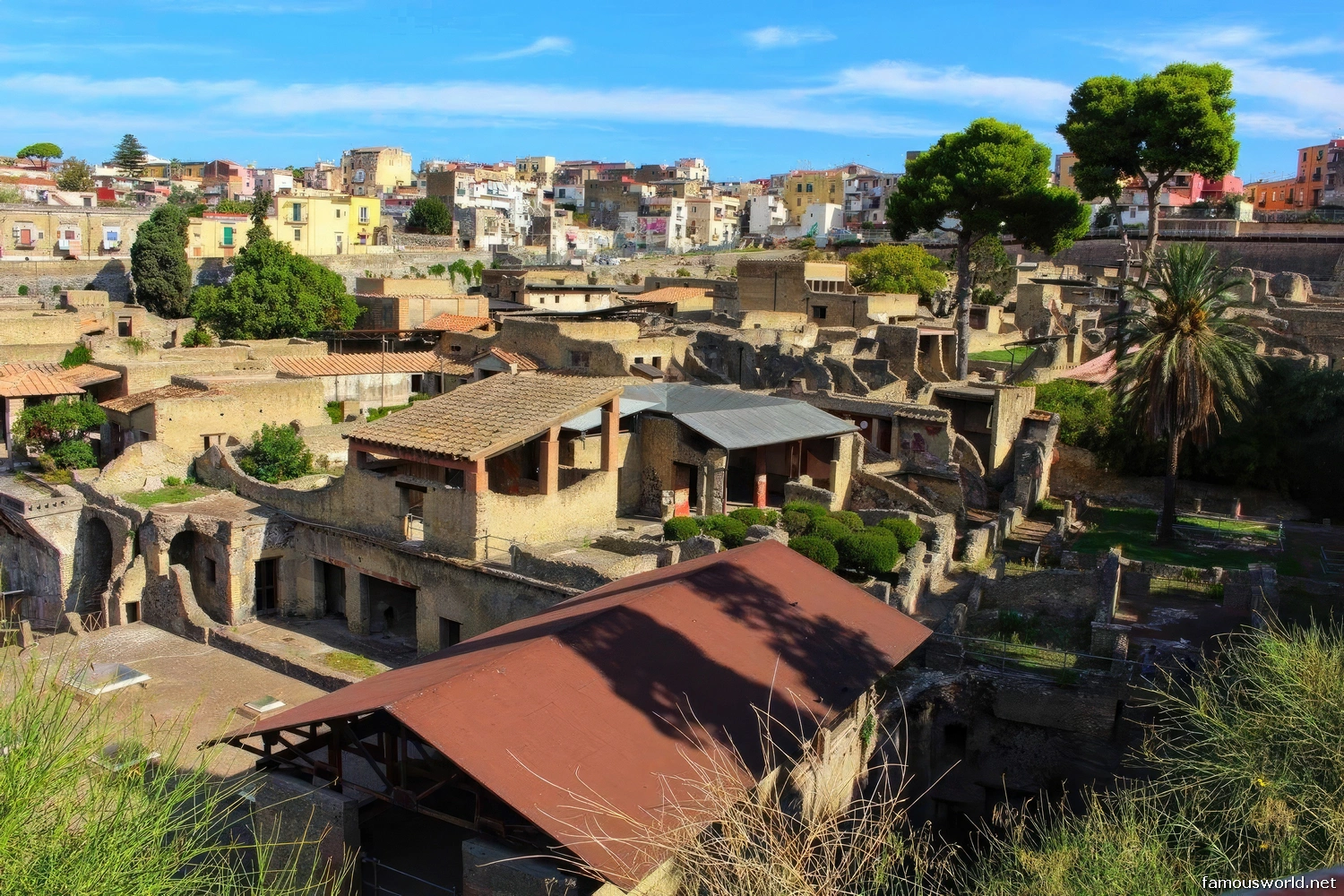
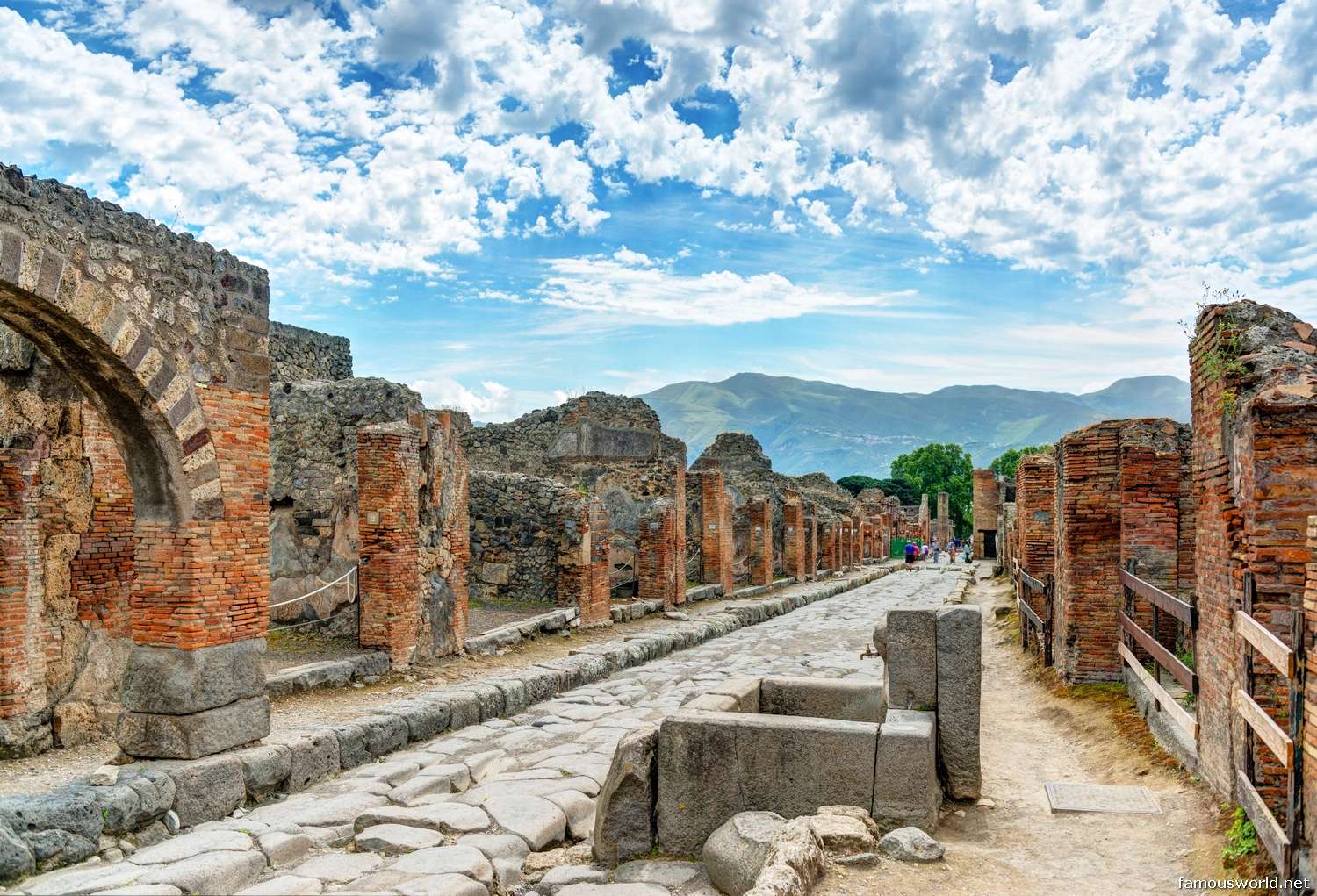
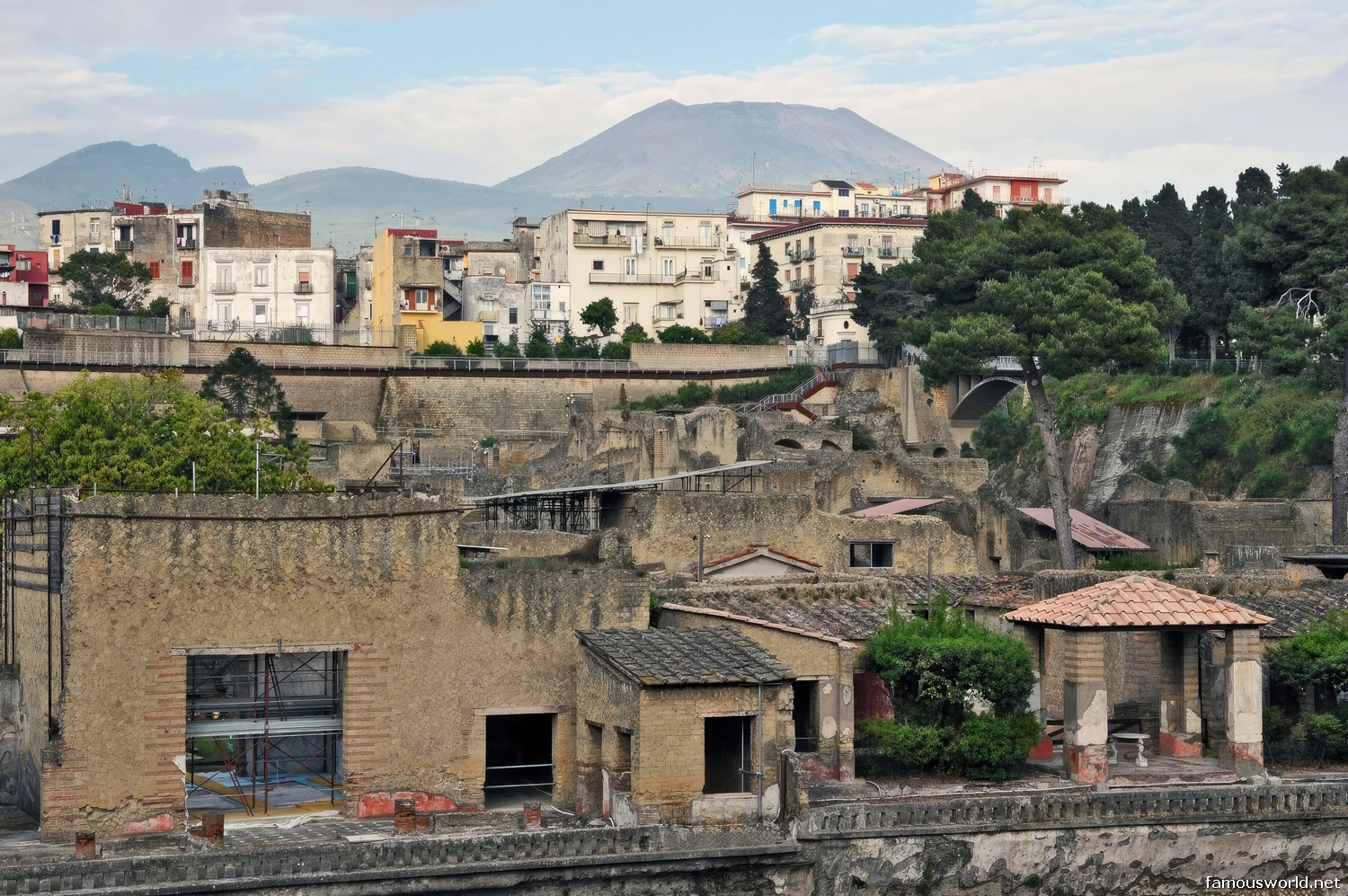
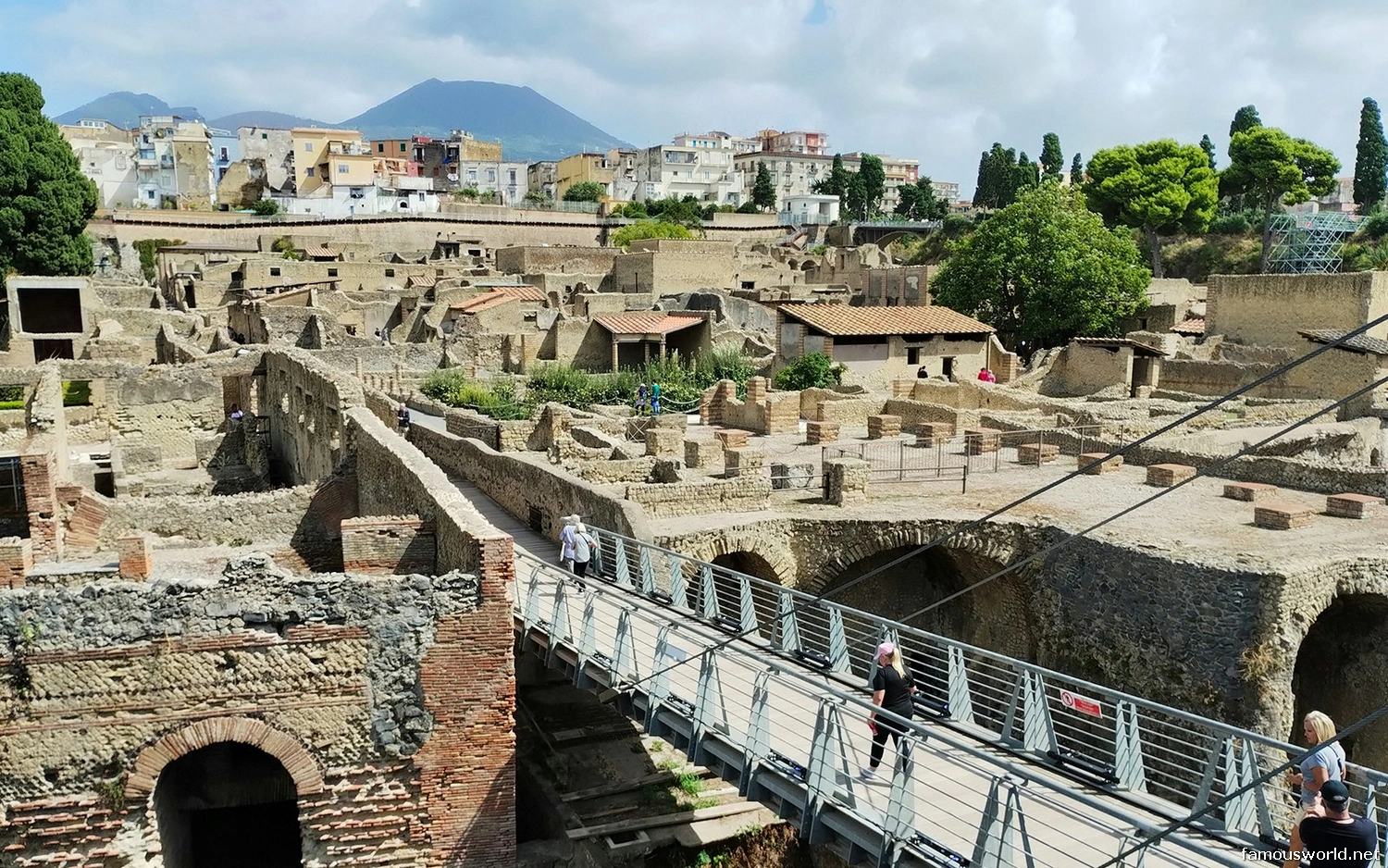
- The Landscape: Both are sprawling complexes of excavated streets, homes, and public buildings that reveal the urban fabric of a Roman city. Pompeii is the larger and more famous site, a bustling commercial town with a grand forum, amphitheater, temples, and numerous villas and shops. Herculaneum was a smaller, wealthier seaside town, and its landscape is more compact.
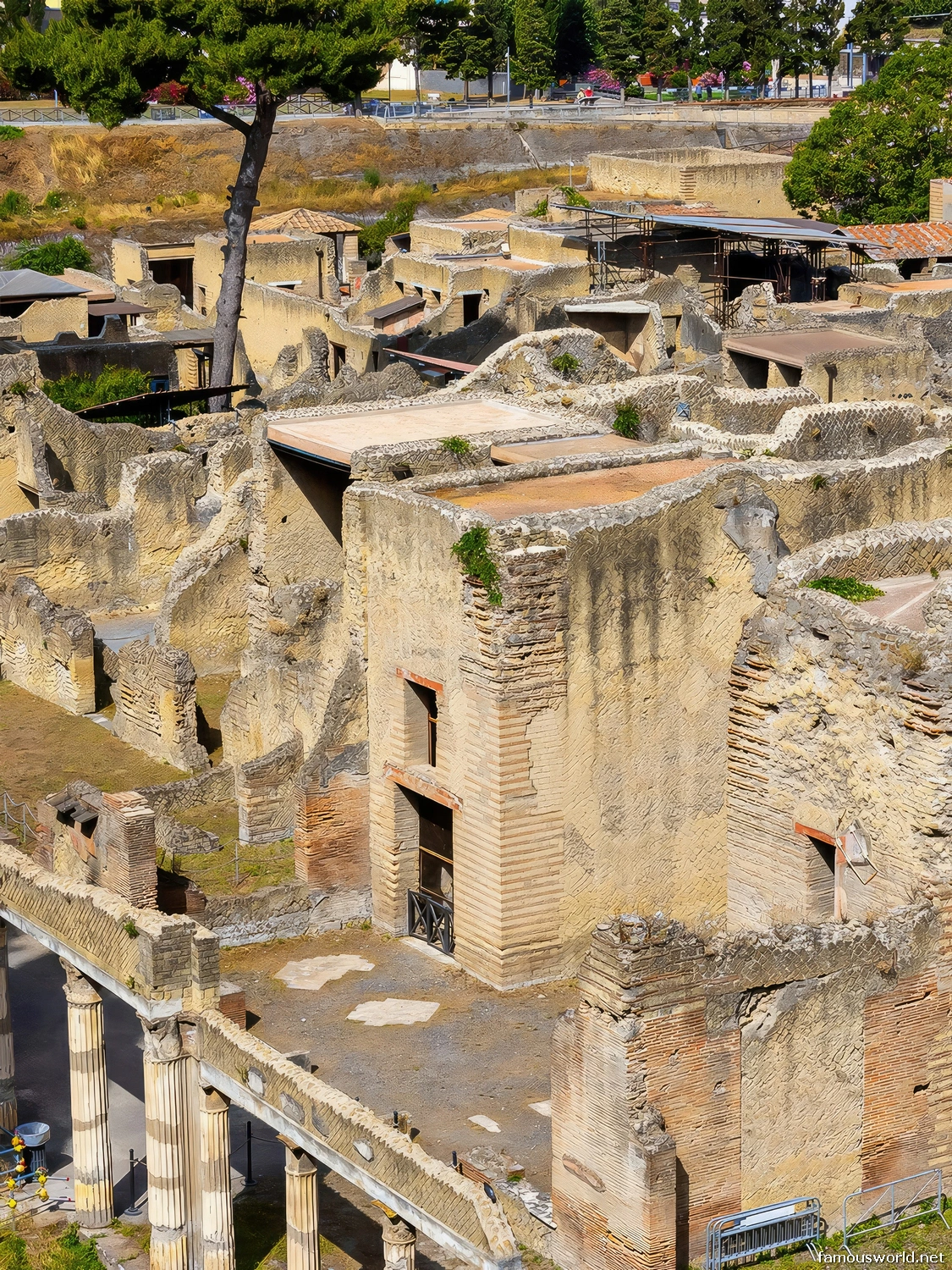
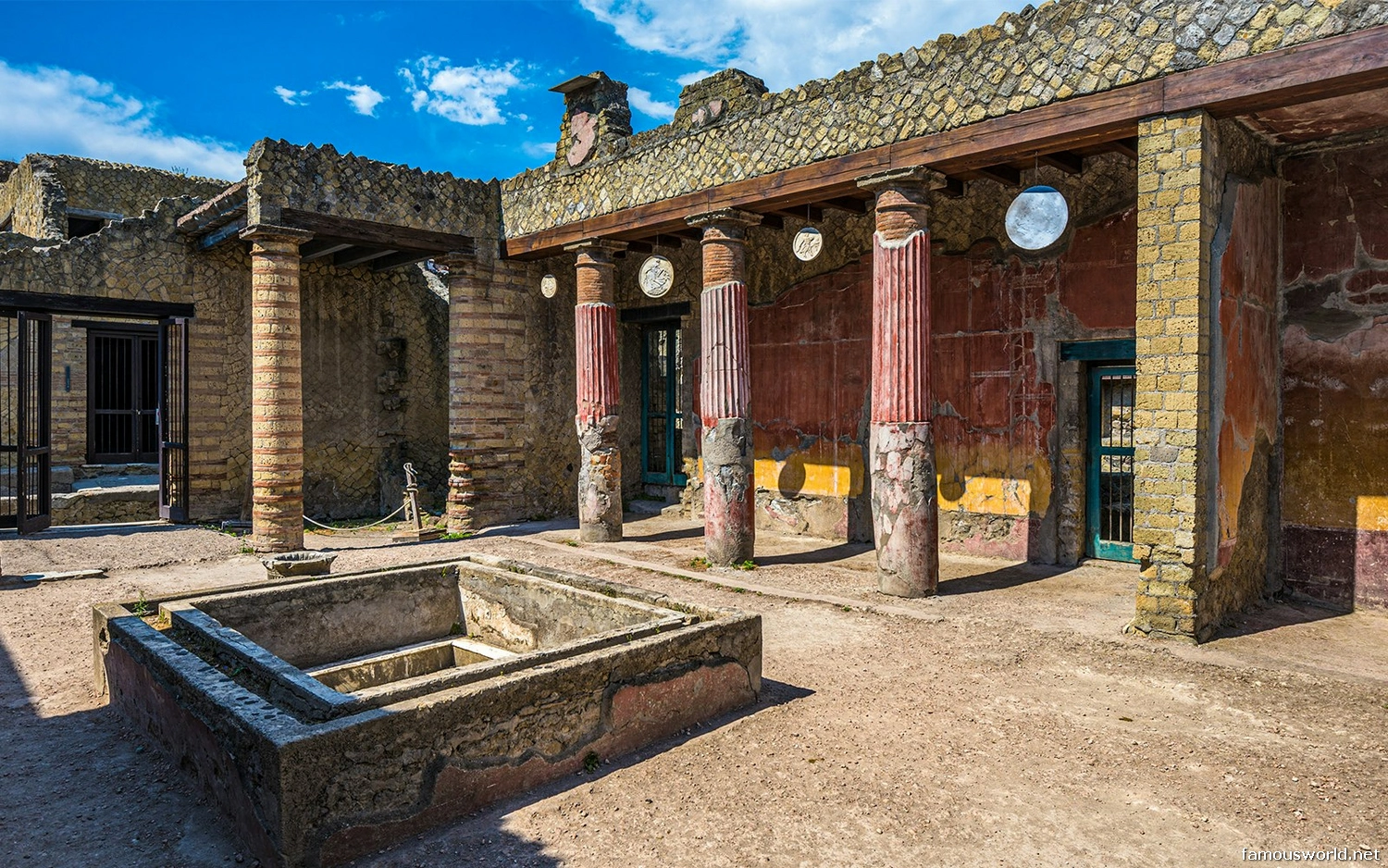
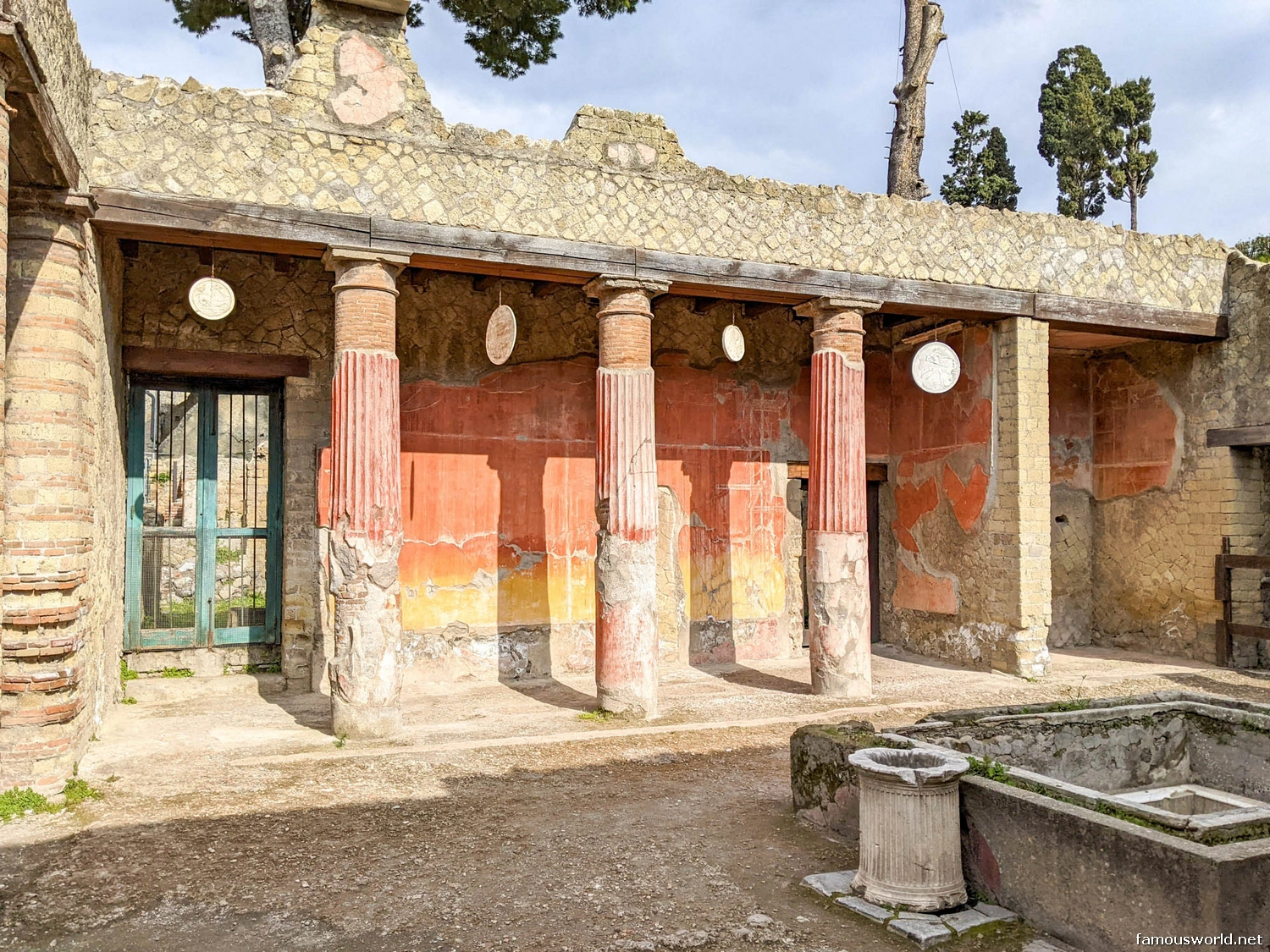
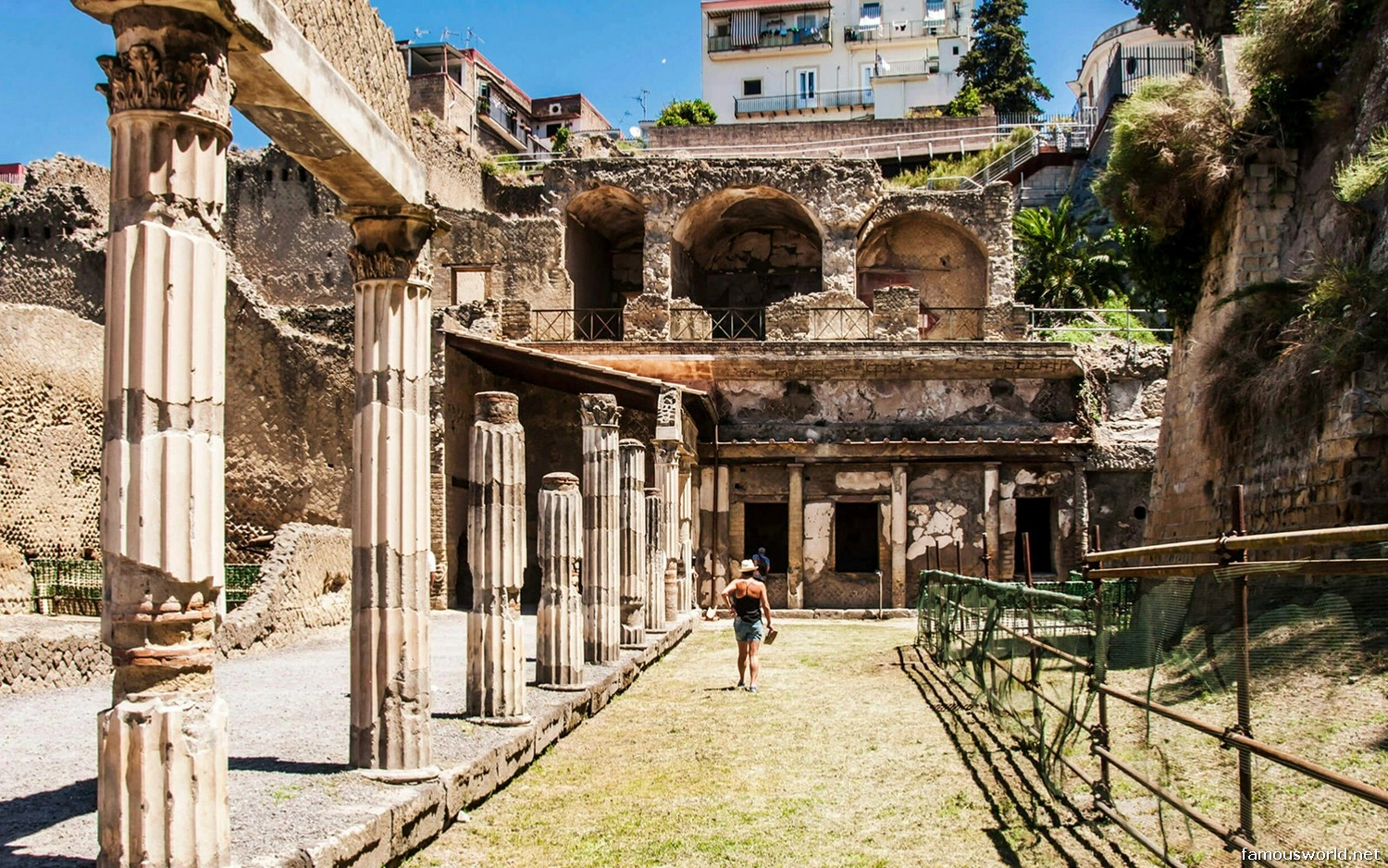
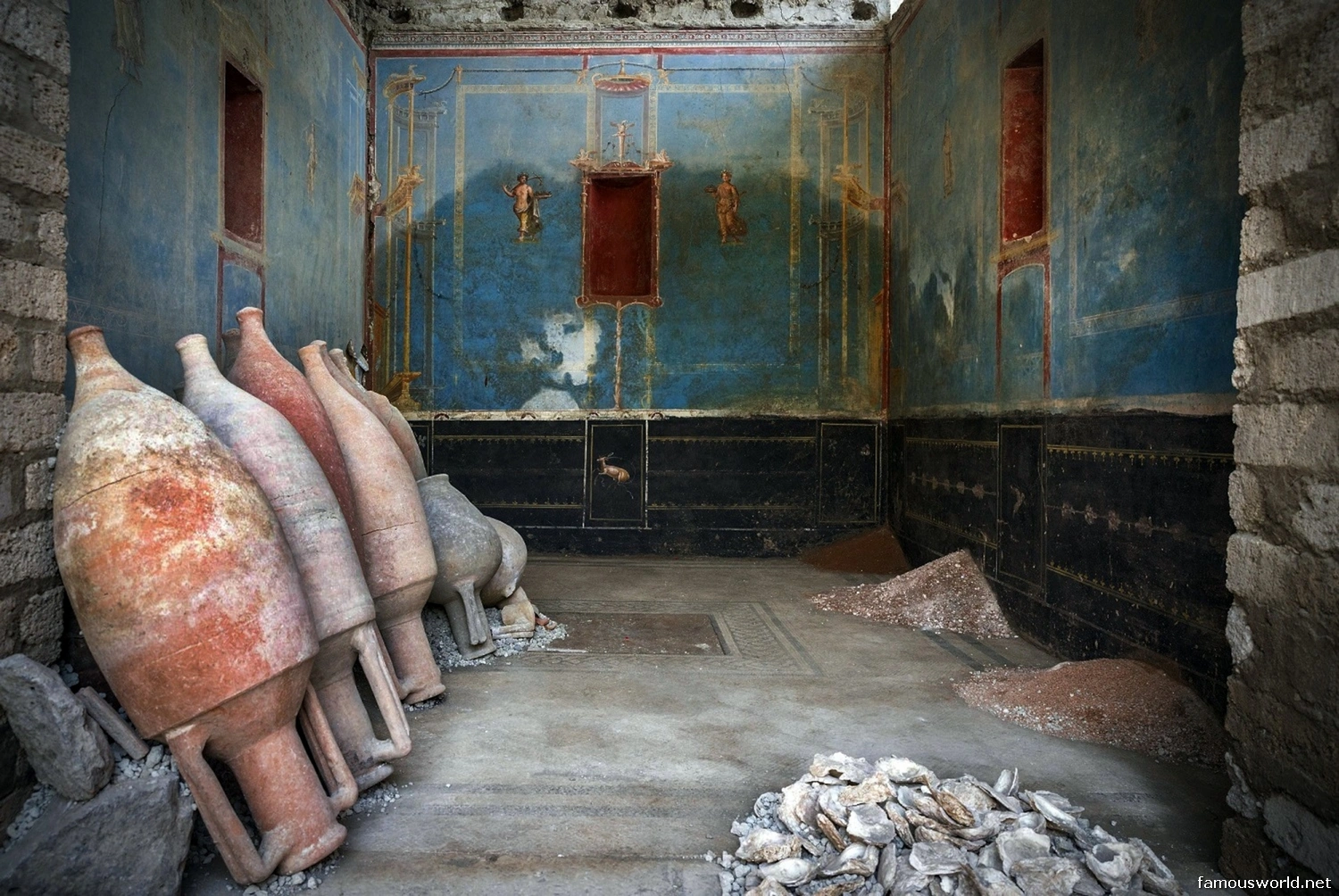
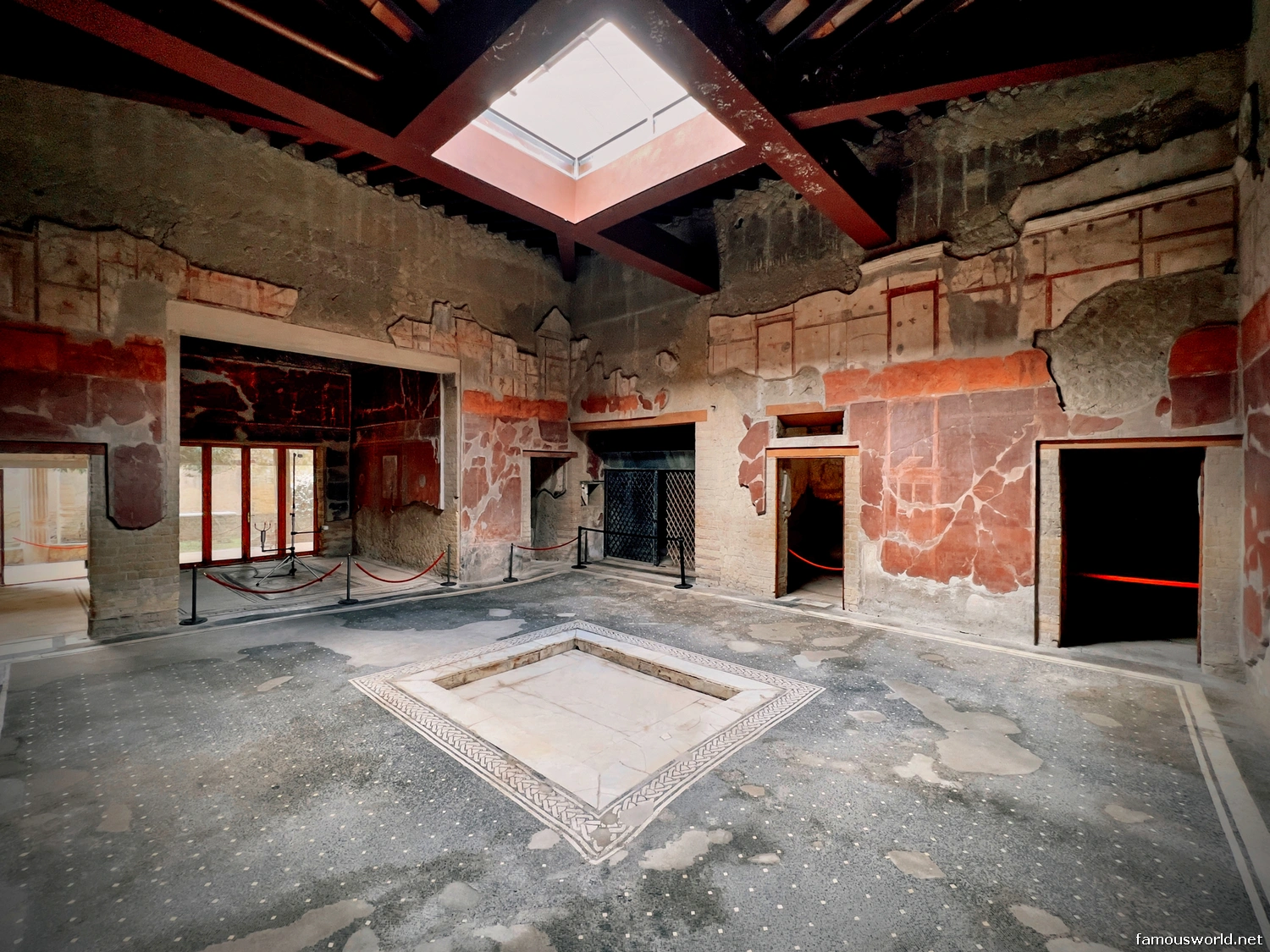
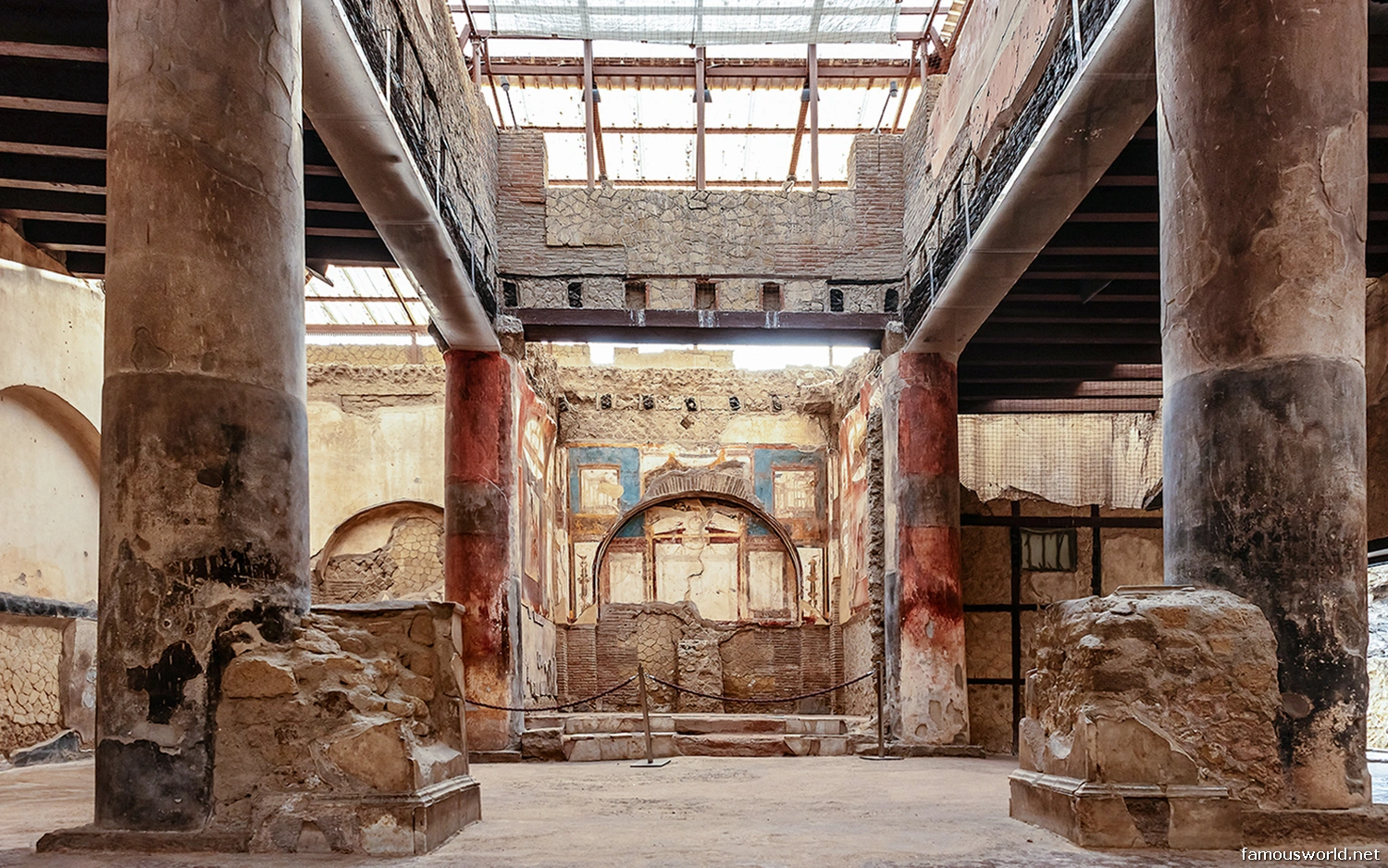
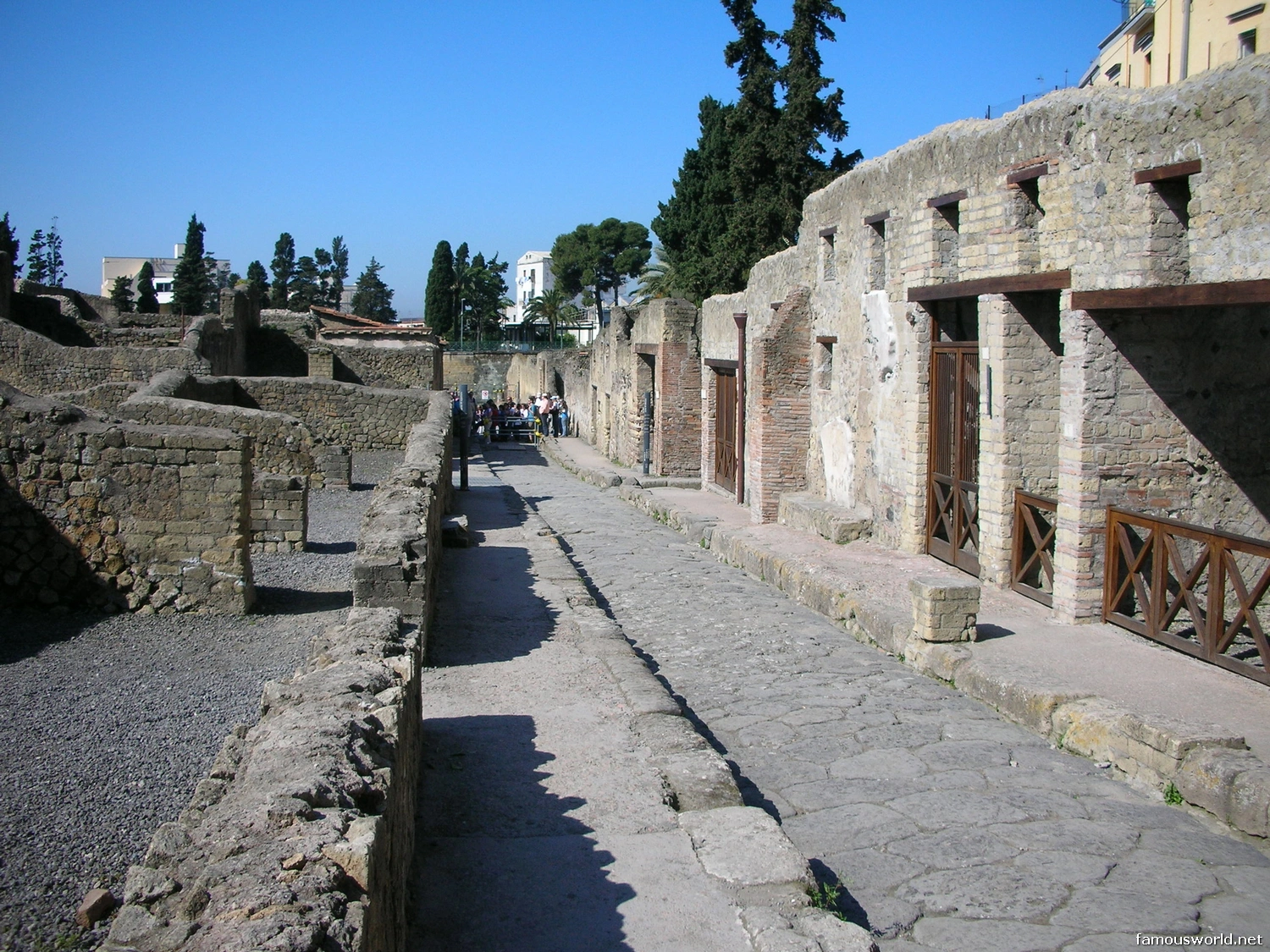
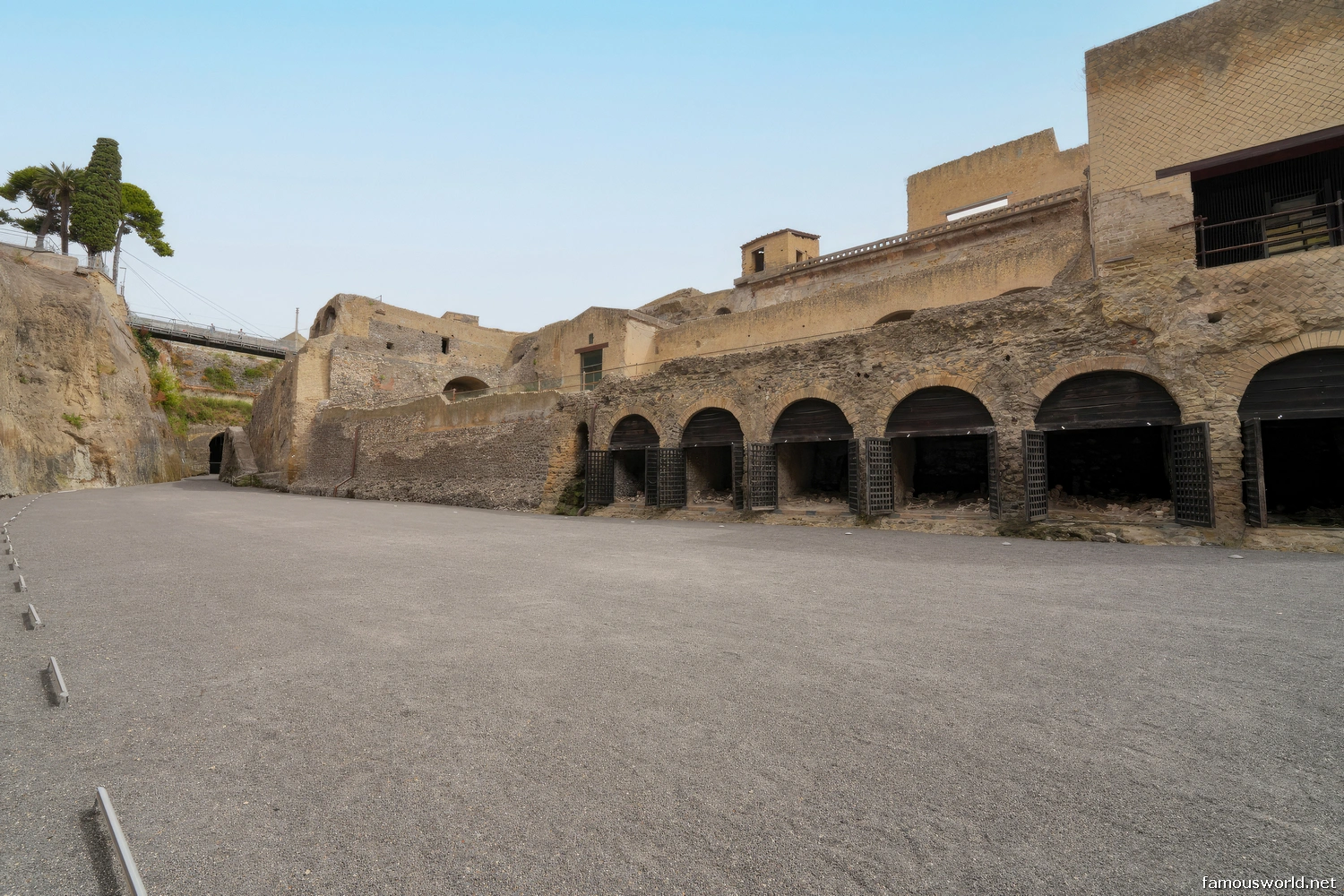
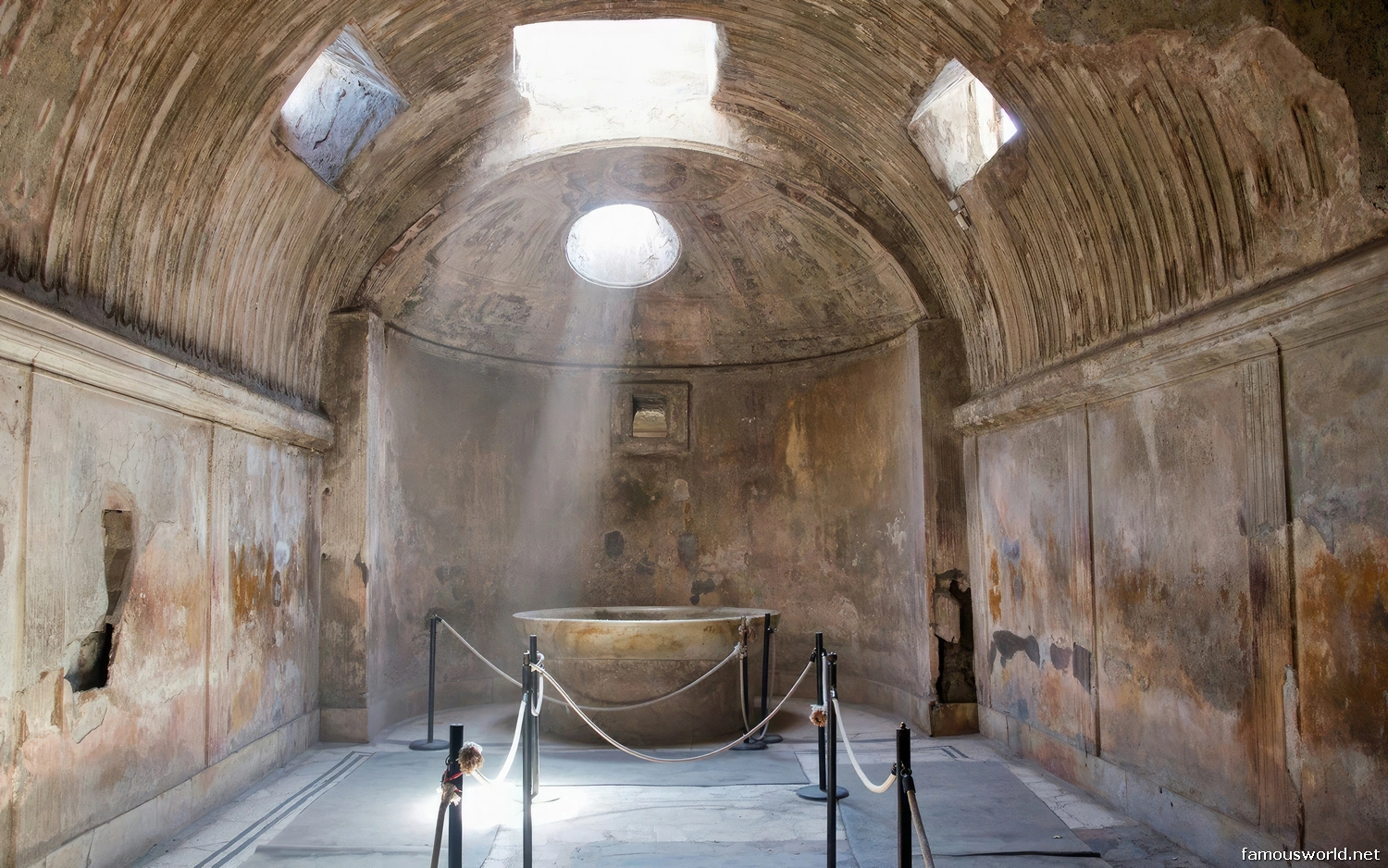
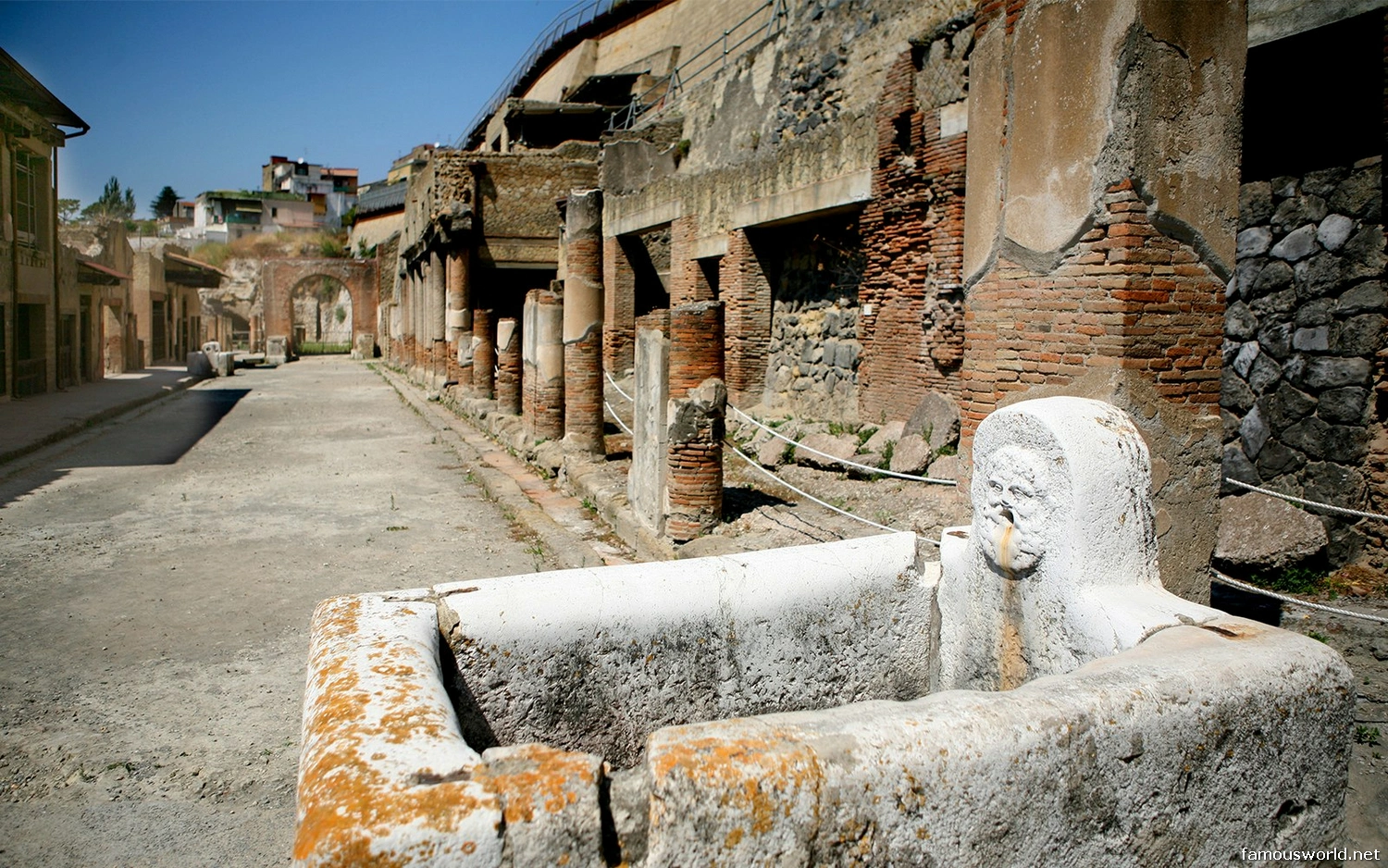
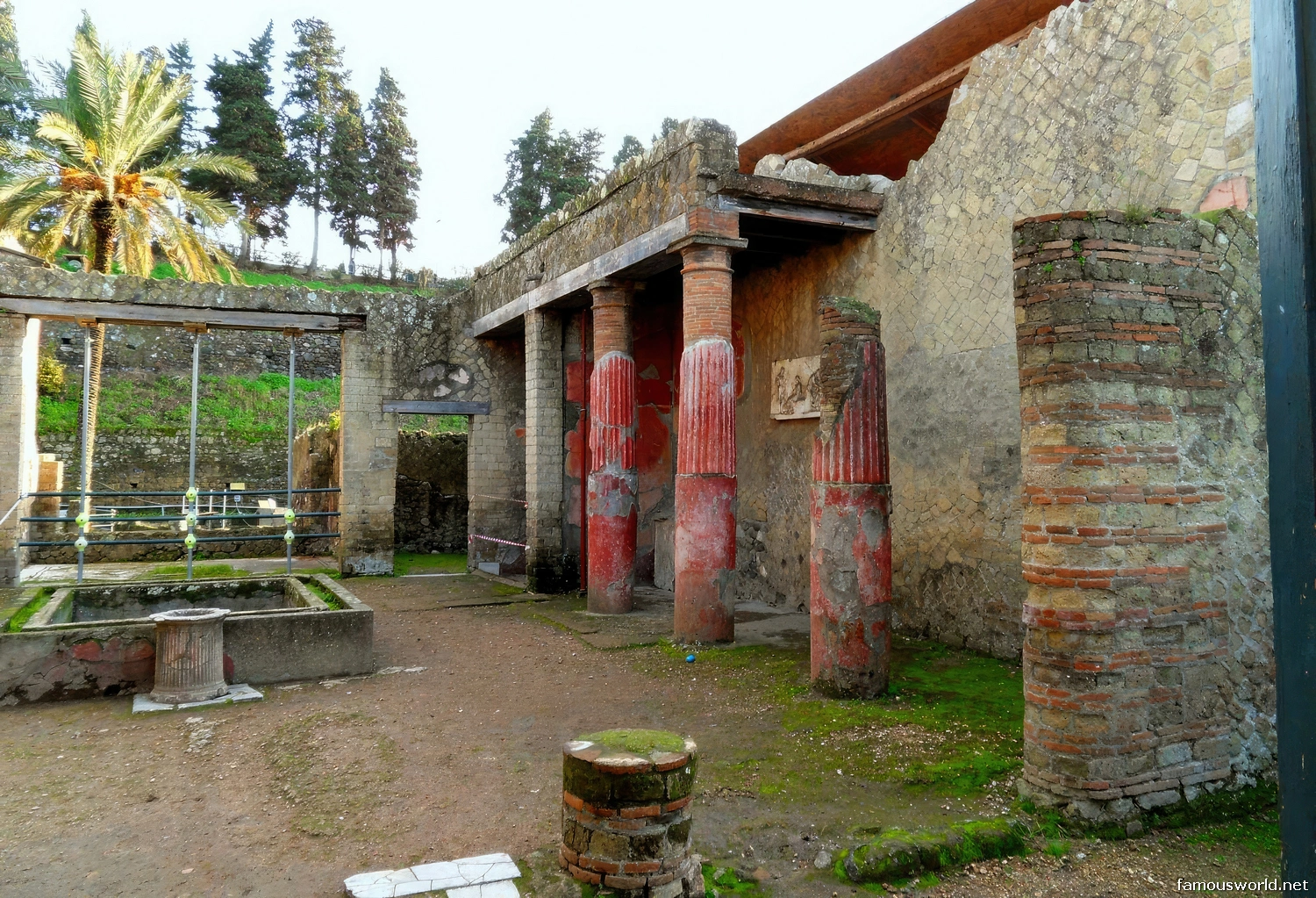
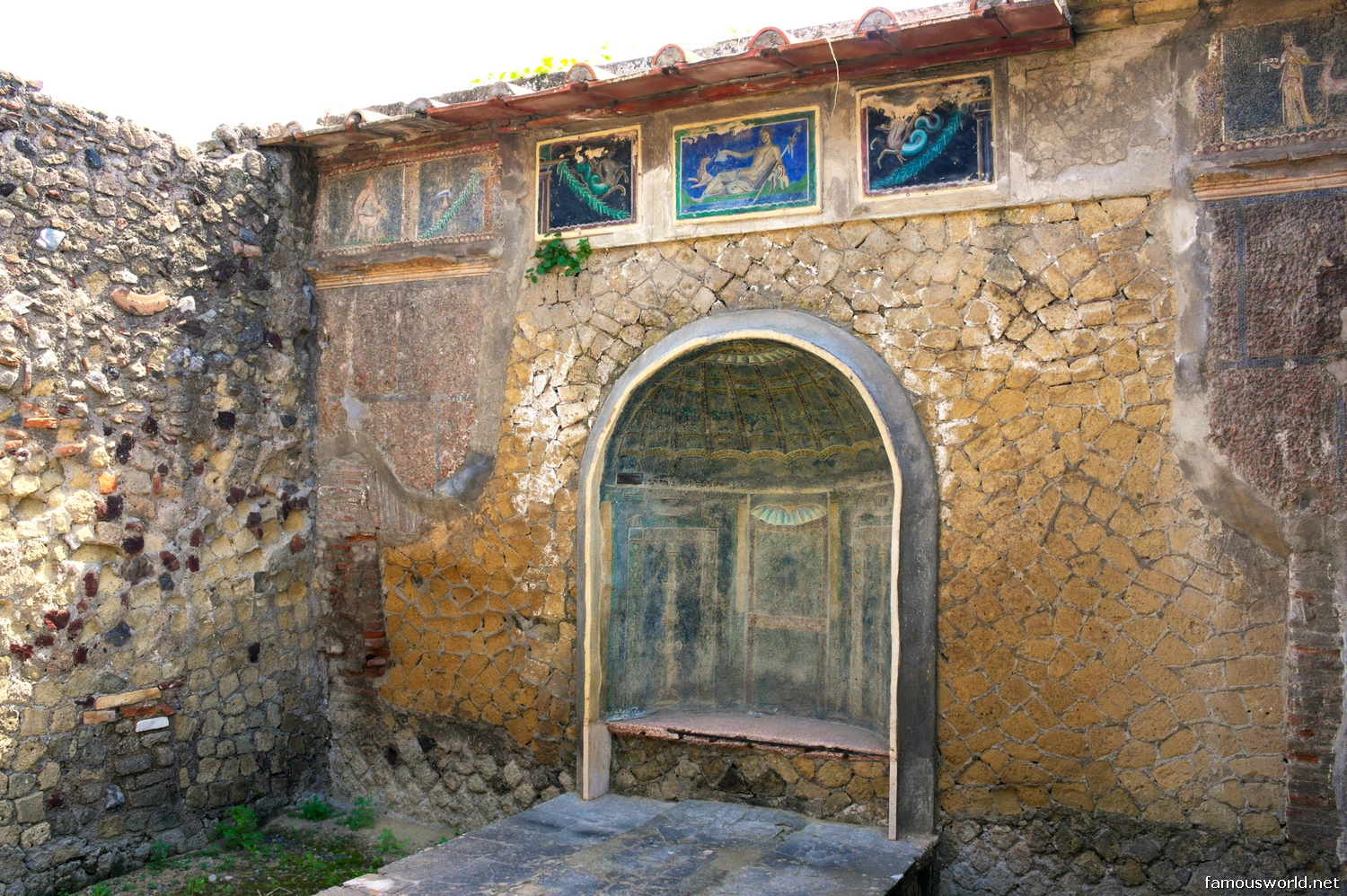
- The Architecture: The sites preserve the full range of Roman urban architecture. Visitors can walk into private homes (domus), see ornate floor mosaics and stunning wall frescoes, and explore public buildings like bathhouses, bakeries, bars (thermopolia), and brothels. Herculaneum is particularly noted for its exceptional preservation of two-story buildings and organic materials like carbonized wood, due to being buried by a different type of volcanic flow.
What Makes It Famous
The cities are famous for their unique and catastrophic preservation, which provides a snapshot of Roman life unlike any other.
- Frozen in Time: They are not ruins in the typical sense but entire cities captured at a specific moment in history, offering incredible detail about daily routines, social structures, and even food.
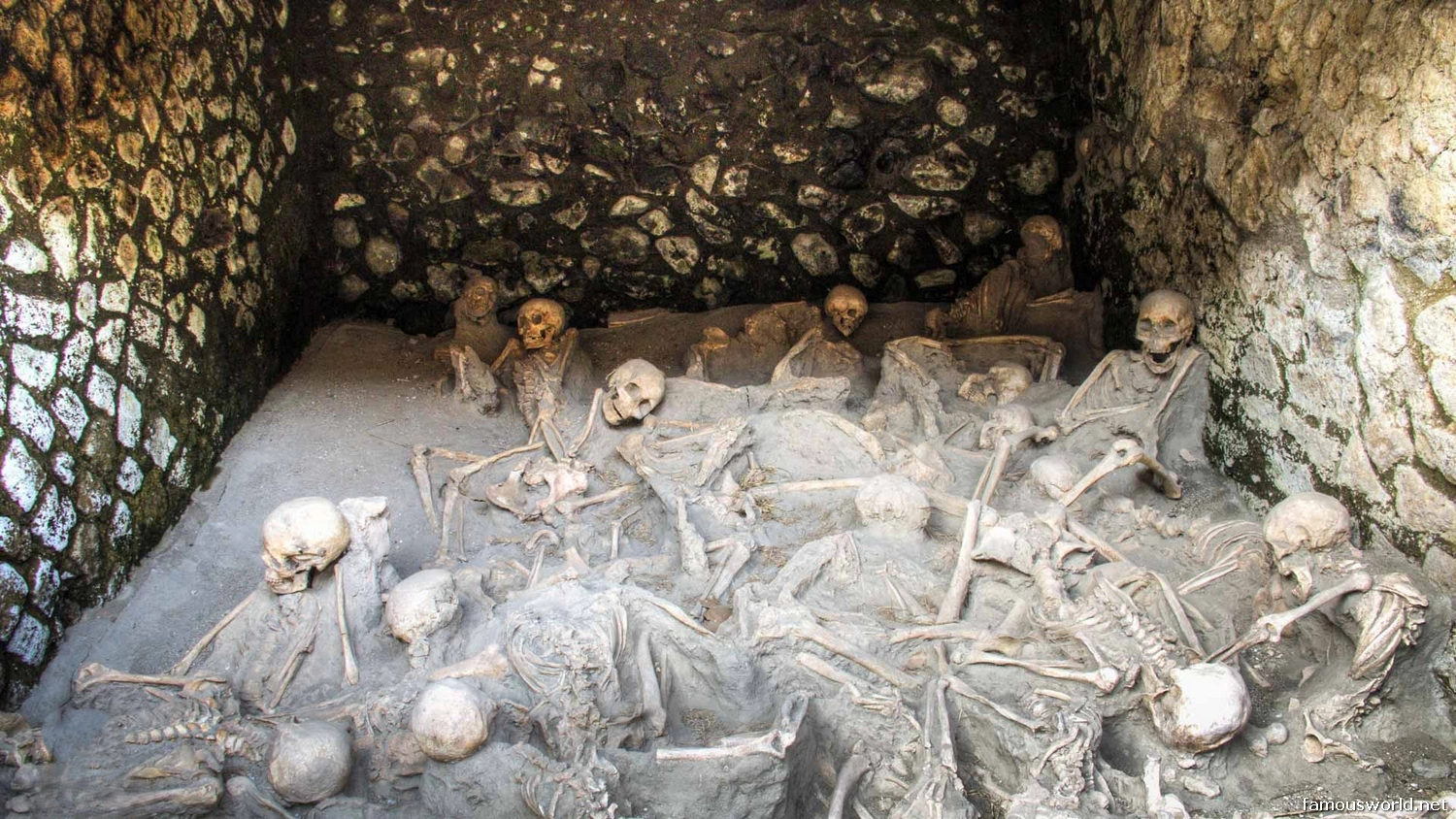
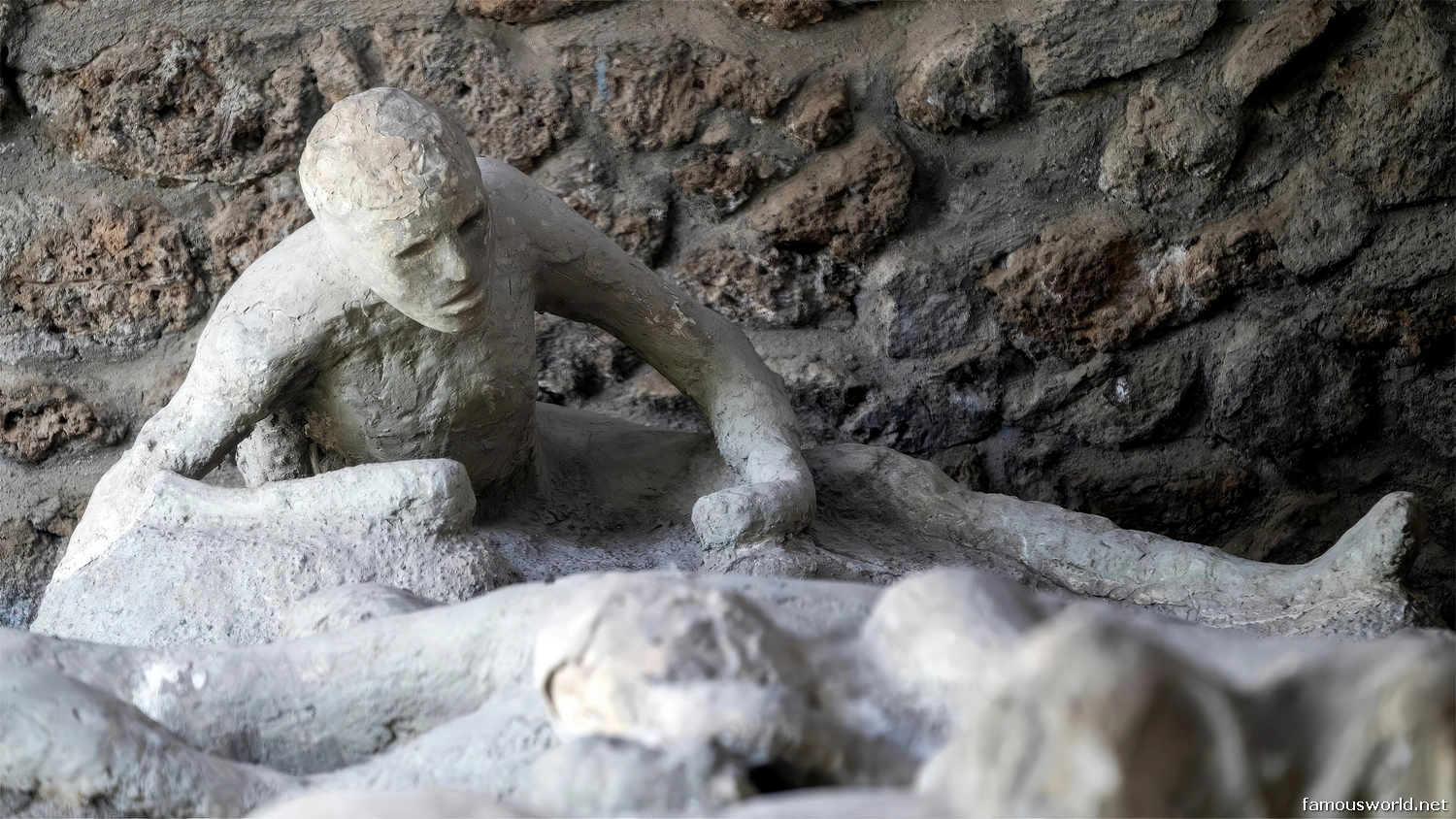
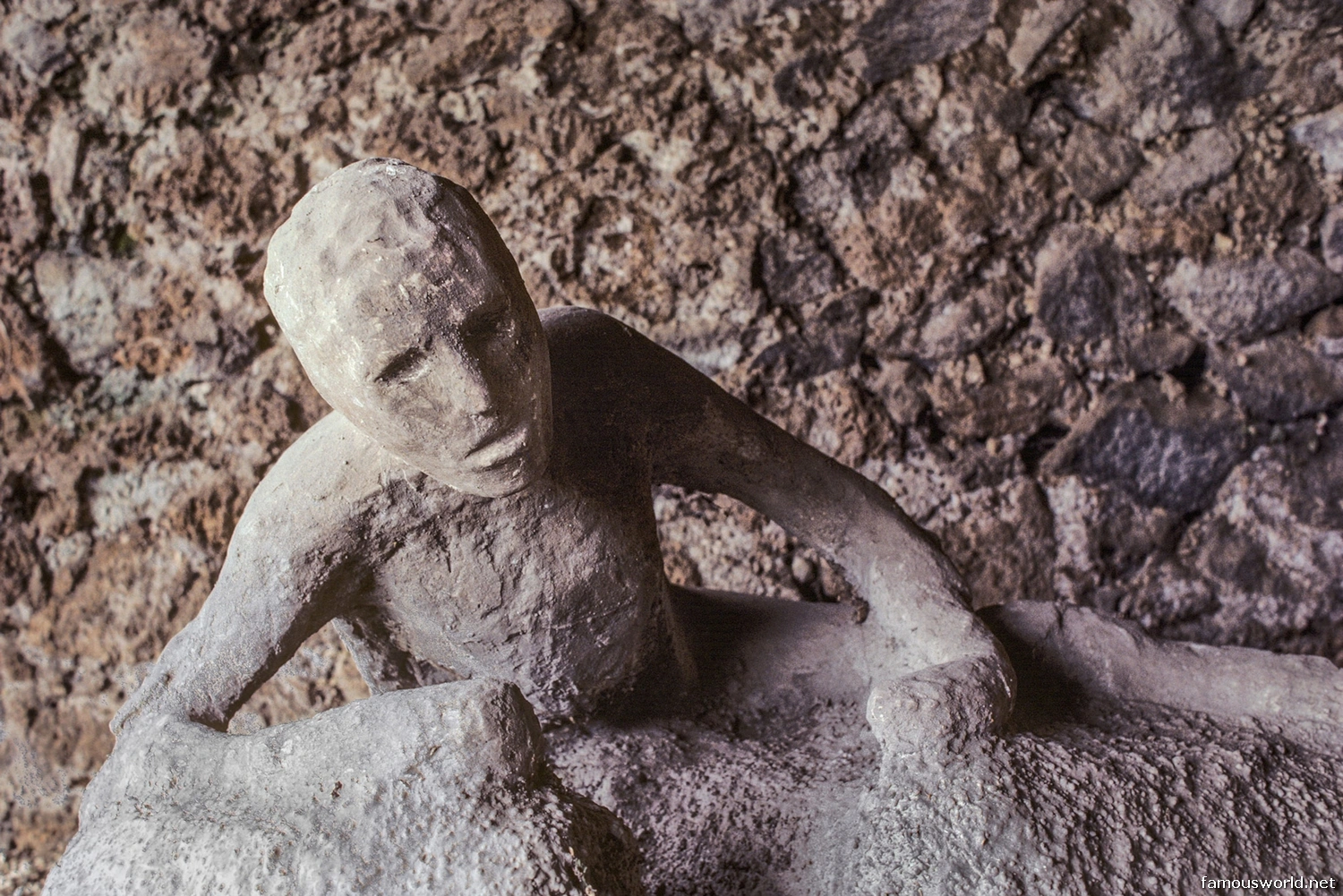
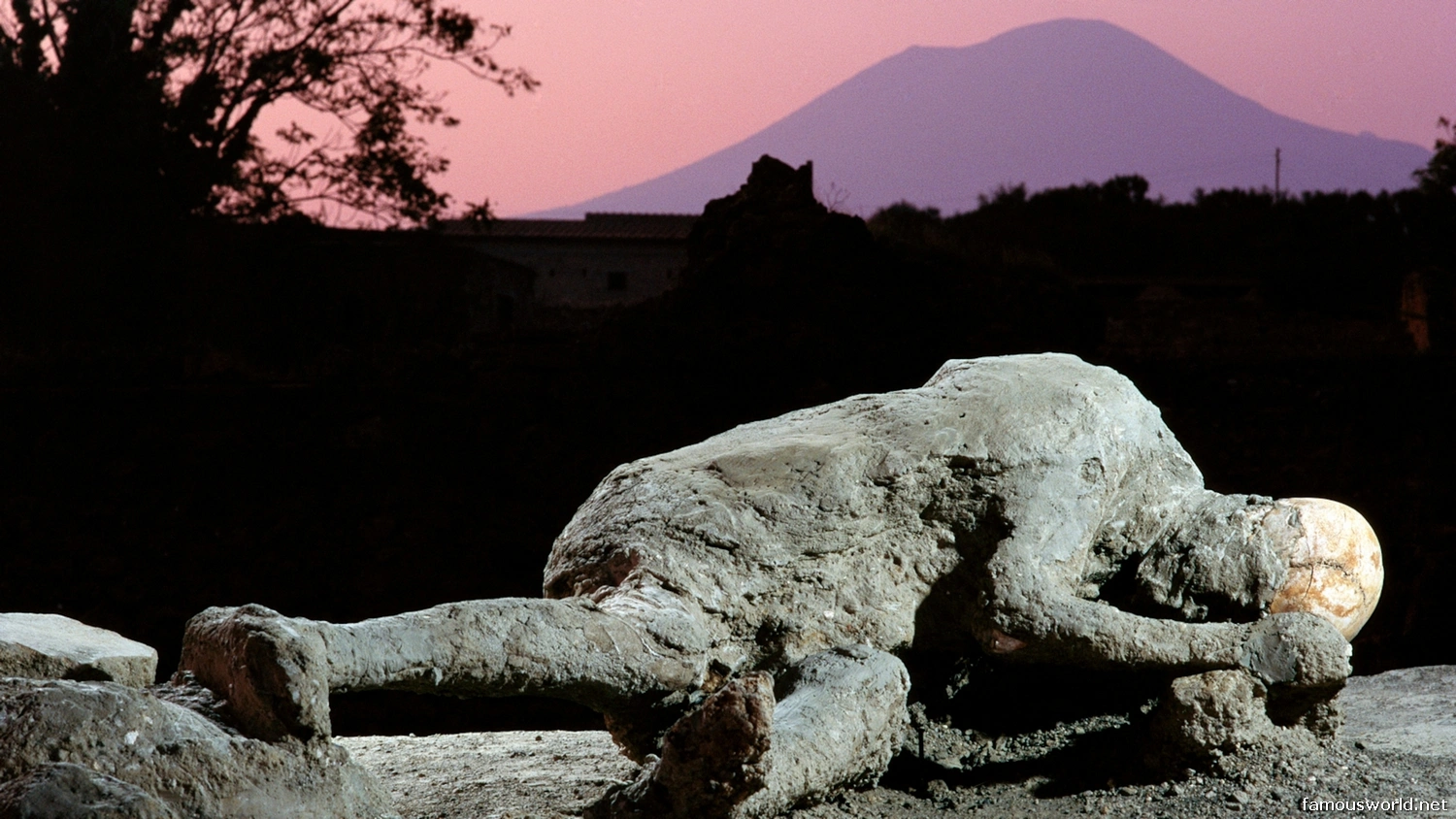
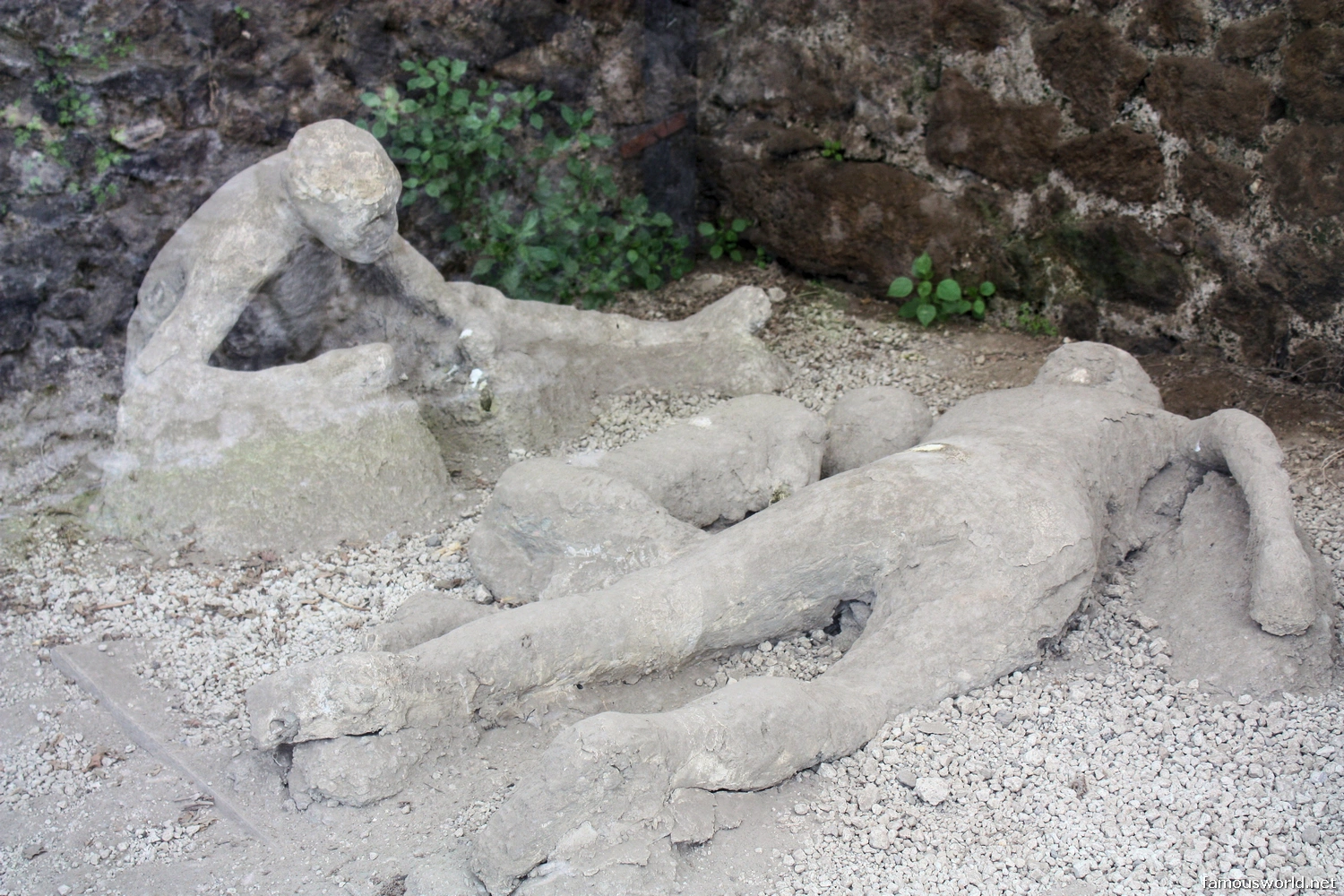
- The Plaster Casts of Pompeii: Archaeologists discovered voids in the hardened ash left by decomposed bodies. By filling these with plaster, they created hauntingly detailed casts of the volcano’s victims at the moment of their death.
- Exceptional Preservation at Herculaneum: Buried by a superheated pyroclastic flow, Herculaneum features the miraculous preservation of organic materials, including wooden doors, furniture, and even ancient papyrus scrolls.
- A Complete Picture of Roman Society: Together, they provide the most comprehensive evidence for how ancient Romans of all classes lived, worked, and worshipped.
Differences from Other Wonders
The sudden, catastrophic preservation of Pompeii and Herculaneum contrasts starkly with the gradual, historical decay of the Roman Forum.
- Environment (Complete Preserved Cities vs. Evolved Political Center): Pompeii and Herculaneum are entire urban environments, including private homes and shops, frozen at one moment. The Roman Forum is the ruined core of a capital city, a collection of grand public monuments built, rebuilt, and abandoned over a thousand years.
- Core Story (A Day in Roman Life vs. The Grand Sweep of Roman History): The story of Pompeii is about the ordinary, daily life of a Roman town cut short by disaster. The Forum’s story is about the grand arc of Roman history—its politics, triumphs, and eventual decline.
- Primary Attraction (Intimate Detail and Human Tragedy vs. Monumental Scale and Political Legacy): The main attraction of Pompeii is the intimate, personal detail of daily life and the poignant human tragedy. The main attraction of the Forum is the monumental scale of its ruins and their connection to major historical figures and events.
- Atmosphere (Haunting and Intimate vs. Grand and Intellectual): The atmosphere in Pompeii is haunting, personal, and sometimes claustrophobic. The atmosphere in the Forum is one of grand history, inviting intellectual reflection on the rise and fall of an empire.
Location on world map