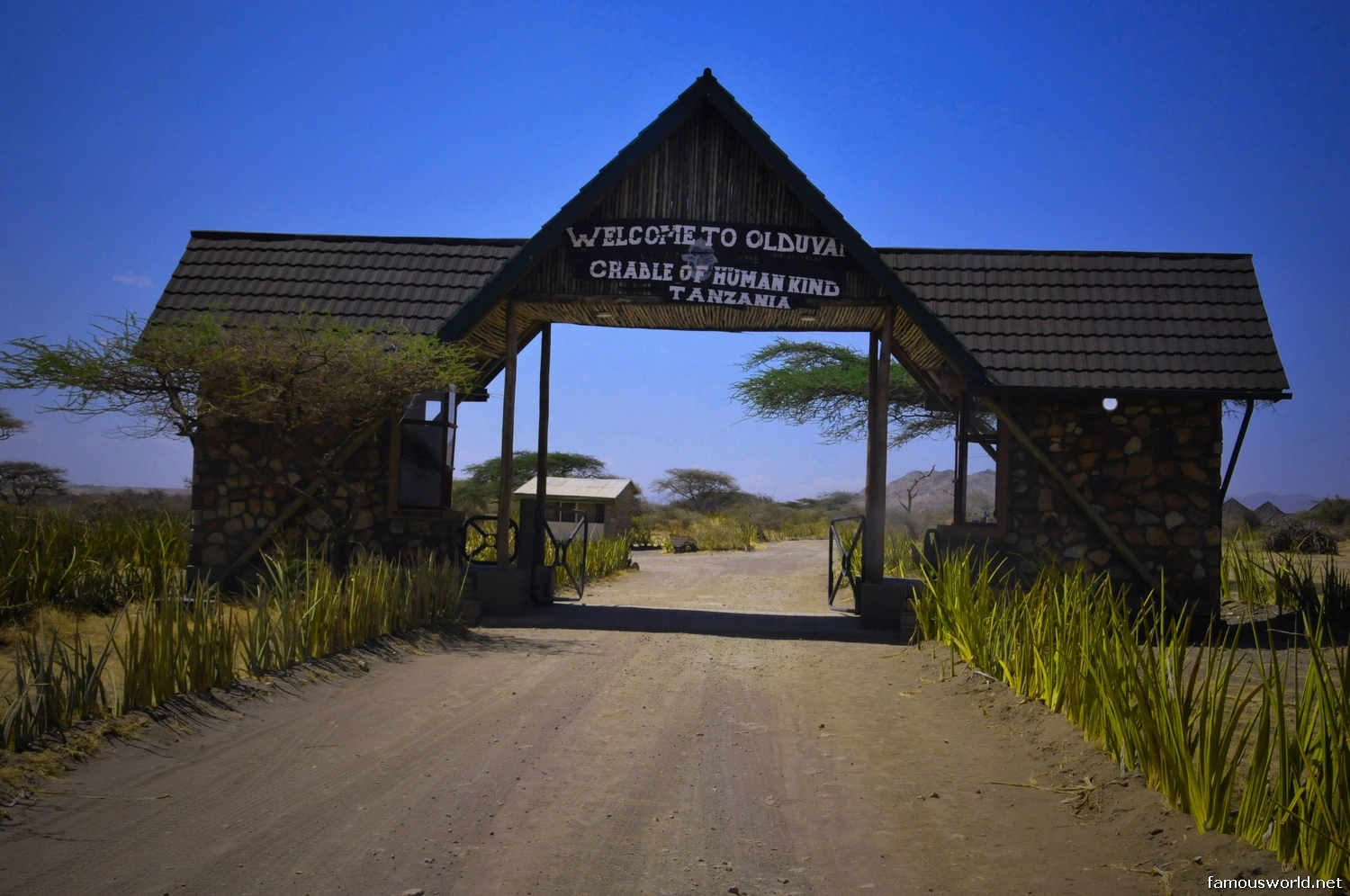
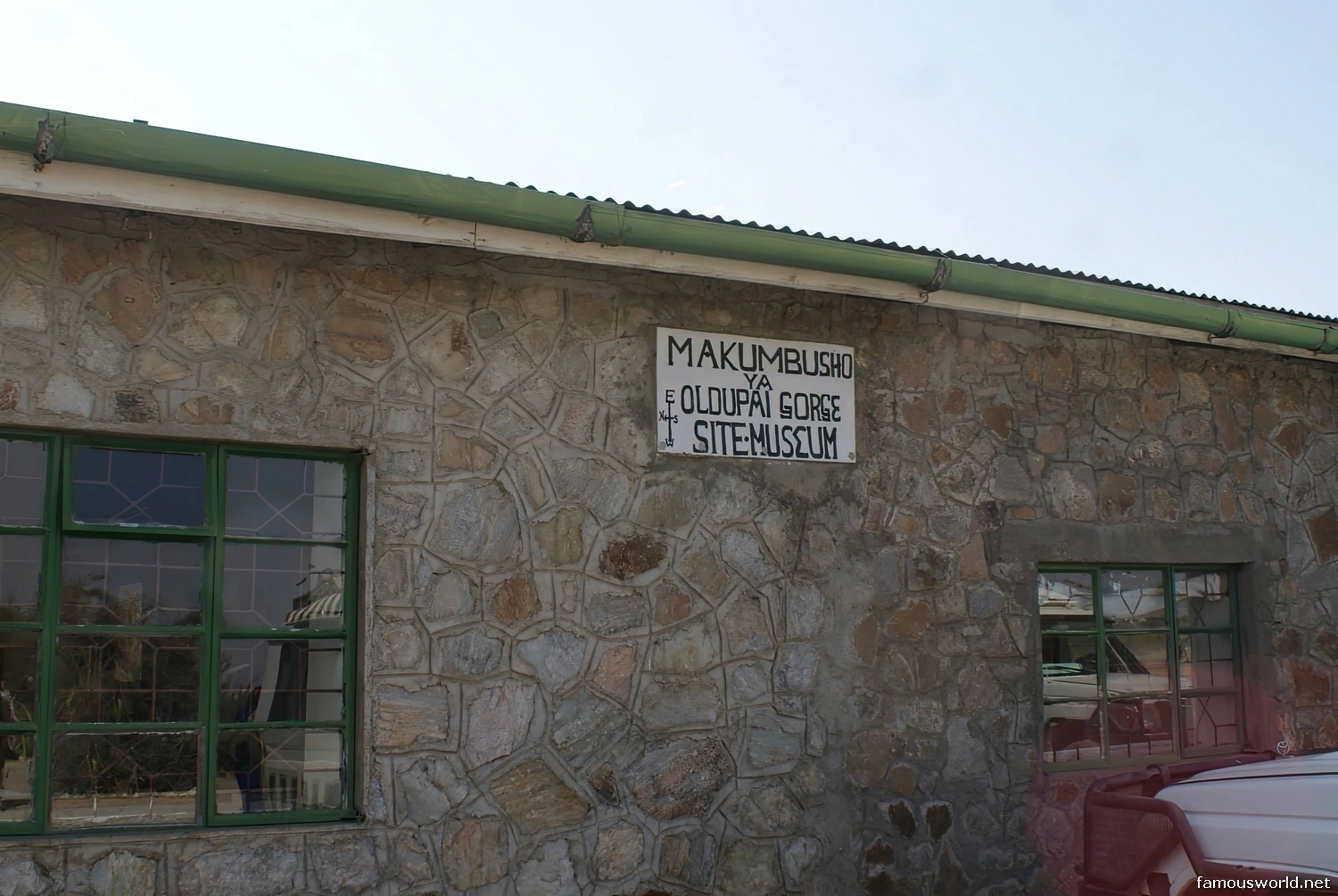

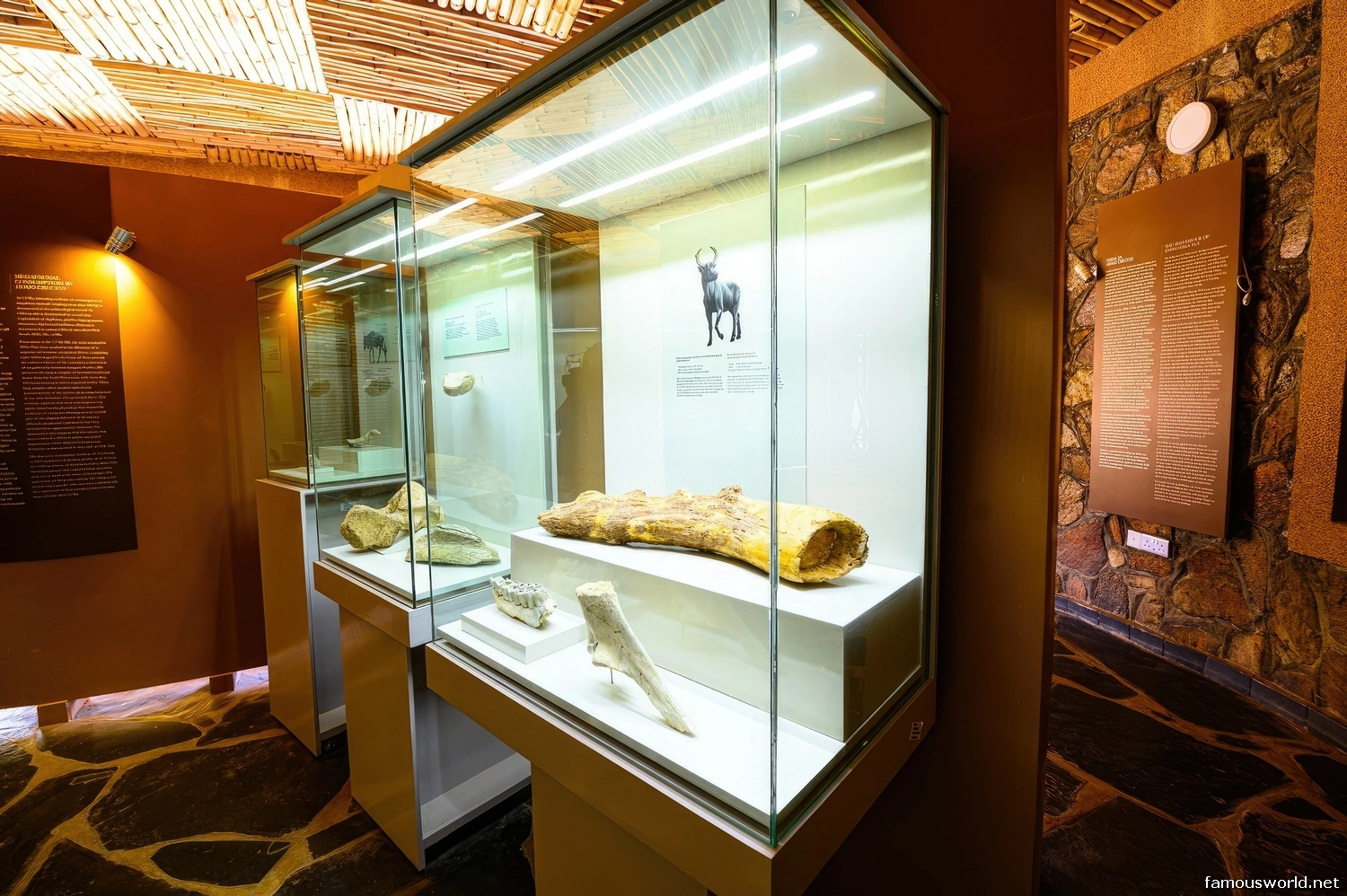
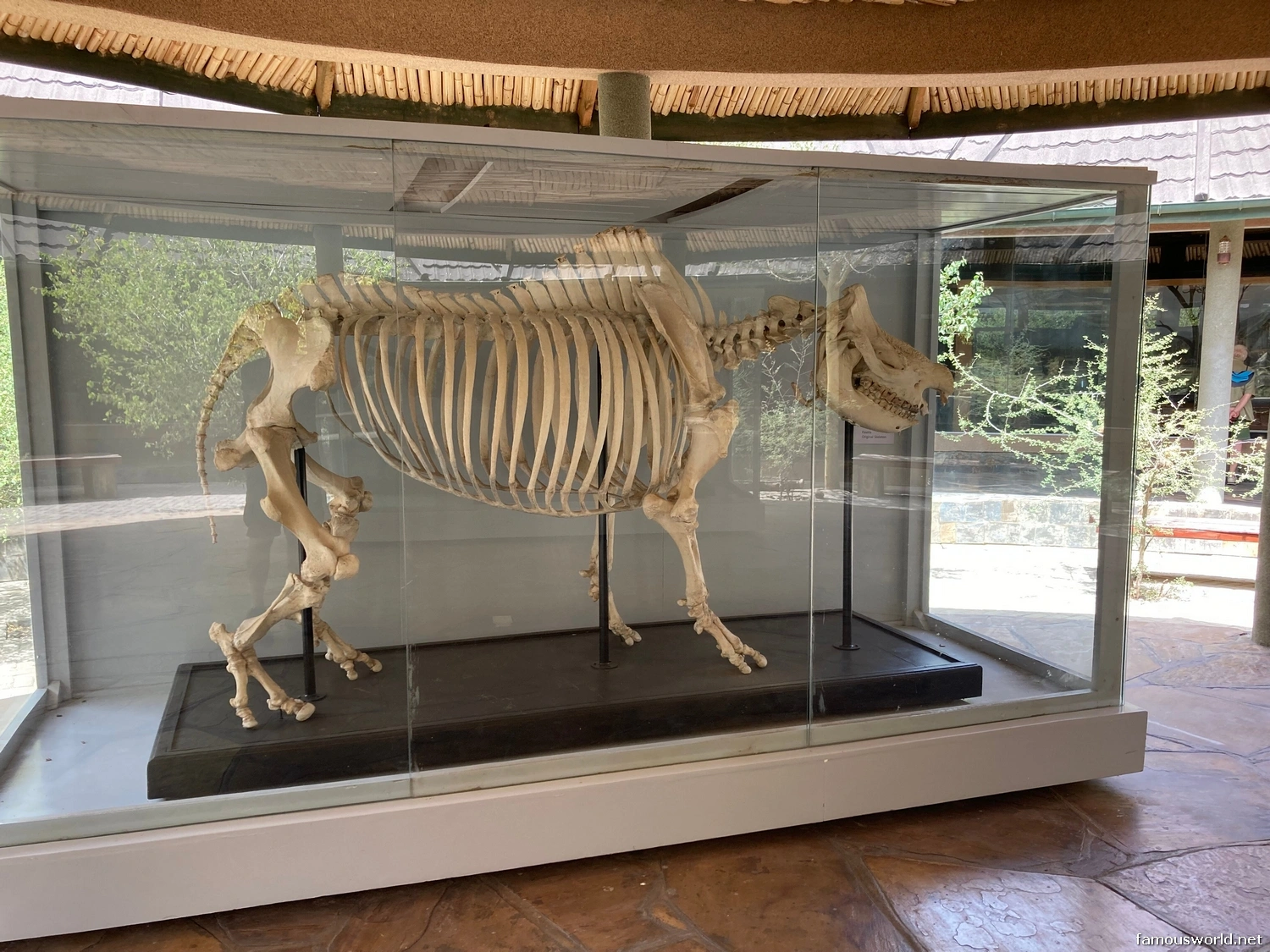
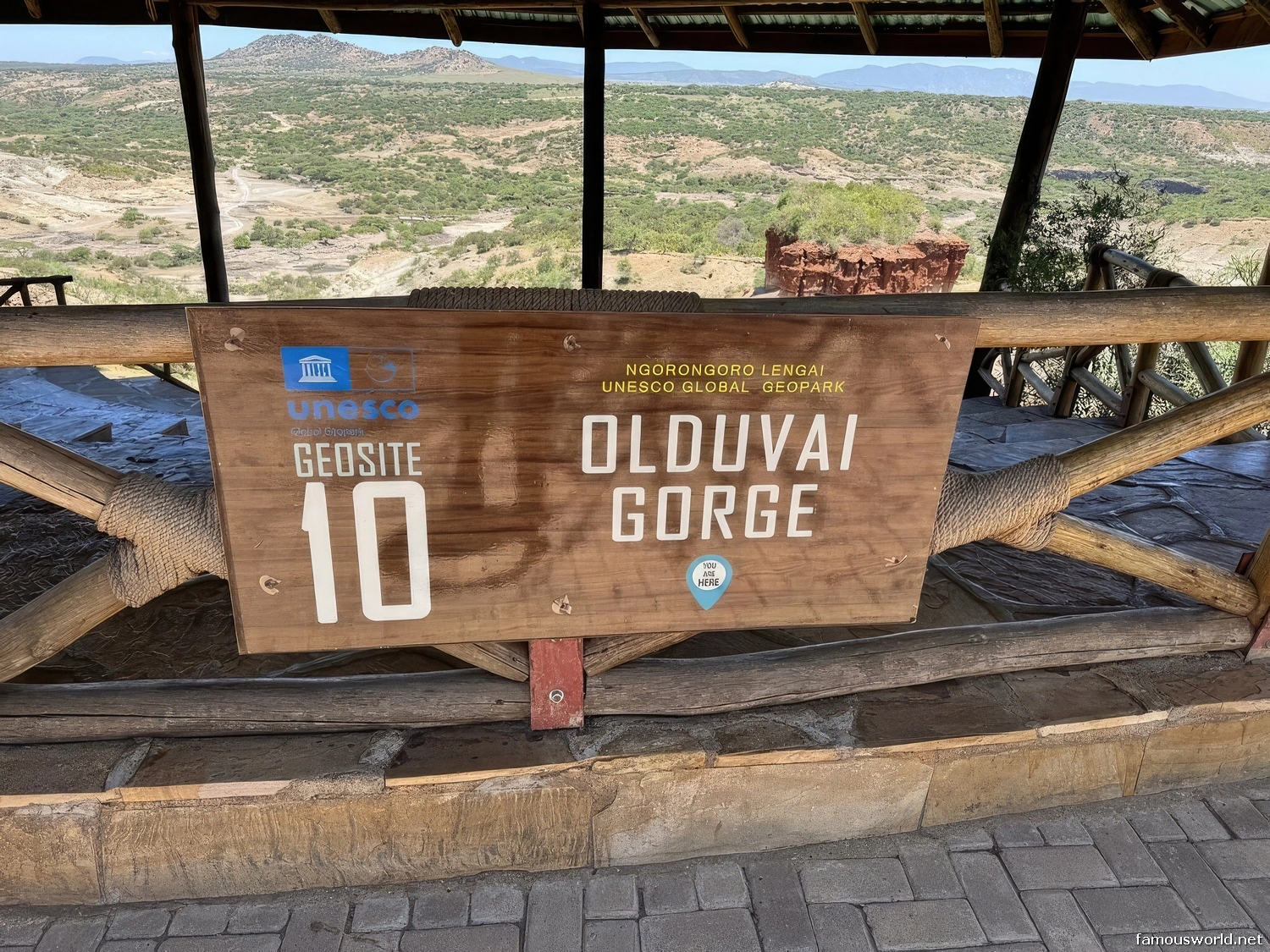
Perched on the Edge of the World’s most famous prehistoric site, the Olduvai Gorge Museum serves as the interpretive heart of the “Cradle of Humankind.” This modest but vital institution is not merely a building with exhibits; it is a gateway to understanding the profound discoveries that have unfolded in the ravine below. Established by the pioneering paleoanthropologist Mary Leakey, the museum was designed to house and explain the rich collection of hominin fossils and stone tools unearthed from the gorge’s ancient geological layers. It transforms the stark, arid landscape into a tangible story of human evolution, offering visitors a direct connection to the two-million-year-old saga of our earliest ancestors.
Listen to an introduction about Olduvai Gorge Museum

Name and Location
- Name: The Olduvai Gorge Museum.
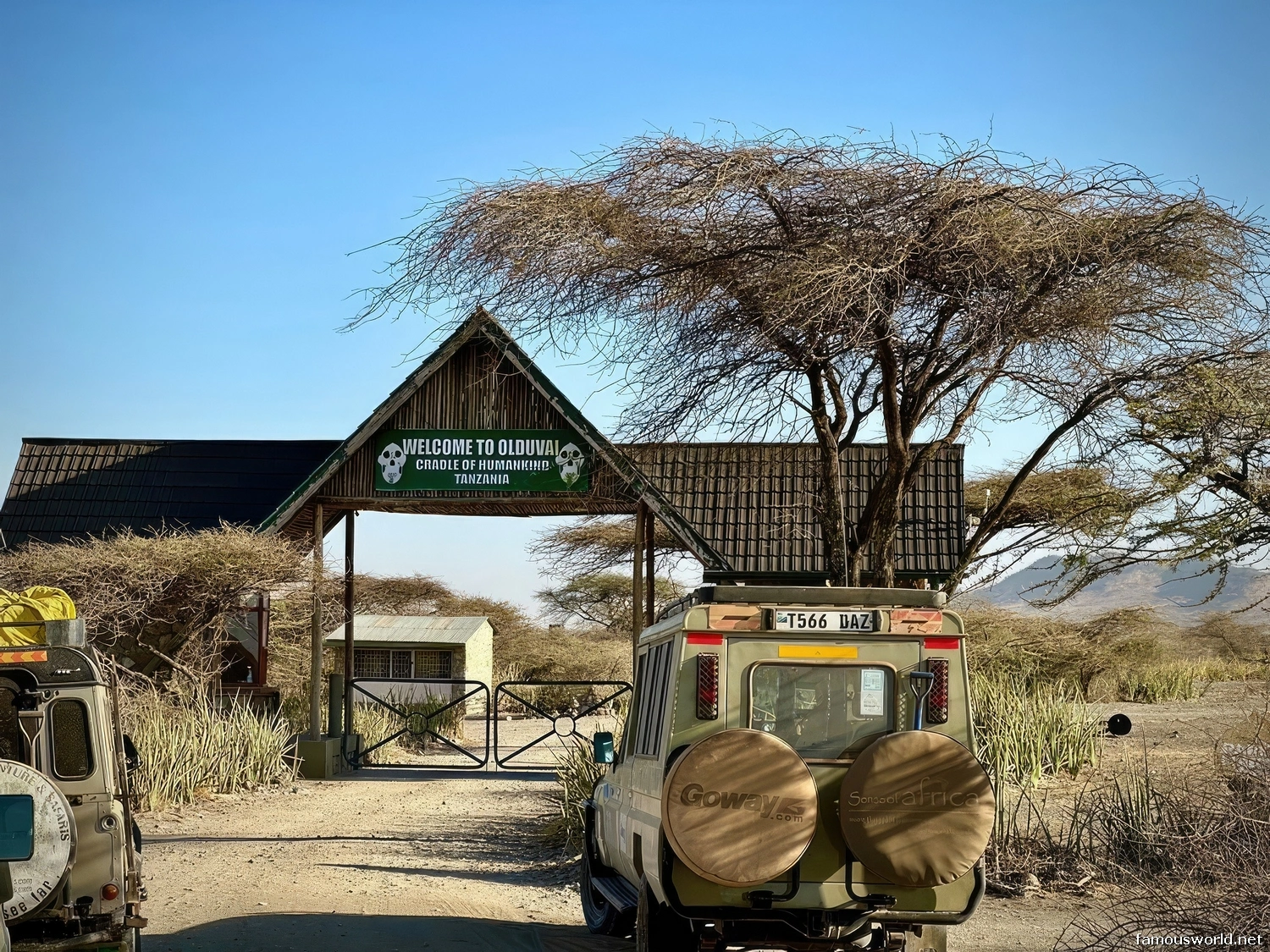
- Location: Situated on the southern rim of Olduvai Gorge in the Ngorongoro Conservation Area, Northern Tanzania. It is a key landmark on the main road connecting the Ngorongoro Crater to the Serengeti National Park.
How to Get There
Access to the museum is straightforward for those on the popular Northern Tanzania safari circuit.
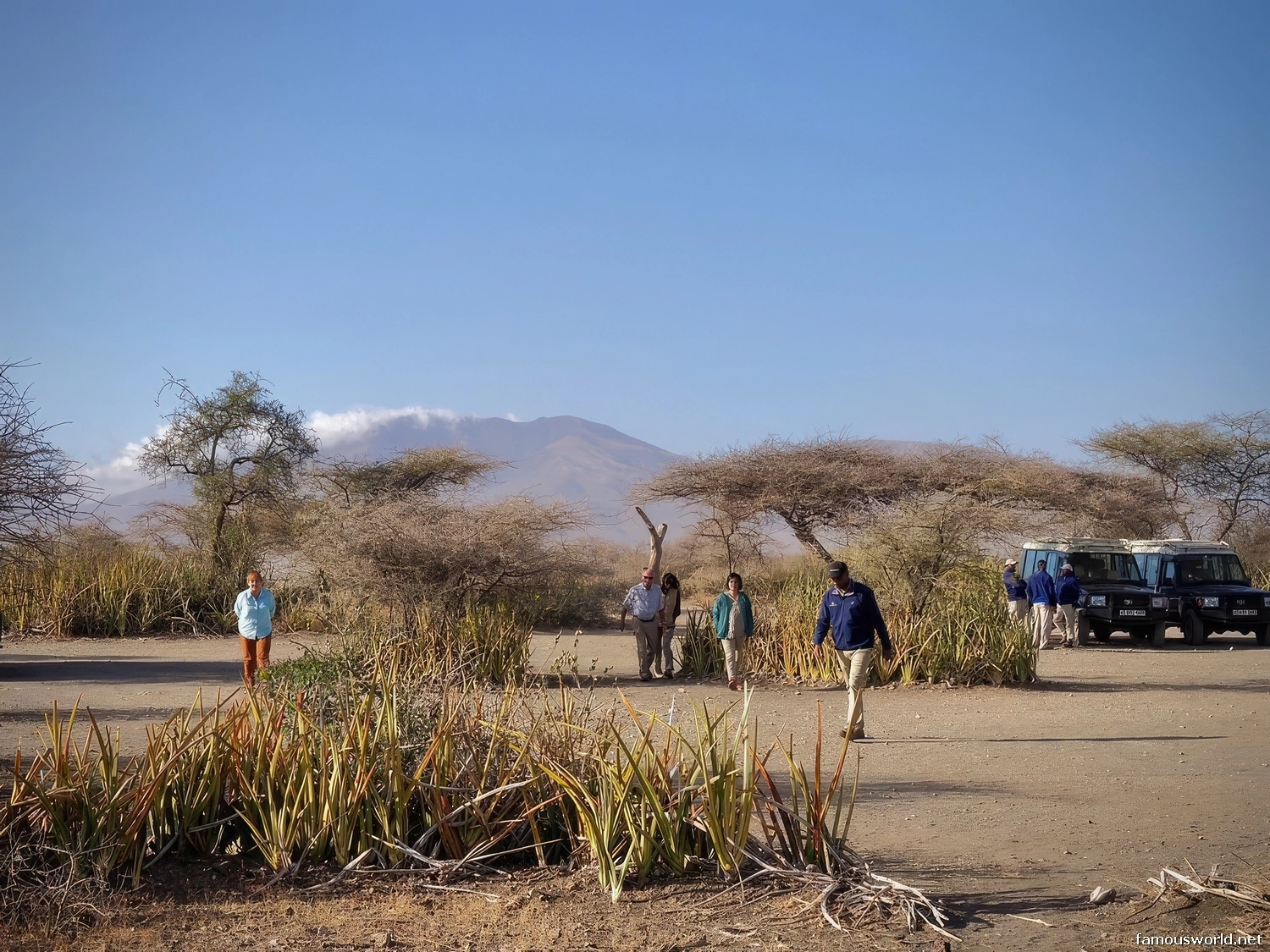
- By Road: The museum is a common and highly recommended stop for safari tours traveling between the Serengeti and Ngorongoro. It is easily accessible via a short turn-off from the main transit route and is equipped with parking for 4×4 safari vehicles.
Landscape and Architecture
The museum’s design is functional and respectful of its extraordinary surroundings.
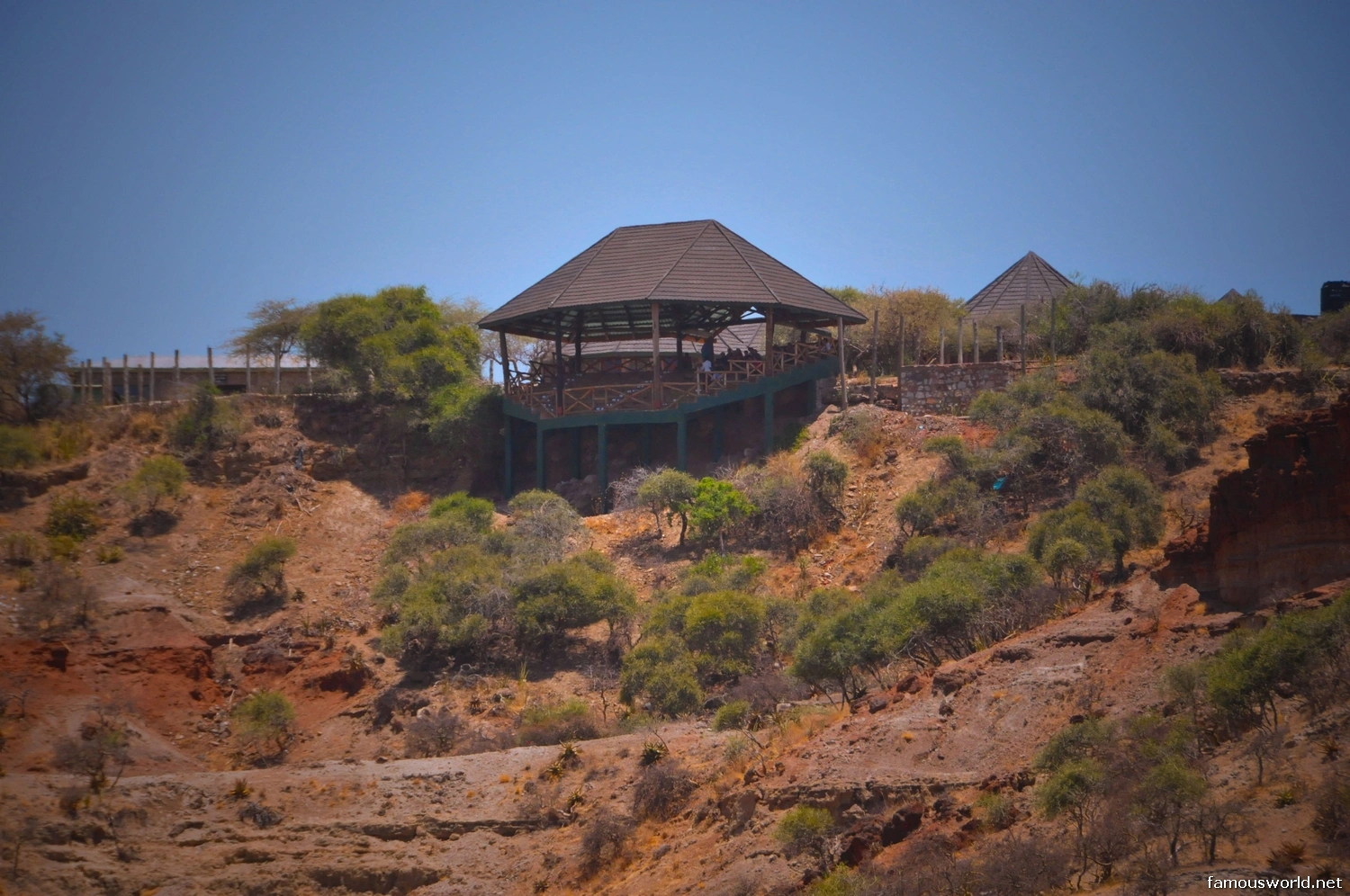
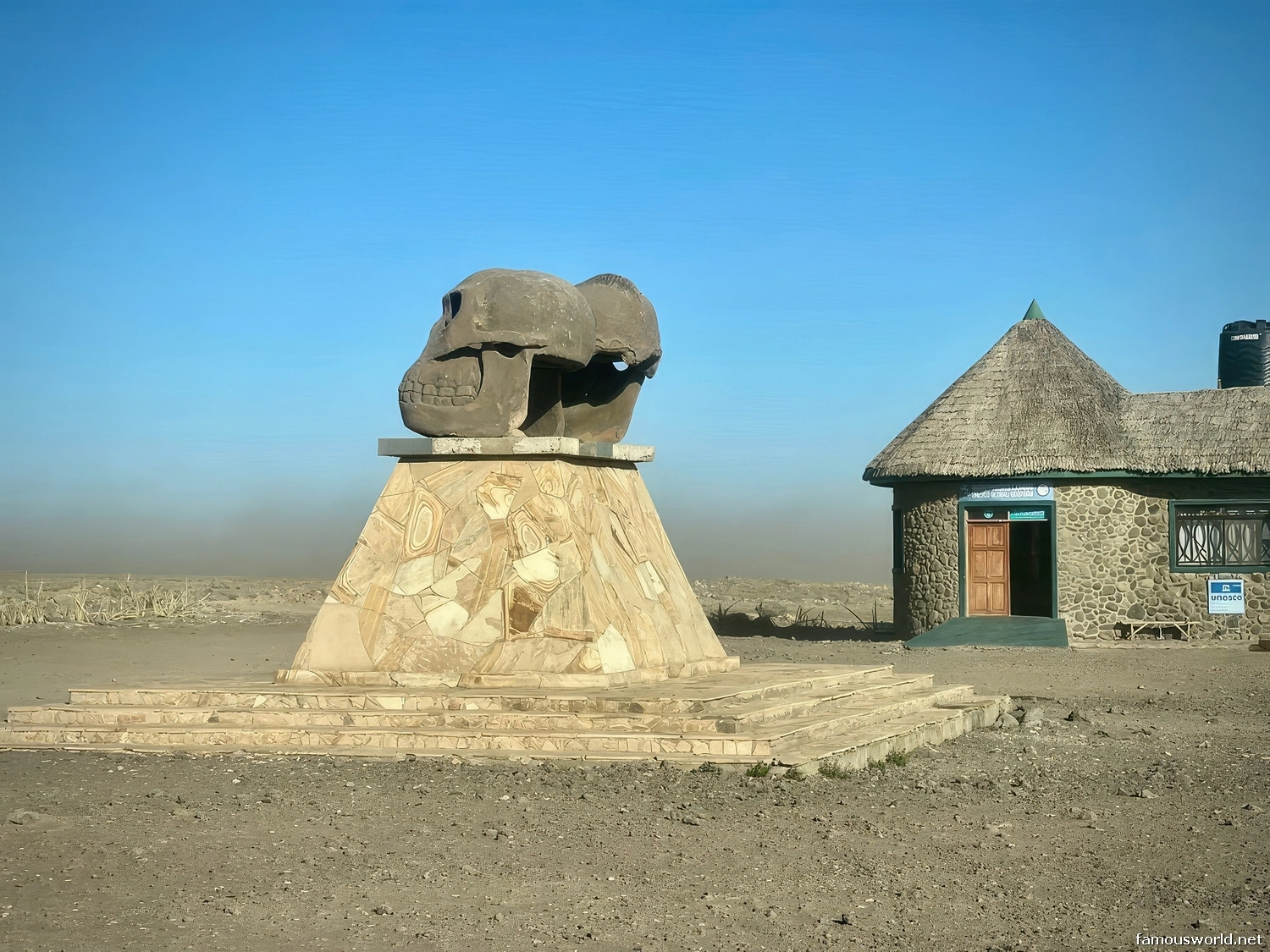
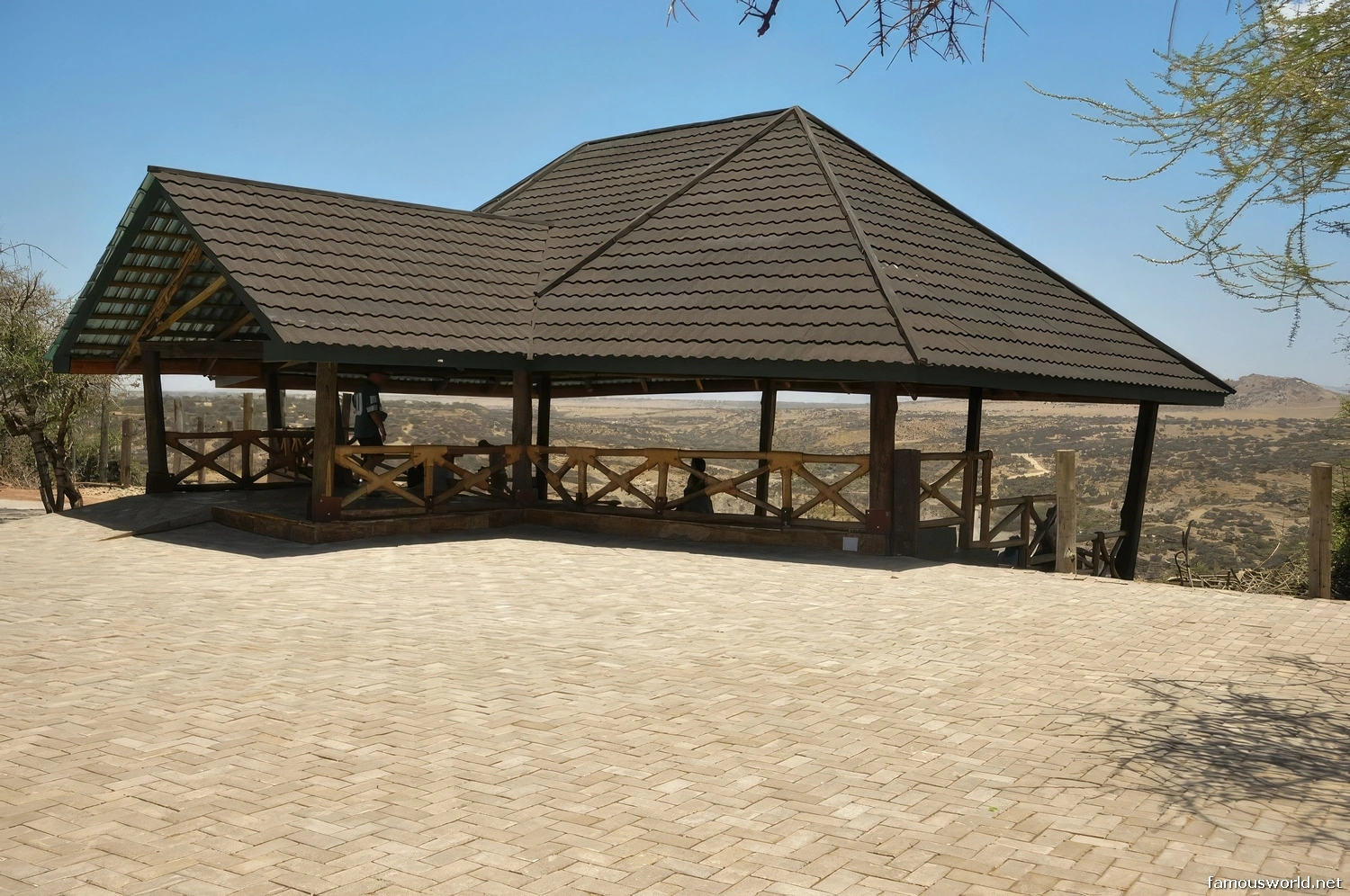
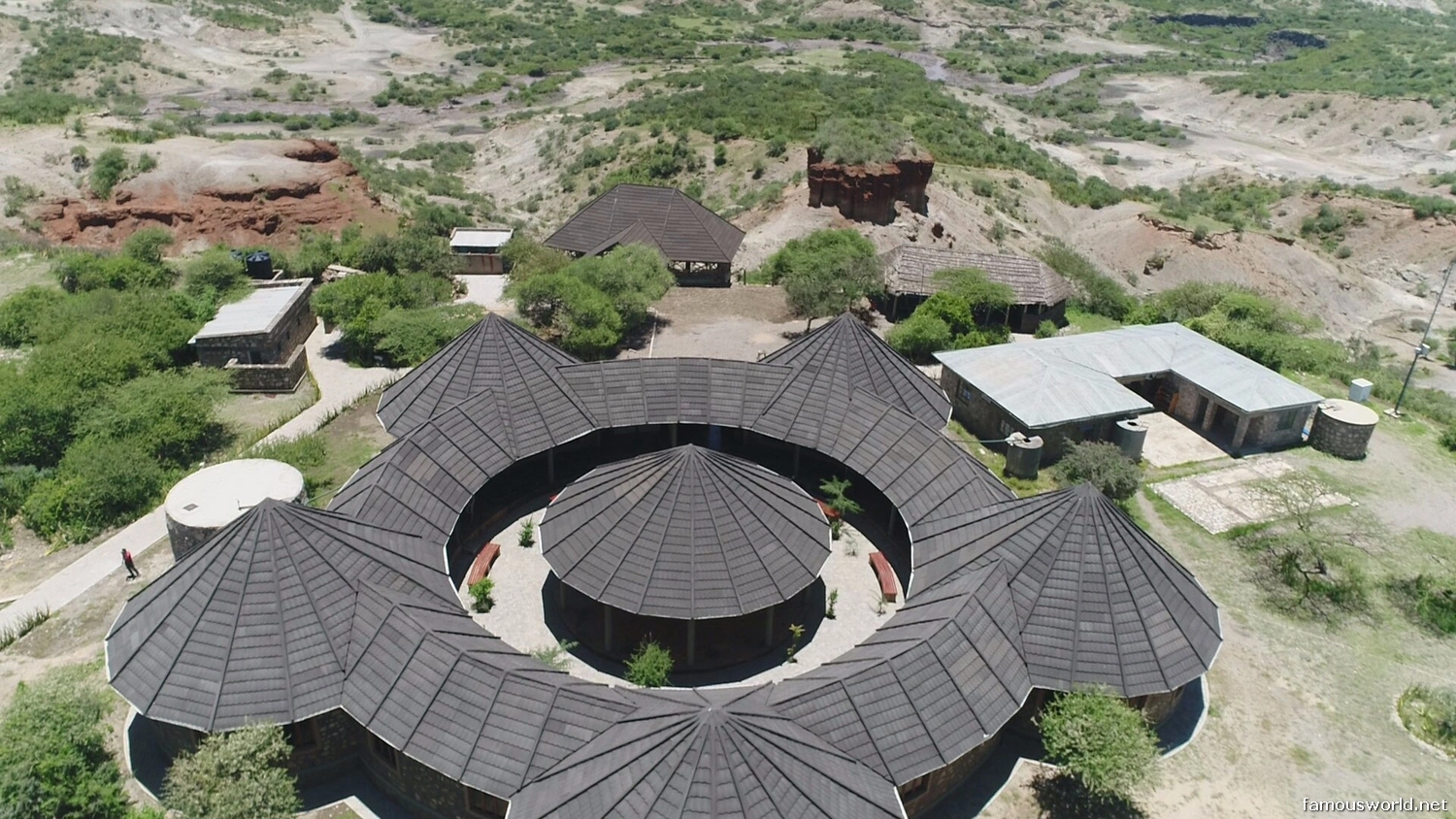
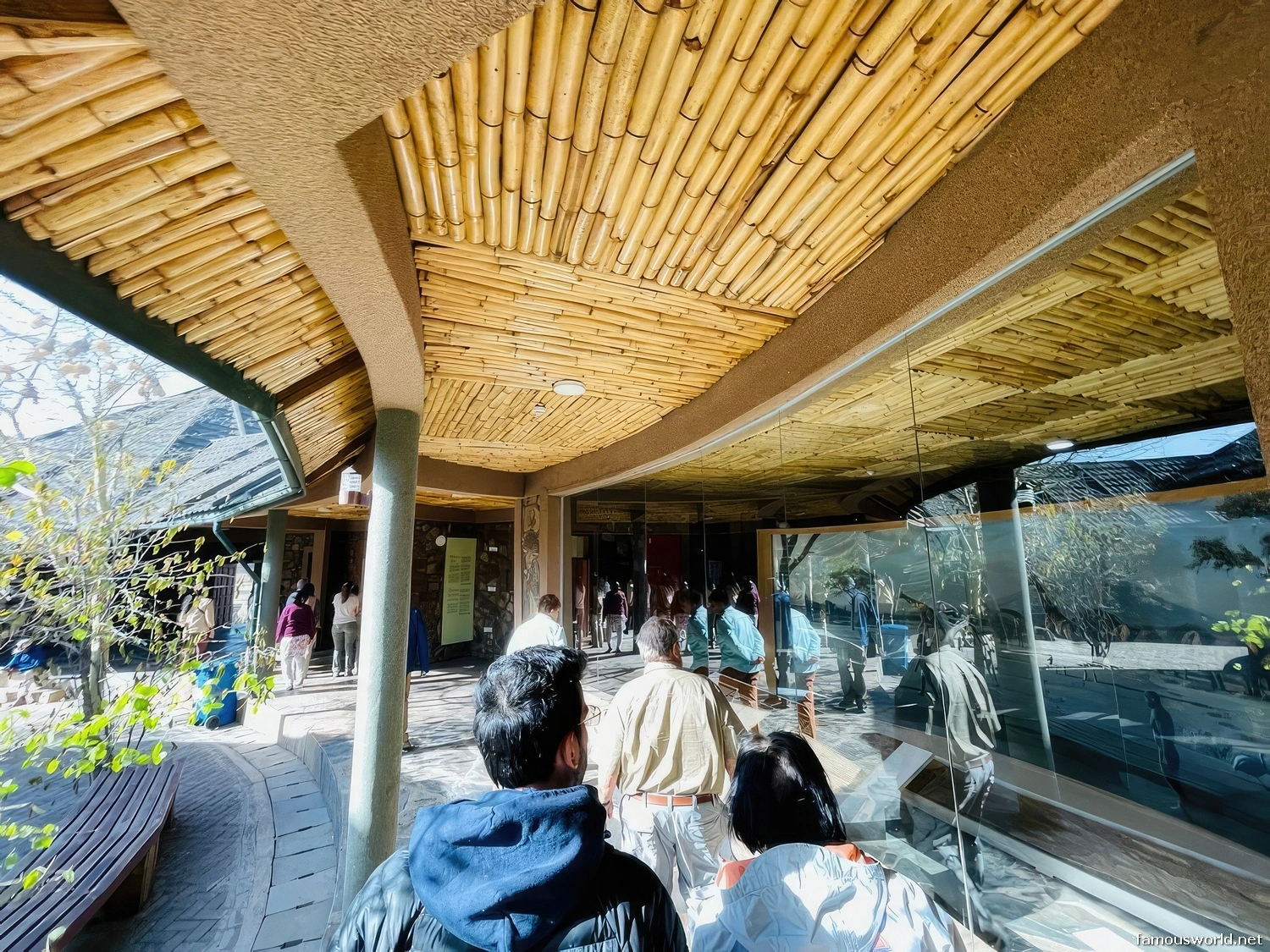
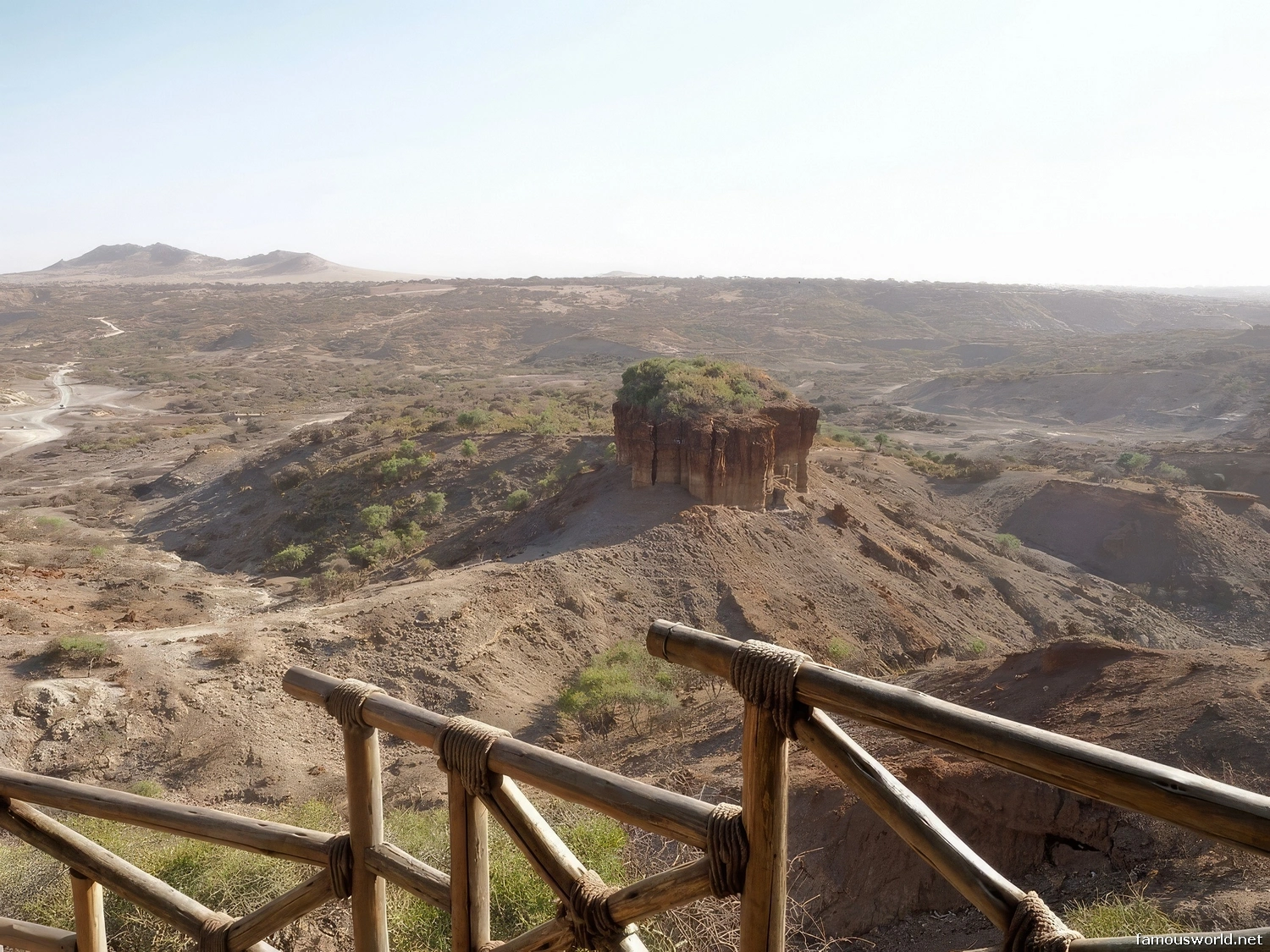
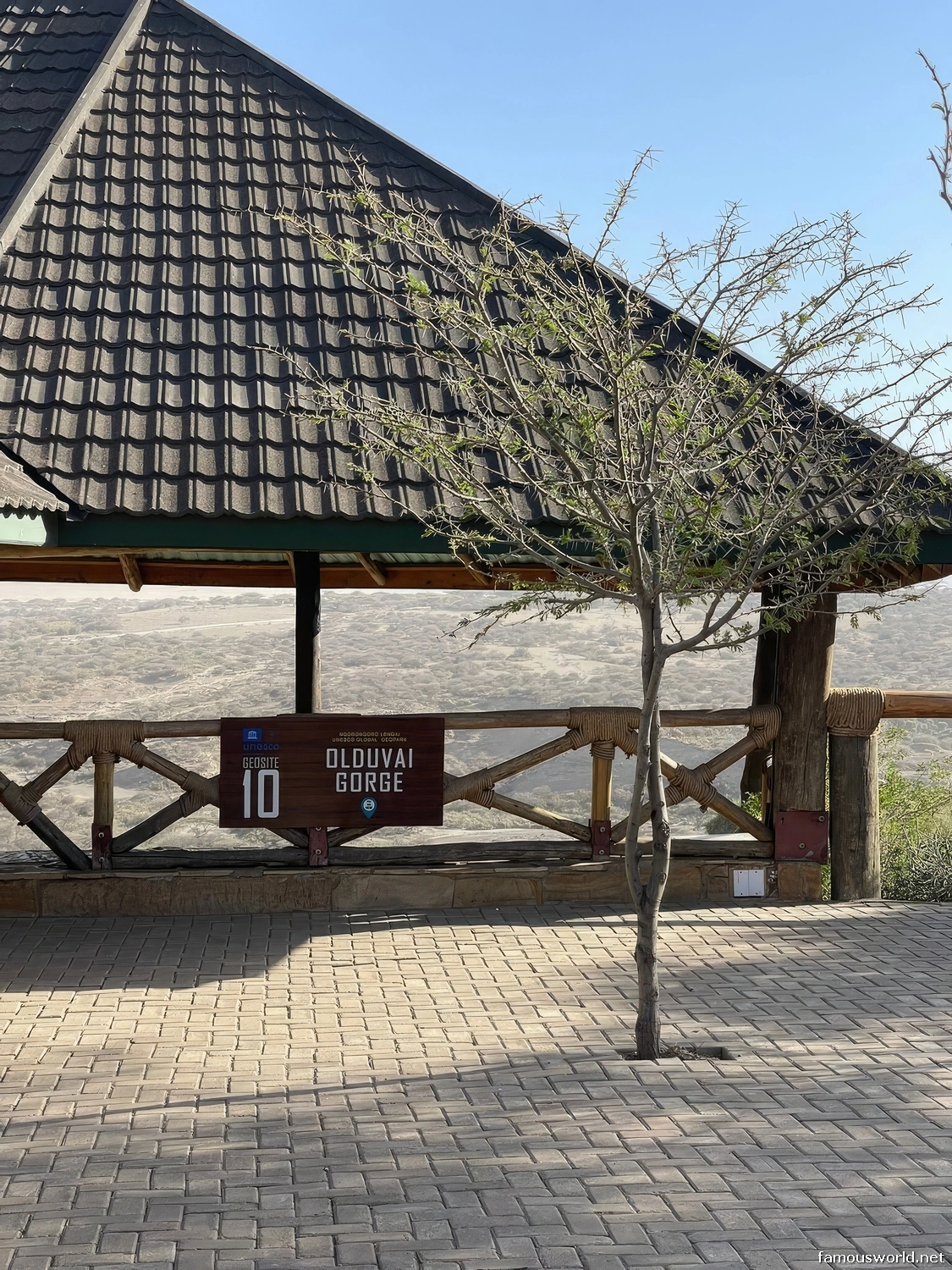
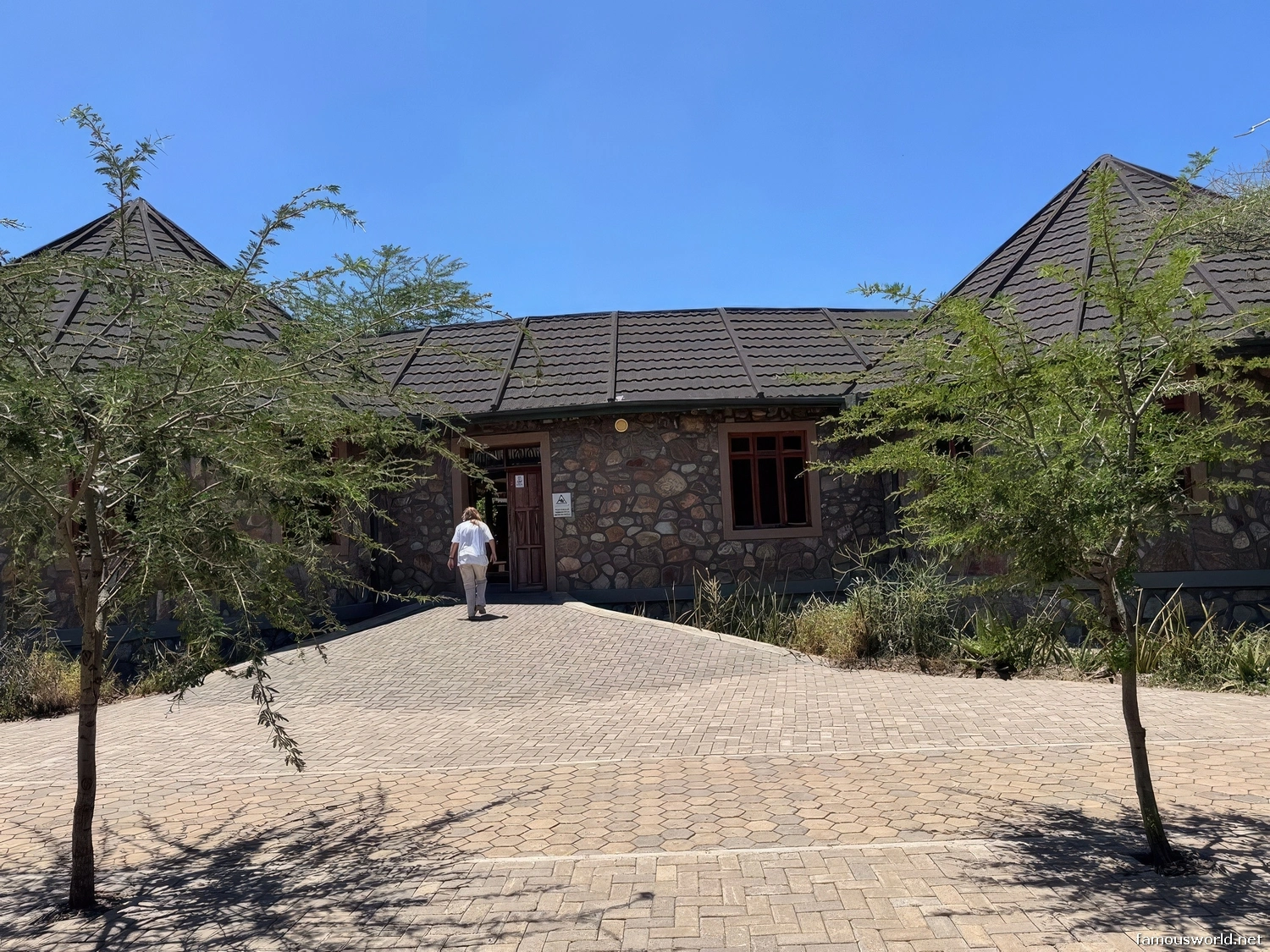
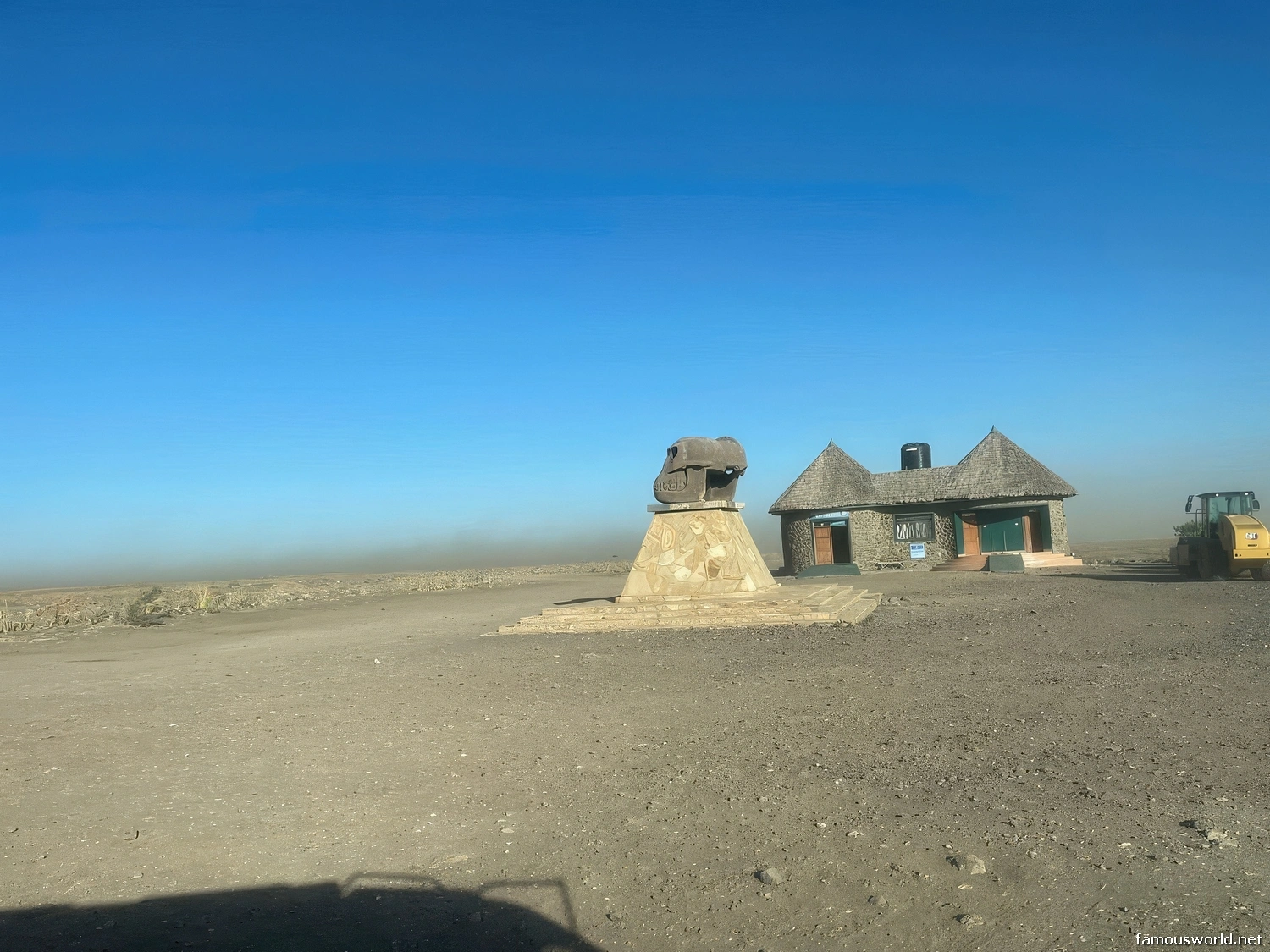
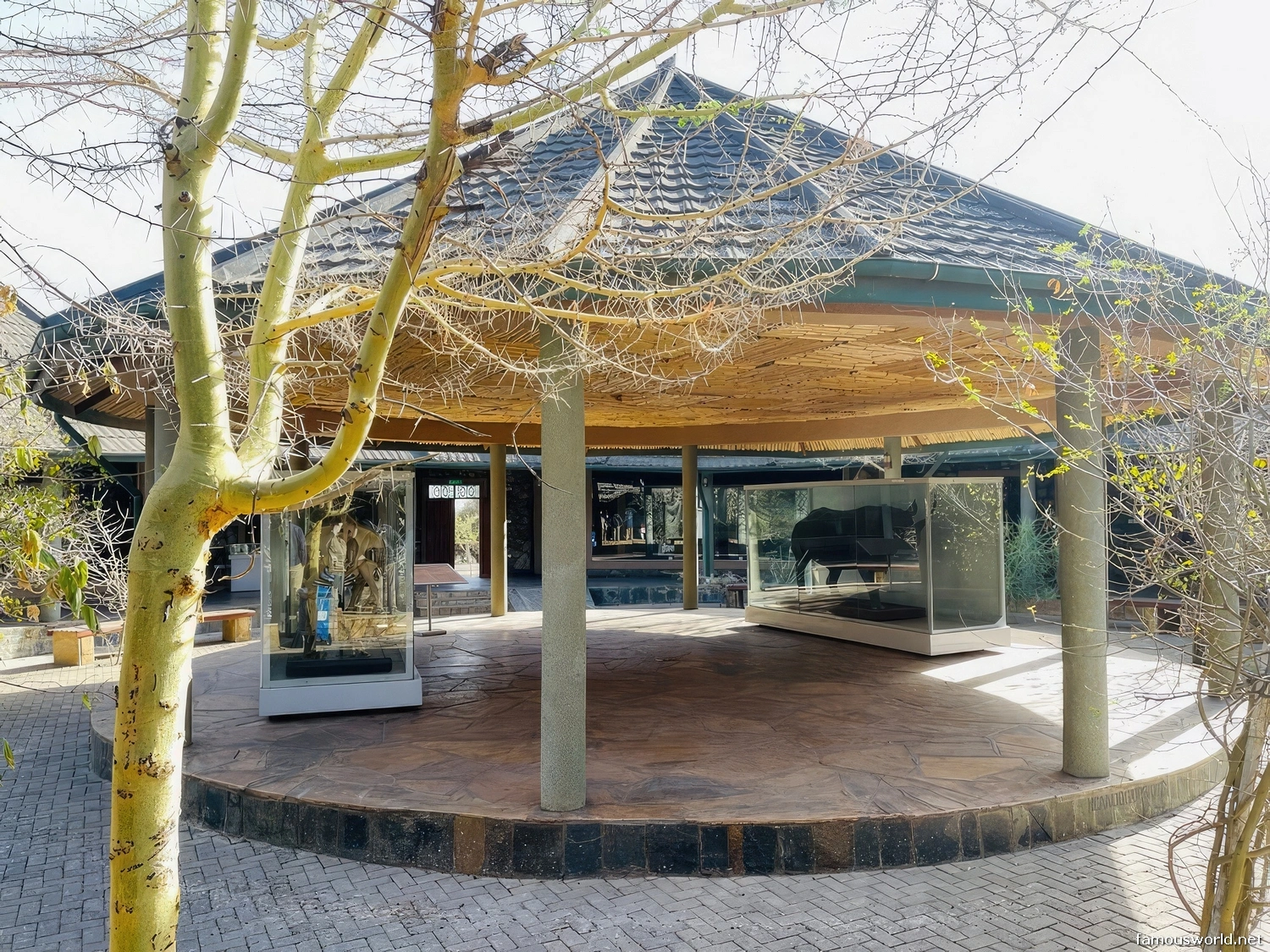
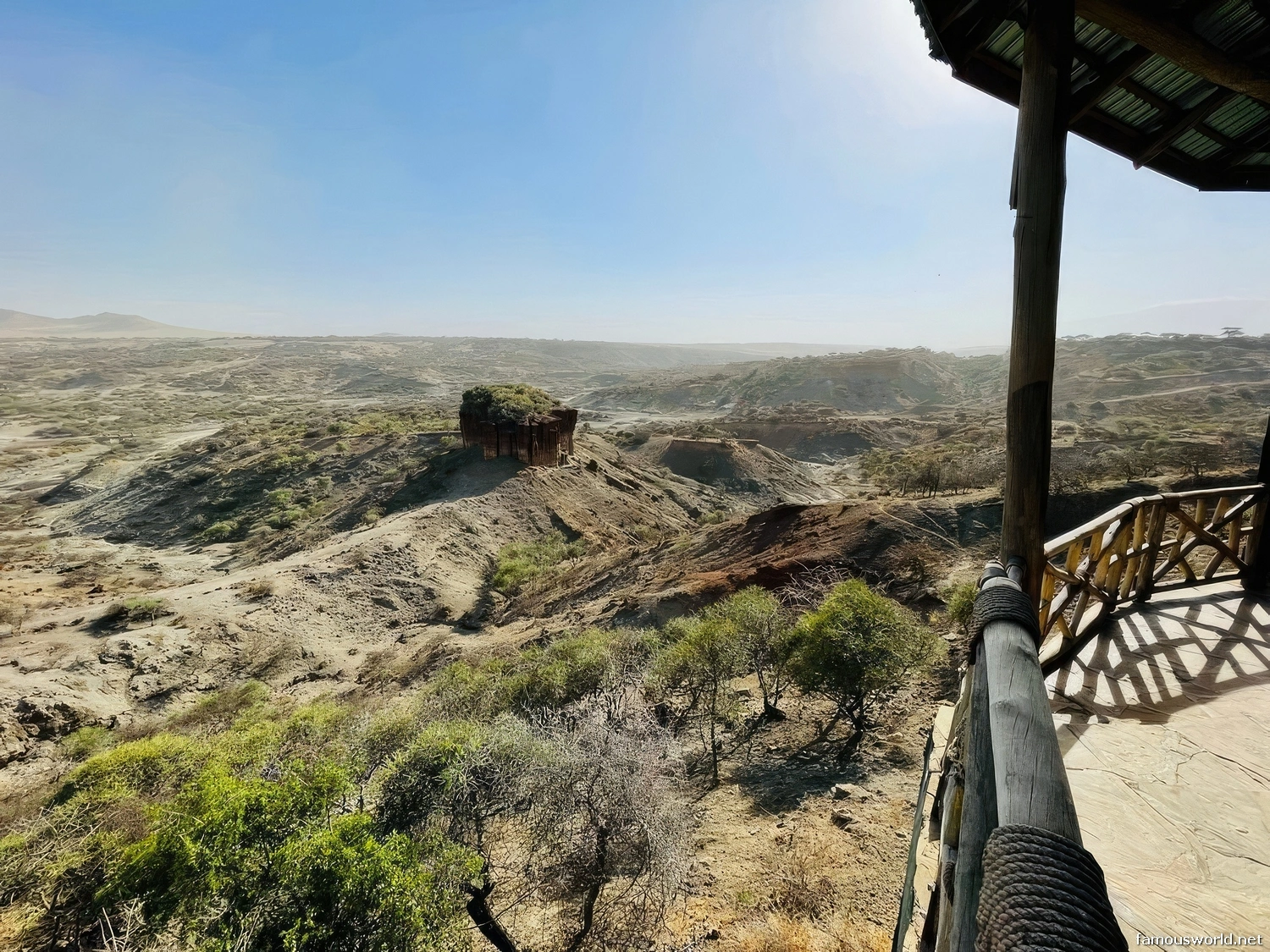
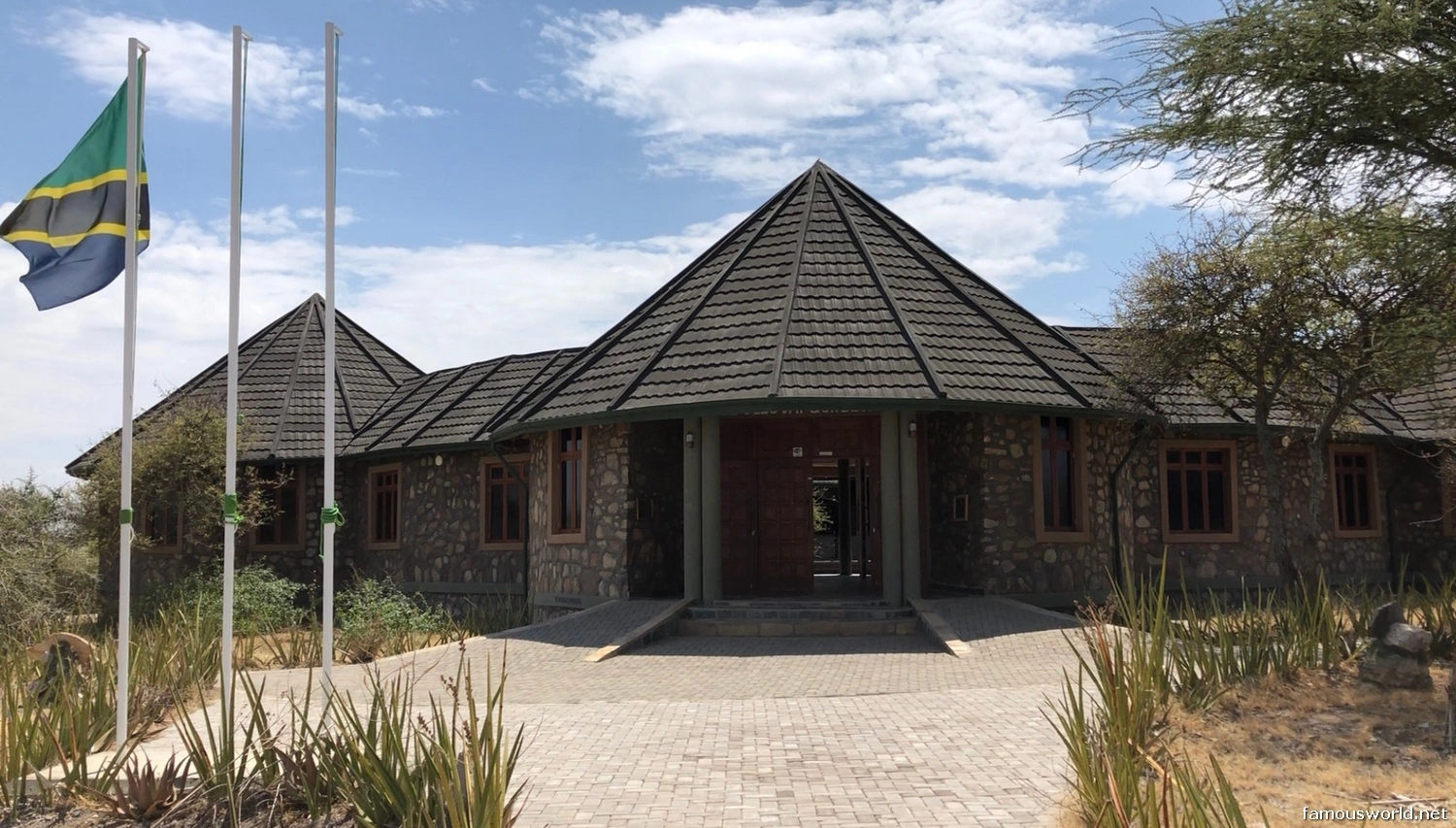
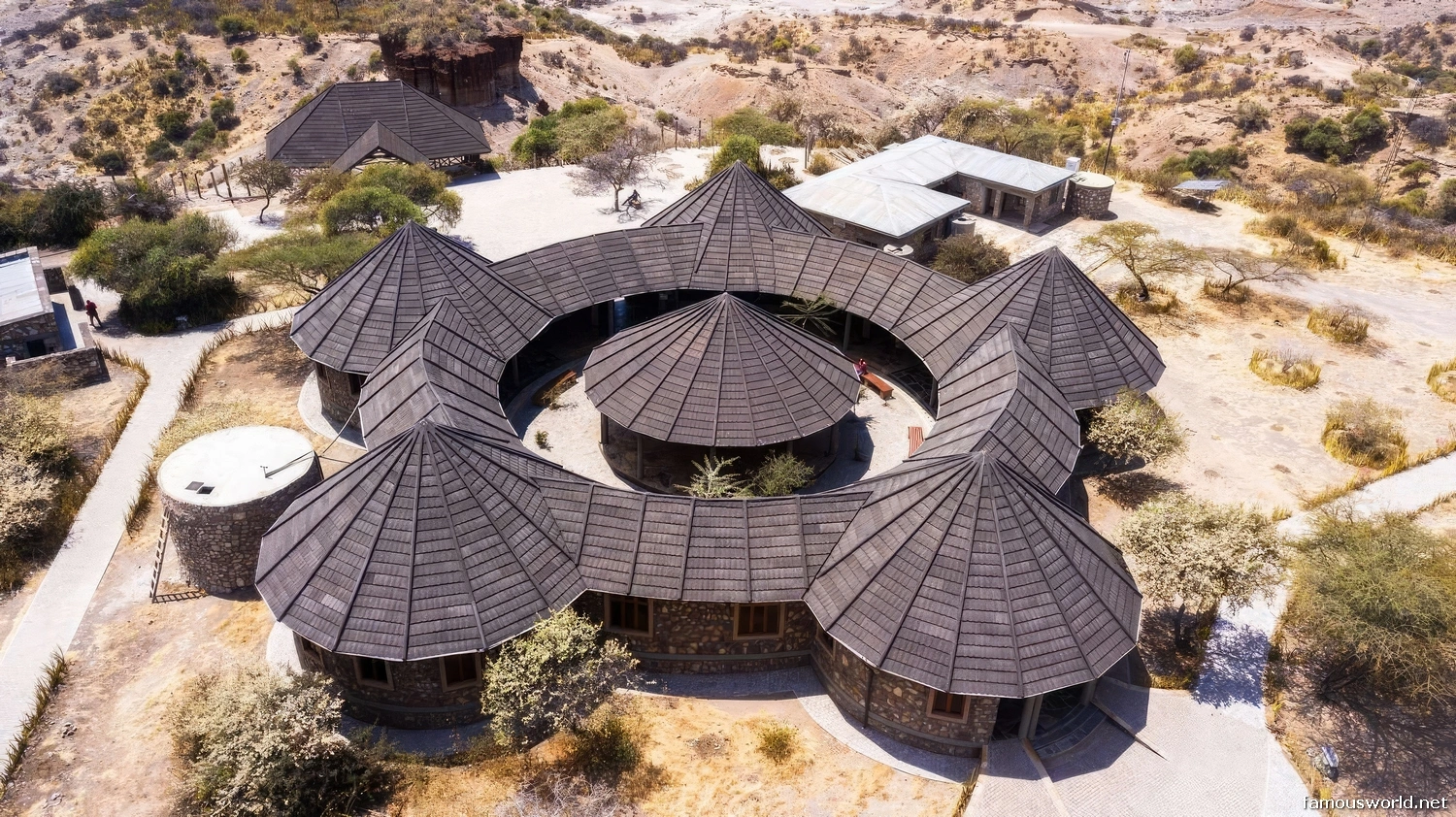
- Architectural Style: The museum consists of several low-slung, functional buildings designed to blend into the semi-arid landscape. The architecture is unassuming, prioritizing the panoramic view of the gorge itself and focusing attention on the exhibits within.
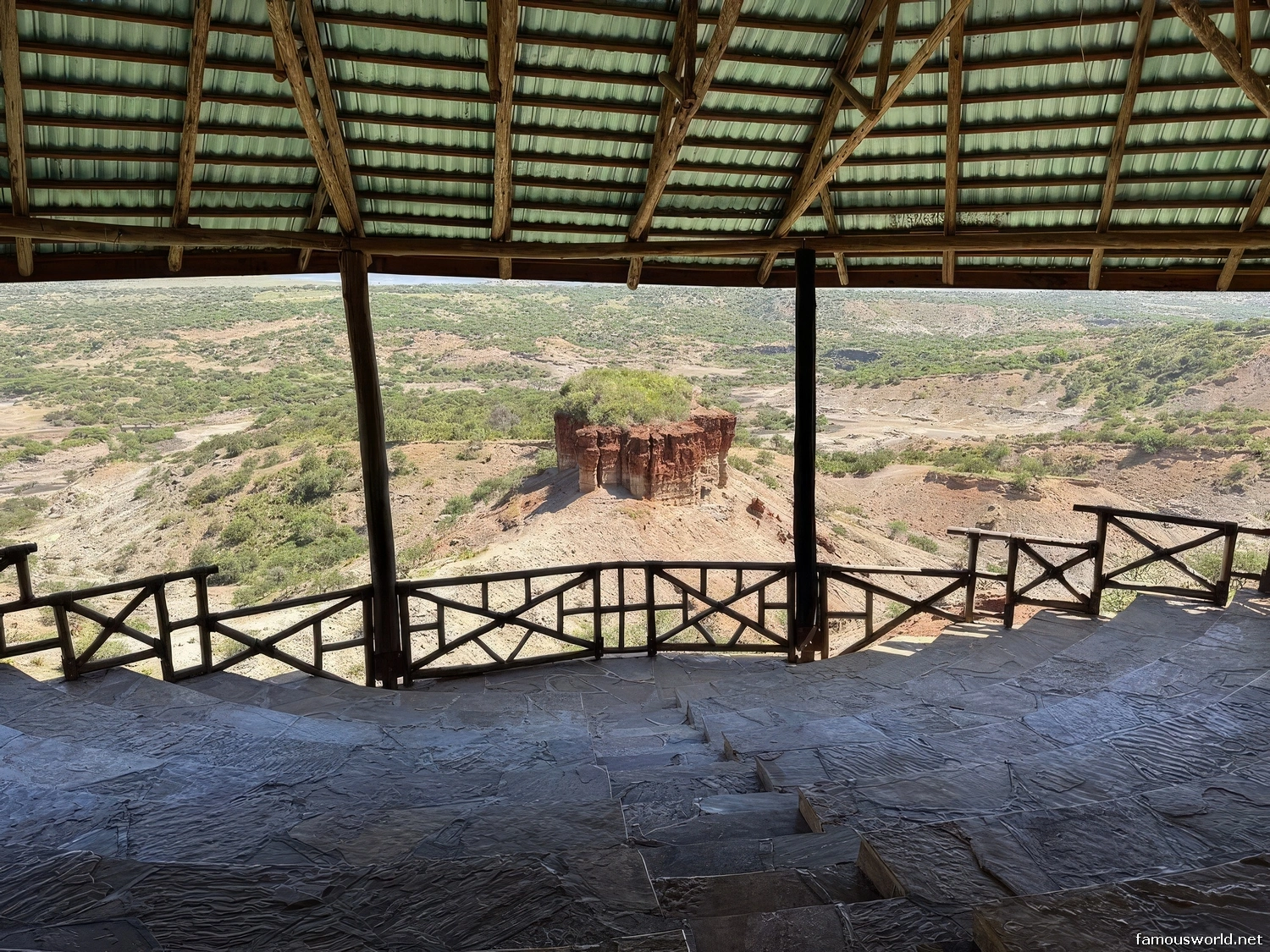
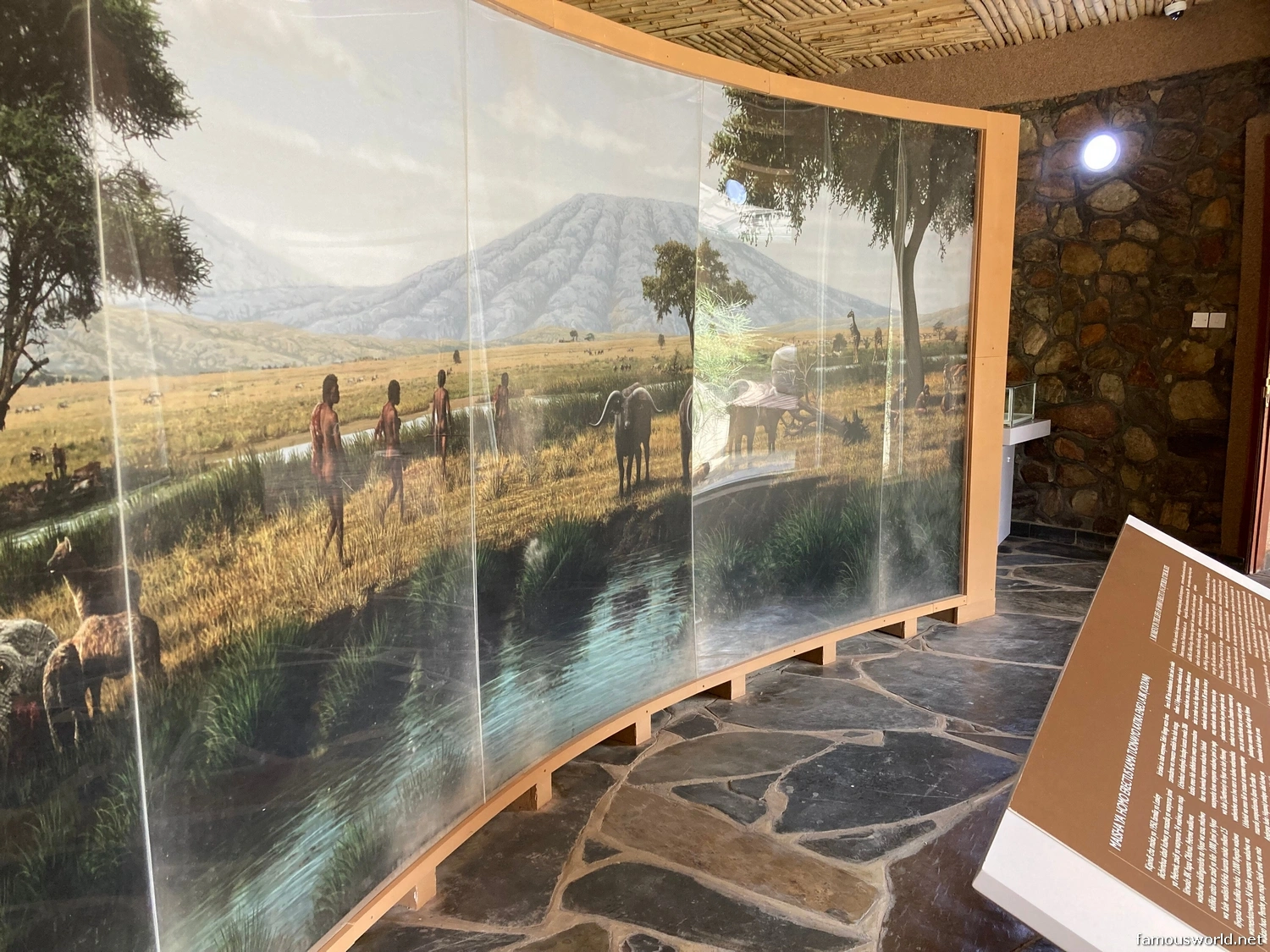
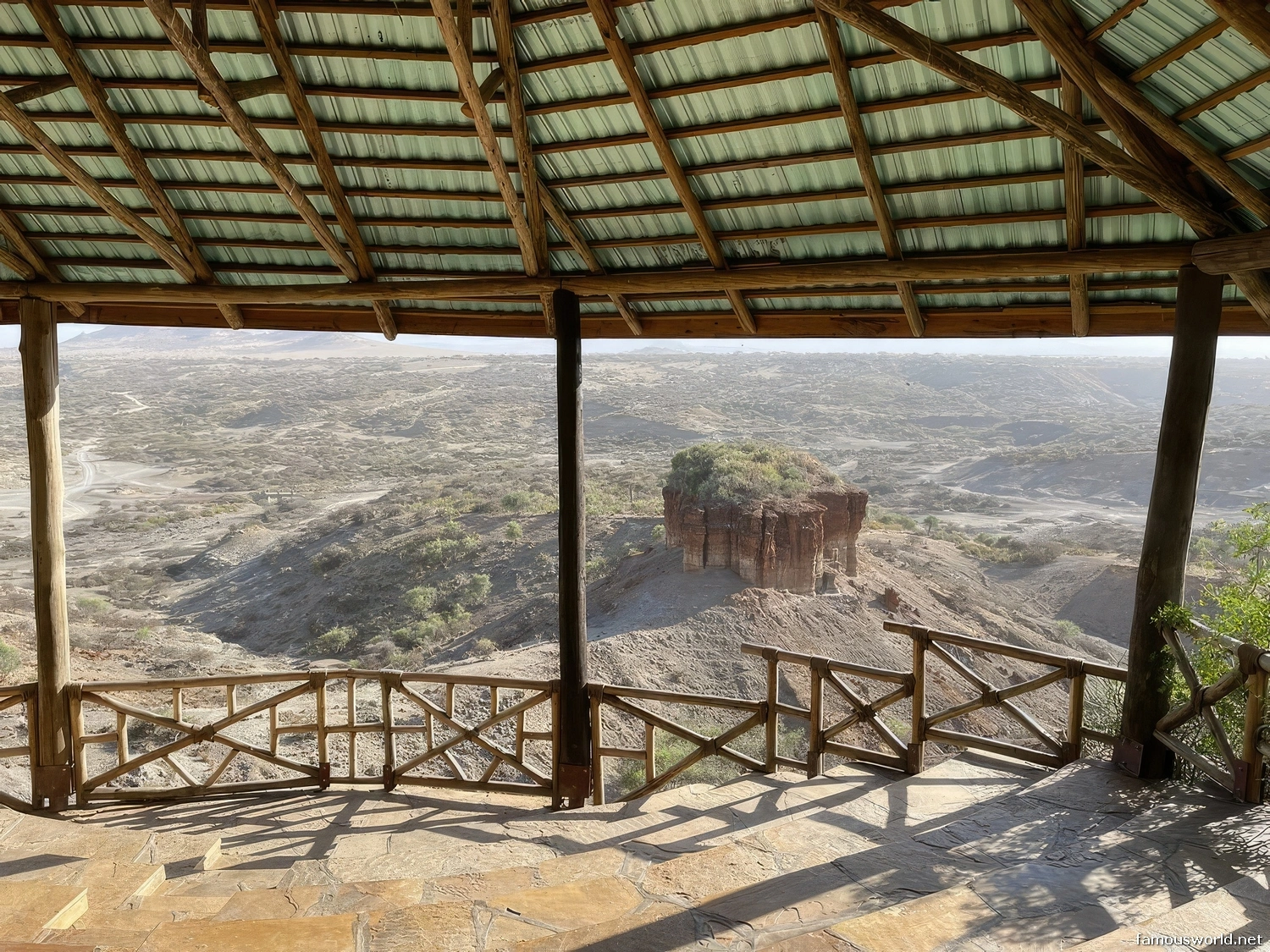
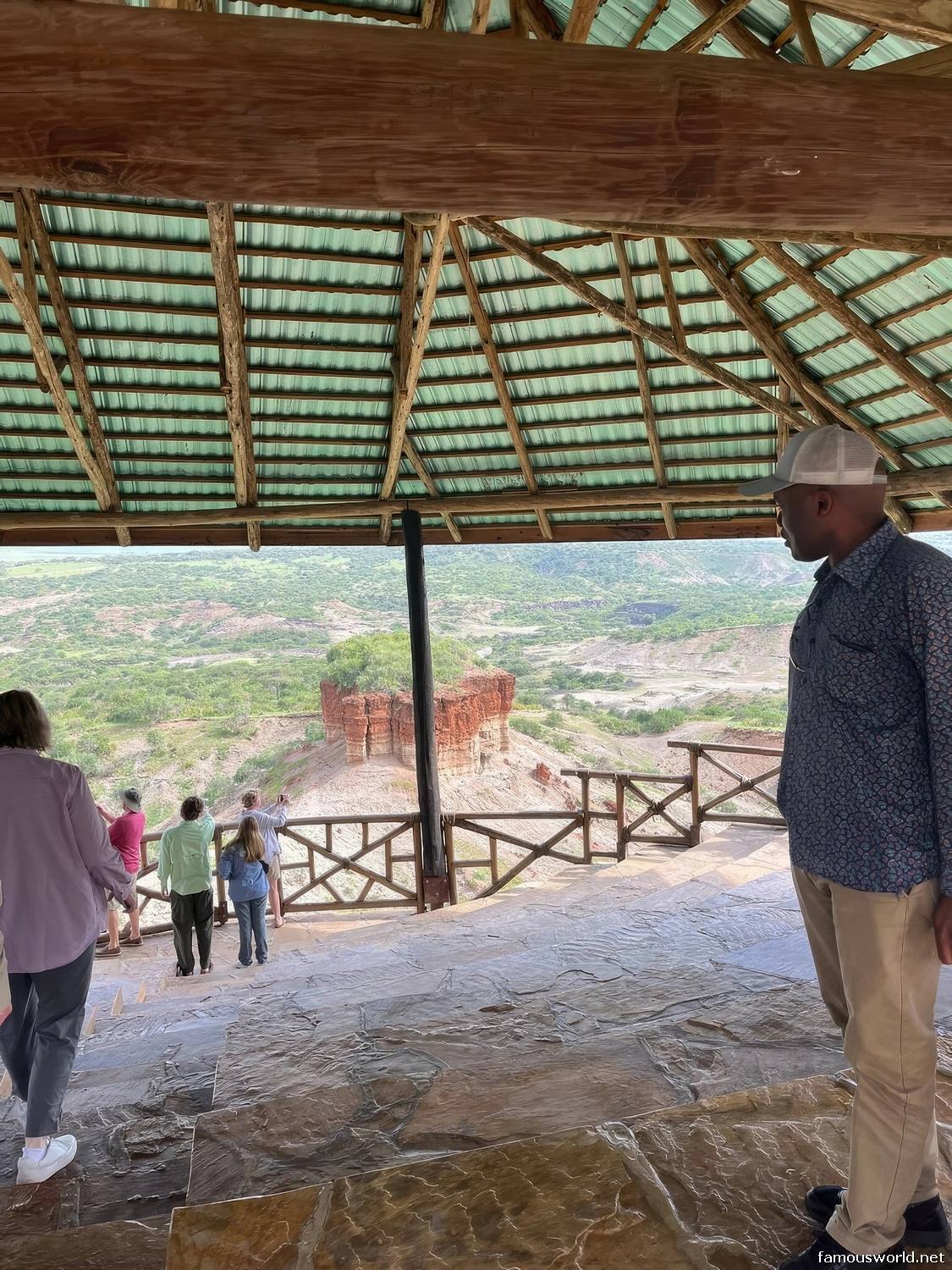
- Setting: Its position on the gorge’s rim is its most spectacular feature, offering breathtaking views into the ravine where history was made. Lecture areas are often set up to allow guides and resident experts to explain the gorge’s geology while pointing out significant locations.
What Makes It Famous
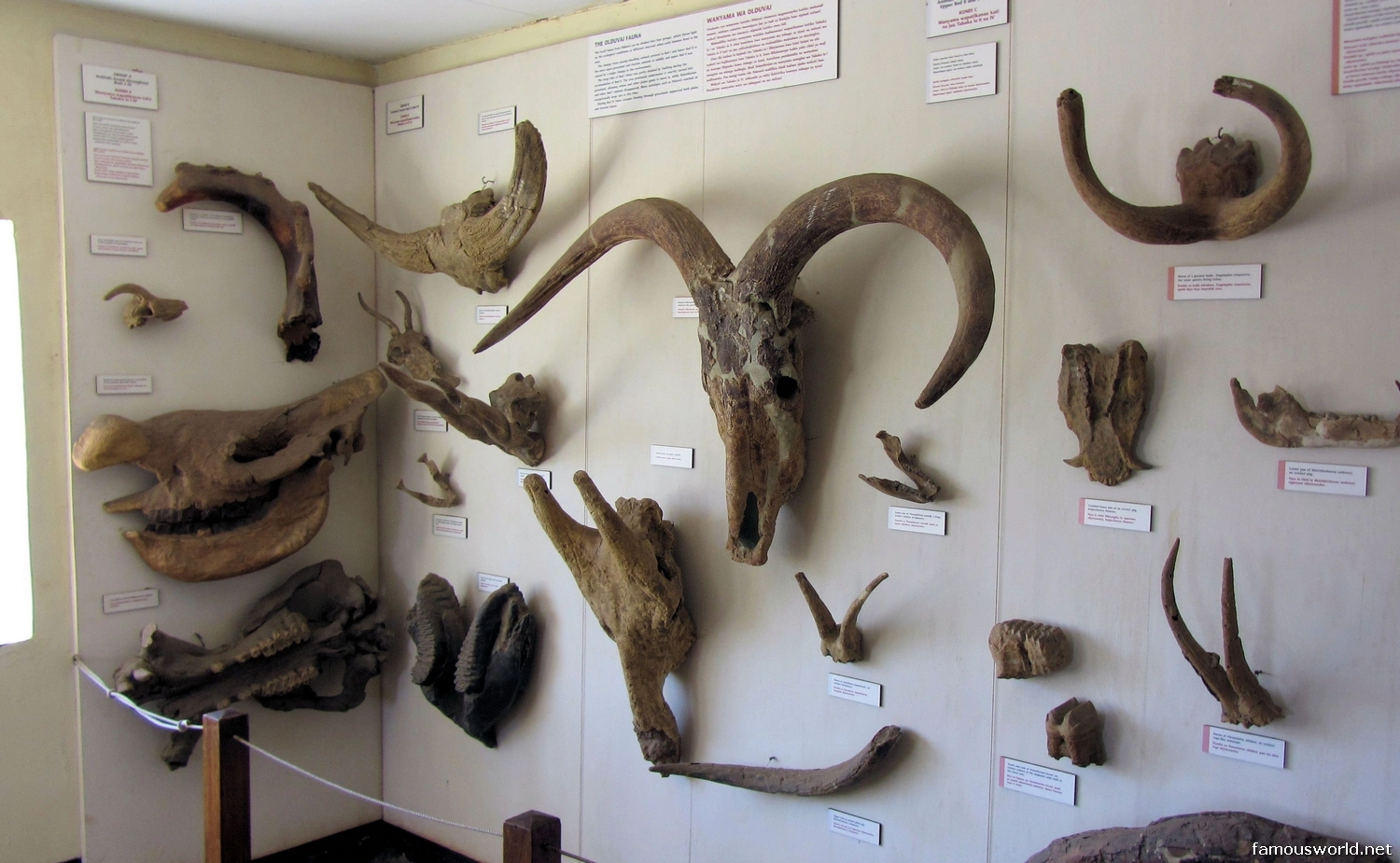
The museum is famous for being the official repository and interpretive center for the discoveries made within Olduvai Gorge.
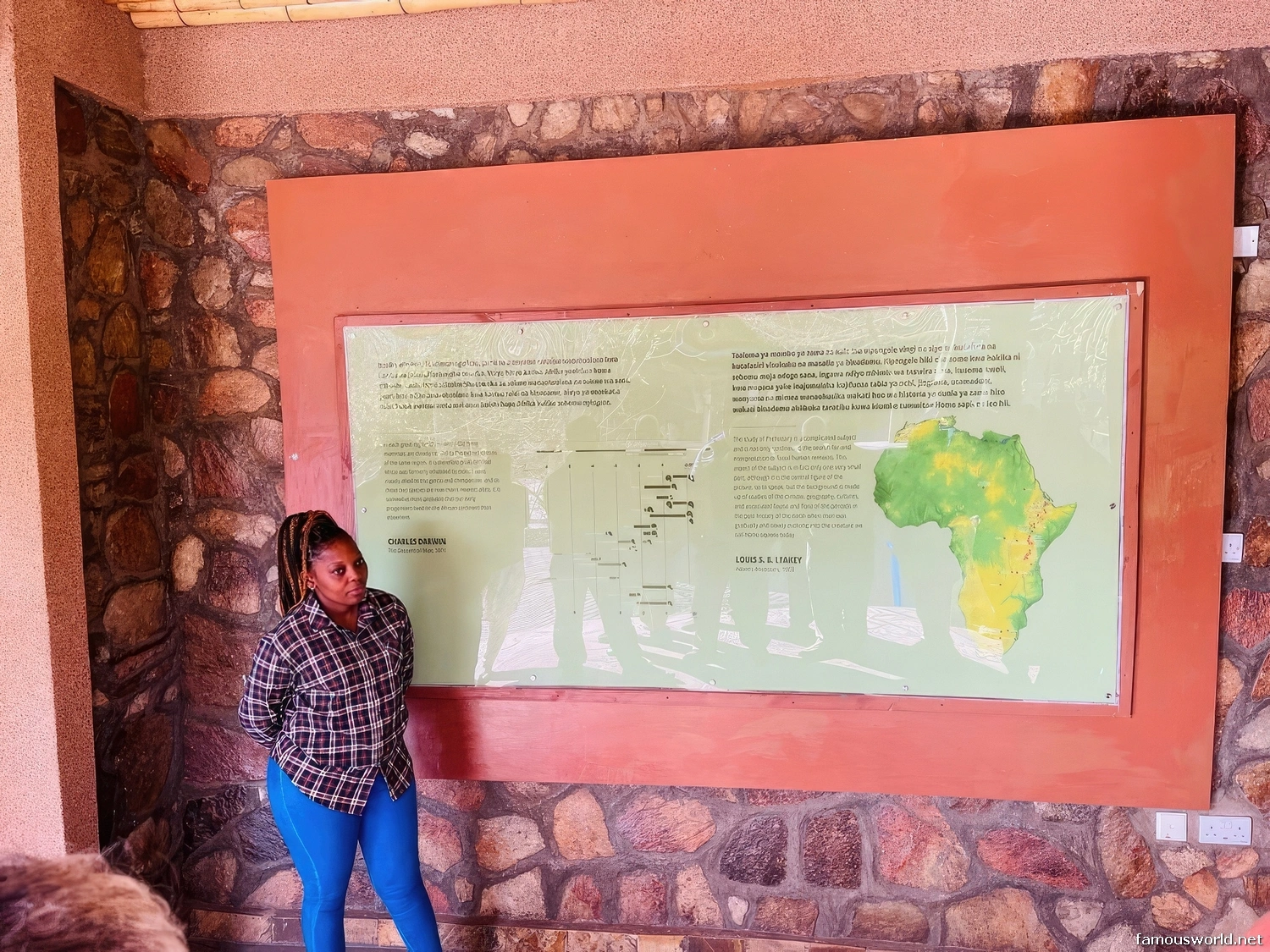
- The Leakey Hall of Fame: A significant portion of the museum is dedicated to the Leakey family—Mary and Louis—and their decades of groundbreaking work. It details their methods, their lives, and the significance of their key finds.
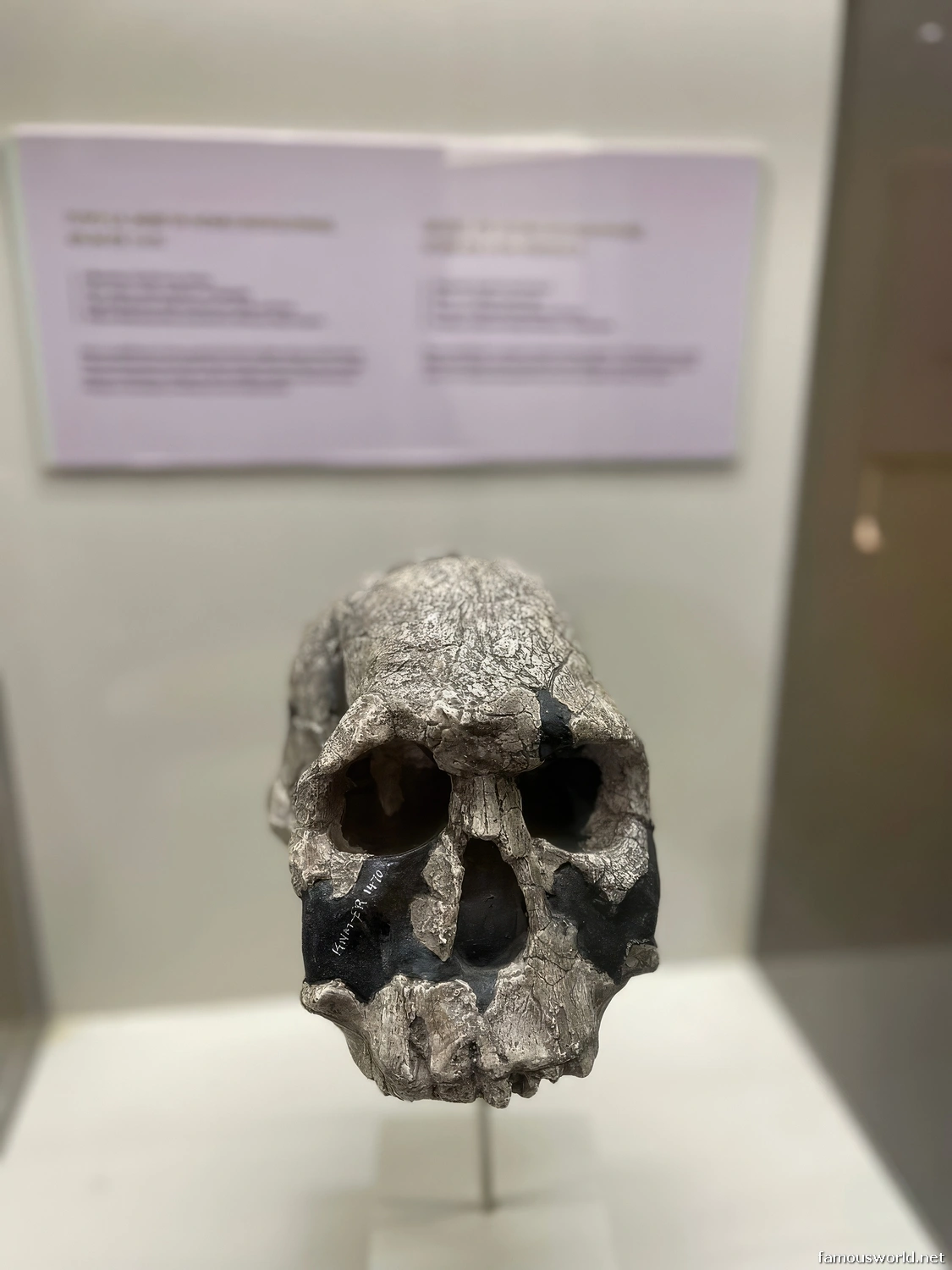
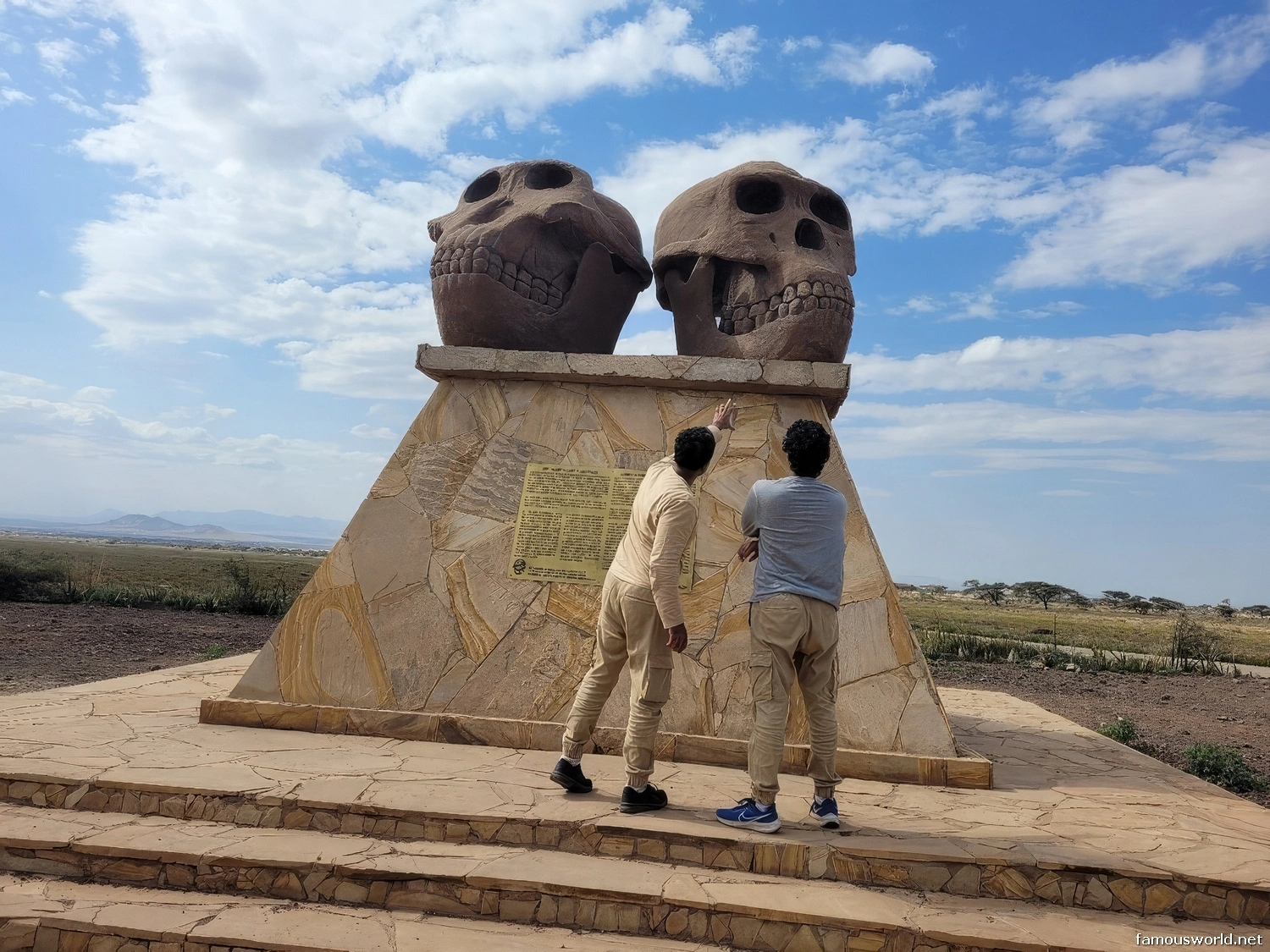
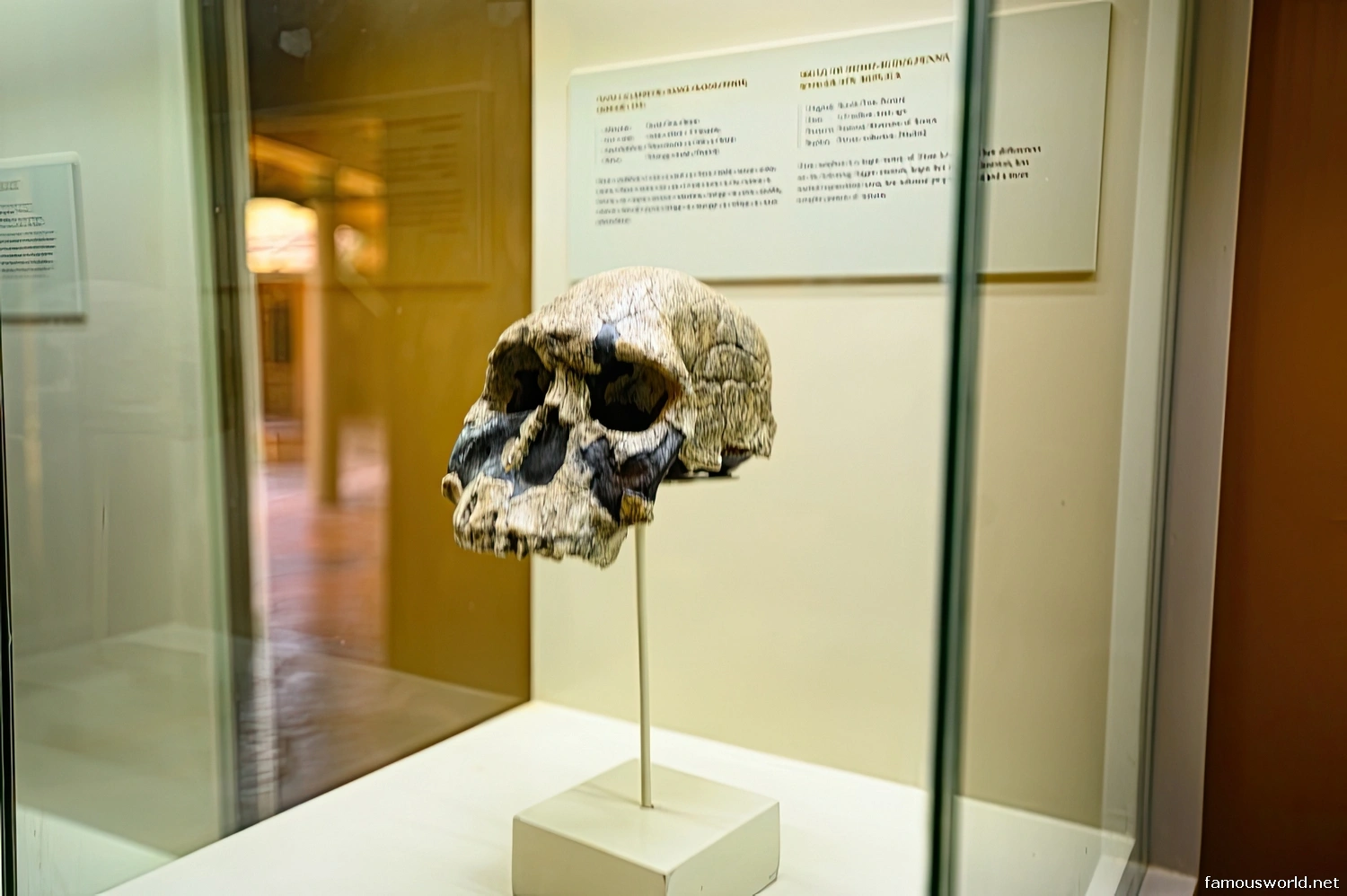
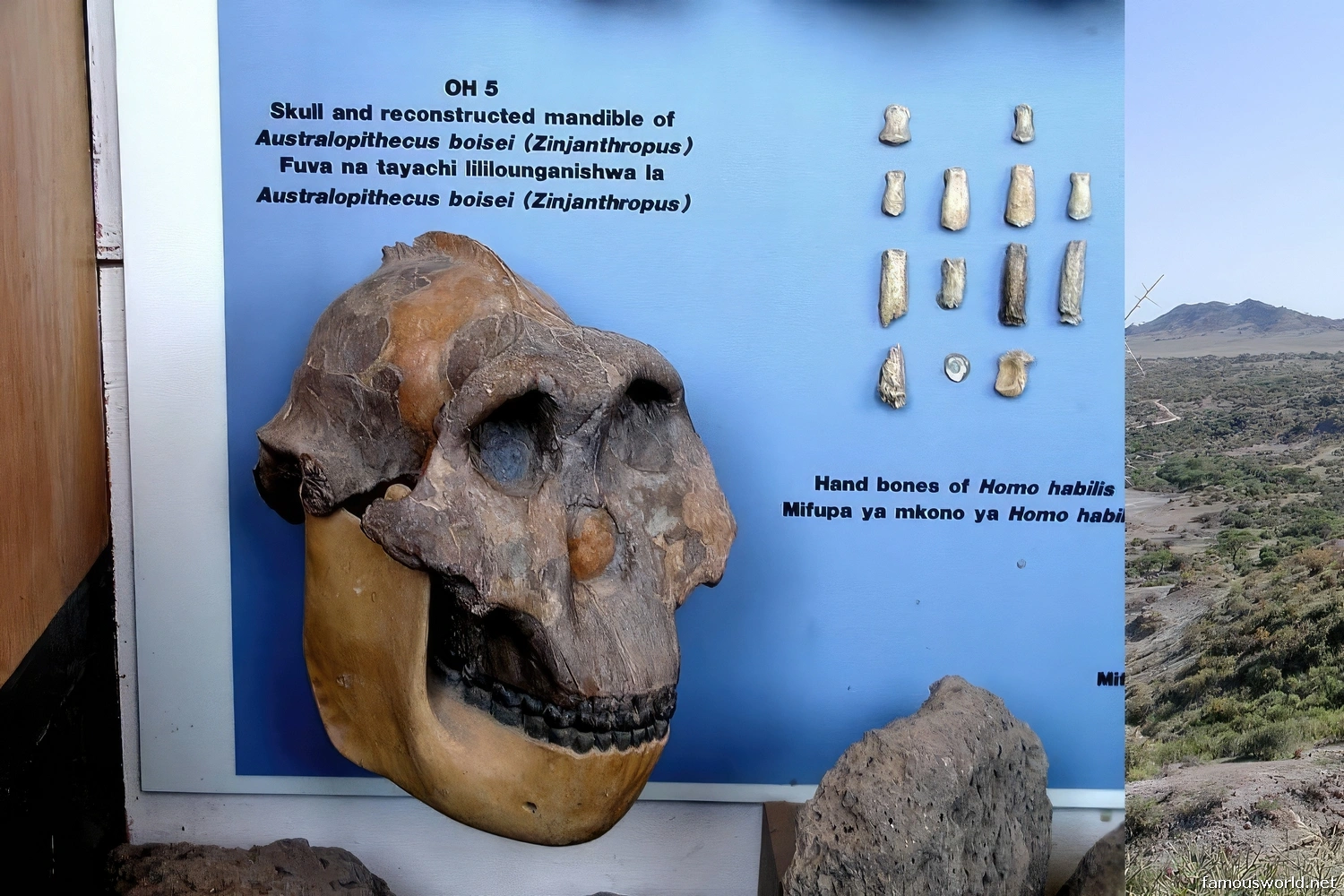
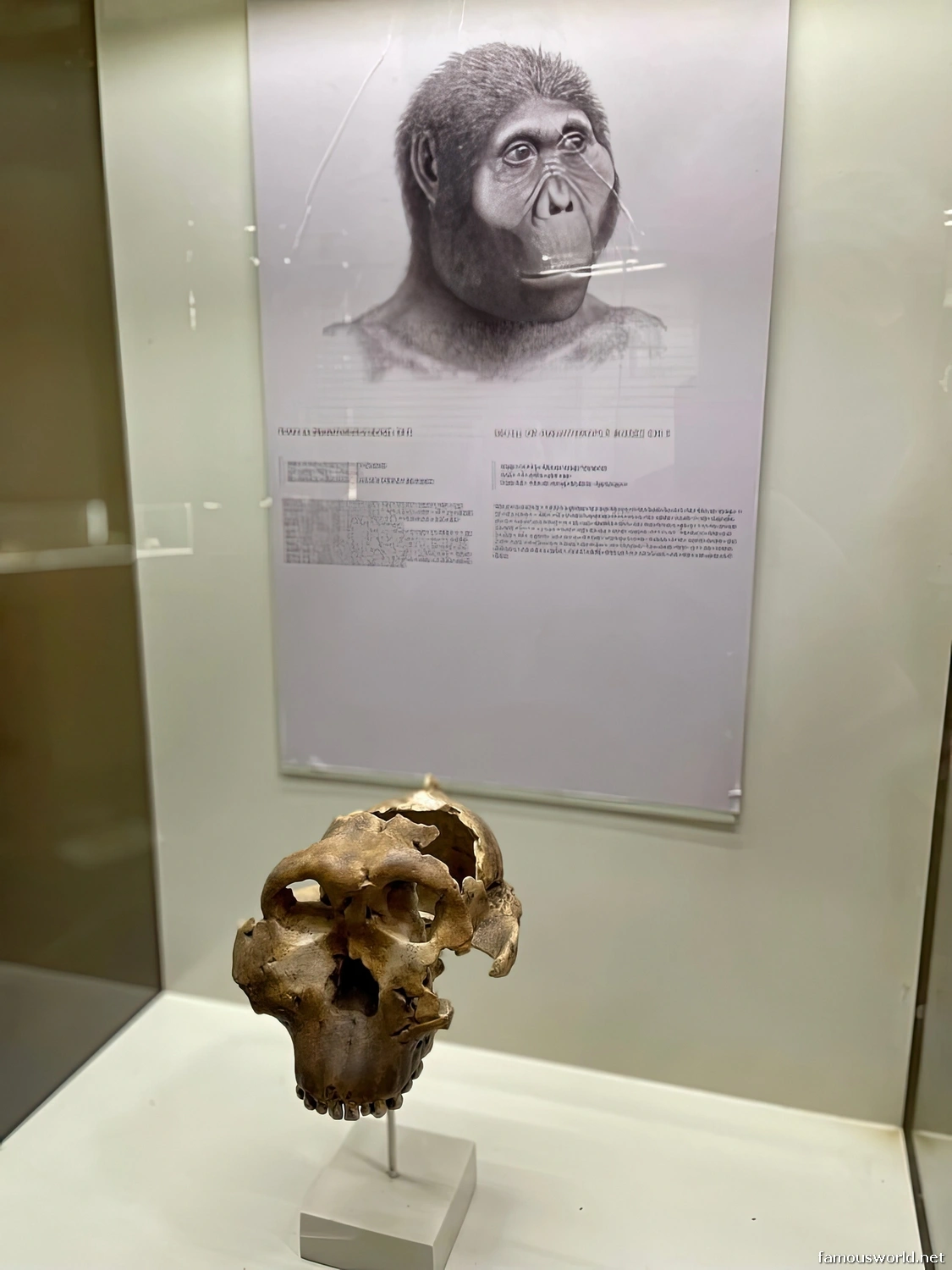
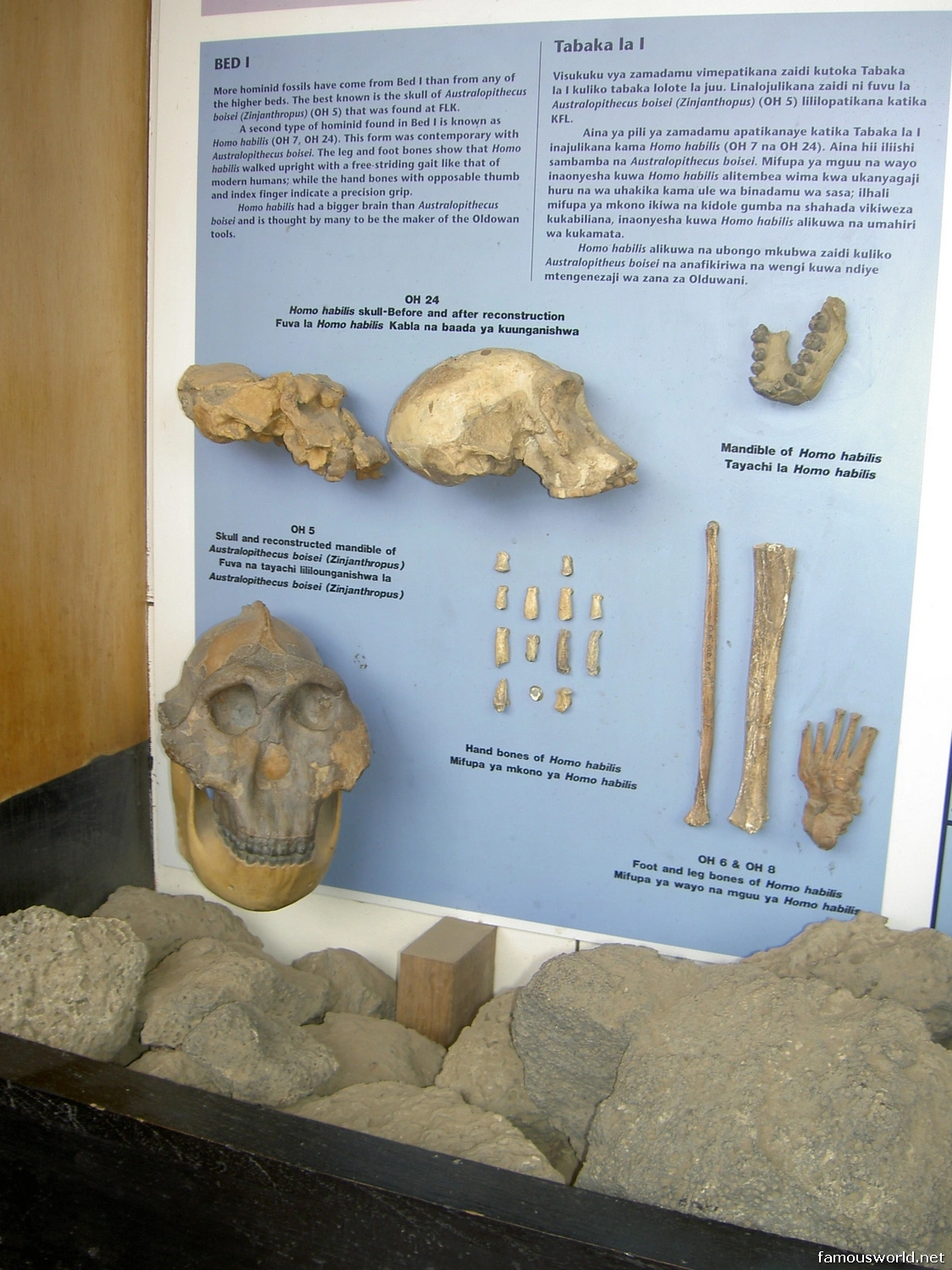
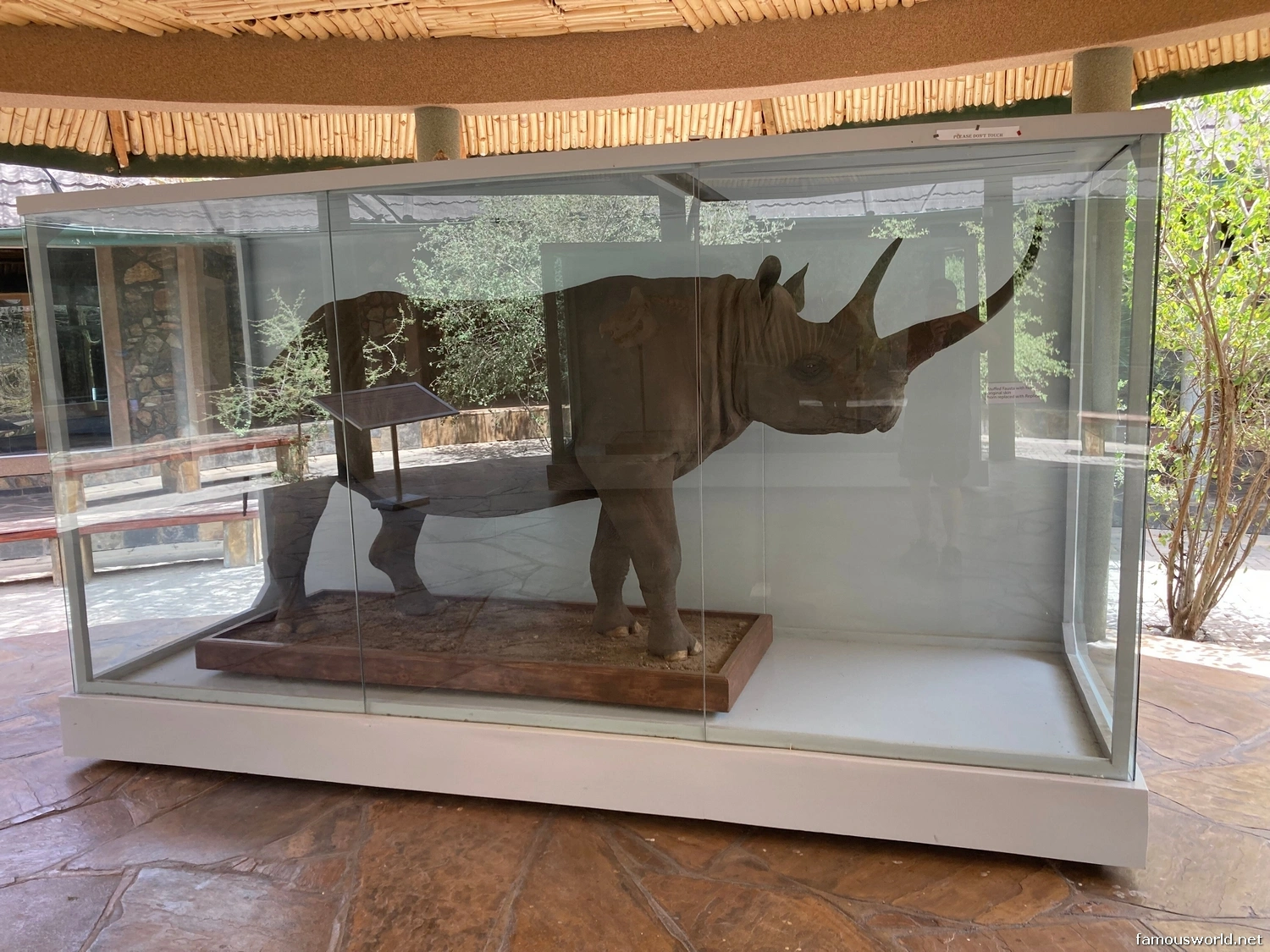
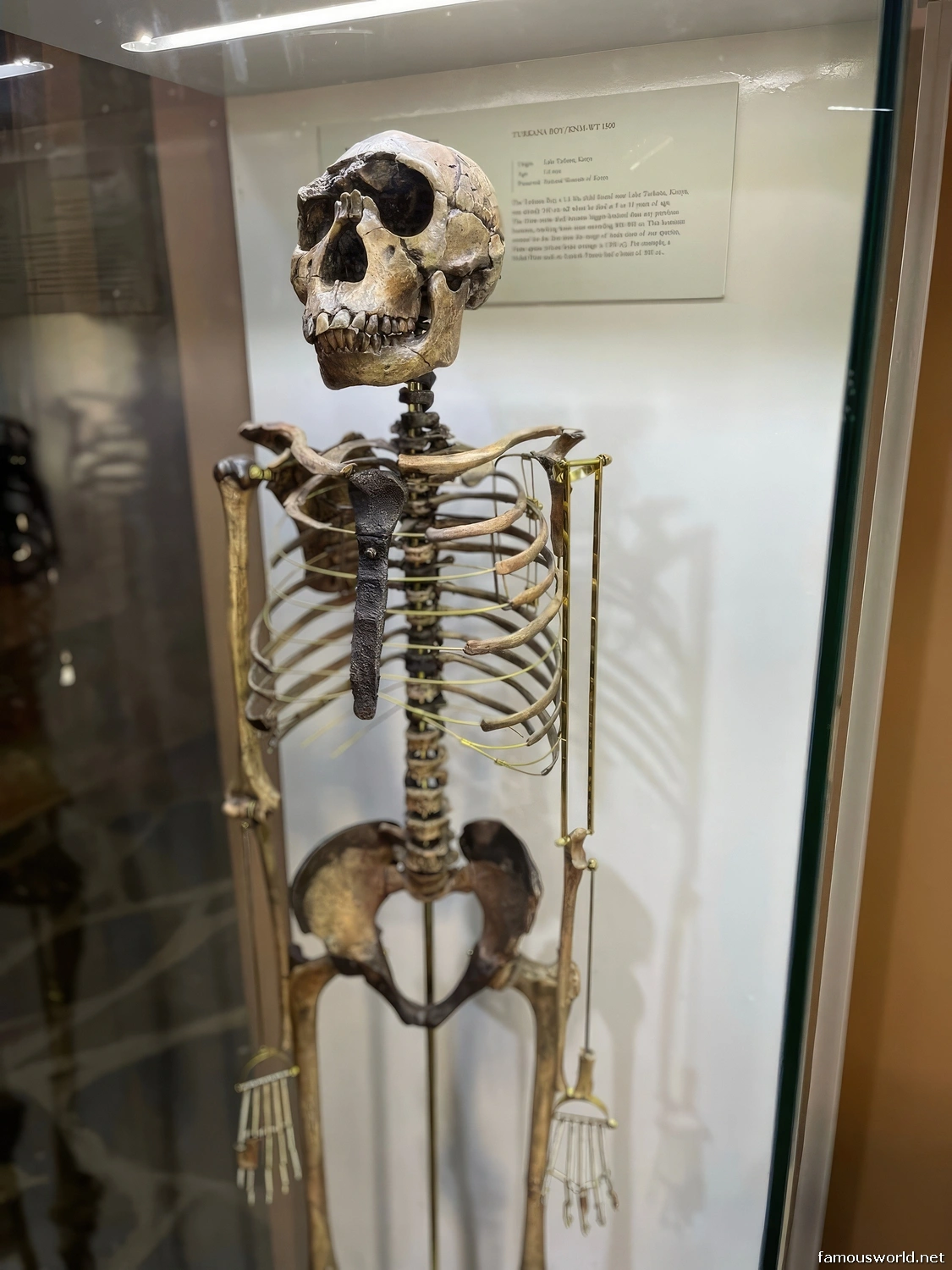
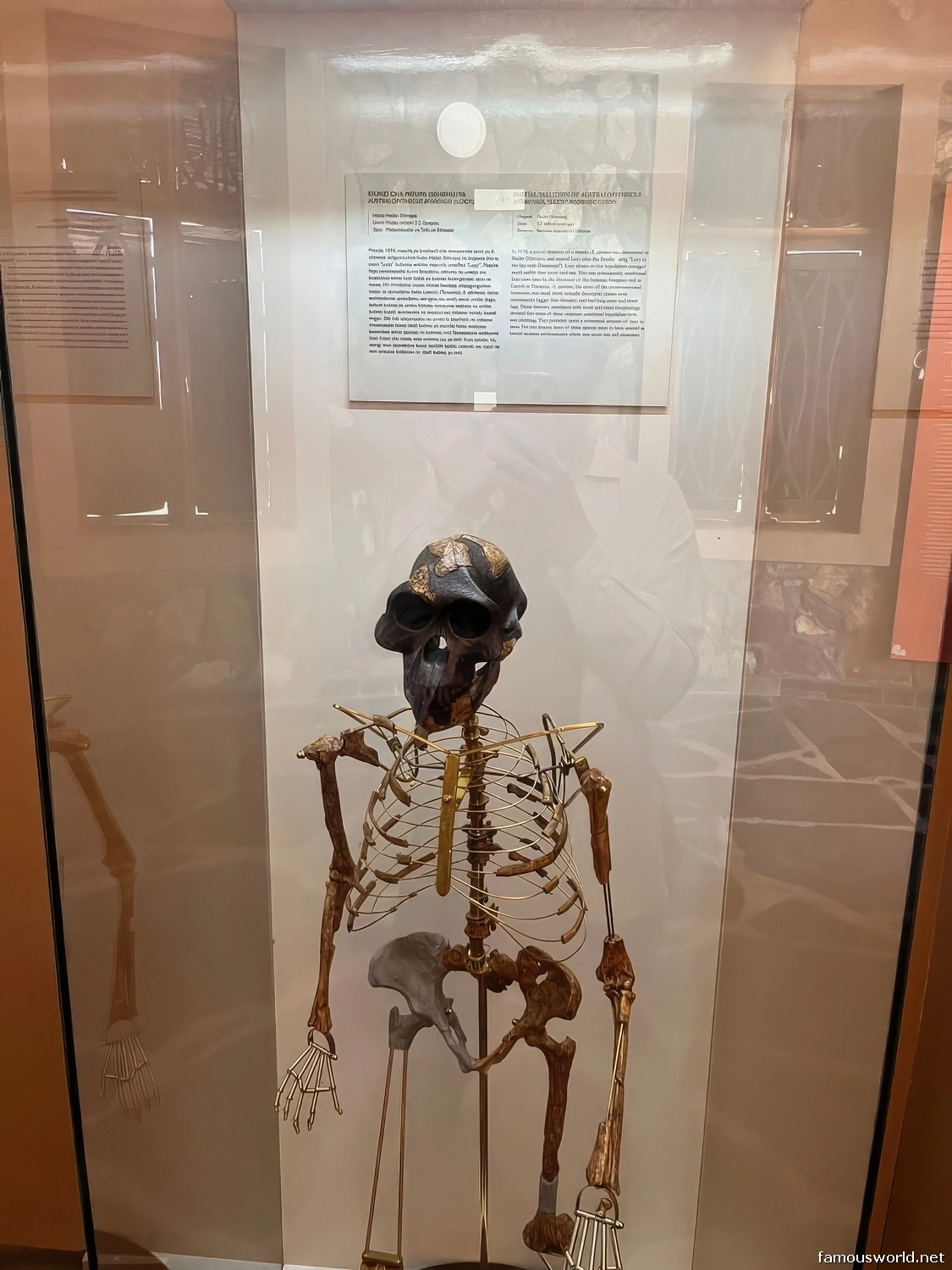
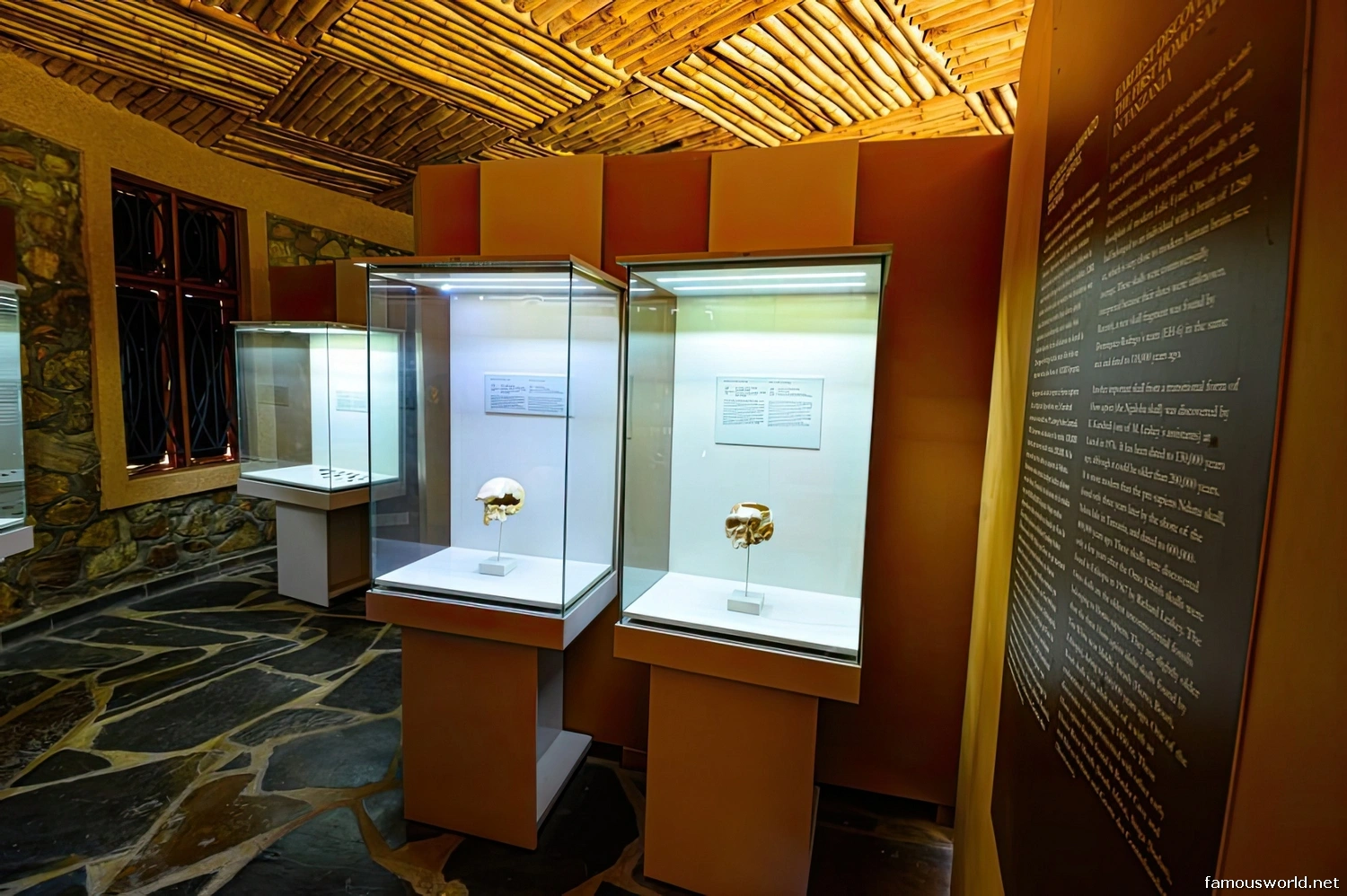
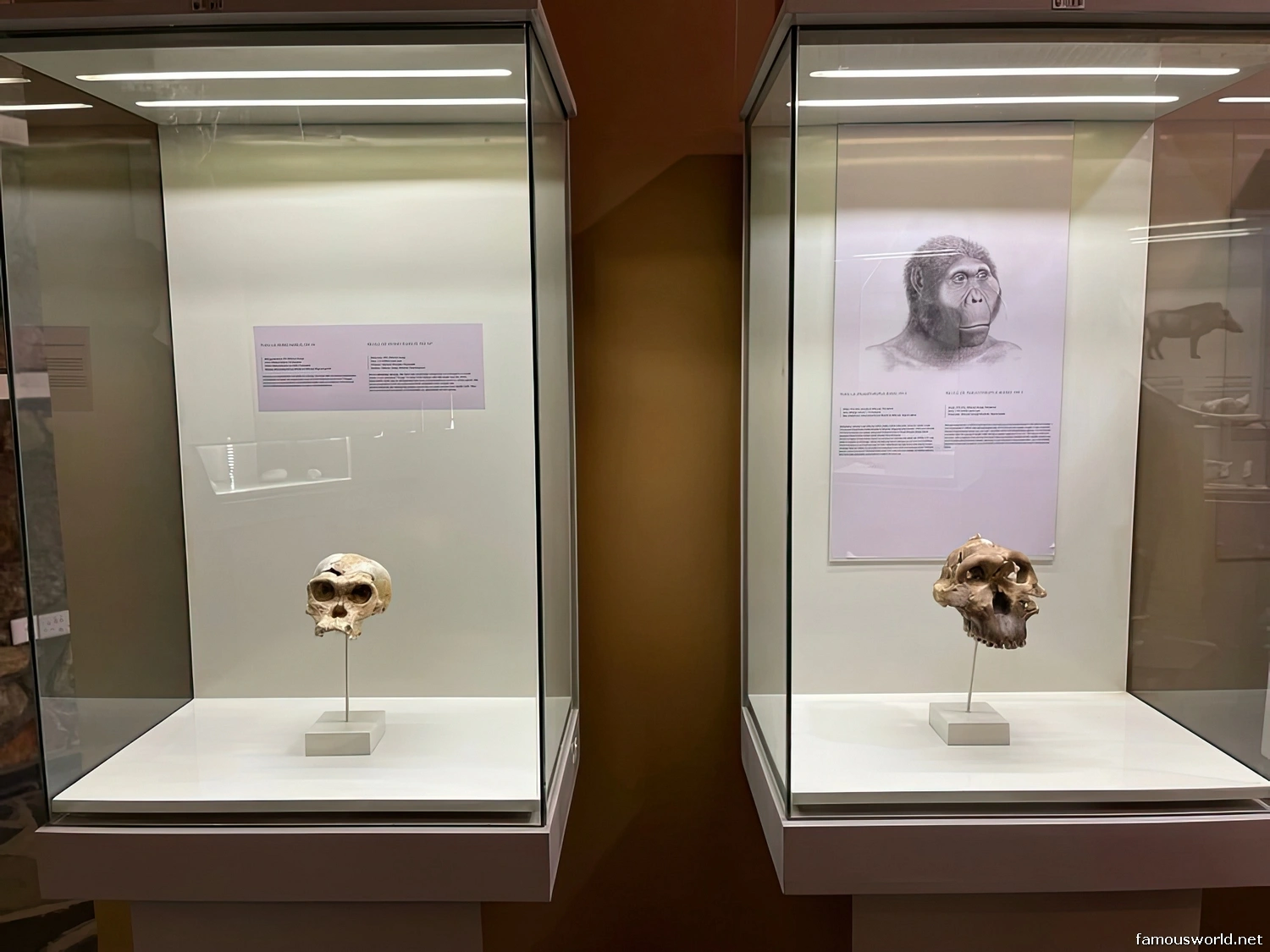
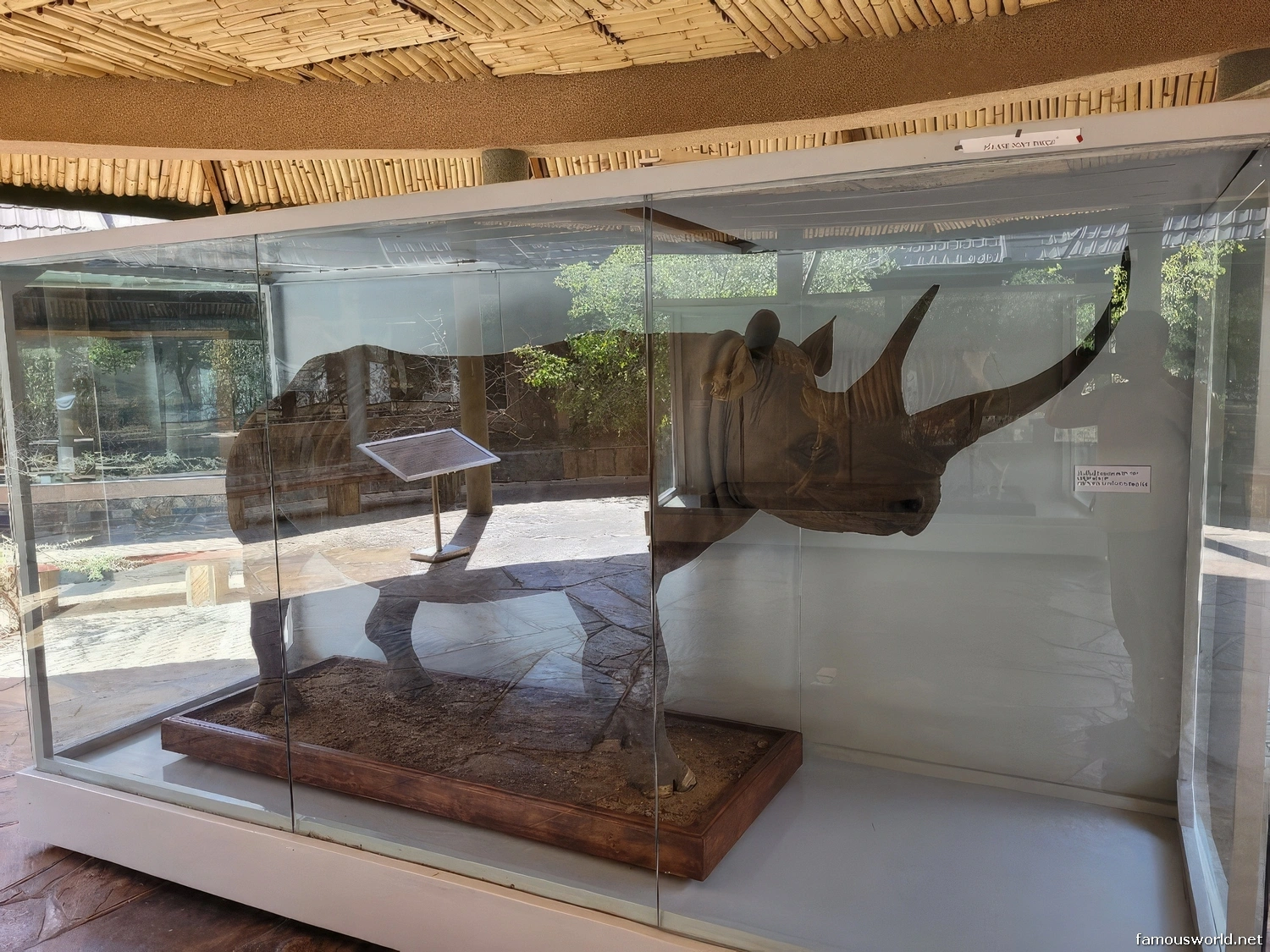
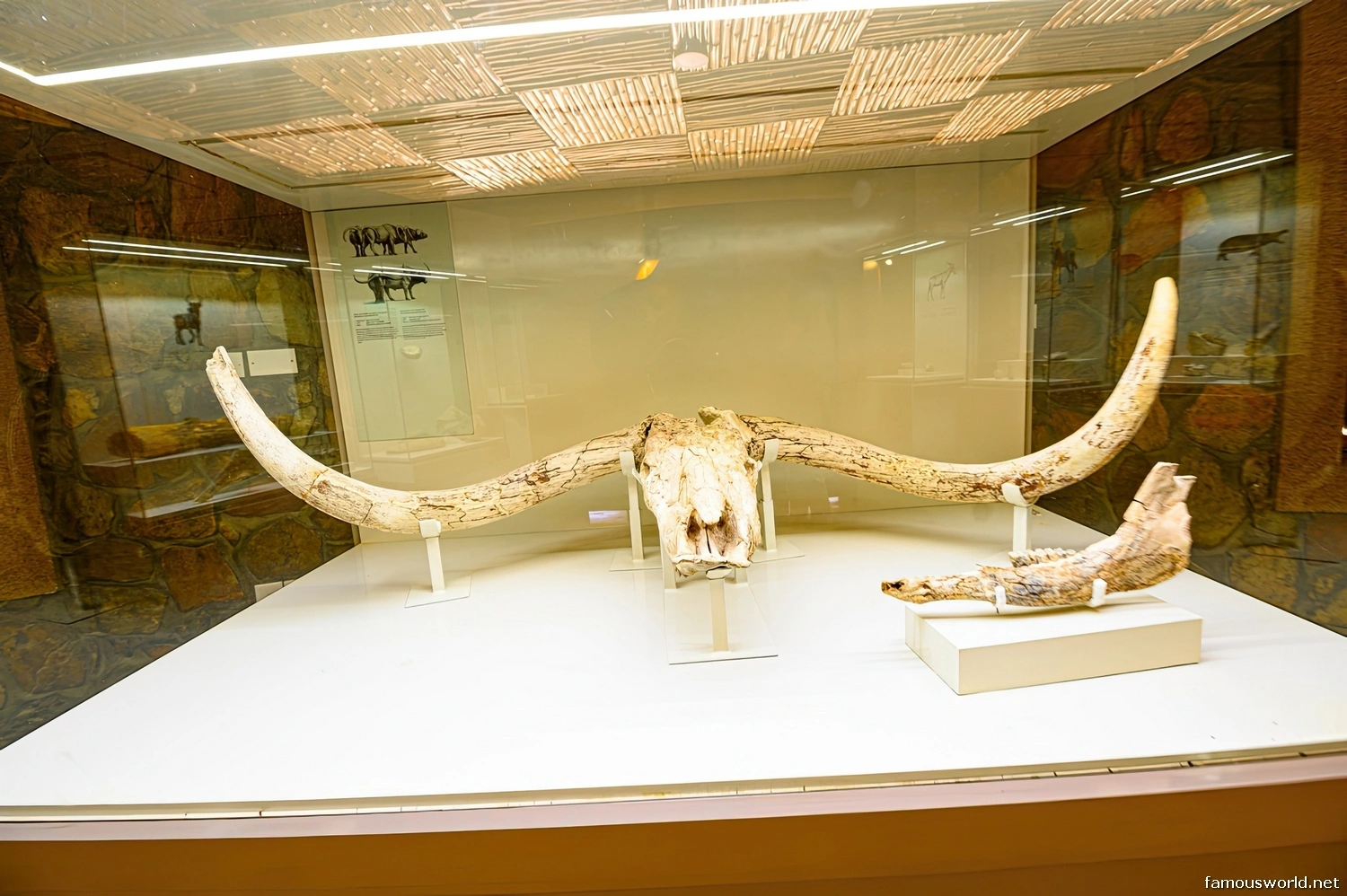
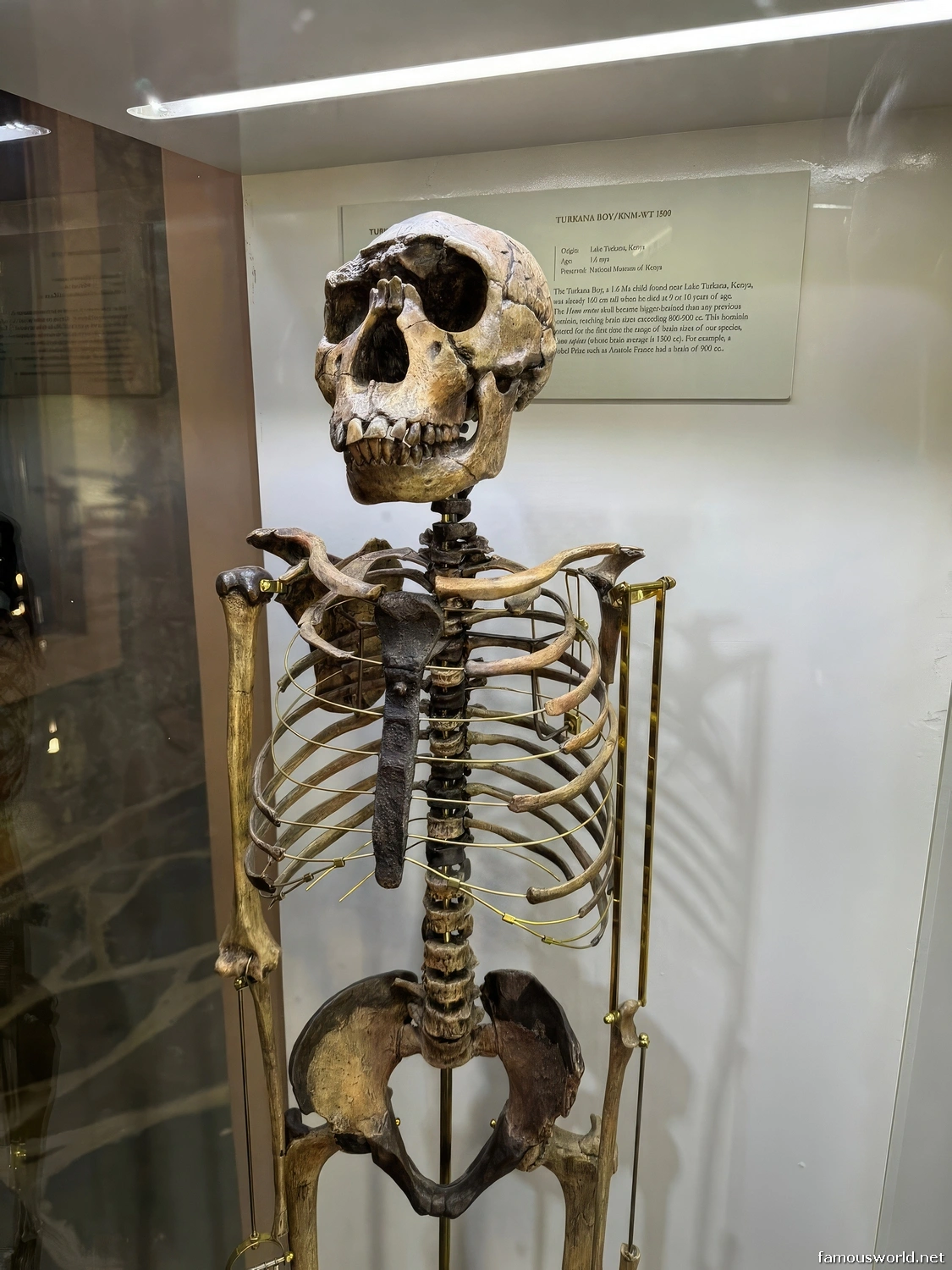
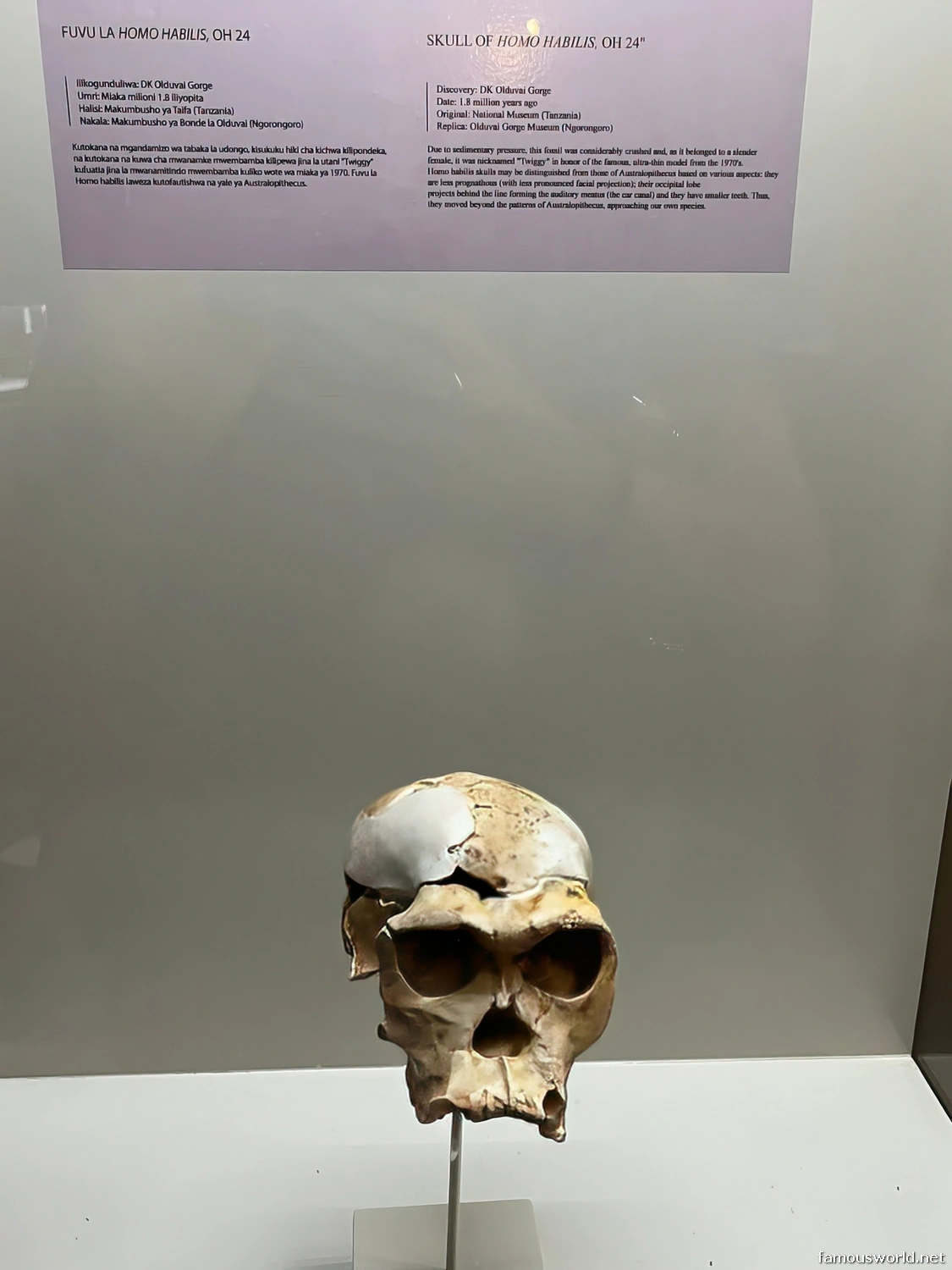
- Showcase of Hominin Fossils: The museum displays casts of the most important hominin fossils found in the gorge, including the skulls of Paranthropus boisei (“Nutcracker Man”) and Homo habilis (“Handy Man”), allowing visitors to come face-to-face with our ancient relatives.
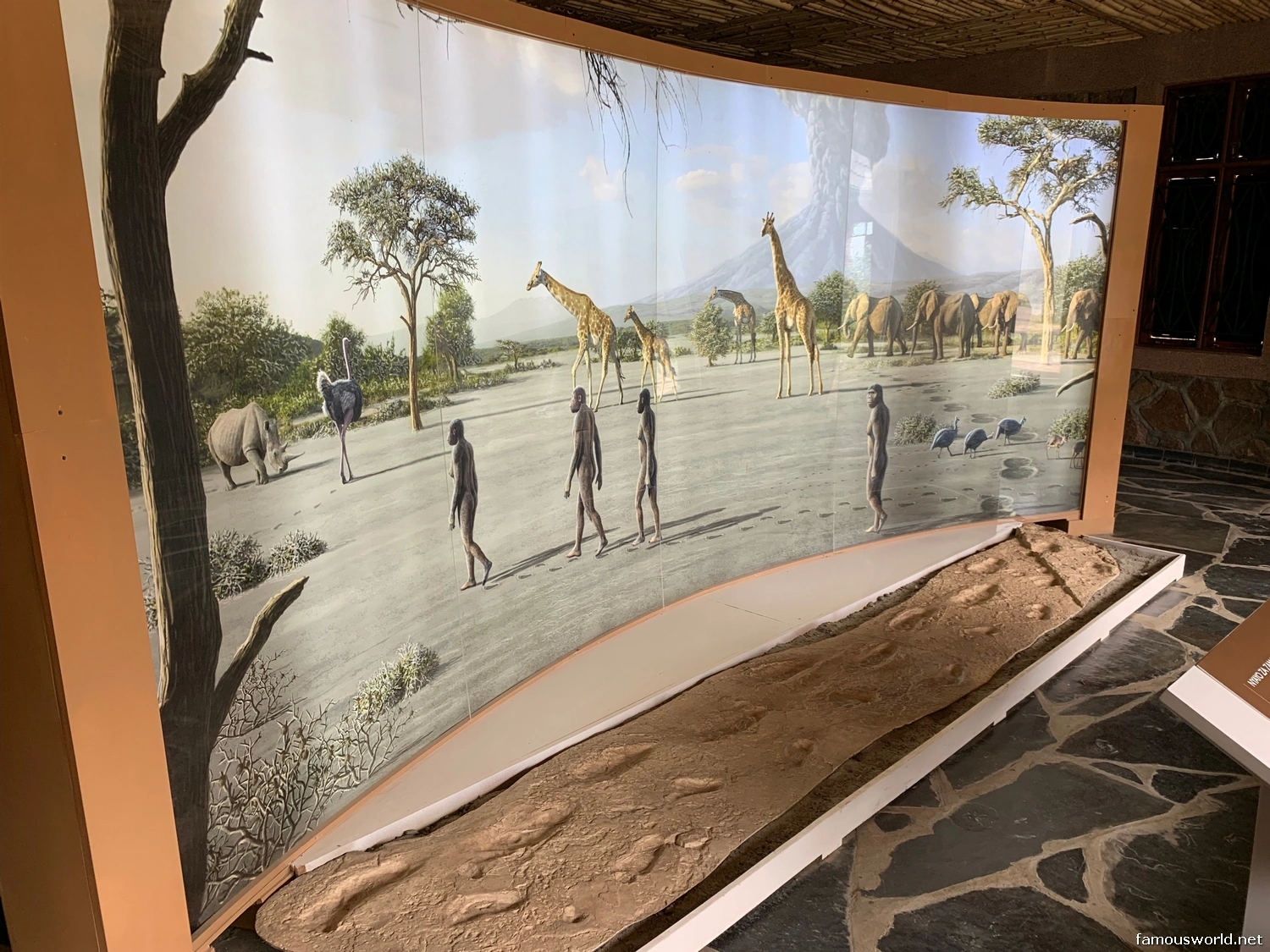
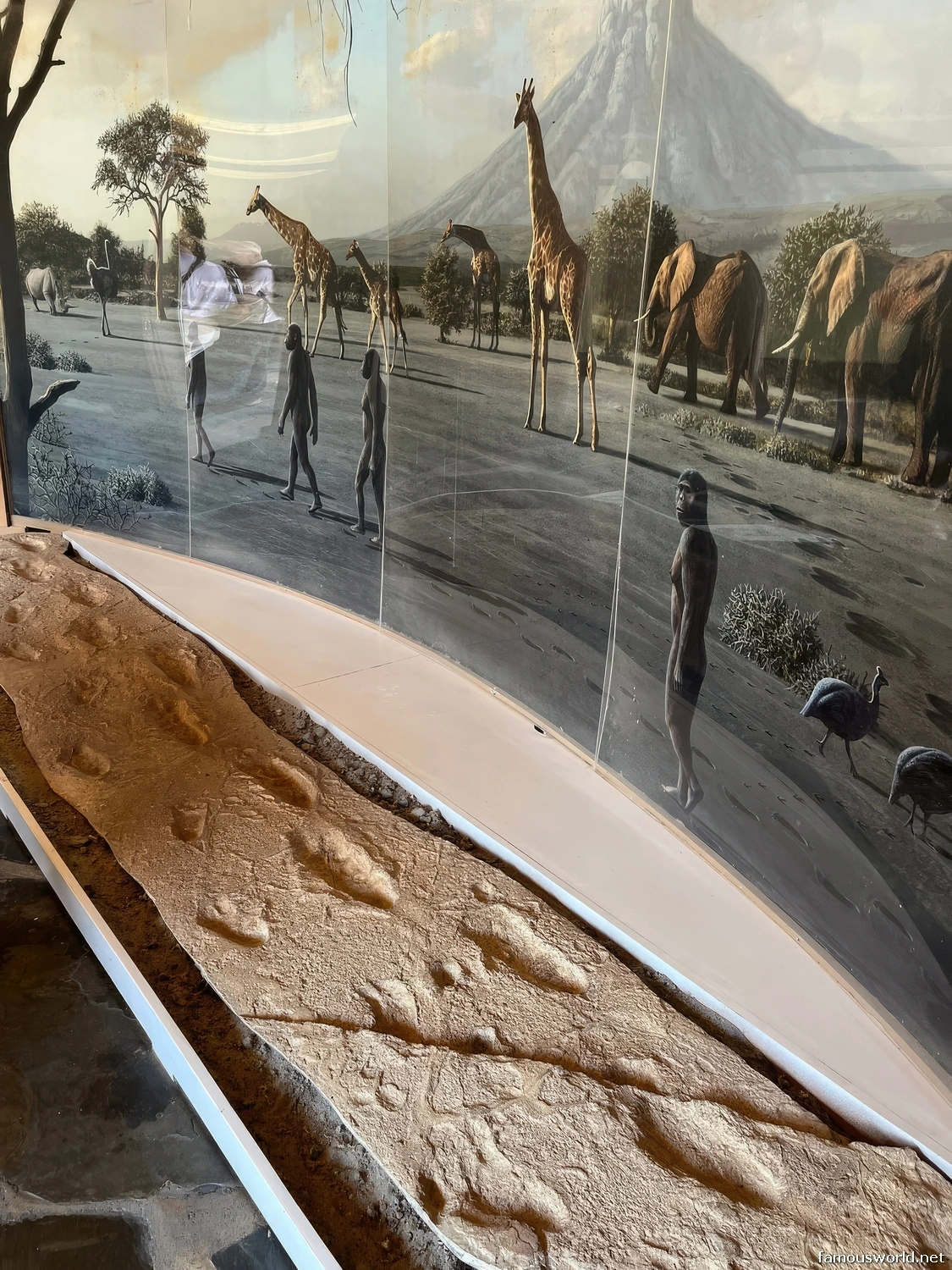
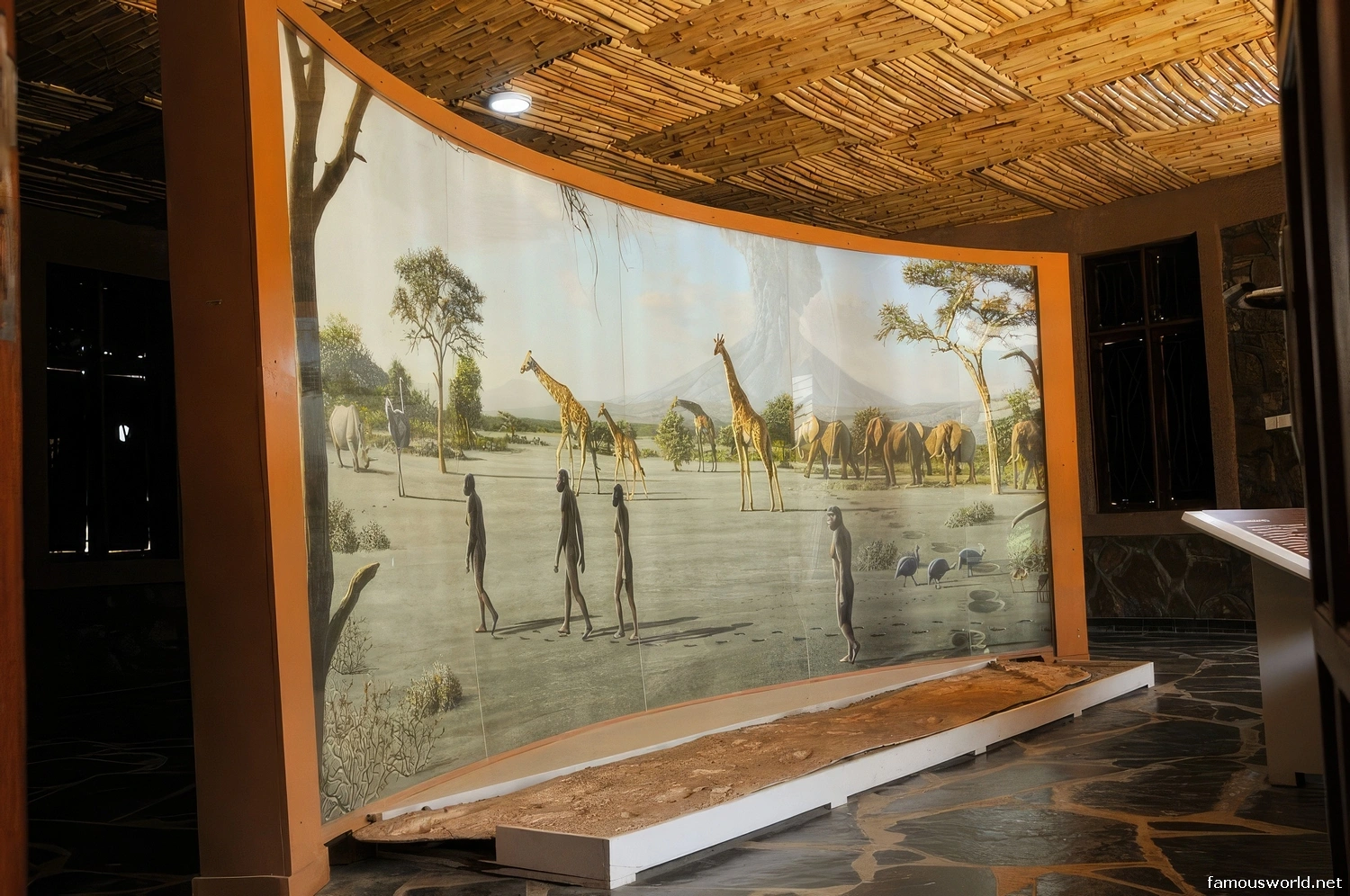
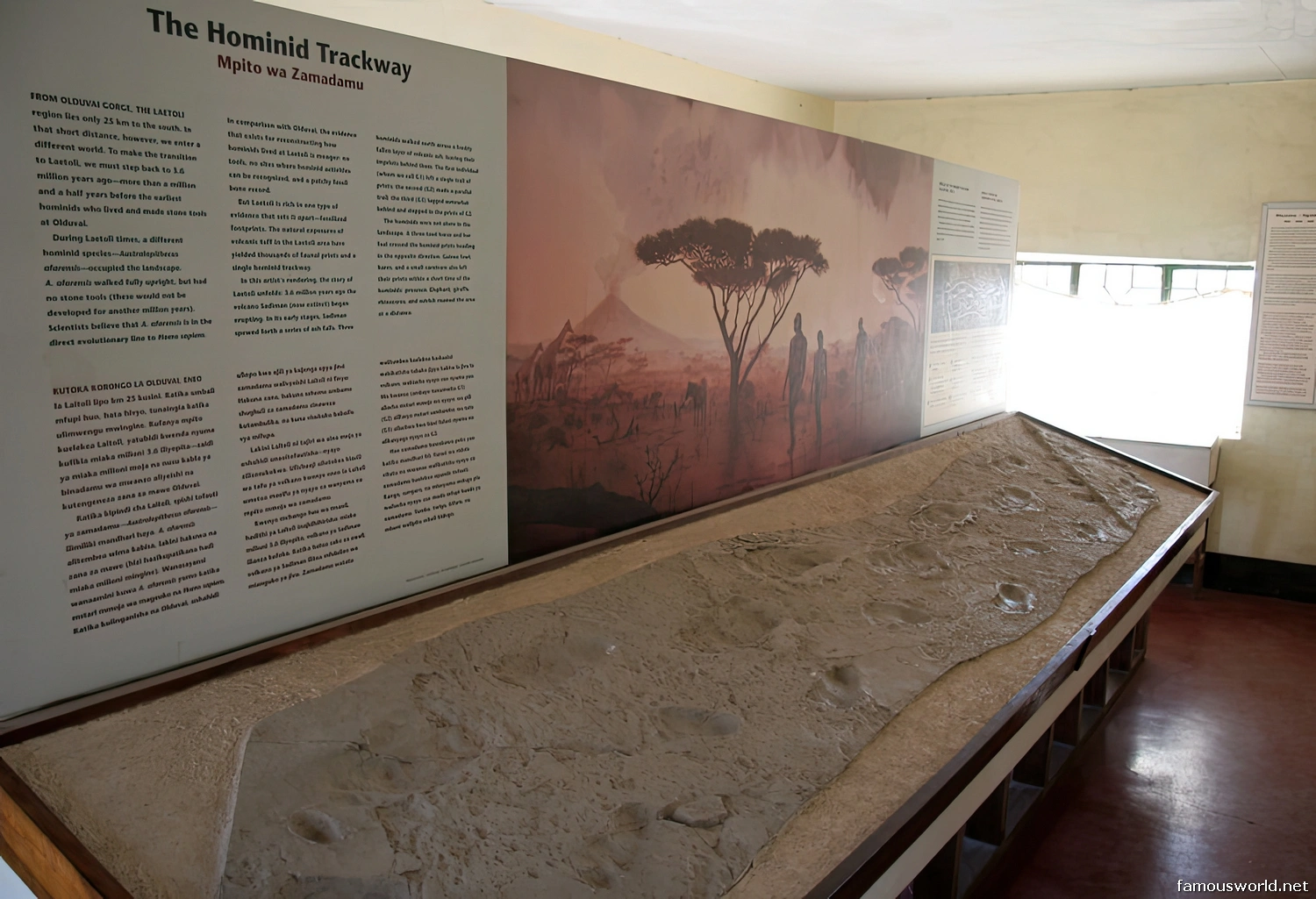
- The Laetoli Footprints: A highlight of the museum is the exhibition on the Laetoli Footprints. It features a remarkable cast of the 3.6-million-year-old tracks left by three hominins walking upright, which were discovered nearby and represent the earliest definitive evidence of bipedalism.
- Oldowan Tool Collection: The museum has an extensive collection of stone tools from the Oldowan industry, the oldest-known tool-making tradition. These simple but effective choppers and flakes are tangible proof of the cognitive leap made by our ancestors.
Differences from Other Wonders
The curated, educational experience of the Olduvai Gorge Museum offers a focused contrast to the vast, raw landscape of the gorge it overlooks.
- Environment (Indoor Exhibit vs. Outdoor Ravine): The museum is a structured, indoor educational space. The gorge is a vast, natural, and stark geological feature exposed to the elements.
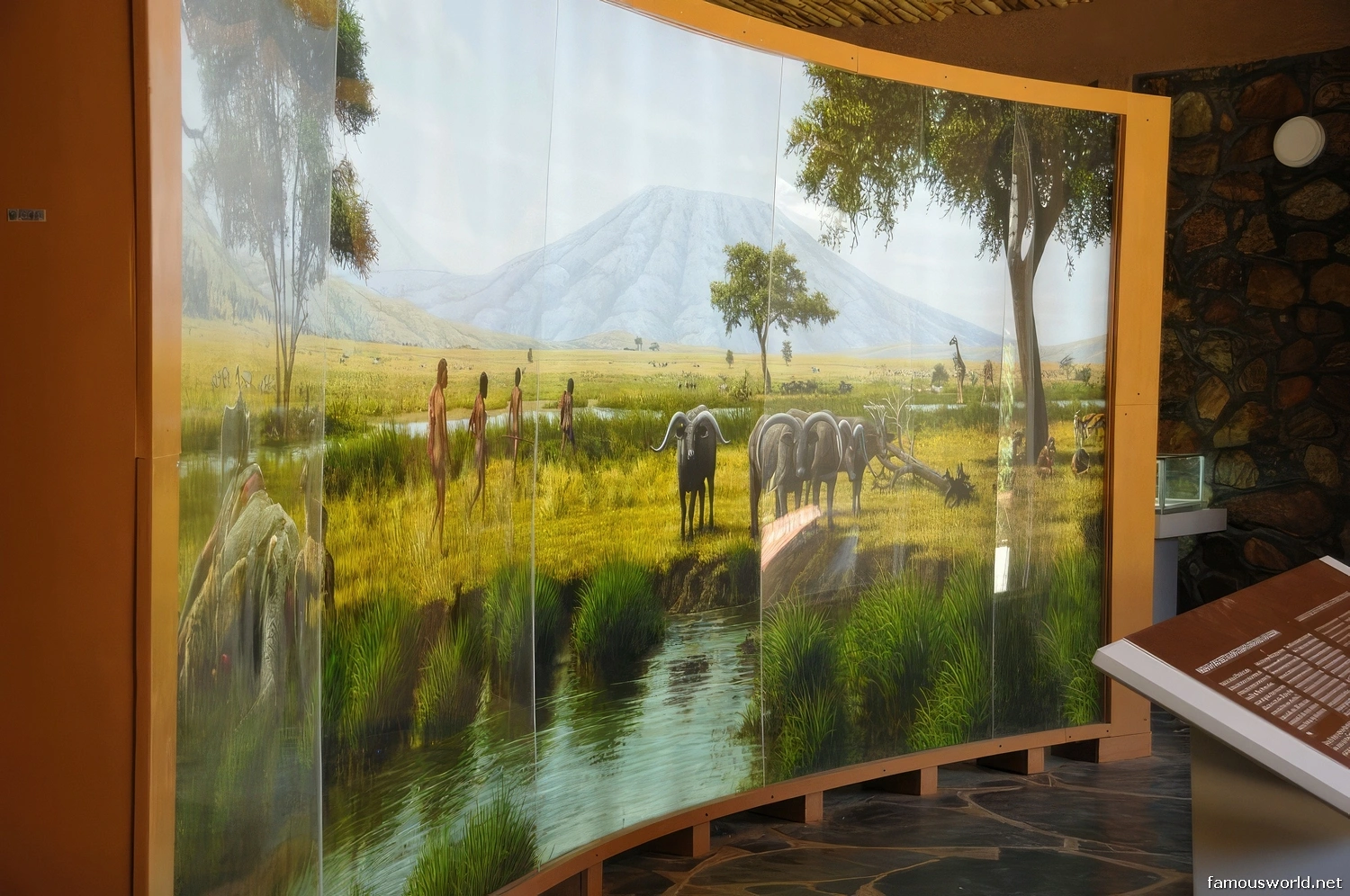
- Core Story (Curated Narrative vs. Raw Evidence): The museum presents a curated, easy-to-understand narrative of human evolution, with timelines, explanations, and organized displays. The gorge itself presents the raw, layered geological evidence from which that story was painstakingly pieced together.
- Primary Attraction (Casts and Artifacts vs. The Actual Site): The primary draw of the museum is the chance to see the famous fossils and tools (or high-quality casts) up close in an organized context. The primary attraction of the gorge is the profound sense of place and the opportunity to see the actual layers of earth where these items were discovered.
- Atmosphere (Educational and Focused vs. Contemplative and Vast): A visit to the museum is an educational experience that provides direct knowledge and context. A visit to the gorge viewpoint inspires a more contemplative and awe-inspiring sense of deep time and the immense scale of the natural world.
Location on world map