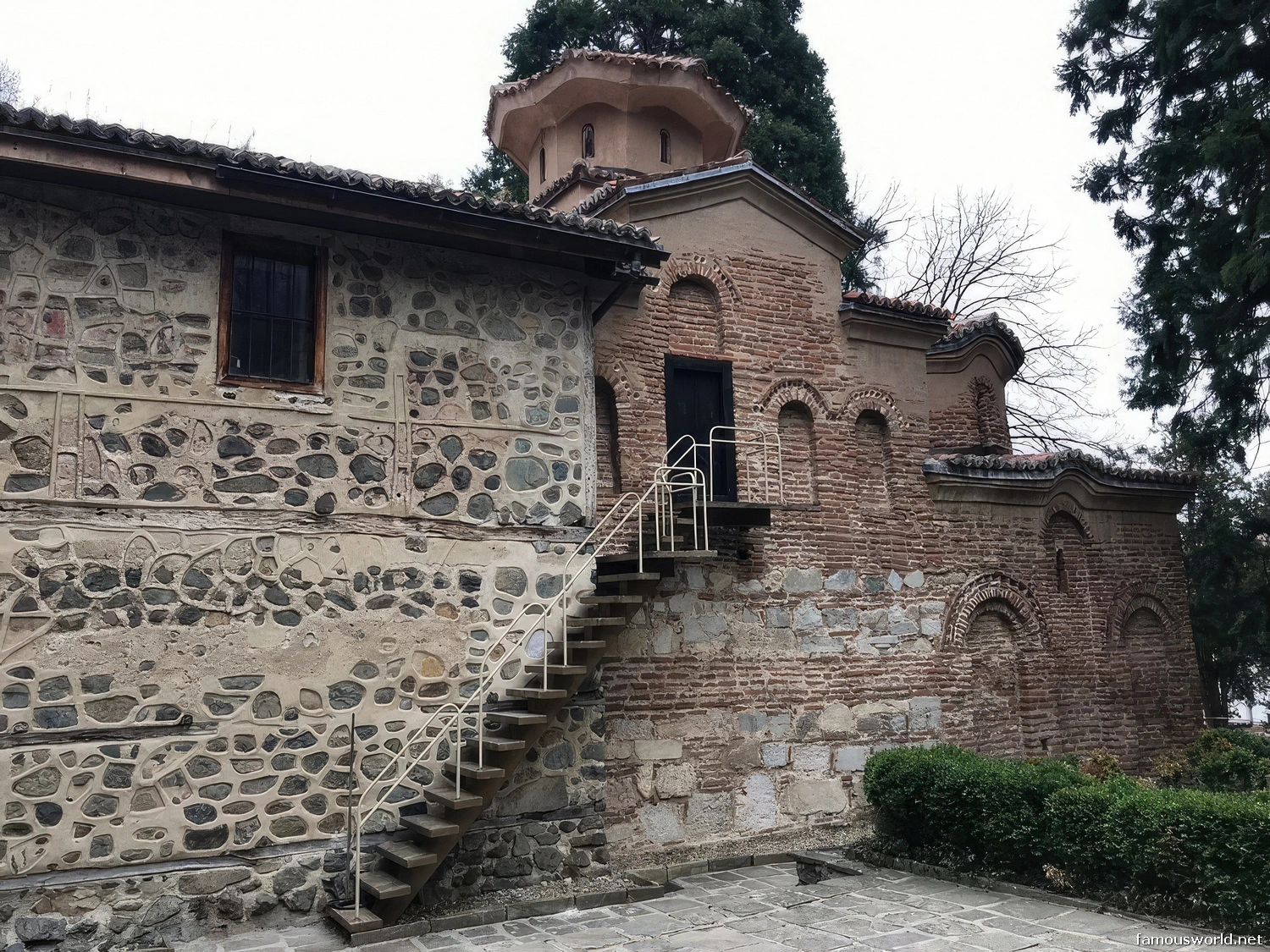
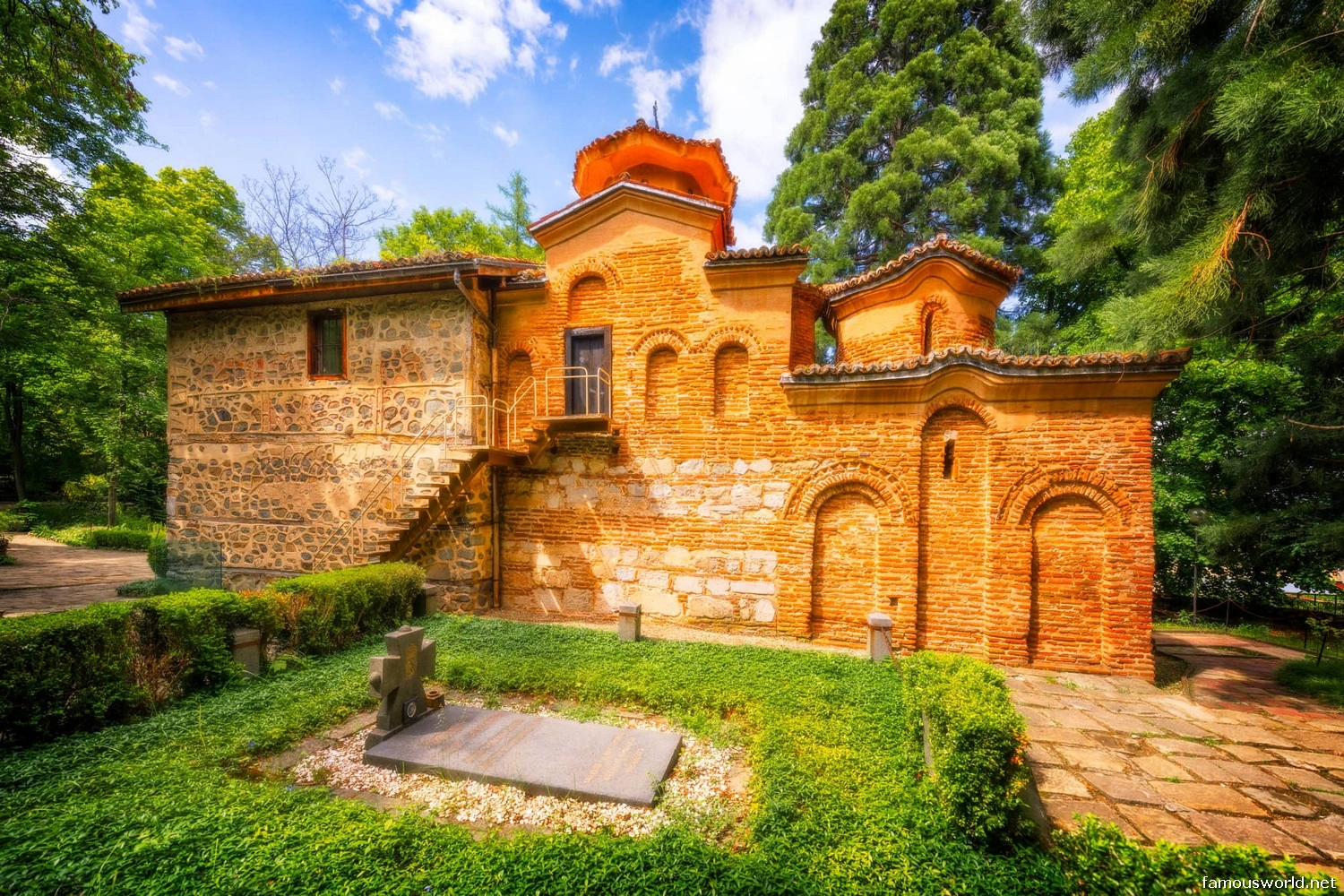
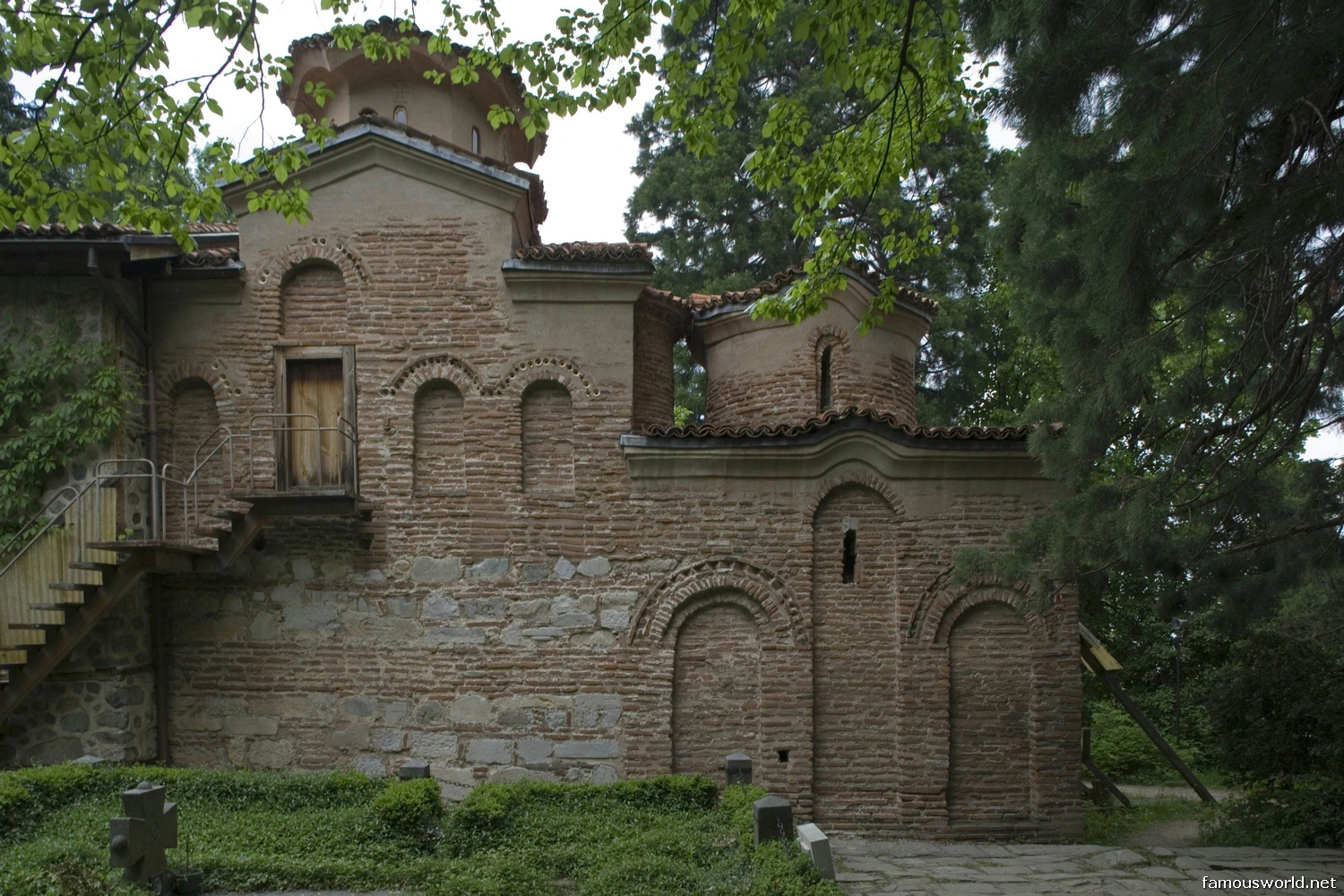
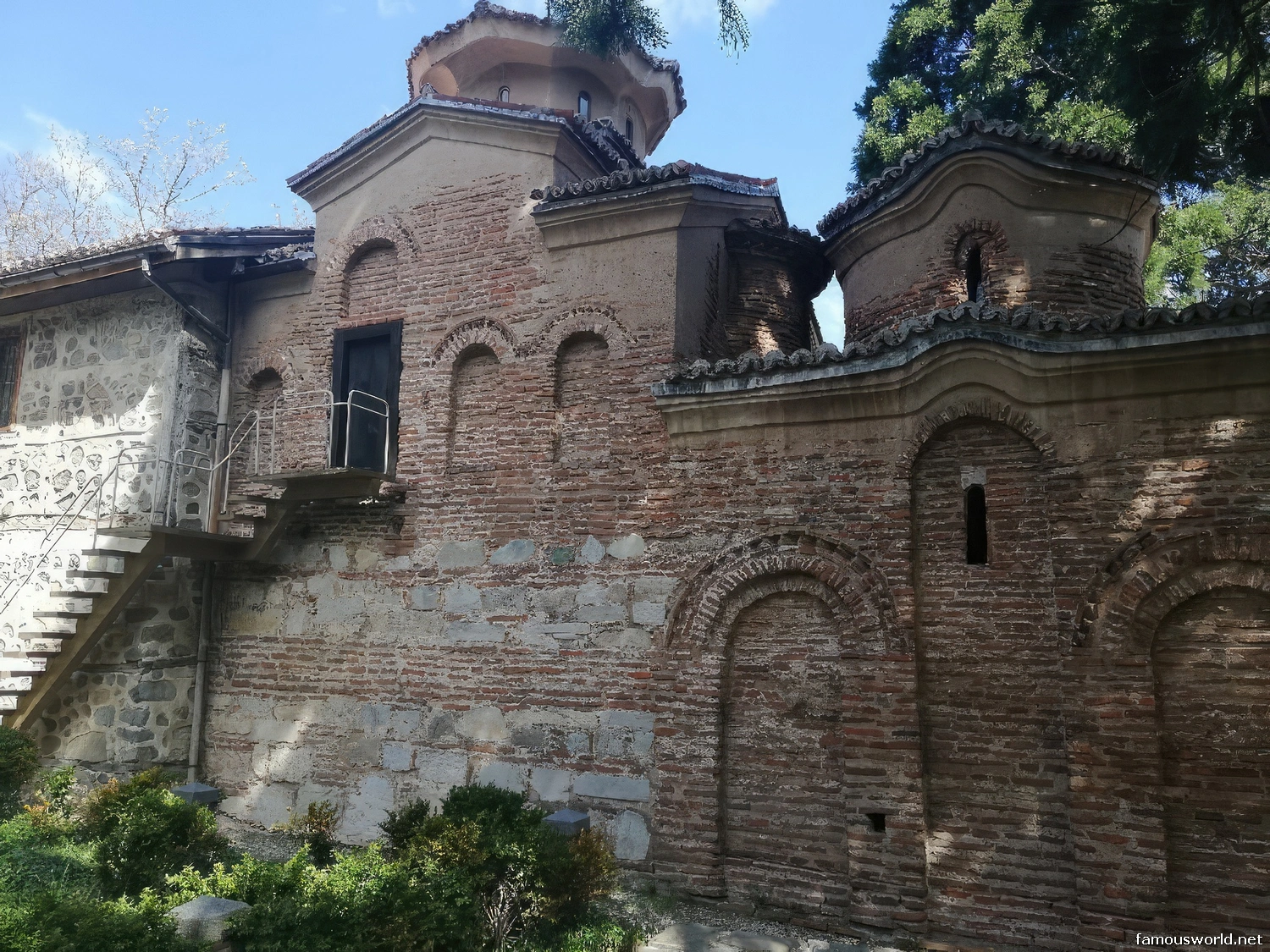
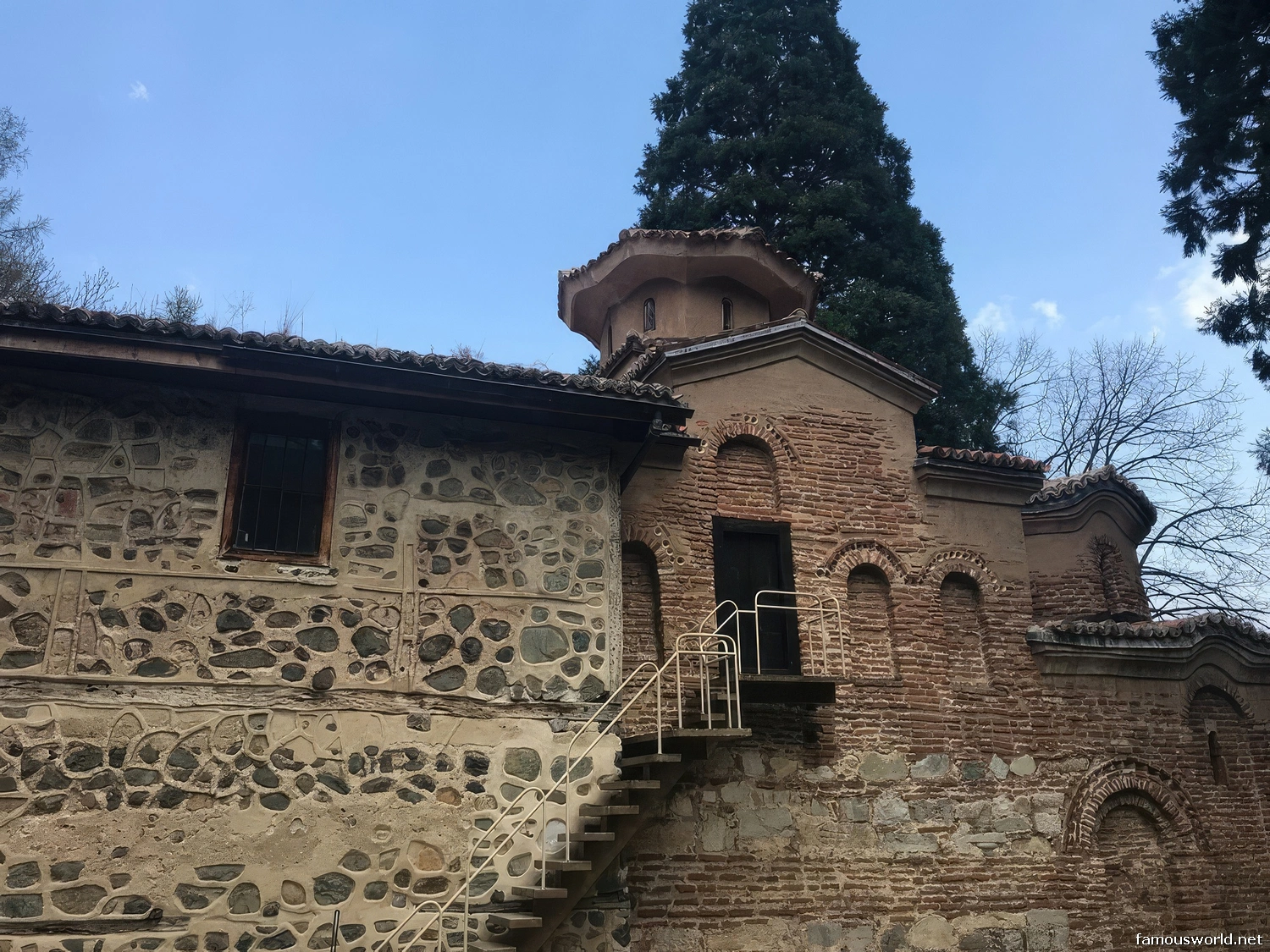
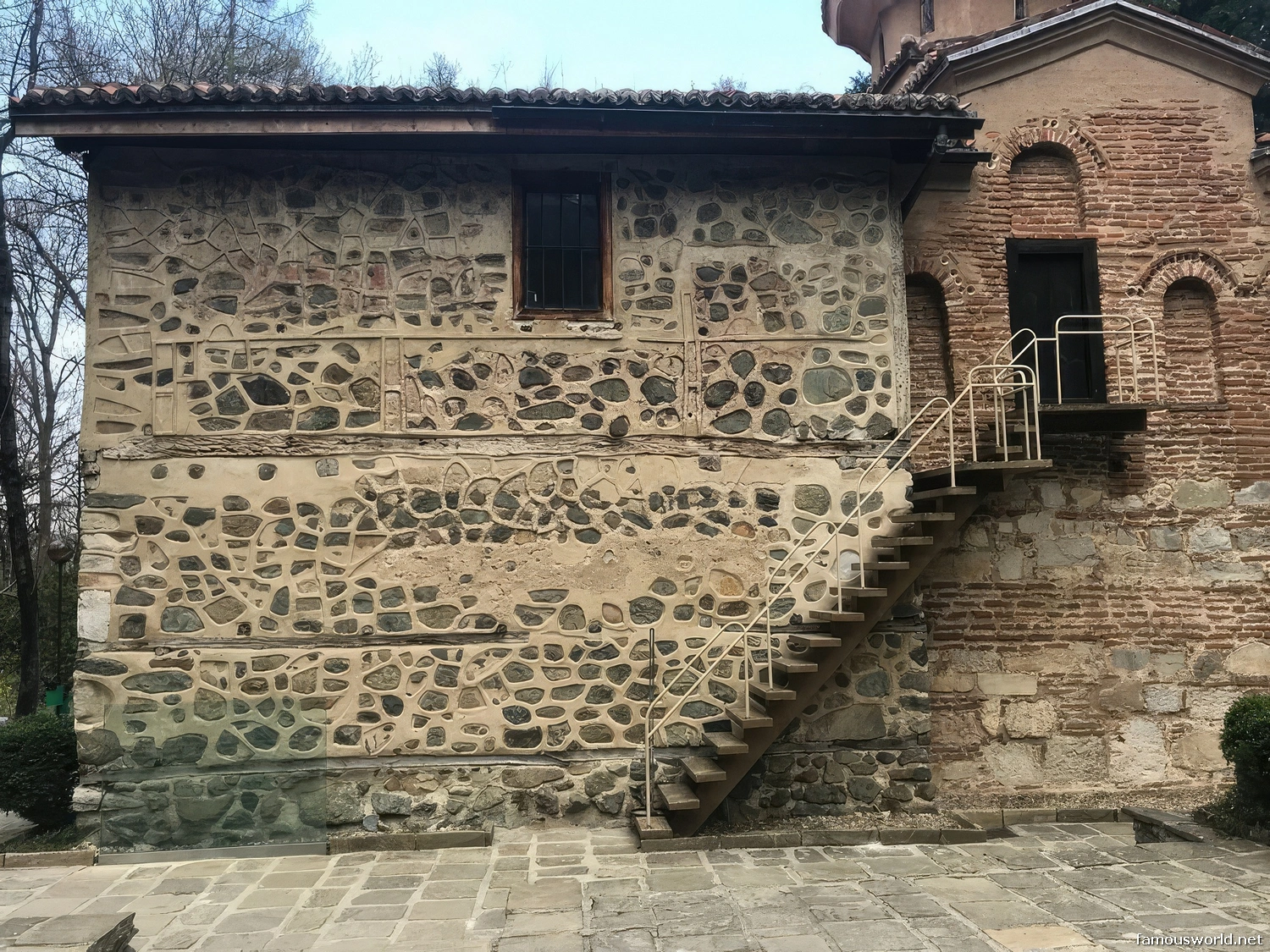
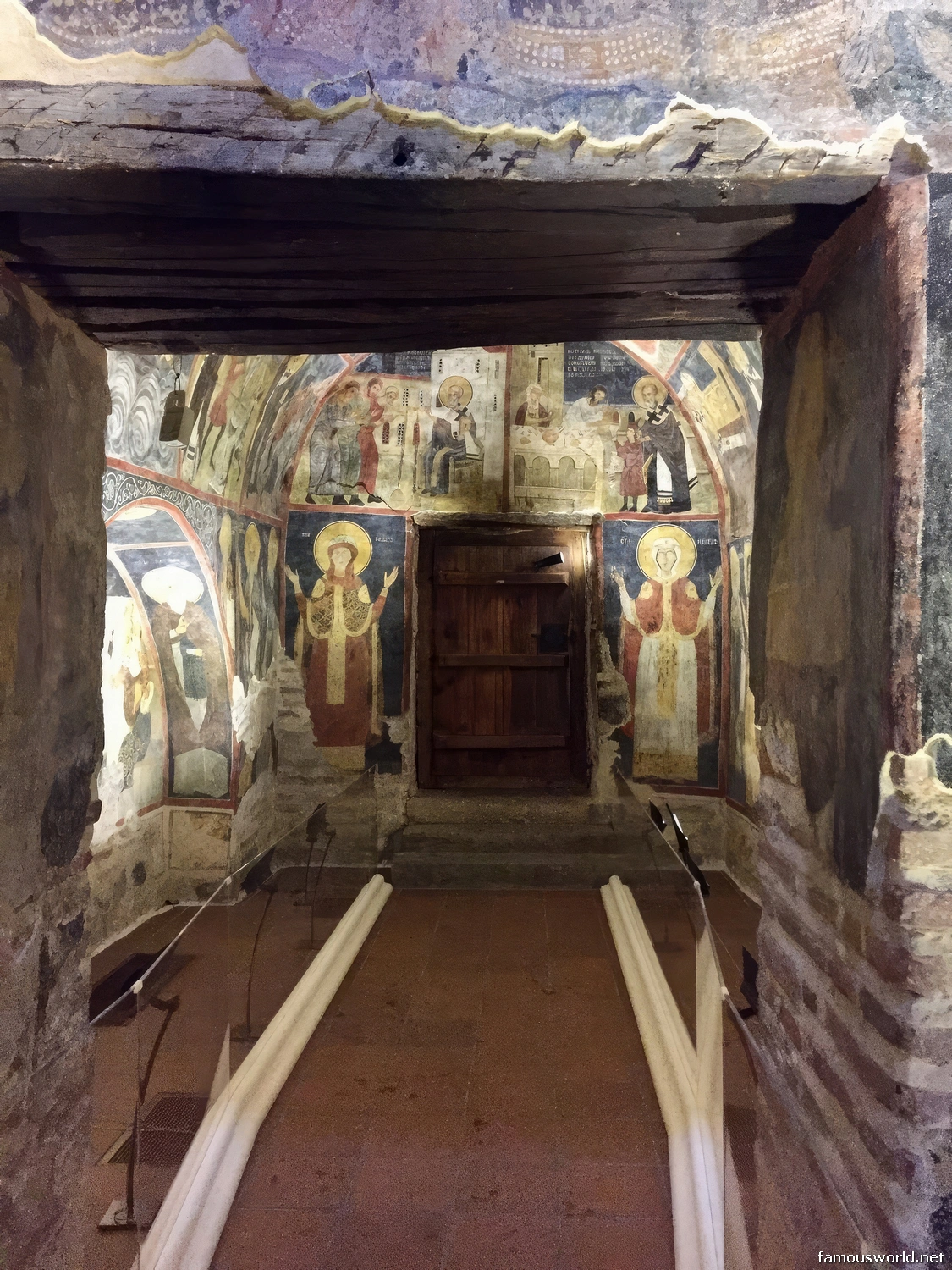
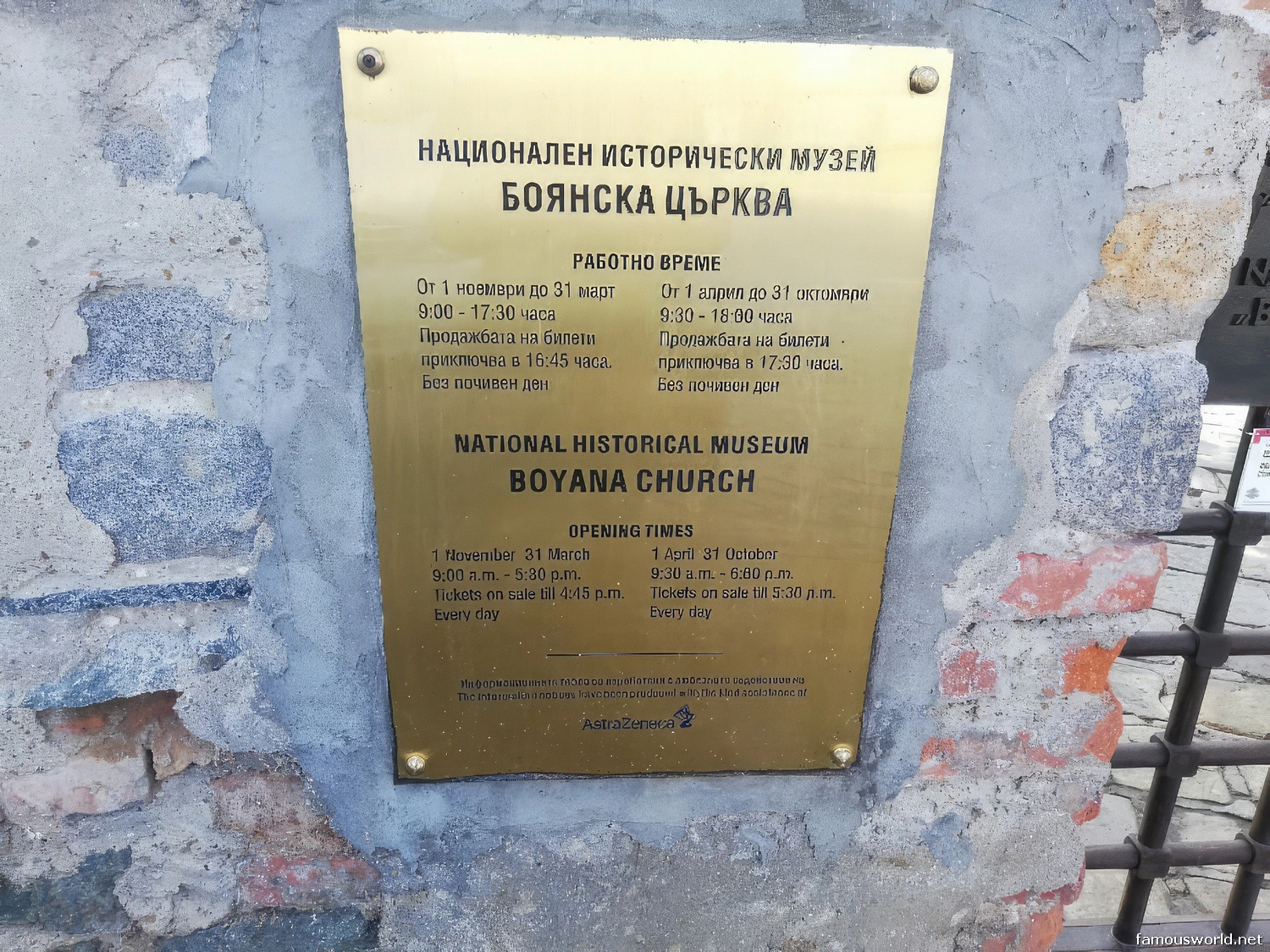

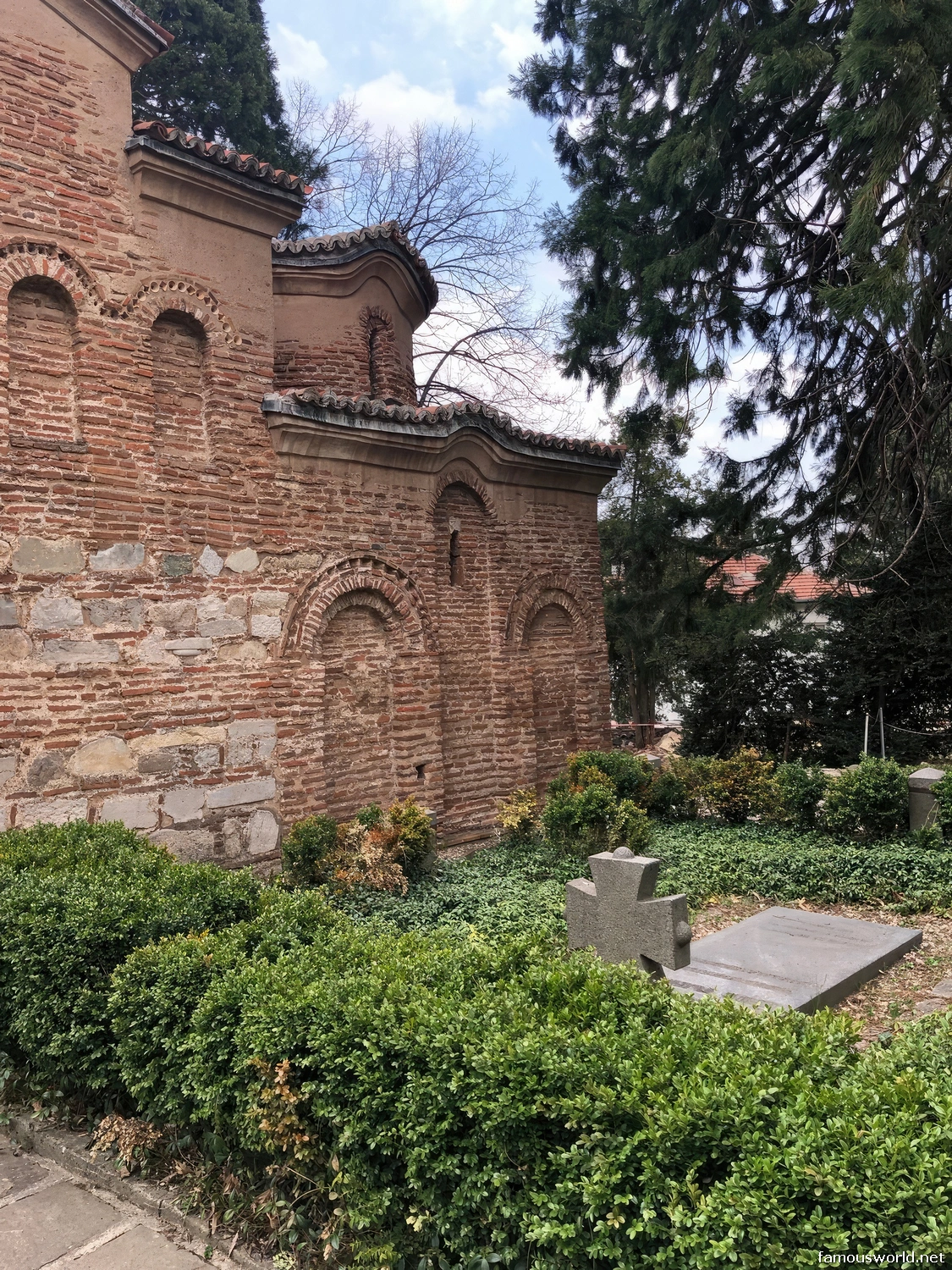
Nestled in a quiet, leafy park at the foot of Vitosha Mountain, the Boyana Church is one of Bulgaria’s most precious cultural treasures and a UNESCO World Heritage site. From the outside, it appears as a small, humble medieval church, but its interior holds a world-renowned collection of frescoes that are considered among the most magnificent examples of medieval Eastern European art. Painted in 1259, these incredibly well-preserved artworks are famous for their realism and psychological depth, predating the Italian Renaissance with their lifelike portraits and emotional intensity. A visit to Boyana is not about architectural grandeur, but about an intimate encounter with artistic genius that has survived for nearly 800 years.
Listen to an introduction about Boyana Church

Name and Location
- Name: Boyana Church of St. Nicholas and St. Panteleimon (Боянска църква „Св. св. Никола и Пантелеймон“).
- Location: In the Boyana neighborhood on the outskirts of Sofia, at the base of Vitosha Mountain.
How to Get There
The church is located in a suburban district, away from the city center.
- By Bus: City bus lines (e.g., 64 and 107) stop near the church. This is the most common public transport method.
- By Car/Taxi: A taxi from the city center is a quick and convenient option (around 15-20 minutes). There is limited parking available nearby.
- Combined Trip: Many visitors combine a trip to the Boyana Church with a visit to the National Museum of History, which is relatively close, or with a hike up Vitosha Mountain.
Landscape and Architecture
The church’s beauty lies in its serene setting and, most importantly, its interior artwork.
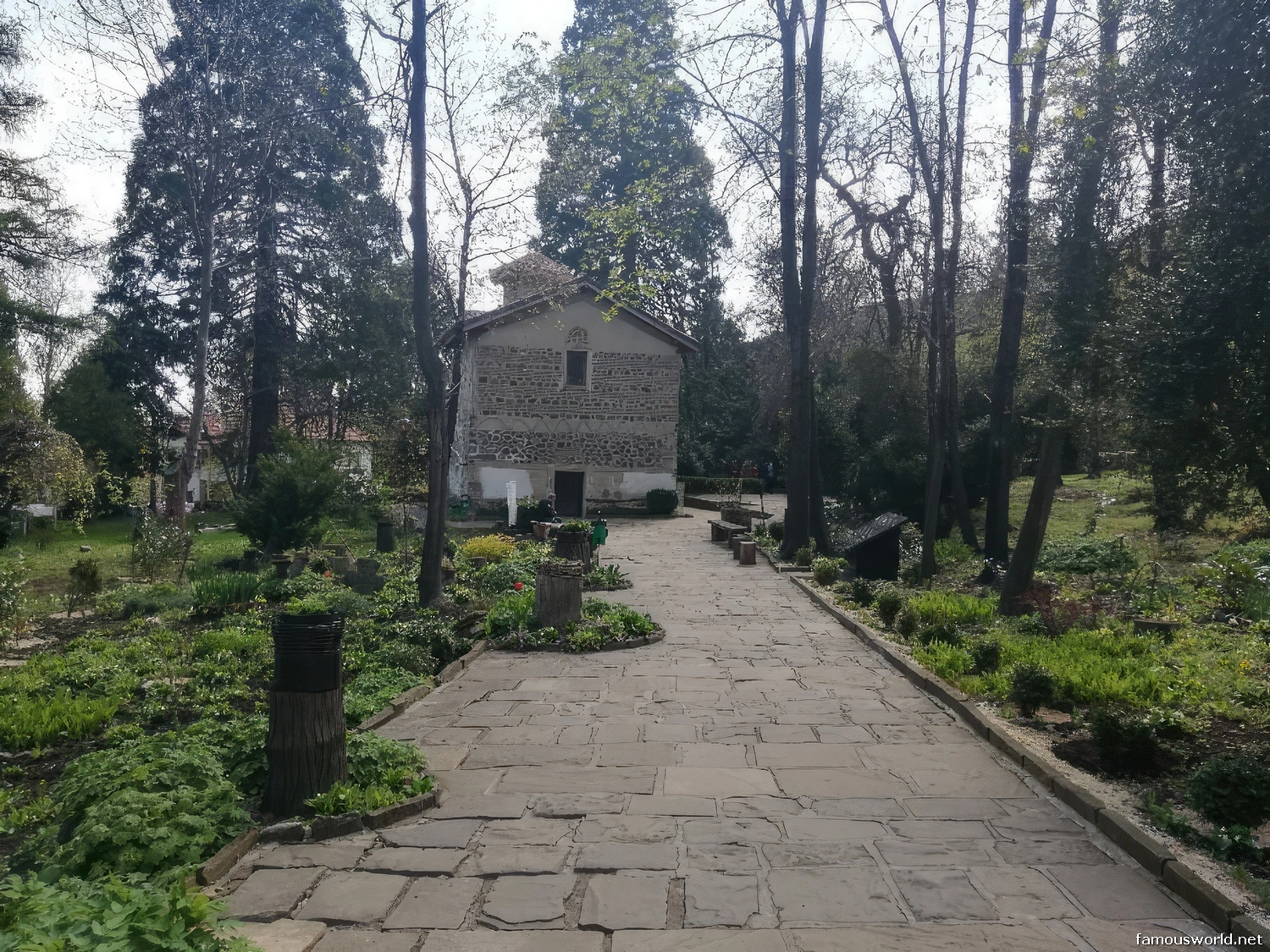
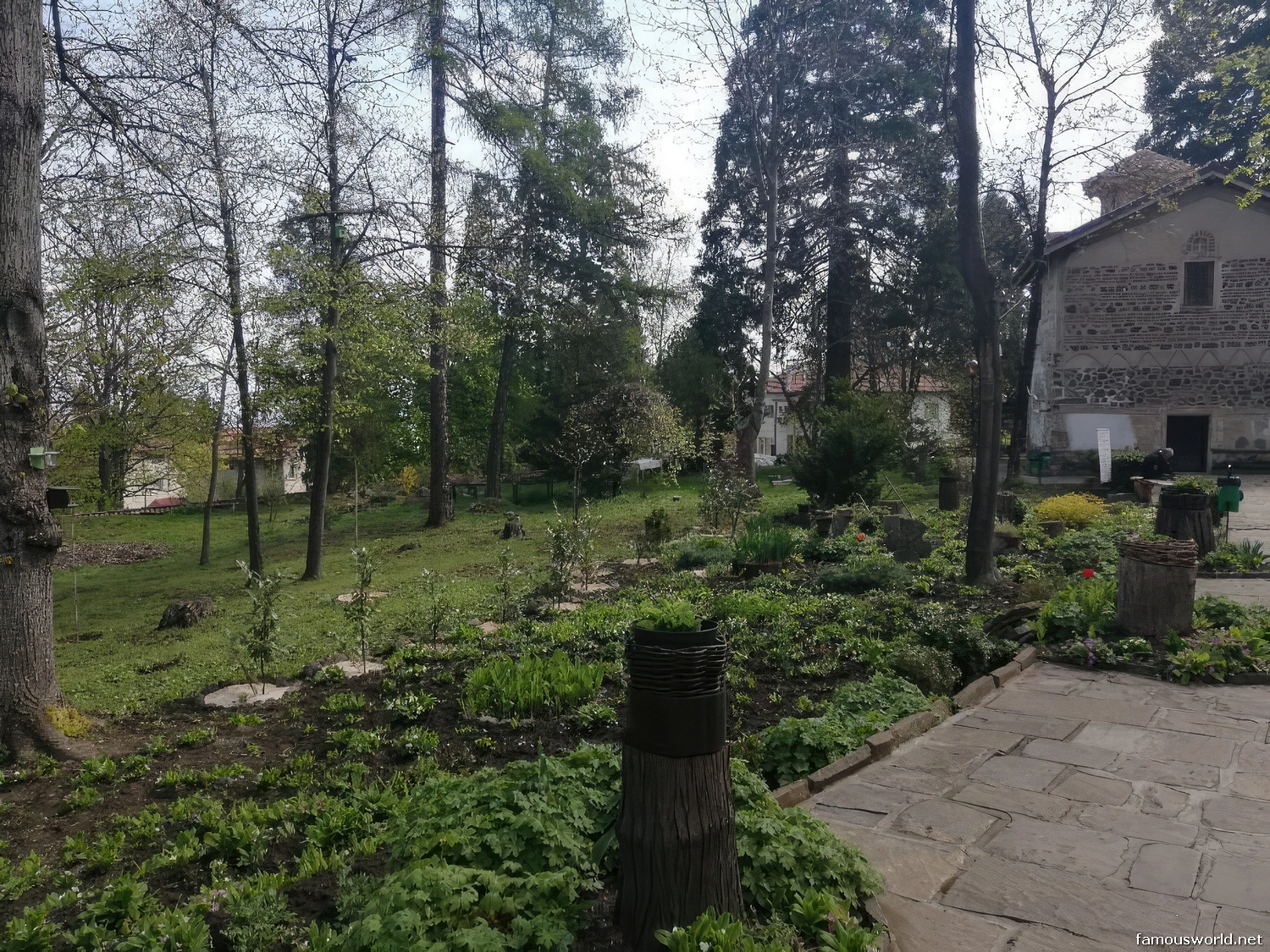
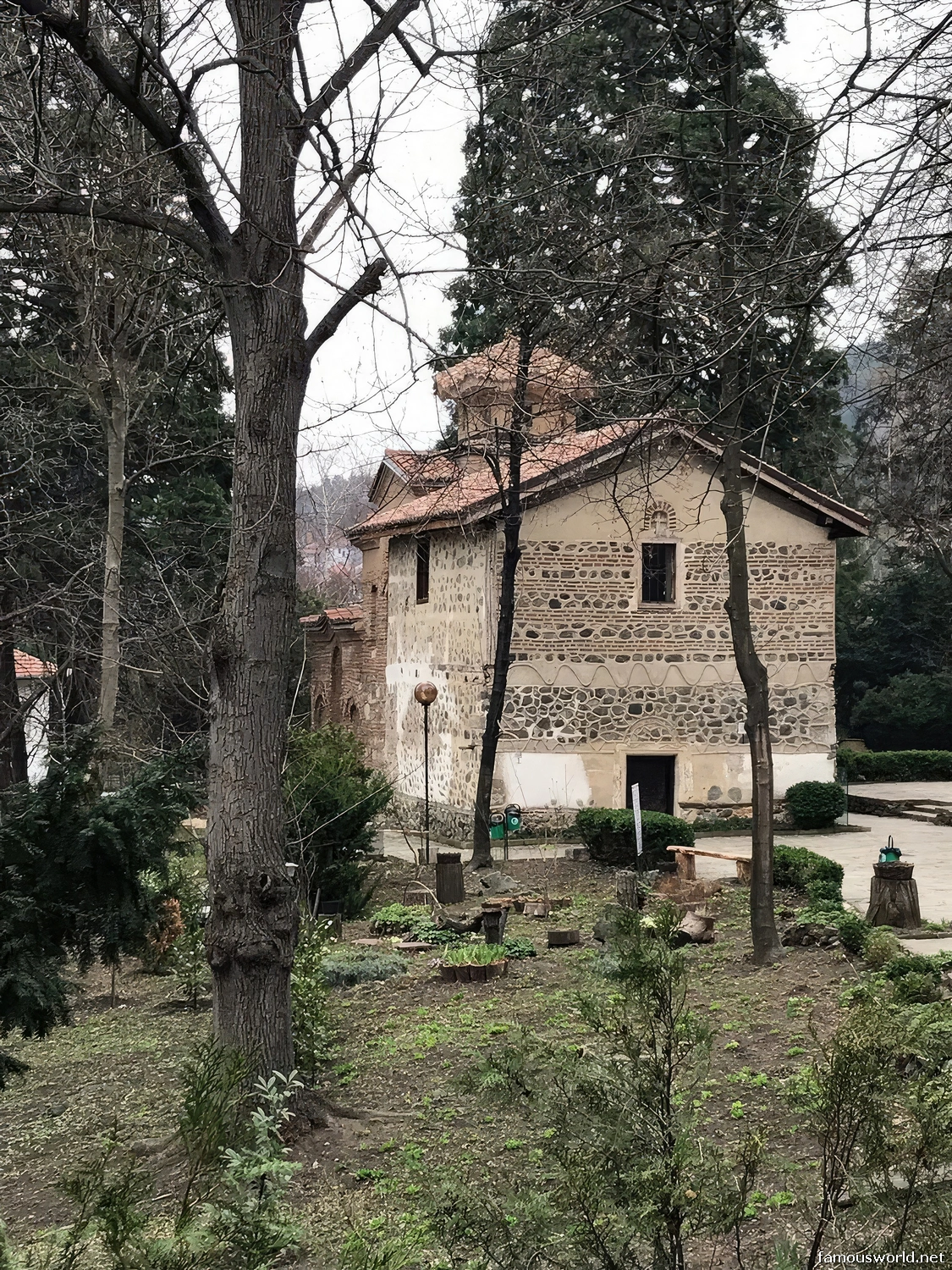
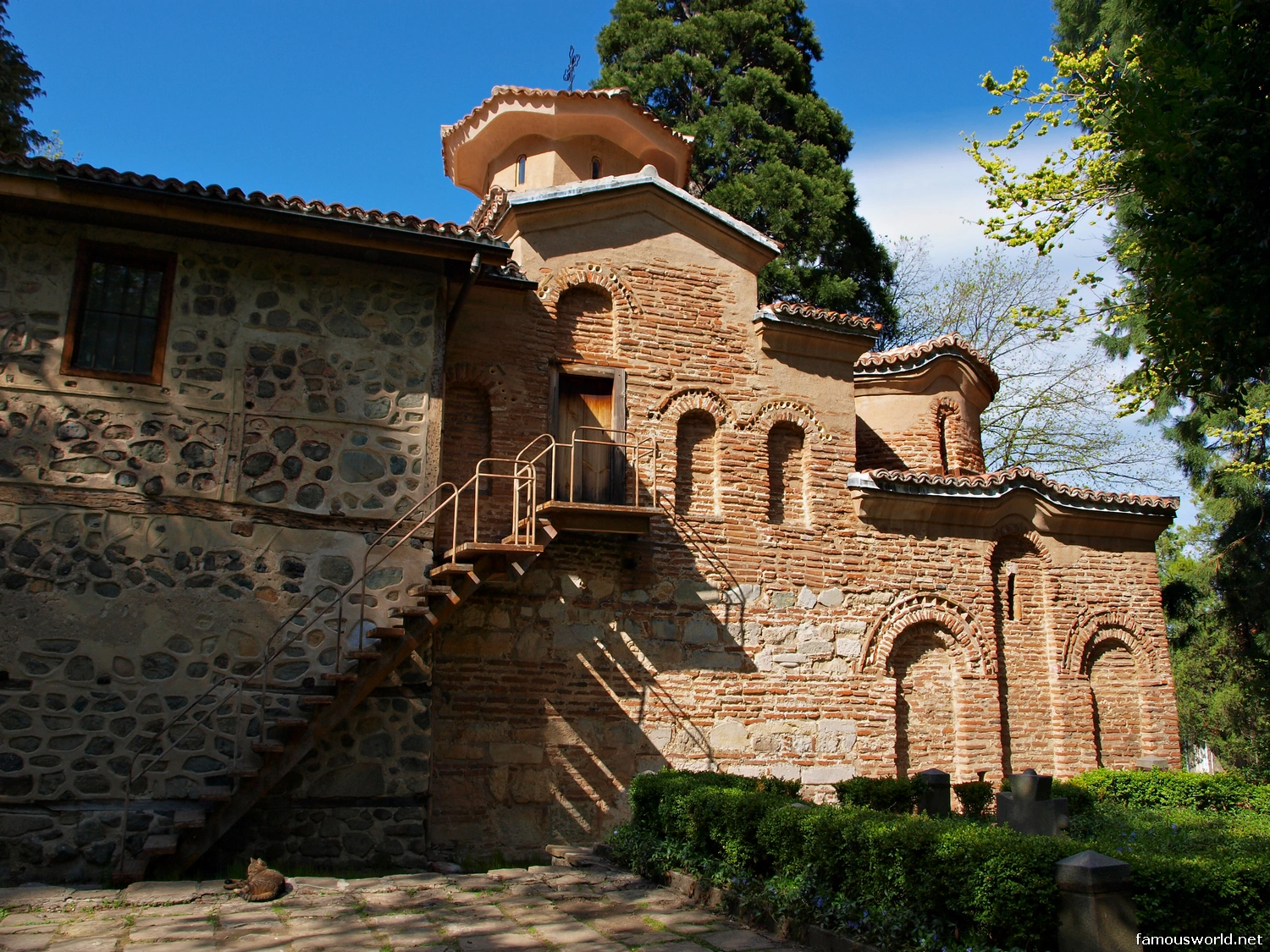
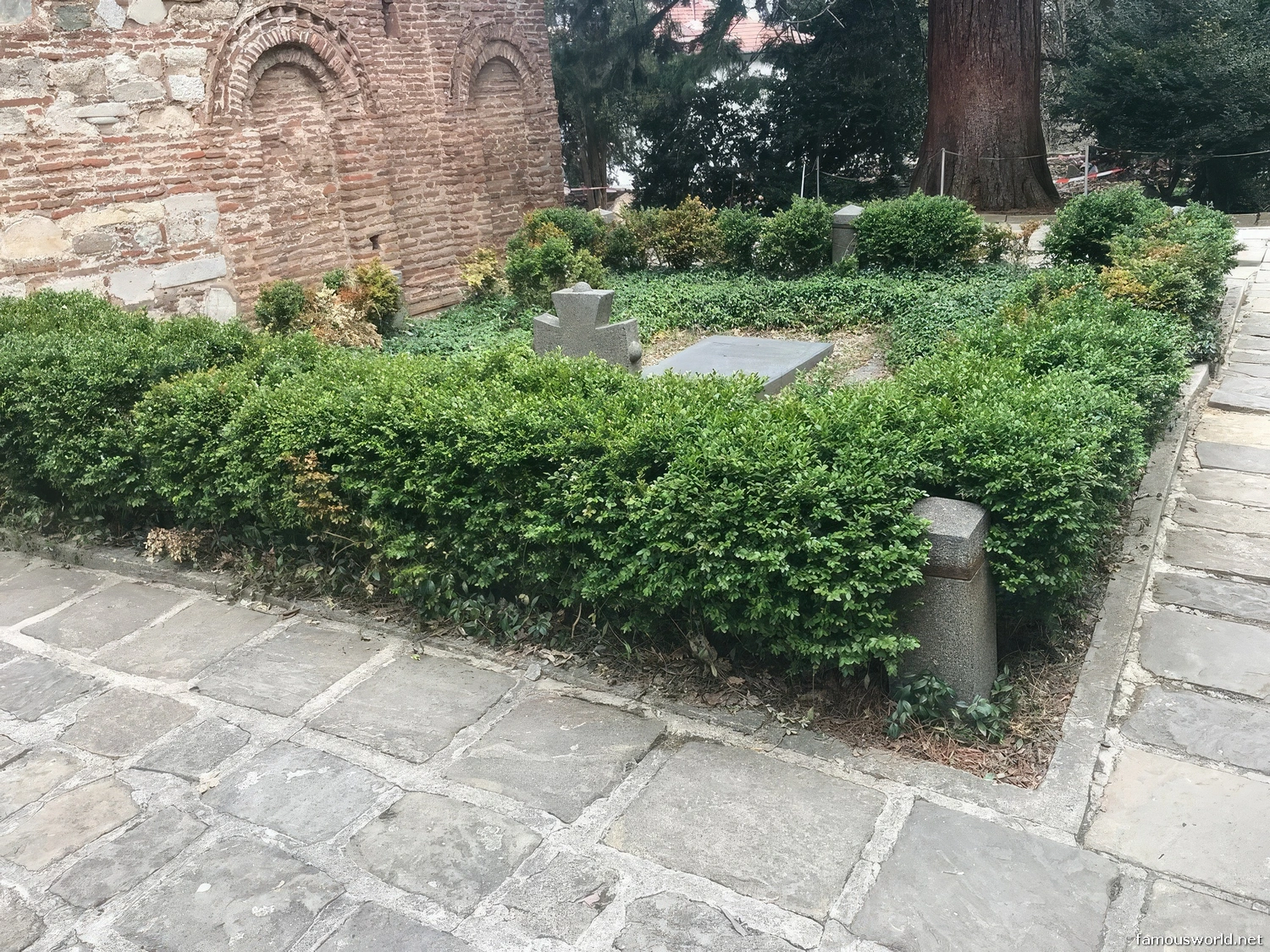
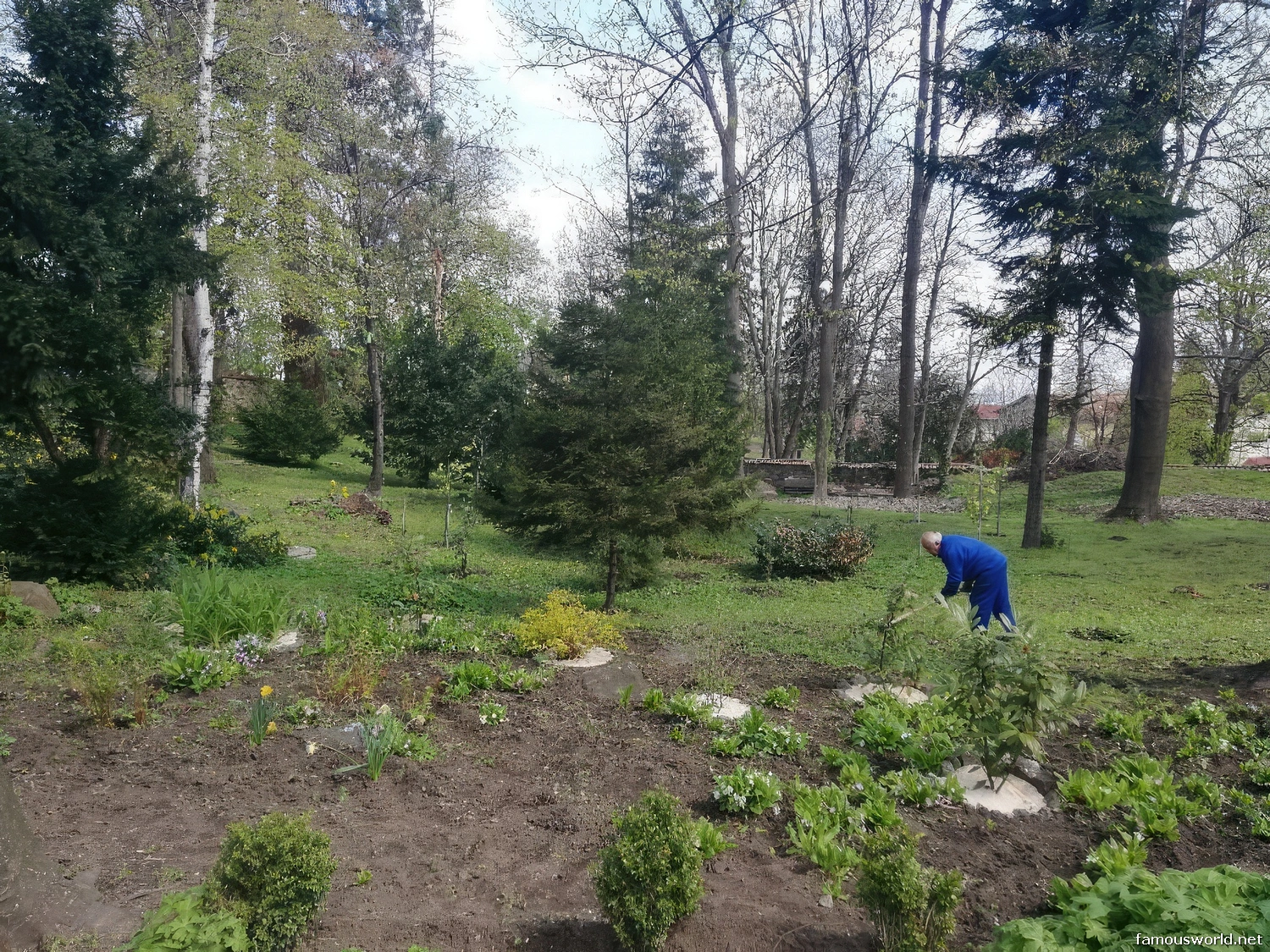
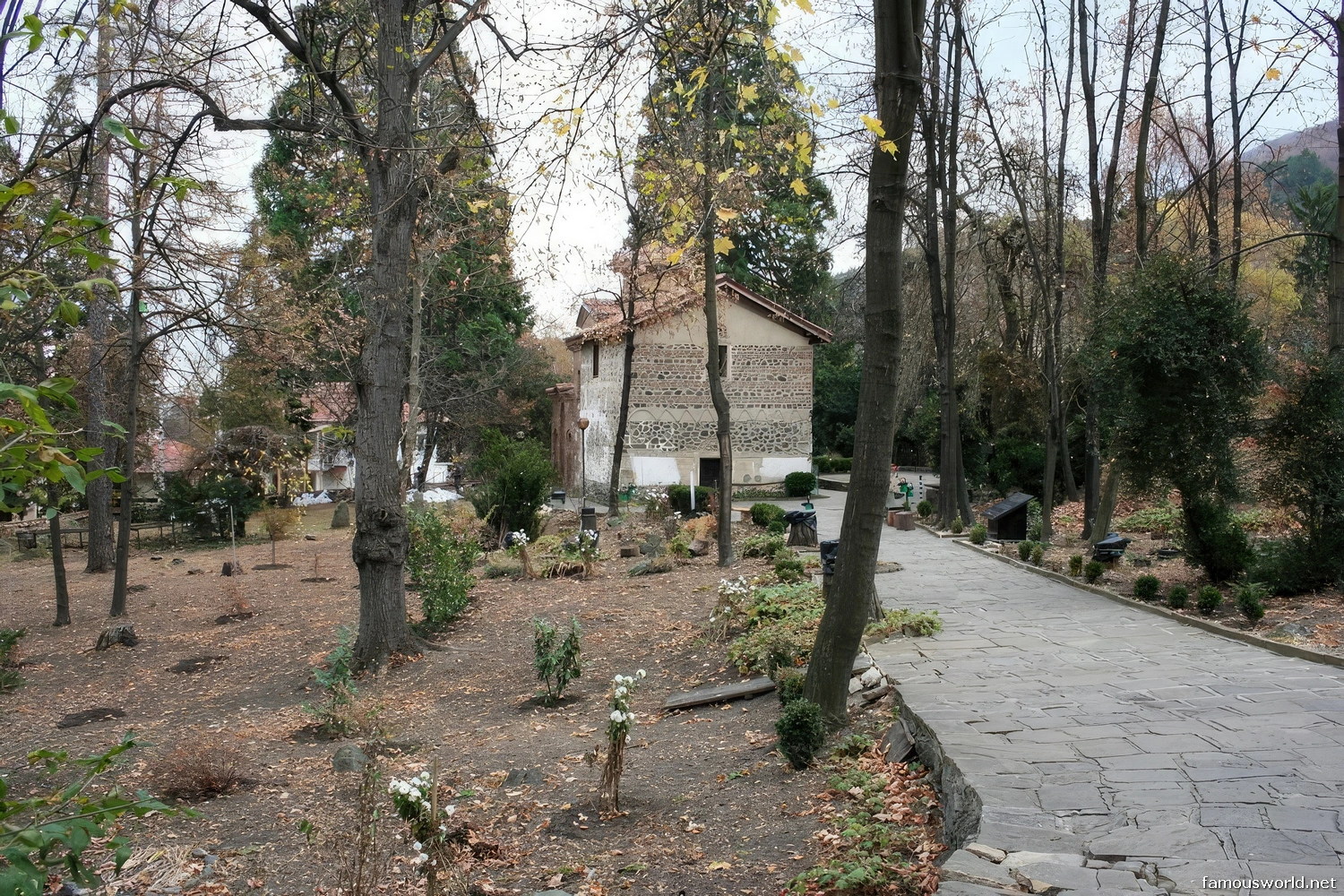
- Park Setting: The church is situated in a tranquil and beautiful small park, shaded by tall, ancient redwood trees, which creates a peaceful atmosphere away from the city’s noise.
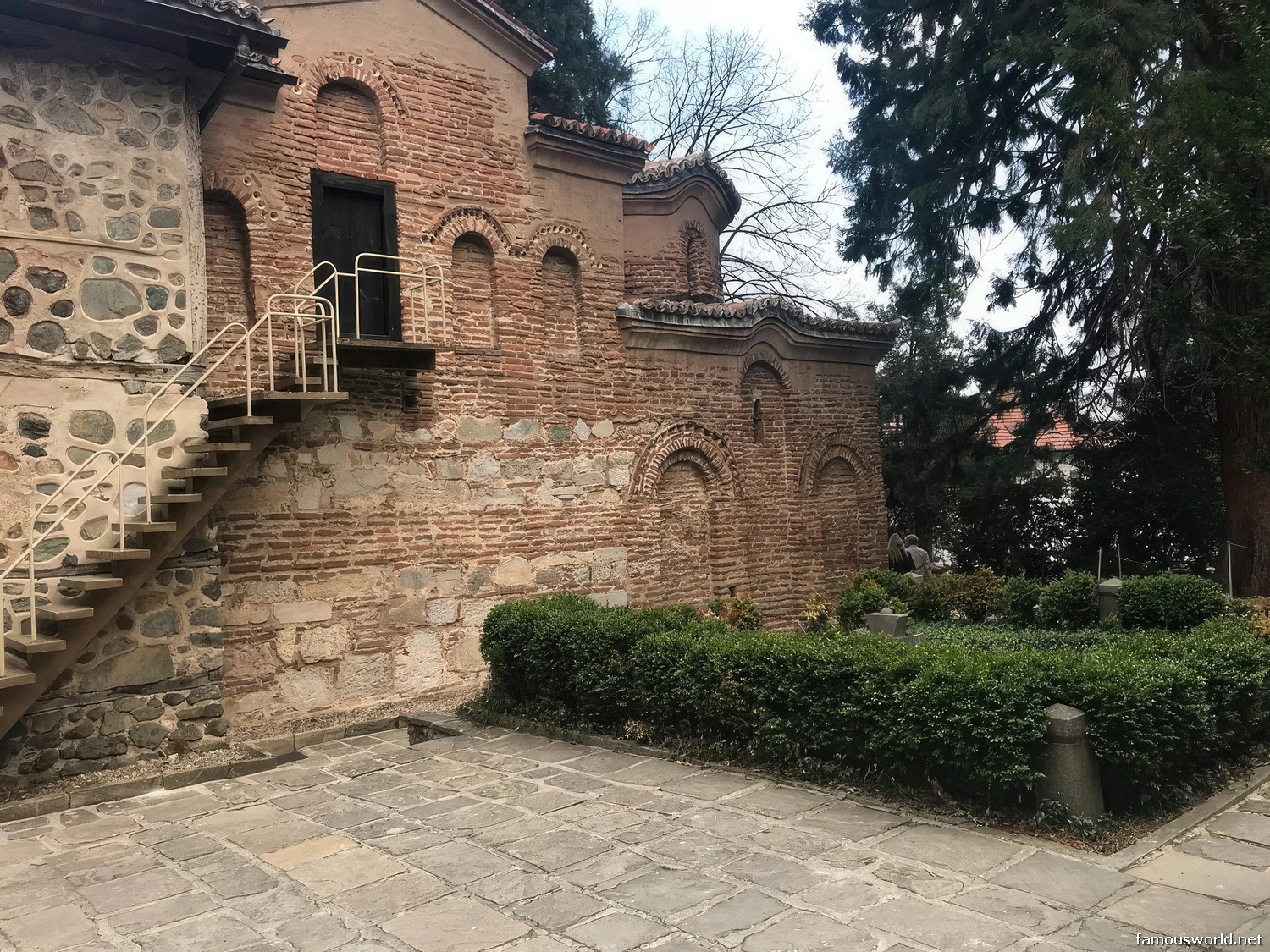
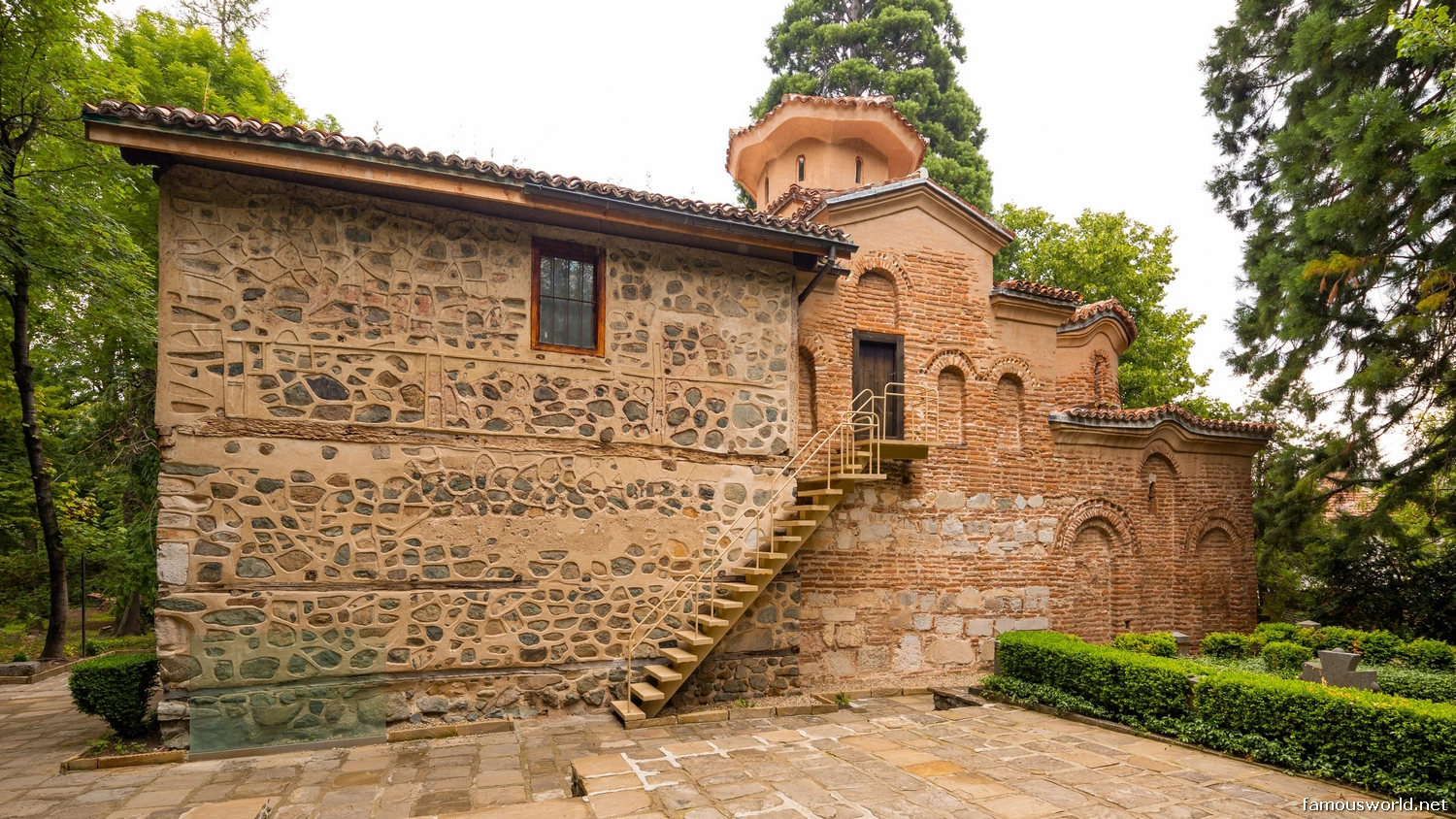
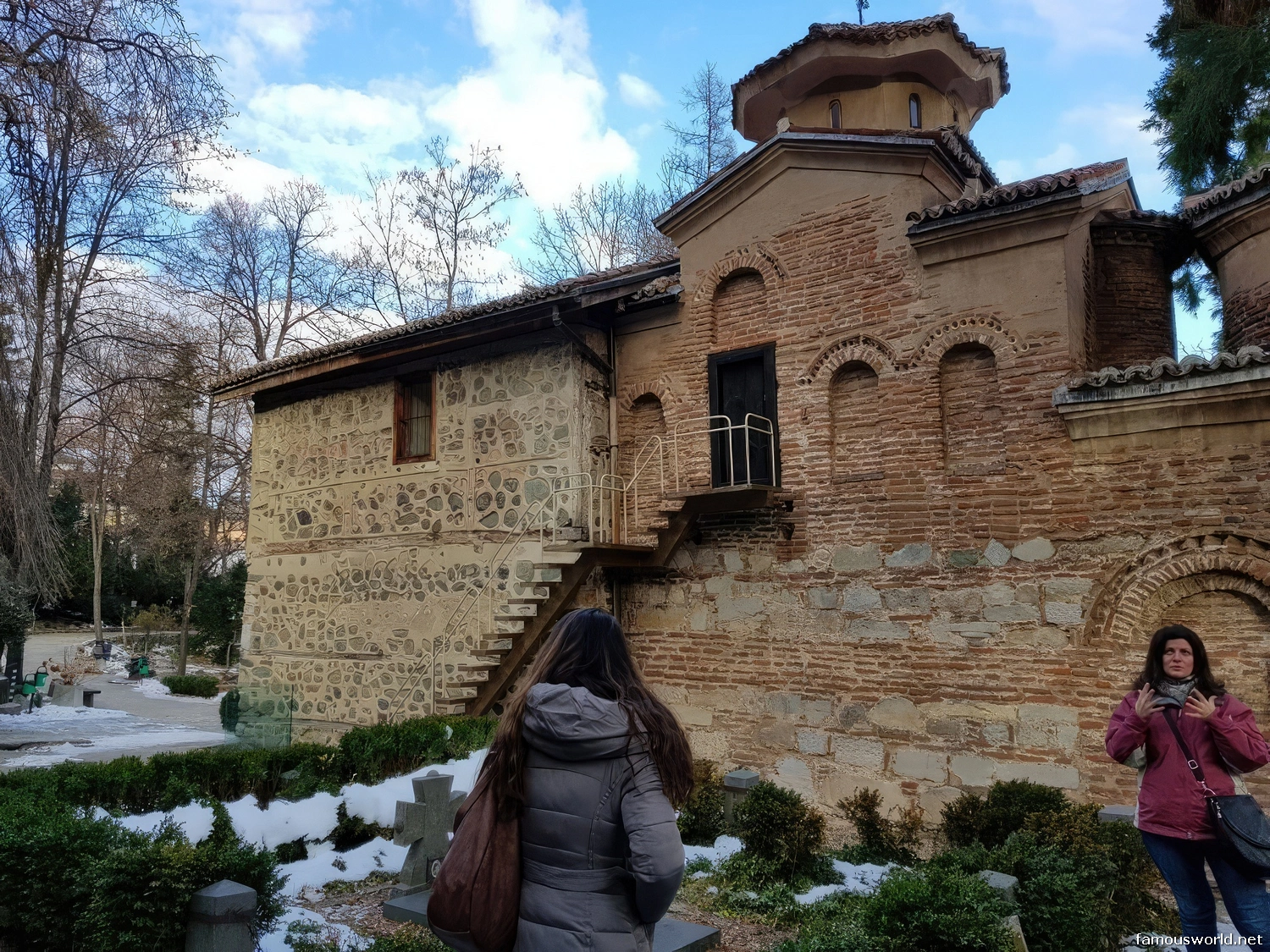
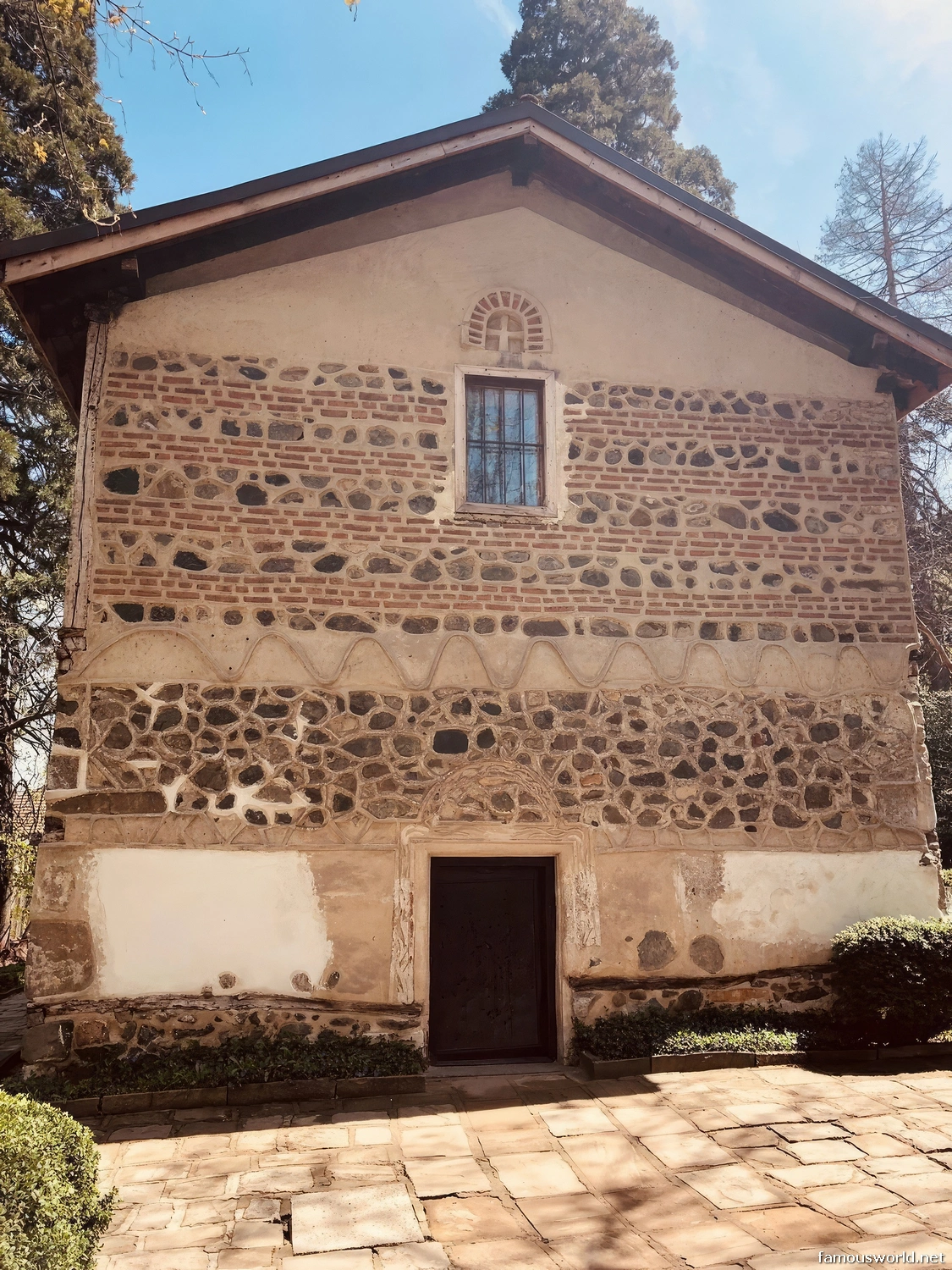
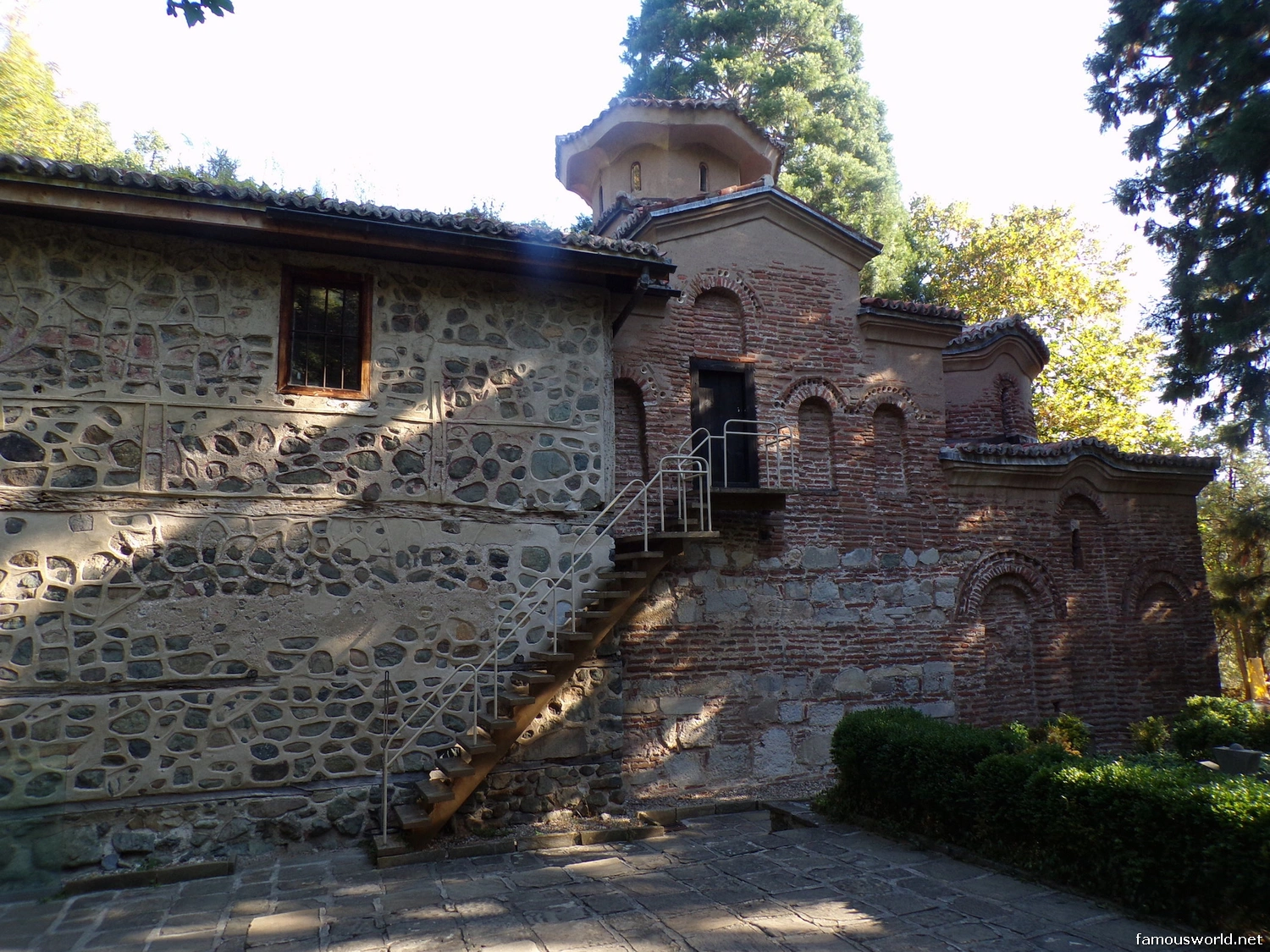
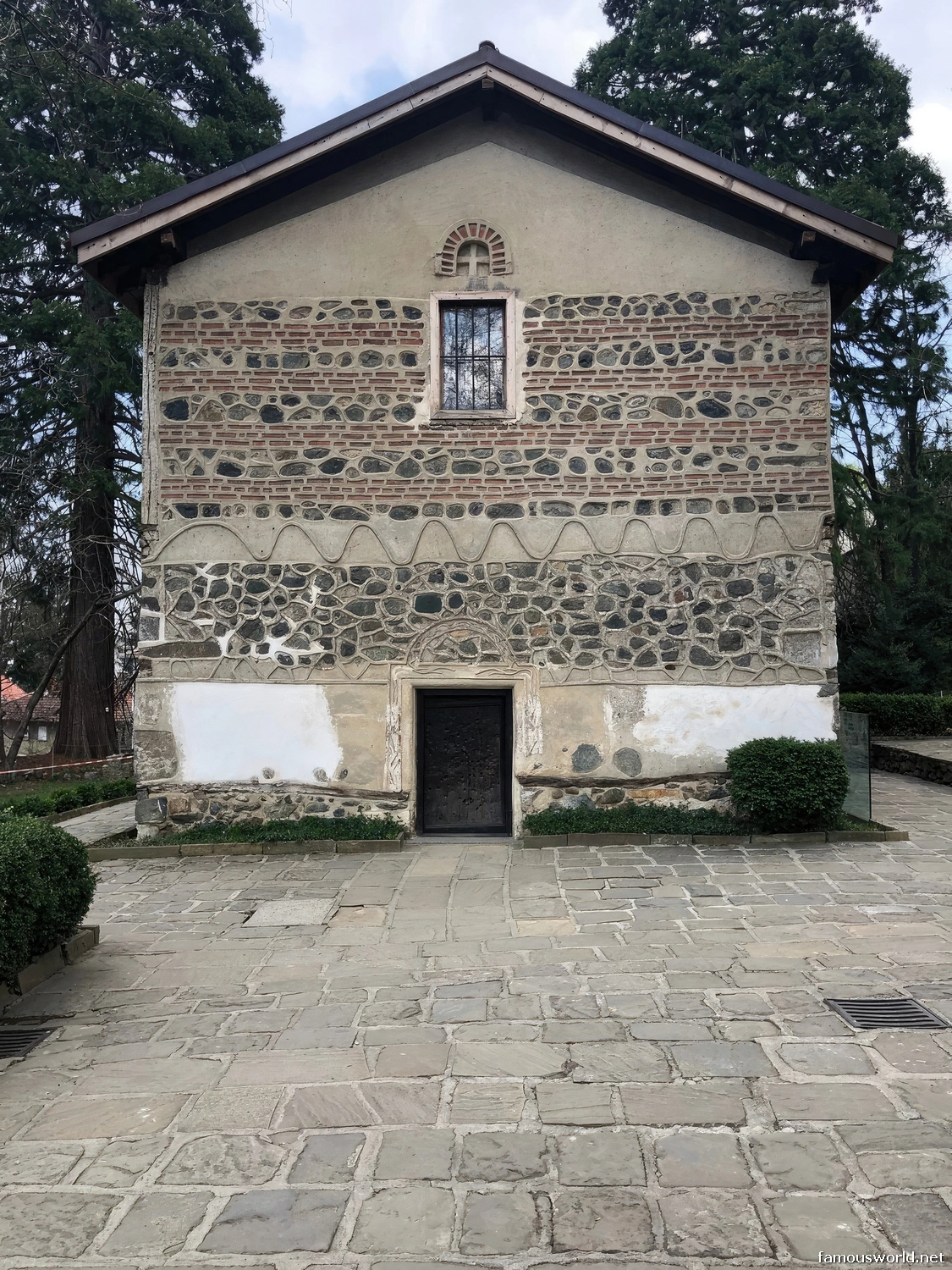
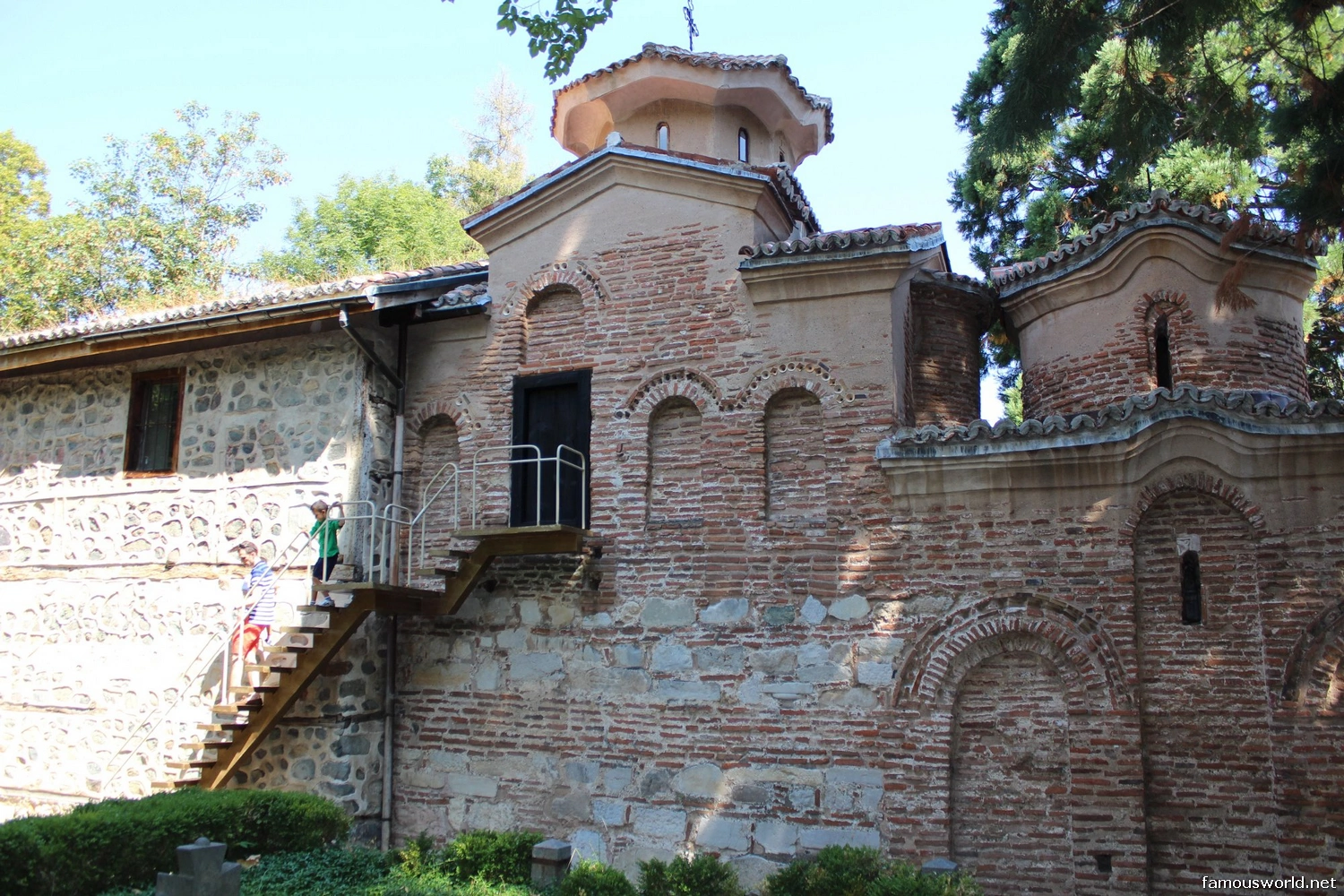
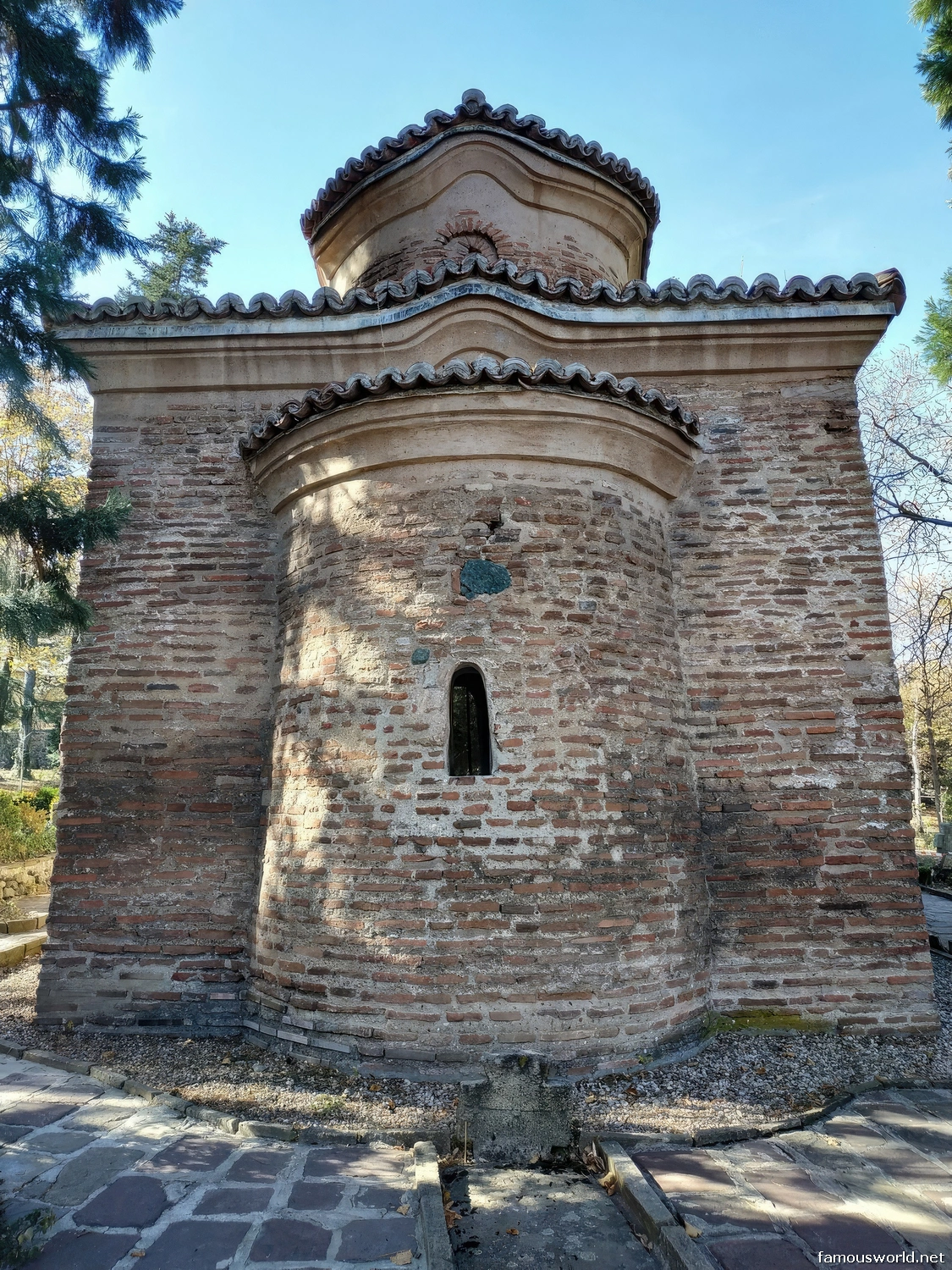
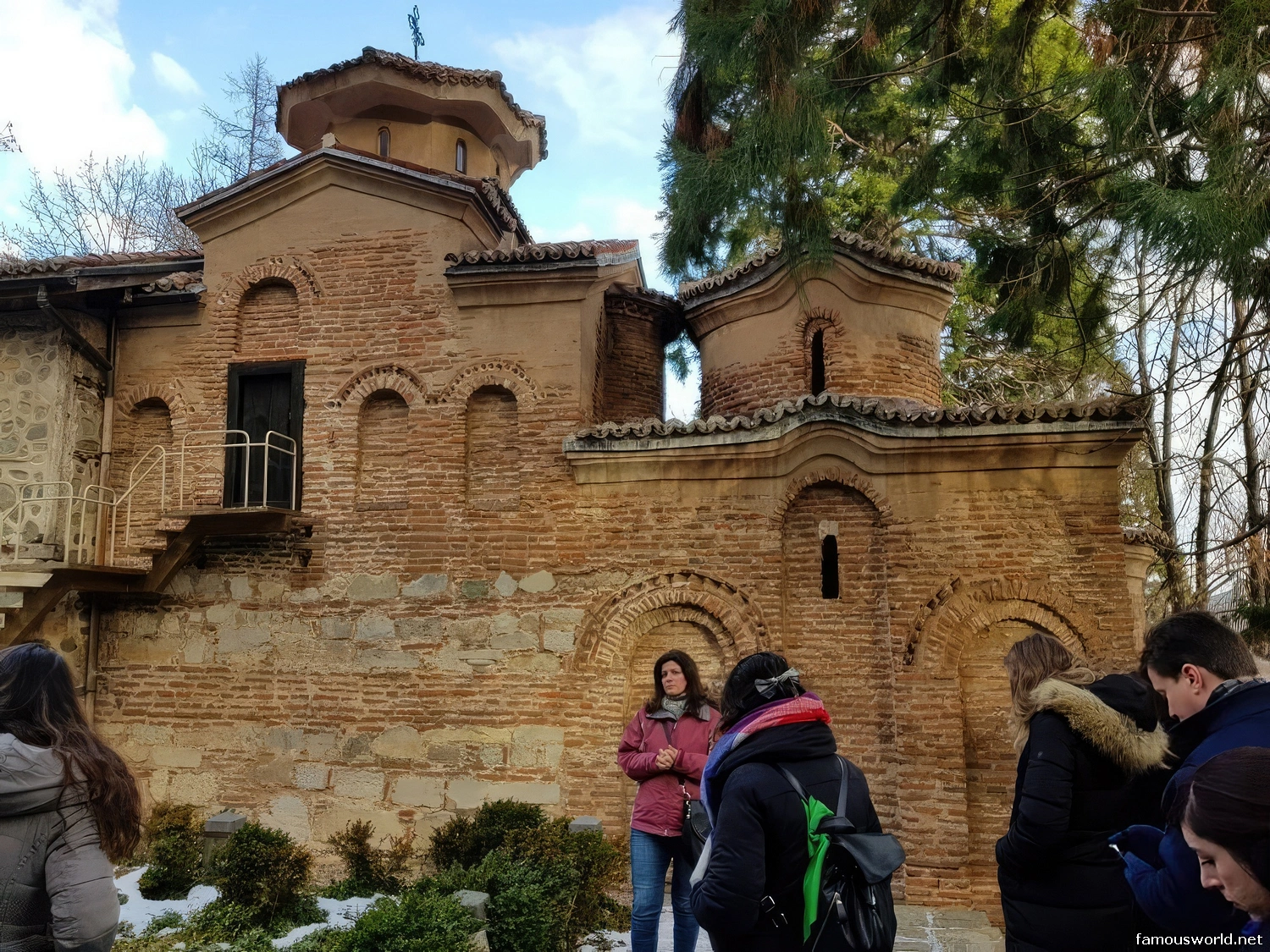
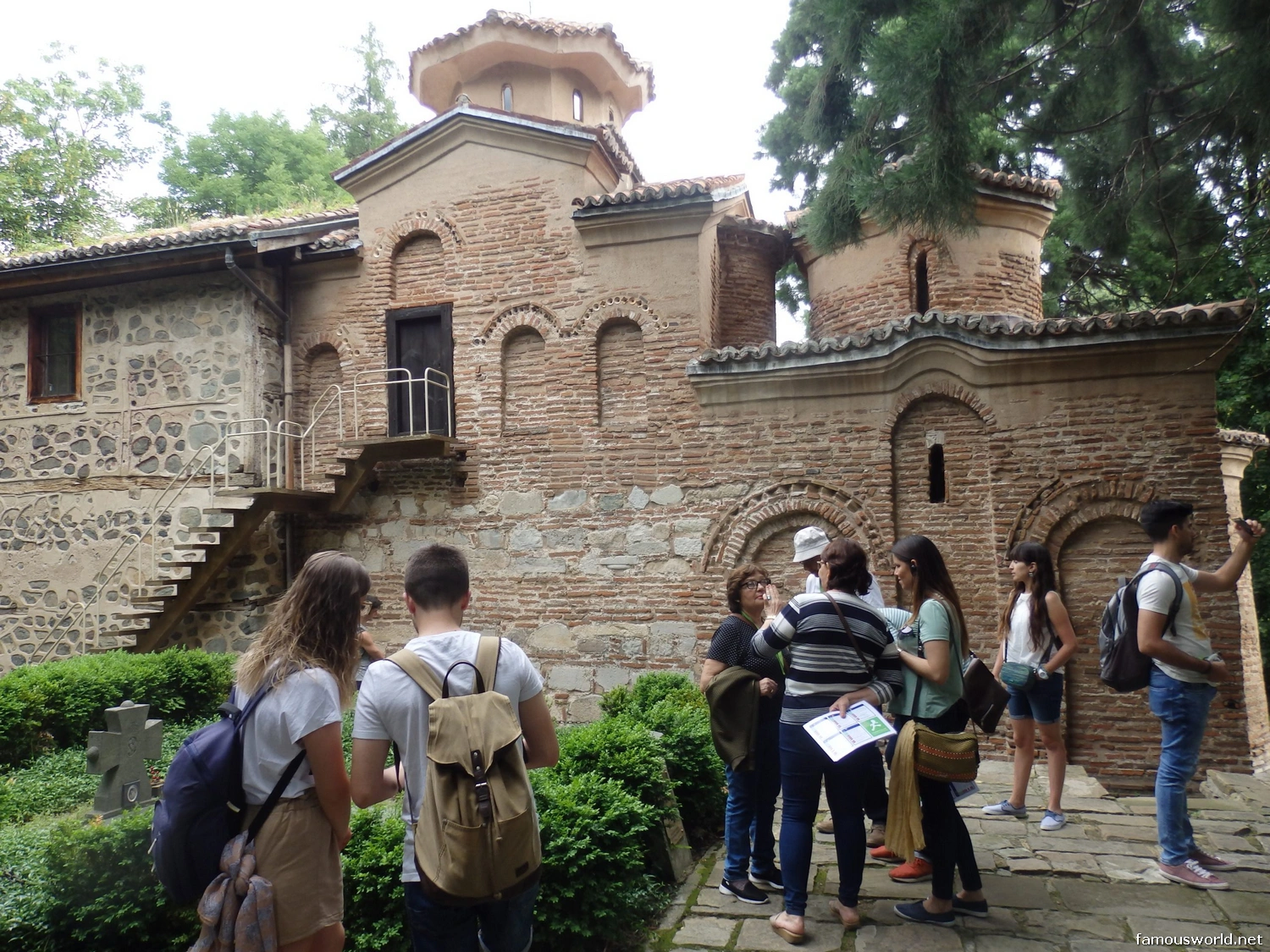
- Composite Structure: It is a small church composed of three distinct sections built in different eras: the original 10th-11th century east wing, the central 13th-century section (which houses the famous frescoes), and a 19th-century western addition.
- Humble Exterior: The architecture itself is modest and typical of the era, with brick and stone patterns. It gives little hint of the artistic masterpiece contained within its walls.
- The 1259 Frescoes: The interior is the main attraction. The walls and ceiling are entirely covered with vibrant frescoes painted by an unknown master artist. They are celebrated for their exceptional artistic quality, individualism, and realism—a style that would not emerge in Italy for another century. Key scenes include lifelike donor portraits of Kaloyan and Desislava, and historical portraits of Bulgarian Tsar Constantine Tih and Tsarina Irina.
What Makes It Famous
Boyana Church is world-famous for one primary reason: its revolutionary art.
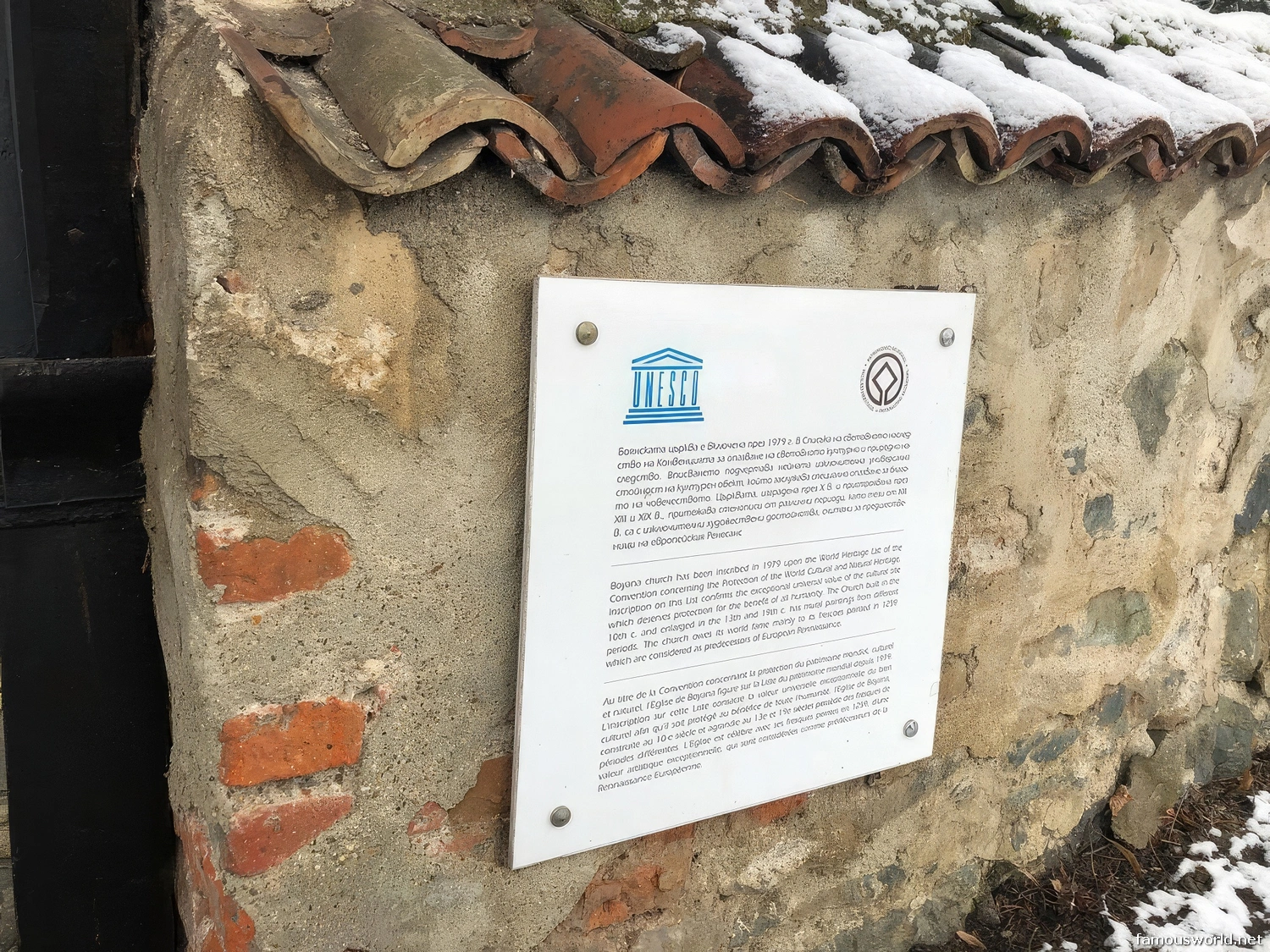
- UNESCO World Heritage Site: It was one of the first sites in Bulgaria to be inscribed on the UNESCO list (1979) due to the cultural significance of its frescoes.
- Proto-Renaissance Masterpiece: The 1259 frescoes are considered a pinnacle of medieval art and a precursor to the Renaissance. The artists broke from the stiff, symbolic traditions of Byzantine art to create figures with emotion, individuality, and humanity.
- Incredible State of Preservation: The artworks are remarkably complete and well-preserved, offering one of the most important glimpses into 13th-century Balkan culture and art.
Differences from Other Wonders (vs. Vitosha Mountain)
A tiny, artistic sanctuary offers a completely different experience than the vast natural park at whose feet it sits.
- Environment (Enclosed Artistic Jewel vs. Expansive Natural Park): The Boyana Church is a small, man-made cultural treasure enclosed within a serene park. Vitosha Mountain is a massive, wild, and open natural landscape.
- Scale (Intimate and Contained vs. Mountainous and Vast): The experience of the church is intimate, focused on the detailed artwork within its small, enclosed walls. The experience of Vitosha is about immense scale, open vistas, and physical activity.
- Core Story (Artistic Genius vs. Natural Heritage): The story of Boyana Church is one of human artistic and spiritual expression at a specific moment in history. The story of Vitosha is one of natural geology, biodiversity, and recreation.
- Atmosphere (Reverent and Contemplative vs. Wild and Recreational): Visiting the church is a quiet, contemplative act of art appreciation, with visitor numbers strictly controlled to protect the frescoes. Exploring Vitosha is an act of freedom and recreation in a wild, natural environment.
Location on world map