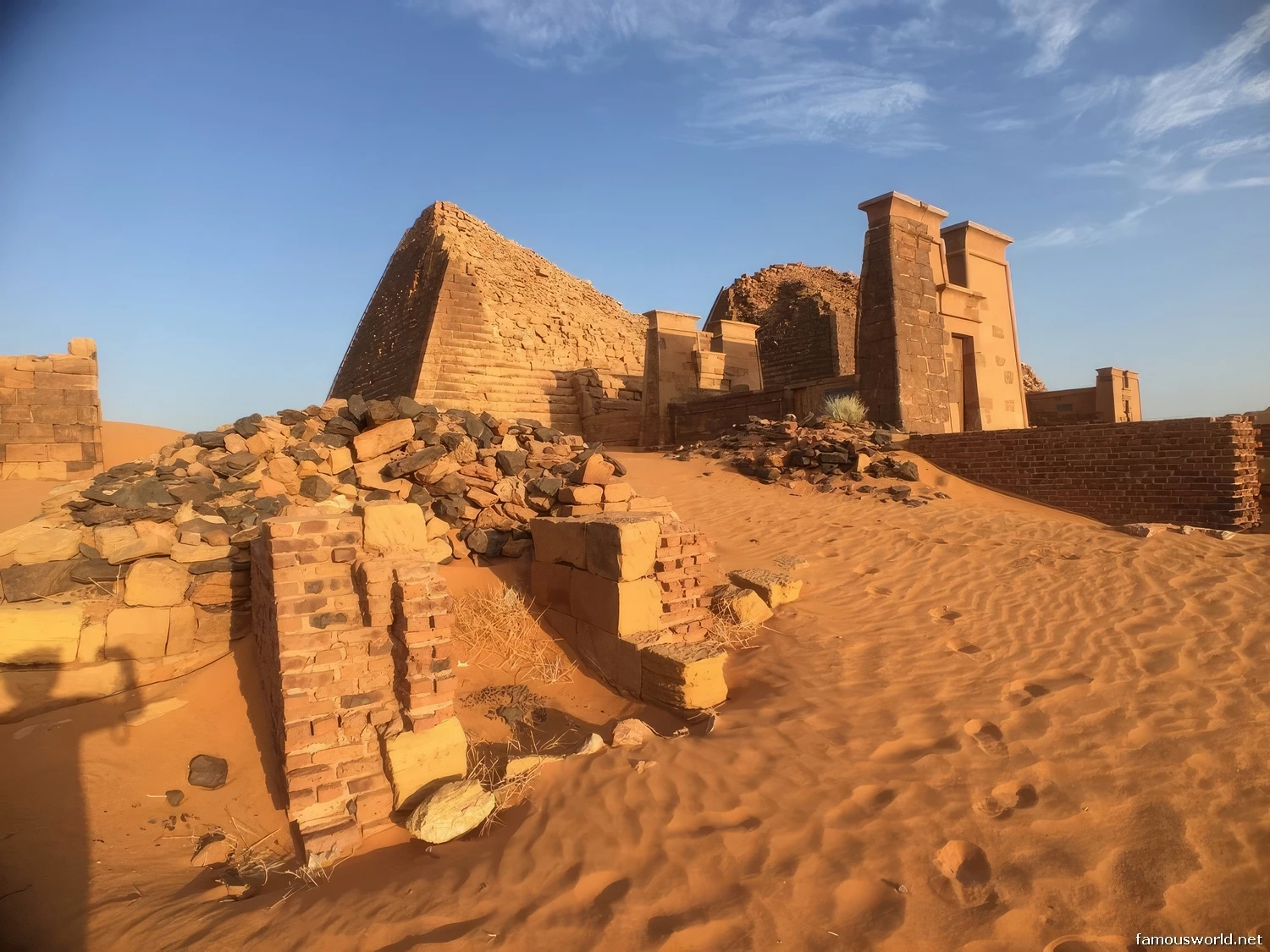
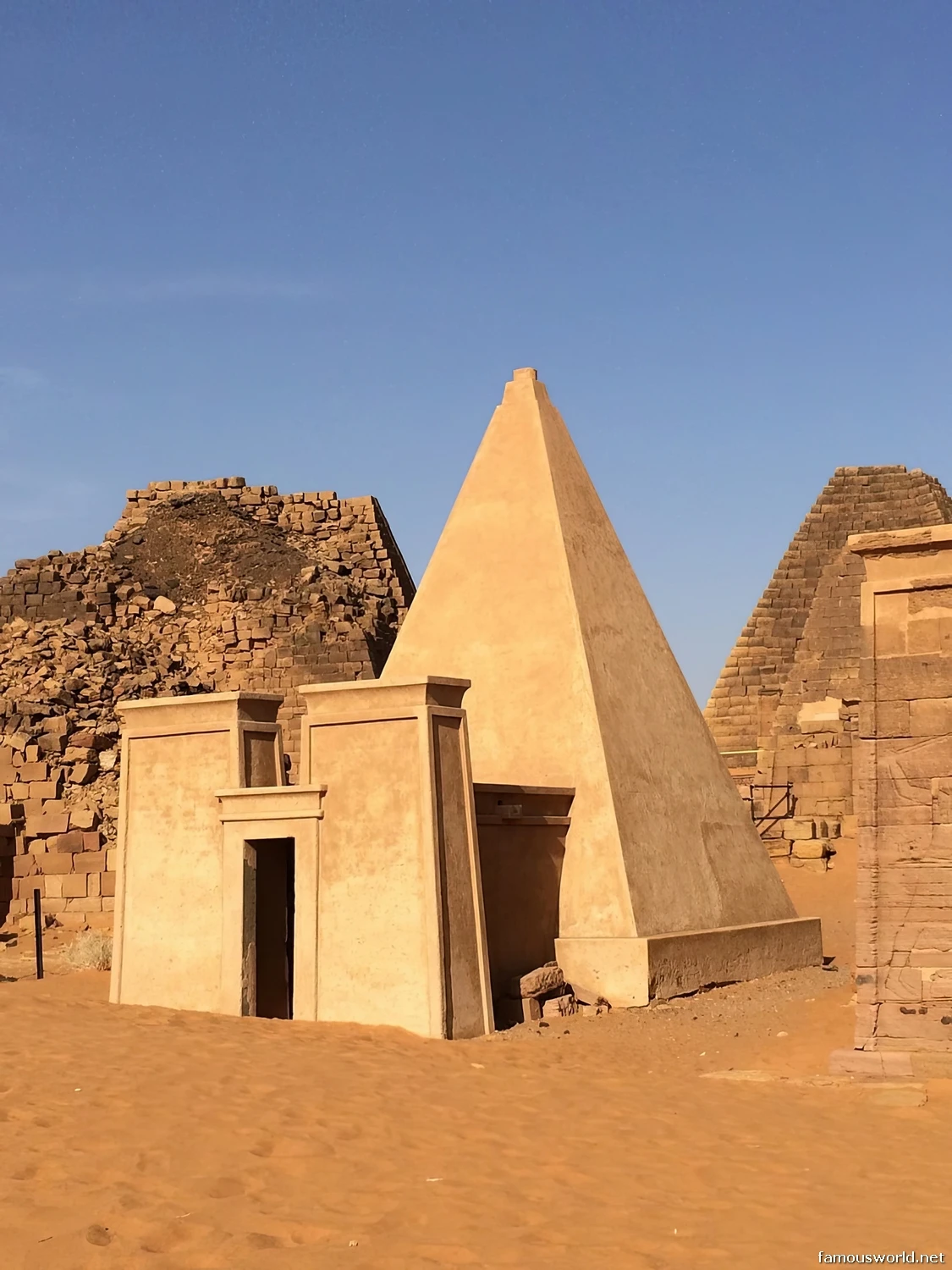
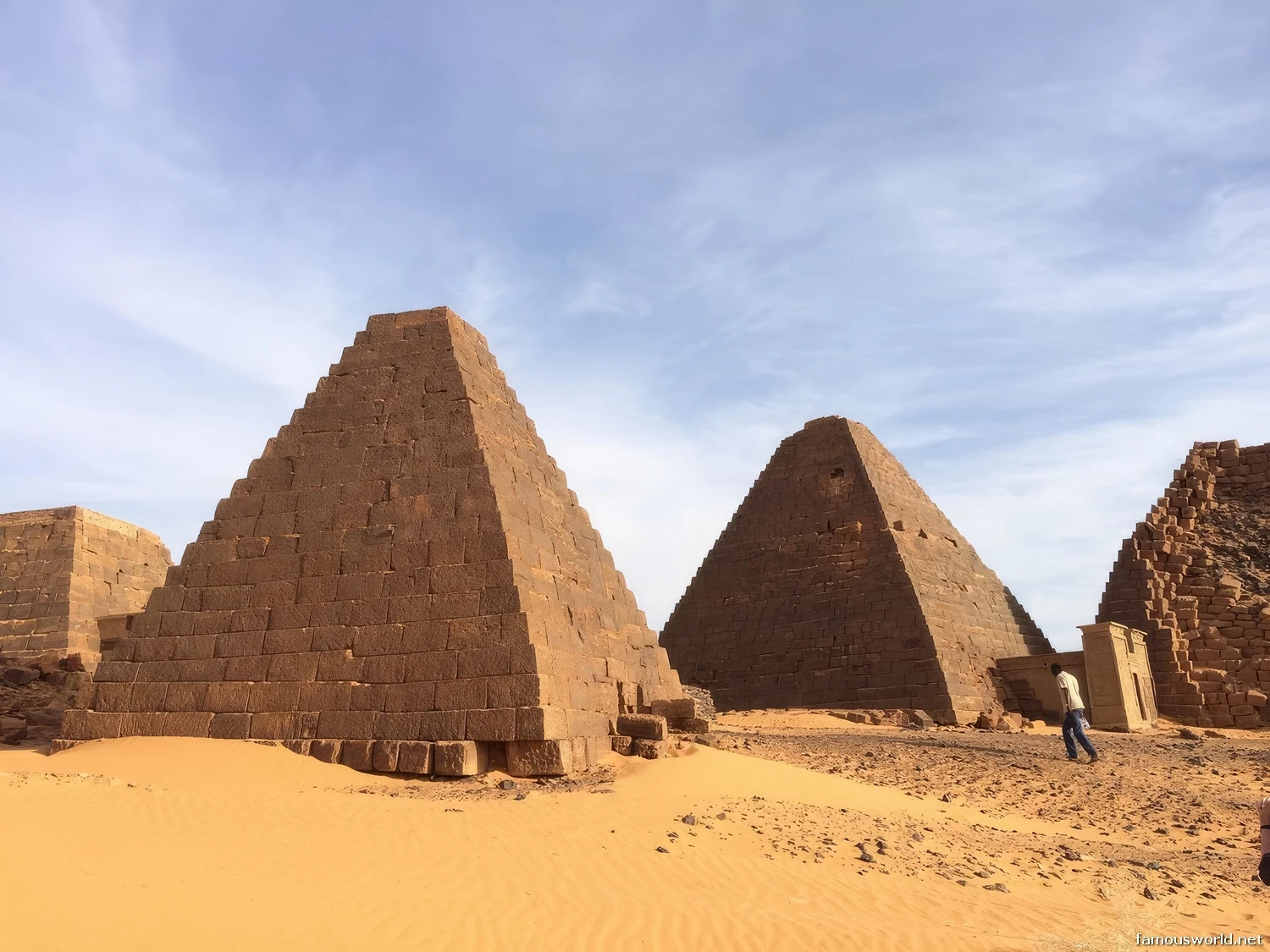
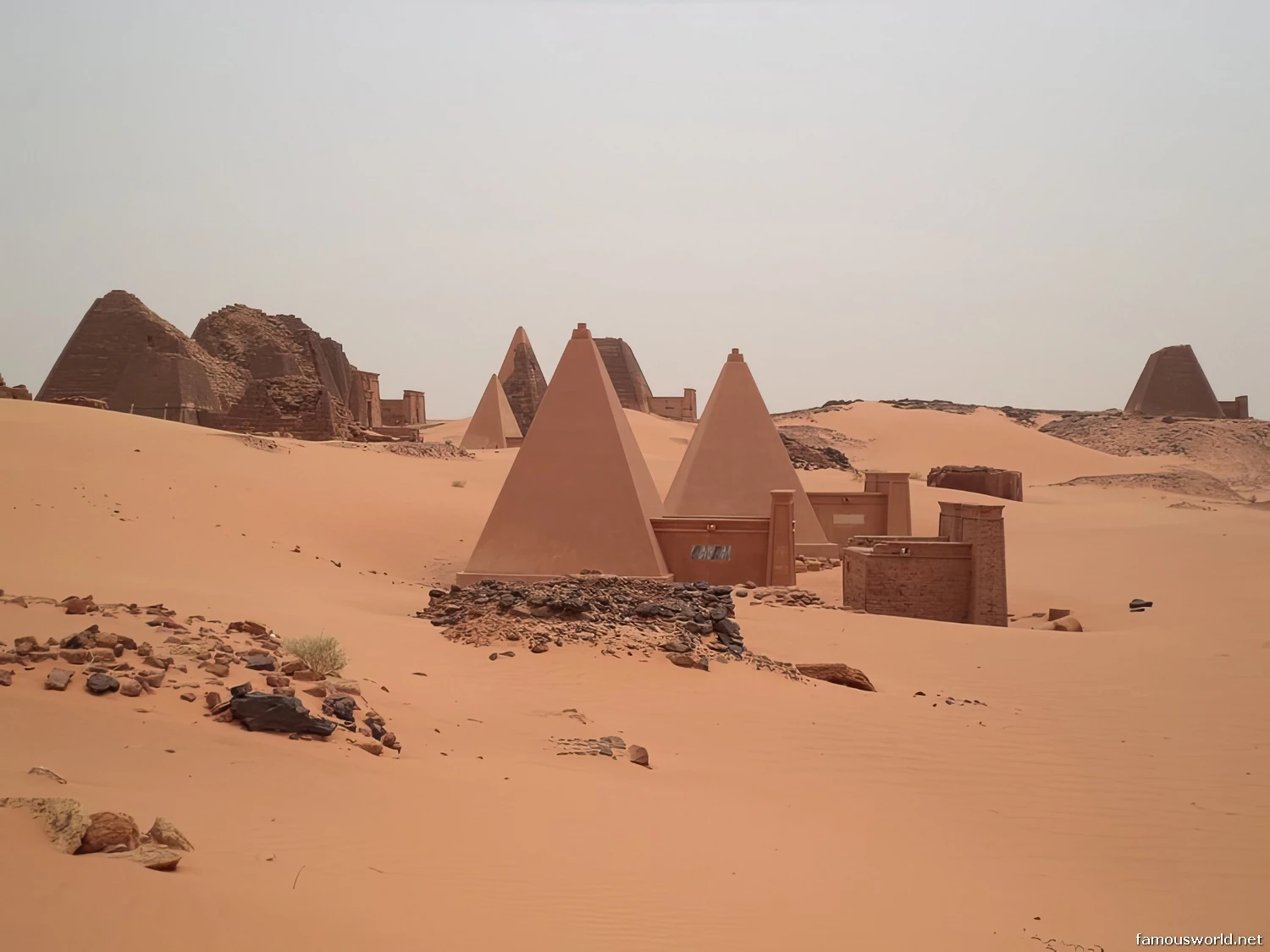
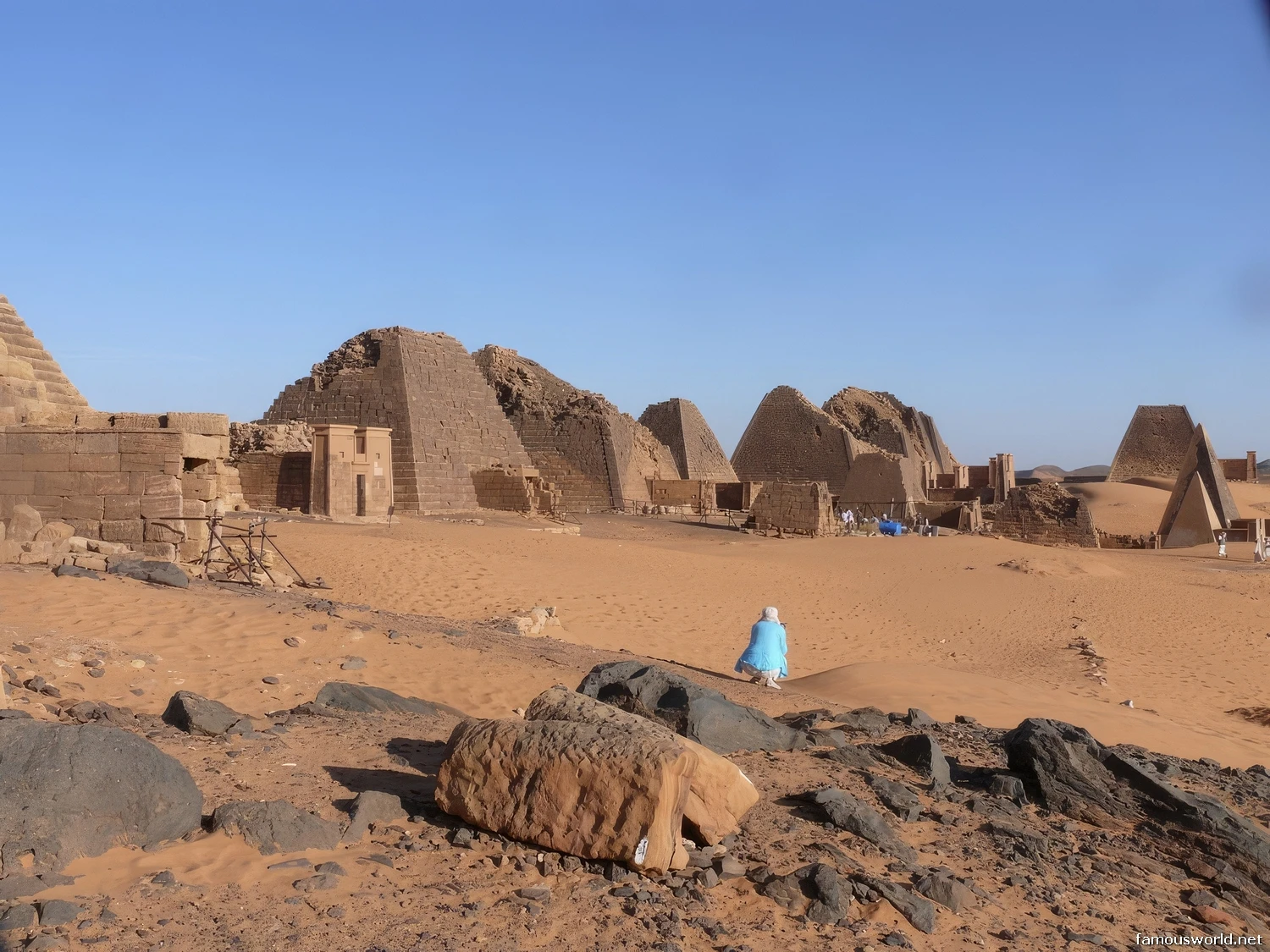
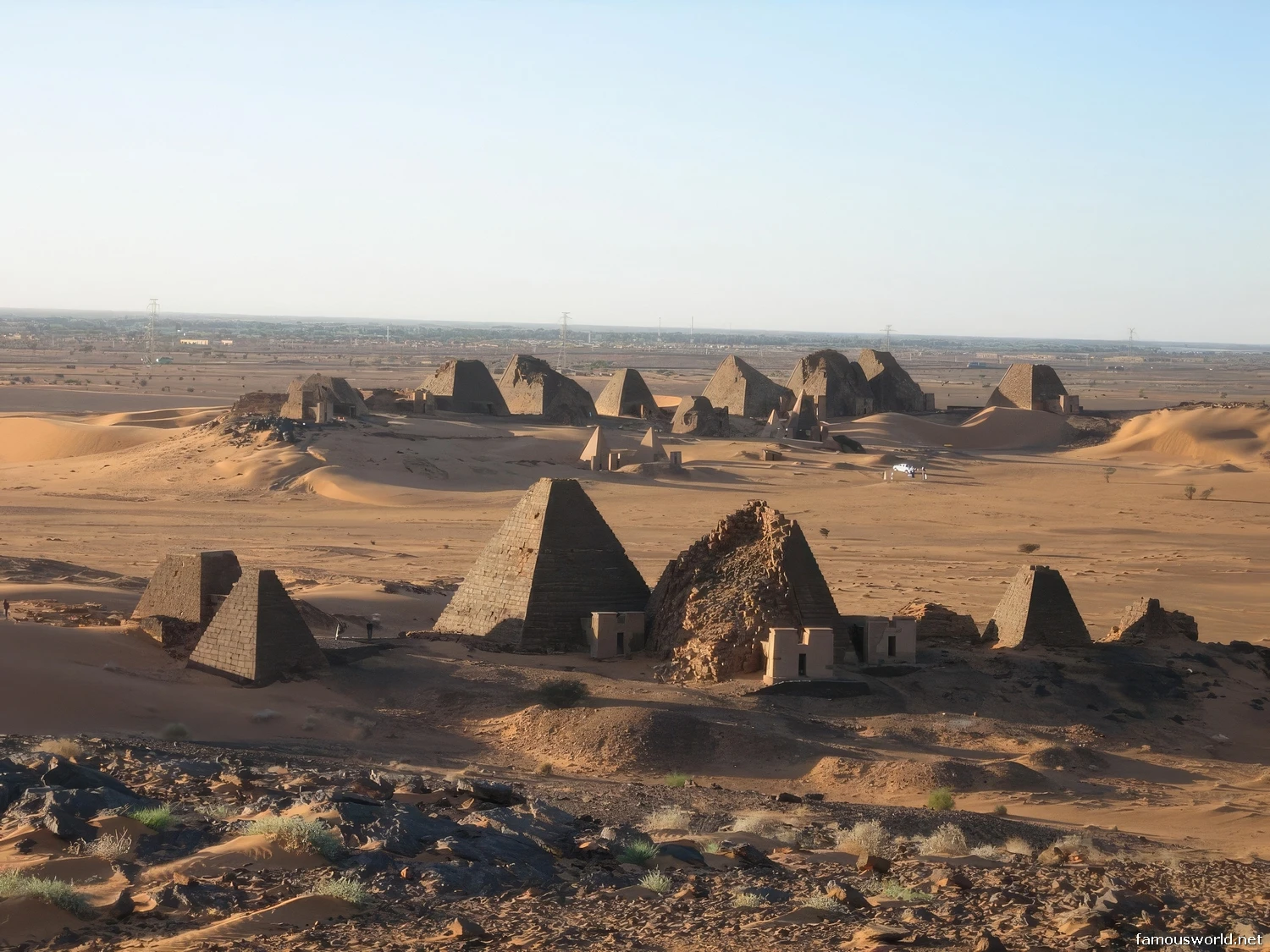
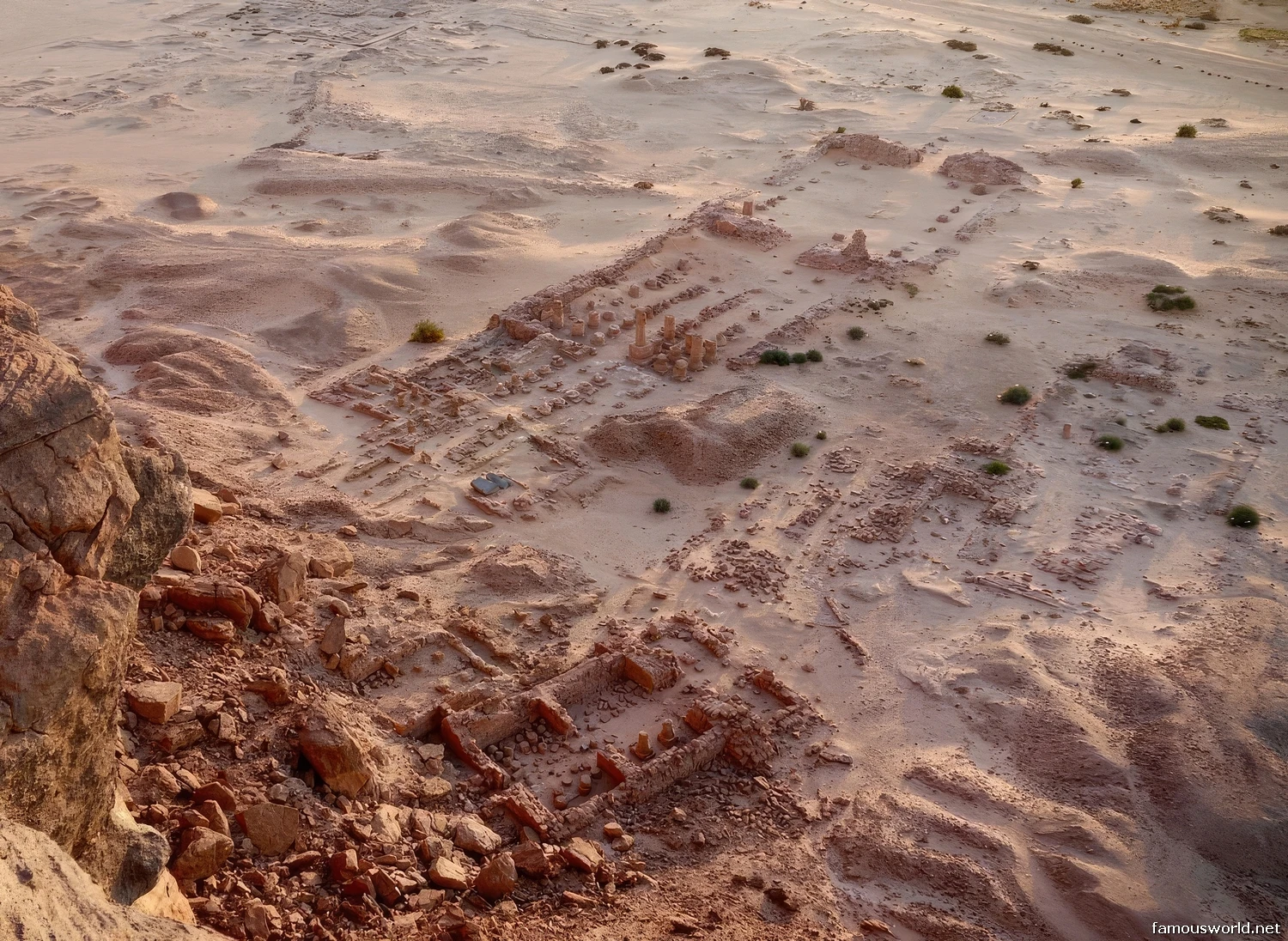
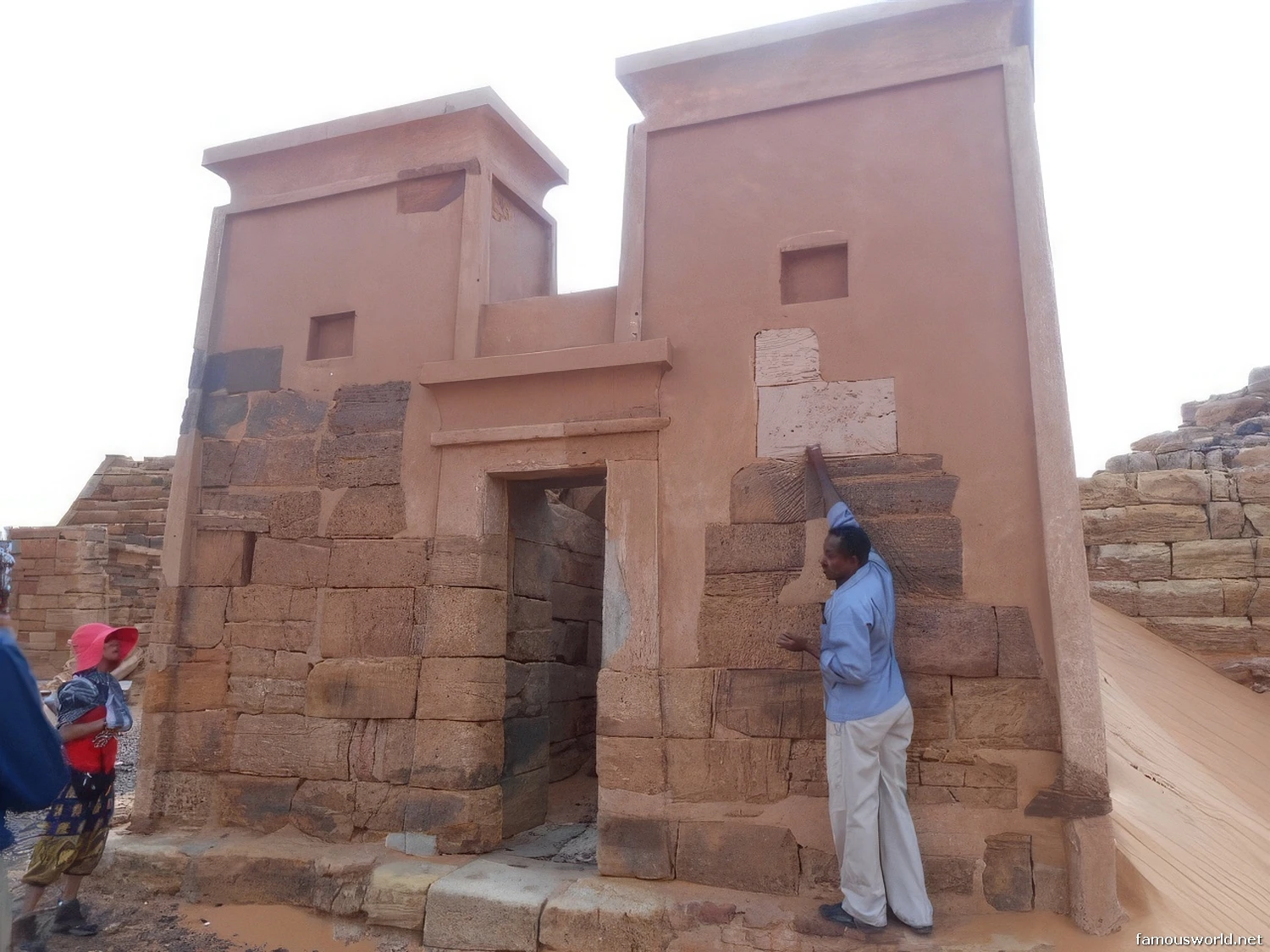
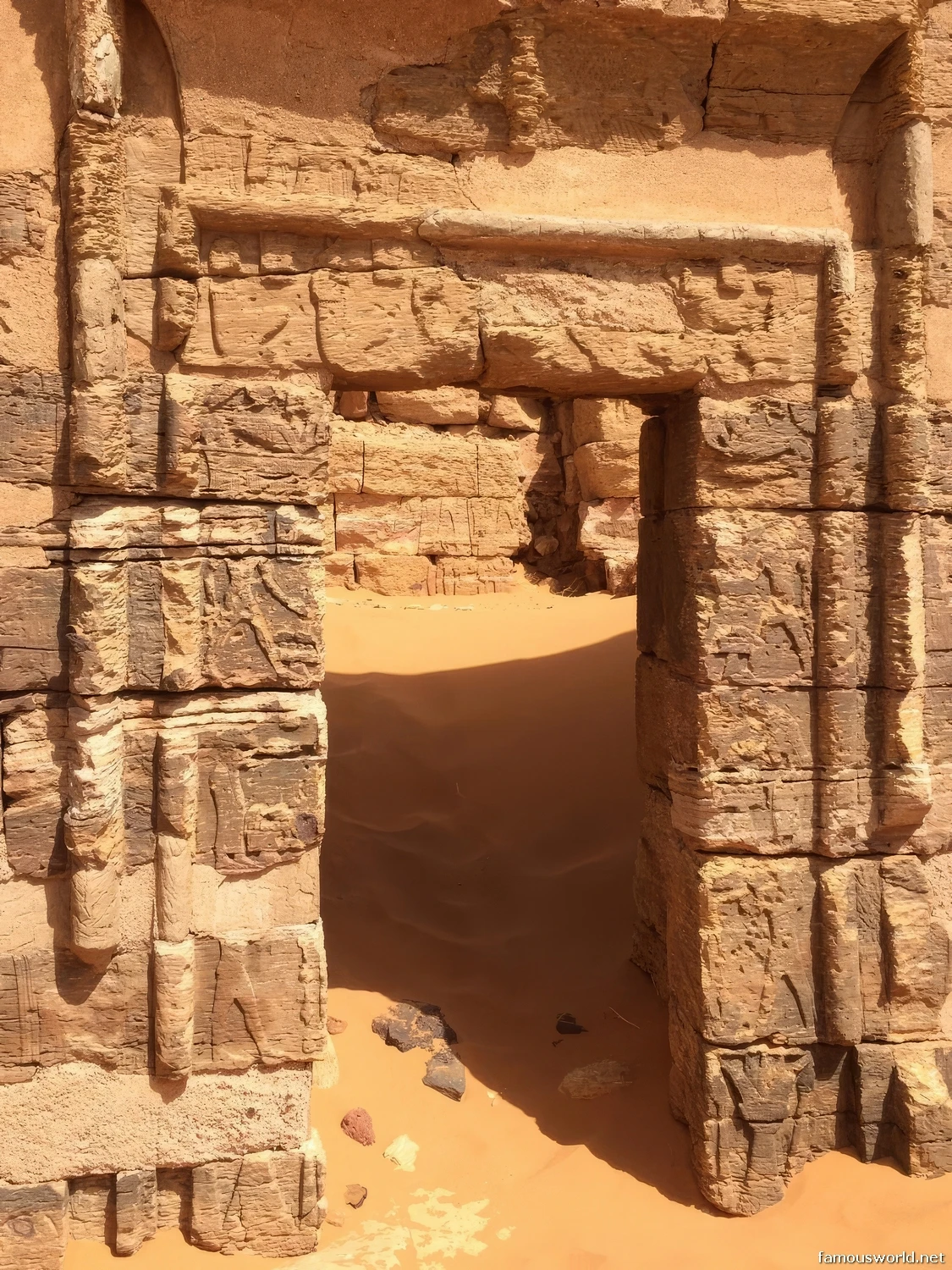
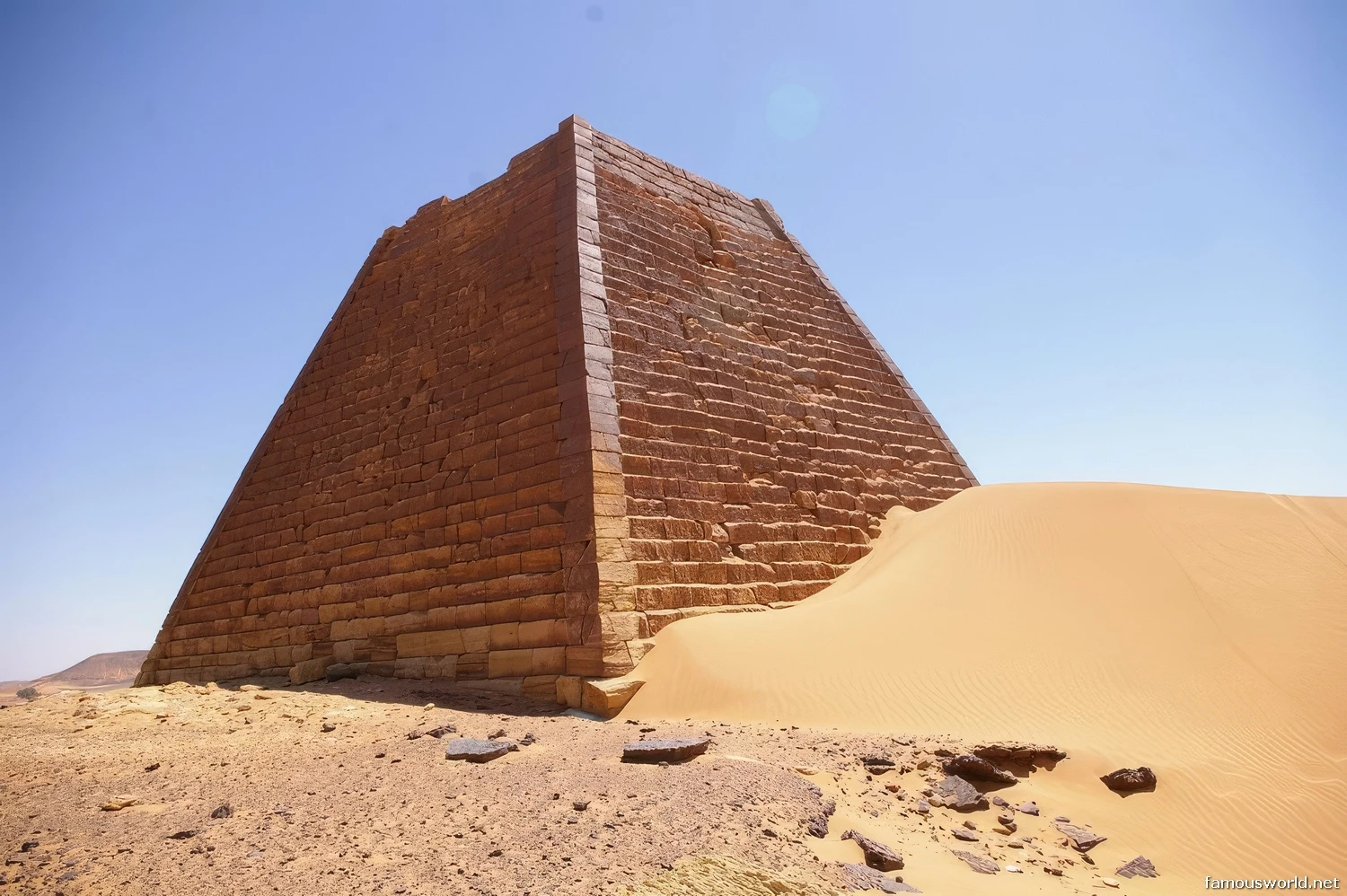
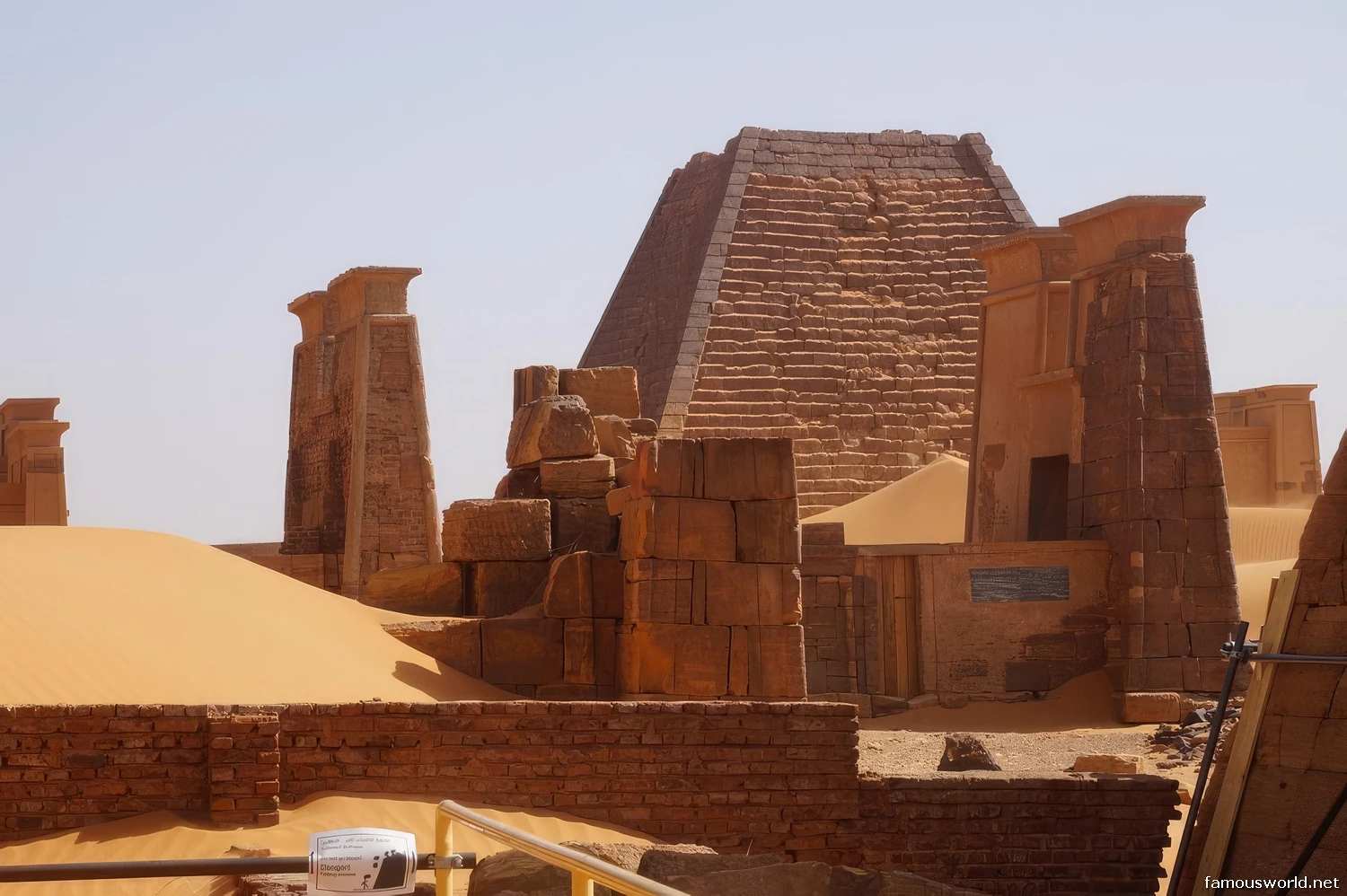
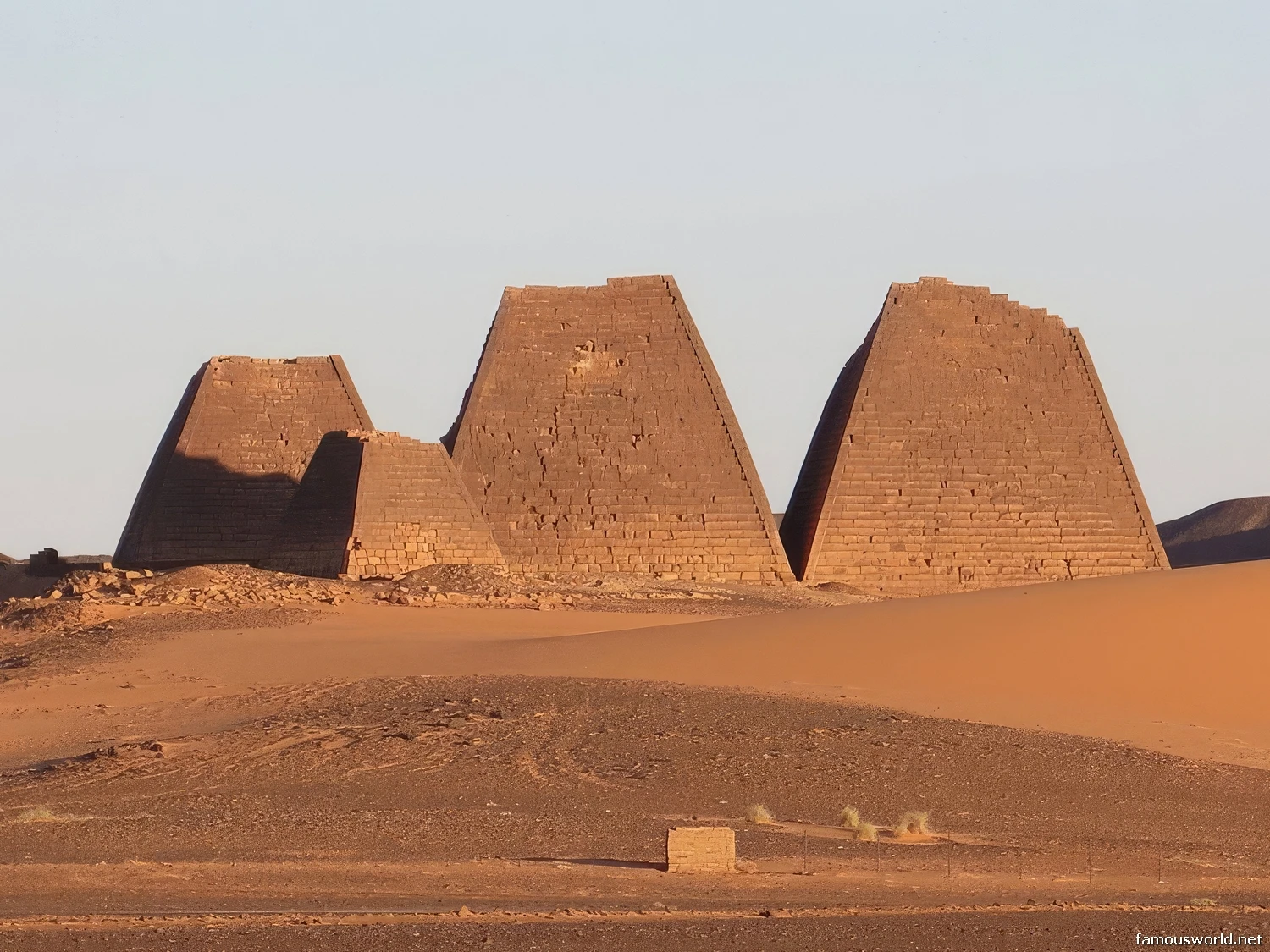
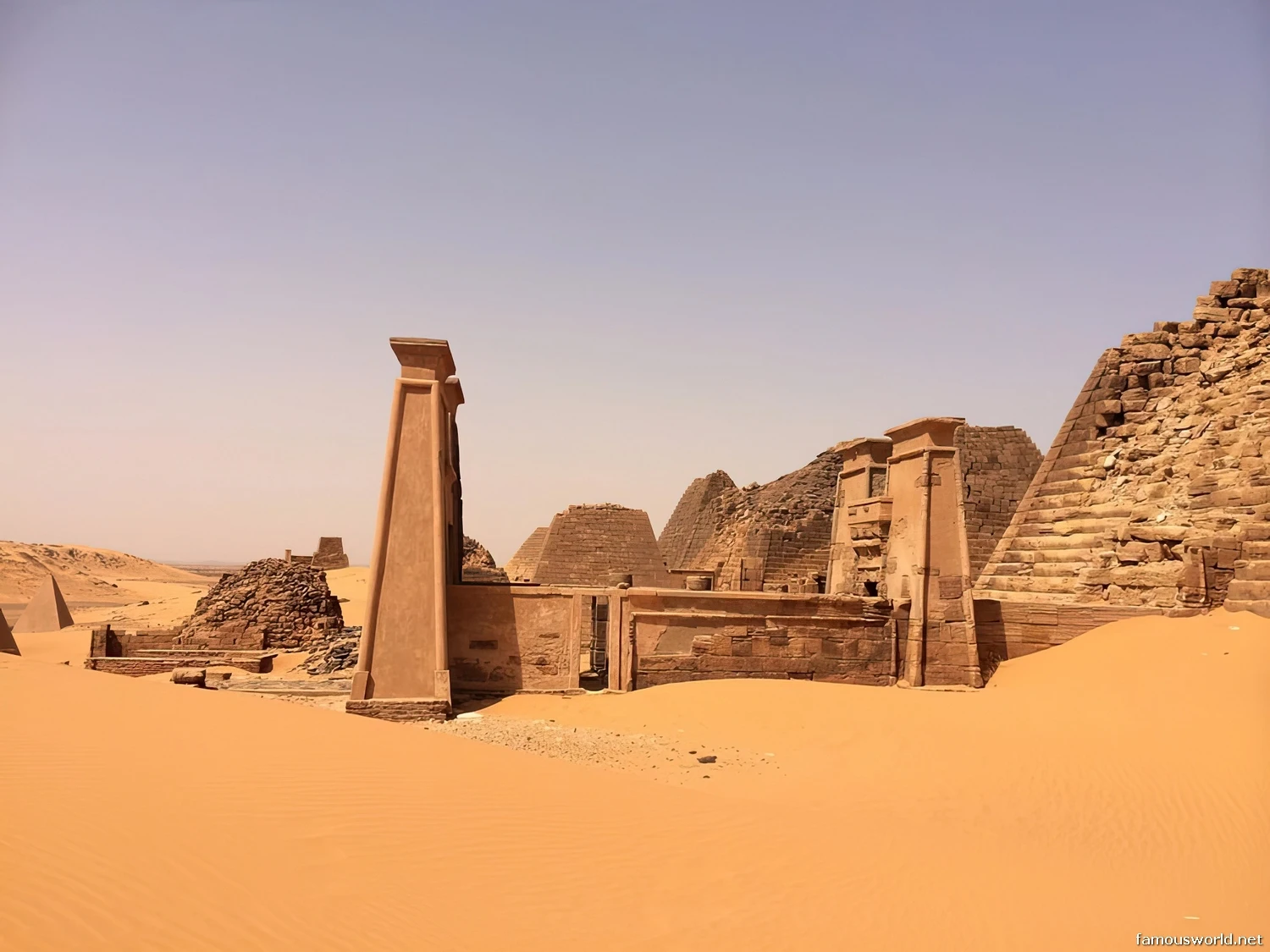
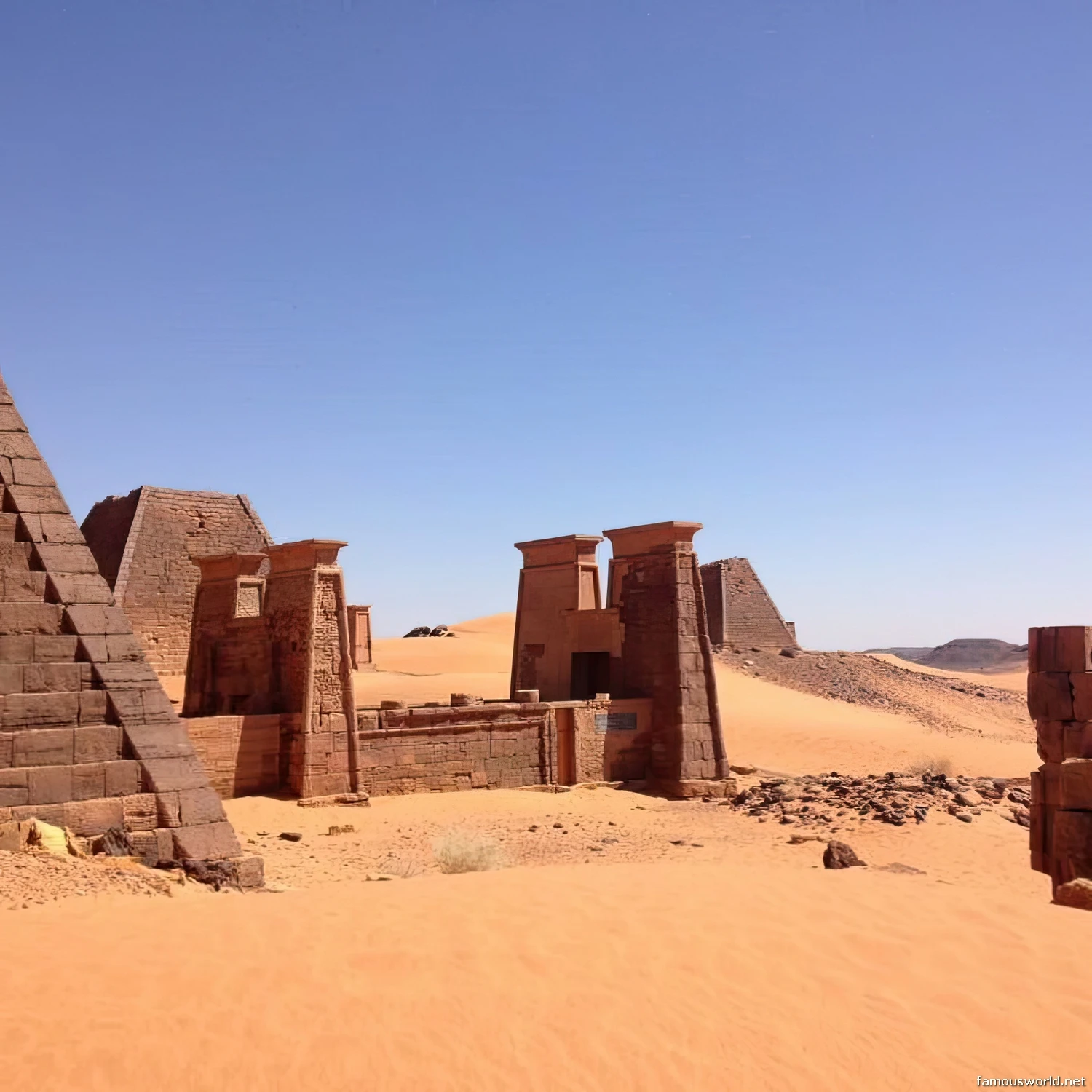
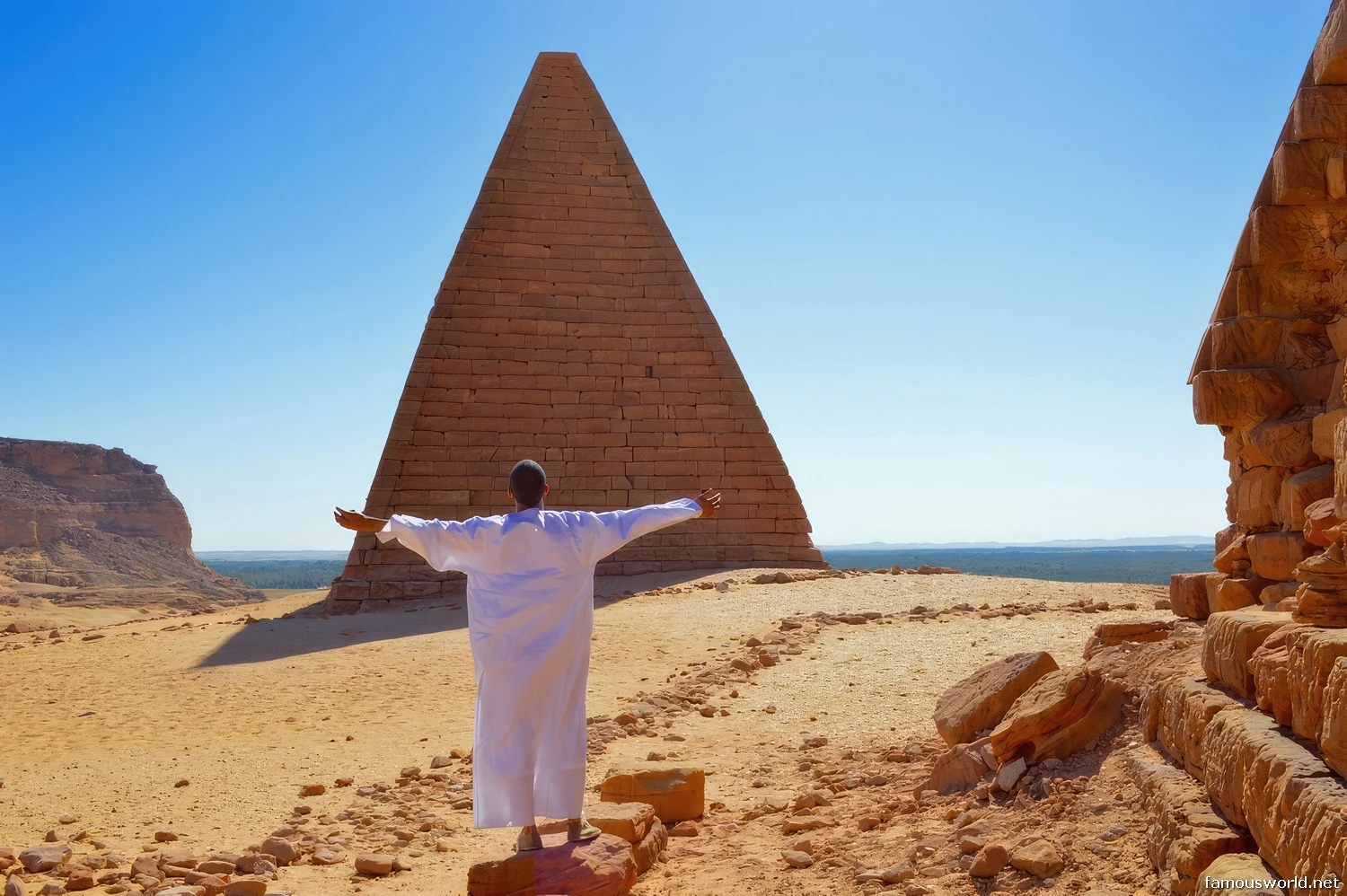
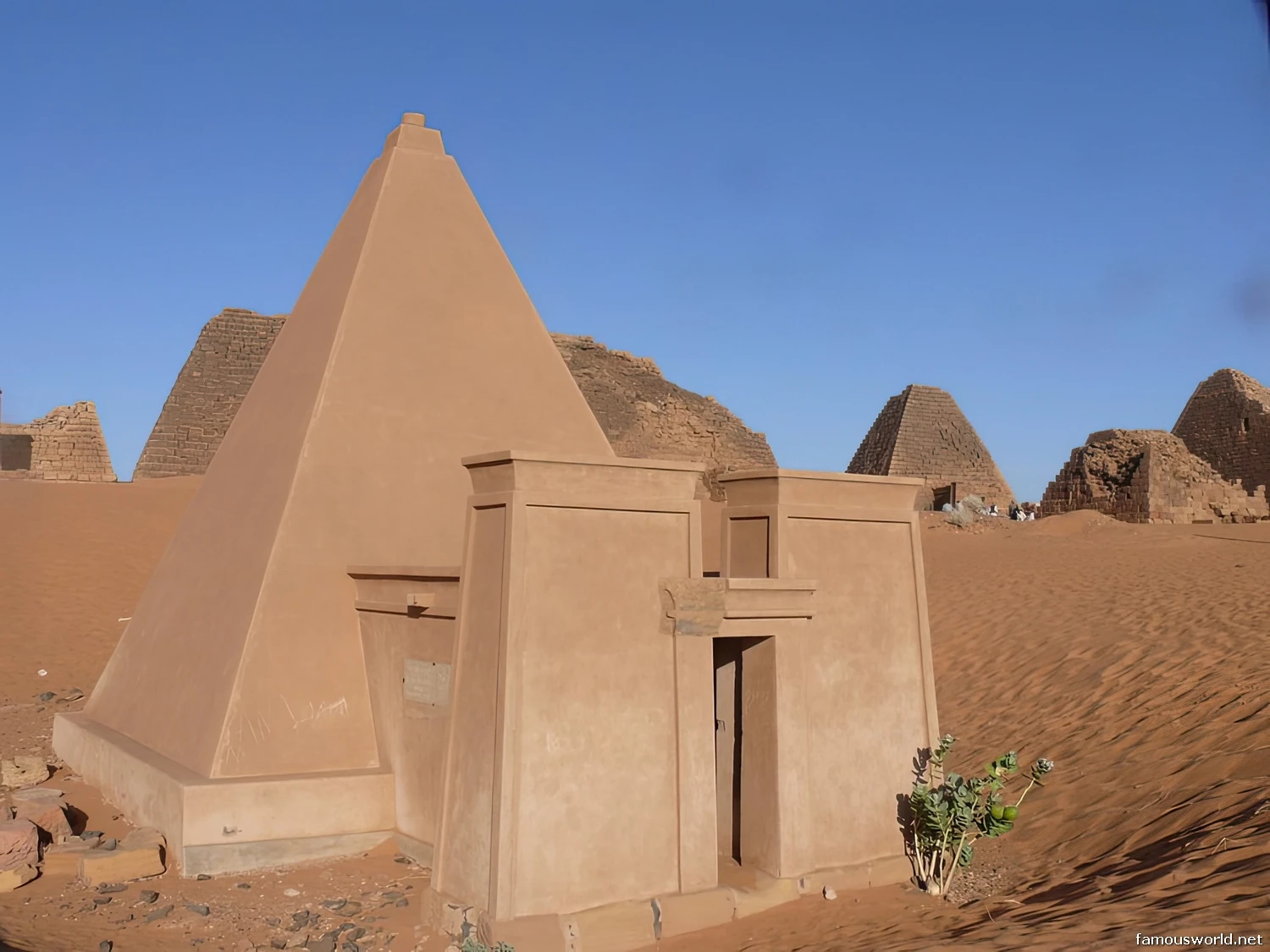
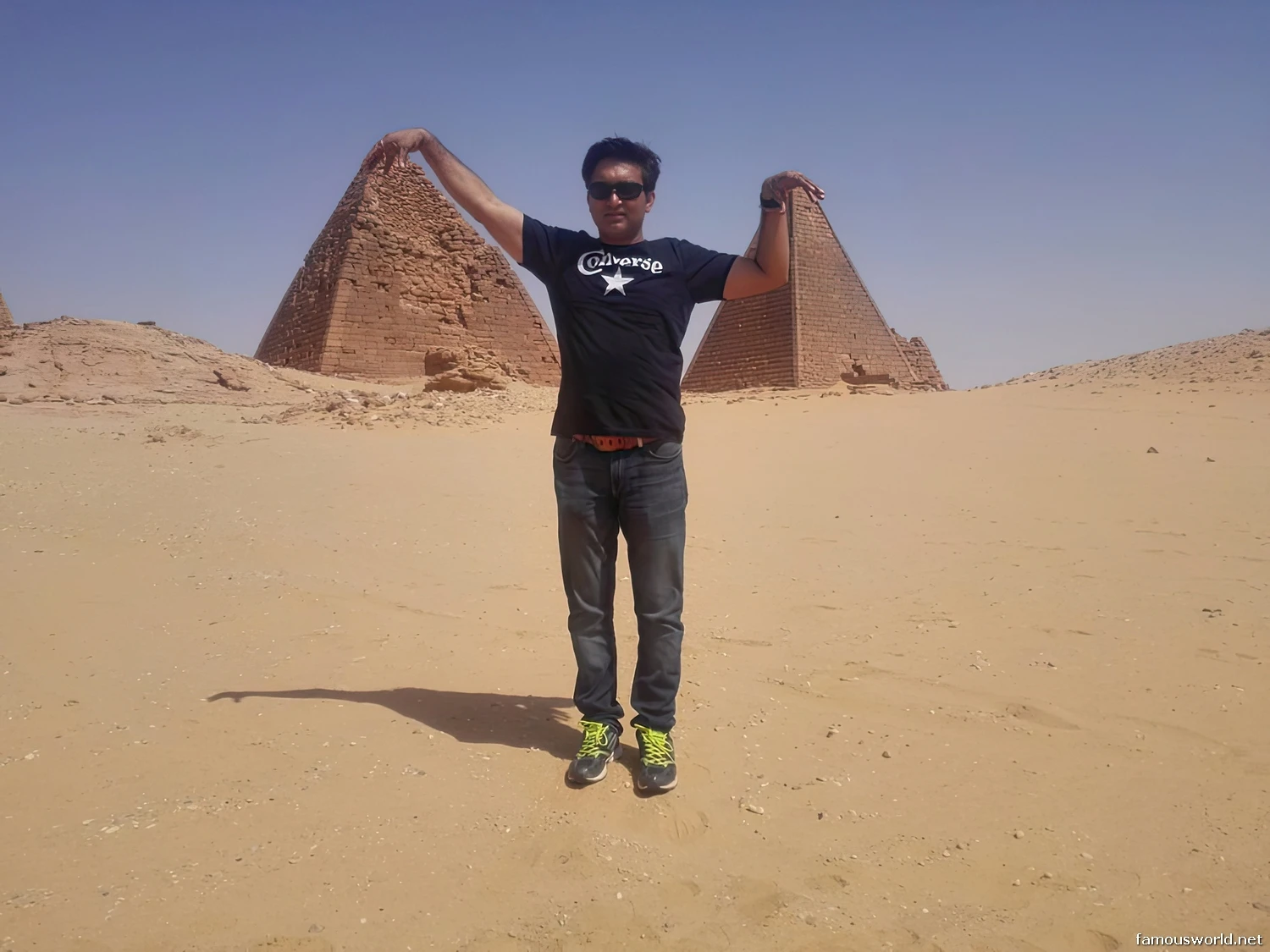
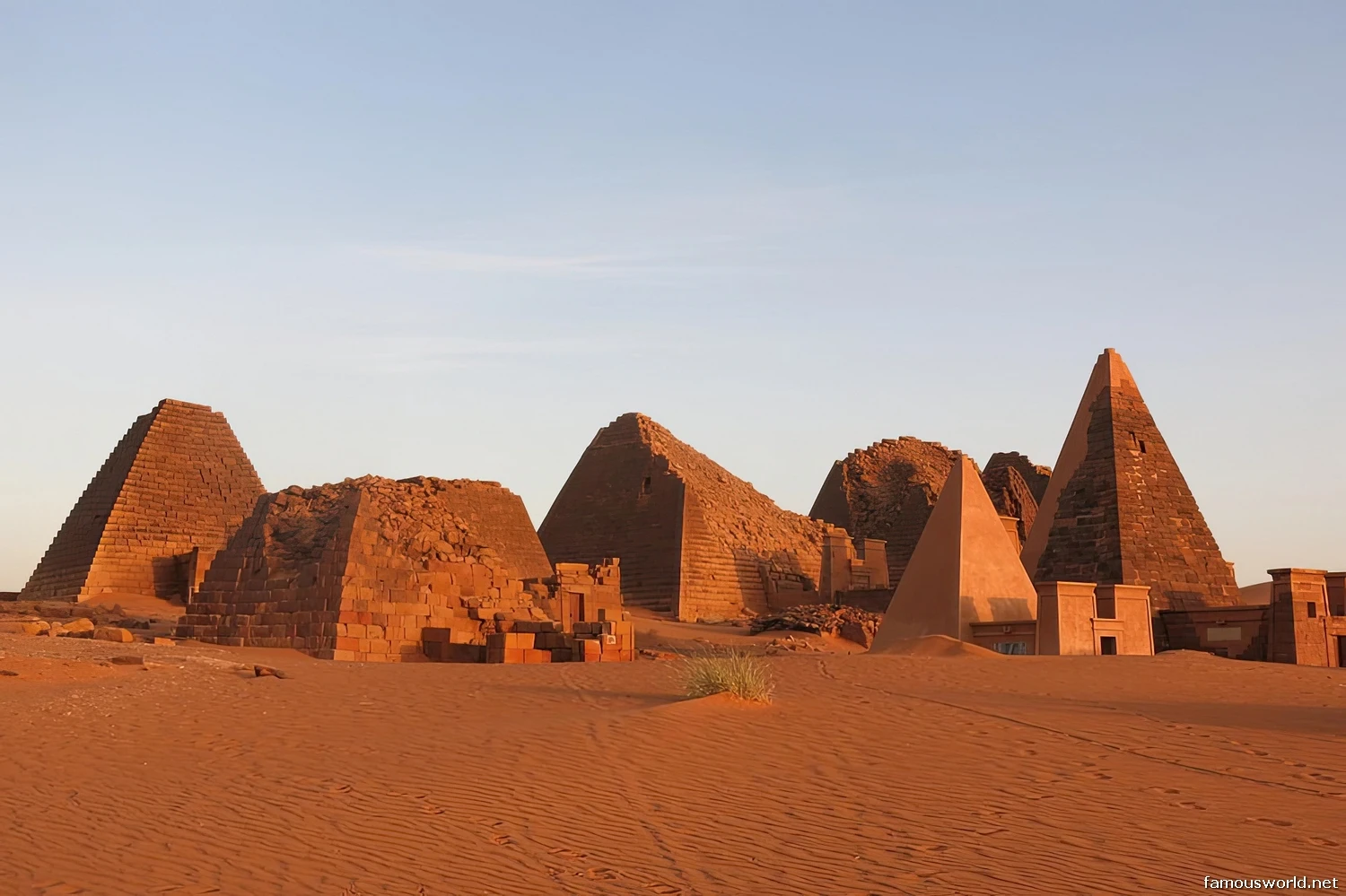
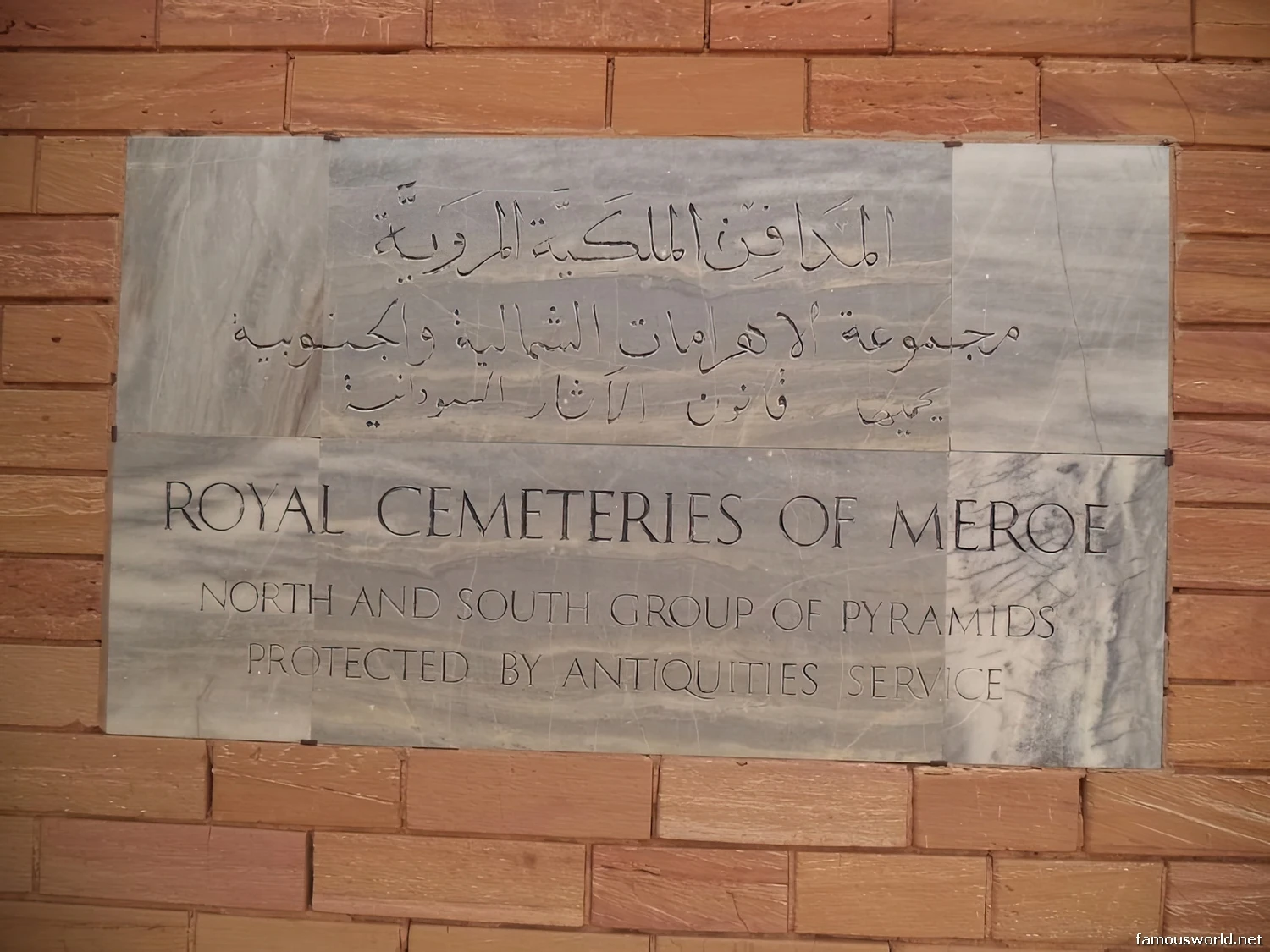
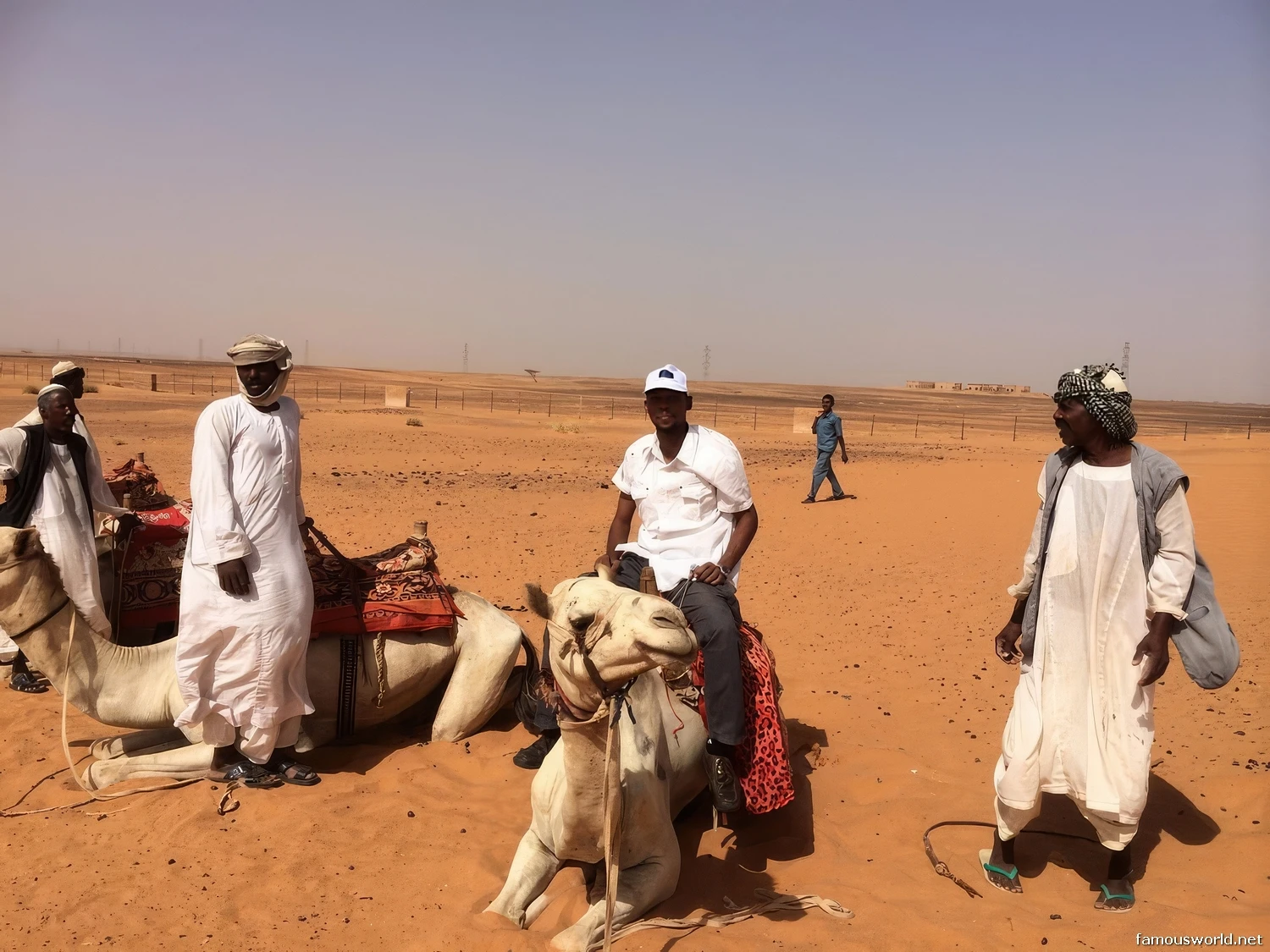
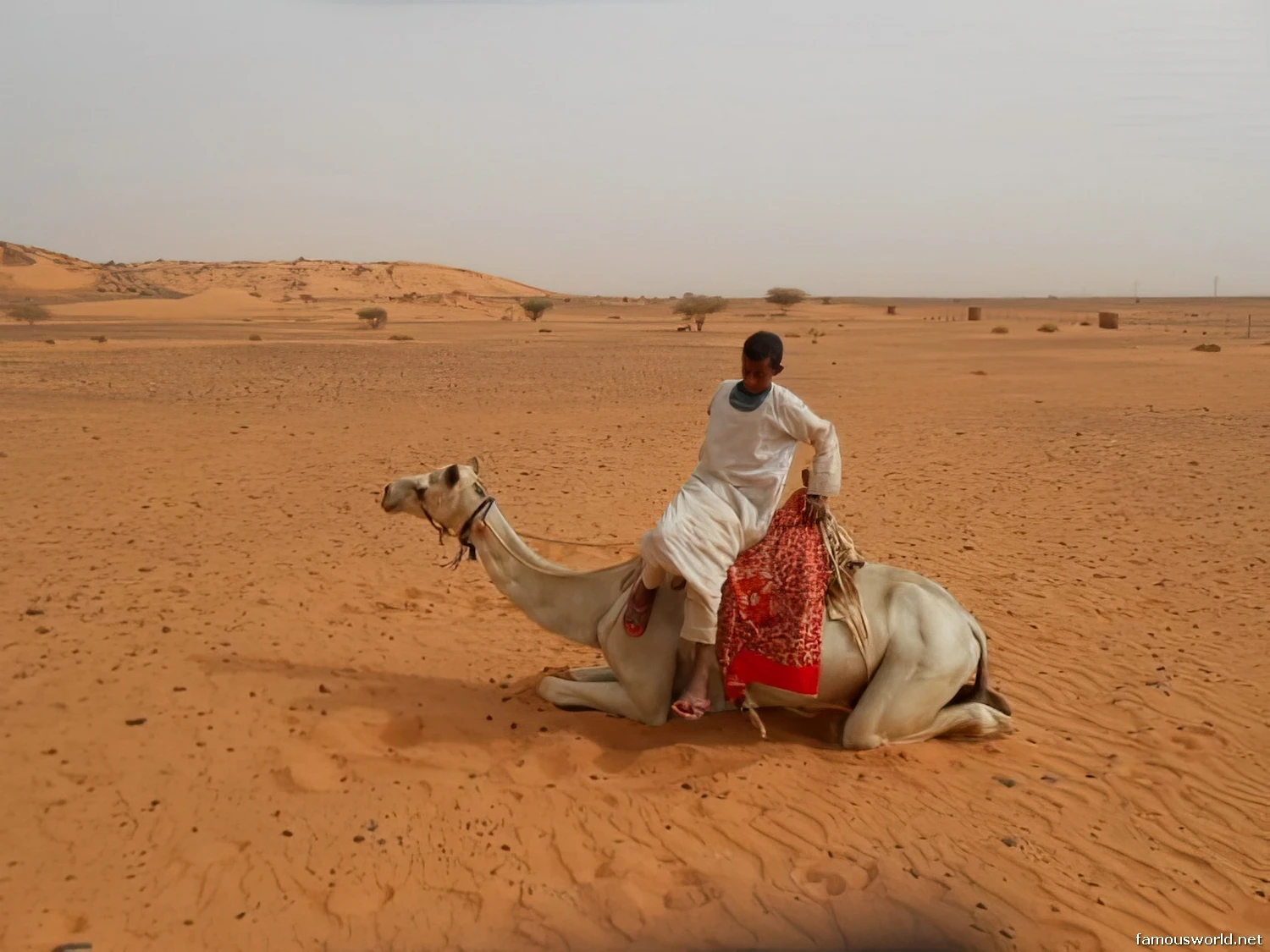
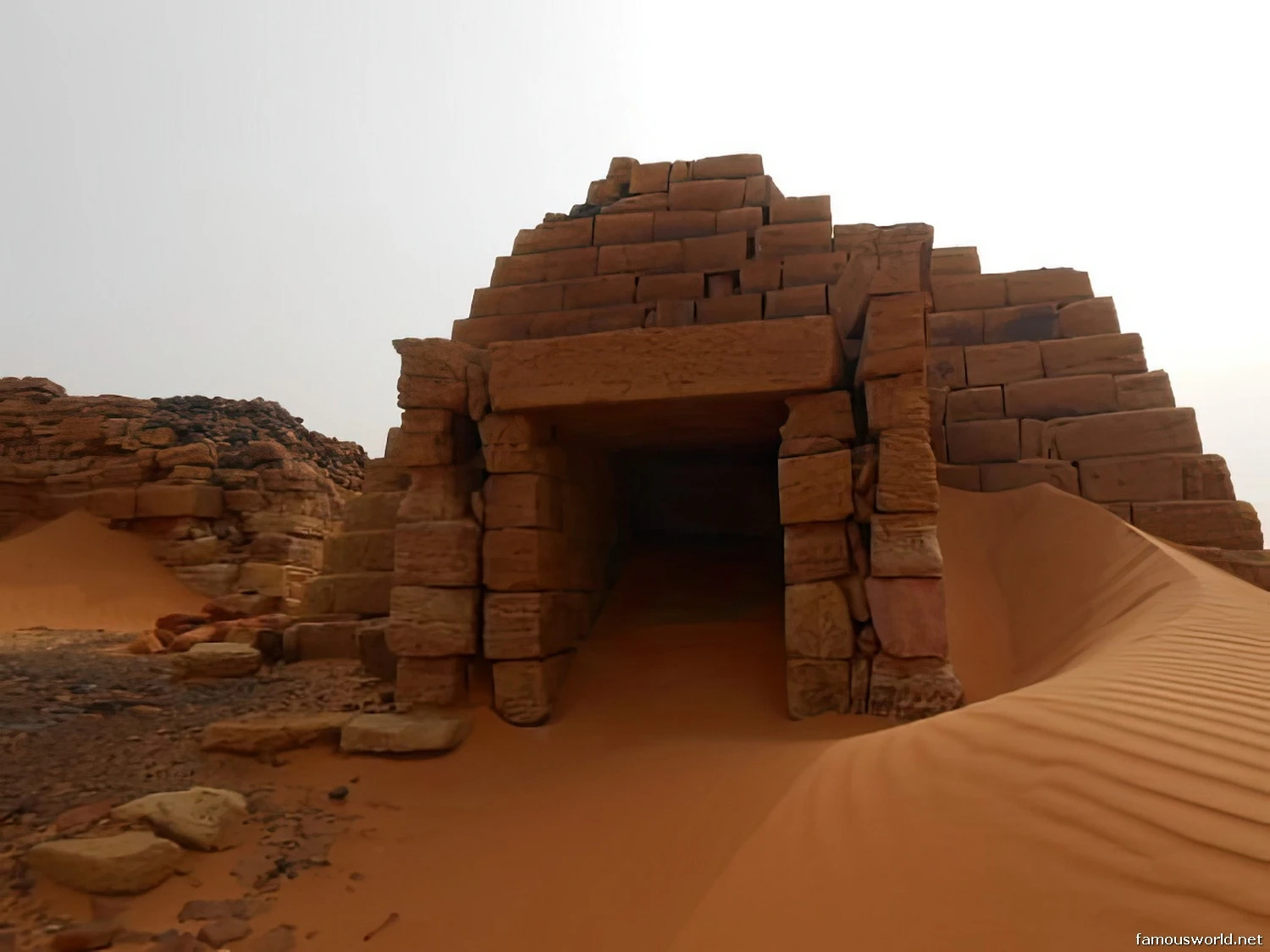
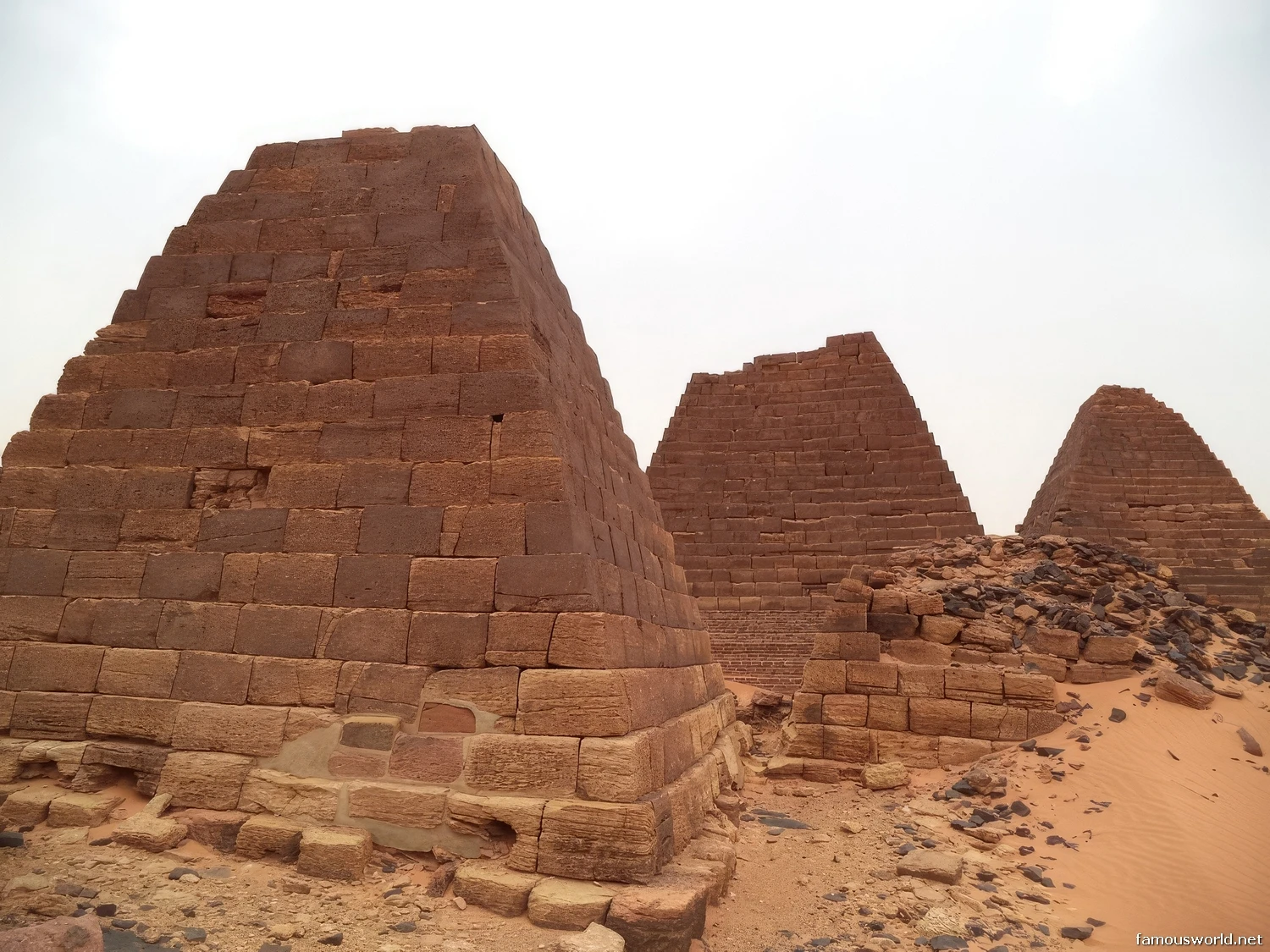
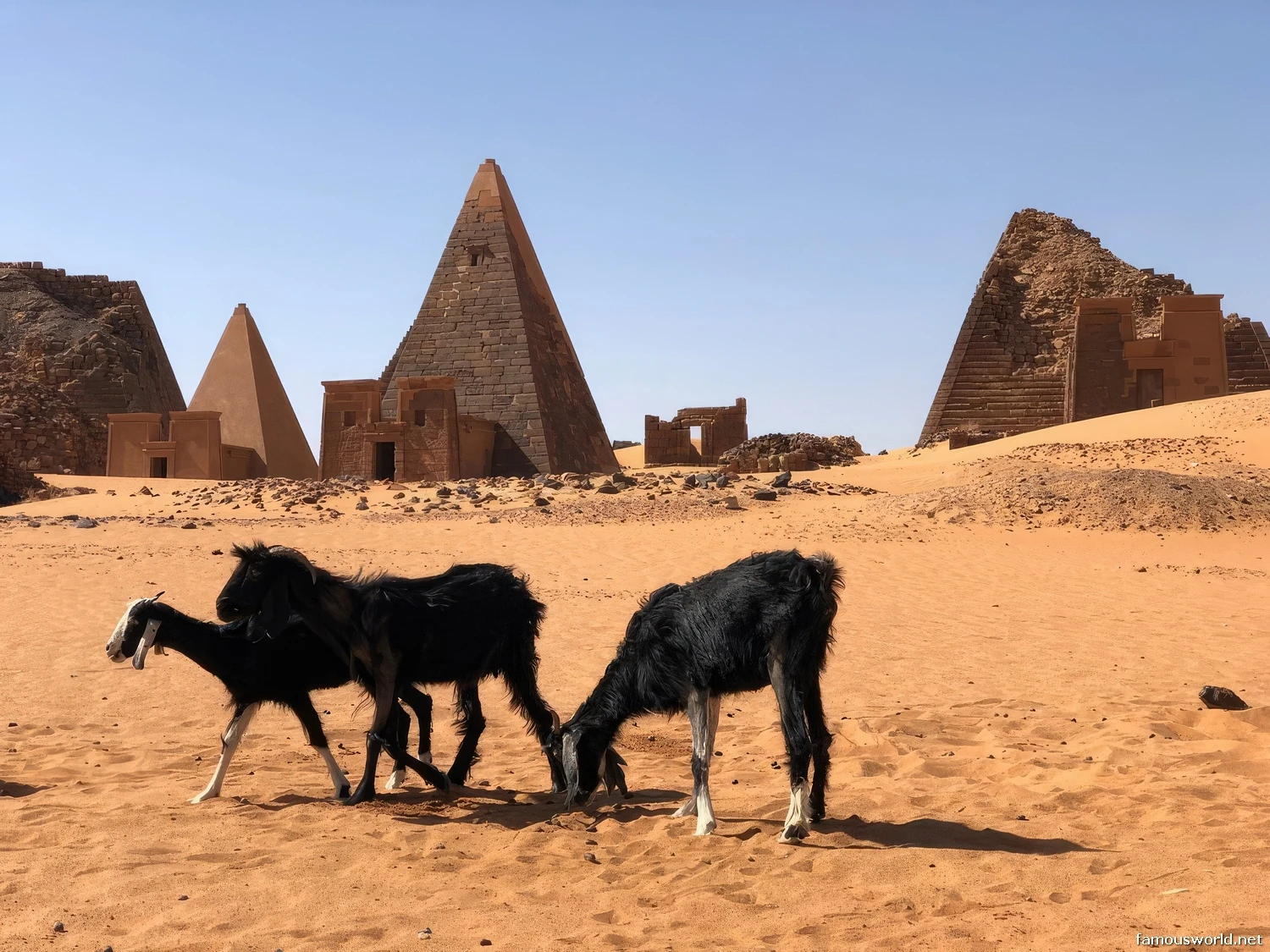
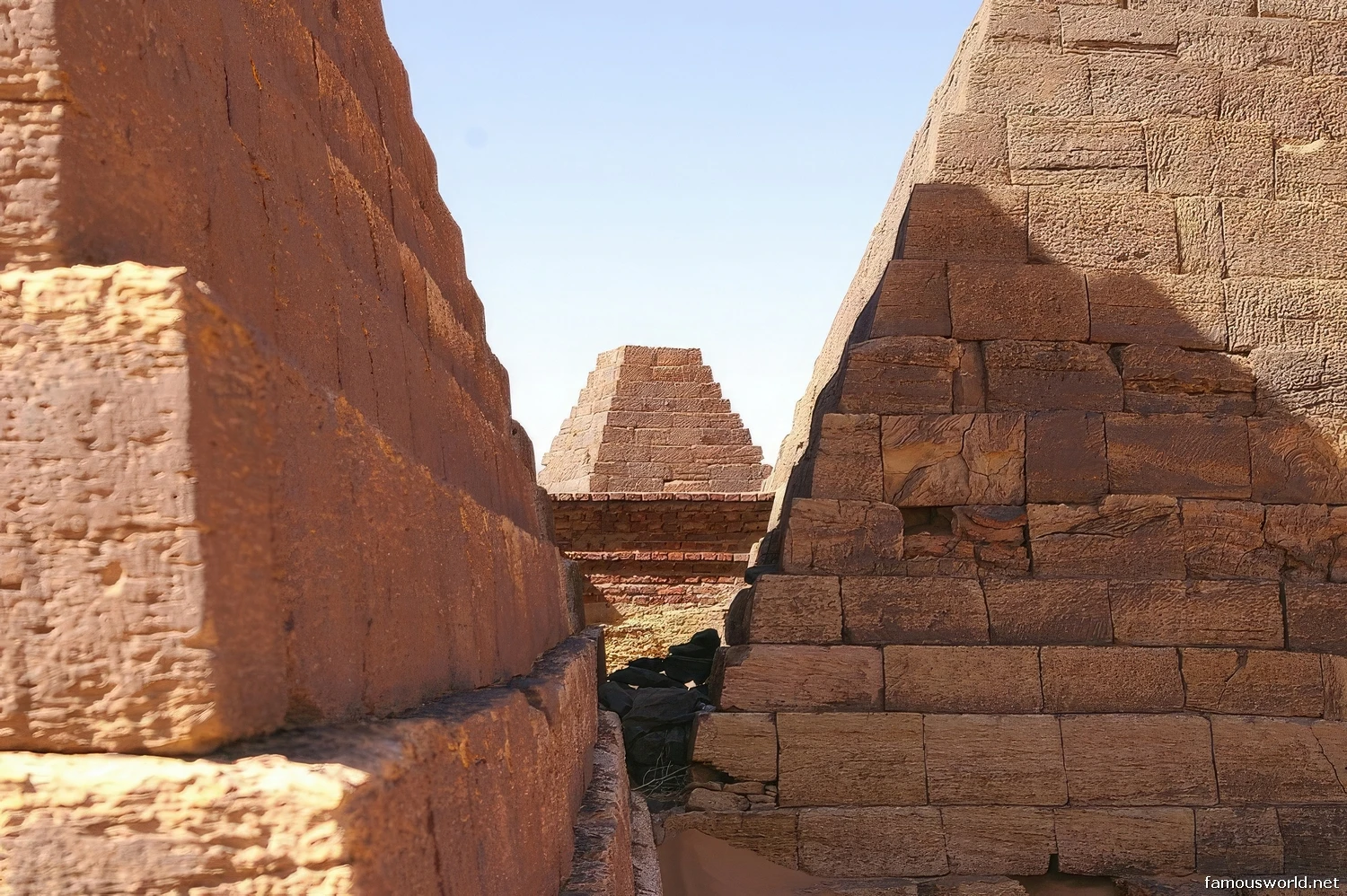
The Meroe Pyramids are a breathtaking collection of ancient tombs that rise dramatically from the sands of the Sudanese desert, marking the final resting place for the rulers of a powerful African civilization. As the necropolis for the Kingdom of Kush, which thrived for centuries as a contemporary and rival to Pharaonic Egypt and the Roman Empire, these pyramids are a testament to a sophisticated and wealthy culture. With their distinctive steep sides and narrow bases, they represent a unique architectural style and stand as the most enduring legacy of the once-mighty Kushite kings and queens who ruled from the city of Meroe.
Listen to an introduction about Meroe Pyramids

Name and Location
- Name: The Pyramids of Meroe.
- Location: Near the east bank of the Nile River, approximately 200 kilometers (124 miles) northeast of Khartoum, Sudan. They are part of the larger archaeological sites of the Island of Meroe, a UNESCO World Heritage site.
How to Get There
Access to the pyramids is almost exclusively by road from Sudan’s capital.
- By Road: The site is reached via a paved road from Khartoum, a journey that typically takes 3 to 4 hours. Most visitors arrive as part of an organized tour or by hiring a private vehicle and driver.
Landscape and Architecture
The pyramids are a striking architectural feature in an austere desert landscape.
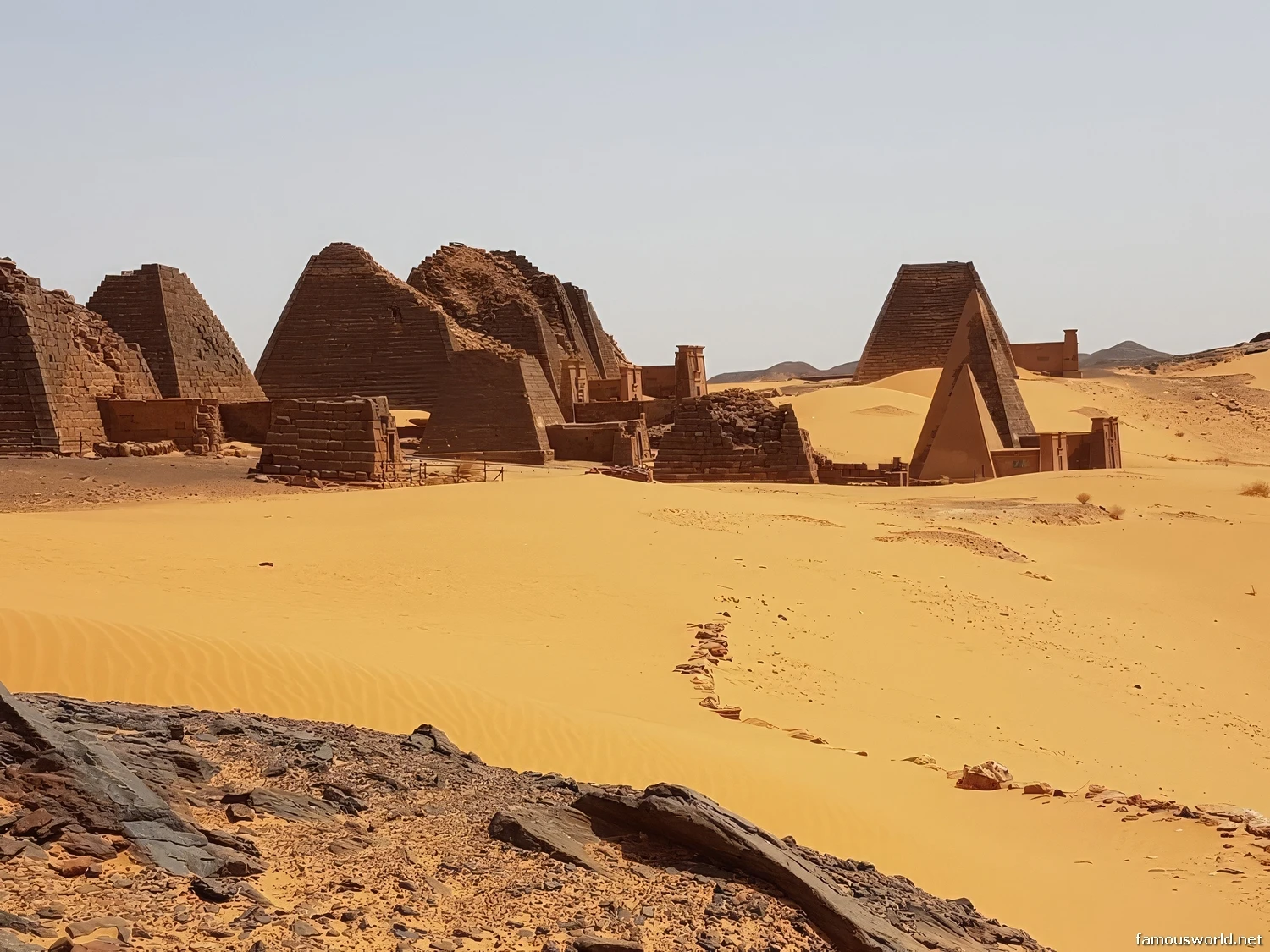
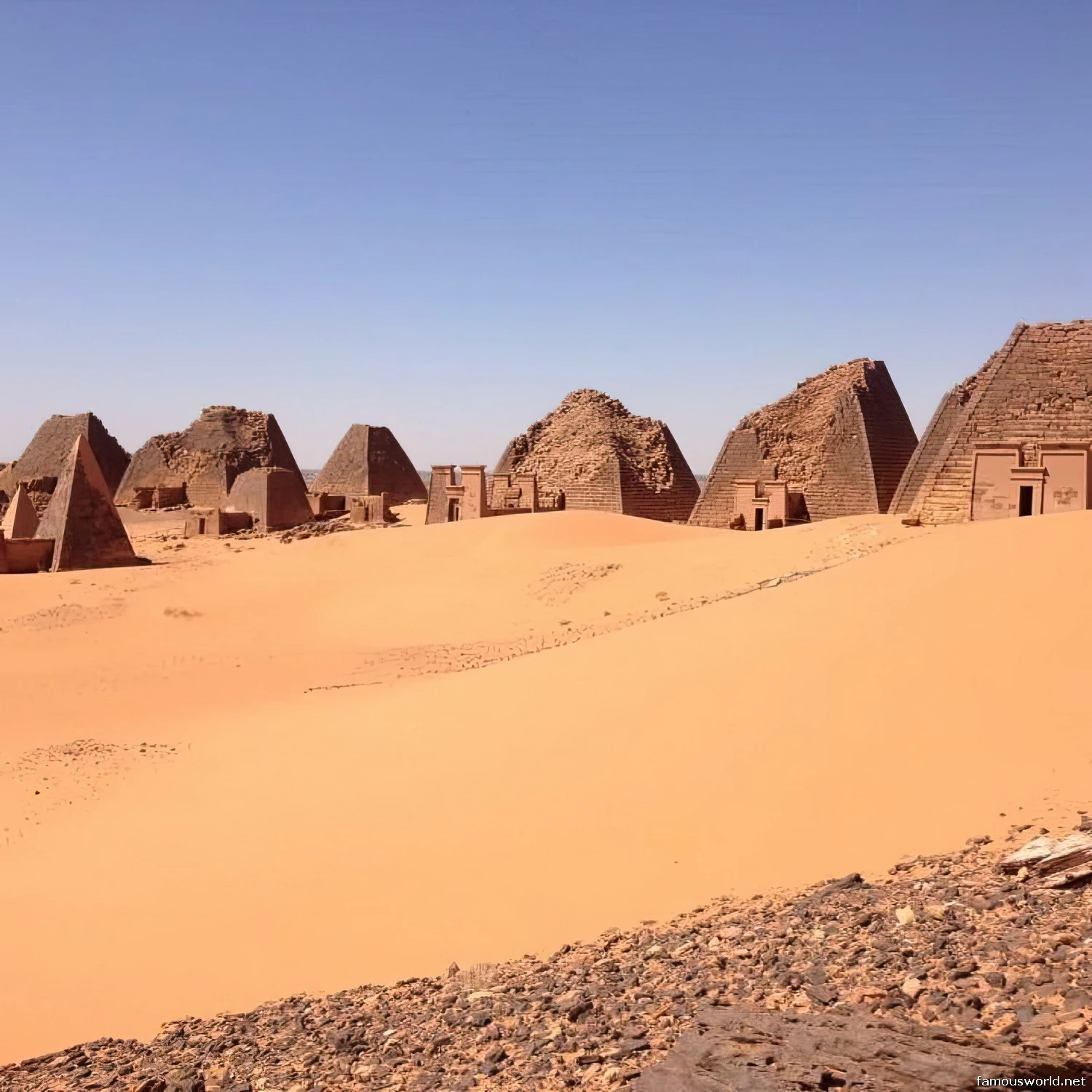
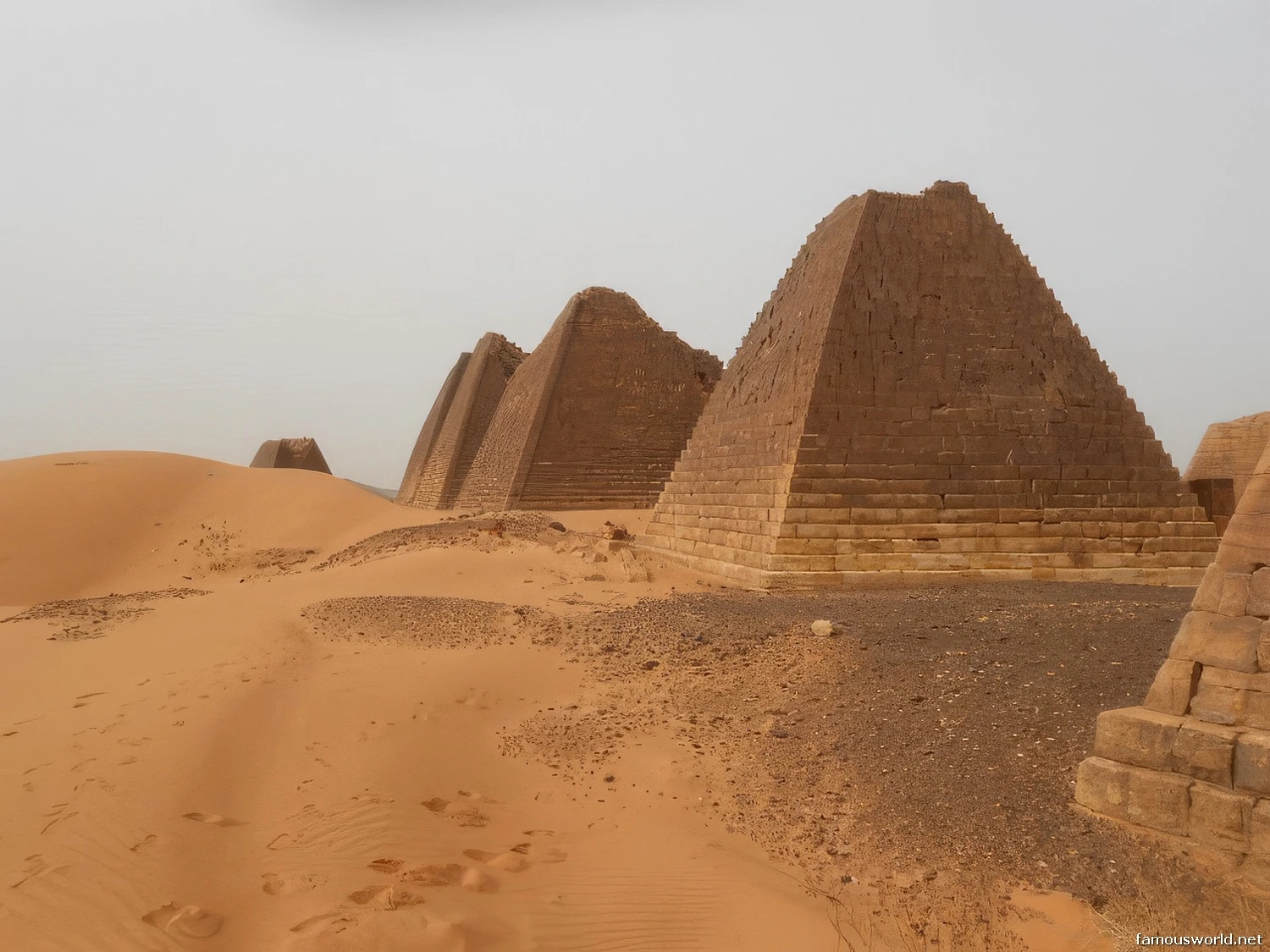
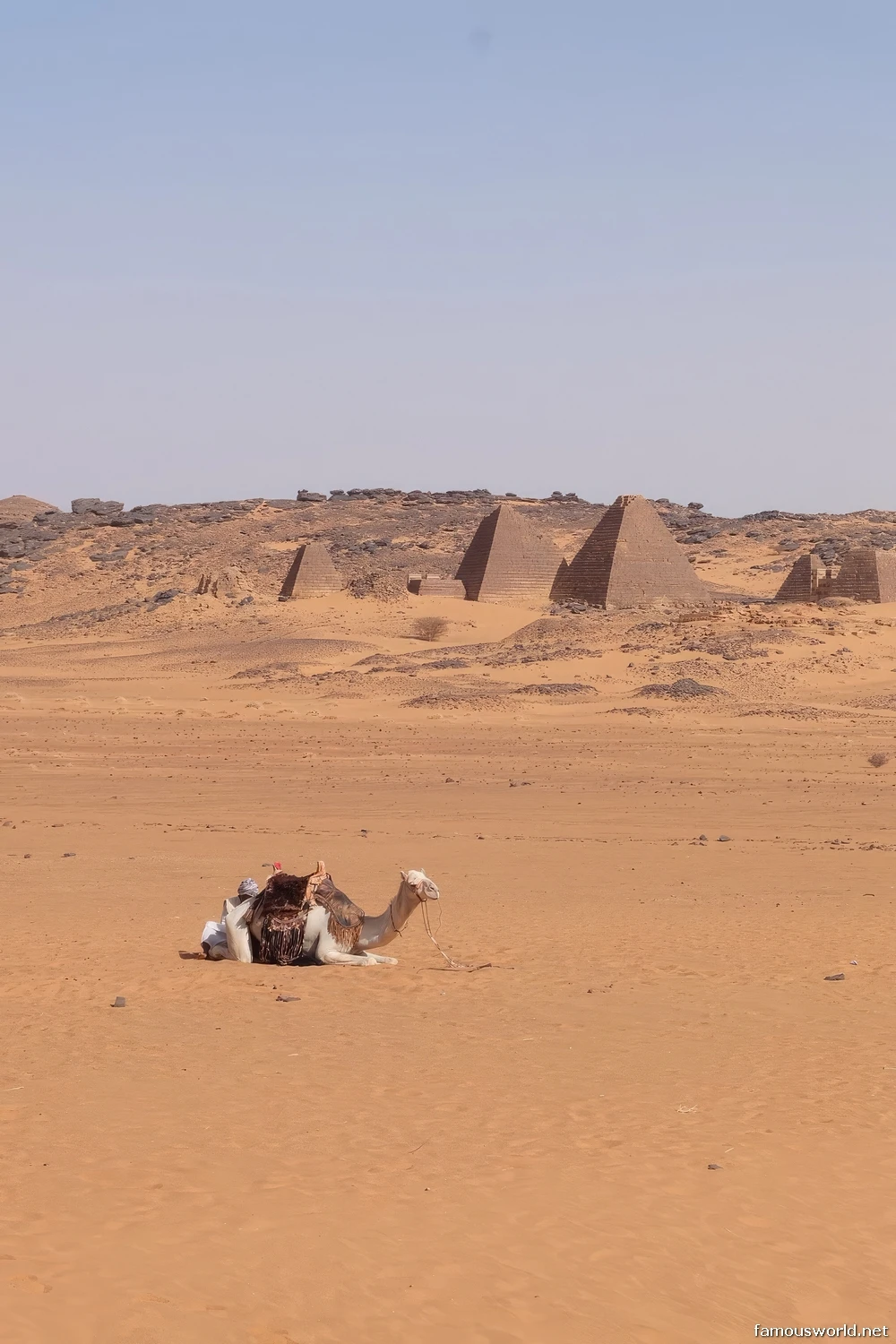
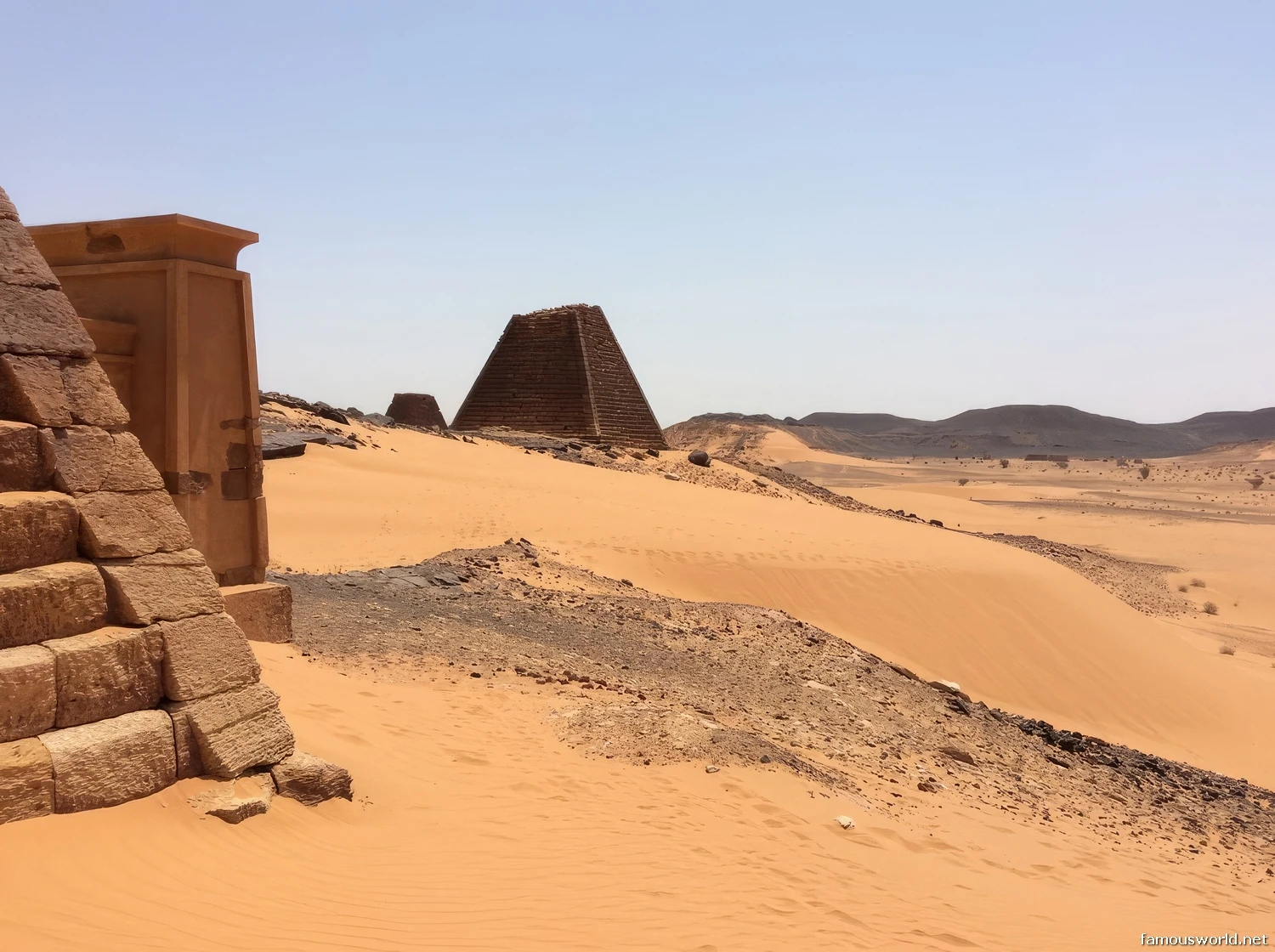
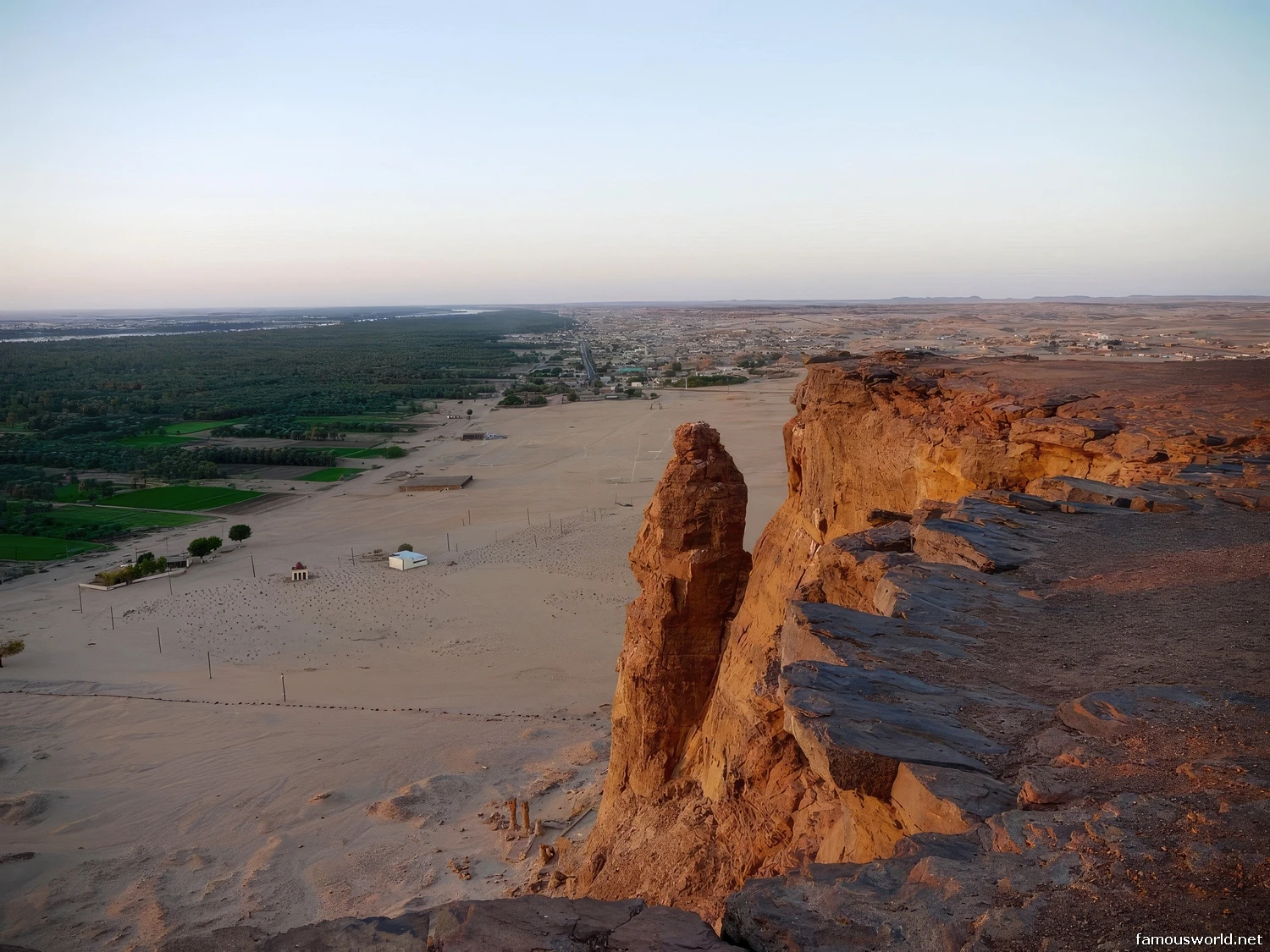
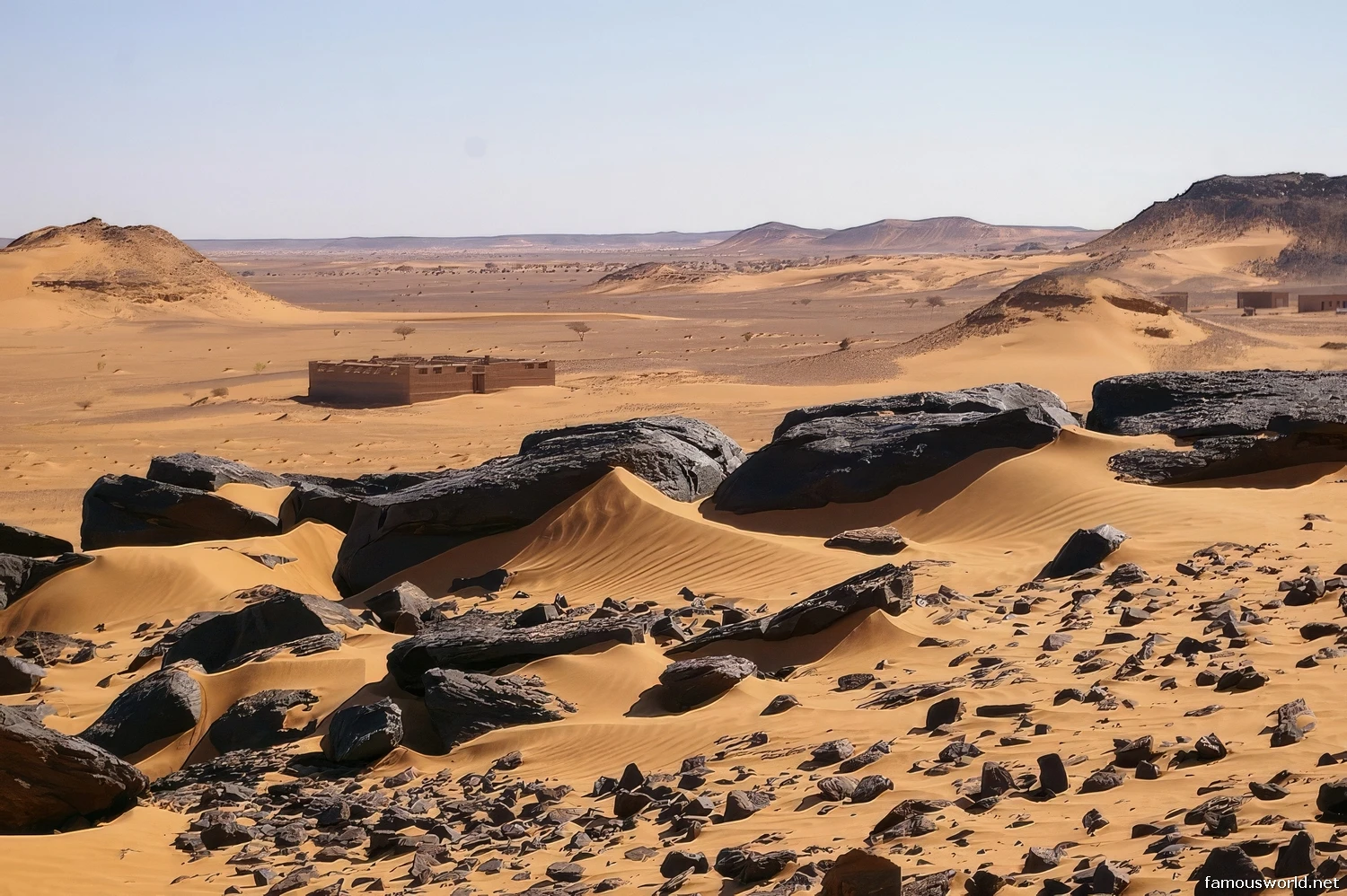
- Natural Landscape: The pyramids are situated on low sandy hills in the Nubian Desert, offering panoramic views over the surrounding arid plains. The stark, golden landscape of rolling dunes provides a dramatic backdrop for the ancient structures.
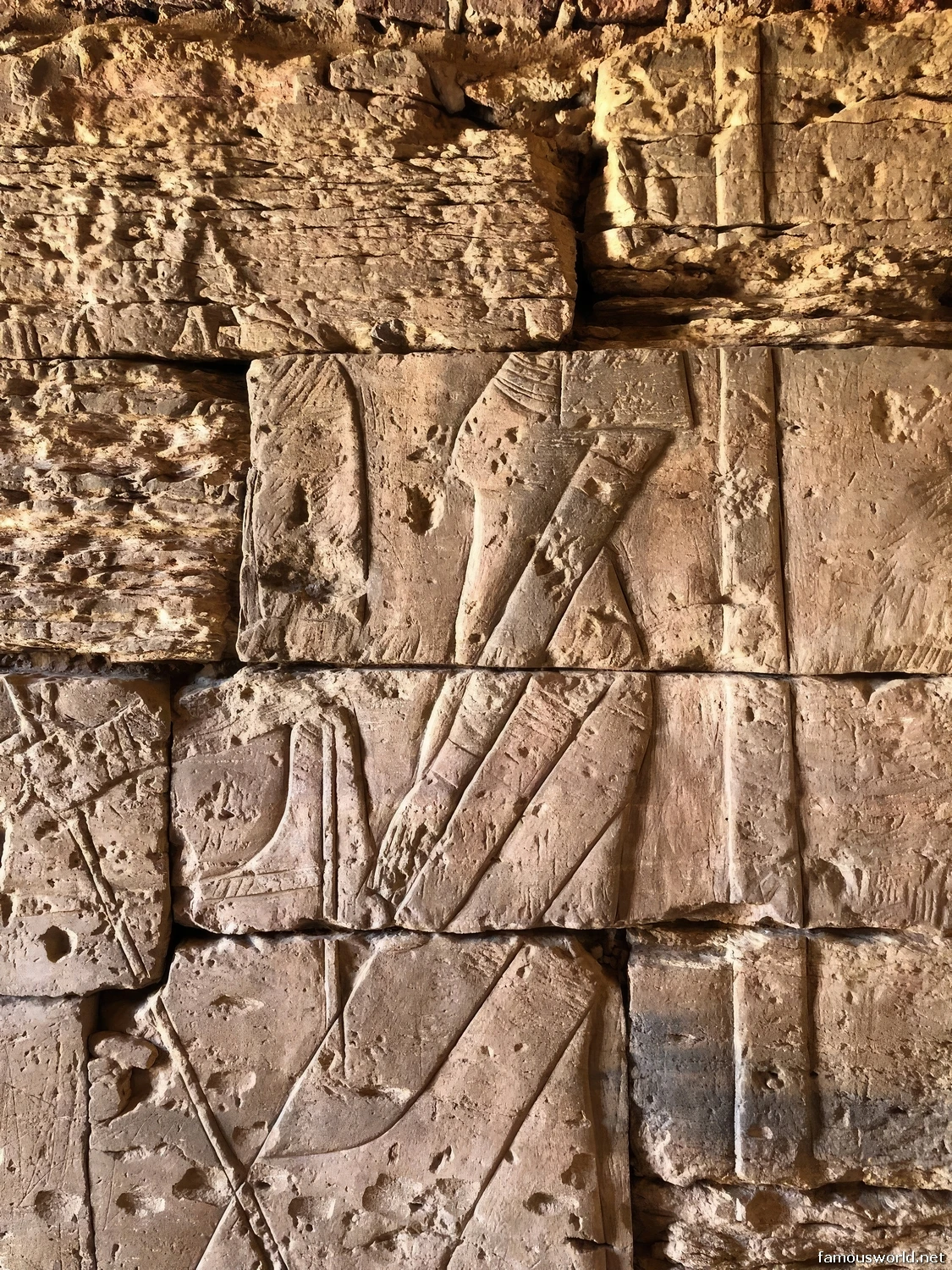
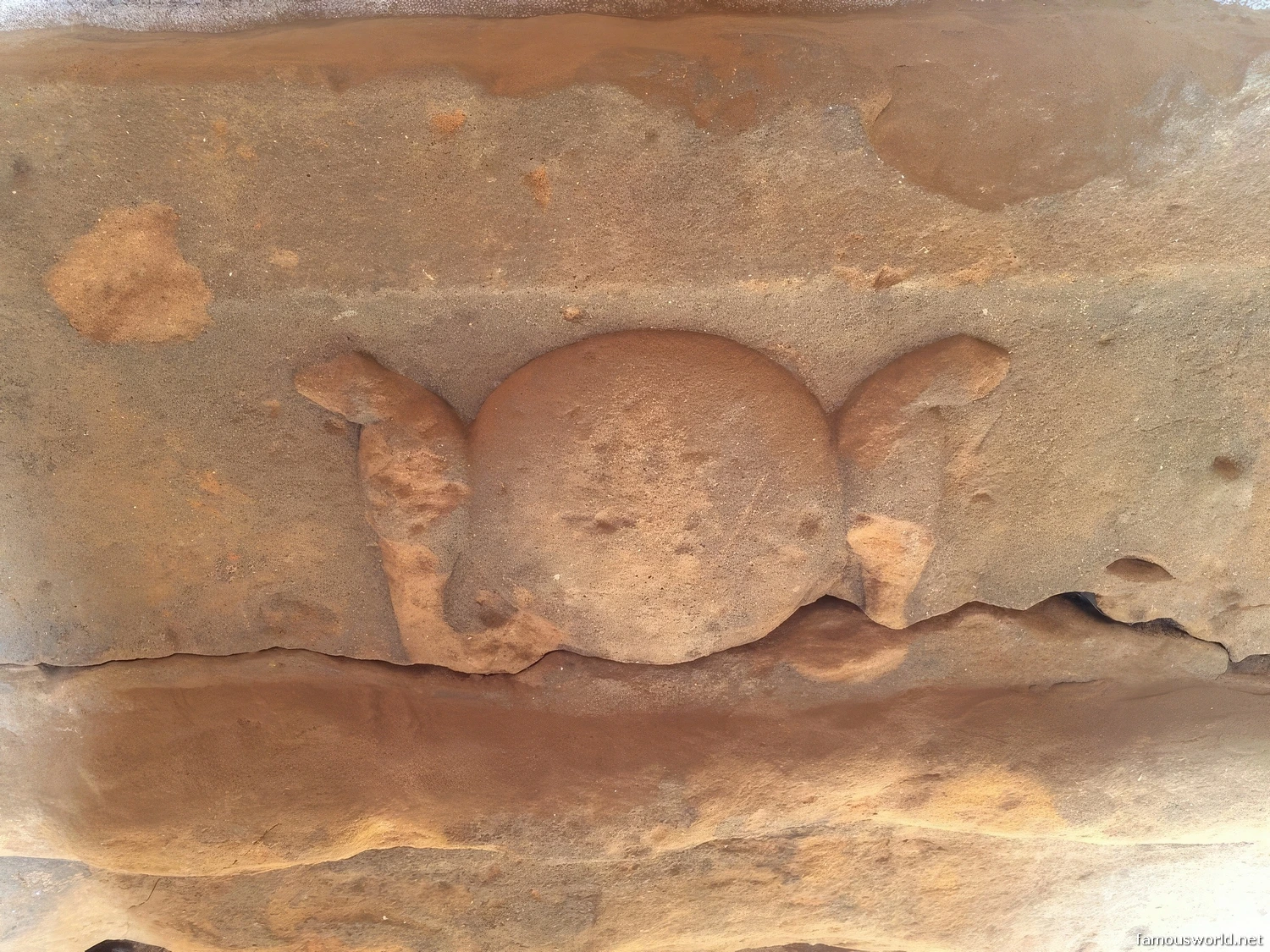
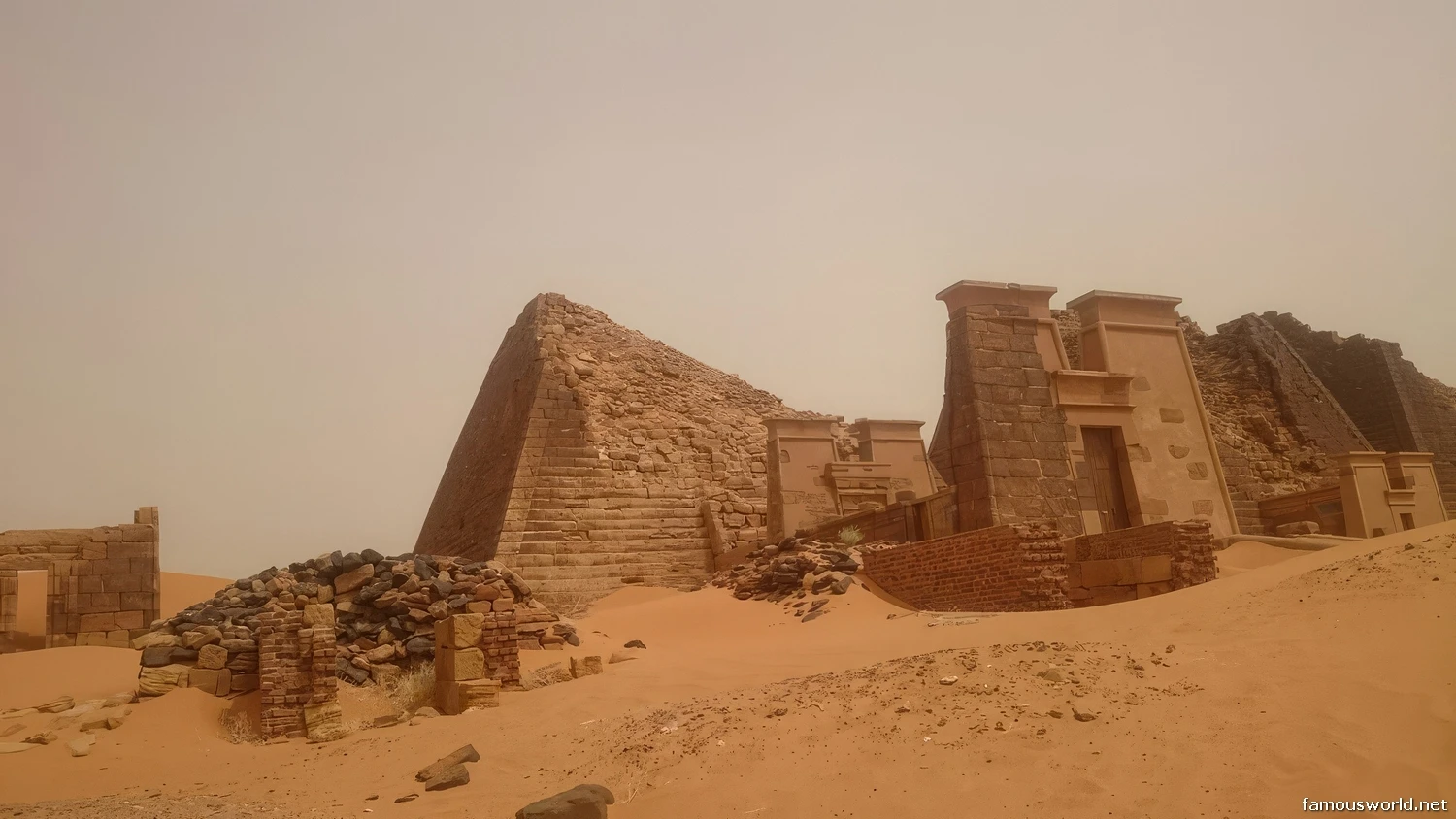
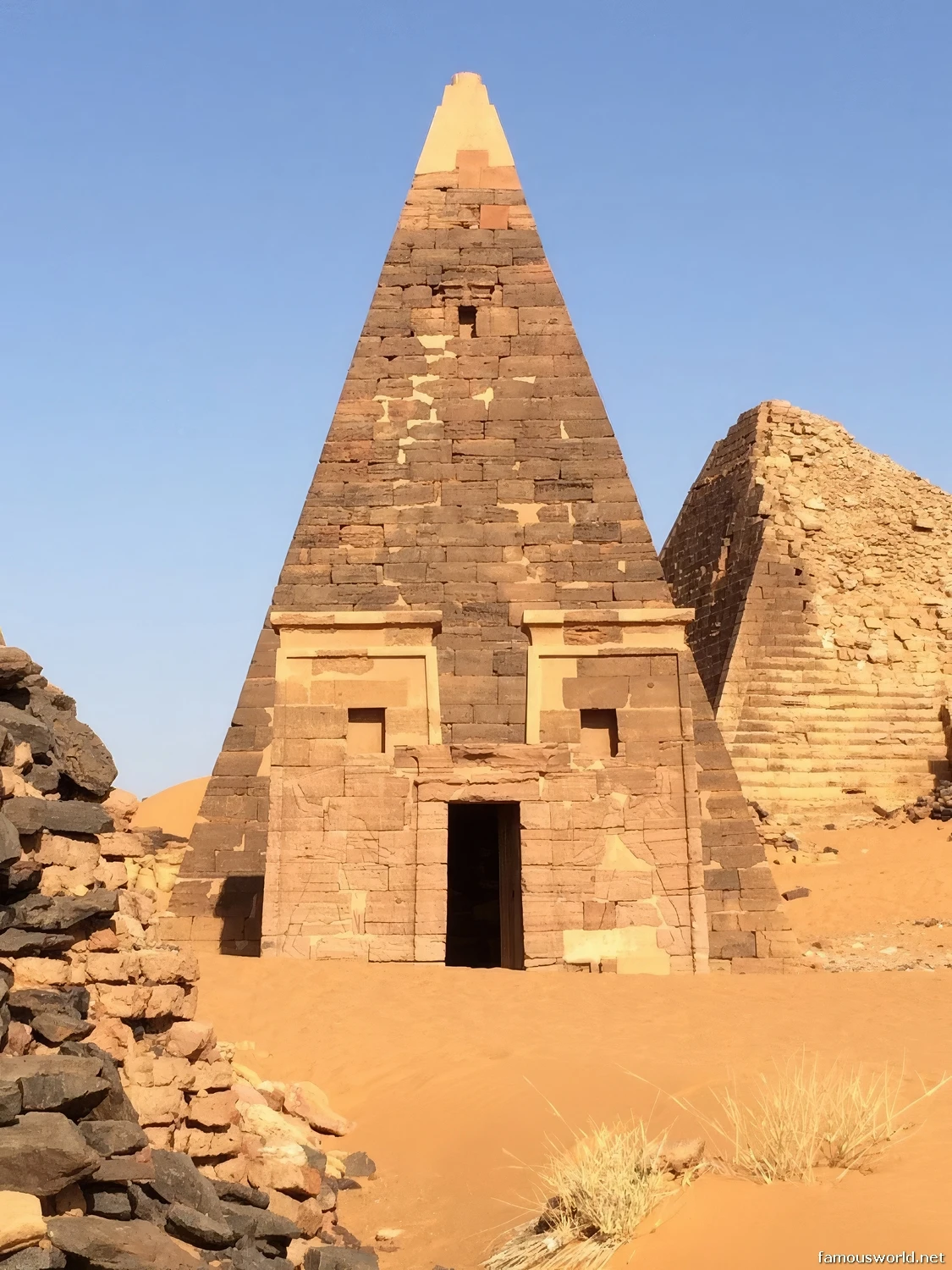
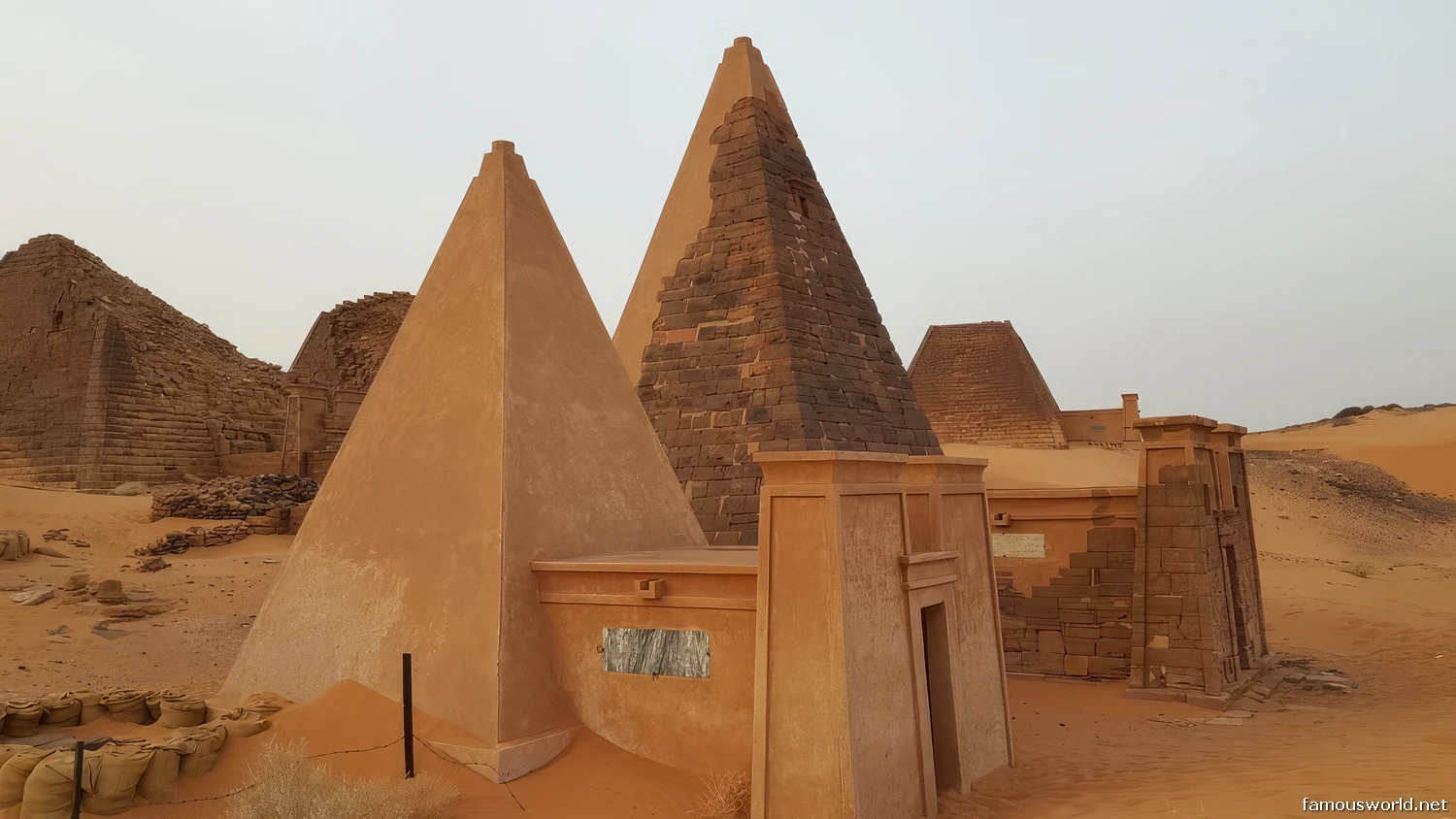
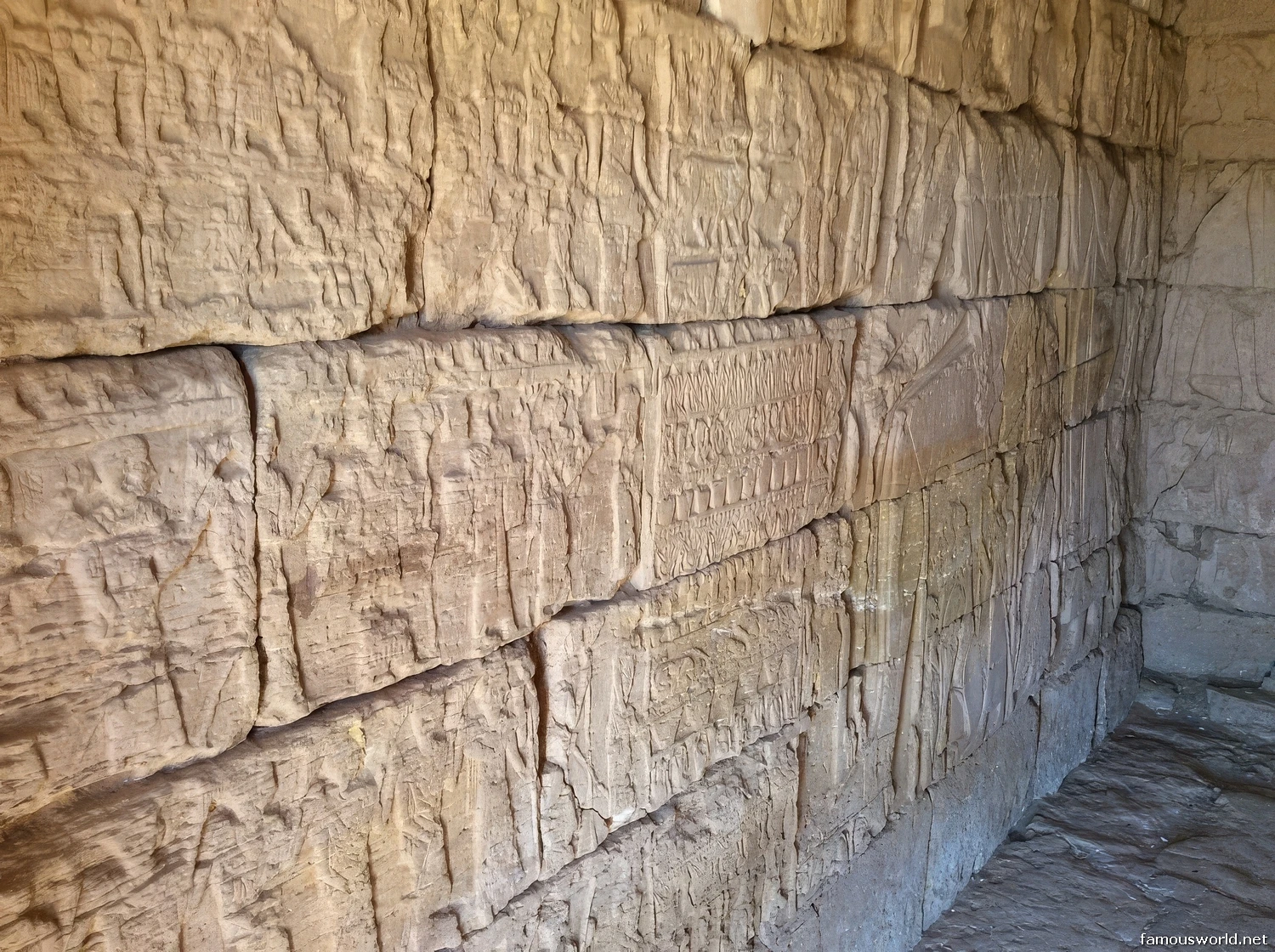
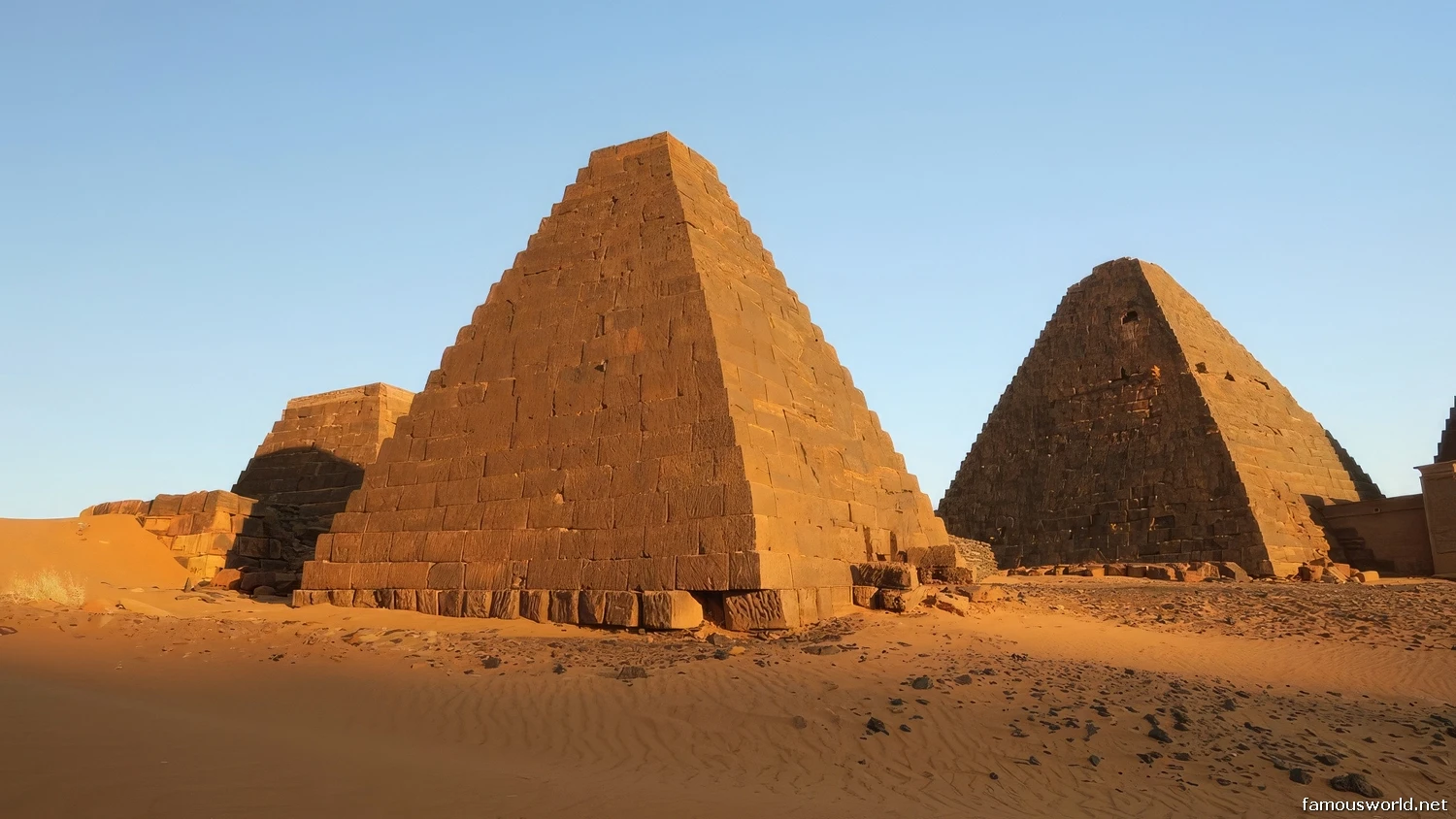
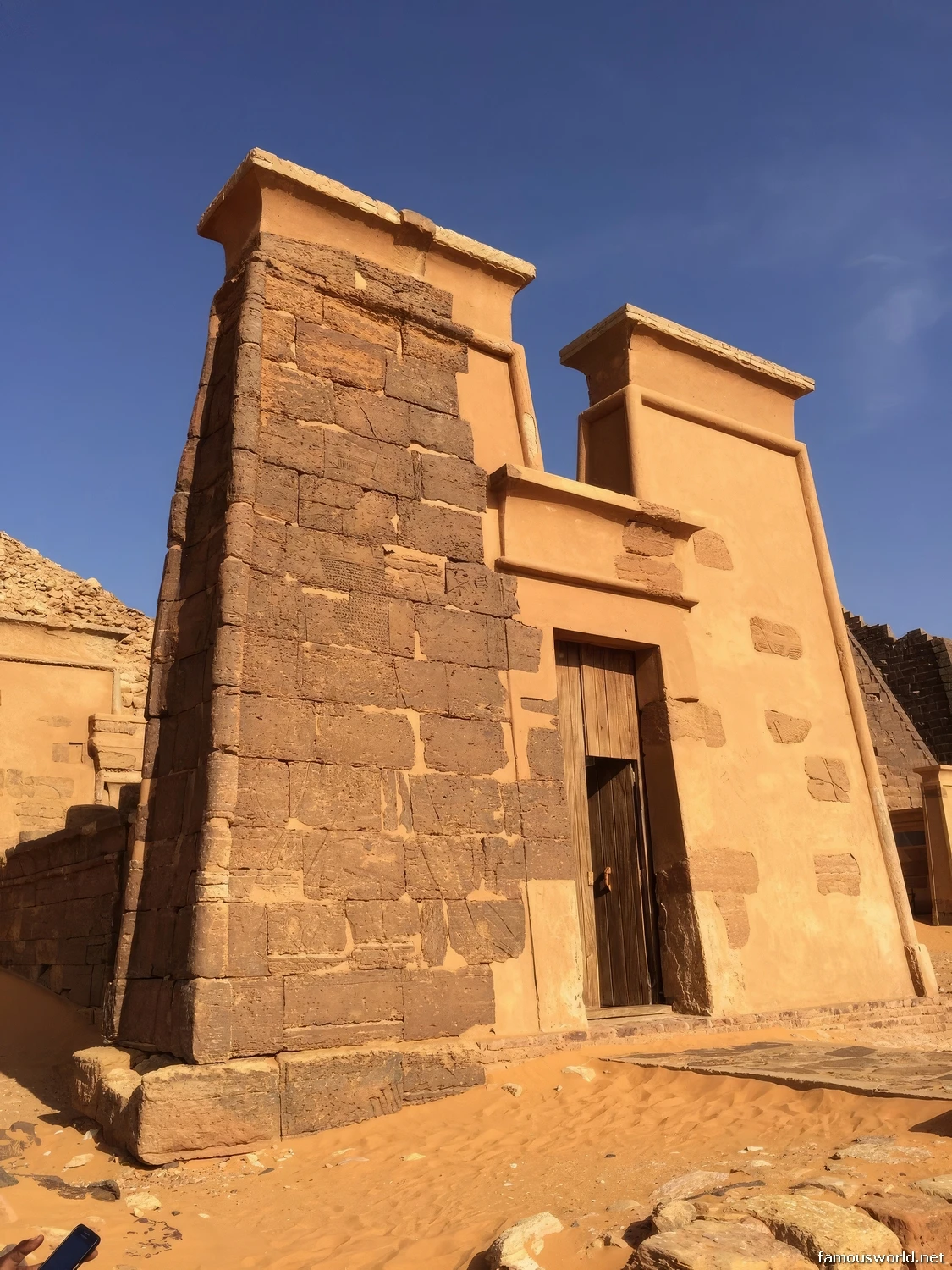
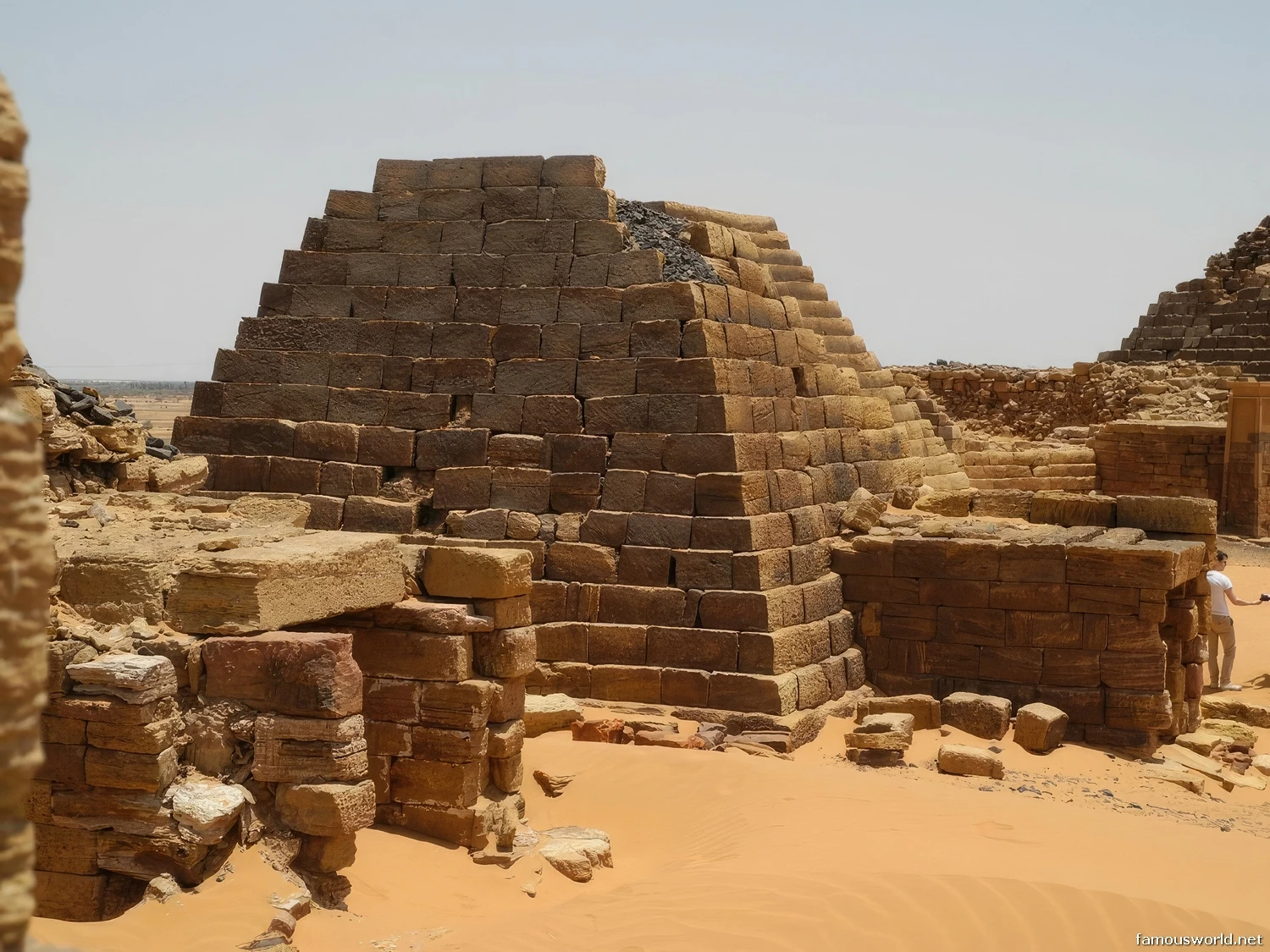
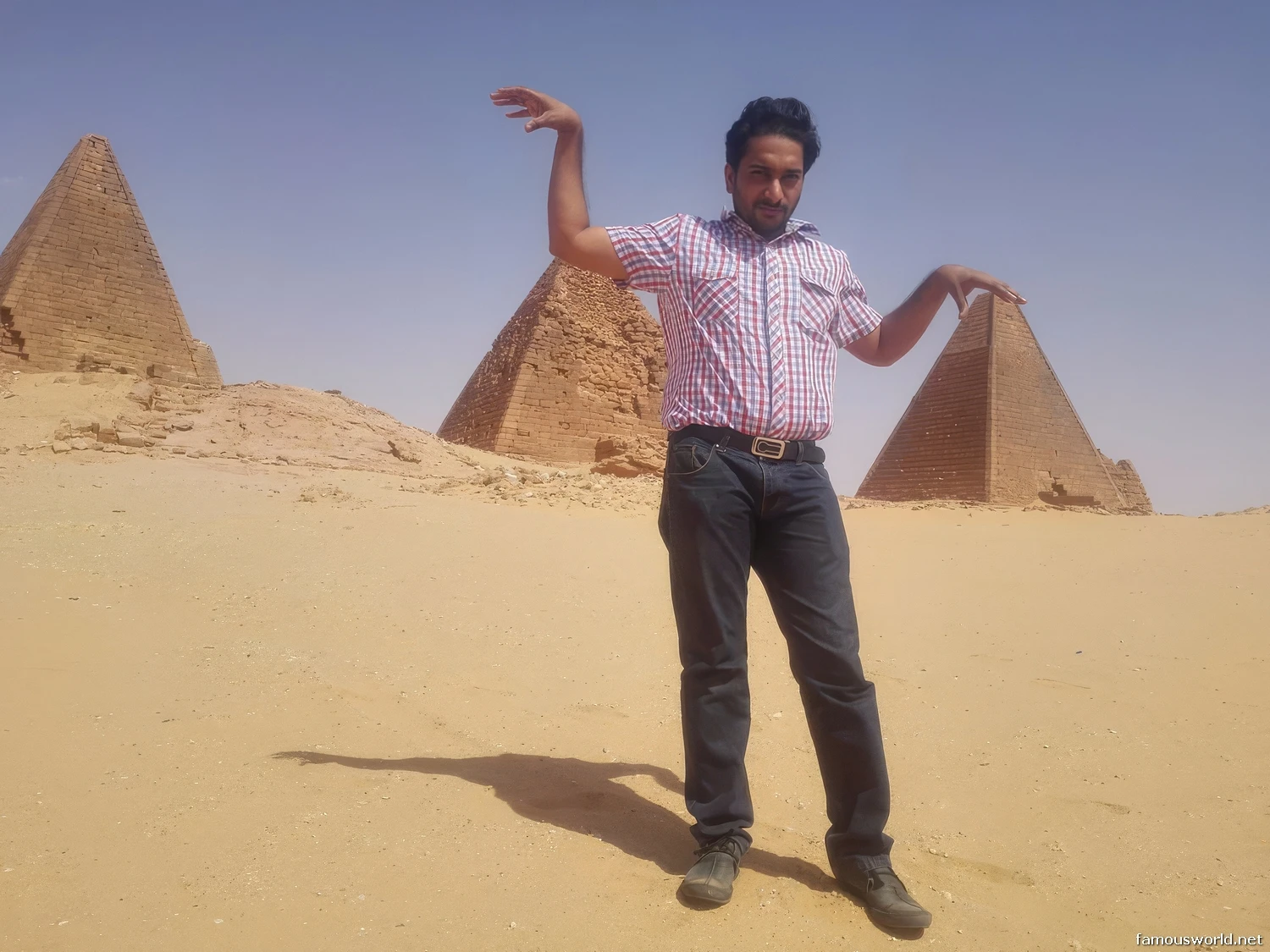
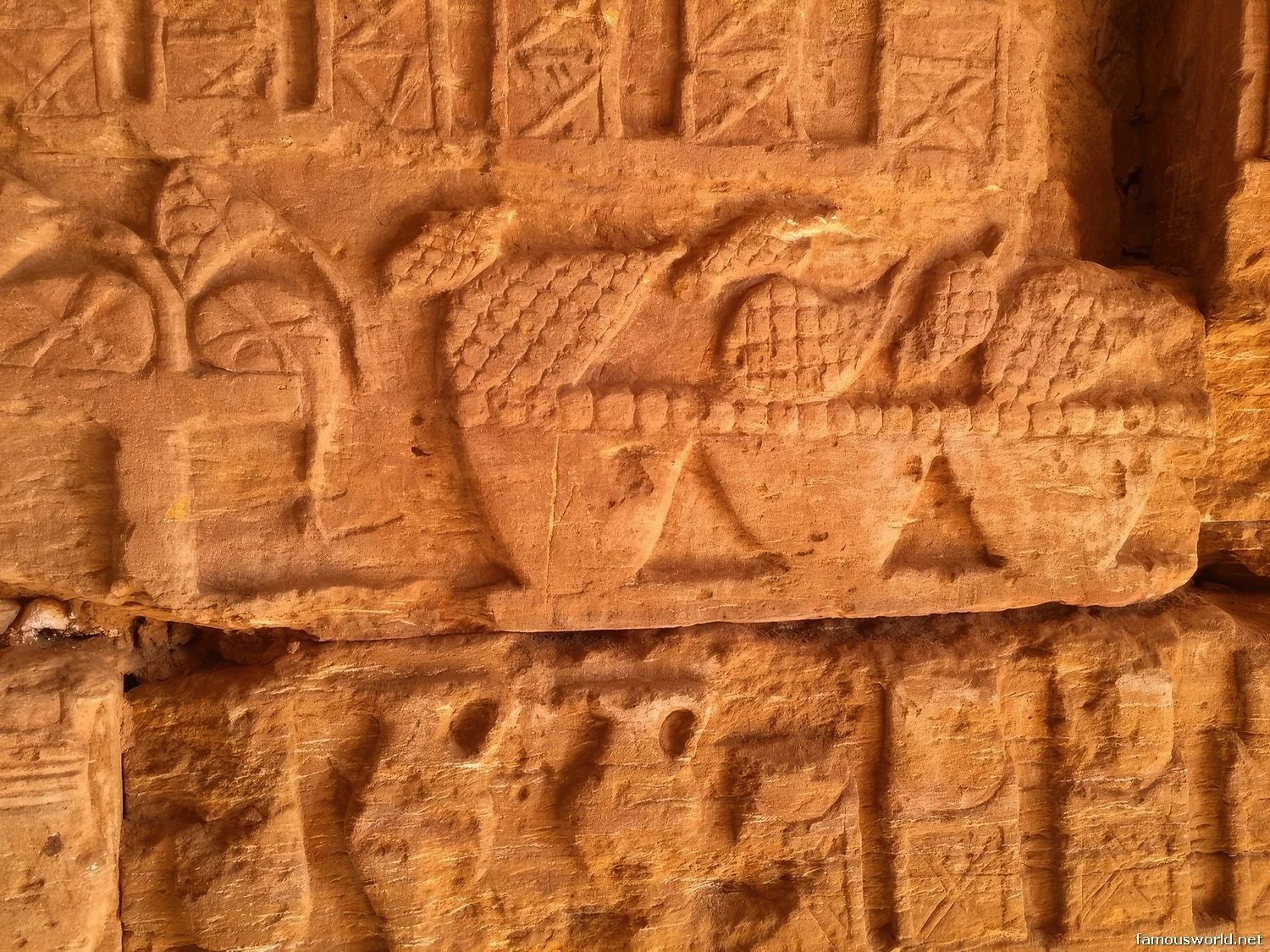
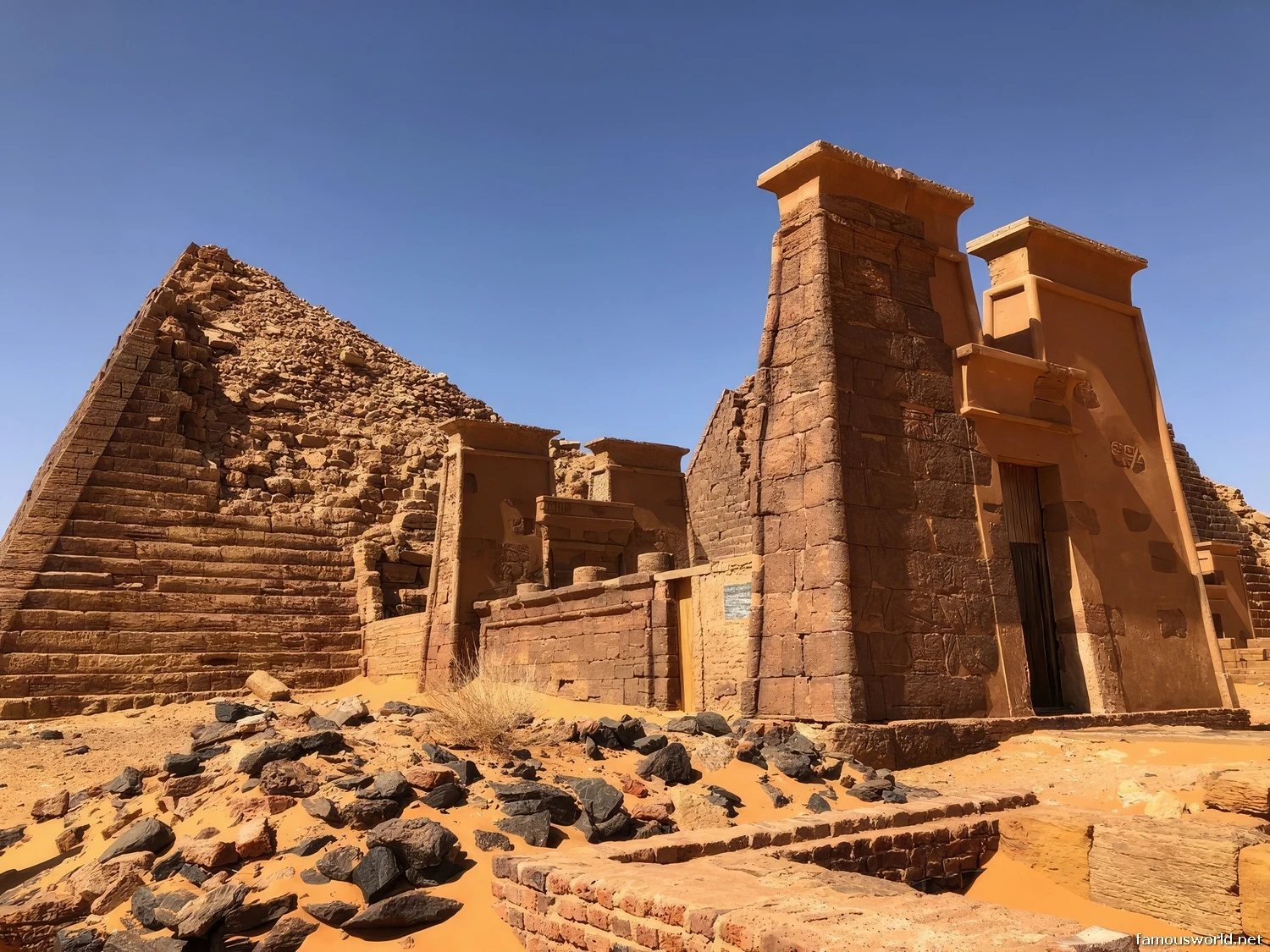
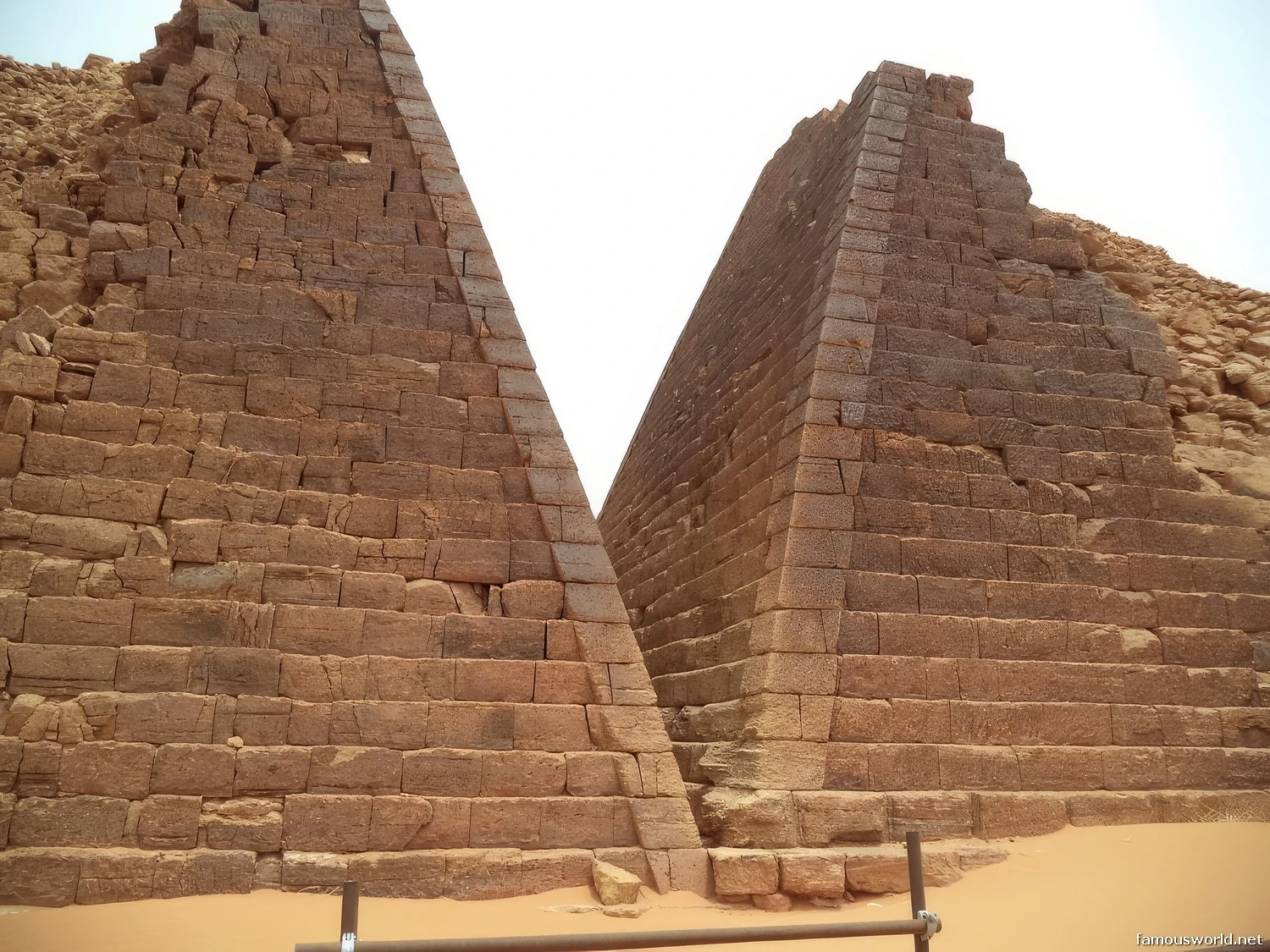
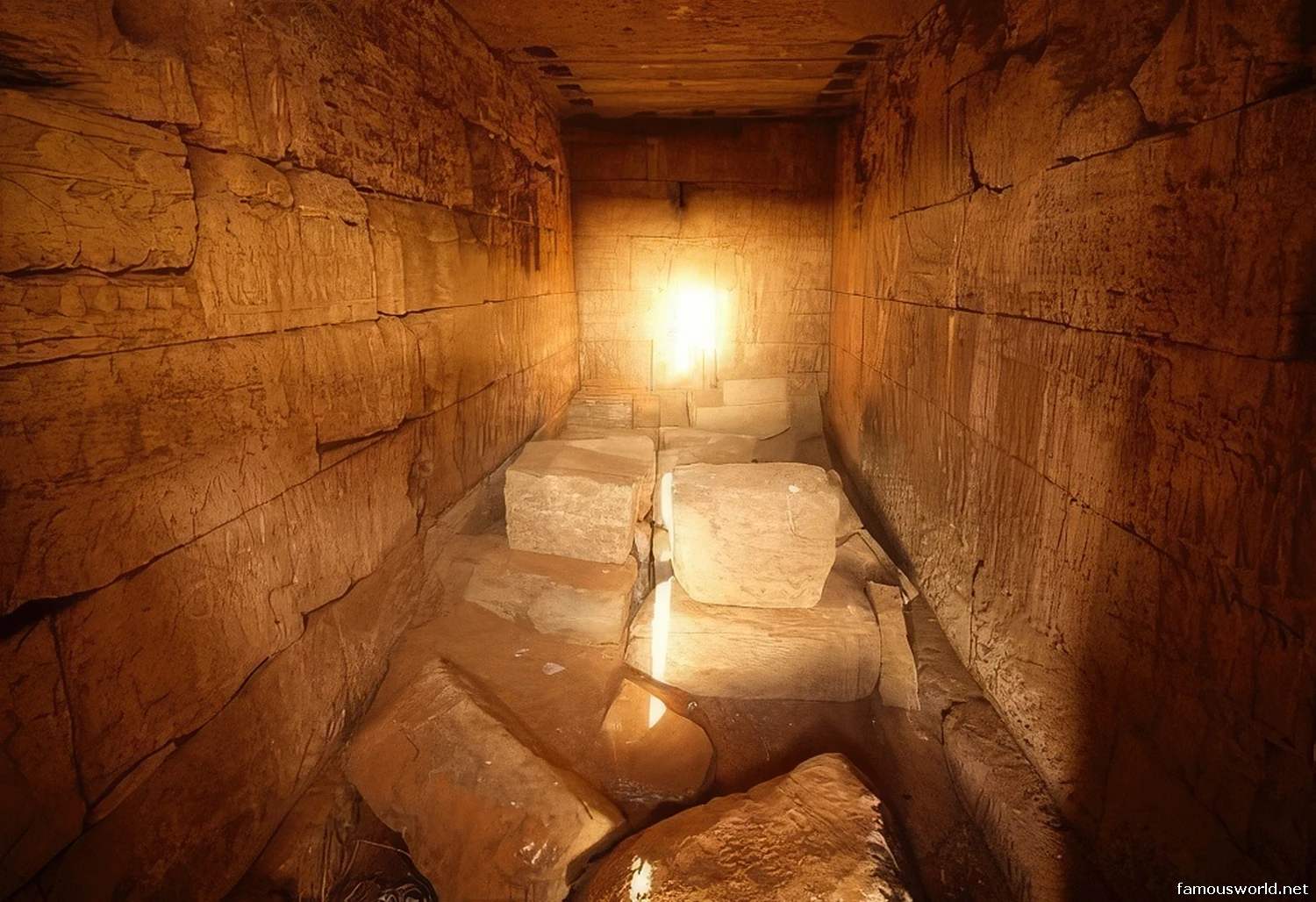
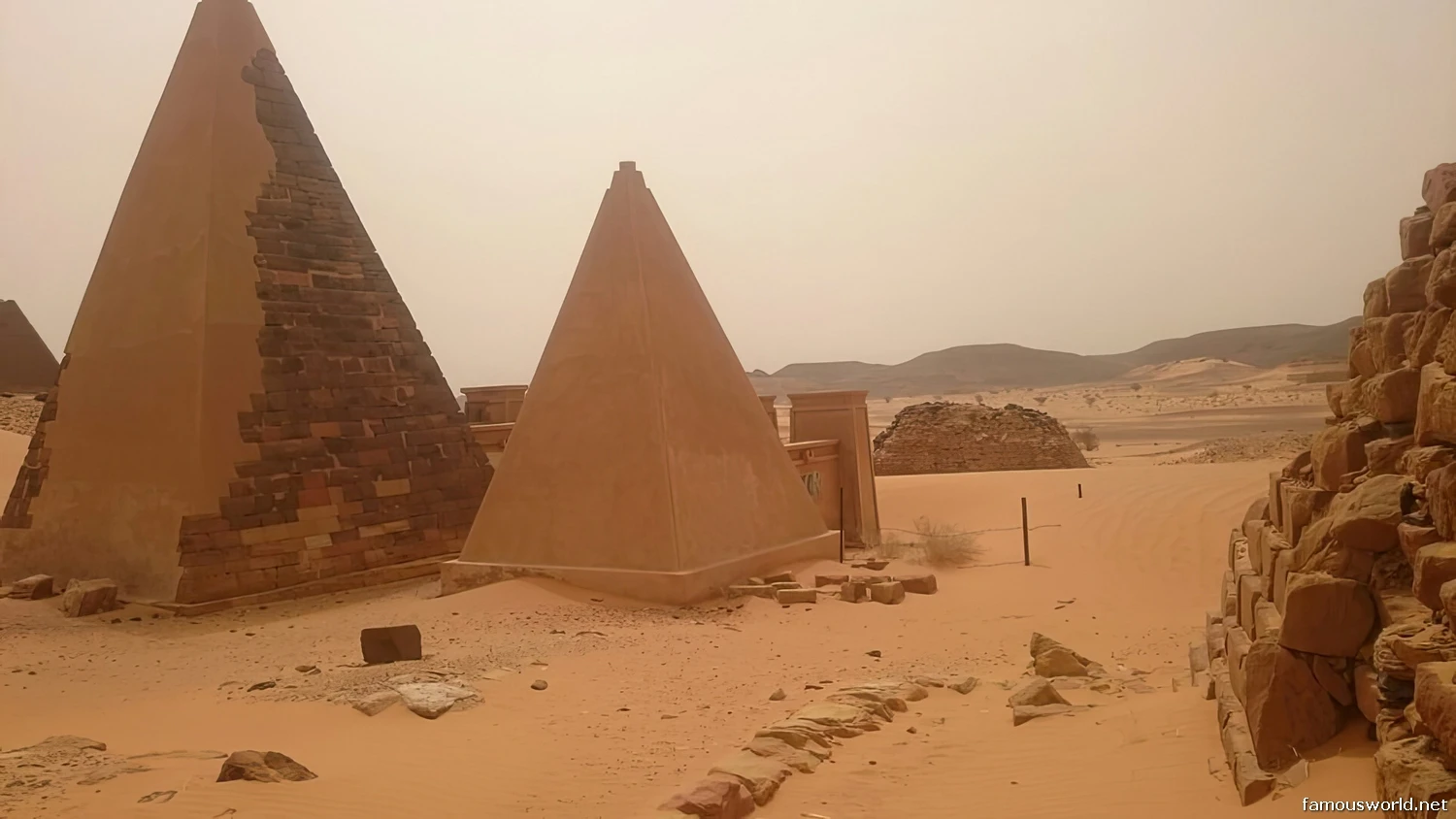
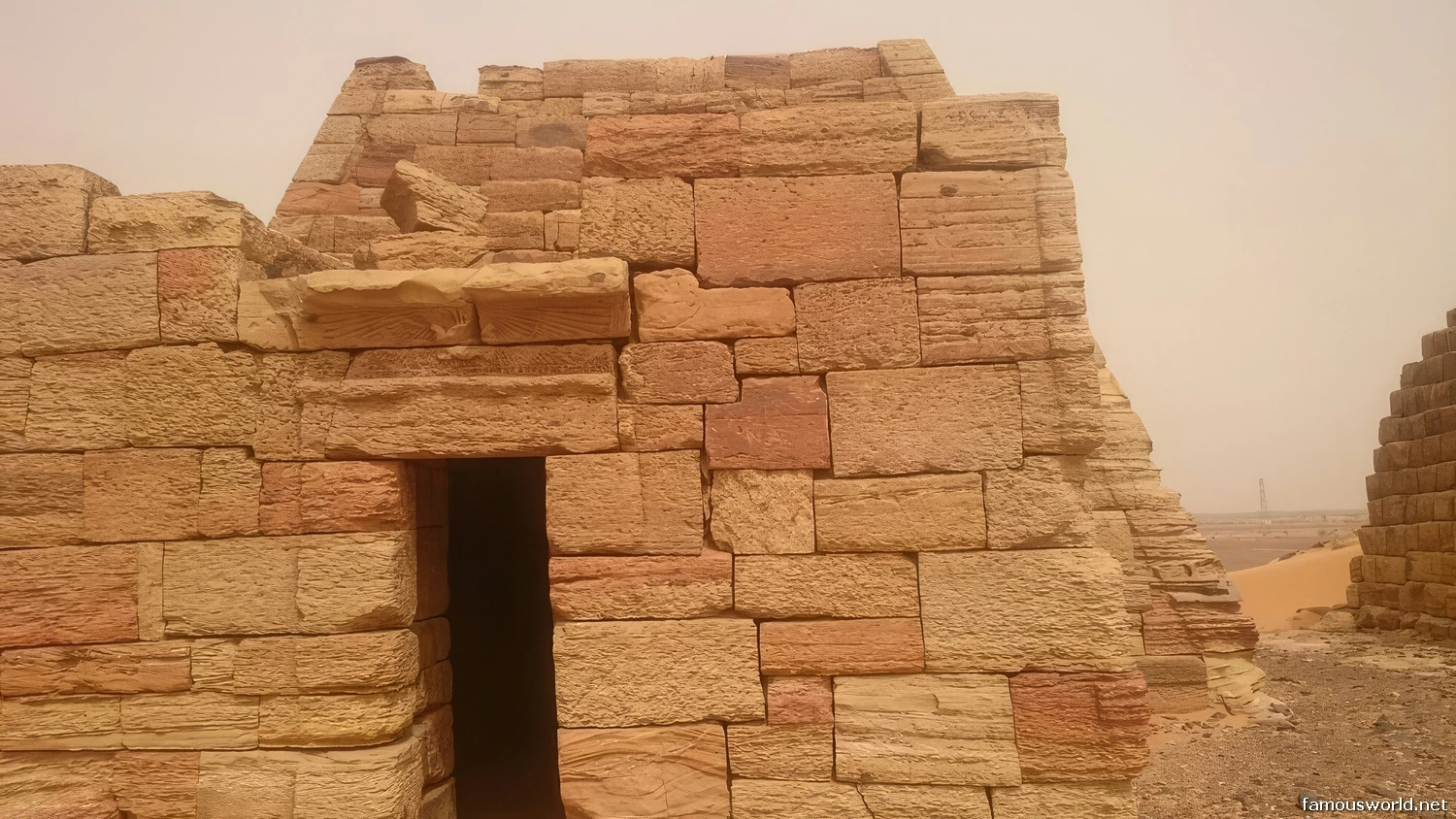
- Architectural Style: The Meroitic pyramids are distinctly different from their more famous Egyptian counterparts. They are significantly smaller, ranging from 6 to 30 meters (20 to 98 feet) in height, and are characterized by their very steep, narrow angles of inclination (around 70 degrees). Built from sandstone blocks, many originally had flat tops. The nearly 200 pyramids are clustered in three main groups (the North, South, and West cemeteries) and are associated with funerary chapels, which were once adorned with intricate reliefs blending Egyptian, Greco-Roman, and indigenous Kushite artistic styles.
What Makes It Famous
Meroe’s fame comes from its status as a stunning and unique archaeological treasure.
- Heart of the Kushite Kingdom: The pyramids served as the royal cemetery for Meroe, the southern capital of the Kingdom of Kush, for nearly 1,000 years (c. 300 BCE to 350 CE).
- Largest Collection of Nubian Pyramids: It is the most extensive and impressive site of Nubian pyramid construction, showcasing a style unique to this ancient African kingdom.
- UNESCO World Heritage Site: The site is recognized for its outstanding universal value as a testament to the powerful and culturally rich Kushite civilization.
- Symbol of a Forgotten Power: The pyramids are a powerful symbol of a pre-colonial African empire that held immense influence through trade and military might, controlling trade routes between Central Africa and the Mediterranean.
Differences from Other Wonders
The desert necropolis of Meroe offers a stark contrast to the coastal archipelago of Quirimbas.
- Environment (Arid Desert vs. Tropical Archipelago): Meroe is a land-locked, ancient site set within the harsh, arid environment of the Nubian Desert. The Quirimbas is a chain of tropical coral islands located in the warm waters of the Indian Ocean.
- Core Story (Ancient Royal Necropolis vs. Forgotten Trade Route): Meroe tells the story of an indigenous African kingdom’s power and its unique burial traditions. The Quirimbas tells the story of a forgotten colonial and Swahili trade route, with a blend of natural and historical elements.
- Primary Attraction (Pyramids and Tombs vs. Historic Ruins and Marine Life): The singular draw of Meroe is its stunning collection of ancient pyramids. The primary attractions of the Quirimbas are the historical ruins of Ibo Island and the pristine marine environment.
- Atmosphere (Ancient and Monumental vs. Adventurous and Coastal): Meroe evokes a sense of ancient history, monumental grandeur, and desert solitude. The Quirimbas has an adventurous, rustic, and distinctly coastal atmosphere.
Location on world map