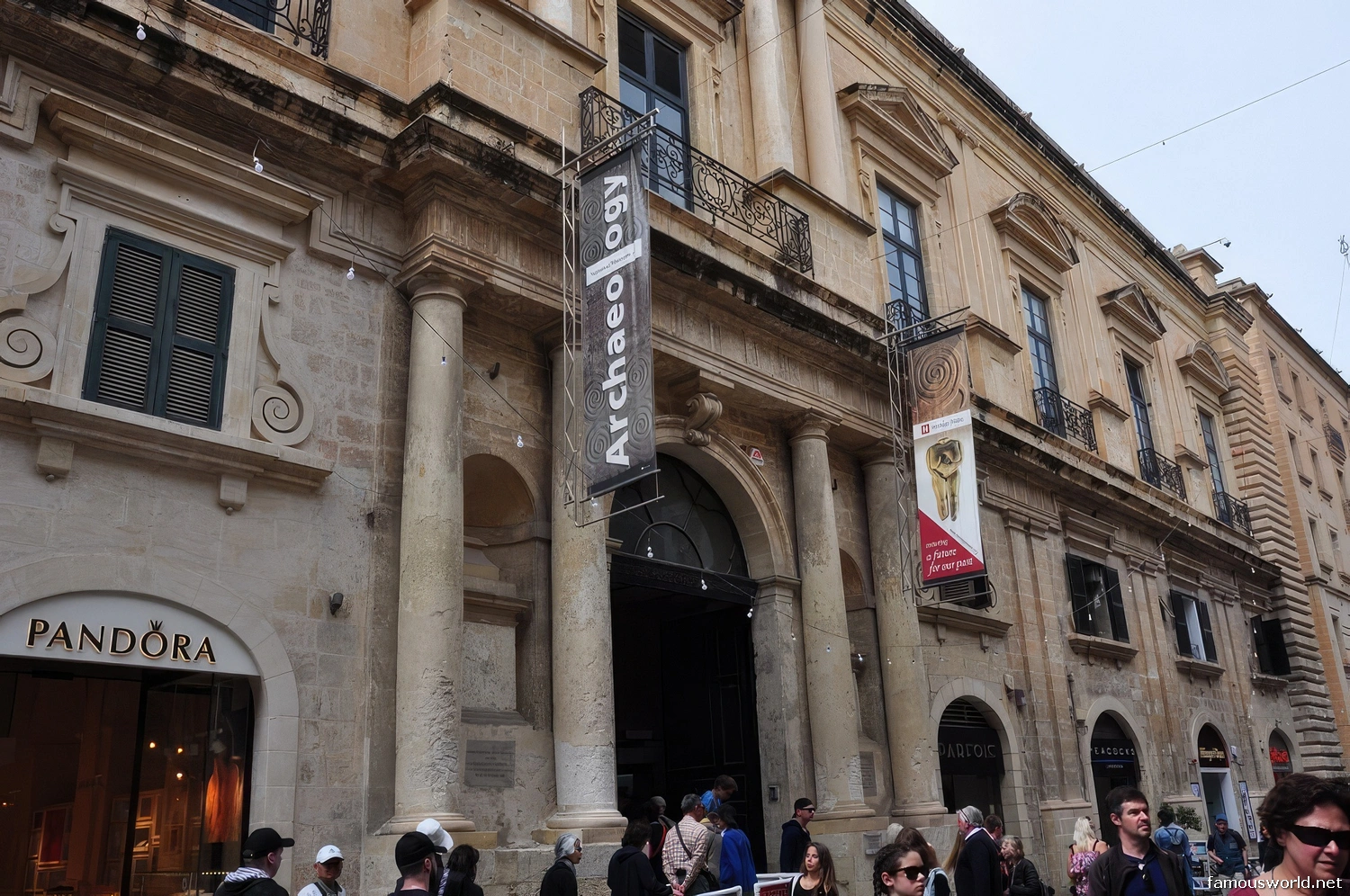

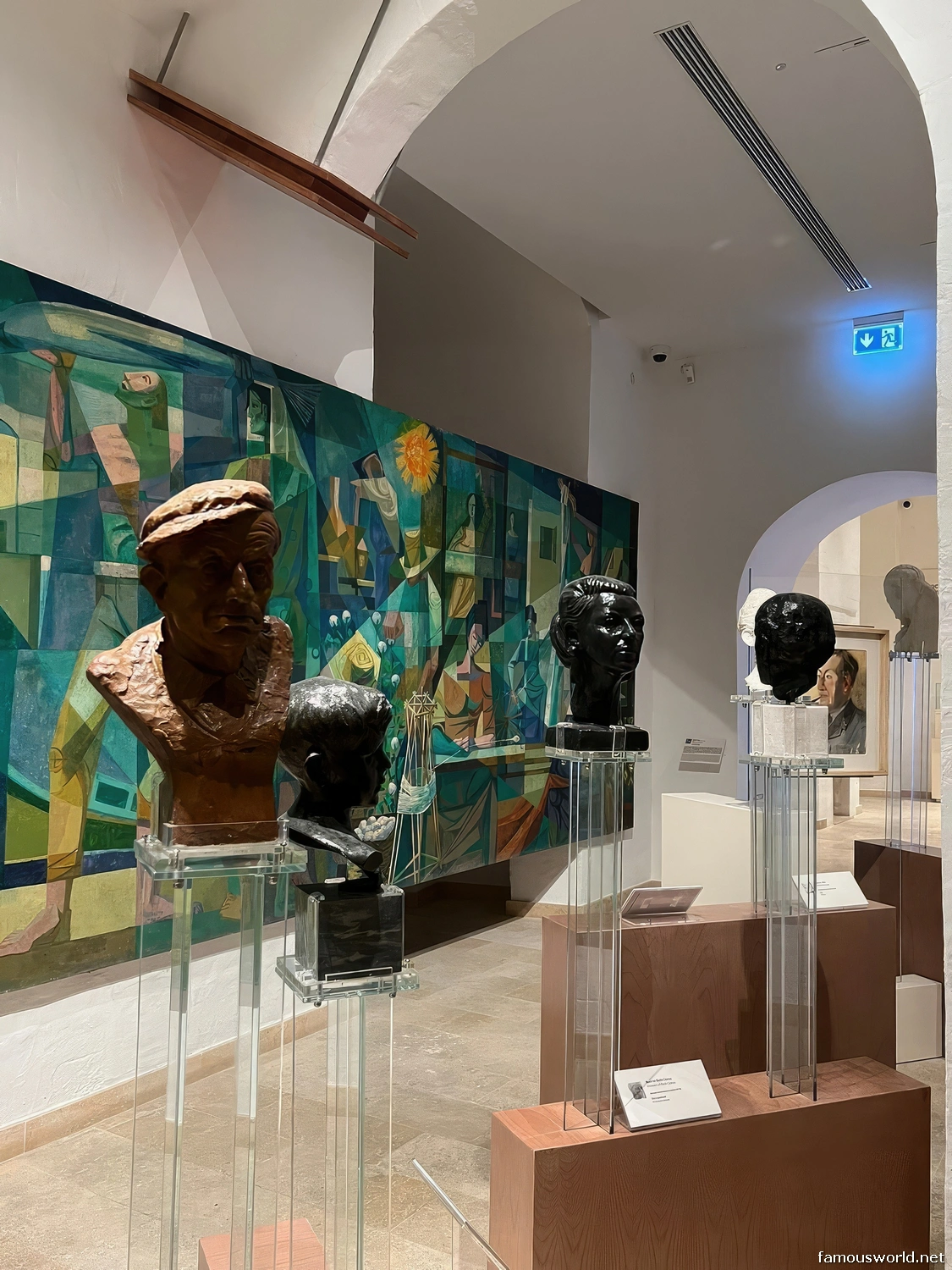
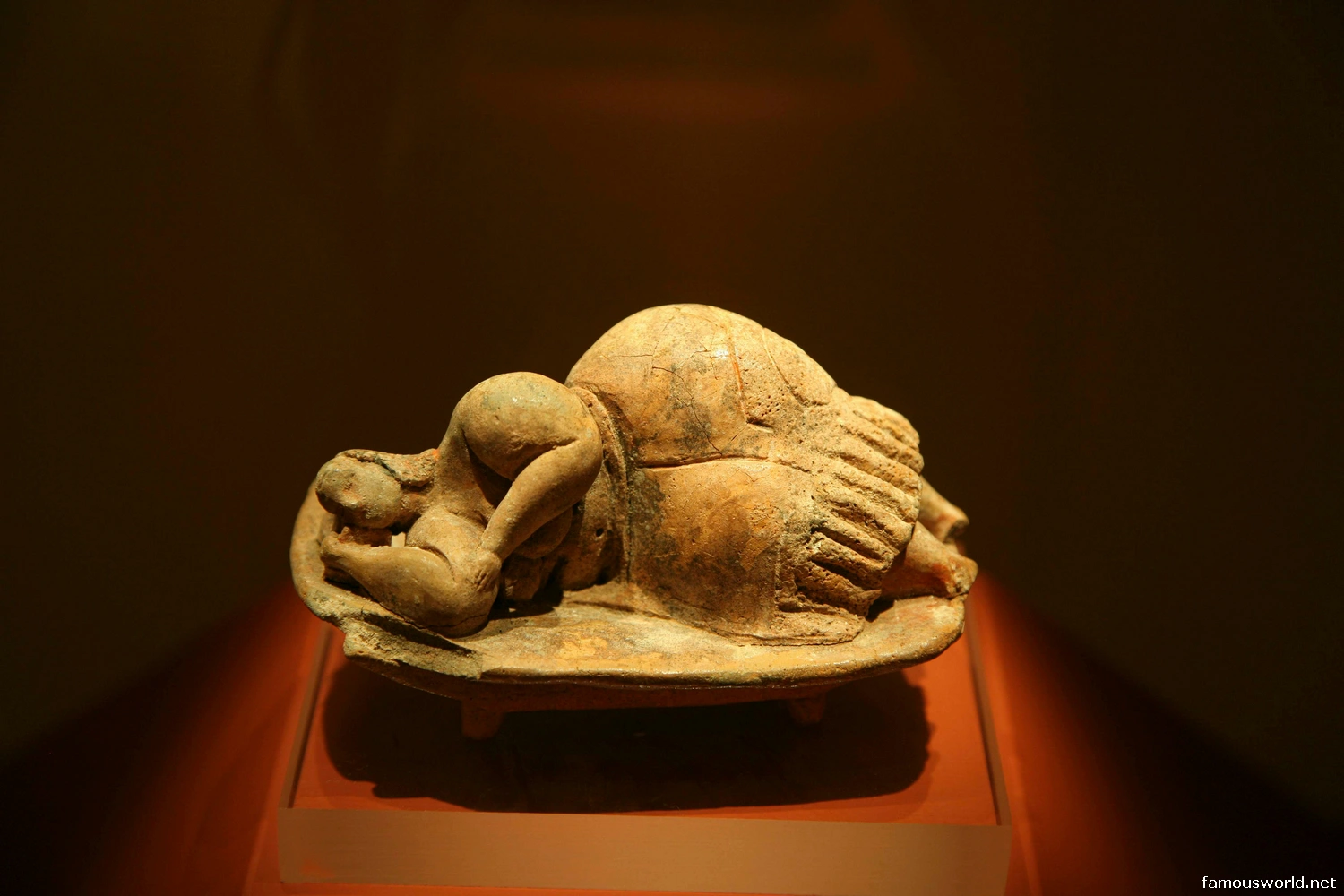
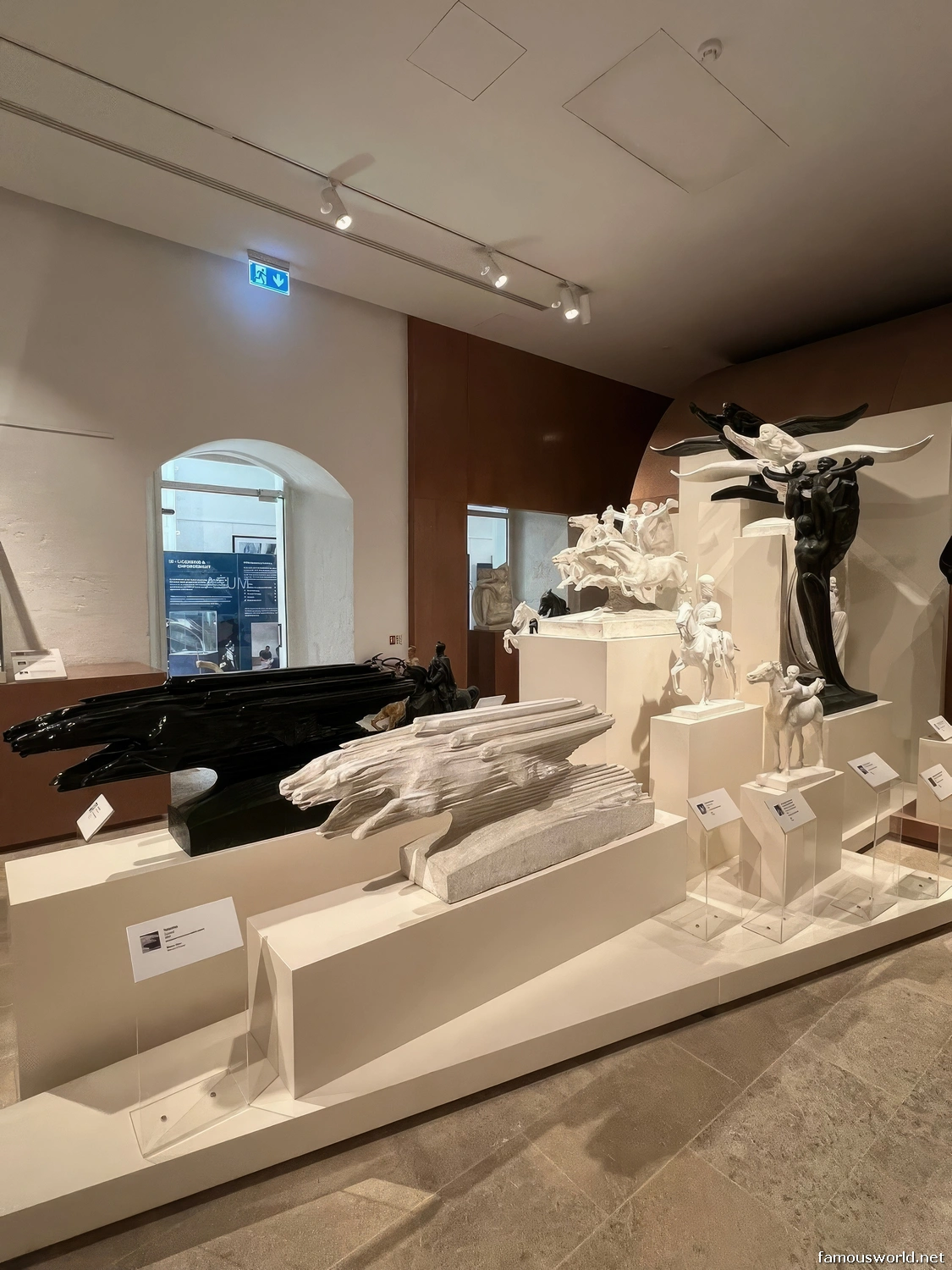
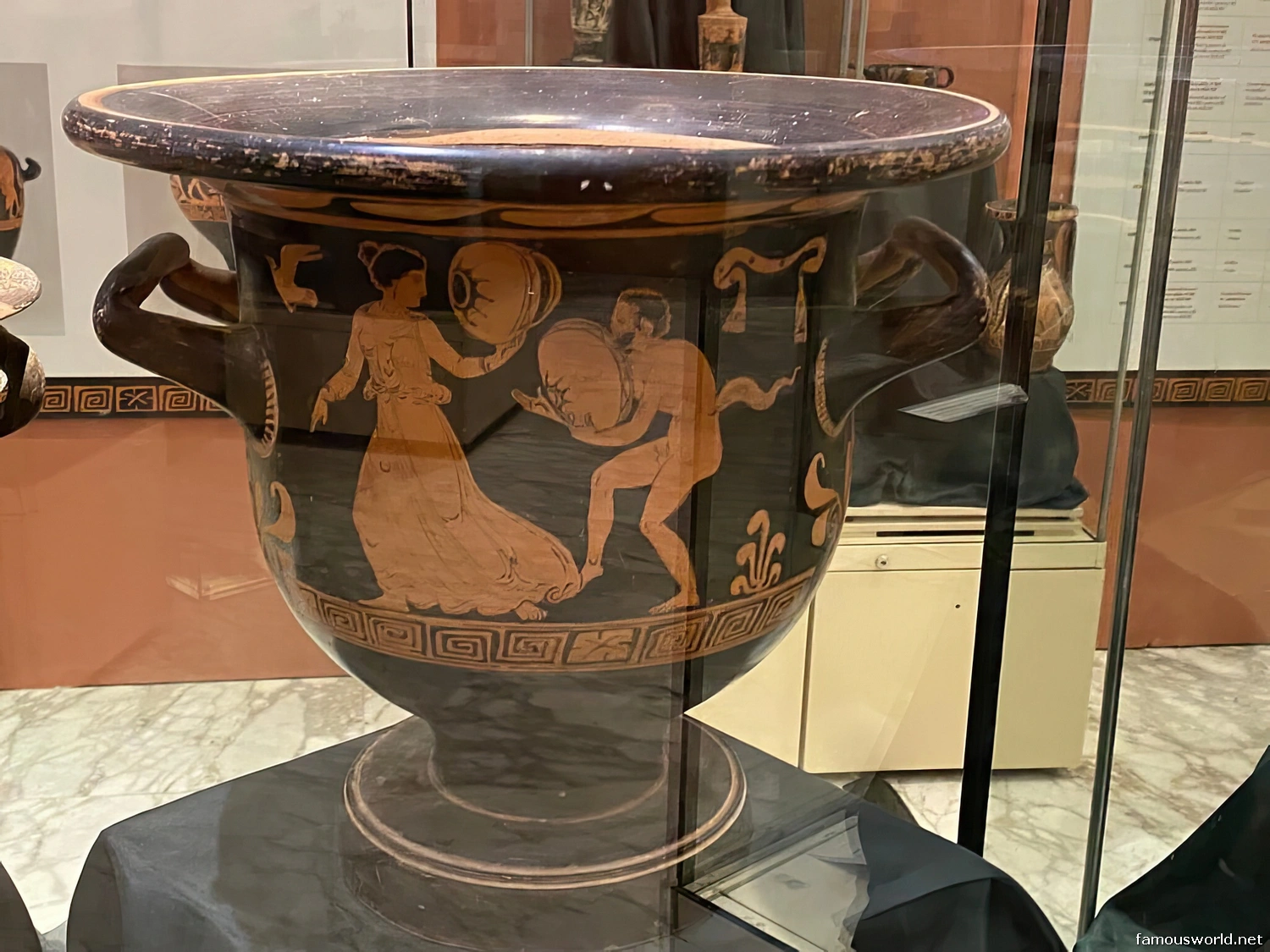
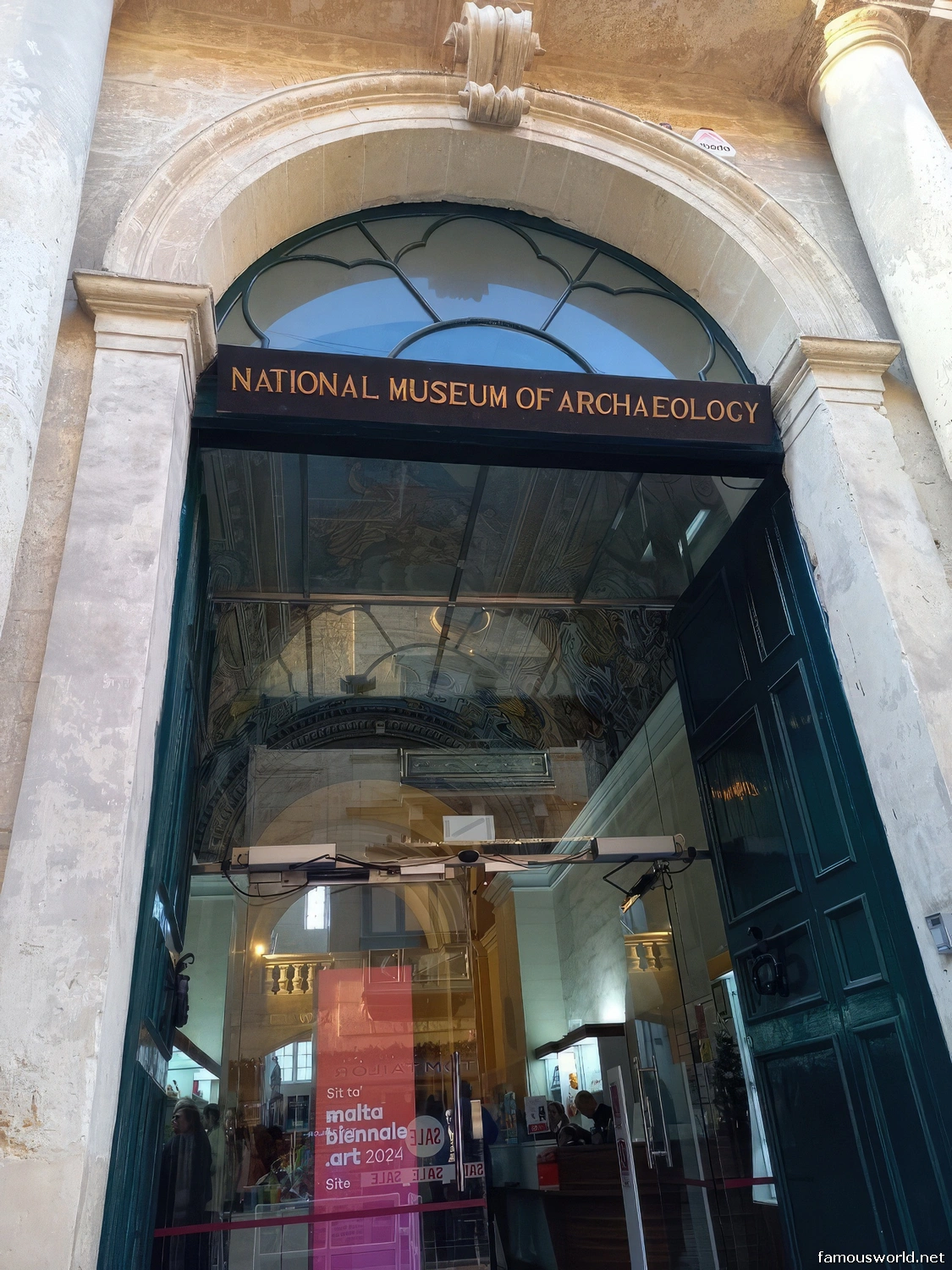
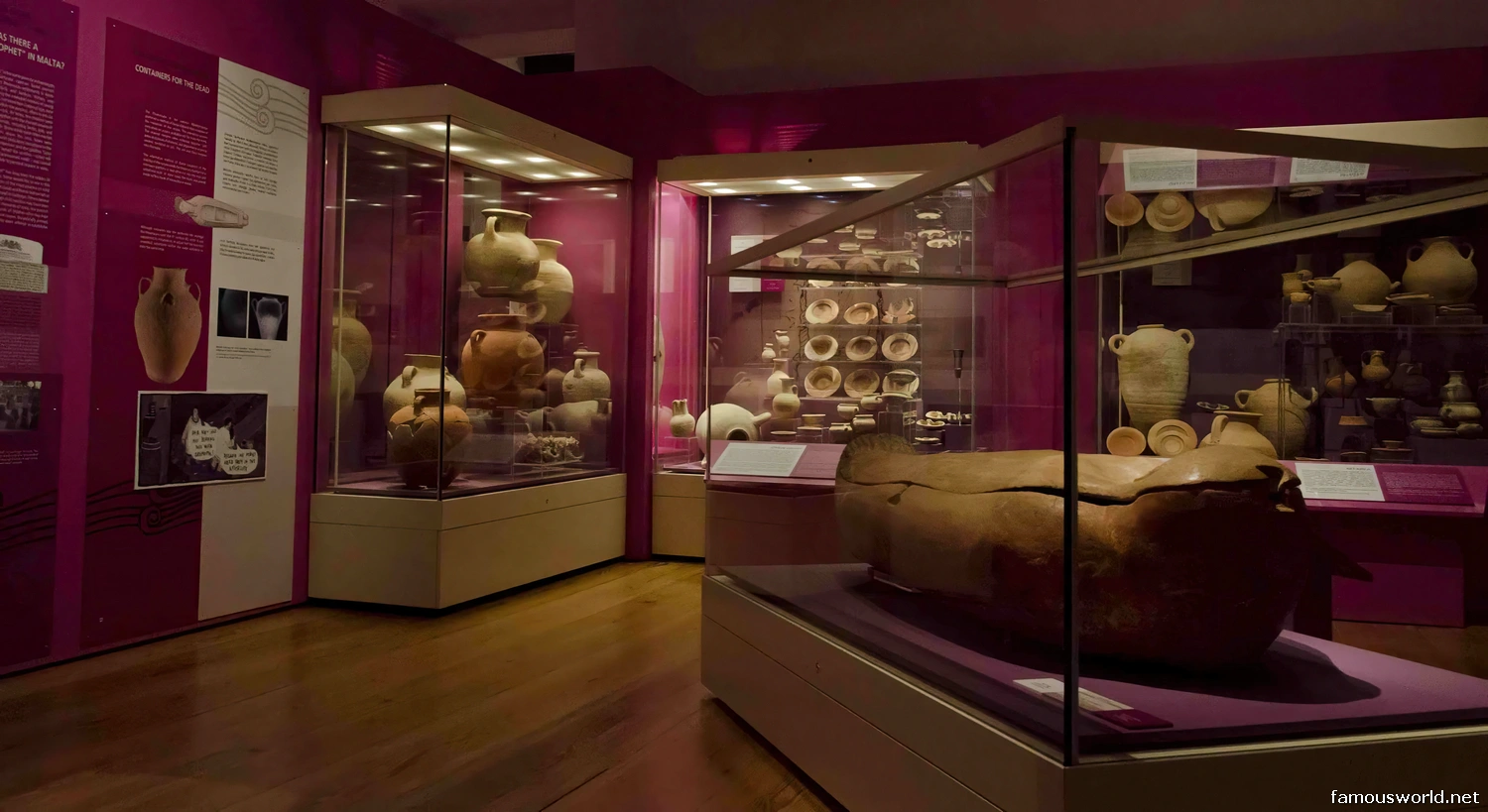
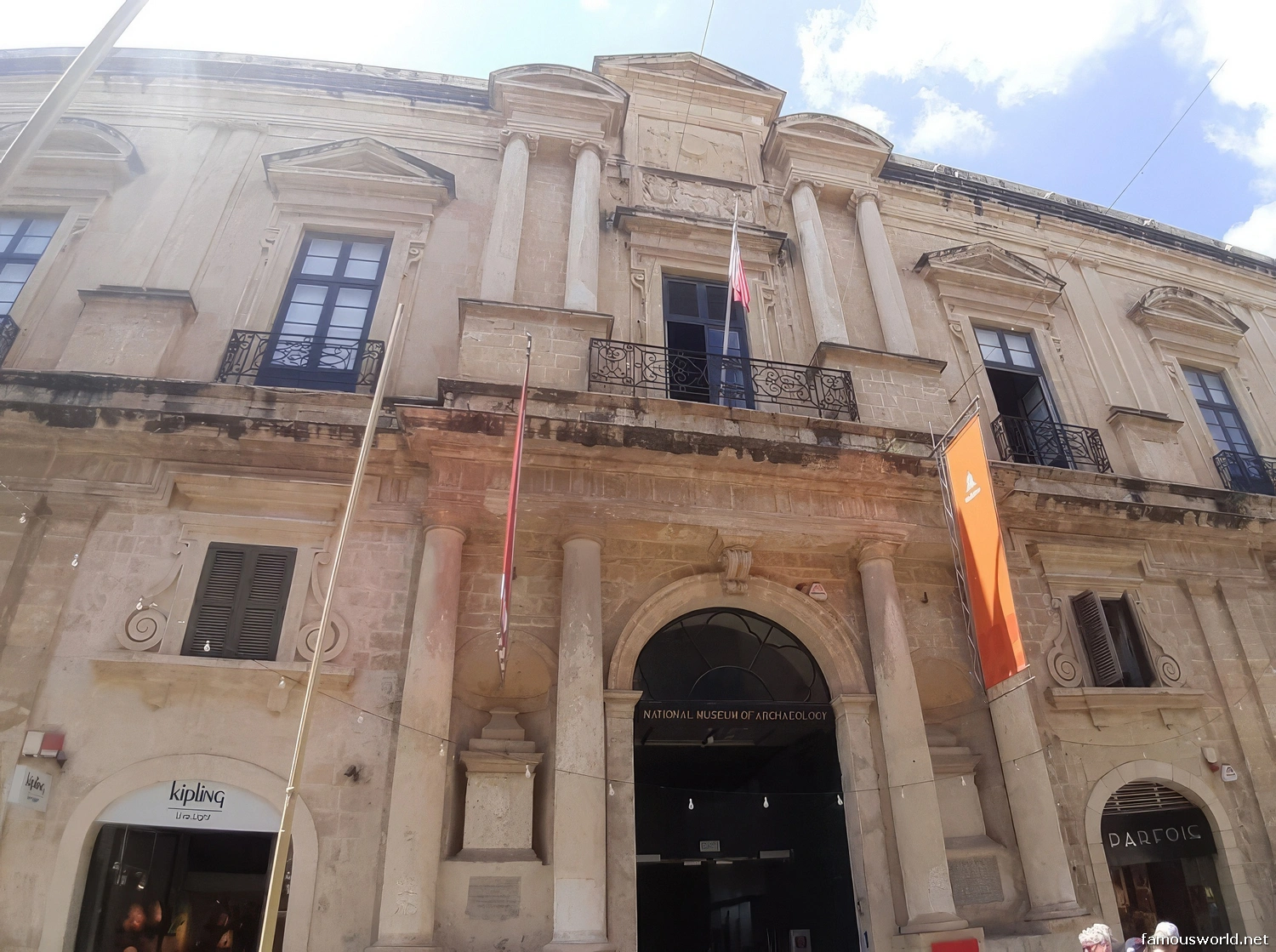
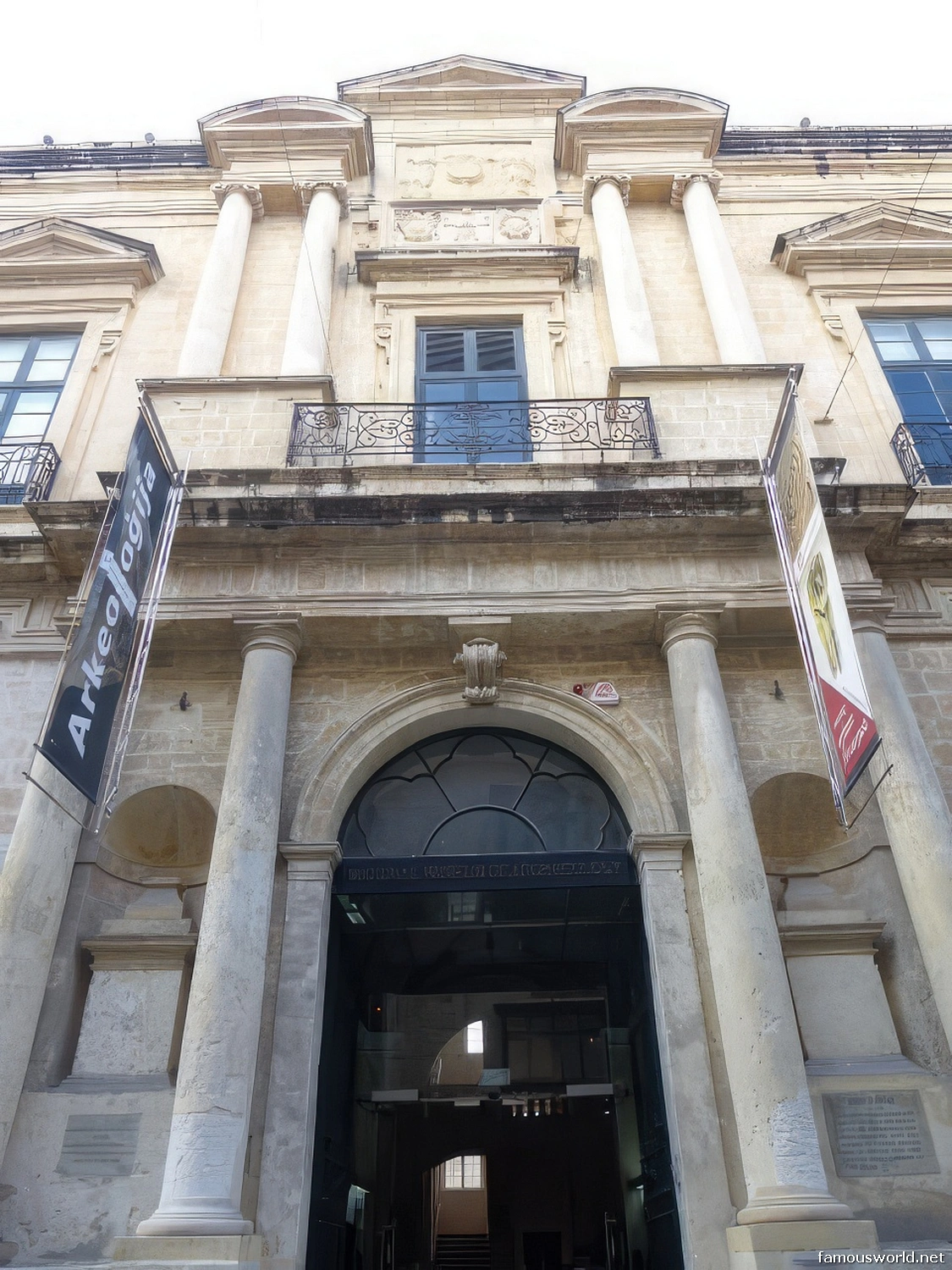
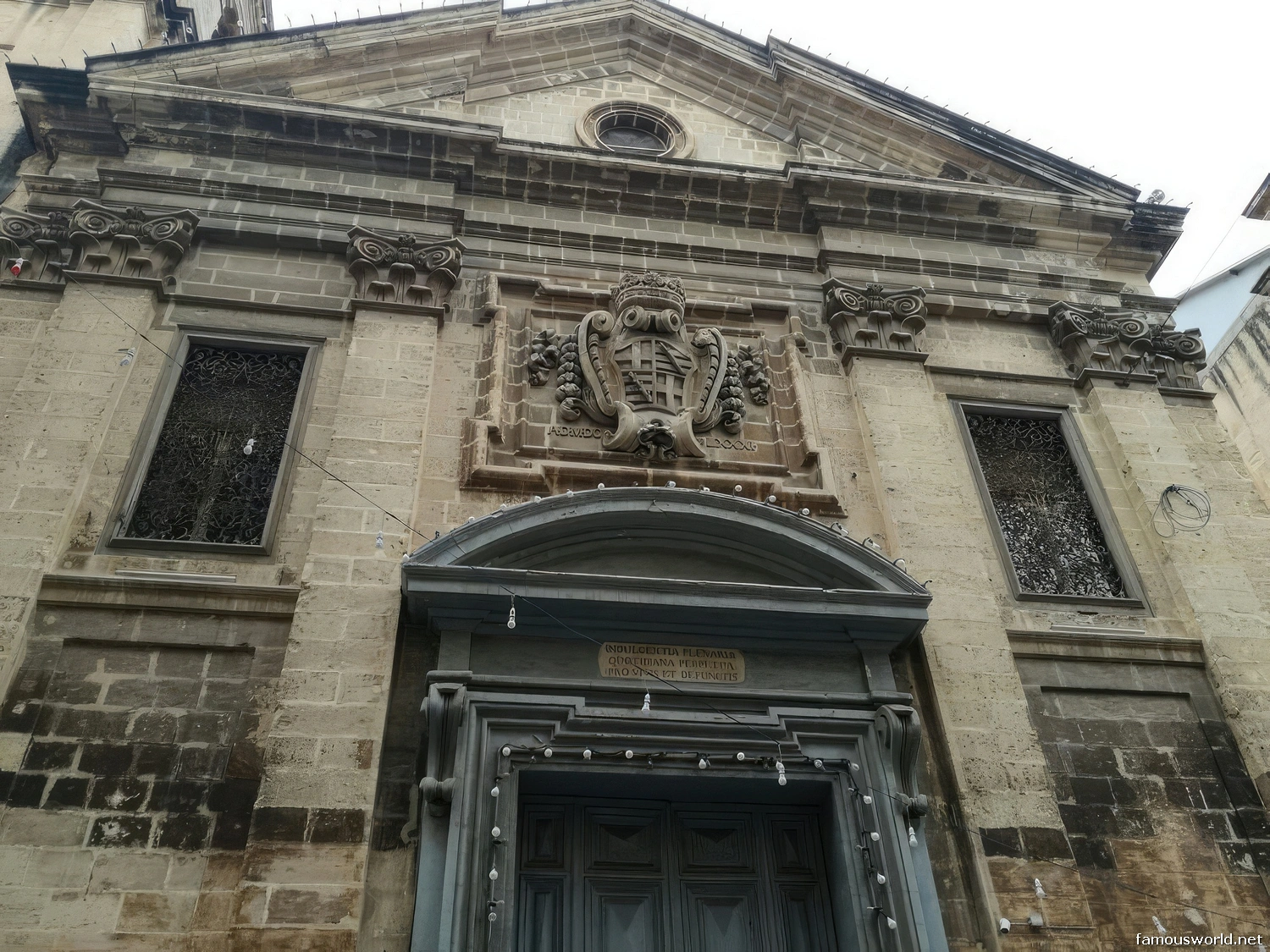
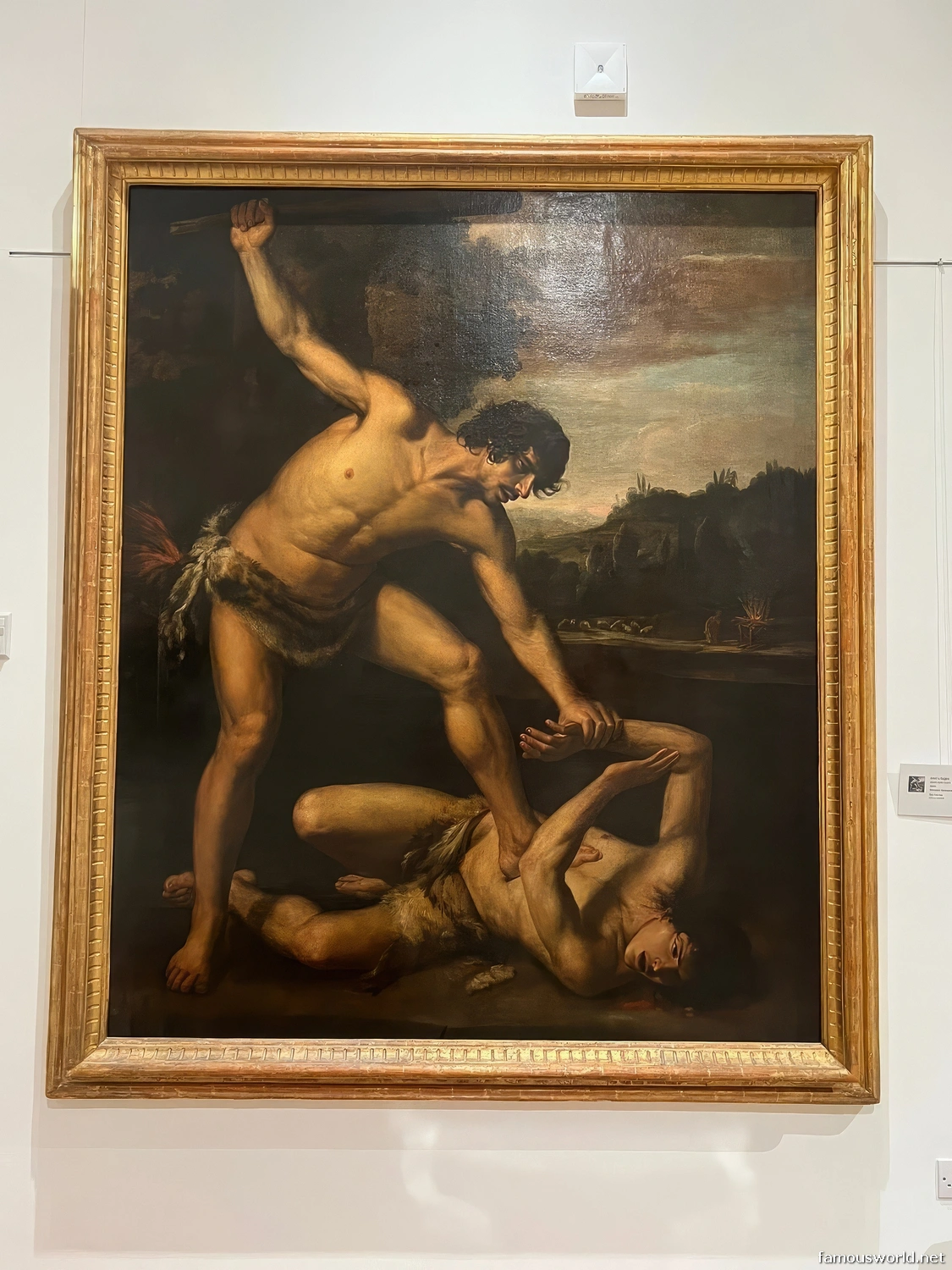
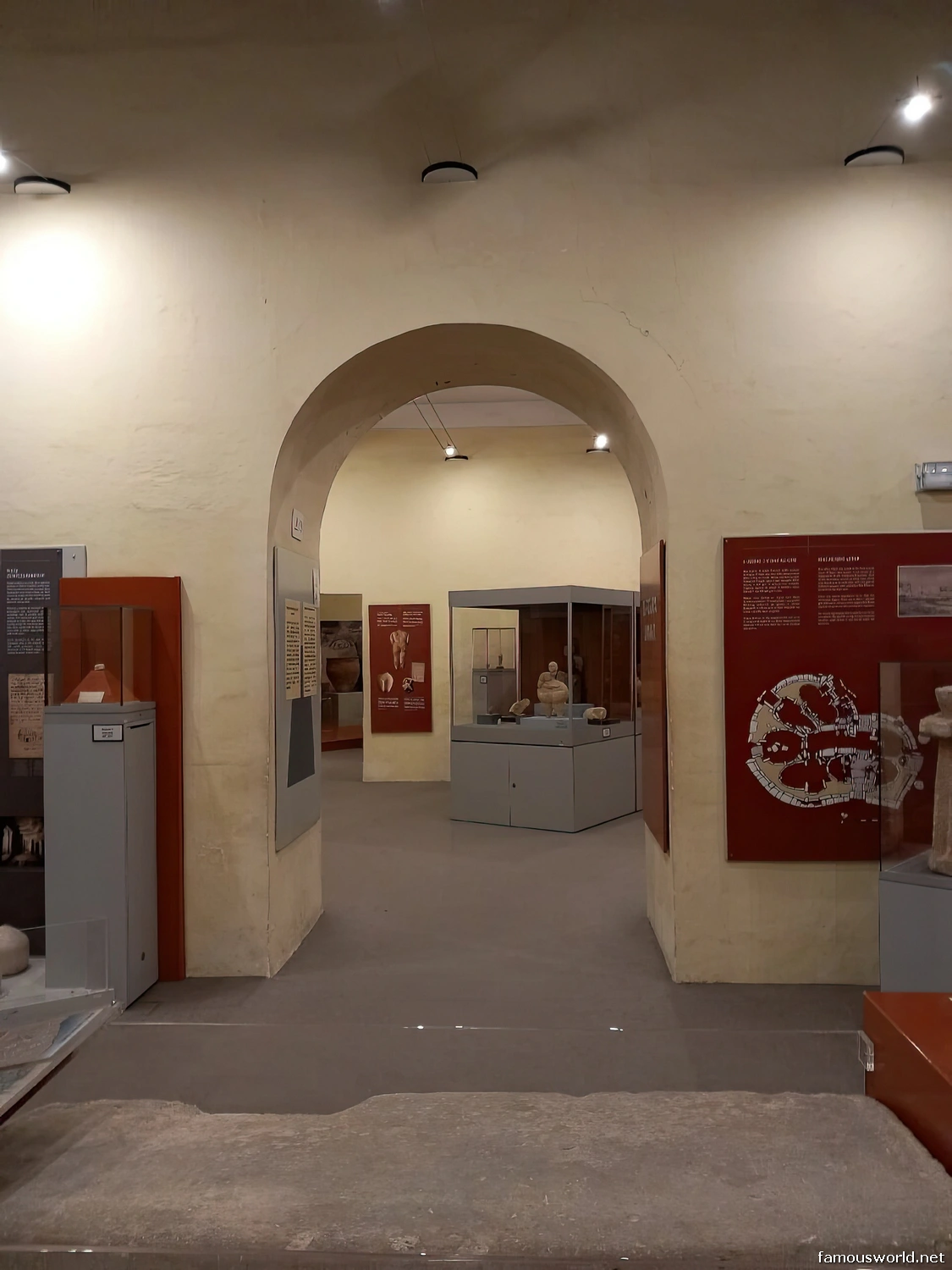
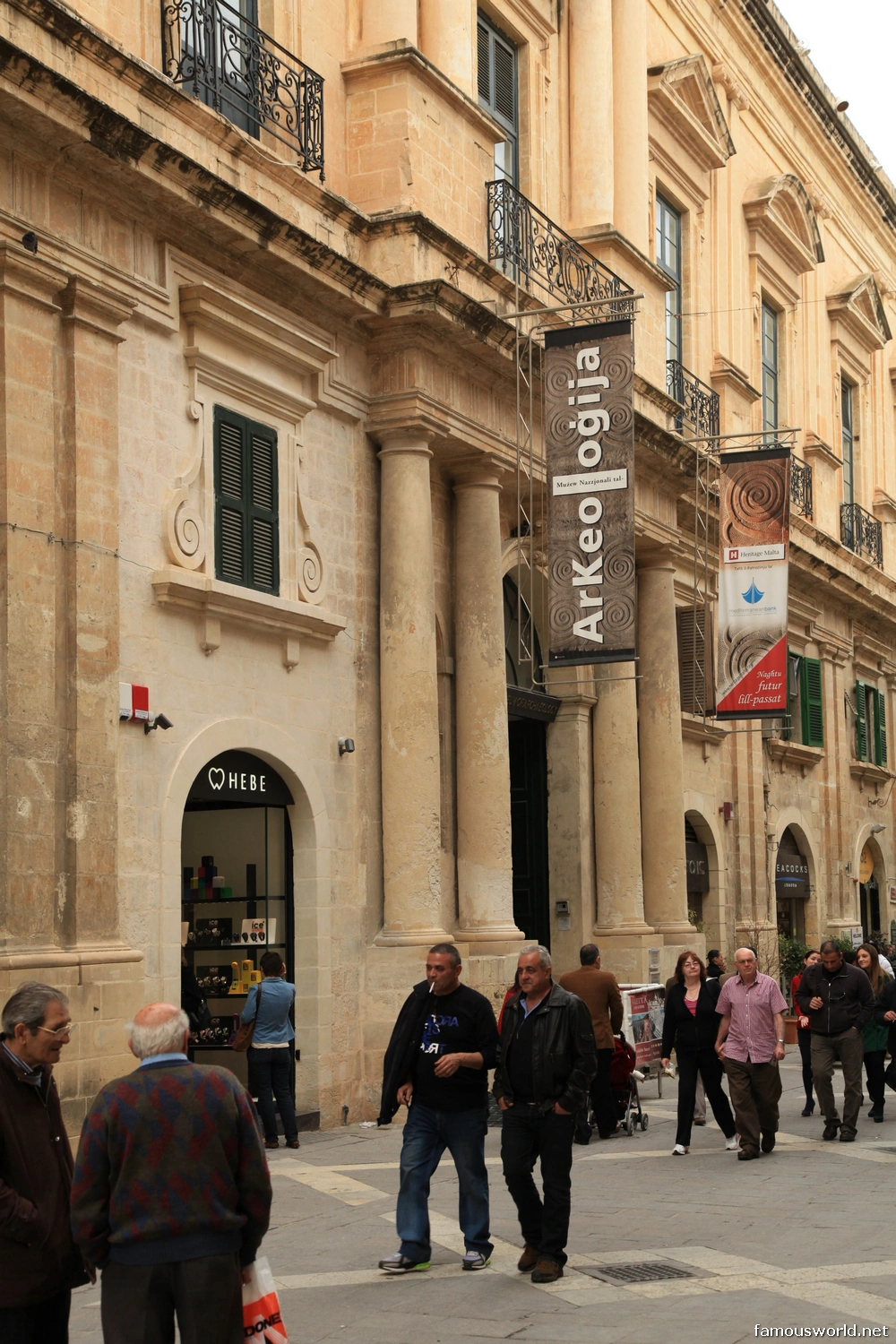
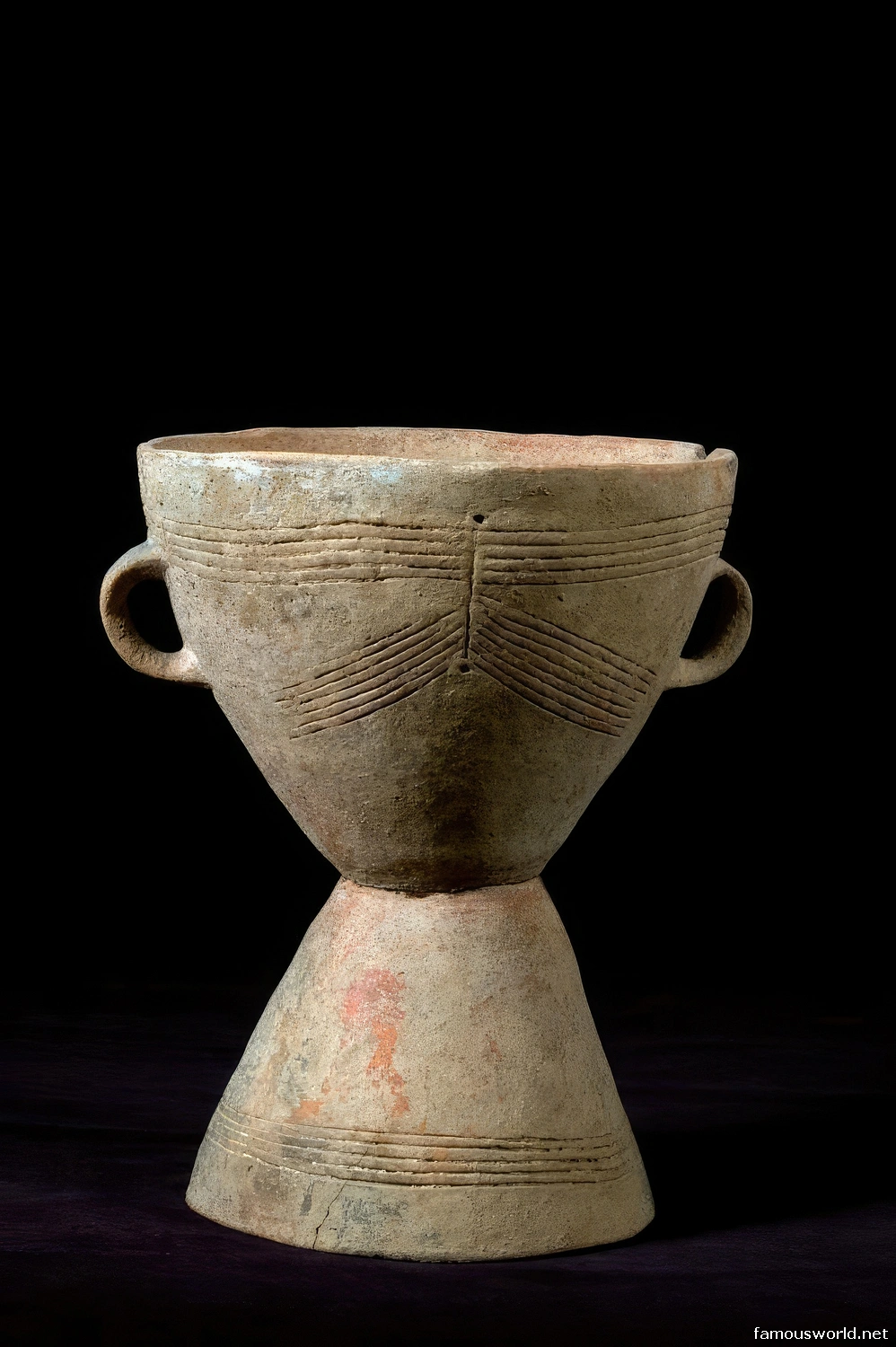
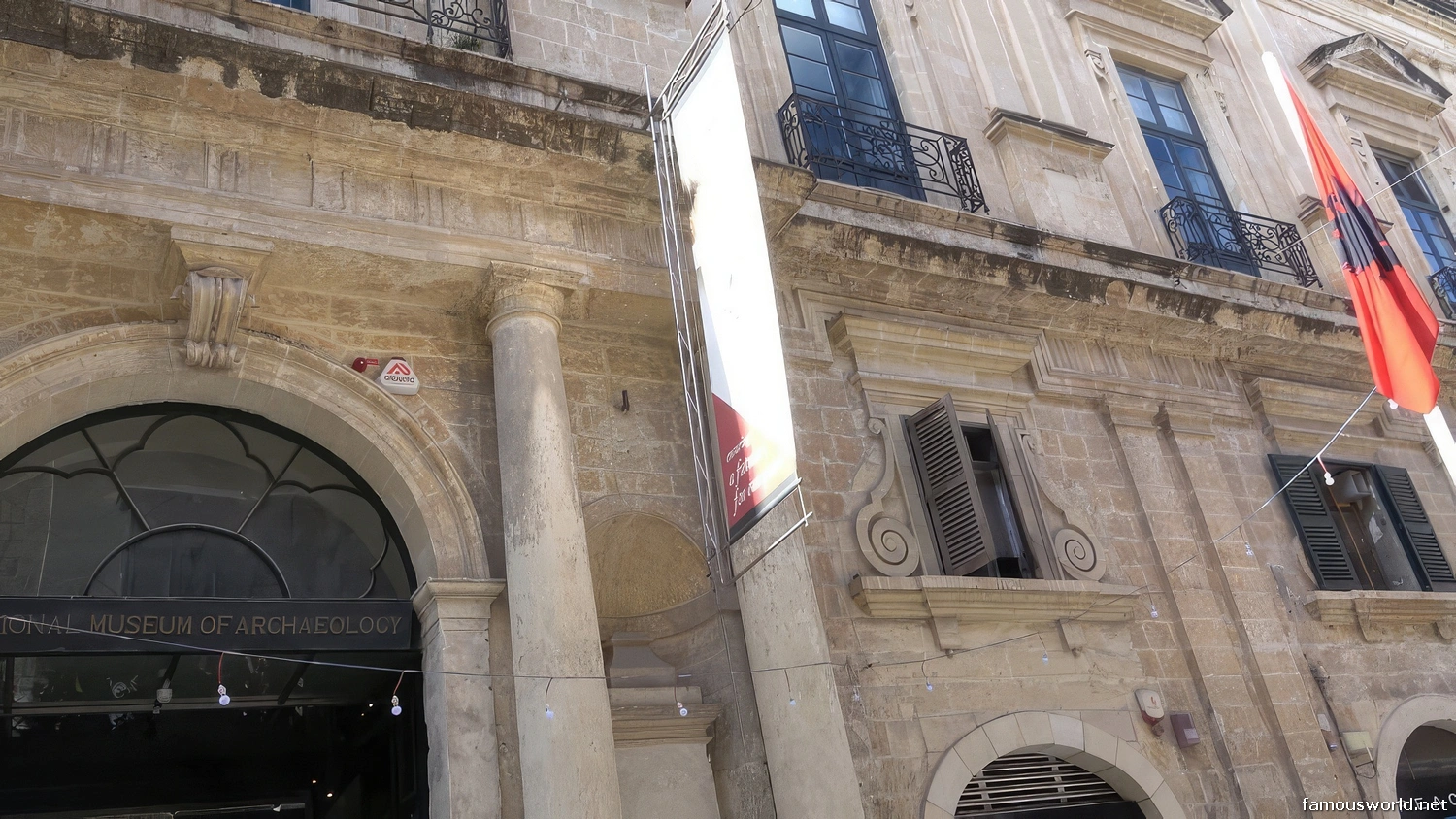
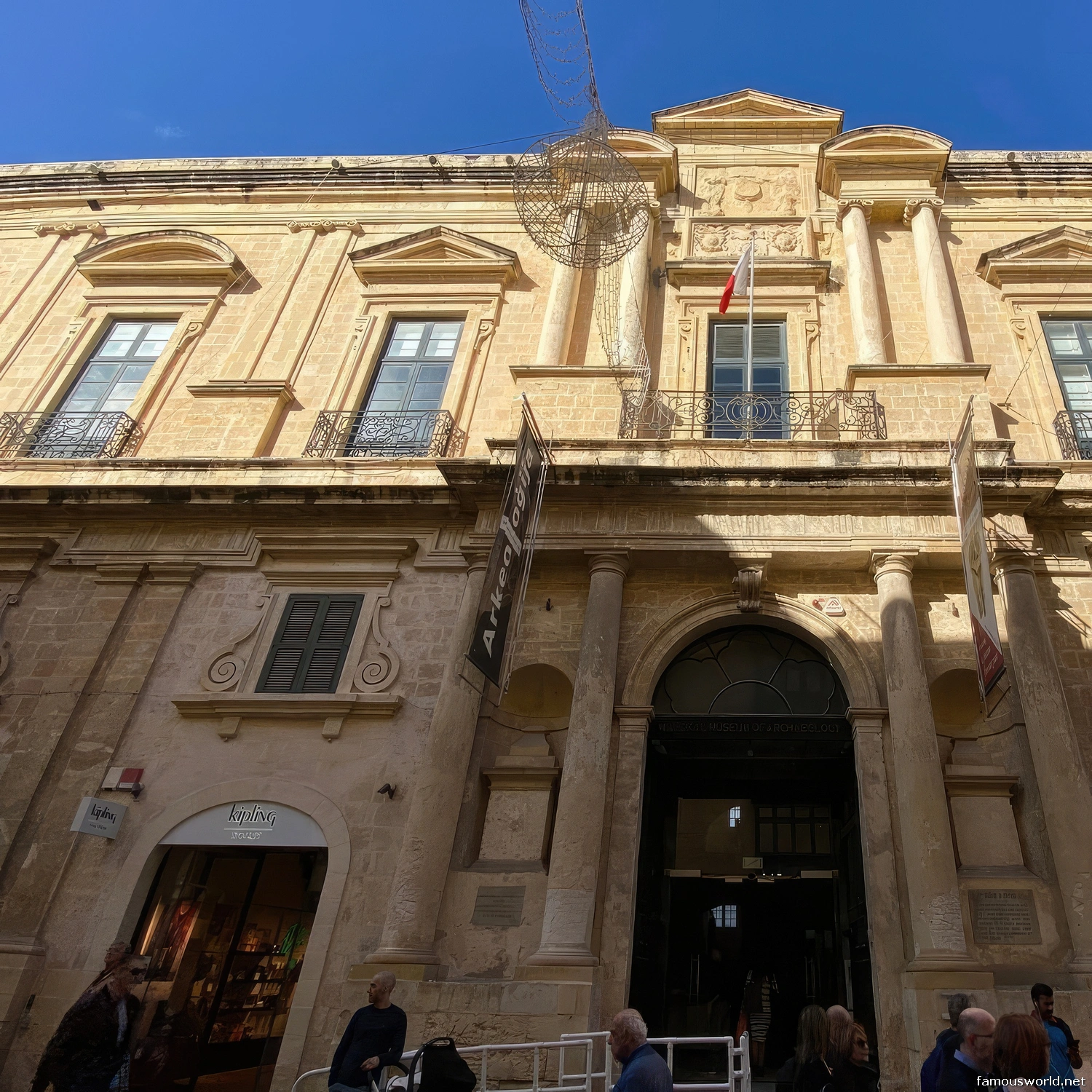
Housed within one of Valletta’s most magnificent Baroque palaces, the National Museum of Archaeology is the keeper of Malta’s unparalleled prehistoric heritage. The museum is located in the Auberge de Provence, a grand building that once served the Knights of St. John, and its ornate halls now protect artifacts far older than the knights themselves. This is the essential introduction to the island’s unique Neolithic culture, a civilization that built the oldest freestanding stone temples in the world. The museum is famous for its collection of exquisite and enigmatic figurines, including the world-renowned “Sleeping Lady,” which together offer a glimpse into the sophisticated and mysterious society that flourished on these islands thousands of years ago.
Listen to an introduction about National Museum of Archaeology, Malta

Name and Location
- Name: National Museum of Archaeology (Mużew Nazzjonali tal-Arkeoloġija).
- Location: In the heart of Valletta, the capital city of Malta, on Republic Street.
How to Get There
The museum’s central location in Valletta makes it very easy to visit.
- By Bus: Valletta is the central hub for Malta’s public bus network. Nearly all routes terminate at the main bus station just outside the city gates. From there, the museum is a pleasant 10-minute walk down the city’s main thoroughfare, Republic Street.
- By Ferry: A ferry service connects Sliema and the Three Cities to Valletta, offering a scenic approach. The museum is a short, uphill walk from the ferry terminals.
- By Car: Driving into Valletta is not recommended for visitors due to restricted traffic zones and limited parking. It is best to park outside the city and walk or use public transport.
Landscape and Architecture
The museum’s setting is as impressive as its collection. It is not a modern building but a historic architectural masterpiece.
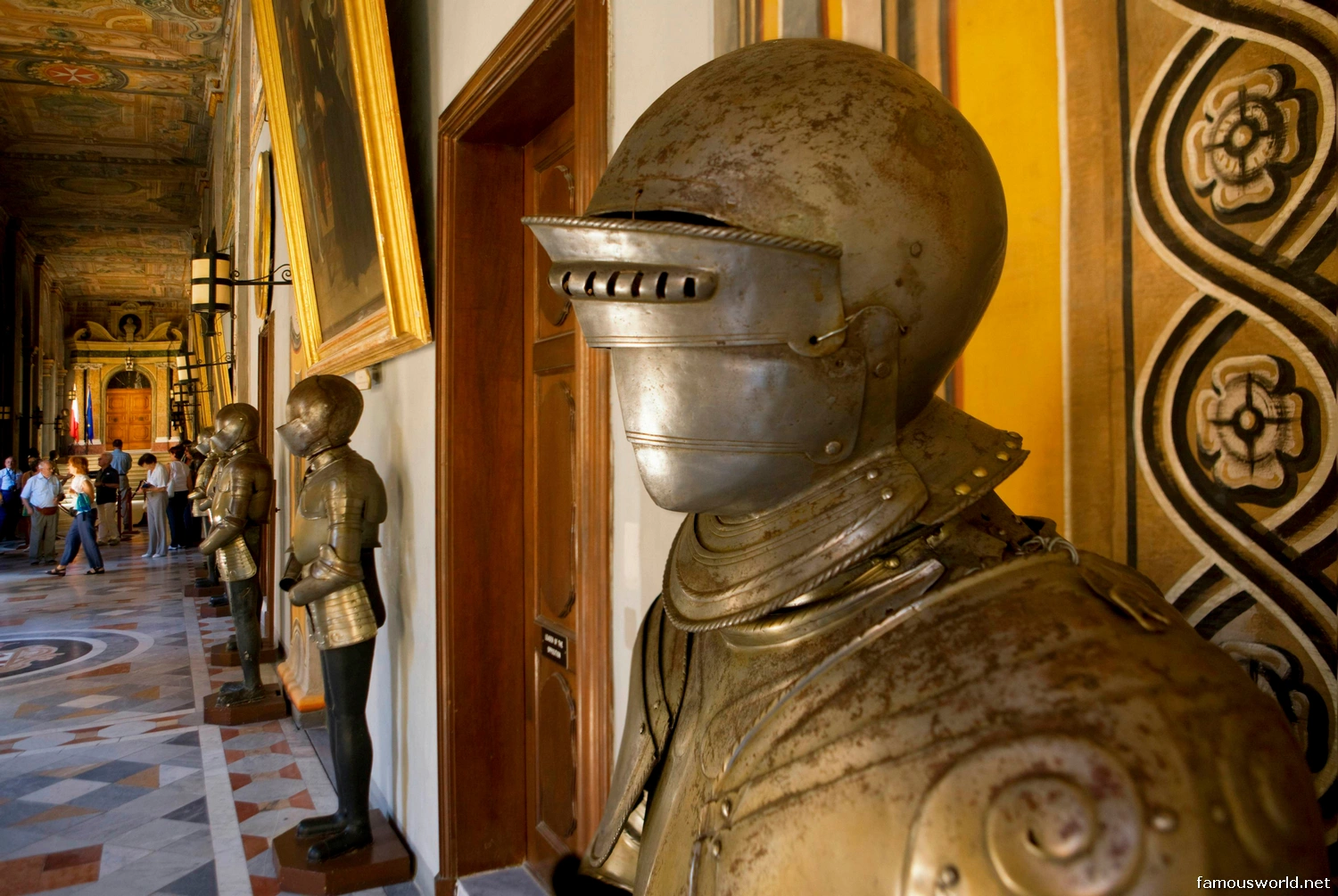
- Auberge de Provence: The museum is housed in a stunning Baroque palace built in the 1570s to be the official auberge (inn) for the Knights of the Order of St. John from the langue of Provence.
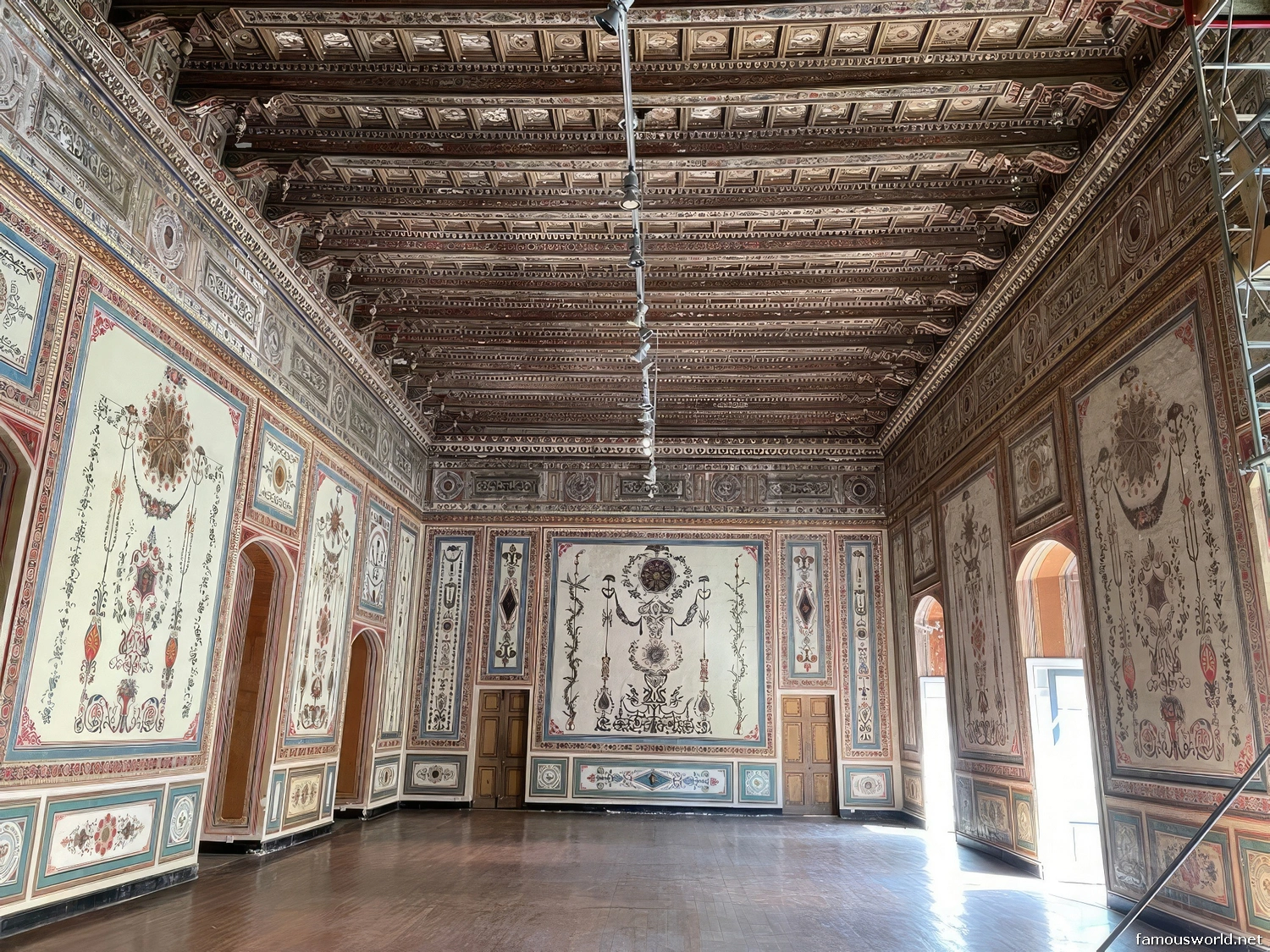
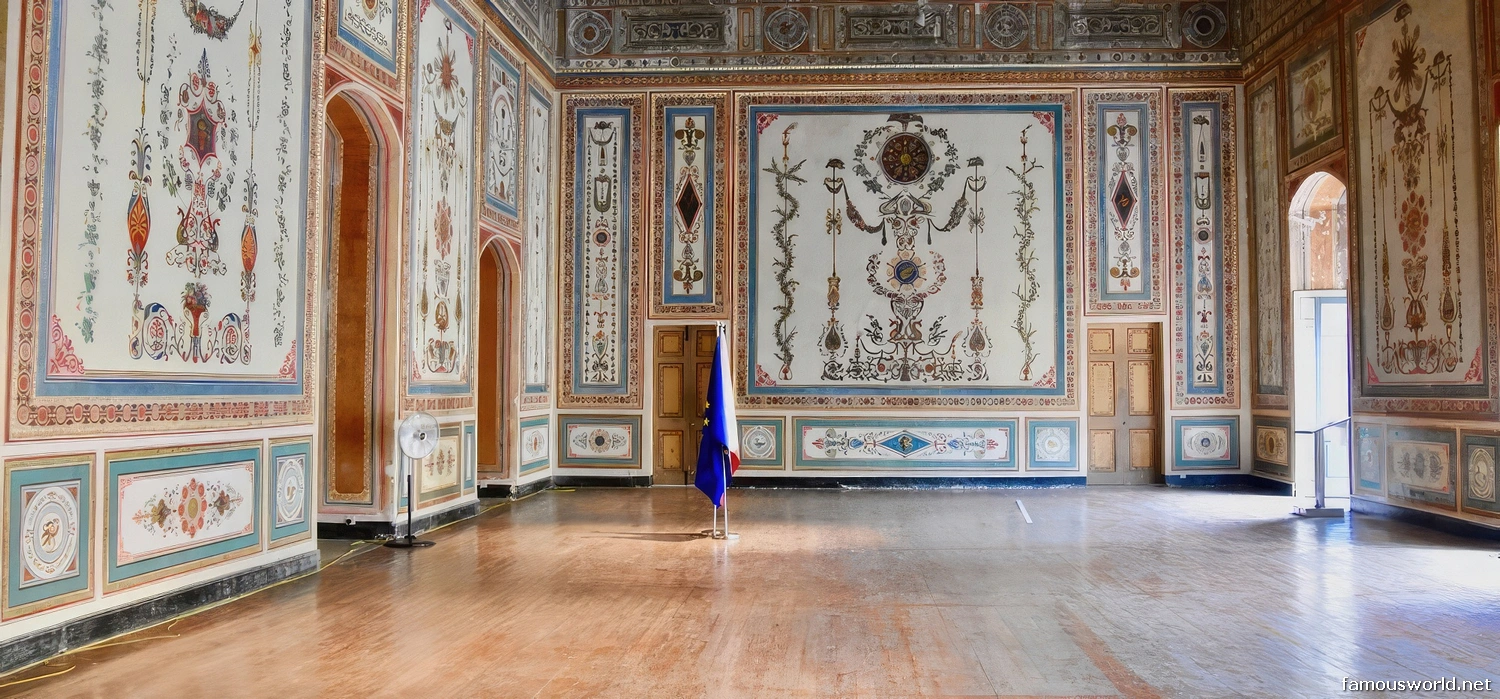
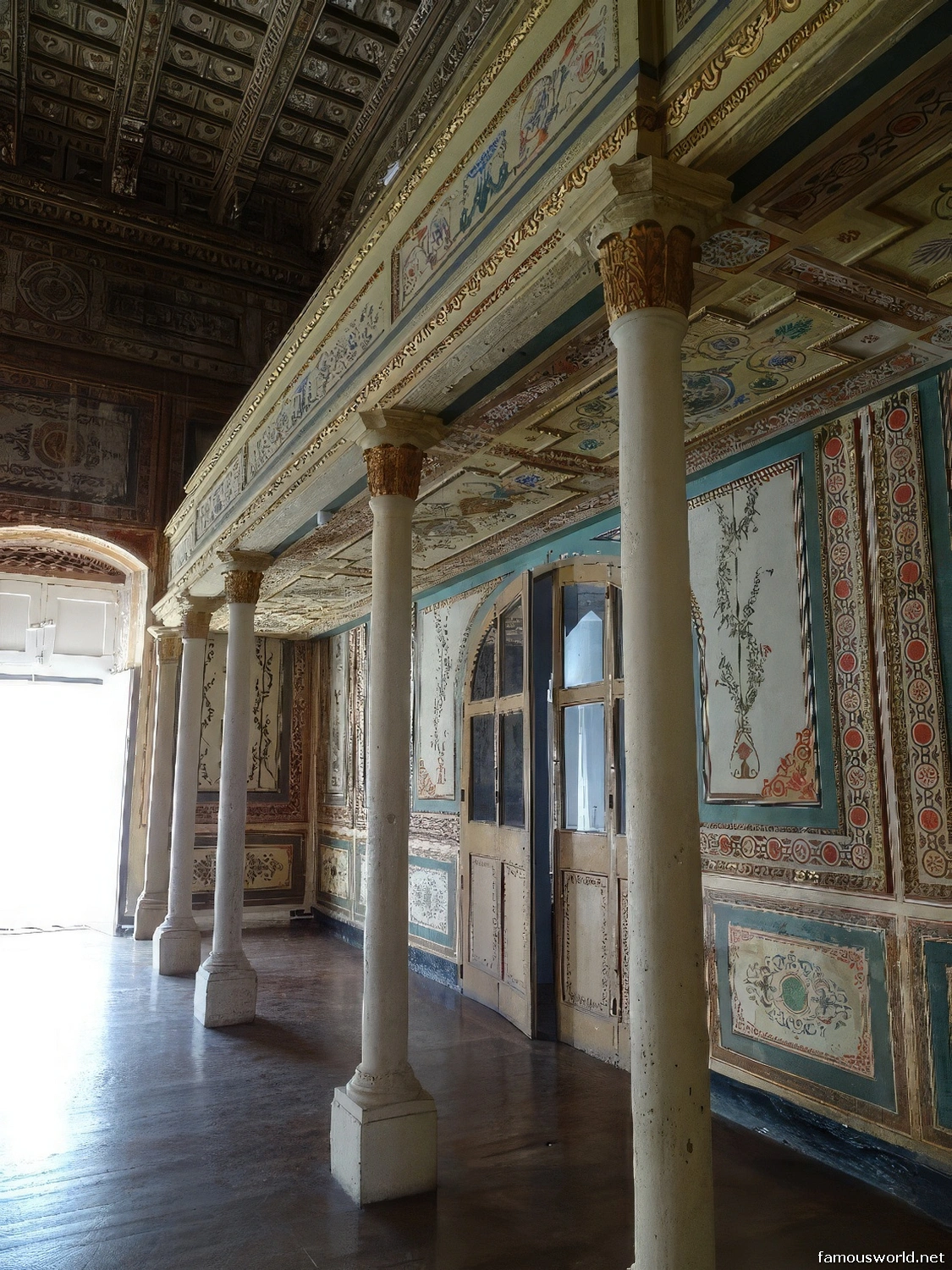
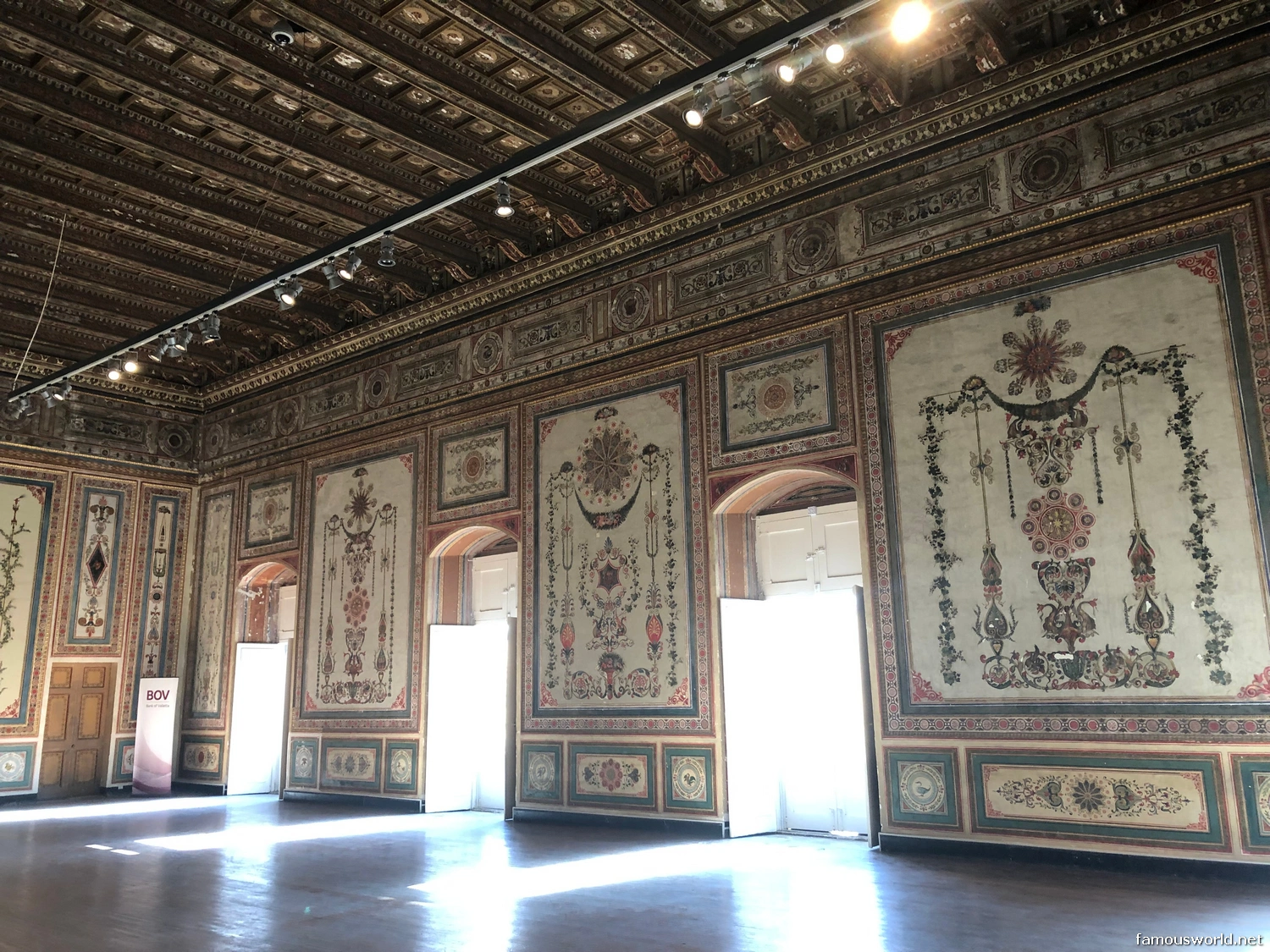
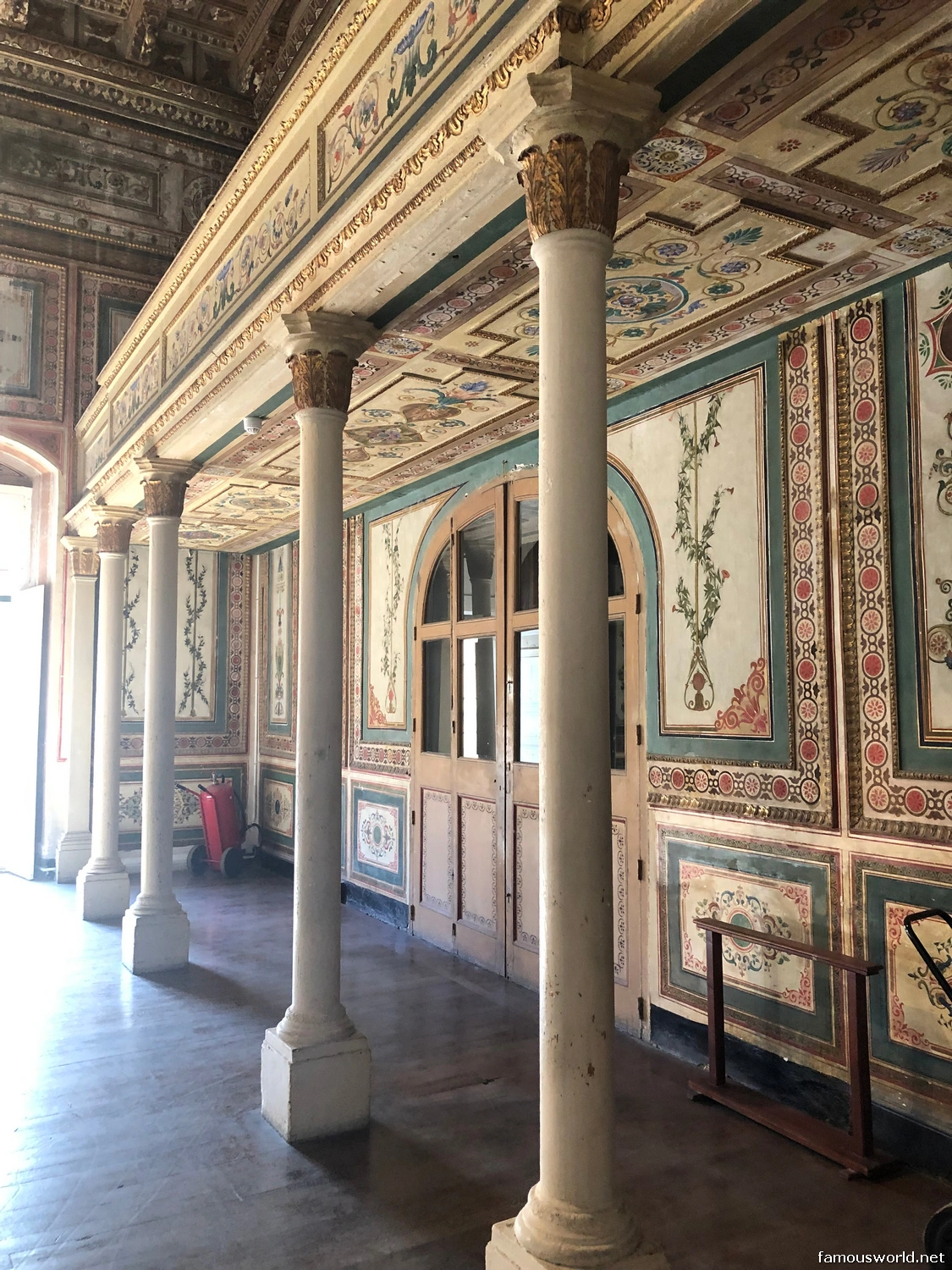
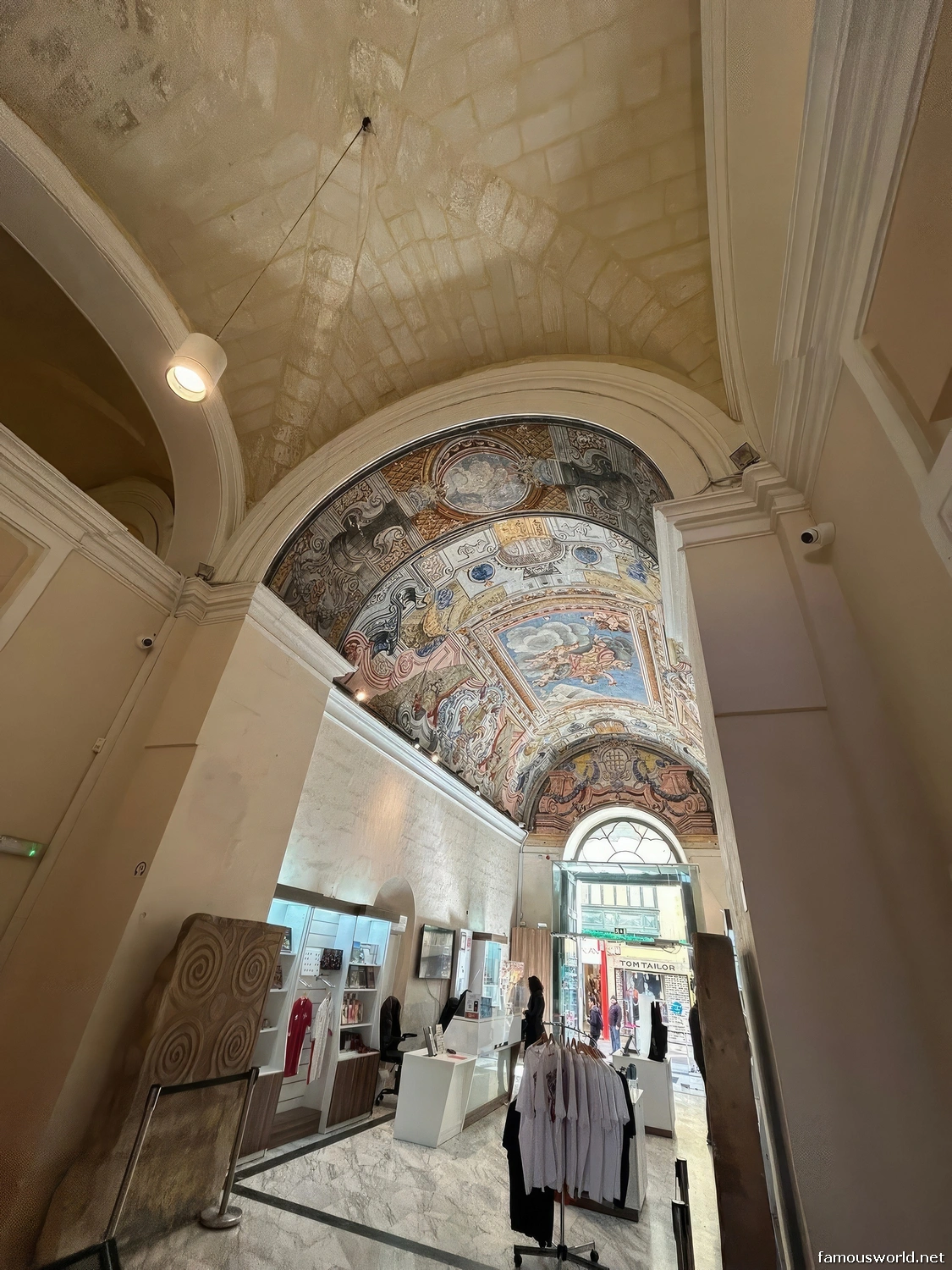
- The Grand Salon: The museum’s main exhibition hall on the first floor is the spectacular Gran Salone, a richly decorated hall with painted walls and a beamed ceiling that is a work of art in itself.
- Baroque Splendor: The building’s architecture, with its grand staircase and ornate details, provides a striking and beautiful contrast to the ancient, minimalist artifacts it contains.
What Makes It Famous
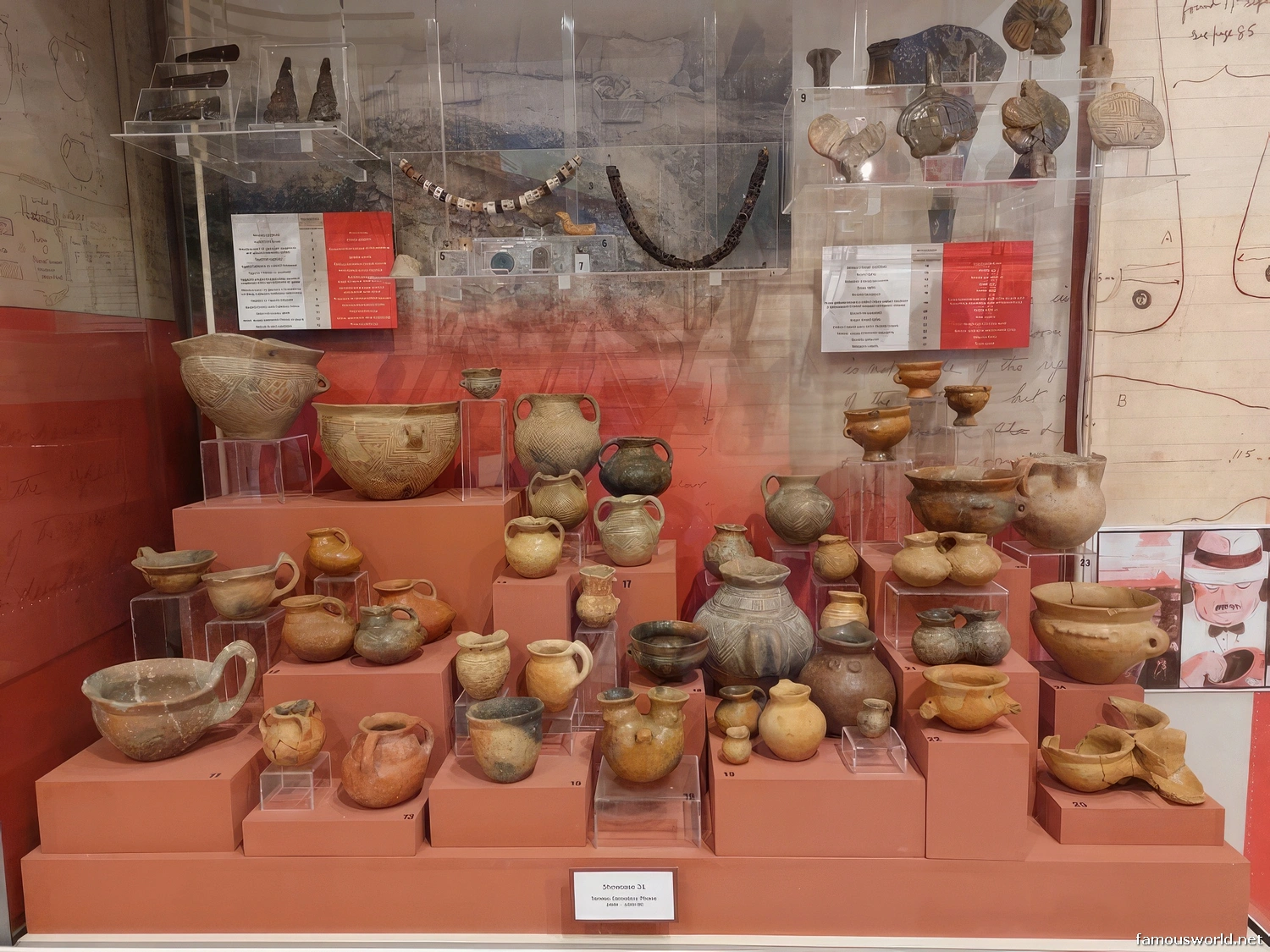
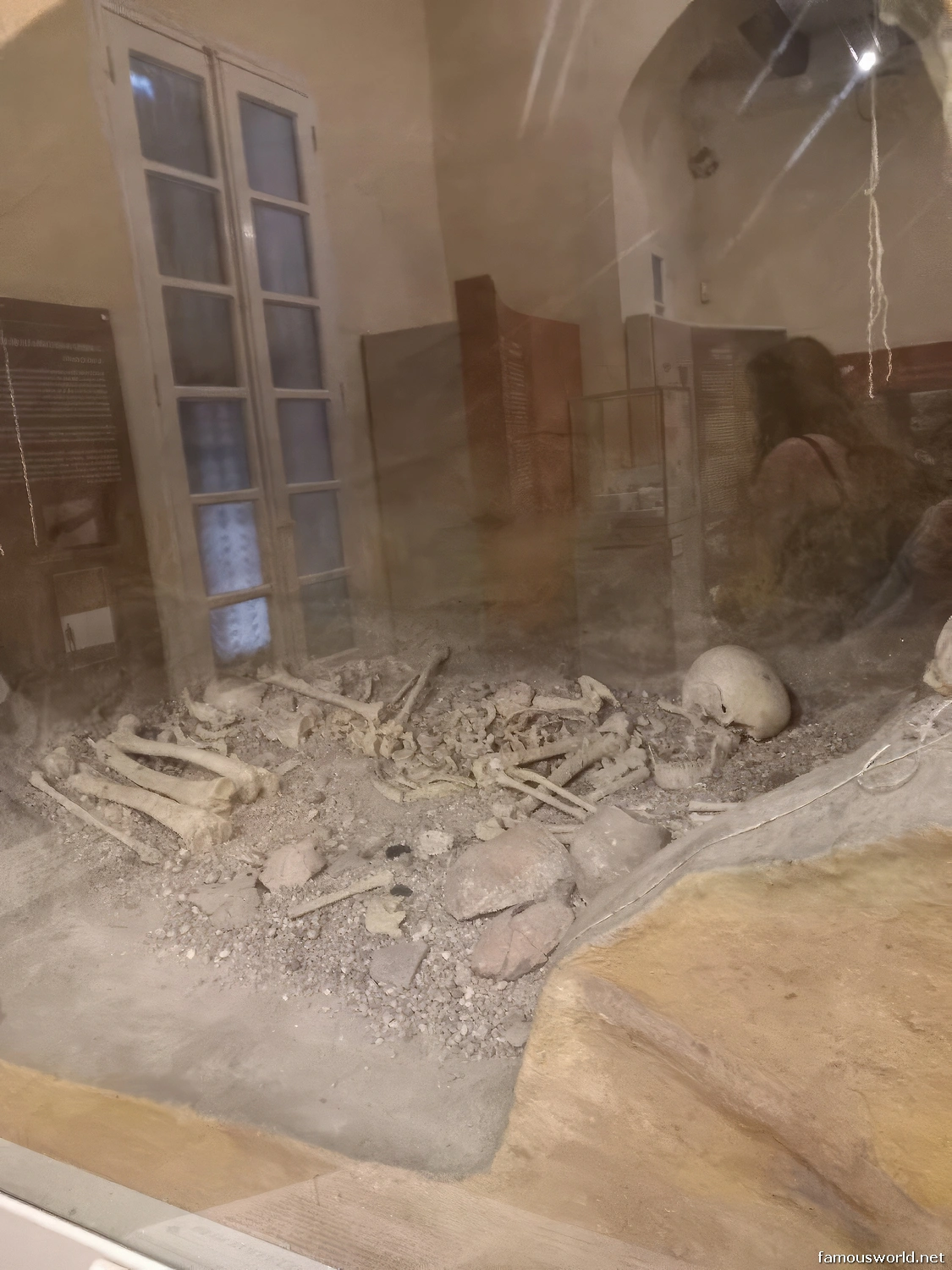
The museum is world-renowned for holding the definitive collection of artifacts from Malta’s unique Megalithic Temple period (c. 3600-2500 BC).
- The “Sleeping Lady of Malta”: The museum’s most iconic artifact. This small, exquisitely crafted figurine of a woman lying on her side was found in the Ħal Saflieni Hypogeum and is a masterpiece of prehistoric art.
- The “Venus of Malta”: Another famous statuette, this one found at the Ħaġar Qim temples, which represents a full-figured, headless female form, believed to be a symbol of fertility.
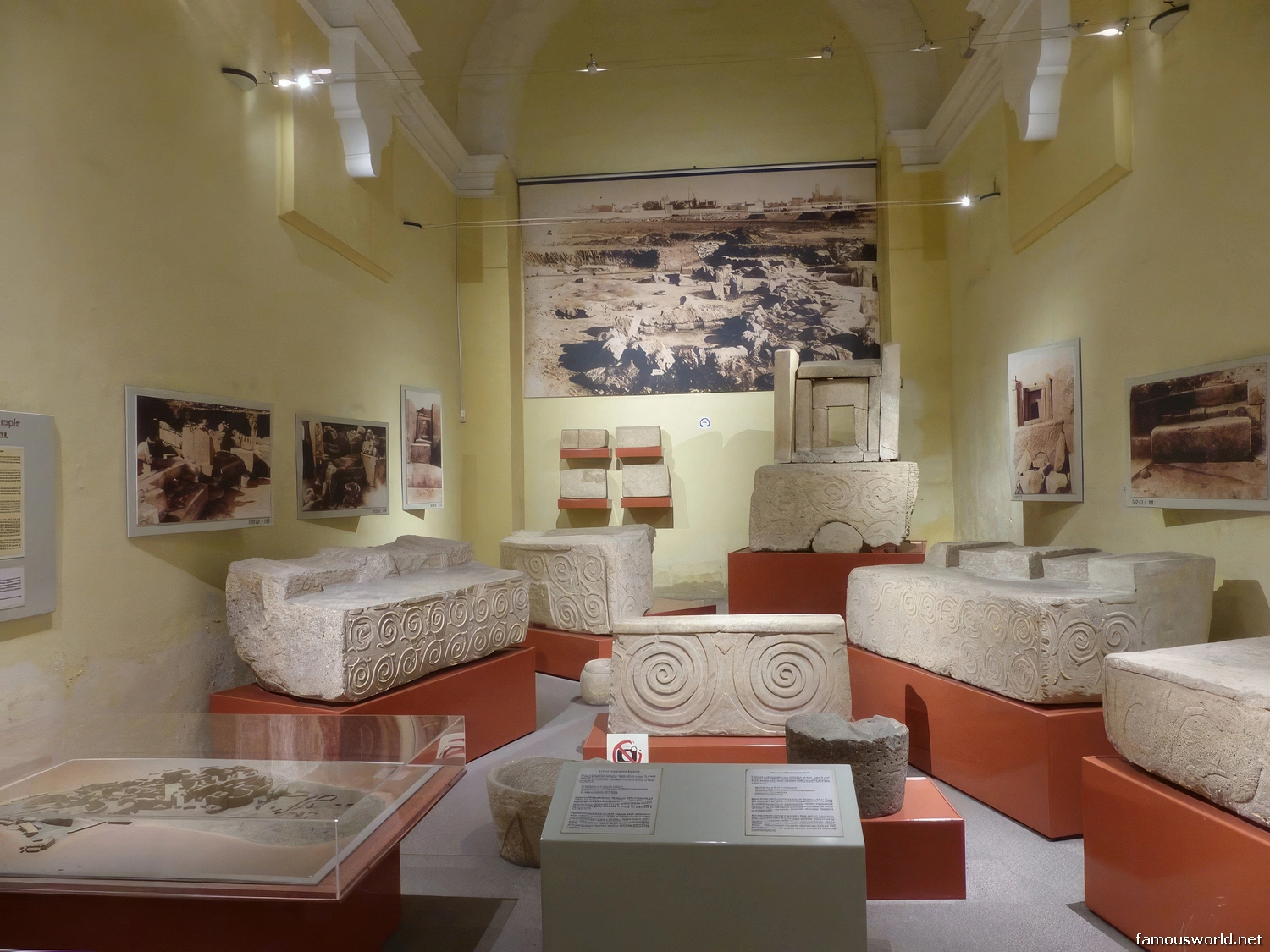
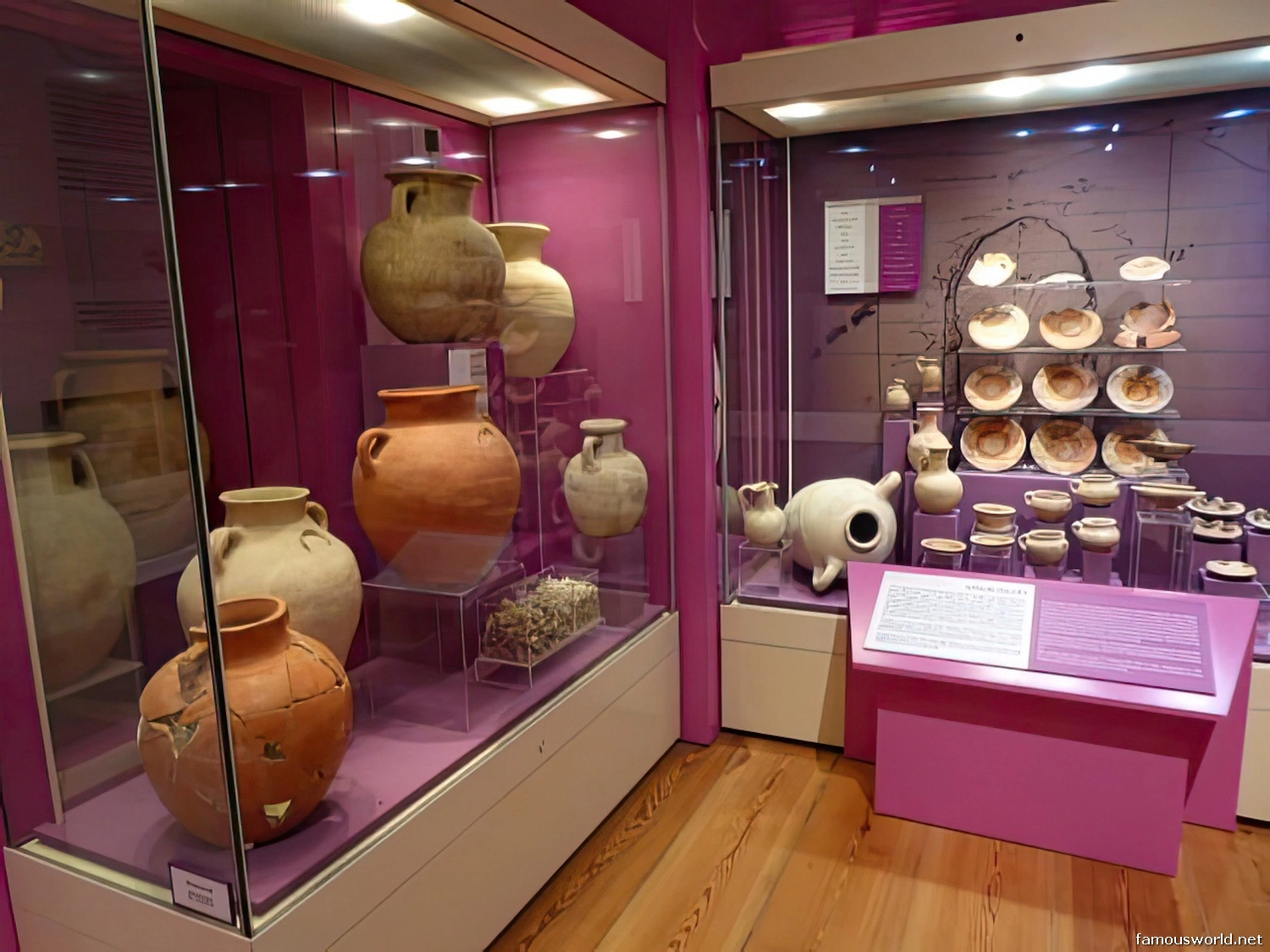
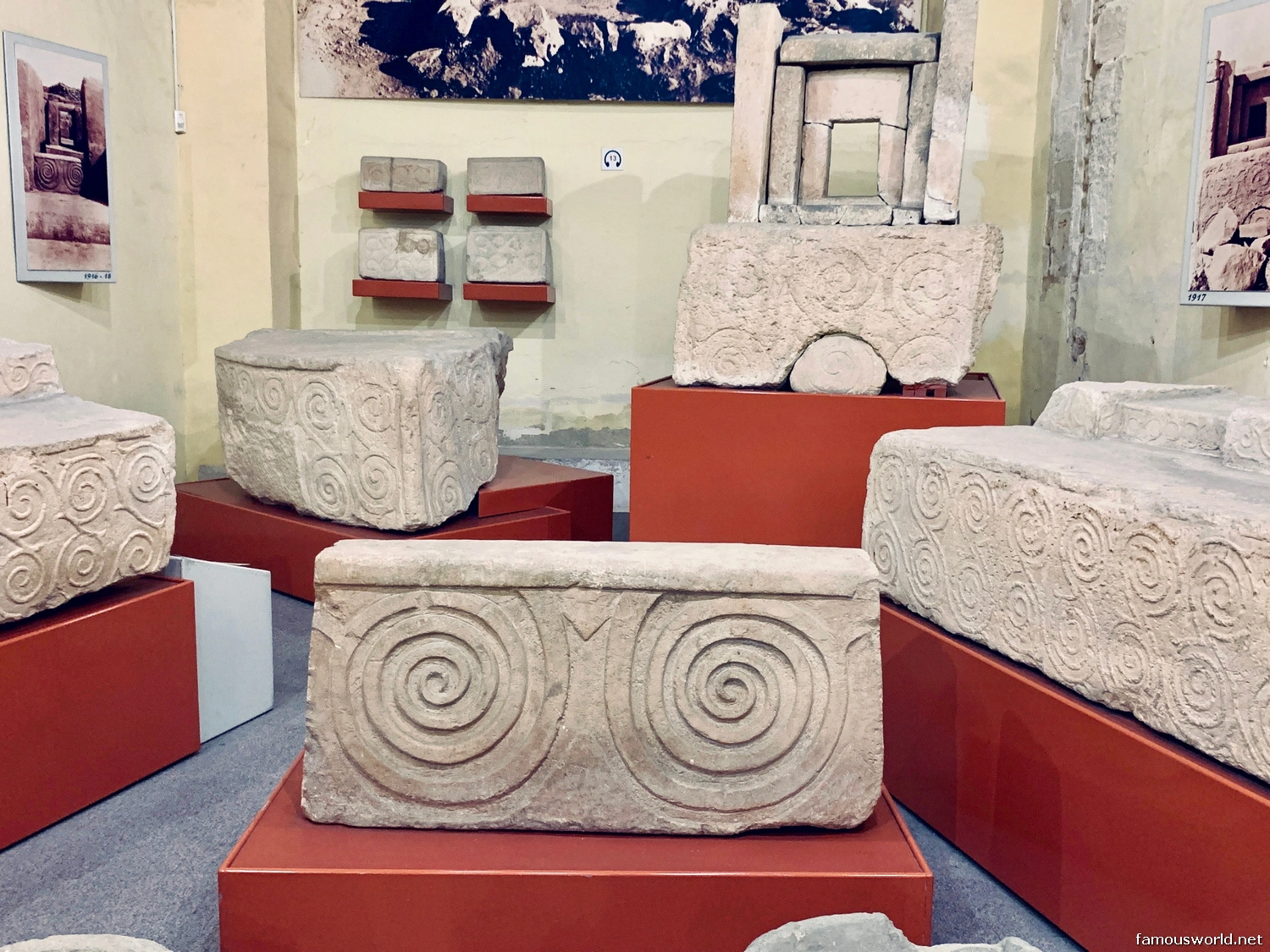
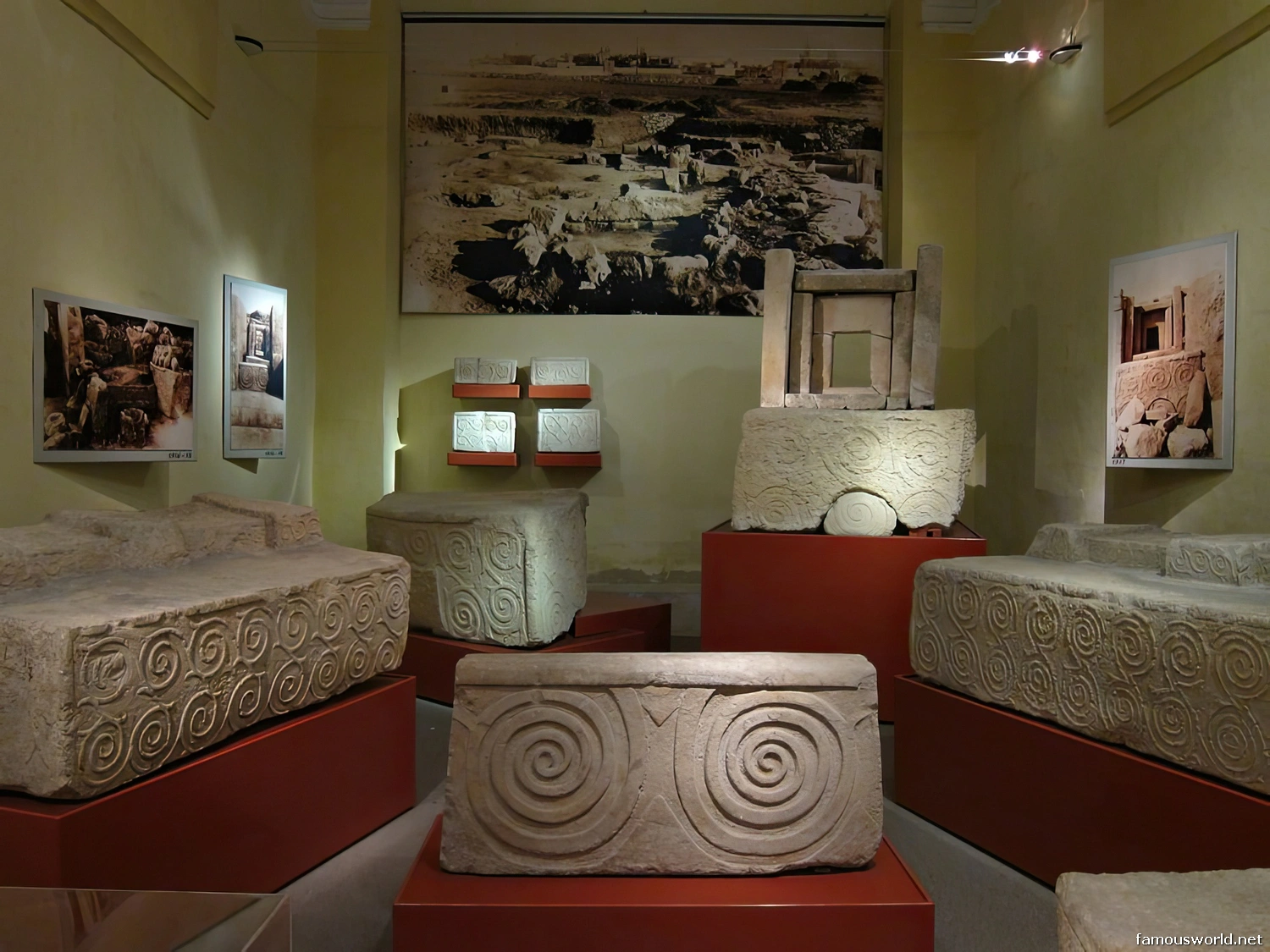
- Temple Artifacts: It houses the most important finds from Malta’s UNESCO World Heritage temple sites, including intricate spiral-carved altar stones from the Tarxien Temples and figurines from Ħaġar Qim and Mnajdra.
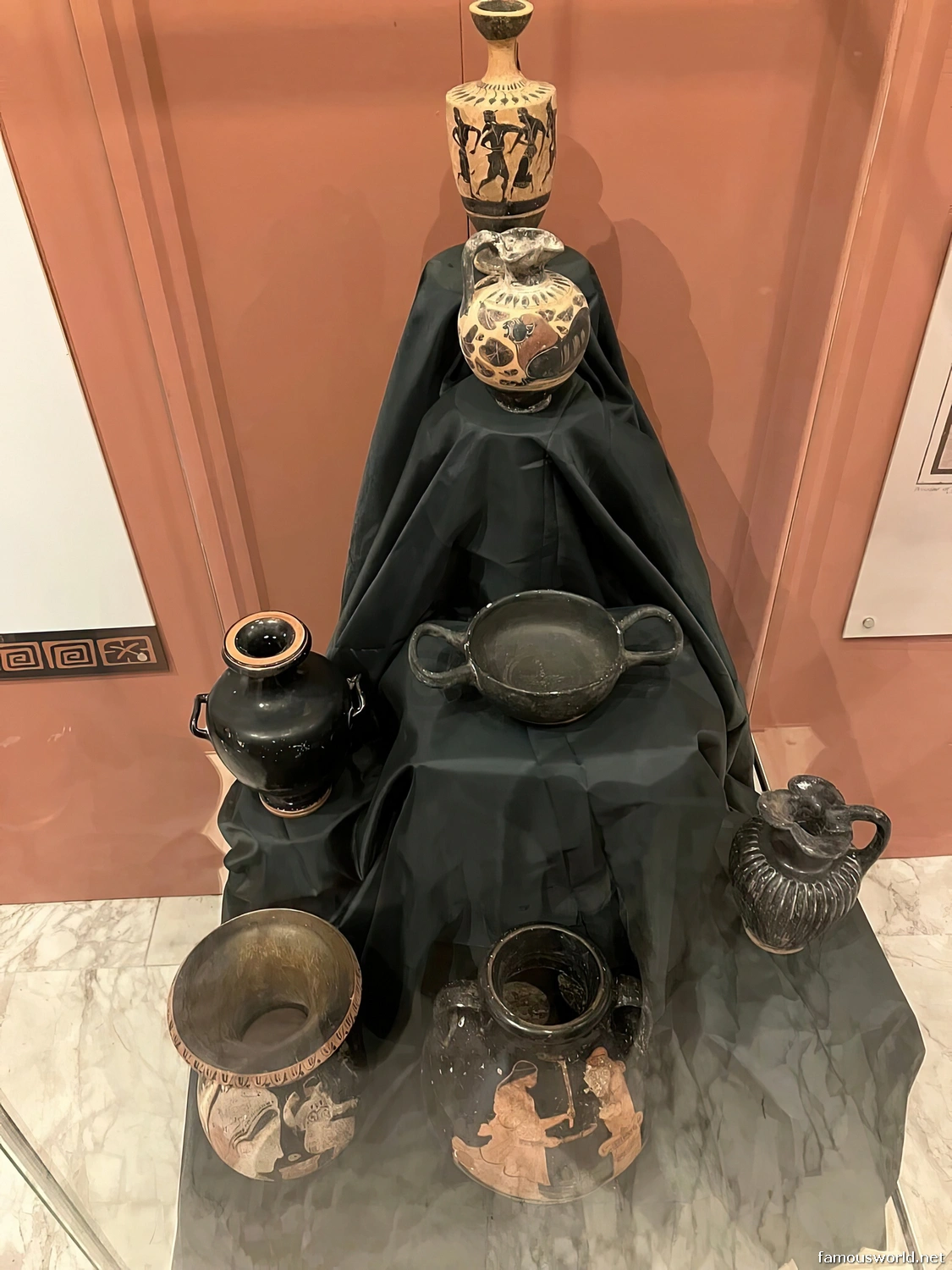
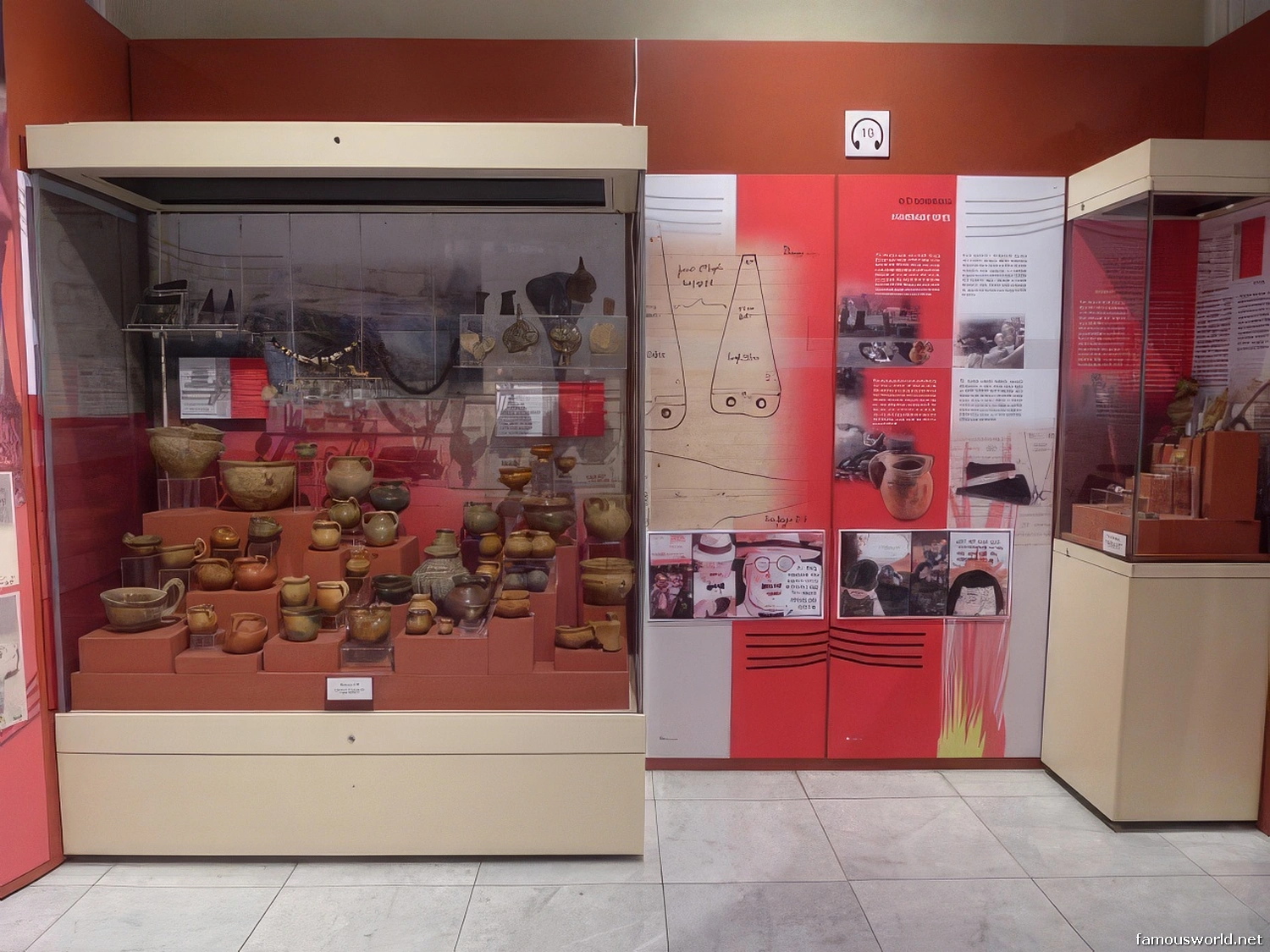
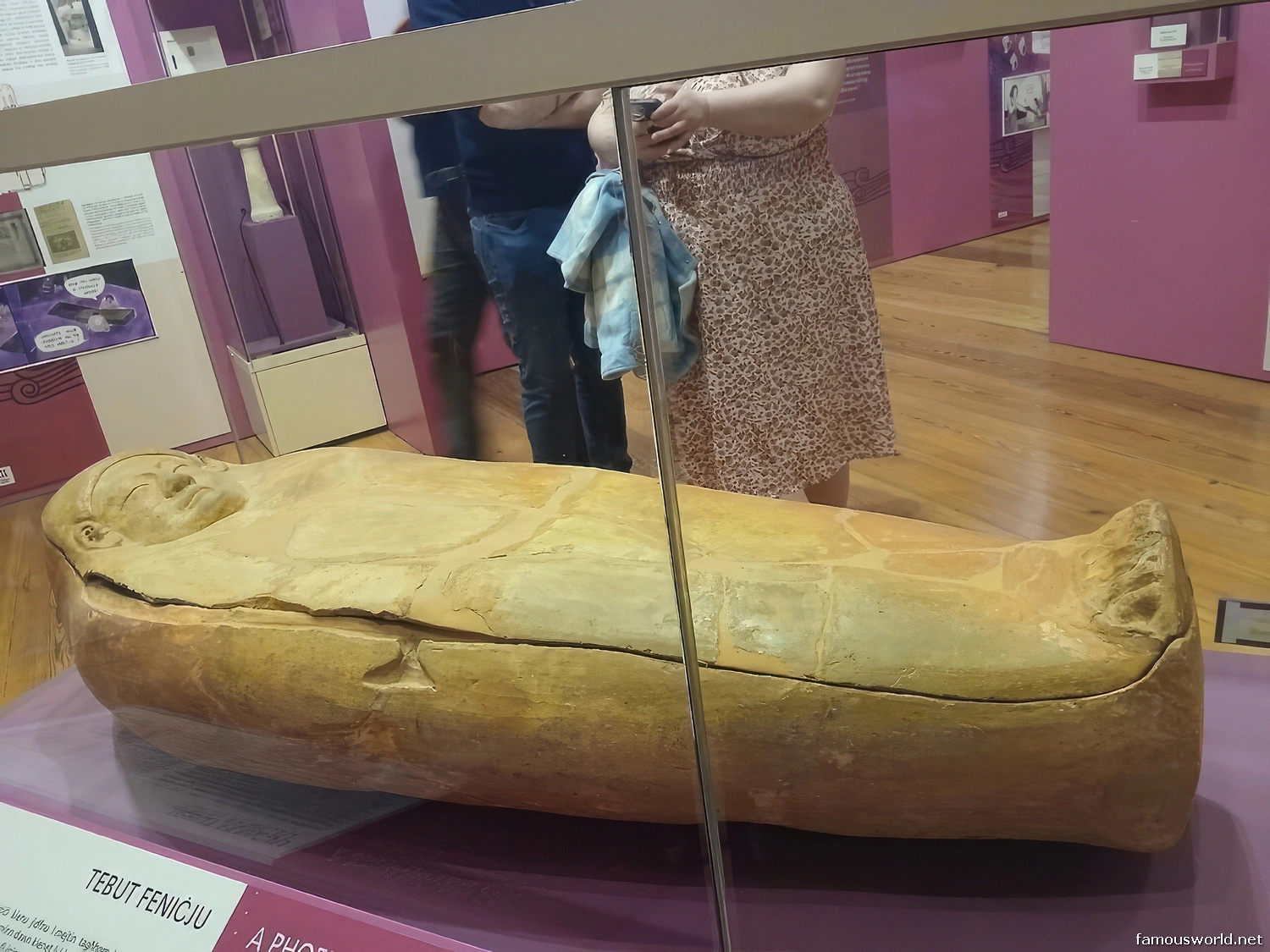
- Bronze Age and Phoenician Periods: While the prehistoric collection is the main draw, the museum also displays important artifacts from later periods of Maltese history, including weapons and pottery.
Differences from Other Wonders (vs. National Archaeological Museum of Paestum)
A museum showcasing a unique, isolated prehistoric civilization offers a different narrative than one dedicated to a Greek colonial city.
- Environment (Baroque Palace in a Capital vs. Modern Building at a Rural Site): The Malta museum is set within the opulent, historic grandeur of a Knights’ palace in a fortified capital city. The Paestum museum is a functional, modern building in a quiet, rural park, directly facing the temples it serves.
- Focus (A Unique Prehistoric Temple Culture vs. A Greek Colonial City): Malta’s museum focuses on the singular, indigenous Neolithic civilization that developed in isolation on the islands. Paestum’s museum focuses on the story of Magna Graecia—a culture transplanted from Greece to Italy.
- Core Story (Deep Prehistory vs. Classical Antiquity): The core story in Malta is about a mysterious, pre-literate society that built the world’s oldest stone temples. The core story in Paestum is about the art, religion, and philosophy of the Greek world during the Classical Age.
- Atmosphere (Ornate and Grand vs. Intimate and Focused): The experience in Malta is shaped by the grand, ornate setting of the Auberge, creating a dialogue between the art of the Knights and the much older art of the temple builders. The experience at Paestum is more intimate, with the focus solely on the classical artifacts and their direct relationship to the adjacent ruins.
Location on world map