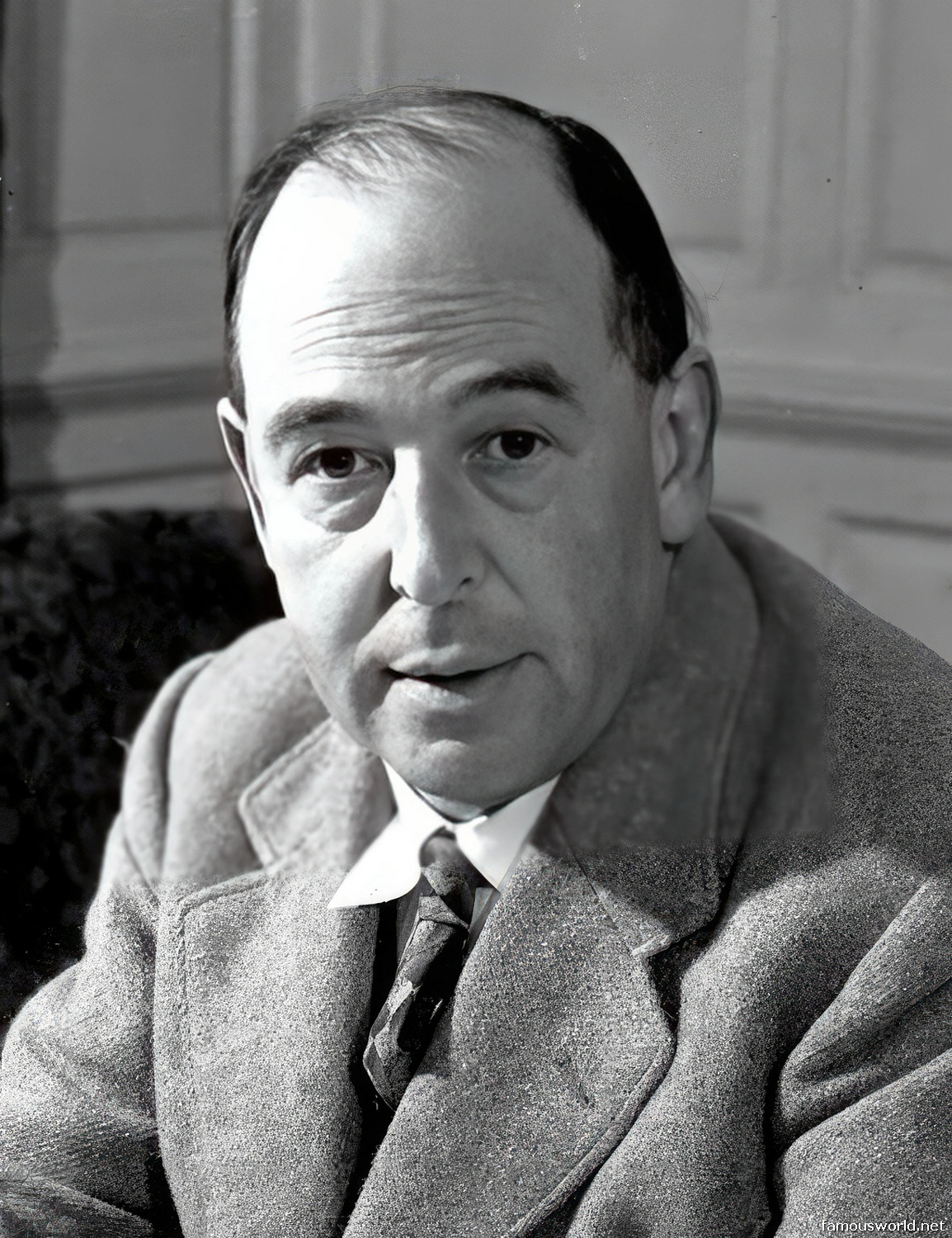
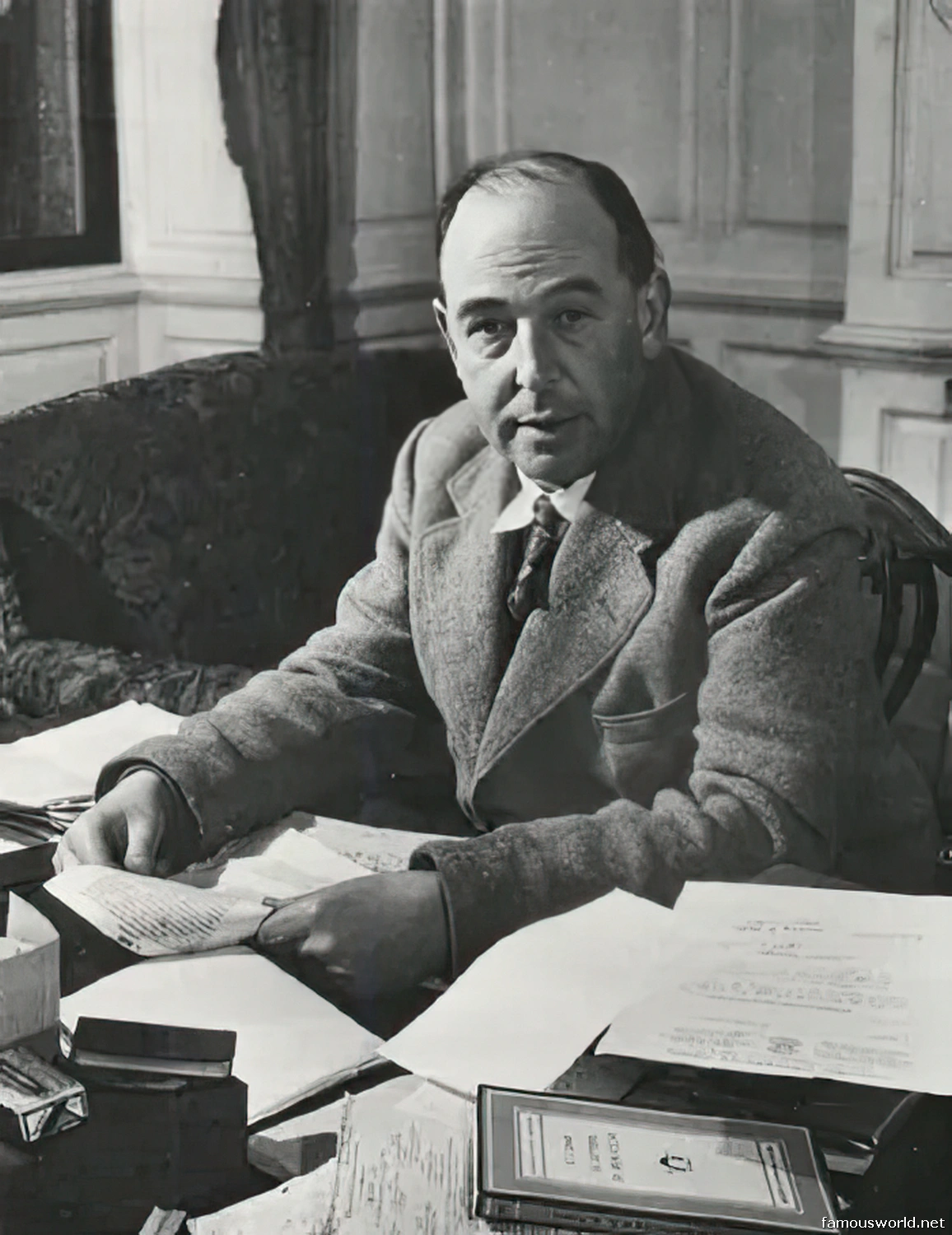
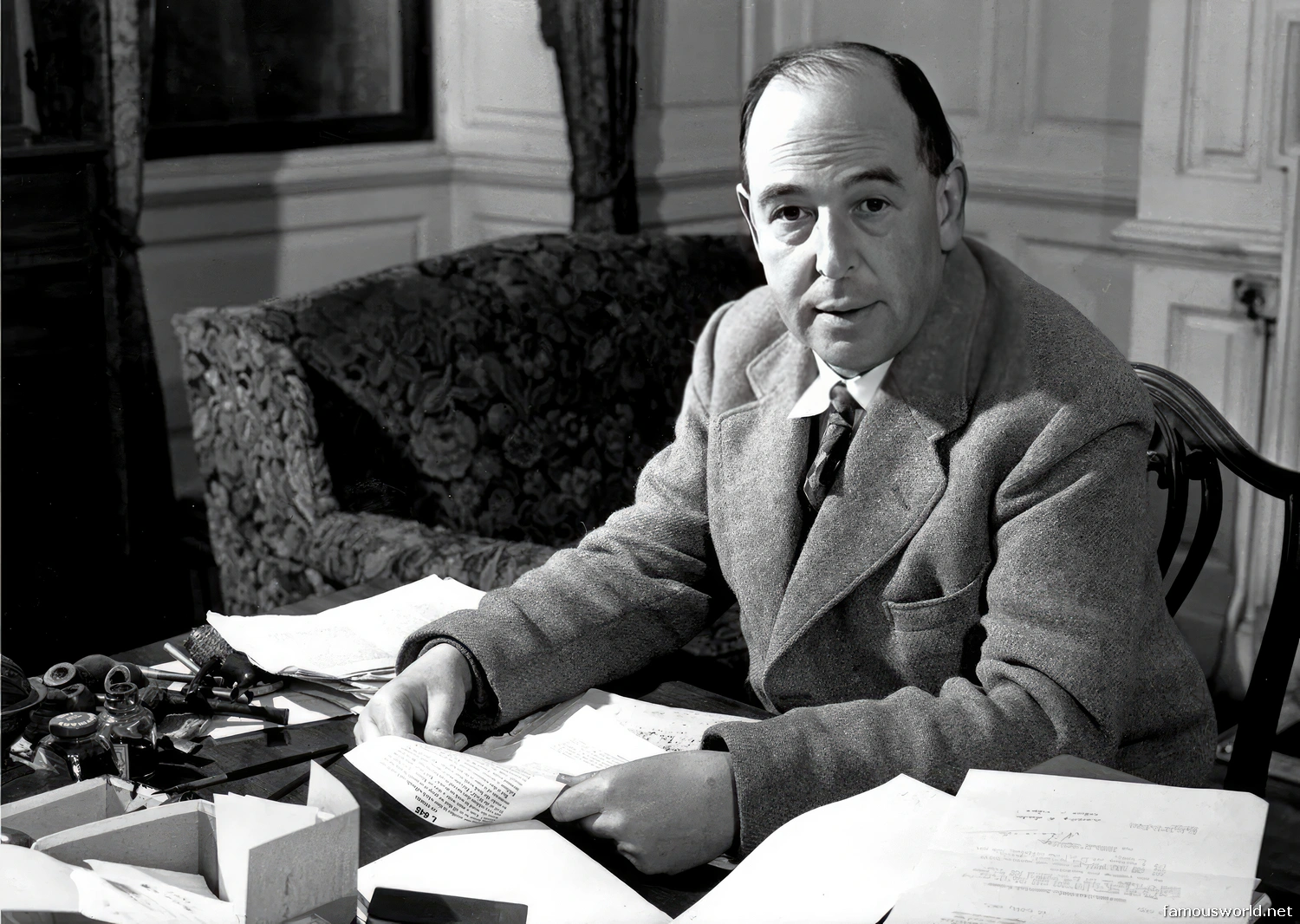


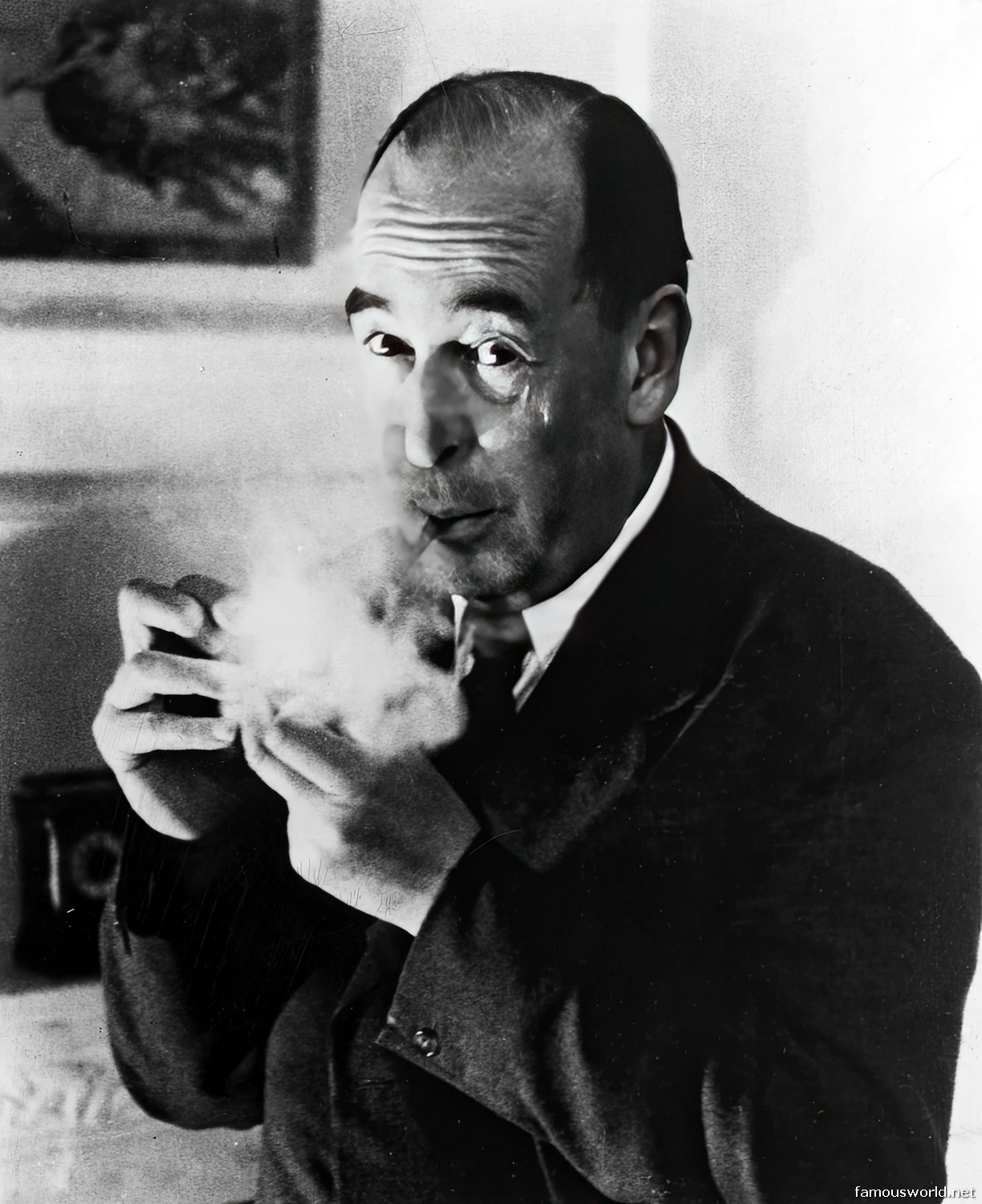

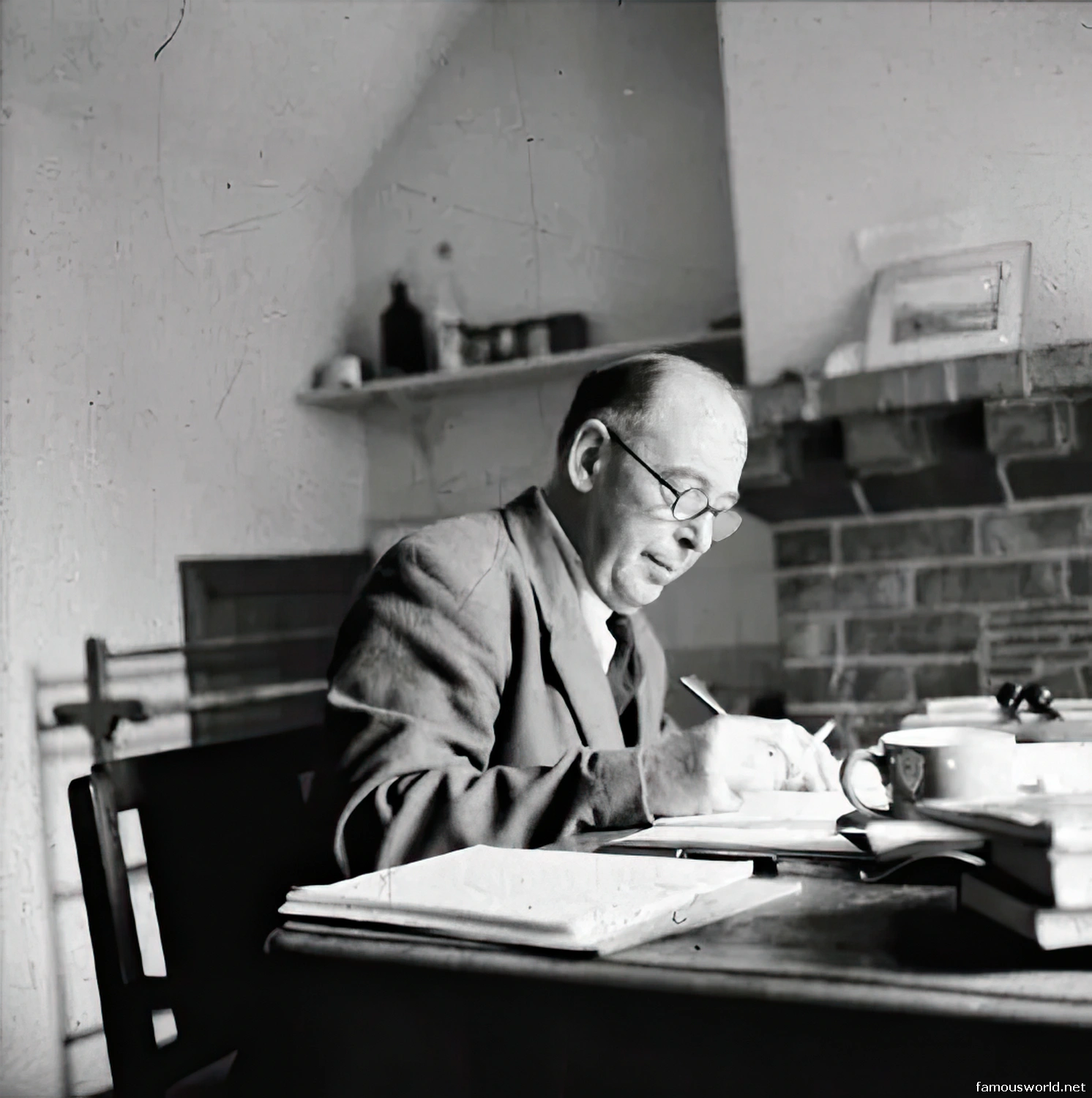
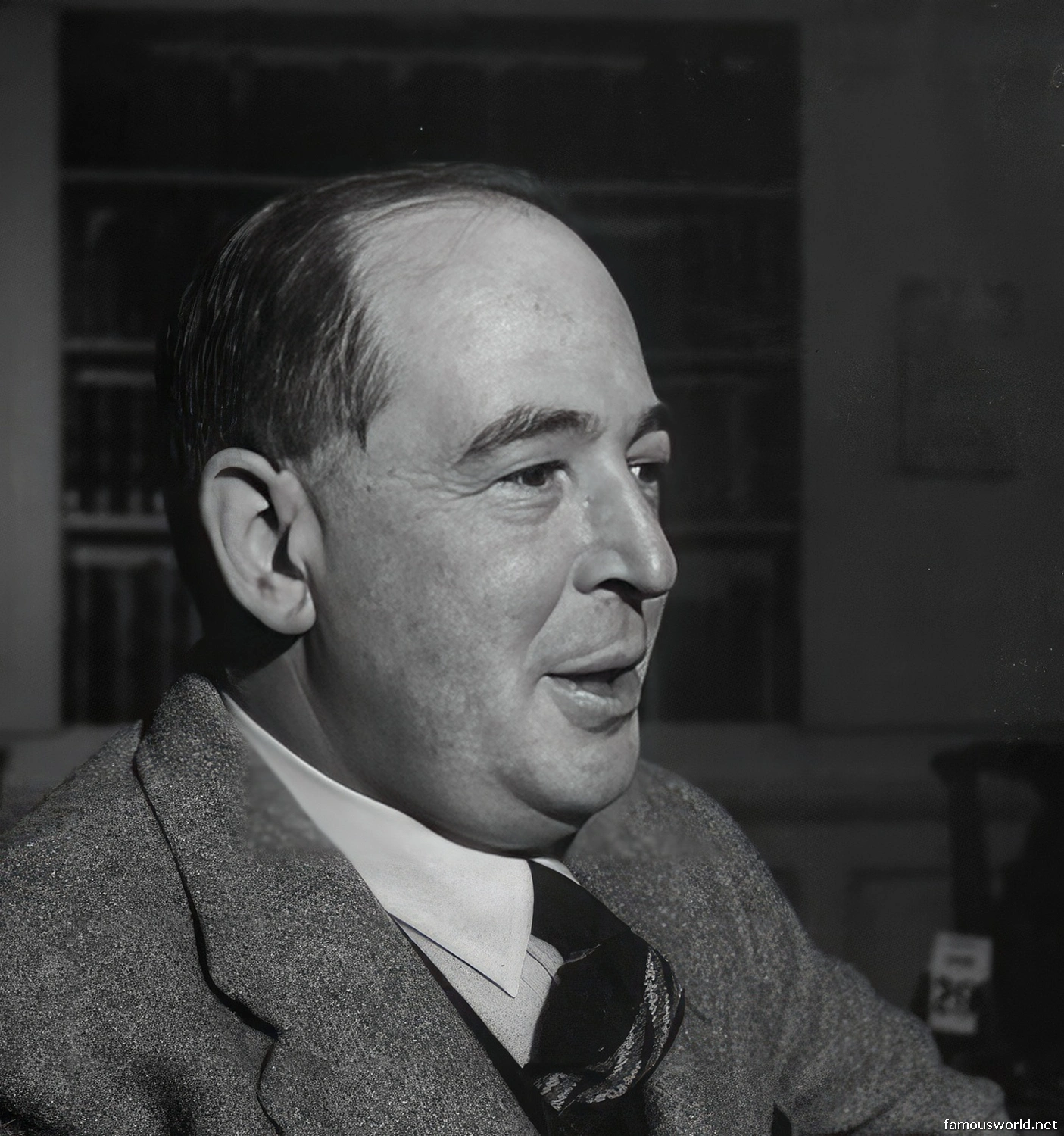
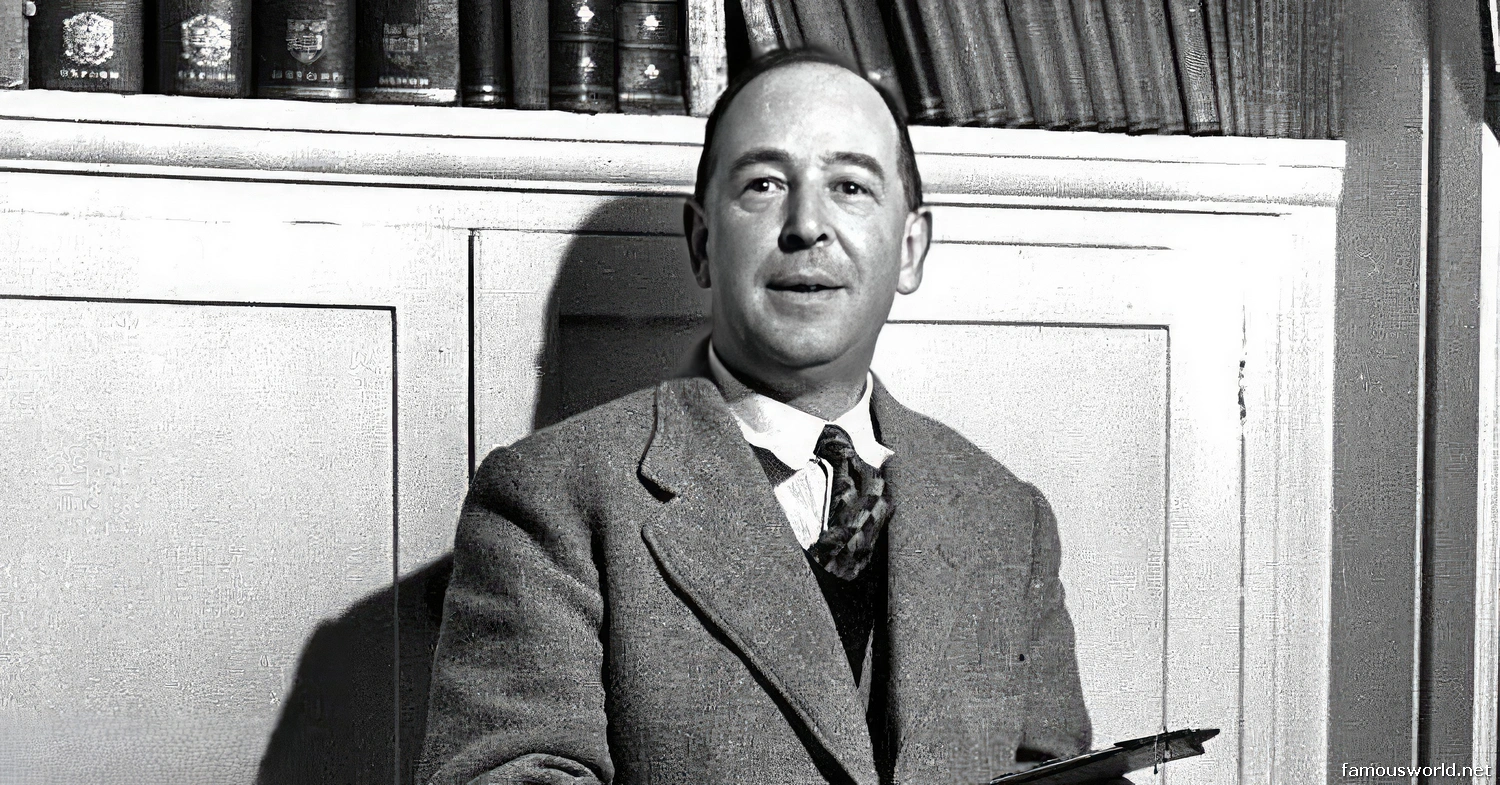
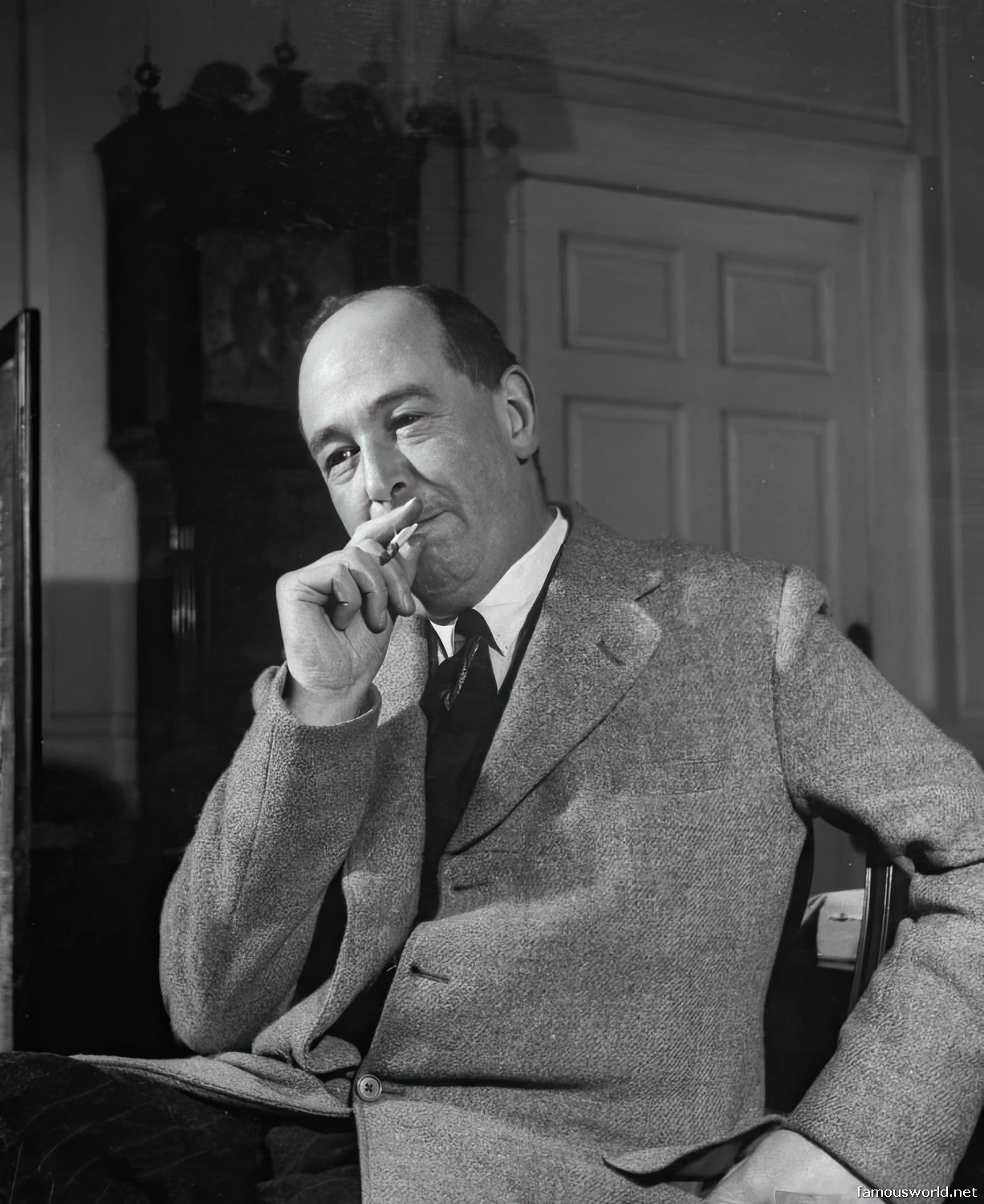
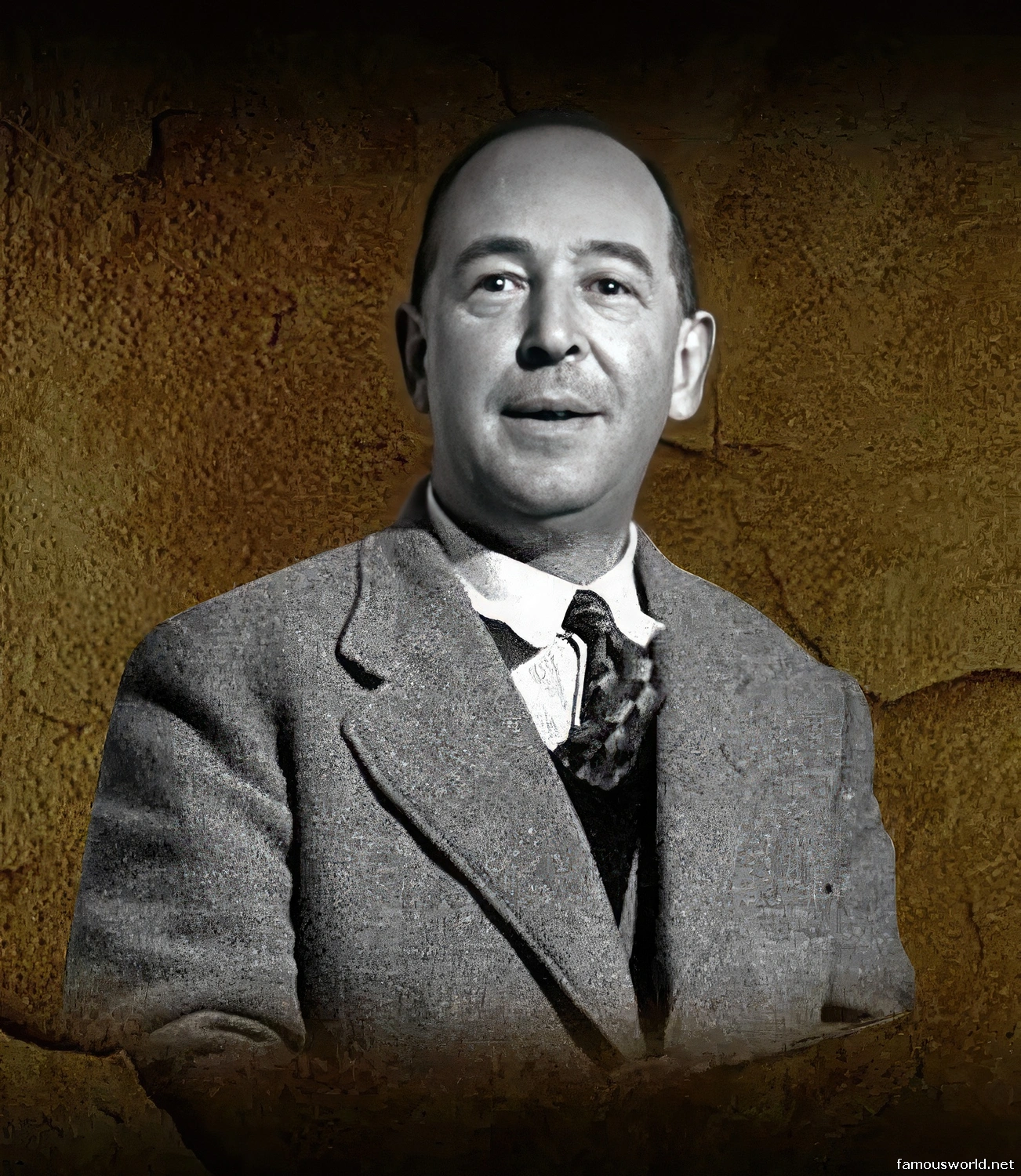
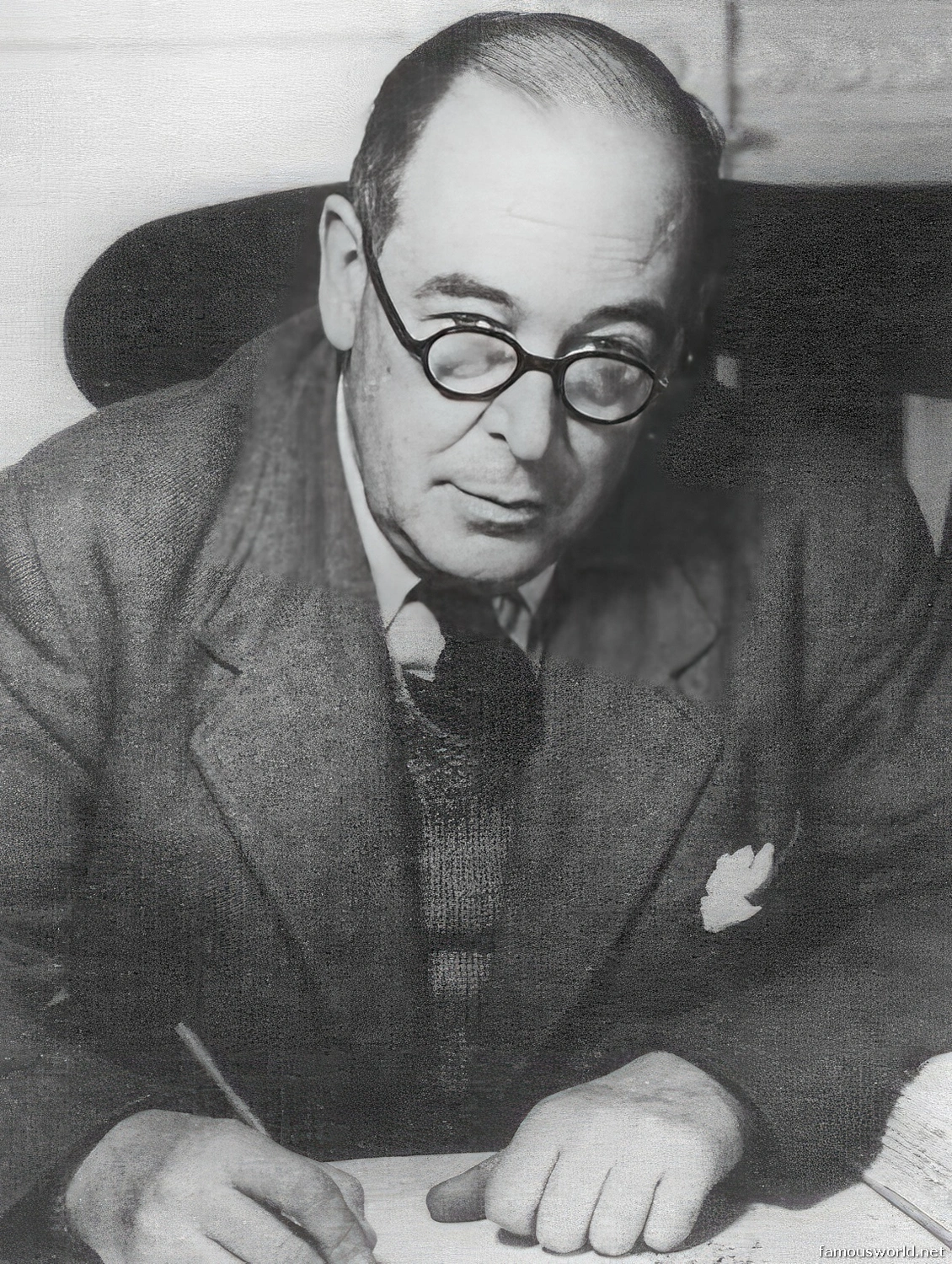
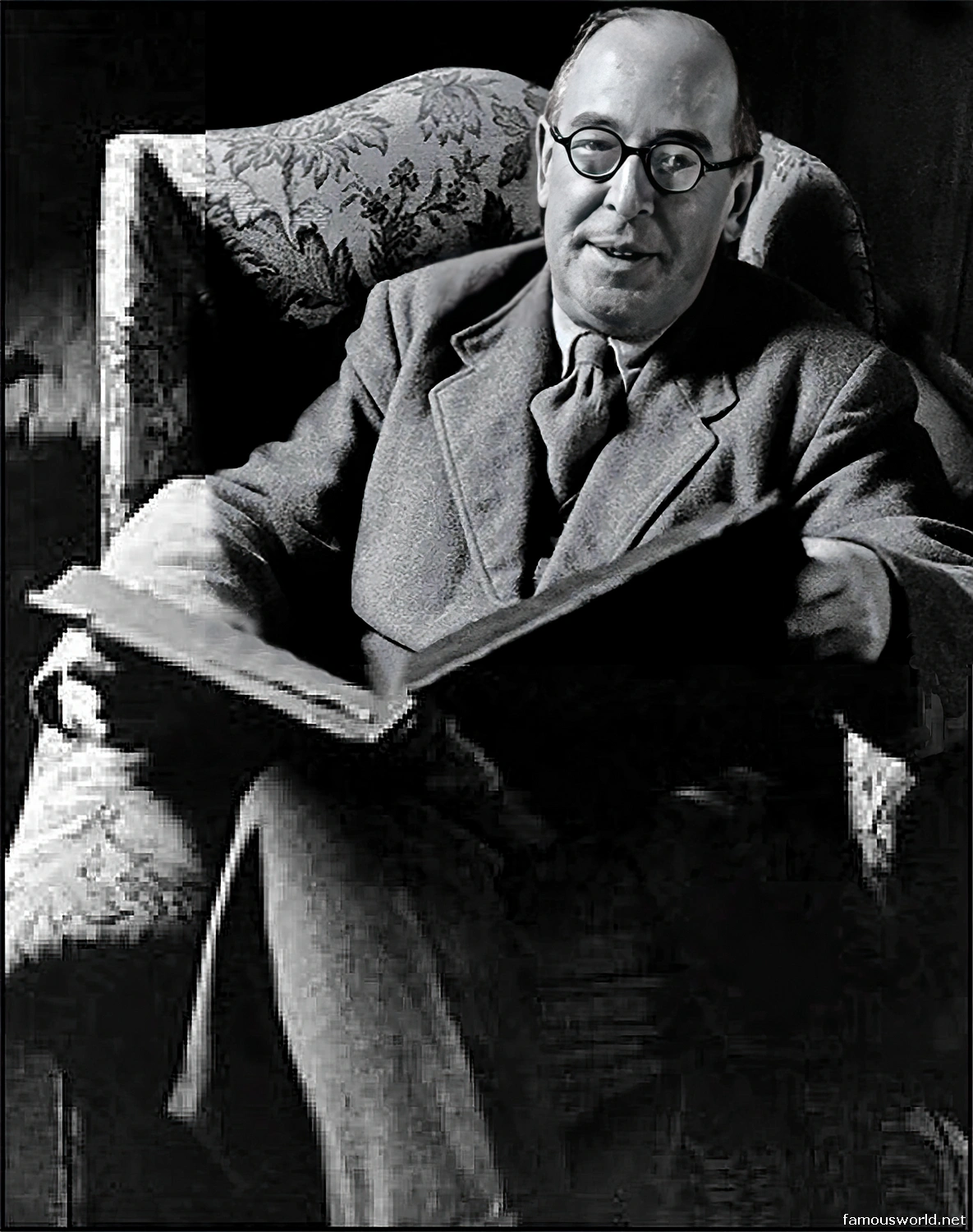
Clive Staples Lewis, commonly known as C. S. Lewis, was a British writer, literary scholar, and Anglican lay theologian. He held academic positions in English literature at both Oxford University and Cambridge University and is celebrated for his works of fiction, especially The Chronicles of Narnia, as well as his non-fiction Christian apologetics.
Listen to an introduction about C. S. Lewis

Name: Clive Staples Lewis (known to friends and family as “Jack”)
Date of birth: November 29, 1898
Date of death: November 22, 1963 (aged 64)
Place of birth: Belfast, Ireland (now Northern Ireland), U.K.
Family:
- Parents’ names: Albert James Lewis (father, a solicitor) and Florence Augusta Lewis (mother, née Hamilton).
- Siblings: Warren Hamilton “Warnie” Lewis (older brother, an army officer and historian).
- Spouse: Joy Davidman Gresham (m. 1956), an American writer.
- Children: Lewis had no biological children but was a devoted stepfather to Joy’s two sons from her previous marriage:
- David Gresham (stepson)
- Douglas Gresham (stepson)
Profession: Novelist, Poet, Academic, Medievalist, Literary Critic, Essayist, and Christian Apologist.
Nationality: British
Religion: Church of England (Anglican)
College or university attended:
- Malvern College
- University College, Oxford (graduated with a First in Literae Humaniores, a First in Greats, and a First in English).
Biography and What Famous For: C. S. Lewis had an early life marked by the loss of his mother at a young age and a period of atheism during his adolescence. His studies at Oxford were interrupted by his service in the British Army during World War I, where he was wounded in combat. After the war, he returned to Oxford and began a distinguished academic career, eventually becoming a Fellow and Tutor in English Literature at Magdalen College, a position he held for 29 years.
A pivotal moment in his life was his conversion to Christianity in the early 1930s, heavily influenced by his close friend and fellow author J. R. R. Tolkien, the author of The Lord of the Rings. Both Lewis and Tolkien were leading members of the informal Oxford literary group known as the Inklings, where they would read and discuss their works in progress.
Lewis became famous for his ability to explain complex Christian doctrines in a clear, logical, and accessible manner. During World War II, his series of BBC radio broadcasts on Christianity brought him widespread acclaim and comfort to many in a time of crisis. These talks were later collected and published as the classic book “Mere Christianity”.
He is most famous globally for his series of seven fantasy novels for children, “The Chronicles of Narnia”, which began with The Lion, the Witch and the Wardrobe (1950). These books, which blend fantasy with Christian allegorical themes, have sold over 100 million copies and have been adapted into numerous film and stage productions.
His other significant works include allegorical fiction like The Screwtape Letters and The Great Divorce, and his science-fiction “Space Trilogy.” In 1954, he accepted the newly created chair of Medieval and Renaissance English at Cambridge University, a position he held until his retirement. His late-in-life marriage to Joy Davidman was a period of great happiness, tragically cut short by her death from cancer, a journey he chronicled in his deeply personal book, A Grief Observed.
Have participated (Selected Works):
Fiction (The Chronicles of Narnia):
- The Lion, the Witch and the Wardrobe (1950)
- Prince Caspian (1951)
- The Voyage of the Dawn Treader (1952)
- The Silver Chair (1953)
- The Horse and His Boy (1954)
- The Magician’s Nephew (1955)
- The Last Battle (1956)
Fiction (Other):
- The Pilgrim’s Regress (1933)
- Out of the Silent Planet (1938)
- The Screwtape Letters (1942)
- Perelandra (1943)
- The Great Divorce (1945)
- That Hideous Strength (1945)
- Till We Have Faces (1956)
Non-Fiction (Christian Apologetics):
- The Problem of Pain (1940)
- Mere Christianity (1952, based on 1941–44 radio talks)
- Miracles (1947)
- The Four Loves (1960)
- A Grief Observed (1961)
Non-Fiction (Academic):
- The Allegory of Love: A Study in Medieval Tradition (1936)
- A Preface to Paradise Lost (1942)
- English Literature in the Sixteenth Century, Excluding Drama (1954)
- The Discarded Image: An Introduction to Medieval and Renaissance Literature (1964)