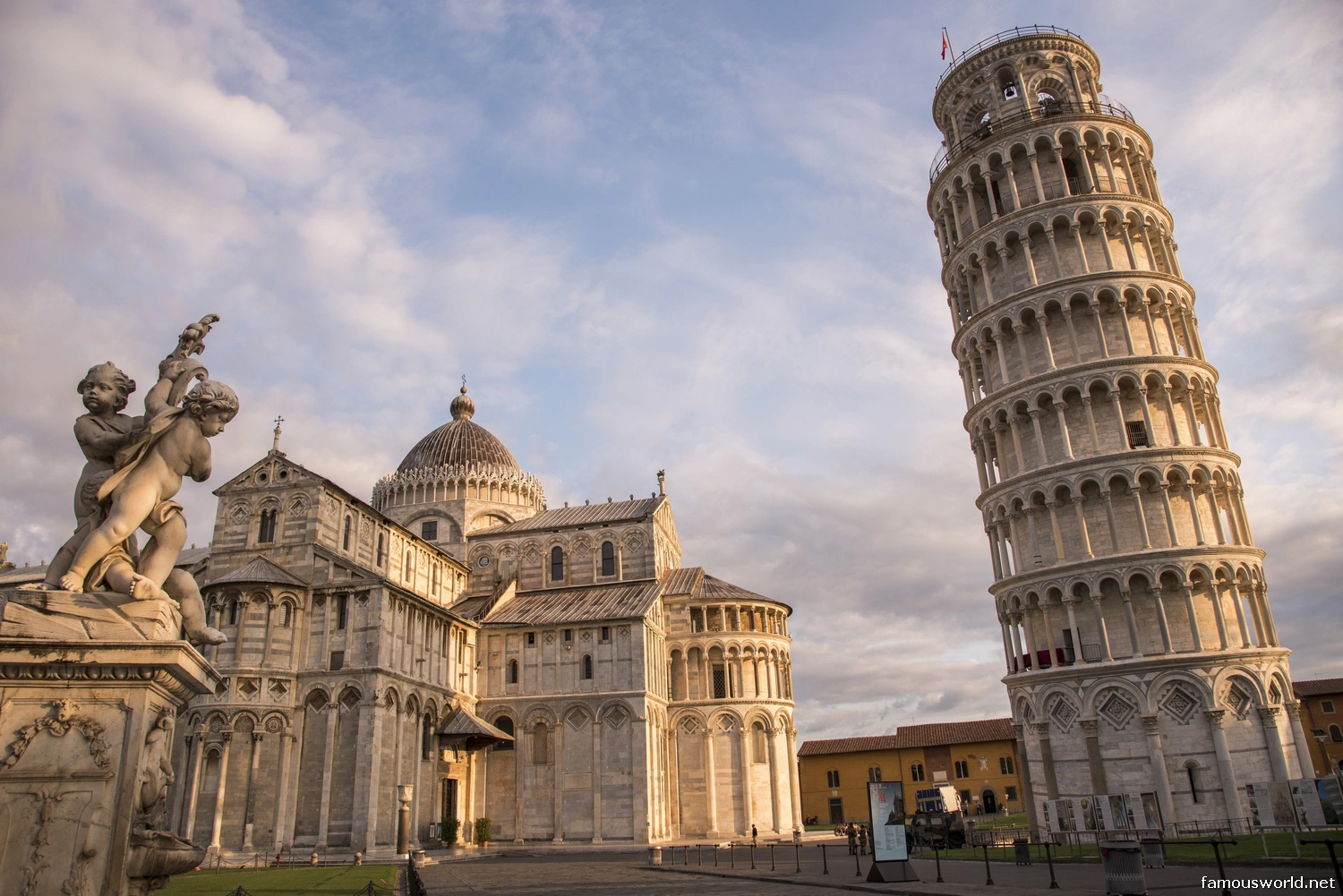
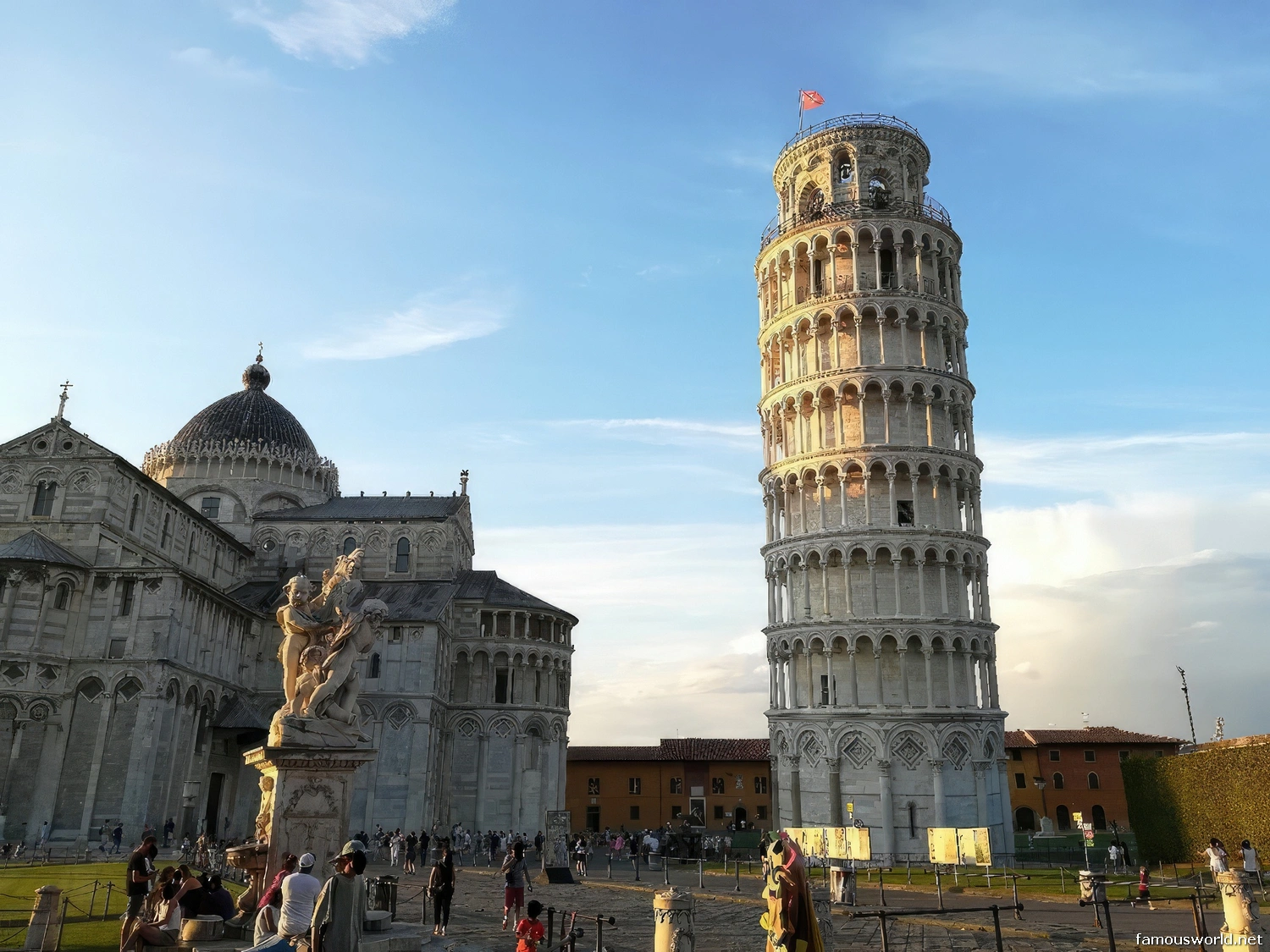
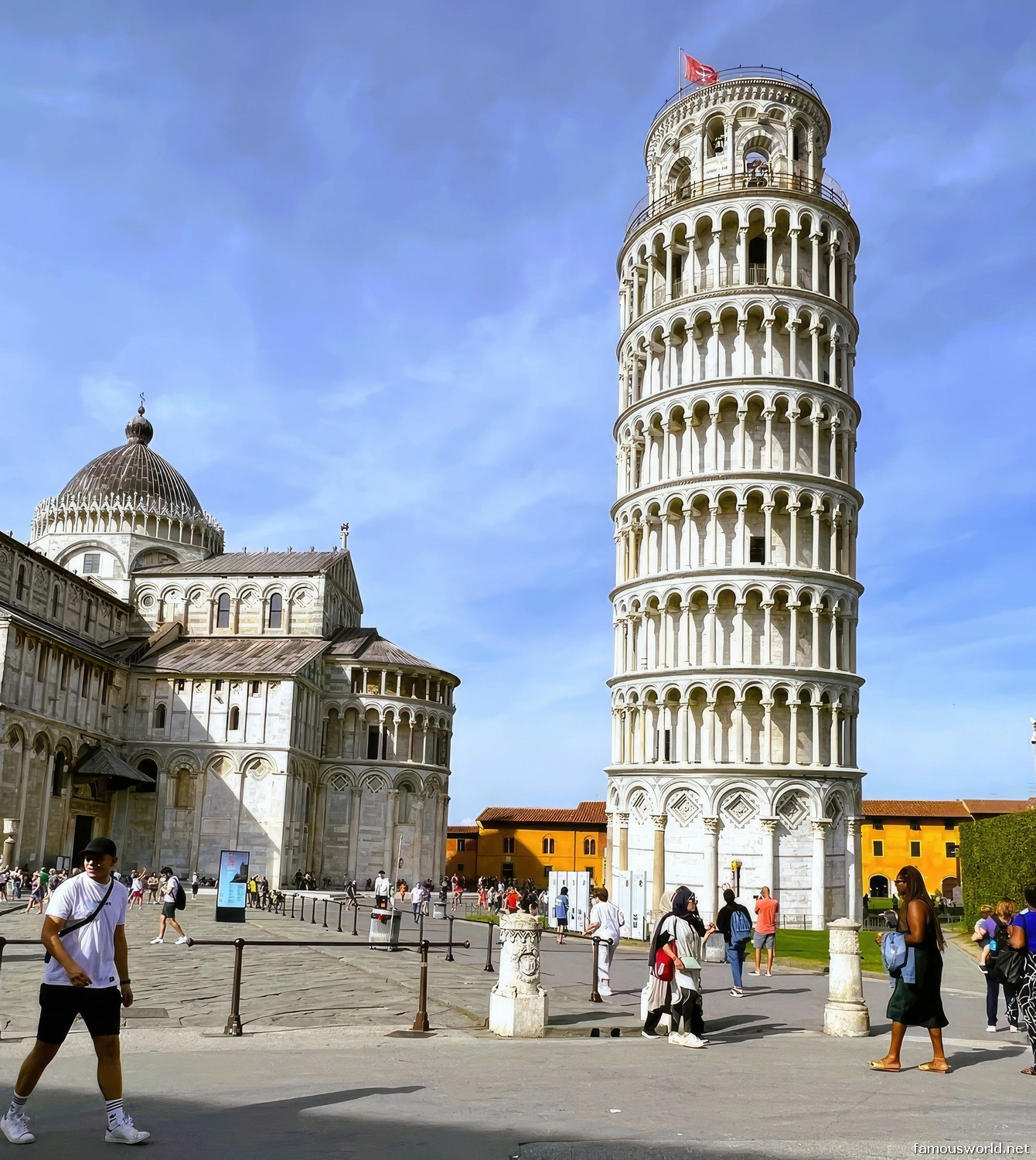
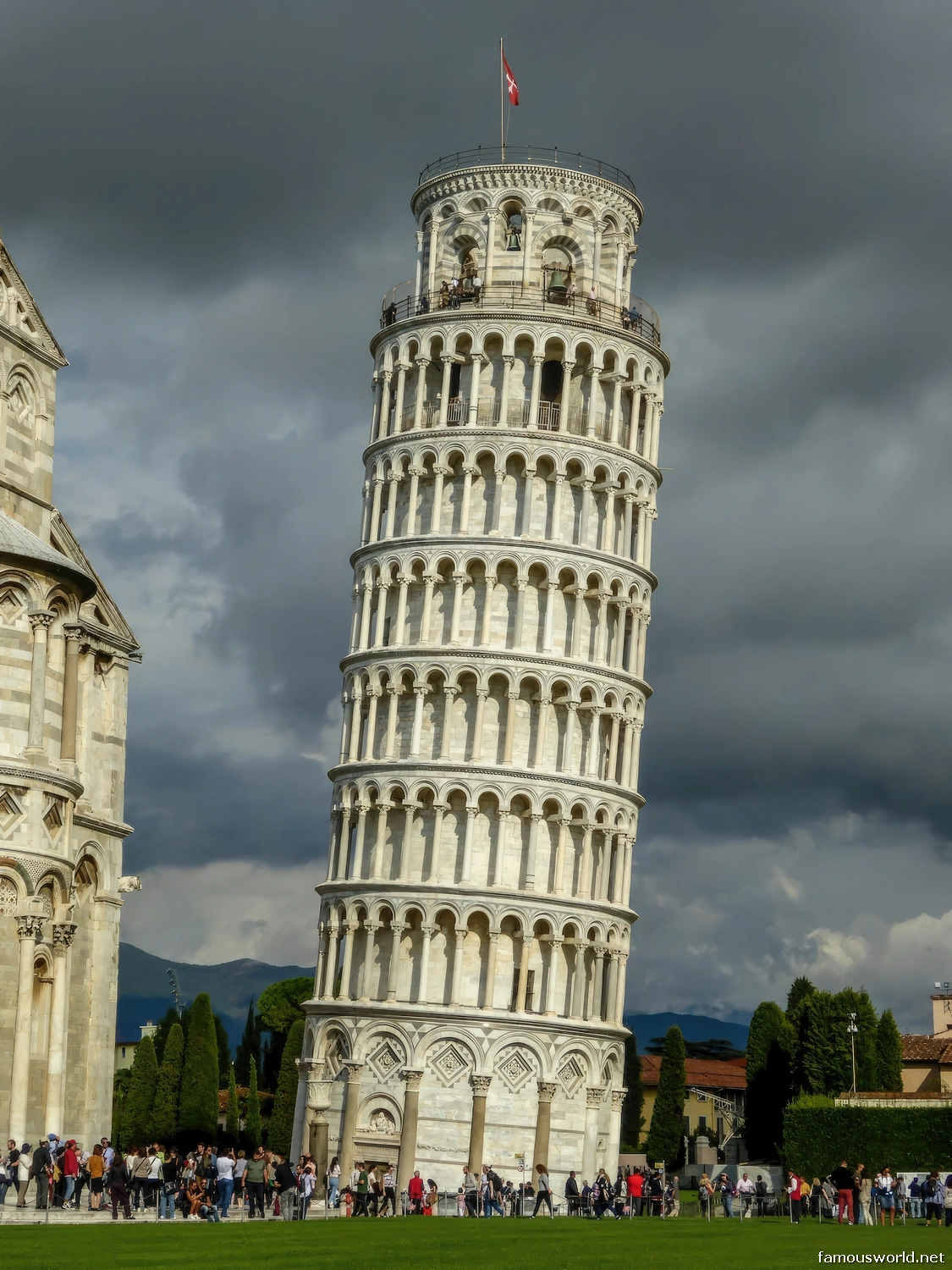
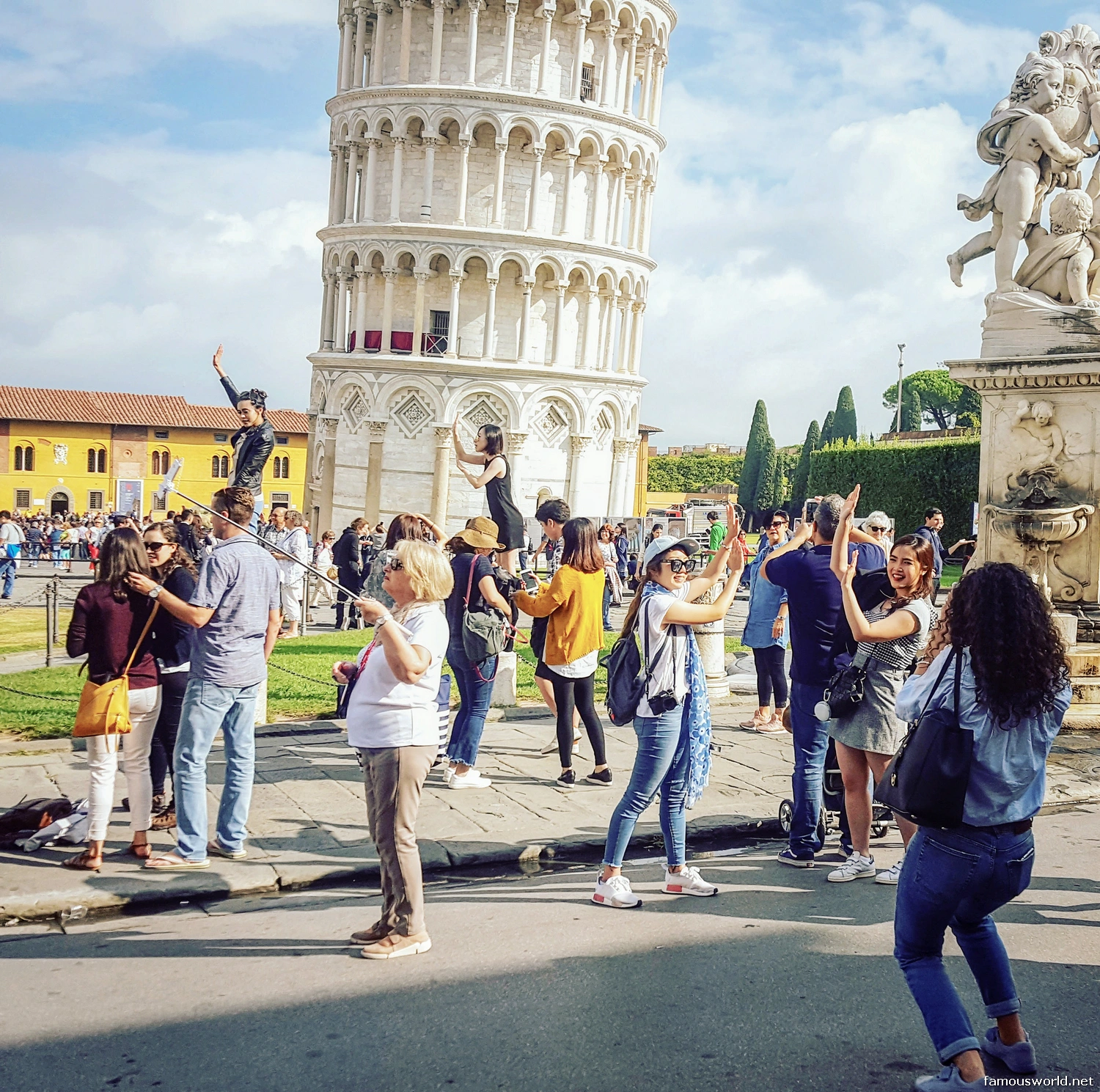
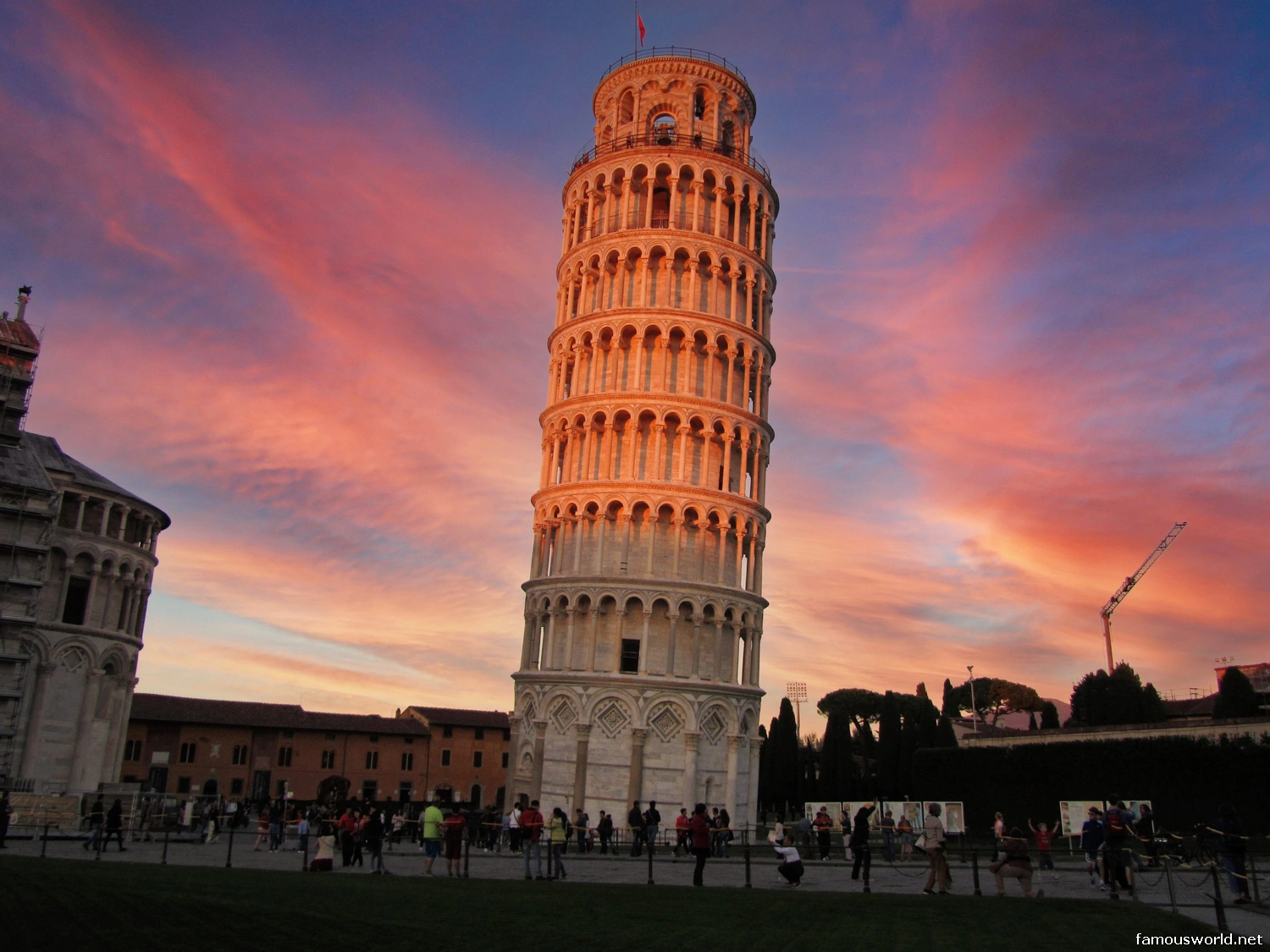
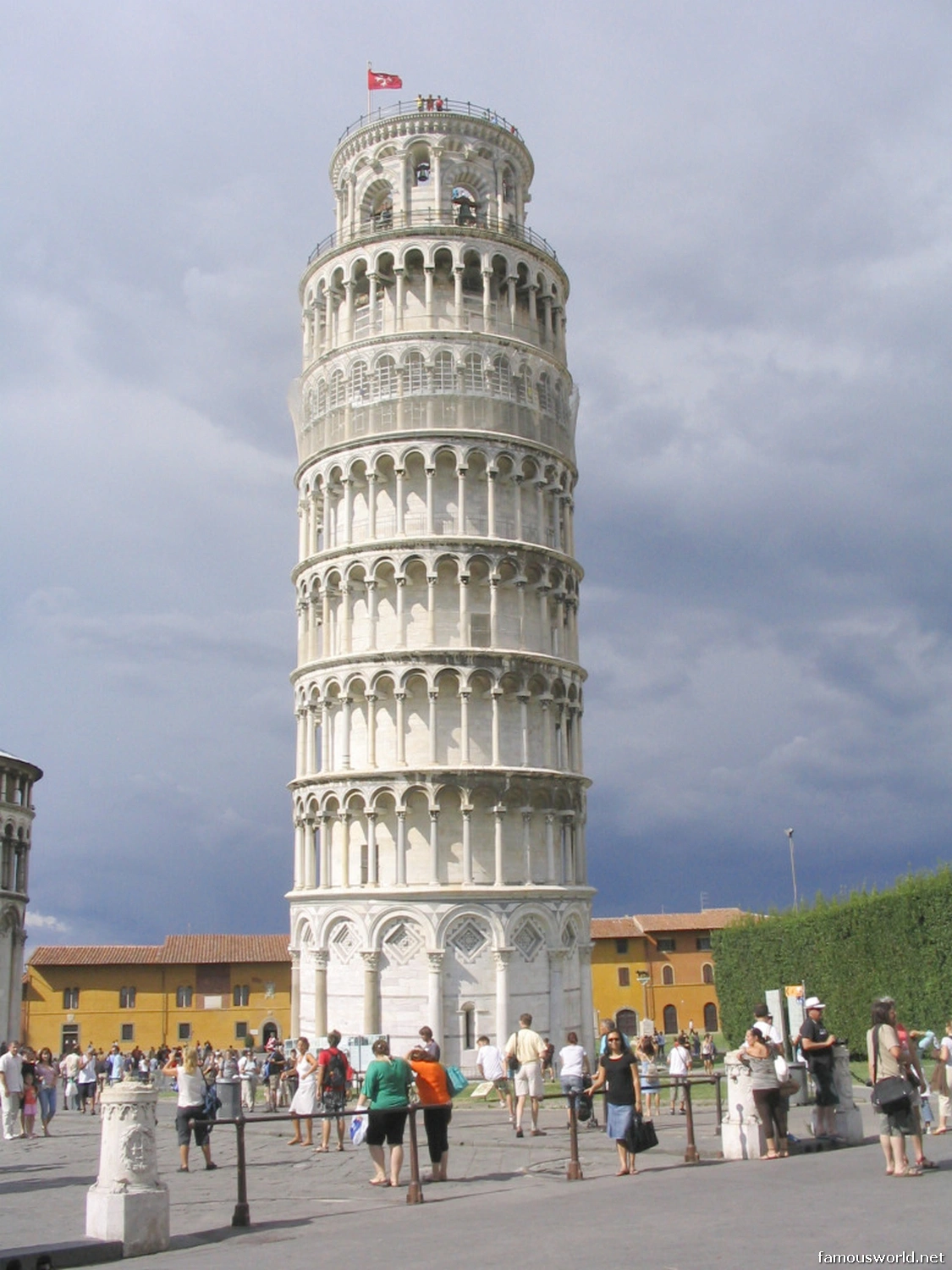
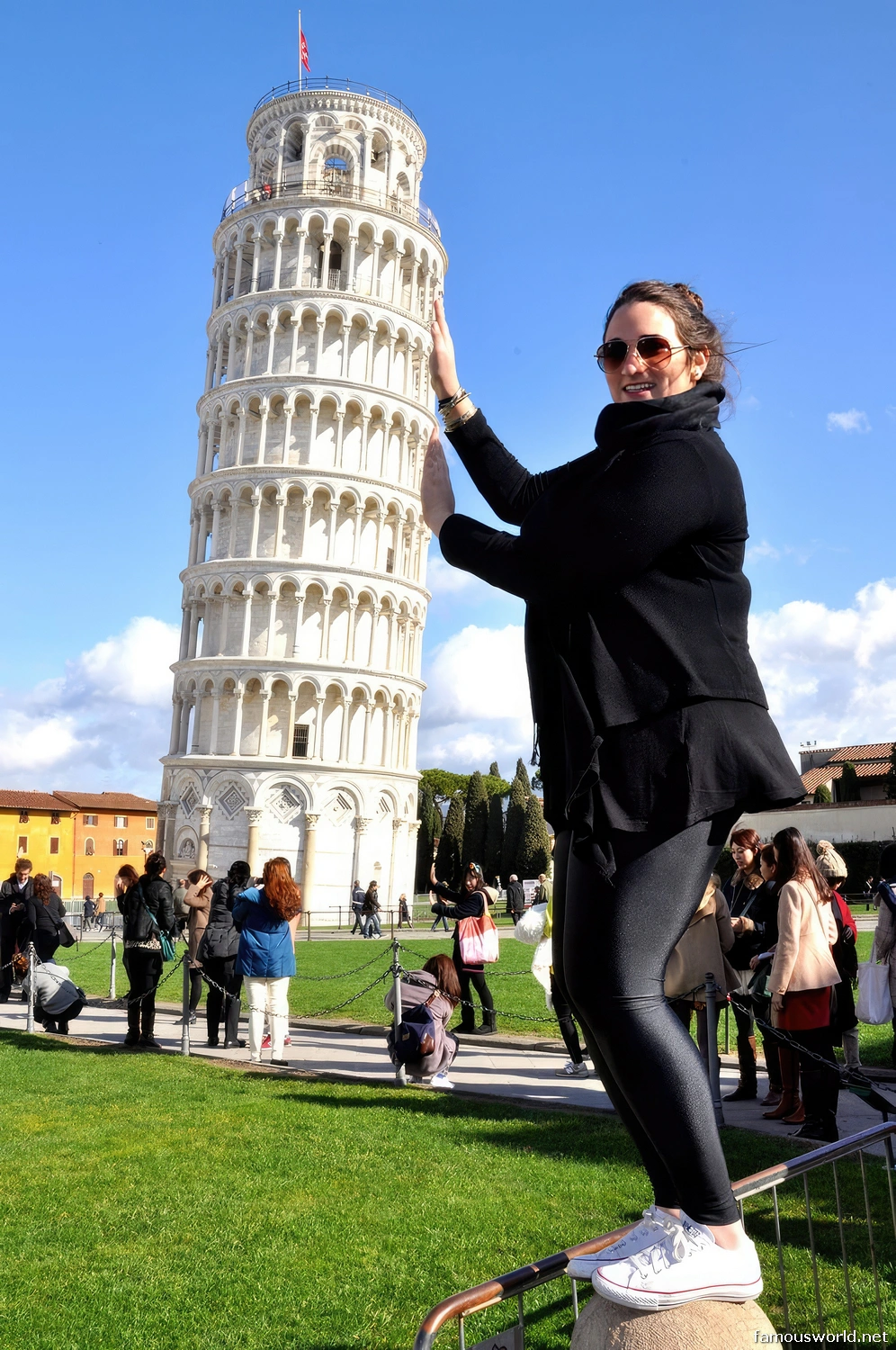

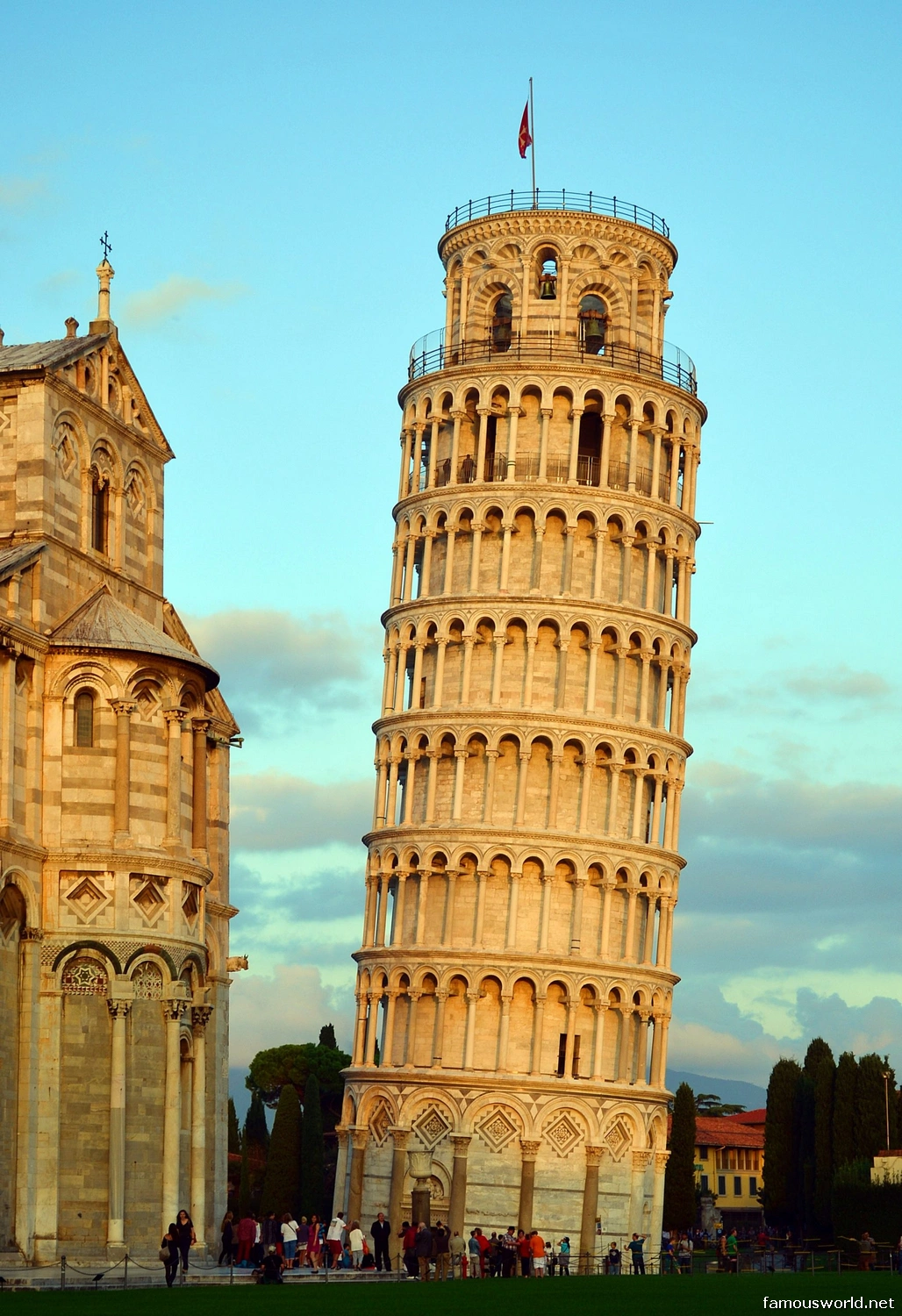
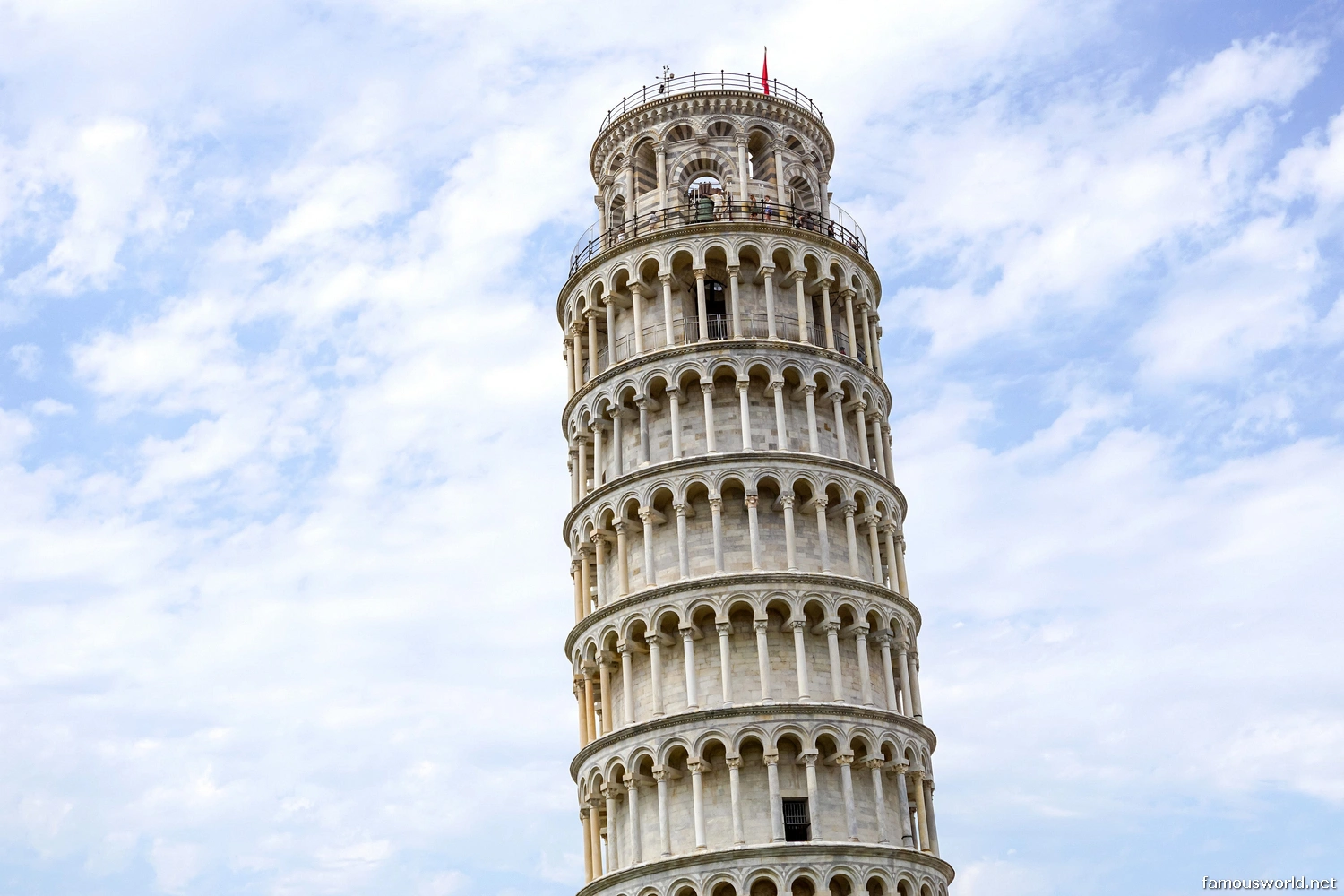
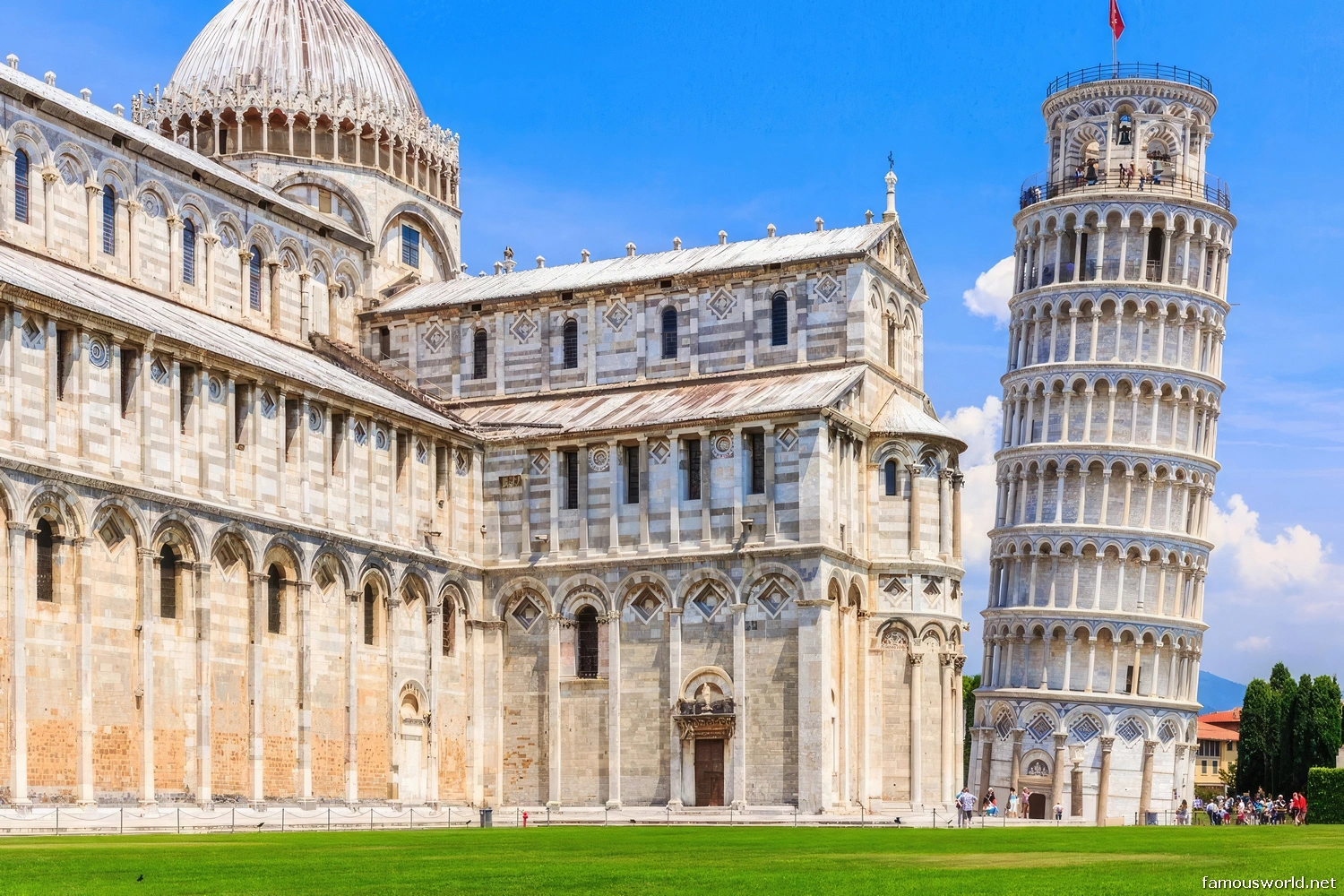
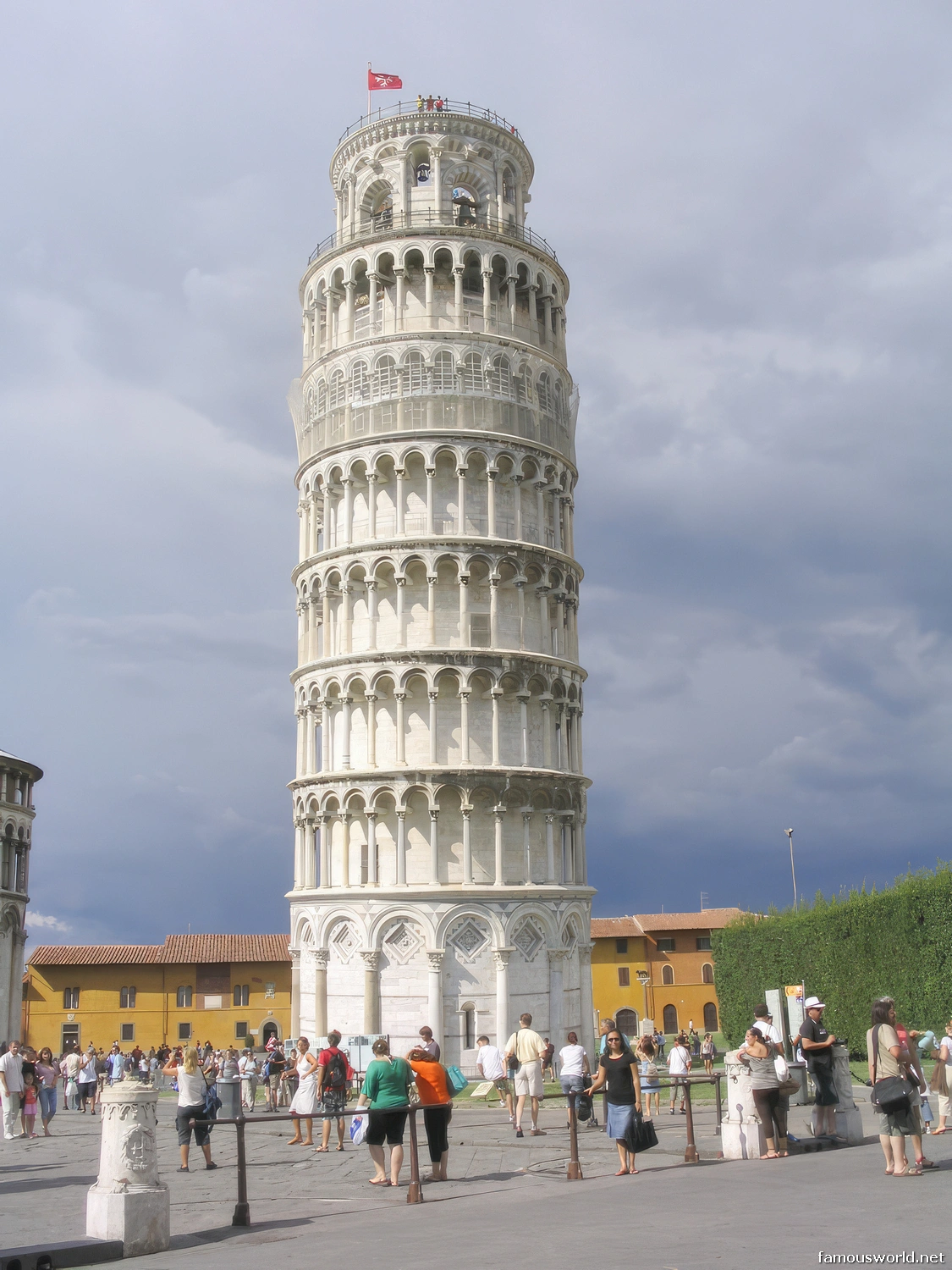
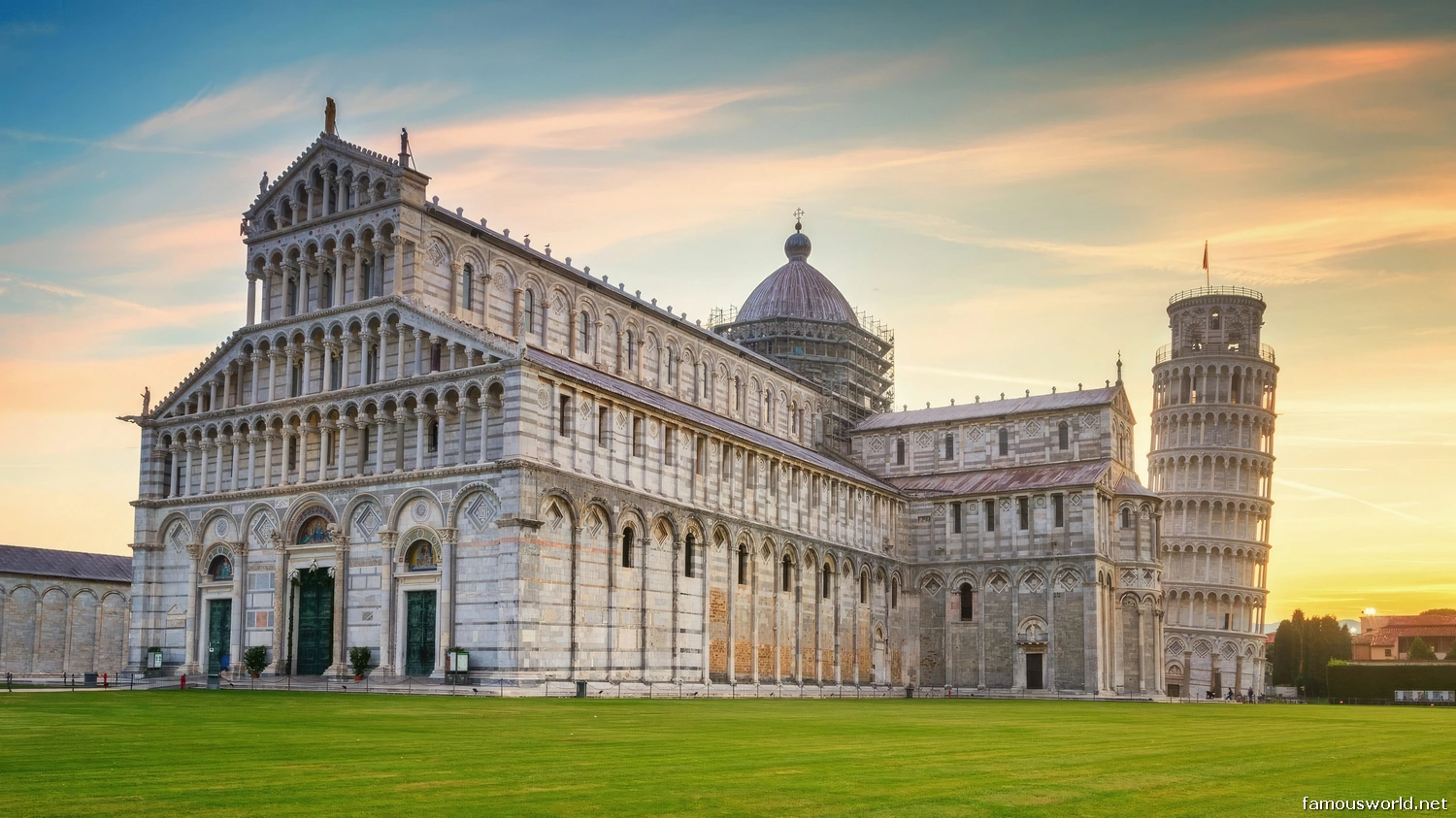
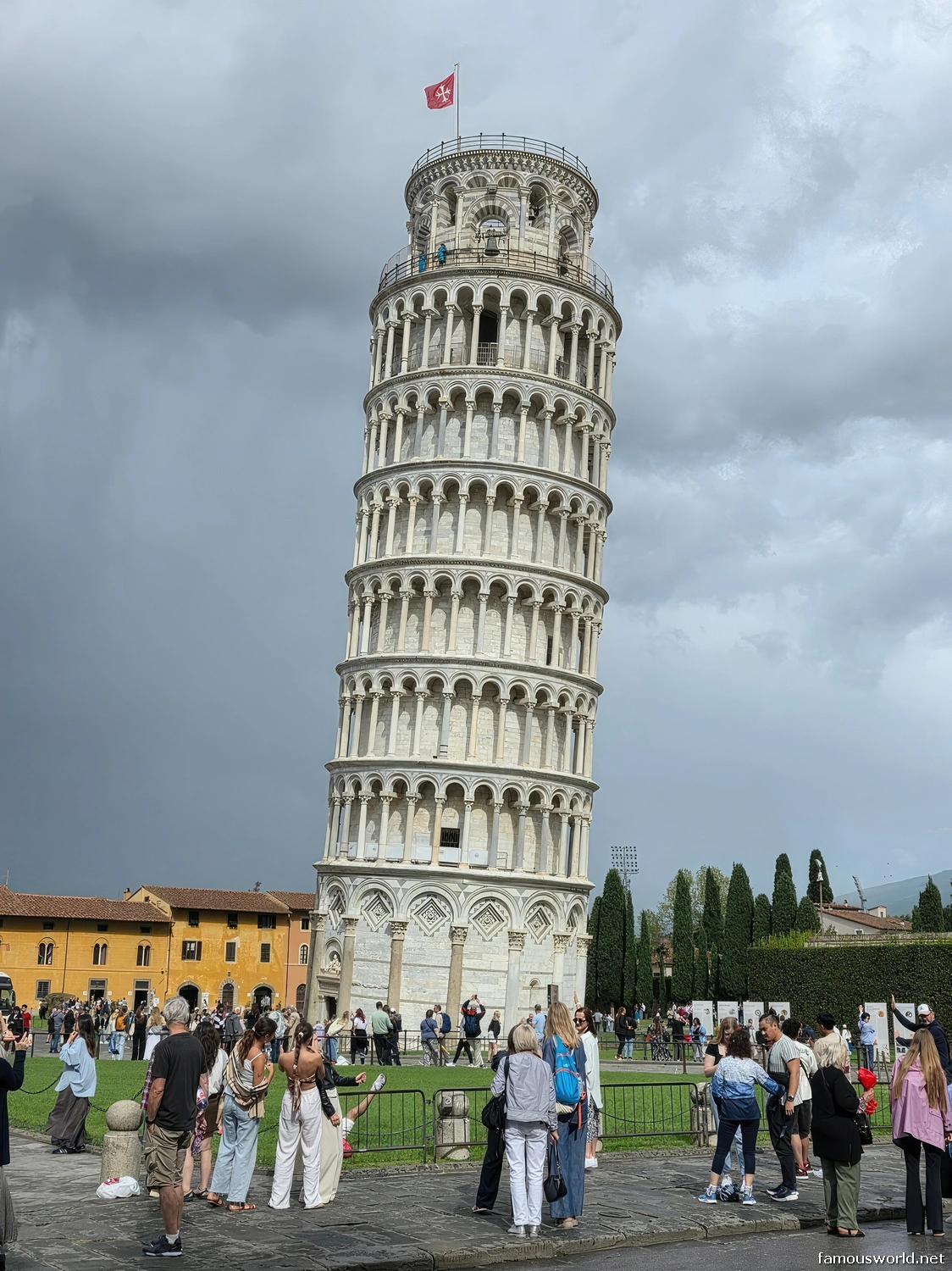
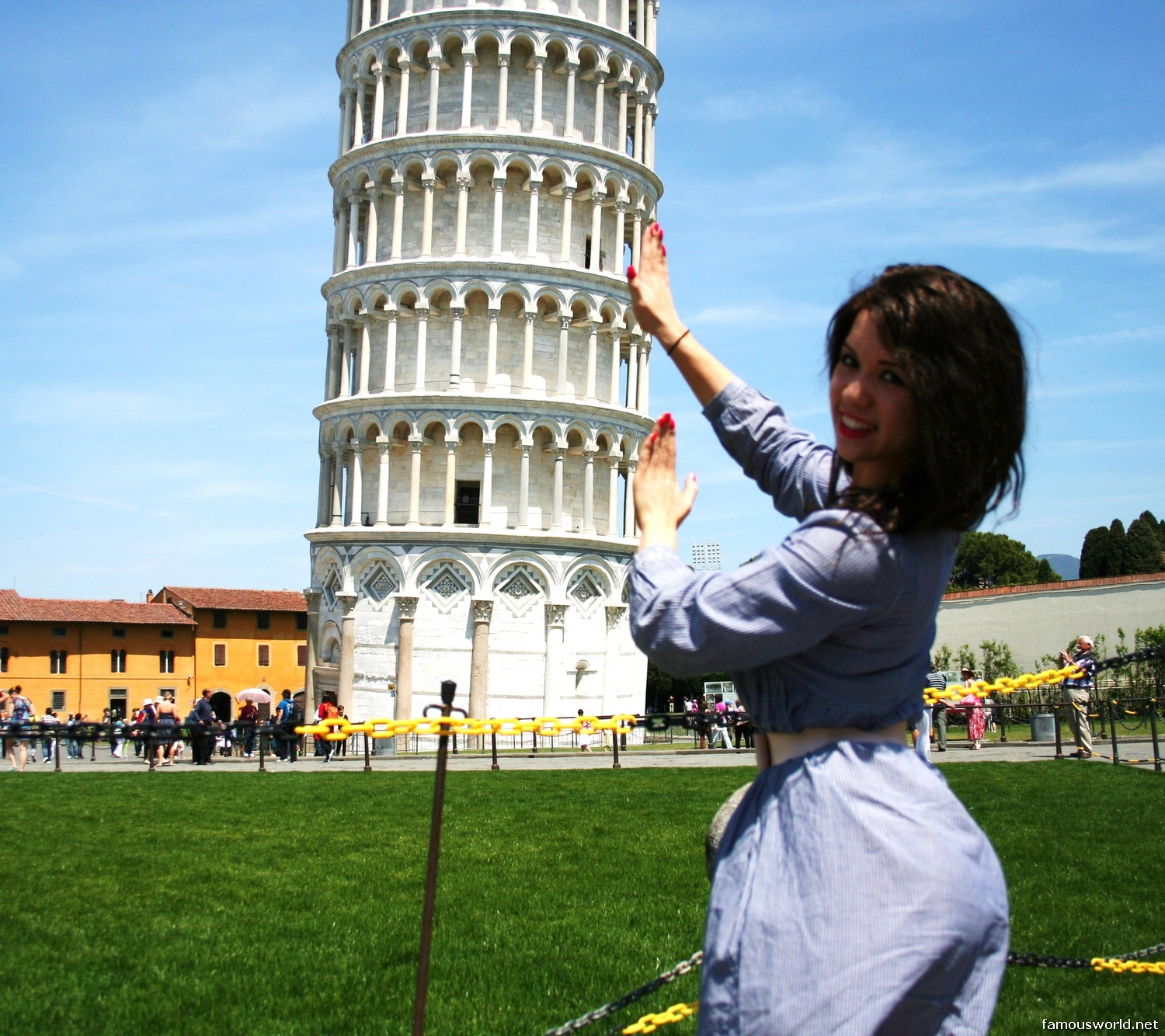
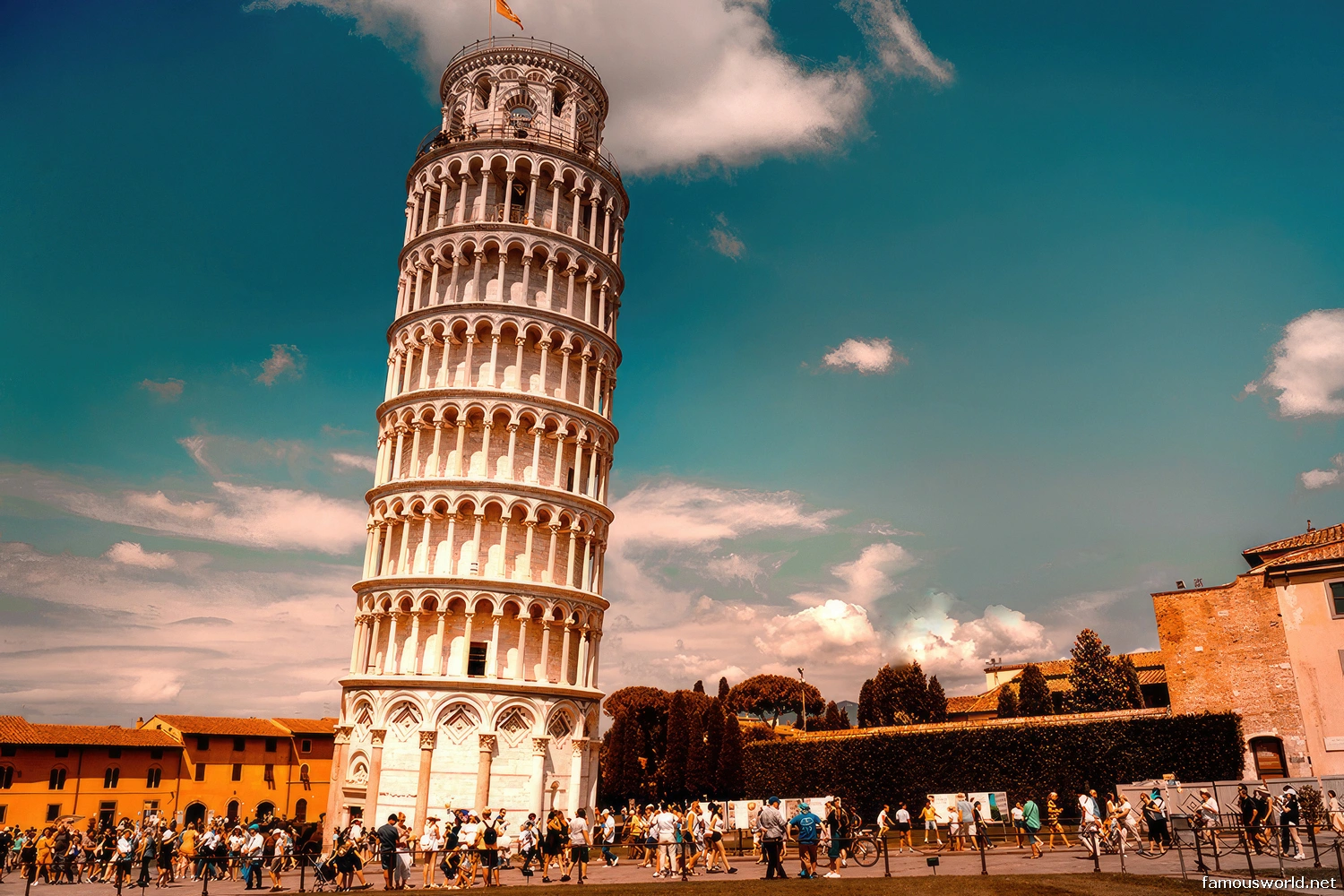
As one of the most remarkable architectural mistakes in history, the Leaning Tower of Pisa is an iconic symbol of Italy, recognized and beloved across the globe. This freestanding bell tower, or campanile, was never intended to lean, but its flawed foundation turned it into a centuries-long engineering puzzle and an accidental masterpiece. Set within the stunning Piazza dei Miracoli (Square of Miracles), the tower is celebrated not just for its famous tilt, but for the delicate beauty of its Romanesque architecture. It stands as a testament to both human ambition and human fallibility, a beautiful structure made infinitely more famous by its imperfection.
Listen to an introduction about Leaning Tower of Pisa

Name and Location
- Name: The Leaning Tower of Pisa (Torre pendente di Pisa).
- Location: In the Piazza dei Miracoli (also known as Piazza del Duomo) in the city of Pisa, Tuscany, Italy.
How to Get There
Pisa is a popular day trip, especially from Florence, and the tower is easily accessible.
- By Train: The most common way to arrive is by train to Pisa Centrale station. From there, it is about a 25-minute walk or a short bus ride to the Piazza dei Miracoli.
- By Car: Driving to Pisa is possible, but the area around the tower is a limited traffic zone (ZTL). It’s best to park in a designated lot outside the historic center and walk.
- By Air: Pisa has an international airport, Galileo Galilei (PSA), with a people mover service (PisaMover) that connects directly to the central train station.
Landscape and Architecture
The tower is part of one of the most beautiful architectural ensembles in the world.
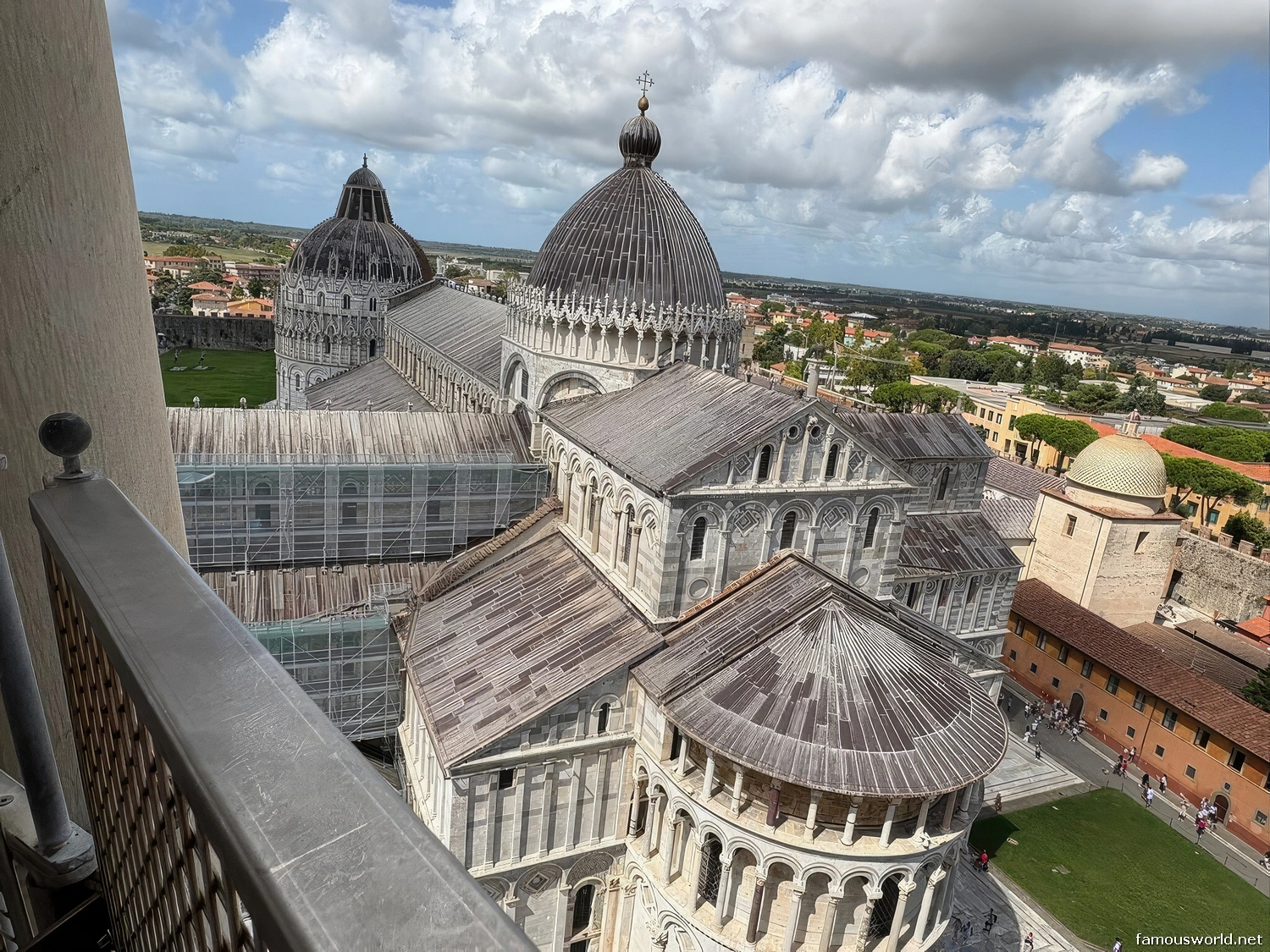
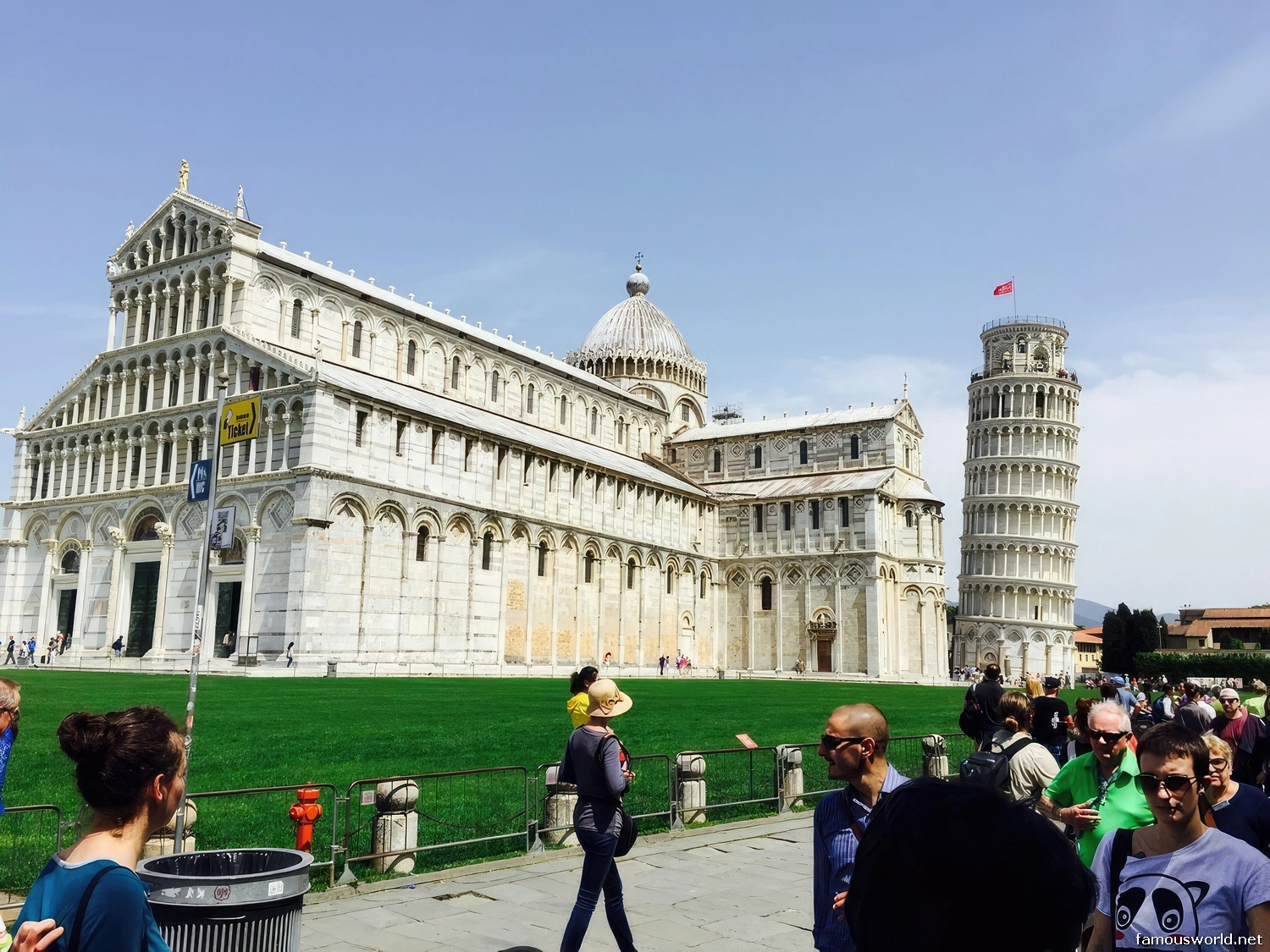
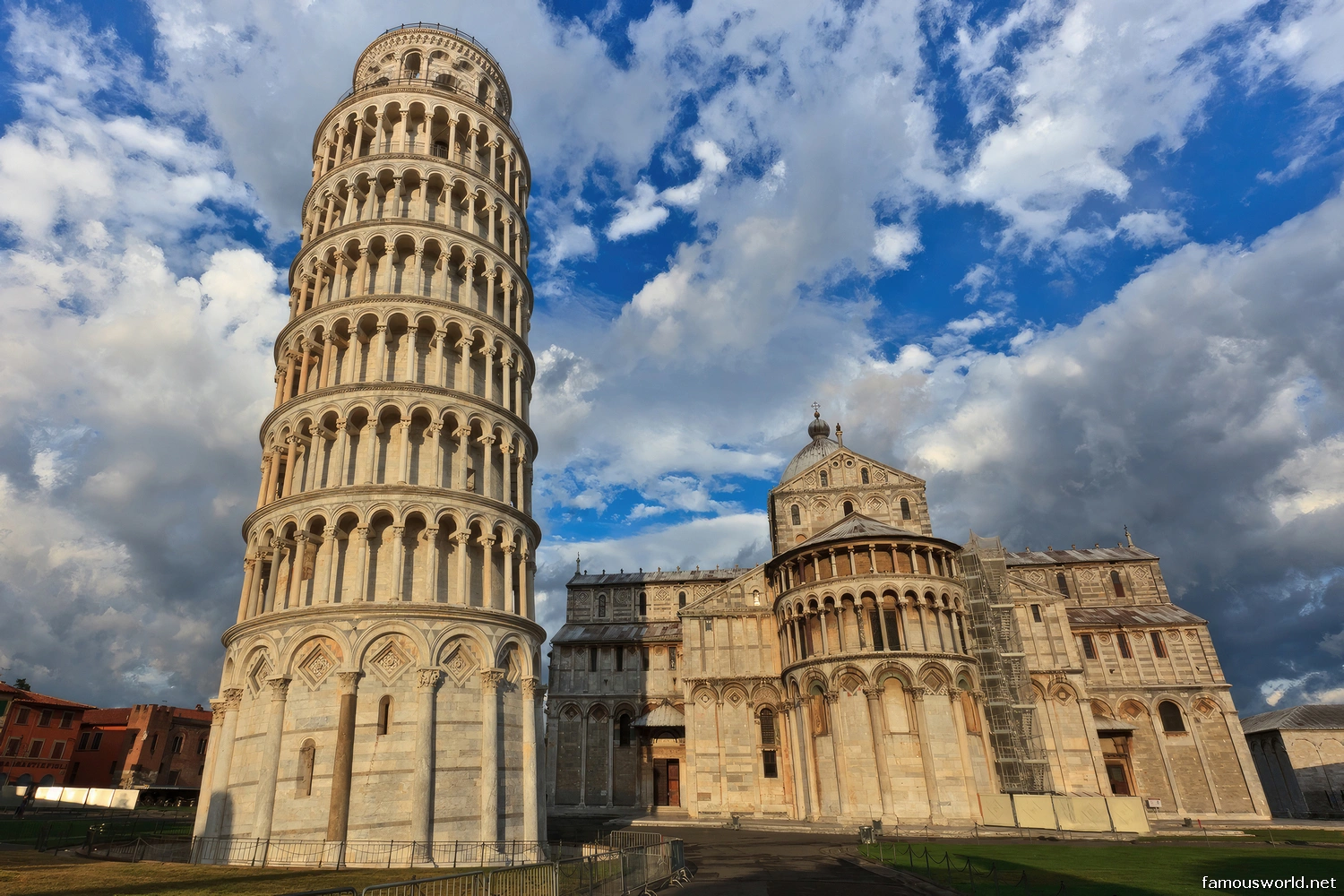
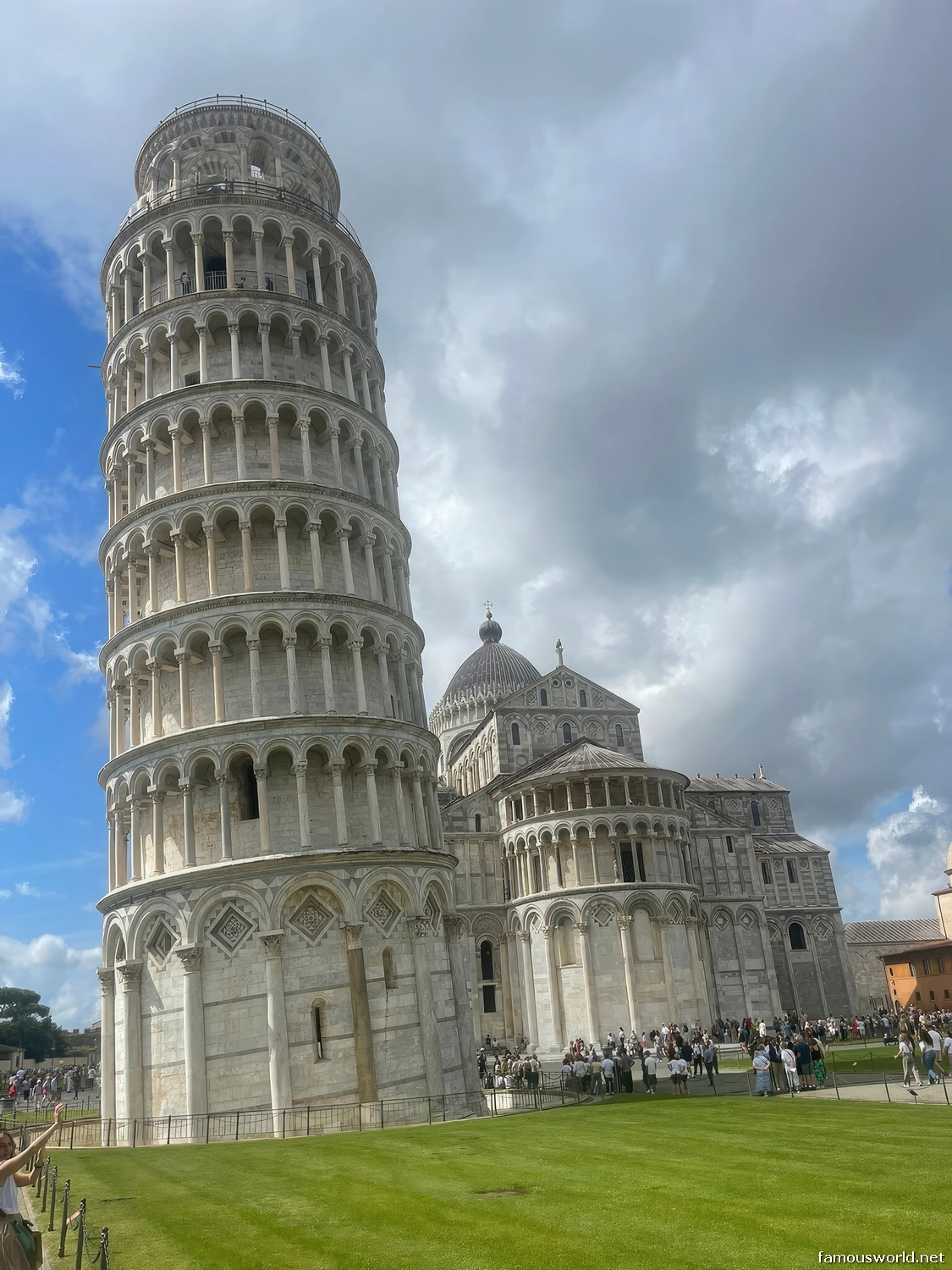
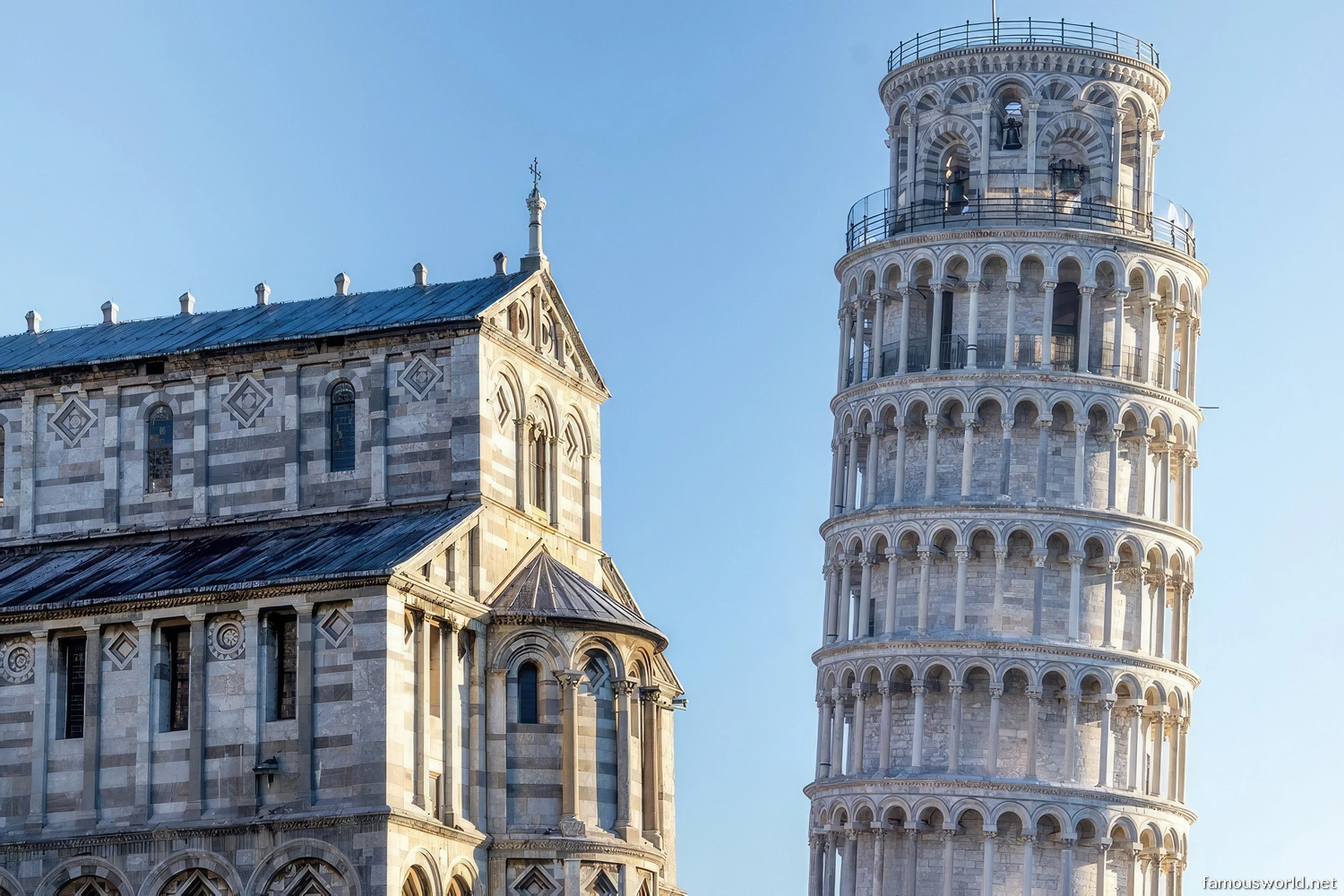
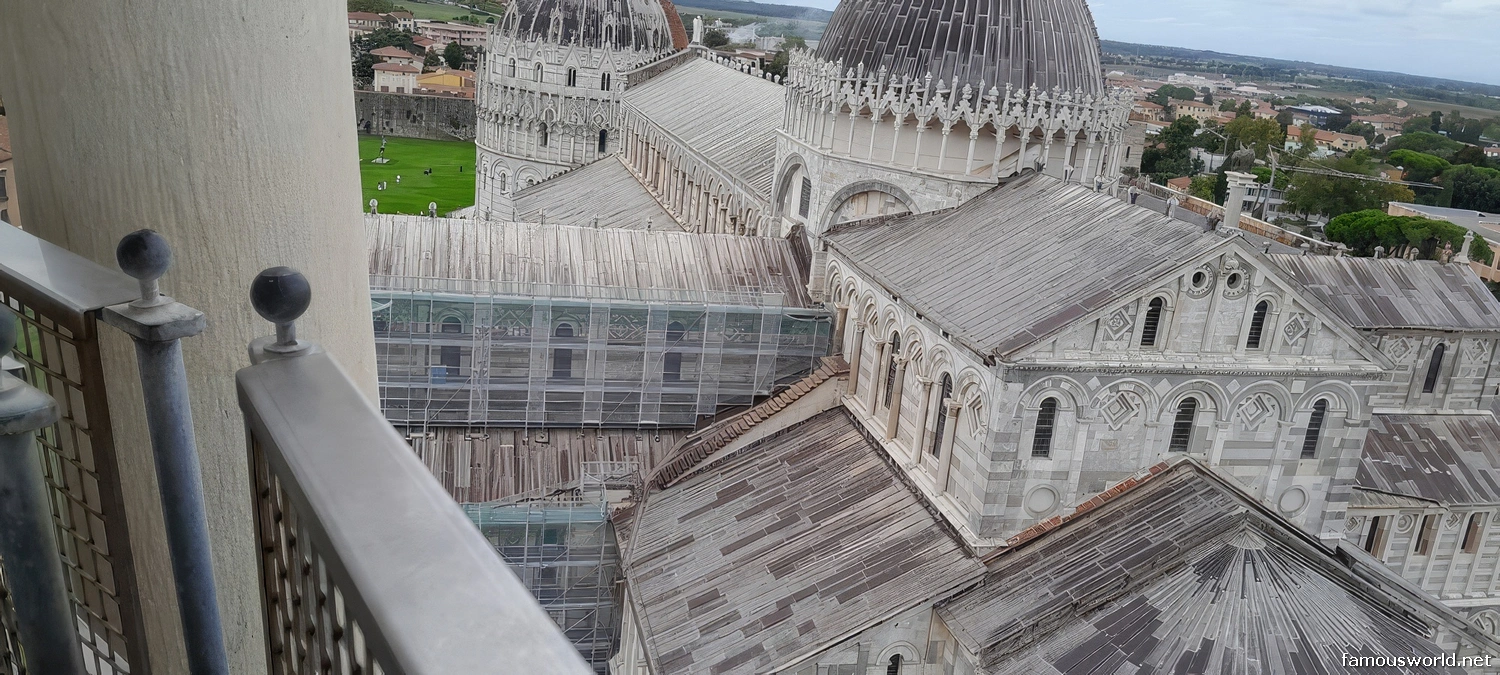
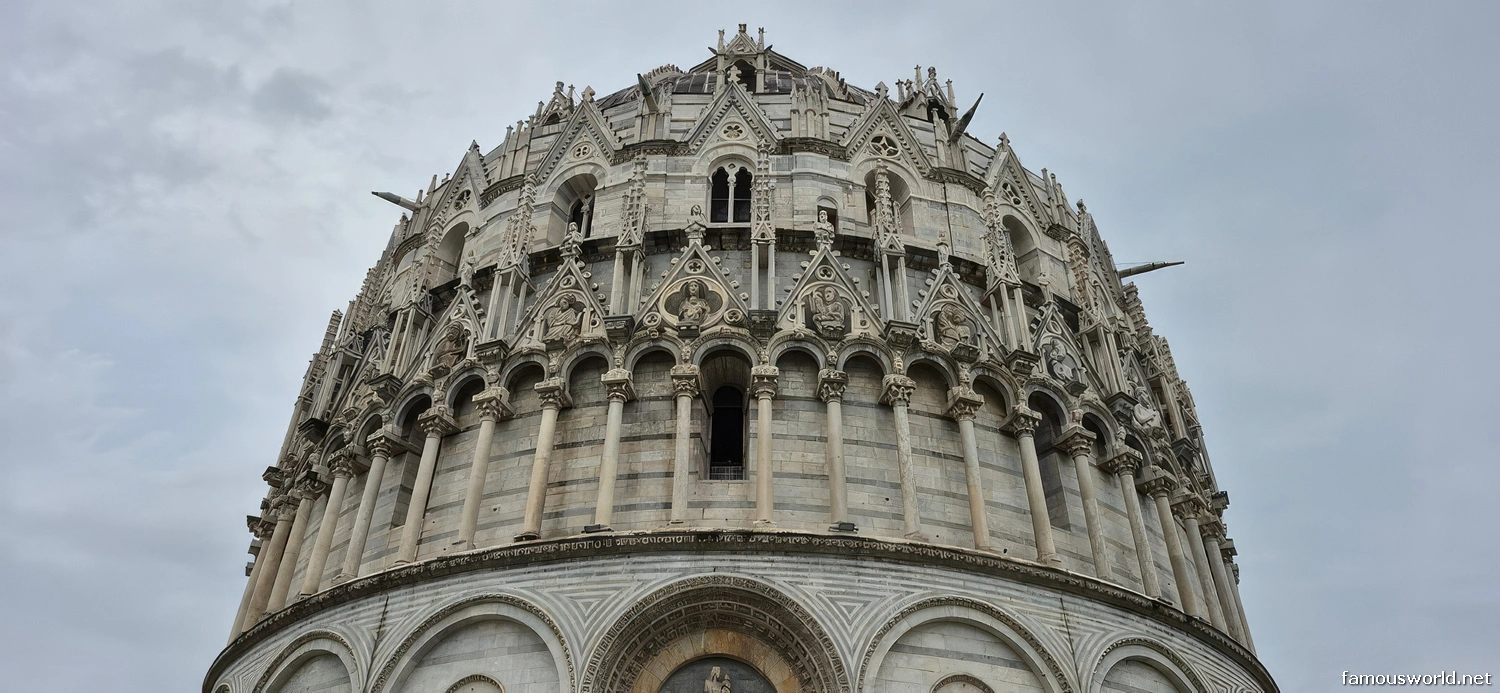
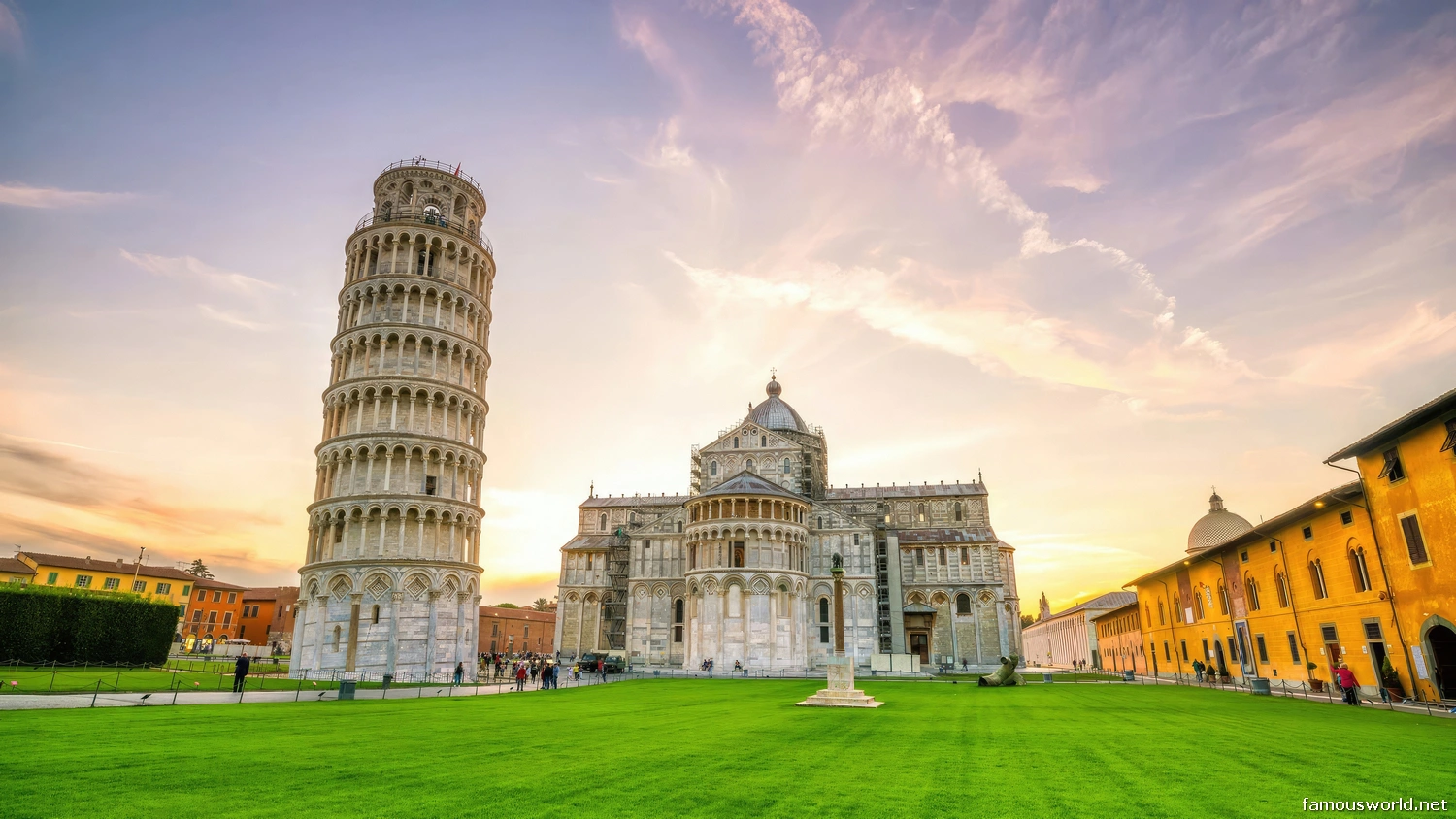
- The Landscape: The tower does not stand alone but is one of four magnificent white marble buildings in the Piazza dei Miracoli, a vast, green, manicured lawn. The other structures are the Pisa Cathedral (Duomo), the Baptistery, and the Camposanto Monumentale (monumental cemetery). This creates a stunning visual landscape of architectural harmony.
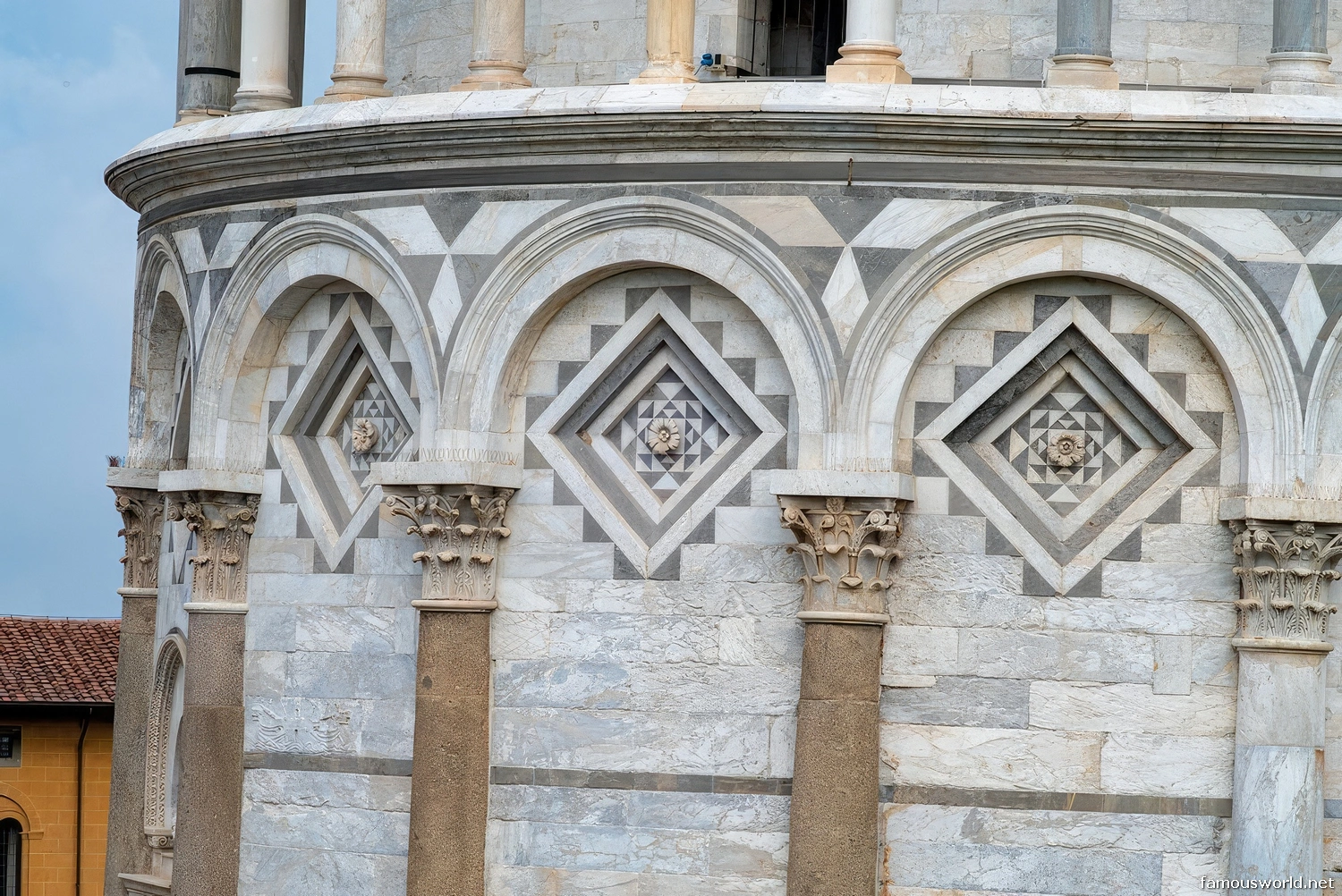
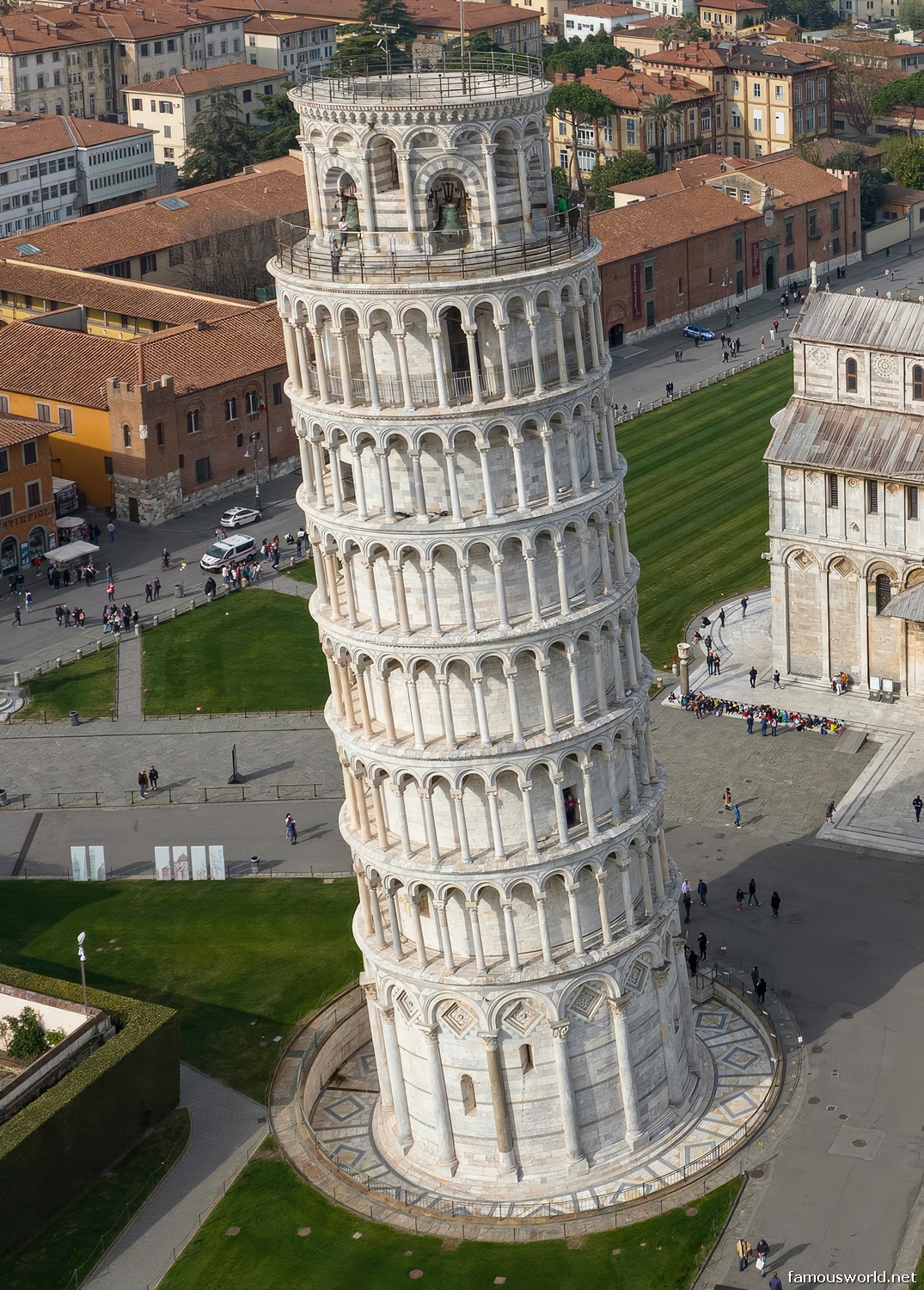
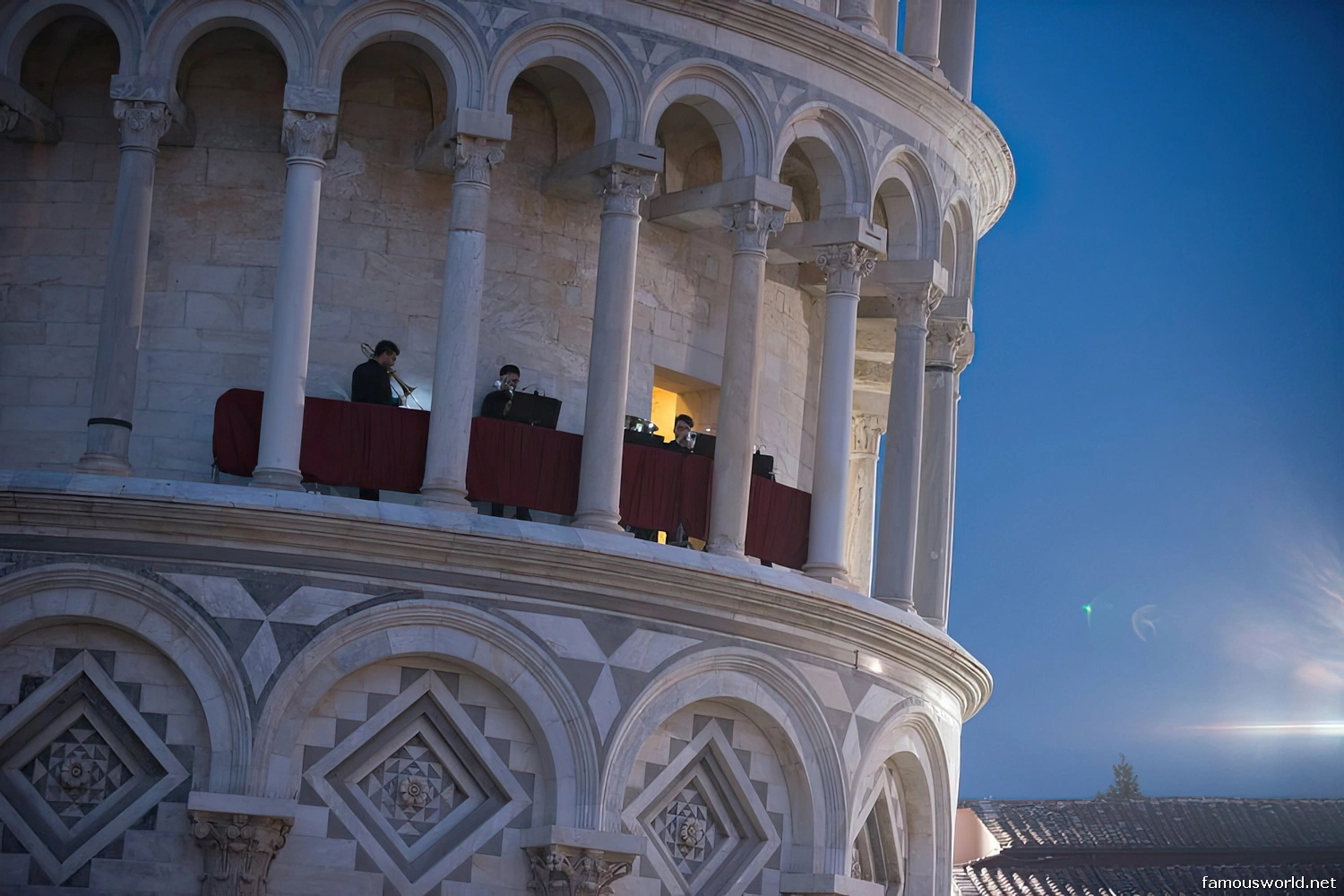
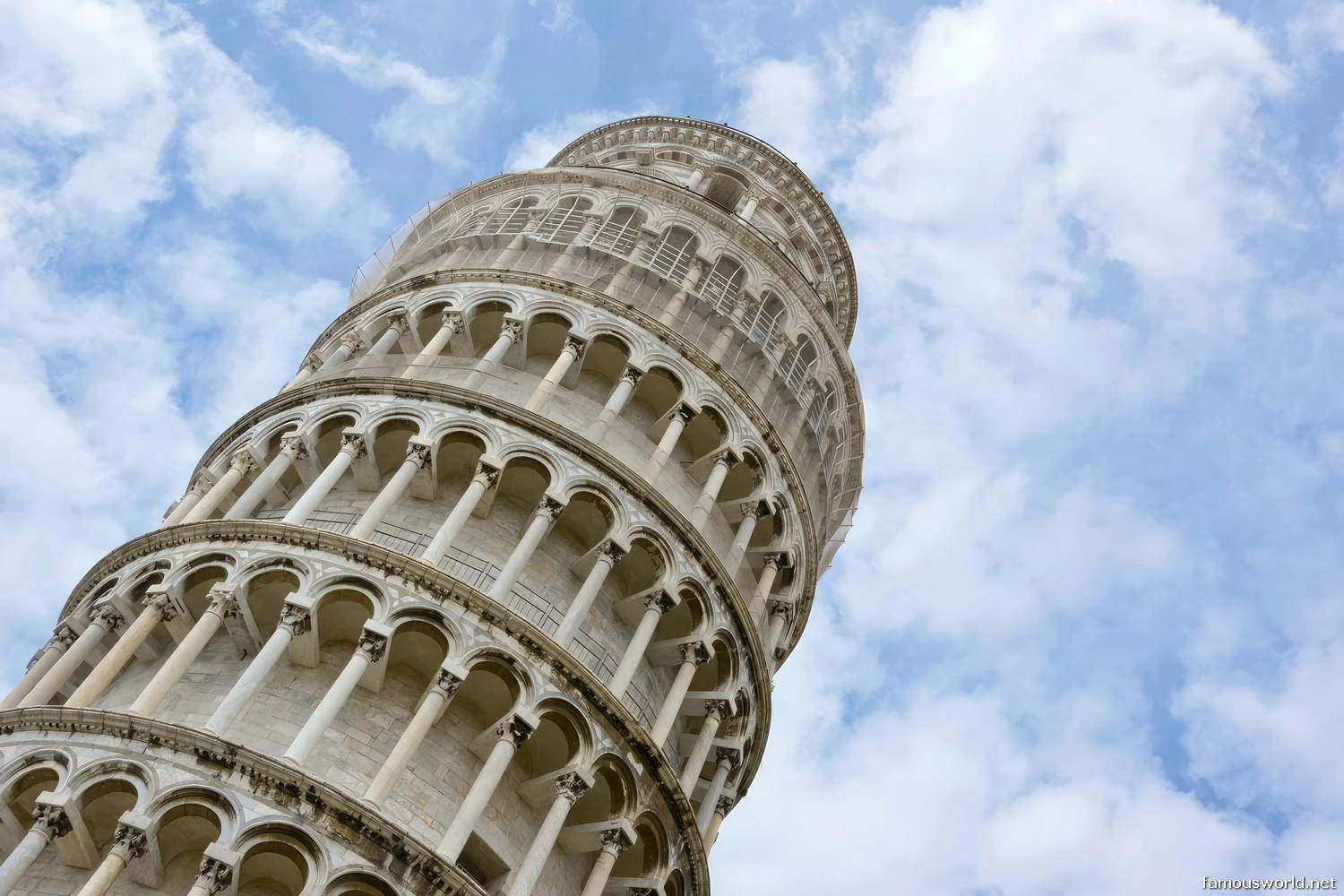
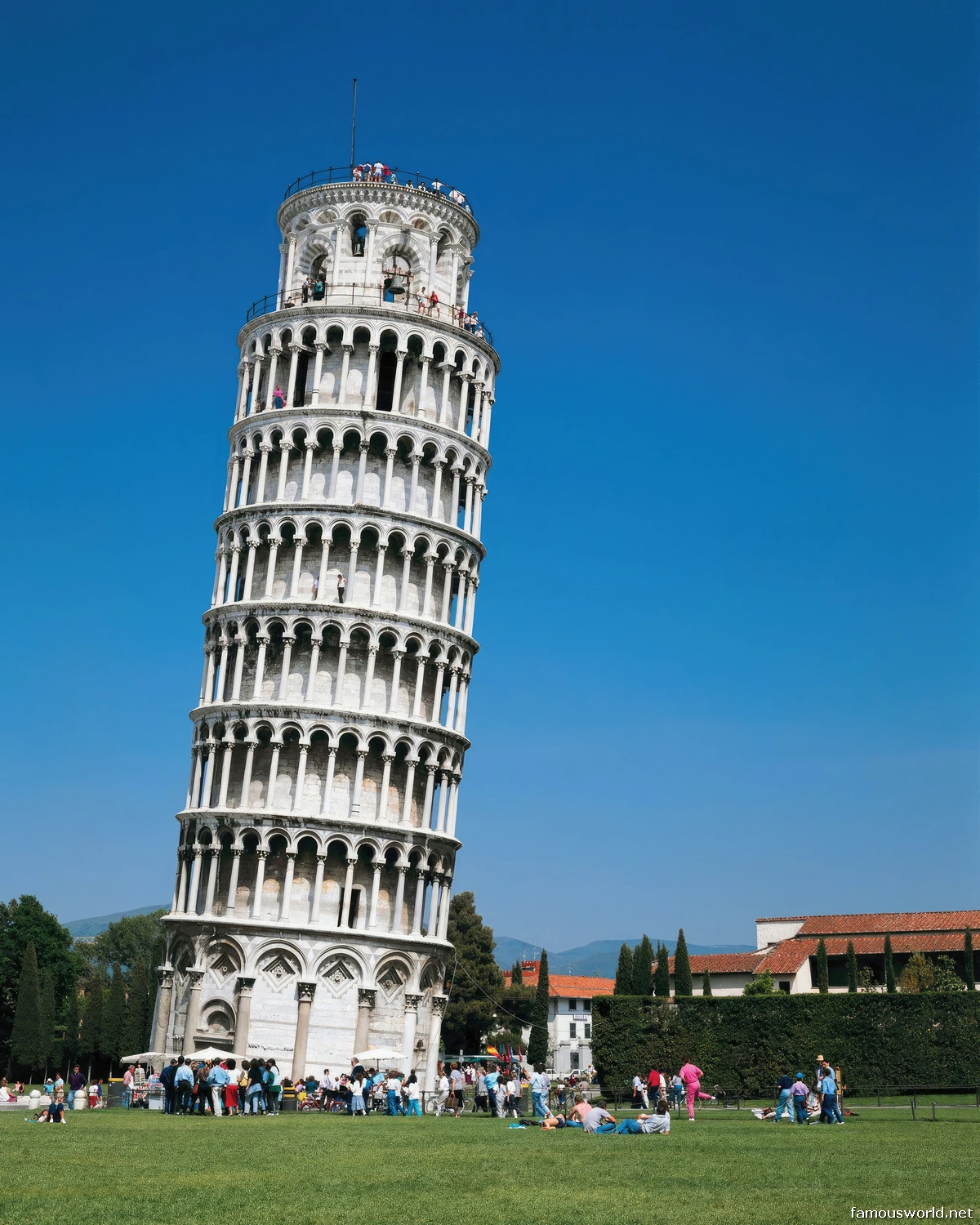
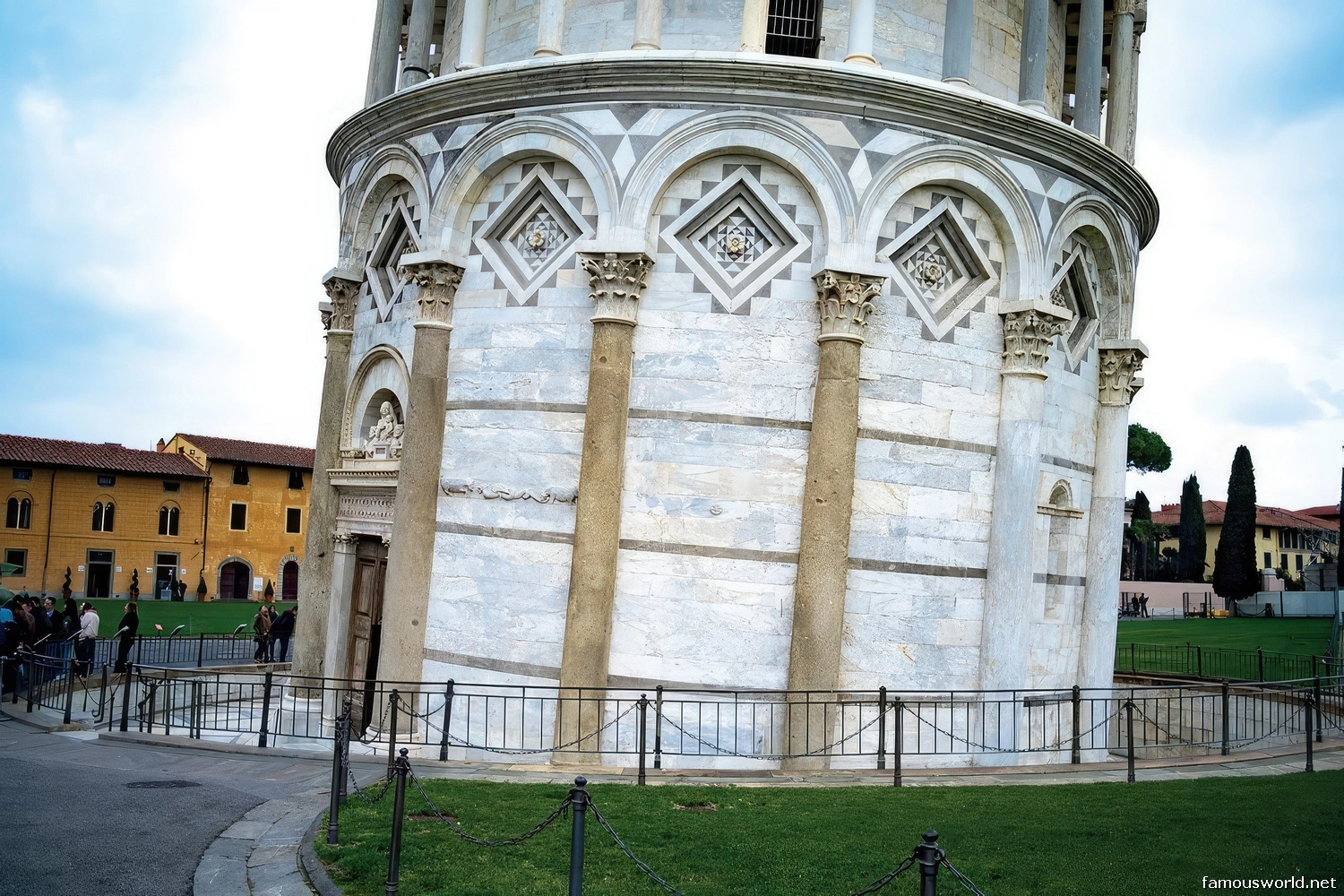
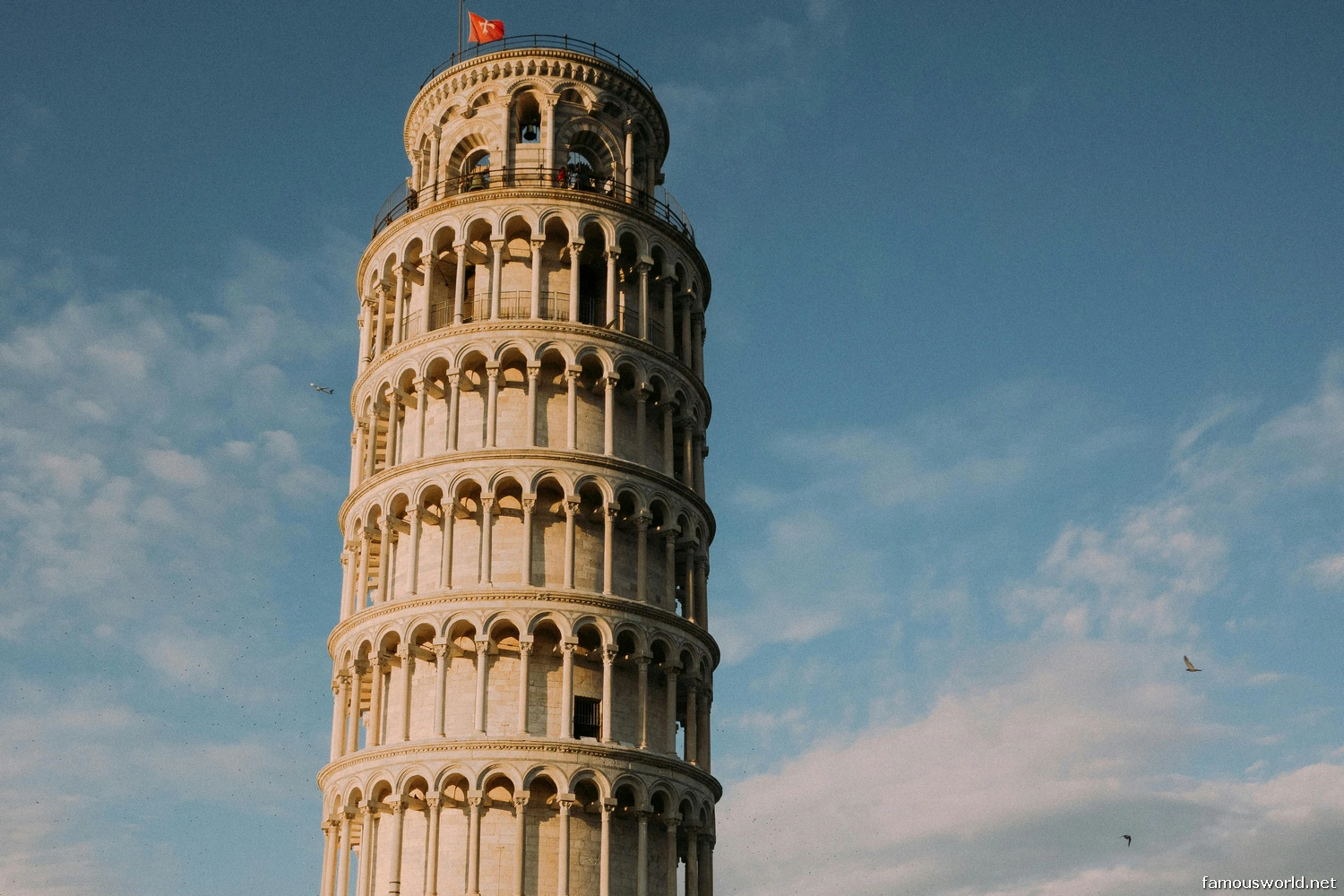
- The Architecture: The tower is a masterpiece of Pisan Romanesque architecture, with six stories of elegant loggias (arcaded galleries) wrapped around its cylindrical body. It is built entirely of white marble. Its famous tilt is the result of a shallow, unstable subsoil on which its foundations were laid. Construction began in 1173 and was halted for nearly a century as the lean began, before being completed in the 14th century.
What Makes It Famous
The tower’s fame is built on its iconic lean and the legends surrounding it.
- The Unintentional Lean: Its precarious tilt is its defining feature, a world-famous architectural flaw that has been stabilized through extensive modern engineering efforts.
- Galileo Galilei’s Experiment: Legend holds that the Pisan-born scientist Galileo dropped two cannonballs of different masses from the top of the tower to demonstrate that their speed of descent was independent of their mass.
- A UNESCO World Heritage Site: The entire Piazza dei Miracoli, including the tower, is recognized by UNESCO for its unique and influential medieval art and architecture.
- Architectural Beauty: Beyond its lean, the tower is admired for the grace and delicacy of its Romanesque design.
Differences from Other Wonders
The tower’s identity as a single, beautiful, and flawed marvel contrasts with the monumental, brutal history of the Colosseum.
- Environment (Sacred Artistic Square vs. Grand Imperial Arena): The Leaning Tower is part of a serene, beautiful, and sacred square dedicated to religious purposes. The Colosseum is a colossal, freestanding arena built in the heart of a bustling capital for mass, violent entertainment.
- Core Story (Accidental Beauty & Engineering vs. Imperial Power & Spectacle): The story of the tower is about a beautiful object made famous by an accidental engineering flaw. The story of the Colosseum is a deliberate display of Roman engineering and imperial power, designed for brutal public spectacles.
- Primary Attraction (A Singular, Graceful Flaw vs. A Colossal, Awe-Inspiring Ruin): The main attraction in Pisa is the singular, graceful novelty of the leaning structure. The attraction of the Colosseum is its immense scale and its powerful, dramatic history of gladiatorial combat.
- Atmosphere (Lighthearted and Picturesque vs. Grandiose and Haunting): The atmosphere at the Tower of Pisa is generally lighthearted and picturesque. The atmosphere at the Colosseum is one of grandeur and historical awe, yet it is also a haunting space filled with the echoes of its violent past.
Location on world map