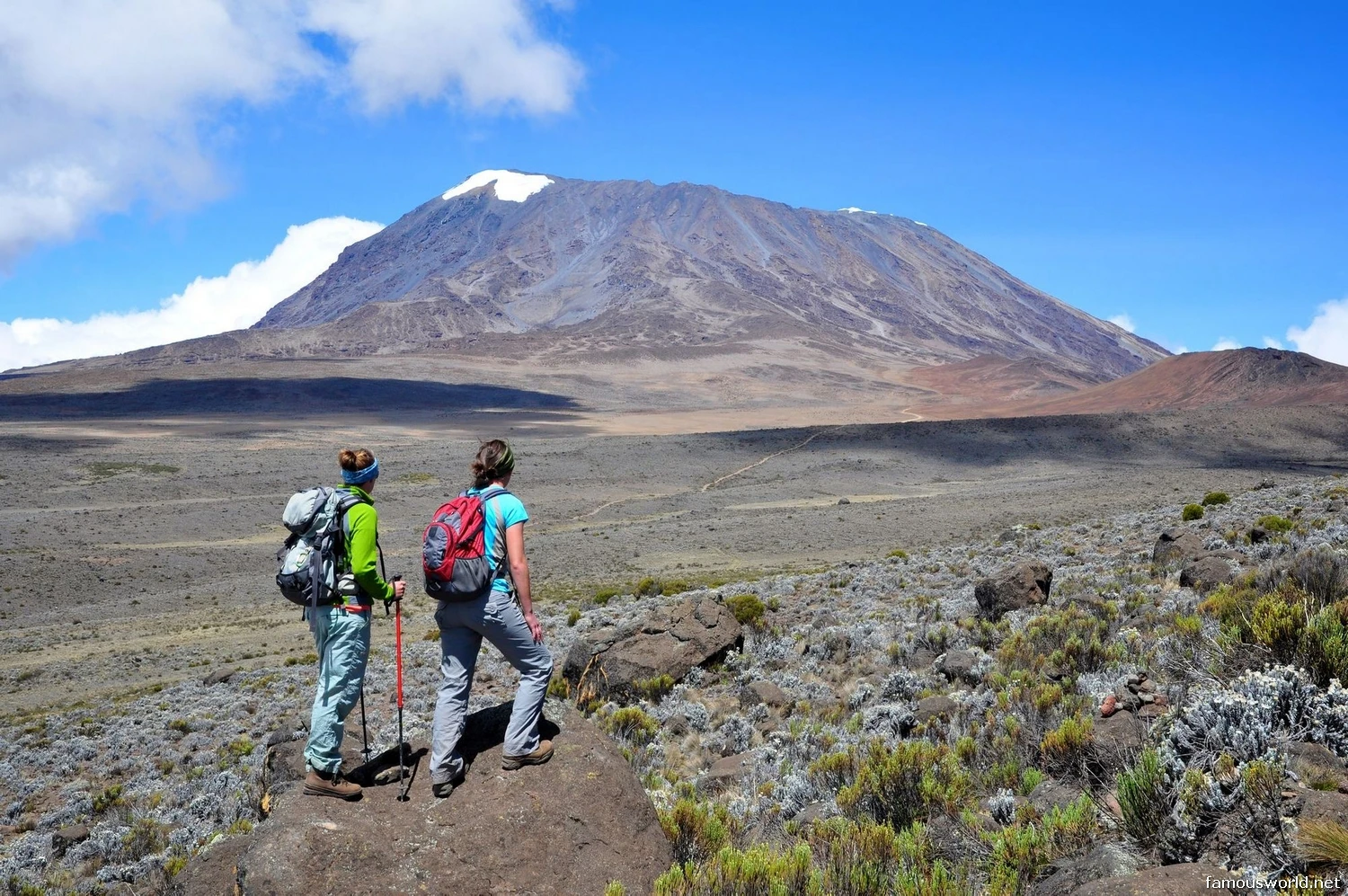

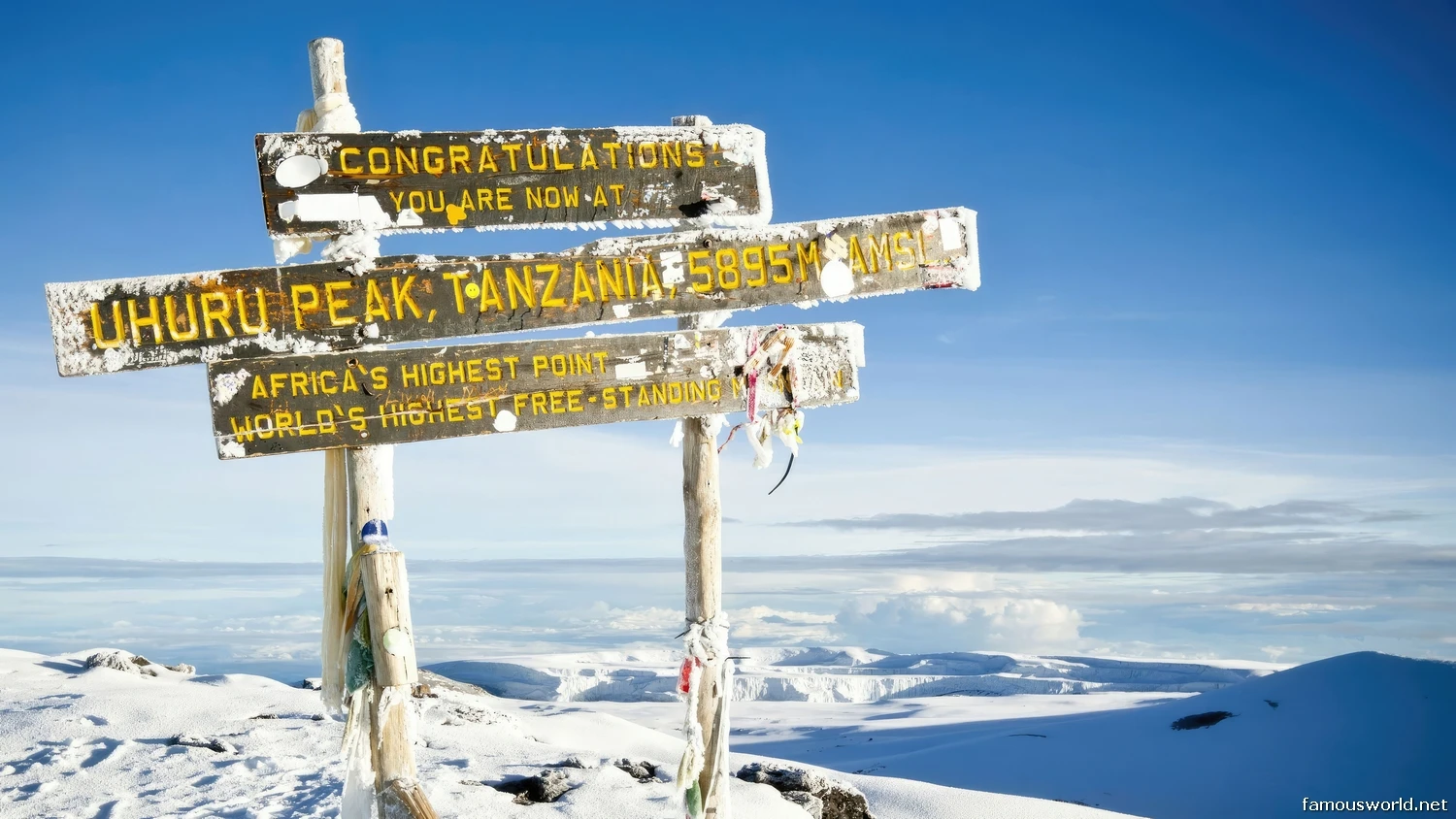
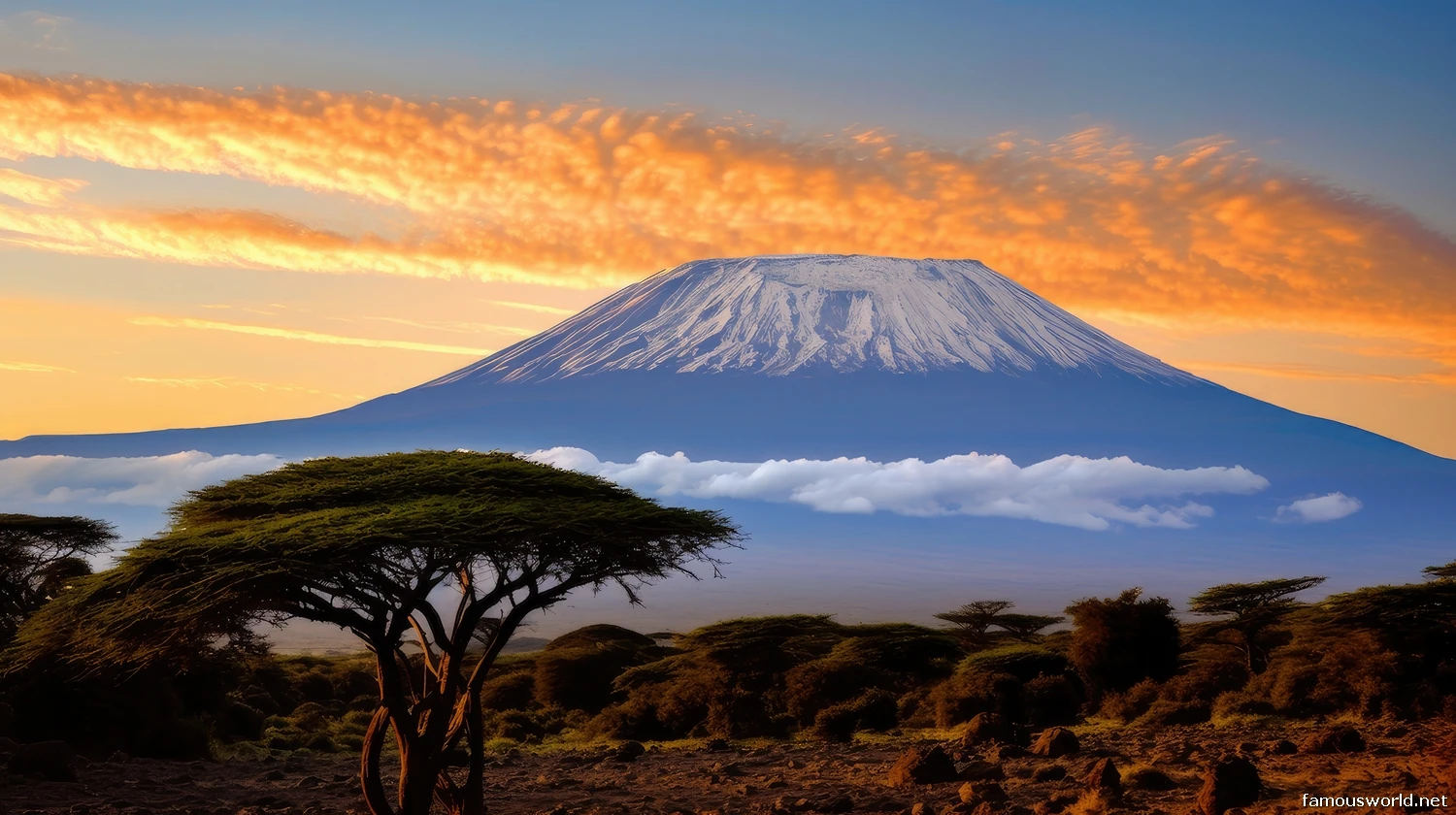
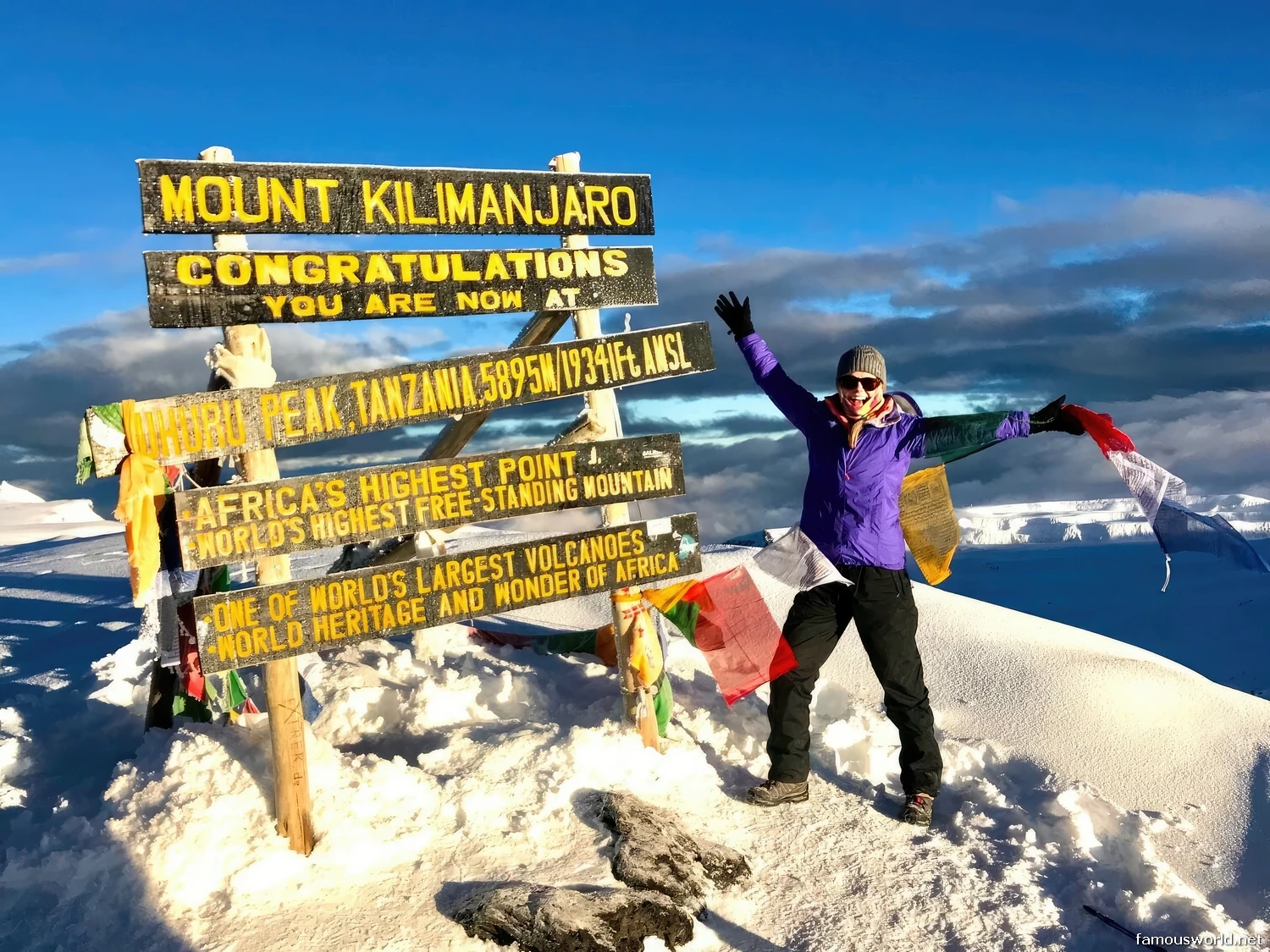
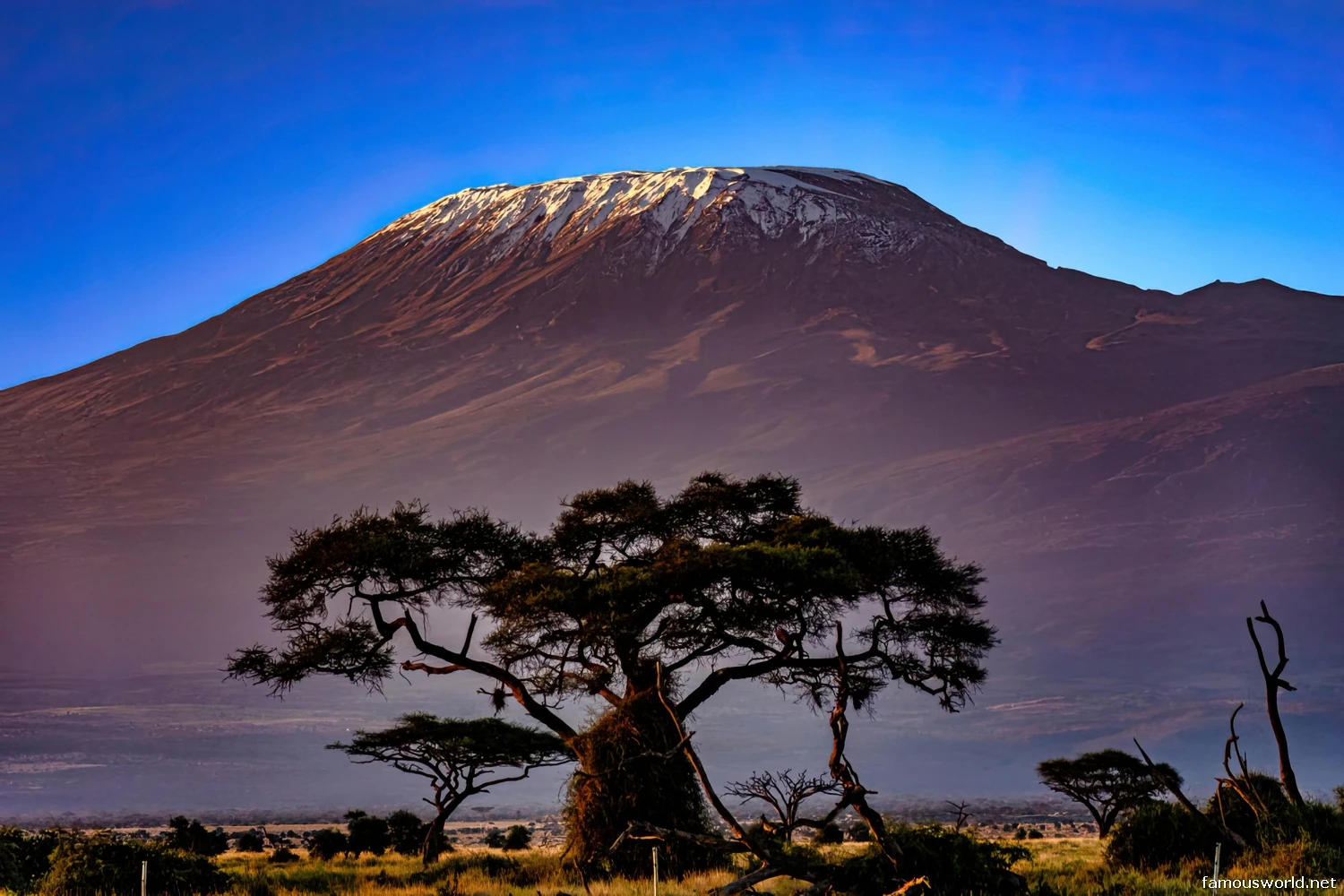
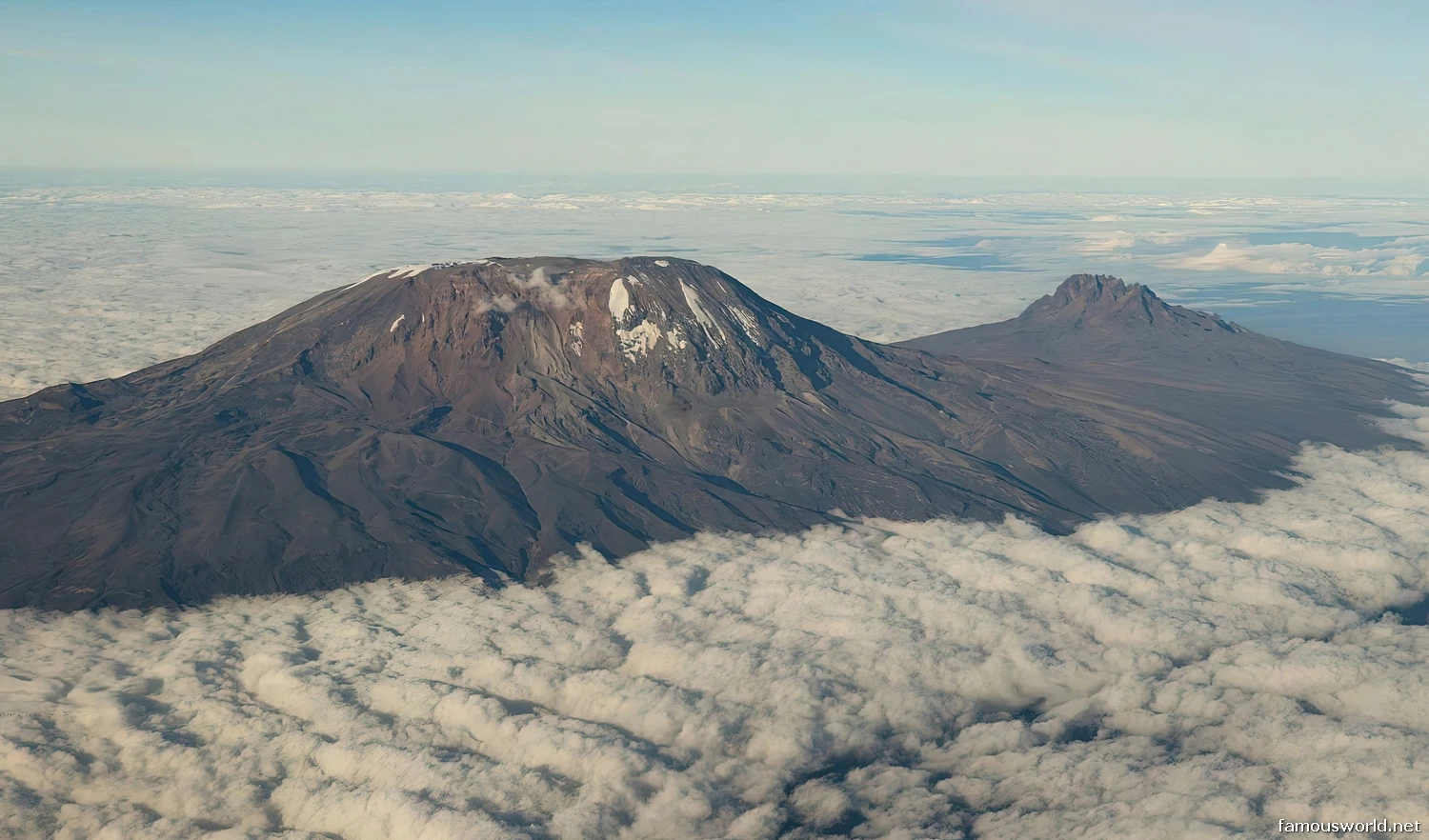
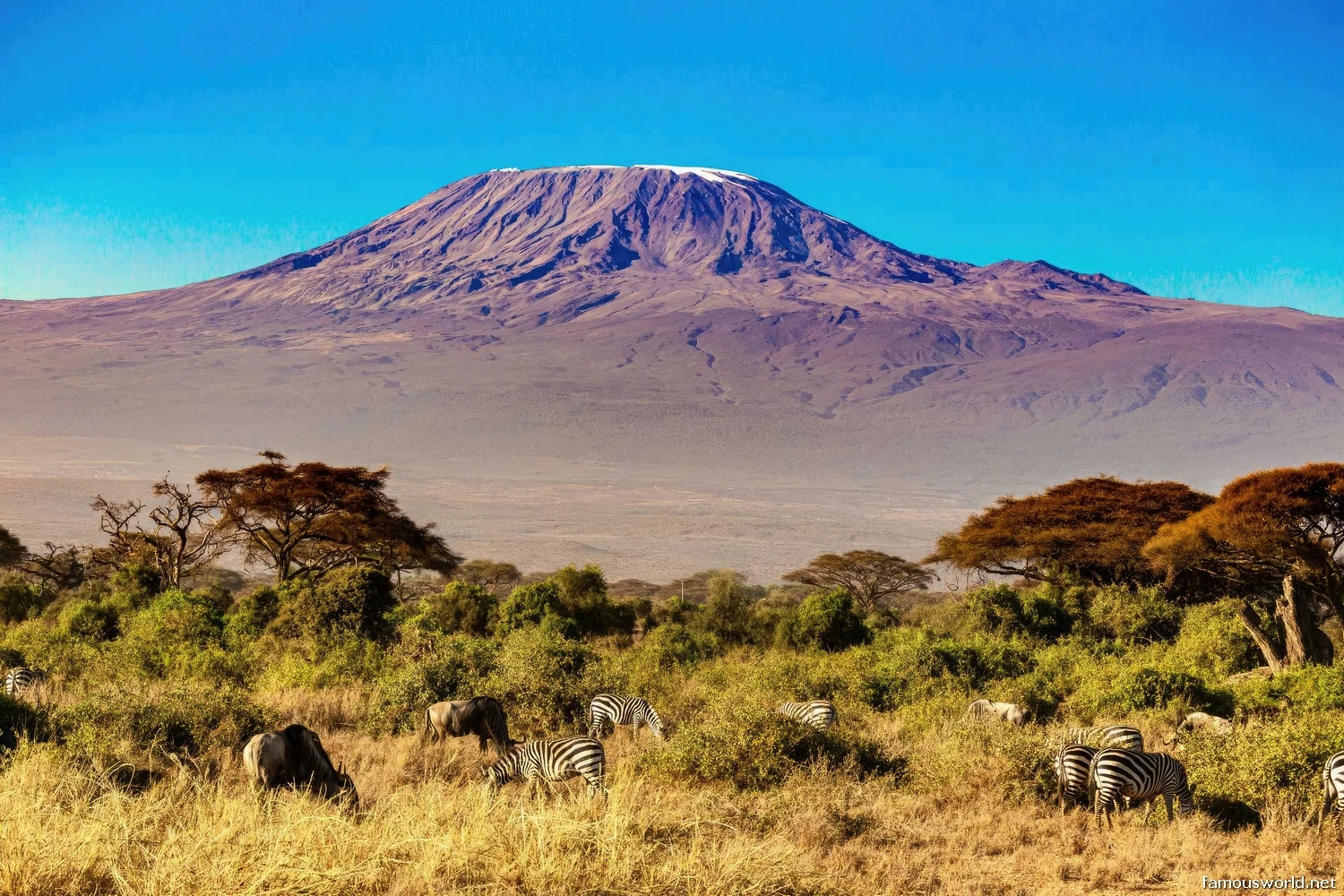
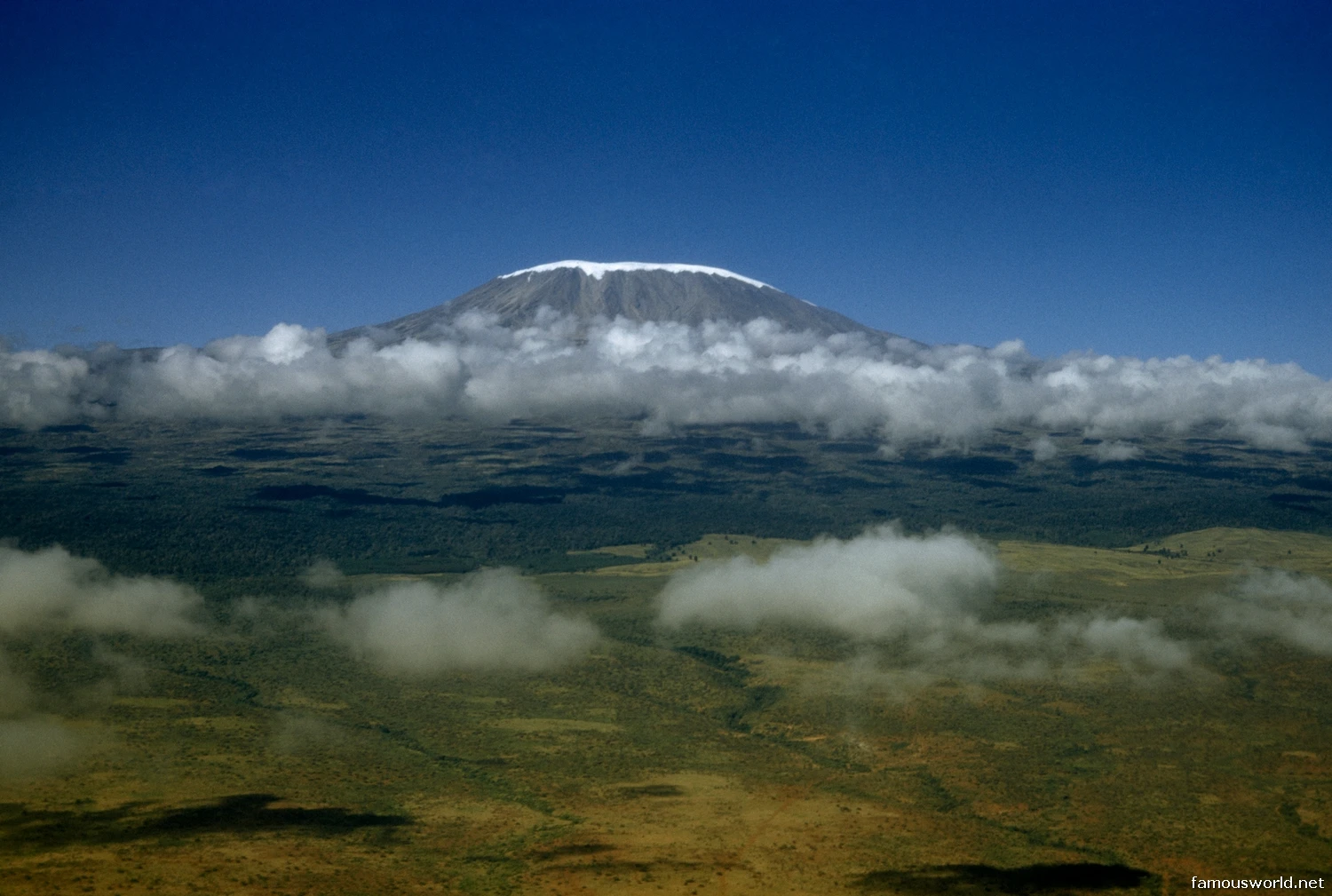
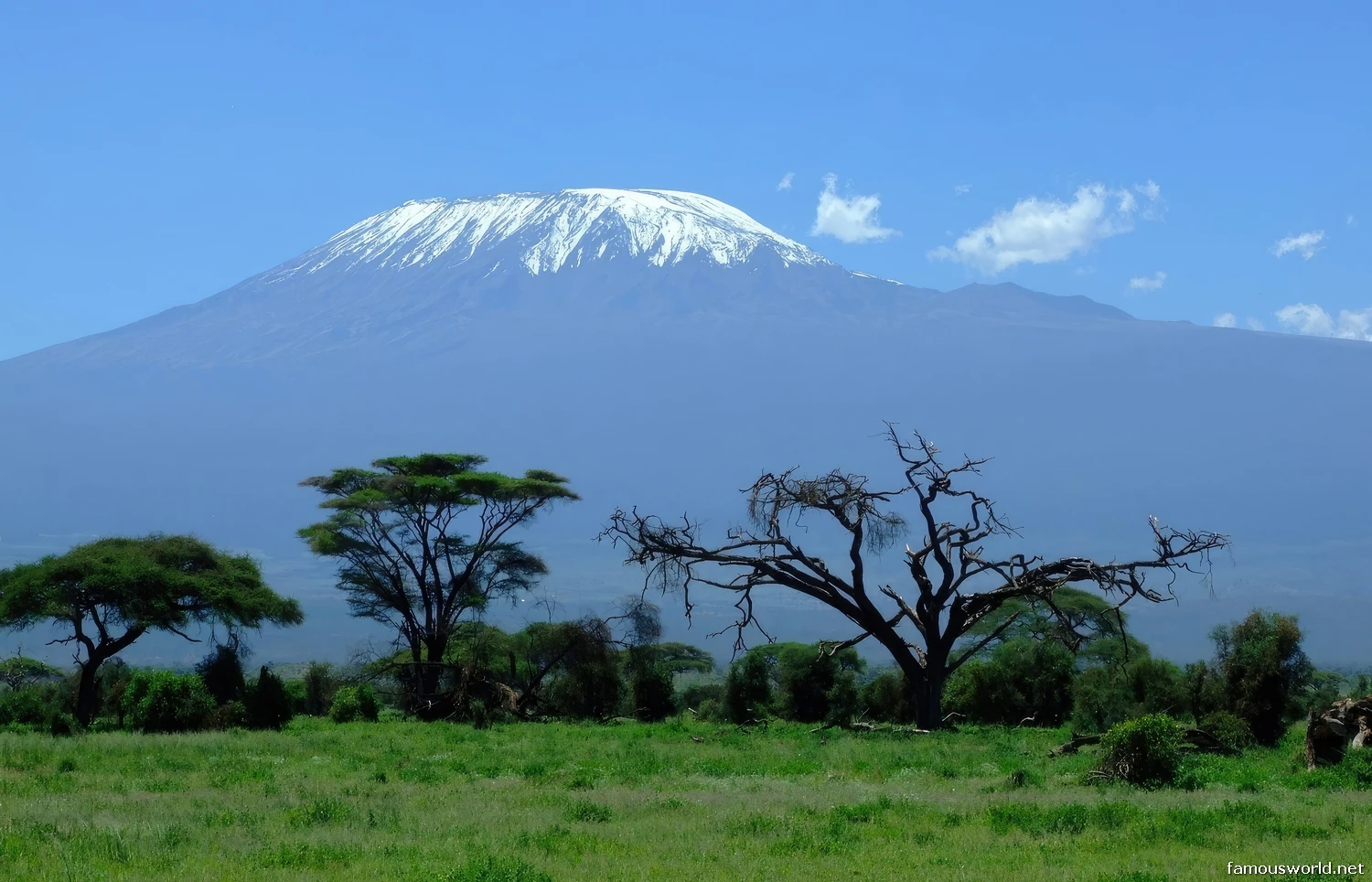
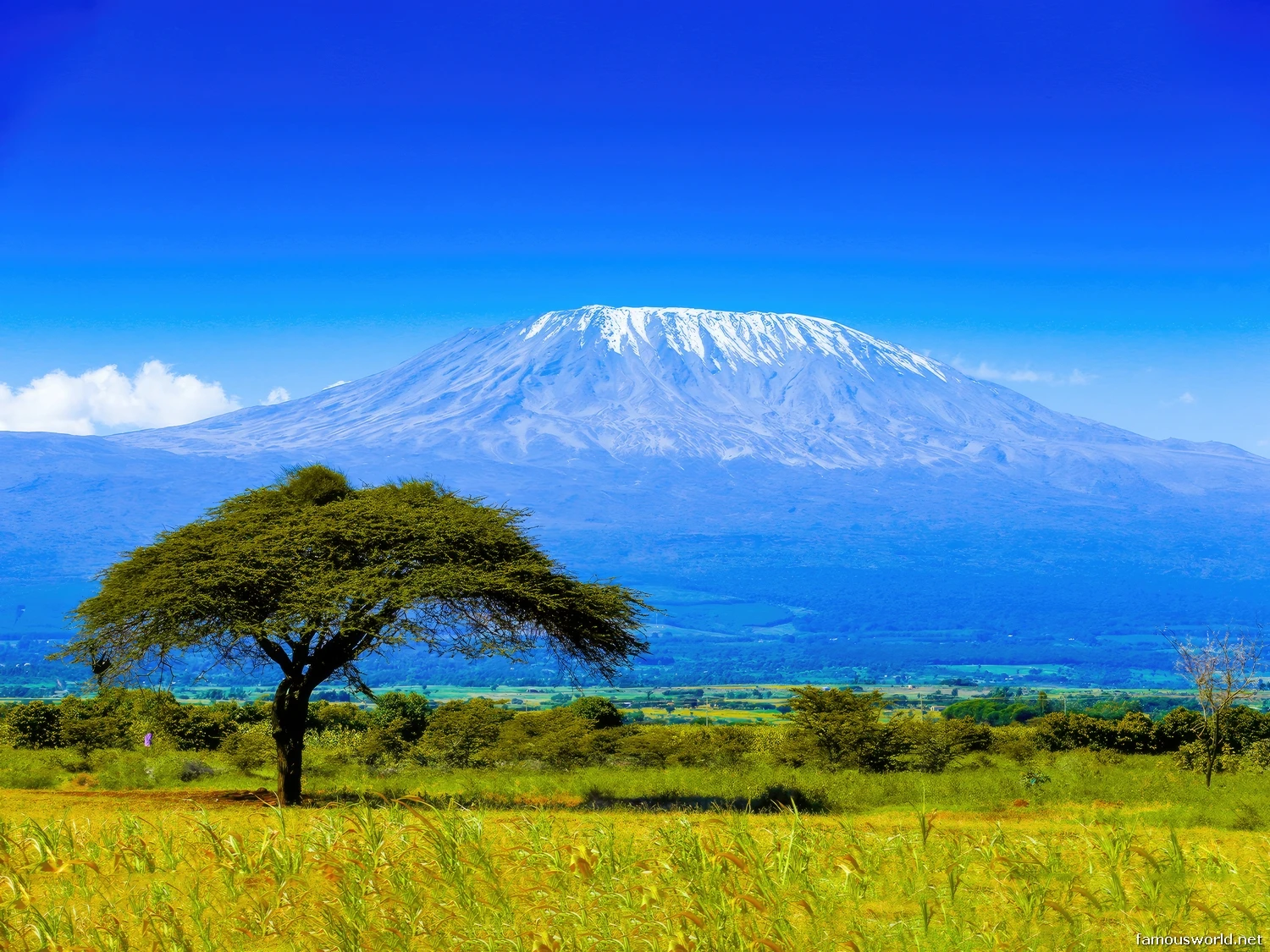
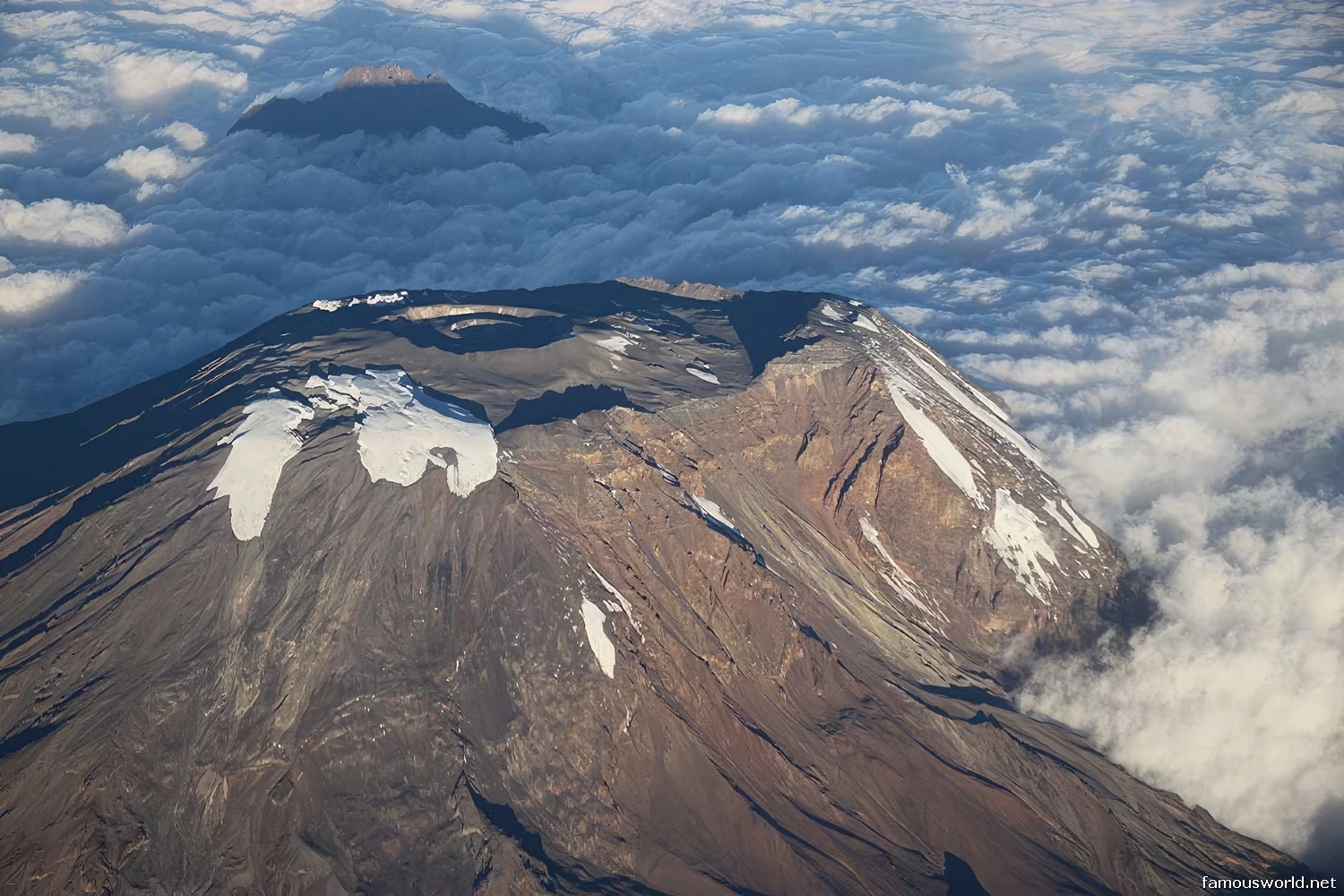
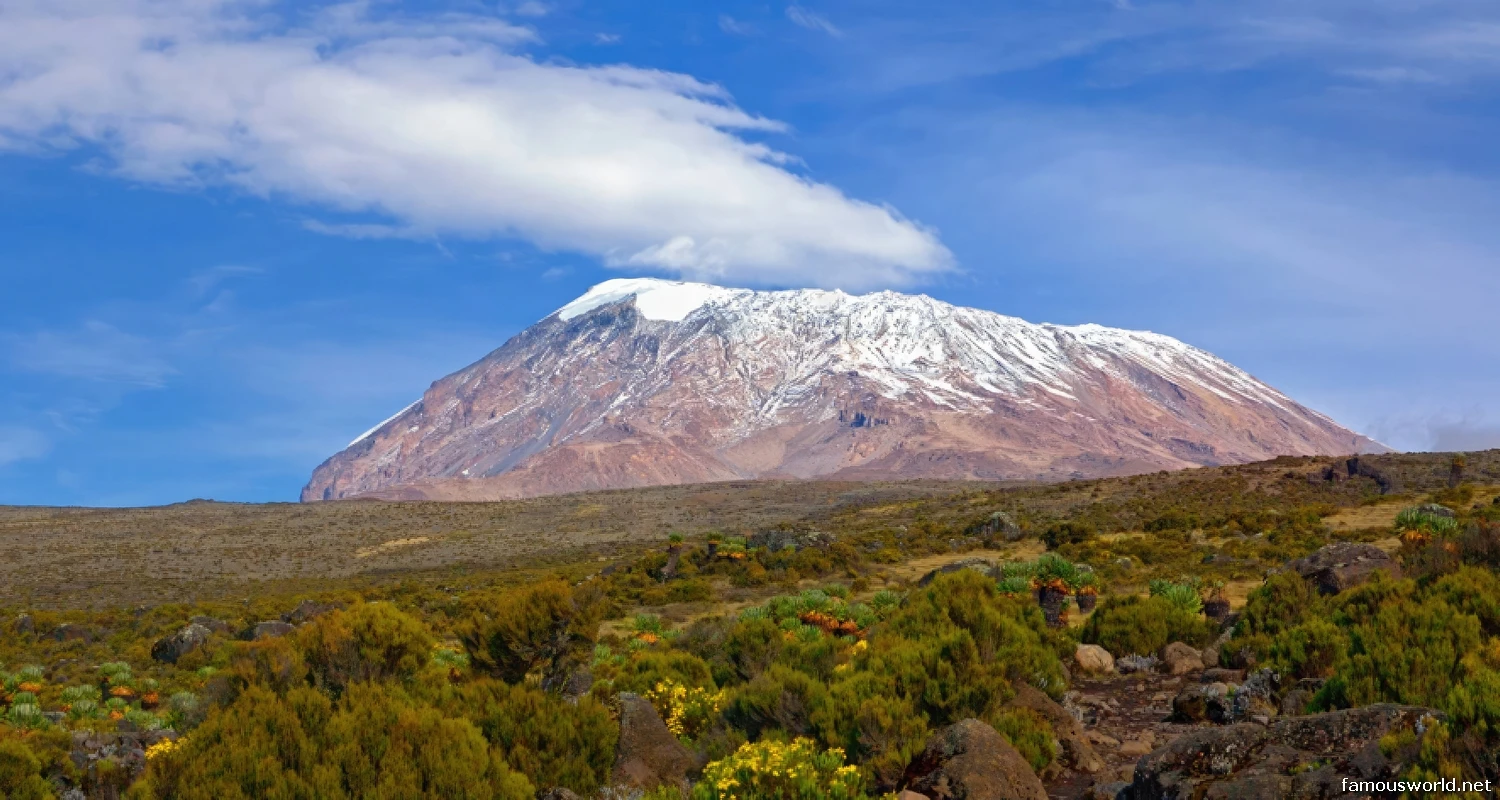
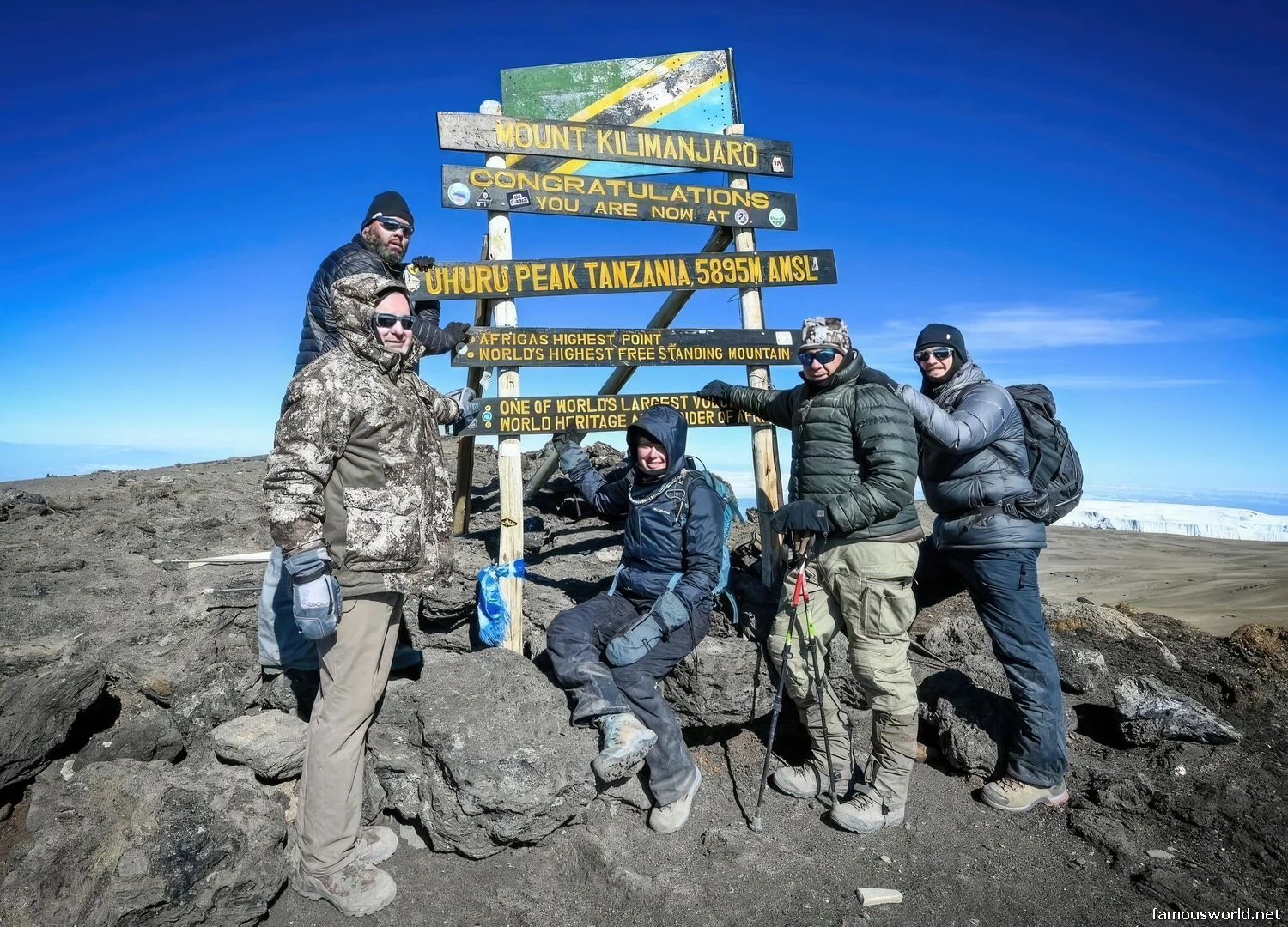
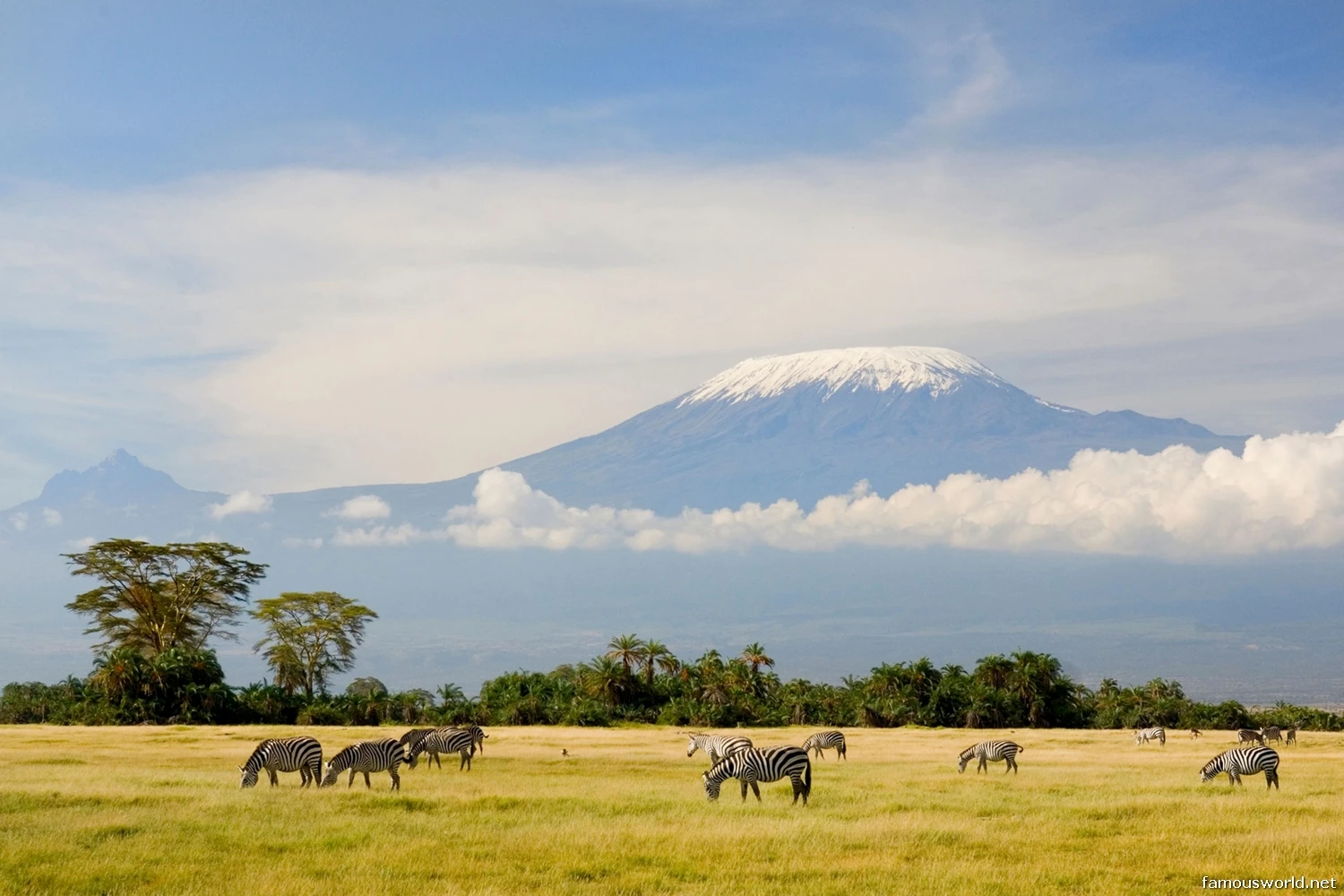
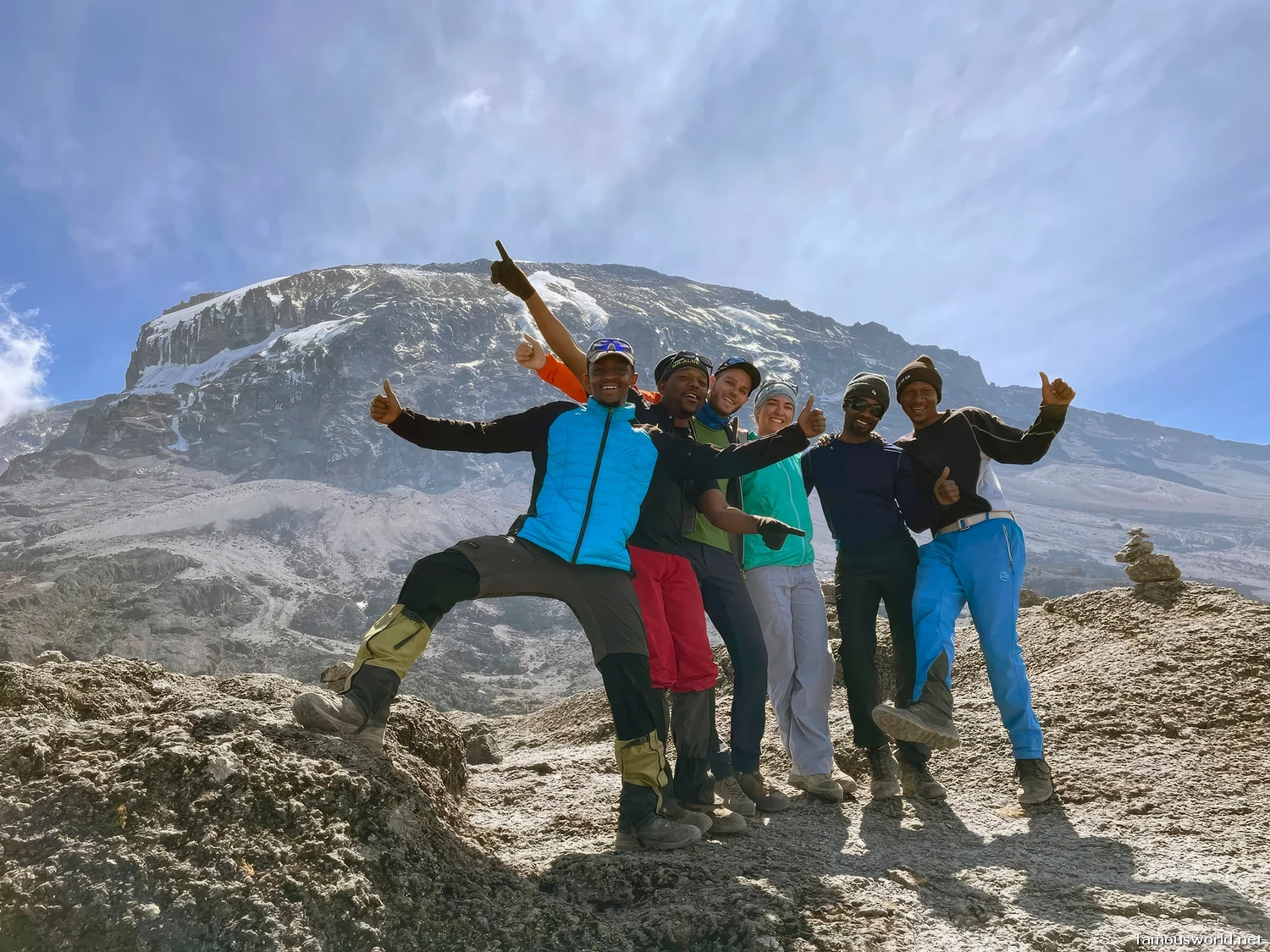


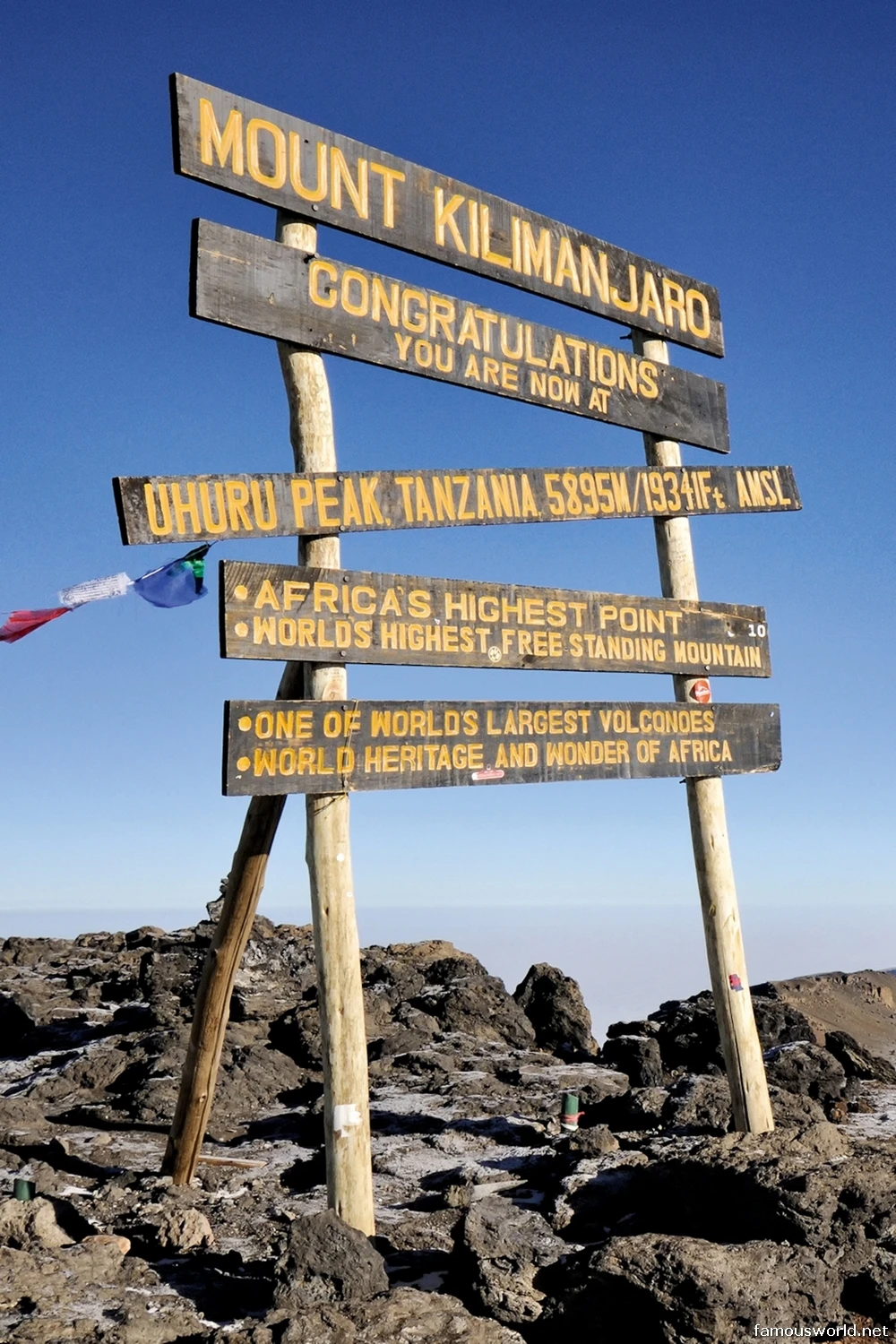
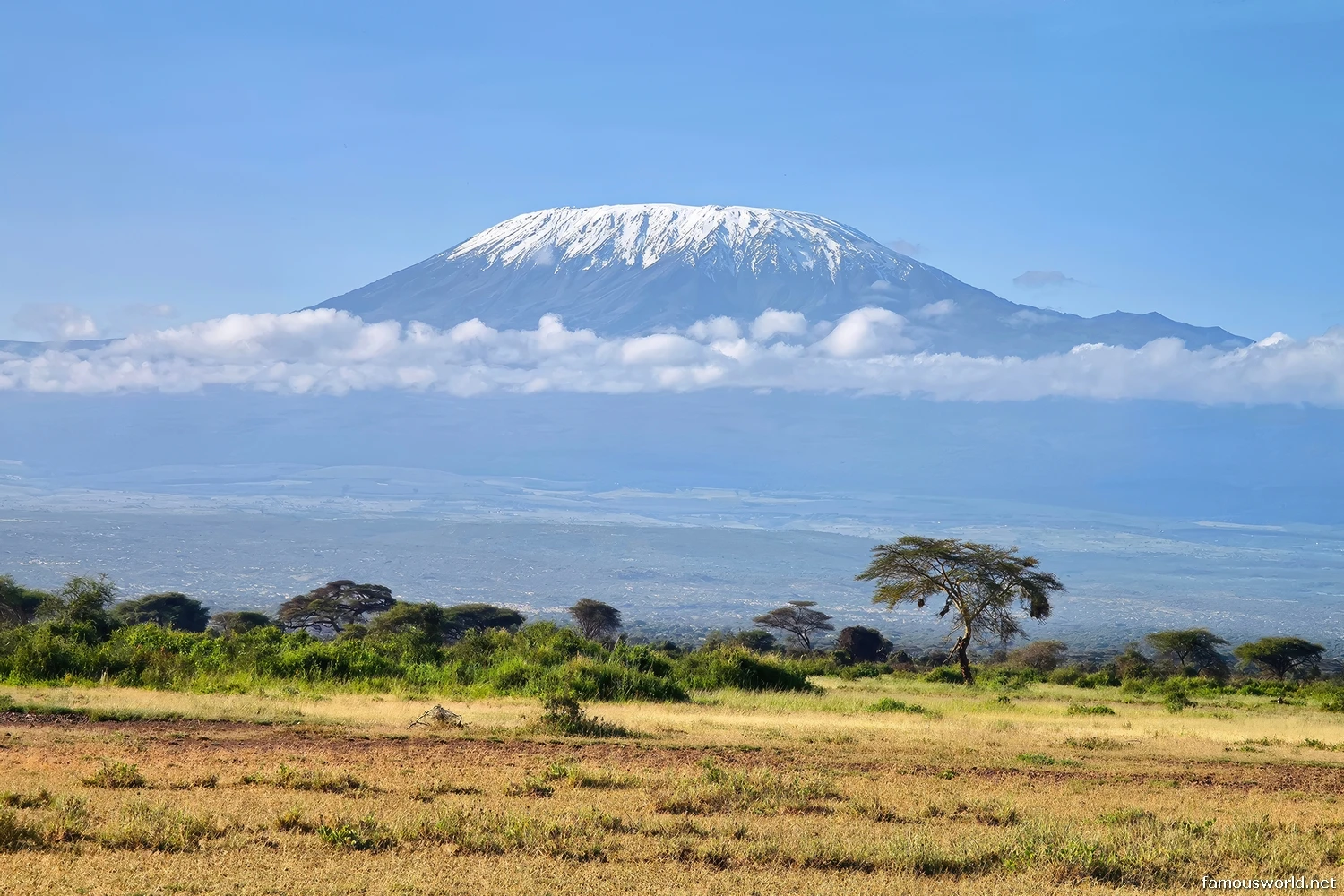
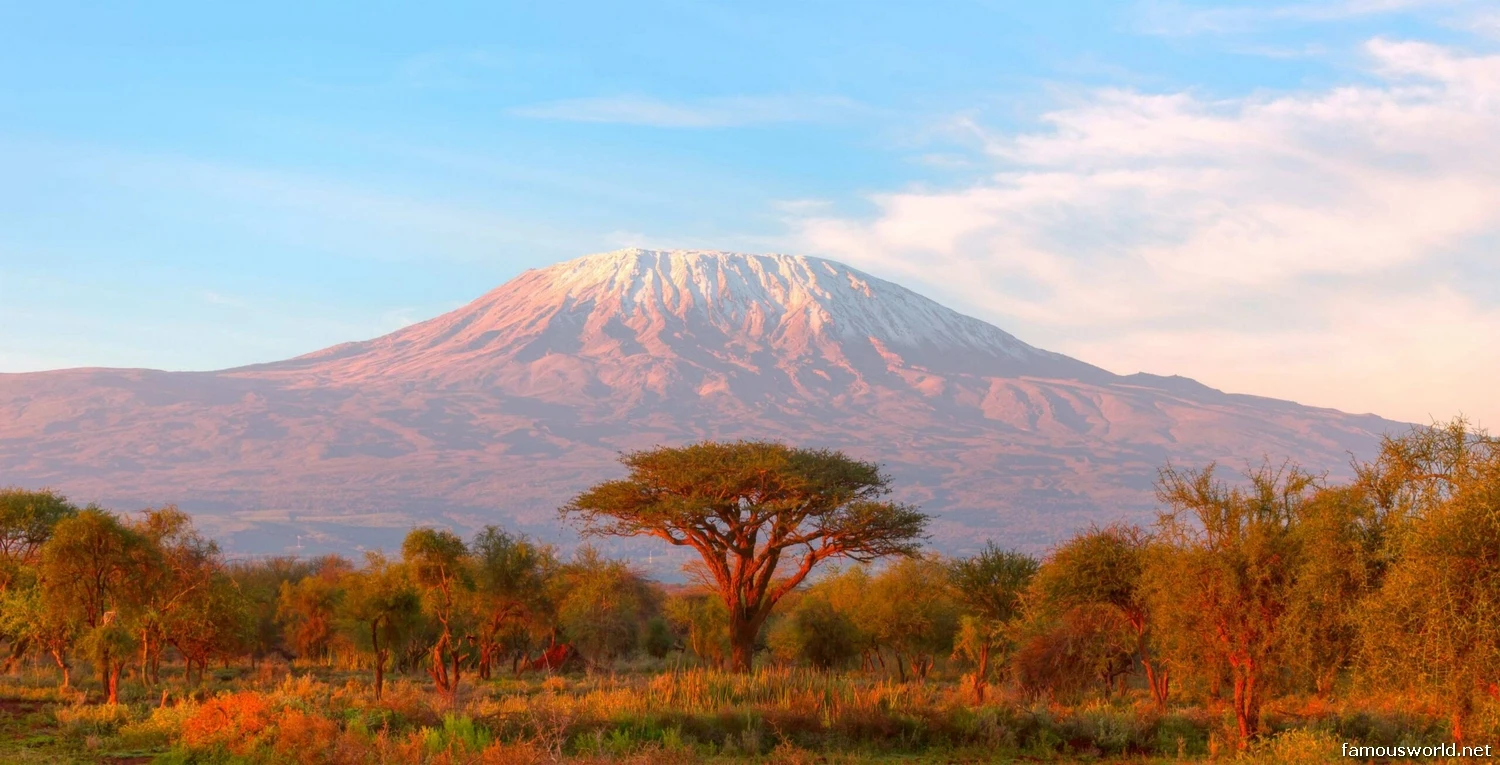

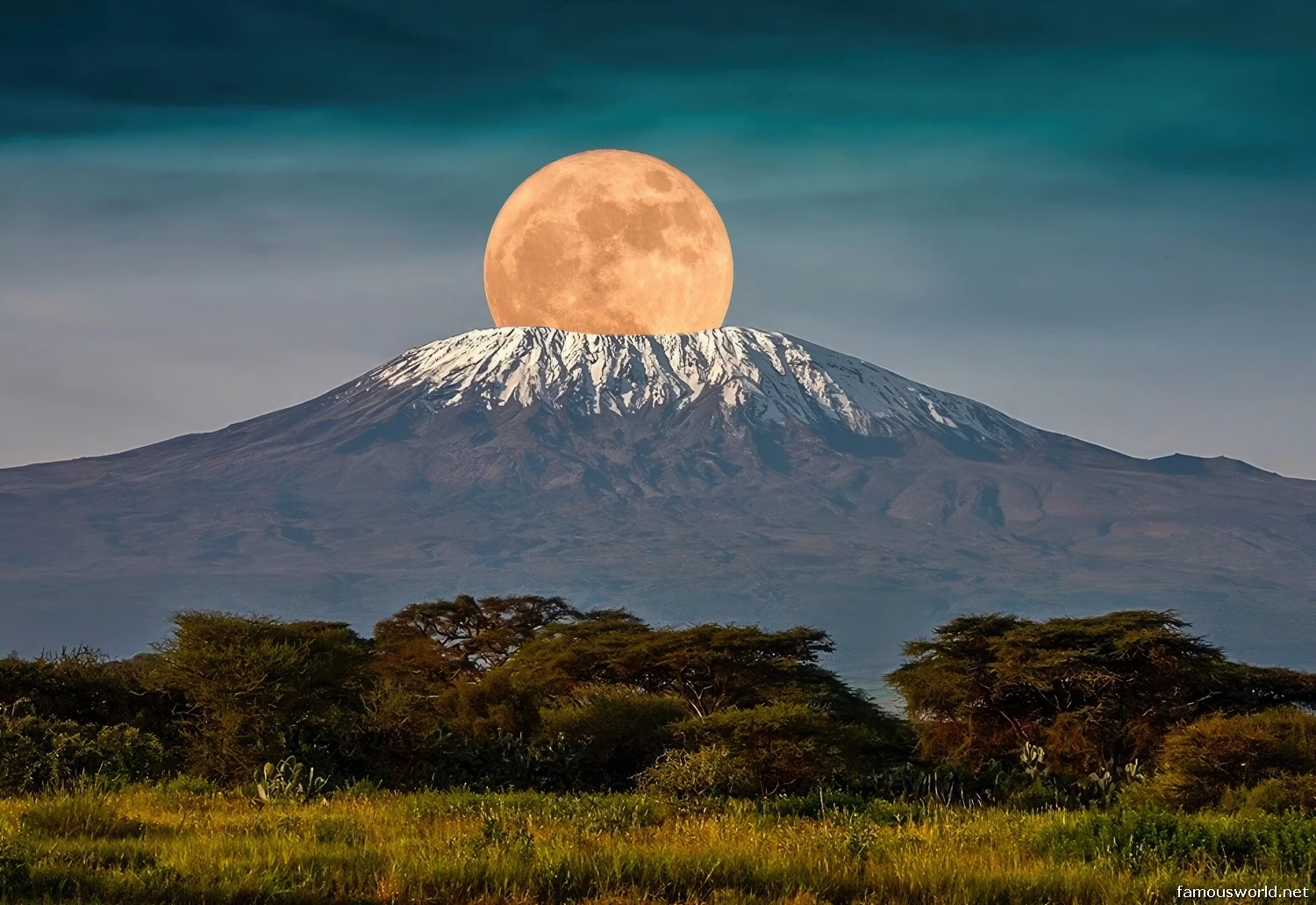
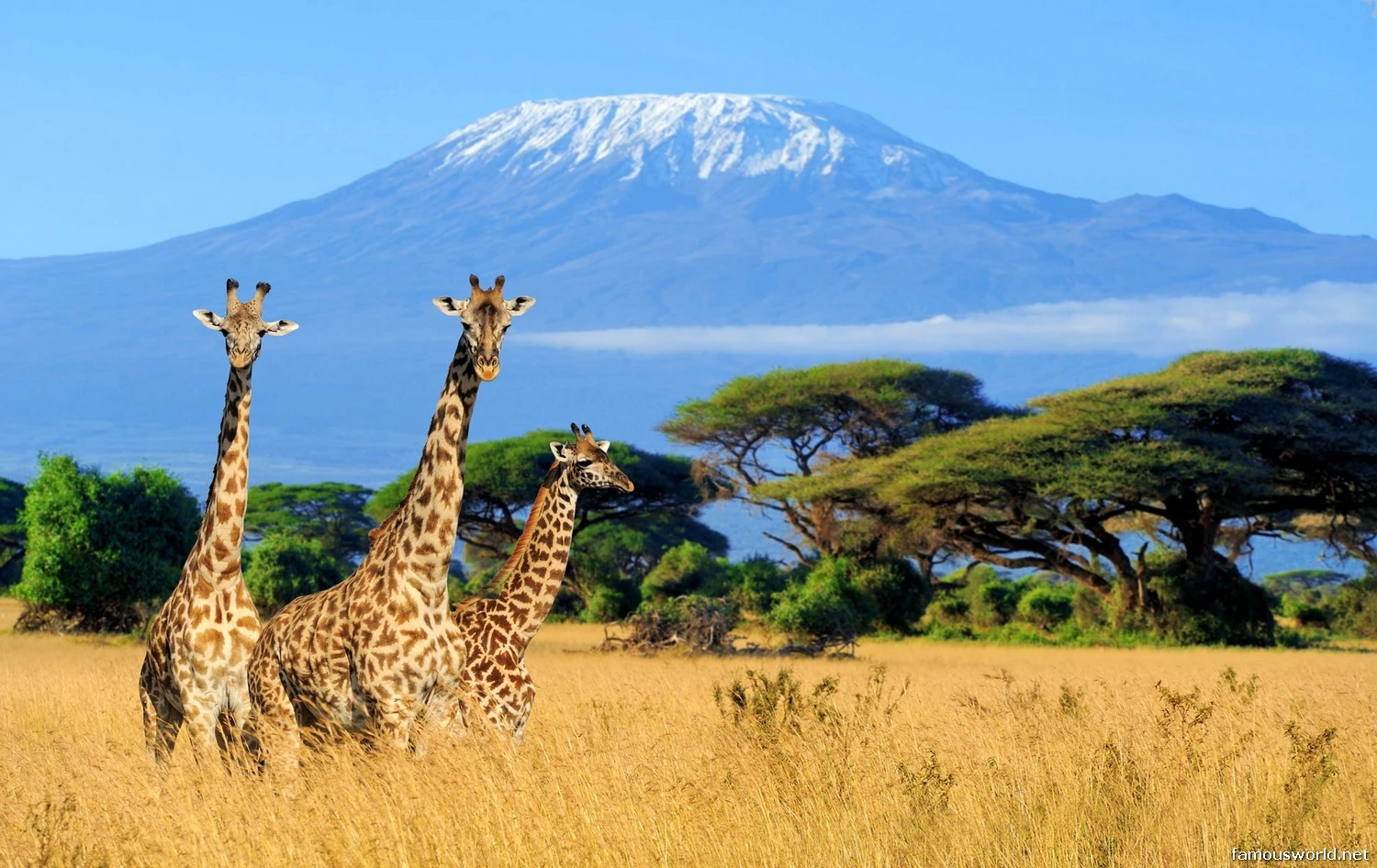
Mount Kilimanjaro is the highest mountain in Africa and the tallest free-standing mountain in the world, a breathtaking natural monument rising in isolation from the surrounding coastal scrubland. Located in Tanzania, this giant stratovolcano is comprised of three distinct volcanic cones: Kibo, Mawenzi, and Shira. Its snow-capped peak, Kibo, is a dormant volcano, while the other two are extinct. More than just a mountain, Kilimanjaro is a world of its own, encompassing five major climate zones, from lush rainforests at its base to an arctic summit. This unique ecological diversity, combined with its status as one of the “Seven Summits,” makes it a global icon of adventure and one of the most accessible high peaks, attracting climbers and trekkers from all corners of the globe who aspire to stand on the “Roof of Africa.”
Listen to an introduction about Mount Kilimanjaro

Name and Location
How to Get There
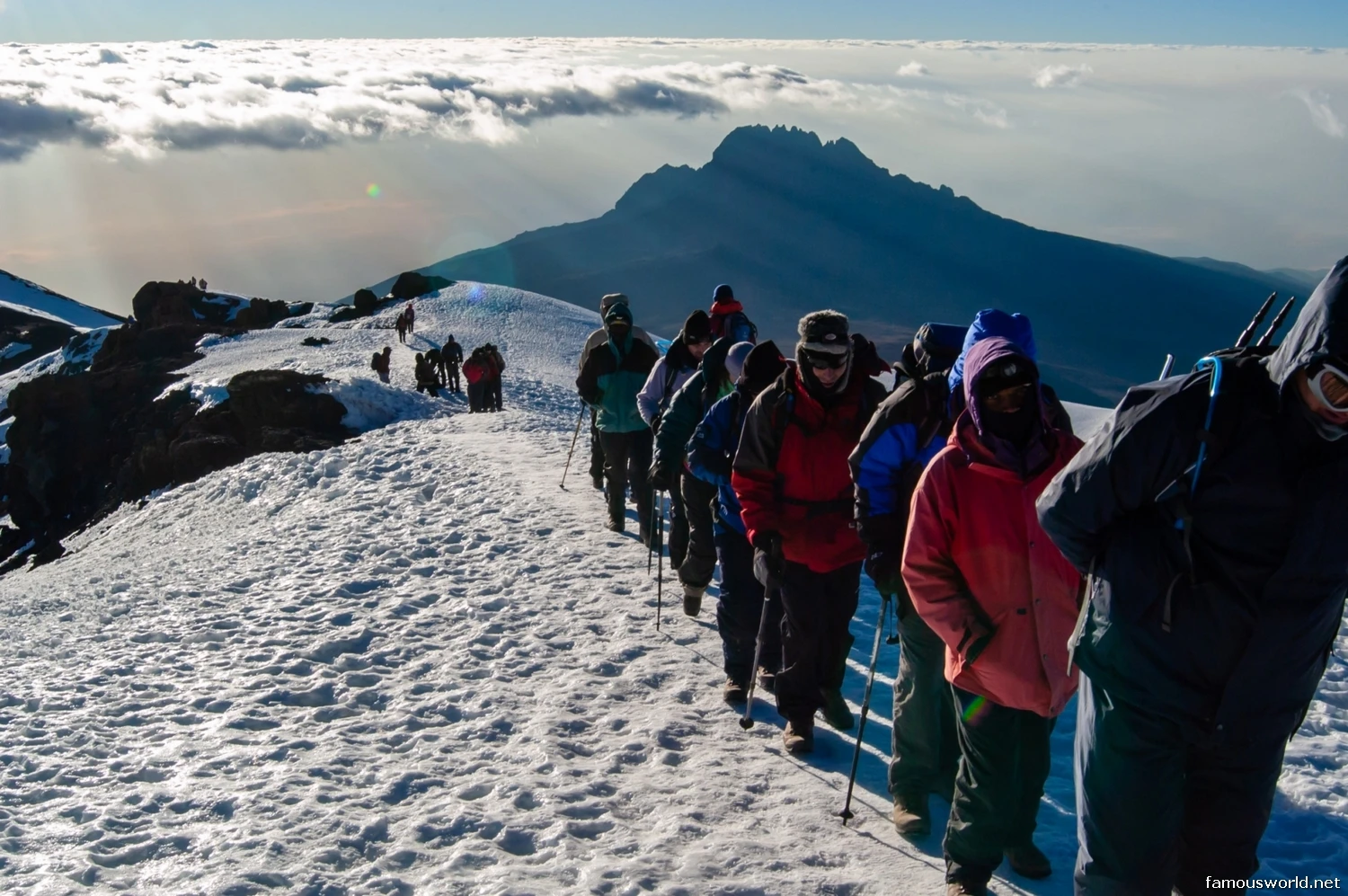
The mountain is the focal point of a well-established trekking industry.
- By Air: The primary gateway is Kilimanjaro International Airport (JRO), located between the towns of Arusha and Moshi. The airport receives international flights from several hubs.
- Gateway Towns: Most treks and climbs are organized from the nearby towns of Moshi or Arusha. These towns serve as the main hubs for tour operators, guides, and porters. From these towns, it is a short drive to one of the several park gates where the trek begins.
Landscape and Ecosystems
Kilimanjaro is a “sky island,” a world of dramatic ecological variation created by its immense height.
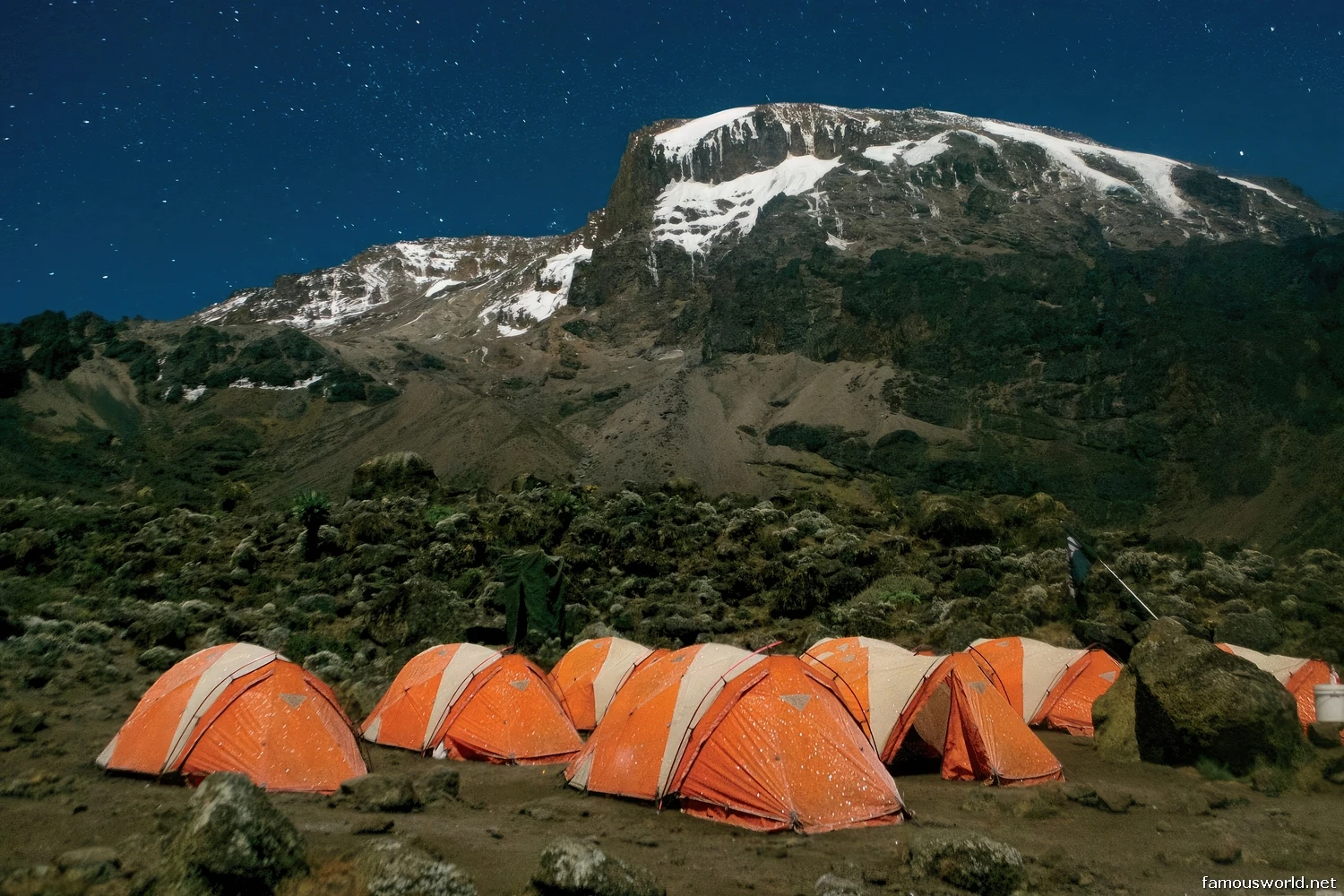
- Five Climate Zones: Ascending Kilimanjaro is like traveling from the equator to the arctic in a matter of days. Trekkers pass through five distinct ecological zones:
- Cultivation Zone (Lower Slopes): Rich volcanic soil supports farms and villages.
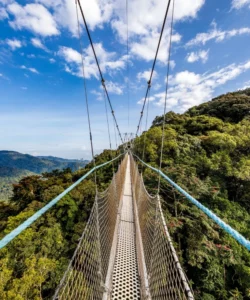
- Montane Forest (Rainforest): A lush, dense forest home to diverse wildlife, including colobus monkeys and abundant birdlife.
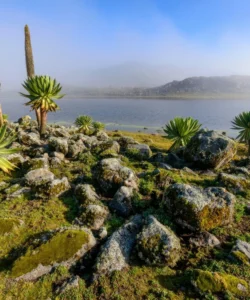
- Heath and Moorland: Characterized by giant heathers, groundsels, and lobelias, creating an otherworldly landscape.
- Alpine Desert: A stark and rocky high-altitude desert with extreme temperature fluctuations.
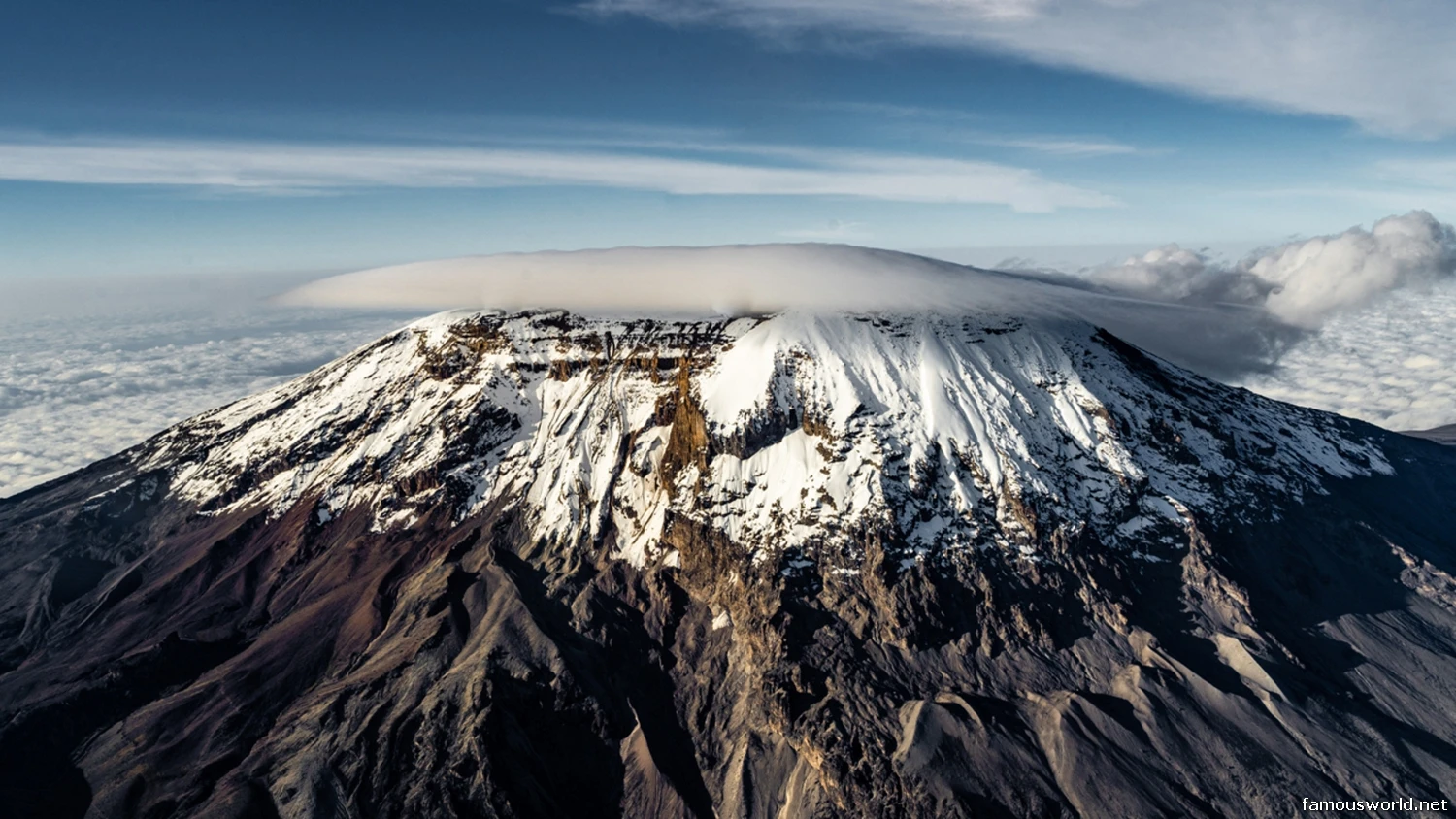
- Arctic Summit: A glacial zone of ice and snow, crowned by the Uhuru Peak crater rim on Kibo.
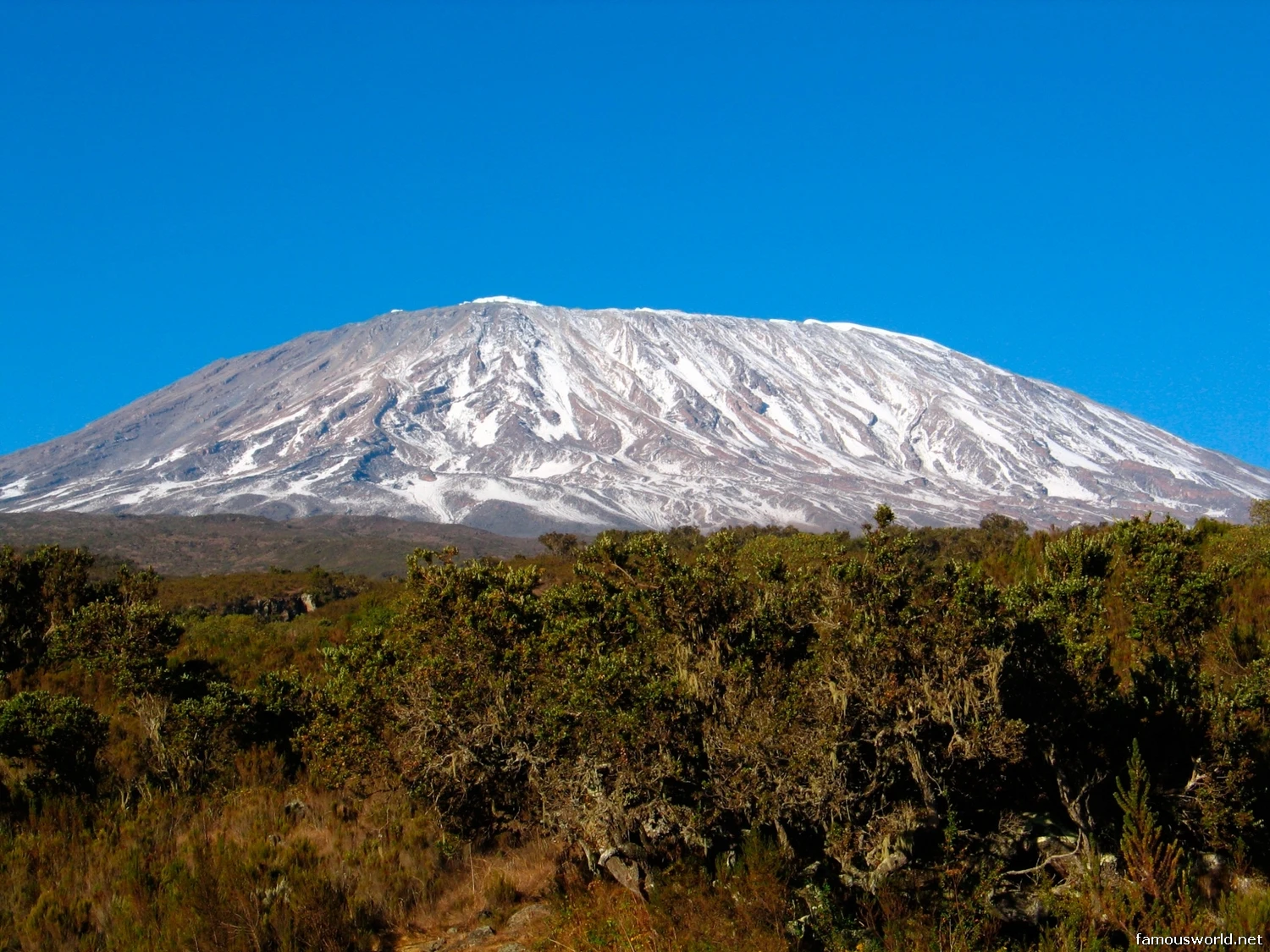
- Volcanic Cones: The mountain is defined by its three main peaks. Shira and Mawenzi are rugged, eroded, and suitable only for experienced mountaineers, while Kibo is the highest, with a gentle slope that forms the main trekking route to the summit.
What Makes It Famous
Kilimanjaro’s fame is built on its status as the highest peak in Africa and its relative accessibility.
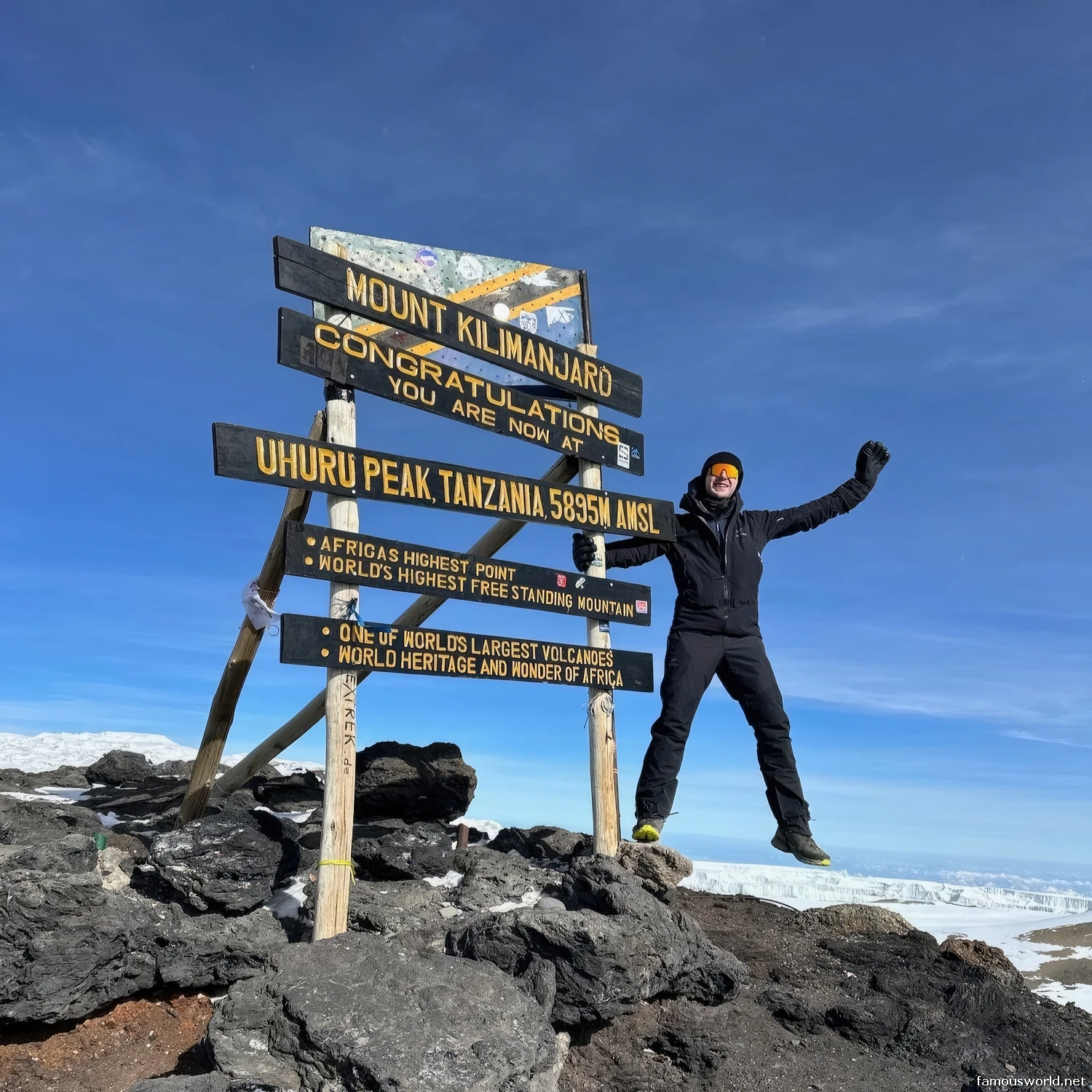
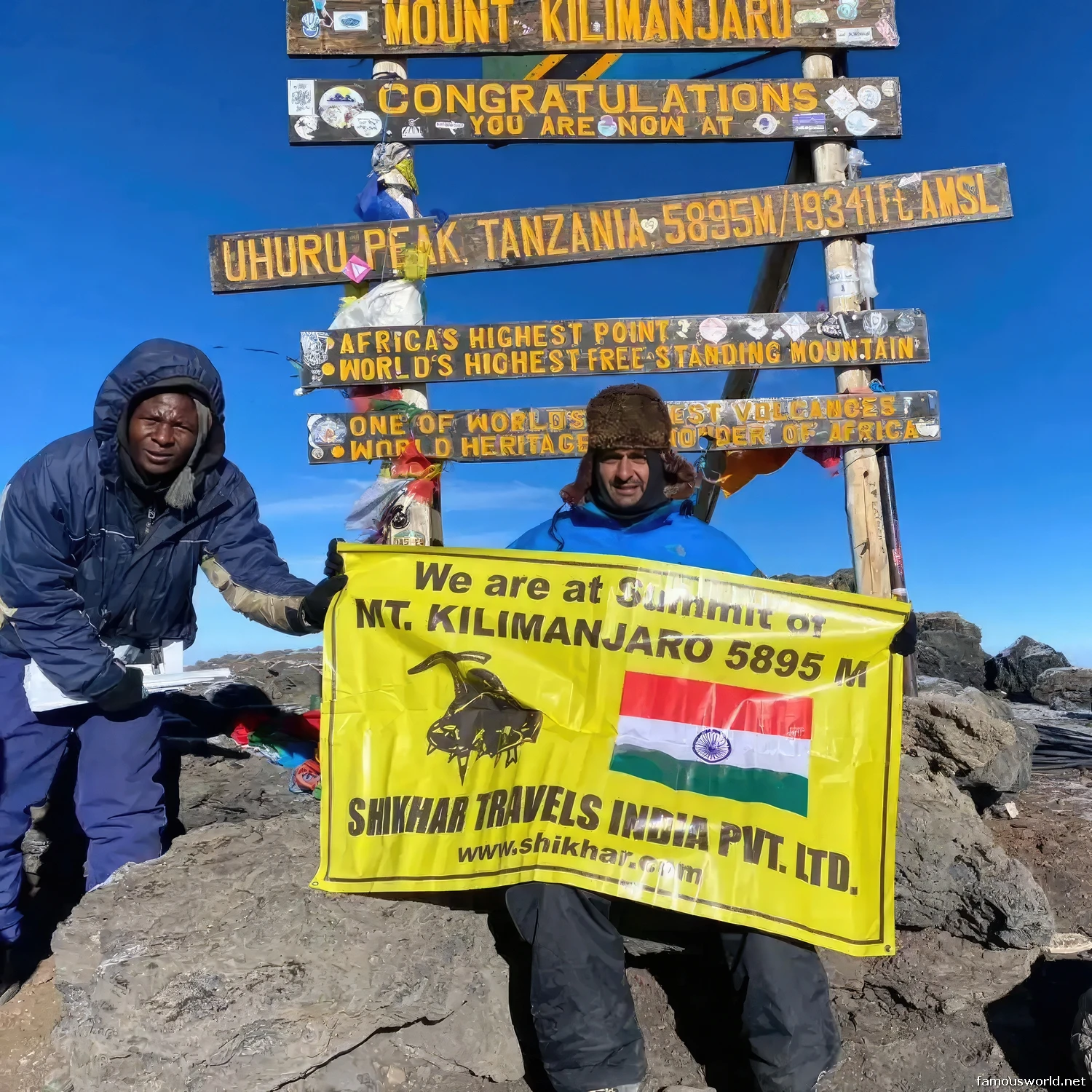
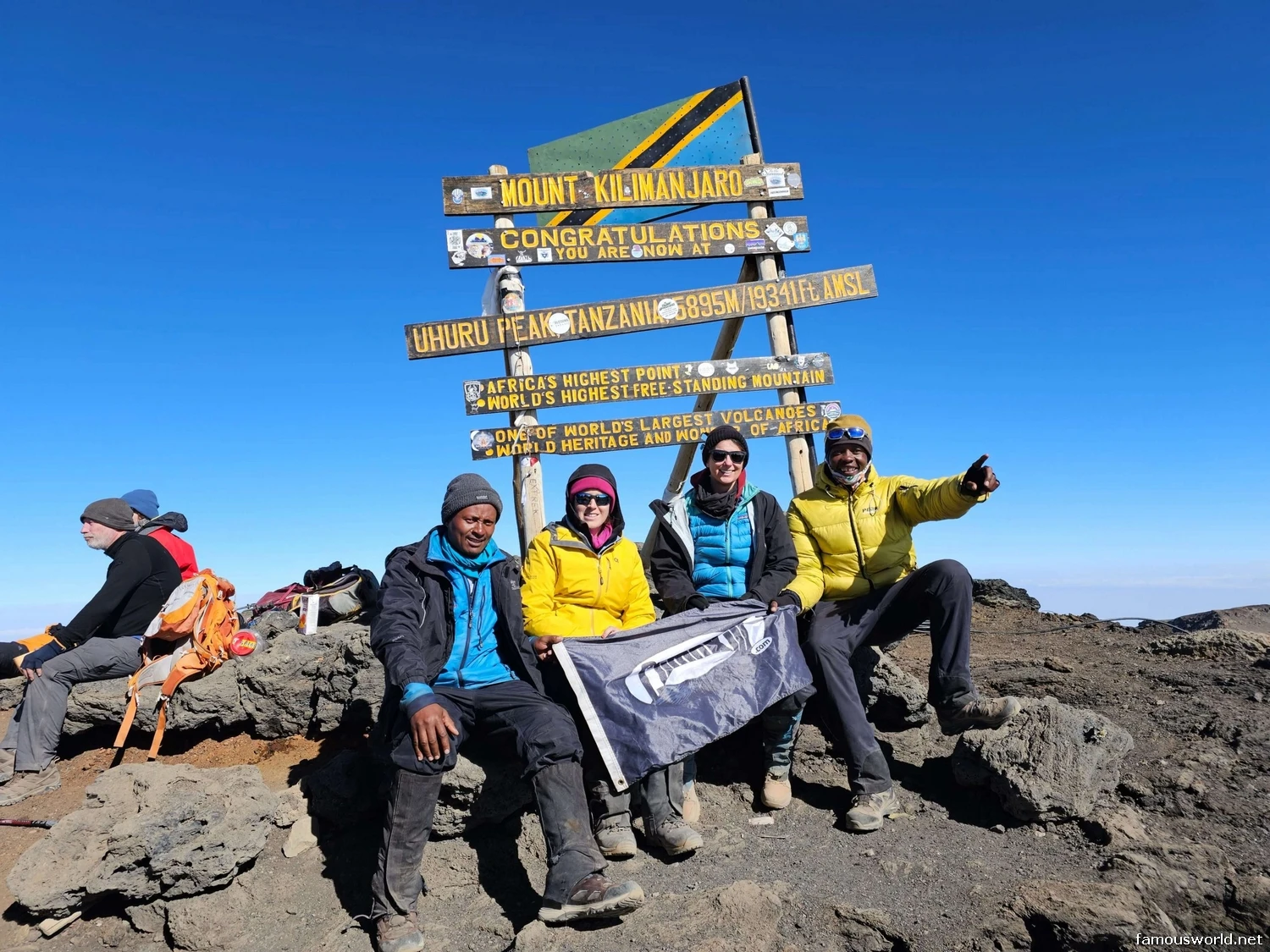
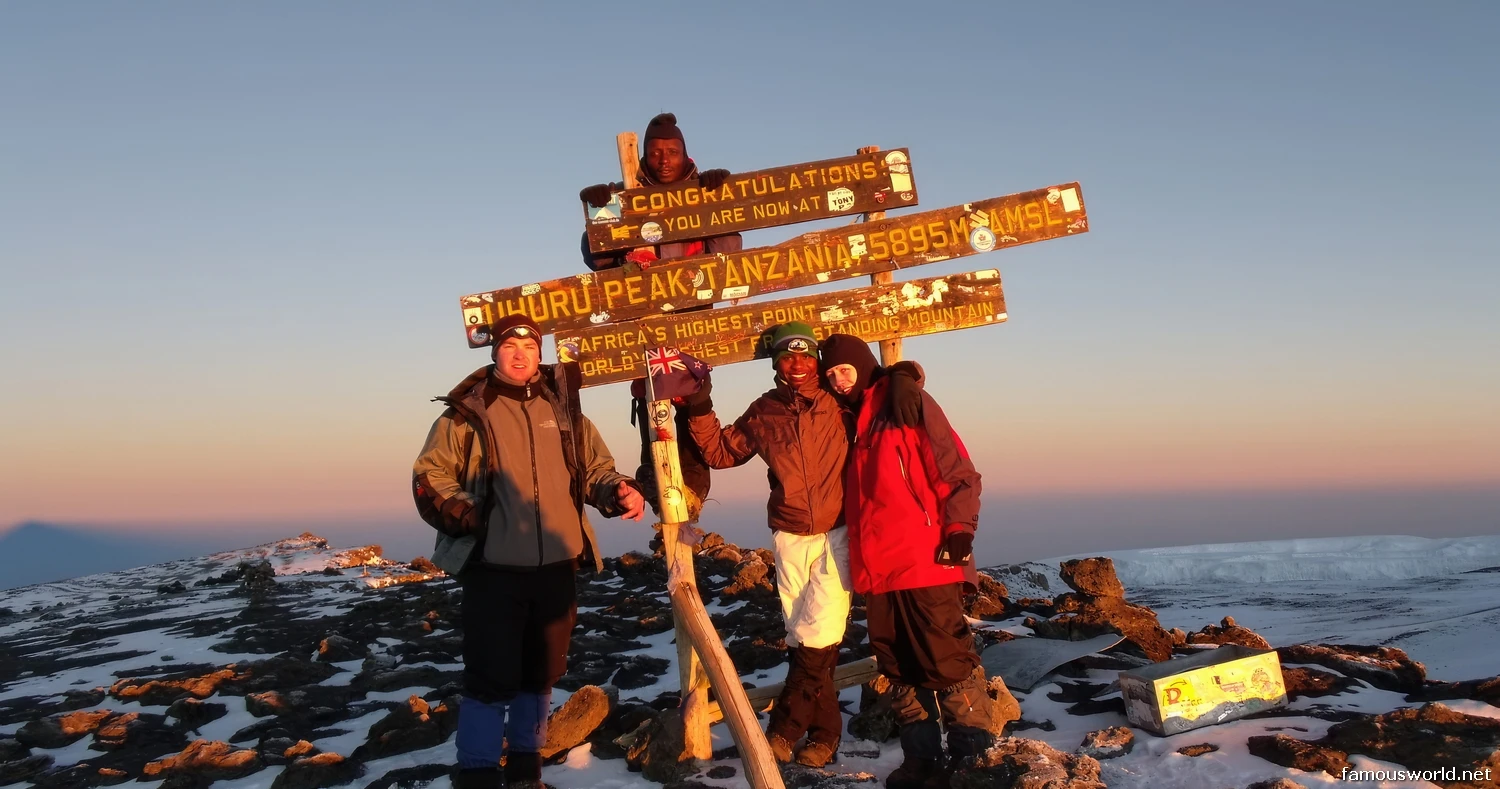
- Africa’s Highest Peak: At 5,895 meters (19,341 feet), Uhuru Peak is the highest point on the African continent.
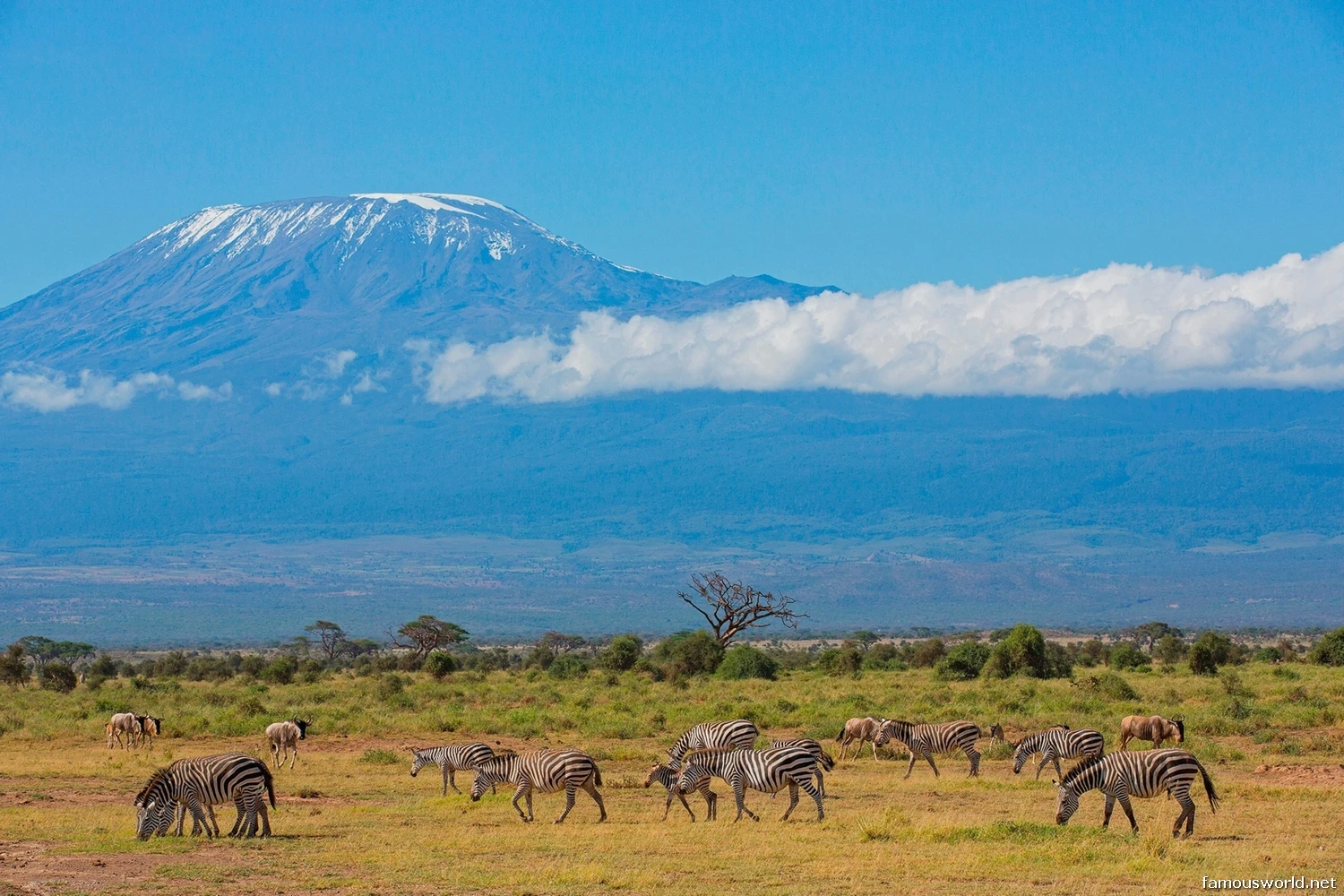
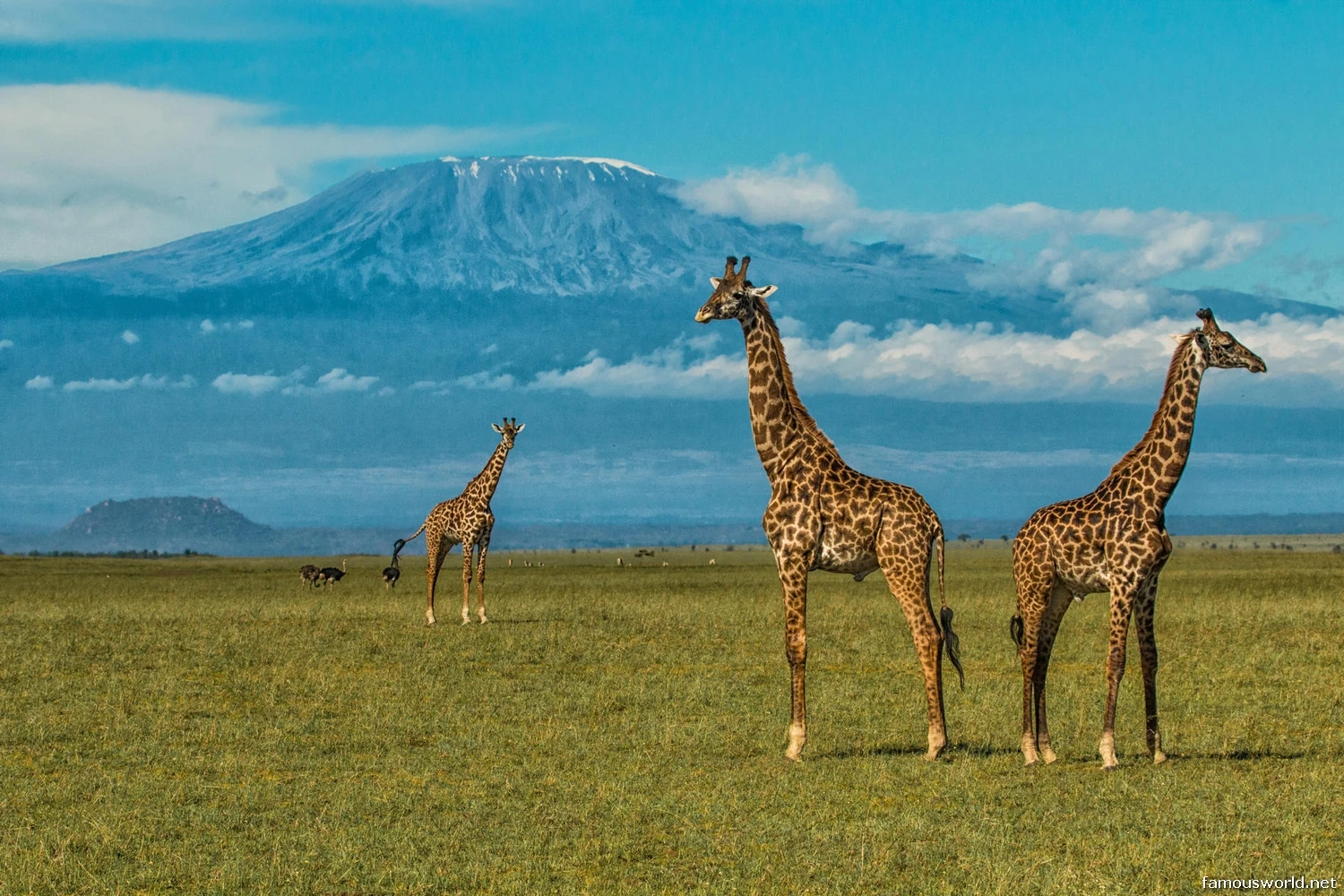
- World’s Tallest Free-Standing Mountain: Unlike mountain ranges like the Himalayas, Kilimanjaro rises directly from the surrounding plains, making its height even more visually dramatic.
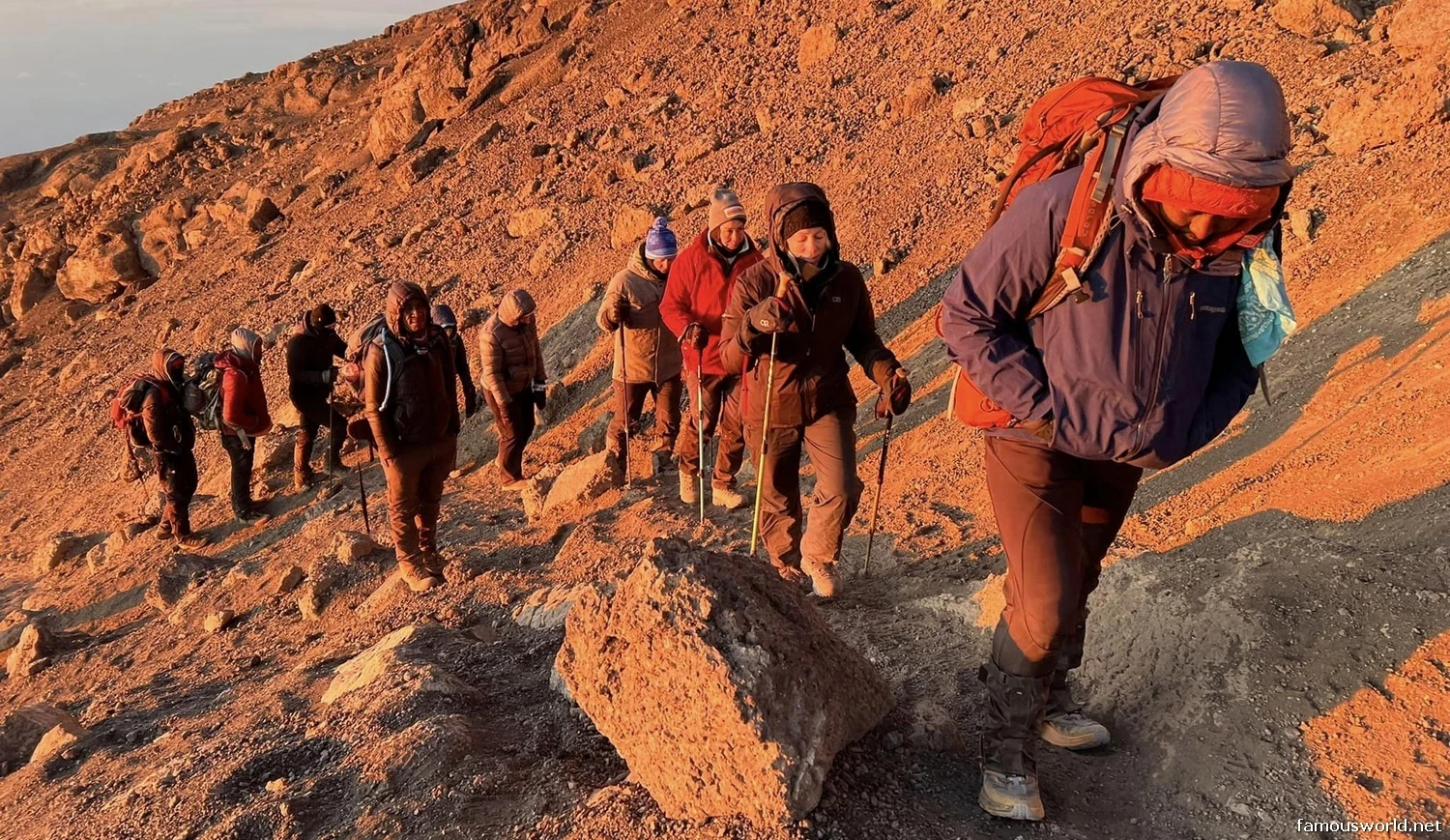
- Accessible “Seven Summit”: While a serious undertaking requiring physical fitness and acclimatization, Kilimanjaro is a non-technical climb. It is often referred to as “everyman’s Everest,” as it can be summited without mountaineering equipment or experience, making it a popular goal for adventure travelers.
- Vanishing Glaciers: The iconic glaciers and ice fields at its summit have been shrinking rapidly over the past century, making them a poignant symbol of global climate change.
Differences from Other Wonders
Kilimanjaro’s identity as a personal, vertical challenge contrasts with the vast, horizontal safari experience of the Maasai Mara.
- Focus (Personal Ascent vs. Wildlife Spectacle): Kilimanjaro is about the personal journey and physical challenge of ascending through diverse ecosystems to a single point. The Maasai Mara is about the horizontal exploration of a vast savanna to witness a spectacular abundance of wildlife.
- Primary Experience (Trekking and Endurance vs. Game Drives and Observation): The primary activity on Kilimanjaro is multi-day trekking and camping. The primary activity in the Mara is wildlife observation from a safari vehicle.
- Goal (Reaching the Summit vs. Witnessing the Migration): The ultimate goal for most Kilimanjaro visitors is to stand on Uhuru Peak. The ultimate goal for many Maasai Mara visitors is to witness the Great Migration.
- Landscape (Vertical Climate Zones vs. Expansive Savanna): Kilimanjaro’s landscape changes dramatically with altitude, from rainforest to arctic ice. The Maasai Mara is a relatively uniform landscape of rolling grasslands, acacia woodlands, and riverine forests.
Location on world map