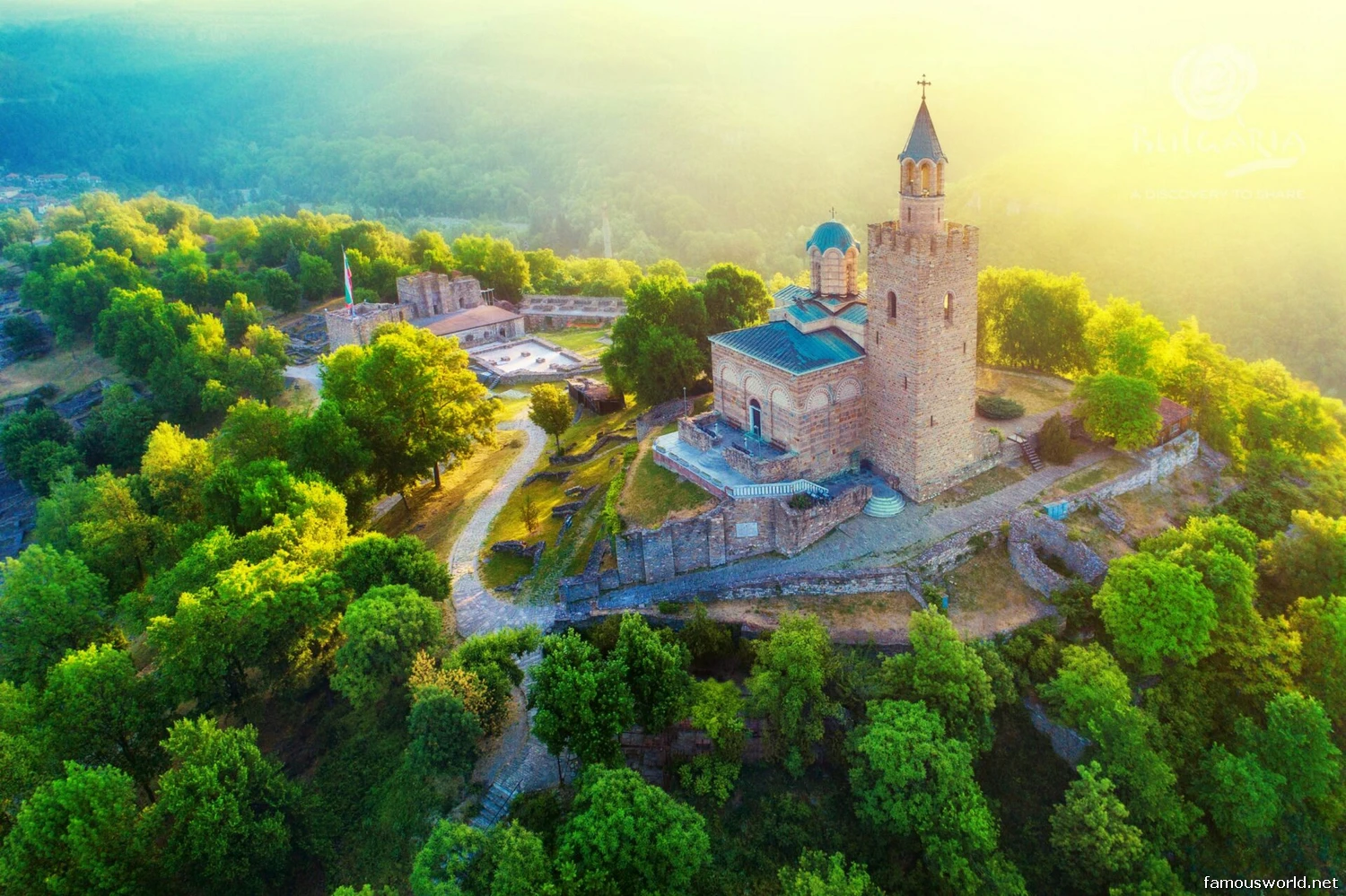
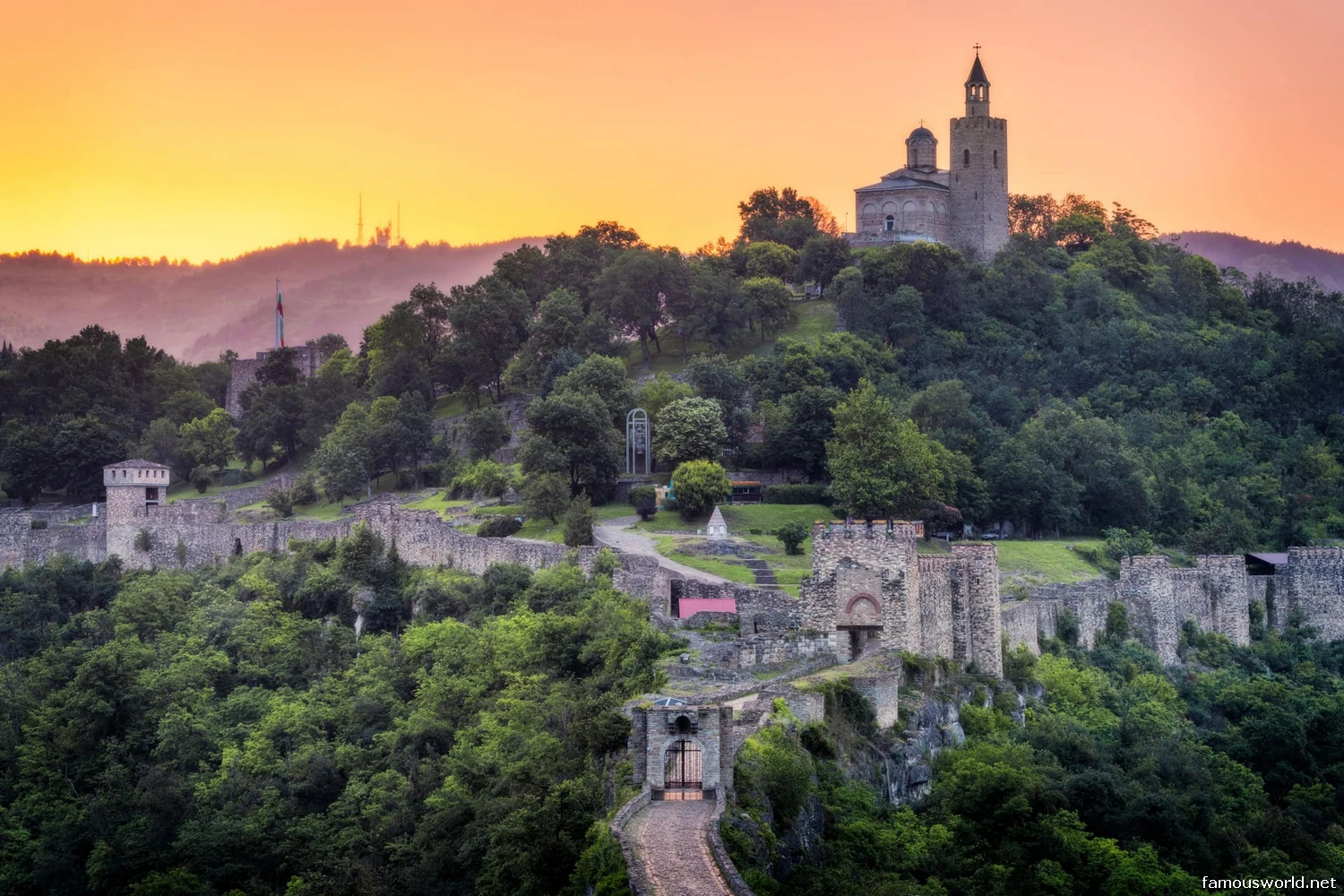
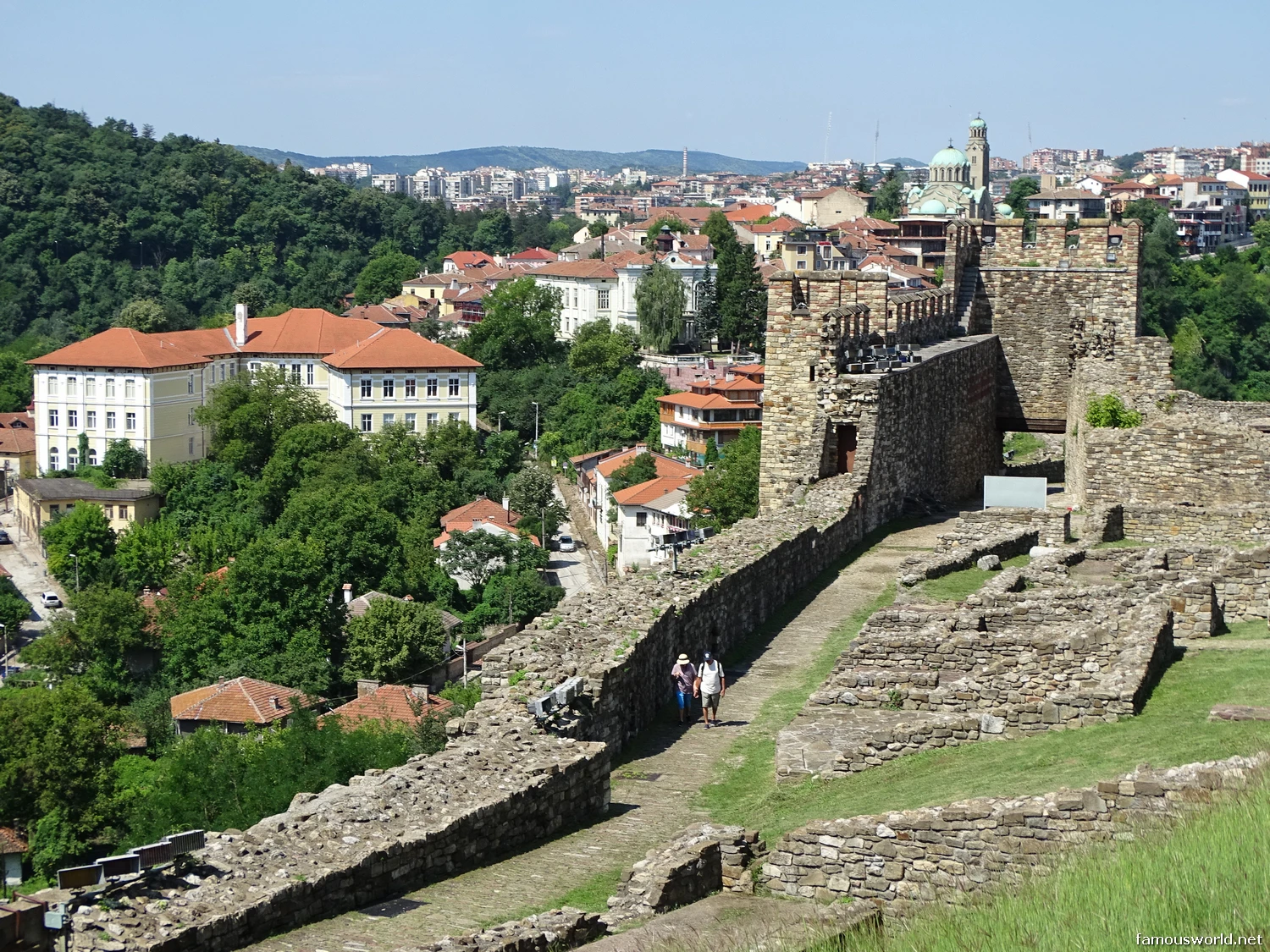
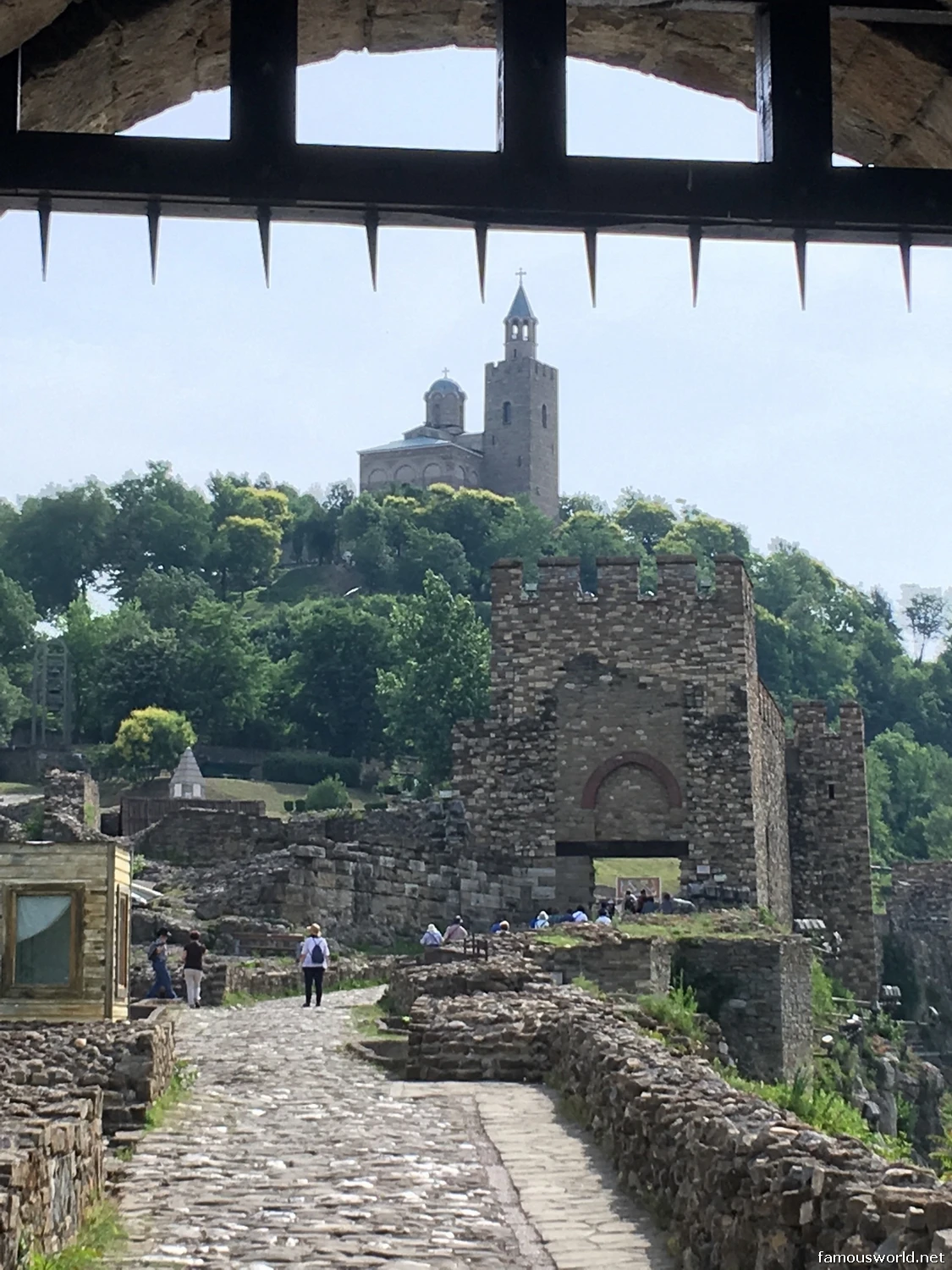

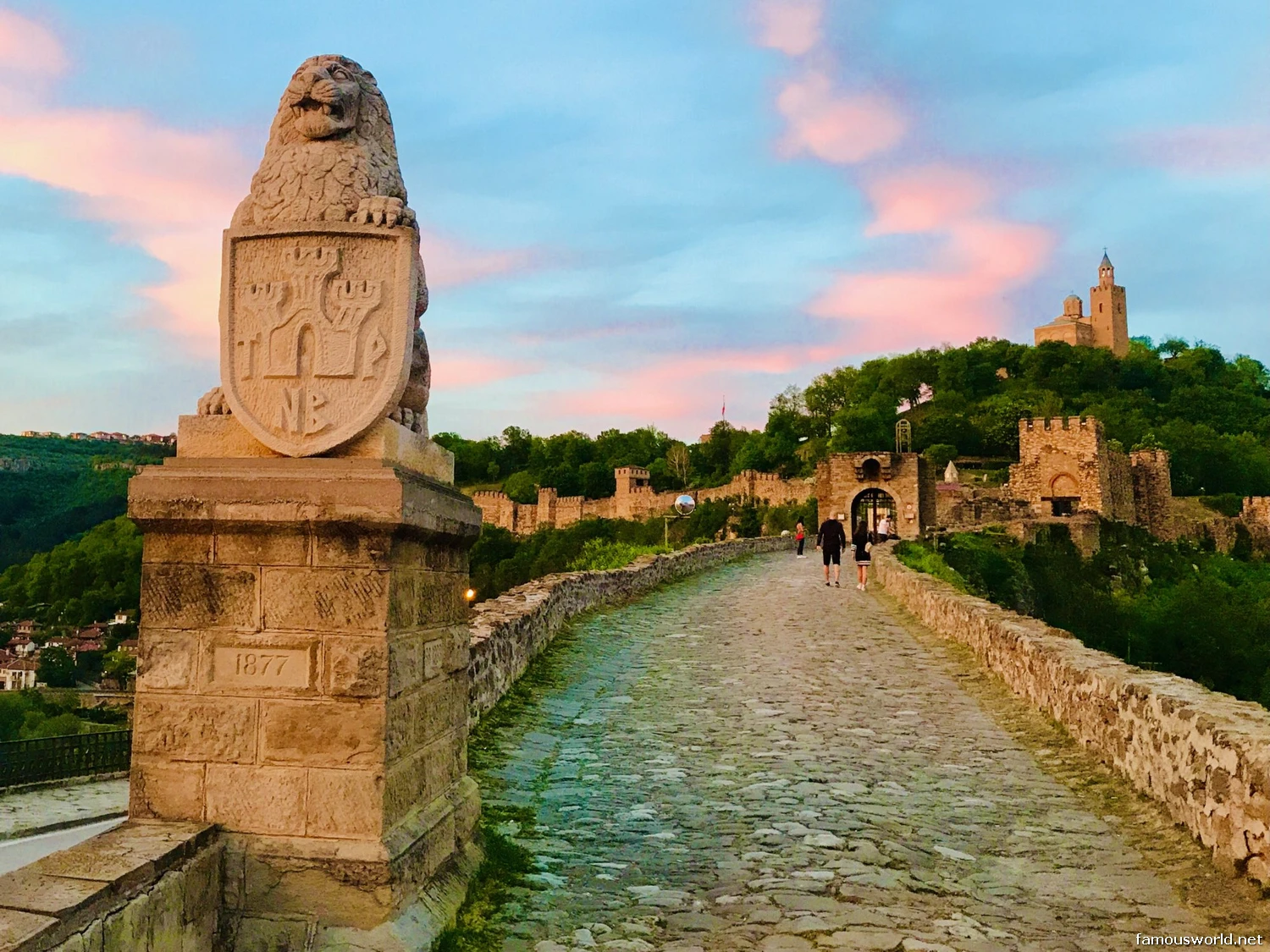

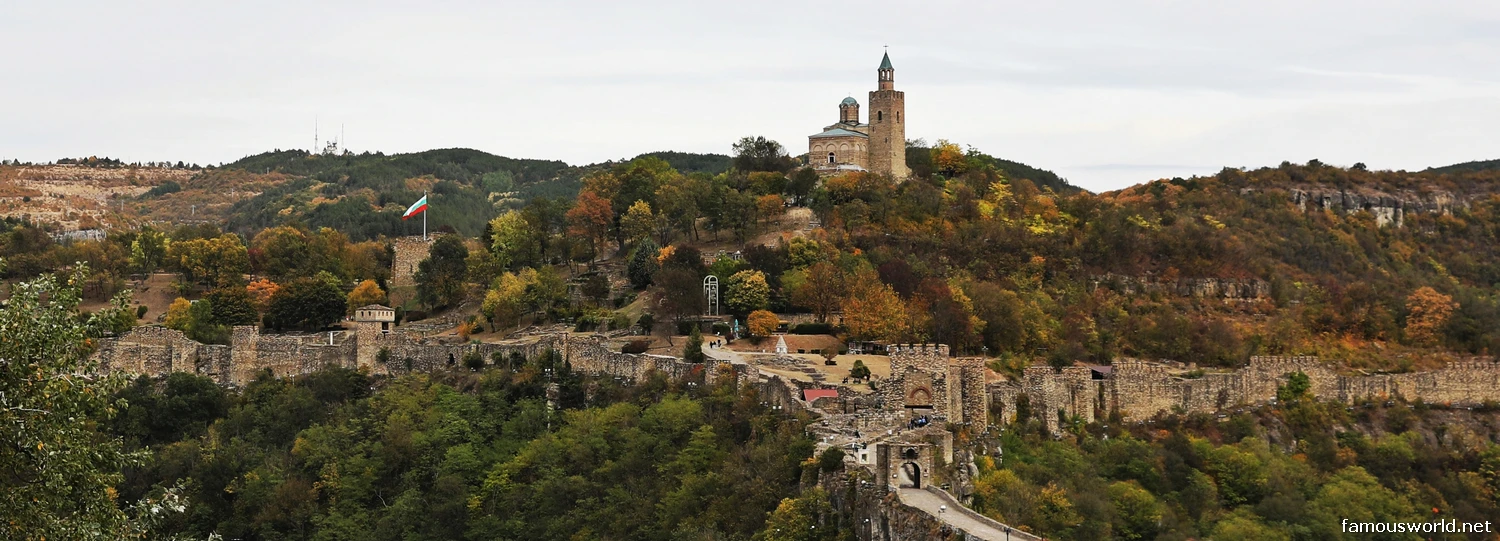

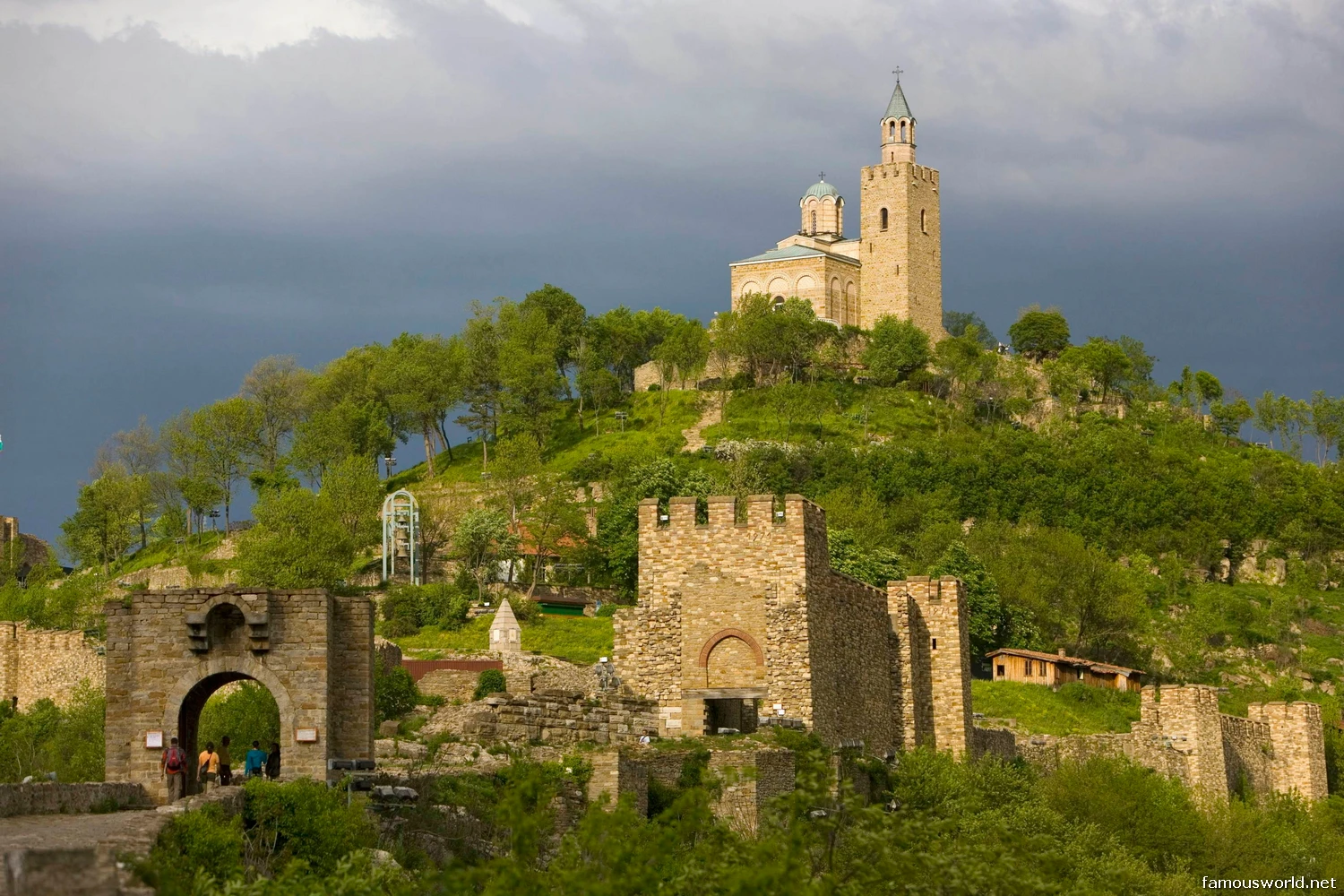

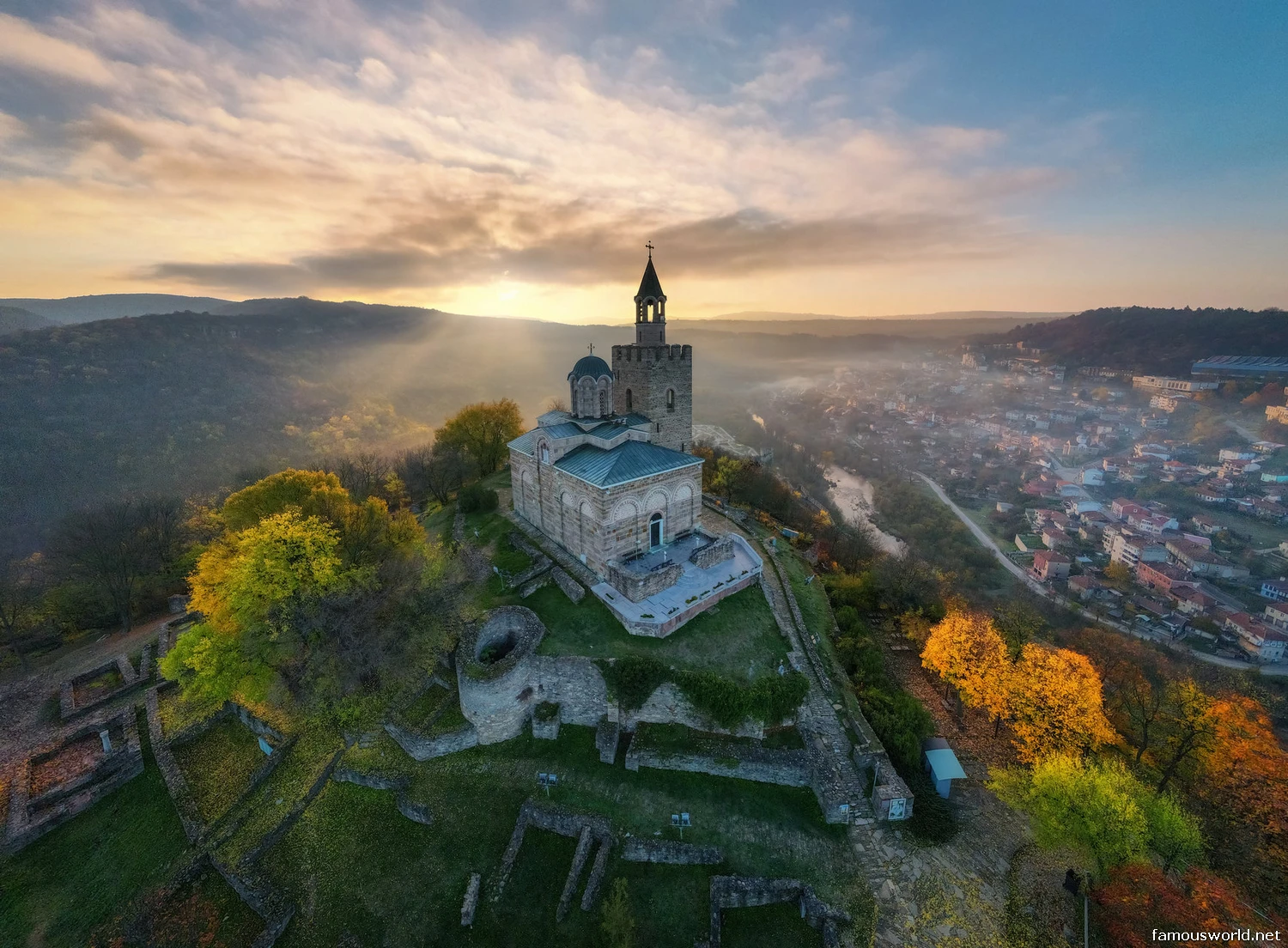
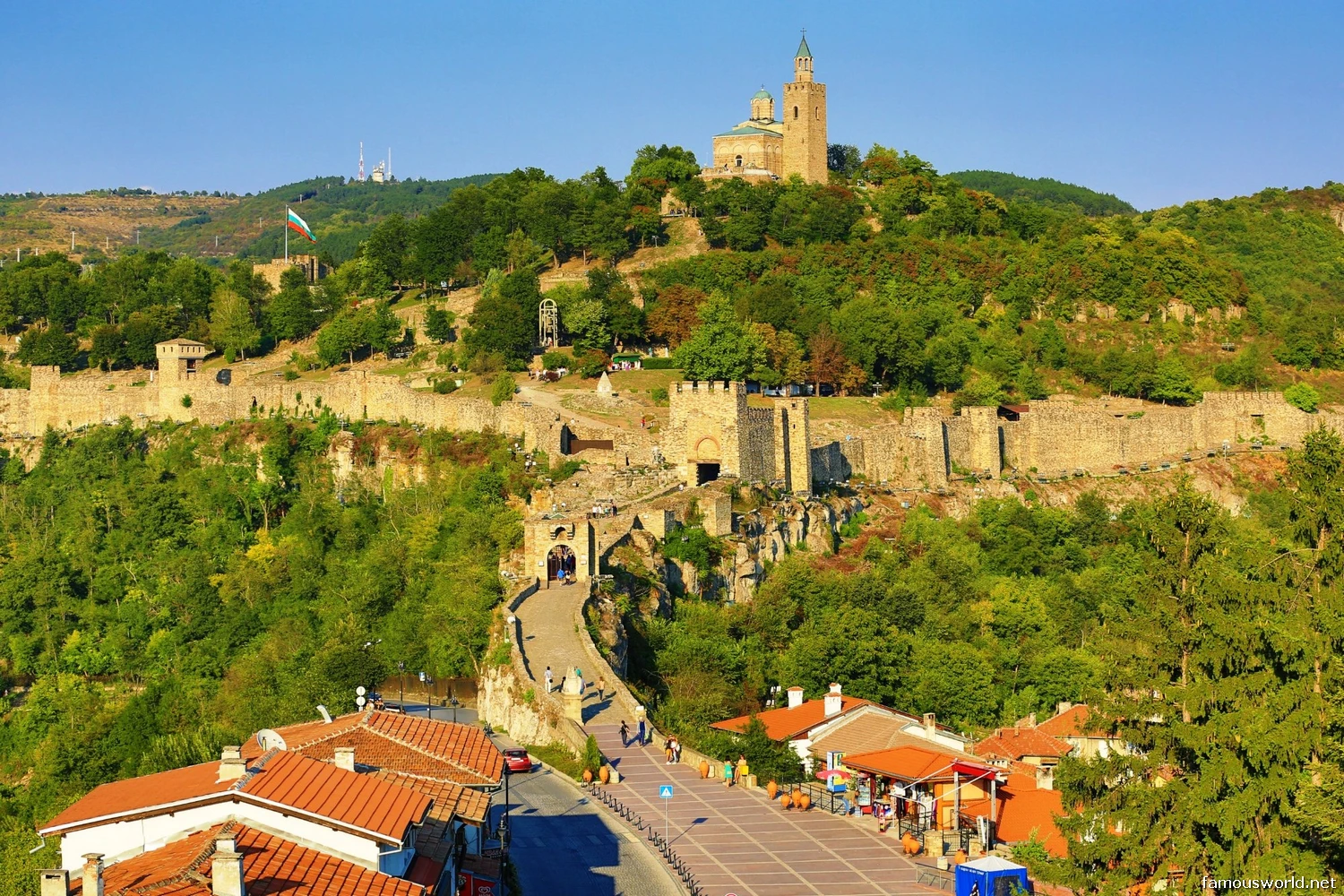
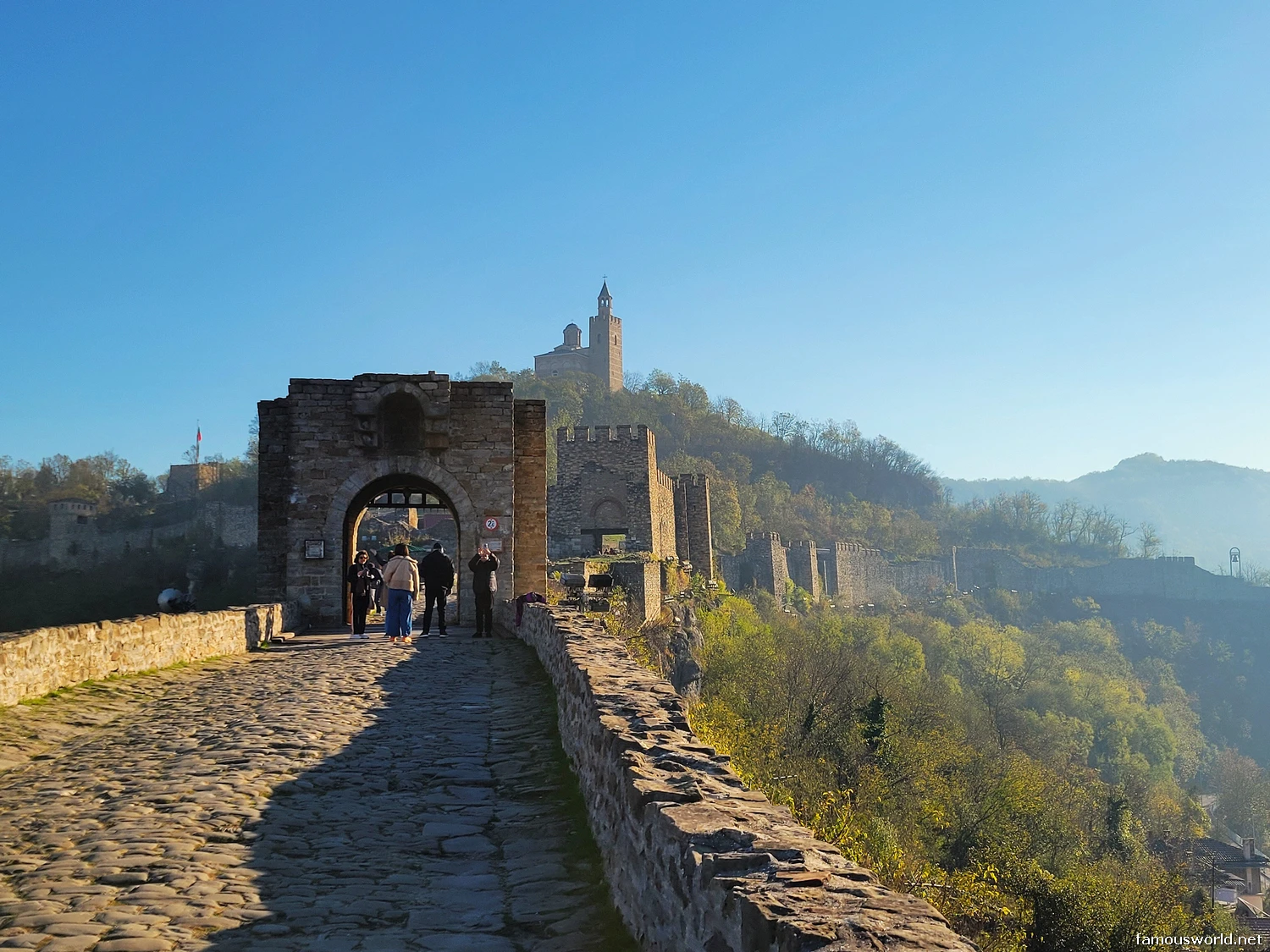

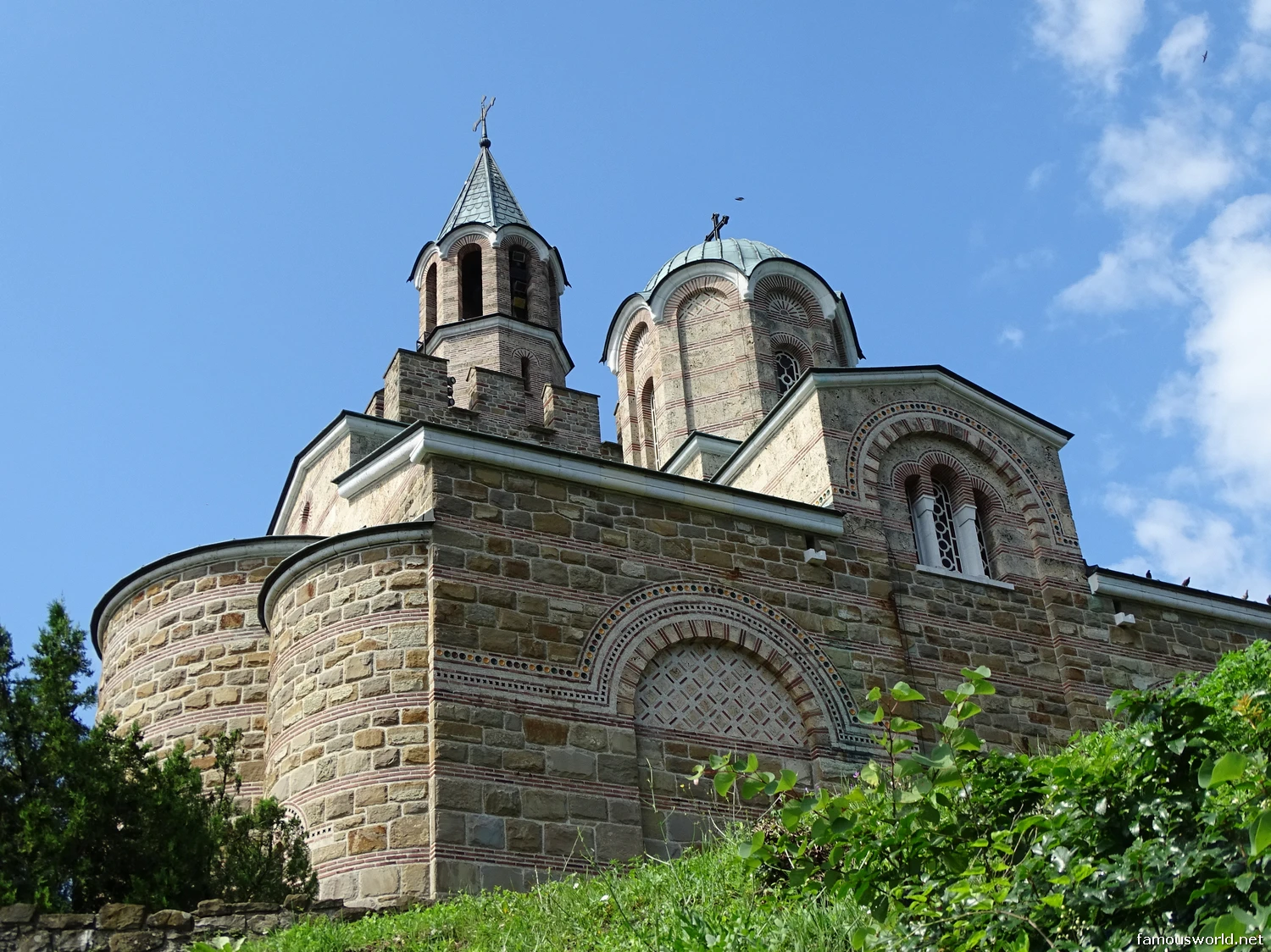
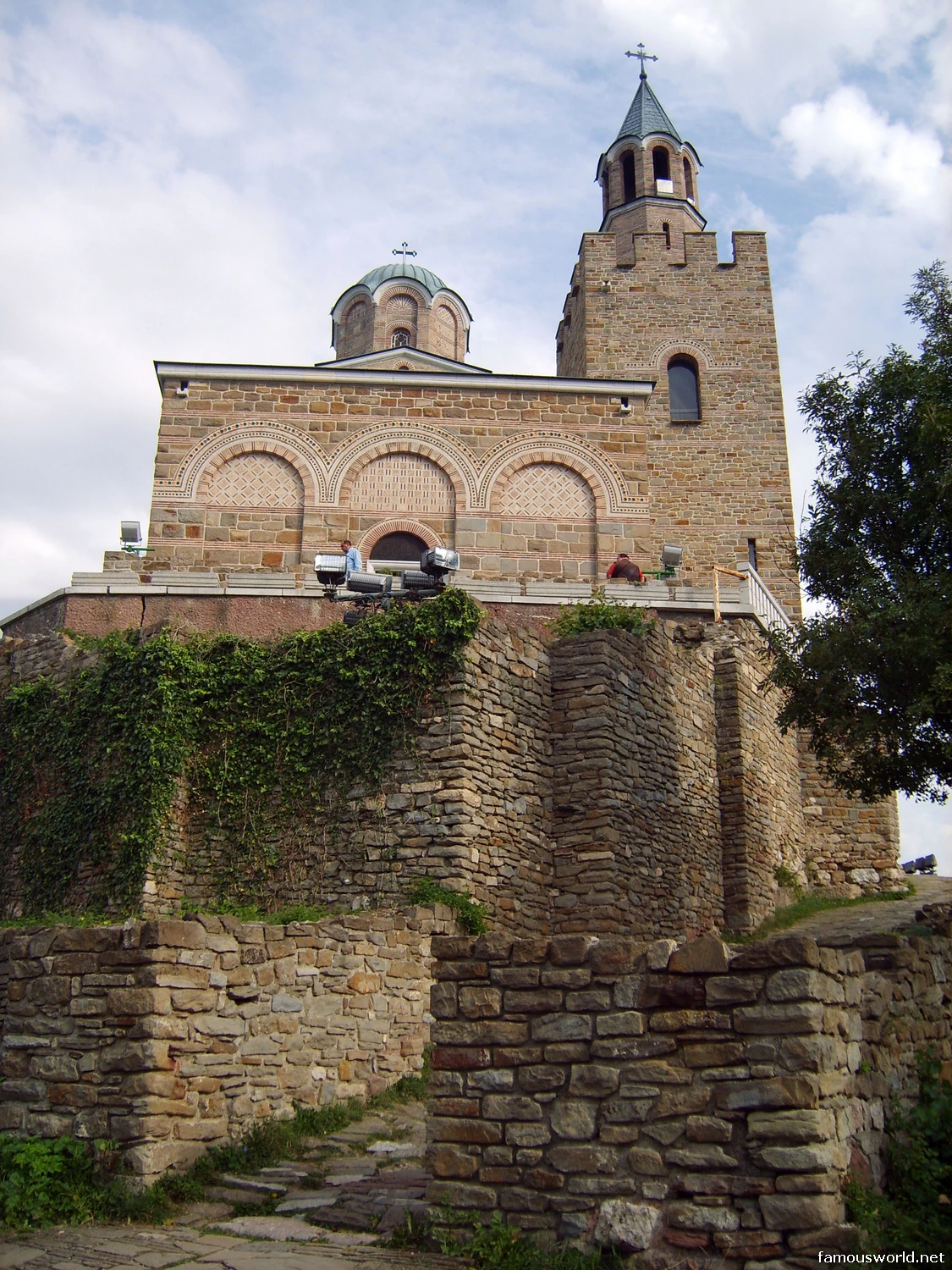
Dominating the skyline of Veliko Tarnovo, Tsarevets Fortress is not just a castle but the sacred heart of medieval Bulgaria. This vast and formidable stronghold, set on a strategic hill protected by the winding Yantra River, was the capital of the Second Bulgarian Empire (1185-1396) at the height of its power. To walk its stone ramparts is to step back into an era of tsars, patriarchs, and epic battles. The fortress is a potent national symbol, a sprawling archaeological park that includes the foundations of a royal palace and is crowned by a striking, modernly-designed Patriarchal Cathedral. A visit is a journey into the very soul of Bulgaria’s royal and religious history.
Listen to an introduction about Tsarevets Fortress

Name and Location
- Name: Tsarevets Fortress (Крепост „Царевец“).
- Location: On Tsarevets Hill in Veliko Tarnovo, the former capital of medieval Bulgaria, located in the central part of the country.
How to Get There
The fortress is the main attraction in Veliko Tarnovo, which is a major tourist destination.
- By Bus (to Veliko Tarnovo): This is the most common and practical way to reach the city. Frequent and reliable bus services connect Veliko Tarnovo with Sofia (approx. 3 hours), Plovdiv, Varna, and other major Bulgarian cities.
- By Train (to Veliko Tarnovo): The city has a train station with connections to Sofia and other key routes, though the bus is often faster.
- By Car: Veliko Tarnovo is on a major national road, making it easily accessible by car.
- By Foot (within the city): Once in Veliko Tarnovo, the fortress entrance is an easy and scenic walk from the city’s old town and main hotel areas.
Landscape and Architecture
The fortress is a massive, self-contained medieval city built on a naturally fortified hill.
- Natural Fortification: The fortress is set on a high, rocky hill encircled on three sides by a deep bend in the Yantra River, creating a formidable natural defense.
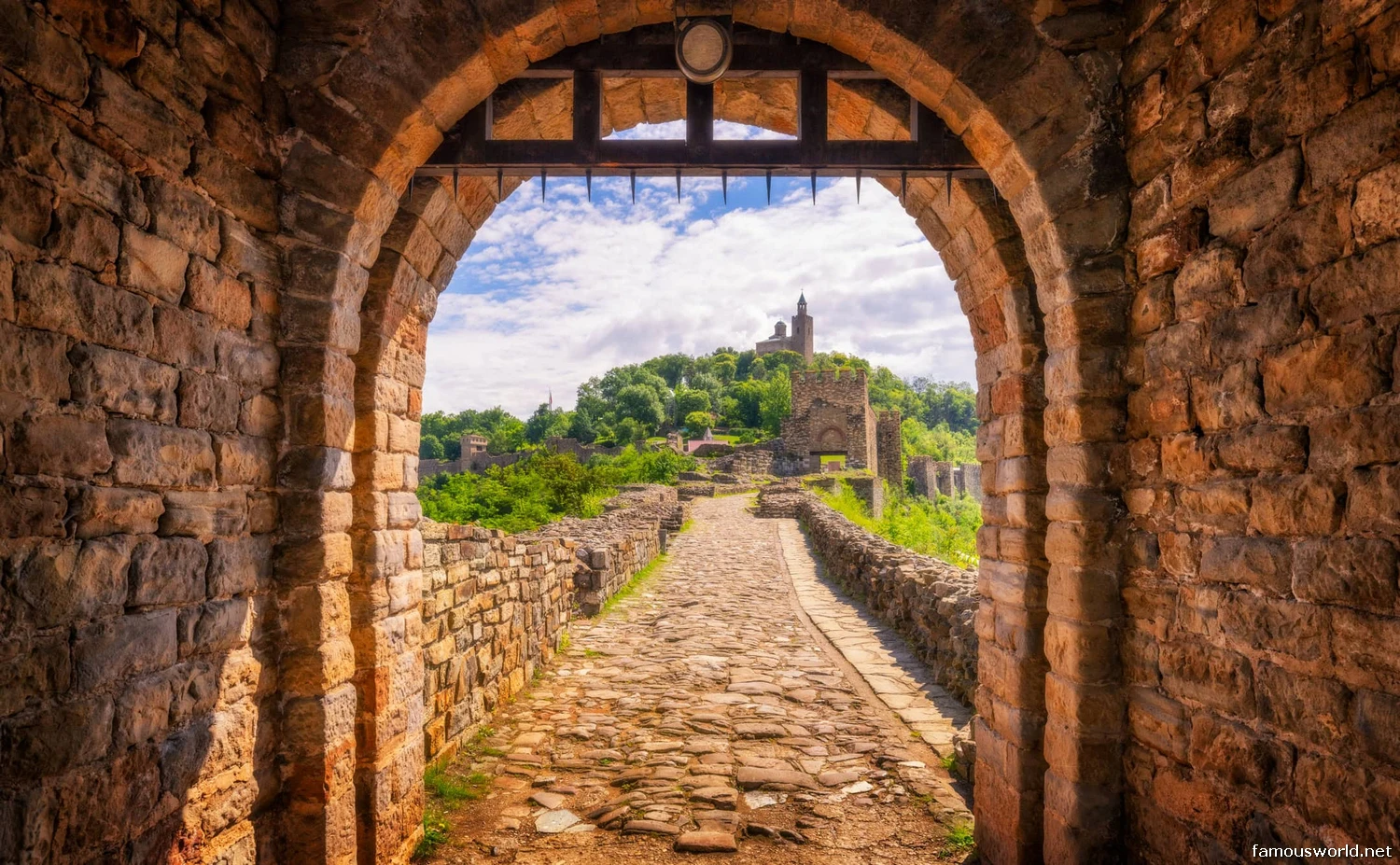
- Massive Fortress Walls: The site is protected by thick stone walls, in some places up to 3.6 meters (12 ft) thick, and was accessed through three main gates. The main entrance complex, featuring a drawbridge, is a reconstruction of the original Asen’s Gate.
- The Royal Palace: At the center of the fortress are the extensive ruins of the Royal Palace complex, which covered nearly 5,000 square meters (54,000 sq ft) and included the royal chambers, a throne room, and a palace church.
- The Patriarchal Cathedral: At the hill’s highest point stands the restored Patriarchal Cathedral of the Holy Ascension of God. While the architecture is medieval, its interior is famous for its stark, powerful, and deeply moving modern frescoes, painted in the 1980s, which depict the tragedy and glory of Bulgarian history.
- Baldwin’s Tower: At the southernmost corner of the fortress is a reconstructed medieval tower, known as Baldwin’s Tower, where, according to legend, the Latin Emperor Baldwin I was imprisoned after his capture by the Bulgarian Tsar Kaloyan in 1205.
What Makes It Famous
Tsarevets is renowned as the capital of the Second Bulgarian Empire and a powerful symbol of Bulgarian independence.
- Capital of Medieval Bulgaria: It was the center of political, religious, and cultural life for two centuries, a period of immense power and artistic flourishing.
- Iconic Modern Frescoes: The Patriarchal Cathedral is world-famous for its unique and controversial modernist frescoes, which are a vast departure from traditional Orthodox iconography and a masterpiece of 20th-century art.
- “Sound and Light” Show: The fortress is the stage for a spectacular audiovisual show that uses dramatic music, lasers, and colored lights to tell the story of the fortress and the fall of Bulgaria to the Ottomans.
- A National Symbol: It is one of the most important and cherished historical and archaeological sites in all of Bulgaria.
Differences from Other Wonders (vs. Carcassonne, France)
A vast, ruined royal capital in Bulgaria offers a different experience than a perfectly preserved, inhabited walled city in France.
- Environment (National Park vs. Inhabited Town): Tsarevets is a sprawling archaeological park and national memorial; while some structures are restored, it is largely a site of ruins you explore. The Cité de Carcassonne in France is a fully restored and inhabited medieval walled city, with a hotel, restaurants, and shops inside its walls.
- Focus (Royal and Religious Center vs. Defensive Showcase): Tsarevets’s identity is defined by its two main centers of power: the Royal Palace and the Patriarchal Cathedral. Carcassonne is famous as the textbook example of a medieval fortified city, with its double set of walls and 52 towers.
- Core Story (A Fallen Empire vs. Cathar History): The story of Tsarevets is of the rise and tragic fall of the Second Bulgarian Empire. The story of Carcassonne is linked to the Crusades against the Cathars and its role as a strategic border fortress between France and Aragon.
- Atmosphere (Stark and Historic vs. Picturesque and Bustling): Tsarevets feels vast, stark, and deeply historic, inviting contemplation of a lost empire. Carcassonne, while historic, is also a bustling tourist destination that can feel like a perfectly preserved, picturesque (and sometimes crowded) medieval fantasy.
Location on world map