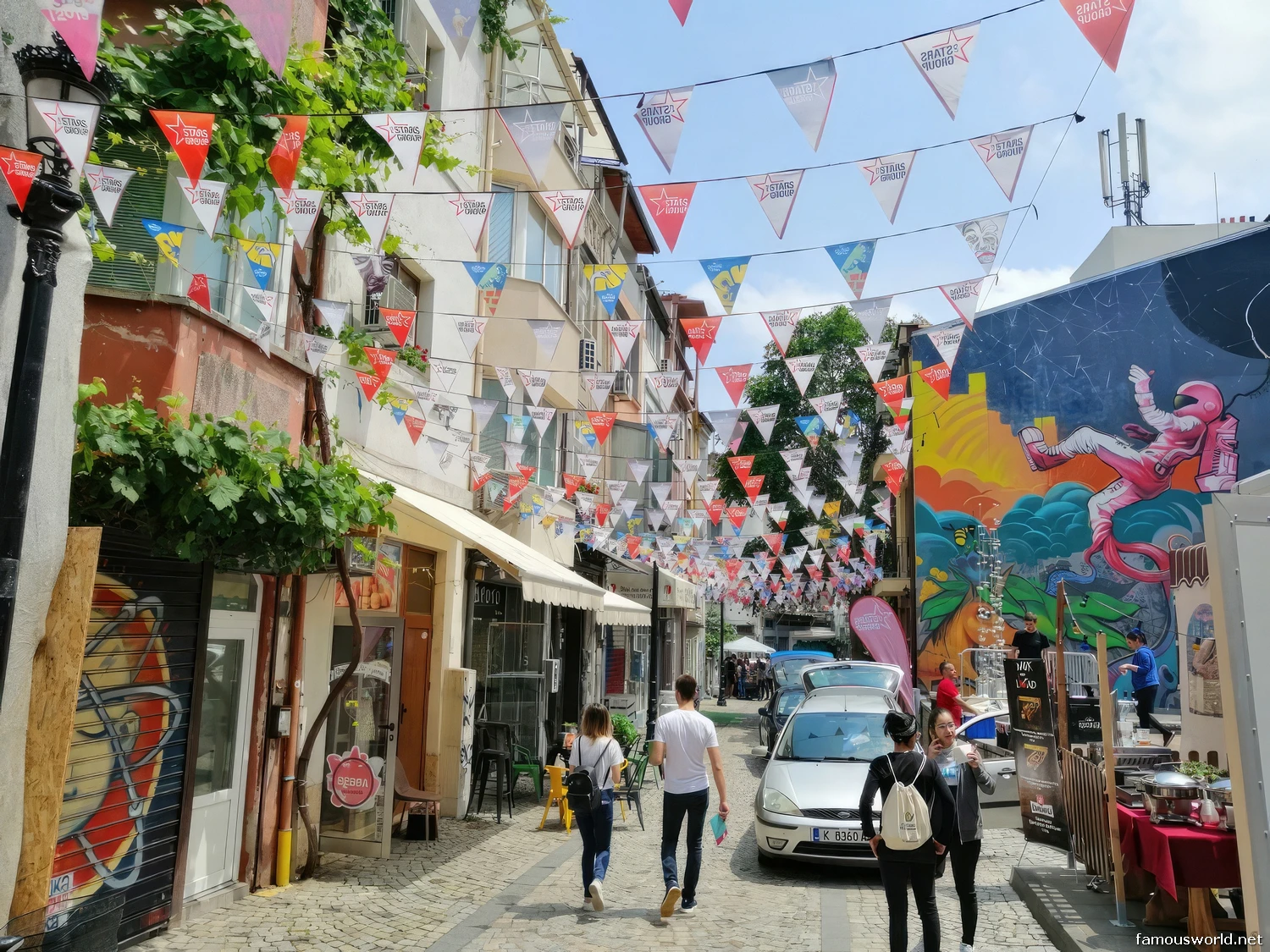


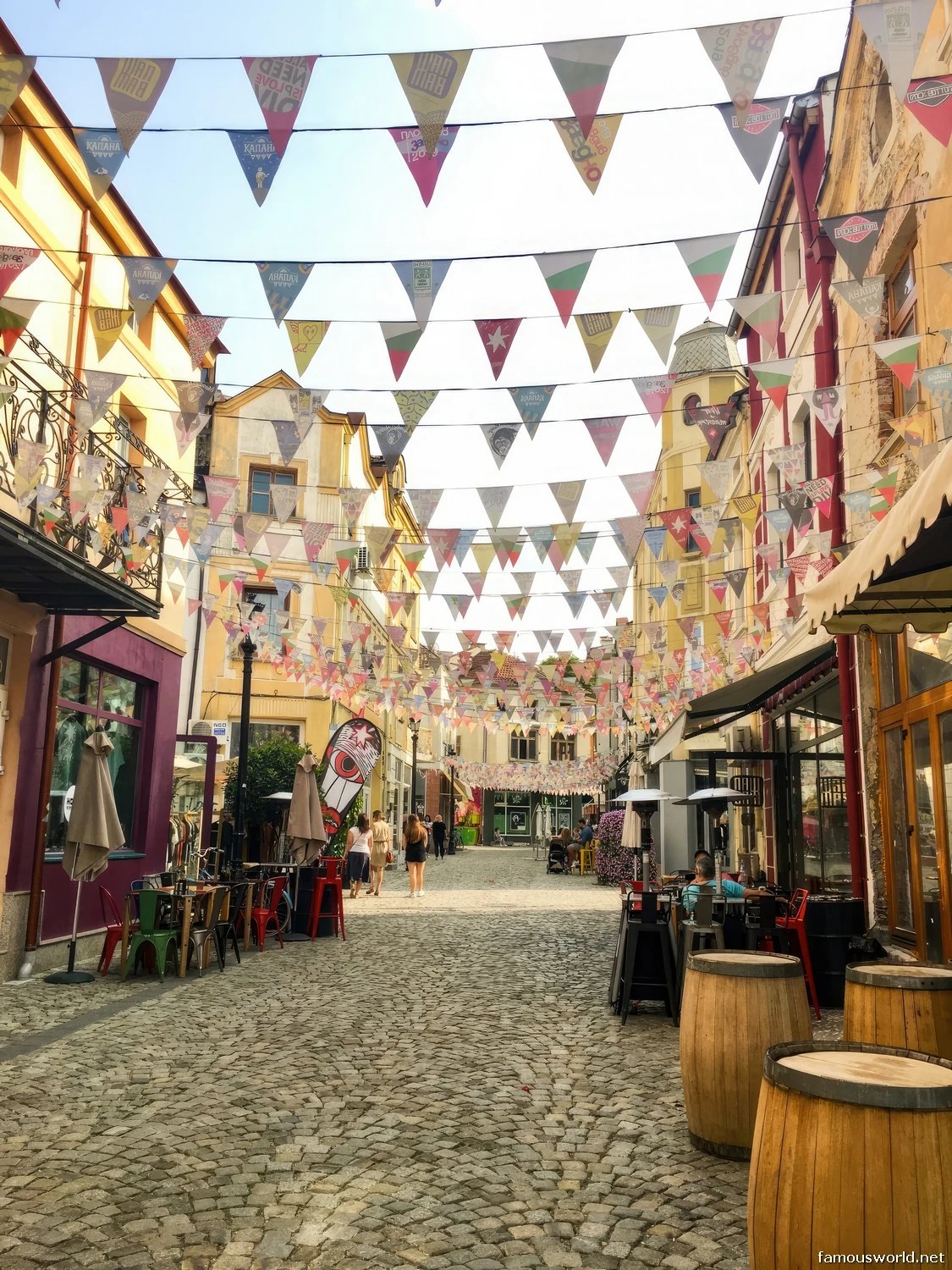

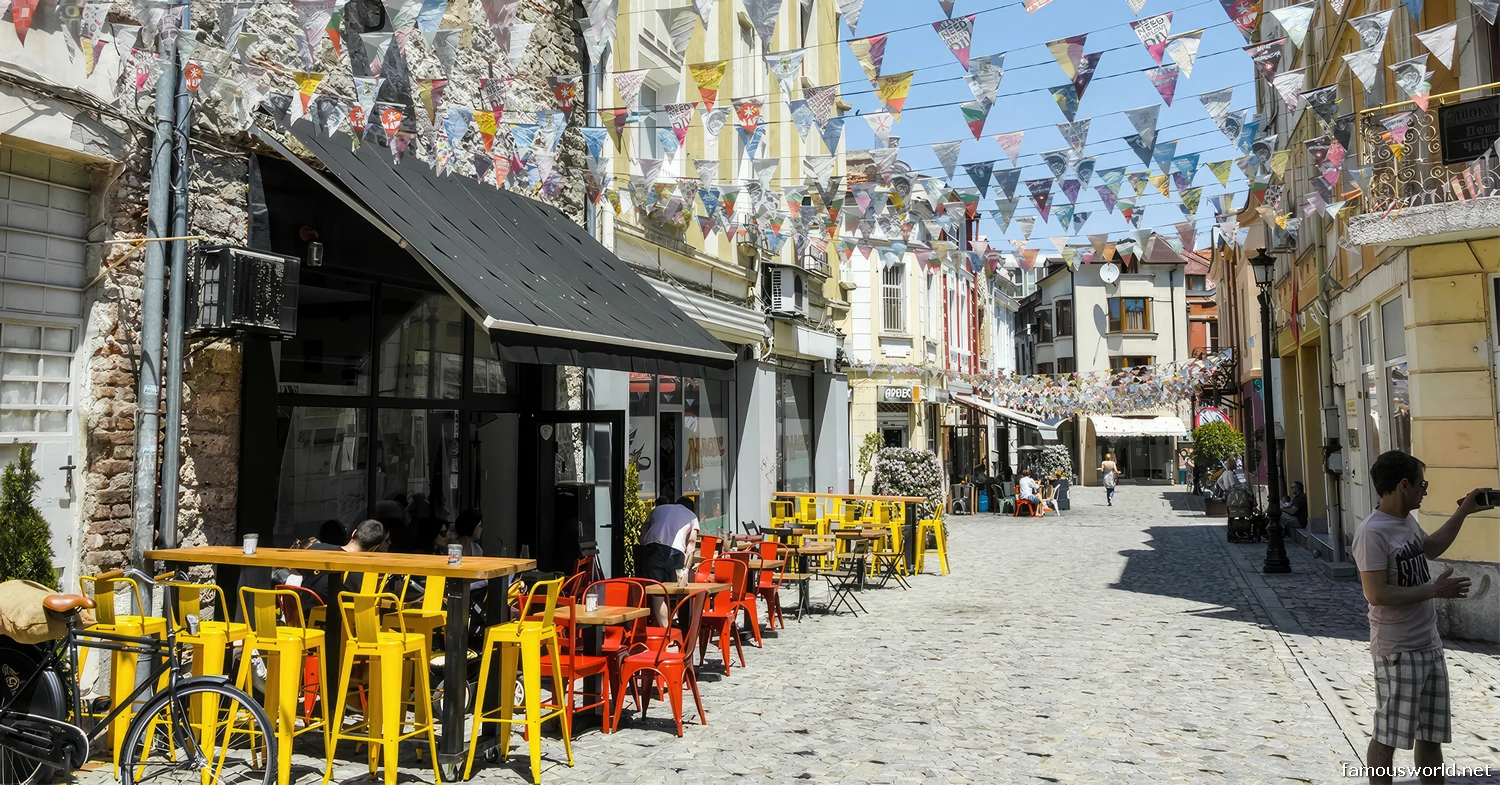
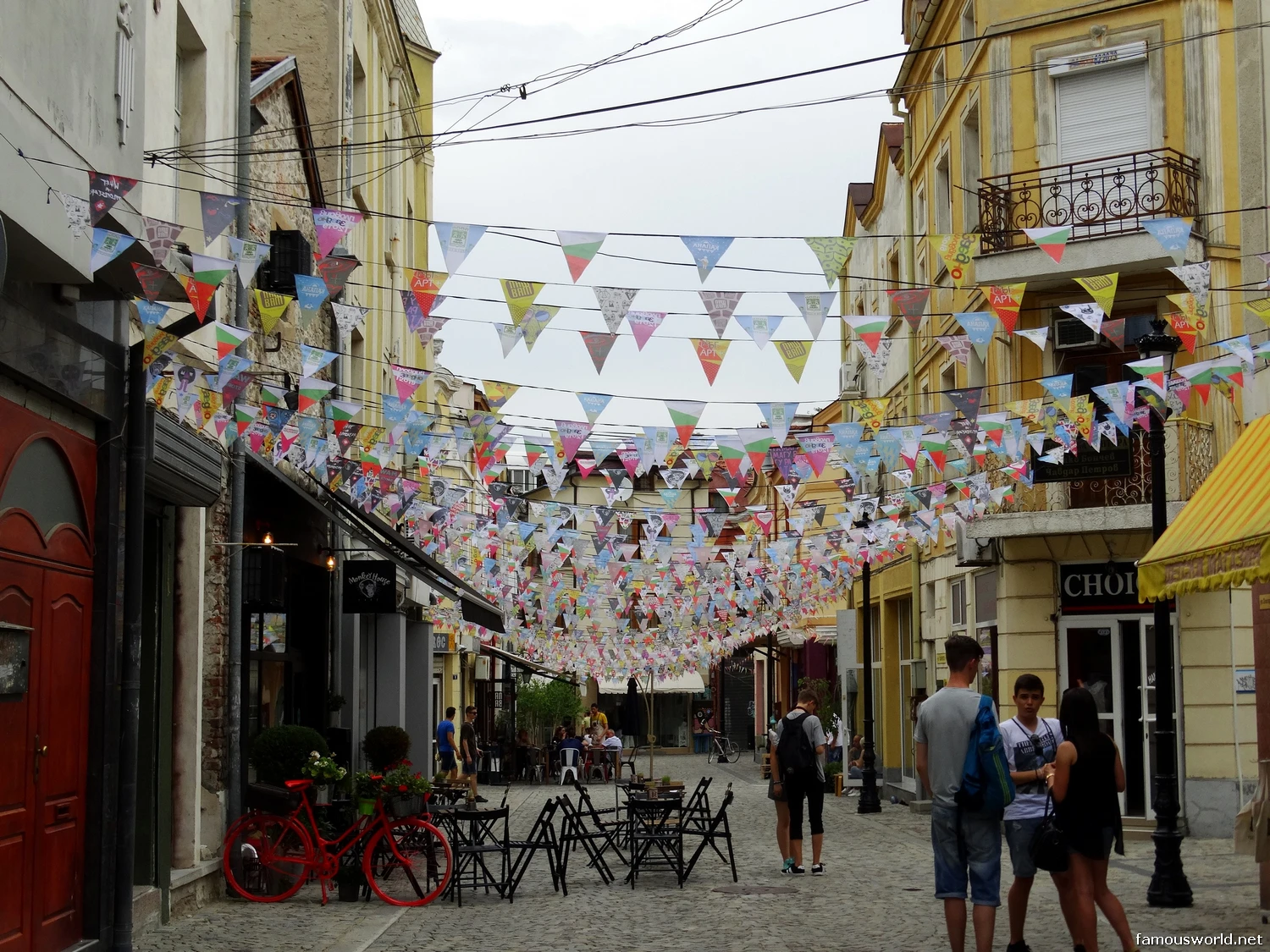
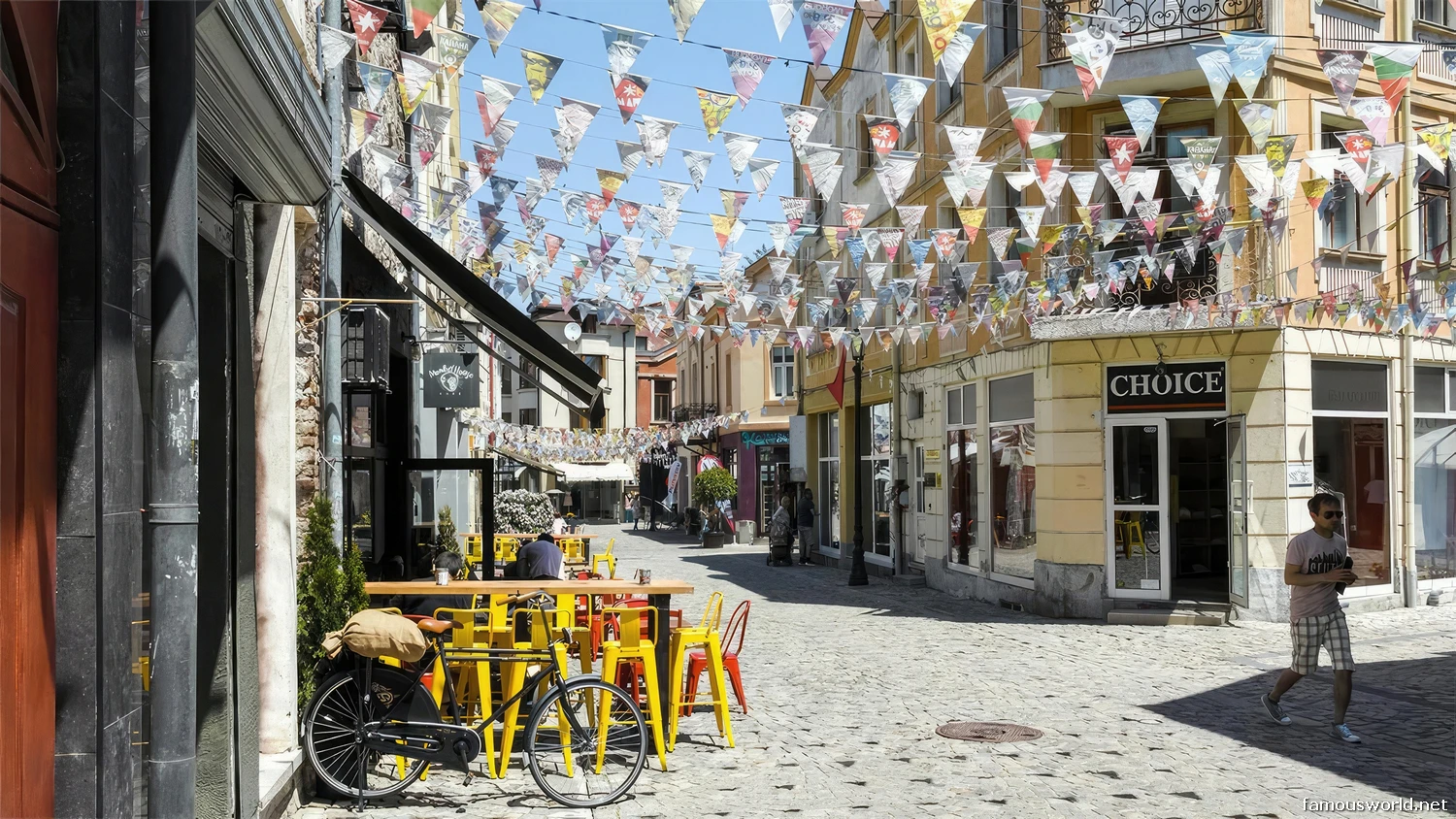



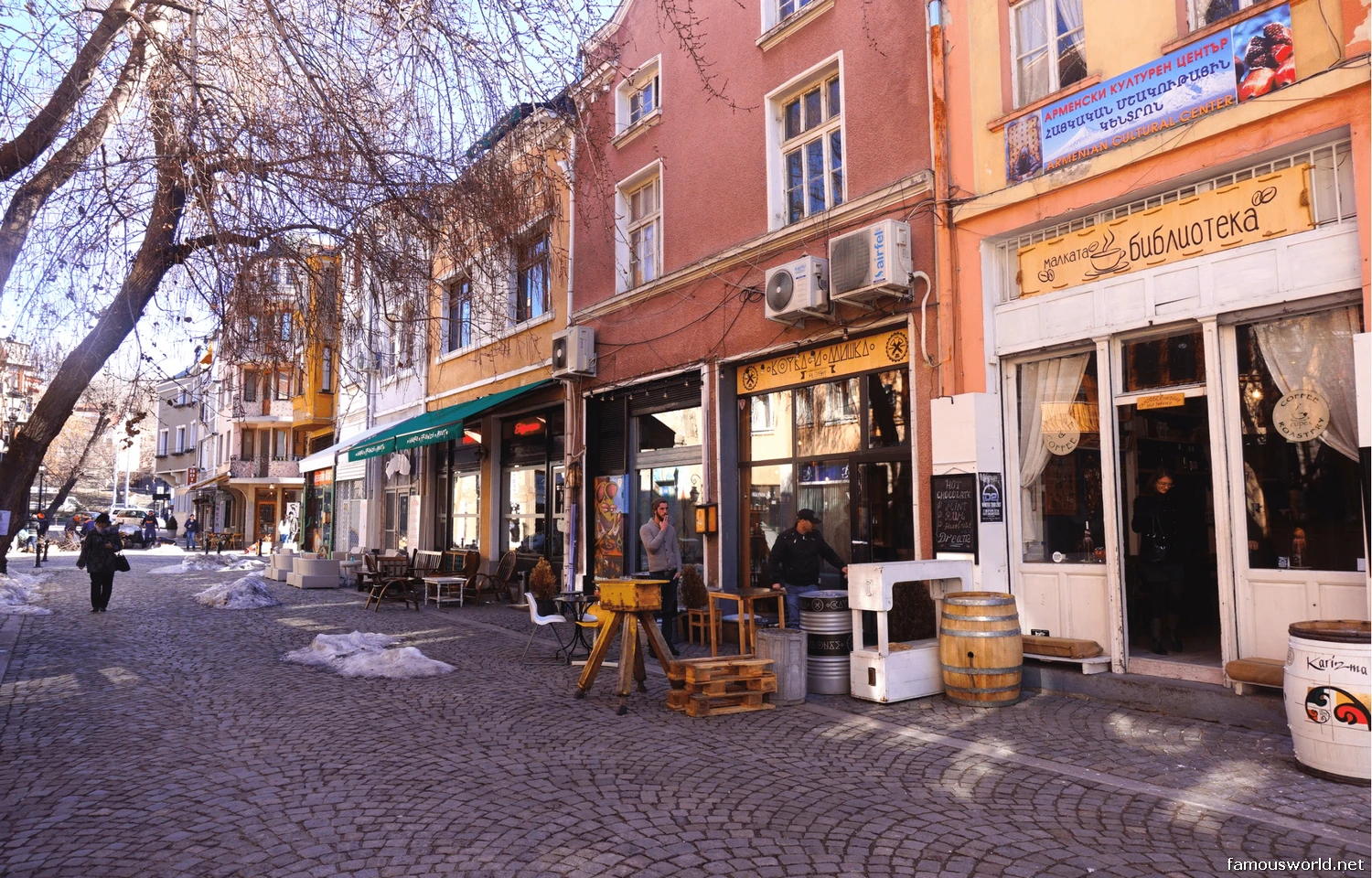

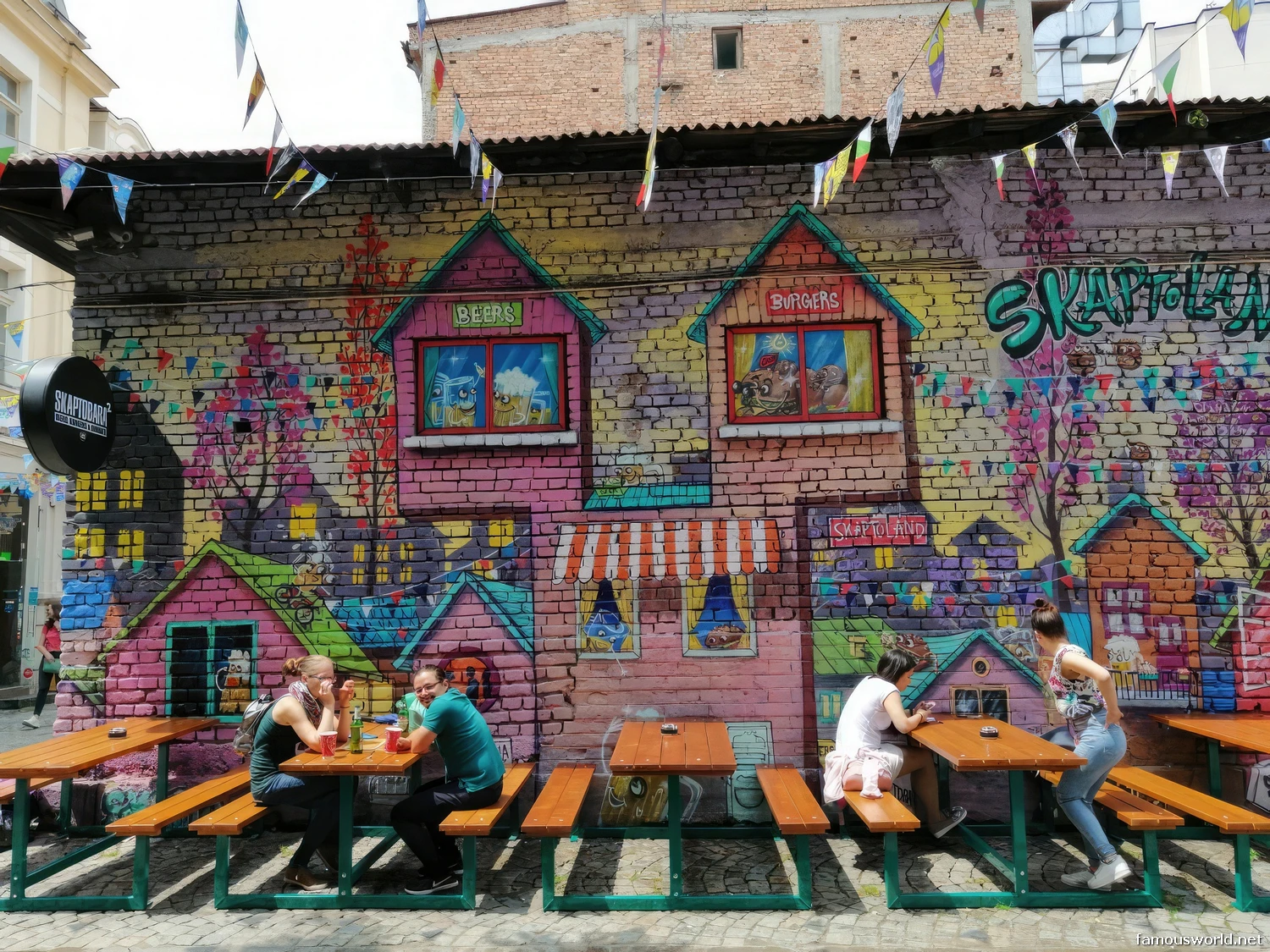
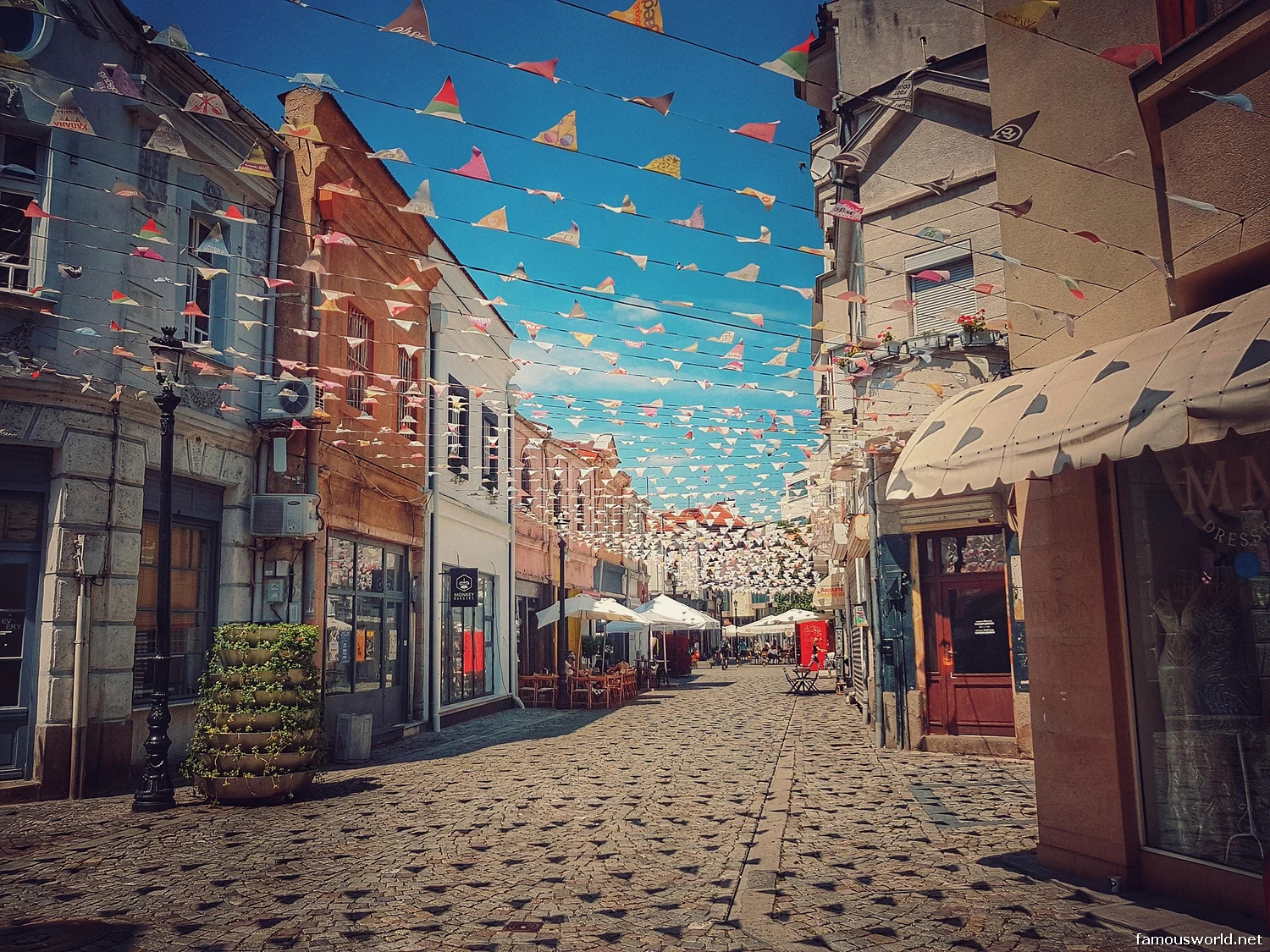
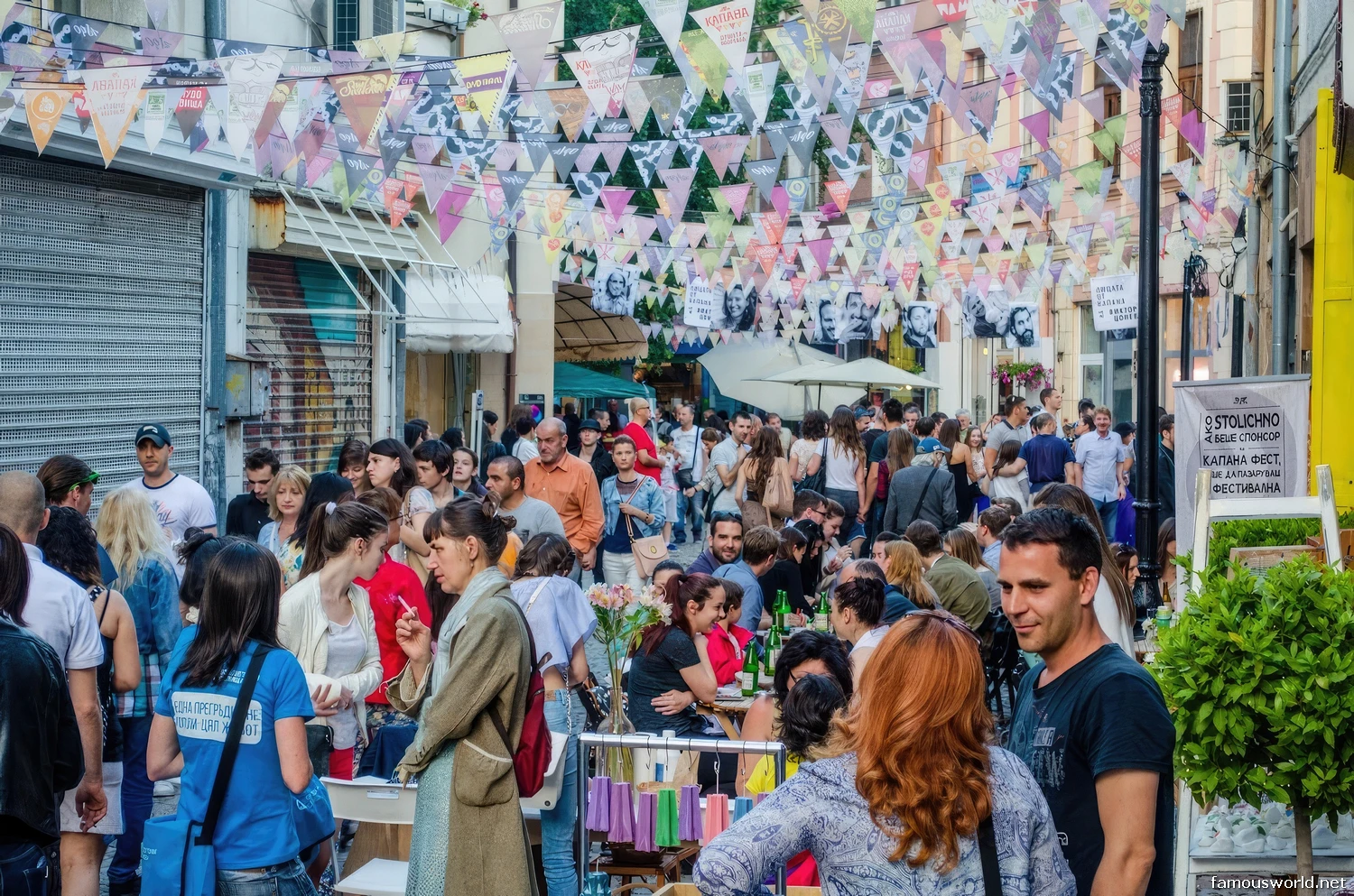

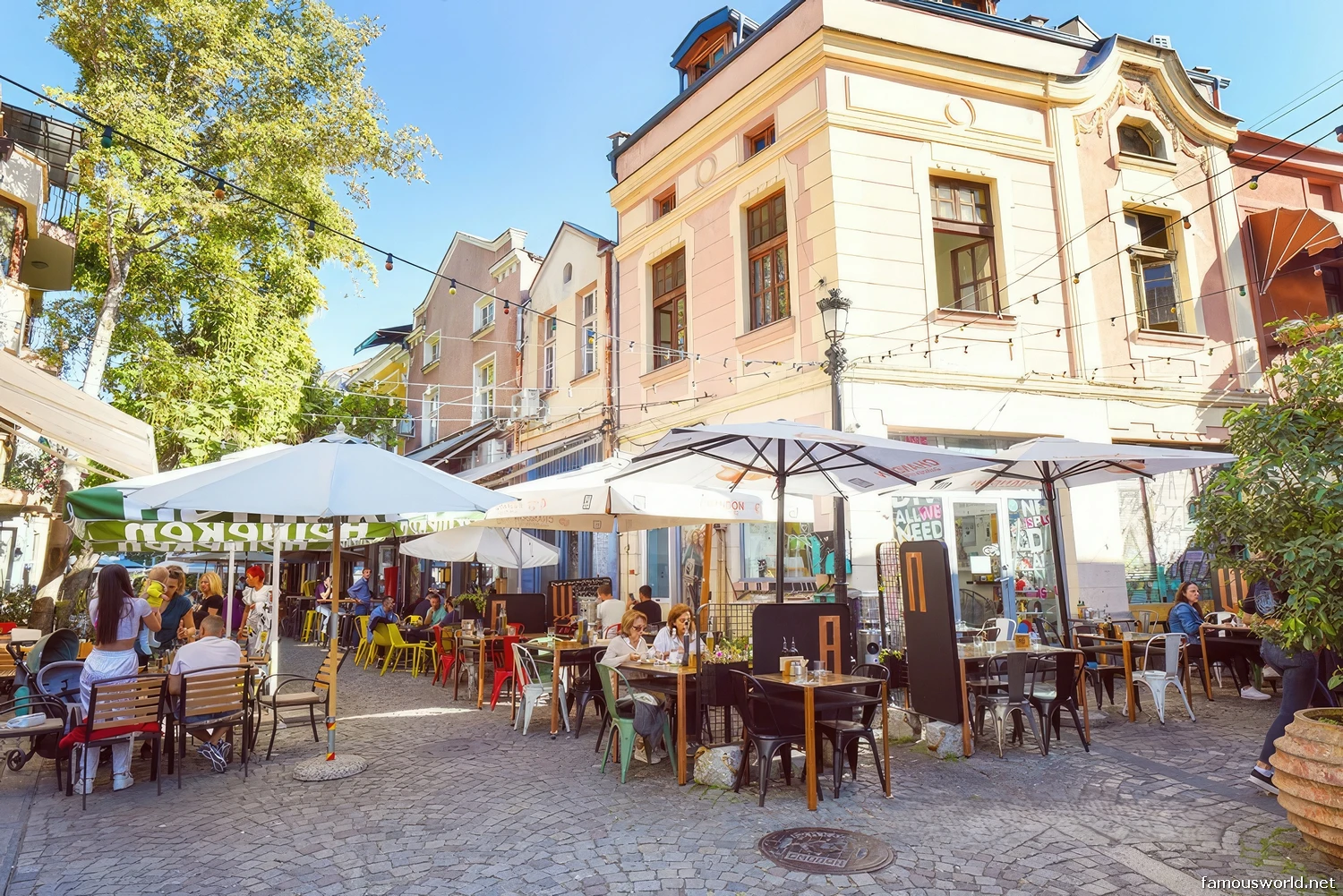
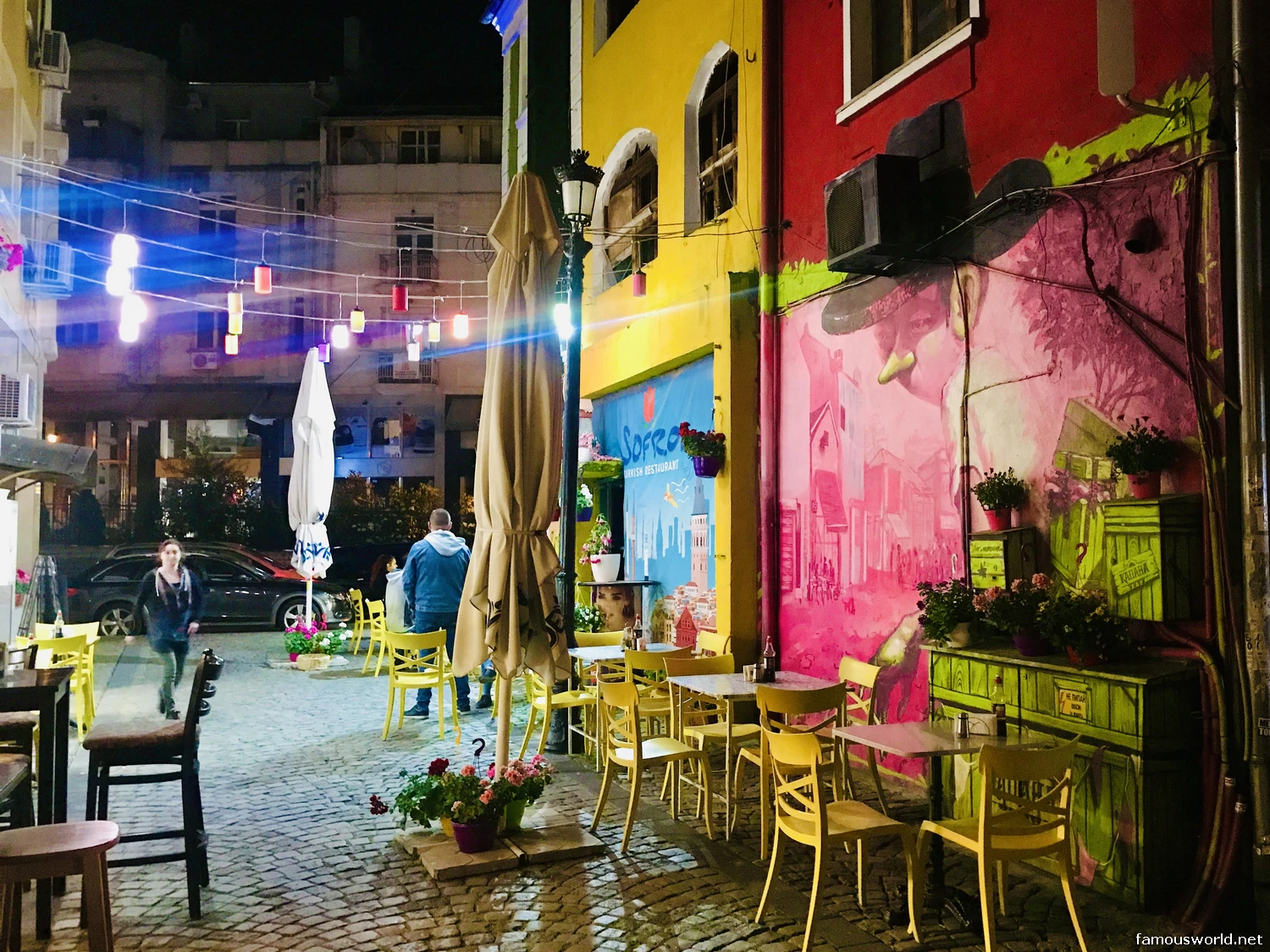
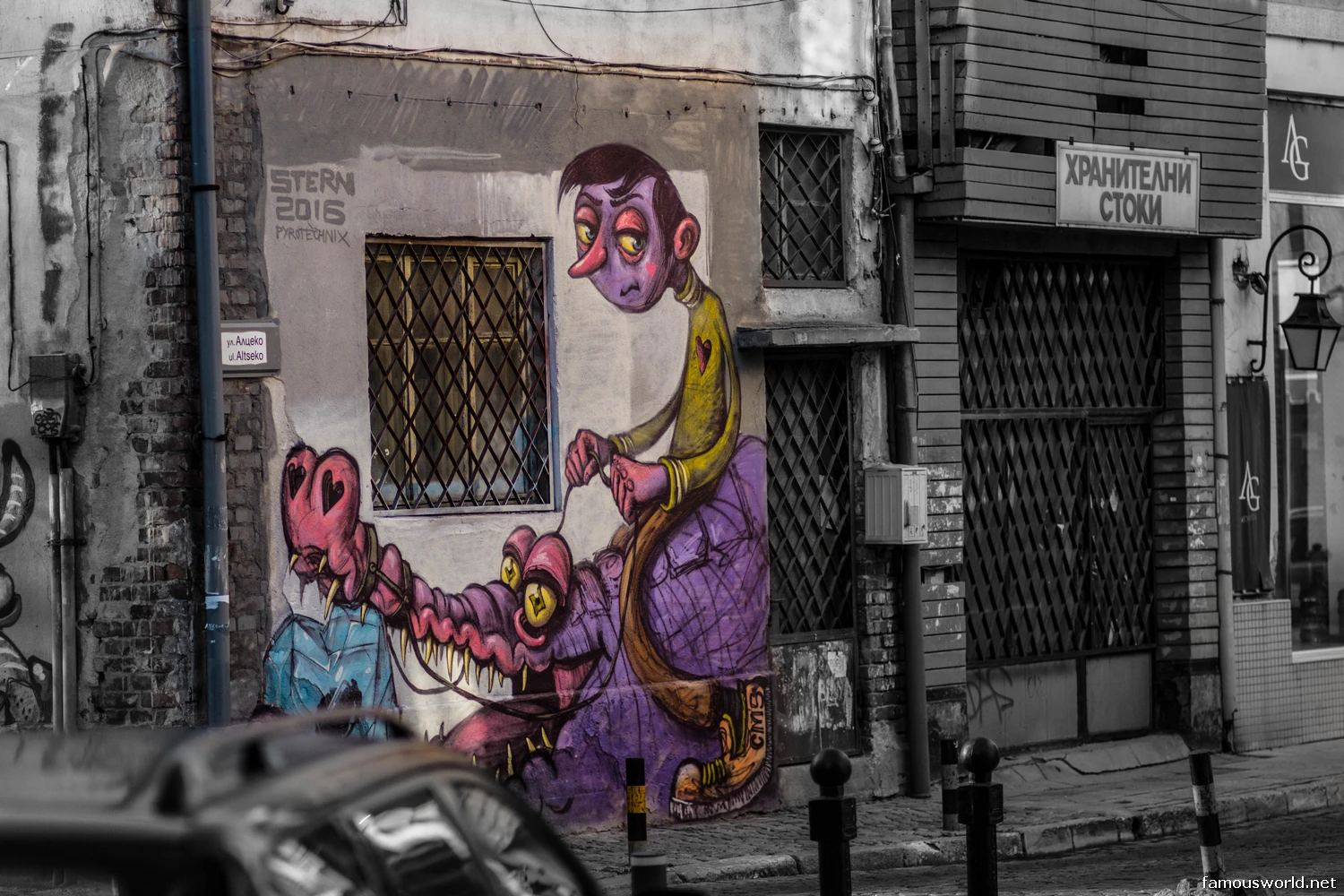

Nestled just below the Old Town, Kapana is the vibrant, beating heart of modern Plovdiv—a trendy, bohemian district brimming with creativity, art, and youthful energy. Its name, “Капана,” means “The Trap,” a nod to its historical layout of a tangled, labyrinthine web of small cobblestone streets. Once a center for craftsmen, the area fell into disrepair before a massive revitalization project transformed it into Bulgaria’s premier creative hub. Today, it’s a colorful, pedestrian-only neighborhood where art galleries, artisan workshops, and independent designers share the streets with craft beer bars, specialty coffee shops, and stylish restaurants. A visit to Kapana is an immersion into the city’s contemporary culture, a perfect counterpoint to the ancient history on the hills above.
Listen to an introduction about Kapana Creative District

Name and Location
- Name: Kapana Creative District (Капана, “The Trap”).
- Location: In the very center of Plovdiv, Bulgaria, located between the Old Town, the main pedestrian street (Knyaz Alexander I), and the Roman Stadium.
How to Get There
Kapana is a pedestrian-only zone and is meant to be explored on foot.
- By Foot: This is the only way to explore Kapana. It is directly accessible from the main central square, the Roman Stadium, and is just a few steps down the hill from the Old Town, making it a natural part of any city tour.
- By Car (to the area): If driving to Plovdiv, you must park in a paid lot on the outskirts of the central zone and walk in. No cars are allowed inside the district.
Landscape and Architecture
The district’s charm lies in its revitalized urban architecture and its lively, human-scale streets.
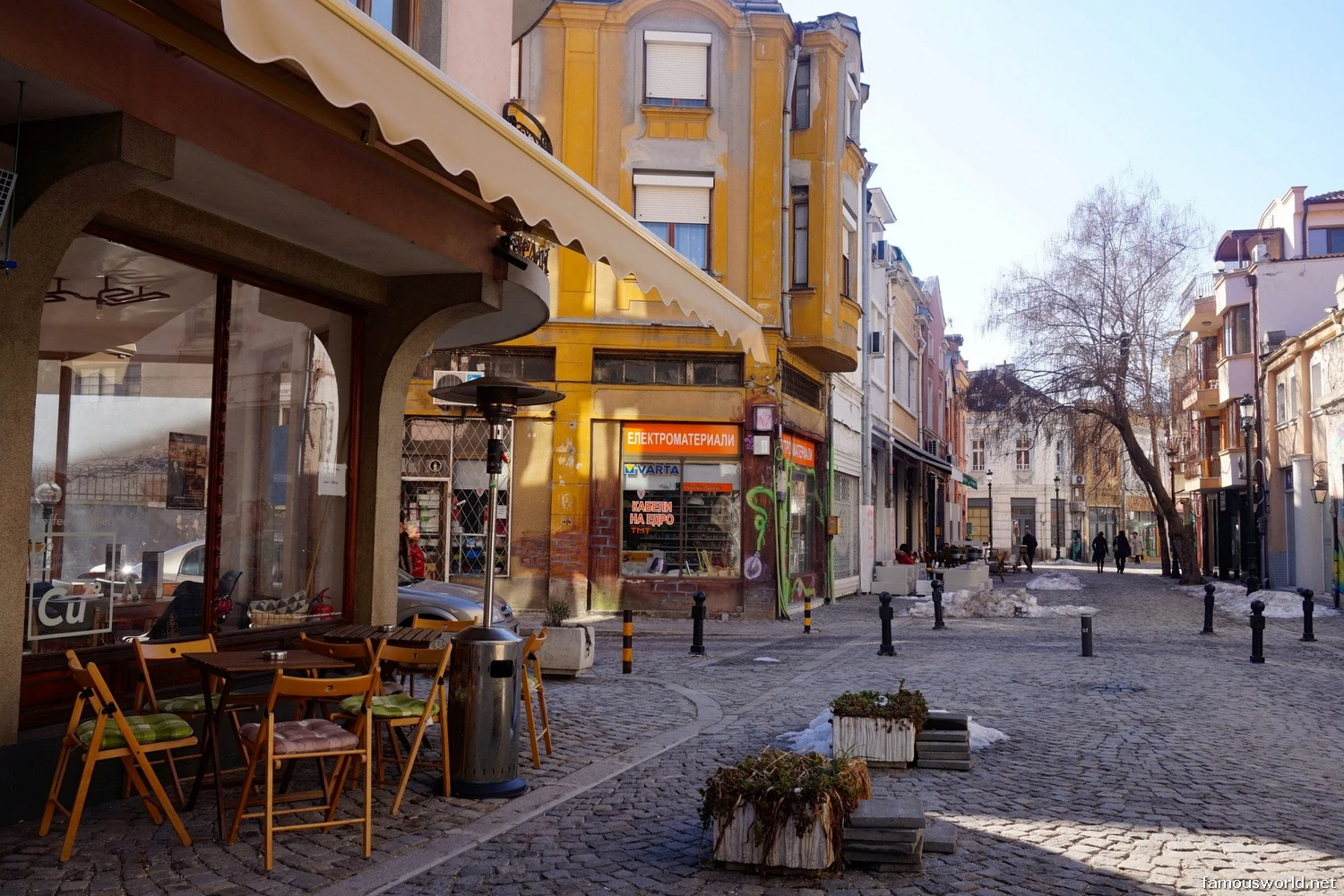
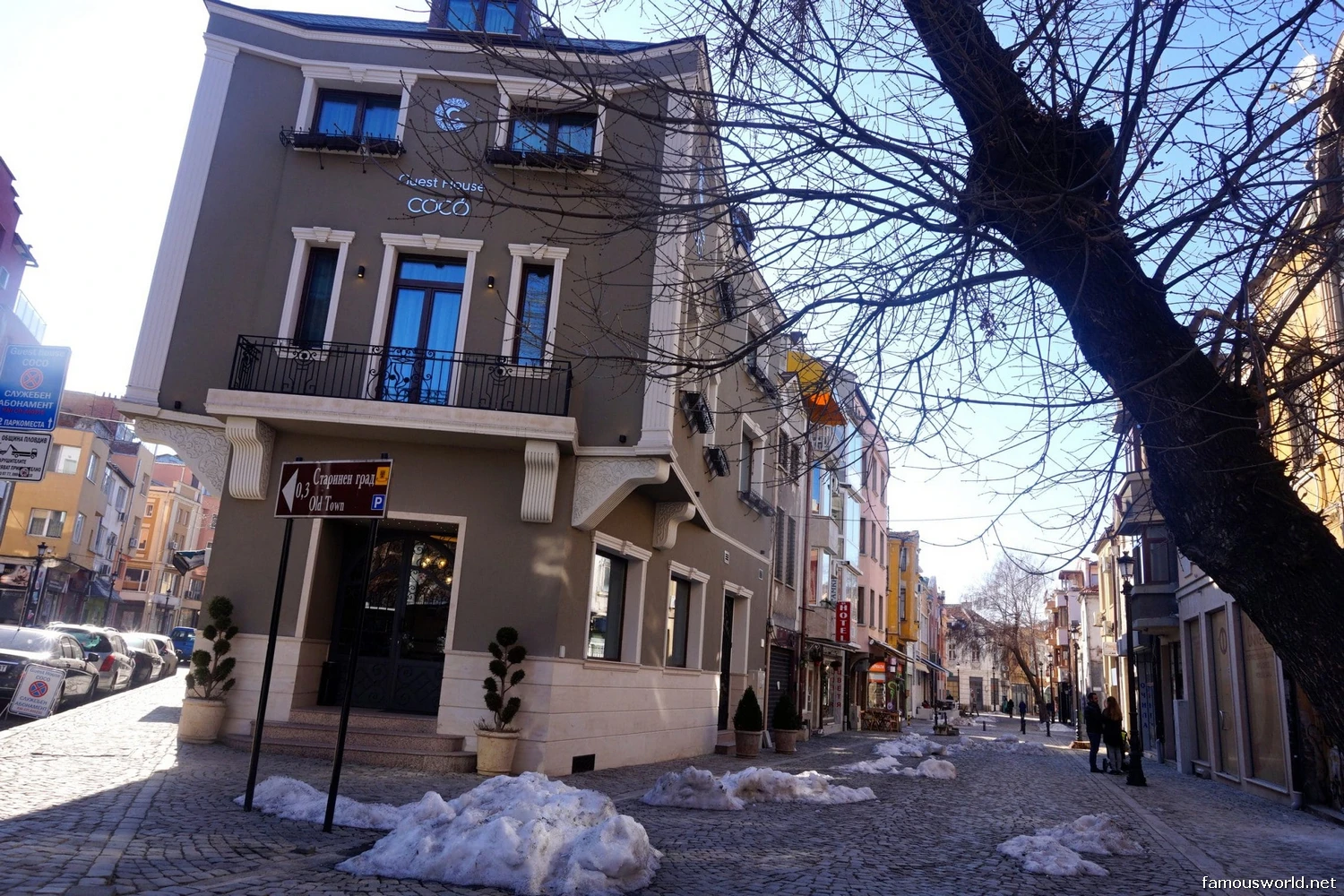
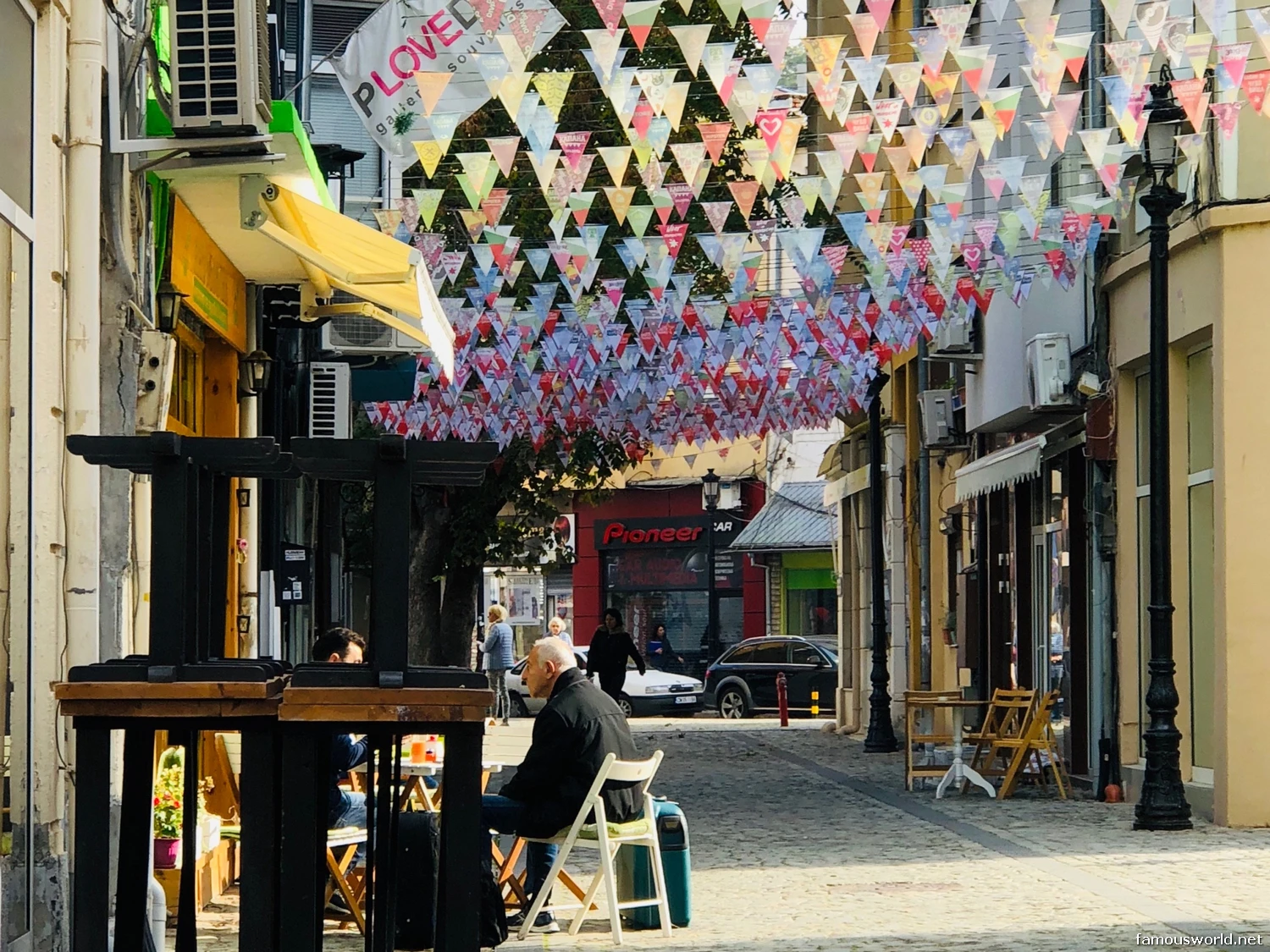
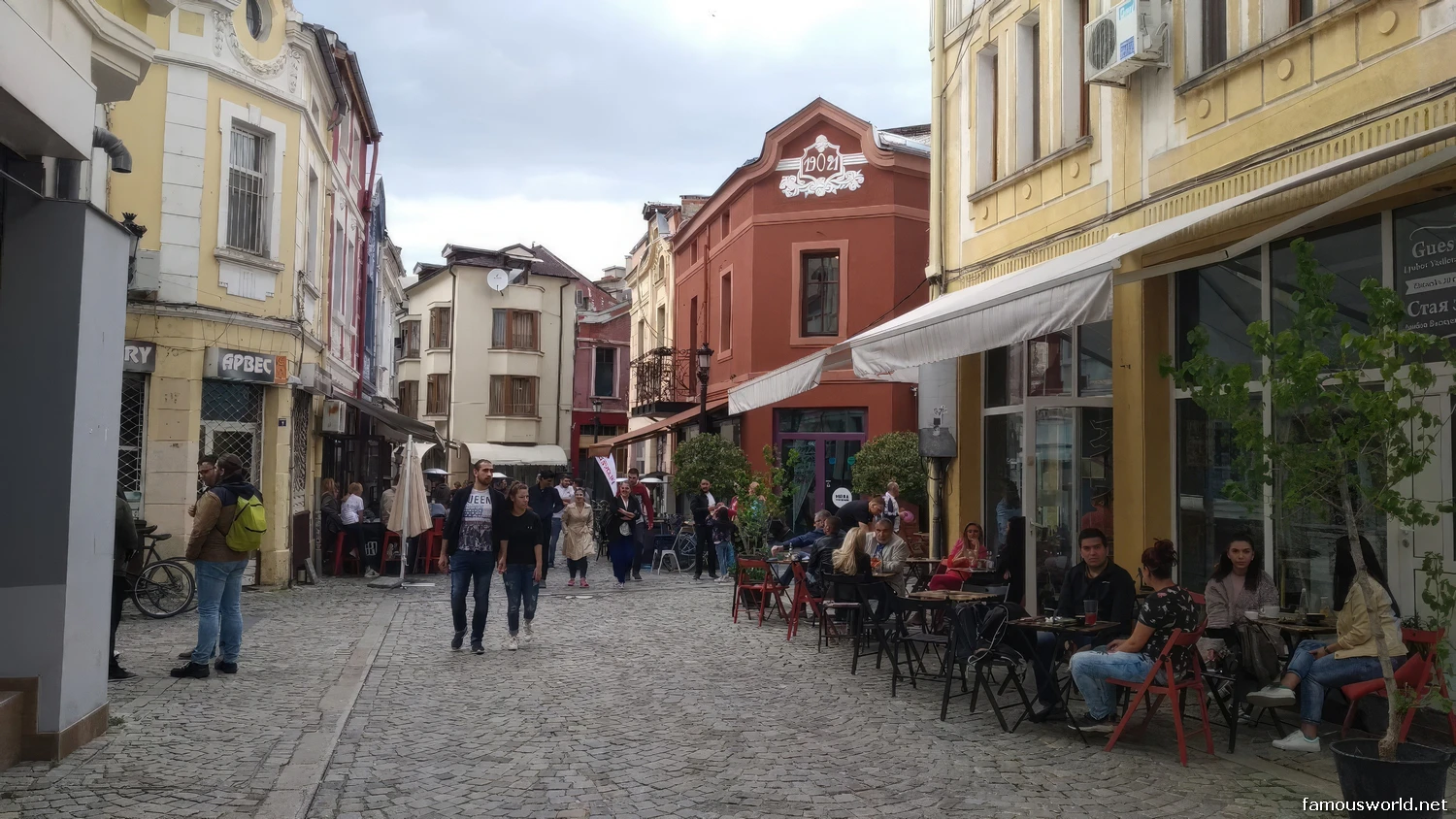
- A Labyrinth of Streets: The layout is a dense, almost medieval grid of narrow, interconnected cobblestone streets. It’s easy (and enjoyable) to get “trapped” wandering from one street to the next.
- Revitalized 20th-Century Buildings: Unlike the grand Revival houses of the Old Town, Kapana consists of smaller 2-3 story buildings from the early 20th century. These have been beautifully restored with colorful facades, large shop windows, and modern design touches.
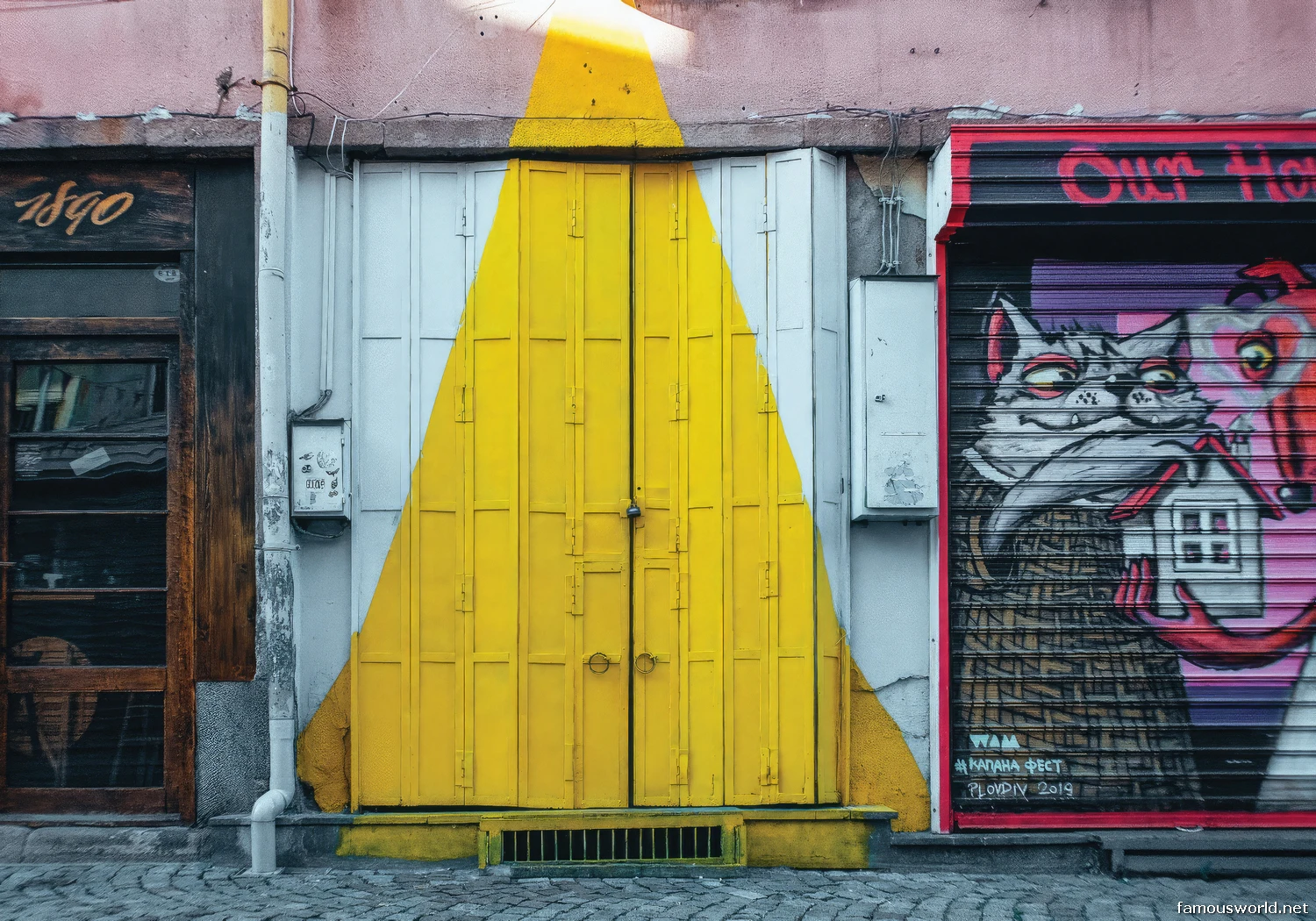
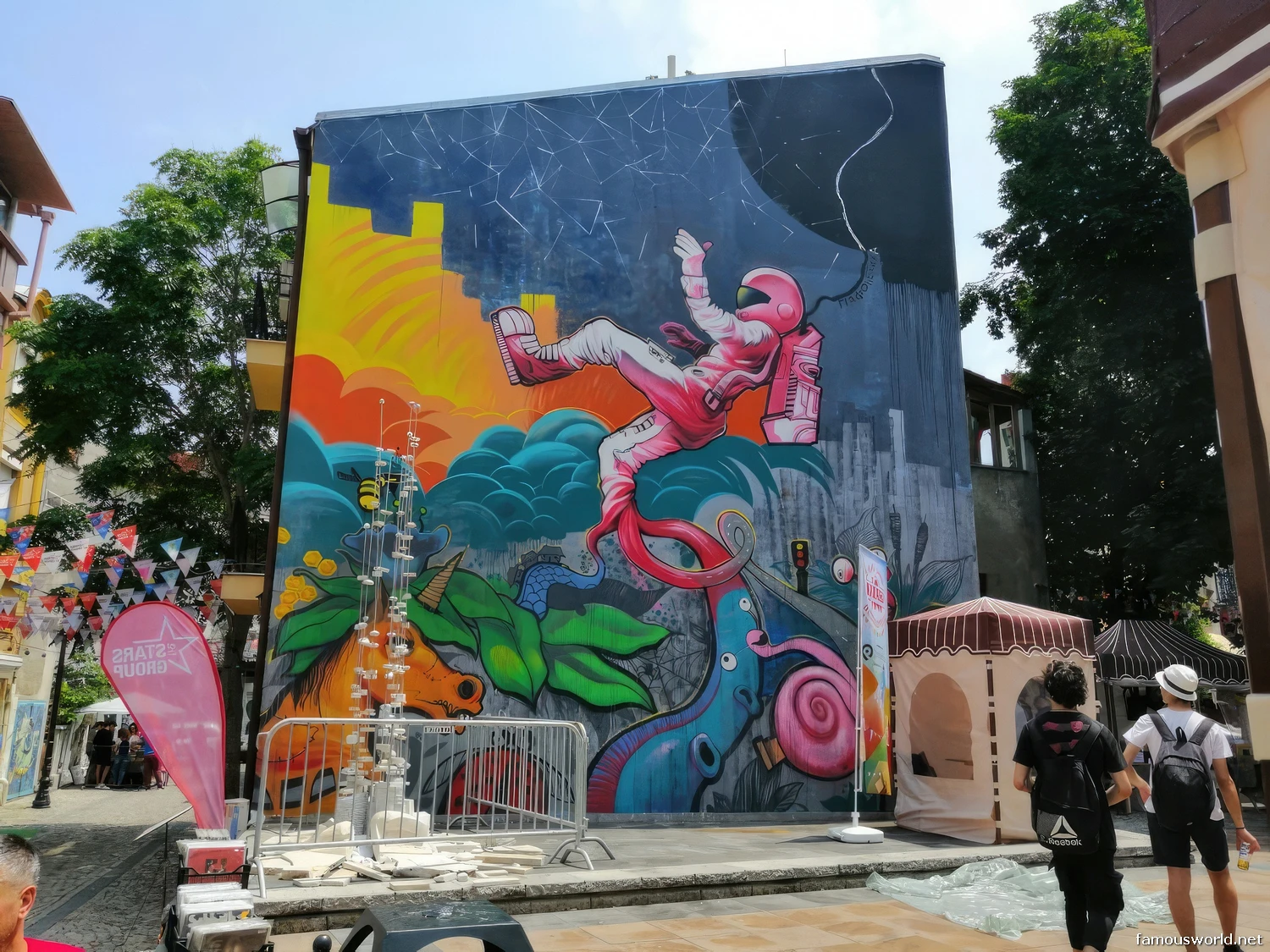
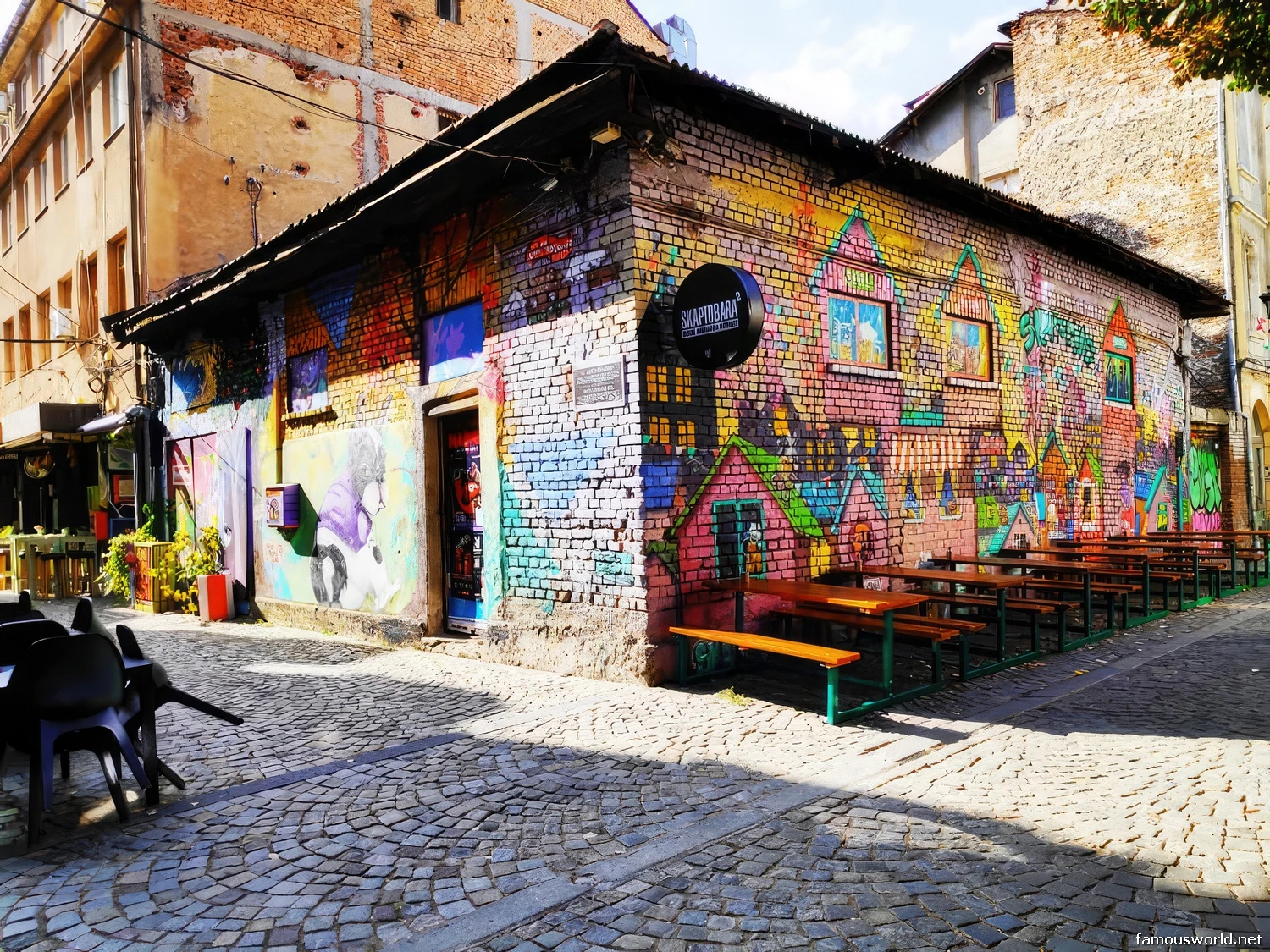
- Street Art and Murals: The district is a living gallery. The walls, electrical boxes, and even shop shutters are covered in vibrant murals, graffiti art, and creative installations, making it one of the most Instagrammable spots in Bulgaria.
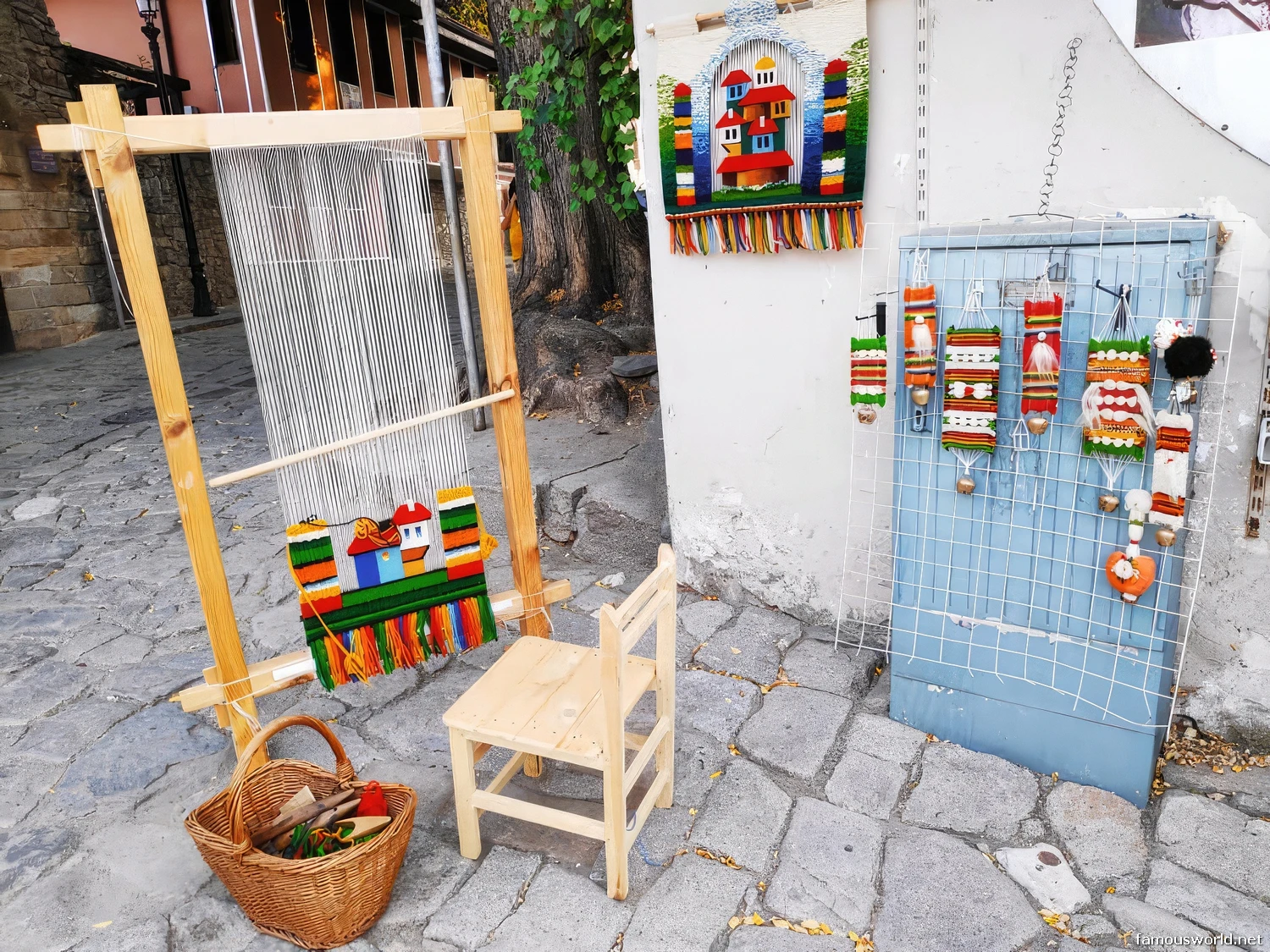
- Artisan Workshops: True to its history, Kapana is filled with small workshops where you can watch artisans at work, from jewelers and leather-smiths to ceramicists and fashion designers.
- The “Yadroto”: A central, open space in the heart of Kapana that serves as a public square for events, concerts, and markets.
What Makes It Famous
Kapana is famous as one of the most successful urban revitalization projects in the Balkans and as the center of Plovdiv’s creative scene.
- Creative Hub of Plovdiv: It is the undisputed center for contemporary art, design, and craft culture in the city, driving its reputation as a modern cultural capital.
- Vibrant Atmosphere: The district is renowned for its energetic, bohemian, and youthful vibe, alive from the morning coffee rush to the late-night bar scene.
- Kapana Fest: A famous, multi-day festival for music, art, and culture that takes over the entire district, drawing crowds from all over Europe.
- European Capital of Culture 2019: Kapana was the flagship project for Plovdiv’s successful tenure as a European Capital of Culture, solidifying its international fame.
Differences from Other Wonders
The trendy, modern creative hub of Kapana offers a distinct experience from the ancient, historic district right next to it.
- Environment (Trendy Urban Hub vs. Historic Architectural Reserve): Kapana is a fast-paced, modern, and youthful neighborhood focused on contemporary culture. The Old Town is a quiet, preserved, and timeless museum-like district focused on history.
- Focus (Contemporary Art and Nightlife vs. Ancient History and Museums): The focus in Kapana is on small art galleries, craft workshops, street art, cafes, and bars. The focus in the Old Town is on Roman ruins, Revival-era house-museums, and ancient city gates.
- Core Story (Modern Revitalization vs. Continuous Inhabitation):T Kapana’s story is one of recent, dynamic rebirth—a forgotten area brought back to life. The Old Town’s story is one of millennia of continuous habitation and preservation.
- Atmosphere (Bohemian and Energetic vs. Historic and Stately): Kapana’s atmosphere is trendy, energetic, and bohemian. The Old Town’s atmosphere is one of stately, historic quiet and contemplation.
Location on world map