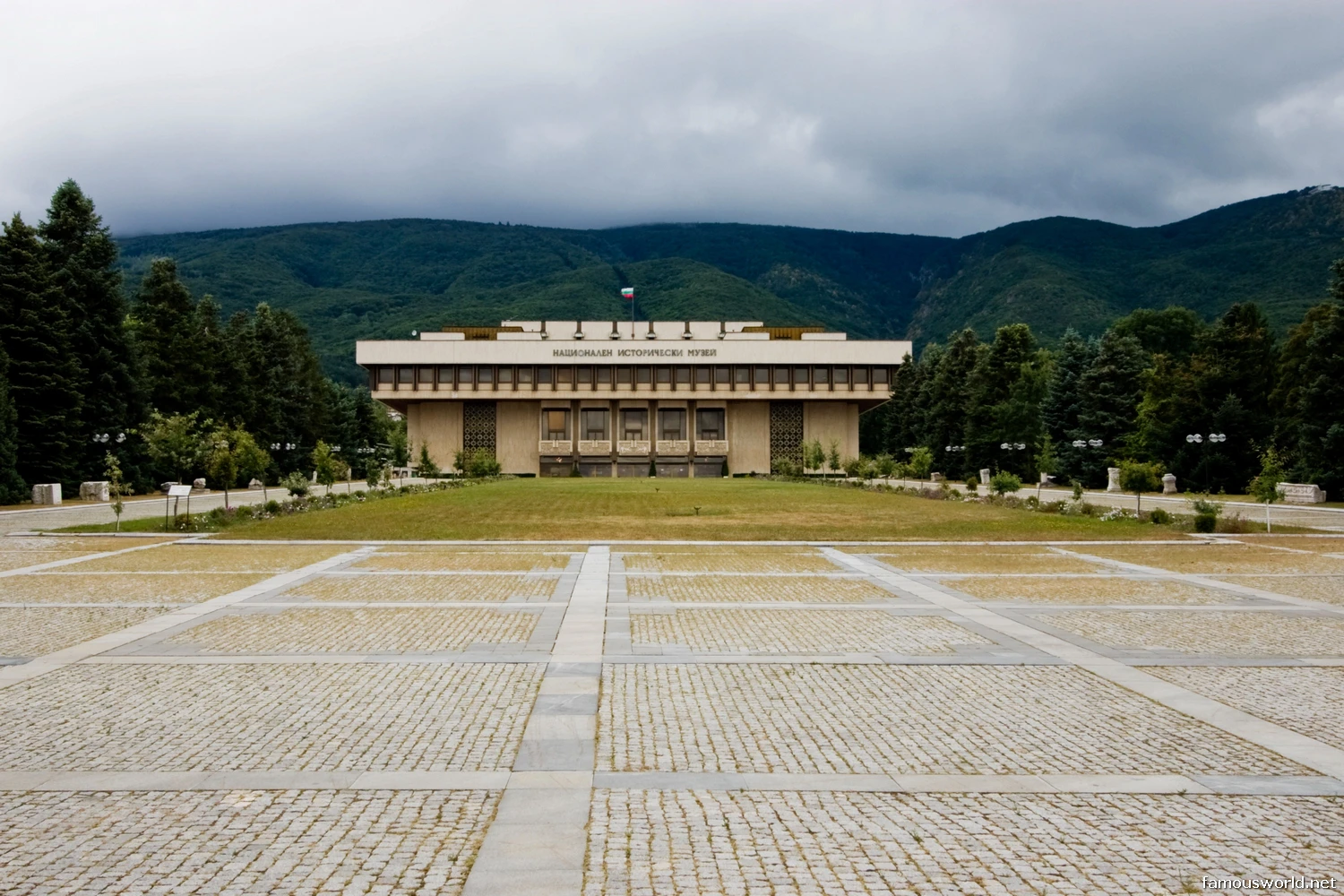
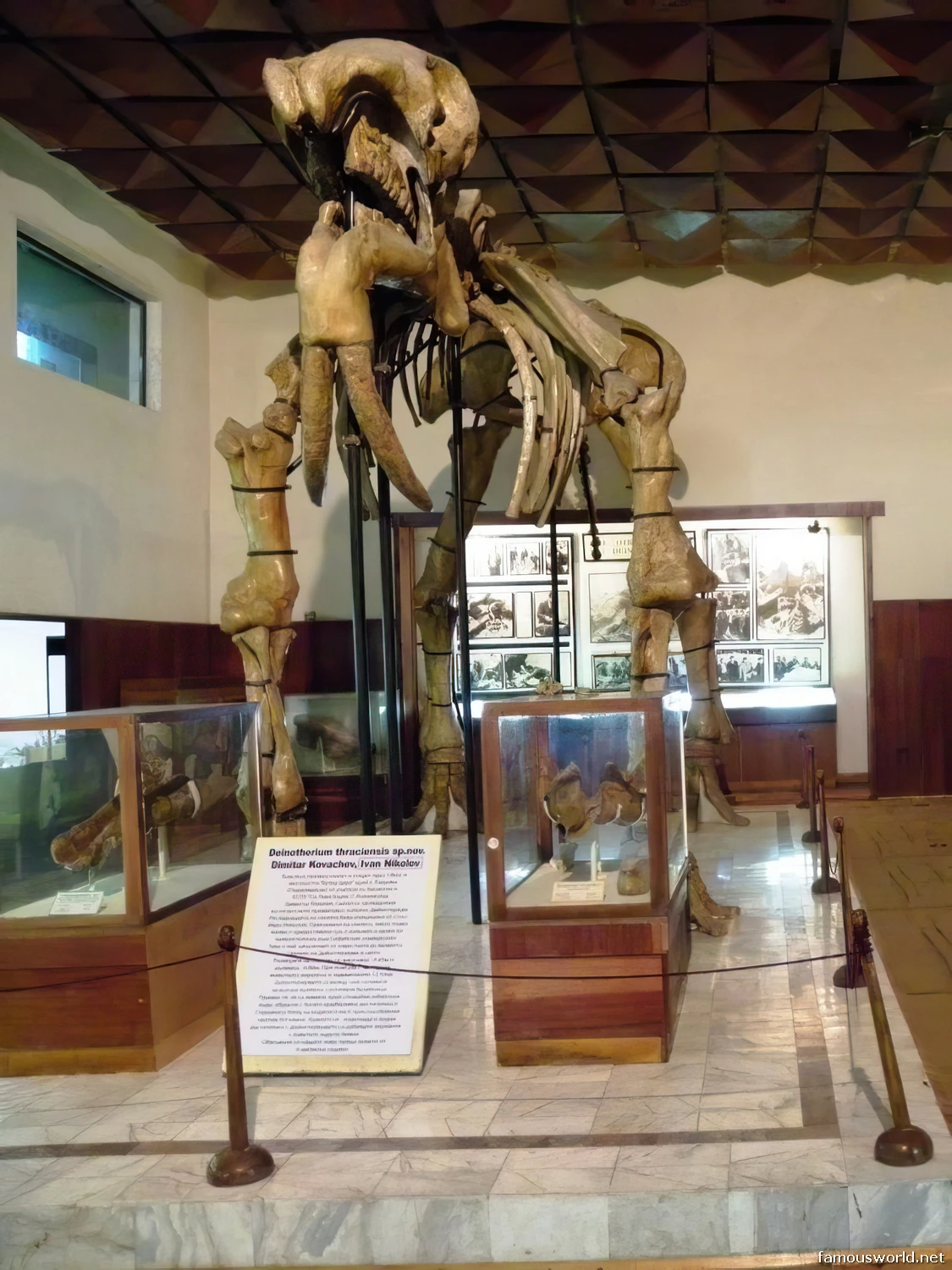
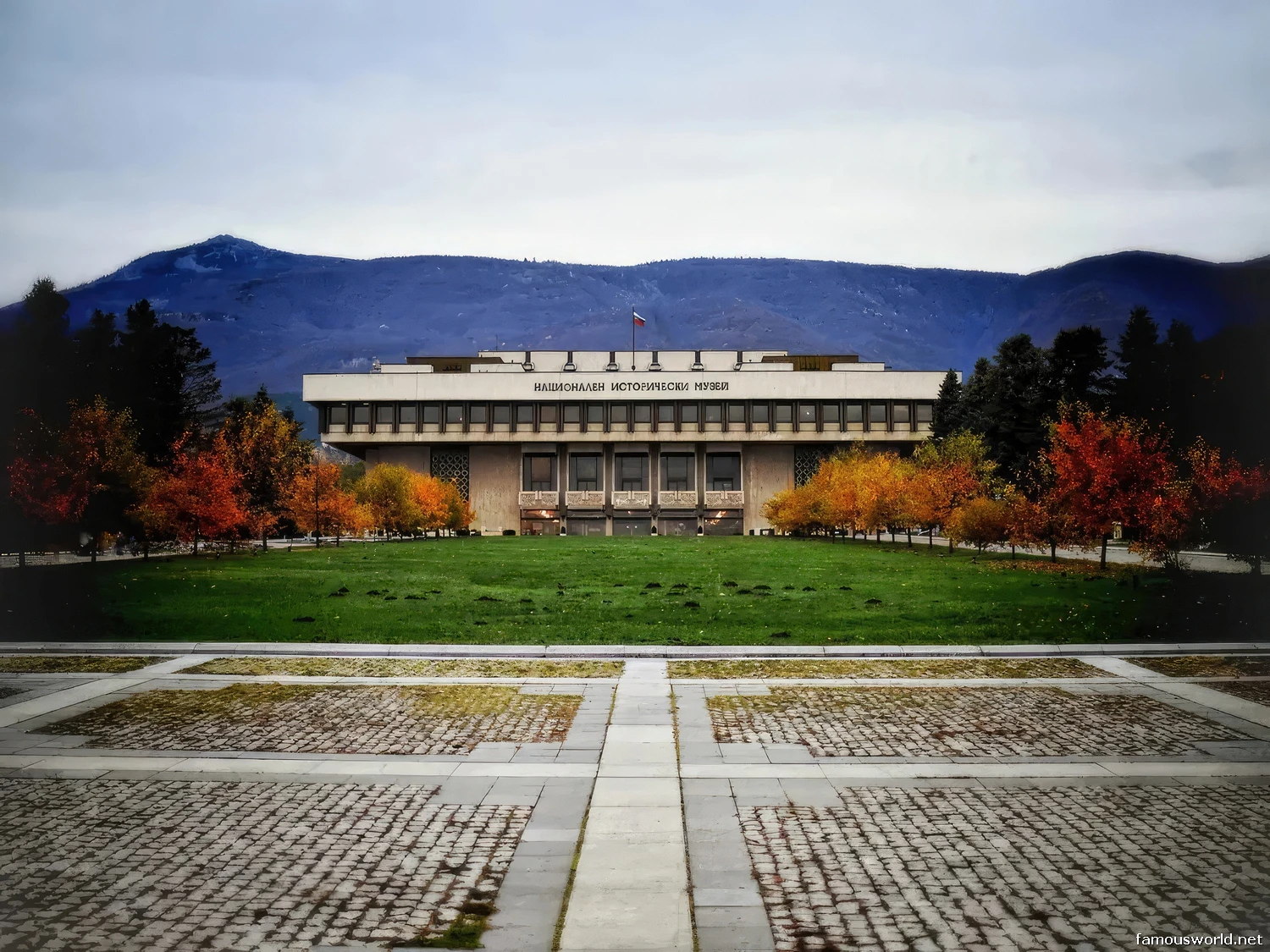
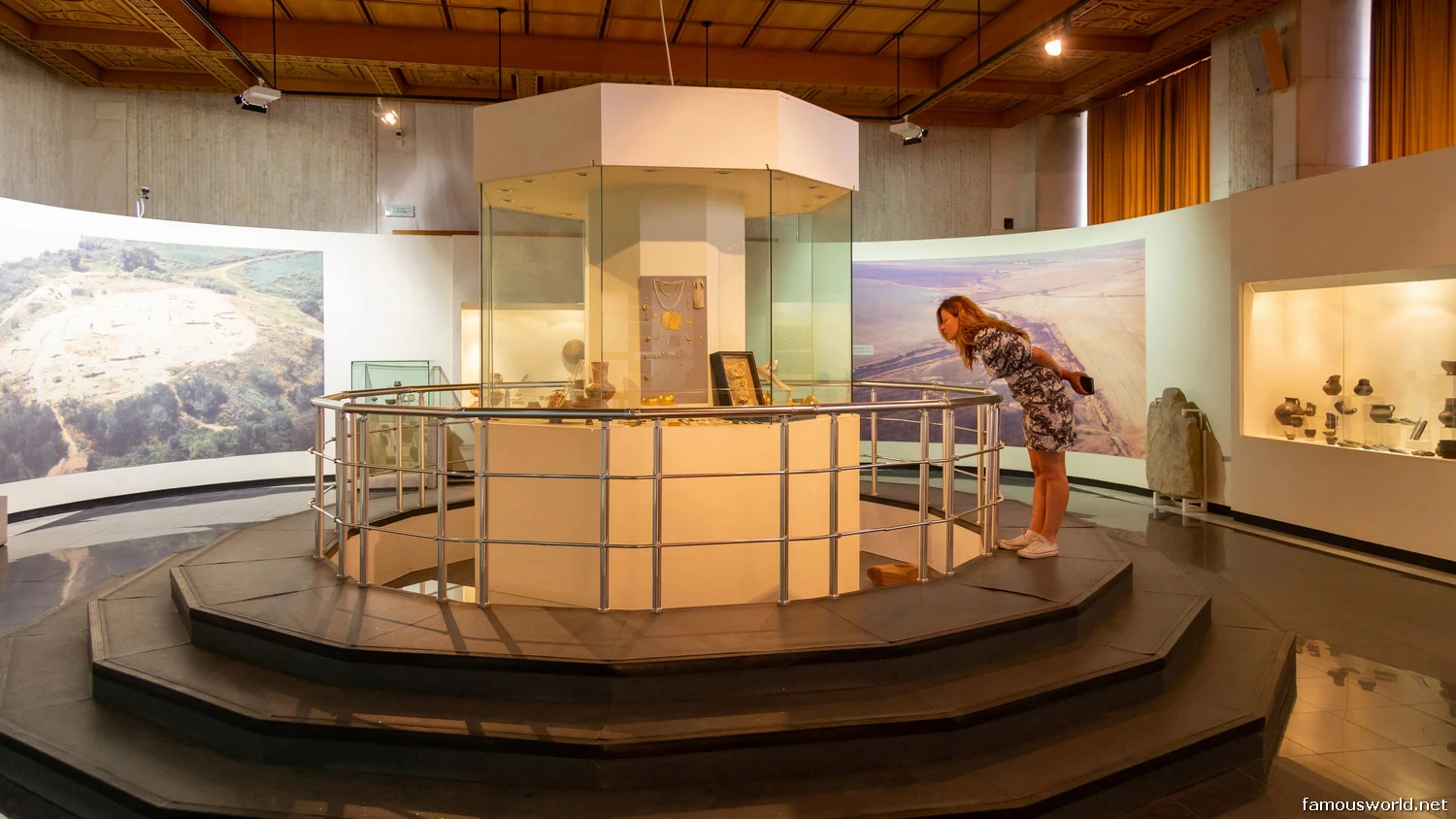
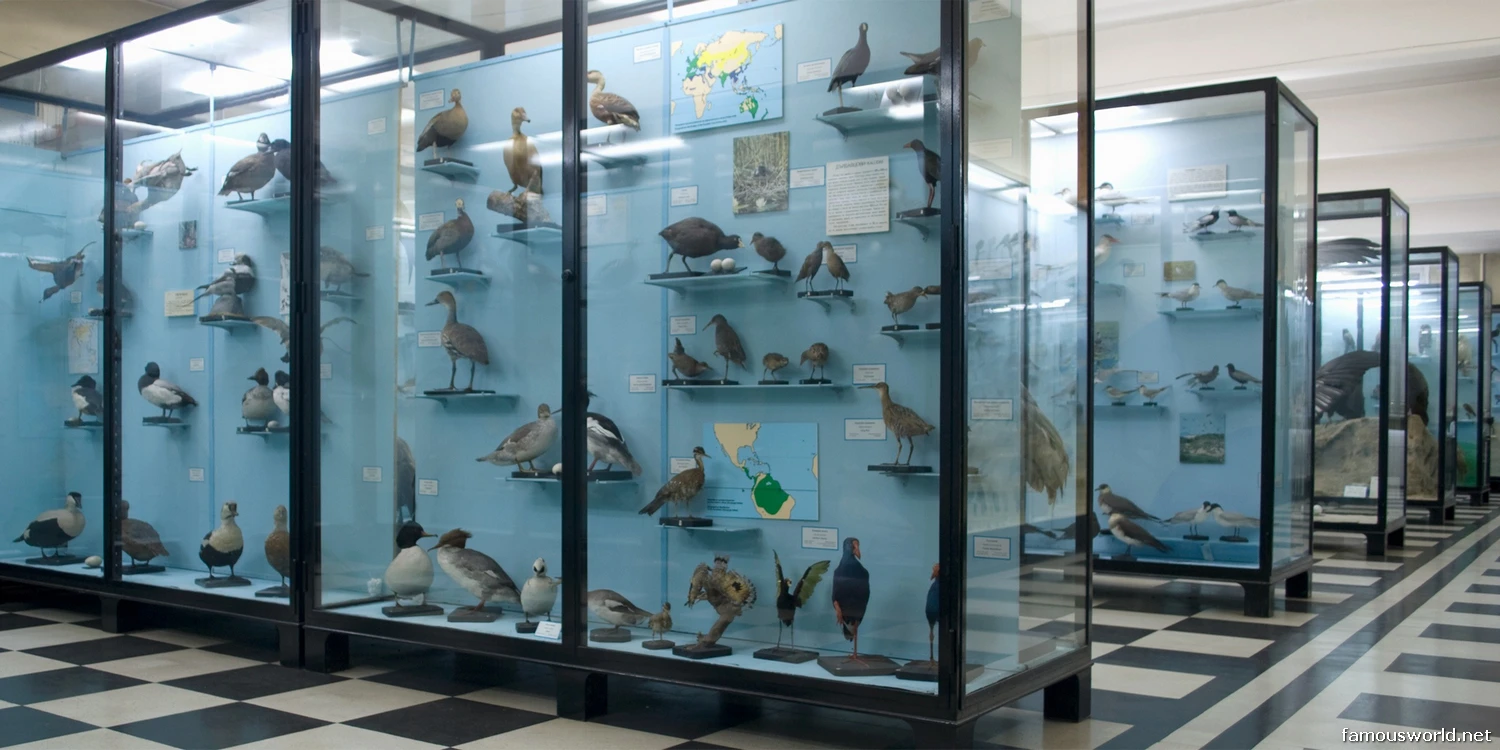


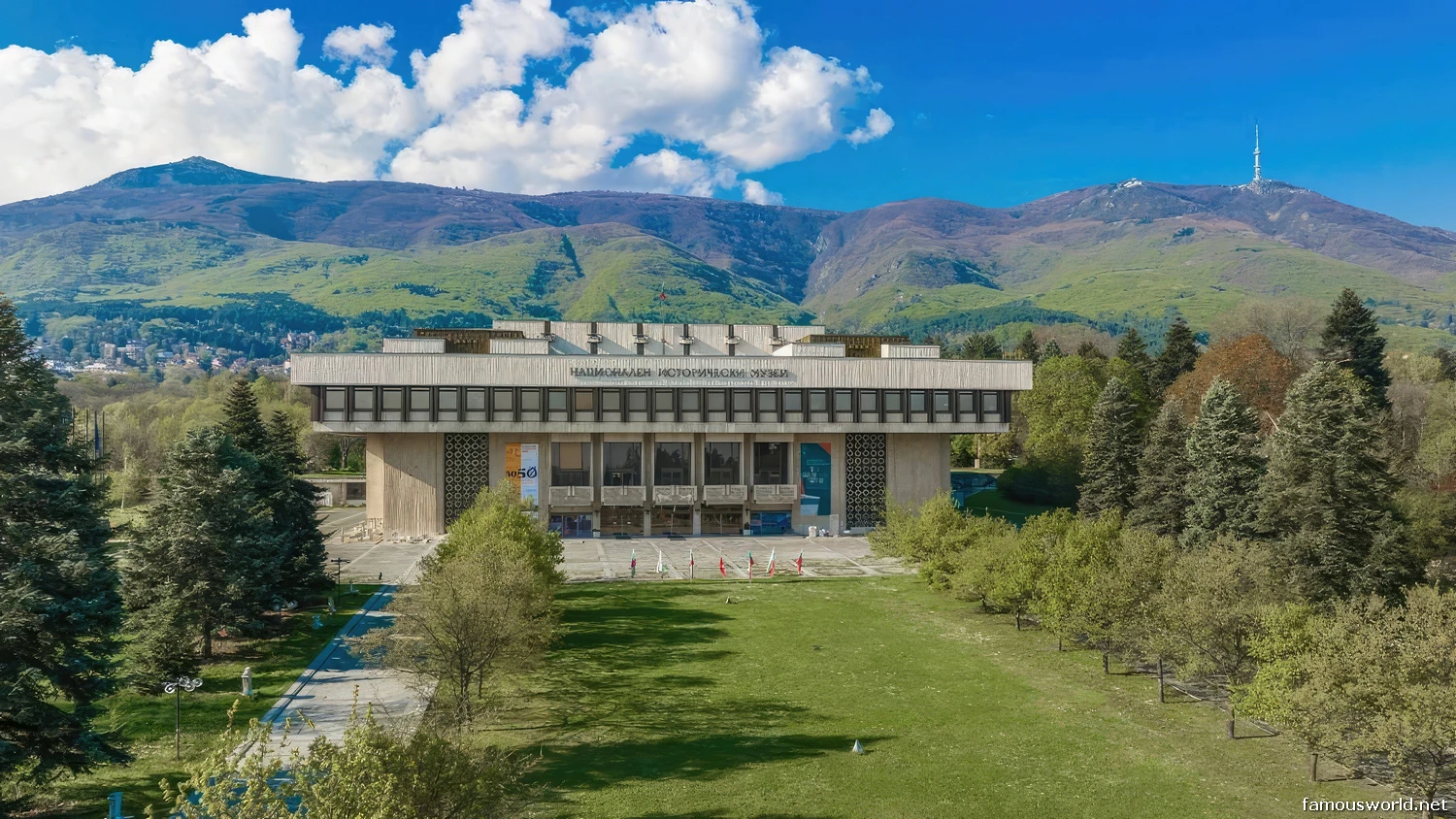
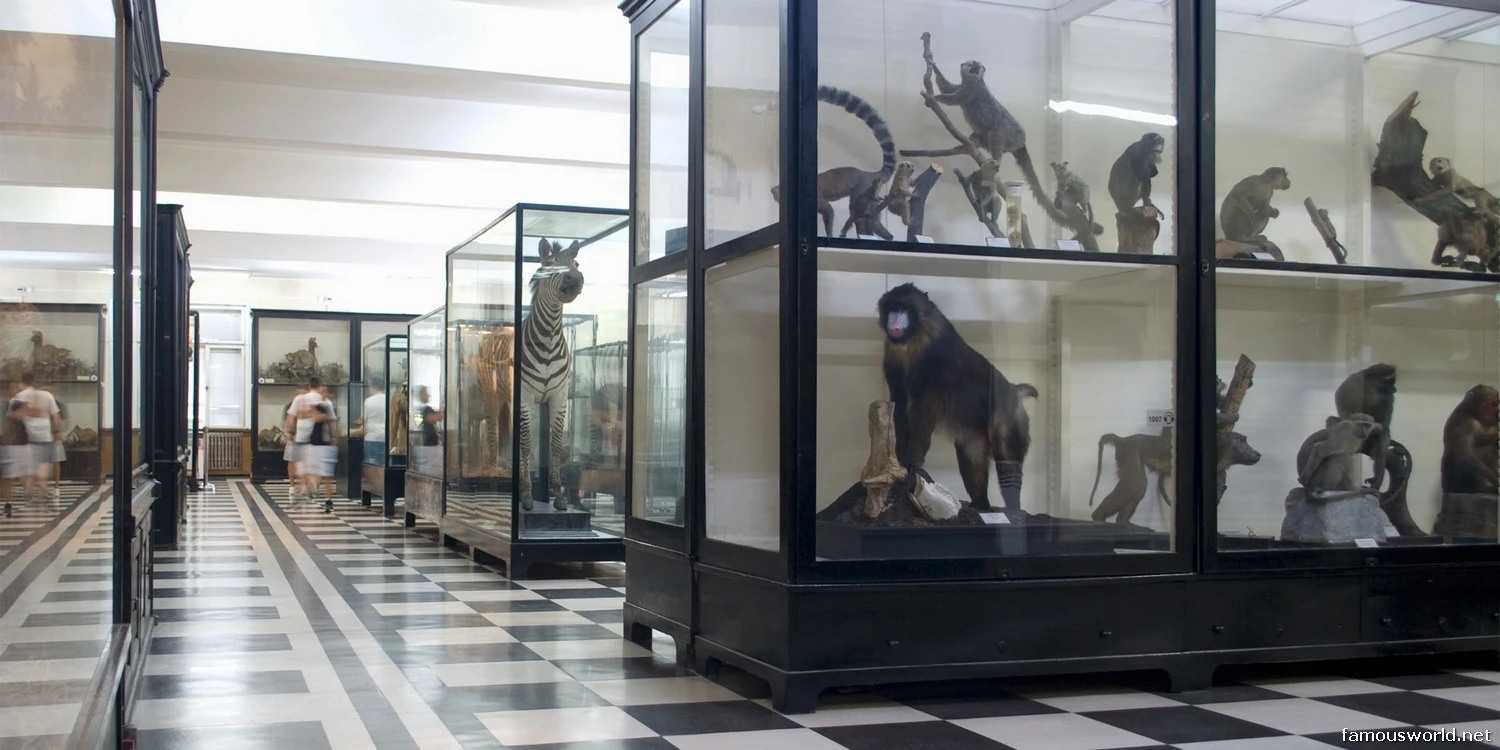
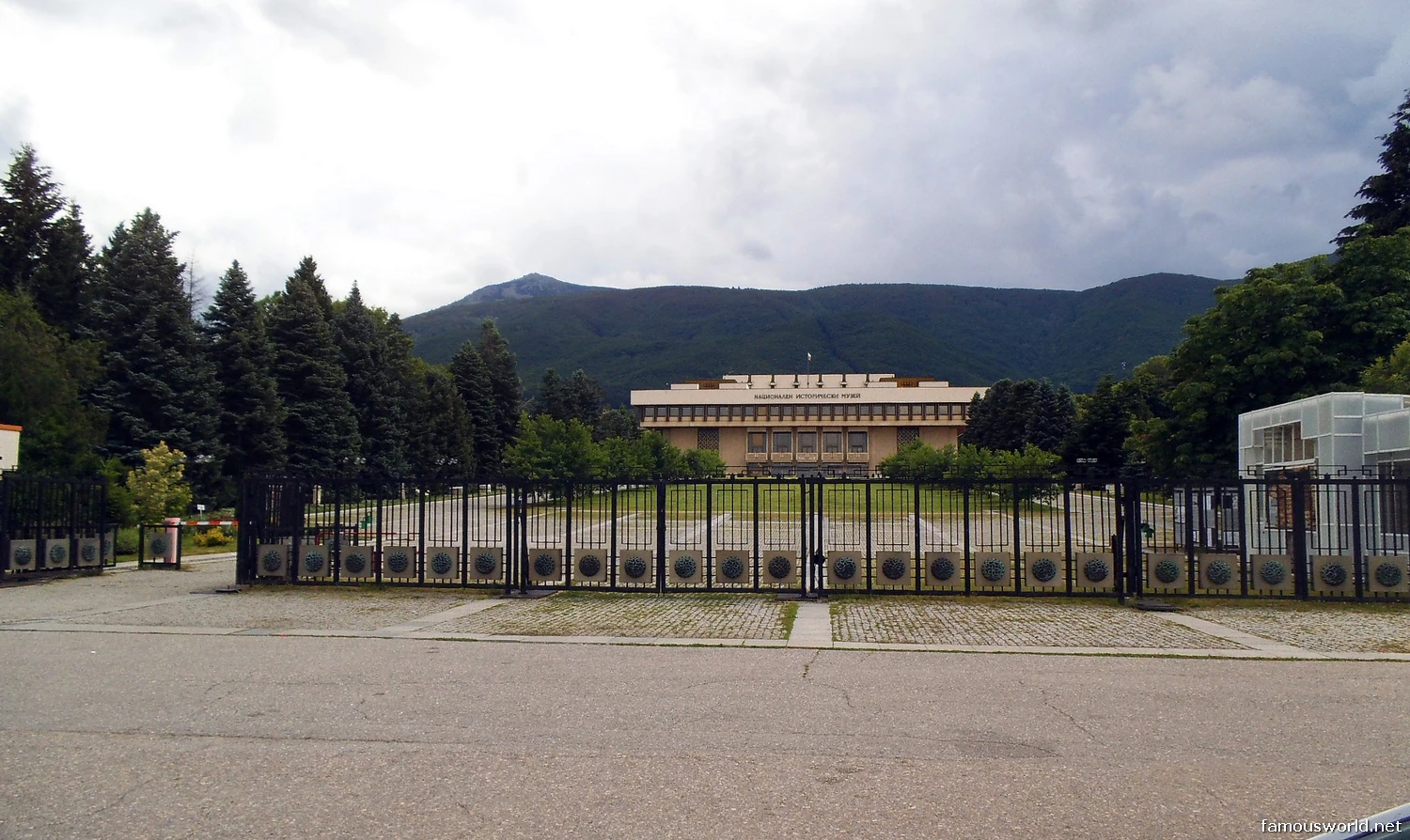
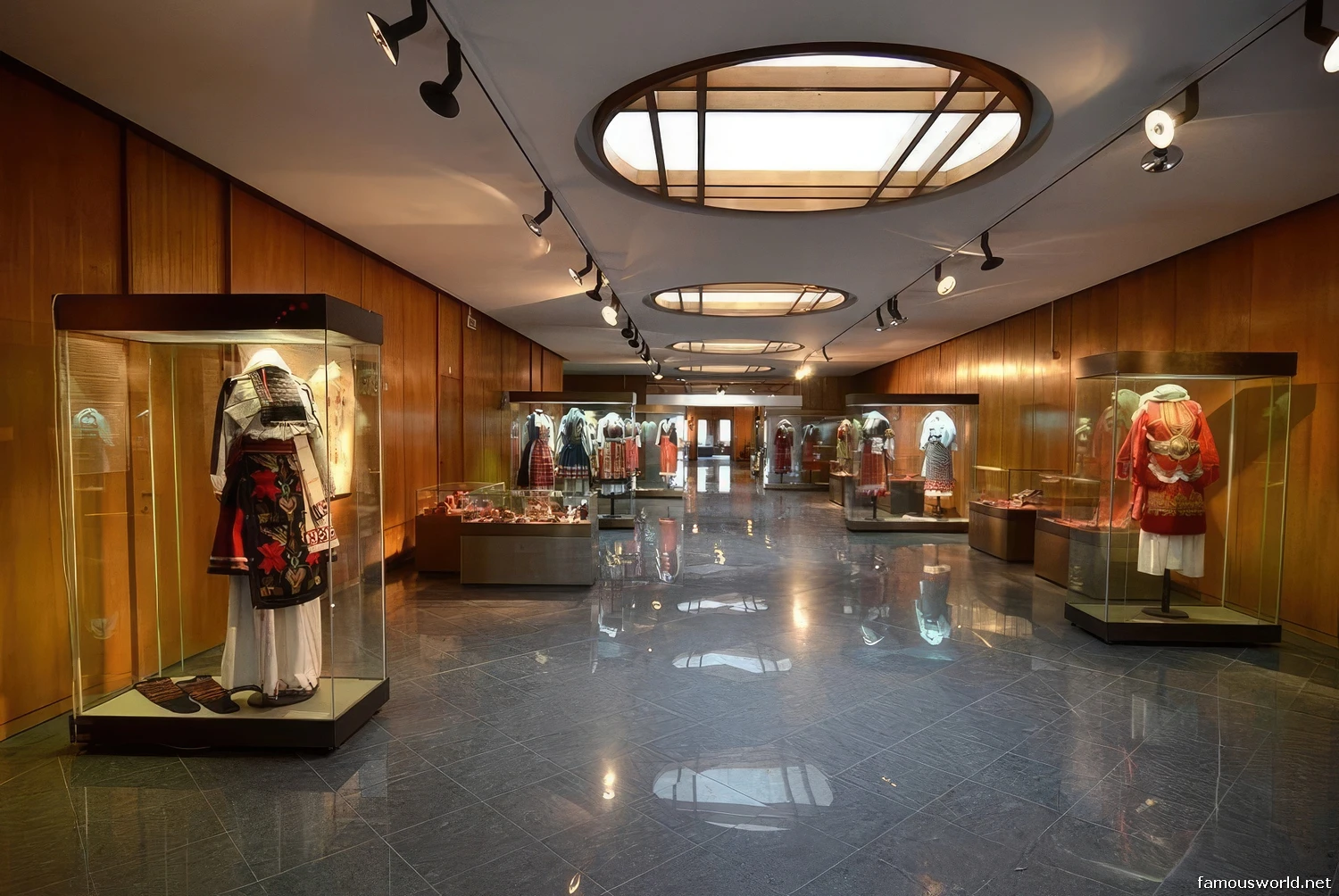
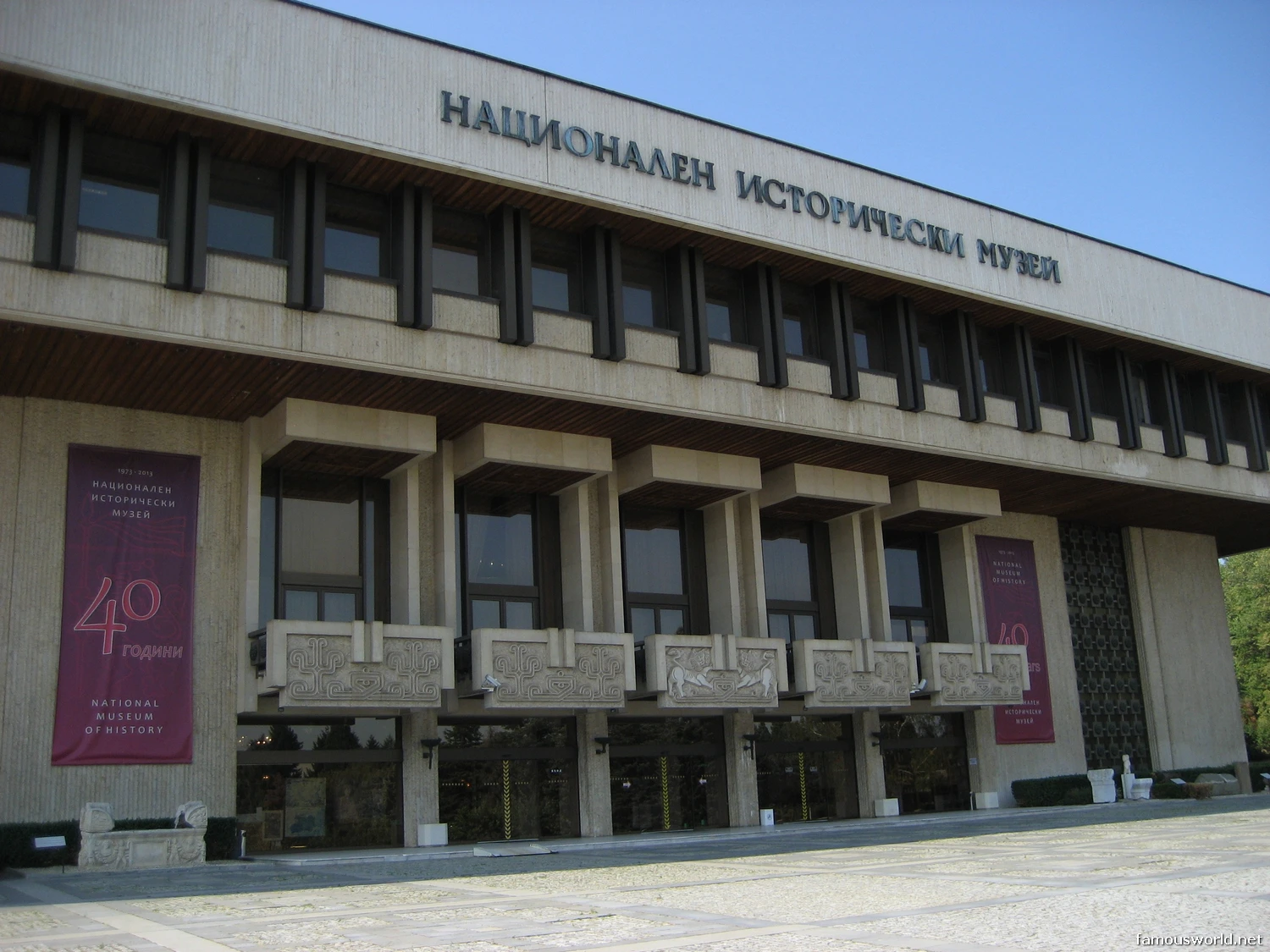
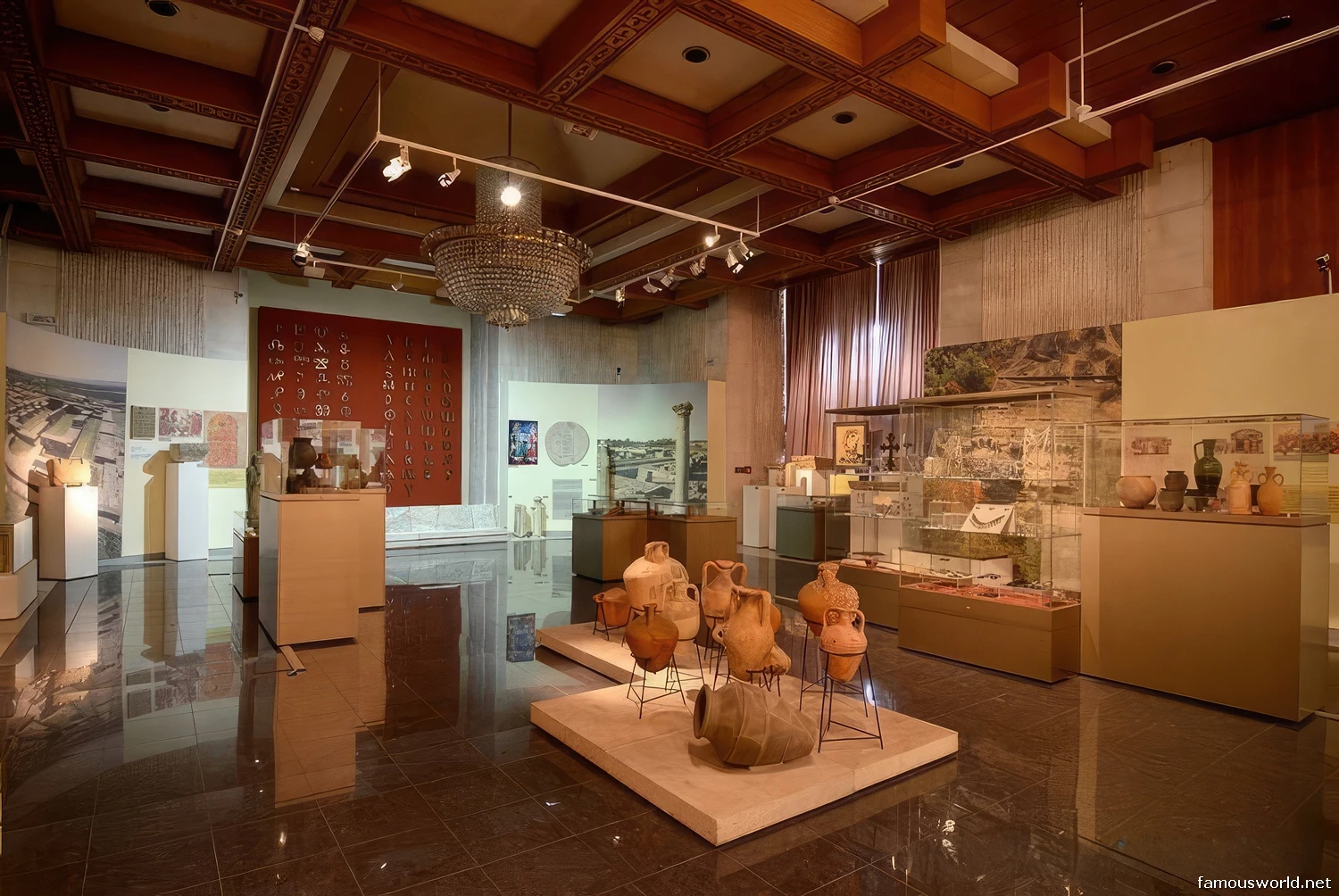
Located in an imposing former government residence at the foot of Vitosha Mountain, the National Historical Museum is the largest and most important museum in Bulgaria. It serves as the nation’s primary repository, safeguarding over 650,000 items that trace the history of the Bulgarian lands from prehistoric times to the modern day. A visit is an epic journey through millennia, from the dazzling gold of the ancient Thracians to the royal regalia of the Bulgarian Tsars and the struggles for liberation. The building itself, a vast monument of a different historical era, provides a unique and grand setting for these priceless national treasures.
Listen to an introduction about National Historical Museum in Sofia

Name and Location
- Name: National Historical Museum (Национален исторически музей, Natsionalen istoricheski muzey).
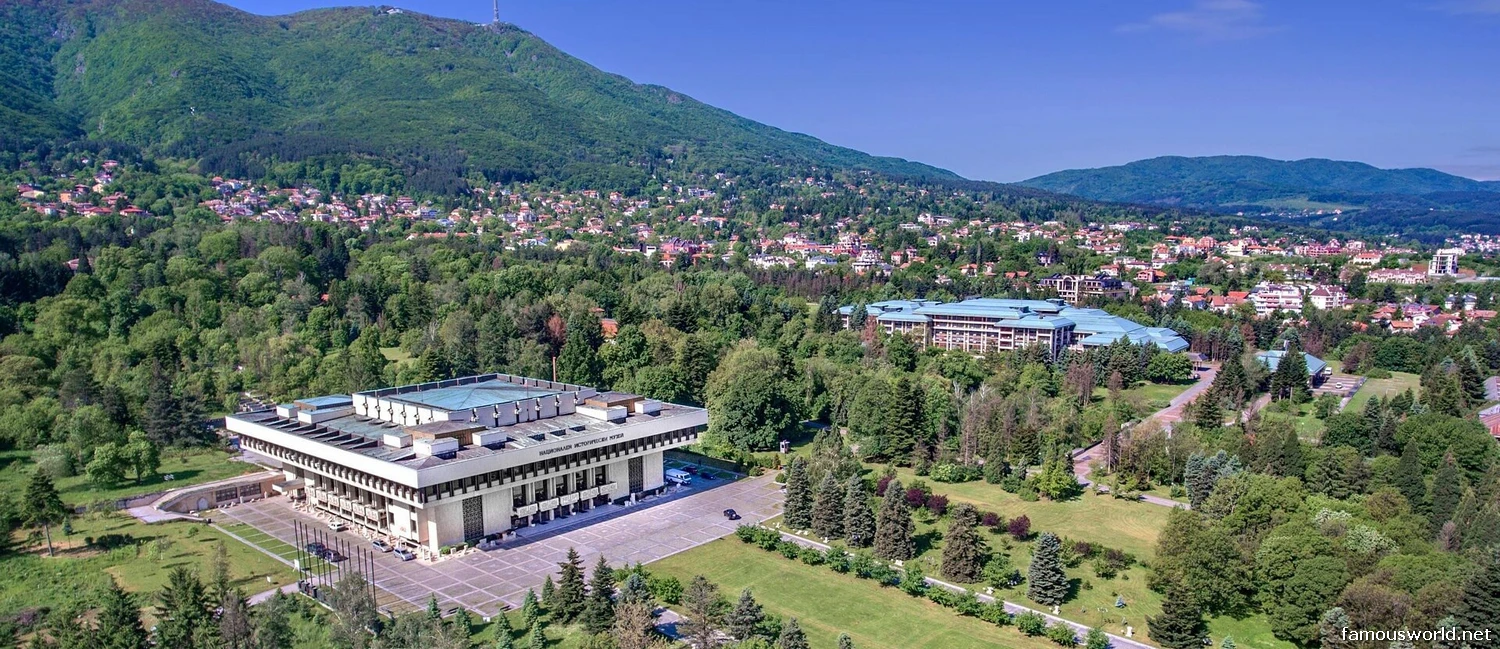
- Location: In the Boyana district, on the outskirts of Sofia at the base of Vitosha Mountain. It is housed in “Residence 1,” a former palace of the communist leadership.
How to Get There
The museum is situated away from the city center, but is easily accessible.
- By Bus: Several city bus lines (e.g., 63, 64, 111, 304) have stops near the museum, making it accessible via public transport.
- By Car/Taxi: This is the easiest method. The museum is located just off the Sofia Ring Road and has a large, dedicated parking lot.
- Combined Trip: Its location makes it a perfect stop to combine with a visit to the nearby Boyana Church, which is a short drive or bus ride away.
Landscape and Architecture
The museum is as famous for its building and setting as for the collection within.
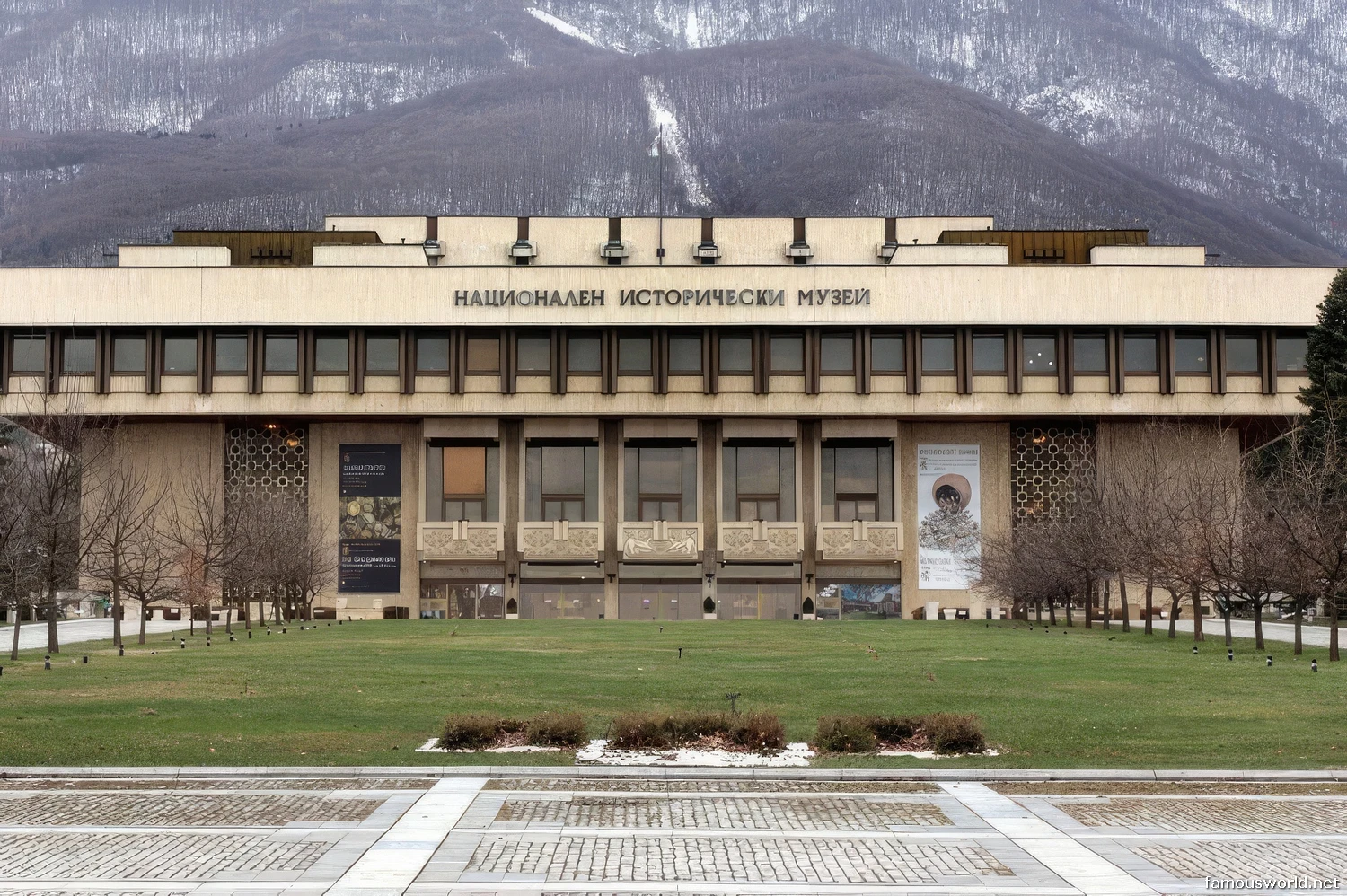
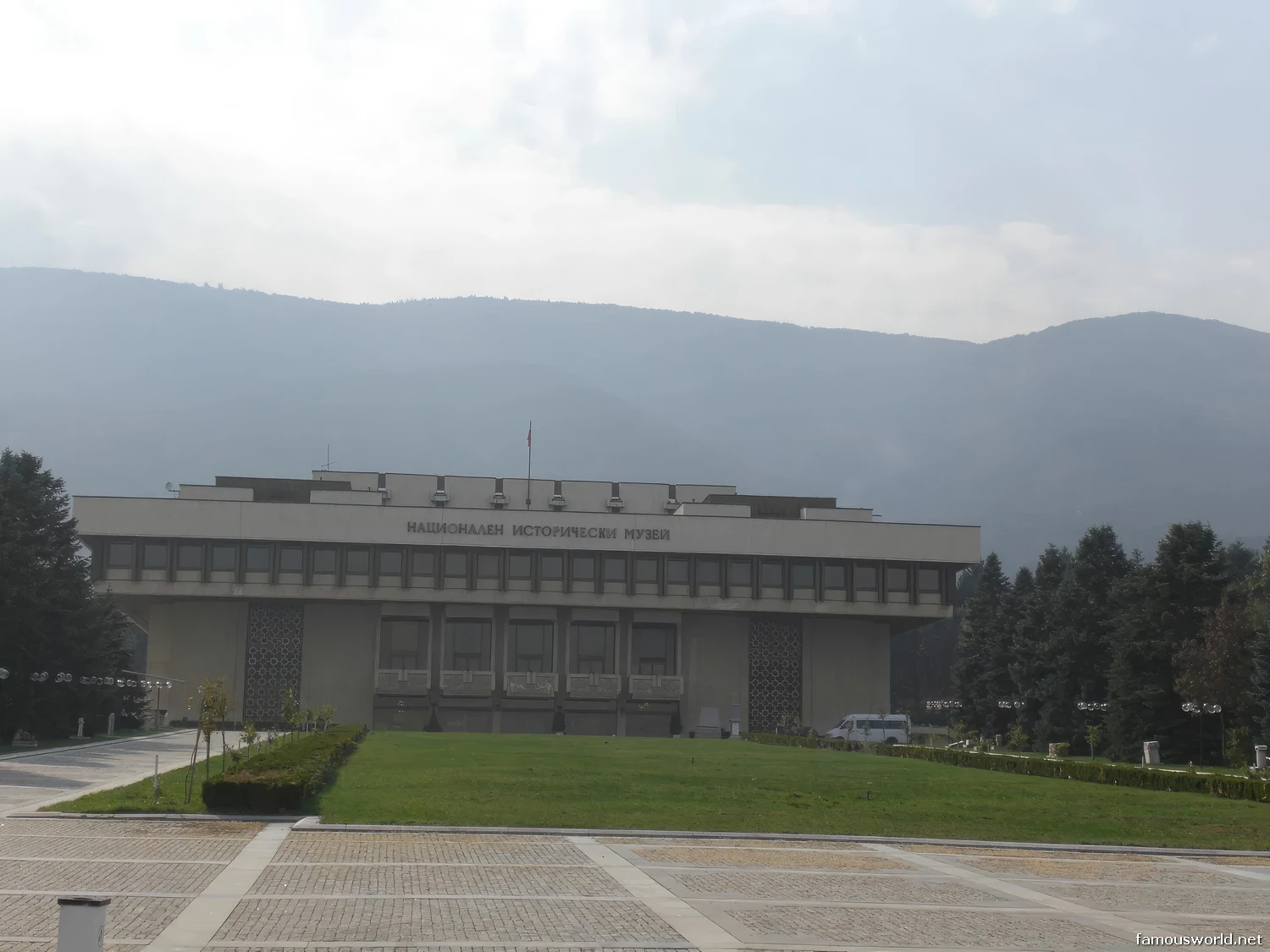
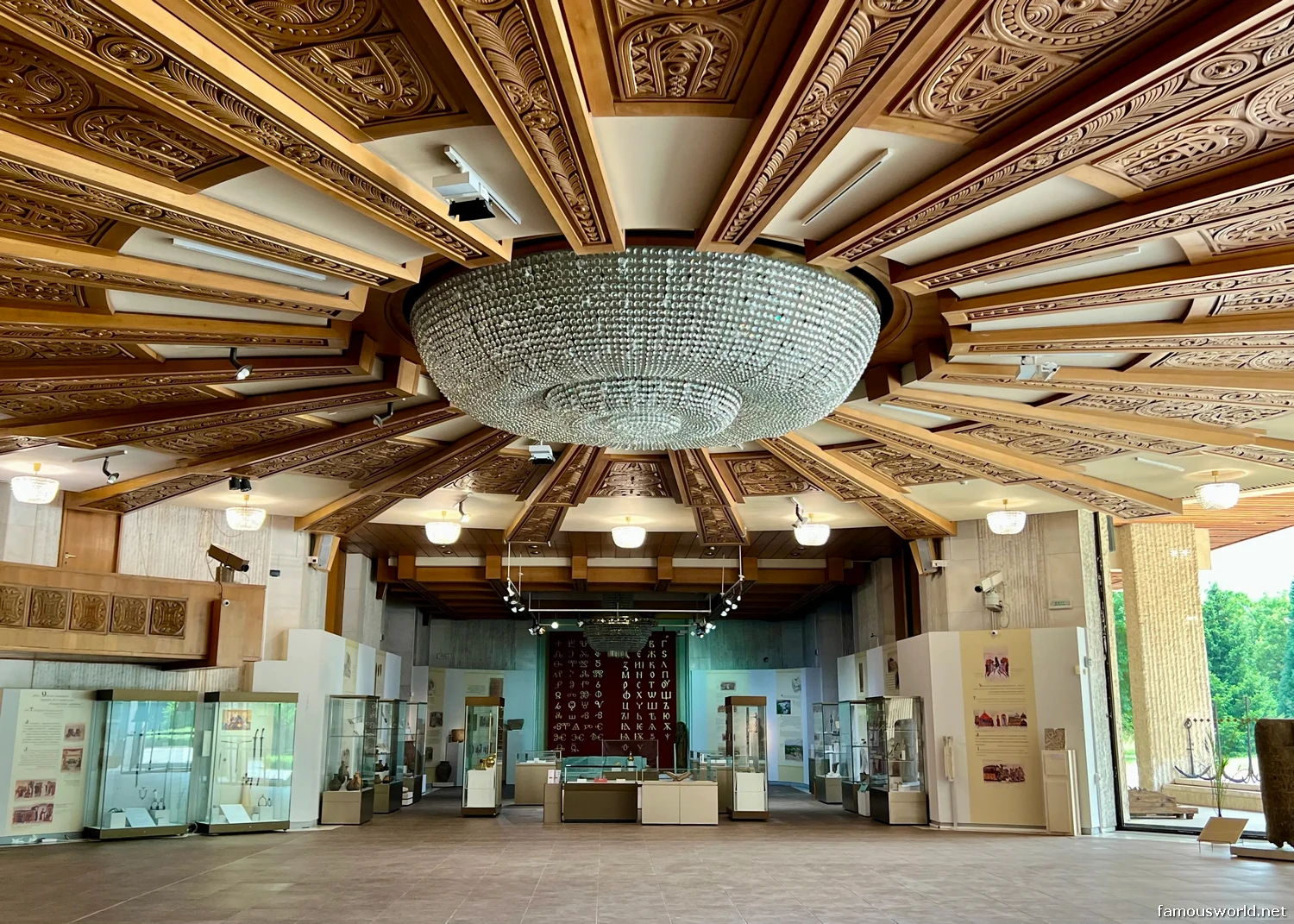
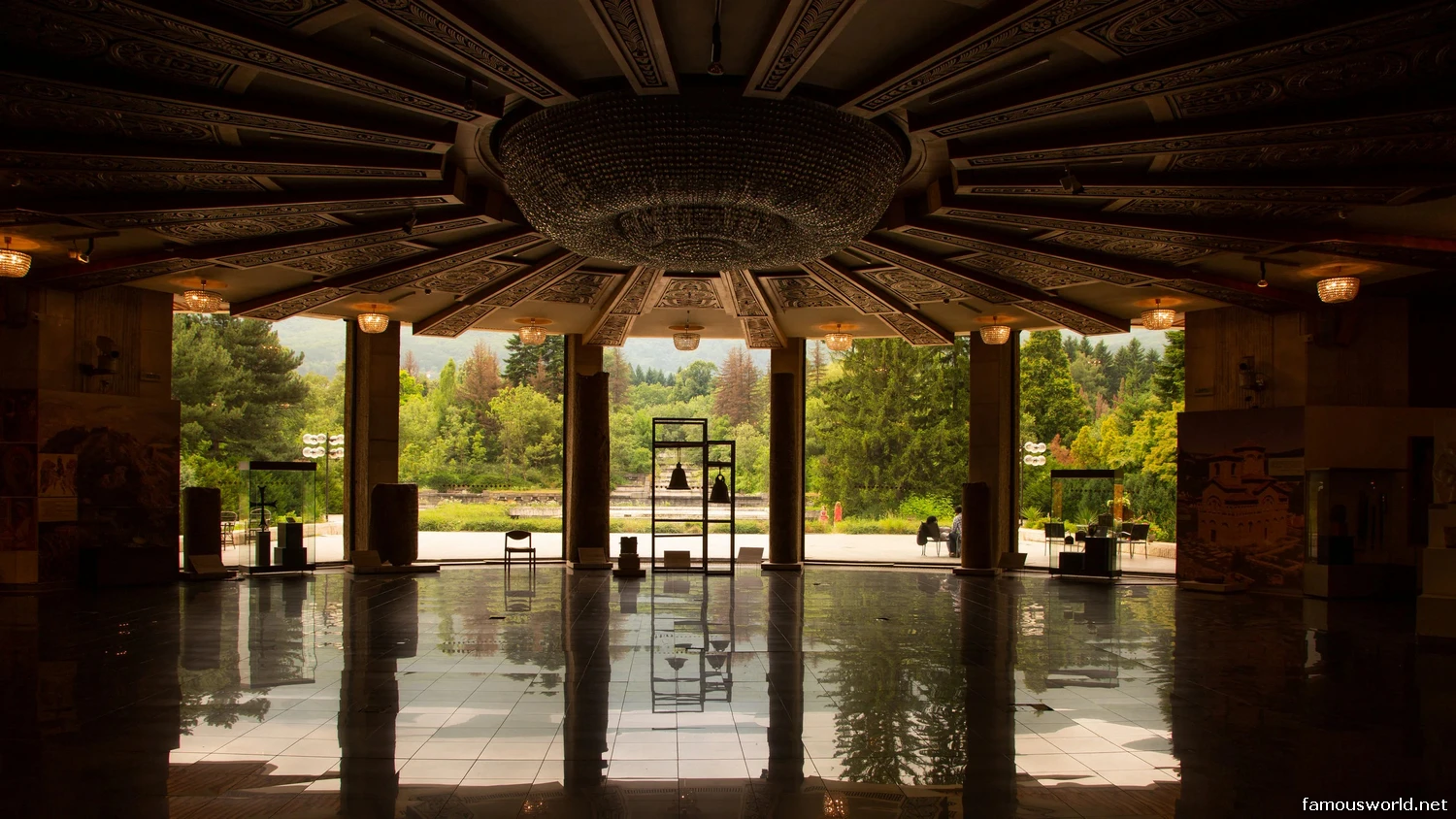
- Boyana Residence: The museum is housed in Residence 1, a monumental building from the late socialist era, built to be a primary residence for communist leader Todor Zhivkov. Its grand, imposing, and somewhat stark architecture is a historical artifact in itself.
- Park Setting: The building is surrounded by a vast, park-like campus with lawns, fountains, and trees, offering a sense of space and a dramatic view of the nearby Vitosha Mountain.
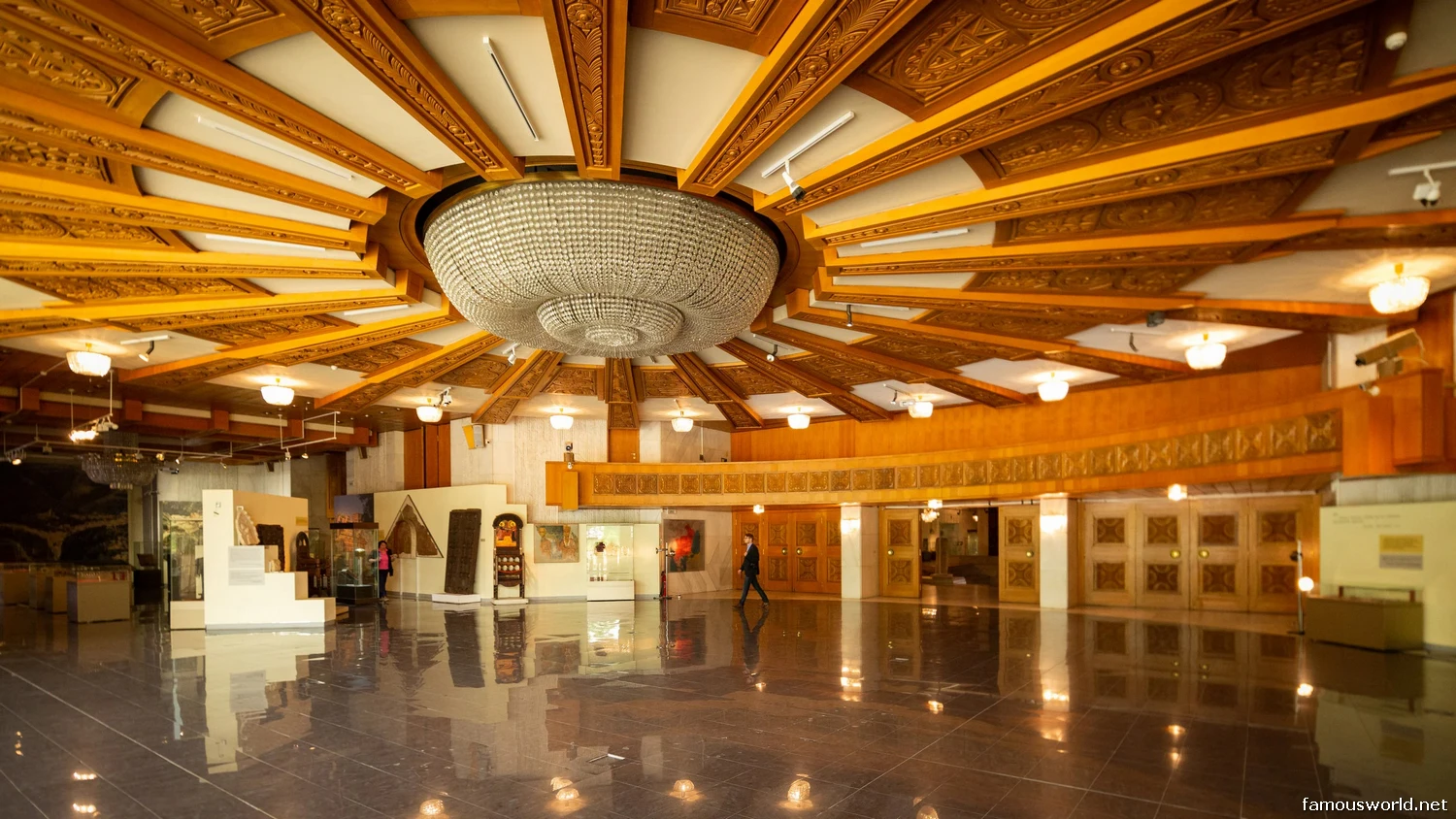
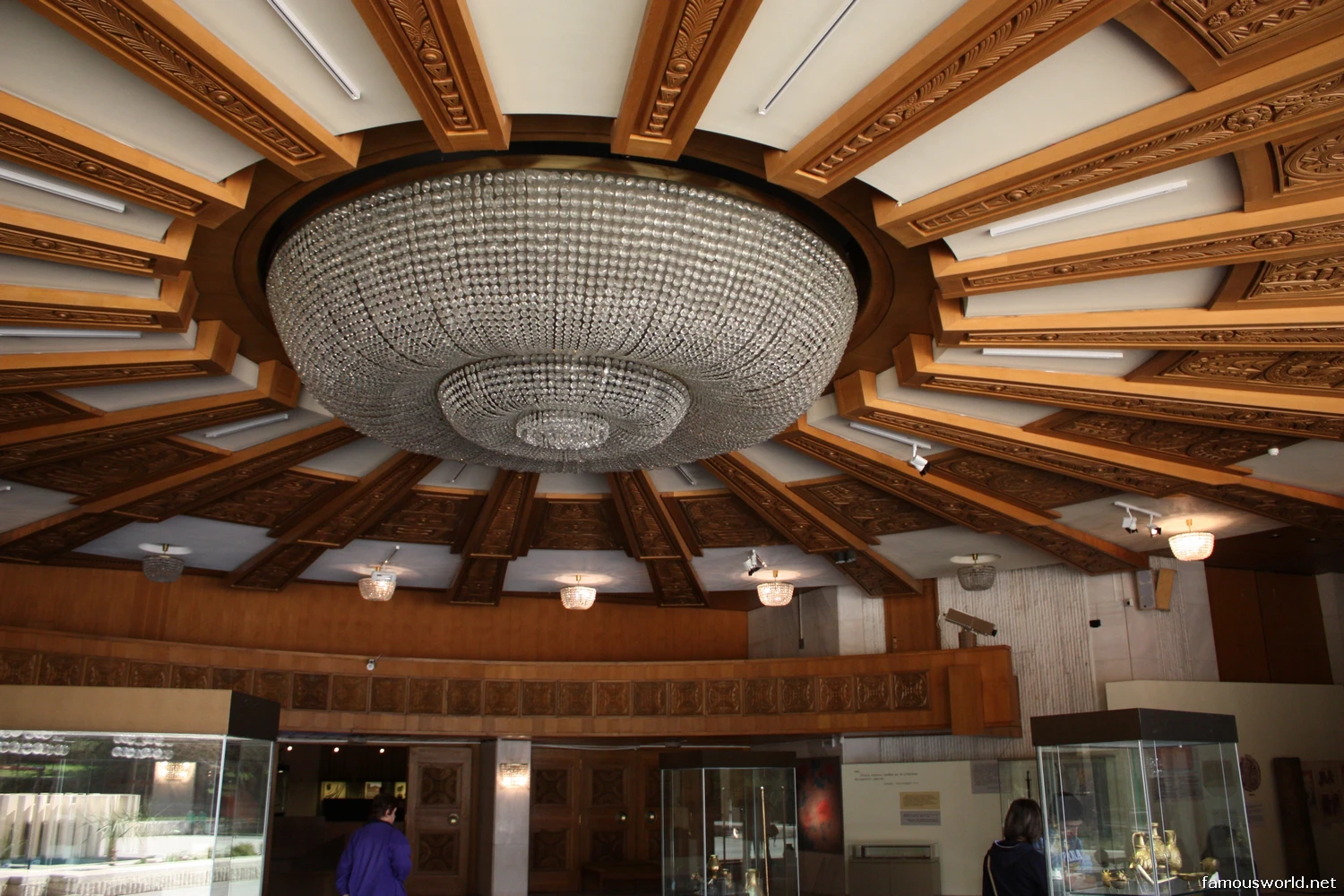
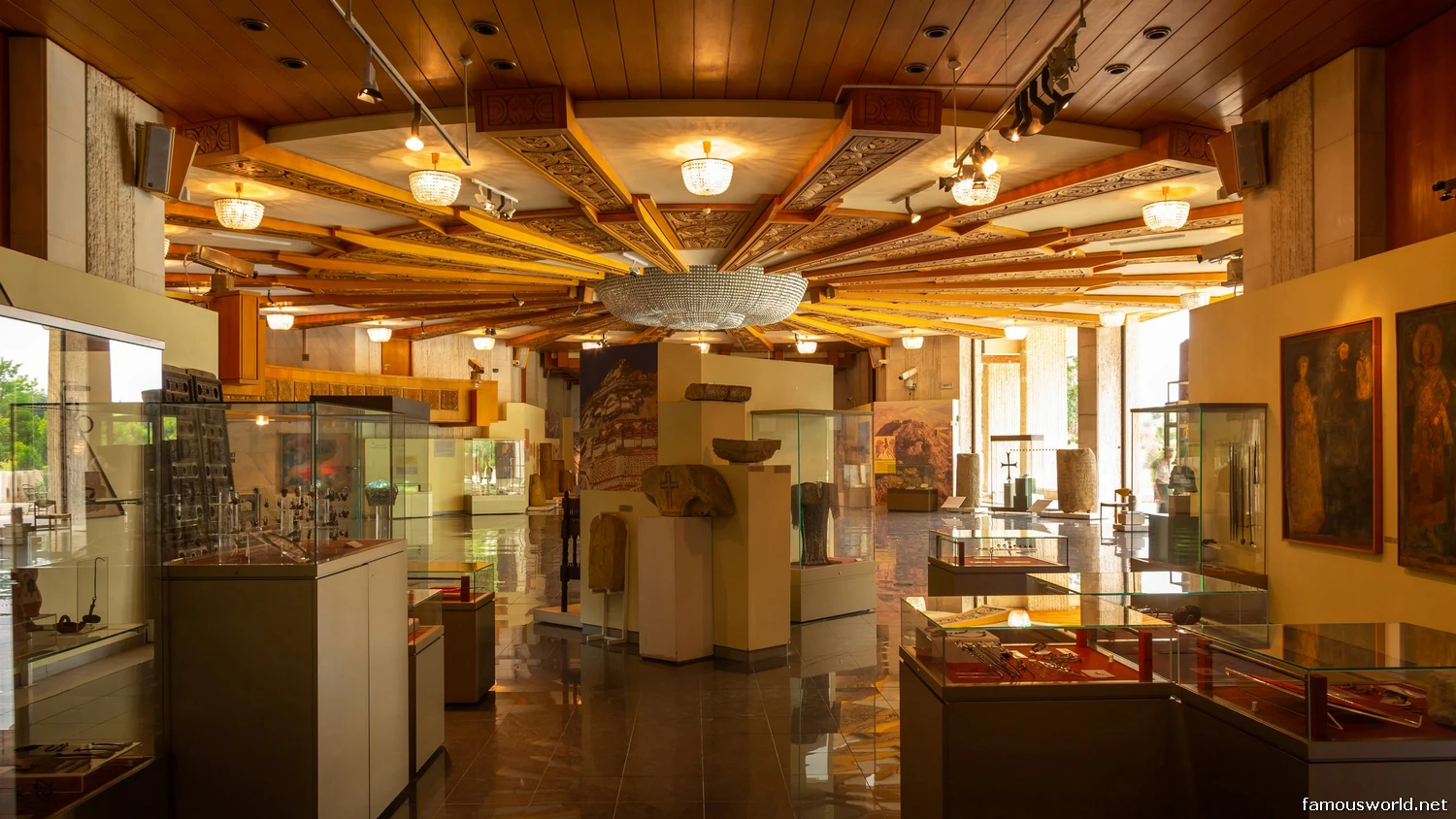
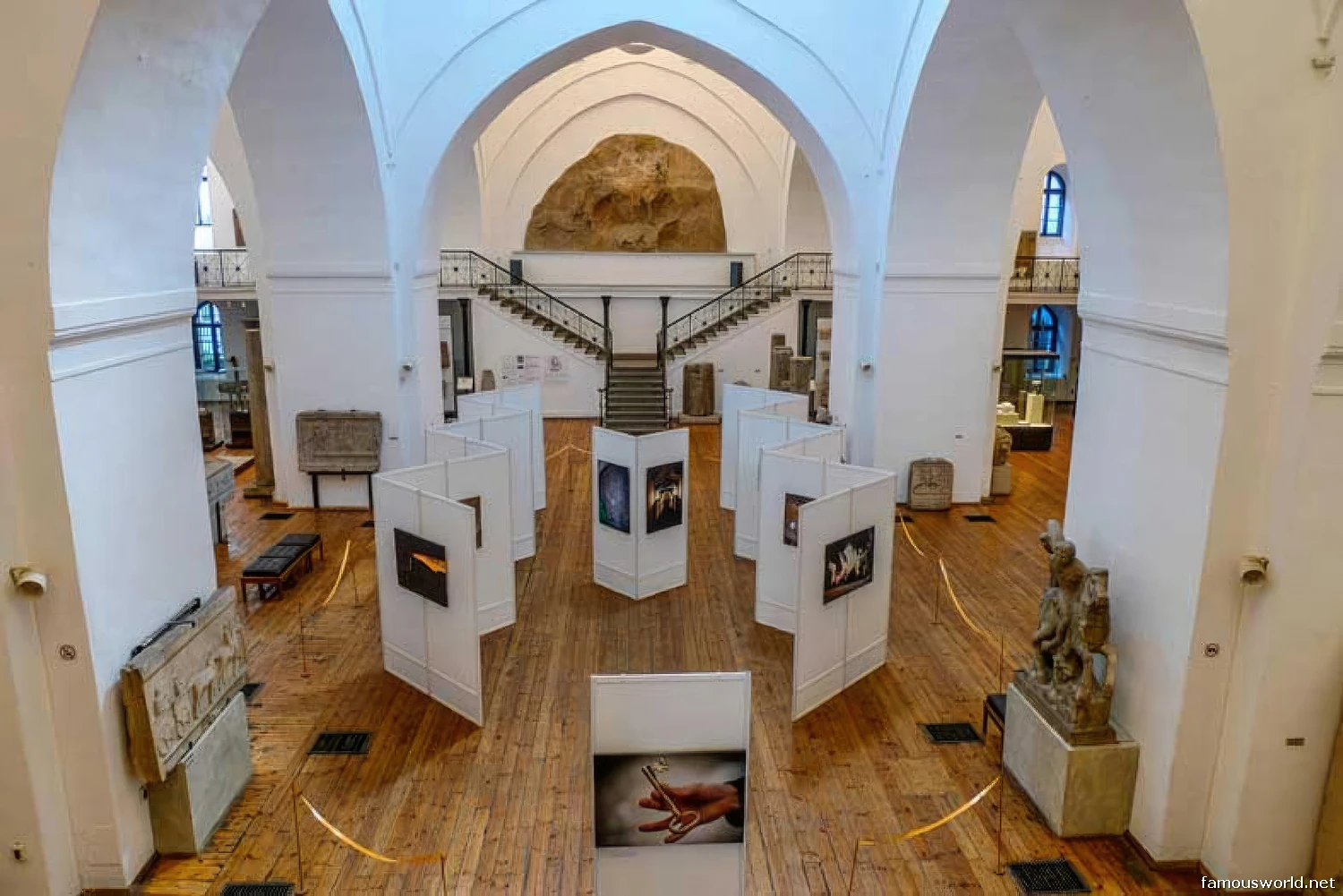
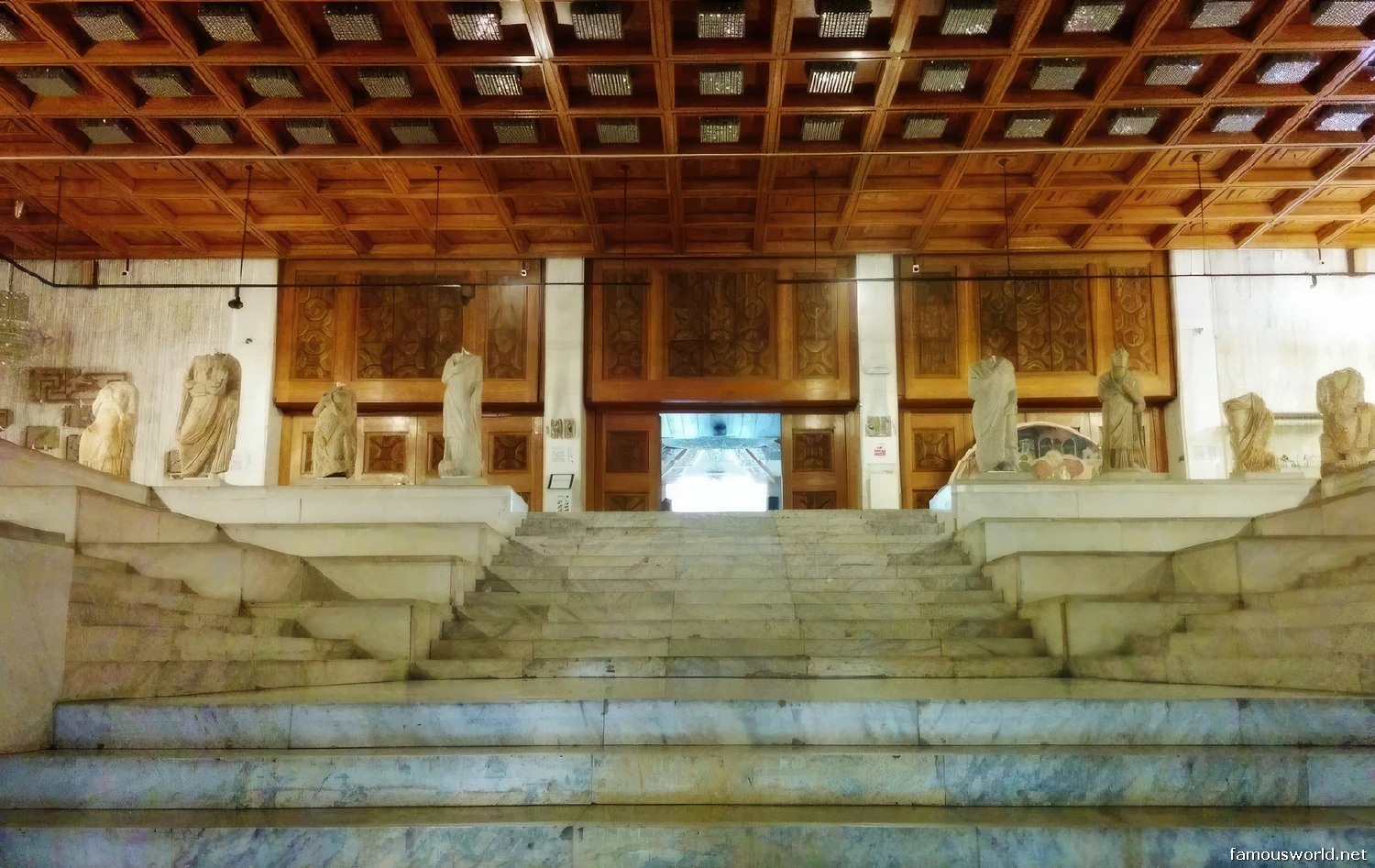
- Vast Exhibition Halls: The interior is immense, with sprawling marble halls designed for state functions. These have been repurposed to display the museum’s collections.
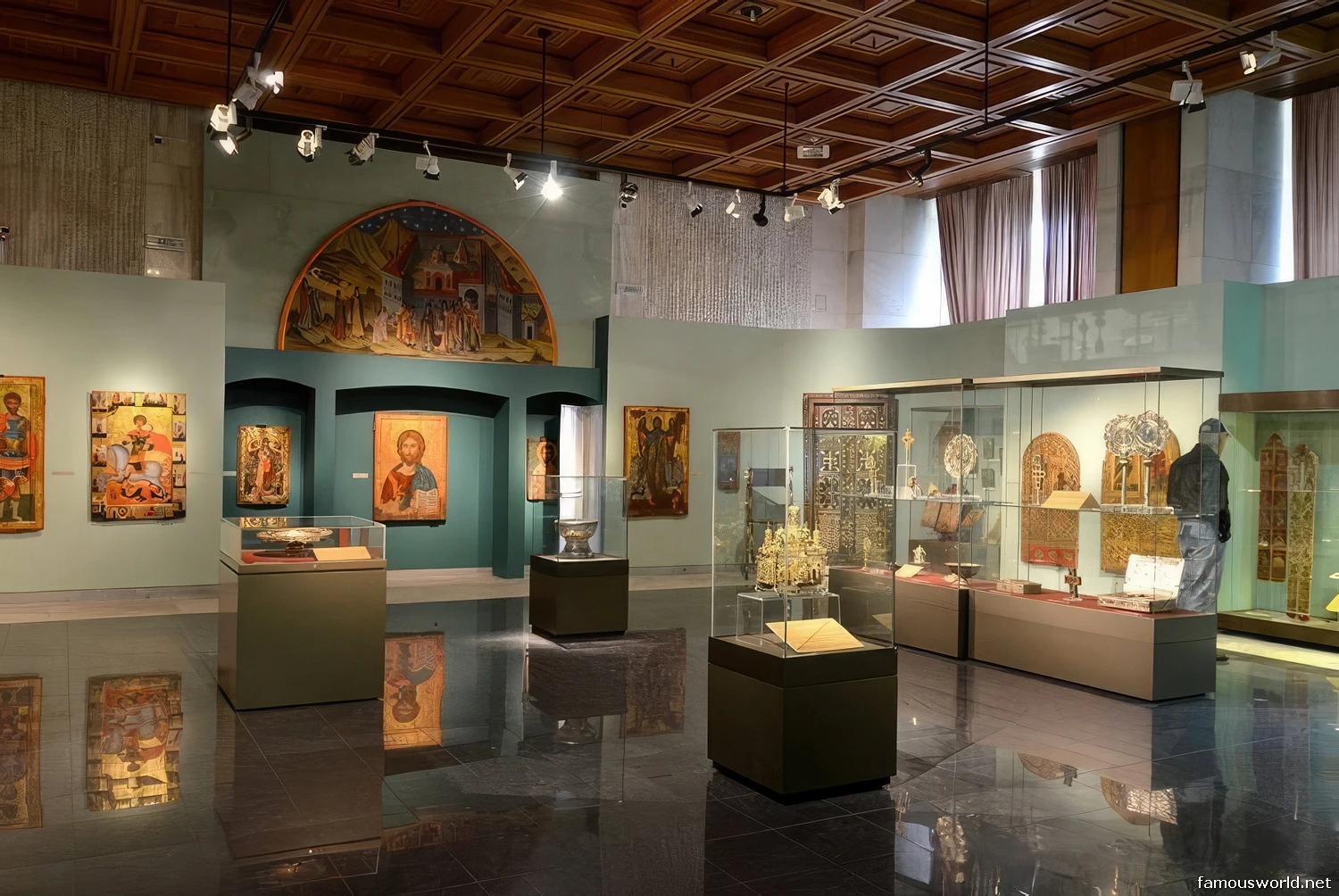
- Comprehensive Collection: The exhibits are arranged chronologically, starting with Paleolithic tools and moving through the dazzling gold of the Thracians, the Roman era, the First and Second Bulgarian Empires, the Ottoman period, the National Revival, and modern 20th-century history.
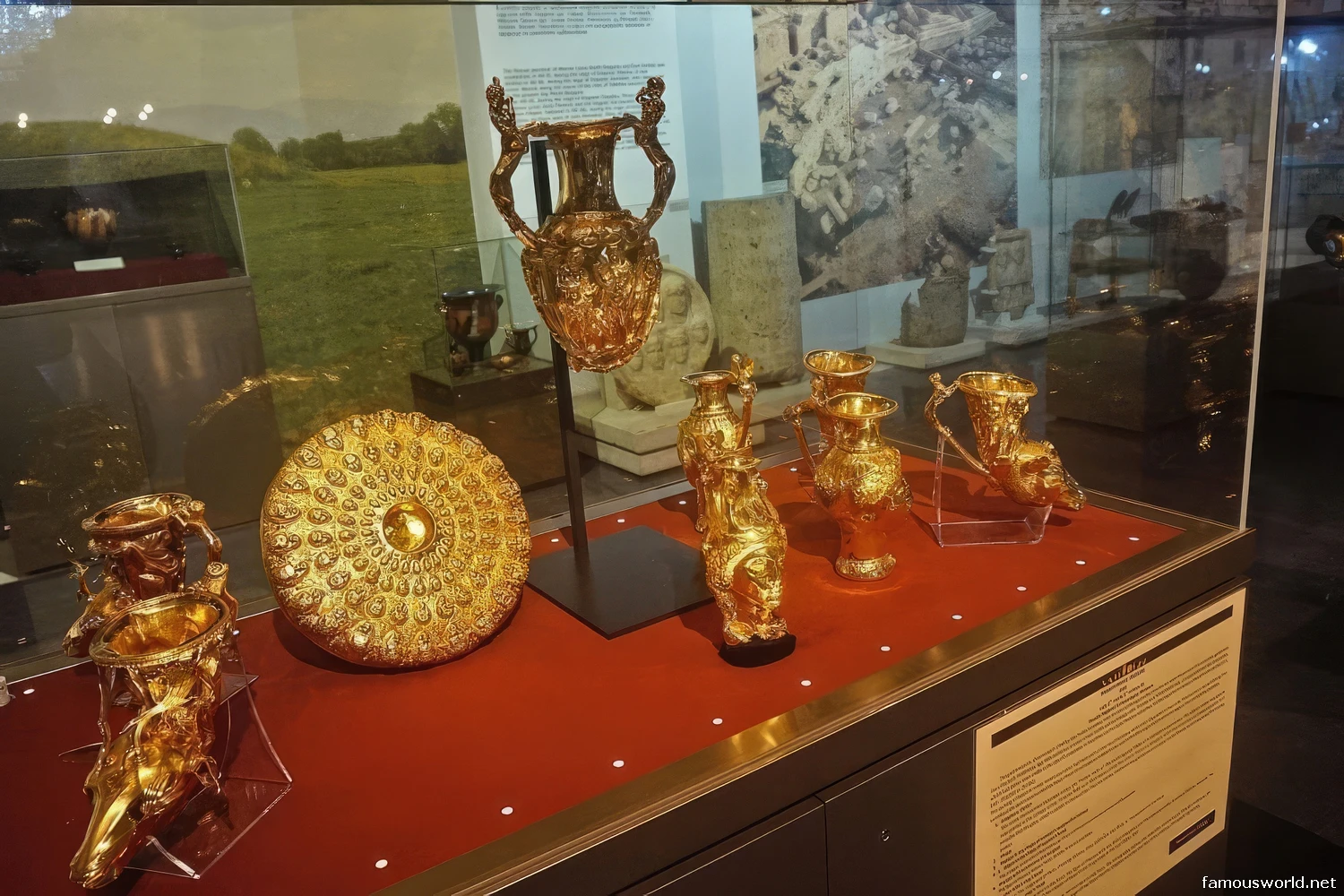
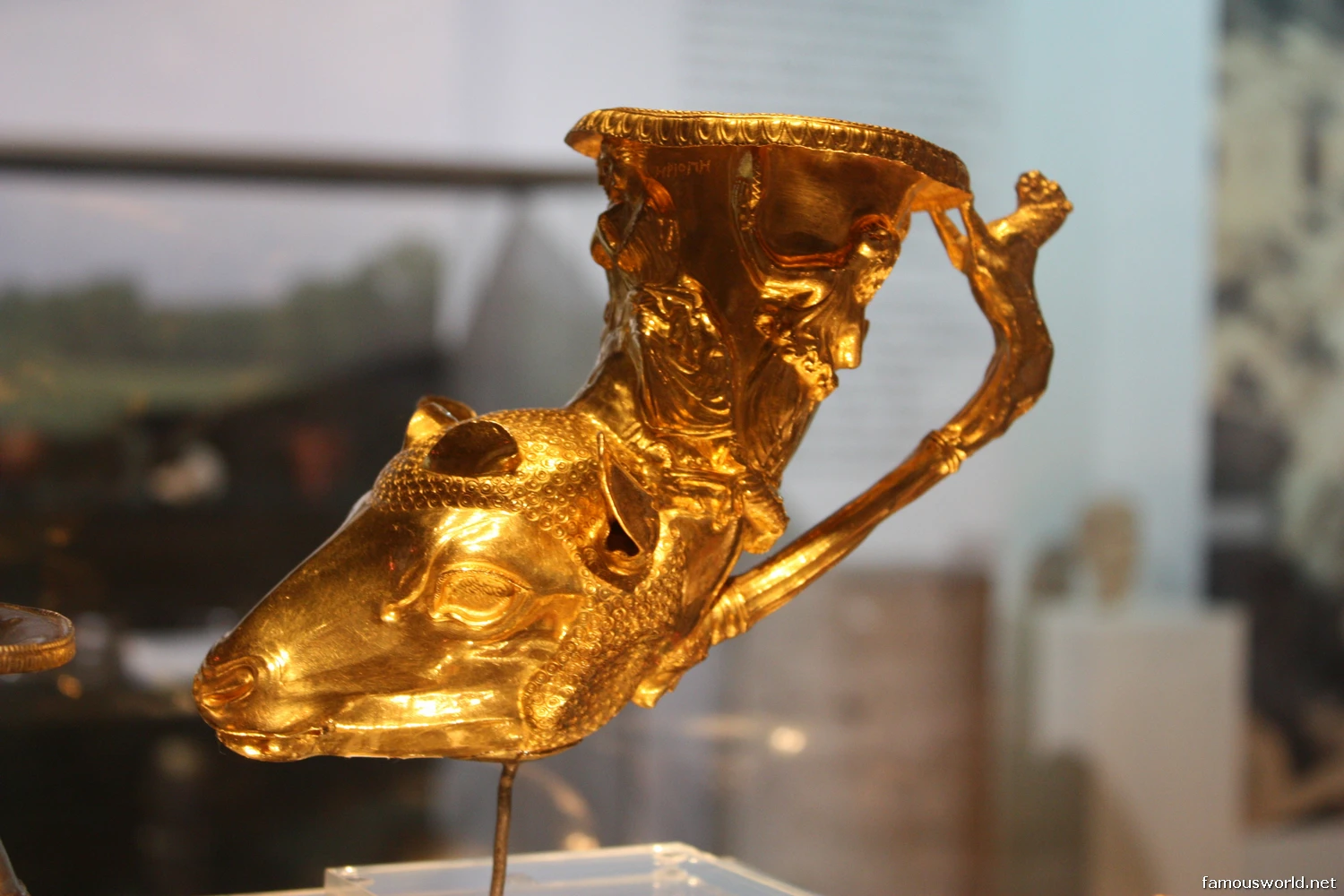
- Thracian Treasures: The museum is renowned for its collection of ancient Thracian gold and silver, including world-famous treasures like the Panagyurishte and Rogozen (though originals are often rotated or displayed elsewhere, the collection is here).
What Makes It Famous
The museum is famous for being the definitive collection of Bulgarian history and for its unique home.
- Bulgaria’s Largest Museum: It is the most comprehensive museum in the country, telling the entire story of the Bulgarian nation under one roof.
- Thracian Gold: It is the official home of some of the most significant Thracian treasures ever discovered, a symbol of the ancient and sophisticated cultures that inhabited the land.
- The Building Itself: Its location in a former Communist state palace gives visitors a “two-for-one” historical experience, seeing both ancient treasures and a monument of a more recent, complex past.
Differences from Other Wonders (vs. Boyana Church)
A vast national museum offers a completely different experience than the small, ancient church located nearby.
- Environment (Monumental State Palace vs. Intimate Medieval Church): The National Historical Museum is a sprawling, grand, and somewhat austere modern building. The Boyana Church is a tiny, ancient, and spiritually intimate site nestled in a small park.
- Scale (Immense and Encyclopedic vs. Small and Focused): The museum’s collection is vast, covering millions of years of history across numerous large halls. The church’s “collection” is singular: the 13th-century frescoes on its walls.
- Core Story (The Entire National Story vs. A Single Artistic Moment): The museum tells the complete, complex, and evolving story of a nation and its people. The church captures one perfect, brilliant moment of medieval artistic genius.
- Atmosphere (Educational and Grand vs. Reverent and Contemplative): The museum is an educational, informative, and grand experience. The church is a quiet, contemplative, and reverent one, where visitor numbers are limited to protect the art.
Location on world map