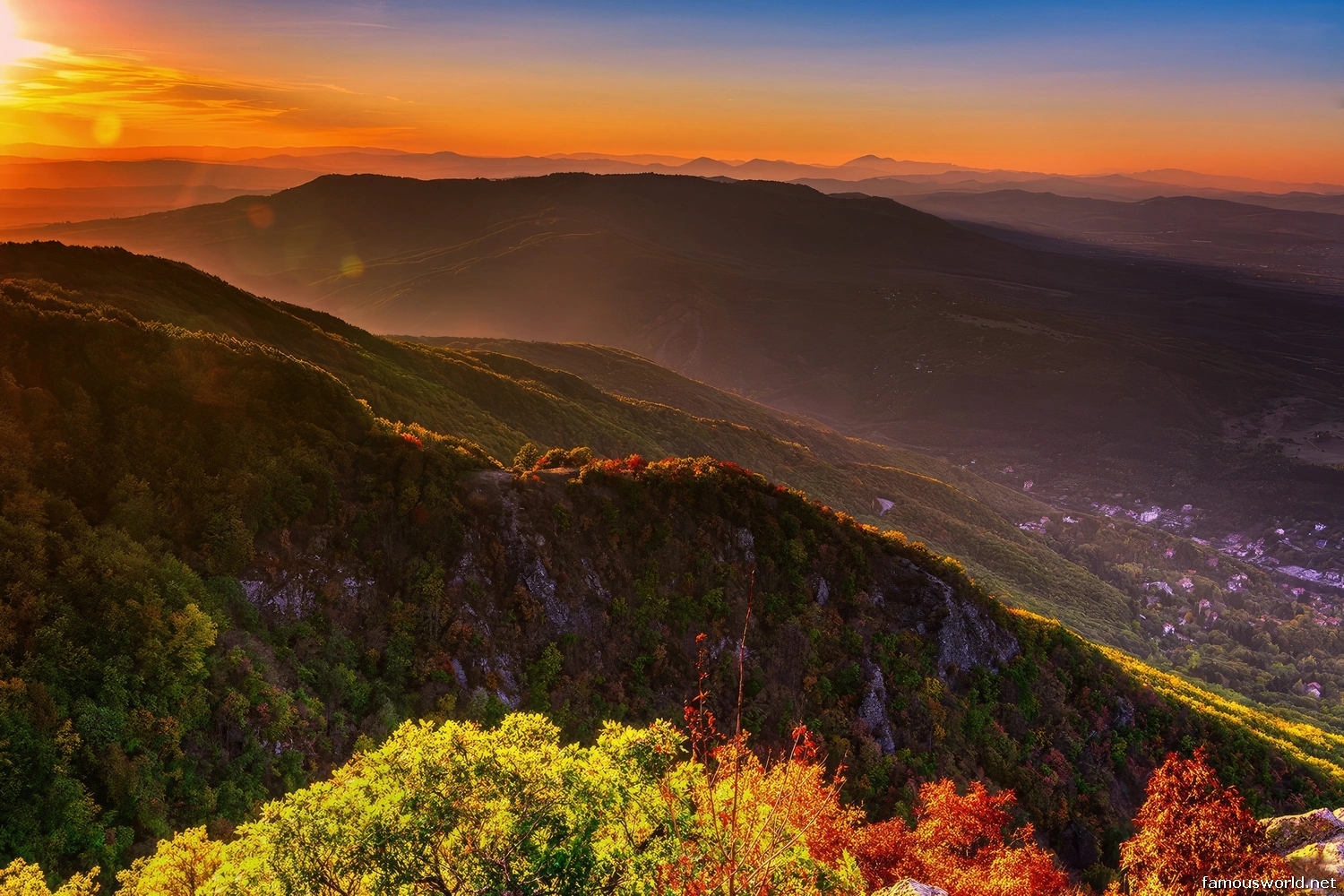
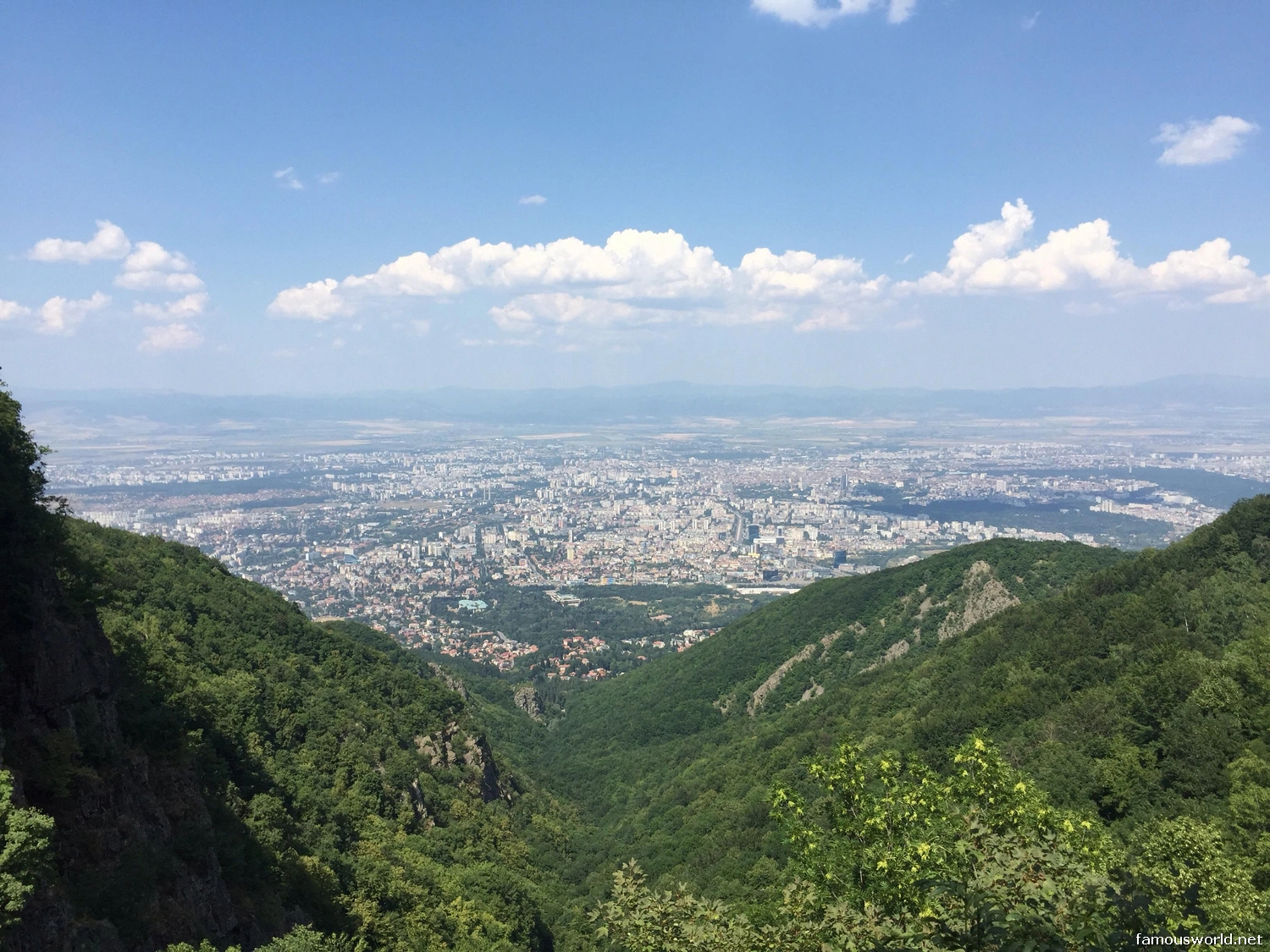
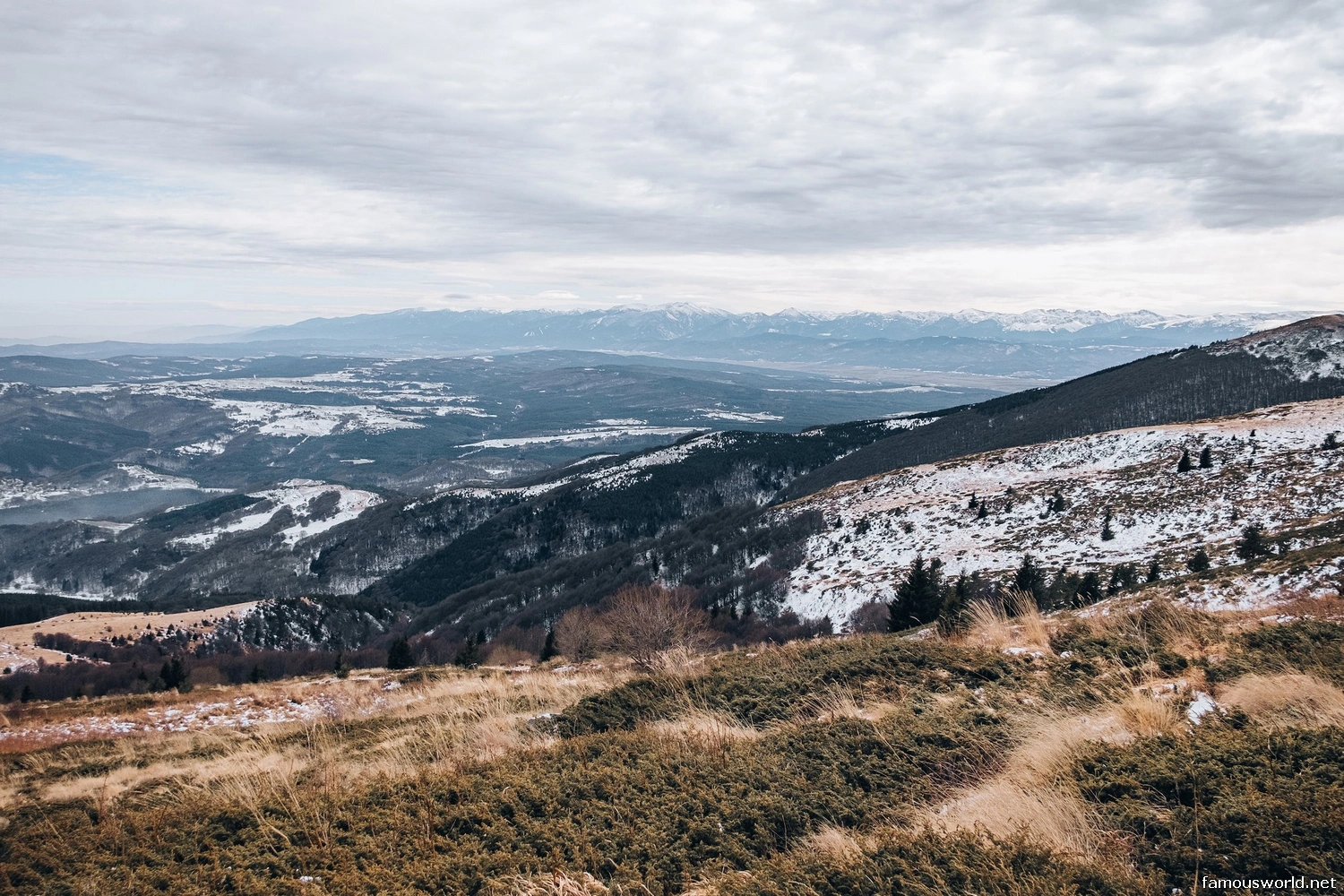
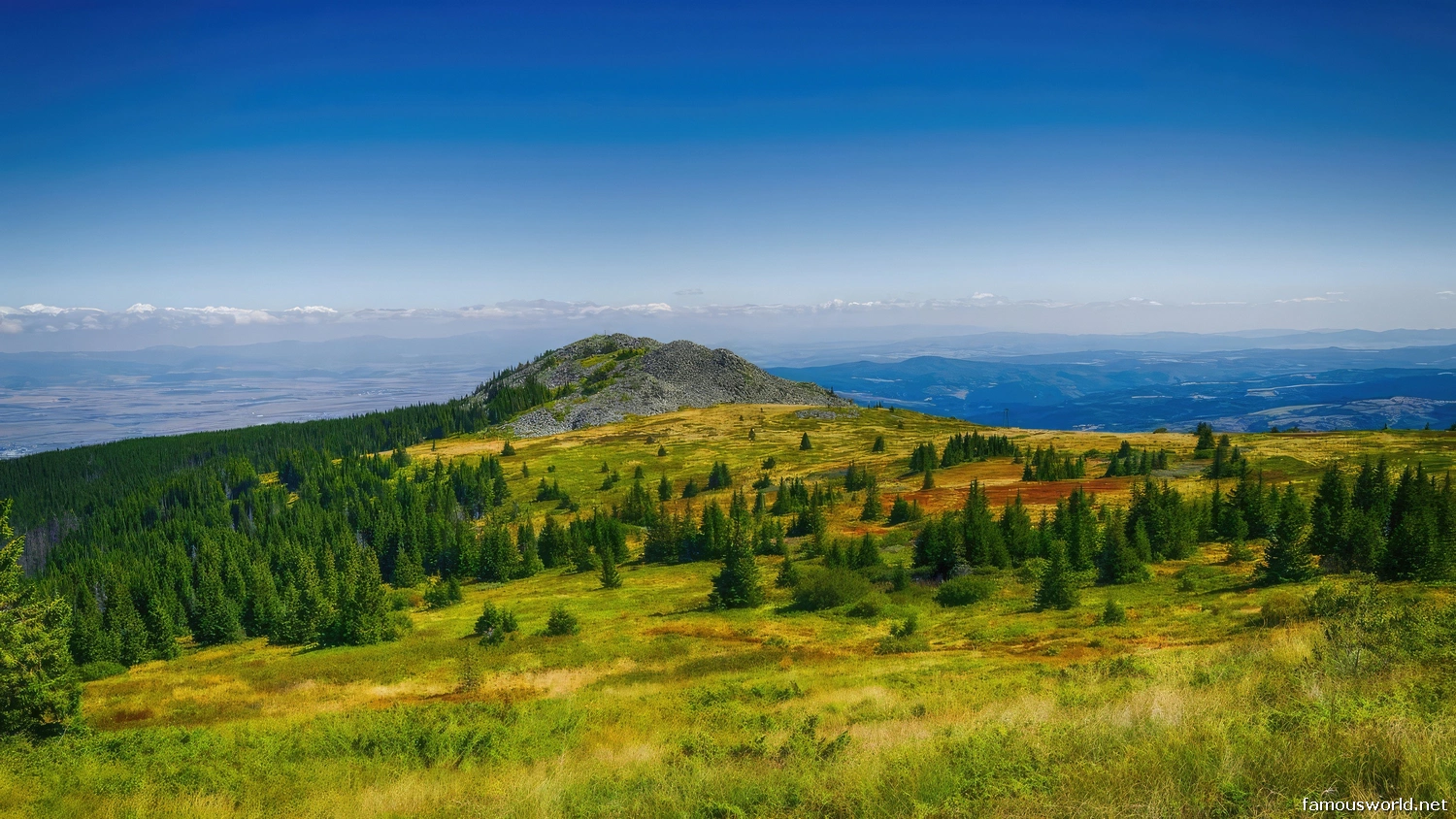
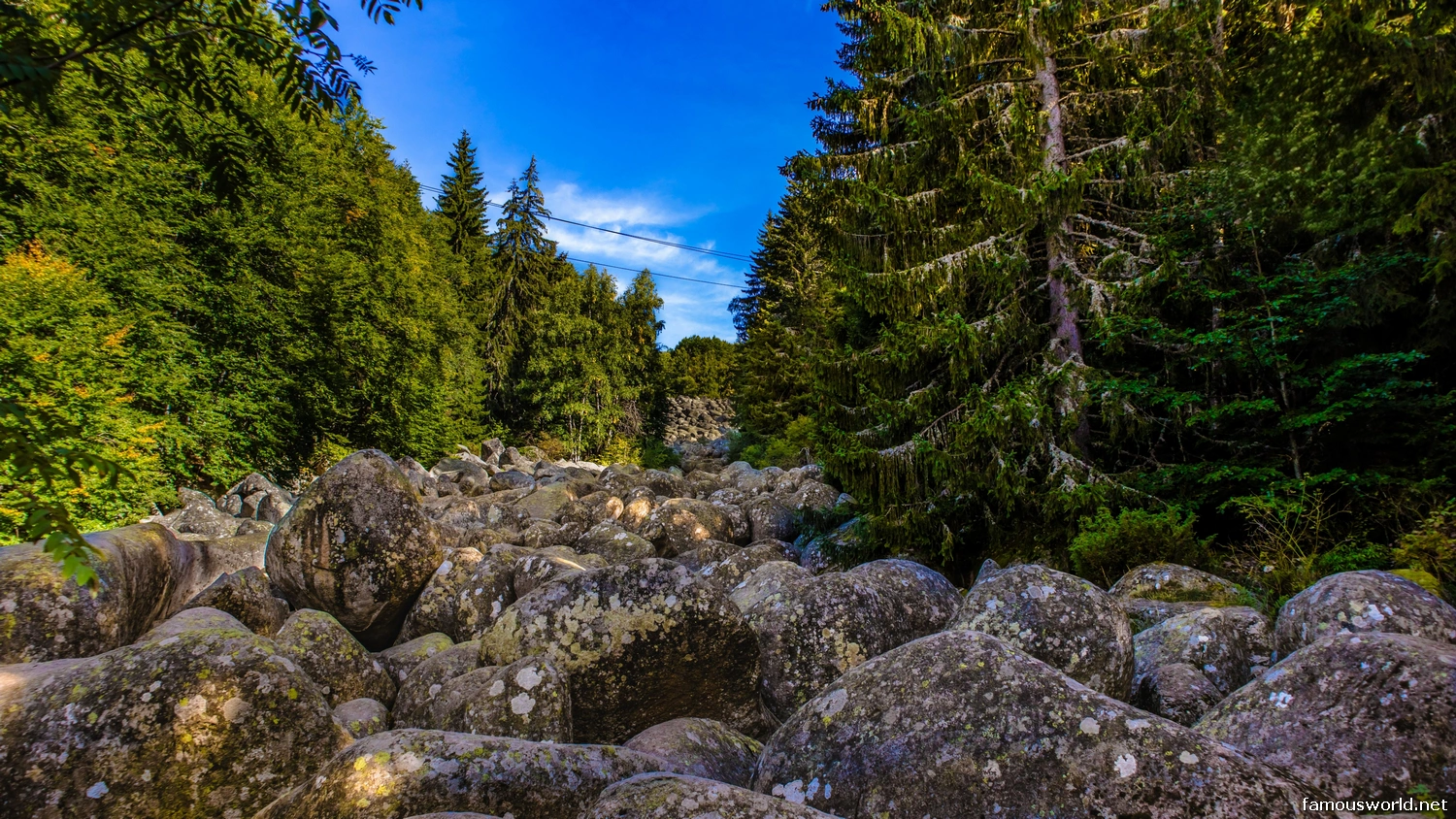
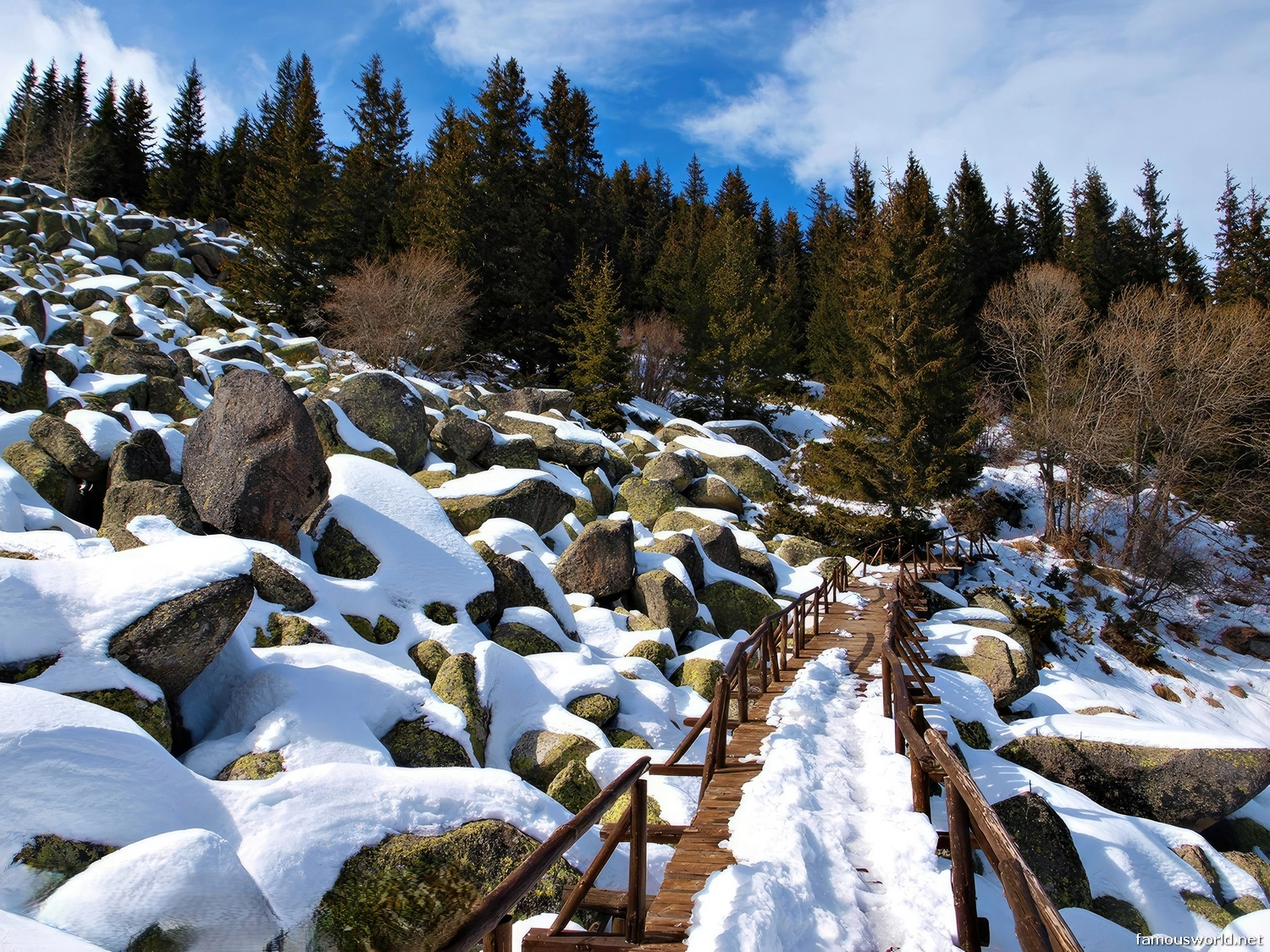
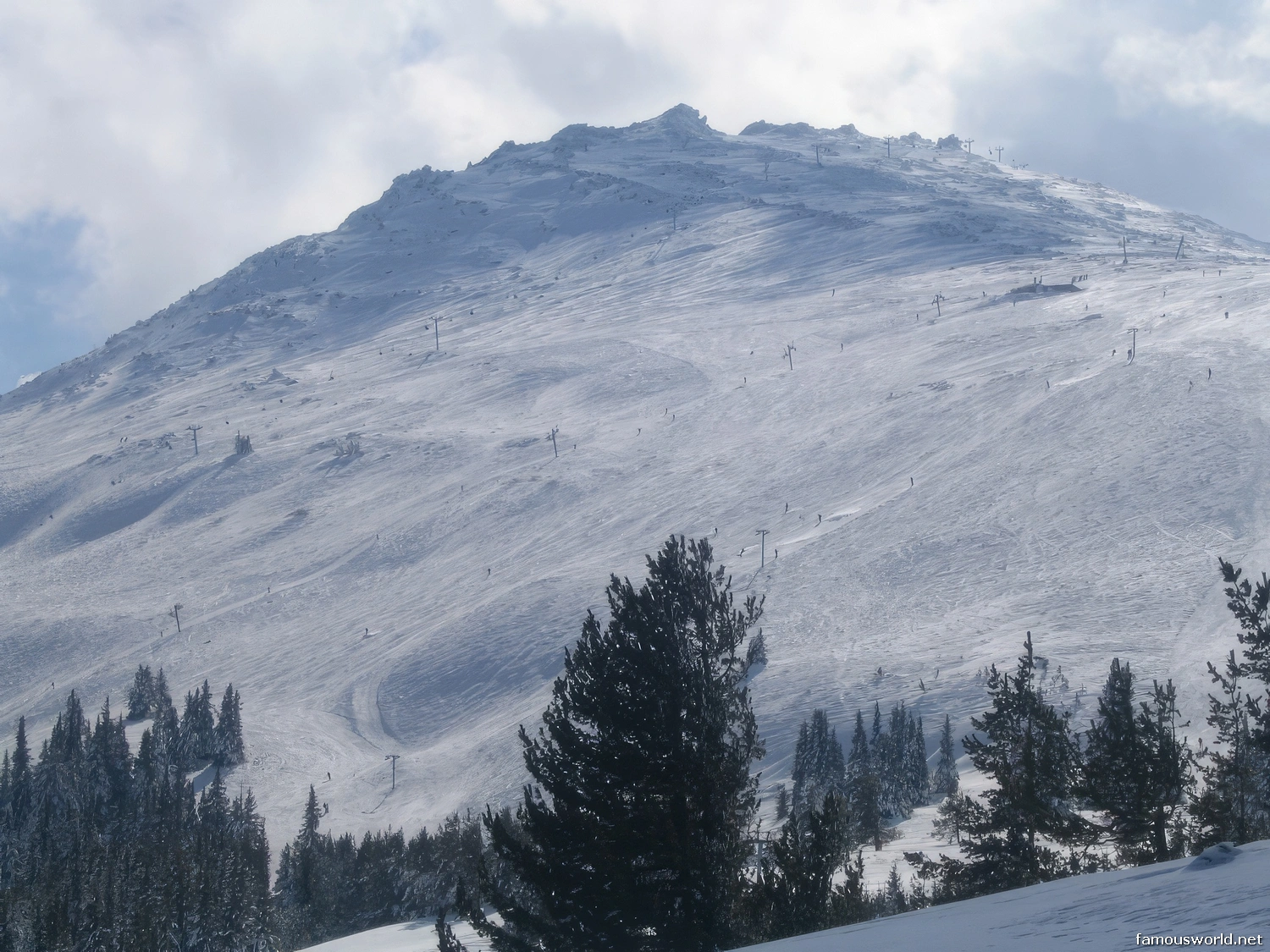
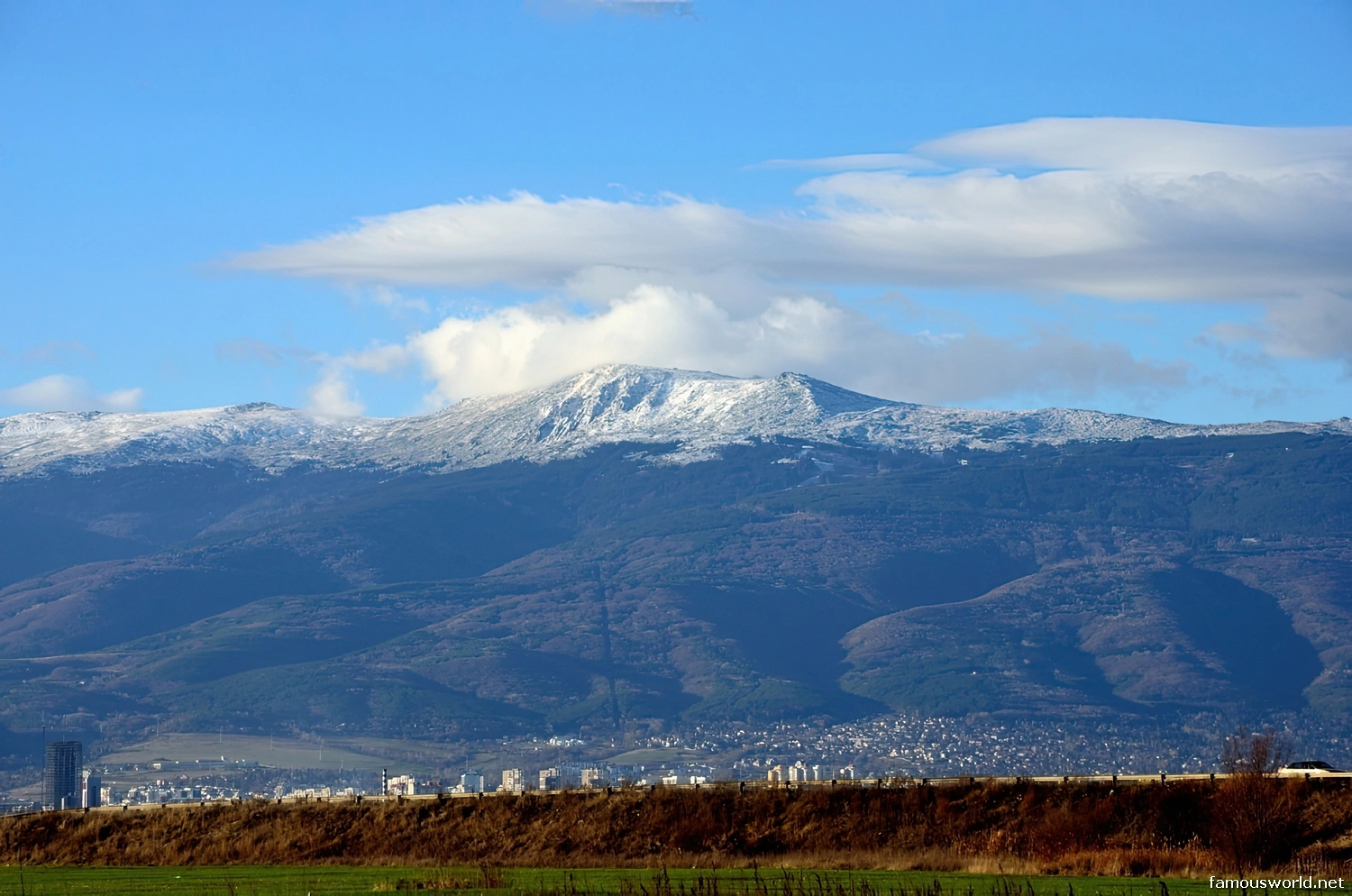
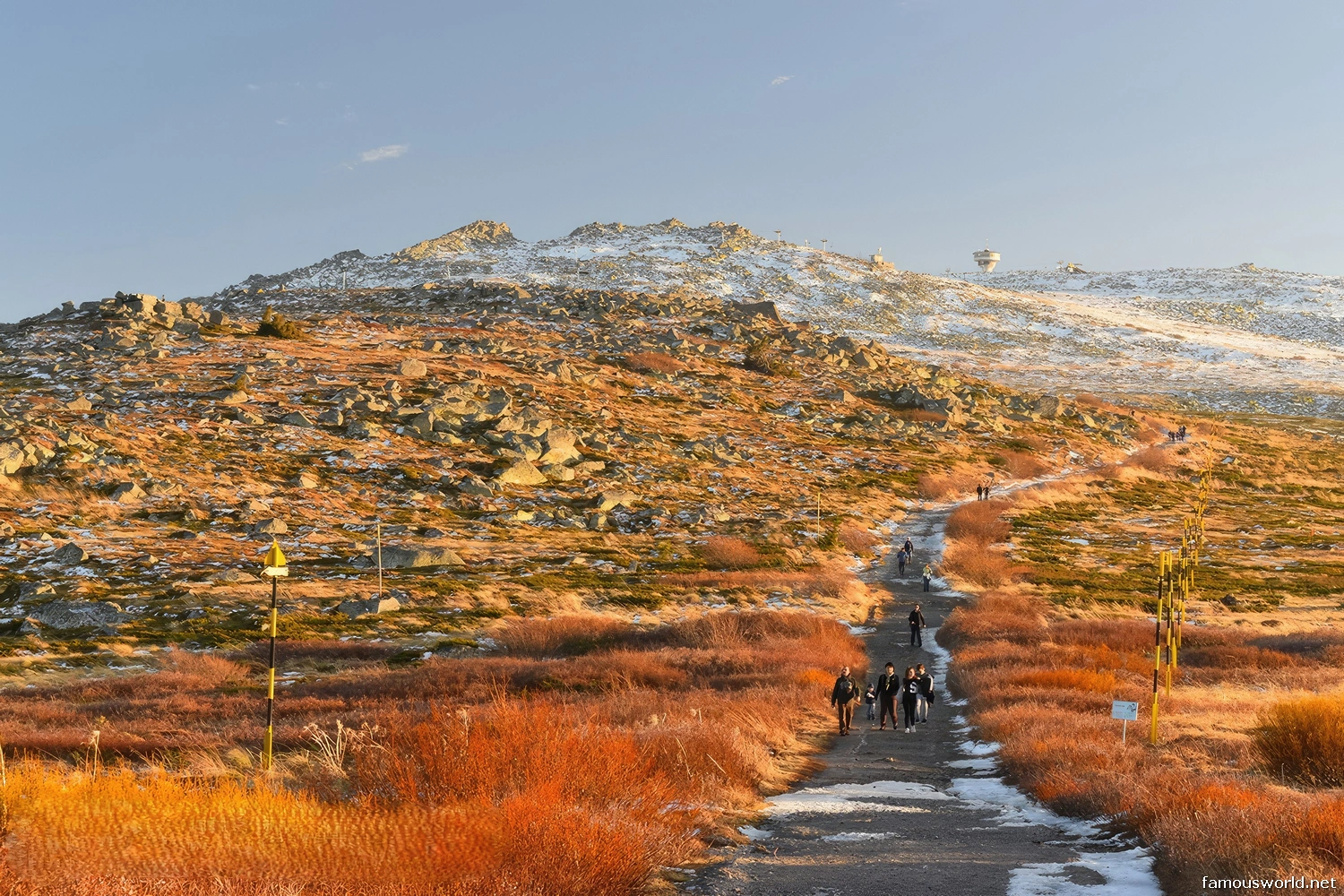
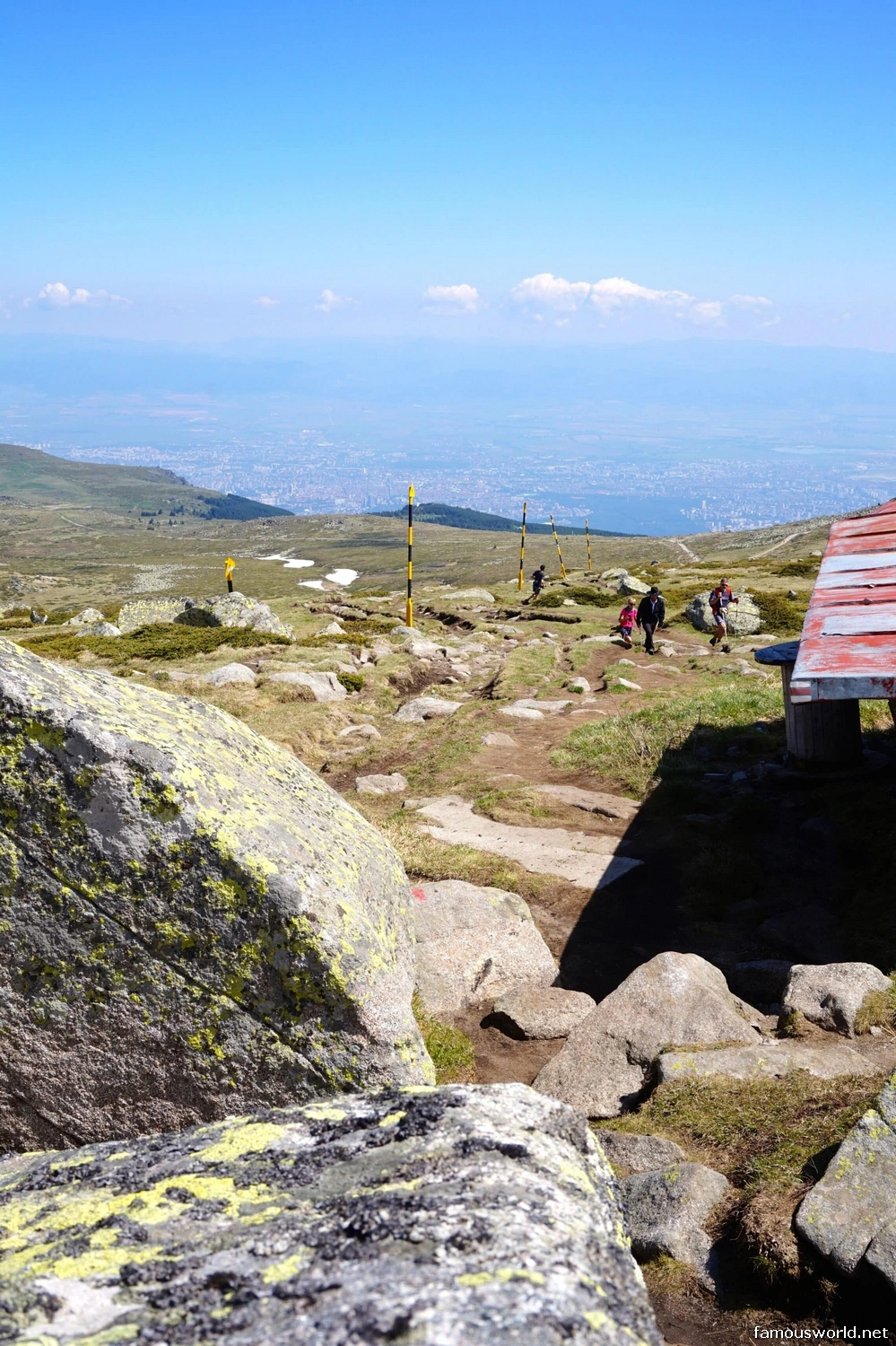
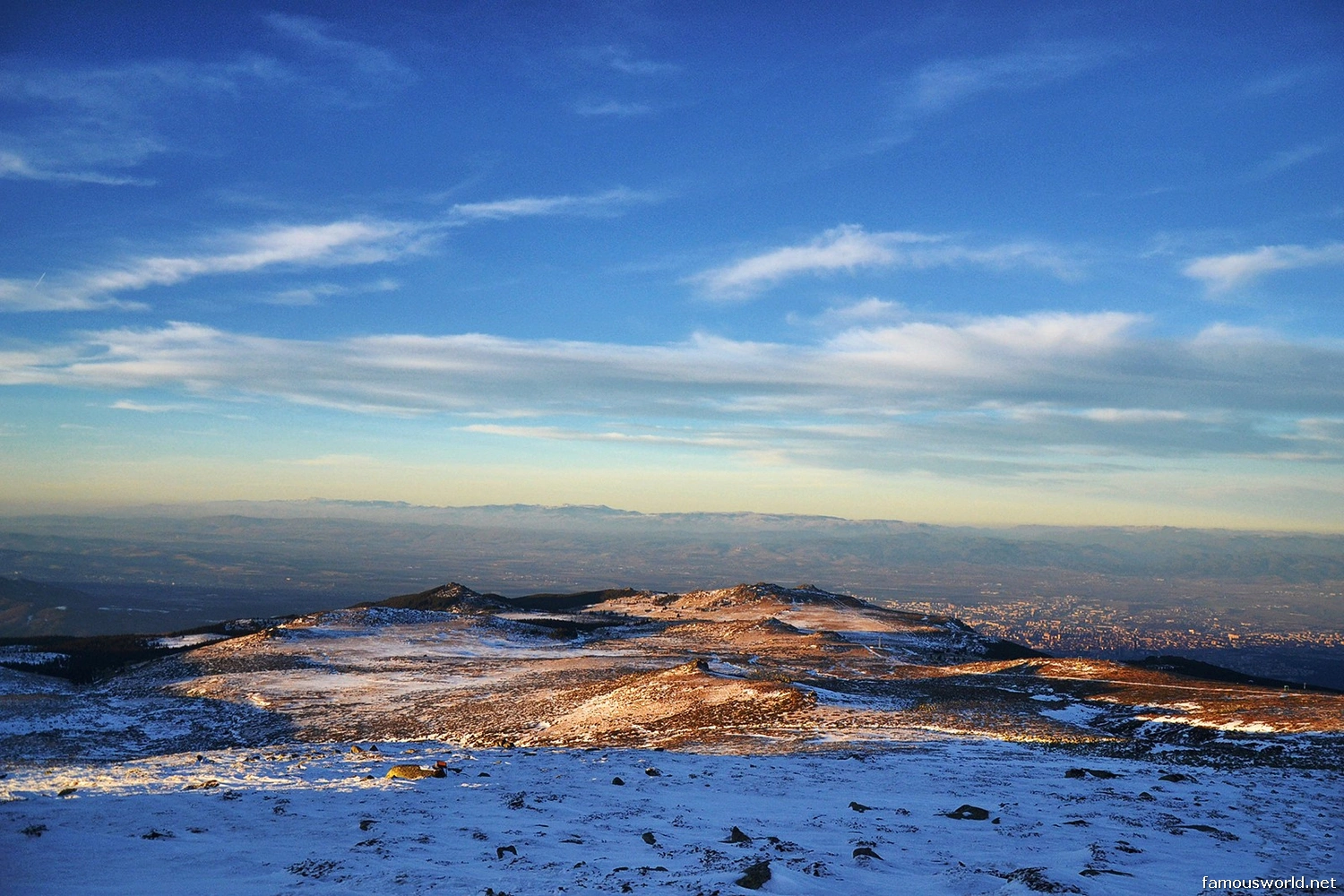
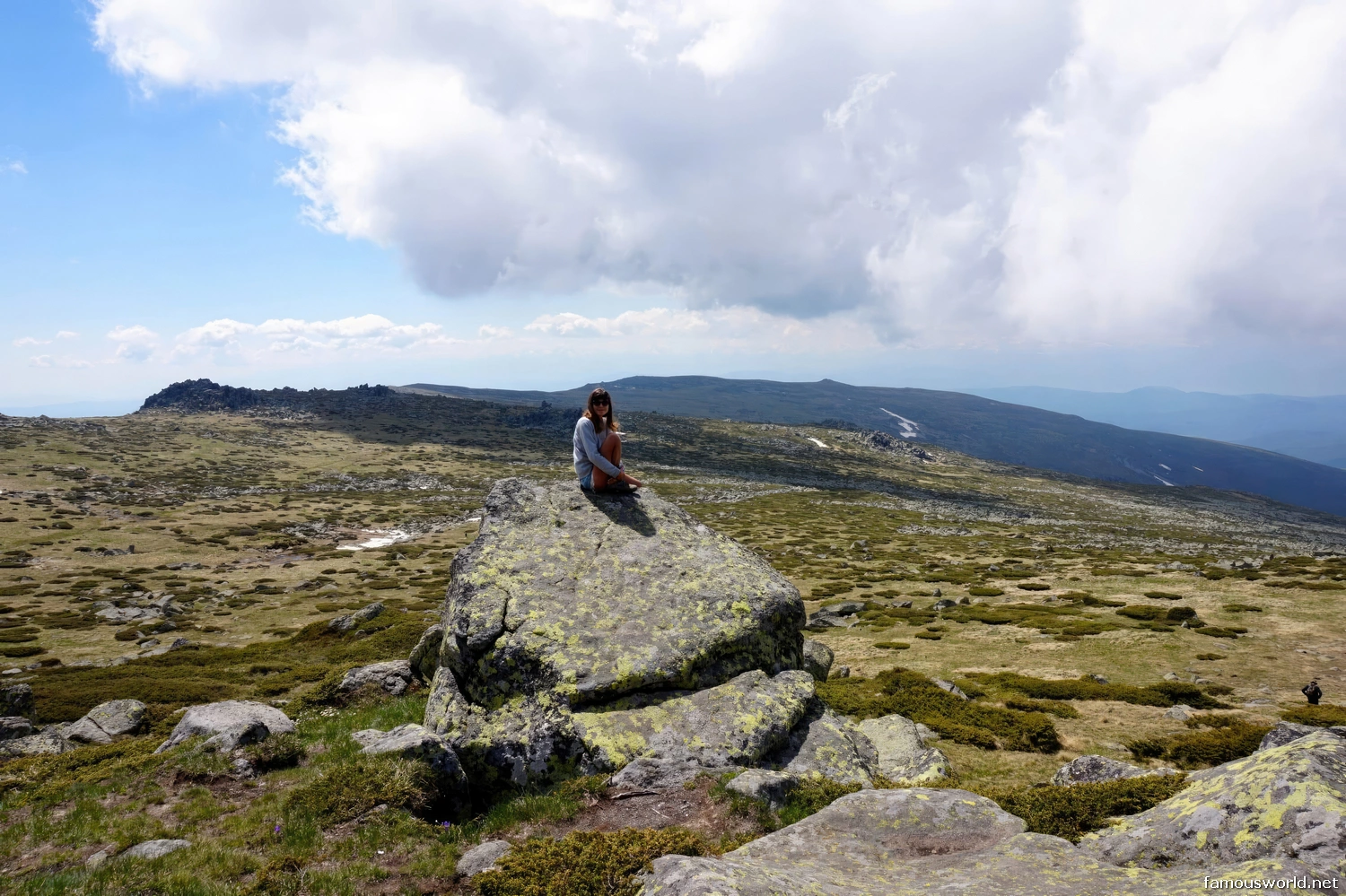
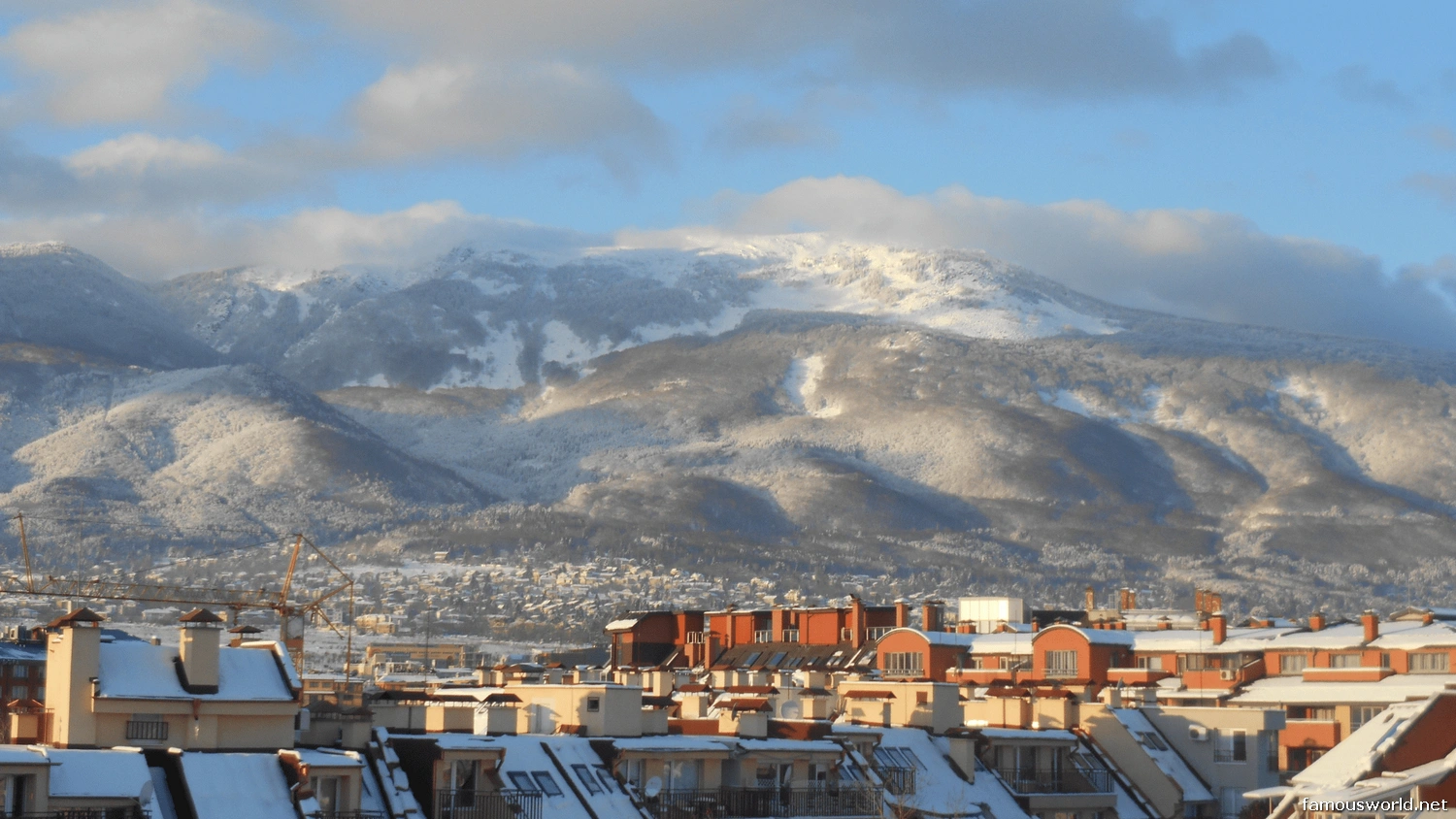
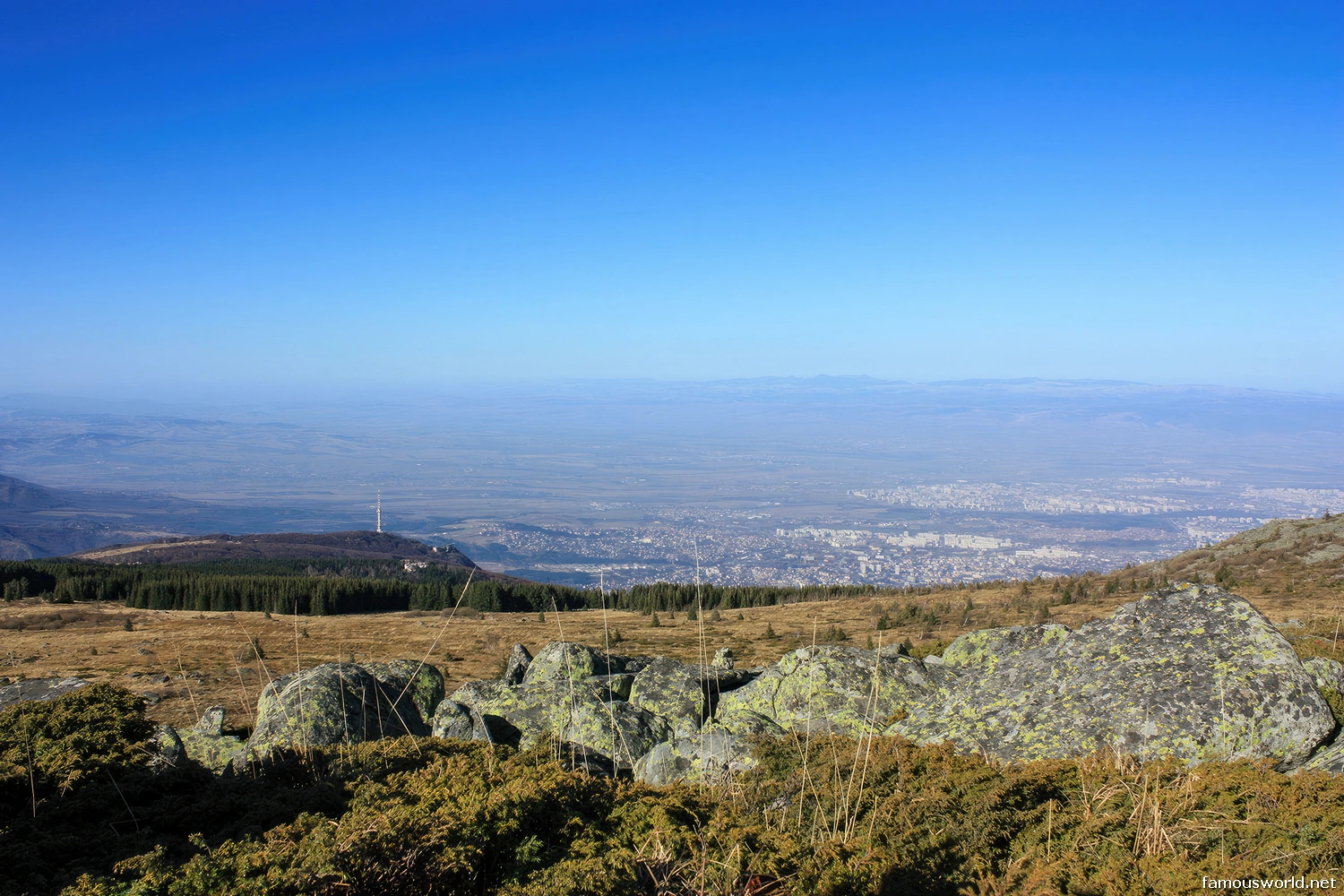
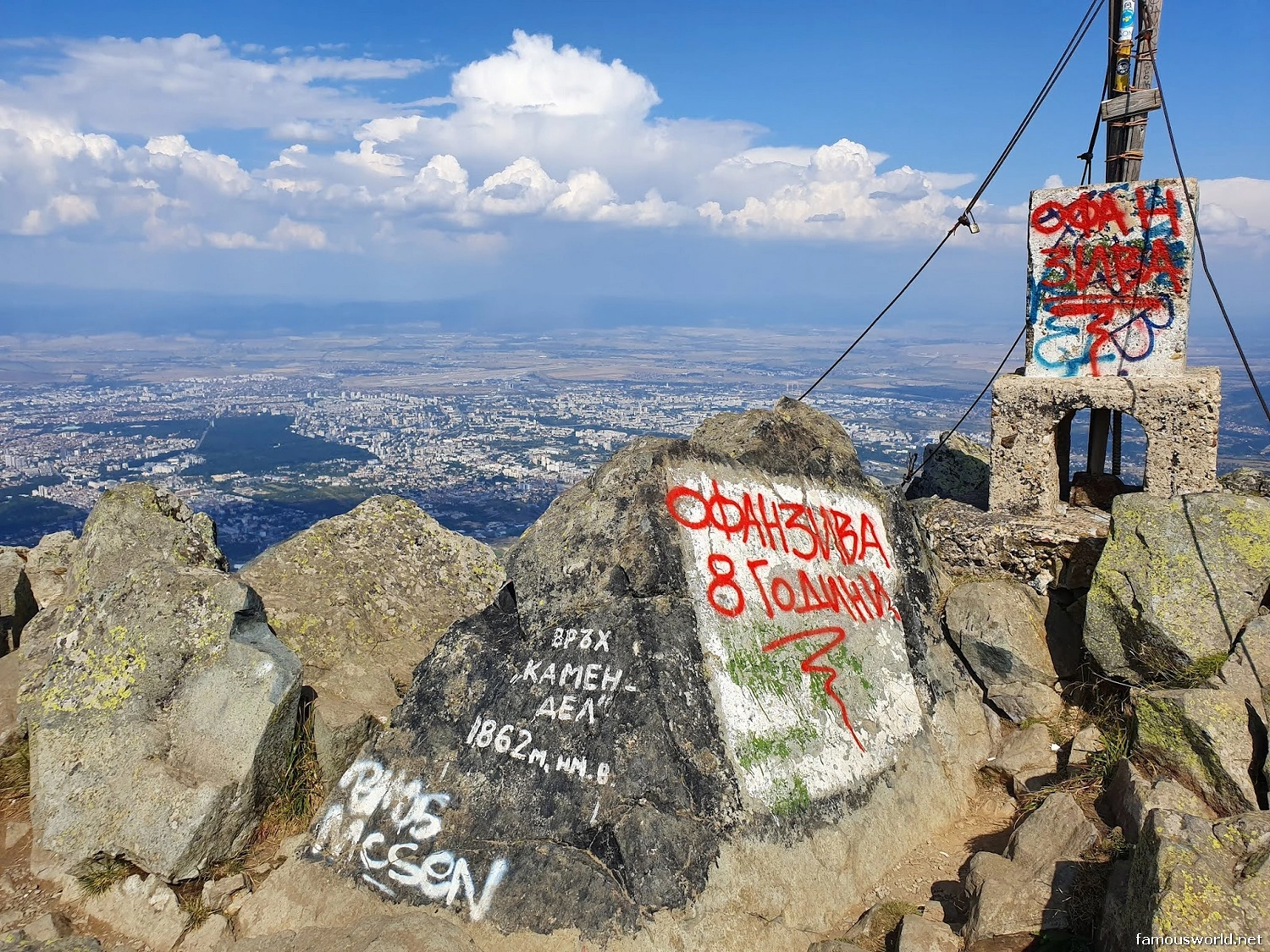
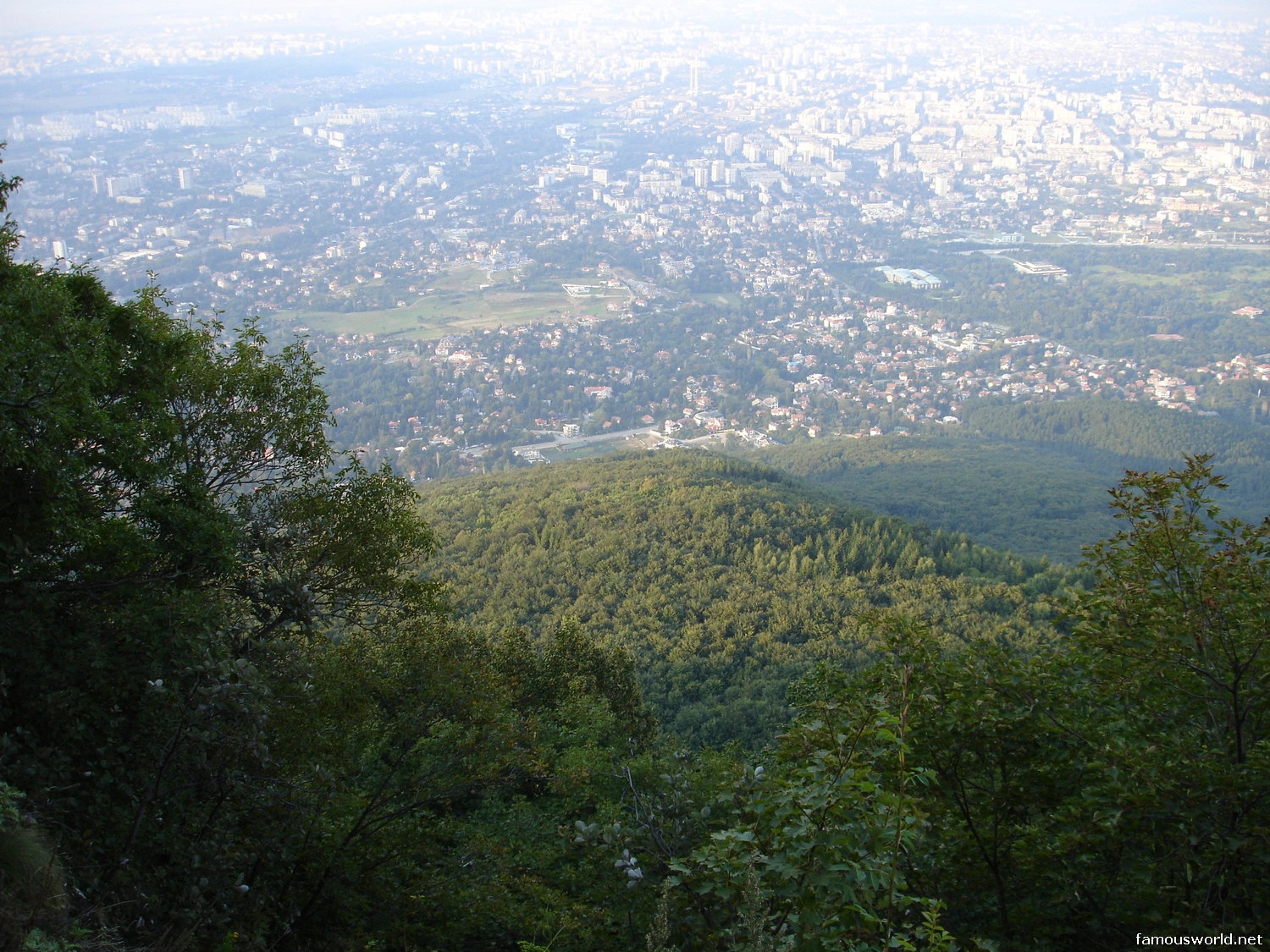
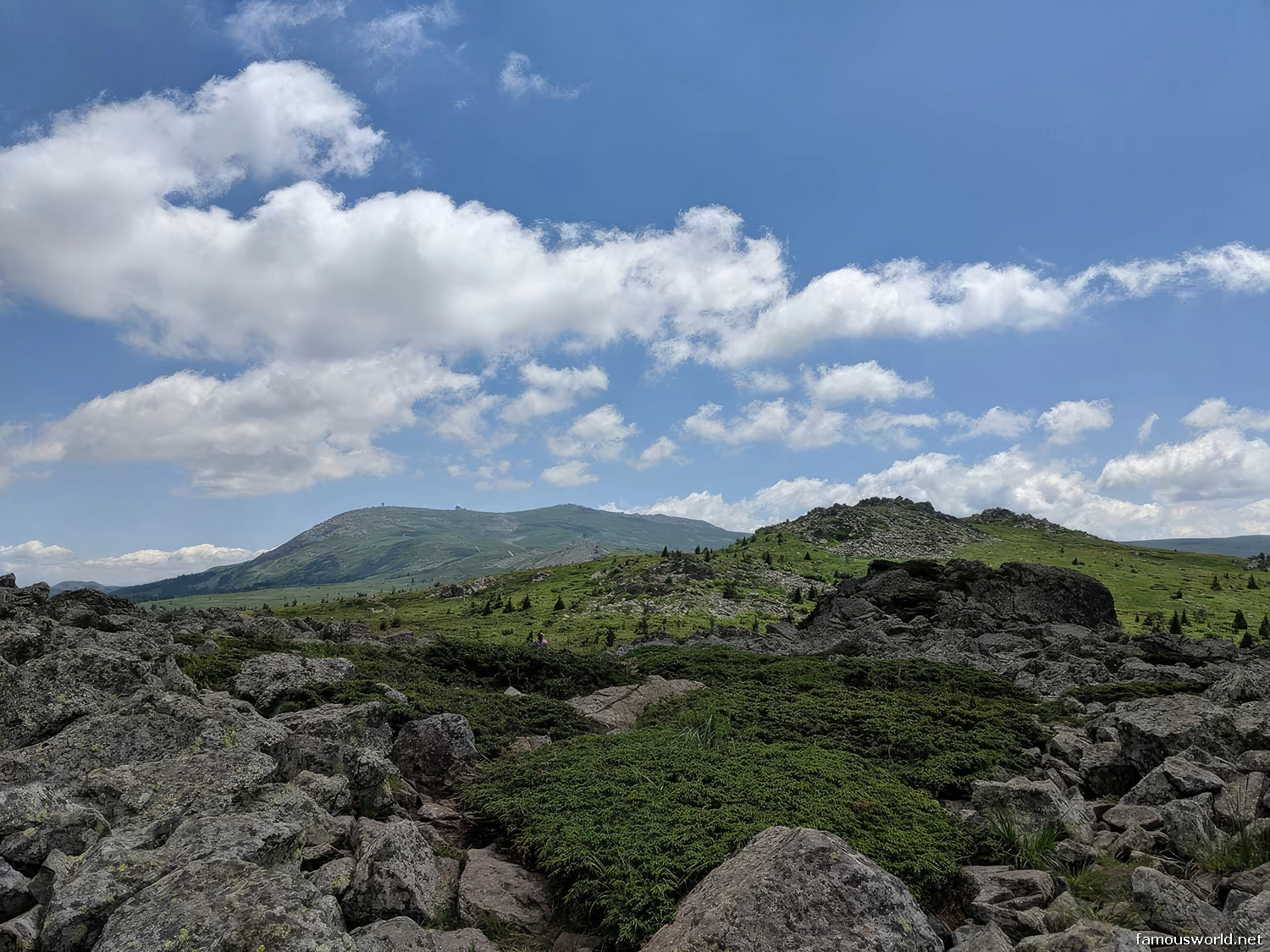
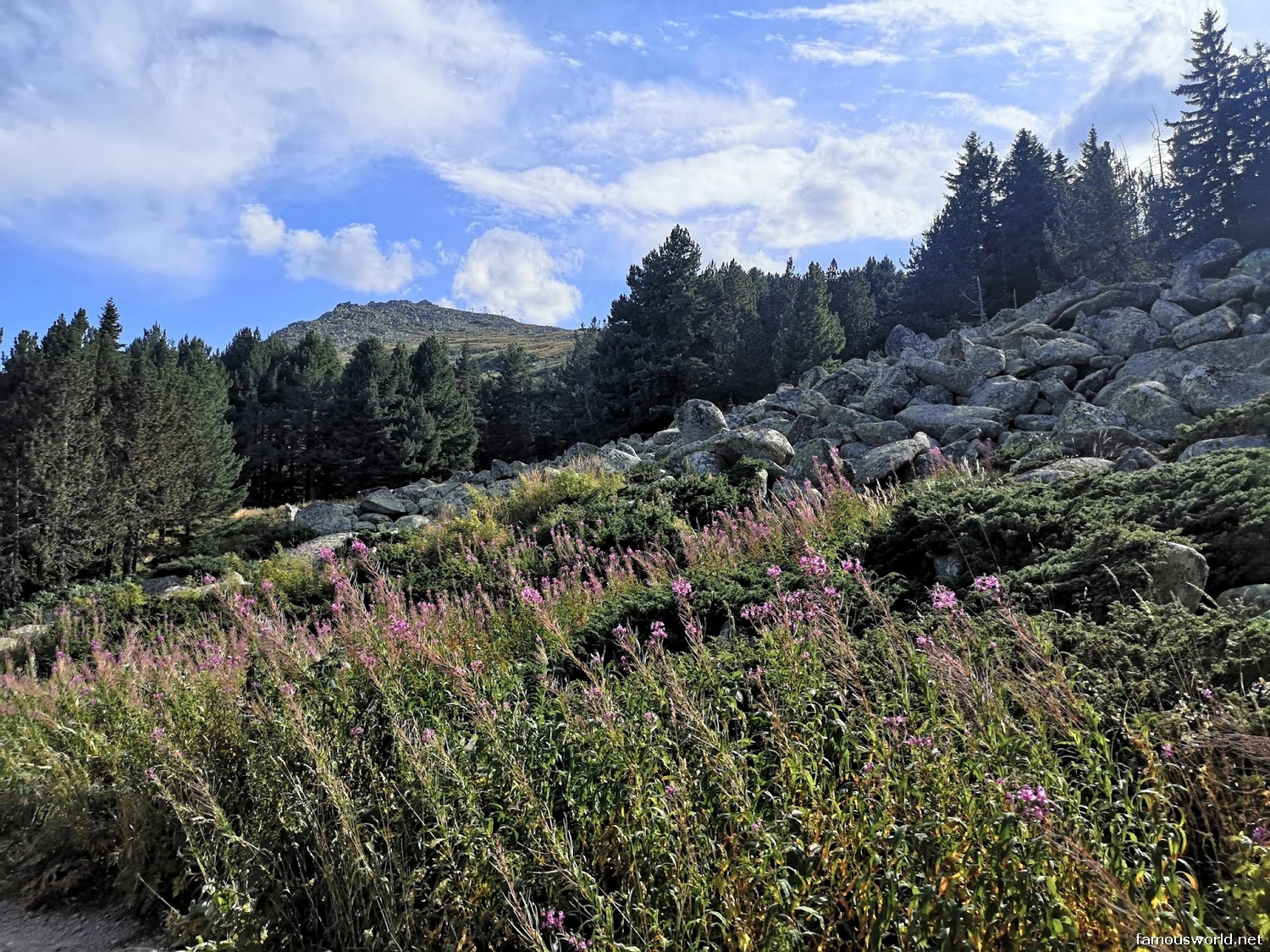
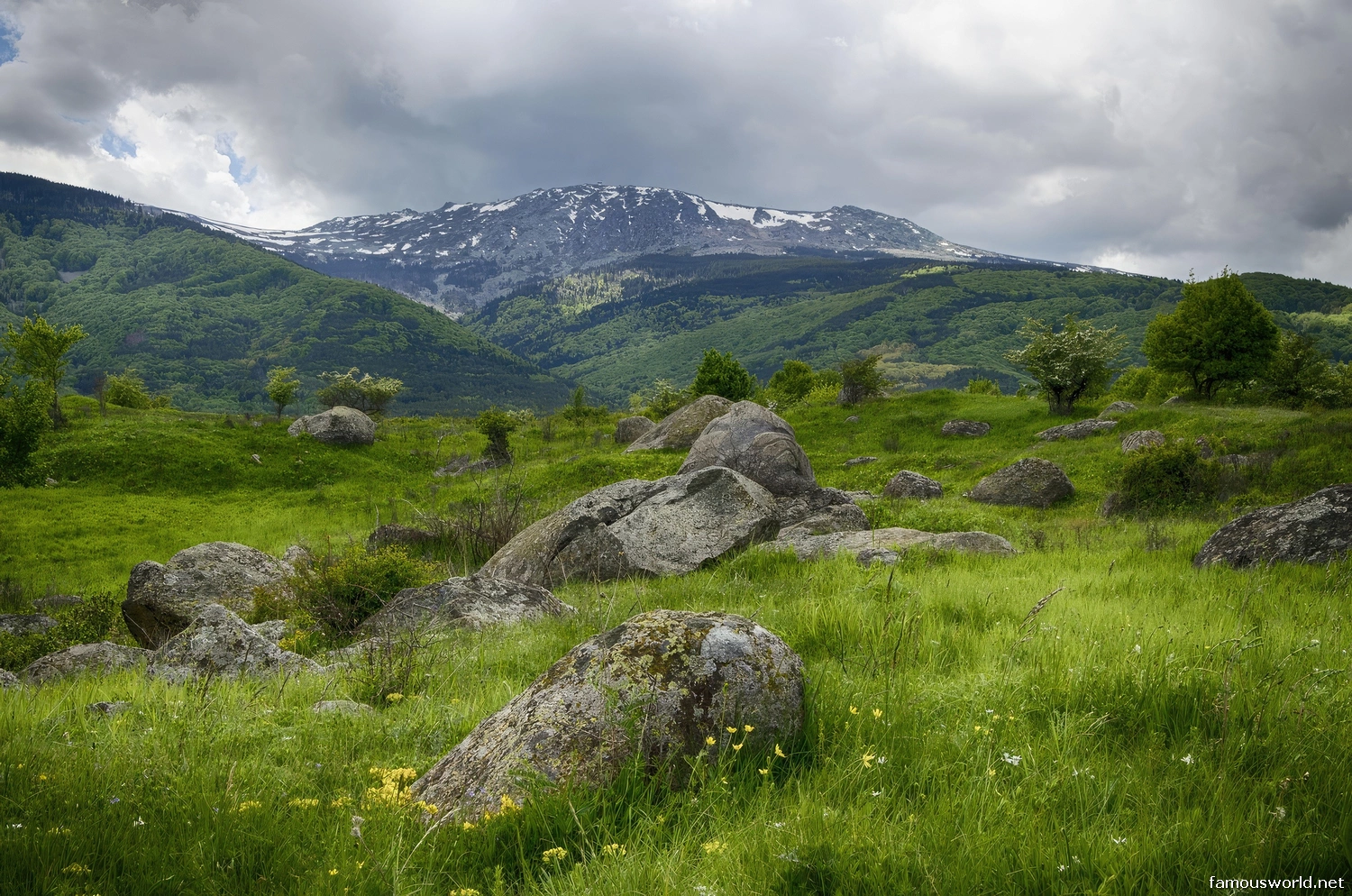
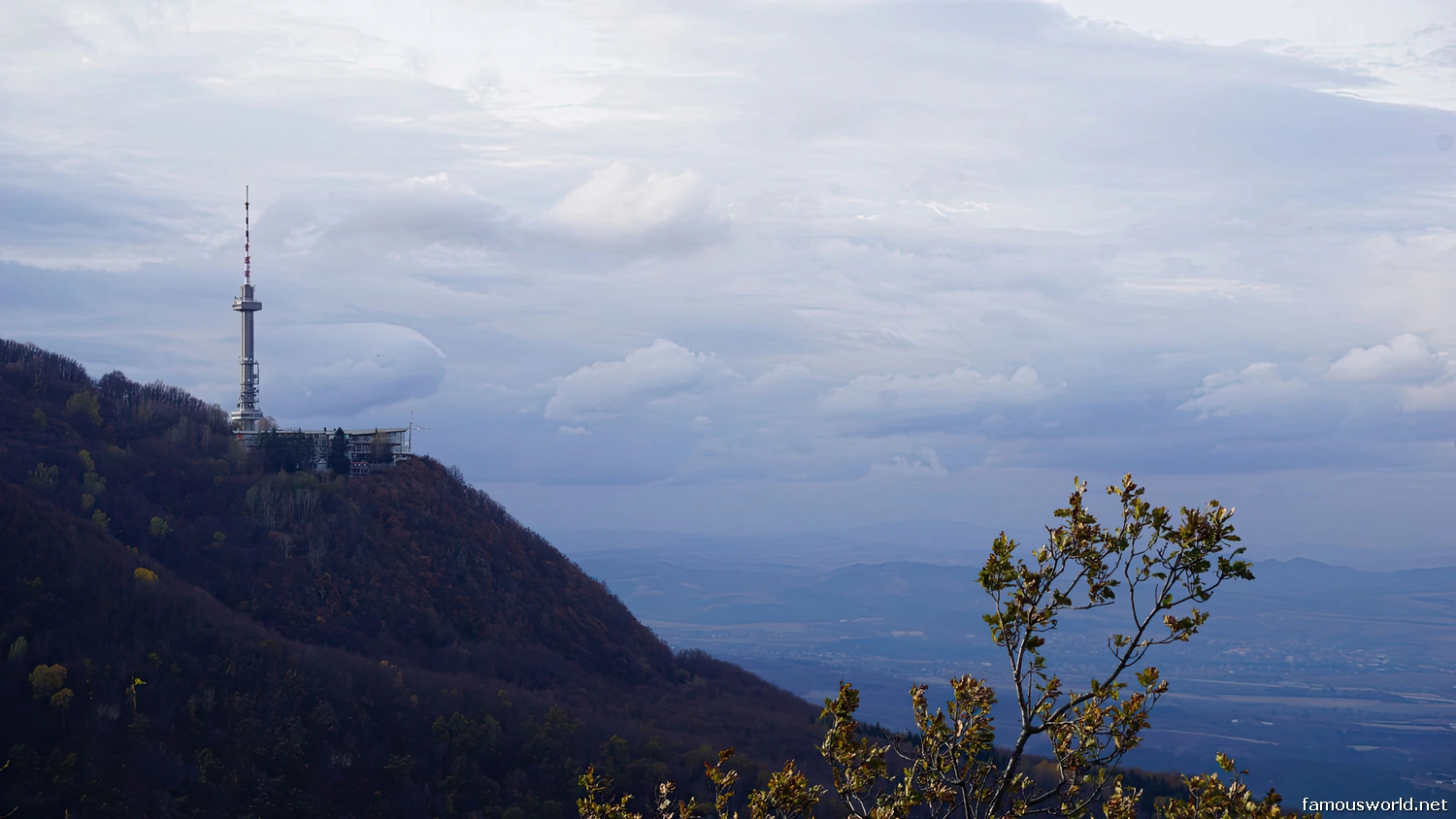
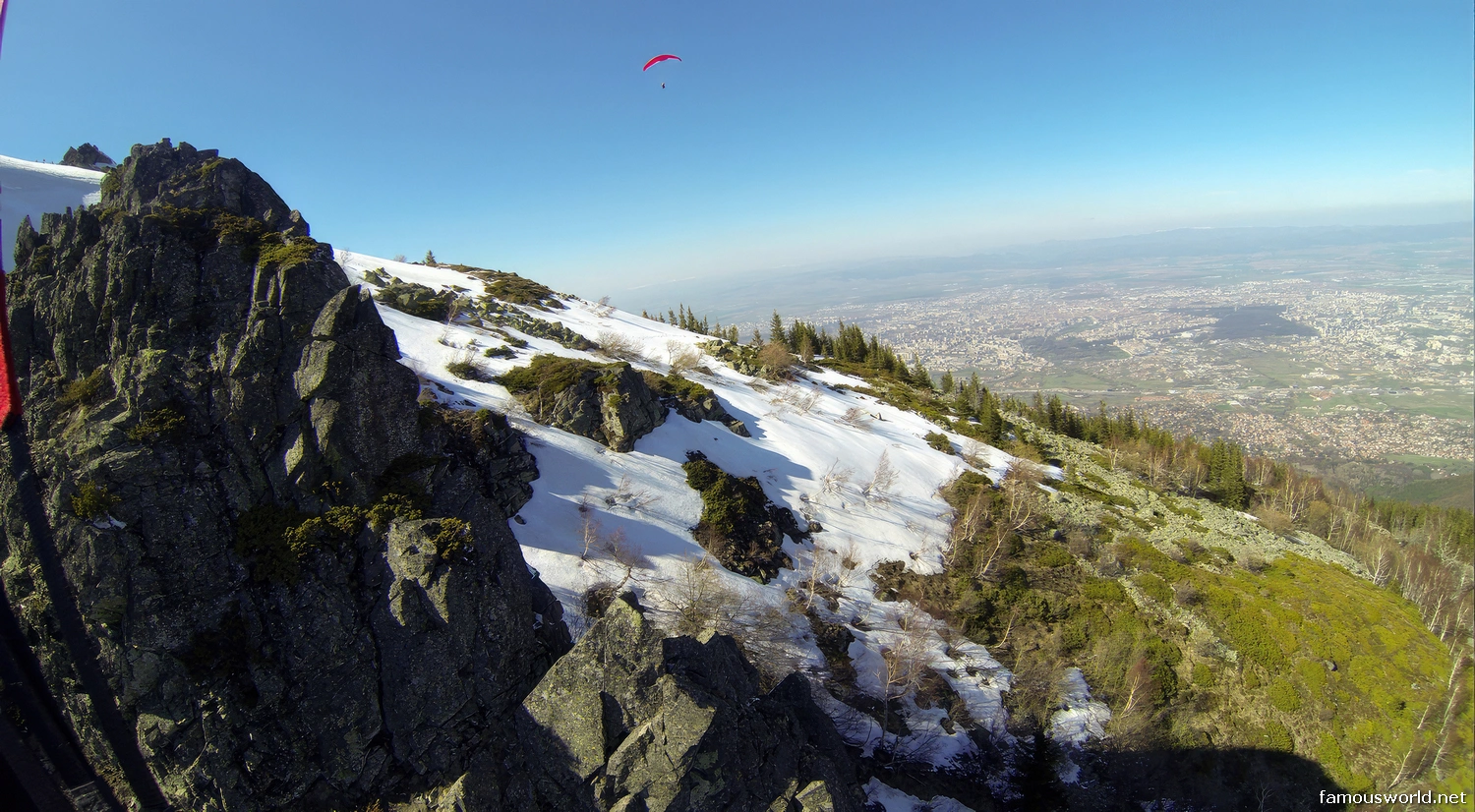
Rising dramatically on the very edge of Sofia, Vitosha Mountain is not just a backdrop but the city’s beloved natural playground and a powerful symbol of the capital. This ancient, dome-shaped mountain is a national park, offering a vast expanse of pristine nature, diverse hiking trails, and ski slopes just minutes from the bustling city center. Its most recognizable features are the twin rocky peaks of Cherni Vrah (Black Peak) and the unique “stone rivers” (moraines) that flow down its slopes. A trip to Vitosha is an escape into the wild, offering four distinct seasons of recreation and breathtaking panoramic views over the entire Sofia valley, making it a unique and integral part of life in the Bulgarian capital.
Listen to an introduction about Vitosha Mountain

Name and Location
- Name: Vitosha Mountain Nature Park (Природен парк “Витоша”).
- Location: Immediately south of the city of Sofia, Bulgaria.
How to Get There
Vitosha is famously accessible, making it one of Europe’s most convenient urban mountains.
- By Gondola/Chairlift: The most popular and scenic ways to ascend. The Simeonovo Gondola takes you high up the mountain towards the Aleko ski area. Other chairlifts operate from Dragalevtsi. (Note: Lifts have specific operating hours and seasons).
- By Bus: Several city bus lines (e.g., 66, 93) go from the city’s outskirts (like Hladilnika or Ovcha Kupel bus stations) up to different points on the mountain, such as the Aleko Hut or the Golden Bridges.
- By Car/Taxi: Roads lead up to key locations like Aleko Hut and the Golden Bridges (Zlatnite Mostove), but can be busy, especially on weekends.
- By Foot: For the very adventurous, numerous hiking trails start from the city’s southern neighborhoods, such as Boyana, Dragalevtsi, and Simeonovo, and lead directly into the park.
Landscape and Architecture
Vitosha’s landscape is a mix of dense forests, alpine meadows, and unique geological formations.
- Dome Shape: Vitosha is an extinct volcano, giving it a characteristic dome or cupola shape that is visible from all over Sofia.
- Cherni Vrah (Black Peak): At 2,290 meters, this is the highest point on the mountain. It is a broad, grassy peak with a weather station and tea house at the summit, and it is the destination of many popular hiking routes.
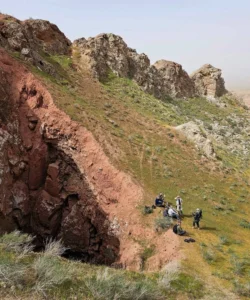
- Stone Rivers (Zlatnite Mostove): Vitosha is world-famous for its “stone rivers,” or moraines. The most impressive is Zlatnite Mostove (The Golden Bridges), a massive cascade of grass-covered boulders that flows down the mountainside.
- Boyana Waterfall: A beautiful waterfall located on the lower slopes, accessible via a popular hiking trail that starts near the Boyana Church.
- Mountain Huts (“Hizha”): The mountain is dotted with numerous chalets or huts (“hizha” in Bulgarian), which offer shelter, basic food, and drinks to hikers and skiers, serving as hubs for outdoor activities.
What Makes It Famous
Vitosha is famous for its immediate proximity to a capital city and its unique natural features.
- Sofia’s Green Lung: It is inextricably linked to the identity of Sofia, providing a massive, accessible natural escape for its residents.
- The First Balkan National Park: Vitosha was declared a national park in 1934, making it the very first in the Balkan Peninsula.
- Stone Rivers: The extensive and well-preserved moraines are a rare and visually stunning geological phenomenon.
- Year-Round Recreation: It is a major destination for hiking and picnicking in the summer and for skiing and snowboarding in the winter.
Differences from Other Wonders (vs. St. George Rotunda)
A sprawling, wild mountain park offers a completely different experience than an ancient, hidden urban church.
- Environment (Expansive Natural Park vs. Enclosed Archaeological Site): Vitosha is a vast, open, and wild natural landscape defined by forests, peaks, and meadows. The St. George Rotunda is a small, enclosed man-made structure within a dense urban and archaeological setting.
- Scale (Mountainous and Vast vs. Intimate and Human): Vitosha’s scale is immense and awe-inspiring, measured in square kilometers and vertical meters. The Rotunda is tiny and human-scaled, encouraging close inspection of its details.
- Core Story (Natural Heritage vs. Ancient Continuity): The story of Vitosha is about natural geology, biodiversity, and the relationship between a city and its wilderness. The story of the Rotunda is one of human history, faith, and survival through successive empires.
- Atmosphere (Wild and Recreational vs. Ancient and Contemplative): The atmosphere on Vitosha is one of freedom, recreation, and immersion in nature. The atmosphere in the Rotunda is one of quiet contemplation, history, and reverence within an ancient, sacred space.
Location on world map