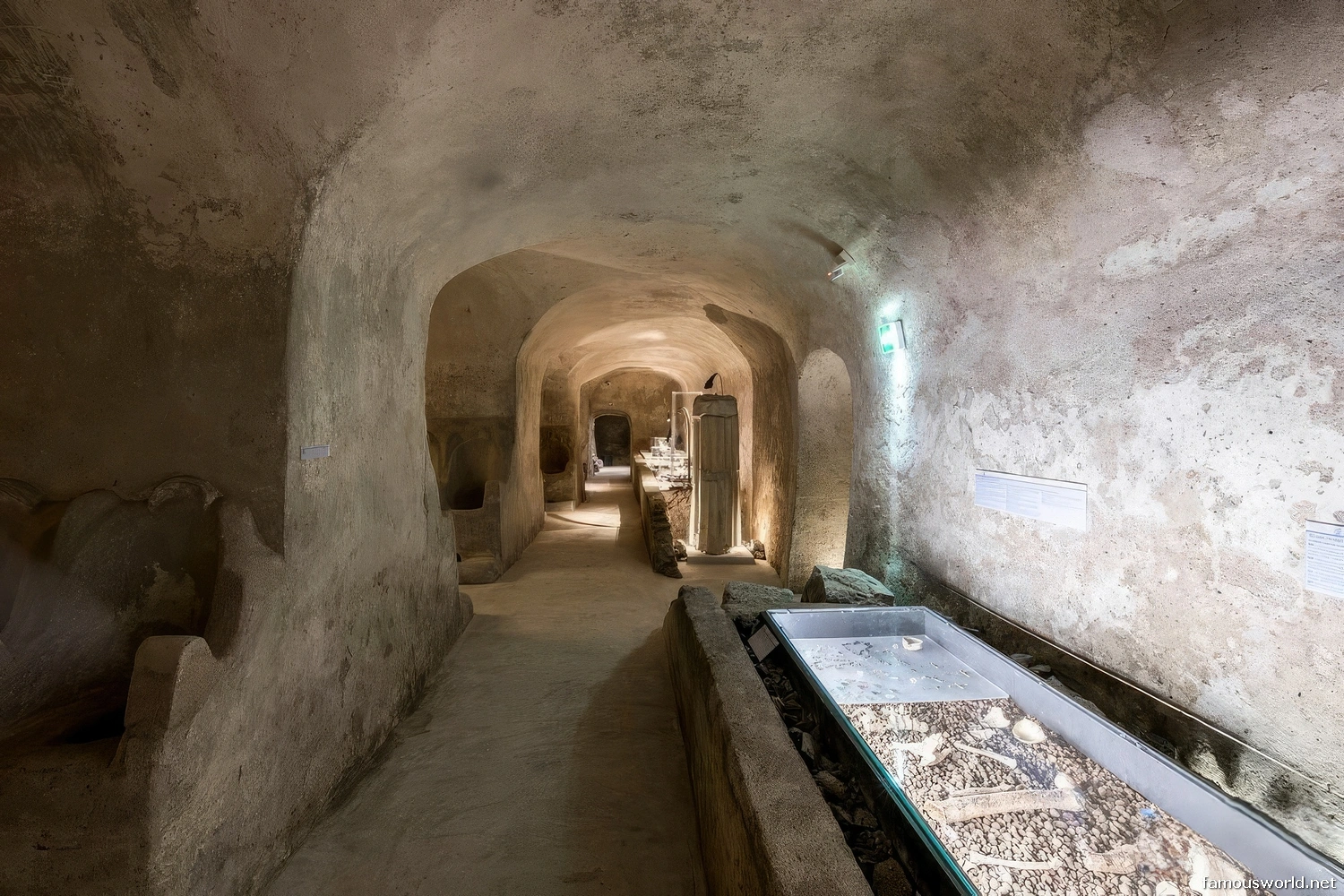
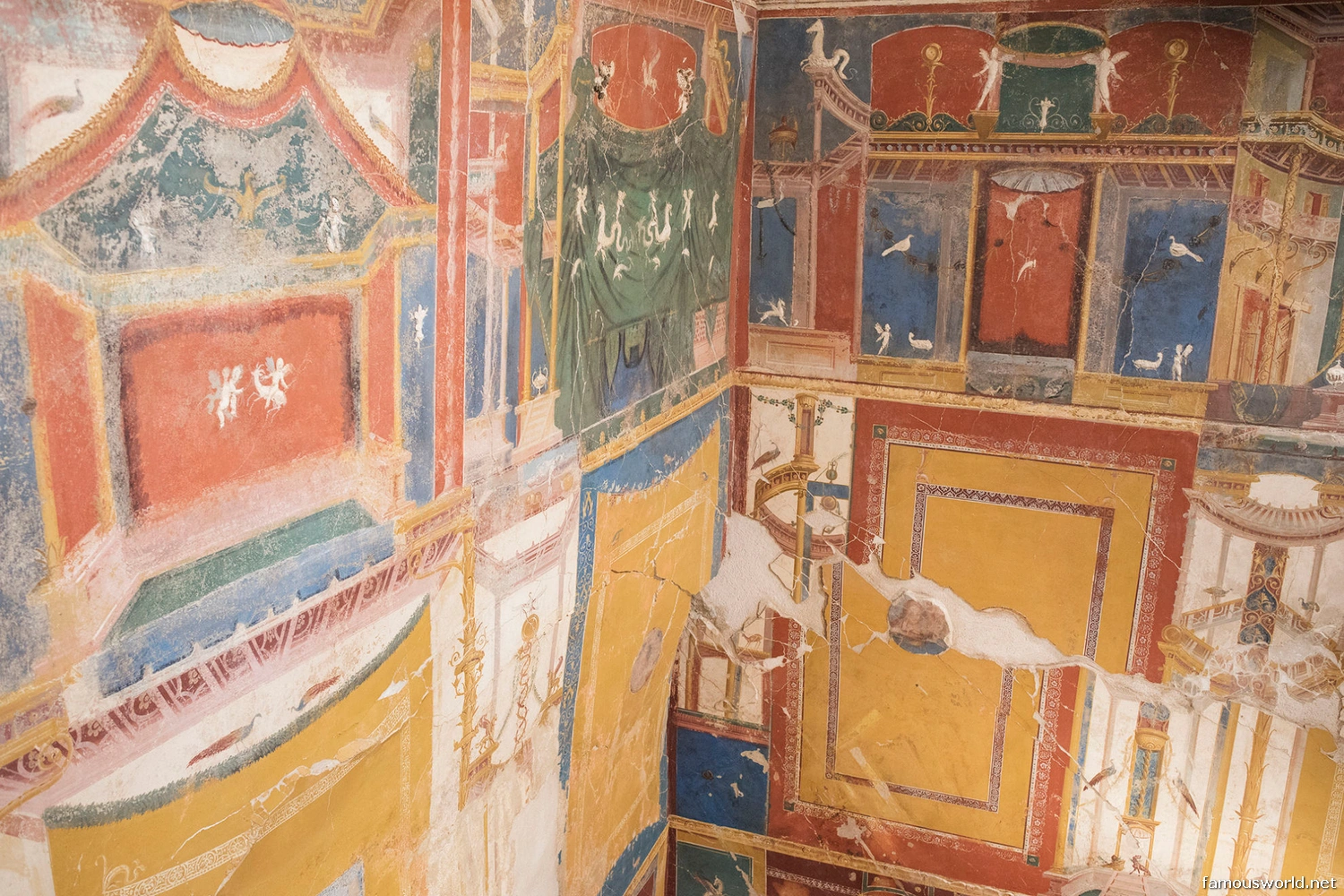

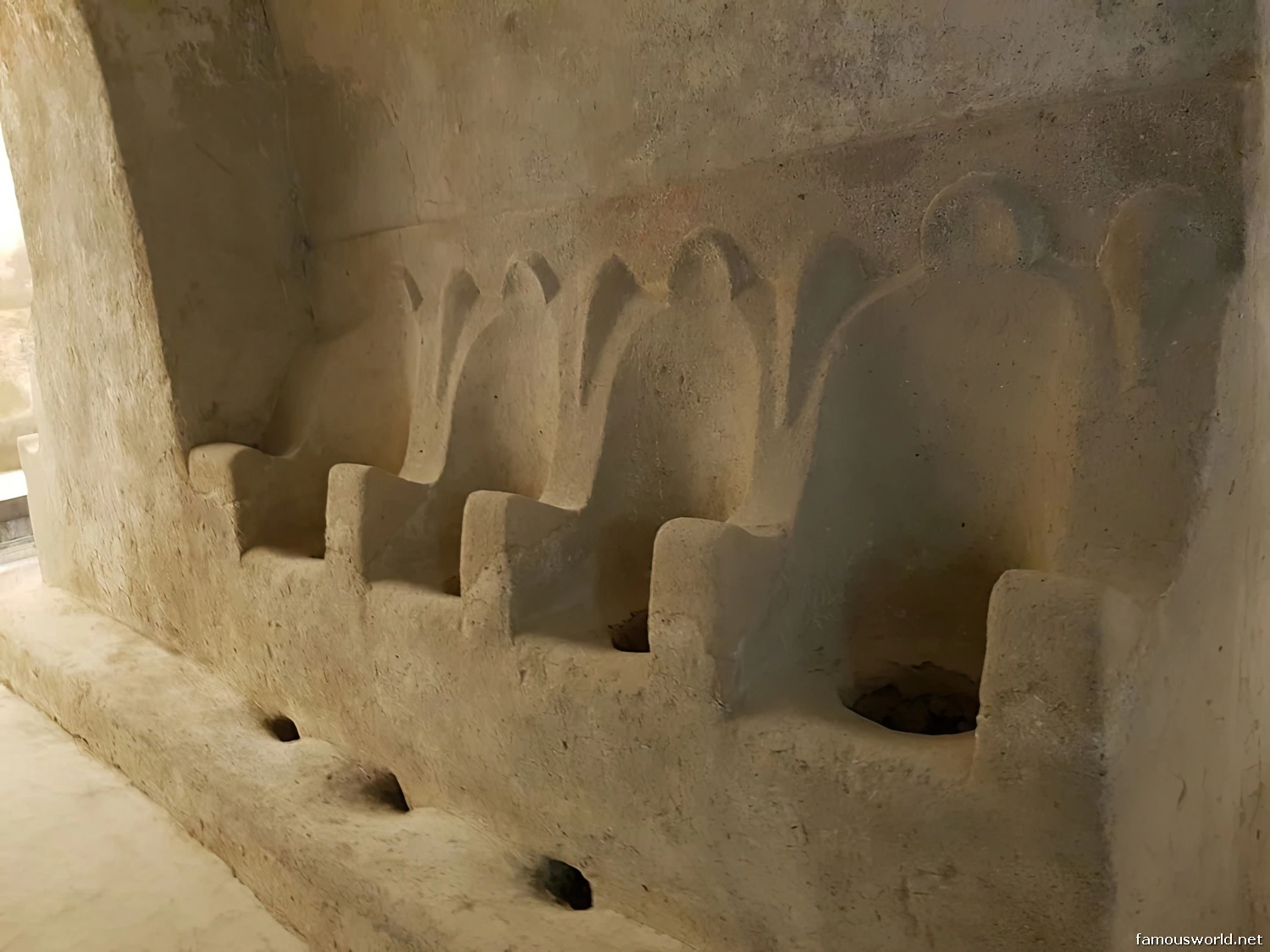
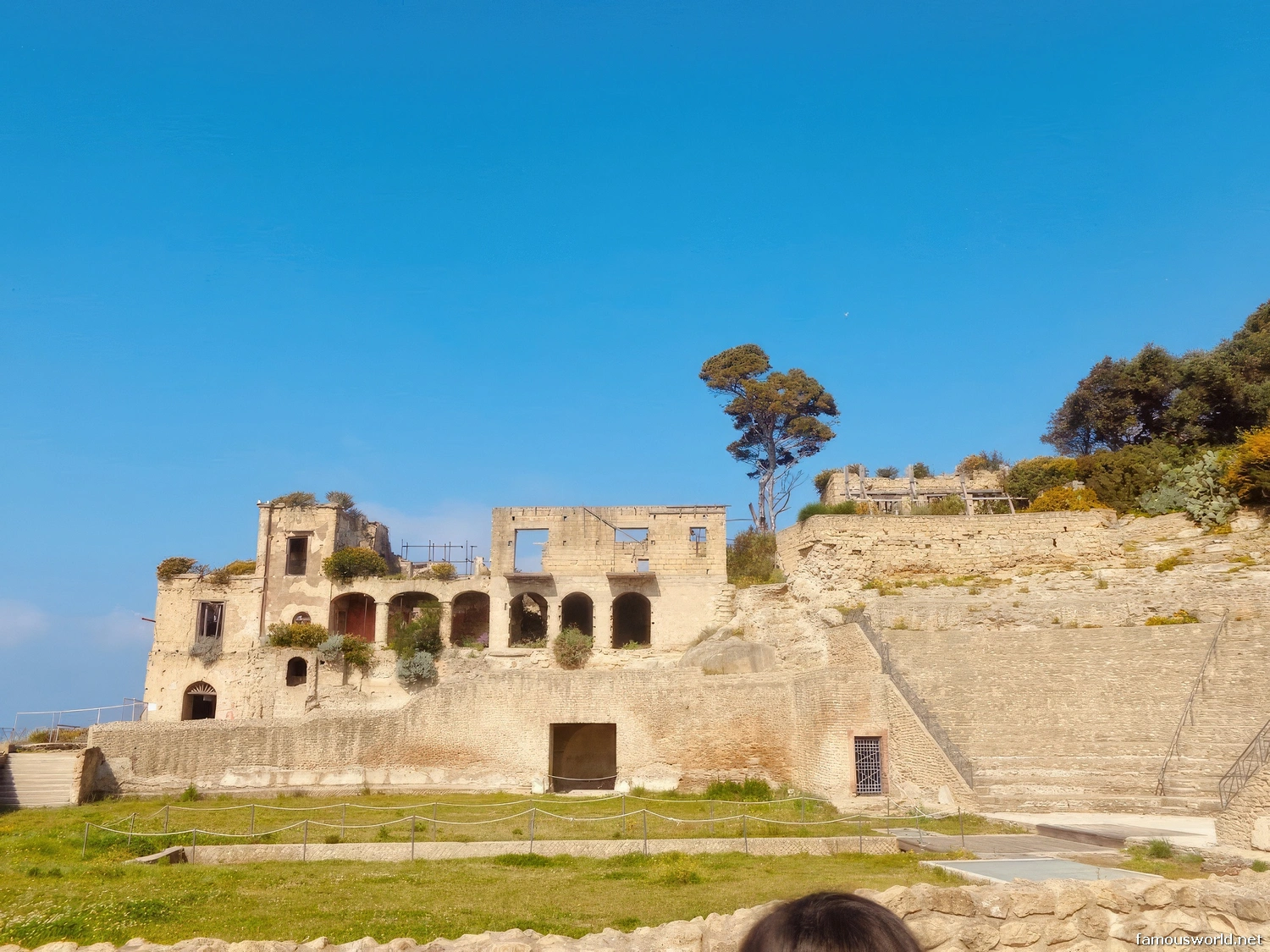
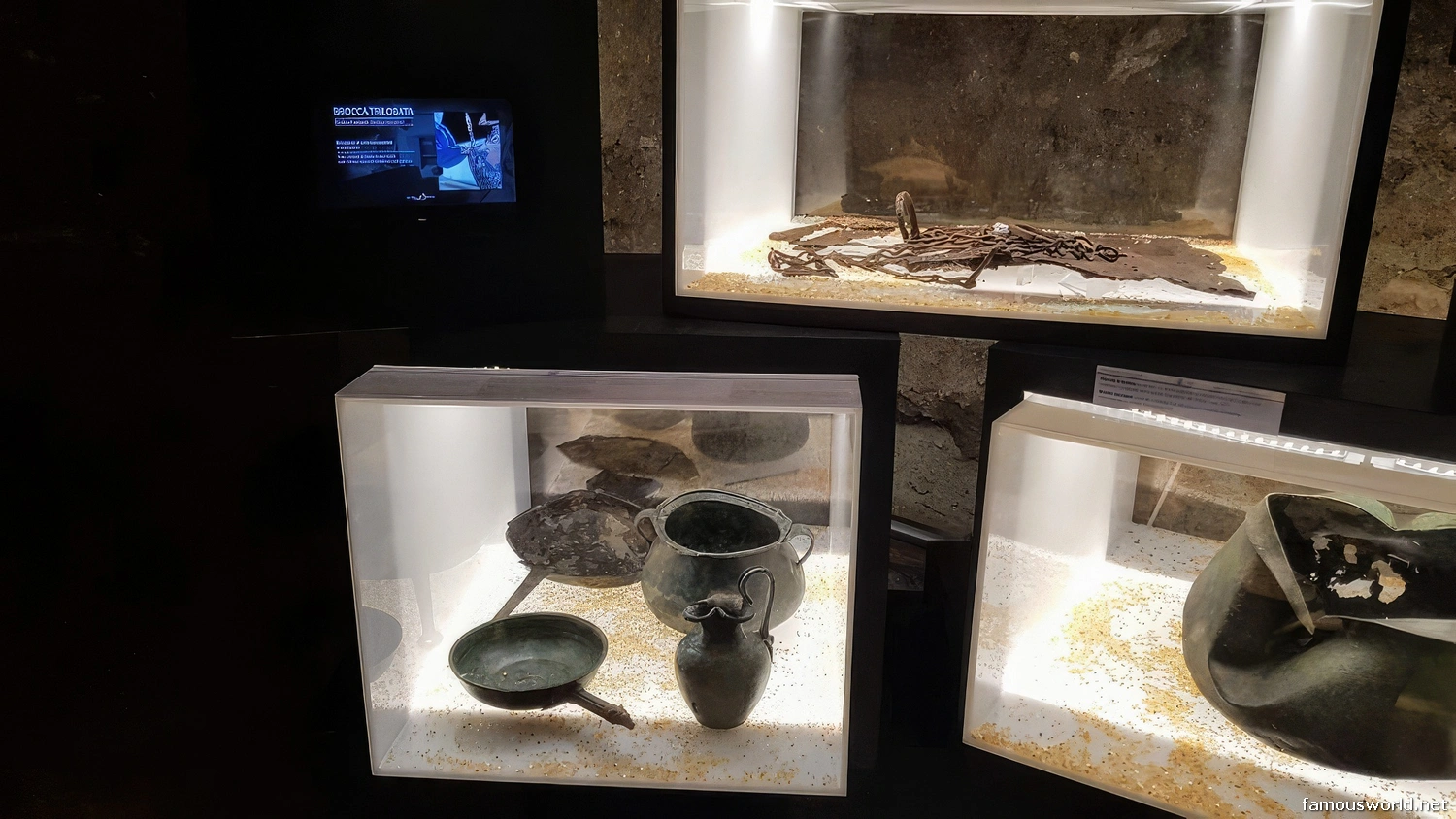
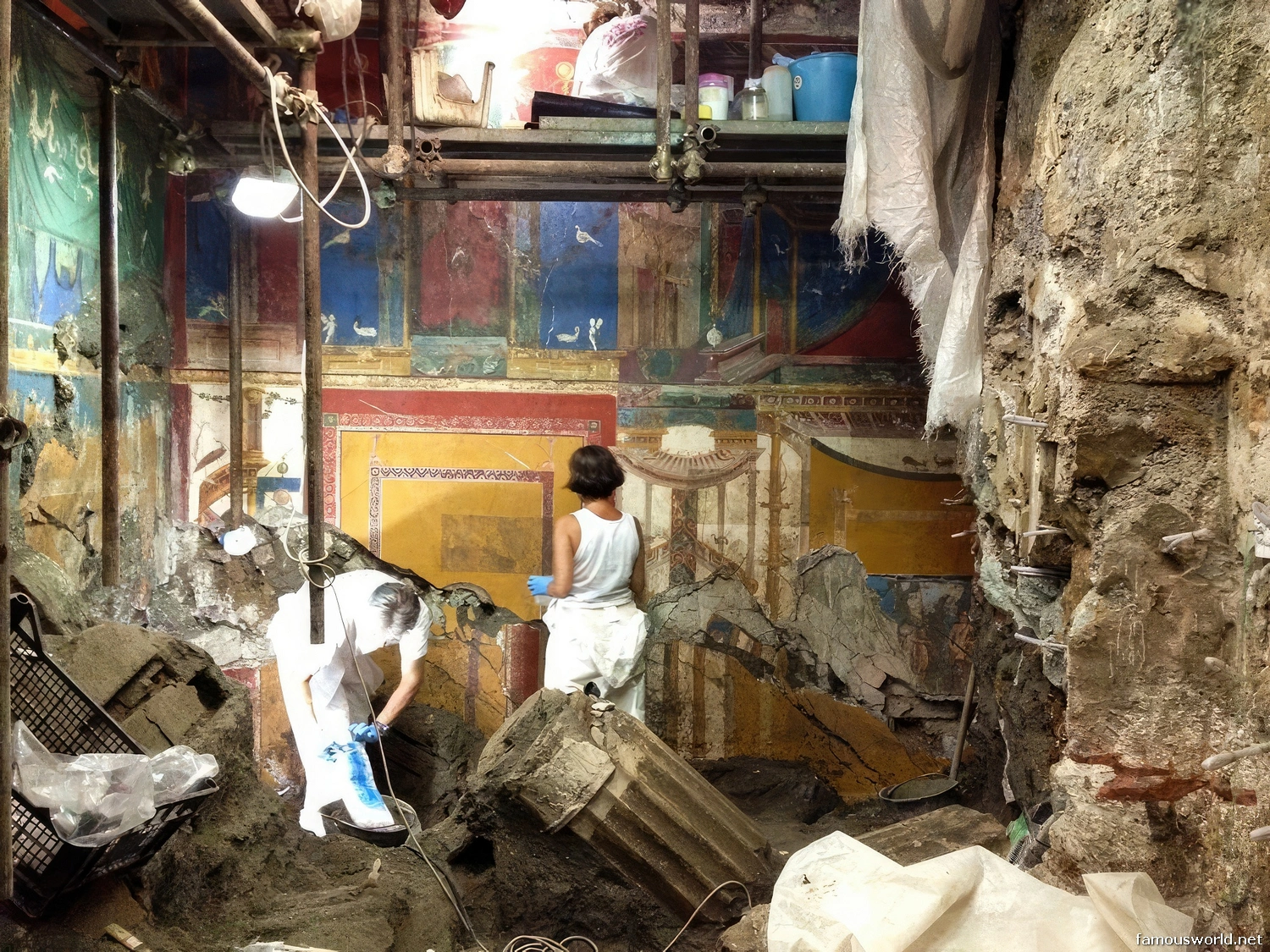
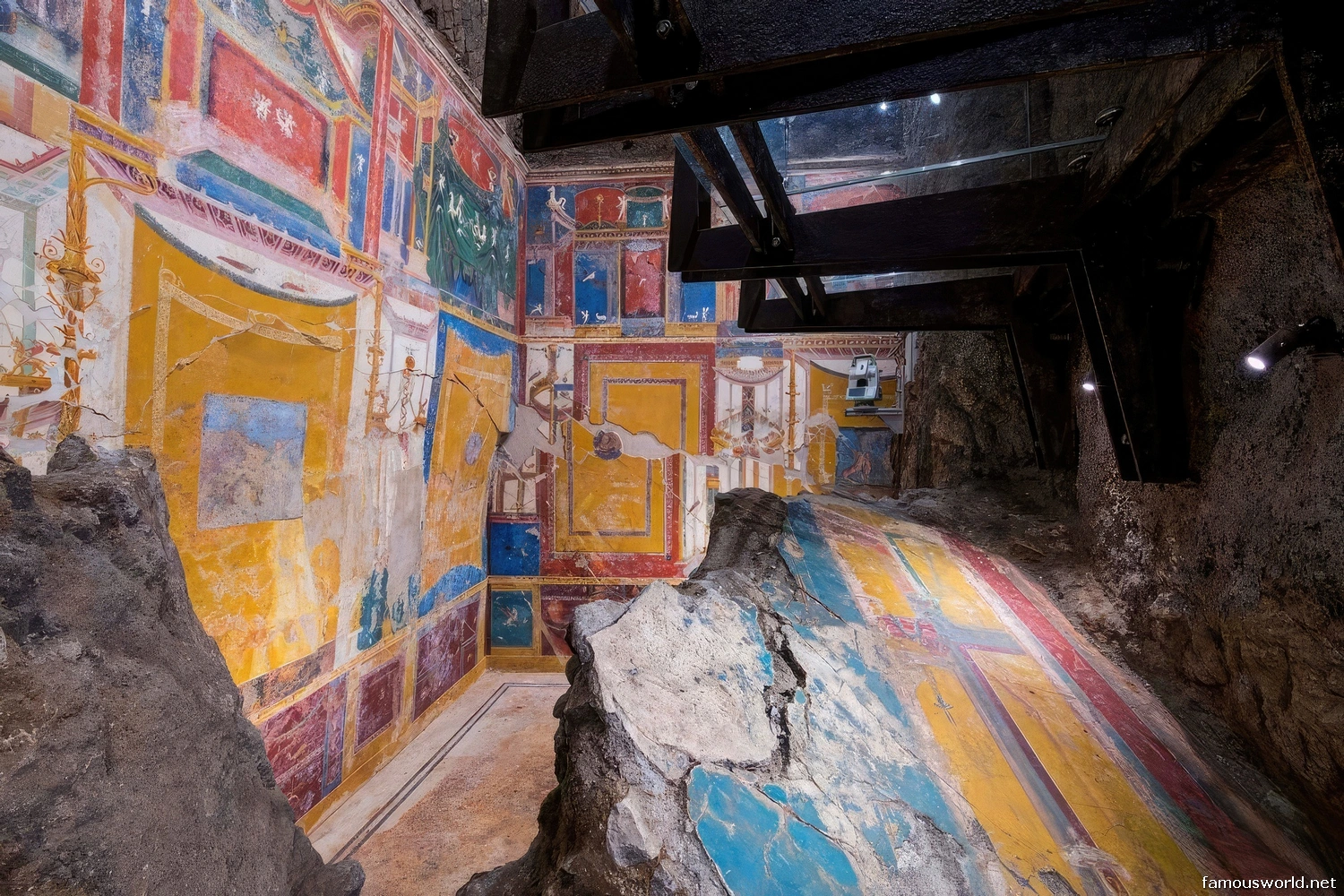
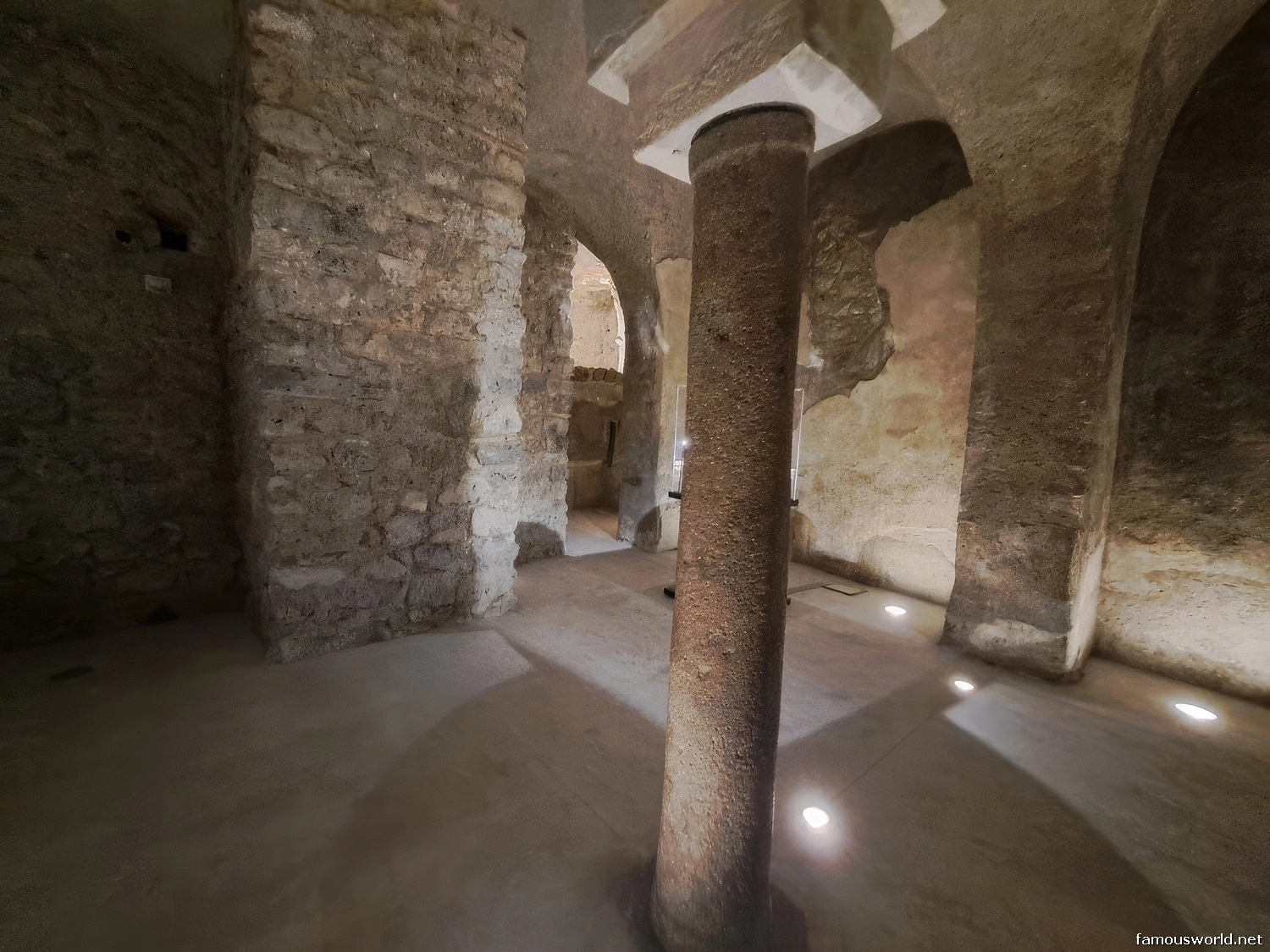


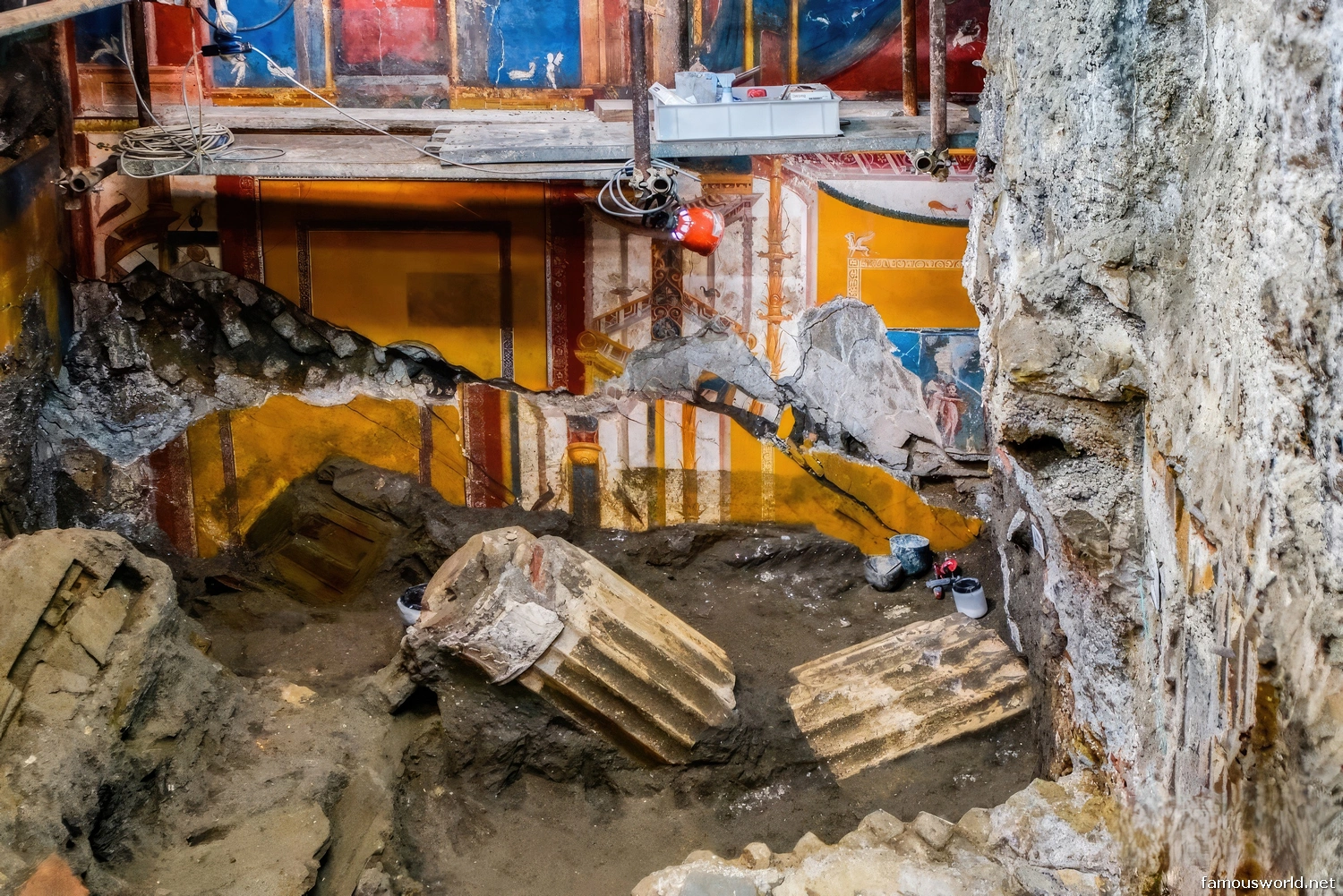
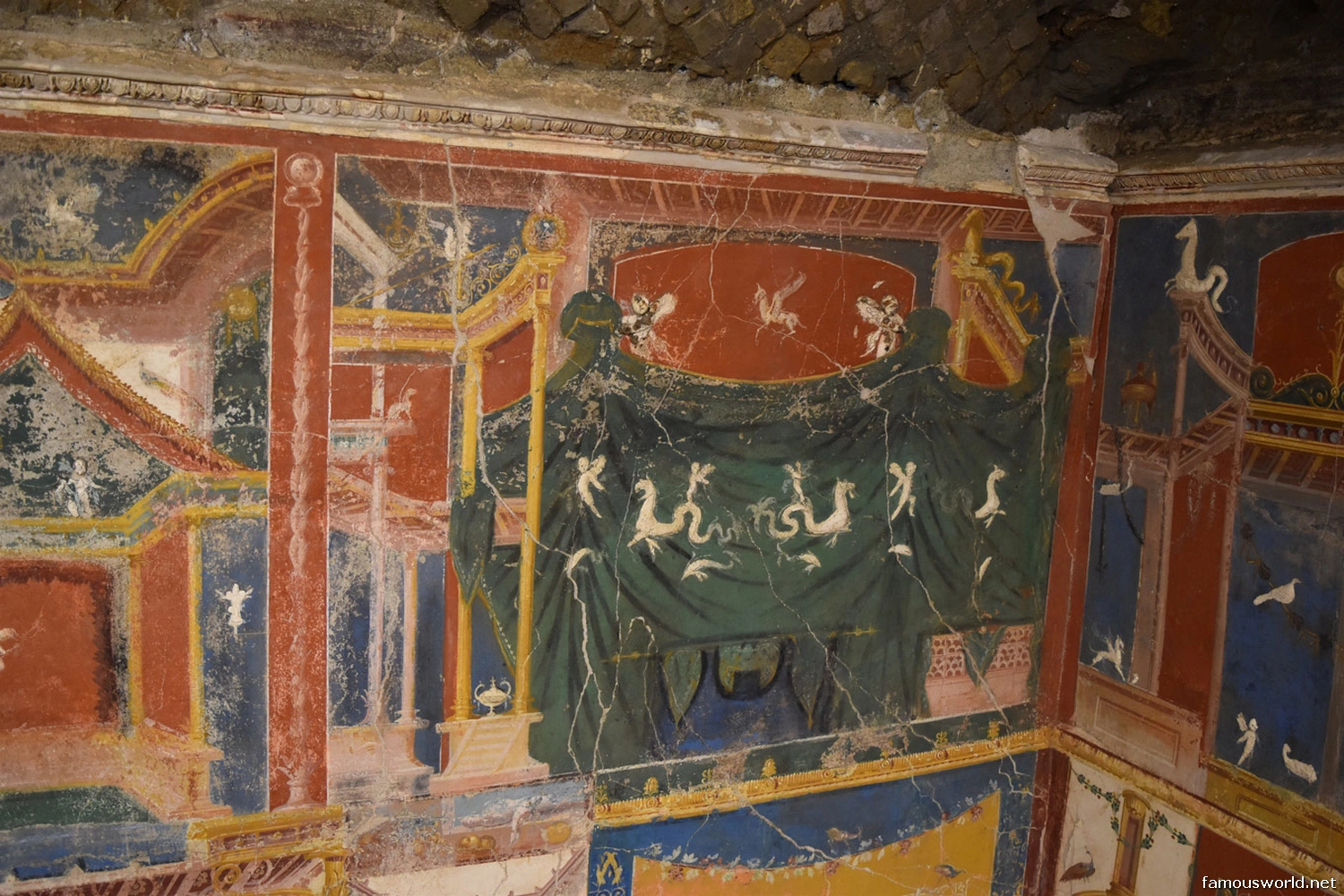
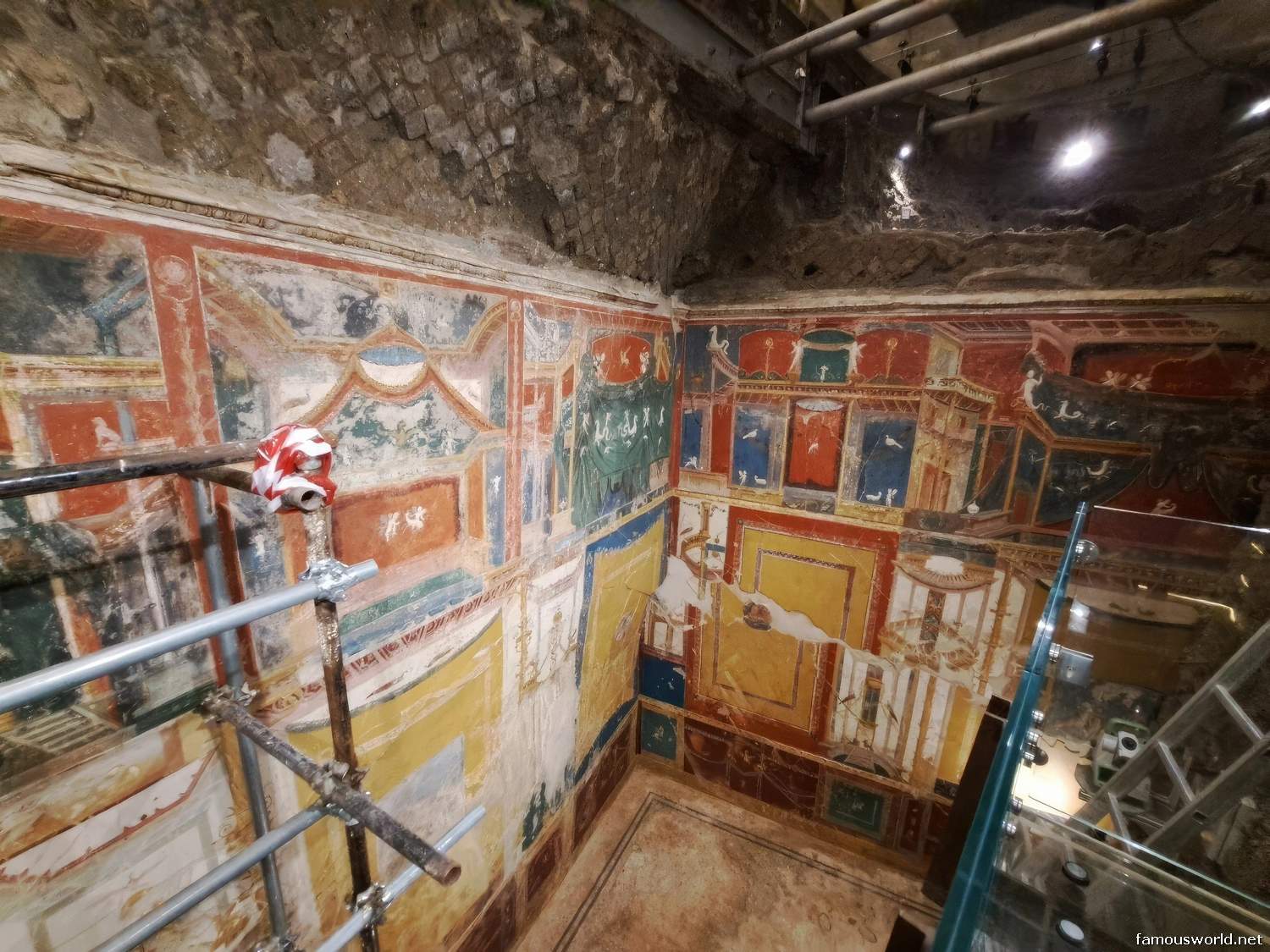
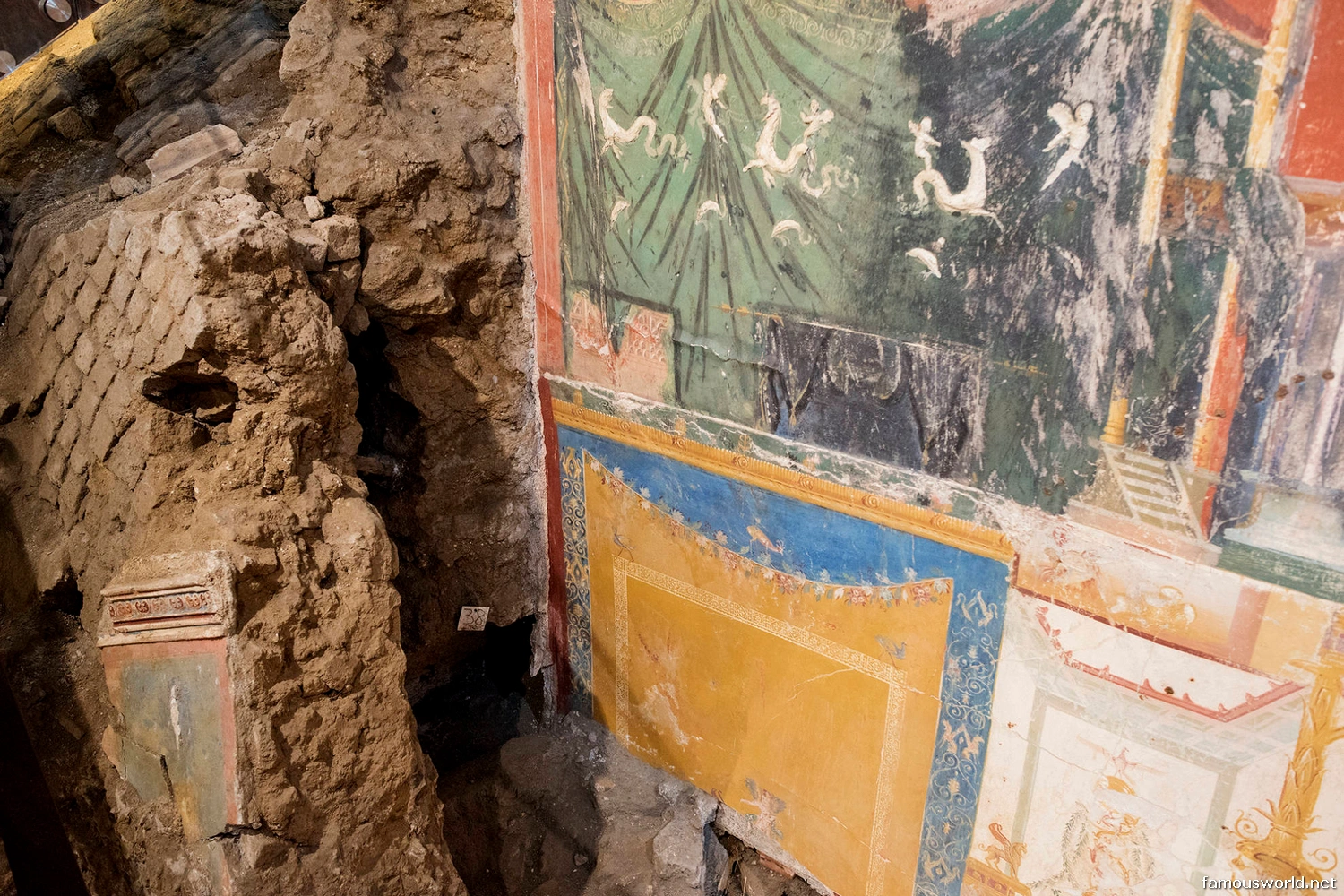
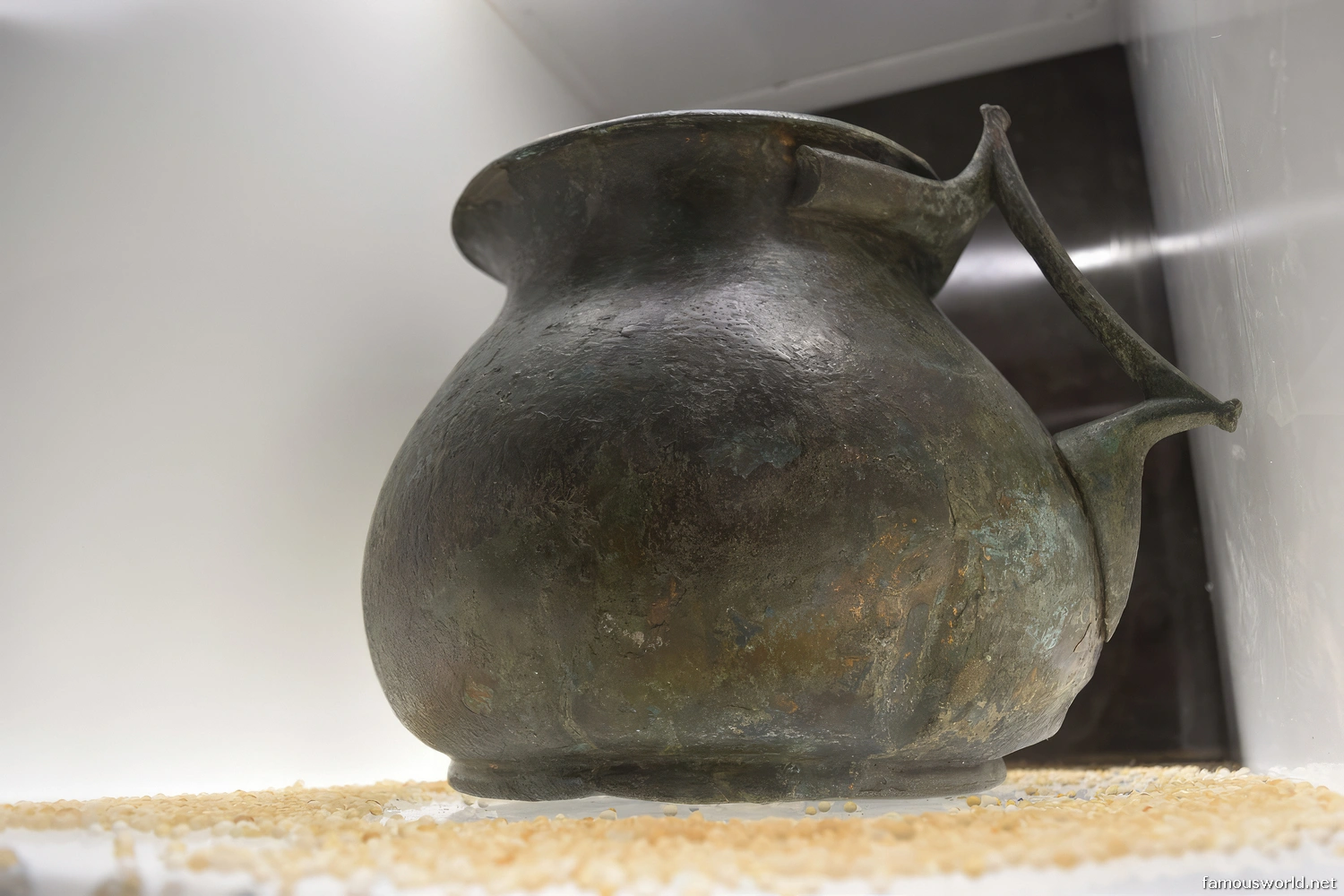


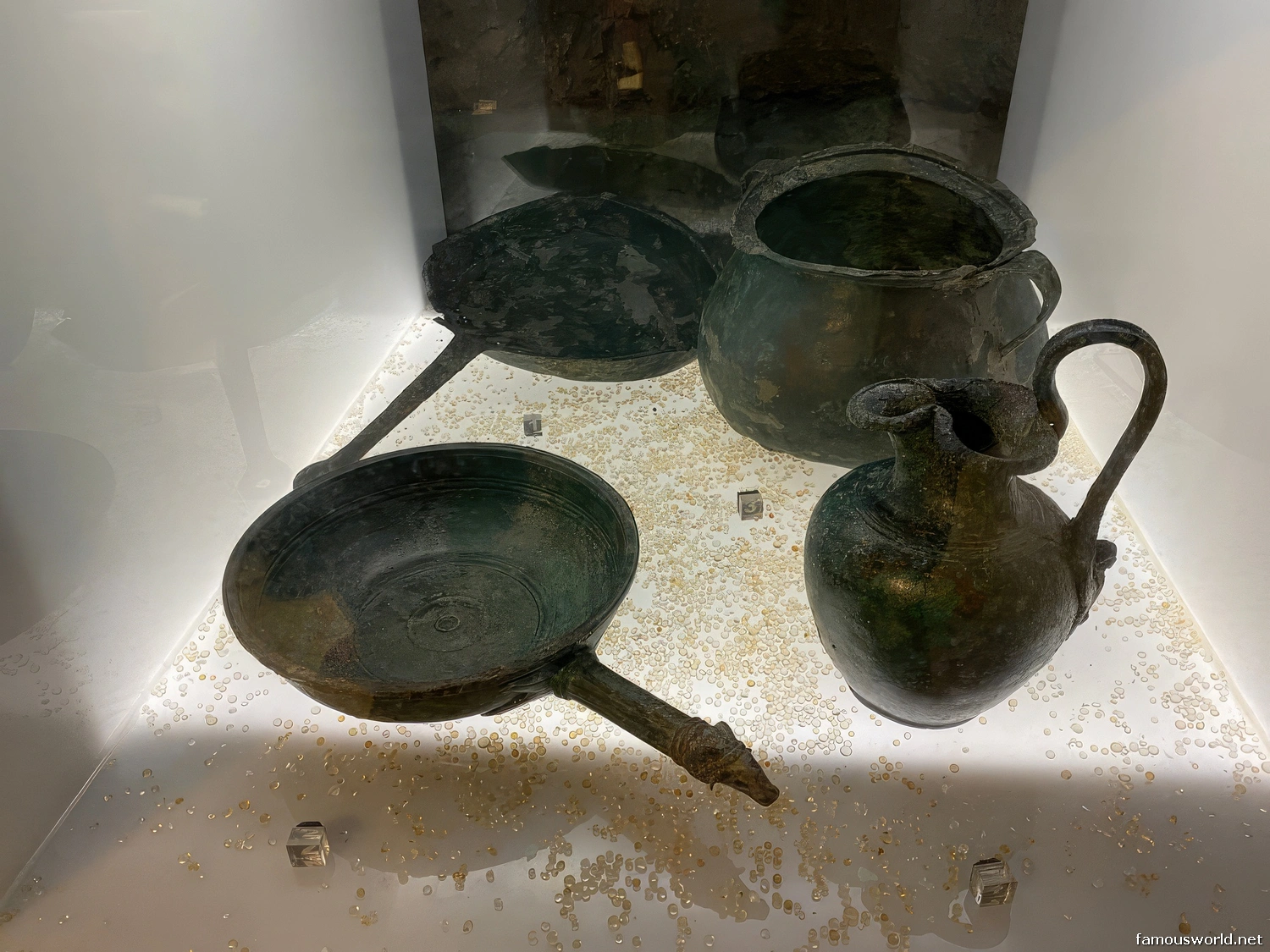

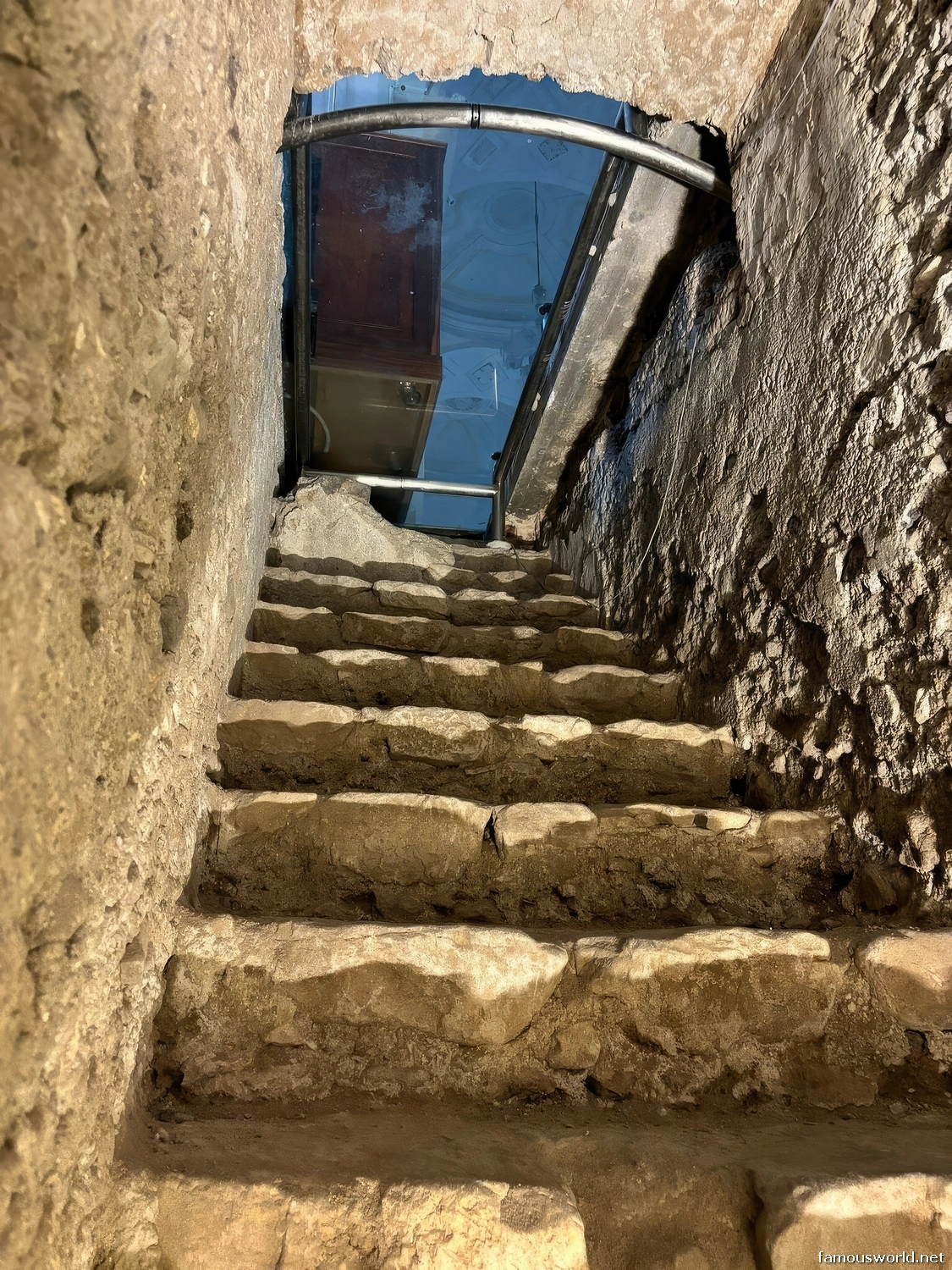

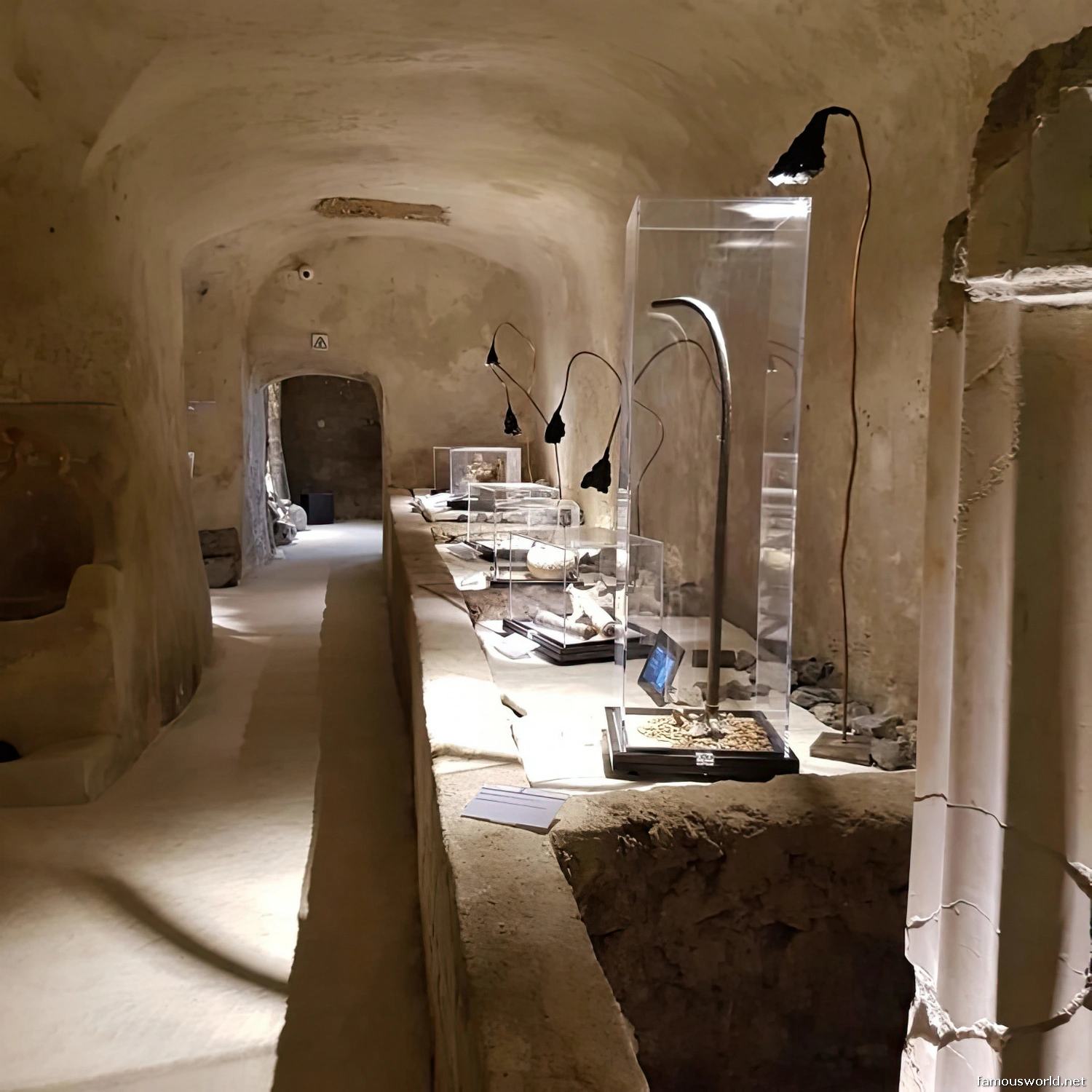

Beneath the bustling central piazza of Positano, hidden for centuries under the Church of Santa Maria Assunta, lies a preserved fragment of Roman luxury frozen in time. The Roman Archaeological Museum (MAR) is not a traditional museum but an active archaeological site, revealing the stunning remains of a wealthy Roman villa buried by the same eruption of Vesuvius in 79 AD that destroyed Pompeii. The experience is an intimate journey underground, where visitors walk on suspended walkways just above the original mosaic floors and come face-to-face with breathtakingly vibrant frescoes. It is a quiet, powerful reminder of the opulent Roman life that once flourished on the Amalfi Coast before being suddenly and dramatically erased.
Listen to an introduction about Roman Archeological Museum (Positano MAR)

Name and Location
- Name: Museo Archeologico Romano (MAR), Positano.
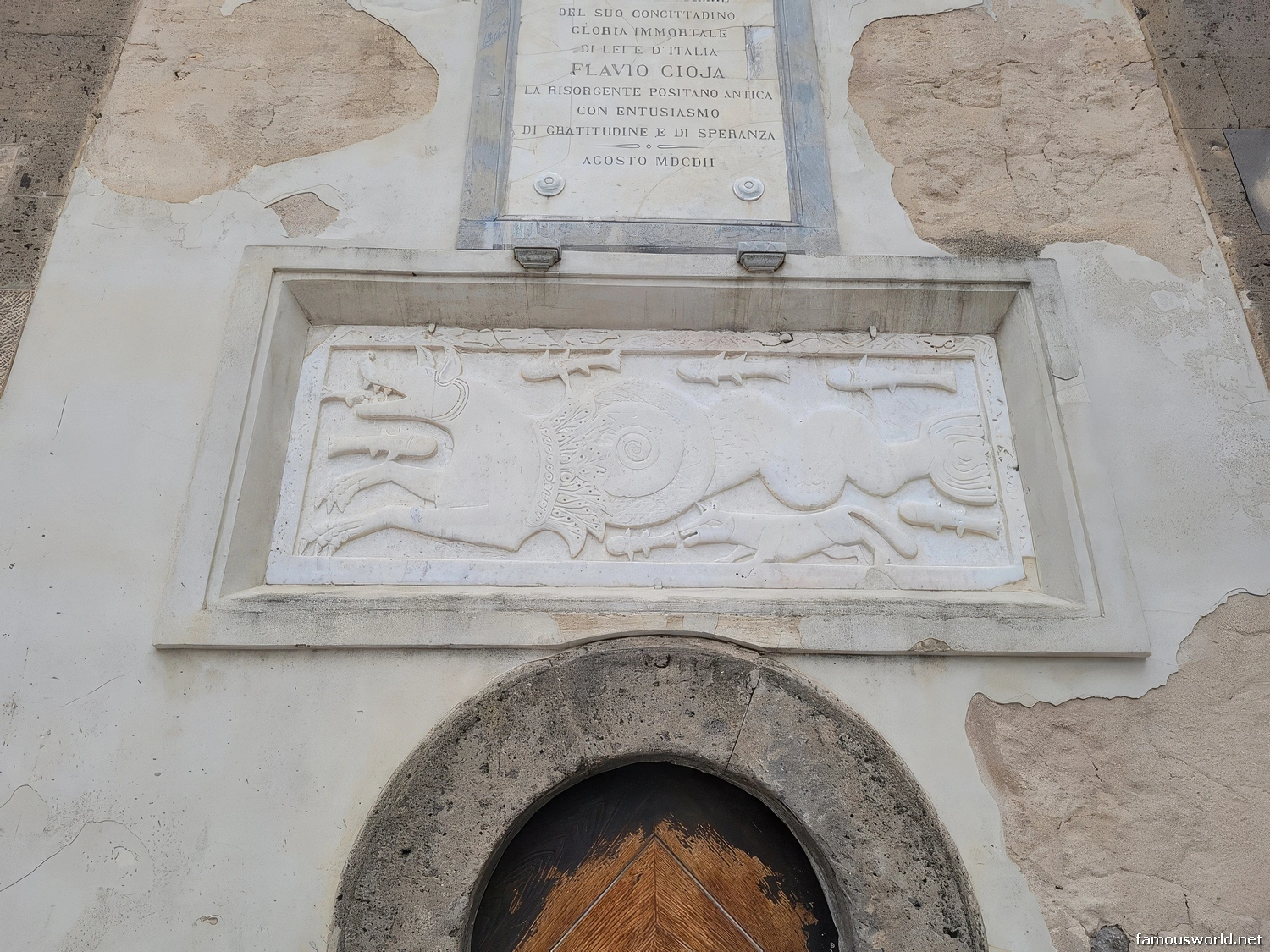
- Location: In the crypt beneath the Church of Santa Maria Assunta, in the main piazza (Piazza Flavio Gioia) at the heart of Positano, Amalfi Coast, Italy.
How to Get There
The museum is located in the pedestrian-only center of Positano, a short walk from the main beach (Spiaggia Grande).
- By Bus: The SITA bus network connects Positano to Sorrento and Amalfi. From the main road stop, it is a steep but scenic walk down through the town’s narrow lanes to the piazza.
- By Ferry: In the high season, regular ferries connect Positano with Naples, Sorrento, Amalfi, and Salerno. This is often the most pleasant way to arrive, docking just a few steps from the museum’s location.
- By Car: Driving to and parking in Positano is extremely challenging and expensive. It is best to park in a designated lot at the edge of the town and walk down.
Landscape and Architecture
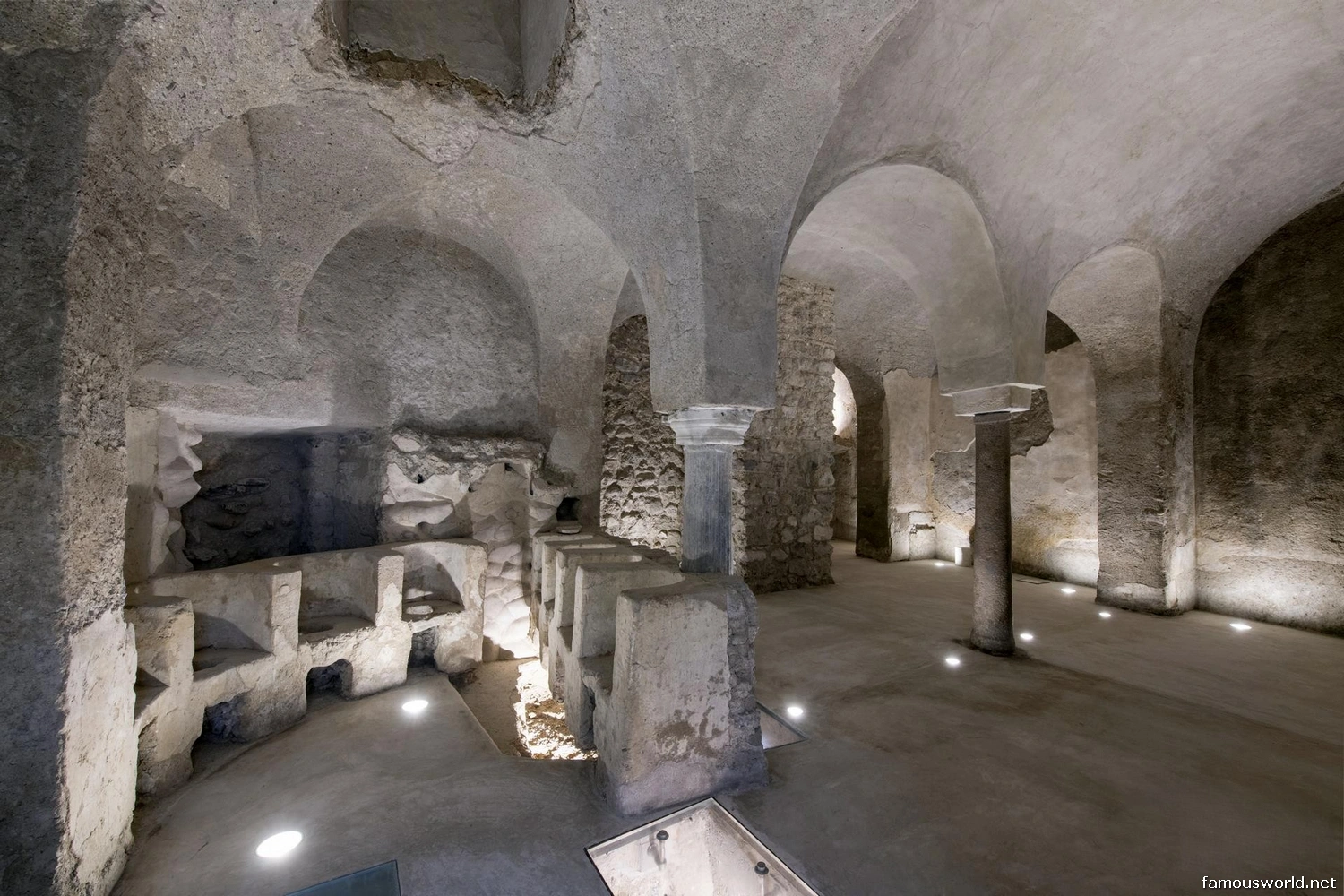
The museum is an extraordinary example of historical layering, with a modern exhibition space built within a medieval crypt to showcase ancient Roman ruins.
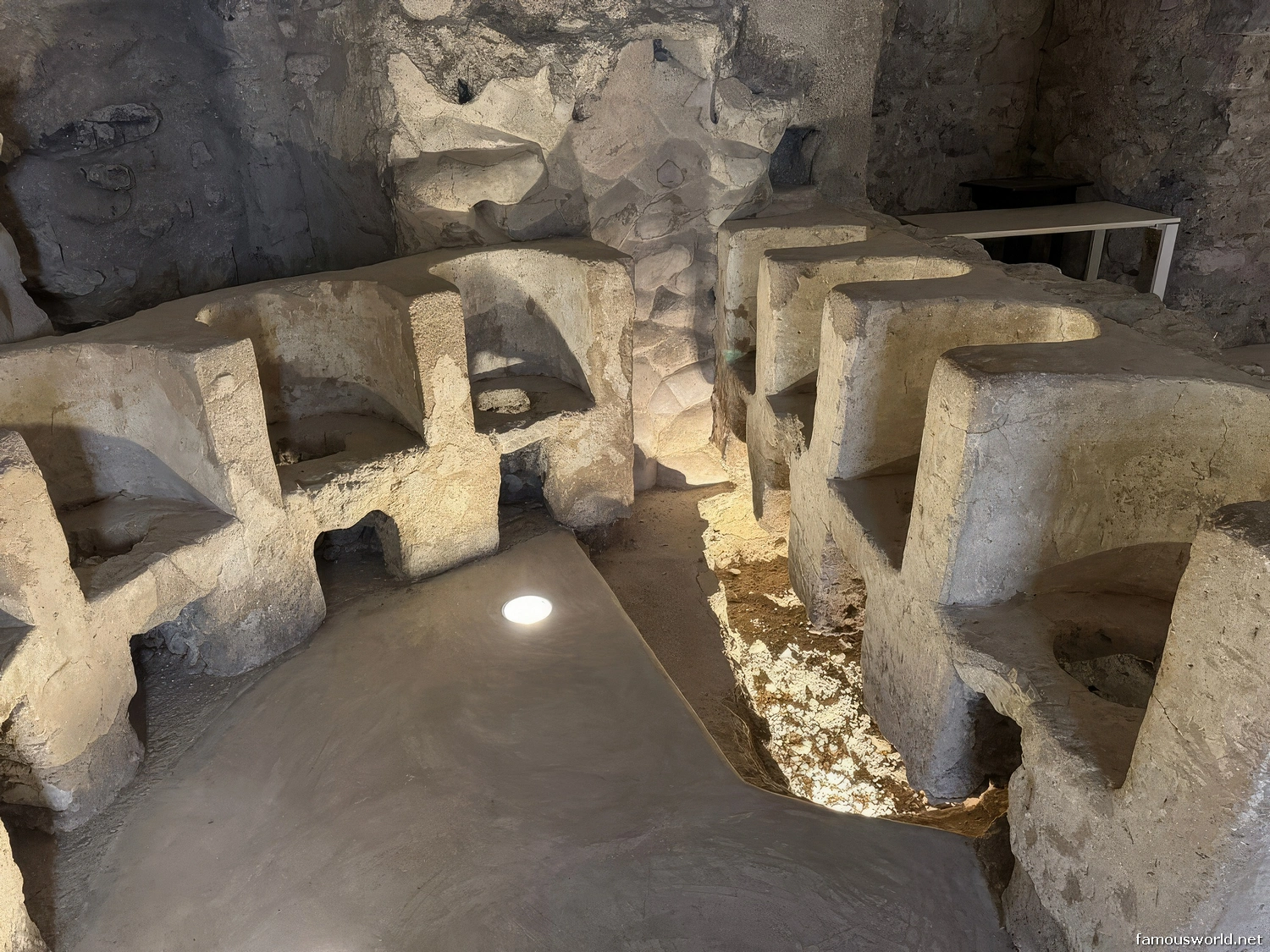
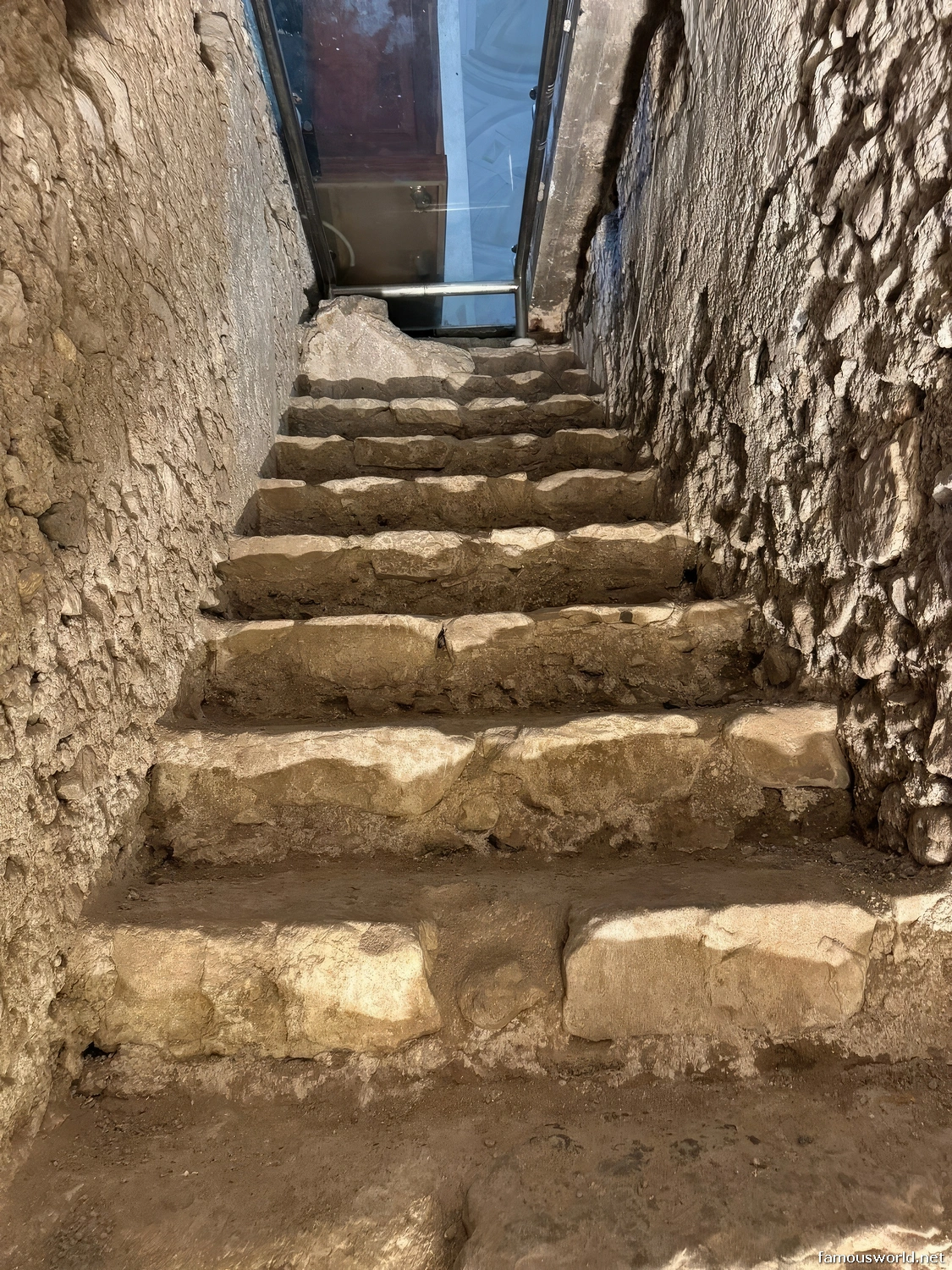
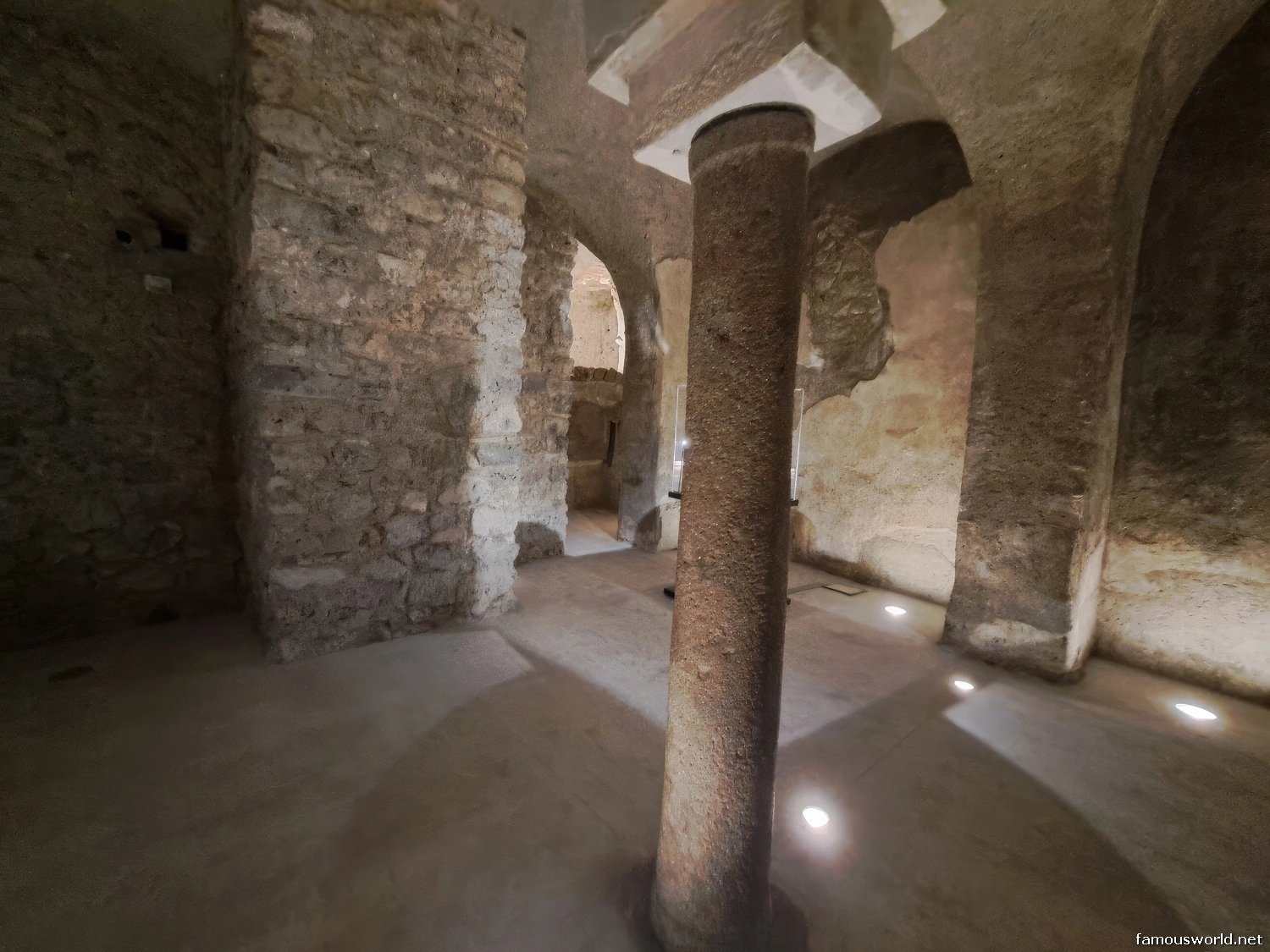
- Subterranean Site: The entire museum is underground, located in the excavated space beneath the church. The entrance is unassuming, leading visitors down into the crypt.
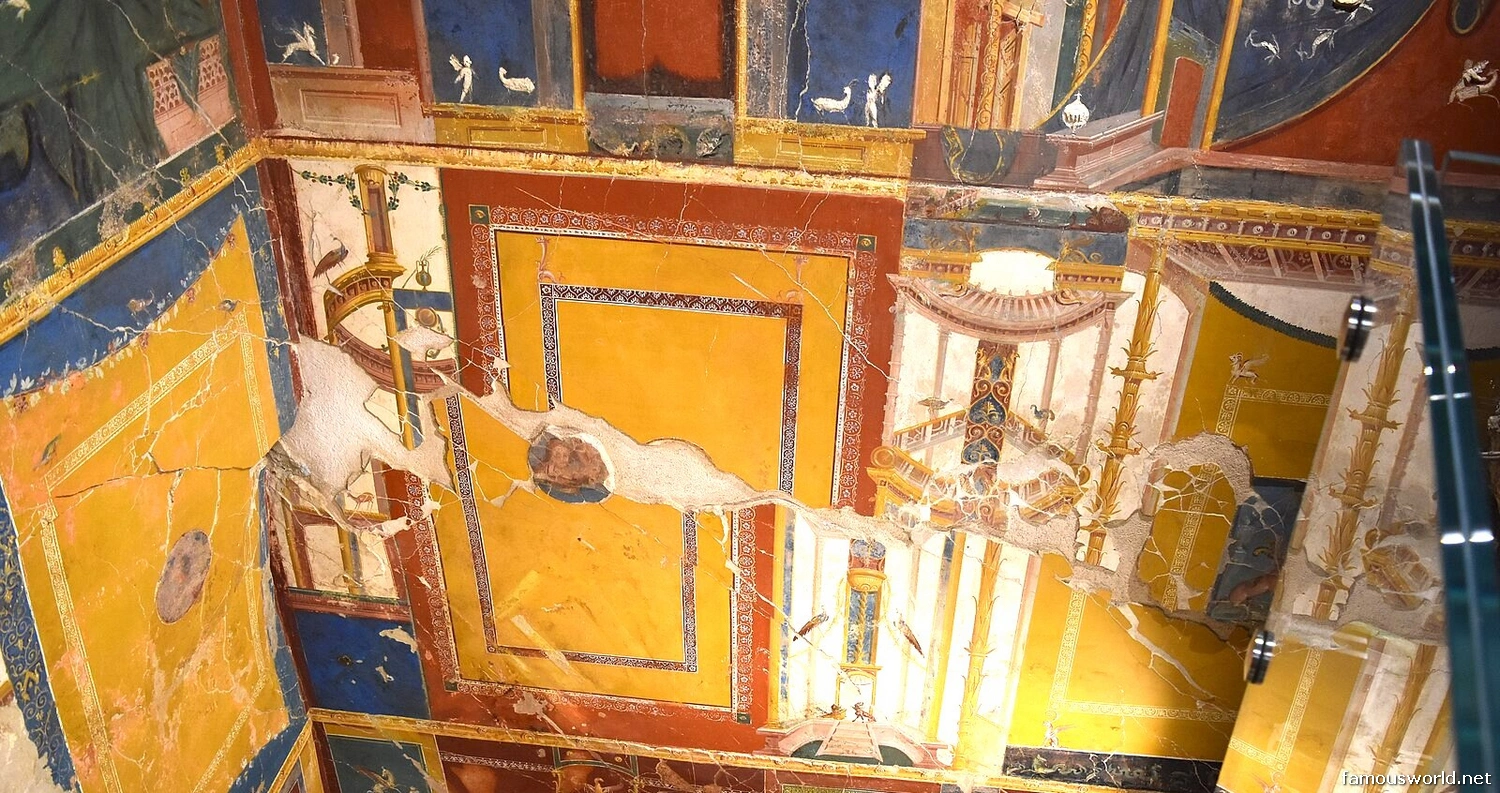
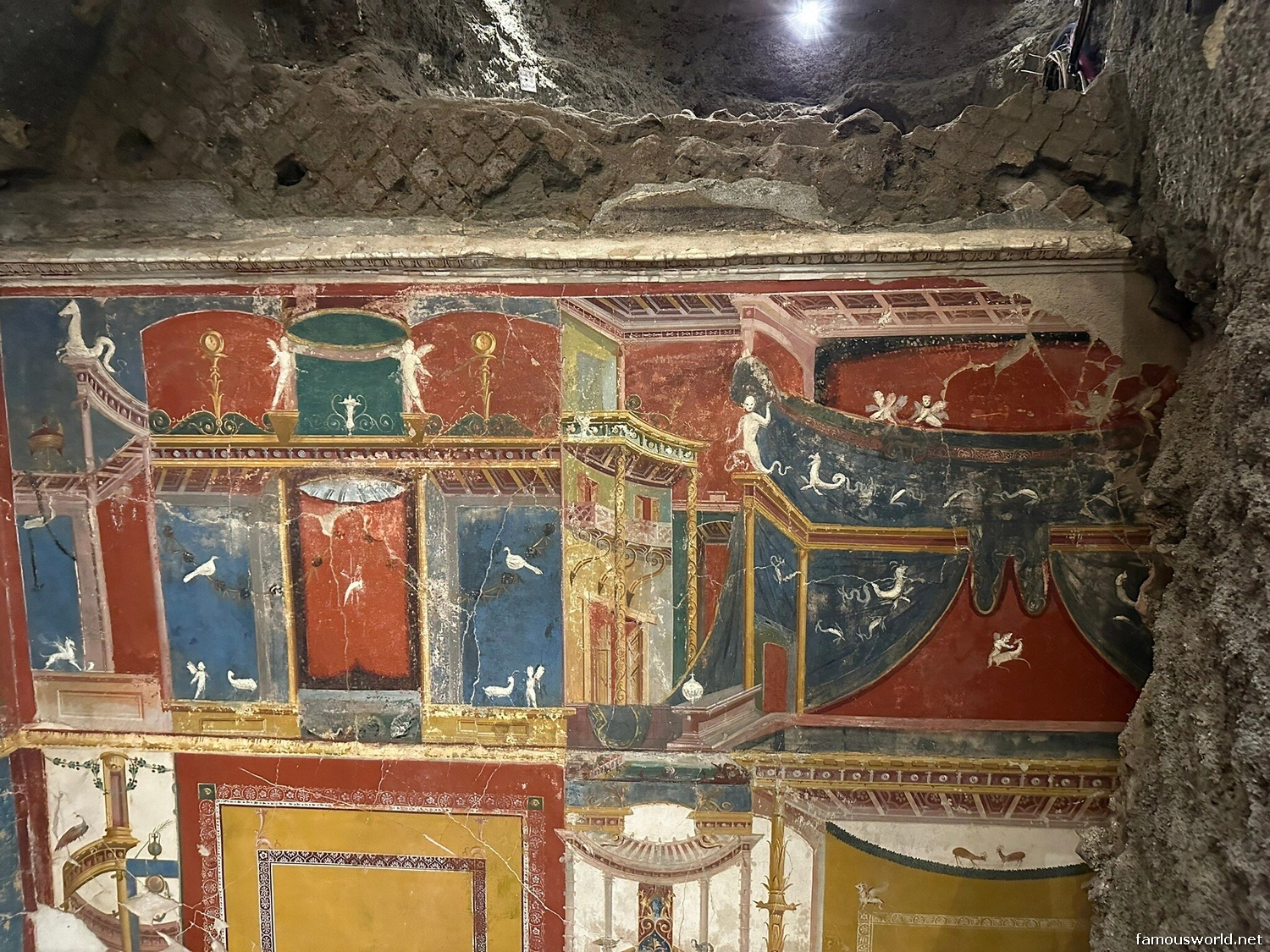
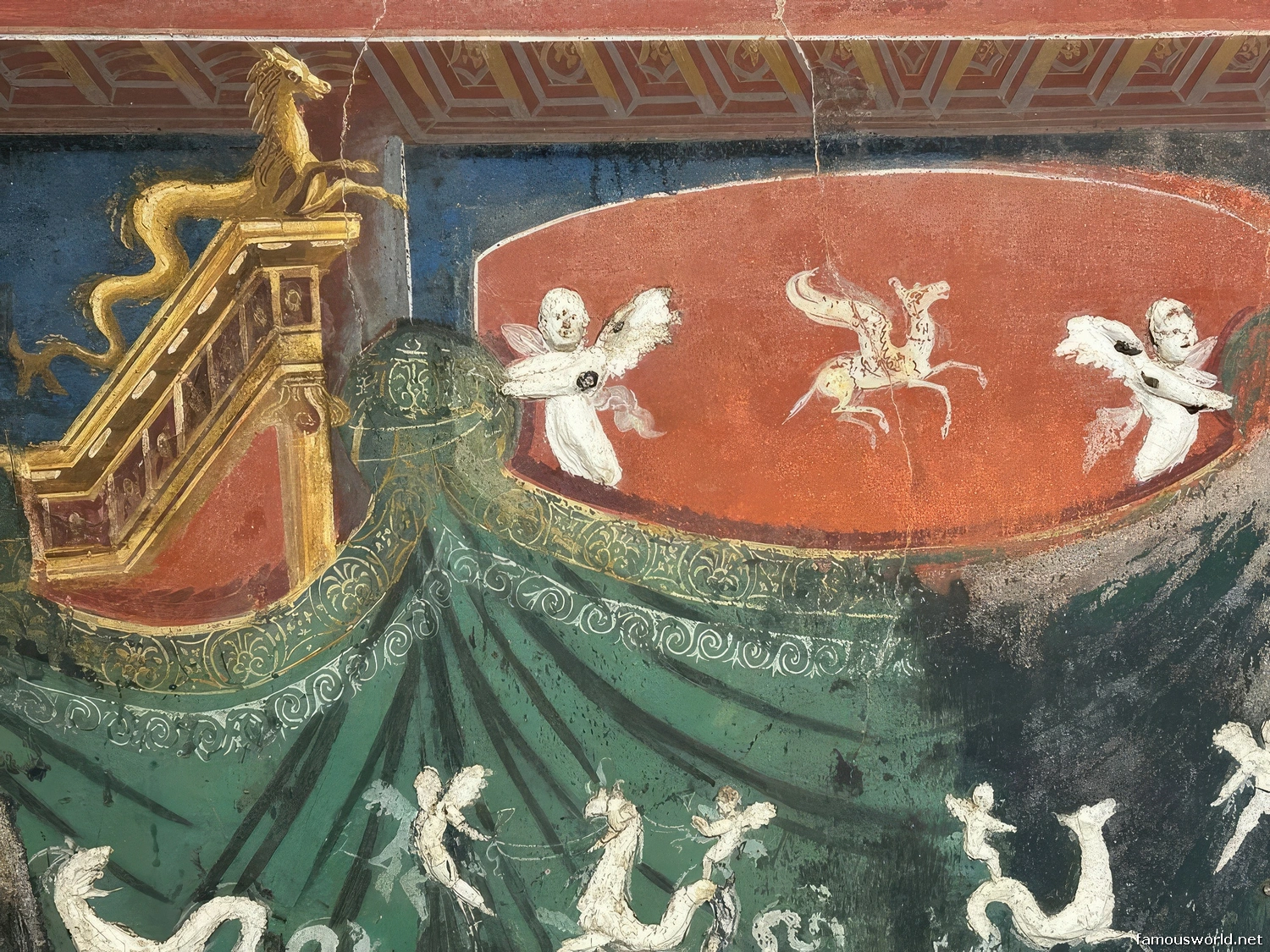
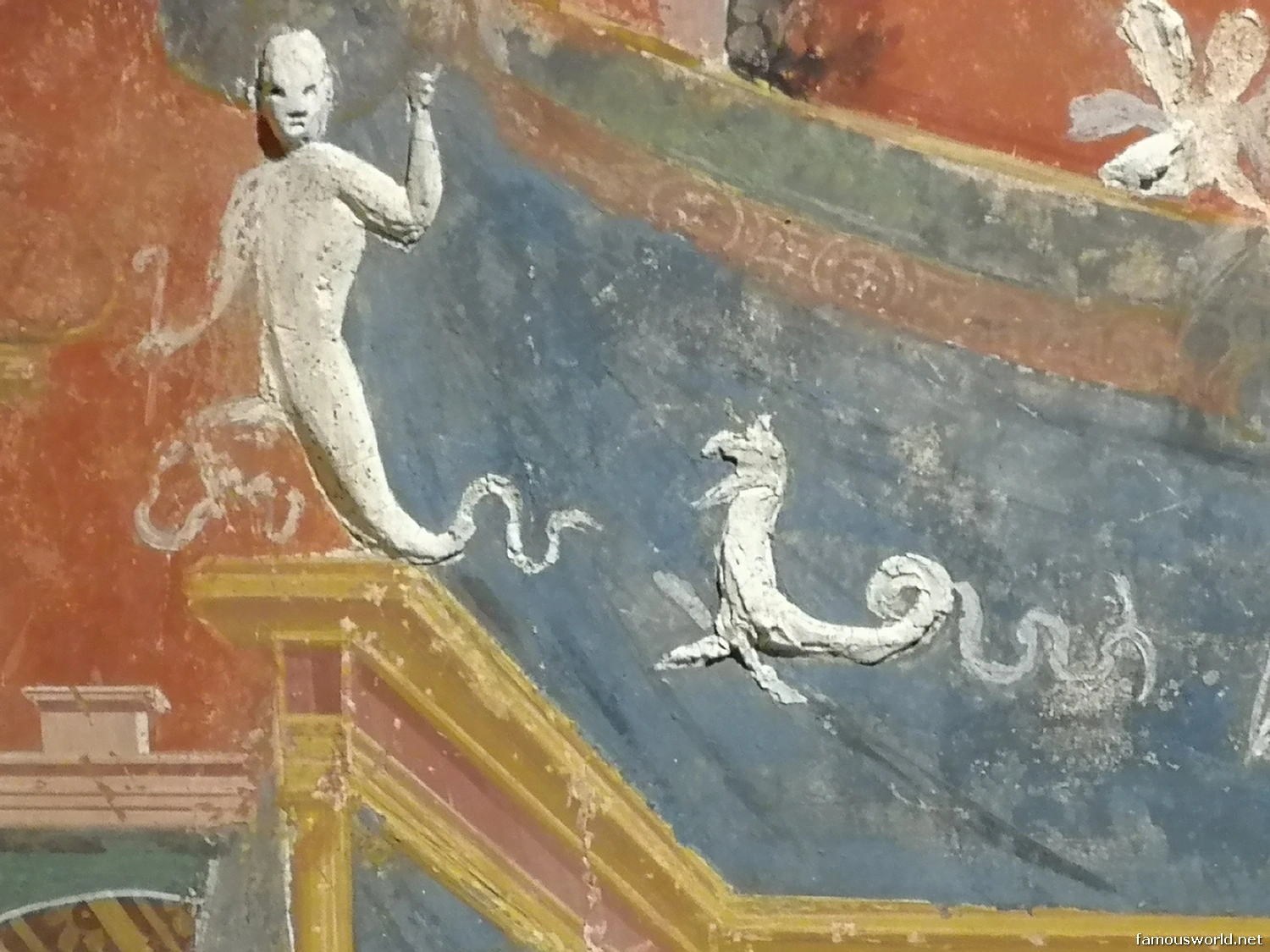
- The Roman Villa: The highlight is the remains of a luxurious seaside villa (villa d’otium). The main room is a triclinium (dining room) with some of the most vivid and well-preserved Roman frescoes found outside of Pompeii or Herculaneum.
- Modern Walkways: Visitors view the ruins from elevated, transparent walkways that allow for an unobscured view of the frescoes and mosaic fragments below without disturbing the site.
- Medieval Crypts: The tour also passes through the medieval crypts of the church, revealing layers of history built one on top of the other over centuries.
What Makes It Famous
The MAR is famous for its recent discovery and the exceptional quality of its Roman frescoes.
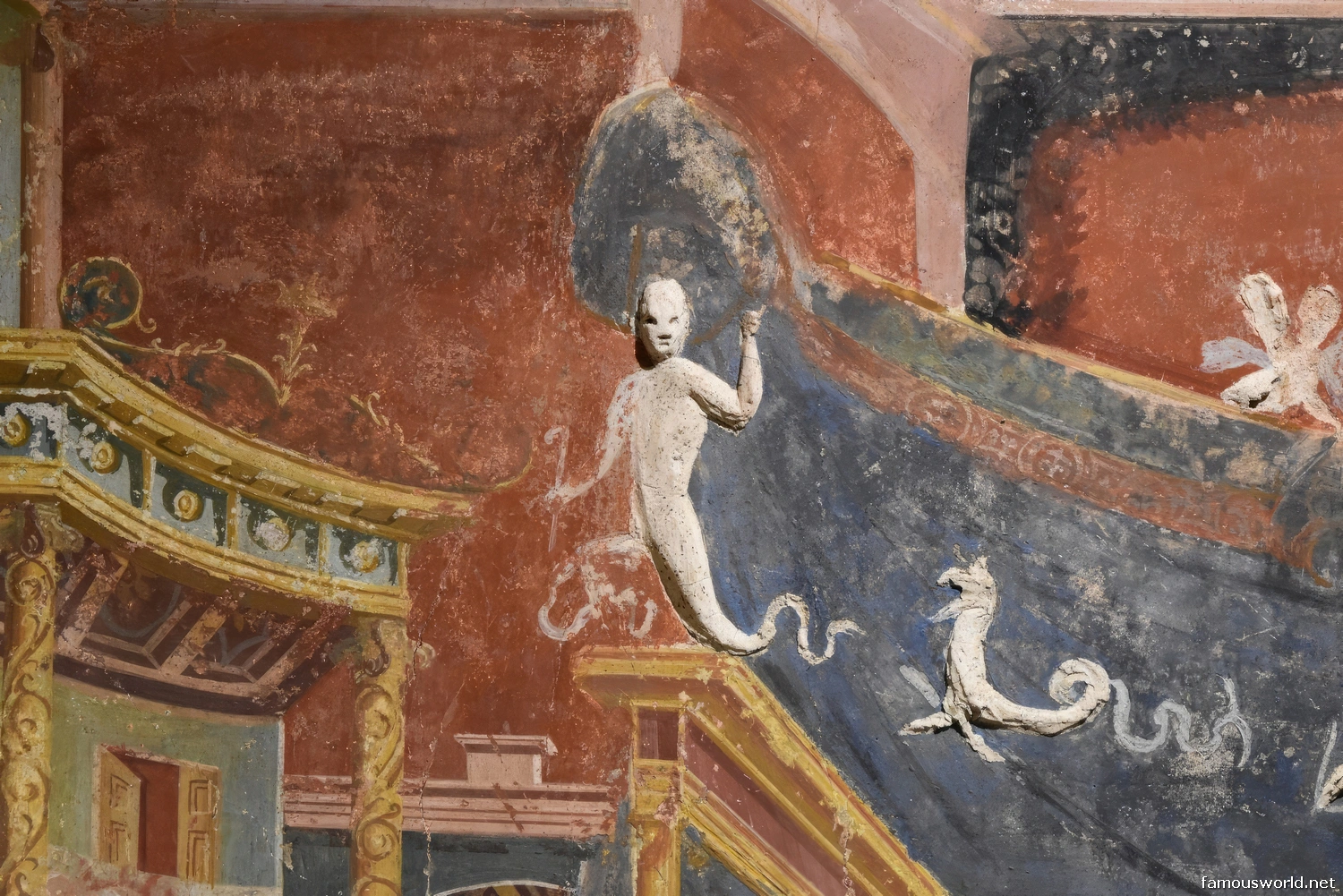
- Pristine Frescoes: The museum’s main draw is the stunningly preserved wall paintings. They depict fantastical scenes with cupids, hippocamps, and rich architectural details in brilliant colors—a rare and beautiful example of Roman decorative art.
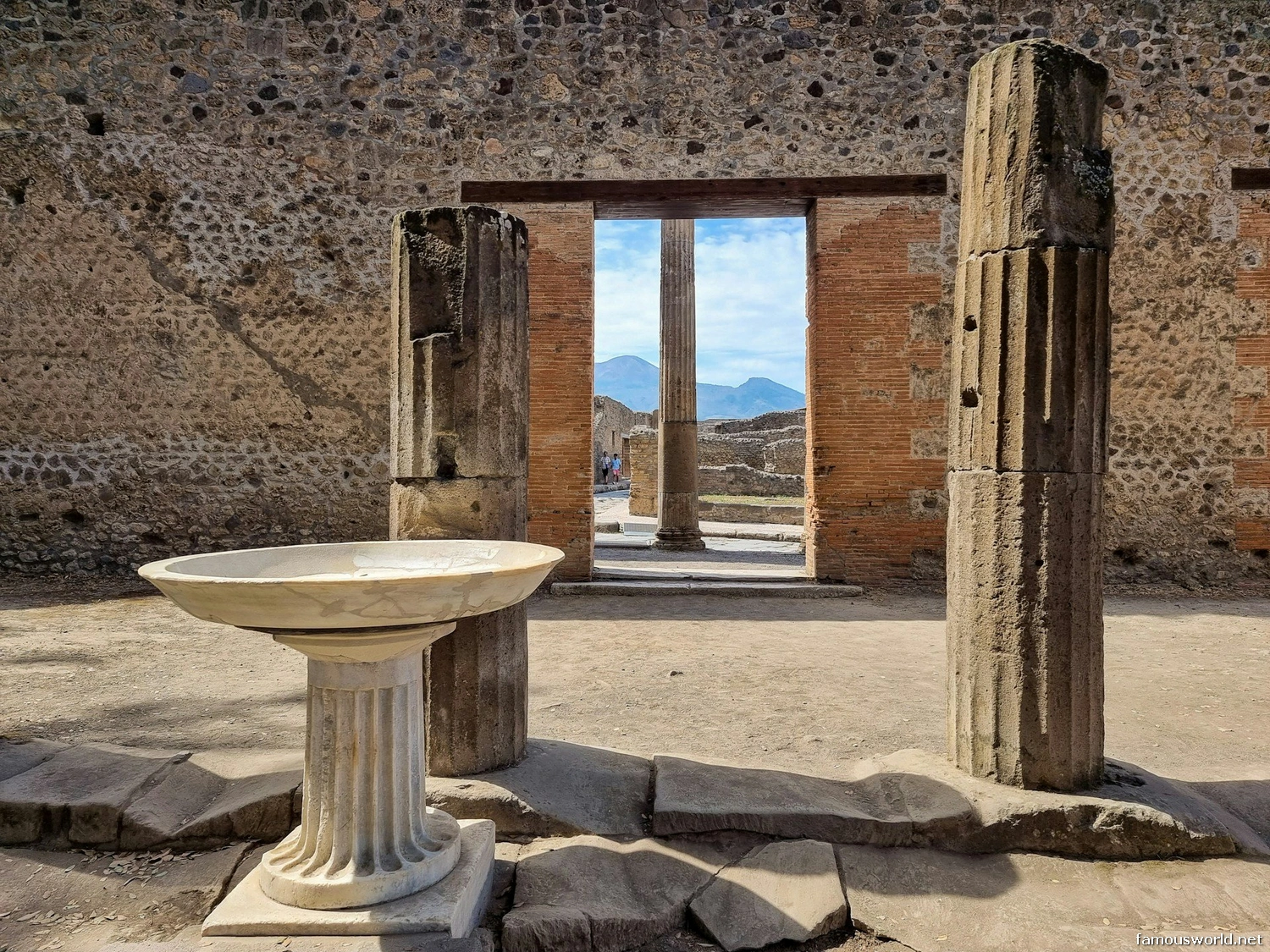
- A “Minor Pompeii”: It provides tangible evidence that the 79 AD eruption of Vesuvius had a catastrophic impact far down the coast, burying this villa in ash and pumice and preserving it perfectly.
- An Intimate Glimpse: Unlike the vastness of Pompeii, the MAR offers a very personal and intimate look into a single, luxurious Roman residence.
Differences from Other Wonders (vs. National Museum of Archaeology, Malta)
An in-situ excavated villa offers a different experience than a national museum displaying a curated collection.
- Environment (Underground Excavation vs. Baroque Palace): The MAR is a dimly lit, subterranean archaeological site that you explore in its original location. The Malta museum is housed in the grand, sunlit halls of an opulent Baroque palace.
- Focus (A Single Preserved Home vs. A Civilization’s Artifacts): The MAR tells the story of a single, wealthy Roman family’s residence, frozen in time by a natural disaster. The Malta museum displays a curated collection of artifacts gathered from numerous temple sites, representing an entire prehistoric civilization.
- Core Story (Sudden Catastrophe vs. Deep Prehistory): The core story of the MAR is one of dramatic, sudden preservation by the eruption of Vesuvius. The core story in Malta is about the long, mysterious development of a unique Neolithic temple-building culture.
- Atmosphere (Intimate and Eerie vs. Grand and Ornate): The experience in Positano is quiet, intimate, and slightly eerie, like discovering a lost world. The experience in Malta is grand and majestic, set against the backdrop of the Knights of St. John’s architectural splendor.
Location on world map