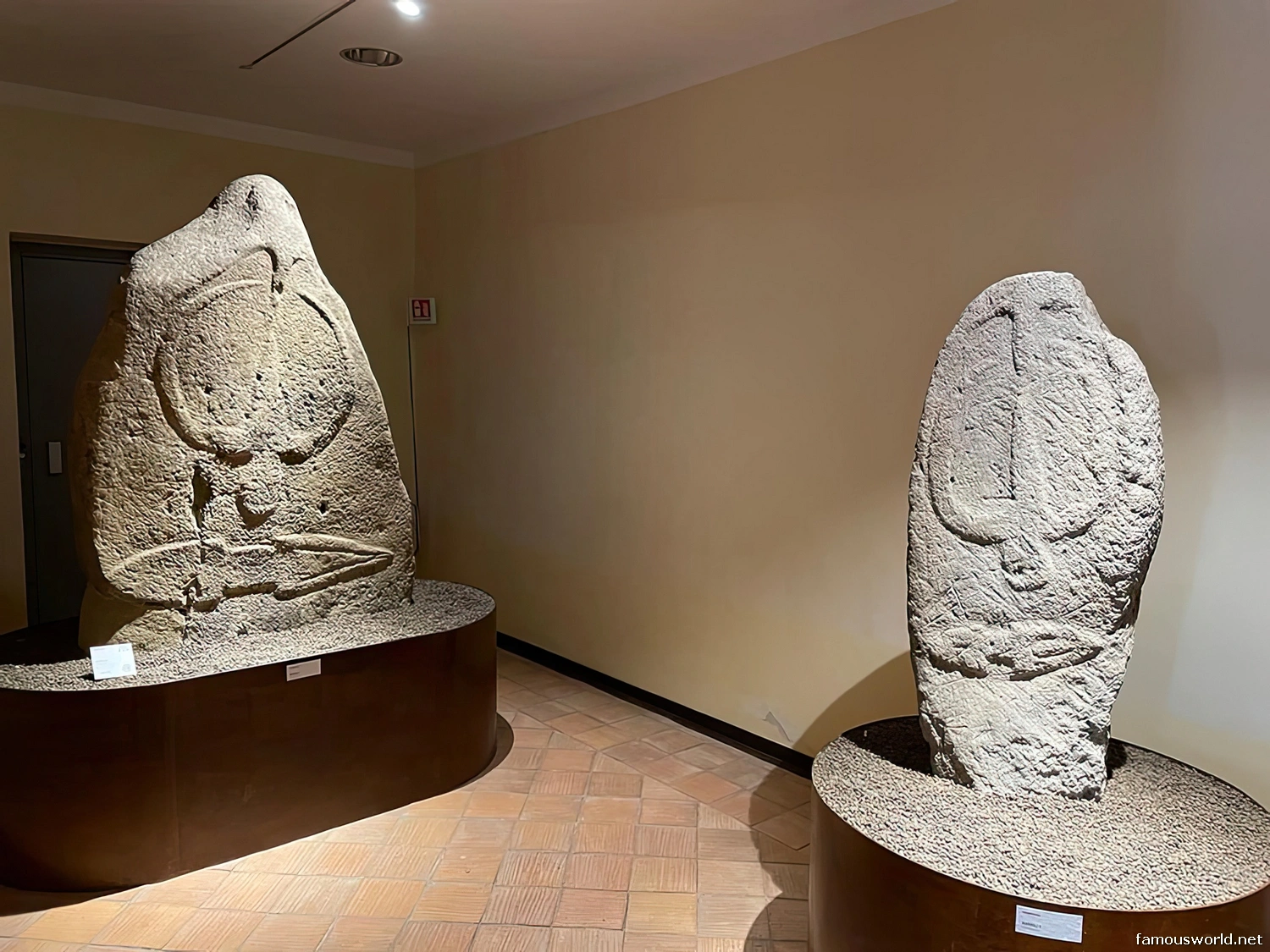
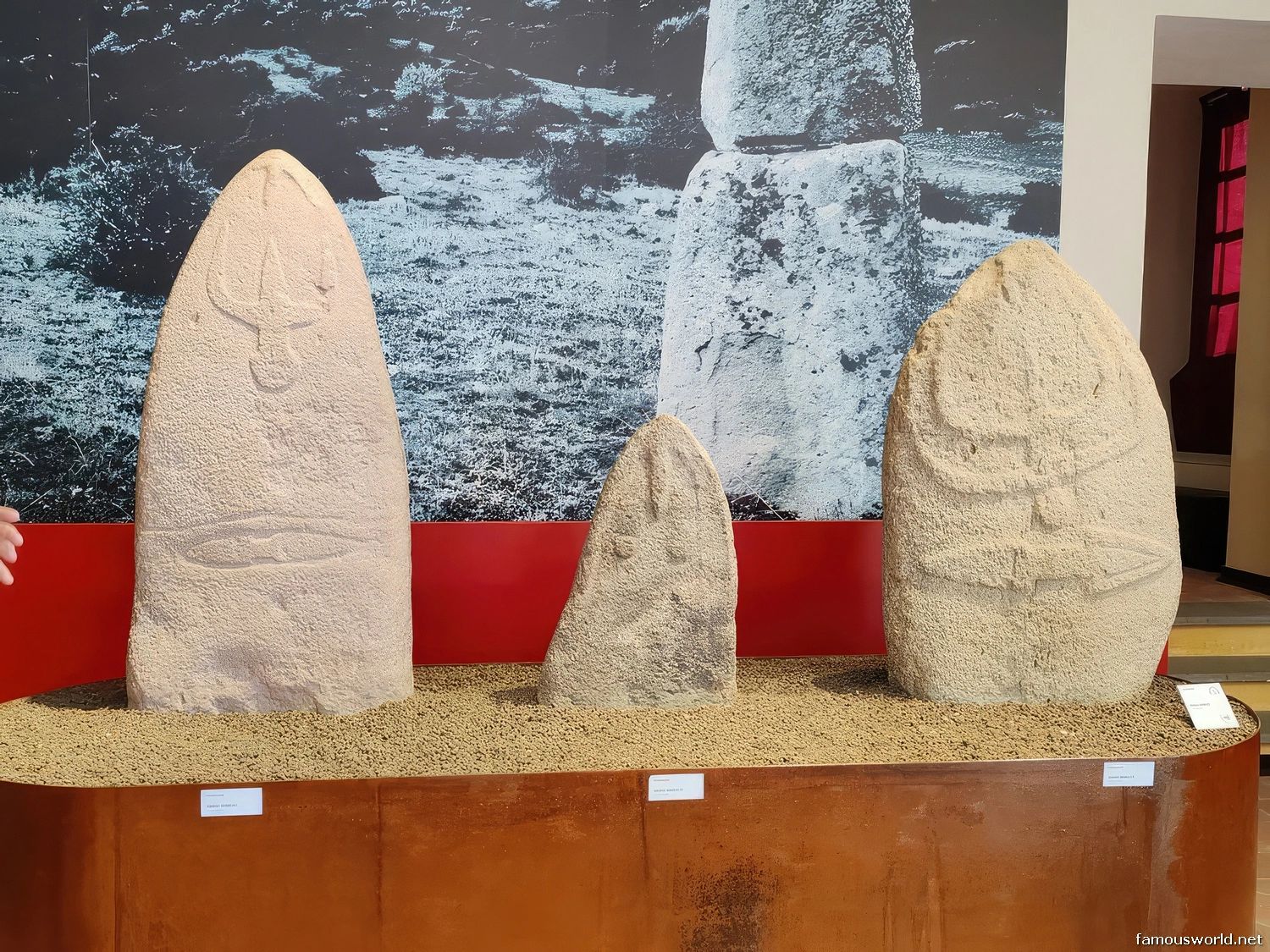
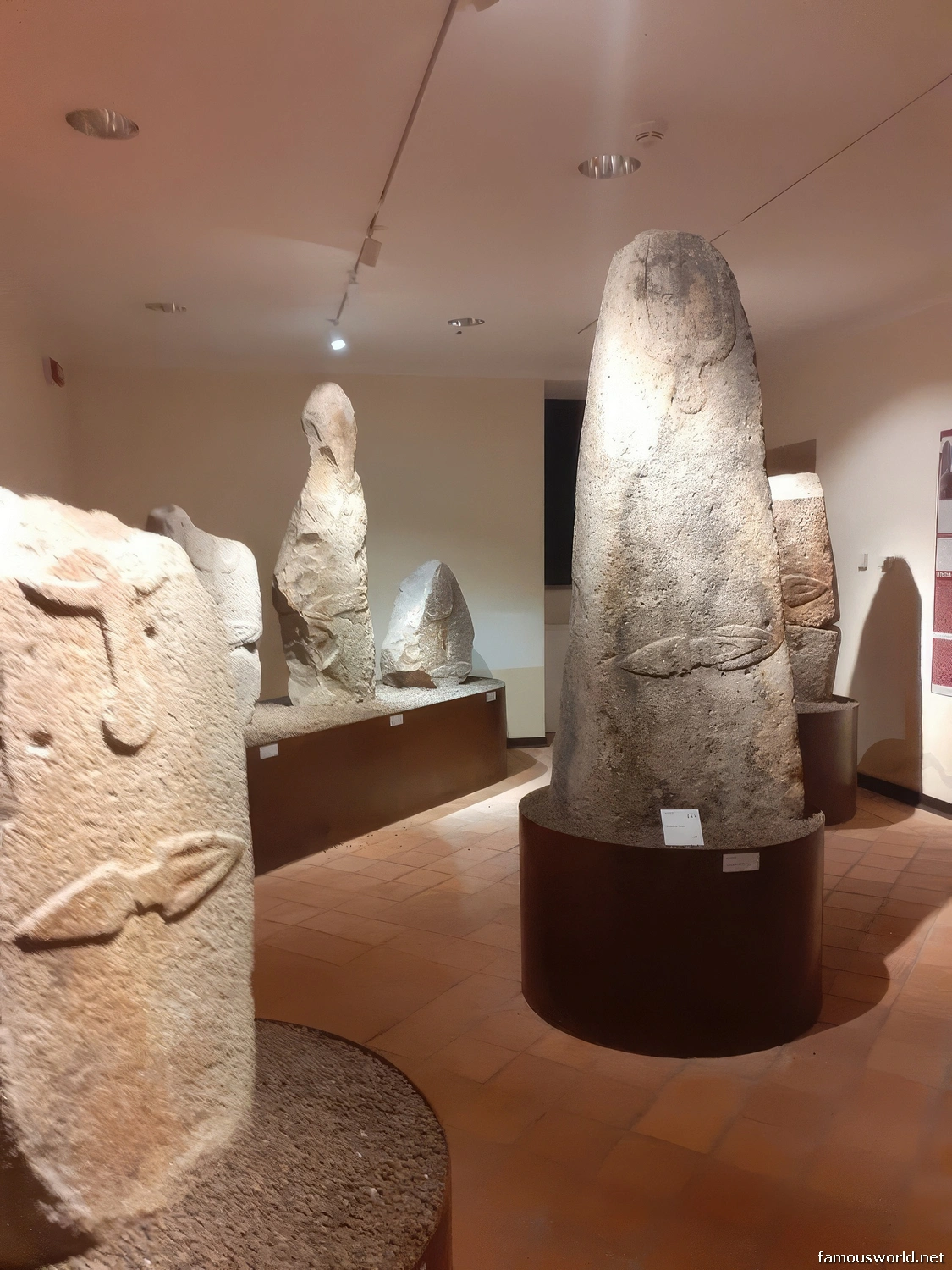
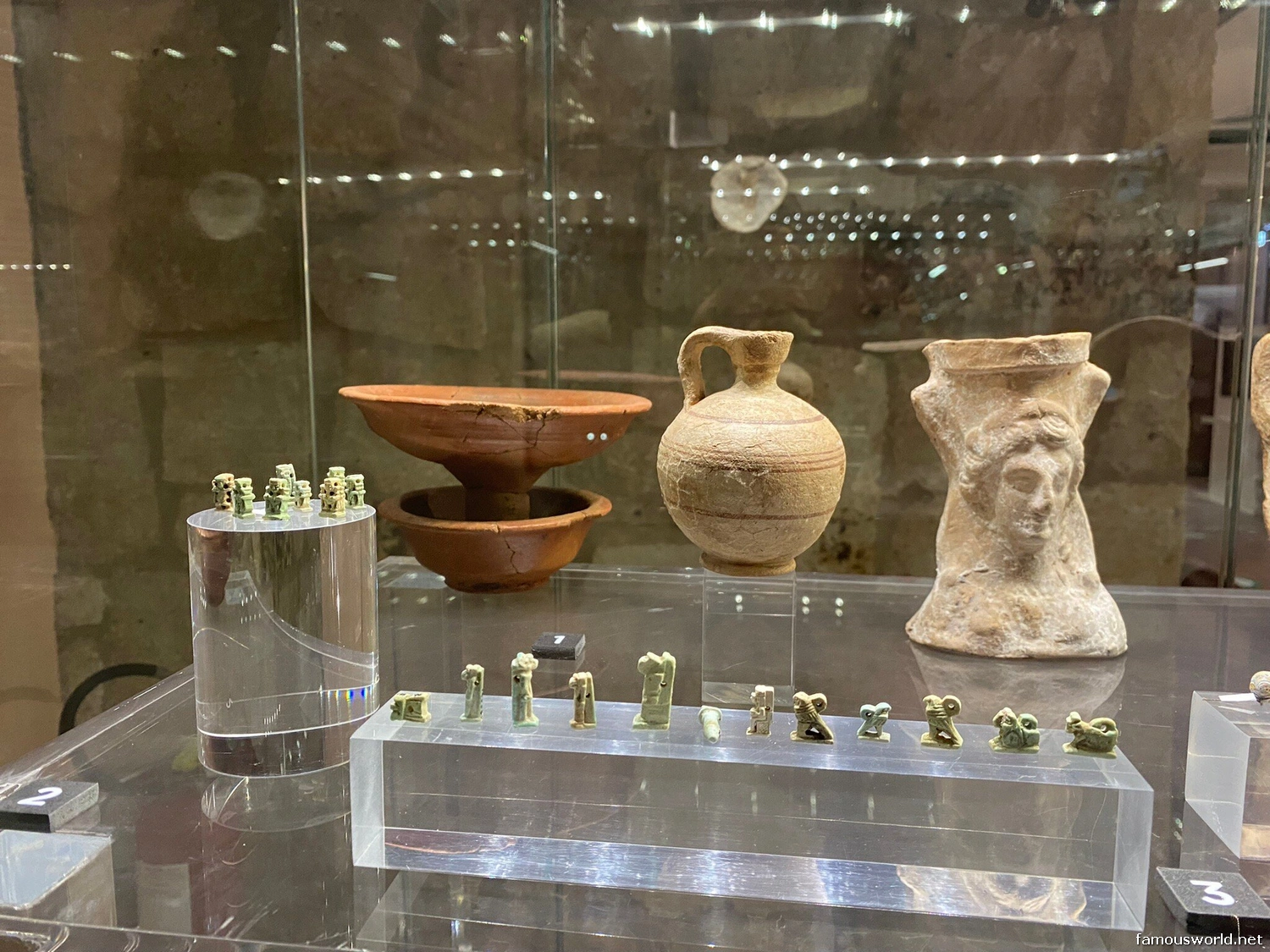
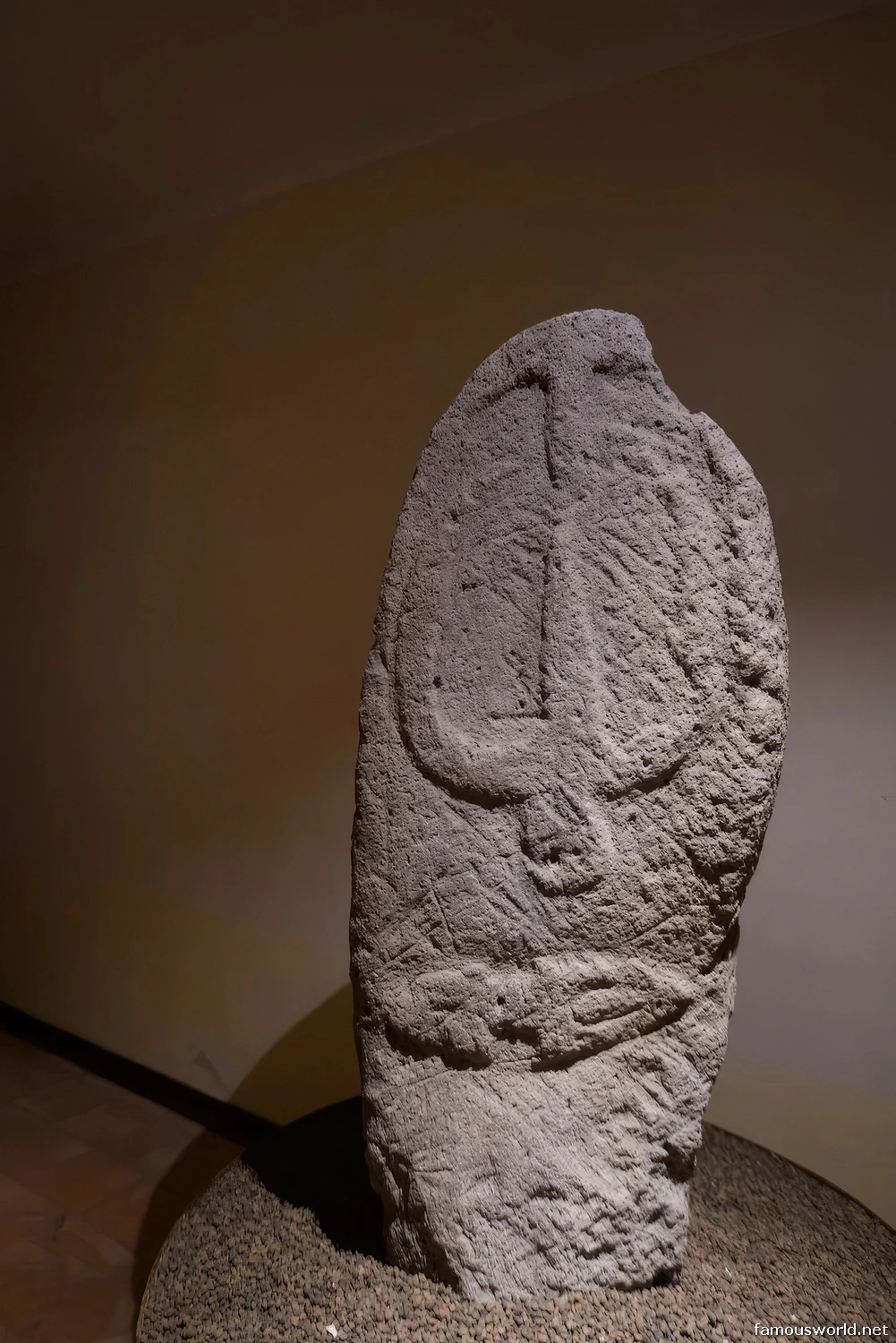
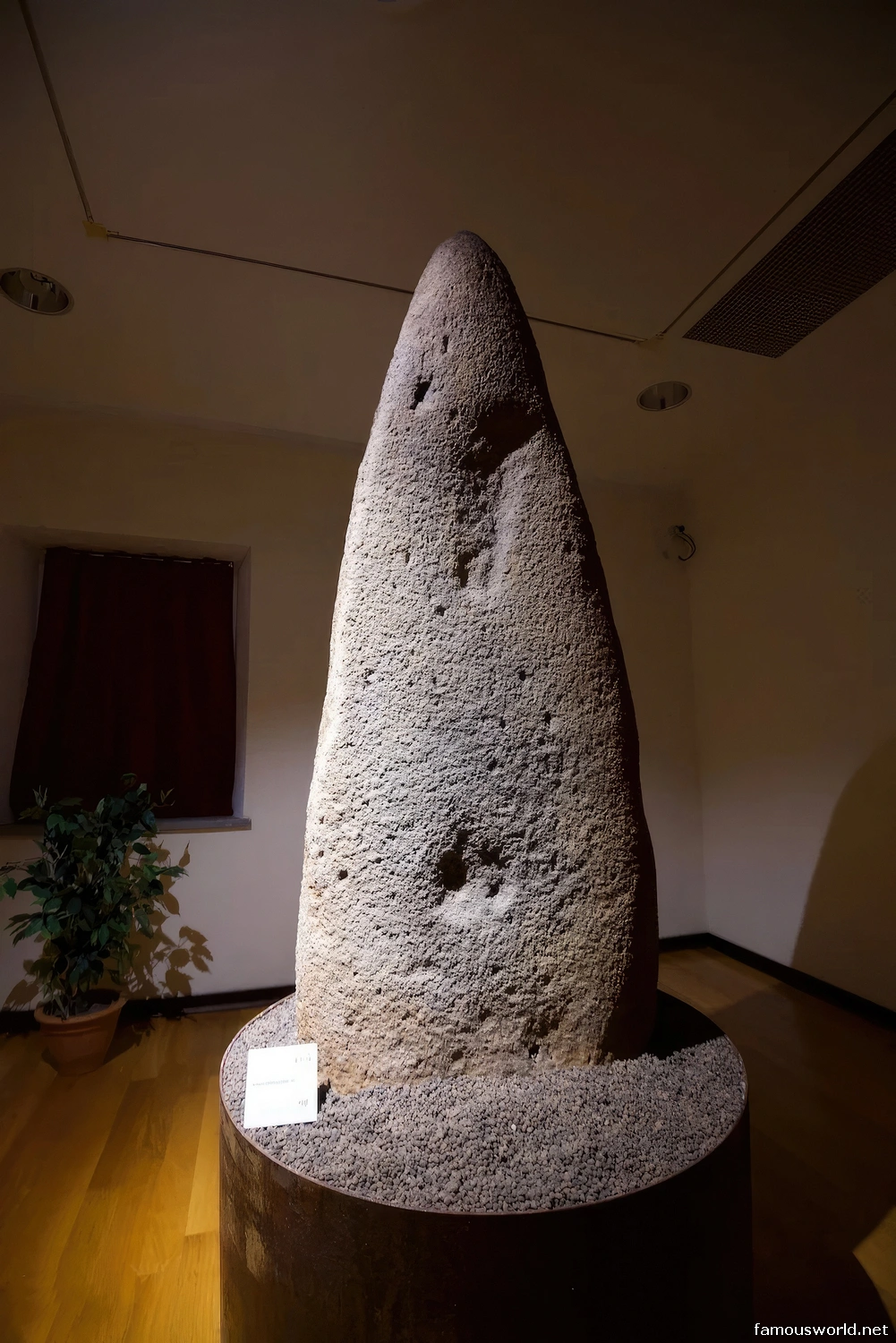
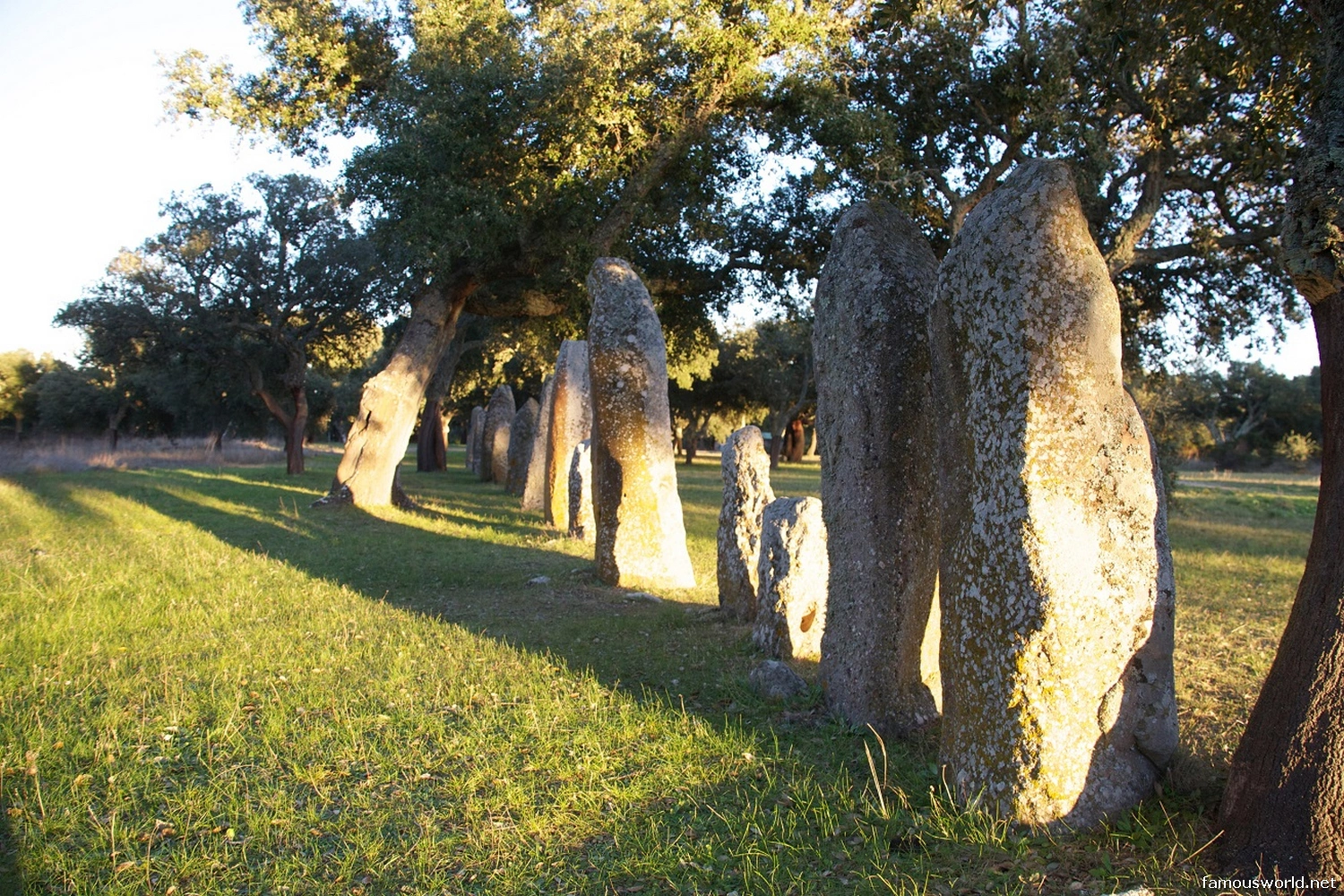
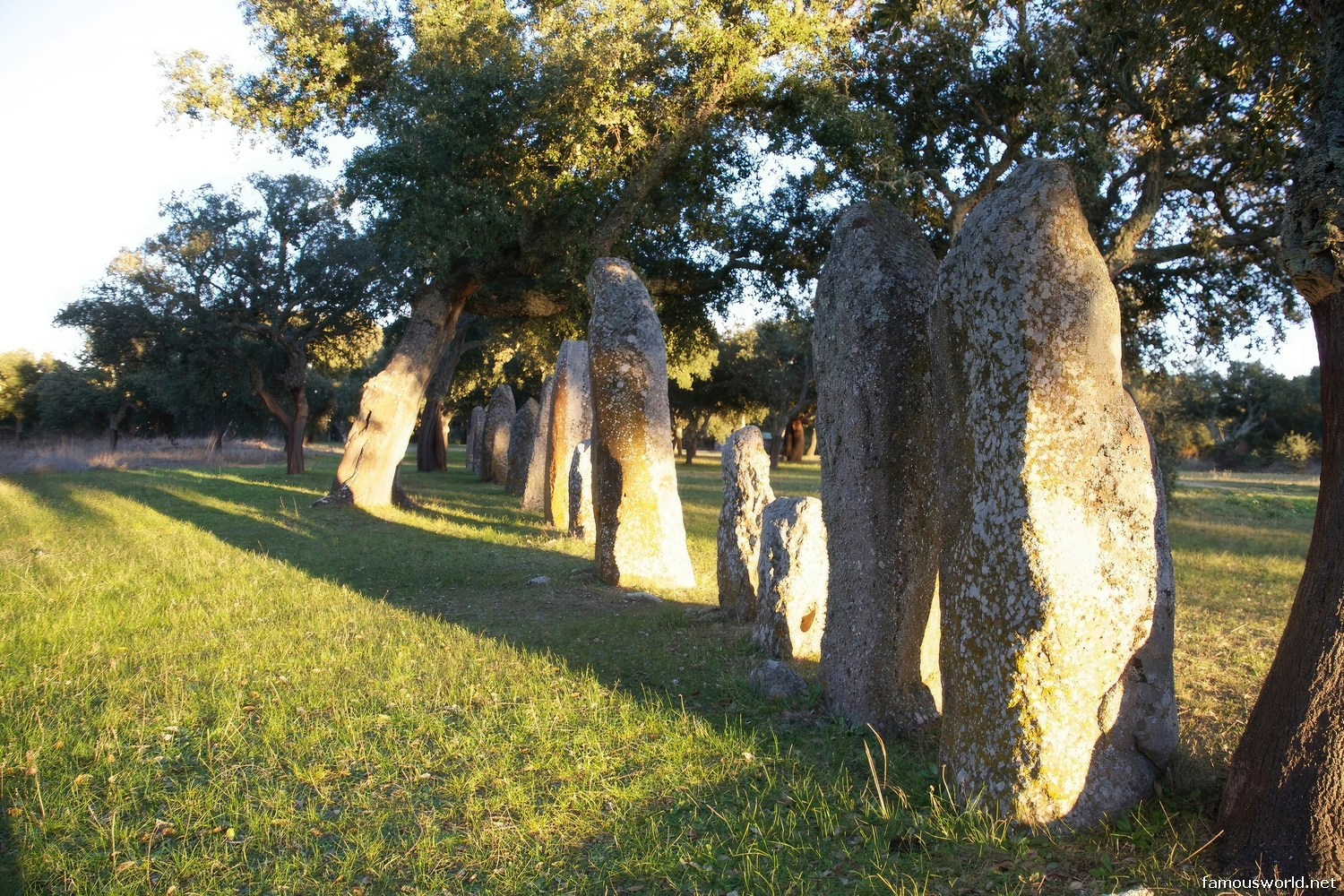
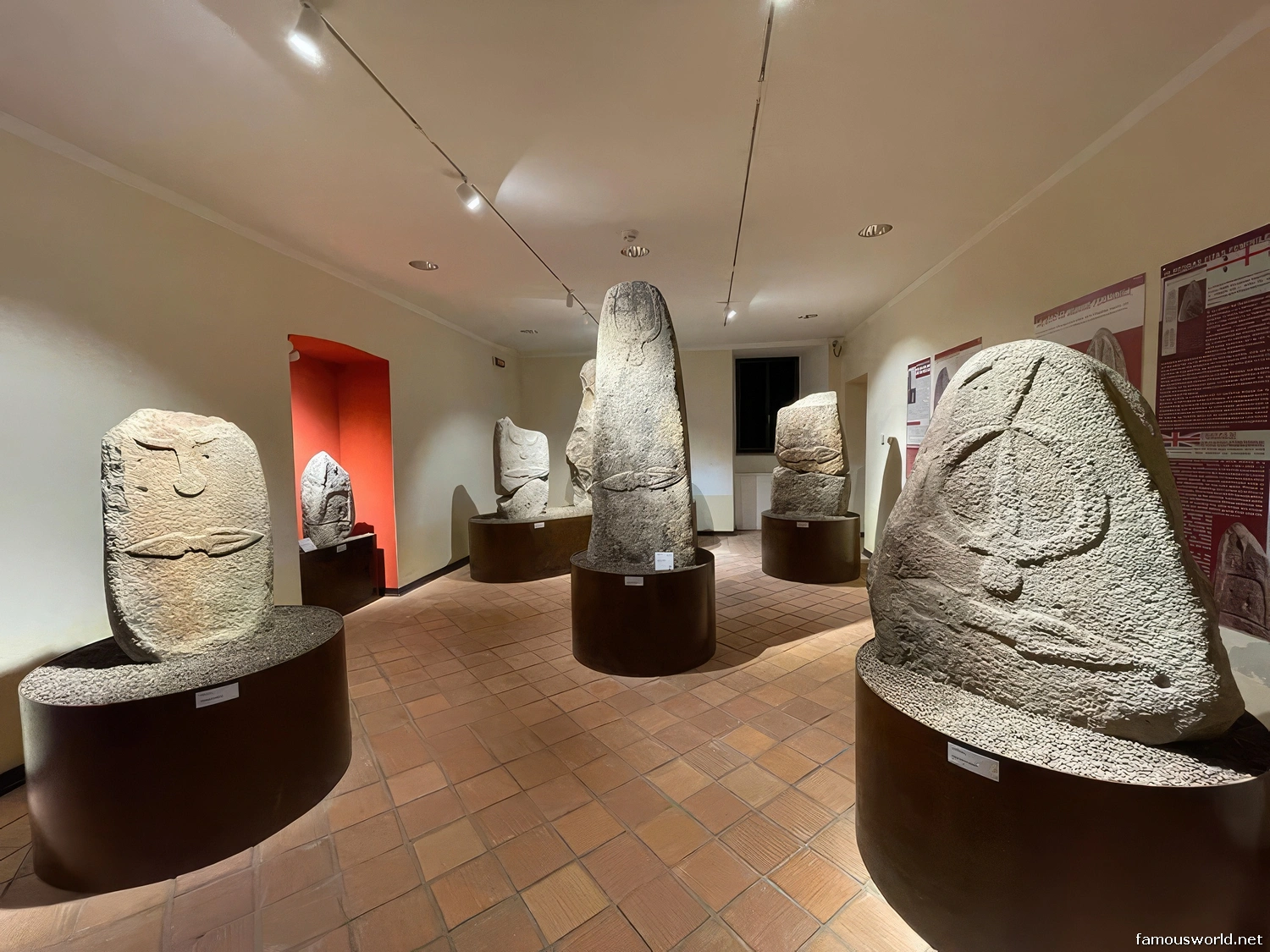
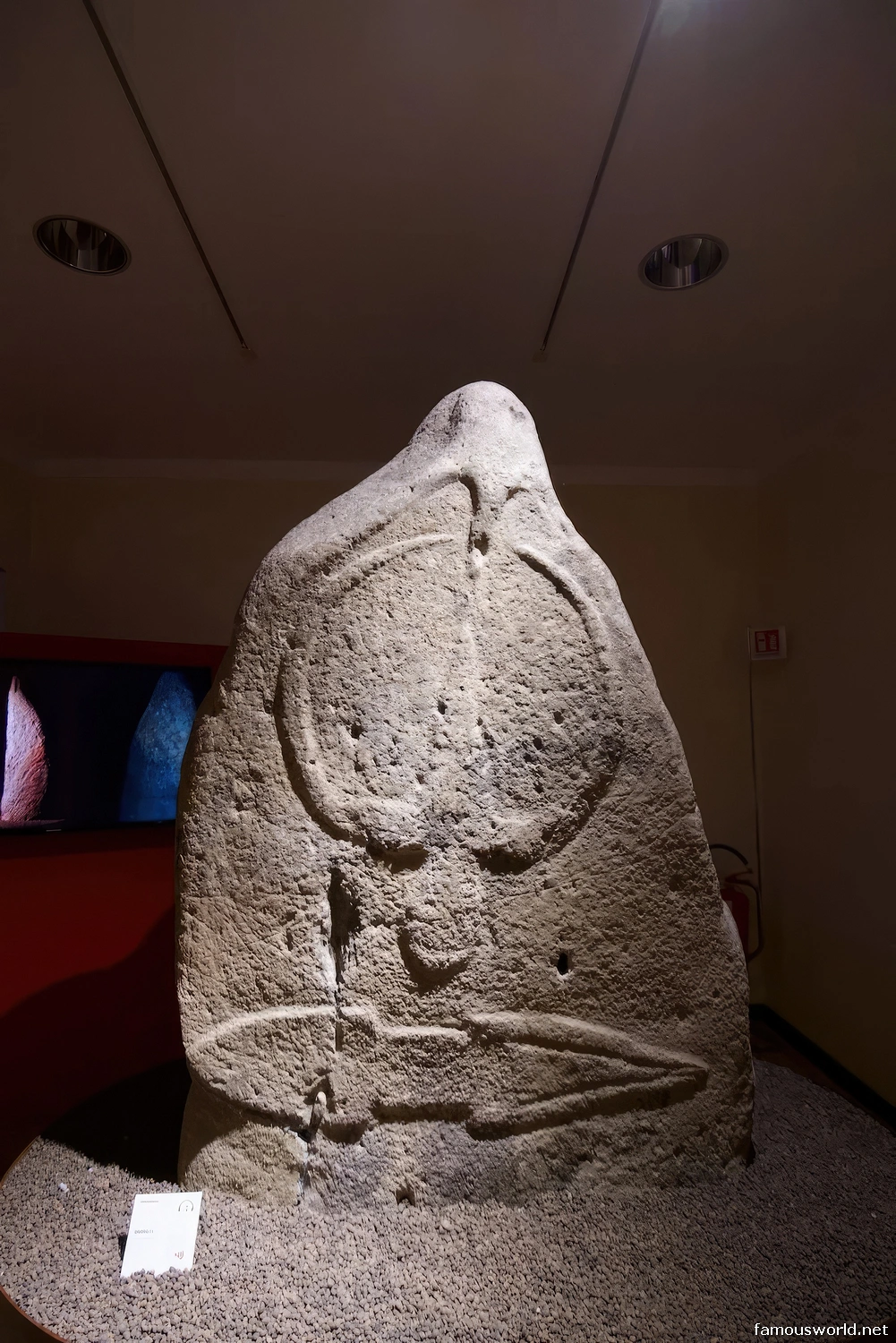
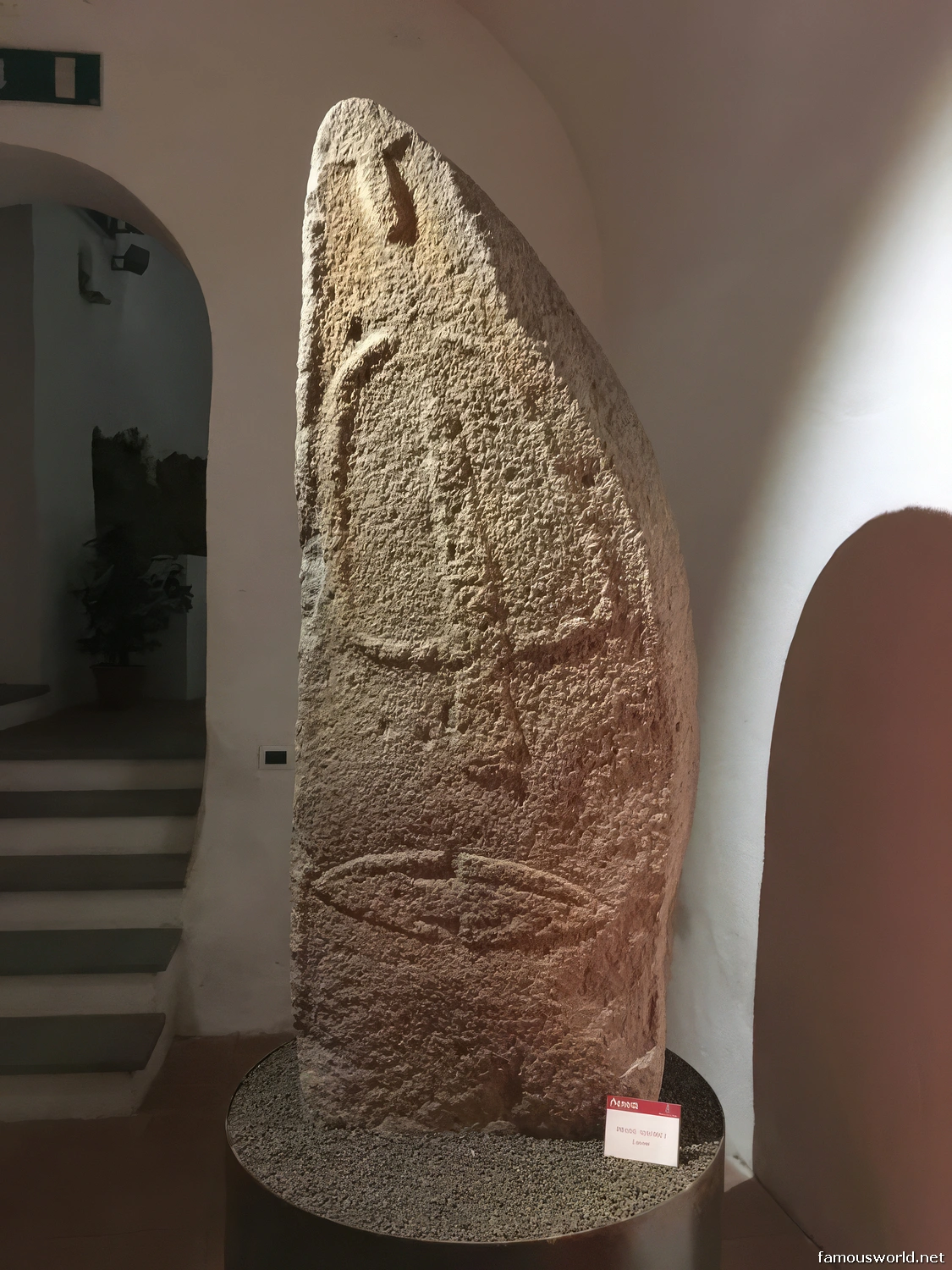
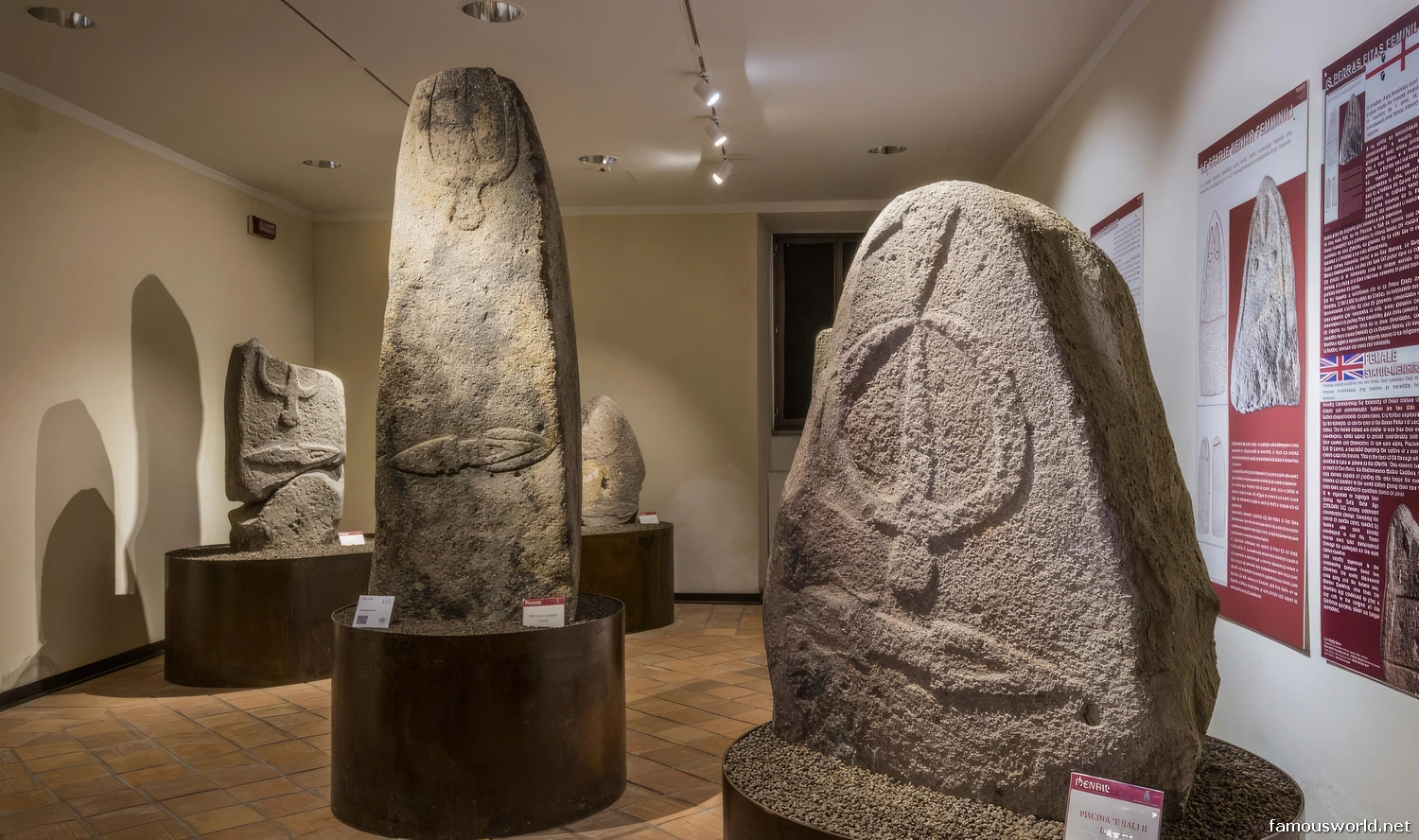
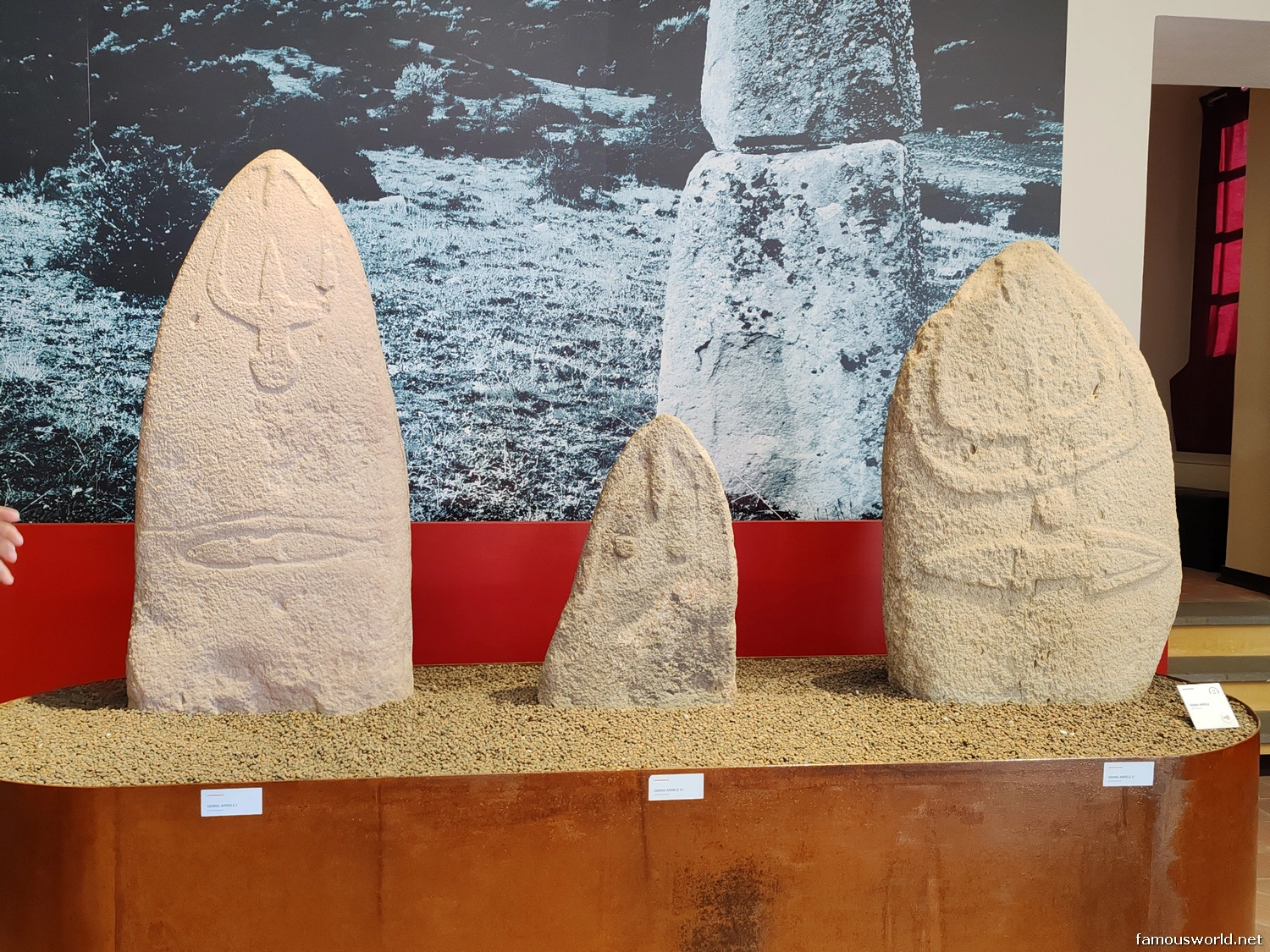
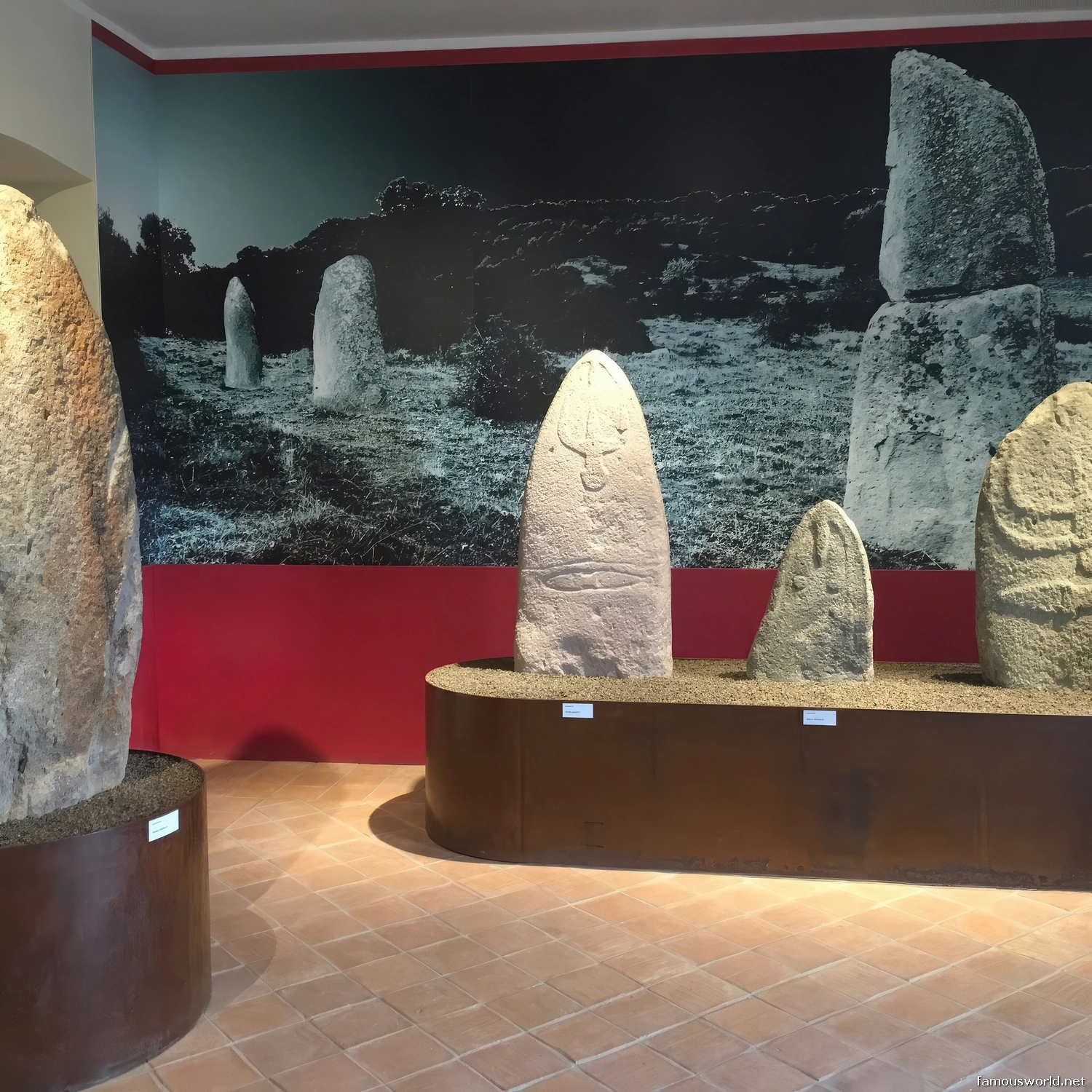
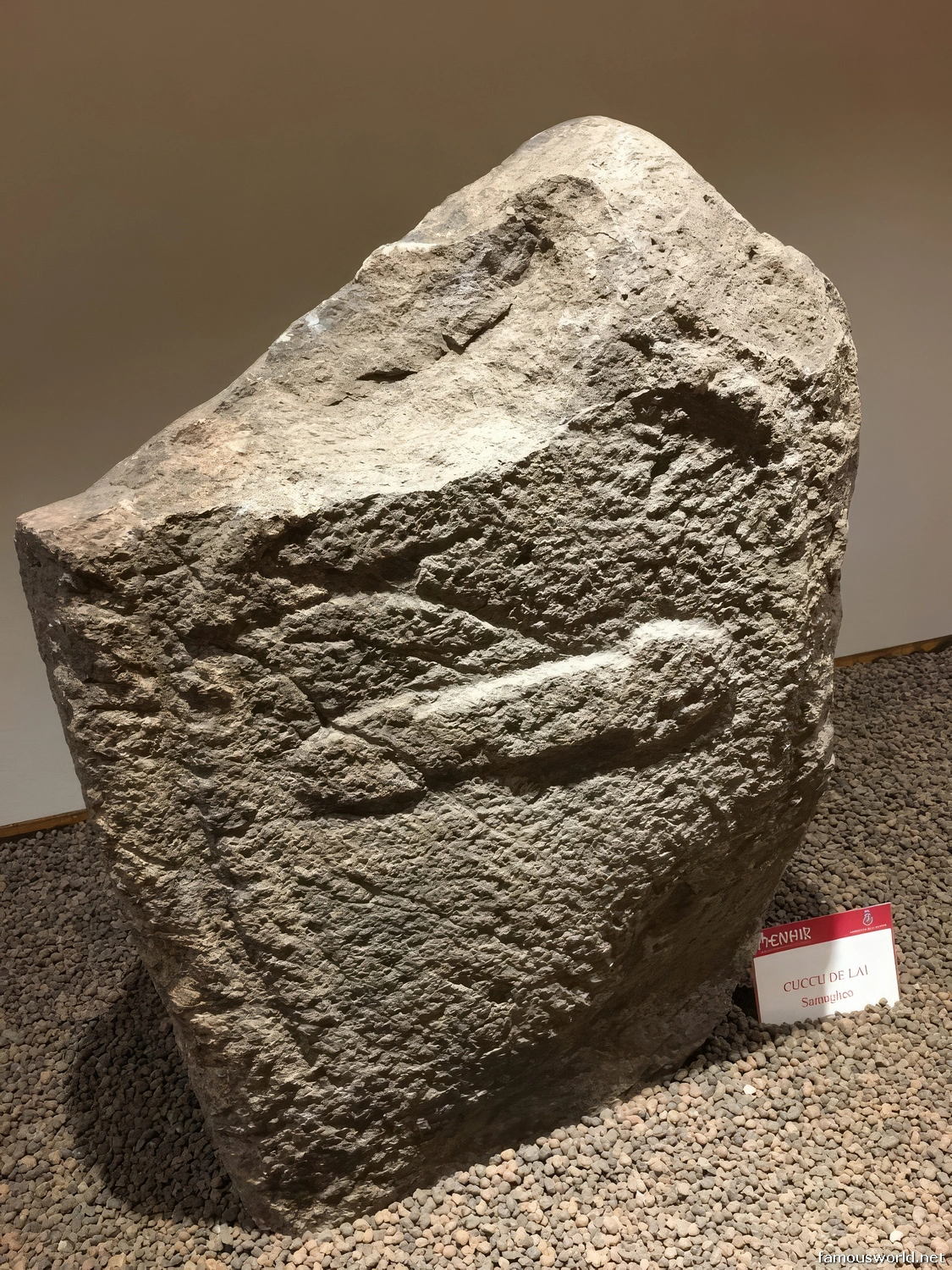

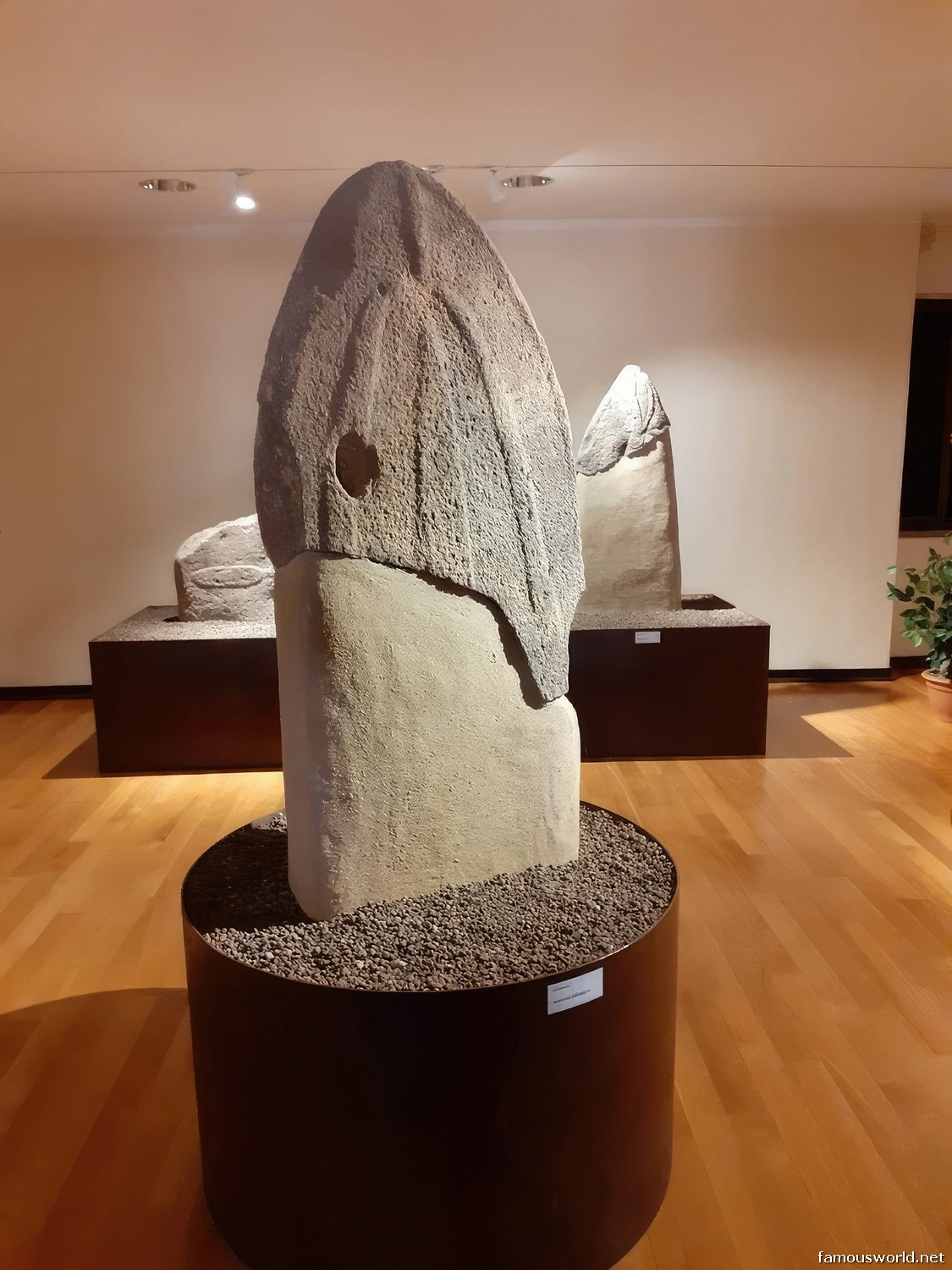
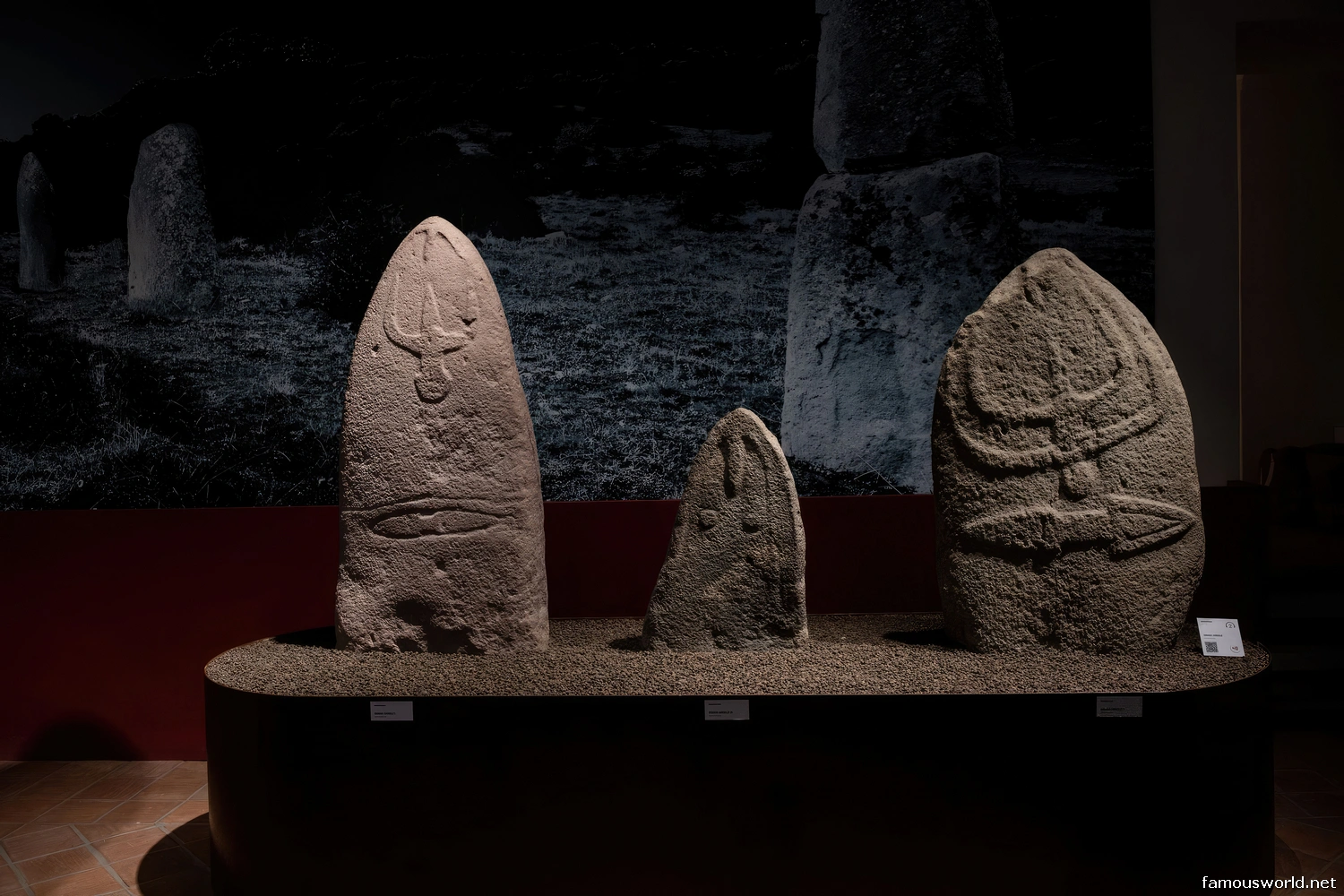
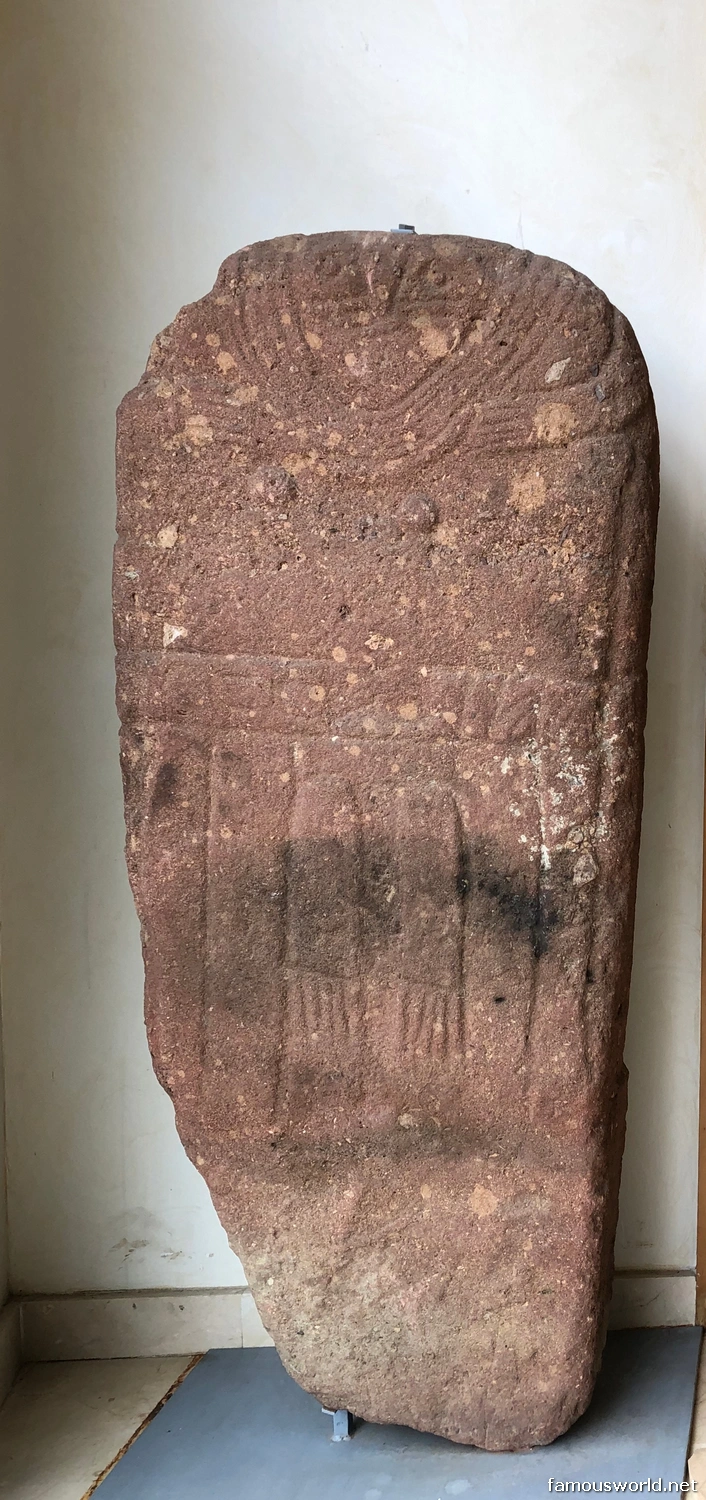
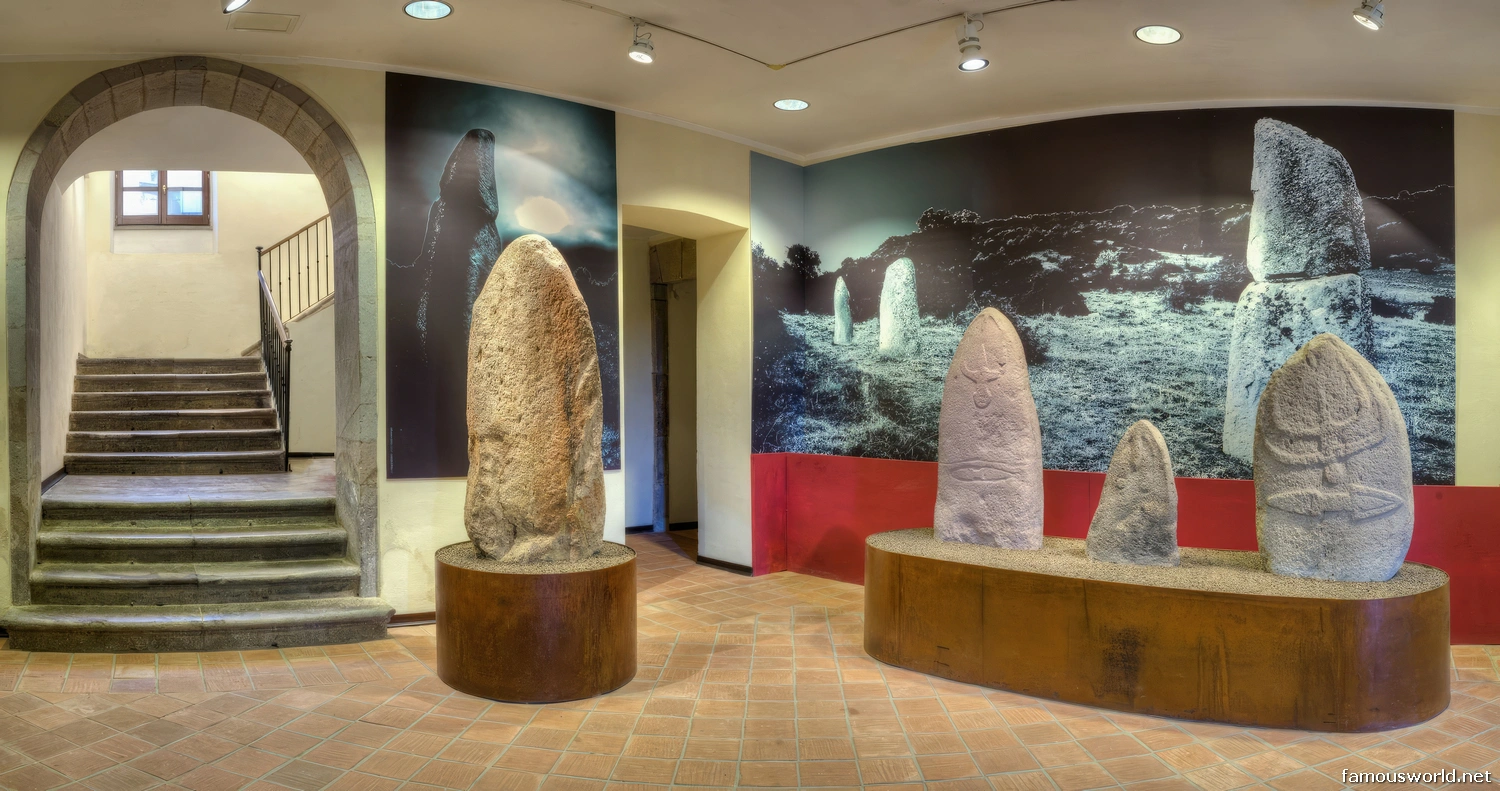
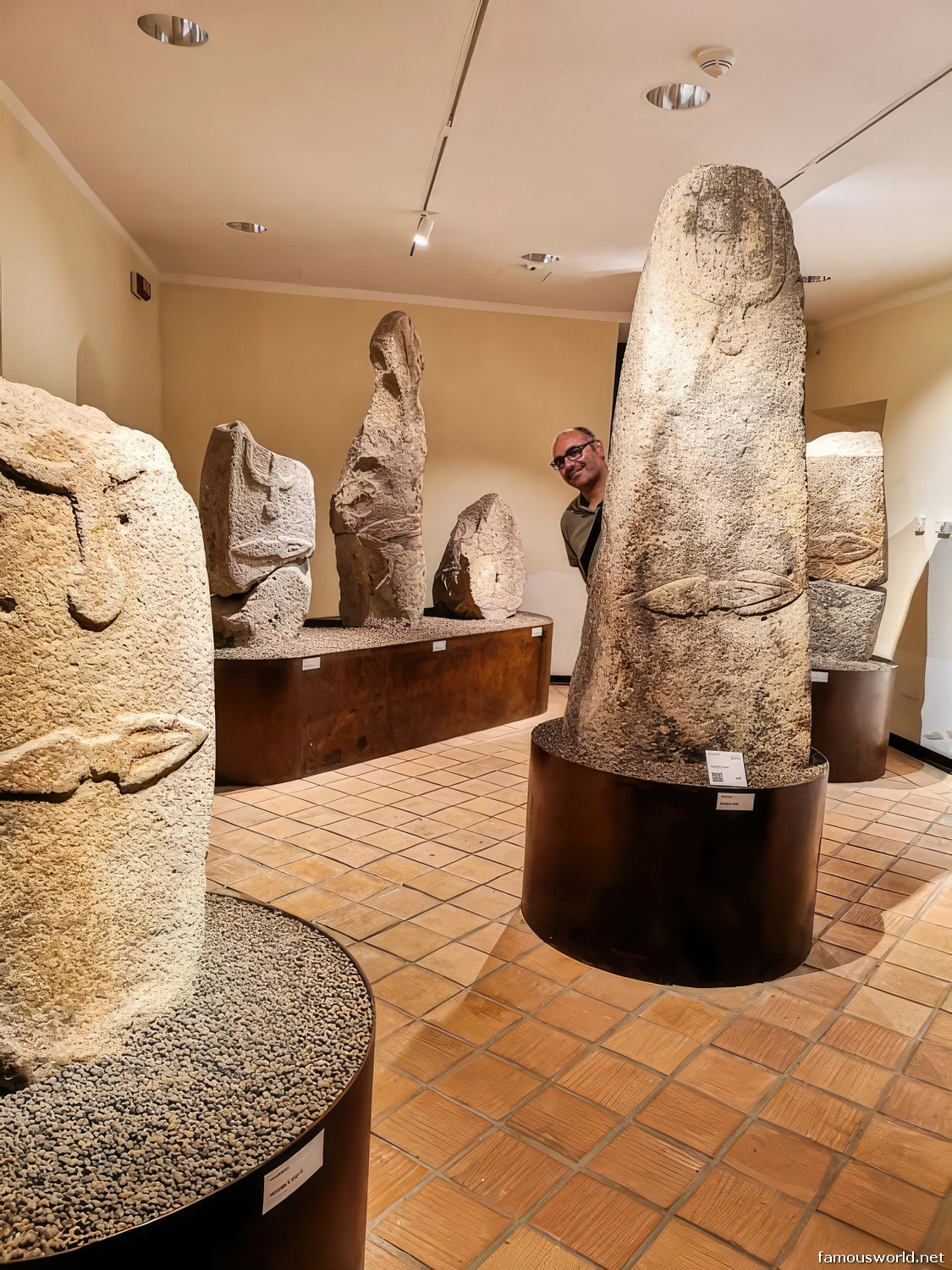
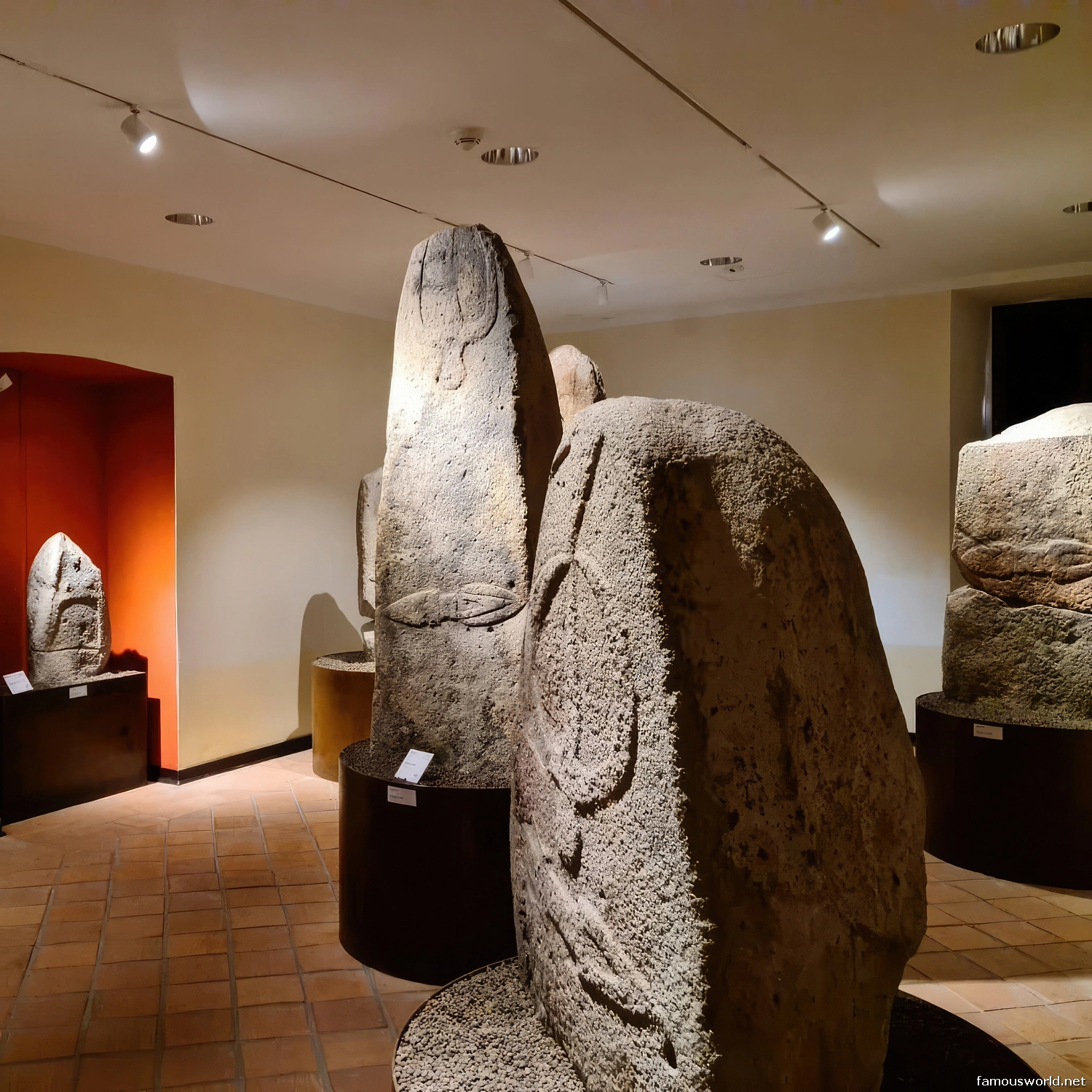
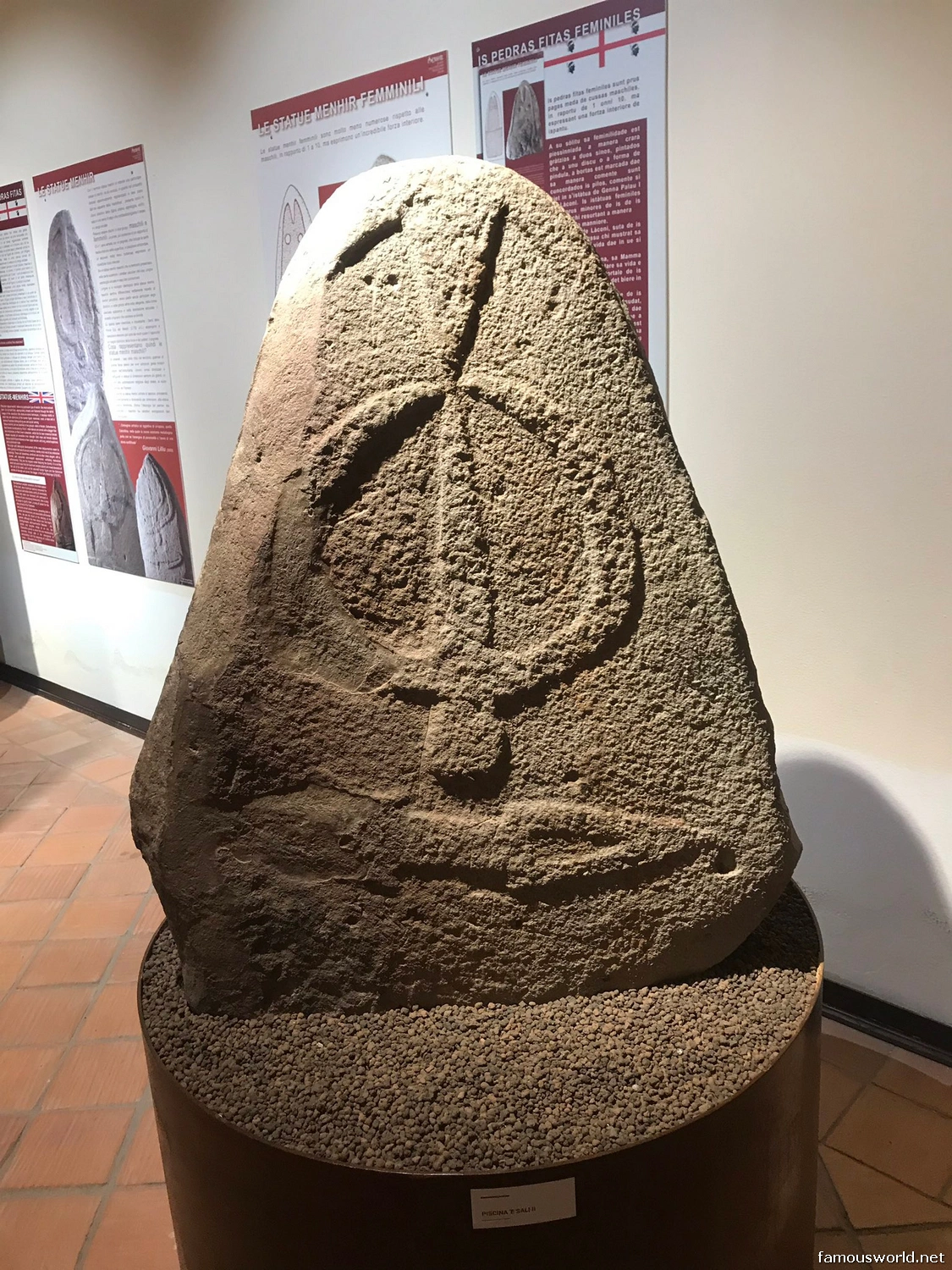
Housed within the noble walls of a 19th-century palace in the heart of Sardinia, the Menhir Museum holds a silent army of stone giants. This extraordinary museum is dedicated to the mysterious and powerful statue-menhirs, enigmatic representations of humans and deities carved thousands of years ago during the Copper Age. Walking through its halls offers a profound encounter with some of Europe’s most ancient and captivating art. The rows of faceless warriors and stylized goddesses create a powerful atmosphere, connecting visitors to the spiritual world of a pre-Nuragic civilization whose beliefs are etched into these haunting stone figures.
Listen to an introduction about Menhir Museum

Name and Location
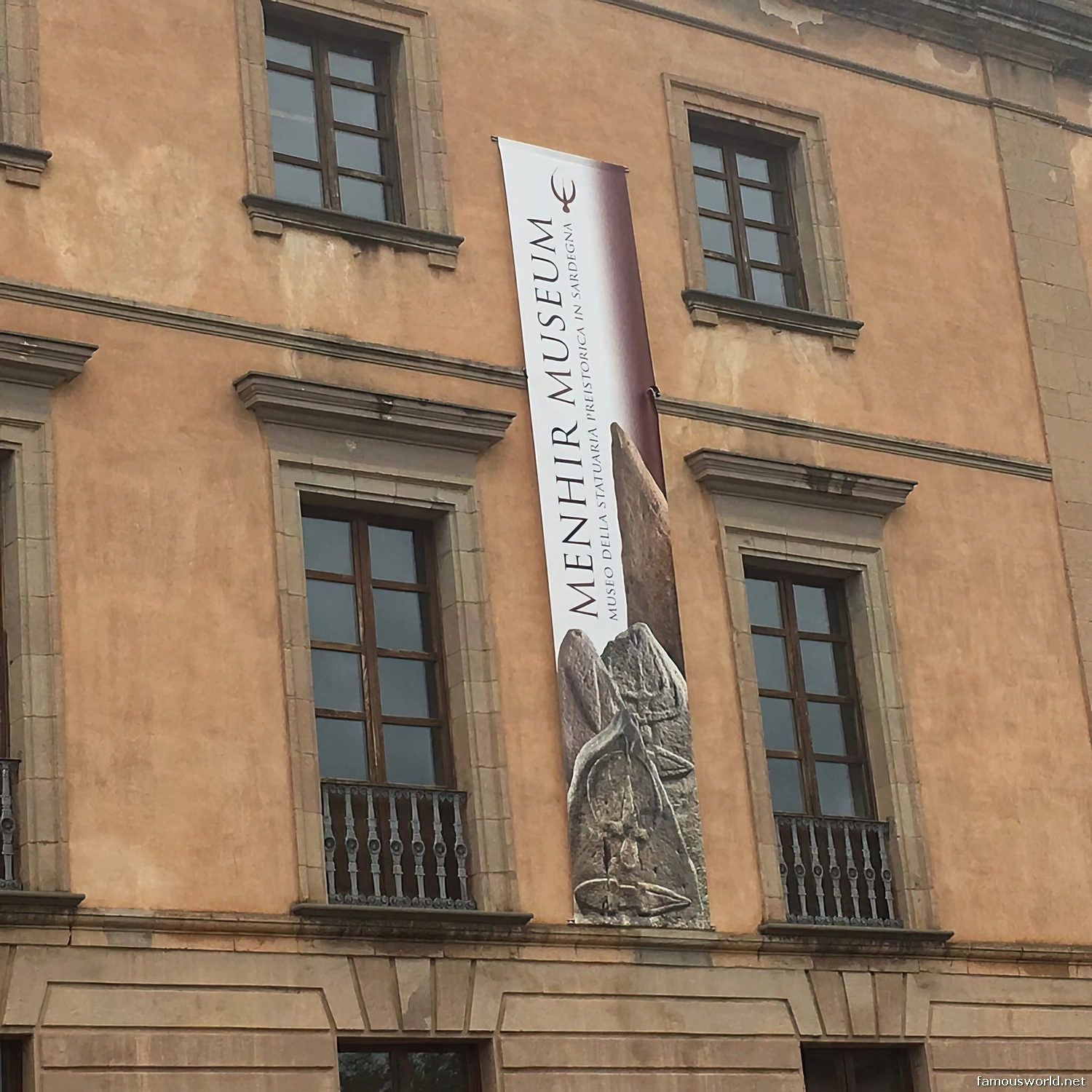
- Name: Museo della Statuaria Preistorica in Sardegna (Museum of Prehistoric Statuary in Sardinia), also known as the Menhir Museum.
- Location: In the town of Laconi, in the province of Oristano, in the hilly Sarcidano region of central Sardinia, Italy.
How to Get There
The museum’s location in Sardinia’s interior makes it a destination best reached by car.
- By Car: Laconi is accessible via scenic country roads from all directions. A car journey is the most practical option and allows for exploration of the surrounding territory, which is rich in archaeological sites. The trip from Cagliari or Oristano takes approximately 1.5 hours.
Landscape and Architecture
The museum is unique for the striking contrast between its ancient contents and its grand, historic setting.
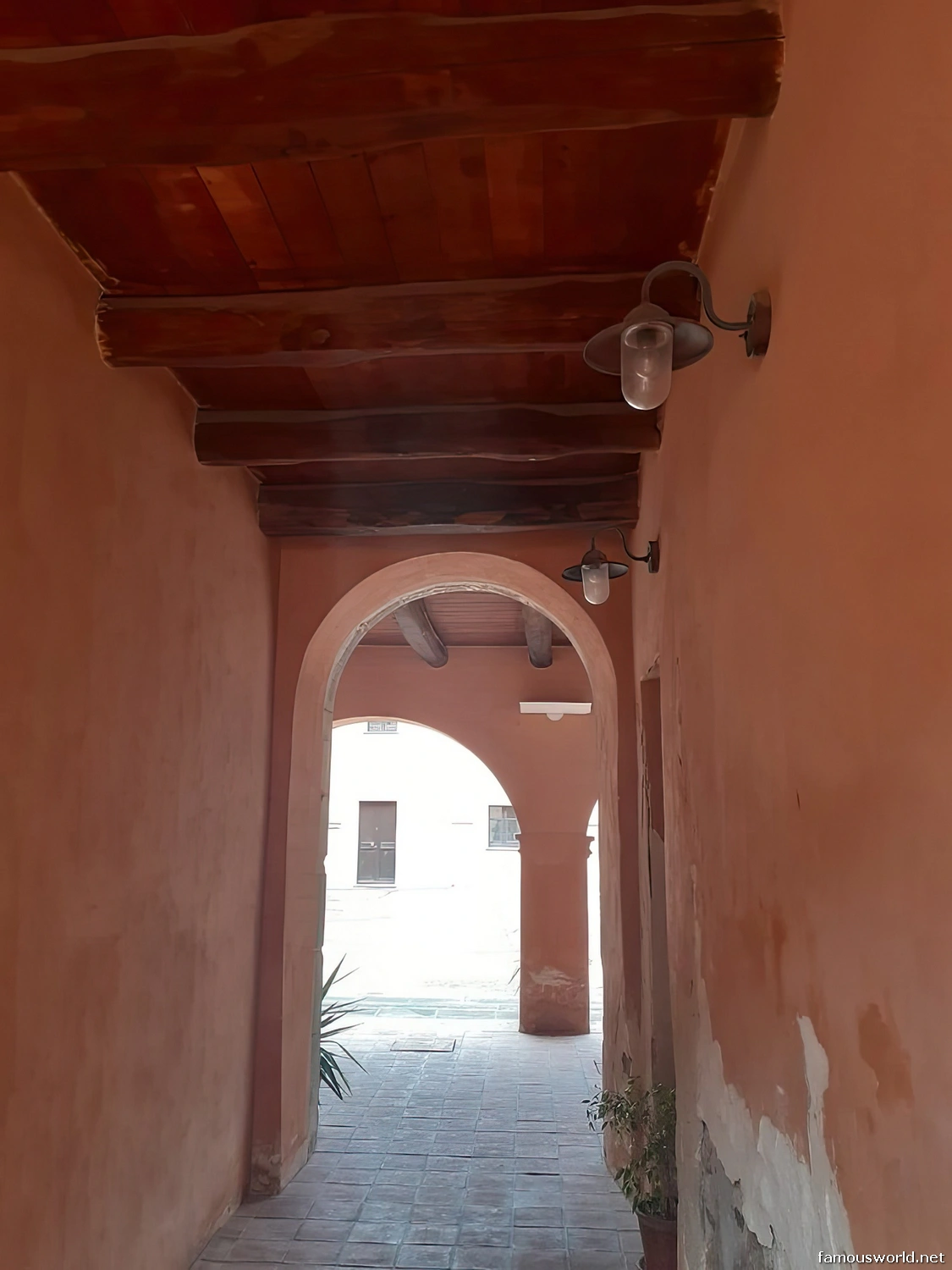
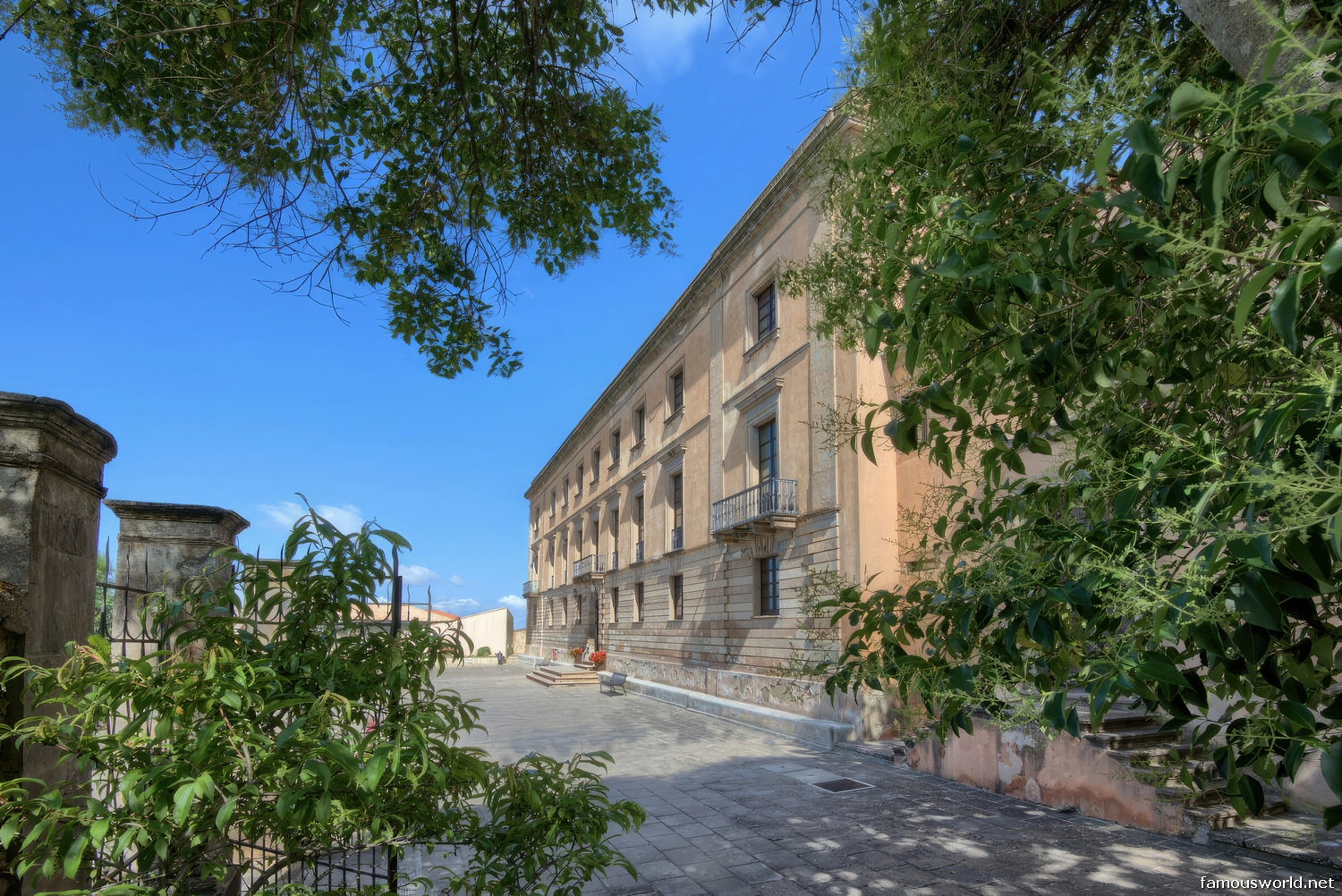
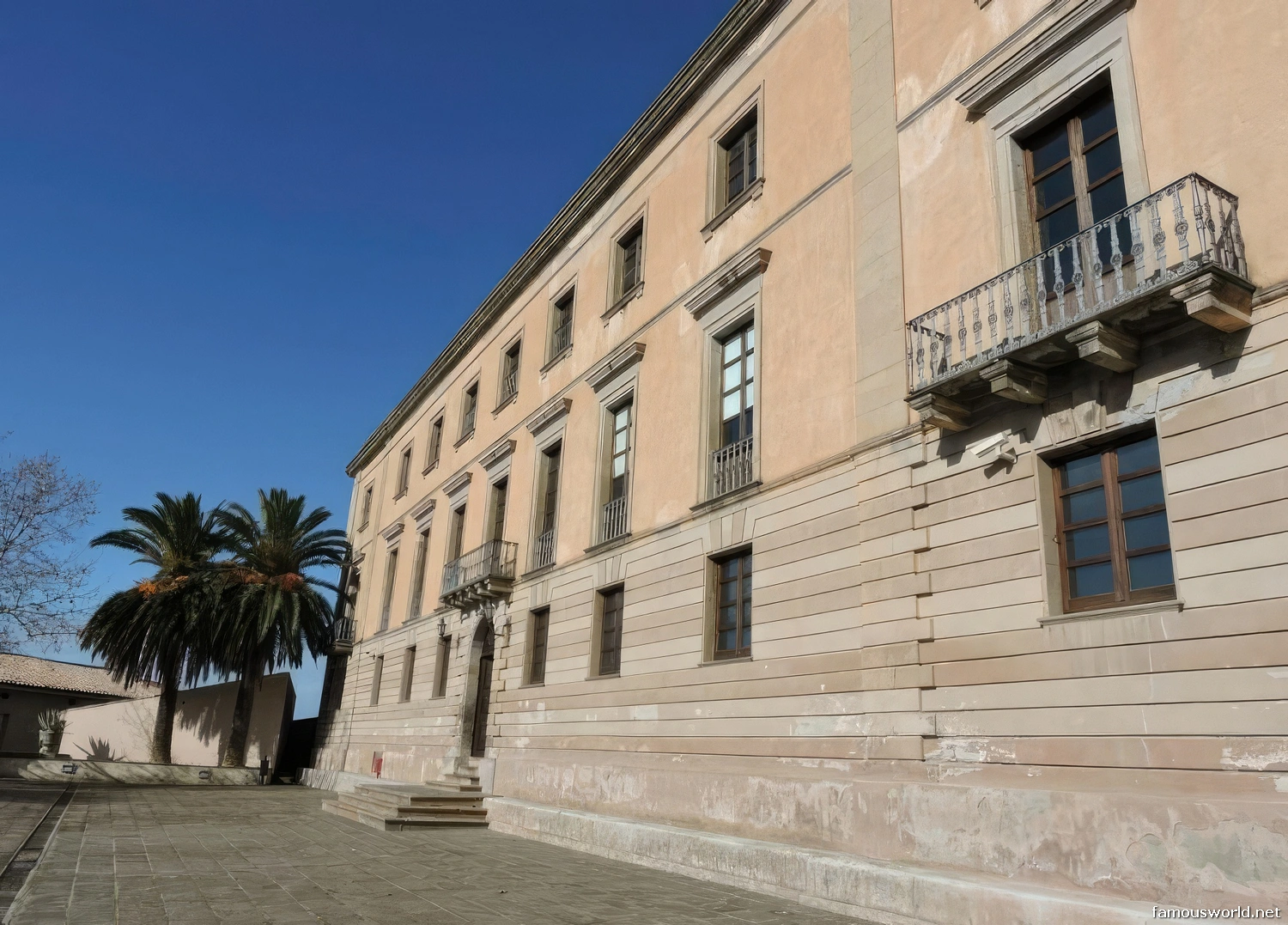
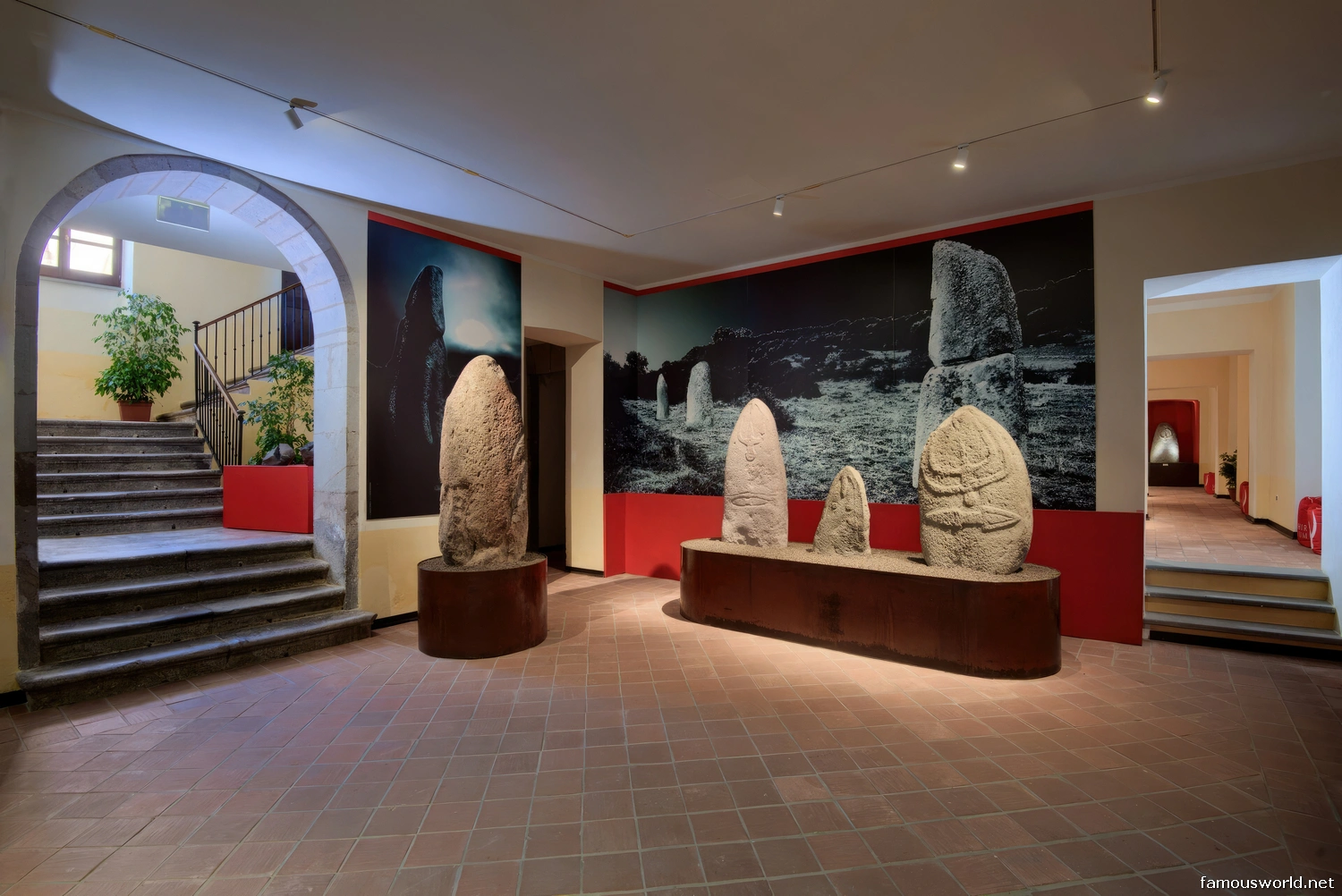
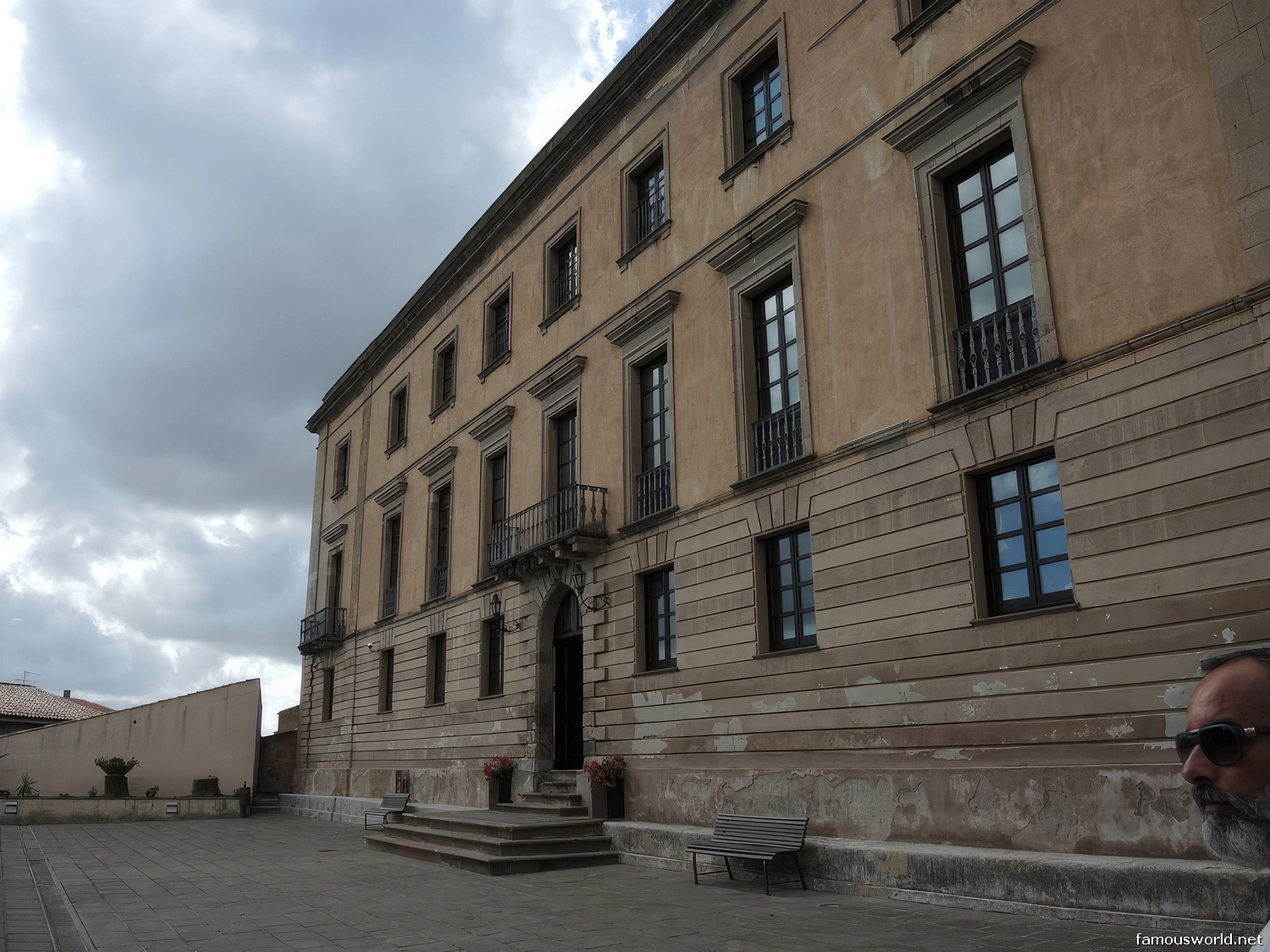
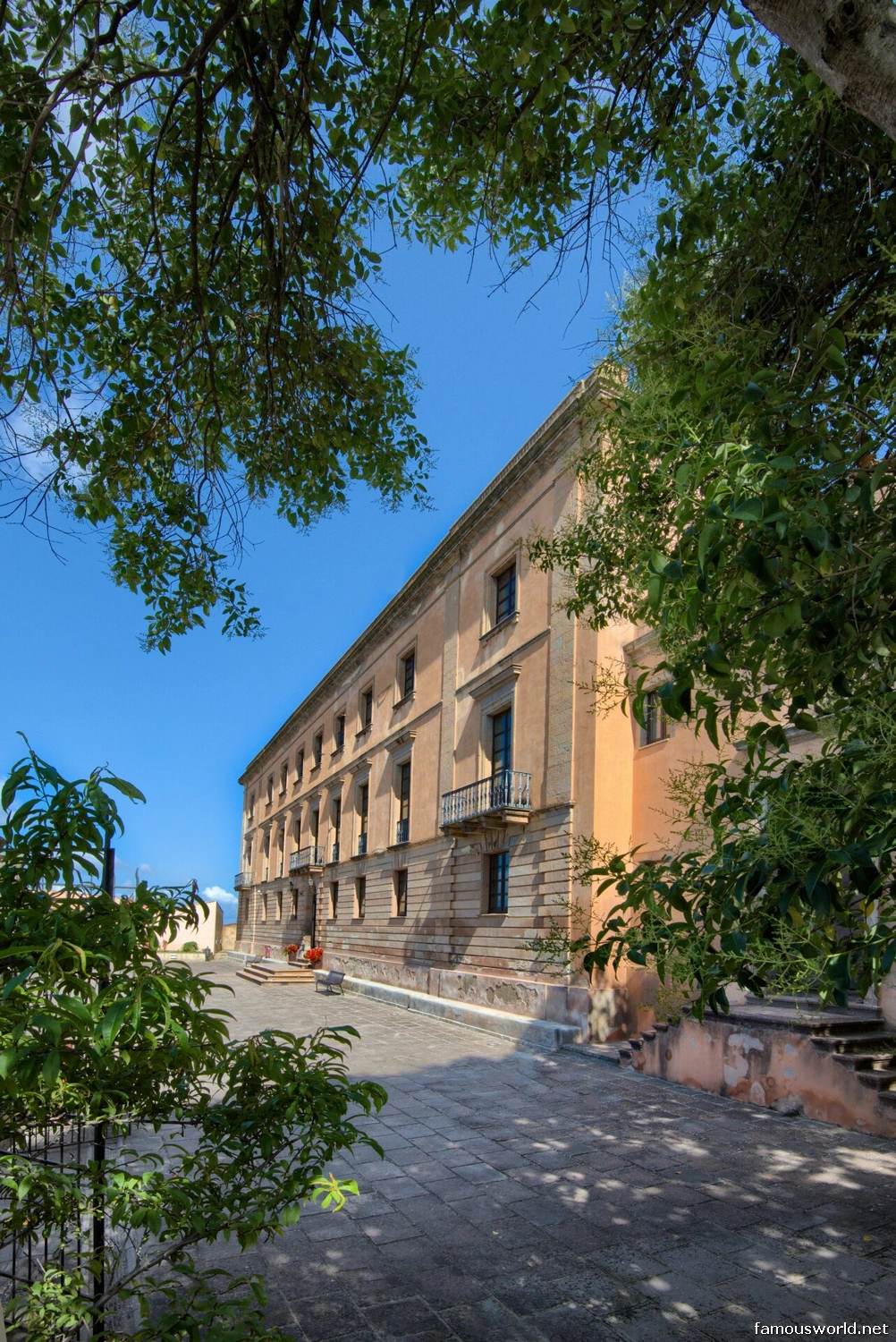
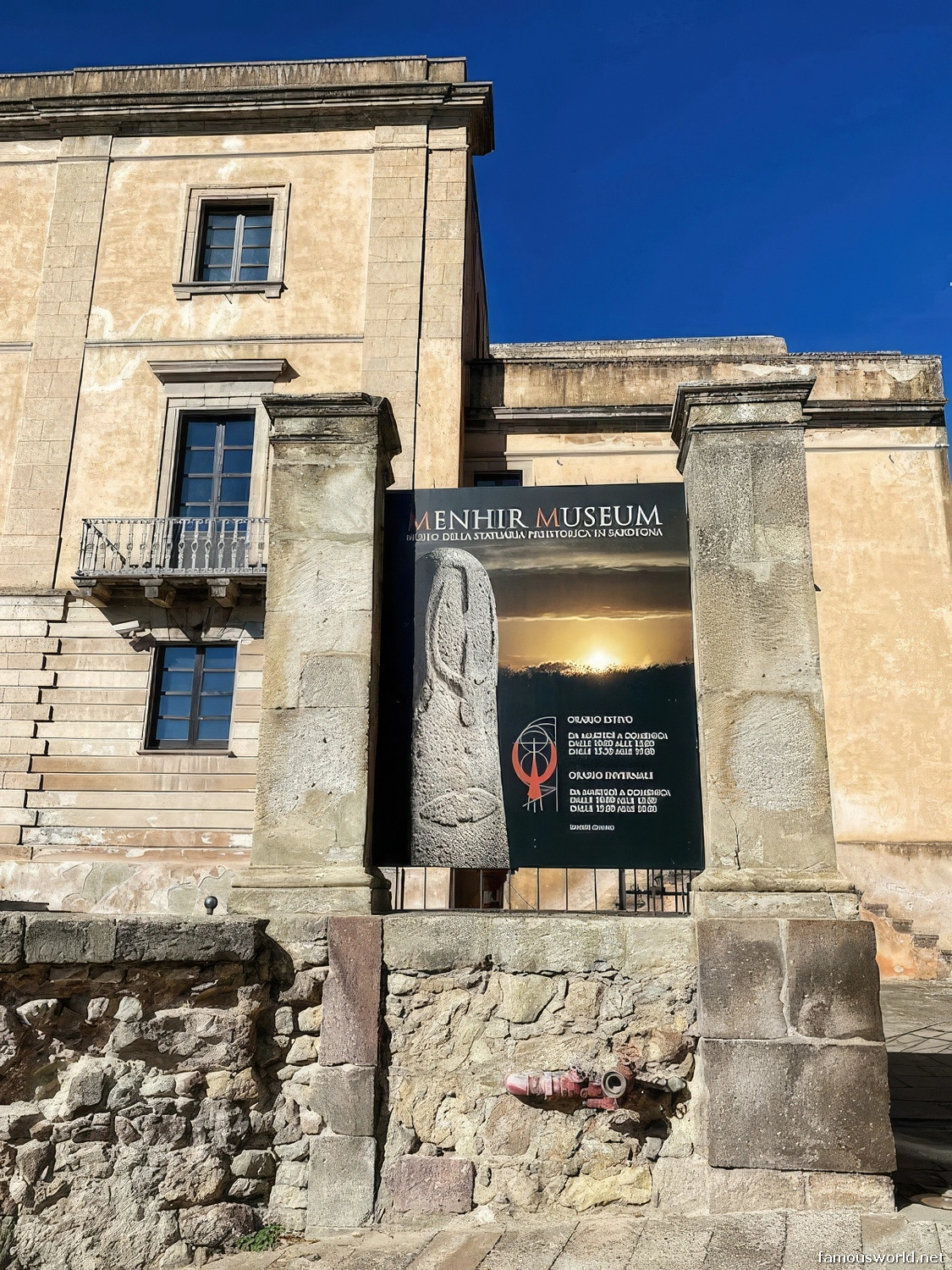
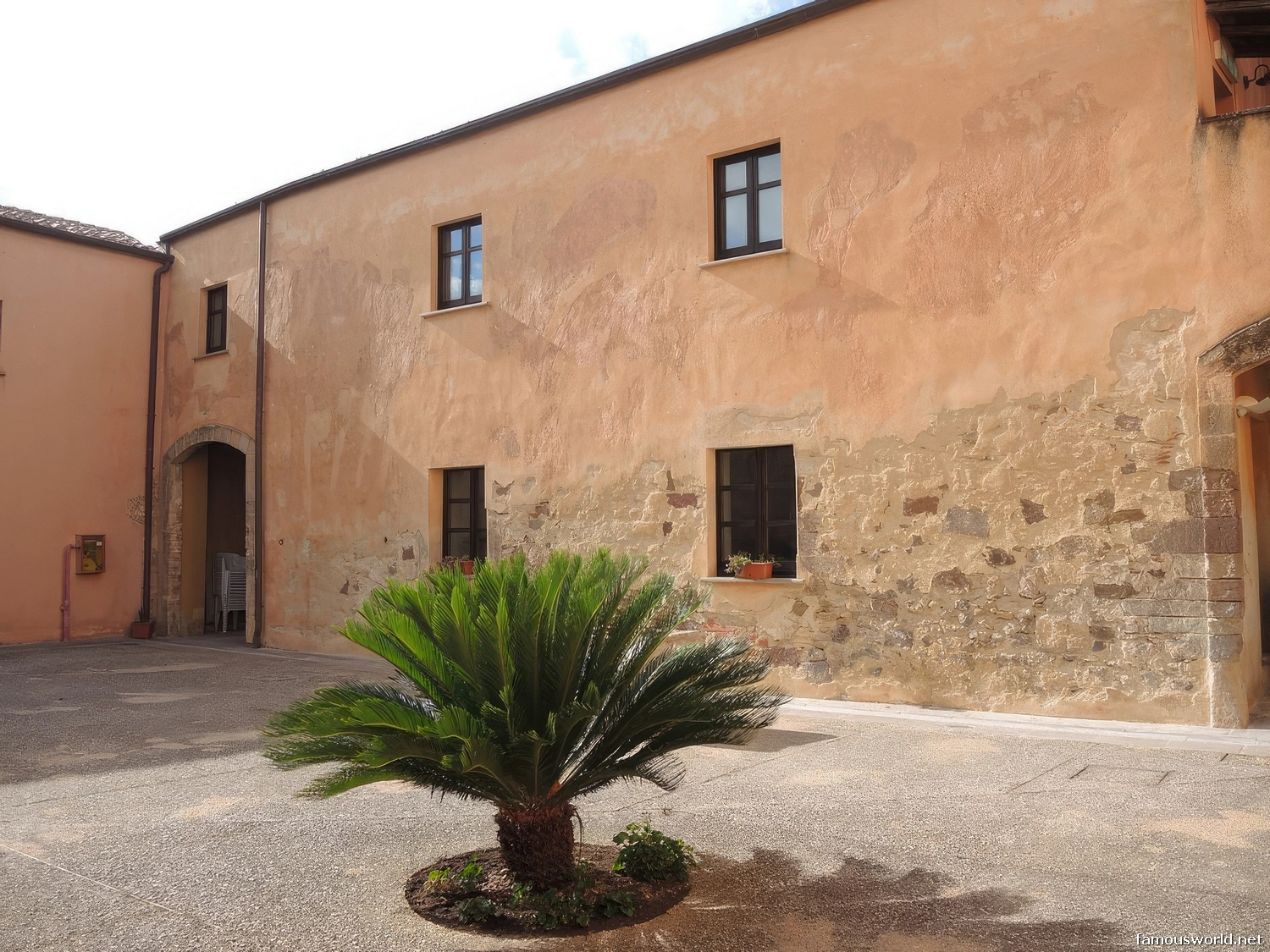
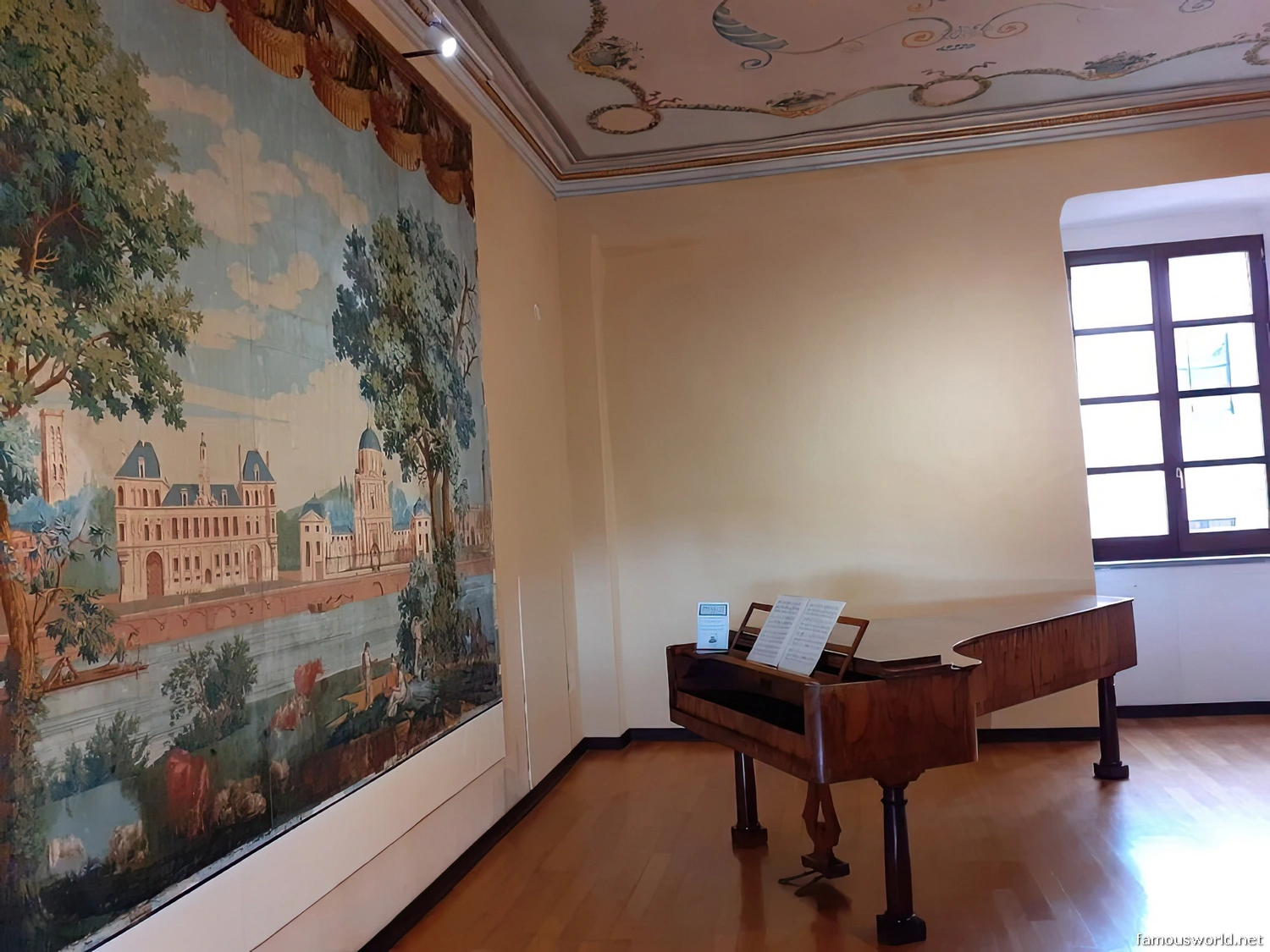
- Palazzo Aymerich: The museum is housed in the Palazzo Aymerich, a grand 19th-century neoclassical palace that was the last residence of the Marquises of Laconi. The ornate rooms, with their decorated ceilings and historic charm, provide a dramatic backdrop for the minimalist, ancient statues.
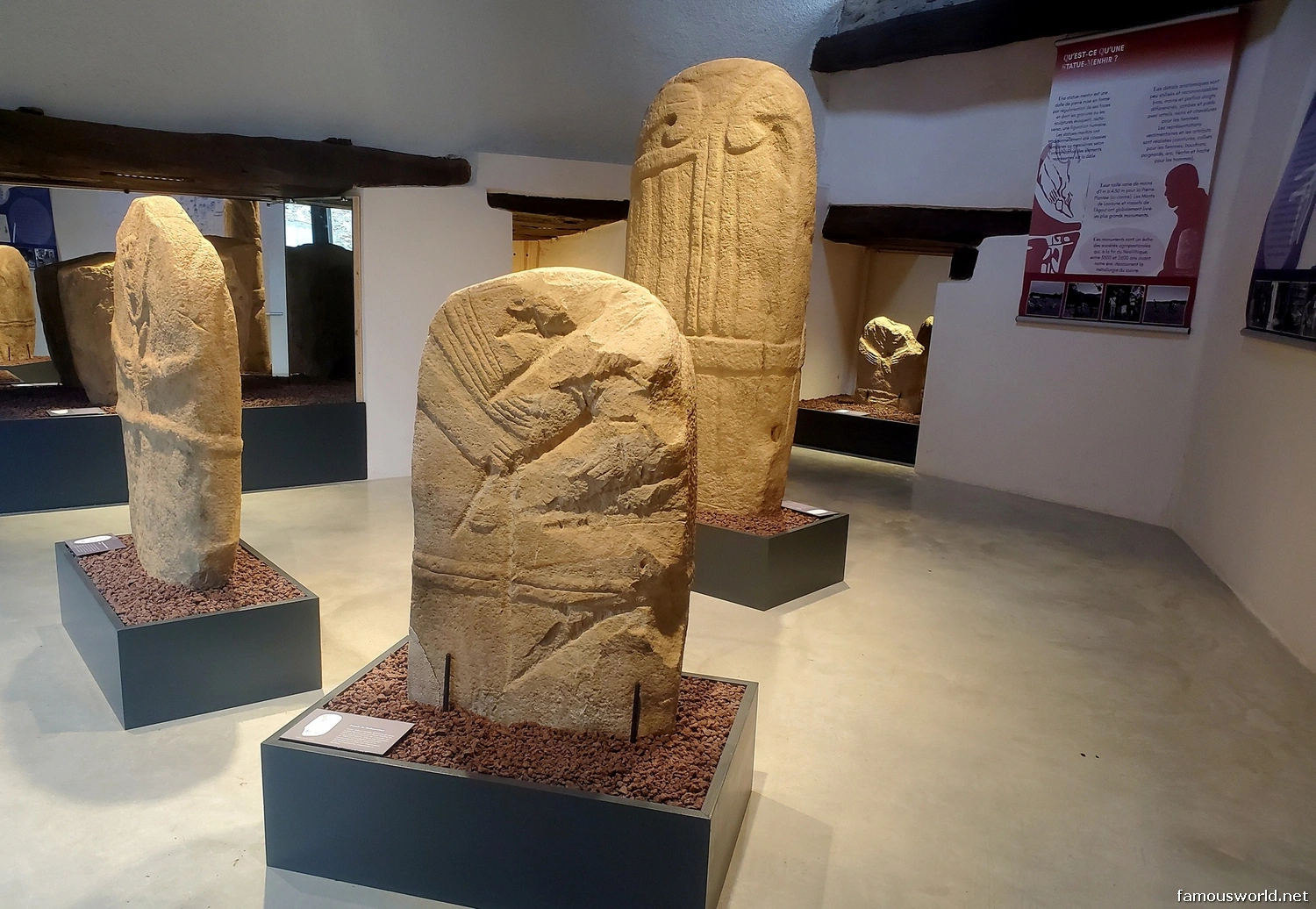
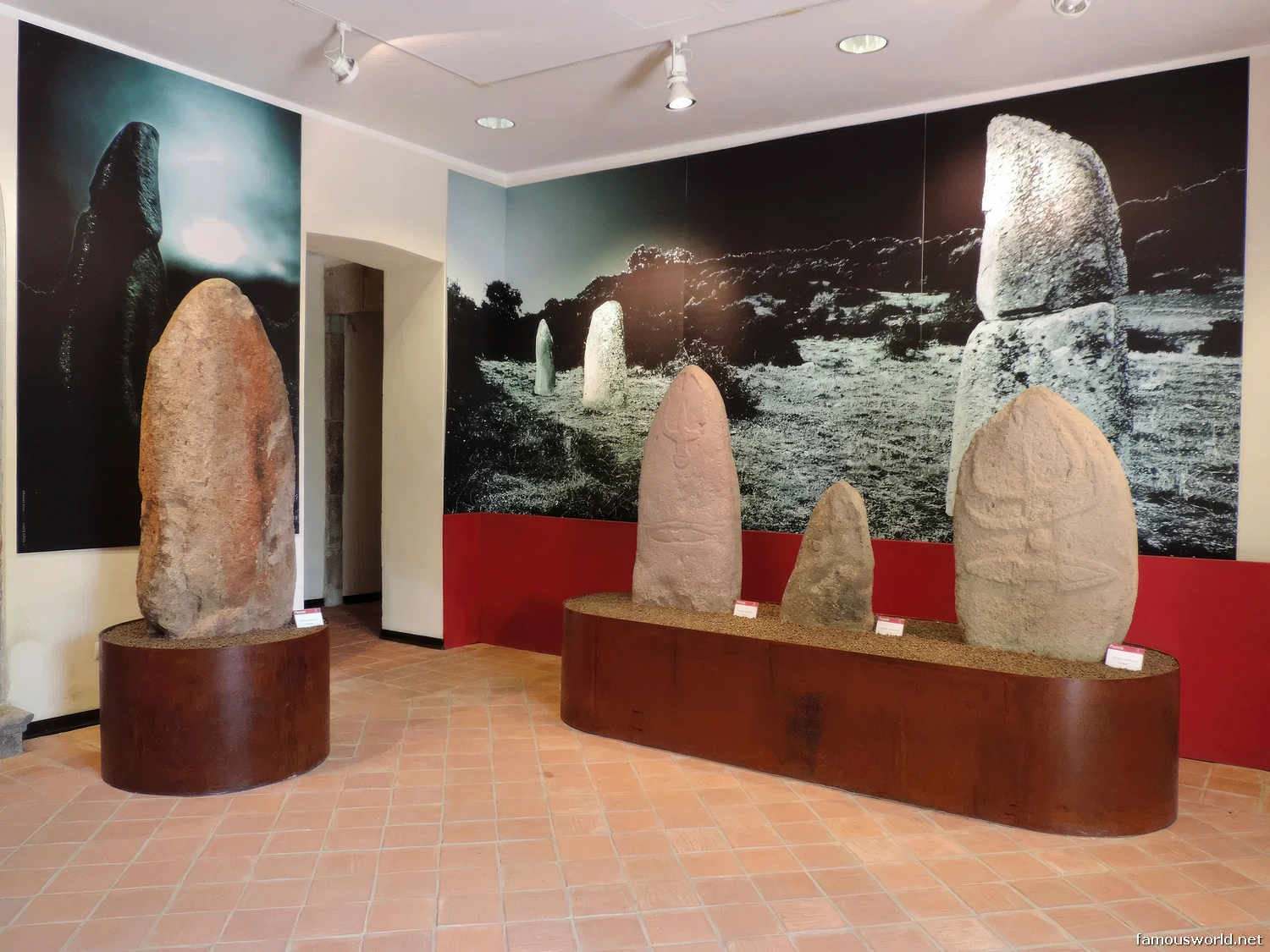
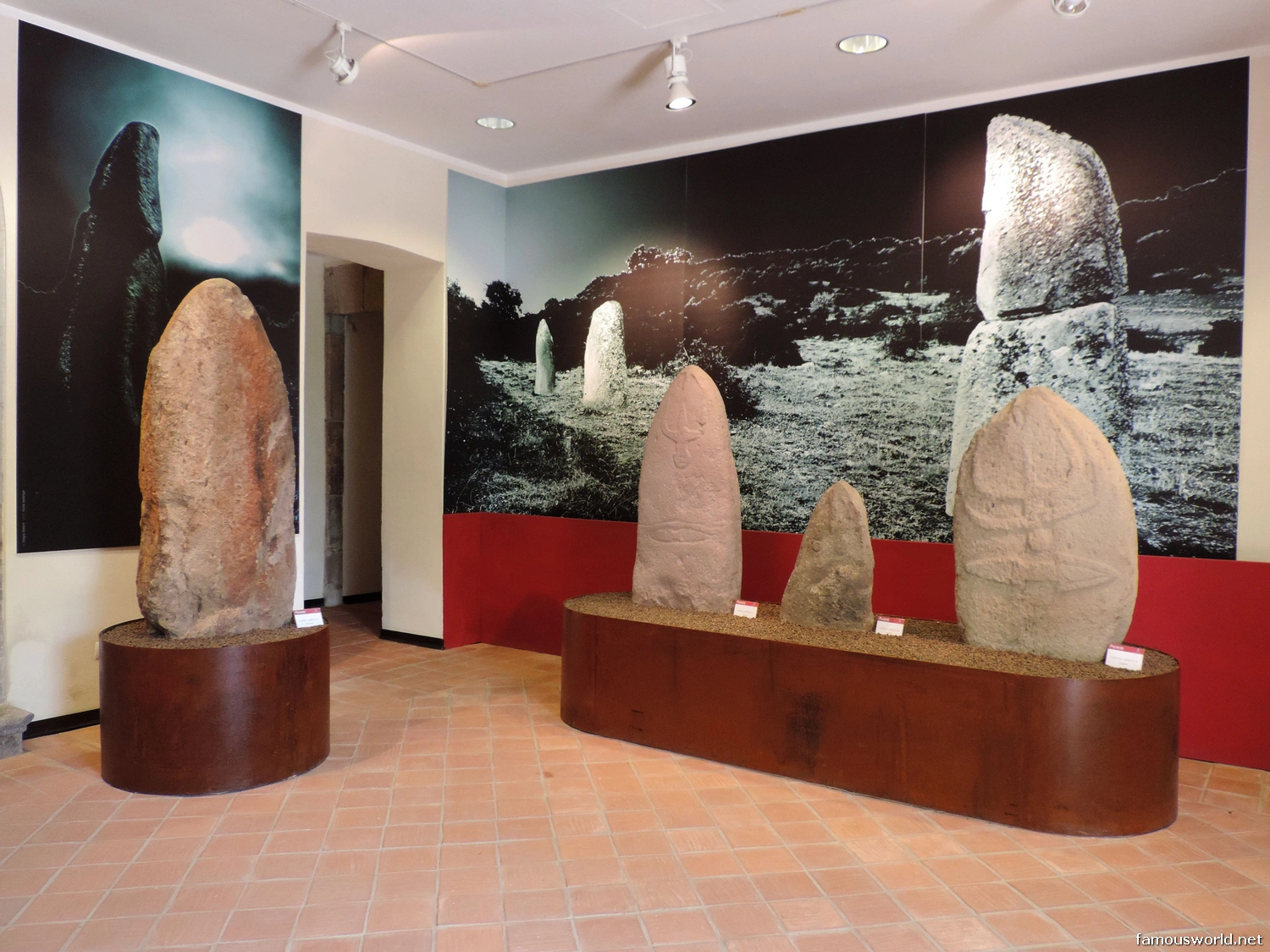
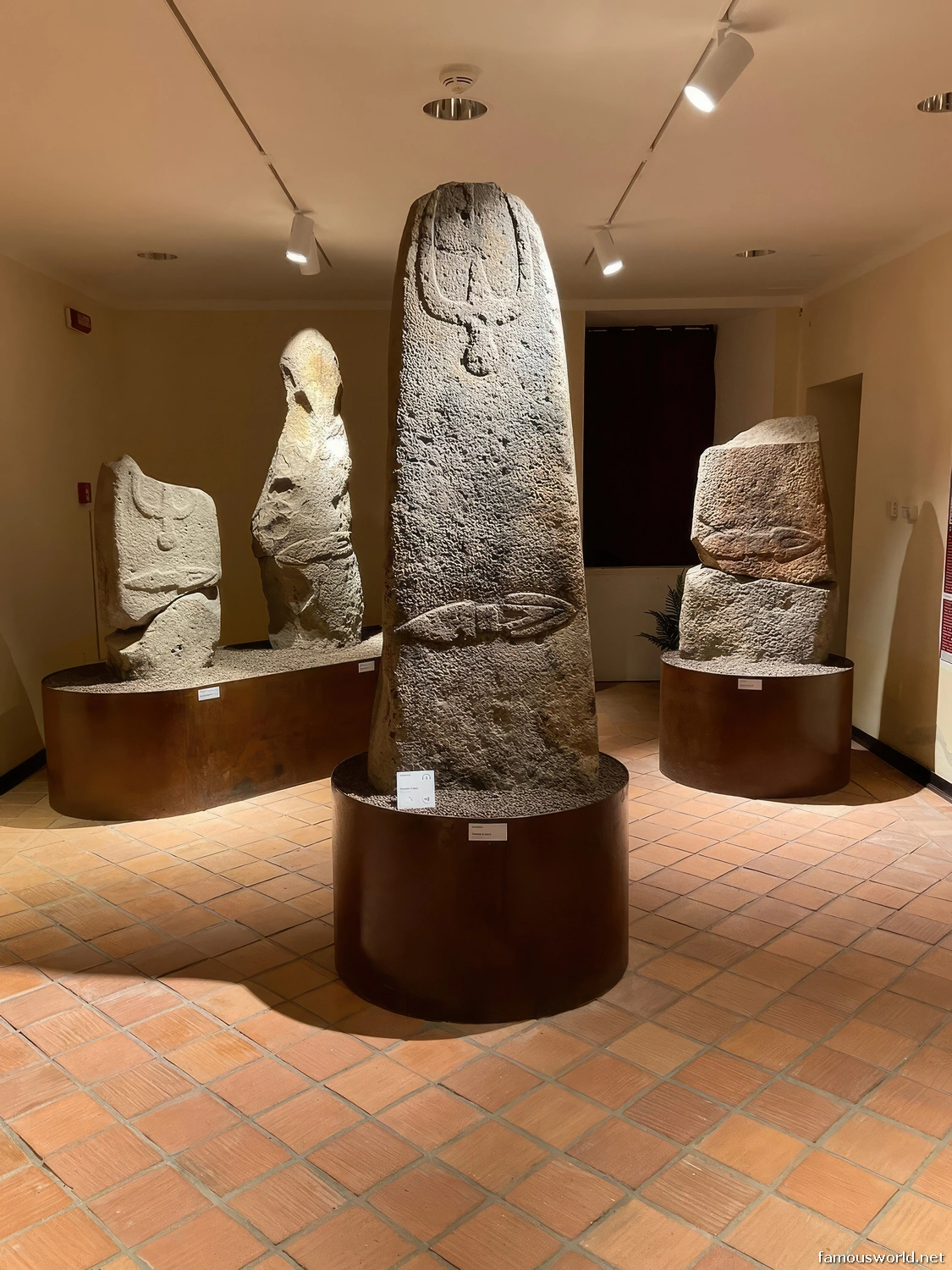
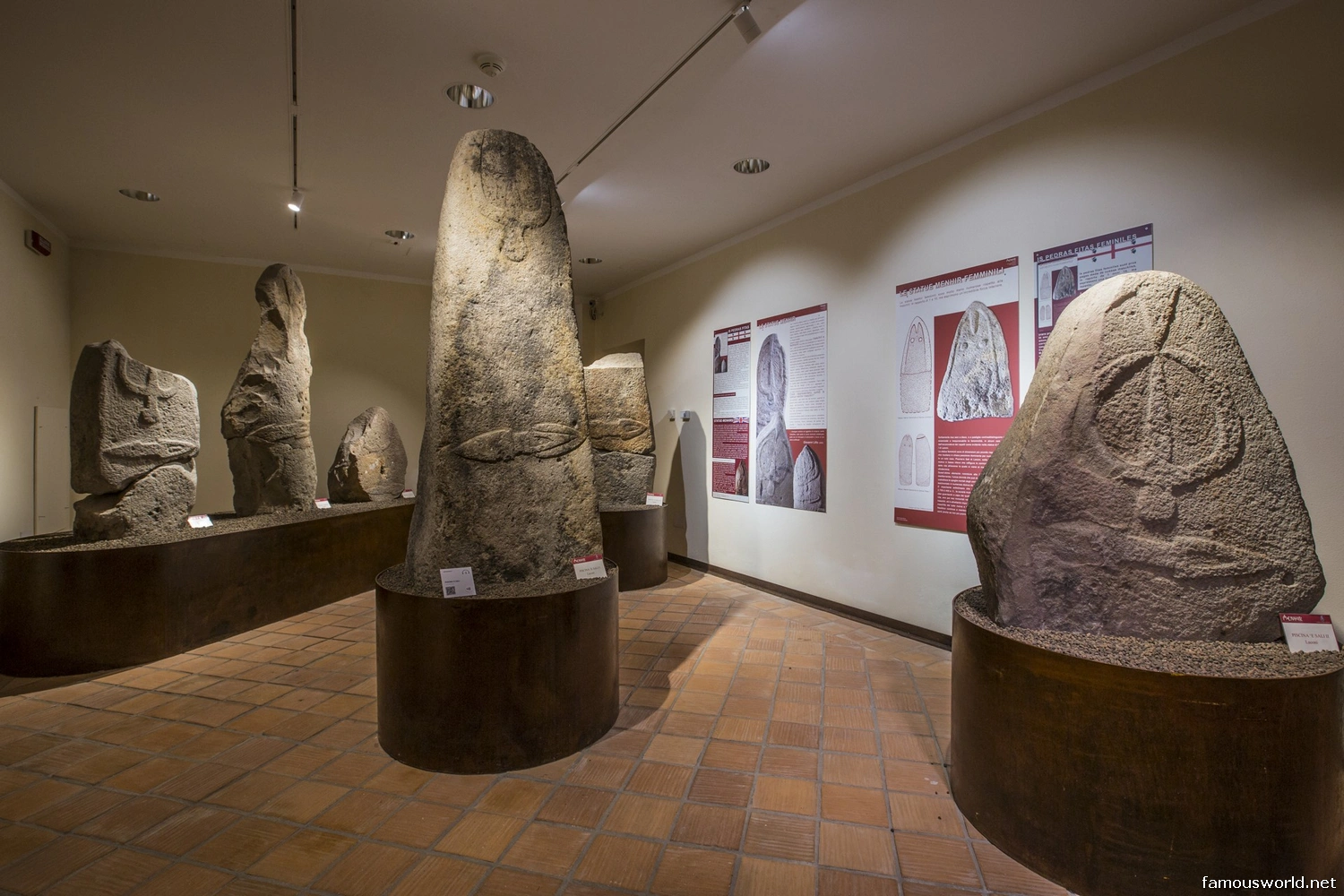
- Exhibition Design: The statues are arranged chronologically and thematically in spacious halls. The lighting is carefully designed to emphasize the textures, carvings, and powerful forms of the menhirs, creating a solemn and evocative atmosphere.
- A Journey Through Time: The experience is a journey through two distinct layers of Sardinian history: the prehistoric world of the menhirs and the 19th-century aristocratic life of the palace that now protects them.
What Makes It Famous
The Menhir Museum is a world-class institution for the study of European prehistory.
- Europe’s Largest Collection: It houses the most significant collection of prehistoric statue-menhirs in Sardinia and one of the most important in all of Europe.
- Mysterious Pre-Nuragic Art: The museum provides an unparalleled look at the art and spirituality of the Copper Age cultures of Sardinia (c. 3300-2500 BC), which preceded the famous Nuragic civilization.
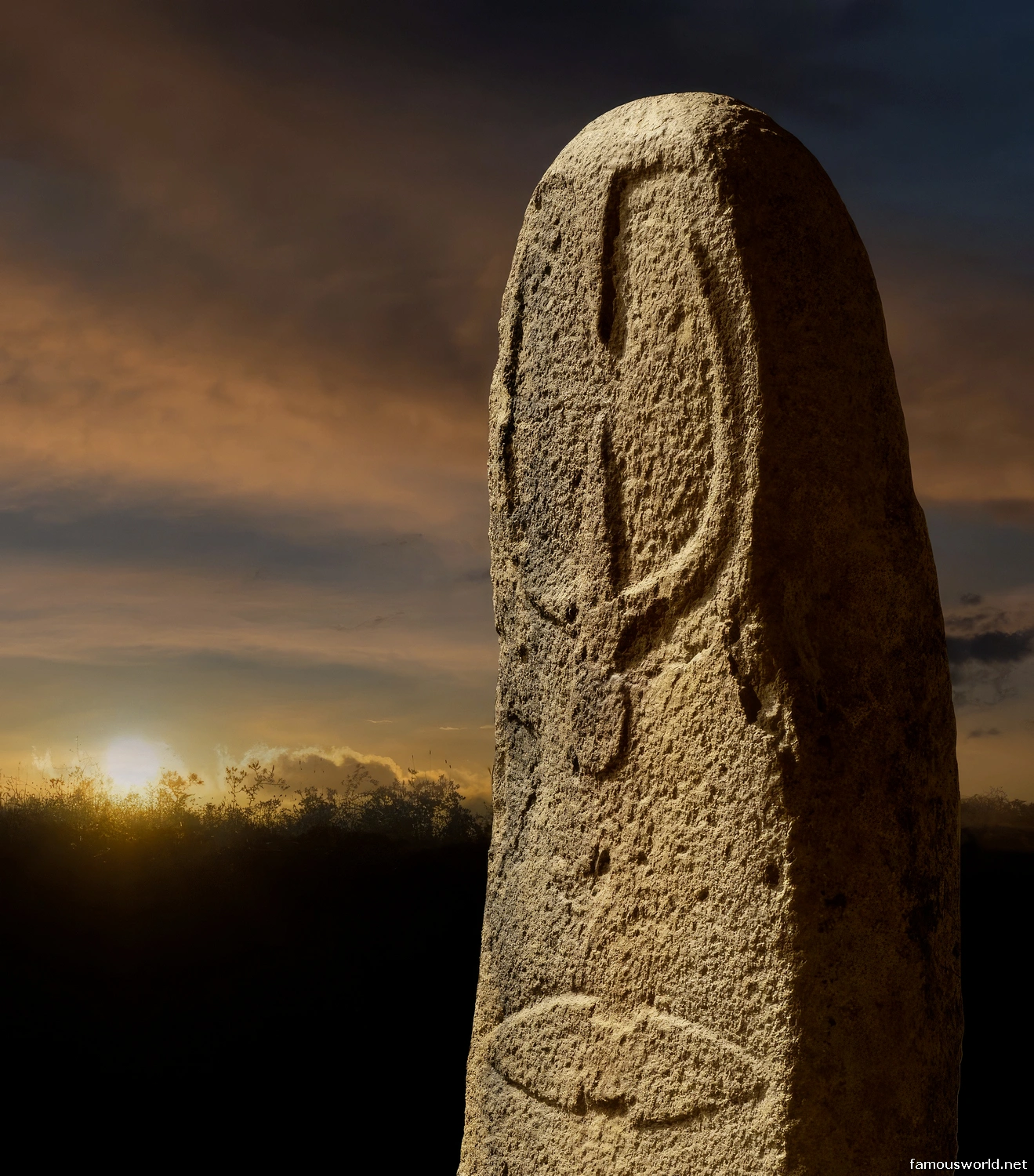
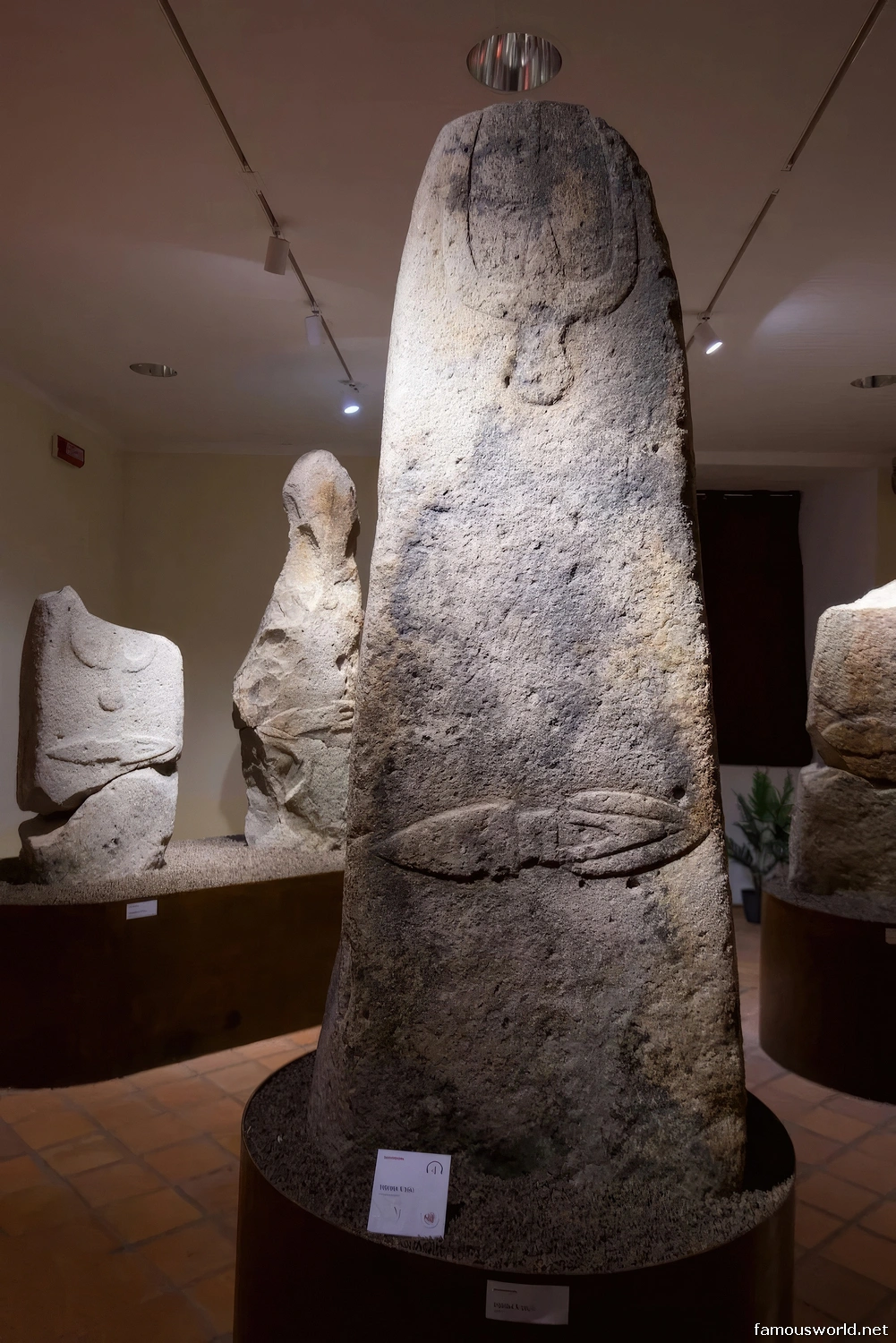
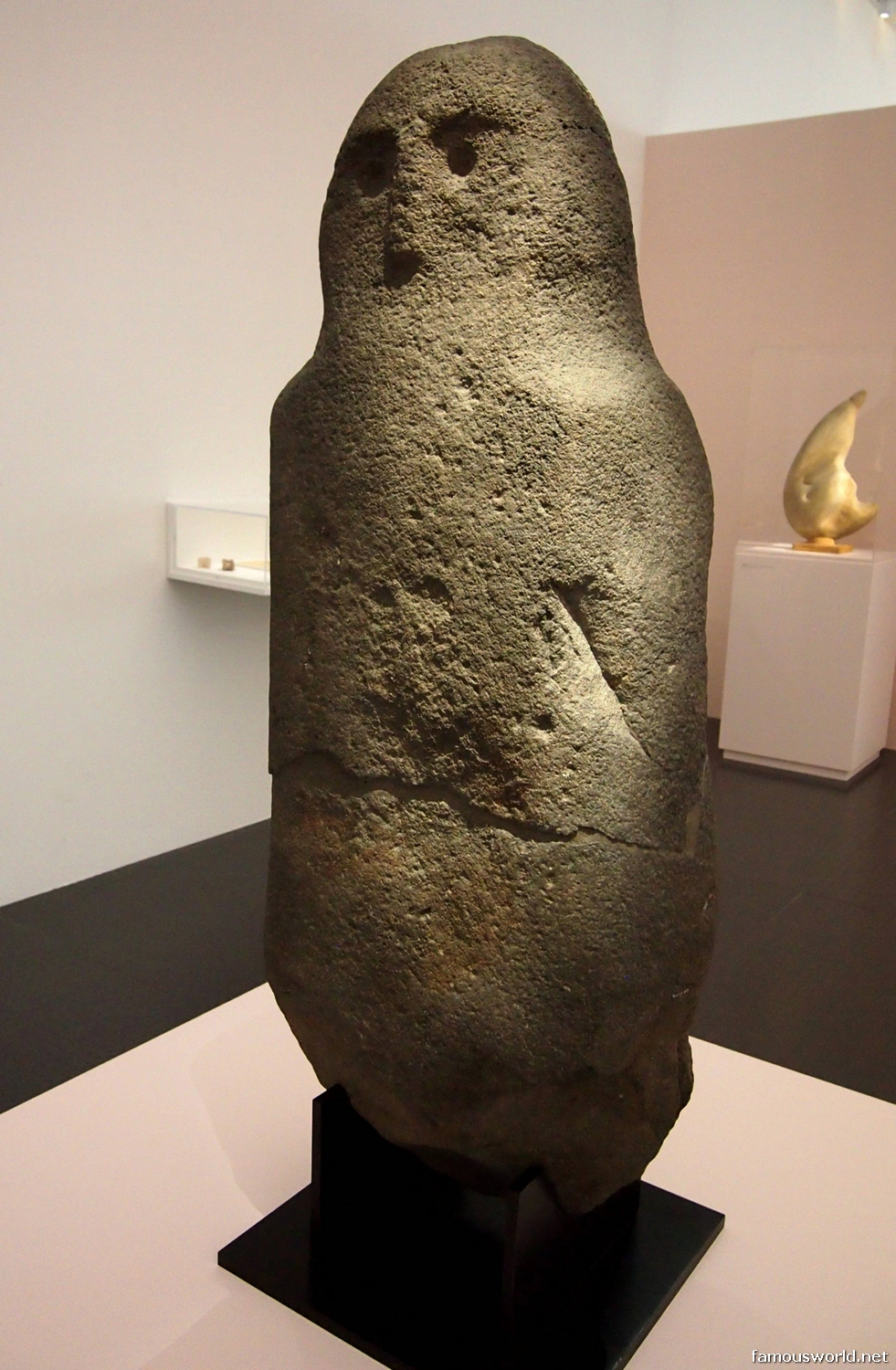
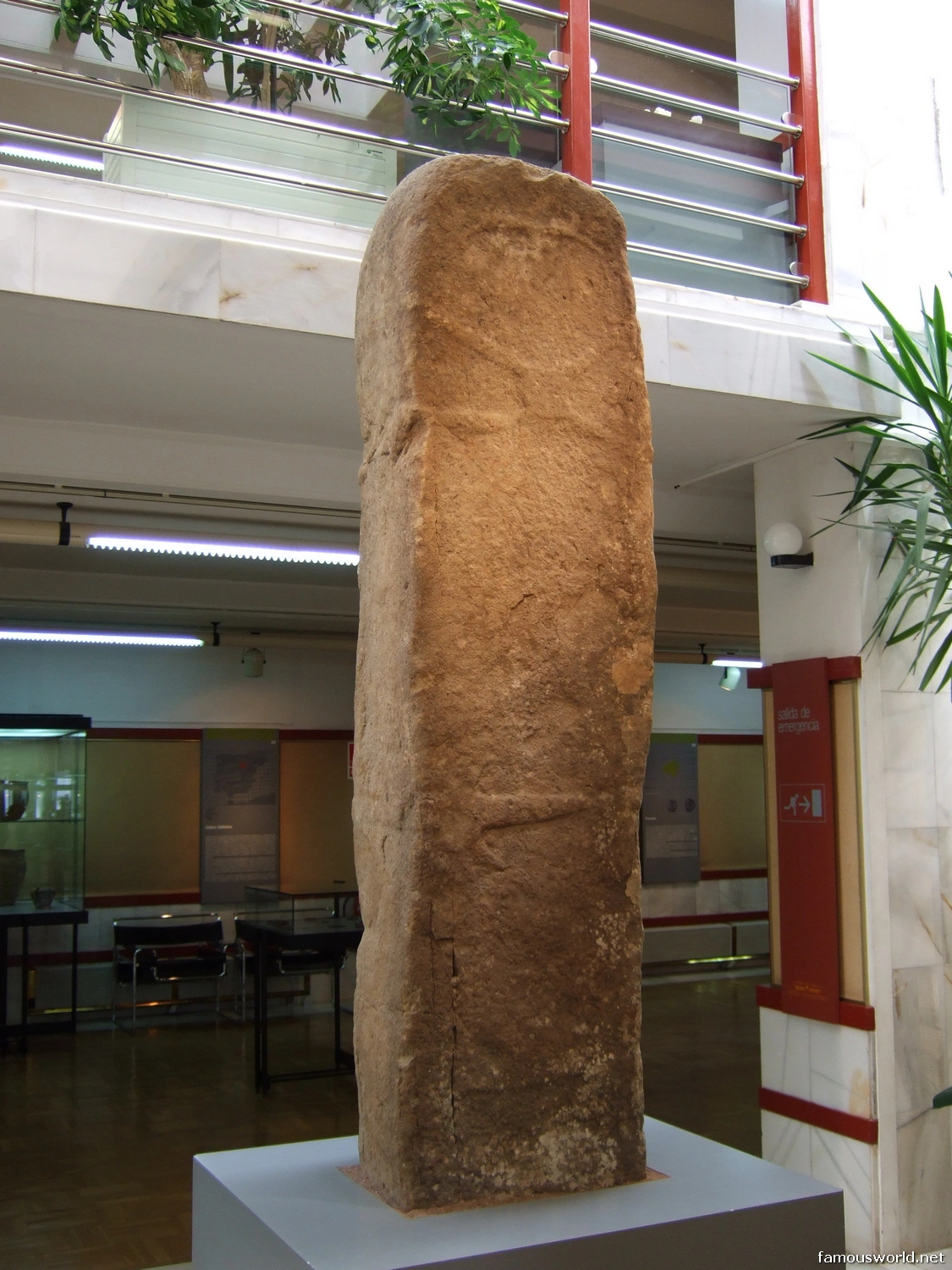
- Iconic Statues: The collection includes dozens of examples of these stylized human figures, from simple, aniconic steles to more evolved statues representing chieftains or warriors, often distinguished by the carving of a distinctive “upside-down” dagger.
- Archaeological Significance: The statues, found in the surrounding countryside, are crucial artifacts for understanding the social structure, ideology, and artistic evolution of ancient Sardinian societies.
Differences from Other Wonders (vs. British Museum, London)
An intimate museum focused on a specific prehistoric phenomenon offers a different experience from a vast, encyclopedic global institution.
- Environment (Sardinian Palace vs. Global Metropolis Museum): The Menhir Museum is located in a historic palace in a small, quiet Sardinian town. The British Museum is a massive, iconic institution in the bustling heart of London.
- Focus (Specific Prehistoric Culture vs. World Civilizations): The Menhir Museum offers a deep, specialized immersion into the singular phenomenon of Sardinian statue-menhirs. The British Museum presents a vast collection spanning millennia and covering countless civilizations from across the entire globe.
- Core Story (Local Mystery vs. Global Empire): The Menhir Museum tells the mysterious story of a pre-literate, local island culture. The British Museum tells the story of human civilization through a collection shaped by exploration, archaeology, and the history of the British Empire.
- Atmosphere (Intimate and Evocative vs. Grand and Encyclopedic): The atmosphere in the Menhir Museum is intimate, contemplative, and hauntingly evocative. The British Museum is grand, bustling, and can feel encyclopedic, presenting a monumental survey of human history.
Location on world map