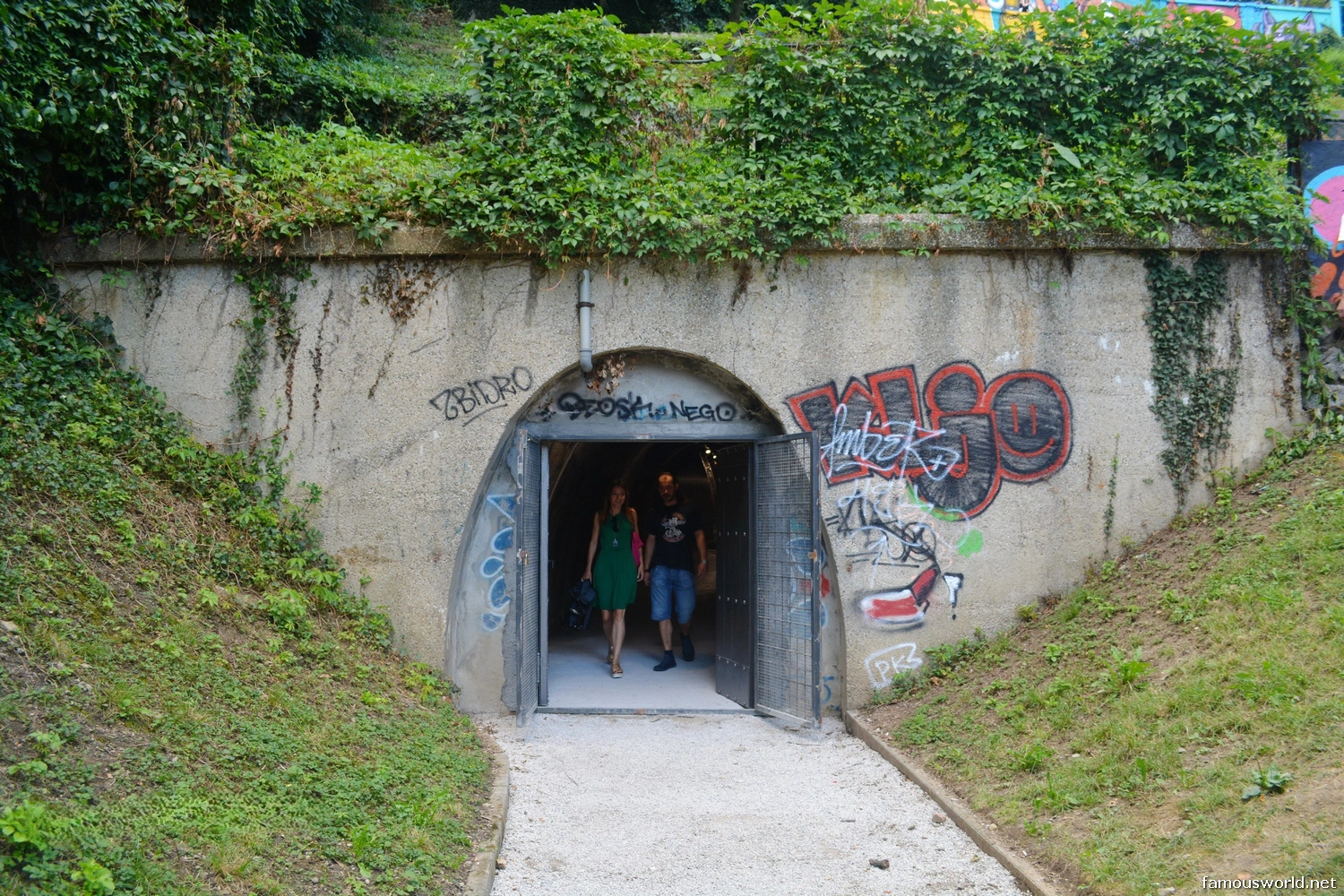






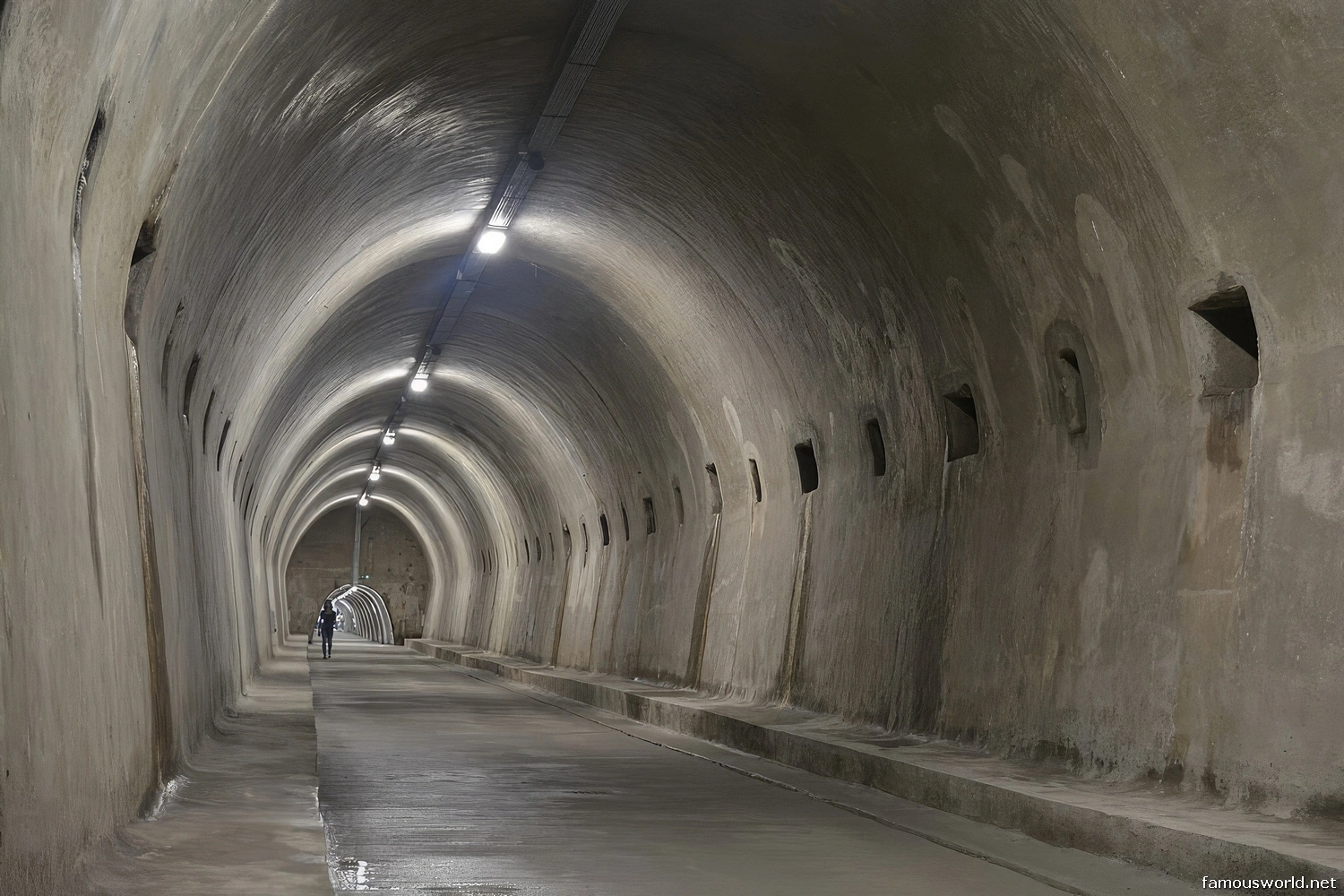


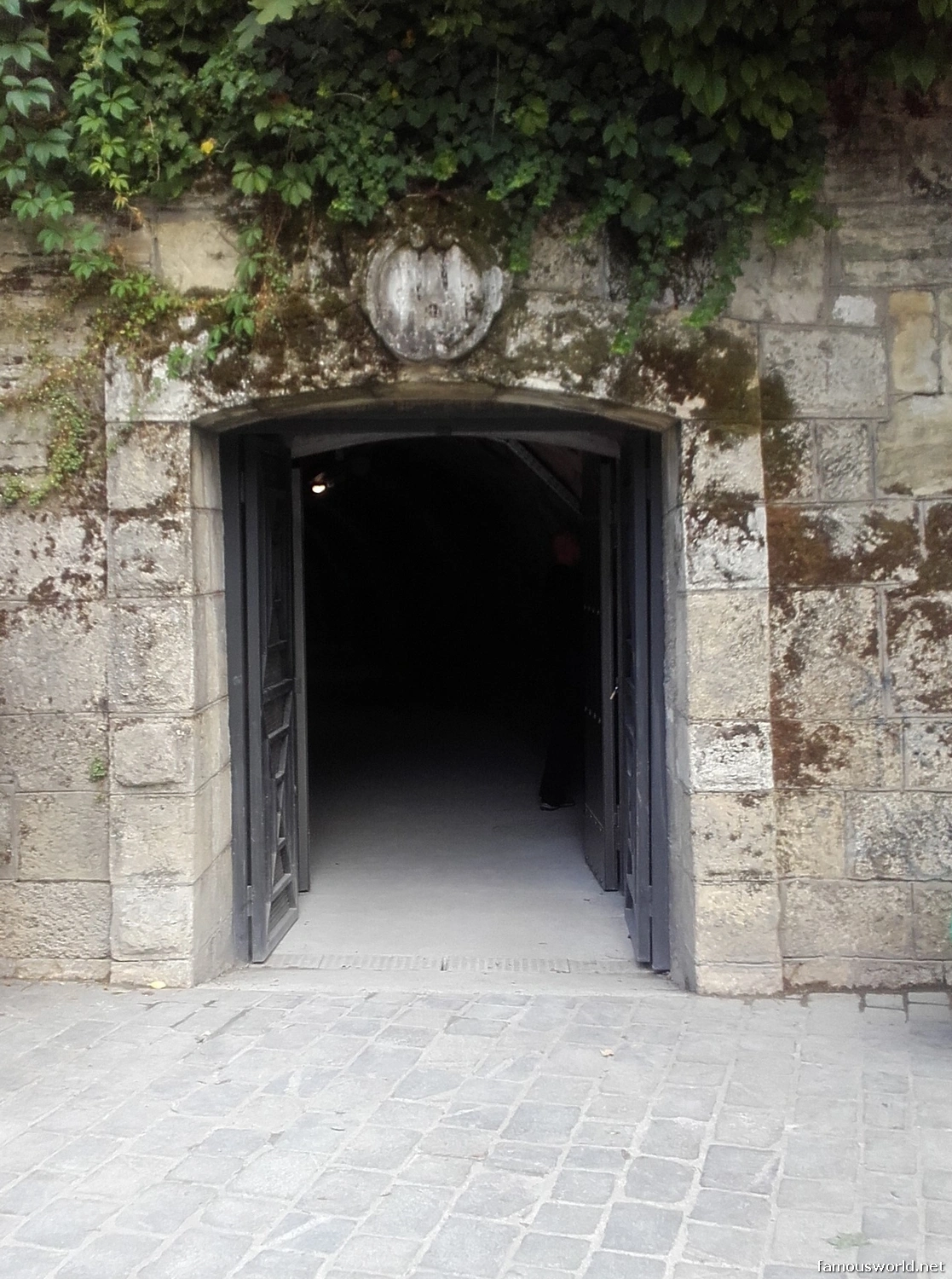


Hidden beneath the historic hill of Zagreb’s Upper Town lies the Grič Tunnel, a fascinating and slightly mysterious public passageway with a 20th-century past. Originally constructed as a bomb shelter during World War II, this once-forgotten tunnel has been transformed into a unique pedestrian thoroughfare and an unconventional venue for art installations and cultural events. Walking through its stark, subterranean corridor offers a completely different perspective on the city, connecting different downtown streets while serving as a tangible link to a more turbulent period in Zagreb’s history.
Listen to an introduction about Grič Tunnel

Name and Location
- Name: Grič Tunnel (Tunel Grič).
- Location: Underneath the Grič hill (Upper Town) in Zagreb, Croatia. It has several entrances, with the main ones located in Mesnička Street and Radićeva Street.
How to Get There
As a public passageway, the tunnel is accessible from multiple points in the city center.
- By Foot: The entrances are easily reached on foot. The western entrance in Mesnička Street is very close to the base of the Zagreb Funicular. The eastern entrance in Radićeva Street is just a short walk from the main Ban Jelačić Square.
Landscape and Architecture
The tunnel is a unique piece of utilitarian architecture that provides an underground urban landscape.
- The Landscape: Unlike other landmarks, the tunnel’s landscape is entirely subterranean. It provides a functional, climate-controlled shortcut through the city’s urban core, shielding pedestrians from the weather. Its main corridor is connected by a larger central hall and several smaller, currently unused branches.
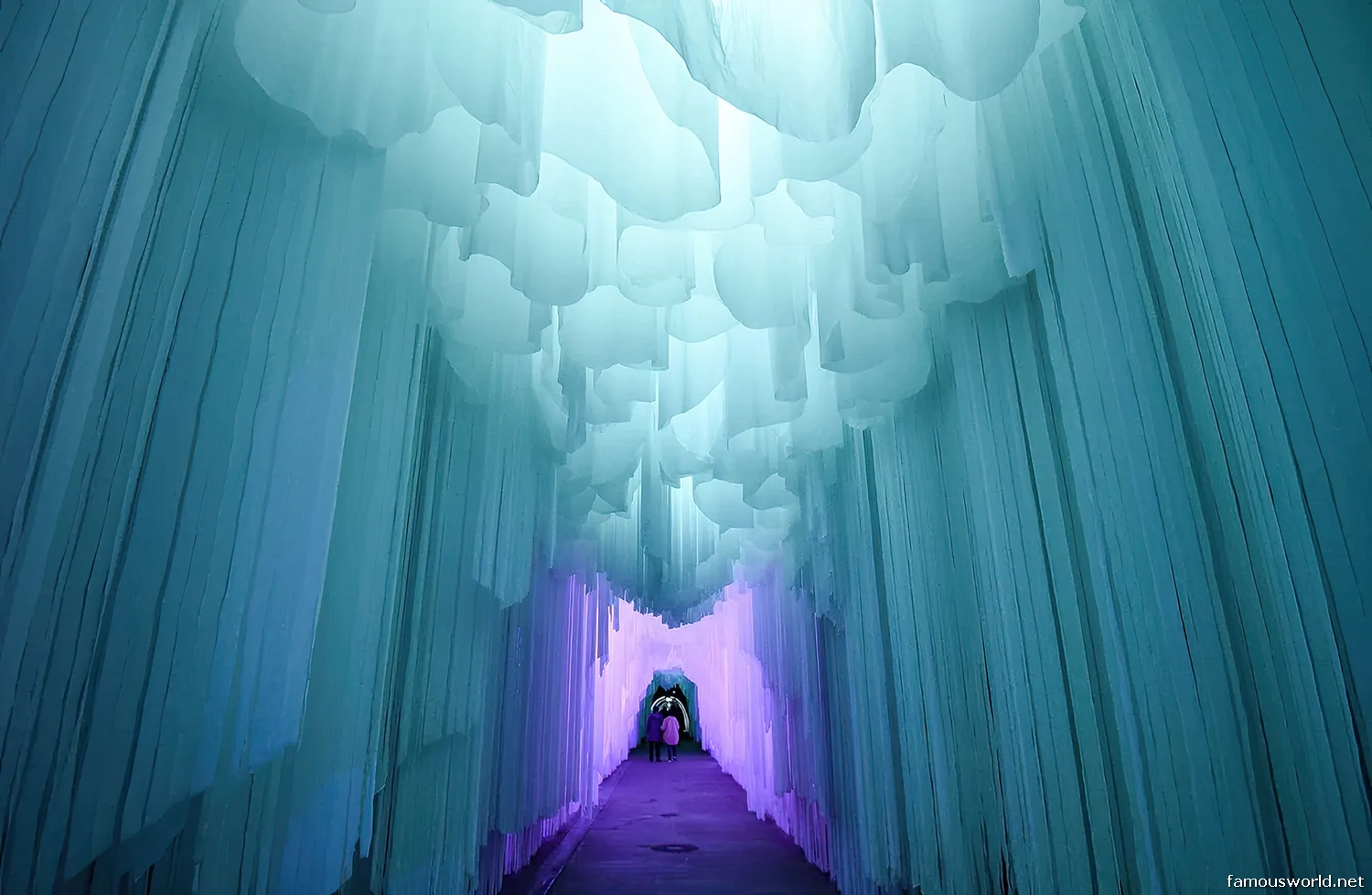
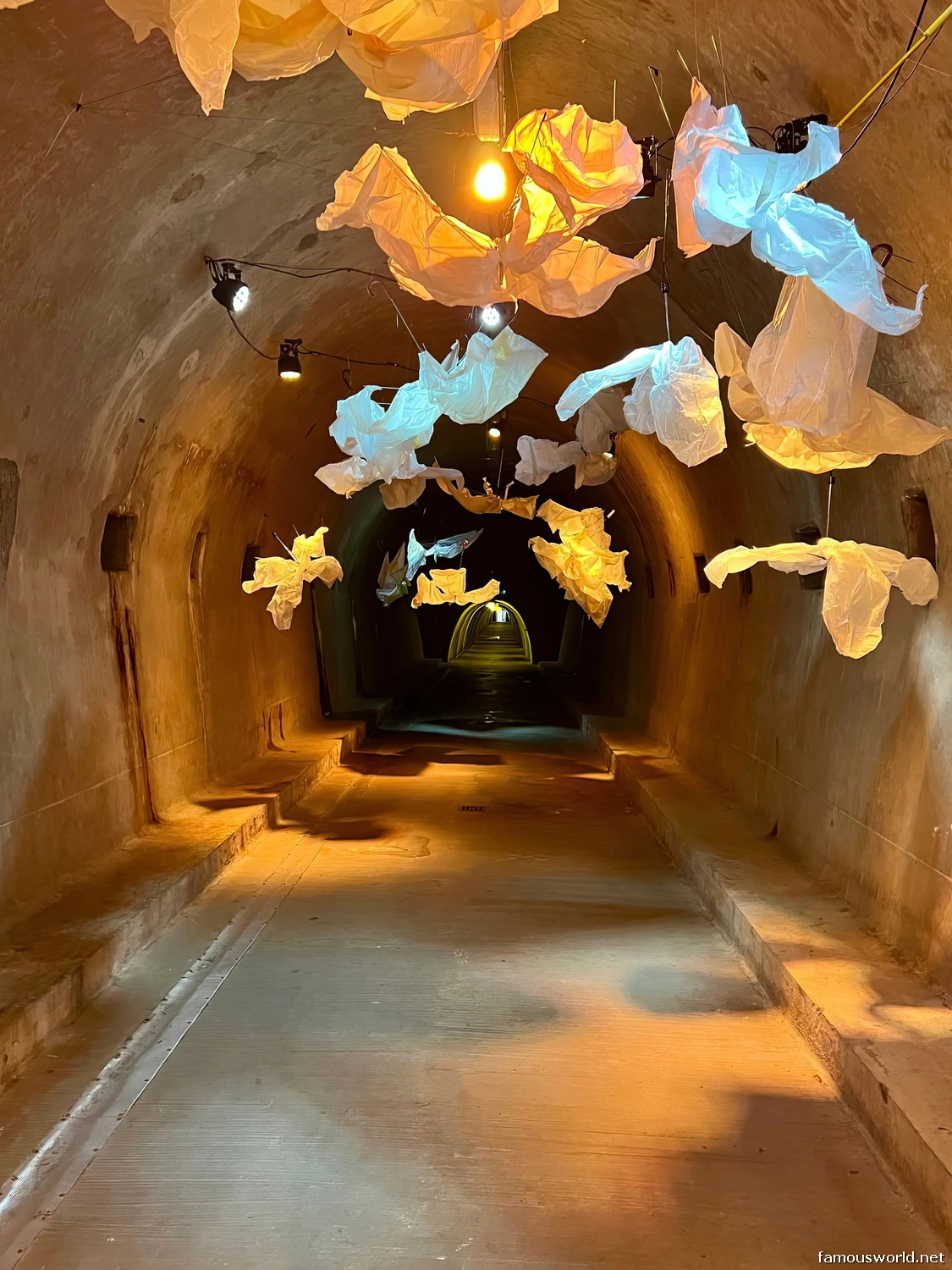
- The Architecture: The structure is a simple, wide, and well-lit concrete tube. Its design is purely functional, reflecting its origin as a shelter. It is devoid of ornamentation, but this minimalist, stark quality makes it an incredibly effective canvas for the light shows and art installations it frequently hosts.
What Makes It Famous
The Grič Tunnel is famous for its history, its modern repurposing, and its role during the city’s biggest festival.
- World War II History: Its origin as a bomb shelter and public assembly point gives it significant historical weight.
- Advent in Zagreb: The tunnel becomes one of the most magical and popular attractions during the award-winning Advent in Zagreb festival, where it is lavishly decorated with spectacular light and sound installations.
- A Unique Public Thoroughfare: It is a rare and successful example of a piece of wartime infrastructure being converted into a vibrant and useful public space for both locals and tourists.
- Cultural Venue: It regularly hosts temporary art exhibitions, concerts, and other cultural happenings, transforming it from a simple passage into a dynamic gallery.
Differences from Other Wonders
The subterranean, 20th-century identity of the Grič Tunnel contrasts sharply with the skyward-looking, medieval character of Lotrščak Tower.
- Environment (Subterranean Passage vs. Overlooking Tower): The tunnel is an enclosed, underground experience that cuts through the landscape. The tower is an open-air structure that rises above the landscape to provide views.
- Core Story (20th-Century Conflict & Modern Art vs. Medieval Defense & Daily Ritual): The tunnel’s story is one of modern conflict and creative repurposing. The tower’s story is one of medieval city defense and a centuries-old civic tradition.
- Primary Attraction (An Atmospheric Walk & Events vs. An Audible Event & Viewpoint): The main attraction of the tunnel is the experience of the passage itself and the immersive events held within it. The primary attraction of the tower is the audible cannon blast and the panoramic city view.
- Atmosphere (Mysterious and Transformative vs. Historic Vigilance): The tunnel has a functional and slightly mysterious atmosphere that can be completely transformed by events. The tower has a consistent atmosphere of historic watchfulness and tradition.
Location on world map