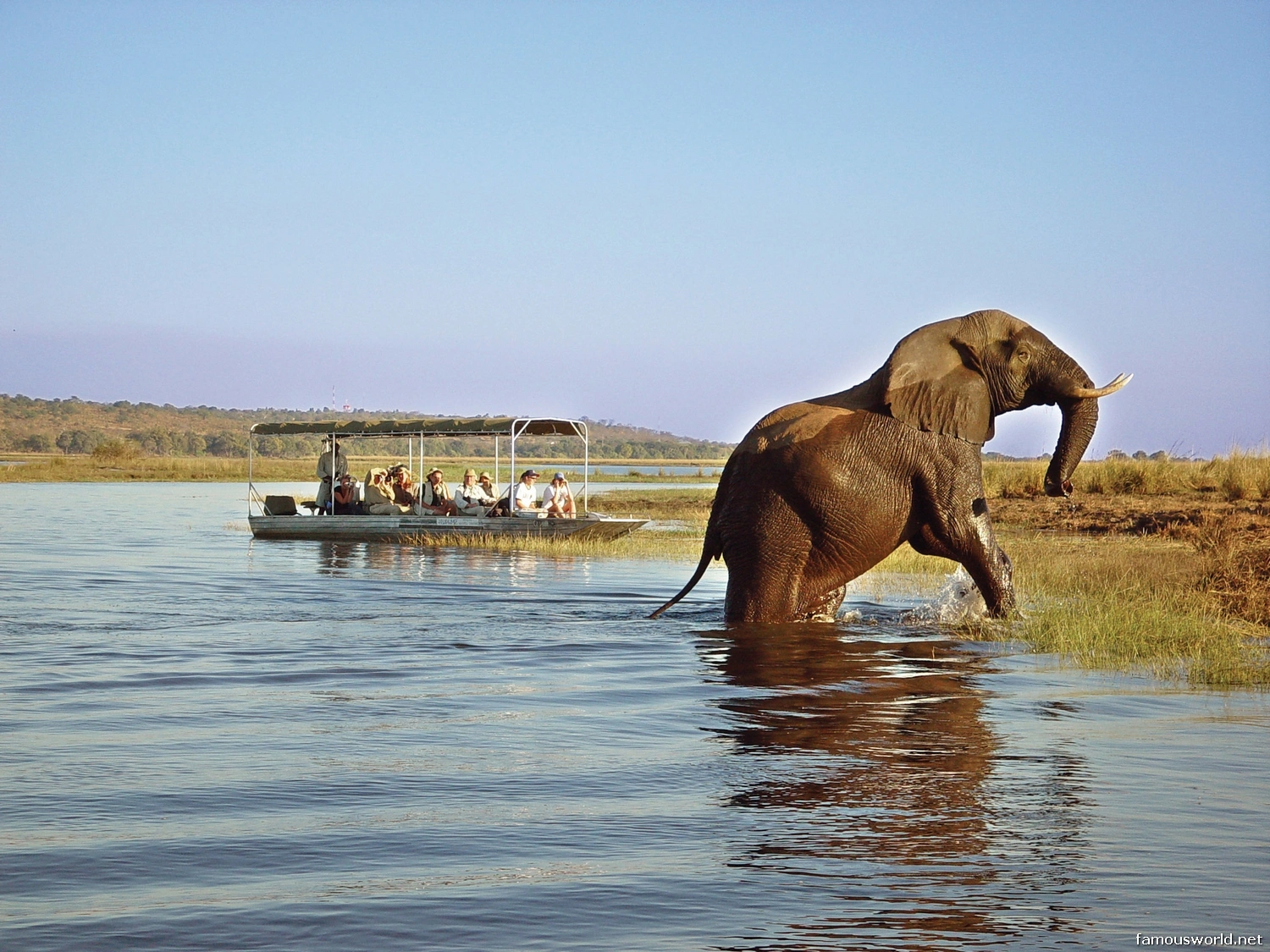






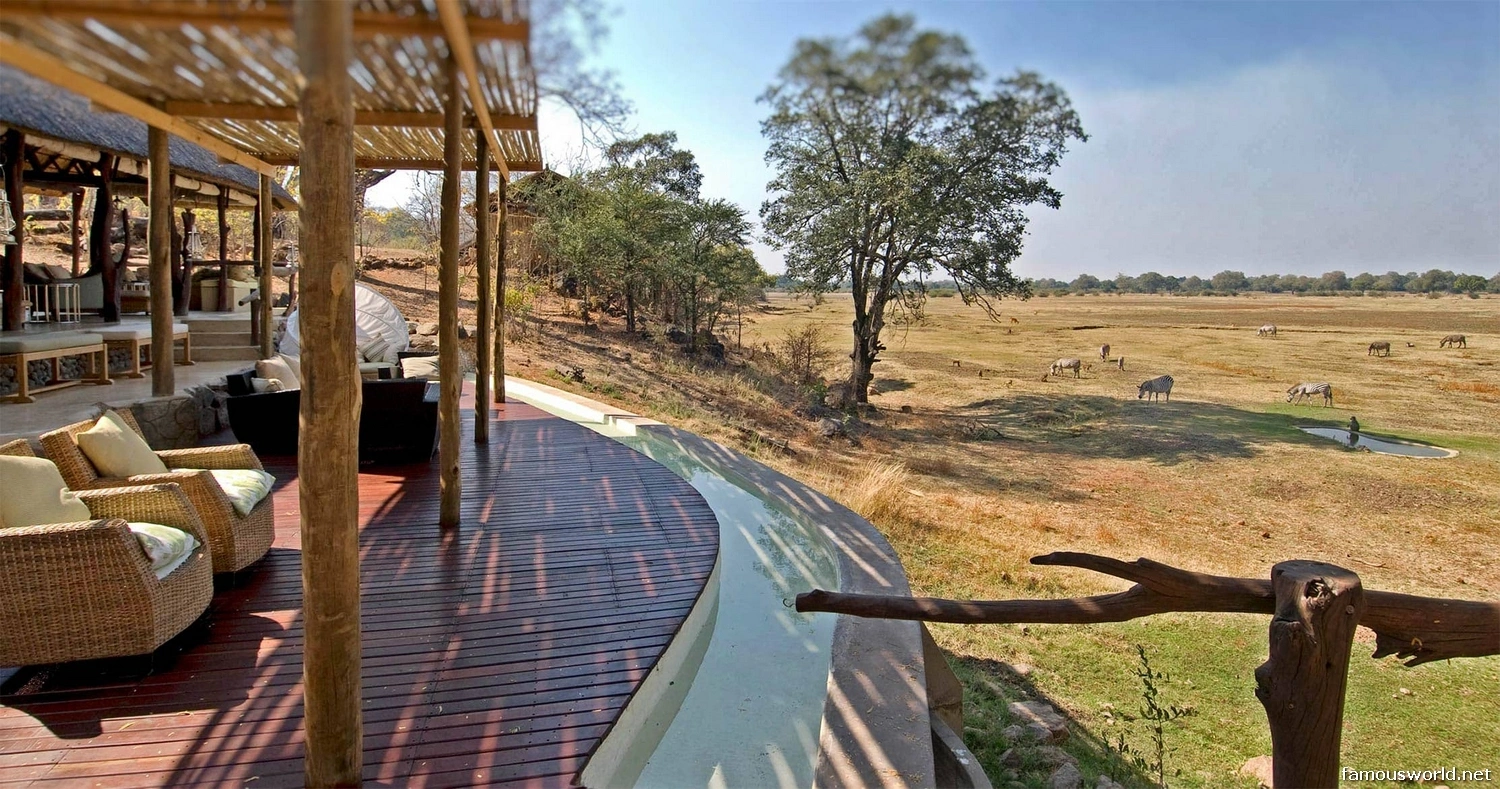


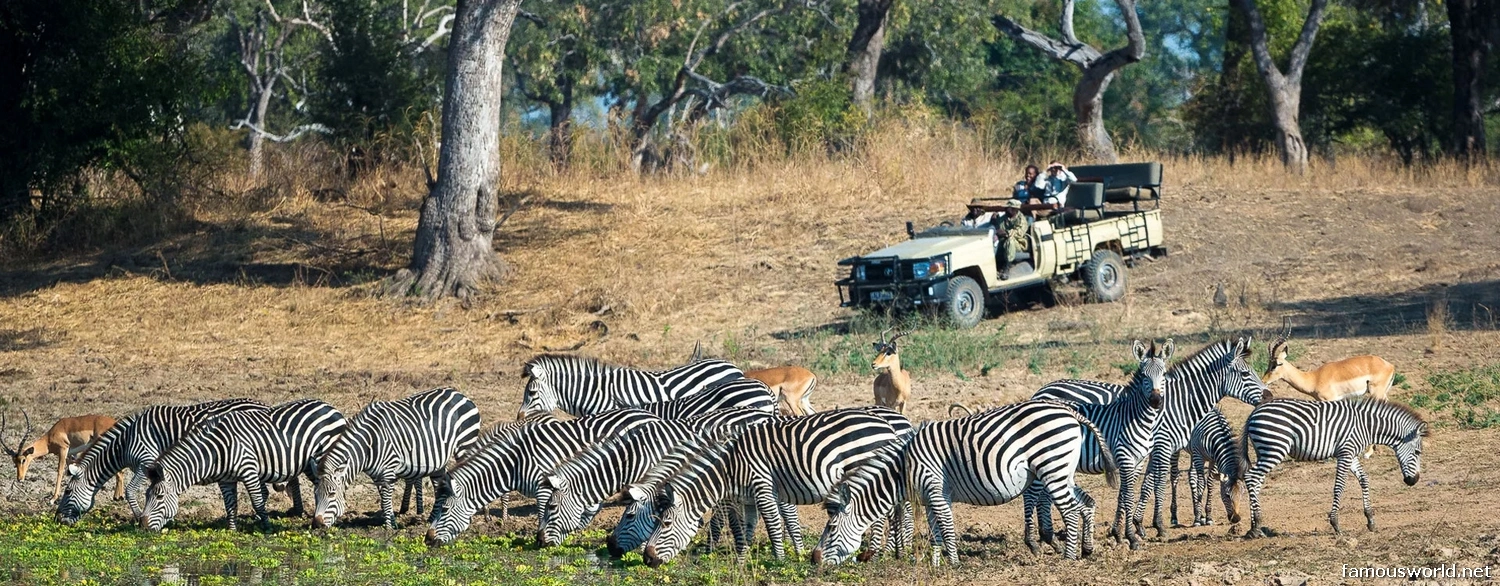
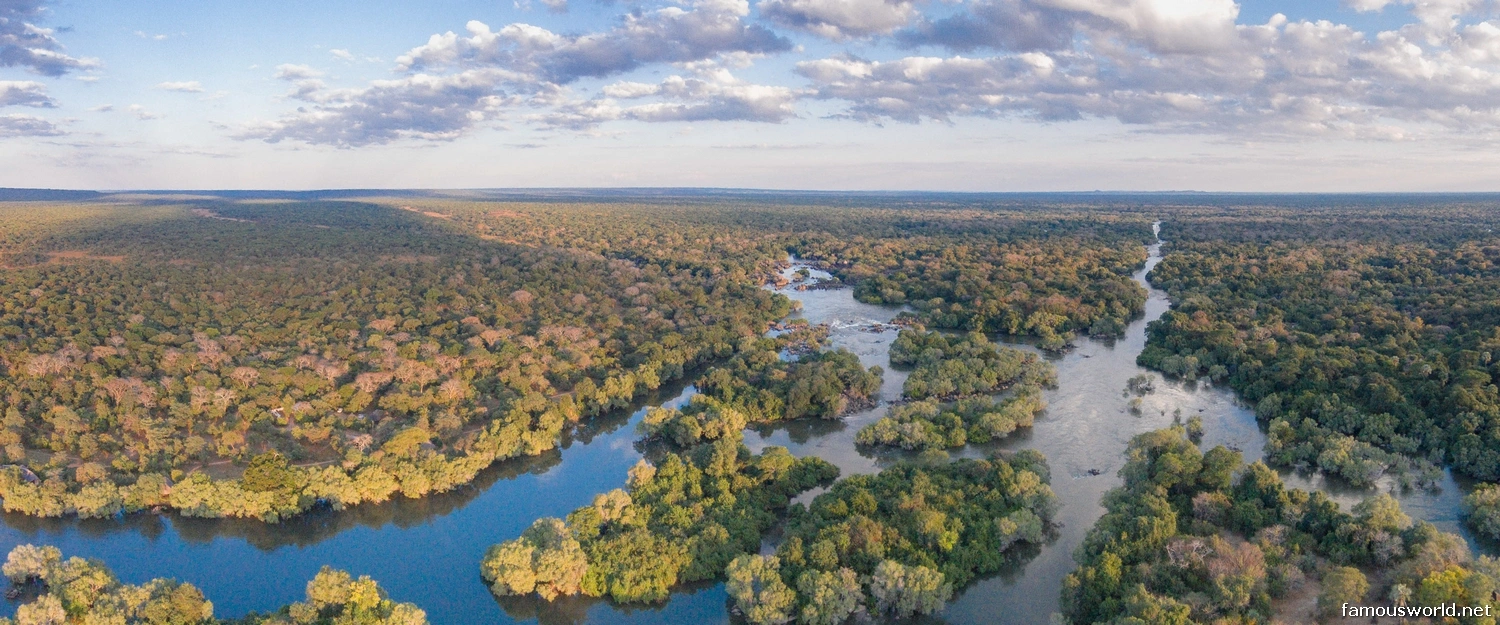

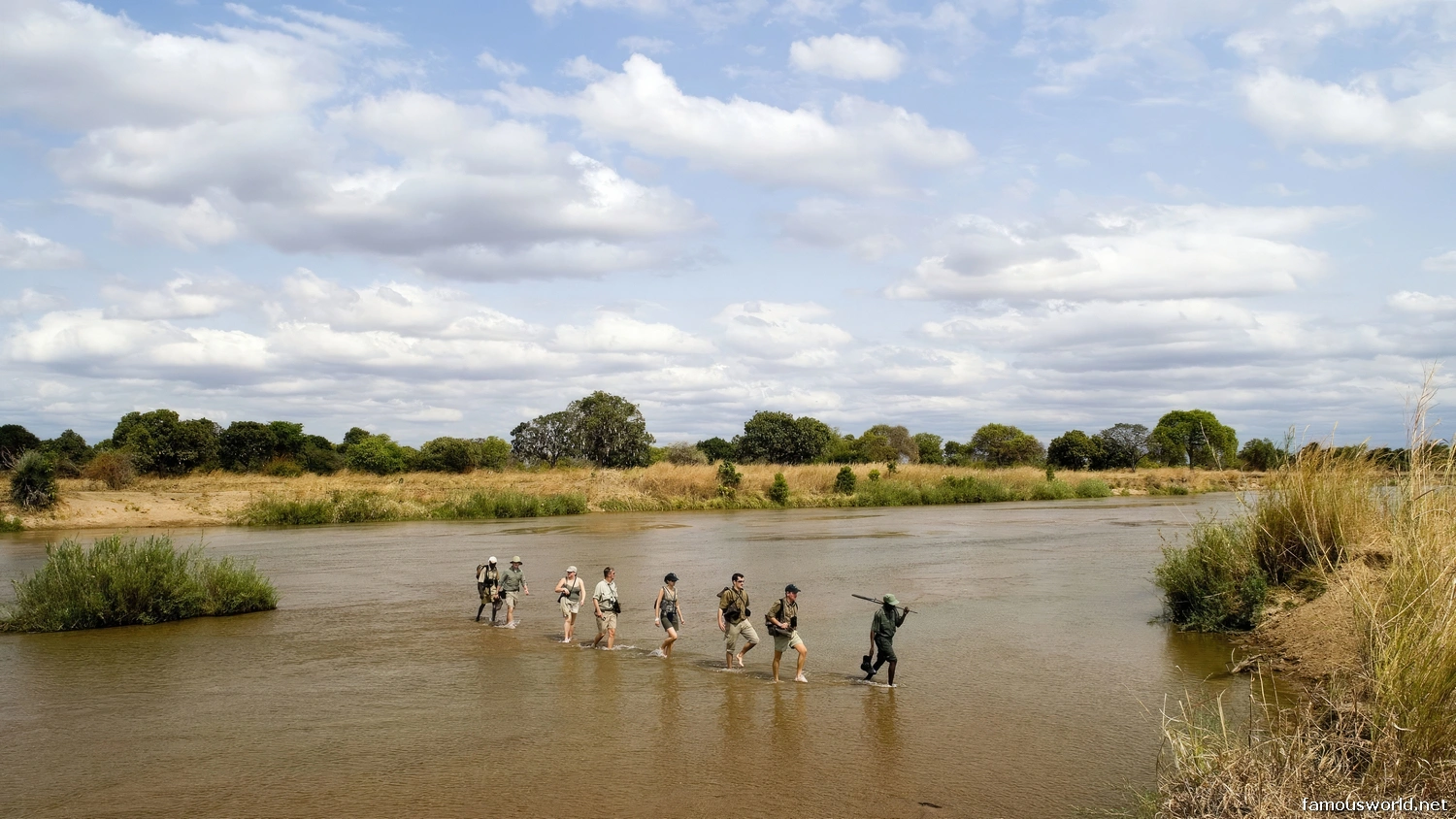

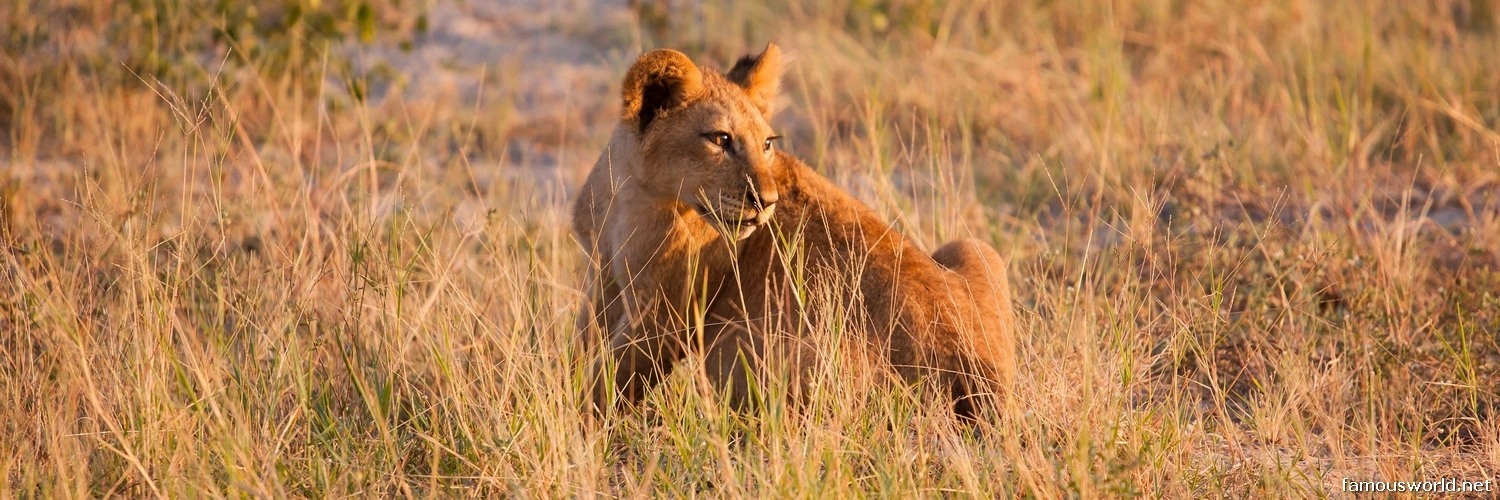

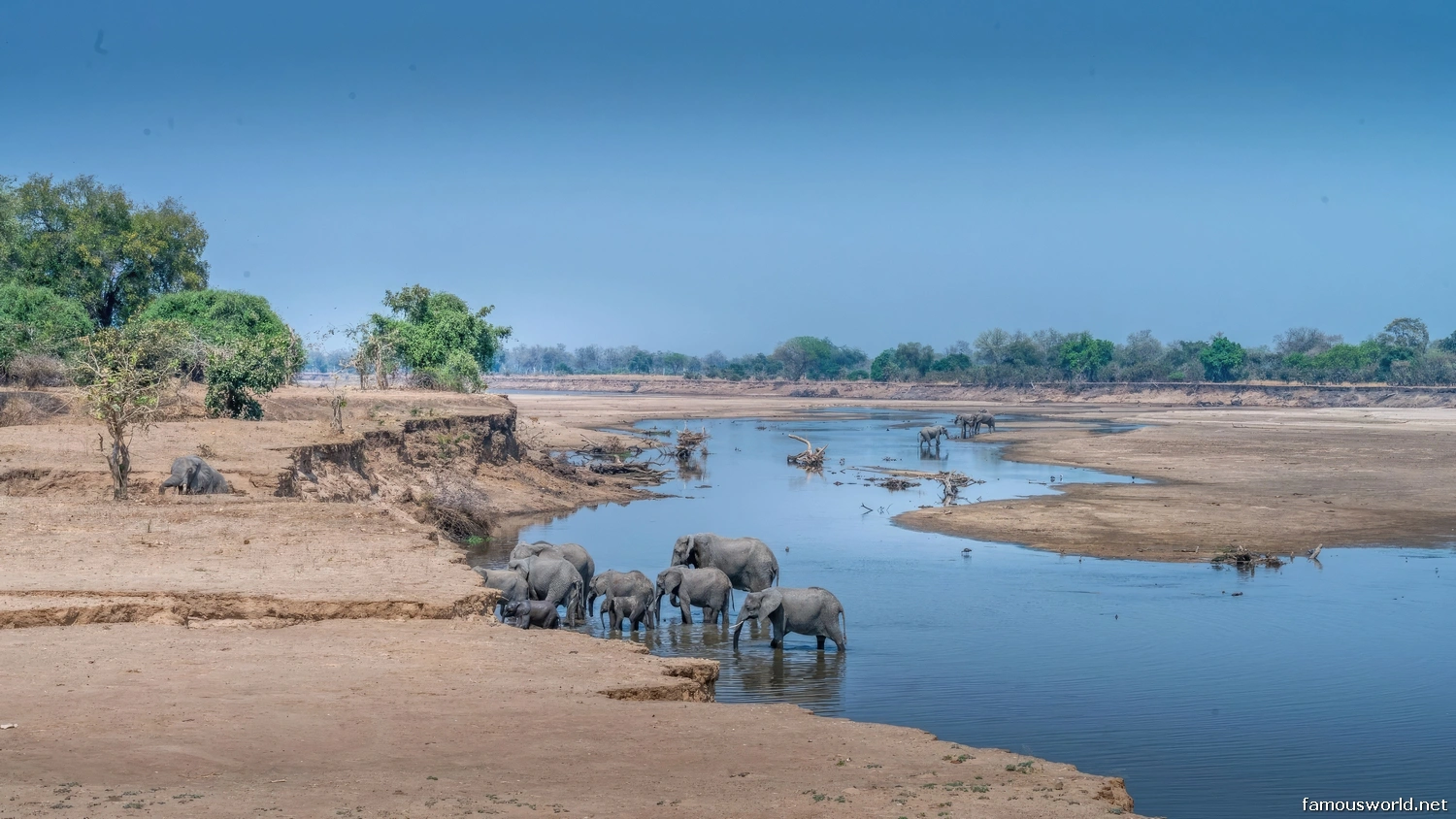
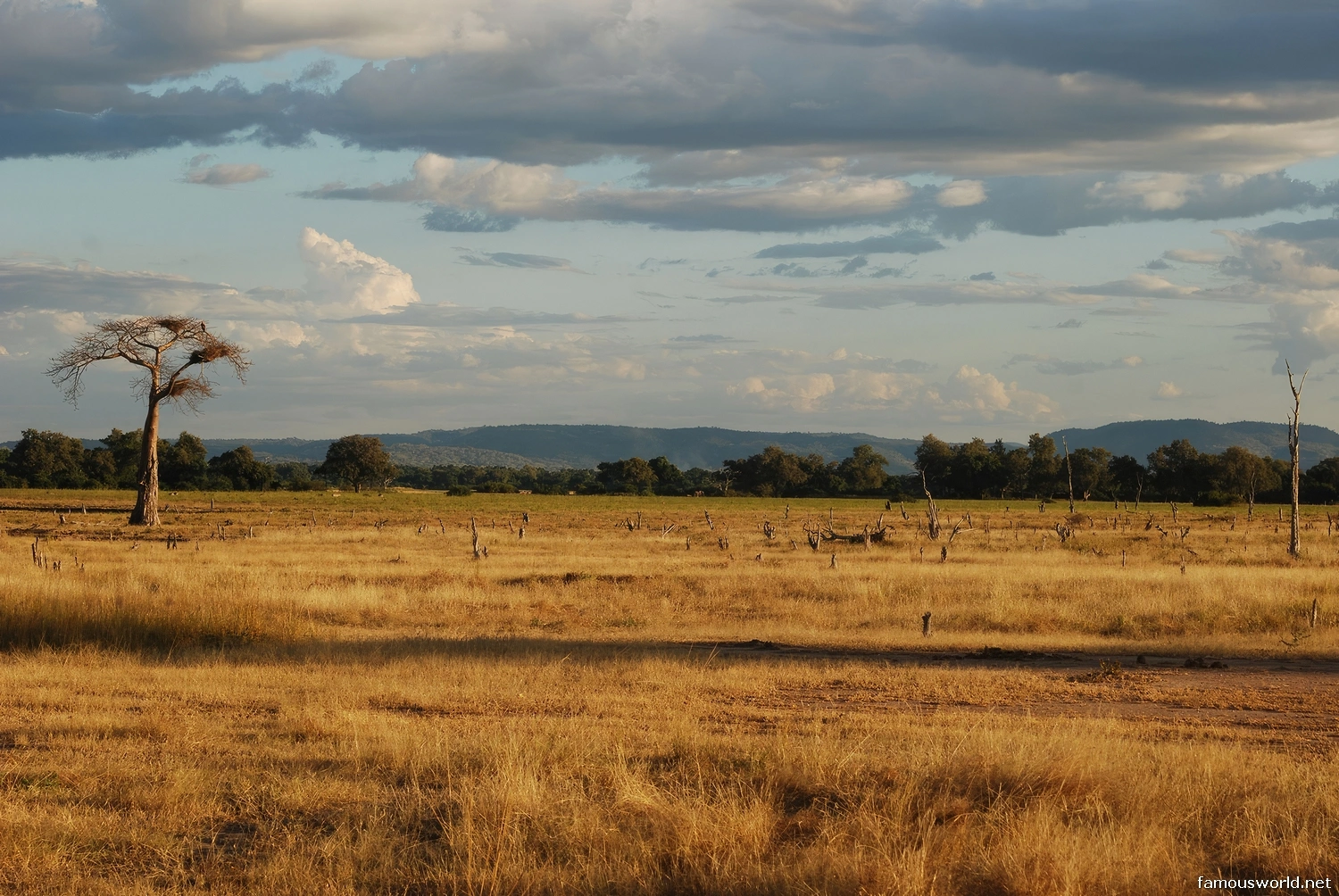
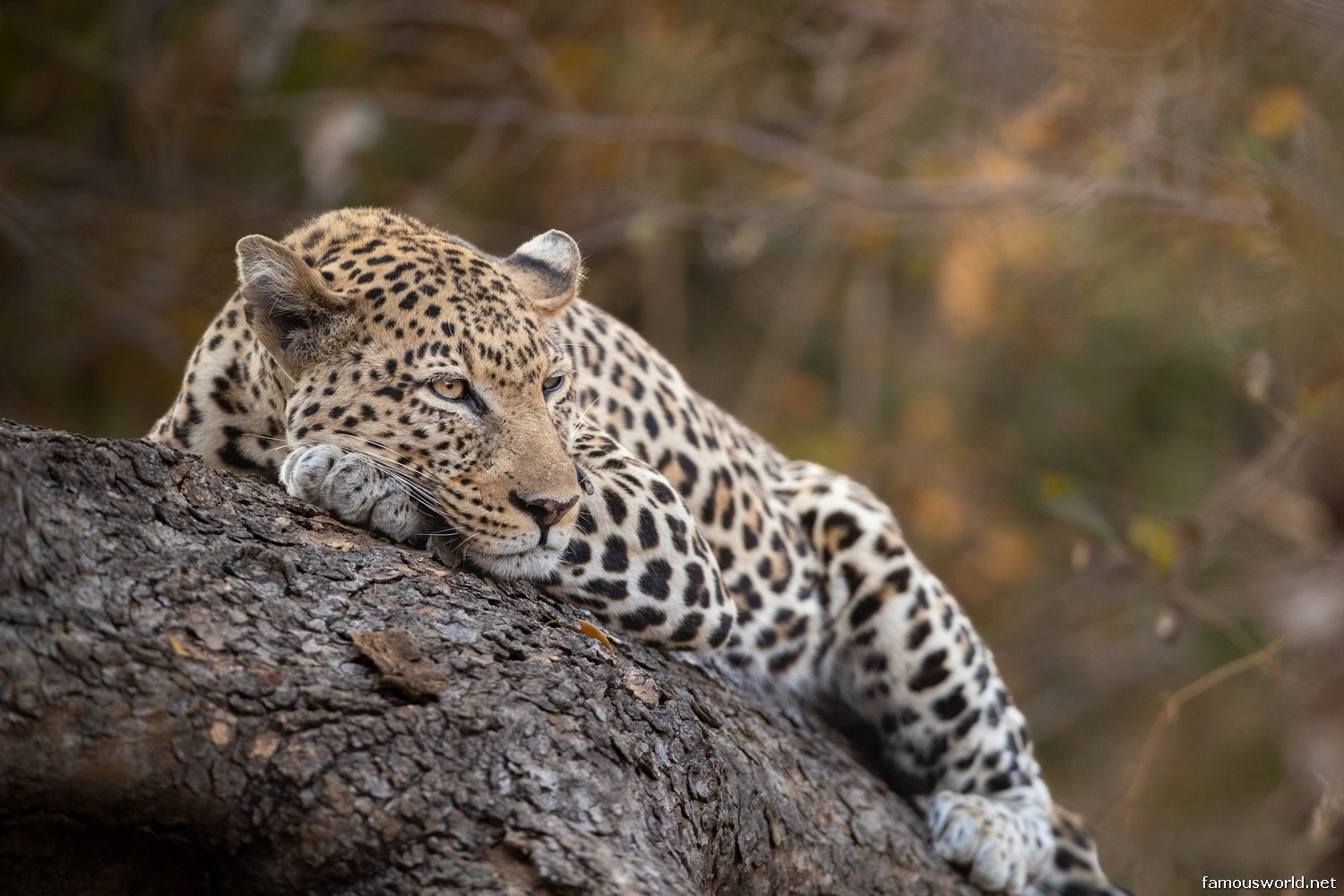


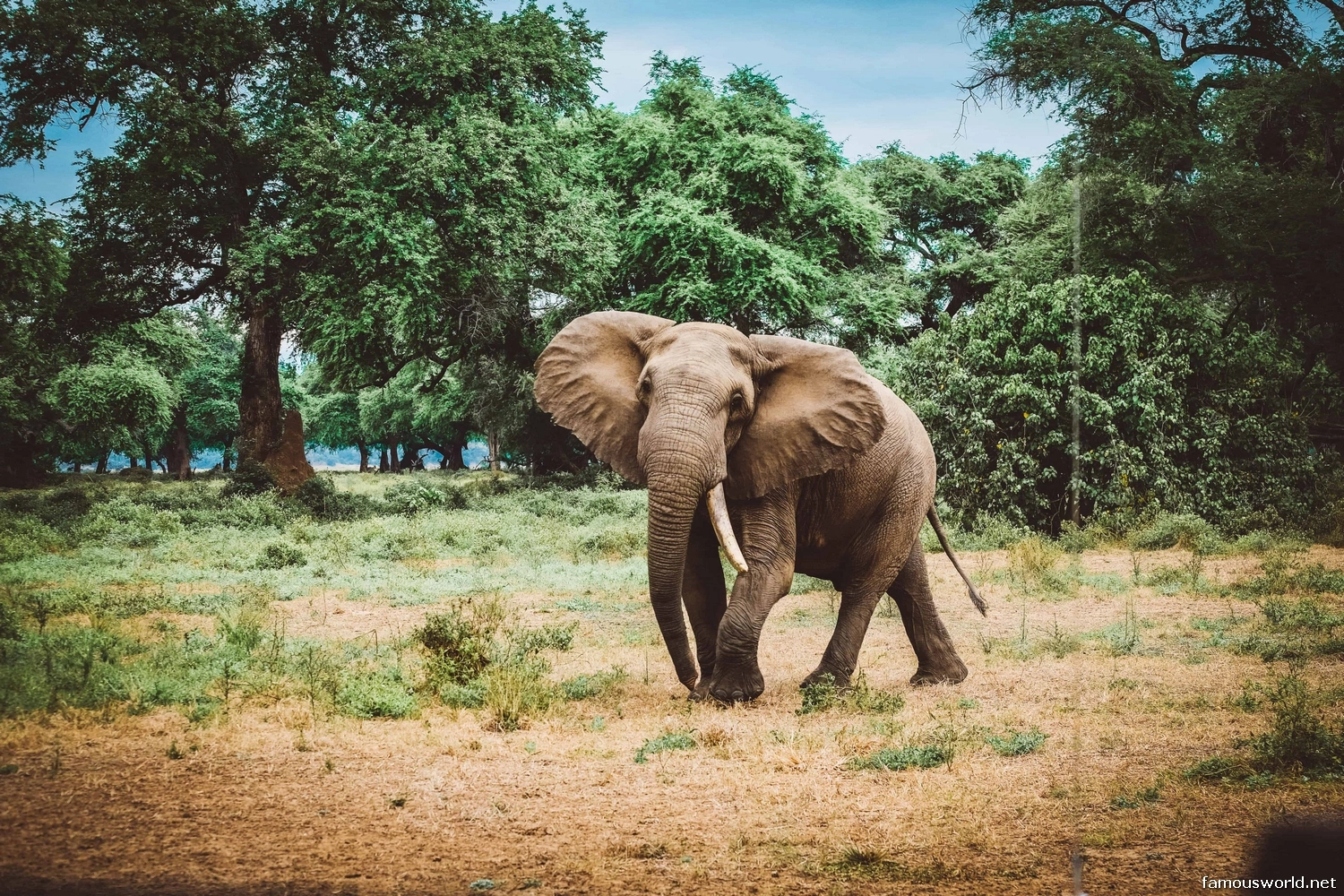
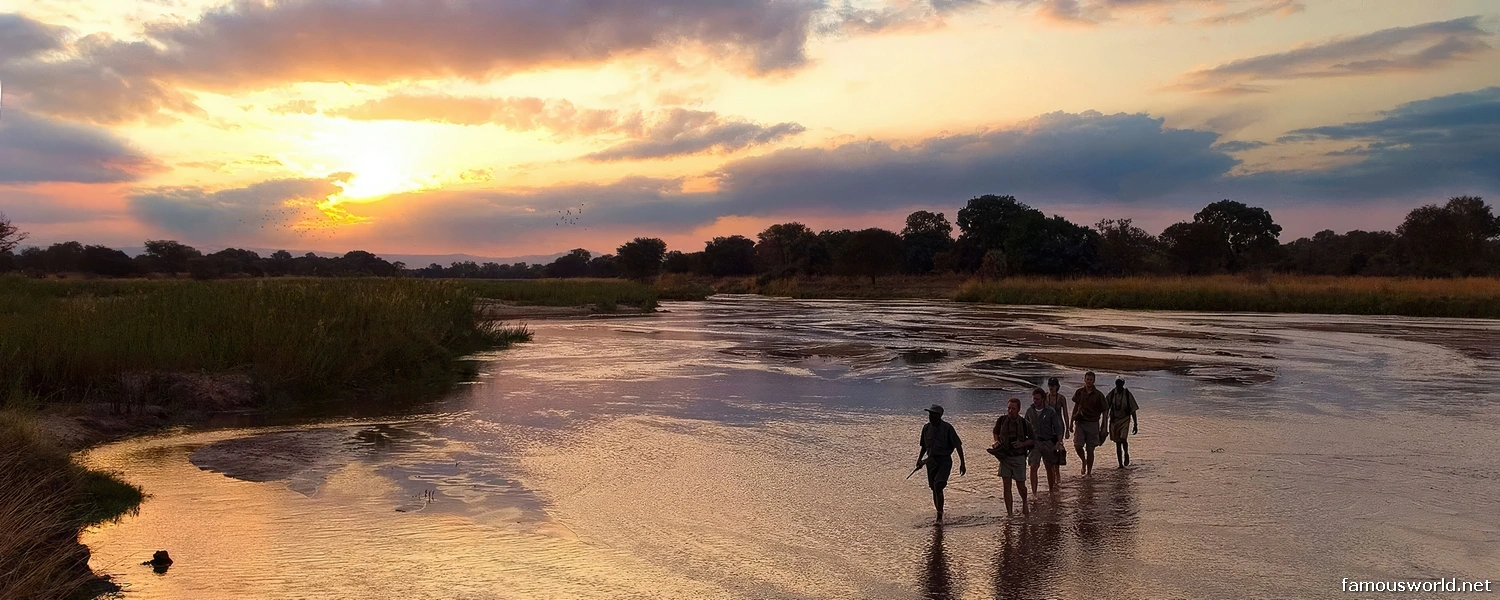
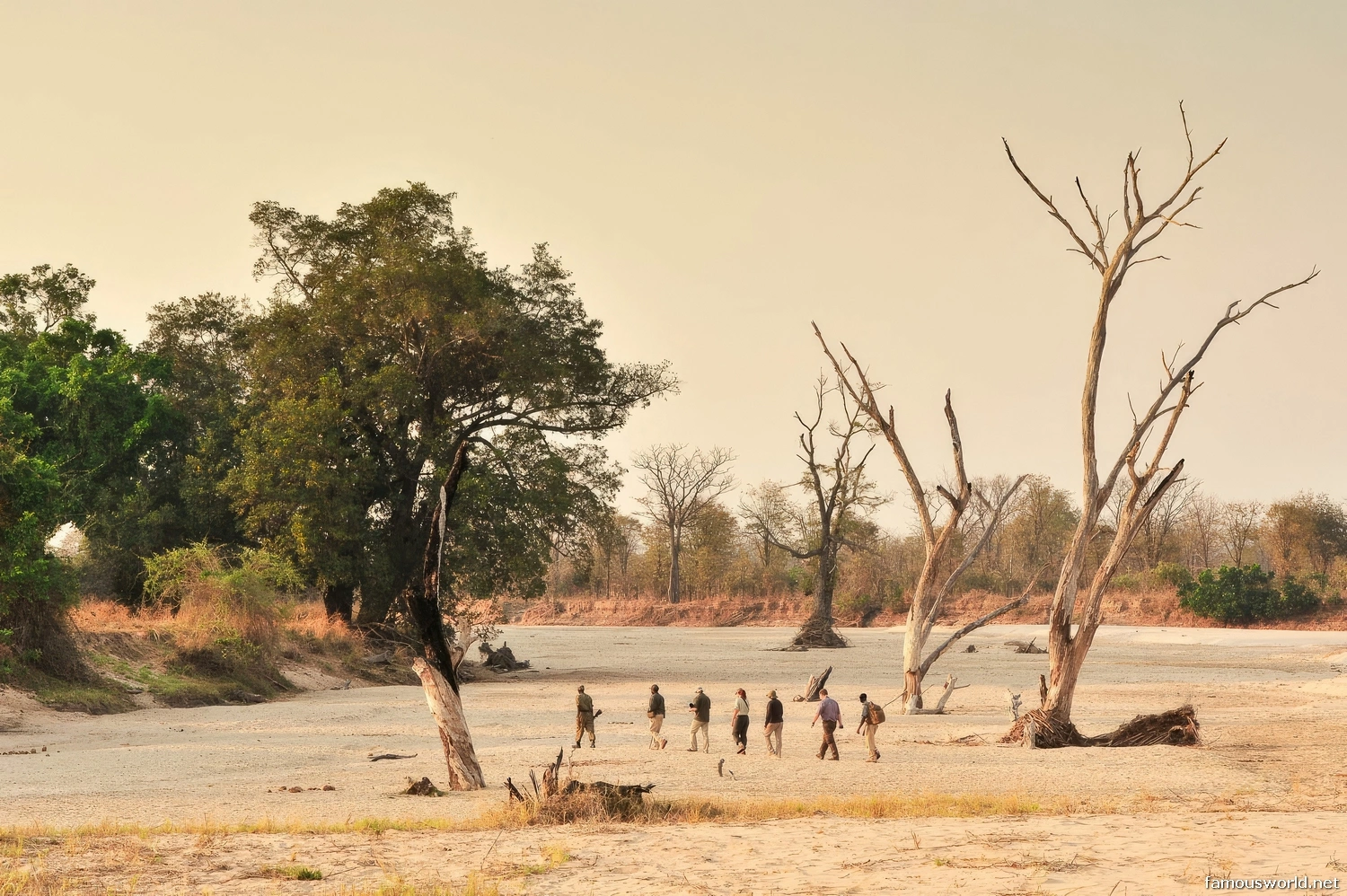
In eastern Zambia, the Great Rift Valley cradles a pristine wilderness that has become legendary among safari connoisseurs: South Luangwa National Park. Often cited as one of the greatest wildlife sanctuaries in the world, this is the place where the iconic walking safari was pioneered, forever changing the way we experience the African bush. The park is defined by the meandering Luangwa River, whose seasonal floods and dry-season retreat shape the landscape and create an incredible density of life along its banks. Renowned for its abundant predators, especially the elusive leopard, and its unique subspecies of giraffe and wildebeest, South Luangwa offers an unparalleled immersion into a raw, dynamic, and breathtakingly beautiful ecosystem.
Listen to an introduction about South Luangwa National Park

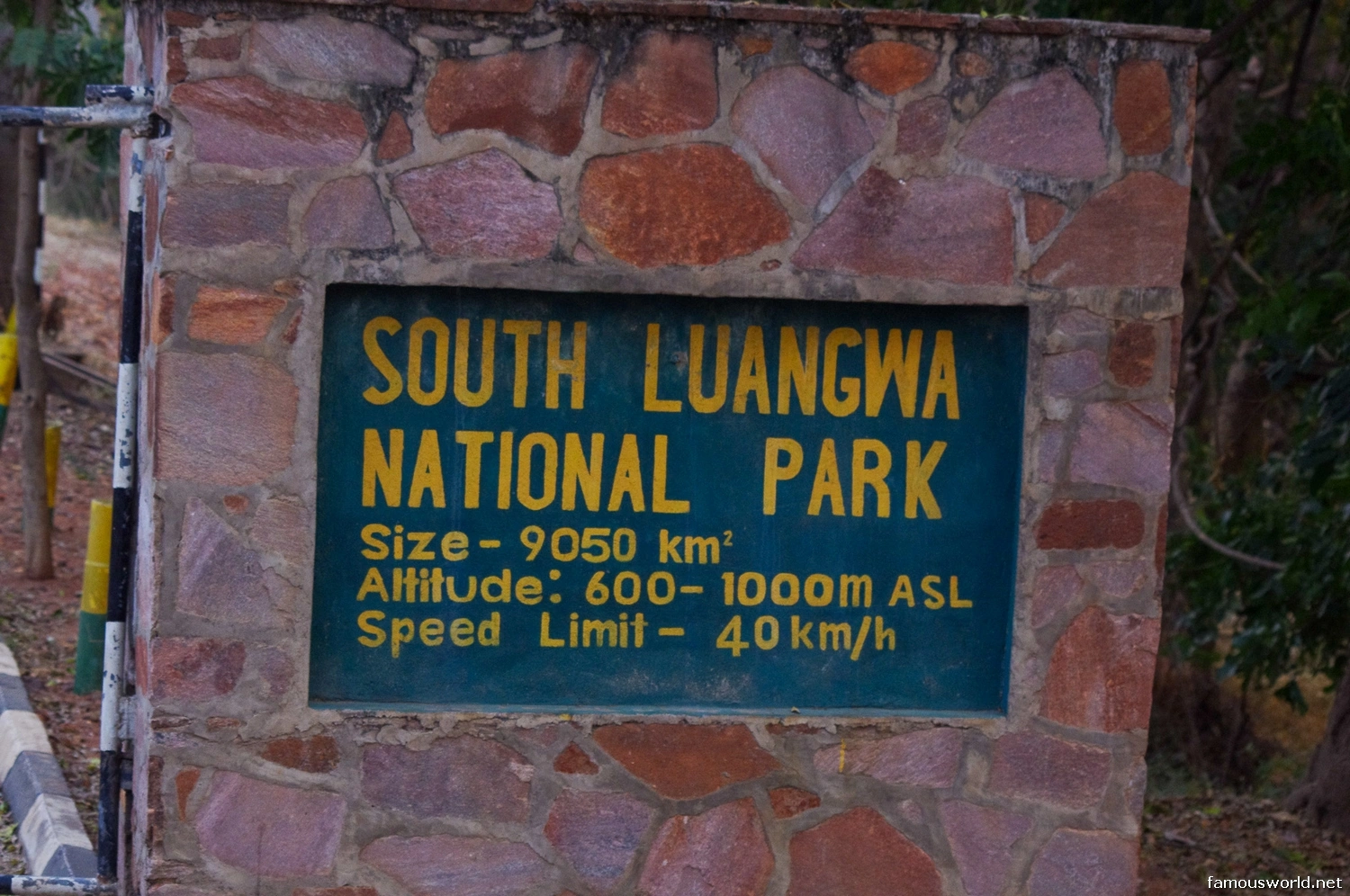
Name and Location
- Name: South Luangwa National Park.
- Location: Eastern Zambia, situated at the southern end of the Luangwa River Valley.
How to Get There
Access is well-organized, typically centered around the main gateway town of Mfuwe.
- By Air: The most common and convenient route is to fly into Mfuwe Airport (MFU). There are regular domestic flights from Lusaka (Zambia’s capital) and Lilongwe (Malawi’s capital), connecting the park to major international hubs. From the airport, it is a short road transfer to the lodges and camps located near the park gates.
- By Road: While it is possible to drive, the journey is long and on roads that can be challenging, particularly during the wet season. This option is generally undertaken by experienced self-drivers.
Landscape and Ecosystems
The park’s character is inextricably linked to the rhythm of its dominant river.
- The Luangwa River: This is the lifeblood of the park. Its ever-changing course has created a landscape rich with oxbow lagoons, riverine woodlands, and wide, sandy banks. During the dry season, the river and its lagoons become critical water sources, concentrating wildlife in vast numbers.
- Habitats: The park is a mosaic of different environments, primarily miombo woodland, open grassy plains, and thick riverine forests dominated by ebony and sausage trees. This diversity of habitats supports an equally diverse range of wildlife.
- Seasonal Dynamics: The park transforms dramatically between the lush, green “emerald season” (wet season) and the stark, dry season, when the receding water levels make for exceptional and predictable game viewing.
What Makes It Famous
South Luangwa is renowned for its pioneering safari style and its exceptionally dense and diverse wildlife populations.
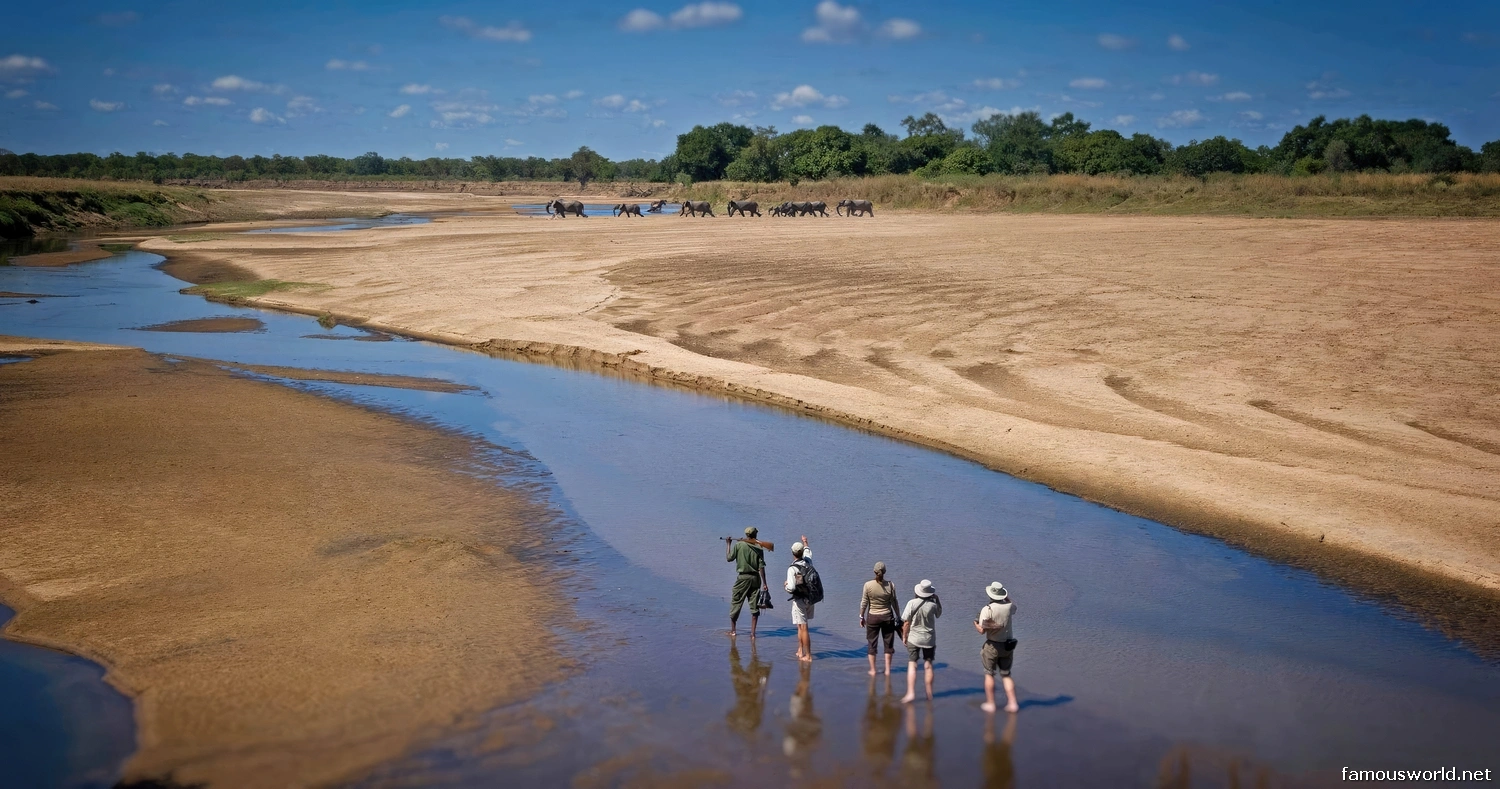
- The Birthplace of the Walking Safari: Legendary conservationist Norman Carr pioneered the walking safari here in the 1950s. Today, it remains one of the best places in Africa to explore the bush on foot, offering an intimate and thrilling connection to the wilderness.
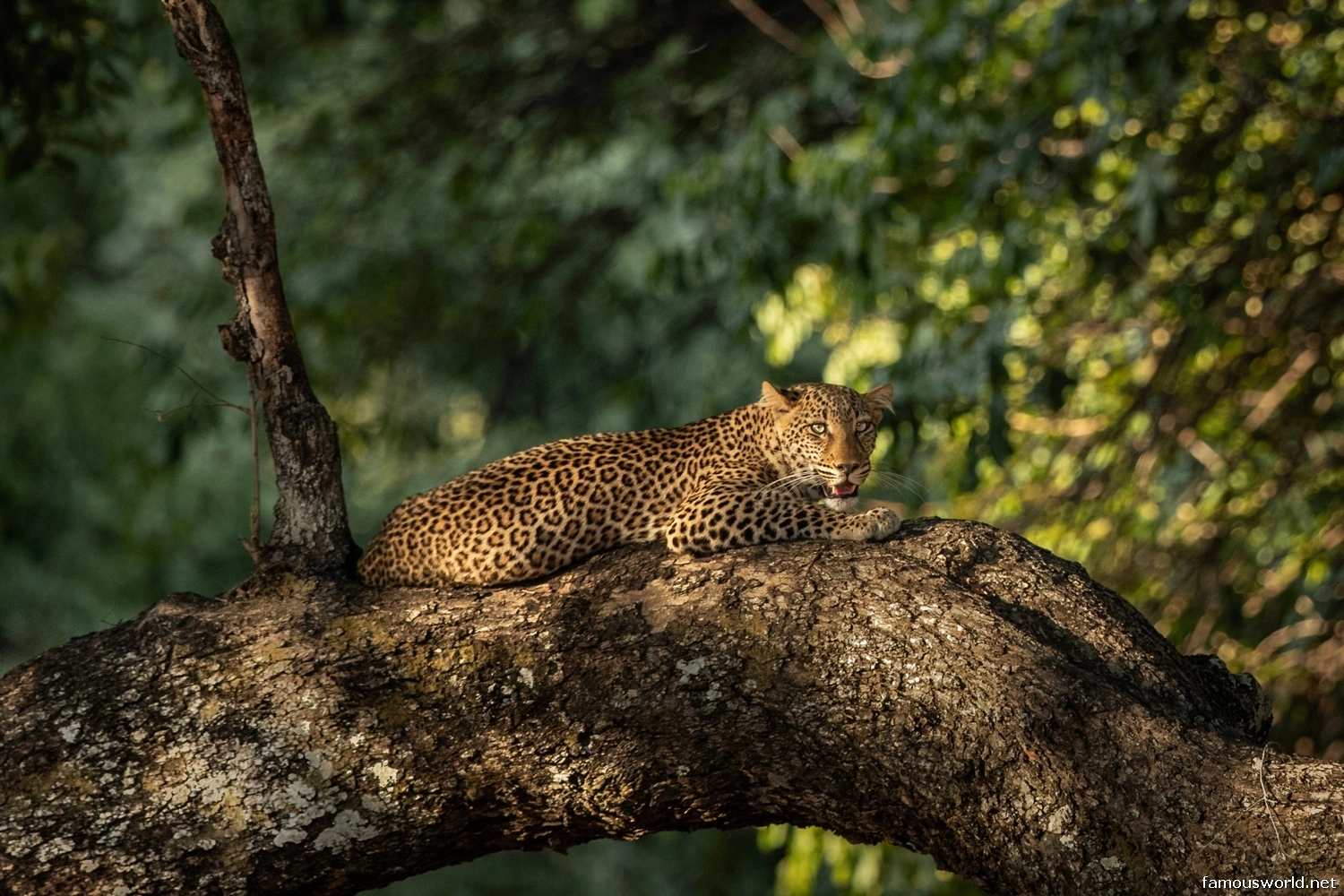
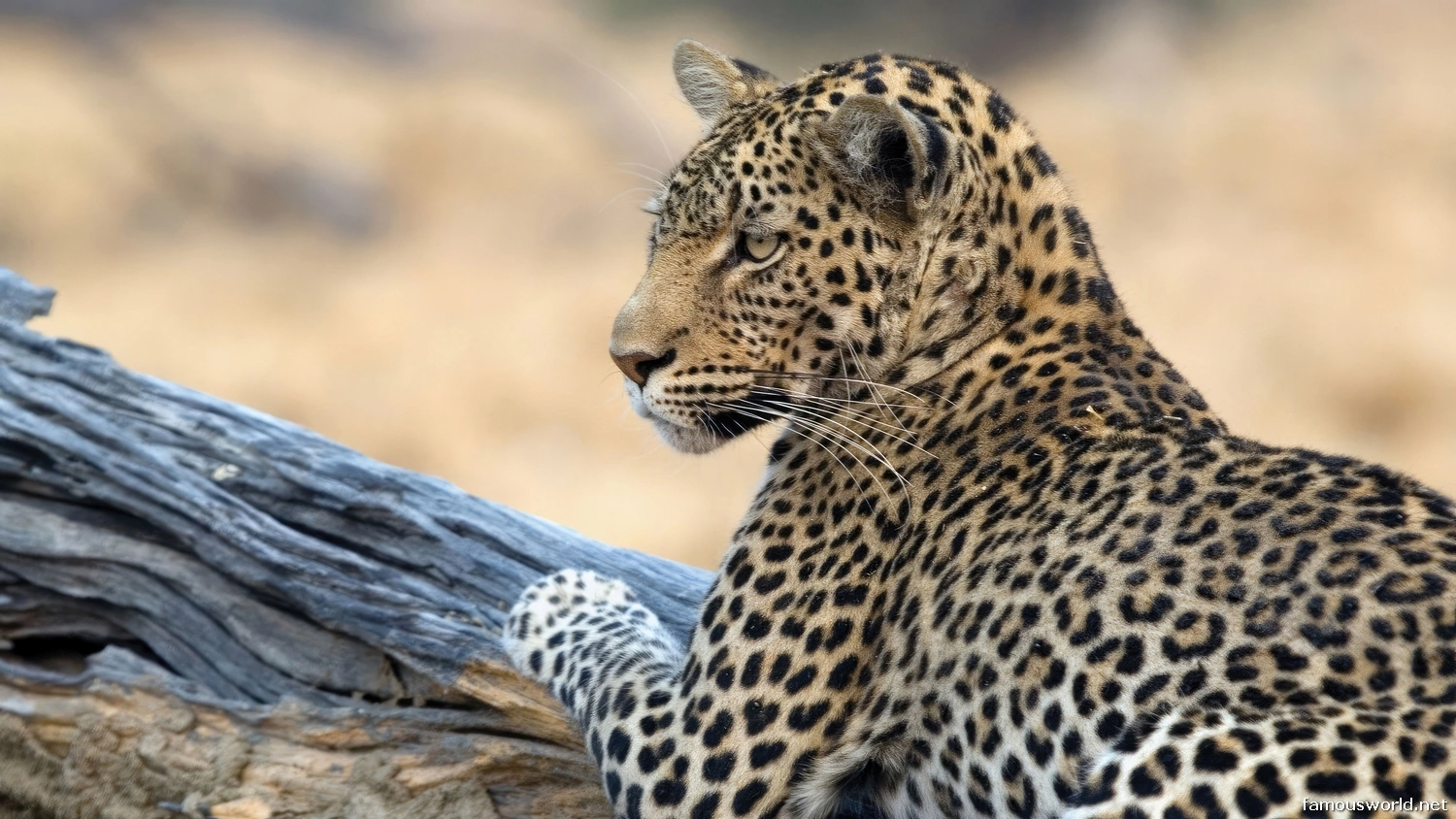
- “The Valley of the Leopard”: The park has an exceptionally high density of leopards, and night drives here offer some of the best opportunities on the continent to spot these secretive big cats.
- Unique Wildlife: South Luangwa is home to several endemic species and subspecies, most notably the Thornicroft’s giraffe, with its unique coat pattern, and Cookson’s wildebeest.
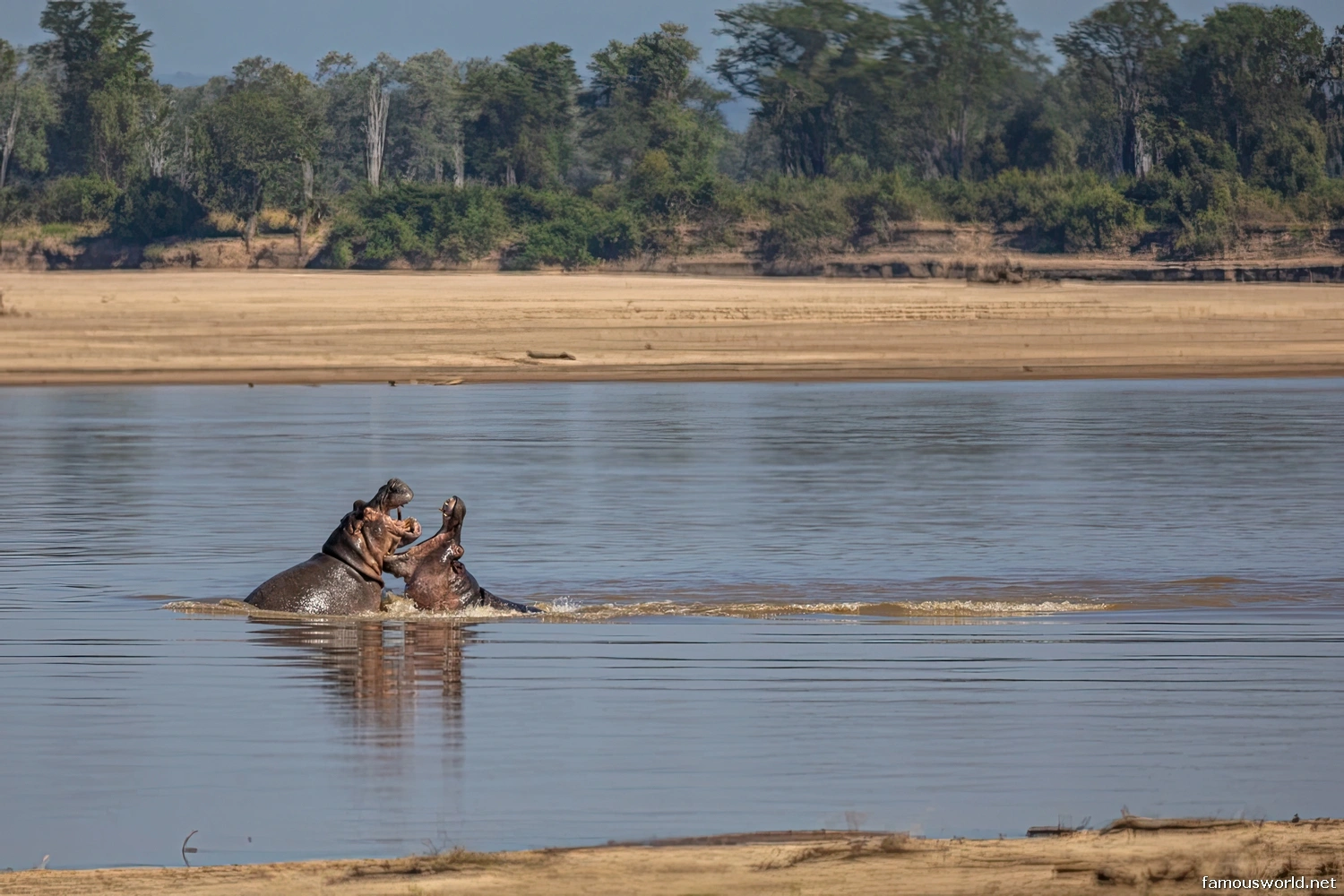
- Hippo and Bird Paradise: The Luangwa River supports one of the world’s largest concentrations of hippos and crocodiles. The park is also a birder’s paradise, with over 400 recorded species.
Differences from Other Wonders
The intimate, wildlife-focused experience of South Luangwa offers a distinct contrast to the singular, powerful spectacle of Victoria Falls.
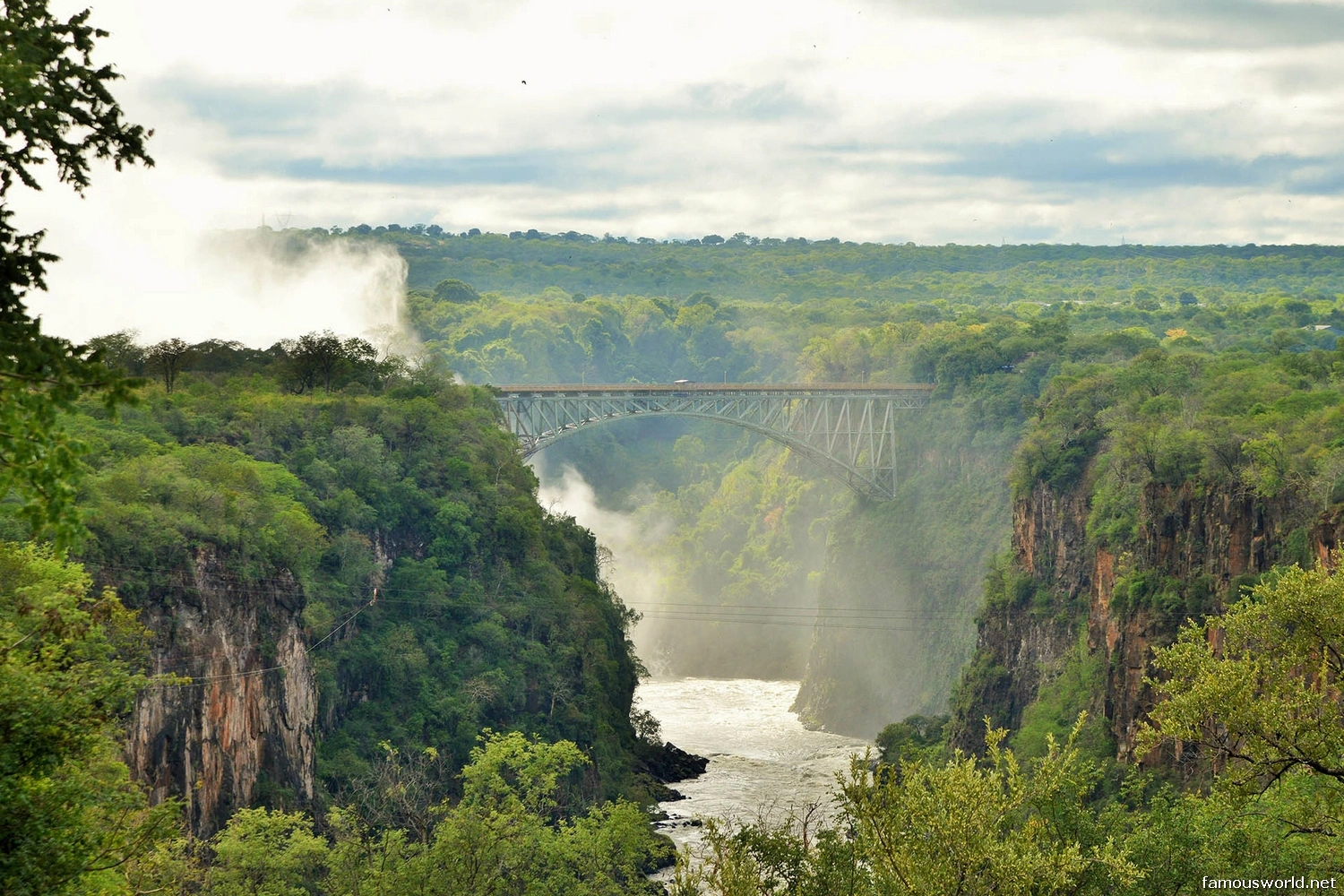
- Environment (River Valley vs. Massive Gorge): South Luangwa is a sprawling, living river valley ecosystem shaped by seasonal floods. Victoria Falls is a singular, massive geological feature—a chasm where a river plunges over a basalt cliff.
- Core Story (Immersive Wildlife Ecology vs. Raw Geological Power): The story of South Luangwa is about the intricate relationships between animals and their riverine environment. The story of Victoria Falls is one of the immense, raw power of water and geology.
- Primary Attraction (Intimate Encounters vs. A Singular Spectacle): The main draw of South Luangwa is the immersive experience of tracking animals, particularly on foot or seeking out leopards at night. The primary attraction at Victoria Falls is the single, overwhelming sensory experience of the waterfall itself.
- Atmosphere (Intimate Wilderness vs. Overwhelming Force): A visit to South Luangwa fosters a sense of intimate connection with the African bush and its inhabitants. A visit to Victoria Falls inspires awe at the sheer, overwhelming force of nature.
Location on world map