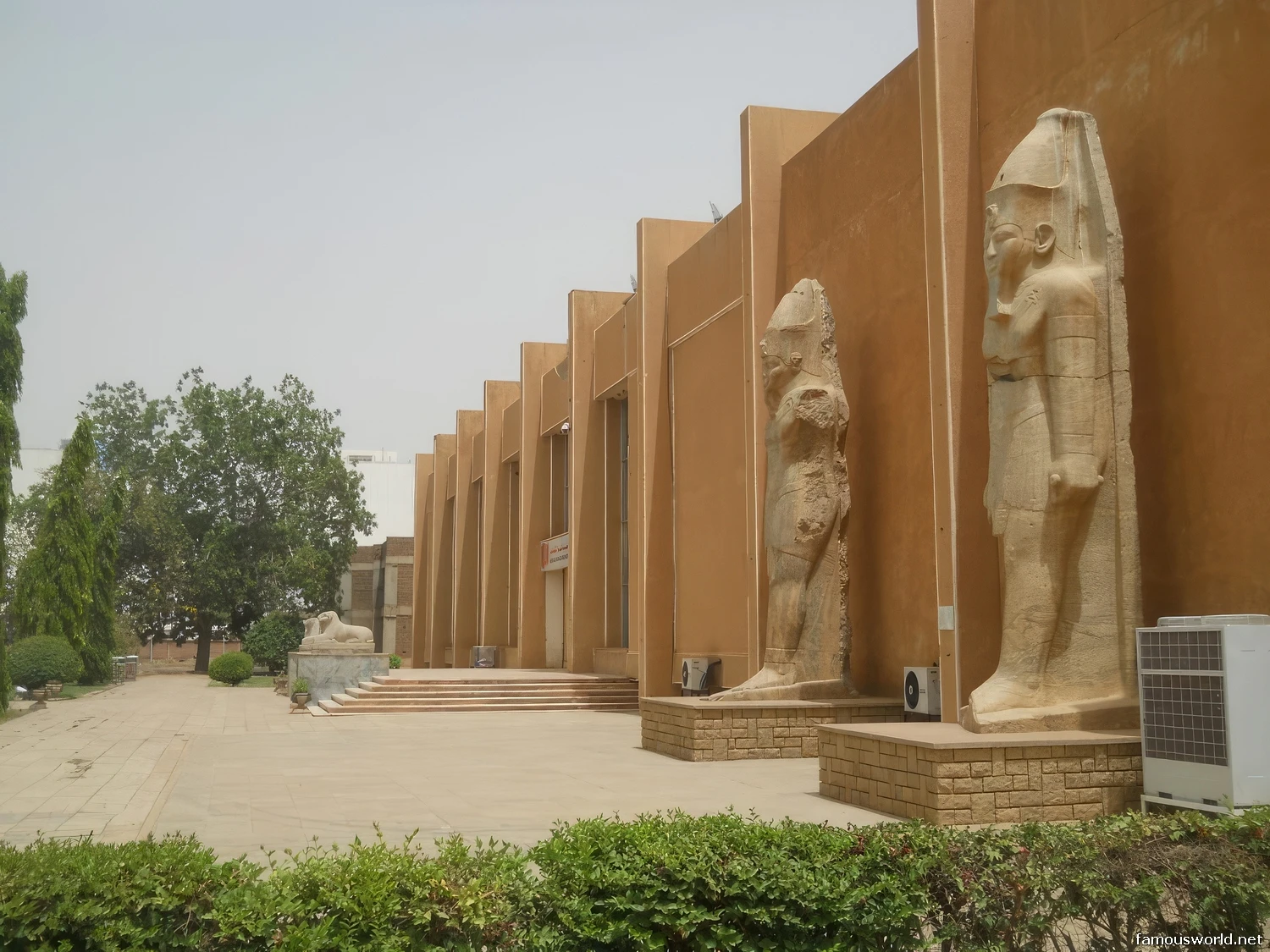
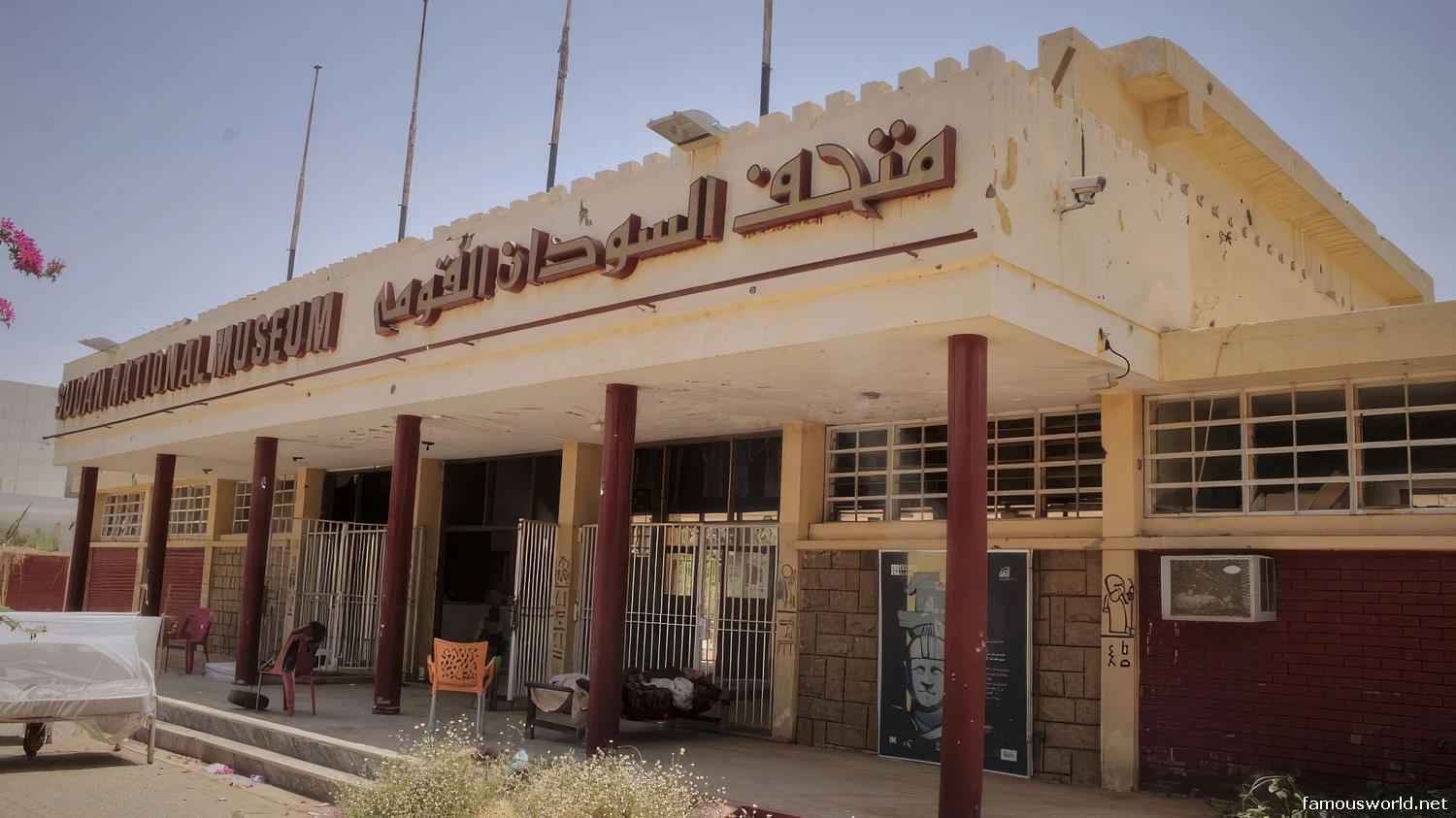
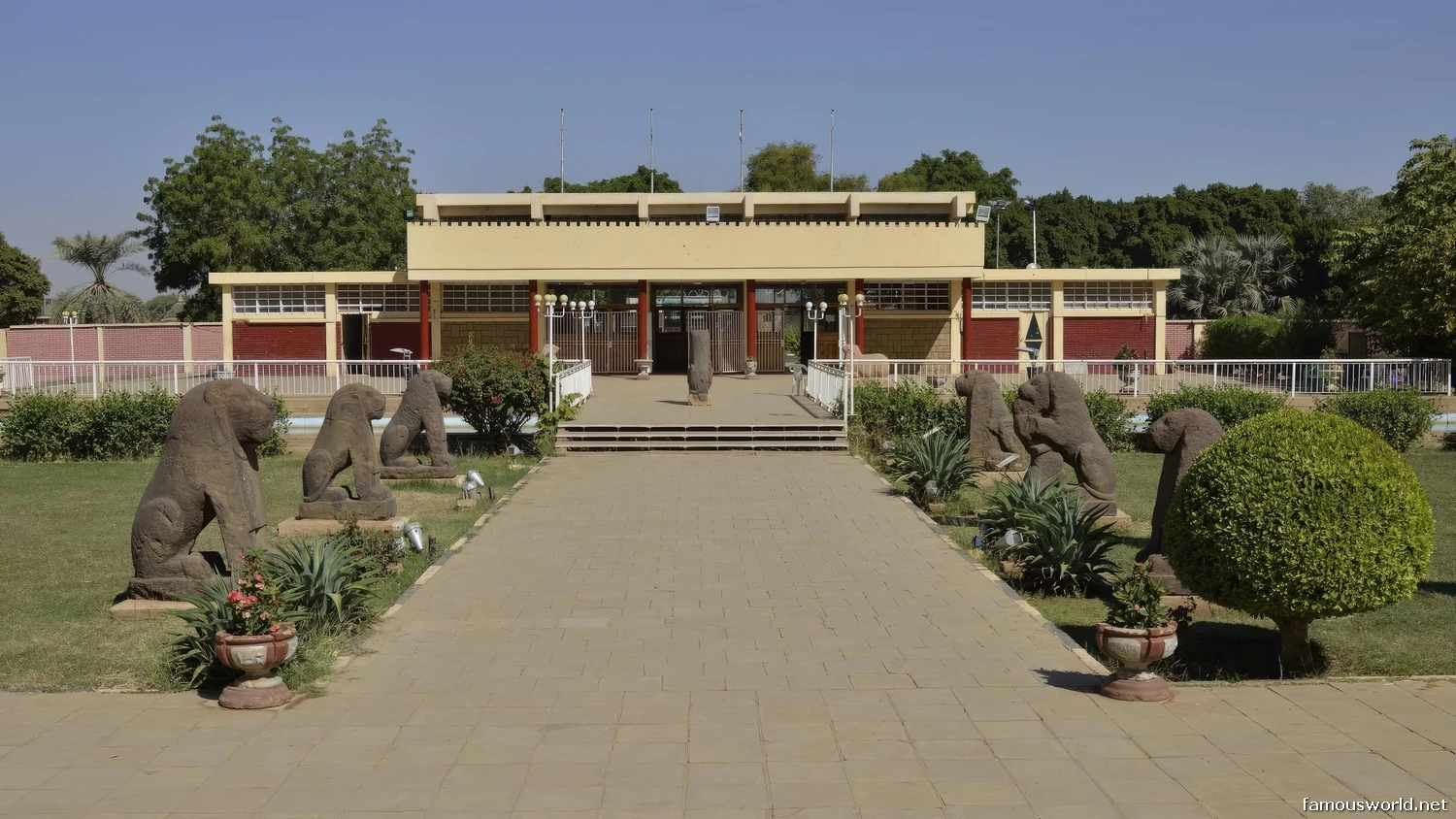
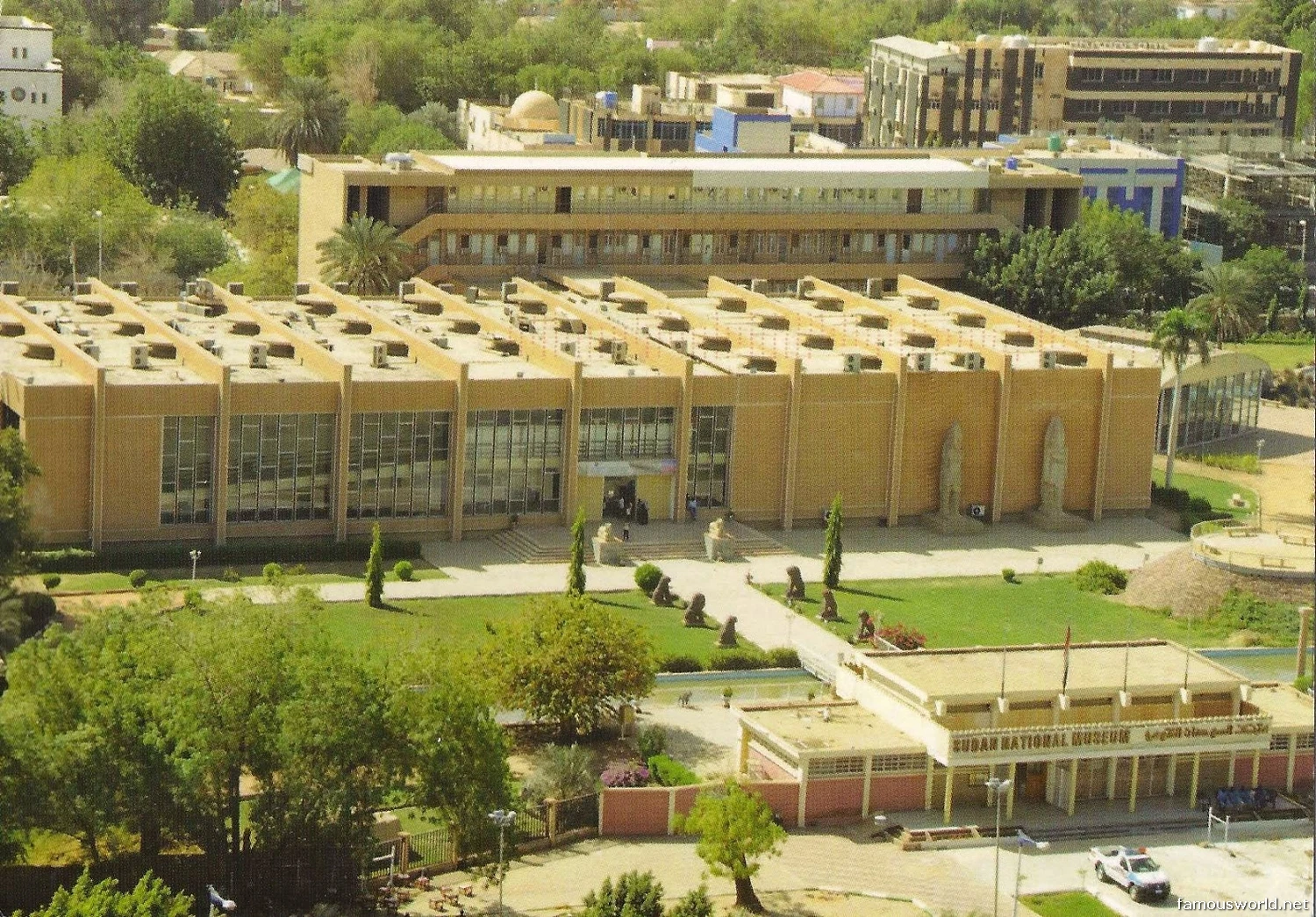
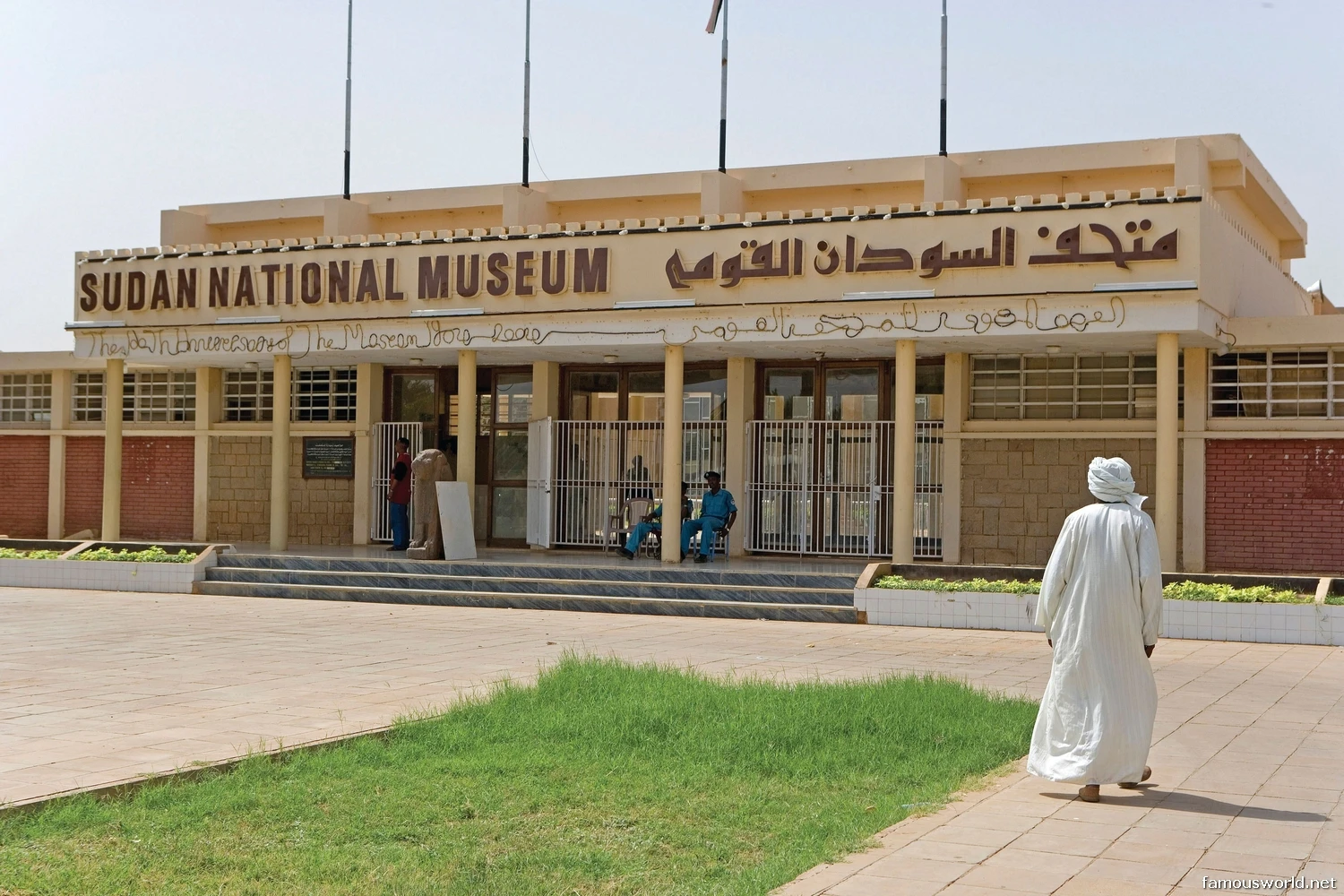
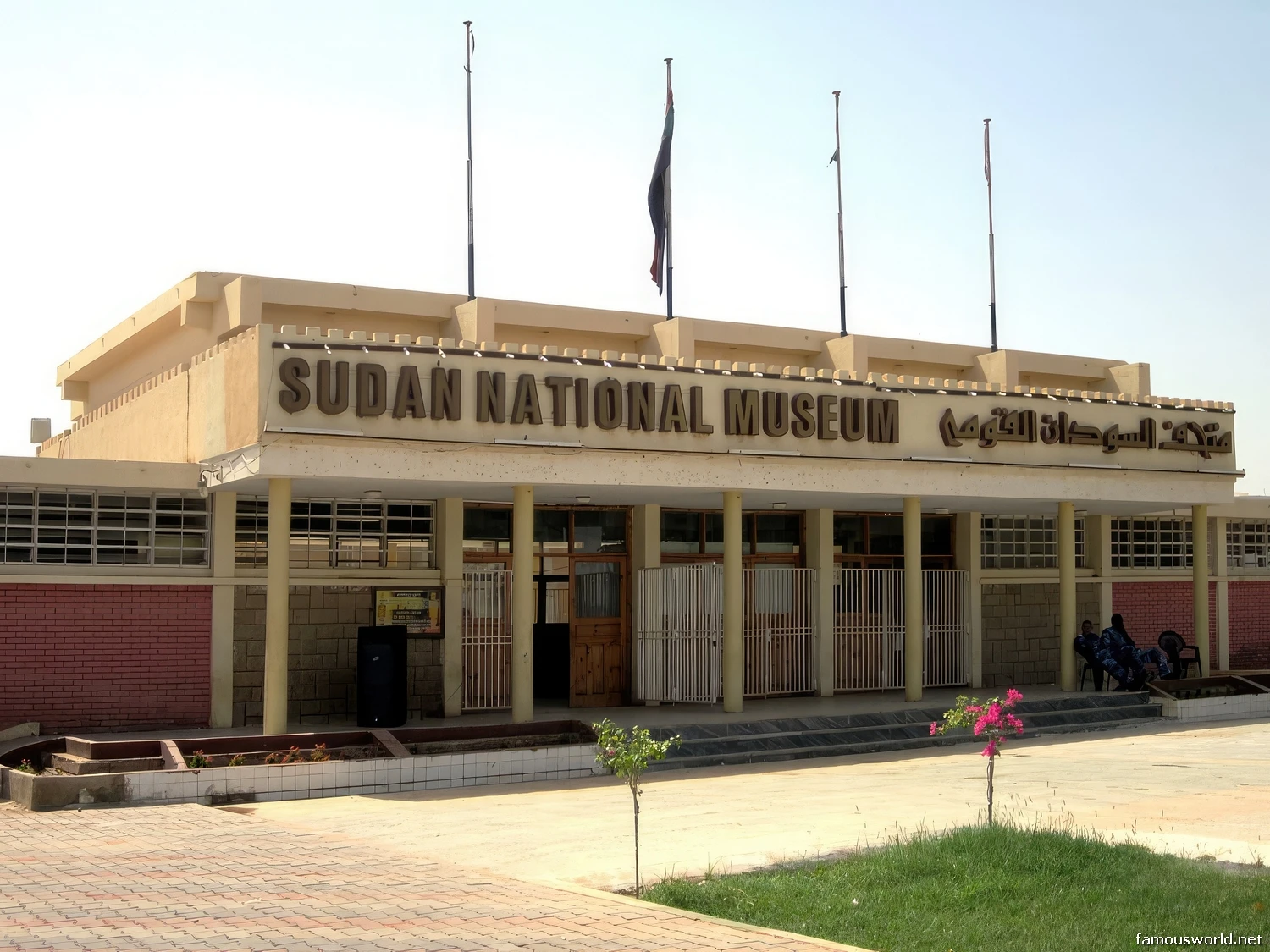
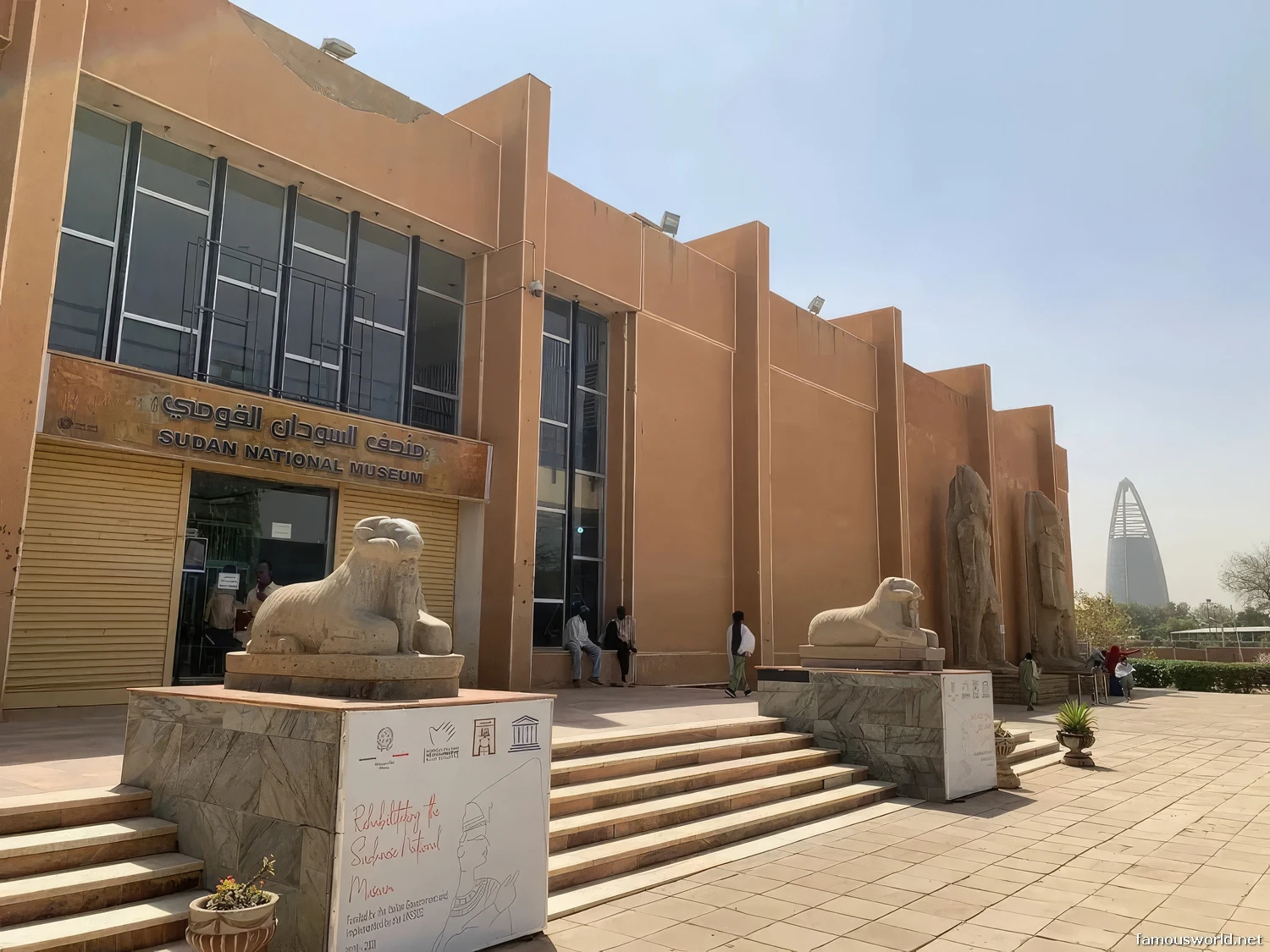
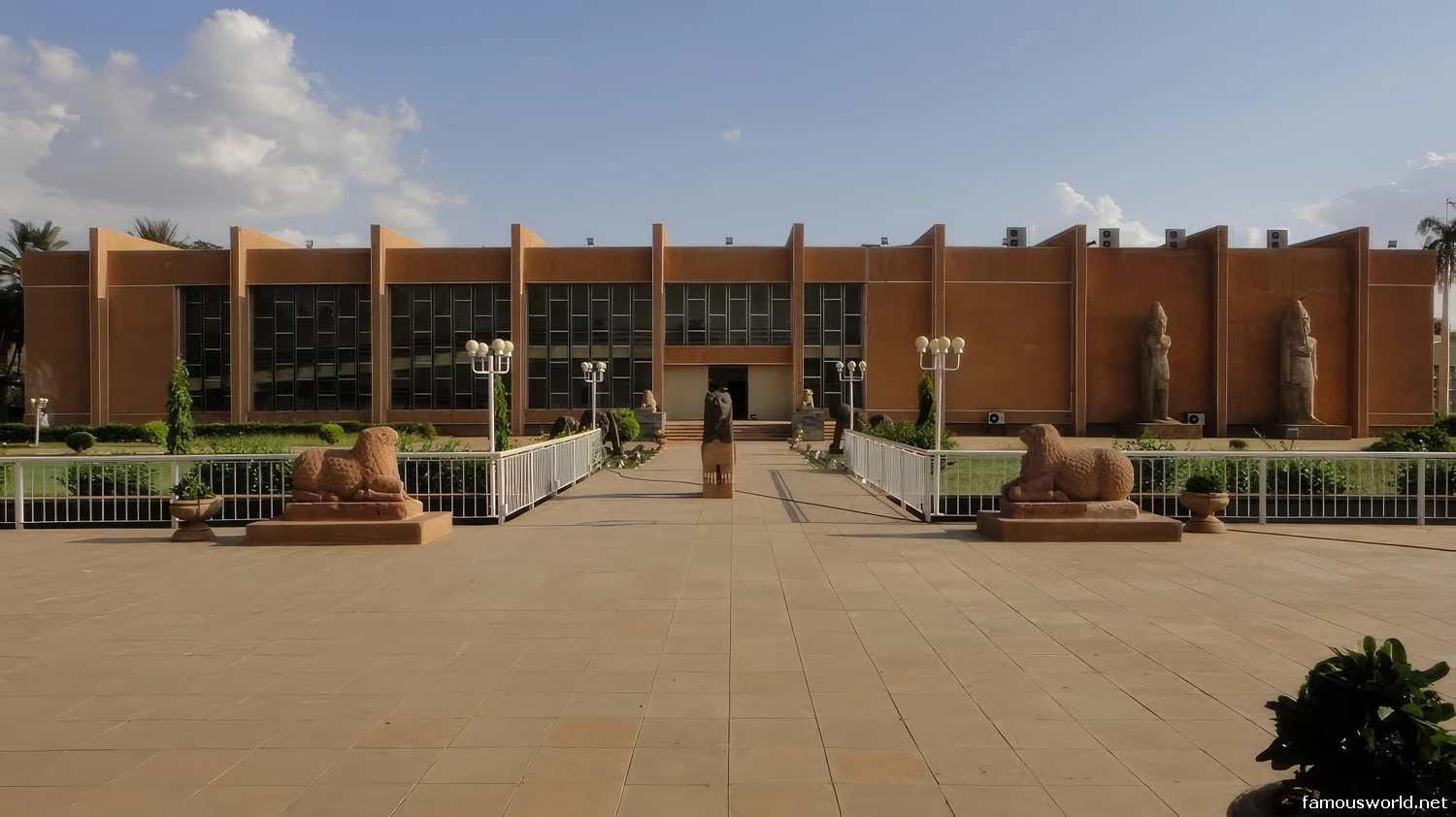
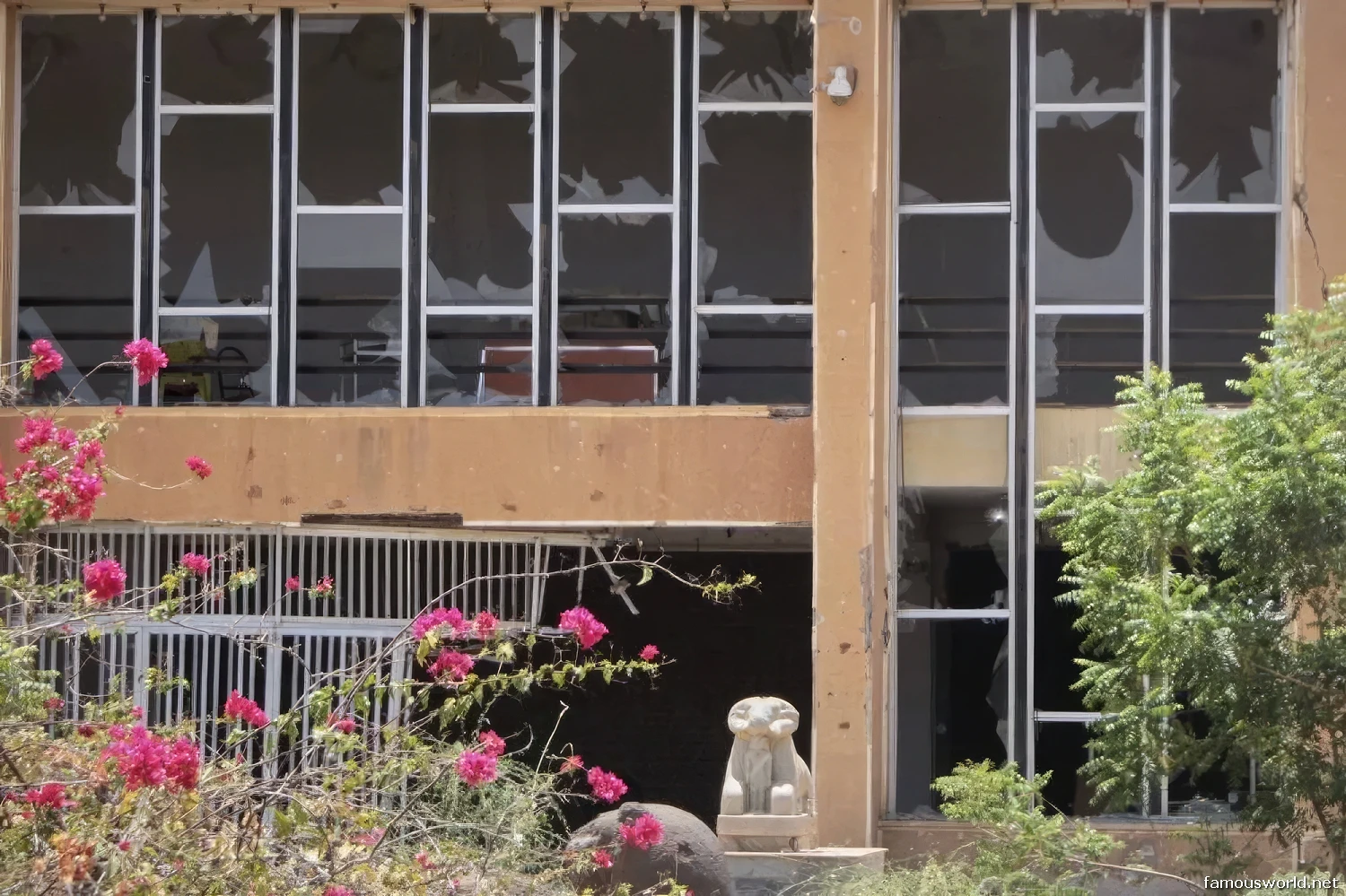
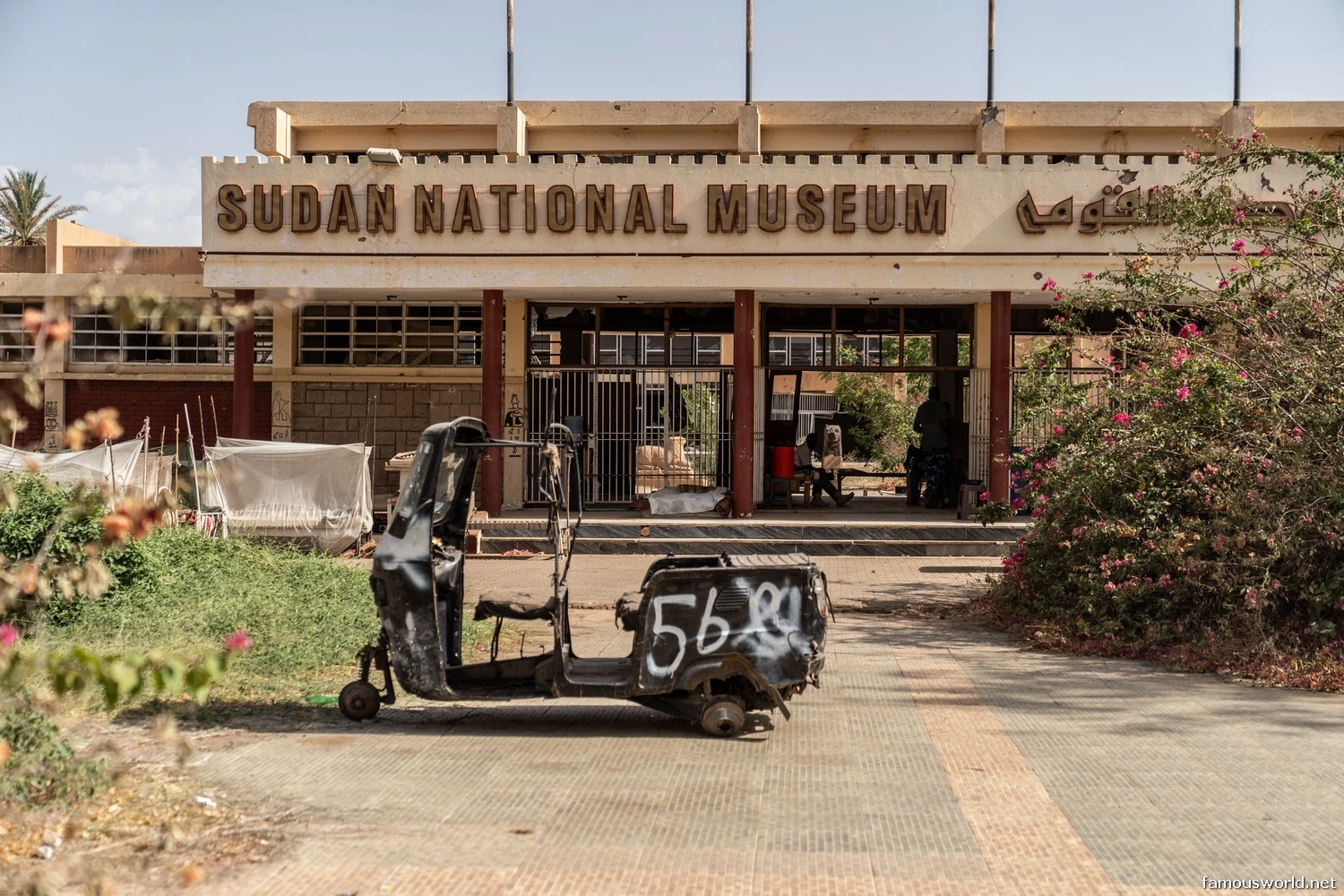
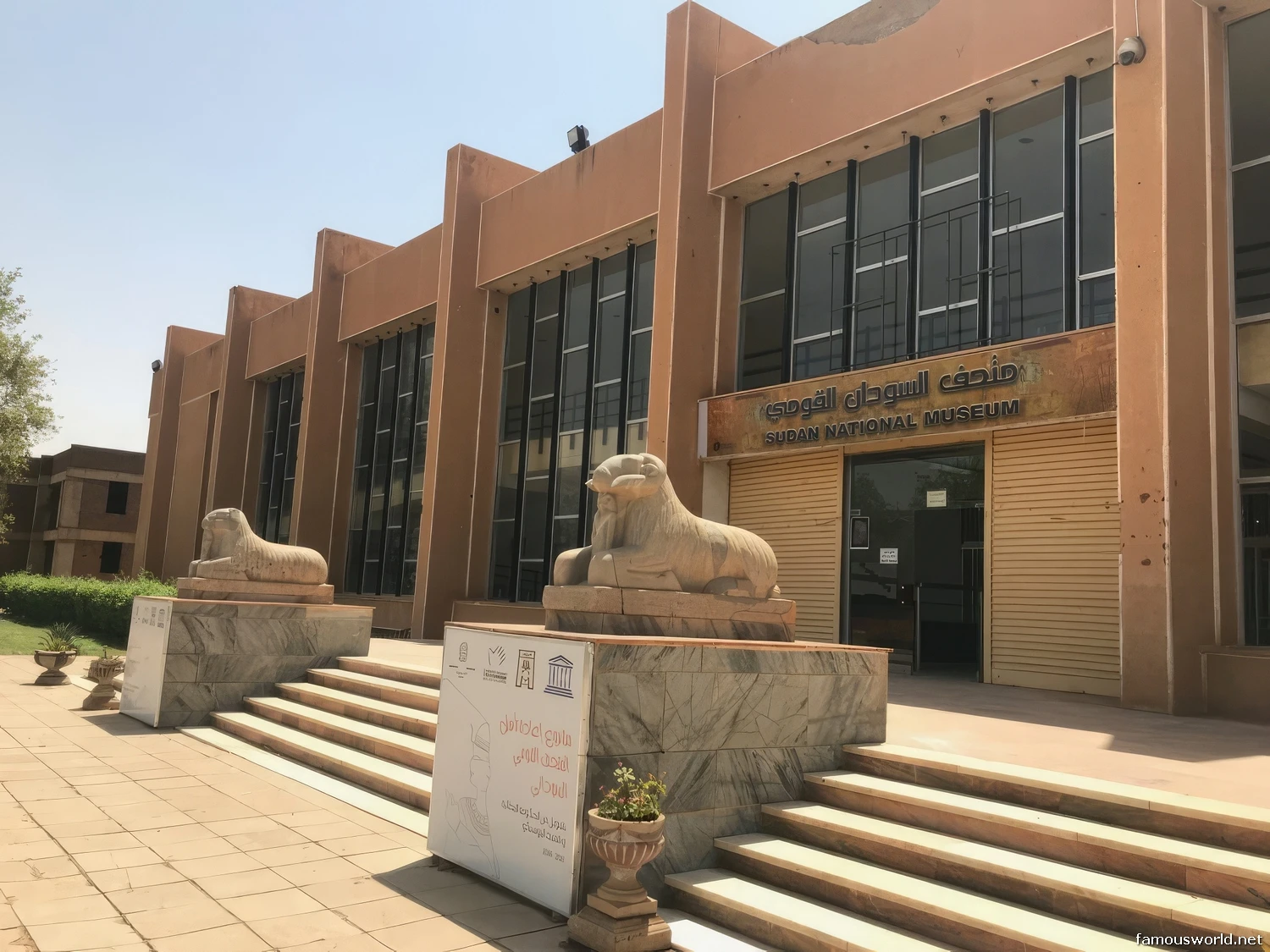
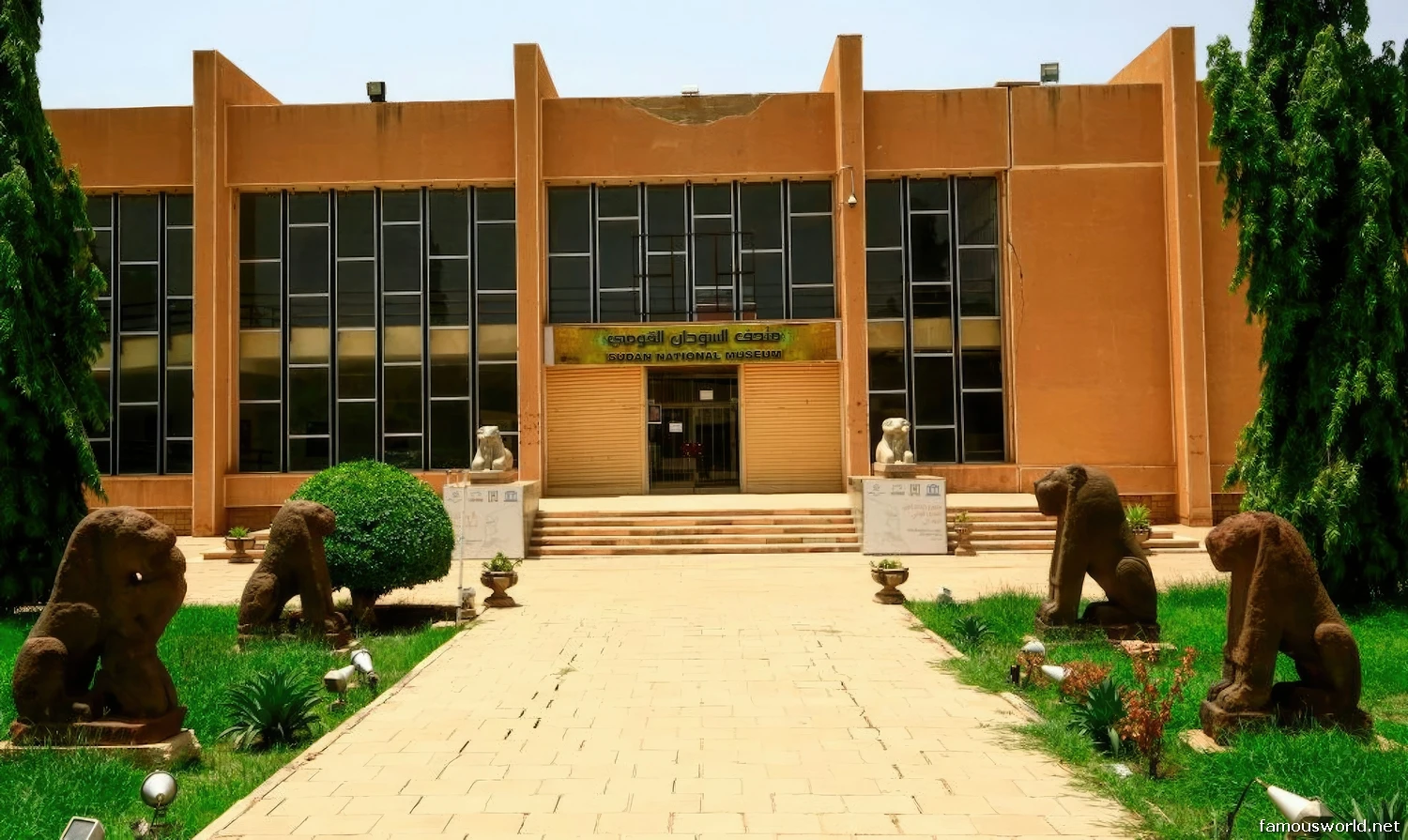
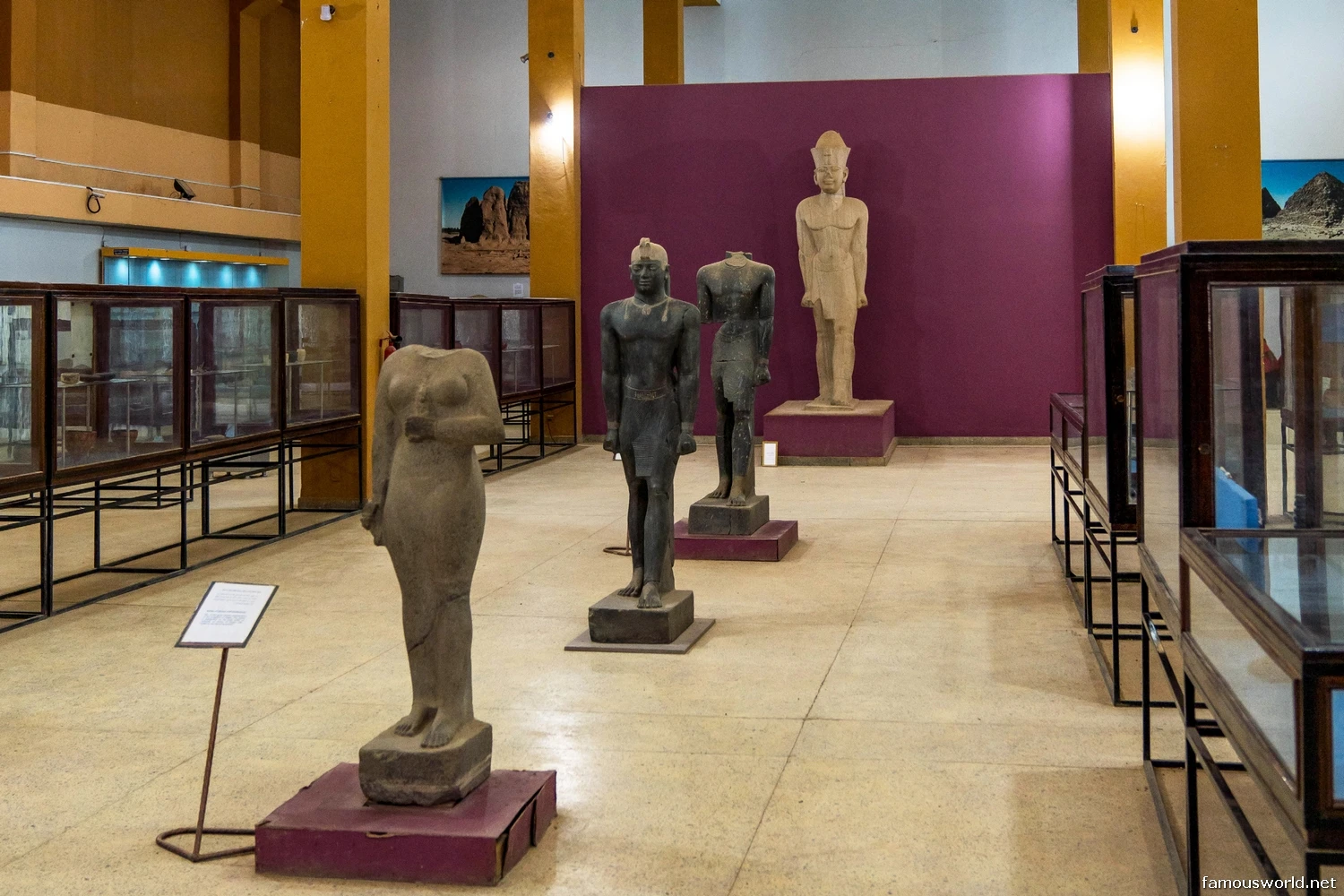
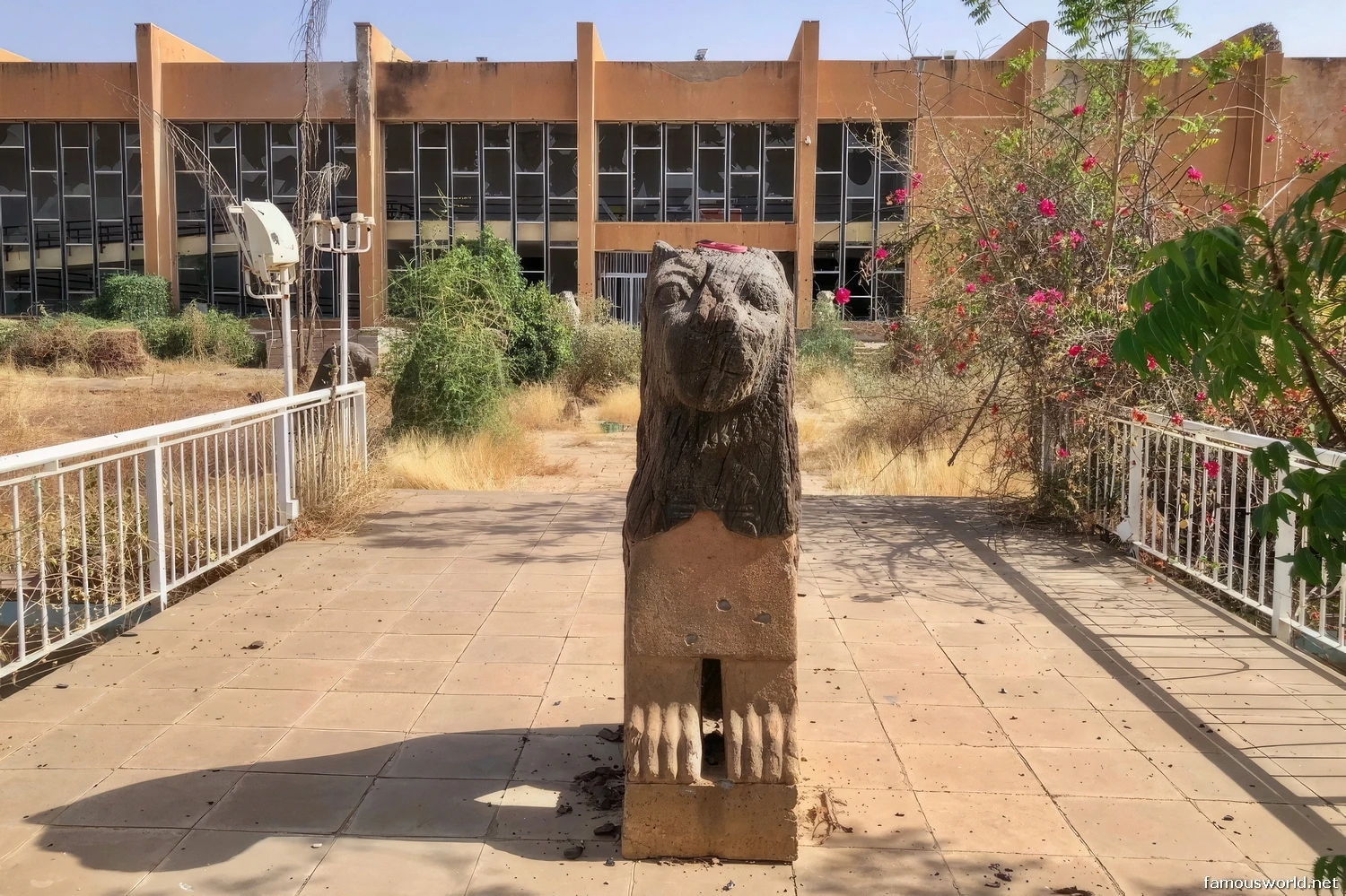
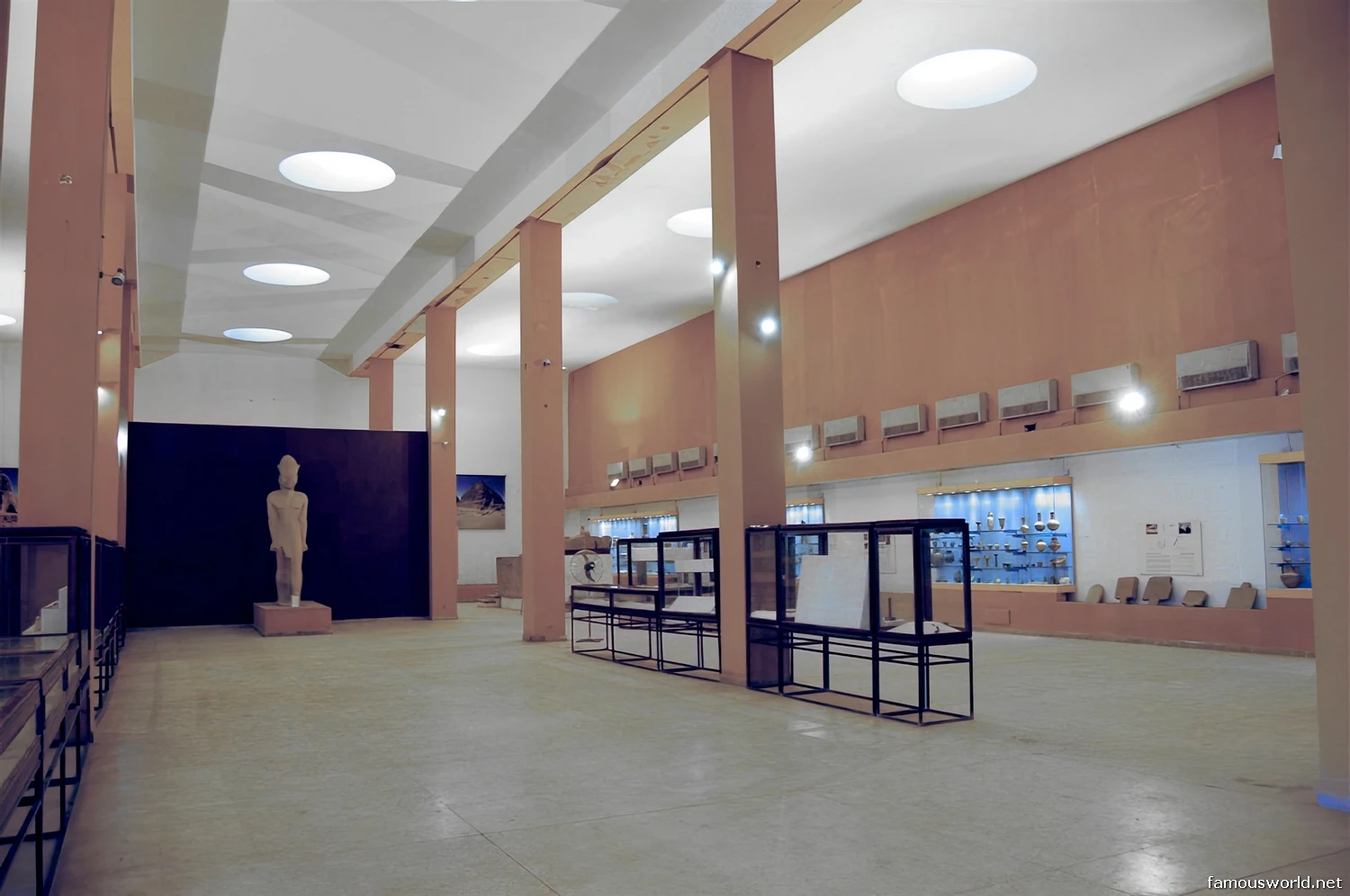
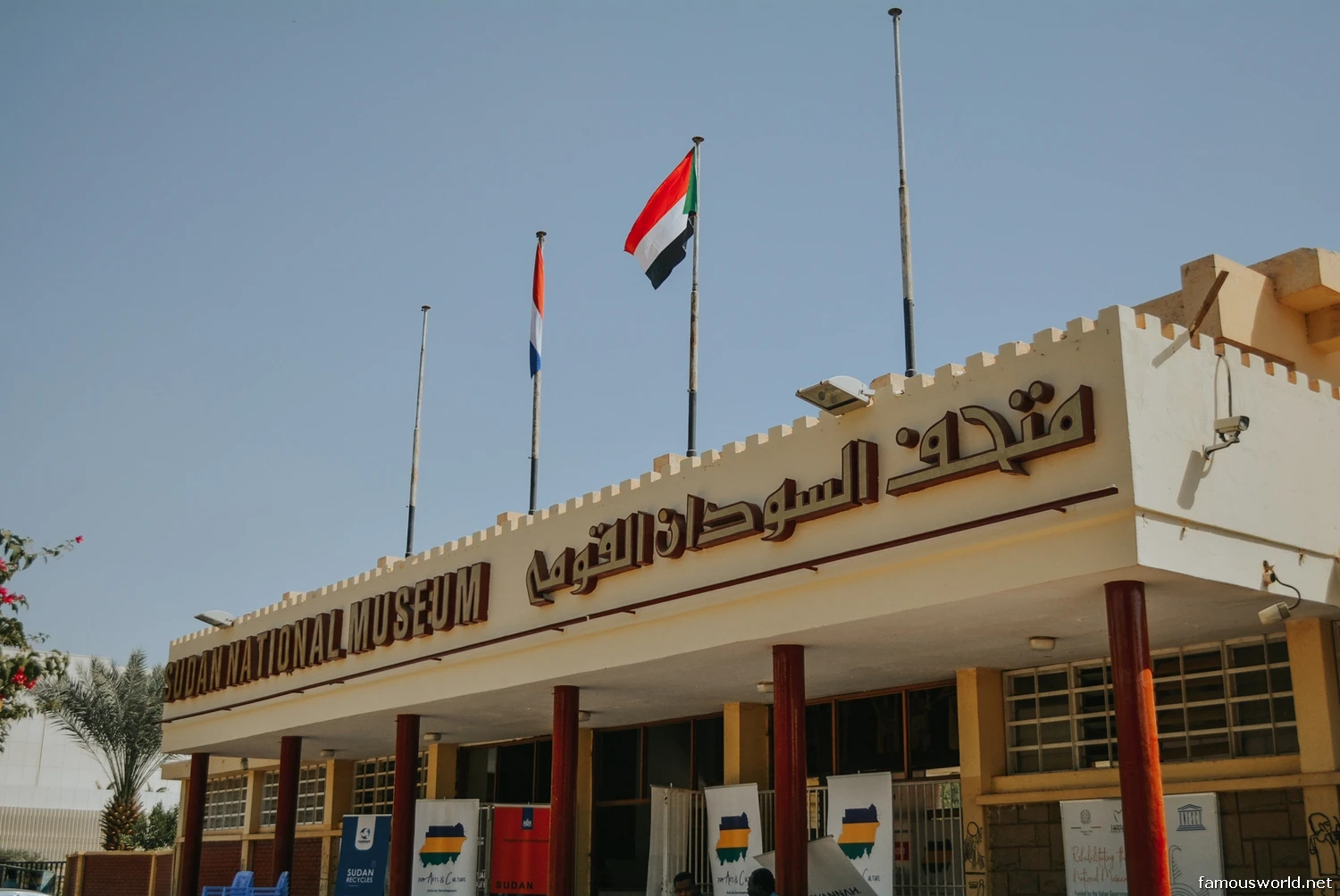
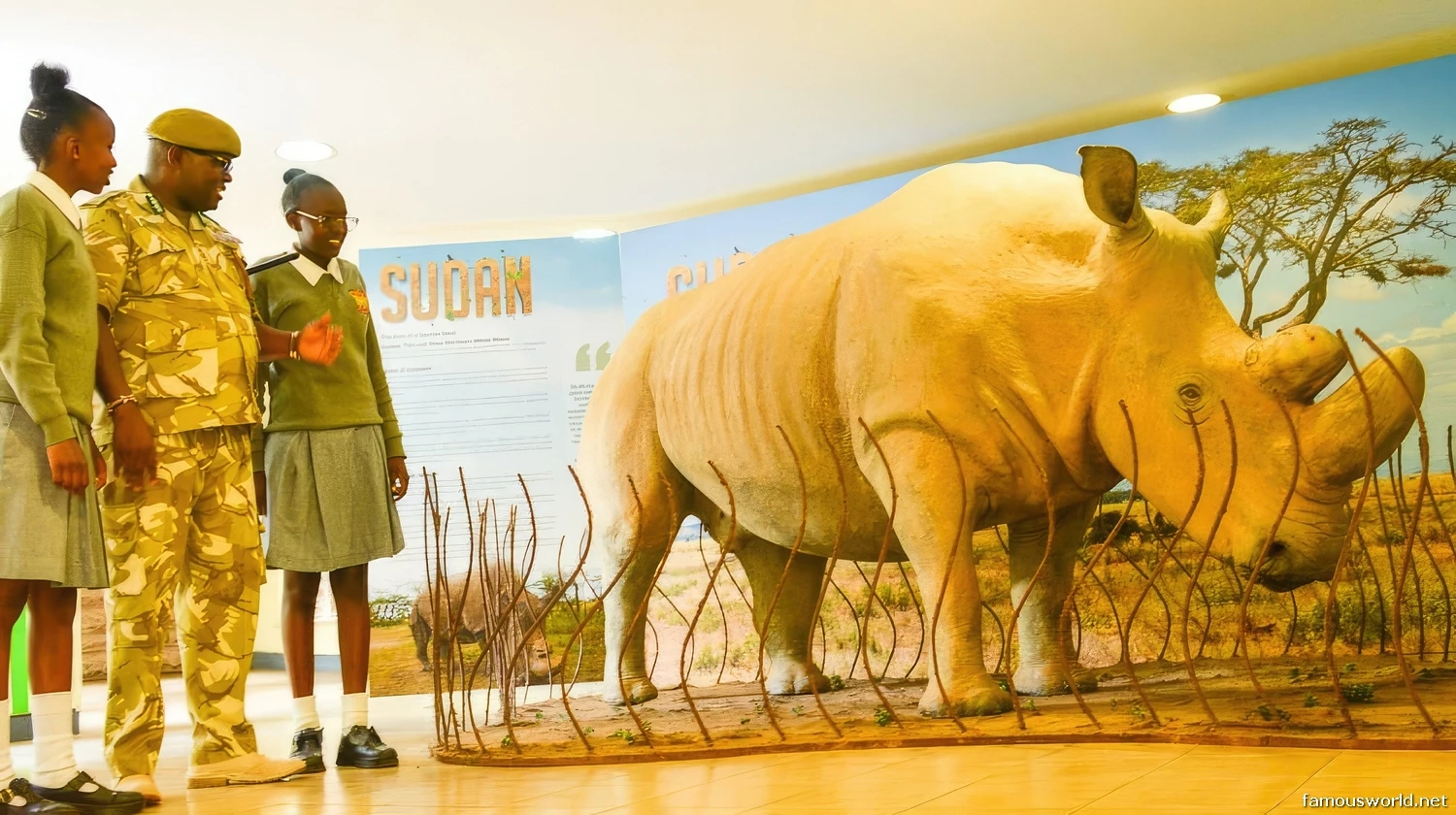
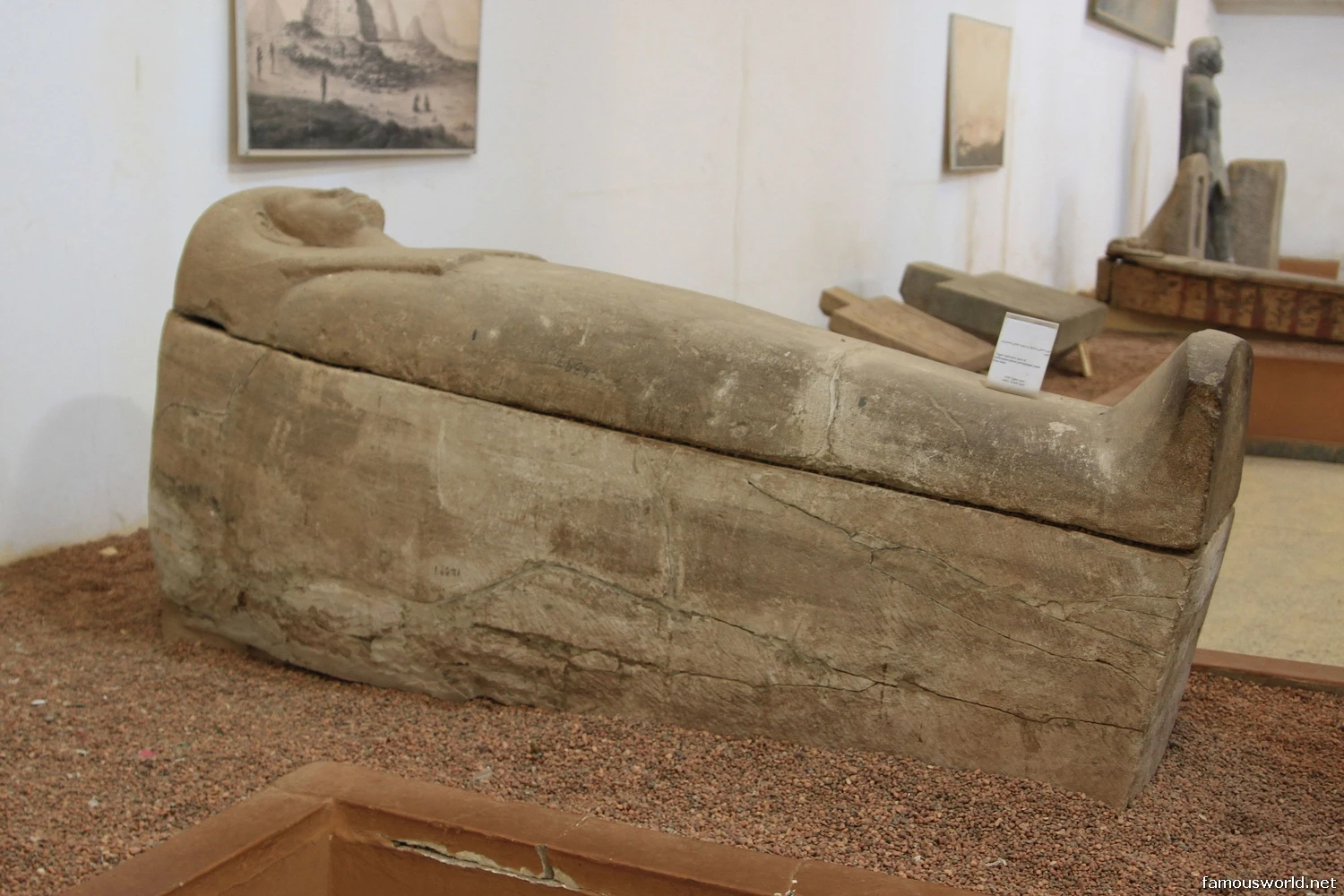
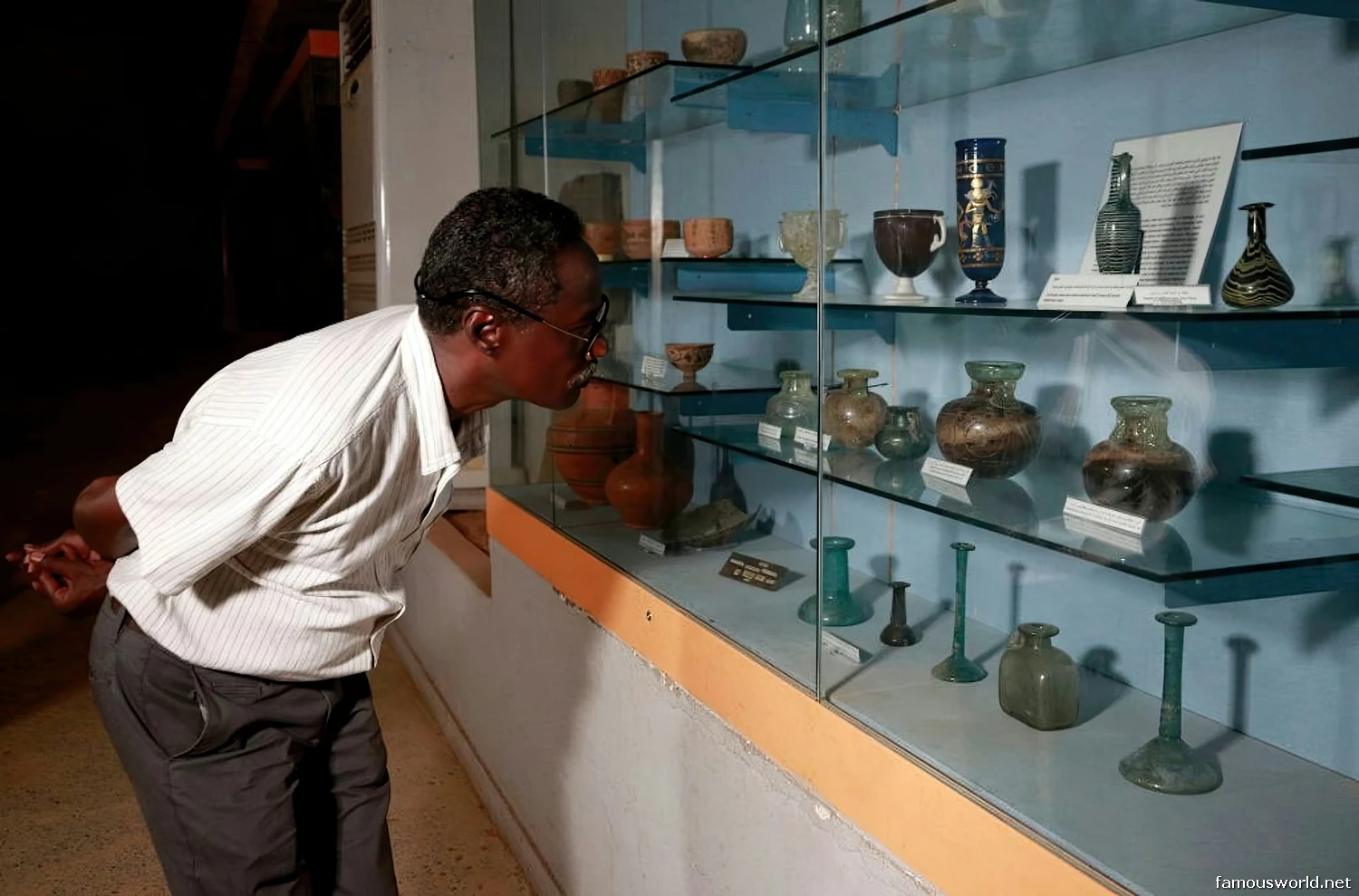
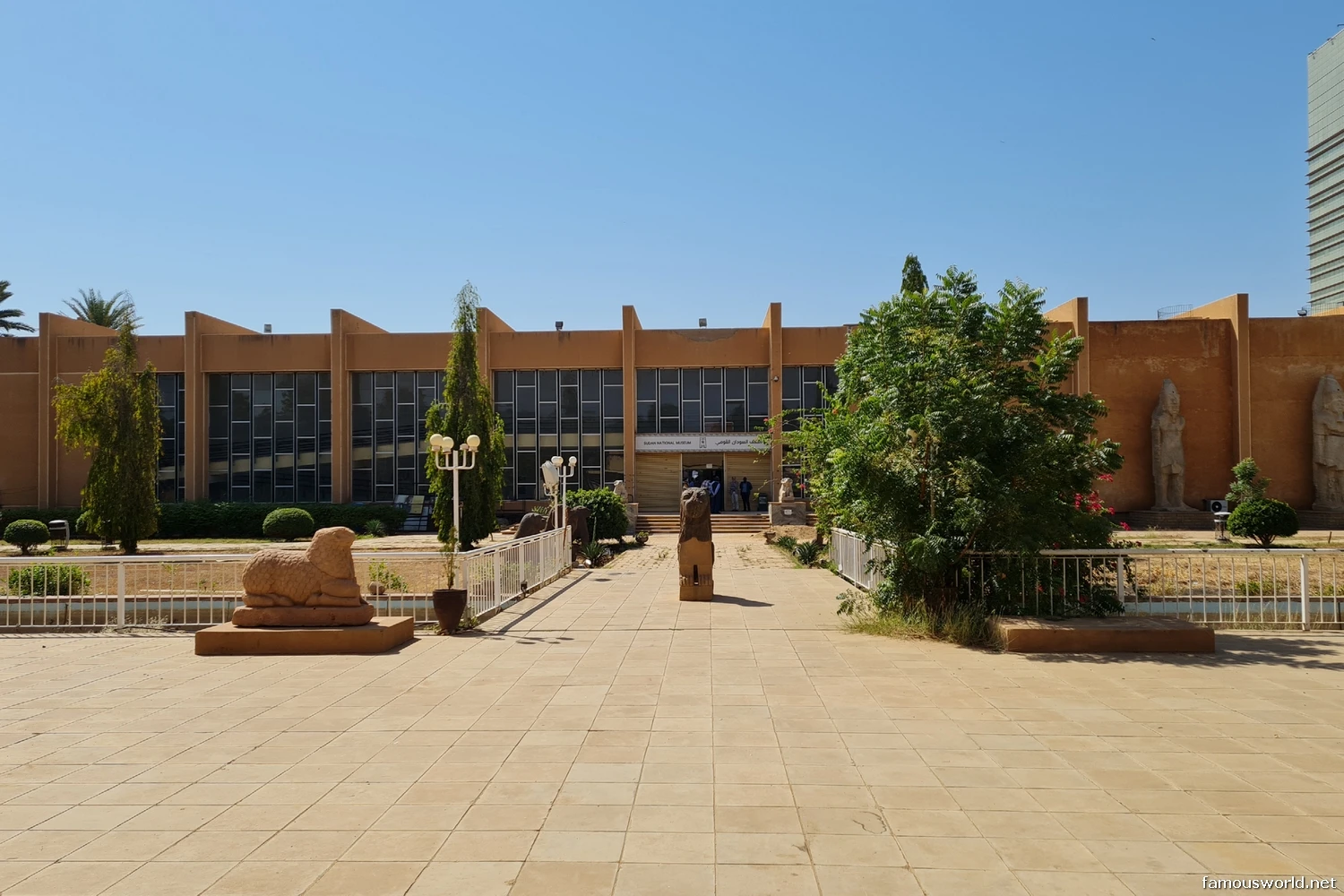
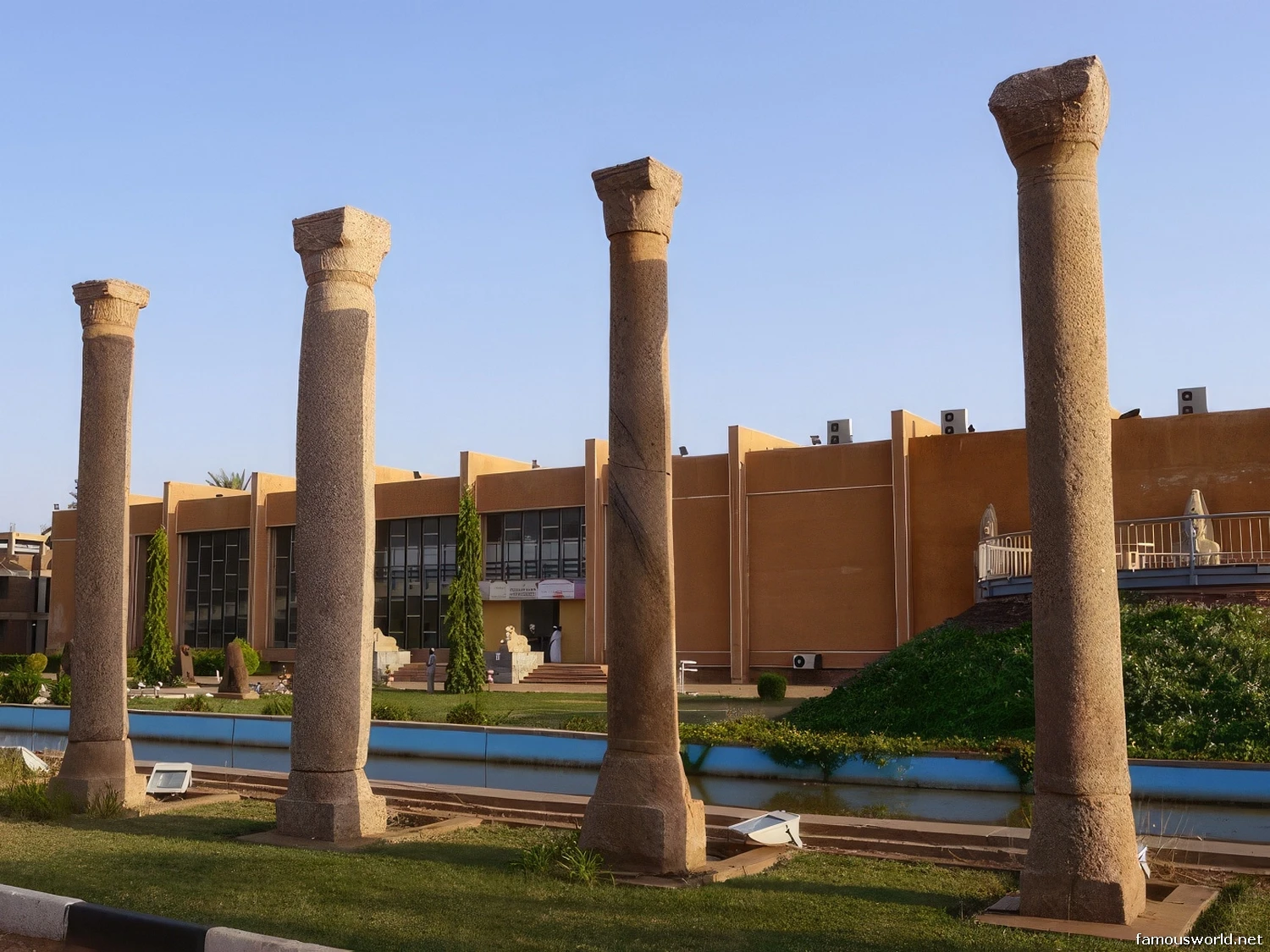
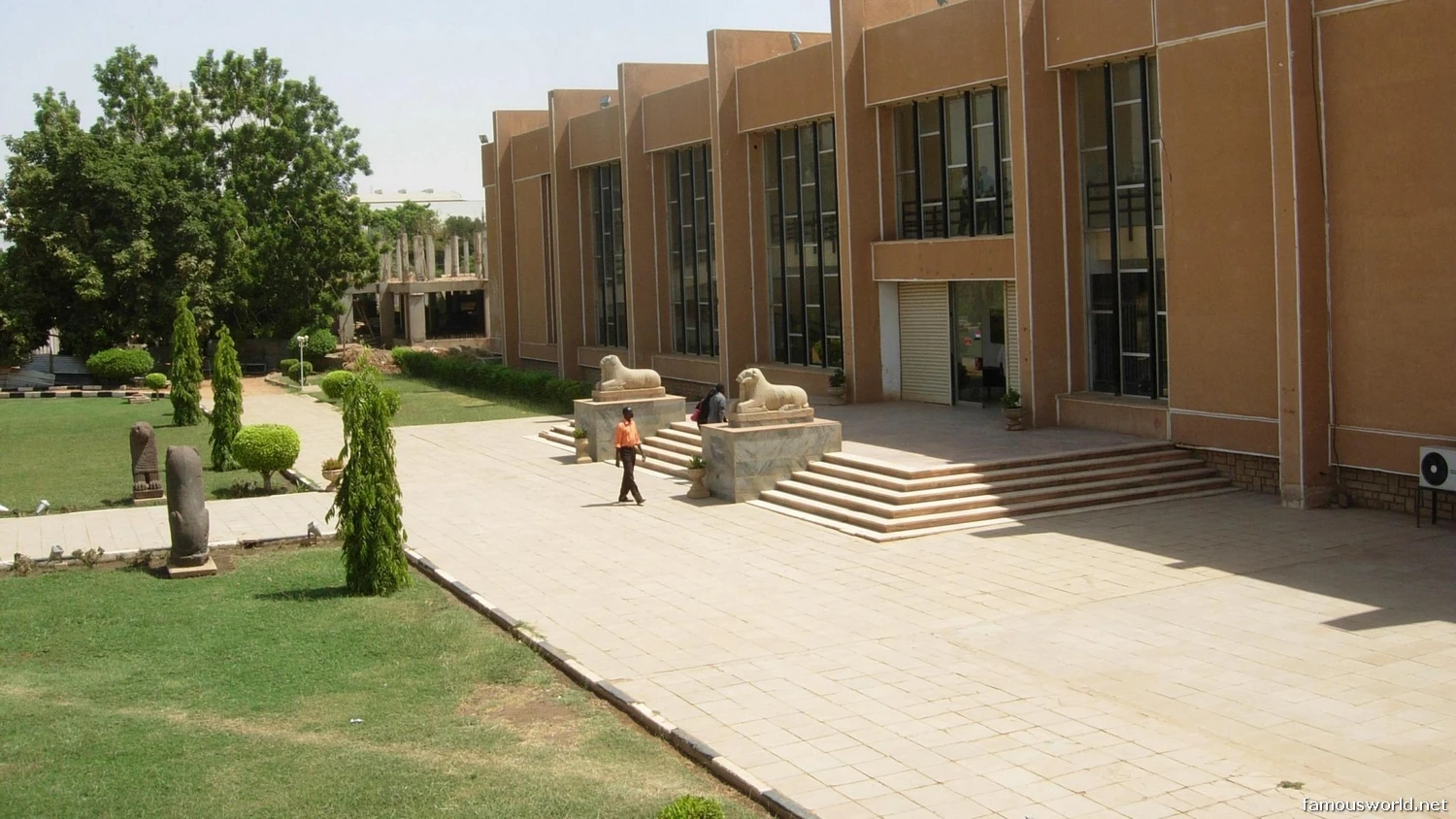
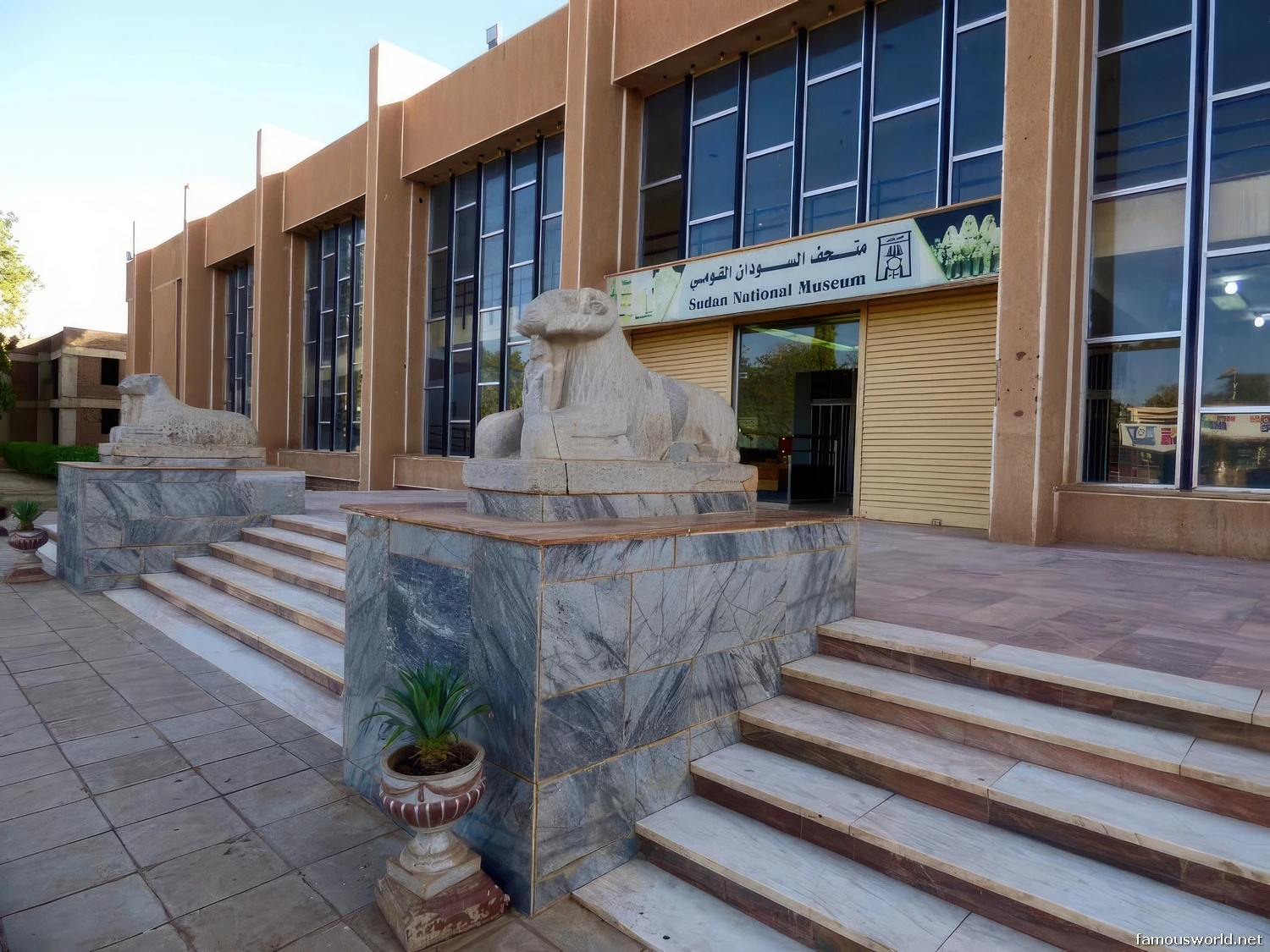
The Sudan National Museum is the largest and most important repository of Sudanese history and archaeology in the country, holding the world’s most extensive collection of Nubian artifacts. Located in Khartoum at the confluence of the Blue and White Nile rivers, the museum is not just a building but a sanctuary for a history that was nearly lost forever. Its most breathtaking exhibit is not inside its main hall, but in its garden: entire ancient Egyptian temples, painstakingly relocated block by block to save them from the rising waters of Lake Nasser after the construction of the Aswan High Dam. This monumental feat of preservation makes the museum a unique testament to international cooperation and a crucial guardian of the legacy of the ancient kingdoms that once thrived along the Nile.
Listen to an introduction about Sudan National Museum

Name and Location
- Name: Sudan National Museum.
- Location: Khartoum, Sudan, on Nile Avenue, near the confluence of the Blue and White Nile.
How to Get There
The museum is a prominent landmark in the capital city of Khartoum.
- By Car/Taxi: It is easily accessible by car or taxi from any part of Khartoum. Its central location next to the river makes it a well-known destination.
Layout and Collections
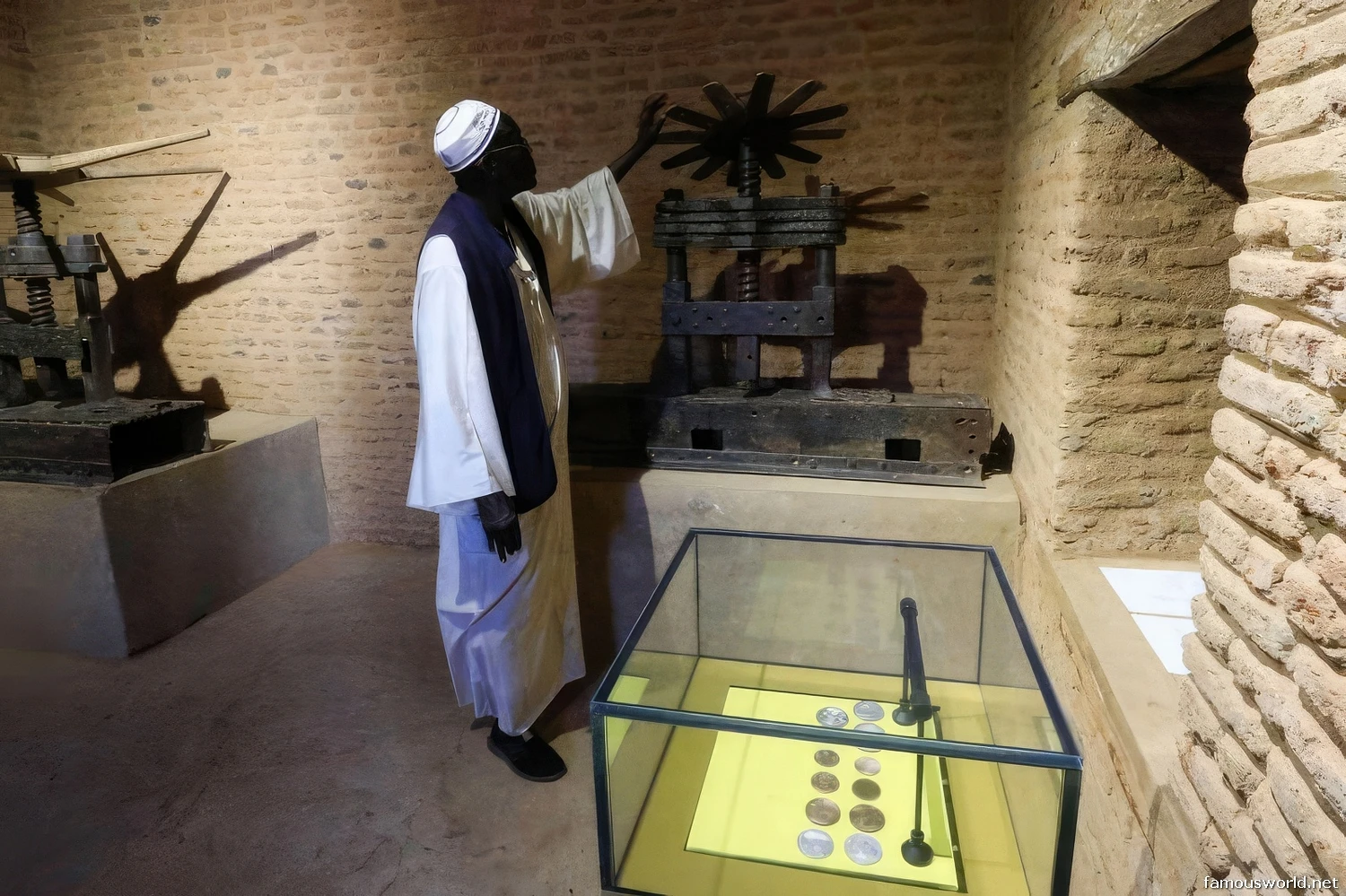
The museum is organized chronologically across its main building and an outdoor garden.
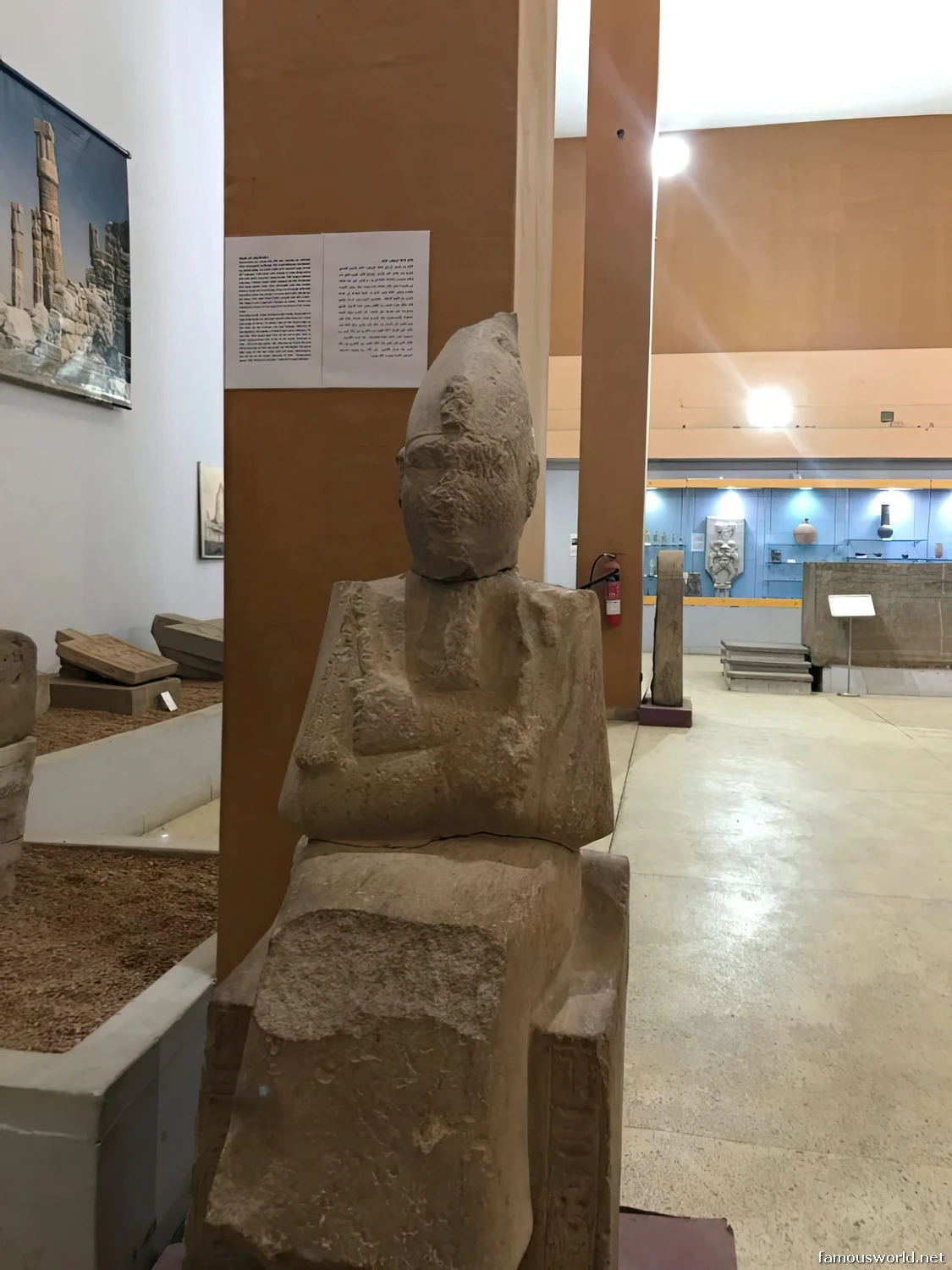
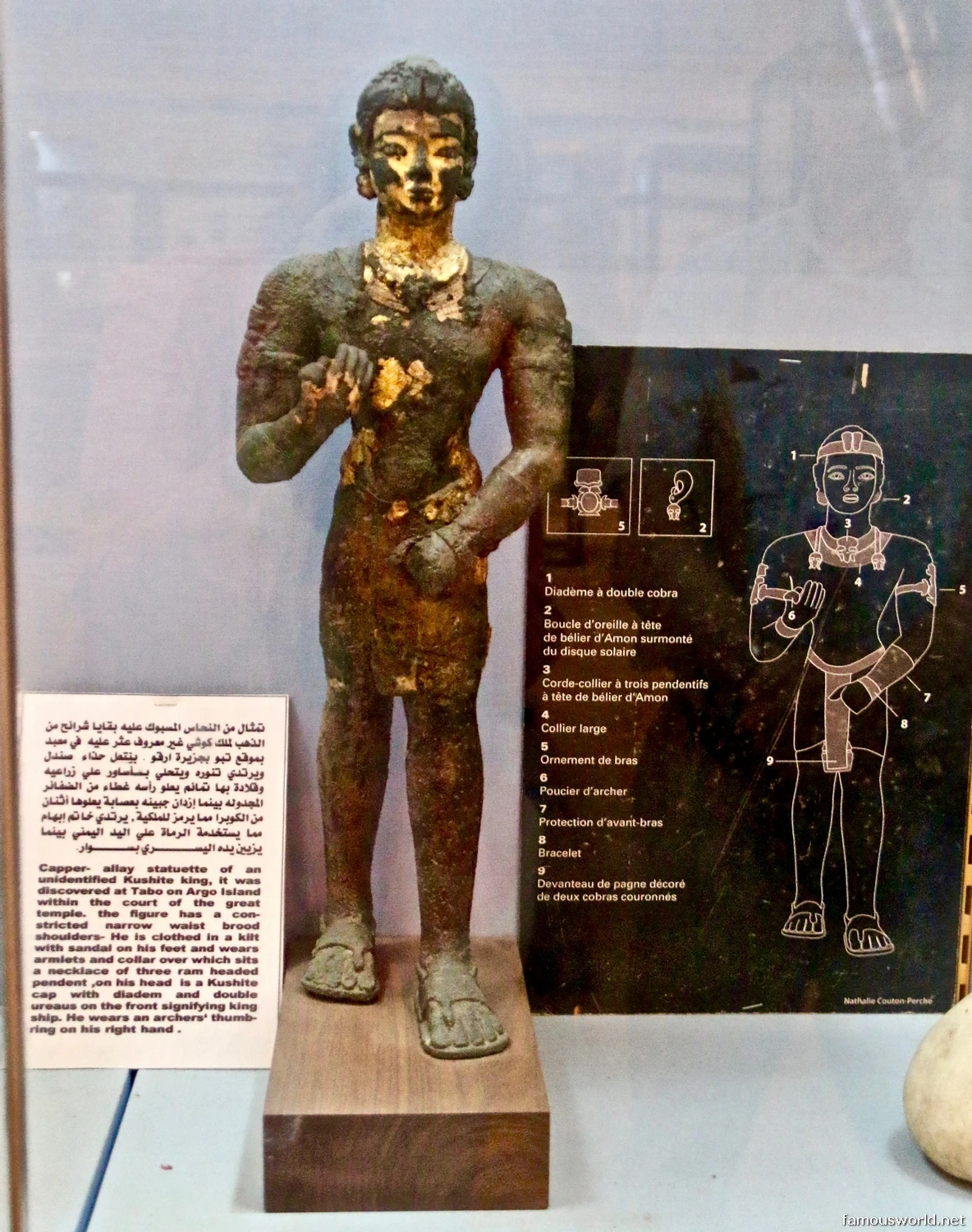
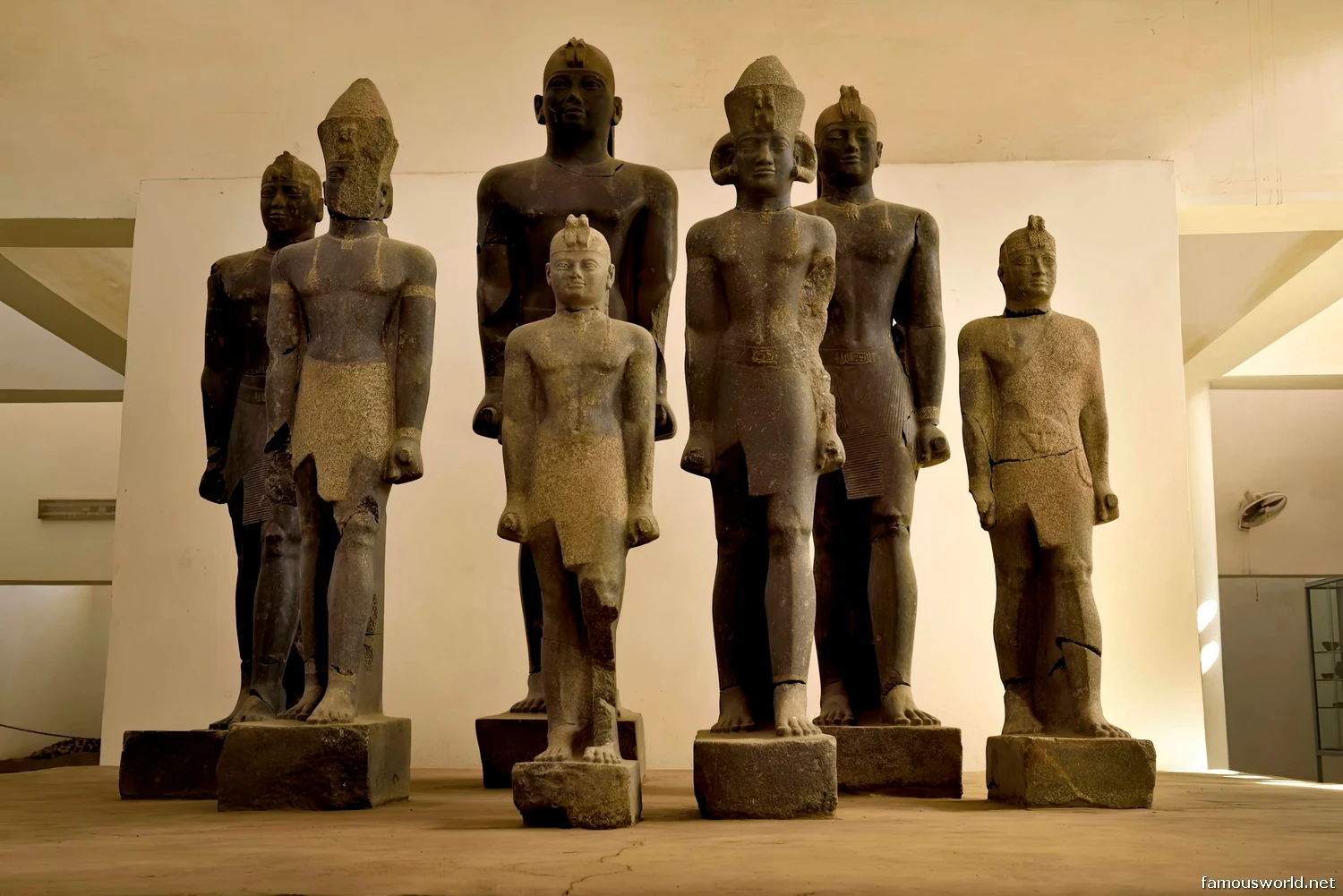
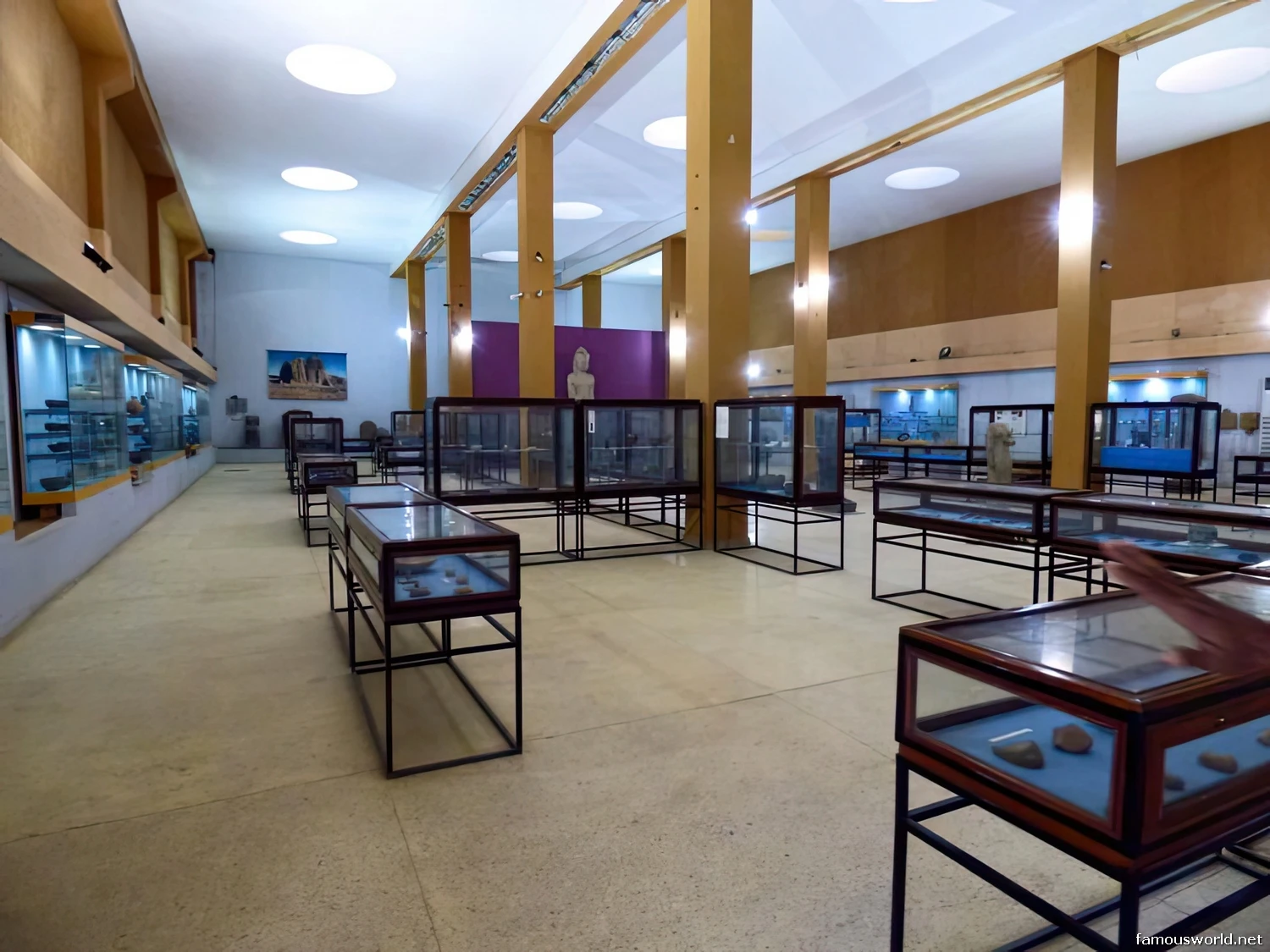
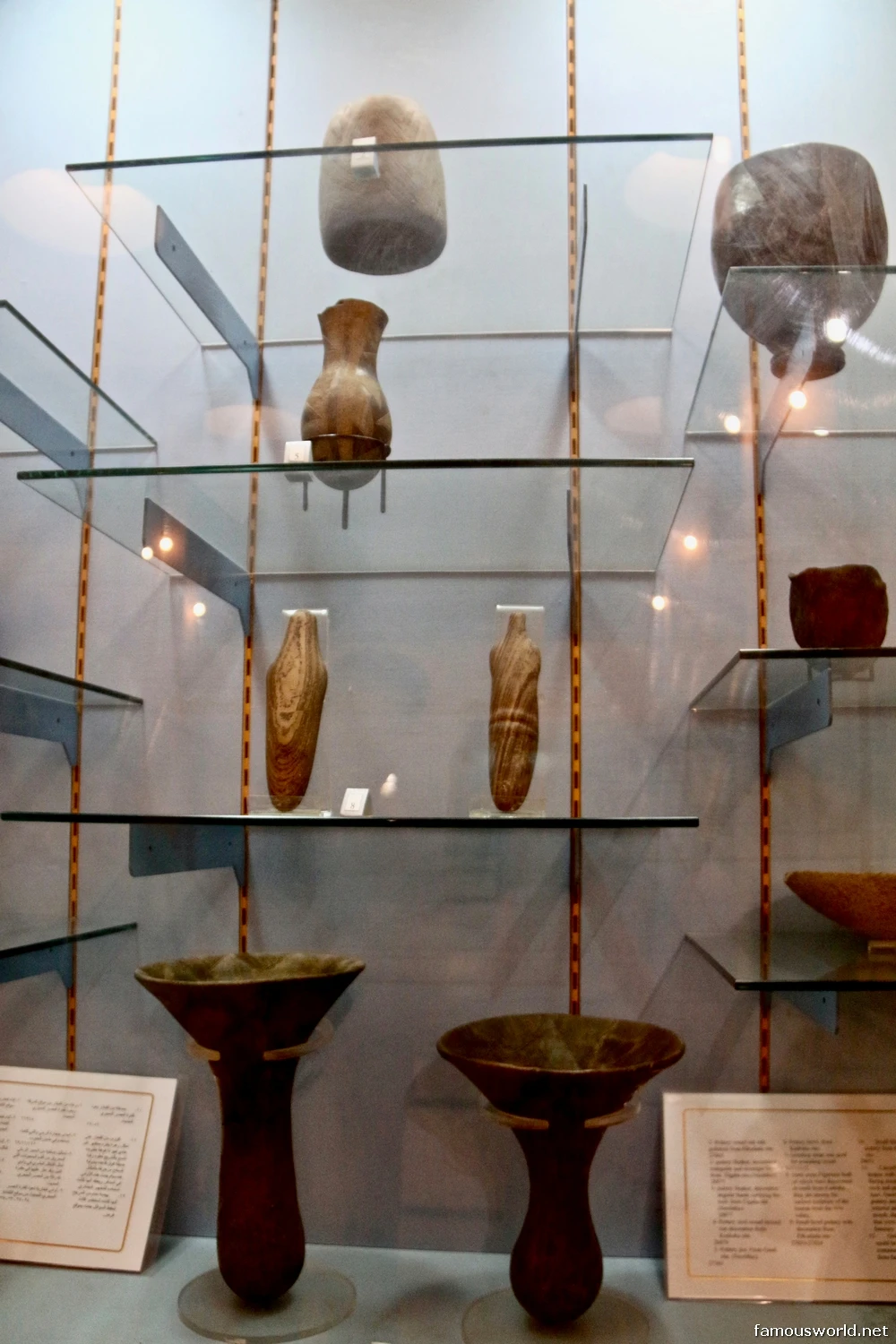
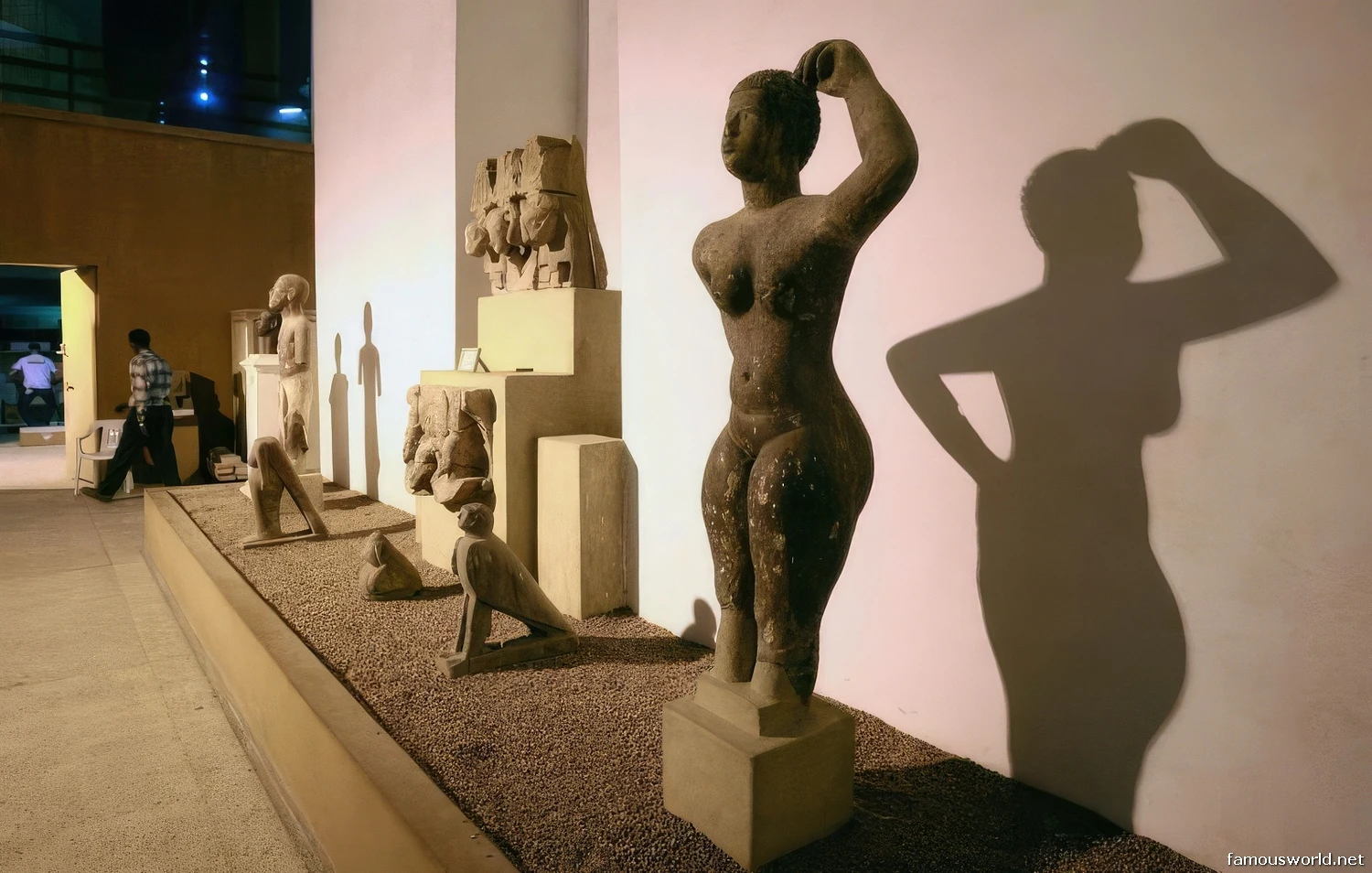
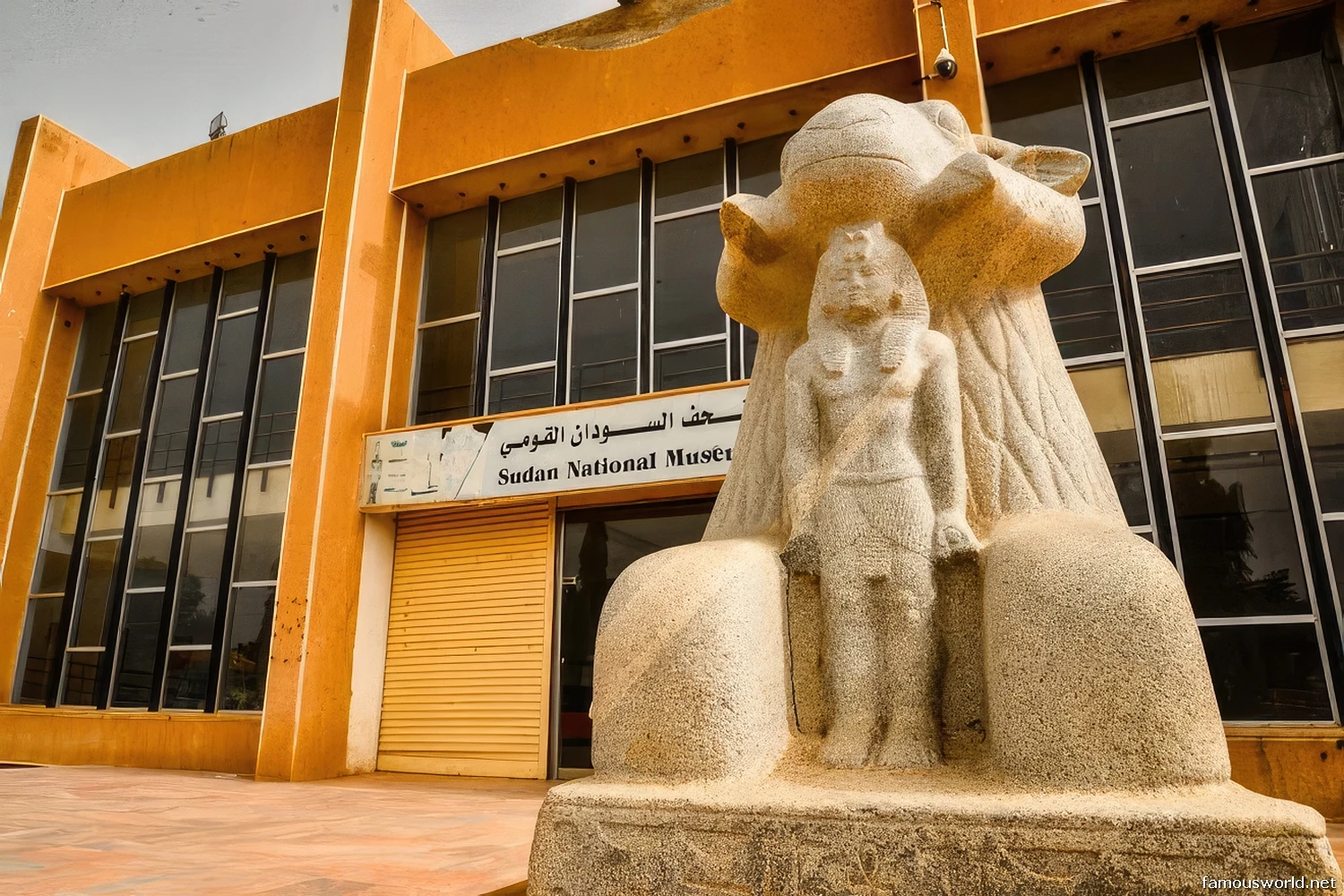
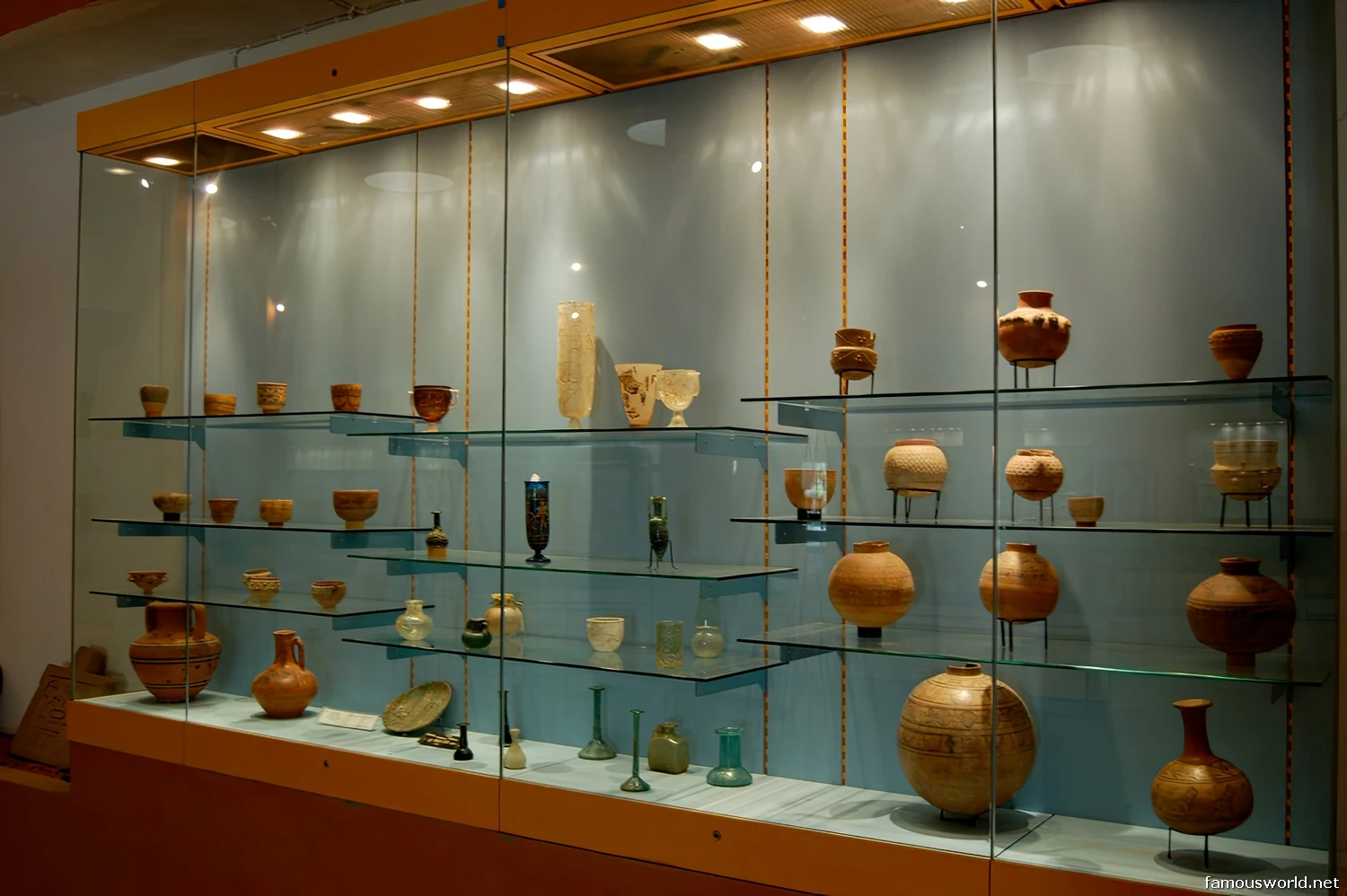
- Main Building (Ground Floor): This floor takes visitors on a journey through Sudan’s ancient past. It features artifacts from the Kerma Kingdom, the Egyptian New Kingdom’s presence in Nubia, and the Kushite kingdoms of Napata and Meroë. Highlights include magnificent granite statues of Kushite kings, delicate pottery, and funerary objects.
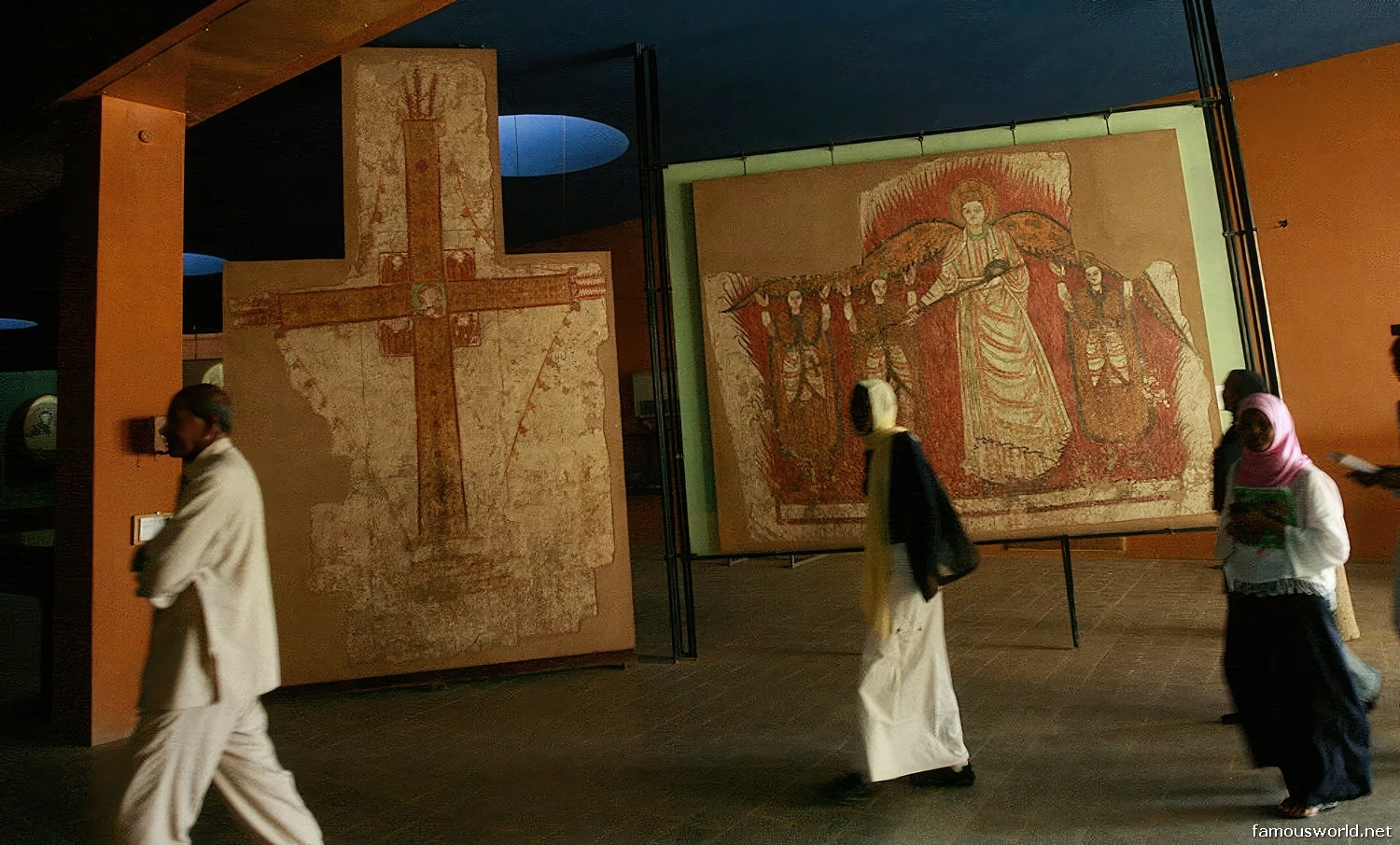
- Main Building (Upper Floor): The upper floor is dedicated to the medieval Christian kingdoms of Makuria and Alodia. It is famous for its collection of stunningly preserved frescoes, which were rescued from the submerged cathedral of Faras. These vibrant murals depict biblical scenes and saints with a unique Nubian artistic style.
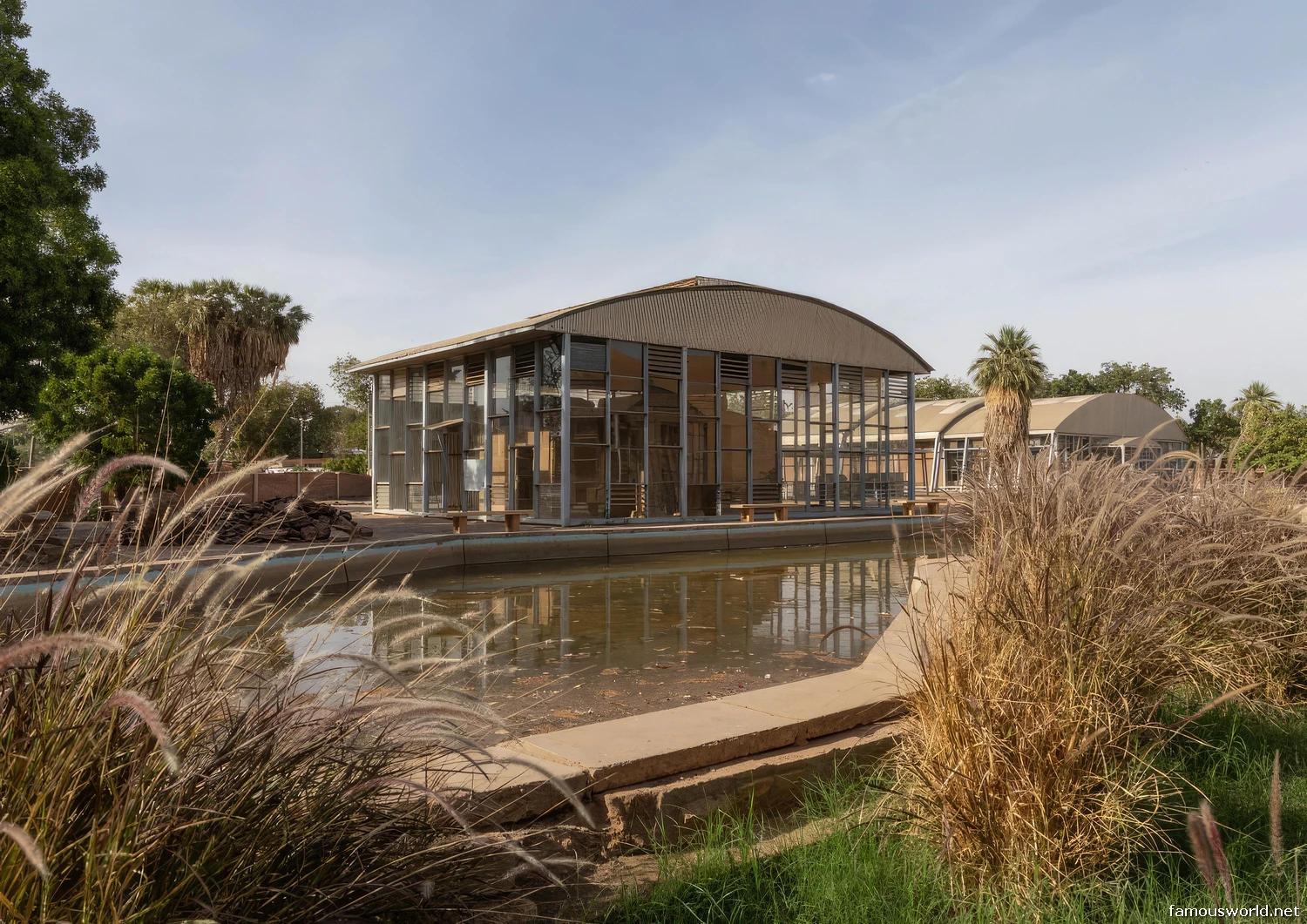
- The Garden: The museum’s garden is its most spectacular feature. It houses several rescued Nubian temples and tombs that were moved from their original locations. The most notable are the Temple of Buhen and the Temple of Semna, which were dedicated to the Egyptian gods Horus and Dedwen. These structures have been reassembled in their entirety, allowing visitors to walk through authentic ancient temples.
What Makes It Famous
The museum’s fame rests on its unparalleled Nubian collection and the dramatic story of its rescued temples.
- The Rescued Temples: It is the only place in the world where you can see multiple complete ancient Egyptian and Kushite temples that have been relocated to a museum garden. This was part of the massive UNESCO-led International Campaign to Save the Monuments of Nubia.
- World’s Largest Nubian Collection: It houses the most significant collection of artifacts from the ancient Nubian civilizations, spanning thousands of years from the Neolithic period through the rise of the Kerma, Kushite, and Christian kingdoms.
- The Faras Frescoes: The collection of medieval Christian frescoes is considered one of the most important and beautiful examples of this art form in the world, offering a rare glimpse into the rich culture of Christian Nubia.
Differences from Other Wonders
The curated collection of the National Museum provides a different experience from the living archaeological site of Jebel Barkal.
- Focus (Preserved Collection vs. In-Situ Site): The National Museum is a curated institution where artifacts have been removed from their original locations for preservation and display. Jebel Barkal is a vast, in-situ archaeological landscape where temples, pyramids, and the sacred mountain remain in their original context.
- Core Story (Rescue and Curation vs. Enduring Power): The museum’s defining story is one of rescue—a successful international effort to save a priceless heritage from being lost to flooding. Jebel Barkal’s story is one of enduring spiritual and political power over millennia, a place continuously revered by different civilizations.
- Primary Experience (Educational Journey vs. Immersive Exploration): Visiting the museum is an educational journey through the complete timeline of Sudanese history in a structured setting. Visiting Jebel Barkal is an immersive exploration of a sacred landscape, allowing one to feel the scale and spiritual significance of the ancient site.
- Key Exhibits (Relocated Temples and Frescoes vs. Standing Monuments and a Sacred Mountain): The museum’s most famous exhibits are the relocated temples and the delicate Faras frescoes. Jebel Barkal’s main attractions are its standing temple ruins, royal necropolis, and the sacred mountain itself.
Location on world map