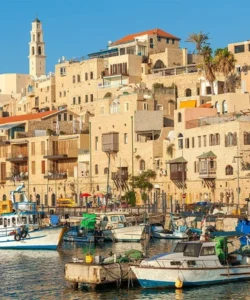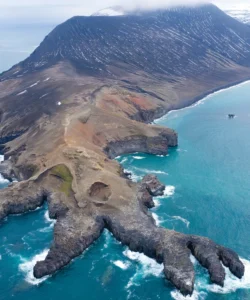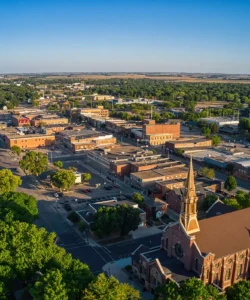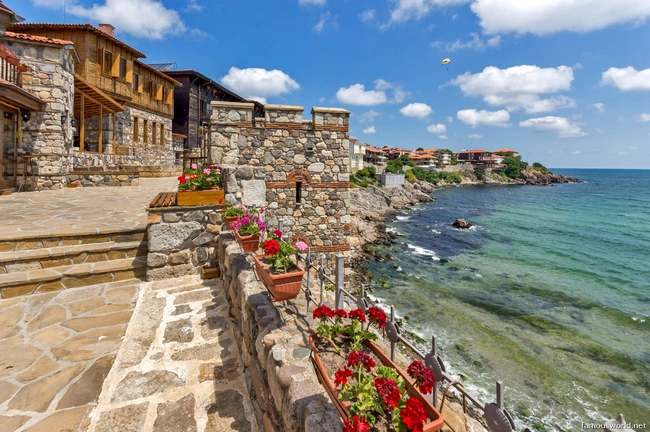


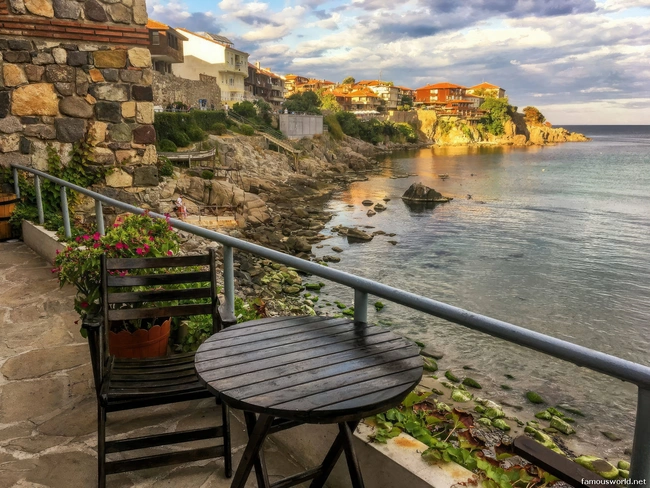


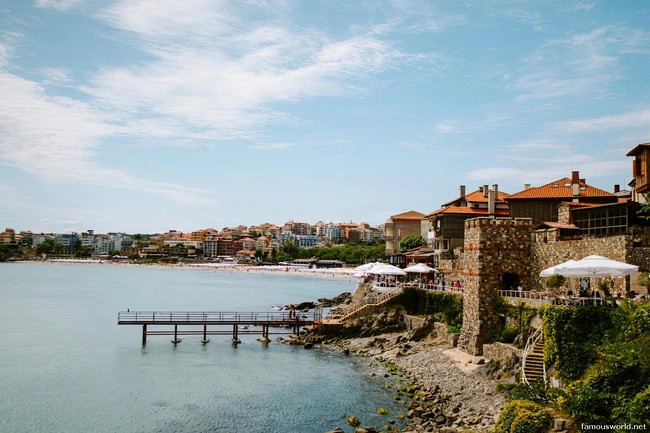


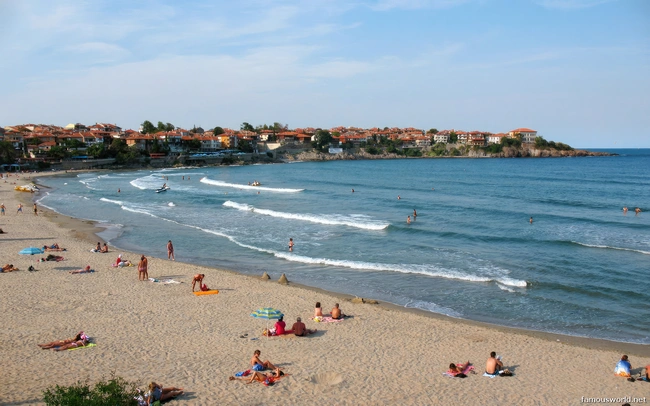


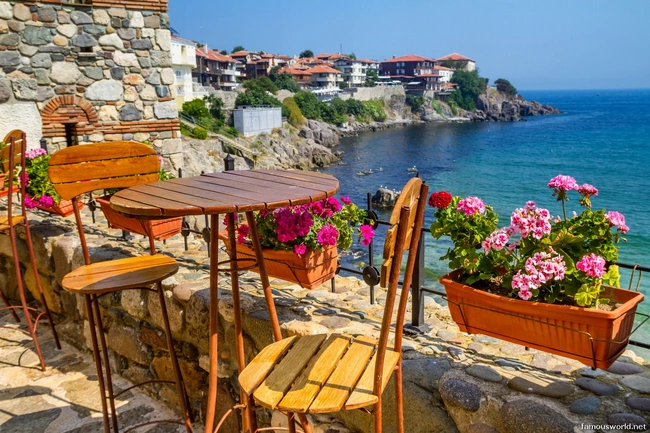
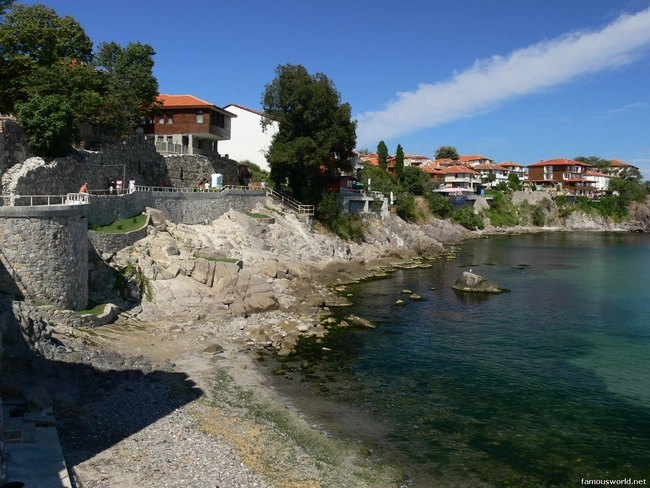


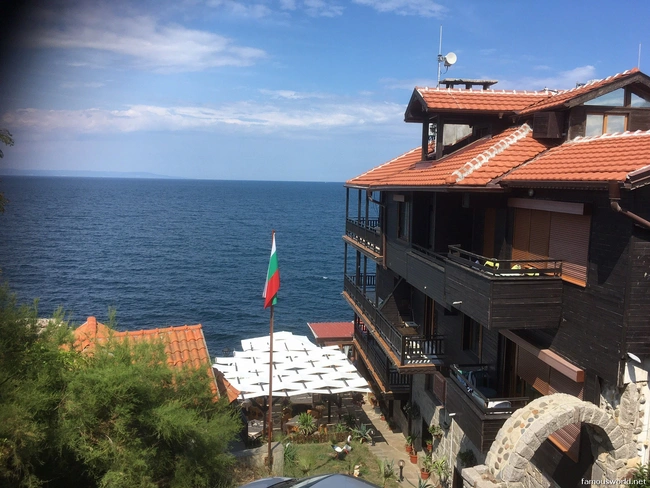


Set on a rocky peninsula that juts dramatically into the Black Sea, Sozopol is the oldest town on the Bulgarian coast and arguably its most romantic. Founded by Greek colonists in the 7th century BC as Apollonia, it is a place where history feels alive in every stone. The town is famous for its charming Old Town, a protected architectural reserve of 19th-century wooden houses, ancient fortification walls, and narrow cobbled streets. But Sozopol is not just a museum; it is a vibrant cultural hub, home to the famous Apollonia Arts Festival, beautiful sandy beaches, and a relaxed, bohemian atmosphere that has attracted artists and writers for decades.
Listen to an introduction about Sozopol

Name and Location
- Name: Sozopol (Созопол). Ancient name: Apollonia Pontica.
- Location: On a small peninsula on the southern Bulgarian Black Sea coast, in the Burgas Province, about 35 km (21 miles) south of Burgas.
How to Get There
Sozopol is a major summer destination and is very easy to reach.
- By Air: The nearest international airport is Burgas Airport (BOJ), located about 45 km away. From the airport, you can take a taxi or a shuttle bus to the Burgas South Bus Station, then transfer to a bus to Sozopol.
- By Bus: Regular, frequent buses run from the Burgas South Bus Station (Avtogara Yug) to Sozopol (approx. 40-50 minutes). There are also direct seasonal buses from Sofia (approx. 6 hours) and Plovdiv.
- By Car: The town is easily accessible via the main coastal road (Route 99).
- Note on Parking: Like Nessebar, the Old Town is largely restricted to car traffic. You must park in one of the large paid municipal parking lots located at the entrance to the Old Town (near the port) or in the New Town, and explore the historic center on foot.
- By Boat: During the summer, a fast ferry (hydrofoil) service often connects Sozopol with Nessebar and Burgas, offering a scenic and quick way to travel between these coastal gems.
Landscape and Architecture
The town is defined by its two distinct parts: the ancient, rocky peninsula and the modern beach resort.
- The Old Town (The Reserve): Situated on the rocky Skamni Peninsula, the Old Town is an architectural reserve famous for its Black Sea Revival houses. These unique 18th and 19th-century homes feature stone ground floors (for insulation and storage) and wooden upper floors that are clad in dark pine and project out over the narrow, cobbled streets.
- Southern Walls and Tower: A restored section of the ancient and medieval fortification walls runs along the southern promenade, offering spectacular views of the sea and the rocks below.
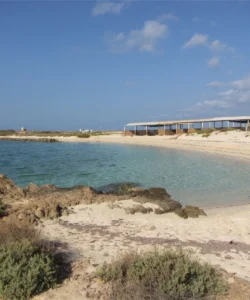
- The Beaches: Sozopol has two main sandy beaches: the Central Beach (nestled between the Old and New Towns) and the larger Harmani Beach in the New Town. Both are known for fine sand and clear water.
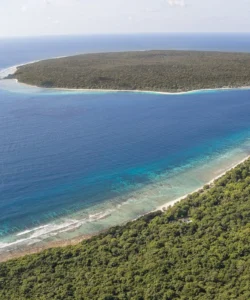
- St. Ivan Island: Just off the coast lies the largest island in the Bulgarian Black Sea, St. Ivan Island. It is a nature reserve and an archaeological site where the relics of St. John the Baptist were famously discovered in 2010.
- The New Town: The modern part of Sozopol extends south along the coast, filled with hotels, restaurants, and the lively “Merry Street” near Harmani Beach.
What Makes It Famous
Sozopol is renowned for its ancient heritage, its specific architectural style, and its cultural life.
- Oldest Town on the Coast: Established around 610 BC, its history spans Thracian, Greek, Roman, Byzantine, and Bulgarian periods.
- Apollonia Arts Festival: Every September, Sozopol hosts this major cultural event, attracting musicians, actors, writers, and artists from all over Bulgaria and abroad, cementing its status as a cultural capital.
- Relics of St. John the Baptist: The discovery of these relics on the nearby St. Ivan Island brought worldwide attention to Sozopol; they are now kept in the Church of Sts. Cyril and Methodius in the town.
- Romantic Atmosphere: The combination of the sea, the wooden houses, the figs growing in small courtyards, and the ancient ruins creates a famously romantic and nostalgic atmosphere.
Differences from Other Wonders (vs. Nessebar, Bulgaria)
While both are ancient museum-towns on the Black Sea, Sozopol offers a more bohemian and artistic vibe compared to Nessebar’s dense tourist focus.
- Environment (Bohemian Arts Hub vs. Bustling Tourist Magnet): Sozopol has traditionally been a haven for artists, writers, and musicians, cultivating a relaxed, bohemian atmosphere, especially during its arts festival. Nessebar is a more bustling, high-traffic tourist destination, famous for its sheer density of visitors and souvenir shops.
- Architecture (Uniform Revival Style vs. Ecclesiastical Variety): Sozopol is defined primarily by its uniform, domestic wooden Revival houses facing the sea. Nessebar is defined principally by its incredible number and variety of medieval brick churches.
- Core Story (Greek Colony of Apollo vs. Byzantine Ecclesiastical Center): Sozopol’s identity is rooted in its origin as Apollonia, a Greek center of art and trade (famous for a colossal statue of Apollo). Nessebar’s story is deeply tied to its role as a major Byzantine religious center and bishopric.
- Atmosphere (Relaxed and Romantic vs. Crowded and Historic): The atmosphere in Sozopol is generally more laid-back, romantic, and focused on slow walks and seaside dining. The atmosphere in Nessebar can be more crowded and energetic, focused on sightseeing and navigating the flow of tourists.
Location on world map