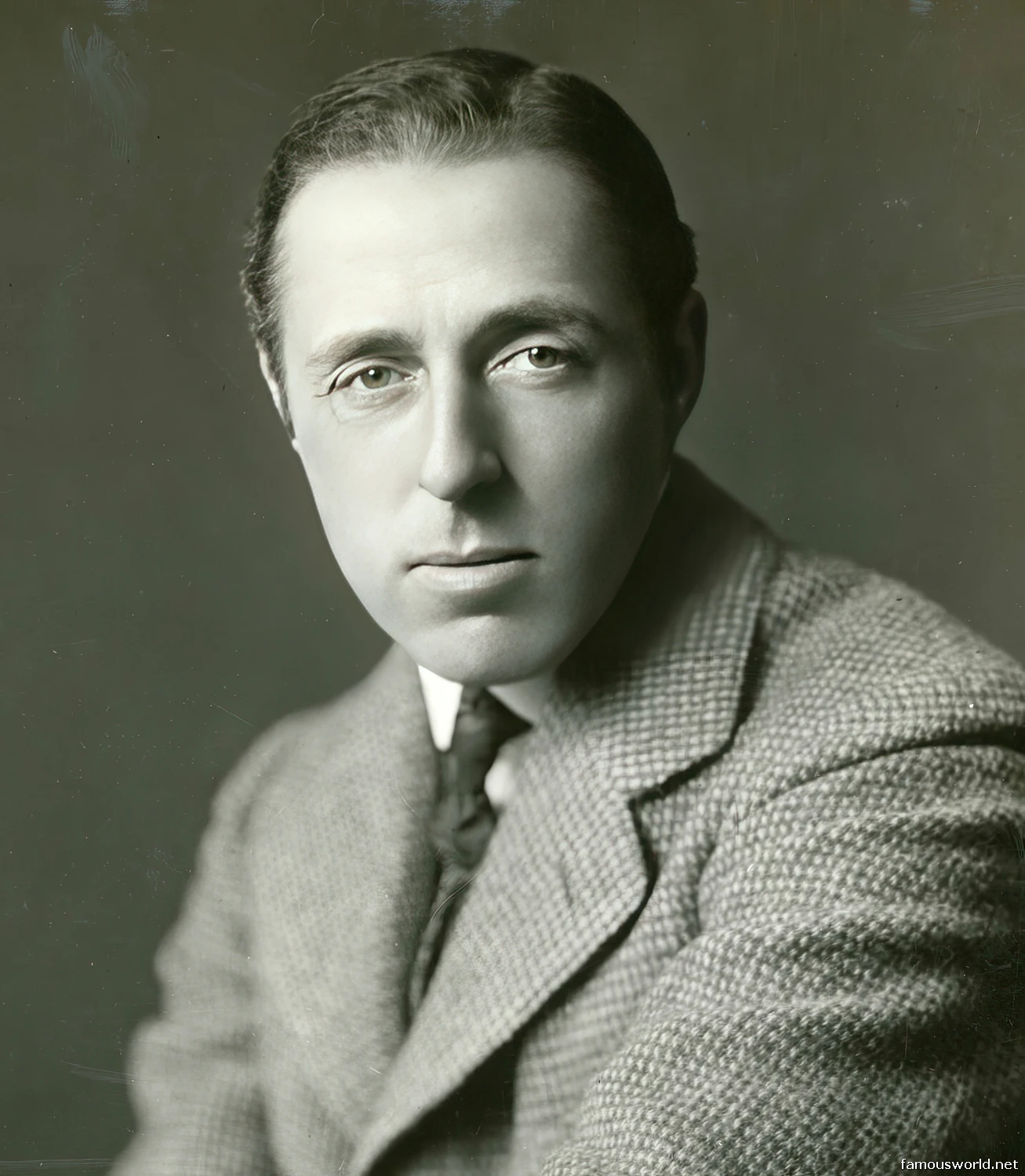
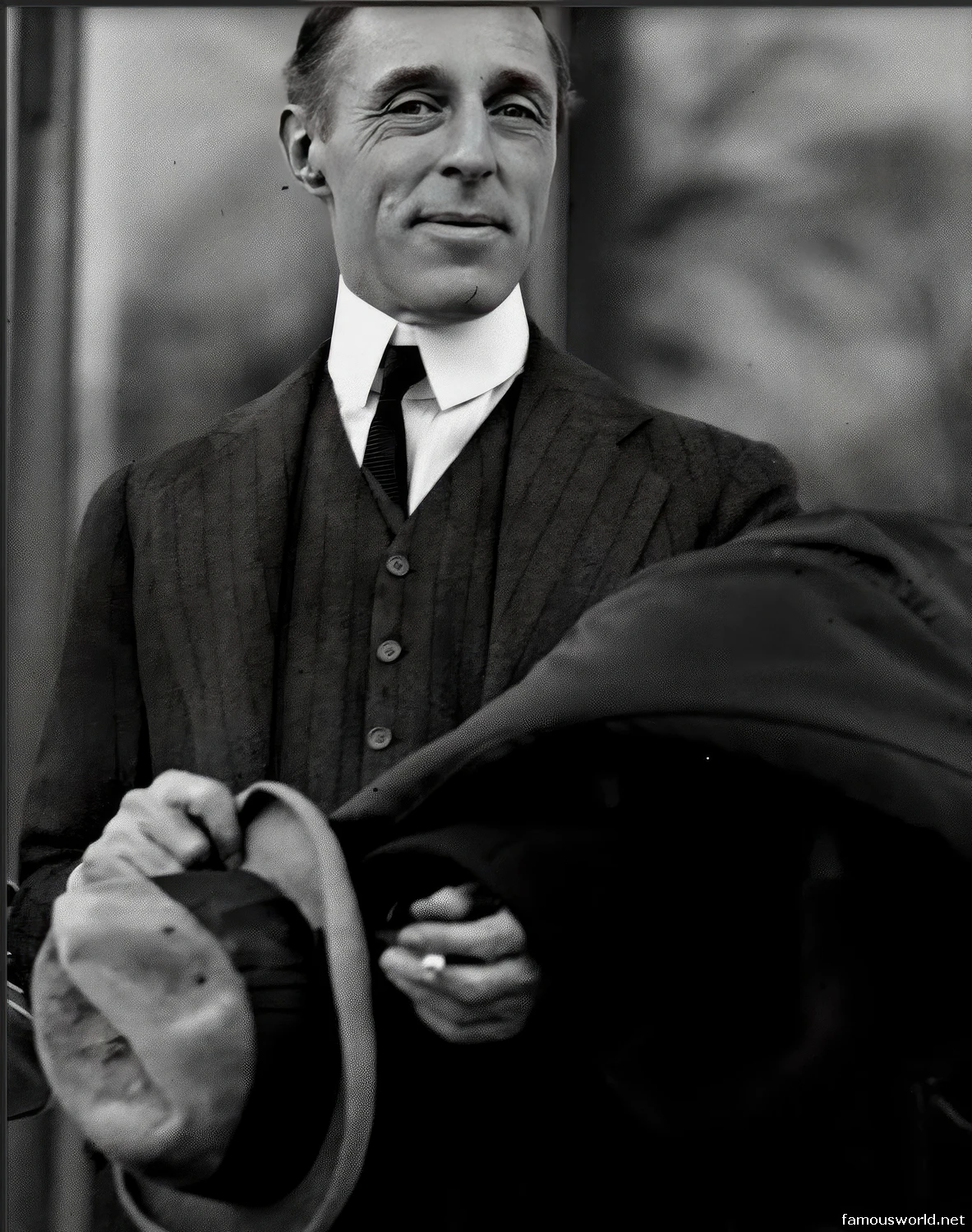
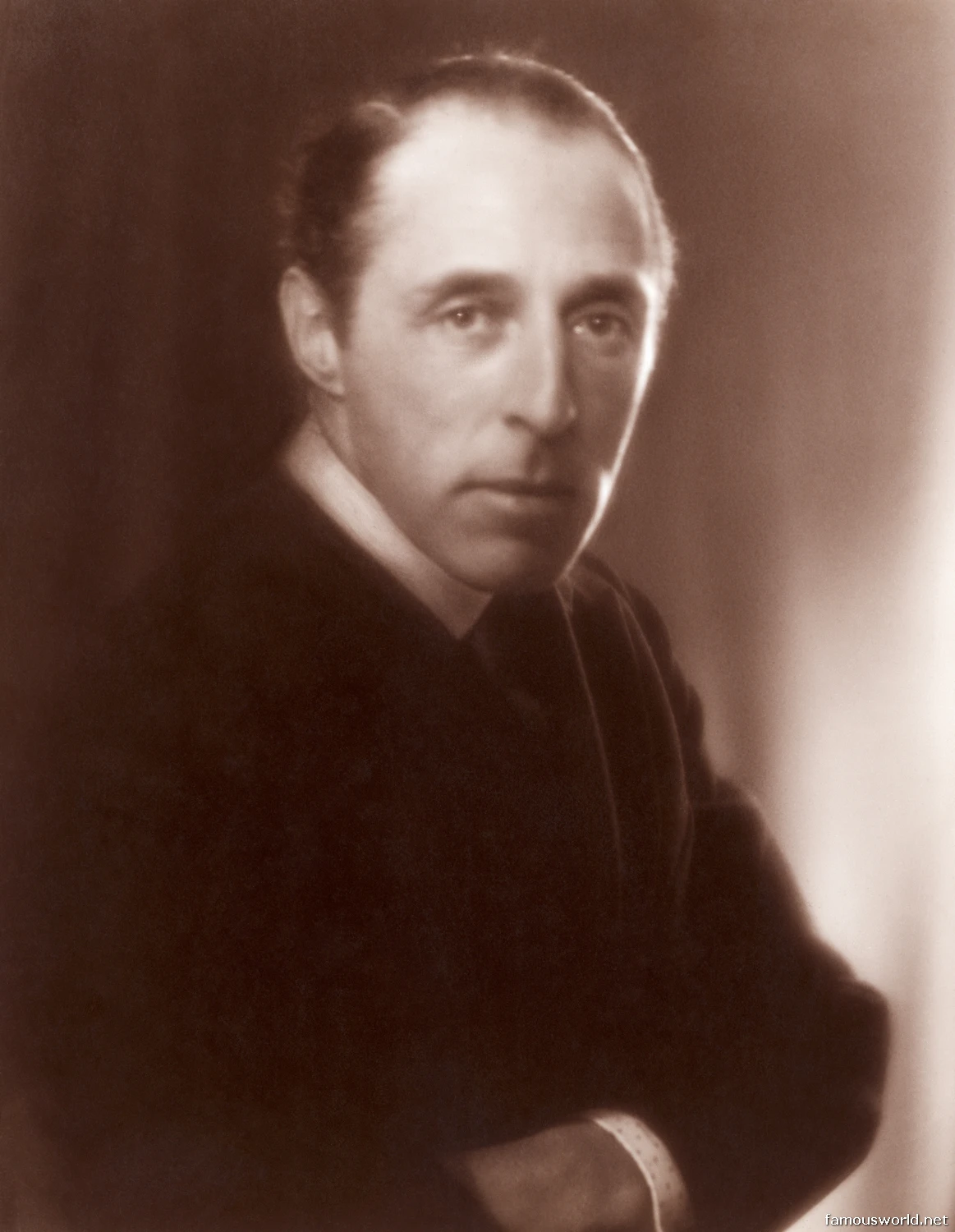
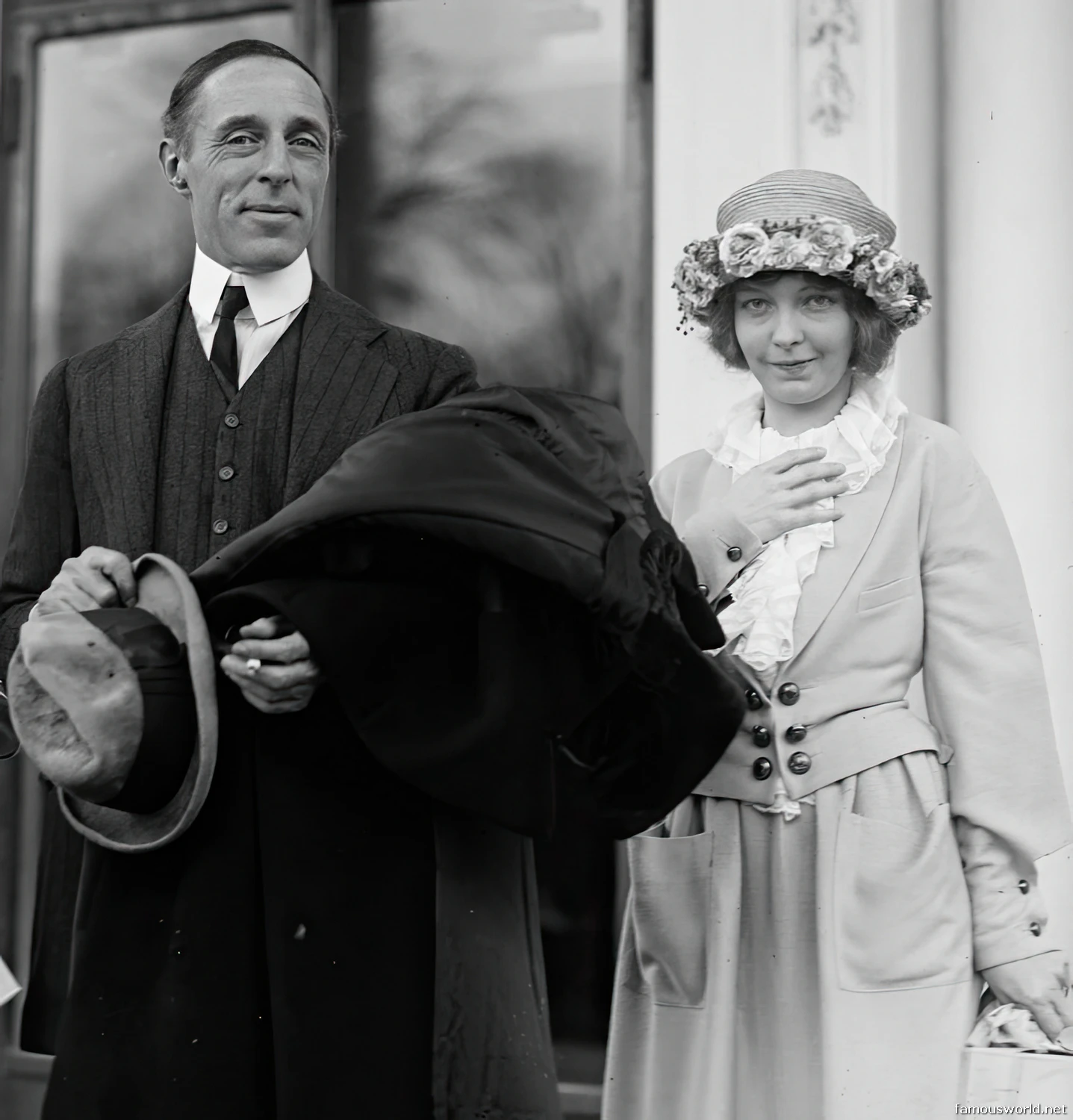
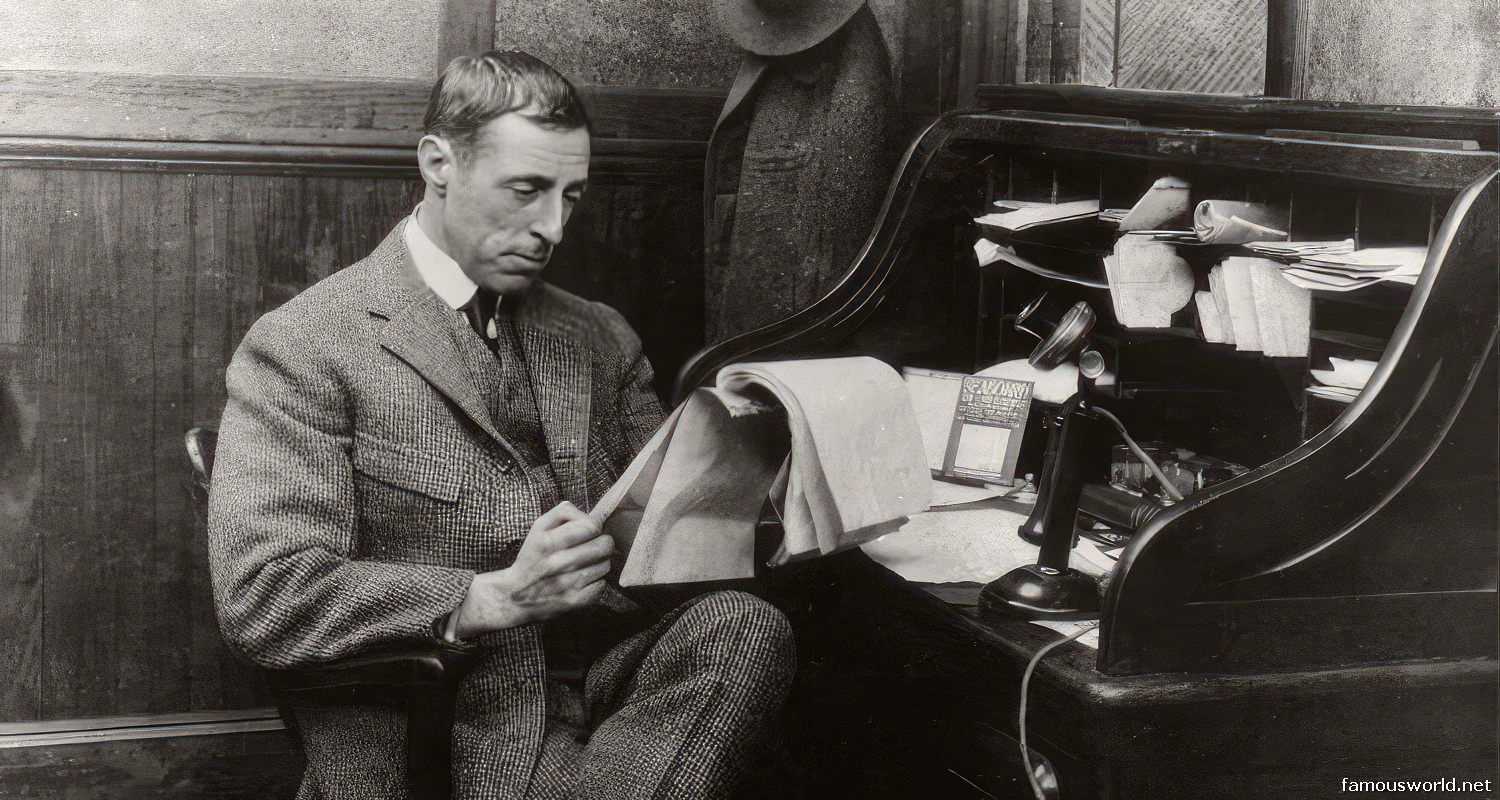
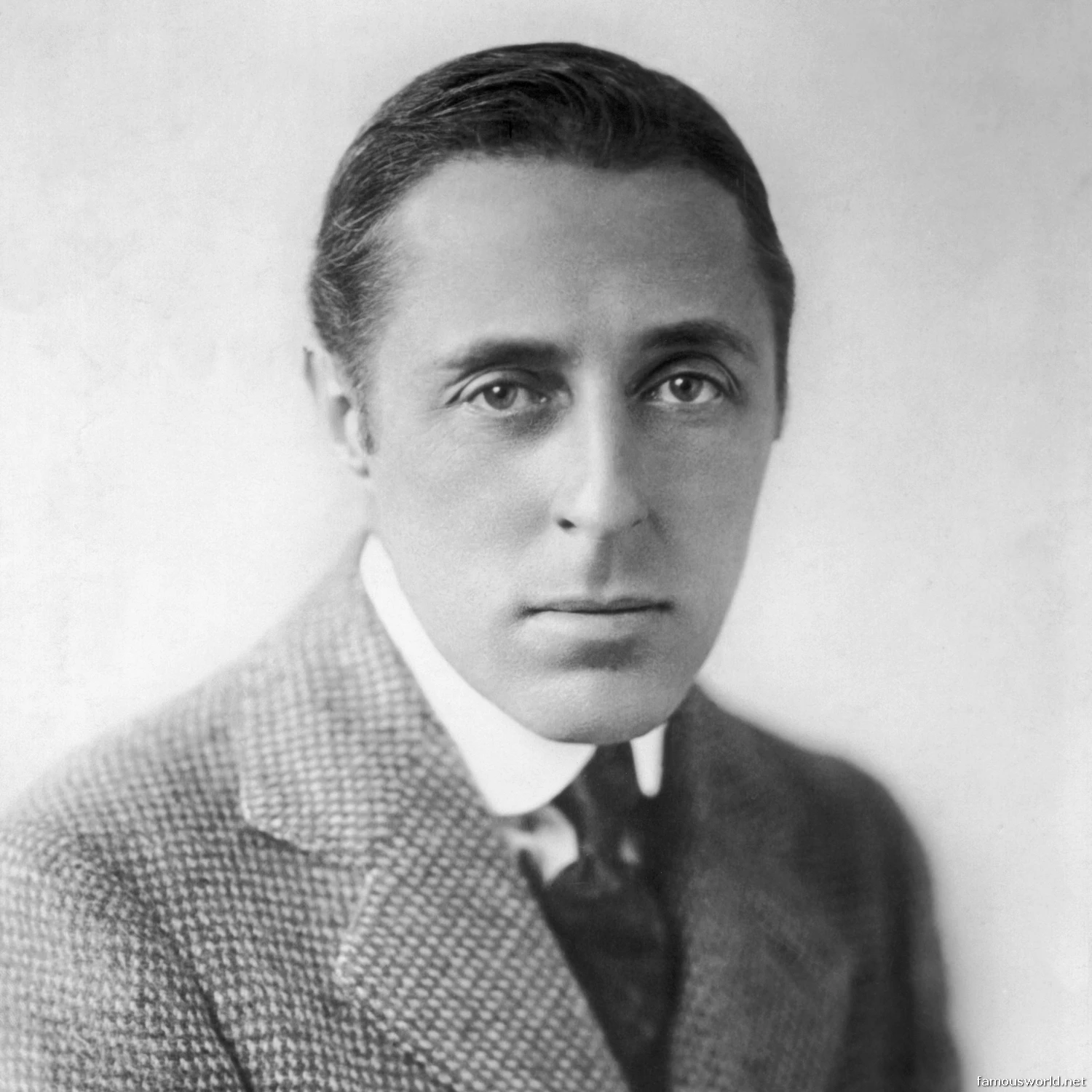
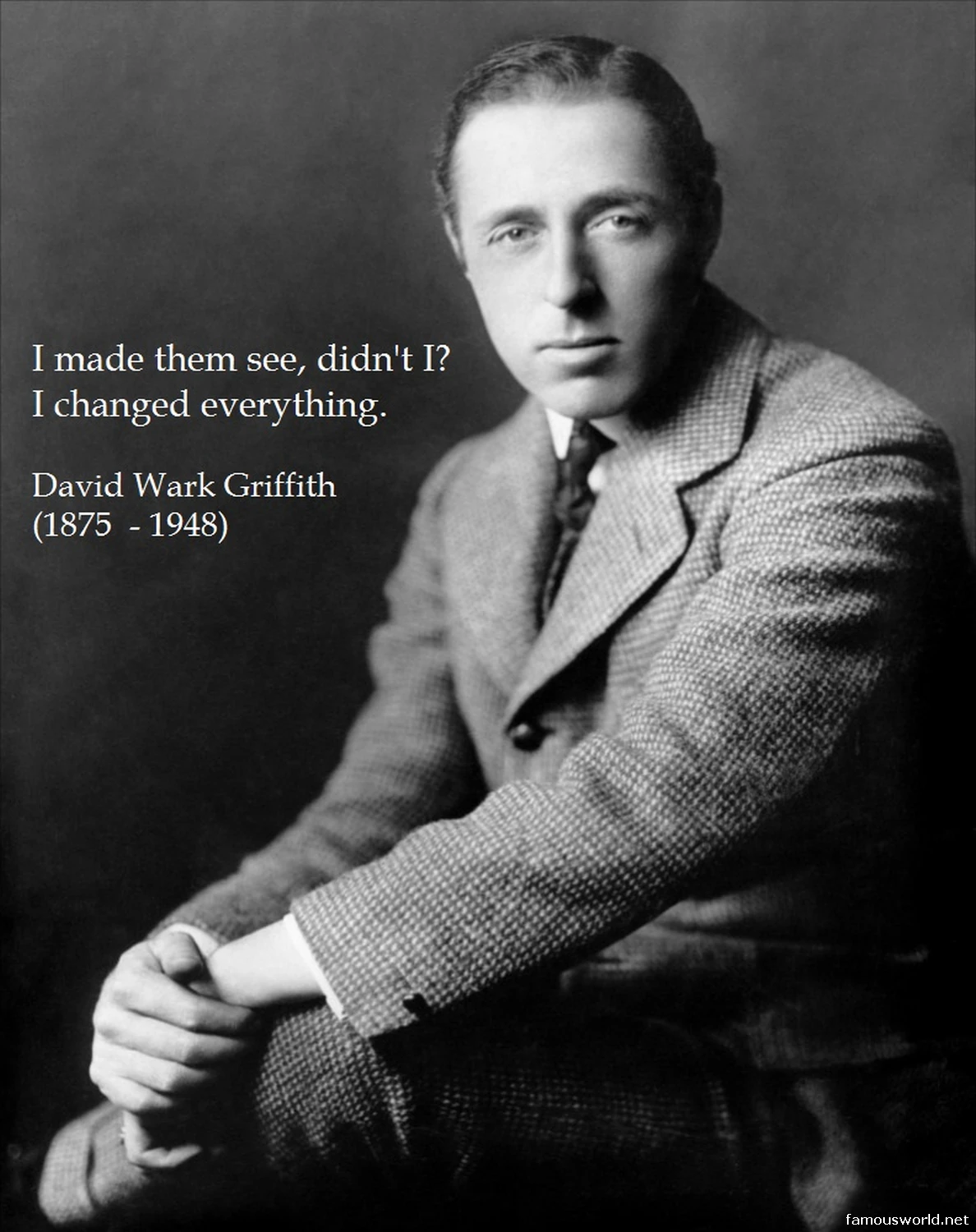
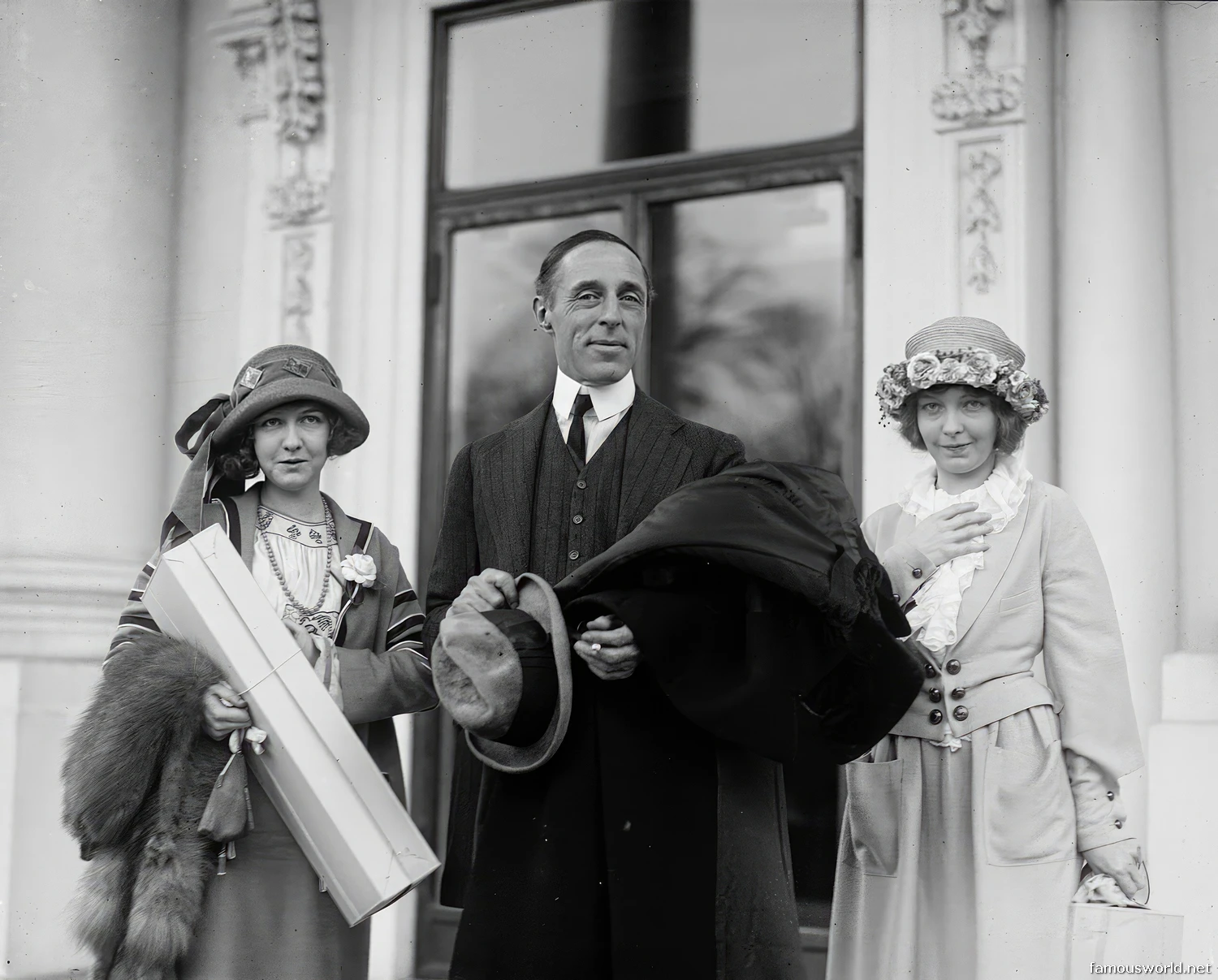
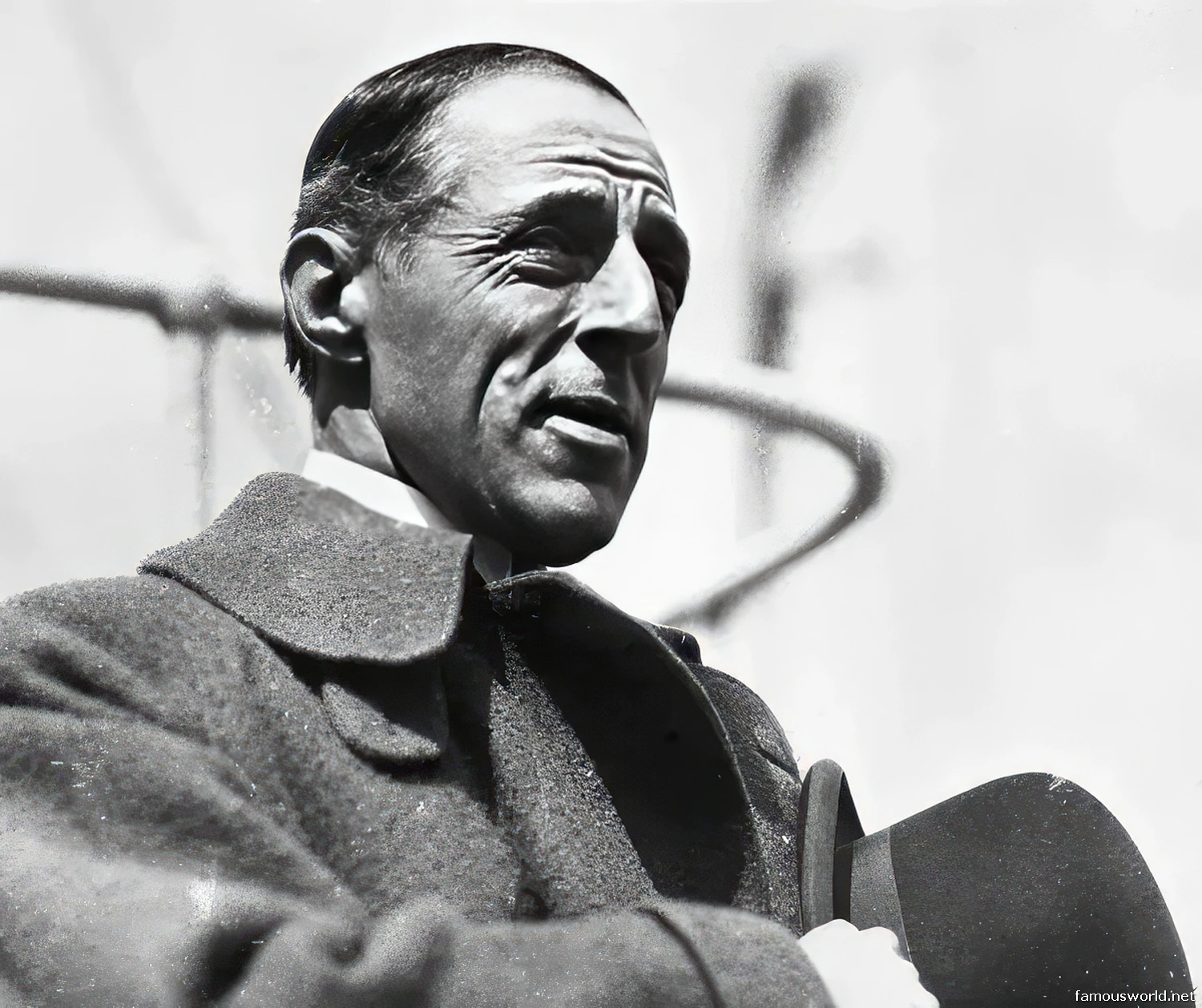
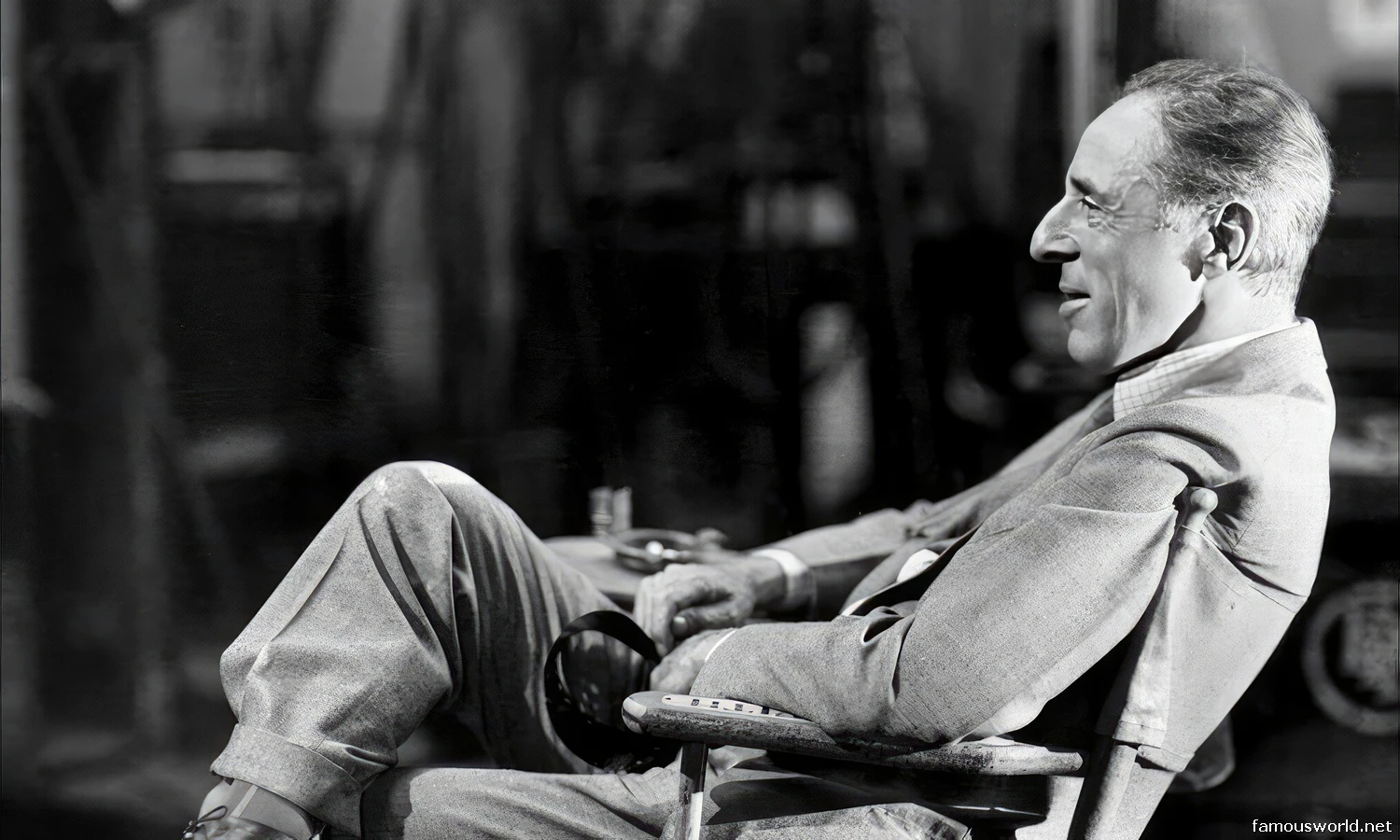
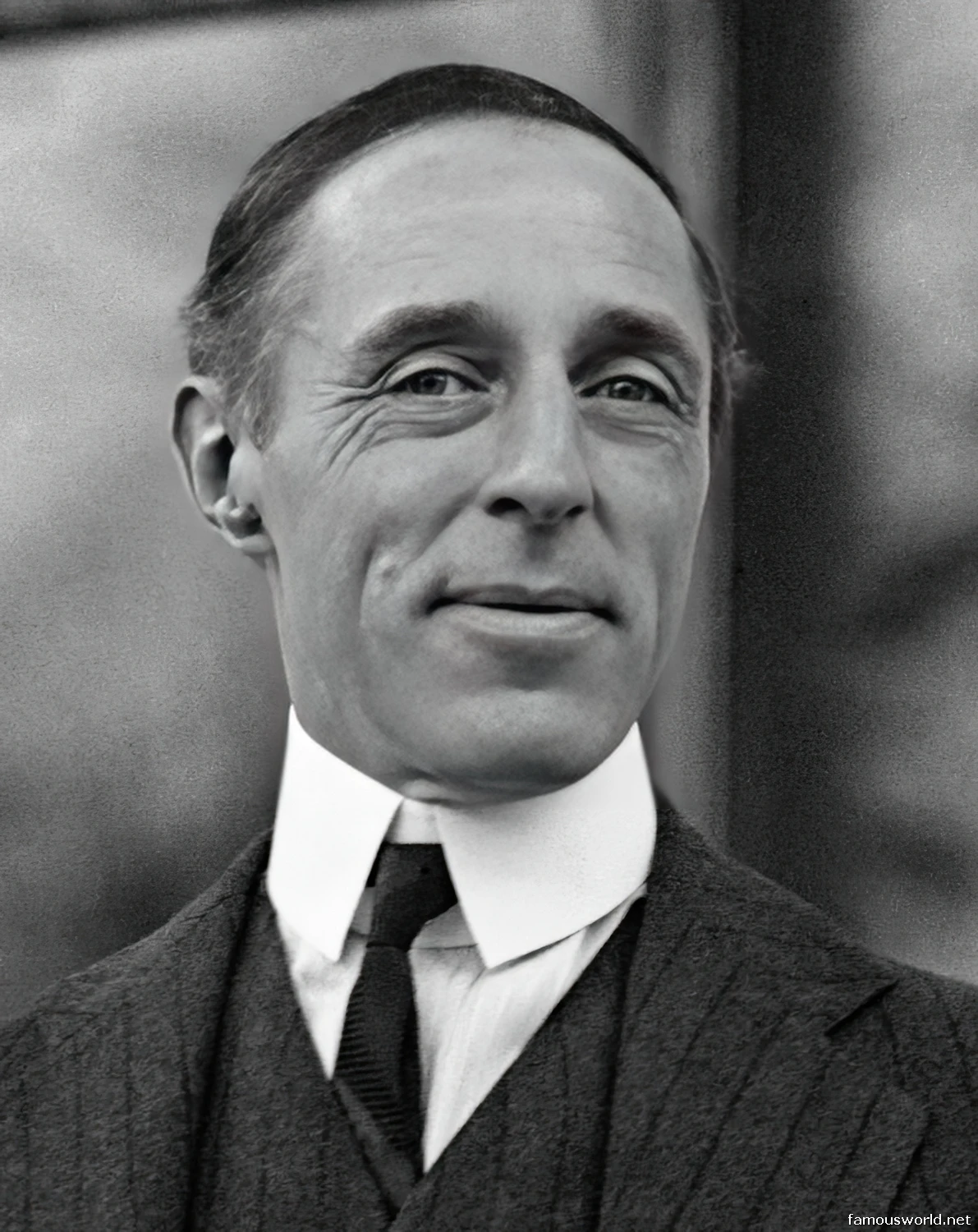
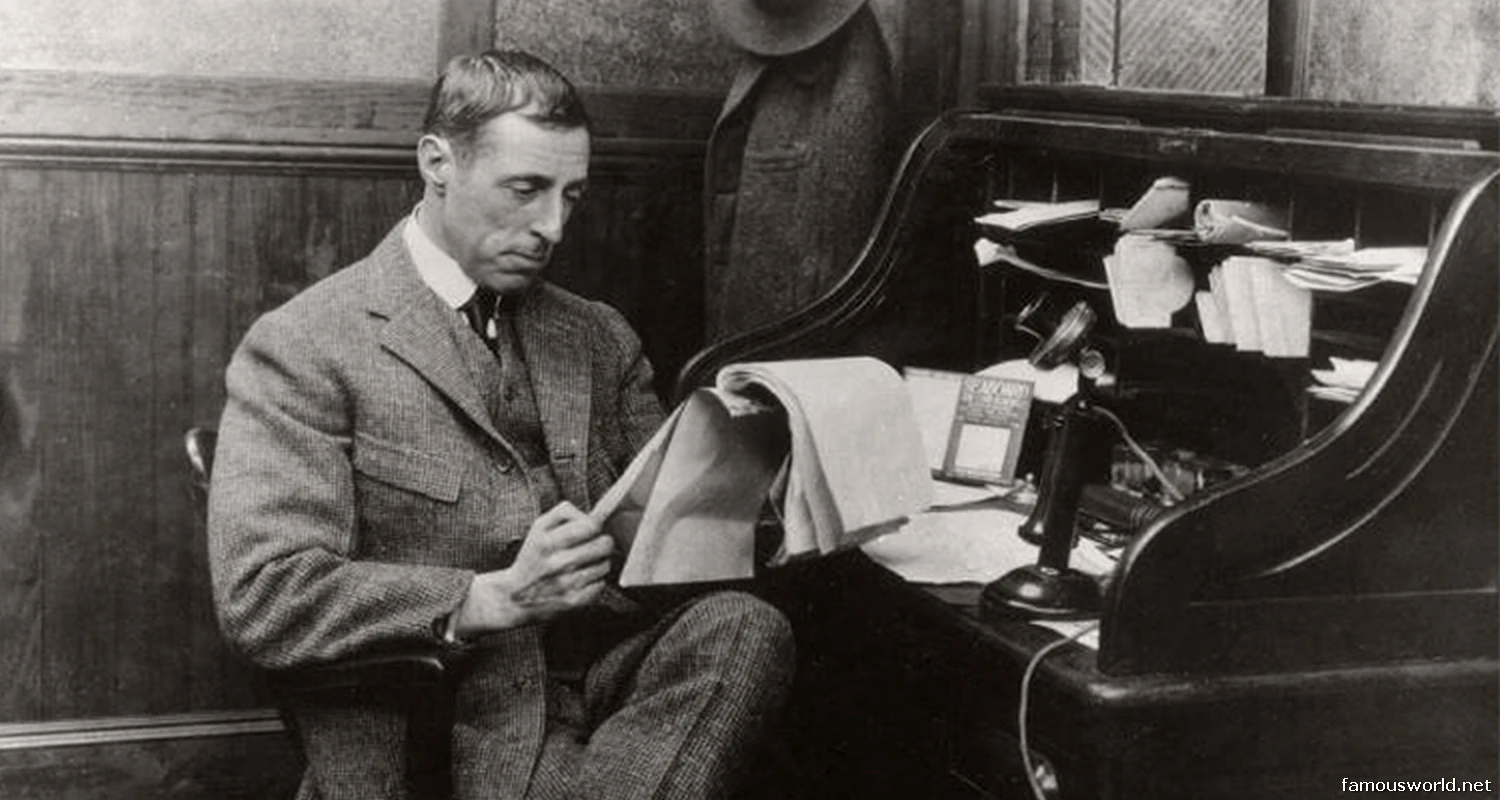
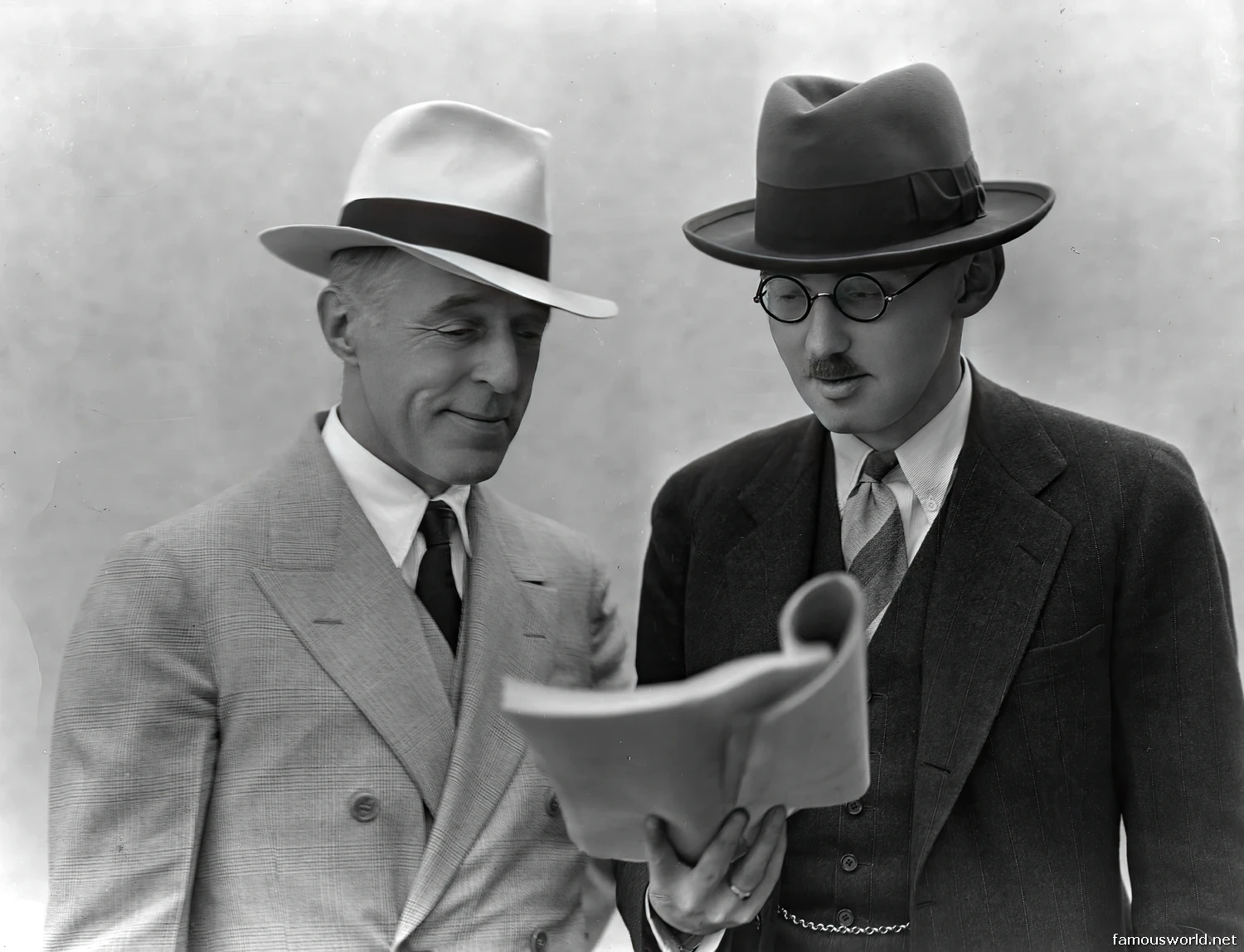
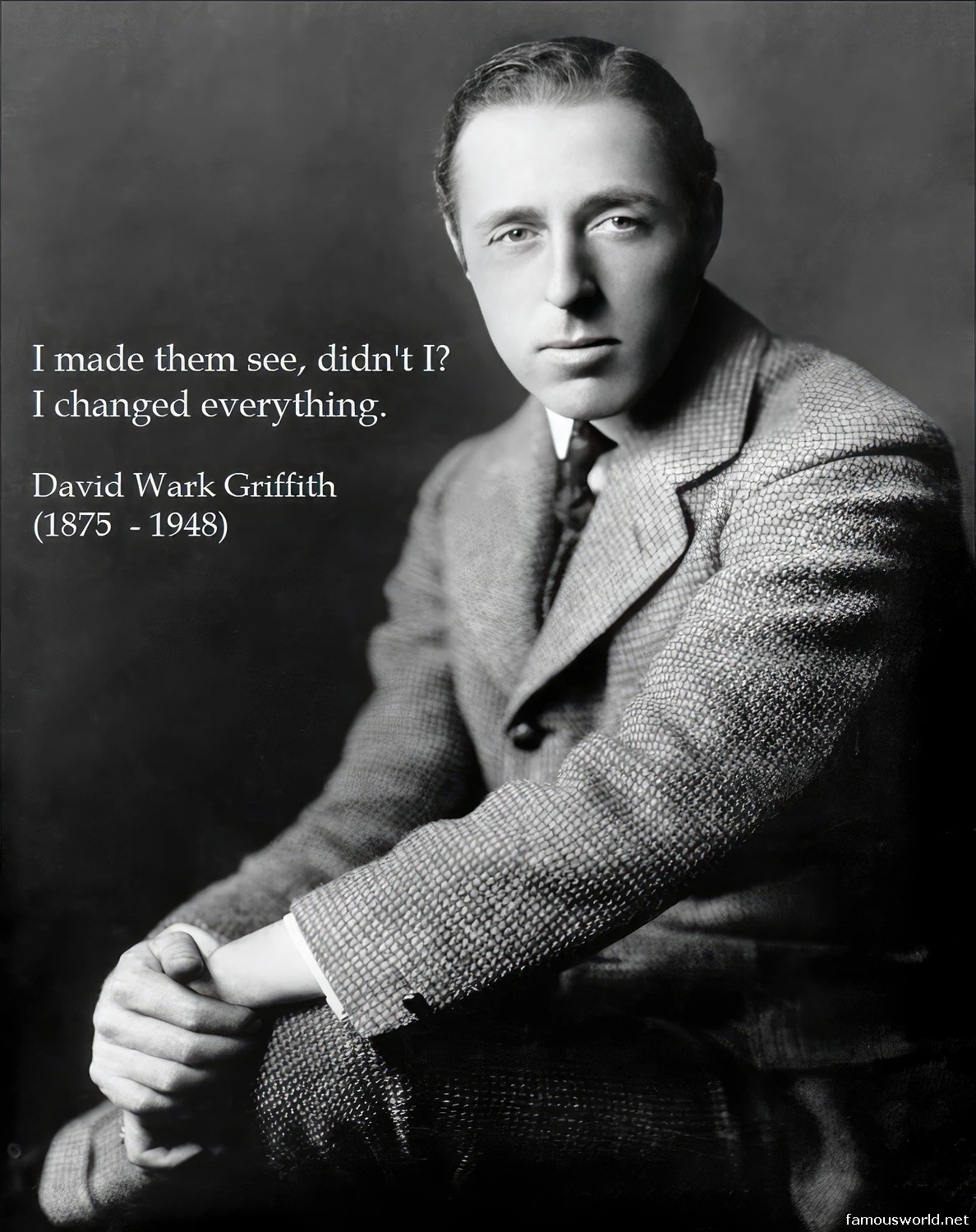
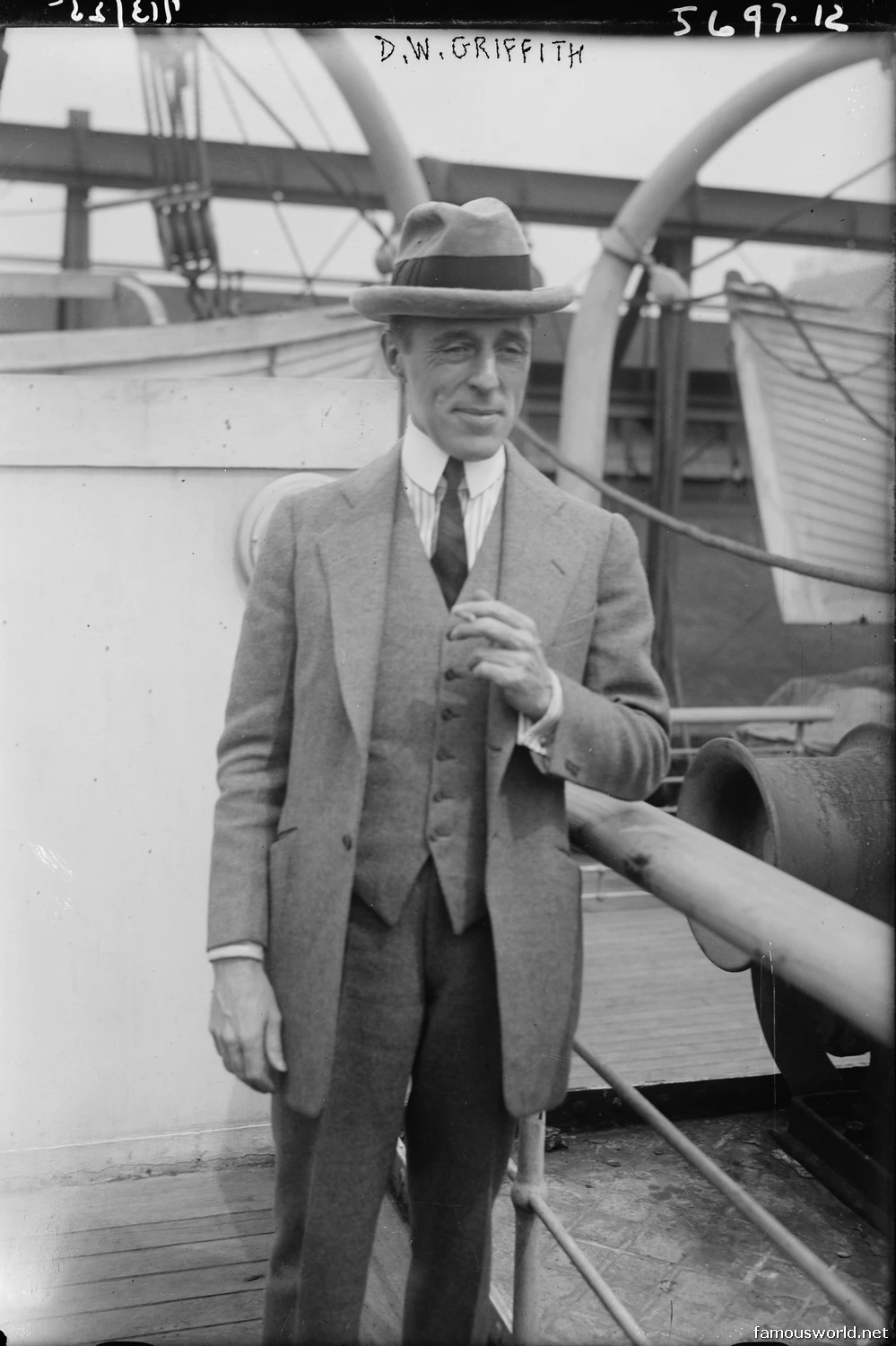
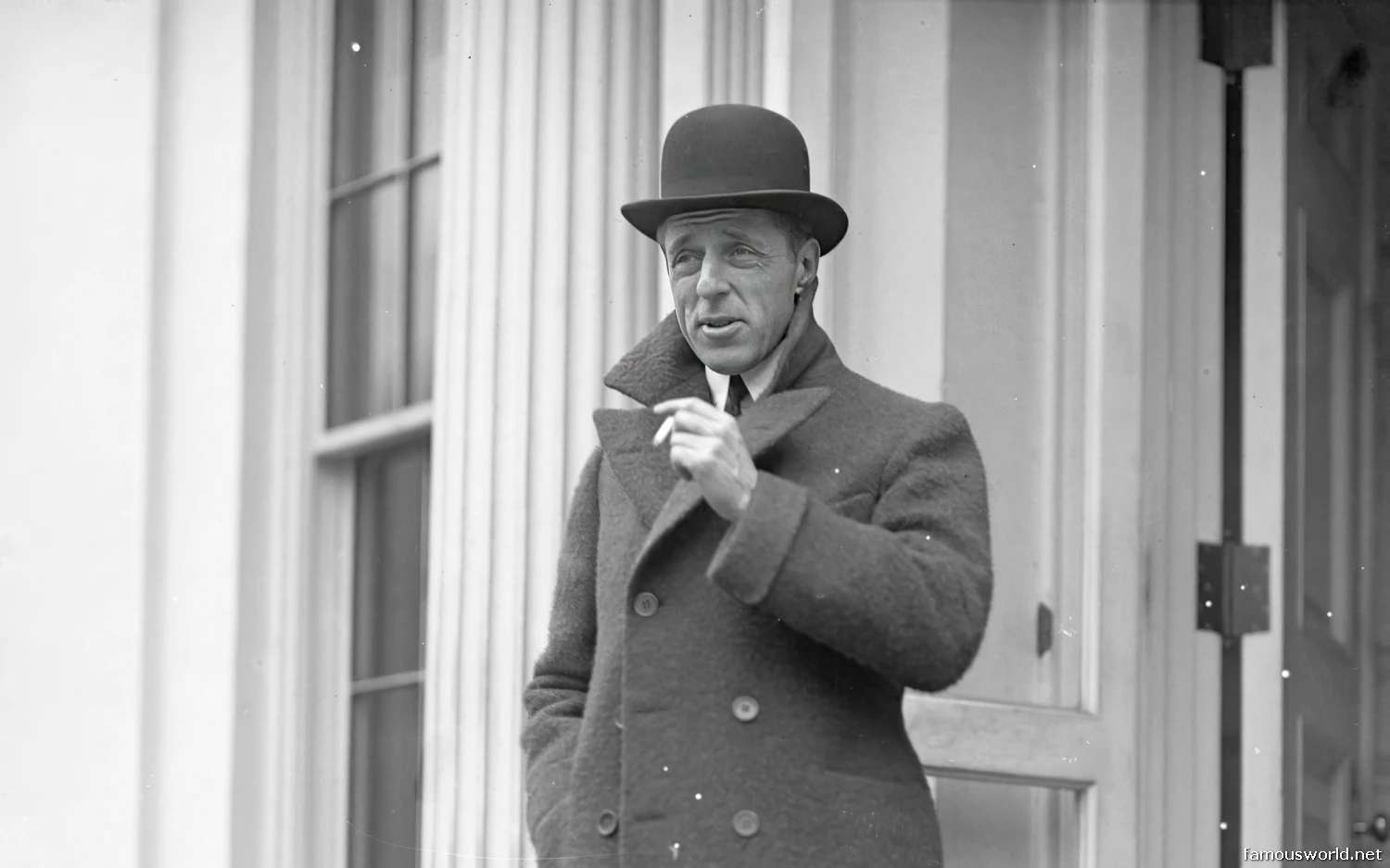
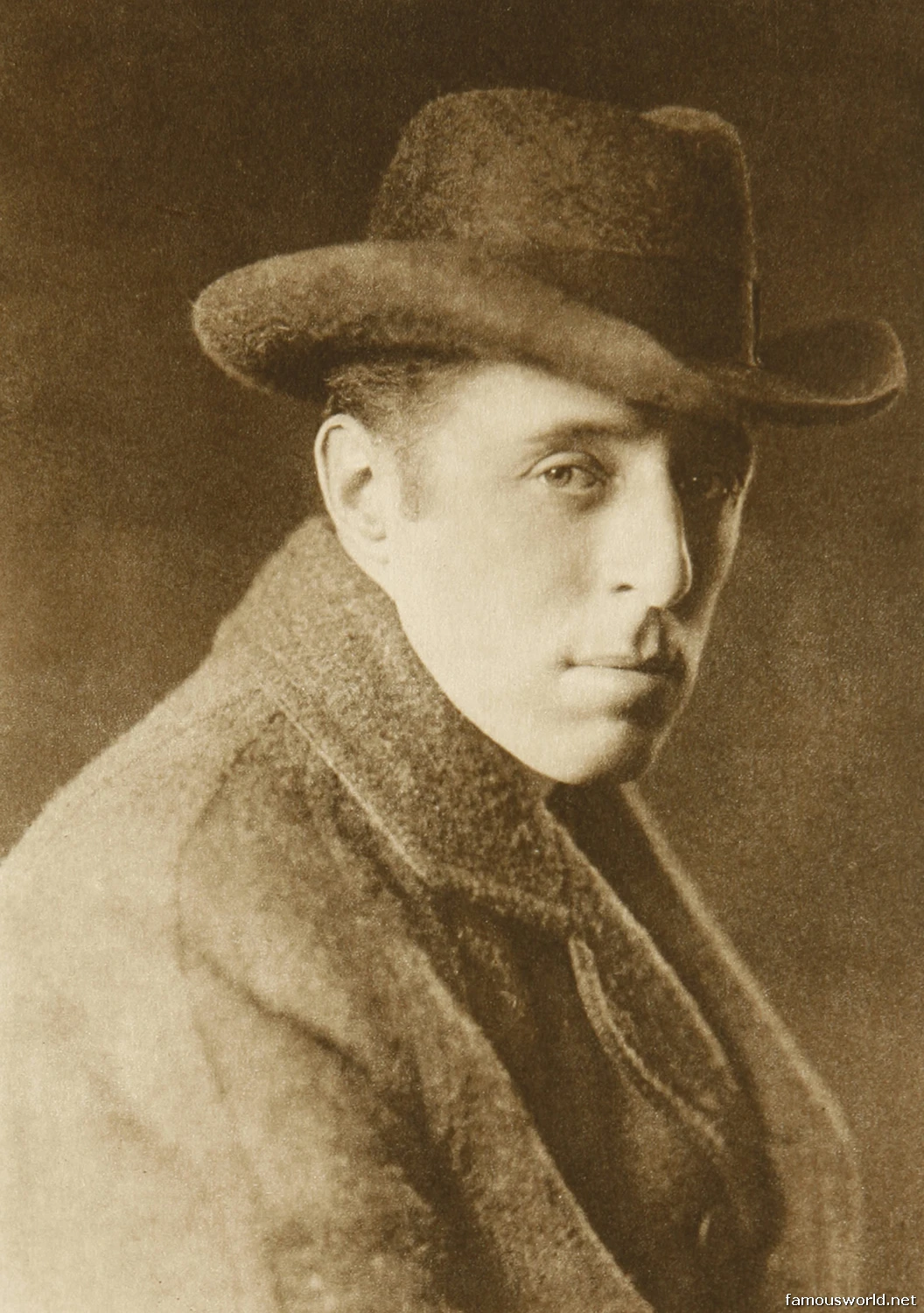
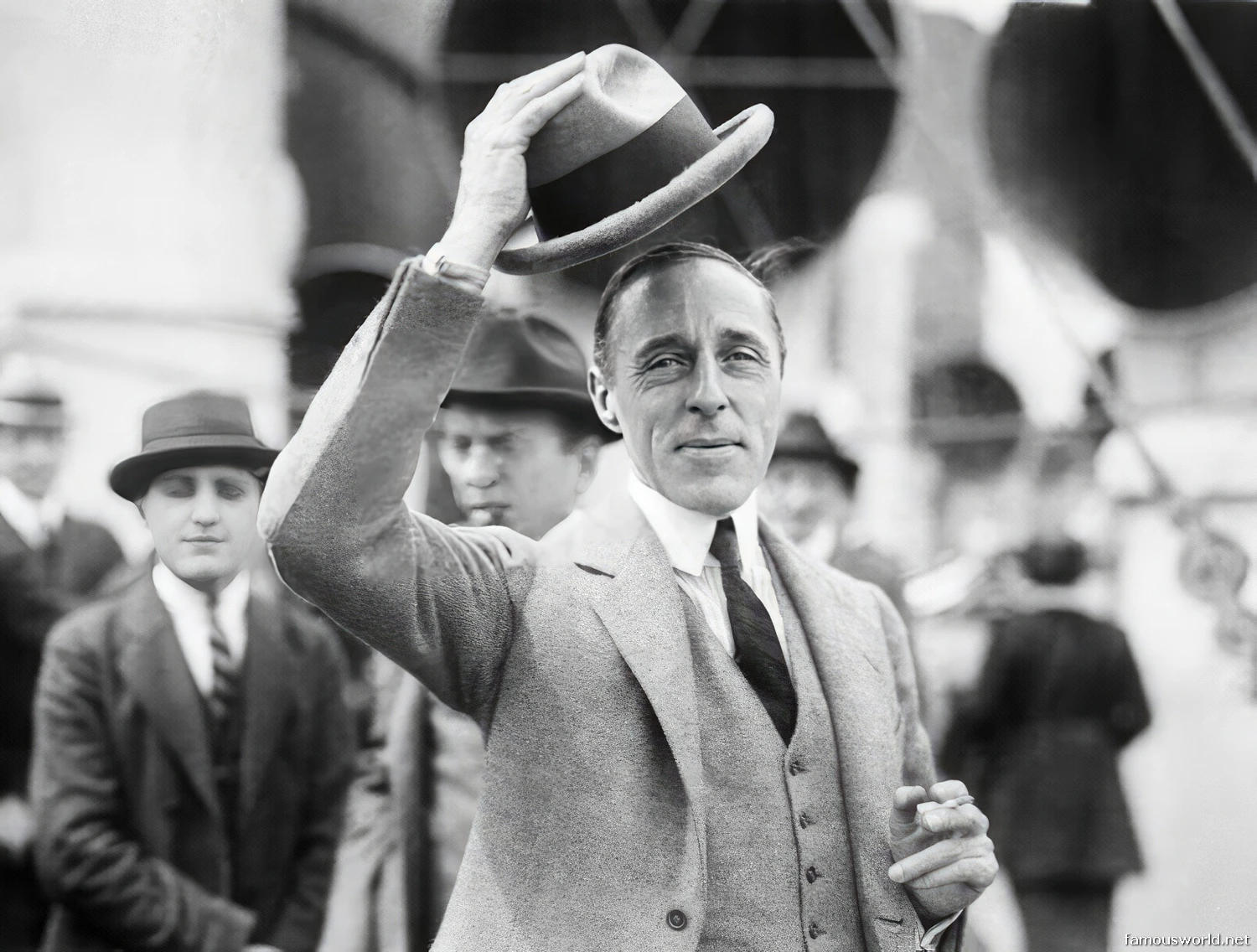
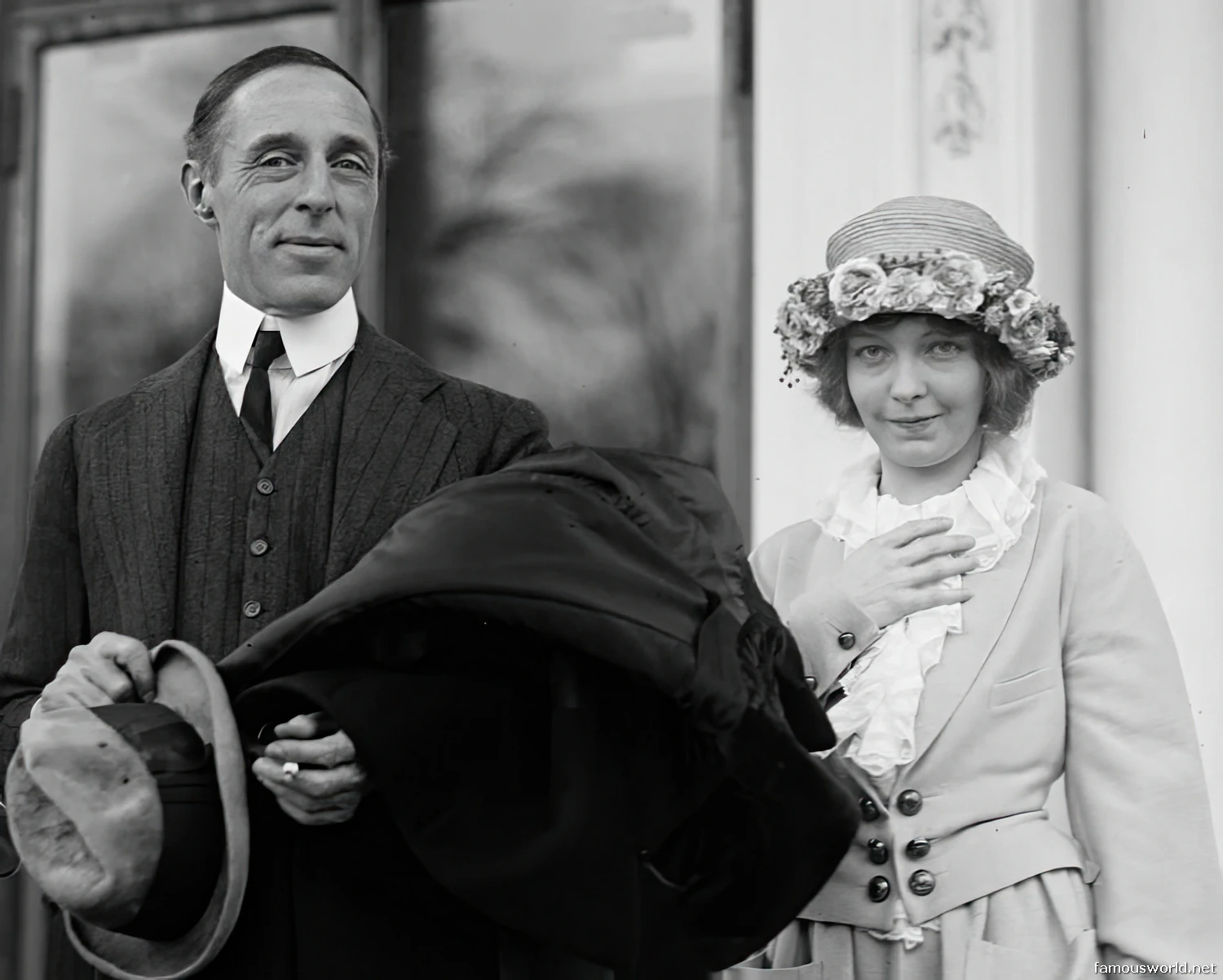
David Wark Griffith was a pioneering American film director, writer, and producer who is widely considered one of the most important figures in the history of cinema. Often called “the father of film grammar,” he fundamentally developed the art of cinematic storytelling, introducing and popularizing techniques that became the foundation of filmmaking for generations to come. His career, however, is permanently shadowed by the racist and controversial nature of his most famous work.
Listen to an introduction about D. W. Griffith

Name: David Wark Griffith (some sources also list Llewelyn as a middle name)
Date of birth: January 22, 1875 (Died: July 23, 1948)
Height: Information on his exact height is not widely available.
Place of birth: Floydsfork (near La Grange), Oldham County, Kentucky, USA
Family:
Parents’ names: Jacob Wark “Roaring Jake” Griffith (father, a farmer, former Confederate Army colonel, and Kentucky legislator) and Mary Perkins Oglesby (mother).
Siblings: He had an older sister named Mattie, who was also his early teacher.
Spouse’s names: Linda Arvidson (m. 1906–1936; divorced), an actress. Evelyn Baldwin (m. 1936–1947; divorced), an actress.
Children’s names: He had no children from either marriage.
Profession: Film Director, Producer, Screenwriter, Actor.
Nationality: American
Religion: He was raised as a Methodist.
College or university attended: Griffith did not attend college or university. He received his early education in a one-room schoolhouse taught by his sister and left high school at age 14 to support his family.
Biography and What Famous For:
Born into a family impoverished by the aftermath of the American Civil War, D. W. Griffith’s worldview was deeply shaped by his Southern upbringing and his father’s romanticized stories of the Confederacy. After his father’s death, the family struggled financially, and Griffith left school to work. He began a career as a traveling stage actor and aspiring playwright, meeting with little success.
In 1908, in need of money, he turned to the fledgling motion picture industry, initially as an actor and writer before quickly moving into directing at the Biograph Company. In just five years, he directed over 450 short, one-reel films, experimenting relentlessly with the medium. It was during this period that he, along with his brilliant cinematographer Billy Bitzer, refined and in many cases pioneered the narrative techniques that would define cinema. These innovations included the close-up, the long shot, cross-cutting (or parallel editing) to build suspense, the fade-in/fade-out, and the use of a moving camera.
Griffith is most famous—and infamous—for his monumental 1915 epic The Birth of a Nation. A technological and narrative masterpiece, it was the first true feature-length blockbuster, astounding audiences with its scale, dramatic complexity, and storytelling power. The film was a massive commercial success and single-handedly demonstrated the artistic and financial potential of cinema. However, its historical legacy is deeply problematic and damaging. The film’s racist depiction of African Americans (often played by white actors in blackface) as brutish and unintelligent and its heroic portrayal of the Ku Klux Klan led to widespread protests by the NAACP and has been credited with inspiring the 20th-century revival of the KKK.
Stung by the accusations of prejudice, Griffith created his next epic, Intolerance (1916), as a response. An incredibly ambitious film, it interwove four parallel stories from different historical eras to condemn inhumanity and bigotry. While a commercial failure at the time, it is now regarded by film historians as a landmark of artistic expression for its complex structure and grand vision.
Though he made other significant films like Broken Blossoms (1919) and Orphans of the Storm (1921), Griffith’s career declined with the rise of the Hollywood studio system and the advent of sound. His independent, auteurist style fell out of fashion, and he directed his last film in 1931, spending the final 17 years of his life largely unemployed and forgotten by the industry he helped create. His legacy remains a complex duality: the brilliant innovator who invented the language of film, and the creator of one of American culture’s most reprehensibly racist artifacts.
Have participated (Selected Filmography as Director):
As the director of over 450 short films for Biograph and numerous features, this is a very brief selection of his most notable works.
Short Films (Biograph Company):
The Adventures of Dollie (1908) – His first film.
A Corner in Wheat (1909)
The Lonedale Operator (1911)
The Musketeers of Pig Alley (1912)
Feature Films:
Judith of Bethulia (1914)
The Birth of a Nation (1915)
Intolerance: Love’s Struggle Throughout the Ages (1916)
Broken Blossoms (1919)
Way Down East (1920)
Orphans of the Storm (1921)
America (1924)
Abraham Lincoln (1930)