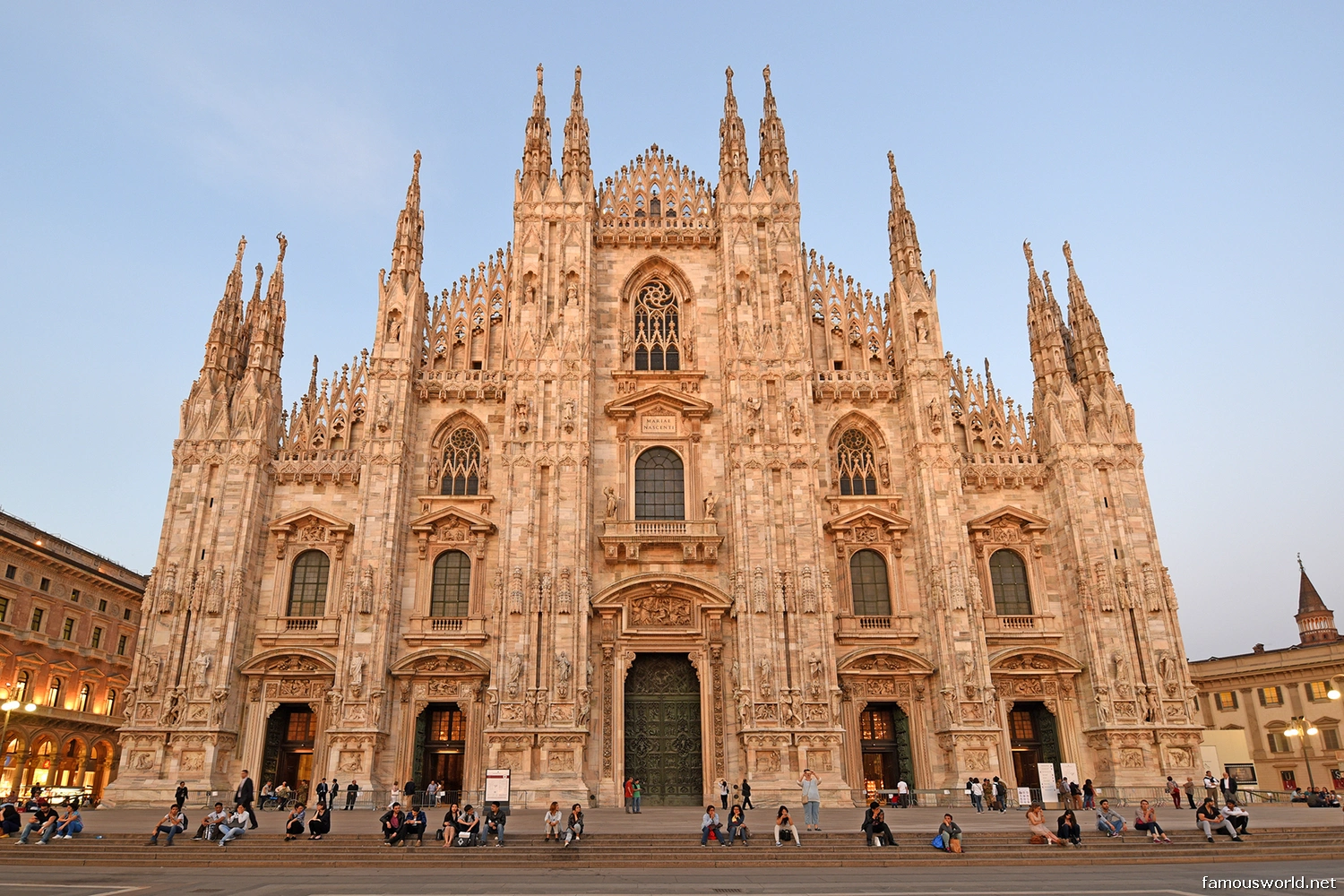
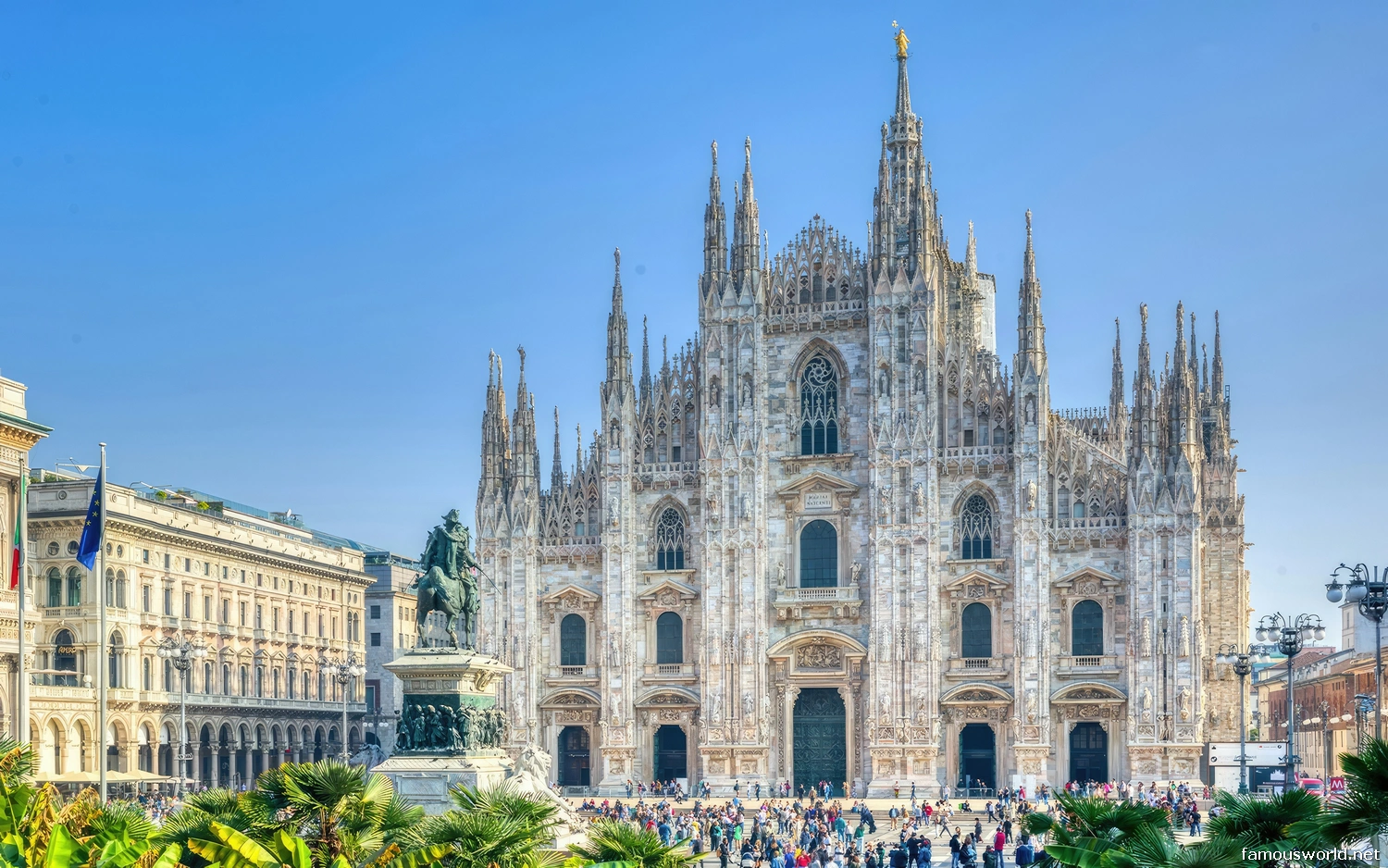
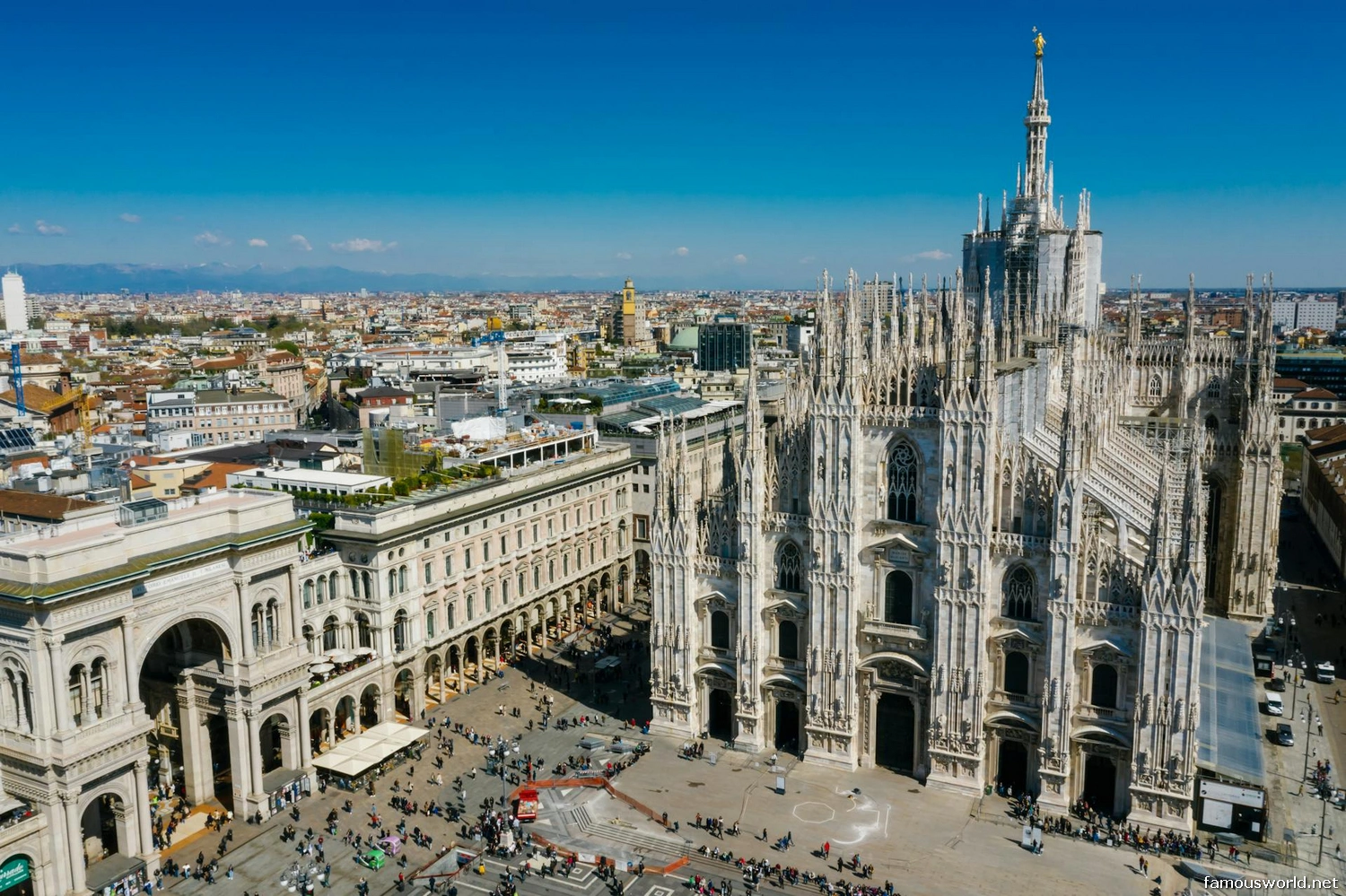
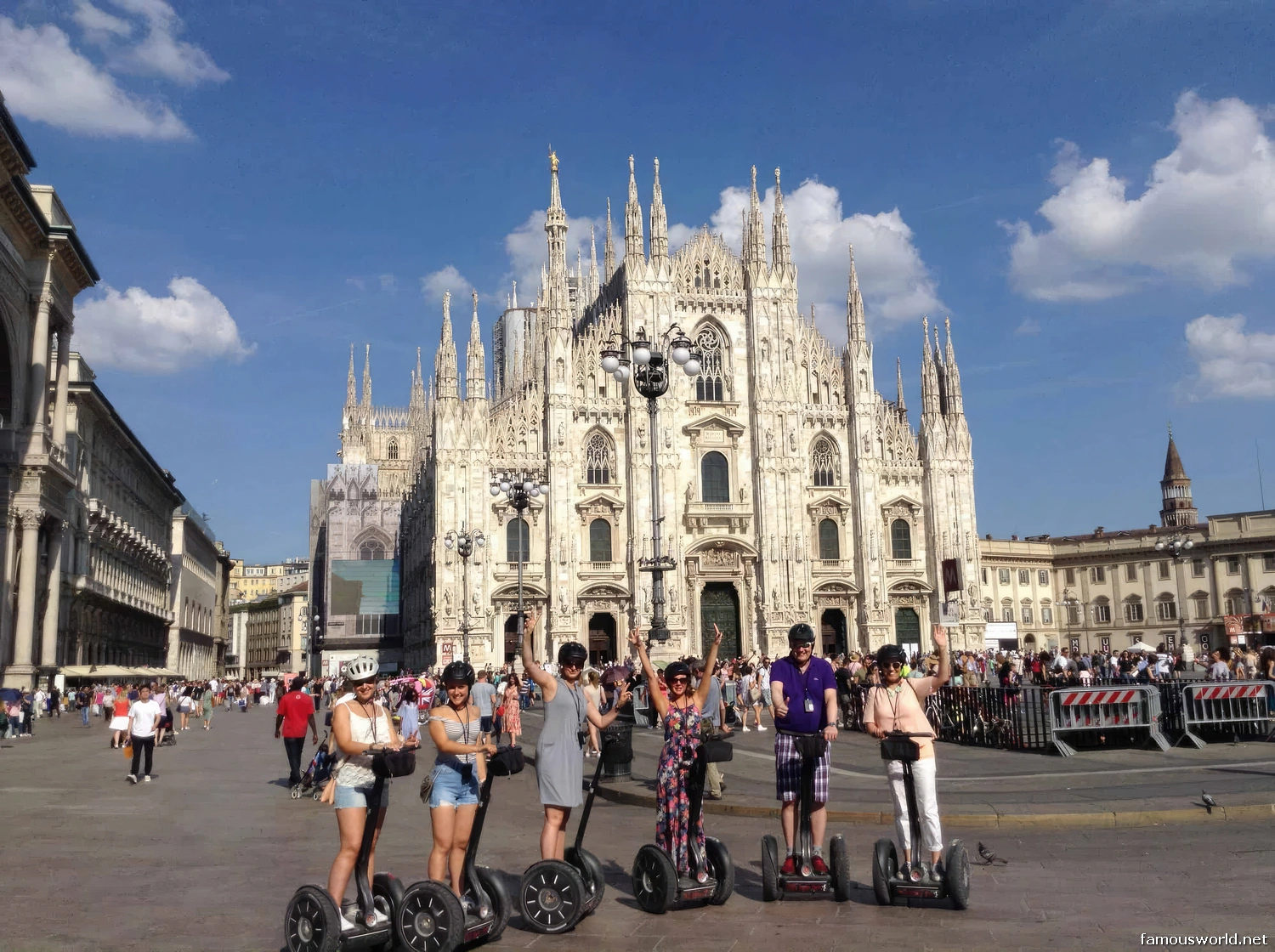
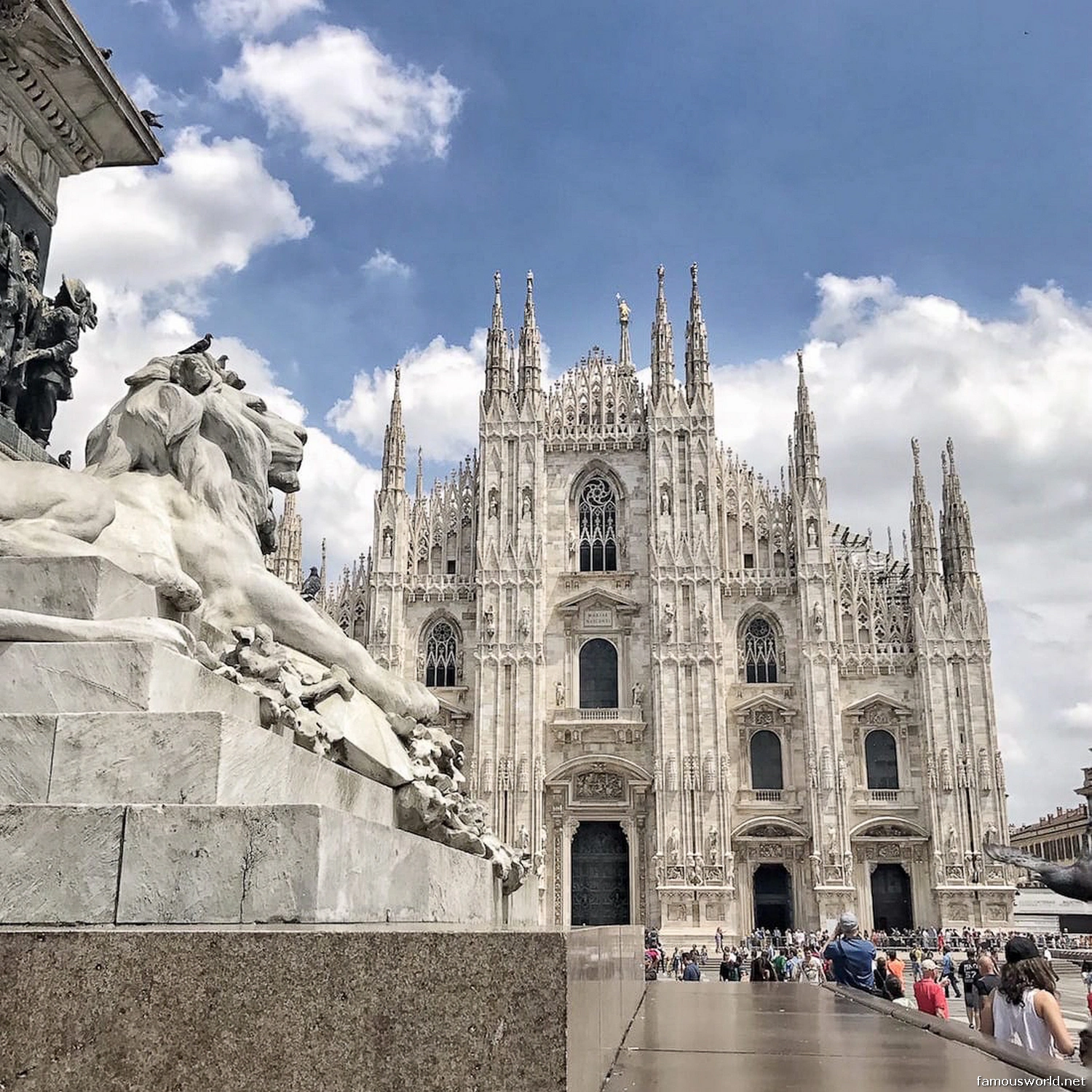
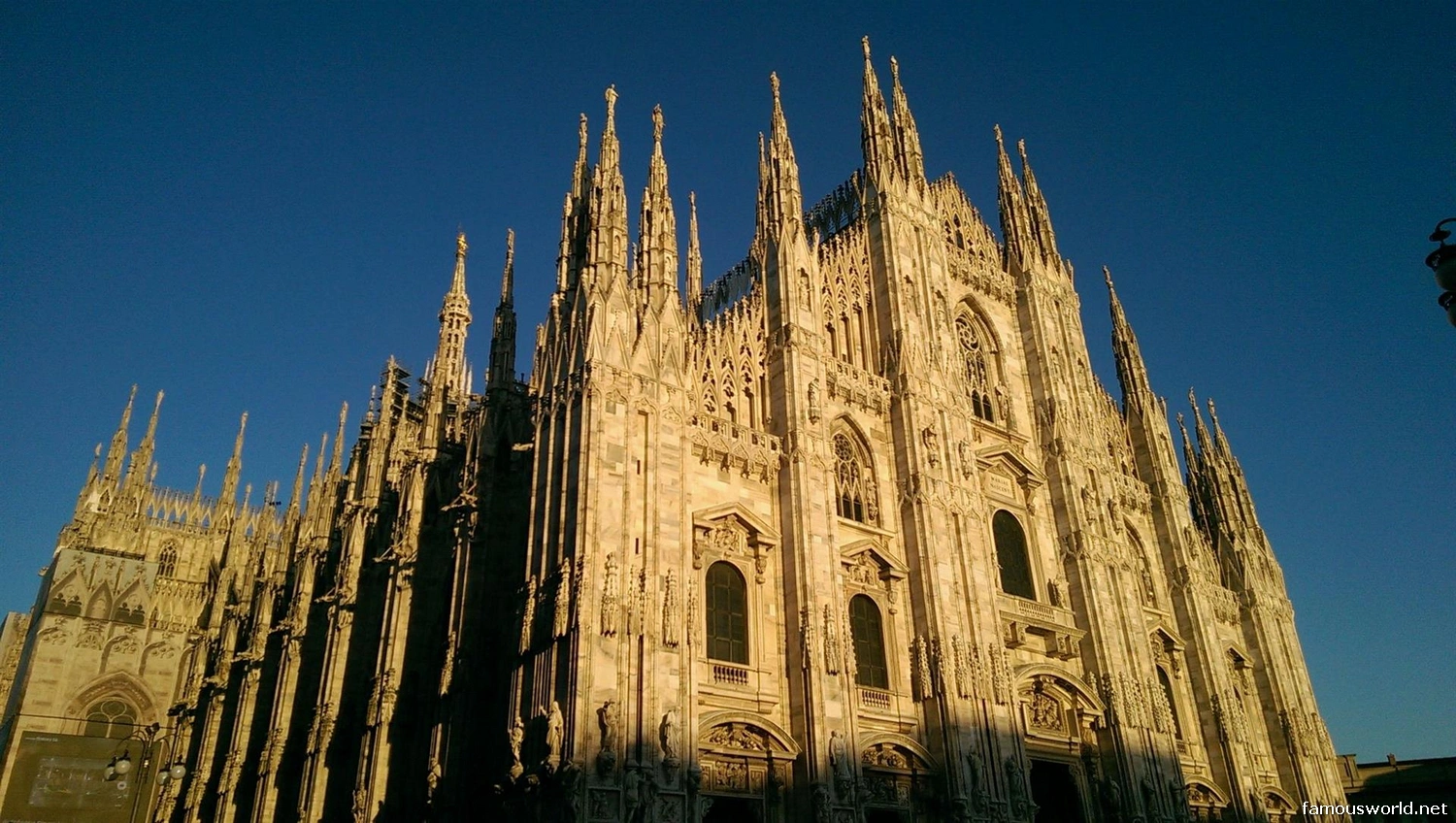
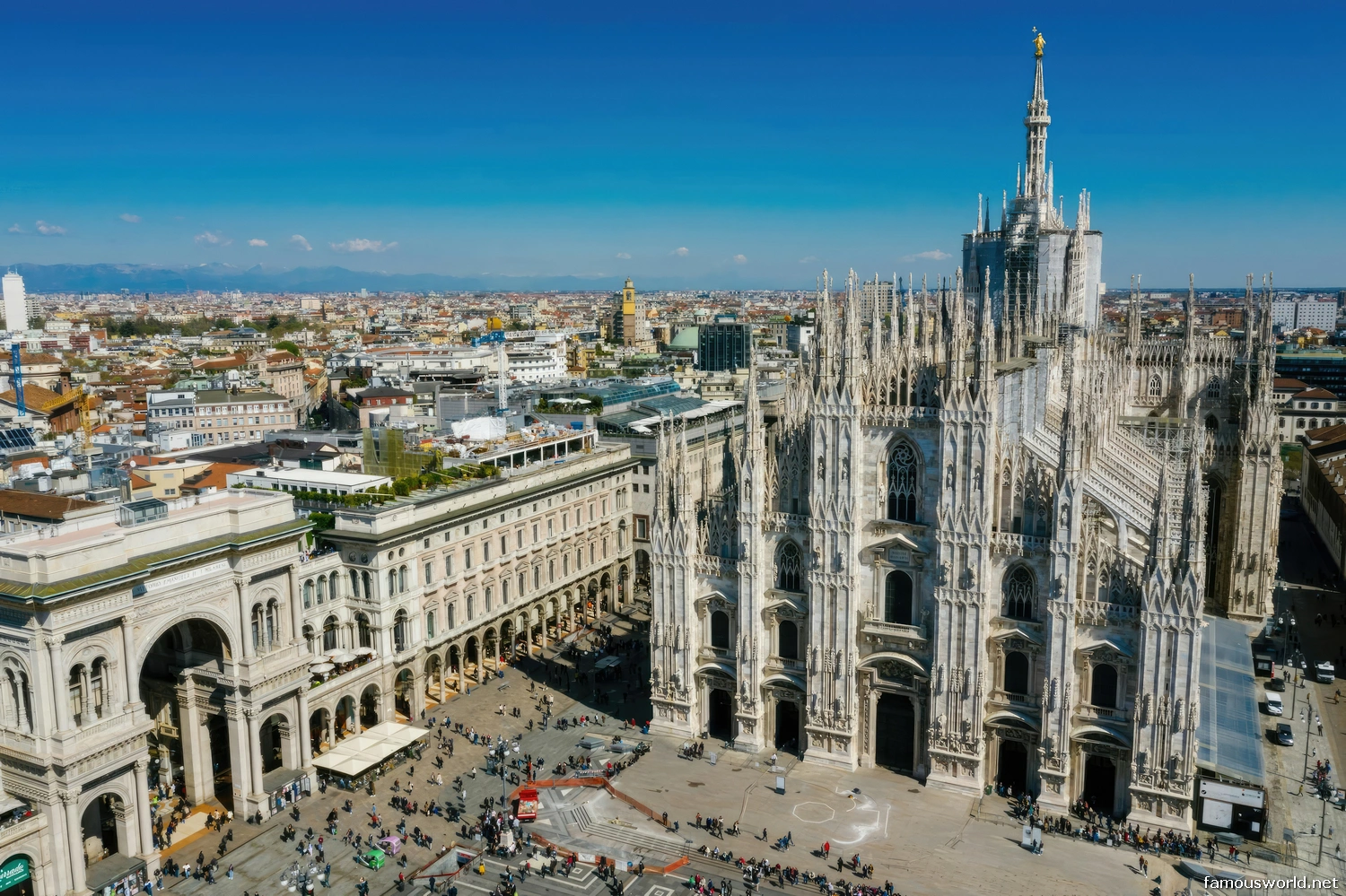
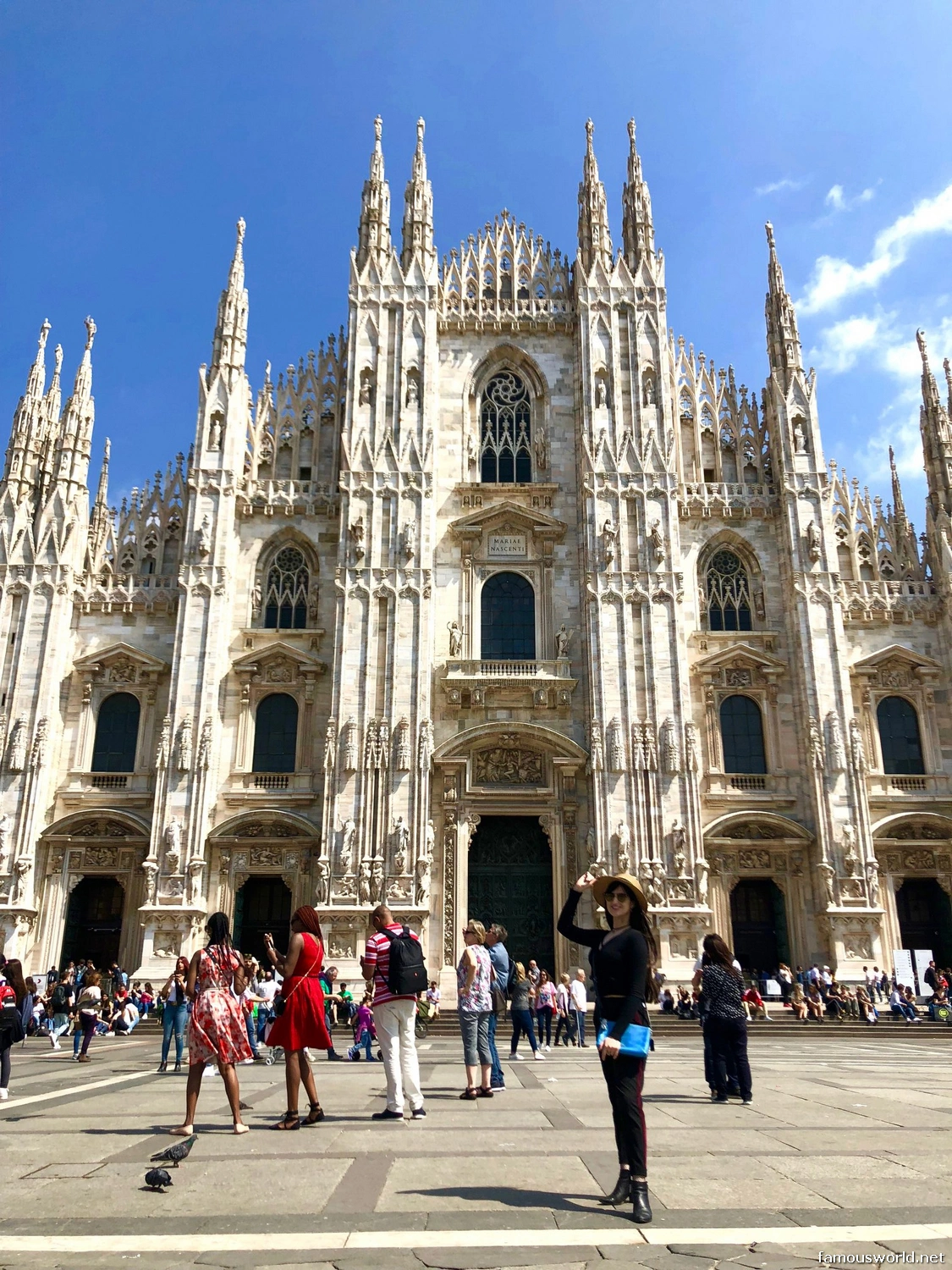
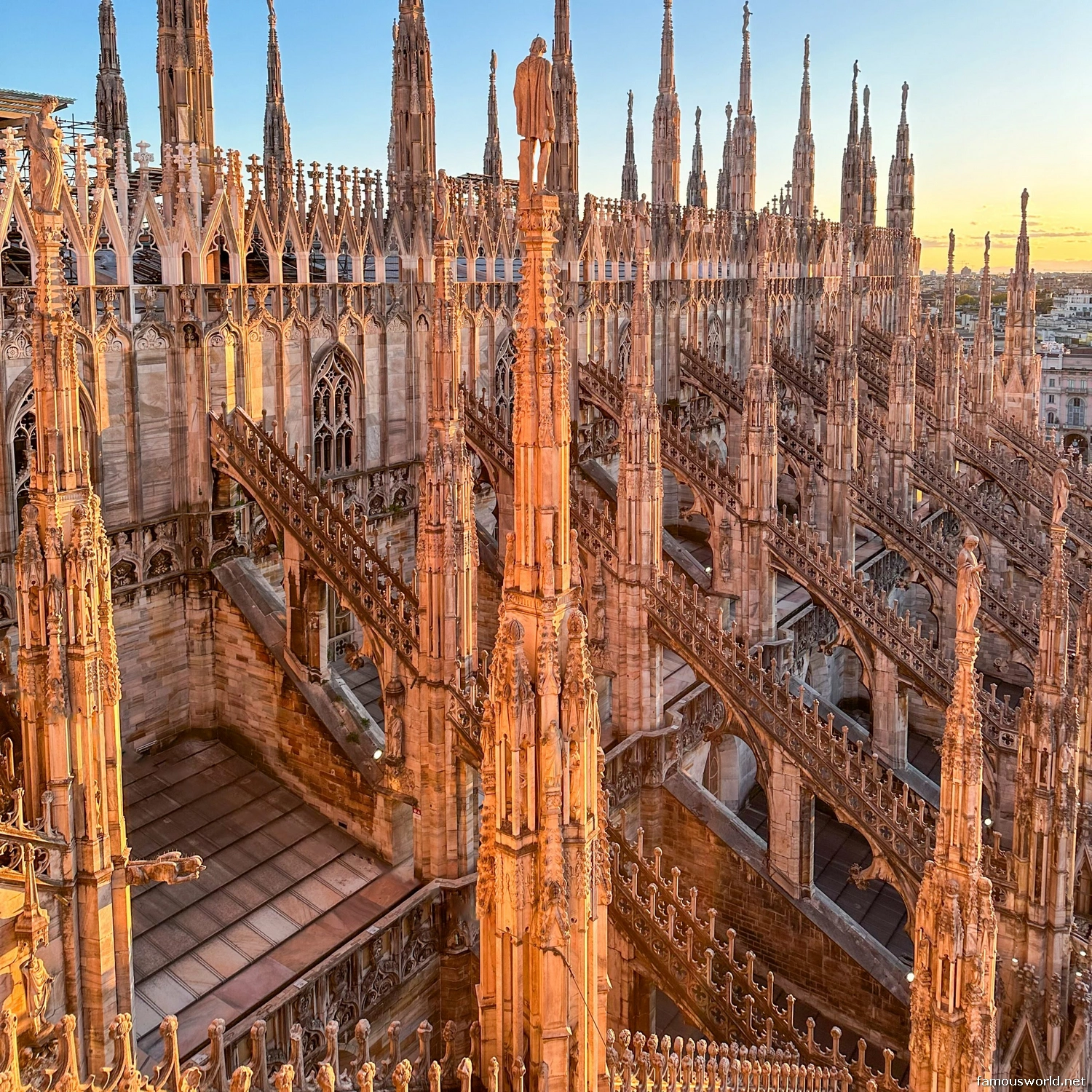
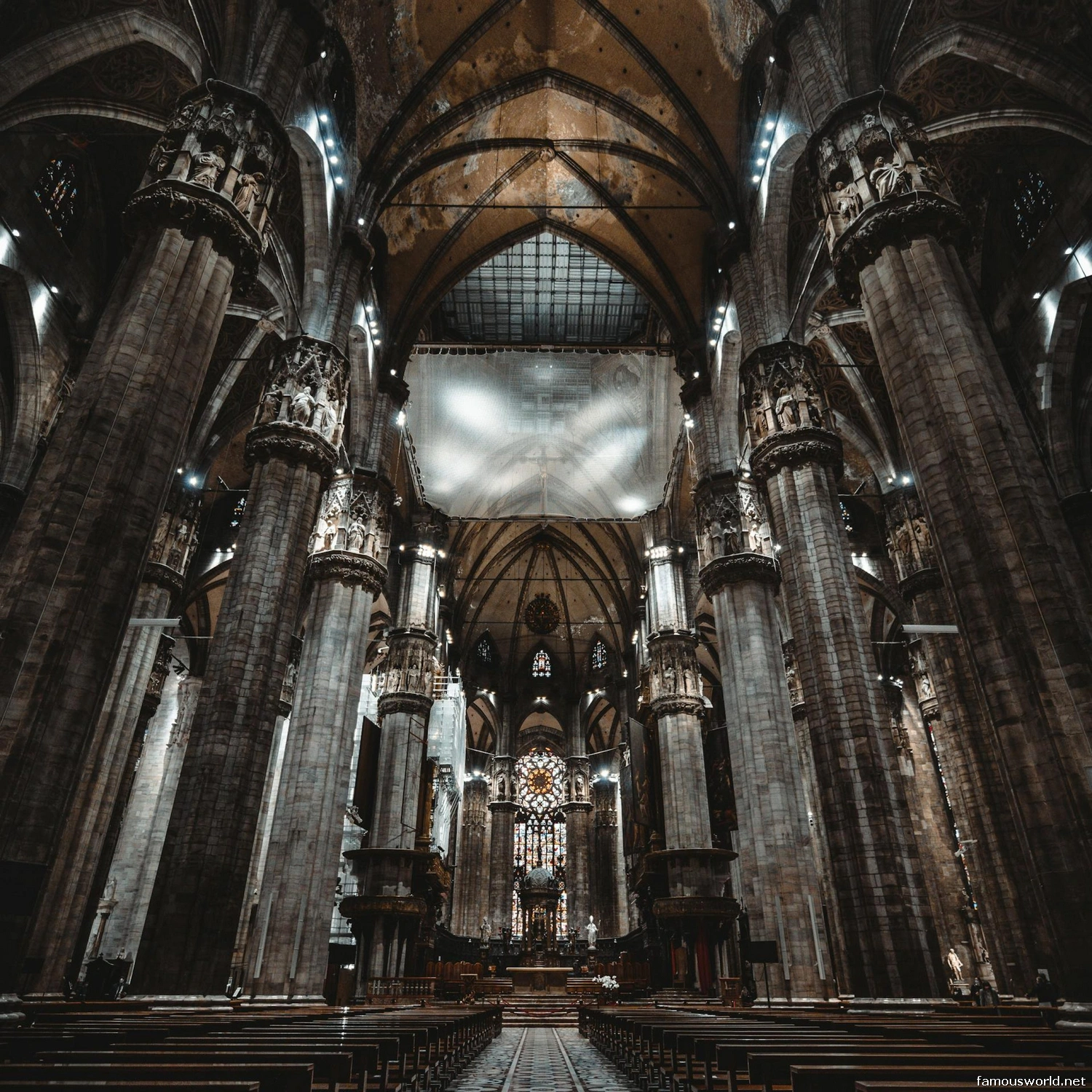

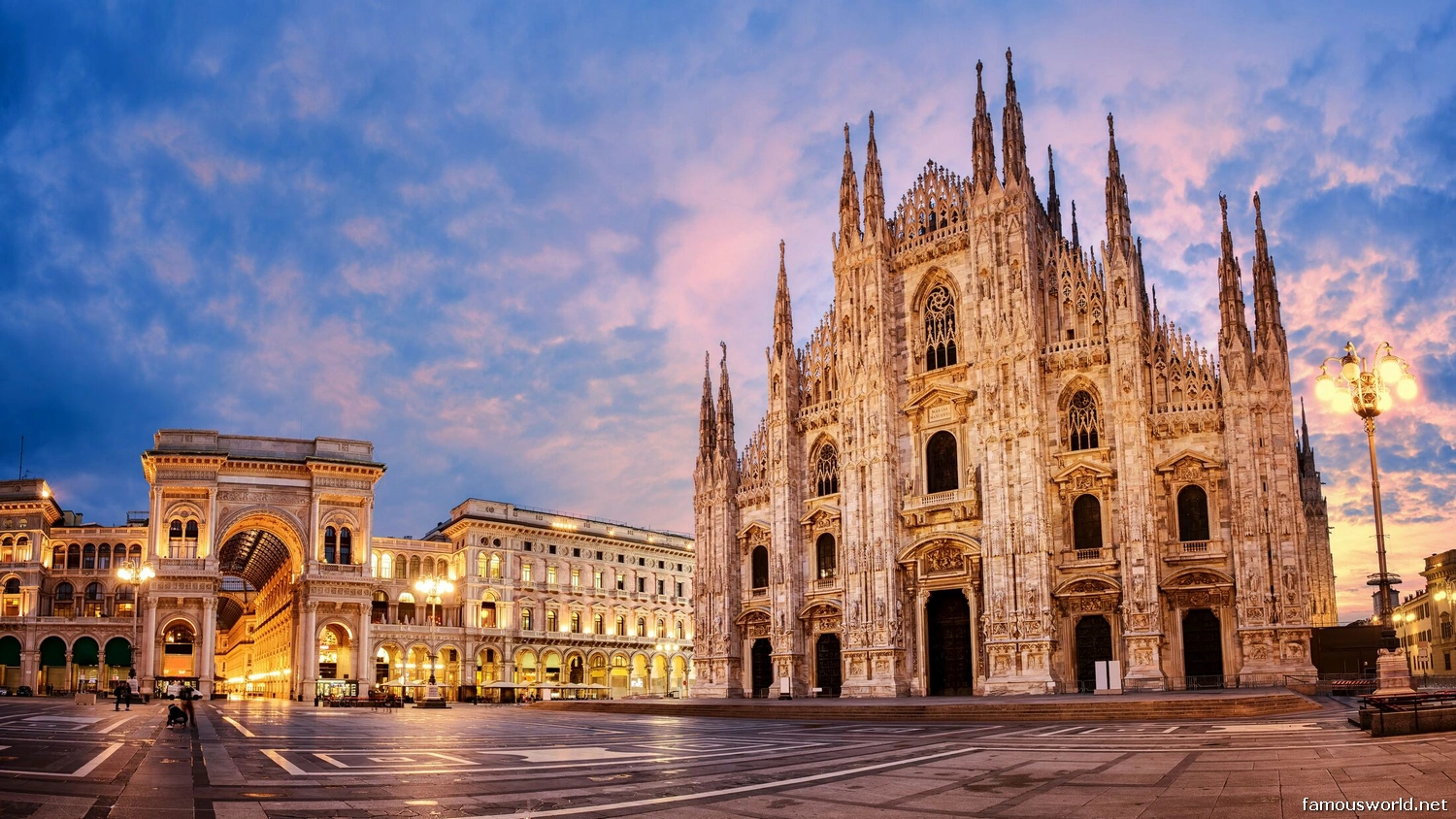
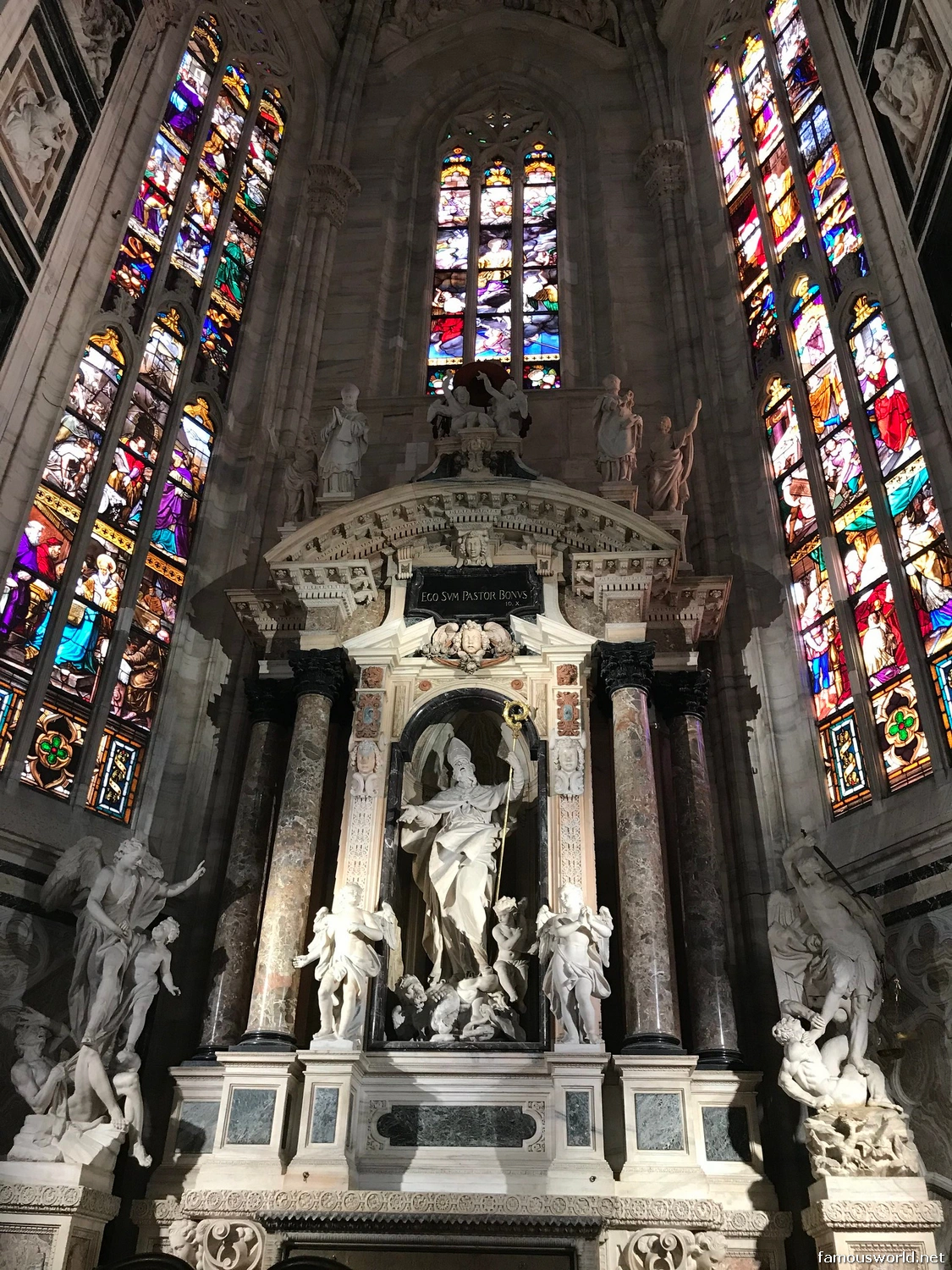
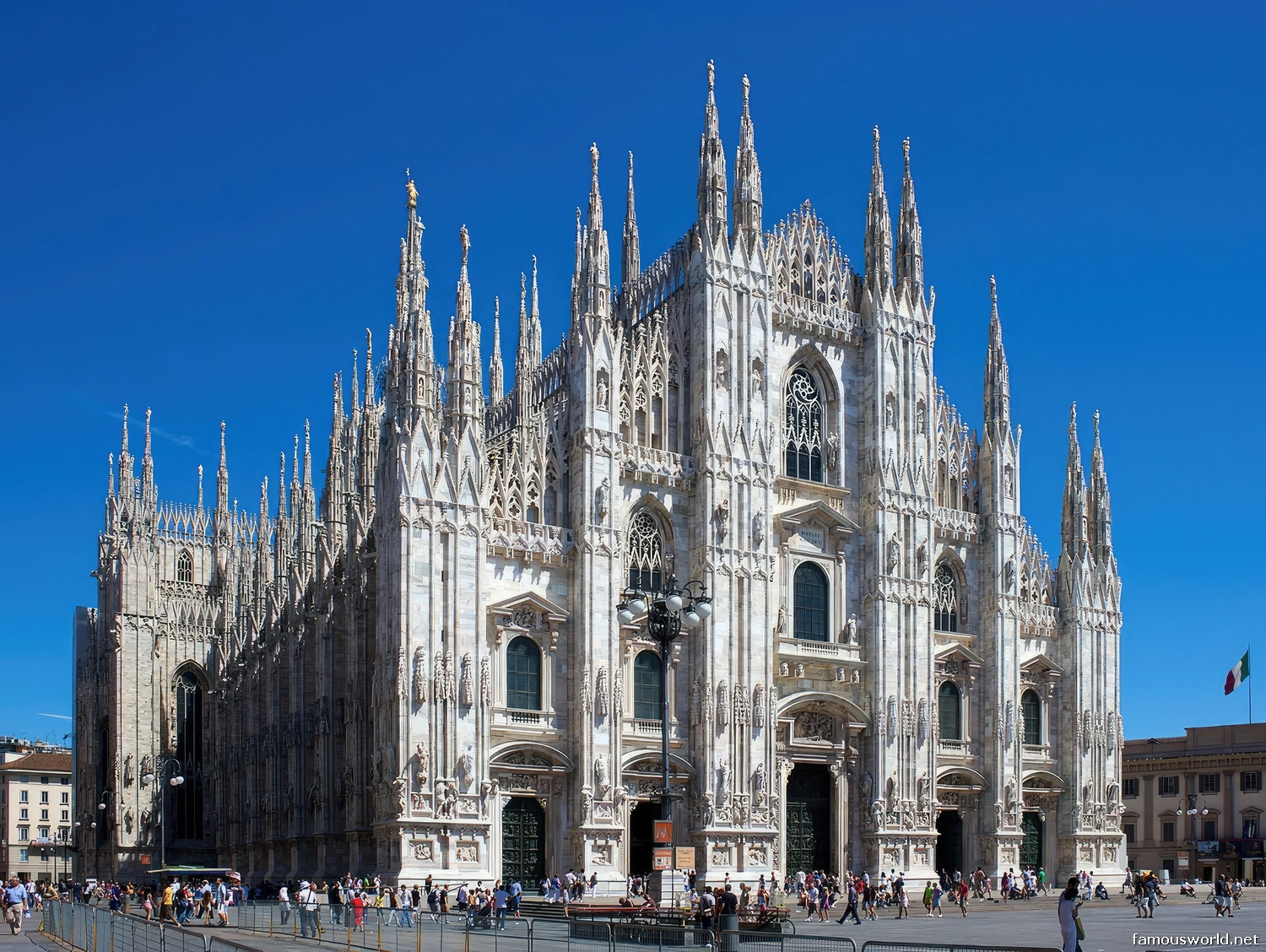
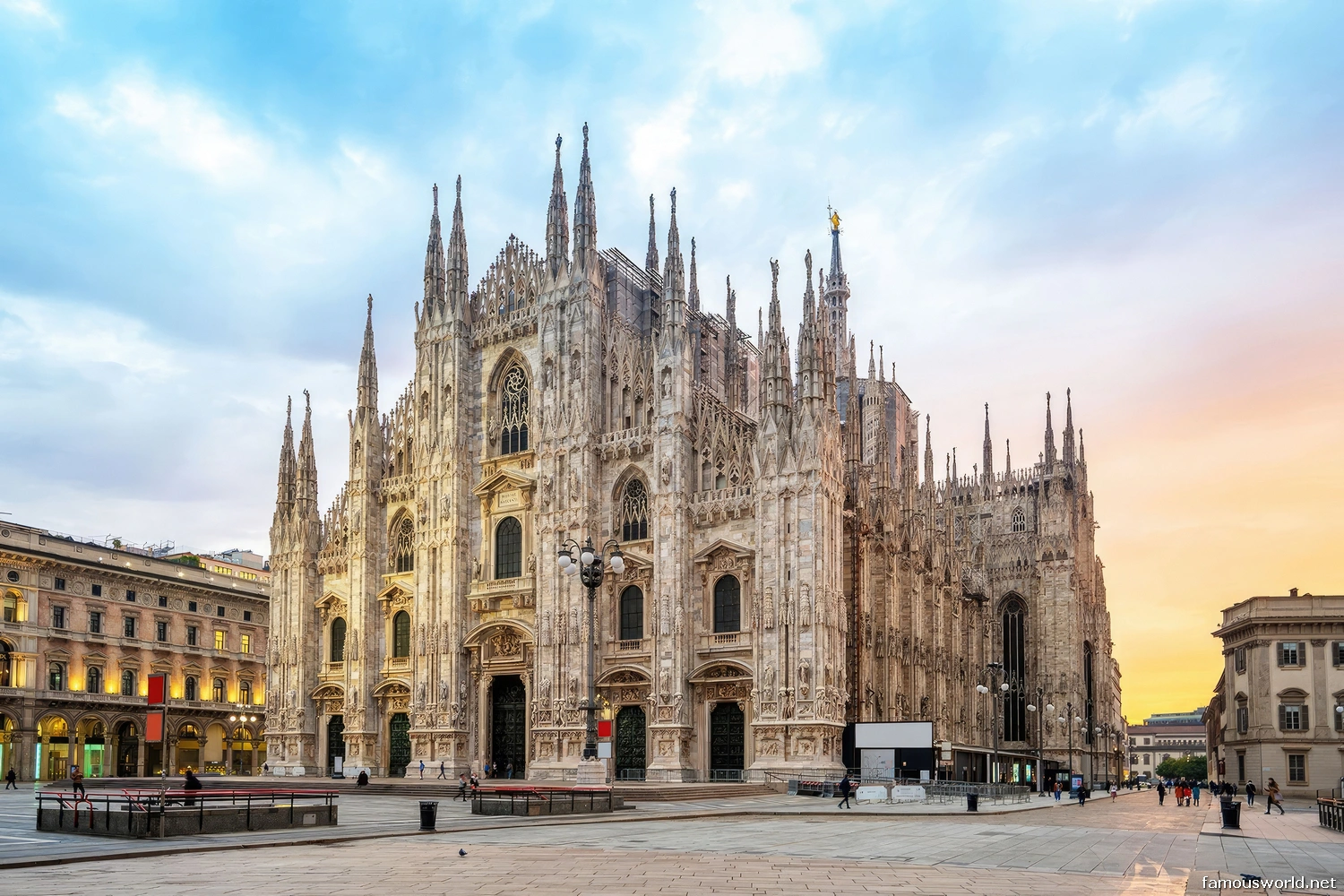
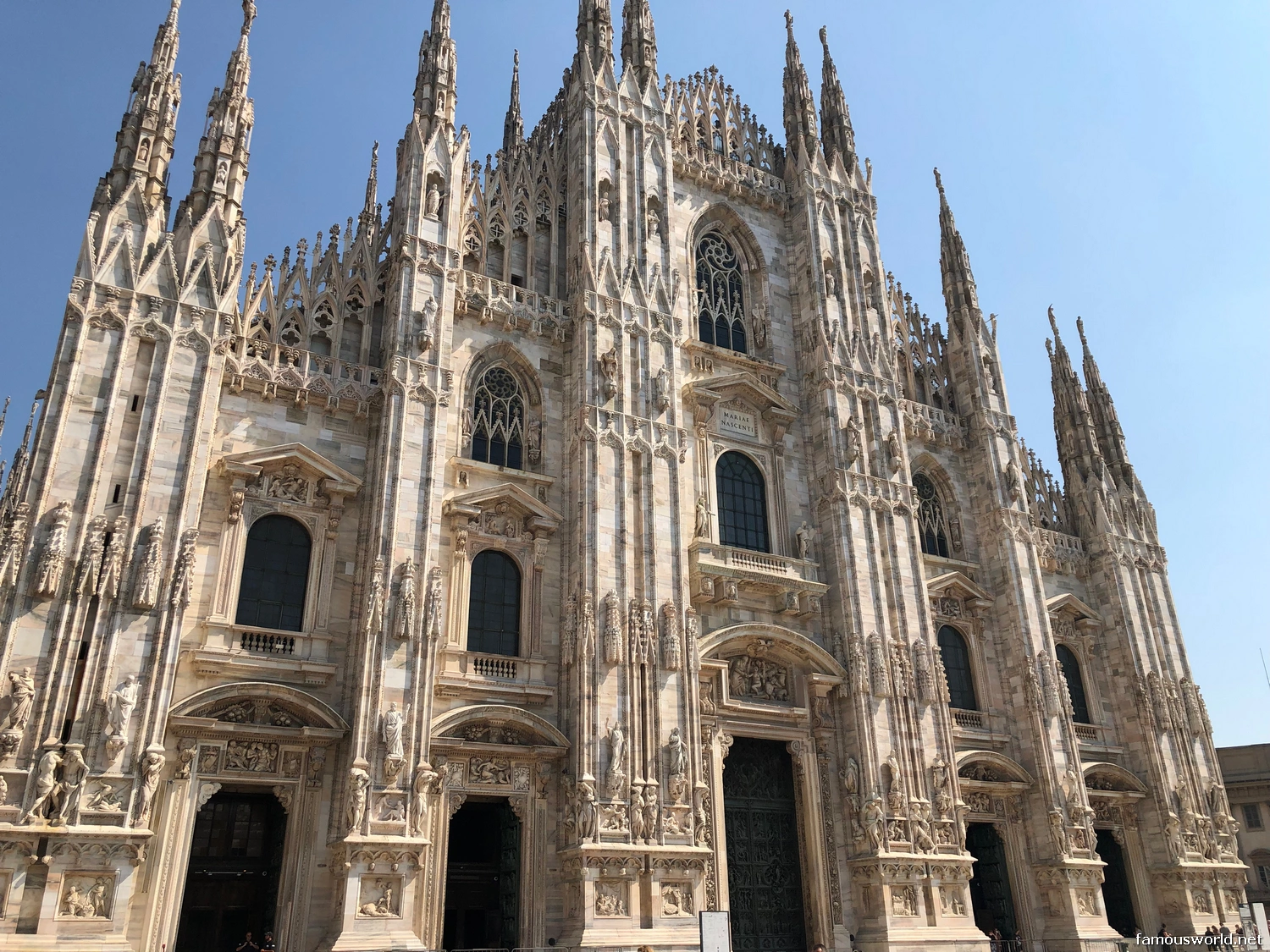
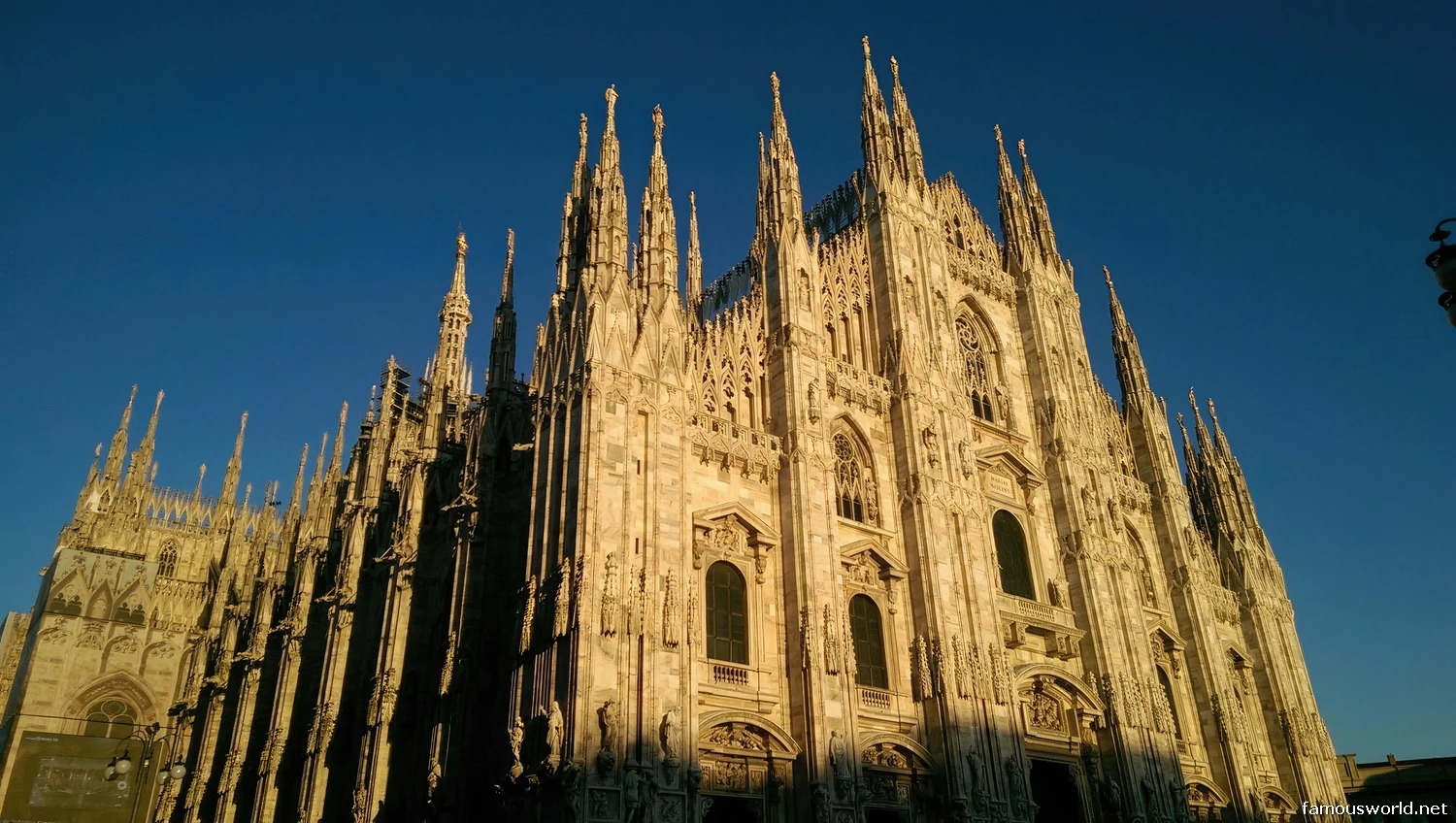
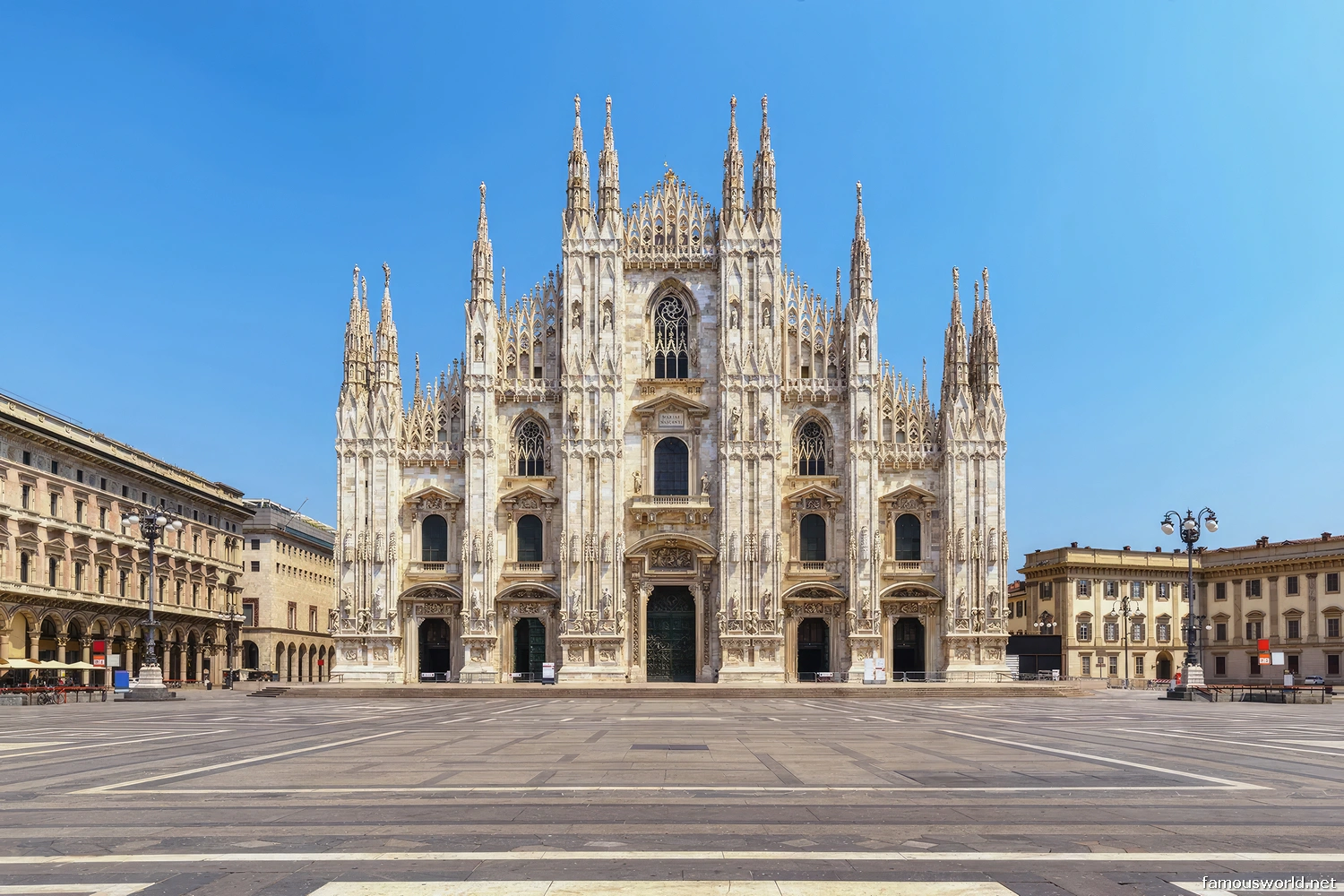
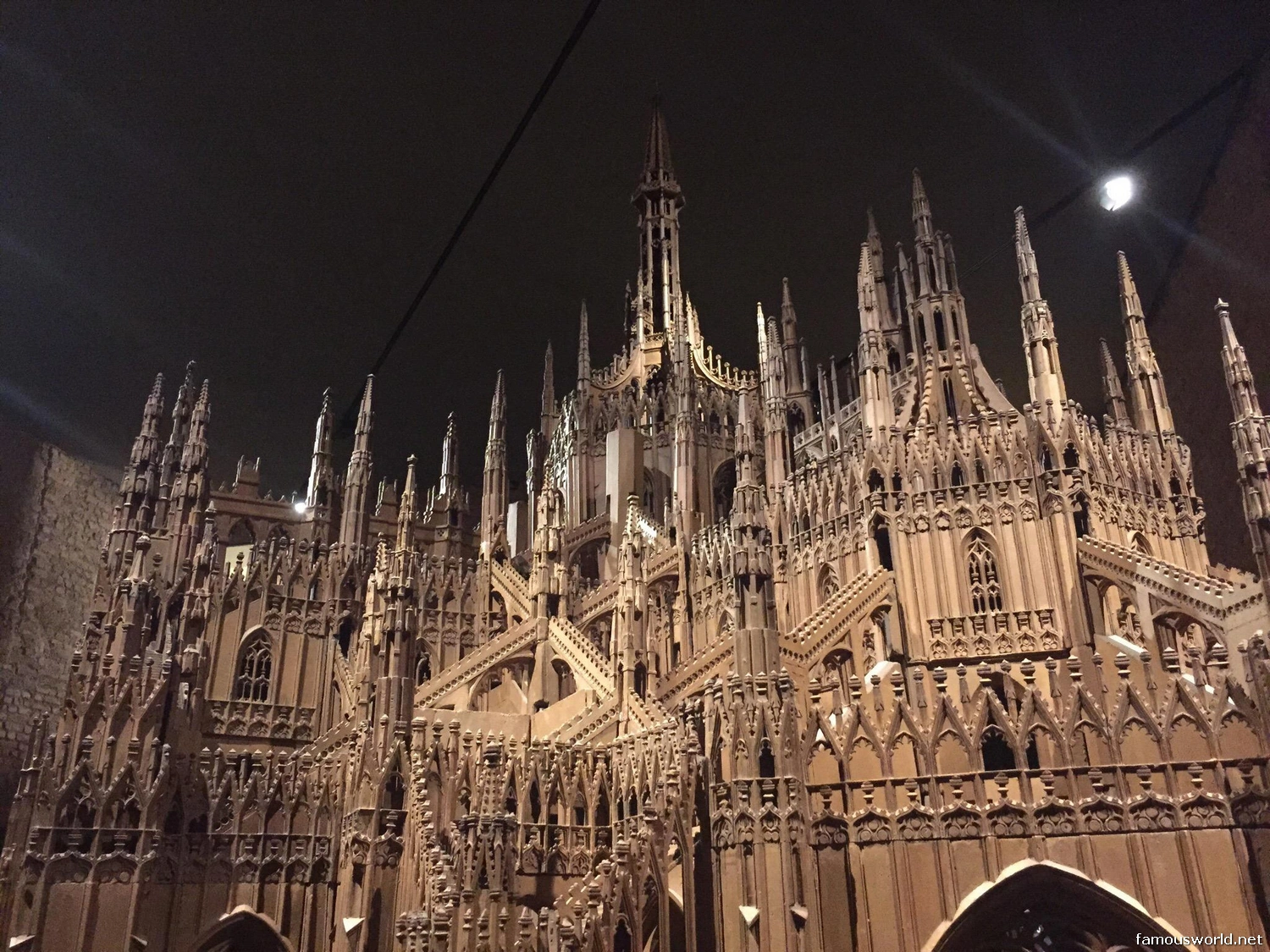
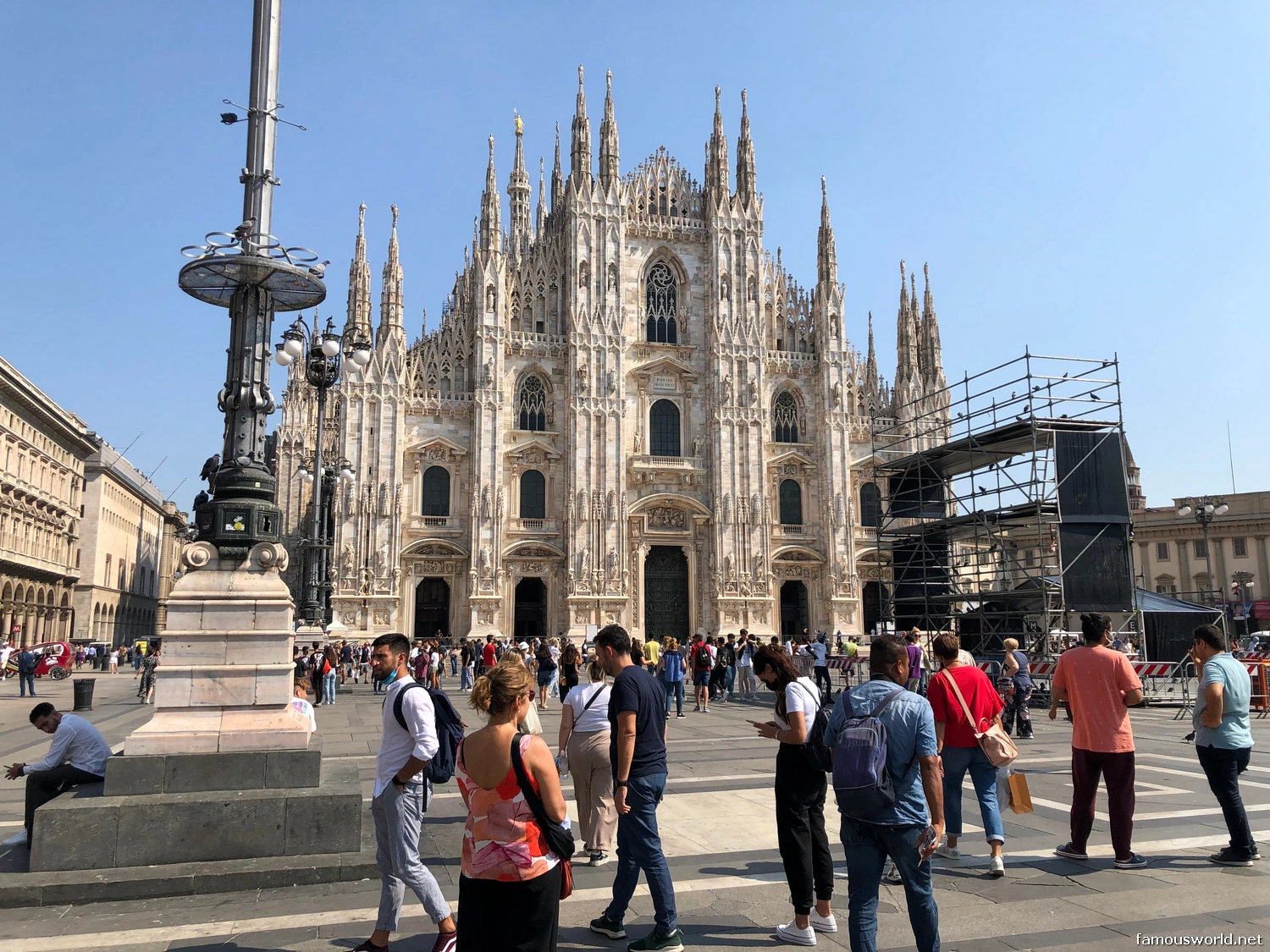
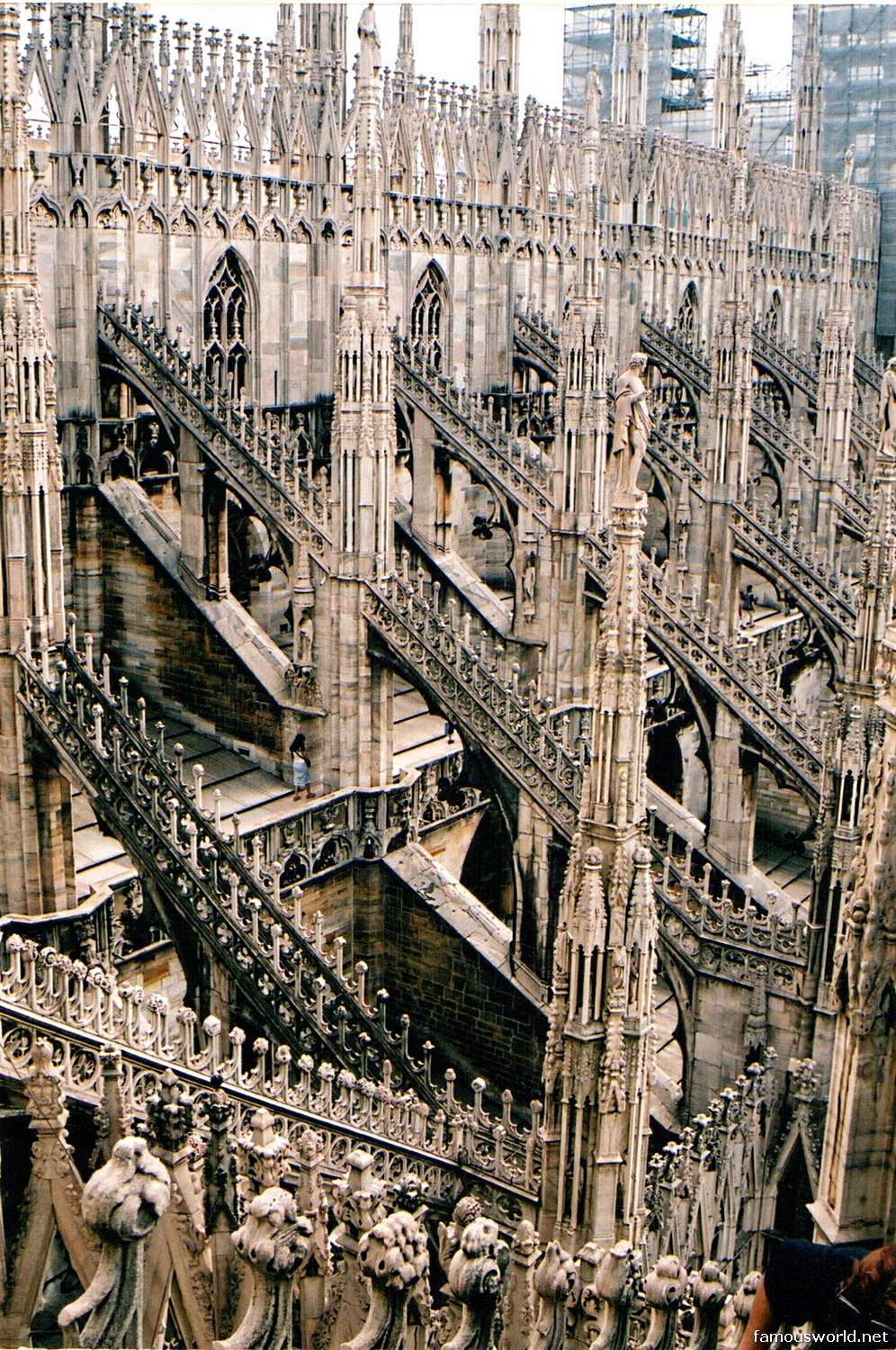
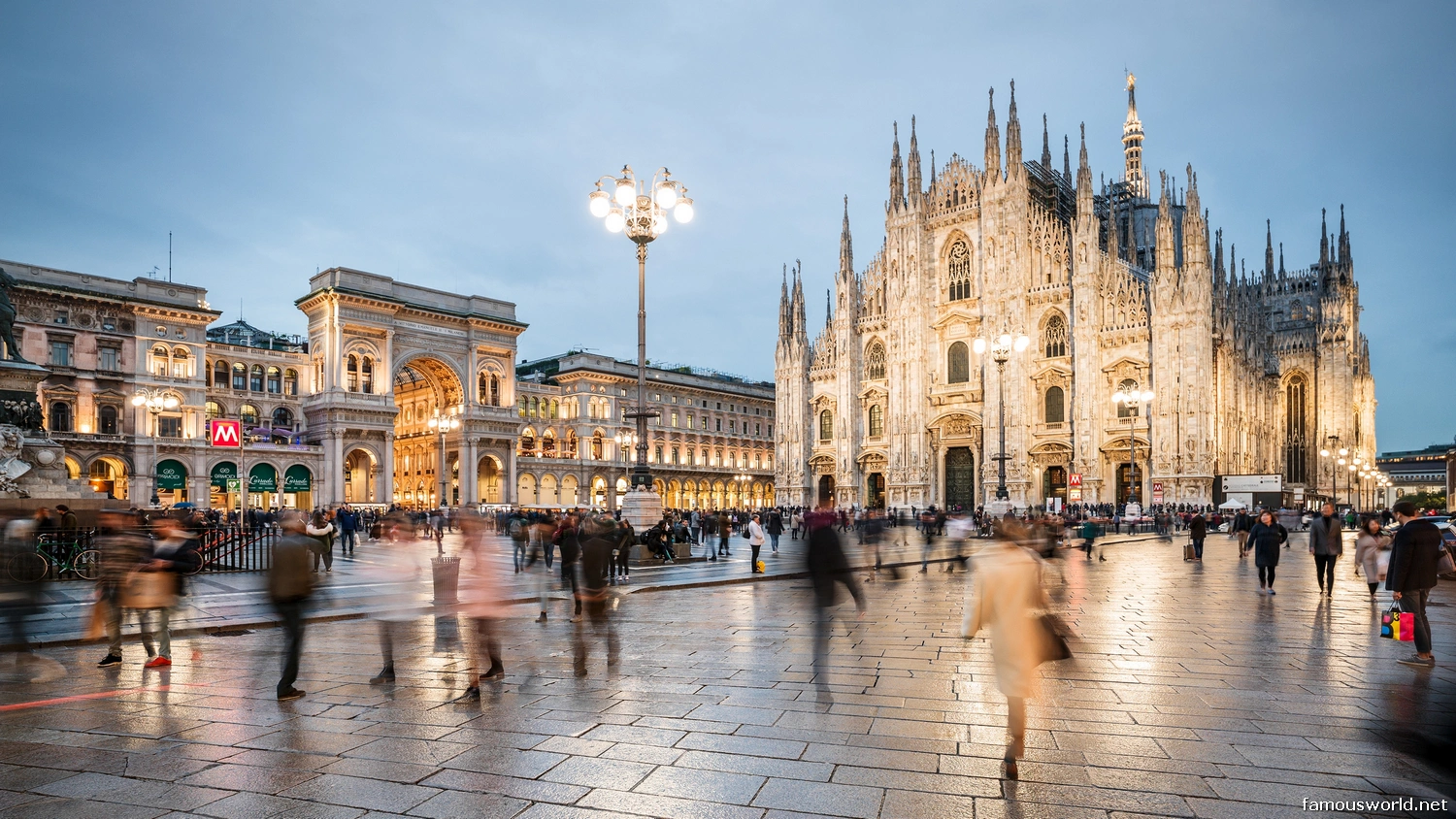
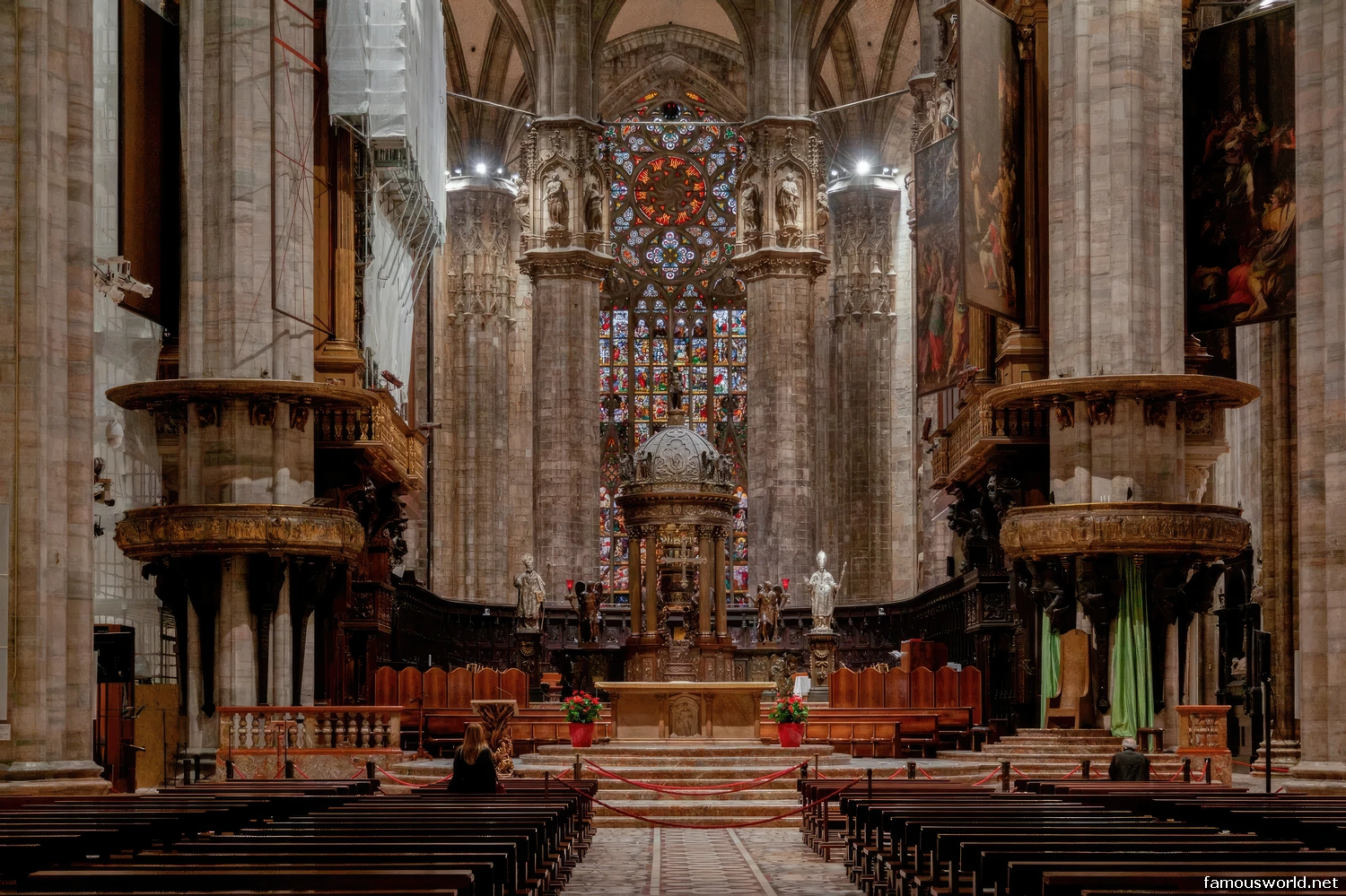
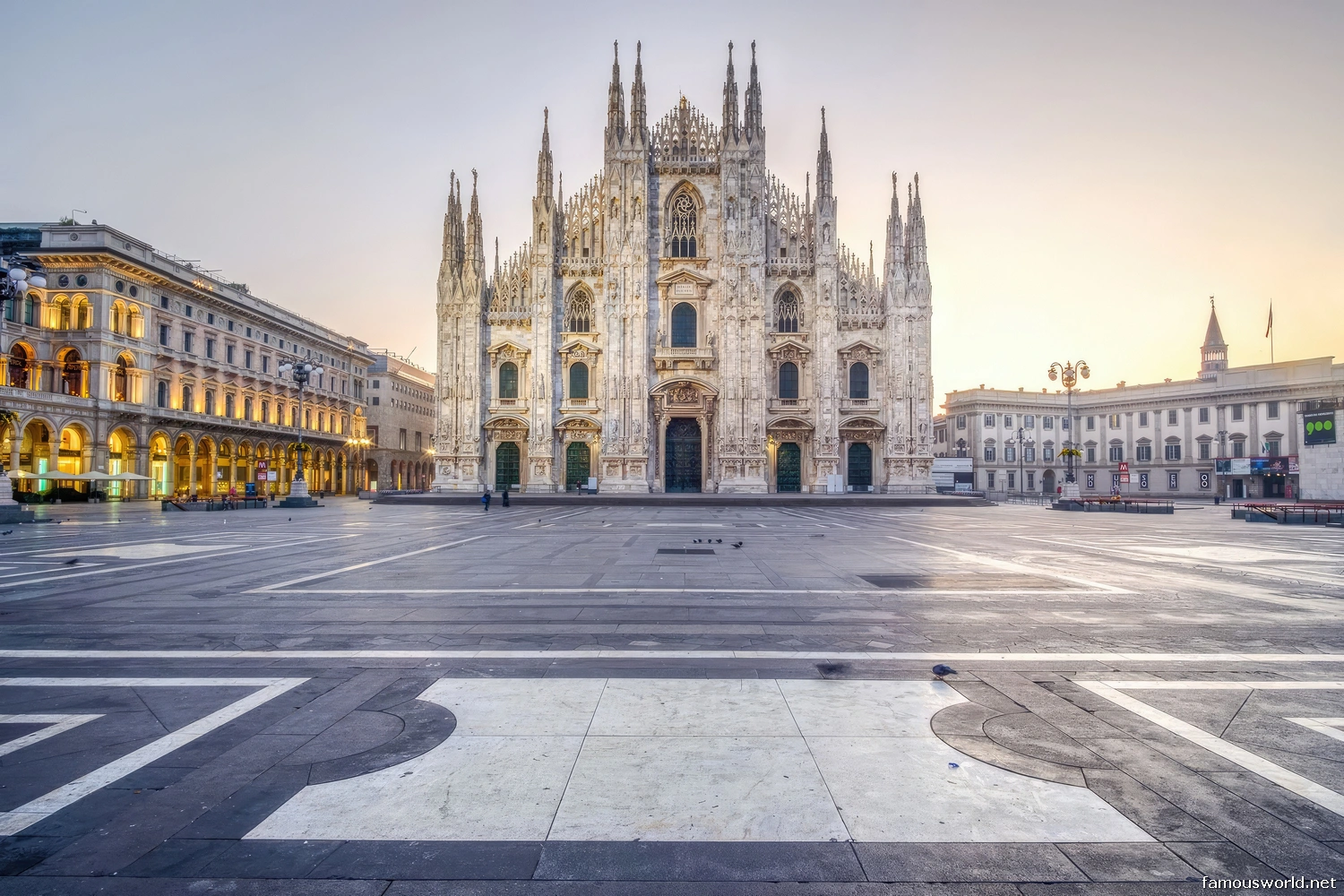
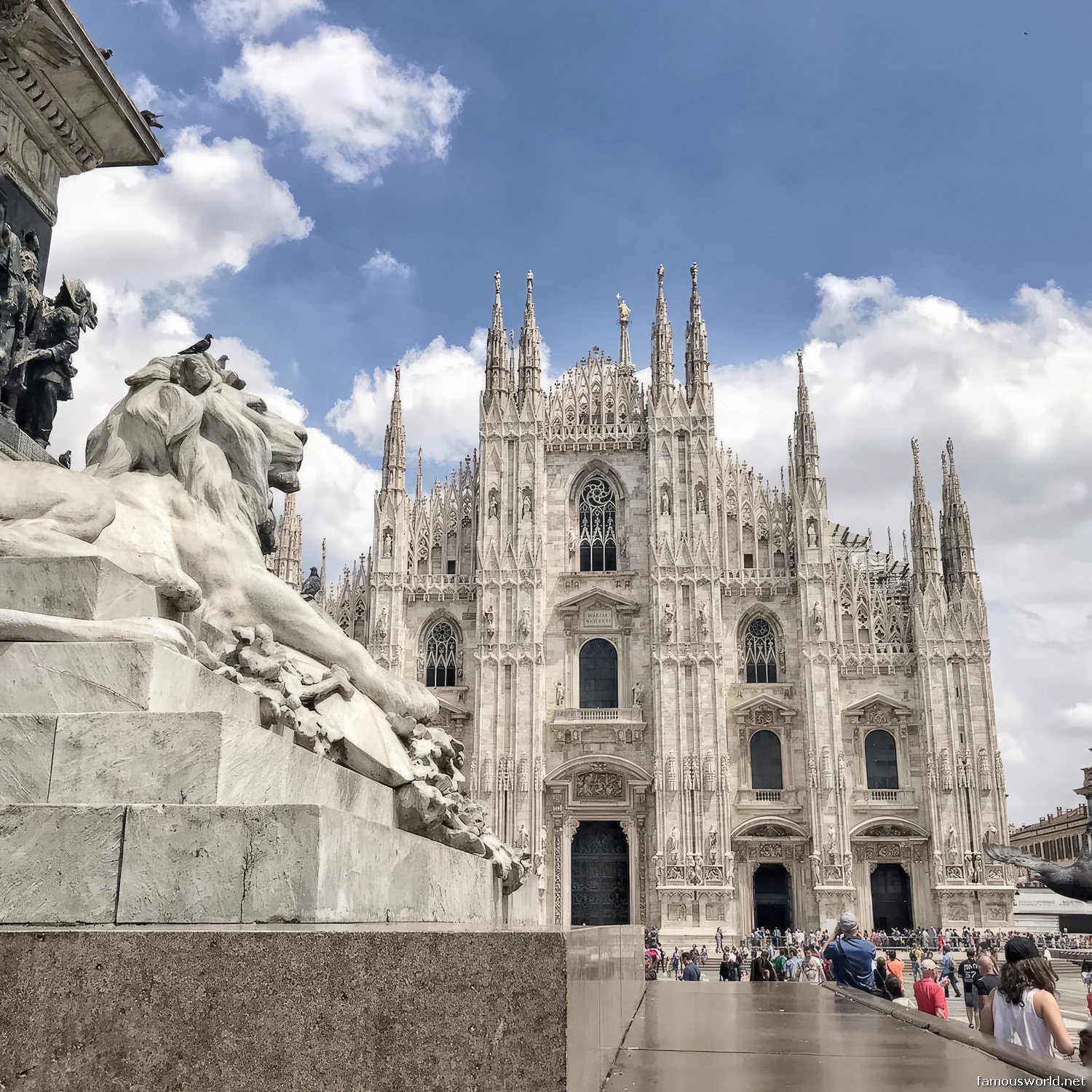
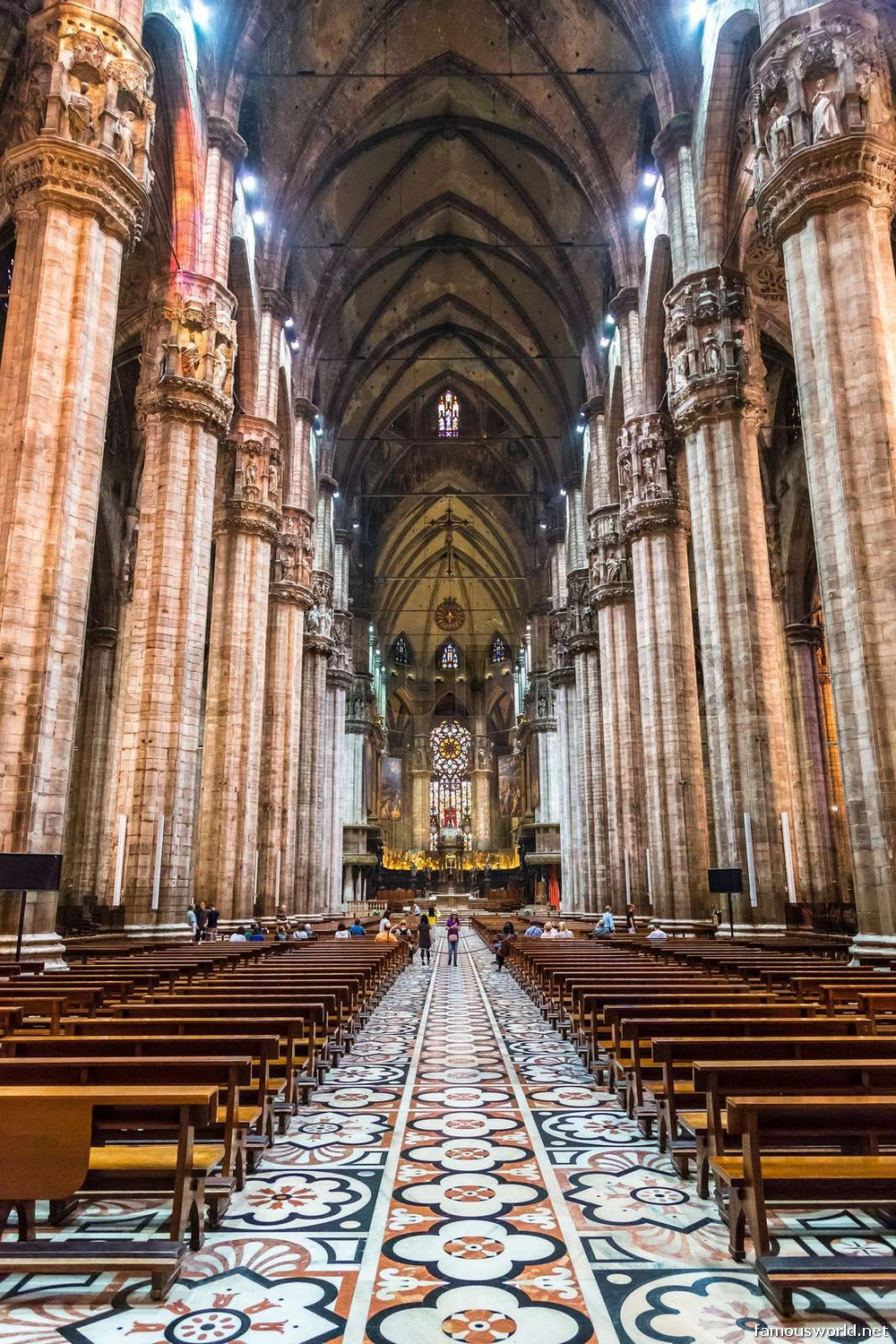
Dominating the heart of Milan, the Duomo di Milano is an awe-inspiring spectacle of Gothic architecture and one of the most famous cathedrals in the world. It is not just a building but a symbol of the city itself, a masterpiece of art and faith that took nearly six centuries to complete. Its breathtaking facade is a forest of spires, pinnacles, and more than 3,400 statues, culminating in the golden Madonnina who watches over the city from the cathedral’s highest point. Unlike the Romanesque churches of Tuscany, the Milan Cathedral is a triumph of the elaborate, gravity-defying Flamboyant Gothic style. A visit is an immersive experience, from exploring its cavernous interior to walking among the spires on its magnificent rooftop, offering unparalleled views of Milan and, on a clear day, the distant Alps.
Listen to an introduction about Milan Cathedral

Name and Location
- Name: Duomo di Milano (Metropolitan Cathedral-Basilica of the Nativity of Saint Mary).
- Location: In the center of the Piazza del Duomo, Milan, Lombardy, Italy.
How to Get There
The Duomo is the central hub of Milan and is exceptionally easy to reach.
- By Metro: The easiest method. The Duomo stop on the M1 (red) and M3 (yellow) lines exits directly onto the Piazza del Duomo, in front of the cathedral.
- By Tram: Numerous tram lines converge at the Piazza del Duomo, offering a scenic way to arrive.
- By Train: From Milano Centrale station, take the M3 (yellow) metro line directly to the Duomo stop (a journey of about 10 minutes).
- By Air: From Milan’s airports (Malpensa, Linate, Orio al Serio), shuttle buses and trains connect to Milano Centrale station, from where you can take the metro.
Landscape and Architecture
The Cathedral is a singular, monumental structure that defines its urban landscape.
- Piazza del Duomo: The Cathedral stands at the head of a vast, bustling urban square, surrounded by other historic buildings like the Galleria Vittorio Emanuele II. The piazza serves as the civic and social heart of Milan.
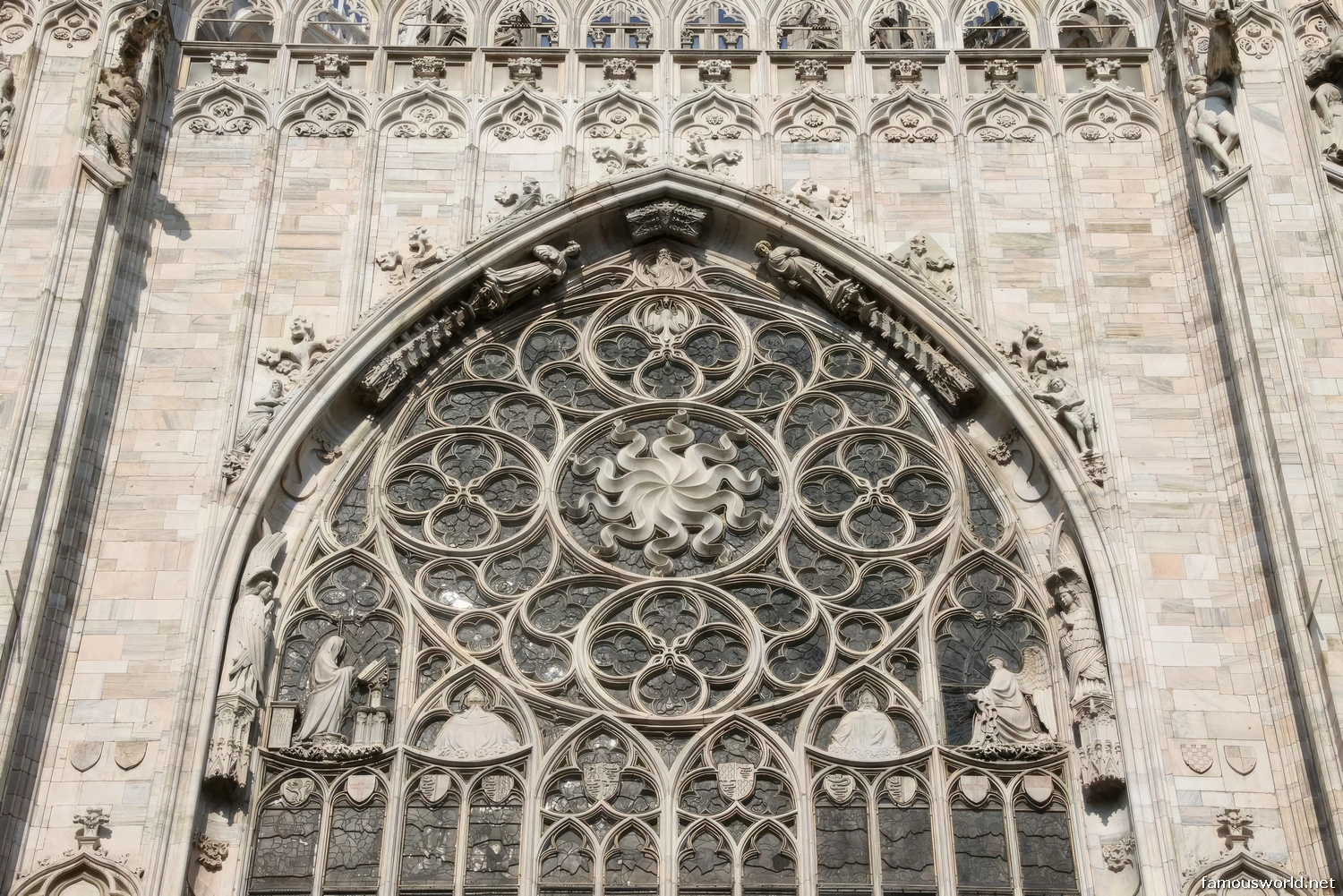
- Flamboyant Gothic Style: The Duomo is the most famous example of this ornate late-Gothic style in Italy. Its defining features are the thousands of intricate pinnacles and spires that create a sense of verticality and lightness, making the massive marble structure appear almost weightless.
- Forest of Statues: The entire exterior is famously decorated with an incredible number of statues depicting saints, prophets, and biblical figures, a feature unmatched by any other cathedral.
- The Madonnina: The gilded copper statue of the Virgin Mary, known as the Madonnina, sits atop the main spire and is a beloved symbol of the city.
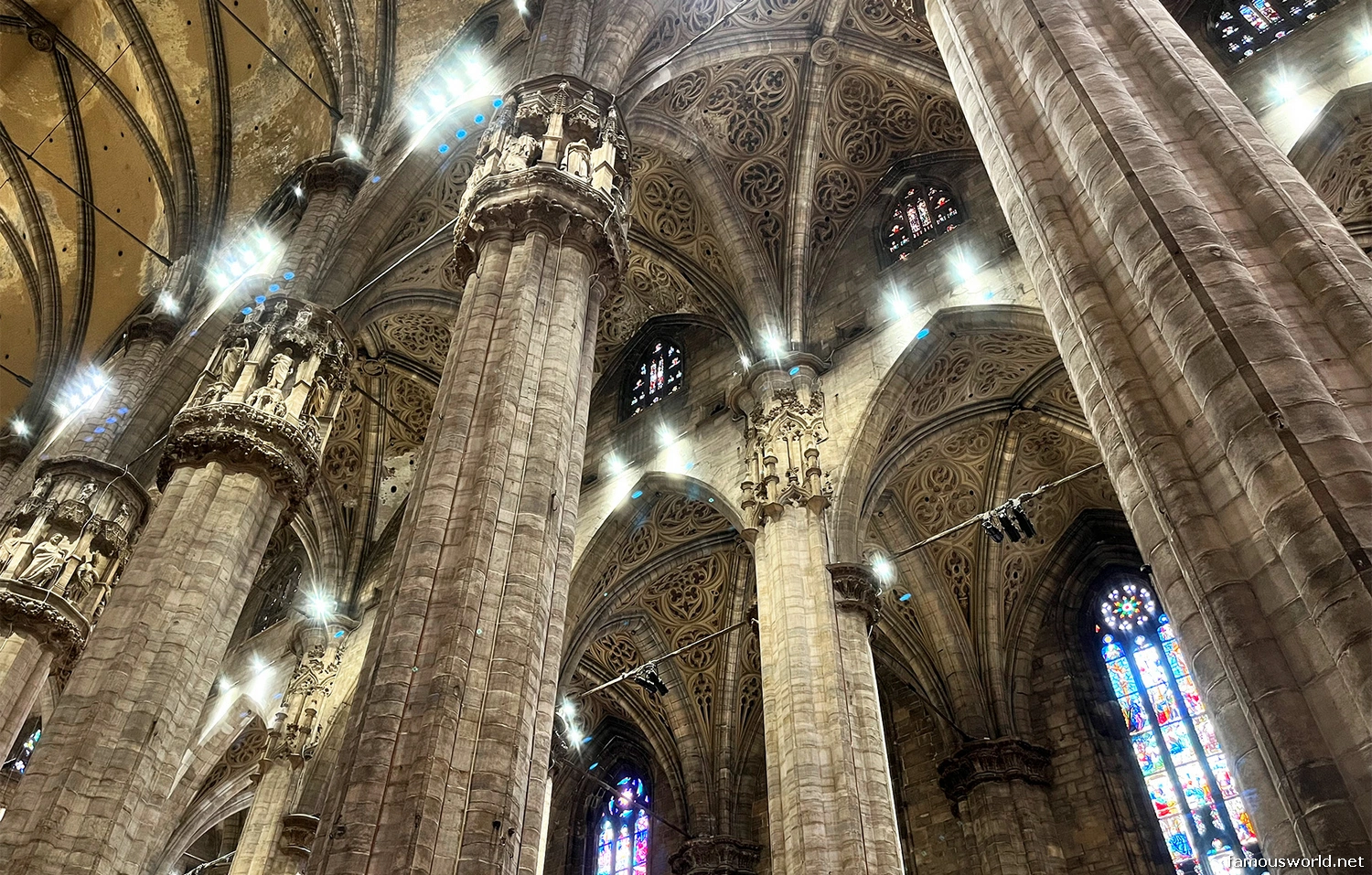
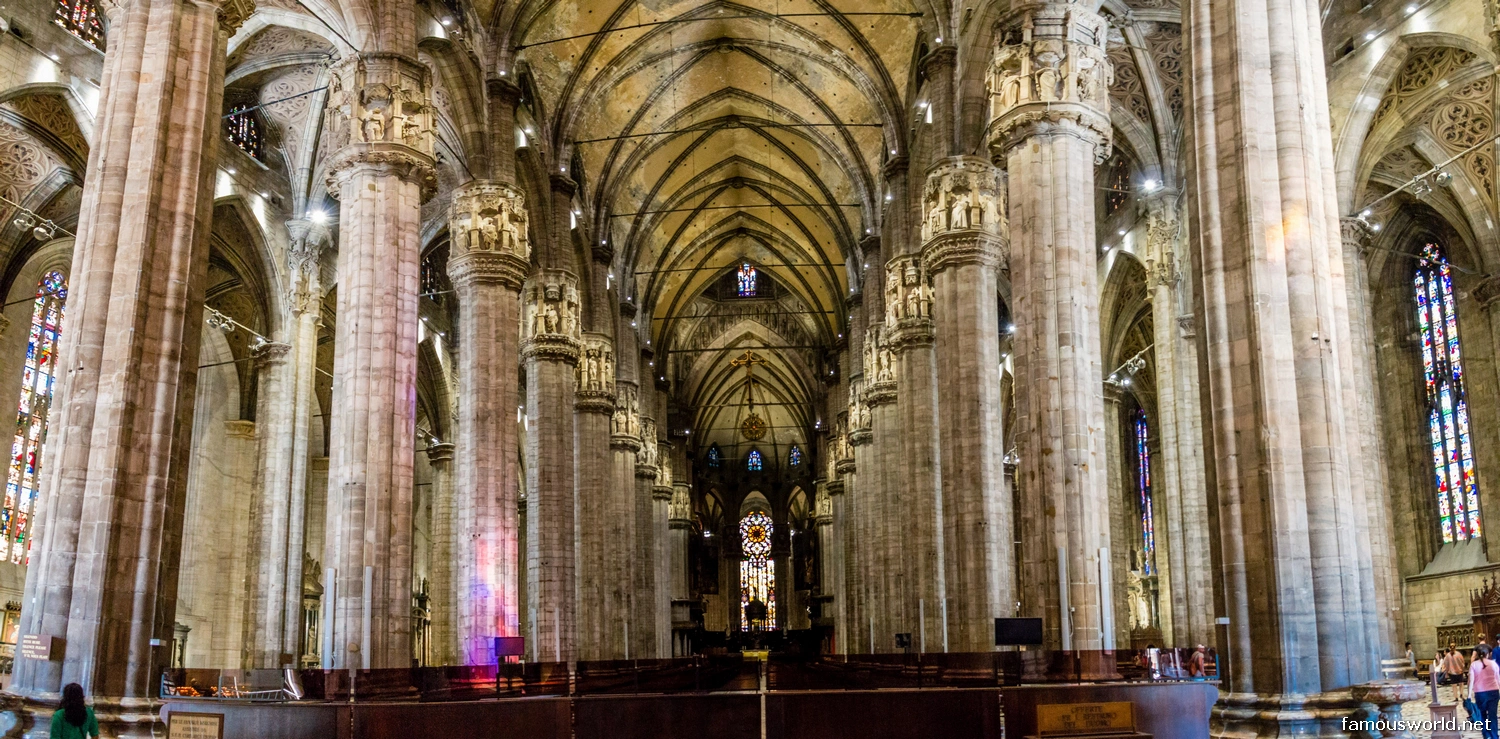
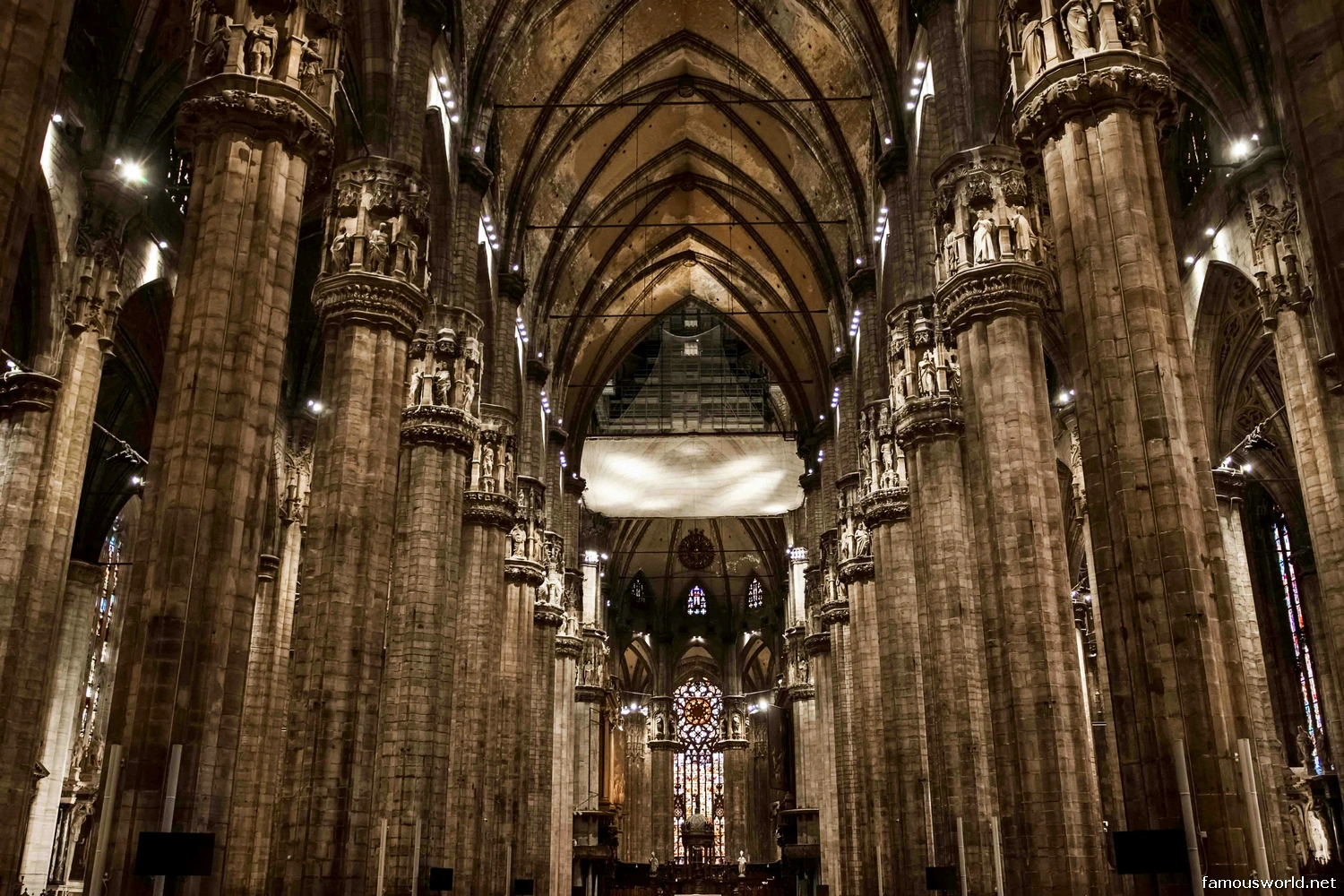
- Vast Interior: The interior is immense, with five vast naves supported by 52 colossal pillars. The atmosphere is defined by the colored light filtering through some of the largest stained-glass windows in Christendom.
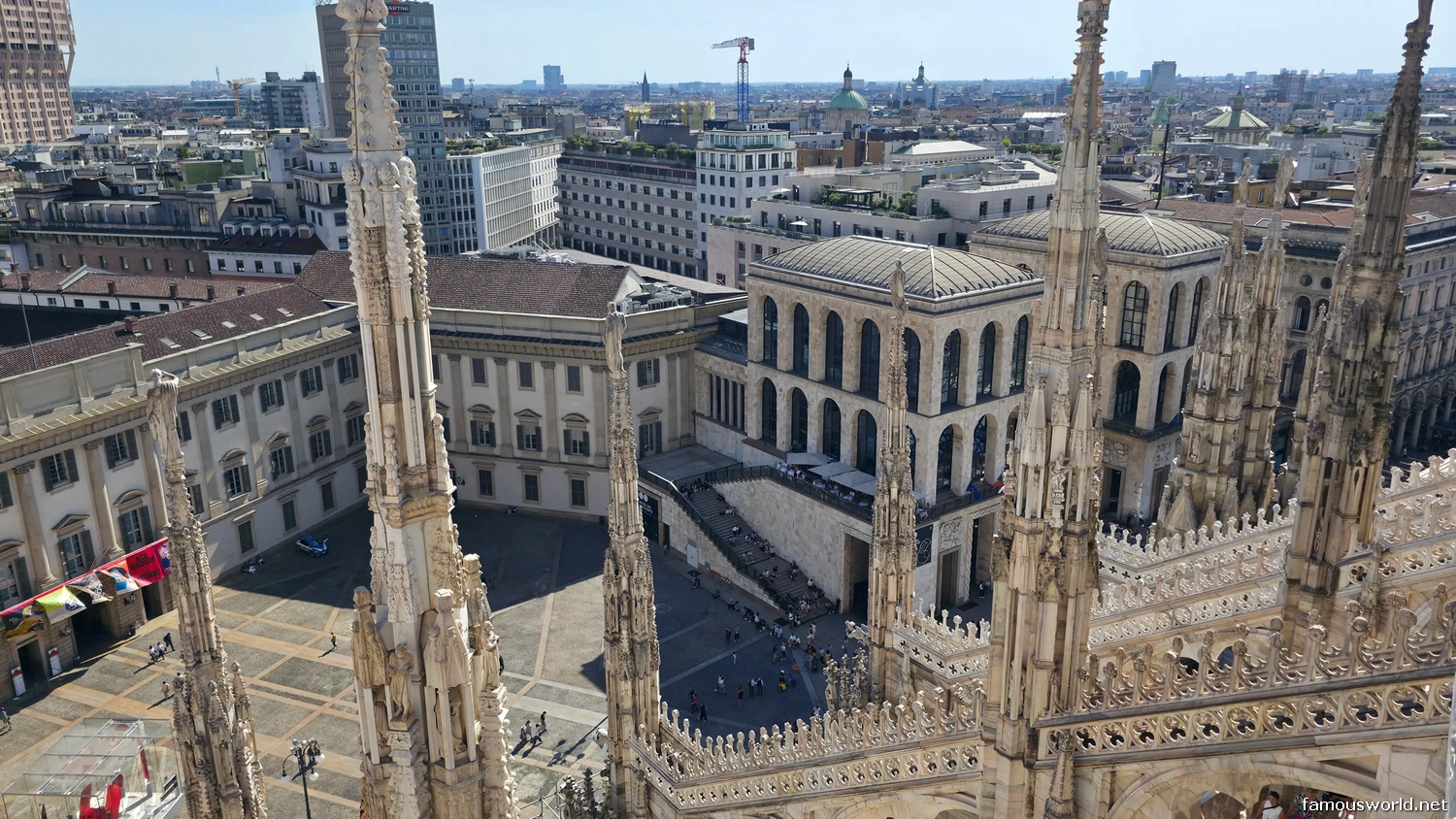
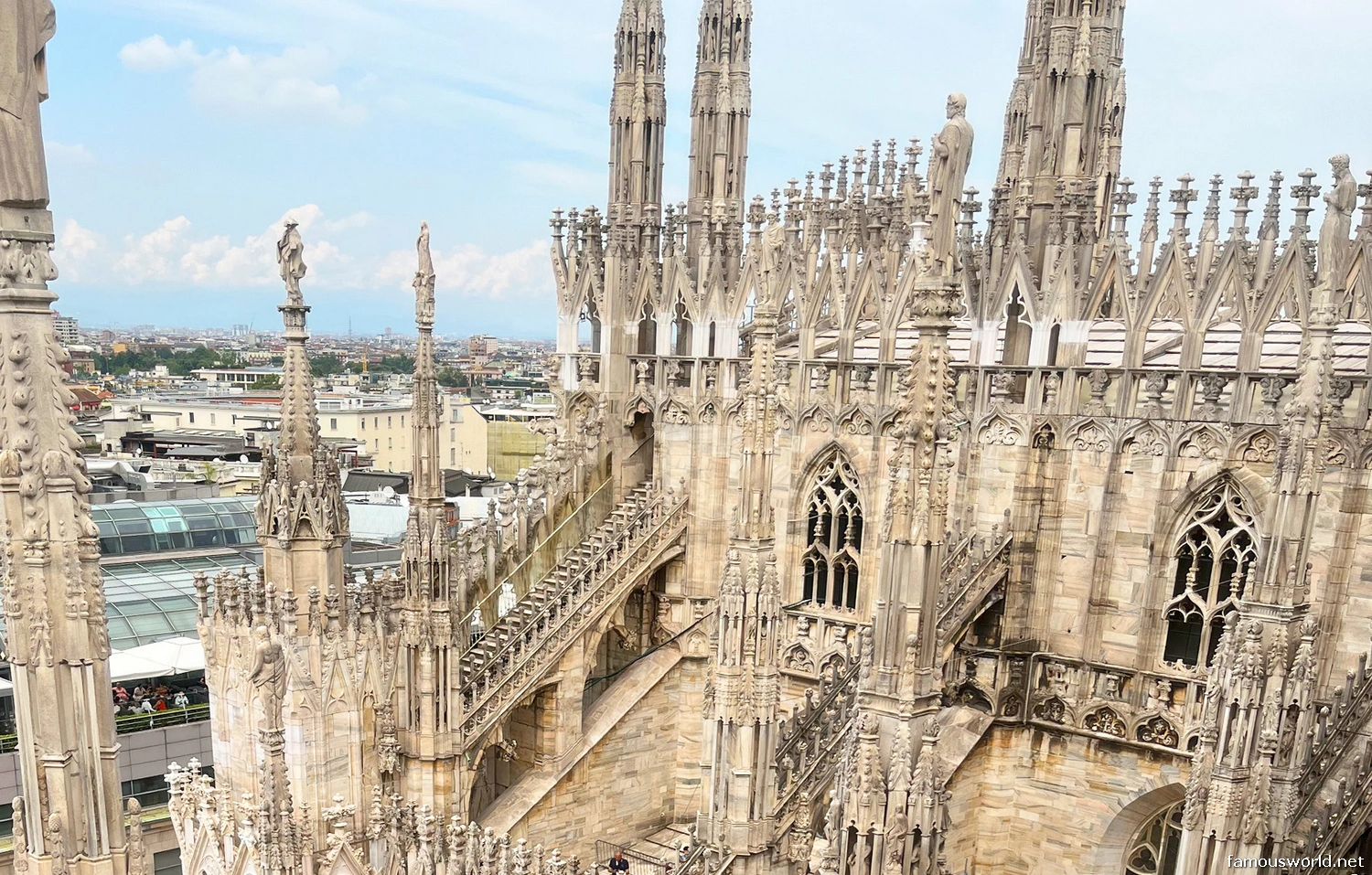
- Rooftop Terraces: A unique feature is the fully accessible roof, which allows visitors to walk among the “forest of spires,” offering an up-close view of the Gothic architecture and stunning panoramic views of Milan.
What Makes It Famous
The Milan Cathedral is famous for its immense scale, unique architectural style, and centuries-long construction.
- Immense Scale: It is the largest church in Italy (as St. Peter’s is in Vatican City) and the third largest in the world.
- Six Centuries of Construction: The incredibly long construction period (from 1386 to 1965) means it incorporates a variety of styles, though it remains overwhelmingly Gothic in character.
- The Rooftop Walk: It is one of the few cathedrals in the world that allows visitors to walk on its roof, providing a truly unforgettable architectural experience.
- Symbol of Milan: The Duomo is the undisputed symbol of Milan, a point of pride and a central landmark for its citizens.
Differences from Other Wonders (vs. San Miniato al Monte)
A massive, urban Gothic cathedral offers a completely different experience than a serene, hilltop Romanesque basilica.
- Environment (Urban Centerpiece vs. Hilltop Sanctuary): The Milan Cathedral is a bustling, monumental centerpiece of a major European city, integrated into its daily life. San Miniato sits in contemplative isolation on a hill, offering a peaceful escape and a panoramic view of a city.
- Style (Flamboyant Gothic vs. Tuscan Romanesque): The Duomo is a prime example of vertical, ornate, and complex Gothic architecture, designed to soar. San Miniato is a masterpiece of the grounded, harmonious, and geometrically pure Tuscan Romanesque style.
- Core Story (Civic Ambition vs. Martyr’s Shrine): The Duomo was built over centuries as a grand statement of Milan’s civic and religious ambition. San Miniato’s story is centered on the intimate veneration of a single martyr, giving it a more focused spiritual origin.
- Atmosphere (Monumental and Awe-Inspiring vs. Contemplative and Intimate): The experience of the Duomo is one of awe at its sheer scale, complexity, and grandeur
Location on world map