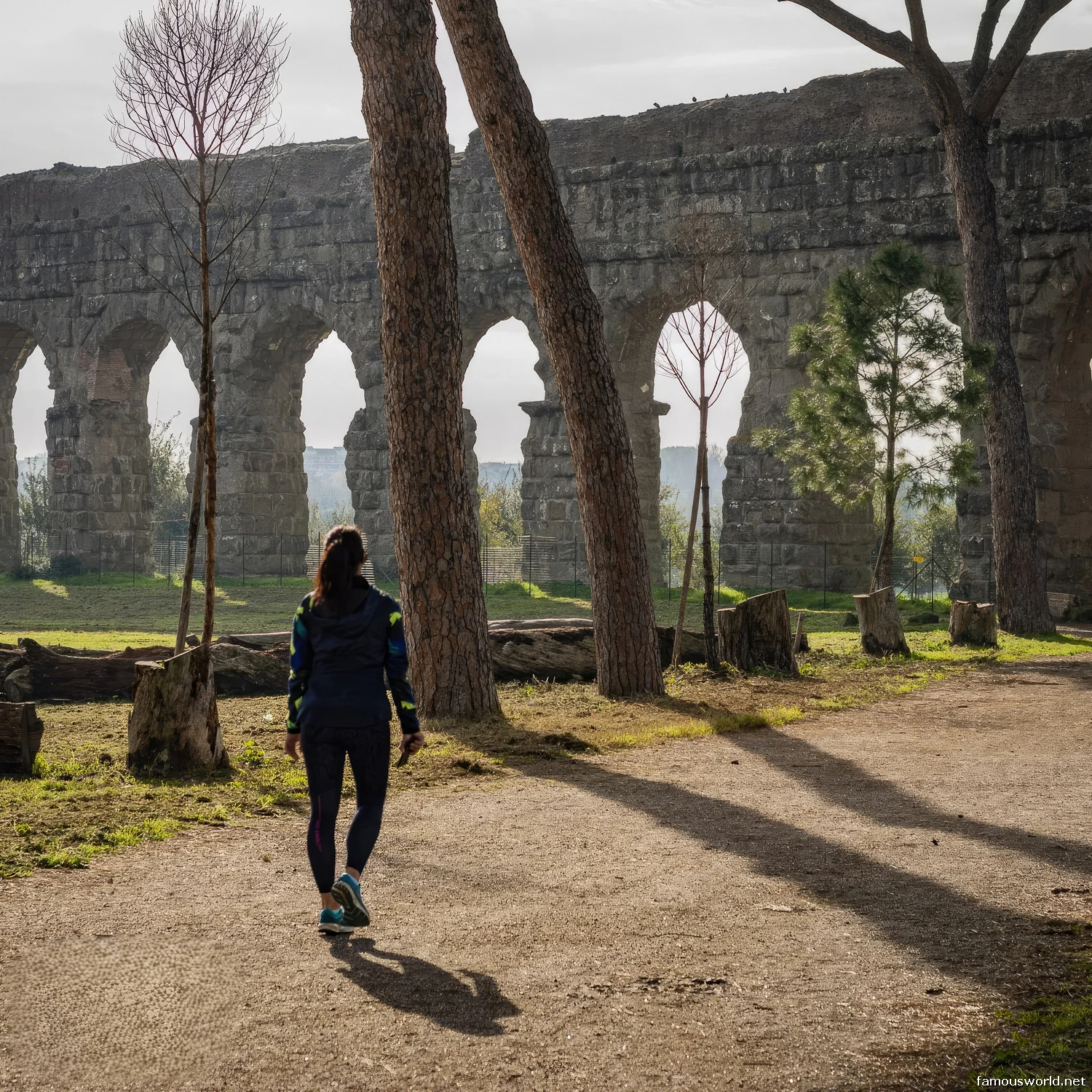
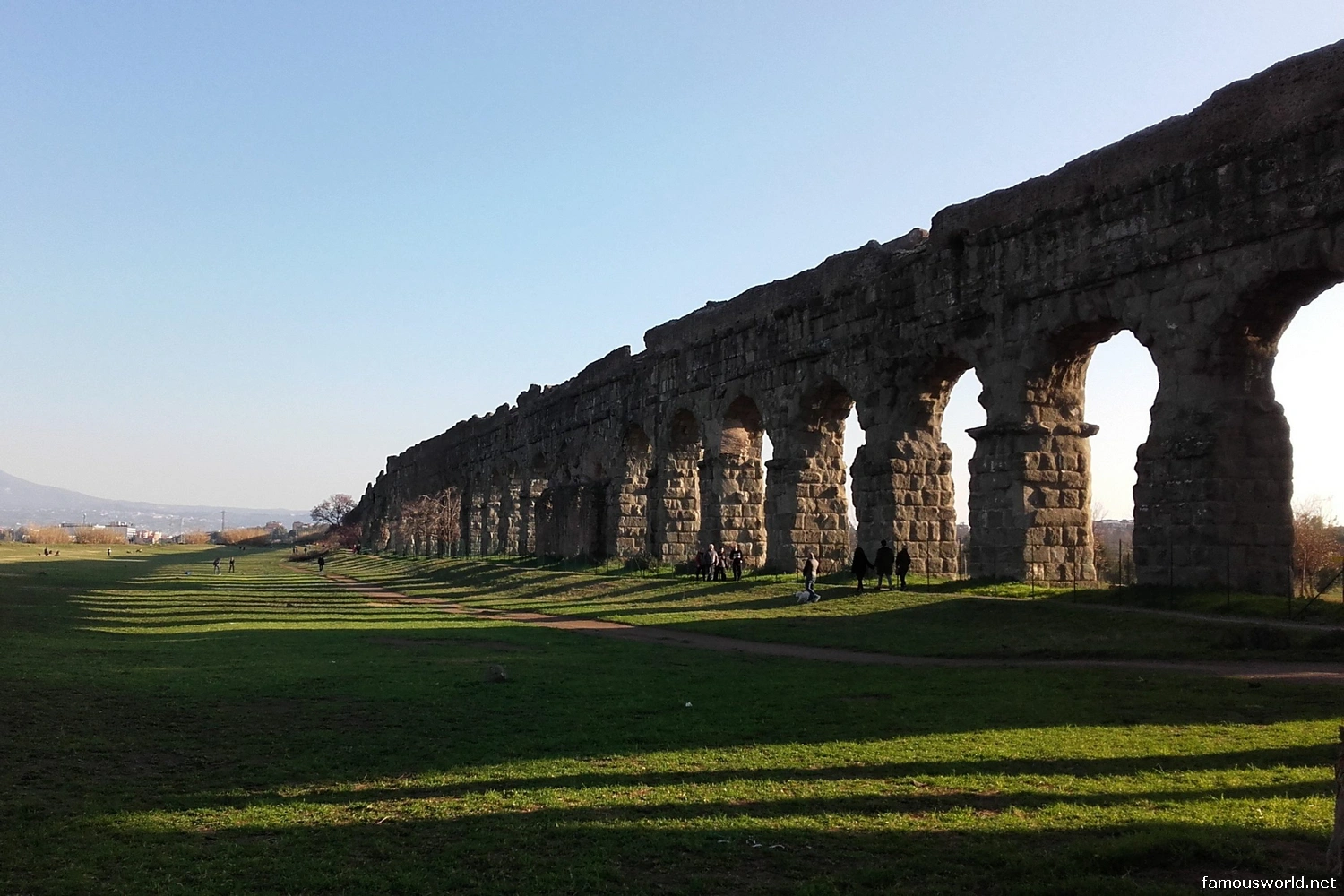
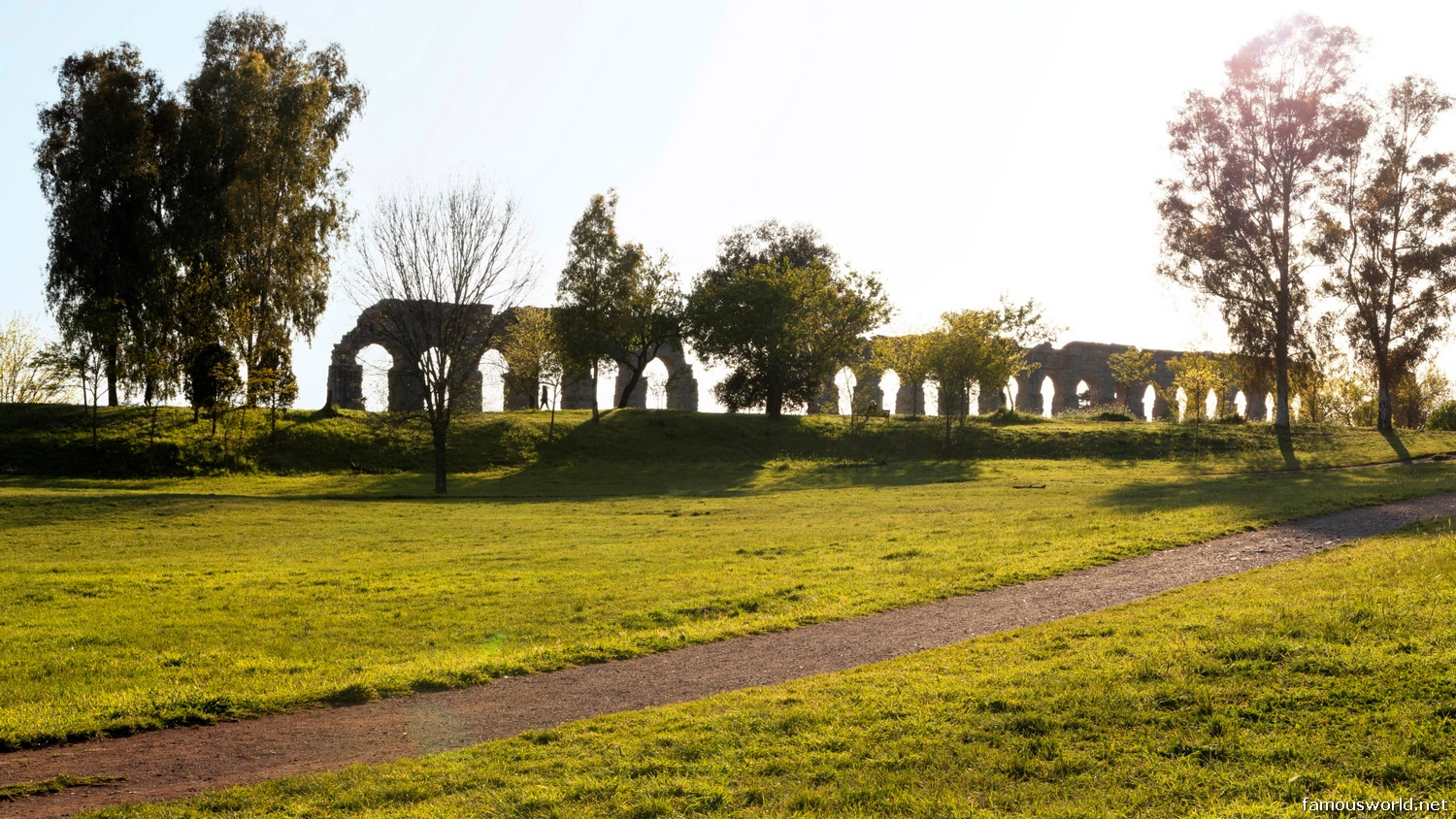
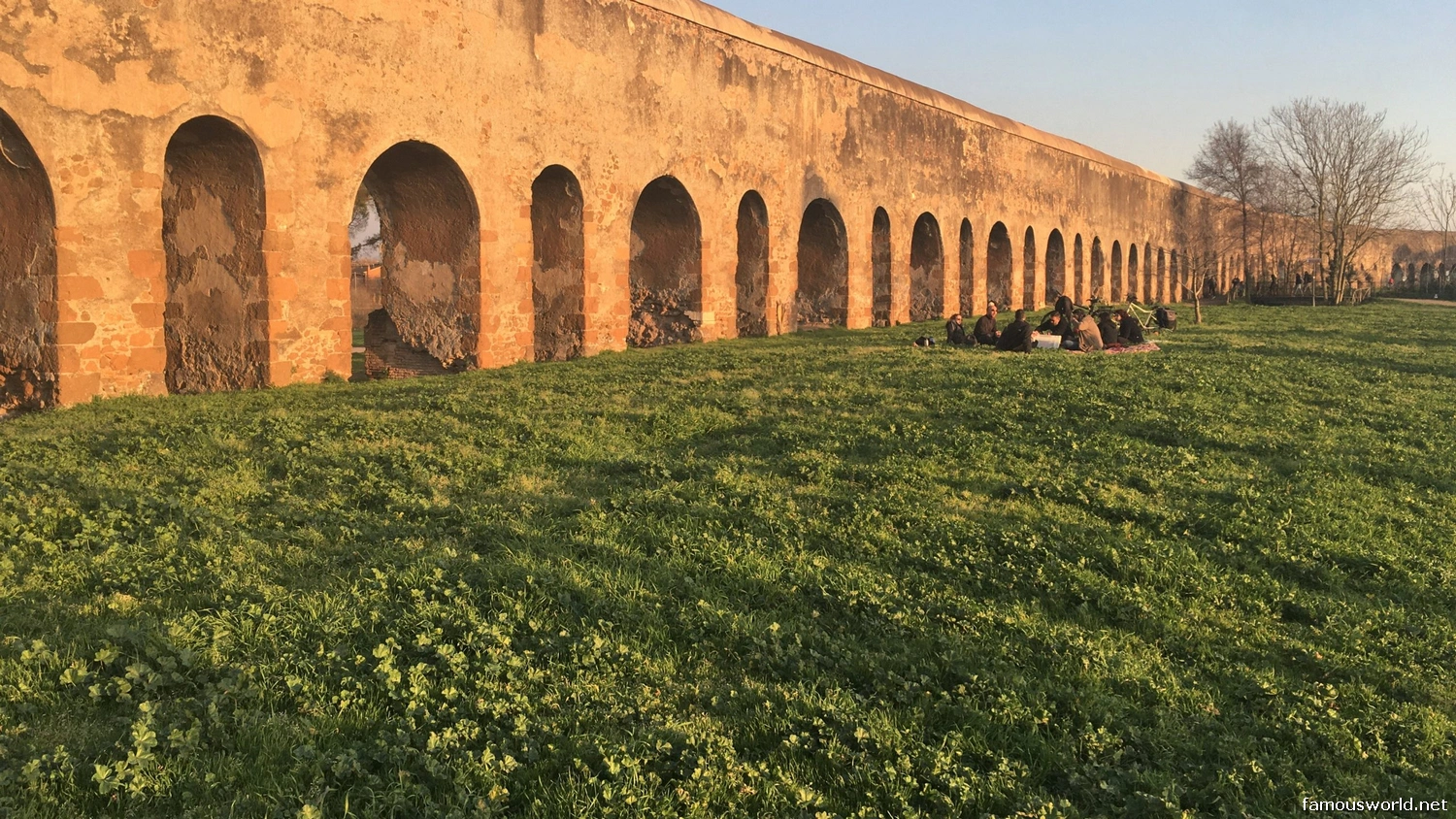
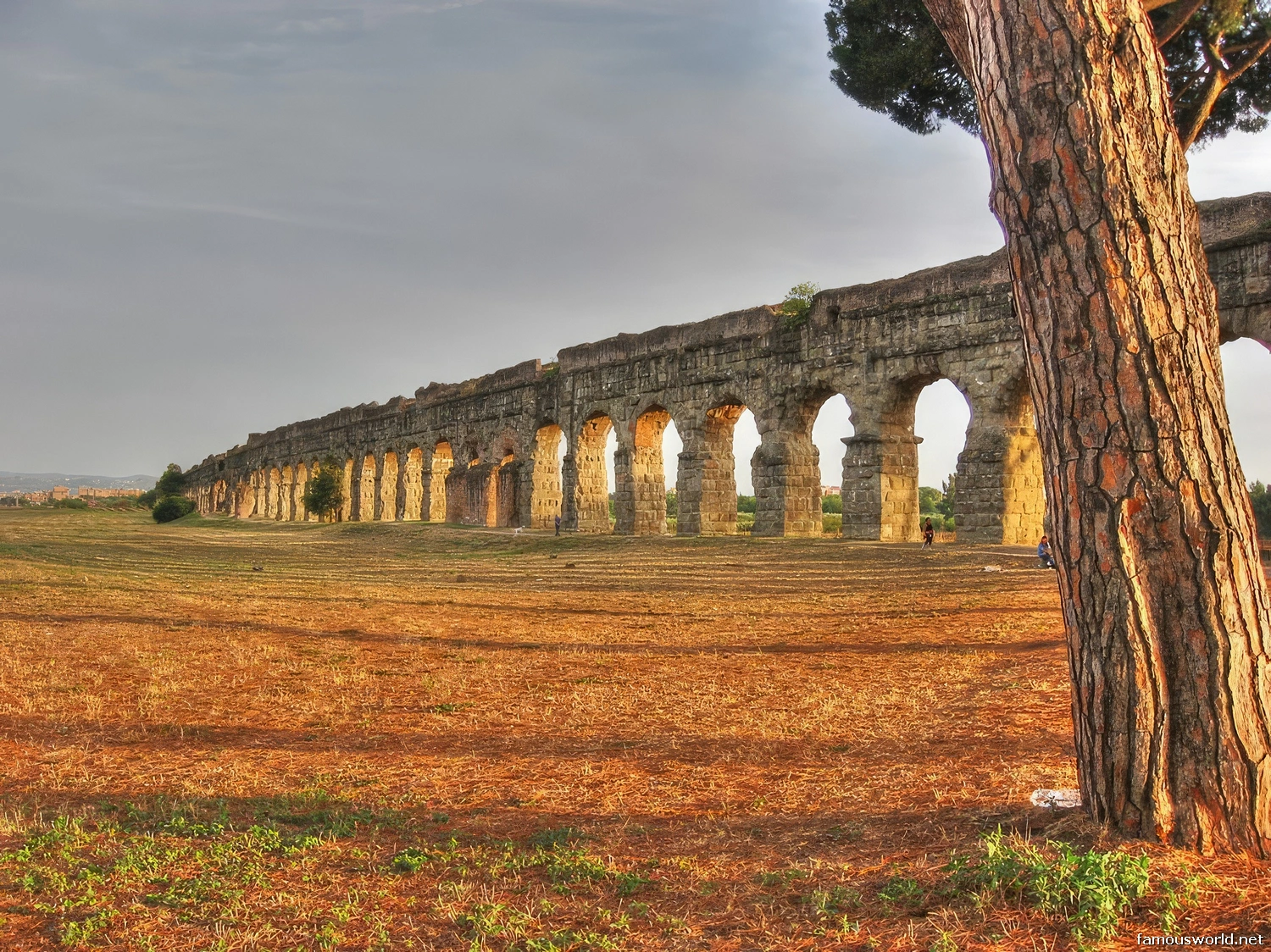
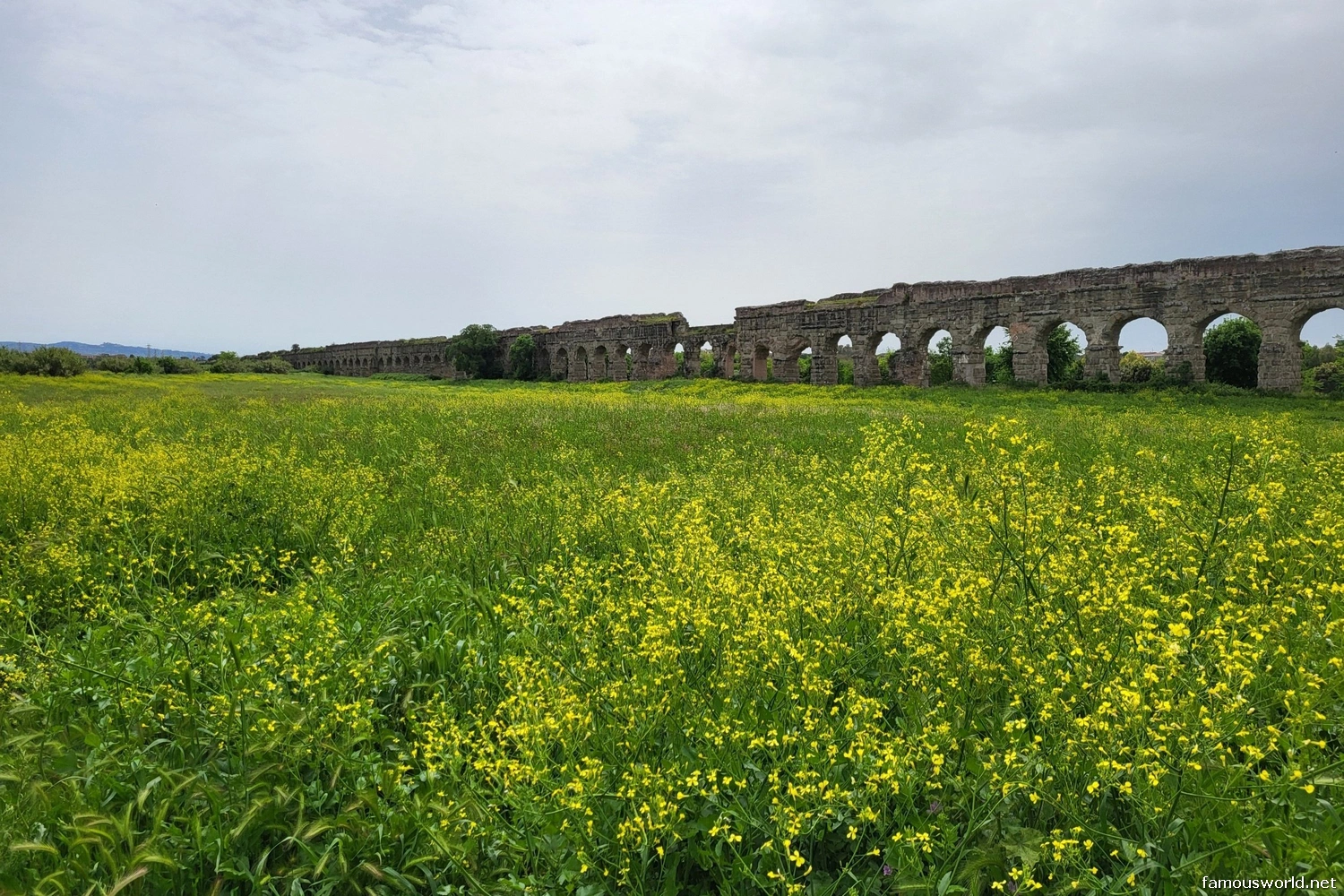
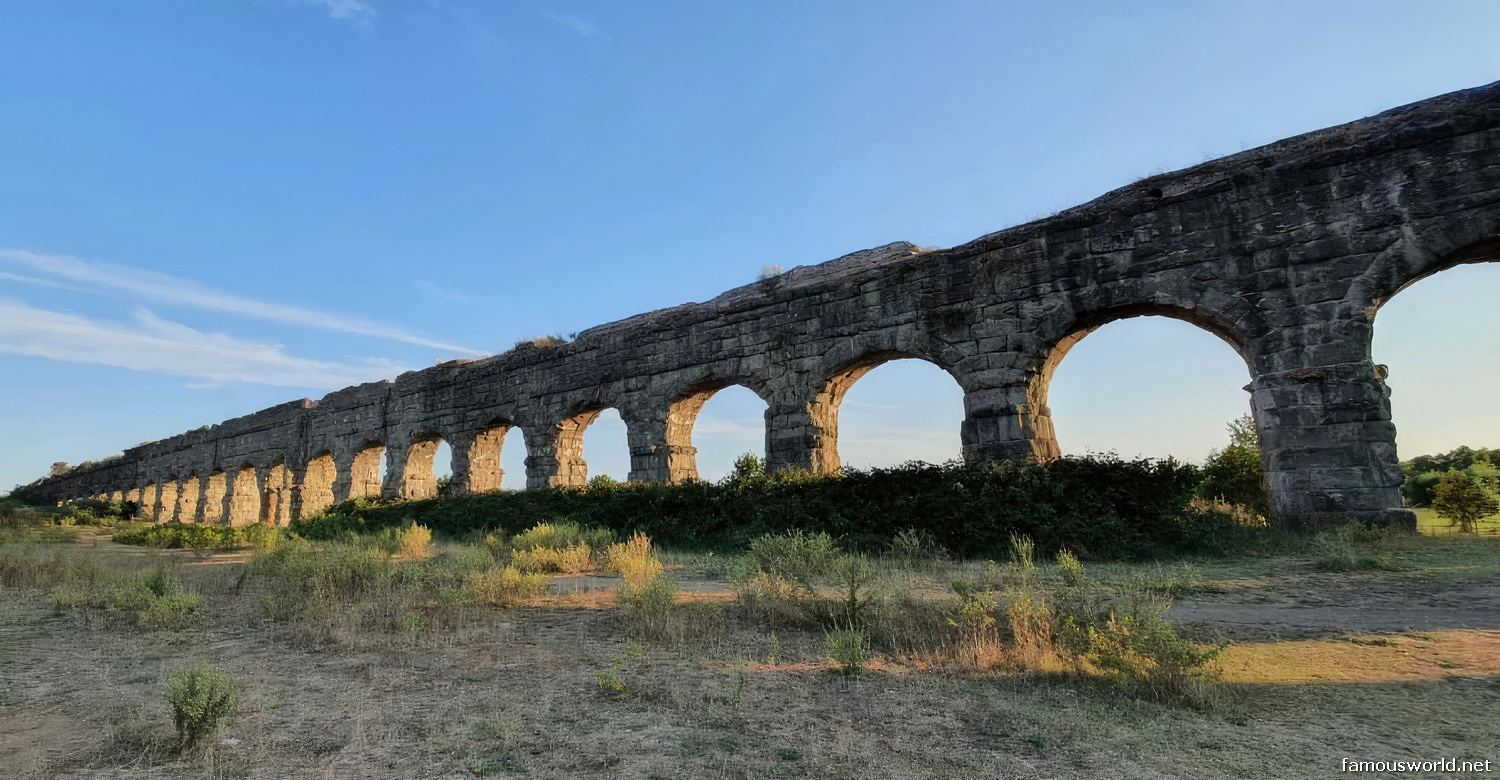
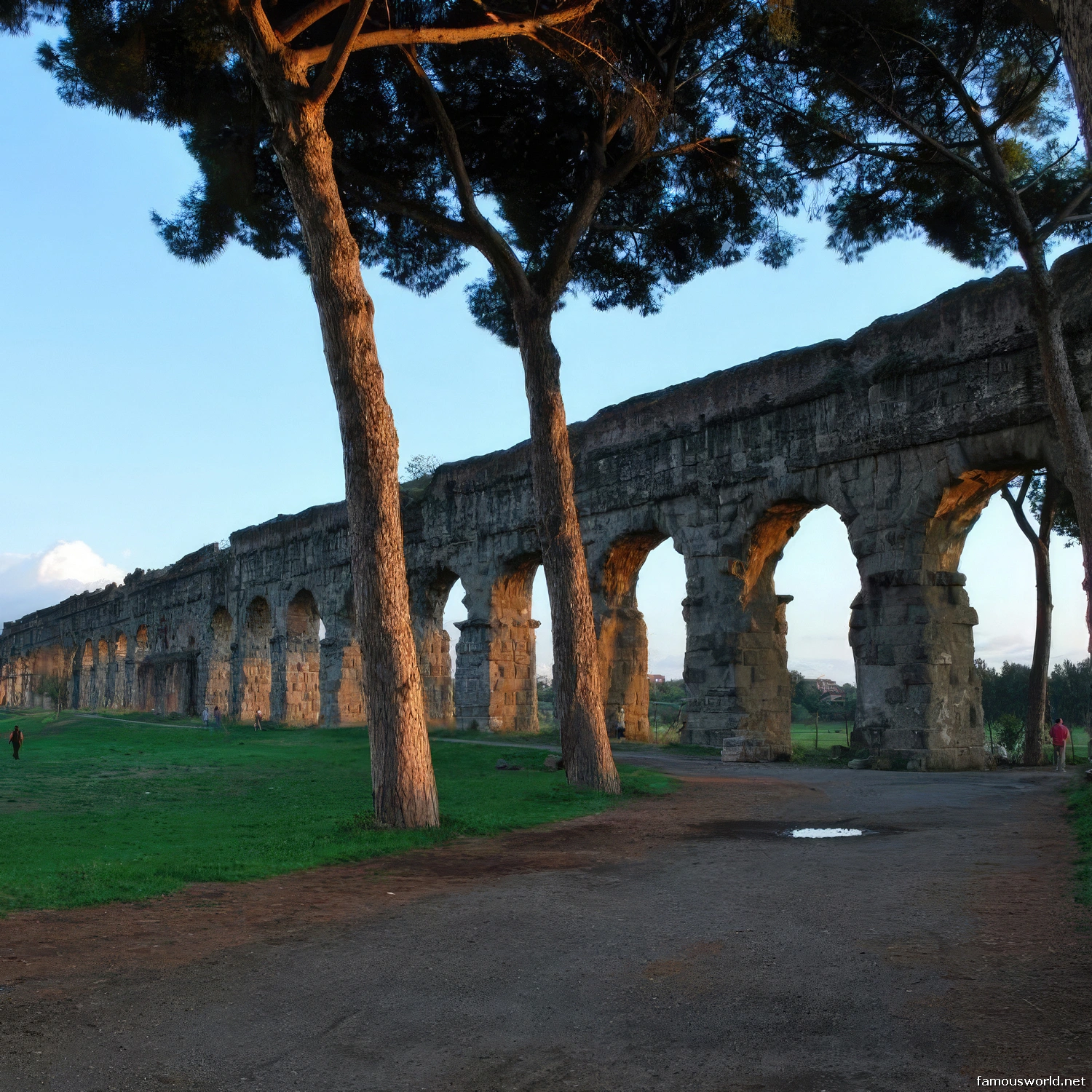
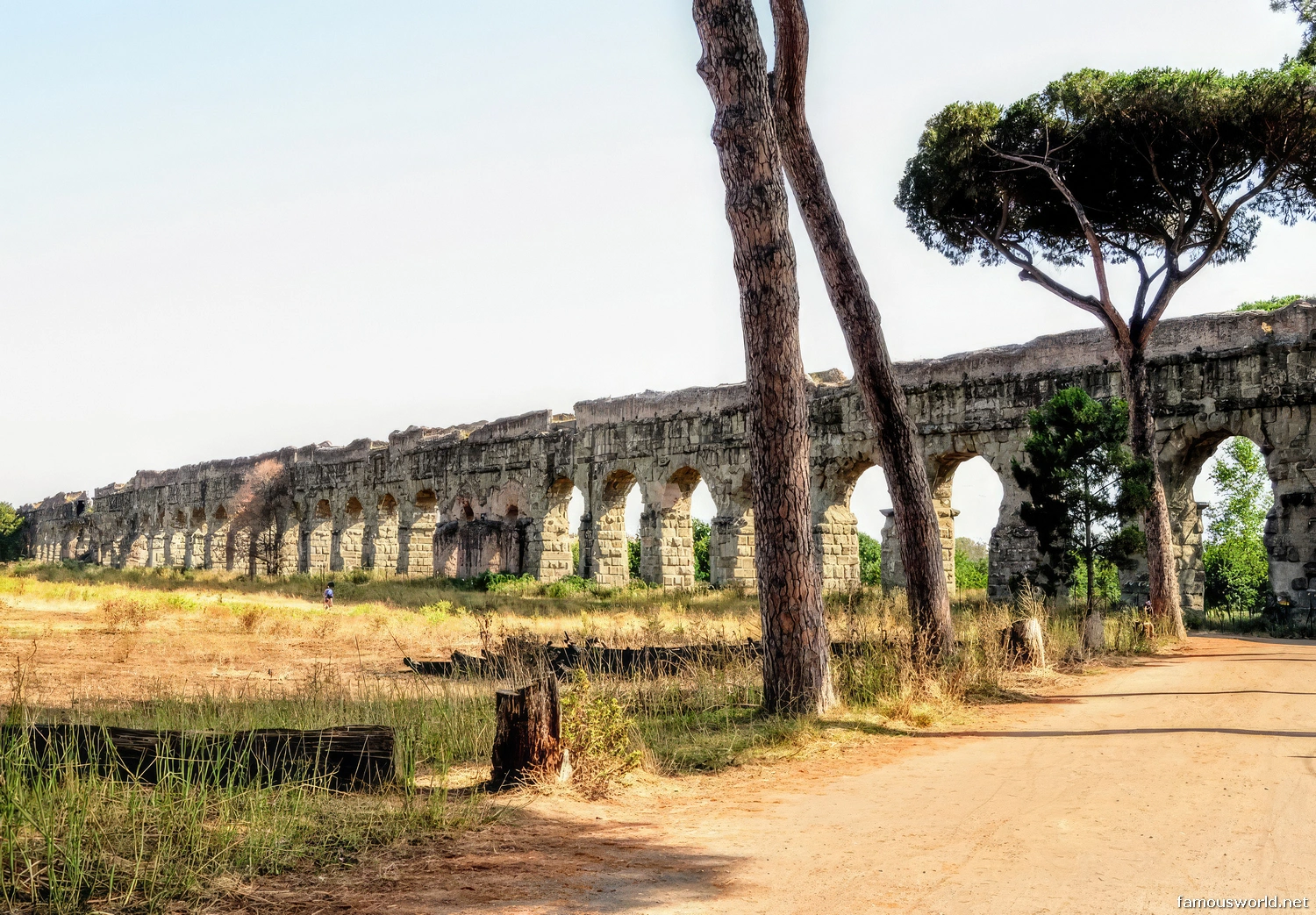
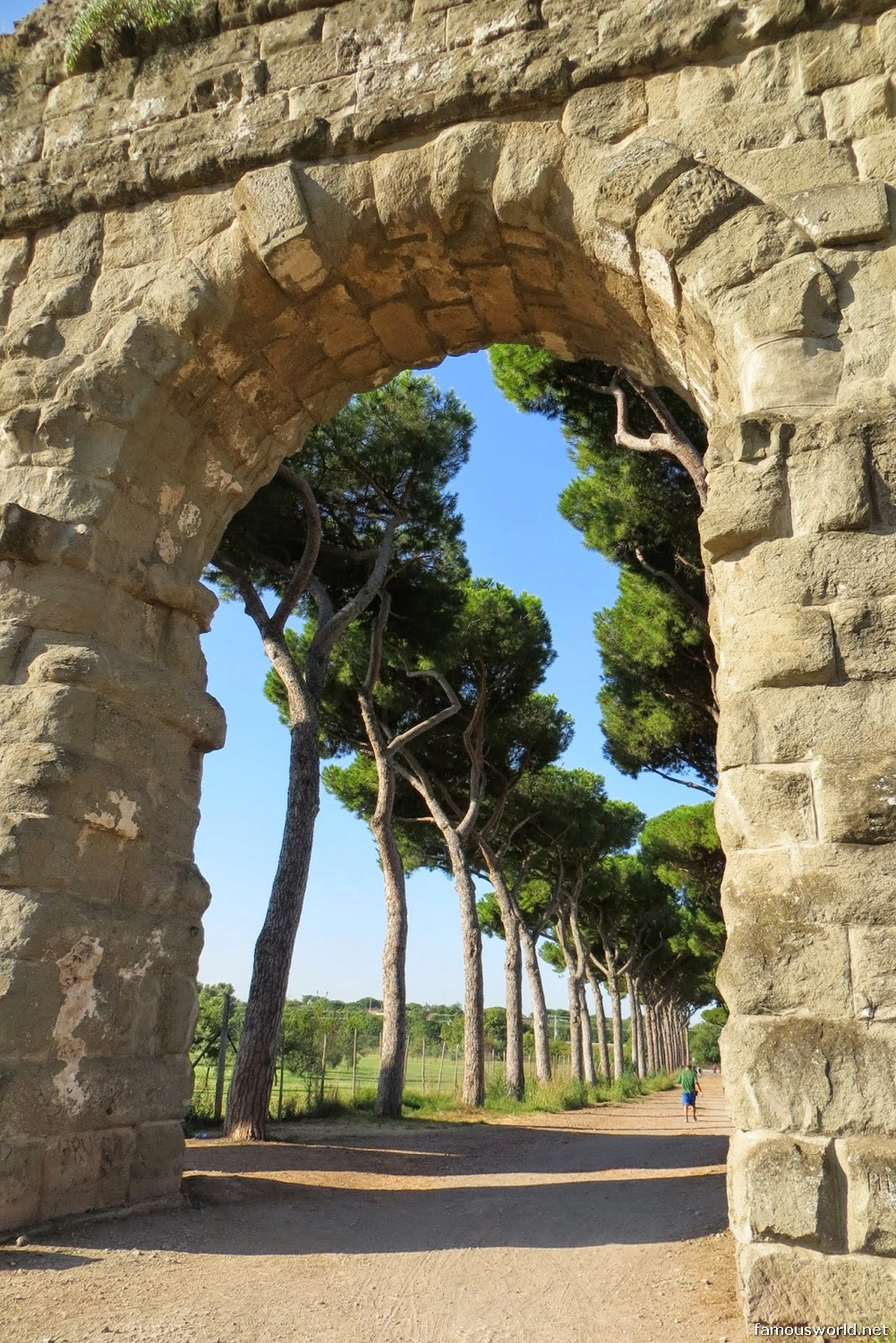
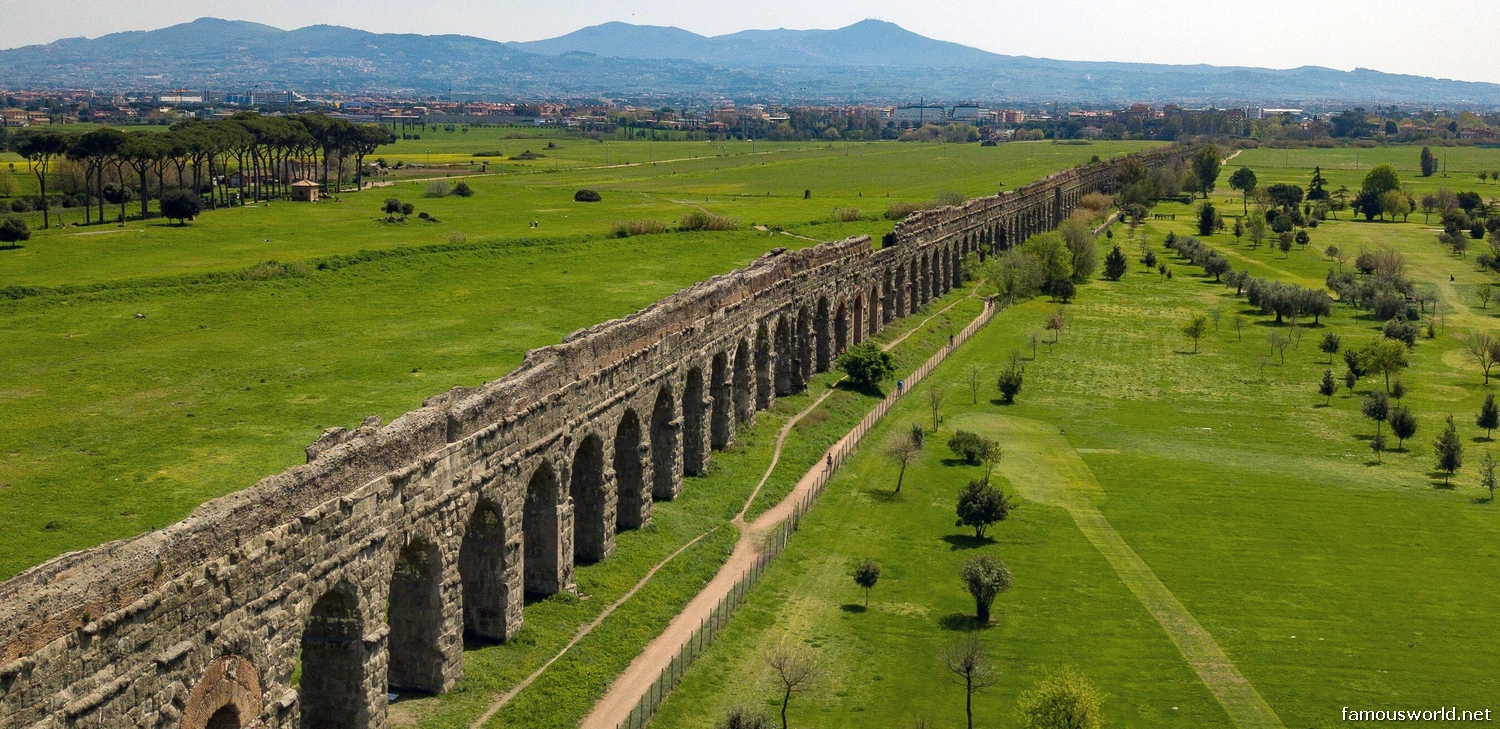
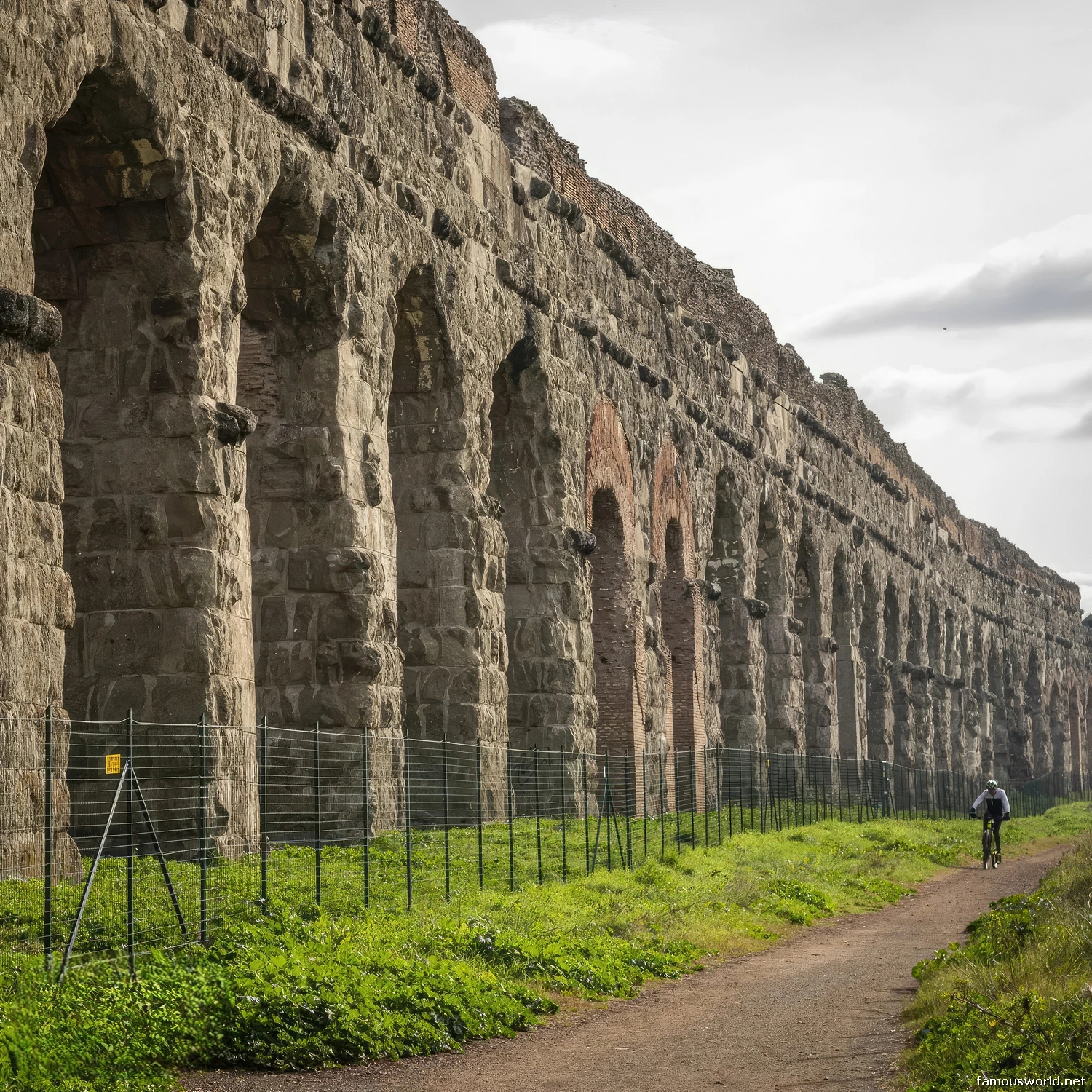
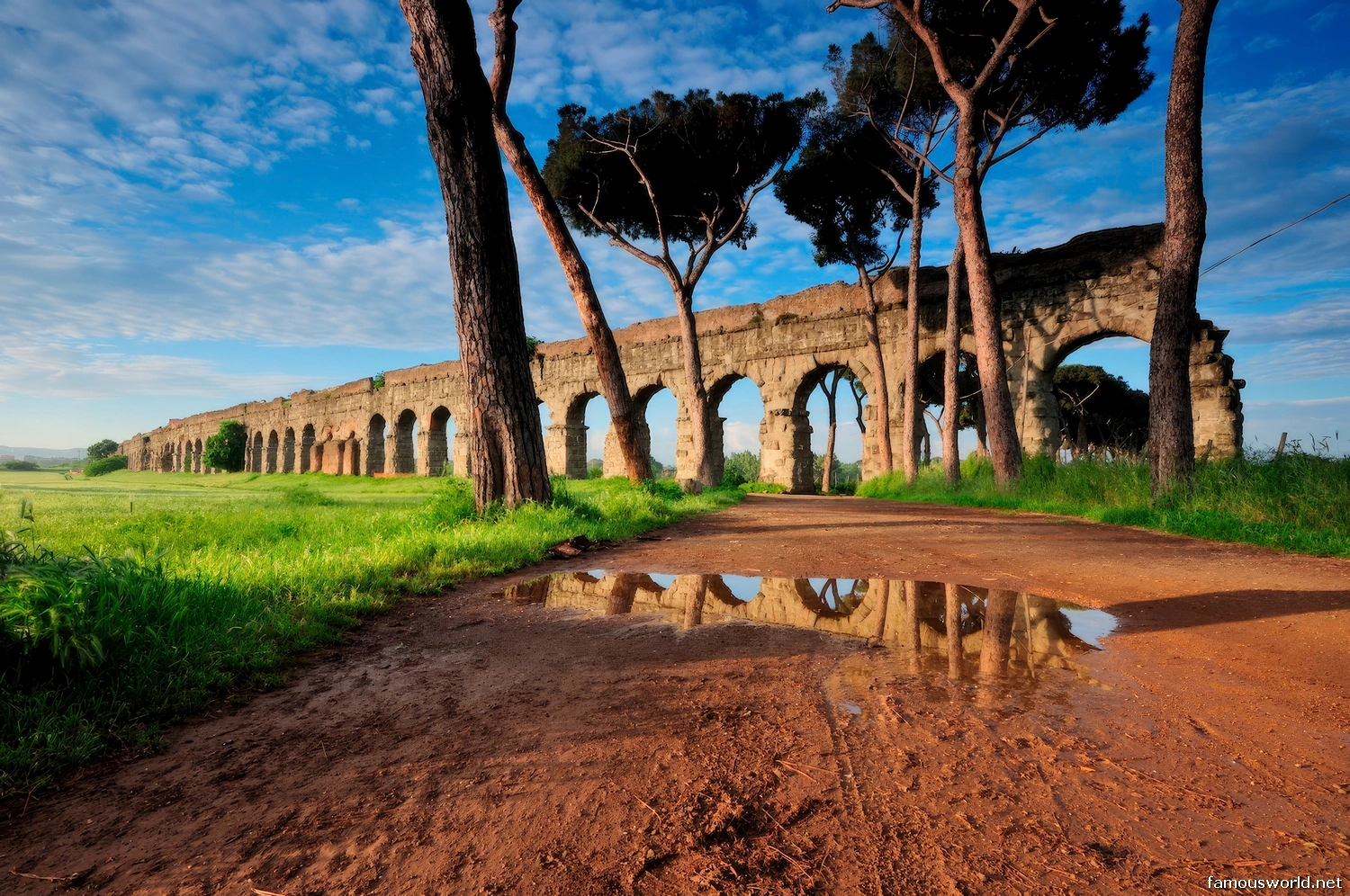
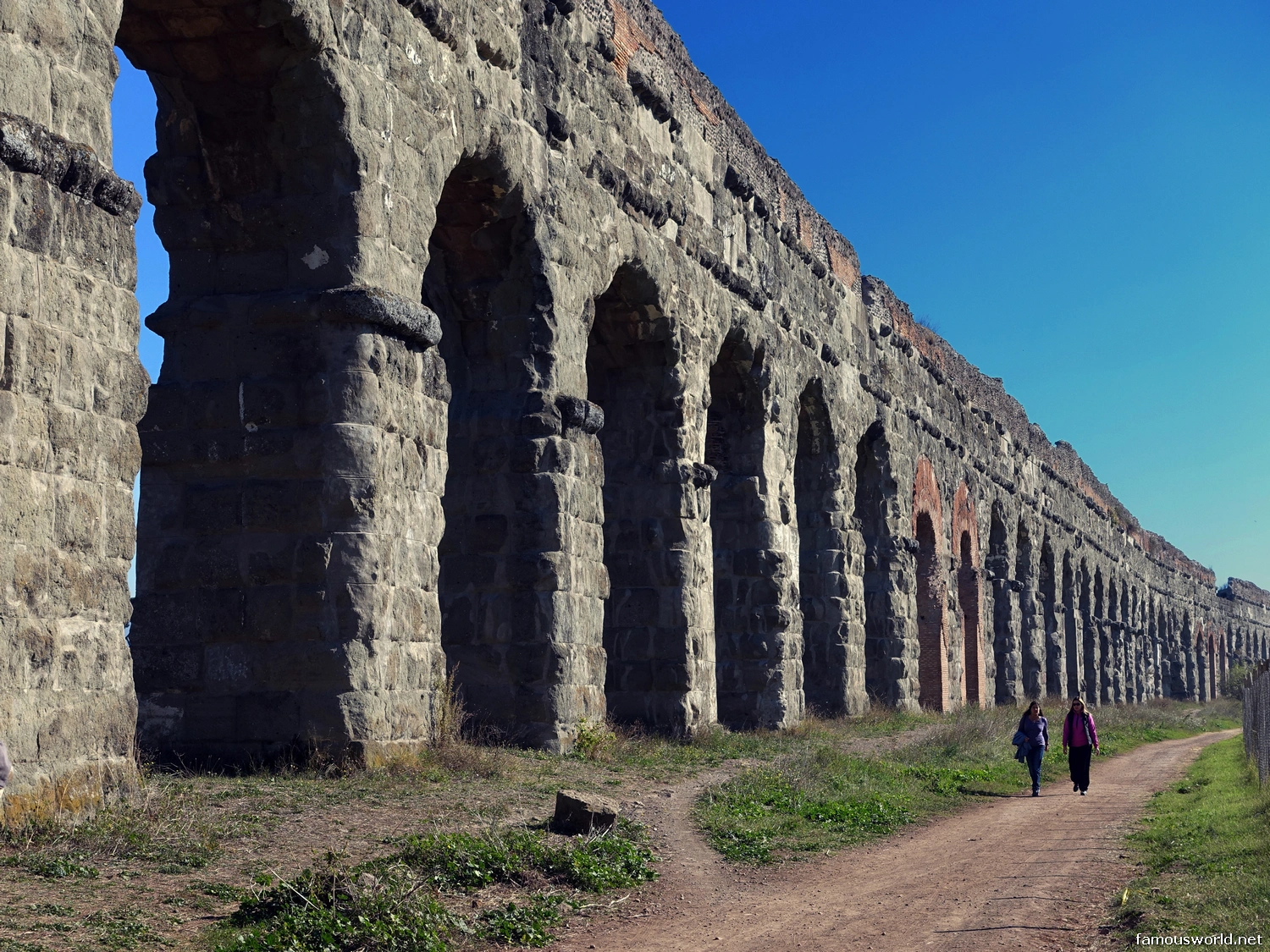
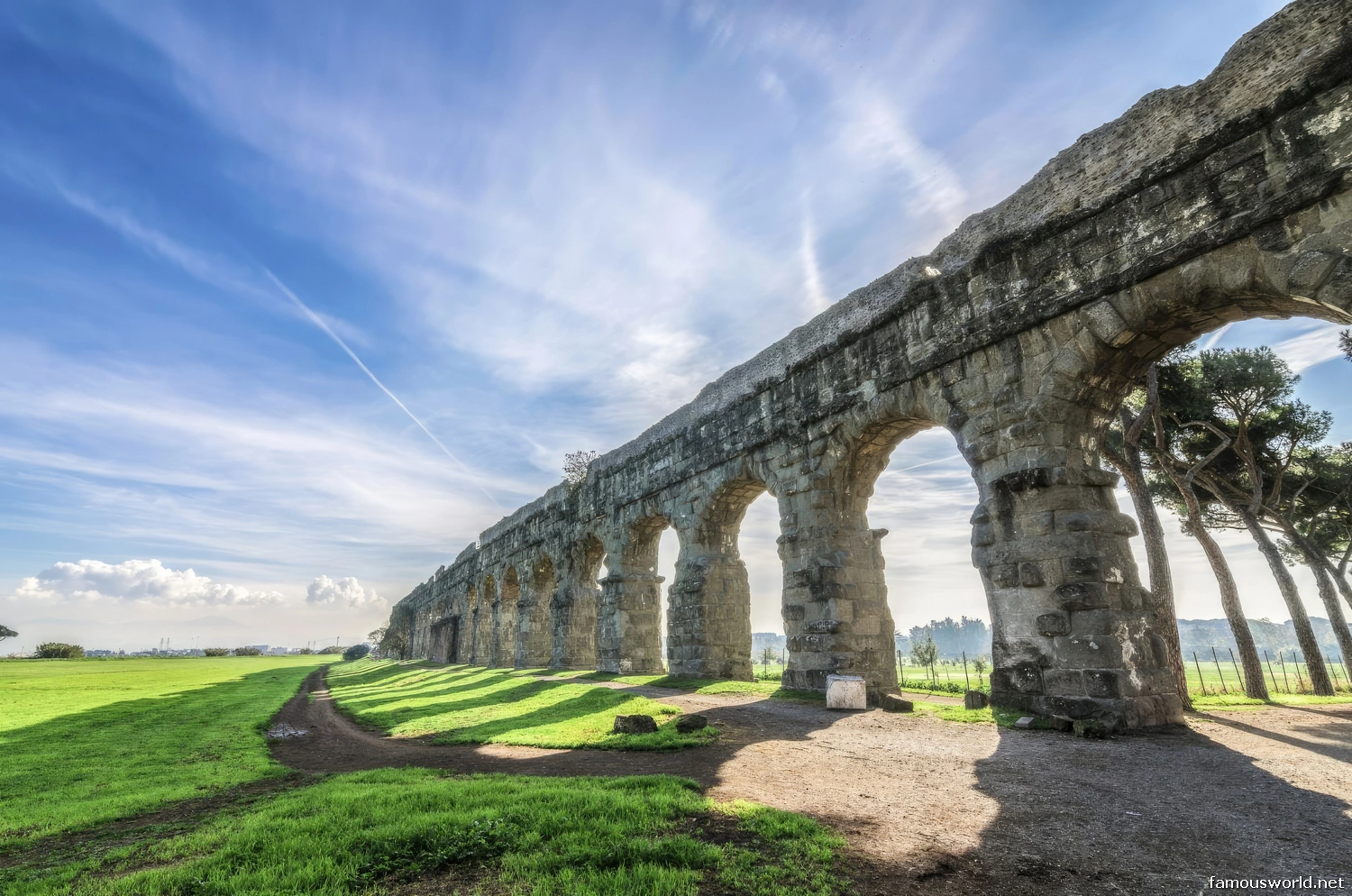
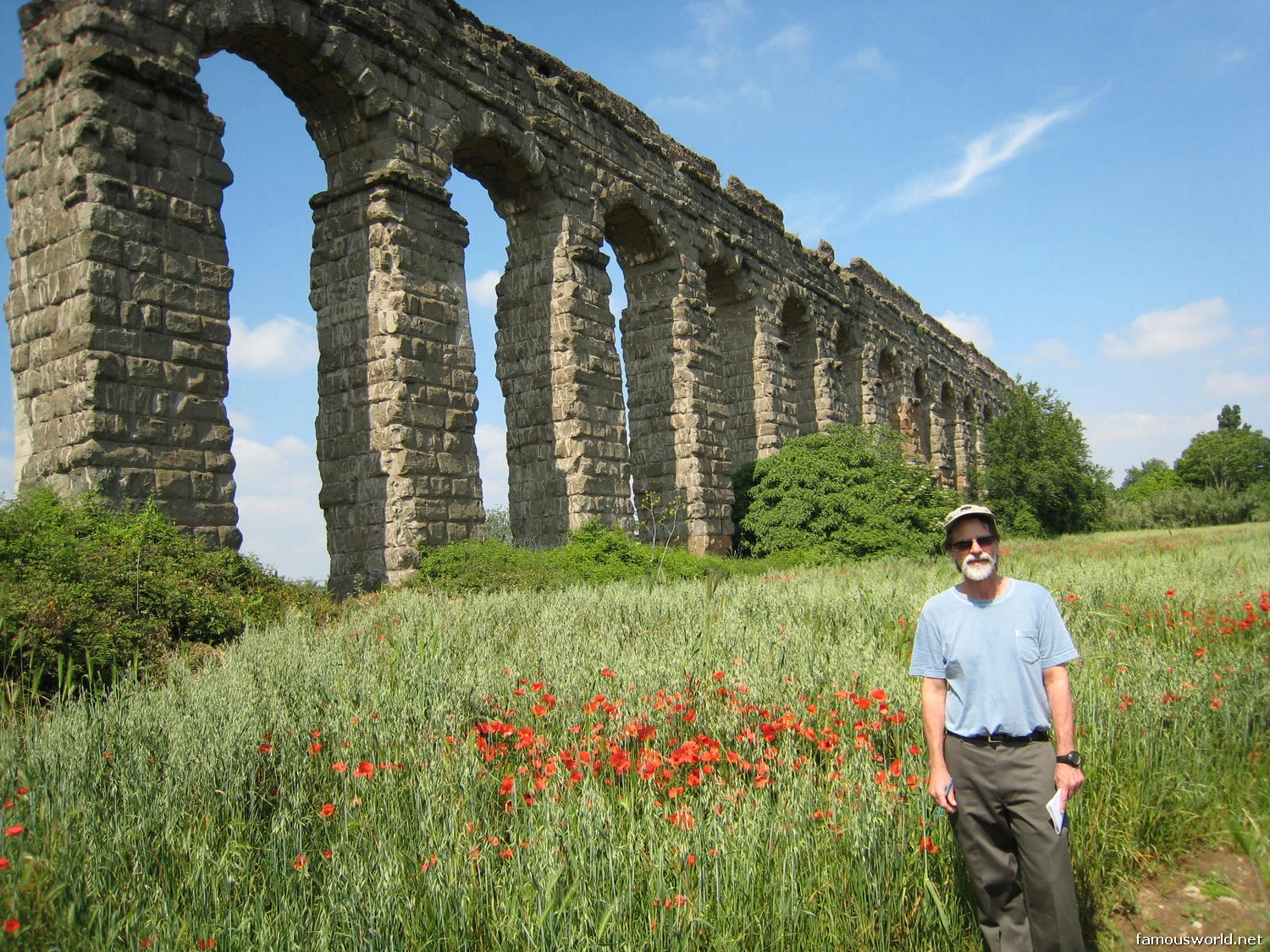
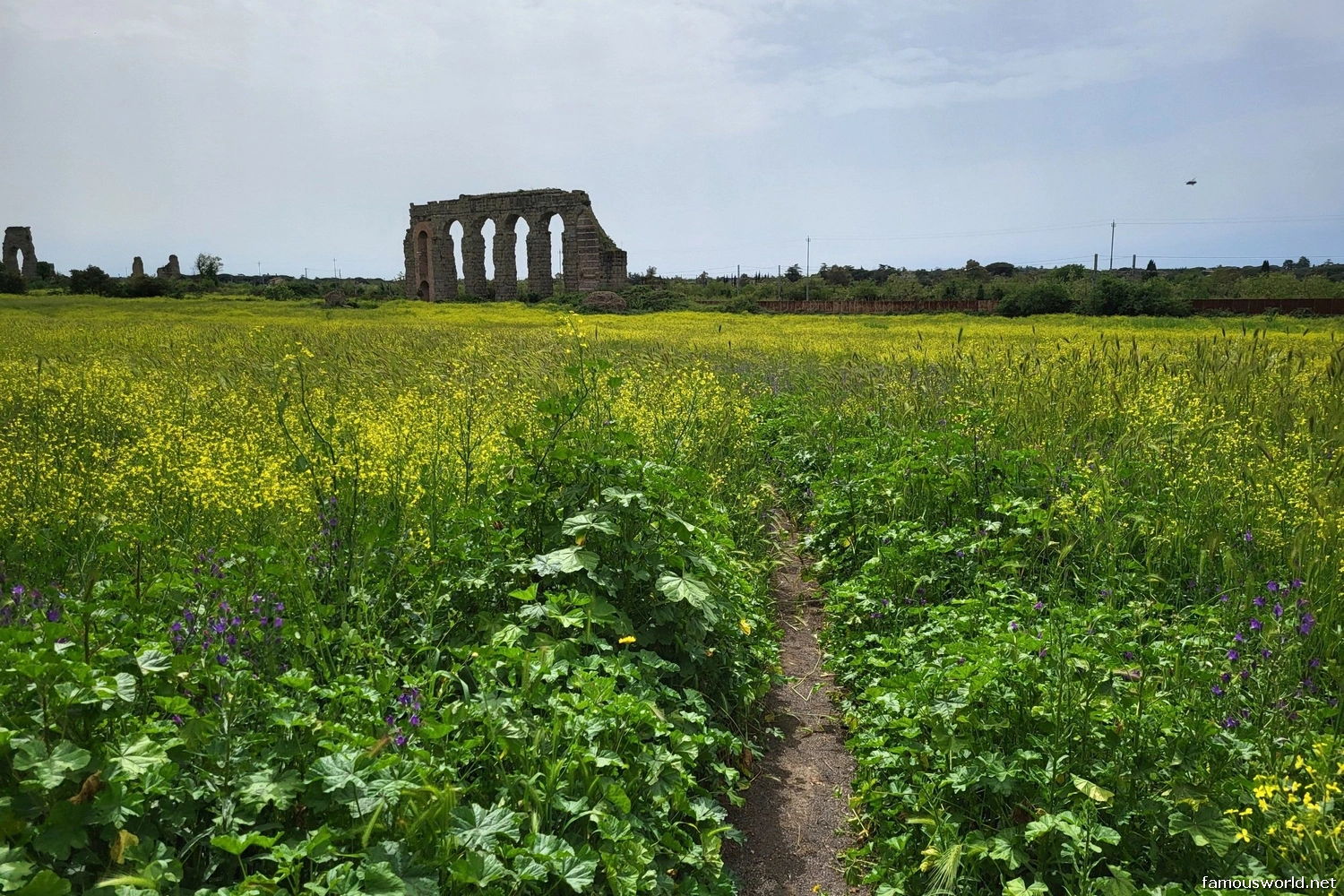
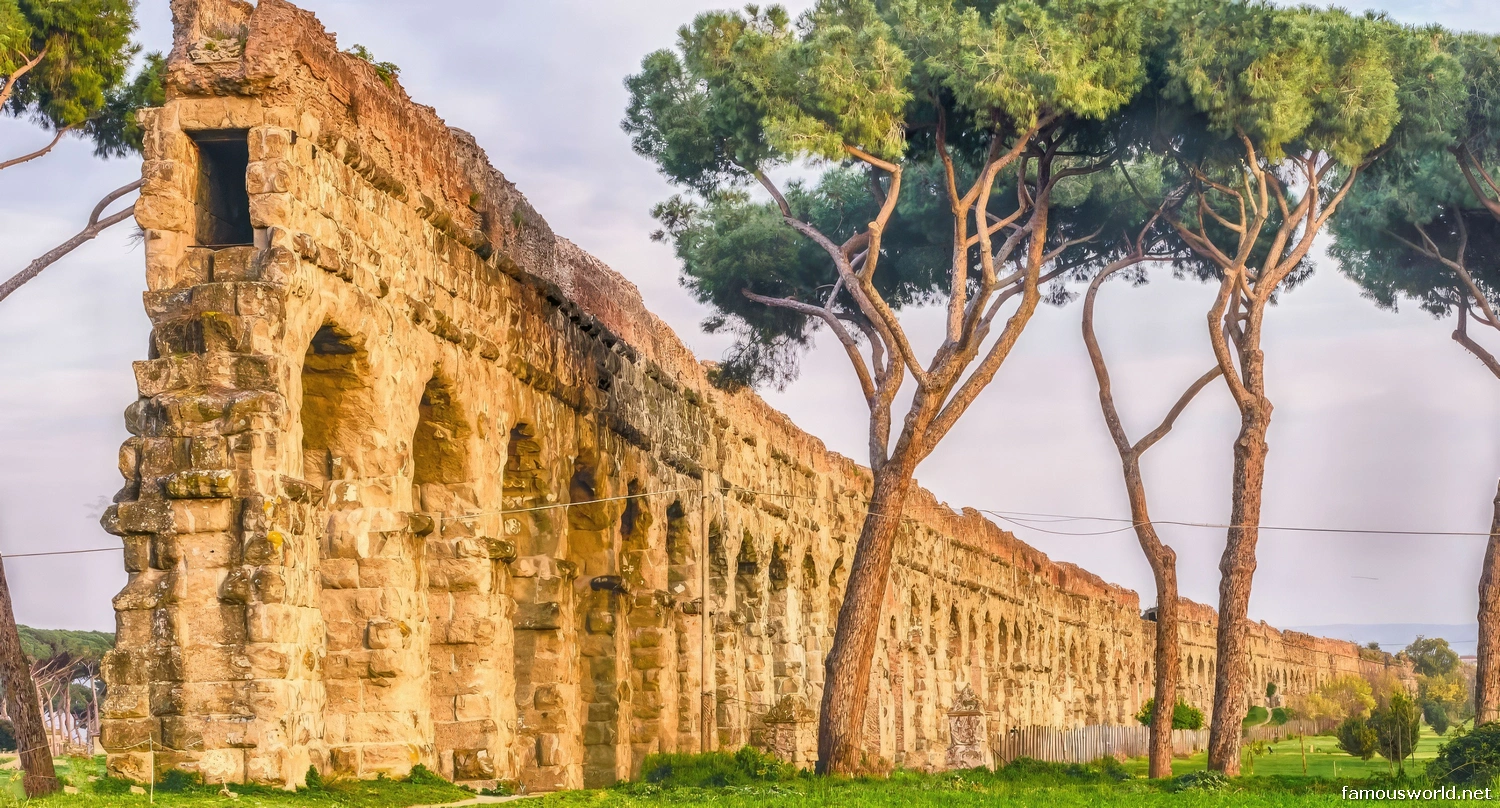

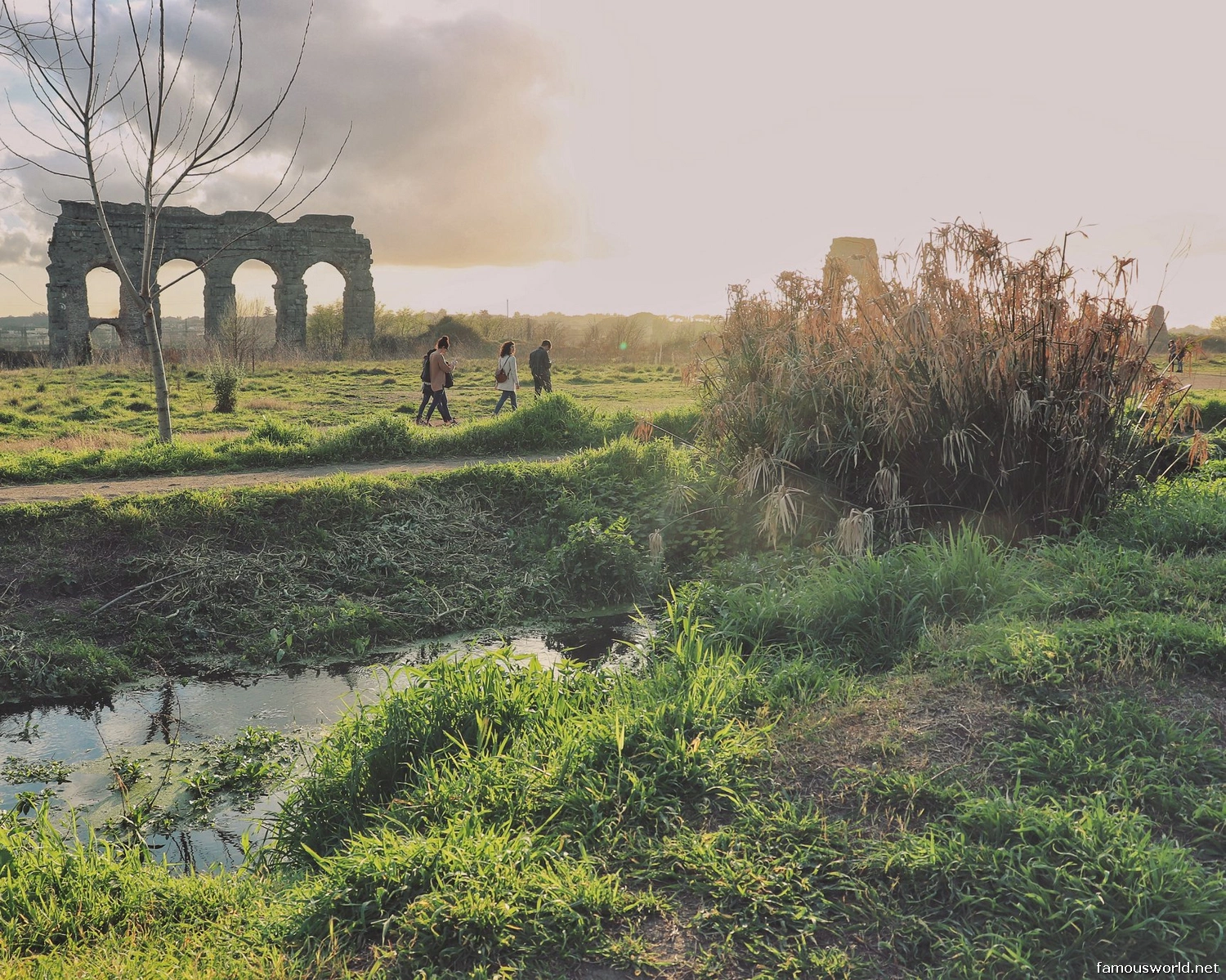
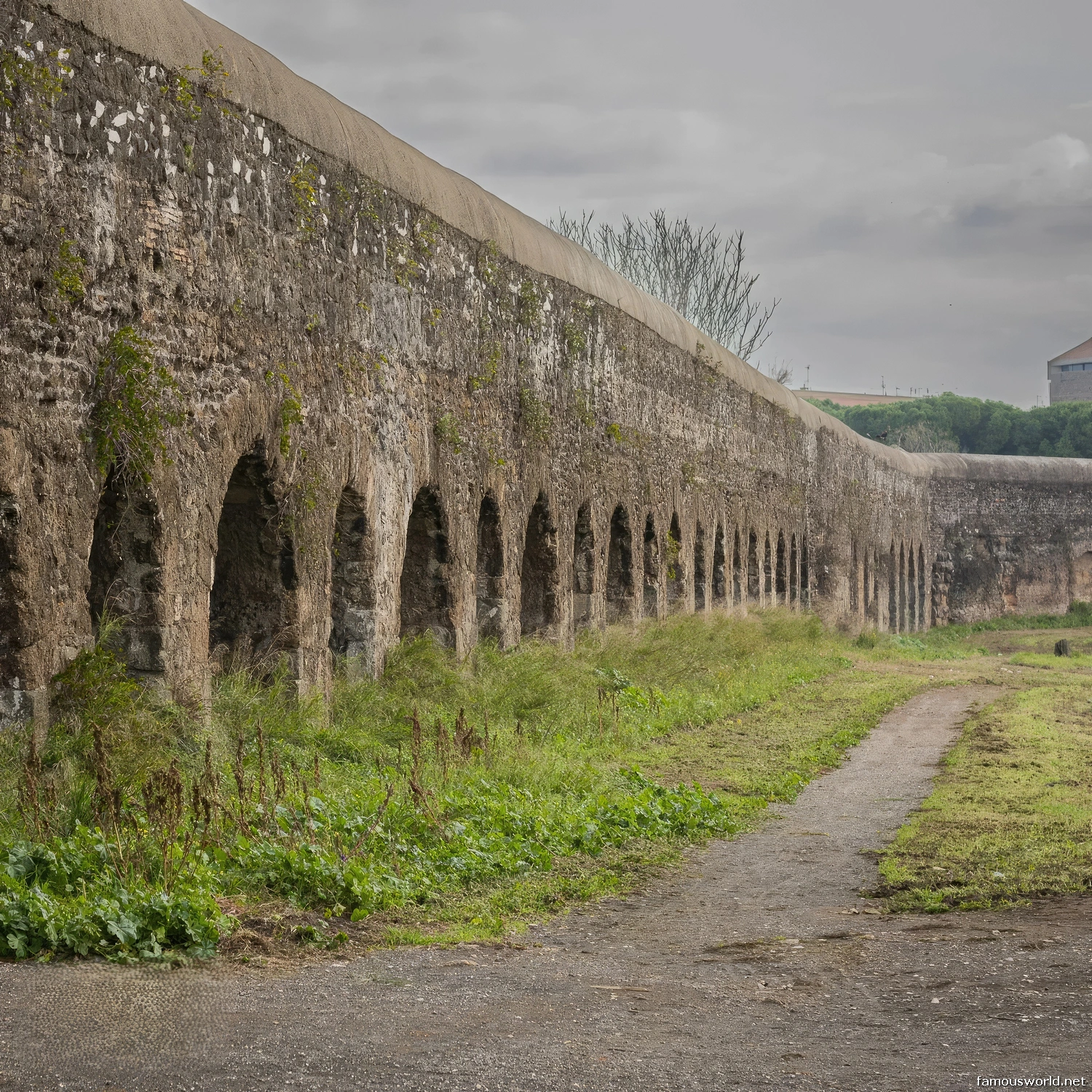
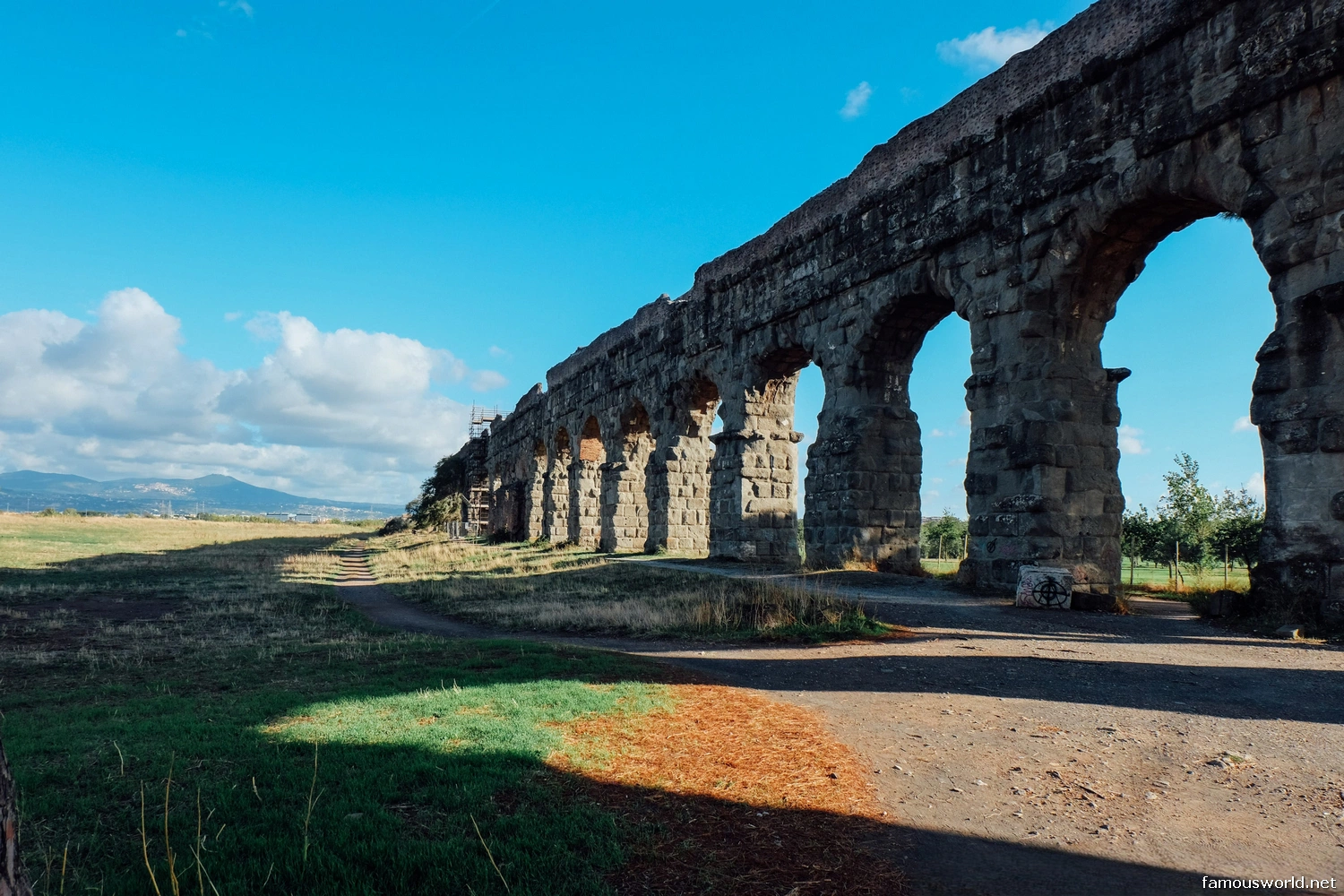
Stretching across the Roman countryside on the edge of the city, the Park of the aqueducts (Parco degli Acquedotti) is a breathtaking open-air museum where history and nature merge. This is not a manicured city park but a vast, rustic expanse of meadows and pine trees, dominated by the monumental arches of ancient Roman aqueducts marching across the horizon. Here, the sheer scale and ingenuity of Roman engineering are on full display, not as isolated ruins, but as integral parts of a timeless landscape. A visit offers a tranquil escape from the bustling heart of Rome and a profound connection to the ancient world, revealing the colossal infrastructure that sustained the largest city on earth for centuries. It is famous as a place where modern Romans come to jog and relax in the shadow of imperial grandeur.
Listen to an introduction about Park of the aqueducts

Name and Location
- Name: Parco degli Acquedotti (Park of the aqueducts). It is part of the larger Appian Way Regional Park (Parco Regionale Appia Antica).
- Location: In the southeastern quadrant of Rome, between the Via Appia and Via Tuscolana.
How to Get There
The park is easily accessible via public transportation, making it a simple day trip from the city center.
- By Metro: This is the best and most common method. Take Metro Line A to the Giulio Agricola or Lucio Sestio stops. From there, it is a short 5-10 minute walk to the park entrance.
- By Bus: Several bus lines run along the Via Tuscolana, stopping near the park entrances.
- By Car: Driving is possible, but parking can be limited. It is generally easier and faster to use the metro.
Landscape and Architecture
The park is defined by its vast, open landscape and the colossal remains of ancient and renaissance-era aqueducts.
- Roman Countryside (Campagna): The park preserves a large, undeveloped area that evokes the historic Roman countryside. It features wide, grassy fields, scattered umbrella pines, and dusty tracks, offering a sense of immense space and tranquility.
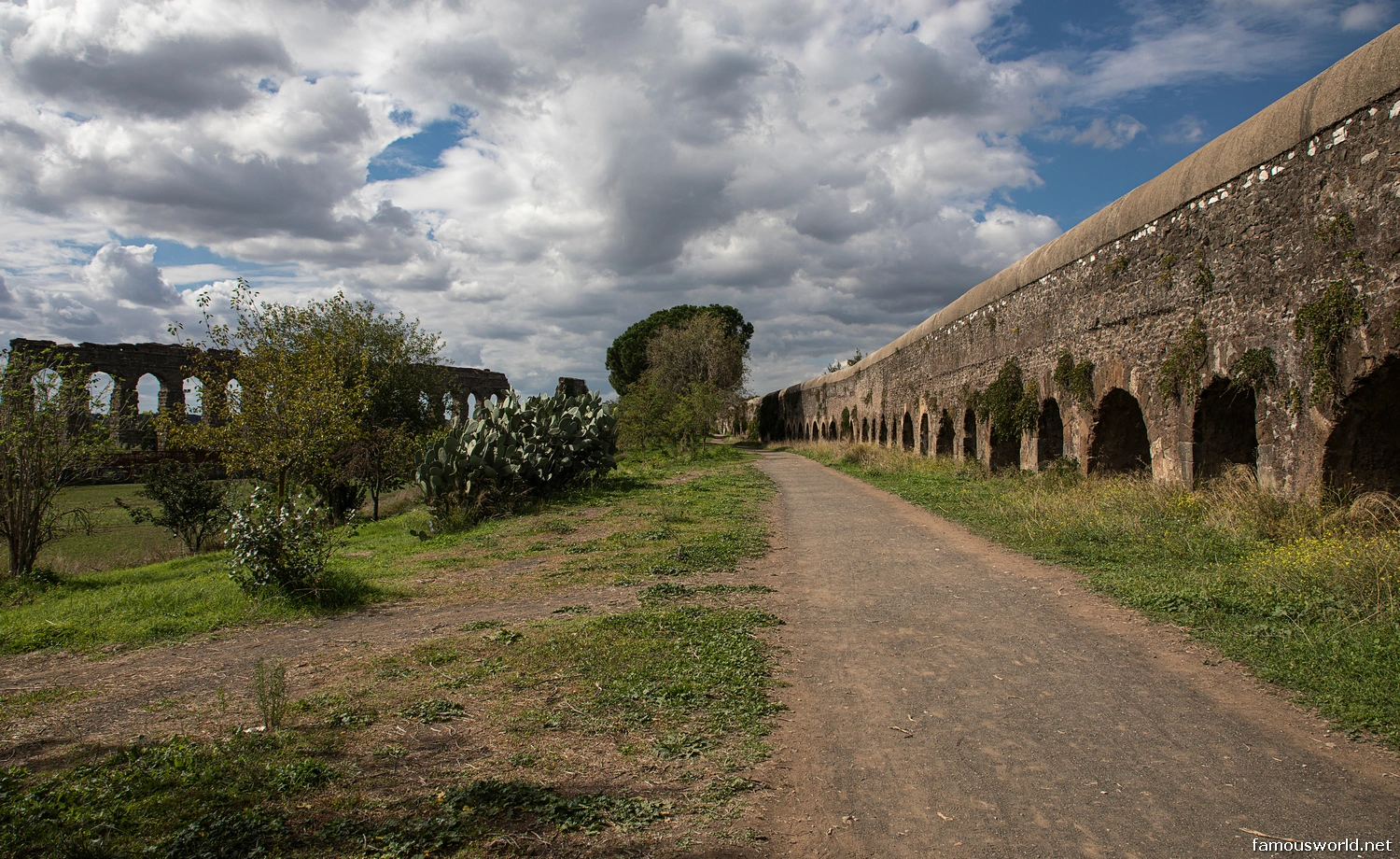
- Aqua Claudia: The most dominant and visually stunning of the ancient aqueducts in the park. Built in the 1st century AD, its towering, double-arched structure is a masterpiece of Roman engineering that stretches for hundreds of meters across the landscape.
- Aqua Felice: Built in the 16th century by Pope Sixtus V, this Renaissance aqueduct runs parallel to the Aqua Claudia for a long stretch. It is lower and more solid in appearance, creating a fascinating visual contrast between ancient and post-ancient engineering.
- Villa delle Vignacce: The remains of a large, wealthy 2nd-century Roman villa can be found within the park, adding another layer of history to the landscape.
What Makes It Famous
The Park of the aqueducts is famous for being a spectacular, freely accessible testament to Roman civil engineering and for its serene, cinematic beauty.
- Engineering Marvel: It is one of the few places in the world where you can see multiple aqueducts, built over a thousand years apart, running side-by-side, demonstrating the enduring legacy of Roman technology.
- Cinematic Landmark: The park’s dramatic and evocative scenery has made it a favorite filming location for Italian directors. Its most famous appearance is in the opening scene of Federico Fellini’s masterpiece, La Dolce Vita.
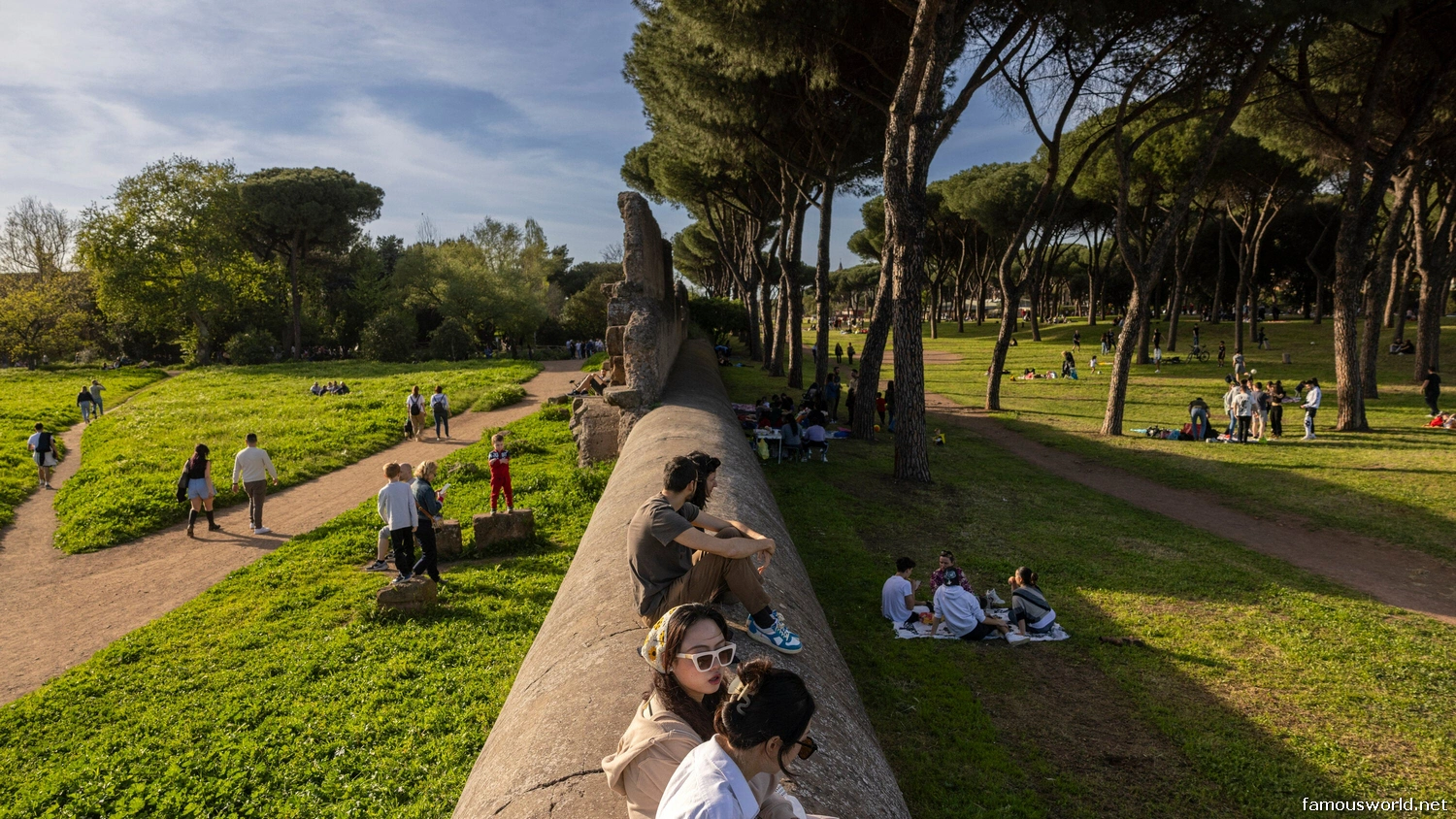
- Authentic Roman Experience: Unlike the crowded central monuments, the park is primarily a local space. It’s where Romans come to exercise, picnic, and escape the city, offering visitors a more authentic and peaceful experience of Rome.
Differences from Other Wonders (vs. Mount Etna)
A man-made historical park offers a profoundly different experience than an active natural wonder.
- Environment (Historic Parkland vs. Wild Natural Landscape): The Park of the aqueducts is a preserved piece of historic, man-influenced countryside. Mount Etna is a raw, unpredictable, and powerful force of nature, a wild landscape in a constant state of flux.
- Focus (Human Engineering vs. Geological Power): The park showcases the peak of human ingenuity in shaping the landscape to serve a city. Etna showcases the immense, ongoing power of the natural world to create and destroy the land itself.
- Core Story (Sustaining an Empire vs. Continuous Creation): The story of the aqueducts is one of stability, endurance, and the methodical engineering required to sustain a vast civilization. The story of Etna is one of constant change, a living geological process that is happening now.
- Atmosphere (Tranquil and Timeless vs. Adventurous and Raw): The experience in the park is peaceful, contemplative, and awe-inspiring for its scale and history. The experience on Etna is one of adventure, physical challenge, and humbling awe in the face of raw nature.
Location on world map