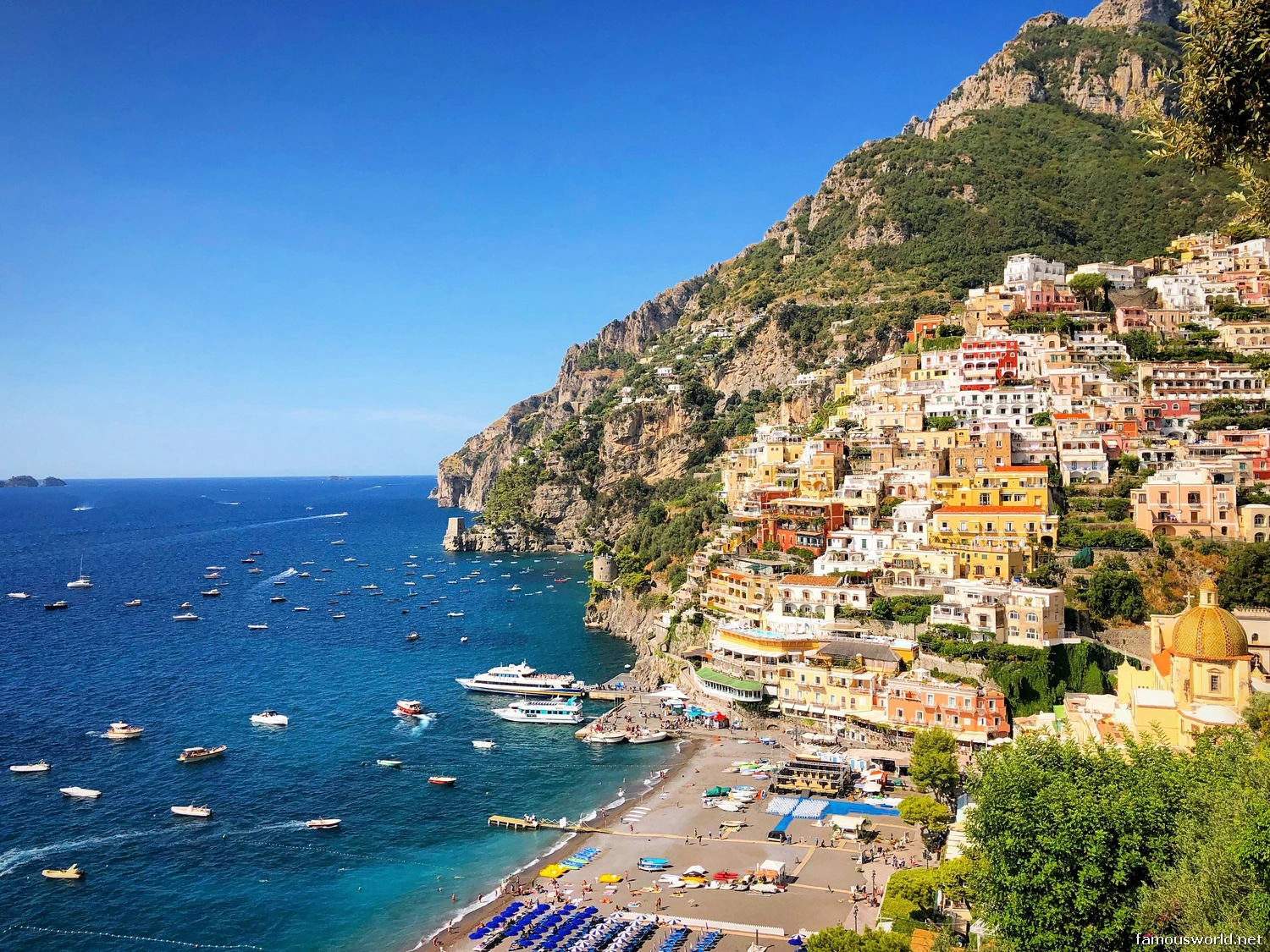
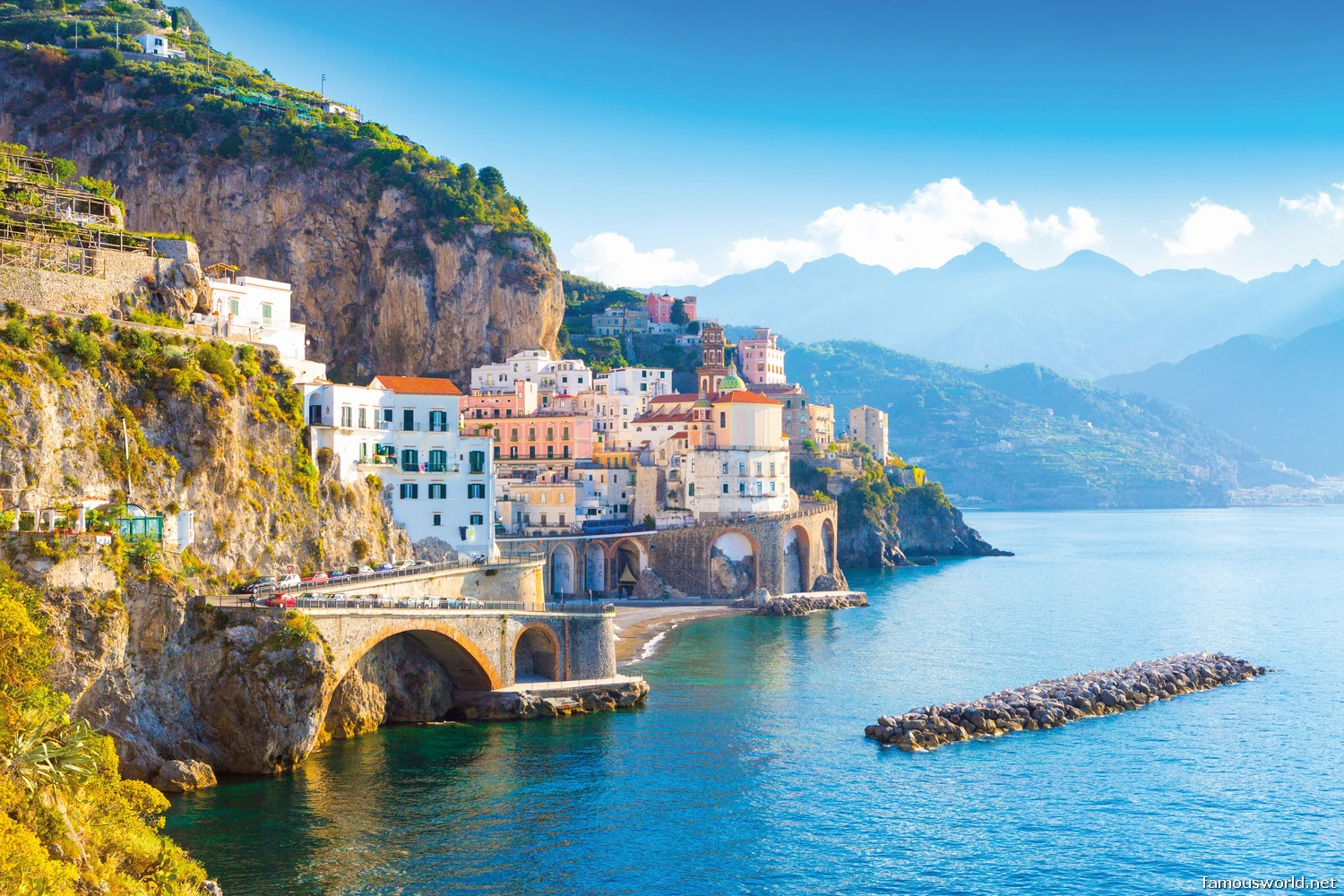
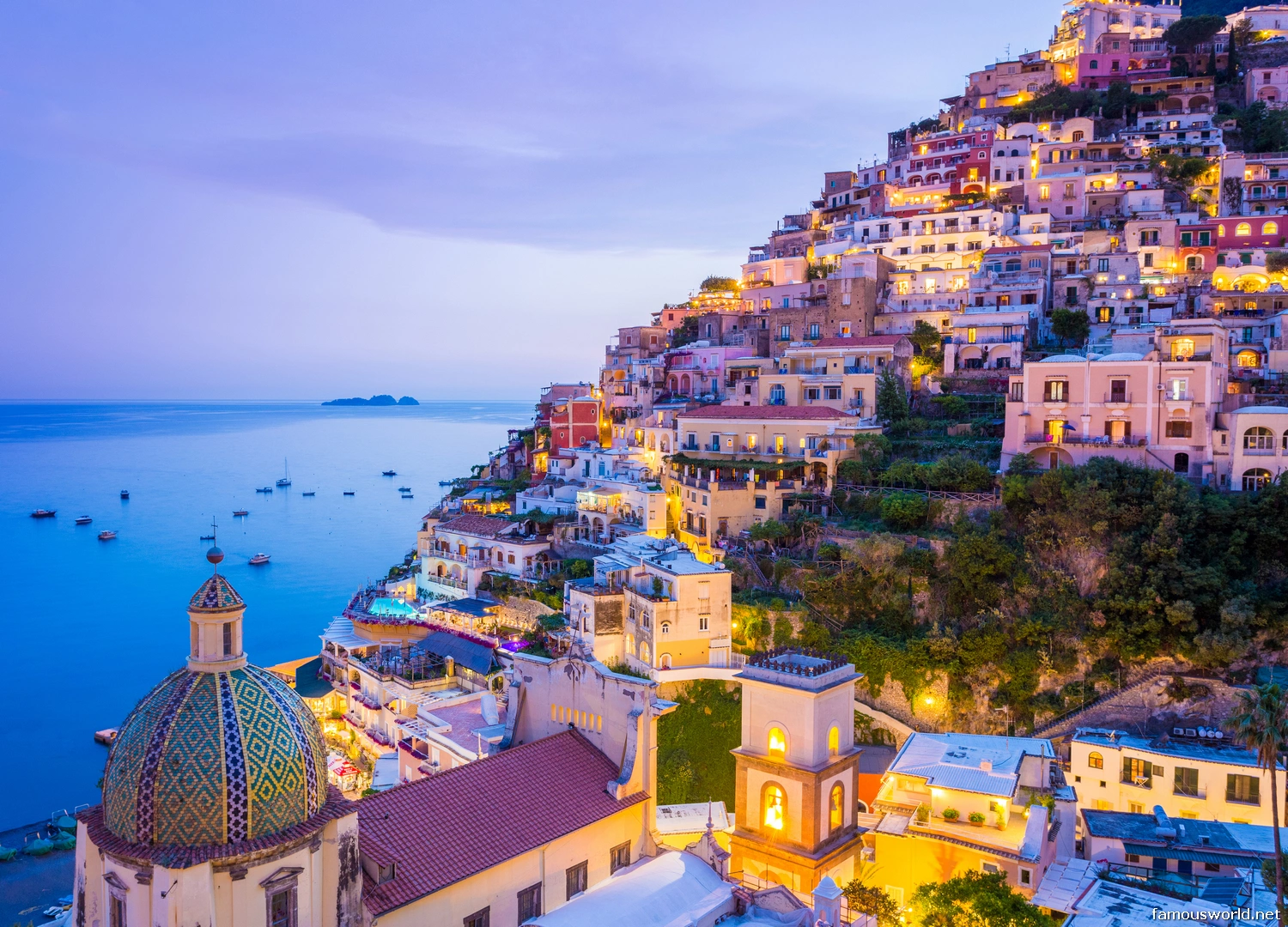
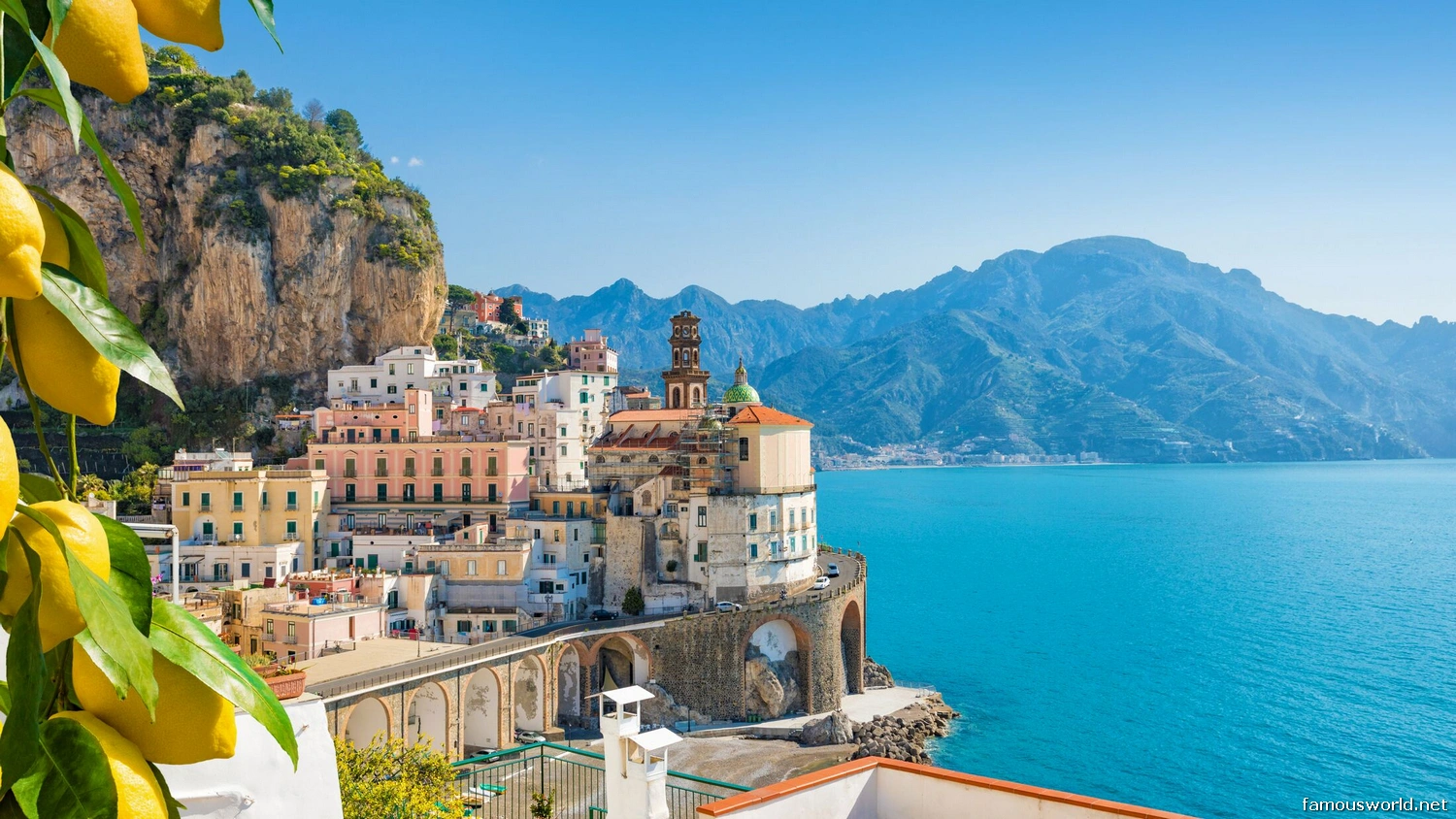
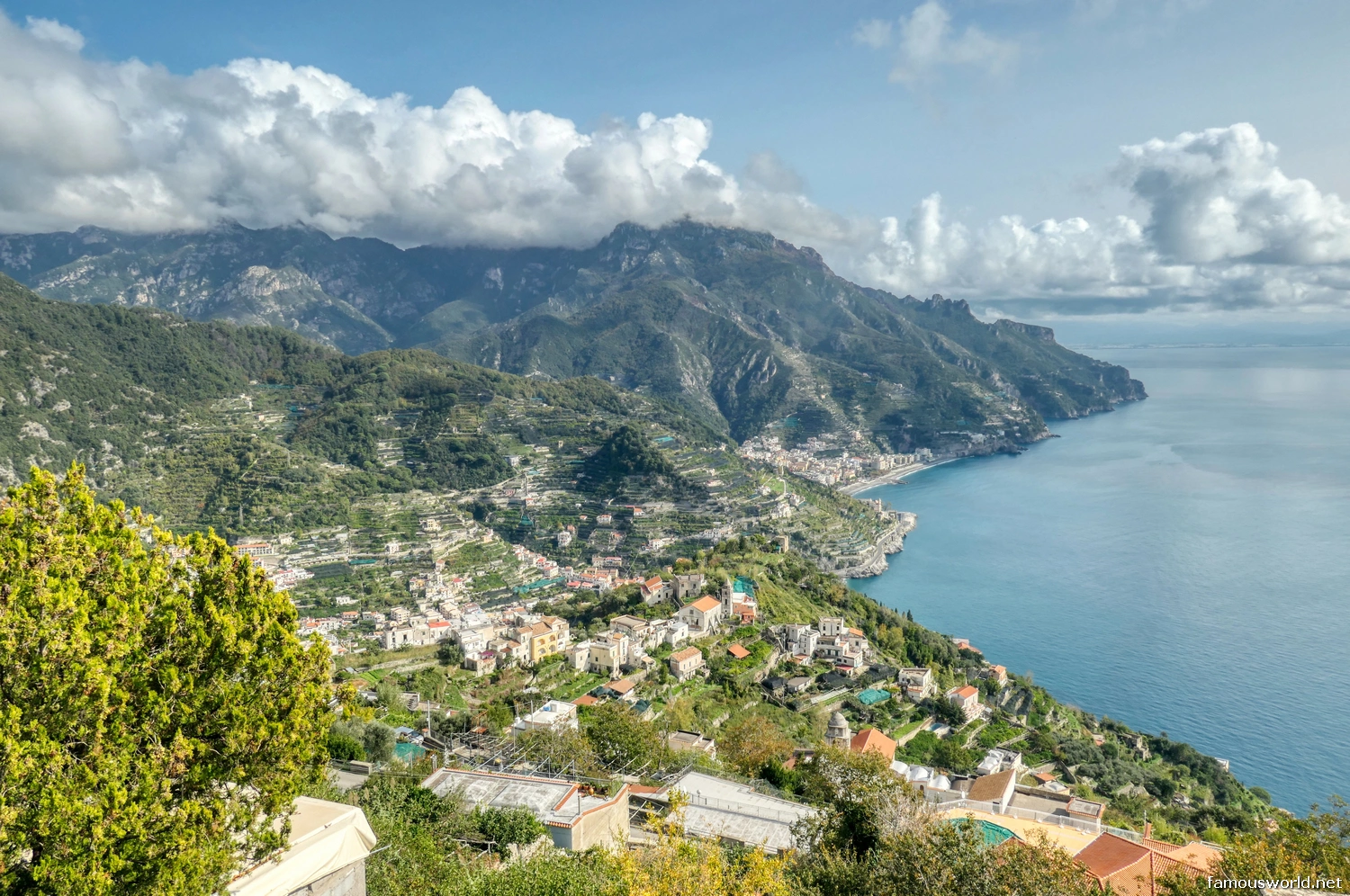
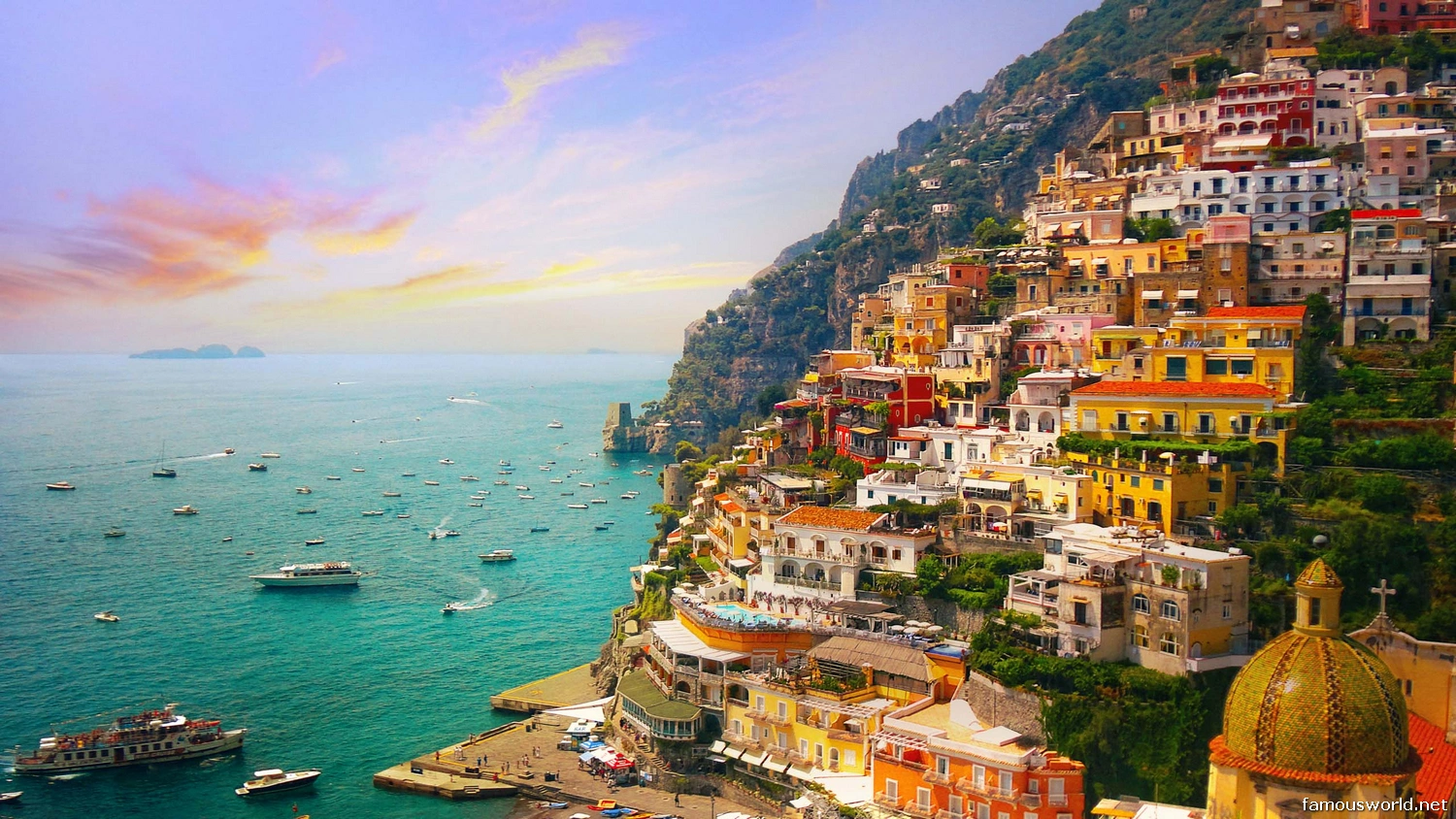
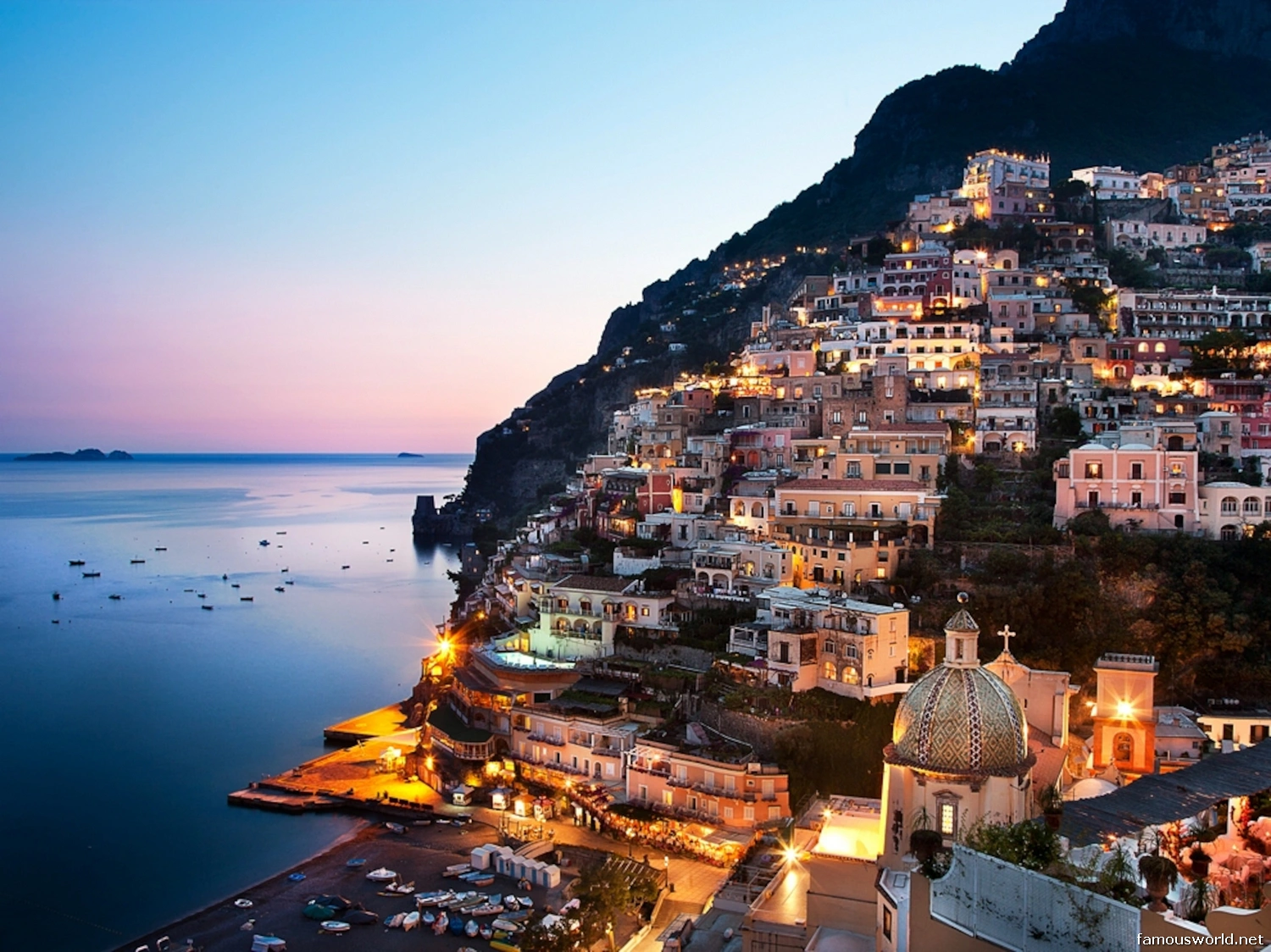
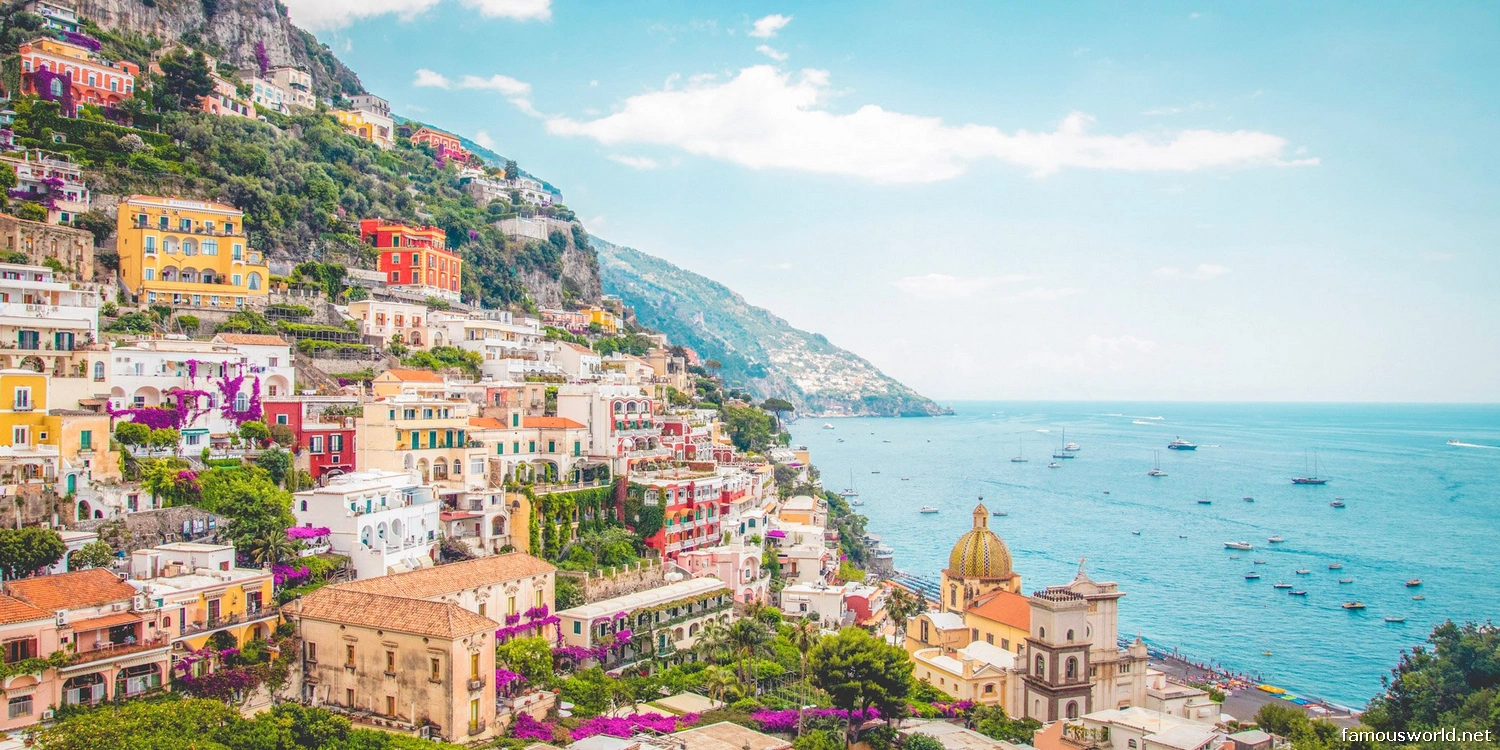
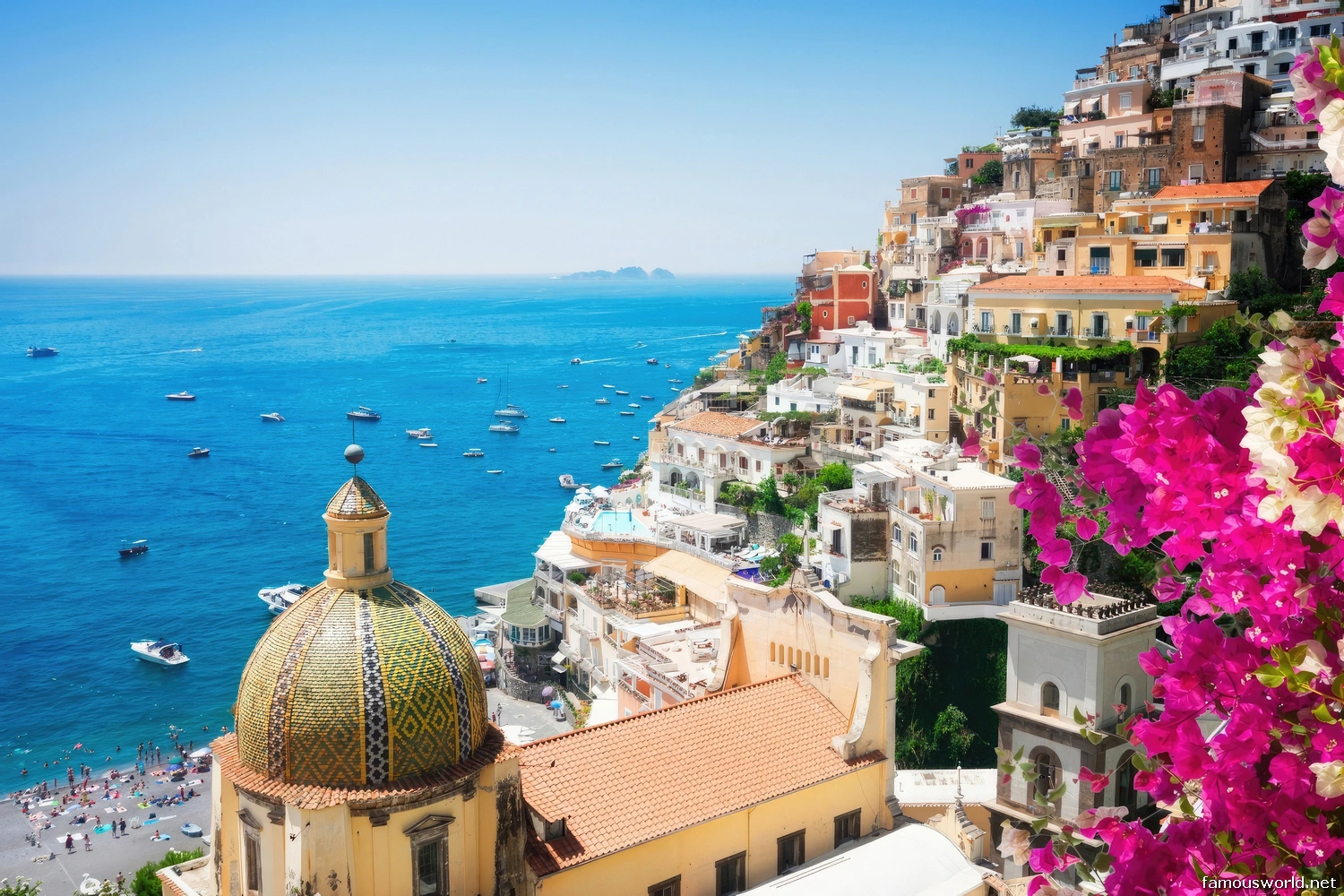
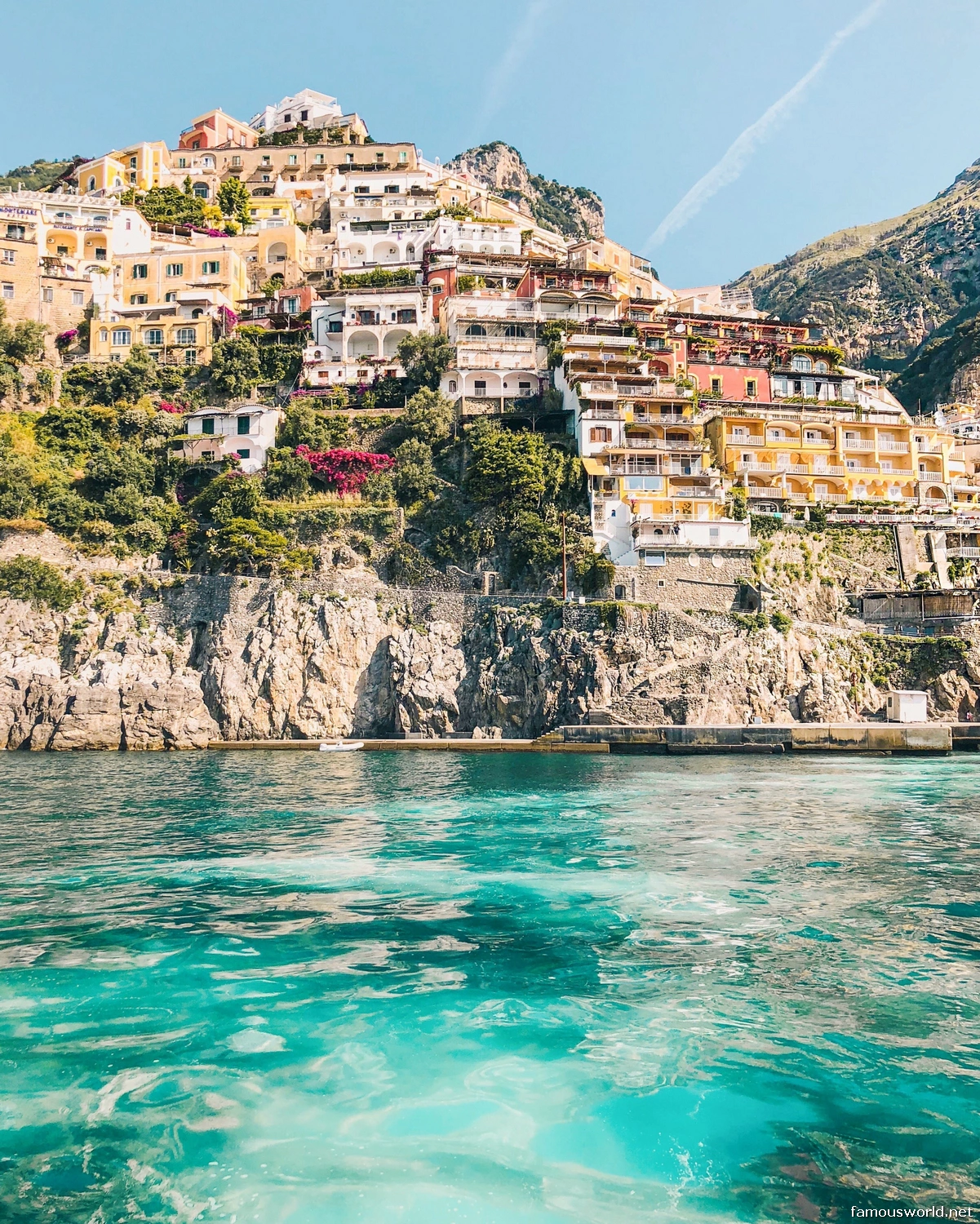
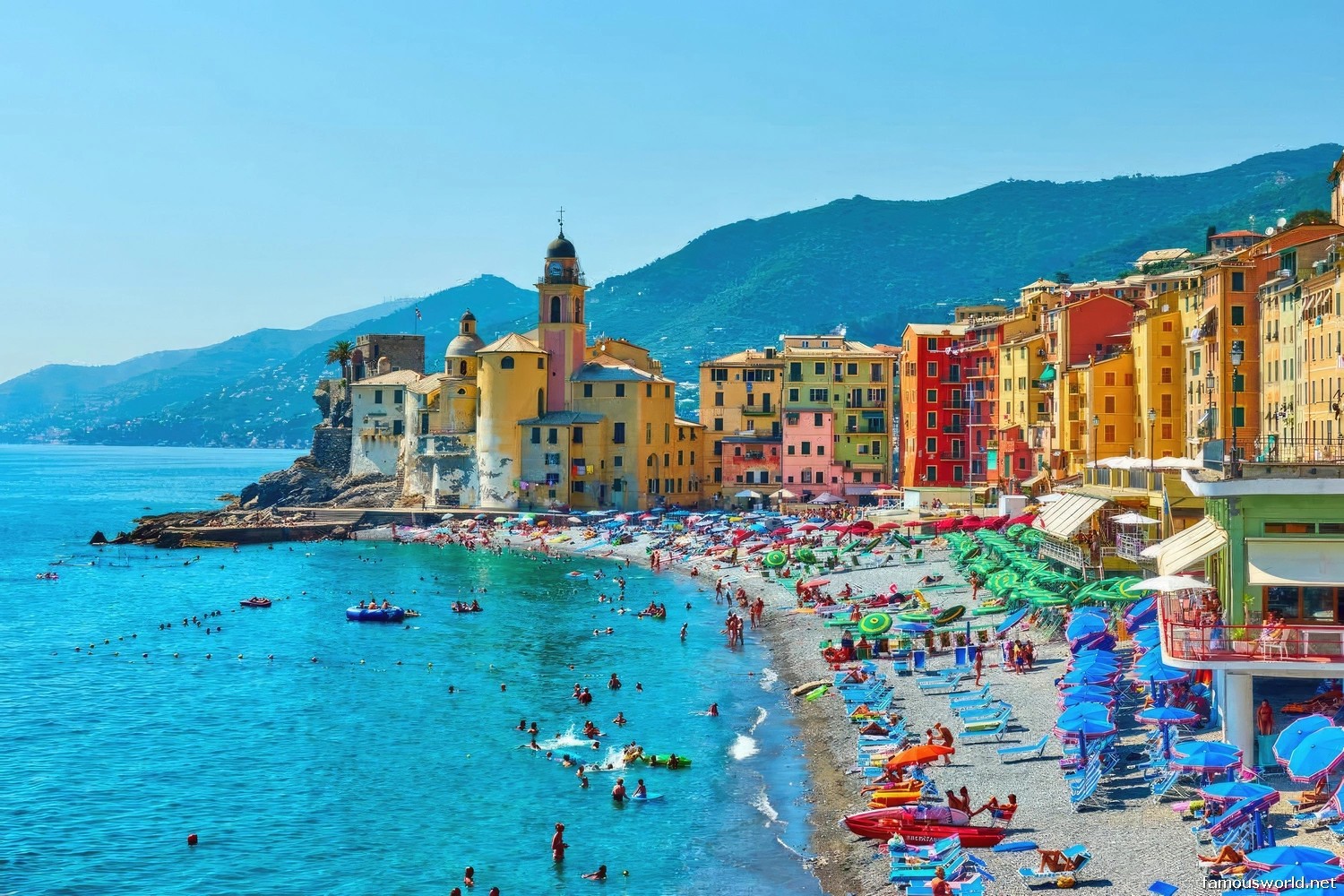
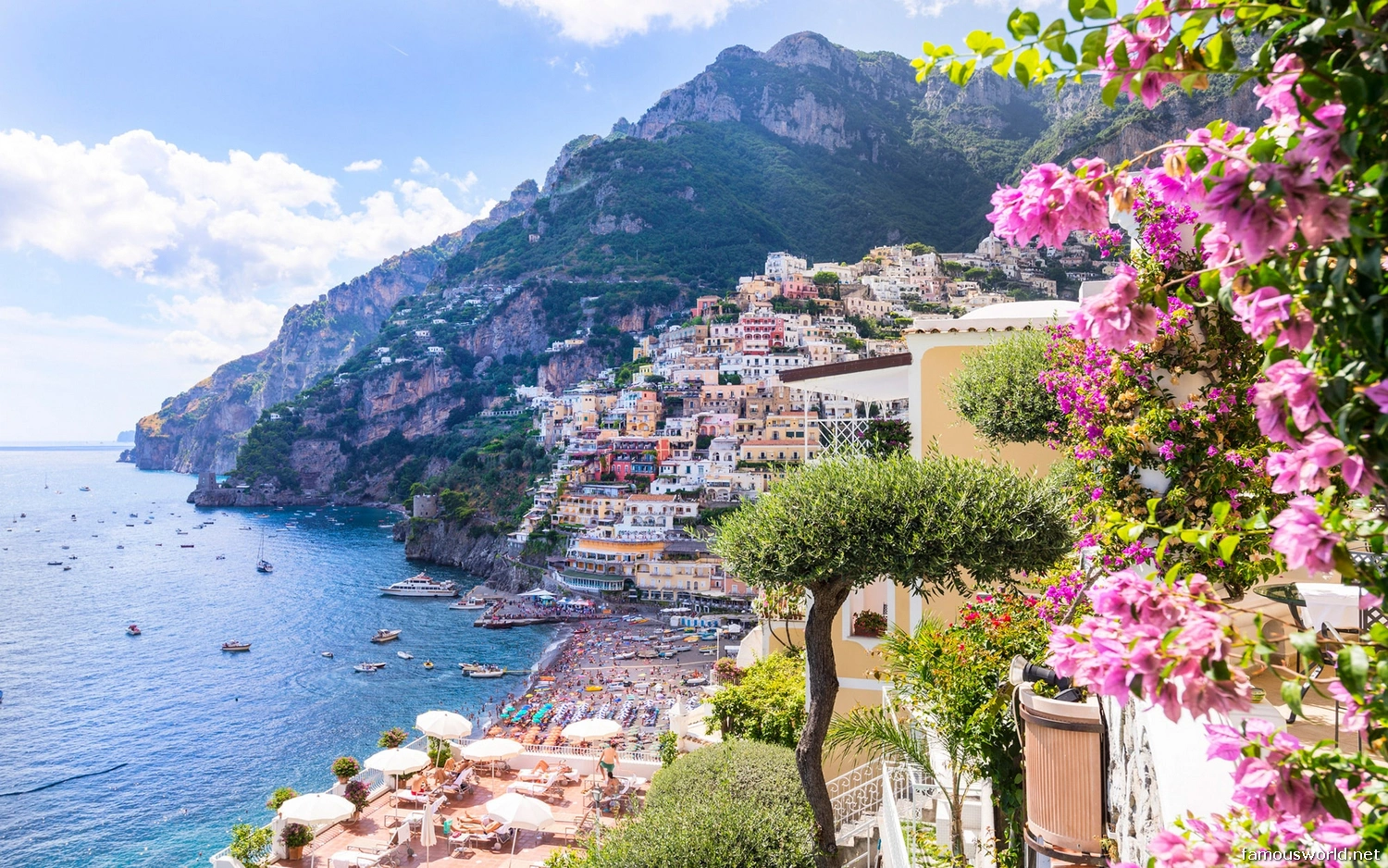
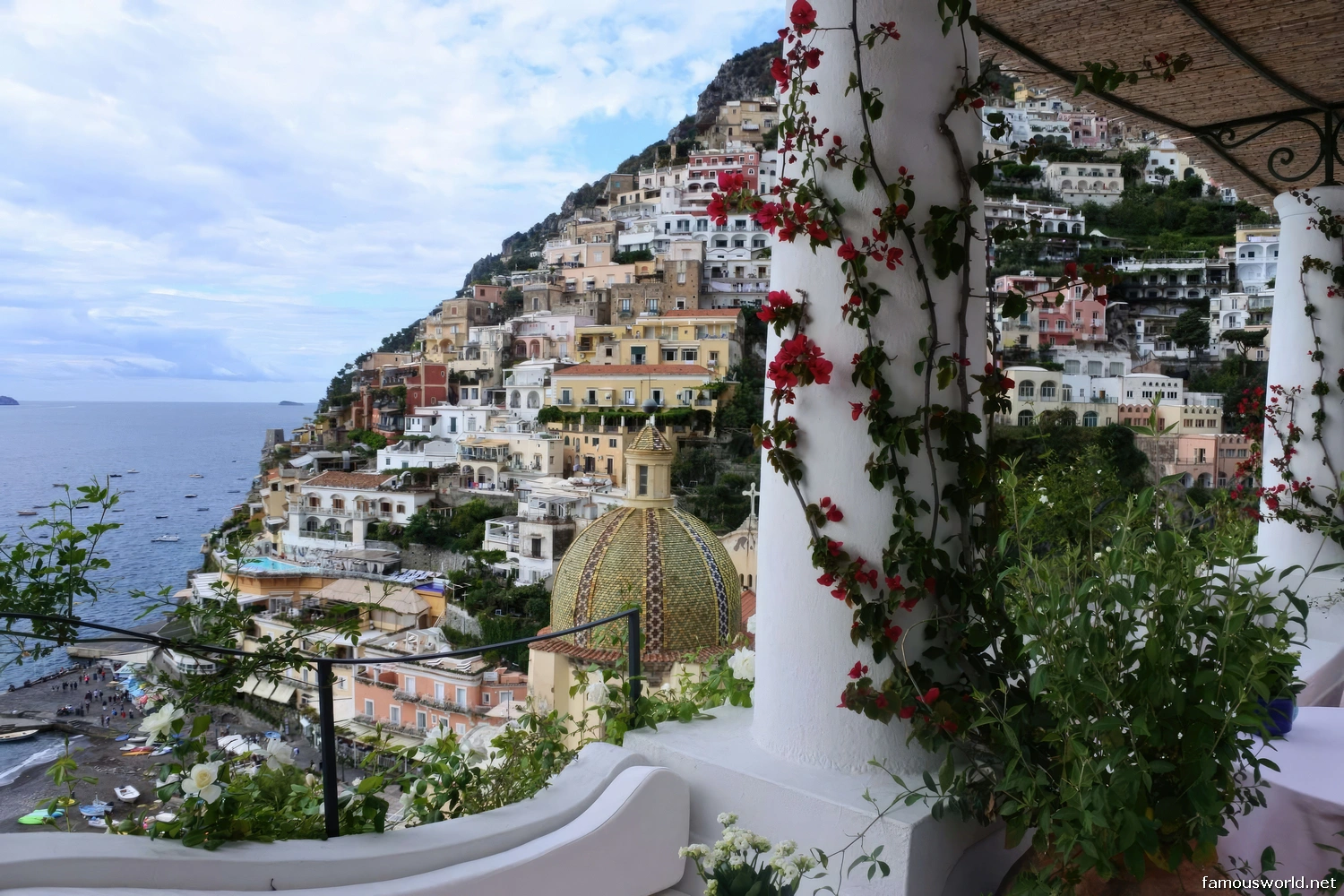
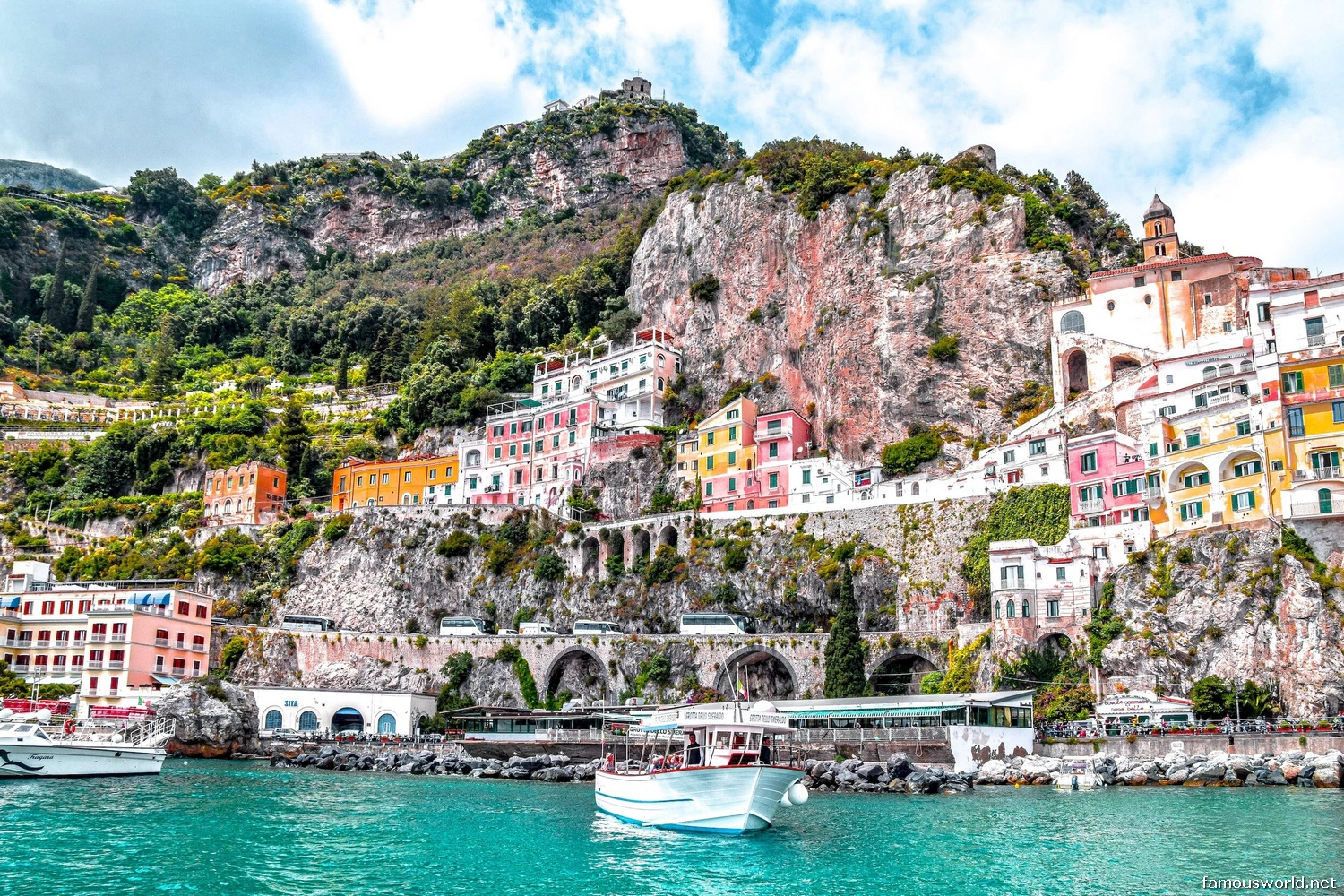
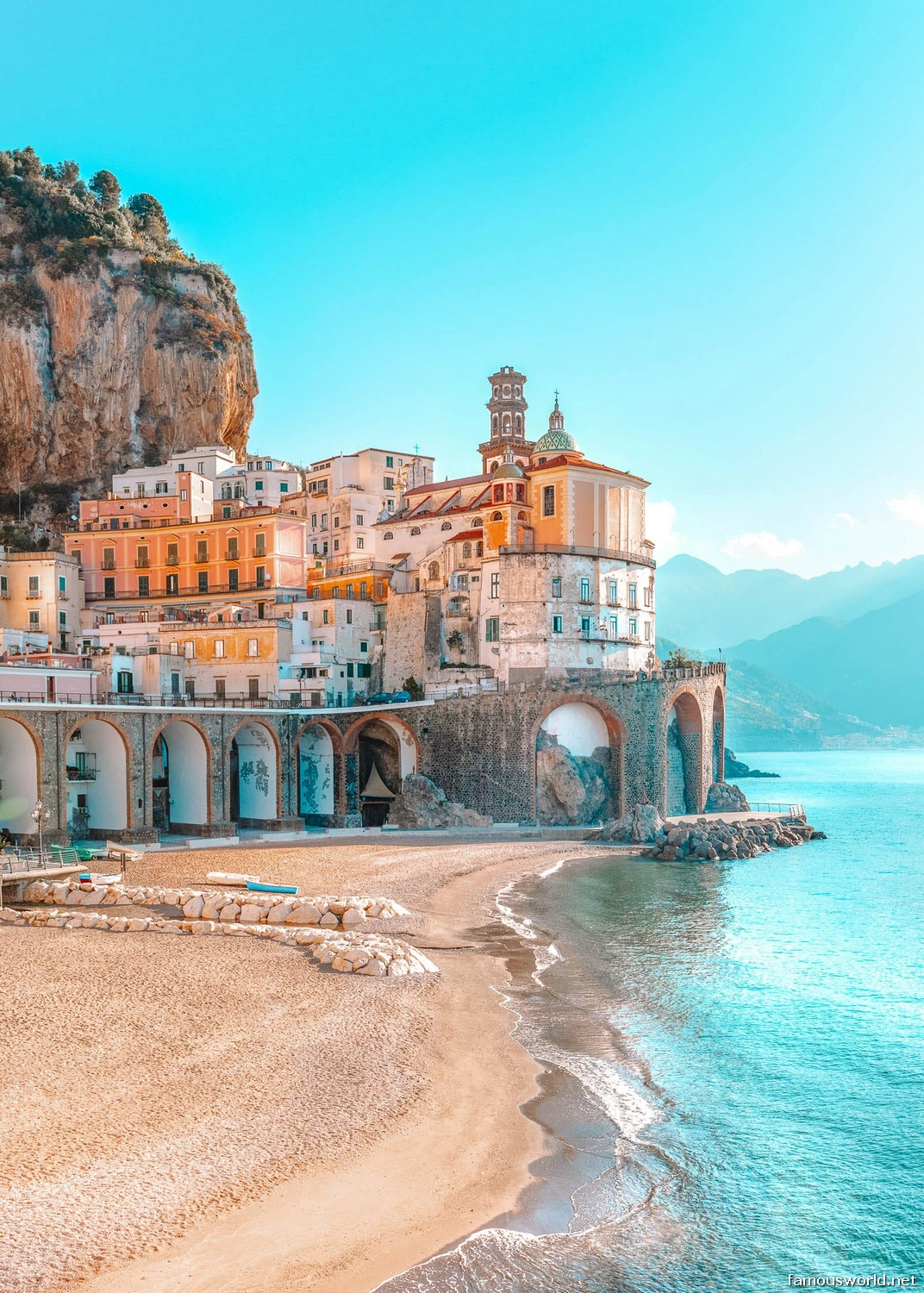
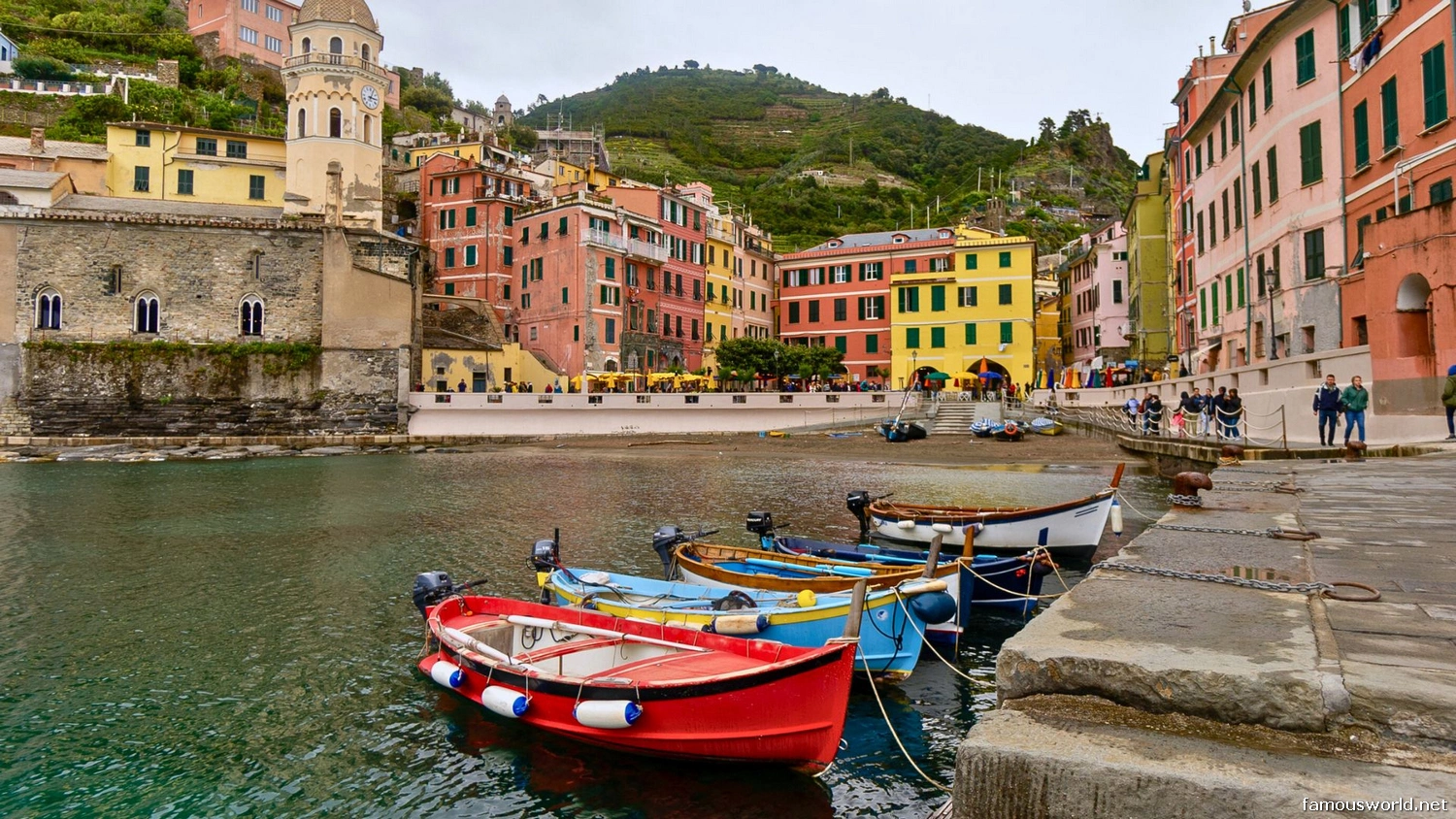
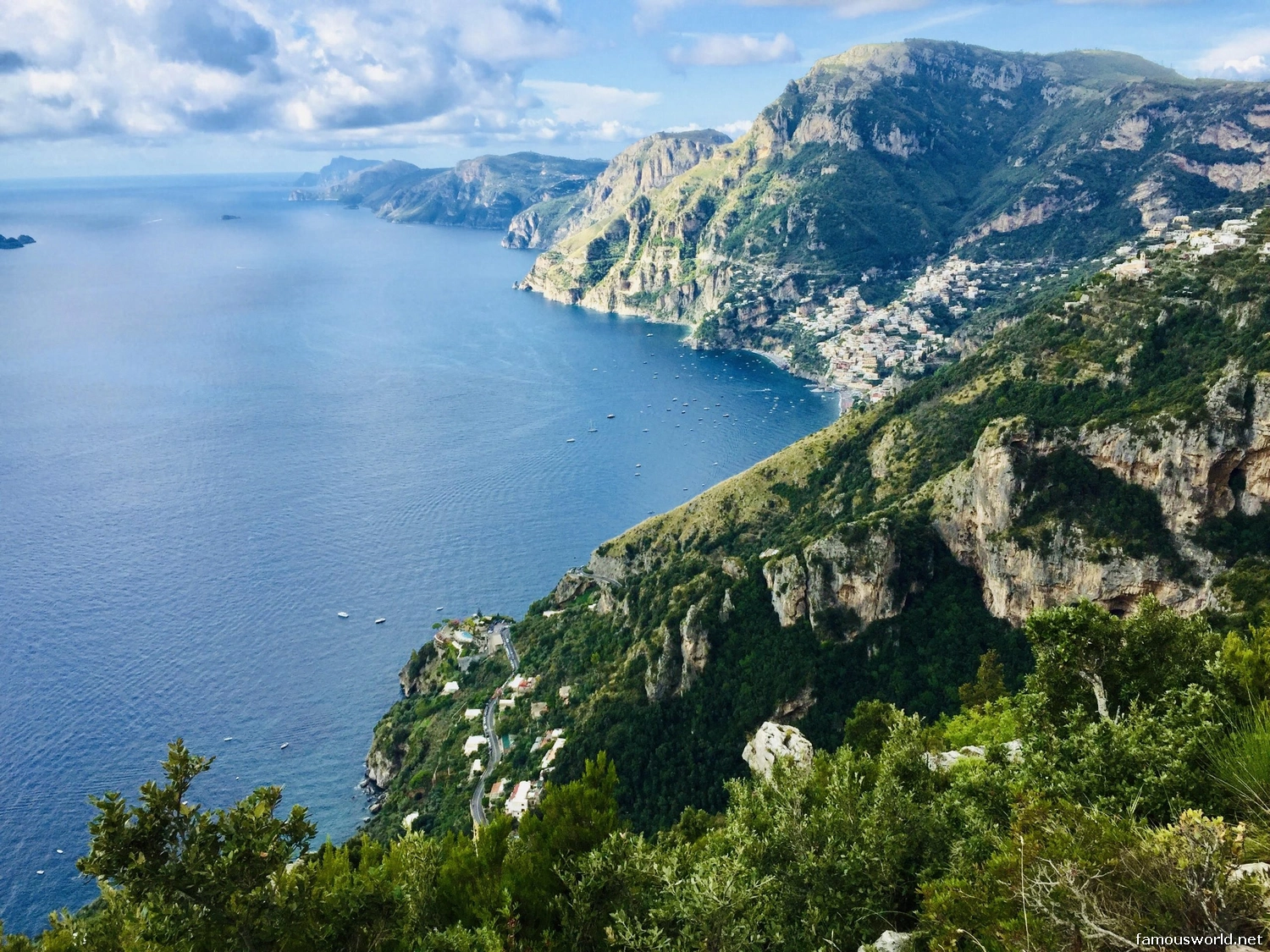
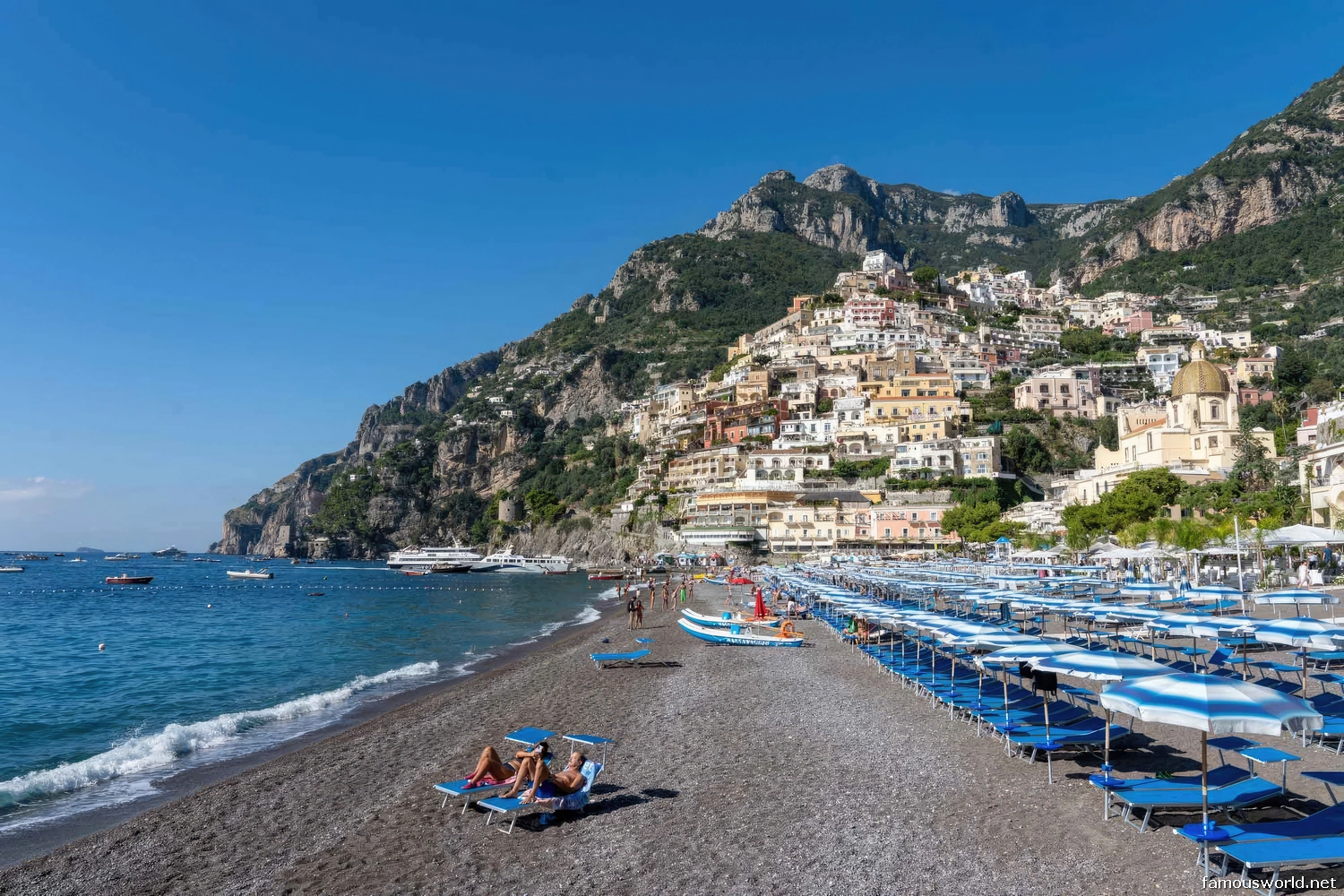
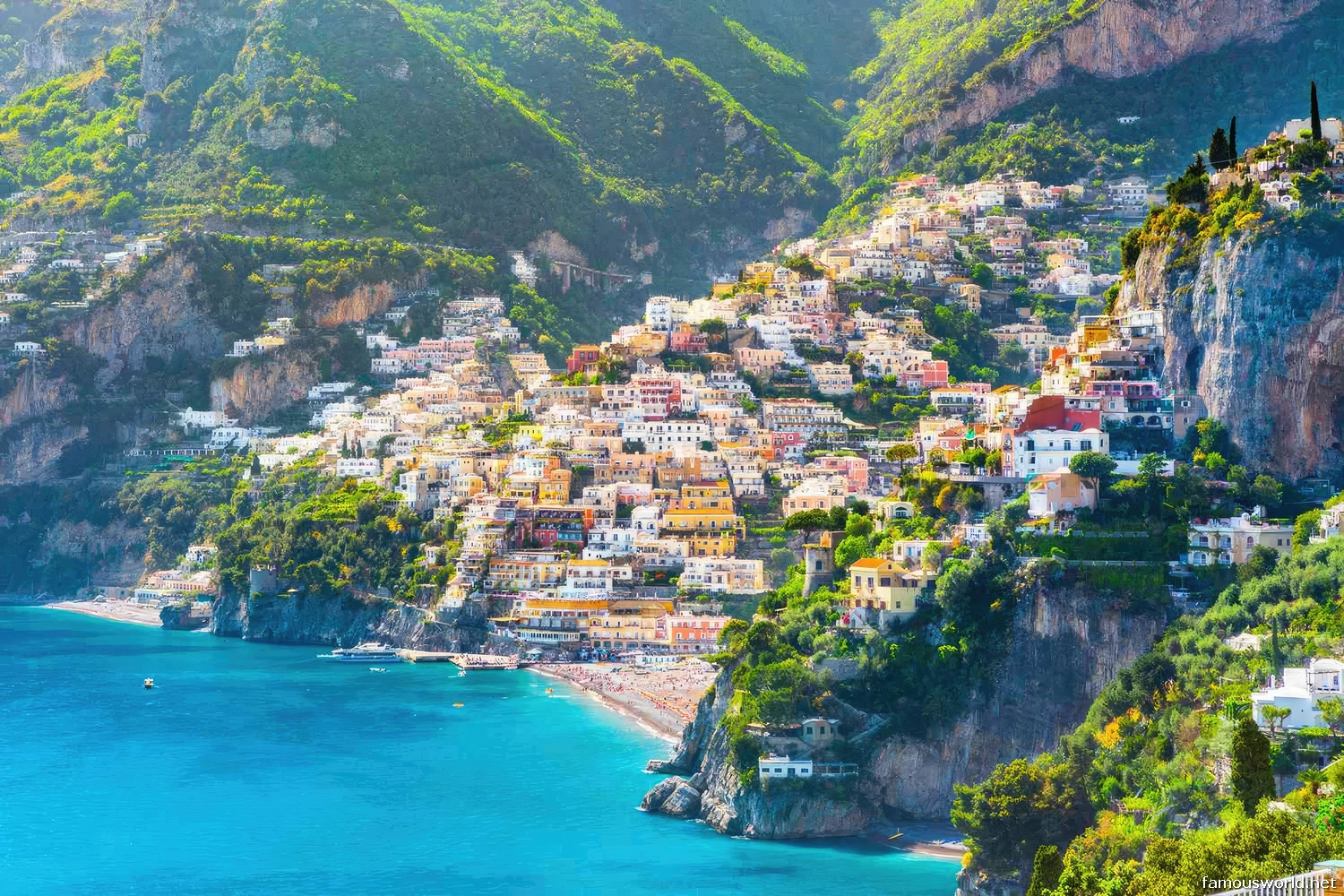
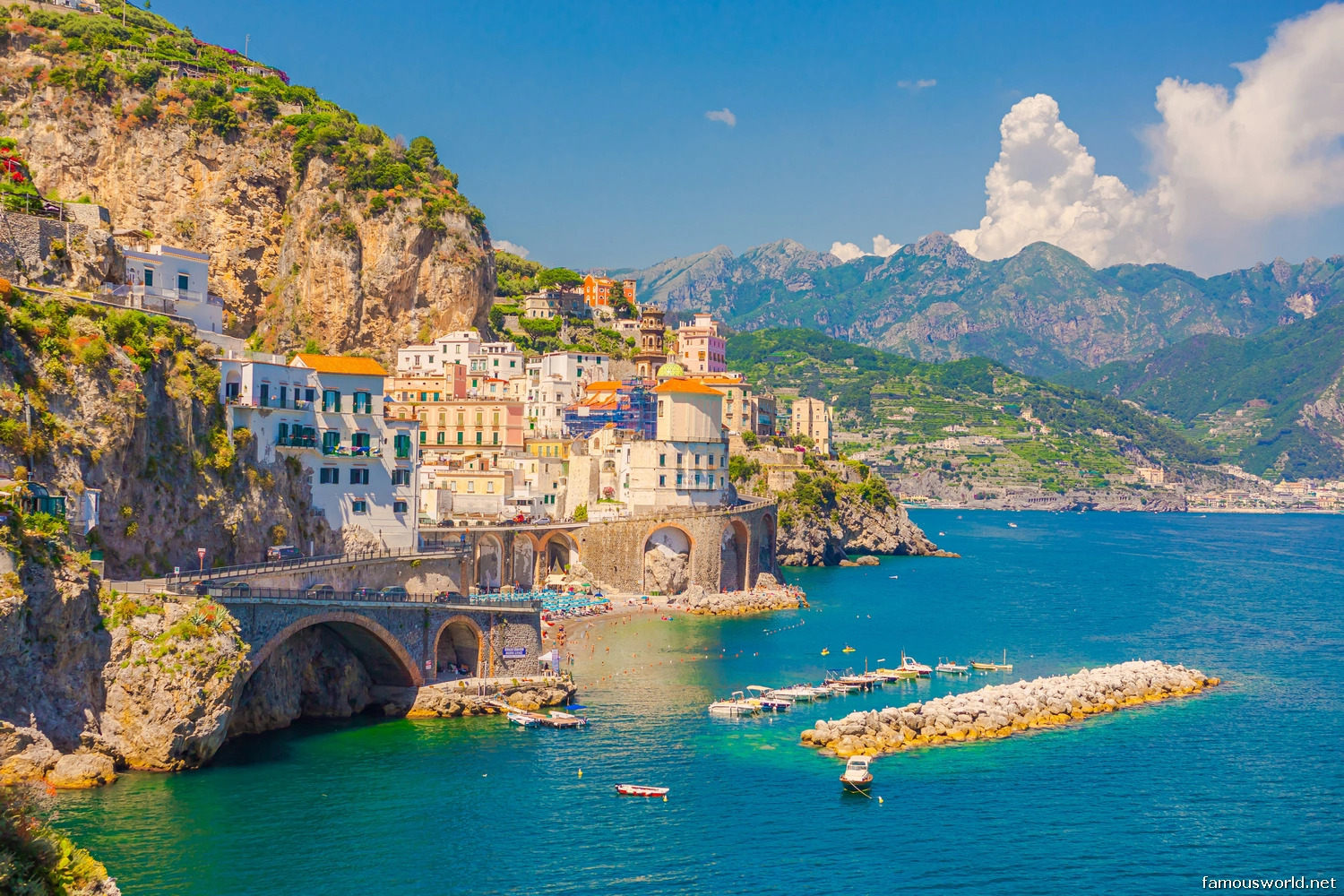
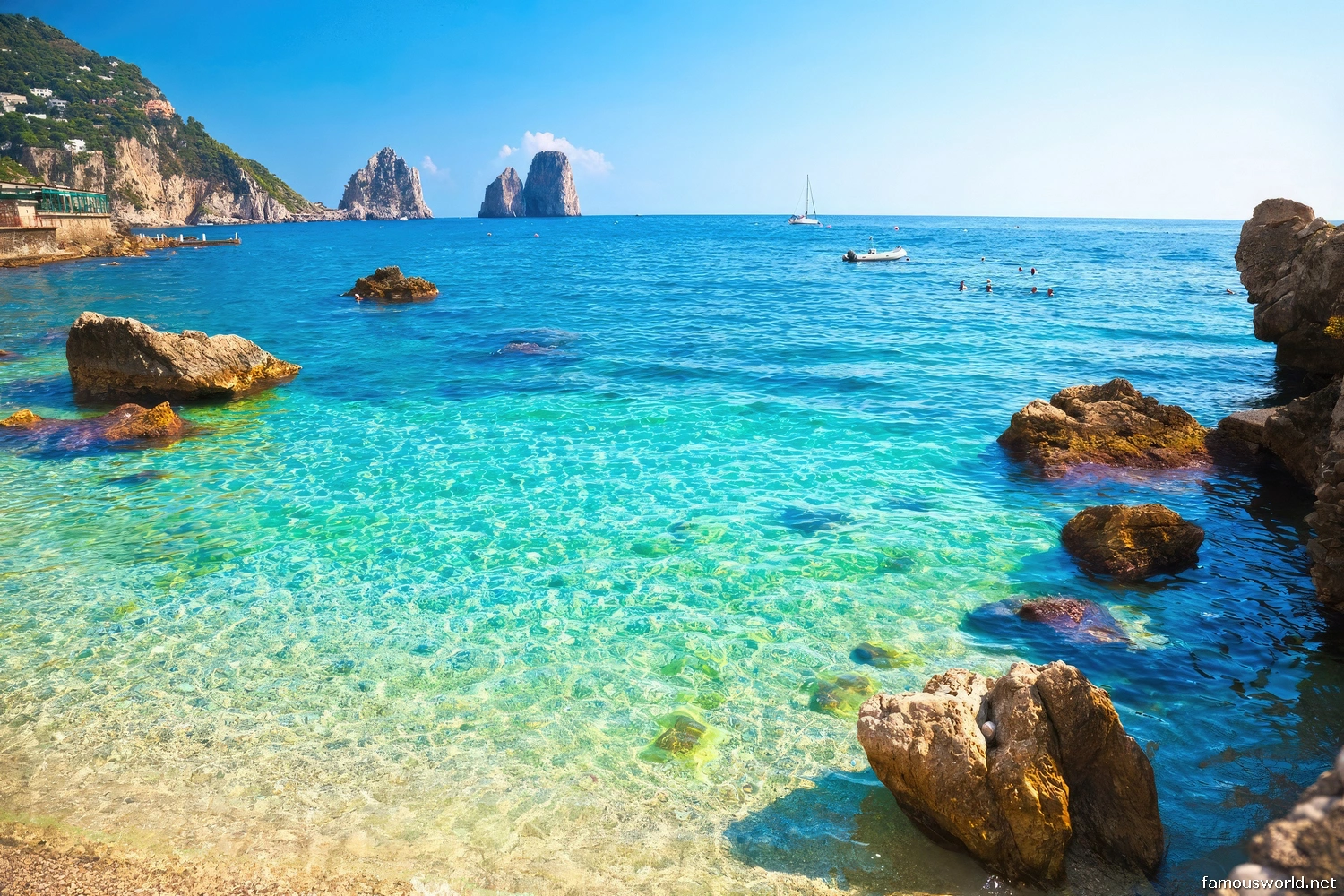
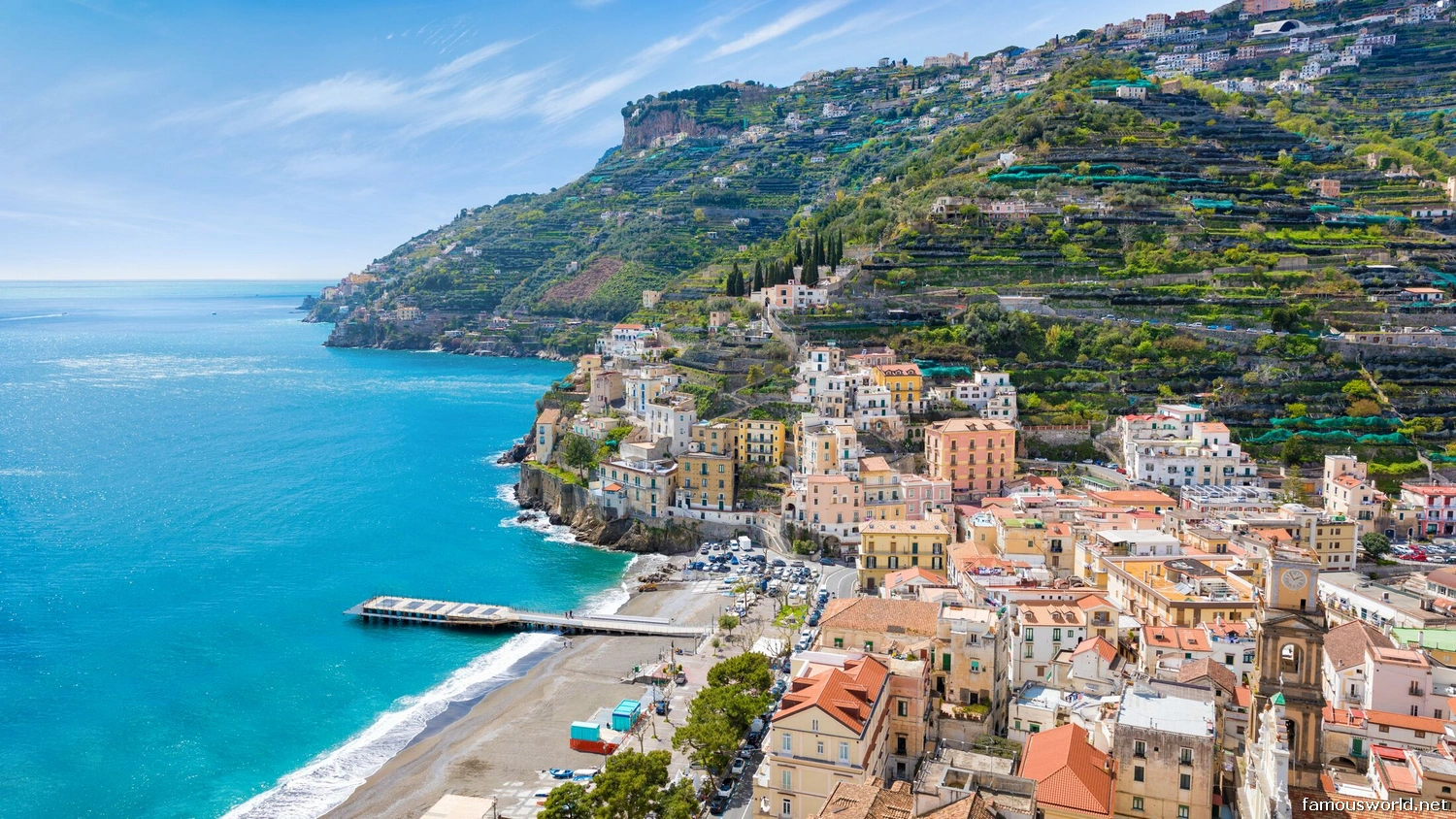
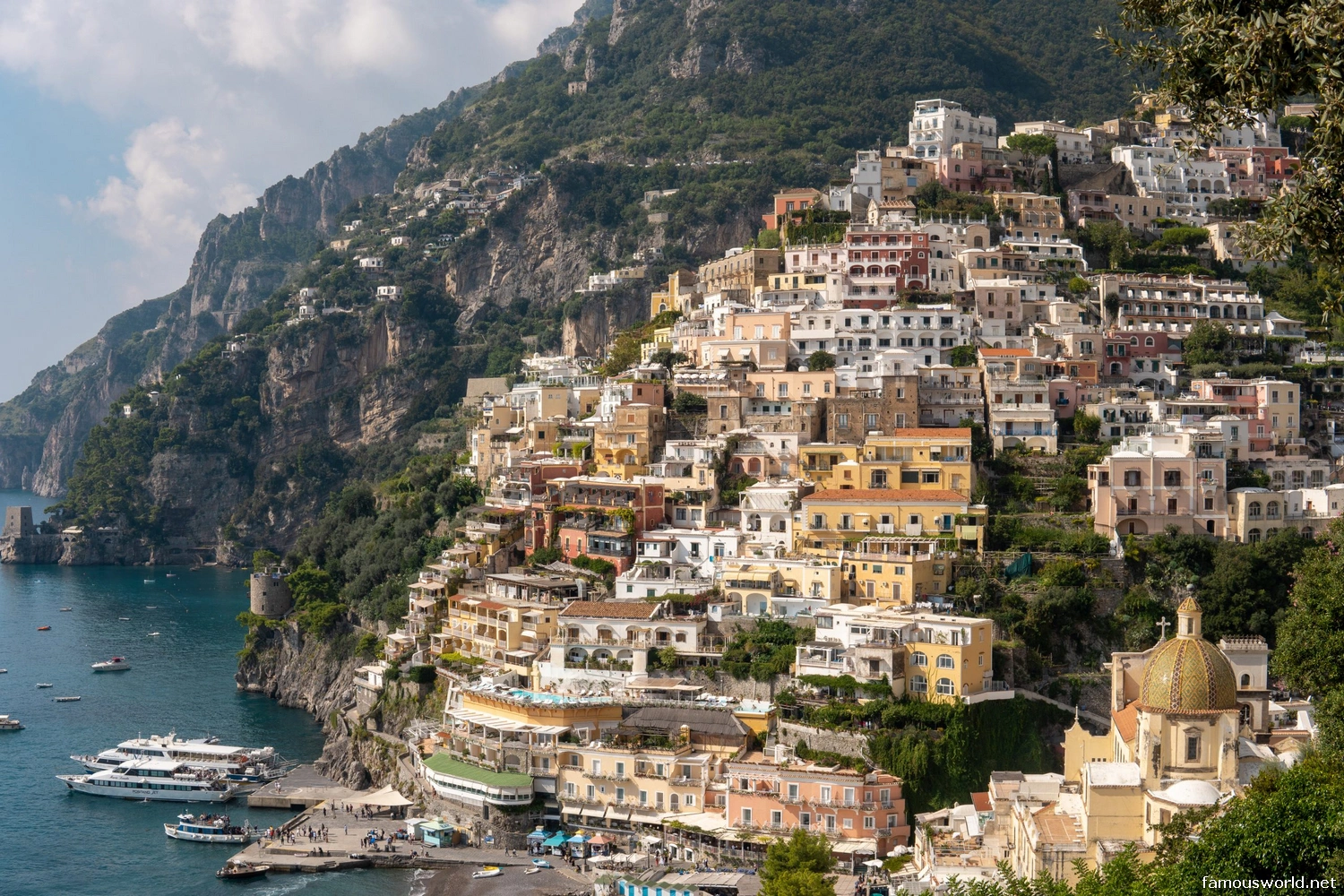
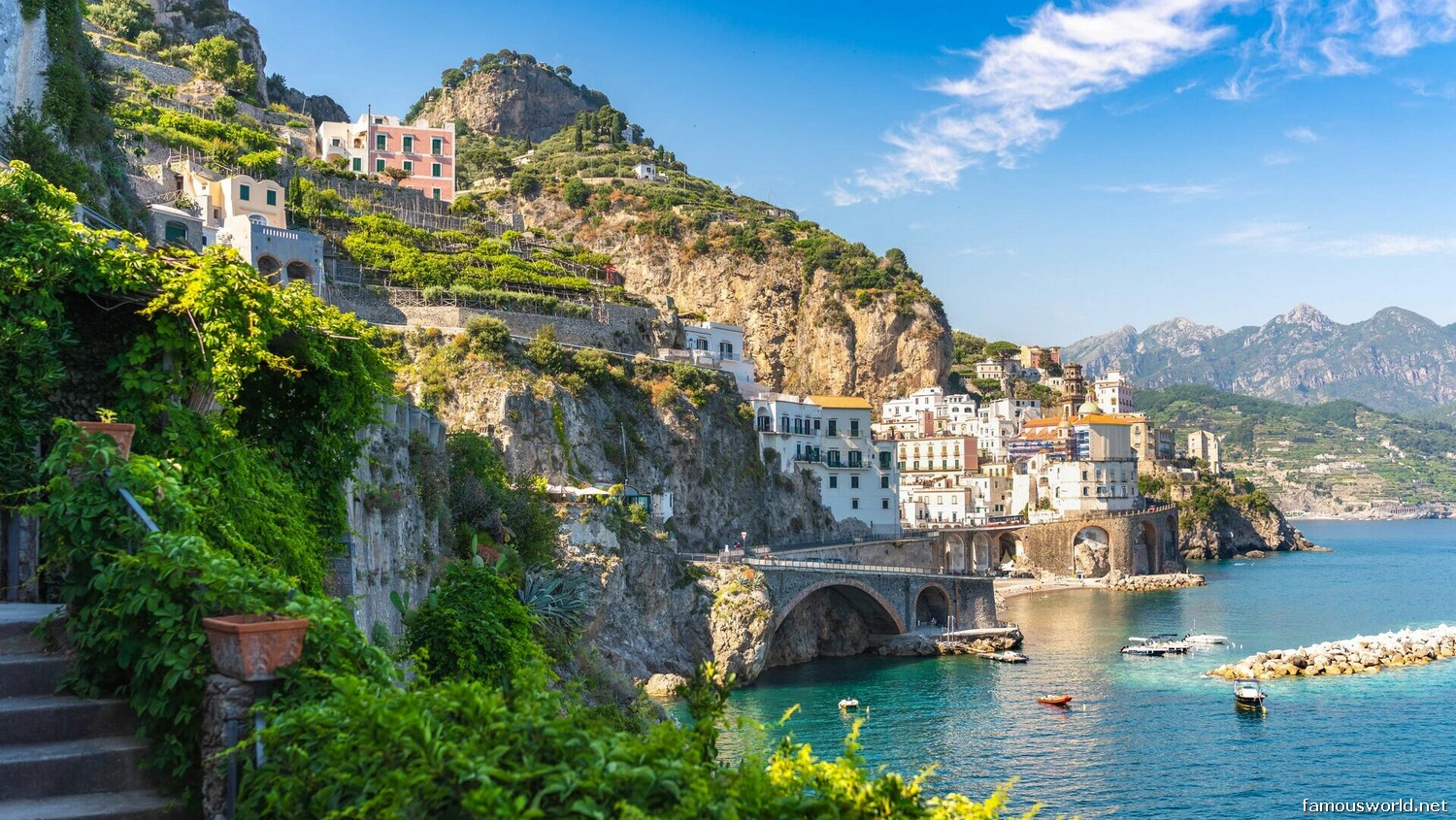
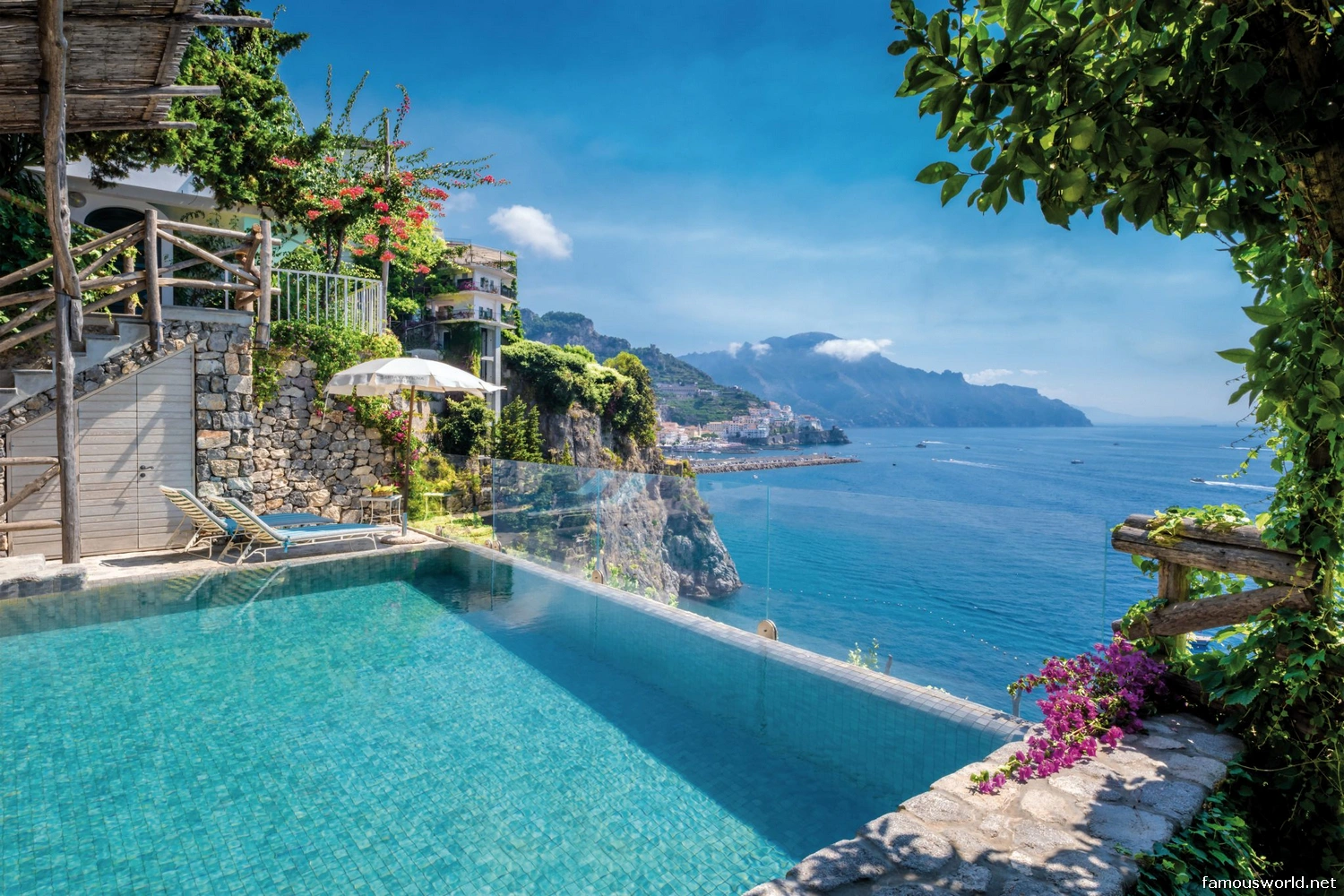
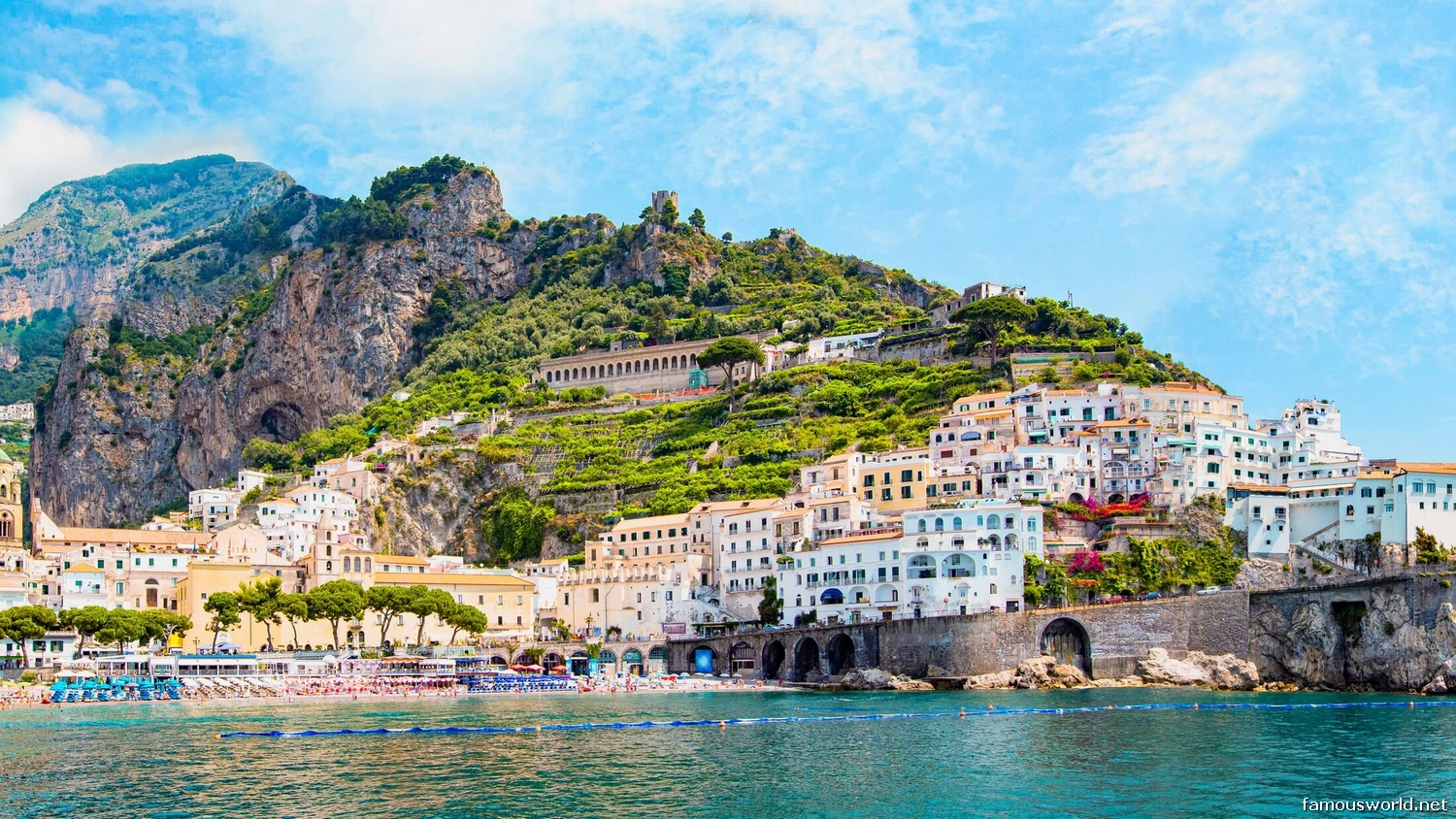
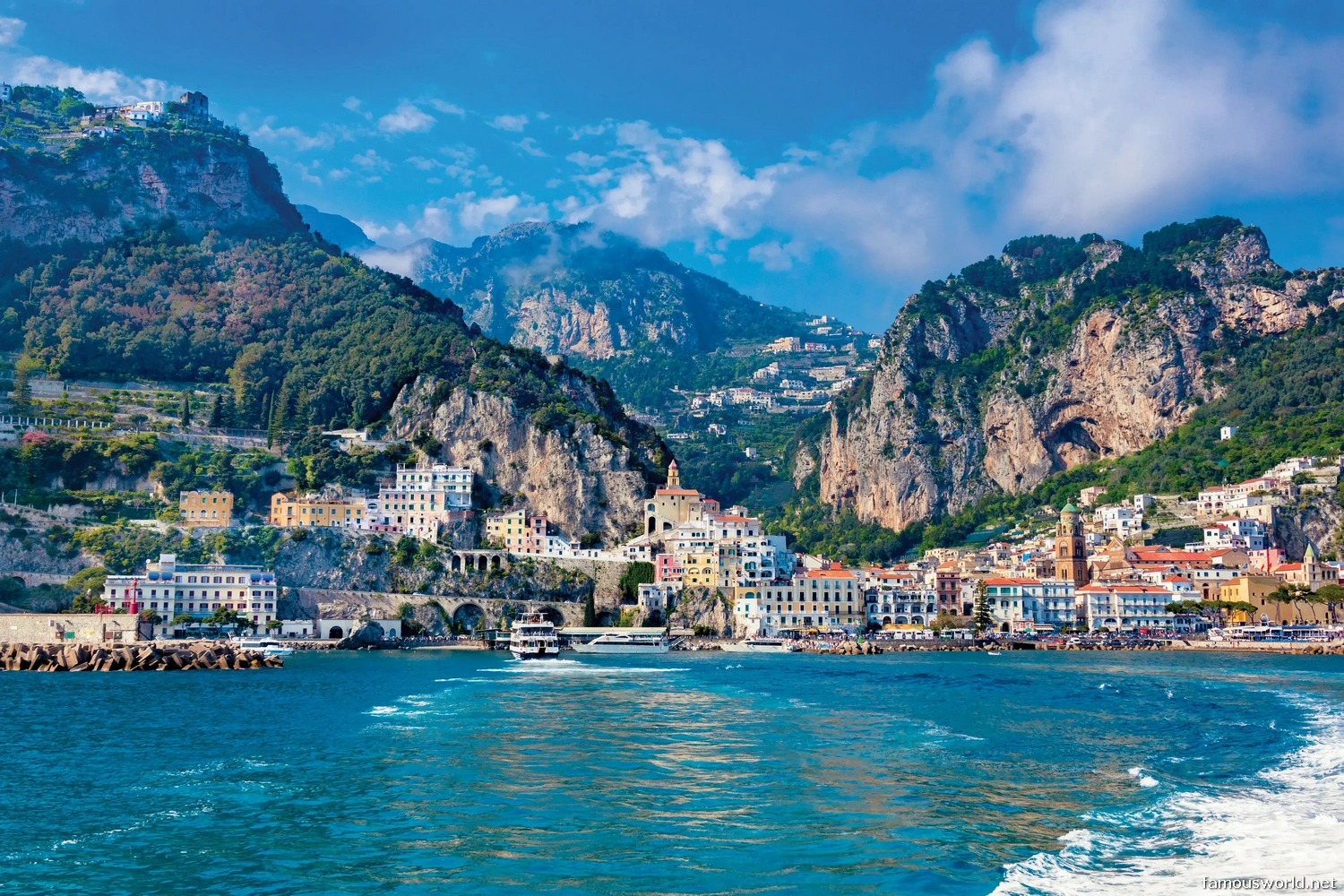
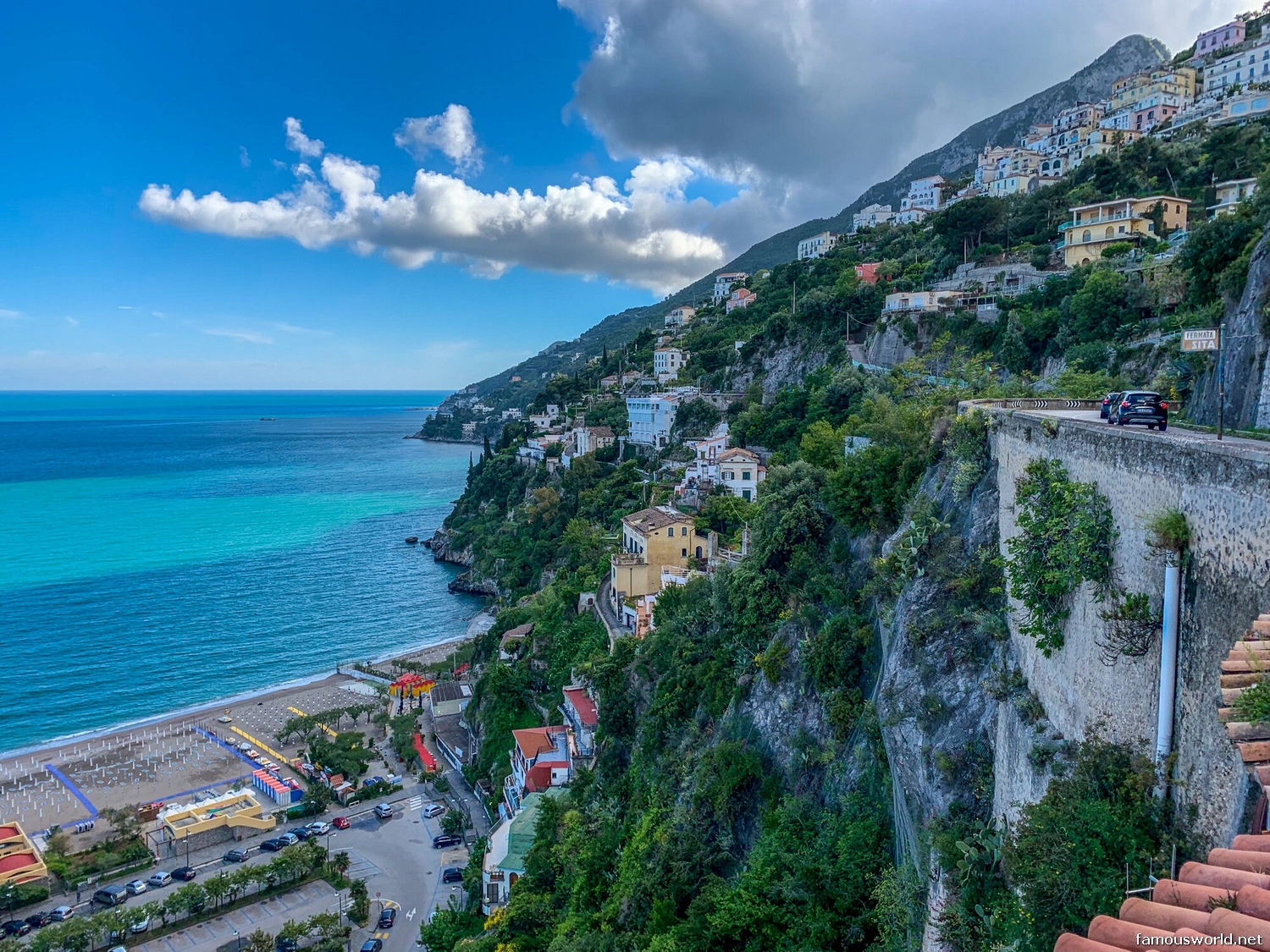
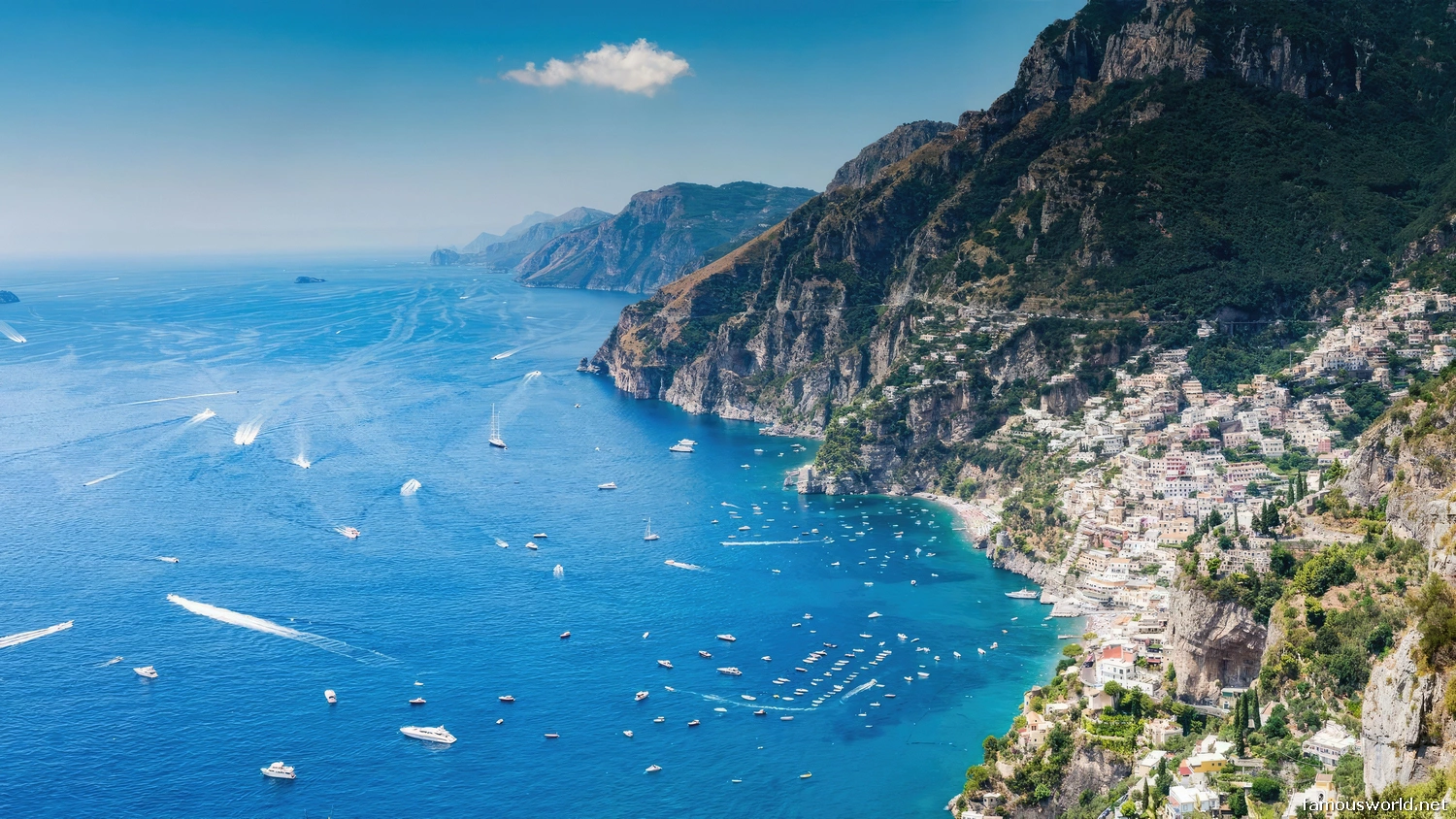
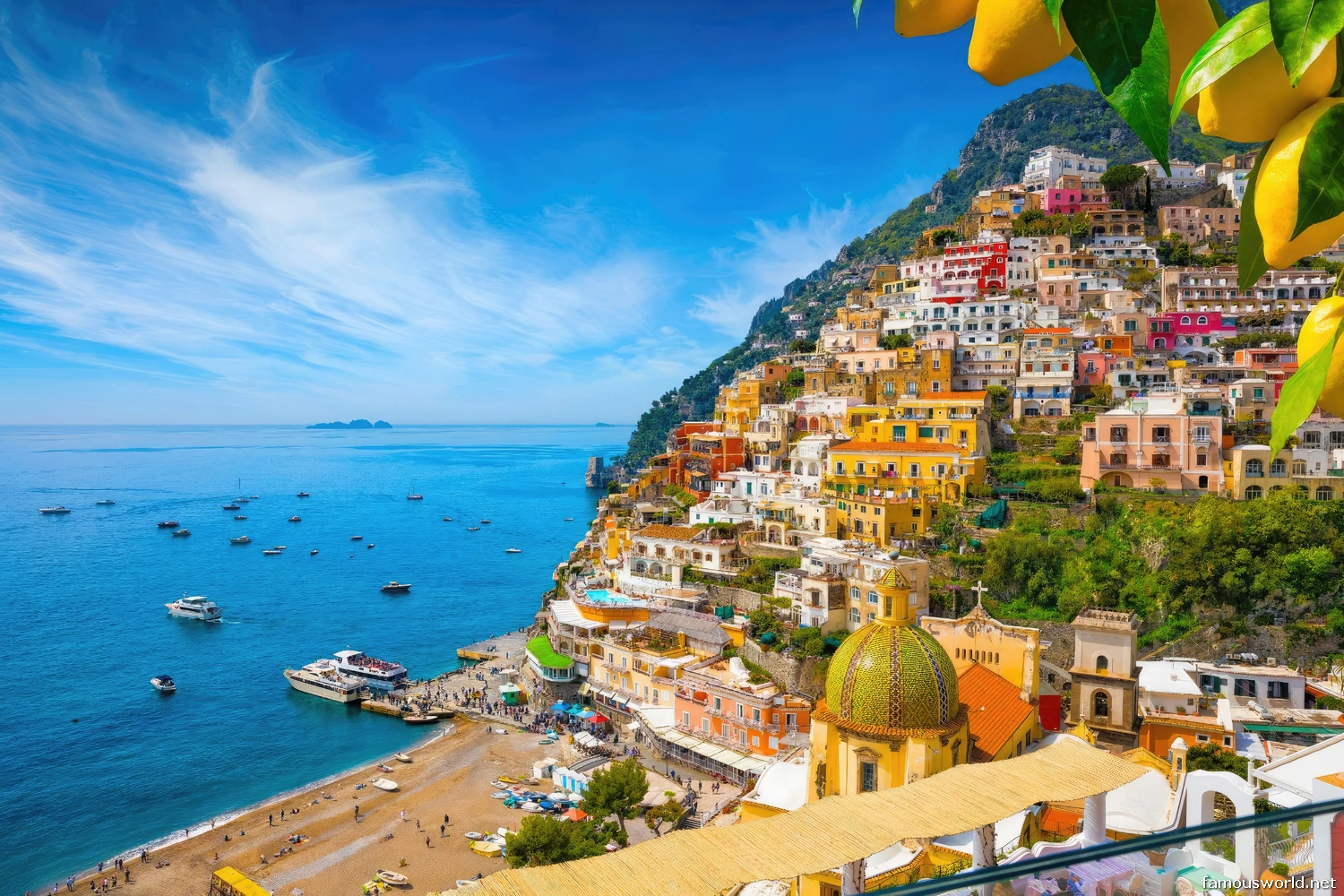
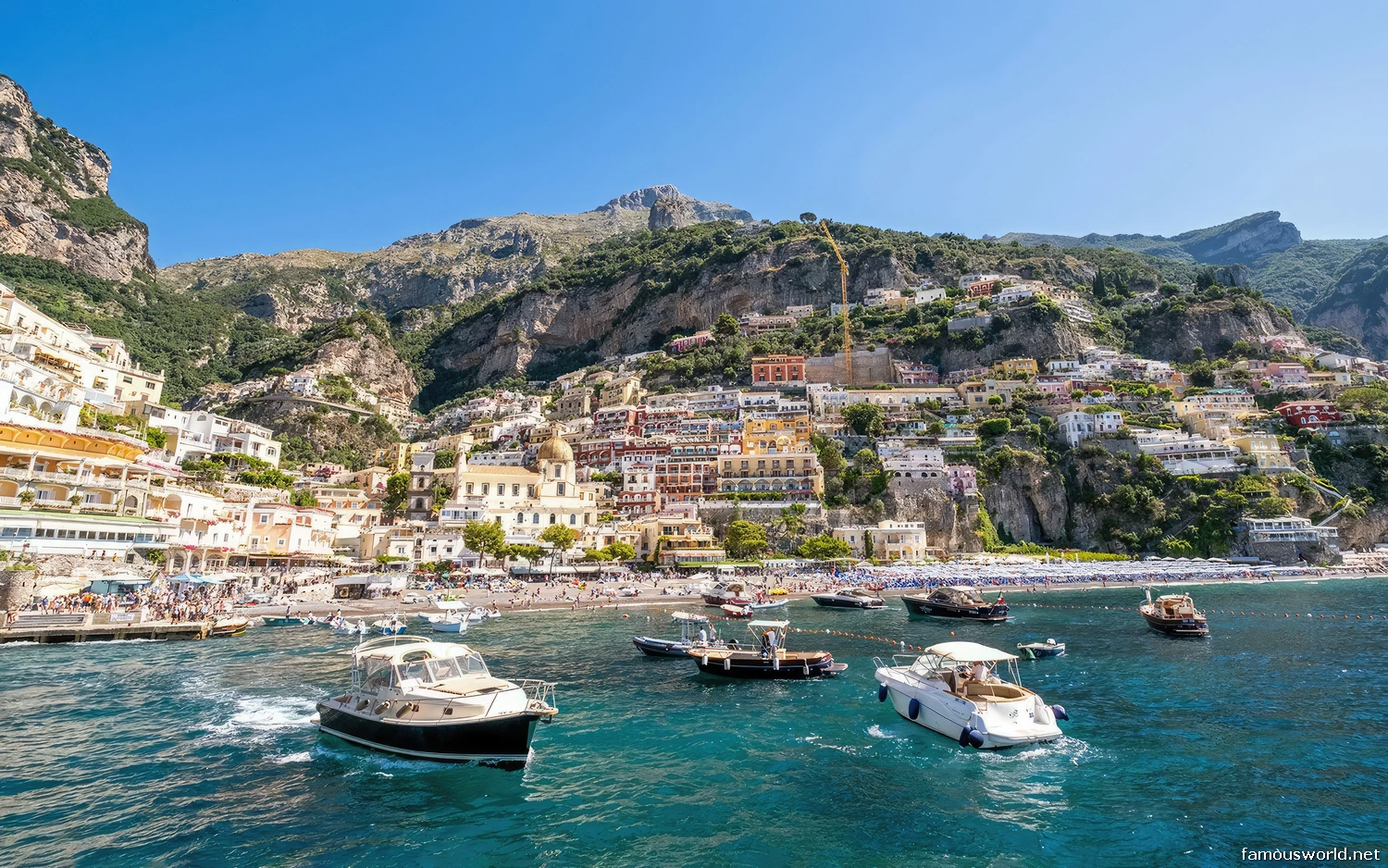
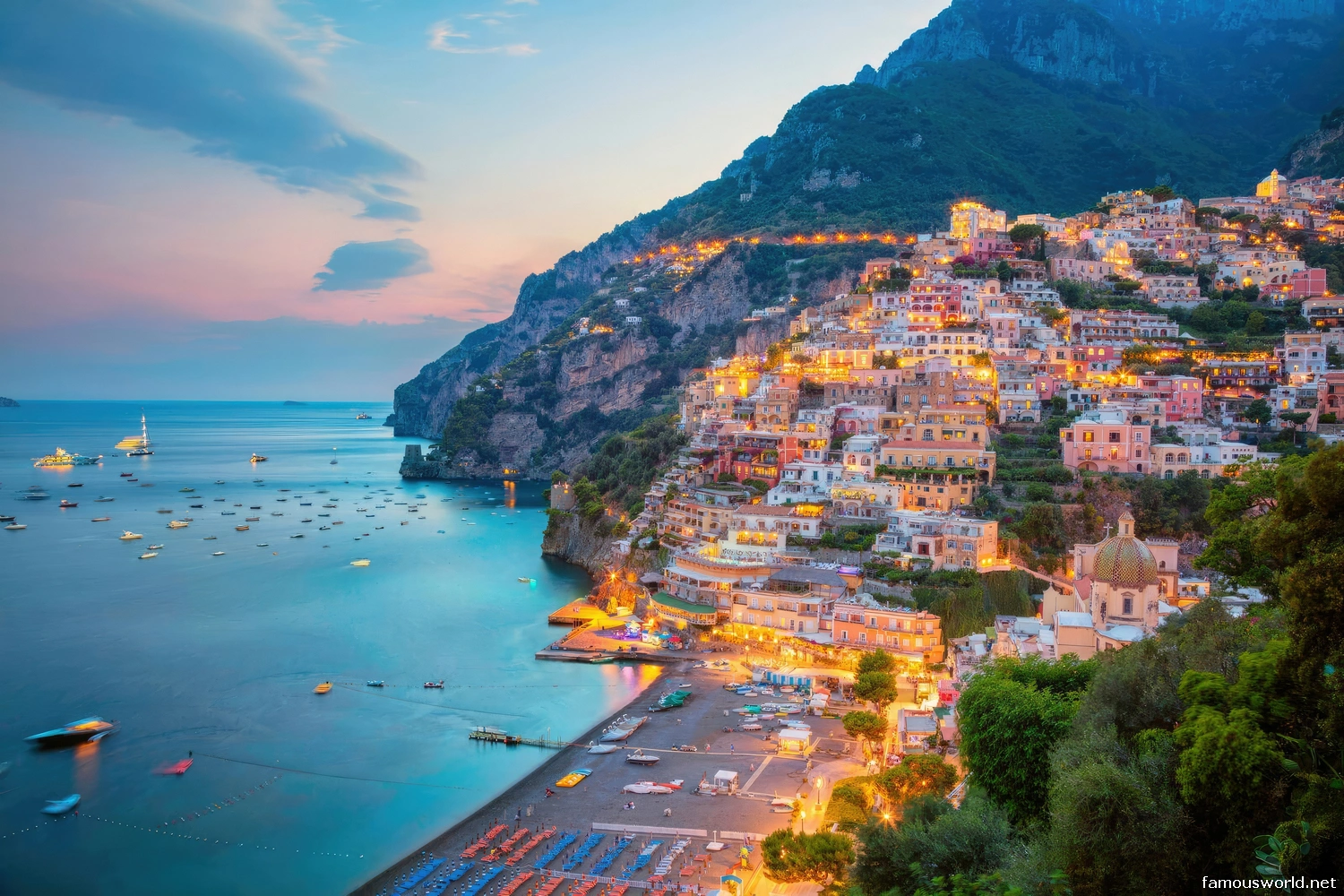
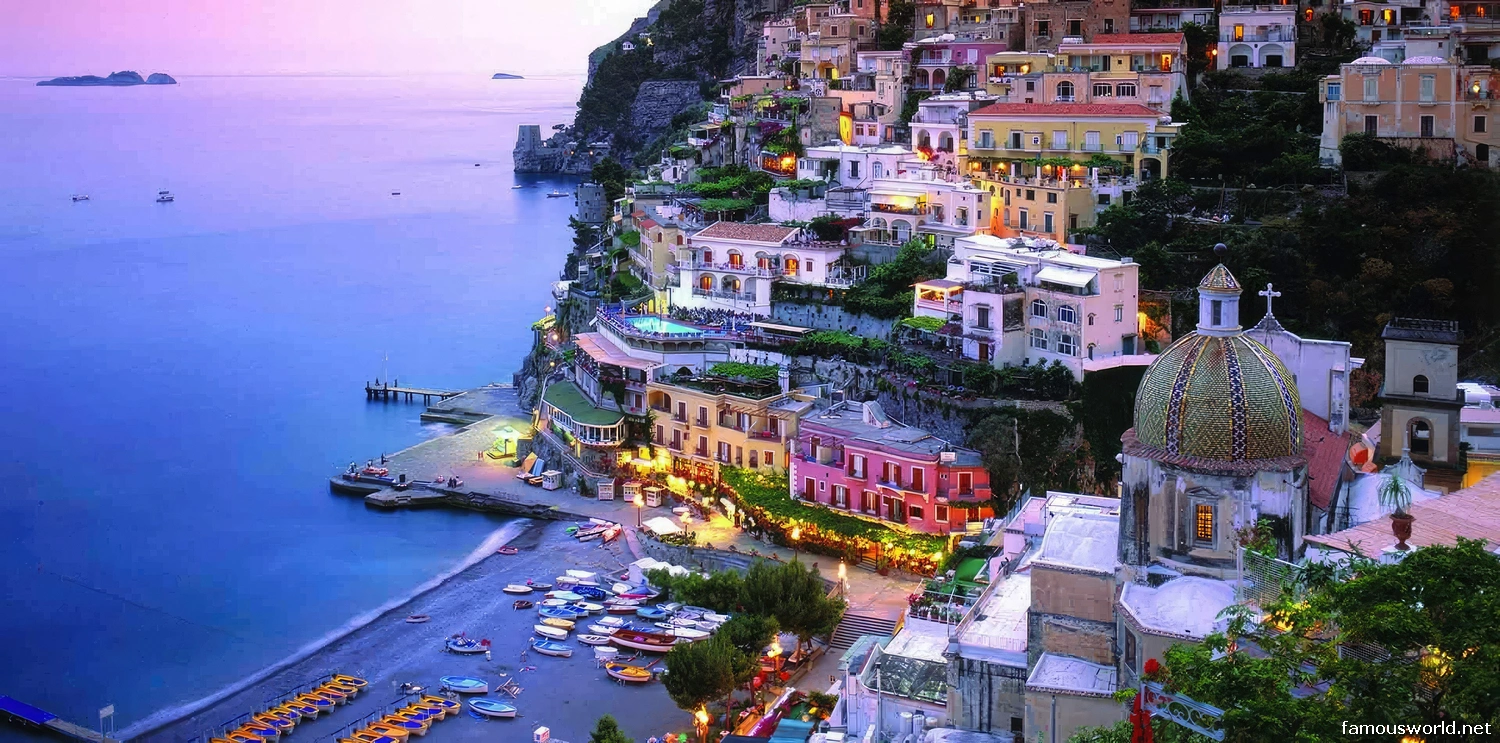
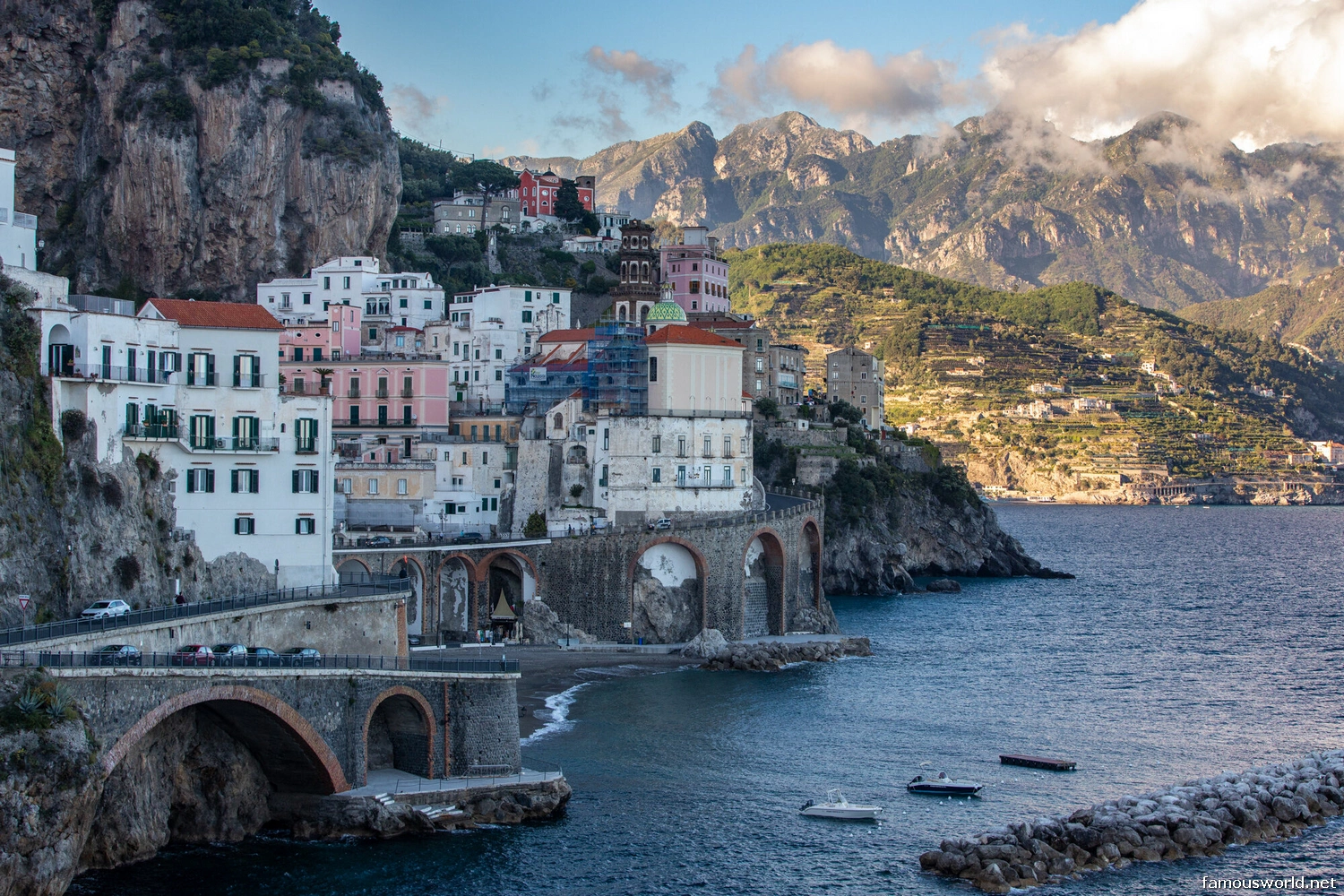
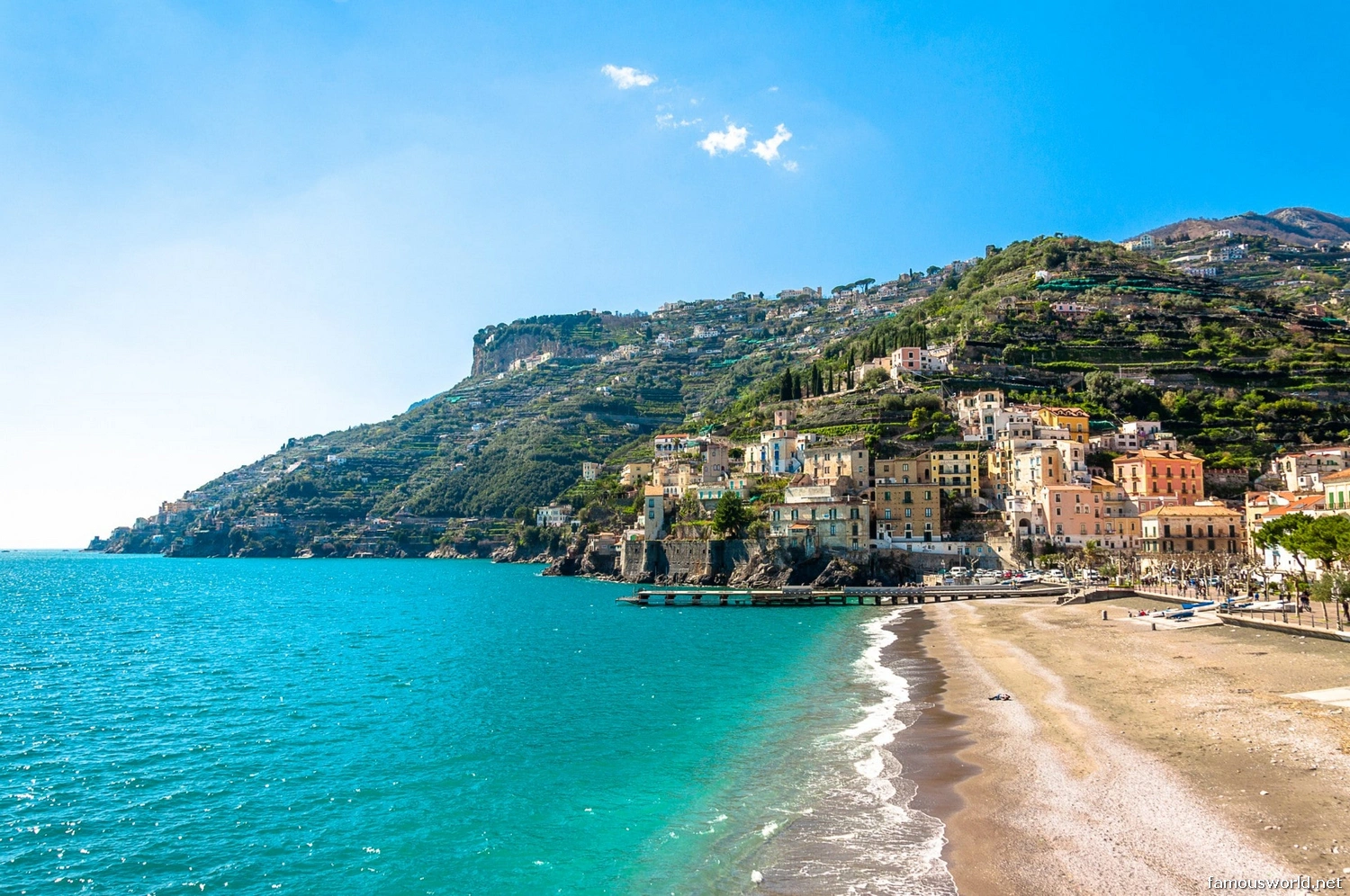
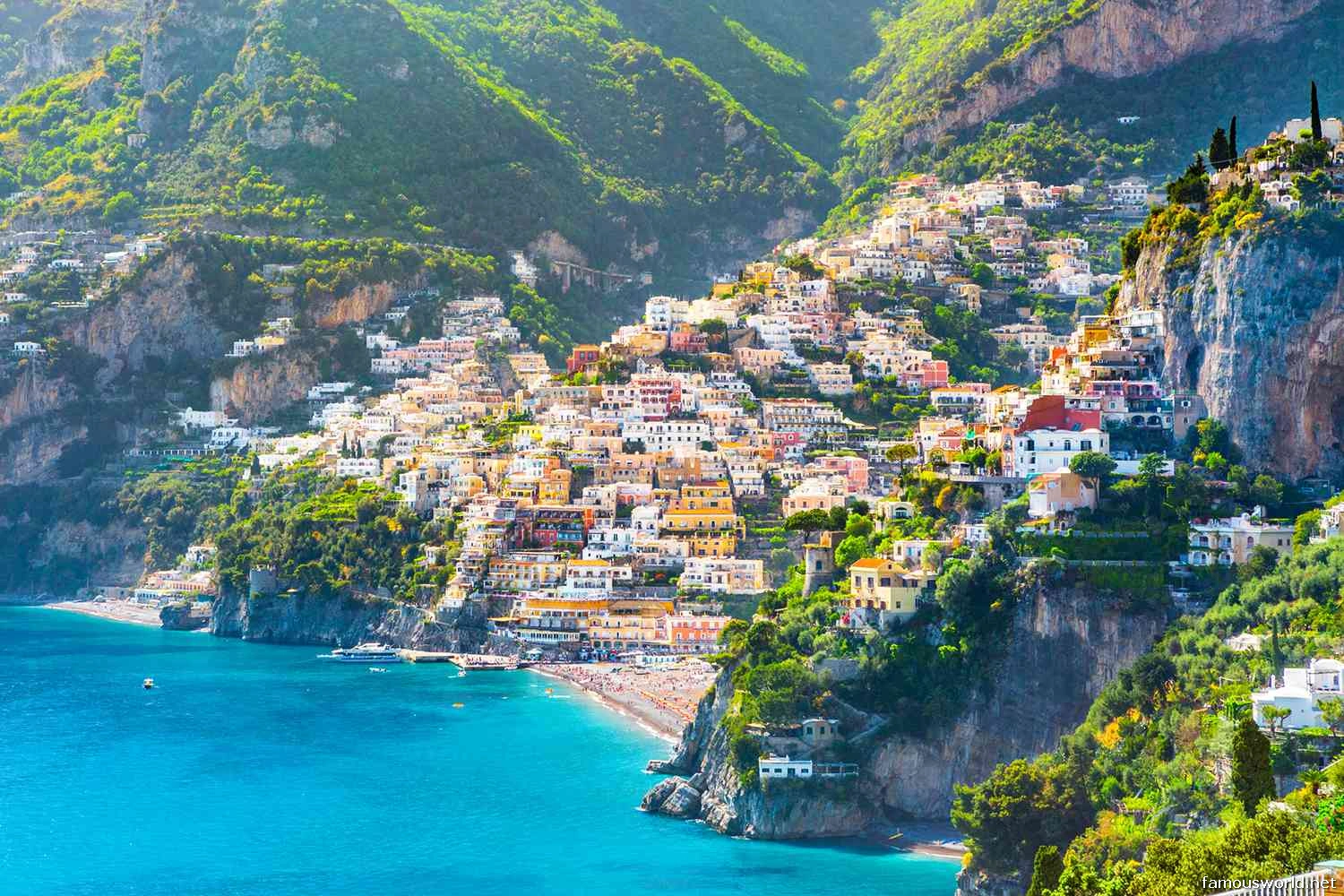
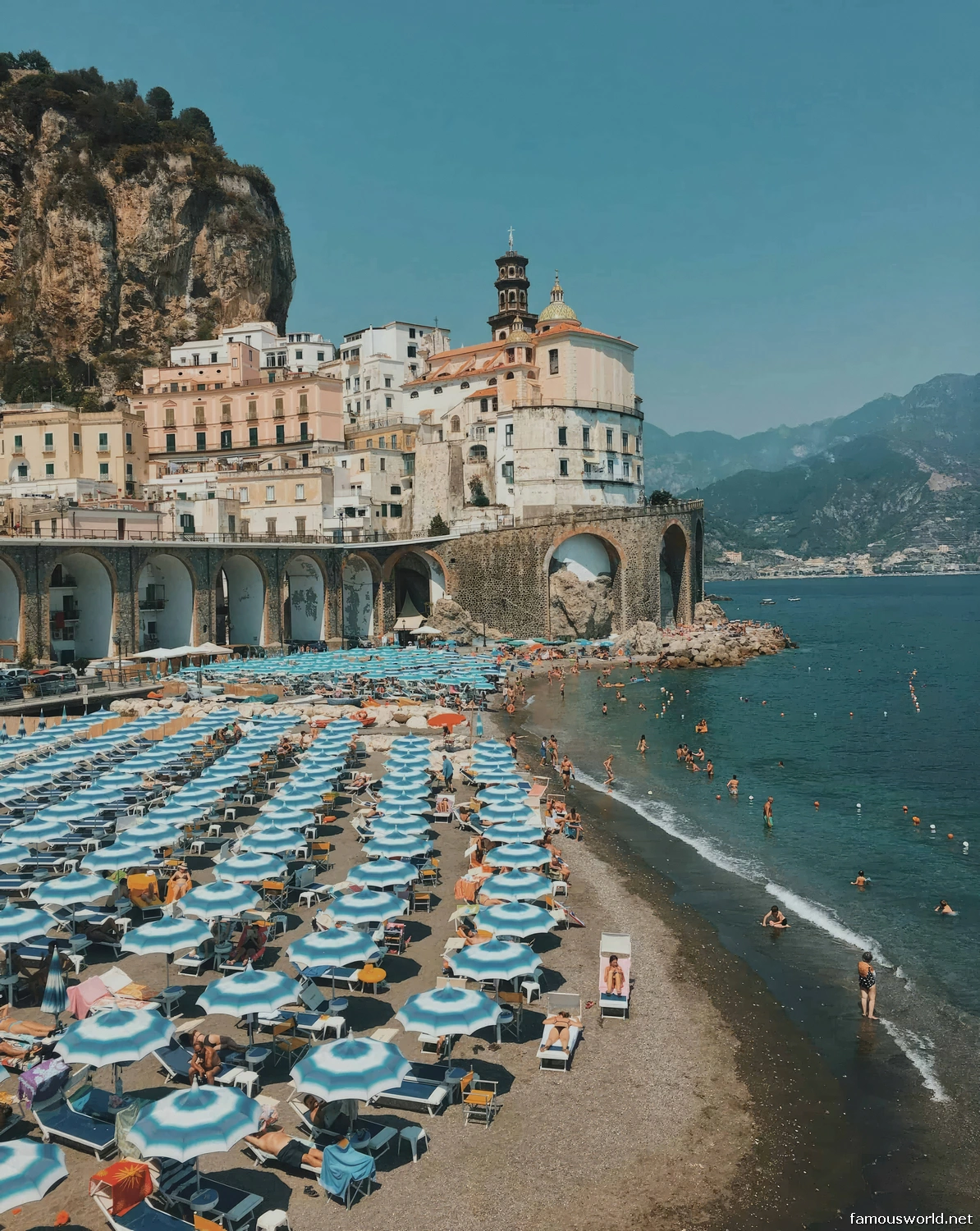
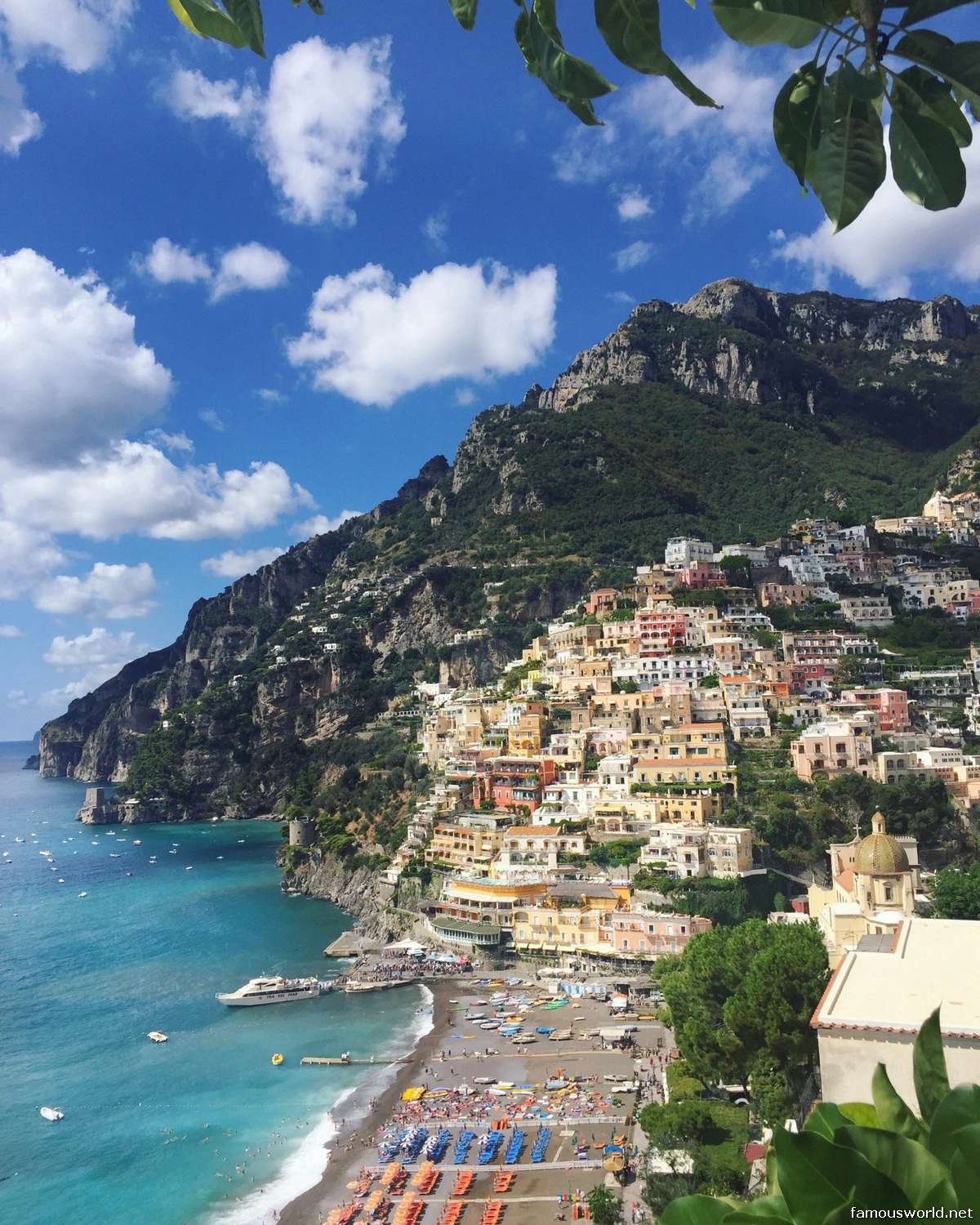
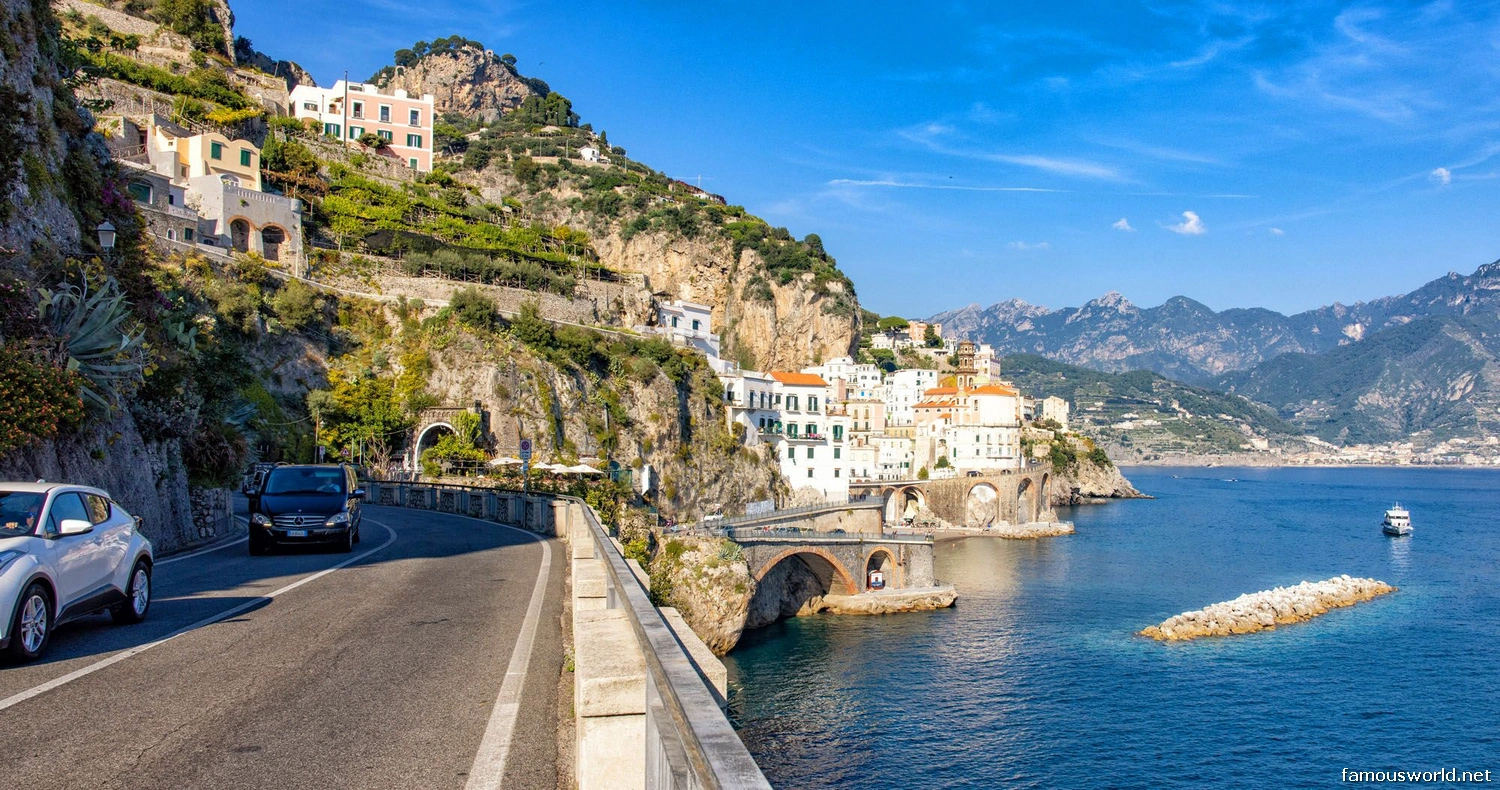
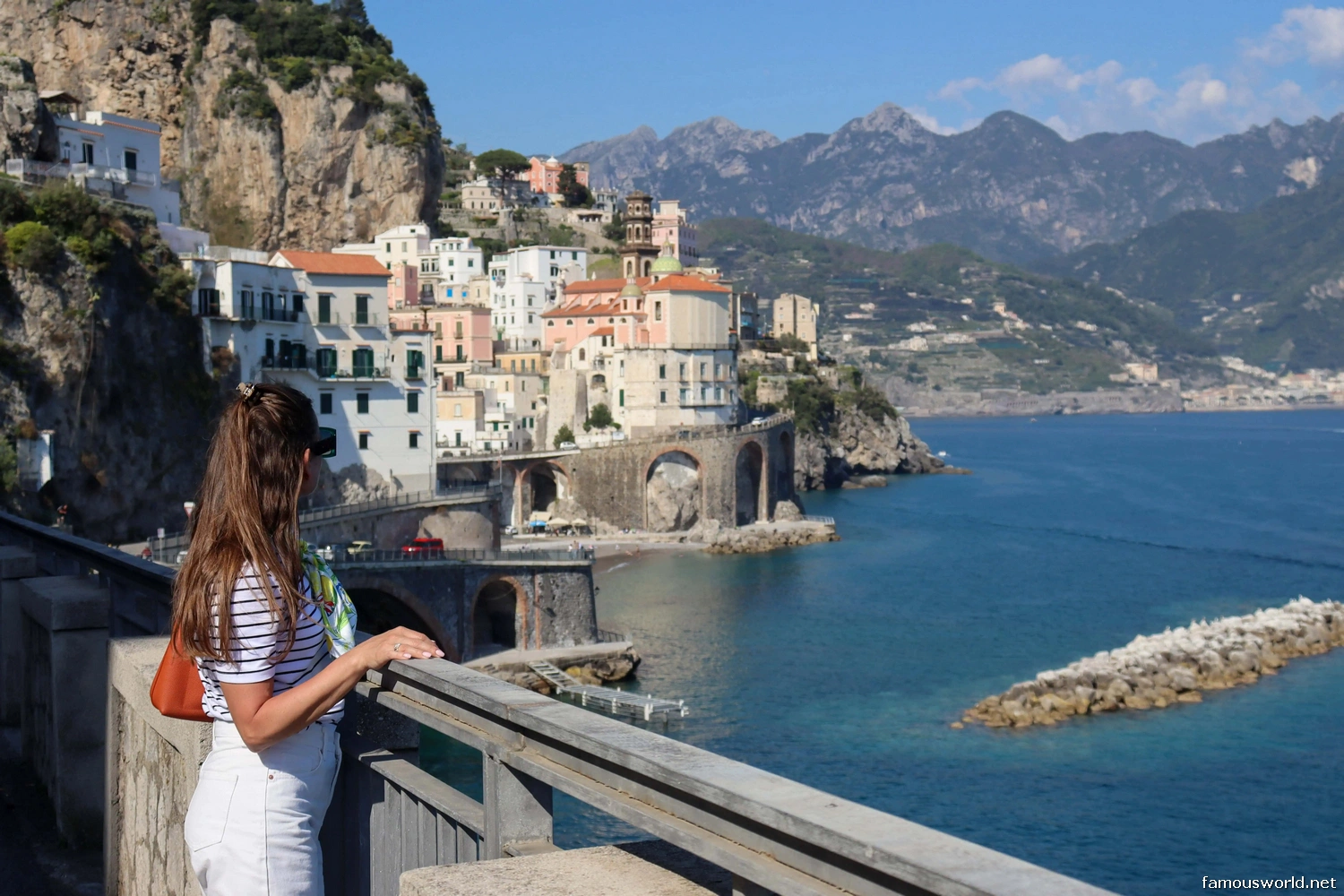
The Amalfi Coast (Costiera Amalfitana) is not a single destination but a breathtakingly beautiful stretch of coastline in Southern Italy, a landscape of such dramatic and monumental beauty that it has been recognized as a UNESCO World Heritage site. It’s a place where mountains plunge into the sea in a stunning vertical scene of precipitous cliffs, picturesque towns, and lush terraced gardens. For centuries, its charm has enchanted travelers, offering a unique blend of jaw-dropping natural scenery and a rich history as a powerful maritime republic. From the glamour of Positano to the historical heart of Amalfi, the coast is a perfect mosaic of Italian culture, cuisine, and coastal splendor.
Listen to an introduction about Amalfi Coast

Name and Location
- Name: Amalfi Coast (Costiera Amalfitana)
- Location: In the Province of Salerno, Southern Italy, stretching along the southern shore of the Sorrentine Peninsula.
How to Get There
Accessing the coast requires navigating its famous, winding road or arriving by sea.
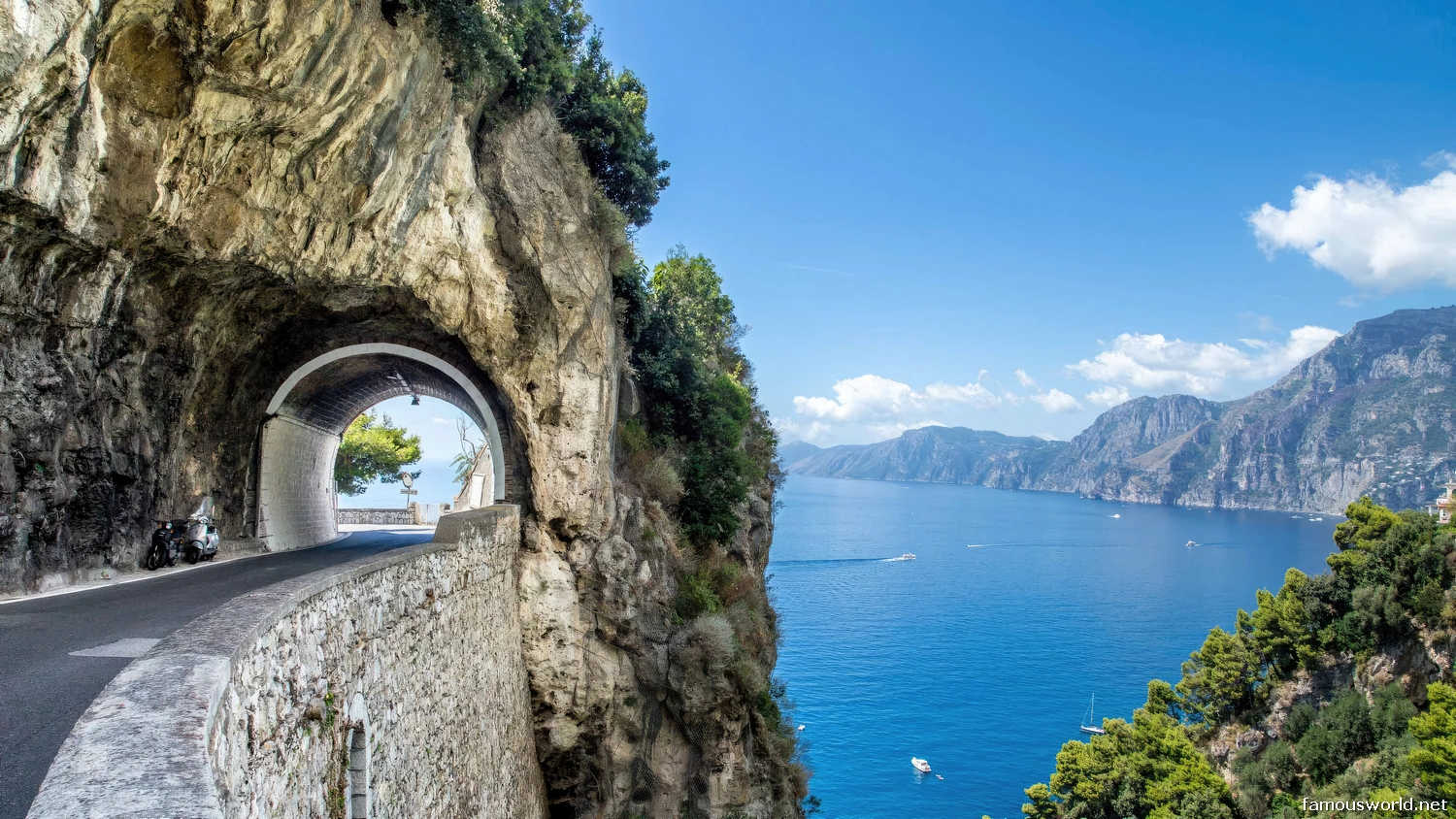
- By Car: The legendary Amalfi Drive (Strada Statale 163) is a narrow, winding road carved into the cliffs that connects all the towns. Driving it is a spectacular but challenging experience, especially during peak season.
- By Bus: SITA buses are the primary mode of public transport, connecting the coastal towns with Sorrento and Salerno.
- By Ferry: In the warmer months, regular ferries are the most scenic and relaxing way to travel, connecting towns like Positano, Amalfi, and Salerno and offering stunning views of the coastline from the water.
- Nearest Major Hubs: The closest major airport is in Naples (NAP), and the closest high-speed train station is in Salerno. From either city, you can connect to the coast via ferry, bus, or private transfer.
Landscape and Architecture
The coast is a masterpiece of human adaptation to a challenging, vertical environment.
- A Vertical Landscape: The defining feature is the dramatic topography, with steep, rocky cliffs dropping directly into the turquoise Tyrrhenian Sea.
- Terraced Cultivation: To make use of the steep slopes, locals have for centuries built “terrazzamenti” (terraces) supported by dry-stone walls. These are used to cultivate lemons, grapes, and olives, creating a unique, man-made pattern on the landscape.
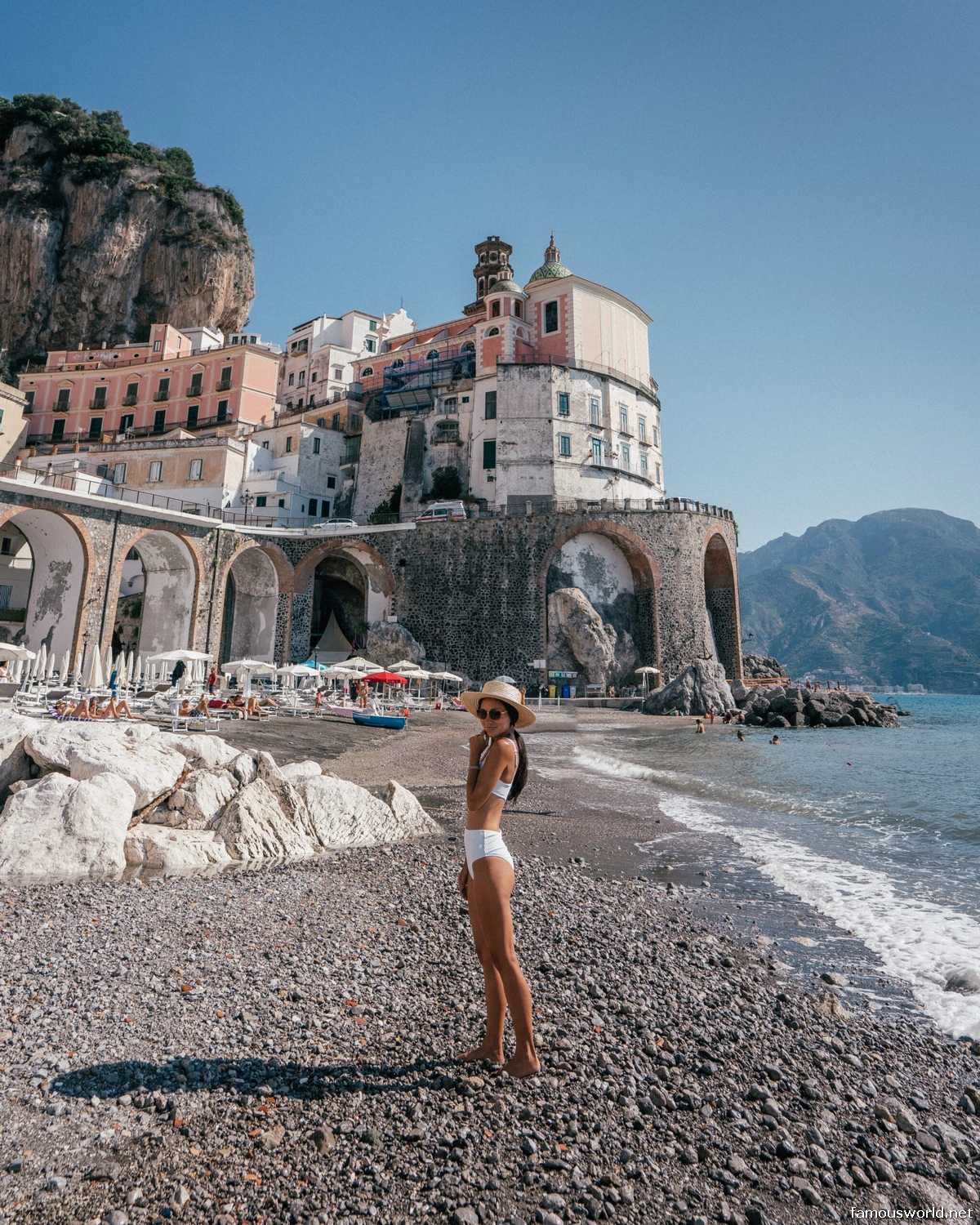
- Cliffside Towns: The towns and villages are built directly into the cliffsides, featuring a cascade of colorful houses, narrow winding streets, steep staircases, and beautiful domed churches decorated with vibrant majolica tiles.
- Hidden Coves and Beaches: While long sandy beaches are rare, the coastline is dotted with dozens of small, secluded pebble beaches and coves, many of which are only accessible by boat or down long flights of stairs.
What Makes It Famous
The Amalfi Coast is world-renowned for its sublime beauty, romantic atmosphere, and luxurious appeal.
- Breathtaking Scenery: It is famous for its jaw-dropping panoramic views, which combine the blues of the sea and sky with the vibrant greens of the terraced groves and the pastel colors of the villages.
- Romantic and Glamorous Destination: The coast has long been a playground for the rich and famous, celebrated for its luxury hotels, fine dining, and incredibly romantic atmosphere.
- Amalfi Lemons: The region is famous for its unique Sfusato Amalfitano lemons, a large, fragrant variety used to make the iconic liqueur, Limoncello.
- Historical Significance: The town of Amalfi was the capital of a powerful maritime republic from the 9th to the 13th century, a major trading power in the Mediterranean.
Differences from Other Wonders (e.g., Statua del Gigante)
A vast, celebrated coastline offers a completely different experience from a single, specific monument.
- Environment (A Region vs. A Solitary Monument): The Amalfi Coast is an entire region composed of multiple towns, roads, hiking trails, and a long stretch of coastline. The Statua del Gigante is a single work of art in a fixed location.
- Primary Attraction (The Entire Landscape vs. A Historic Sculpture): The attraction of the Amalfi Coast is the entire sensory experience—the drives, the views, the food, the towns, and the sea. The attraction of the Giant is its specific visual impact and historical story.
- Core Story (A Blend of Nature and Culture vs. Lost Splendor): The story of the Amalfi Coast is one of a spectacular natural landscape shaped by centuries of human culture, agriculture, and history. The statue’s story is a more focused tale of a glamorous past and subsequent decline.
- Atmosphere (Diverse and Vibrant vs. Awe and Melancholy): The atmosphere along the coast varies from the bustling energy of Amalfi town to the chic glamour of Positano and the quiet charm of smaller villages. The atmosphere at the statue is one of singular awe and reflection on its history.
Location on world map