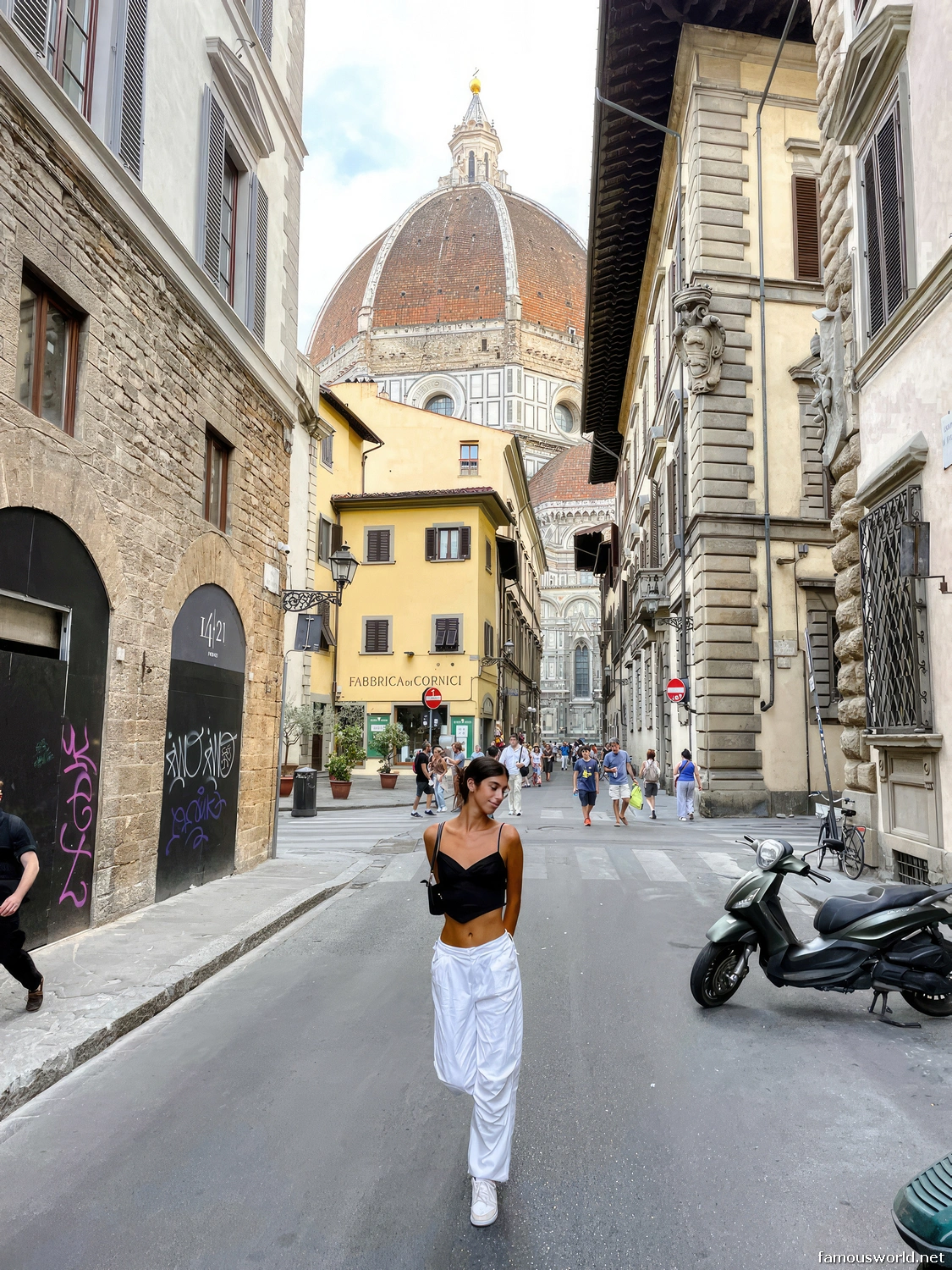
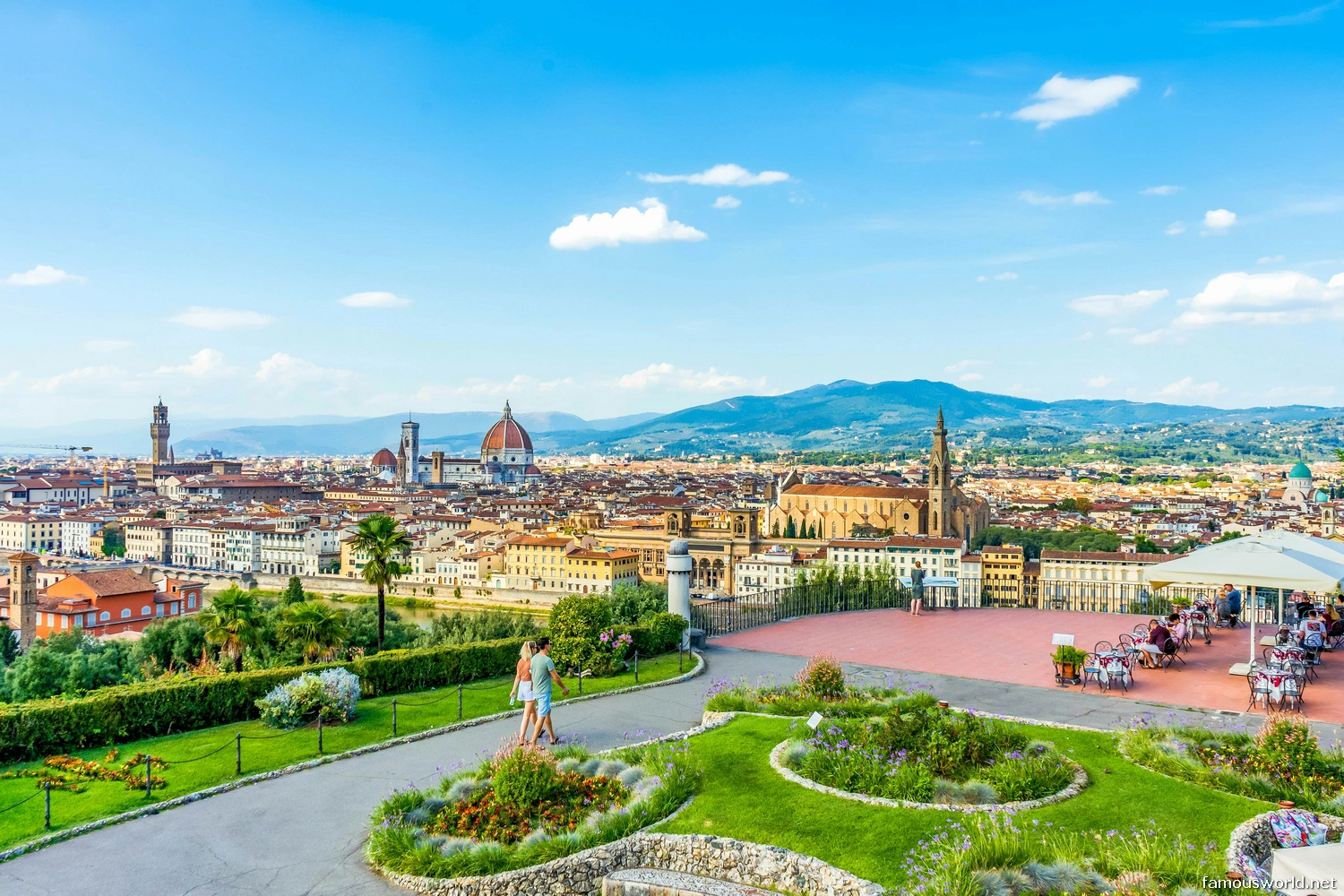
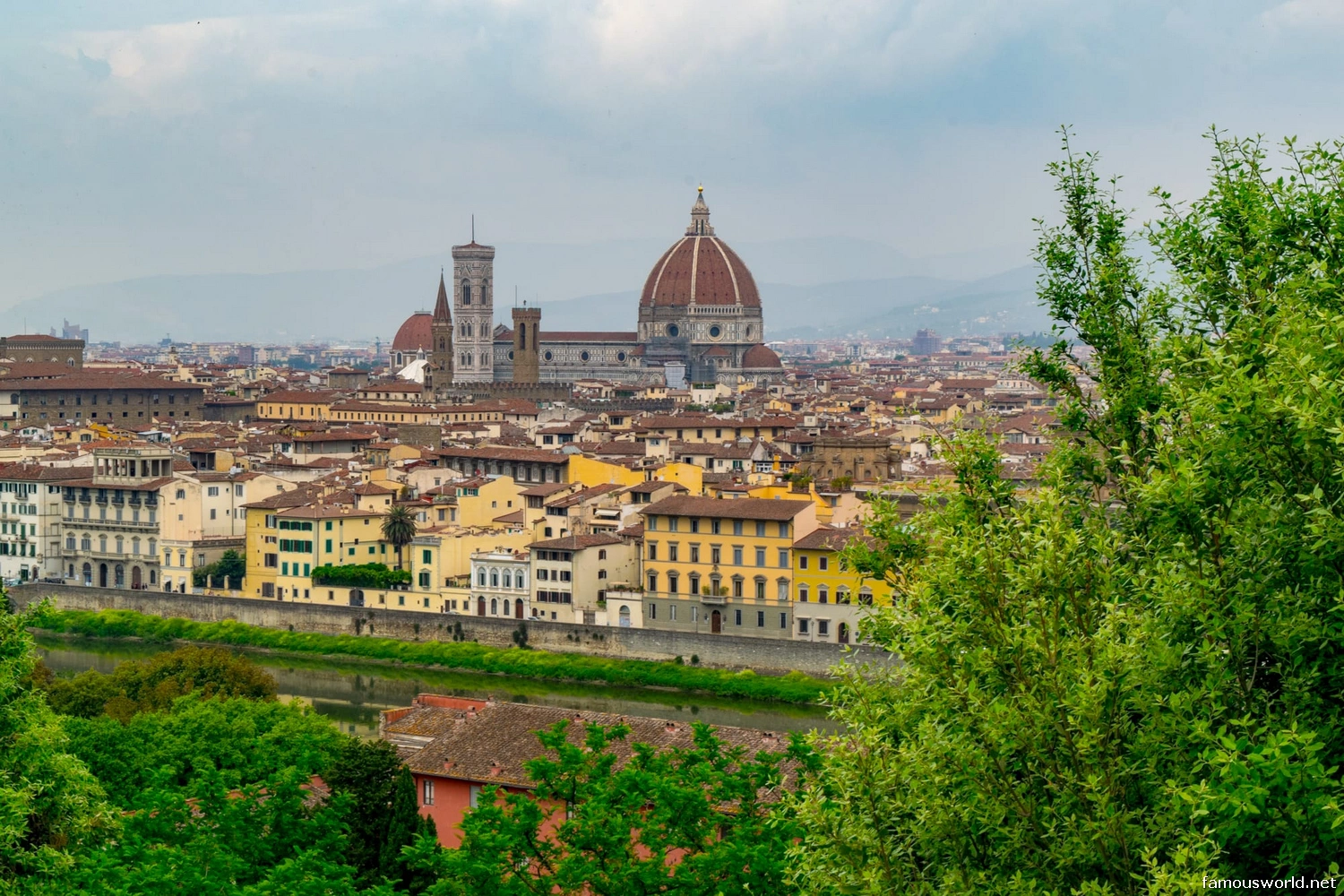
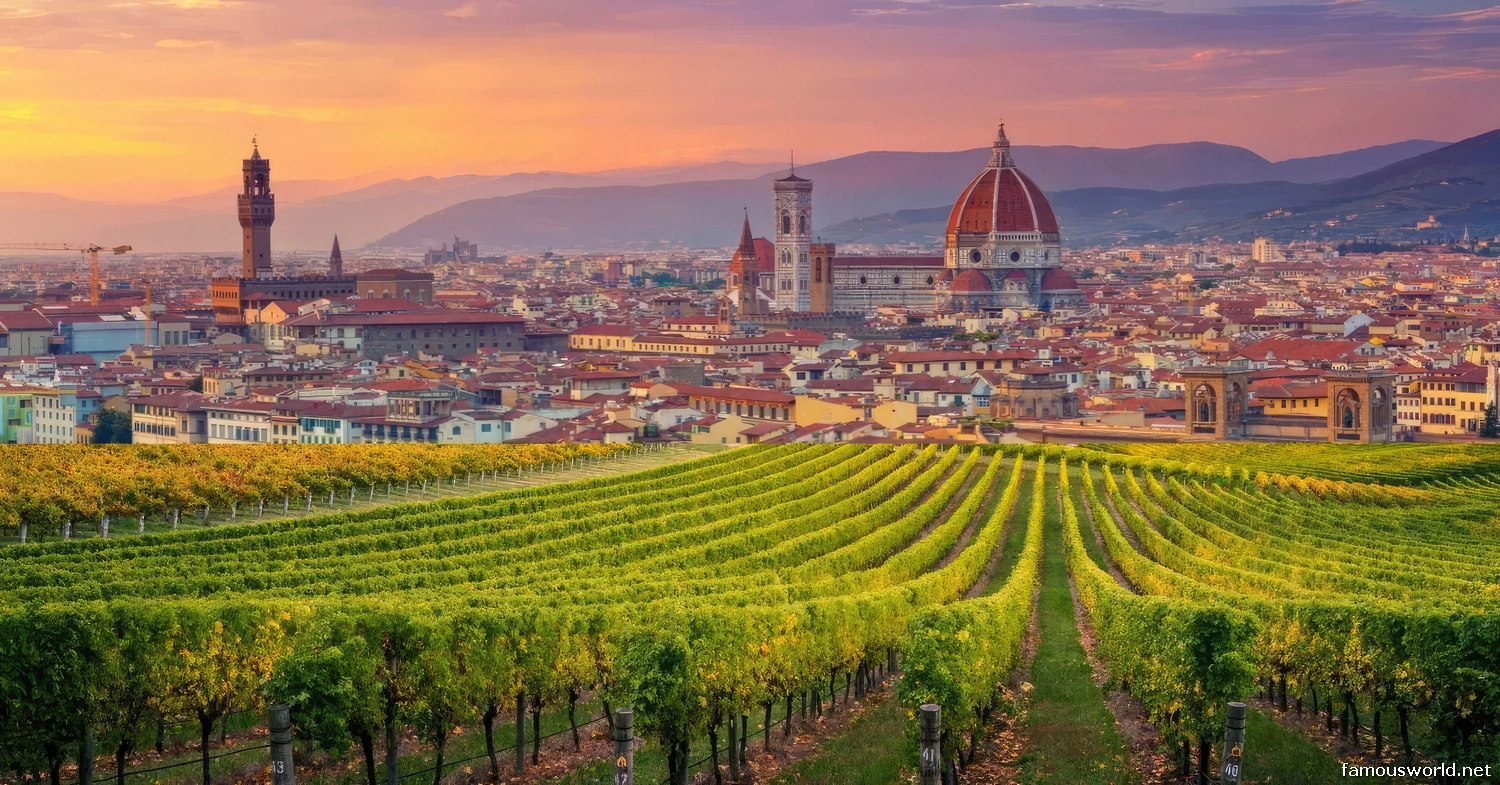
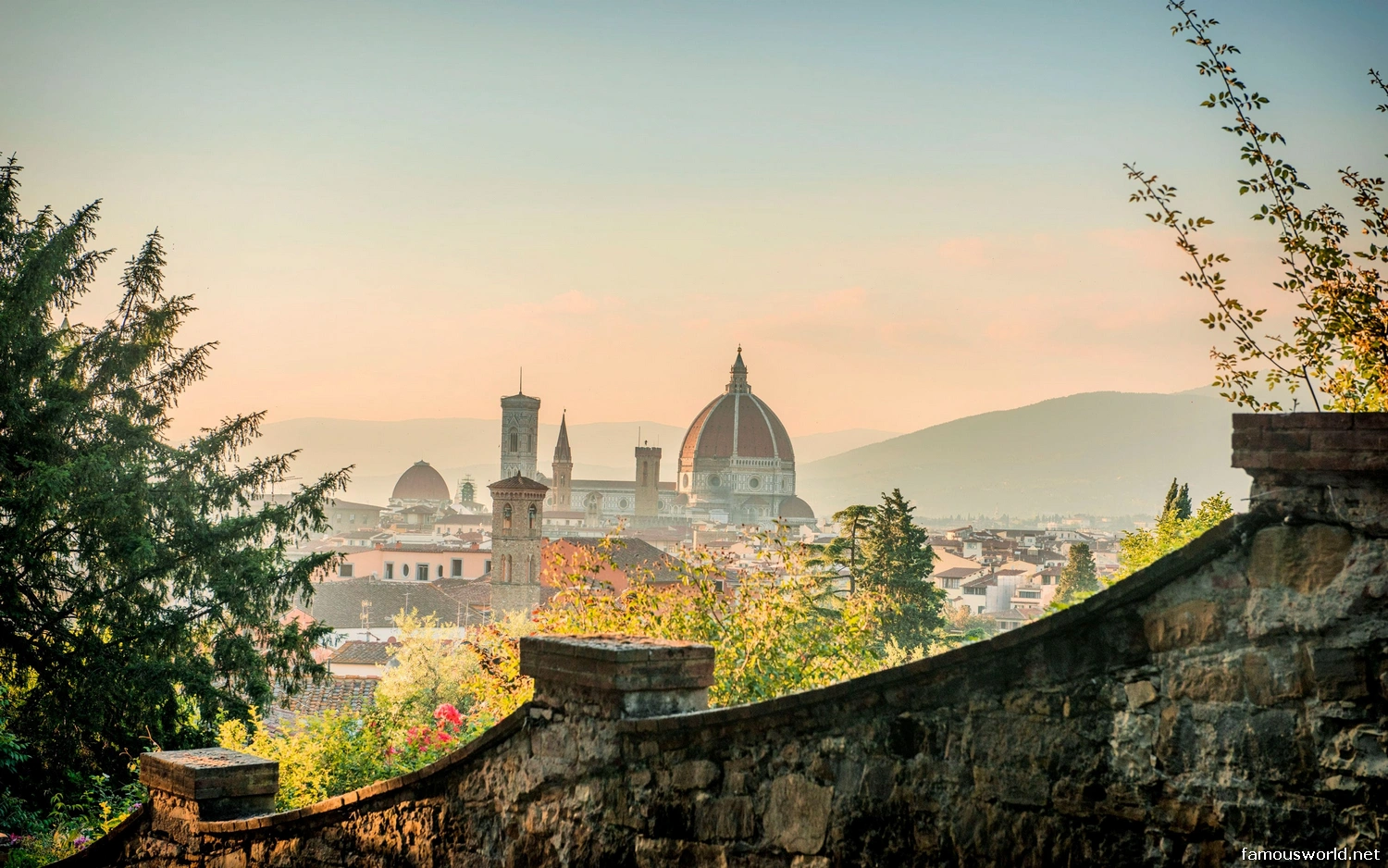
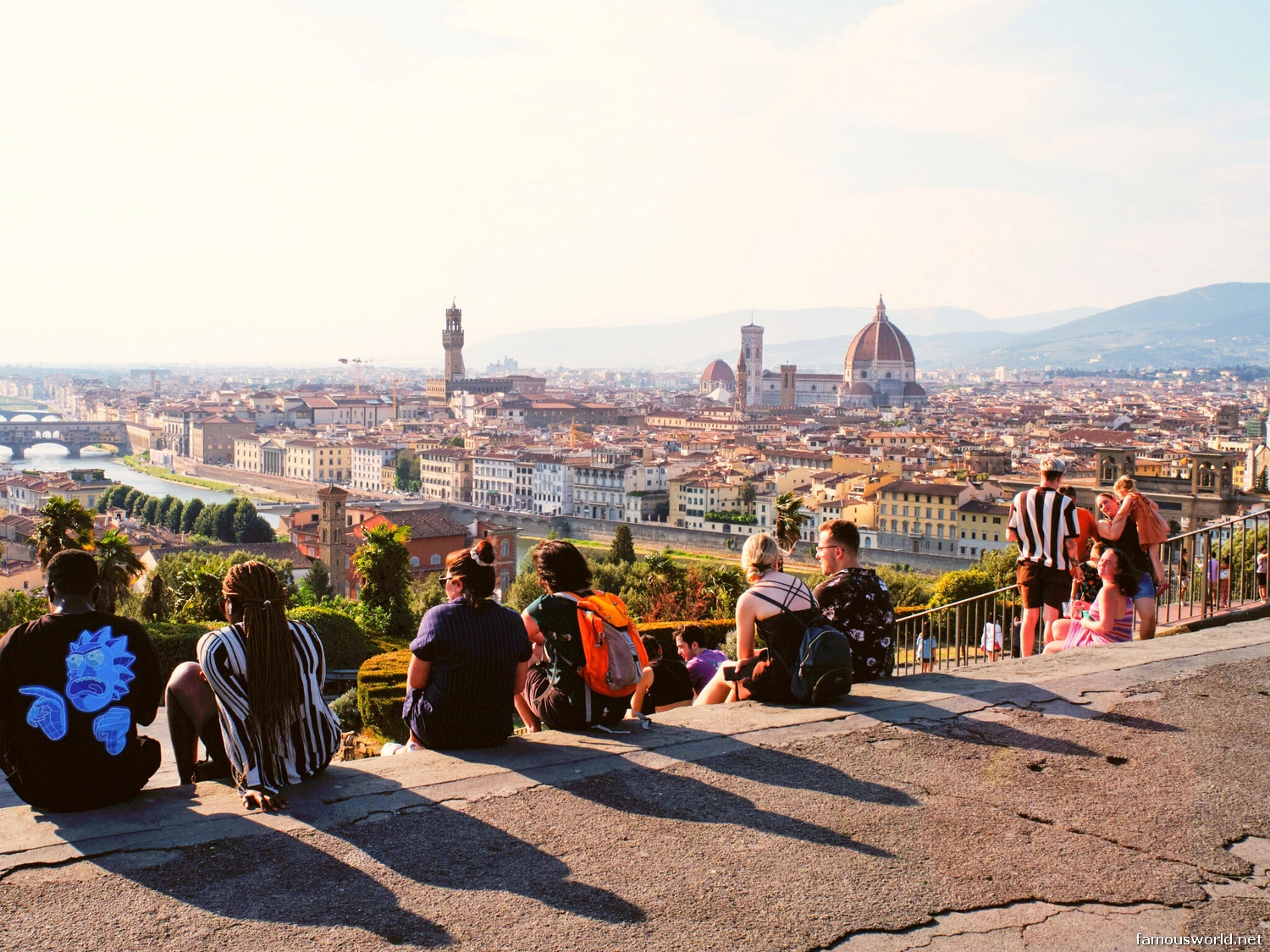

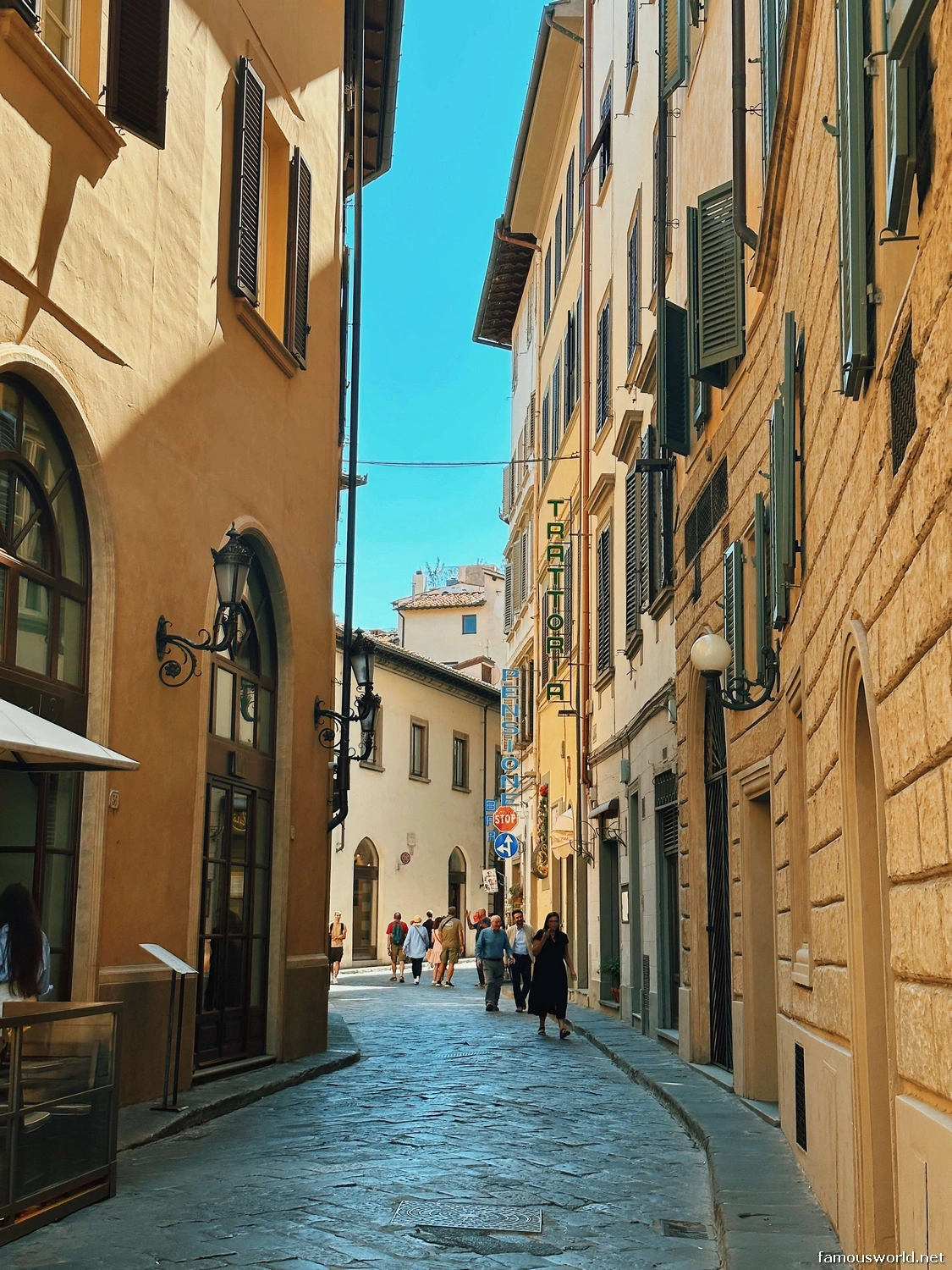
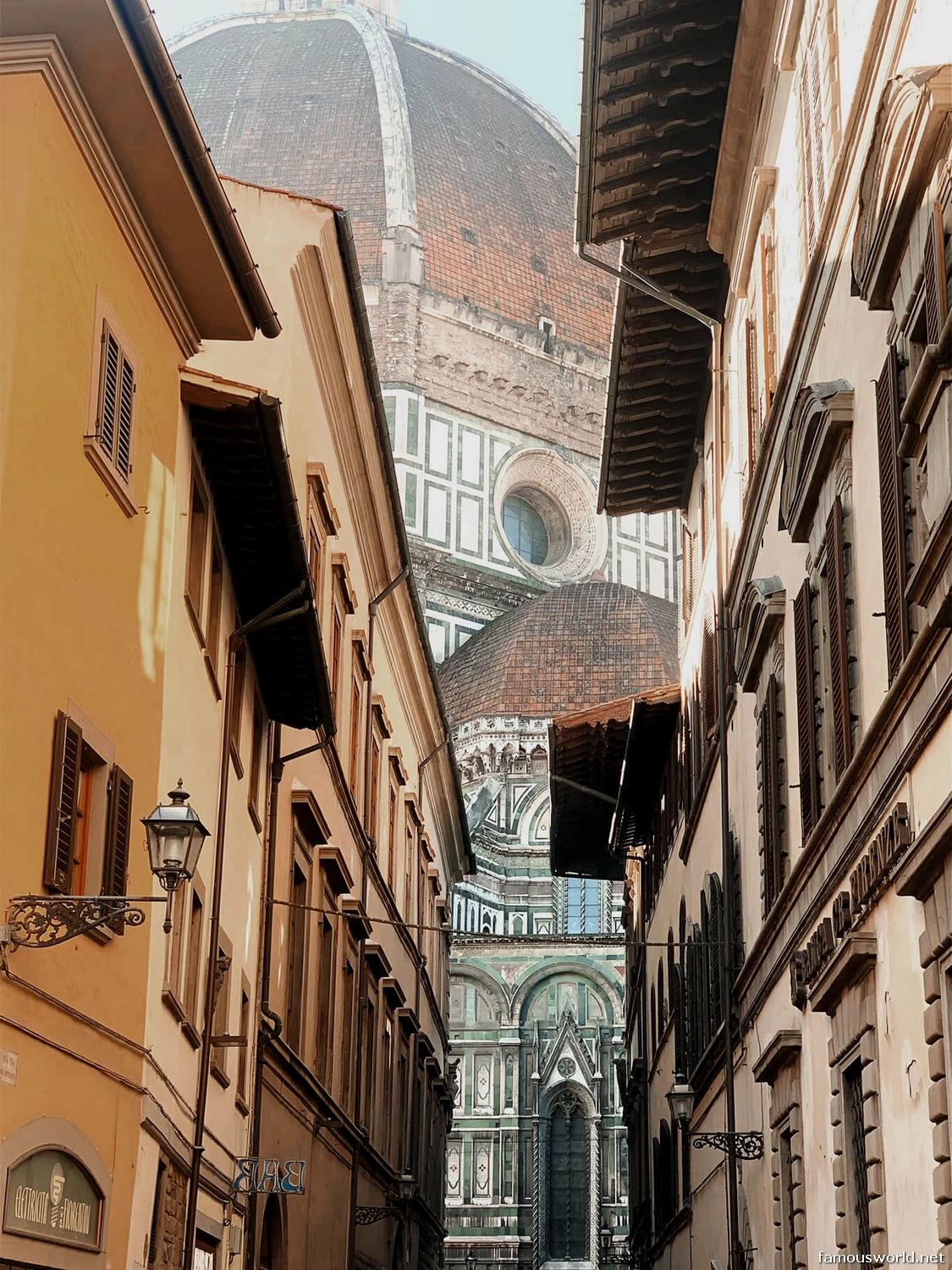
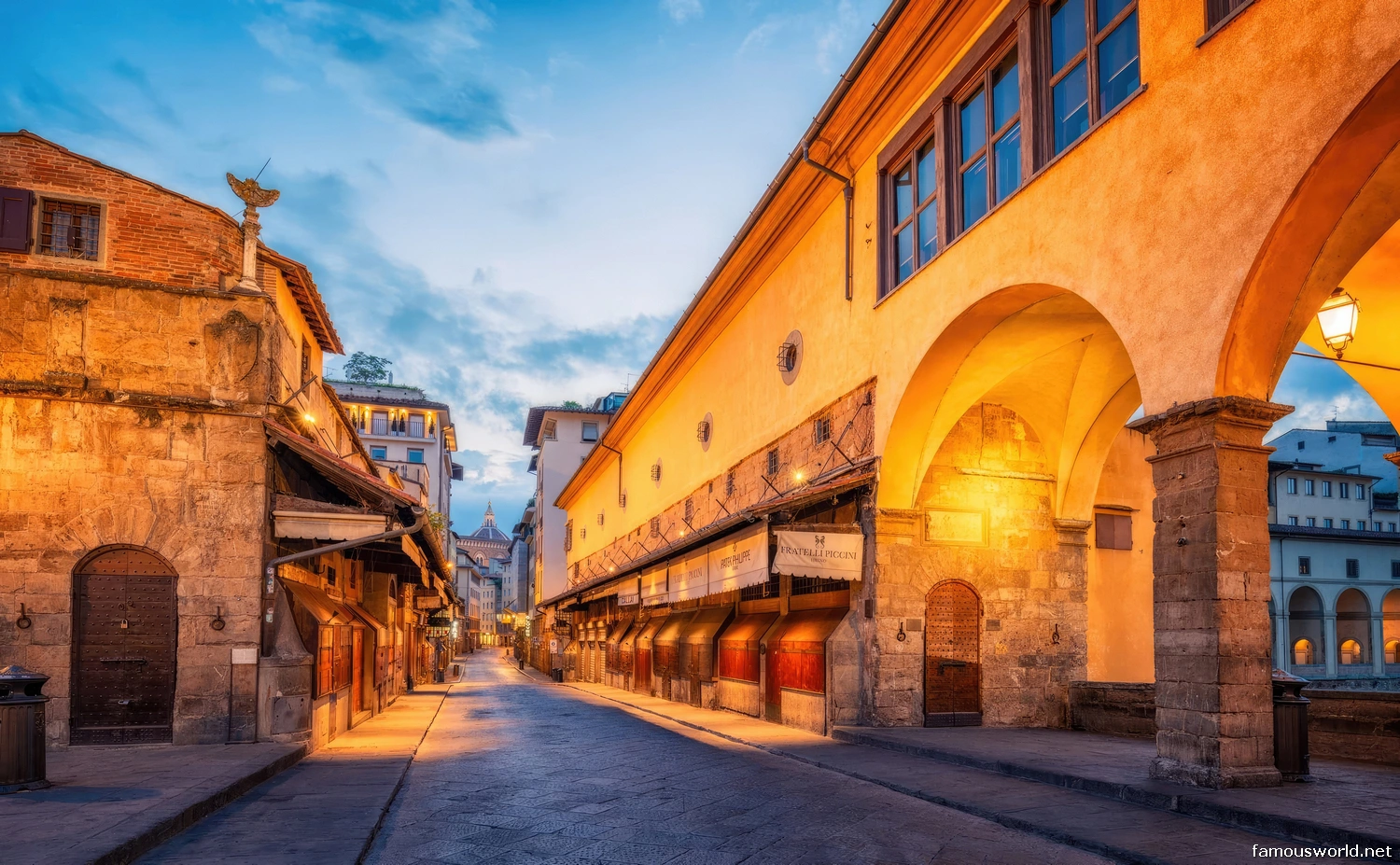
Florence, the capital of Italy’s Tuscany region, is a city built on artistic genius and intellectual fervor. Known as the “cradle of the Renaissance,” it is not merely a city but a living, open-air museum, where every piazza, palace, and cobblestone street tells a story of artistic revolution. Set on the banks of the Arno River amidst rolling Tuscan hills, Florence was home to masters like Michelangelo, Leonardo da Vinci, and Botticelli, whose works are housed in world-class galleries. This is a city defined by monumental art, architectural masterpieces, and a powerful history shaped by the influential Medici family, offering an unparalleled immersion into the creative spirit that reshaped the world.
Listen to an introduction about Florence

Name and Location
- Name: Florence (Firenze)
- Location: In the heart of the Tuscany region of central Italy, situated on the Arno River.
How to Get There
Florence is a major hub in central Italy, making it highly accessible.
- By Air: Florence Airport, Peretola (FLR) is the city’s airport, located just a short bus or taxi ride from the center. Pisa Airport (PSA) is a larger international gateway, conveniently connected to Florence by a direct train (about one hour).
- By Train: The main station, Santa Maria Novella (SMN), is centrally located and serves as a major hub for Italy’s high-speed rail network, with frequent connections to Rome, Milan, and Venice.
- By Car: The A1 motorway (Autostrada del Sole) connects Florence with northern and southern Italy. However, the historic center is a restricted traffic zone (ZTL), so it is highly recommended to park on the outskirts and use public transport.
Landscape and Architecture
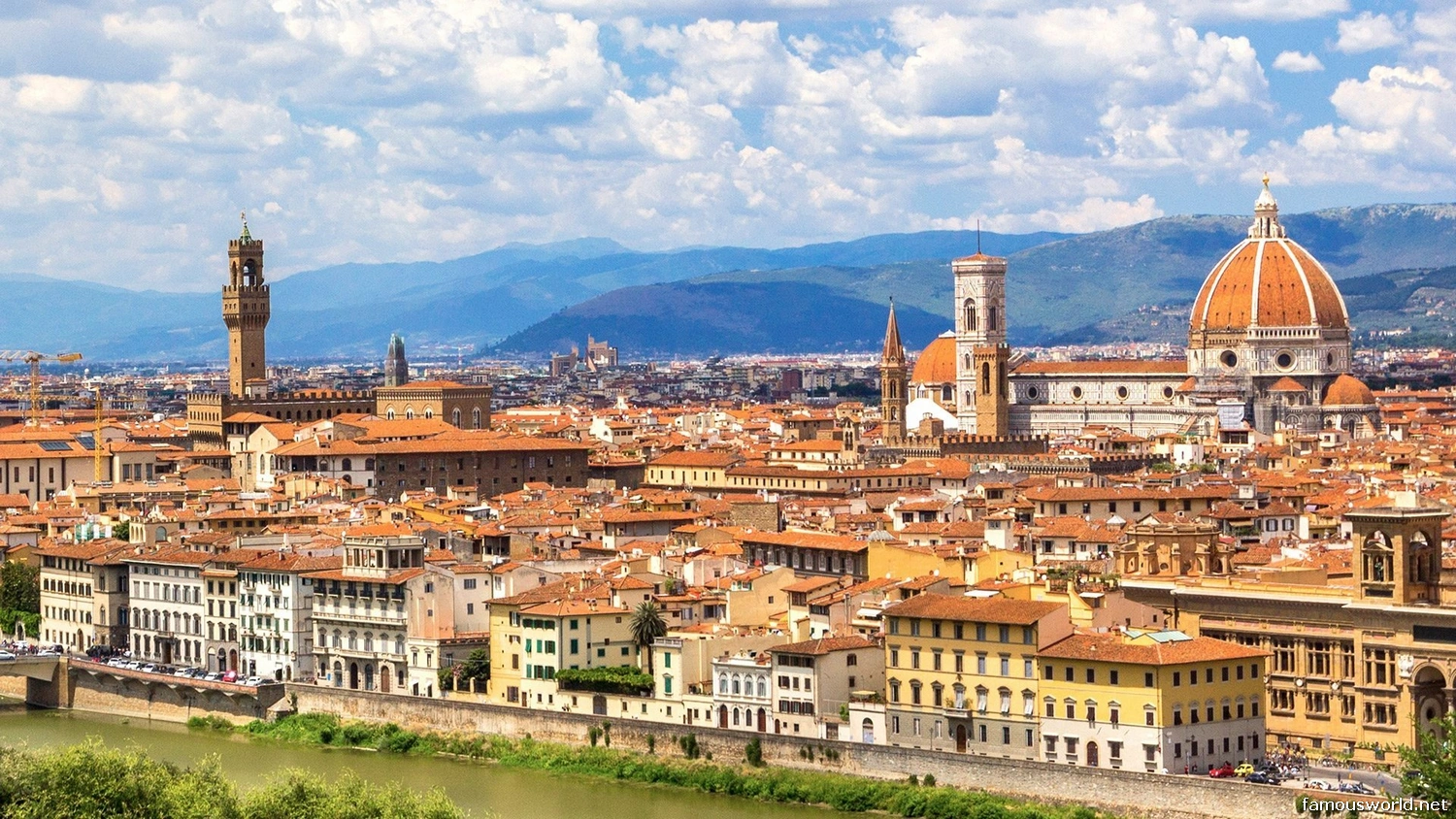
Florence’s landscape is a harmonious blend of urban grandeur and natural Tuscan beauty, with architecture that defined an era.
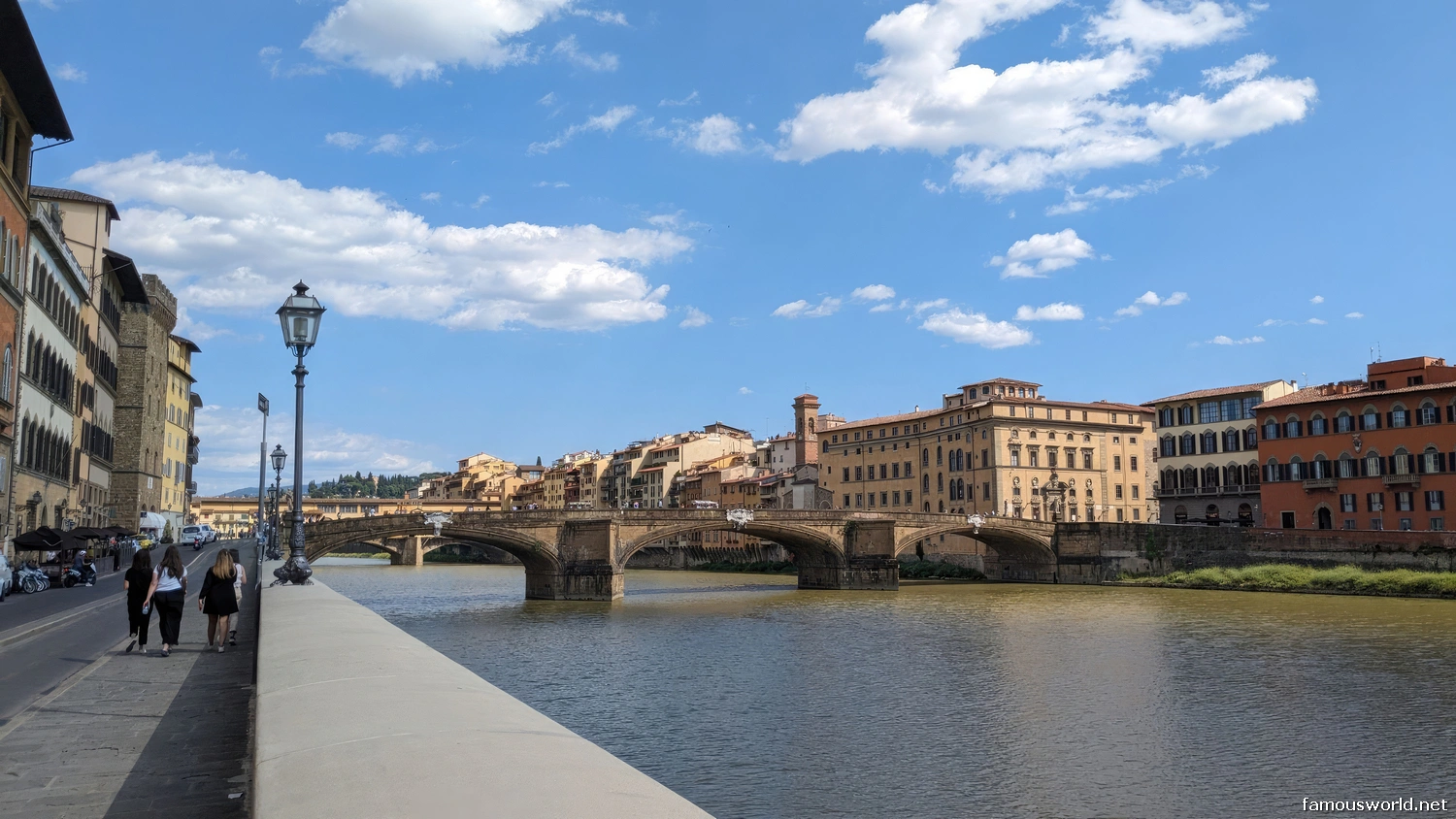
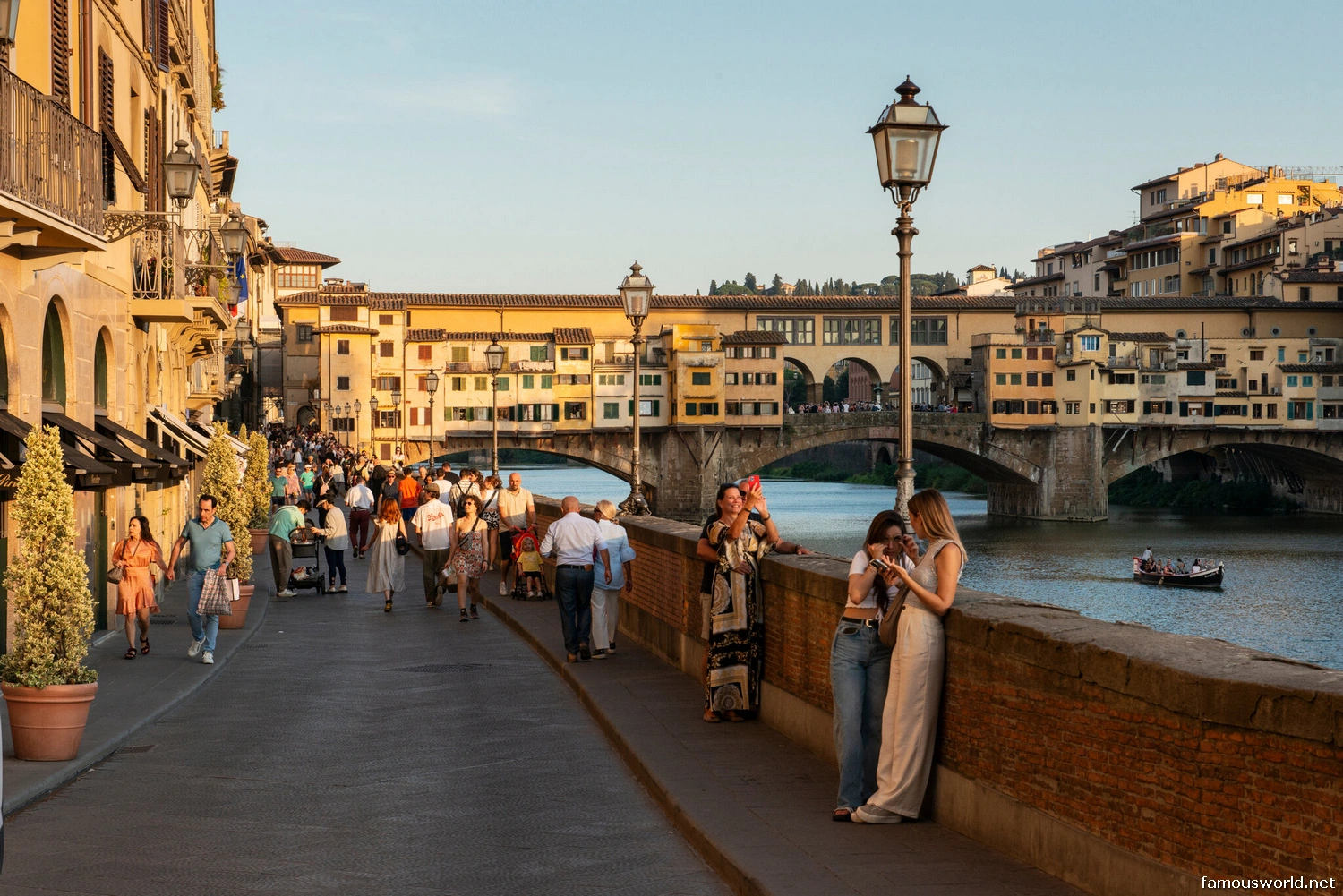
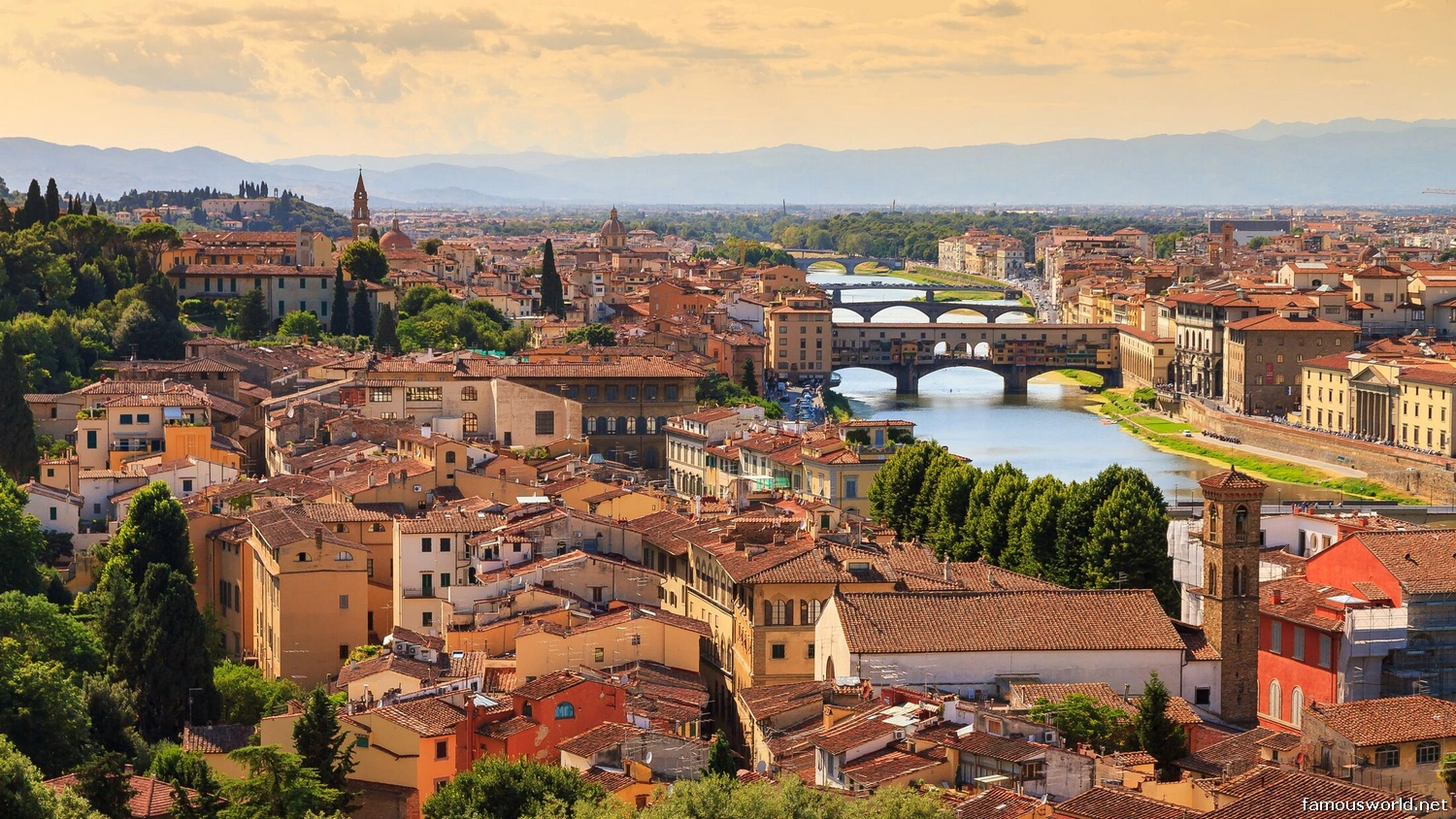
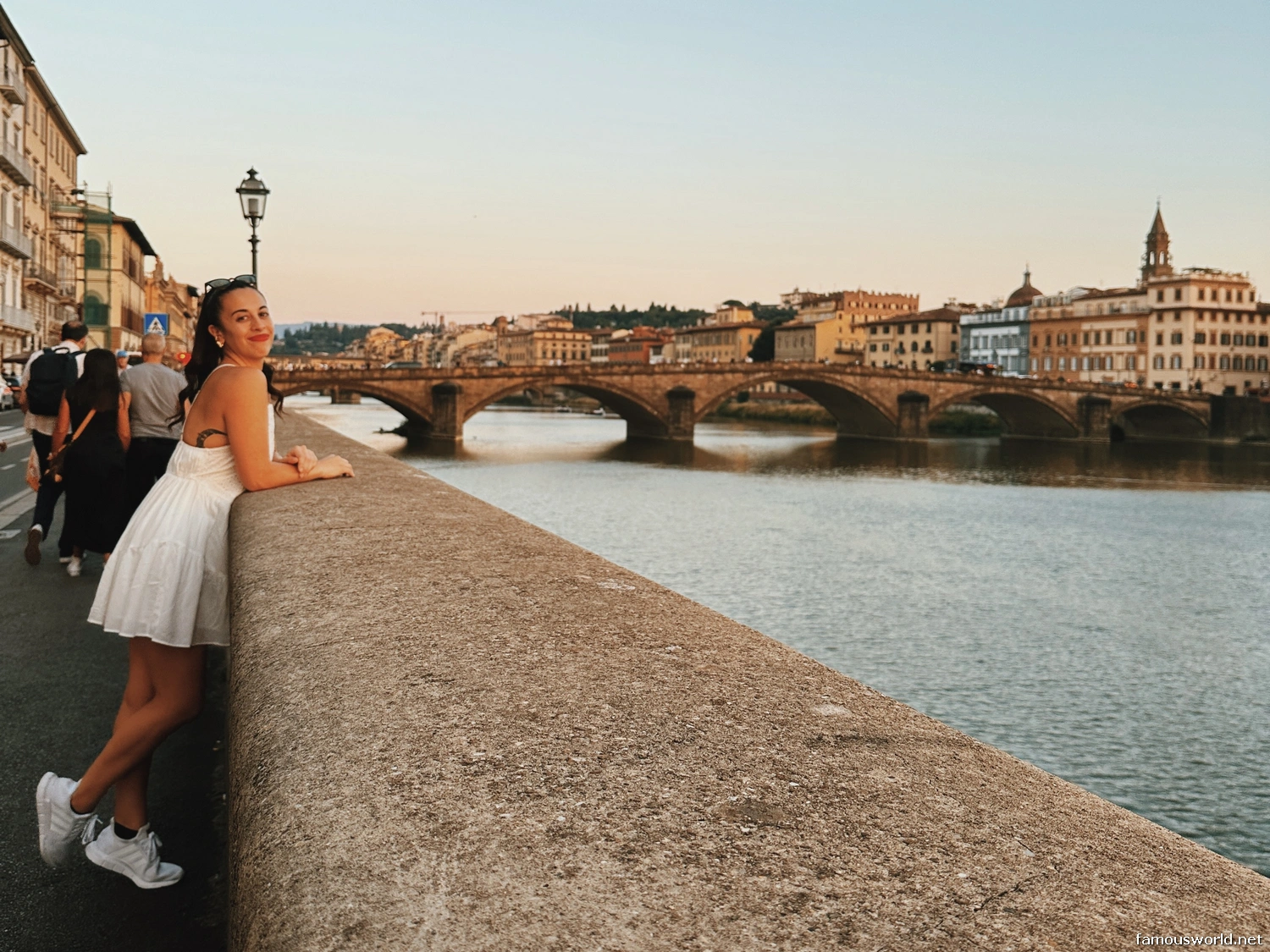
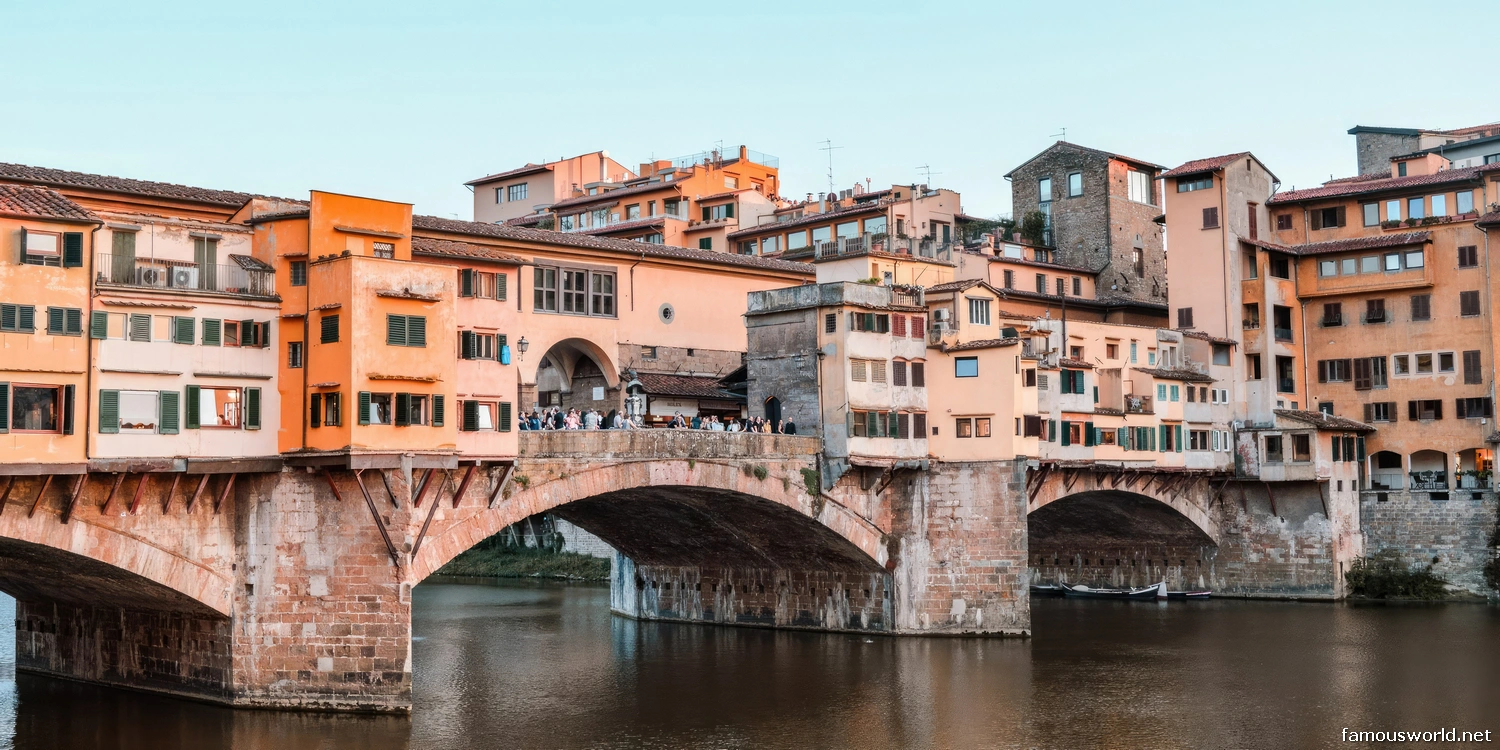
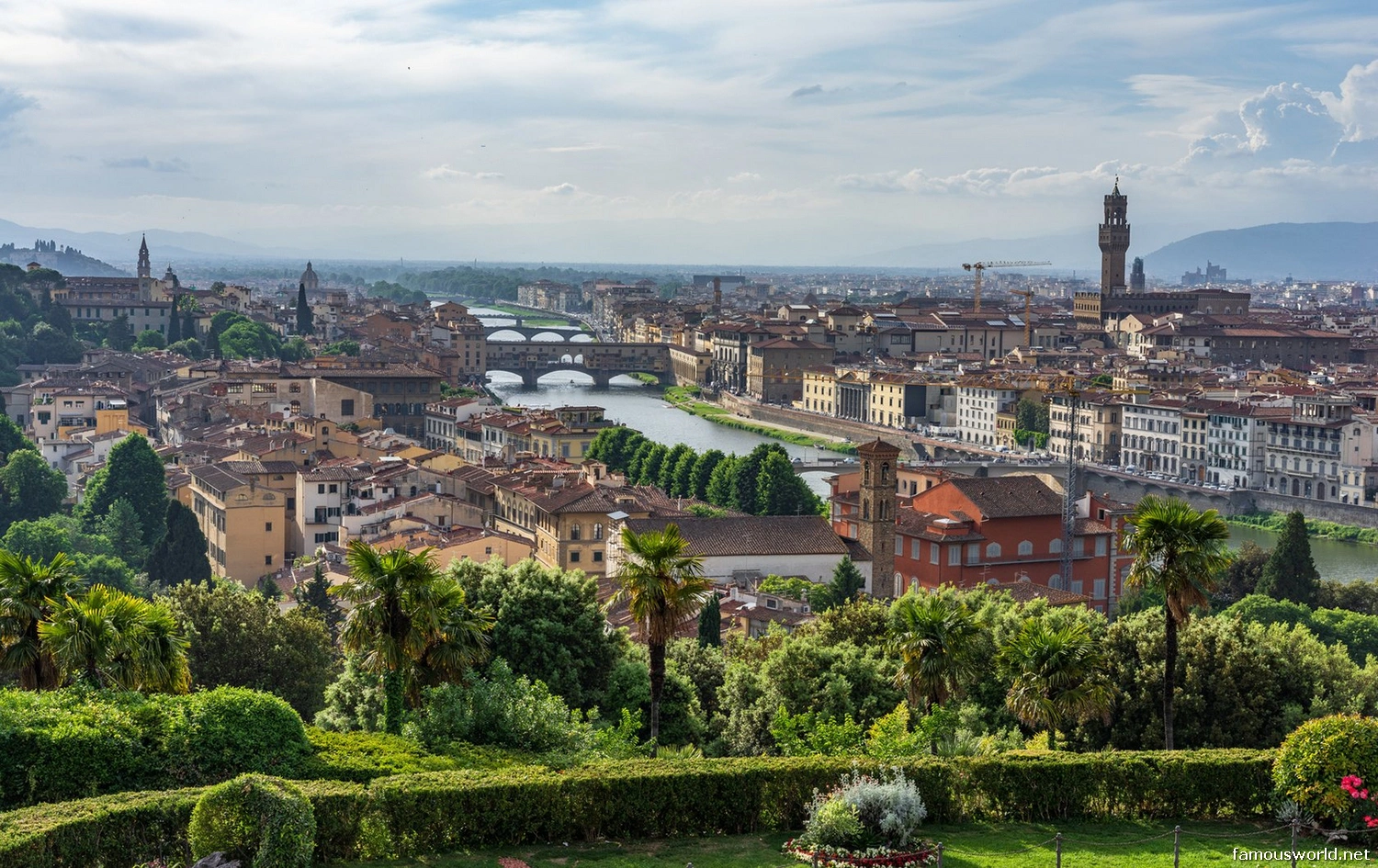
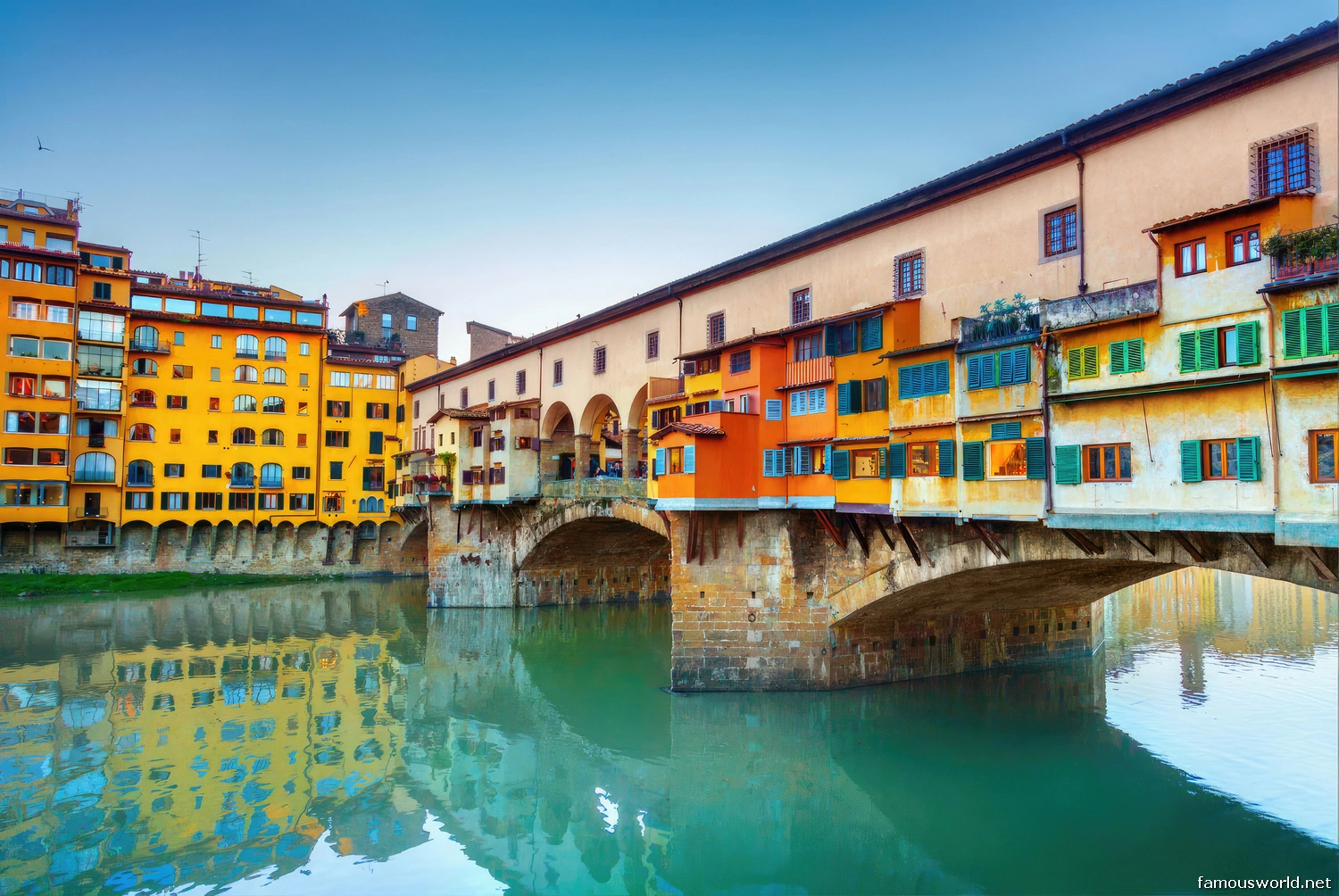
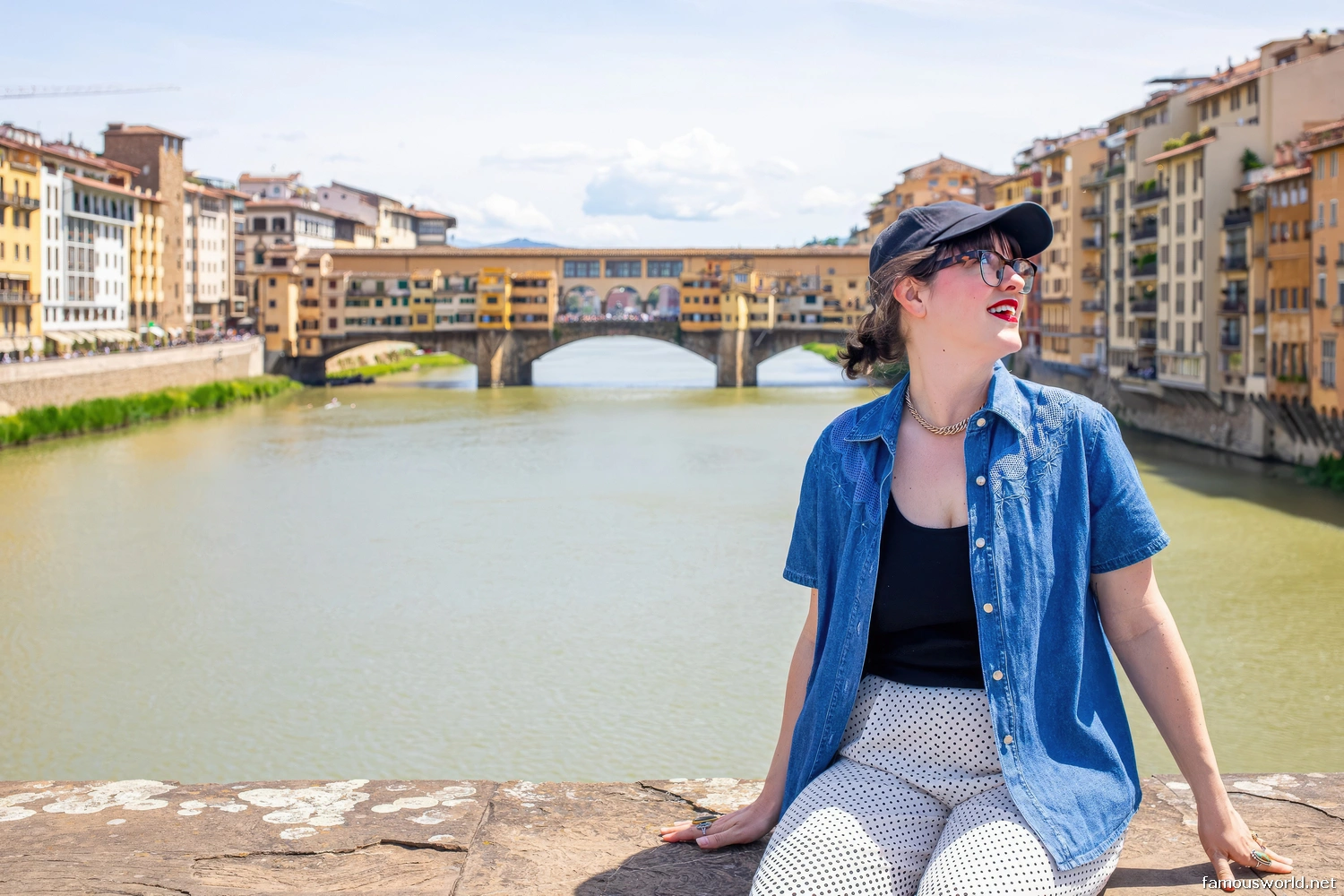
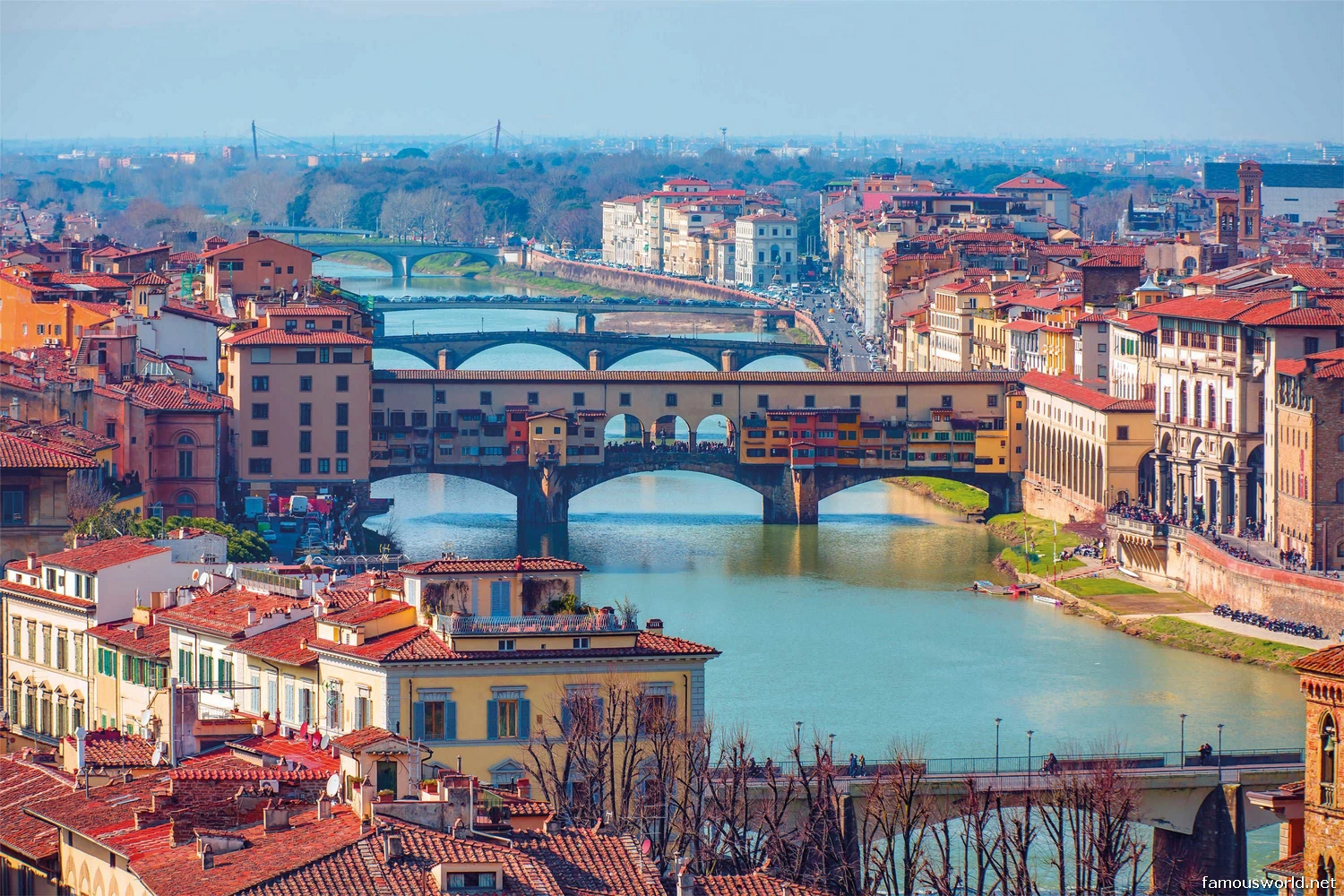
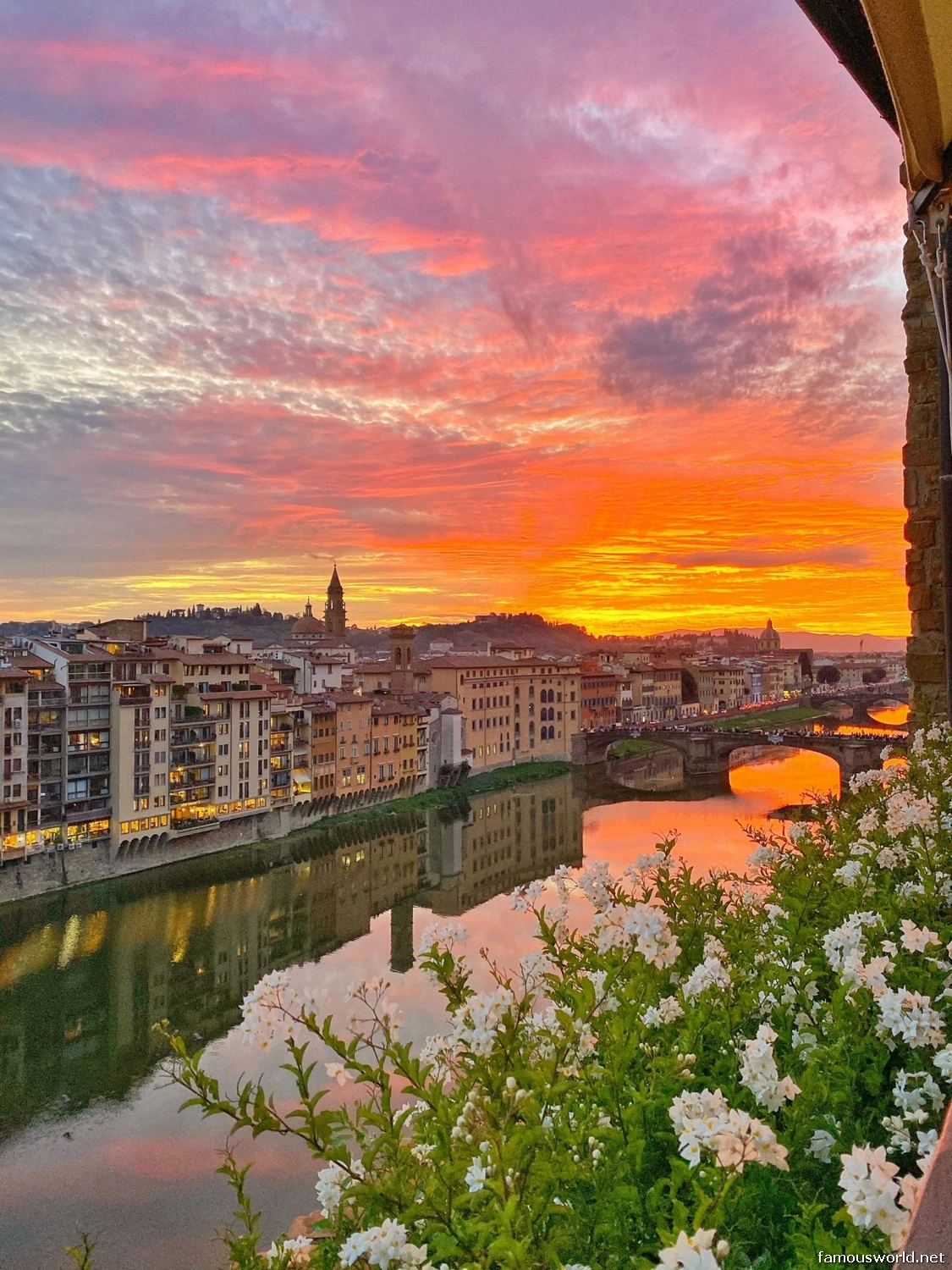
- The Arno River: The river flows through the heart of the city, crossed by several bridges, most famously the Ponte Vecchio. This medieval stone bridge is unique for its shops built along it, a feature that has survived for centuries.
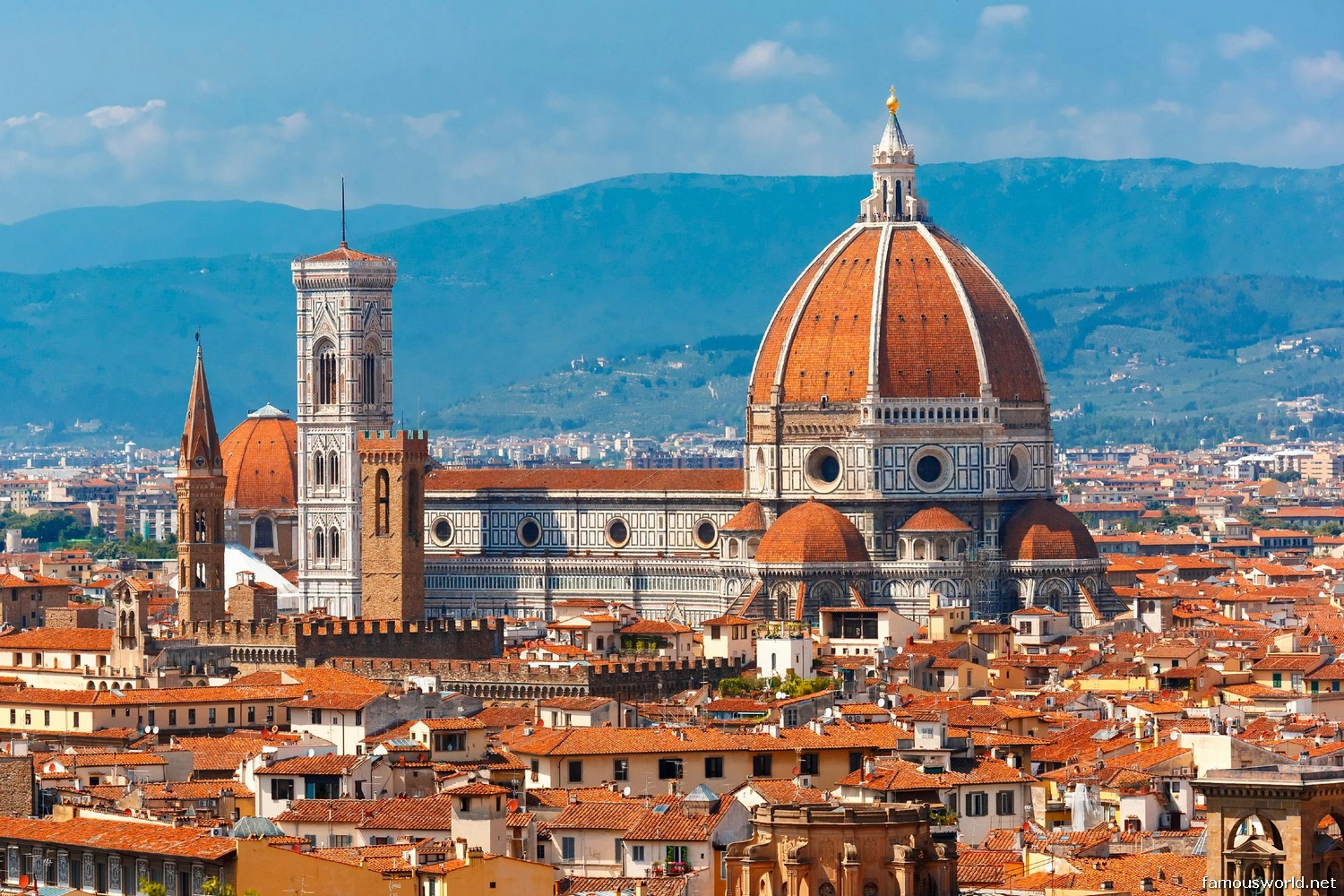
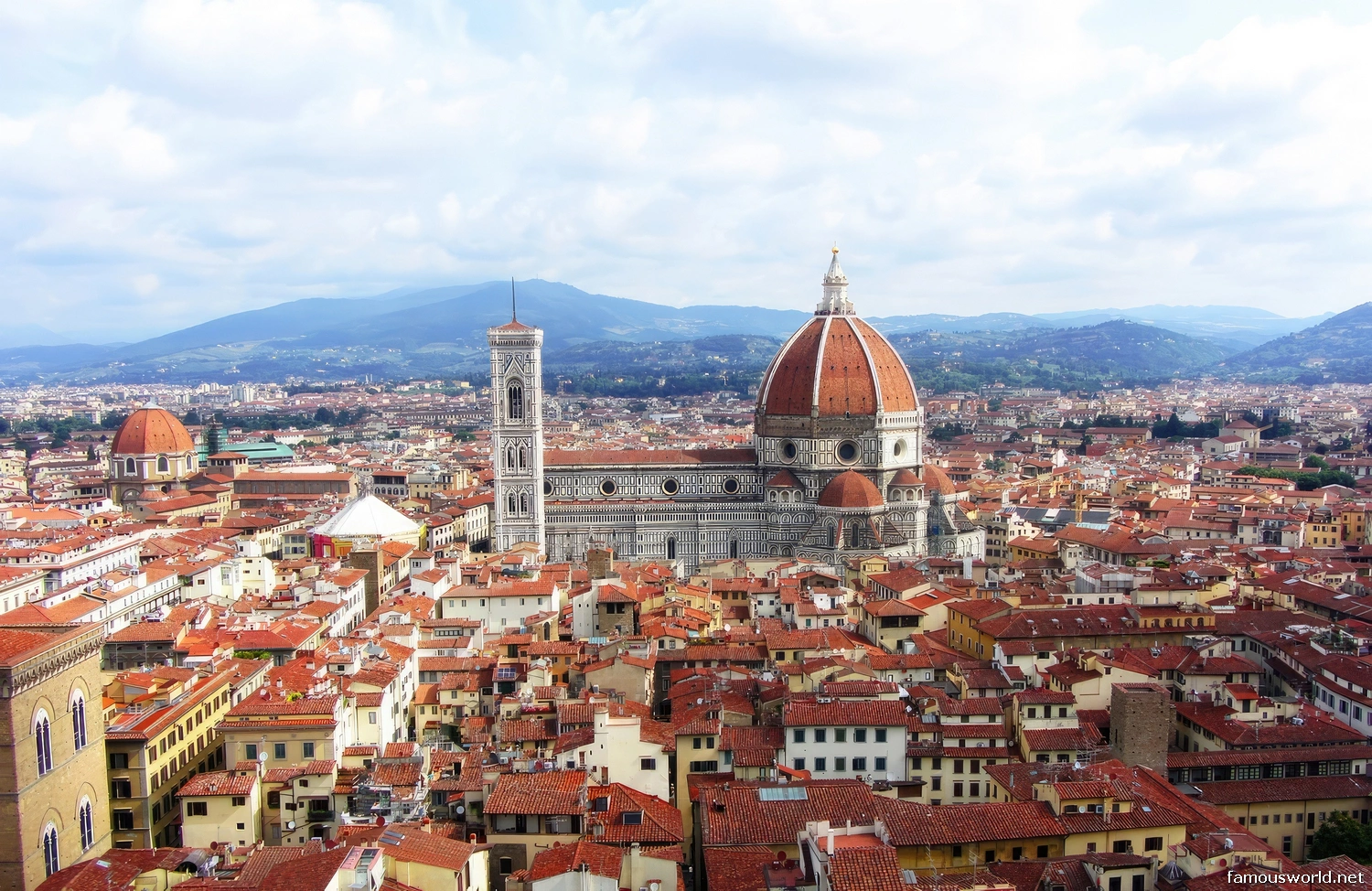
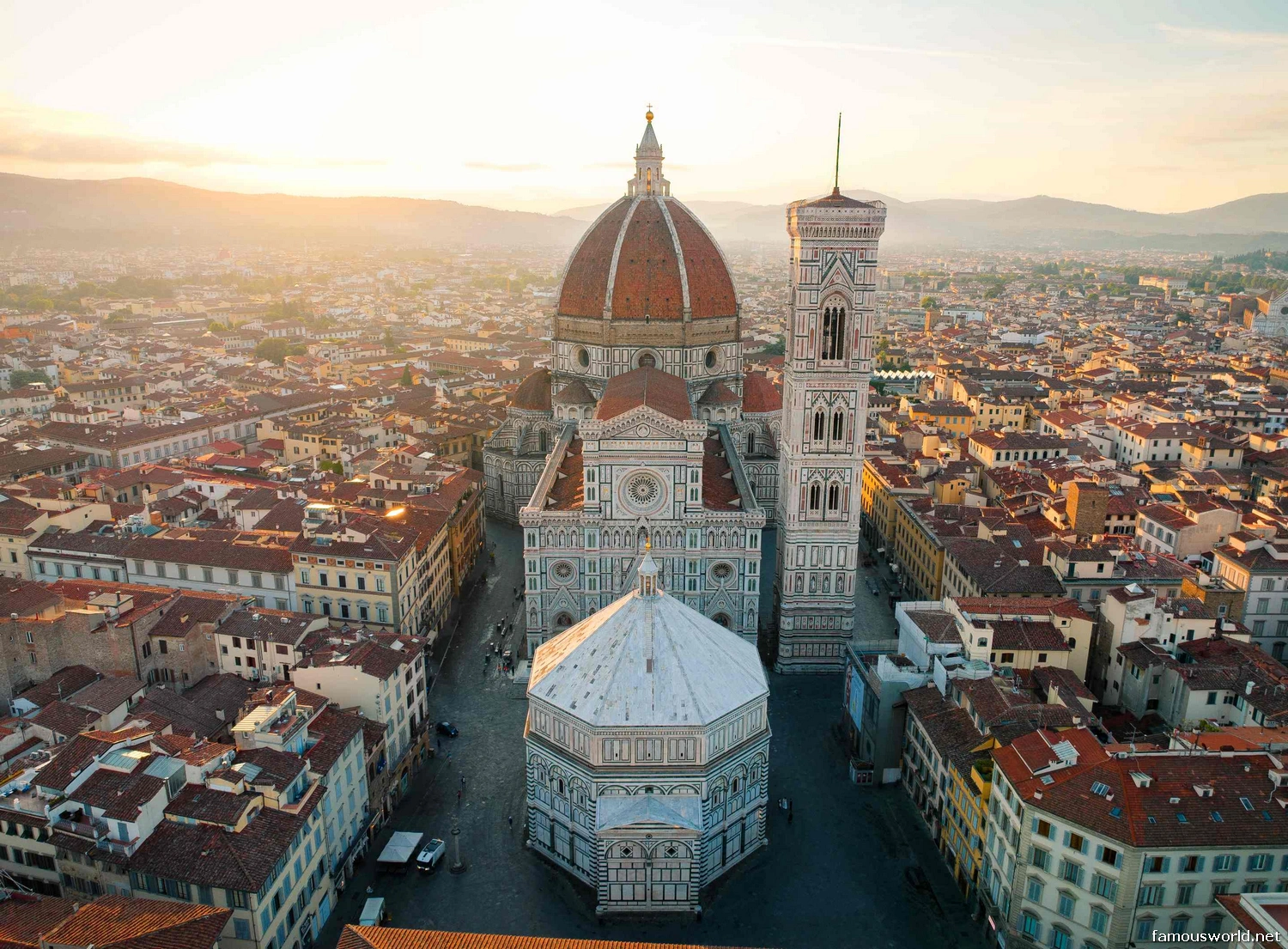
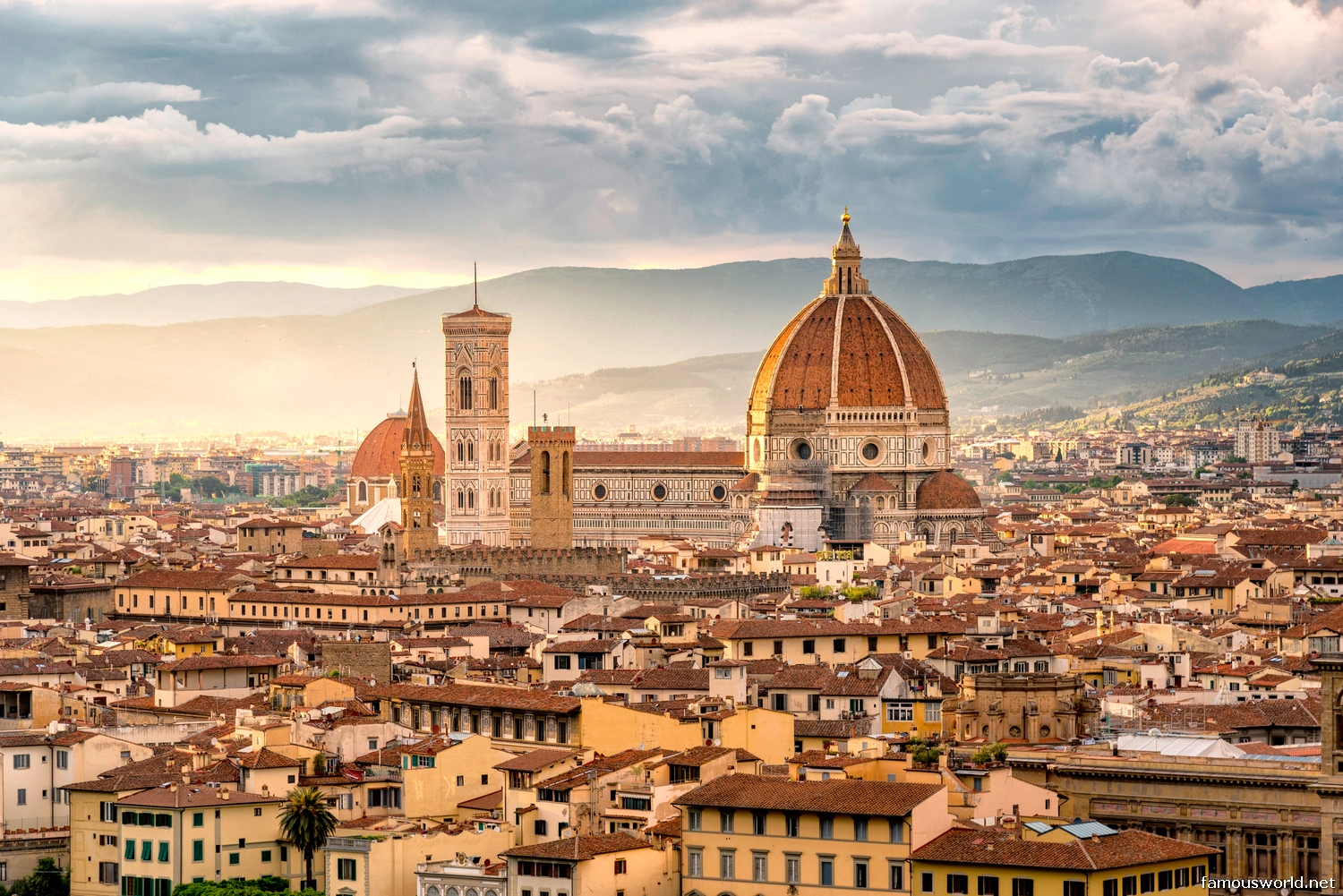
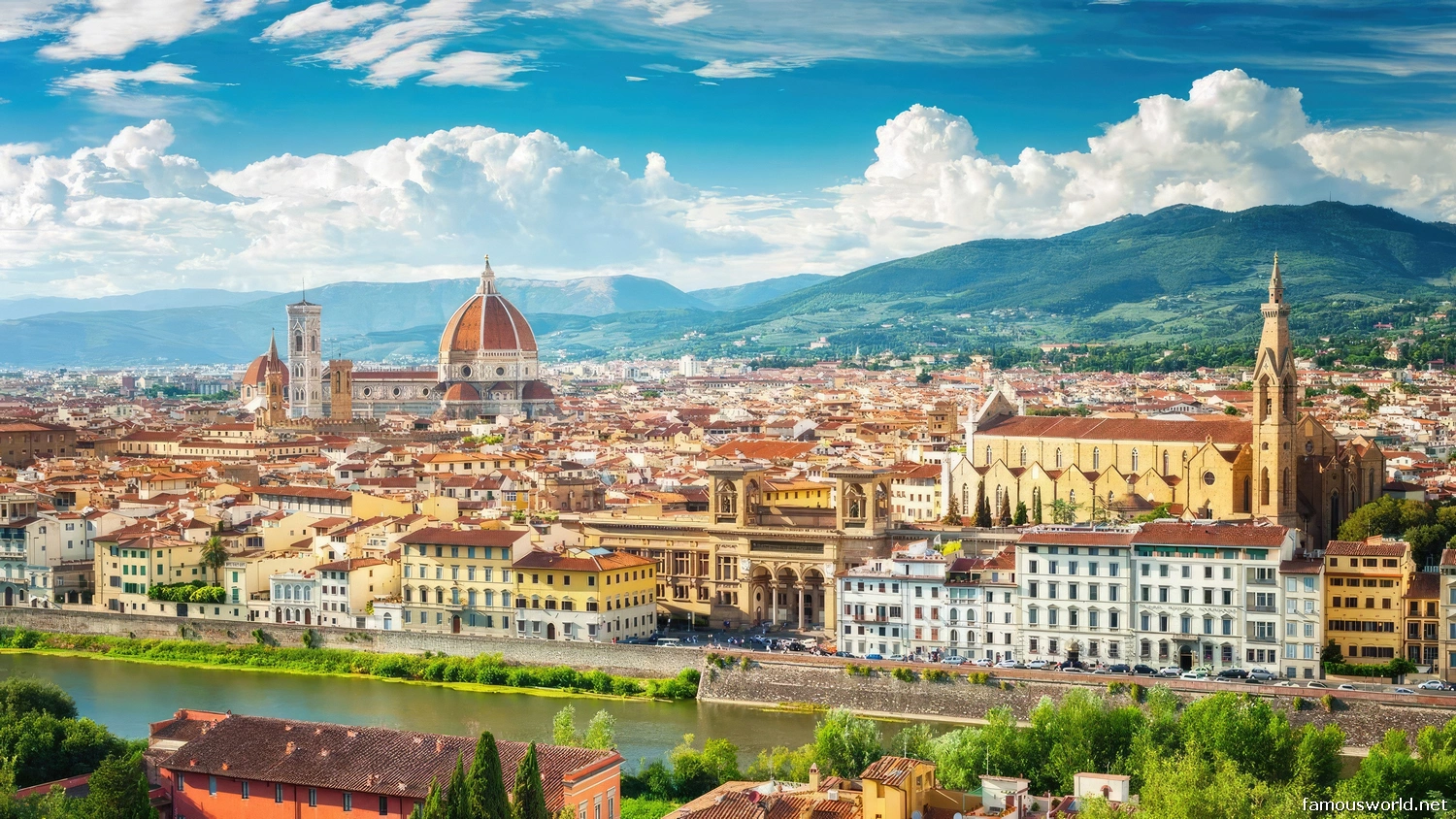
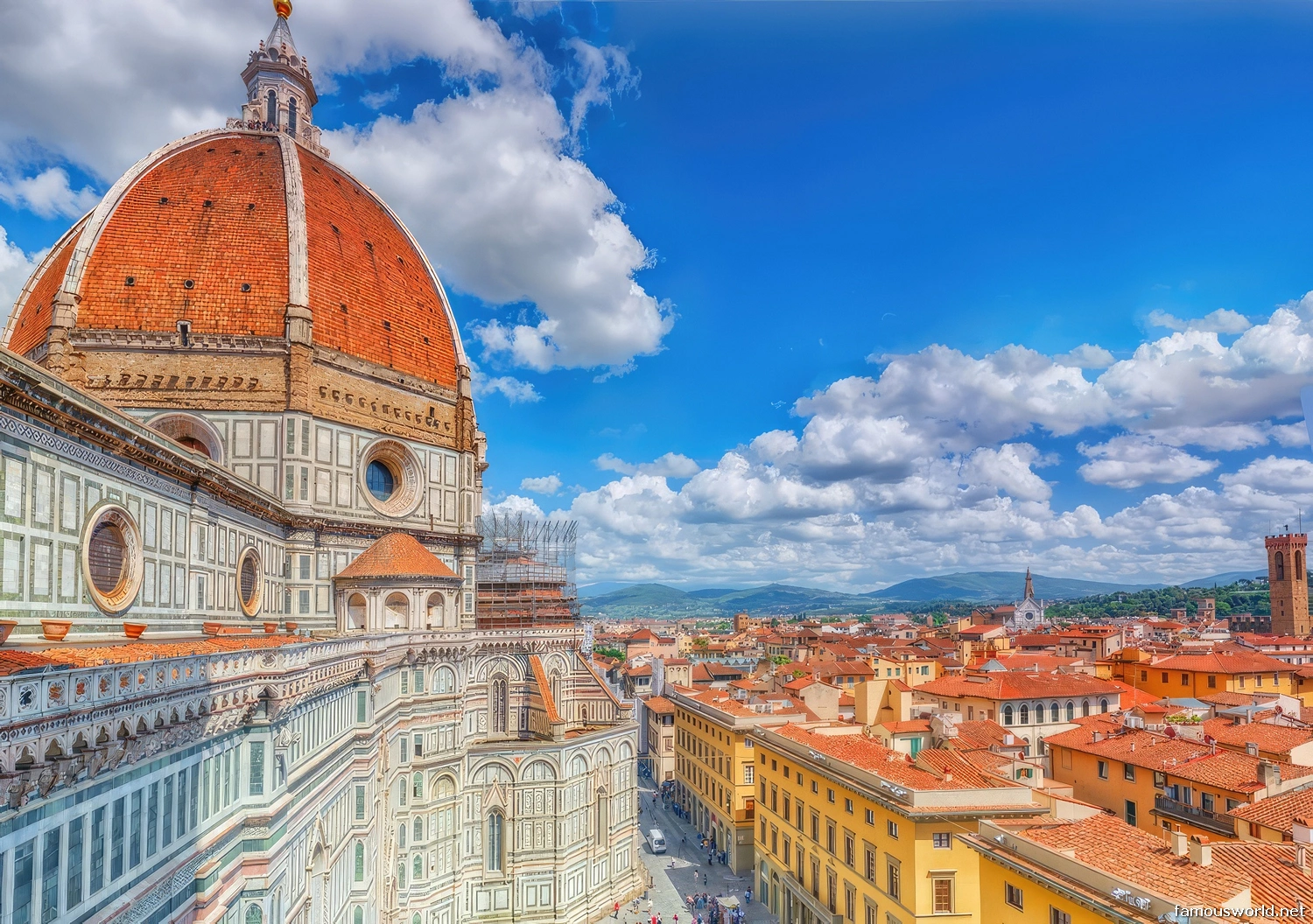
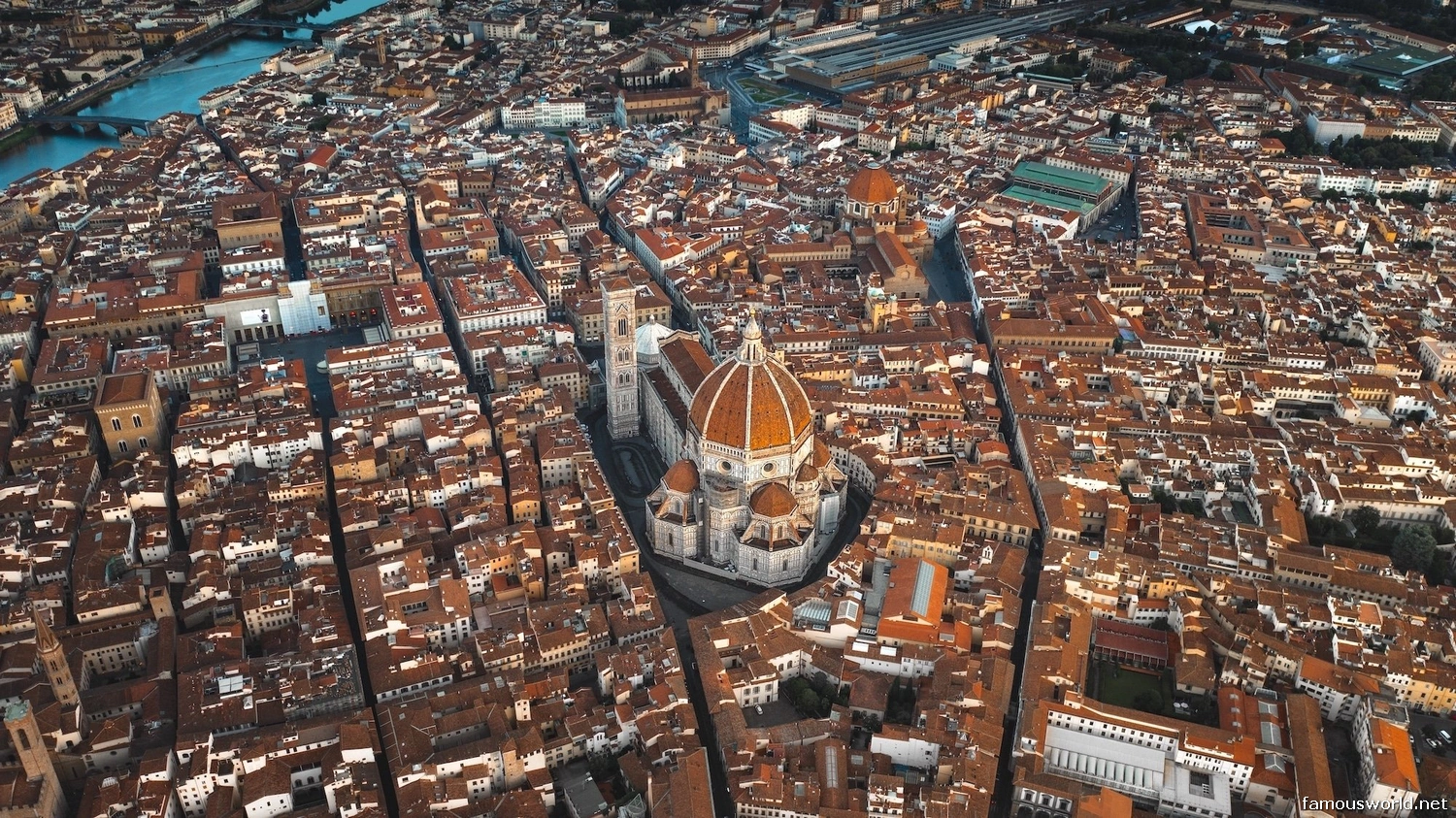
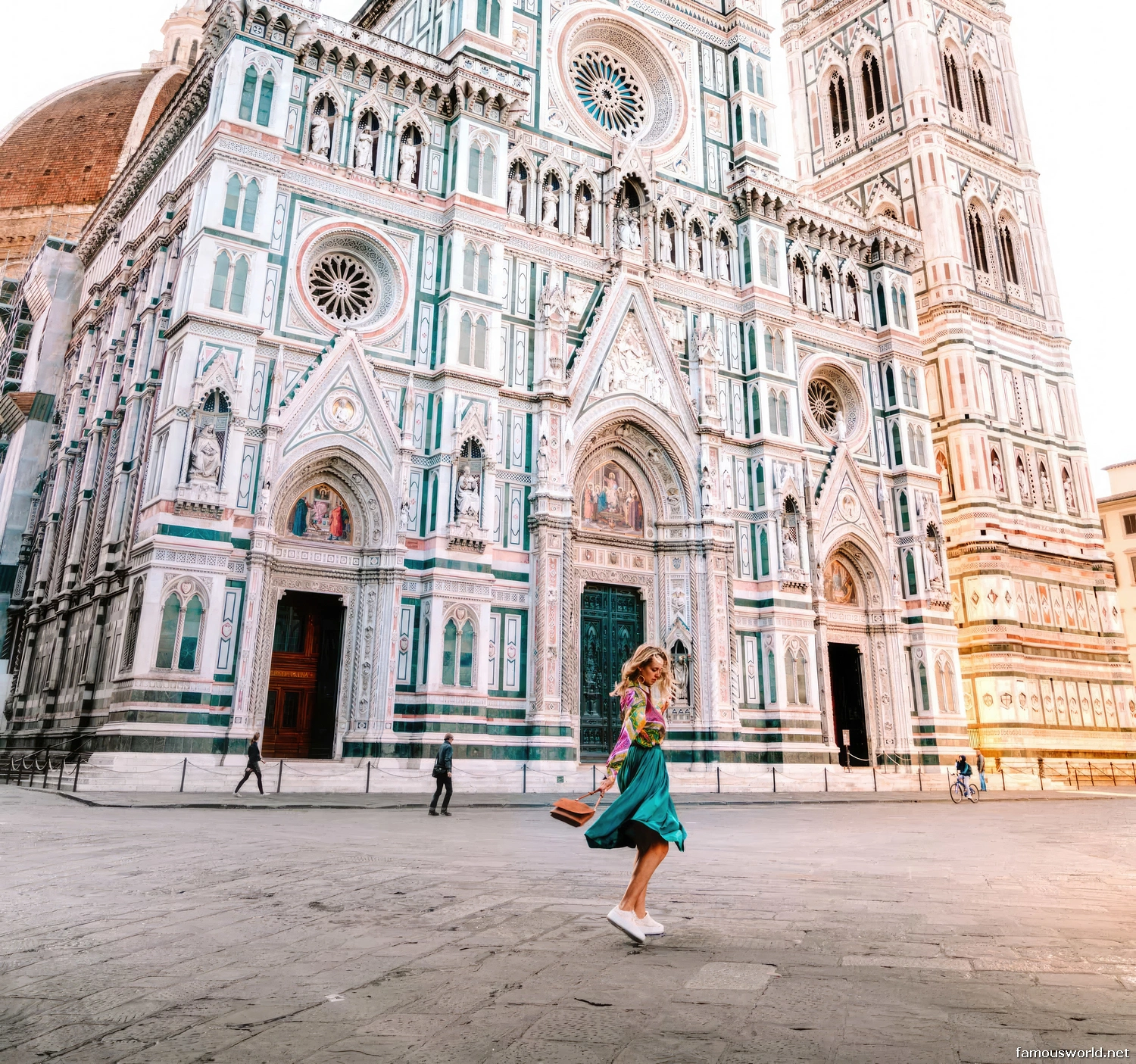
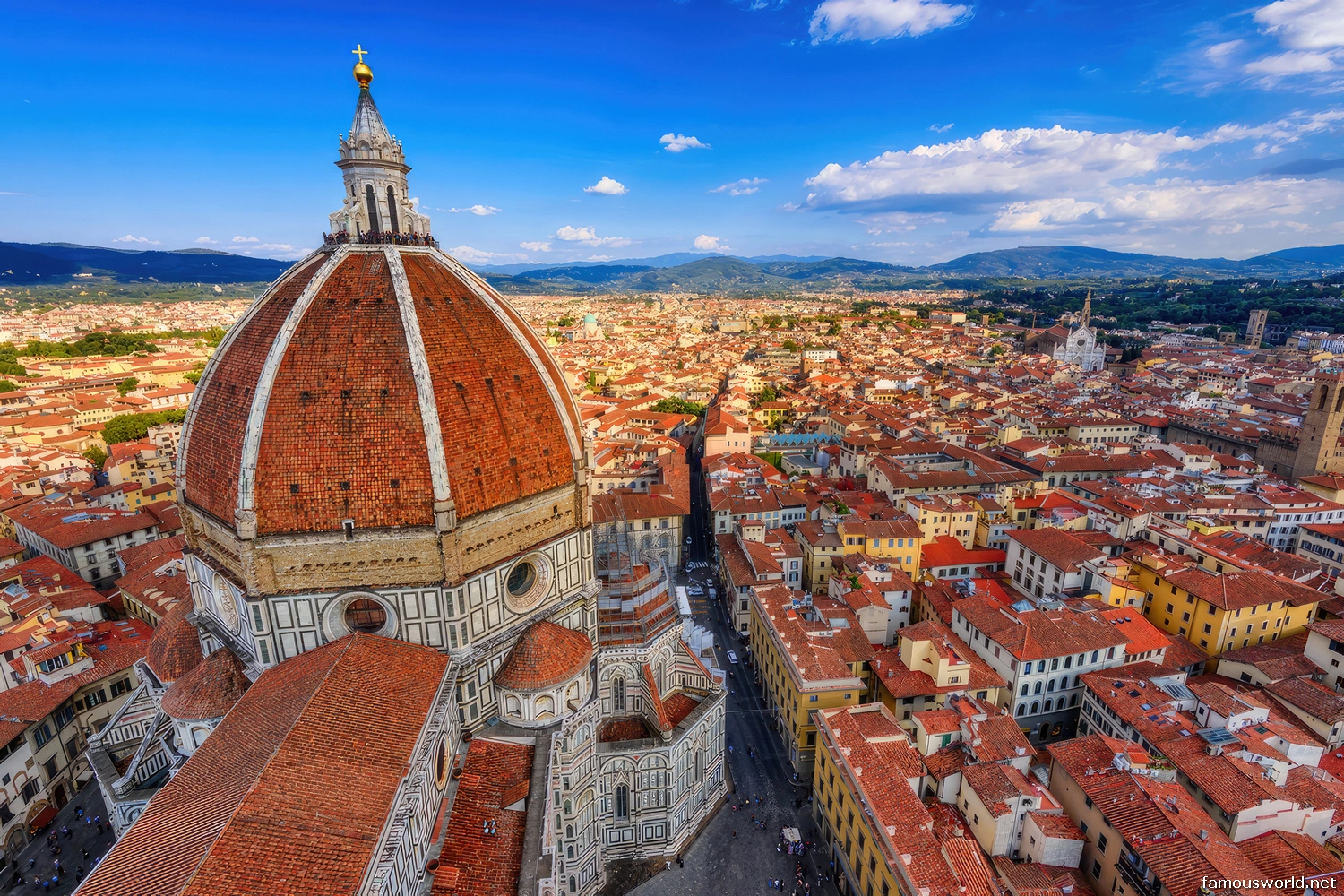
- Renaissance Dominance: The city’s skyline is dominated by the red-tiled dome of the Florence Cathedral (Duomo). This masterpiece of engineering by Filippo Brunelleschi, along with Giotto’s Campanile (bell tower) and the Baptistery, forms the city’s religious and architectural heart.
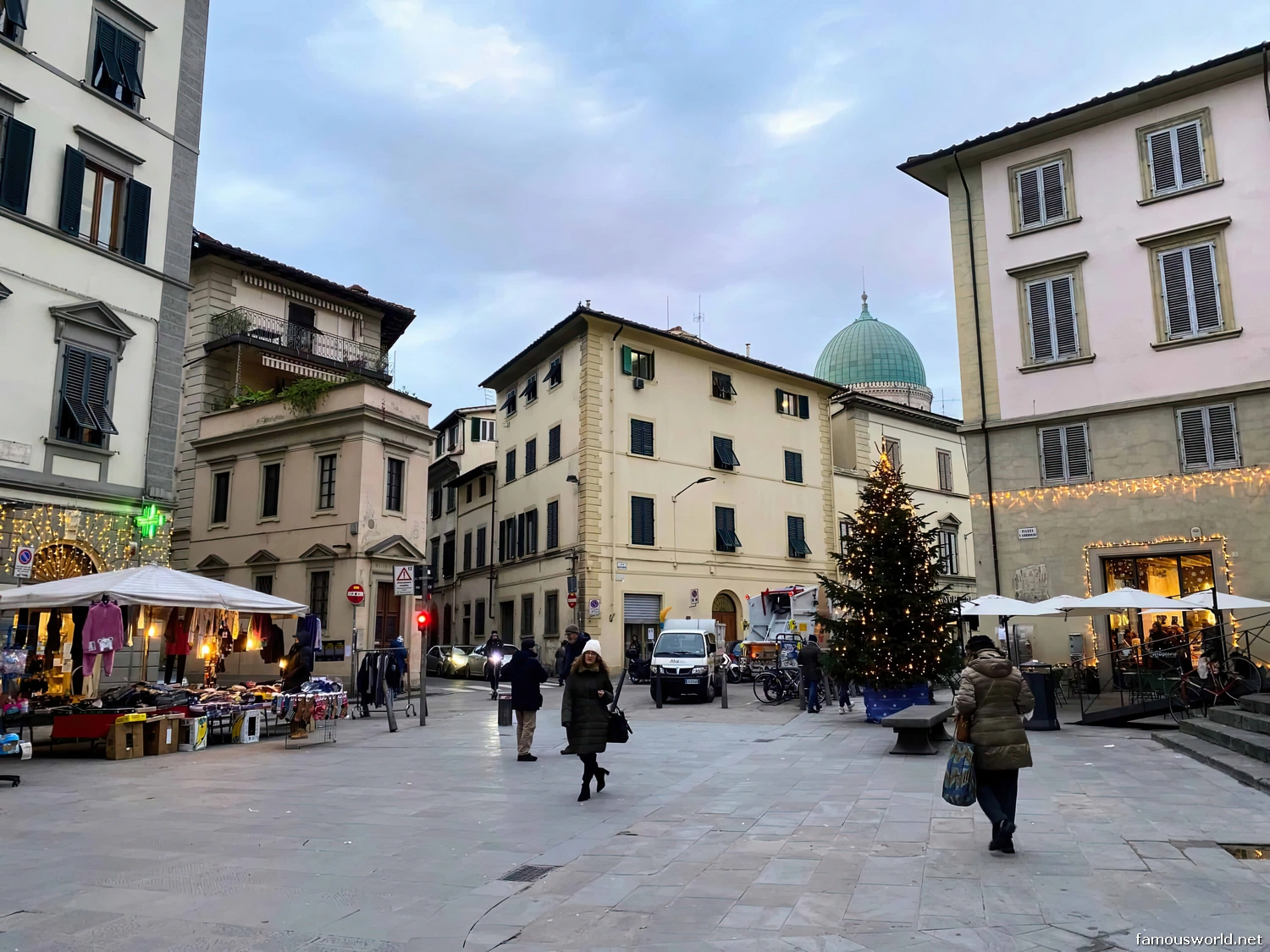
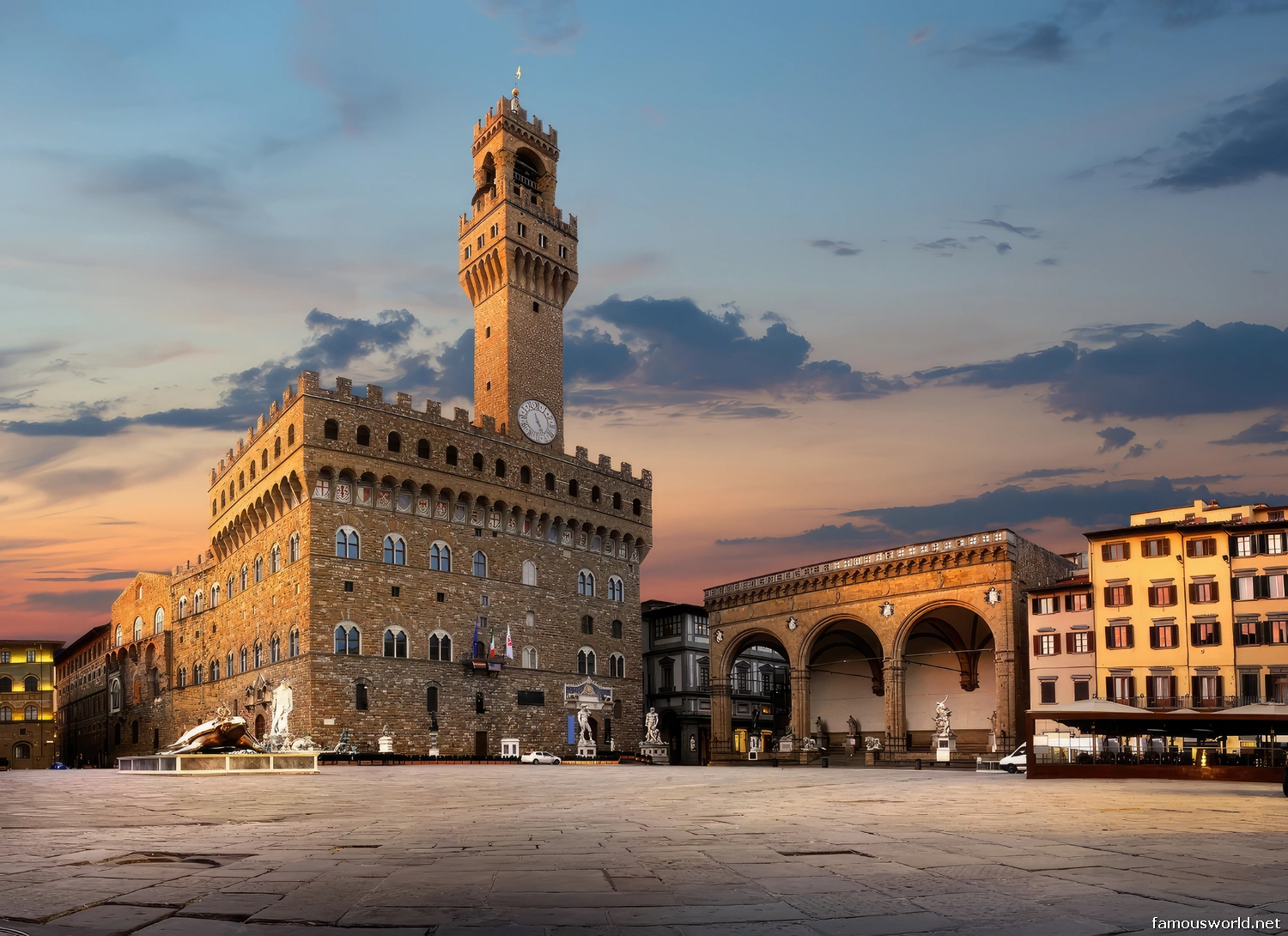
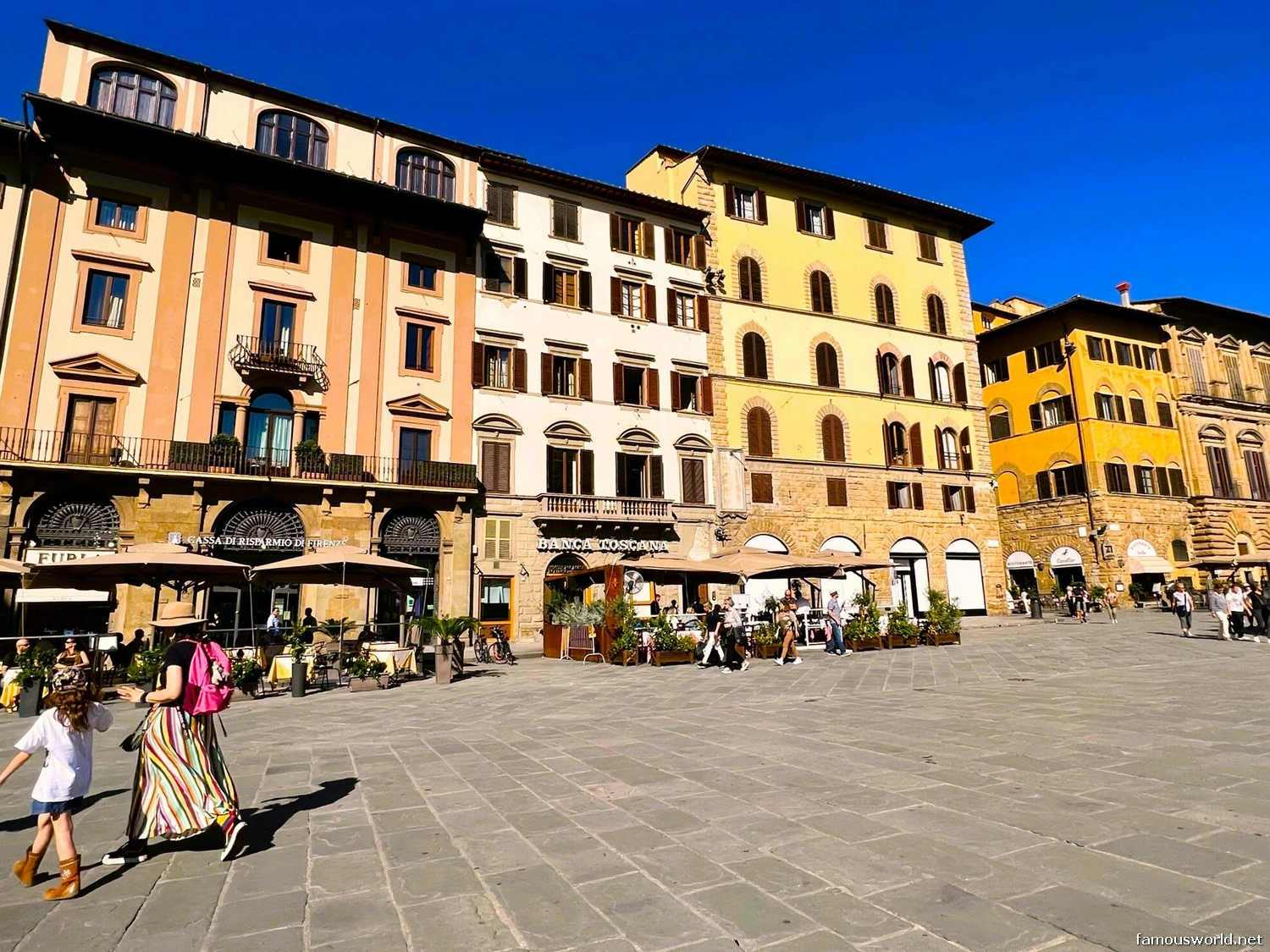
- Piazzas and Palazzi: The urban fabric consists of narrow medieval streets that open into grand public squares (piazzas) like the Piazza della Signoria, the city’s political center. This square is dominated by the fortress-like Palazzo Vecchio (town hall) and features a stunning collection of outdoor sculptures.
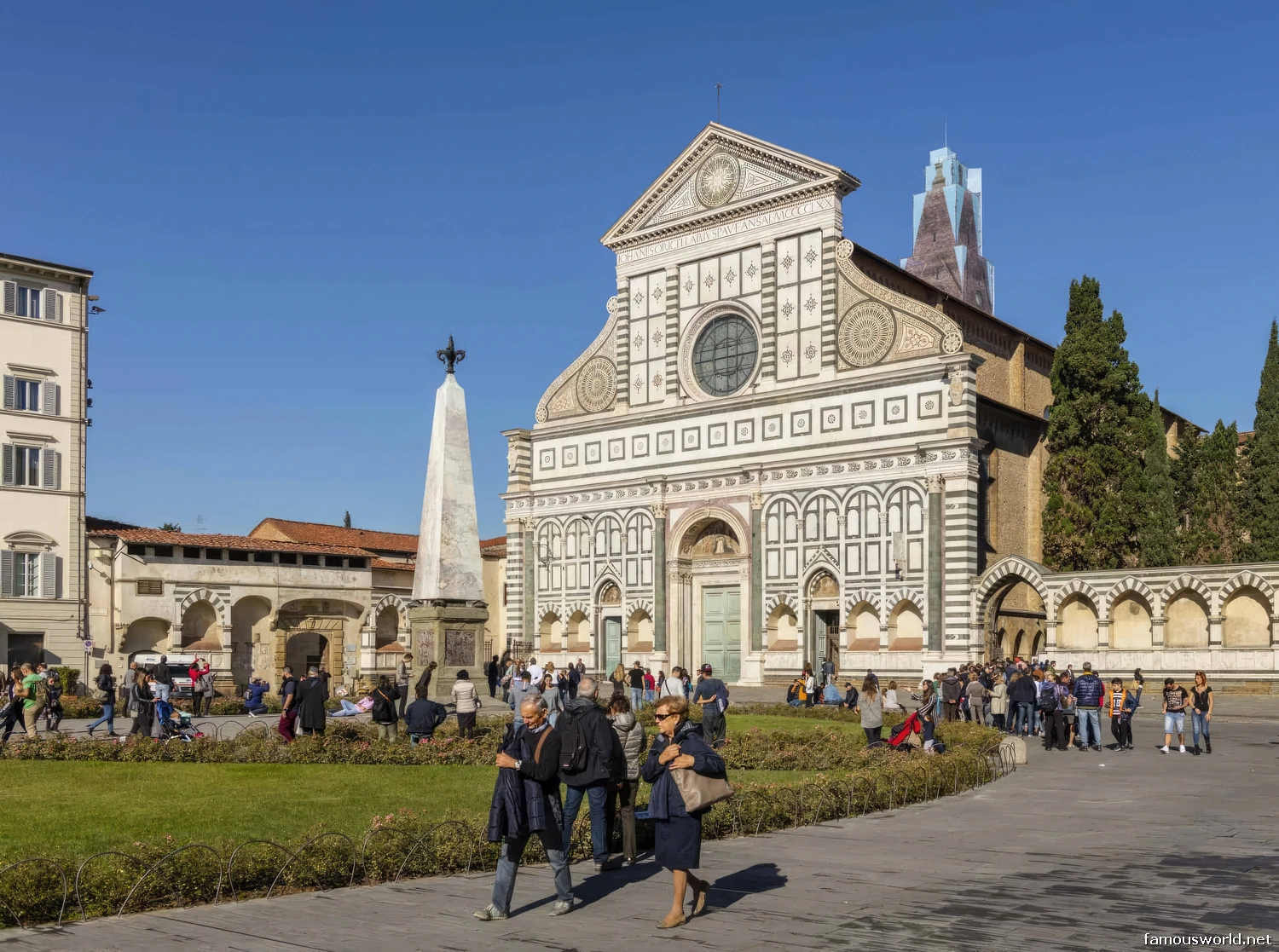
- A Compact, Walkable Center: The historic heart of Florence is compact and best explored on foot. It is a treasure trove of Renaissance palaces (like the Pitti Palace and Palazzo Strozzi), churches with artistic masterpieces (Santa Croce, Santa Maria Novella), and charming streets.
What Makes It Famous
Florence’s fame rests on its unparalleled legacy as the birthplace of the Renaissance and its staggering concentration of art.
- Cradle of the Renaissance: The city is universally celebrated as the origin point of the Renaissance, a cultural movement that profoundly influenced European art, science, and philosophy.
- Art and Masterpieces: Florence is home to some of the world’s most famous works of art, including Michelangelo’s David in the Galleria dell’Accademia and Botticelli’s The Birth of Venus in the Uffizi Gallery.
- The Medici Family: This powerful banking family and political dynasty were the de facto rulers of Florence for much of the Renaissance. Their immense wealth and patronage of the arts are credited with fueling the city’s cultural explosion.
- UNESCO World Heritage Site: The entire historic centre of Florence is designated a UNESCO site, recognized for its unique artistic and architectural achievements.
Differences from Other Wonders (e.g., Venice Canals)
Florence’s character as a Renaissance art city on land is profoundly different from Venice’s identity as a city on water.
- Environment (Renaissance City on a River vs. Maritime City in a Lagoon): Florence is a classic European city built on solid ground, with streets, squares, and a river. Venice is an aquatic marvel, where canals replace roads and boats replace cars.
- Movement (A City for Walking vs. A City for Boating): The essential Florentine experience is walking through its streets and piazzas, looking up at its monumental architecture. The essential Venetian experience is gliding through its canals, looking out at palaces rising from the water.
- Core Story (The Dawn of Humanism and Art vs. A Republic of Trade and Sea Power): Florence’s narrative is about the intellectual and artistic revolution of the Renaissance. Venice’s narrative is about its rise as a dominant and wealthy maritime republic built on global trade.
- Atmosphere (Grand and Monumental vs. Ethereal and Labyrinthine): Florence feels grounded, powerful, and monumental, with its imposing stone palaces and world-changing art. Venice feels dreamlike, enchanting, and mysterious, with its shimmering reflections and maze-like waterways.
Location on world map