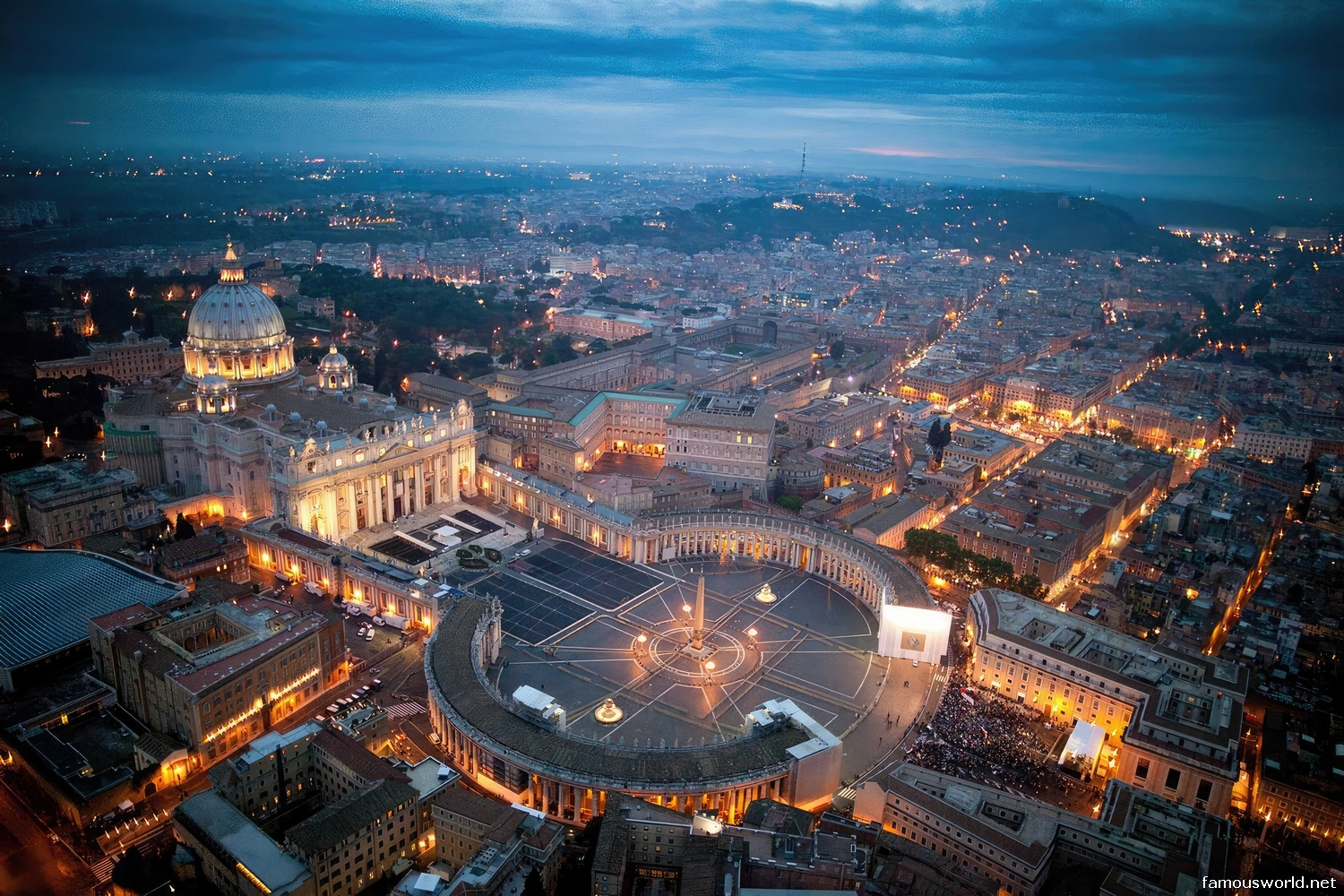
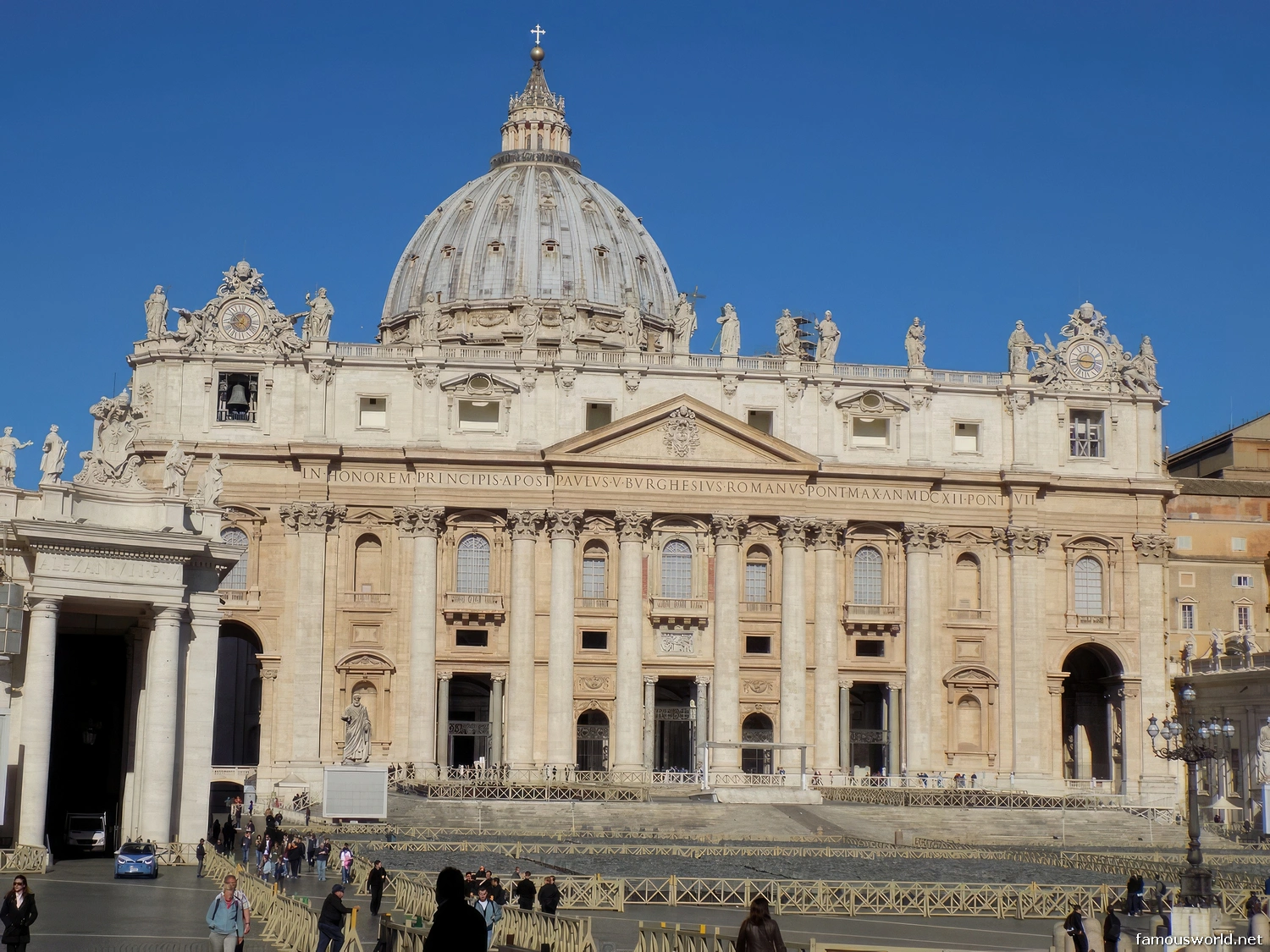
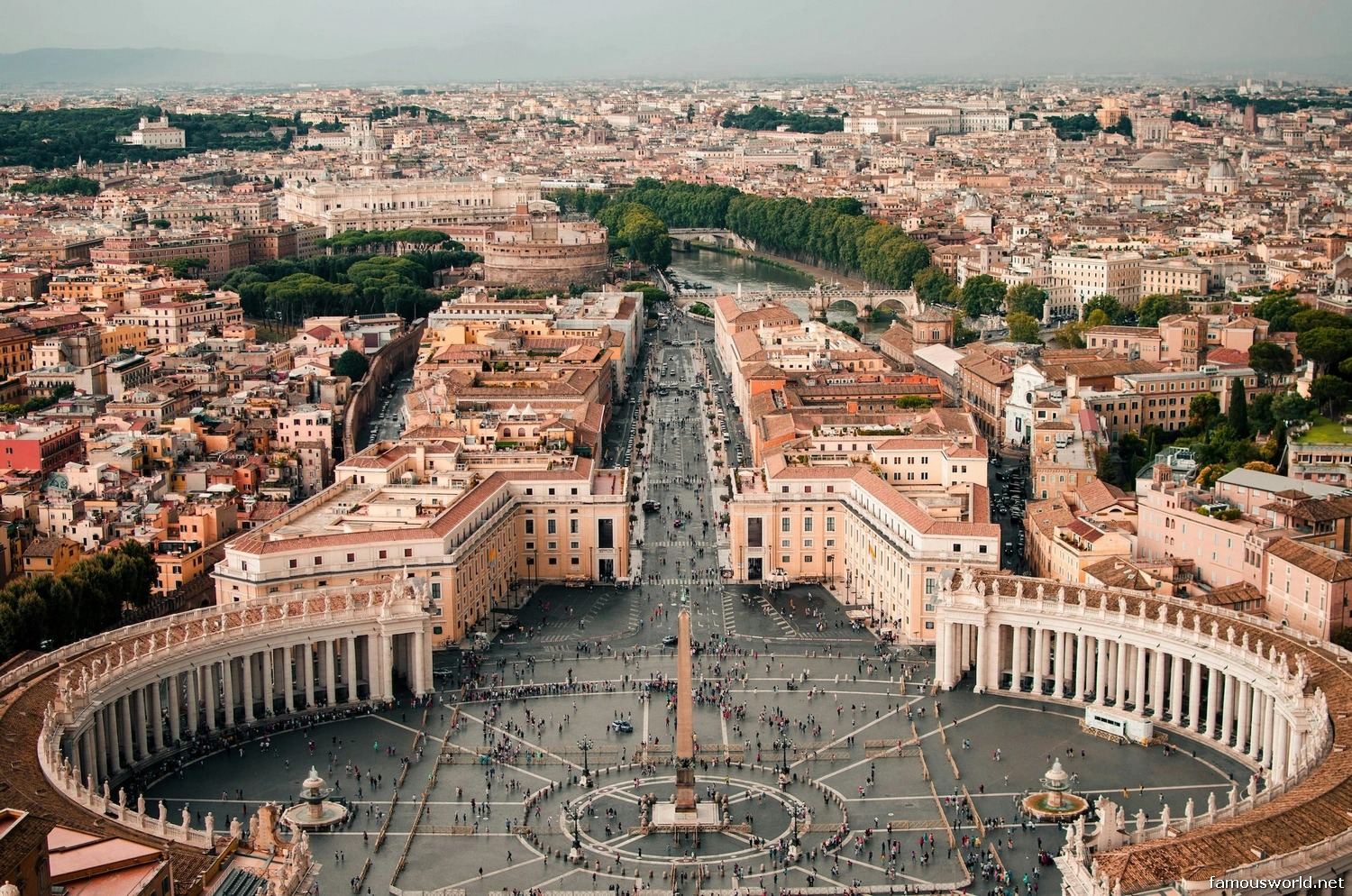
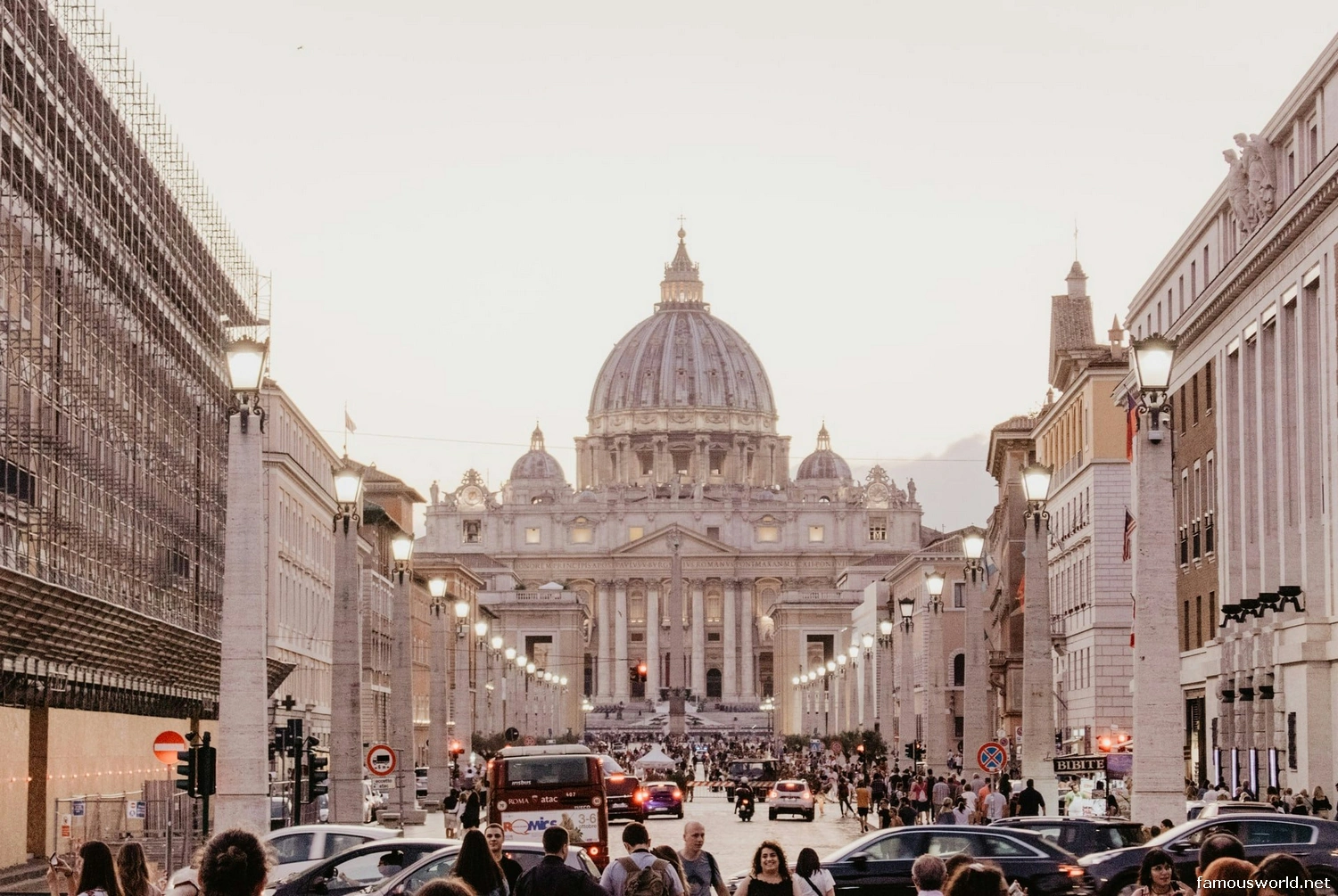
Encircled by the city of Rome, Vatican City is the smallest independent state in the world and the spiritual and administrative headquarters of the Roman Catholic Church. This tiny, walled enclave is not merely a collection of buildings but a sovereign nation, a global center of faith, and an unparalleled repository of human culture and art. It is a place of immense history and ceremony, home to the Pope, and the location of some of the most revered and visited sites in Western civilization, including St. Peter’s Basilica and the Sistine Chapel. As a UNESCO World Heritage site in its entirety, Vatican City stands as a unique testament to the fusion of spiritual authority and artistic genius.
Listen to an introduction about Vatican City
 Name and Location
- Name: Vatican City State (Stato della Città del Vaticano).
- Location: An independent, walled city-state enclave located entirely within the city of Rome, Italy.
How to Get There
As it is located within Rome, Vatican City is reached via the Roman public transportation system.
- By Metro: The “Ottaviano-S. Pietro” station on the “A” line is the most convenient stop, offering a short walk to St. Peter’s Square.
- By Bus: Numerous city buses, such as the 40 and 64, provide direct service to the area around the Vatican.
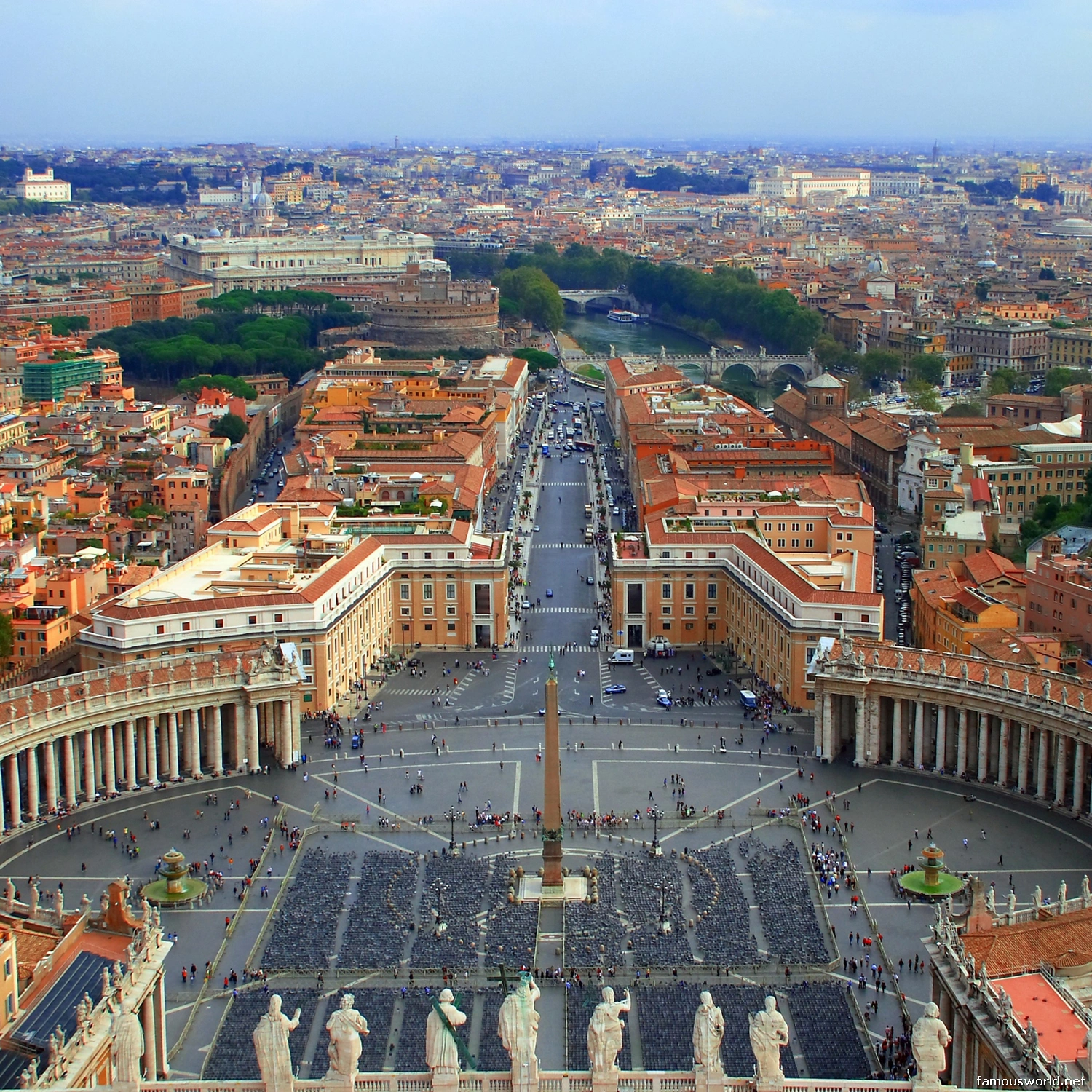
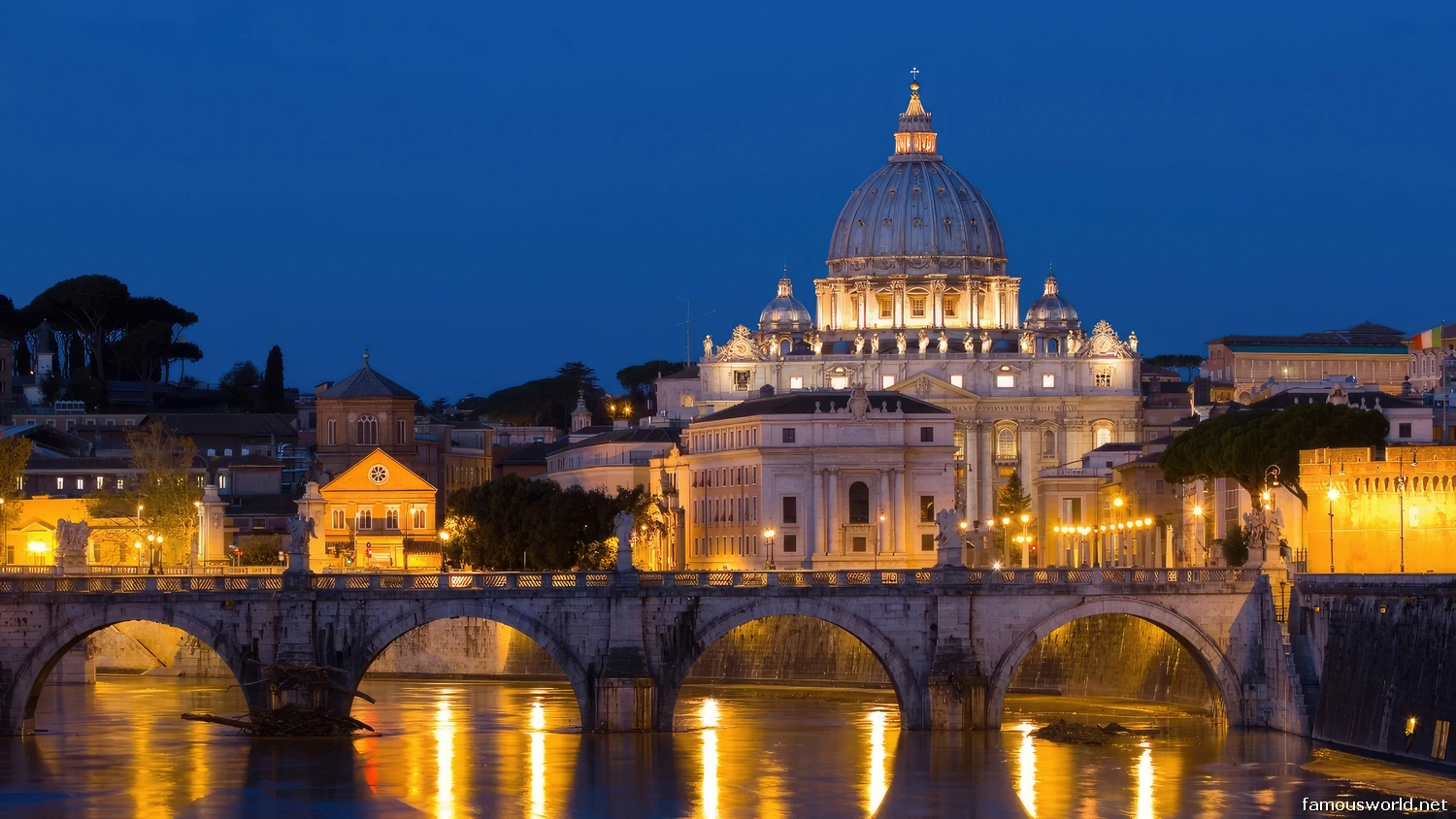
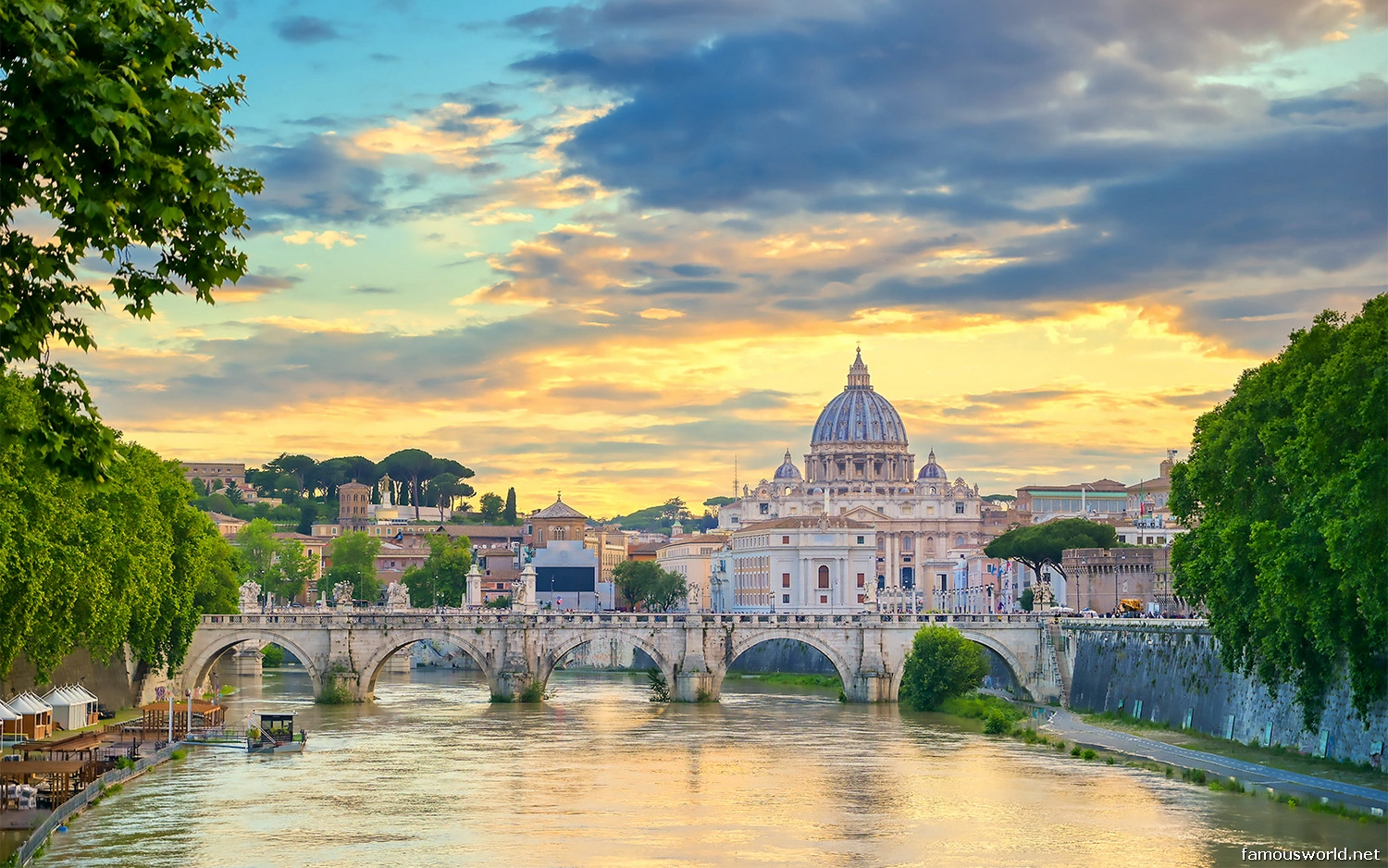
- By Foot: It is a fascinating walk from the historic center of Rome, often crossing the Tiber River via the picturesque Ponte Sant’Angelo.
Landscape and Architecture
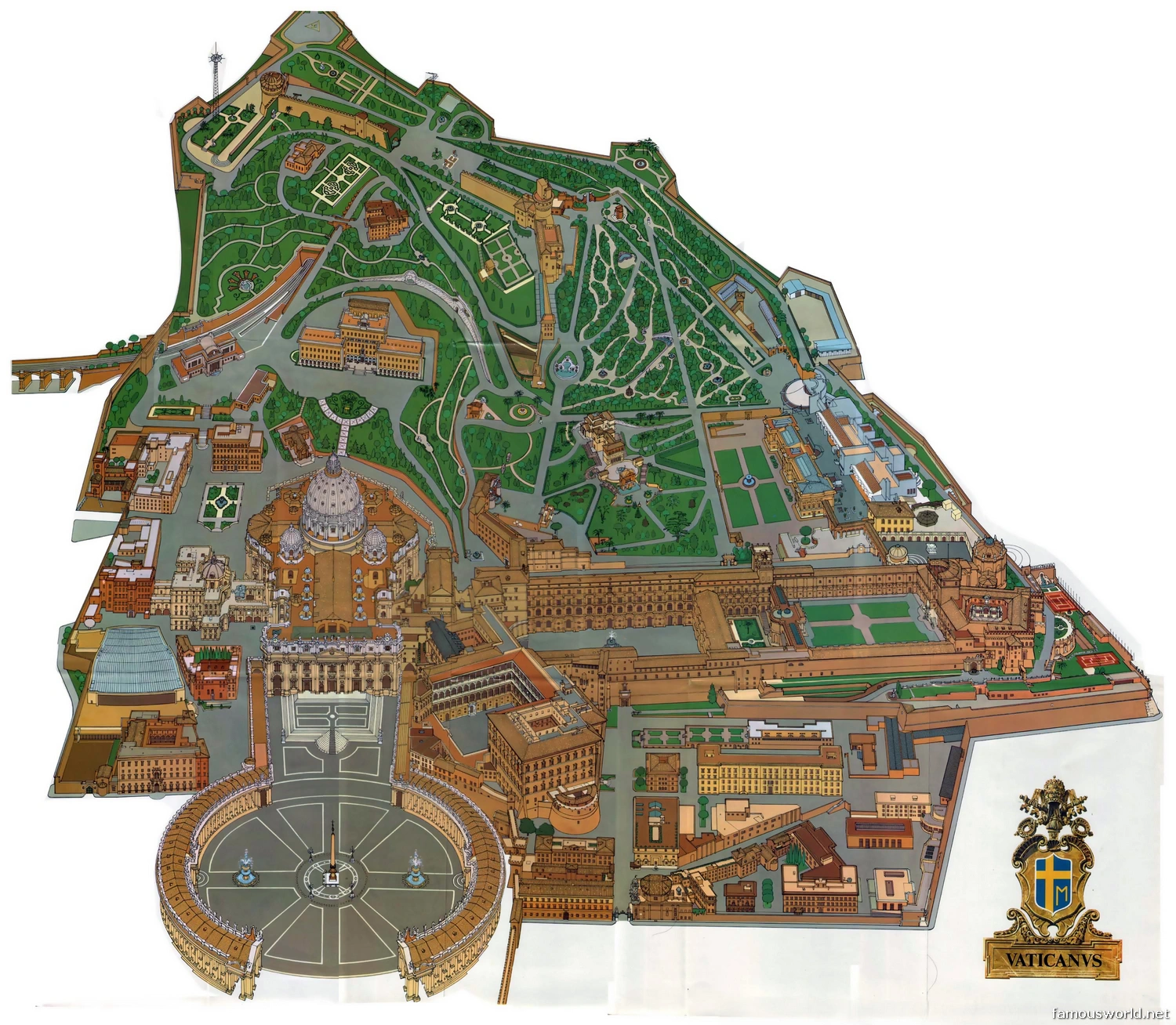
The Vatican is a meticulously planned urban landscape, combining monumental public spaces with private gardens and magnificent buildings.
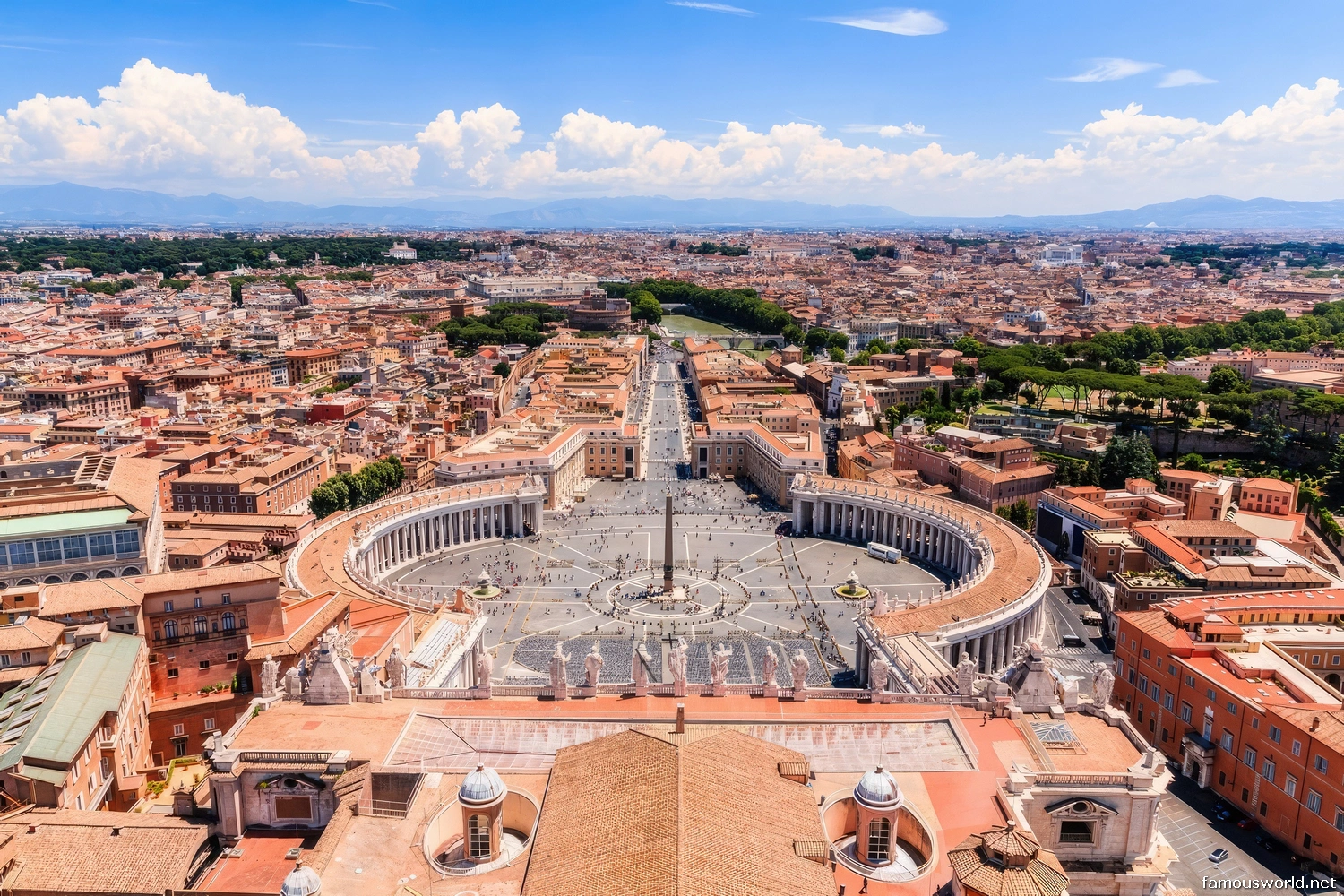
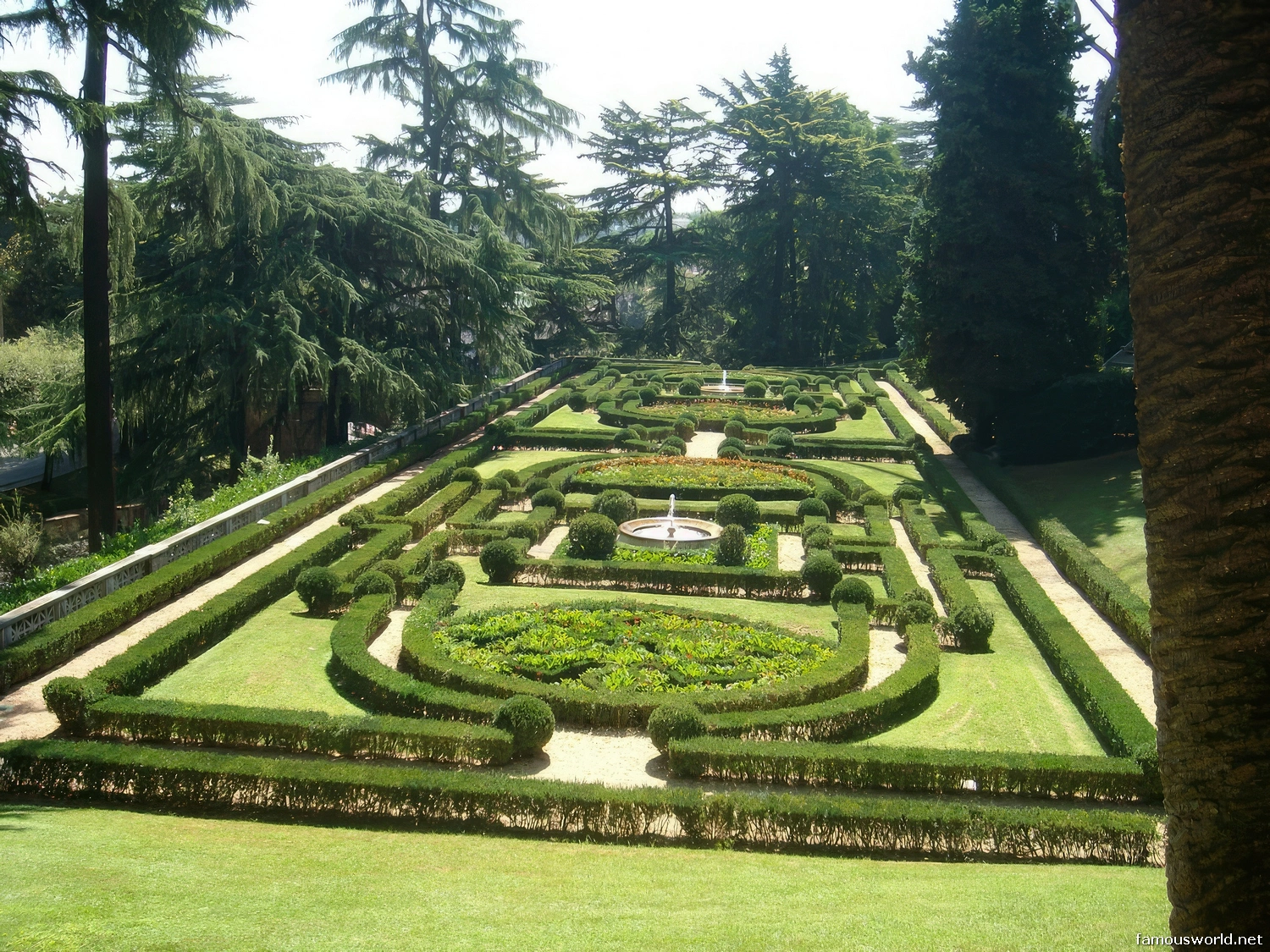
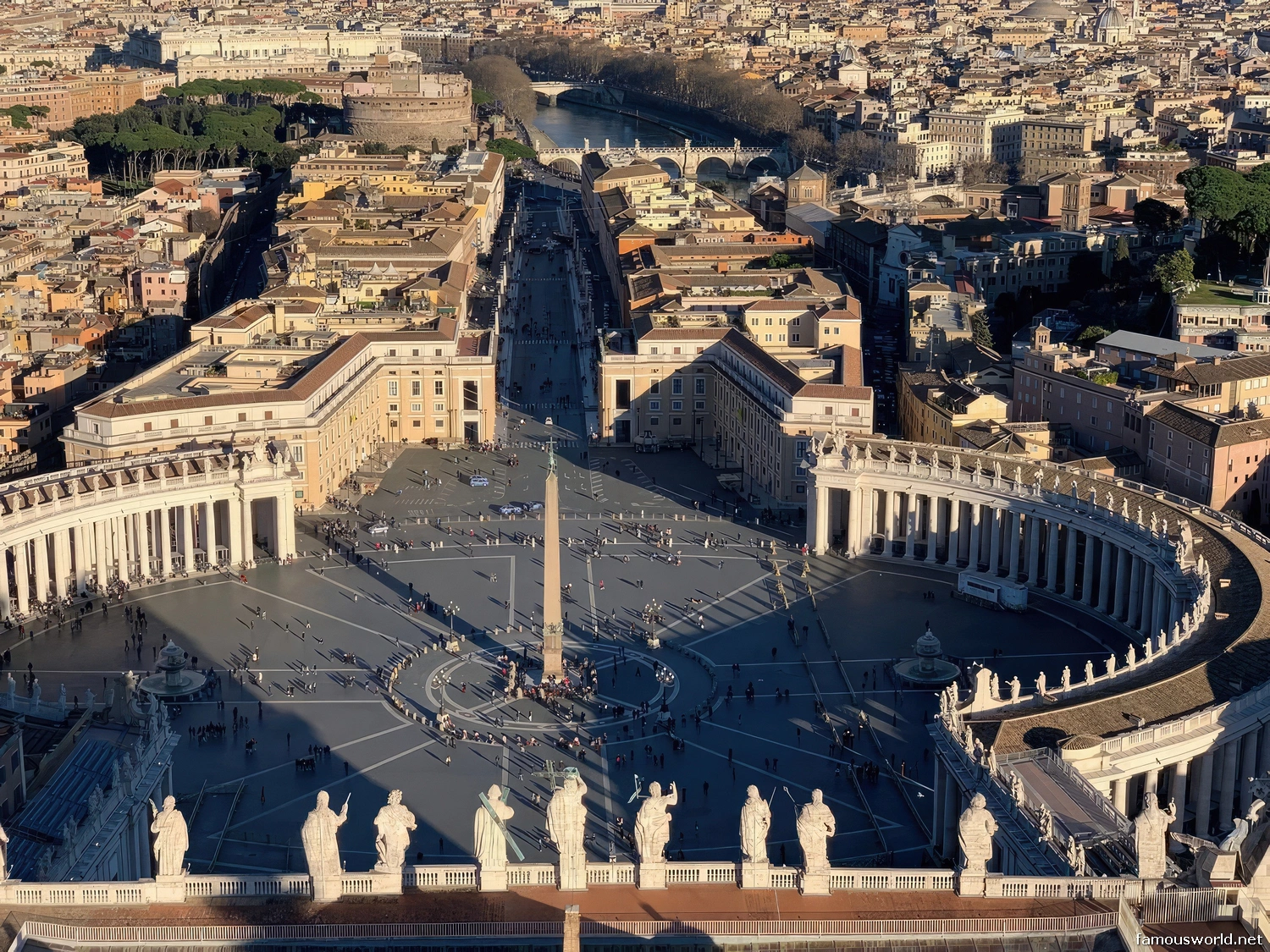
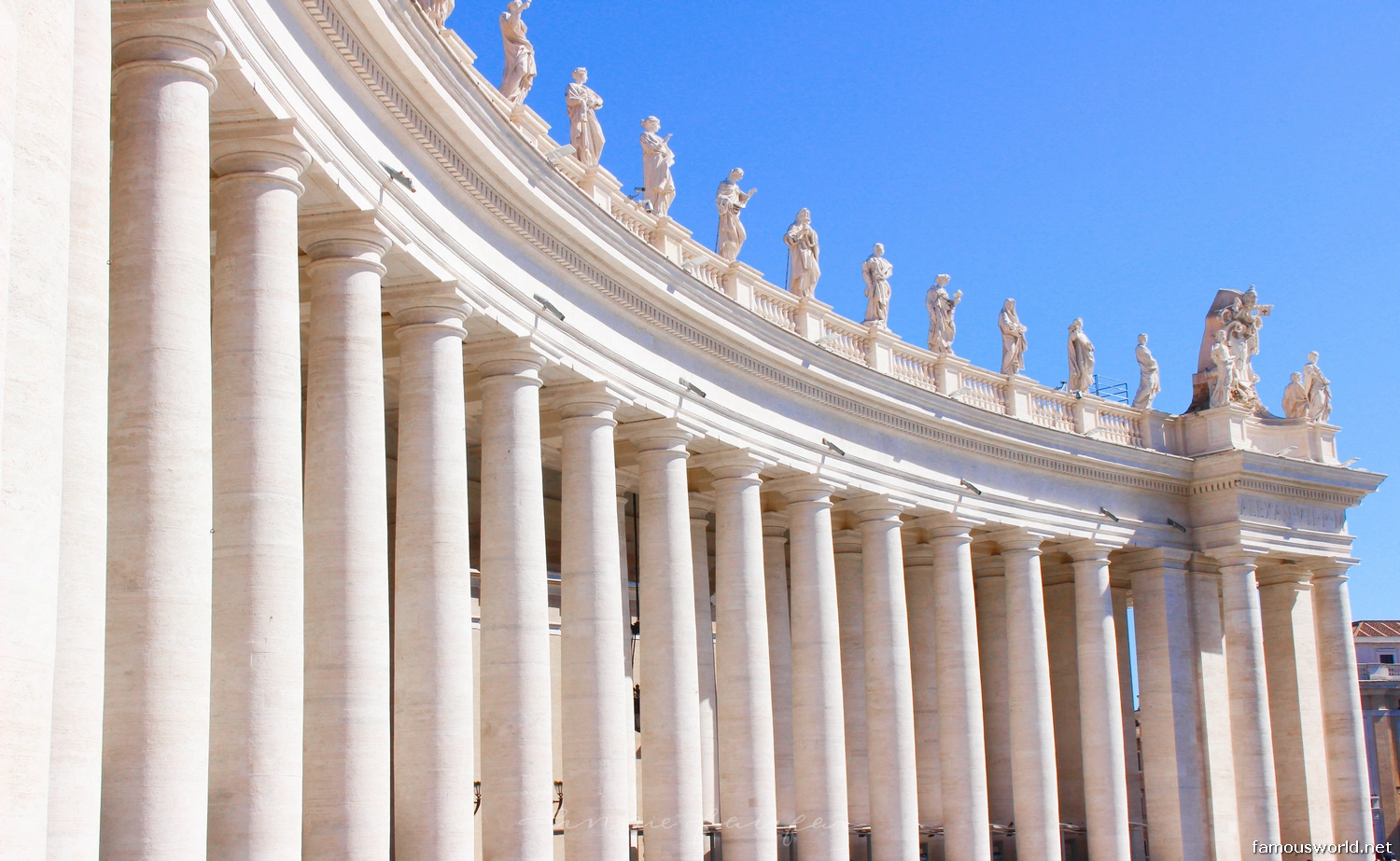
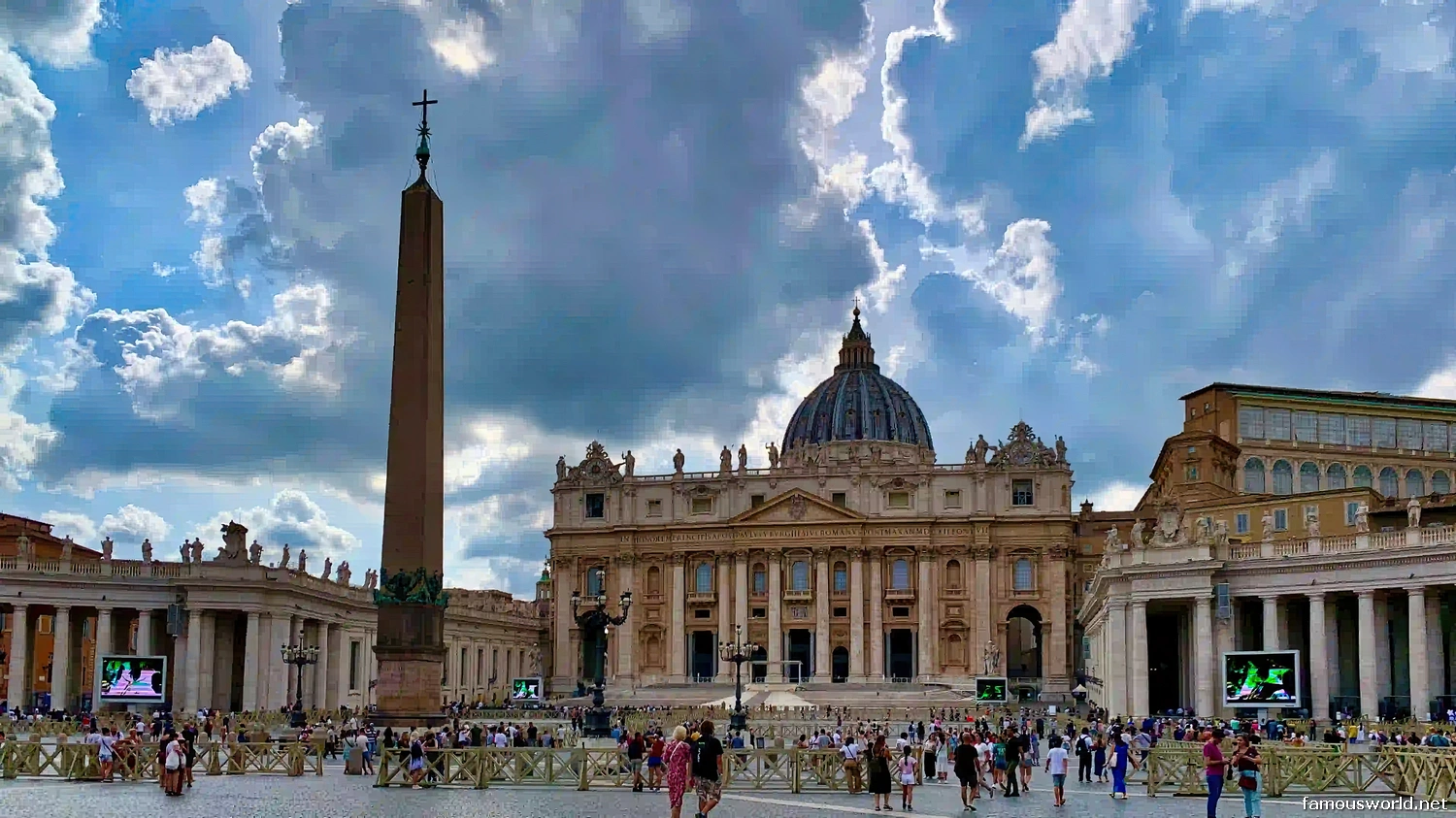
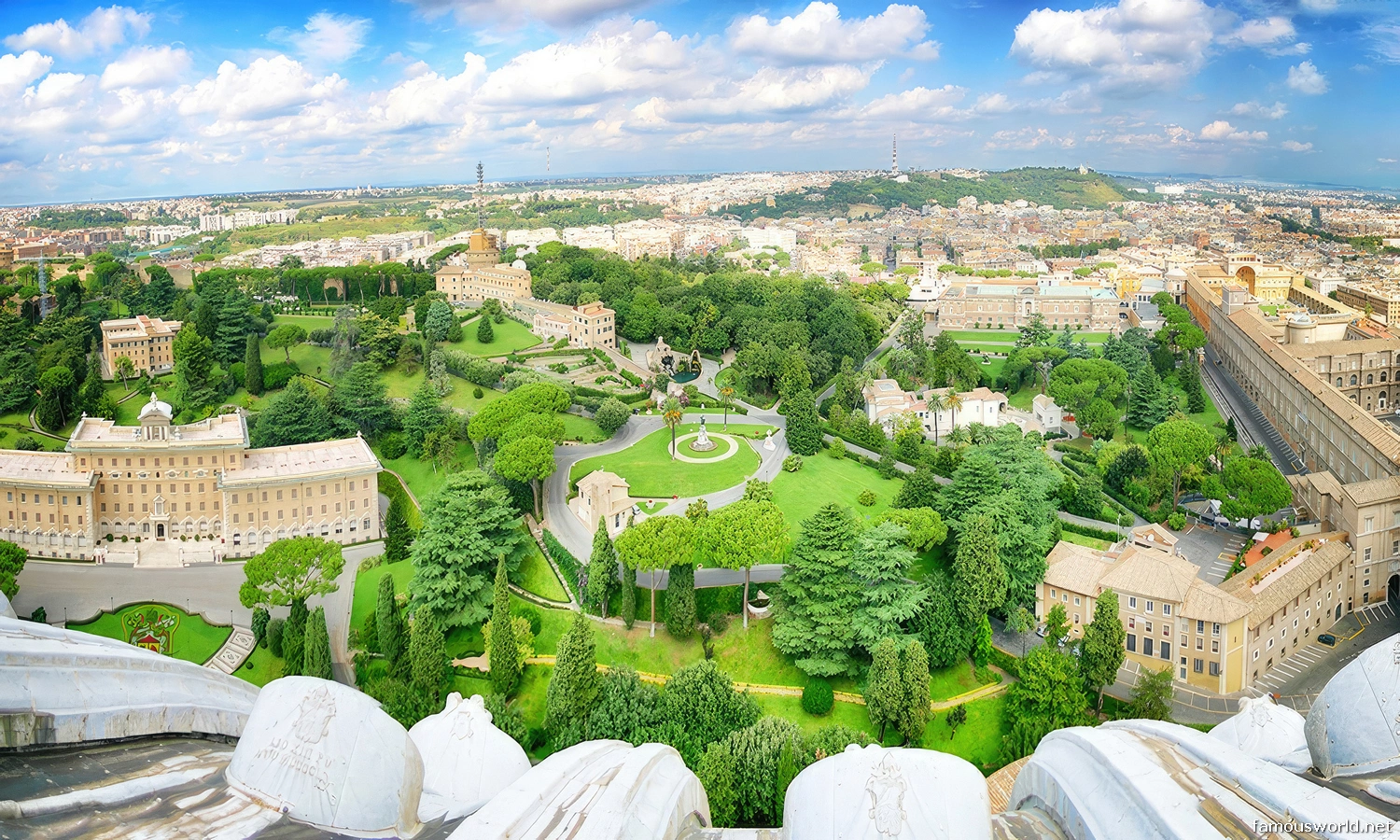
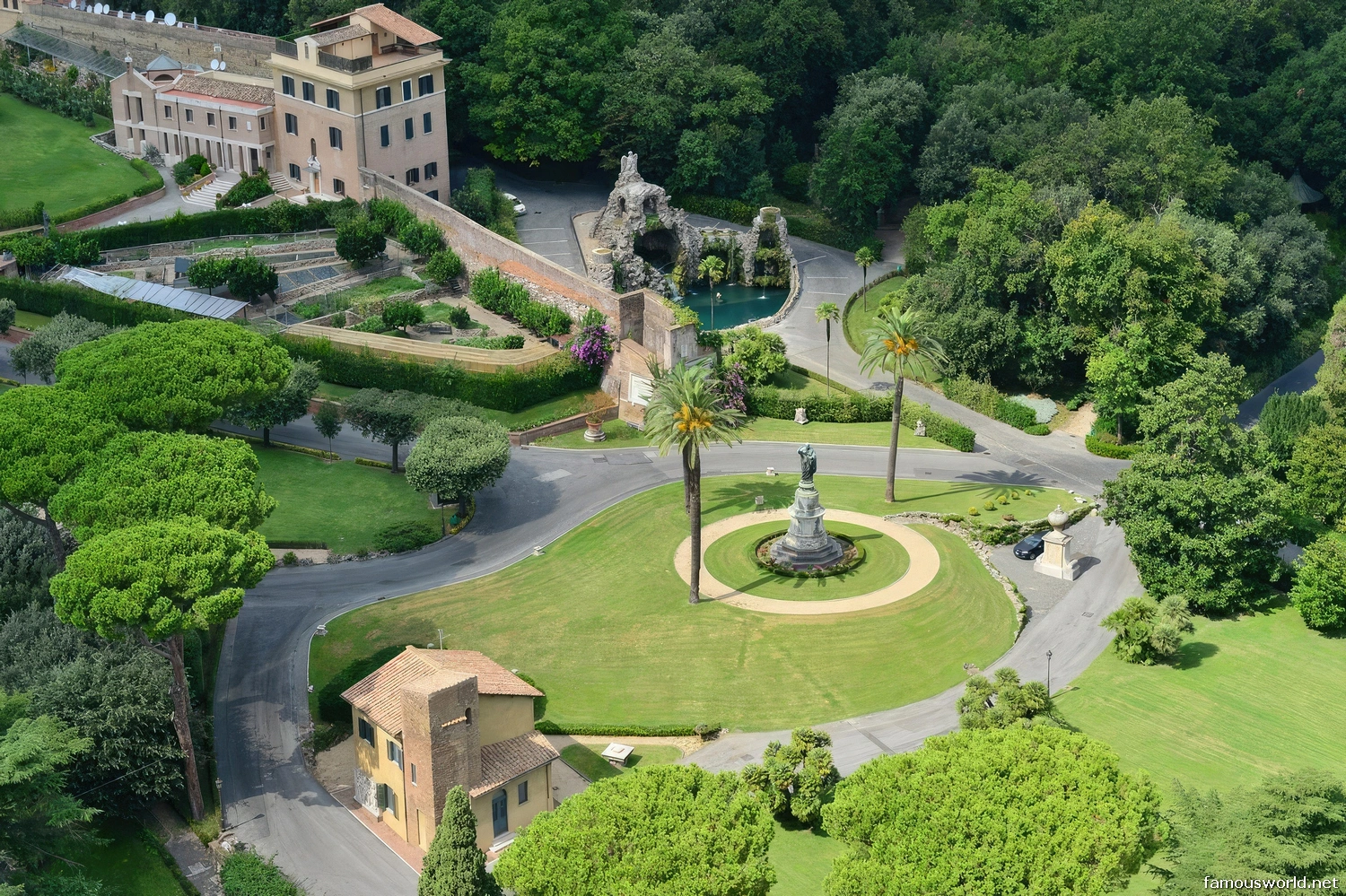
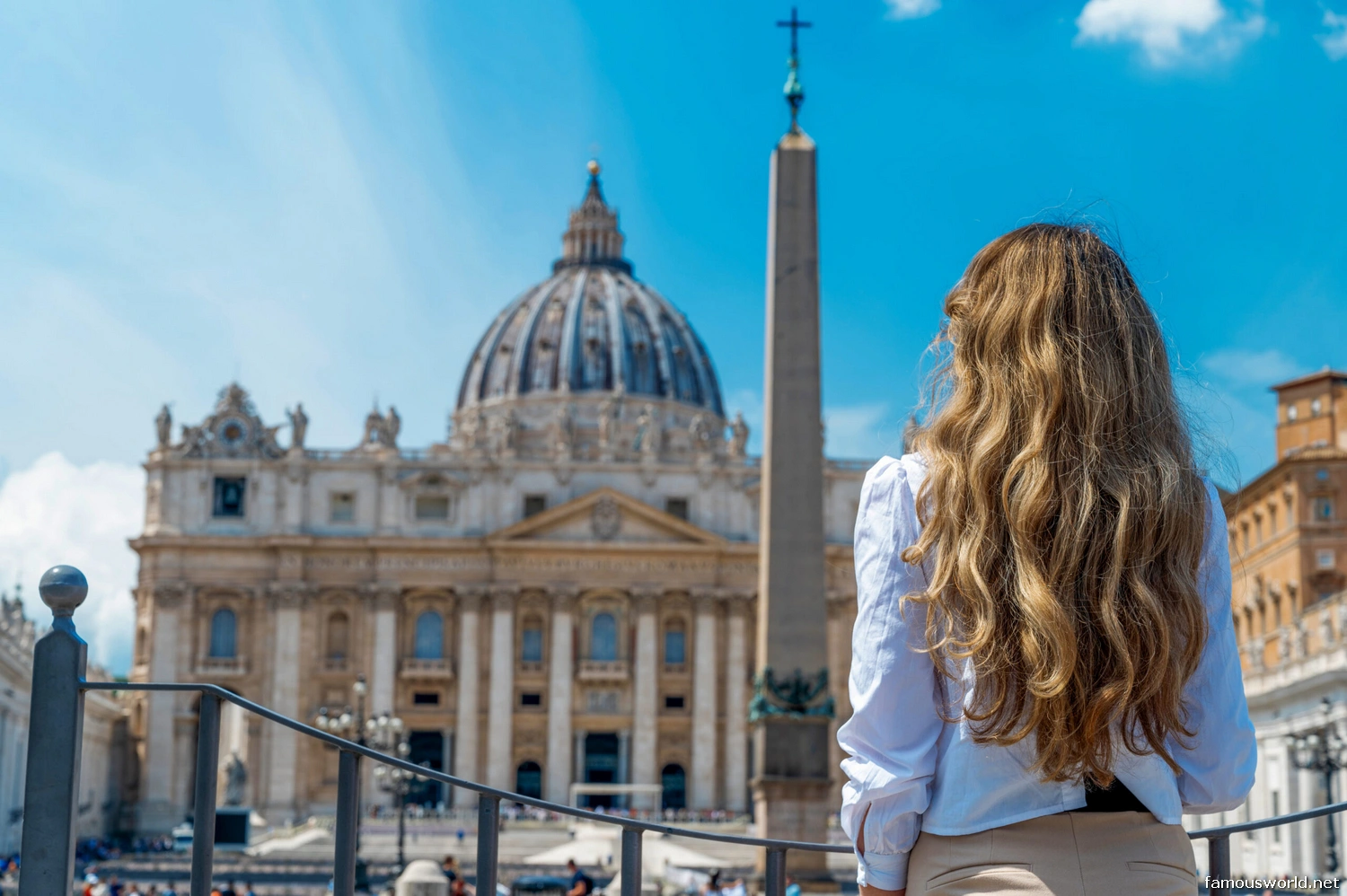
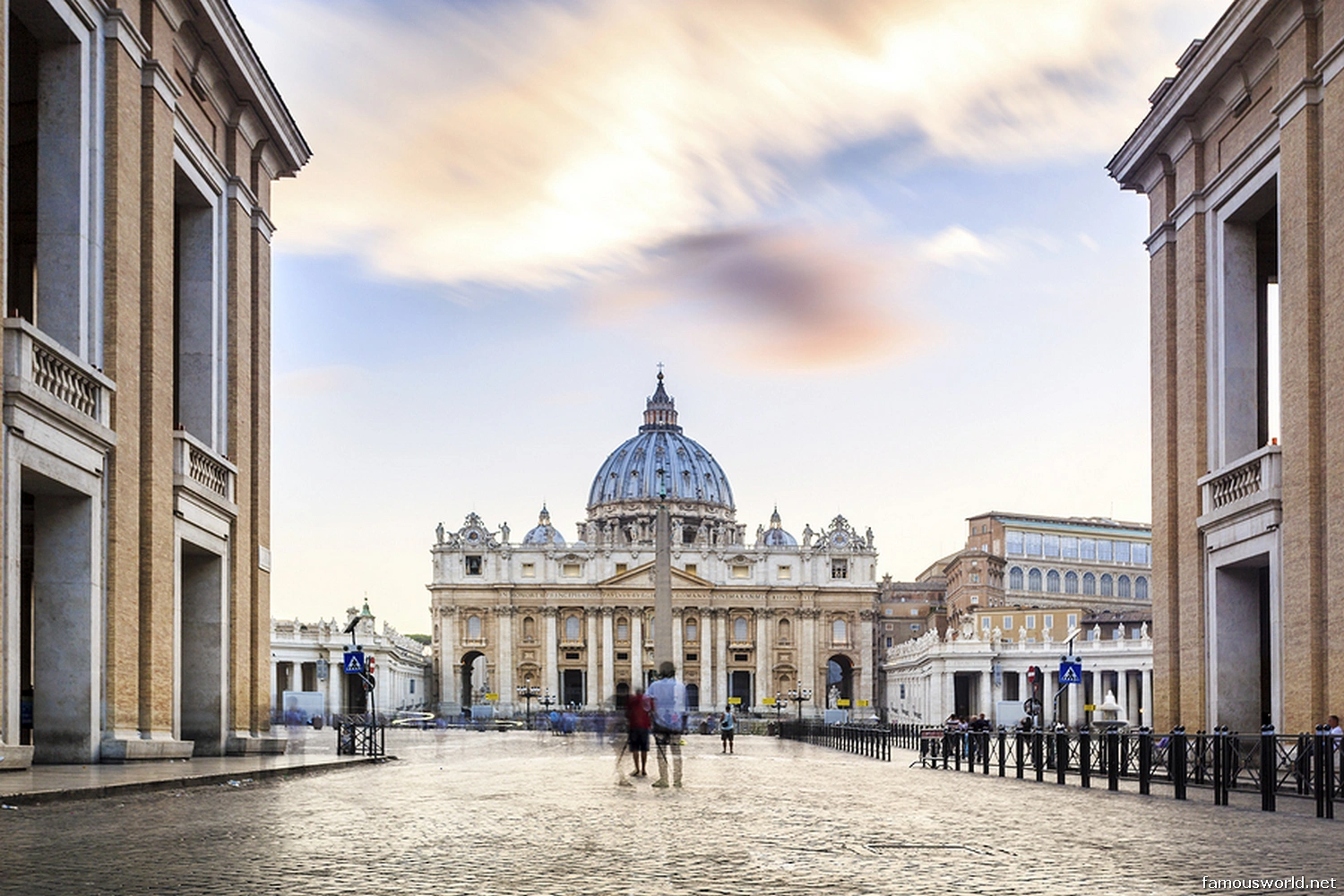
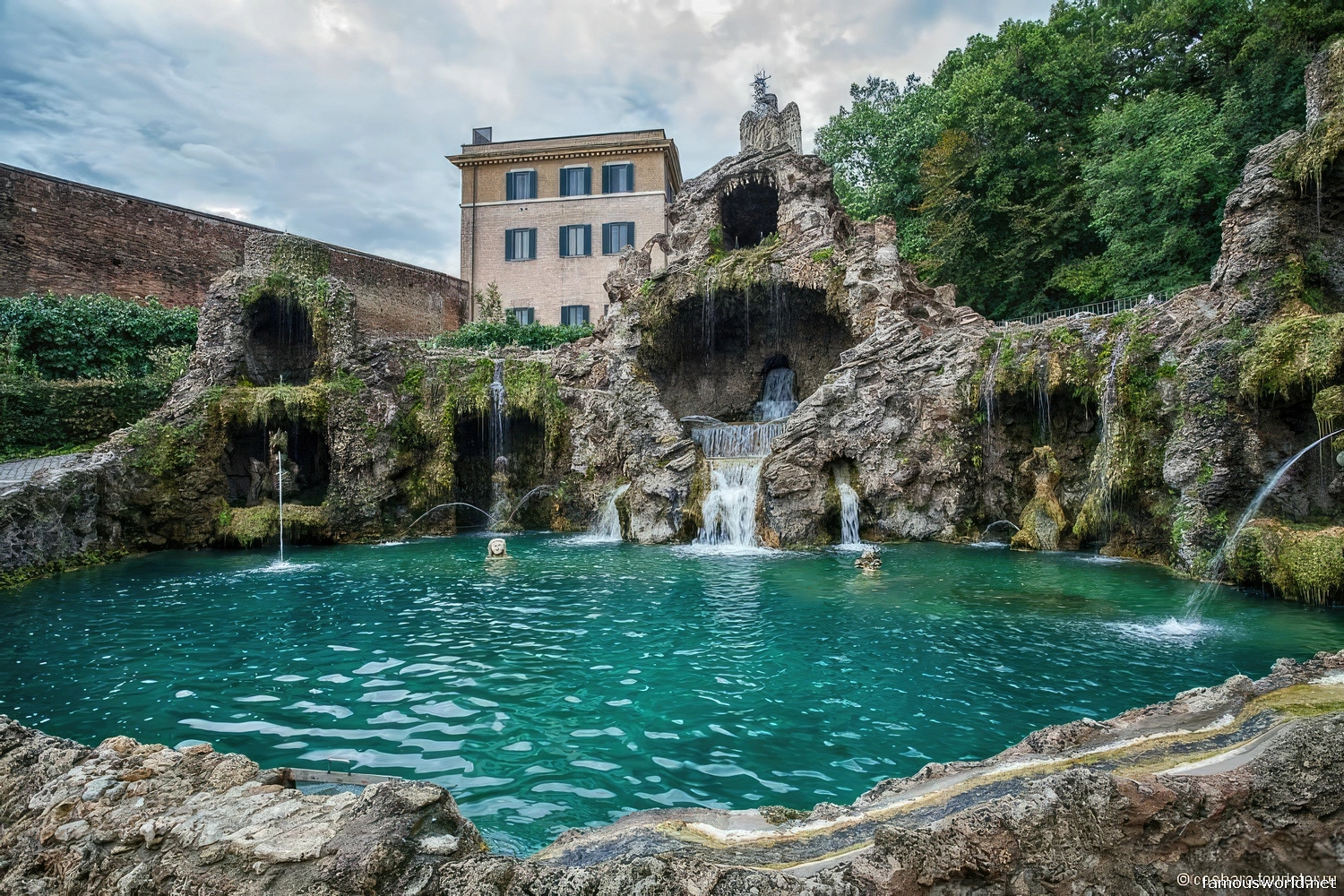
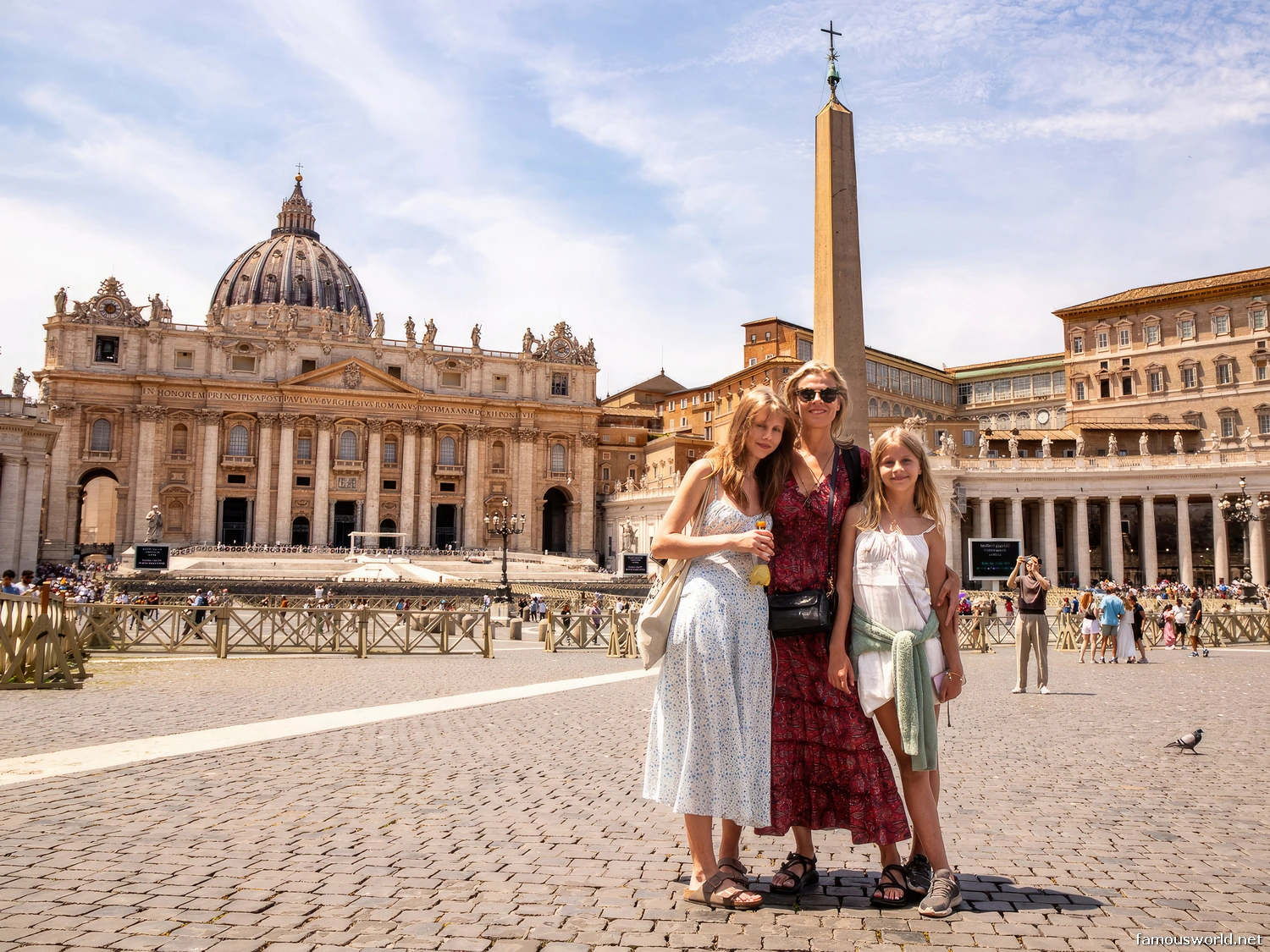
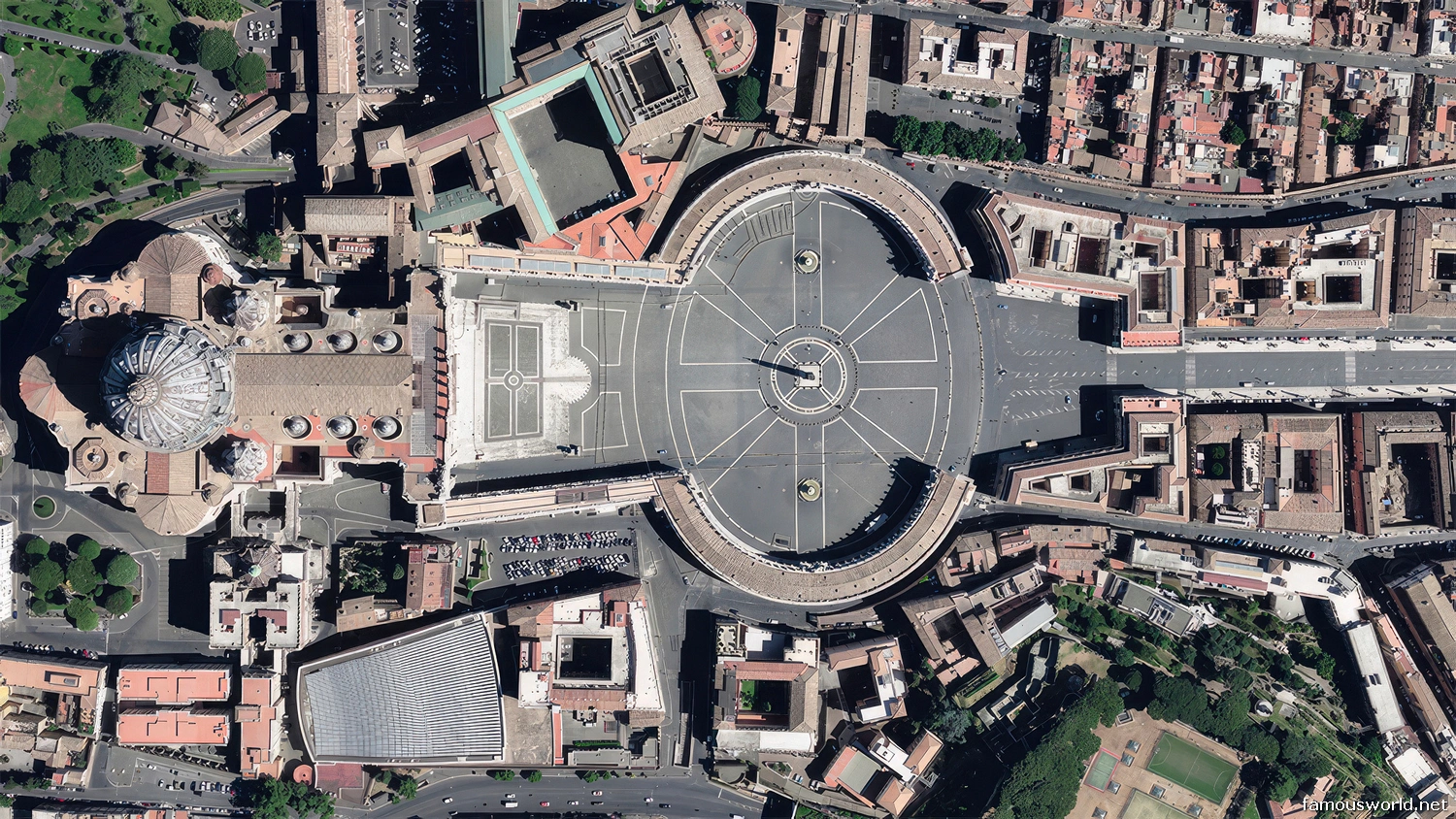
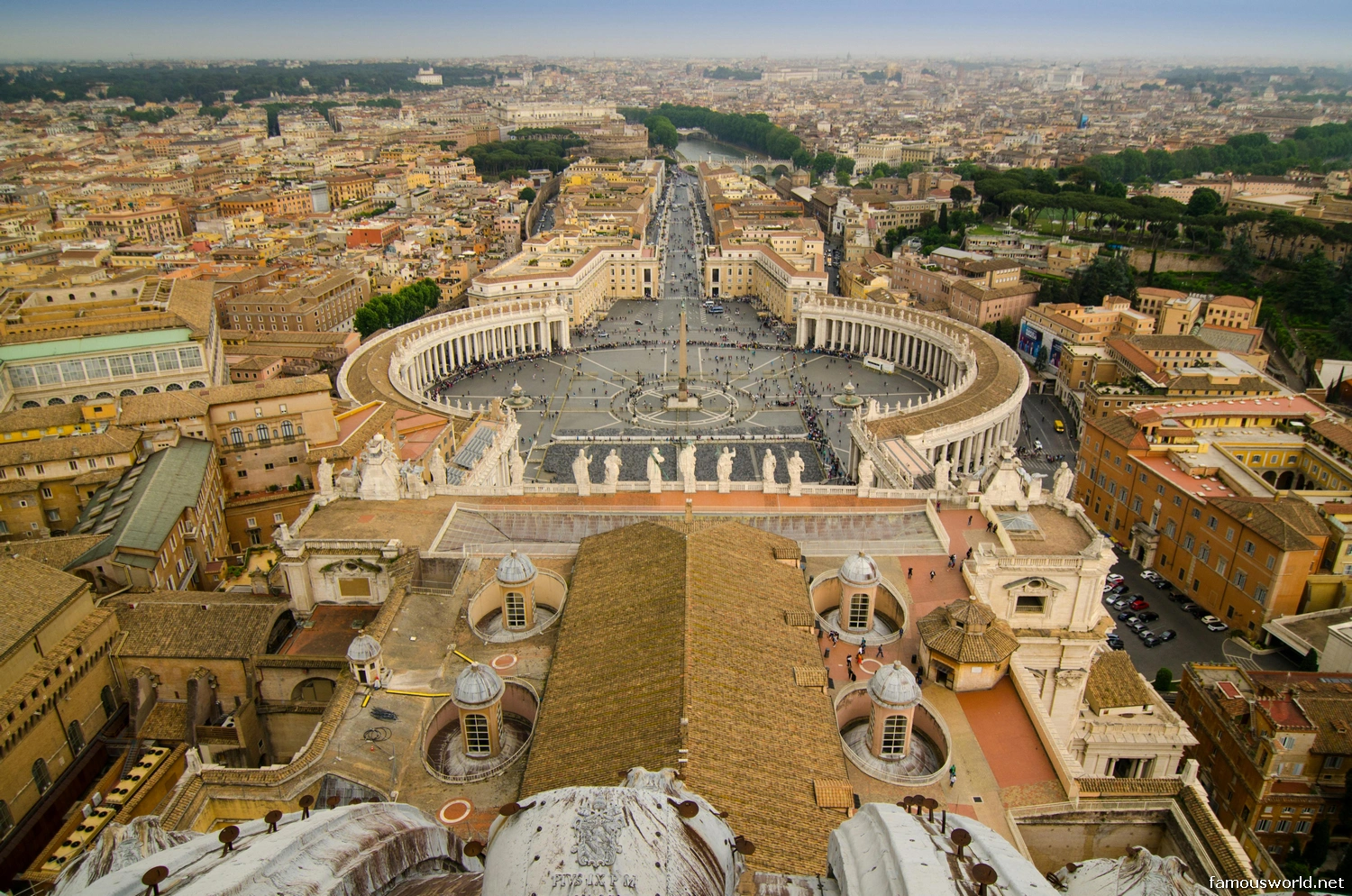
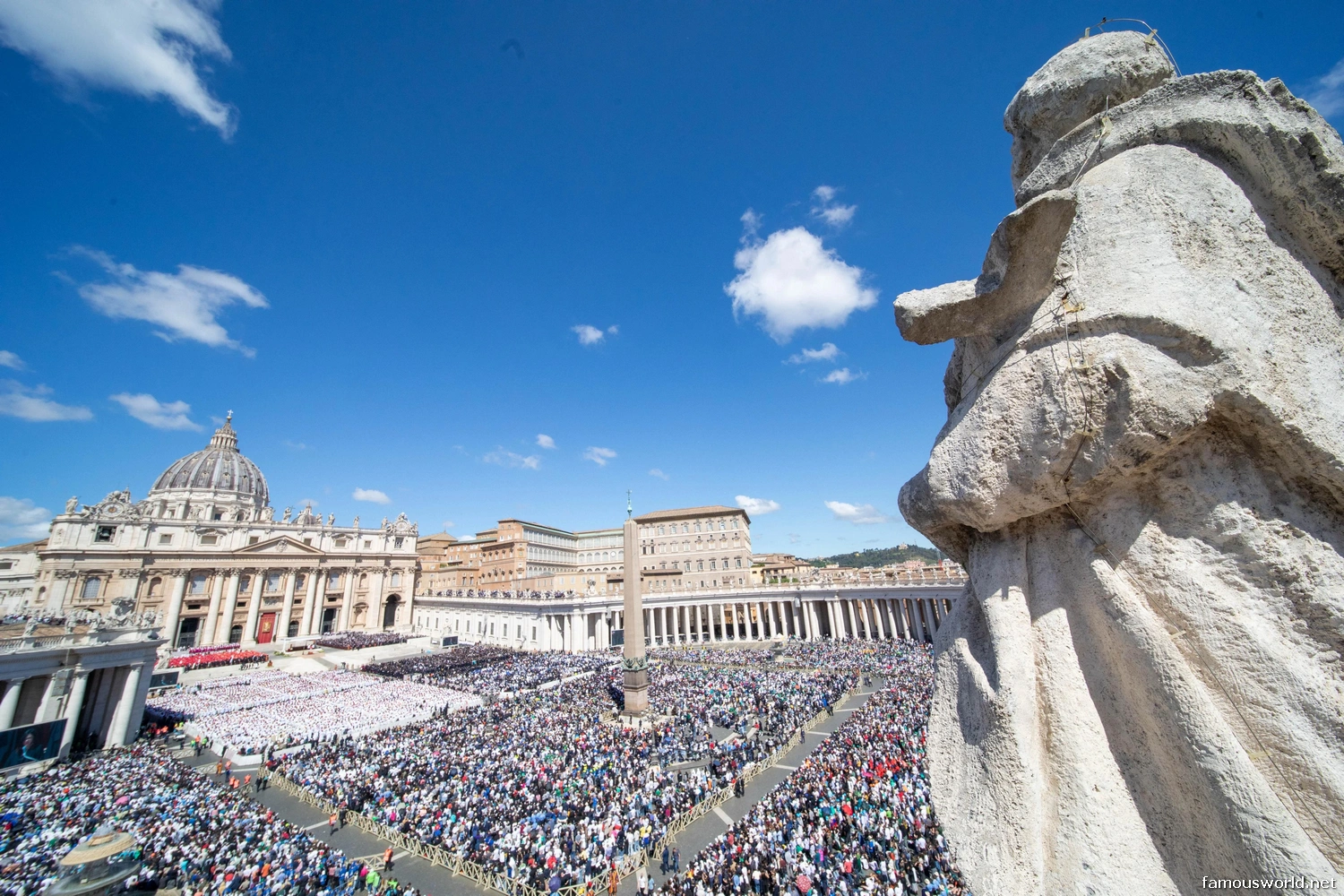
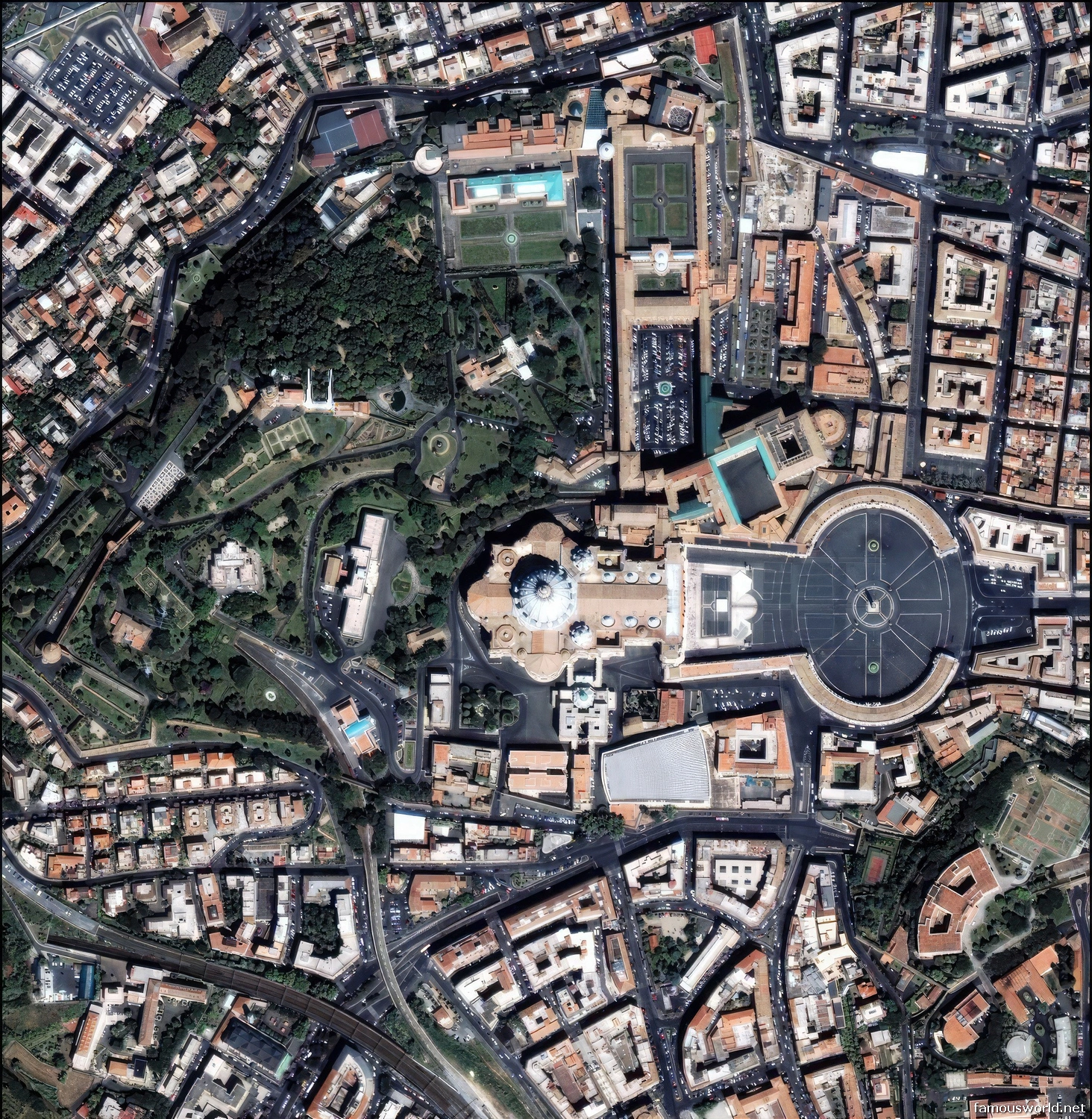
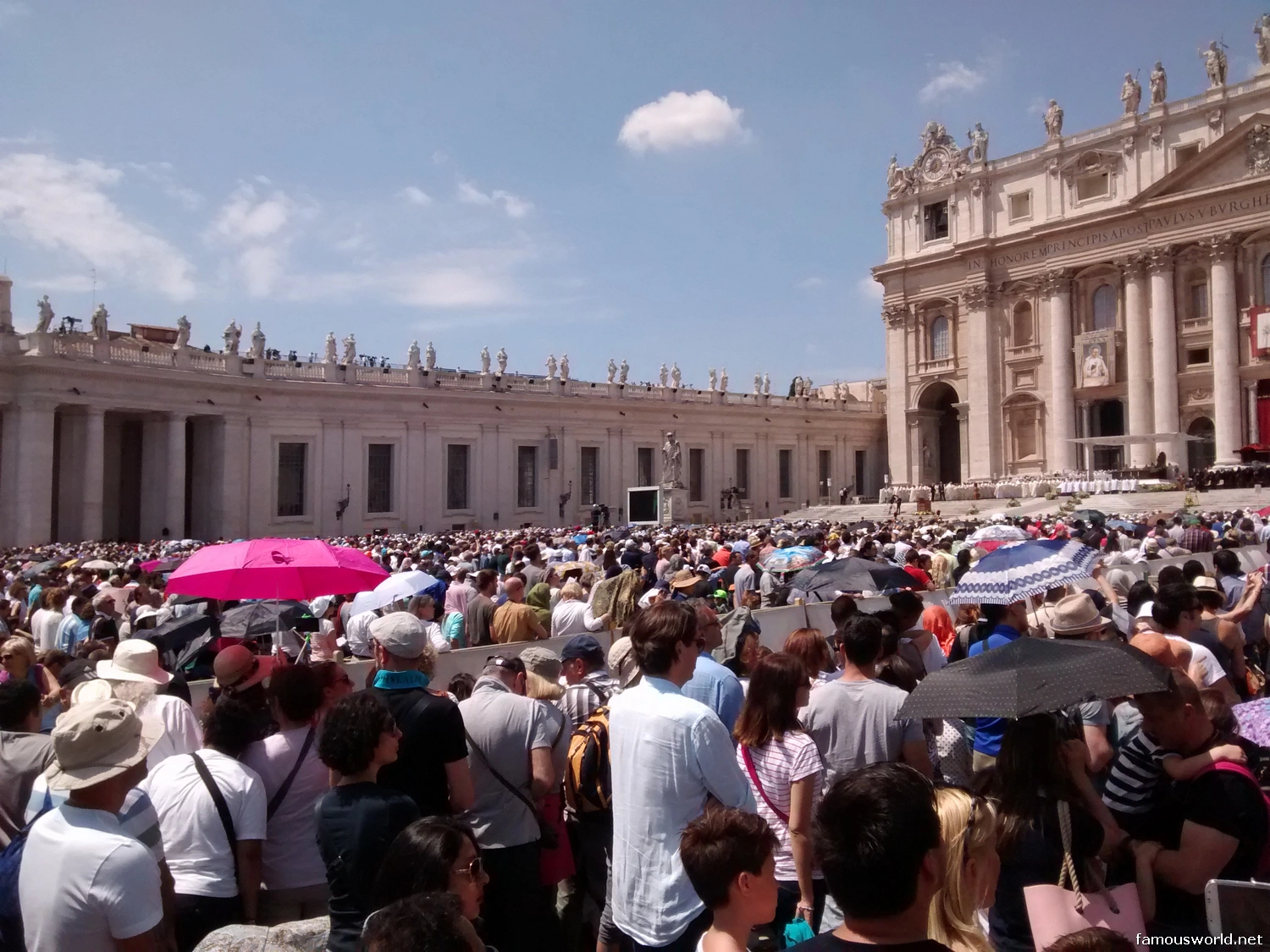
- The Landscape: The state is dominated by the vast, welcoming embrace of St. Peter’s Square, which serves as its grand public entrance. A significant portion of its territory is covered by the lush and private Vatican Gardens. The entire state is famously enclosed by imposing defensive walls.
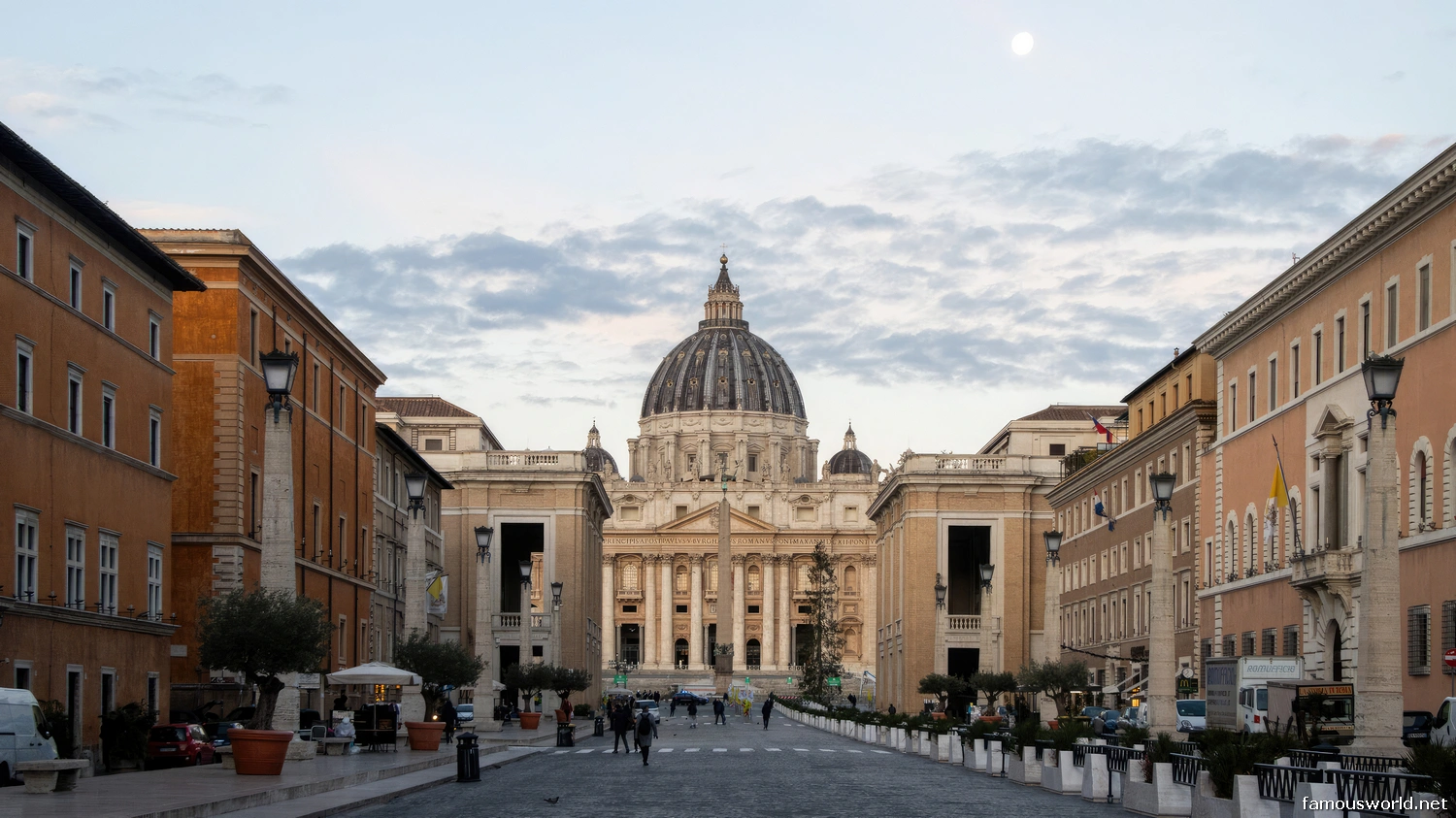
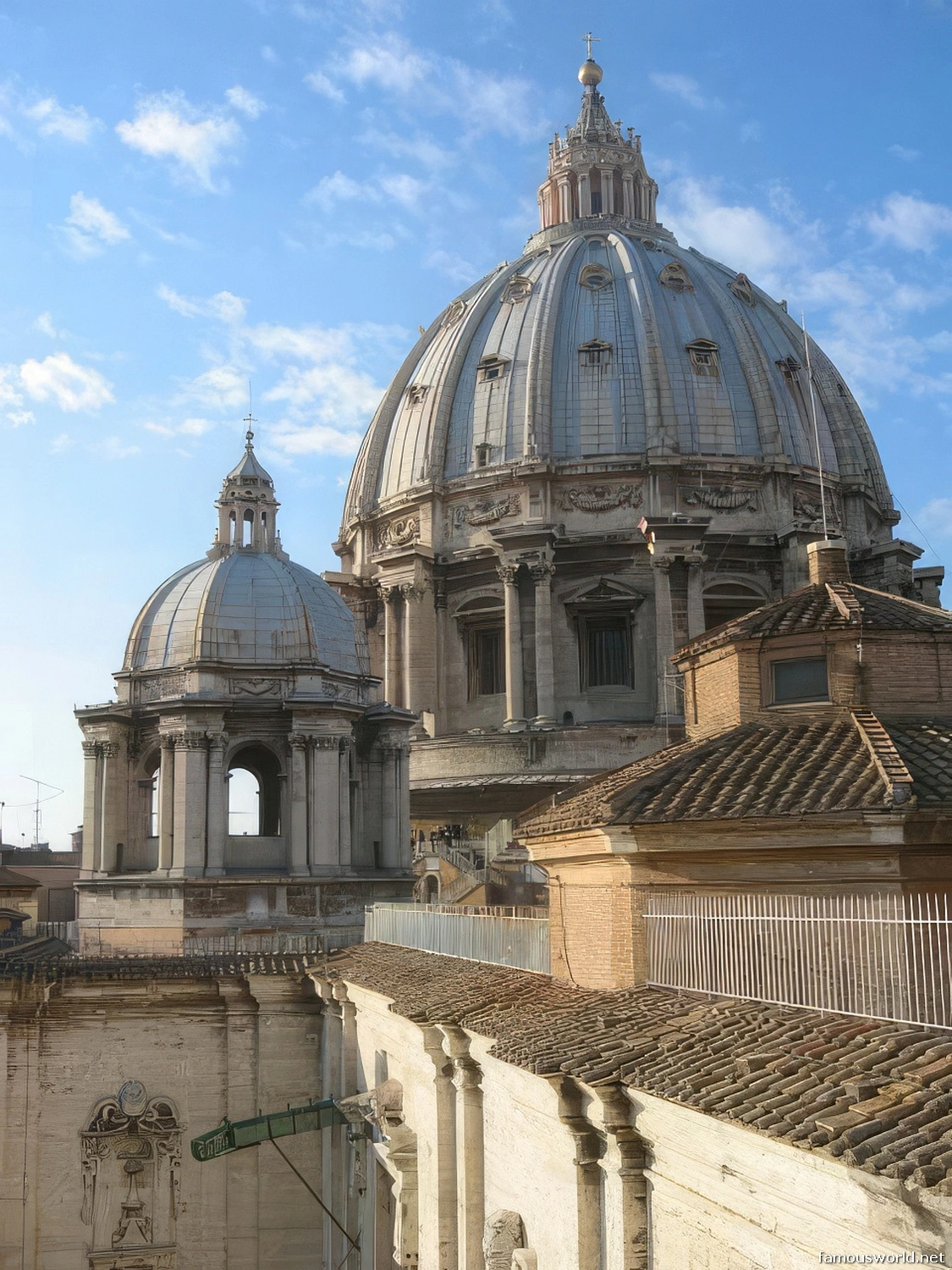
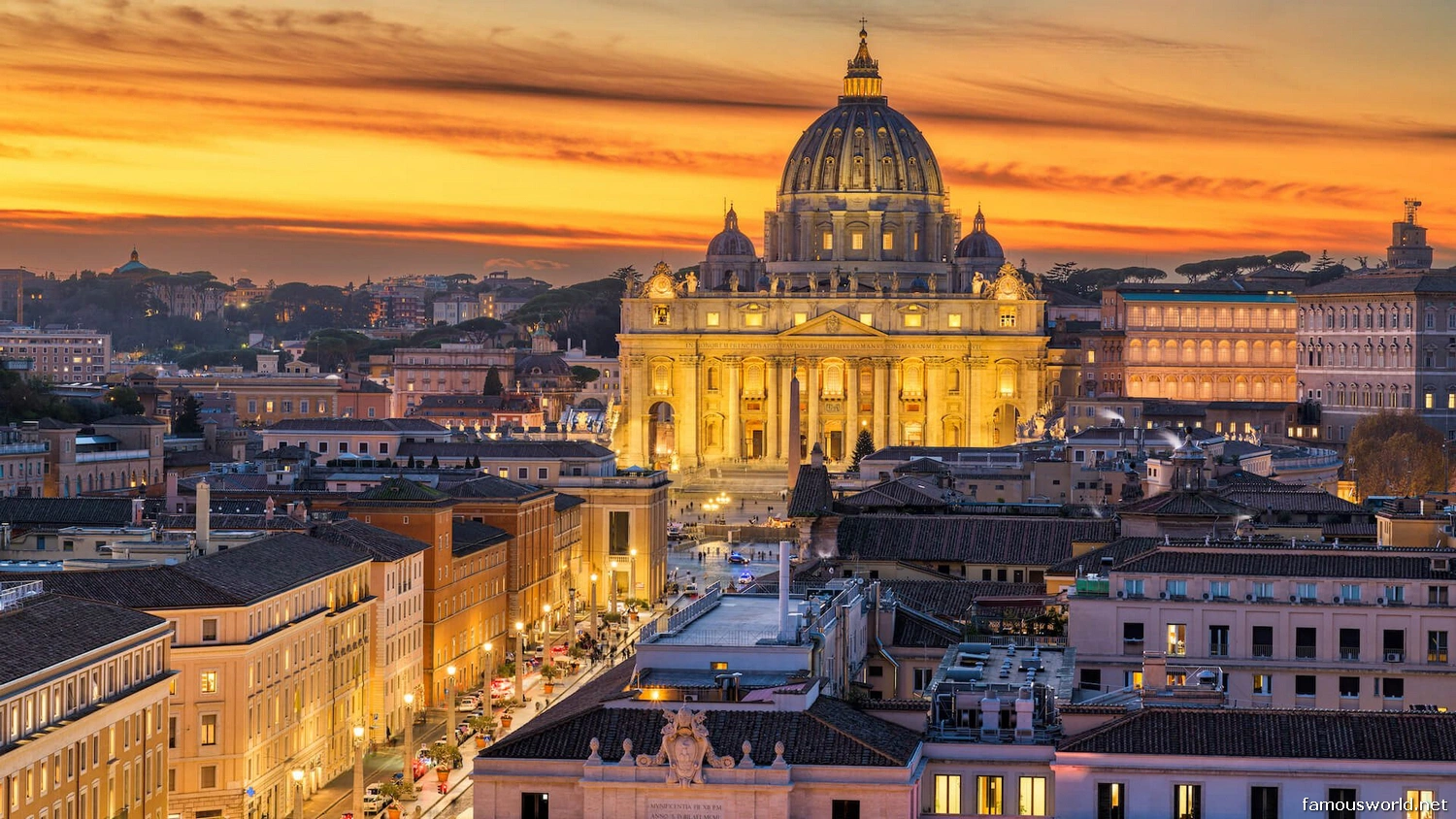
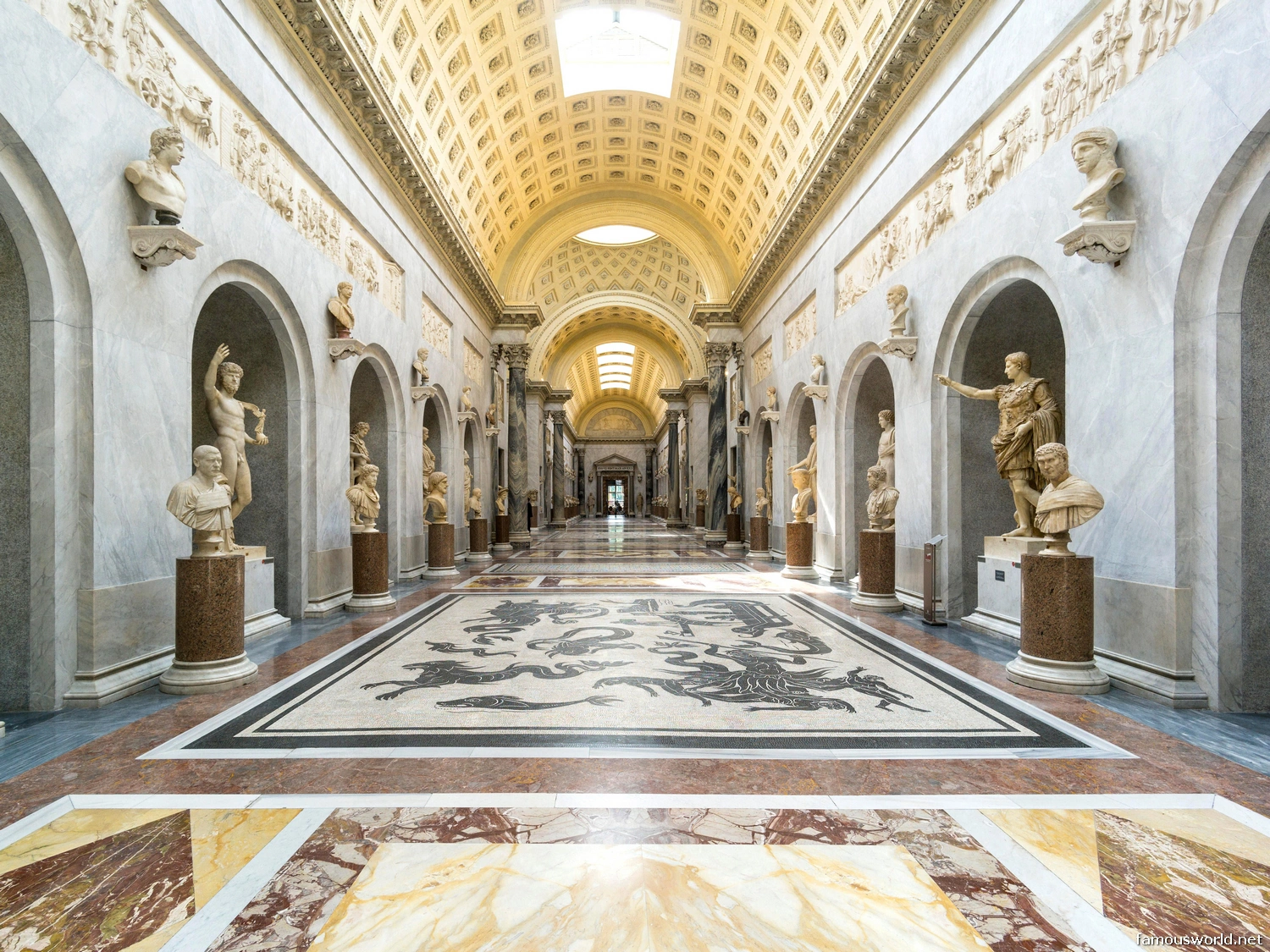
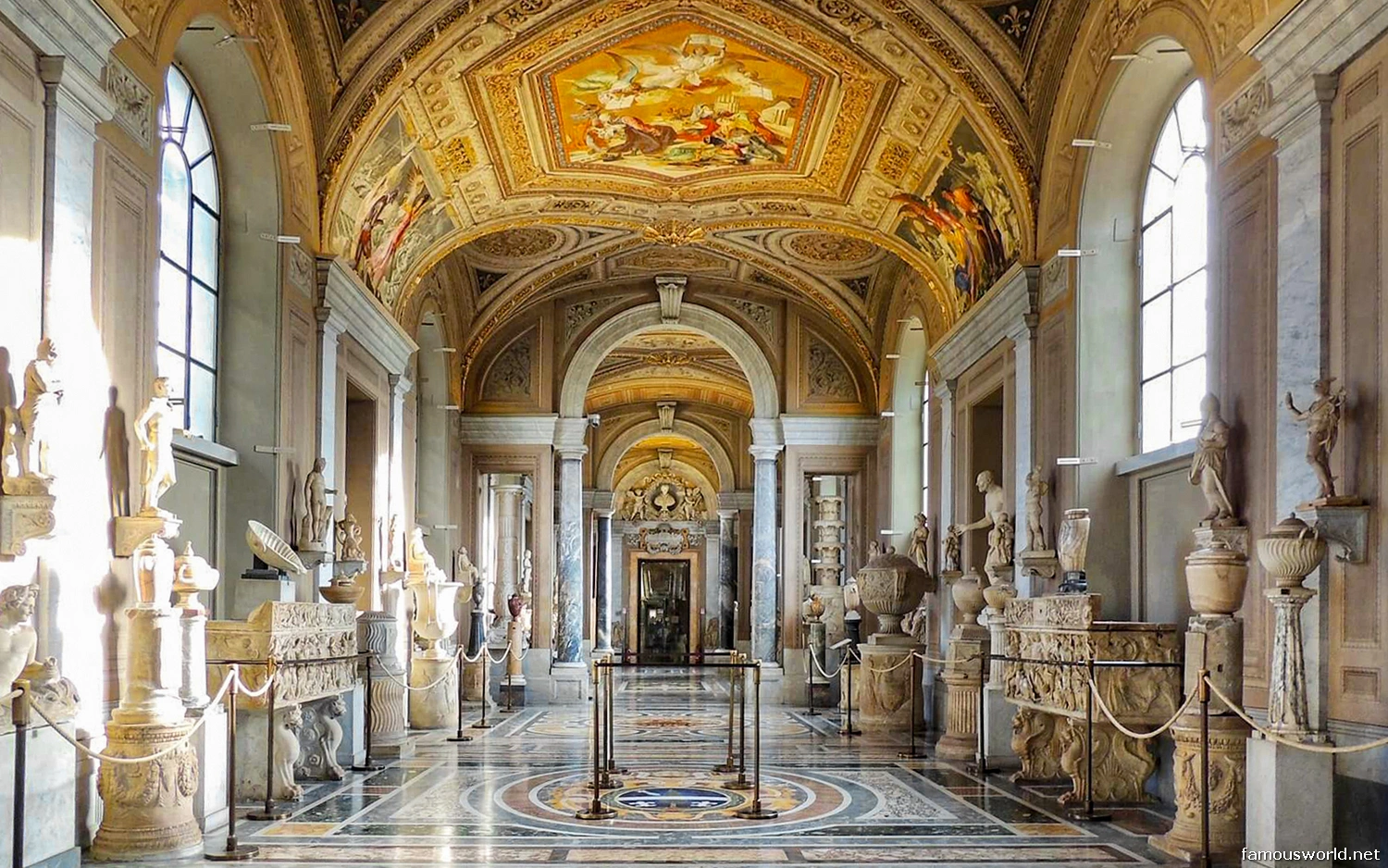
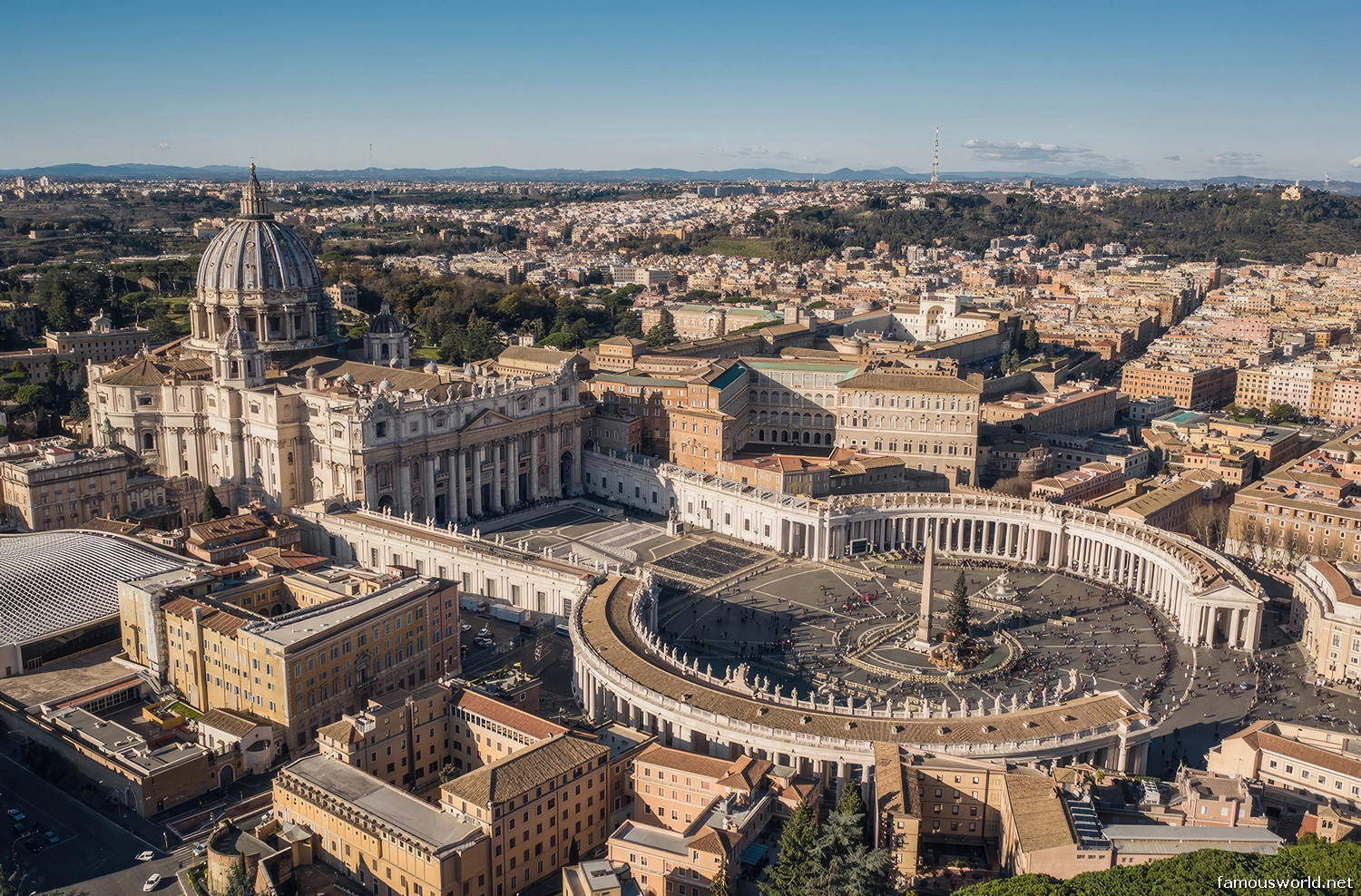
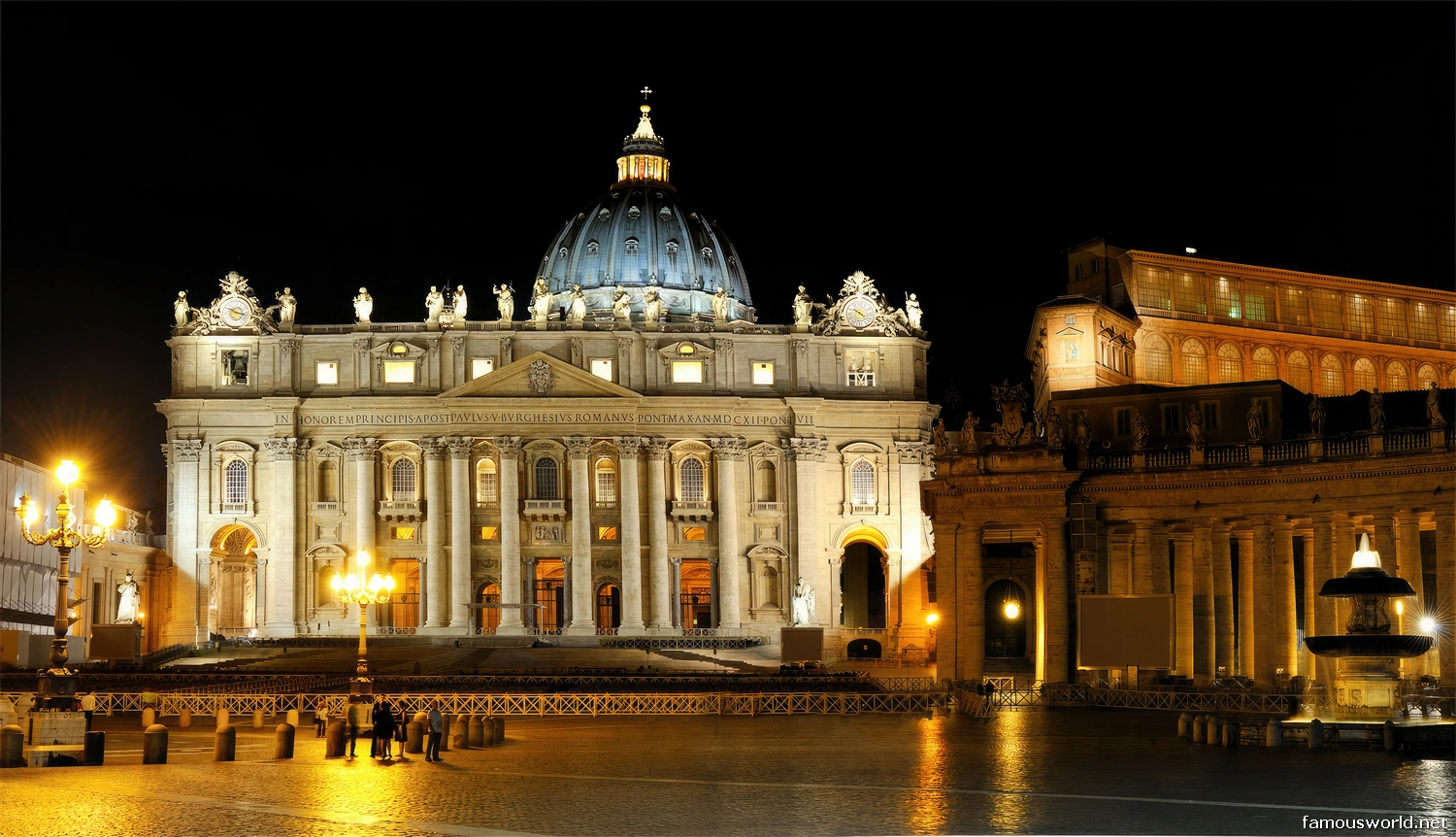
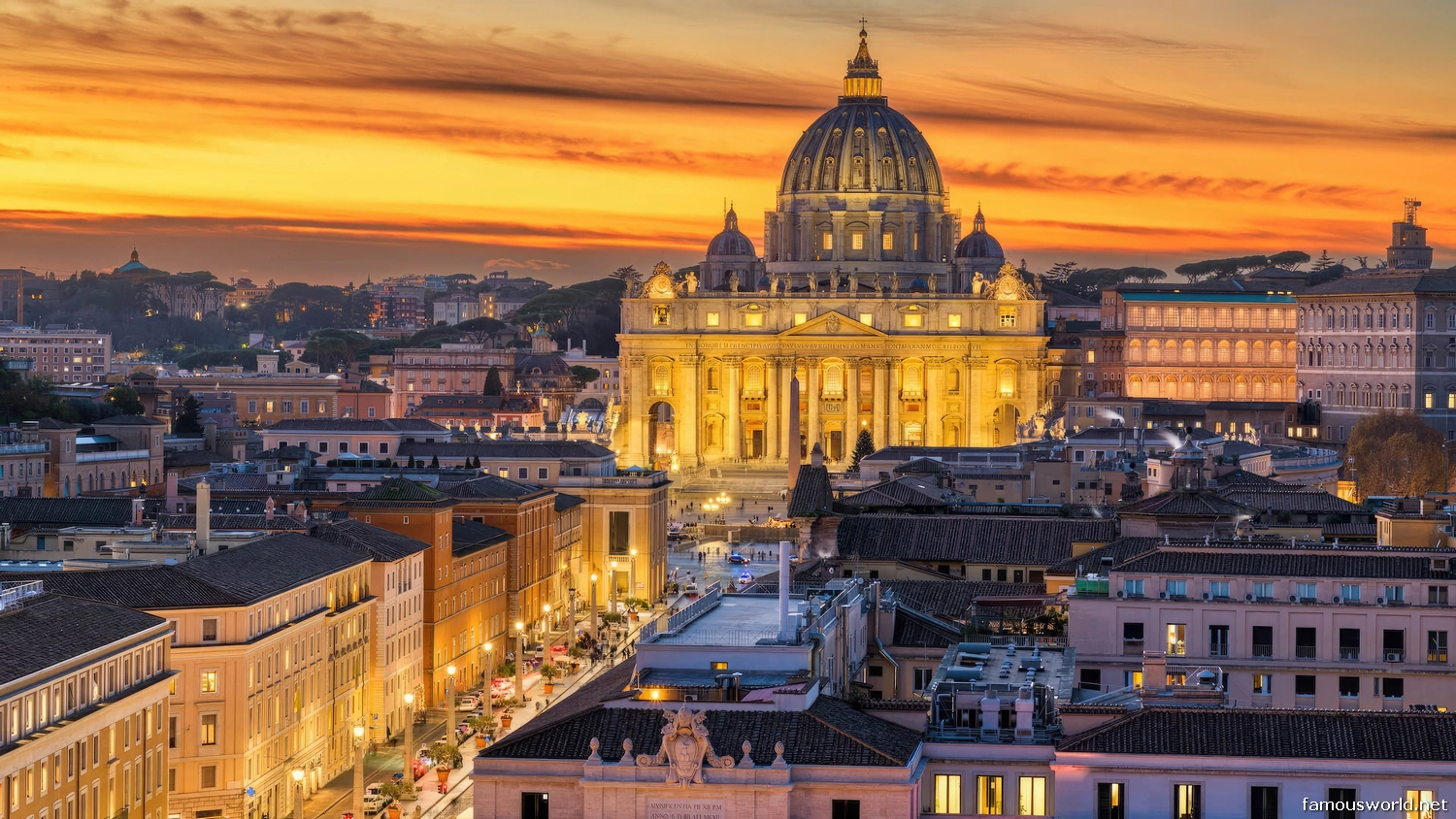
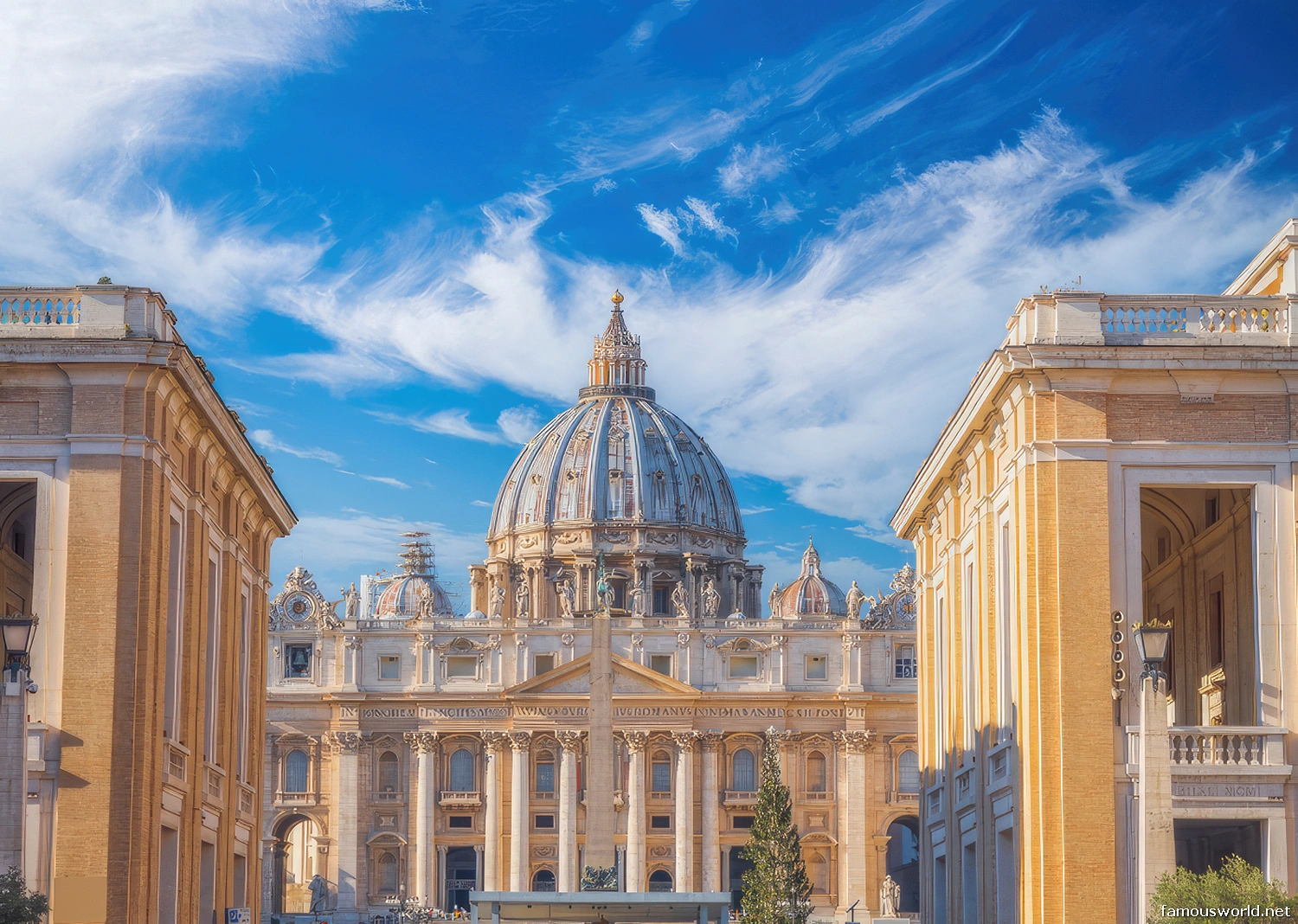
- The Architecture: Vatican City contains some of the most famous buildings in the world, showcasing centuries of Renaissance and Baroque mastery. The skyline is defined by Michelangelo’s dome for St. Peter’s Basilica. The state also includes the Apostolic Palace (the Pope’s official residence), the labyrinthine Vatican Museums, and, of course, the Sistine Chapel.
What Makes It Famous
Vatican City’s fame is multifaceted, stemming from its unique political, religious, and cultural status.
- The World’s Smallest State: It is globally recognized as the smallest sovereign nation by both area and population.
- Heart of the Catholic Church: It is the absolute center of the Roman Catholic faith, the seat of the Pope, and the governing body of the Church.
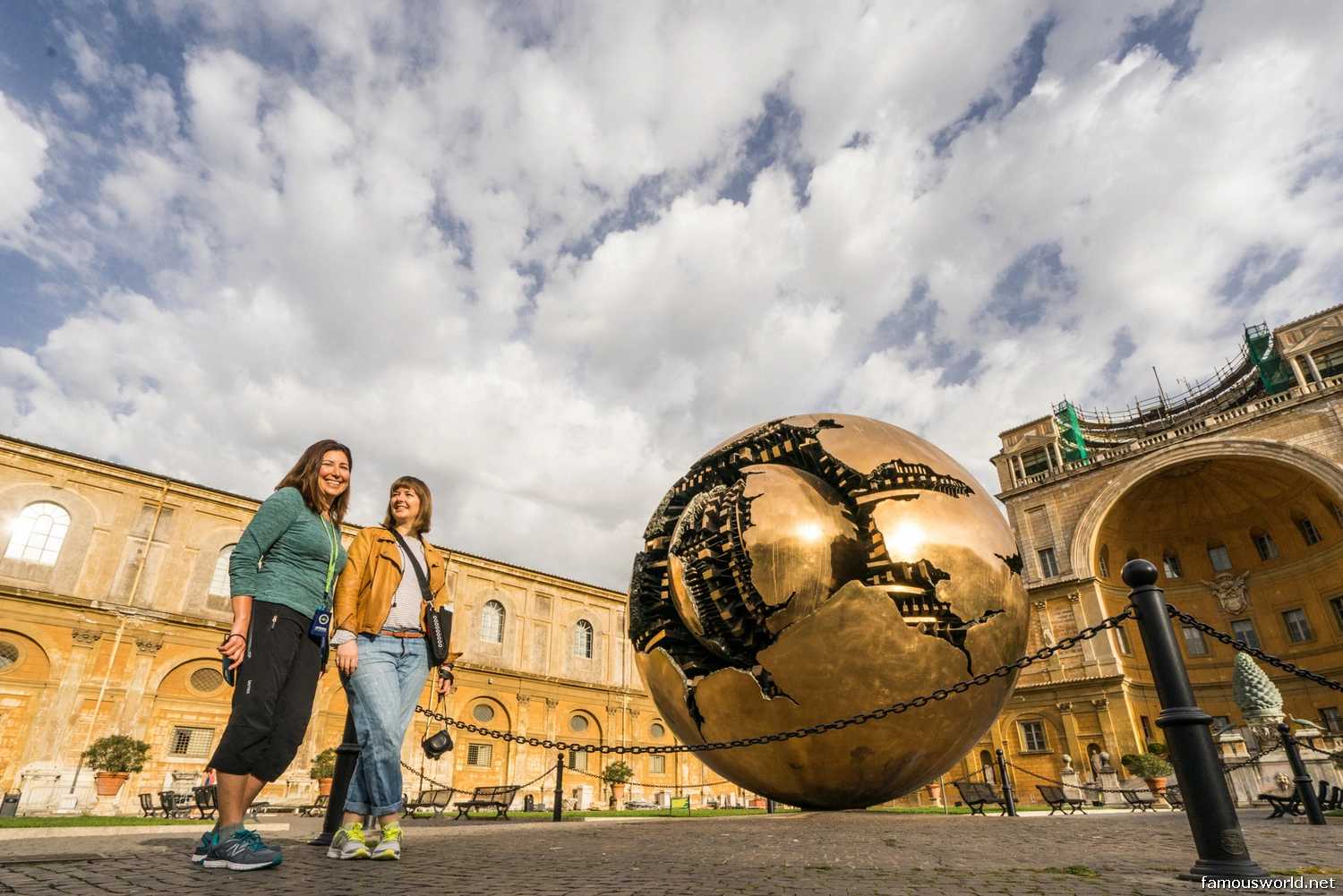
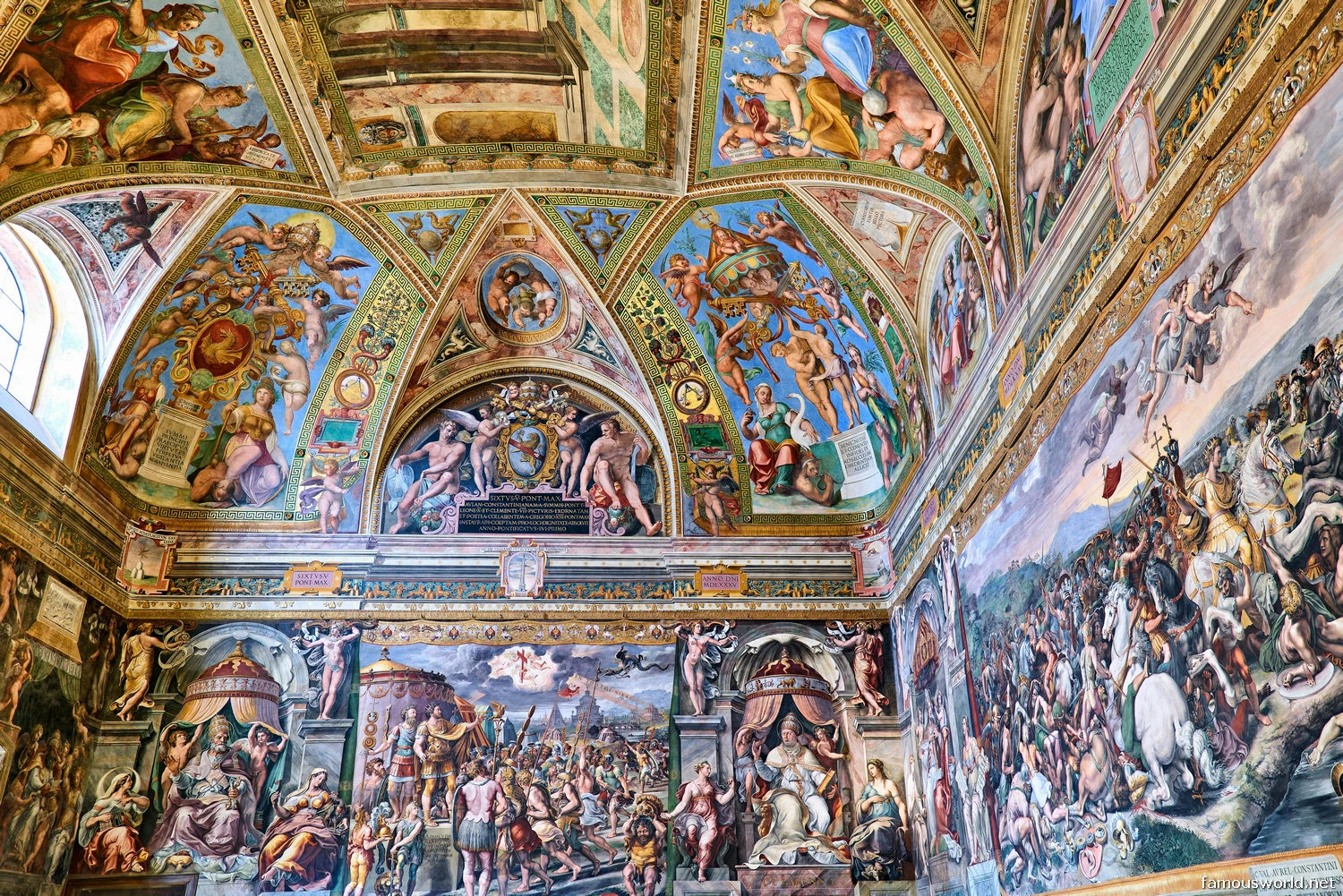
- Home to Artistic Masterpieces: It houses an unparalleled concentration of world-famous art and architecture, from Michelangelo’s frescoes in the Sistine Chapel to the treasures within St. Peter’s Basilica and the Vatican Museums.
- A Complete UNESCO World Heritage Site: It is the only state in the world to be entirely designated a UNESCO World Heritage site.
Differences from Other Wonders
The Vatican’s status as a living, sovereign spiritual center distinguishes it profoundly from the ruined, secular heart of ancient Rome, the Roman Forum.
- Environment (Sovereign Holy See vs. Ancient Civic Ruin): Vatican City is a living, functioning state and the active spiritual headquarters of a global religion. The Roman Forum is a vast archaeological park, the silent, ruined political center of a civilization that disappeared millennia ago.
- Core Story (Spiritual Authority & Divine Art vs. Republican Politics & Imperial Law): The Vatican’s story is one of continuous faith, papal authority, and the creation of art for the glory of God. The Forum’s story is about the mechanics of Roman law, political debate, commerce, and the governance of an empire.
- Primary Attraction (Living Institutions & Sacred Masterpieces vs. A Vast Archaeological Landscape): The primary attractions of the Vatican are its living institutions and iconic, sacred masterpieces (St. Peter’s Basilica, the Sistine Chapel). The primary attraction of the Forum is the intellectual and historical experience of exploring the physical ruins of an ancient society.
- Atmosphere (Sacred and Ceremonial vs. Historical and Contemplative): The atmosphere in Vatican City is one of active reverence, ceremony, and spiritual significance. The atmosphere in the Roman Forum is one of historical discovery and quiet contemplation among the ruins.
Location on world map