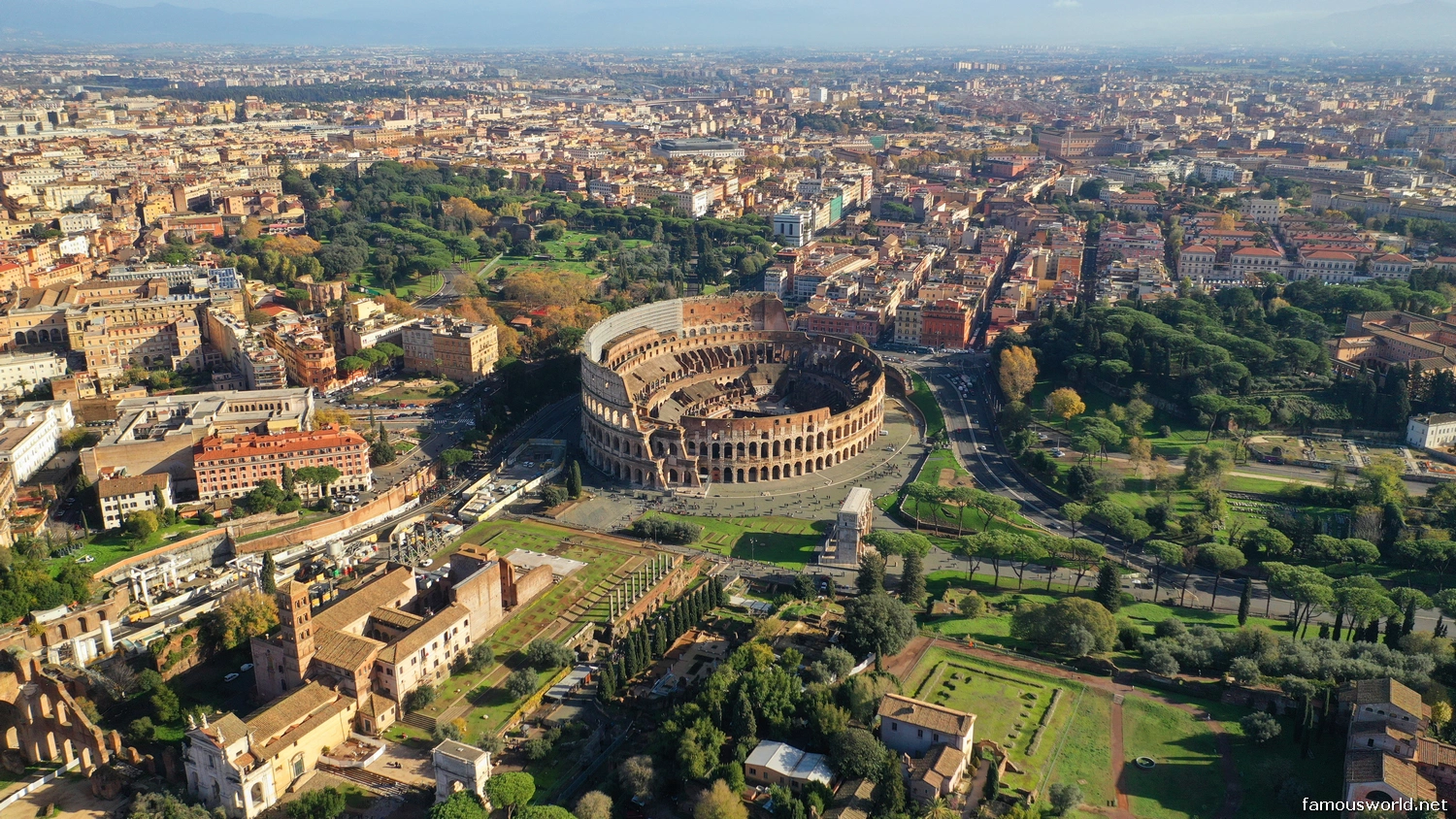
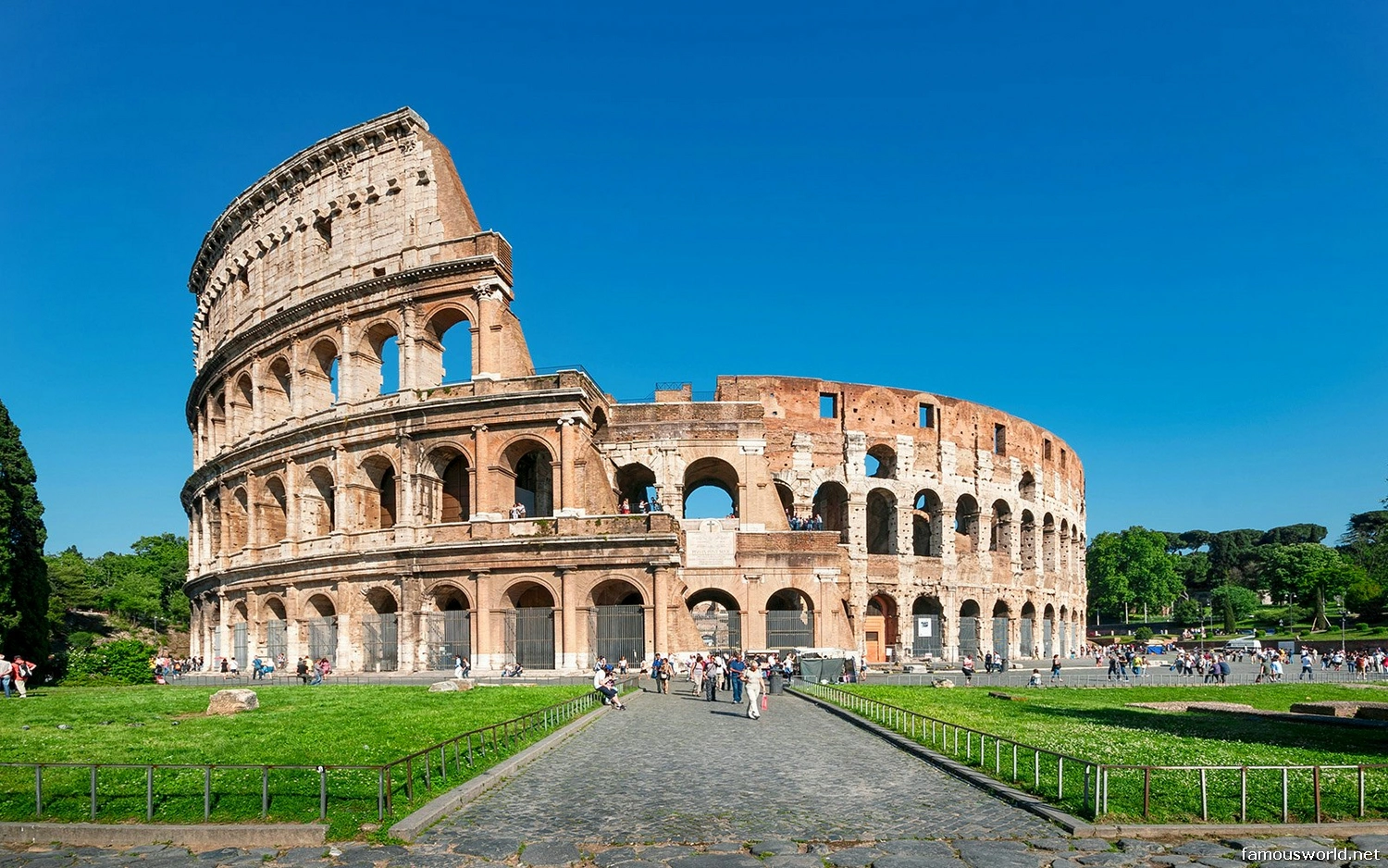
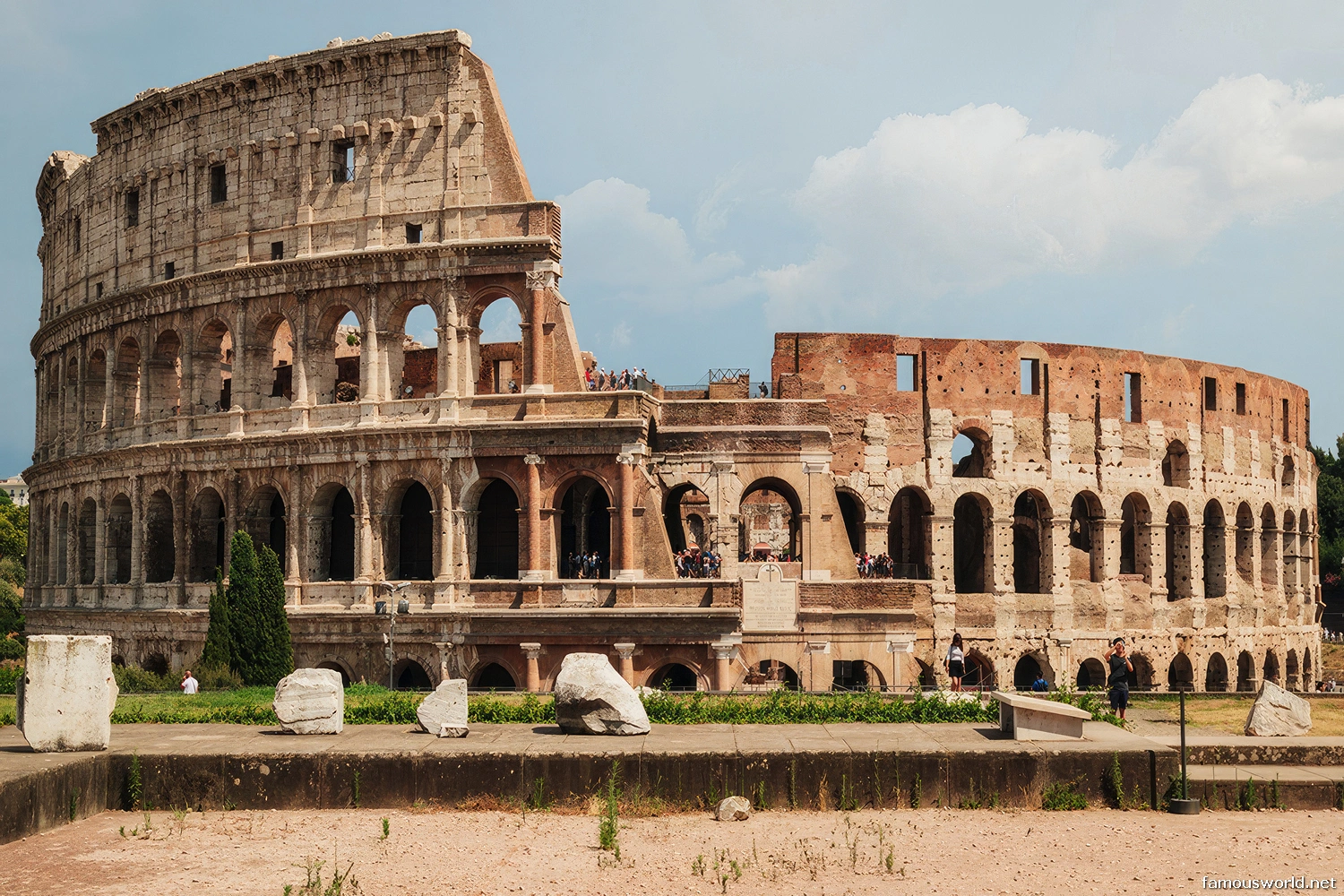
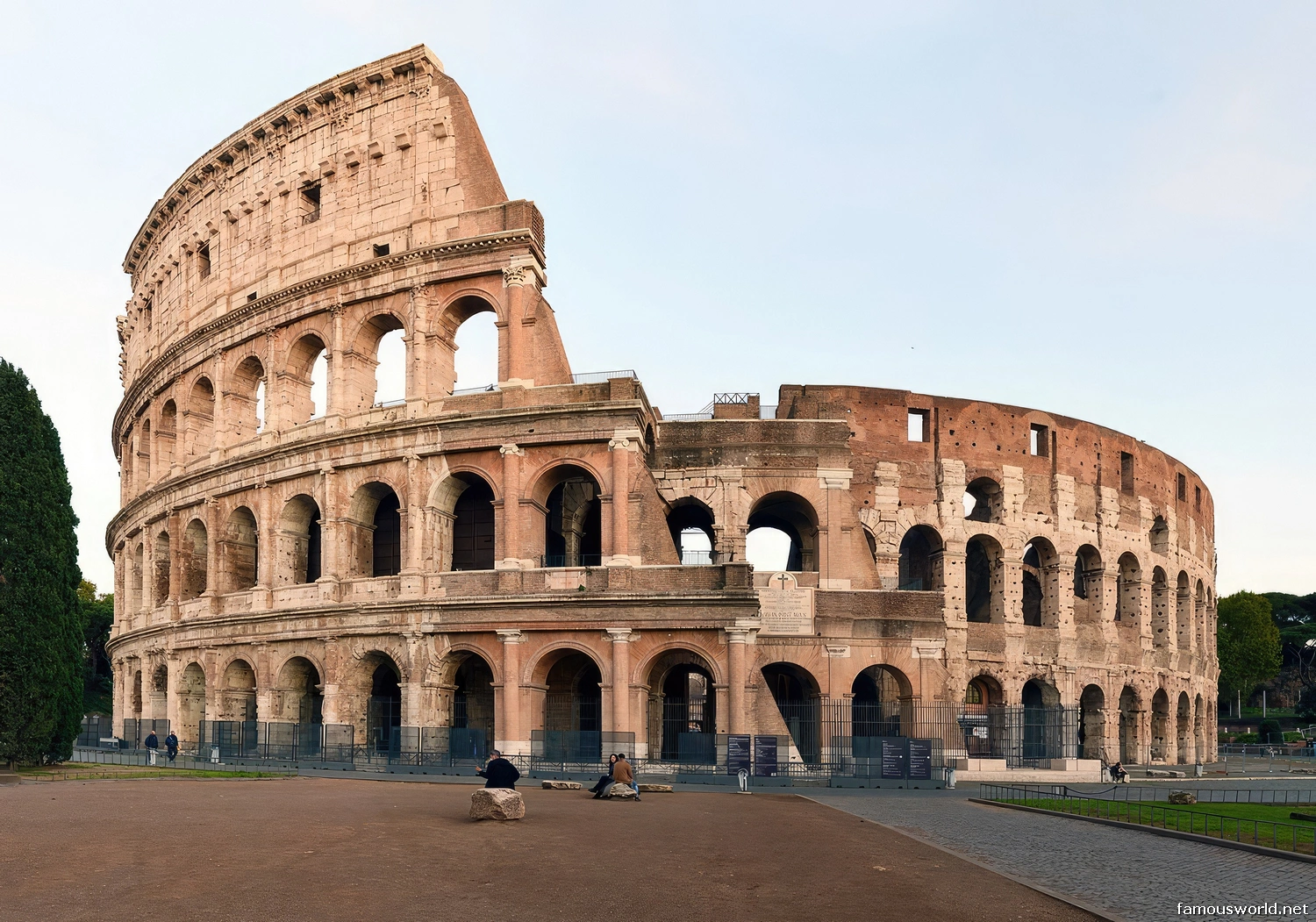
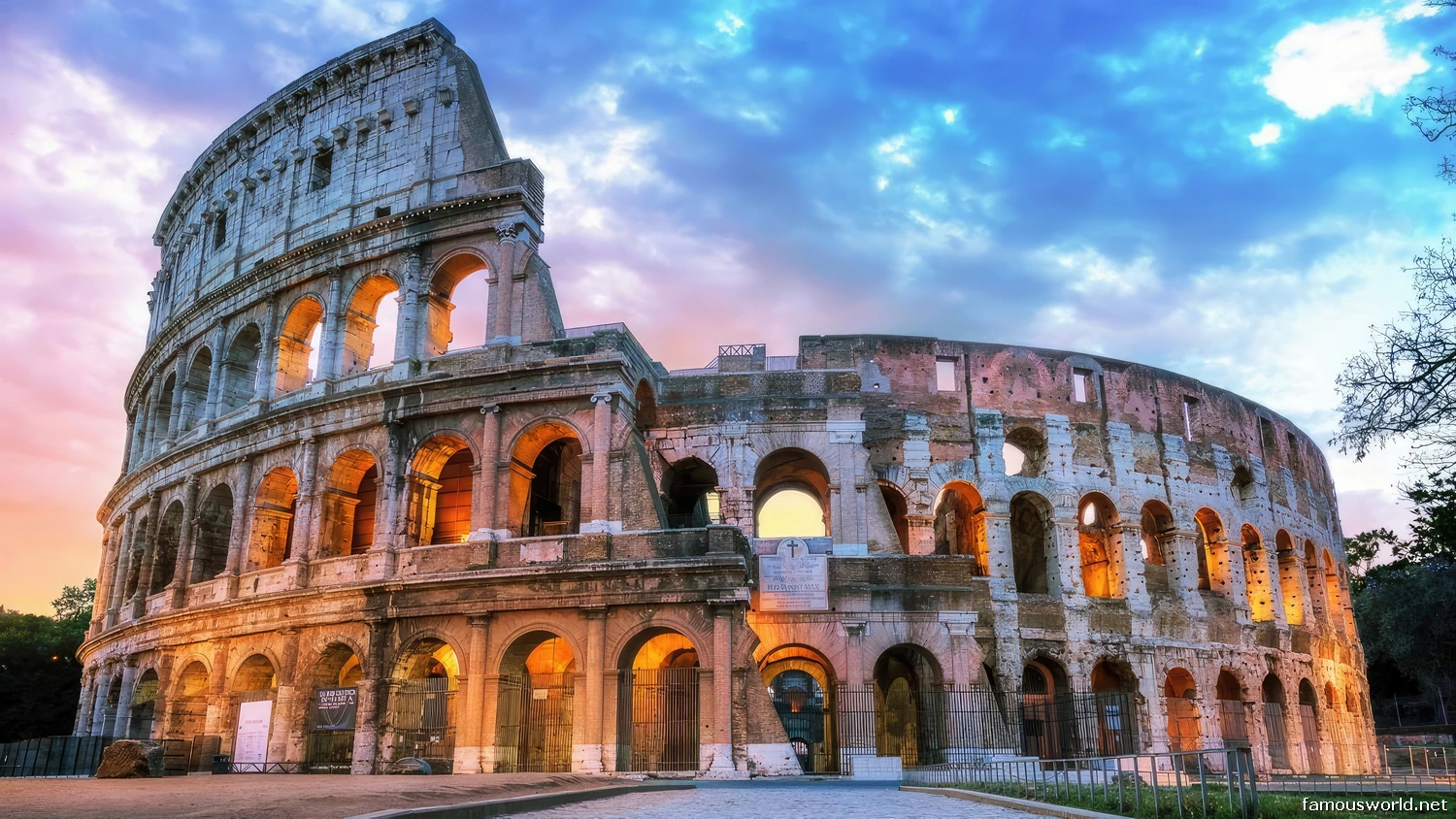
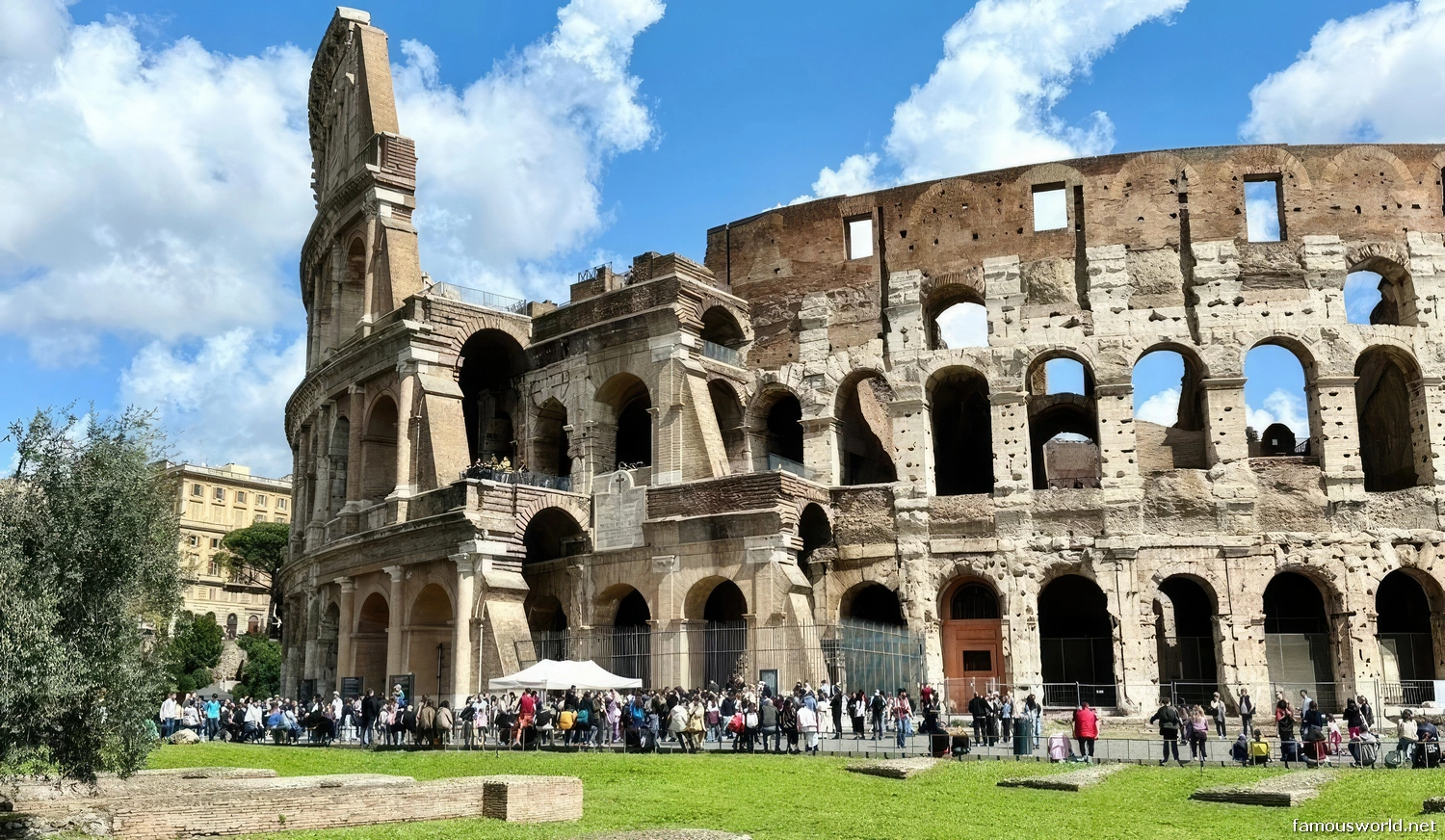
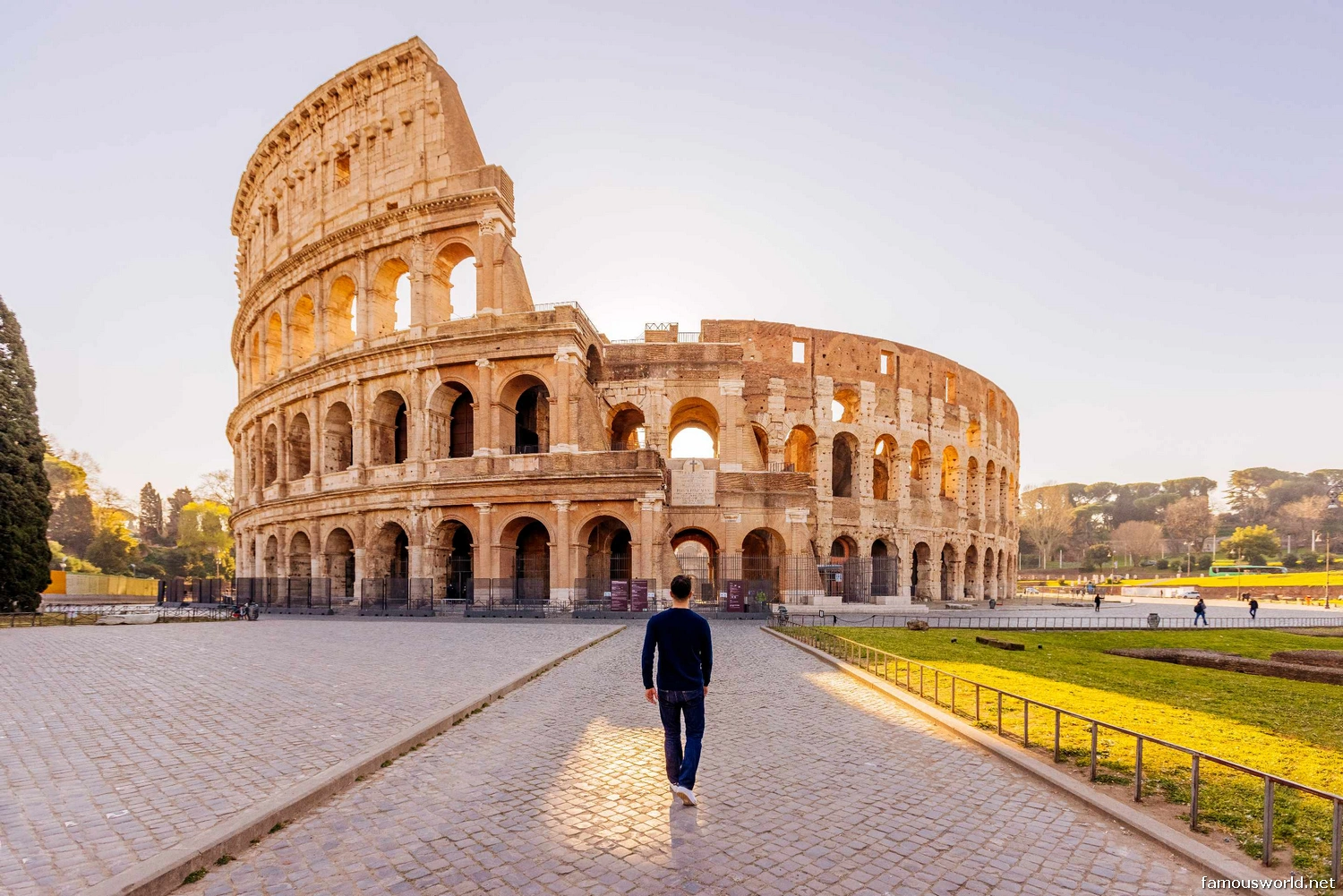
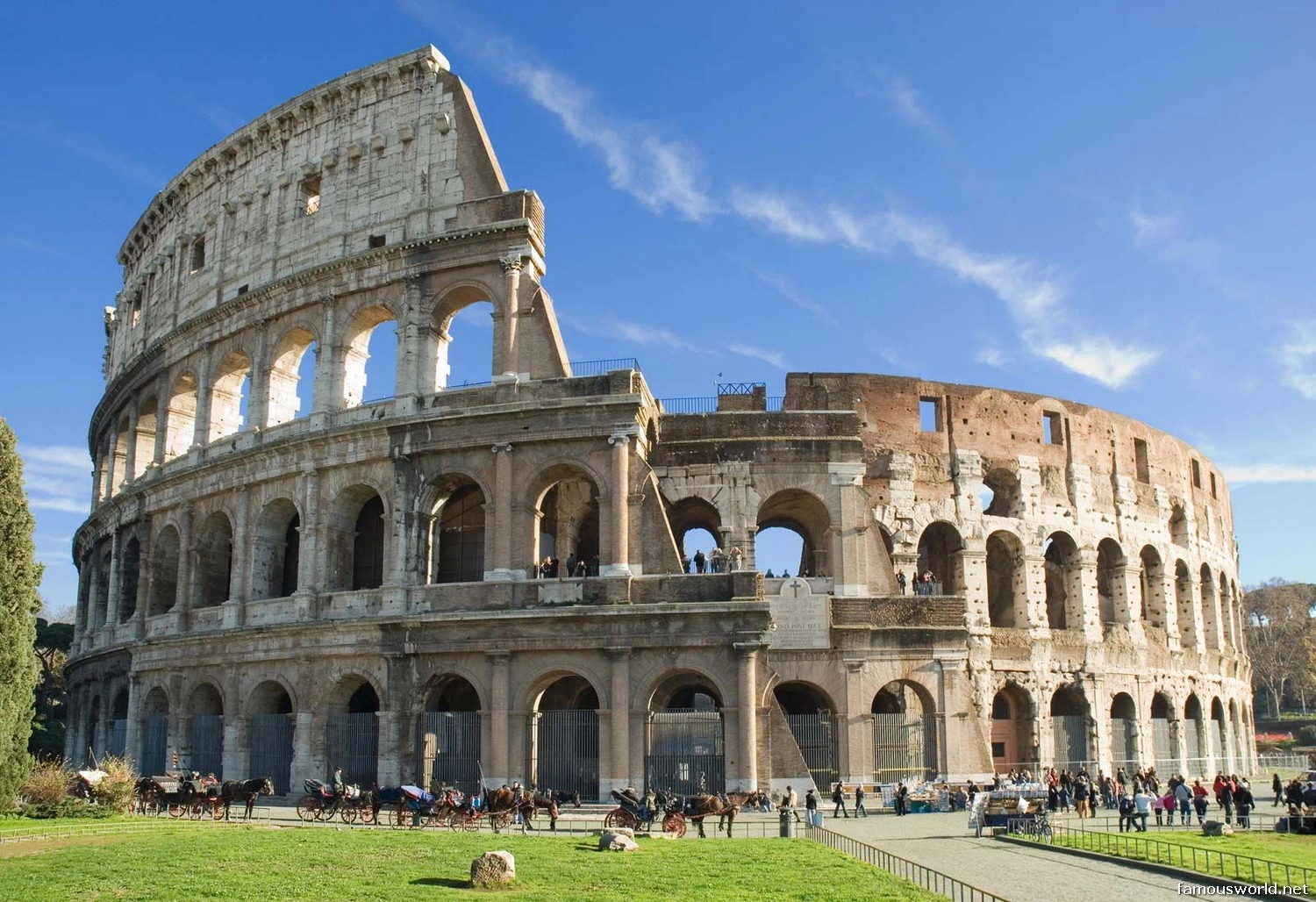
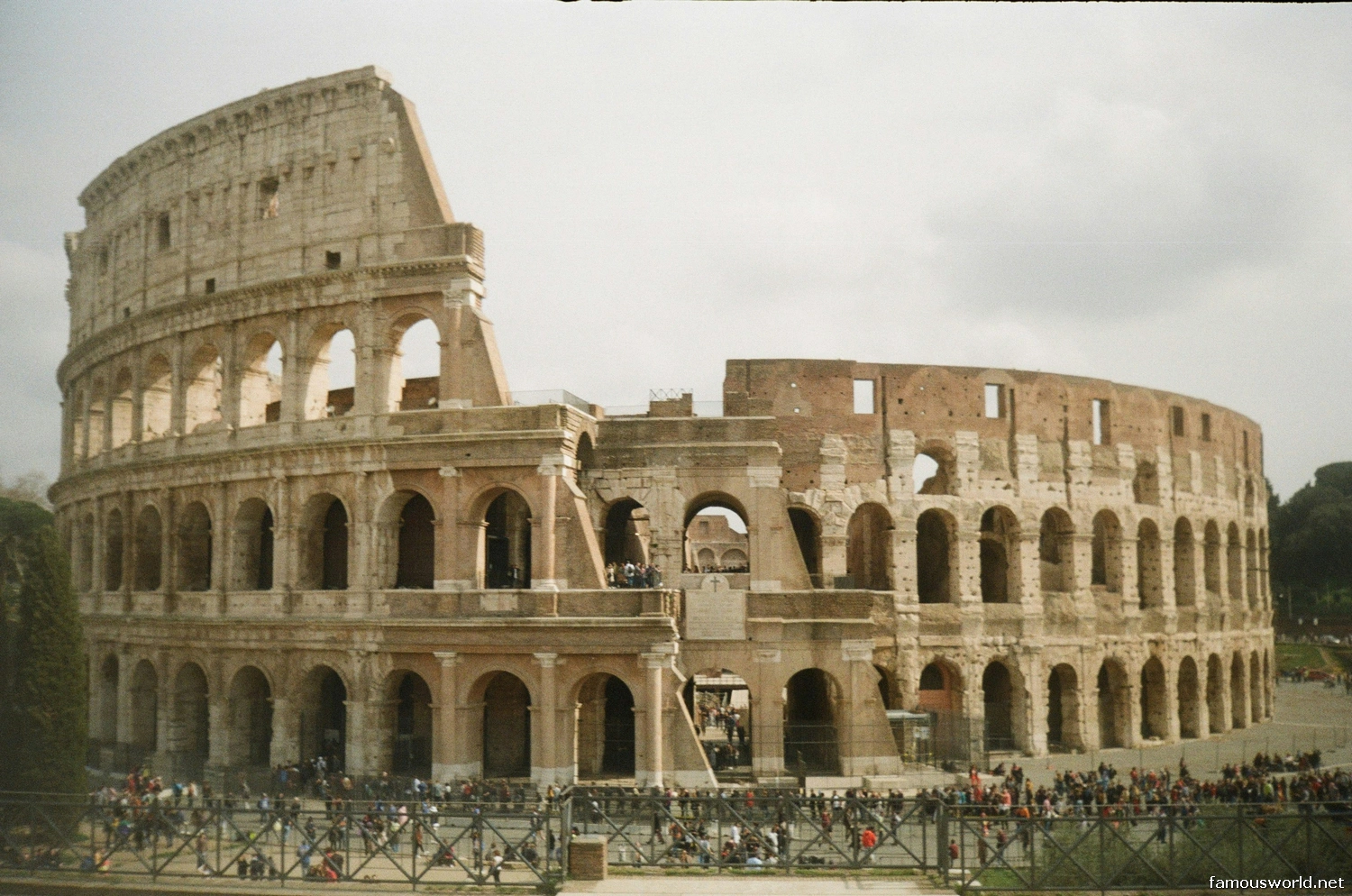
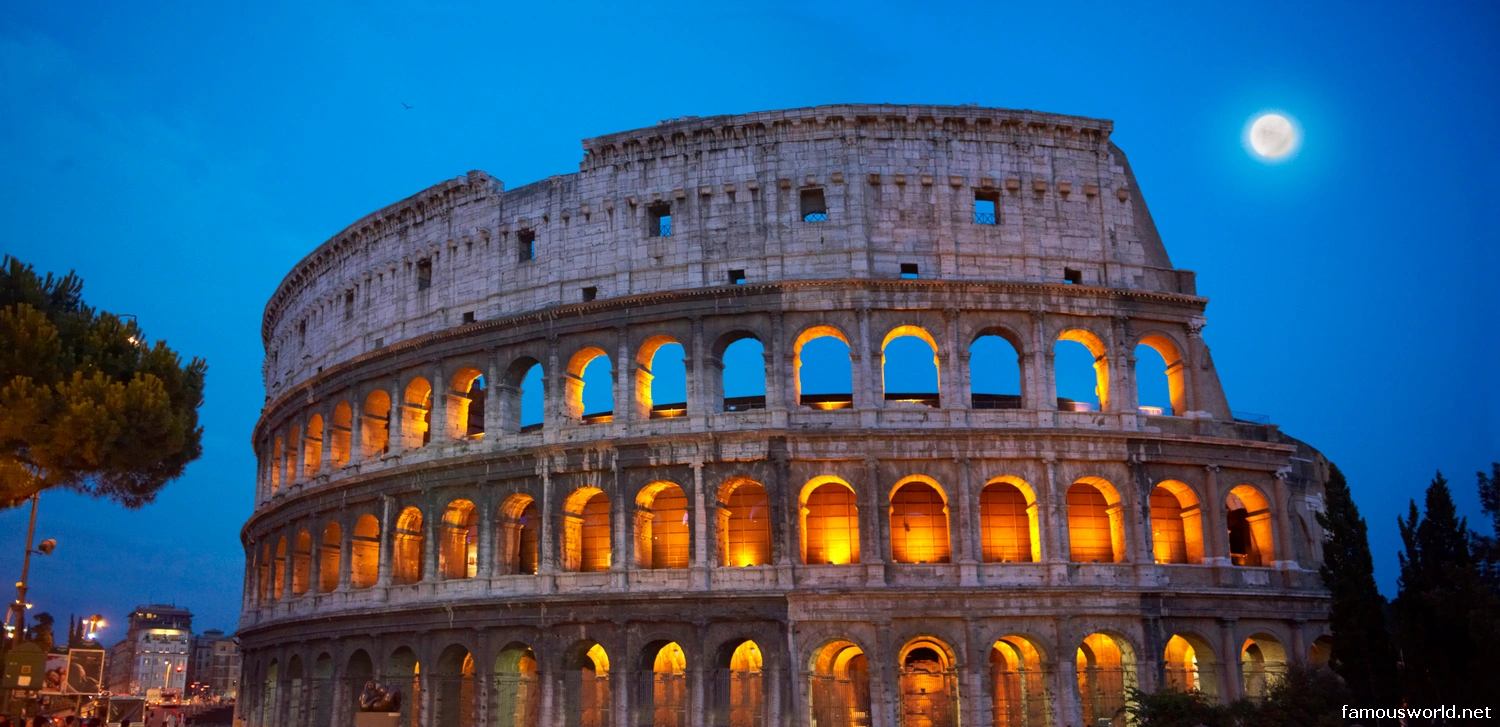
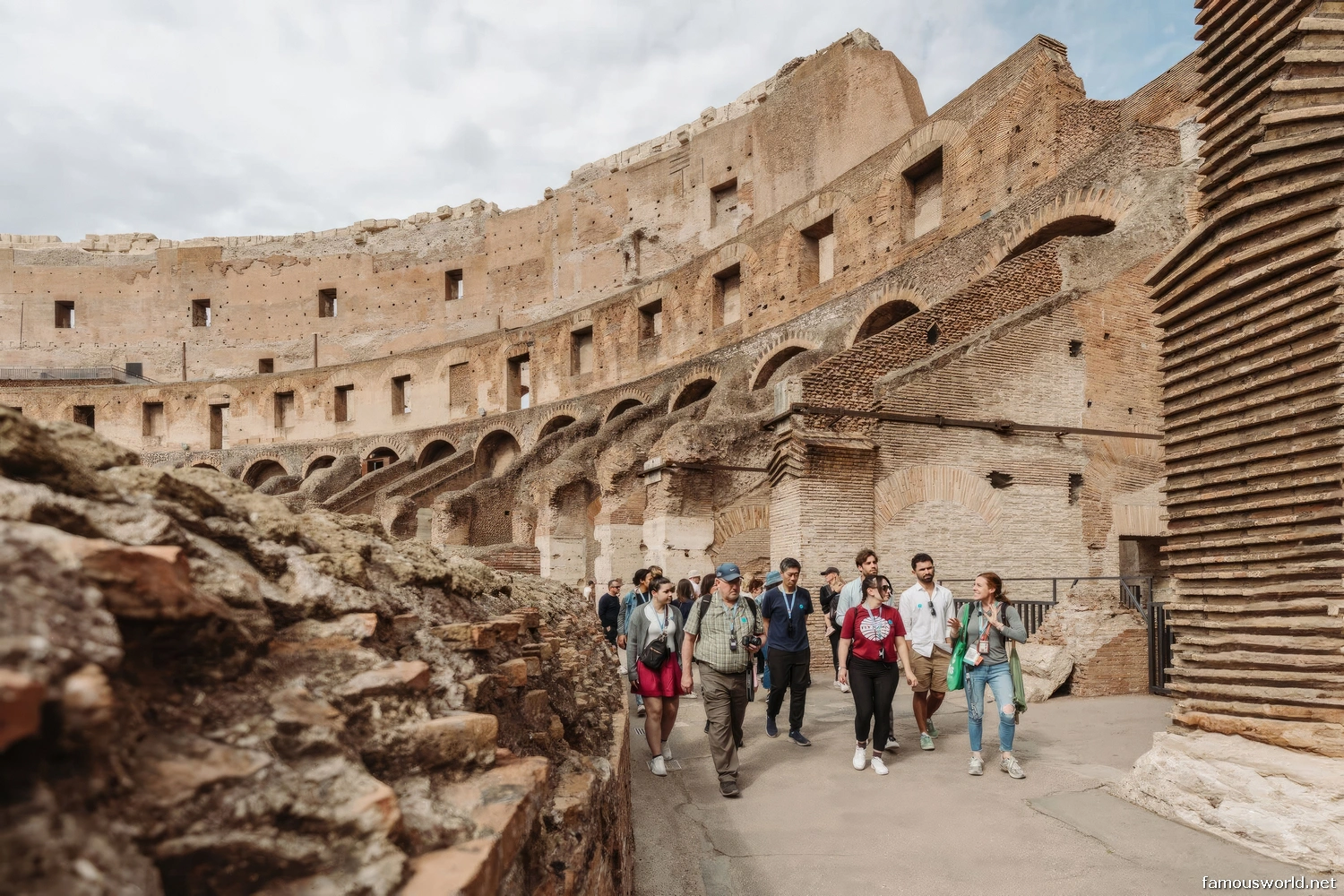
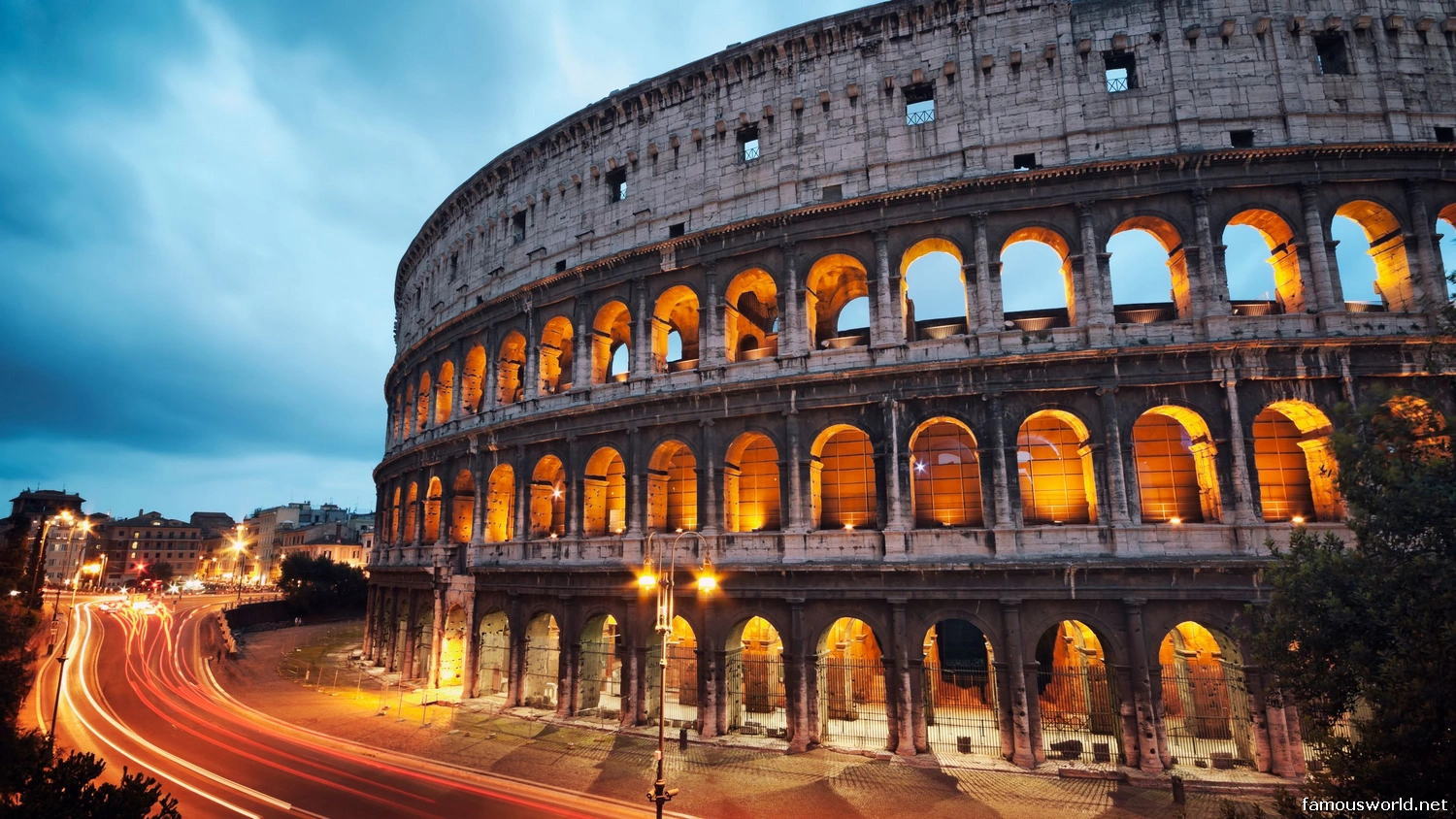
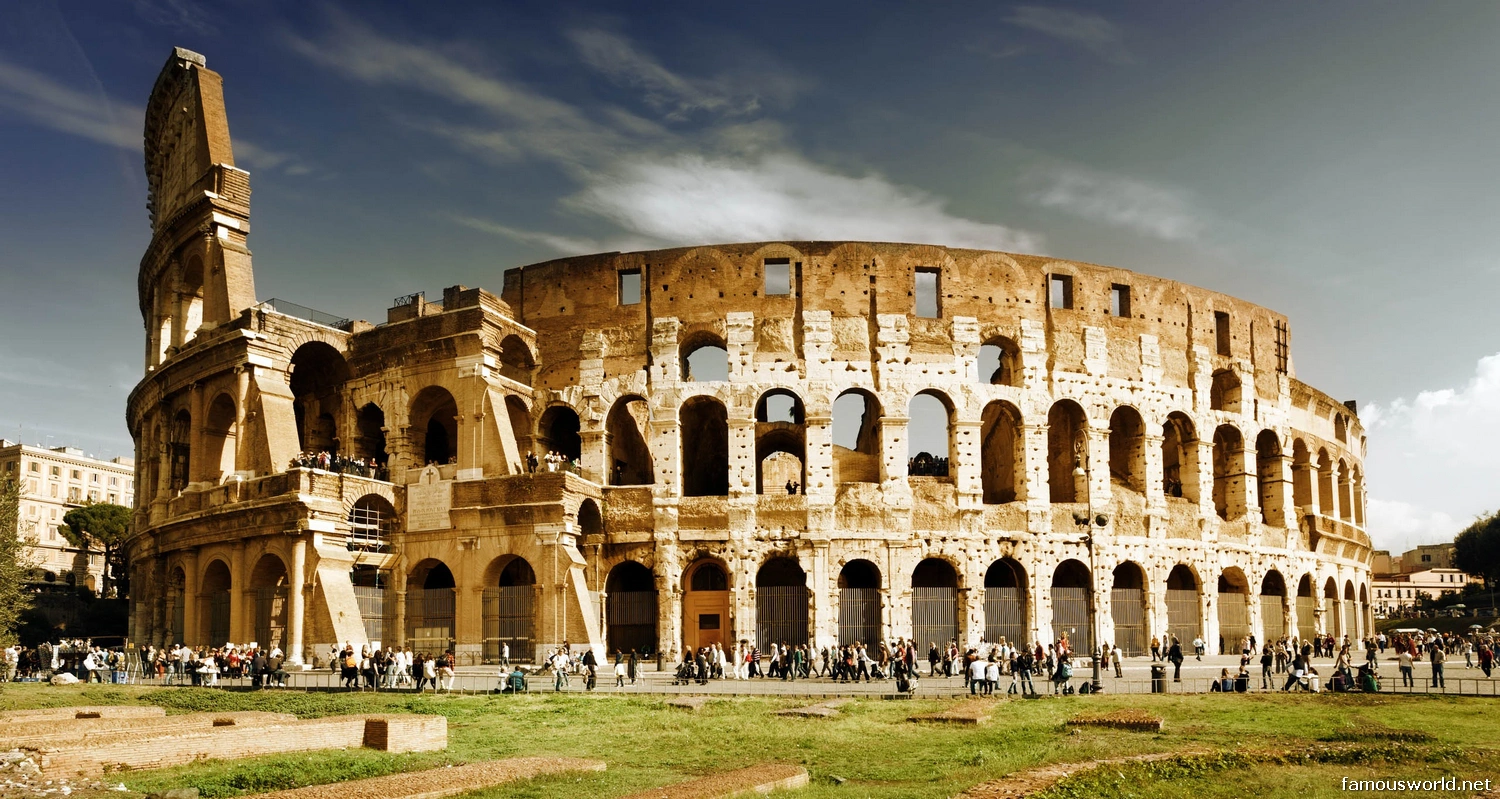
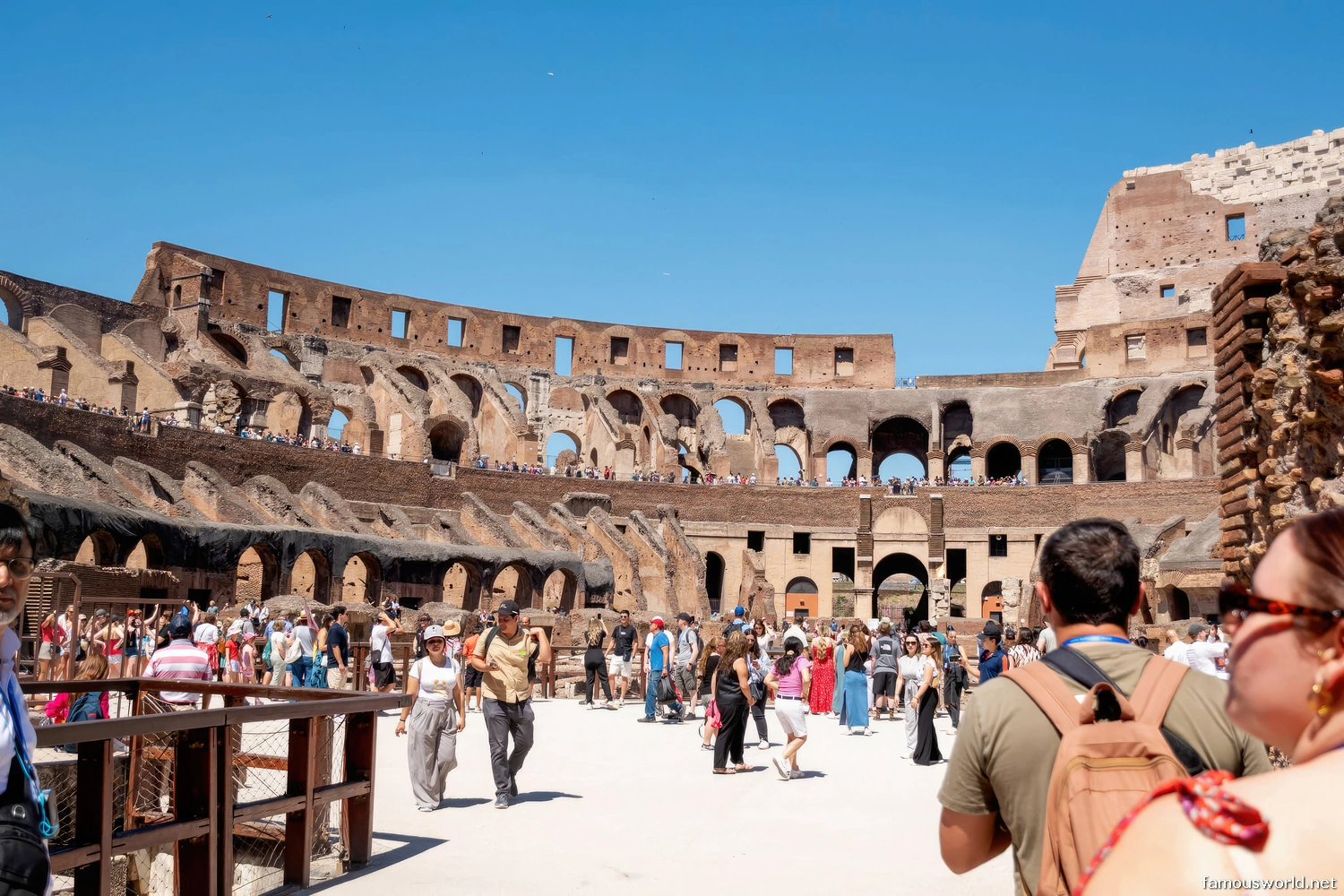
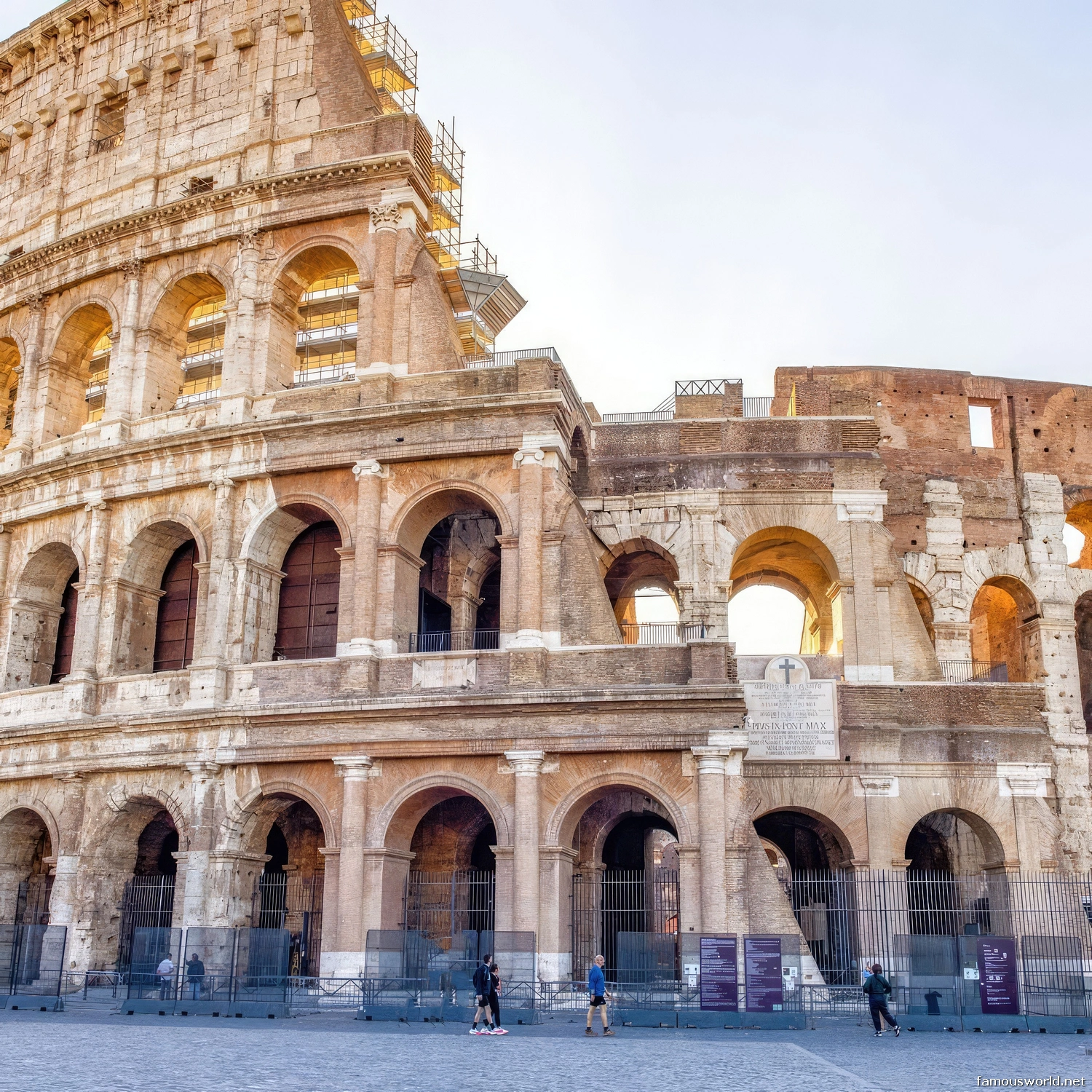
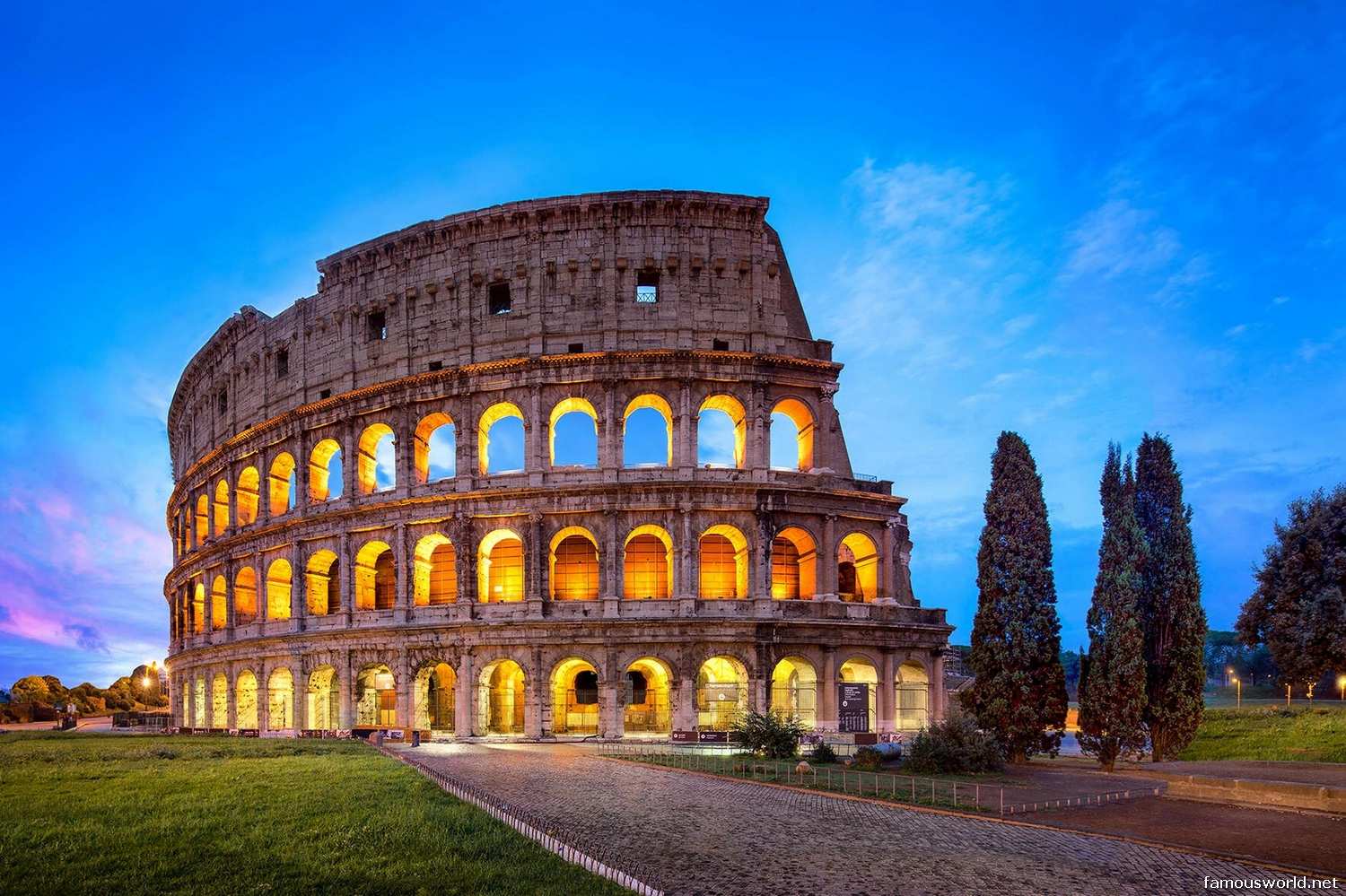
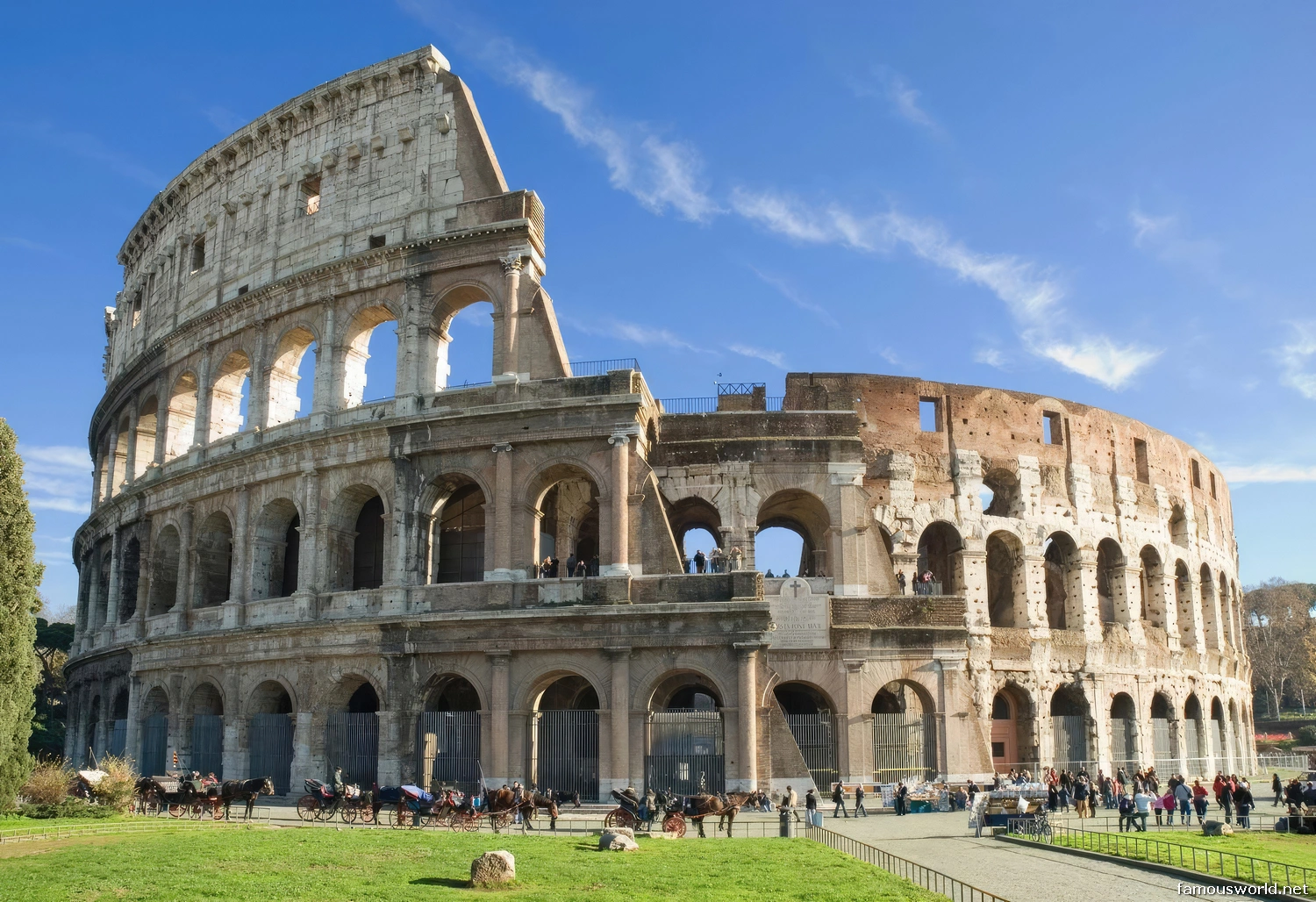
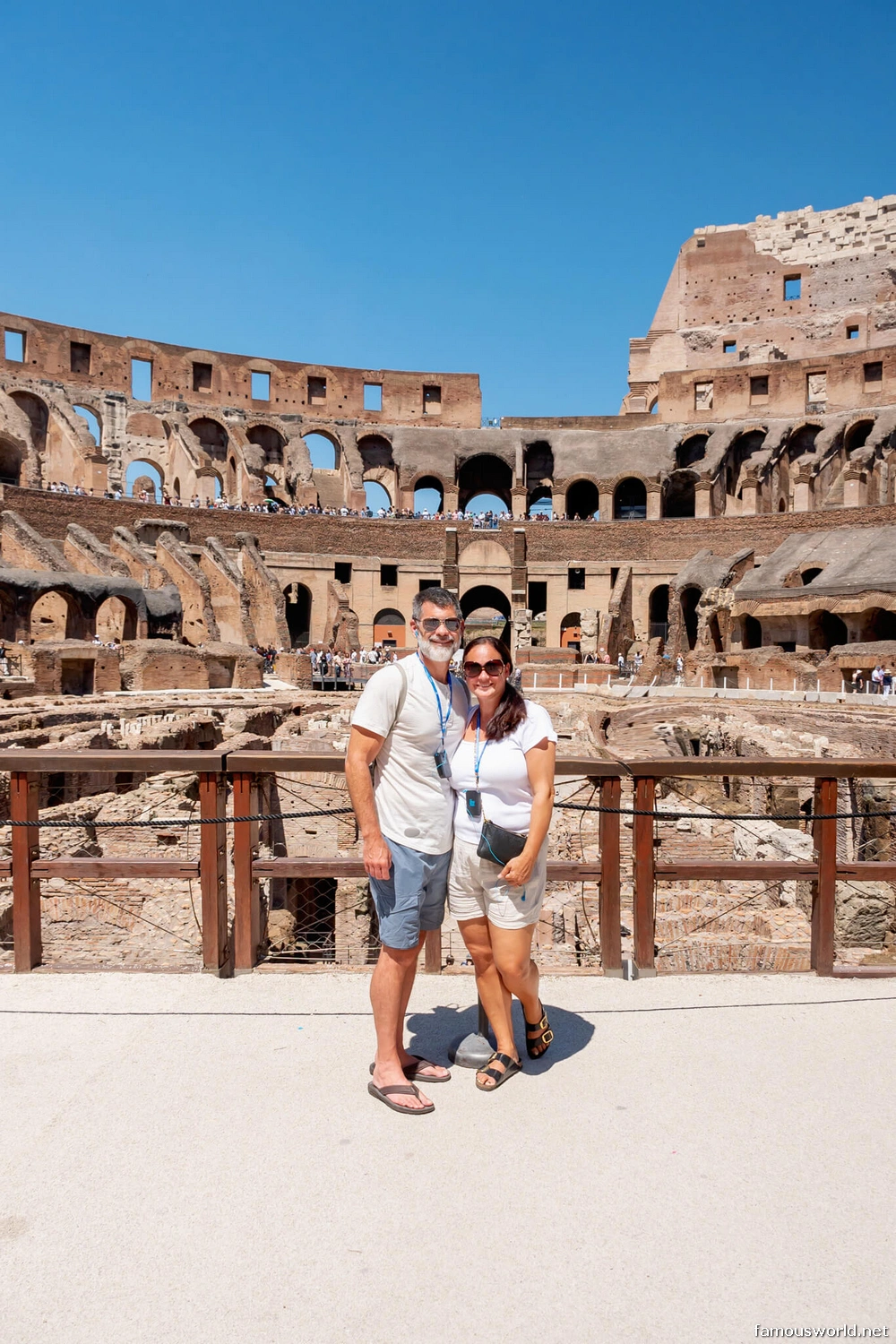
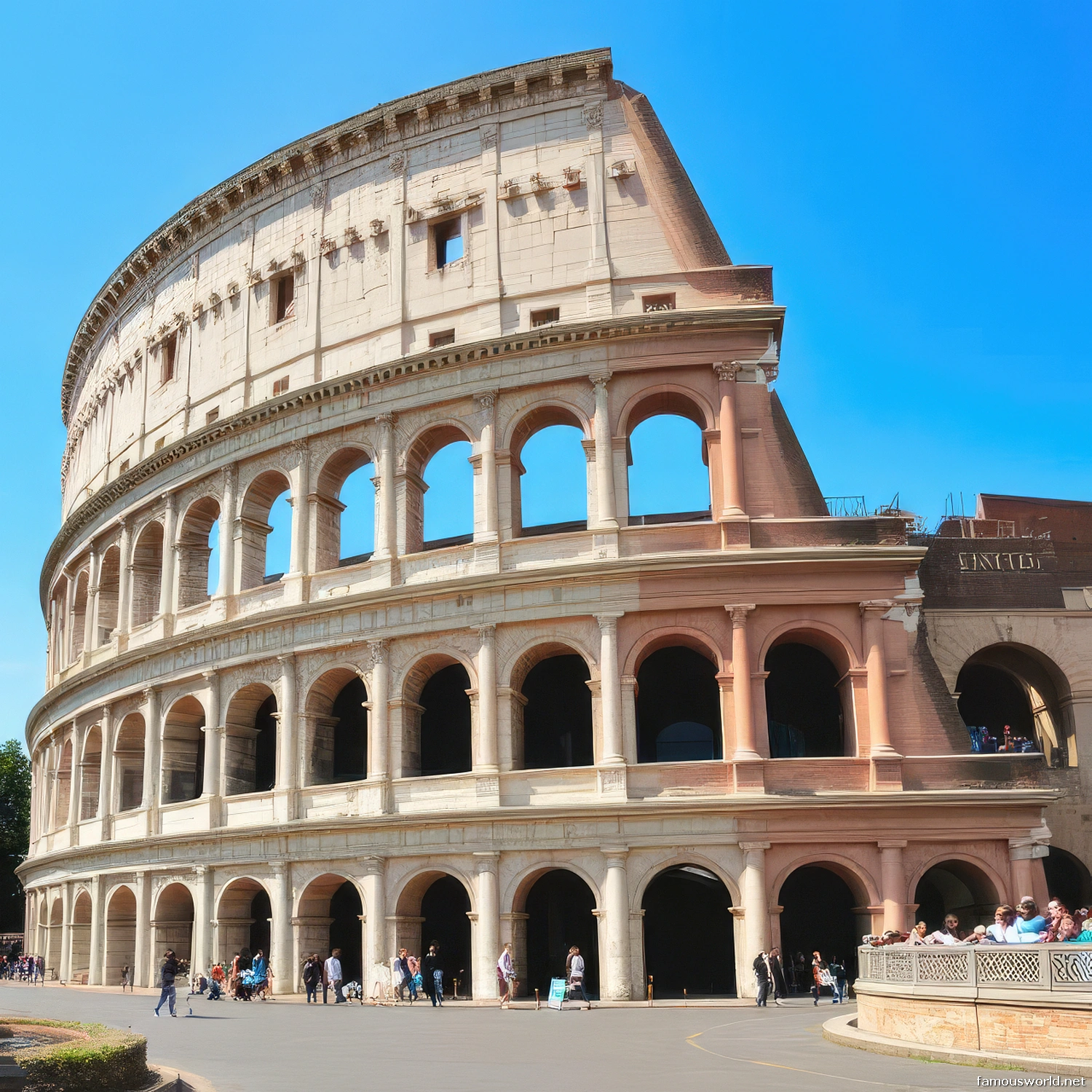
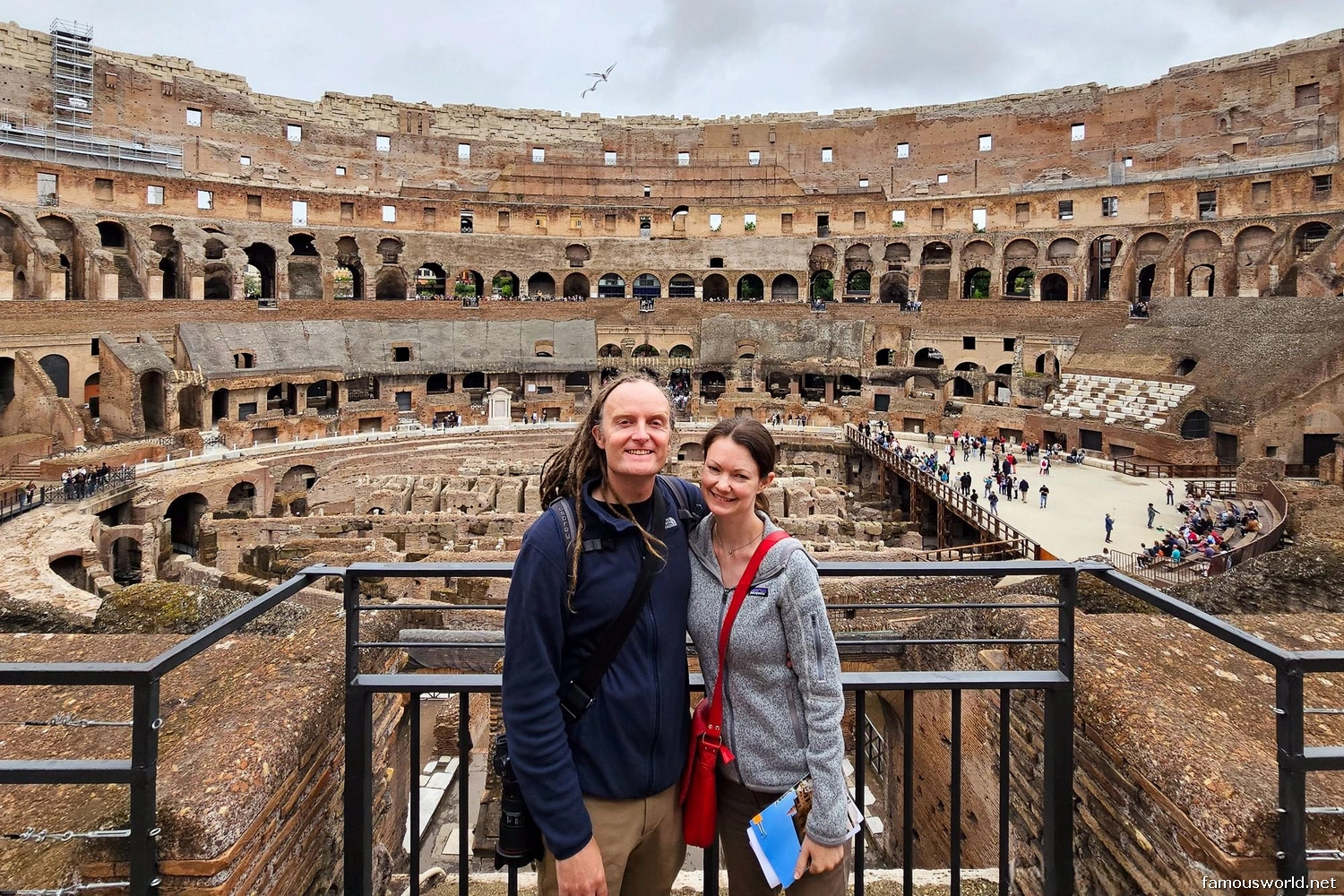
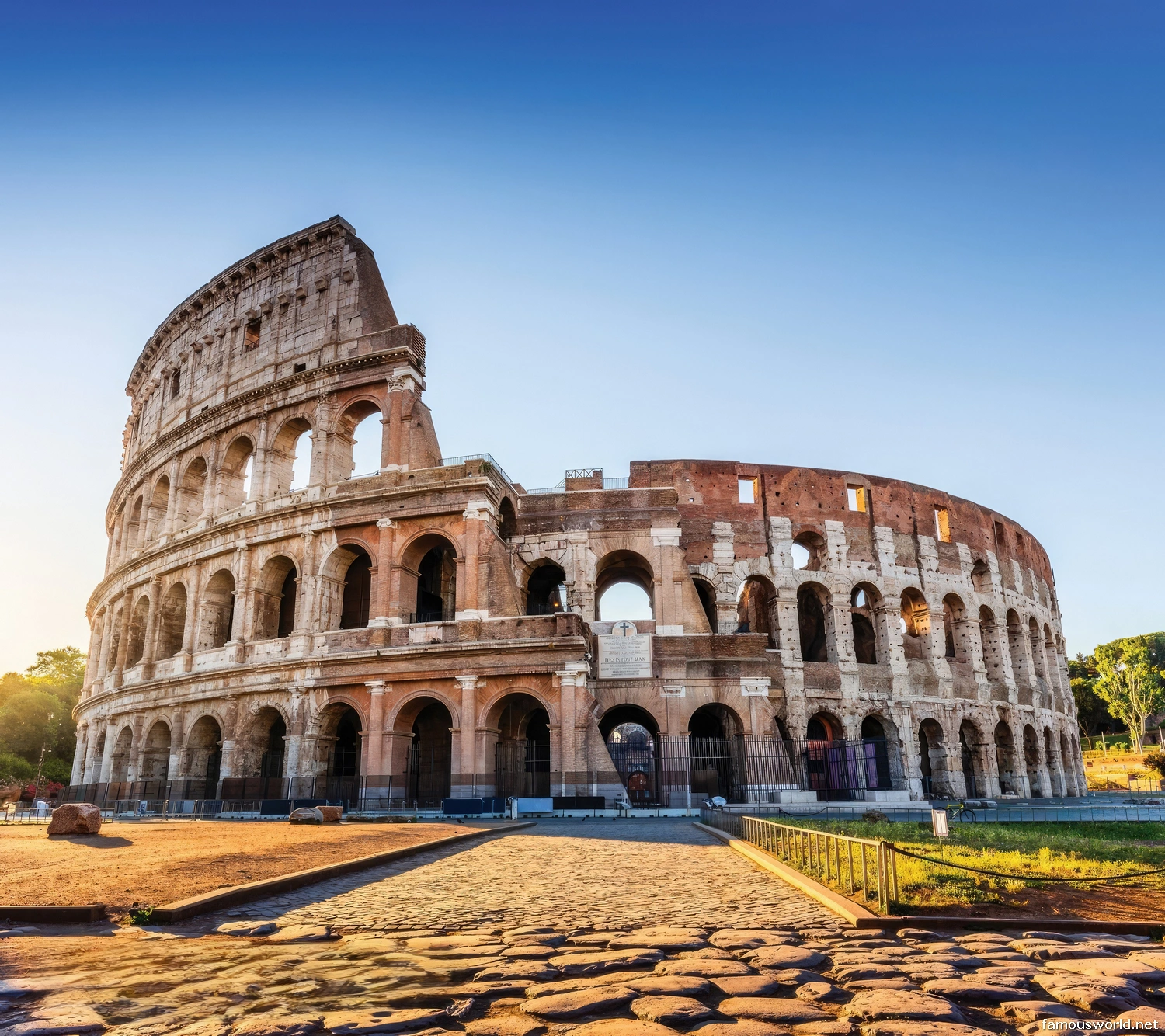
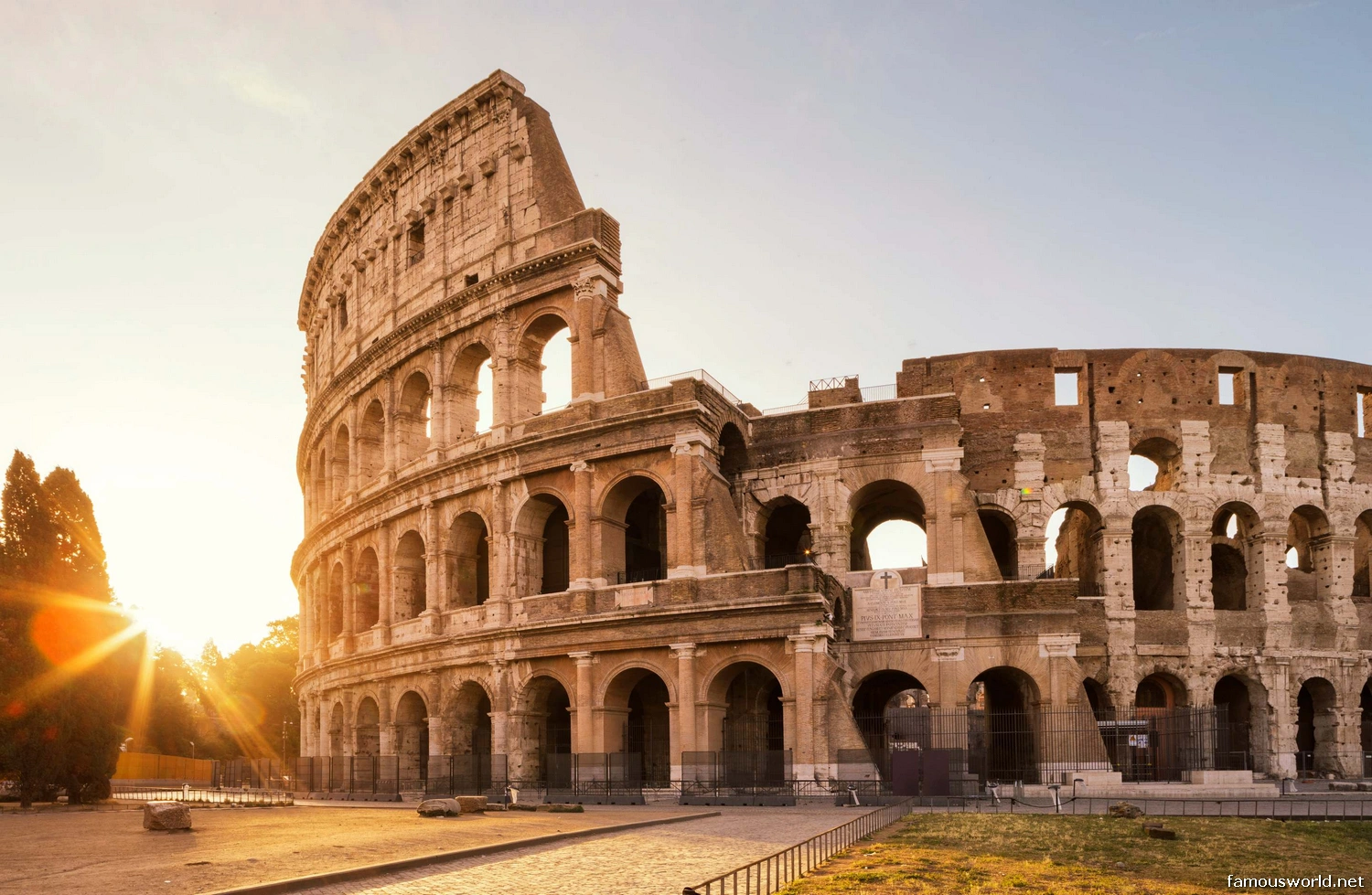
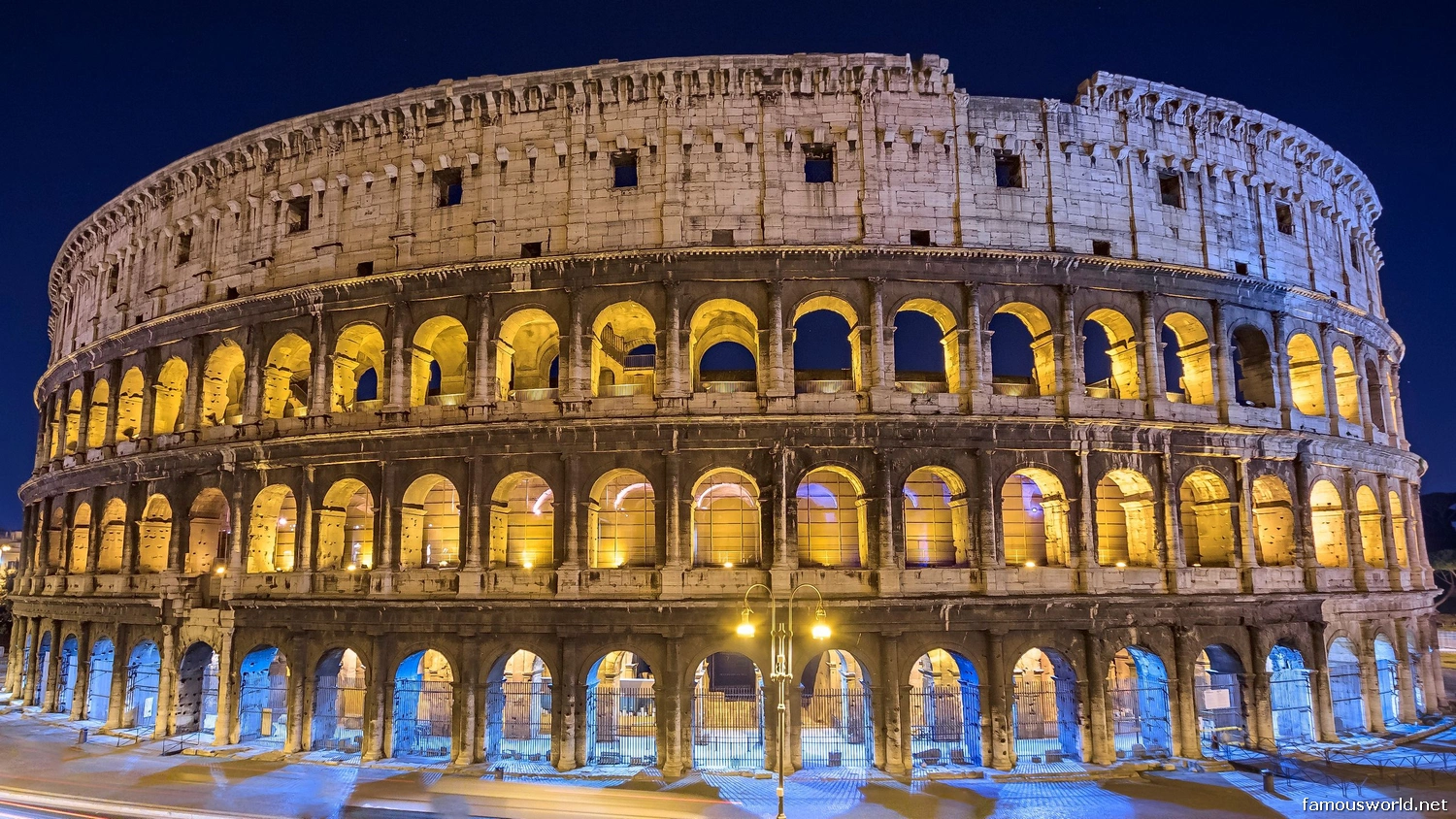
Dominating the heart of Rome, the Colosseum is the most monumental and iconic symbol of the Roman Empire’s power, architectural genius, and brutal legacy. This colossal amphitheater, the largest ever built, was the epicenter of Roman public life, a stage for gladiatorial contests, animal hunts, and spectacular public displays that awed and terrified its citizens. Even in its ruined state, the Colosseum’s immense scale and dramatic history evoke a powerful sense of the ancient world, standing as an enduring testament to the grandeur and cruelty of Imperial Rome.
Listen to an introduction about Colosseum

Name and Location
- Name: The Colosseum, also known as the Flavian Amphitheatre (Amphitheatrum Flavium).
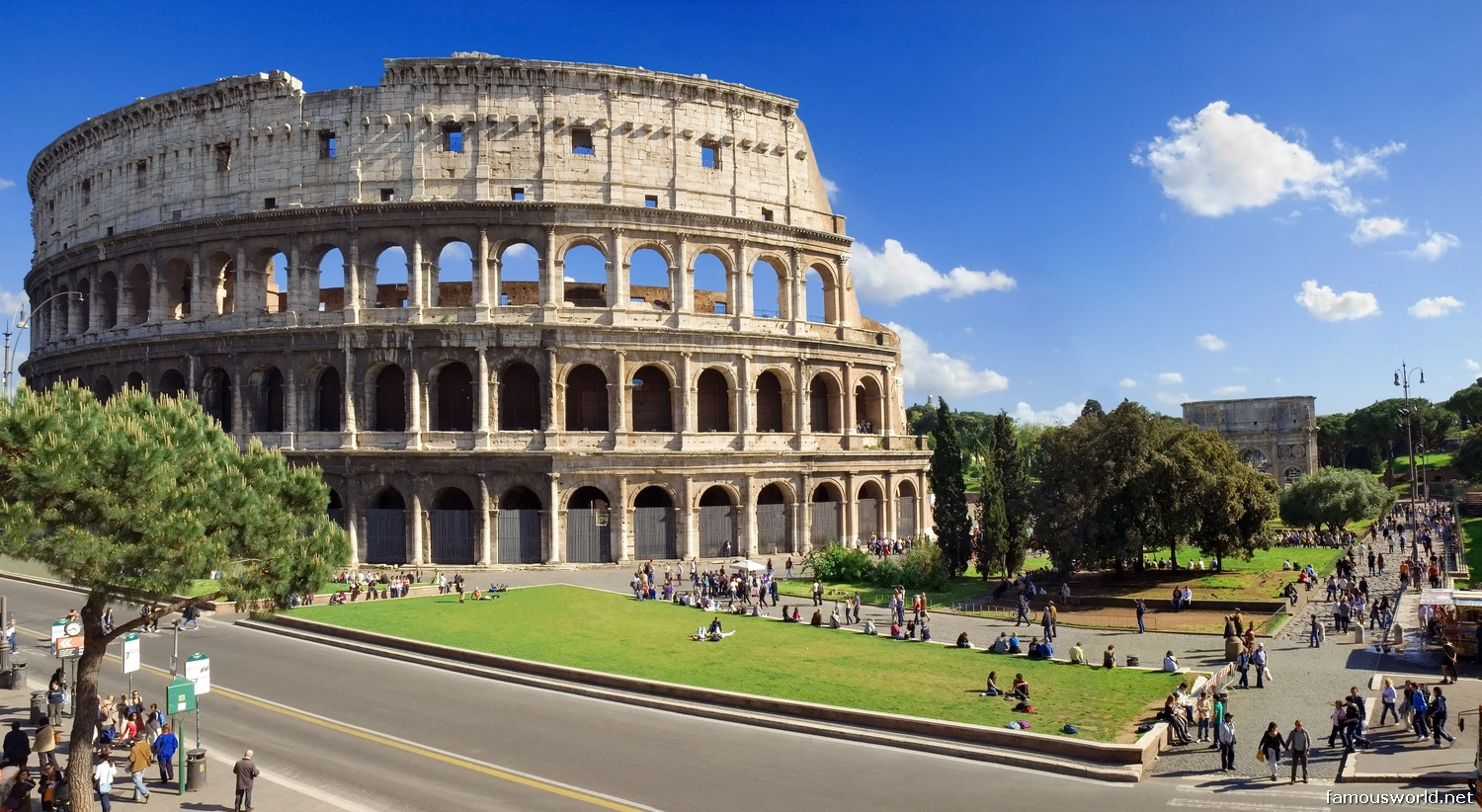
- Location: In the center of the city of Rome, Italy, just east of the Roman Forum.
How to Get There
As one of the world’s most famous landmarks, the Colosseum is extremely well-connected.
- By Metro: The most direct way is via the “B” line of the Rome Metro, exiting at the “Colosseo” station, which is directly in front of the monument.
- By Bus: Numerous city bus lines have stops near the Colosseum.
- By Foot: It is easily reachable on foot and is part of a magnificent walk that includes the Roman Forum, Palatine Hill, and the Capitoline Hill.
Landscape and Architecture
The Colosseum is an architectural masterpiece that has defined its urban landscape for nearly two thousand years.
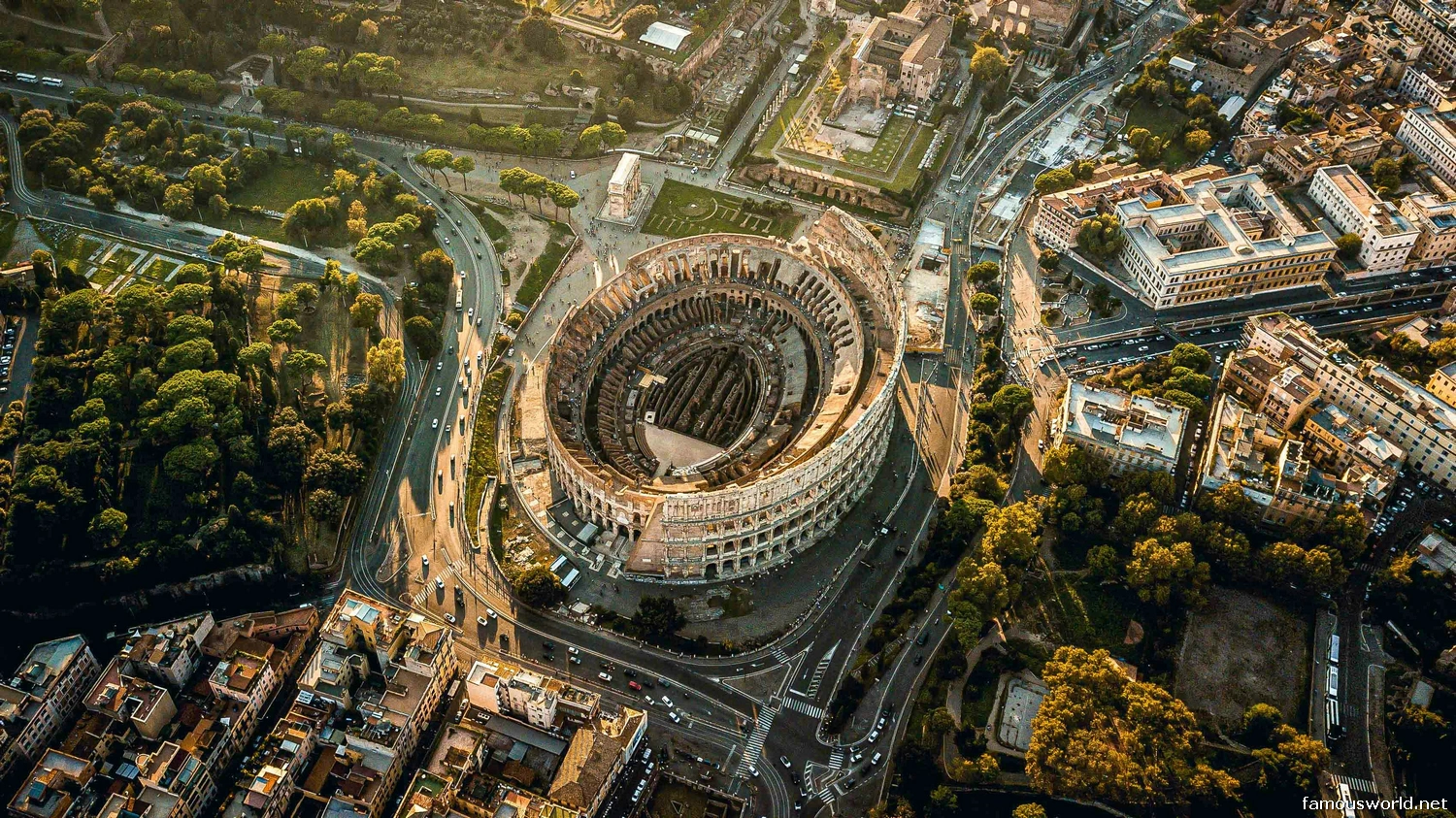
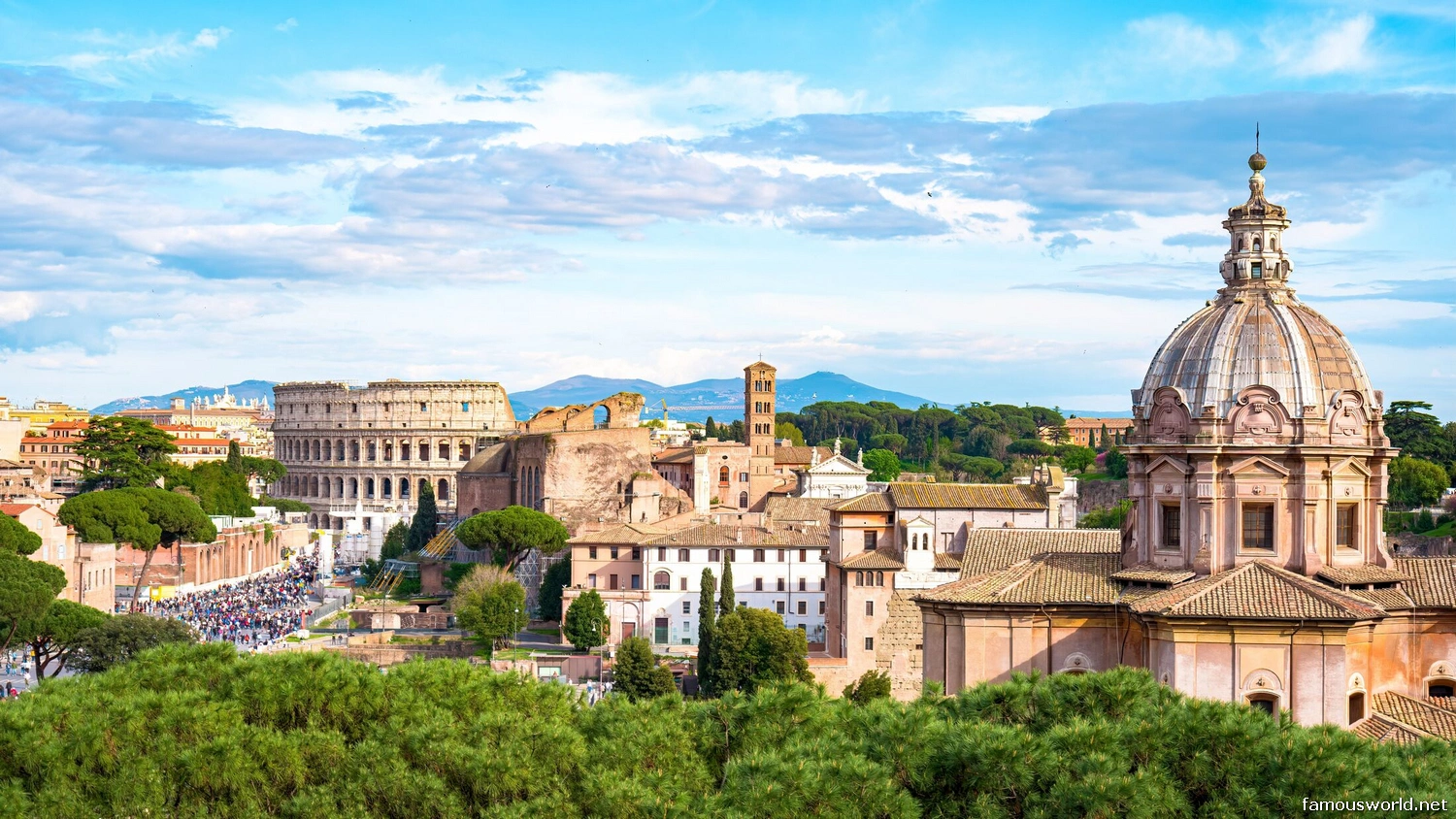
- The Landscape: It is situated in a valley between the Palatine, Esquiline, and Caelian Hills, at the heart of what was ancient Rome’s most important political and social district. It stands as the focal point of the city’s vast archaeological park.
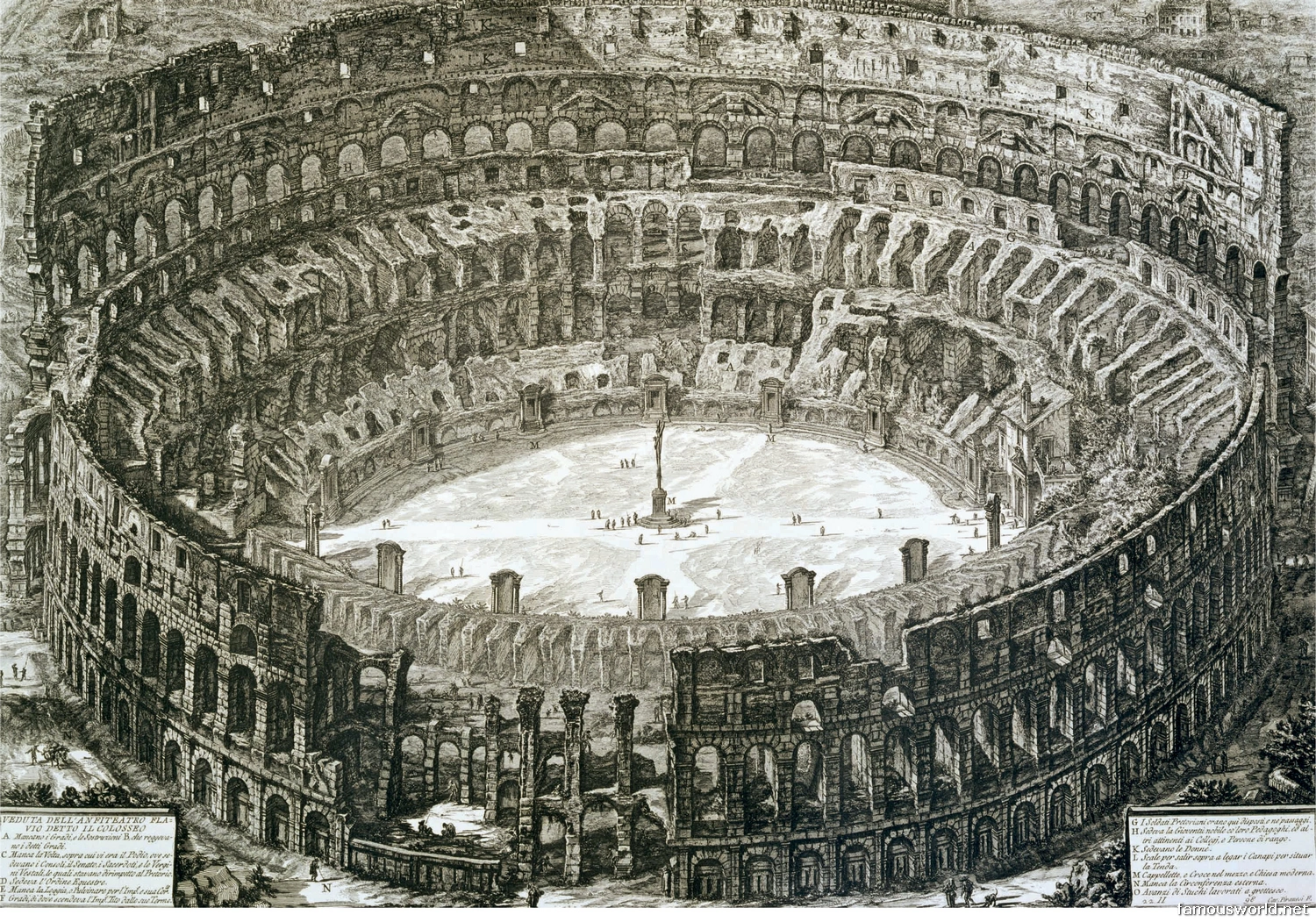
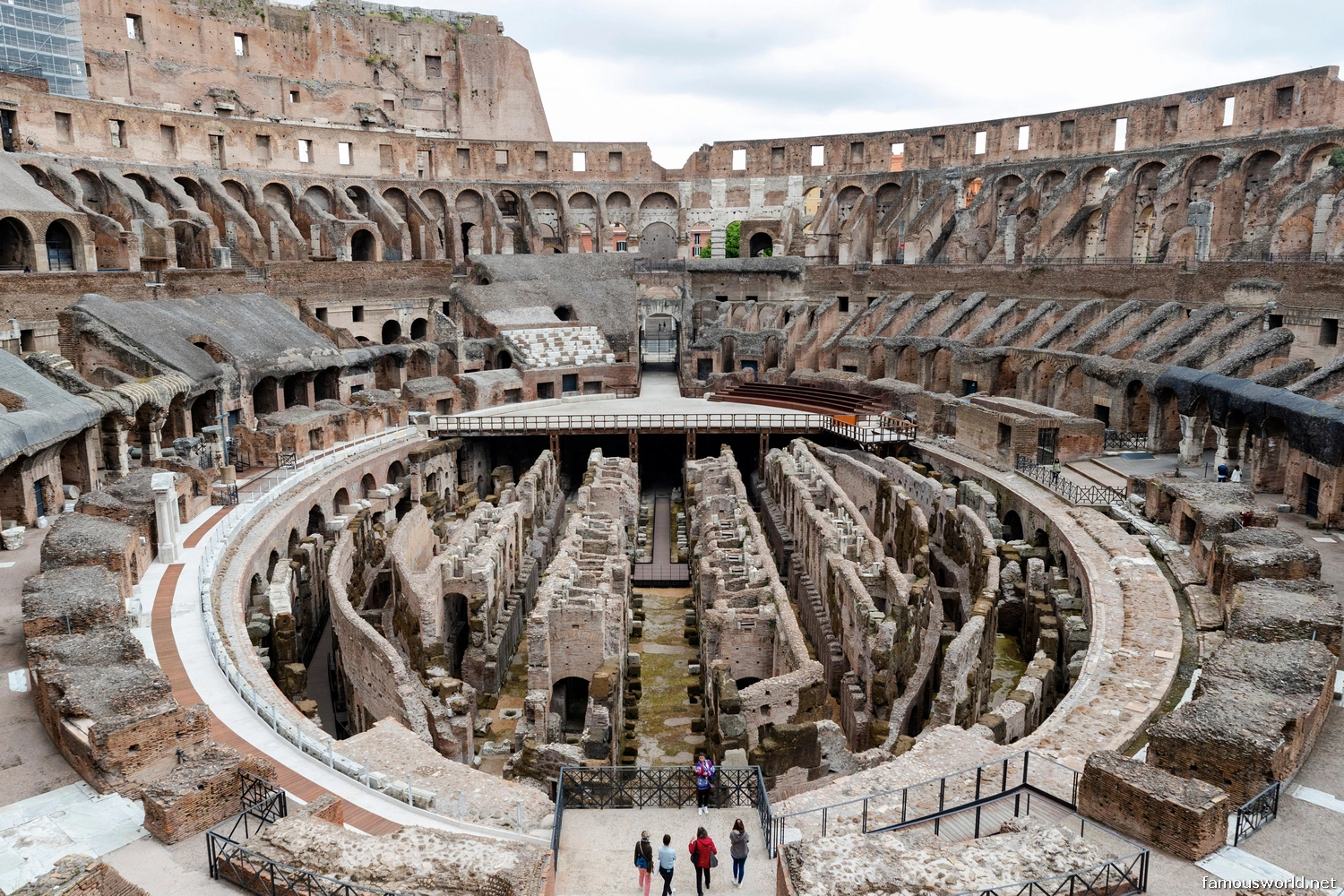
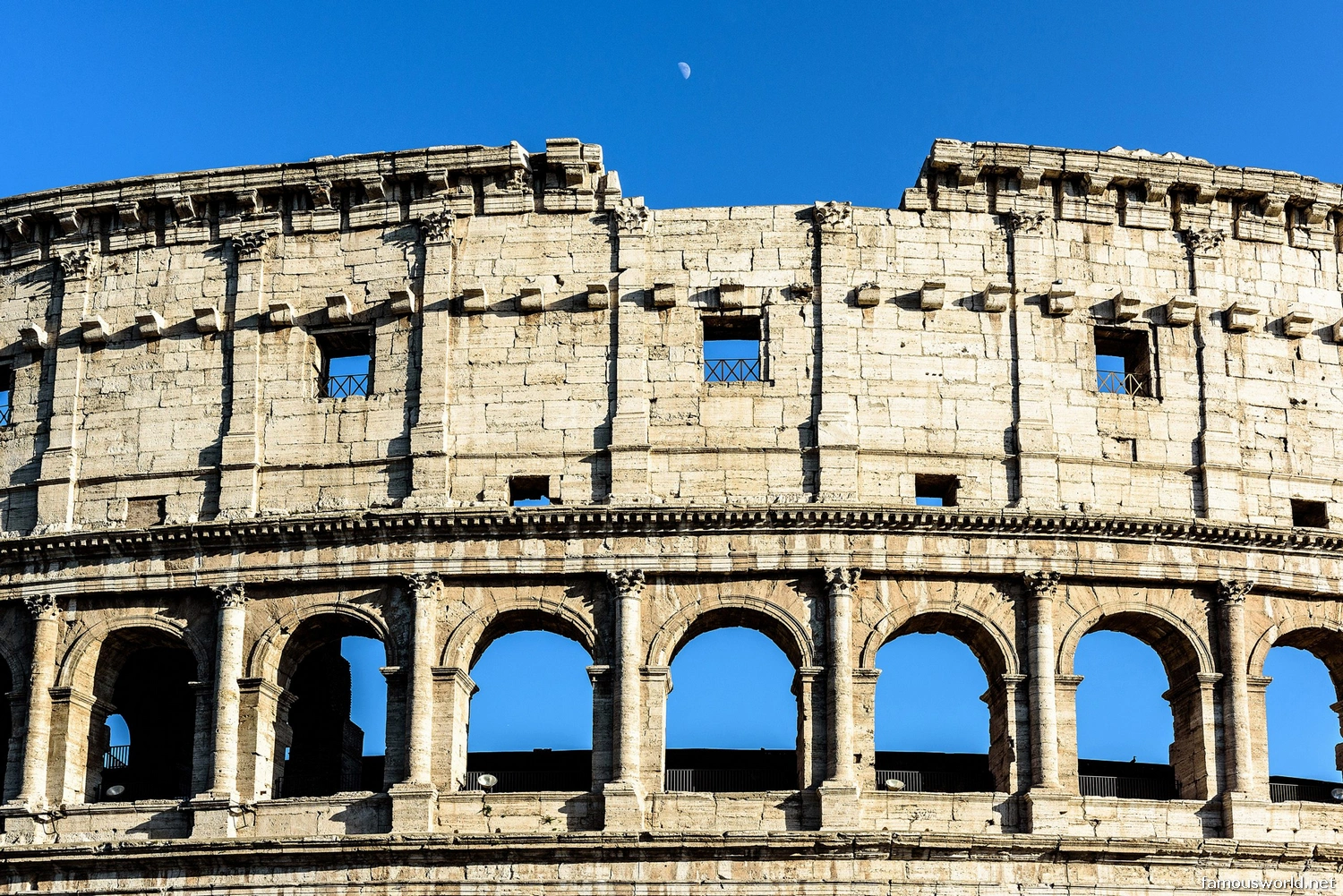
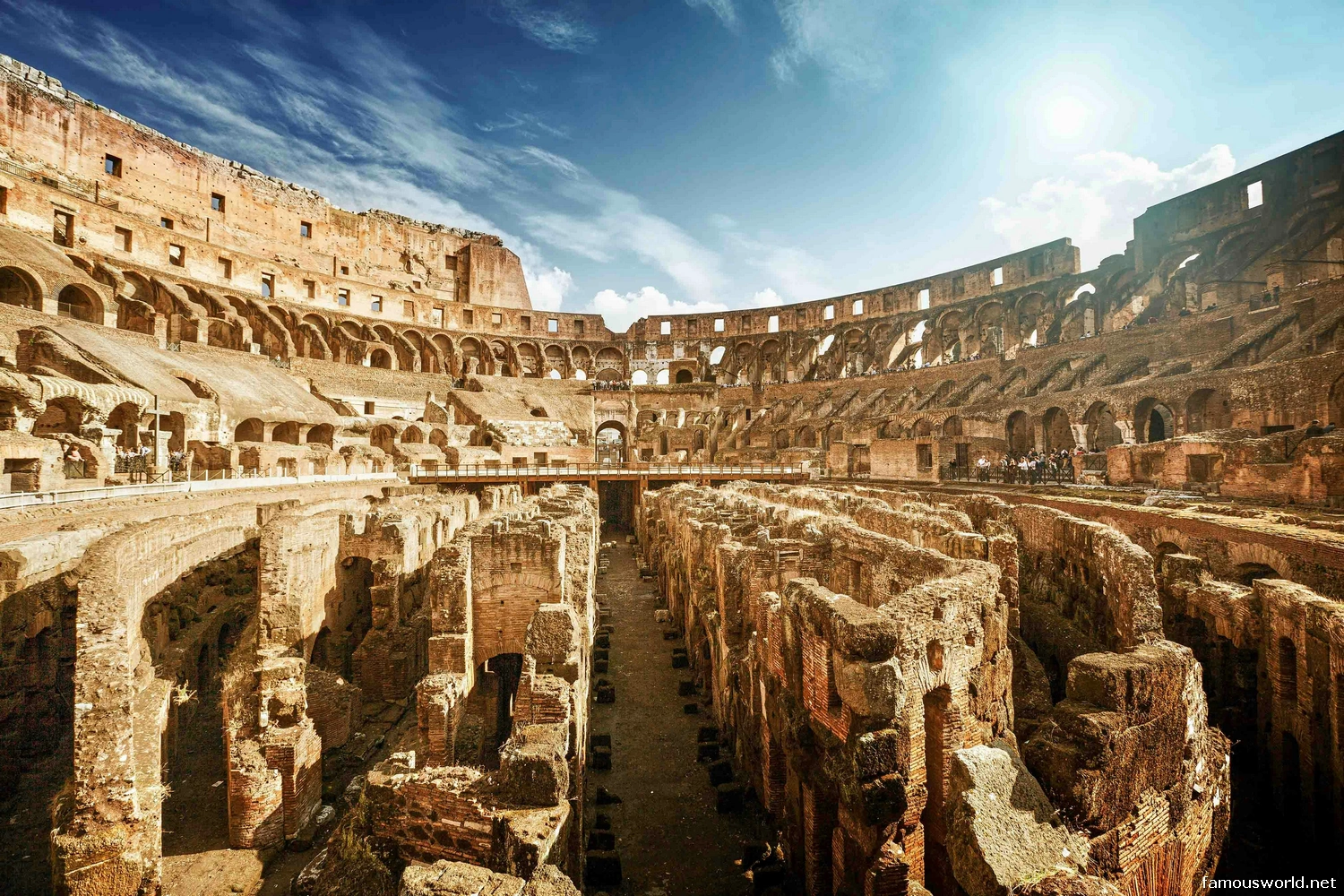
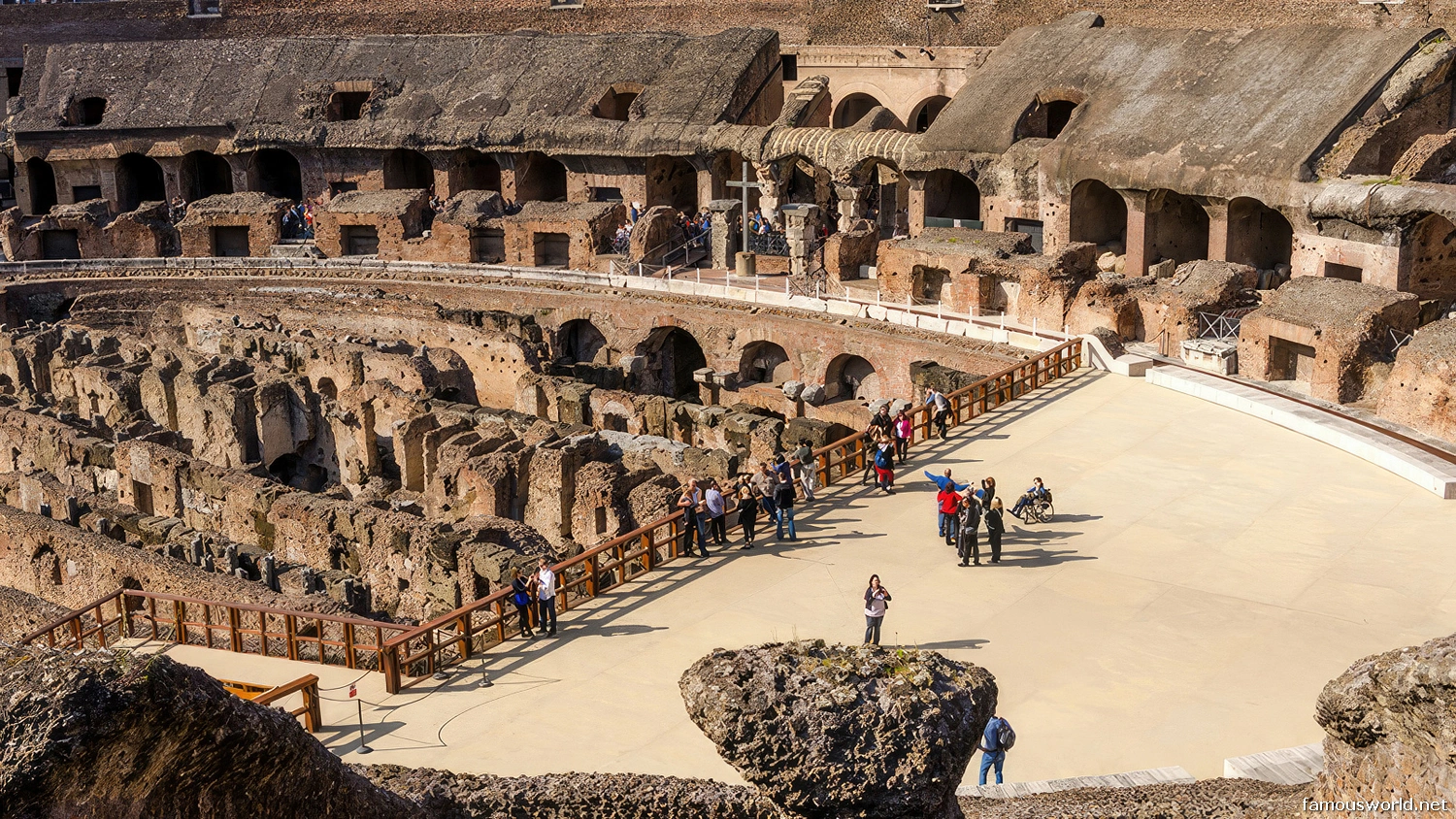
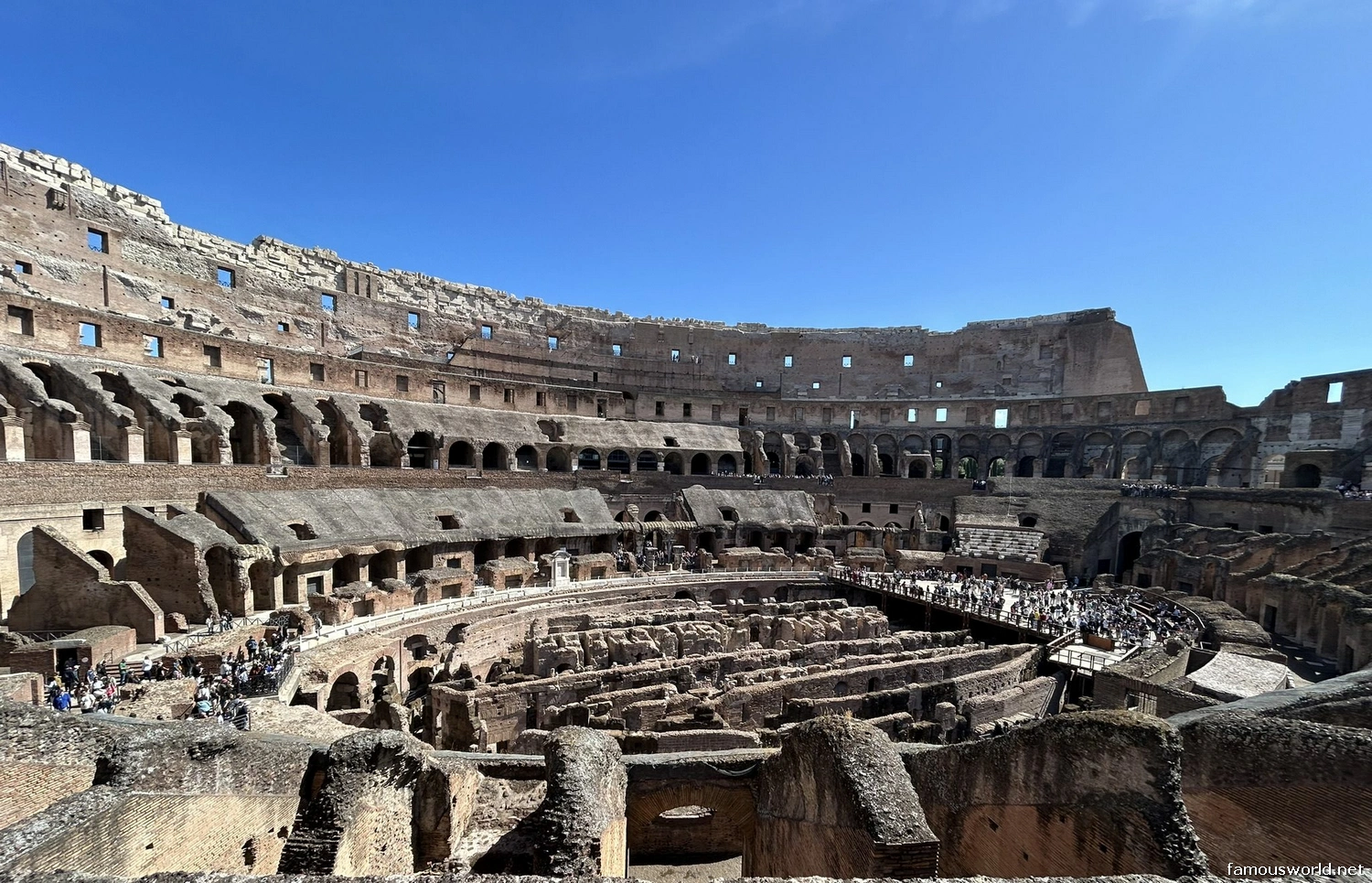
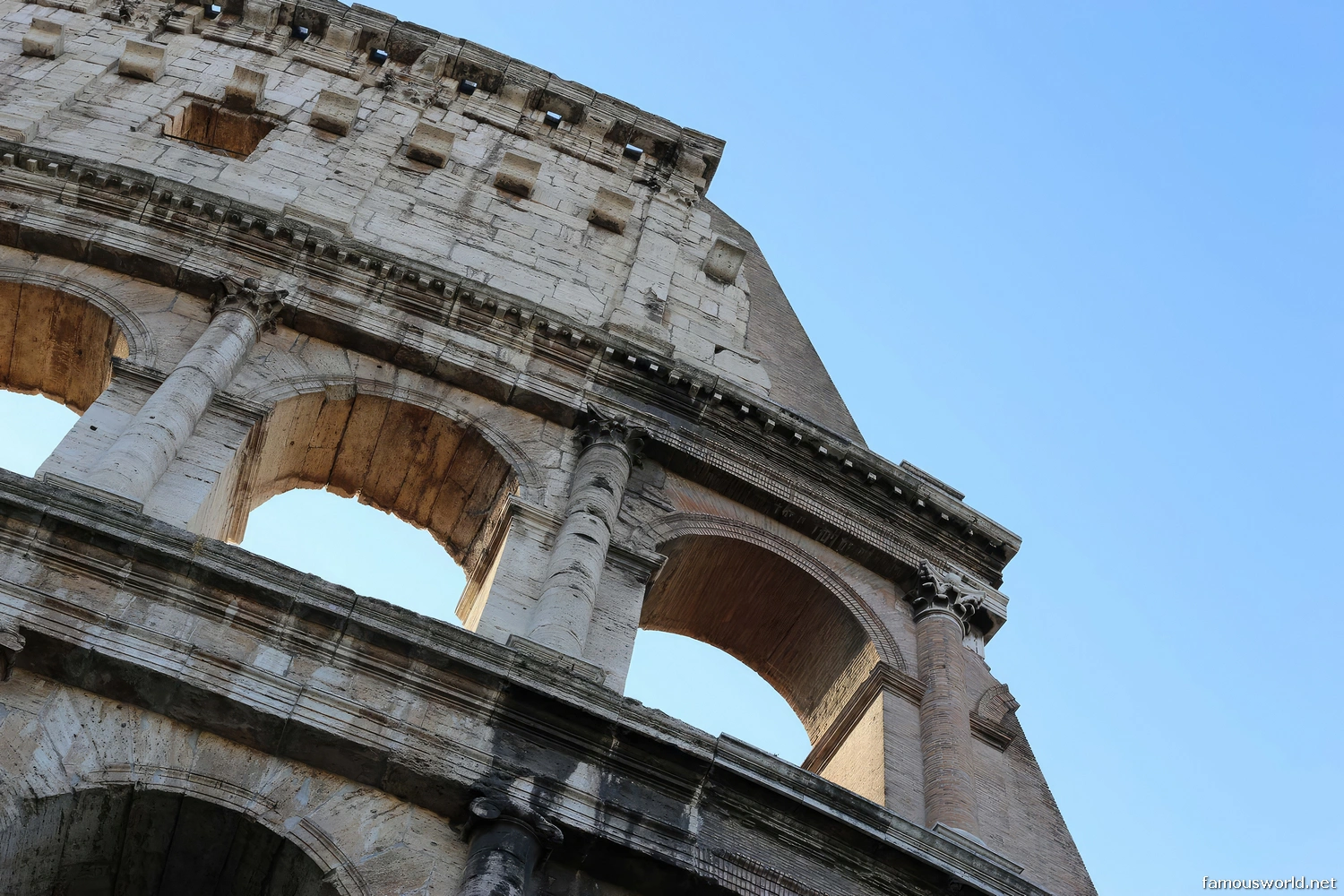
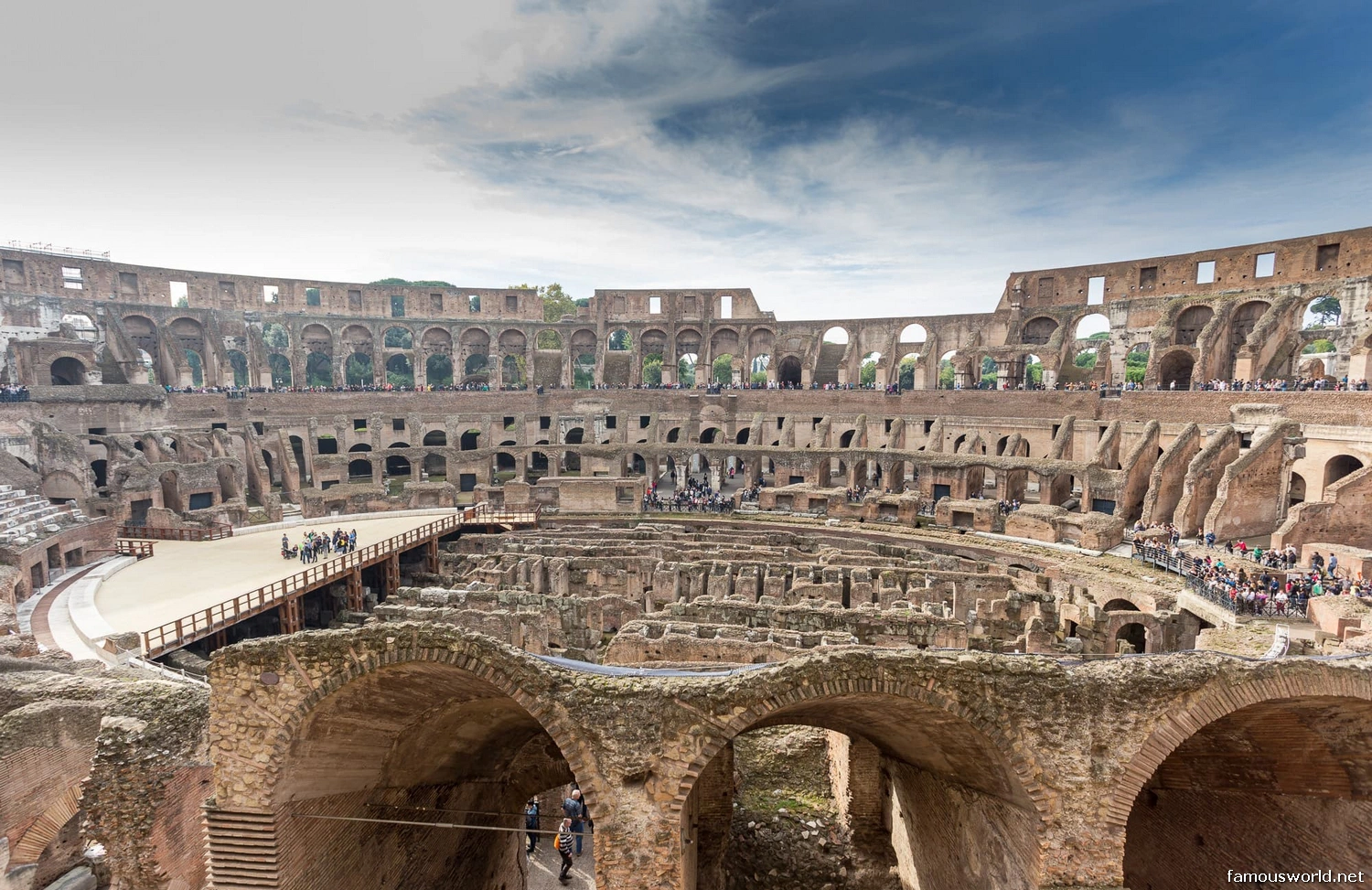
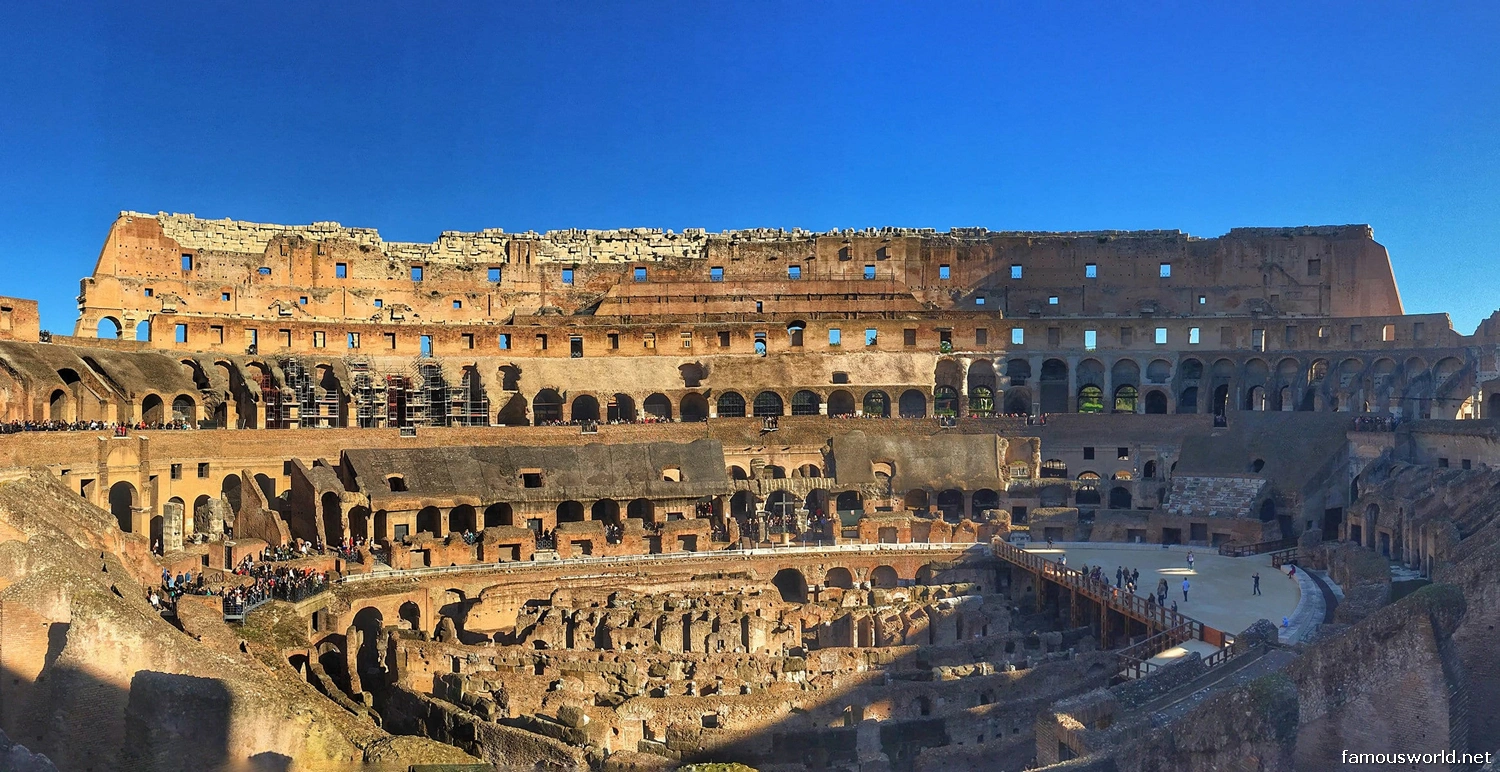
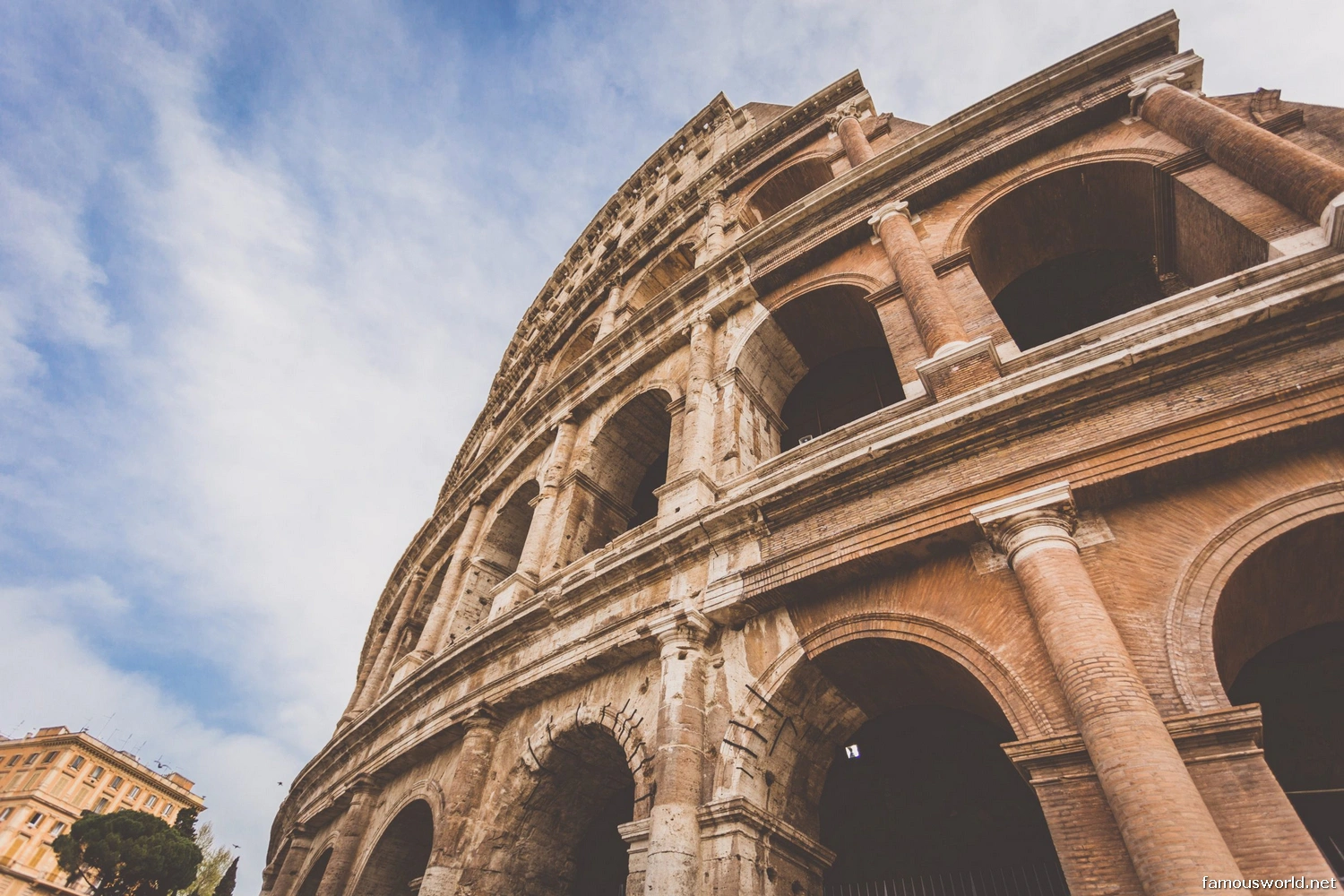
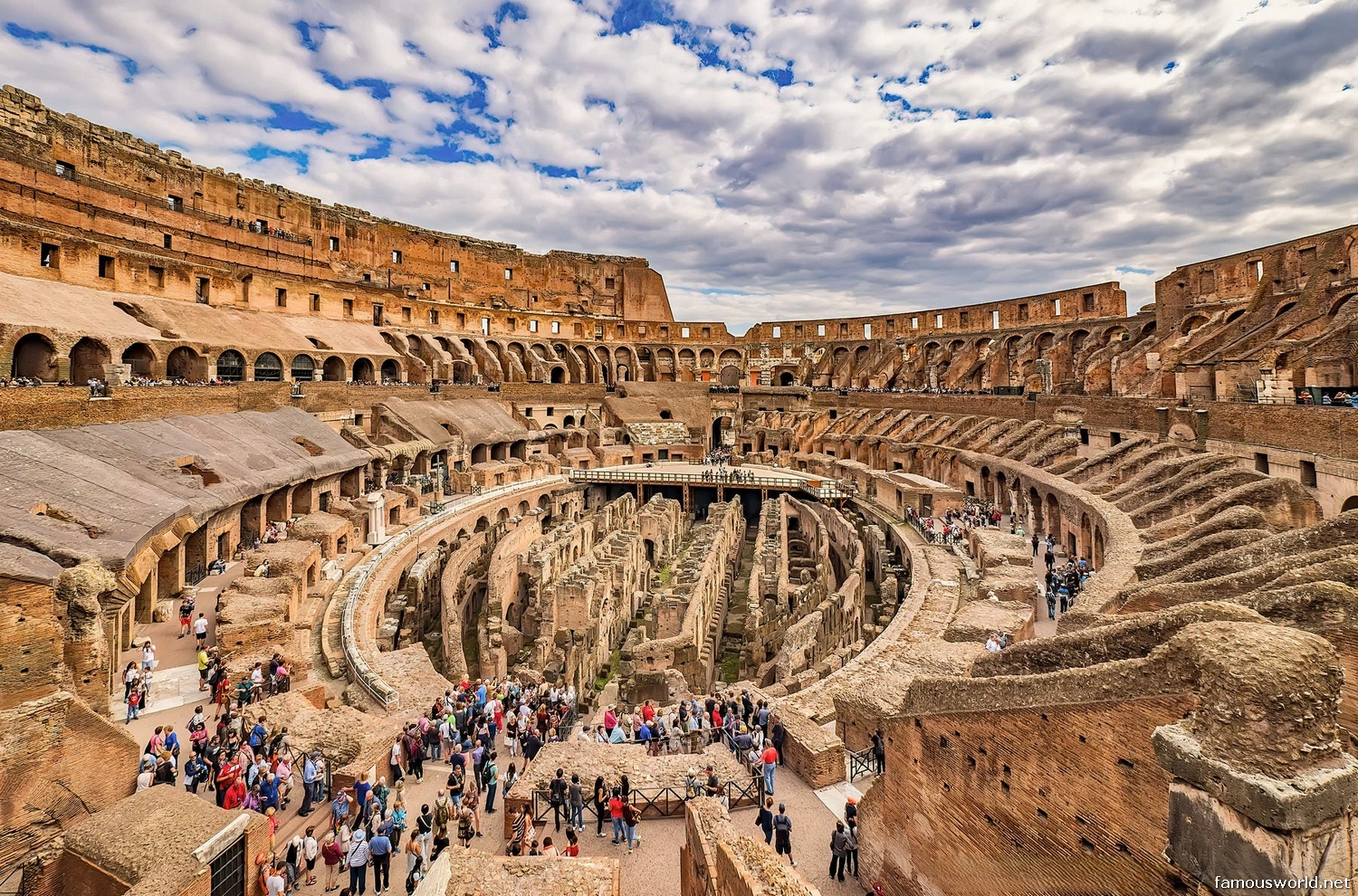
- The Architecture: The Colosseum is a freestanding elliptical amphitheater made from travertine limestone, tuff (volcanic rock), and brick-faced concrete. Its exterior is defined by four arcaded stories, with the lower three featuring columns of the Doric, Ionic, and Corinthian orders. This massive structure could hold an estimated 50,000 to 80,000 spectators. Below the wooden arena floor was the hypogeum, a complex two-level subterranean network of tunnels and cages where gladiators and animals were held before contests.
What Makes It Famous
The Colosseum’s fame rests on its immense scale, its revolutionary architecture, and its role as the stage for Rome’s deadliest spectacles.
- Gladiatorial Games: It is the definitive symbol of the gladiator, the site of thousands of deadly combats between trained fighters, condemned prisoners, and wild animals for public entertainment.
- An Engineering Marvel: For its time, the Colosseum was an unprecedented feat of engineering, with its complex system of vaulted arches, seating tiers, and the underground hypogeum.
- Symbol of Rome: It is the most recognizable landmark of Rome and a global symbol of the power and longevity of the Roman Empire.
- A Model for Modern Stadia: Its design principles, particularly for crowd control and seating arrangements, have influenced the construction of modern sports stadiums around the world.
Differences from Other Wonders
The Colosseum’s story of urban, man-made spectacle offers a dramatic contrast to the wild, natural adventure of Paklenica National Park.
- Environment (Ancient Urban Arena vs. Wild Mountain Canyon): The Colosseum is a colossal man-made structure that defines the center of an ancient city. Paklenica is a vast, natural landscape of deep canyons and rugged mountains, shaped by nature.
- Core Story (Imperial Spectacle & Power vs. Raw Nature & Adventure): The Colosseum’s story is one of imperial dominance, mass entertainment, and organized violence. Paklenica’s story is about the untamed power of nature and the human pursuit of adventure through hiking and climbing.
- Primary Attraction (A Singular Monumental Structure vs. An Immersive Natural Environment): The main attraction of the Colosseum is the singular, awe-inspiring historic building itself. The attraction of Paklenica is the overall natural environment and the active experience of exploring it.
- Atmosphere (Historic Awe and Grandeur vs. Wild and Adventurous): A visit to the Colosseum evokes a sense of historical awe, grandeur, and the ghosts of its brutal past. A visit to Paklenica inspires a feeling of wildness, physical challenge, and the sublime power of the natural world.
Location on world map