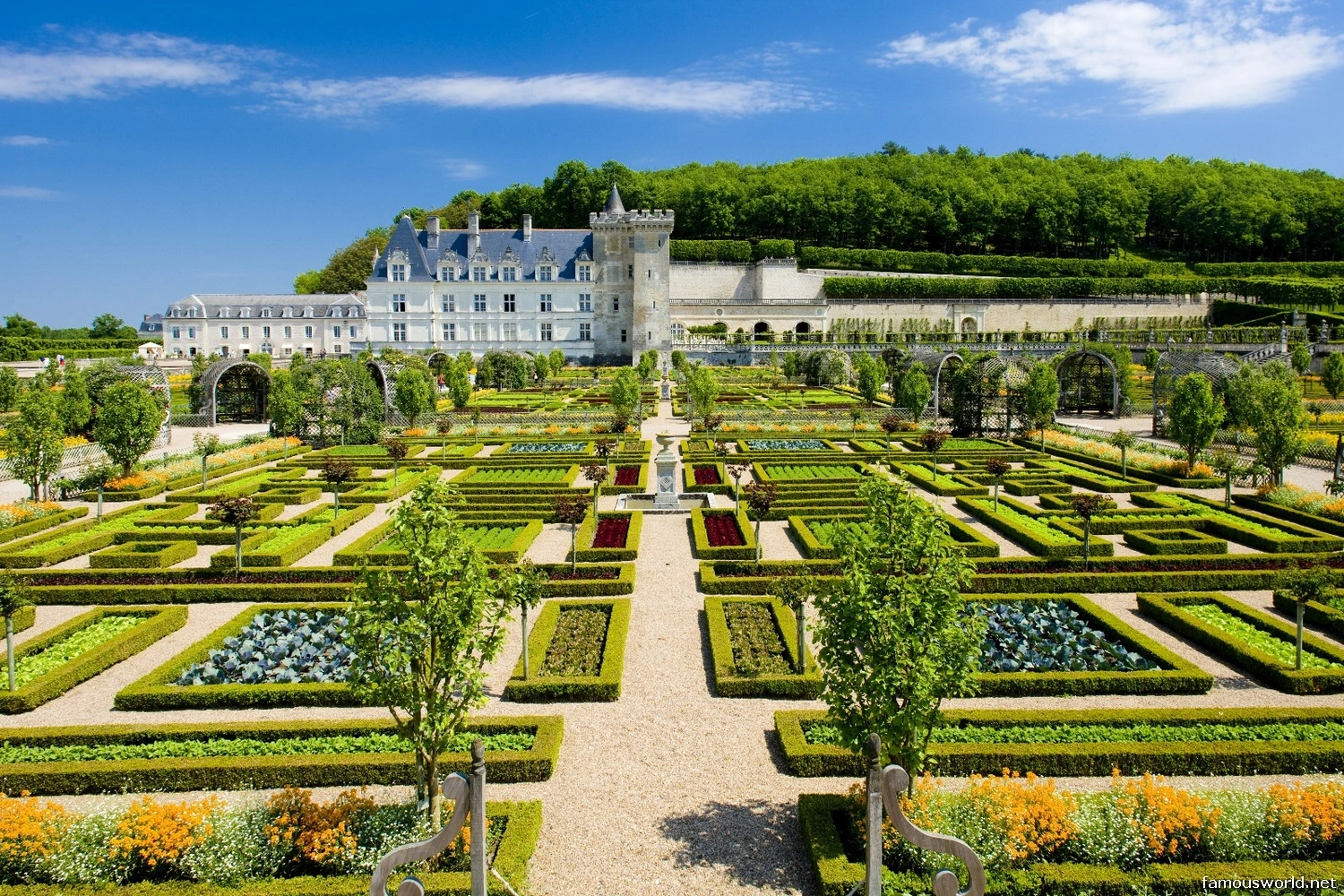
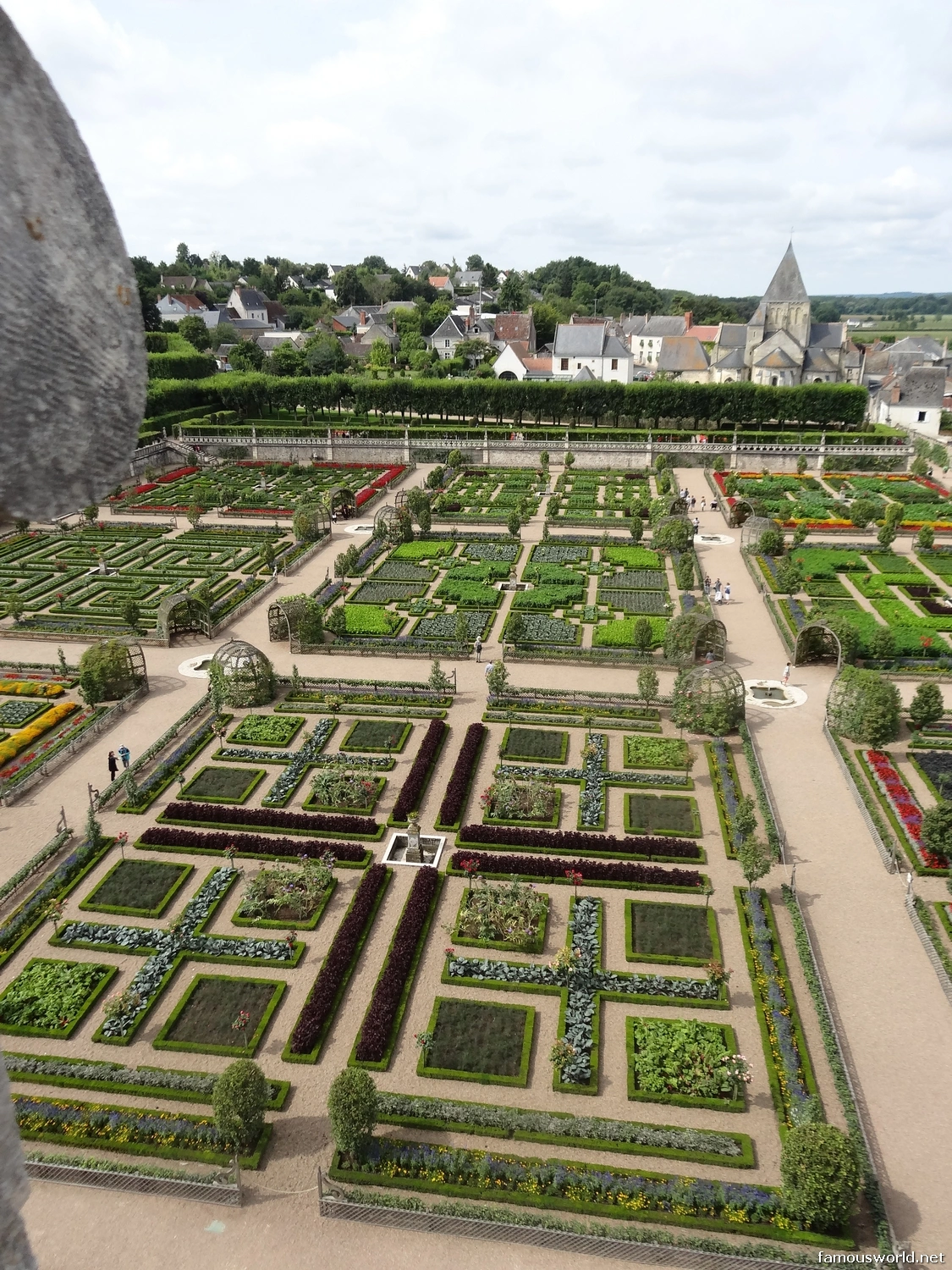
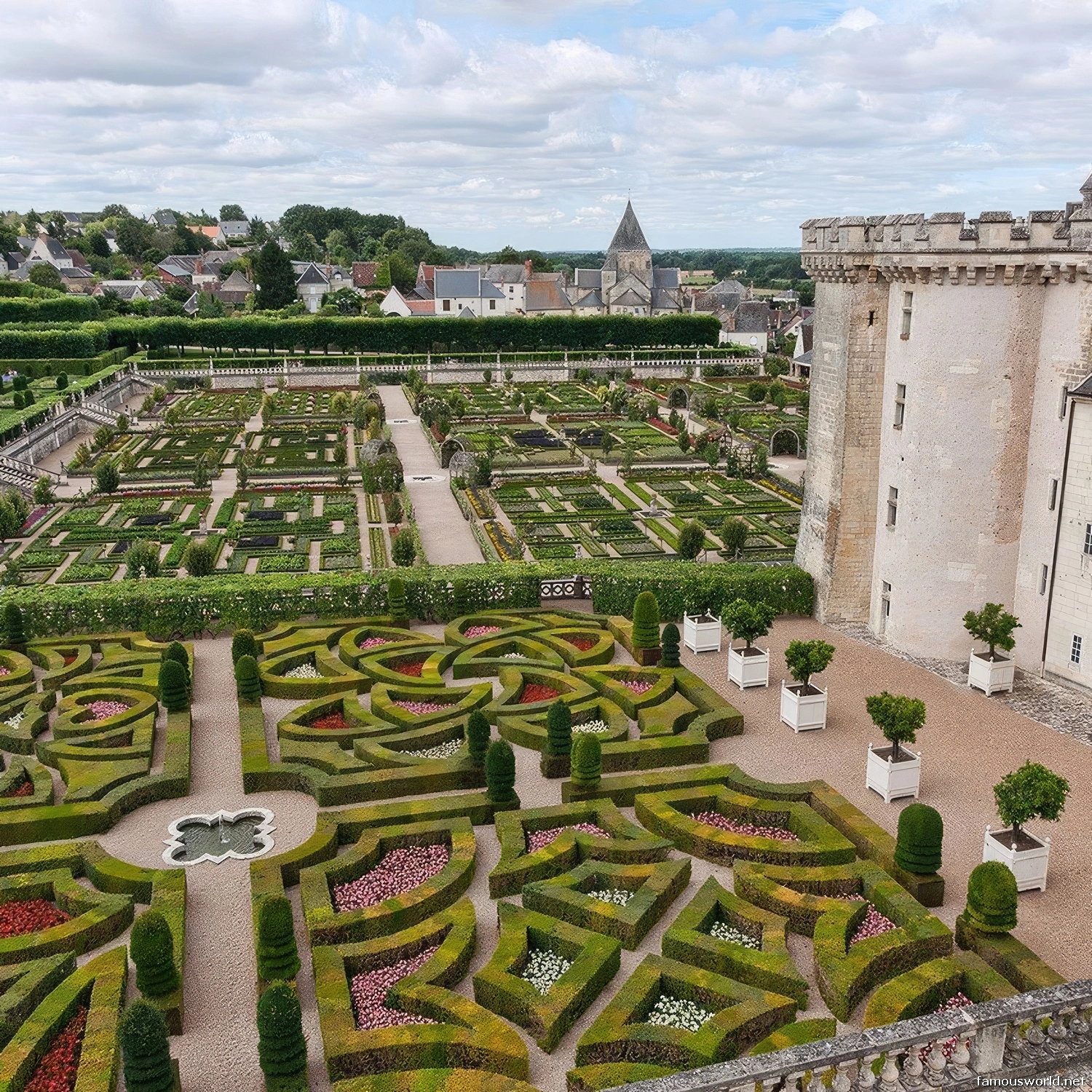
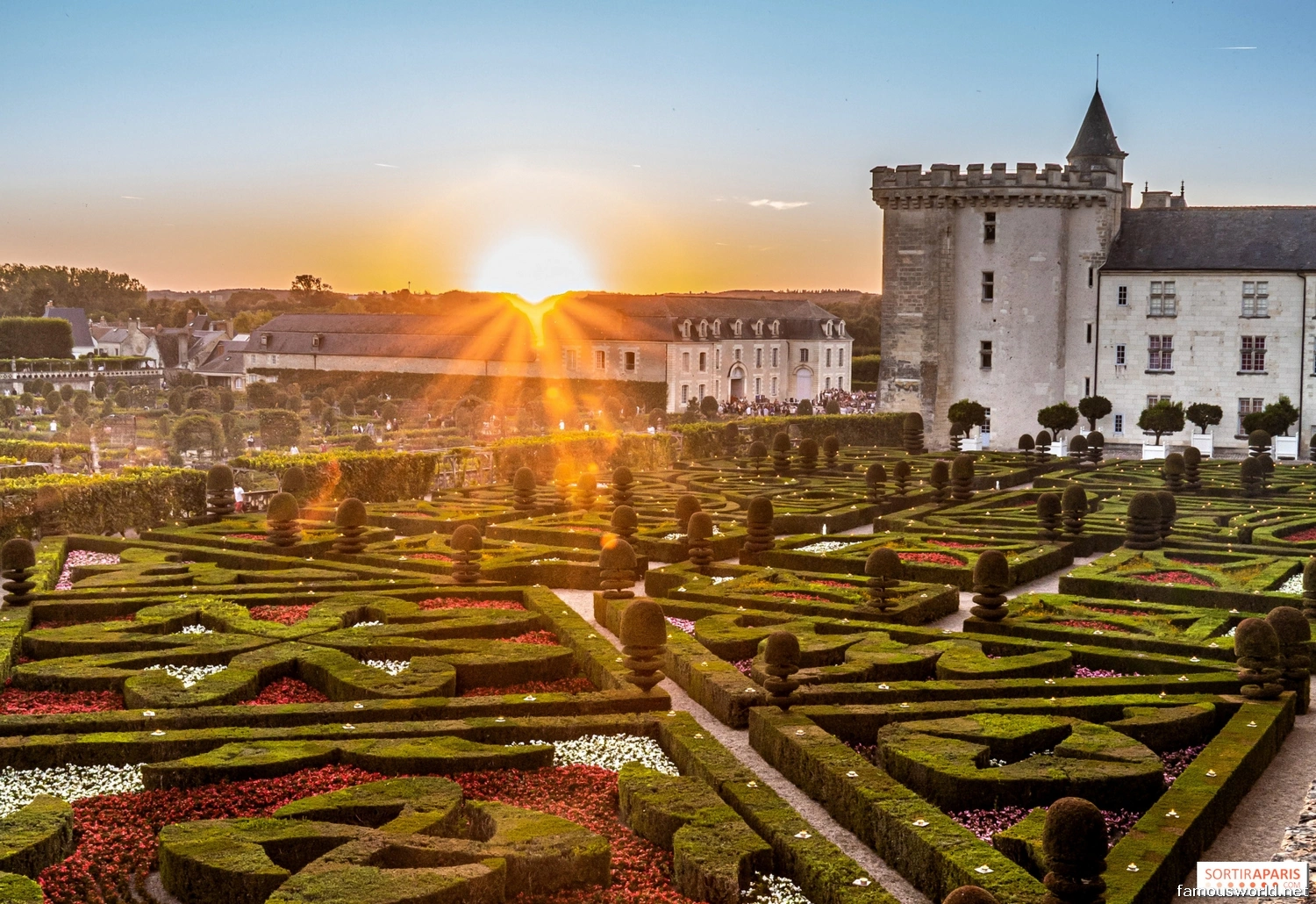
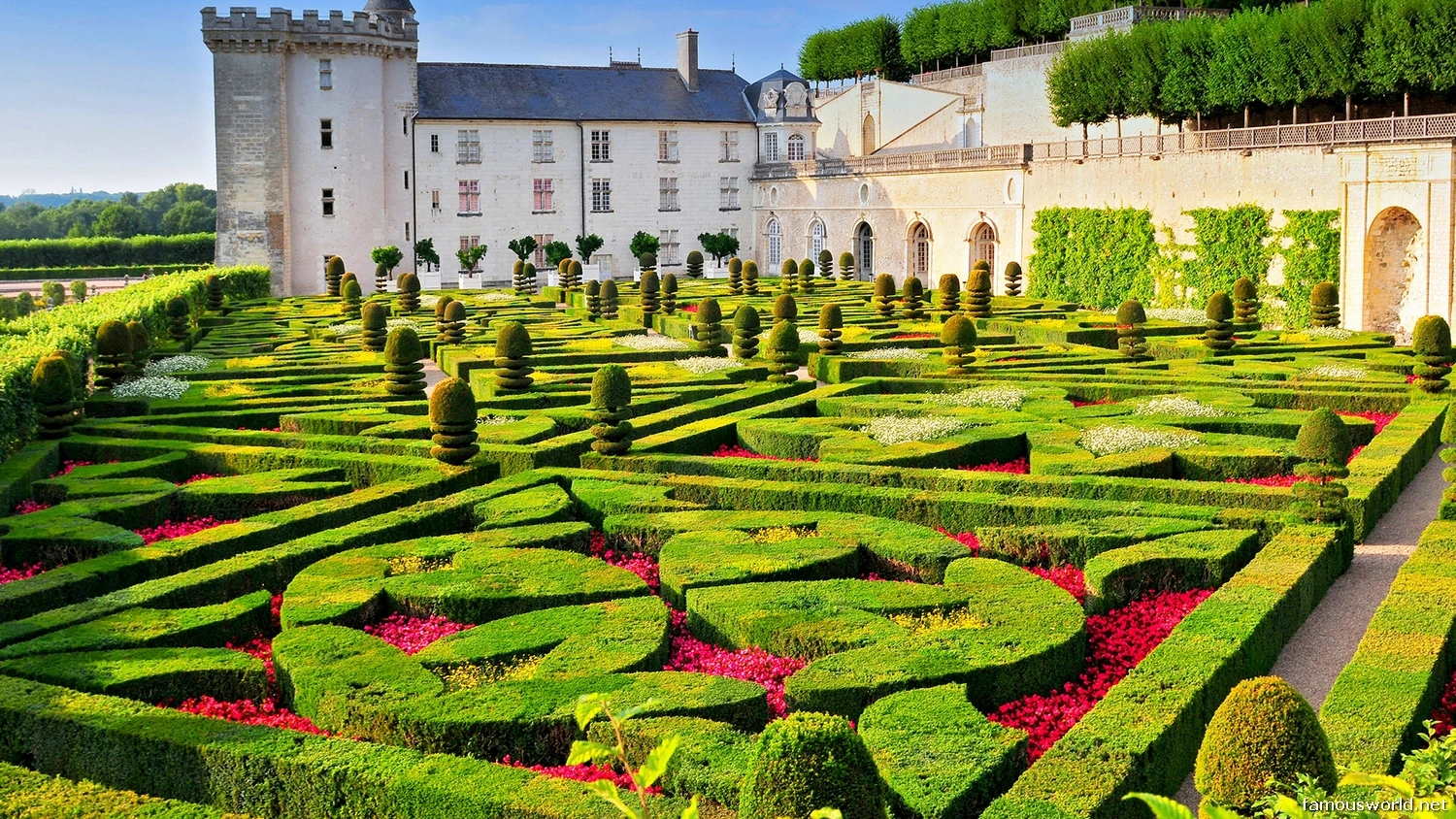
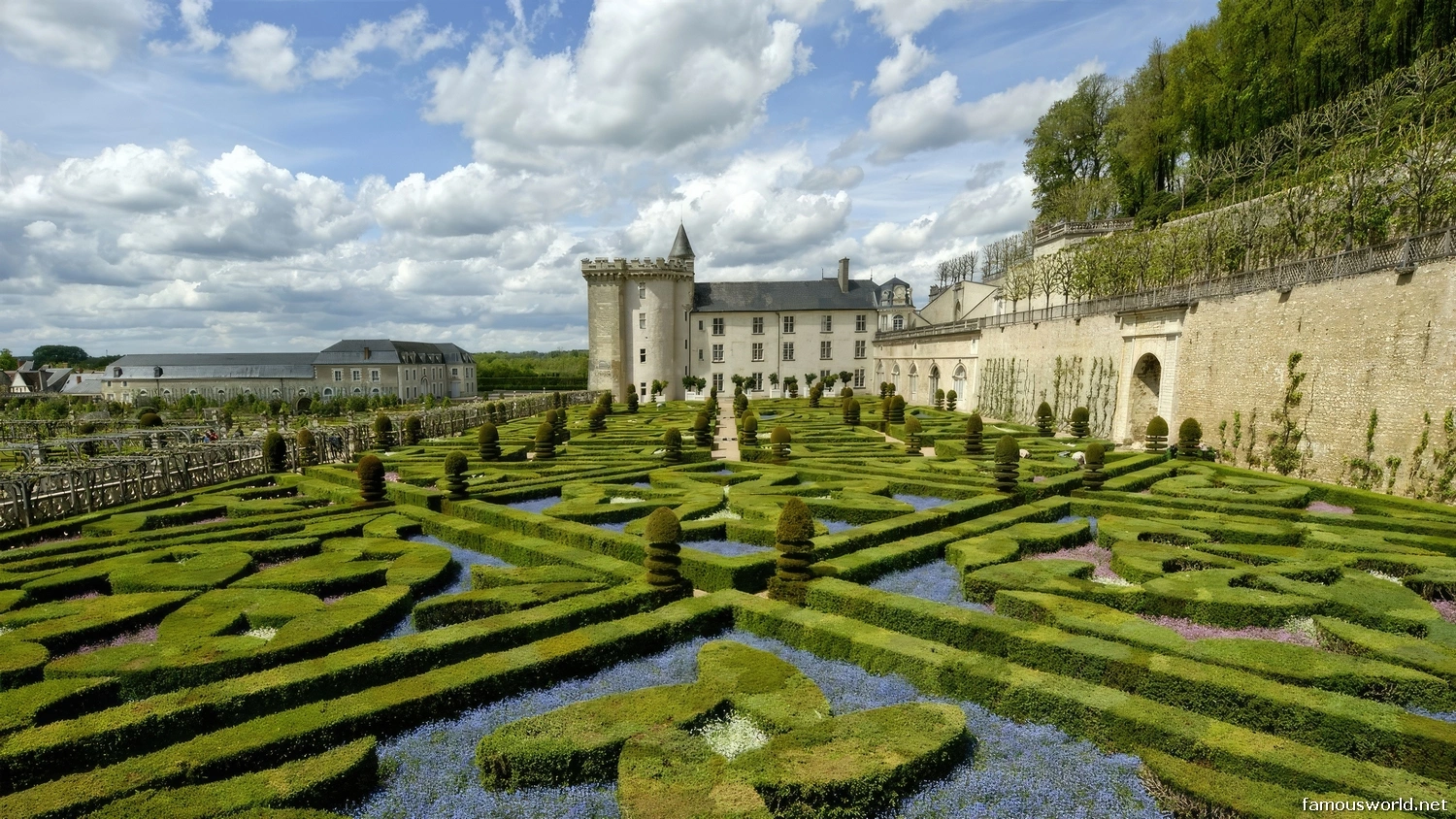
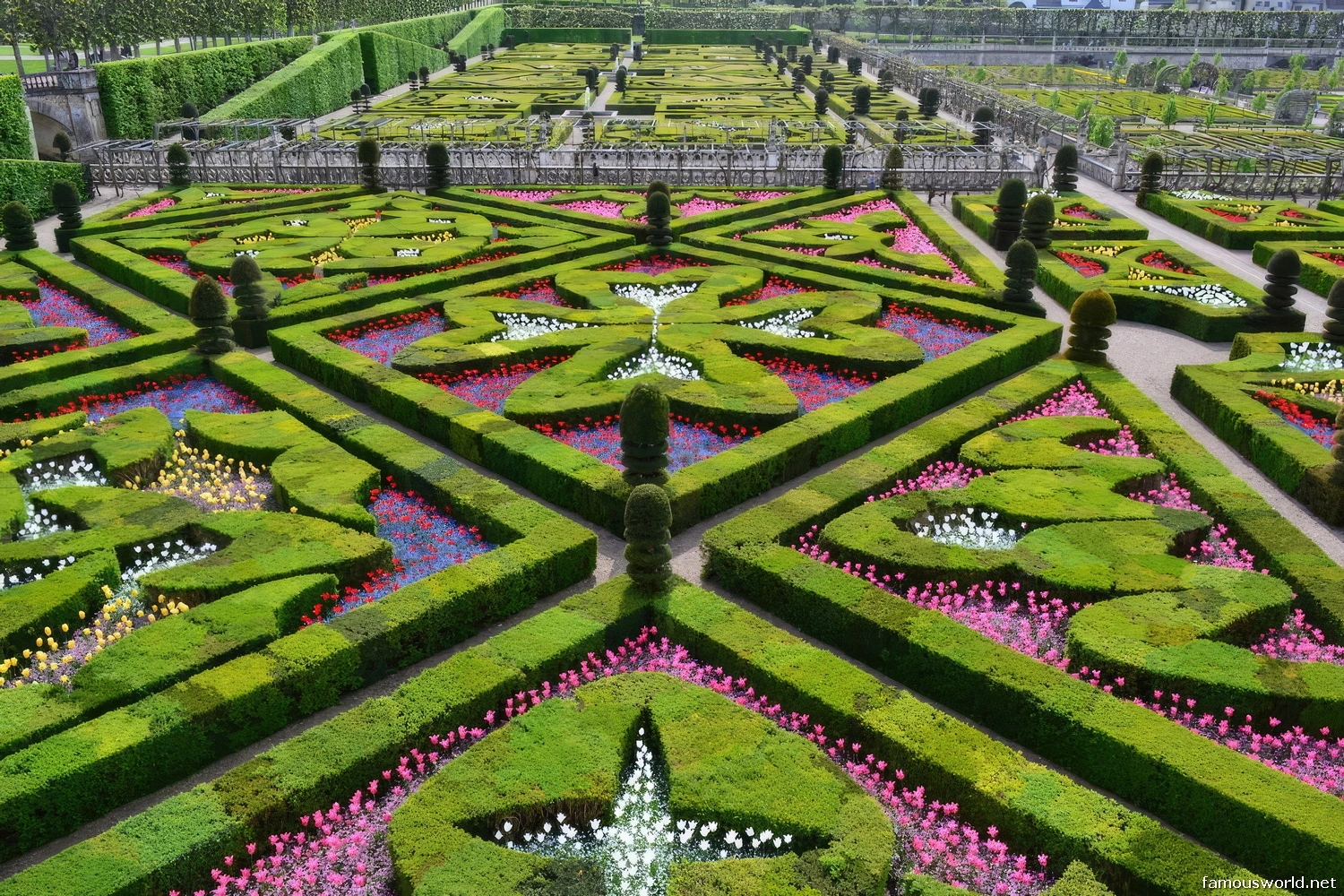
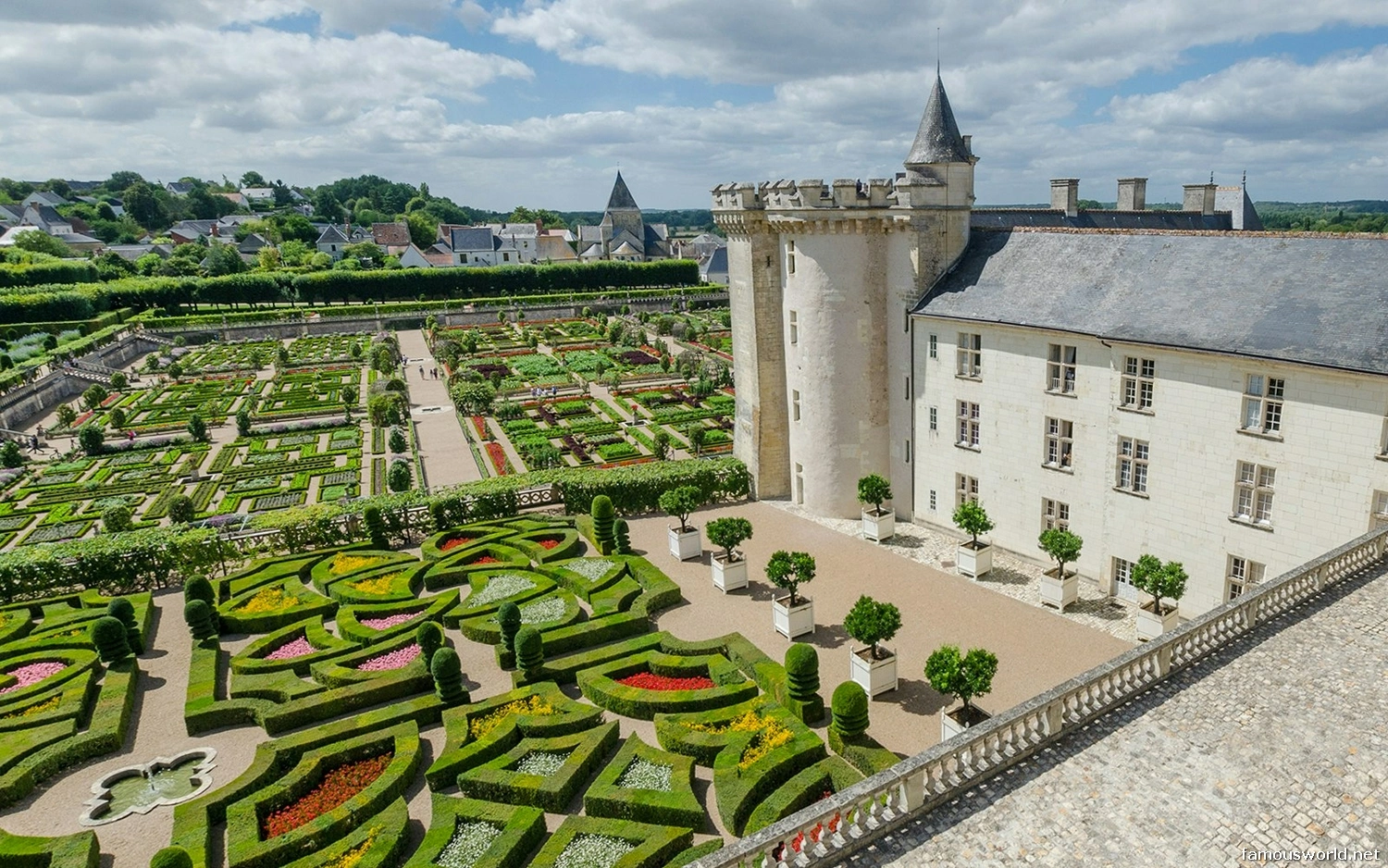
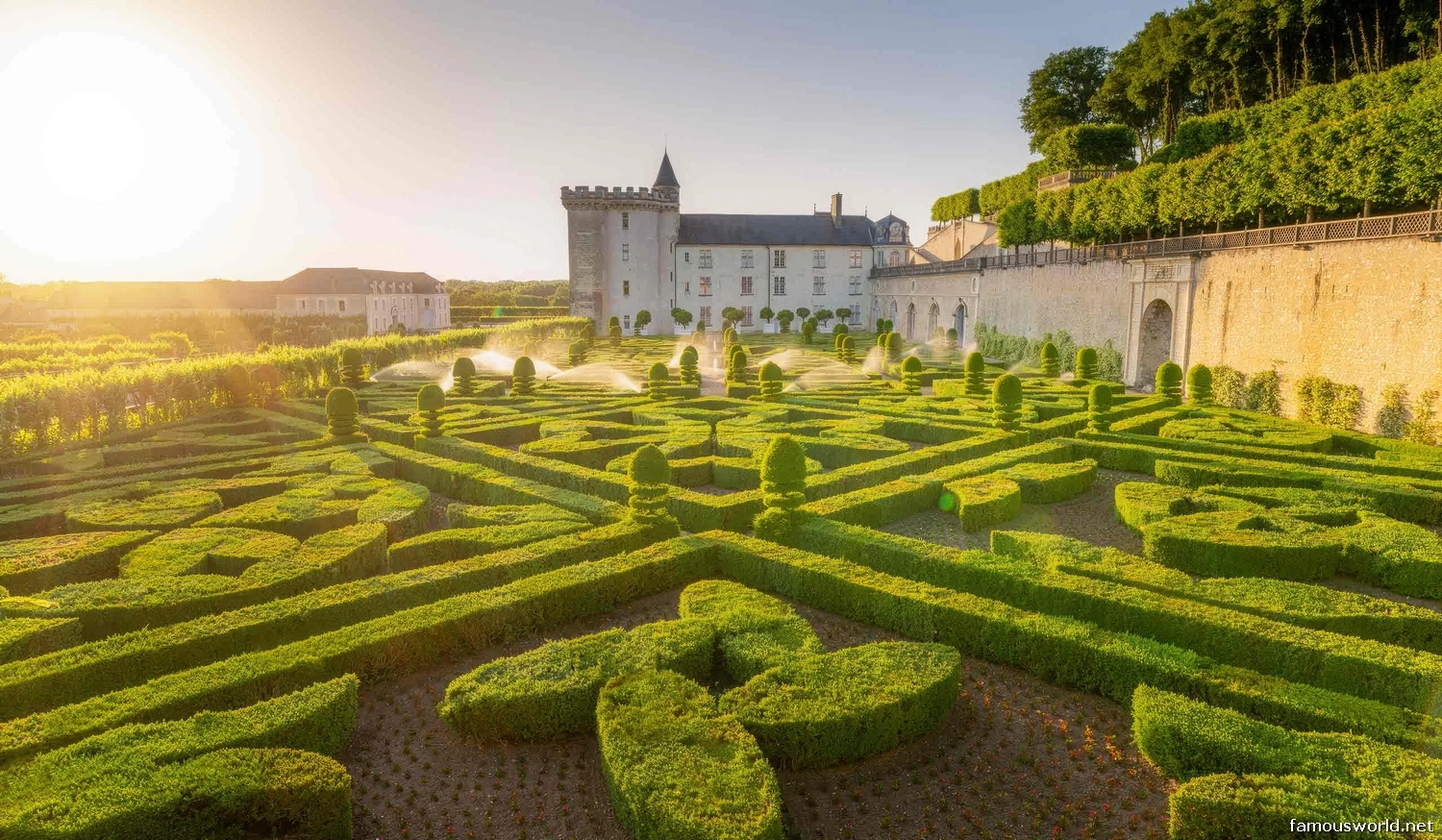
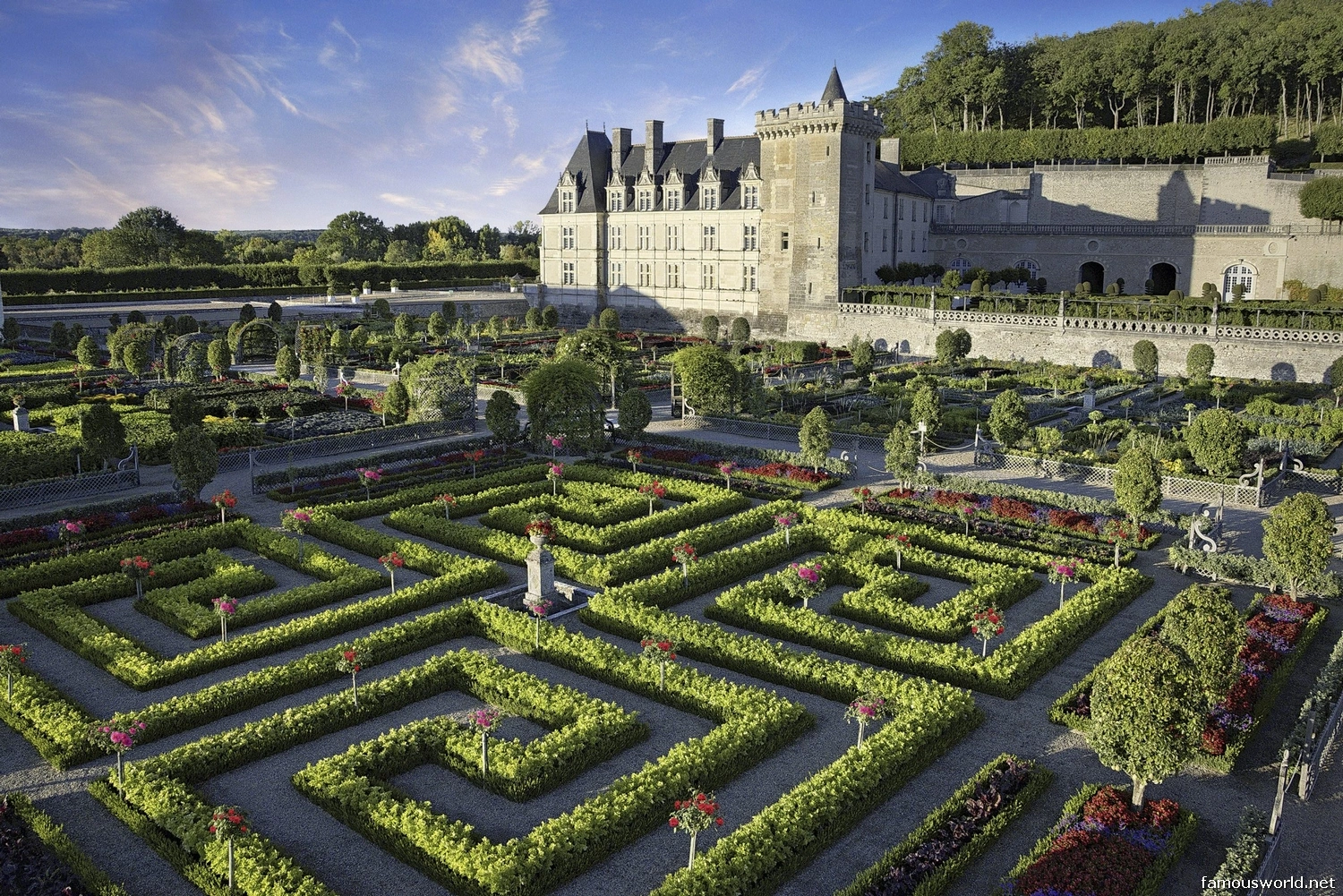

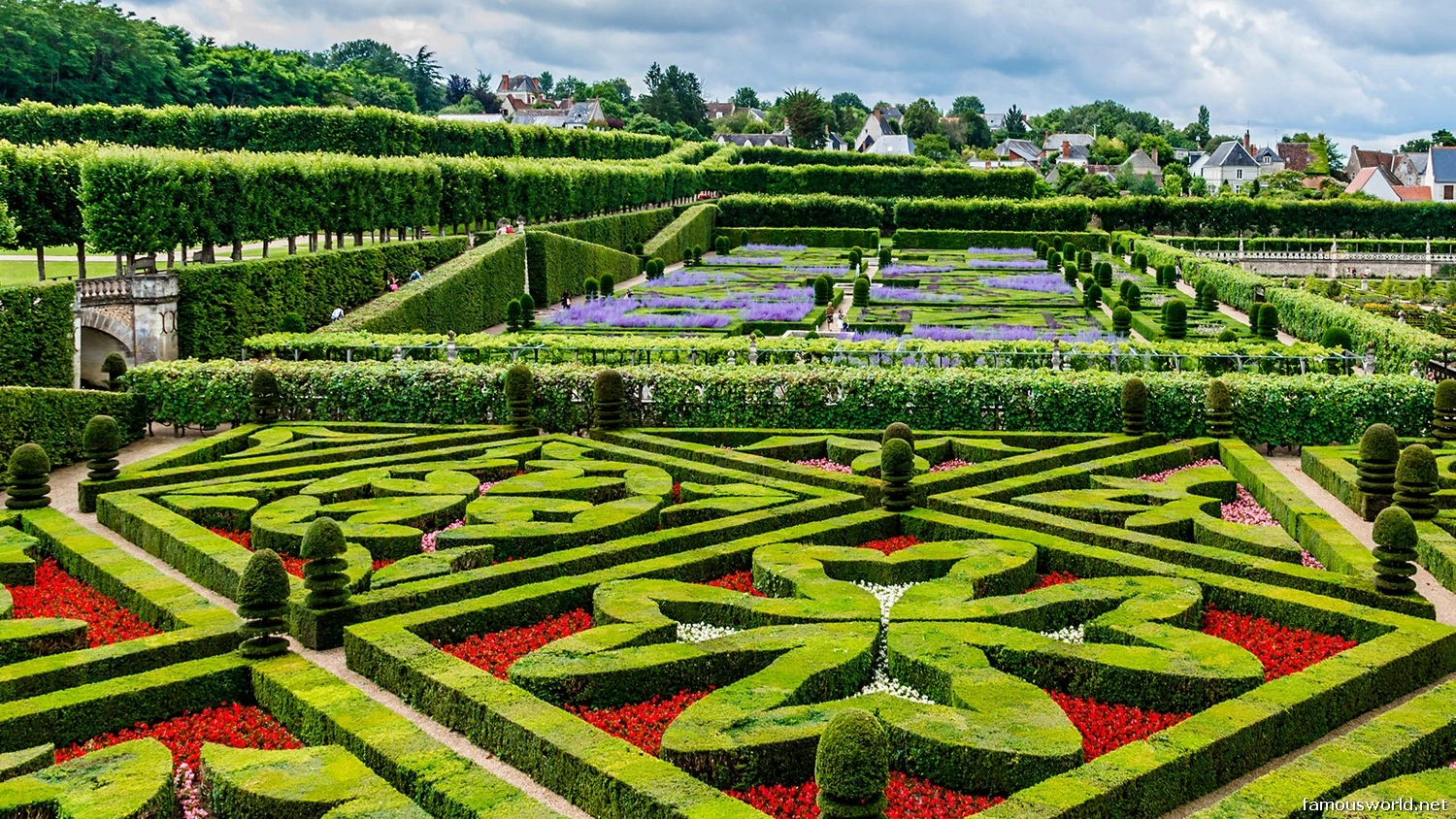
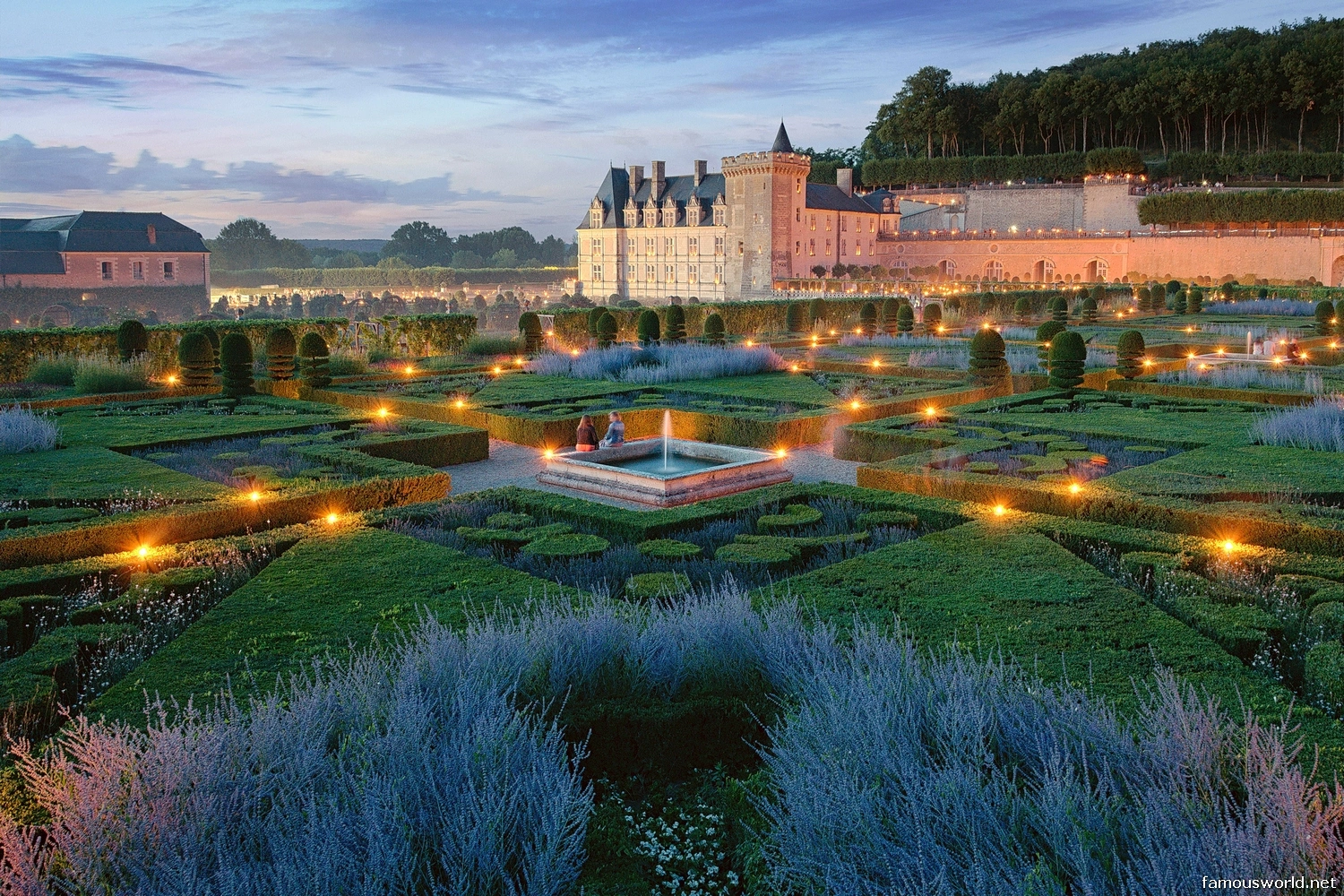
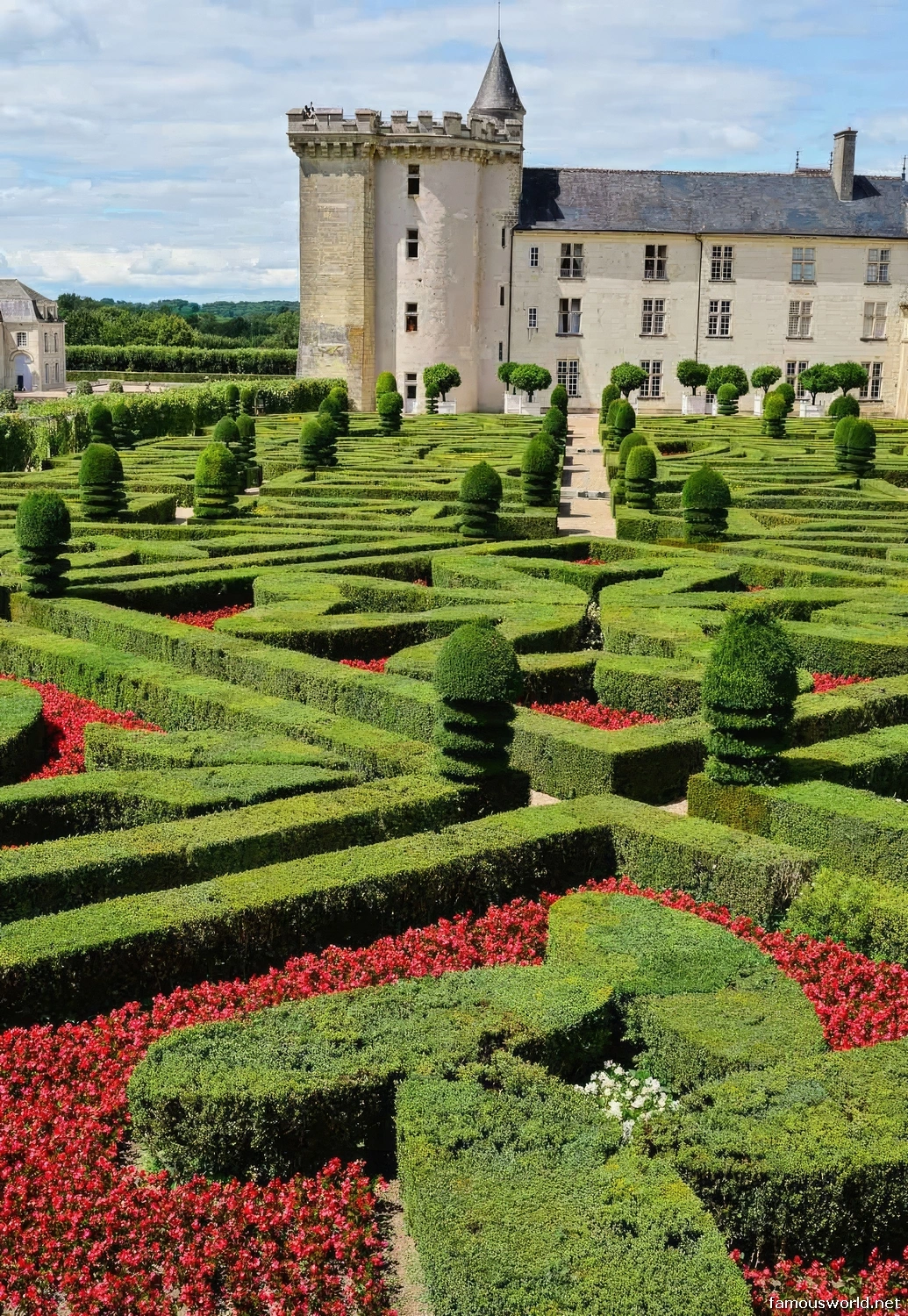
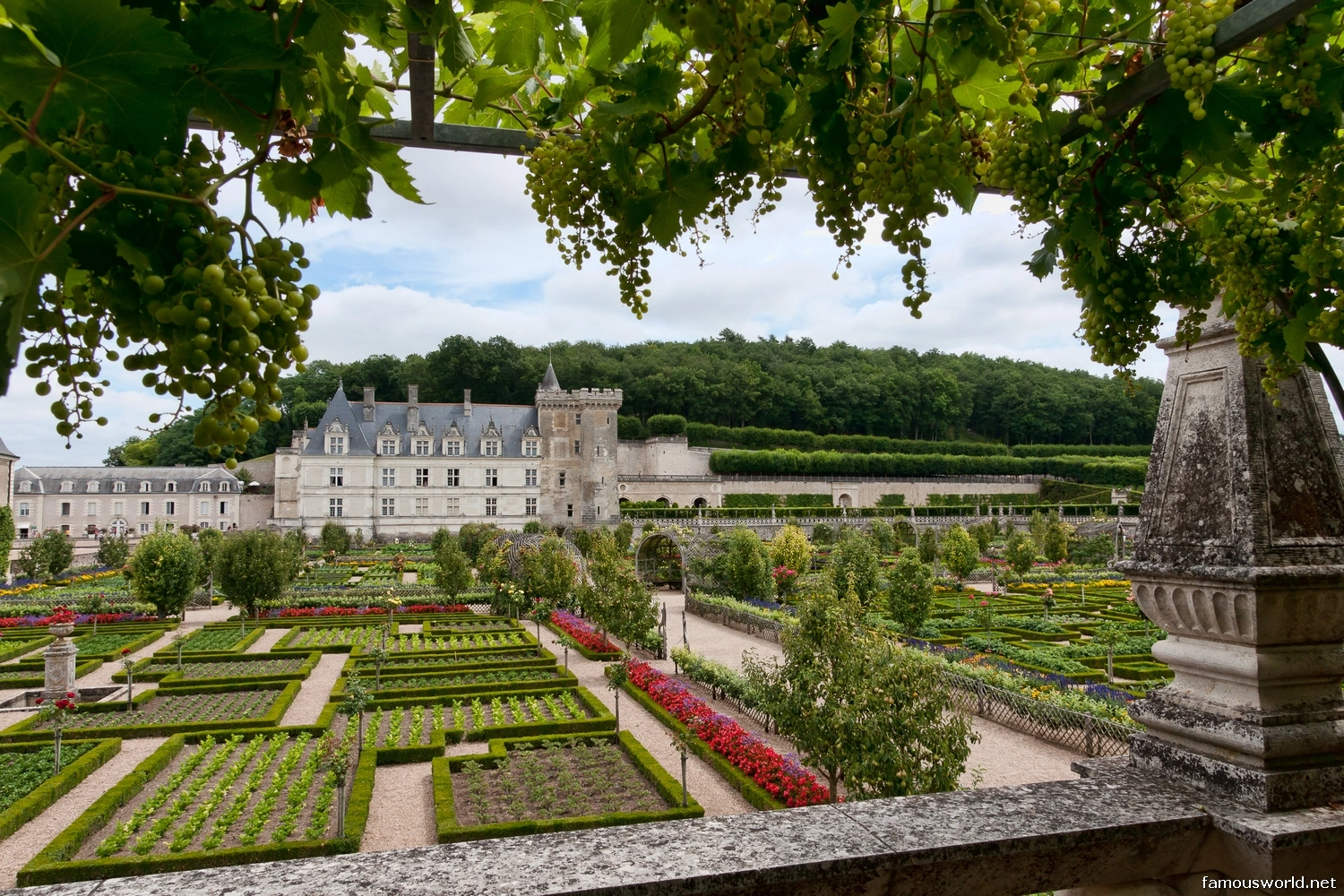
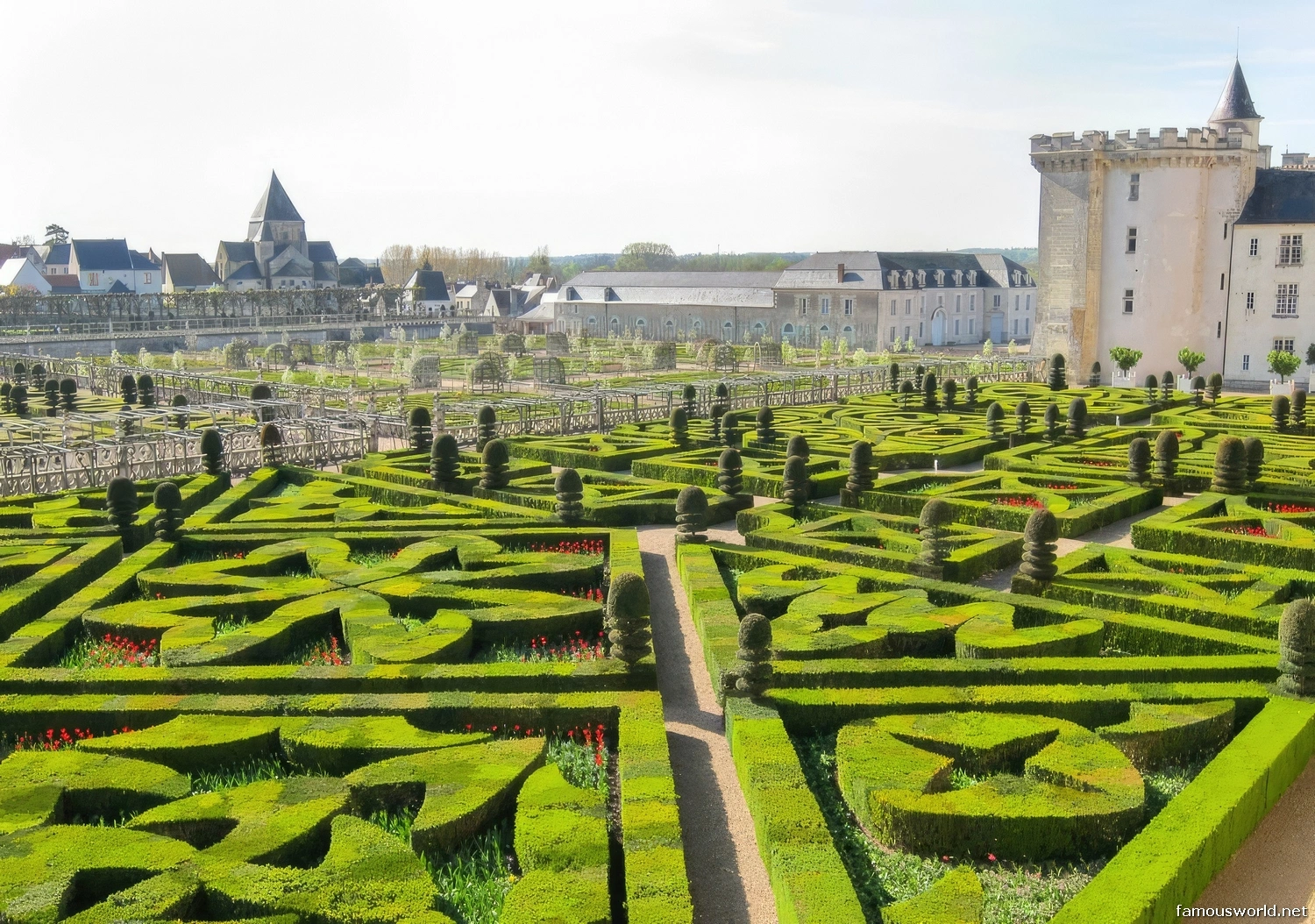
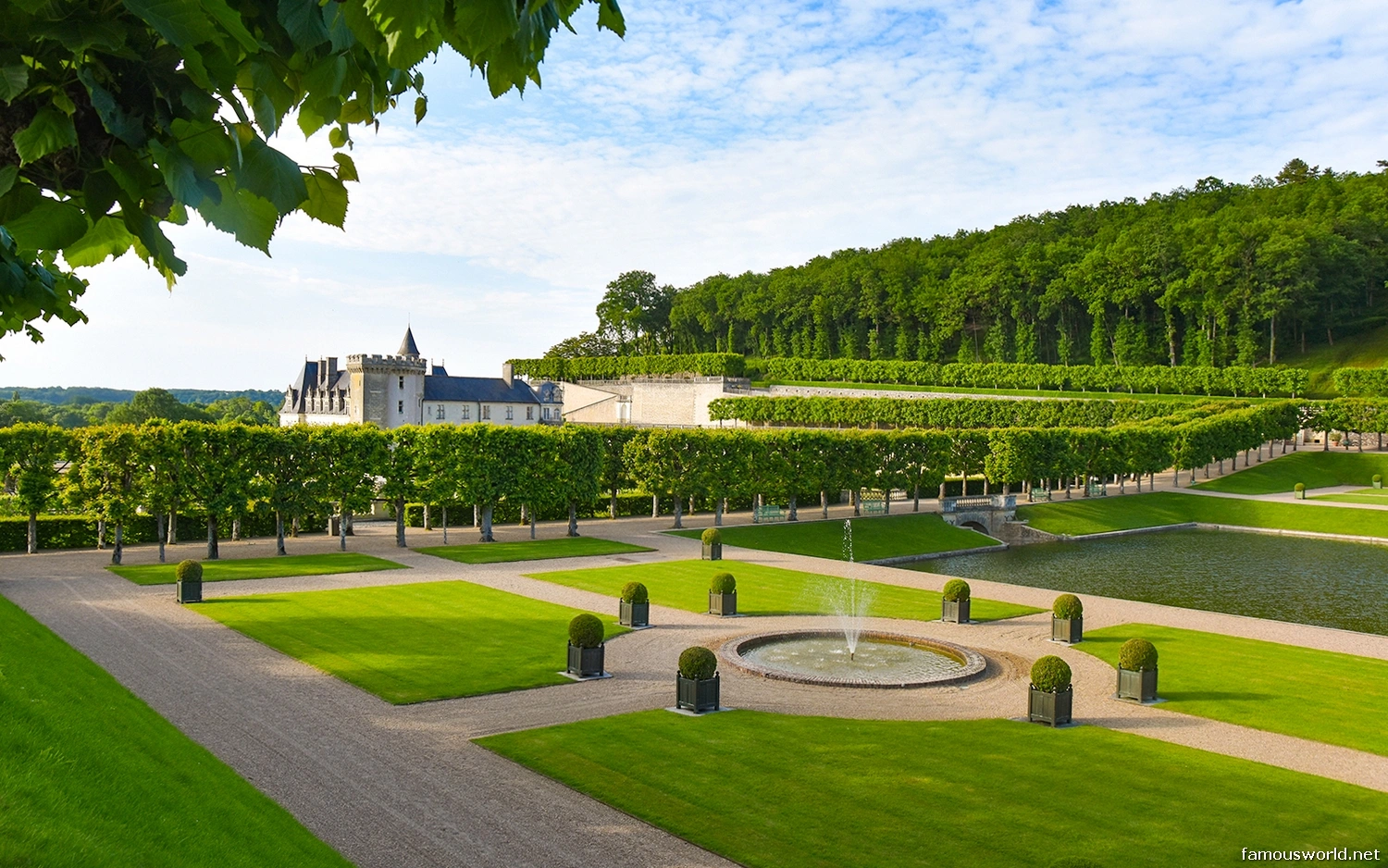
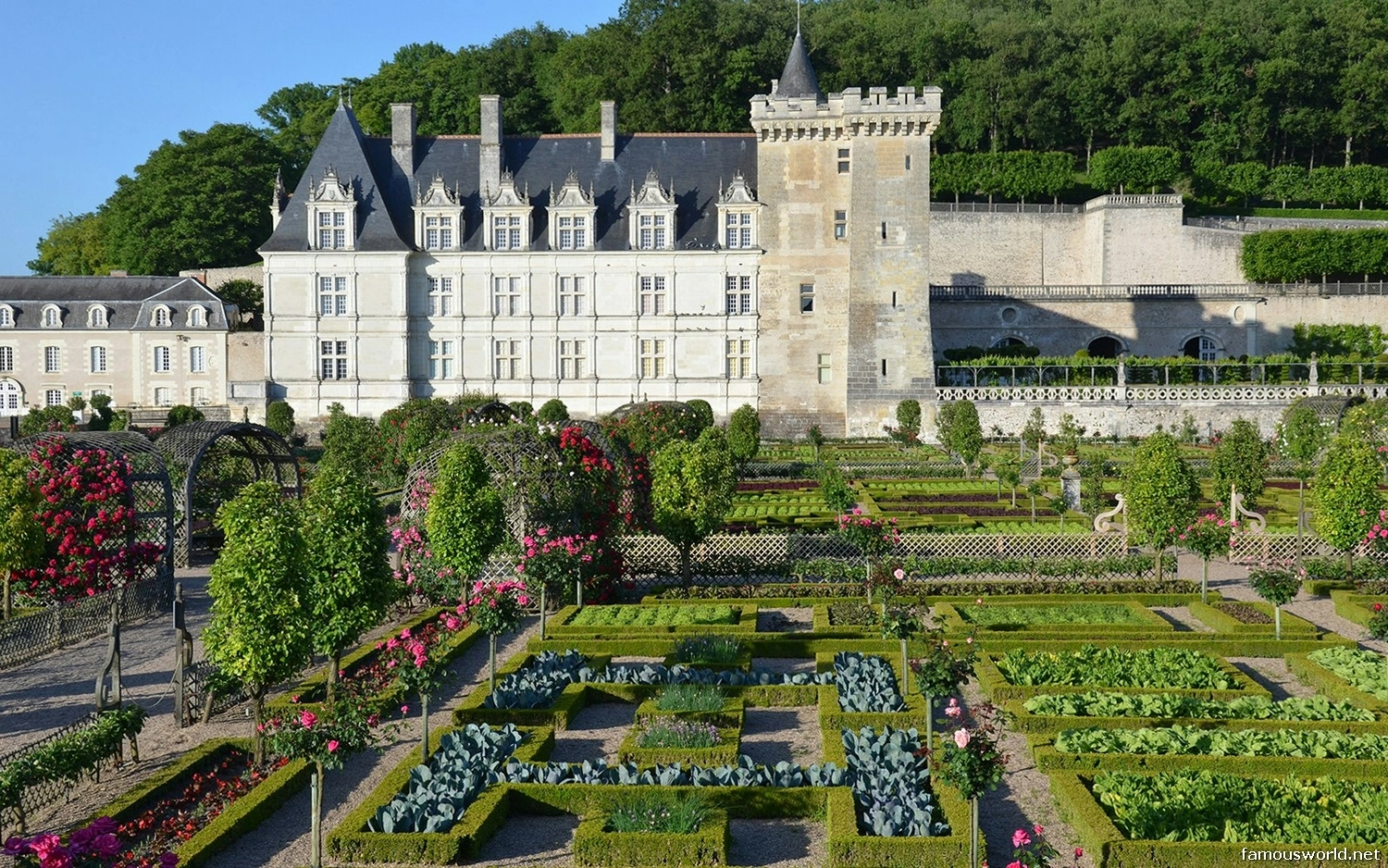
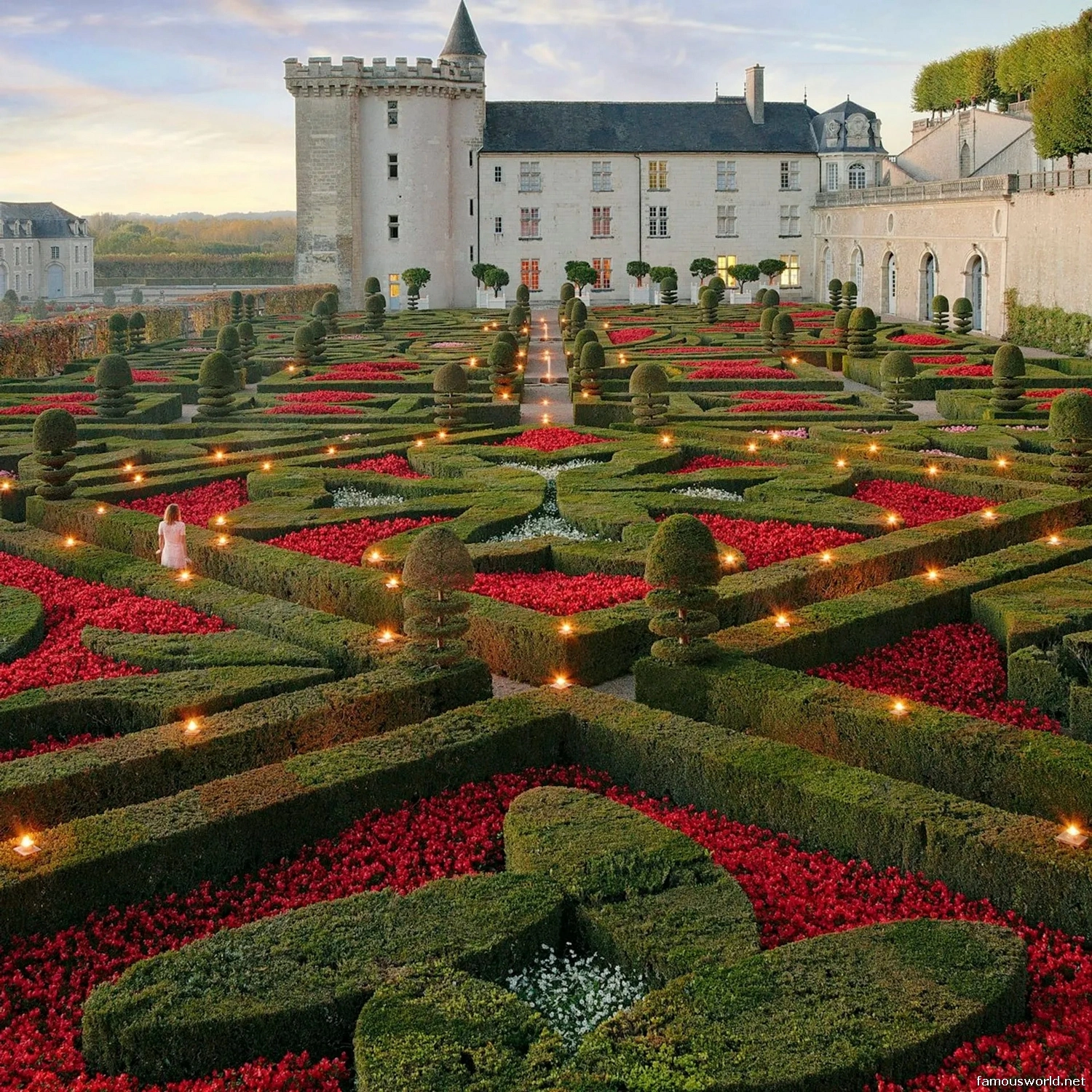
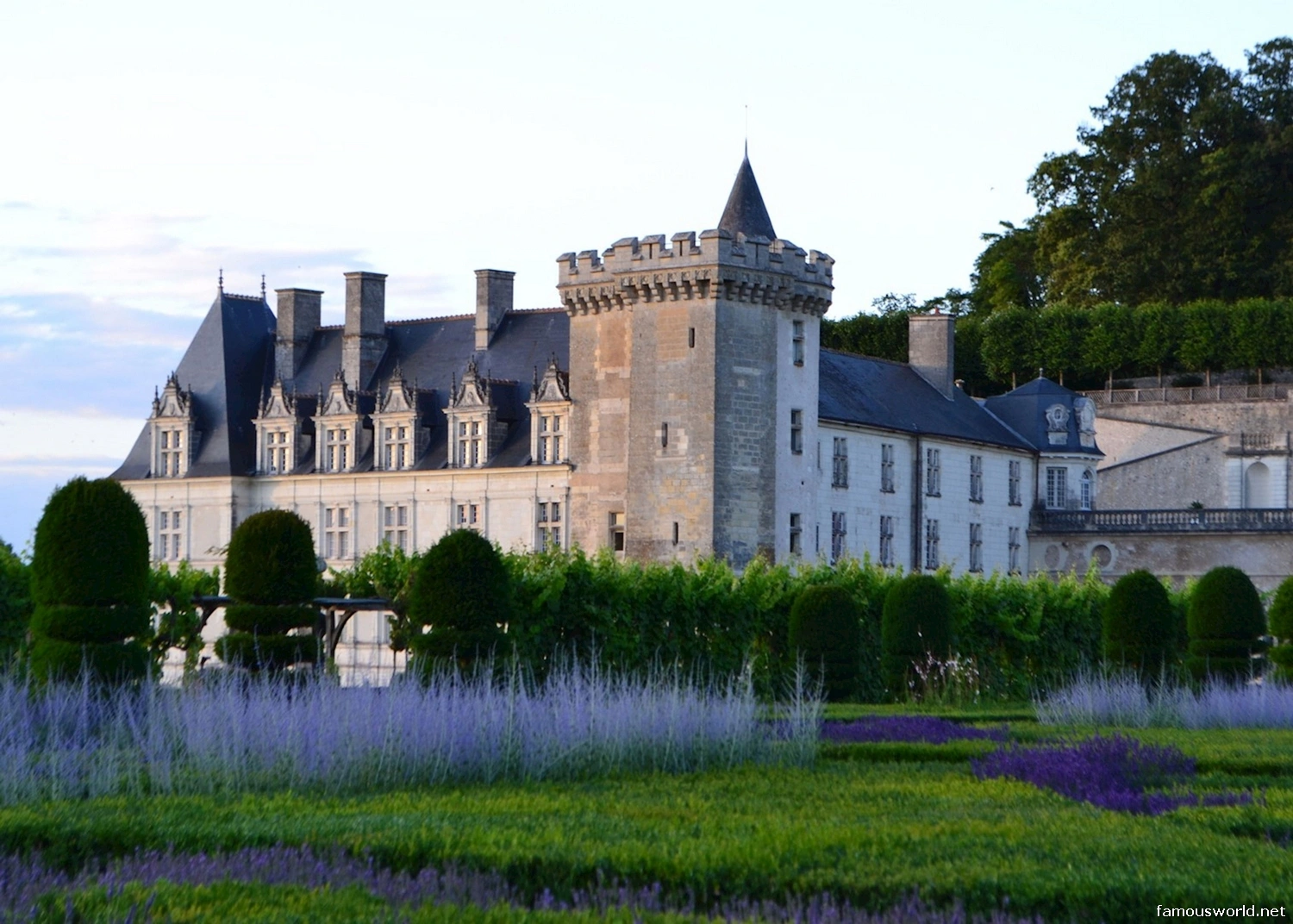
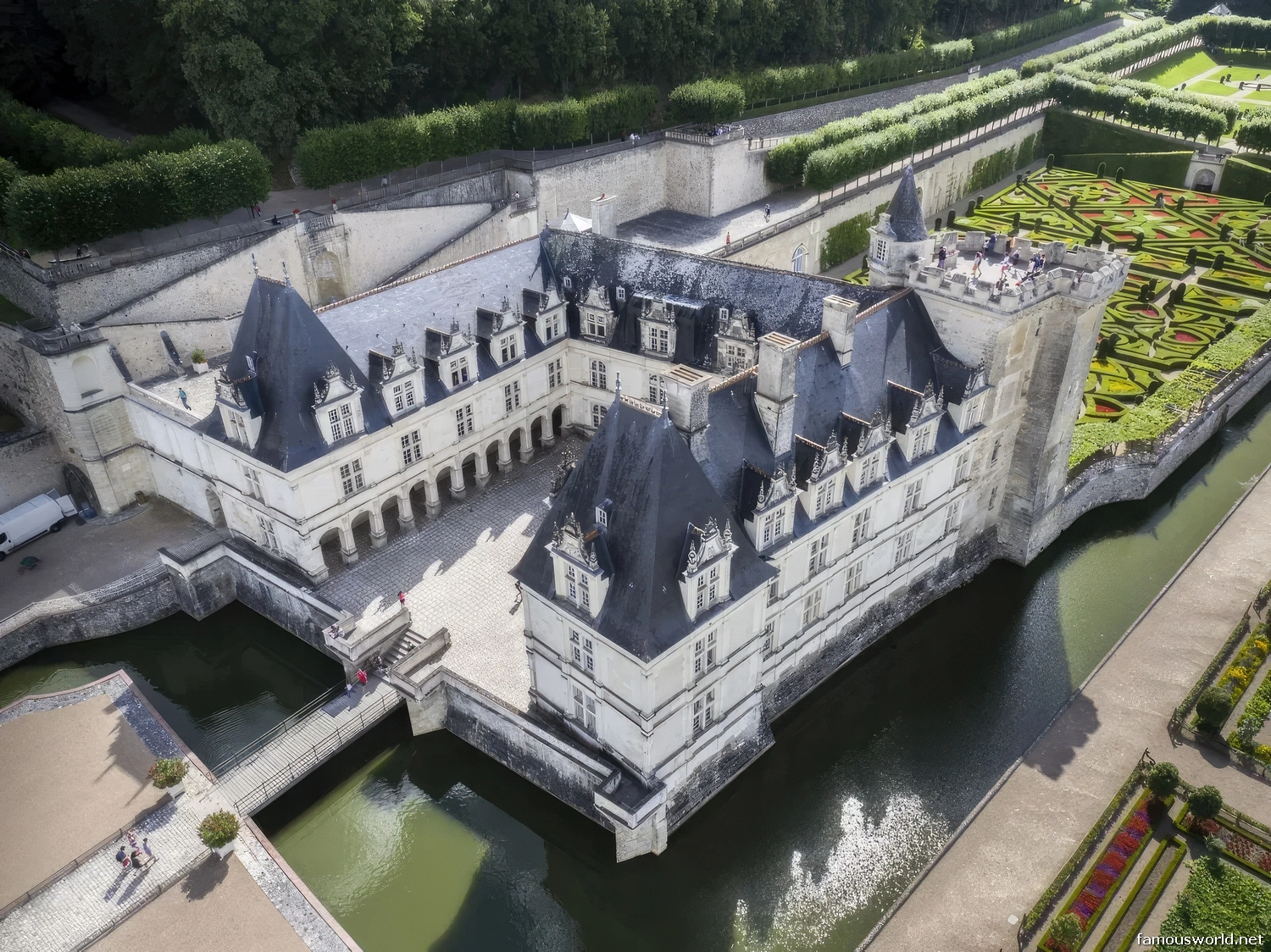
In the heart of the Loire Valley lies a château renowned not just for its architecture, but for possessing what are arguably the most magnificent gardens in all of France. The Château de Villandry is the last of the great Renaissance châteaux built on the banks of the Loire, a masterpiece of elegance and harmony. While the castle itself is a beautiful example of Renaissance design, its international fame comes from its spectacular and meticulously restored gardens. Laid out on three distinct terraces, they are a living work of art, representing a perfect fusion of beauty, science, and symbolism. A visit to Villandry is less about royal history and more about experiencing a breathtaking vision of the Renaissance garden brought back to life in all its glory.
Listen to an introduction about Château de Villandry

Name and Location
- Name: Château de Villandry.
- Location: In the small village of Villandry, about 15 kilometers (9 miles) west of the city of Tours, in the Indre-et-Loire department of France.
How to Get There
Given its proximity to Tours, Villandry is one of the most accessible châteaux in the Loire Valley.
- By Car: The easiest way to visit is by car, with a short and scenic drive from Tours.
- By Bus: During the tourist season, dedicated shuttle buses often run from the main train station in Tours directly to the château.
- By Bicycle: Villandry is a popular stop on the “Loire à Vélo” cycling route, with a beautiful, flat path leading from Tours along the Cher River.
Landscape and Architecture
The site is a perfect synthesis of Renaissance architecture and an extraordinary landscape design.
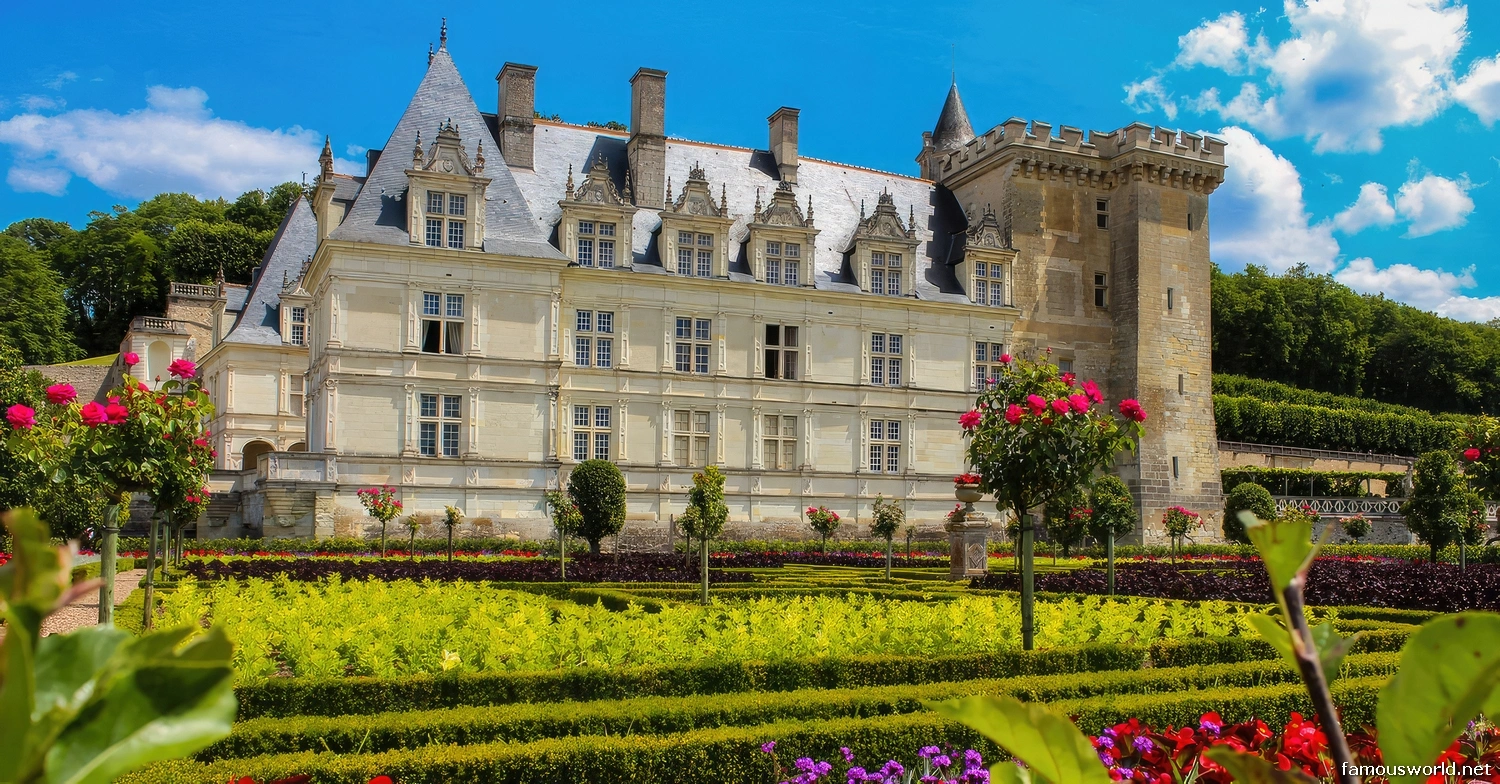
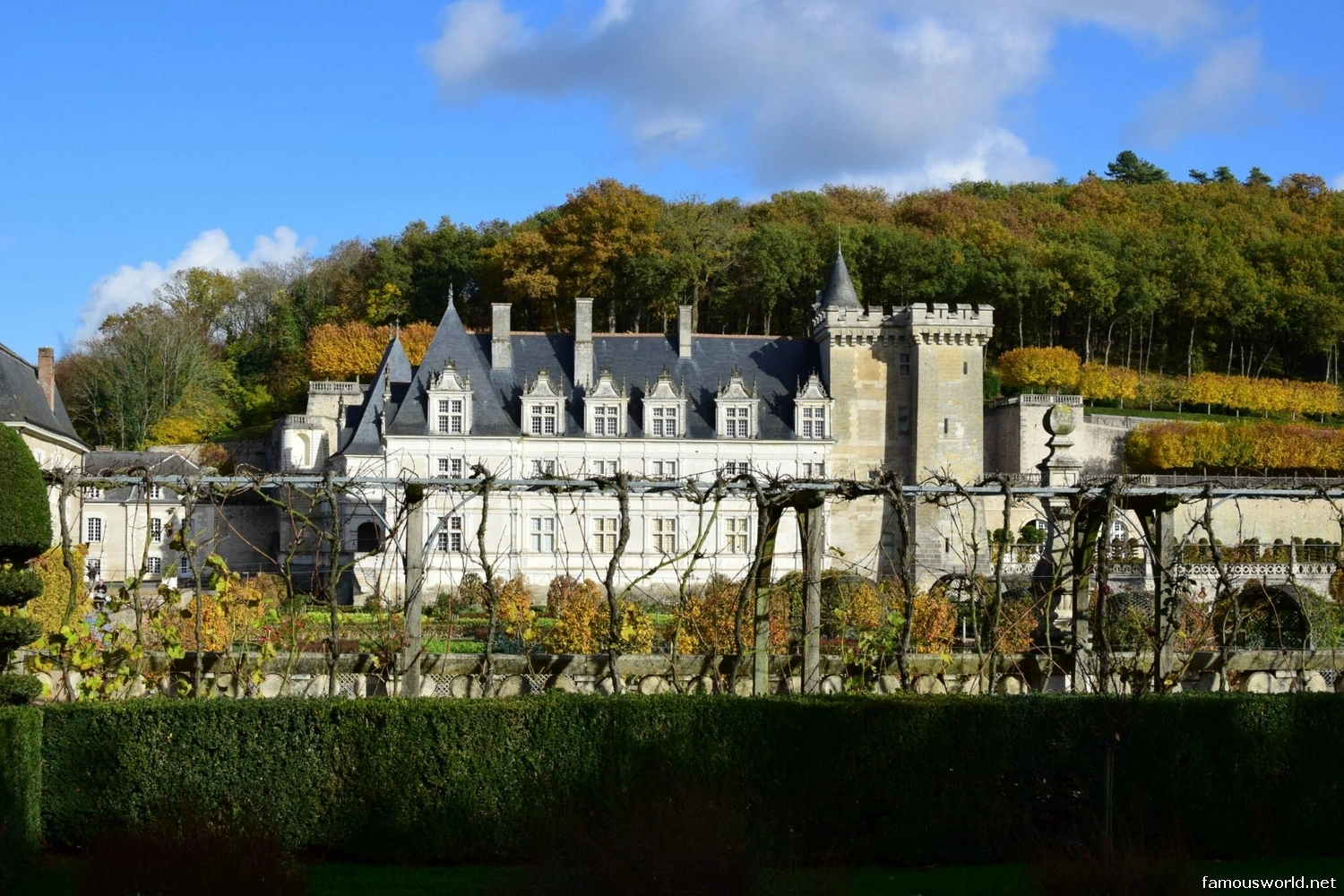
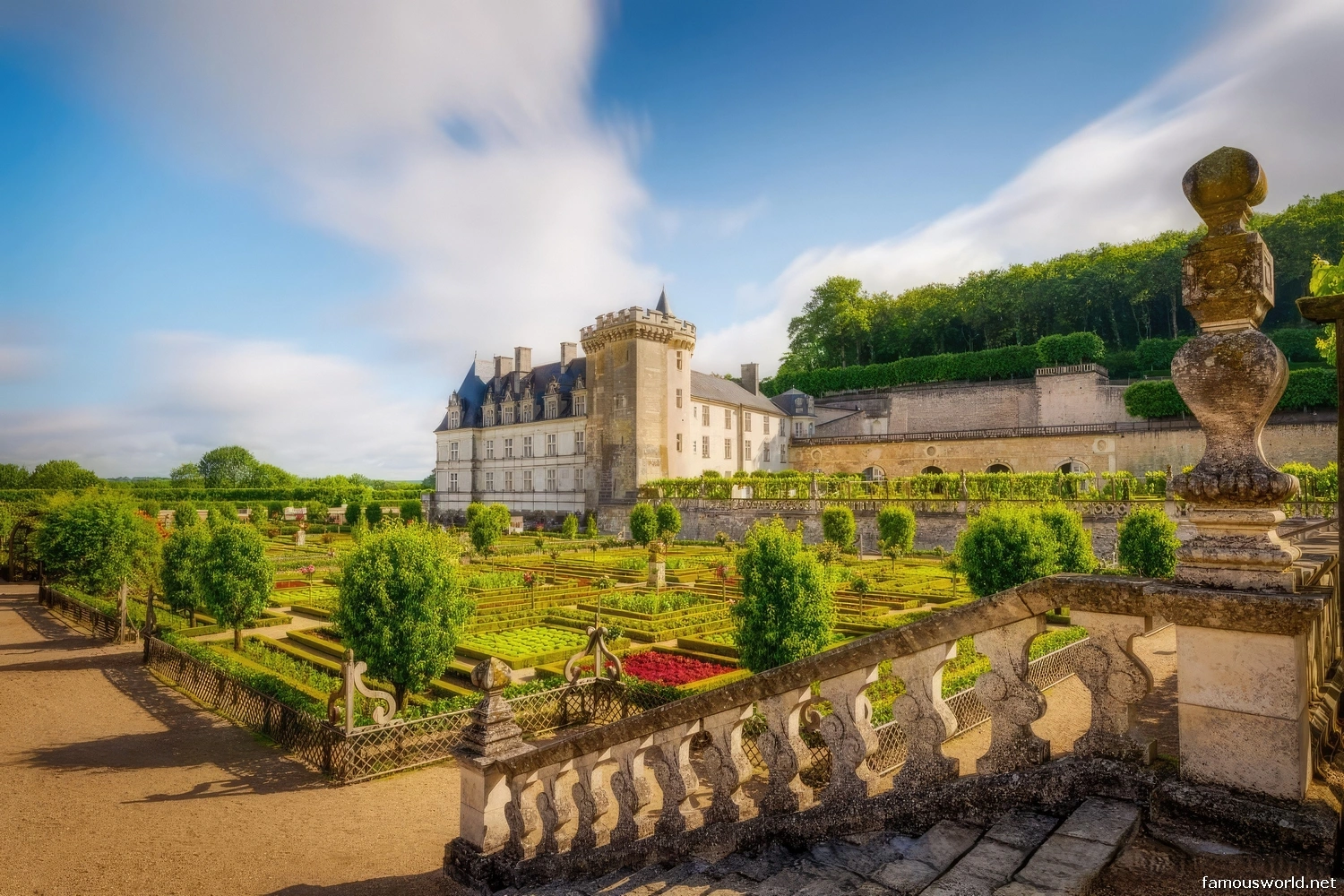
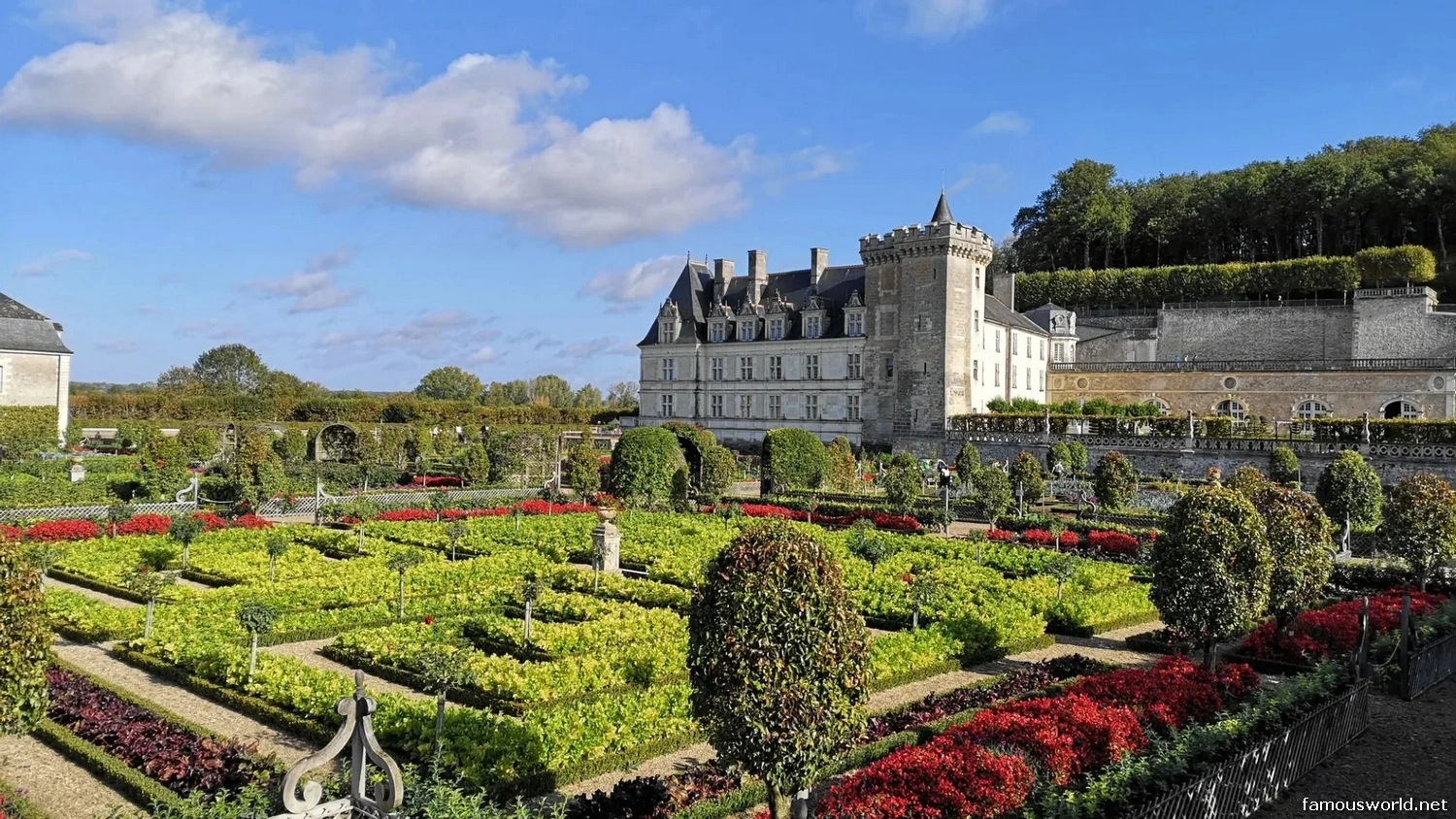
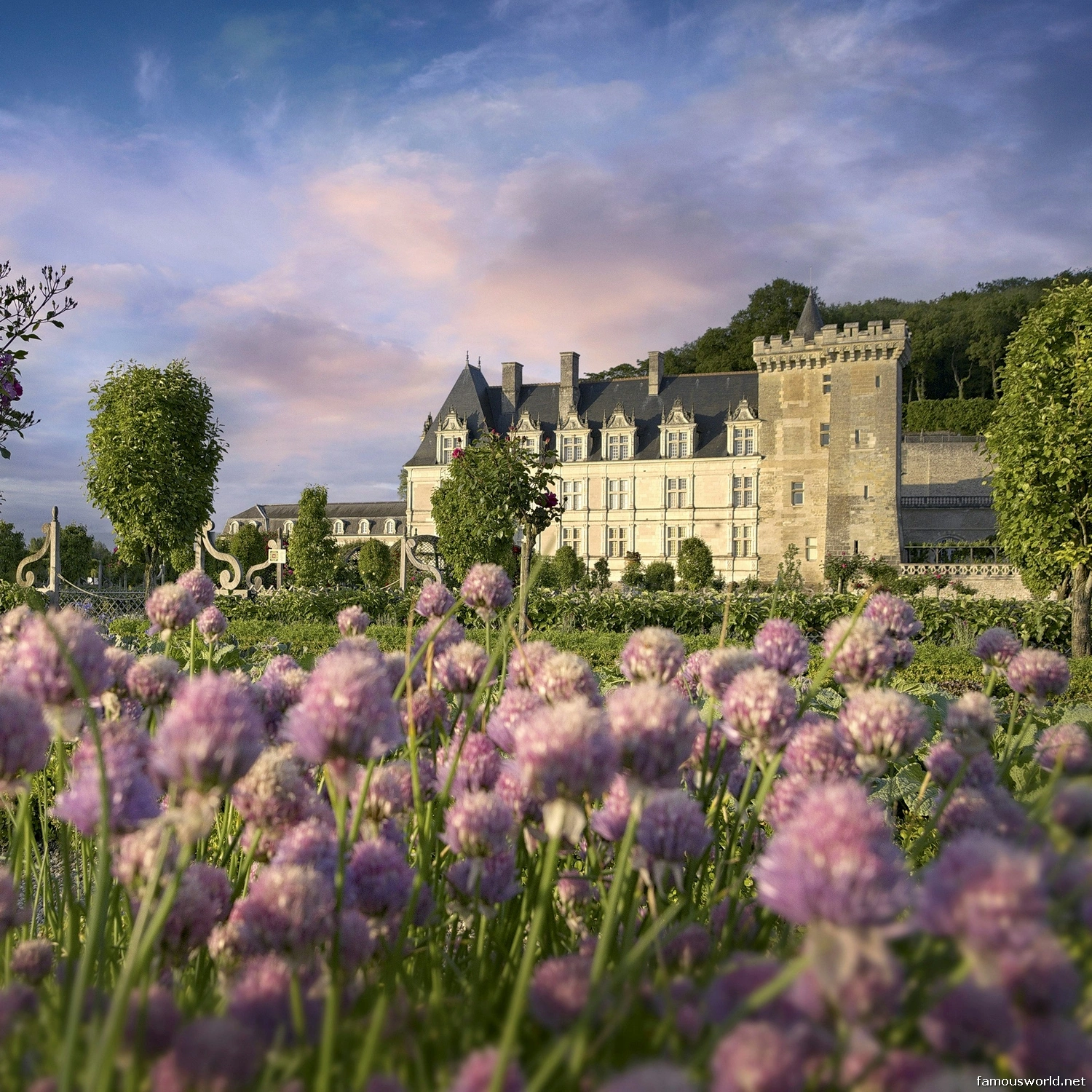
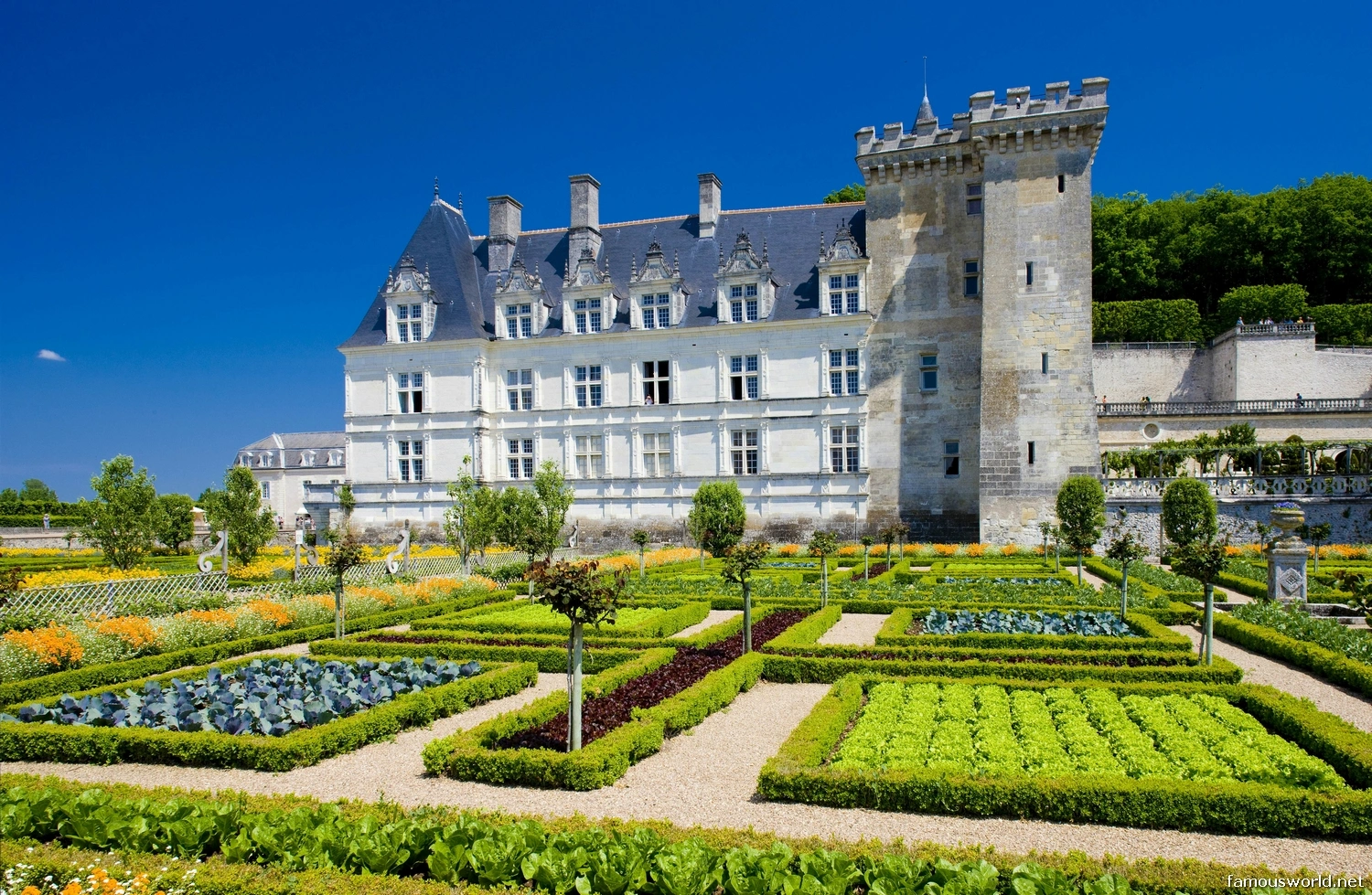
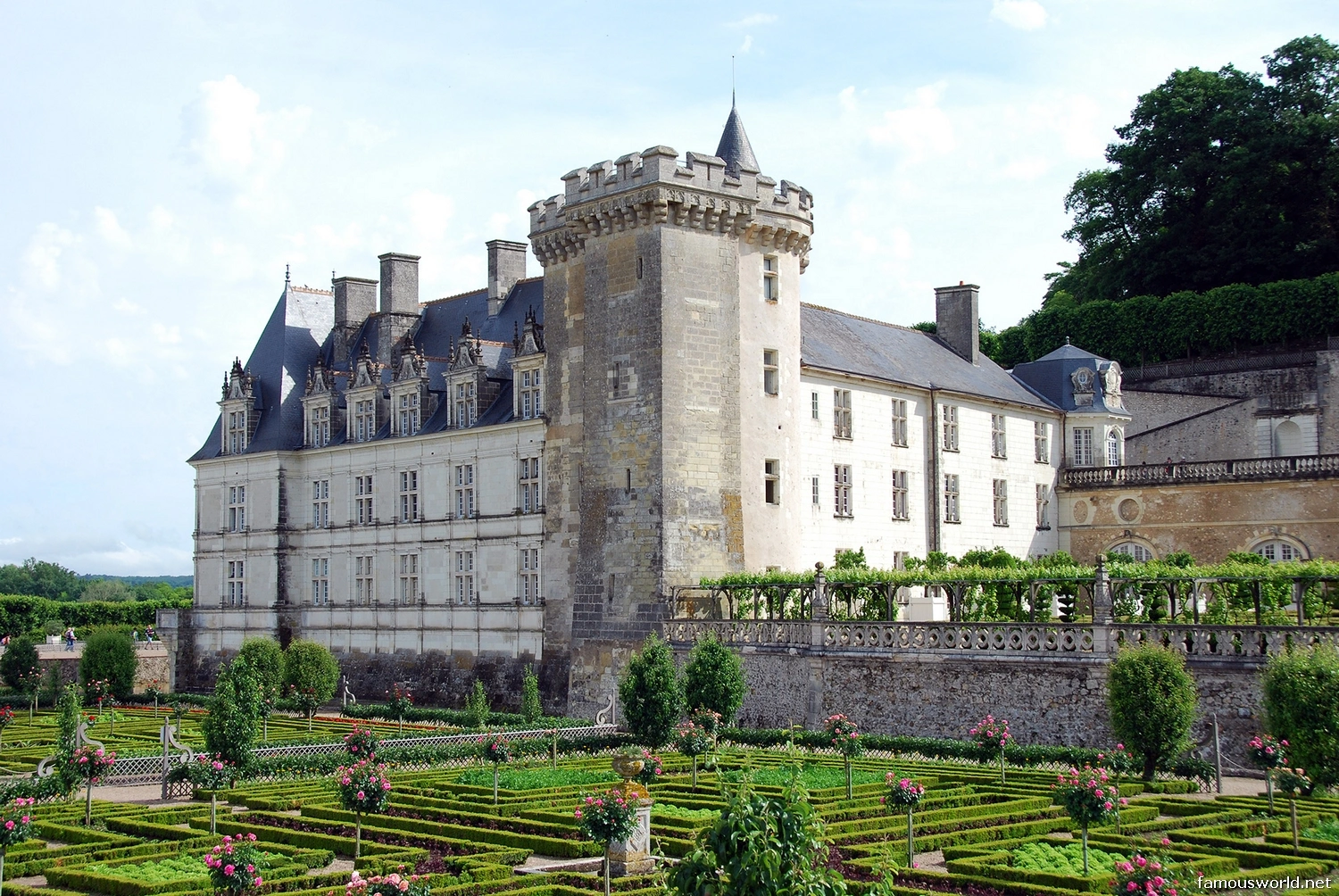
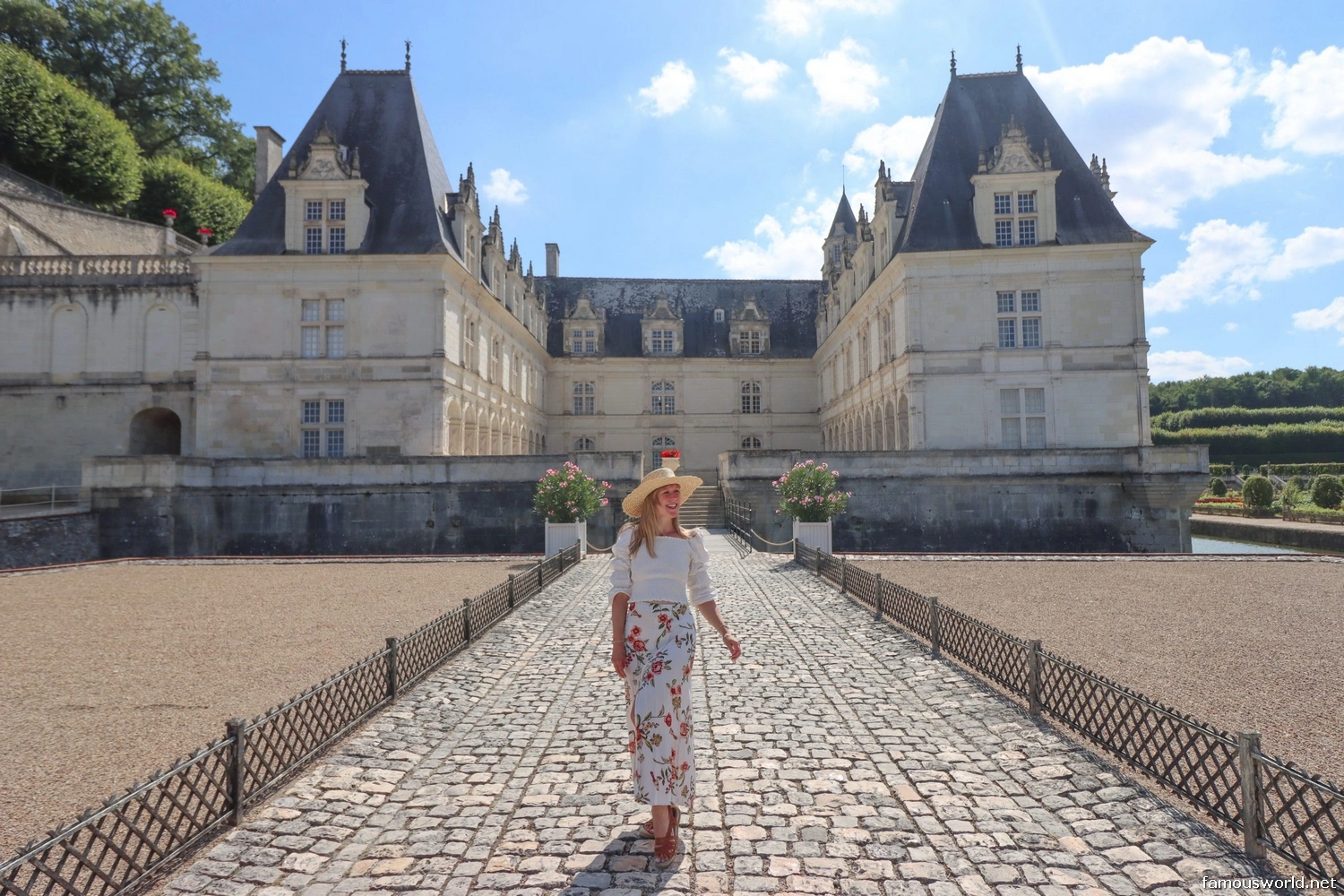
- The Château: The current structure was completed around 1536 by Jean Le Breton, a finance minister for King Francis I. It replaced a medieval fortress, but unlike other châteaux, it was designed not for defense but for domestic comfort and elegance, with large windows, graceful facades, and a U-shape surrounding a beautiful courtyard that opens towards the valley.
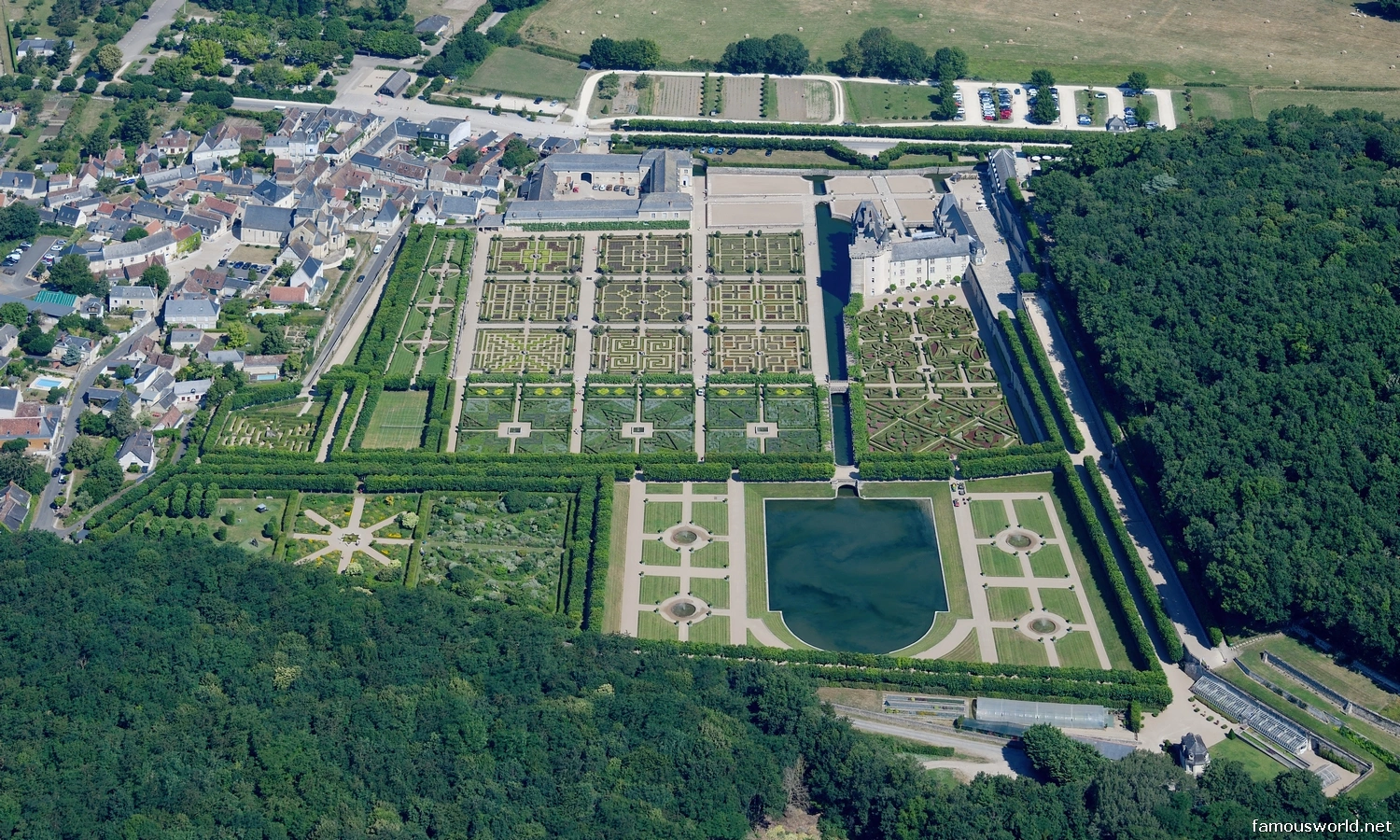
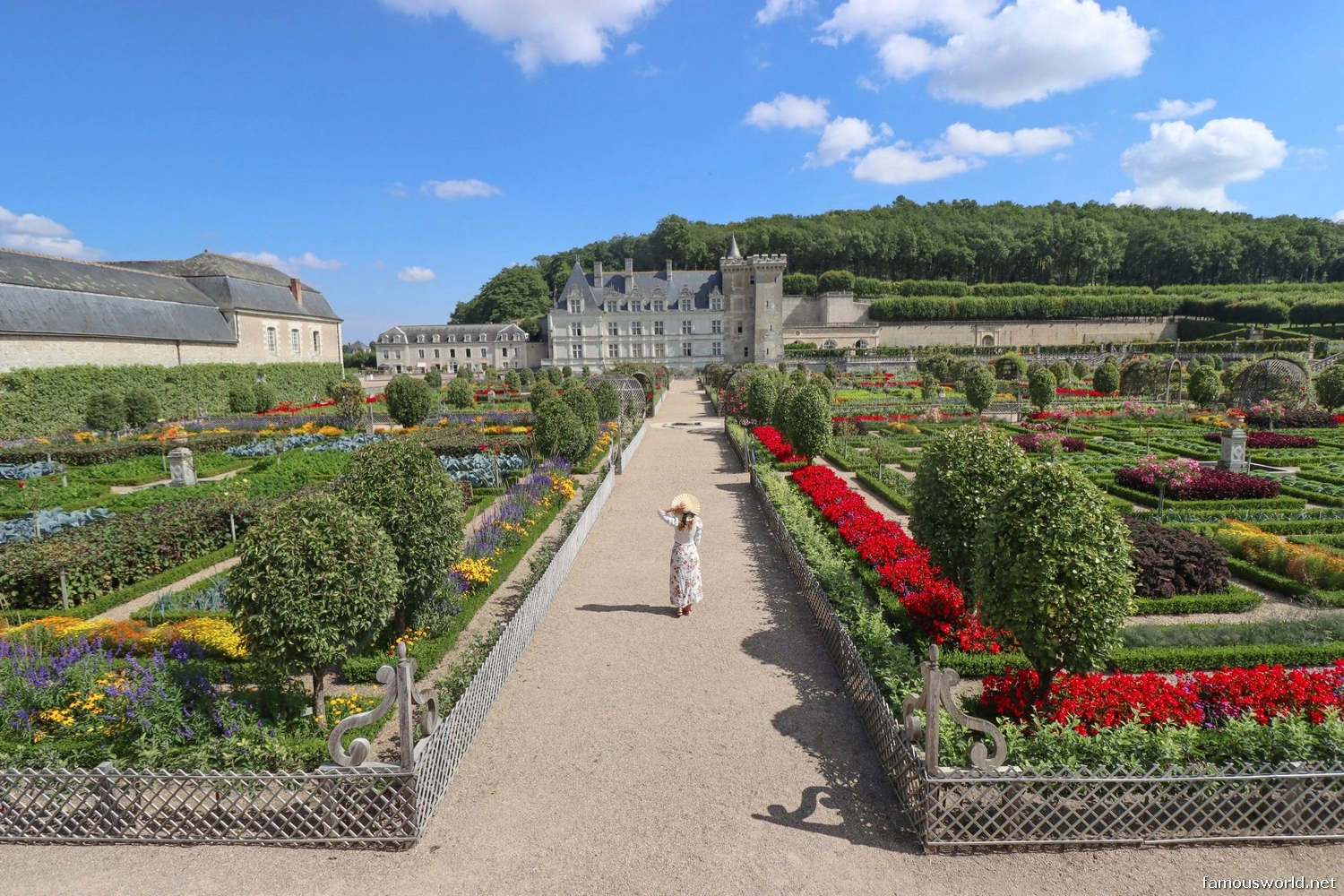
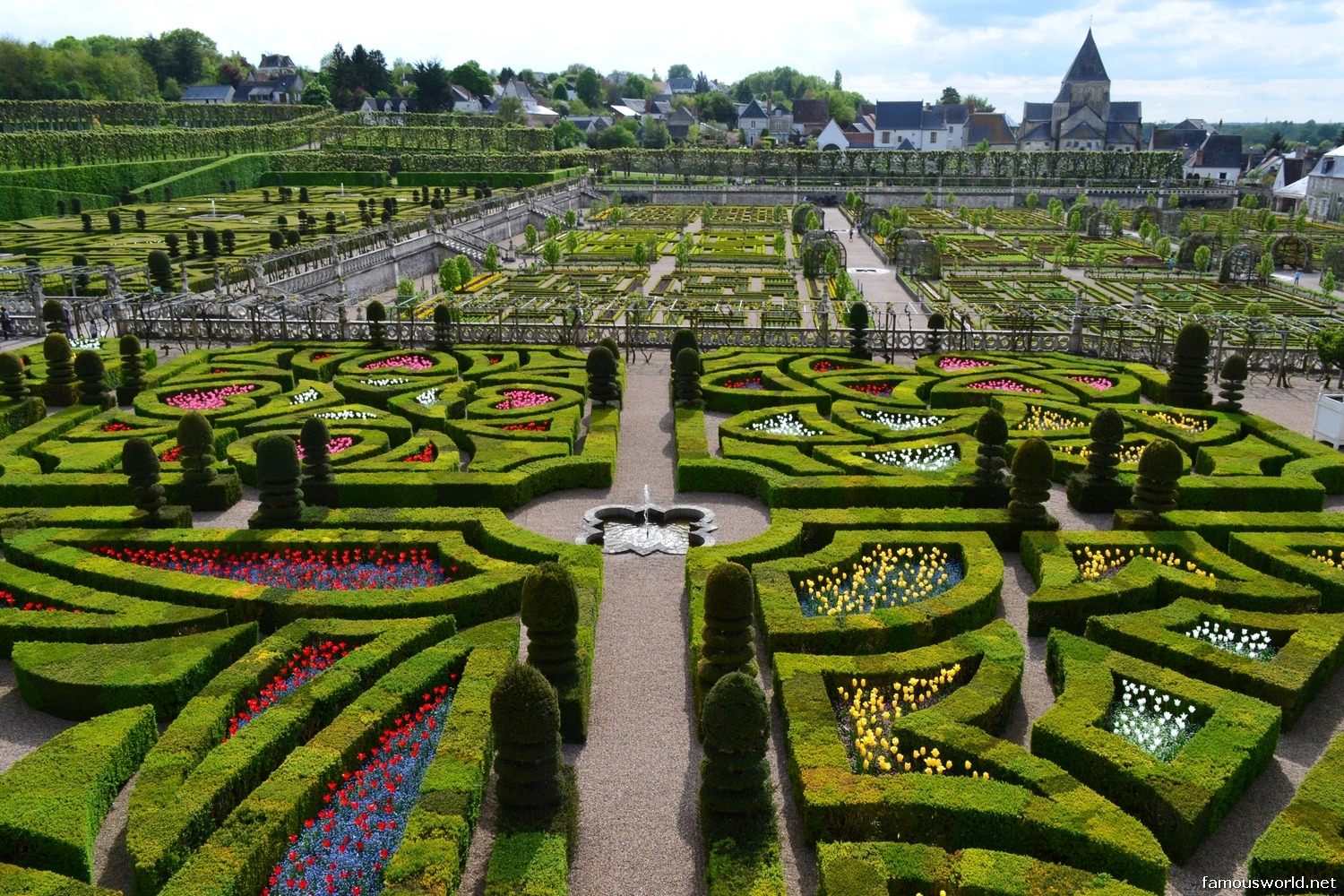
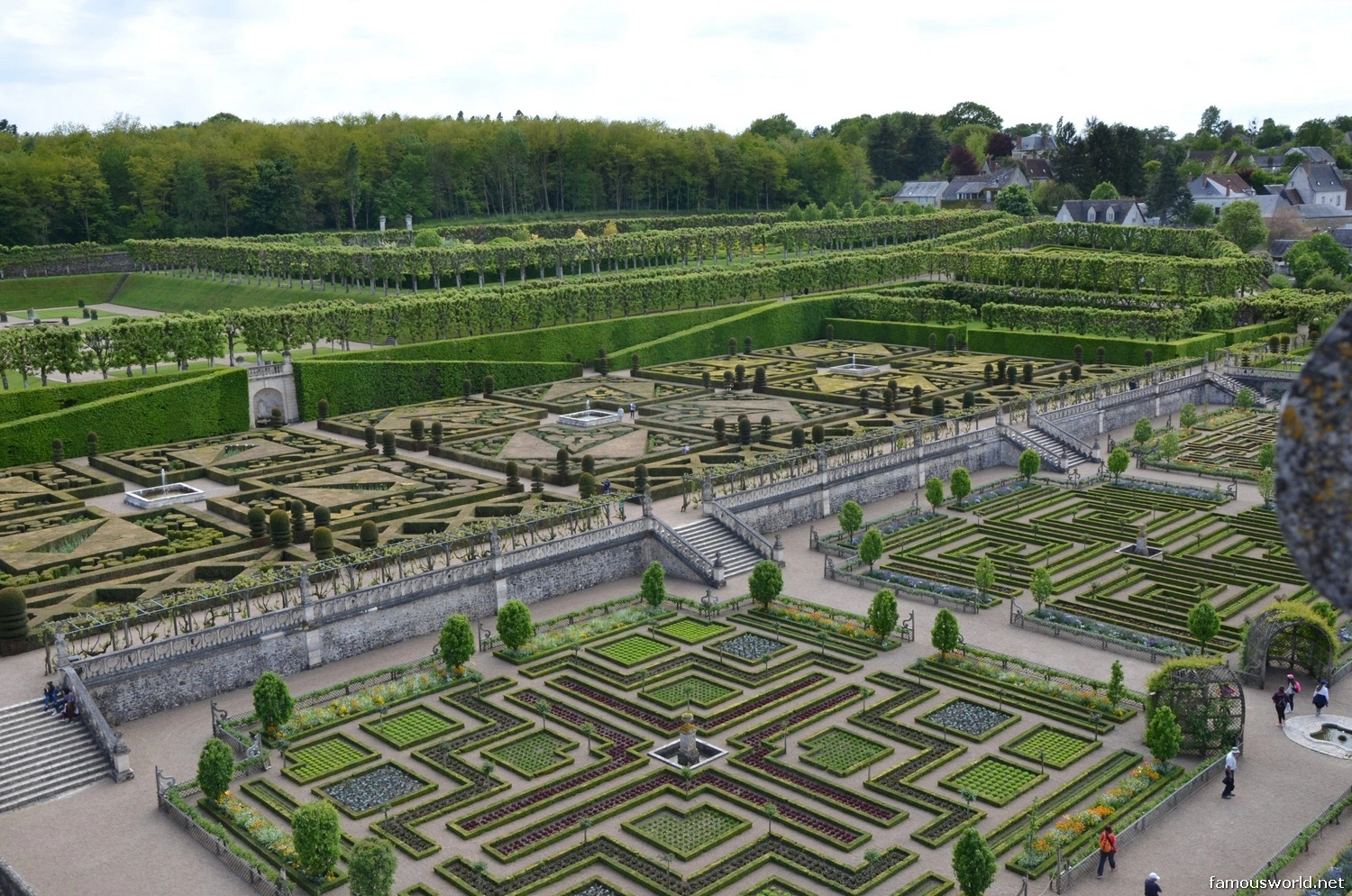
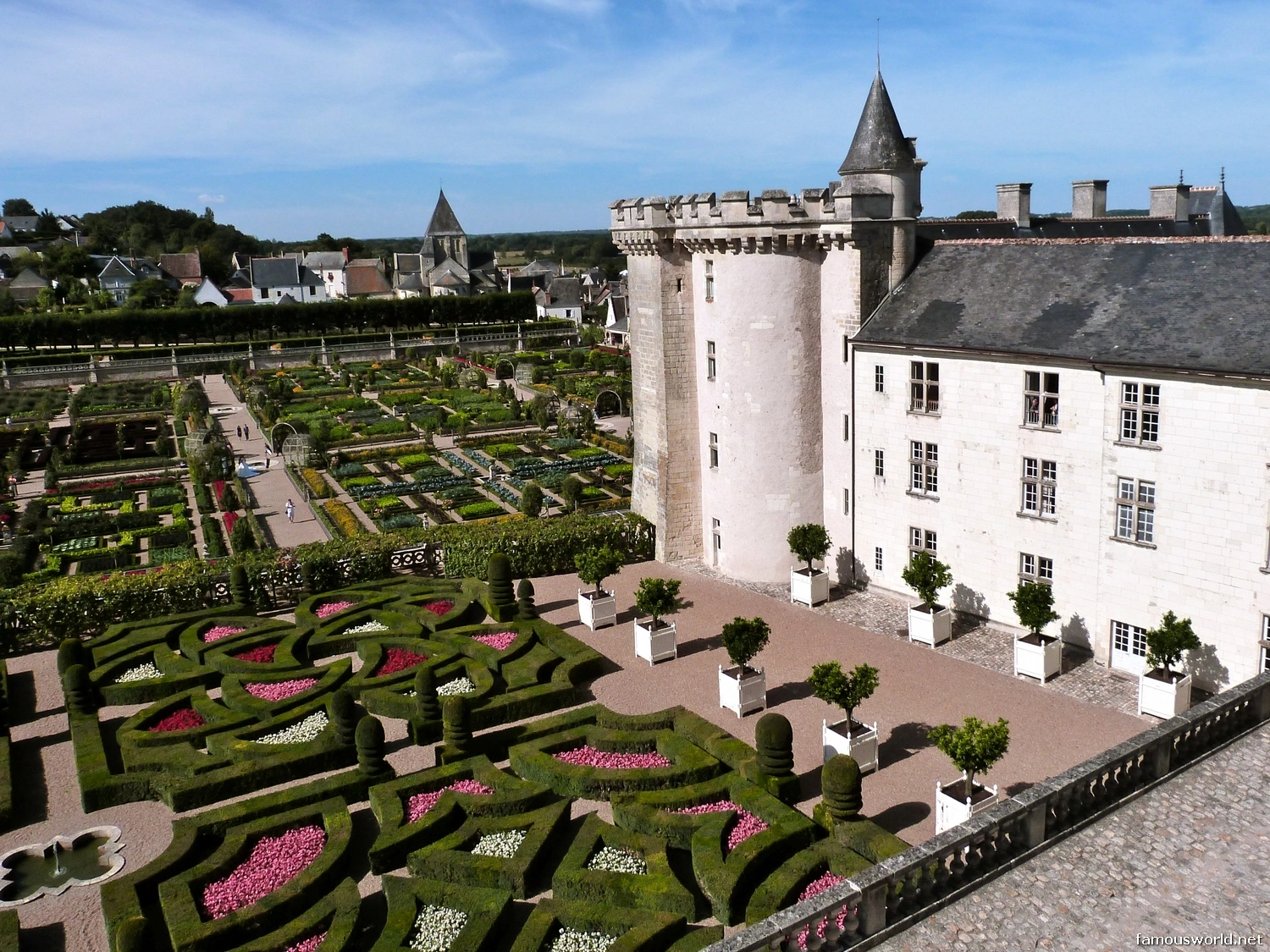
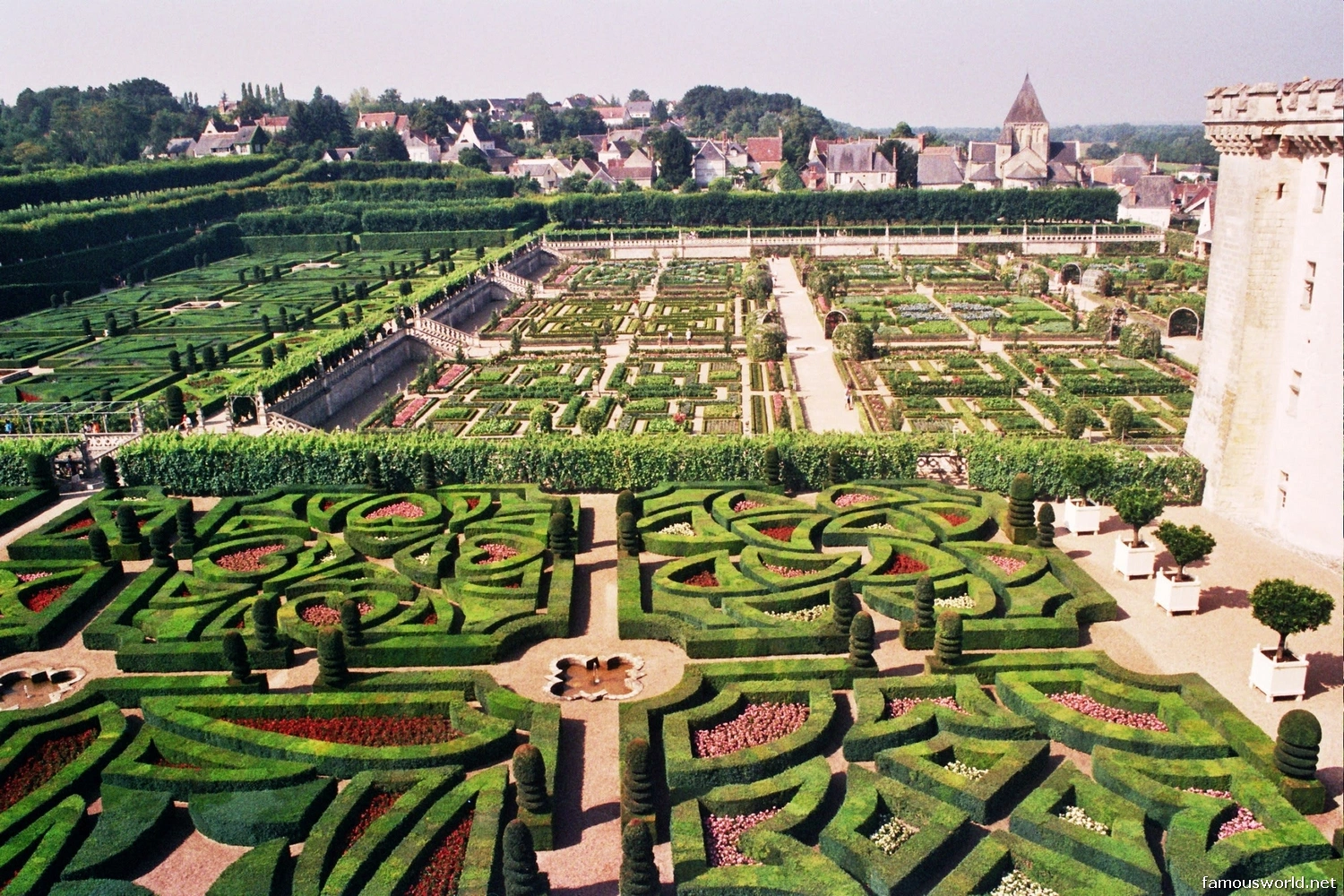
- The Renaissance Gardens: The true masterpiece of Villandry is its series of tiered gardens, recreated in the early 20th century based on historical Renaissance texts and engravings. They are arranged on three levels:
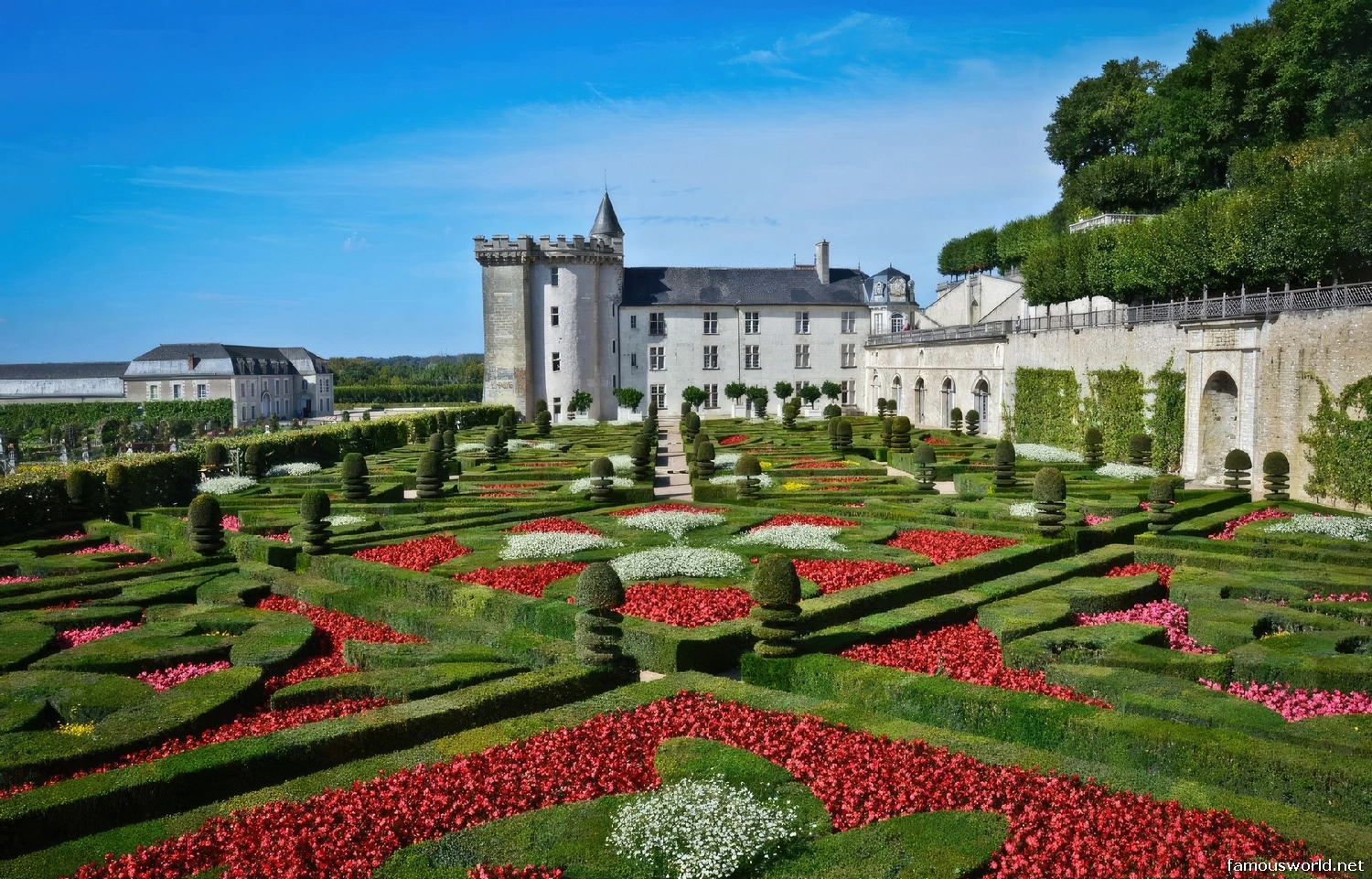
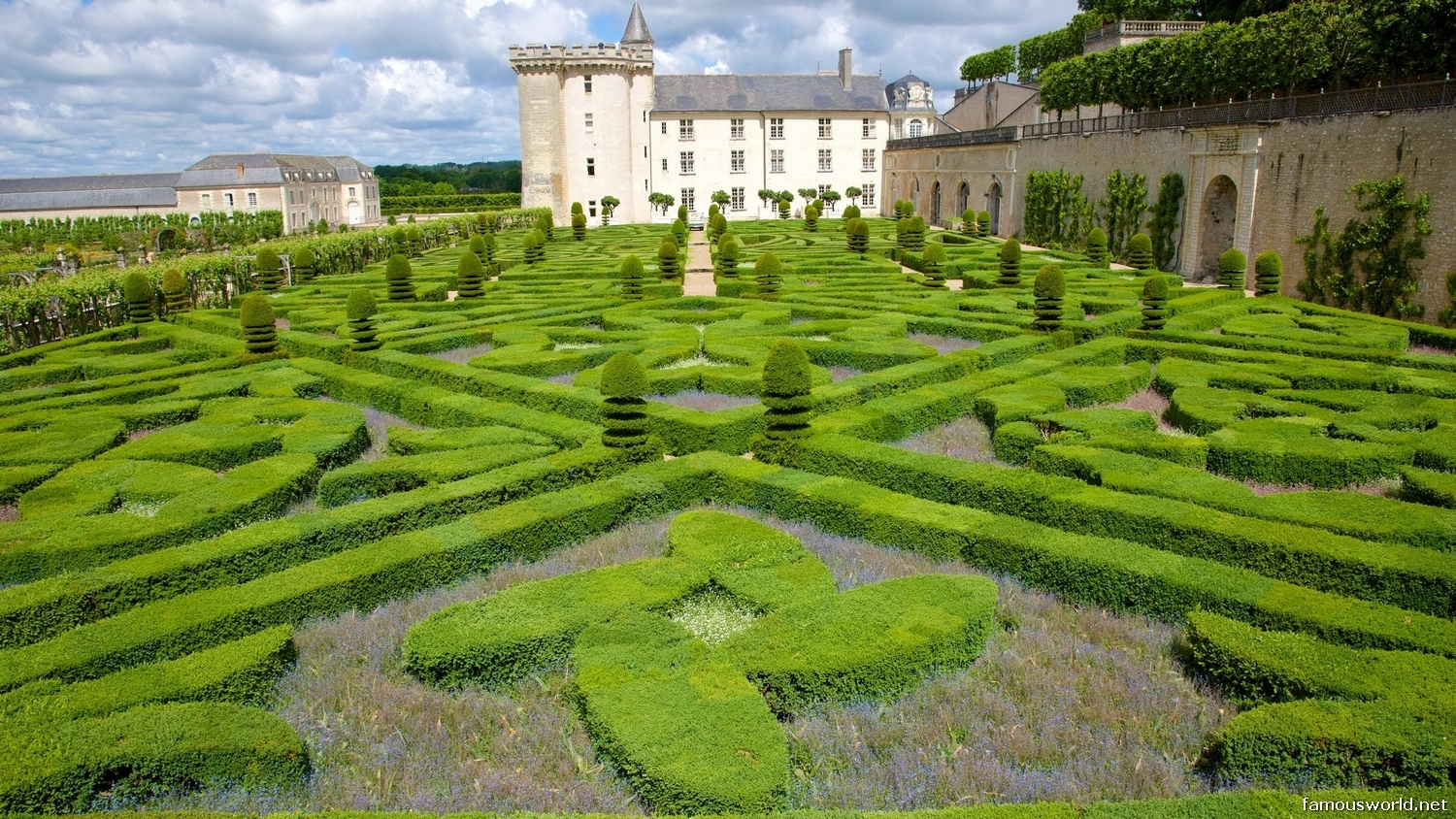
- The Ornamental Garden: Situated on the top terrace, this is a “love garden” where box hedges are clipped into intricate geometric shapes representing four types of love: tender, passionate, tragic, and fickle.
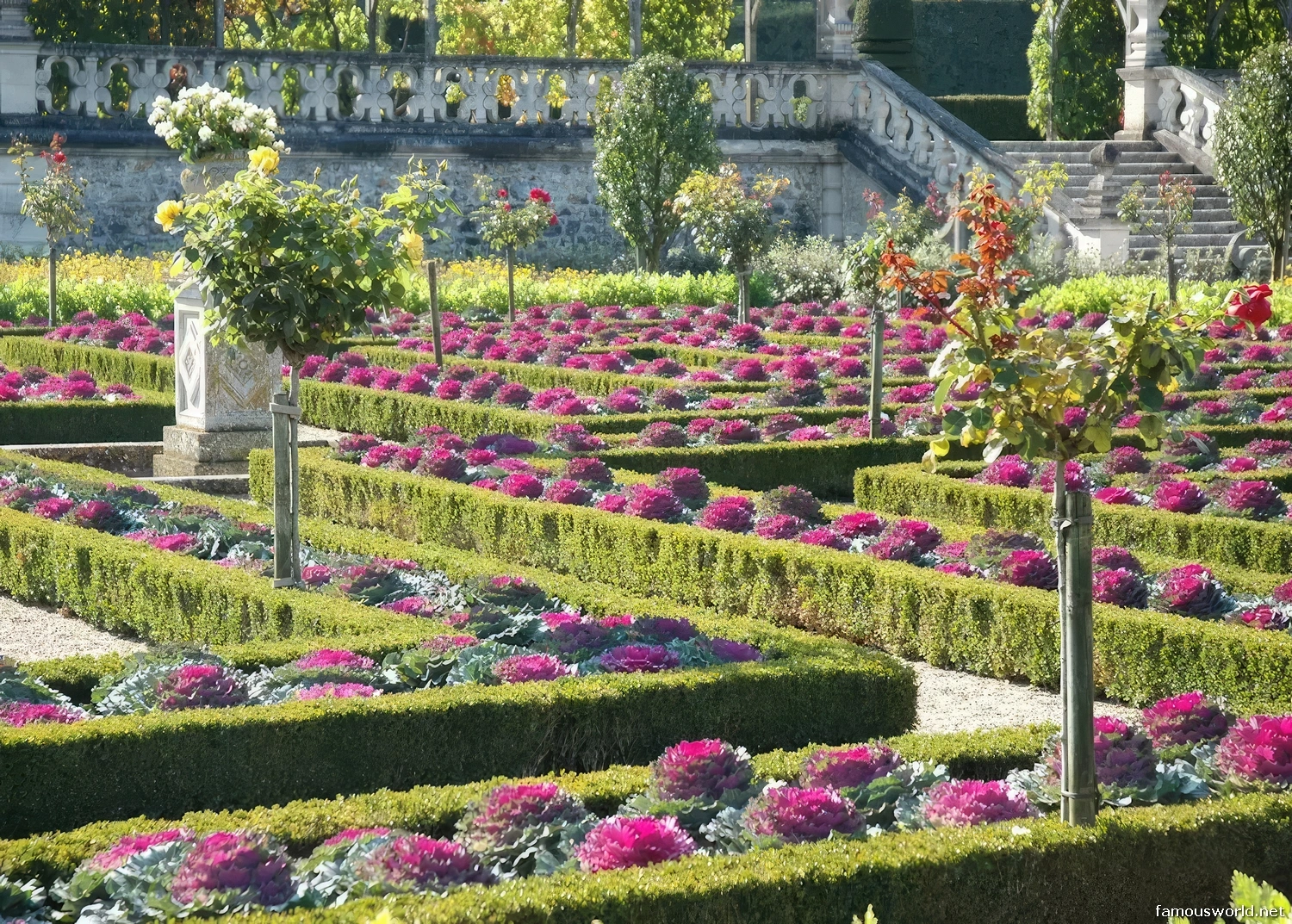
- The Kitchen Garden (Potager): On the middle terrace, this is a stunning decorative kitchen garden where vegetables and fruit trees are arranged in beautiful geometric patterns, creating a checkerboard of colors and textures.
- The Water Garden: On the lowest level, a large, serene, classical-style water garden provides a tranquil space for reflection, centered around a large mirror-like pond.
What Makes It Famous
Villandry is world-famous for being the most complete and spectacular example of a French Renaissance garden.
- The Gardens: Its fame is almost entirely dedicated to its unique and stunning gardens, which attract horticulturists, garden designers, and tourists from all over the globe. They are maintained with incredible precision by a dedicated team of gardeners.
- A Visionary Restoration: The château and its gardens were rescued from dereliction by Joachim Carvallo and Ann Coleman, who purchased the estate in 1906 and dedicated their lives to recreating the gardens in their authentic 16th-century form.
- Symbolic Planting: The gardens are not just decorative; they are deeply symbolic. Each parterre, color choice, and plant is designed to convey a specific meaning, from the allegories of love to the monastic tradition of the kitchen garden.
Differences from Other Wonders
As a château defined by its gardens, Villandry offers a different experience from the Château de Chenonceau, which is defined by its relationship with the river.
- Environment (Gardens on Land vs. Castle on Water): Villandry’s identity is rooted in its meticulously designed gardens spread across terraces of land. Chenonceau’s identity is defined by its unique and graceful architecture that arches directly over the River Cher.
- Core Story (Horticultural Art vs. Feminine Power): The story of Villandry is one of horticultural passion, symbolism, and the faithful restoration of a Renaissance ideal. The story of Chenonceau is a tale of the powerful and influential women—like Diane de Poitiers and Catherine de’ Medici—who shaped its design and history.
- Primary Attraction (The Gardens vs. The Gallery Bridge): The undeniable primary attraction of Villandry is its series of spectacular gardens. The primary attraction of Chenonceau is its iconic gallery bridge, a feature unique among all the Loire châteaux.
- Atmosphere (Orderly and Contemplative vs. Romantic and Graceful): A visit to Villandry evokes a sense of order, harmony, and contemplation inspired by its perfect geometric landscapes. A visit to Chenonceau feels deeply romantic and graceful, thanks to its elegant structure seemingly floating on the water.
Location on world map