

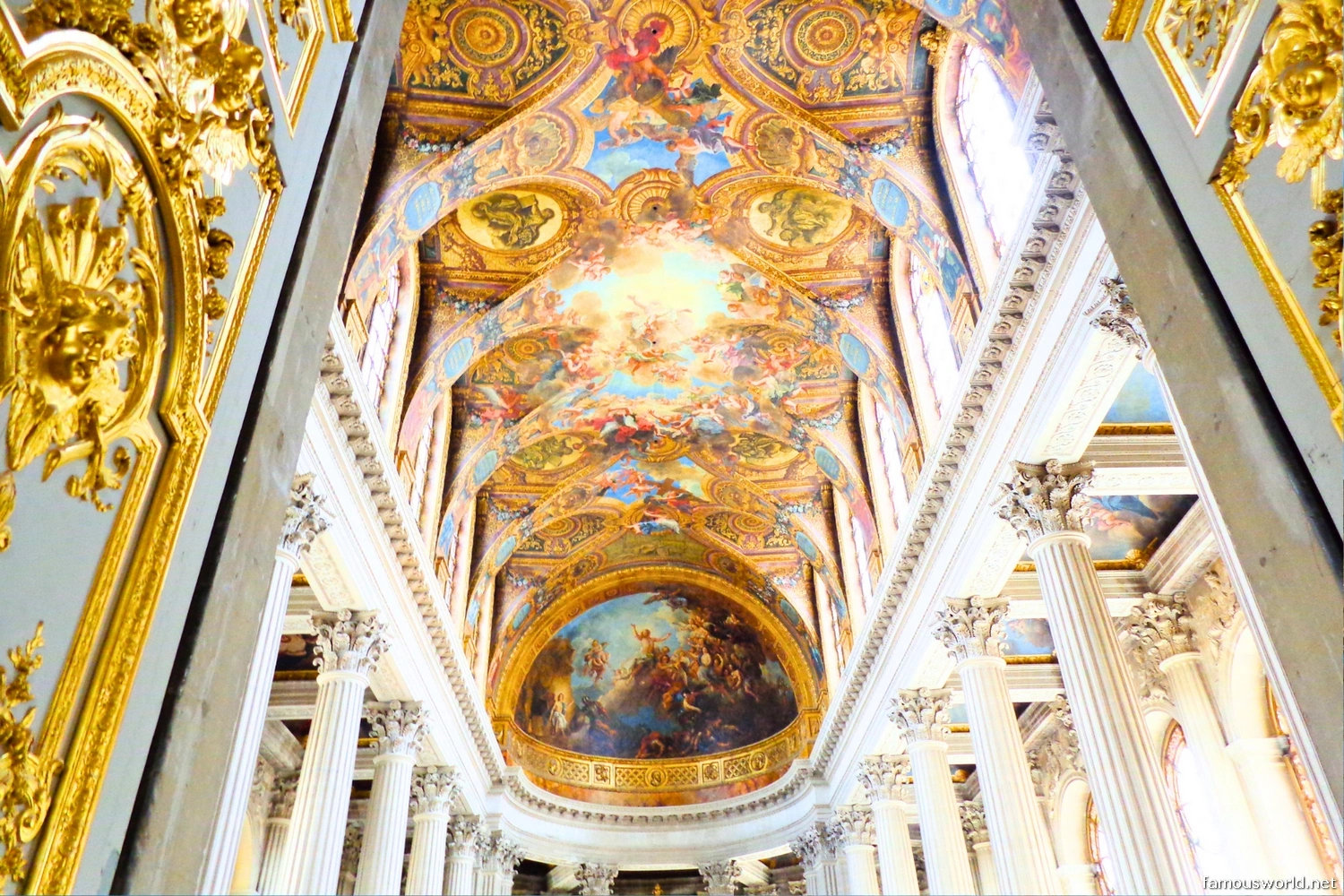
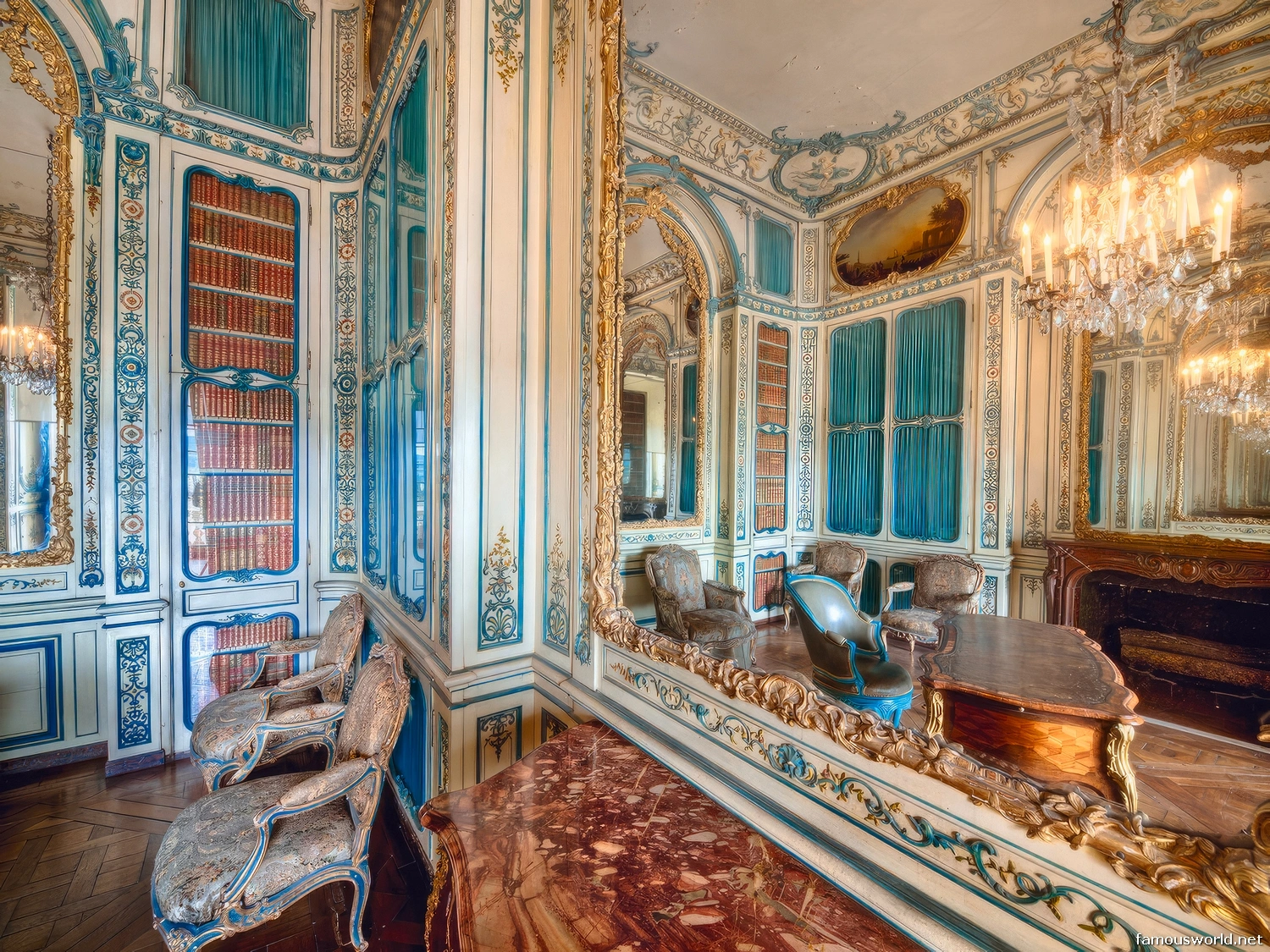
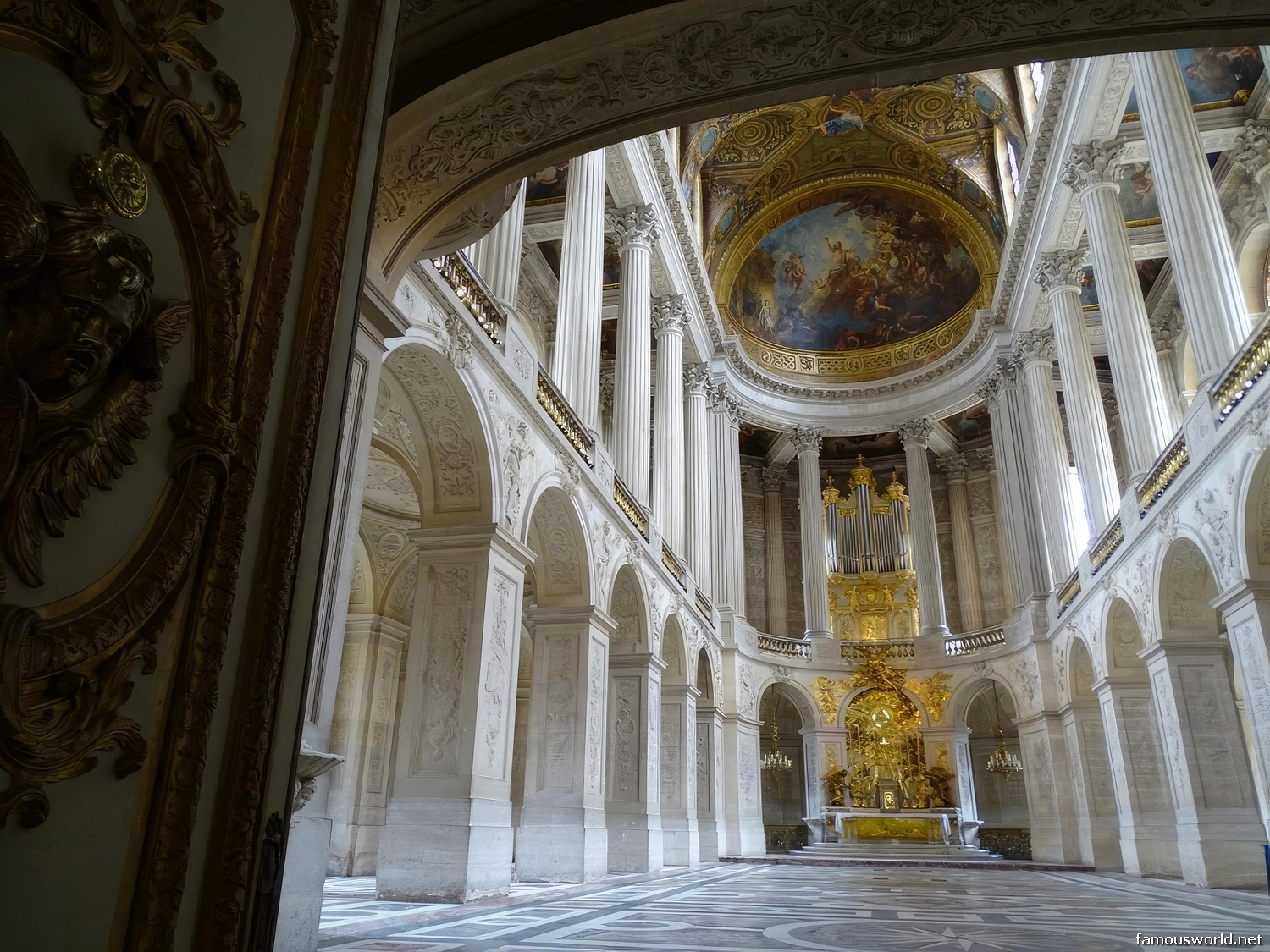
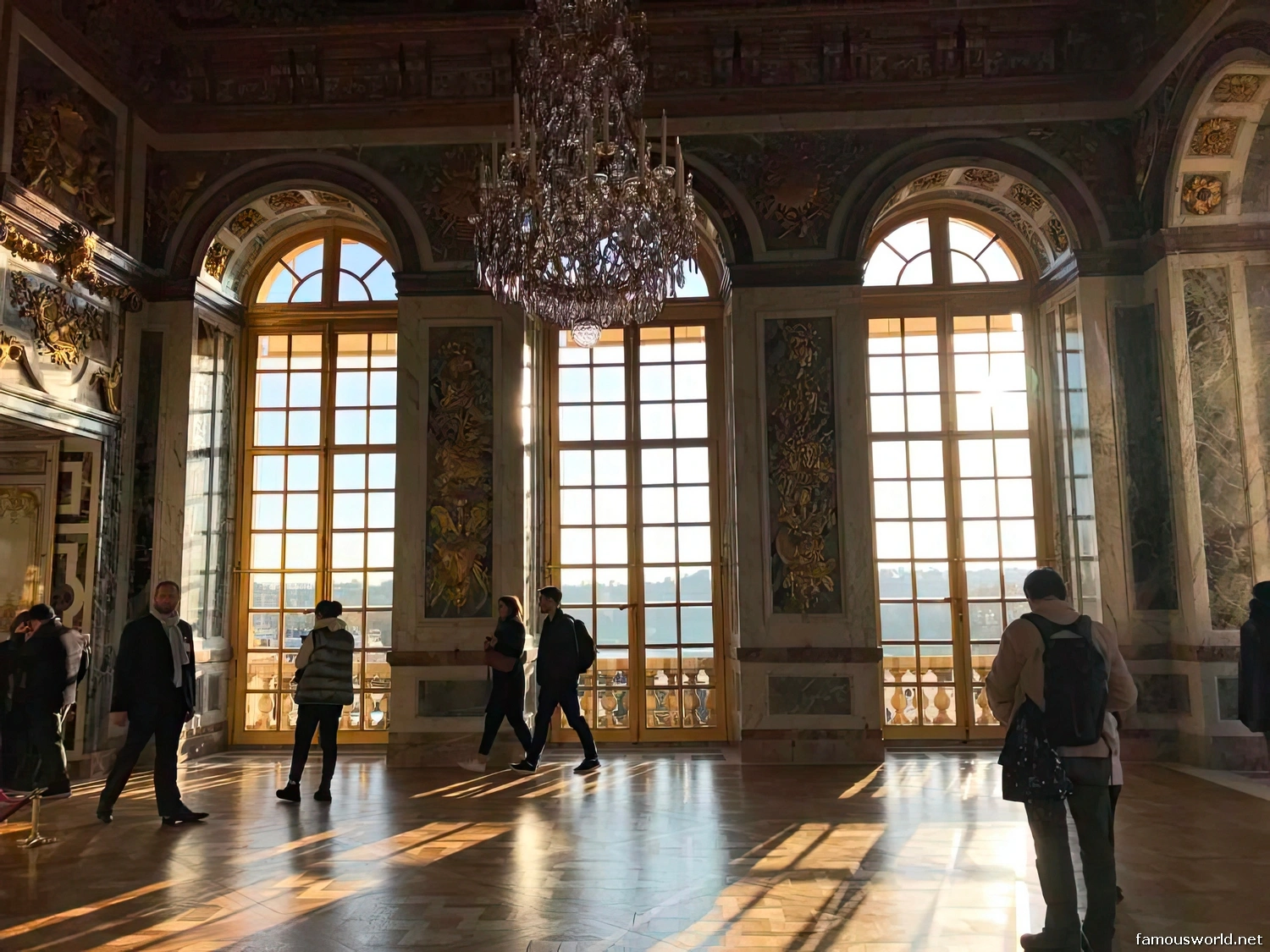
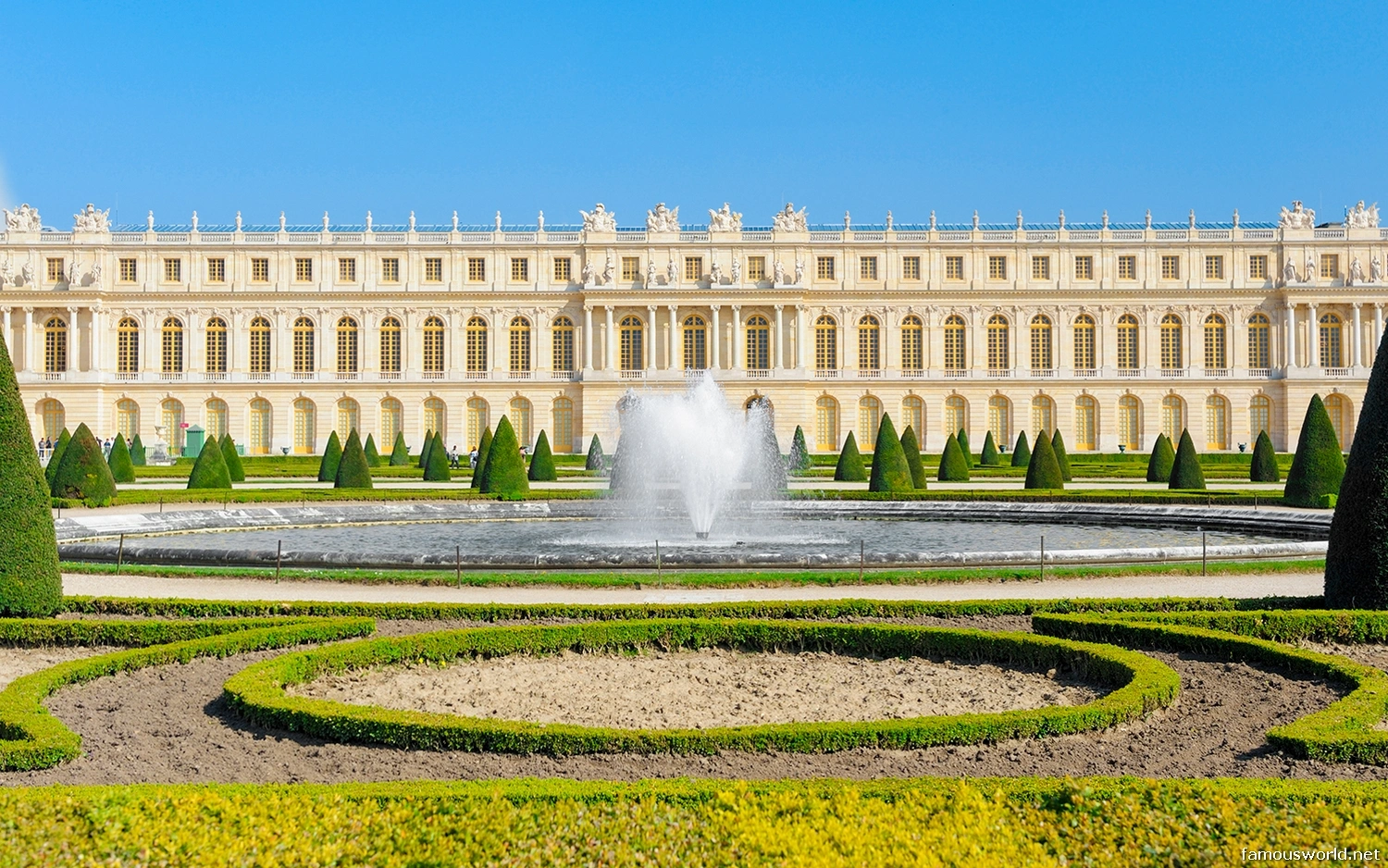
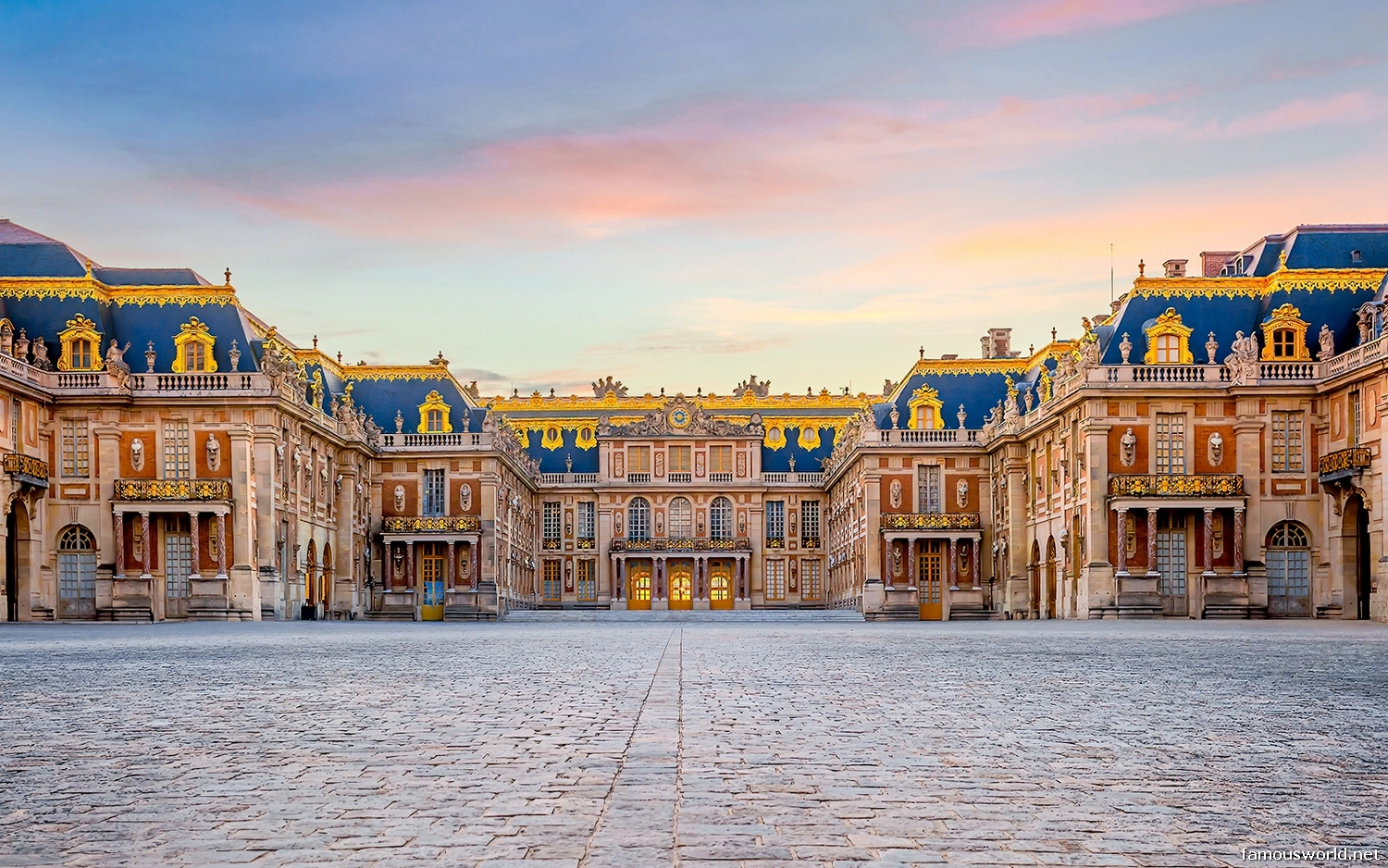
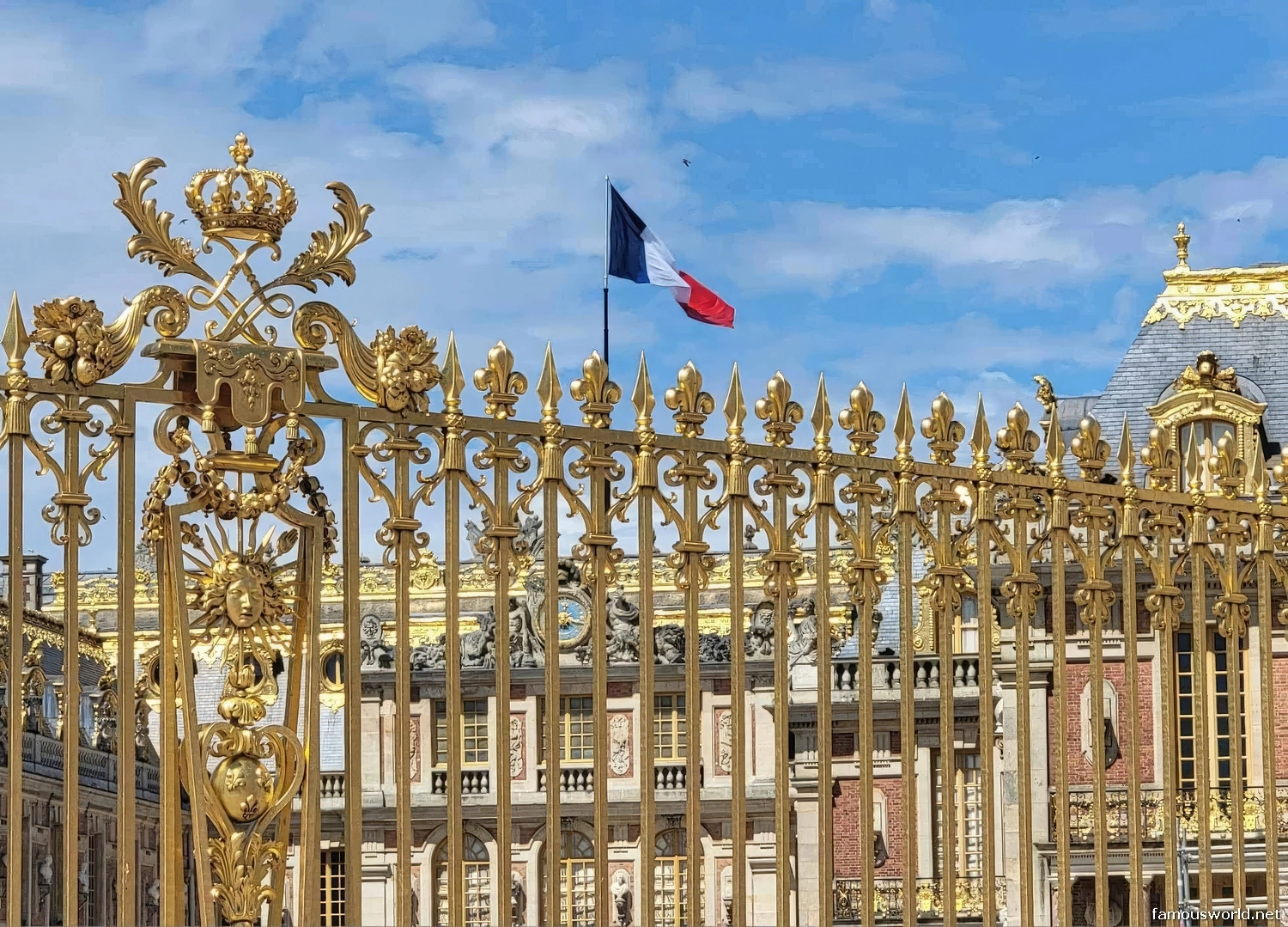
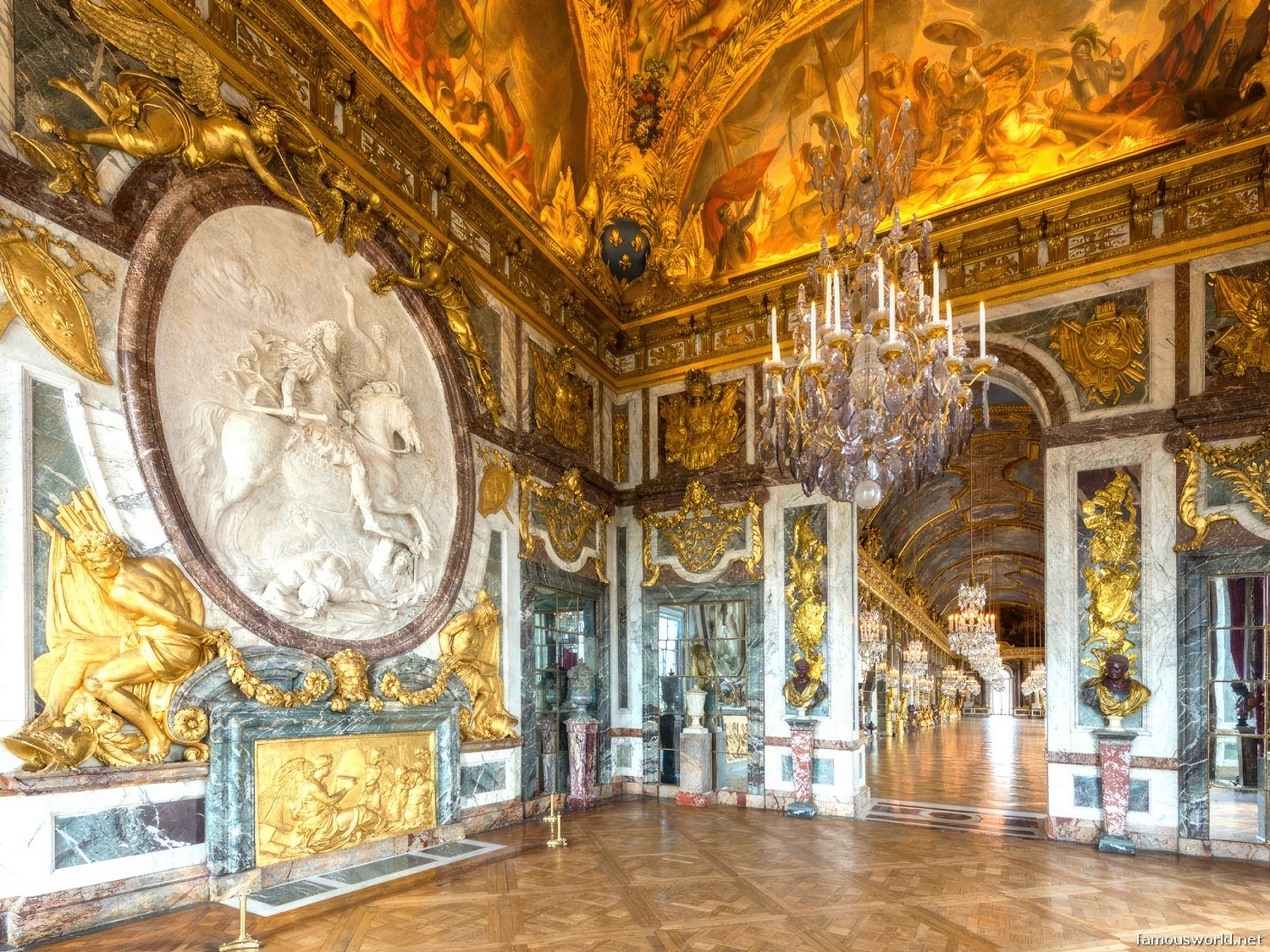
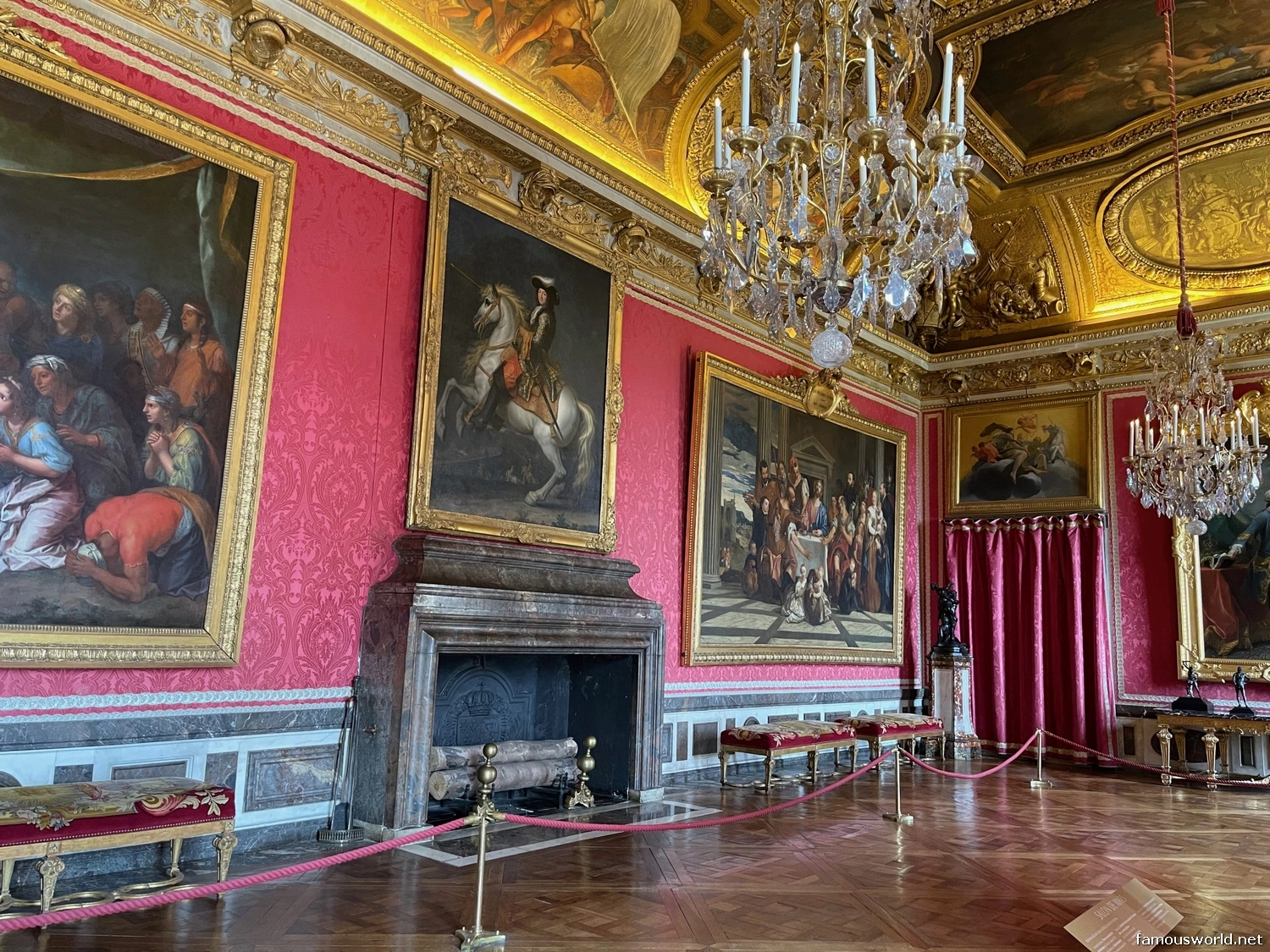

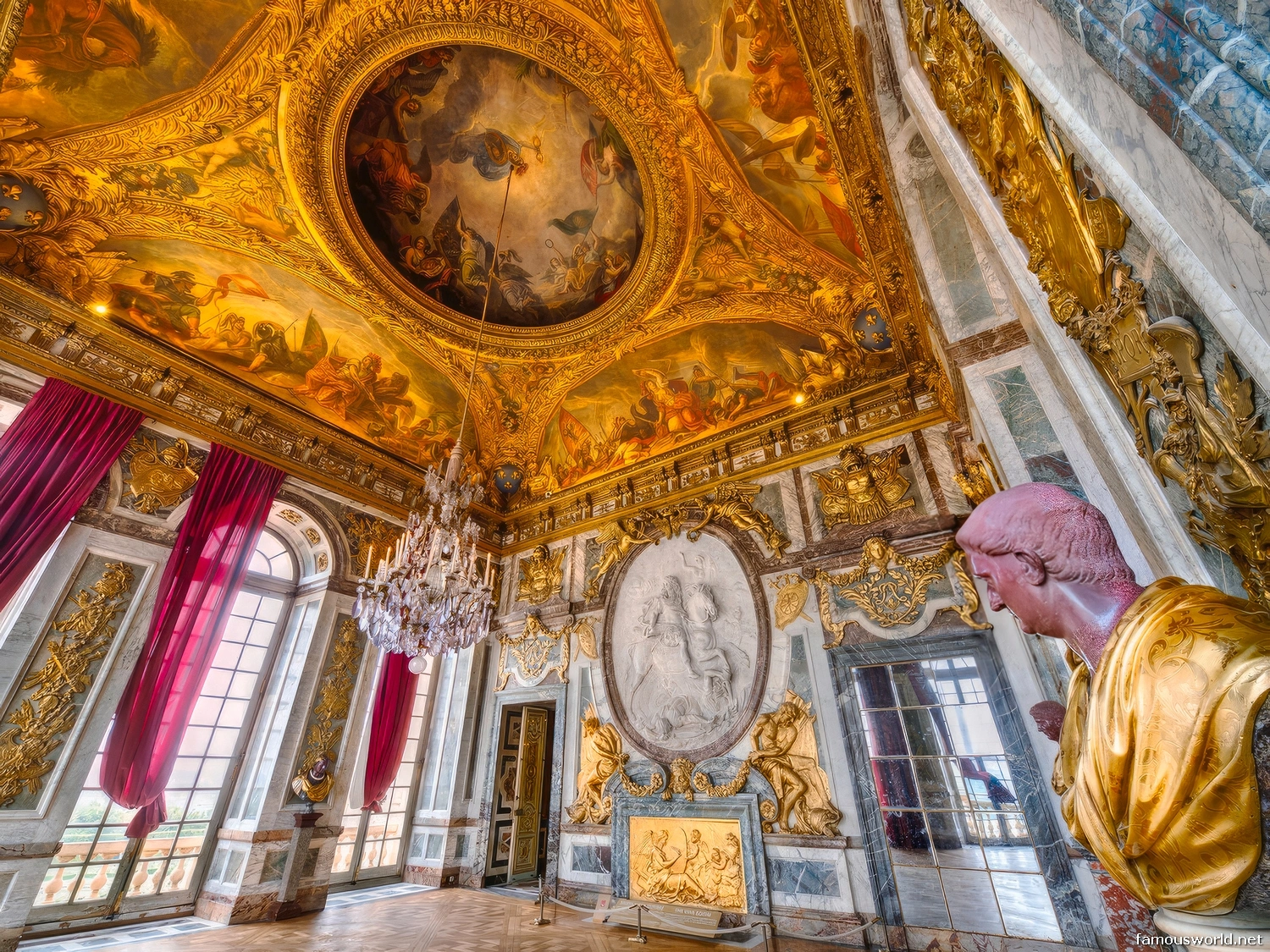
Just outside Paris stands a monument to absolute power and artistic extravagance: the Palace of Versailles. What began as a humble royal hunting lodge was transformed by King Louis XIV into the most opulent and influential royal residence in the world, a gilded symbol of his reign as the “Sun King.” More than just a palace, Versailles was the political and cultural heart of France for over a century, a dazzling stage for the elaborate rituals of court life. Its breathtaking Hall of Mirrors, its lavish apartments, and its impossibly vast, formal gardens represent the zenith of French Baroque architecture and landscape design, a UNESCO World Heritage Site that continues to define our understanding of royal splendor.
Listen to an introduction about Palace of Versailles

Name and Location
- Name: Palace of Versailles (French: Château de Versailles).
- Location: Place d’Armes, 78000 Versailles, France, a suburb about 20 kilometers (12 miles) southwest of the center of Paris.
How to Get There
Versailles is a popular day trip from Paris and is well-connected by public transport.
- By Train (RER): The most common and direct method is taking the RER C train from central Paris to the Versailles Château–Rive Gauche station, which is just a 10-minute walk from the palace entrance.
Landscape and Architecture
The palace and its grounds are a masterpiece of harmony, scale, and control over nature.
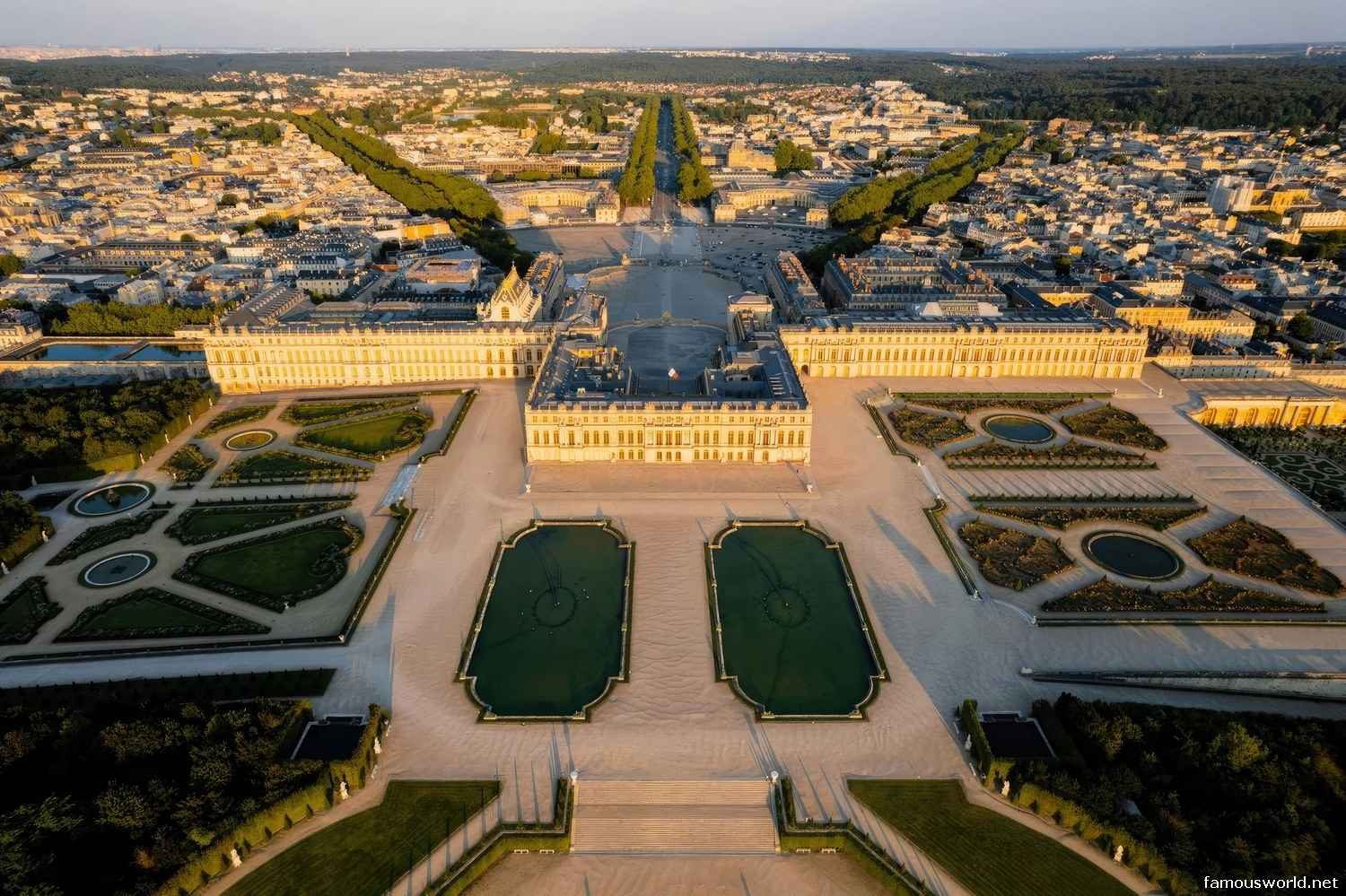
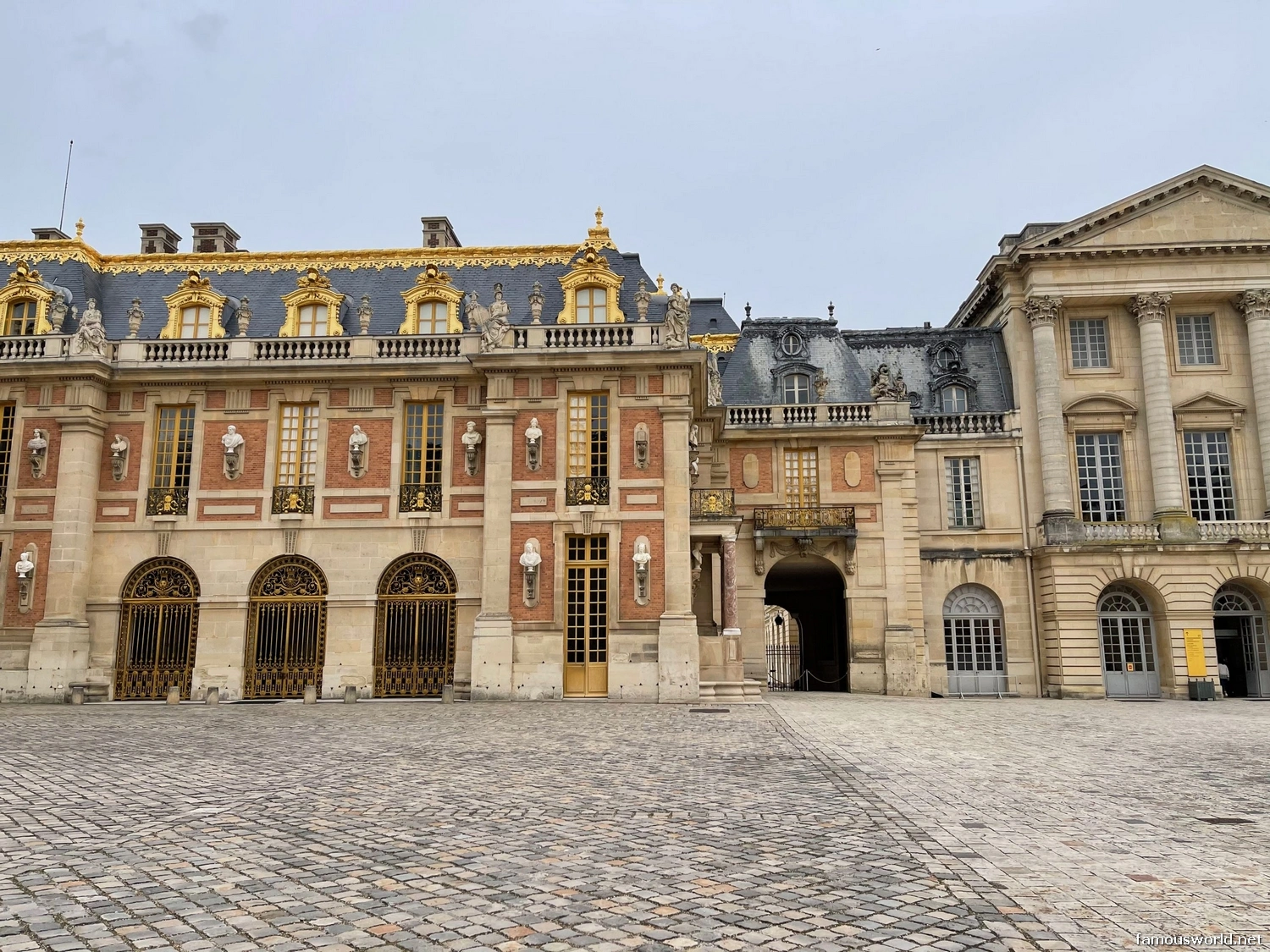
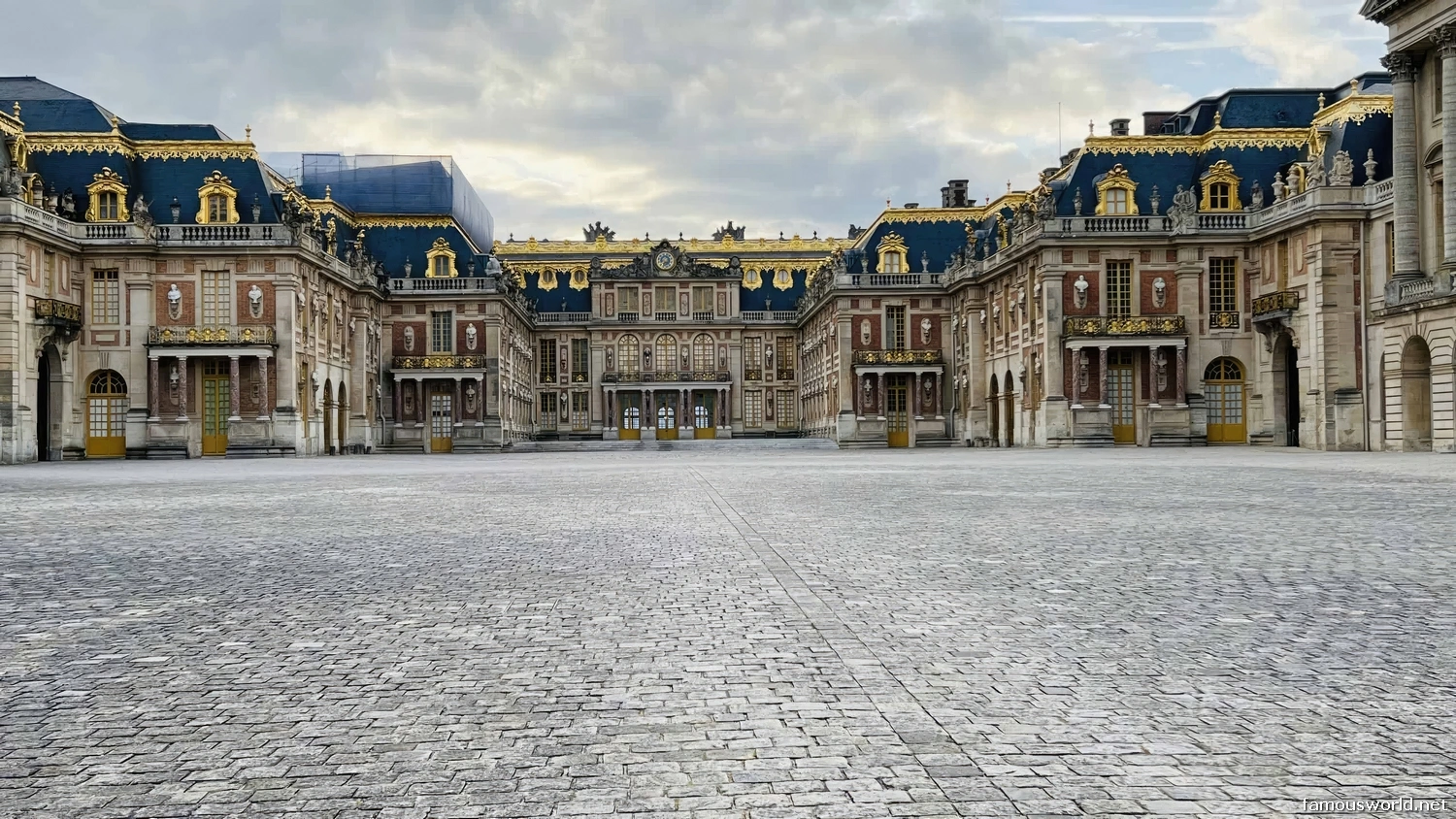
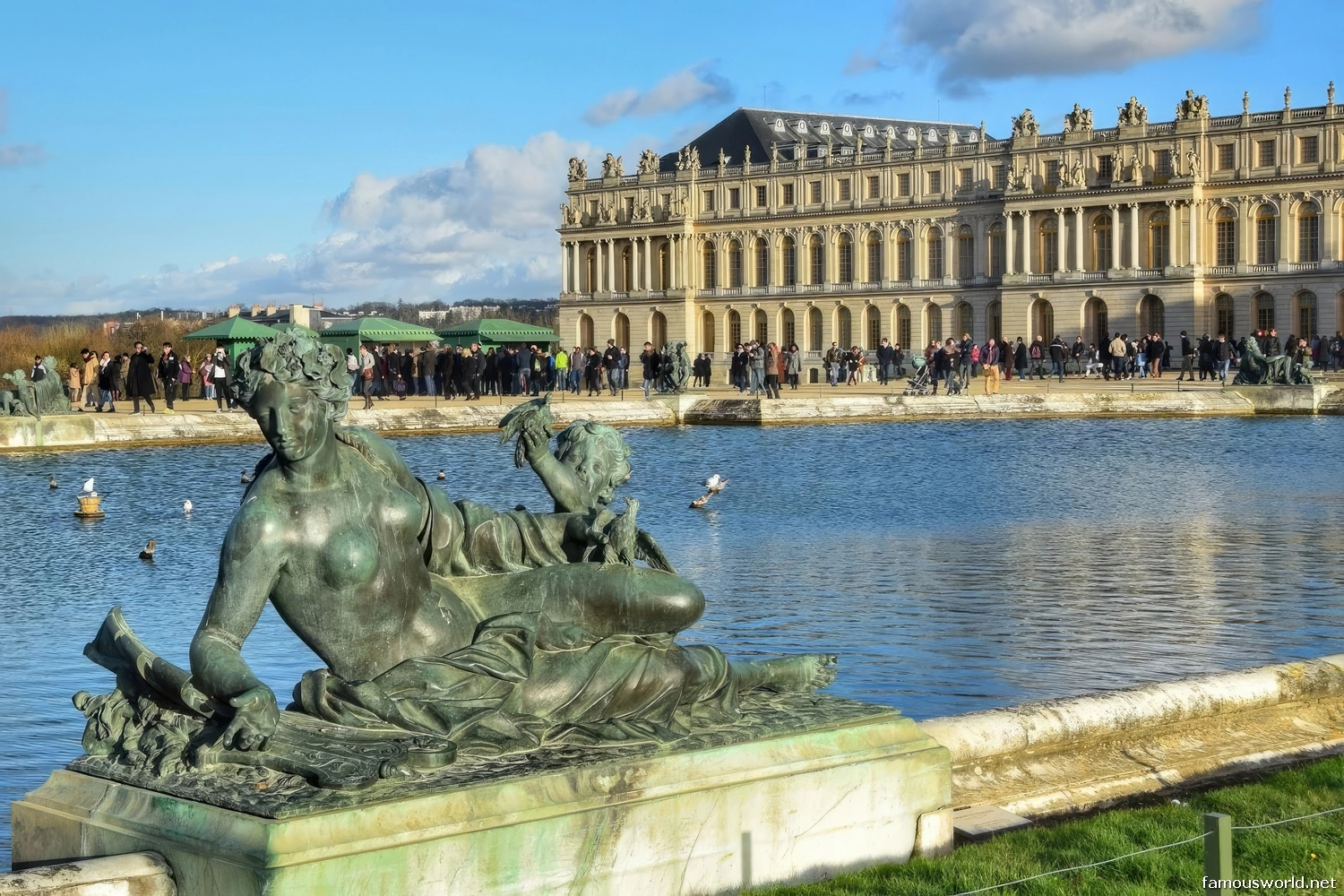
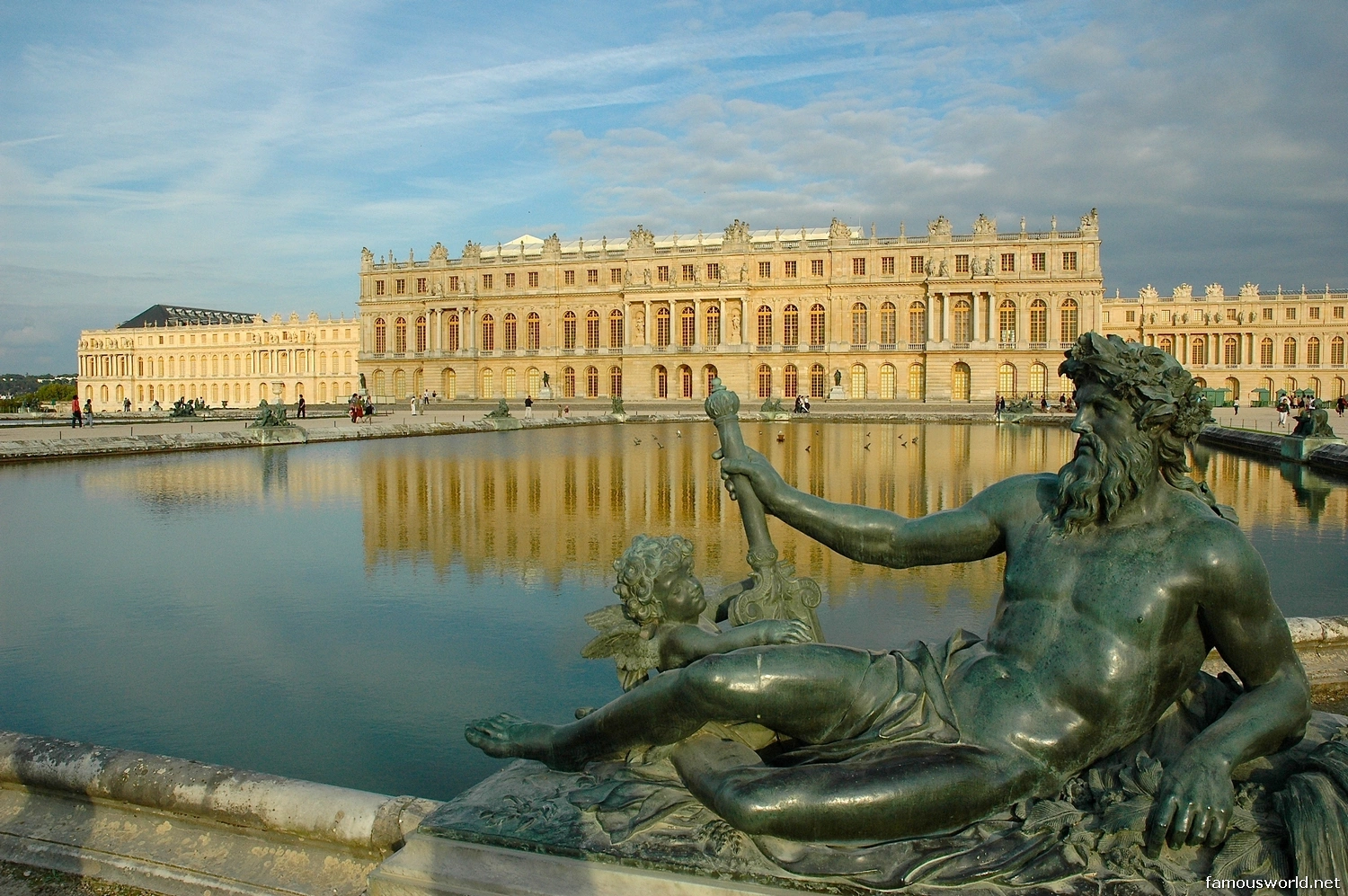
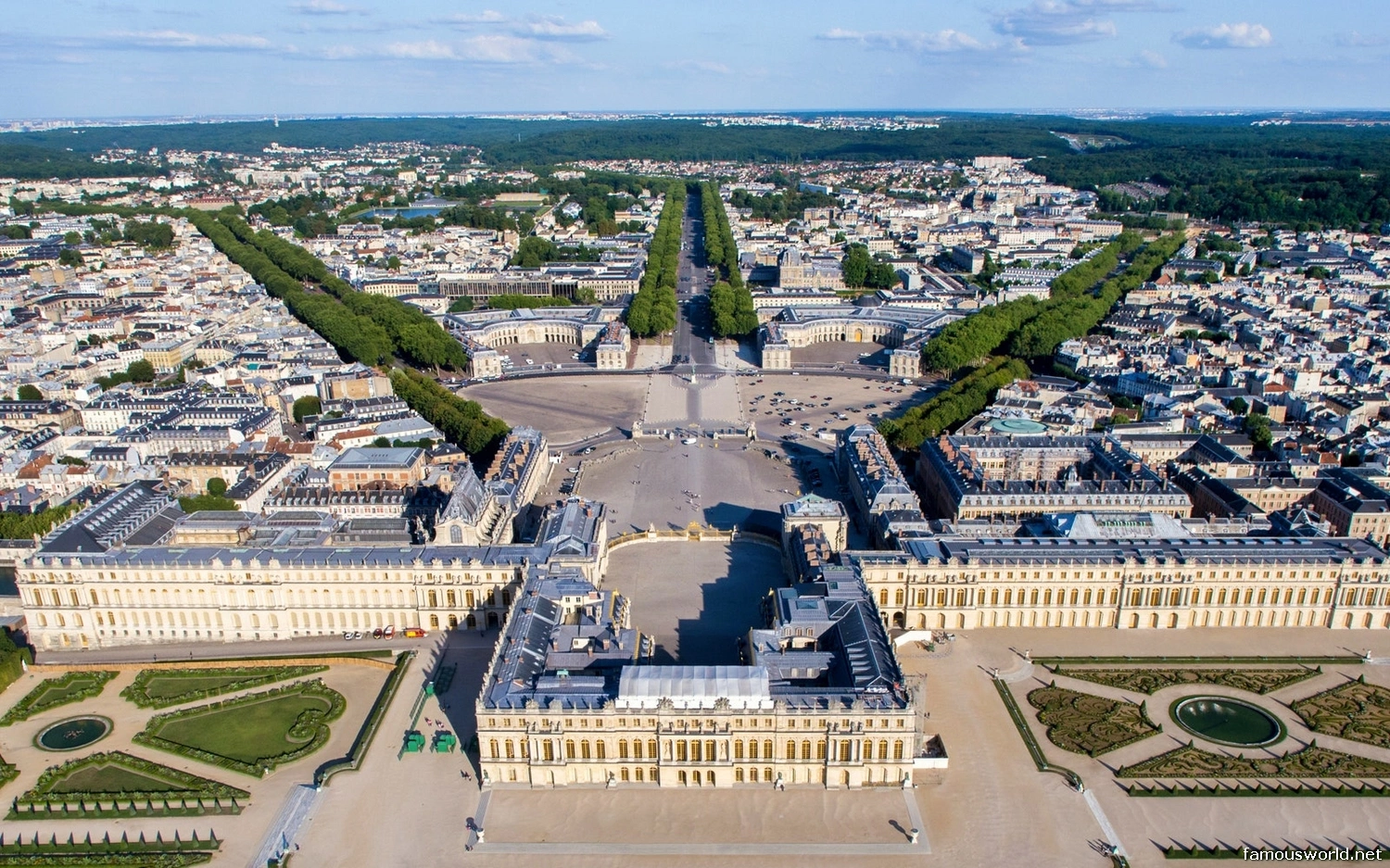
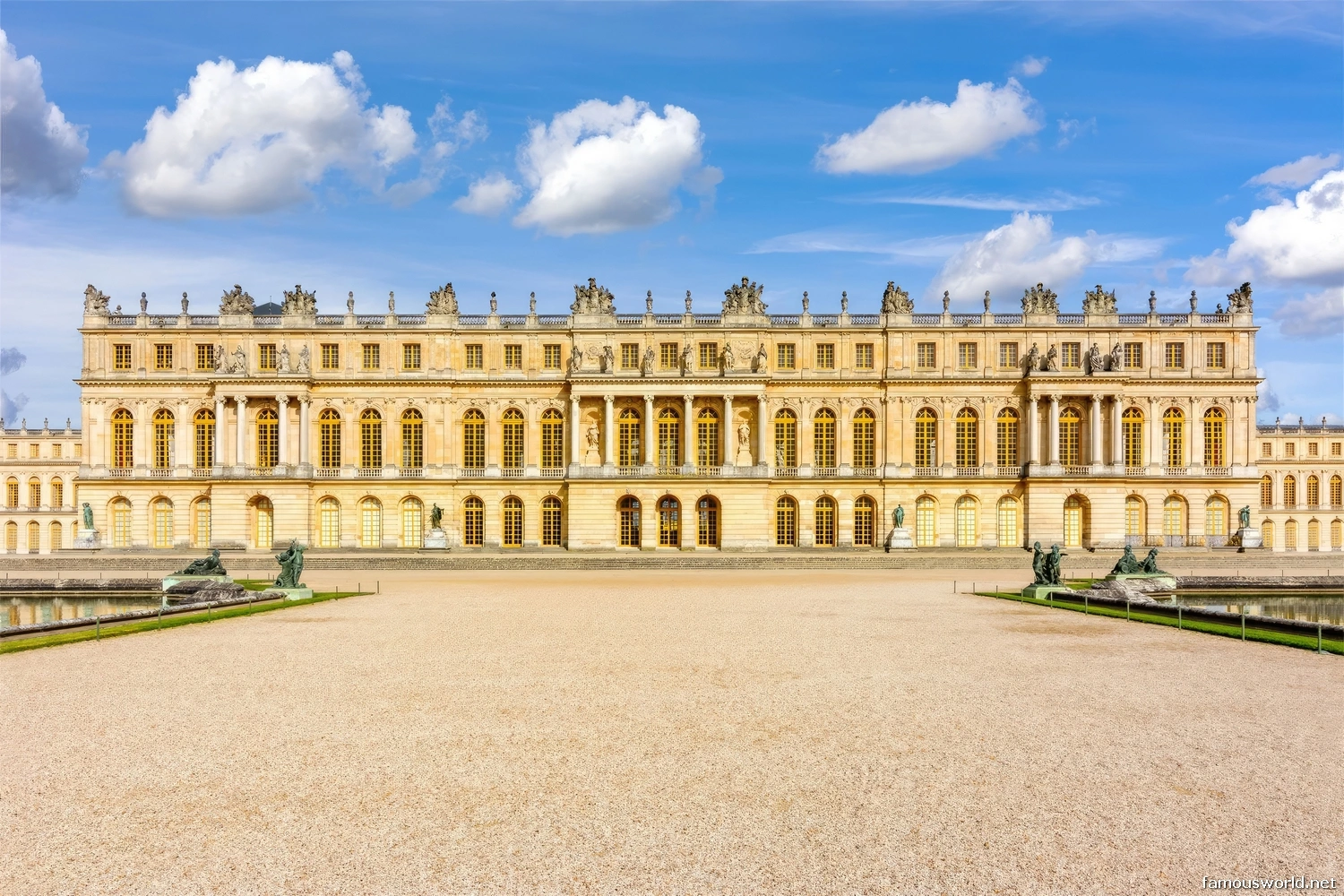
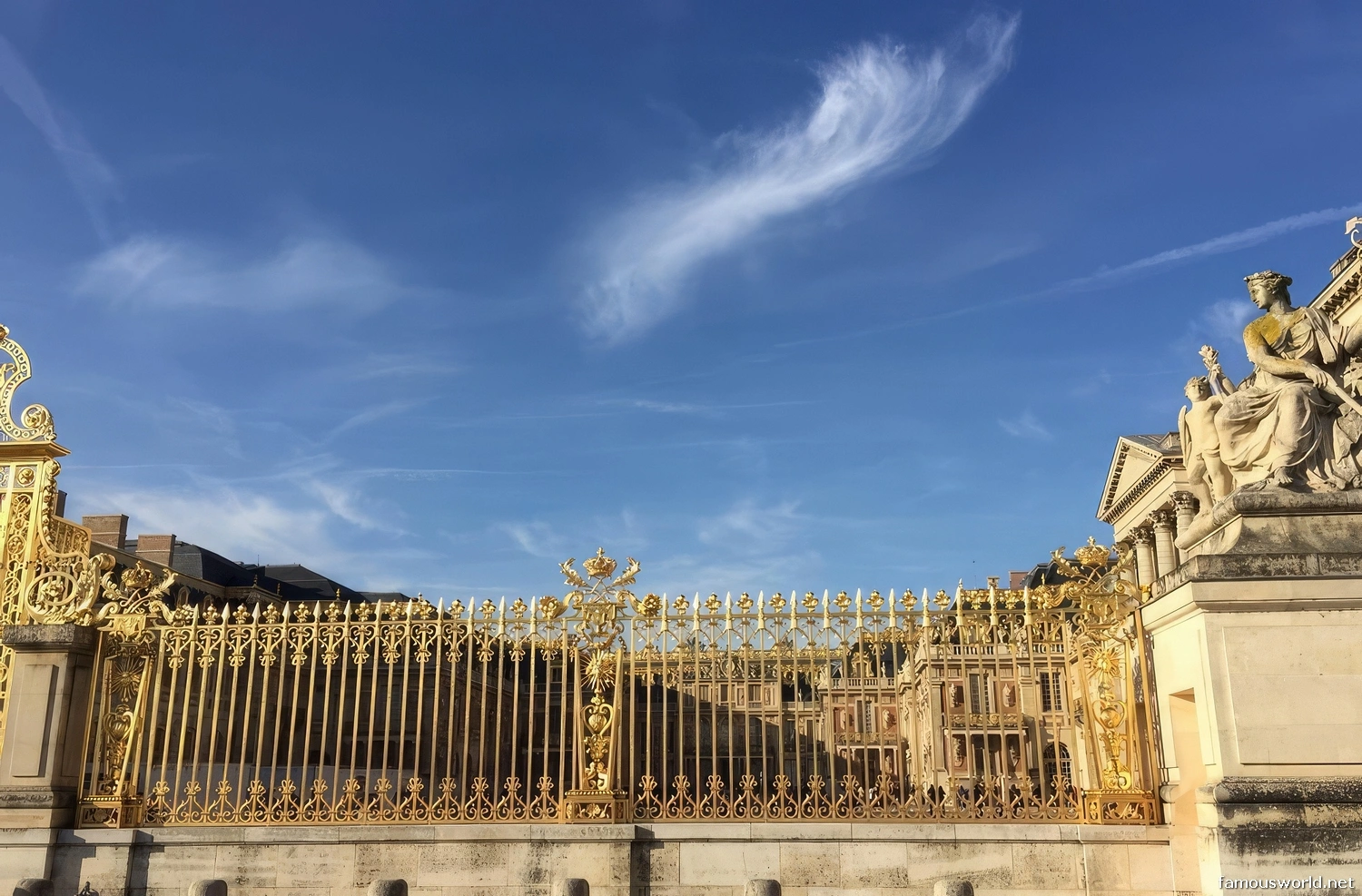
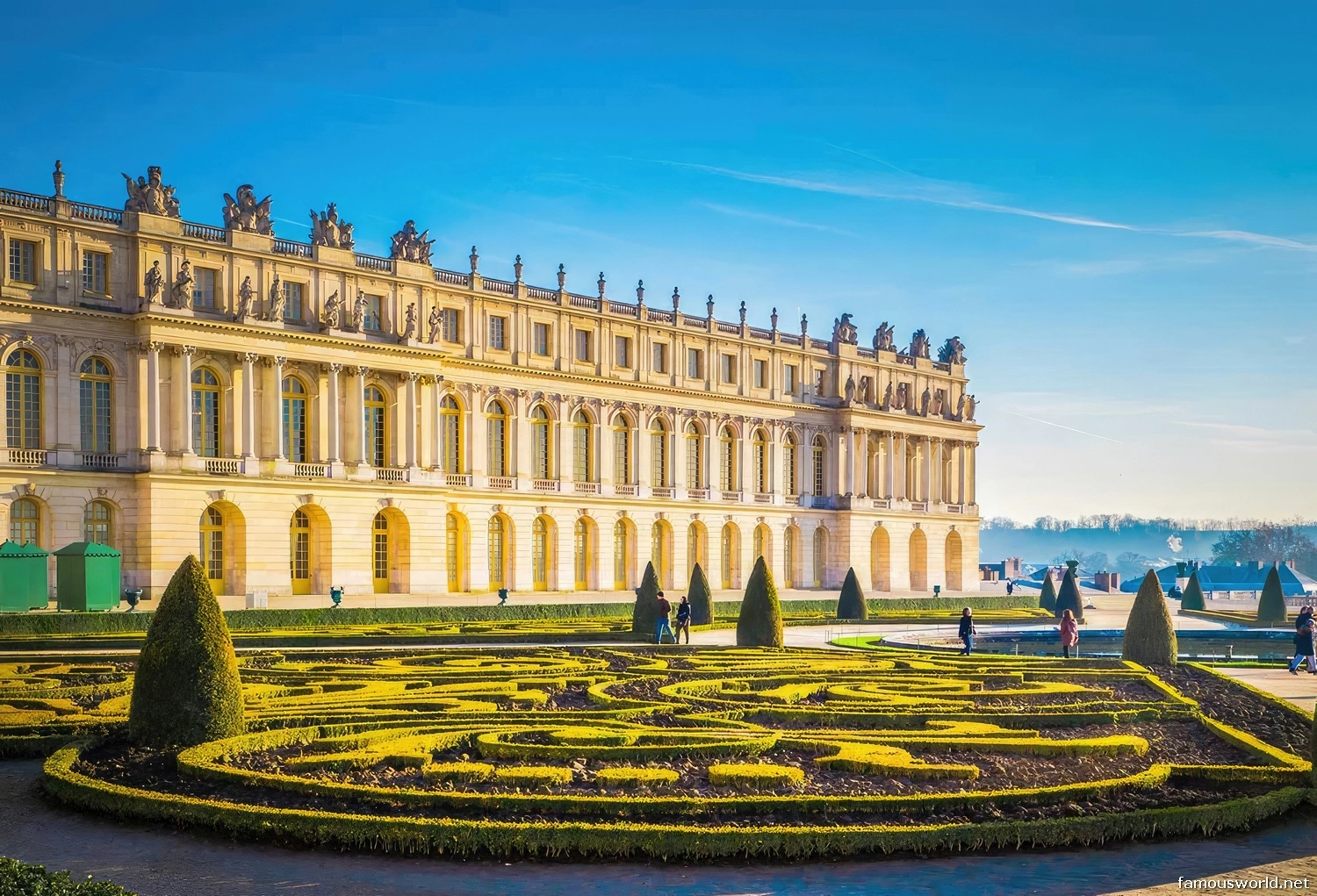
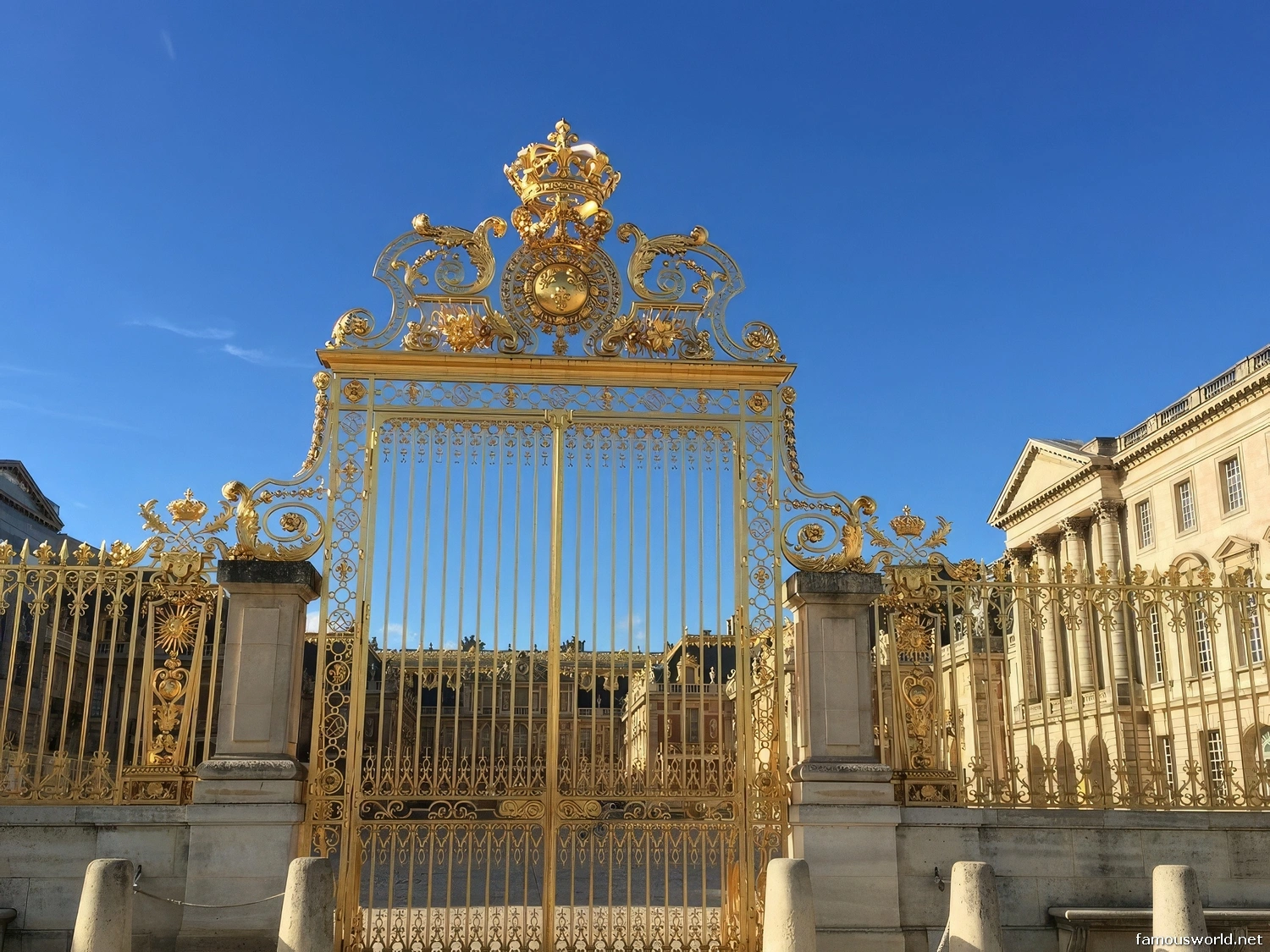
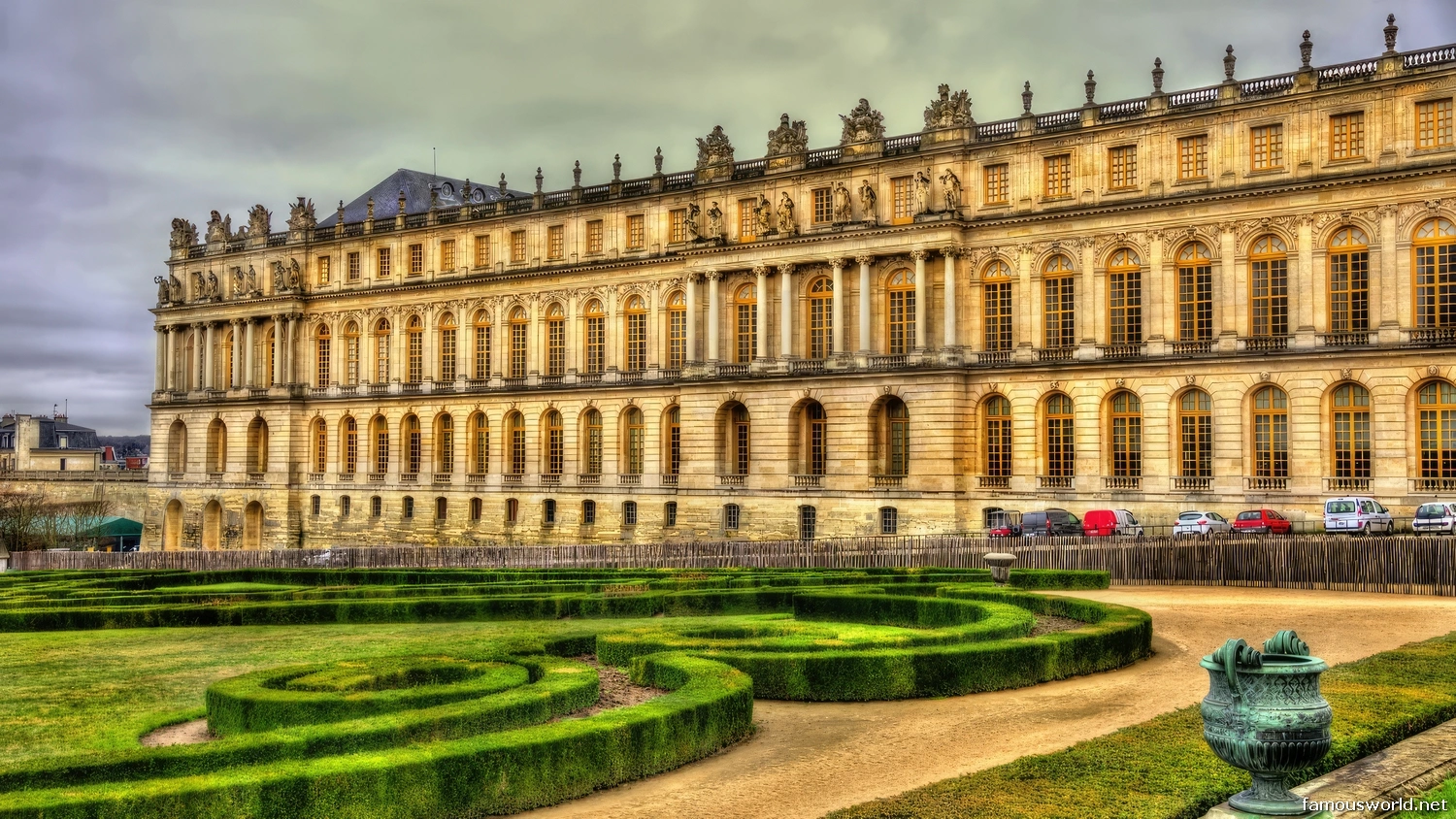
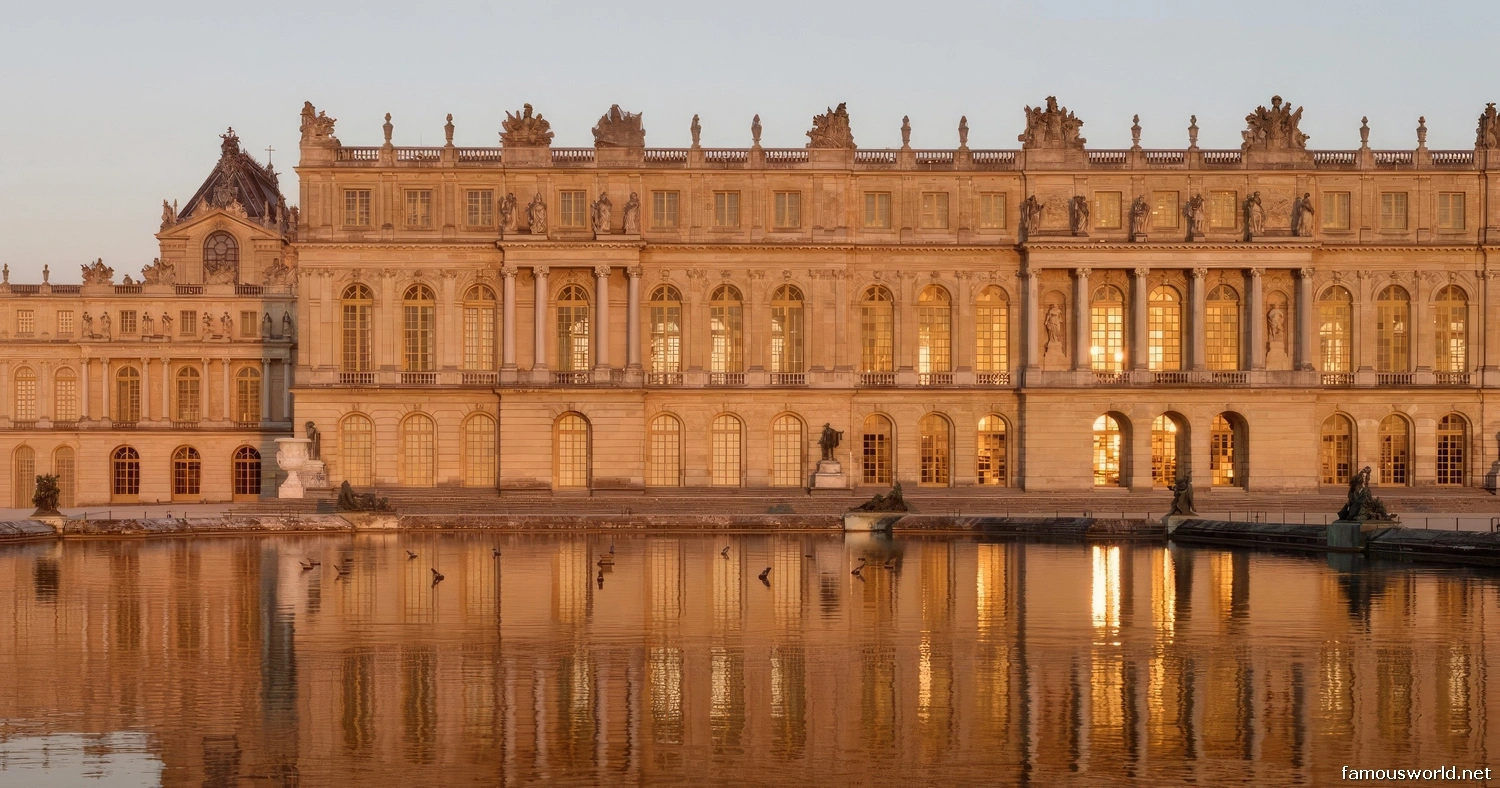
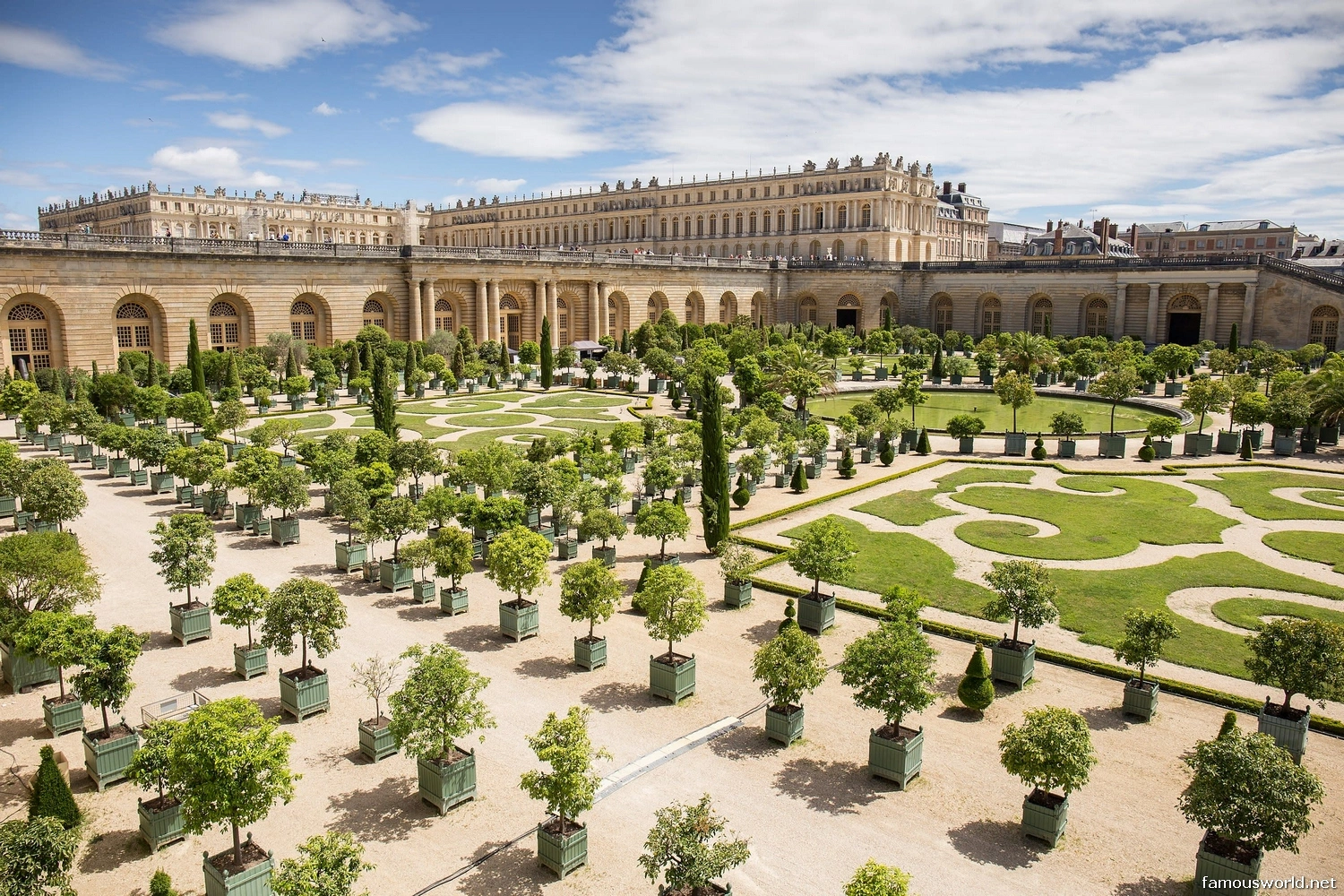
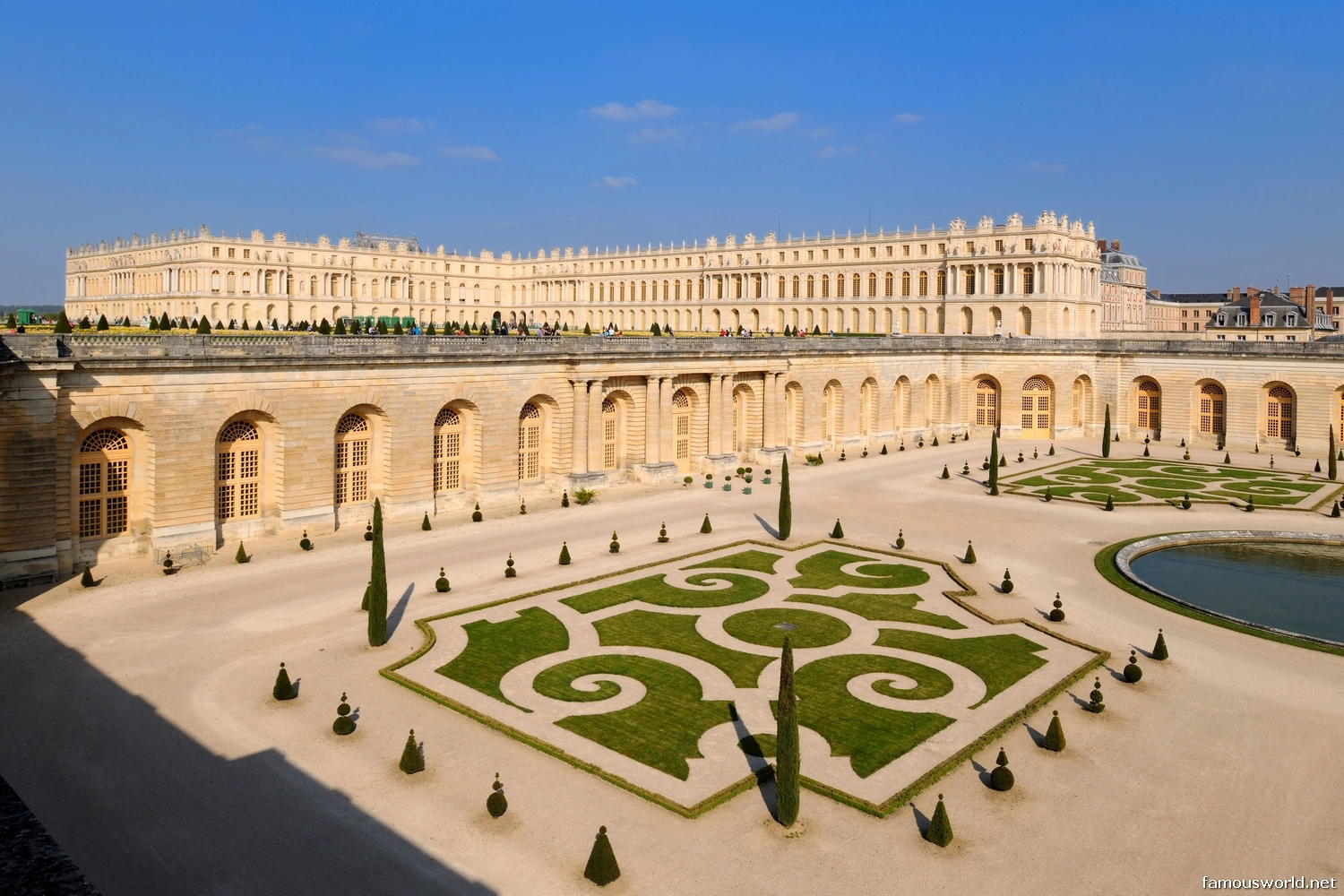
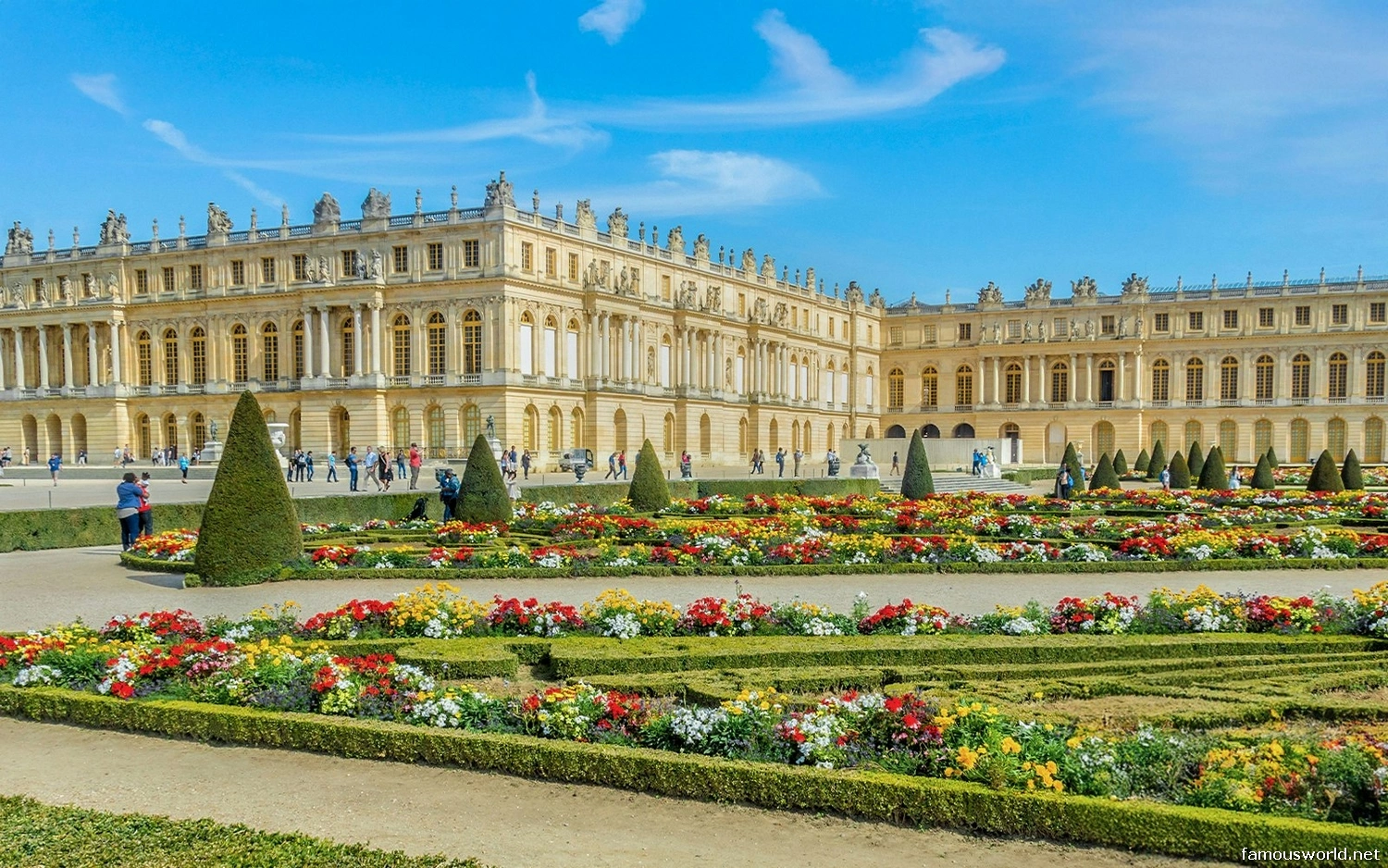
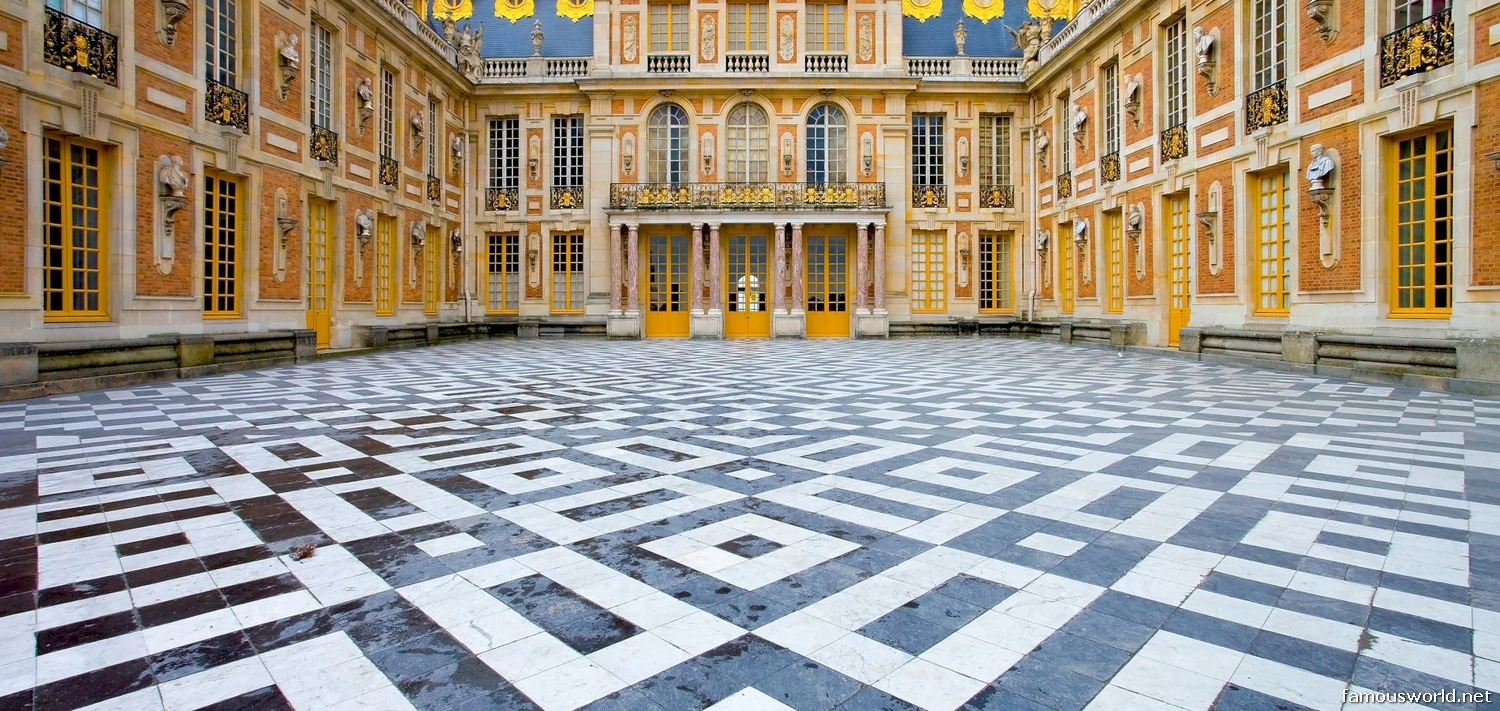
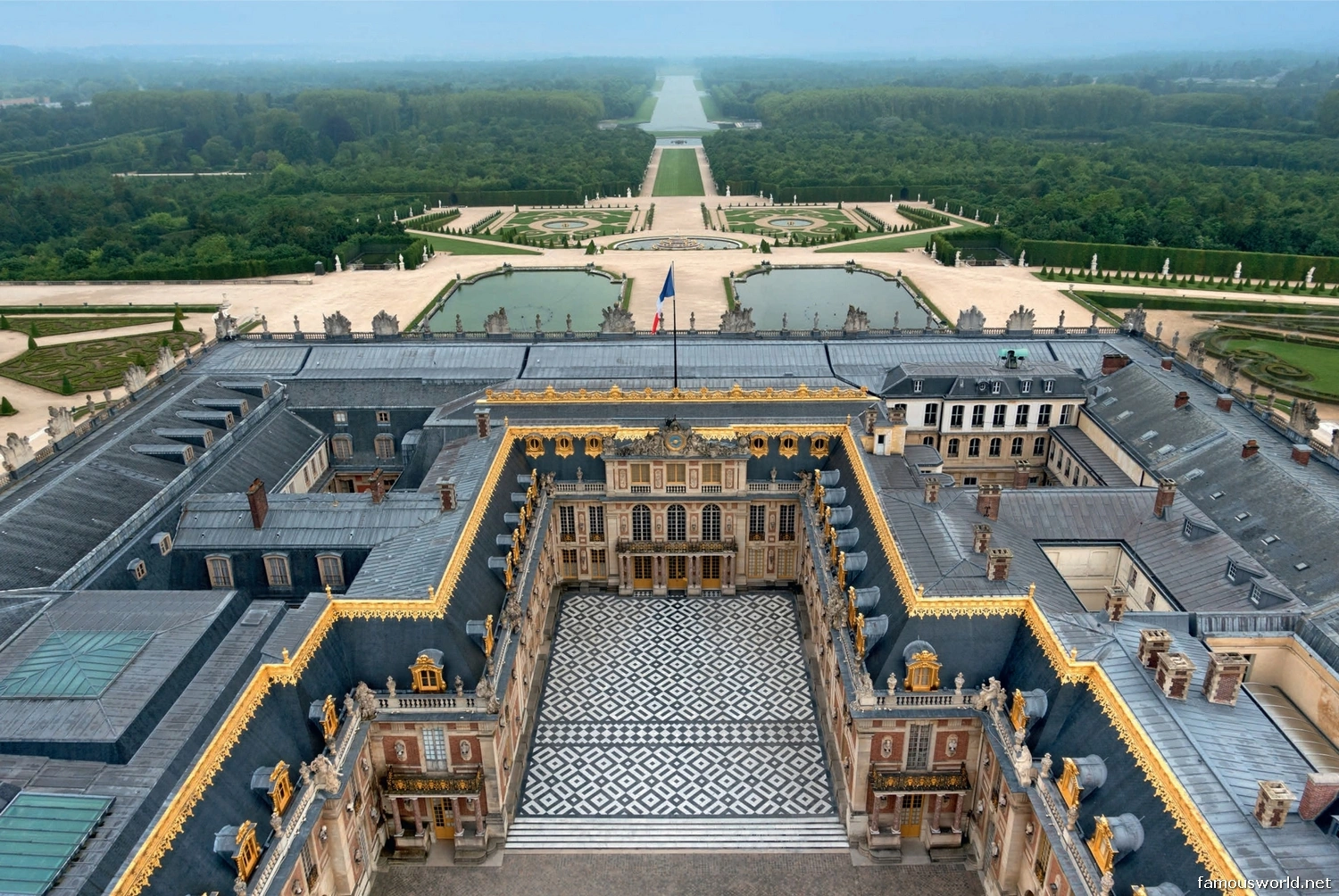
- French Baroque Architecture: The palace is the definitive example of the French Baroque style, designed to overwhelm and impress with its scale, symmetry, and lavish decoration. Its vast wings enclose a series of courtyards, creating an immense and majestic facade.
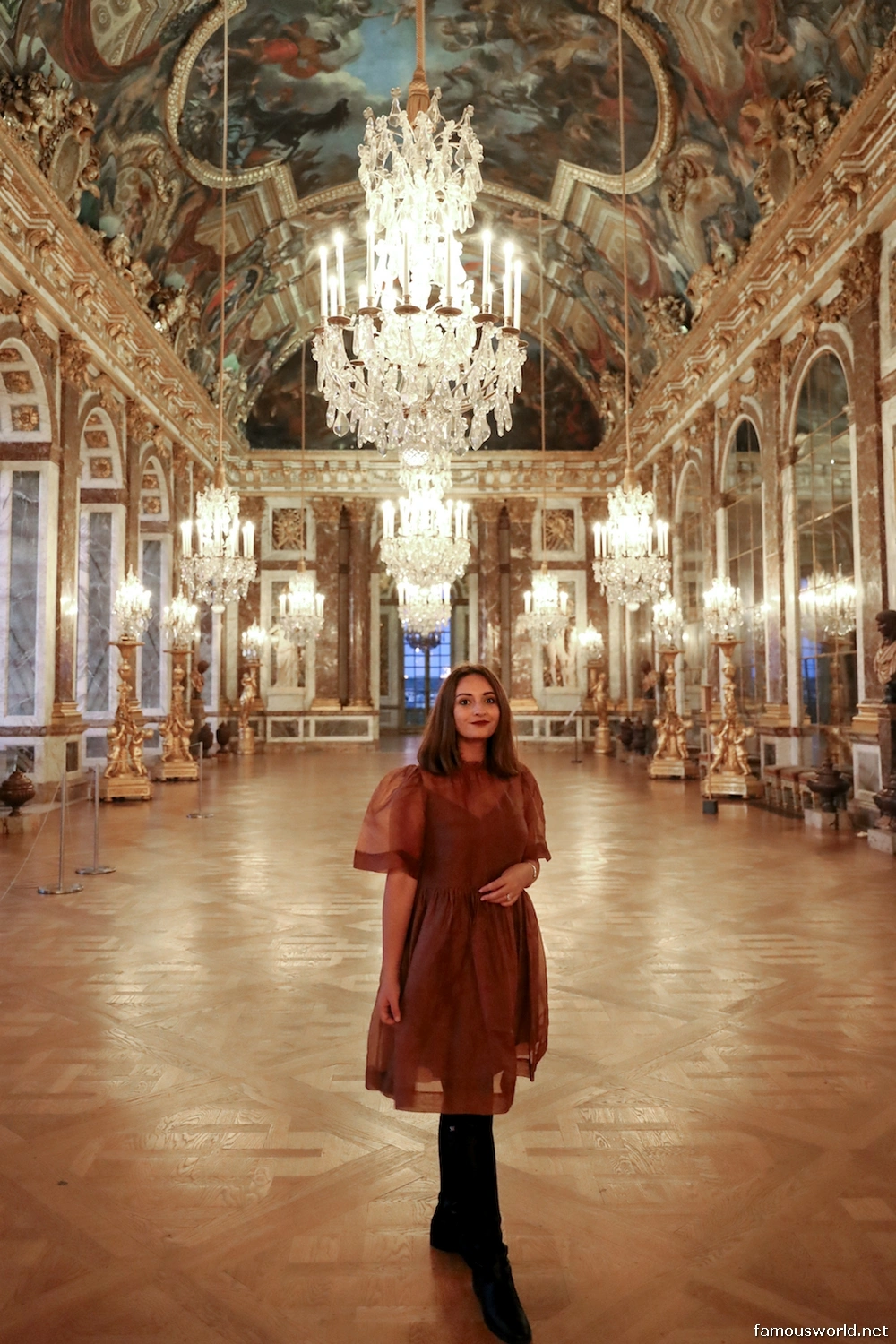
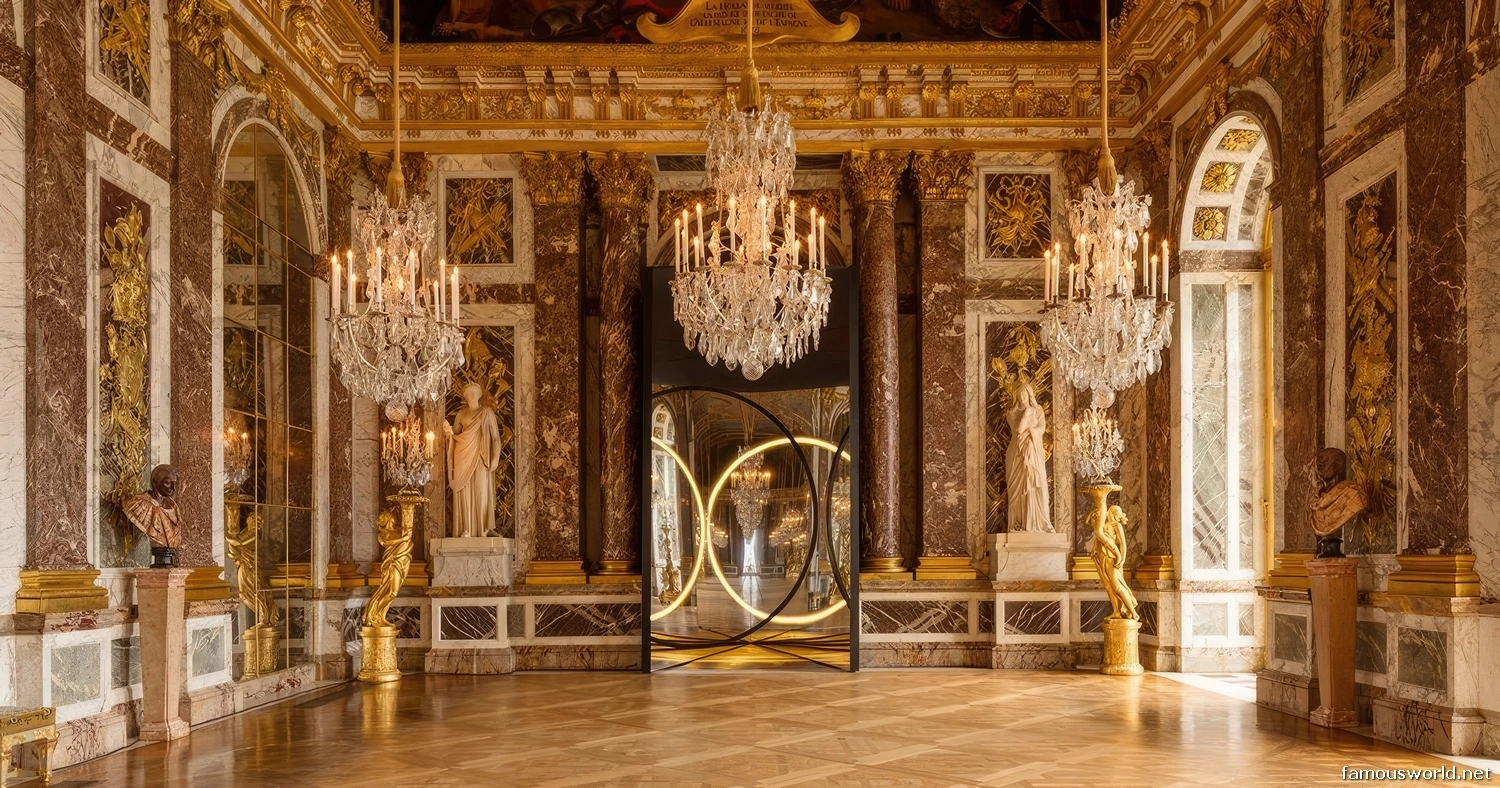
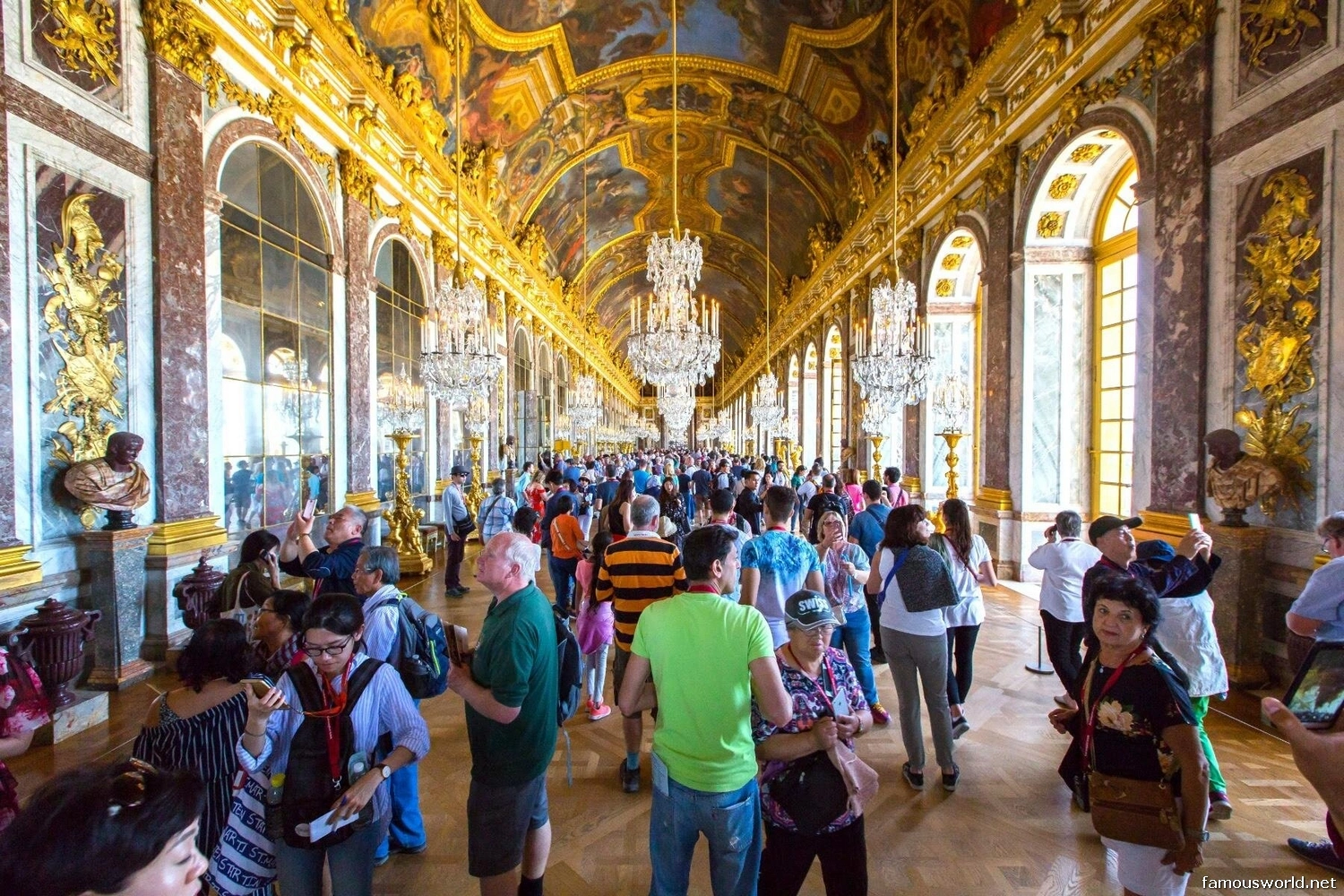
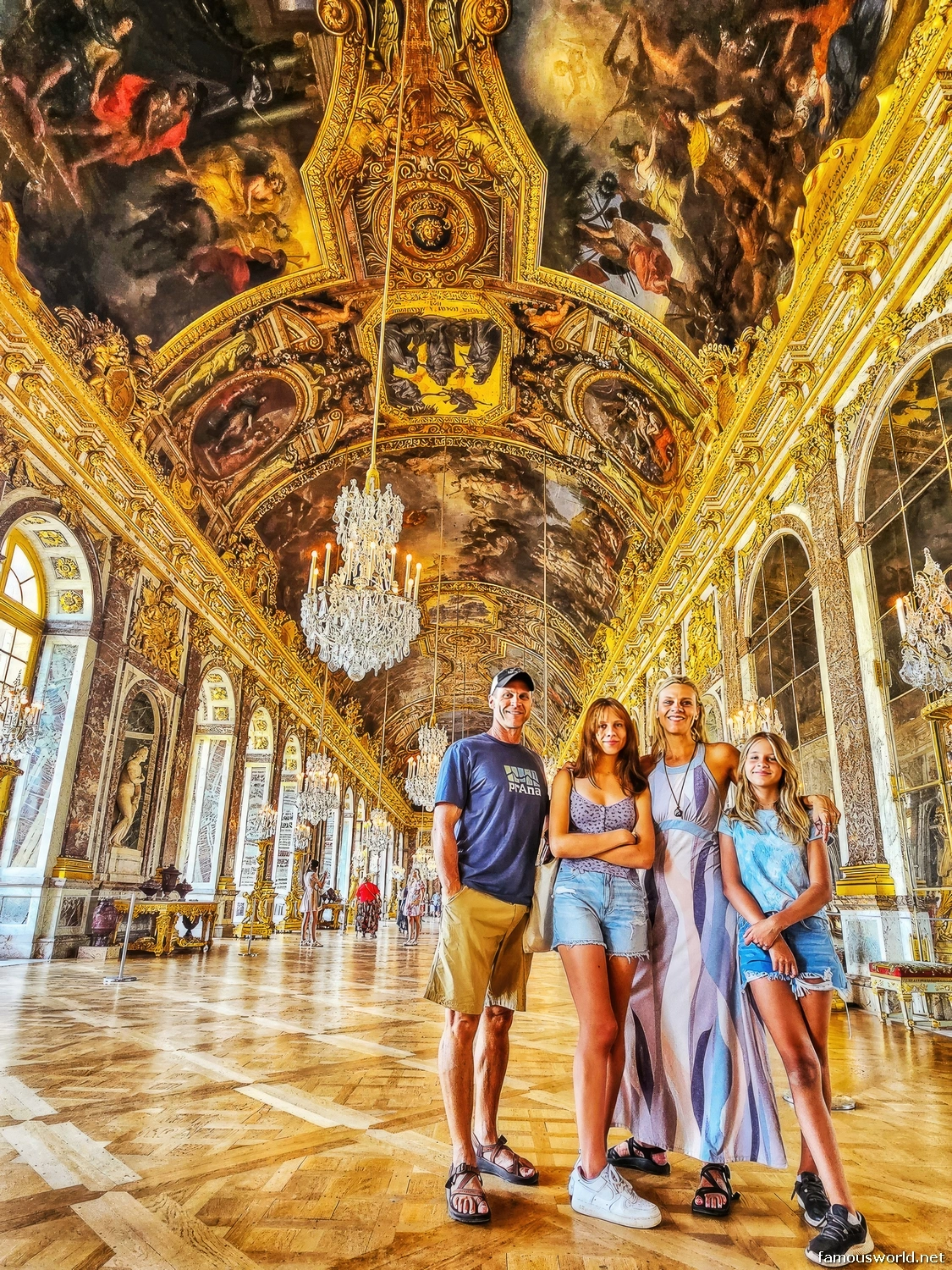
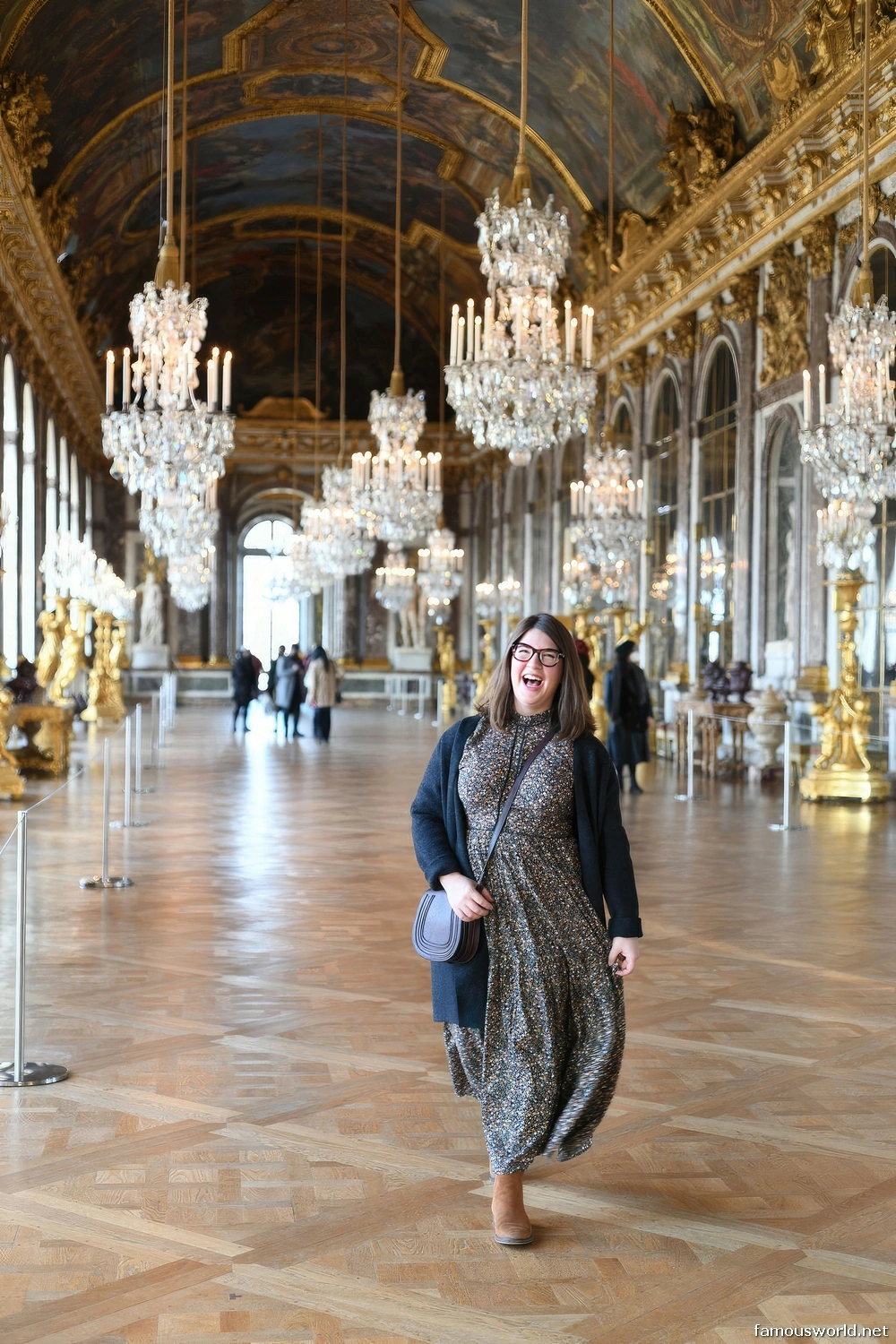
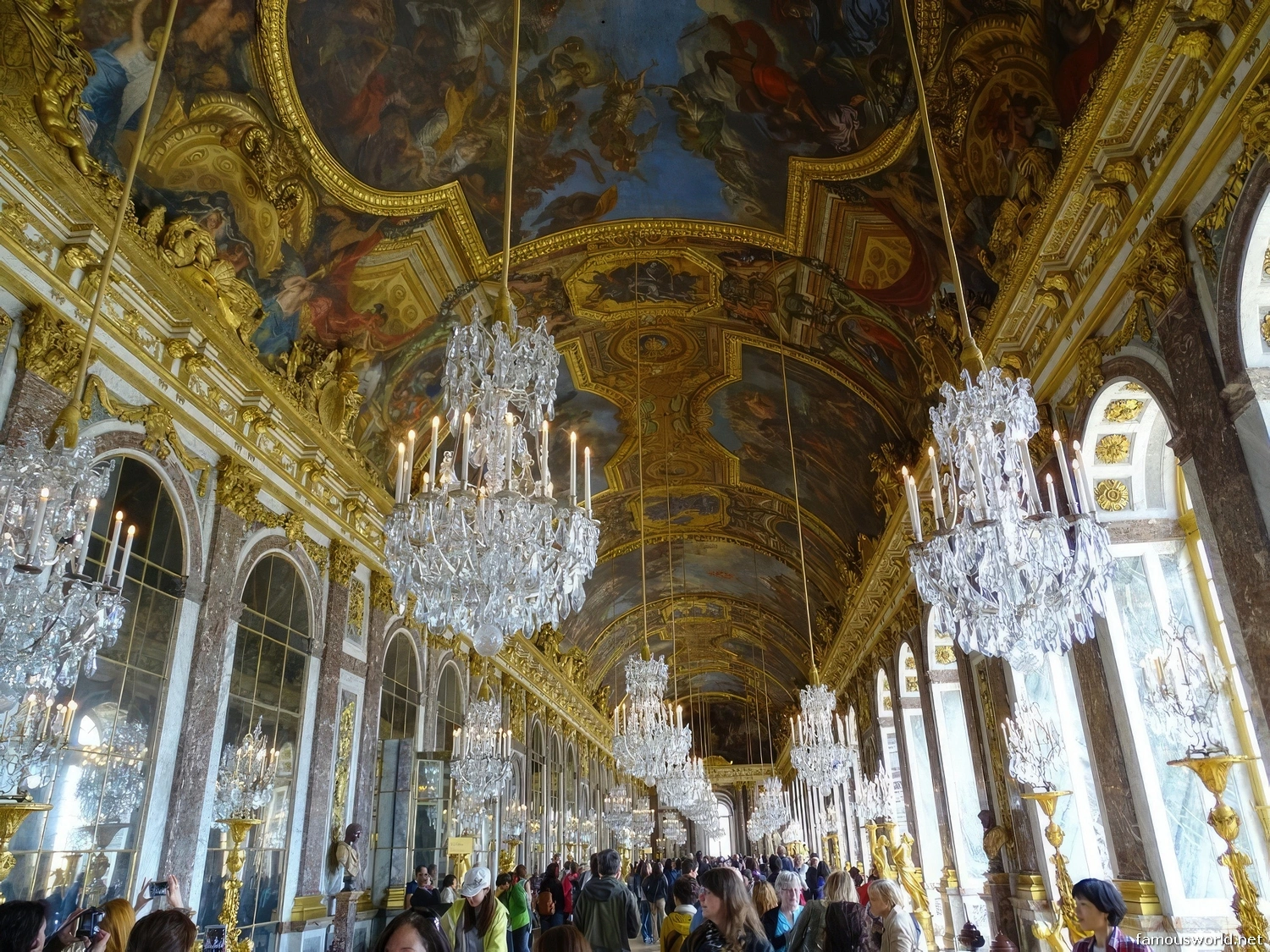
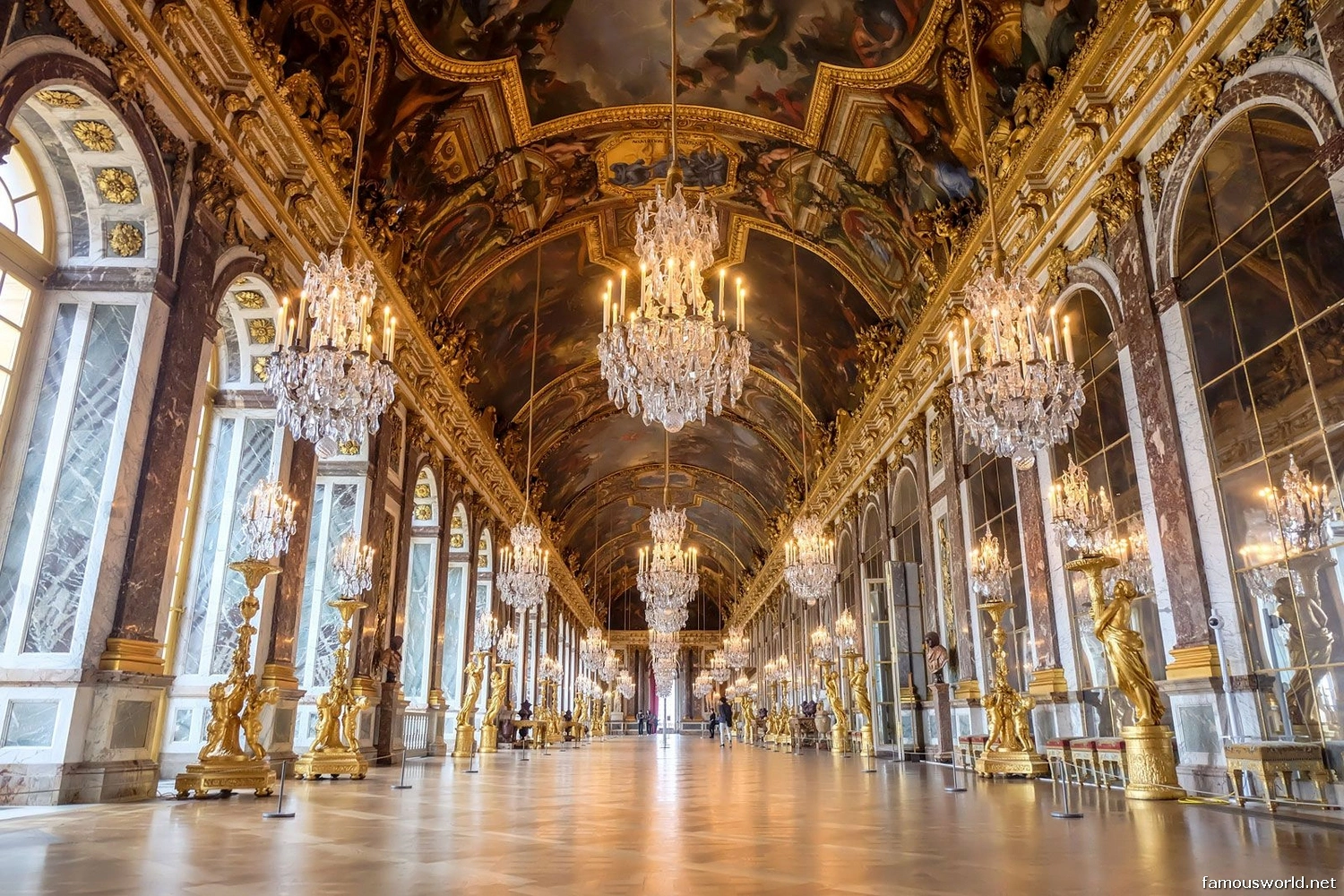
- The Hall of Mirrors: The palace’s most famous room is the Hall of Mirrors (Grande Galerie), a spectacular gallery lined with 357 mirrors that face seventeen arched windows overlooking the gardens. It was a unrivaled venue for royal ceremonies and celebrations.
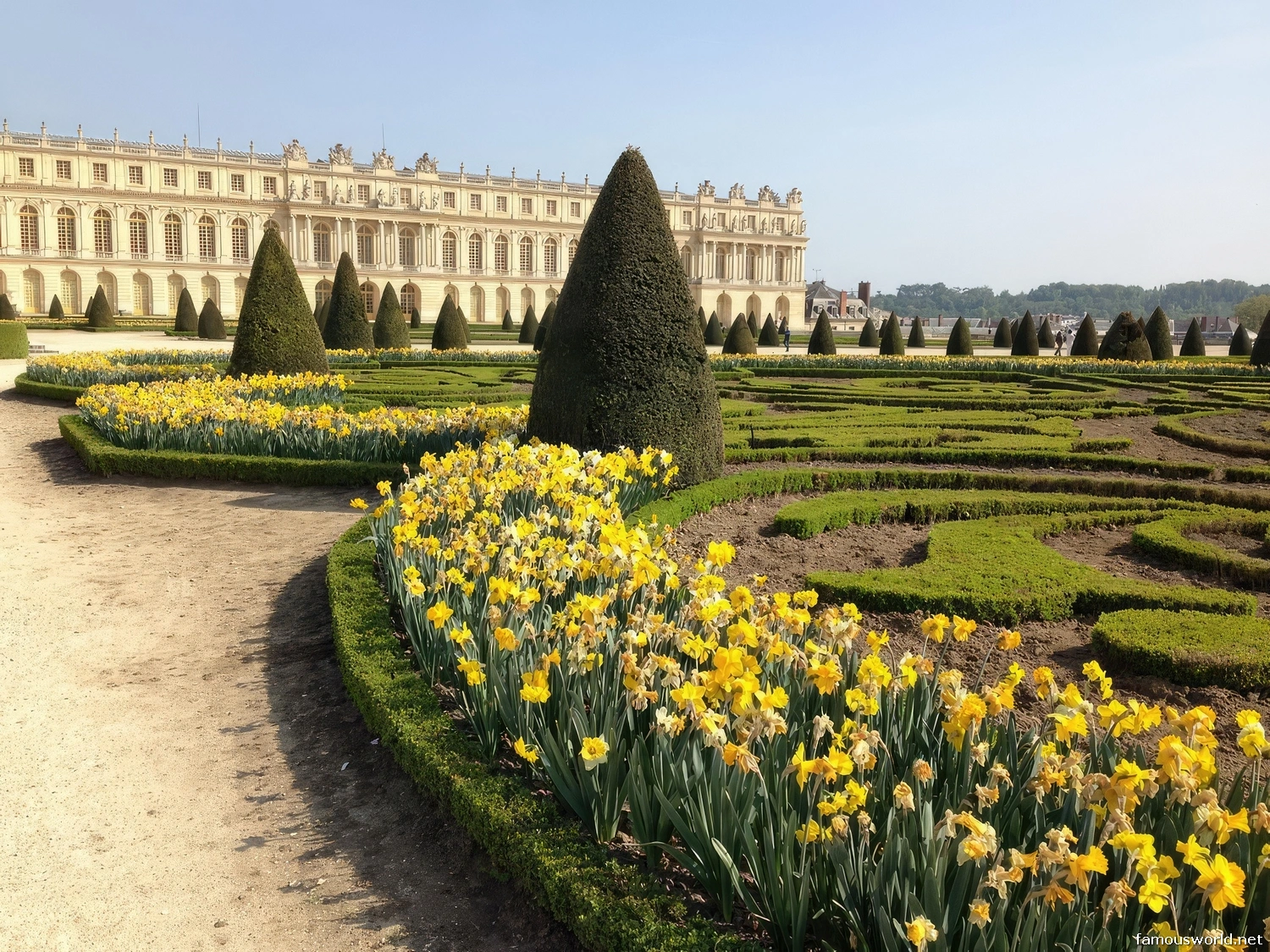
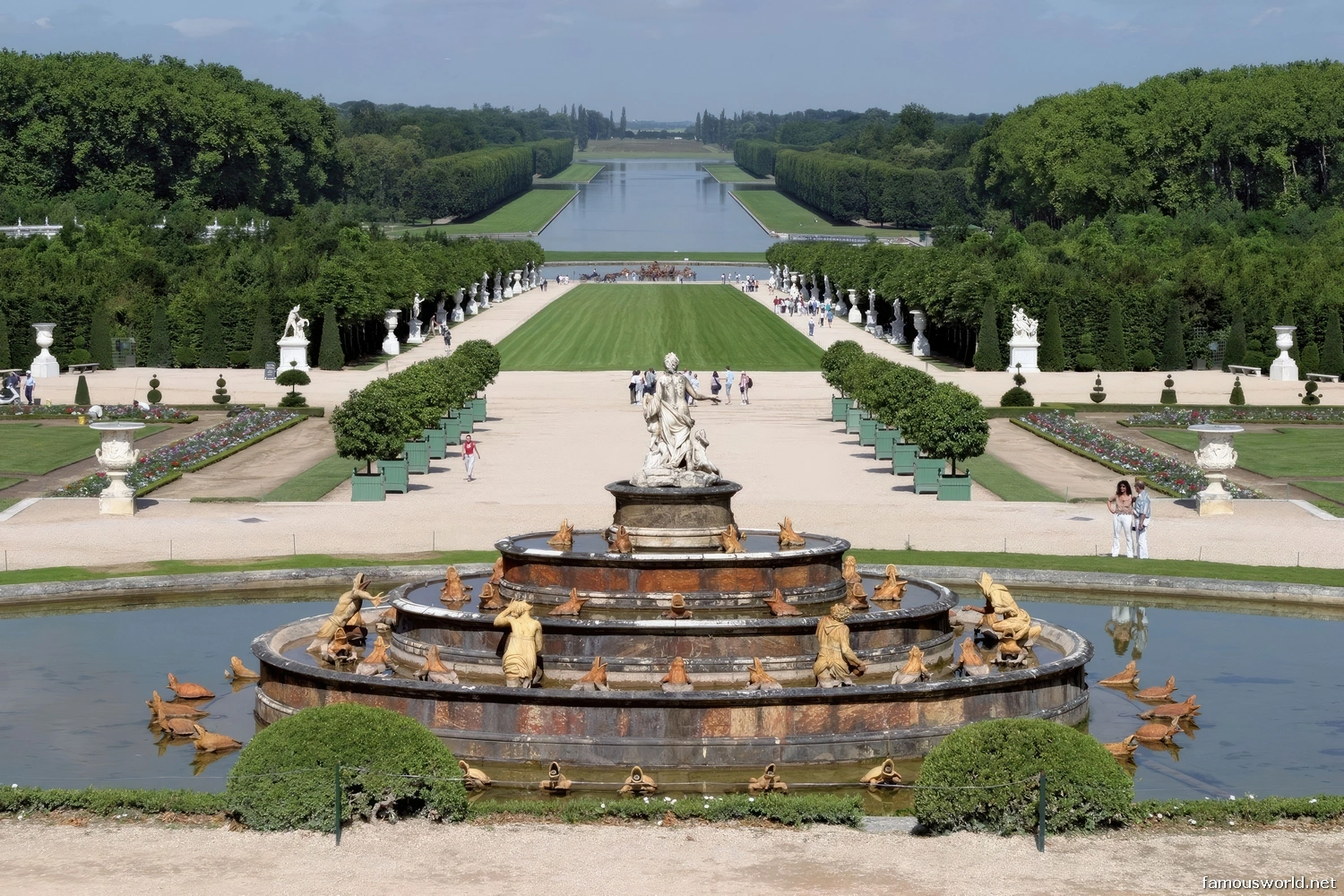
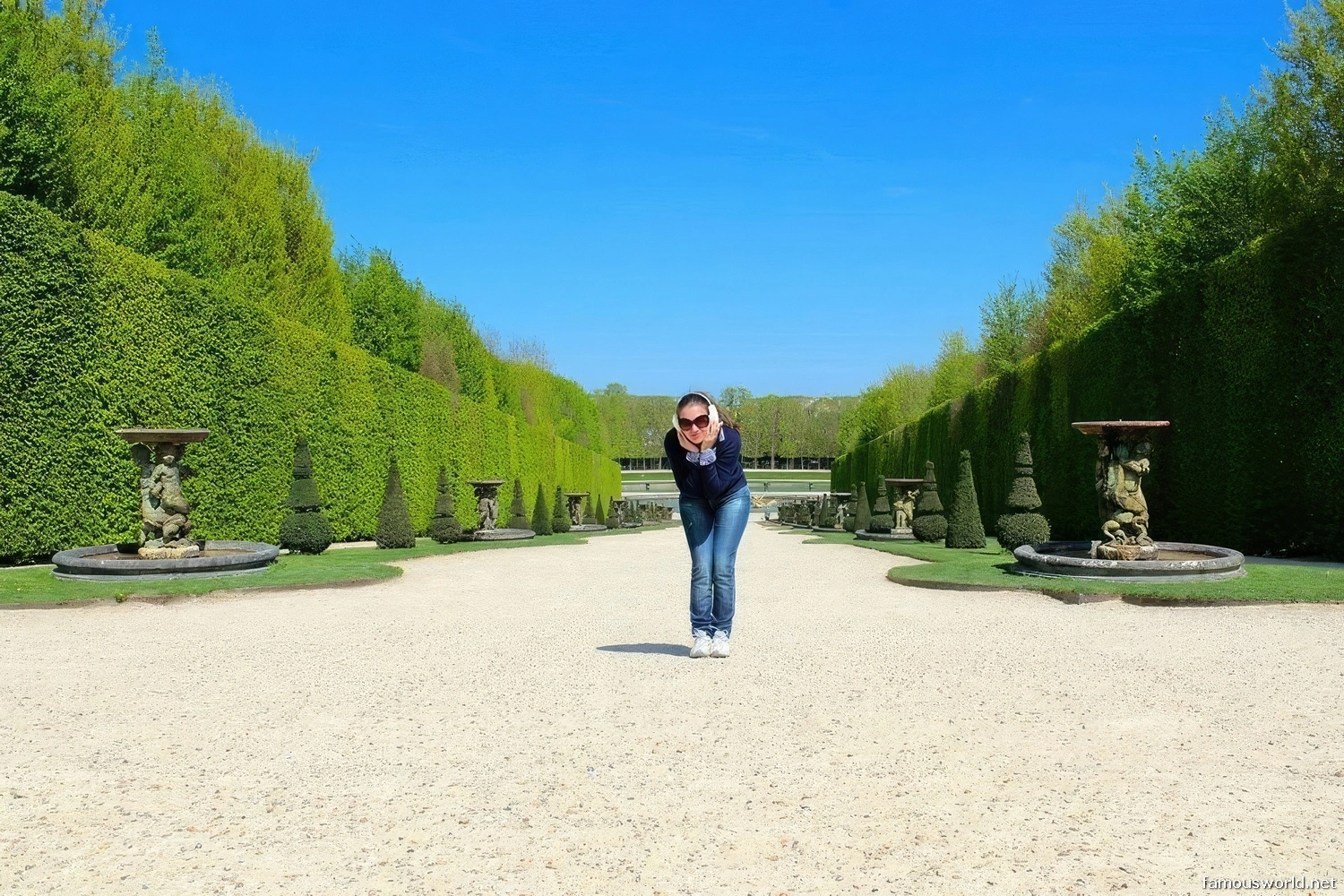
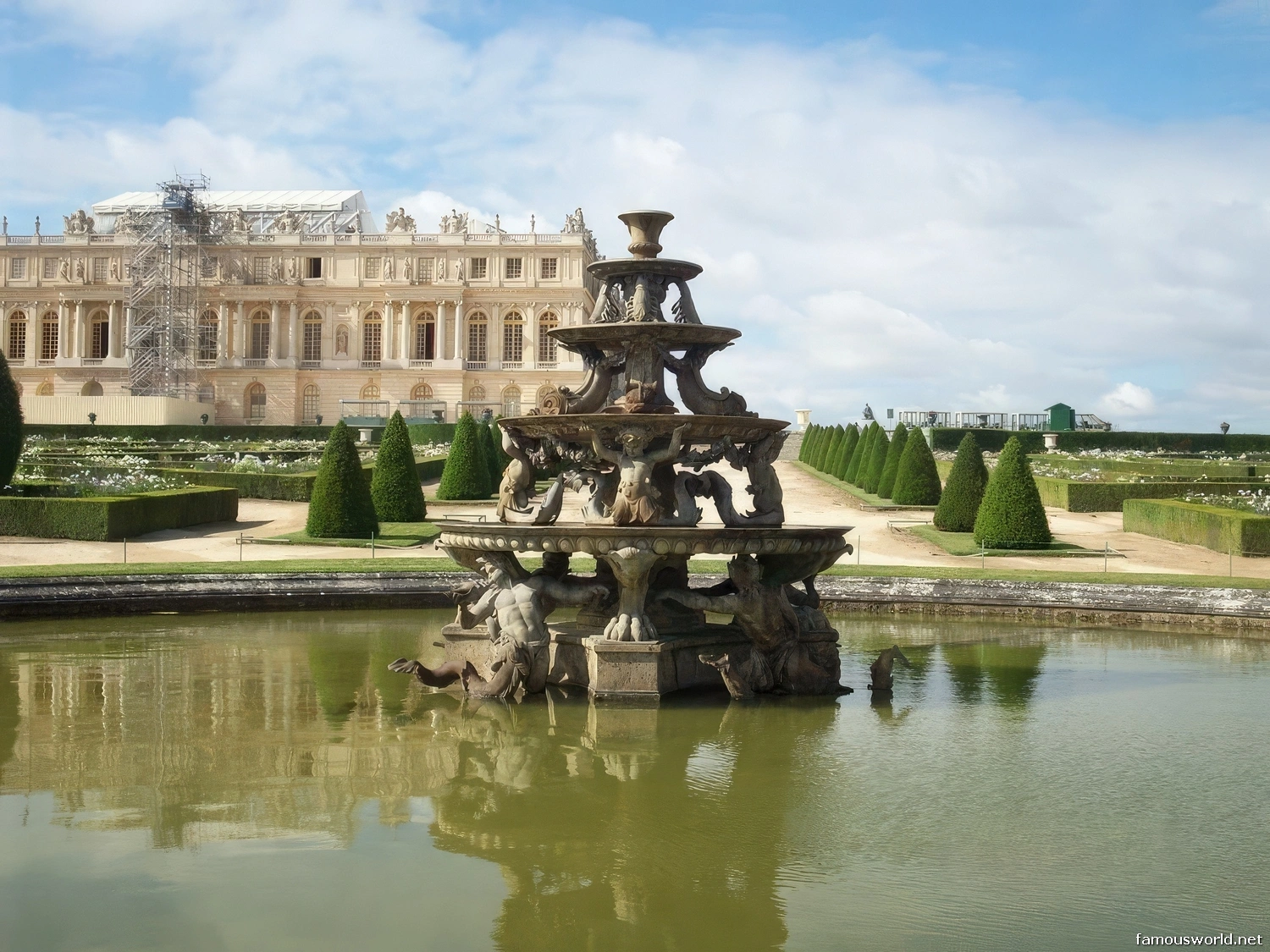
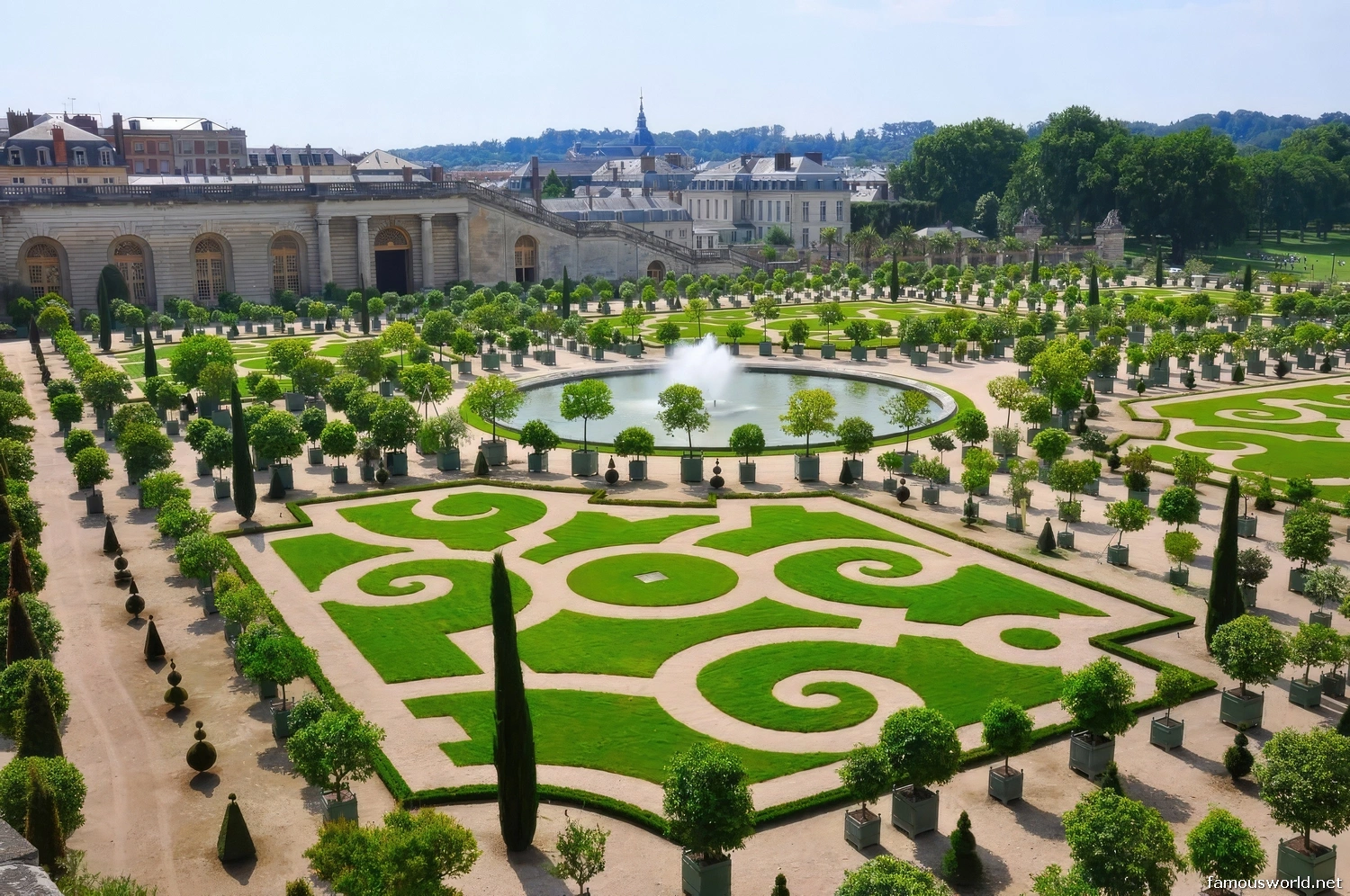
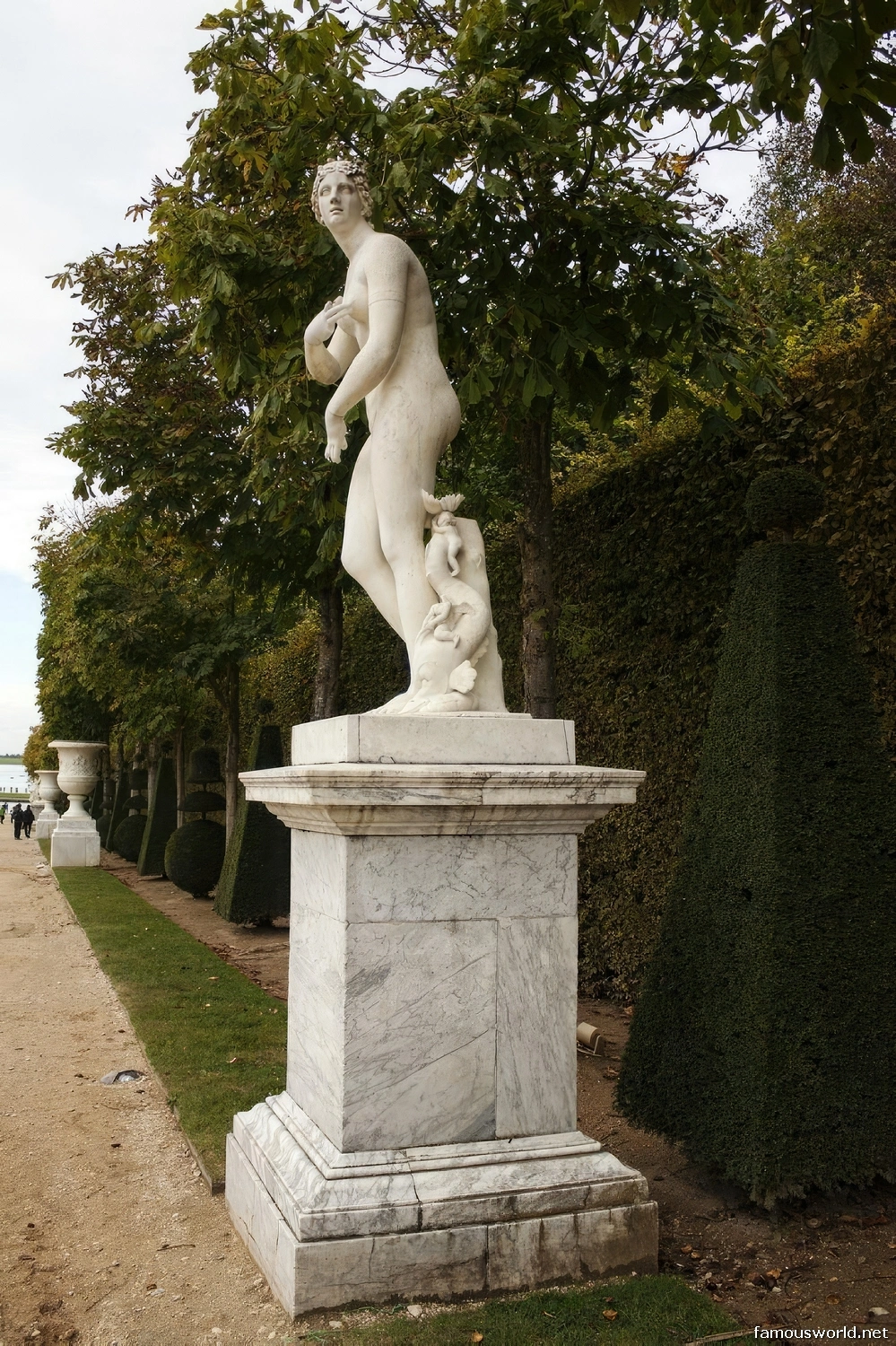
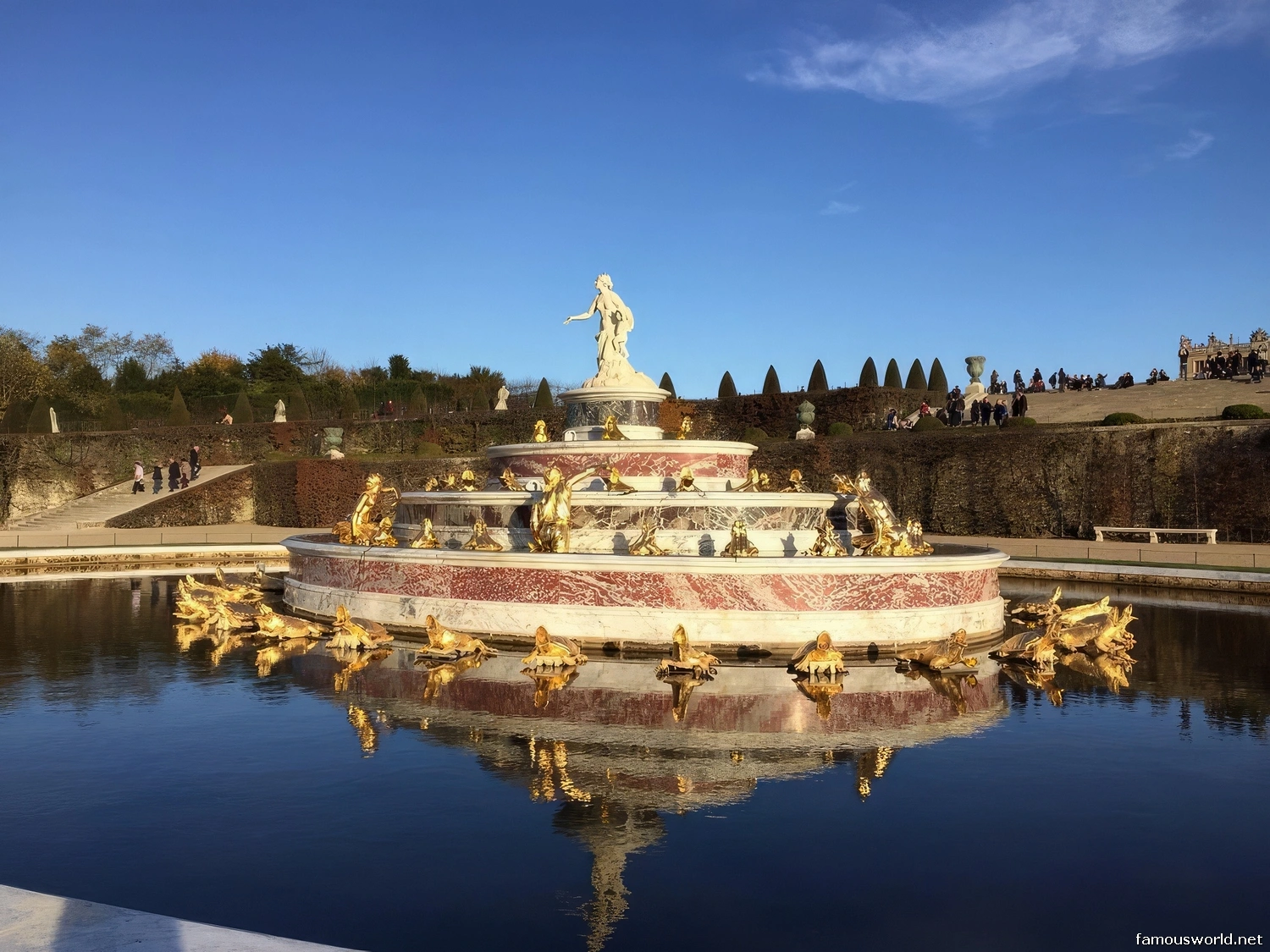
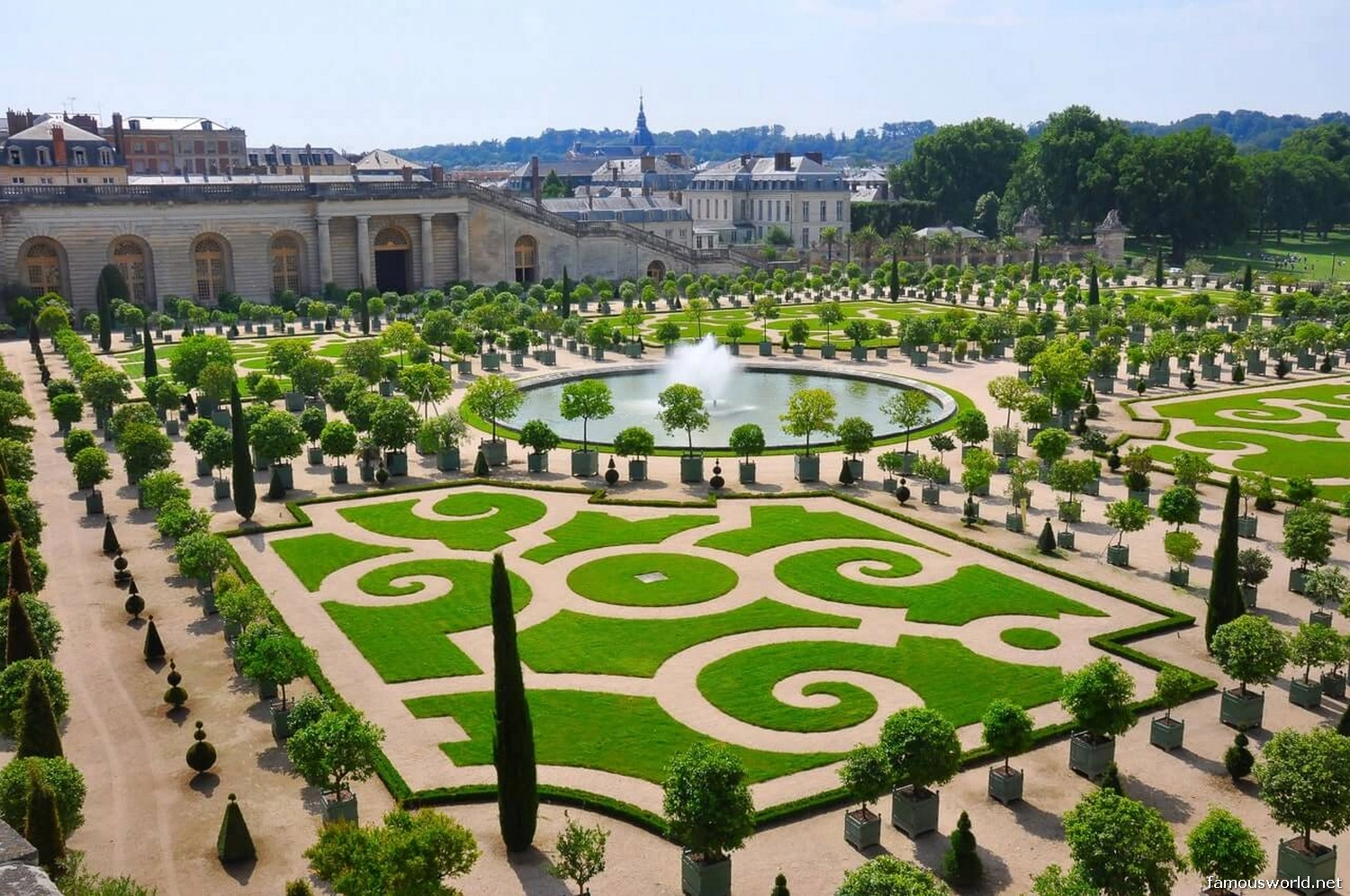
- The Gardens of Versailles: Equally famous as the palace itself, the gardens are a monumental work of landscape architecture designed by André Le Nôtre. Spanning some 800 hectares, they are a perfect example of the formal French garden style, characterized by perfect symmetry, manicured lawns, intricate flowerbeds (parterres), and a grand perspective that seems to stretch to the horizon. The landscape is further adorned with canals, hundreds of fountains, and classical statues.
What Makes It Famous
Versailles is famous as the ultimate symbol of absolute monarchy and for the historic events that unfolded within its walls.
- The Sun King’s Court: It is inextricably linked with King Louis XIV, who orchestrated its expansion and used its grandeur to centralize power and domesticate the French nobility.
- The Hall of Mirrors: This iconic hall is not only an architectural marvel but also a place of immense historical importance. It was here that the German Empire was proclaimed in 1871 and, most famously, where the Treaty of Versailles was signed in 1919, officially ending World War I.
- Revolutionary Landmark: The palace was the scene of key events at the start of the French Revolution, including the Women’s March on Versailles in October 1789, which forced the royal family to return to Paris.
- A Global Standard for Palaces: For centuries, Versailles set the standard for royal residences across Europe, inspiring countless imitations from St. Petersburg to Vienna.
Differences from Other Wonders
As a self-contained royal estate, the Palace of Versailles offers a different experience from the Champs-Élysées, a public urban thoroughfare.
- Environment (Royal Domain vs. Public Avenue): Versailles is a vast, enclosed royal estate, a world unto itself comprising a palace, gardens, and parkland. The Champs-Élysées is a linear, public avenue that functions as a central artery within the city of Paris.
- Core Story (Absolute Monarchy vs. Civic Pride): The story of Versailles is that of the absolute power and meticulously controlled court life of the French monarchy. The story of the Champs-Élysées is one of civic pride, national celebration, and modern commerce.
- Primary Attraction (Palace and Gardens vs. The Avenue Experience): The primary attraction of Versailles is the palace’s opulent interiors and the breathtaking scale of its formal gardens. The primary attraction of the Champs-Élysées is the avenue itself—its grand perspective, its shops, and its glamorous atmosphere.
- Atmosphere (Historical and Awe-Inspiring vs. Energetic and Cosmopolitan): A visit to Versailles is a journey into history that inspires awe at its grandeur and opulence. A visit to the Champs-Élysées is an energetic and cosmopolitan experience, pulsing with the life of the modern city.
Location on world map