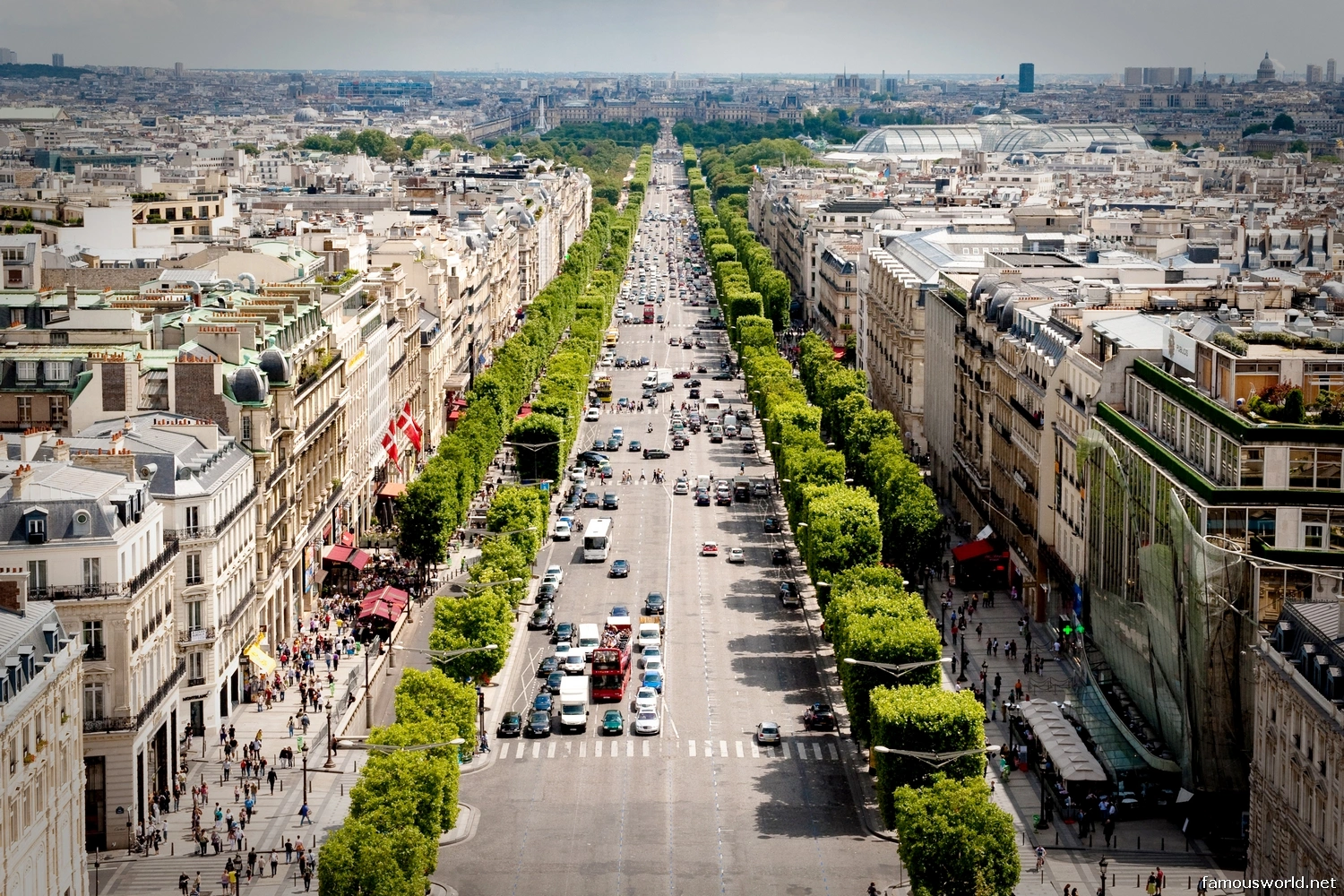
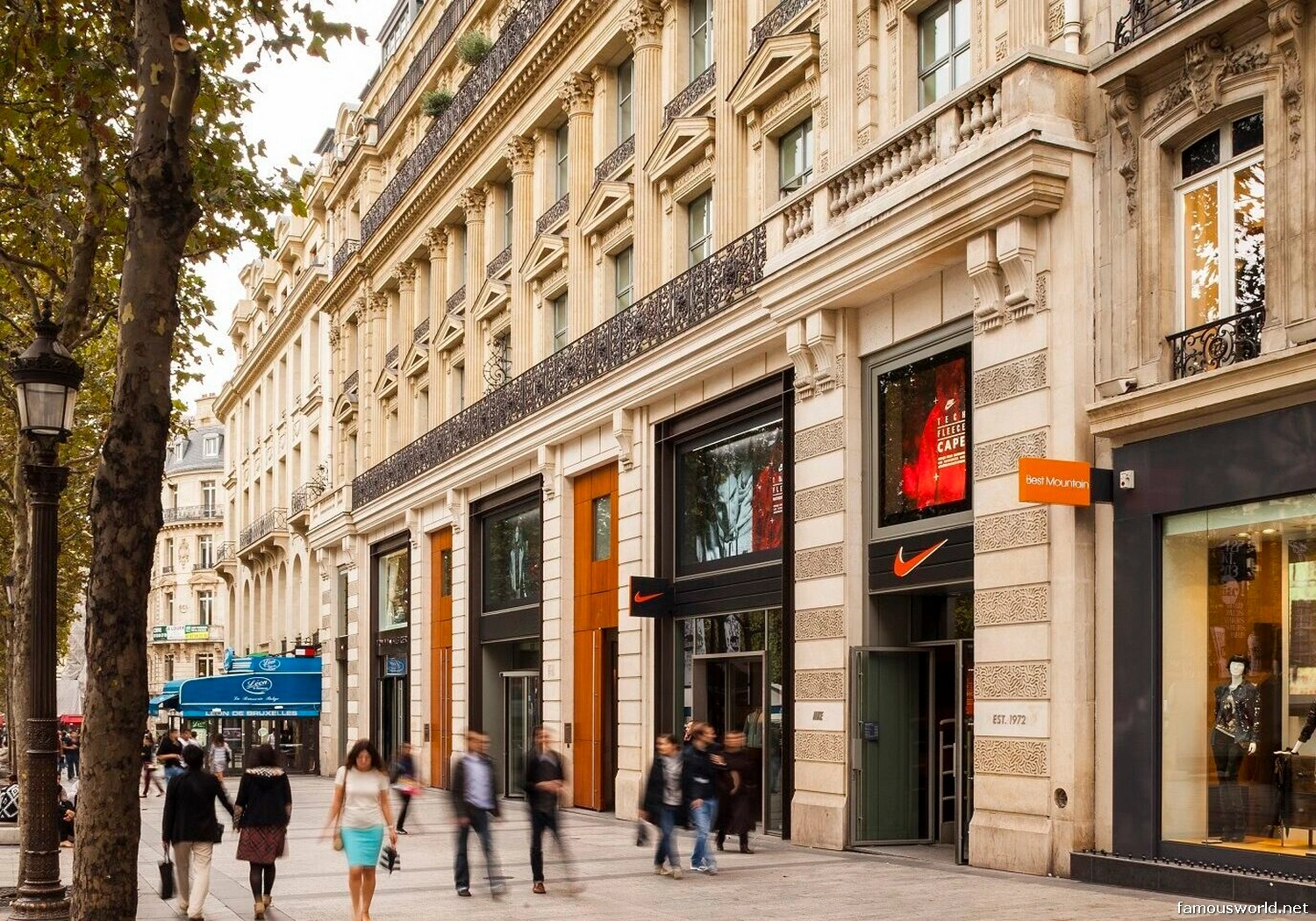
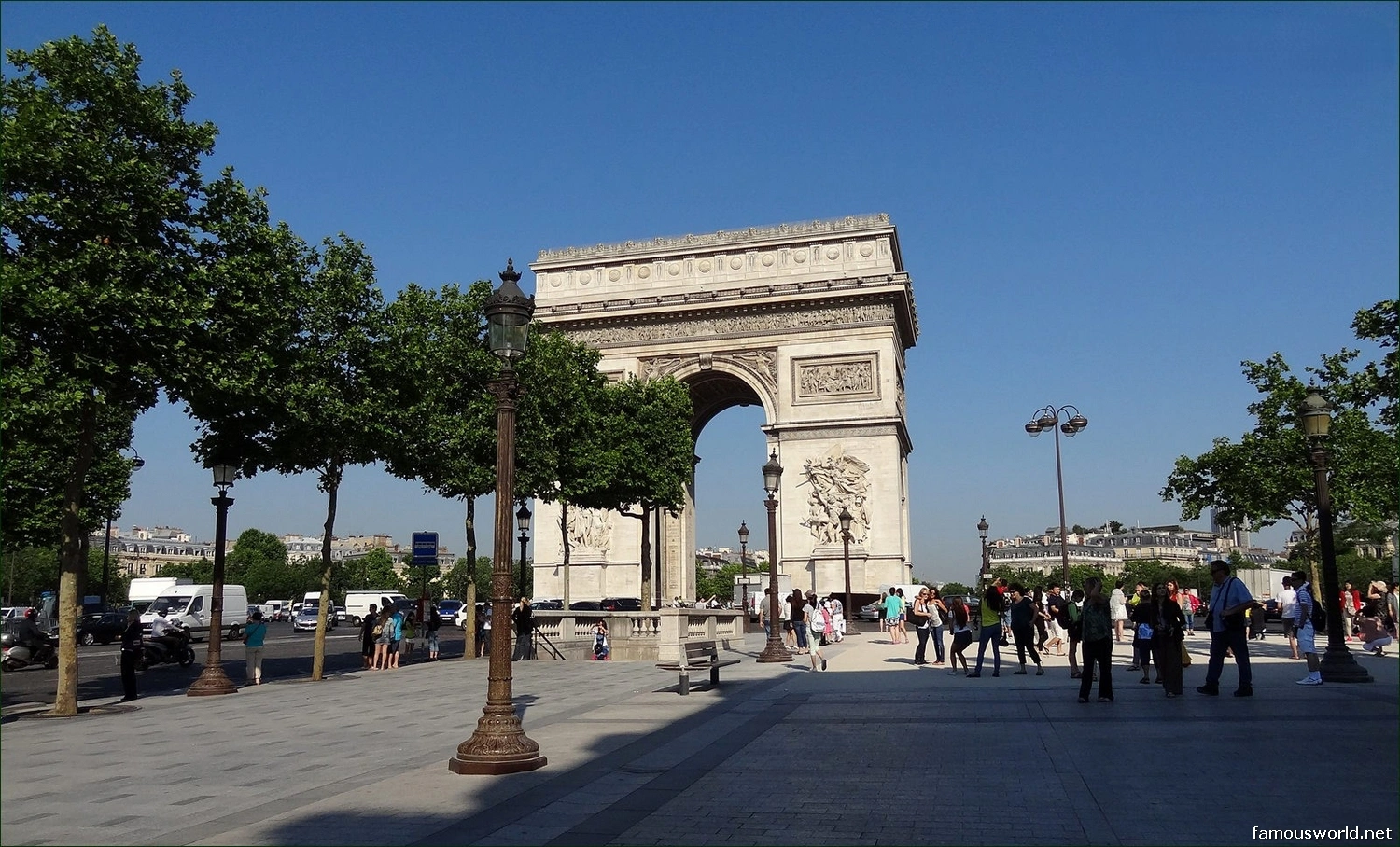
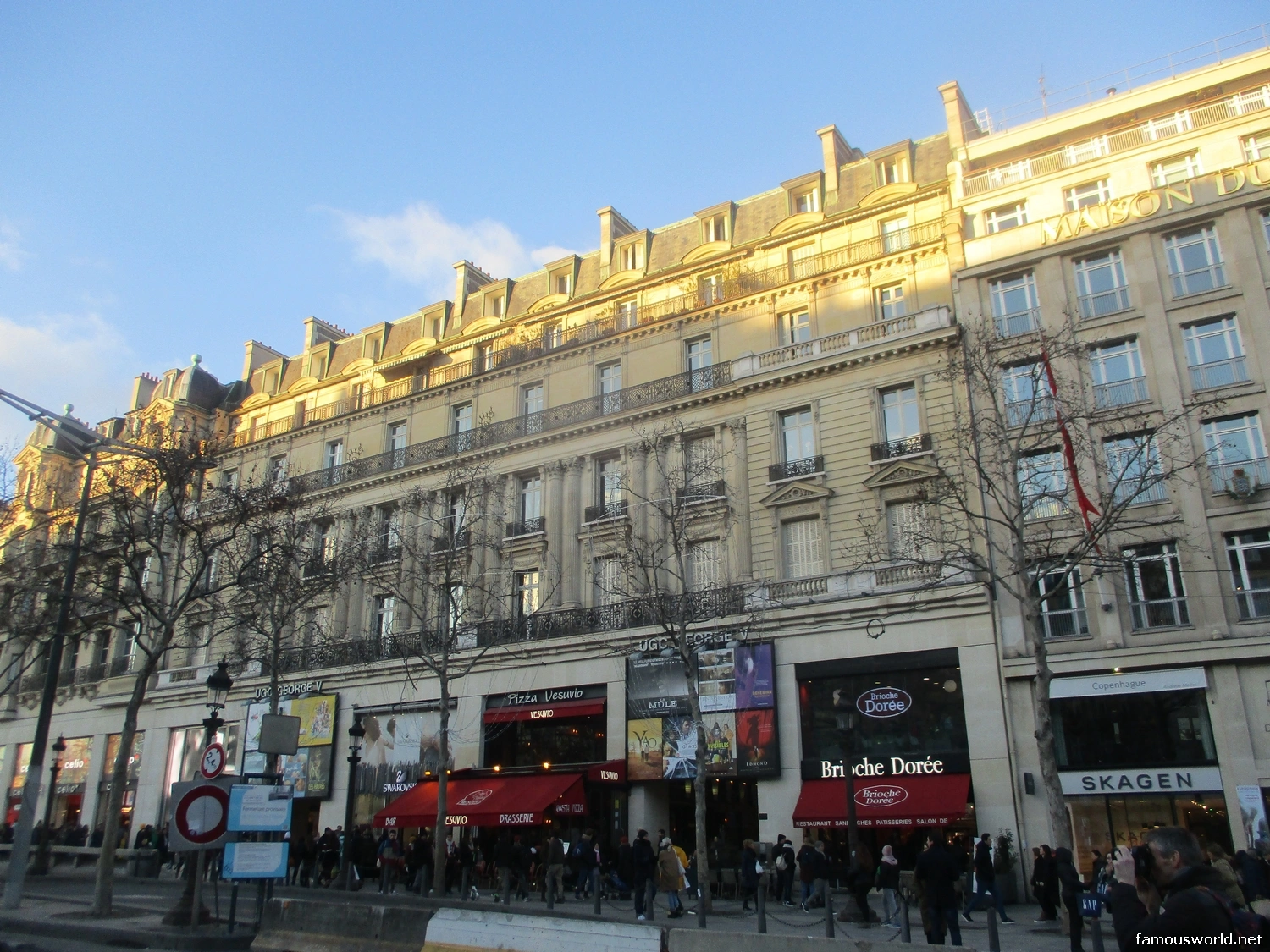
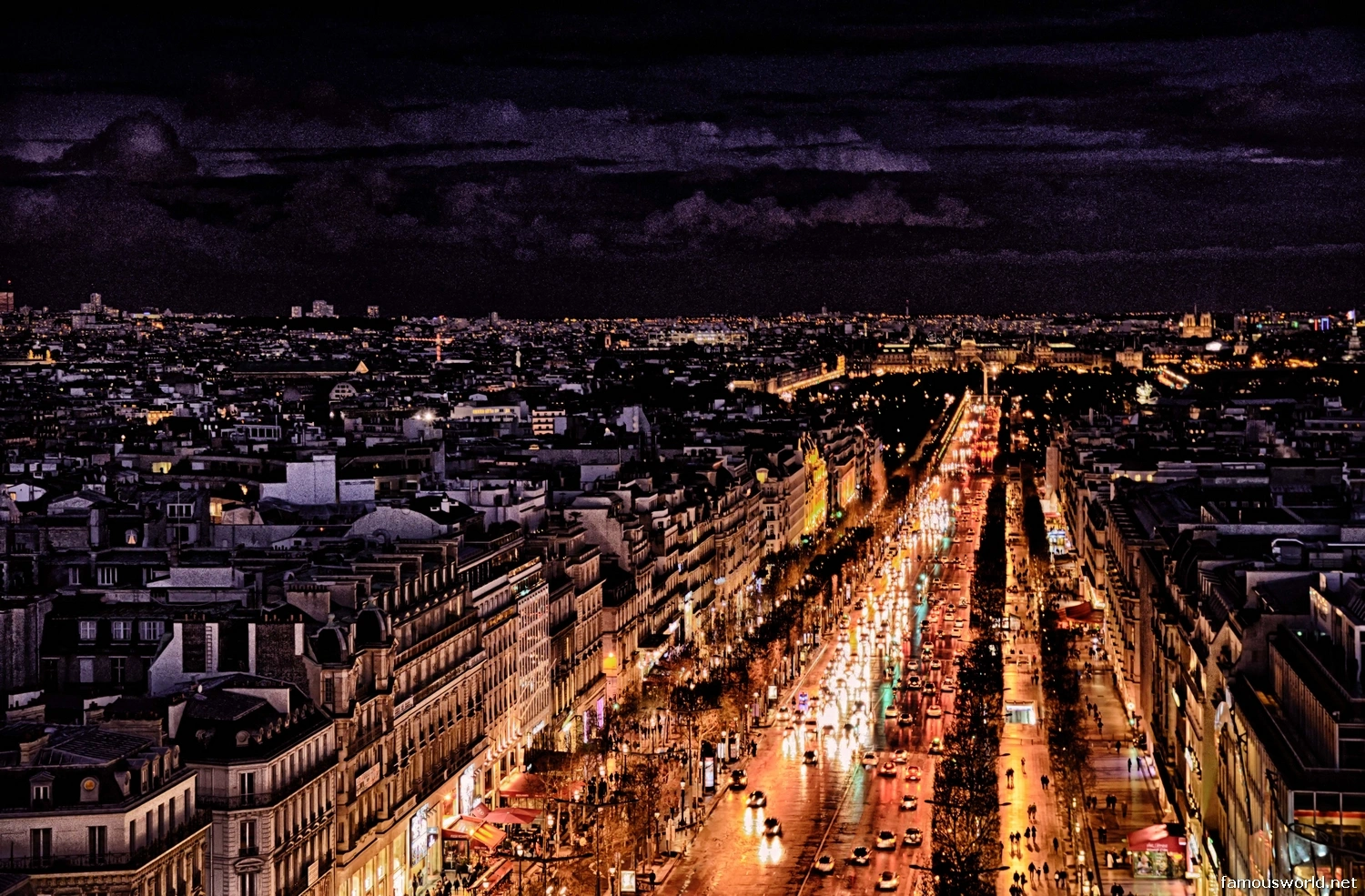

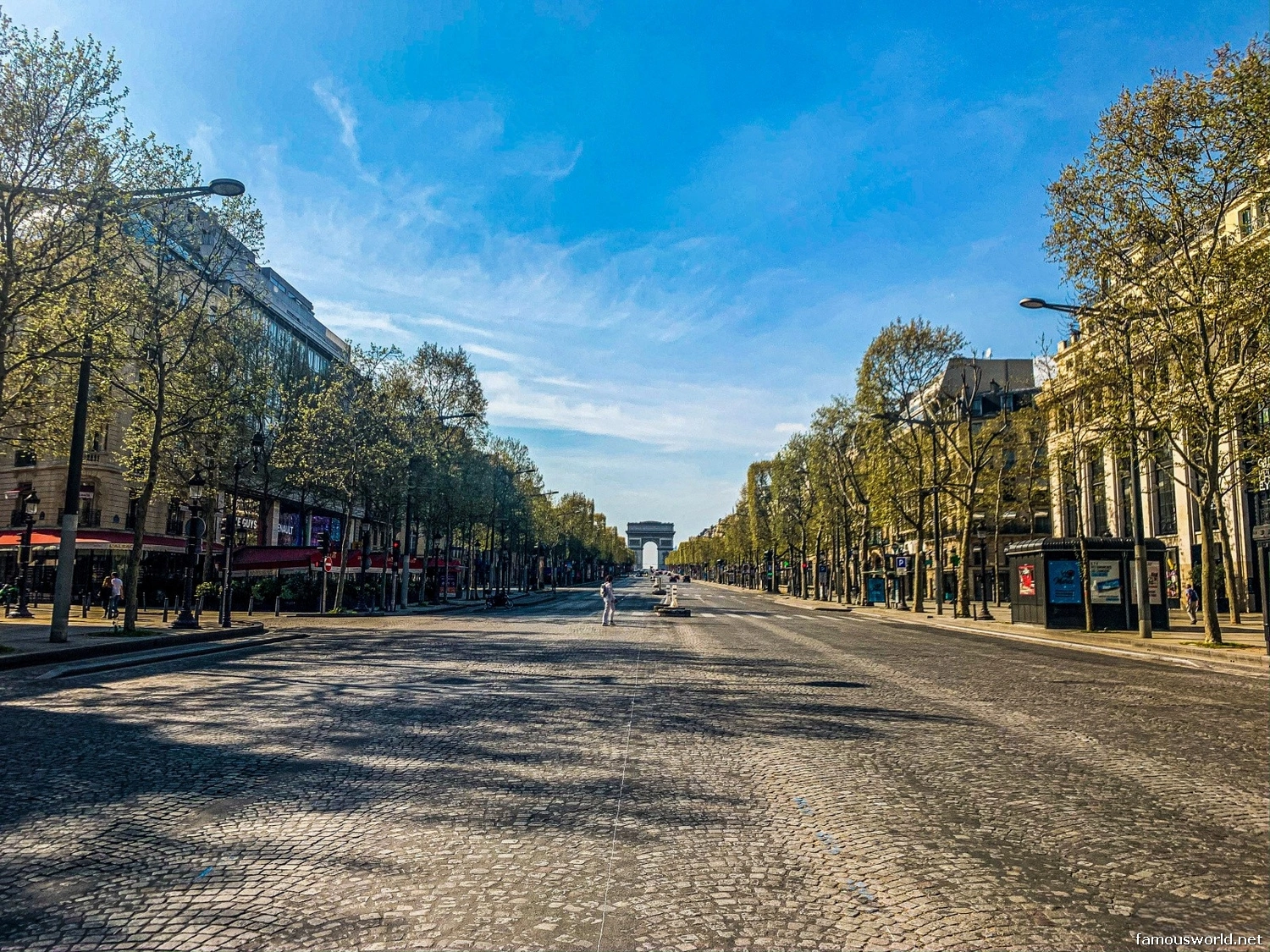
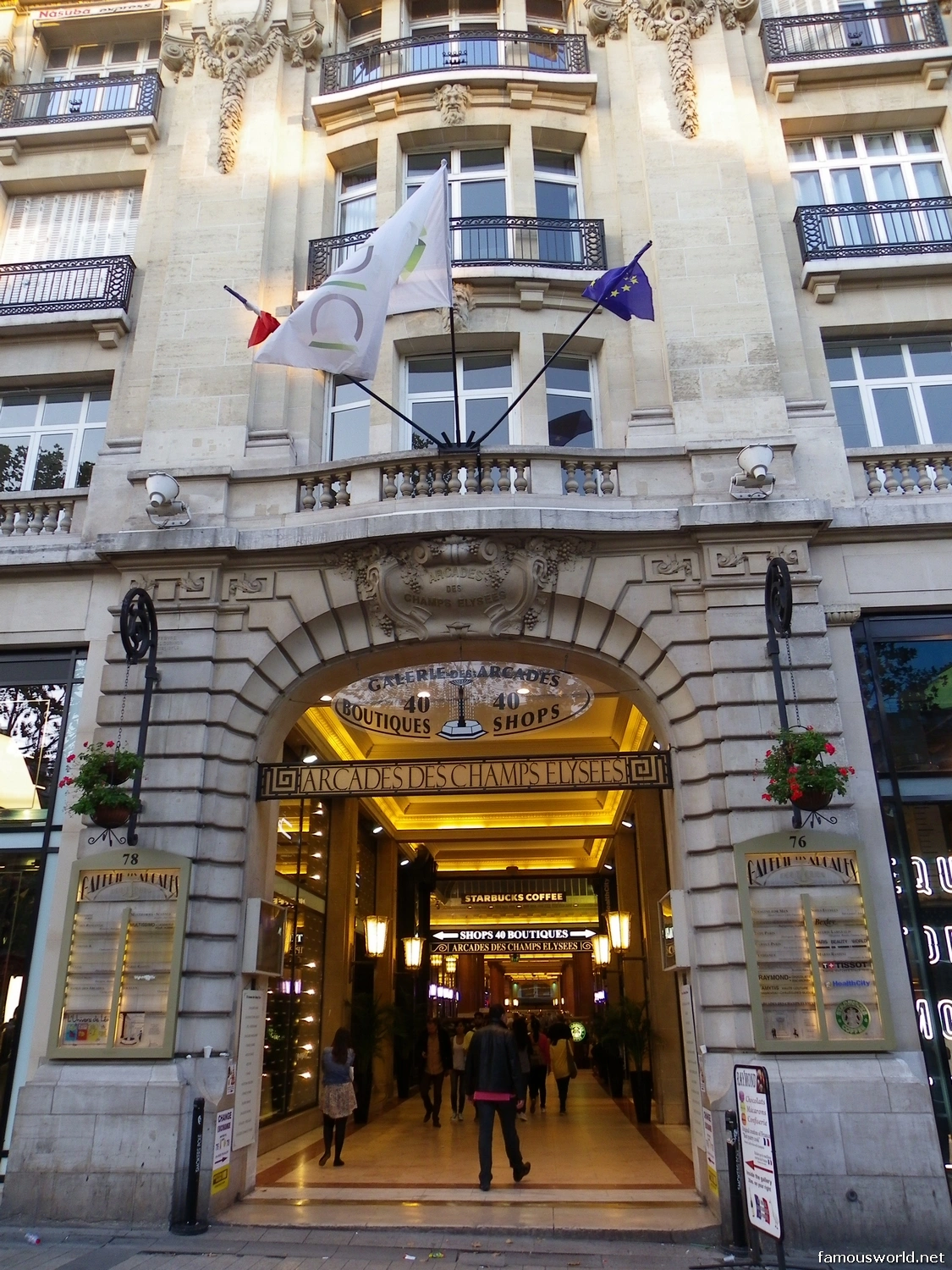
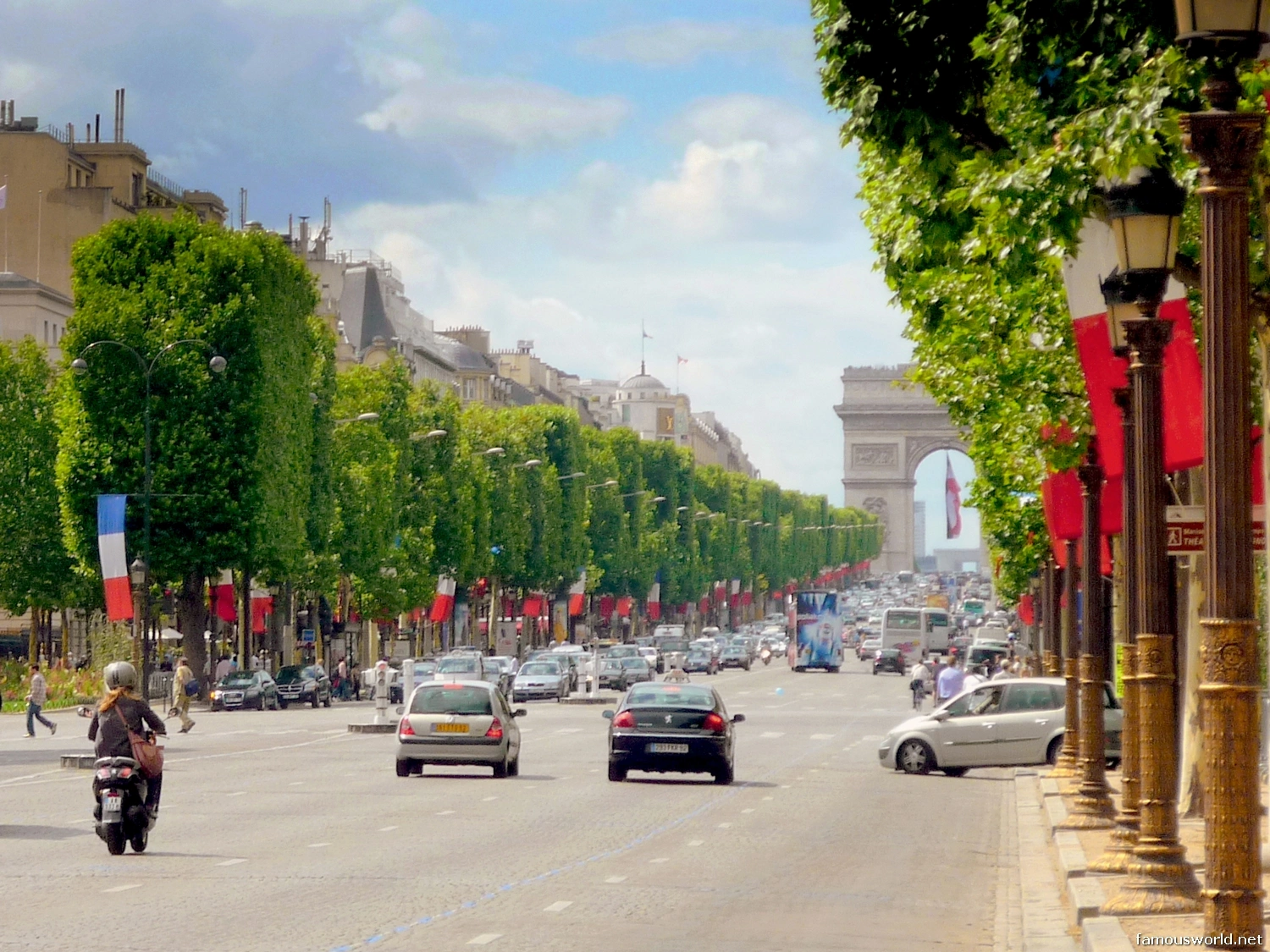

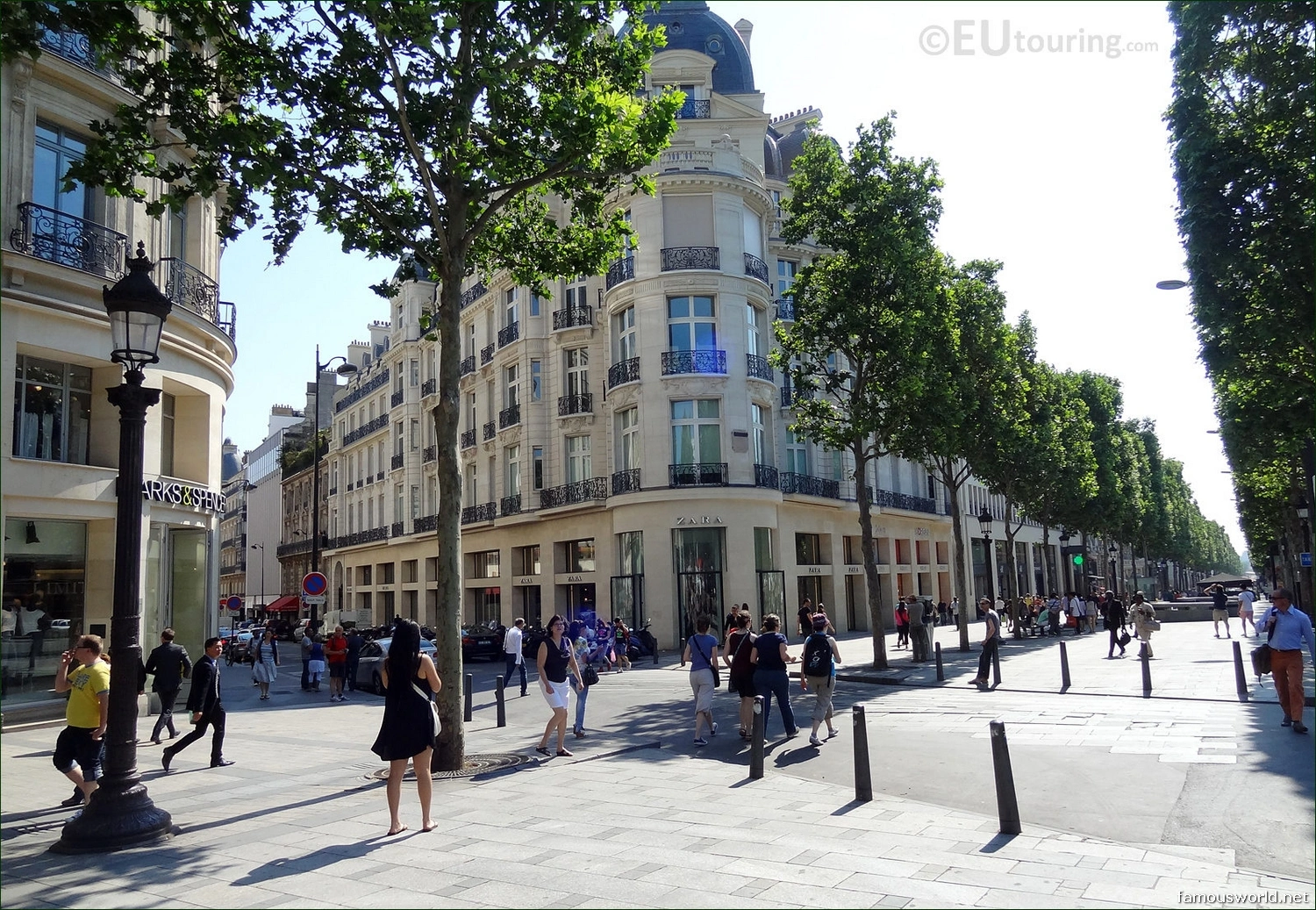
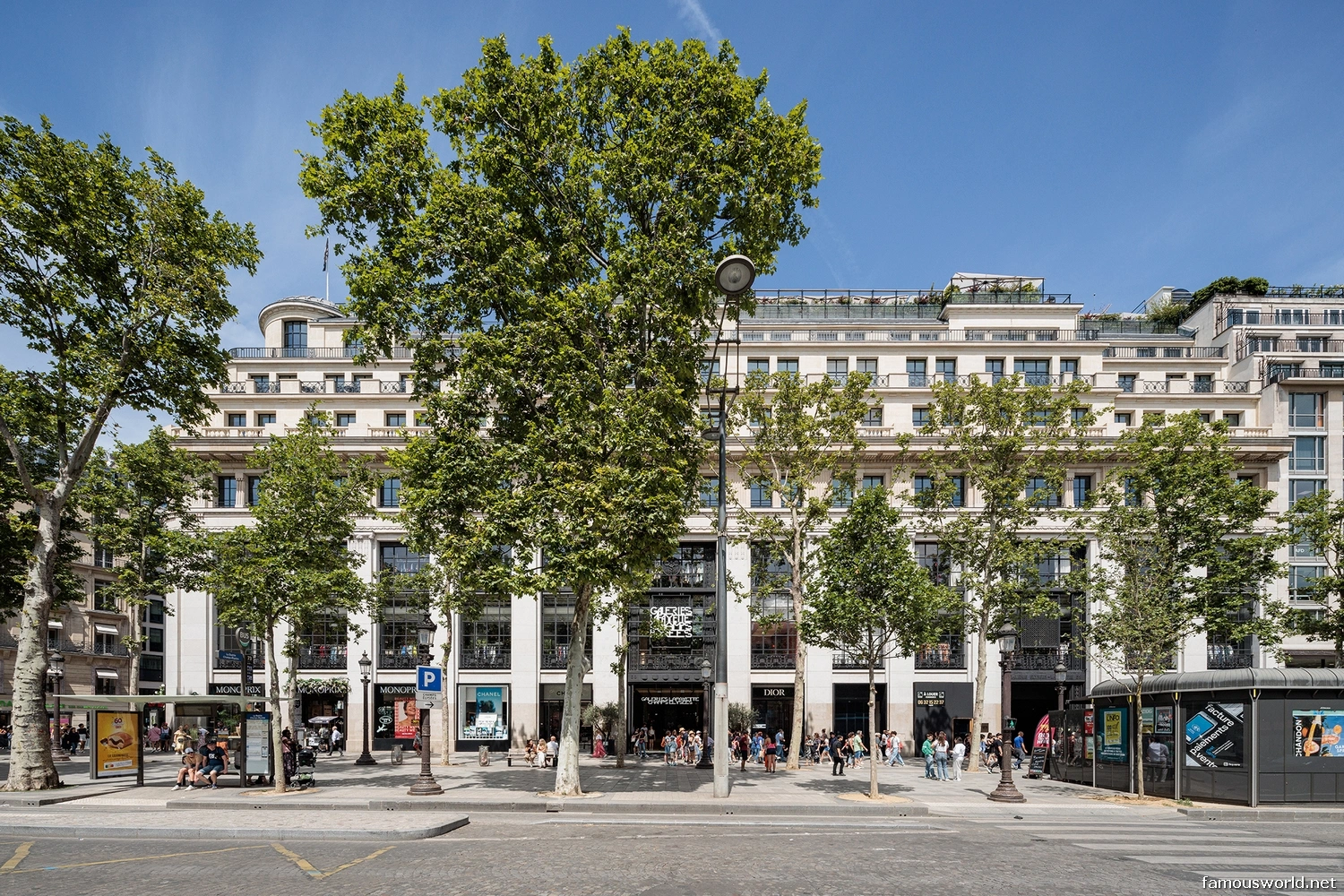
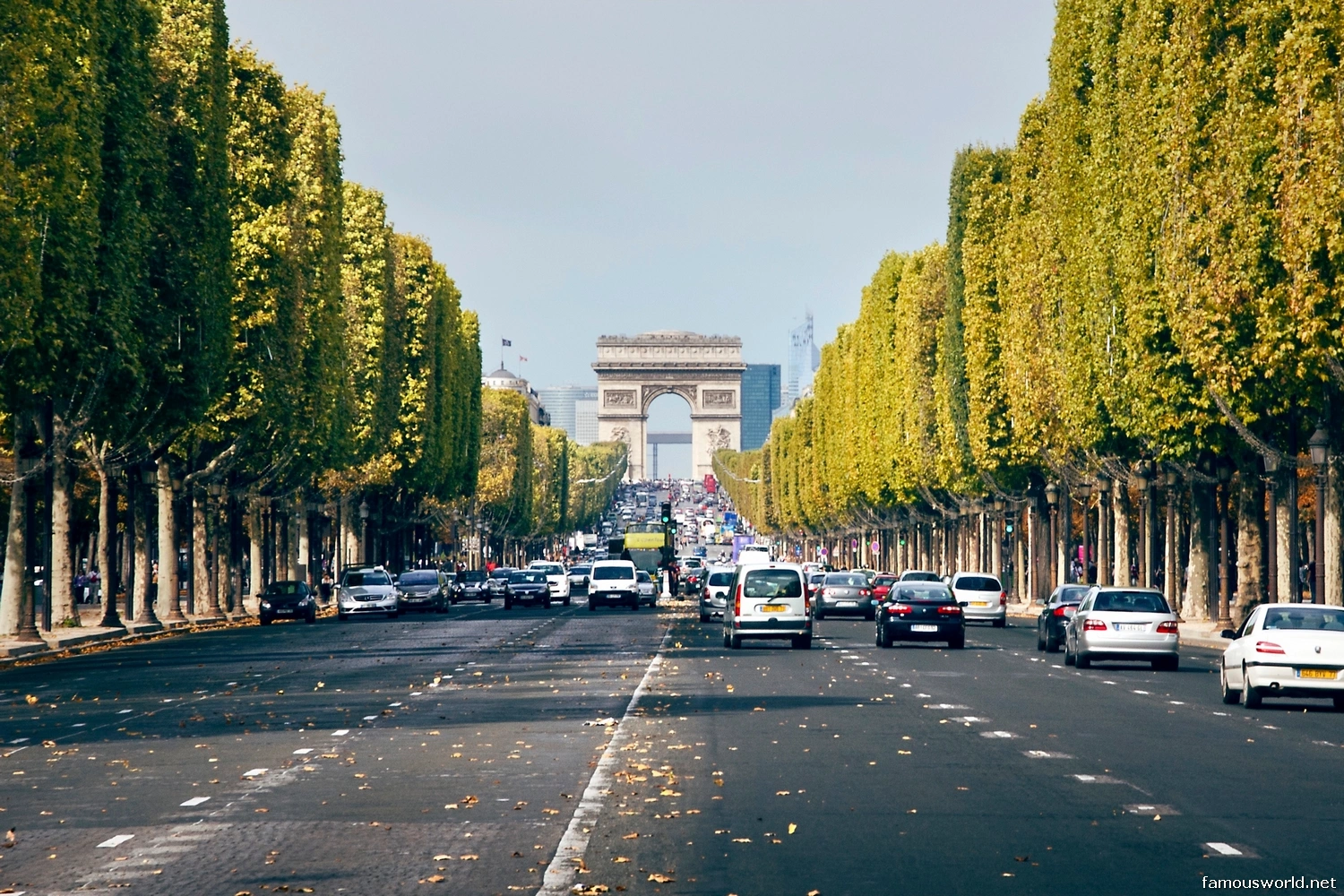
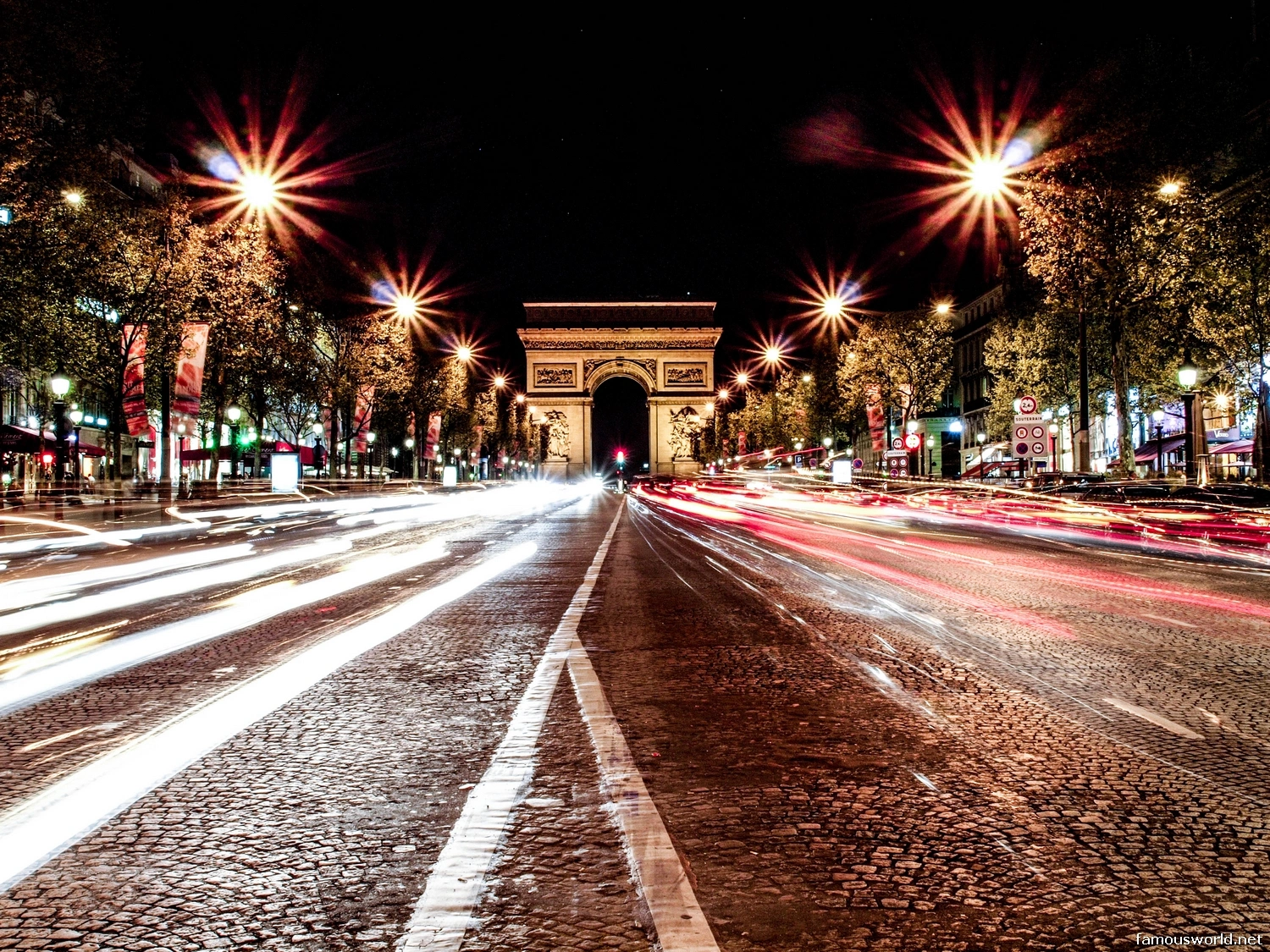
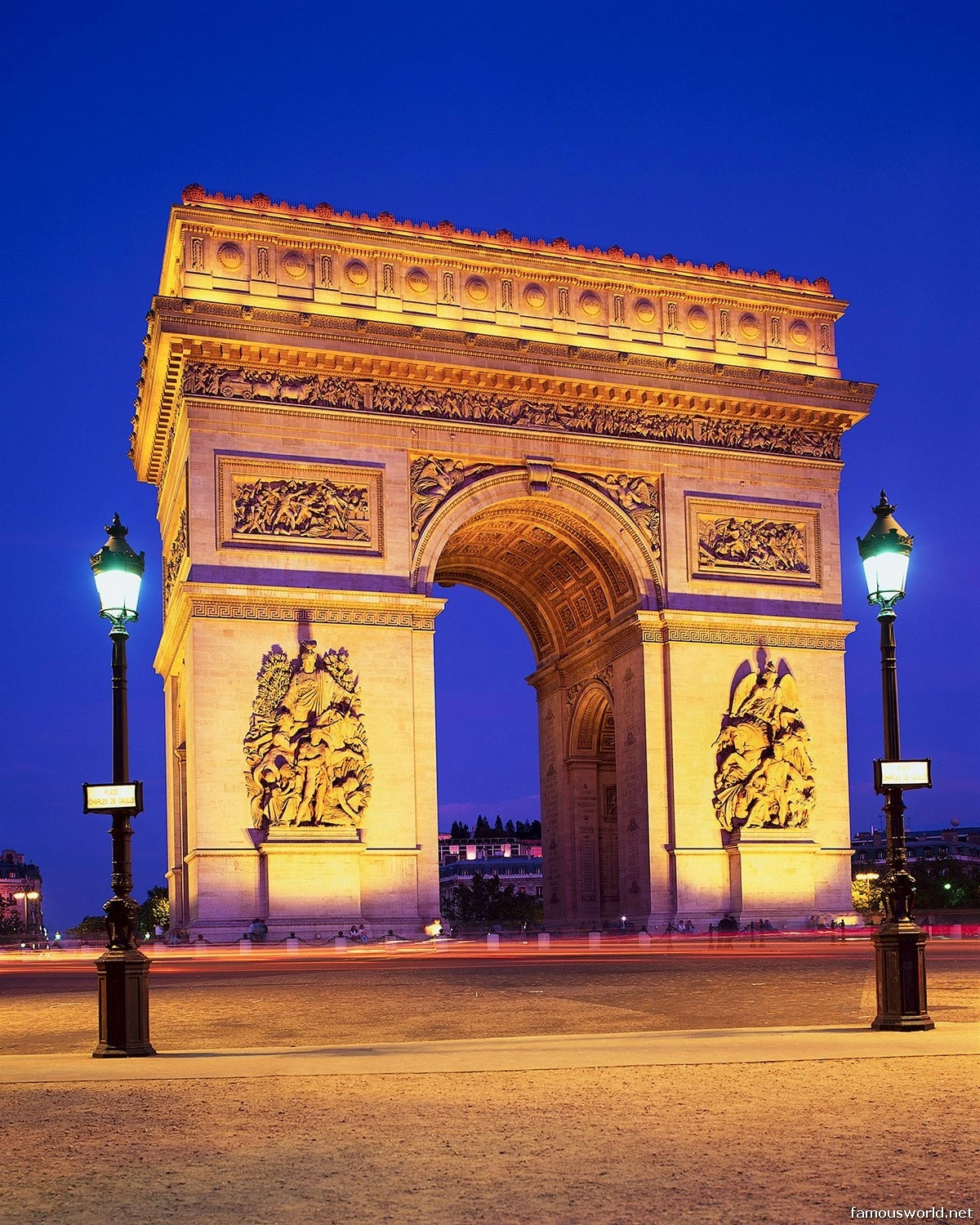
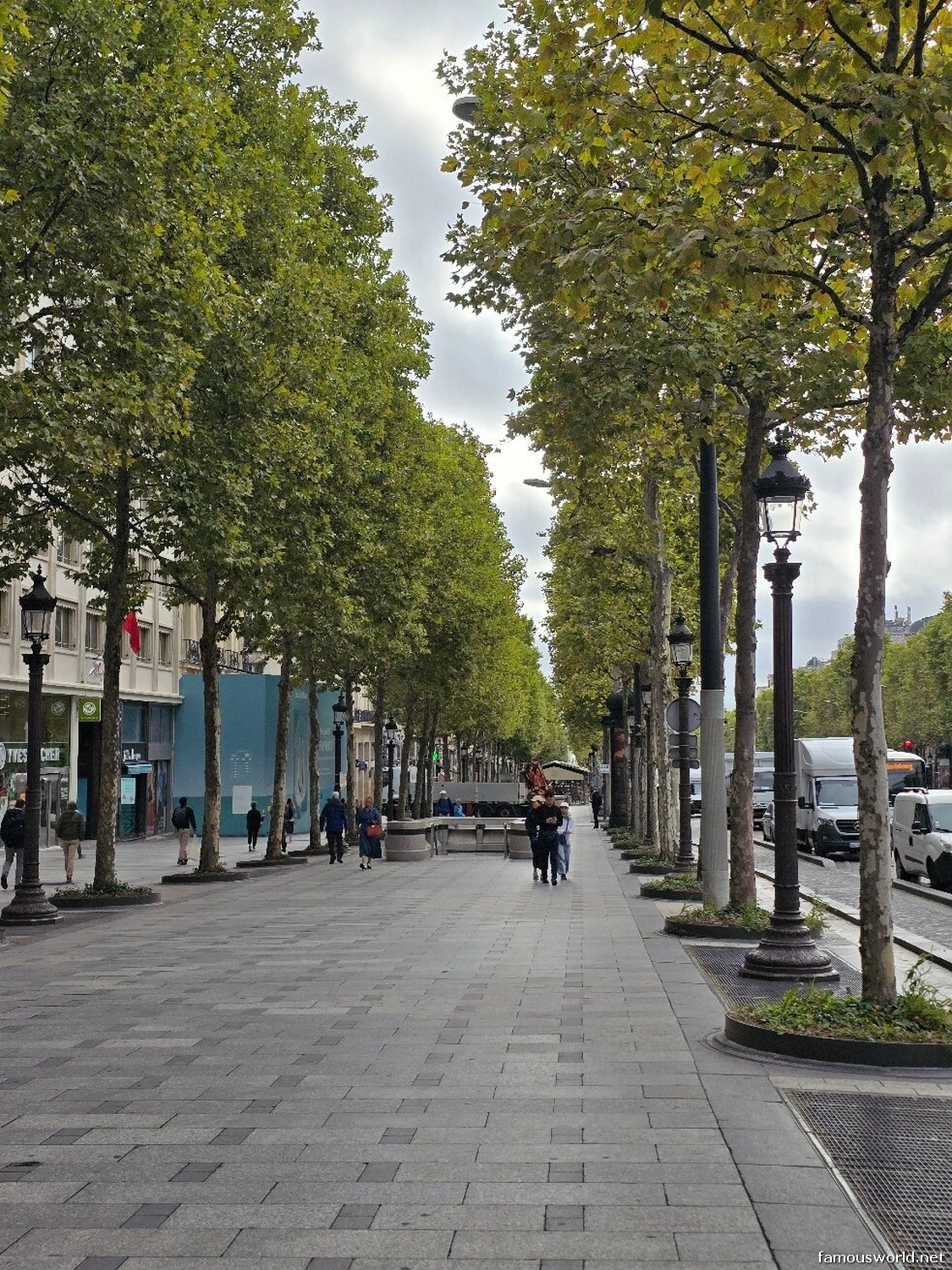


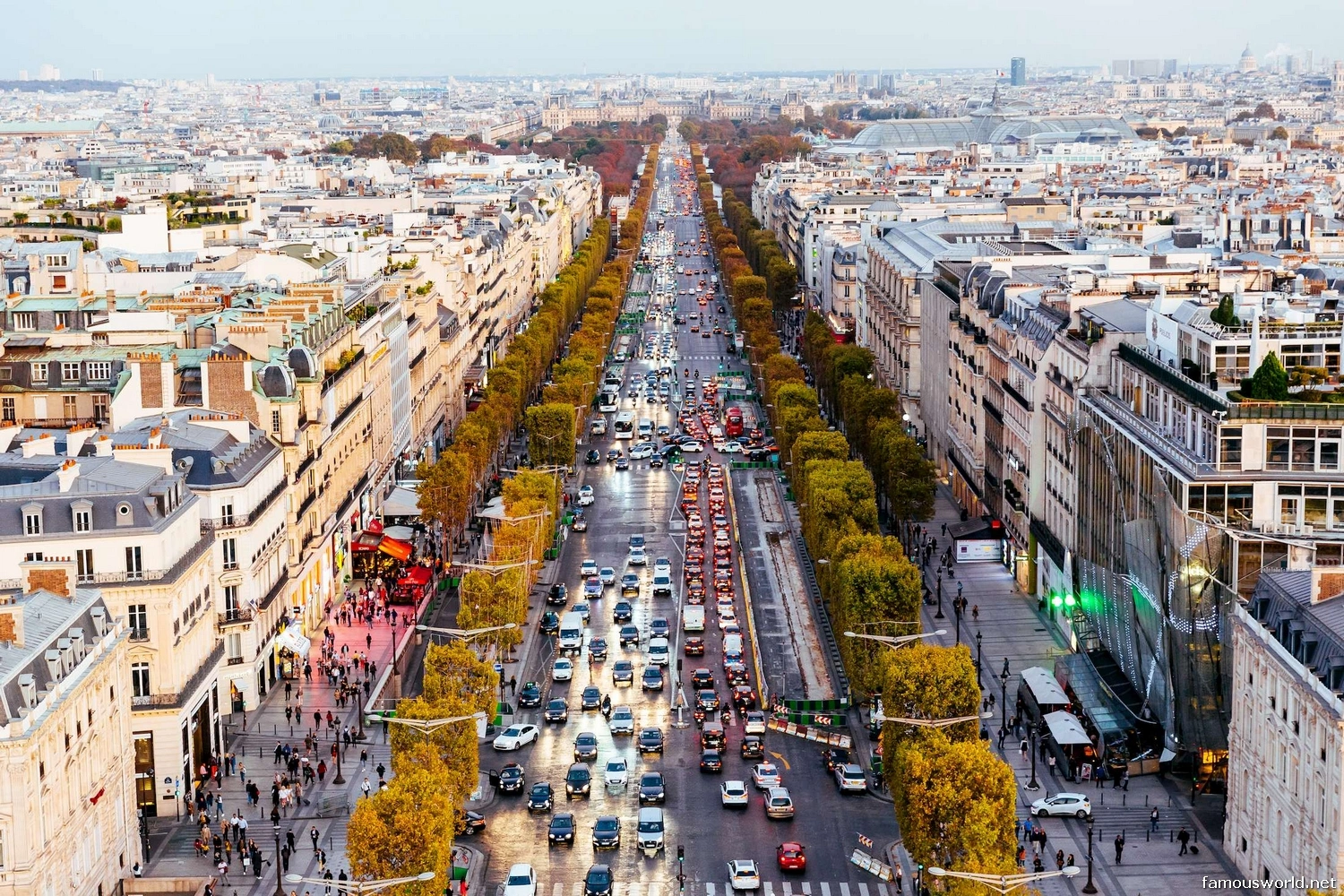
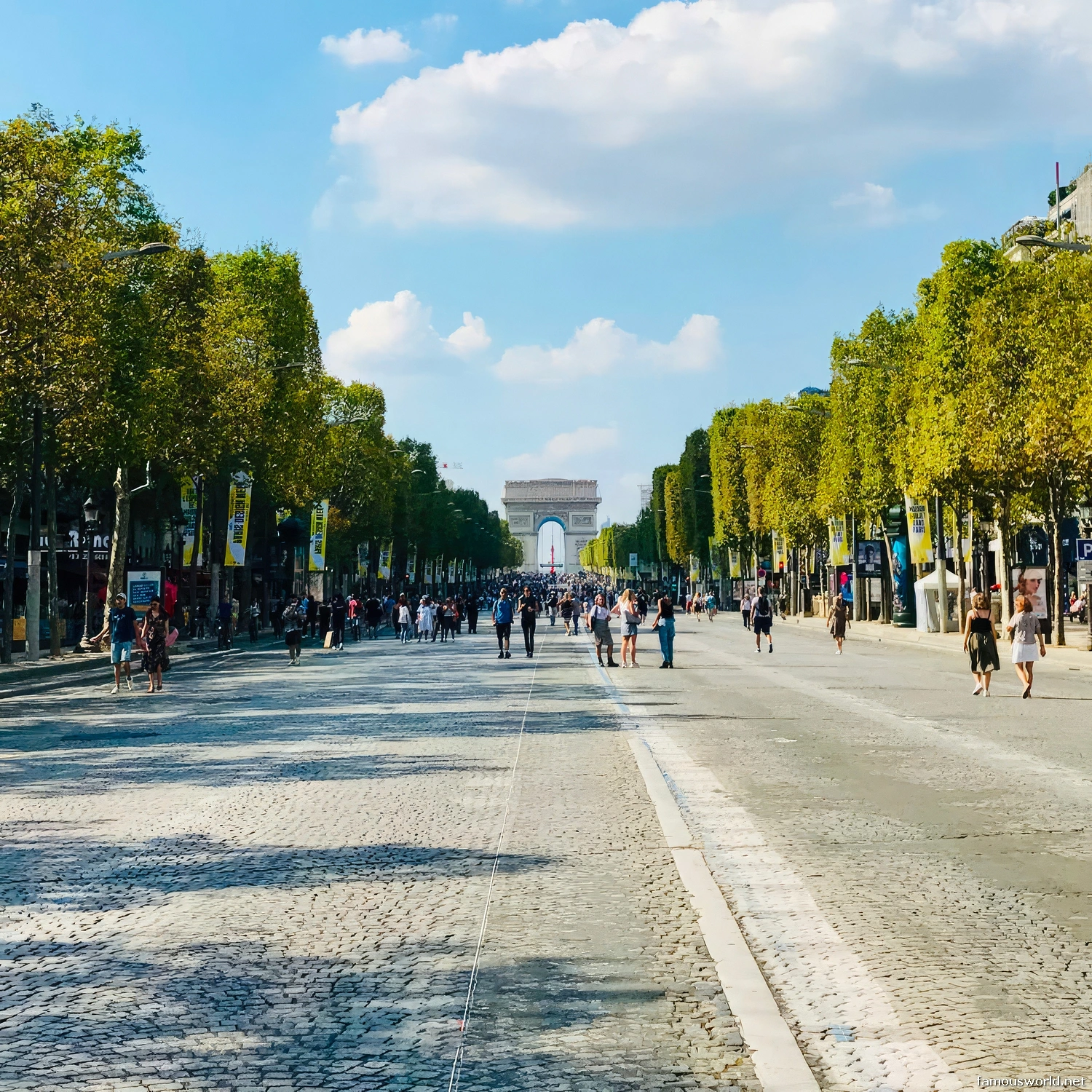
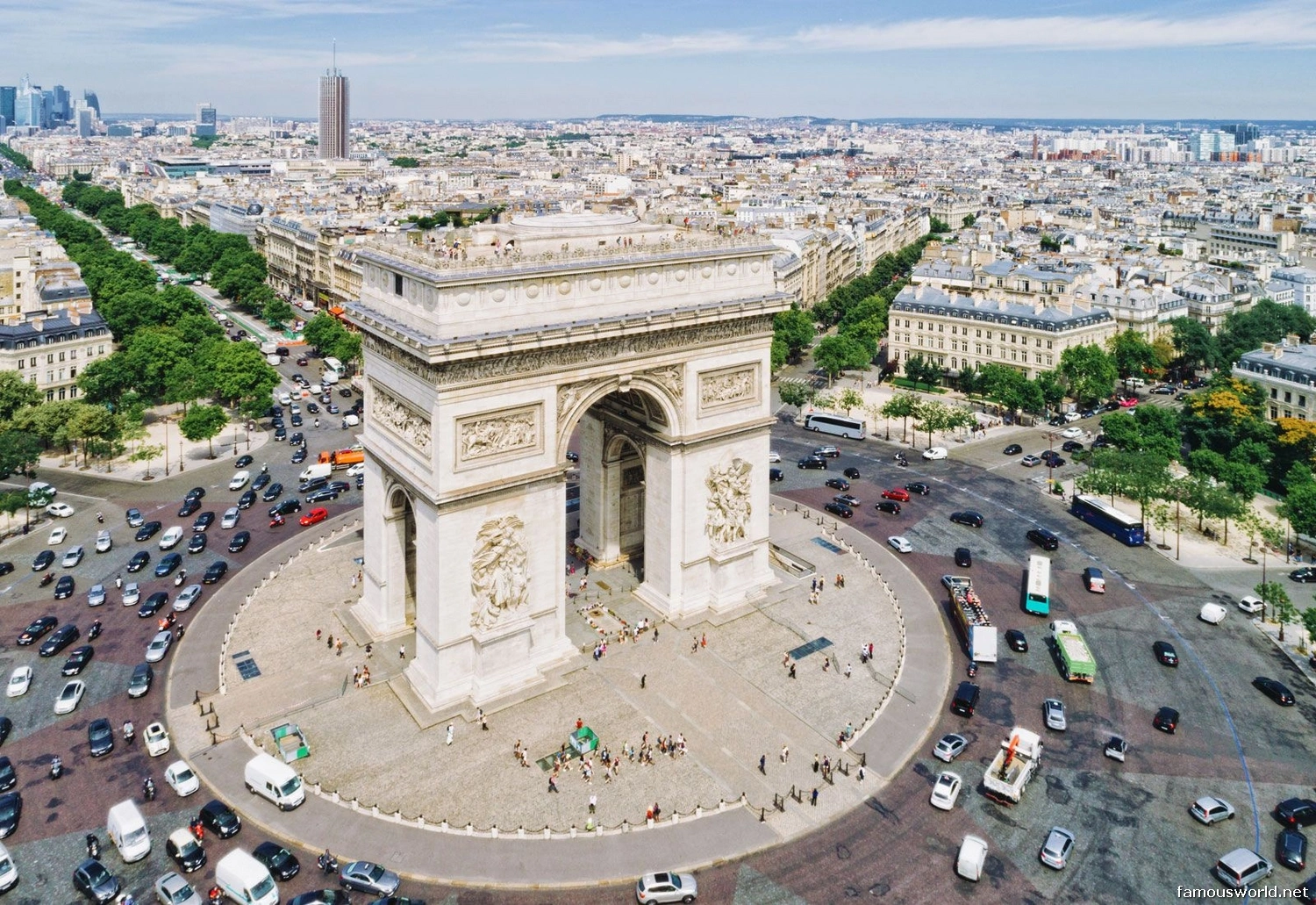
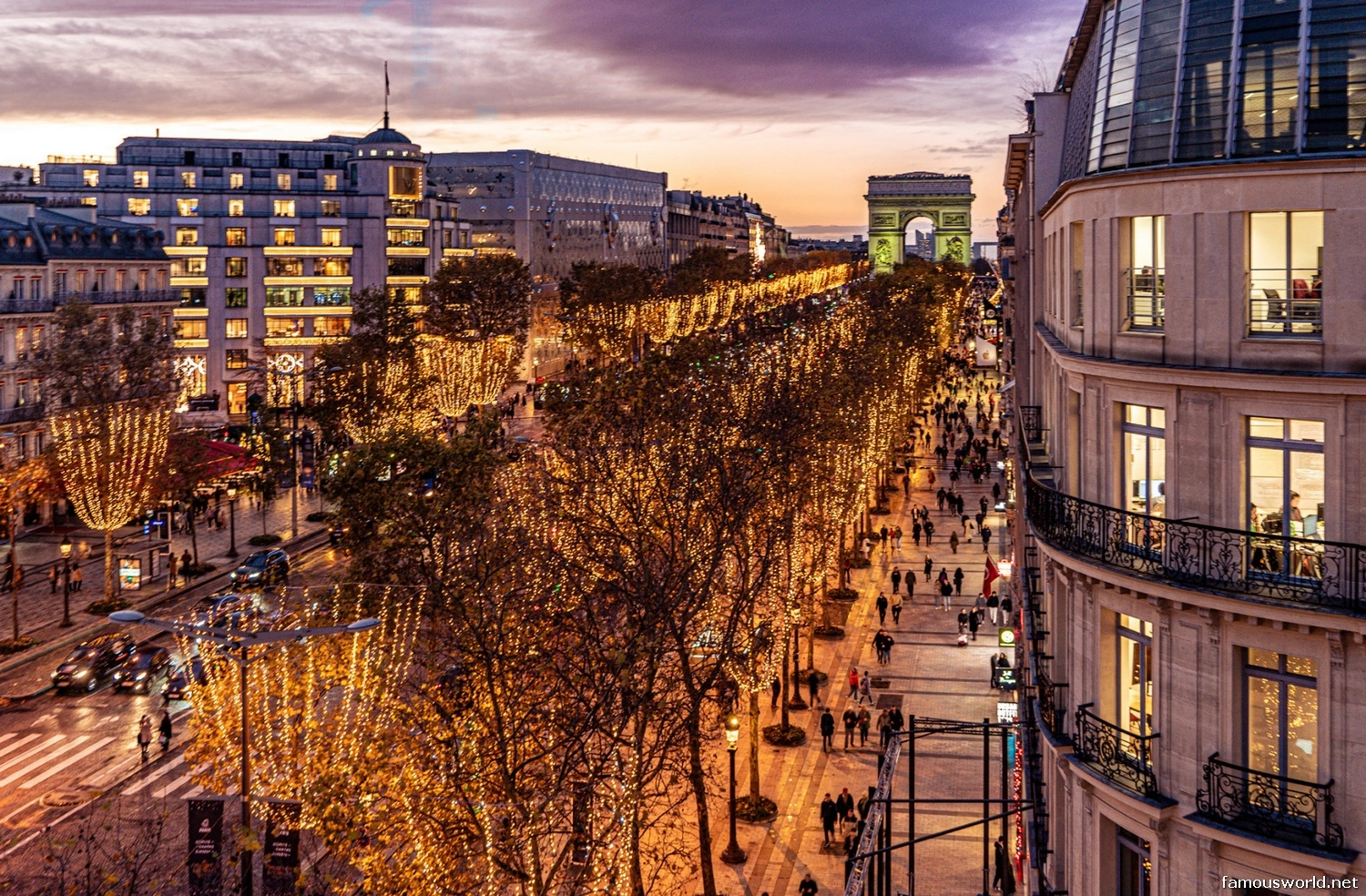

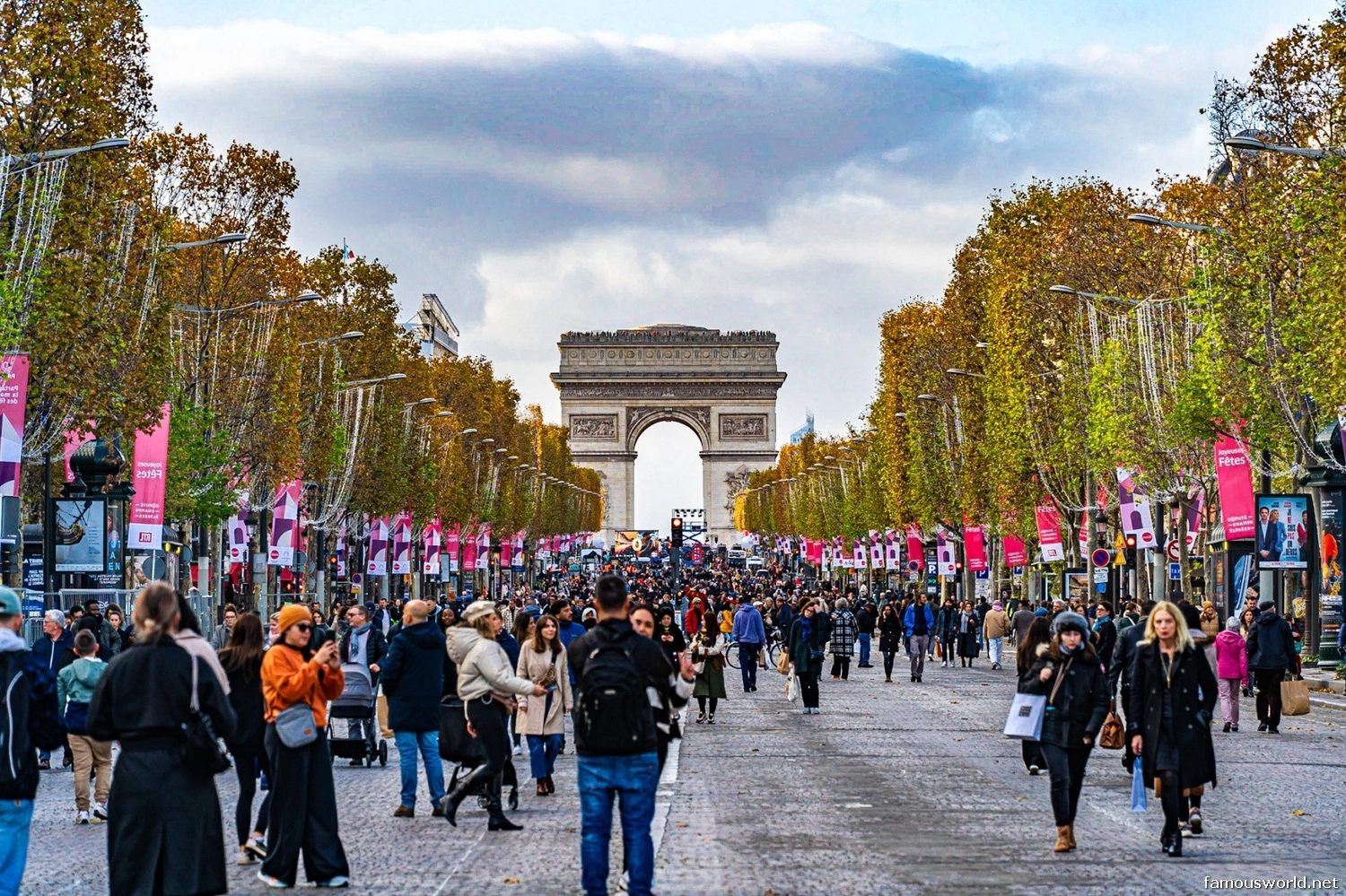
Stretching from the Place de la Concorde to the Arc de Triomphe, the Avenue des Champs-Élysées is more than just a street; it is a Parisian icon and arguably the most famous avenue in the world. Lined with majestic horse-chestnut trees, luxury boutiques, flagship stores, cinemas, and cafés, it is a symbol of French style, prestige, and celebration. The Champs-Élysées serves as the grand stage for France’s major national events, from the Bastille Day military parade to the finish of the Tour de France. A walk along its broad, elegant promenade is an essential Parisian experience, a journey through the heart of the city’s glamour and history.
Listen to an introduction about Avenue des Champs-Élysées

Name and Location
- Name: Avenue des Champs-Élysées (“Avenue of the Elysian Fields”).
- Location: In the 8th arrondissement of Paris, running 1.9 kilometers (1.2 miles) between the Place de la Concorde and the Place Charles de Gaulle, where the Arc de Triomphe stands.
How to Get There
The avenue is a major artery in Paris and is served by several Métro stations.
- By Métro: Key stations include Champs-Élysées–Clemenceau (Lines 1 and 13) near the lower, garden-lined section; Franklin D. Roosevelt (Lines 1 and 9) in the middle, commercial section; and Charles de Gaulle–Étoile (Lines 1, 2, 6, and RER A) at the Arc de Triomphe.
Landscape and Architecture
The Champs-Élysées is a masterpiece of urban planning, divided into two distinct sections.
- Lower Section (The Gardens): The section from the Place de la Concorde to the Rond-Point is a park-like promenade, bordered by the Jardins des Champs-Élysées. This area is home to elegant gardens, fountains, and several grand buildings, including the Grand Palais and the Petit Palais.
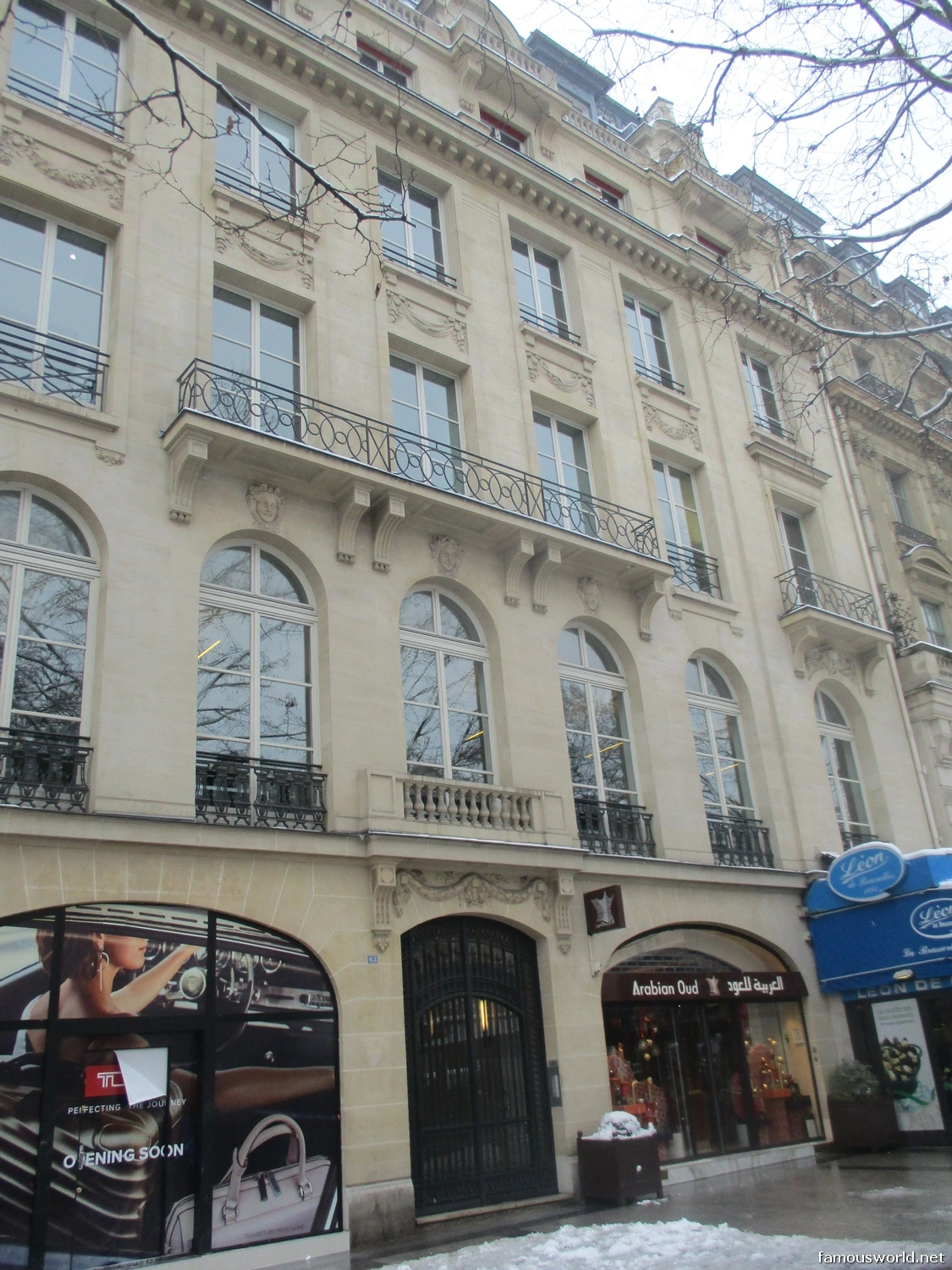
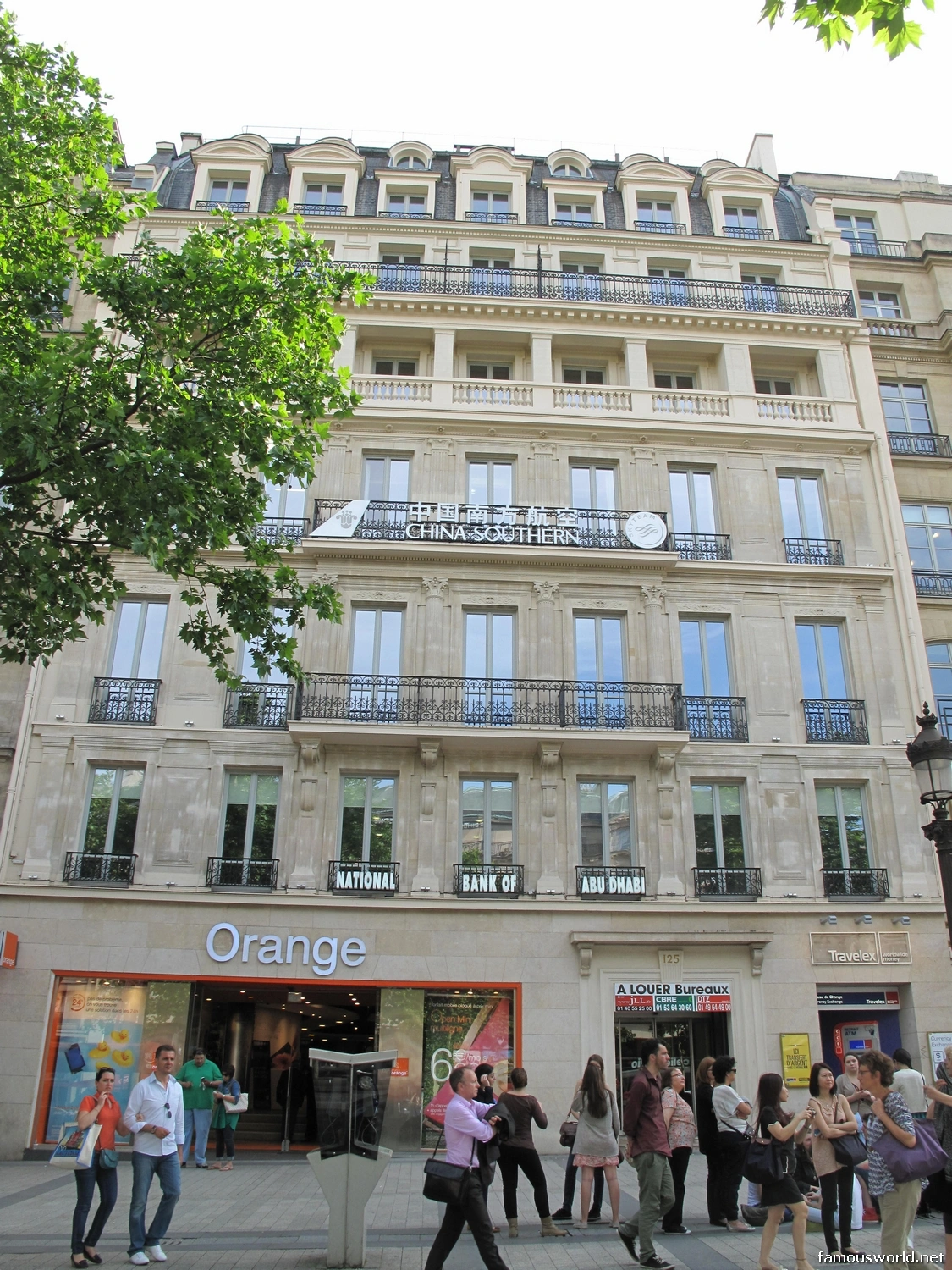
- Upper Section (The Commercial Hub): From the Rond-Point to the Arc de Triomphe, the avenue transforms into a bustling commercial district. It is flanked by impressive Haussmannian buildings that house luxury brands, car showrooms, restaurants, and theaters.
- The Axe Historique: The Champs-Élysées is the central element of Paris’s Axe Historique (Historic Axis), a perfectly aligned perspective of monuments that runs from the Louvre, through the Tuileries Garden and the Place de la Concorde, up the avenue to the Arc de Triomphe, and beyond to the Grande Arche de la Défense.
What Makes It Famous
The avenue is famous for its cultural significance, its luxurious atmosphere, and its role as a national stage.
- “The World’s Most Beautiful Avenue”: It is widely acclaimed for its perfect symmetry, its grand scale, and its stunning perspective, culminating in the magnificent Arc de Triomphe.
- Bastille Day Parade: It is the traditional site of the annual Bastille Day military parade on July 14th, a major national event showcasing French military prowess and patriotism.
- Tour de France Finish: Since 1975, the final stage of the Tour de France has concluded on the Champs-Élysées, making it one of the most iconic finishing lines in the world of sports.
- Luxury Shopping: The avenue is a global destination for luxury shopping, featuring flagship stores for many of the world’s most prestigious brands.
Differences from Other Wonders
As a grand public thoroughfare, the Champs-Élysées offers a different experience from the sacred, hilltop basilica of Sacré-Cœur.
- Environment (Urban Avenue vs. Hilltop Basilica): The Champs-Élysées is a grand, flat, and linear urban avenue designed for promenades and parades. Sacré-Cœur is a sacred basilica that crowns a steep hill, designed for pilgrimage and worship.
- Core Story (Secular Celebration vs. National Penance): The story of the Champs-Élysées is one of secular and civic pride, a stage for national celebration and commerce. The story of Sacré-Cœur is one of religious devotion and national atonement.
- Primary Attraction (The Avenue Itself vs. The Building Itself): The primary attraction is the experience of the avenue as a whole—its shops, its atmosphere, and its grand perspective. The primary attraction of Sacré-Cœur is the singular architectural and spiritual presence of the basilica.
- Atmosphere (Energetic and Glamorous vs. Spiritual and Serene): A visit to the Champs-Élysées is an energetic, glamorous, and cosmopolitan experience. A visit to Sacré-Cœur is a spiritual, serene, and uplifting one.
Location on world map