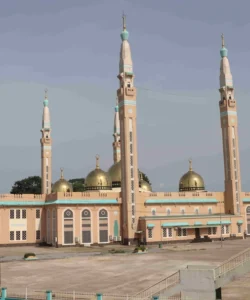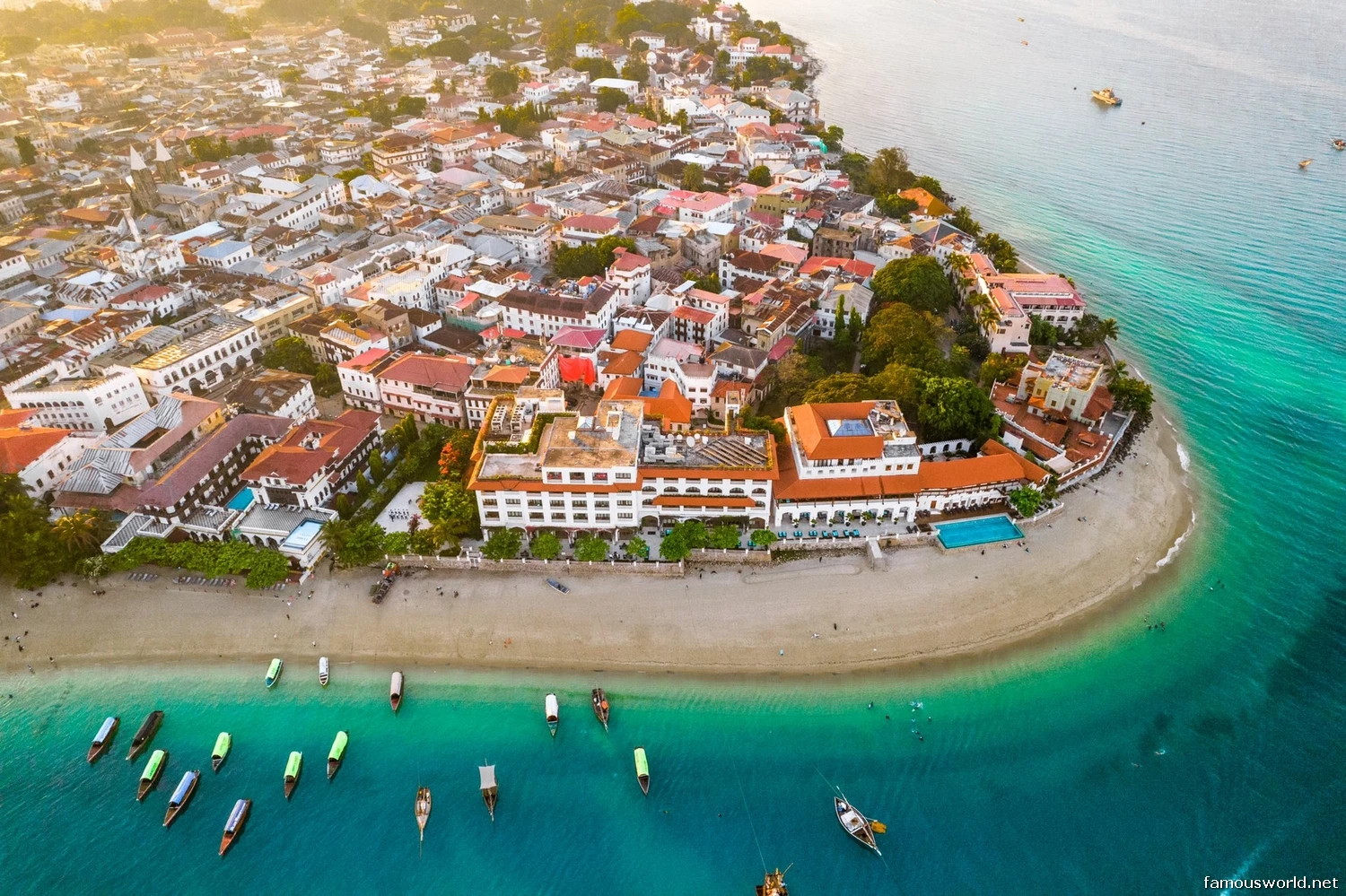

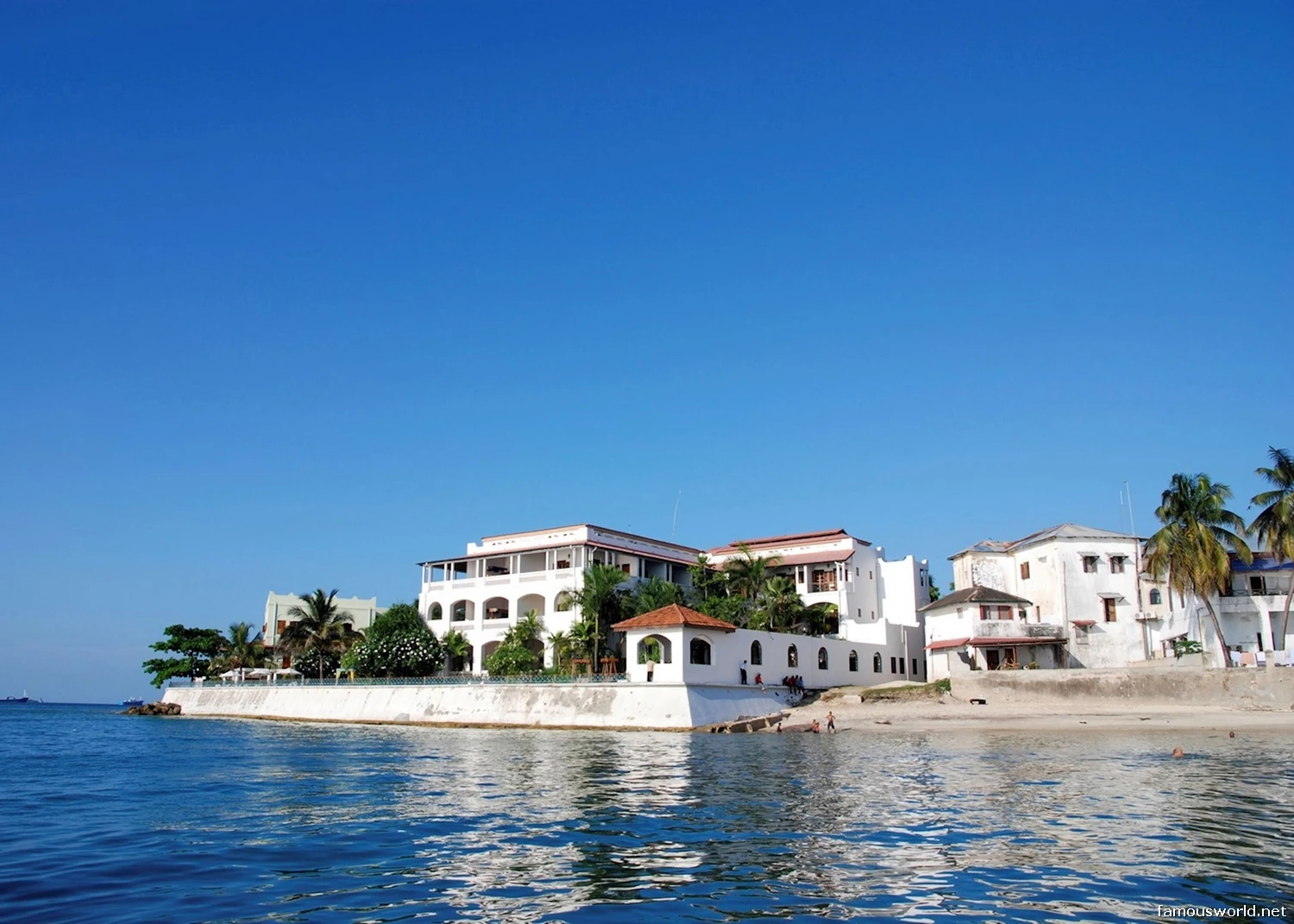
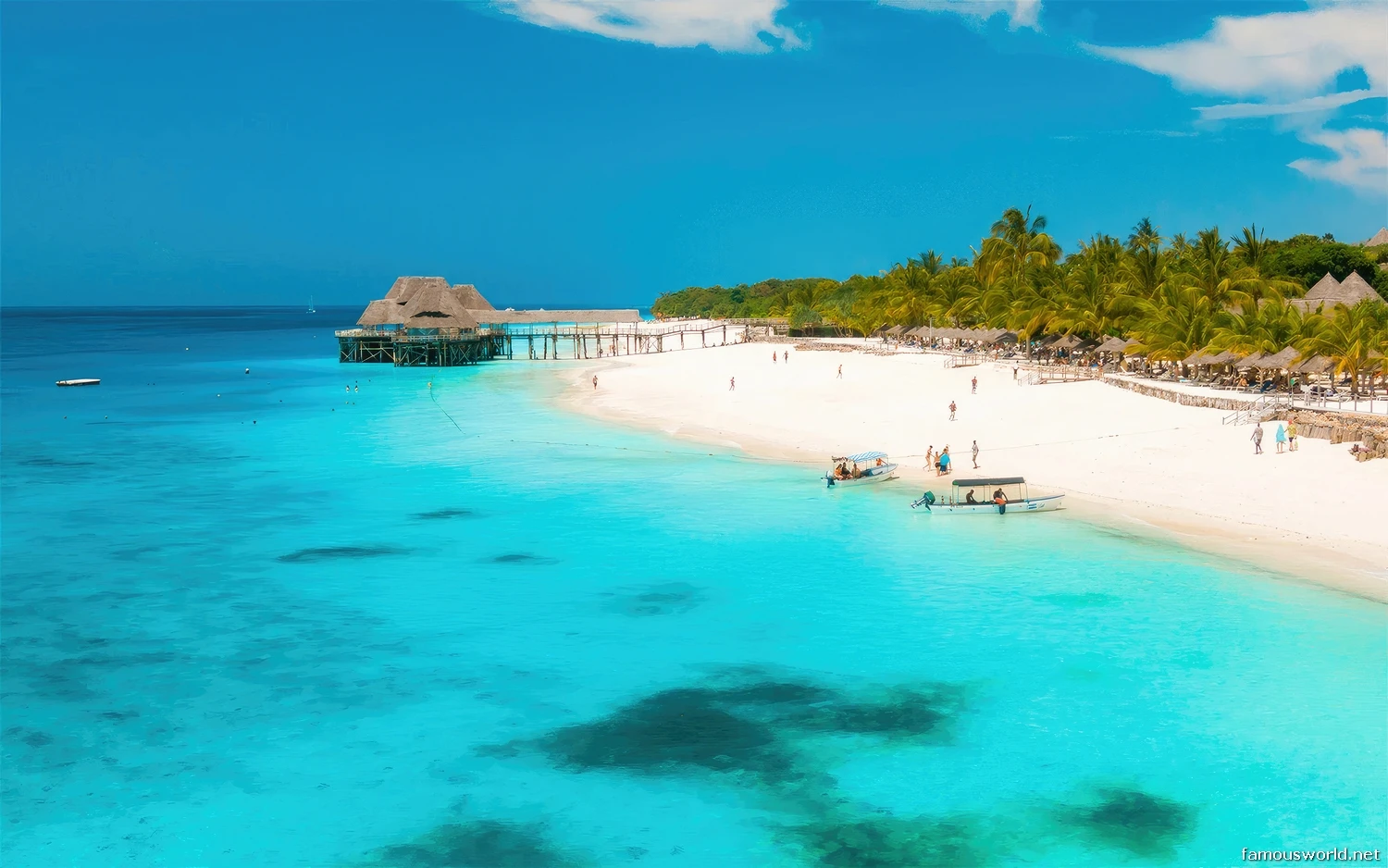
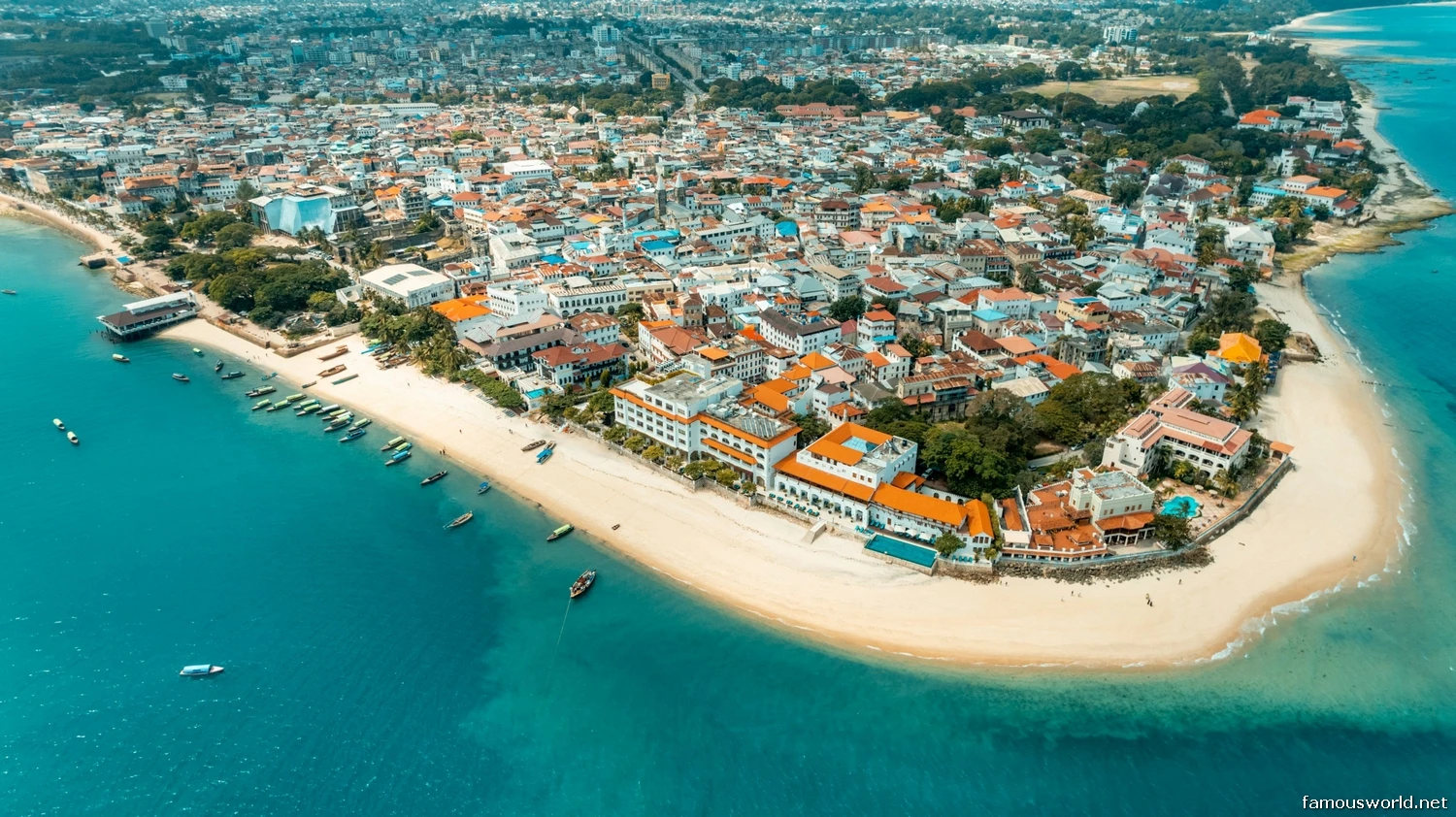


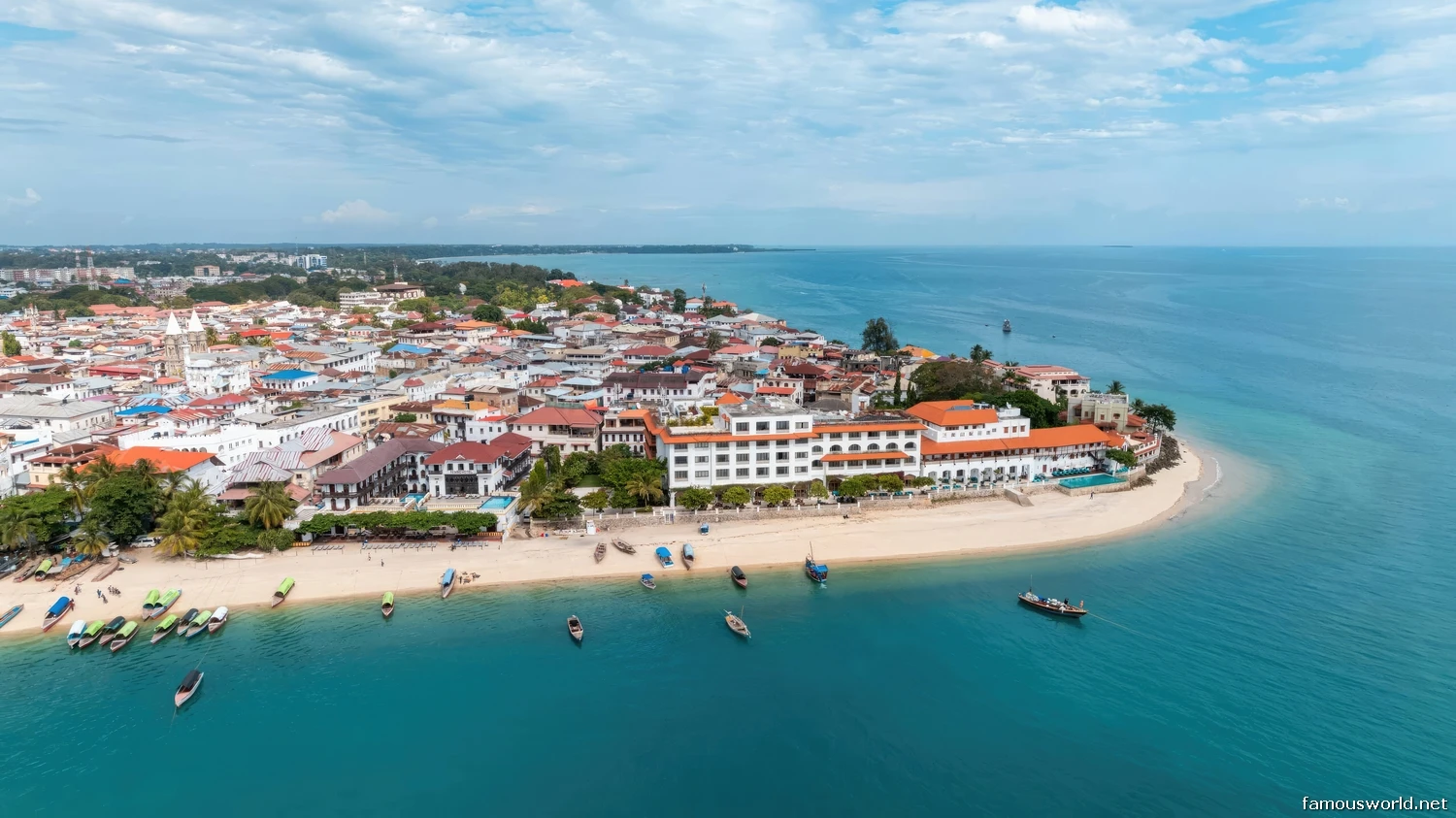
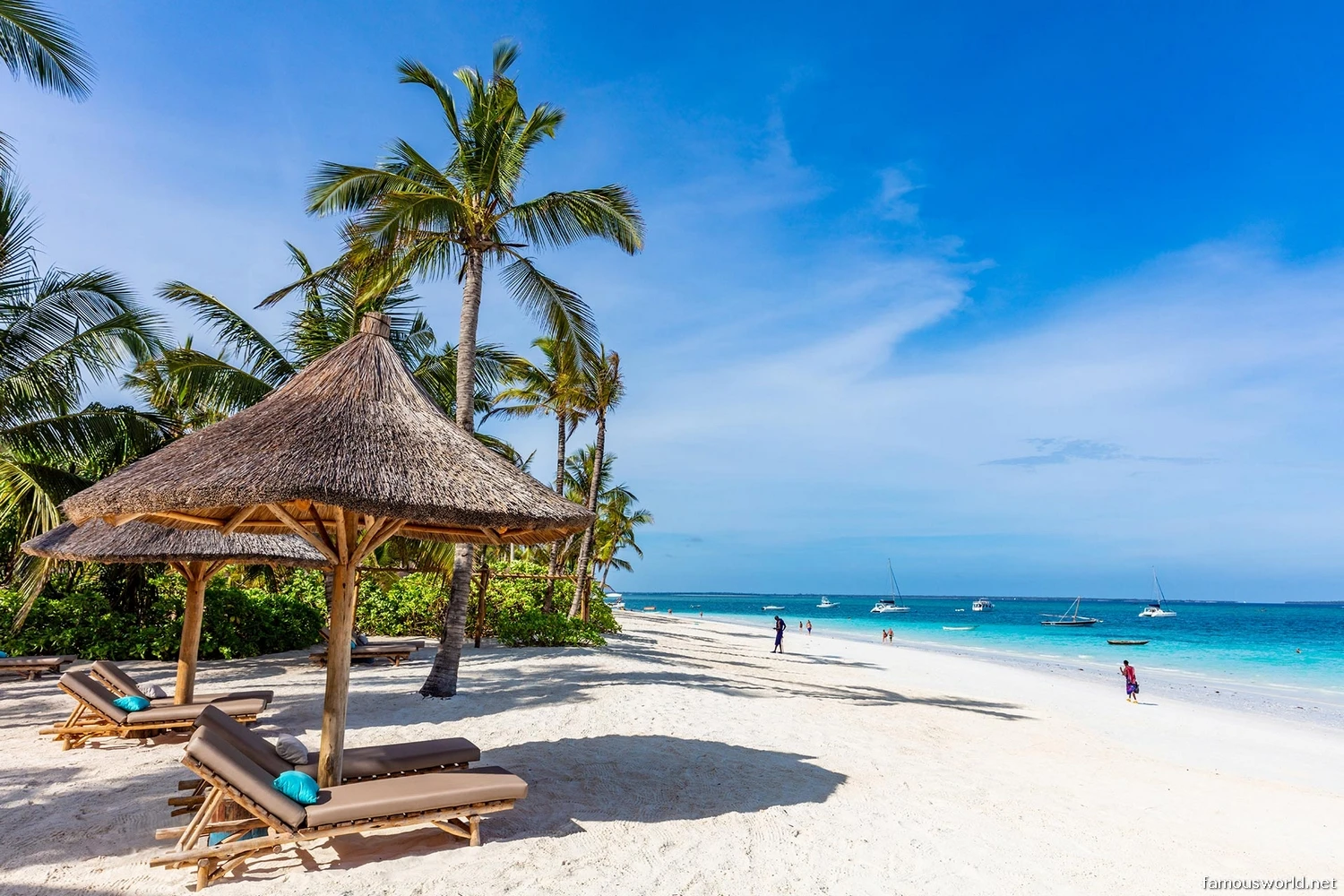
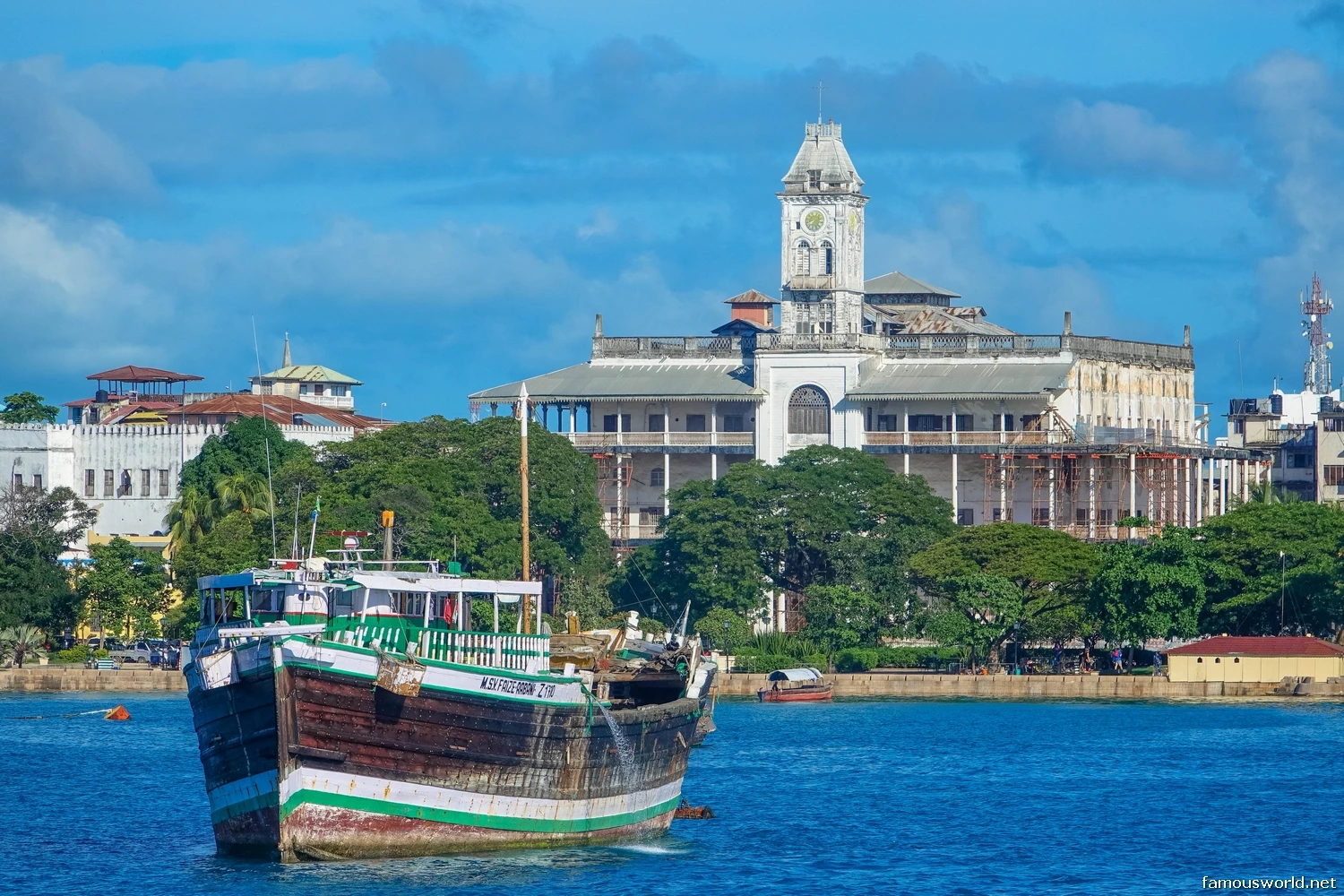
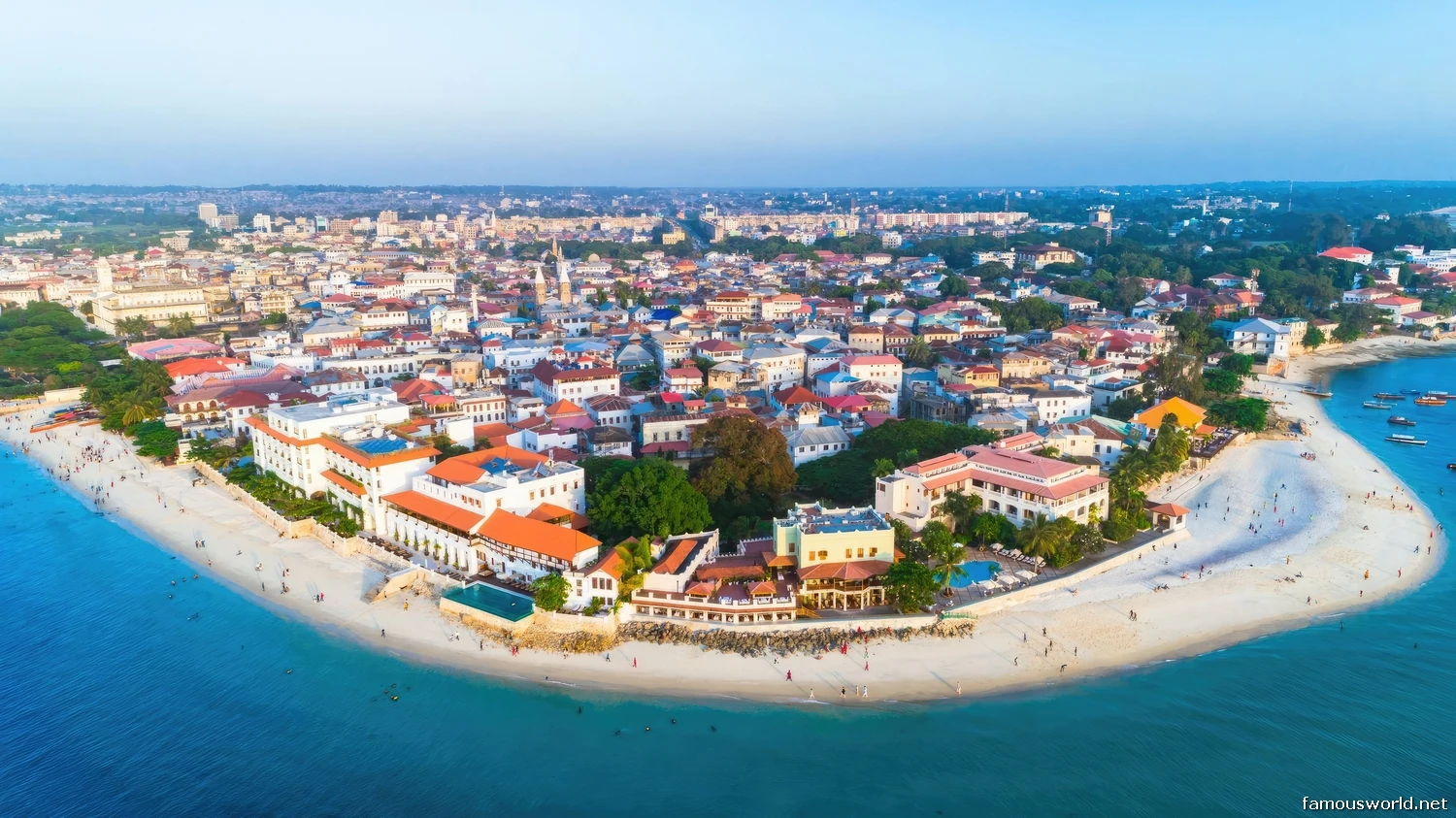
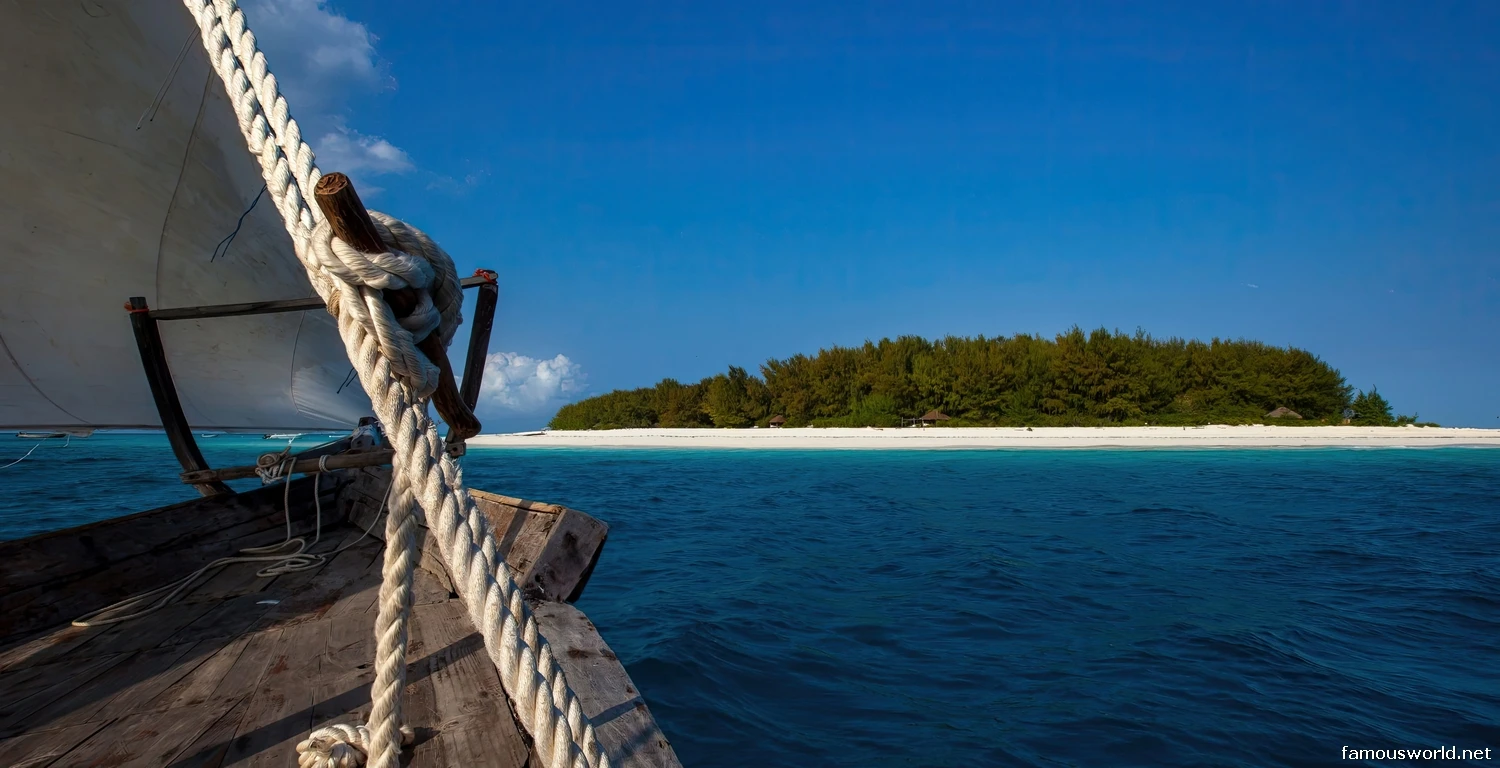


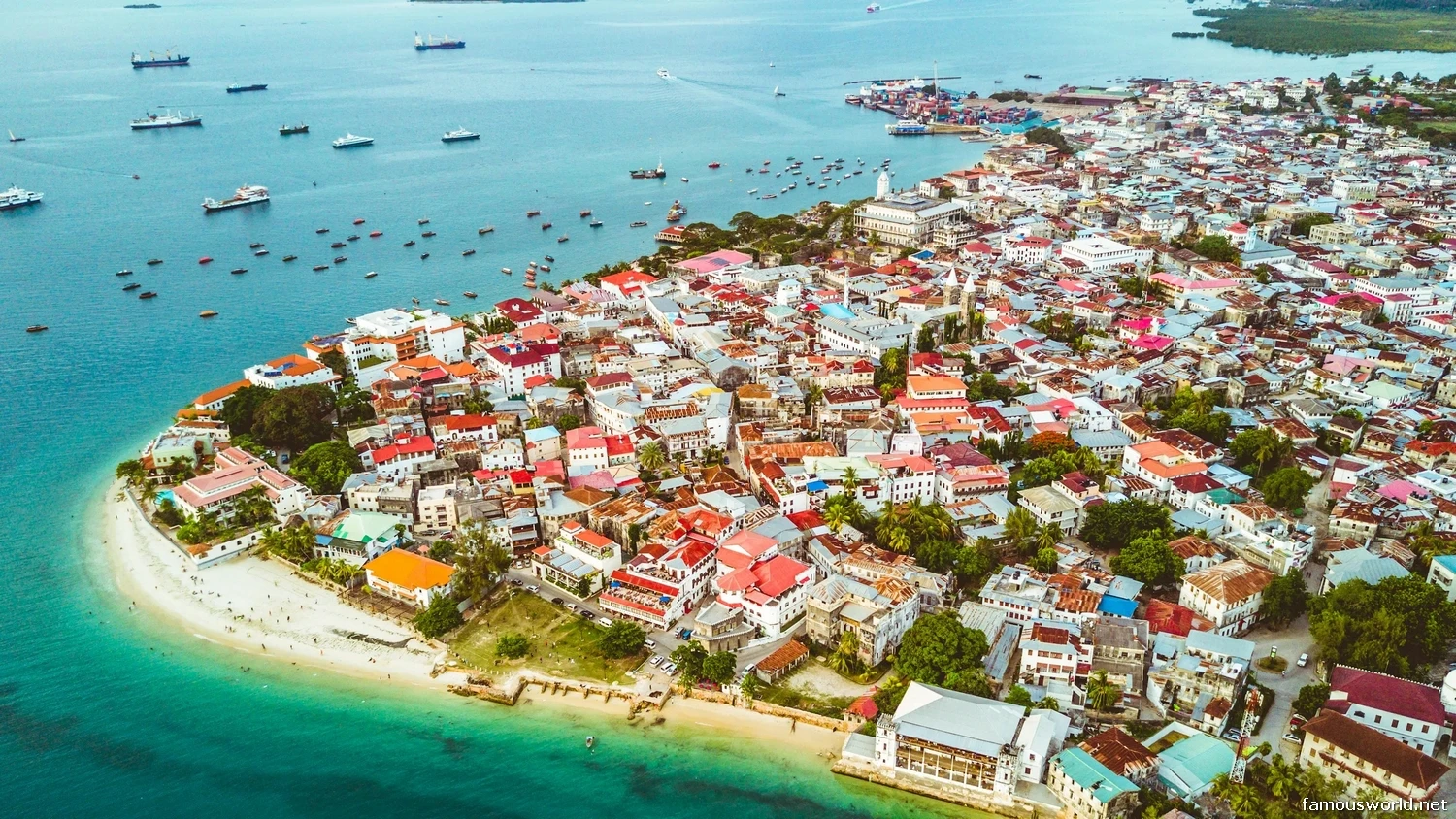
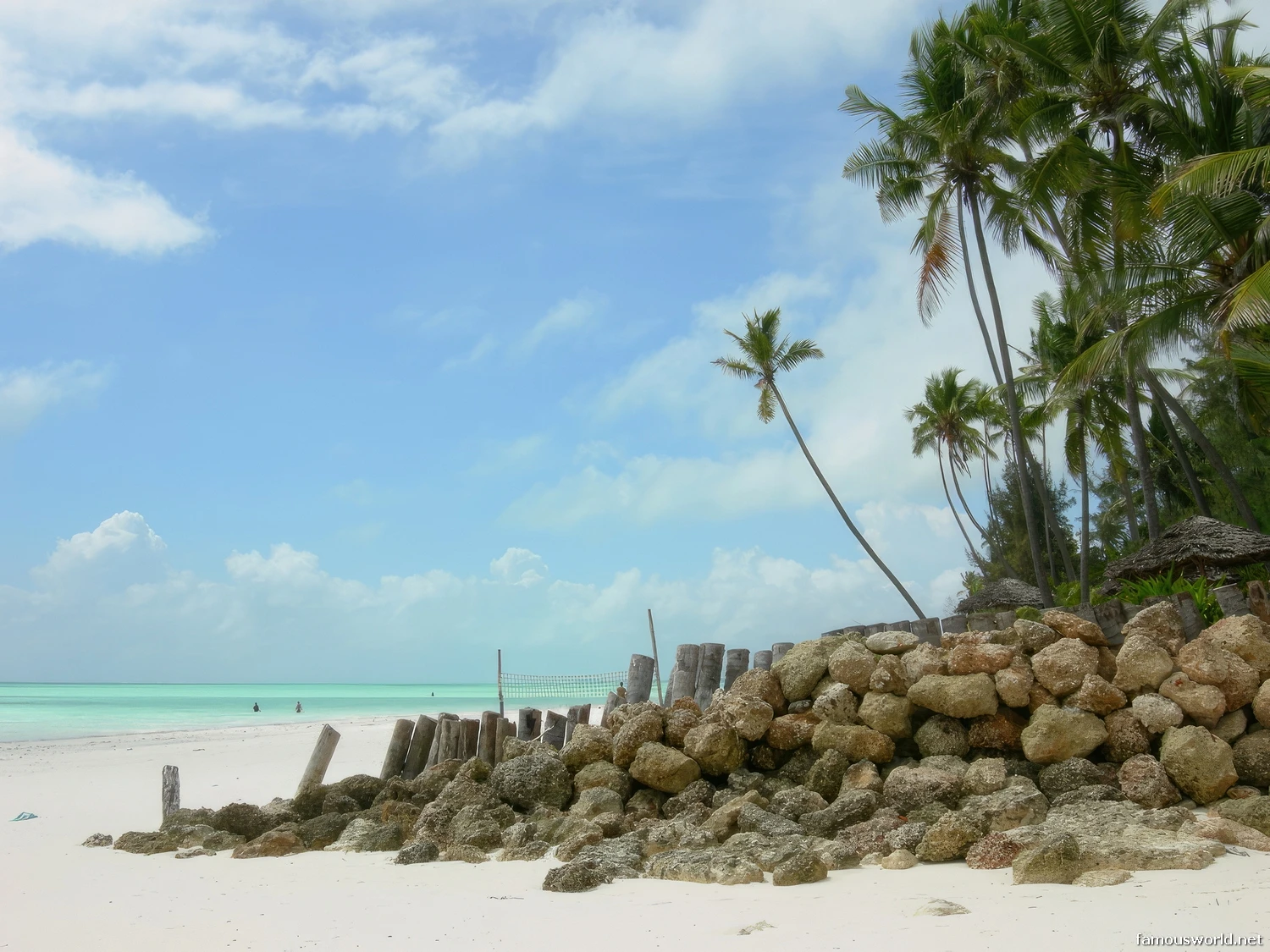
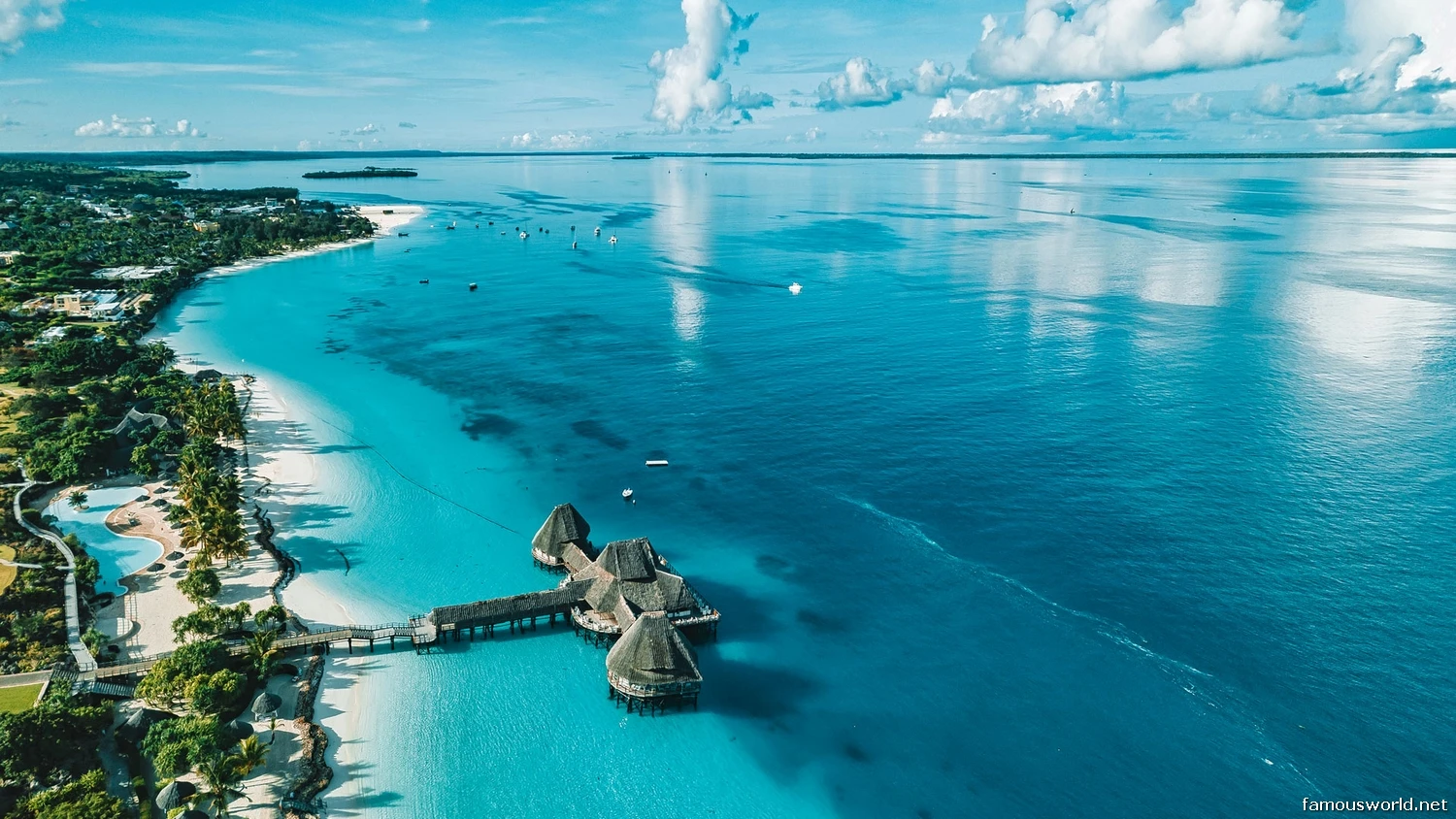
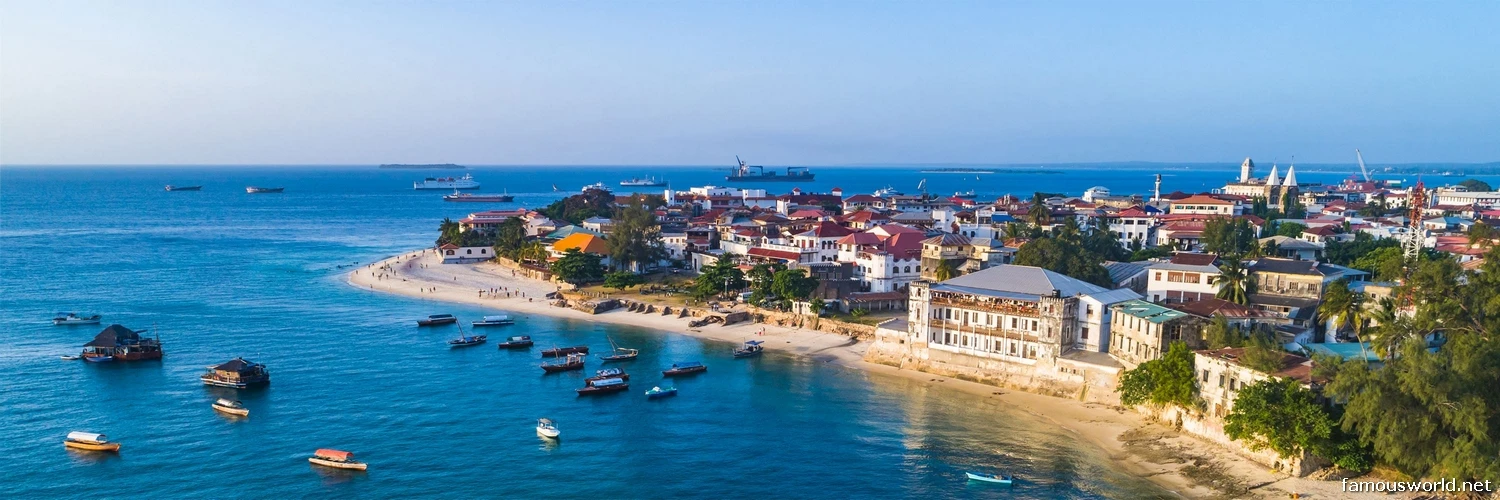

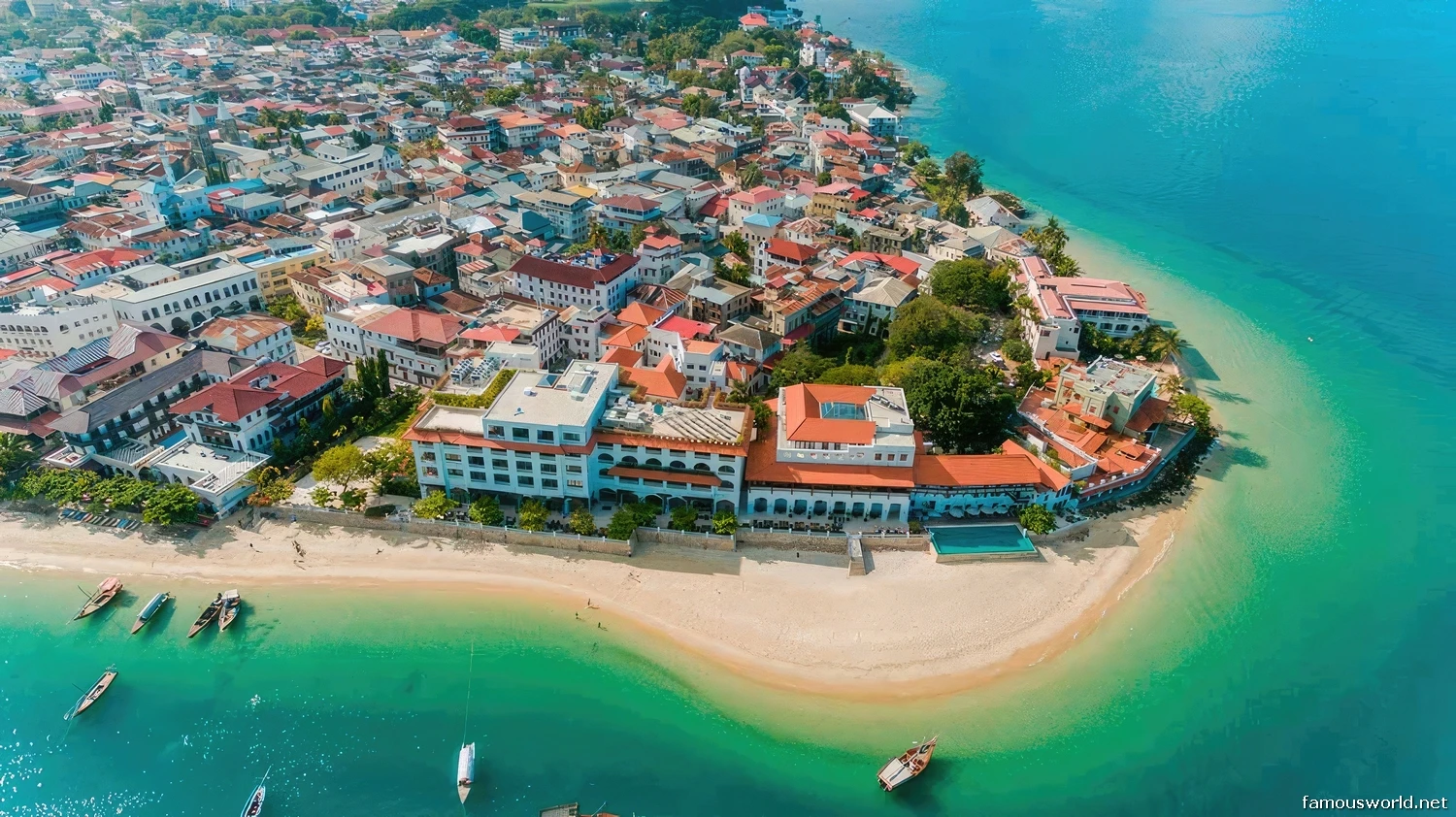
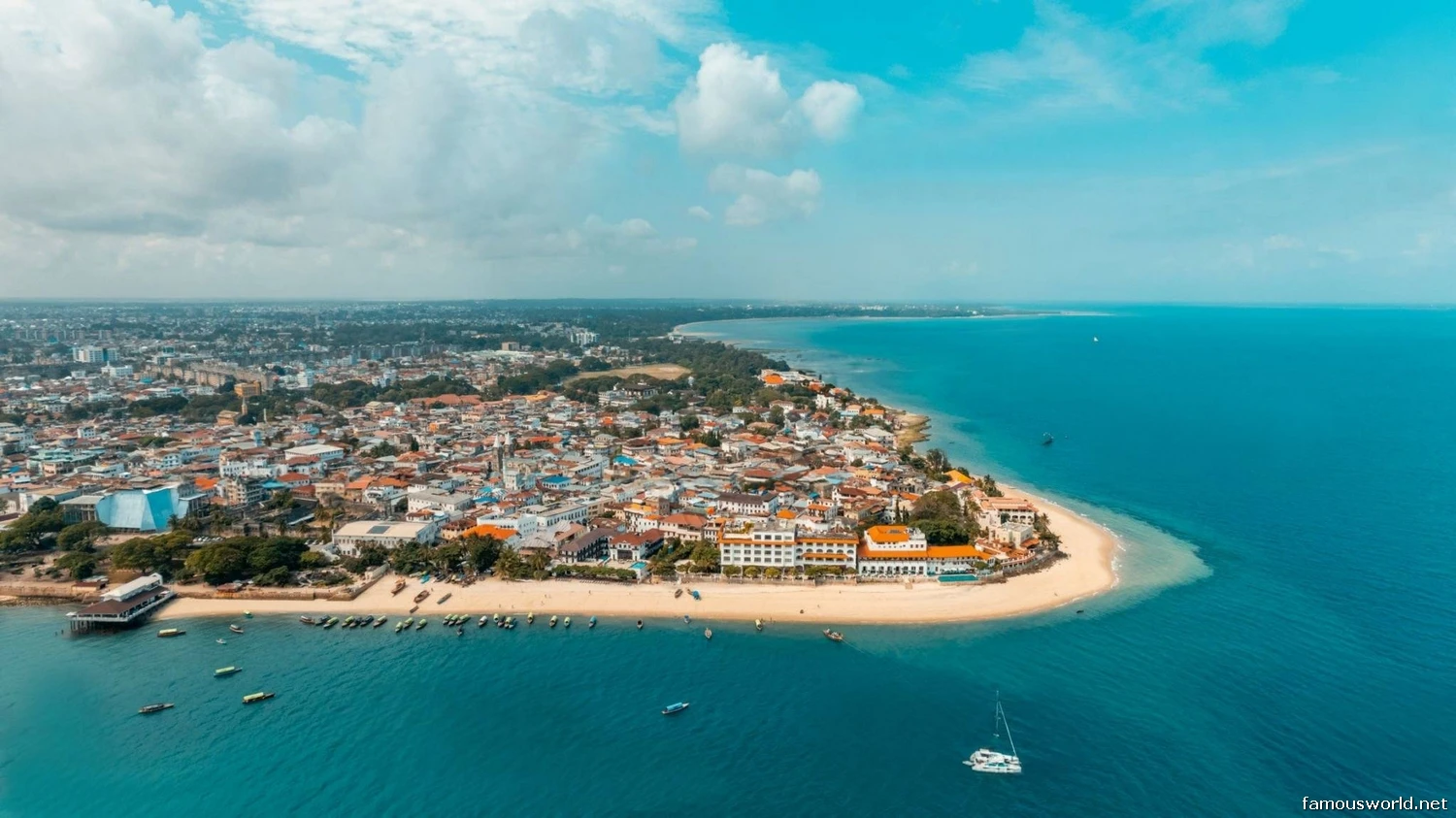
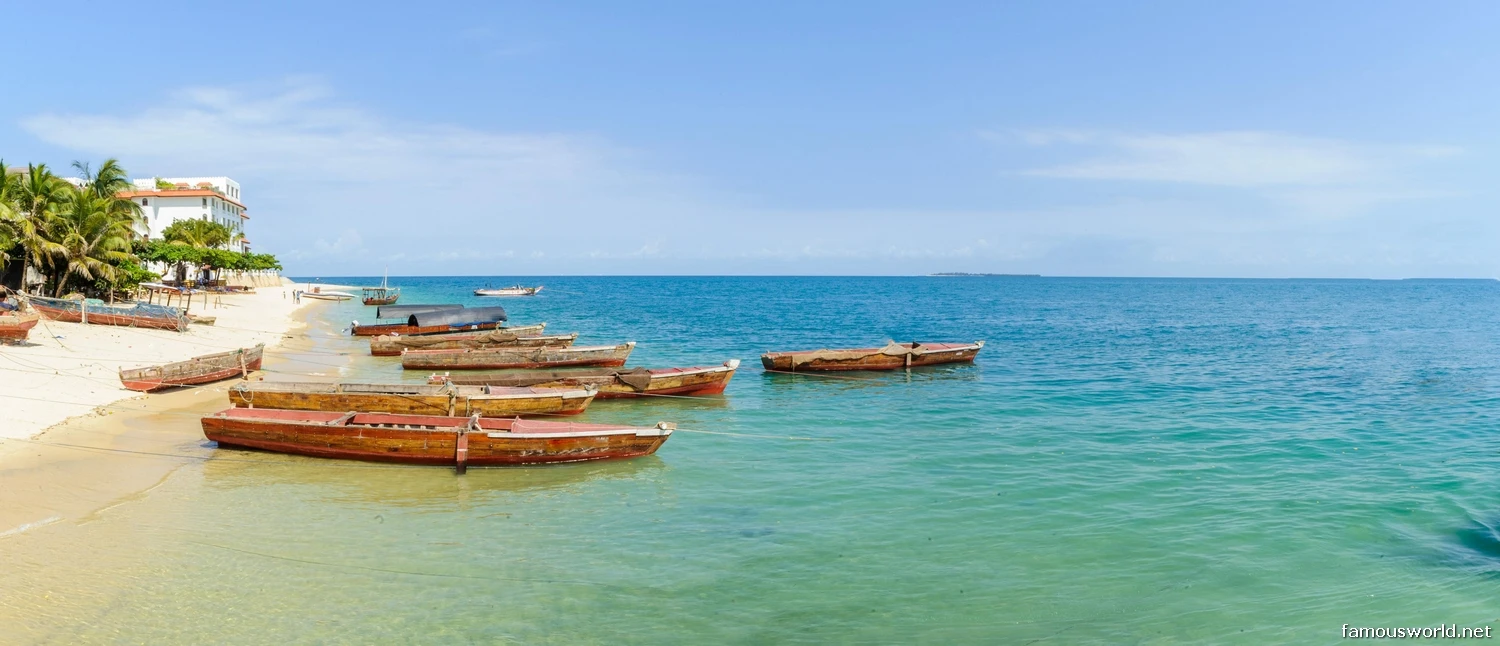
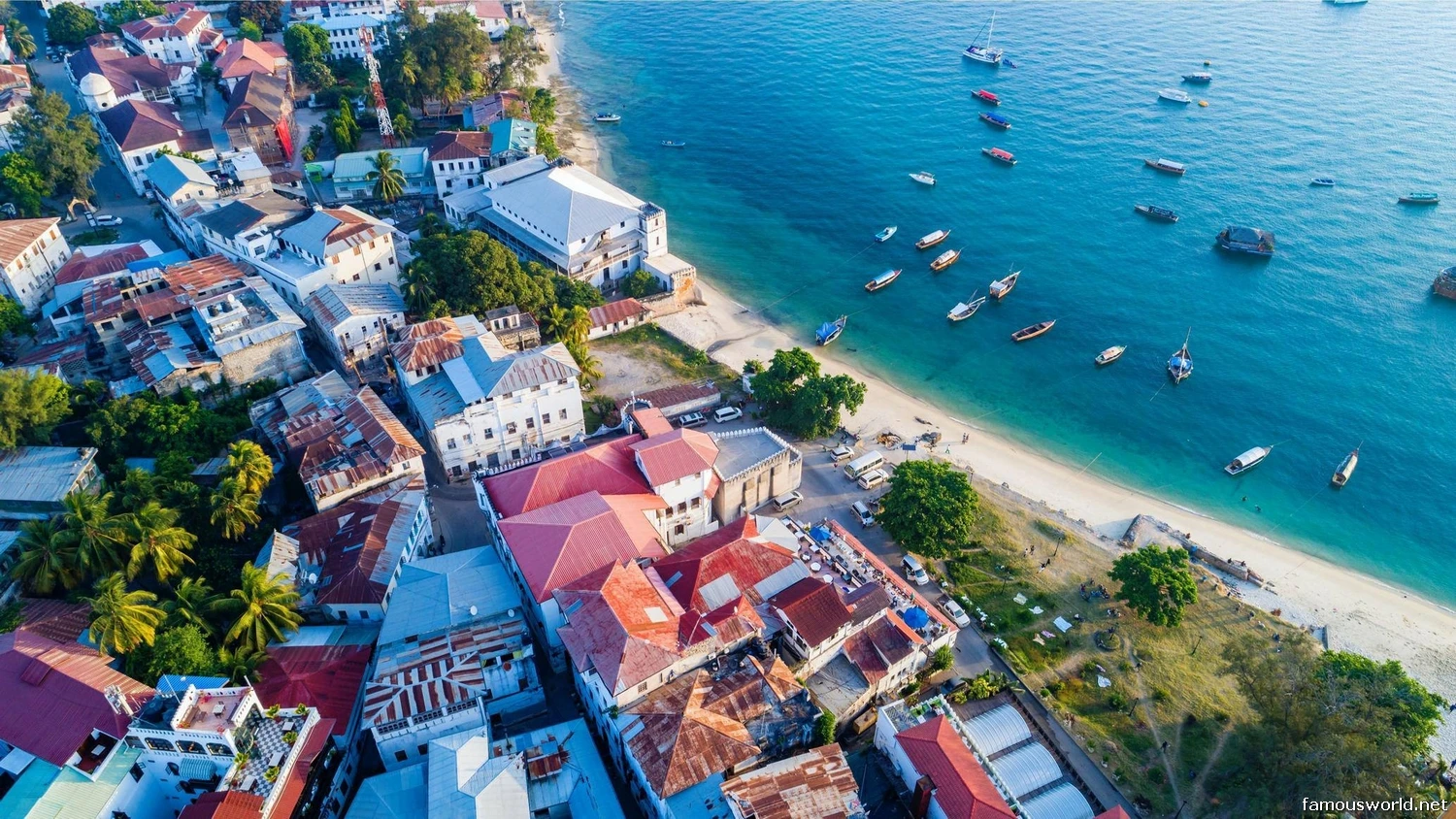


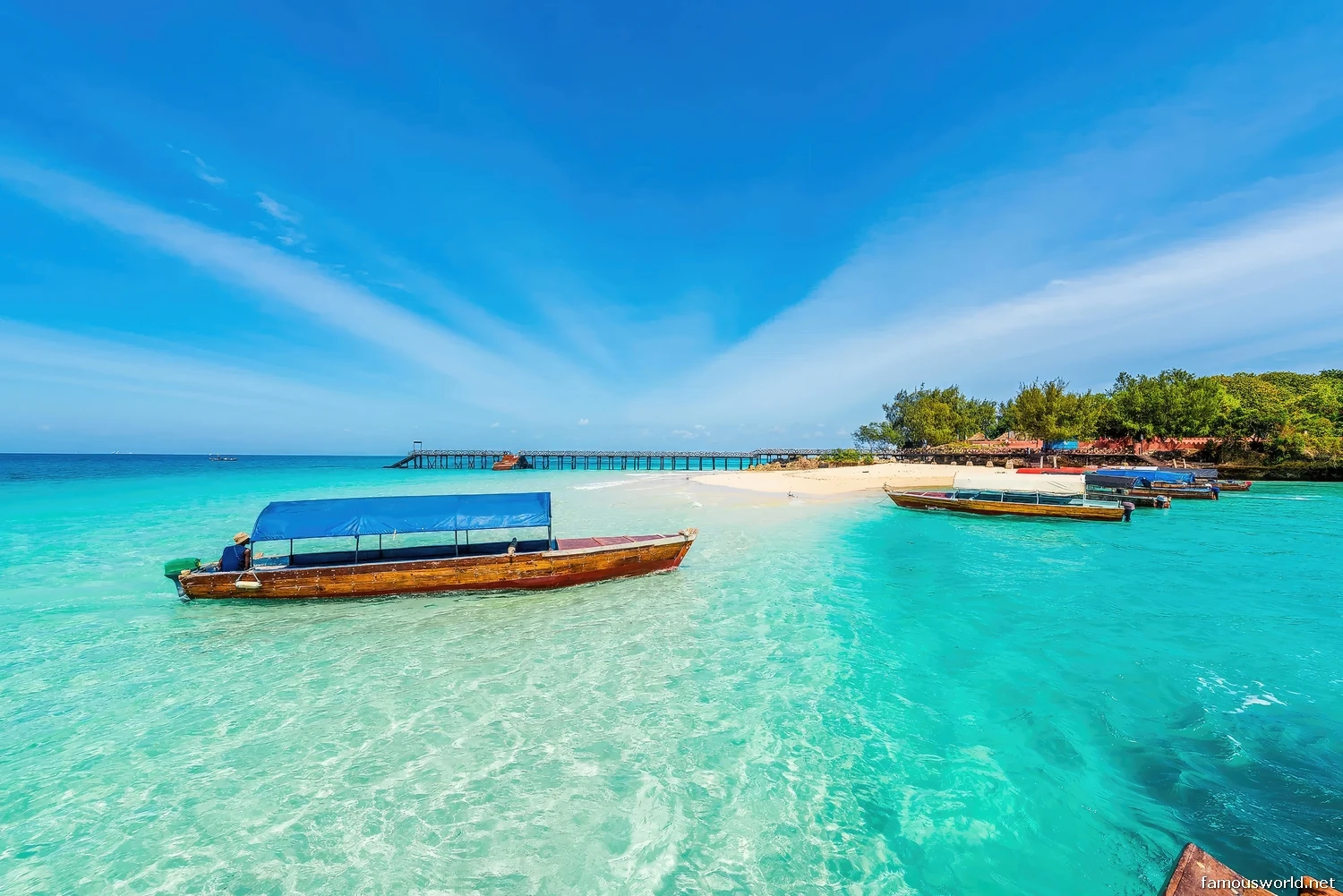
The Zanzibar Archipelago is a world-renowned tropical paradise, a semi-autonomous region of Tanzania that evokes images of idyllic beaches, turquoise waters, and a history rich with mystery and trade. Lying in the Indian Ocean, this collection of islands, with Unguja (commonly known as Zanzibar) and Pemba as the largest, has been a cultural crossroads for centuries. Famous as the “Spice Island” for its historic role in the global spice trade, Zanzibar’s identity is a captivating fusion of African, Arab, Indian, and European influences. This unique heritage is most palpable in the labyrinthine alleys of its UNESCO-listed Stone Town, while its coastline is fringed with some of the most stunning coral reefs and white-sand beaches on the continent, making it a complete destination for both cultural immersion and blissful relaxation.
Listen to an introduction about Zanzibar Archipelago

Name and Location
- Name: The Zanzibar Archipelago.
- Location: In the Indian Ocean, approximately 25-50 kilometers (16-31 miles) off the coast of mainland Tanzania.
How to Get There
Zanzibar is a well-connected and easily accessible island destination.
- By Air: The primary gateway is Abeid Amani Karume International Airport (ZNZ) on the main island of Unguja. It receives international flights from the Middle East, Europe, and other parts of Africa, as well as numerous daily domestic flights from Dar es Salaam, Arusha, and the Serengeti.
- By Ferry: A popular and scenic option is to take a high-speed ferry from the port of Dar es Salaam on the mainland. The journey takes approximately 1.5 to 2 hours.
Landscape and Architecture
The archipelago offers a stunning blend of natural coastal beauty and unique historical architecture.
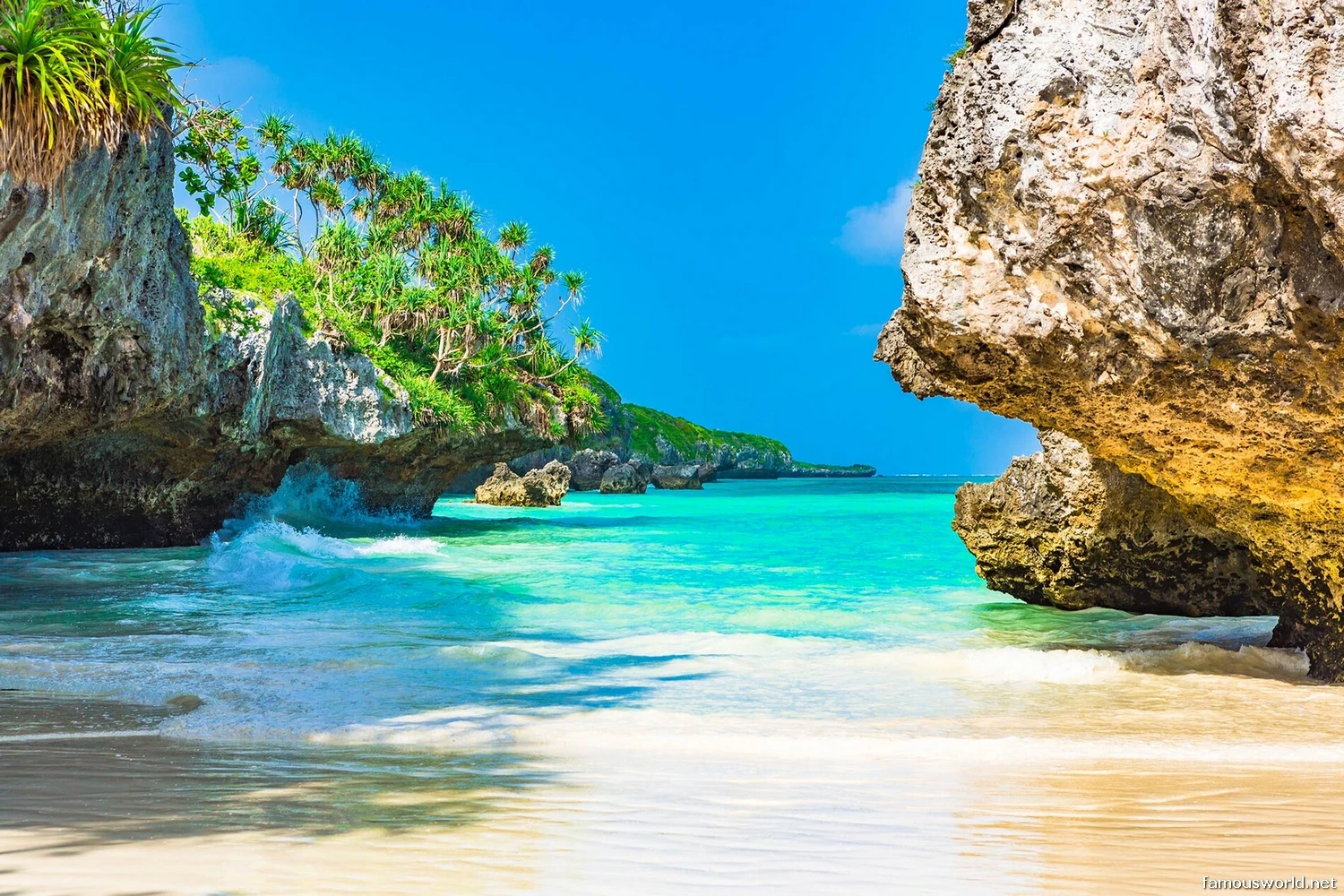
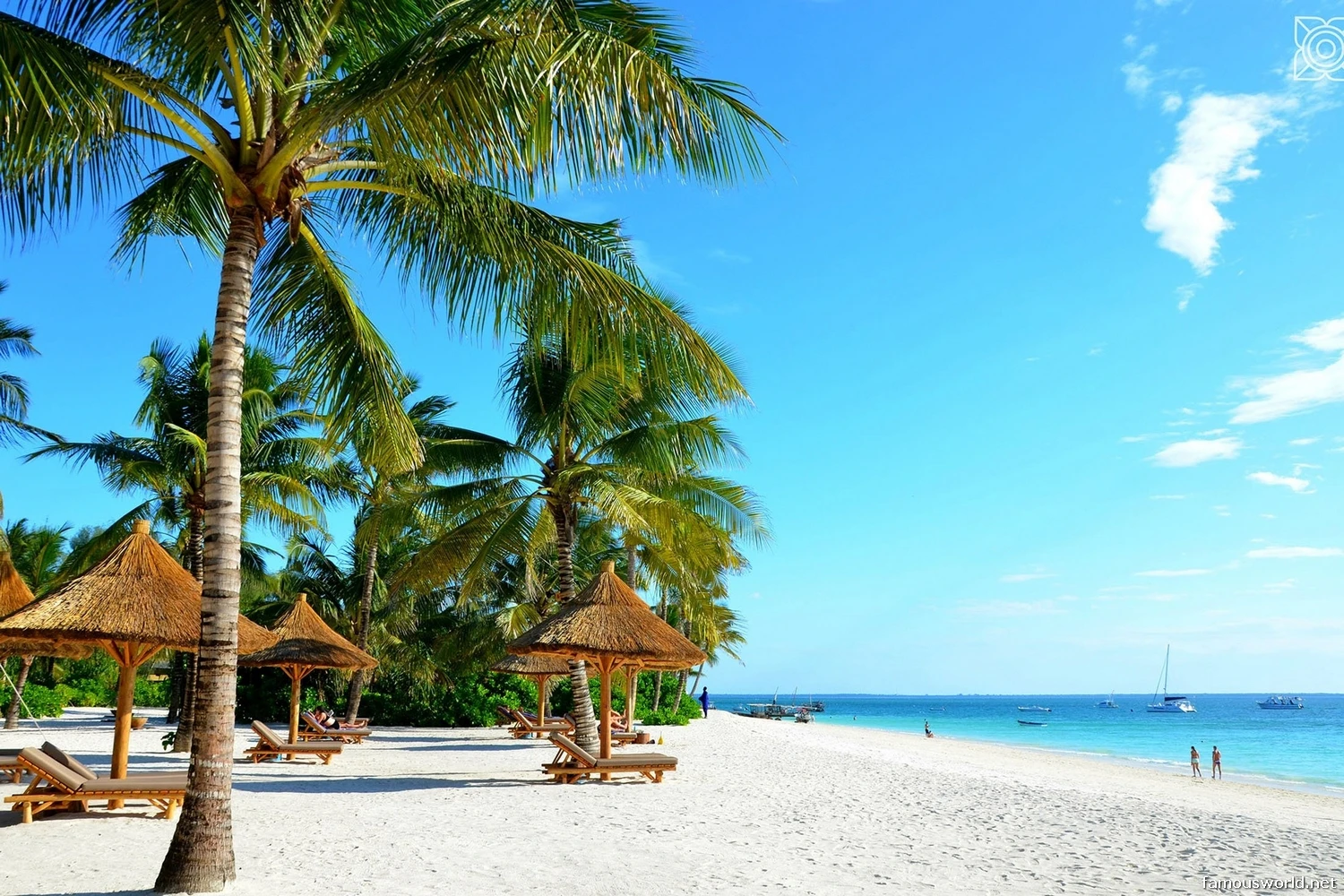
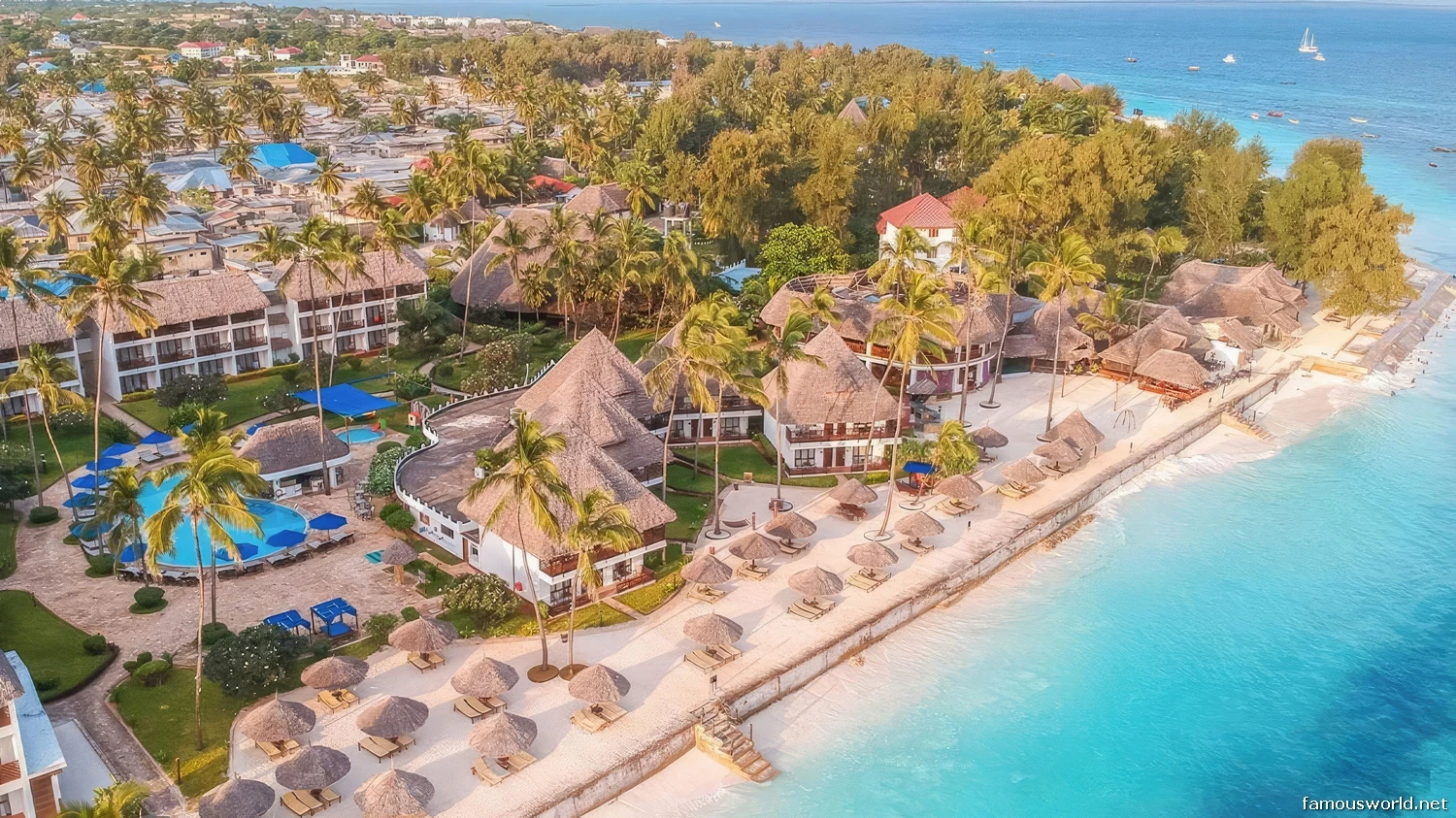
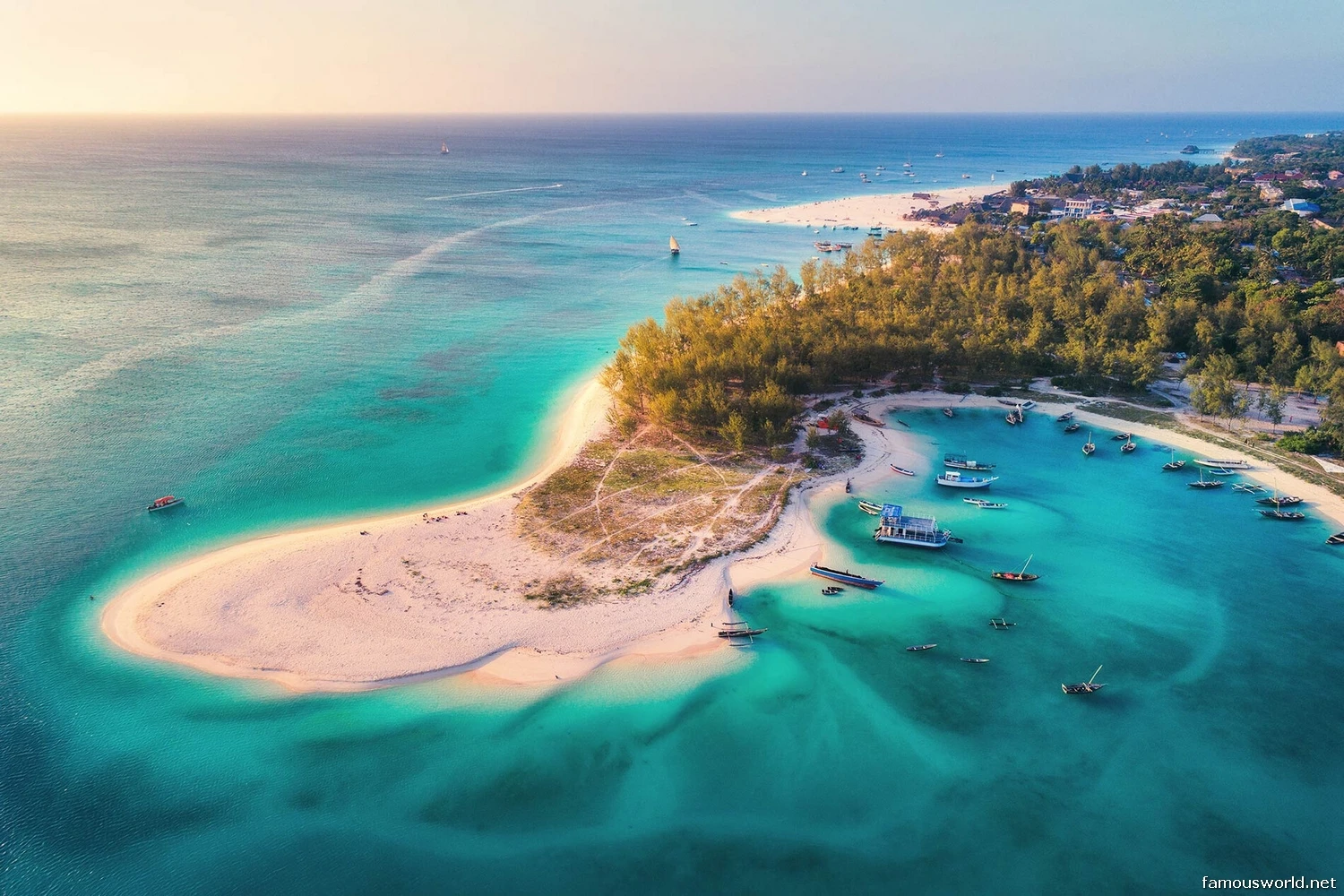
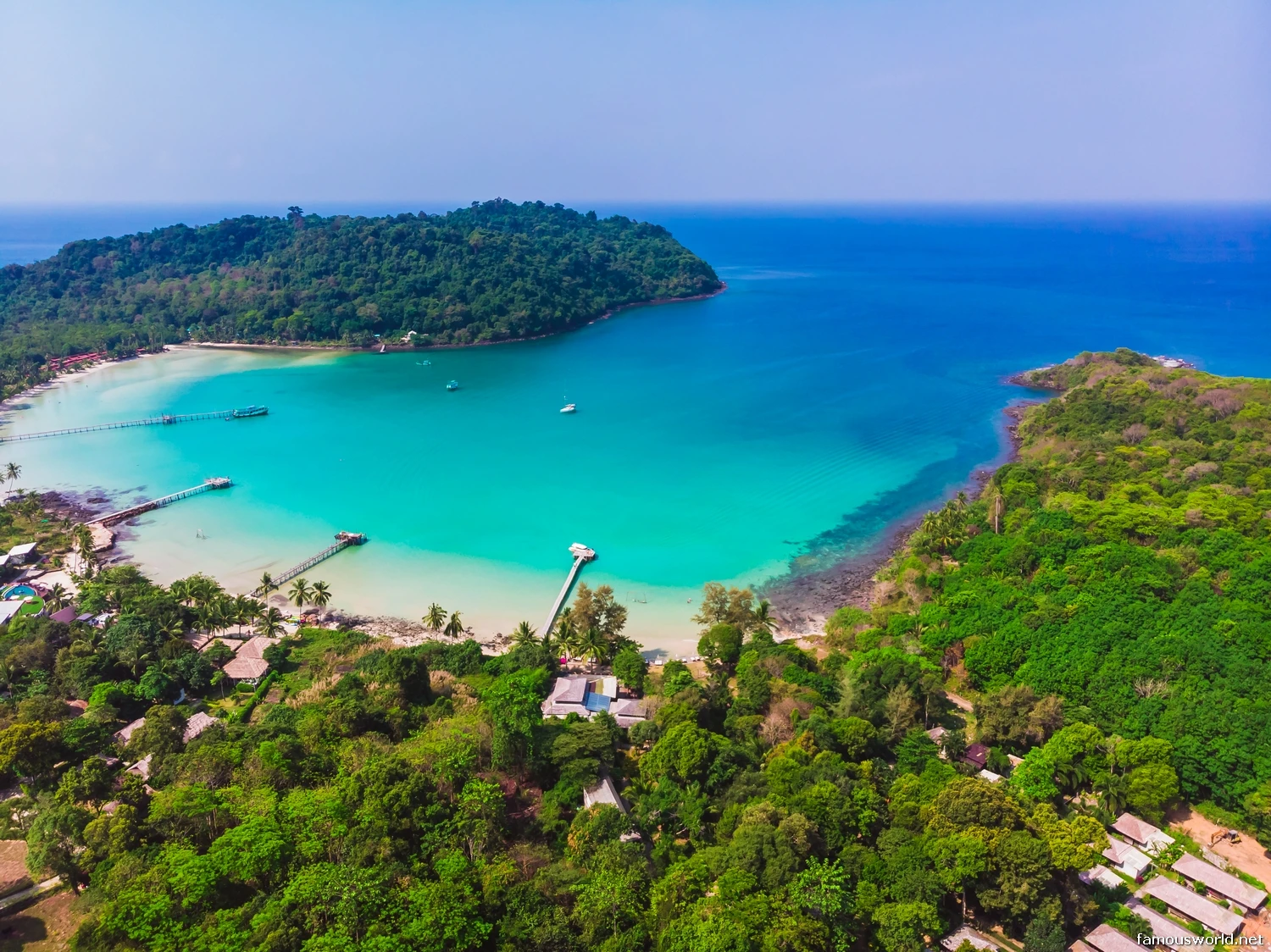
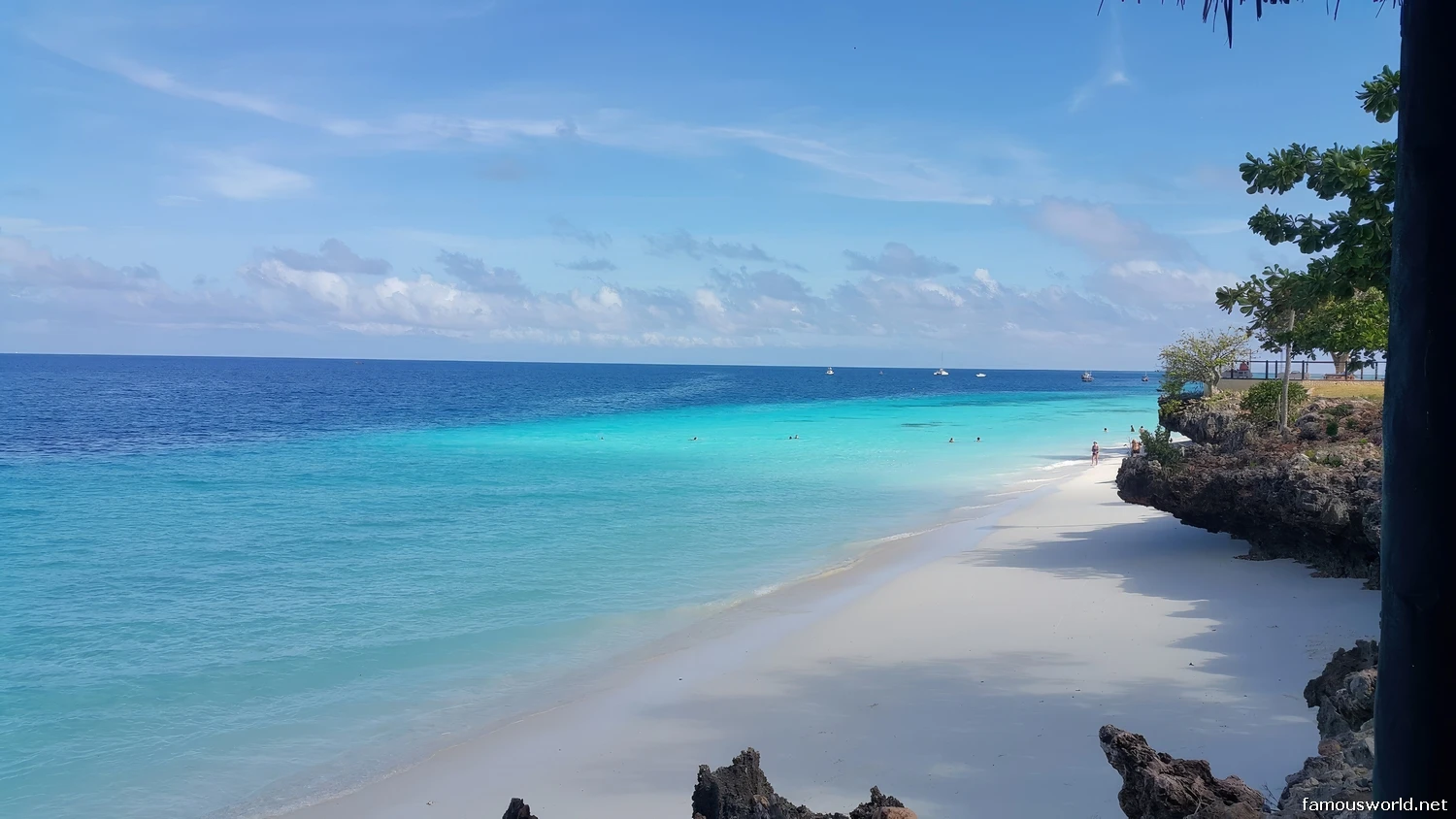
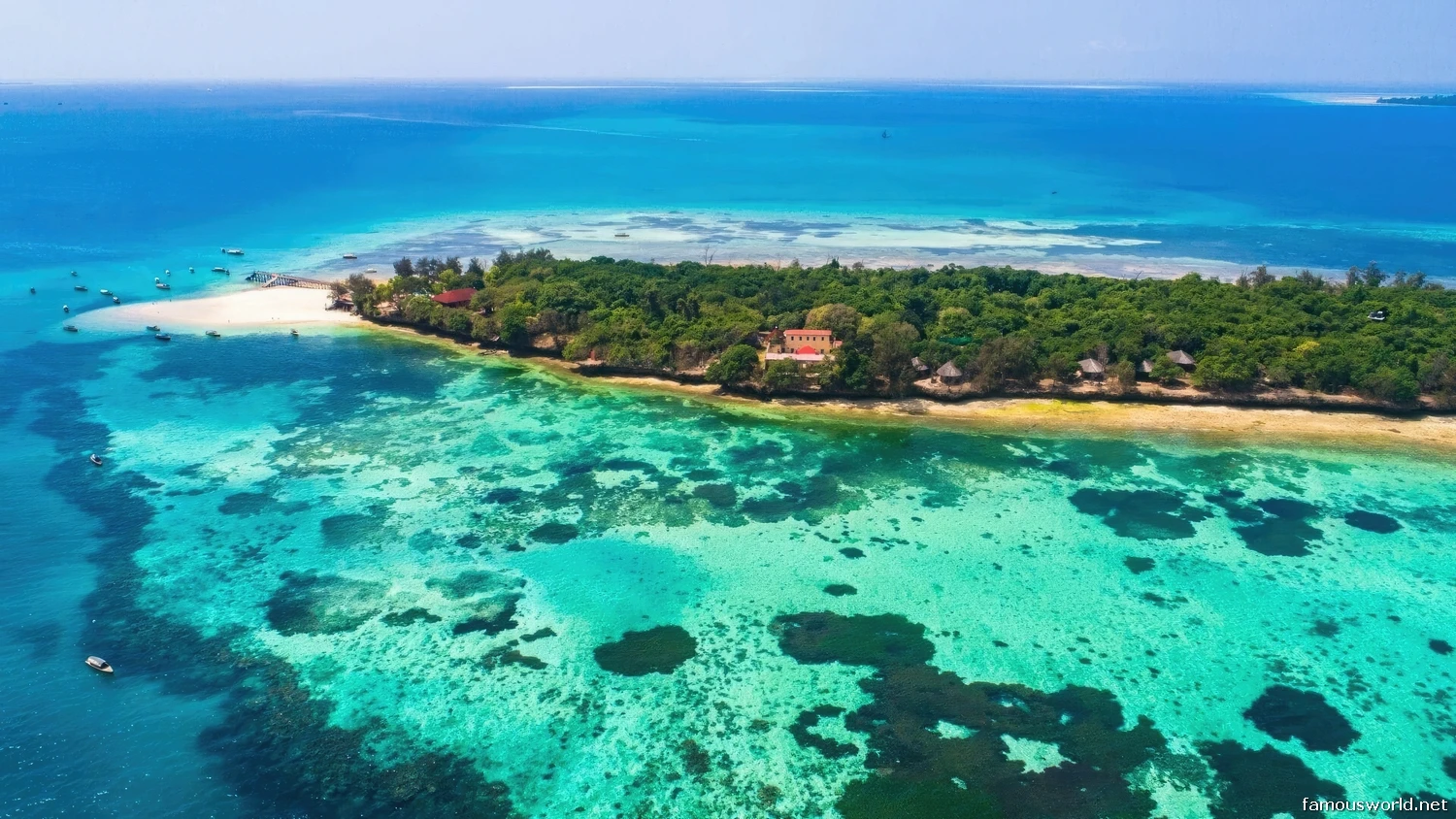
- Natural Landscape: Zanzibar is defined by its quintessential tropical island scenery. This includes long stretches of pristine white-sand beaches, calm, crystal-clear turquoise waters, and vibrant offshore coral reefs teeming with marine life. The interior of the islands is lush and green, home to the famous spice farms where cloves, nutmeg, cinnamon, and black pepper are grown.
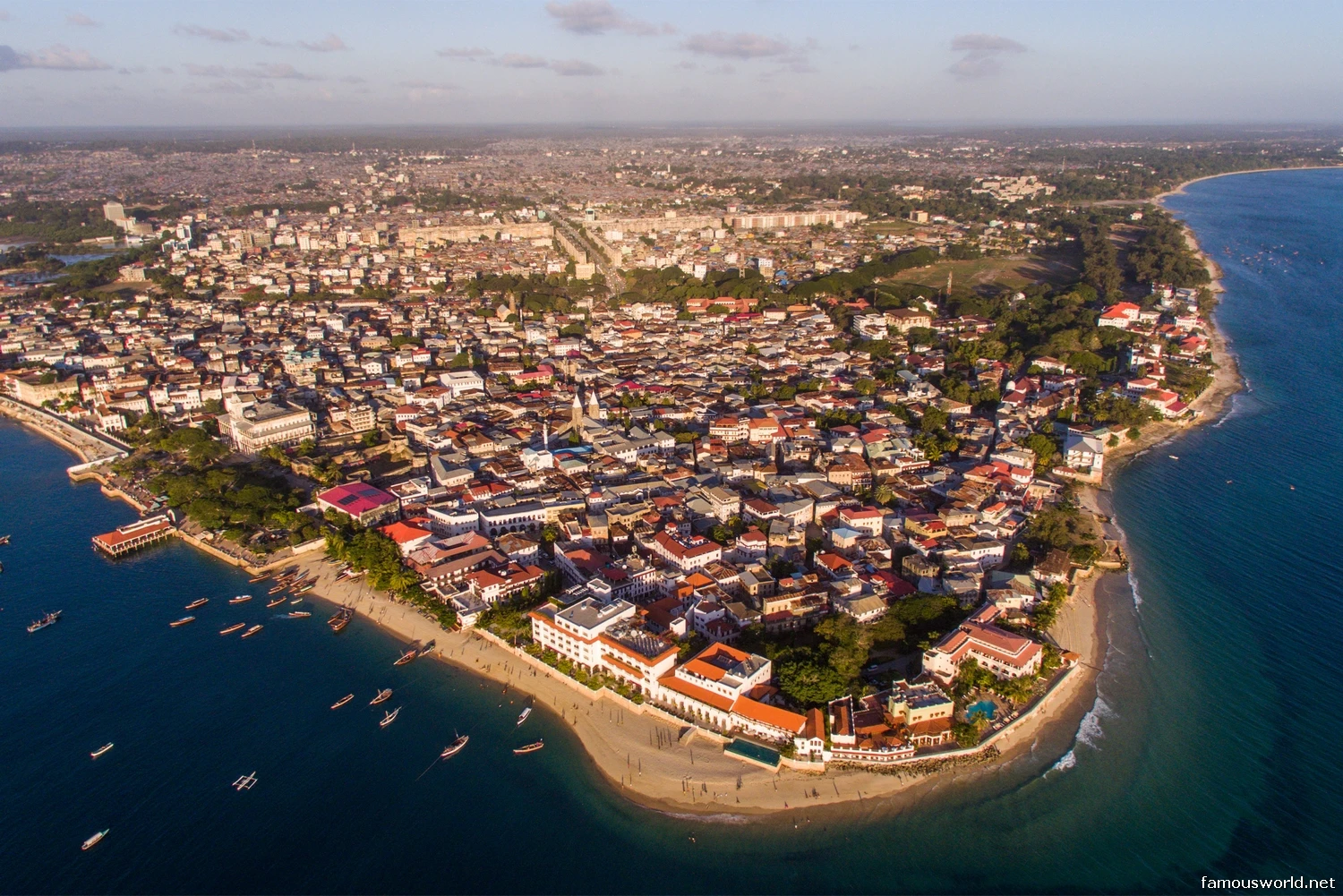
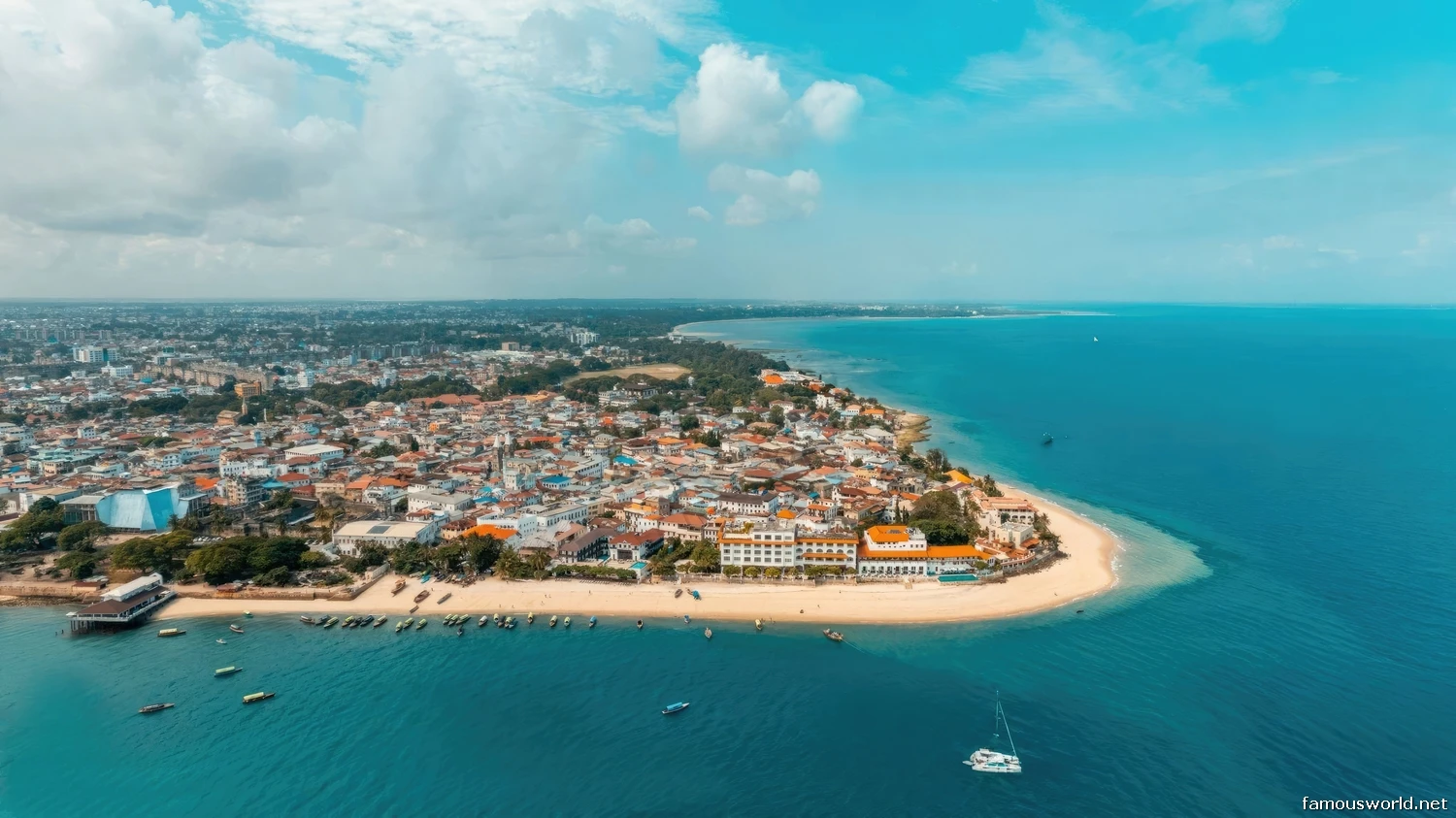
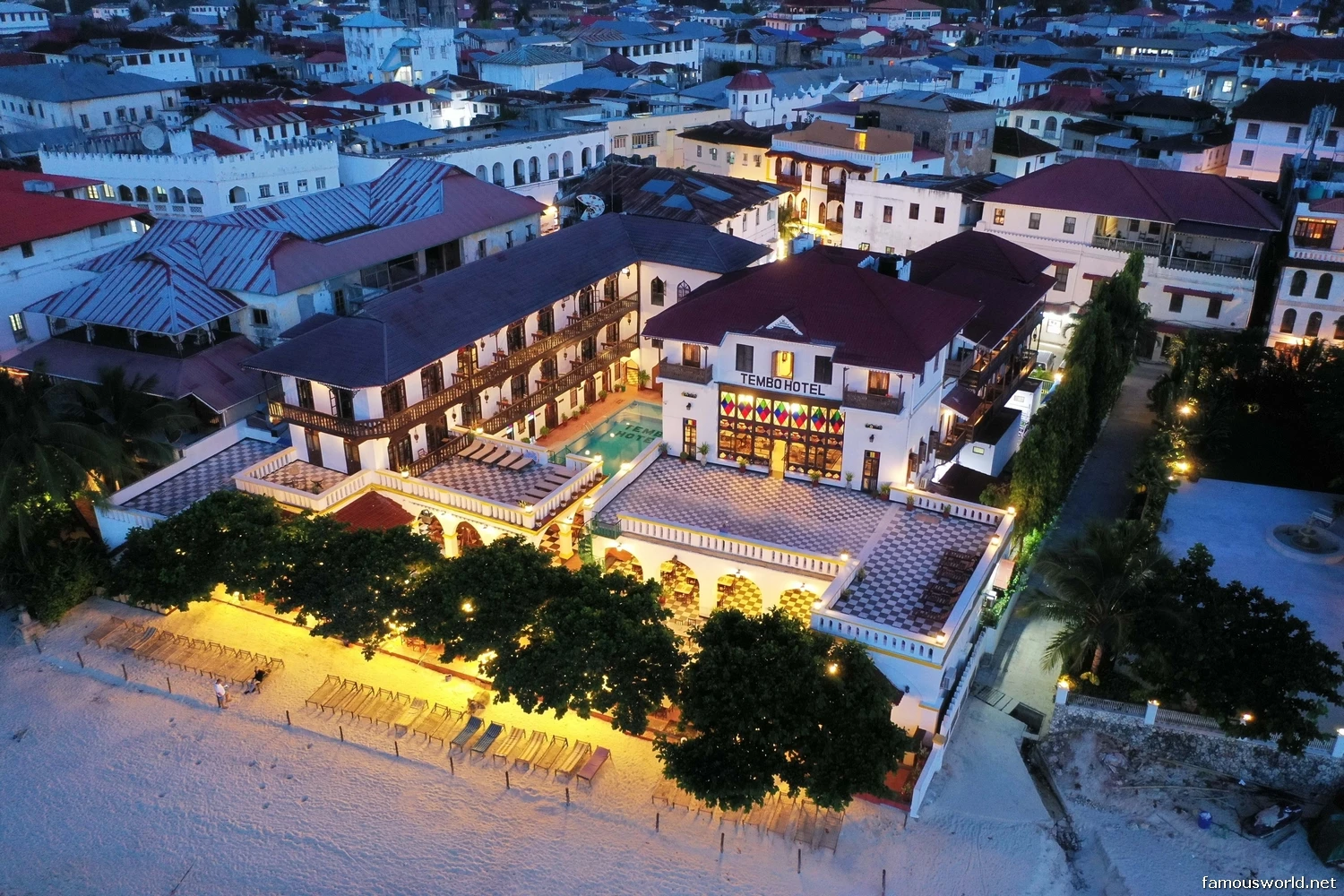
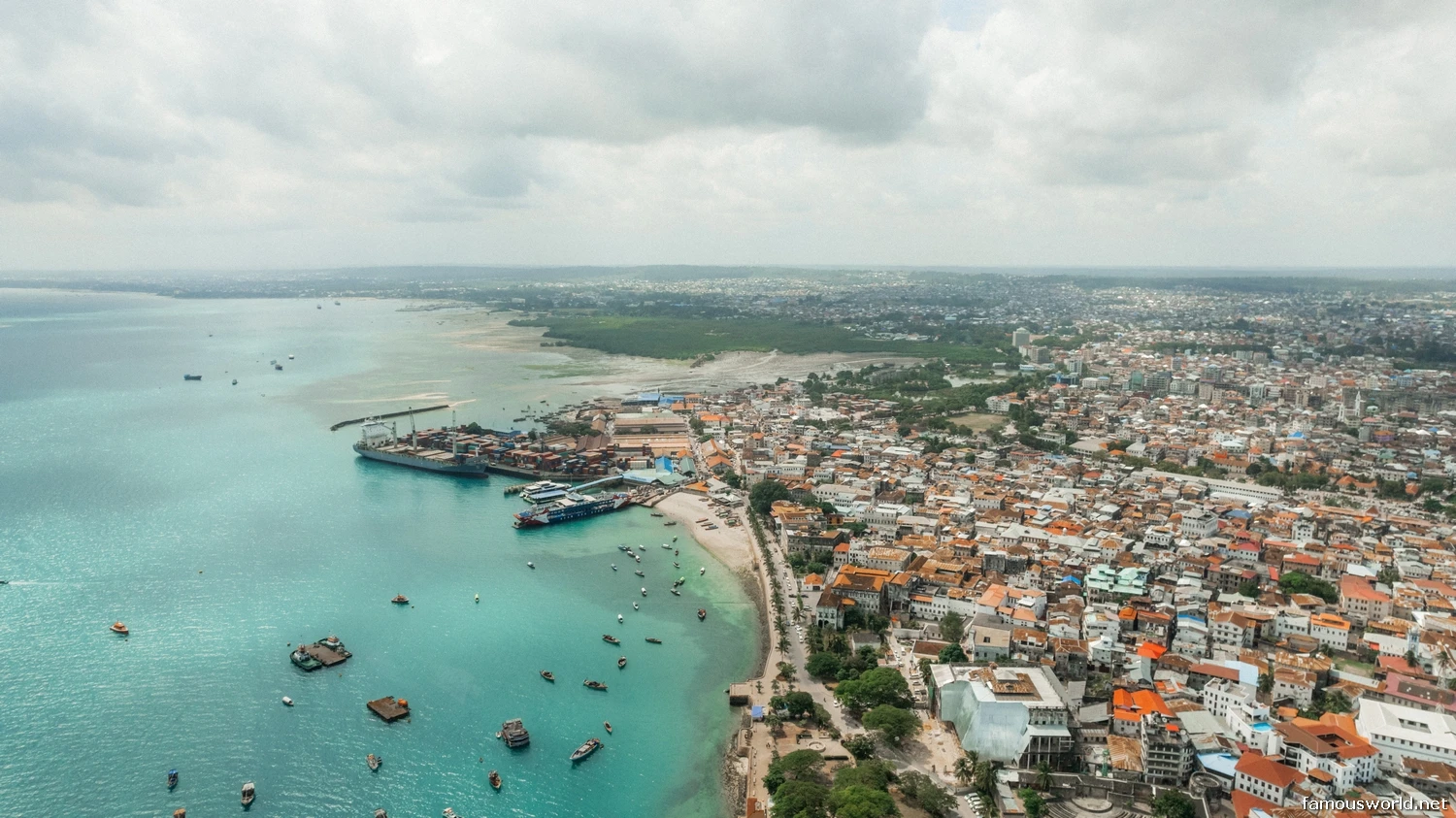
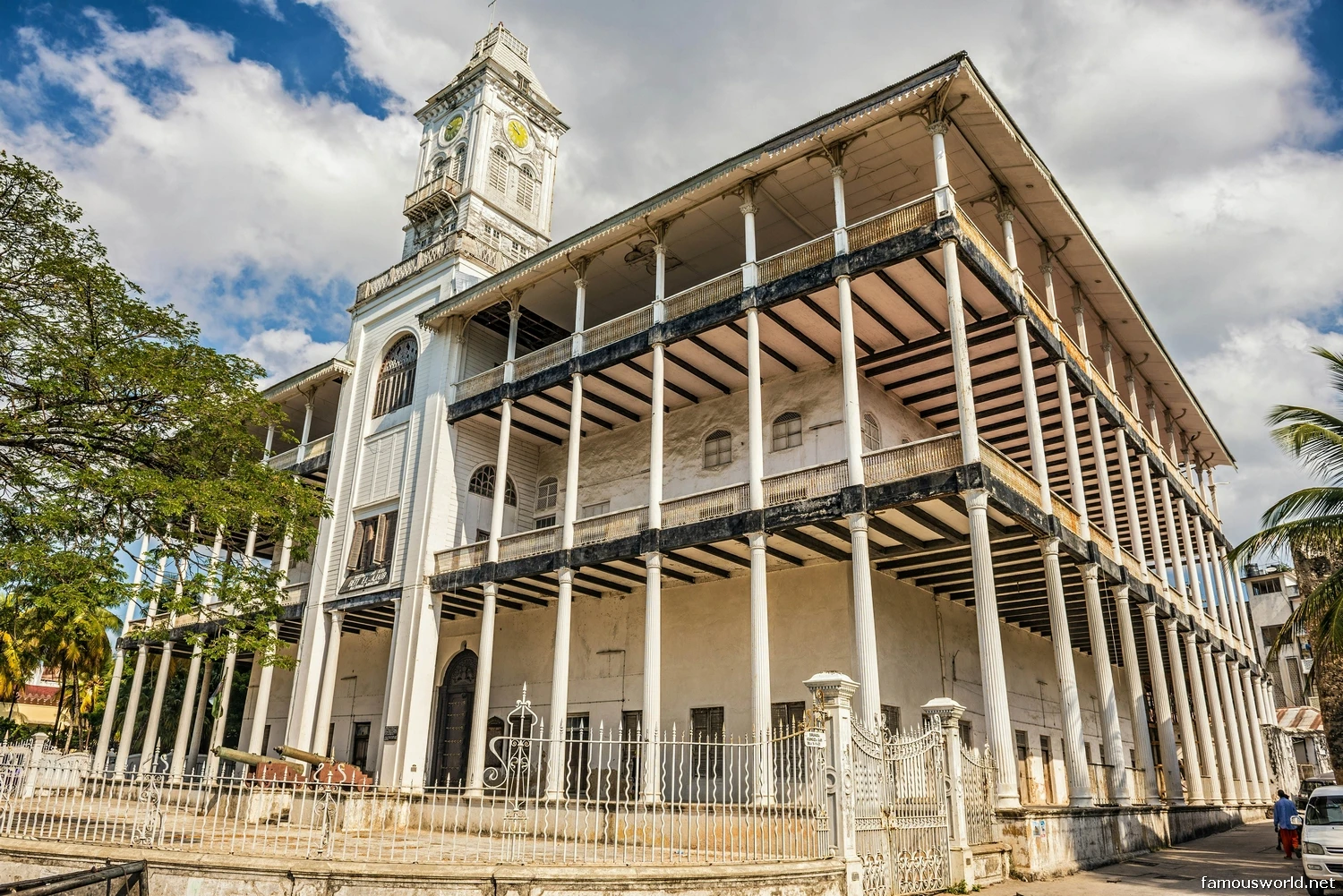
- Stone Town Architecture: The historical heart of Zanzibar City, Stone Town, is a UNESCO World Heritage Site and a masterpiece of Swahili coastal architecture. It is a maze of narrow, winding streets, bustling bazaars, and grand Arab houses. Its most famous features are the intricately carved wooden doors, often with brass studs, which were a symbol of a family’s wealth and status. The buildings are predominantly made of coral stone, creating a unique and atmospheric urban landscape that reflects centuries of blended cultural influences.
What Makes It Famous
Zanzibar’s fame is built on its unique history, idyllic beaches, and rich cultural tapestry.
- Stone Town: Its historic old town is one of the most fascinating cultural sites in Africa, celebrated for its unique architecture and as a living monument to Swahili culture.
- The Spice Islands: For centuries, Zanzibar was a global center for the spice trade, and visitors can still take tours of working spice farms to see, smell, and taste the products that shaped its history.
- World-Class Beaches: The beaches of Nungwi, Kendwa, Paje, and Matemwe are famous for their powdery white sand and stunningly clear waters, making the island a top destination for diving, snorkeling, and beach holidays.
- Rich and Dark History: The island was a major hub for both the spice trade and the brutal East African slave trade, and its museums and historical sites bear witness to this complex past.
- Birthplace of Freddie Mercury: The legendary frontman of the band Queen was born Farrokh Bulsara in Stone Town, a fact celebrated at the Freddie Mercury Museum.
Differences from Other Wonders
The tropical, cultural experience of Zanzibar provides a stark contrast to the land-locked, high-density wildlife sanctuary of the Ngorongoro Crater.
- Environment (Coastal Archipelago vs. Volcanic Caldera): Zanzibar is a low-lying tropical island group defined by its warm ocean, coral reefs, and sandy beaches. Ngorongoro is a high-altitude, self-contained volcanic crater with savanna and forest habitats.
- Core Story (Cultural Melting Pot vs. Natural Eden): Zanzibar’s identity is shaped by centuries of human history, trade, and the fusion of African, Arab, and European cultures. Ngorongoro’s identity is that of a geological marvel that created a natural, protected haven for wildlife.
- Primary Attraction (History, Culture, Beaches vs. Concentrated Wildlife): The main draws of Zanzibar are exploring the history of Stone Town, touring spice farms, and relaxing on the beach. The primary attraction of Ngorongoro is the exceptional ease of viewing the “Big Five” and a dense population of other animals on the crater floor.
- Atmosphere (Historic and Tropical vs. Wild and Dramatic): Zanzibar offers a laid-back, tropical island atmosphere steeped in history and culture. Ngorongoro provides a dramatic, awe-inspiring safari experience in a unique, amphitheater-like setting.
Location on world map