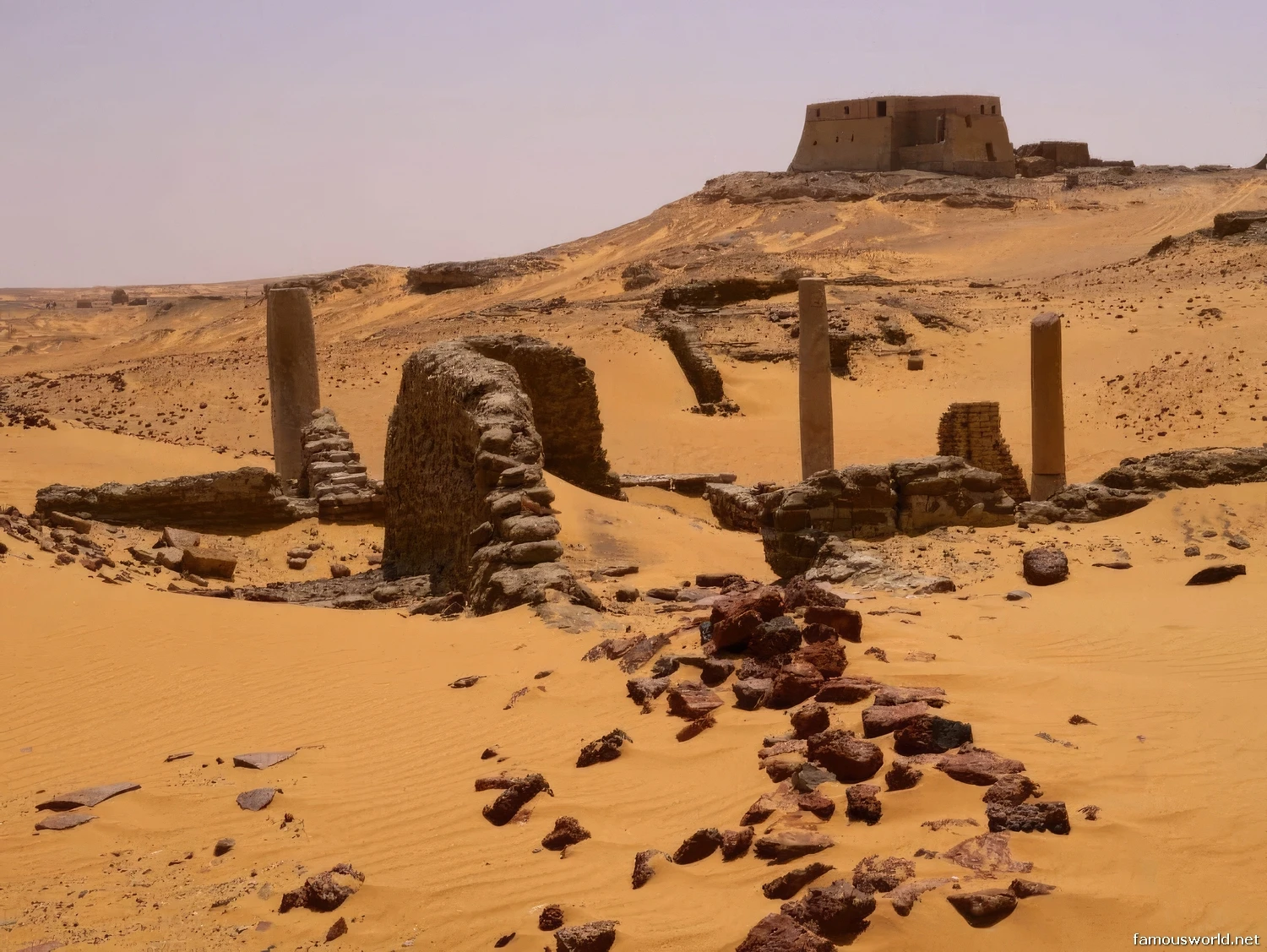
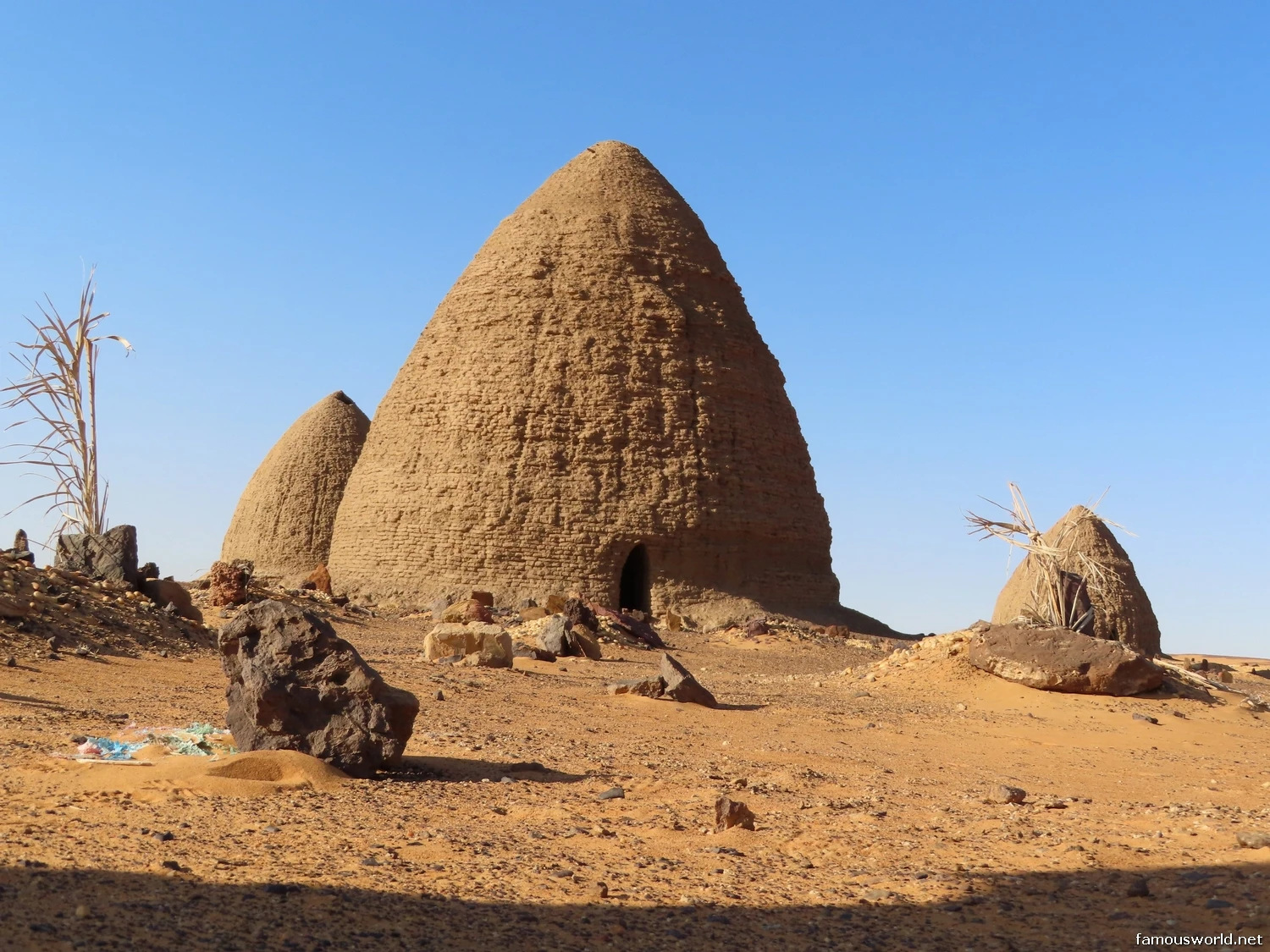
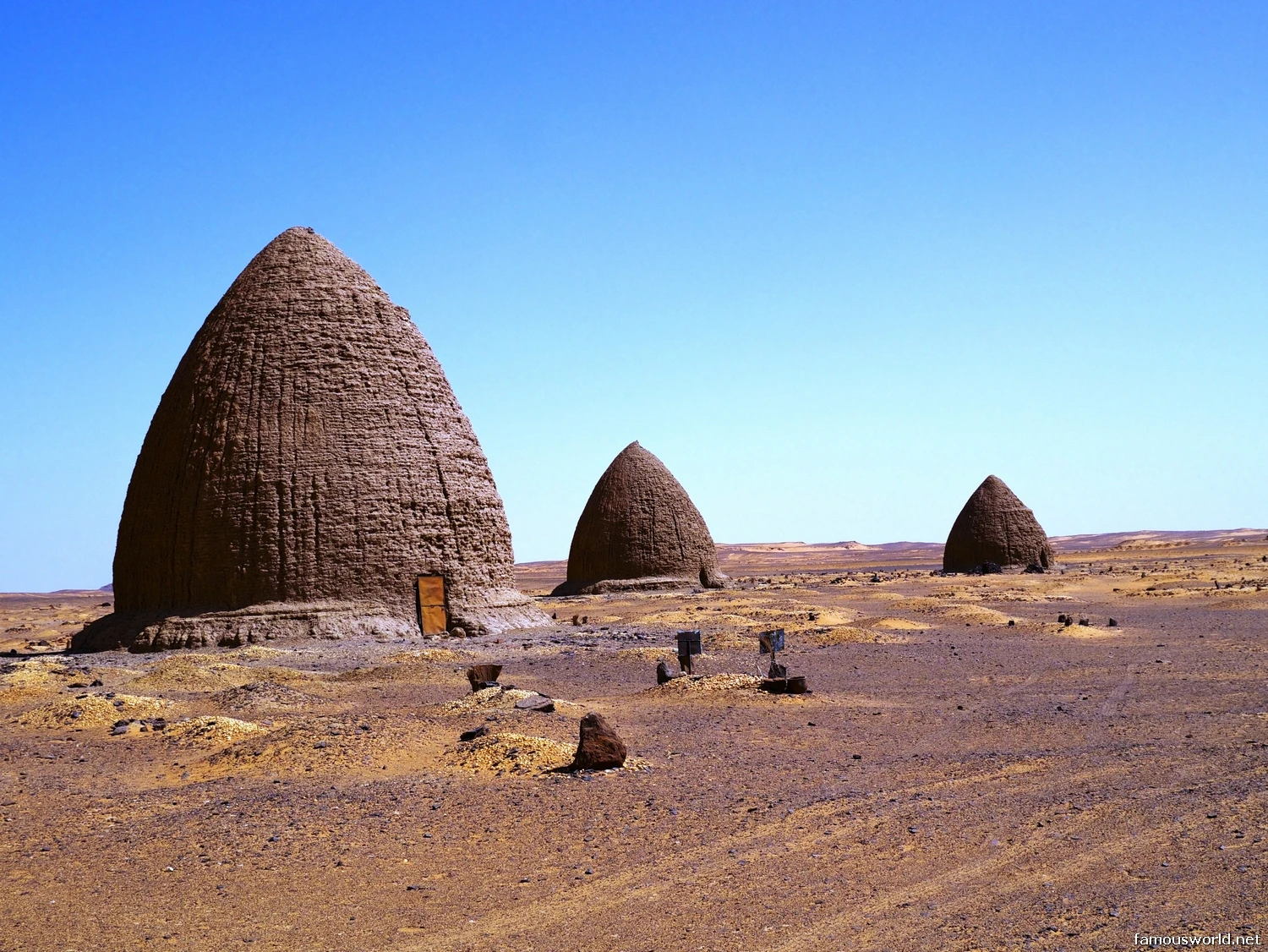
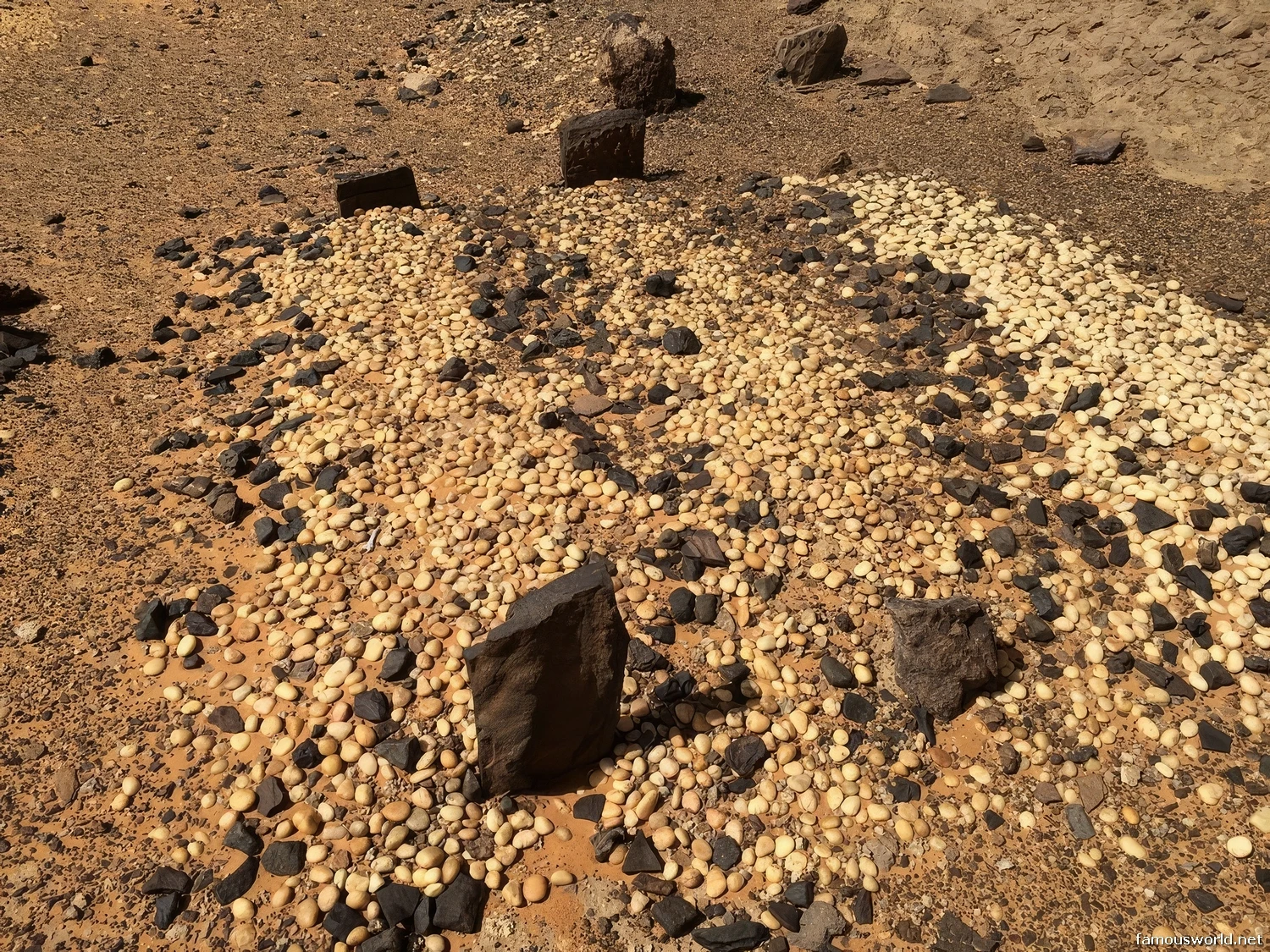
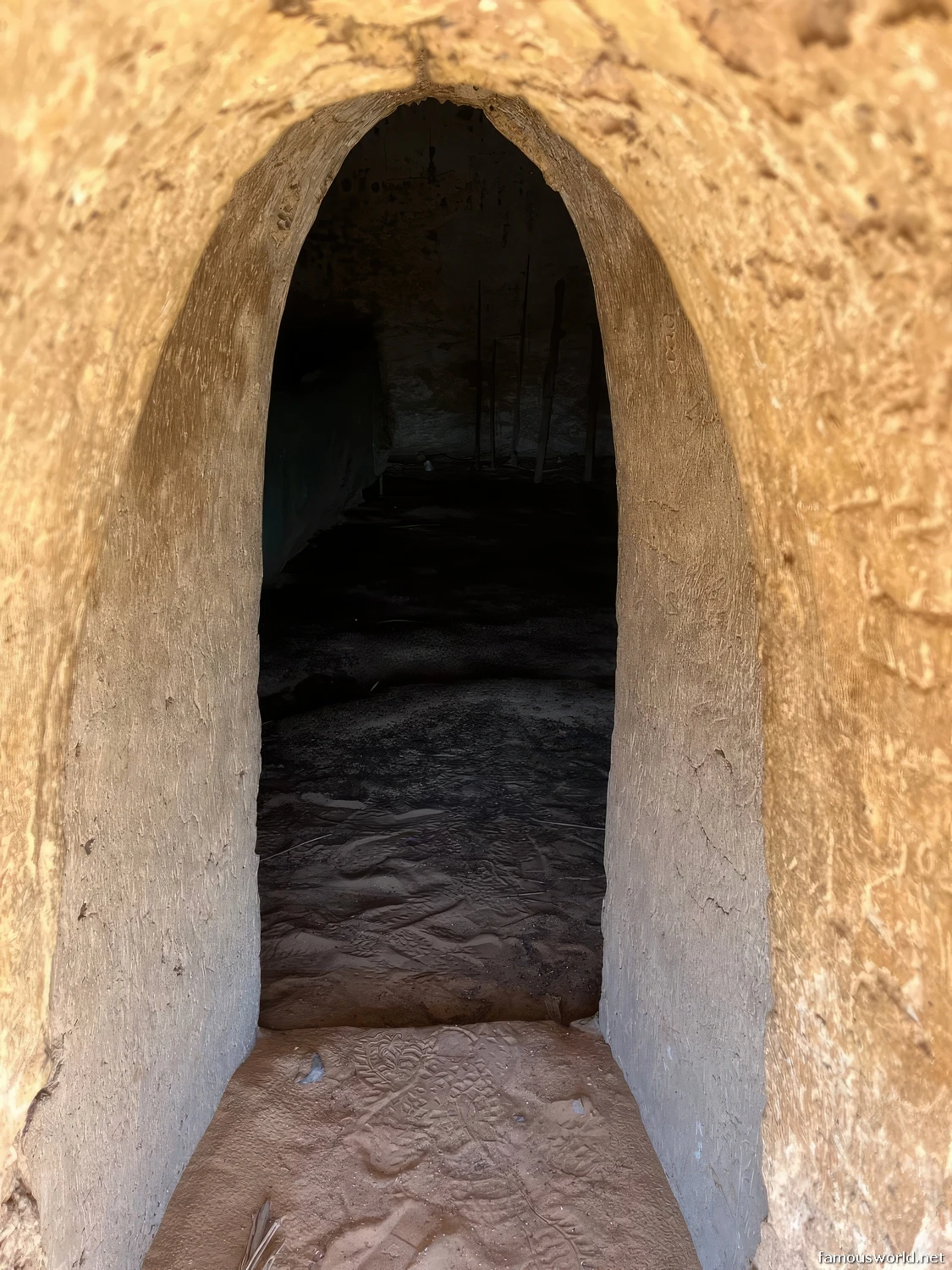
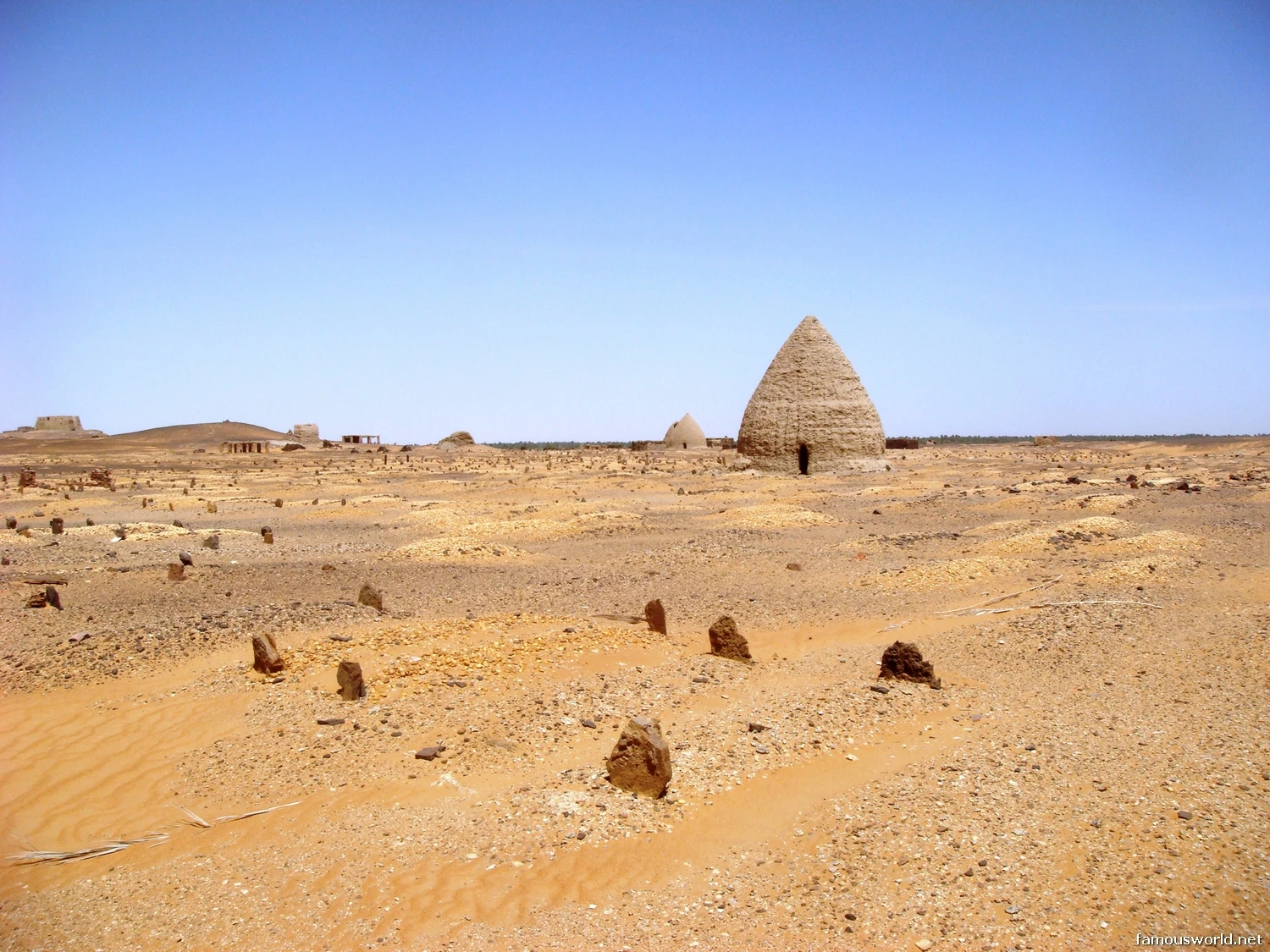
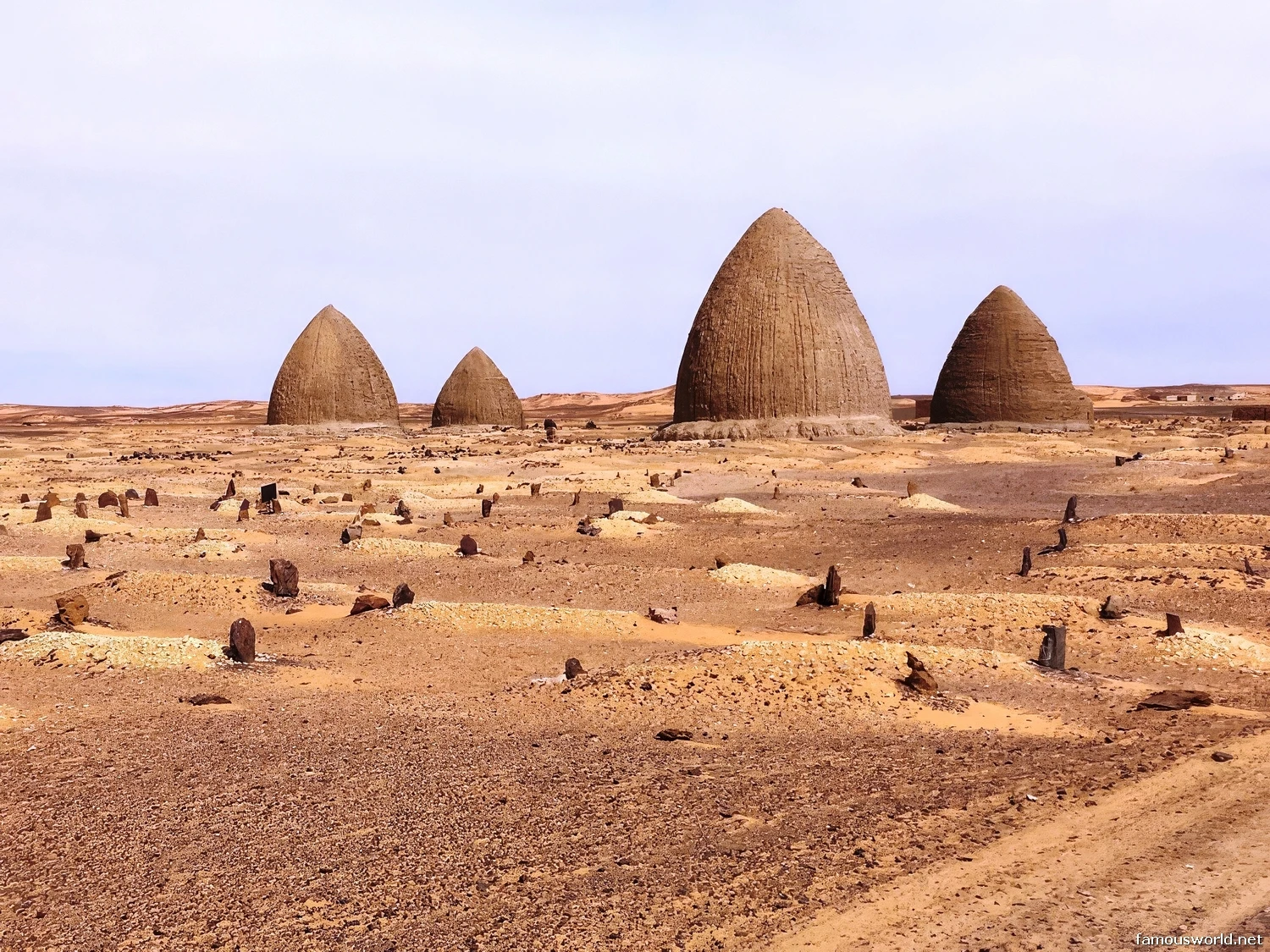
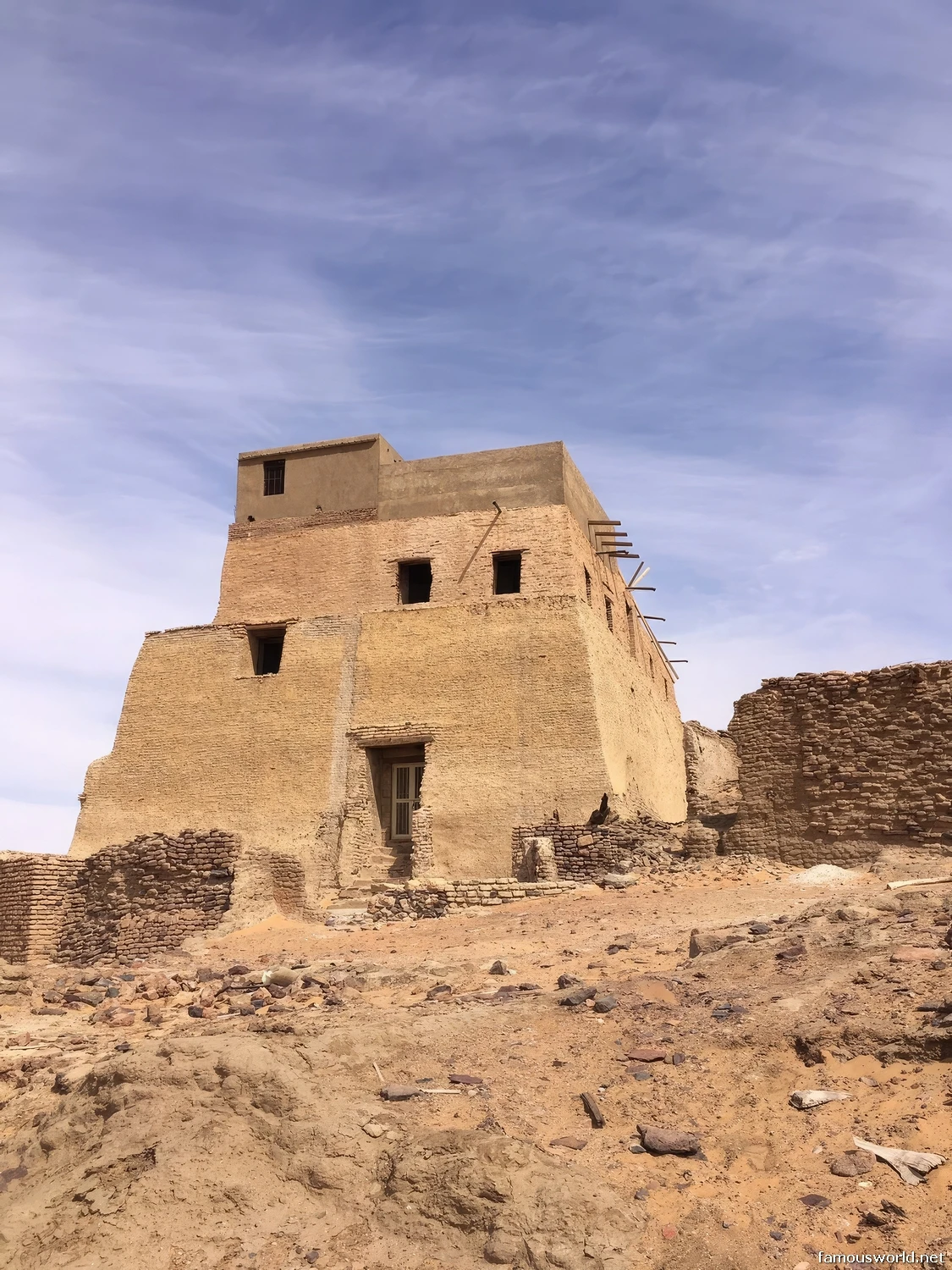
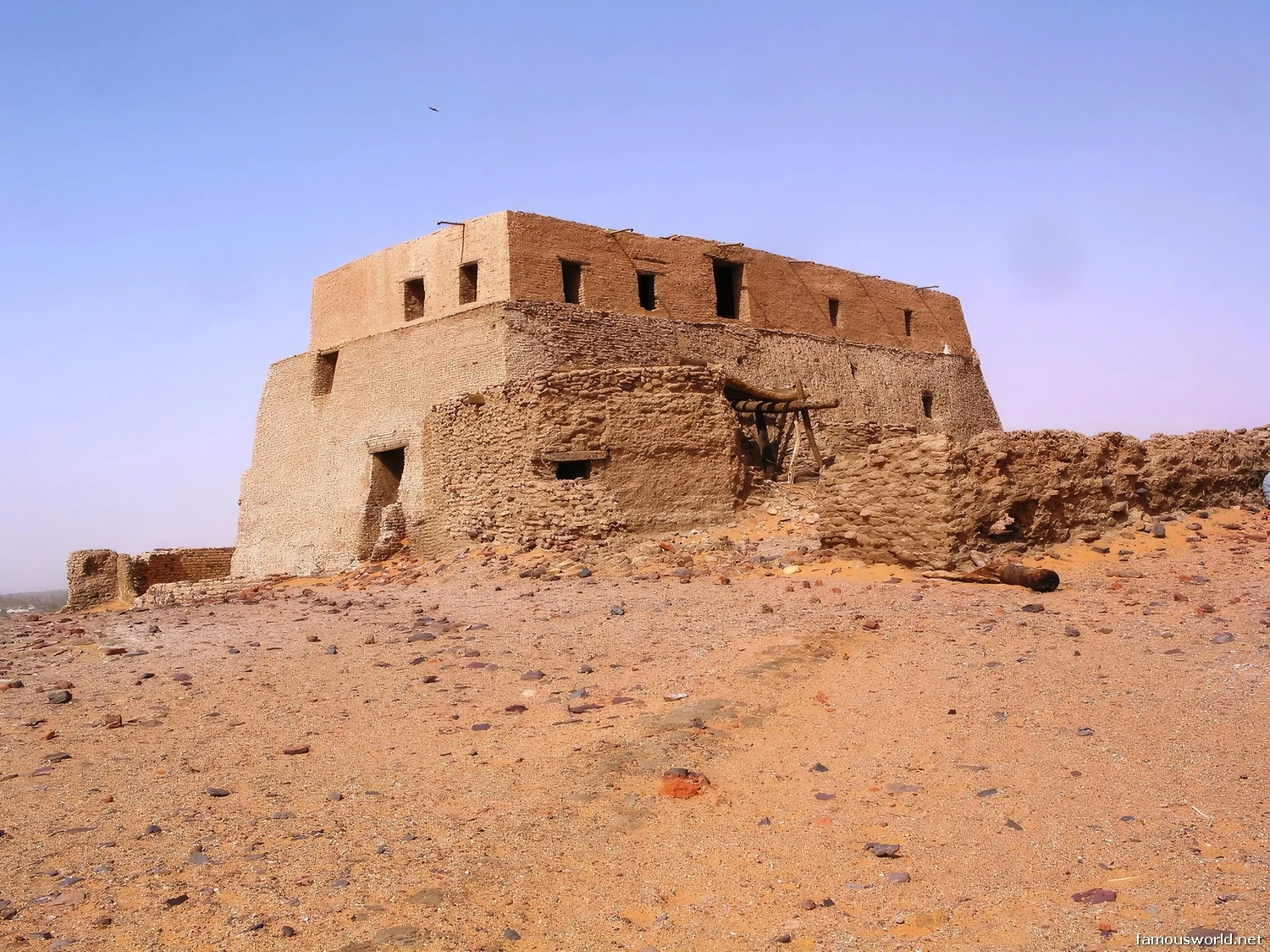
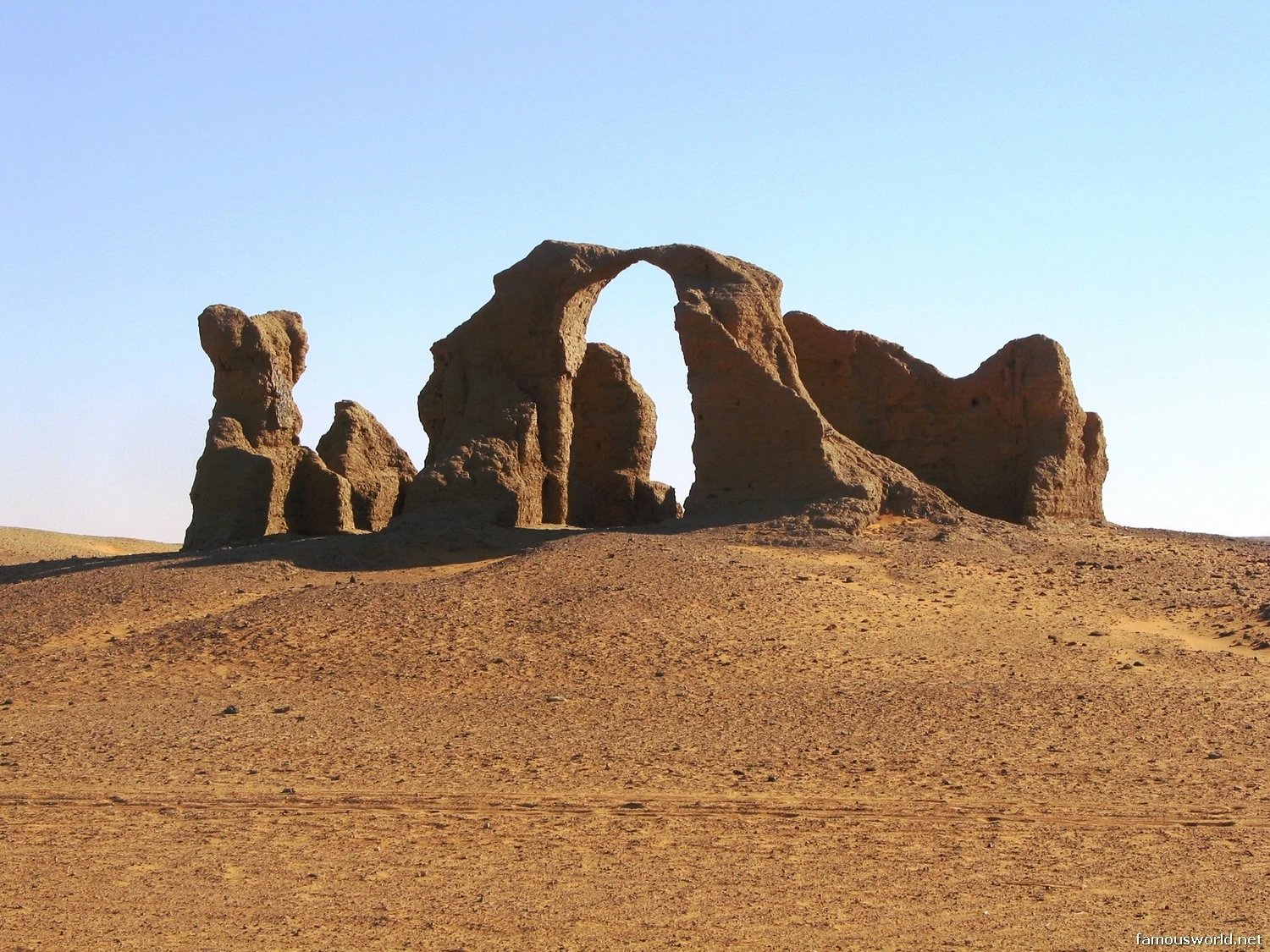
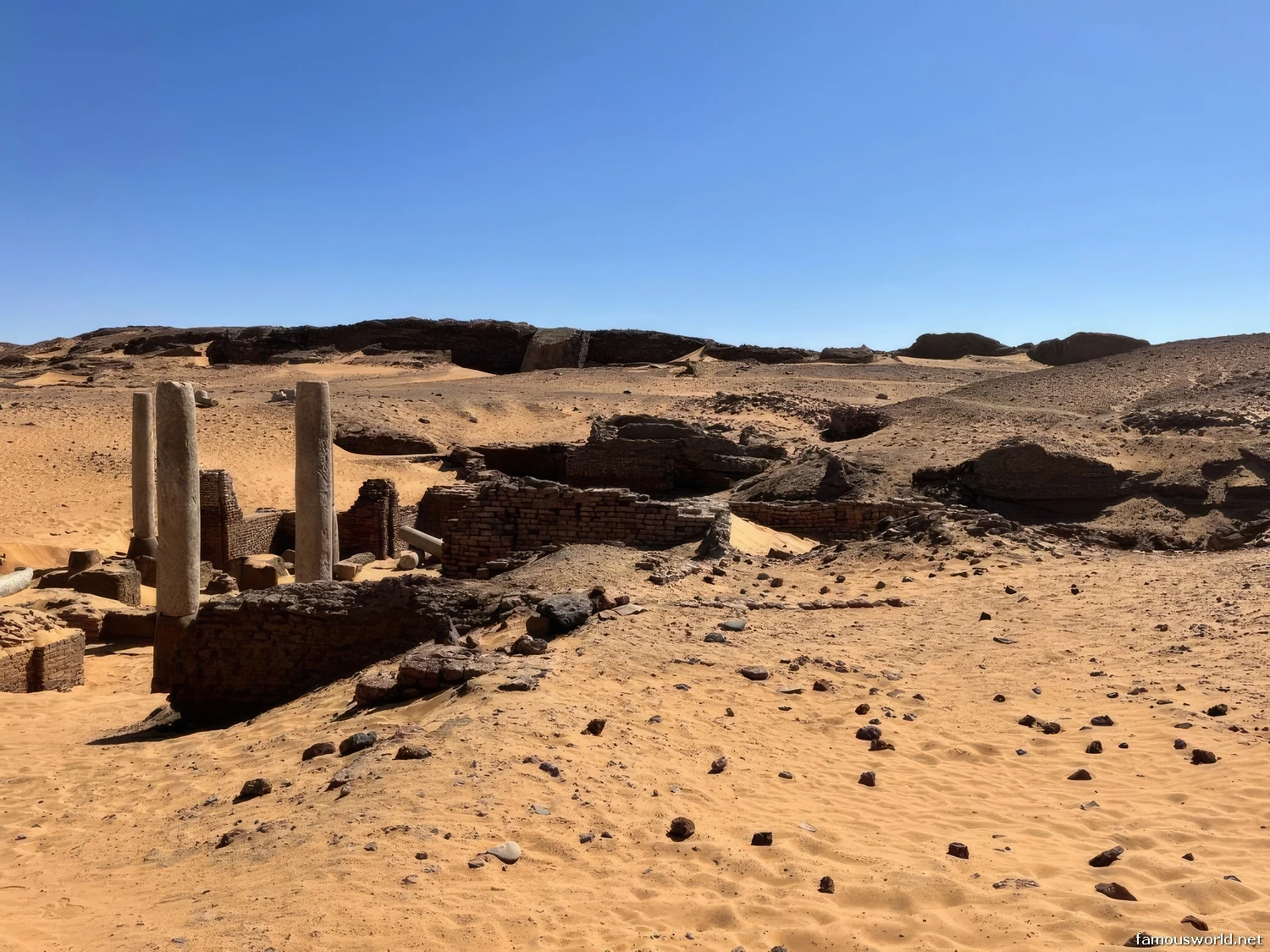
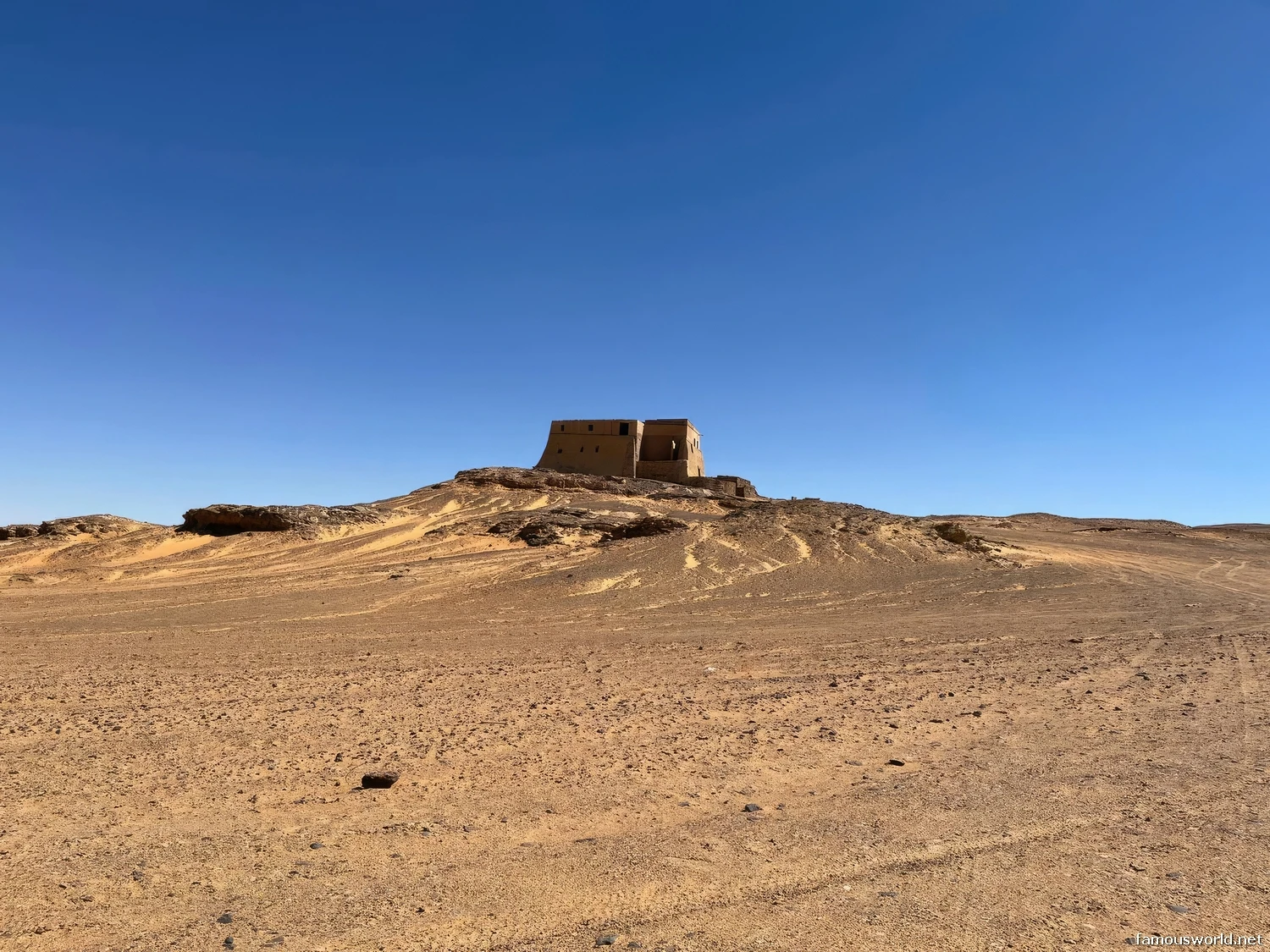
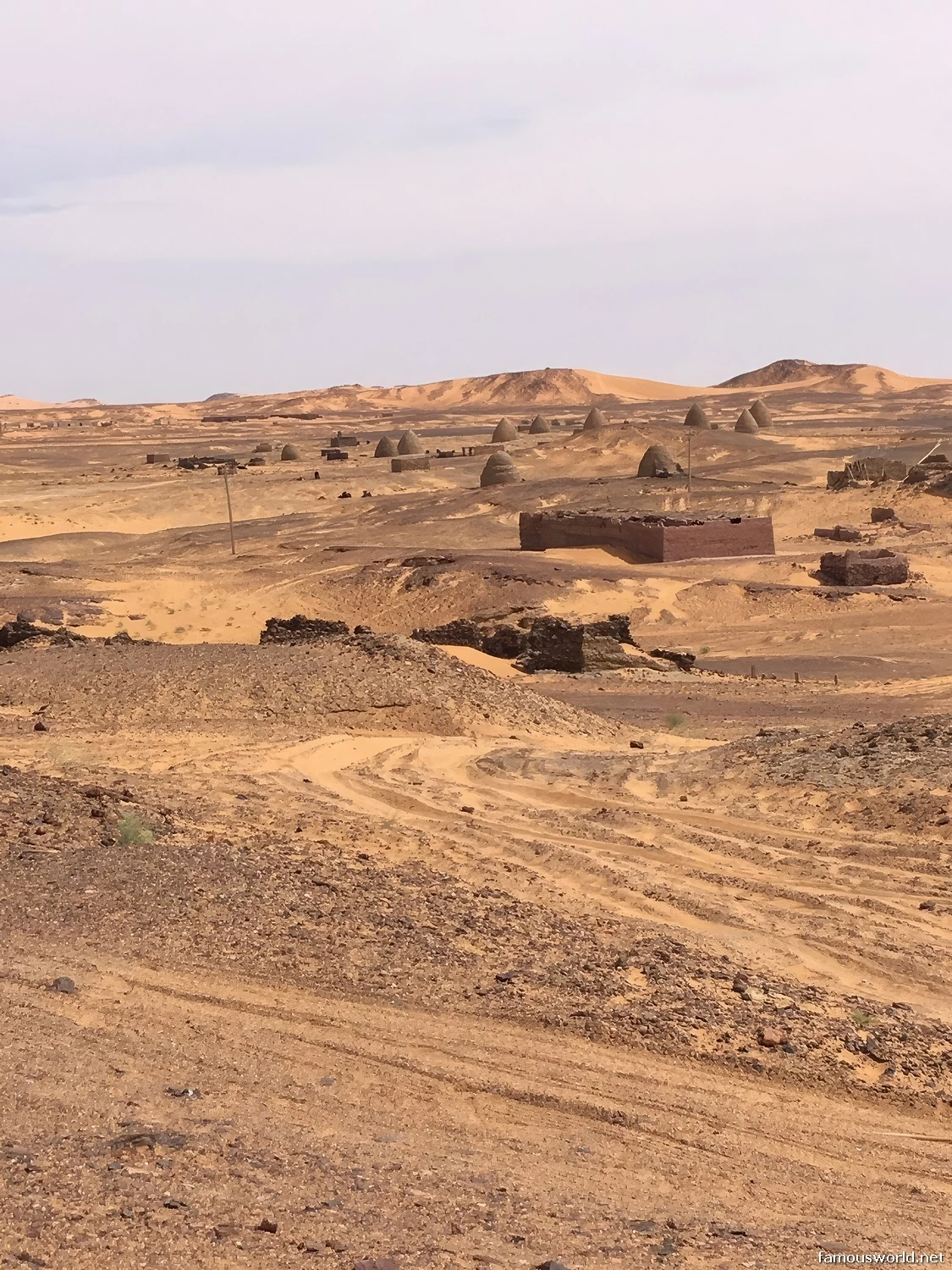
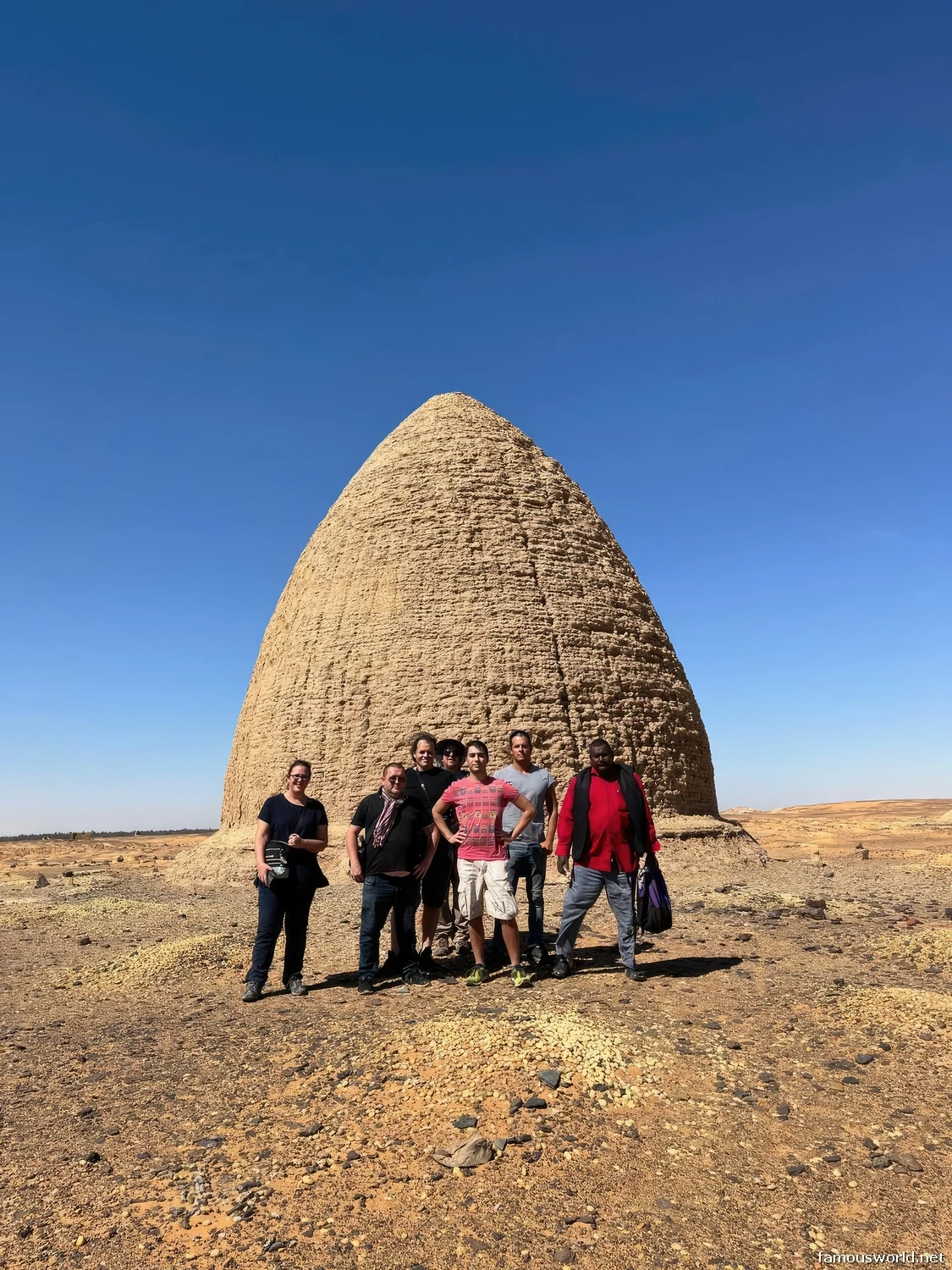
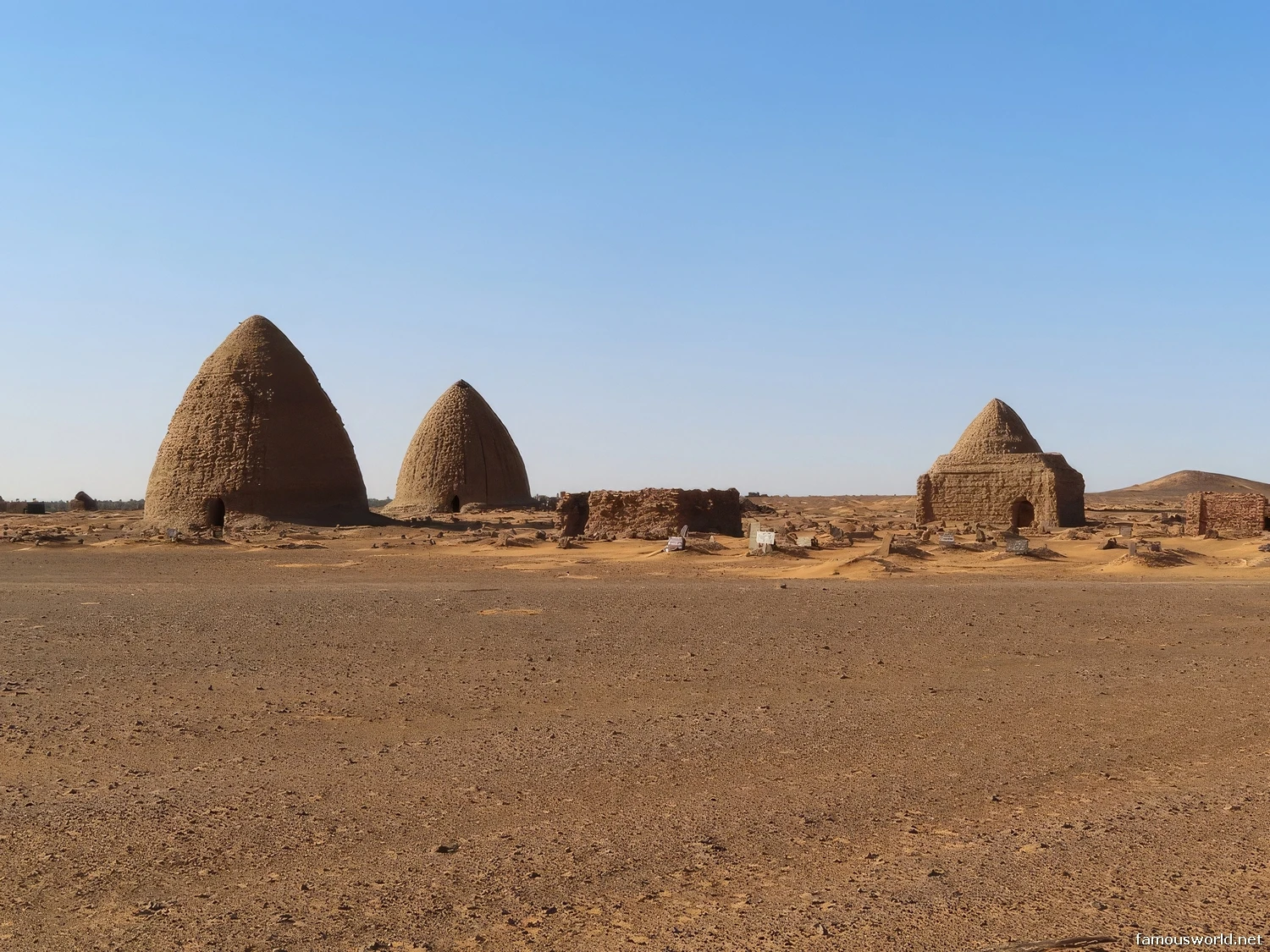
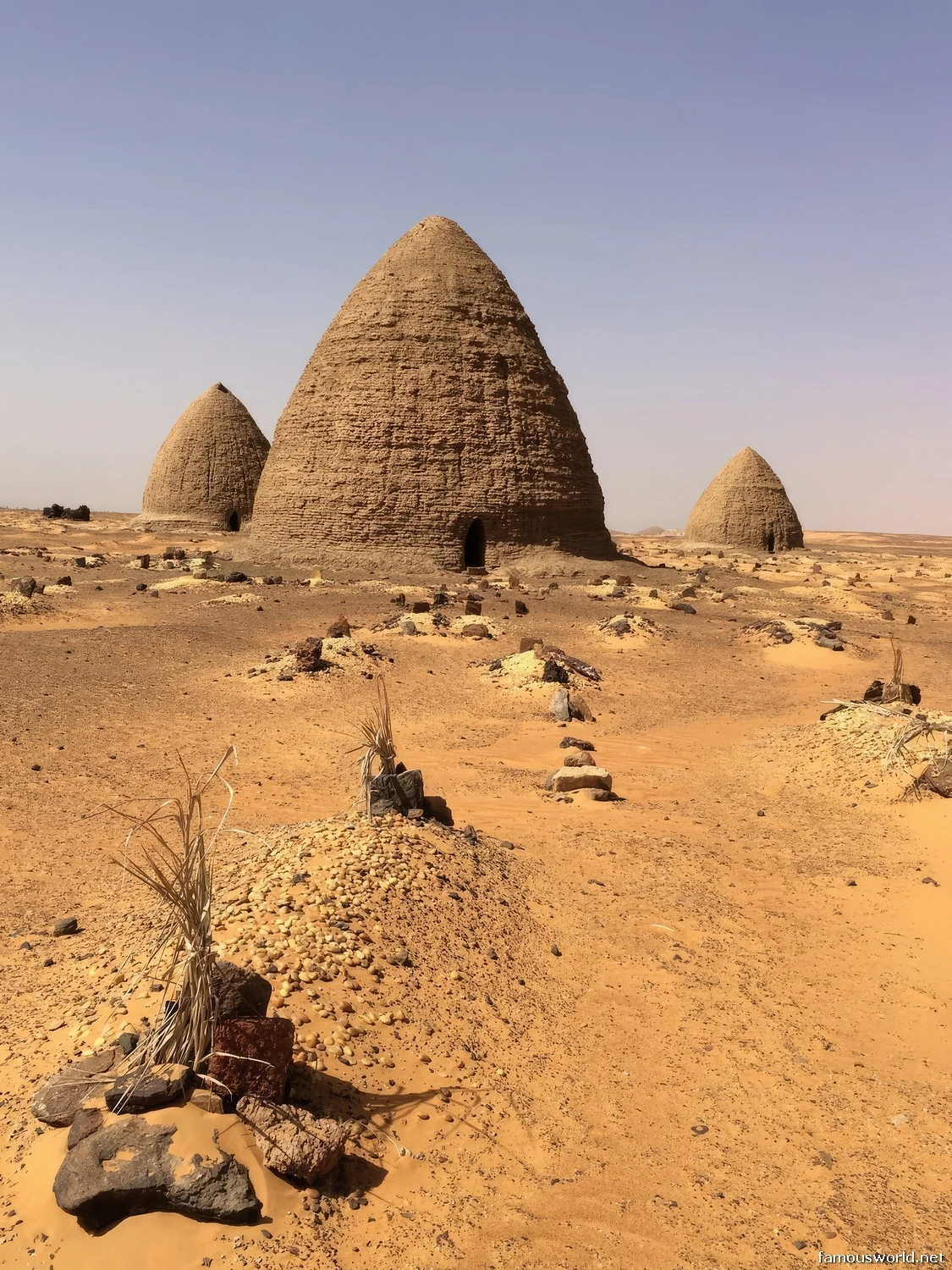
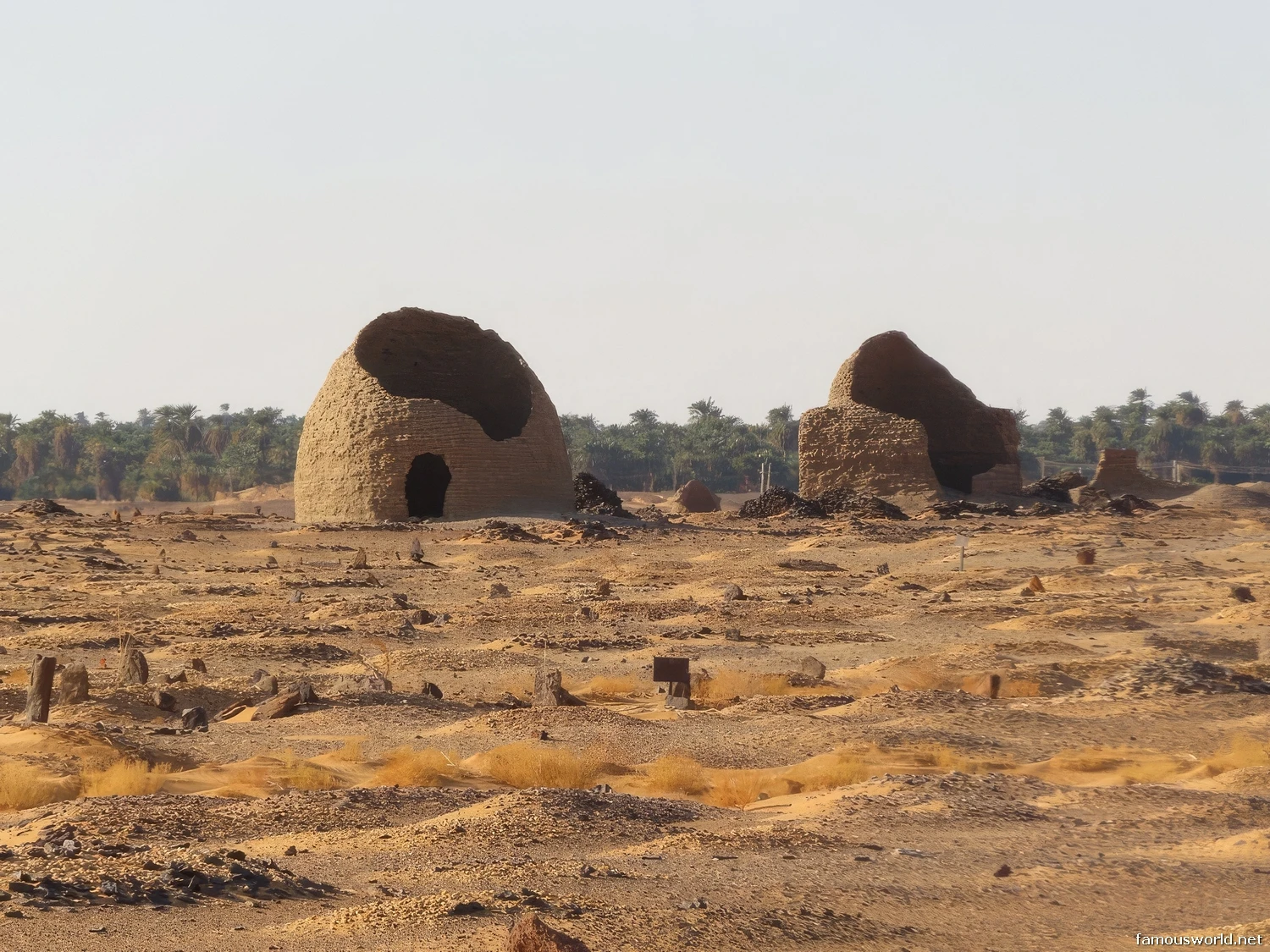
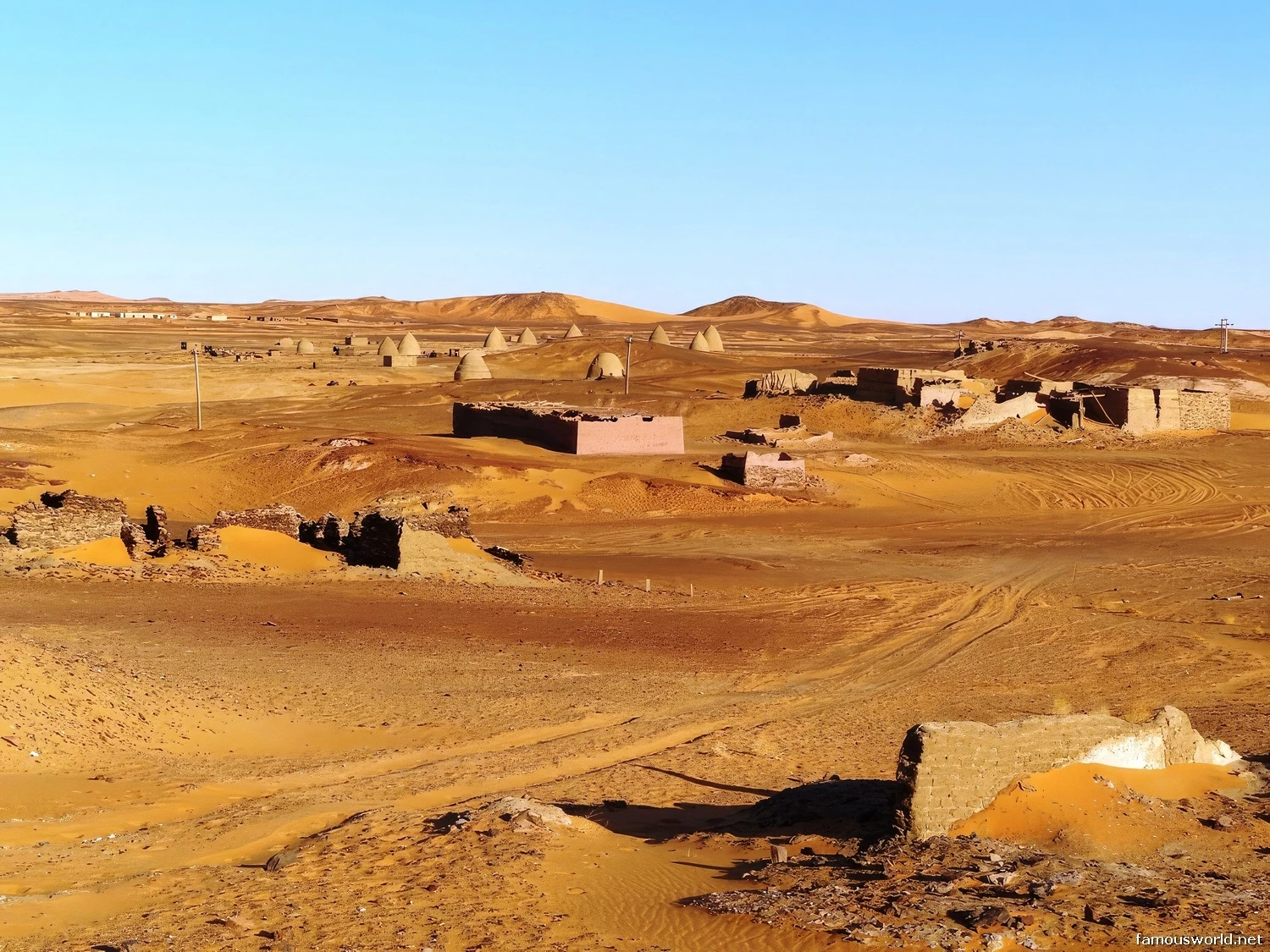
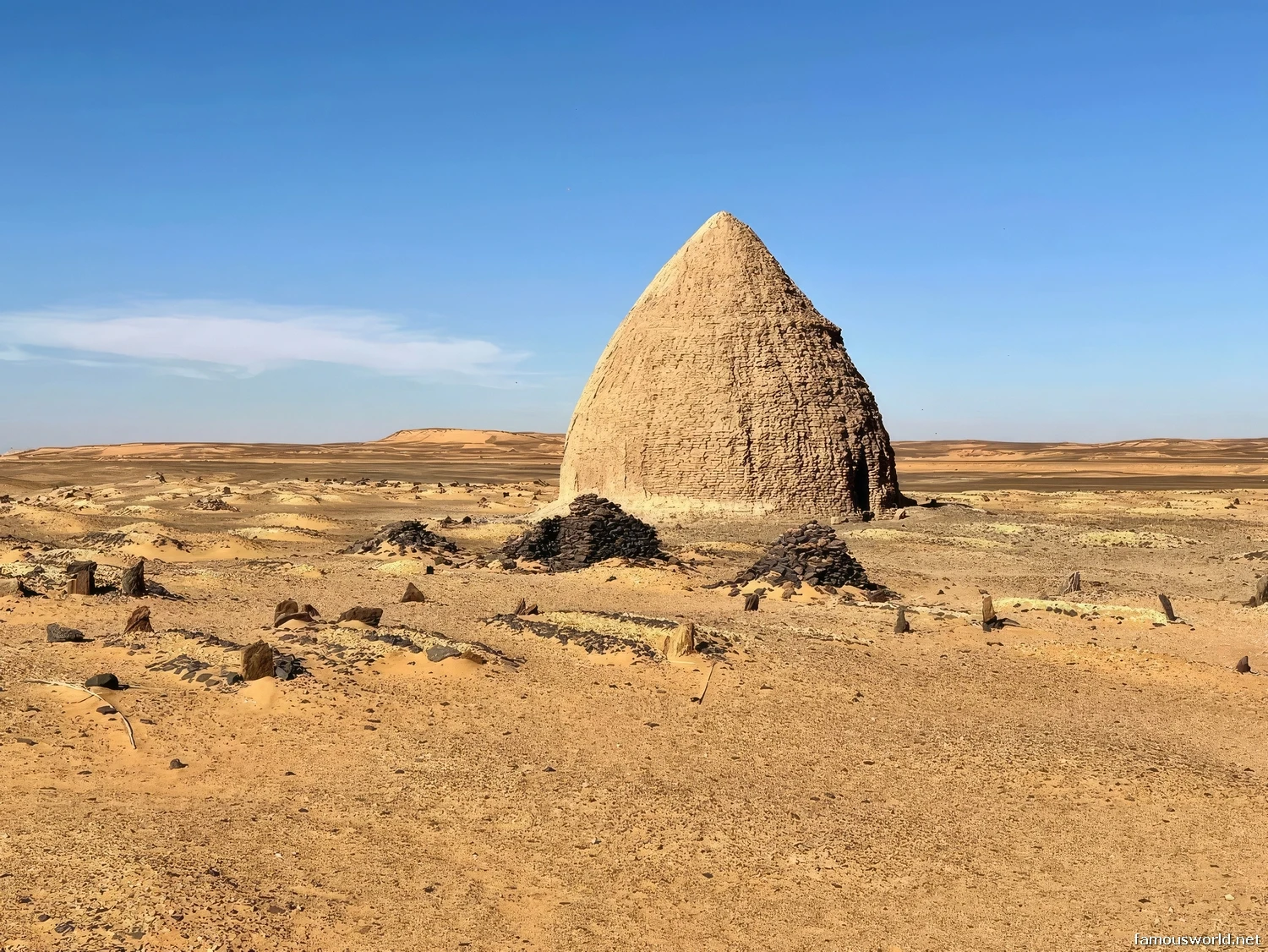
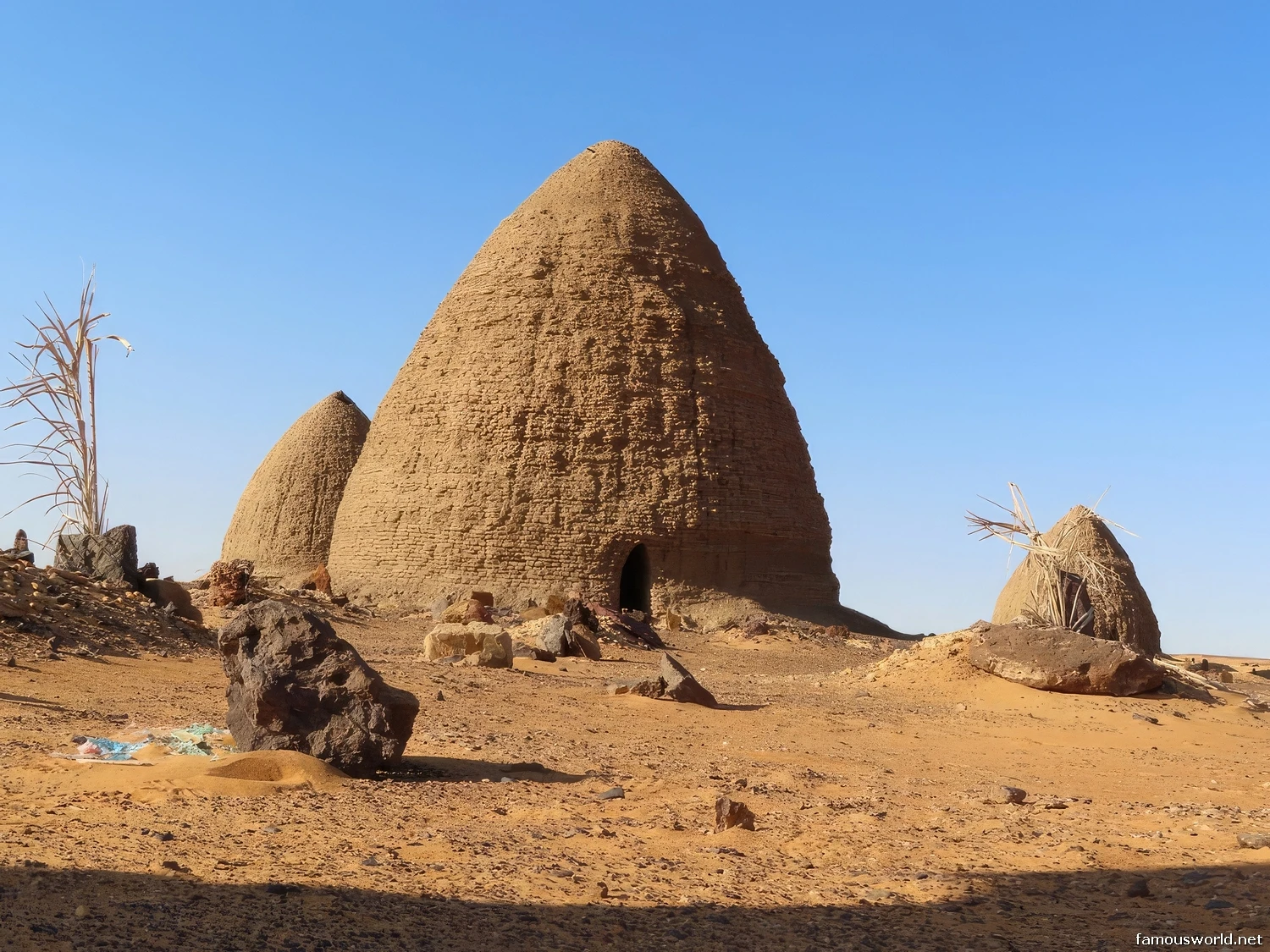
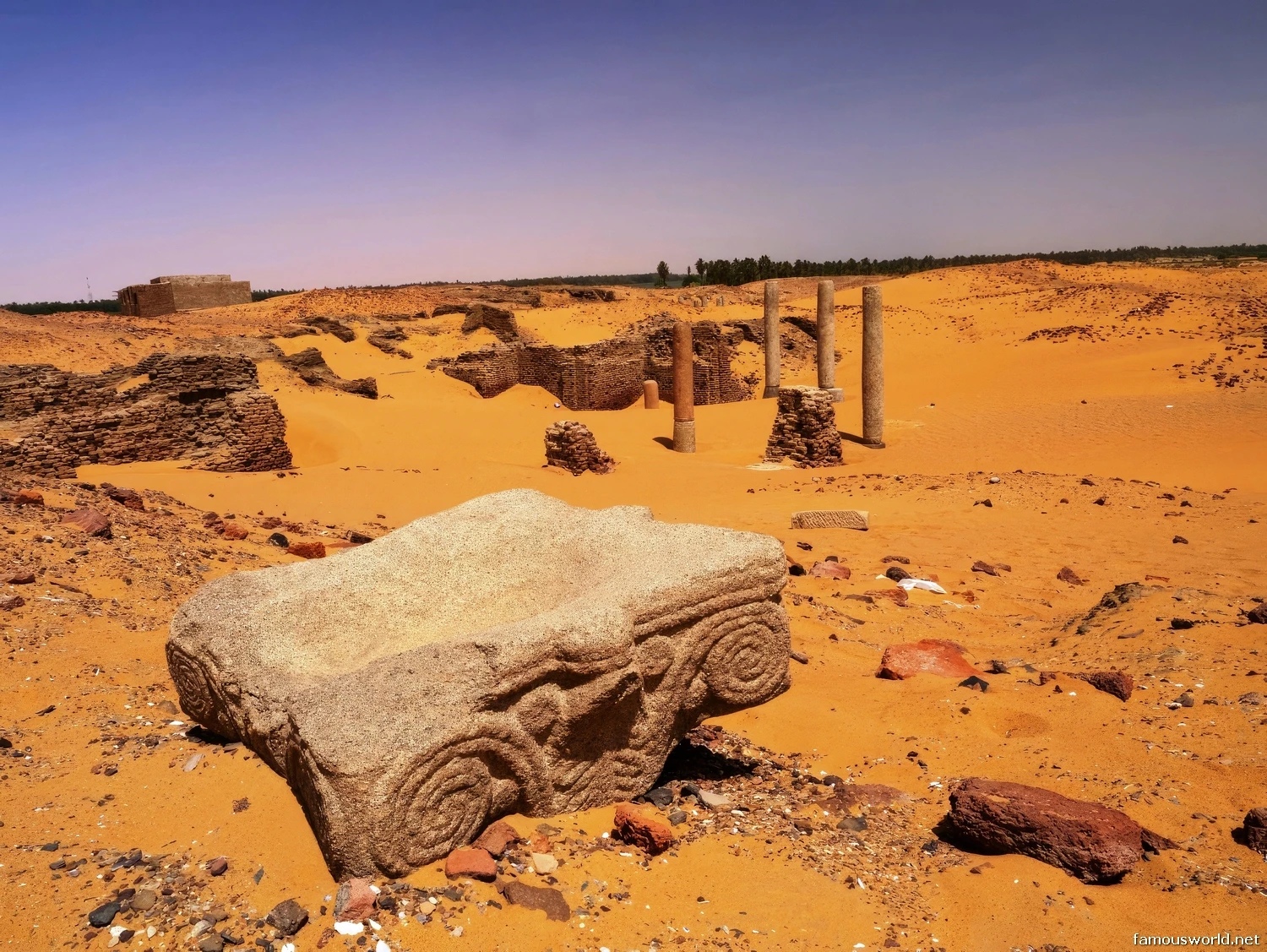
Old Dongola was the magnificent capital of the medieval Kingdom of Makuria, a powerful Christian state that flourished in Nubia for nearly a thousand years. Situated on a rocky outcrop overlooking the Nile, this fortified city was a major political, religious, and cultural center from the 7th to the 14th century. The site’s extensive ruins, including the remains of numerous churches, monasteries, and a unique throne hall that was later converted into a mosque, offer a remarkable window into the world of medieval Christian Nubia. Old Dongola stands as a crucial testament to a period when powerful Christian kingdoms thrived deep in the heart of Africa, showcasing a unique fusion of Byzantine, Coptic, and indigenous Nubian traditions.
Listen to an introduction about Old Dongola

Name and Location
- Name: The Archaeological Site of Old Dongola.
- Location: In the Northern State of Sudan, on the east bank of the Nile River, approximately 80 kilometers (50 miles) south of Kerma.
How to Get There
Visiting Old Dongola is part of the classic archaeological tour of northern Sudan.
- By Road: The site is accessed by road, typically as part of a multi-day itinerary from Khartoum that includes other major Nubian sites like Kerma and Jebel Barkal. Its location between these other key sites makes it a natural stop on the historical circuit.
Landscape and Architecture
The ruins of Old Dongola reveal a sophisticated urban and religious center.
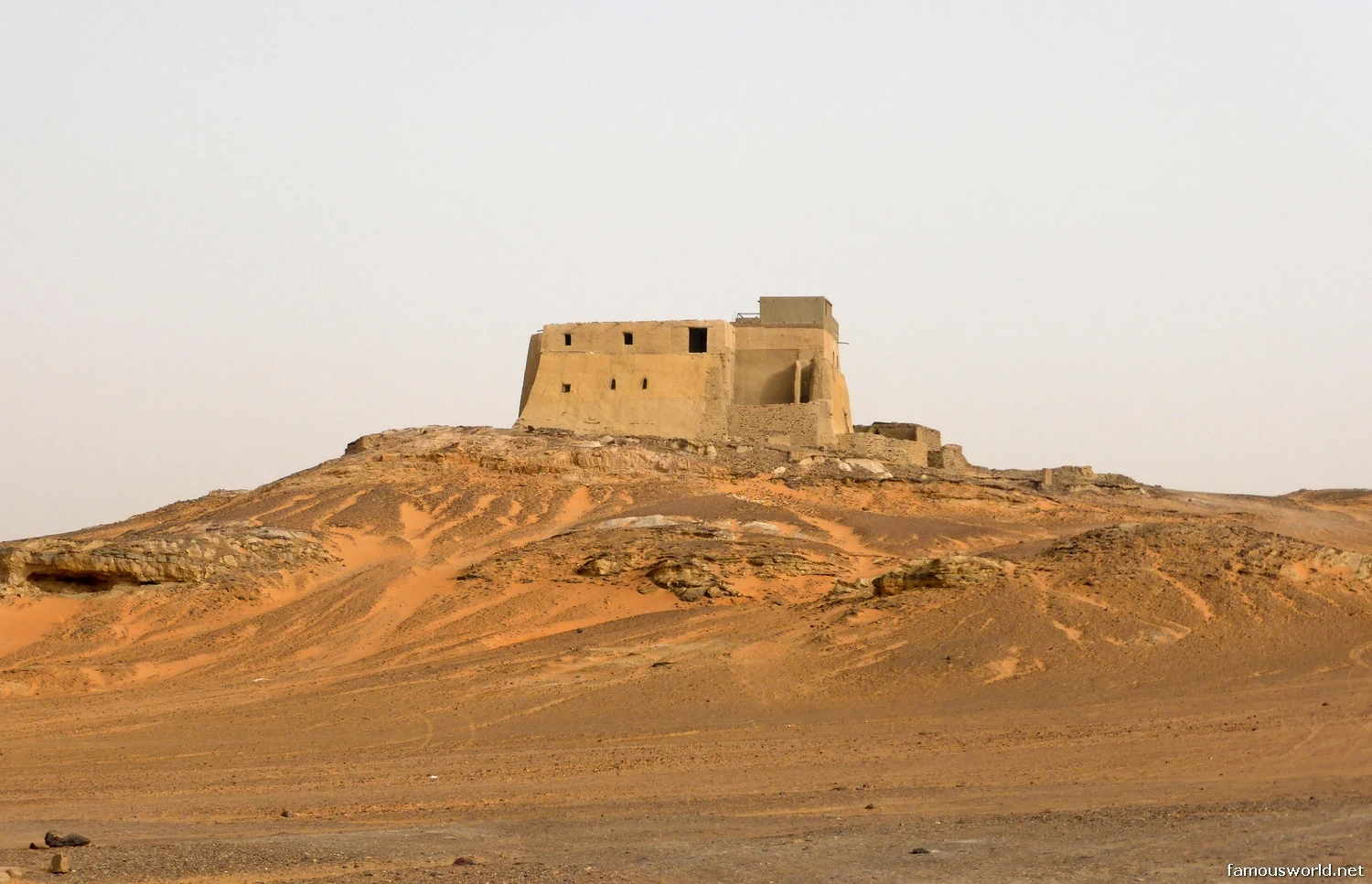
- Natural Landscape: The city was strategically built on an elevated, rocky promontory on the east bank of the Nile, providing a strong defensive position with commanding views of the surrounding fertile river valley and desert.
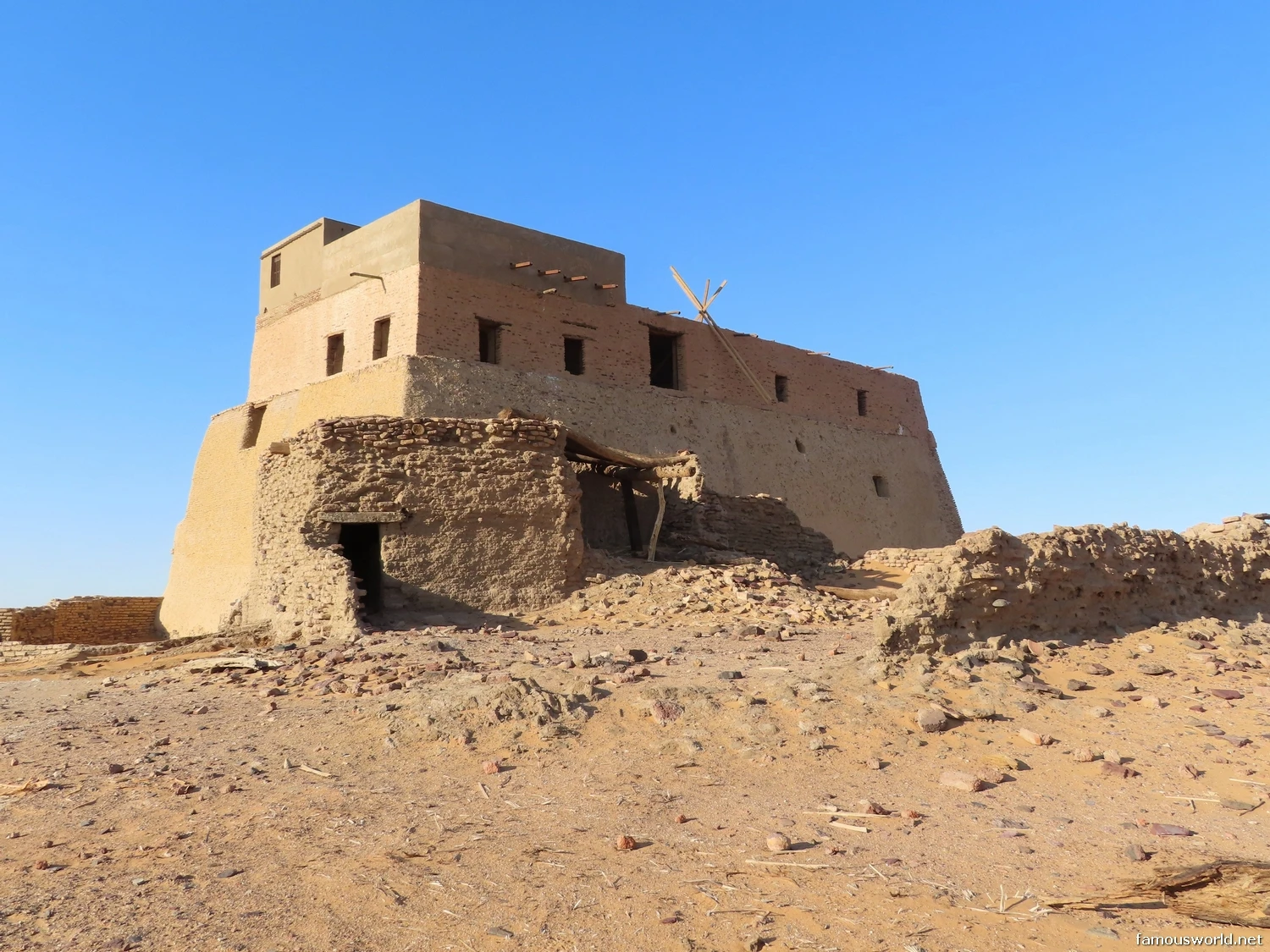
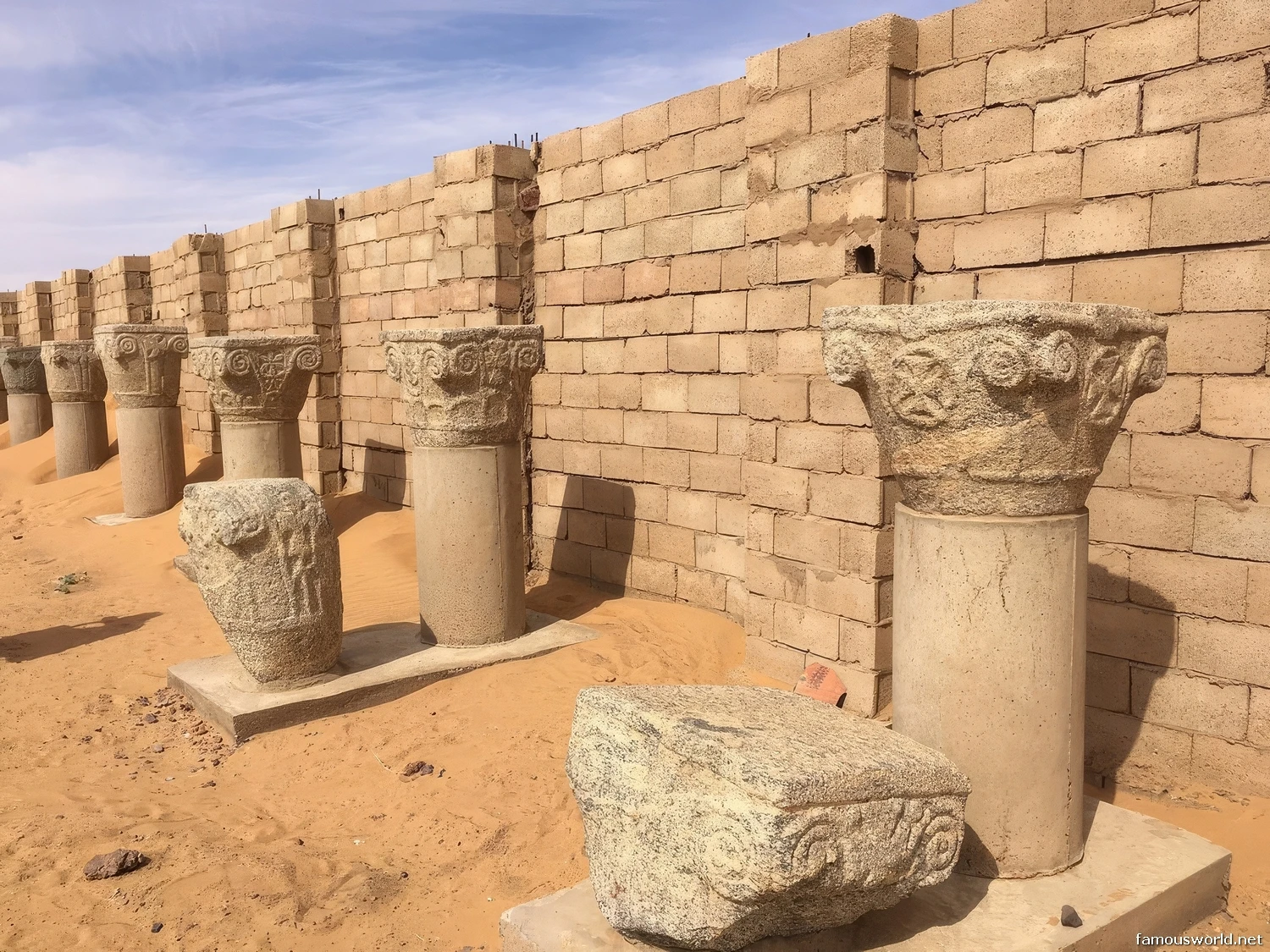
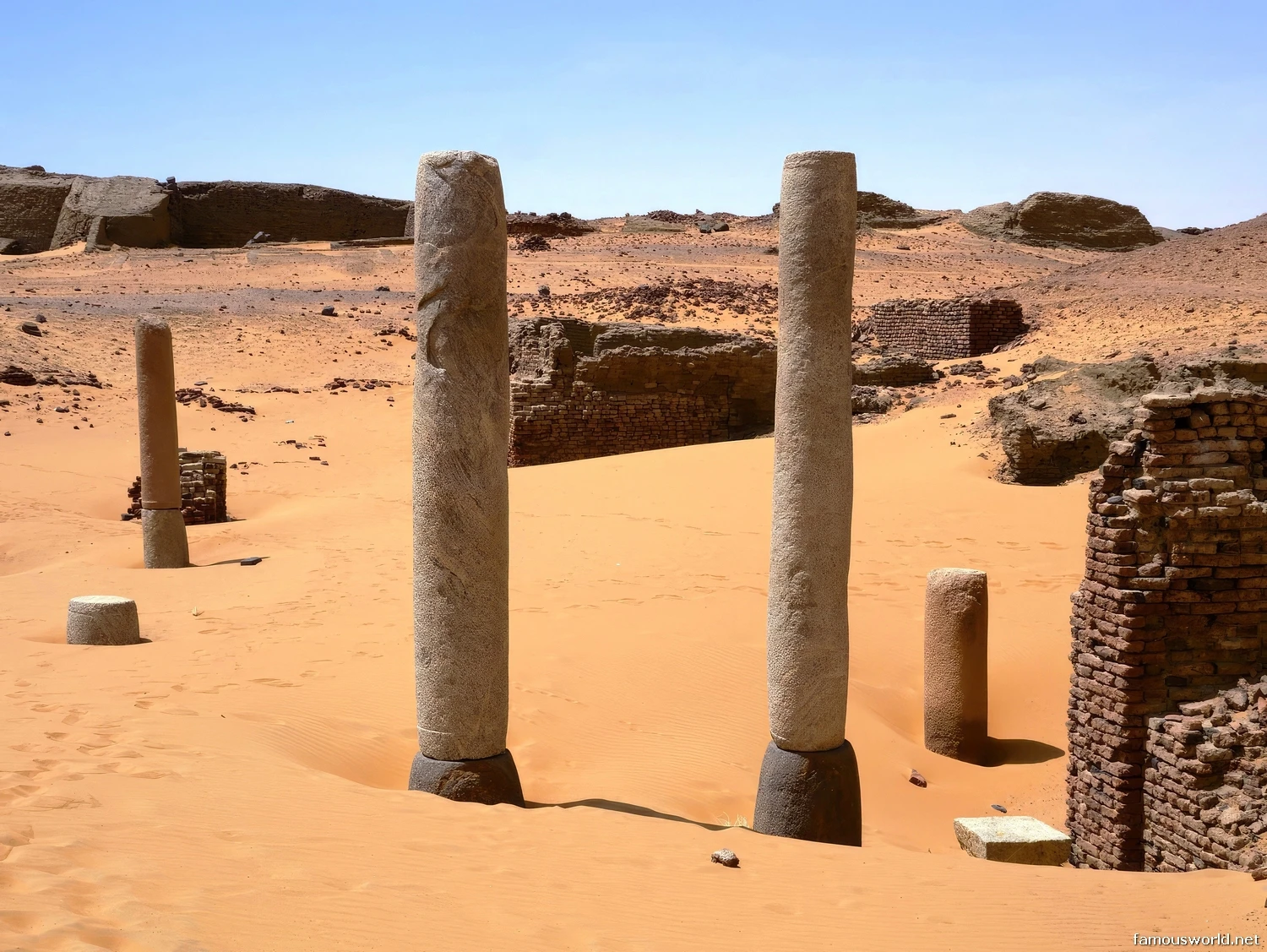
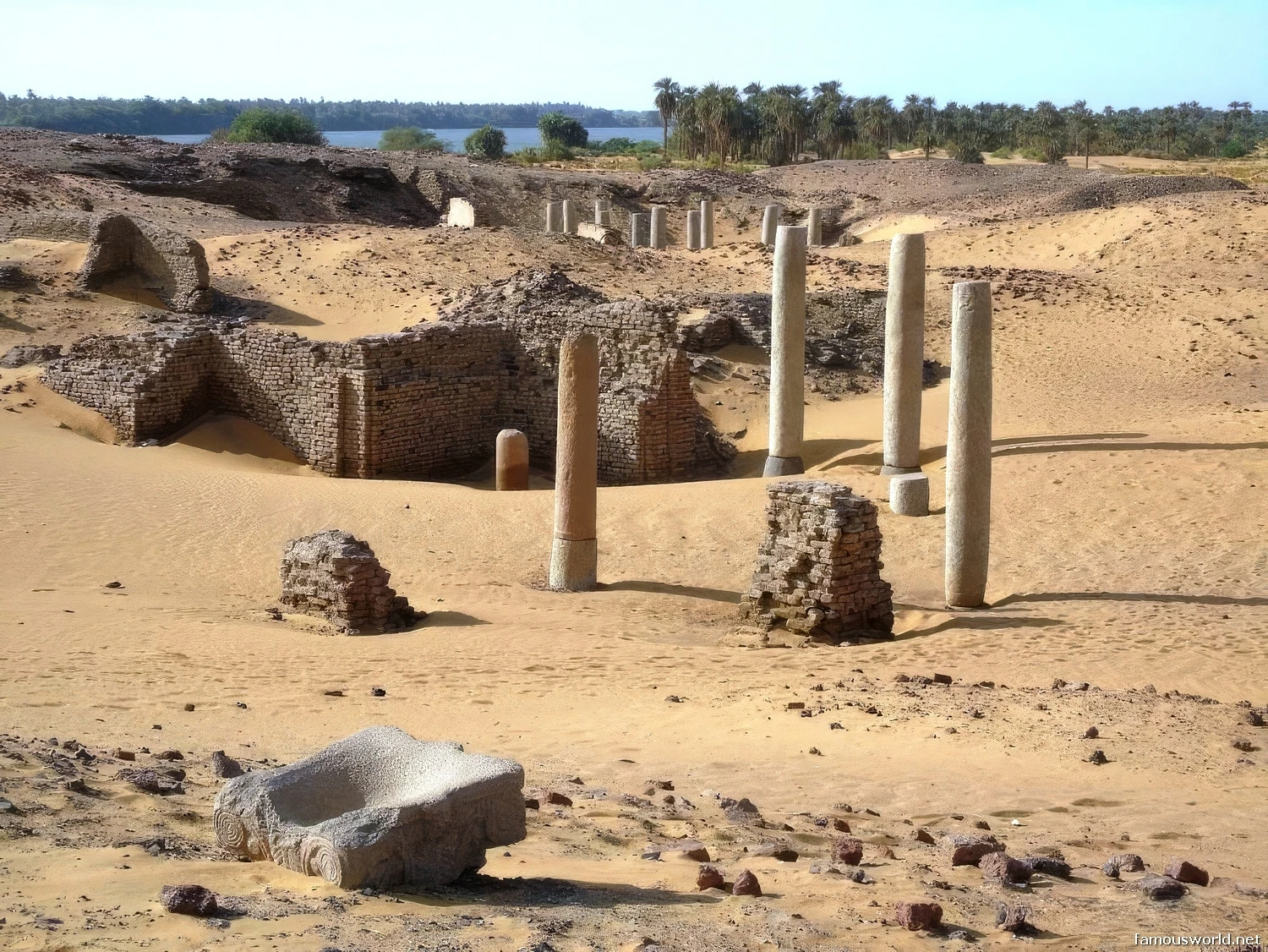
- Architectural Style: Old Dongola is defined by the ruins of its Christian-era buildings. Key structures include the Monastery of the Holy Trinity, known for its well-preserved wall paintings, and the Church of the Granite Columns. The most prominent structure is the cruciform Throne Hall, a massive two-story building that served as the royal audience chamber and was later converted into the oldest surviving mosque in Sudan. The architecture is a unique blend of Byzantine and Coptic influences adapted with local Nubian techniques, particularly evident in the construction of churches with central domes and elaborate frescoes.
What Makes It Famous
Old Dongola is renowned as the capital of a lost Christian kingdom of the Nile.
- Capital of Makuria: It was the political and spiritual heart of the powerful Christian Kingdom of Makuria, which successfully resisted Arab invasions for centuries.
- Center of Nubian Christianity: The site contains the remains of some of the most important churches and monasteries in the entire Nile Valley, making it a key center for the study of African Christianity.
- Remarkable Frescoes: The churches of Old Dongola were decorated with vibrant and beautiful frescoes (wall paintings) in a distinct Nubian-Byzantine style, many of which have been excavated and preserved.
- Symbol of Religious Transition: The conversion of the royal Throne Hall into a mosque in 1317 is a powerful physical symbol of the decline of Christianity and the rise of Islam in the region.
Differences from Other Wonders
The medieval Christian capital of Old Dongola tells a very different story from the ancient city of Kerma.
- Era and Kingdom (Medieval Christian vs. Ancient Bronze Age): Old Dongola was the capital of the medieval Kingdom of Makuria (c. 500–1400 CE). Kerma was the capital of the much earlier, pre-Christian first Kingdom of Kush (c. 2500–1500 BCE).
- Dominant Religion (Christianity vs. Indigenous Polytheism): Old Dongola’s identity is defined by its role as a major center of Christianity, with churches and monasteries as its main monuments. Kerma’s religious life was centered on indigenous deities and practices, symbolized by the massive Deffufa temples.
- Architectural Legacy (Churches and Frescoes vs. Deffufas and Tumuli): The architectural highlights of Old Dongola are its domed churches and intricate religious frescoes. Kerma is defined by its unique, solid mud-brick Deffufas and enormous circular royal tombs (tumuli).
- Historical Narrative (Crossroads of Faiths vs. Rise of an Indigenous Power): Old Dongola’s story is one of a powerful African Christian kingdom interacting with the Byzantine and Islamic worlds. Kerma’s story is about the rise of a purely indigenous, pre-pharaonic urban civilization that challenged the might of ancient Egypt.
Location on world map