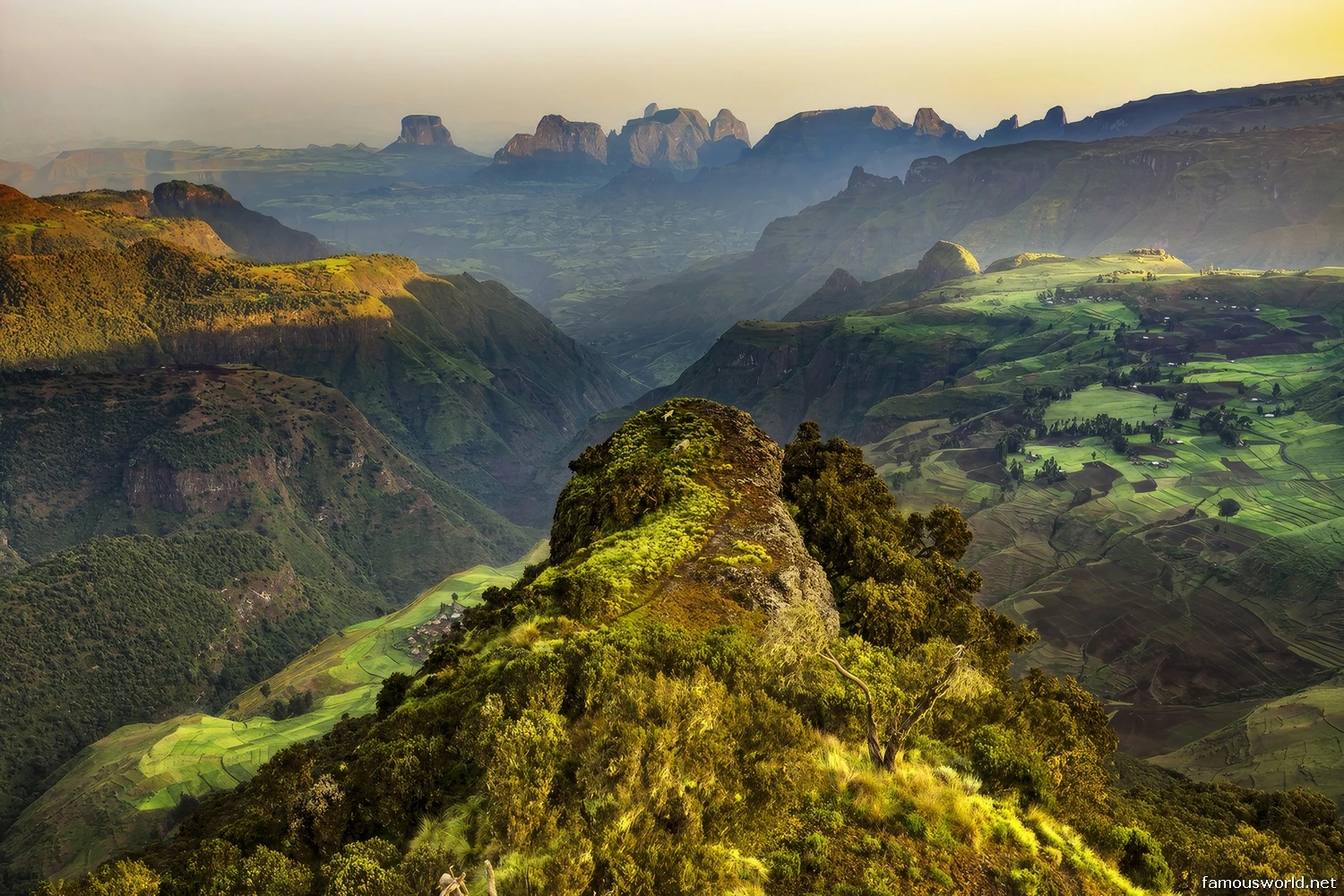
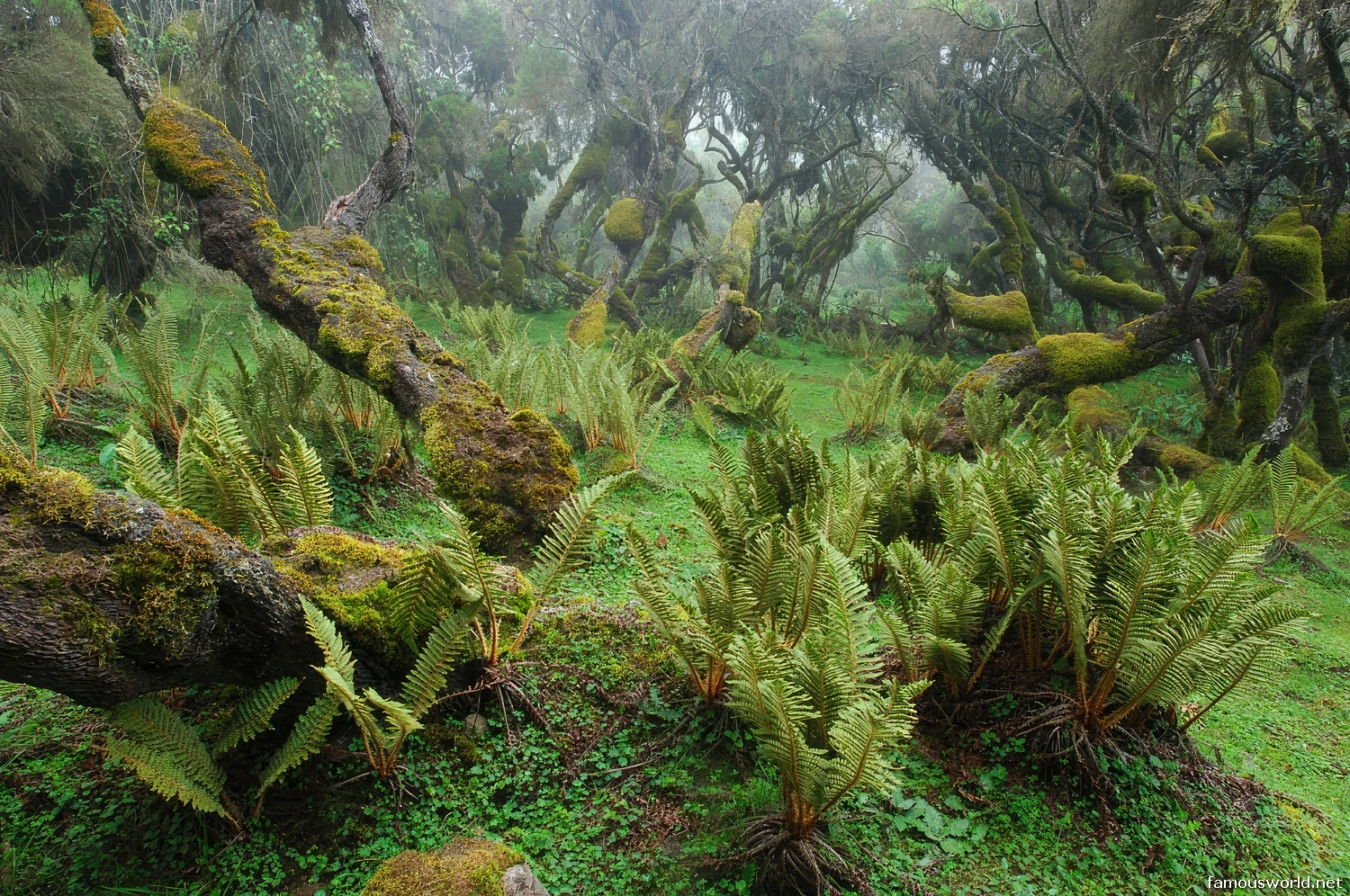


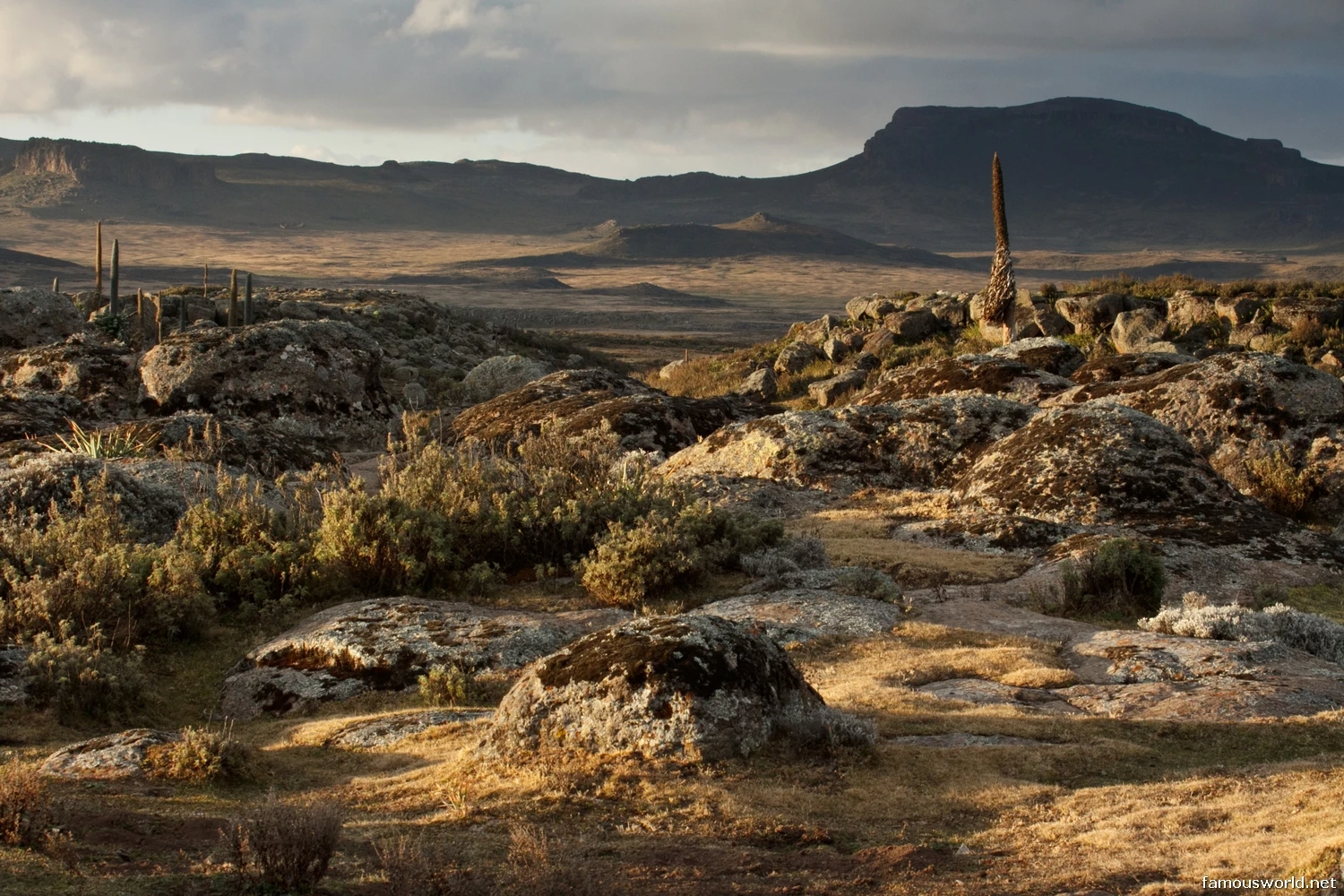
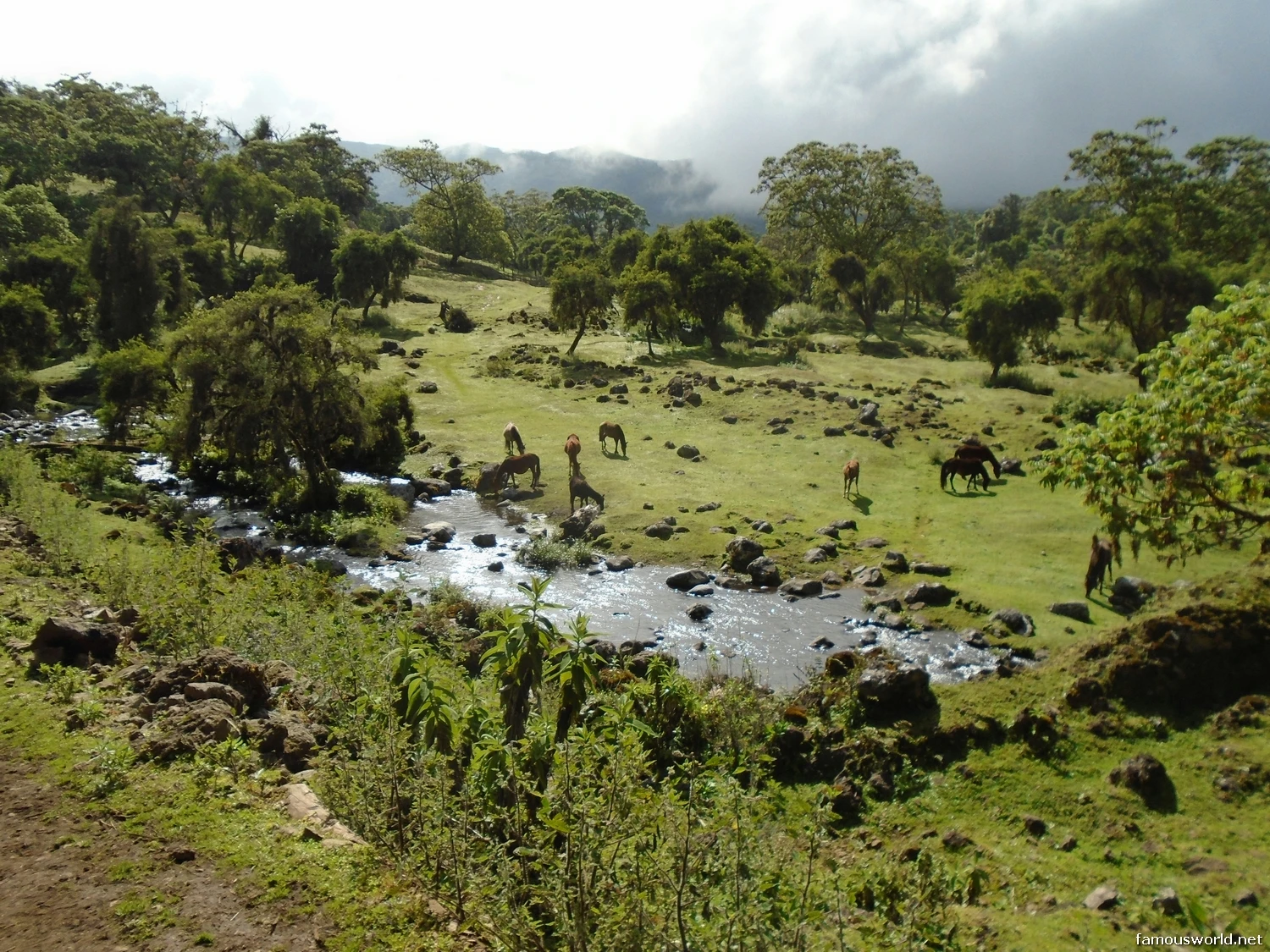



Bale Mountains National Park is a spectacular and ecologically unique protected area in the highlands of southeastern Ethiopia. A UNESCO World Heritage Site, the park is a world of dramatic contrasts, encompassing a stunning variety of landscapes, from lush montane forests and ethereal cloud forests to the vast, otherworldly Sanetti Plateau—the largest expanse of Afro-alpine habitat on the entire African continent. This high-altitude wonderland is a critical biodiversity hotspot, renowned for being the single most important sanctuary for a host of rare and endemic species, most famously the Ethiopian wolf, the world’s rarest canid. For visitors, it offers an unparalleled opportunity to explore a pristine and diverse mountain wilderness, making it a premier destination for wildlife viewing, trekking, and birdwatching.
Listen to an introduction about Bale Mountains National Park

Name and Address
- Name: Bale Mountains National Park (BMNP).
- Address: Located in the Oromia Region of southeastern Ethiopia, approximately 400 kilometers (250 miles) by road from the capital, Addis Ababa.
How to Get There
Accessing the park requires a journey into the highlands, with the small towns of Dinsho and Goba serving as the main gateways.
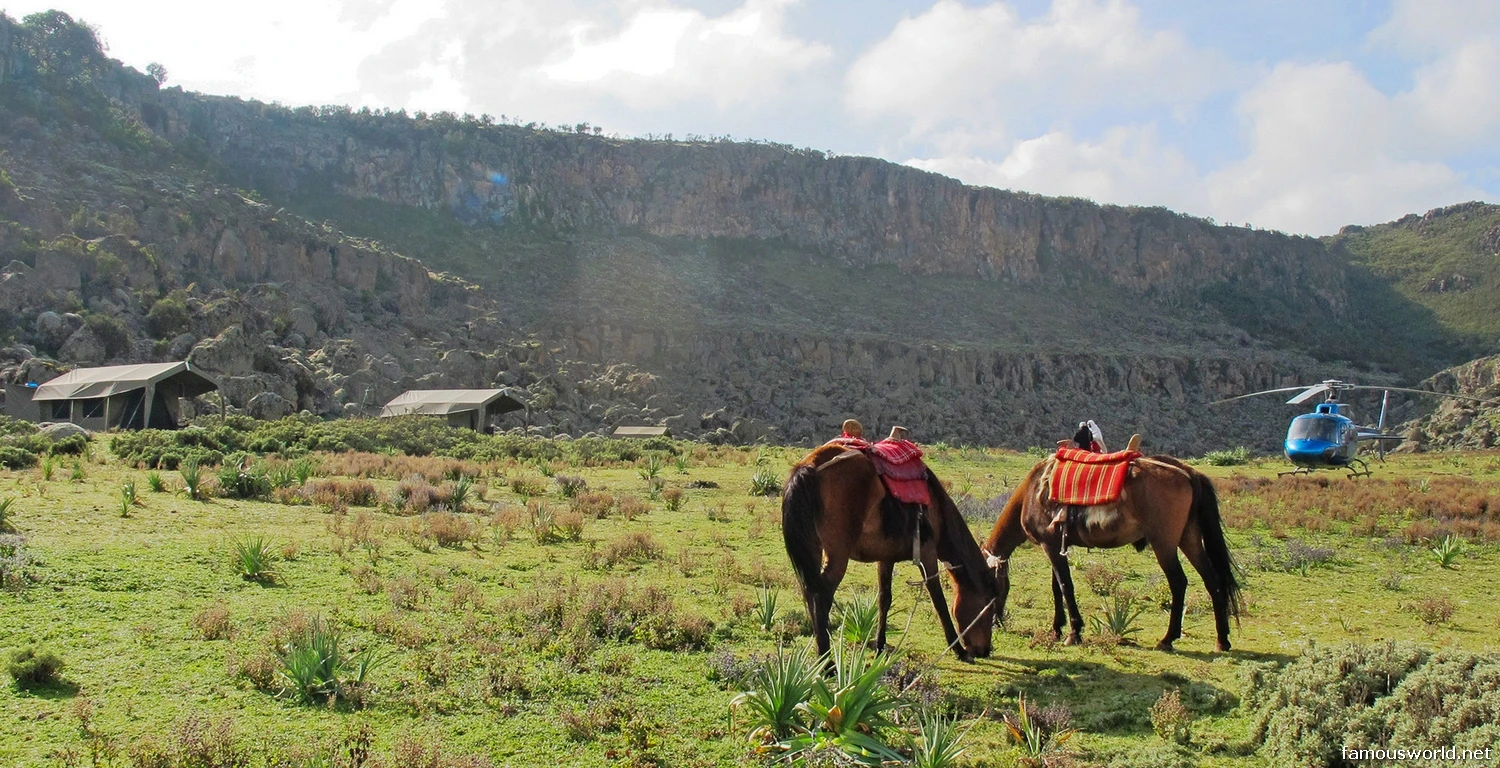
- By Road (Recommended): The most common way to visit is by hiring a 4×4 vehicle with a driver from Addis Ababa. The drive to the park headquarters in Dinsho takes approximately 6-7 hours. A 4×4 is essential for navigating the park’s internal roads, especially for ascending the Sanetti Plateau.
- By Air and Road: You can take a domestic flight with Ethiopian Airlines from Addis Ababa to Robe (the airport for Goba). From Goba, it’s a short drive to the park’s main areas. This significantly reduces the long driving time from the capital.
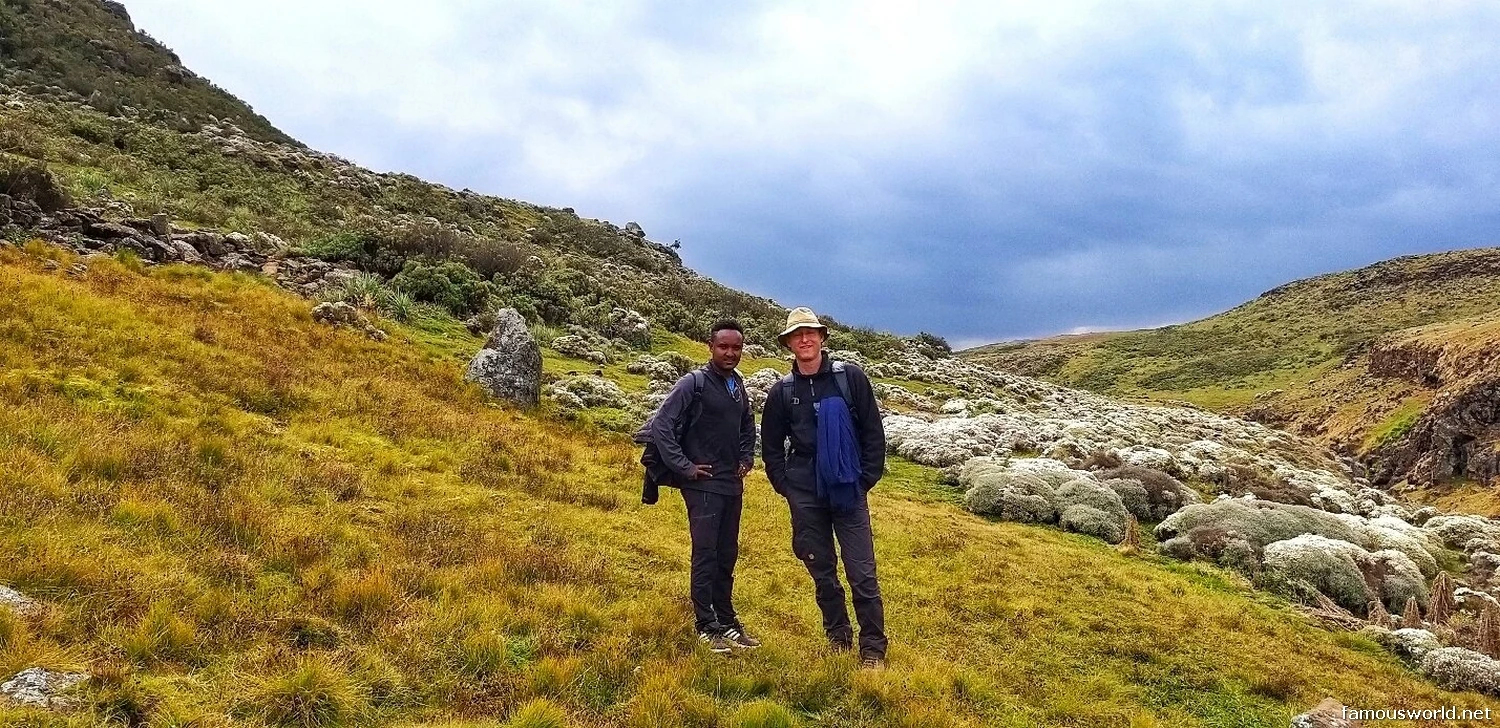
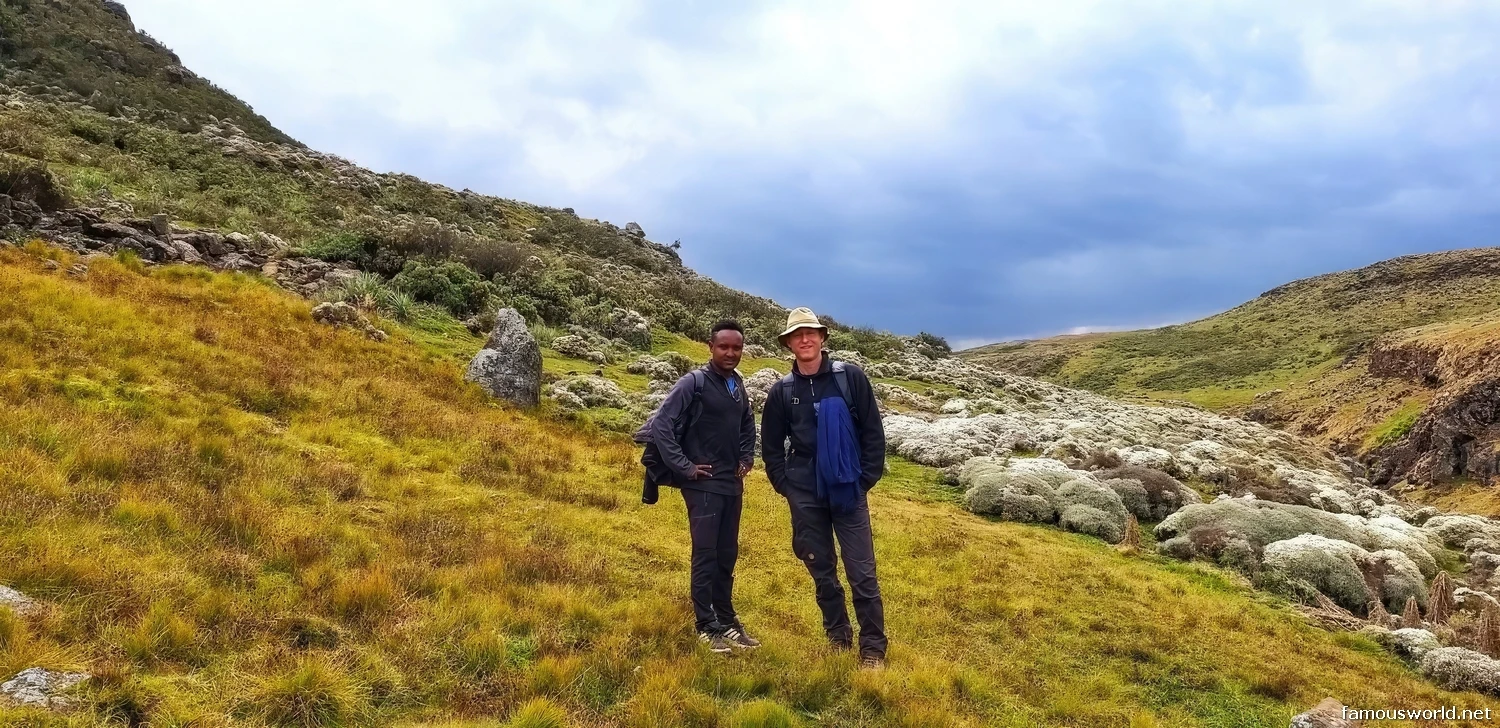
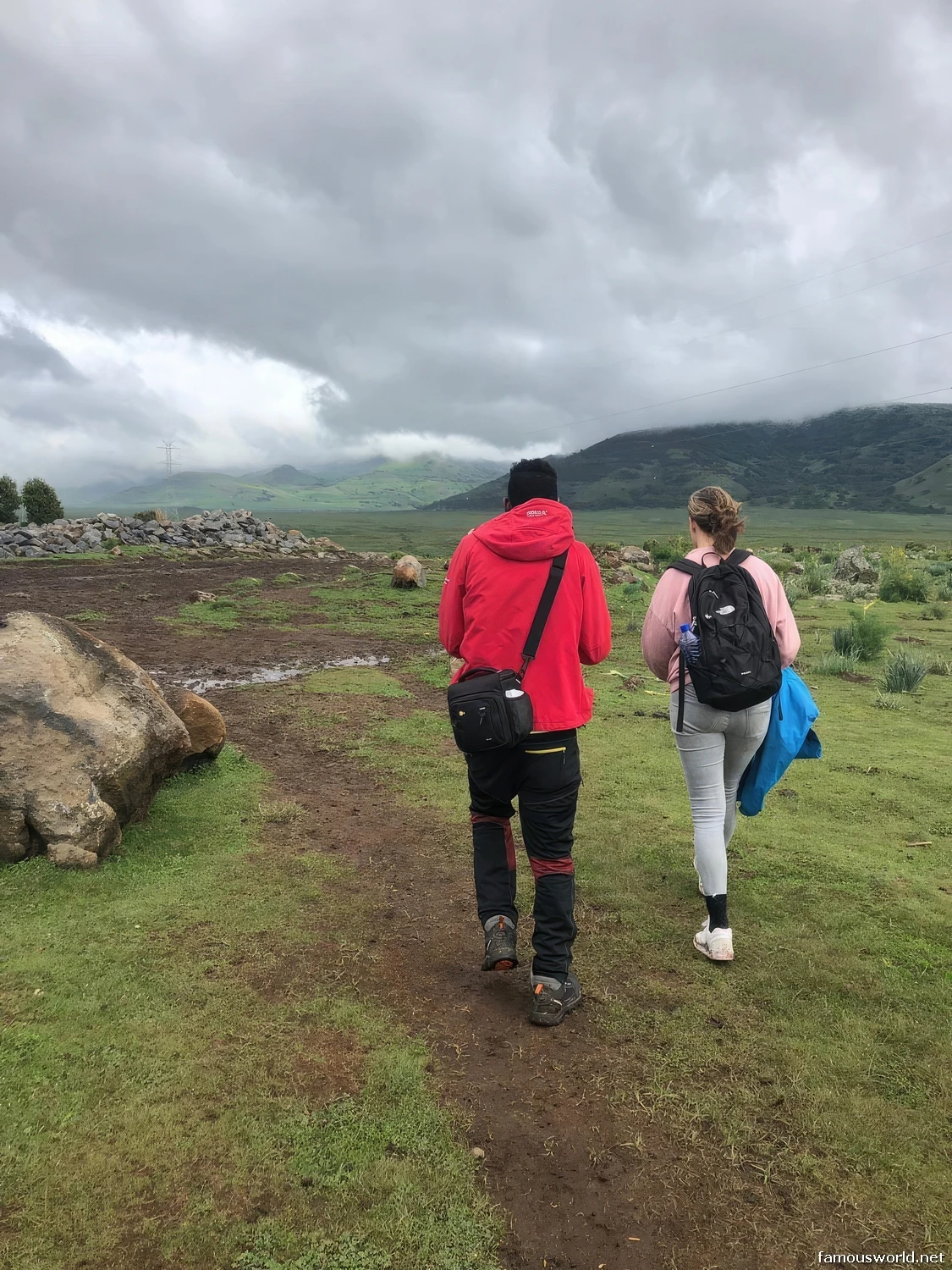
- Visitor Tip: The best time to visit is during the dry season, from October to June, when the weather is clearer and the roads are more manageable. A local guide is mandatory for trekking and highly recommended for all visits to help spot wildlife and navigate the vast park.
Landscape, Flora, and Fauna
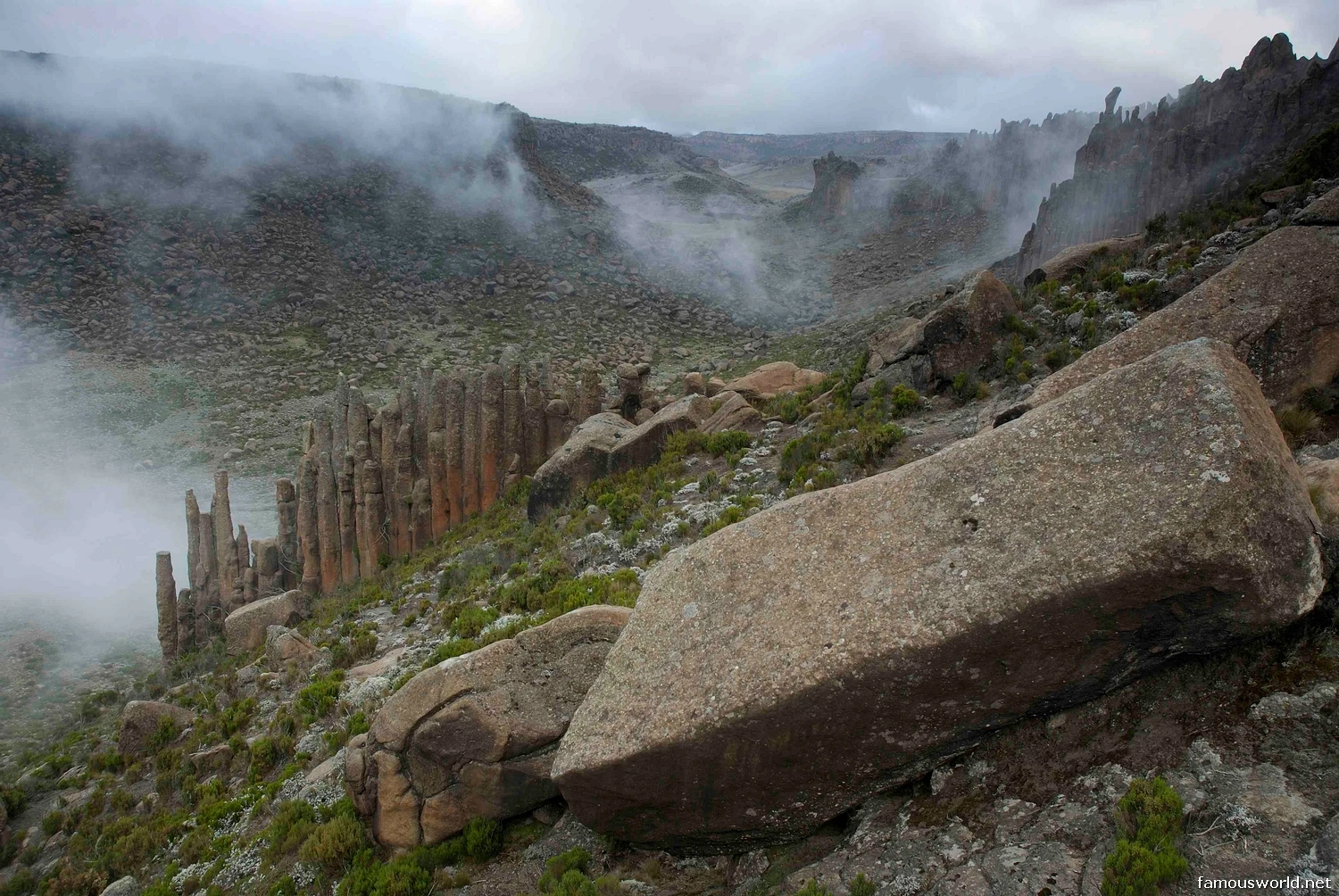
The landscape of Bale is a breathtaking mosaic of distinct ecosystems, each with its own unique flora and fauna.
- The Landscape:
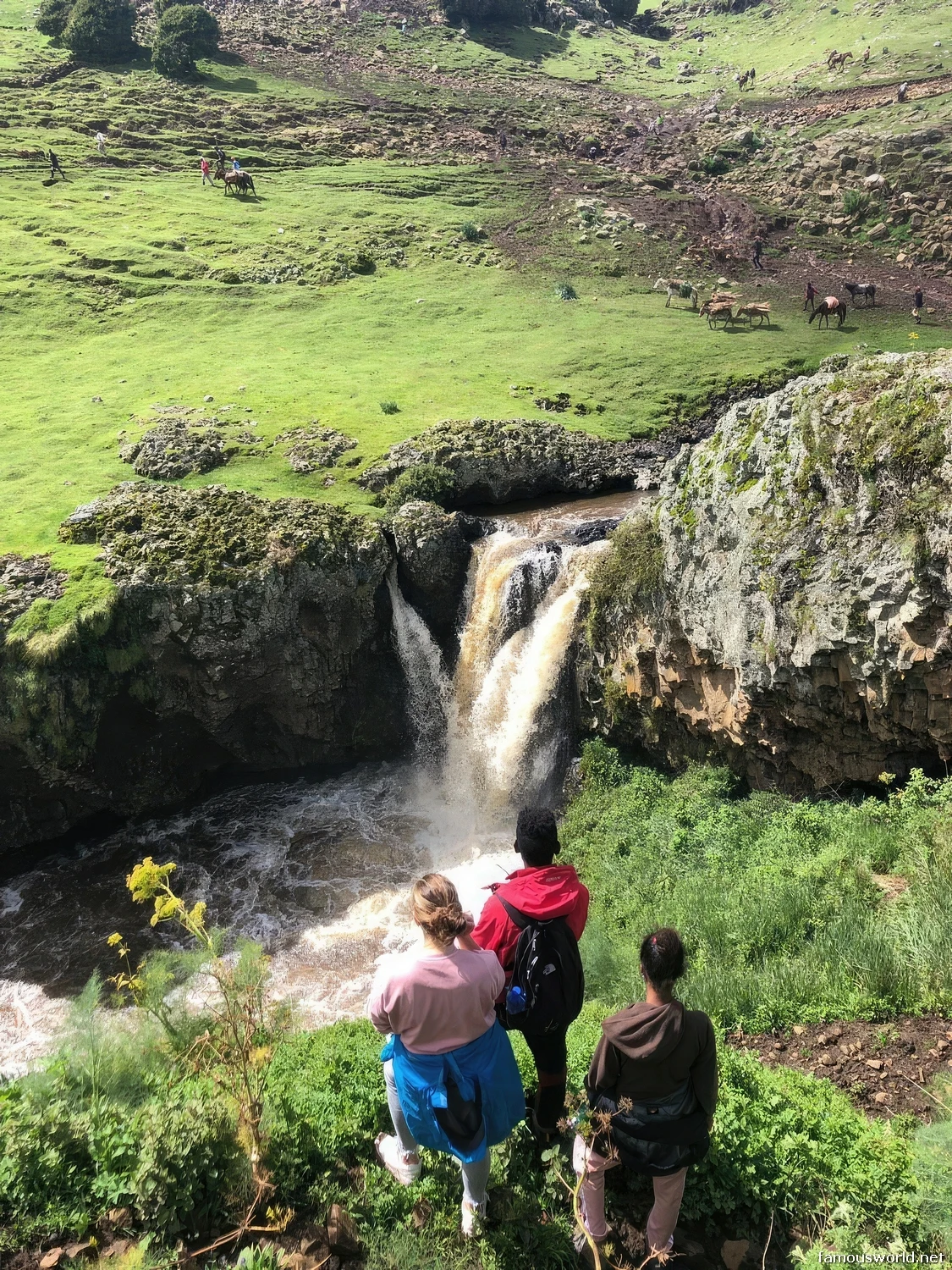
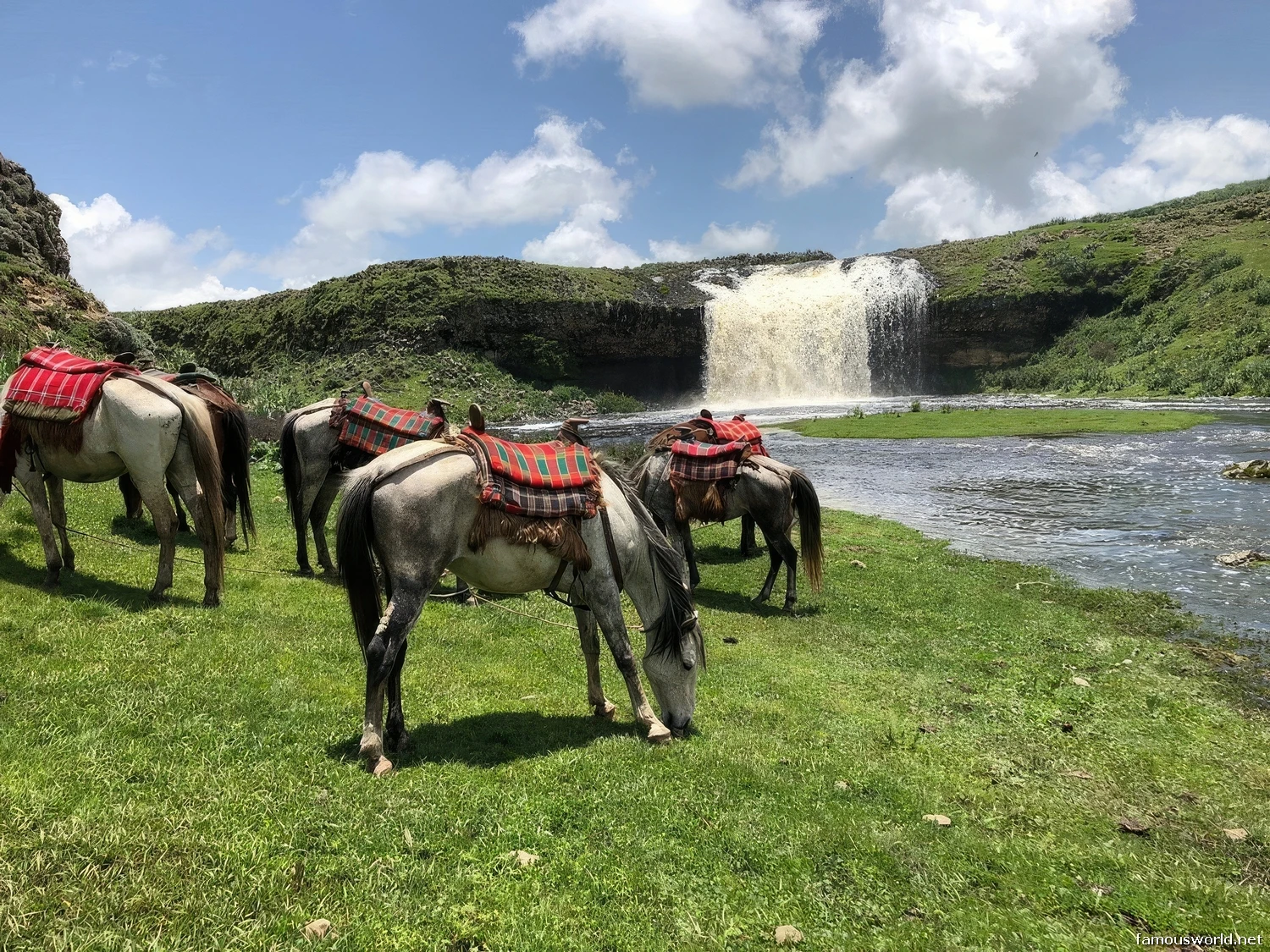
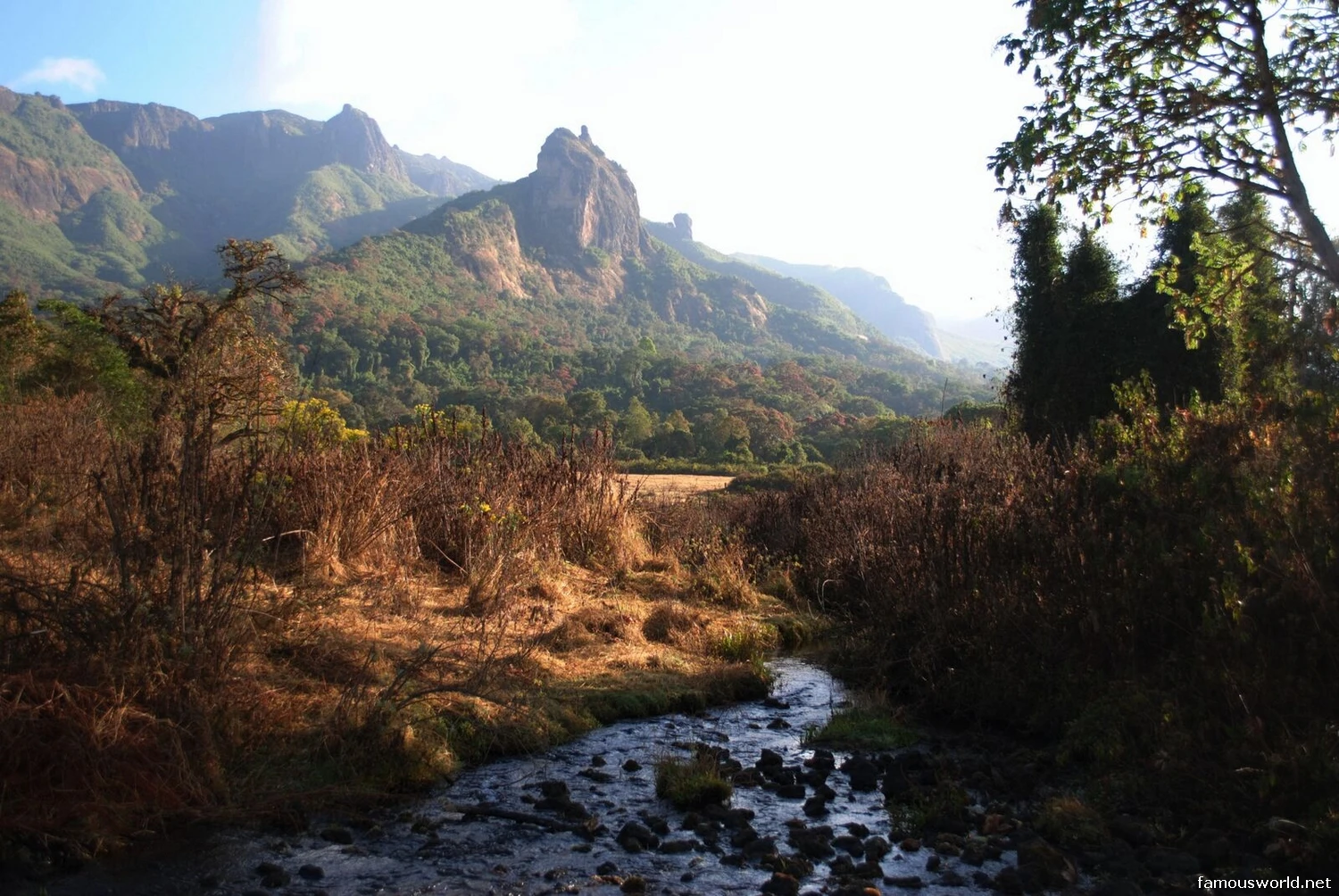
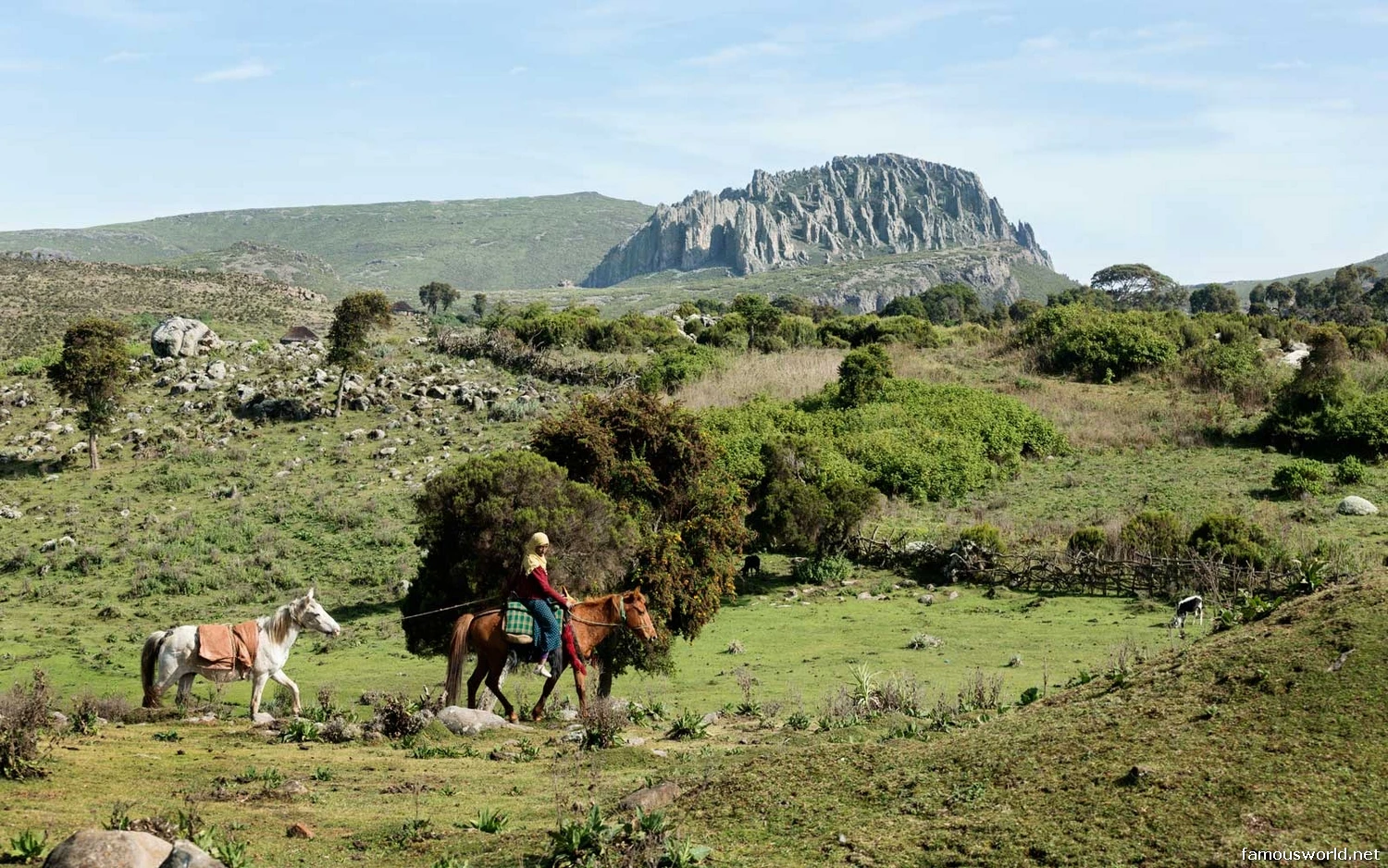
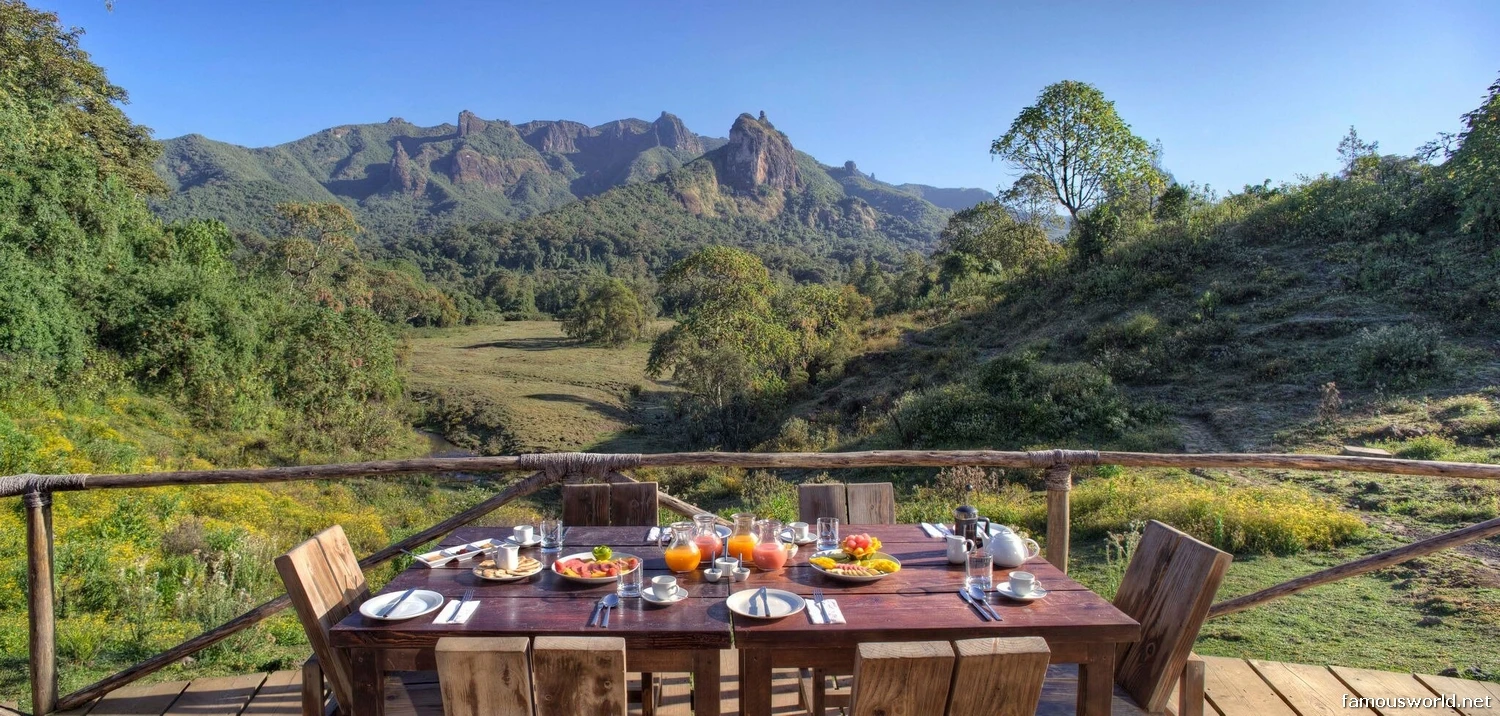
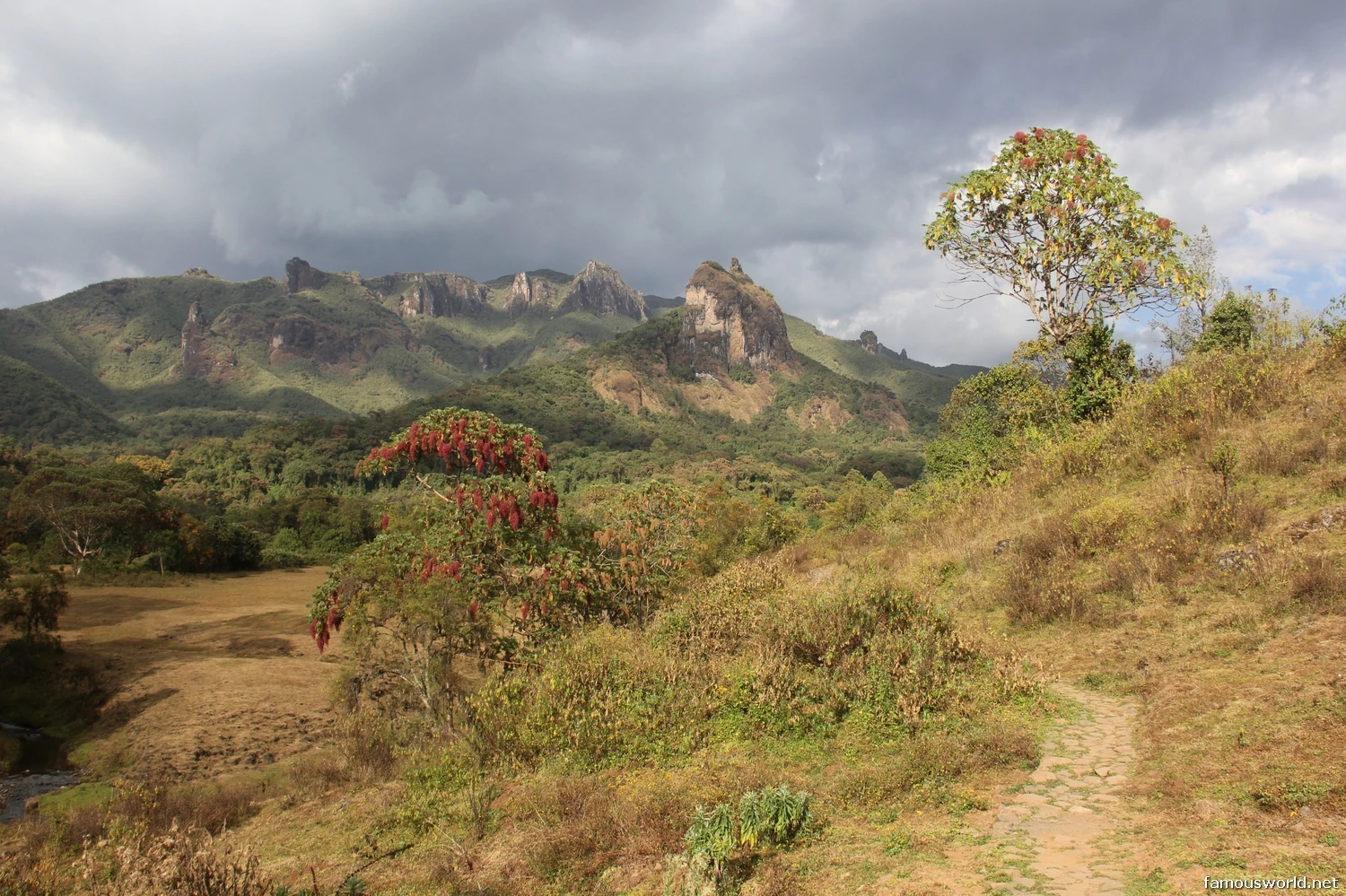
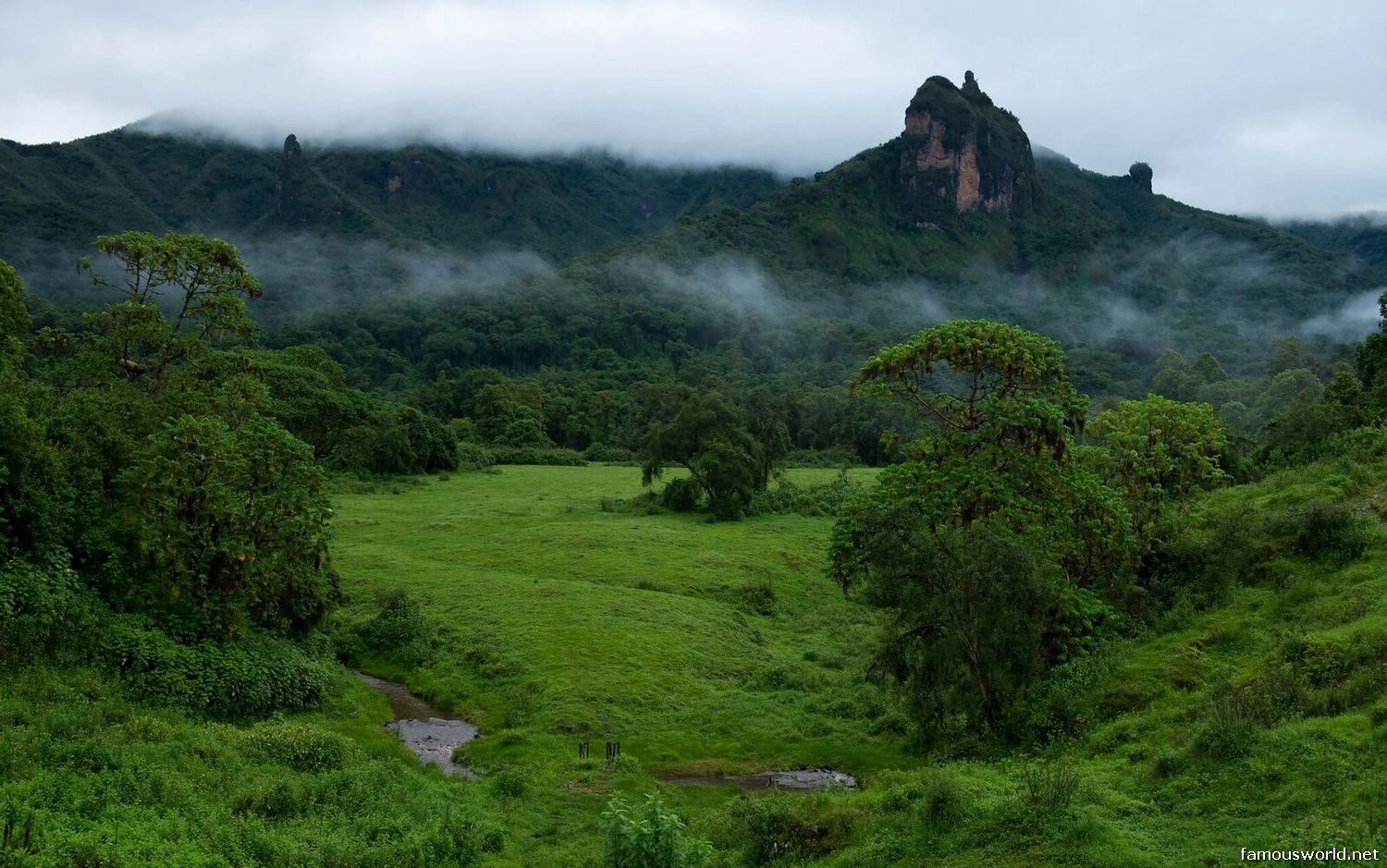
- Northern Grasslands and Woodlands: The lower-altitude areas around Dinsho are characterized by lush grasslands and Gaysay Valley, dotted with juniper and Hagenia trees.
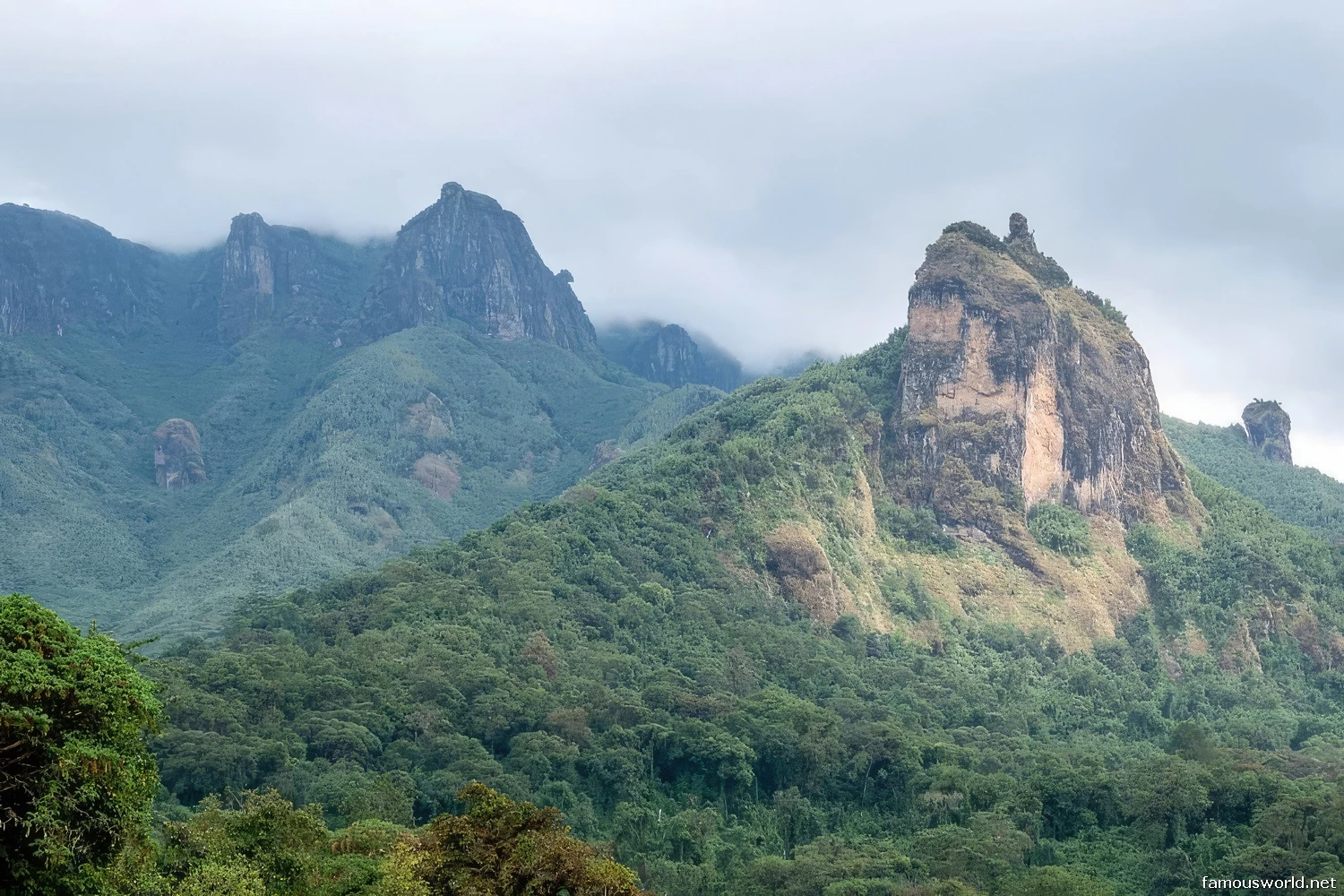
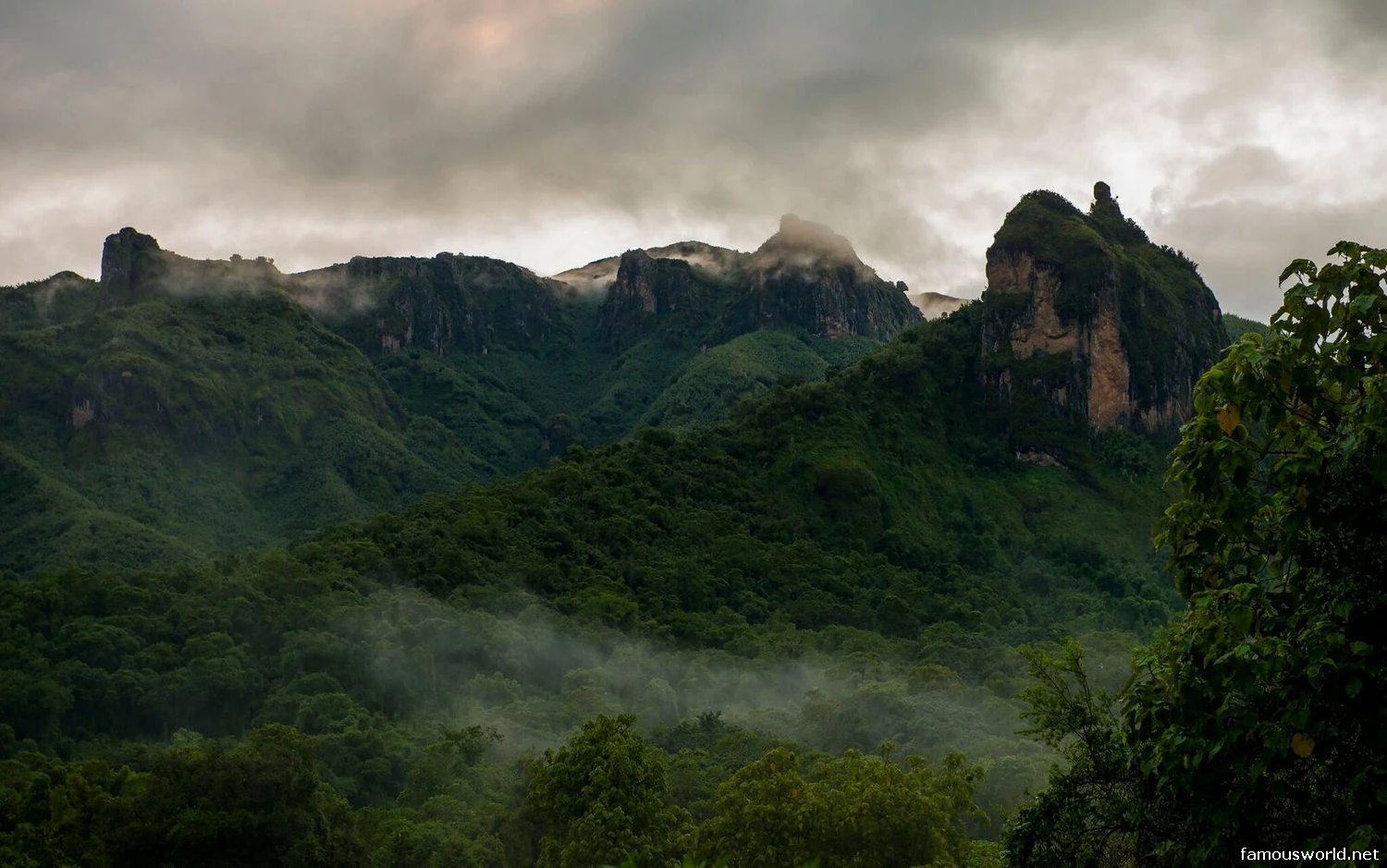
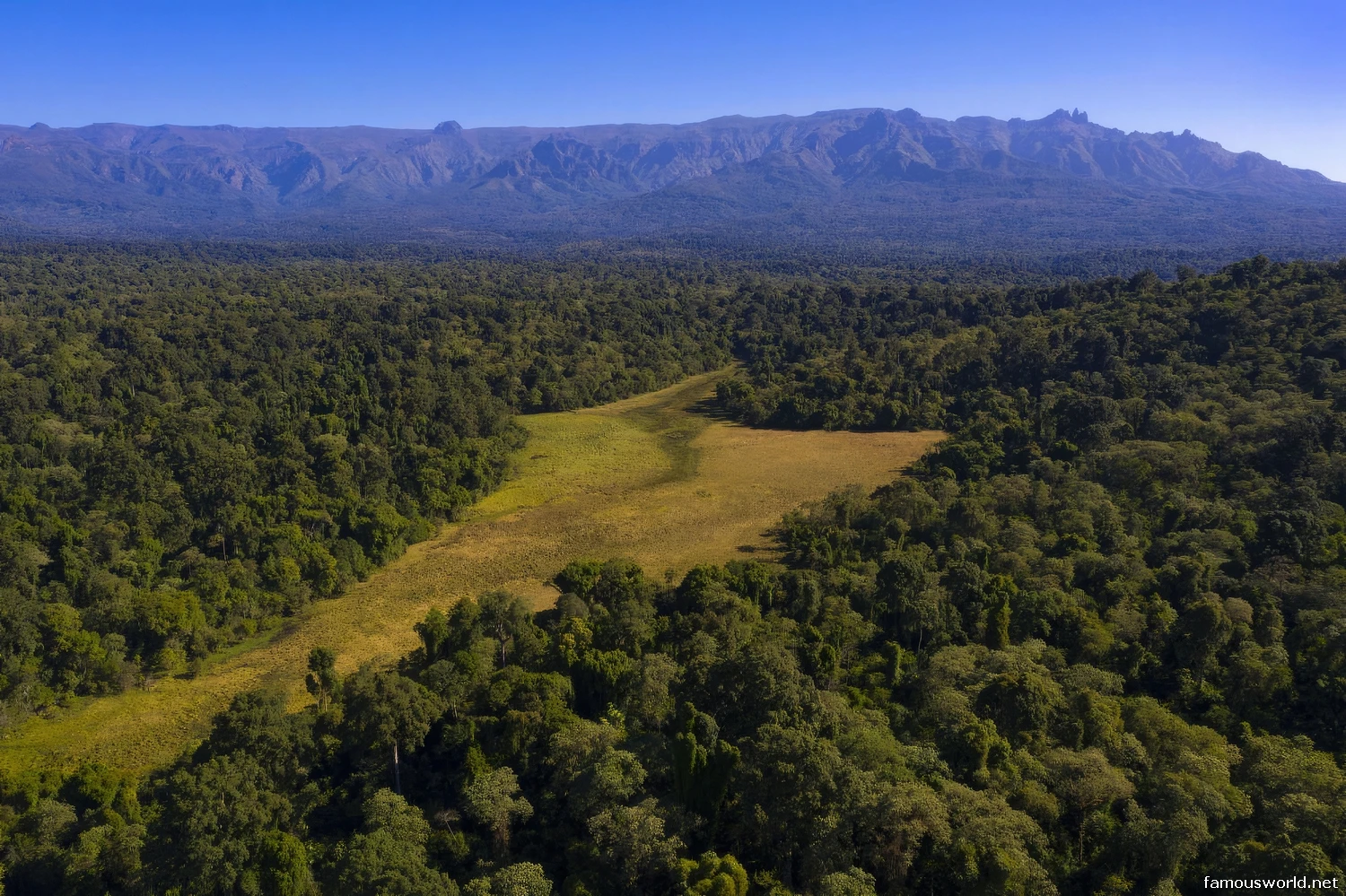
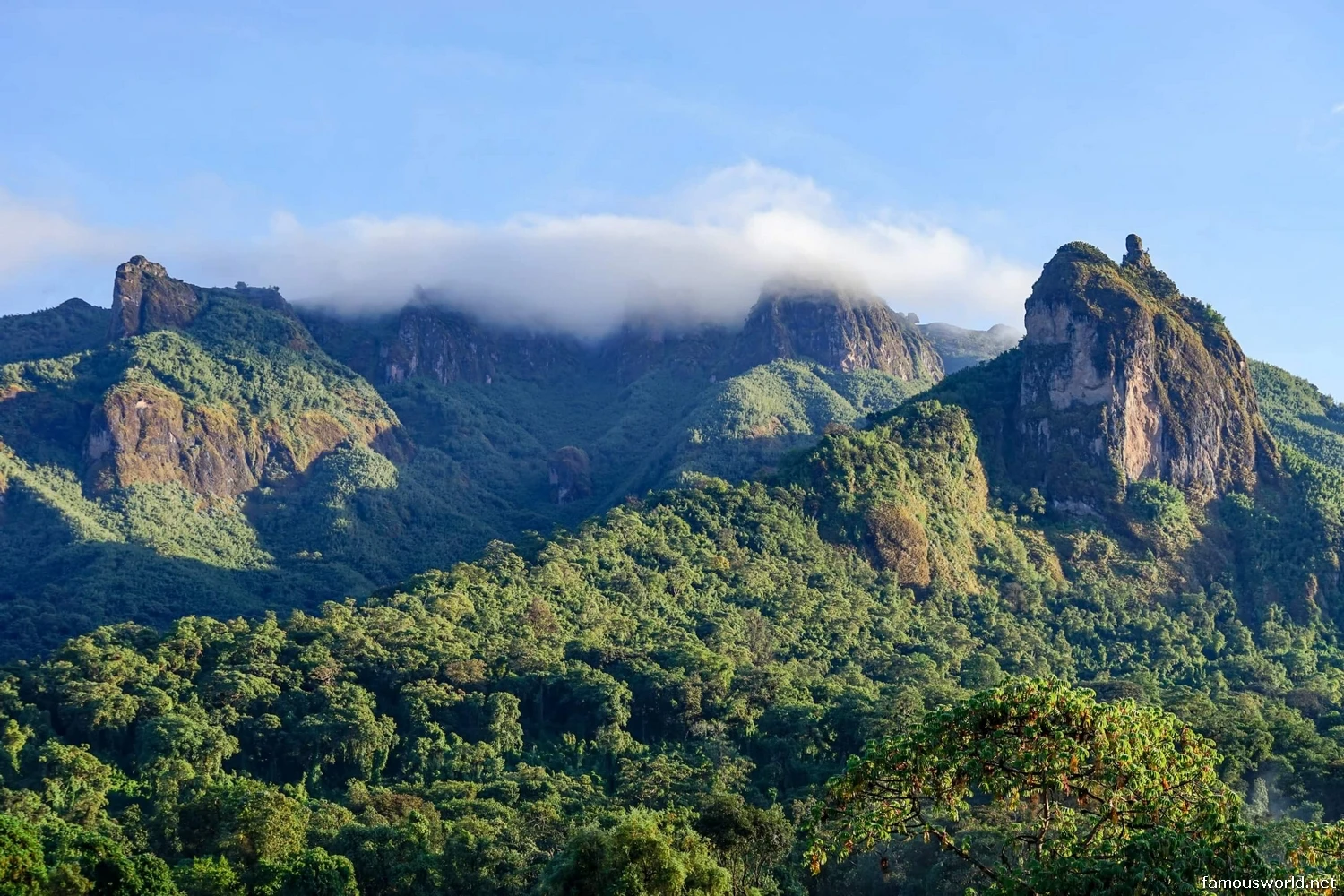
- Harenna Forest: The southern slopes of the mountains are draped in the Harenna Forest, one of the largest and most extensive cloud forests in Ethiopia. It is a dense, misty, and magical world of moss-covered trees.
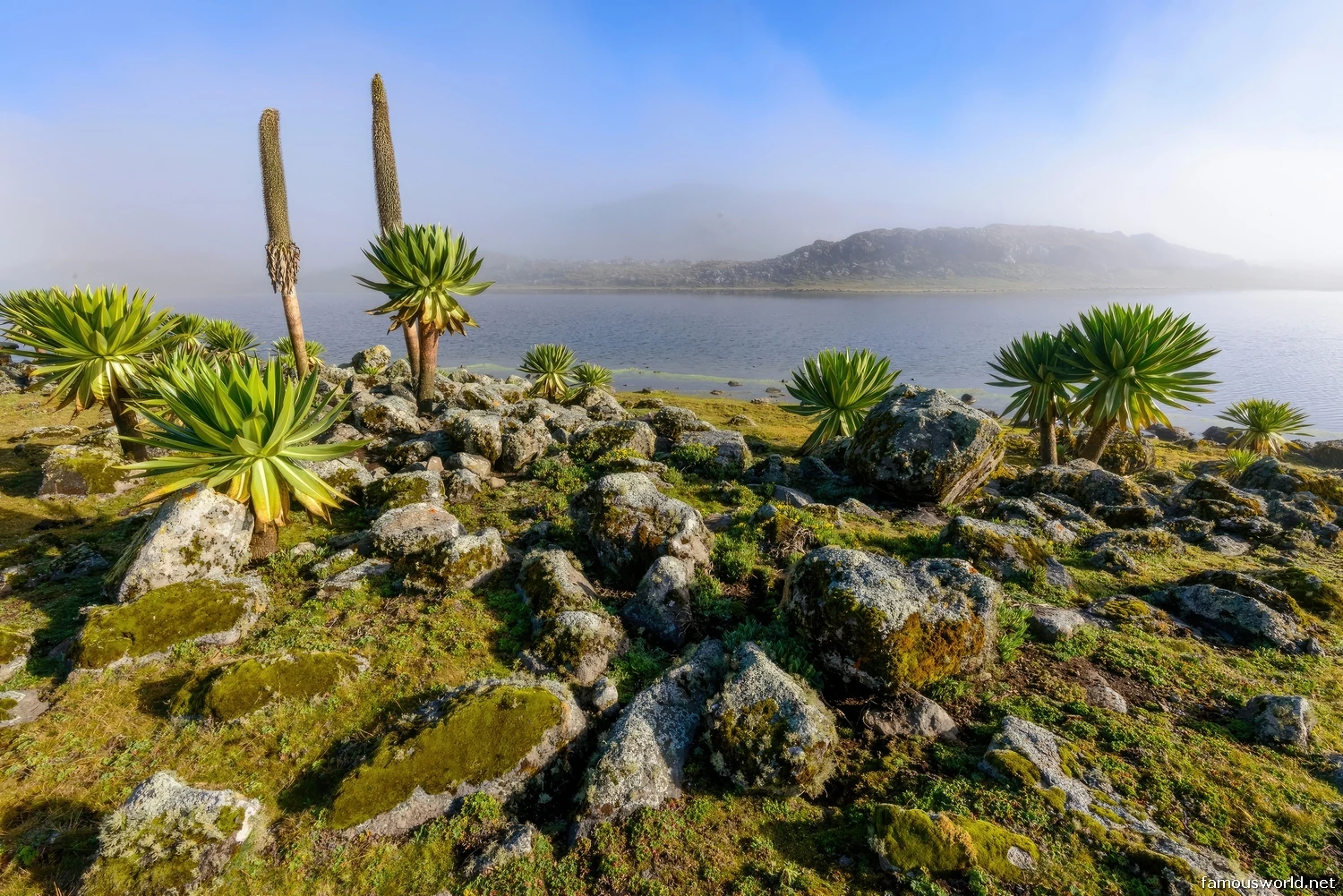
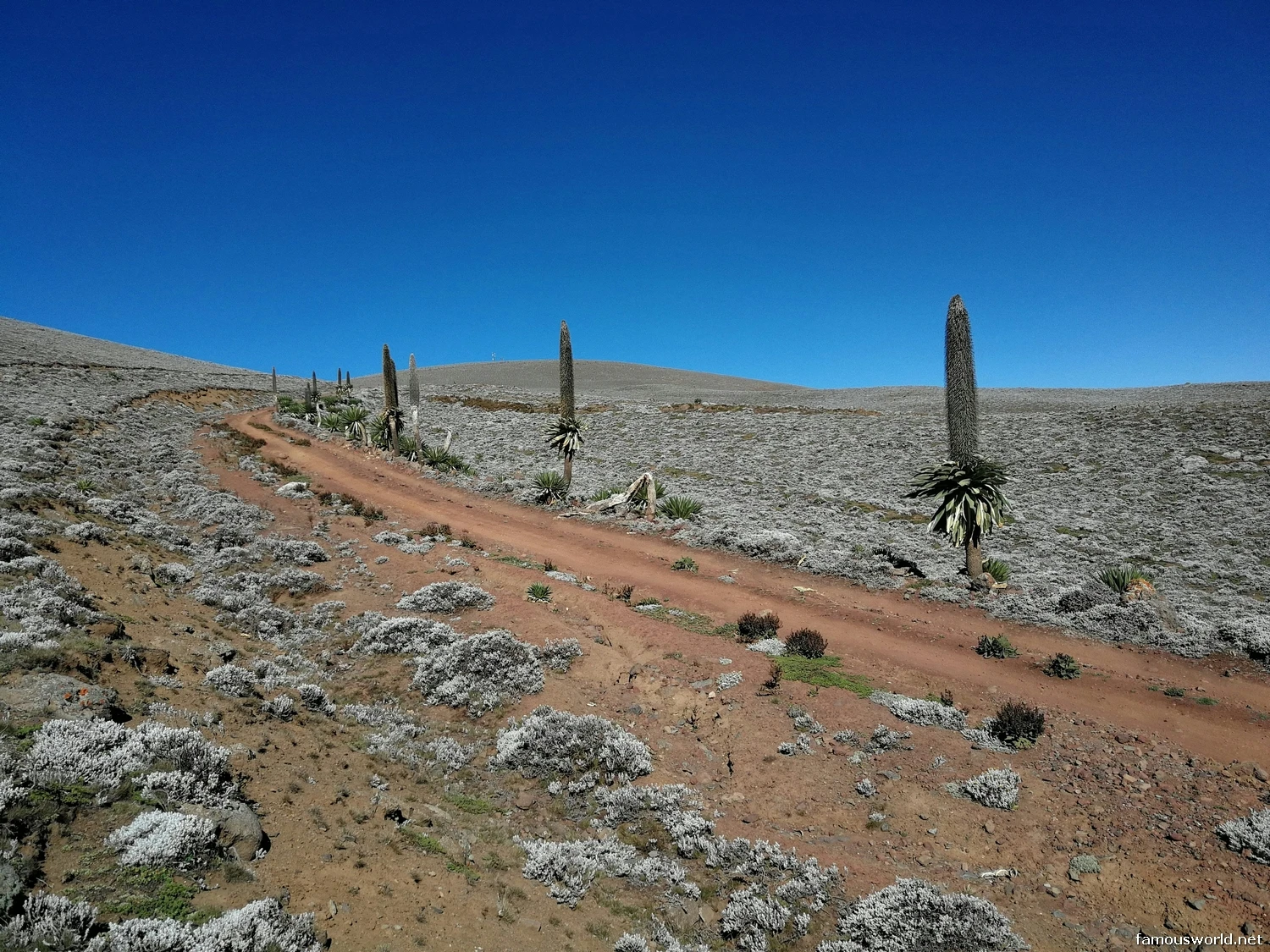
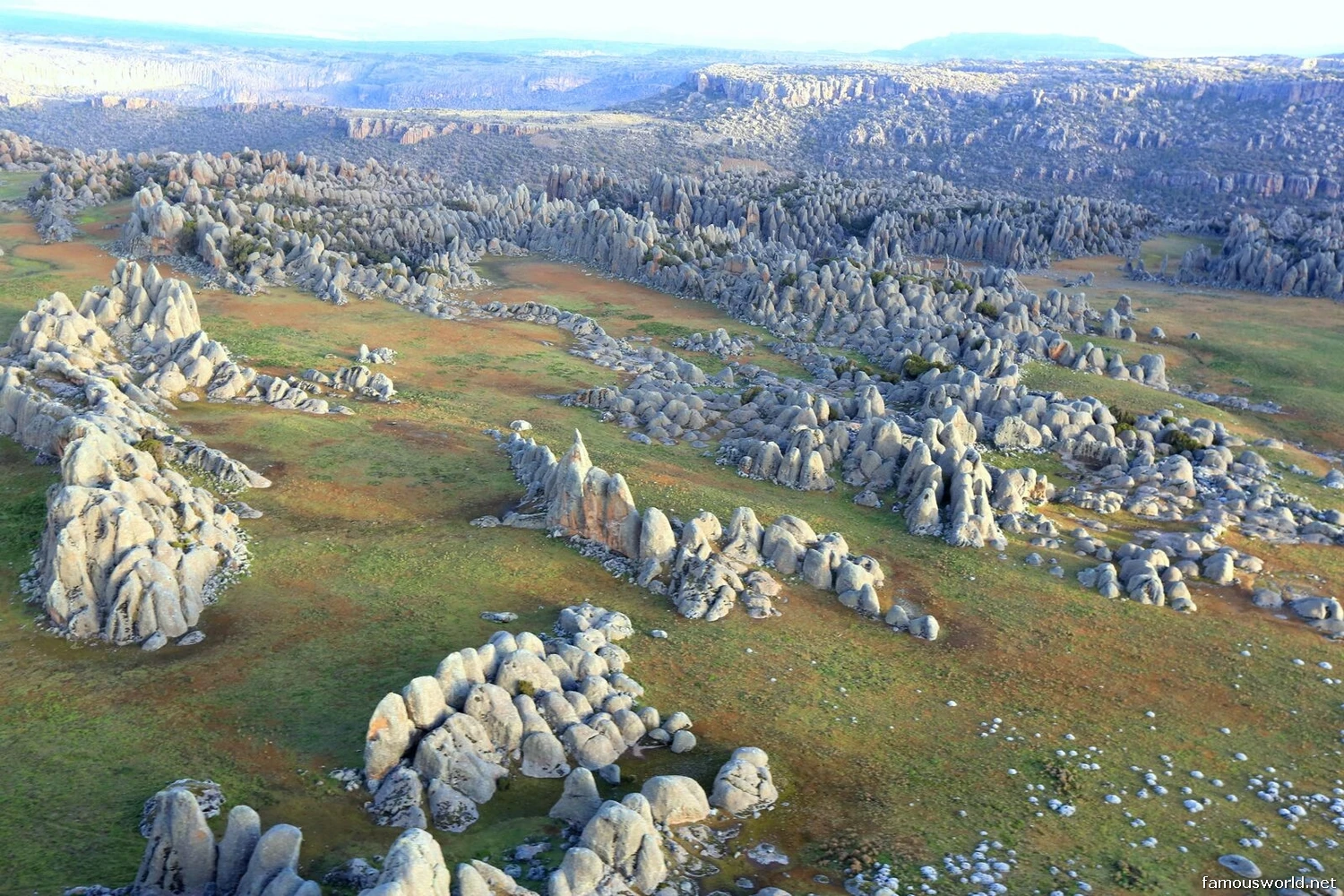
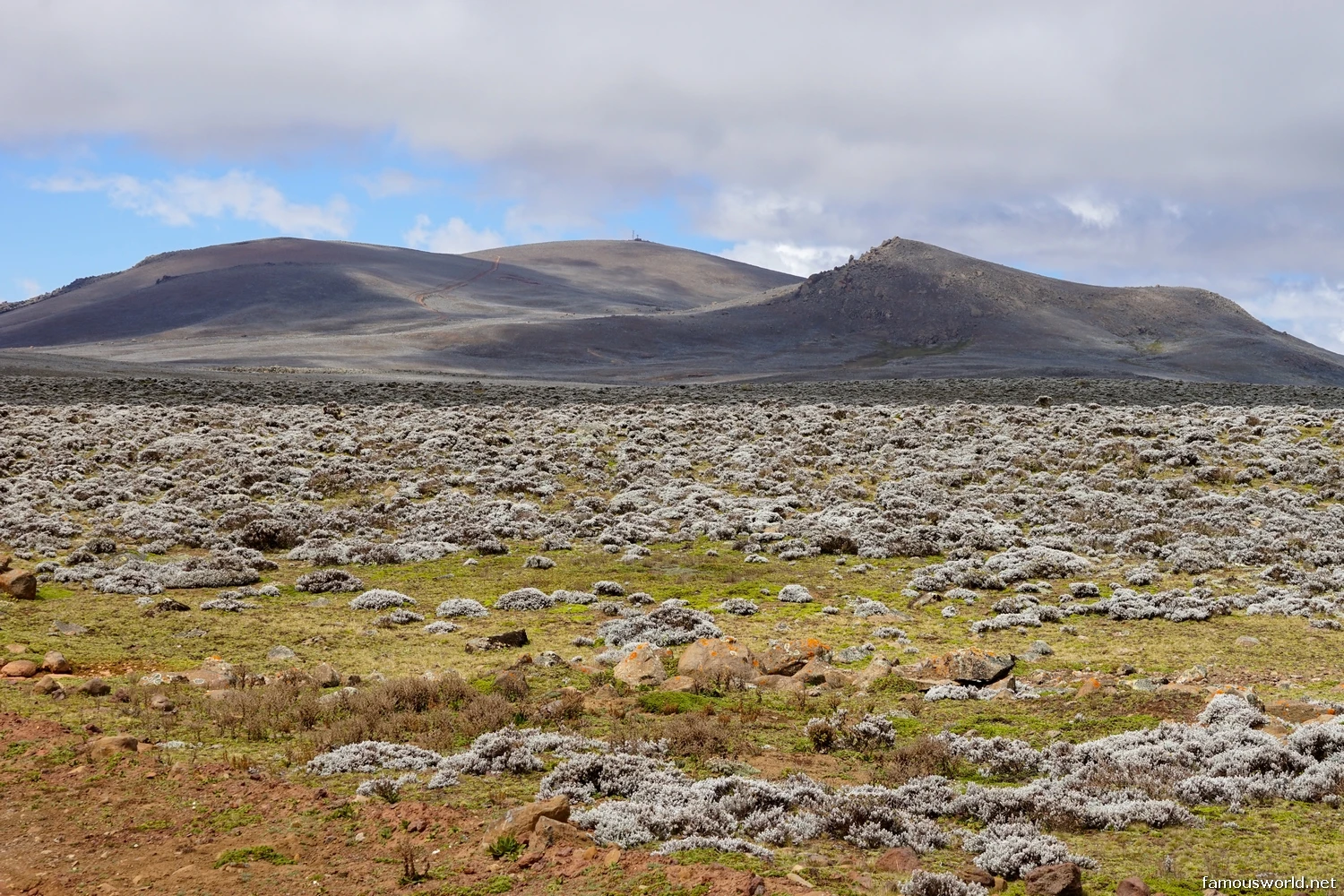
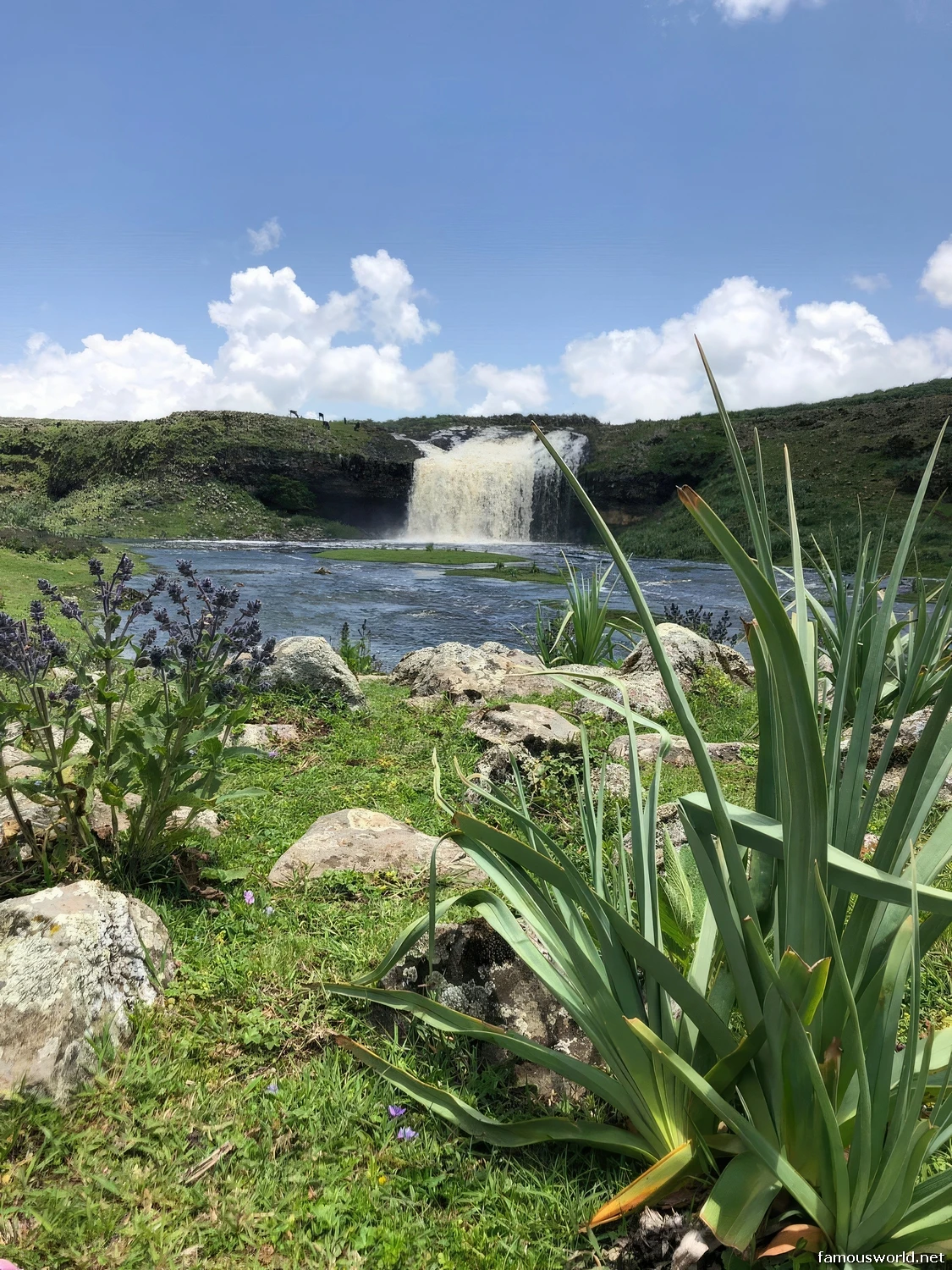
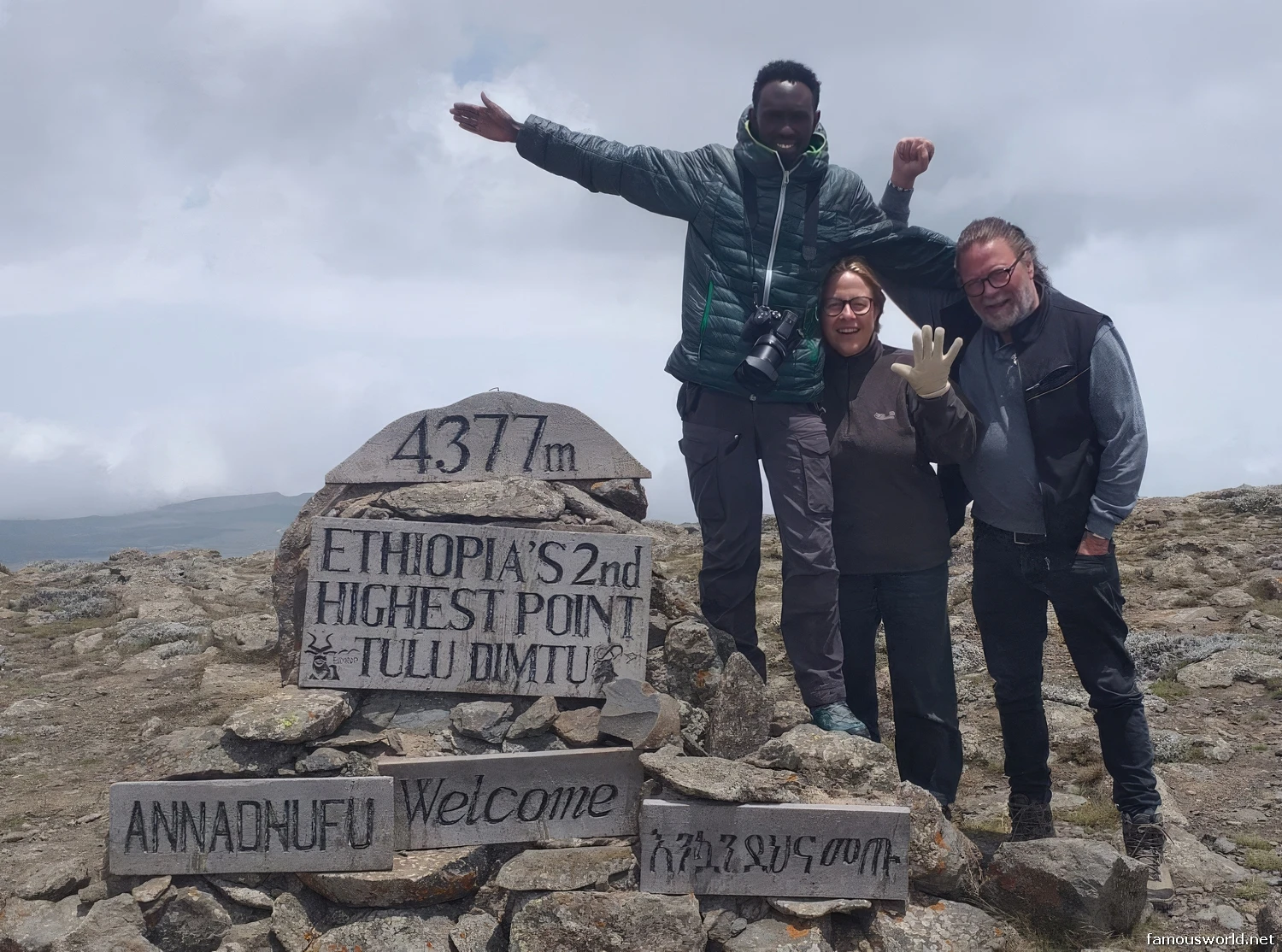
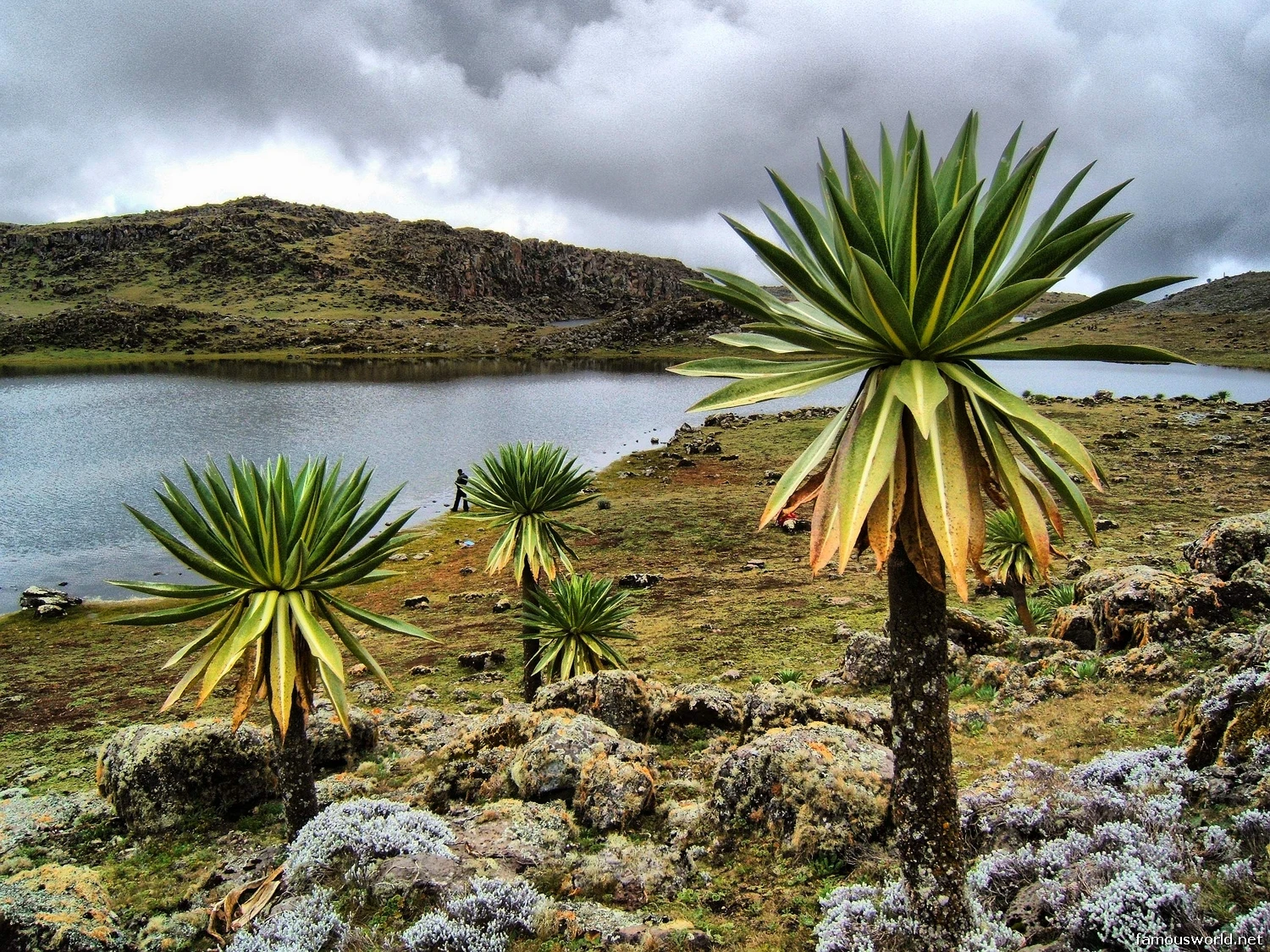
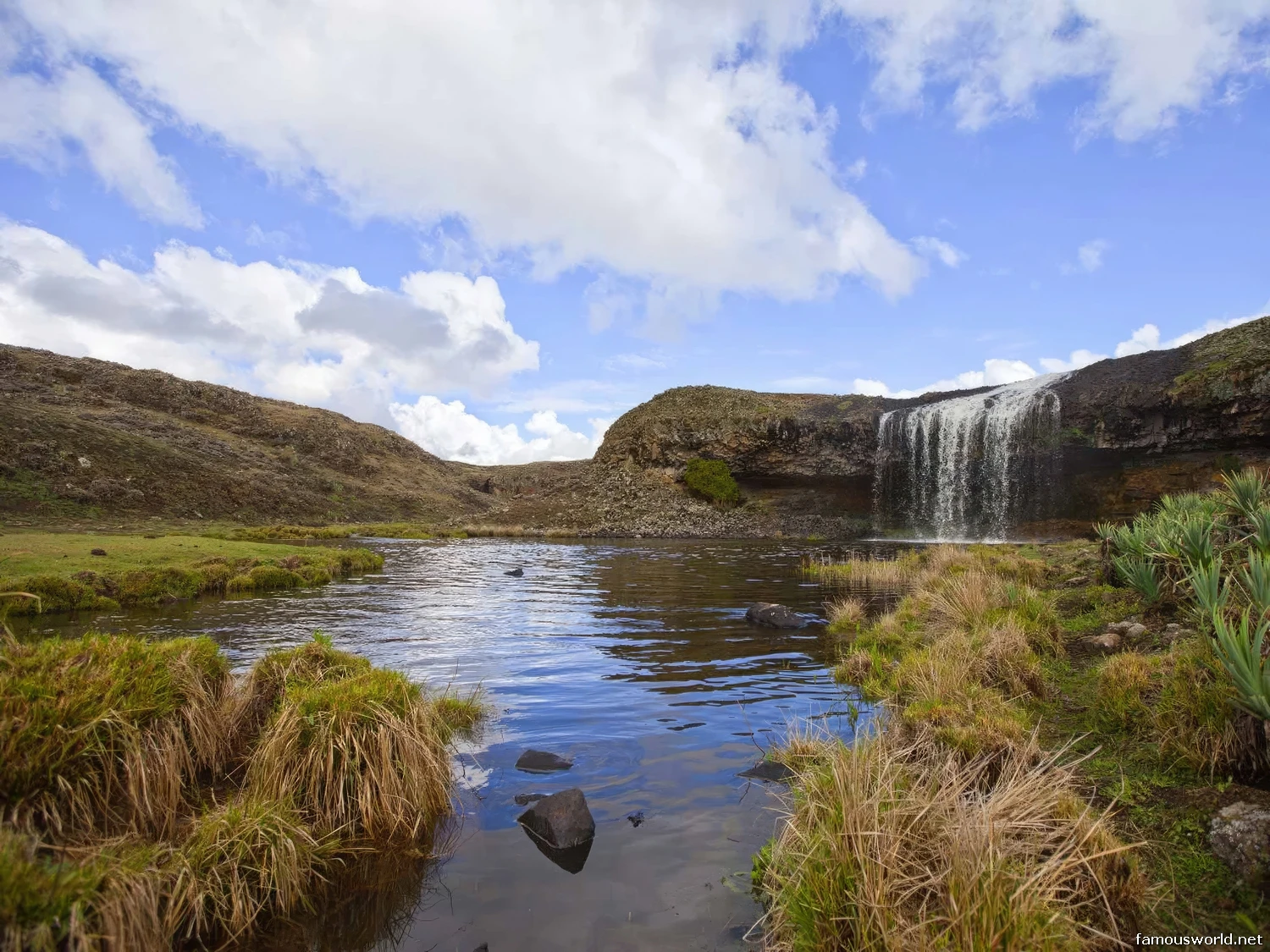
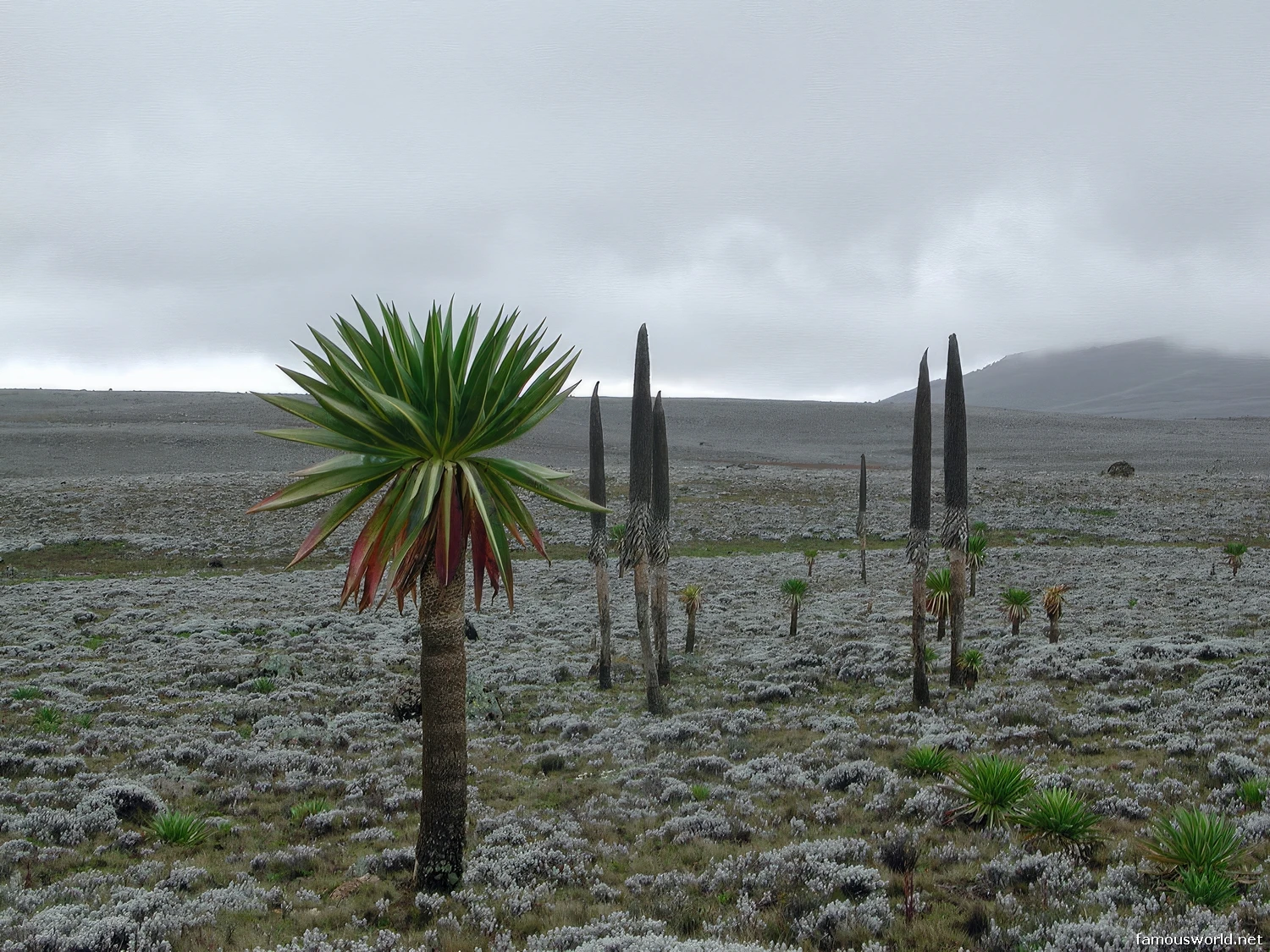
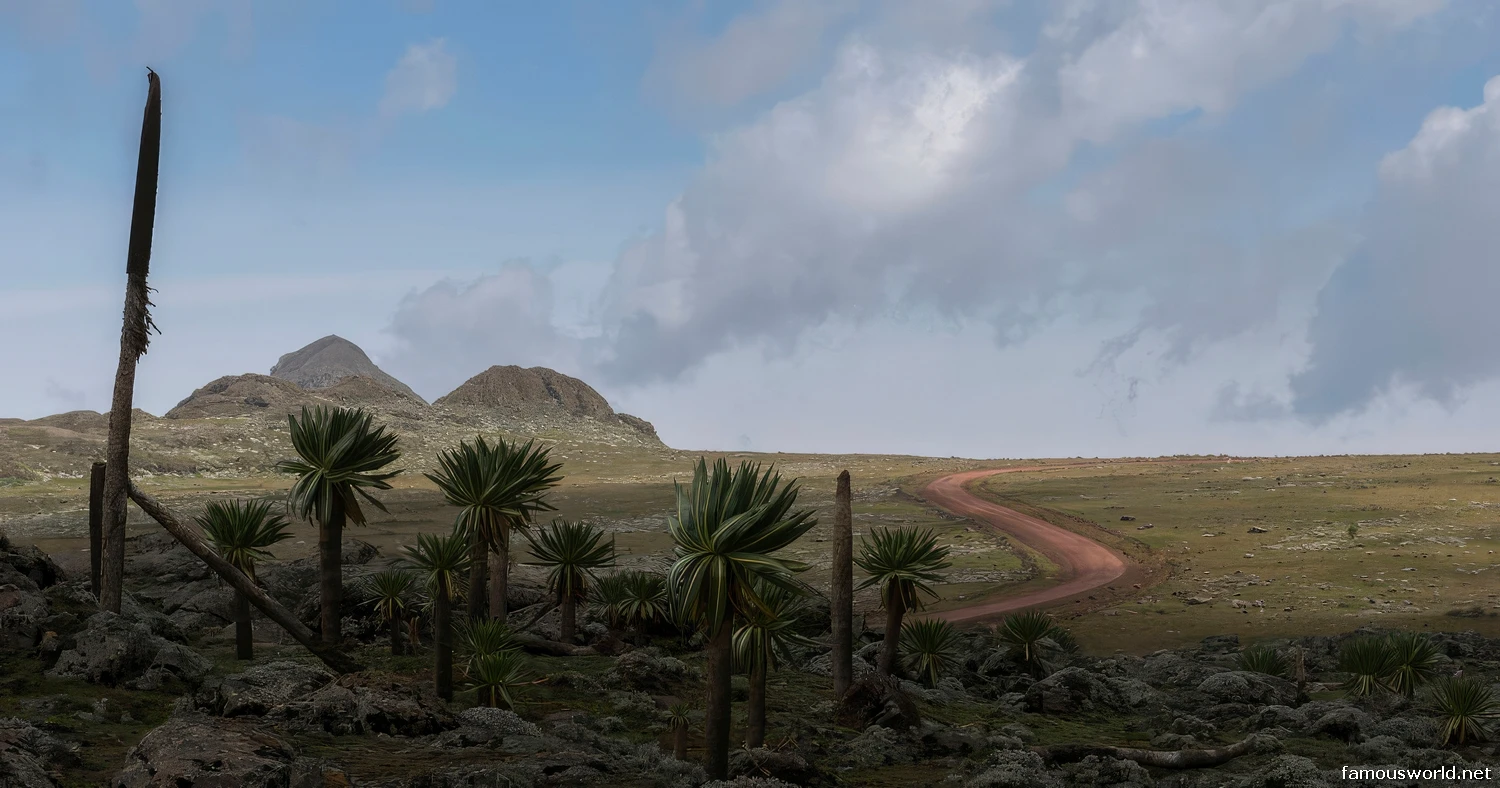
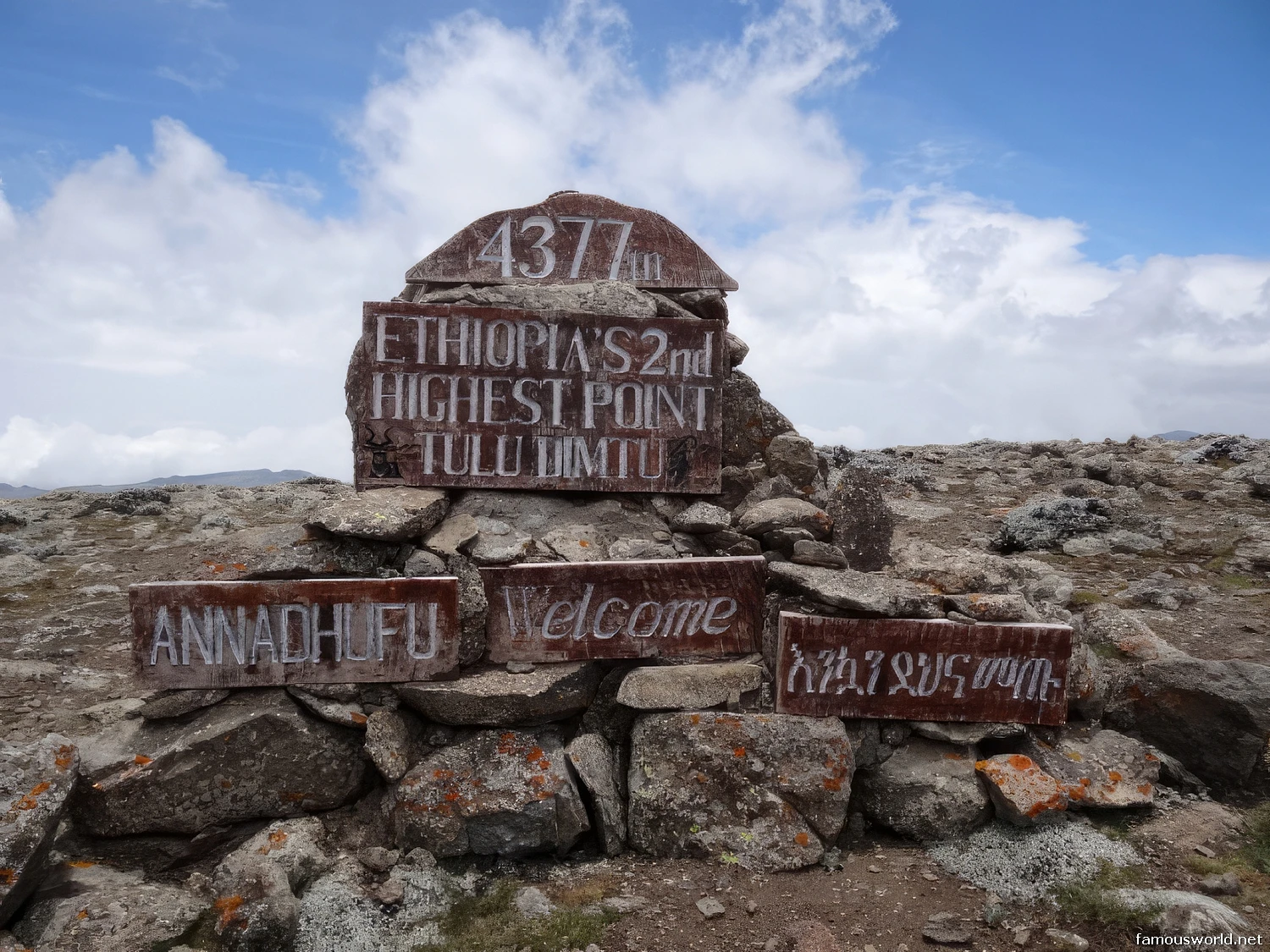
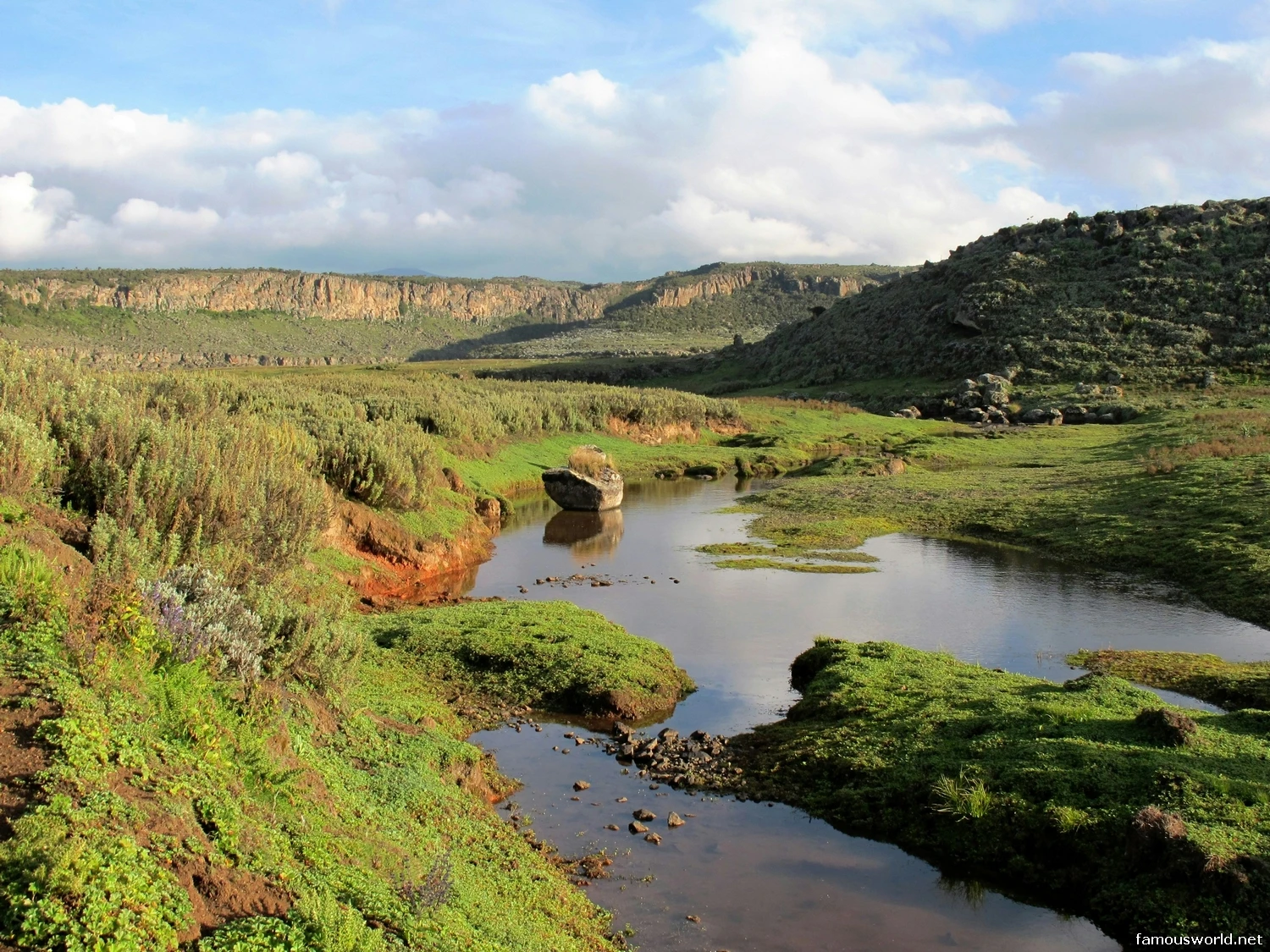
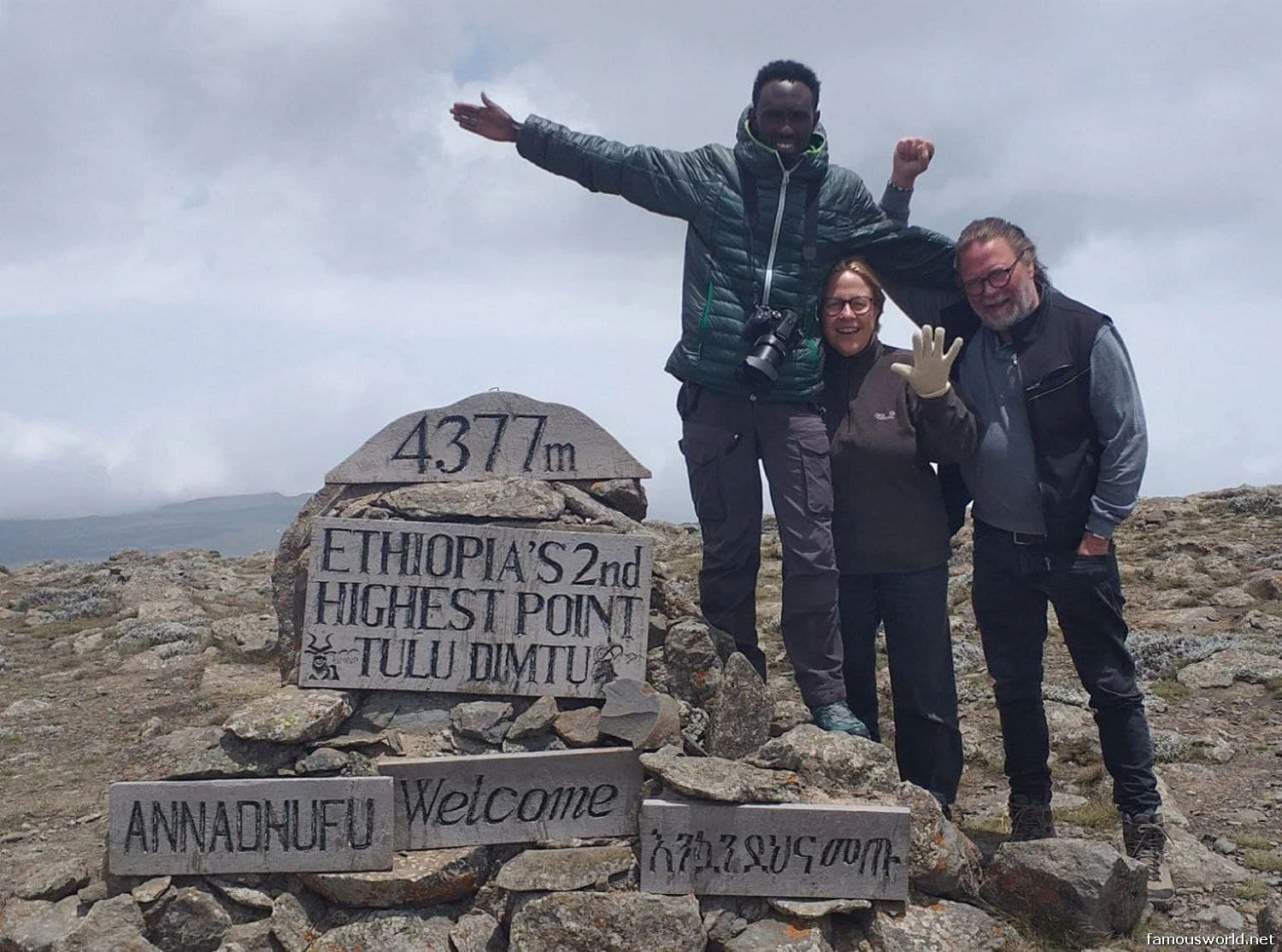
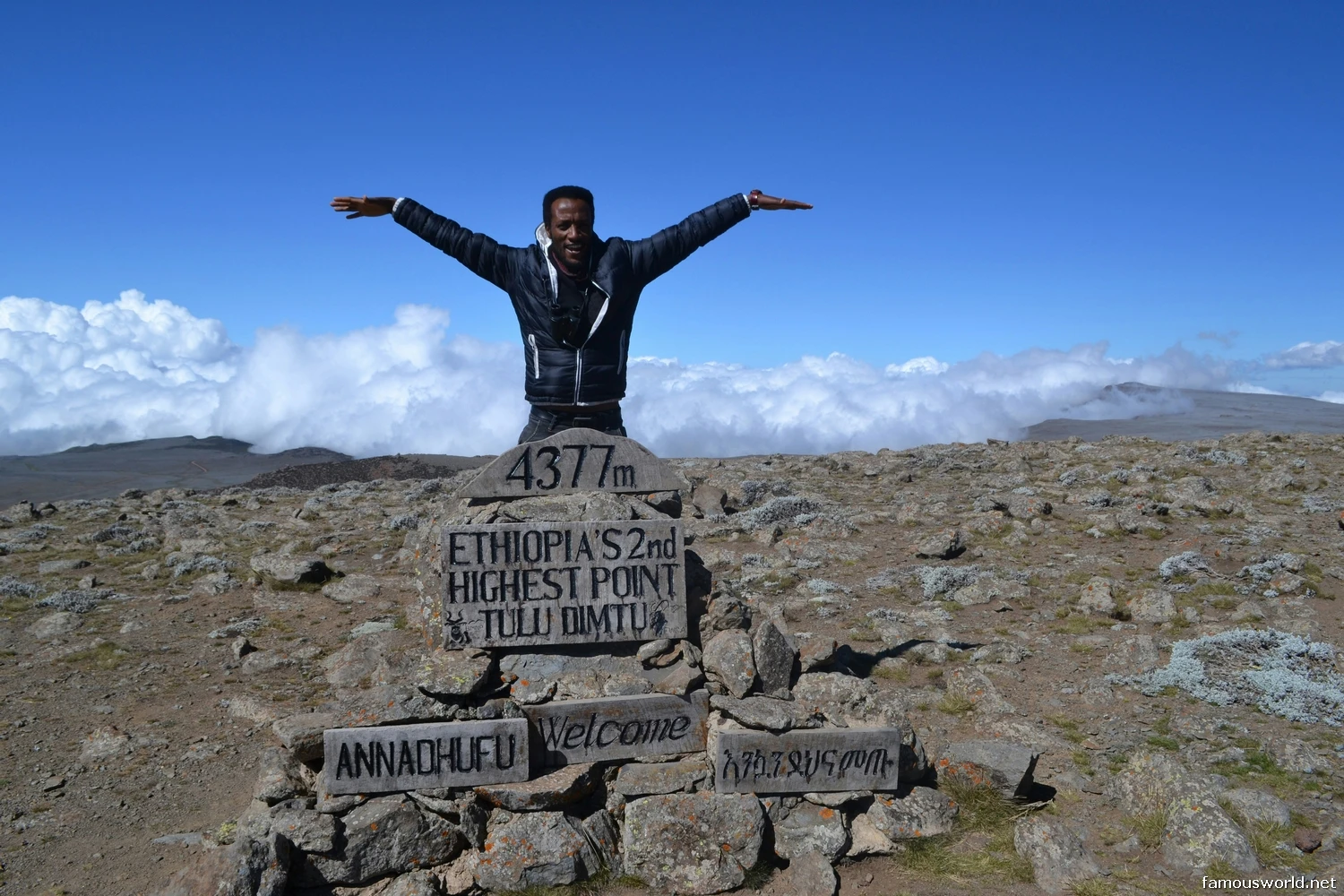
- The Sanetti Plateau: This is the park’s most iconic landscape. A vast, high-altitude plateau (over 4,000 meters), it is a stunning and starkly beautiful Afro-alpine moorland, characterized by its unique vegetation, numerous glacial lakes, and the highest all-weather road in Africa.
- Flora:
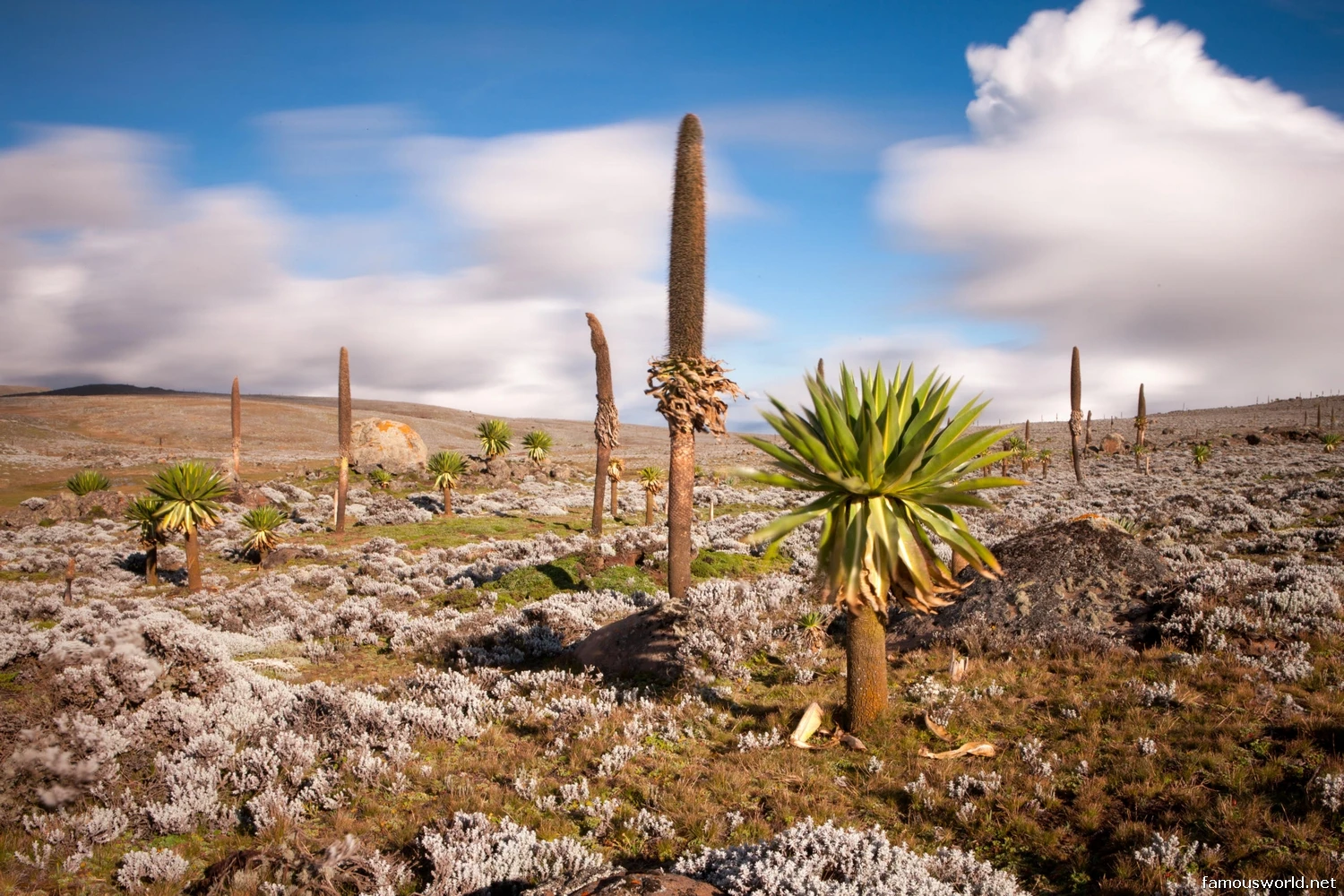
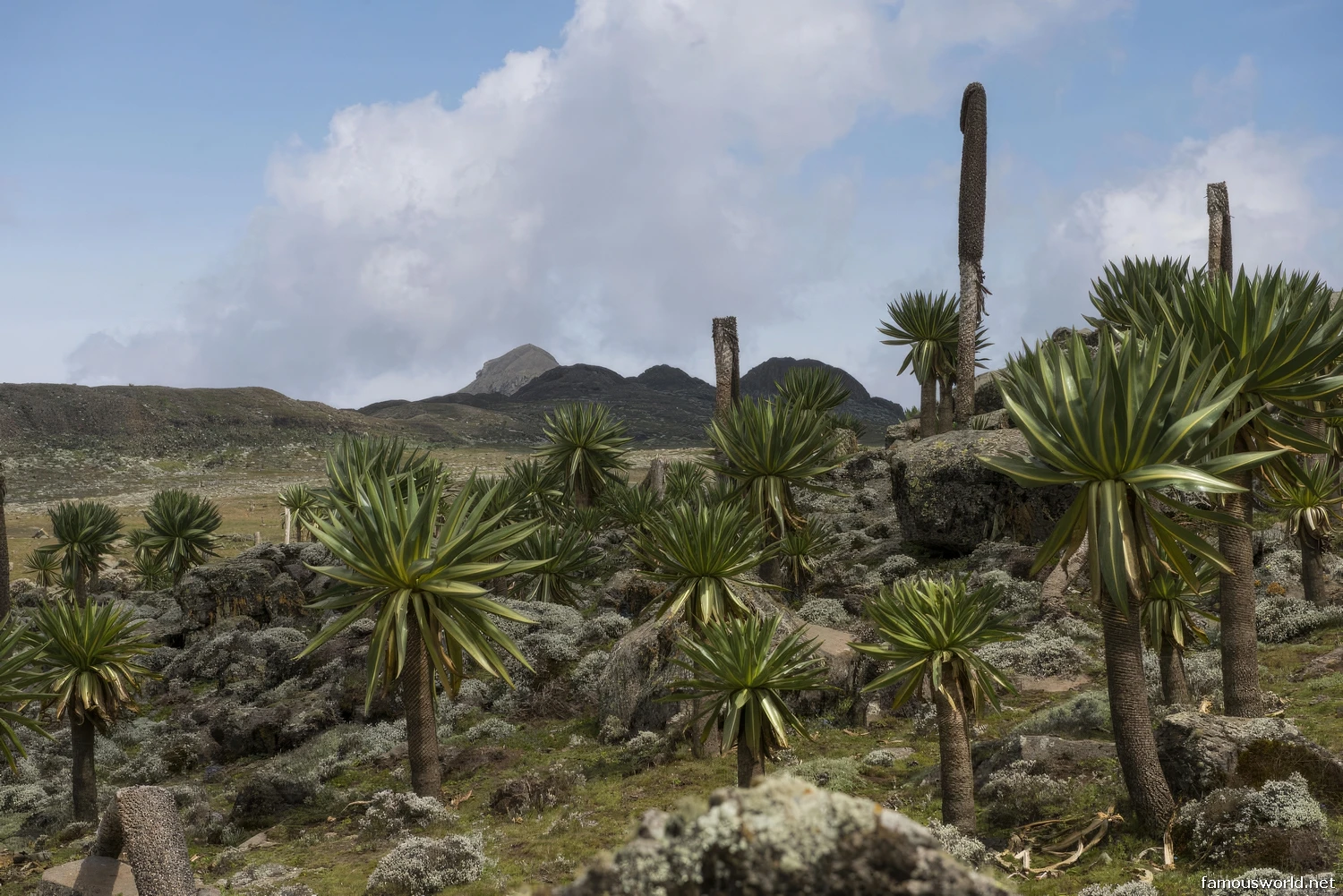
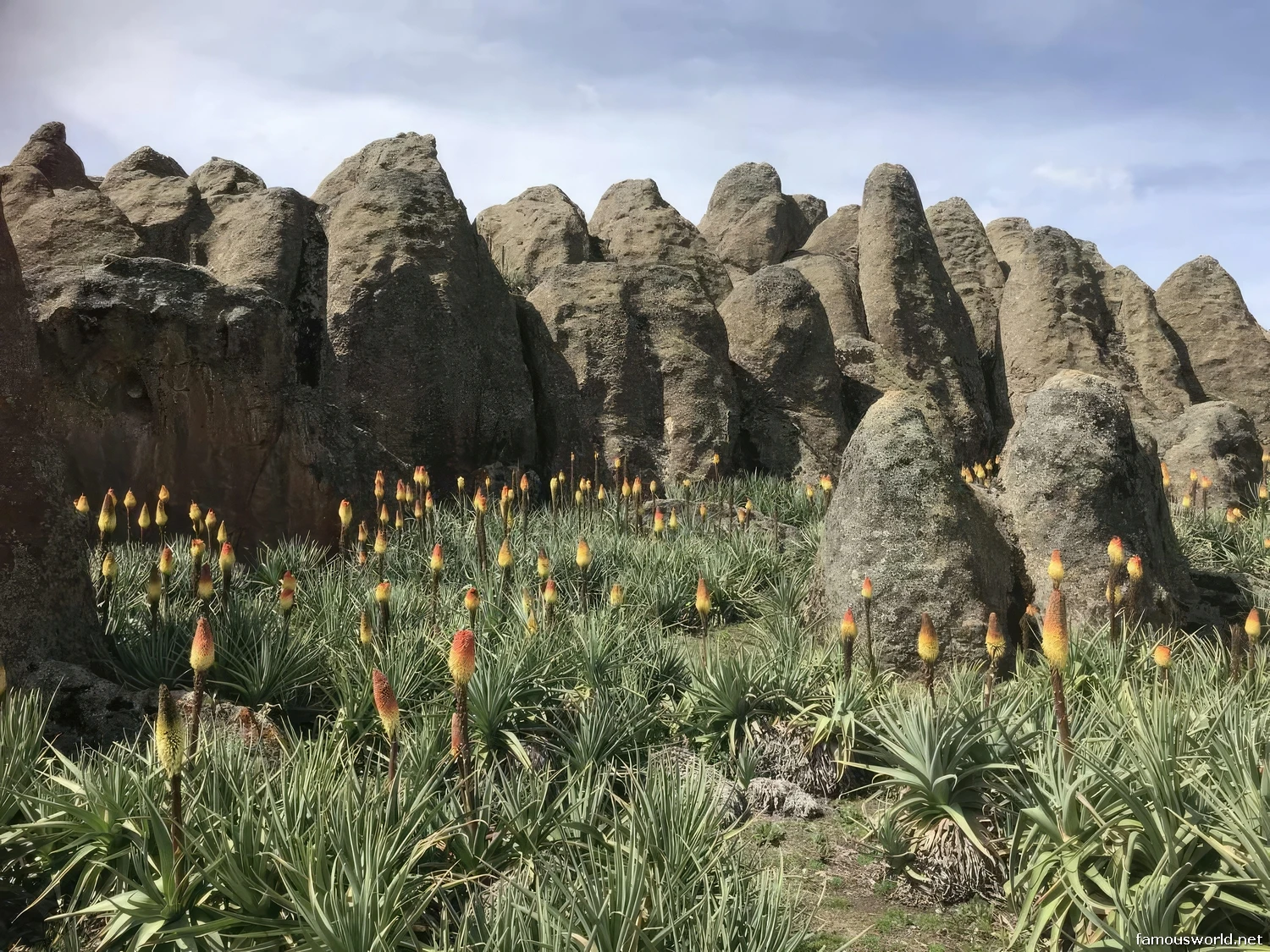
- The park is a major center of plant diversity. The Sanetti Plateau is famous for its otherworldly landscape of Giant Lobelia, which can grow several meters tall, and fields of Helichrysum “everlasting” flowers. The Harenna Forest contains a wealth of tree species and is one of the few places in Ethiopia where you can find wild forest coffee.
- Fauna (Endemic Wildlife): Bale is arguably the most important site for endemic species in Ethiopia.
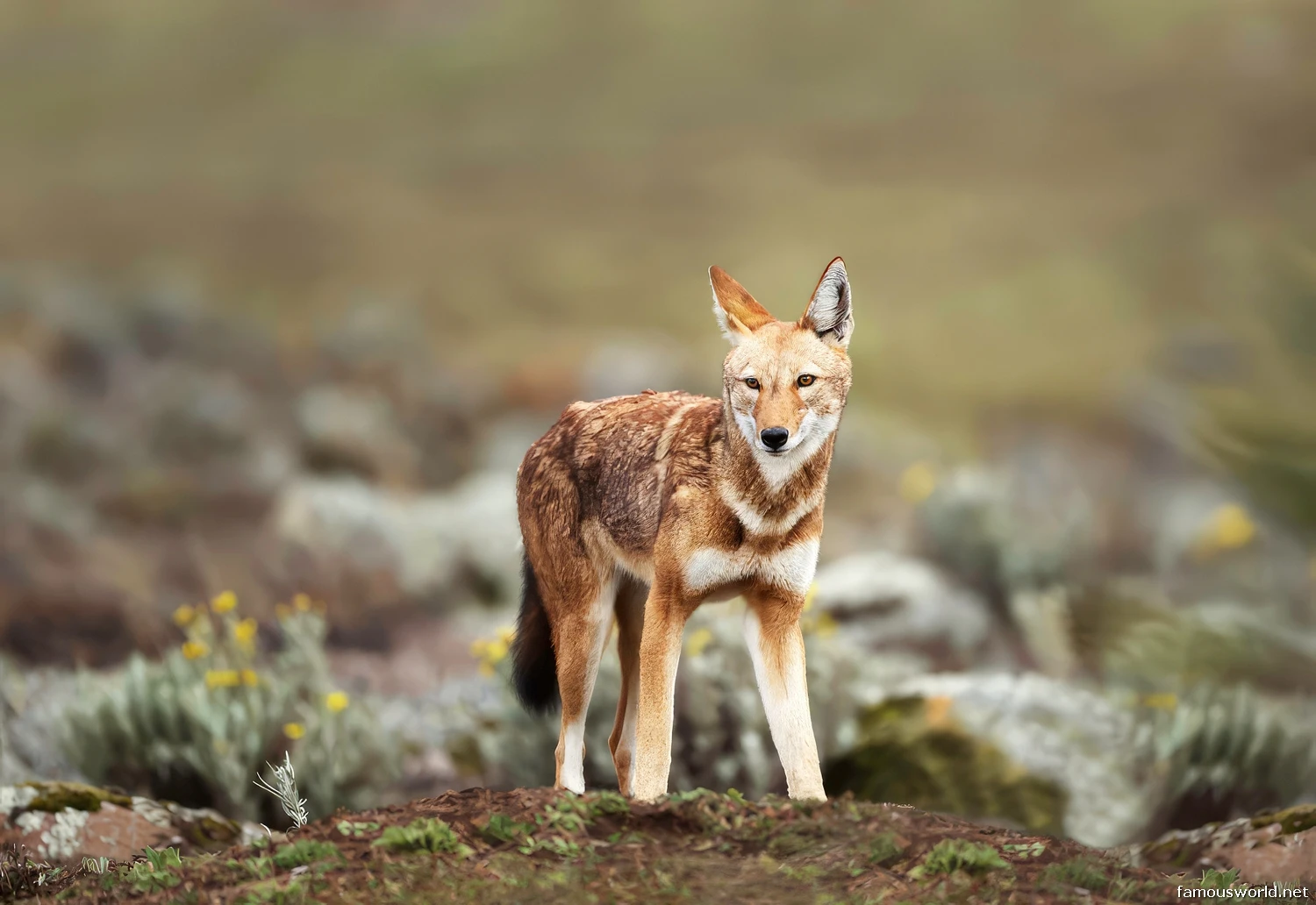
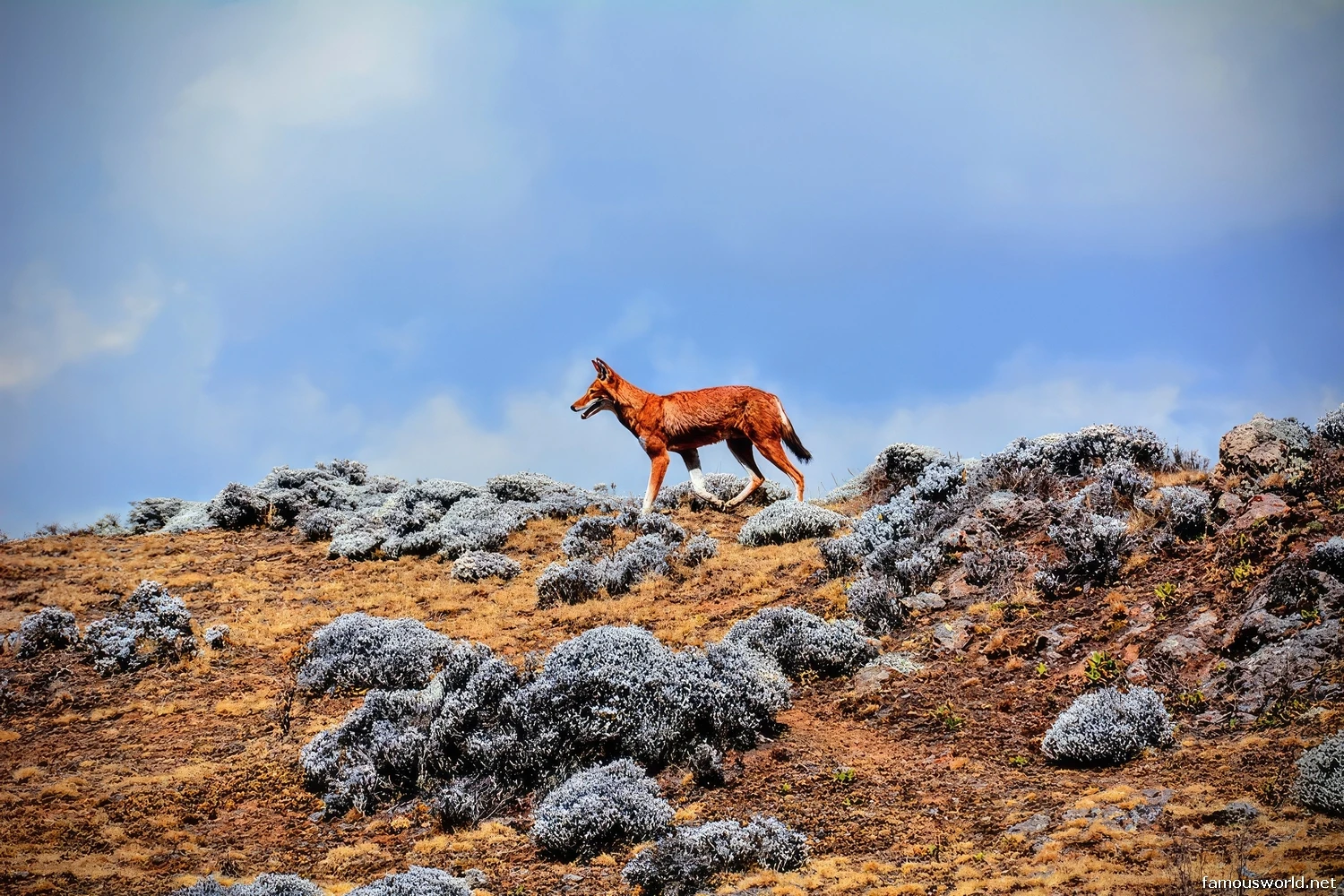
- Ethiopian Wolf: The park is the last major stronghold for this beautiful and critically endangered canid. The Sanetti Plateau offers the best chances in the world of seeing them hunt their favorite prey, the giant mole-rat.
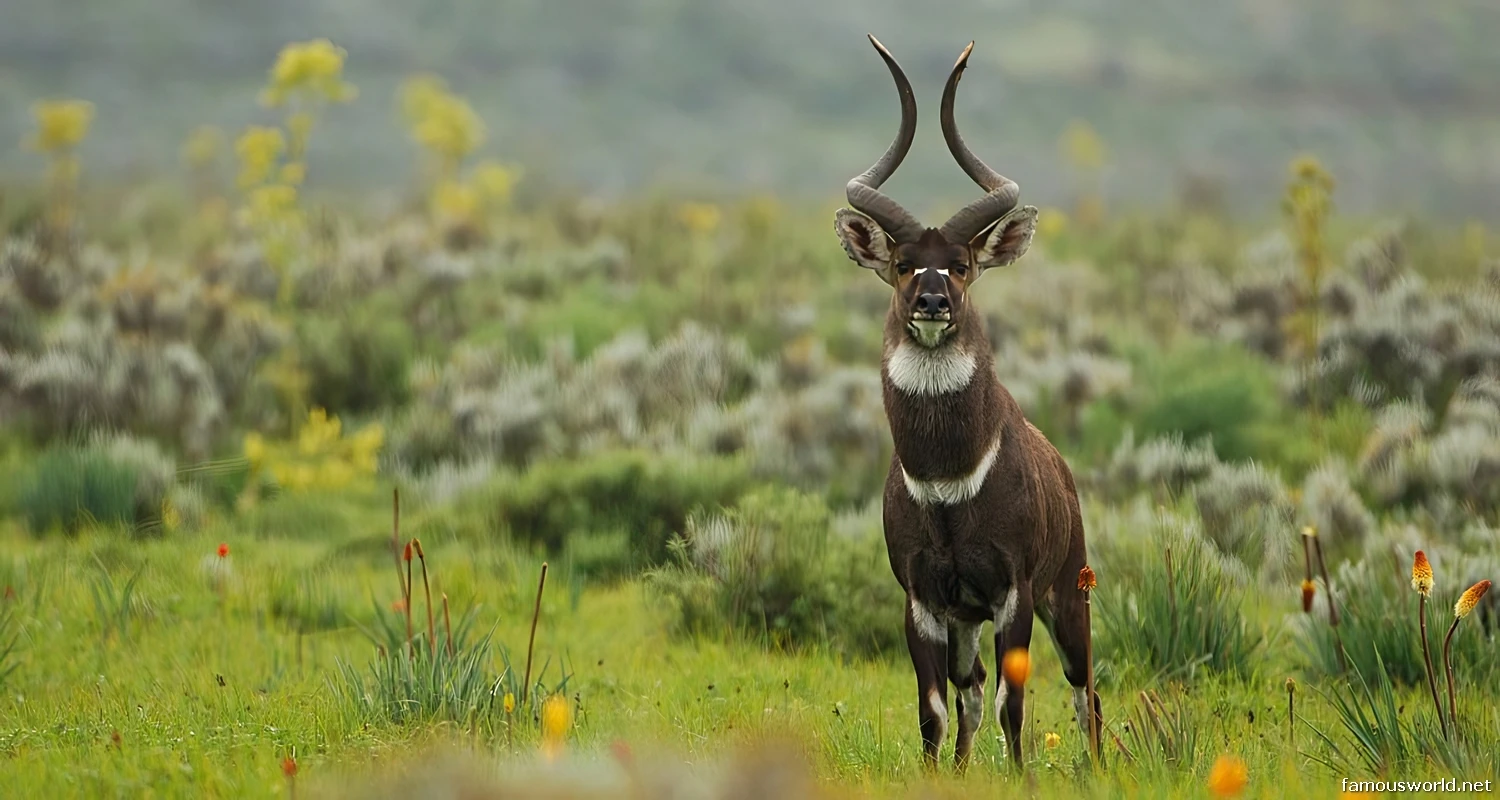
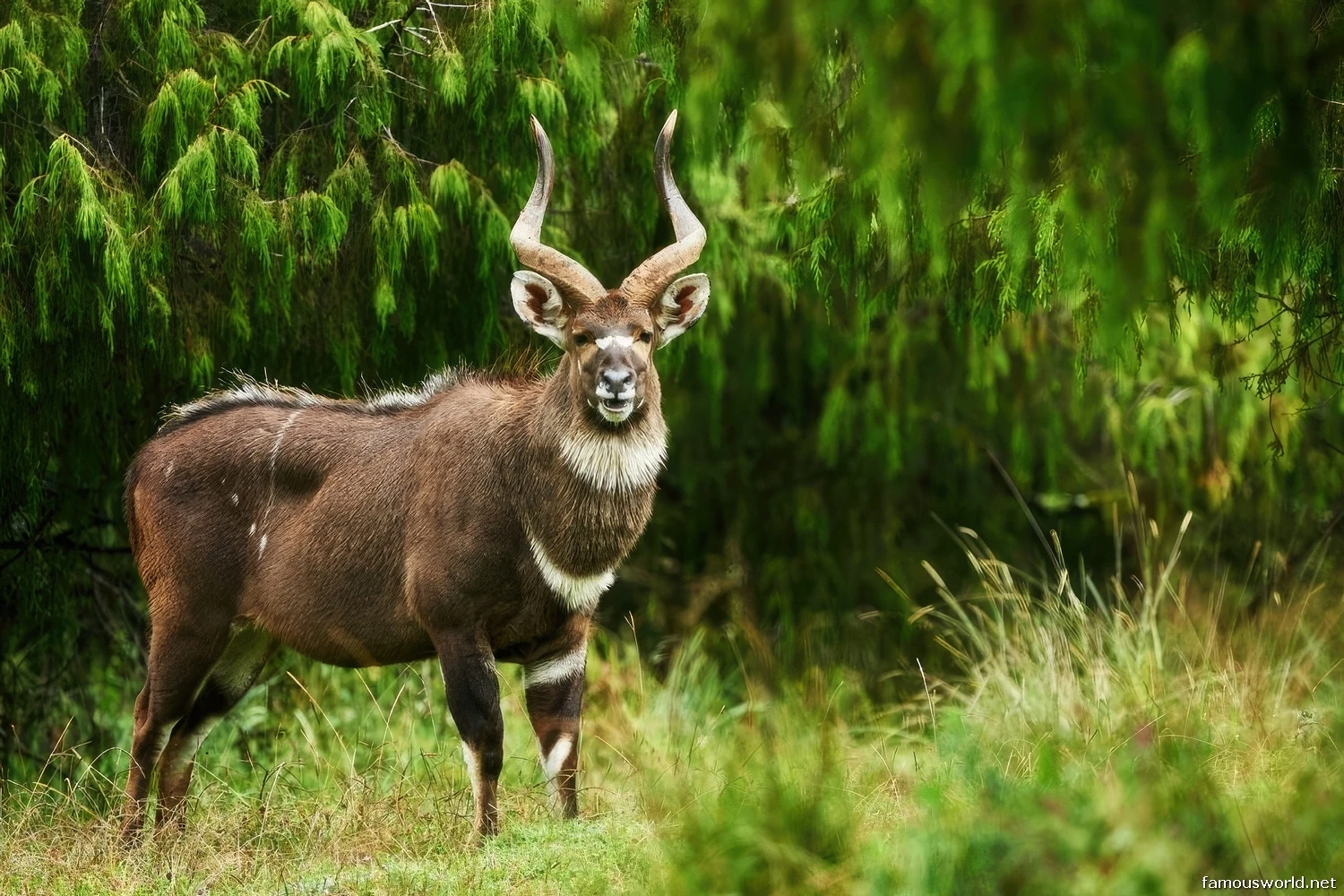
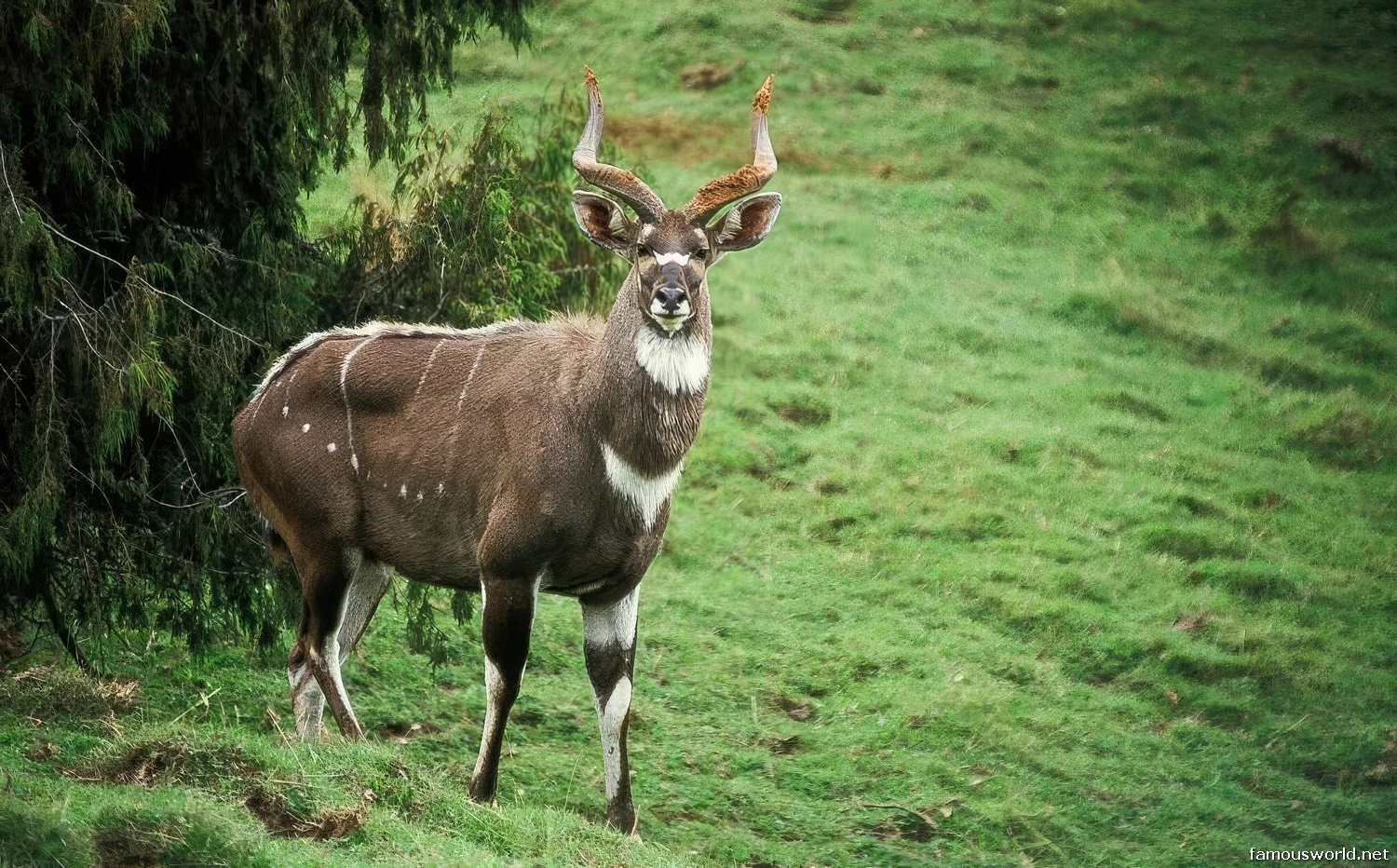
- Mountain Nyala: This magnificent and rare antelope, with its elegant spiral horns, is found in large numbers in the woodlands around Dinsho.
- Bale Monkey: This primate is found only in the bamboo forests of the Bale Mountains.
- Endemic Birds: The park is a birdwatcher’s paradise, with numerous endemic species, including the Blue-winged Goose, Spot-breasted Lapwing, and Rouget’s Rail, which are easily spotted on the Sanetti Plateau.
What Makes It Famous
Bale Mountains National Park is famous for being the best place in the world to see the Ethiopian wolf and for its vast, high-altitude Afro-alpine landscapes.
- Home of the Ethiopian Wolf: Its primary claim to fame is that it holds over half of the world’s remaining population of the Ethiopian wolf, making it the most critical site for the species’ survival.
- The Sanetti Plateau: The park is renowned for this vast and easily accessible high-altitude plateau, which offers a unique “rooftop of Africa” experience.
- A Biodiversity Hotspot: It is recognized globally for its incredible level of endemism—a huge number of its plant and animal species are found nowhere else on Earth.
- A Tapestry of Ecosystems: The park is celebrated for its incredible diversity of habitats in a relatively compact area, allowing visitors to experience everything from grasslands and forests to high-altitude moorlands in a single trip.
Differences from Other Wonders
Bale Mountains National Park offers a distinct wildlife and landscape experience compared to Ethiopia’s other famous parks and historical sites.
- A High-Altitude Wildlife Haven vs. a Lowland Desert: The cool, high-altitude, and often moist environment of Bale is a complete contrast to the extreme heat and arid, volcanic landscapes of the Danakil Depression.
- Endemic Mammals vs. Historical Grandeur: The focus in Bale is on its unique and rare wildlife. This is very different from historical sites like Axum or Lalibela, which are centered on human history, architecture, and religious heritage.
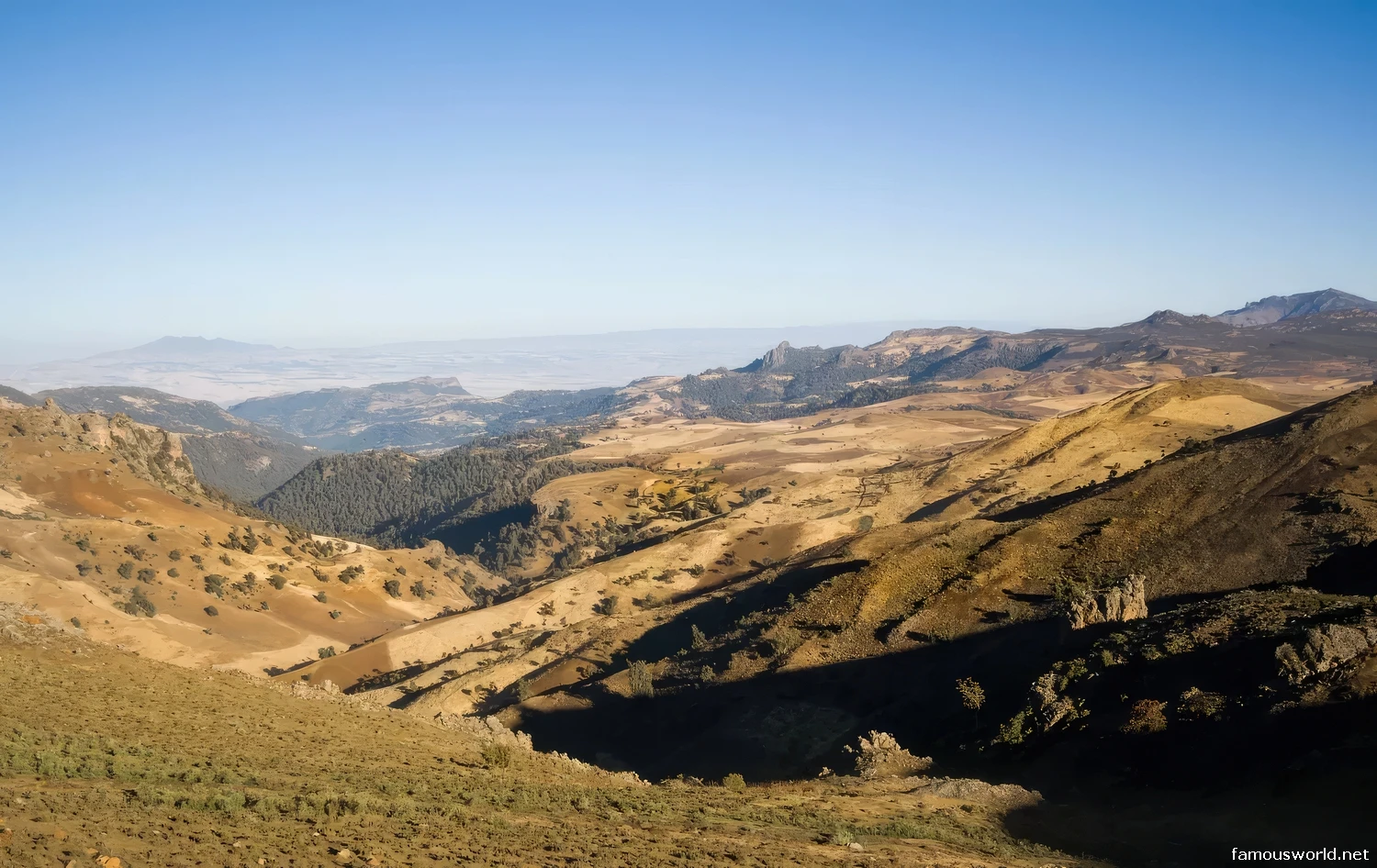
- Afro-alpine Plateau vs. Volcanic Escarpments: While the Simien Mountains National Park is also a high-altitude trekking destination with endemic wildlife, its landscape is defined by dramatic, jagged volcanic escarpments and cliffs. Bale, by contrast, is known for its vast, undulating high-altitude plateau and its extensive cloud forests, offering a different kind of mountain scenery. The chances of spotting the Ethiopian wolf are also significantly higher in Bale than in the Simiens.