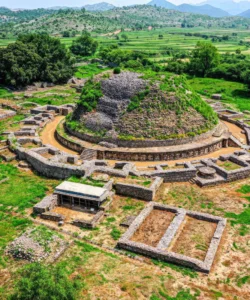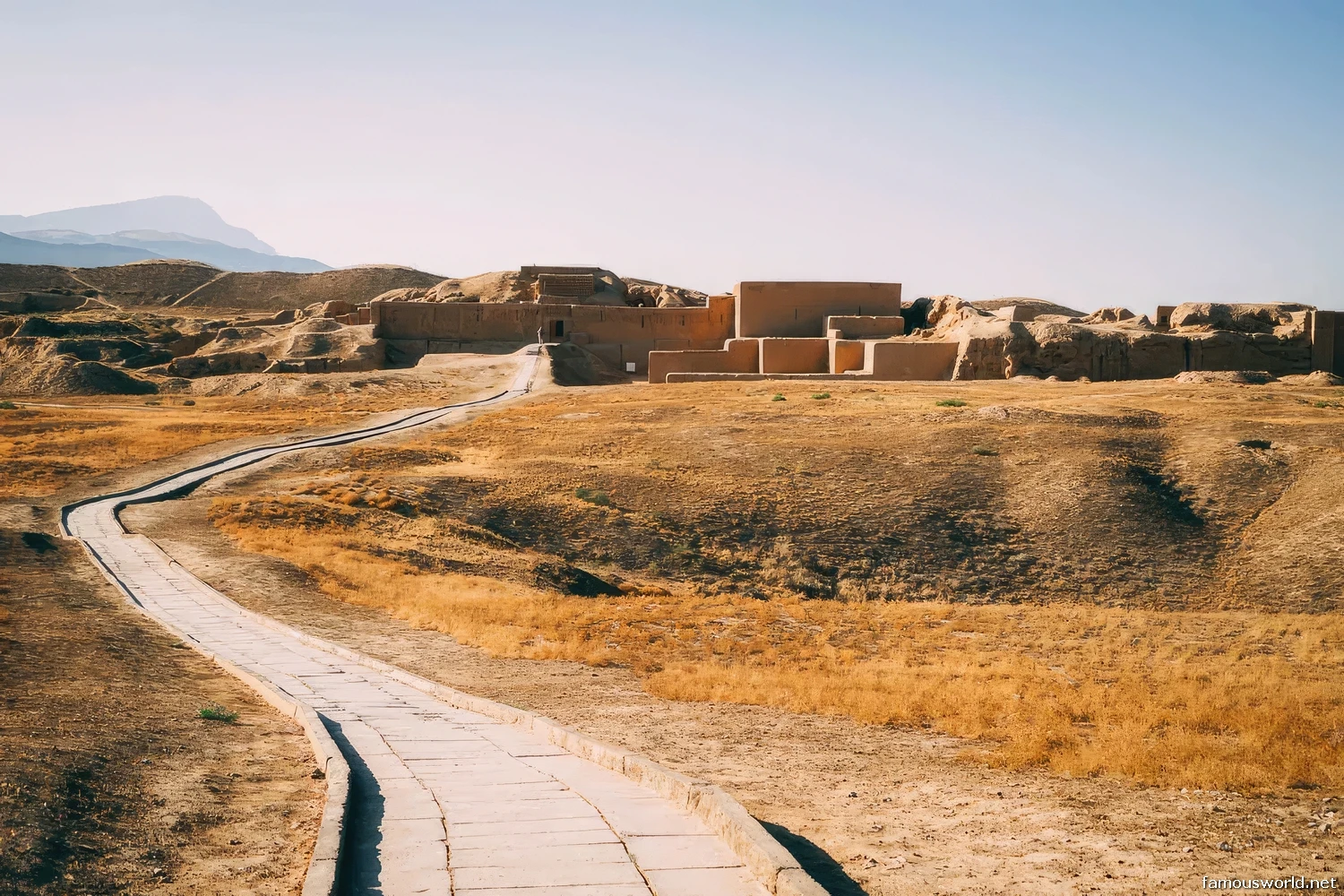

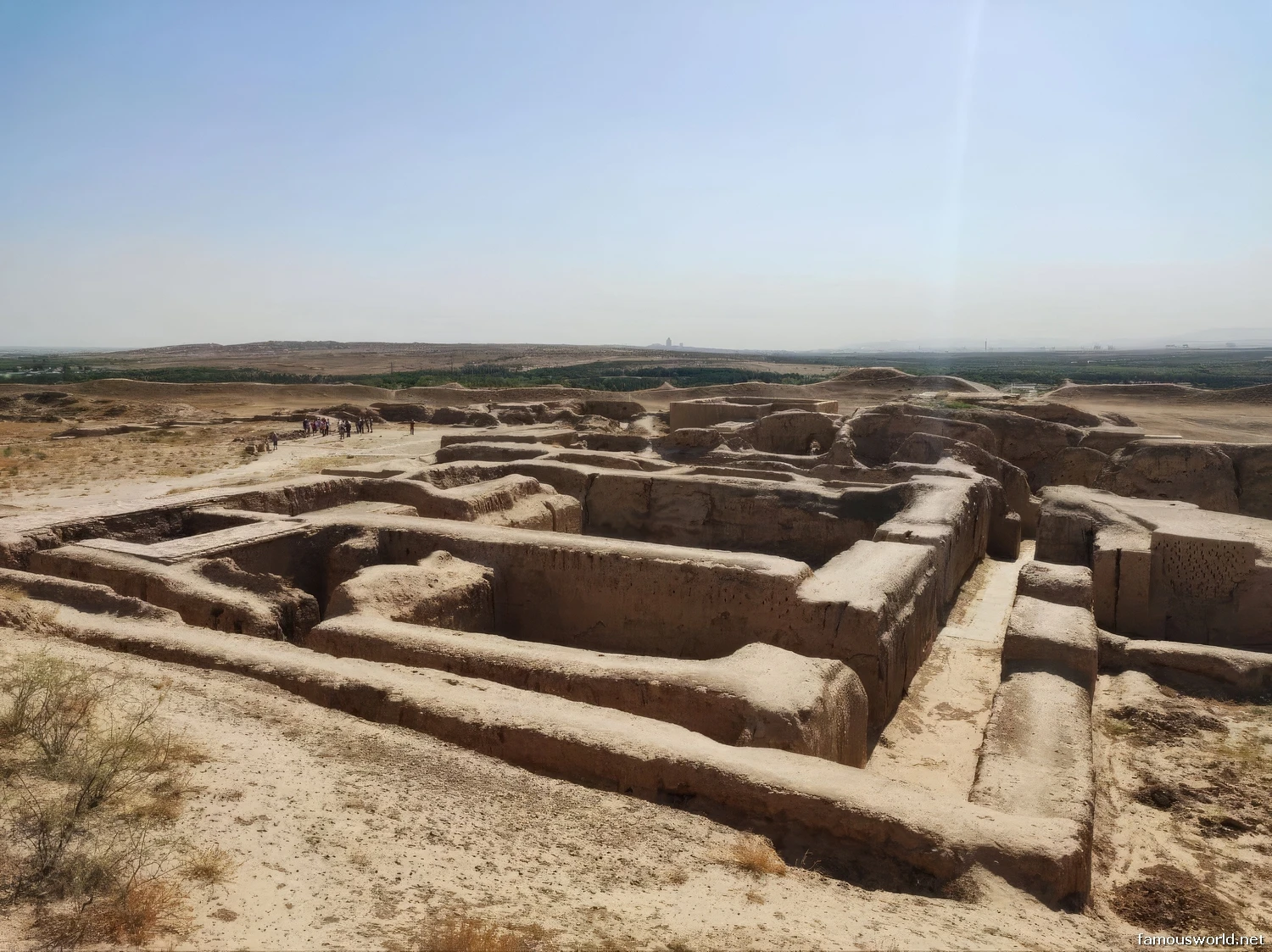




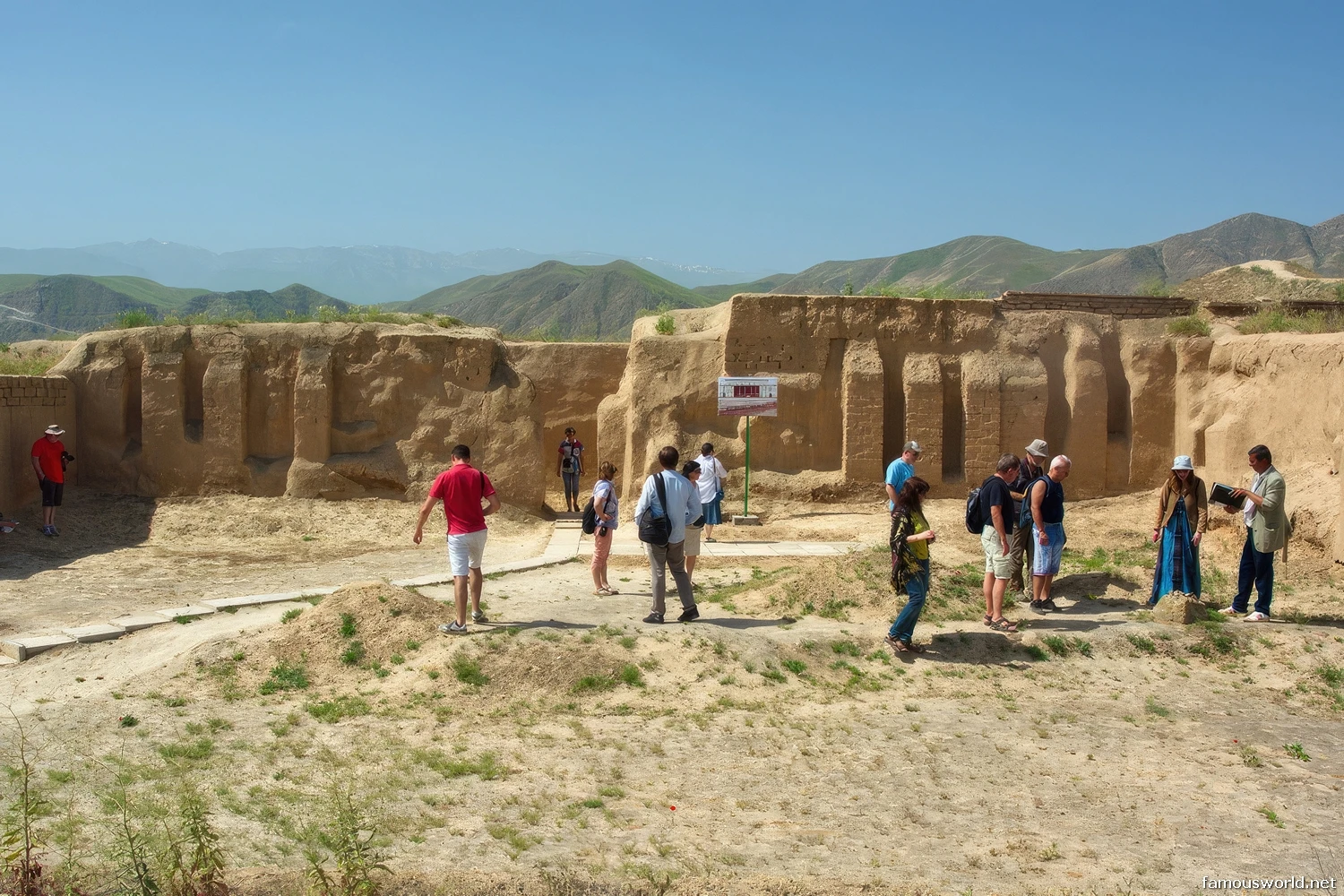
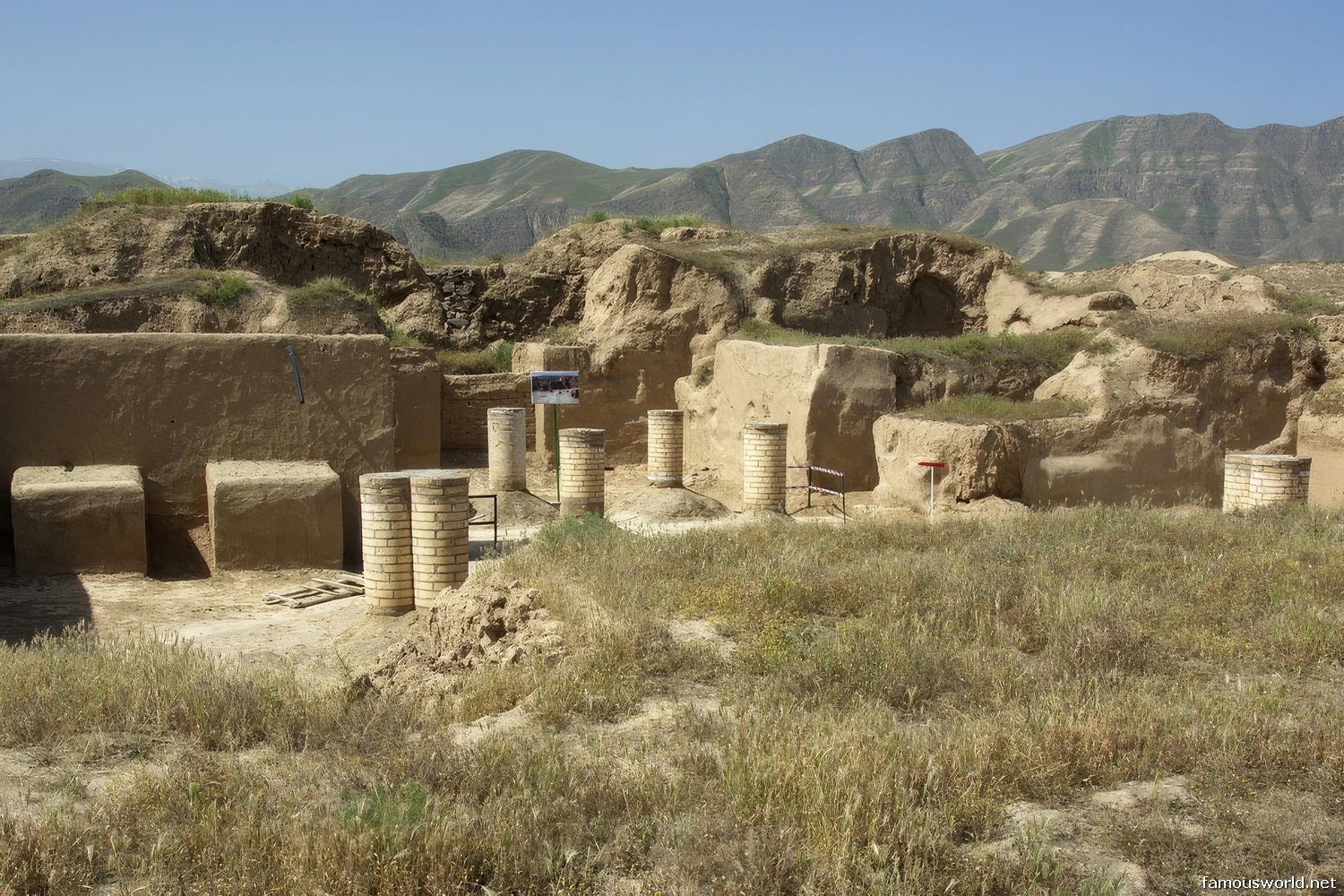


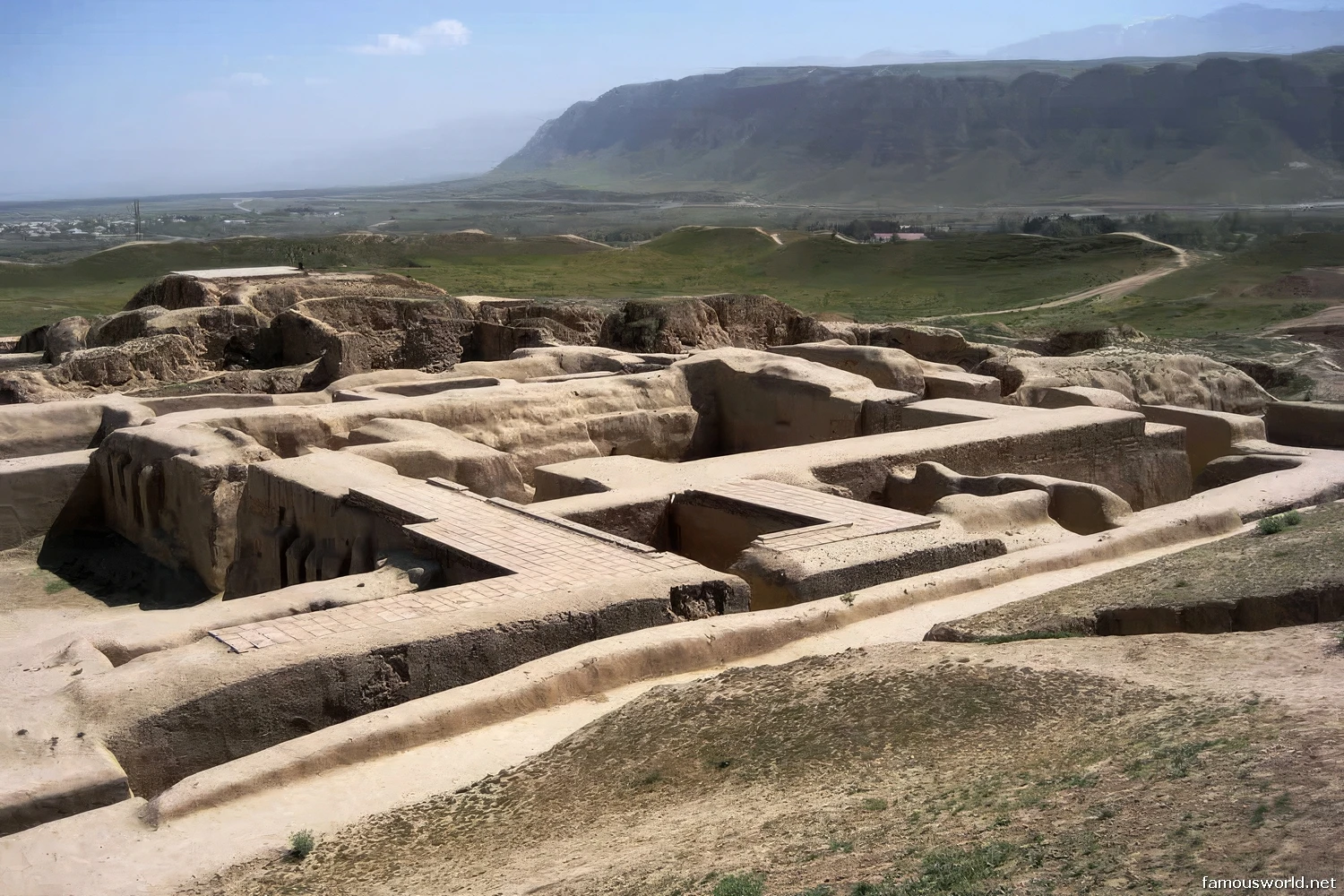
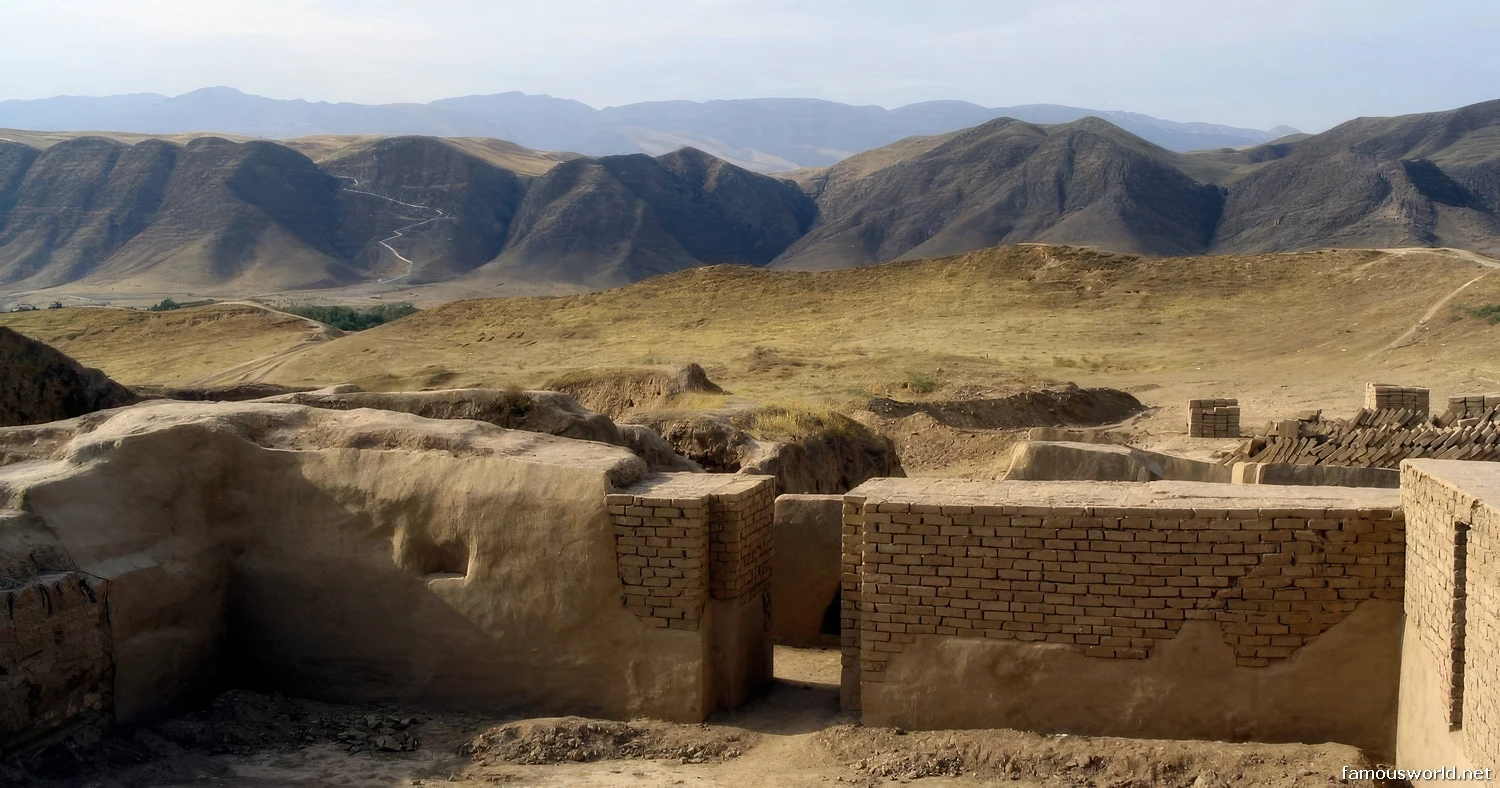









The Parthian Fortresses of Nisa are the ruins of one of the first and most important capitals of the Parthian Empire (3rd century BC – 3rd century AD). Located near modern Ashgabat, Turkmenistan, this UNESCO World Heritage site consists of two distinct but related tells (mounds): Old Nisa, the royal and ceremonial citadel, and New Nisa, the larger walled city. For centuries, Nisa stood as a major political and commercial power, a formidable rival to Rome, and a key hub on the Great Silk Road. Its ruins, particularly the excavated palaces and temples of Old Nisa, showcase a unique and fascinating blend of traditional Central Asian and Hellenistic (Greek) cultural influences, offering a rare window into this powerful but often overlooked ancient civilization.
Listen to an introduction about Old Nisa

Name and Address
- Name: Parthian Fortresses of Nisa (comprising Old Nisa and New Nisa). Old Nisa was known in antiquity as Mithradatkert (“fortress of Mithradates”).
- Address: Located near the village of Bagir, approximately 18 kilometers (12 miles) west of Ashgabat, Turkmenistan, at the foothills of the Kopet-Dag mountains.
How to Get There
Nisa is the most accessible of Turkmenistan’s major historical sites, making for an easy half-day trip from the capital.
- By Car/Taxi (Recommended): The most convenient way to visit is by hiring a taxi from Ashgabat. The journey takes about 20-30 minutes. Most tours departing from Ashgabat include Nisa as a key stop.
- By Public Transport: It is possible to take a local bus from Ashgabat towards the village of Bagir, but this will require some walking and is less straightforward for visitors.
- Visitor Tip: The site is a large, open-air archaeological park with very little shade. The best time to visit is during the cooler months of spring (March-May) and autumn (September-November). Remember to bring water, sunscreen, and a hat.
Landscape and Architecture
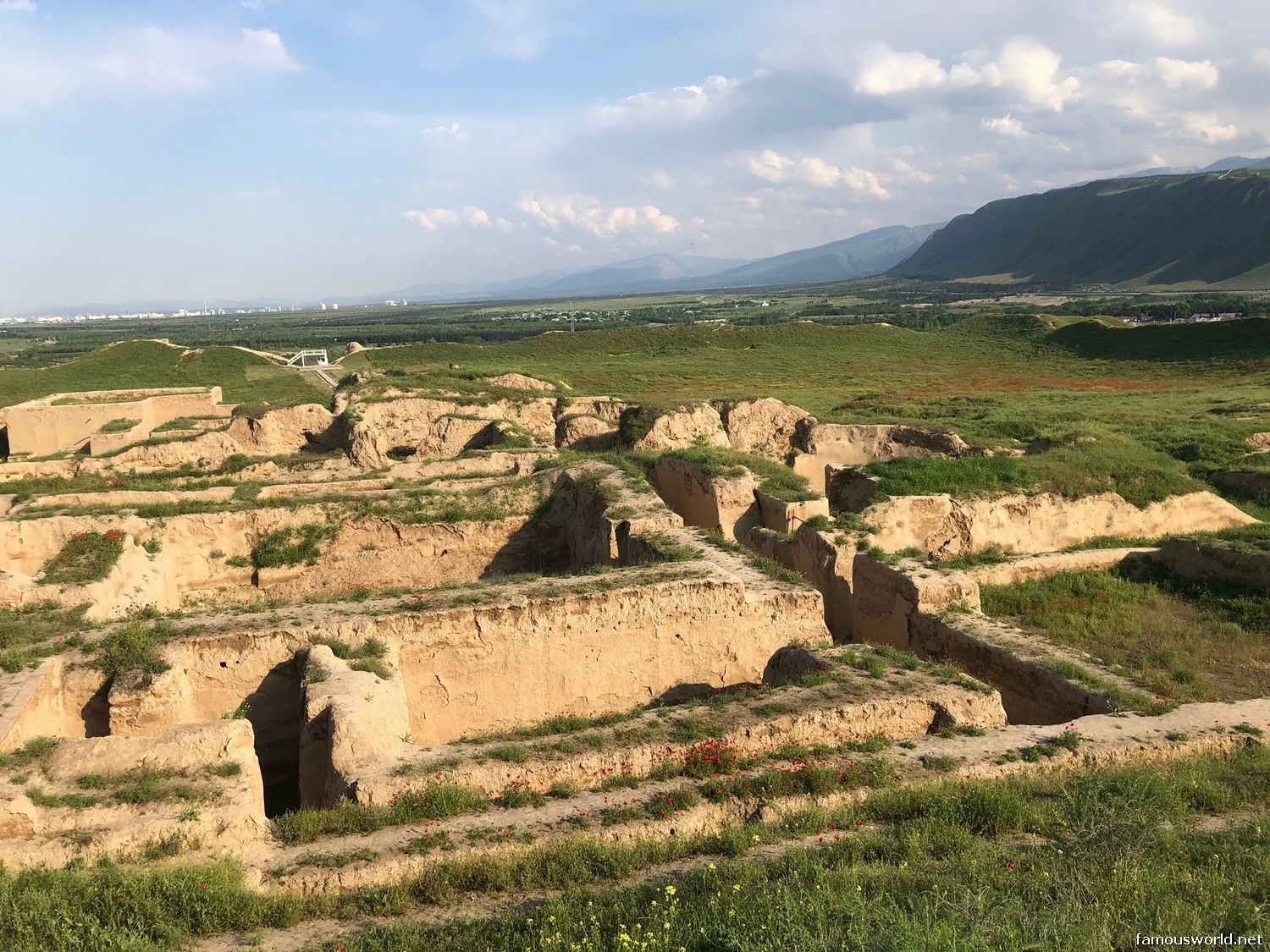
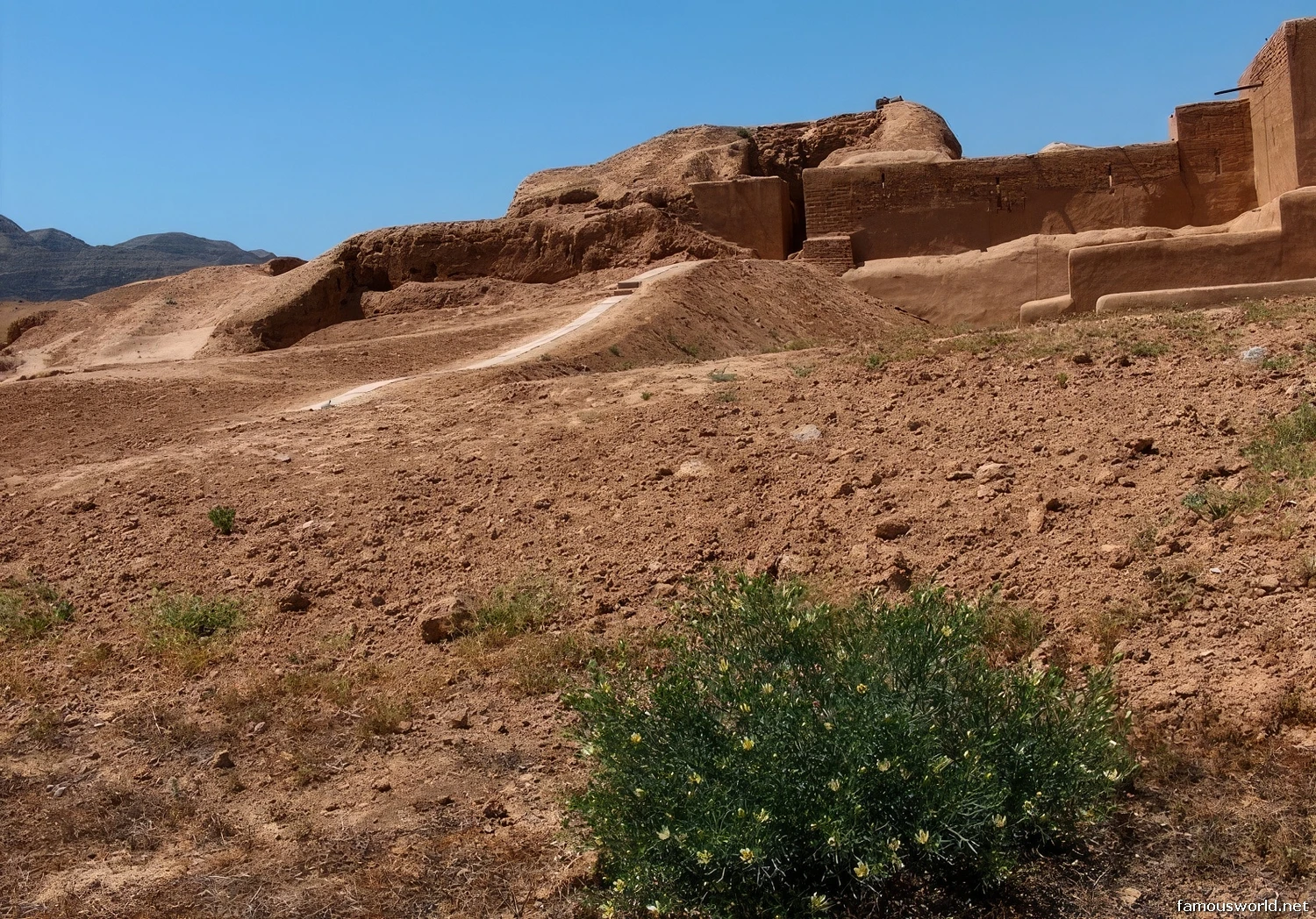
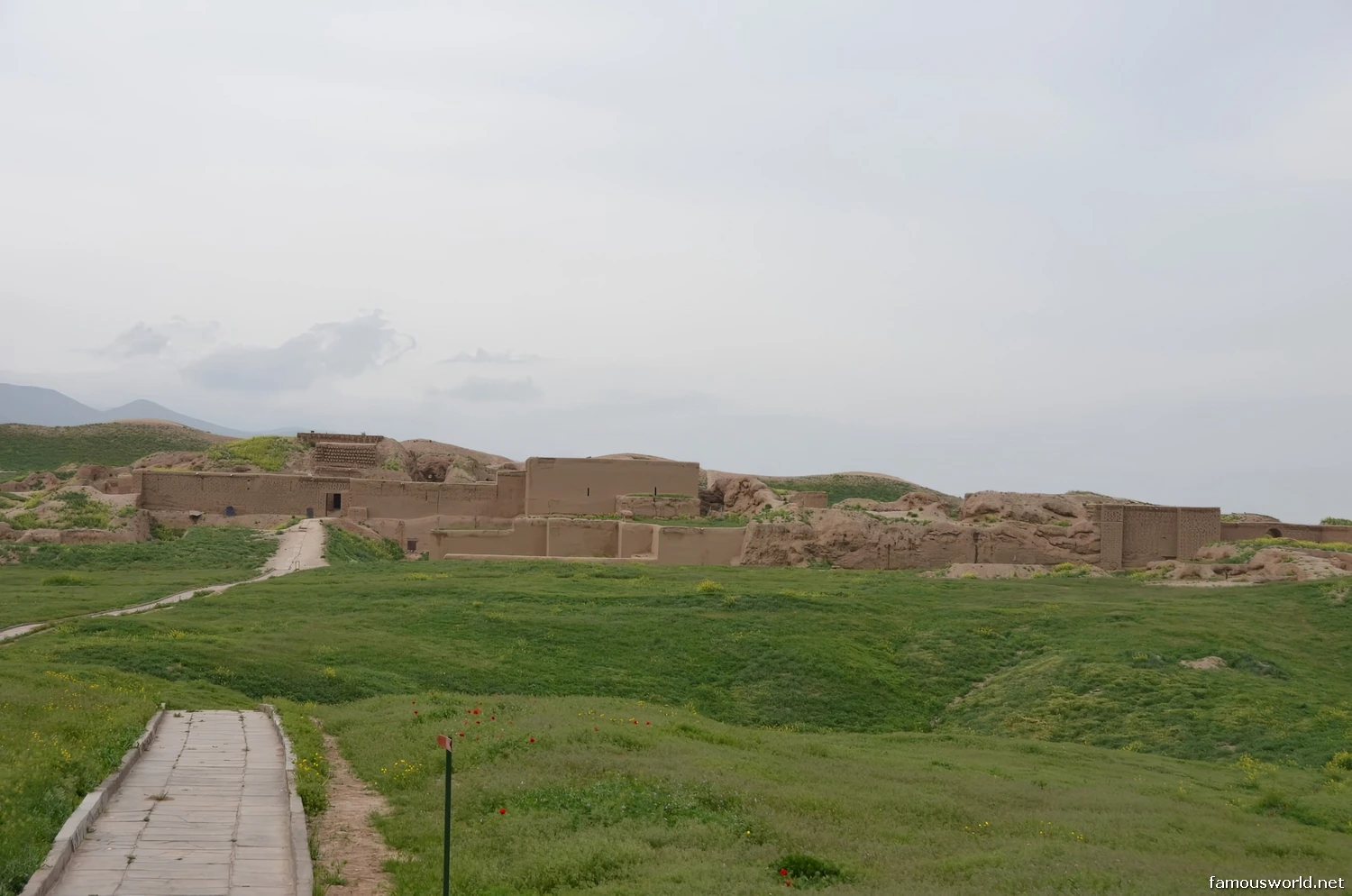
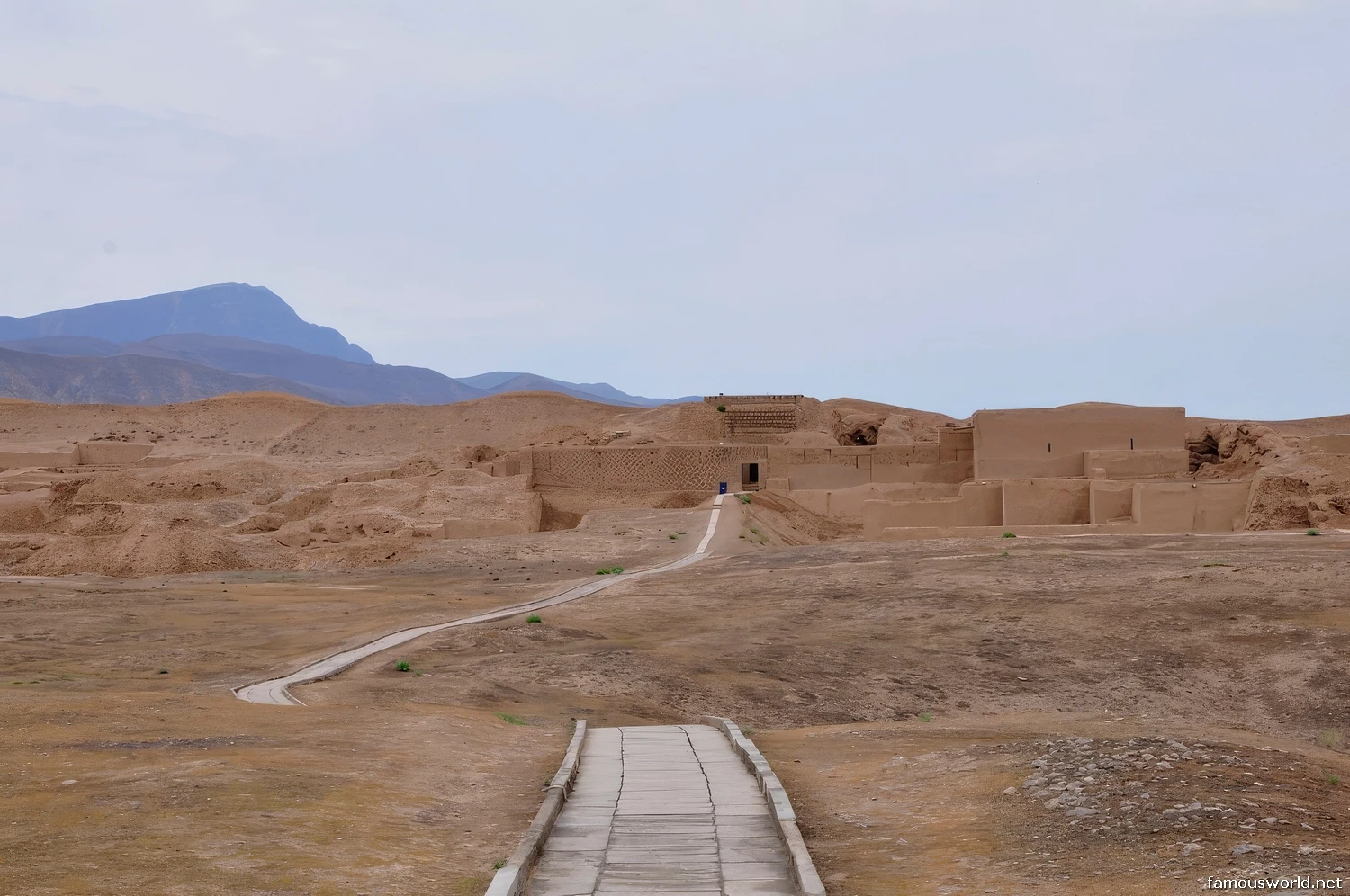
The landscape is one of imposing earthen mounds rising from the plain, with architecture that reveals a unique fusion of cultural styles.
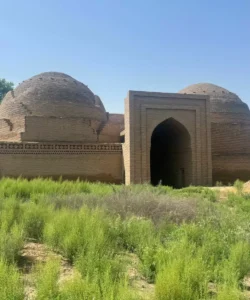
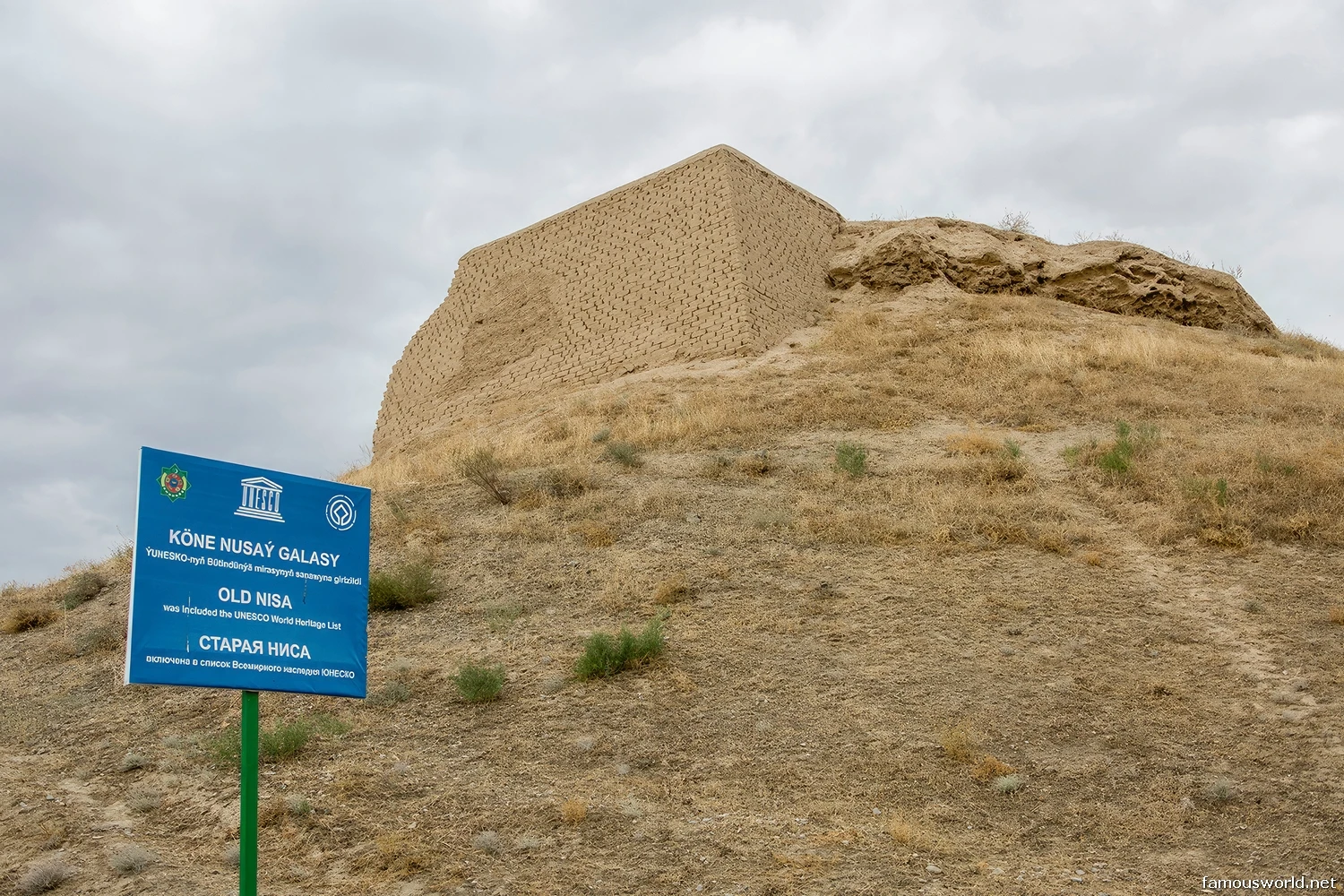
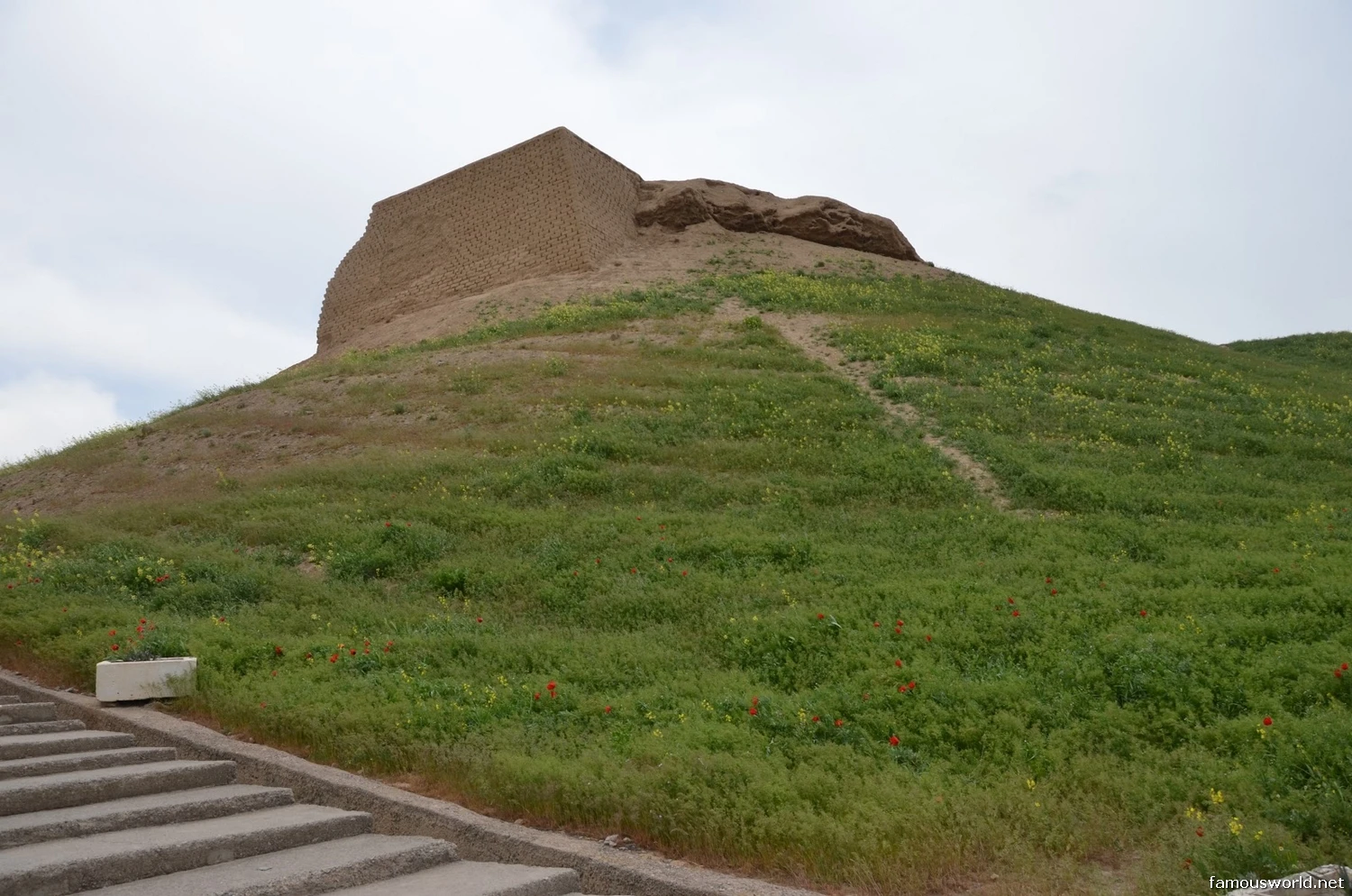
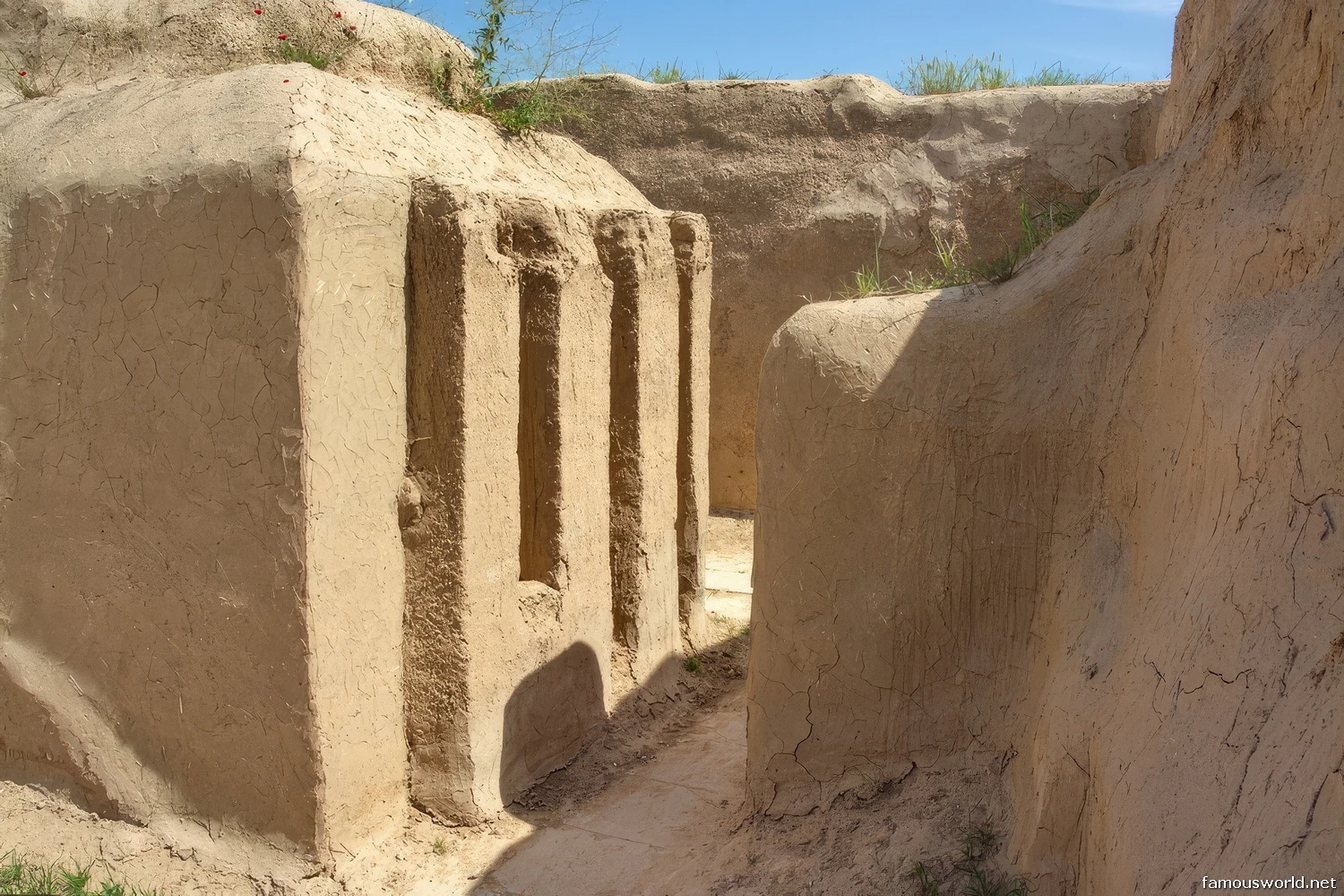
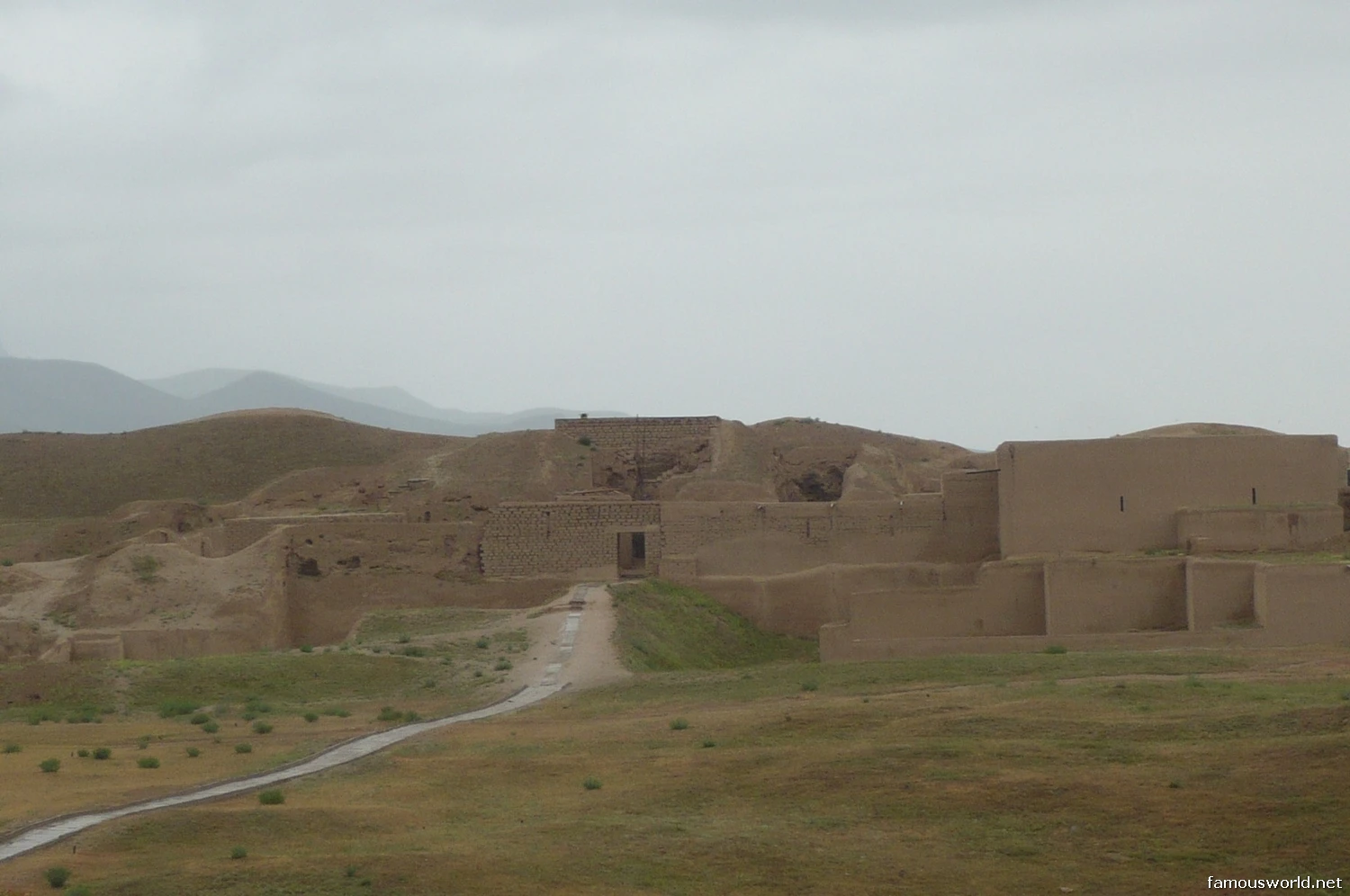
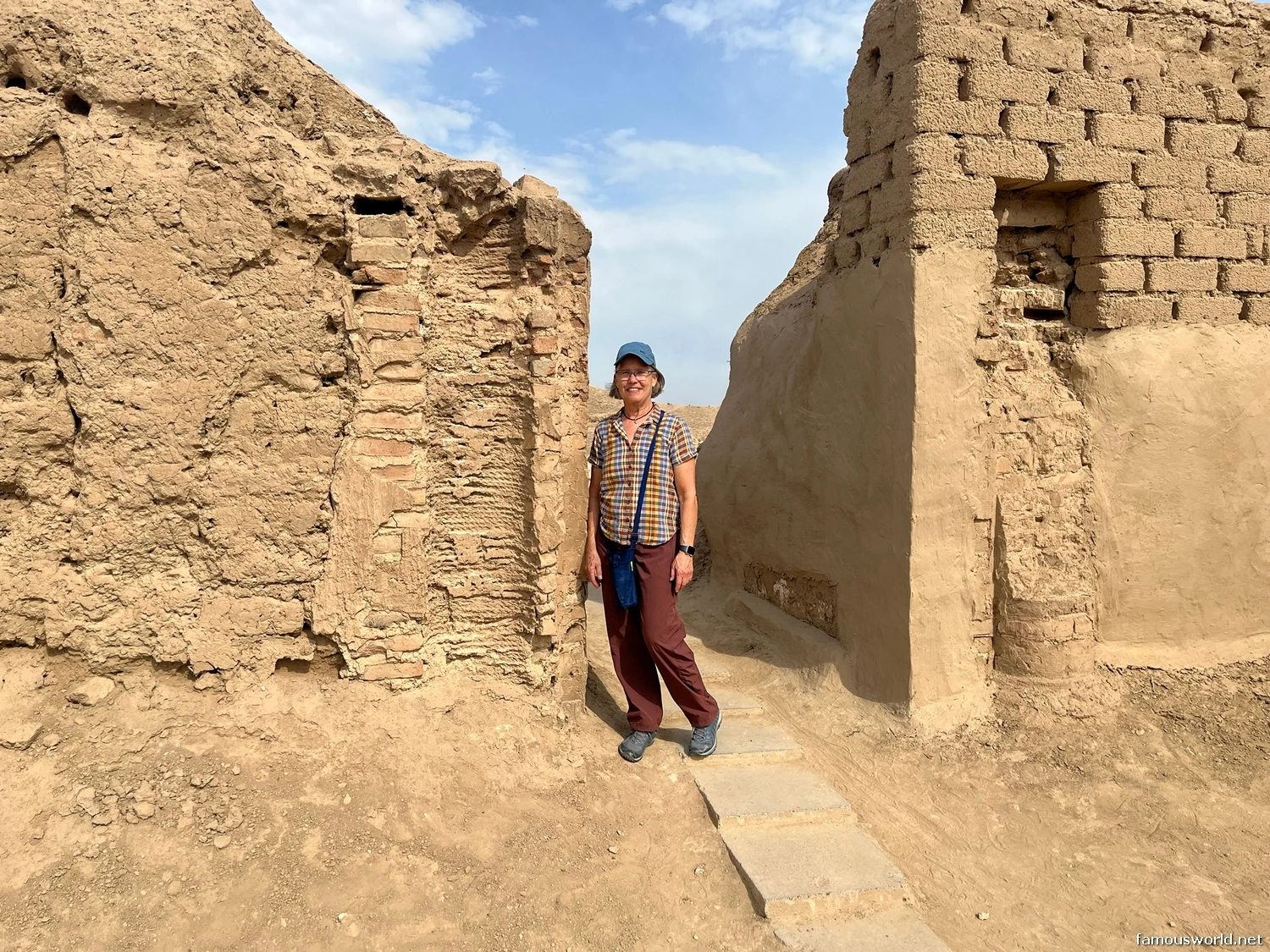
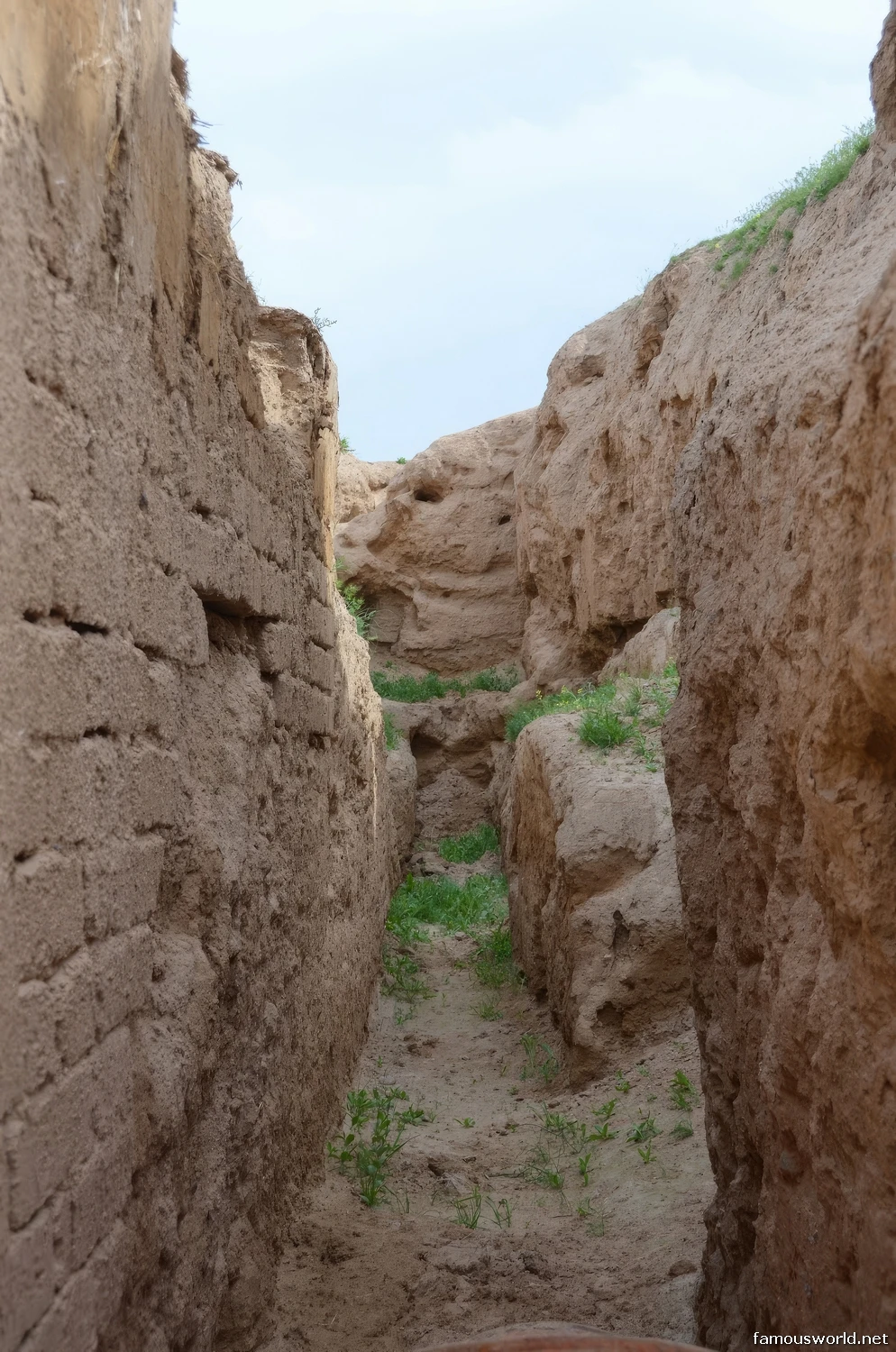
- Fortress Mounds: The ruins are situated on large, man-made mounds created over centuries. Old Nisa is a commanding fortress on a natural hill, fortified with massive earthen ramparts and 43 rectangular towers.
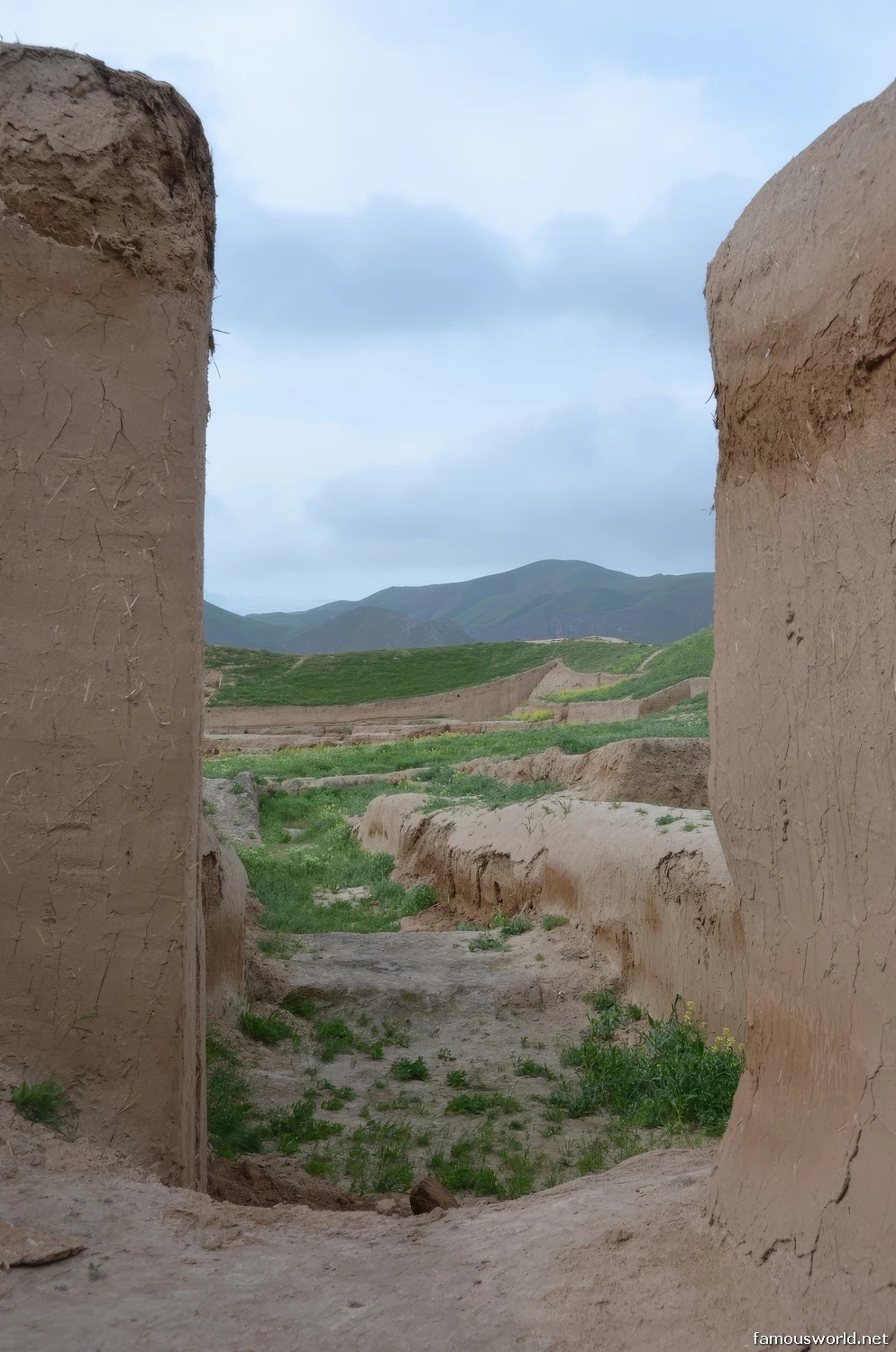
- Earthen Architecture: Like Merv, the primary building material was sun-dried mudbrick. The scale of the defensive walls, which are up to 9 meters thick, is immense and showcases the Parthians’ engineering prowess.
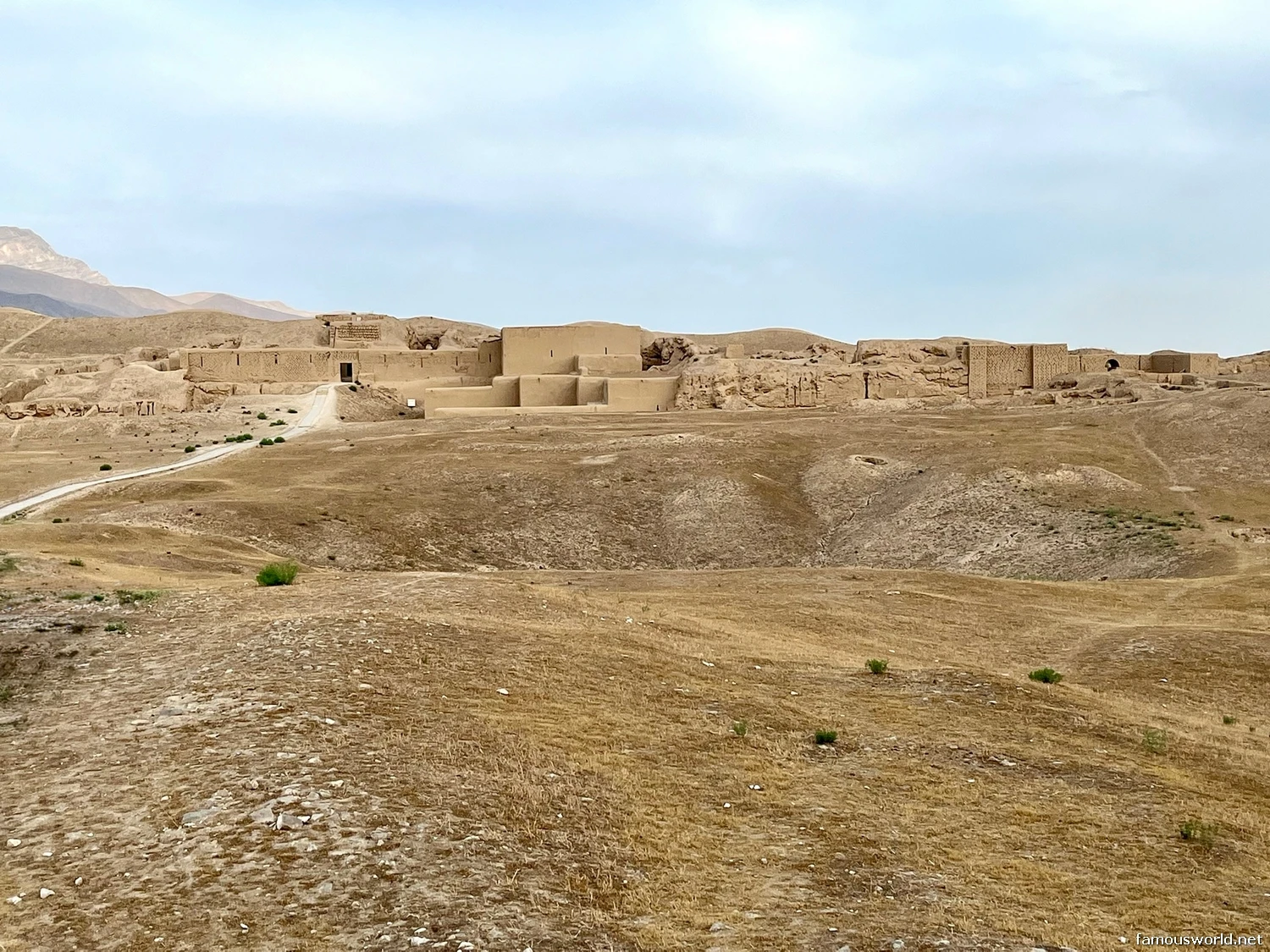
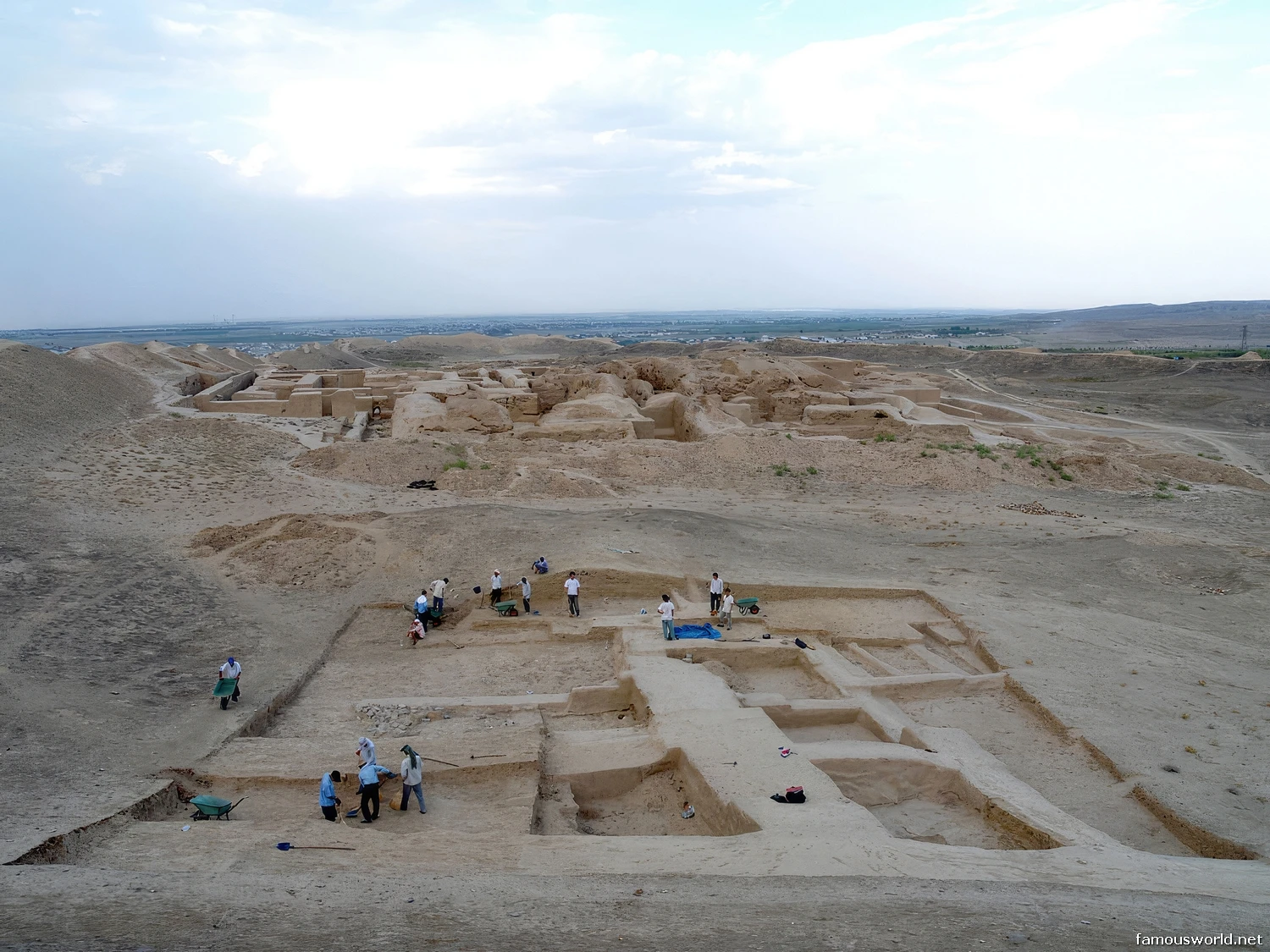
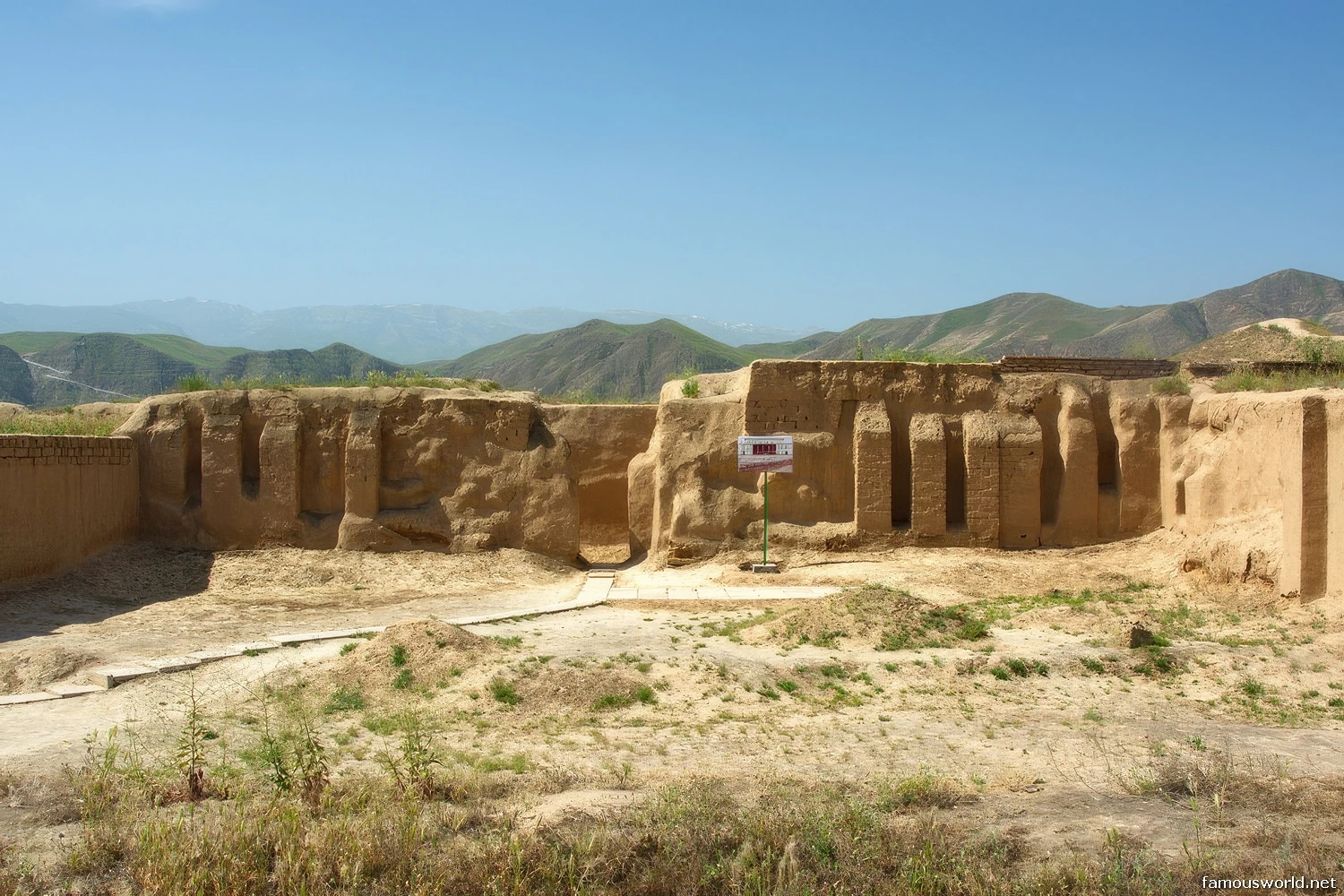
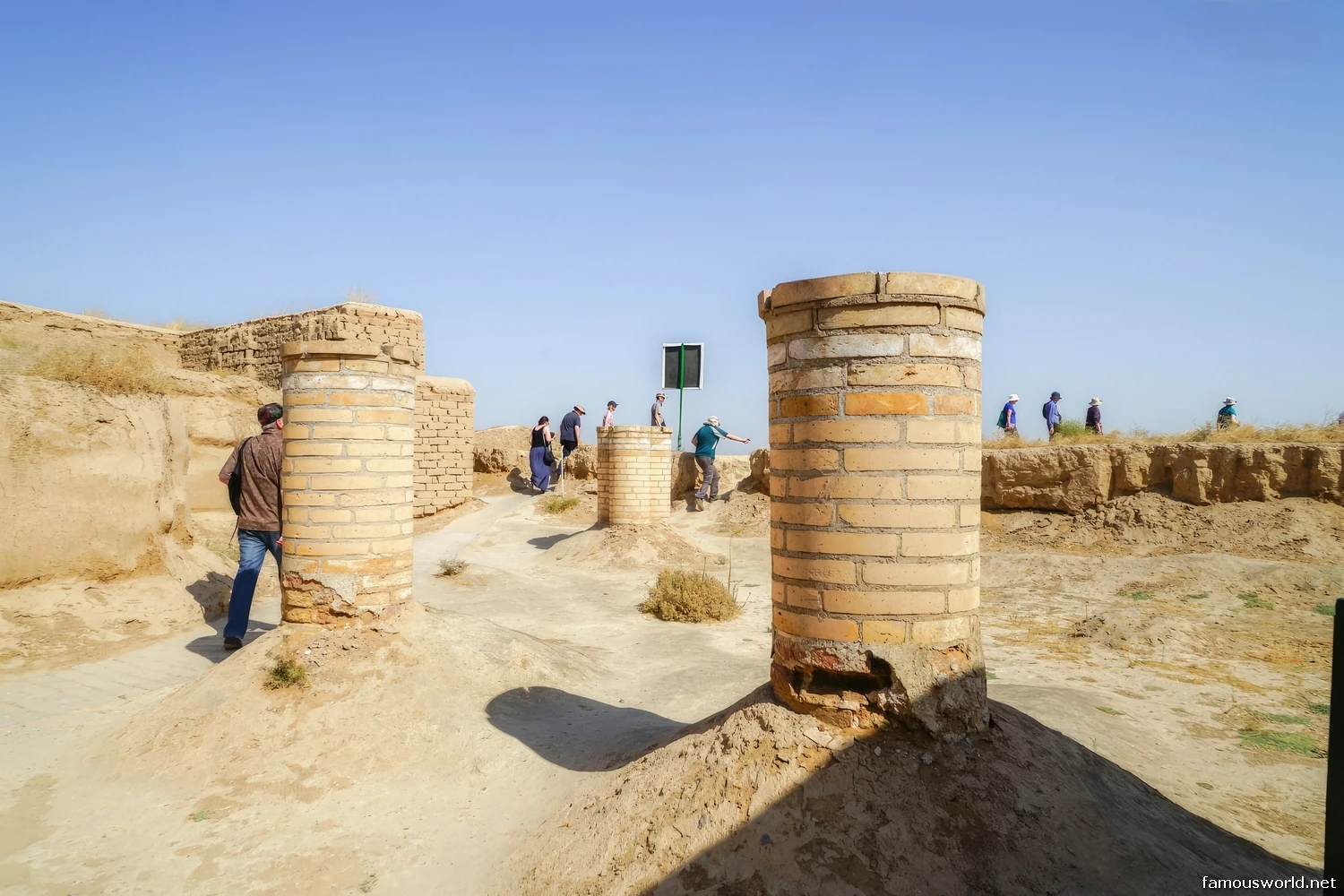
- A Blend of Styles: The architecture is a defining feature, mixing Hellenistic elements inherited from the conquests of Alexander the Great with traditional Iranian and Central Asian design. Excavations have revealed columned halls, temples, and palatial buildings.
- Key Structures in Old Nisa:
- The Round Hall: A large, circular temple, 17 meters in diameter, which was likely used for dynastic cults or Zoroastrian rituals.
- The Square House: A monumental building complex that served as a royal treasury. It was here that archaeologists made one of the site’s most famous discoveries.
- The Tower-like Temple: Another major temple complex, indicating the site’s deep religious and ceremonial importance.
What Makes It Famous
Nisa is famous for being the capital of the mighty Parthian Empire and for the spectacular Hellenistic-influenced art discovered within its ruins.
- Capital of the Parthian Empire: Its primary claim to fame is its status as a nerve center for the Parthians, a global power that successfully challenged the Roman Empire and controlled a vast territory stretching from modern-day Turkey to Afghanistan.
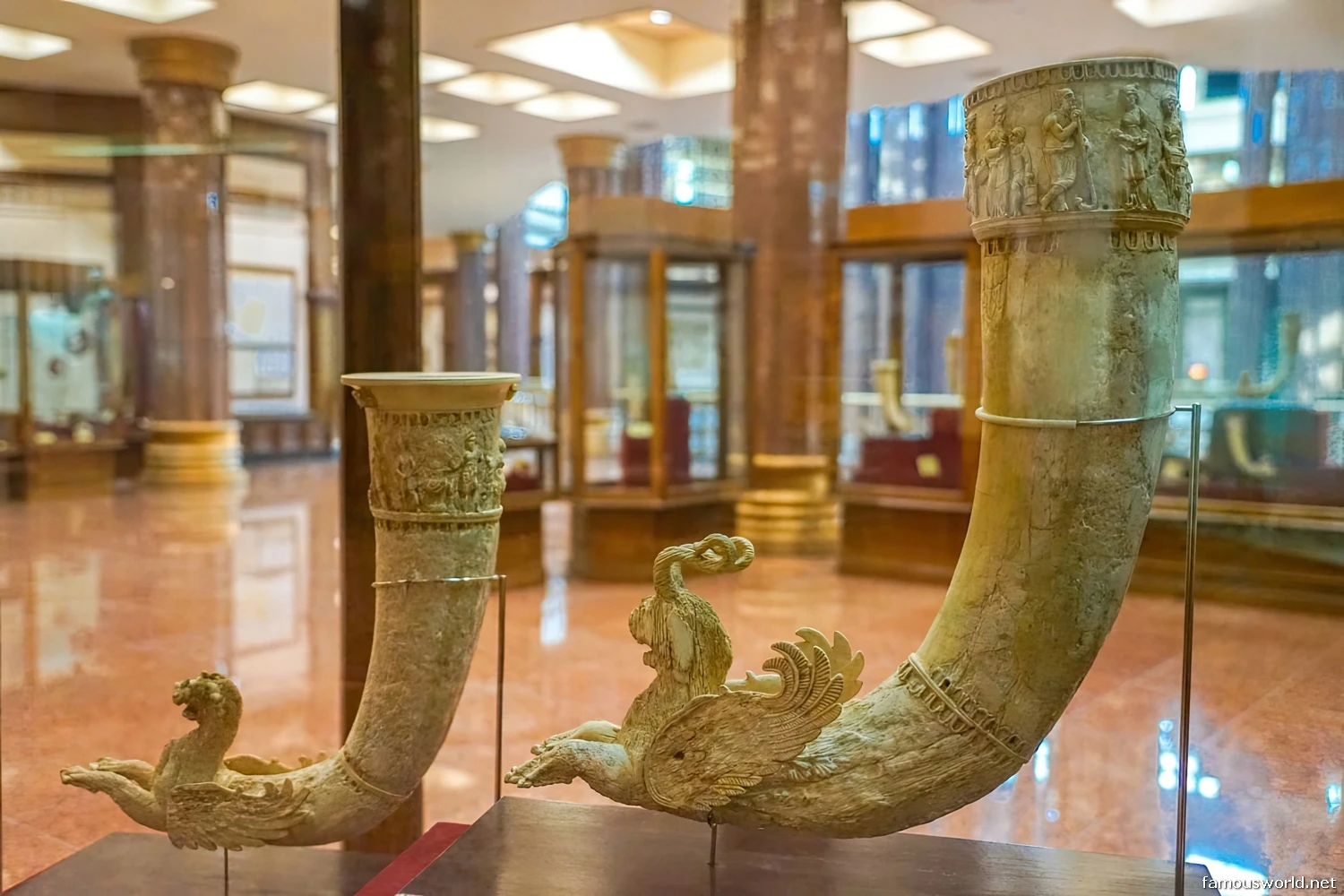
- The Nisa Rhytons: The site is world-renowned for the discovery of a spectacular collection of intricately carved ivory rhytons (drinking horns) found in the Square House treasury. These artifacts are masterpieces of Hellenistic art and are now housed in the National Museum of Turkmenistan in Ashgabat.
- A Cultural Crossroads: Nisa is a powerful testament to the cultural synthesis that occurred along the Silk Road. Its art and architecture provide a unique look at how Hellenistic (Greek) culture was adopted and adapted by an Iranian dynasty in Central Asia.
- UNESCO World Heritage Site: In 2007, the Parthian Fortresses of Nisa were inscribed on the UNESCO World Heritage list for their outstanding universal value as a testimony to a unique and vanished civilization.
Differences from Other Wonders
Nisa offers a distinct historical and archaeological experience compared to other major sites in Turkmenistan.
- Parthian Capital vs. Seljuk Metropolis: While Merv is famous as a vast oasis encompassing the ruins of the great Seljuk capital, Nisa is a much older site representing the heart of the Parthian Empire. Its architecture is pre-Islamic and showcases a completely different cultural fusion (Hellenistic-Iranian) from the Islamic art of Merv.
- A Royal Citadel vs. a Trading City: Nisa was primarily a royal, ceremonial, and administrative center. This contrasts with Konye-Urgench, which was a major medieval trading hub and the capital of the Khorezmshah Empire, known for its monumental Islamic mausoleums and minaret.
- Archaeological Ruins vs. Natural Phenomenon: The experience at Nisa is one of exploring the subtle but powerful earthen ruins of a lost empire. This is a historical and archaeological journey, completely different from the visceral, elemental spectacle of the Darvaza Gas Crater.