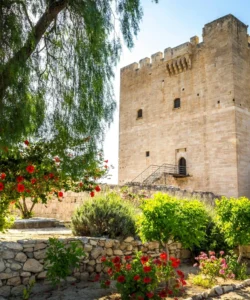
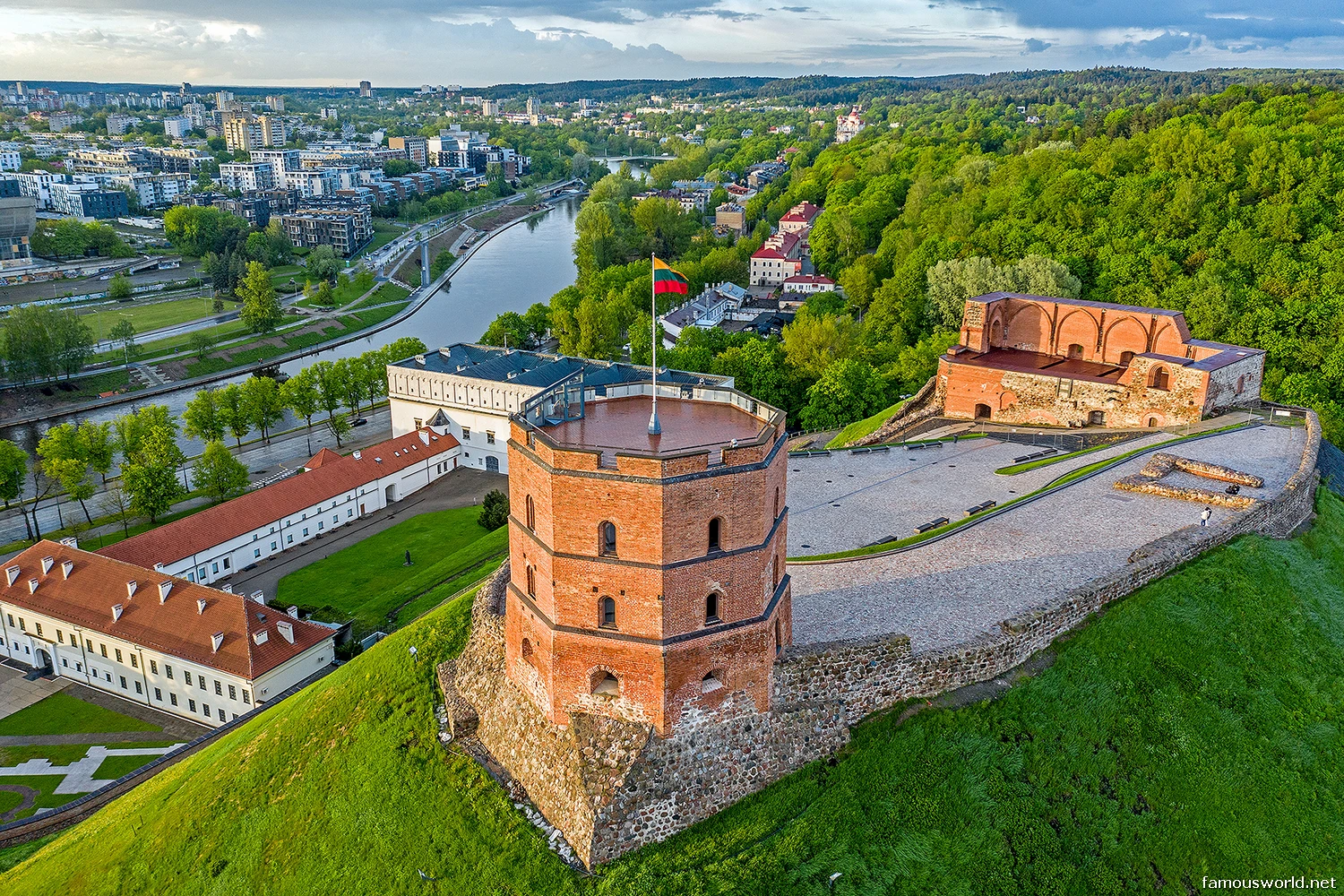
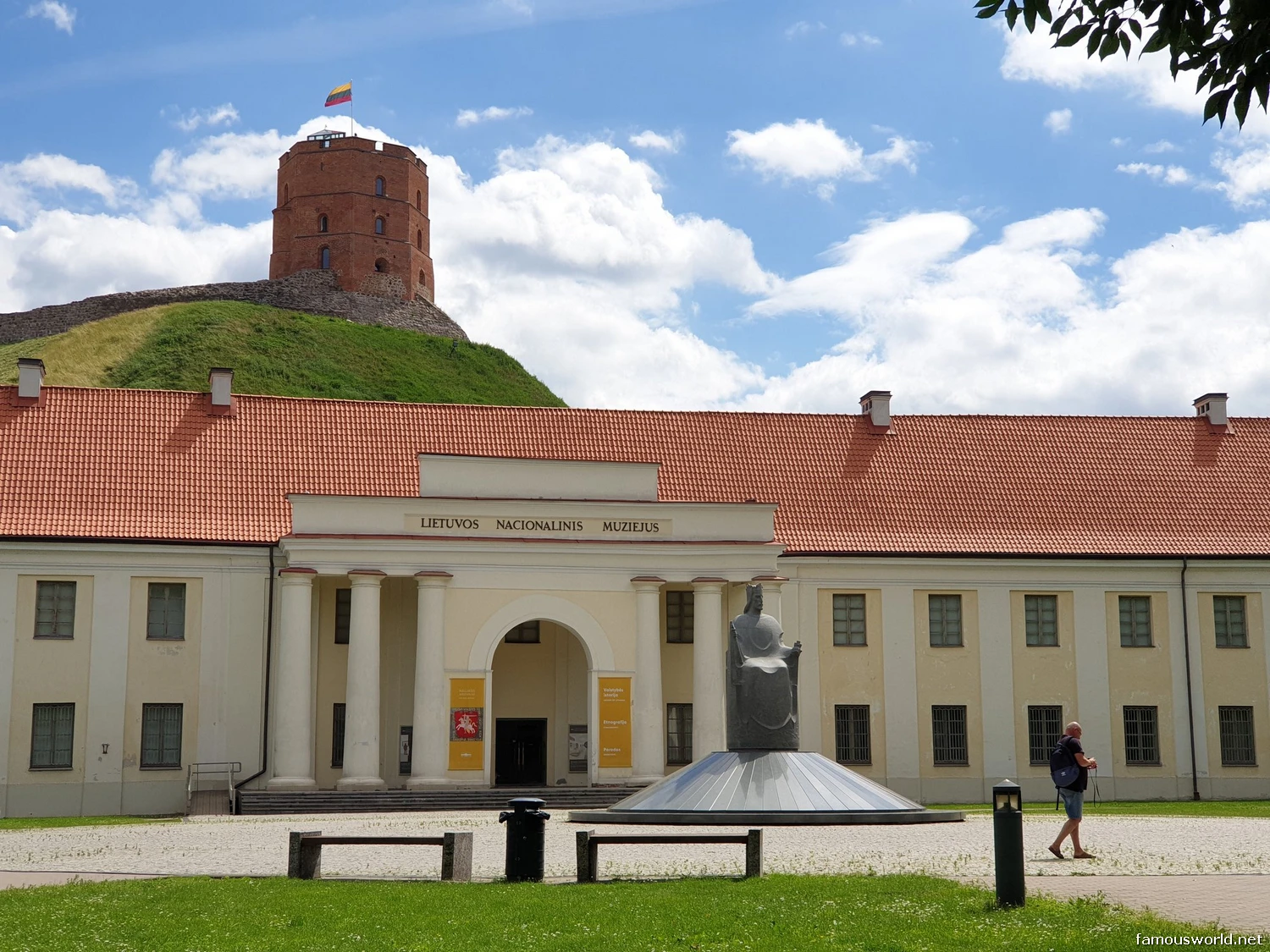
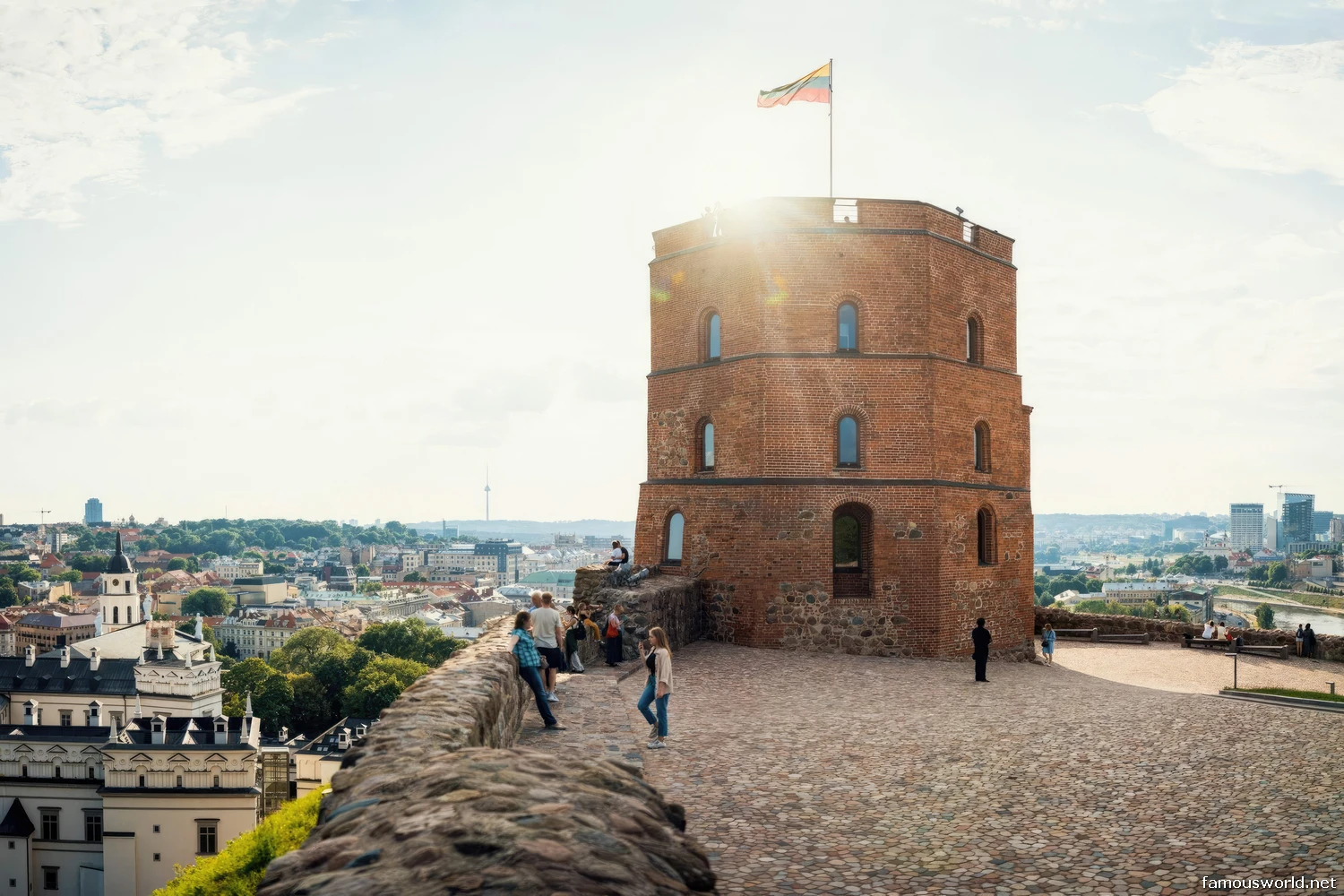
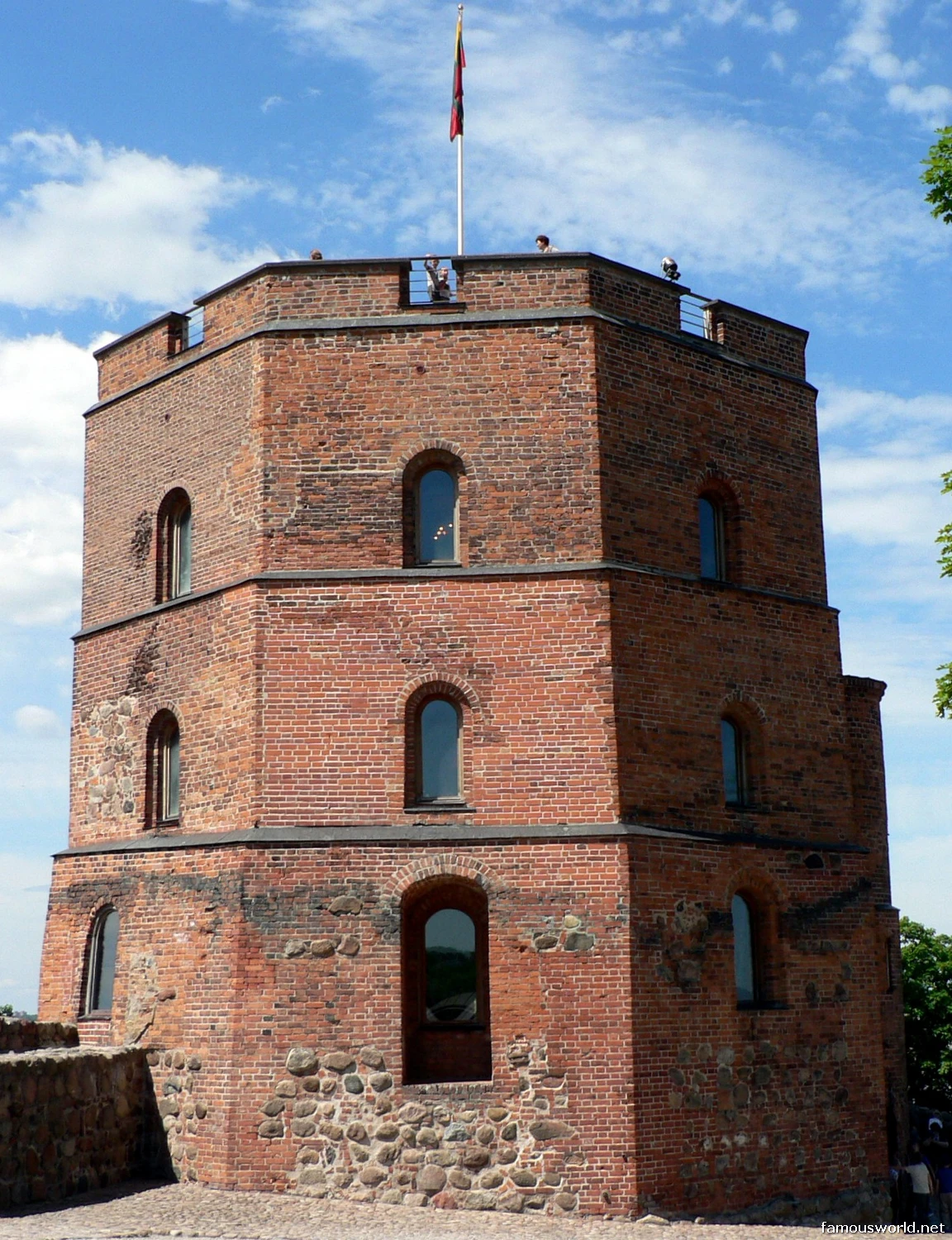
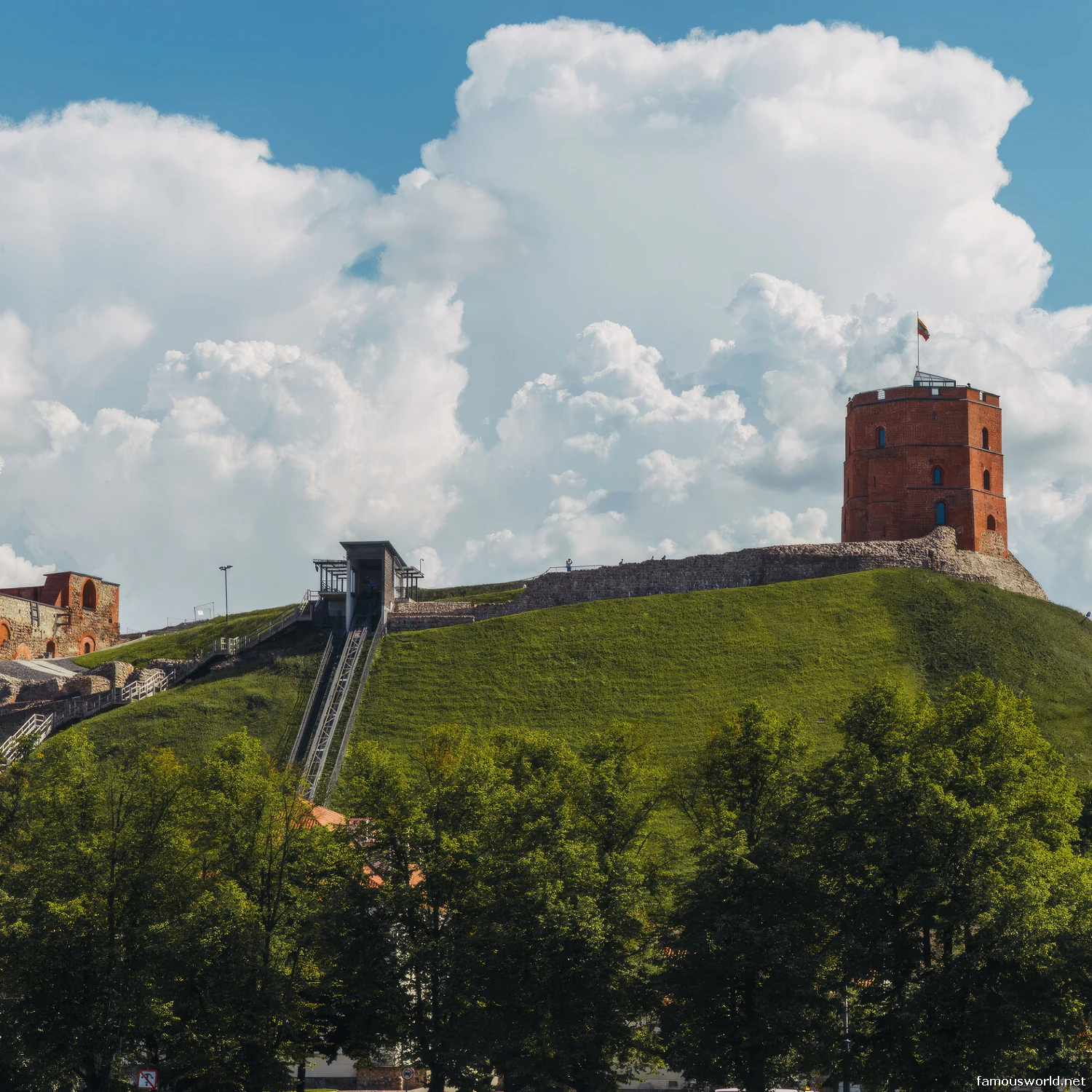
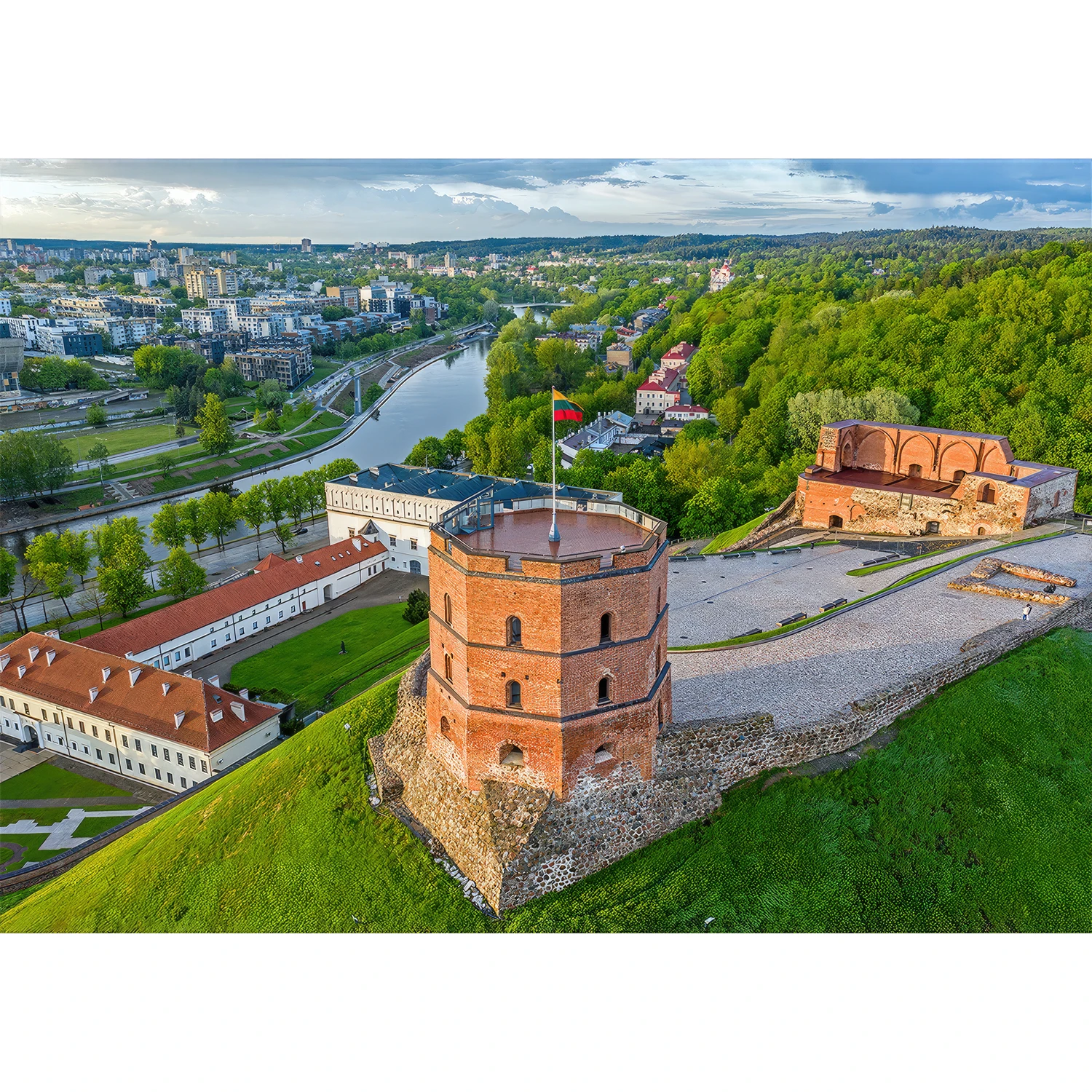
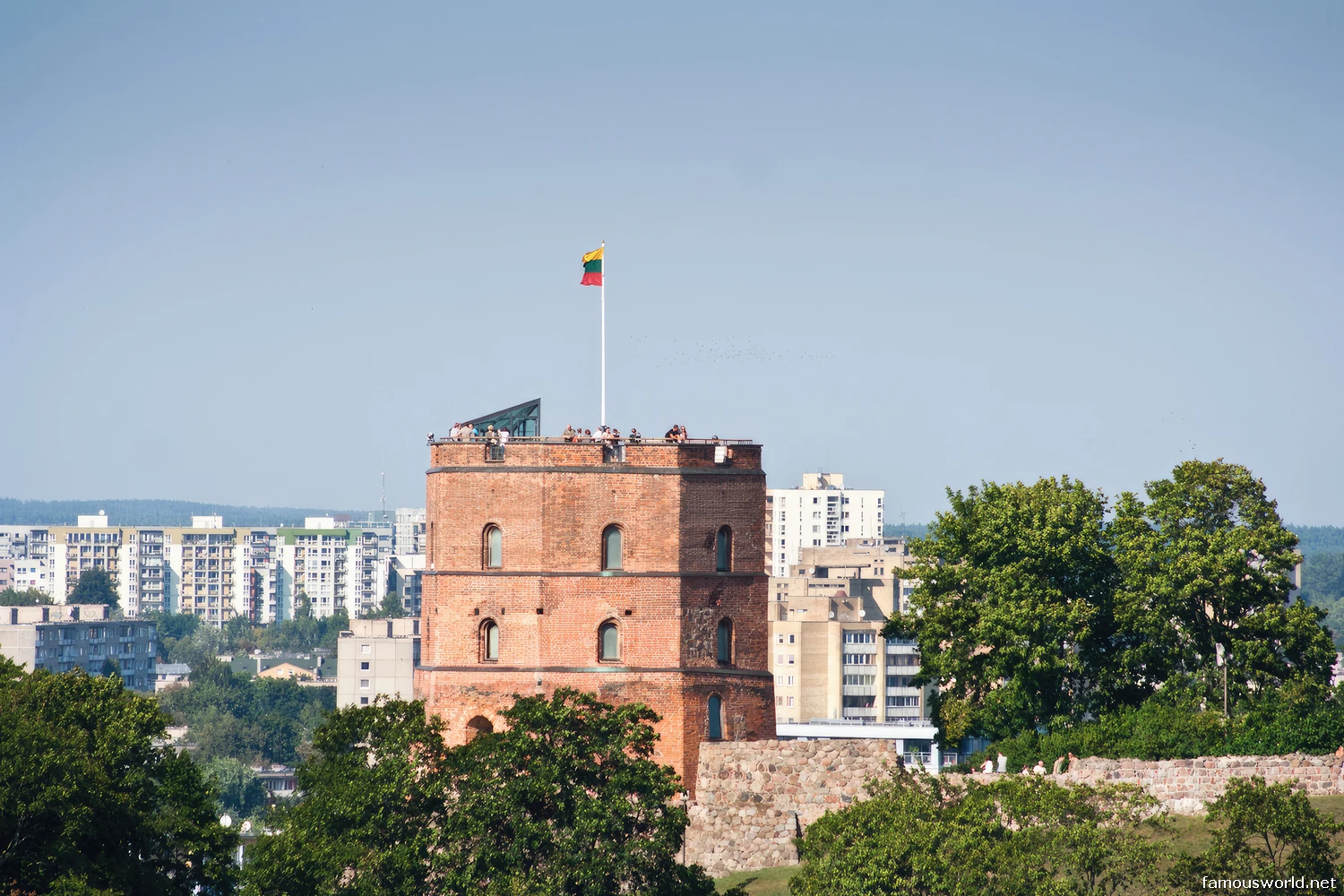
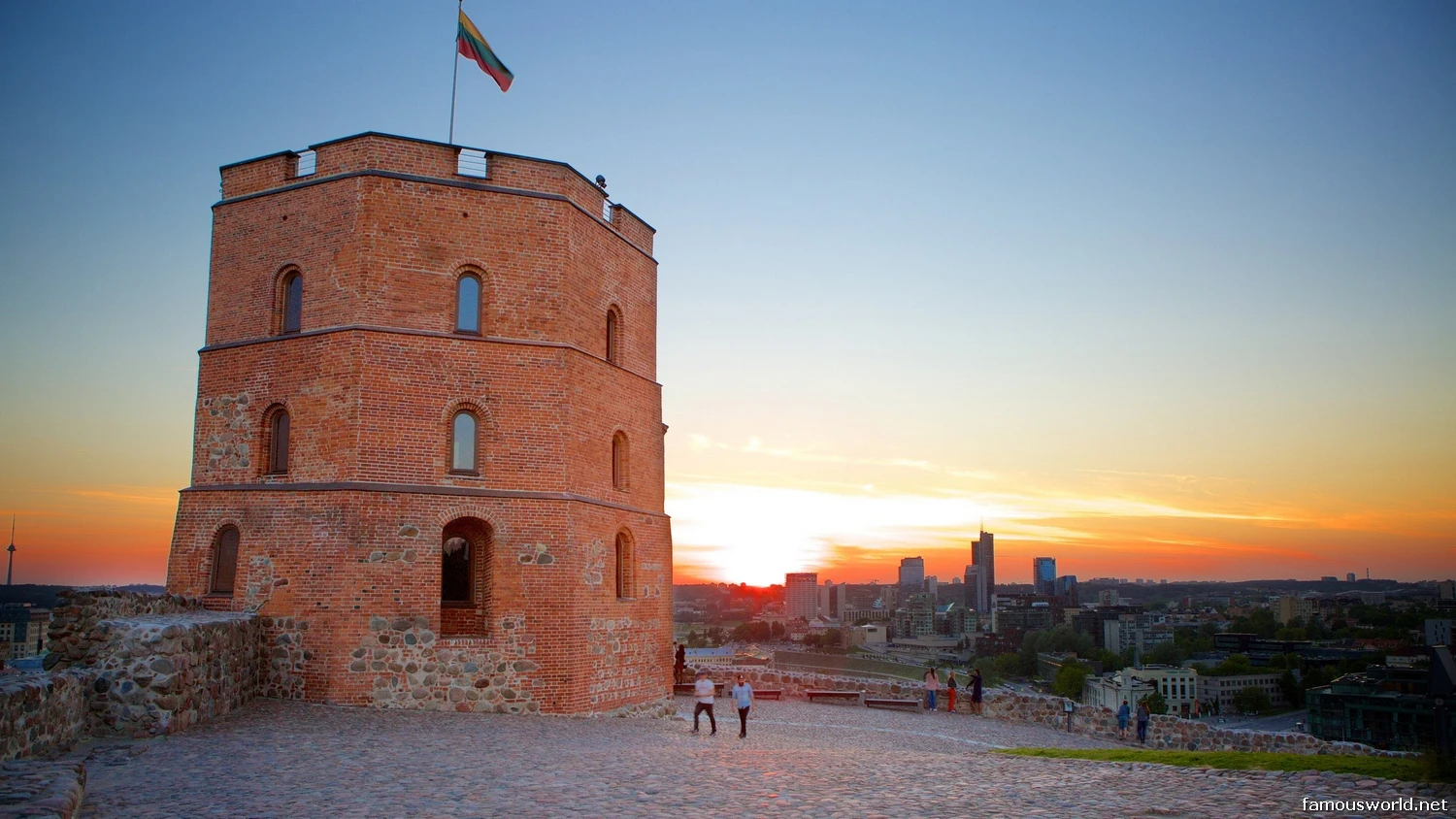
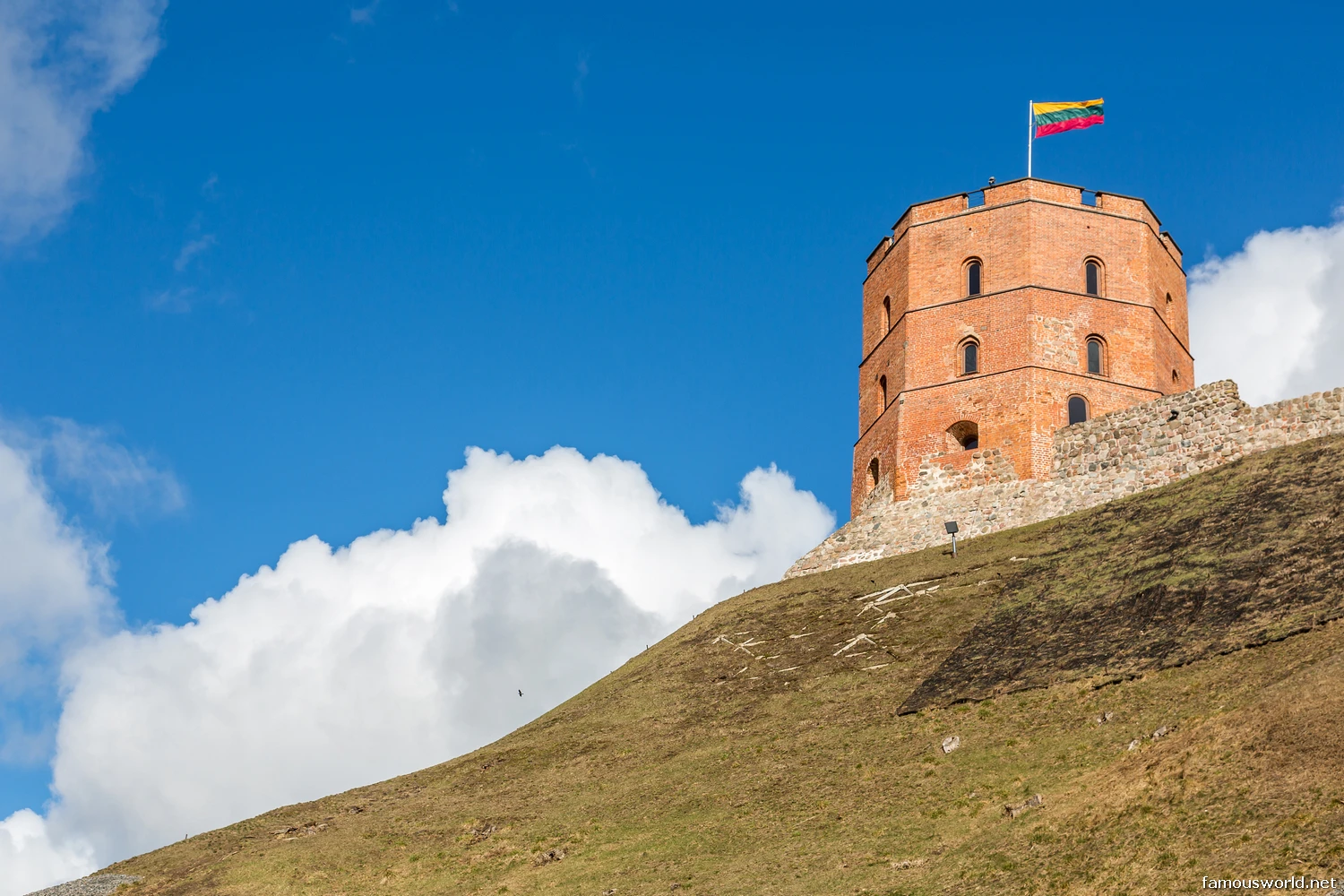
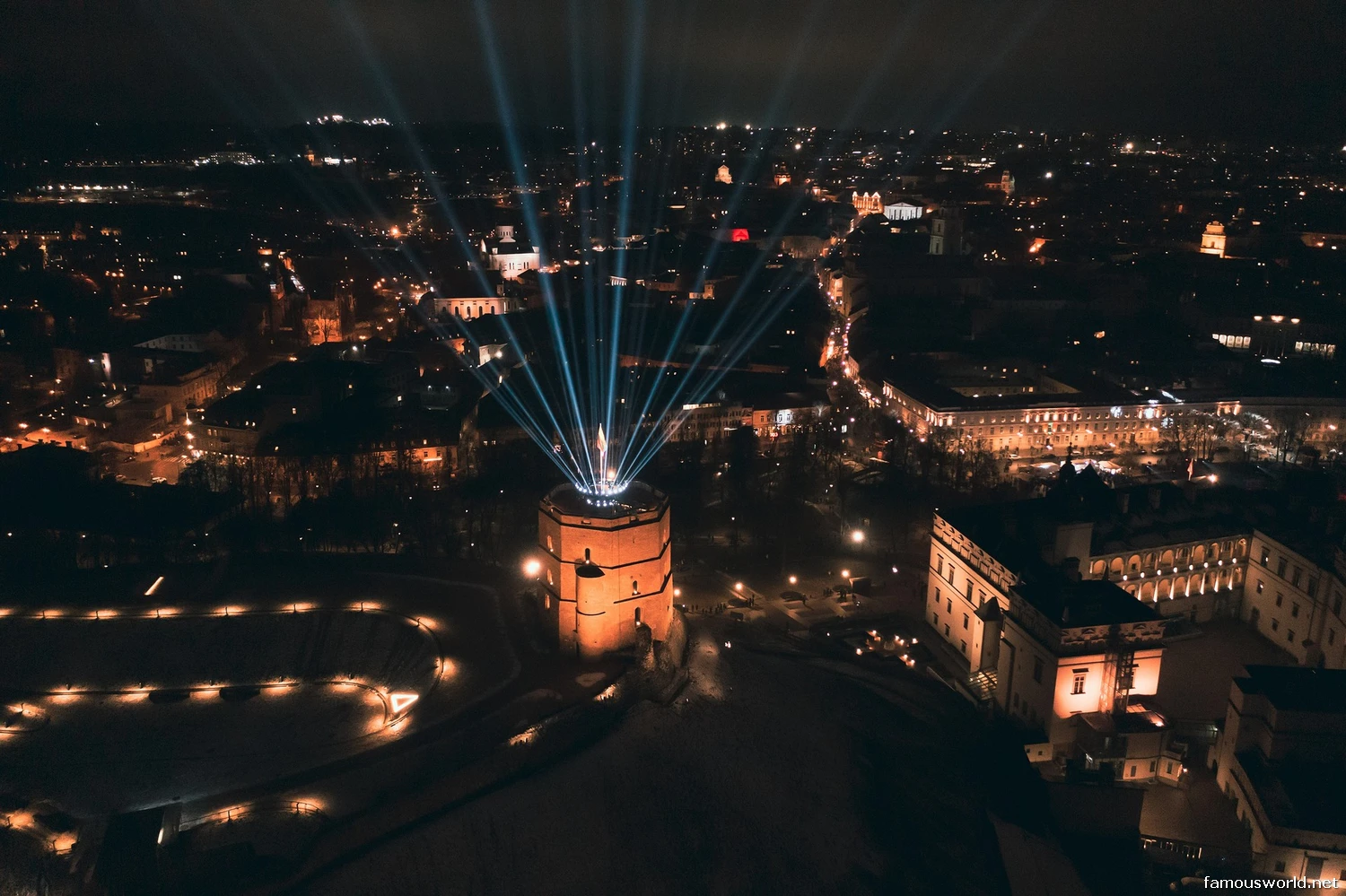
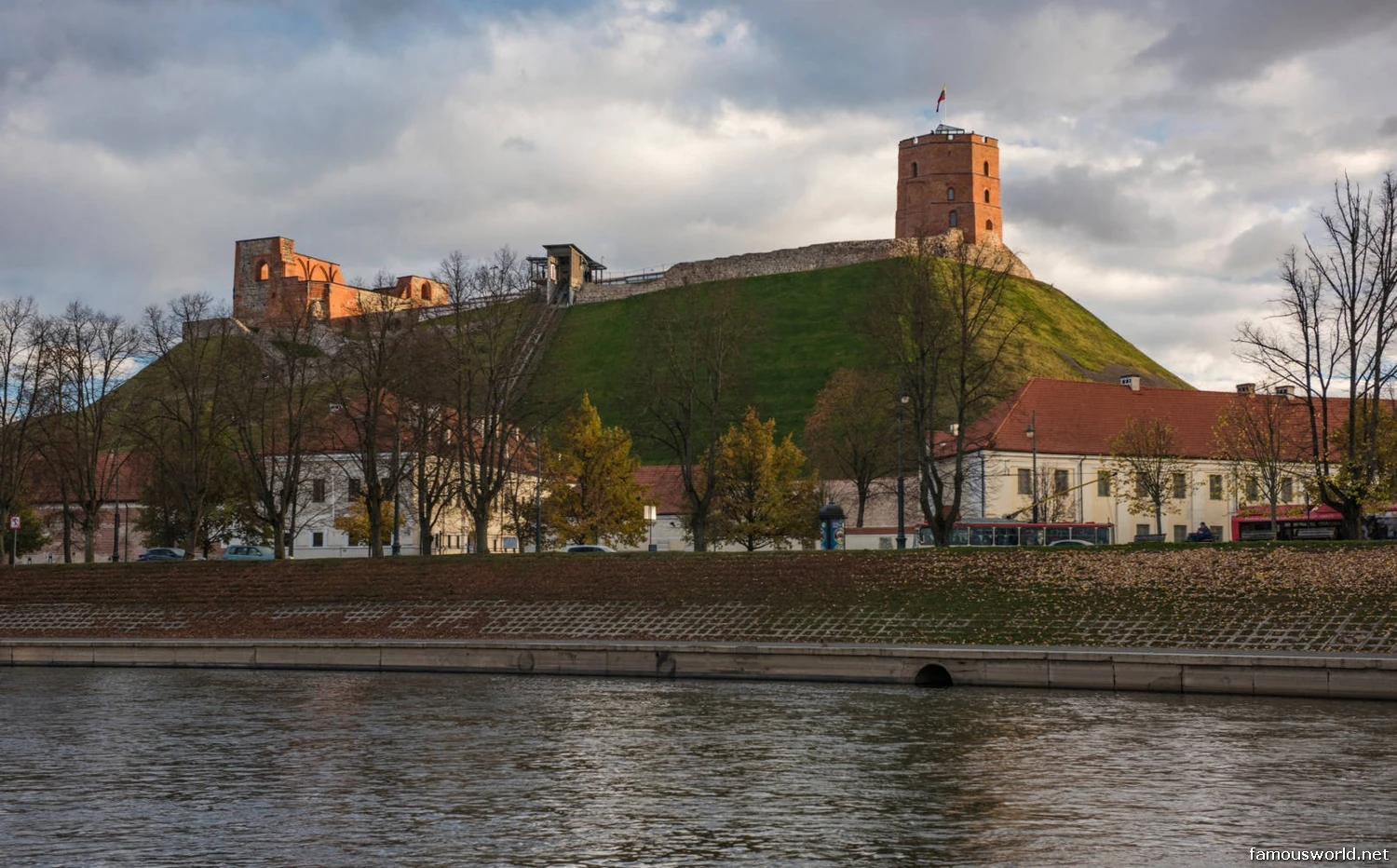
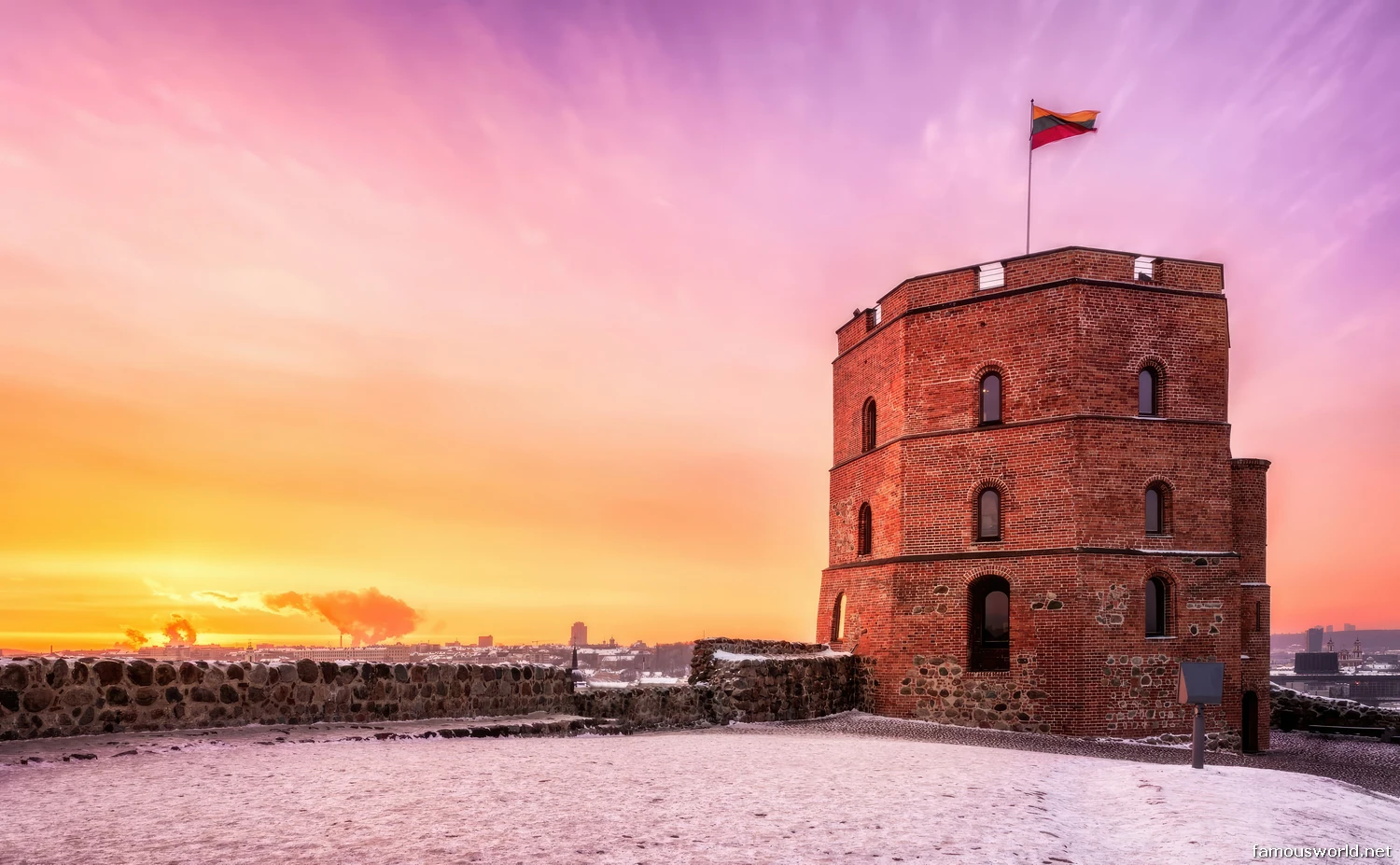
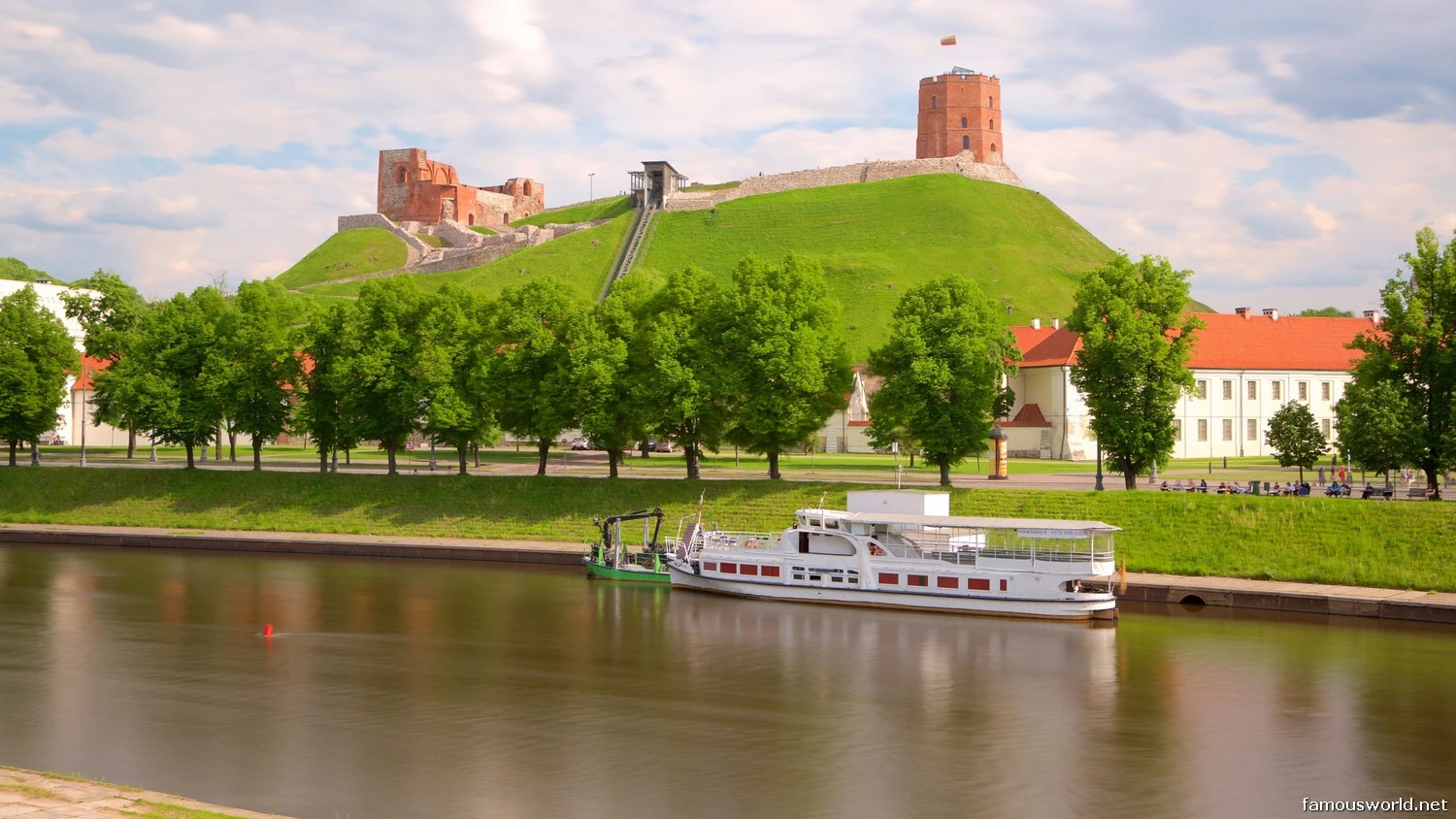
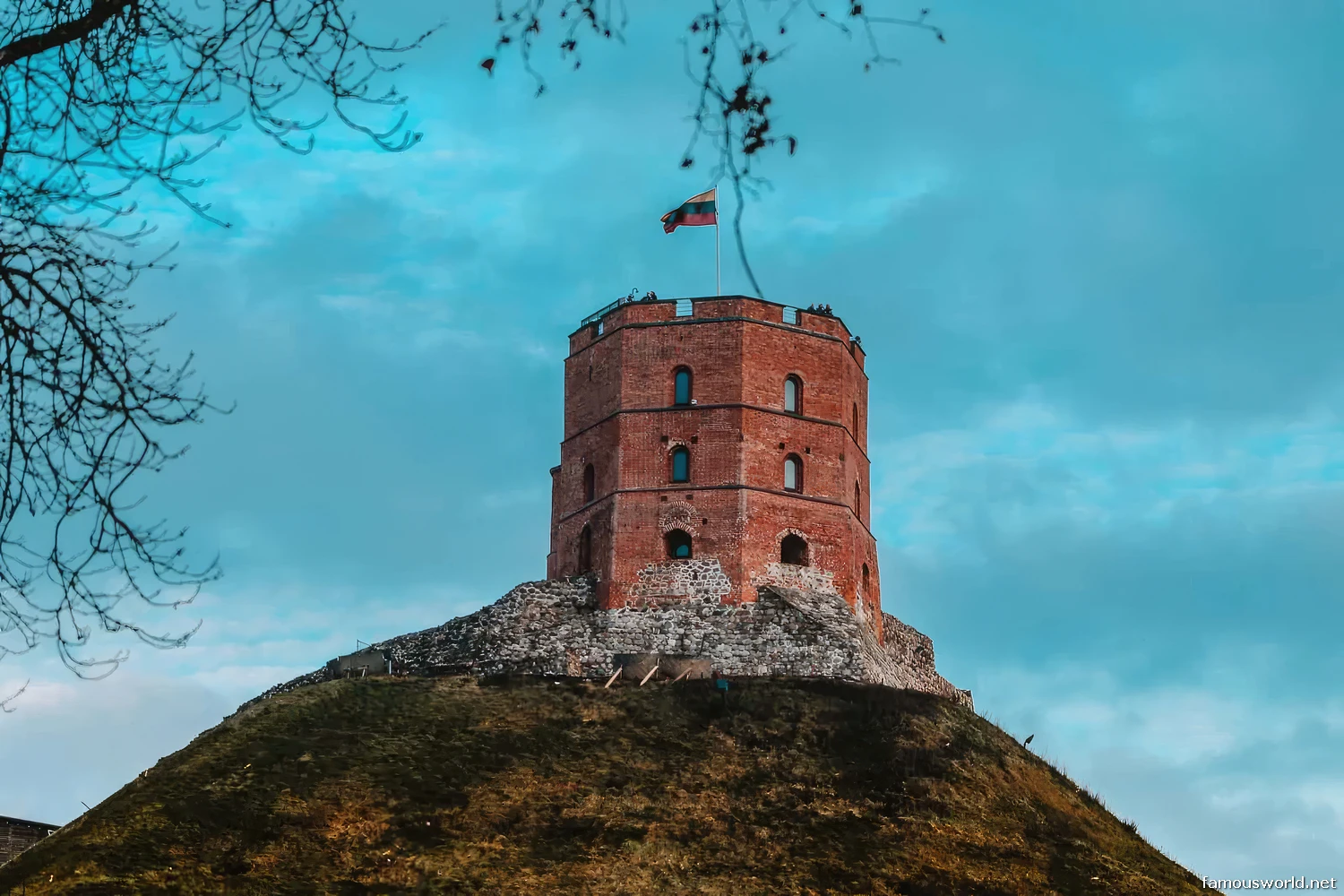
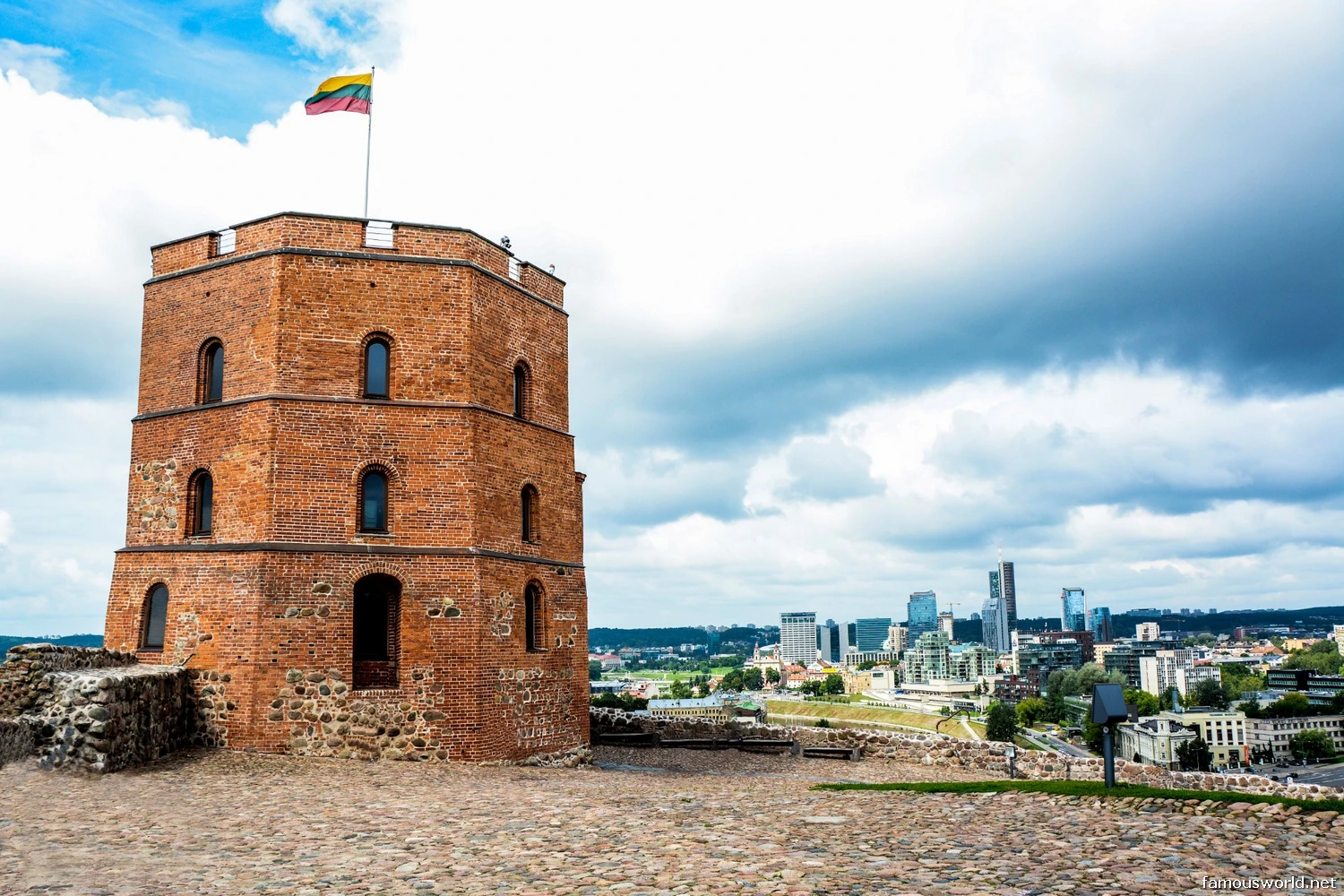
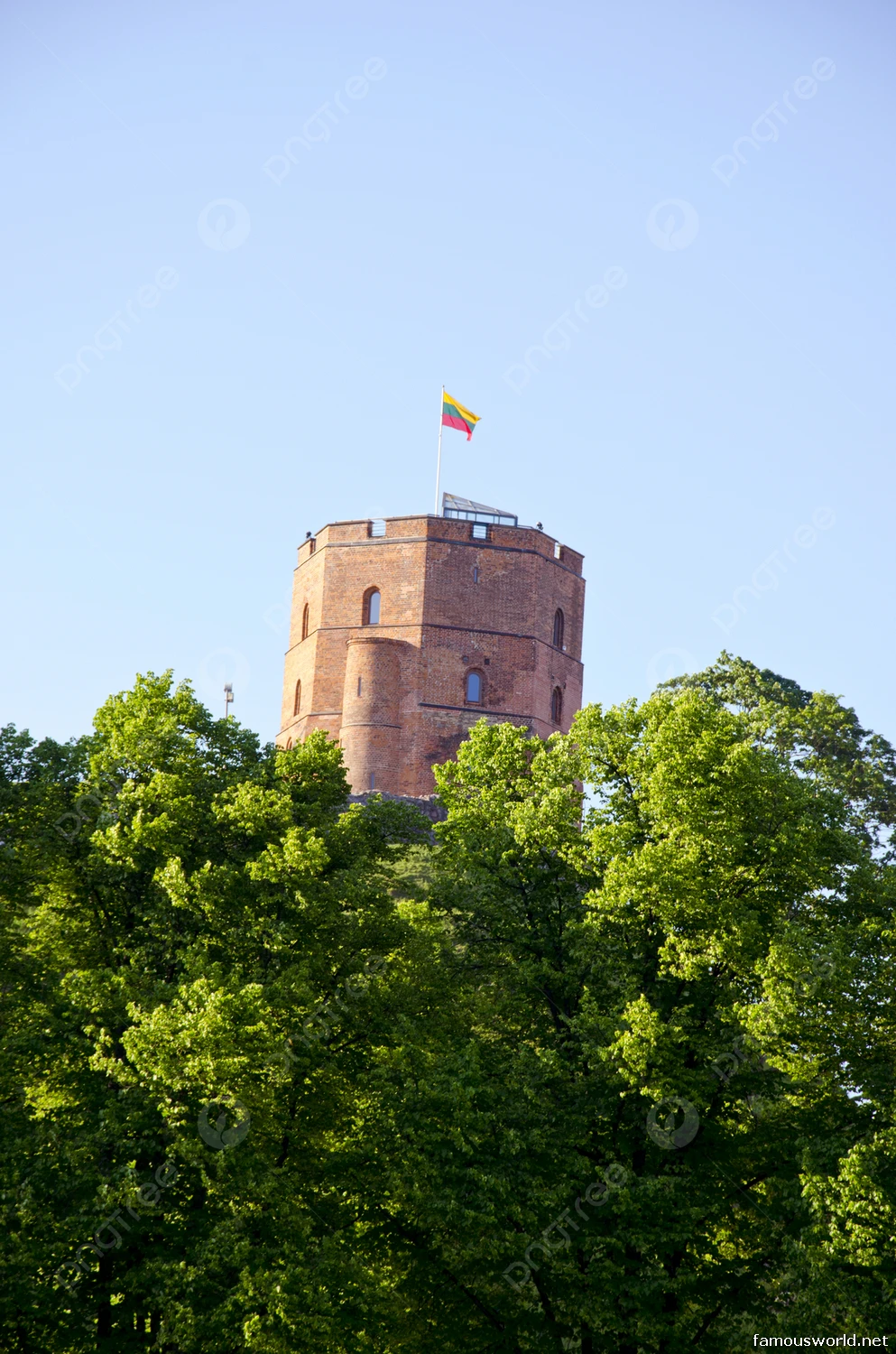
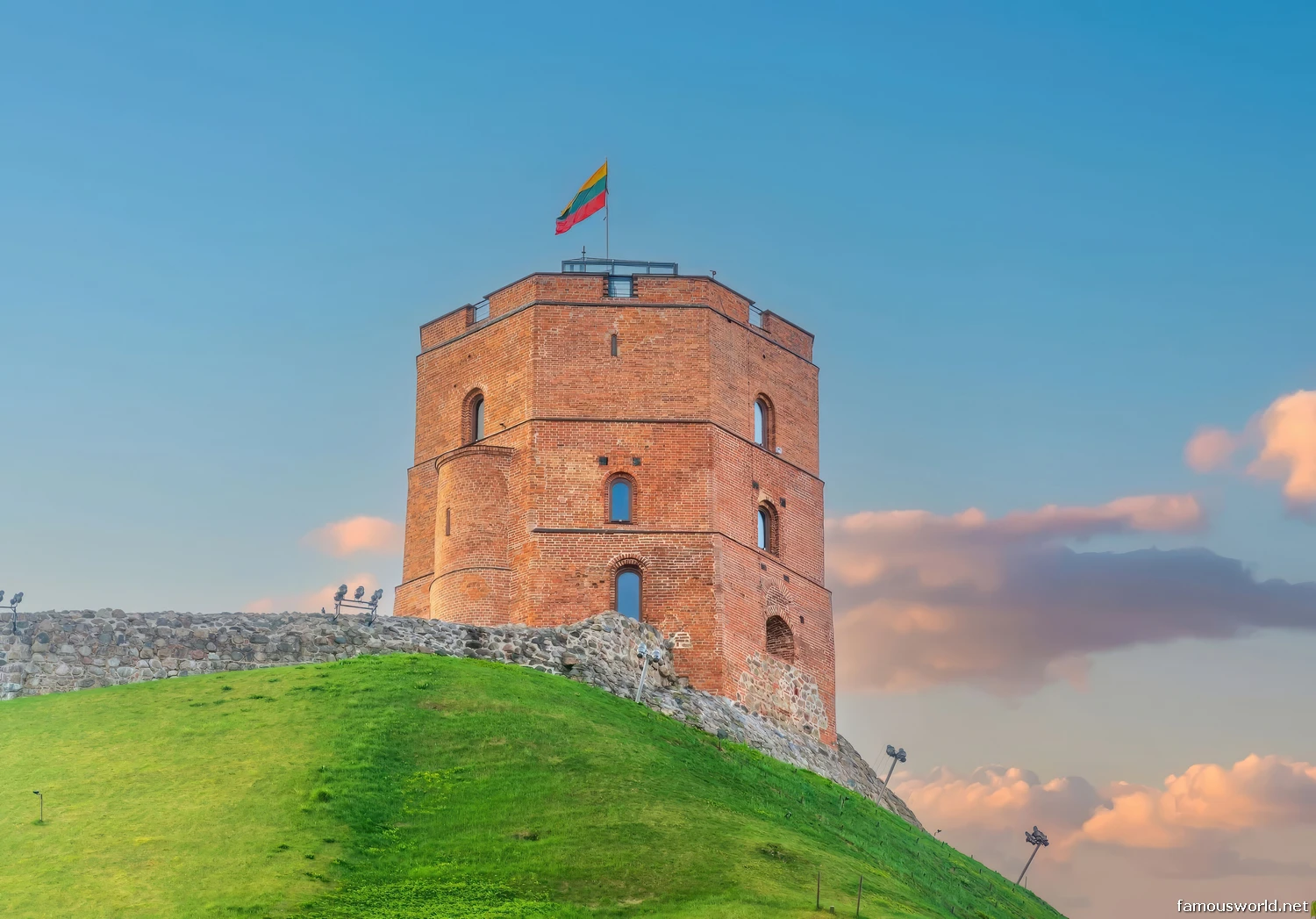
Rising high on a hill above the Old Town of Vilnius, Gediminas’ Castle Tower is not just a historic structure but a living symbol of the Lithuanian capital and the nation itself. It is the last surviving fragment of the powerful Upper Castle, which guarded the city for centuries. The tower, now part of the Lithuanian National Museum, is inextricably linked to the legend of the city’s founding and is the primary spot for breathtaking panoramic views of Vilnius. A visit here is a journey into the heart of Lithuanian statehood, where history meets one of the city’s most impressive vistas.
Listen to an introduction about Gediminas’ Castle Tower

Name and Location
- Name: Gediminas’ Castle Tower (LNM Gedimino pilies bokštas).
- Location: At the top of Gediminas Hill, in the very center of Vilnius, Lithuania, next to Cathedral Square.
How to Get There
The tower is a central landmark in Vilnius and is easily accessible from all parts of the Old Town.
- By Foot: The main way is to climb the hill. A historic, steep cobblestone path leads up from the Vilnius River side (from Bernardine Park).
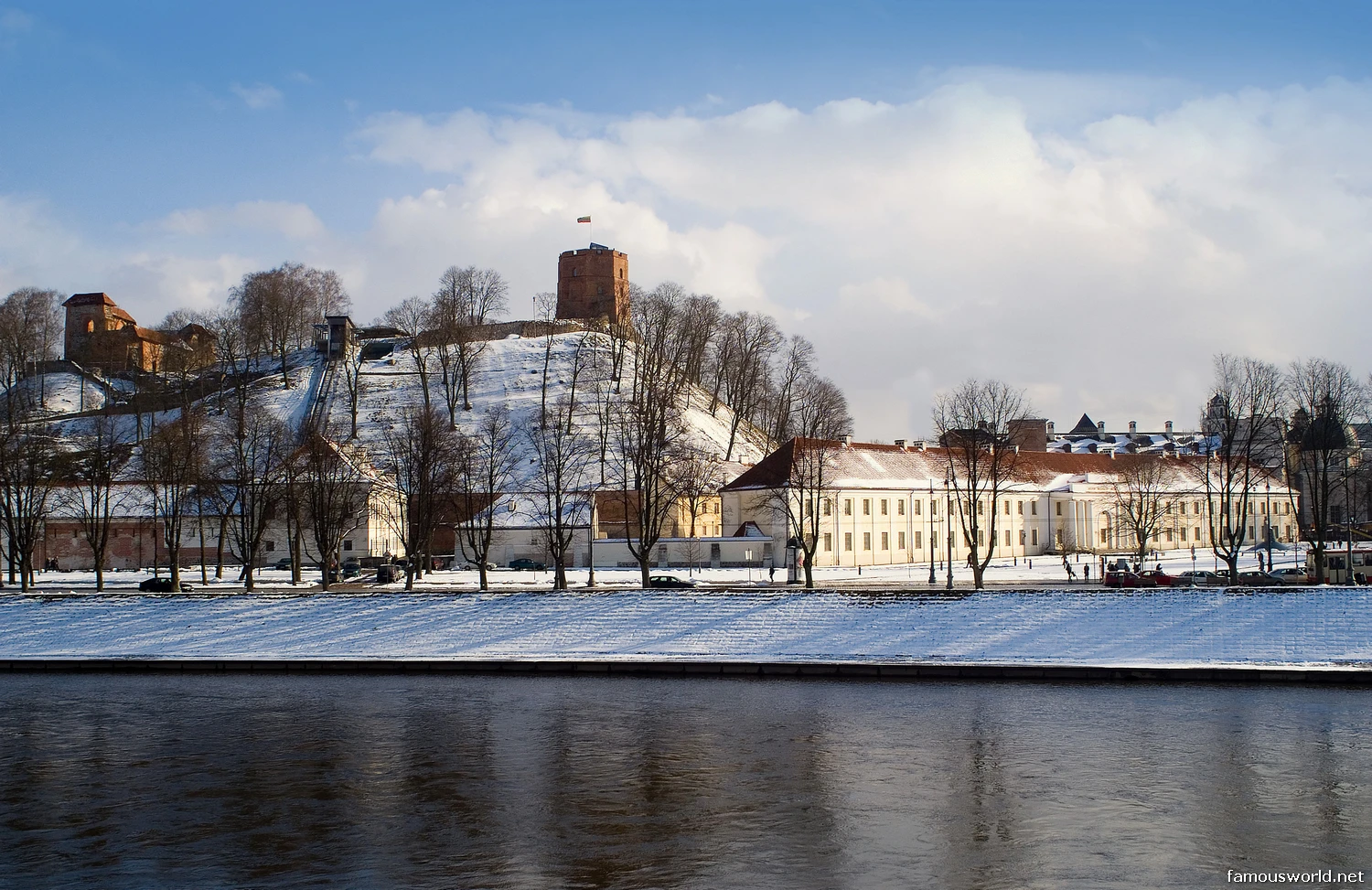
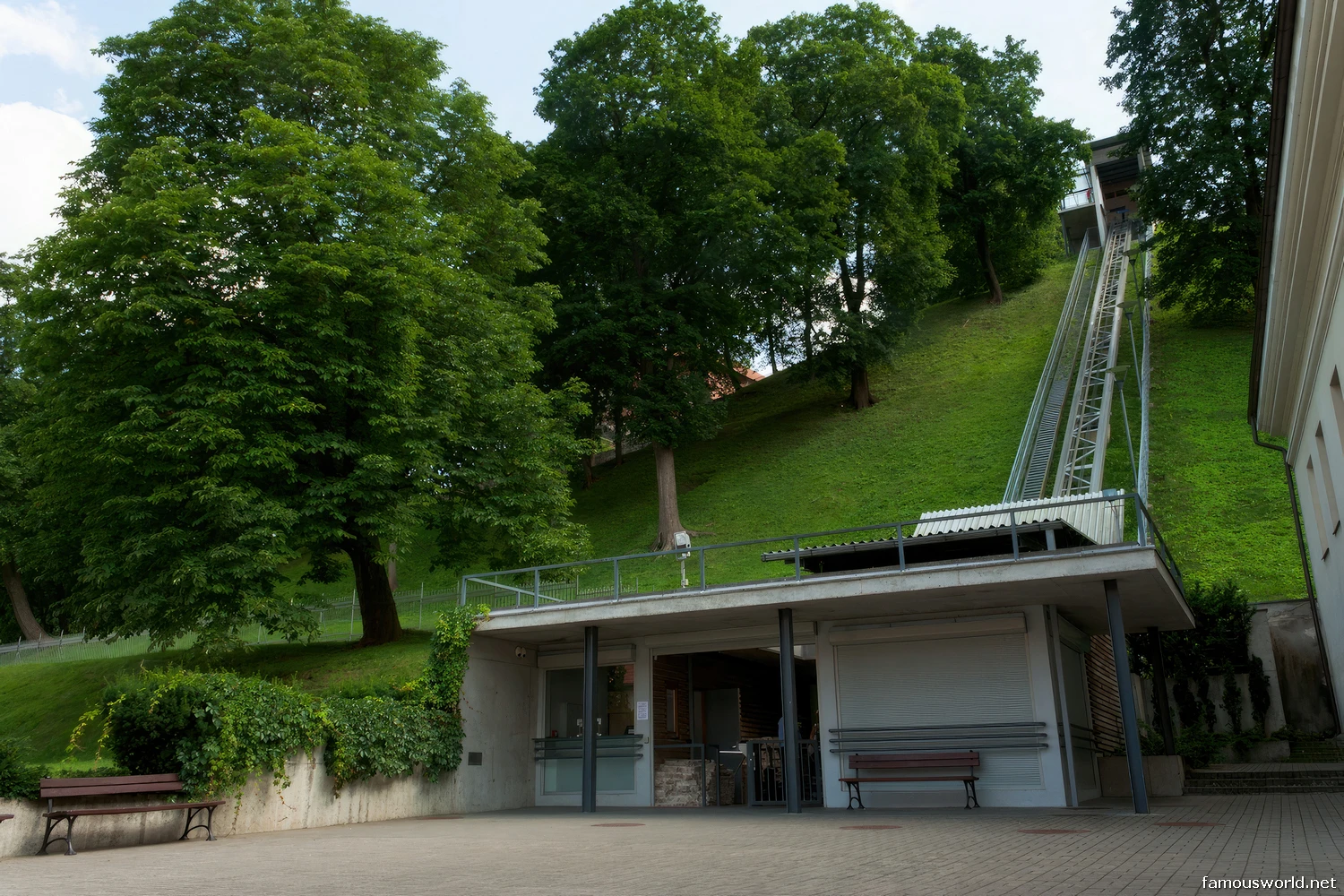
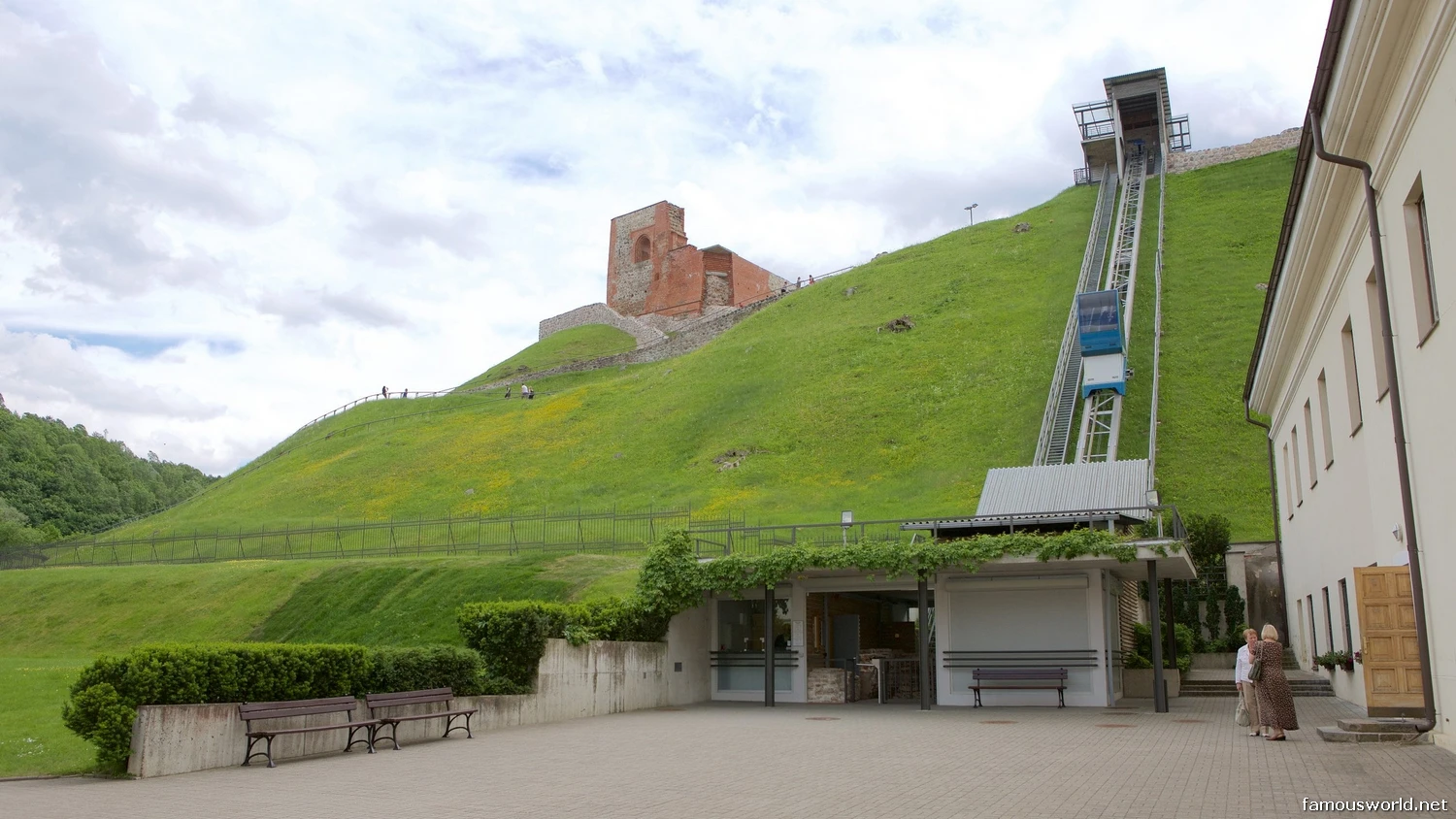
- By Funicular: The most comfortable way to reach the top is by the funicular (lift), which ascends the hill from the northern side. The entrance is in the inner courtyard of the Lithuanian National Museum’s Old Arsenal.
- Accessibility: As it is in the heart of the city, the tower is easy to reach on foot from Cathedral Square and other main attractions in the Old Town.
Landscape and Architecture
The tower and its surroundings are a dominant part of the city’s landscape, combining nature and defensive architecture.
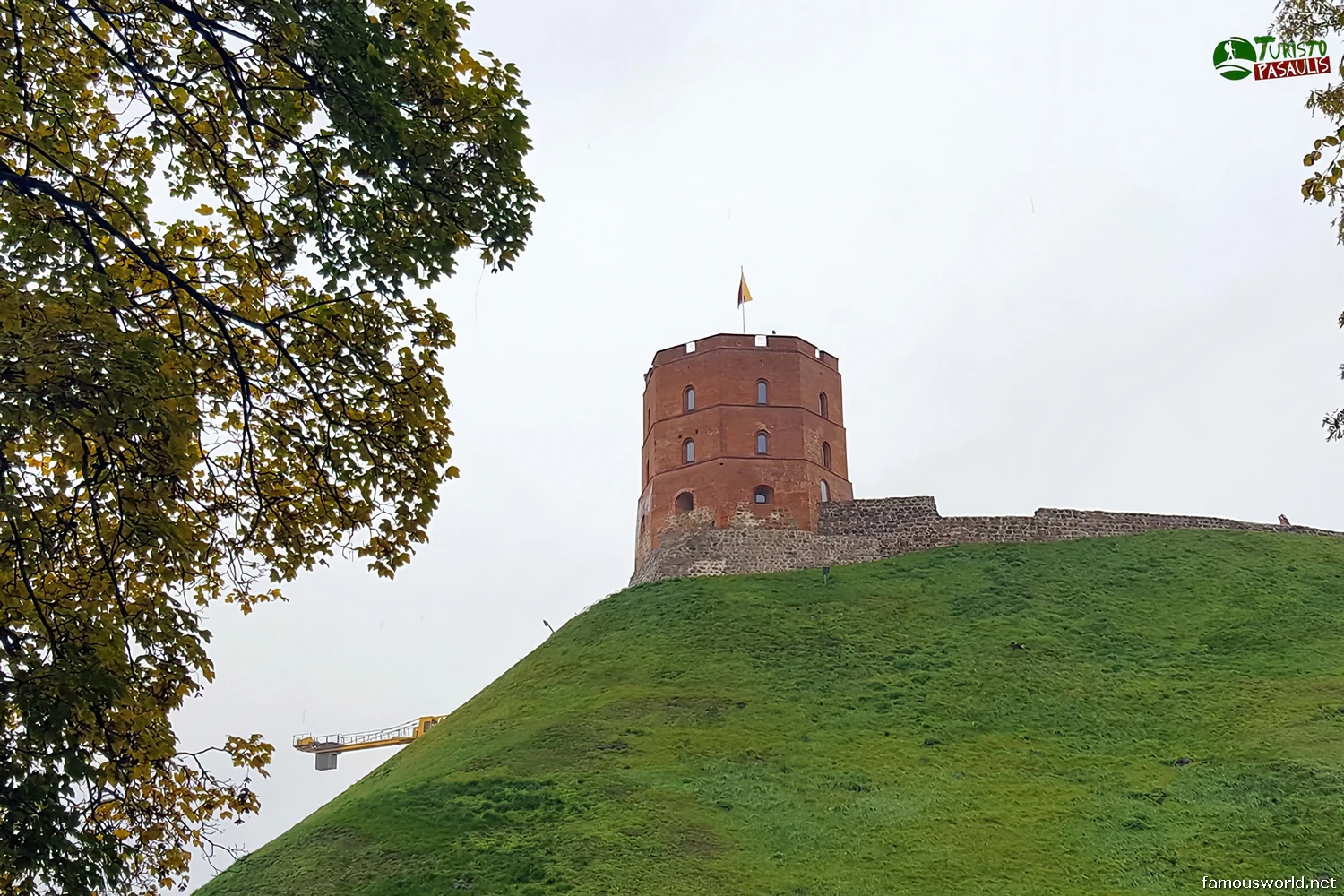
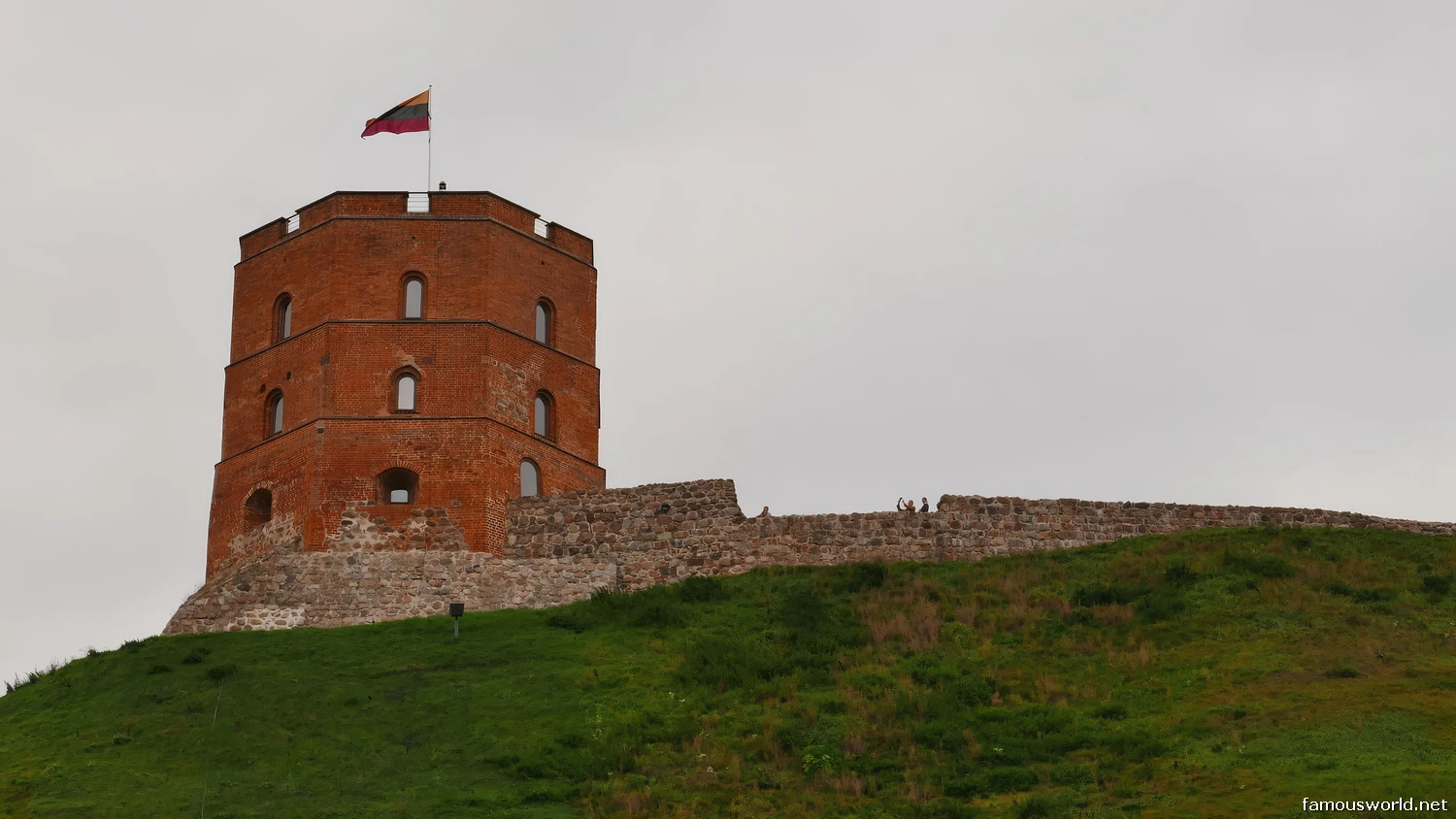
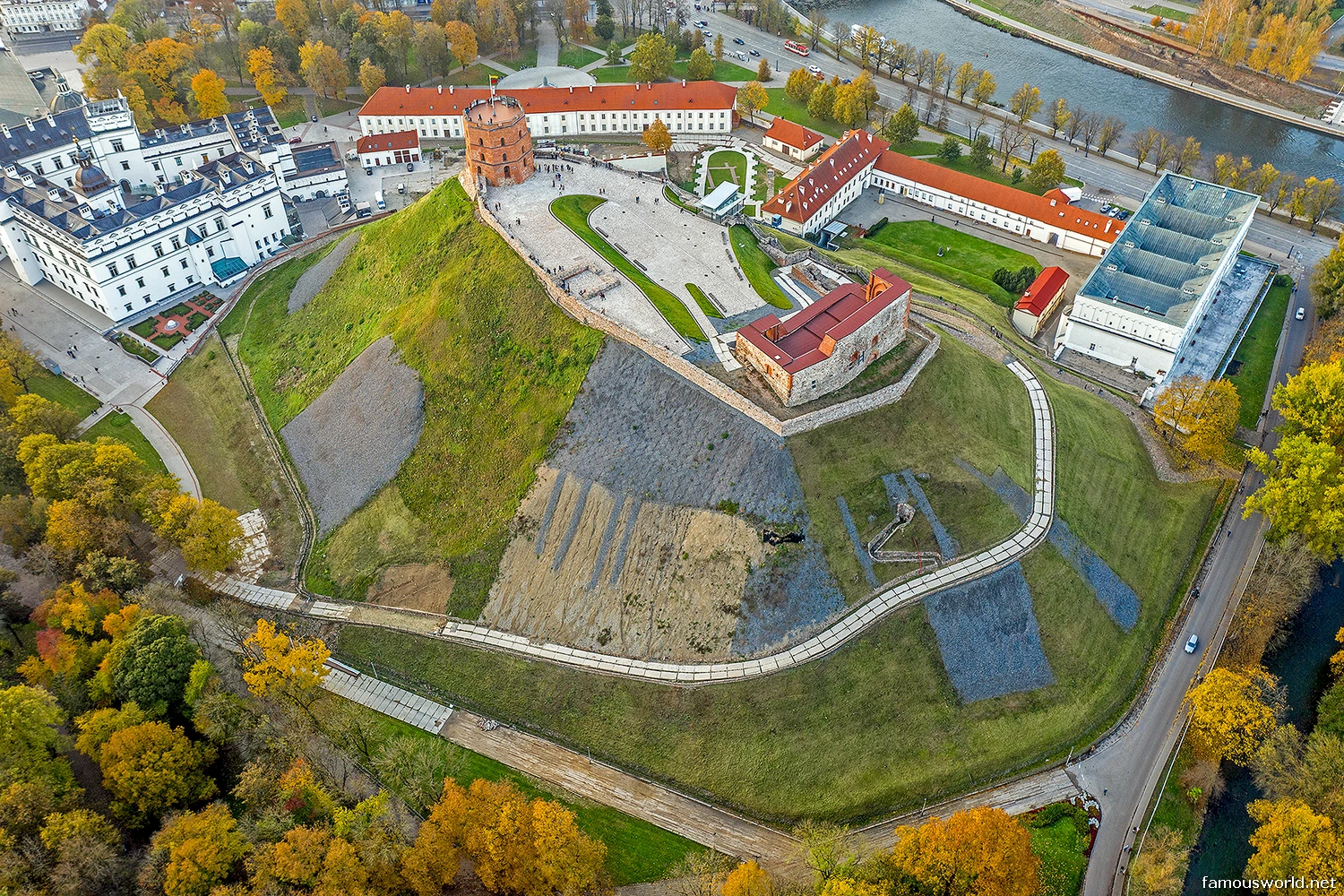
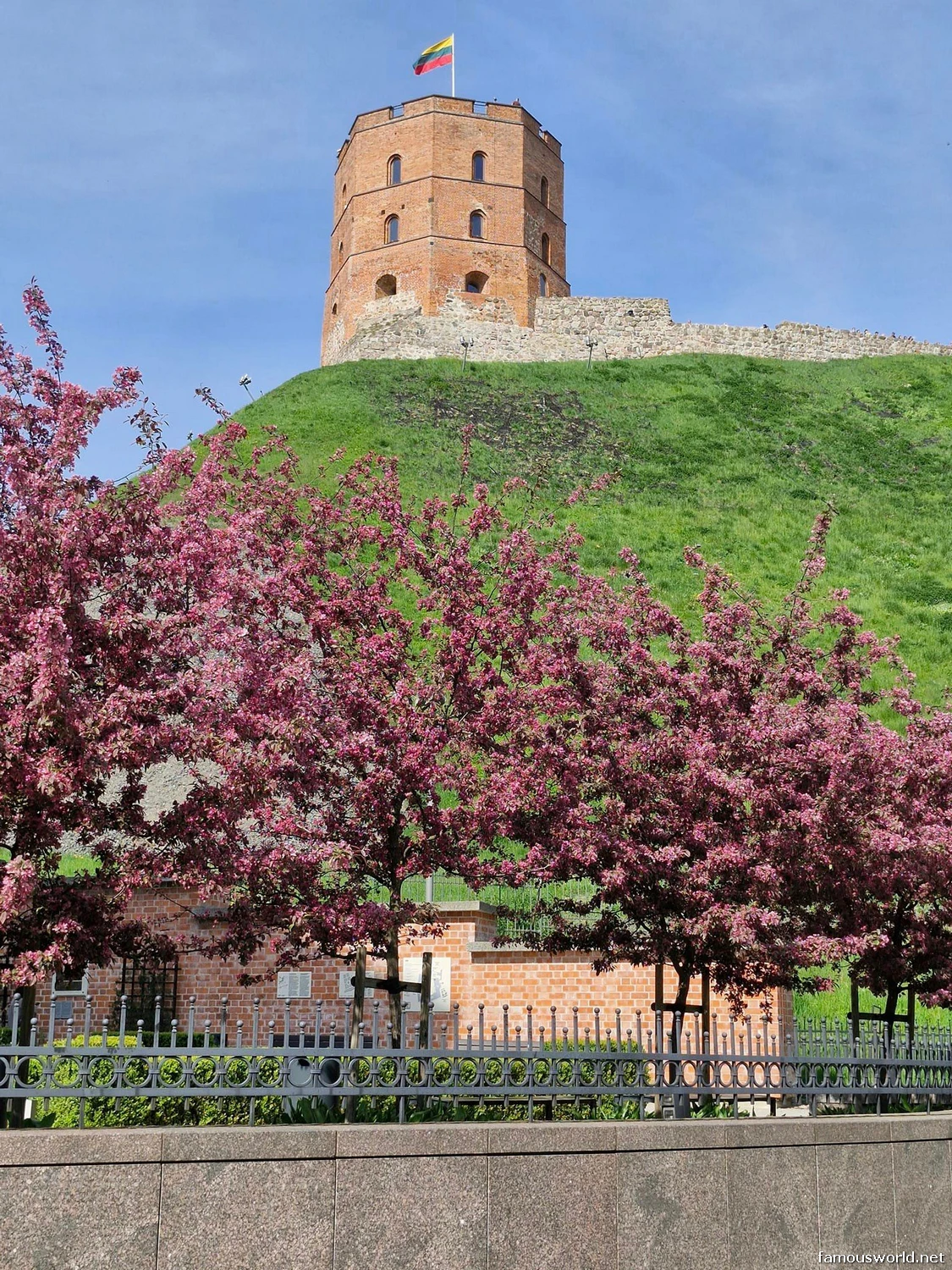
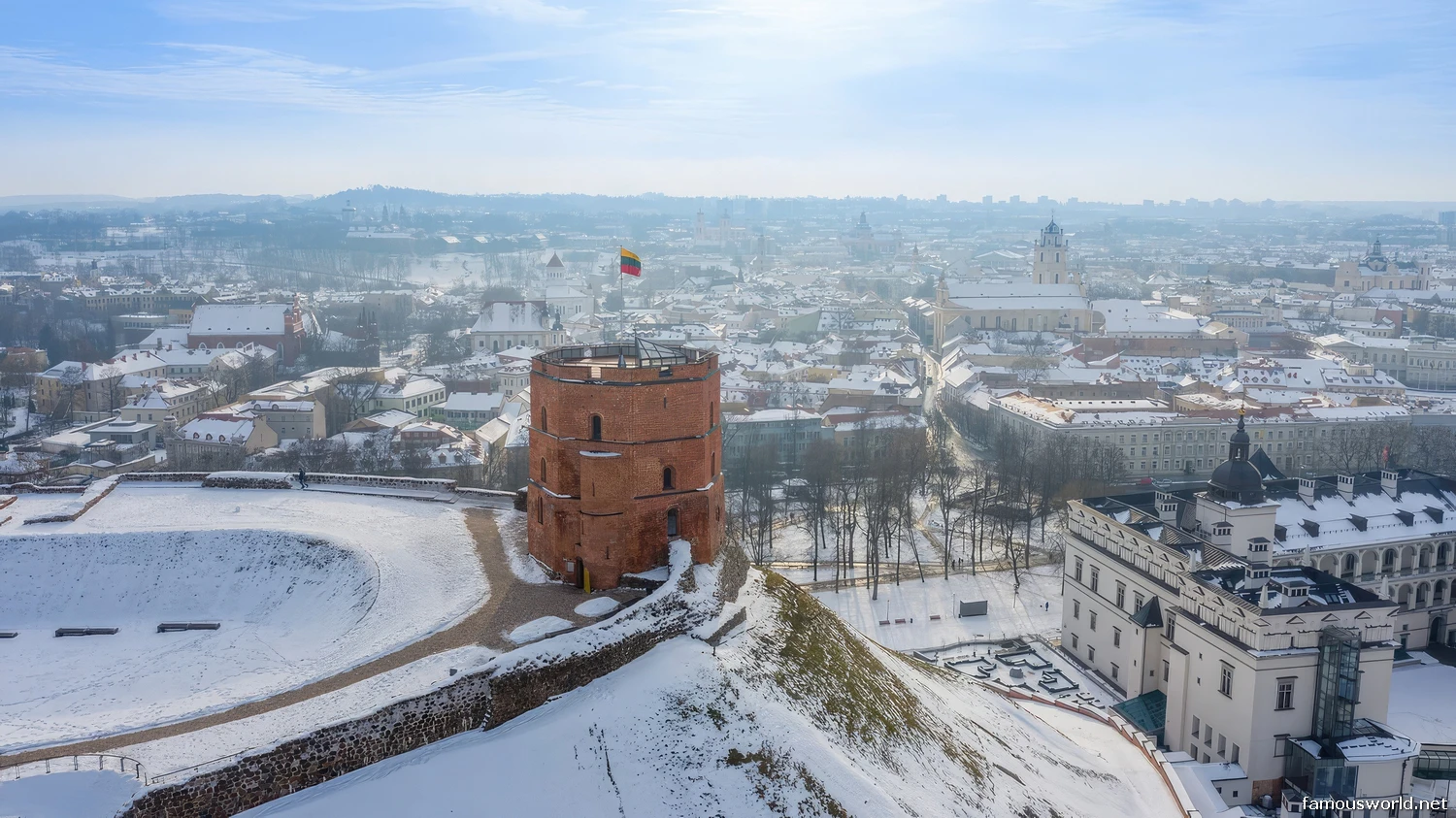
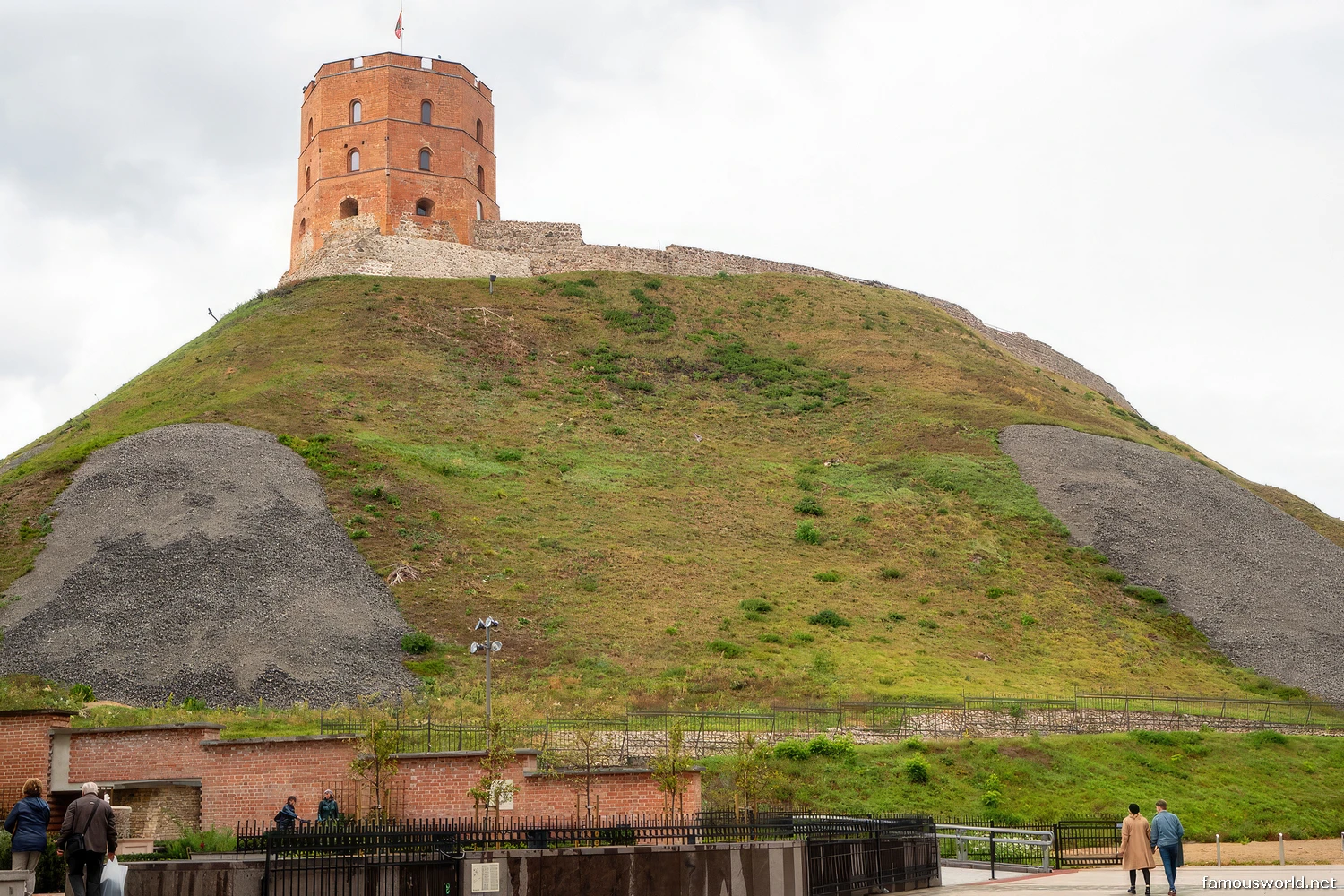
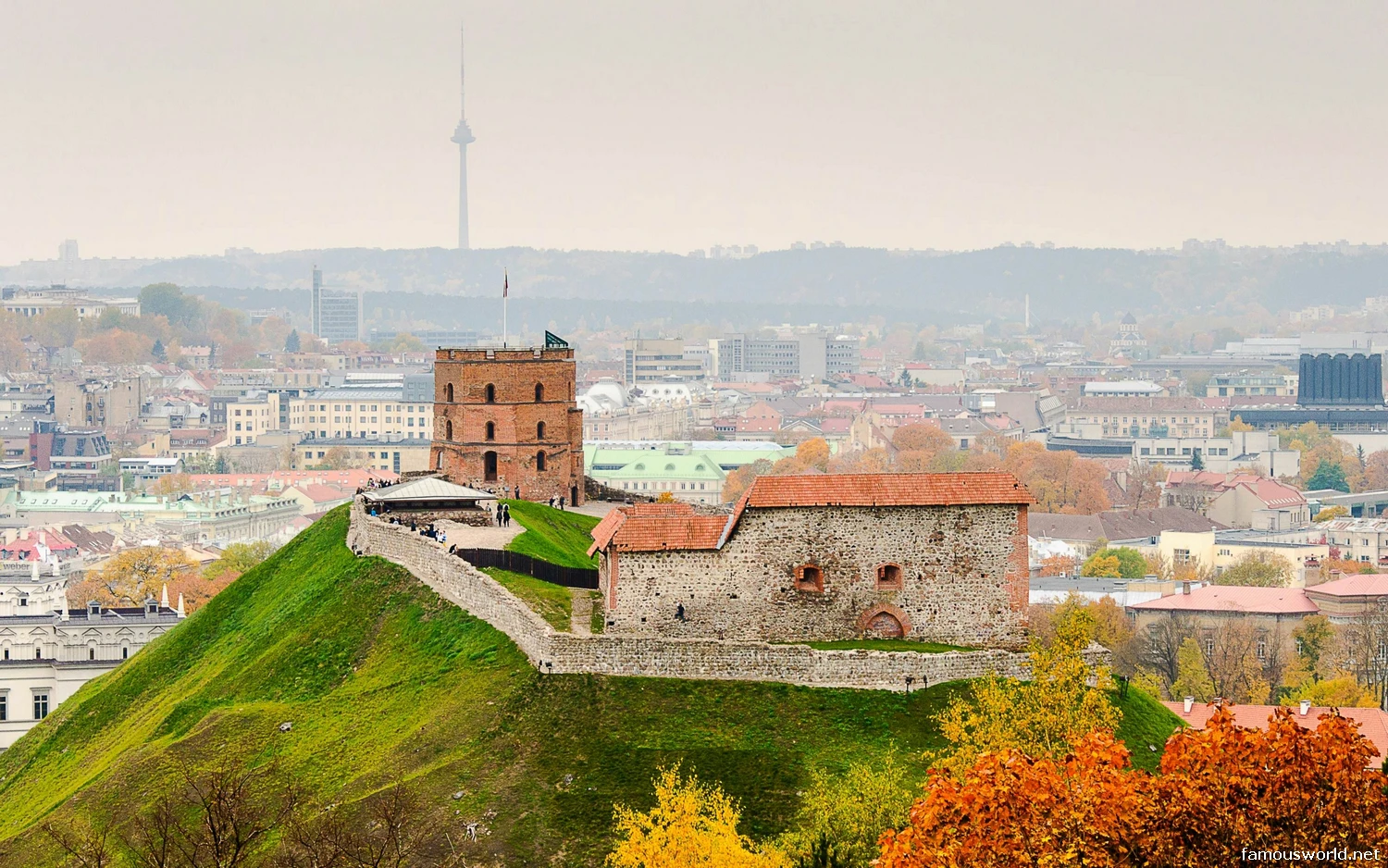
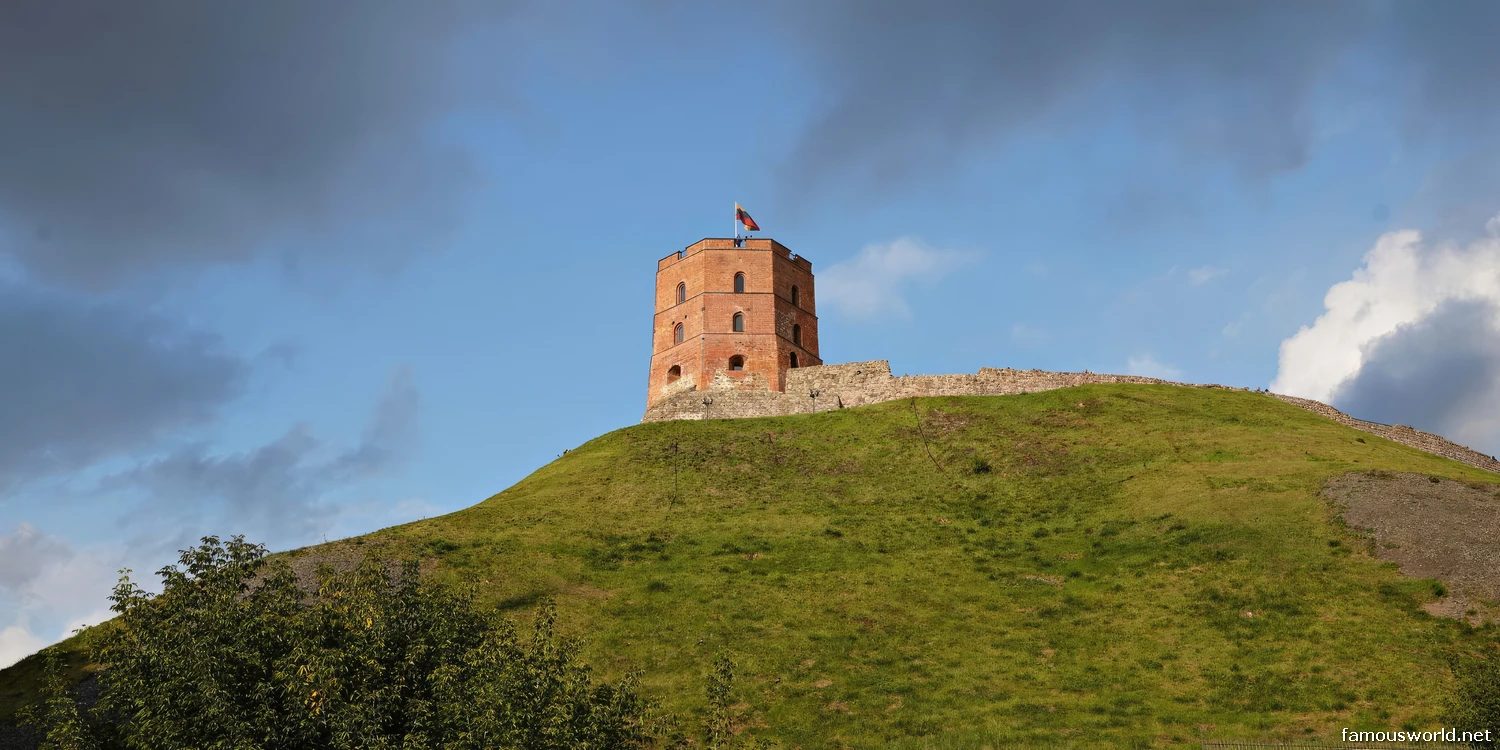
- Hilltop Fortress: The tower stands in a strategic location—on a high hill that overlooks the Old Town, the Hill of Three Crosses, and the confluence of the Vilnia and Neris rivers.
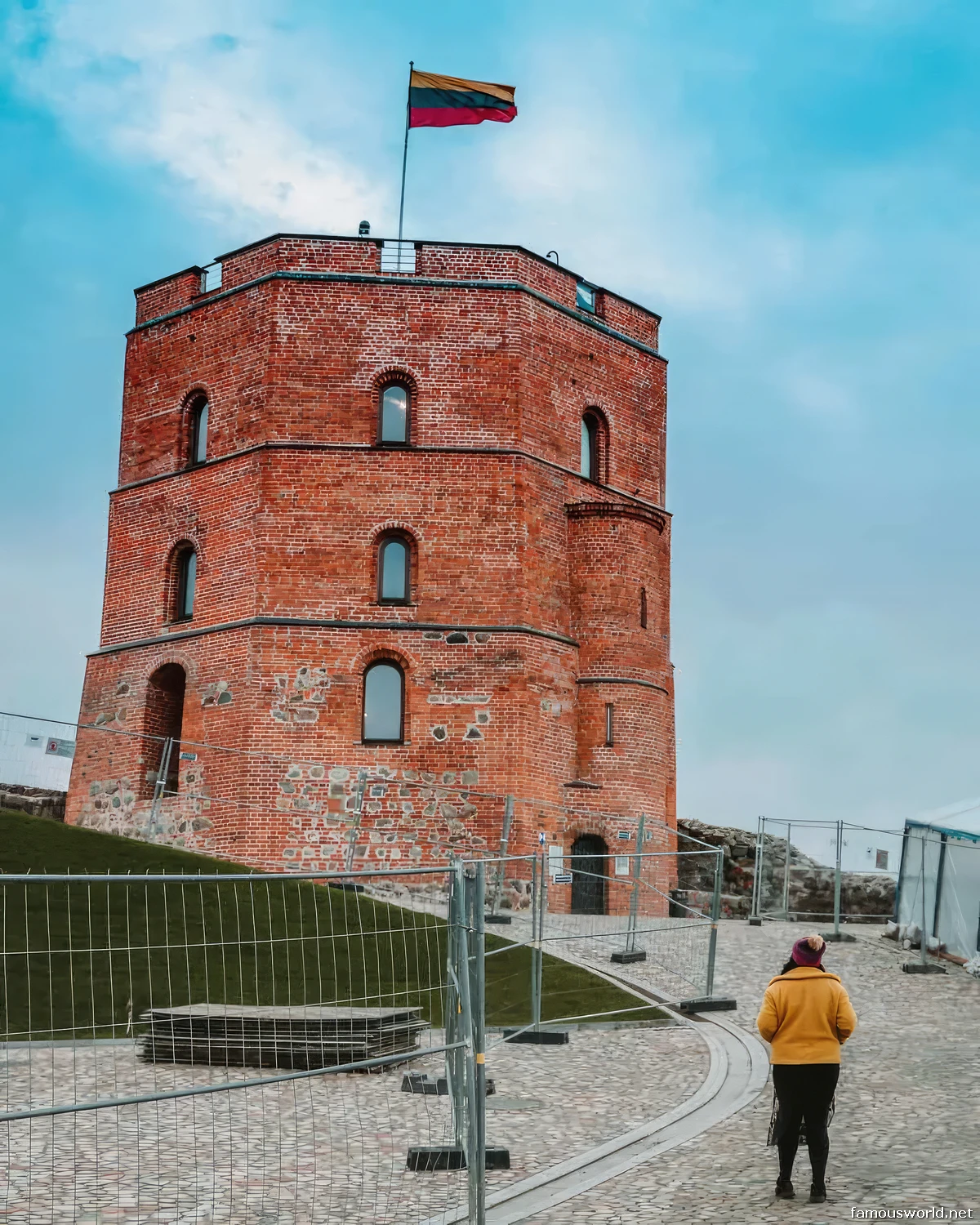
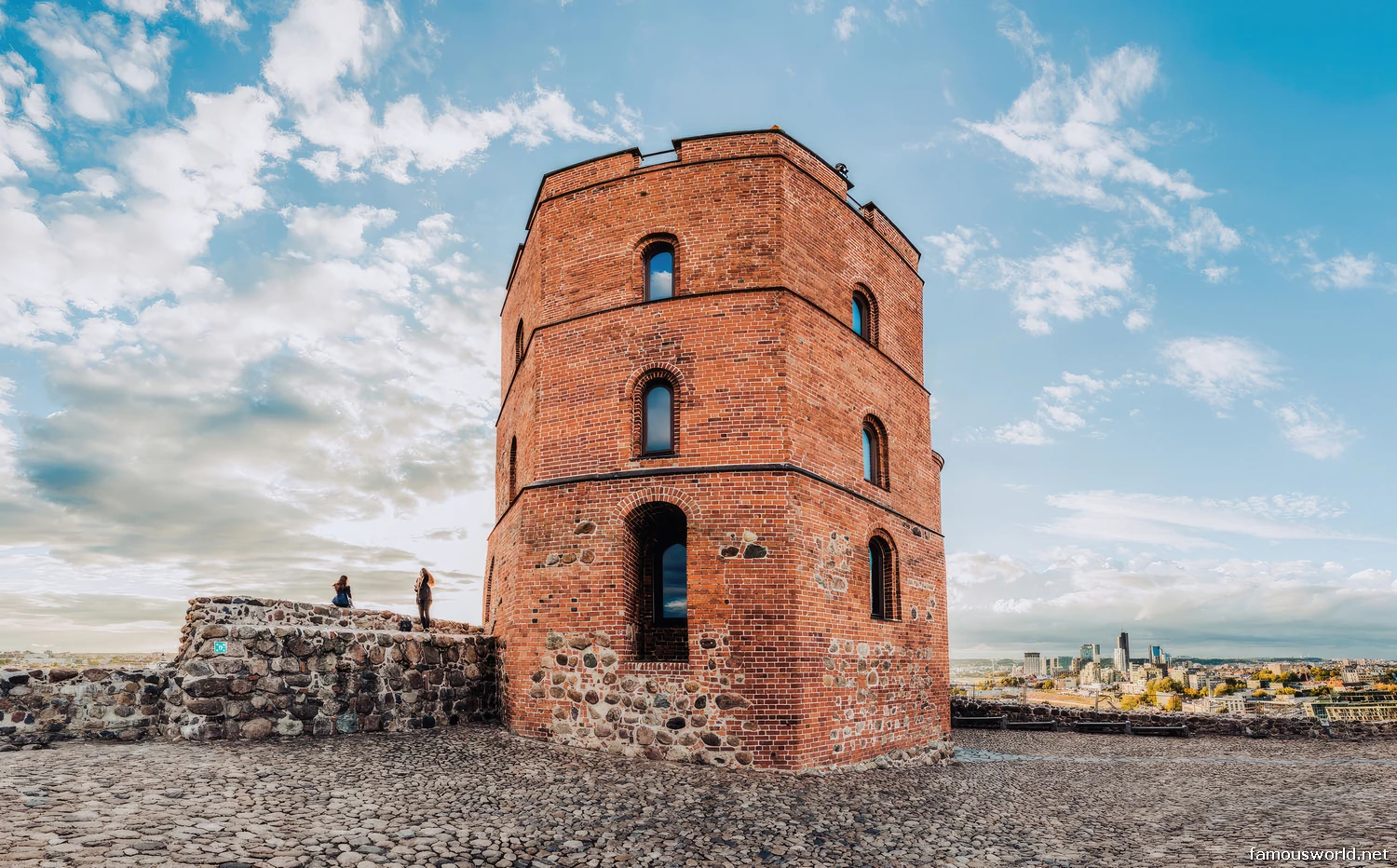
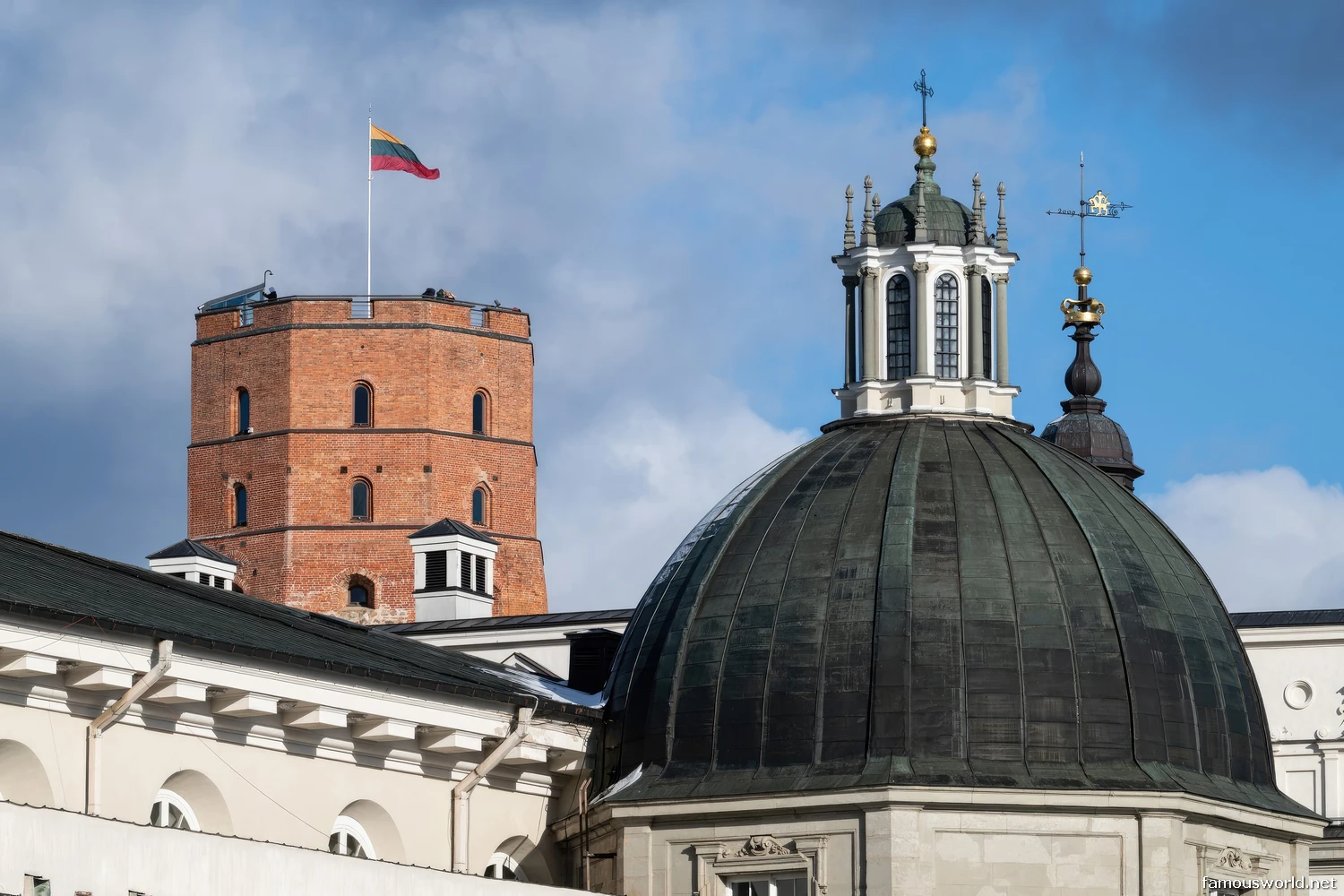
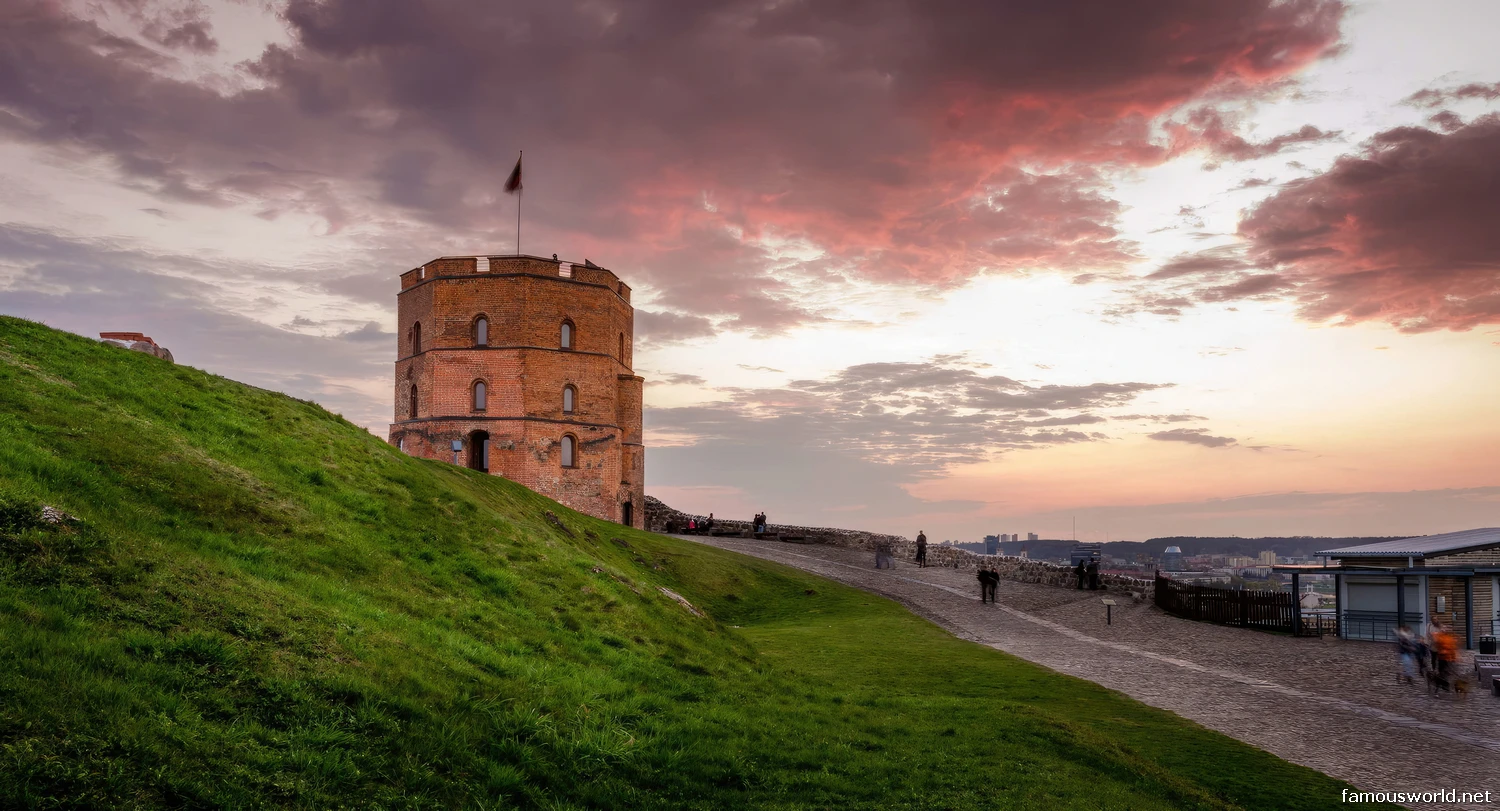
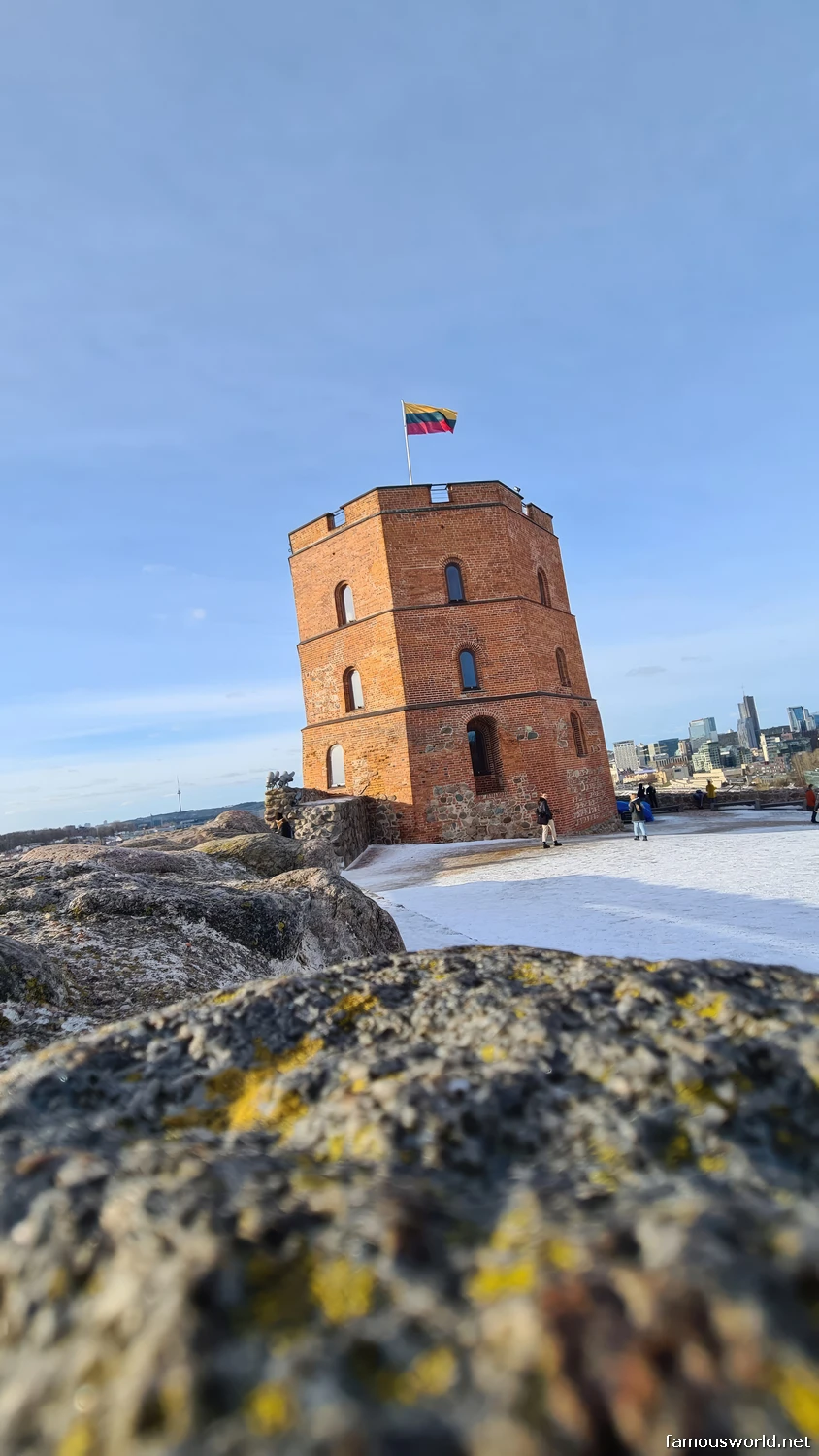
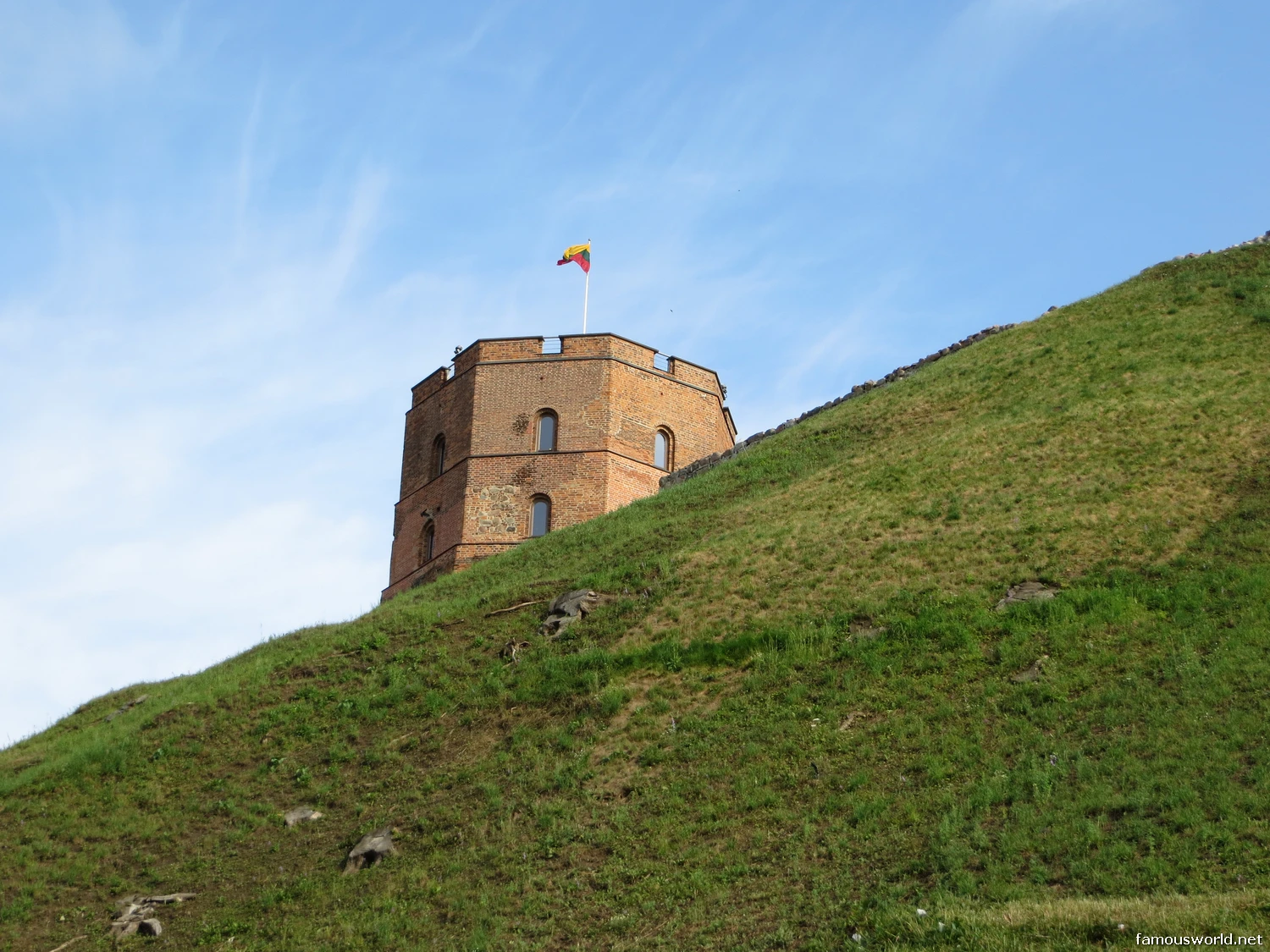
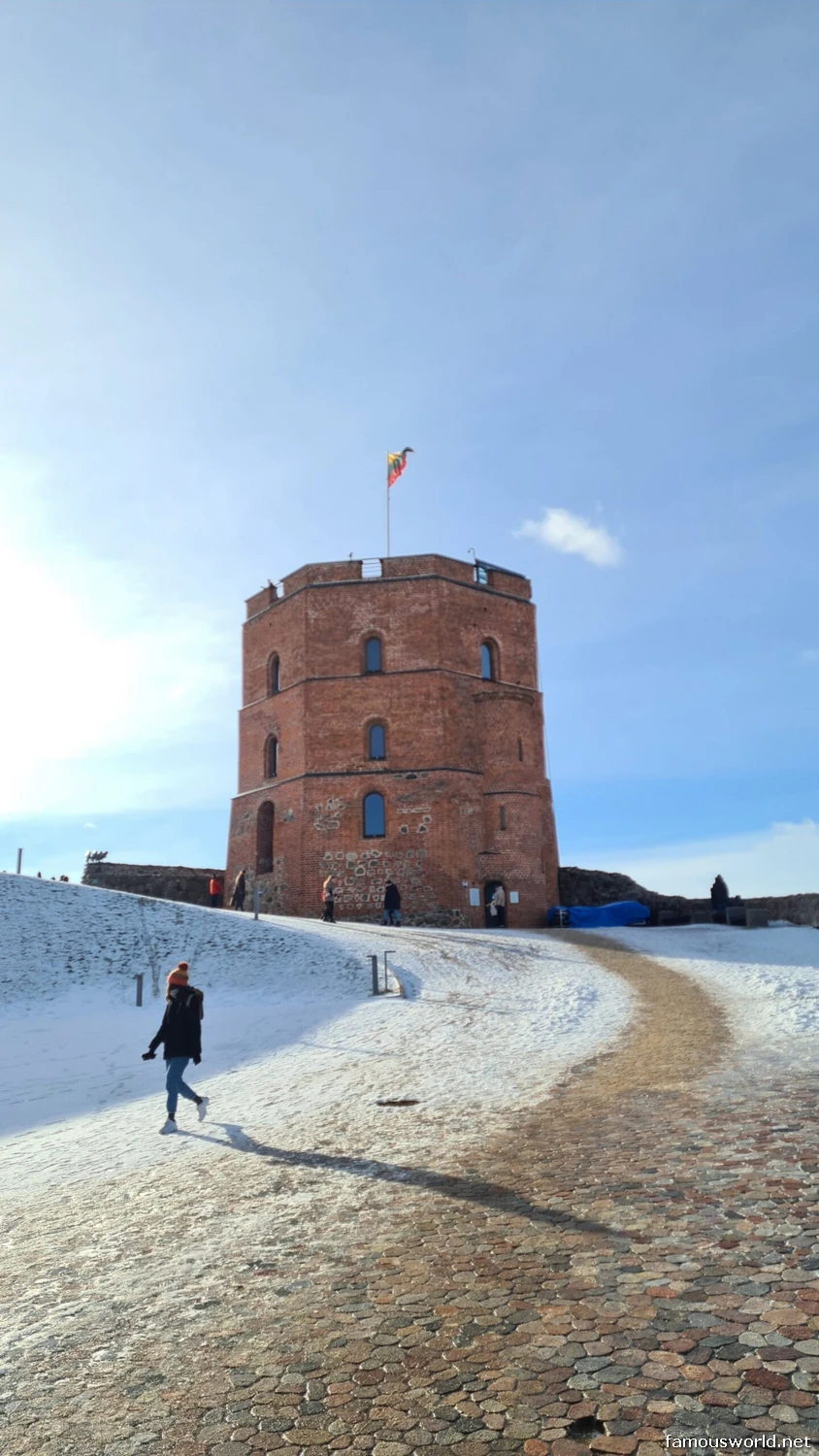
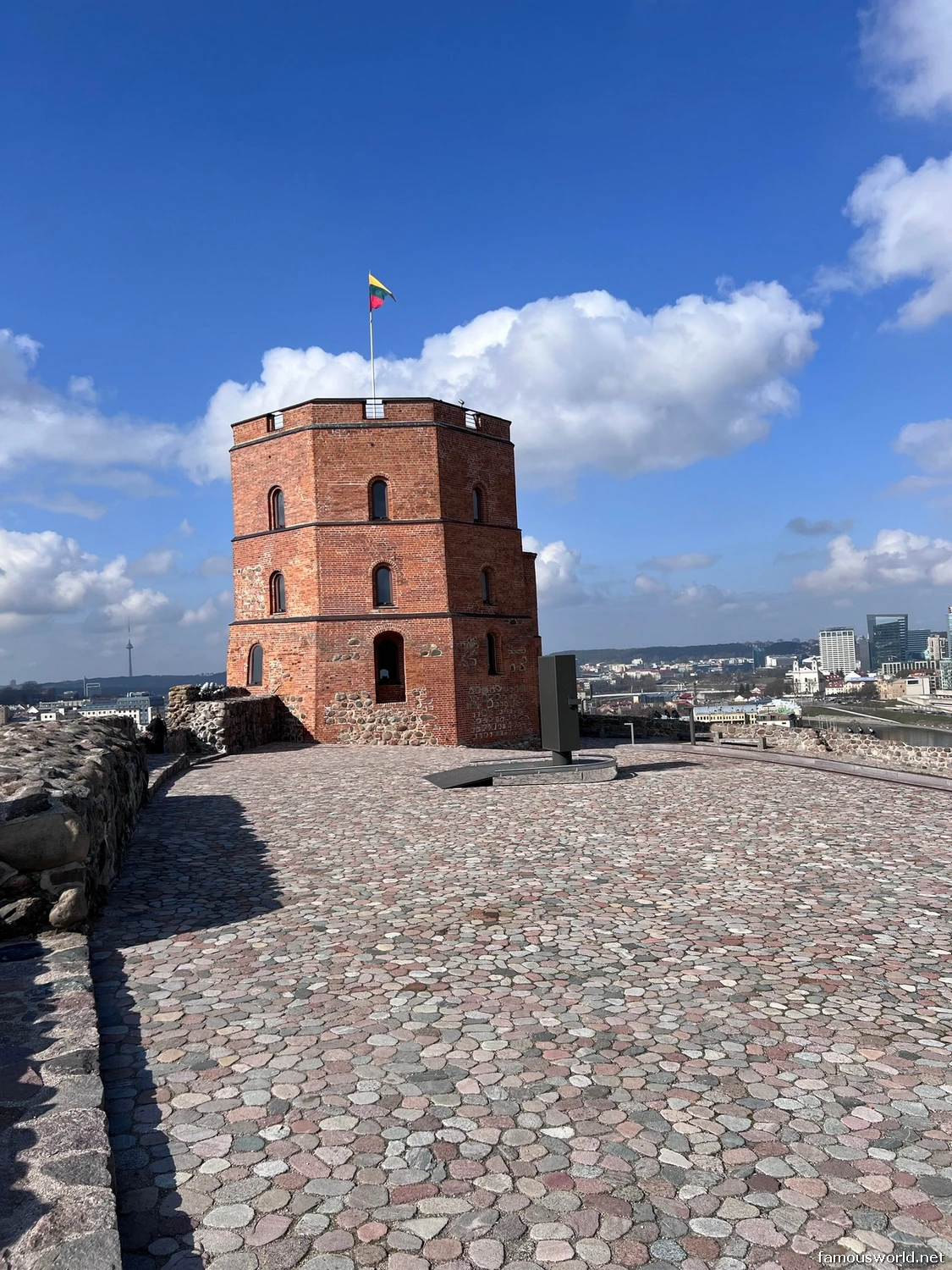
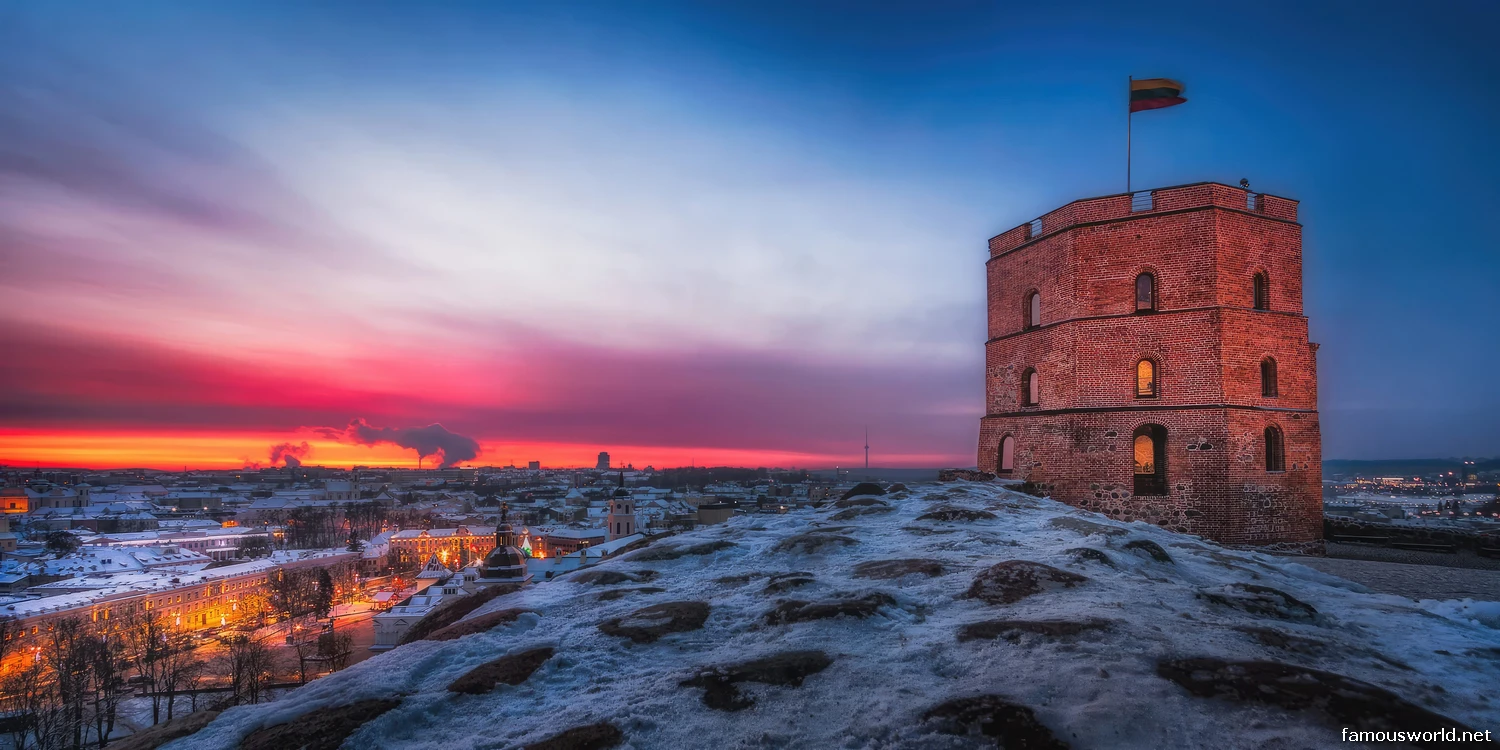
- Red-Brick Gothic: The main surviving structure is an octagonal red-brick tower—a remnant of the 15th-century Upper Castle. It is one of the most prominent examples of Gothic defensive architecture in Lithuania.
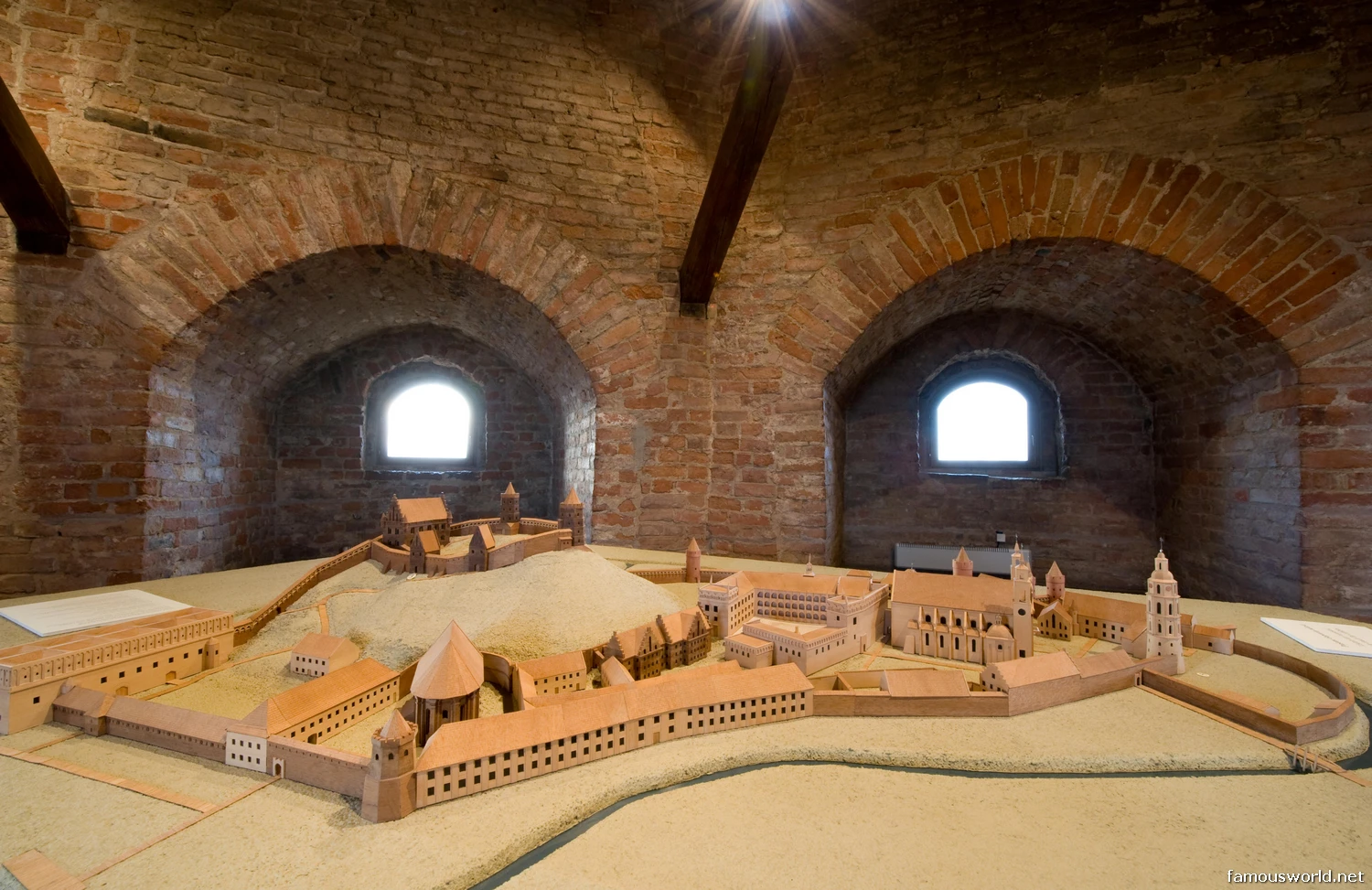
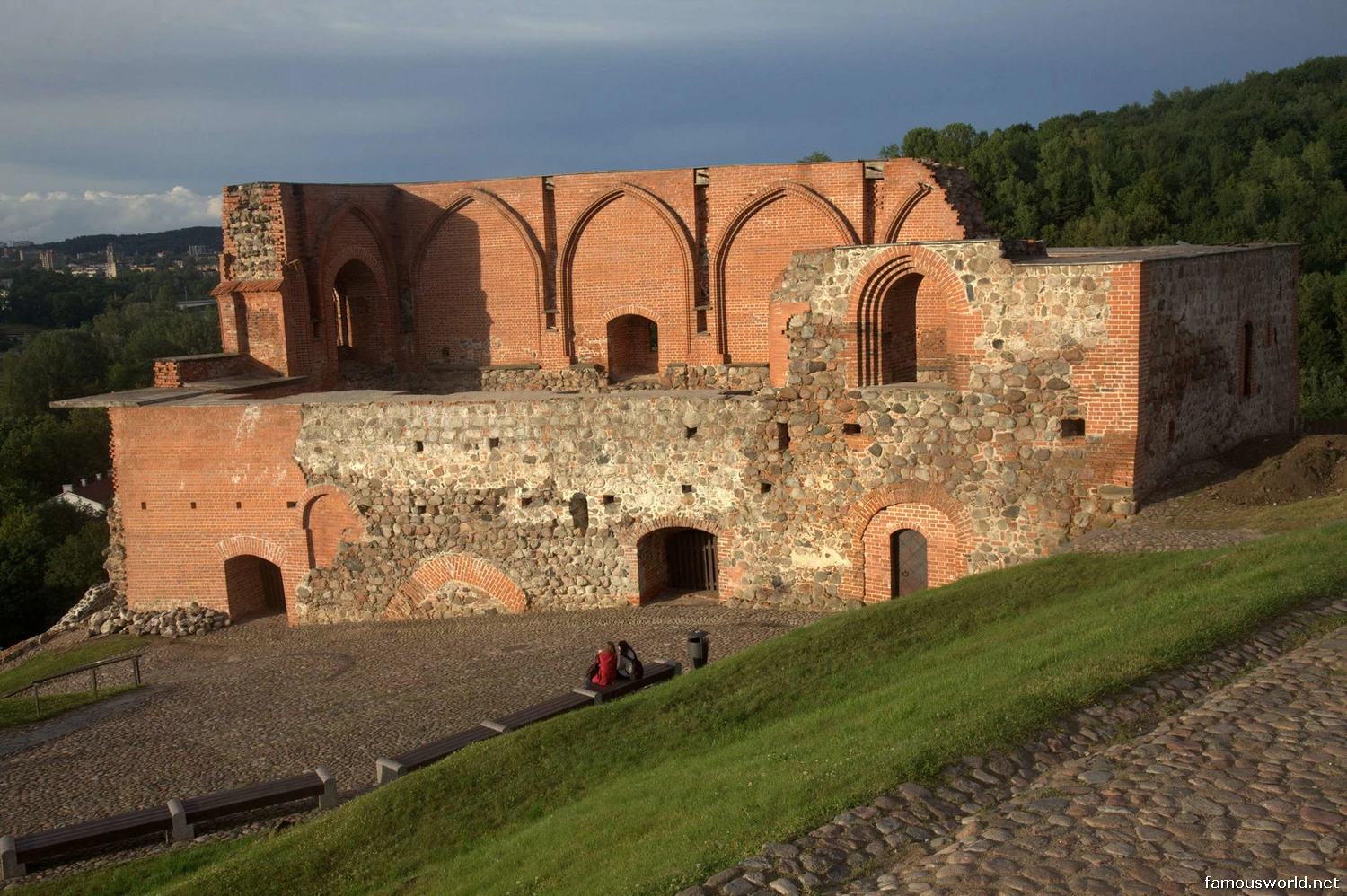
- Castle Complex: The tower is surrounded by the 14th-century defensive walls and the foundations of other castle structures, allowing one to imagine the former size and layout of the castle.
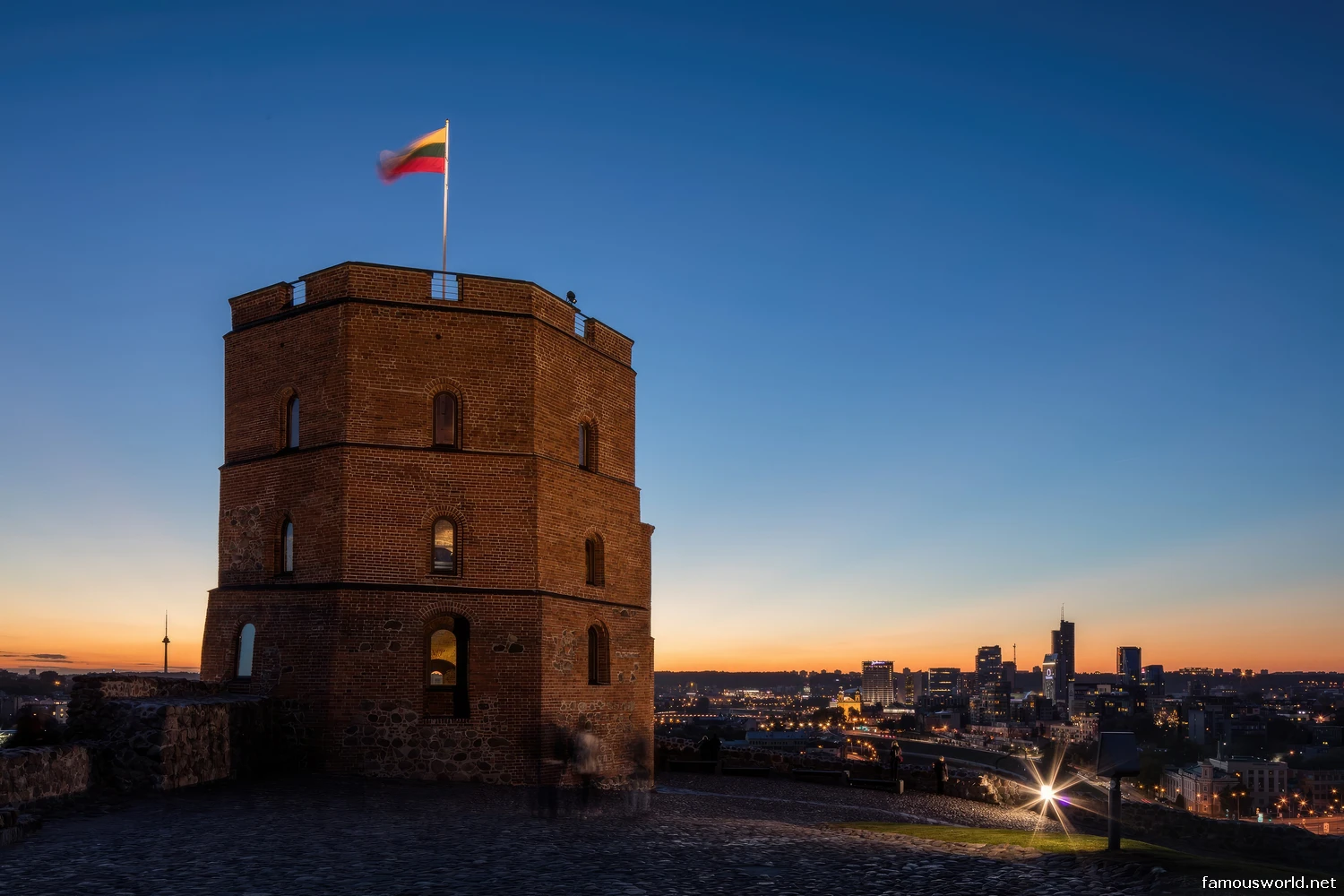
- The National Flag: The Lithuanian tricolor flying from the top of the tower is a powerful symbol of national pride and independence. Its first hoisting in 1919 and its re-hoisting in 1988 were pivotal moments in the nation’s history.
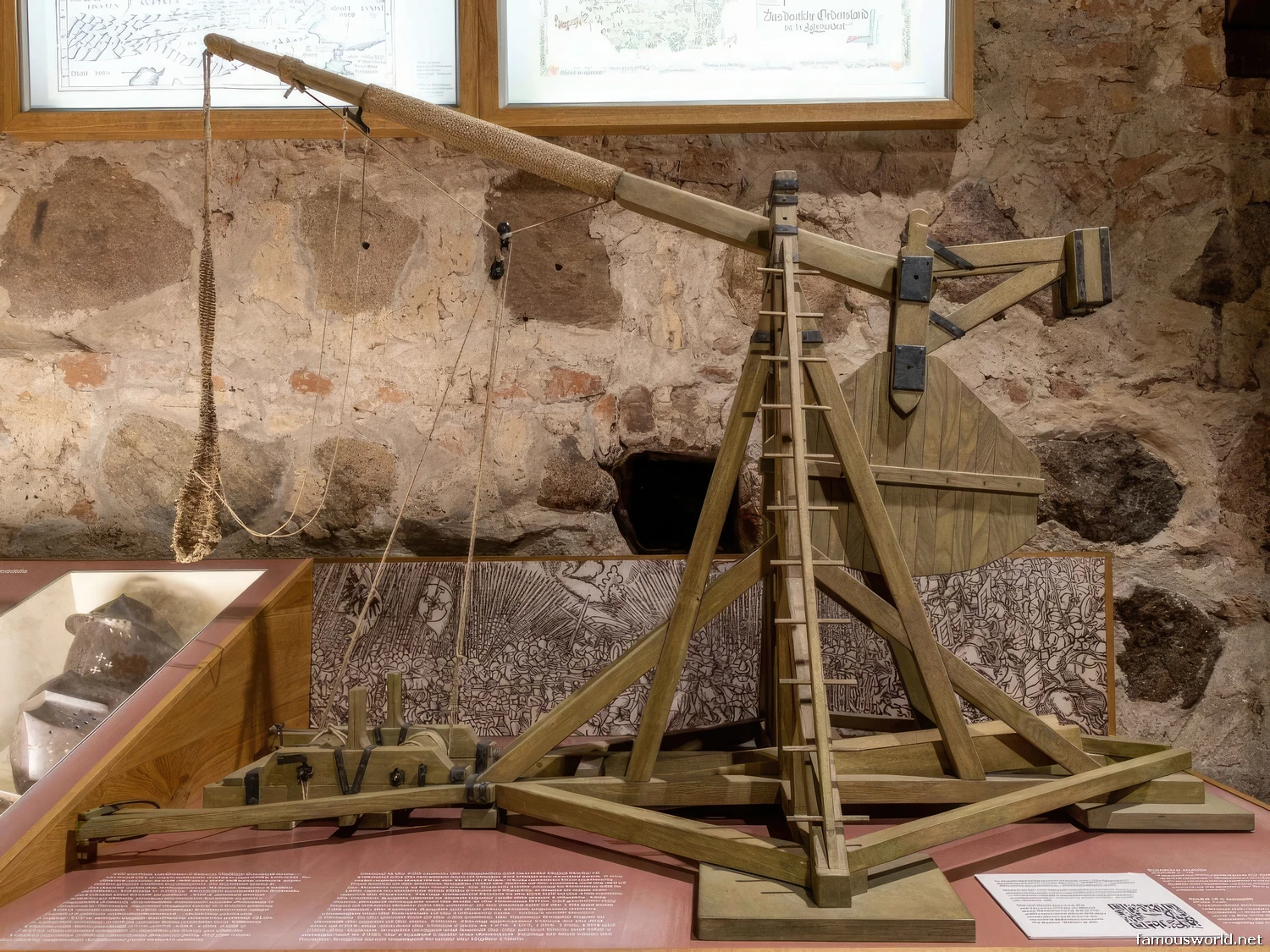
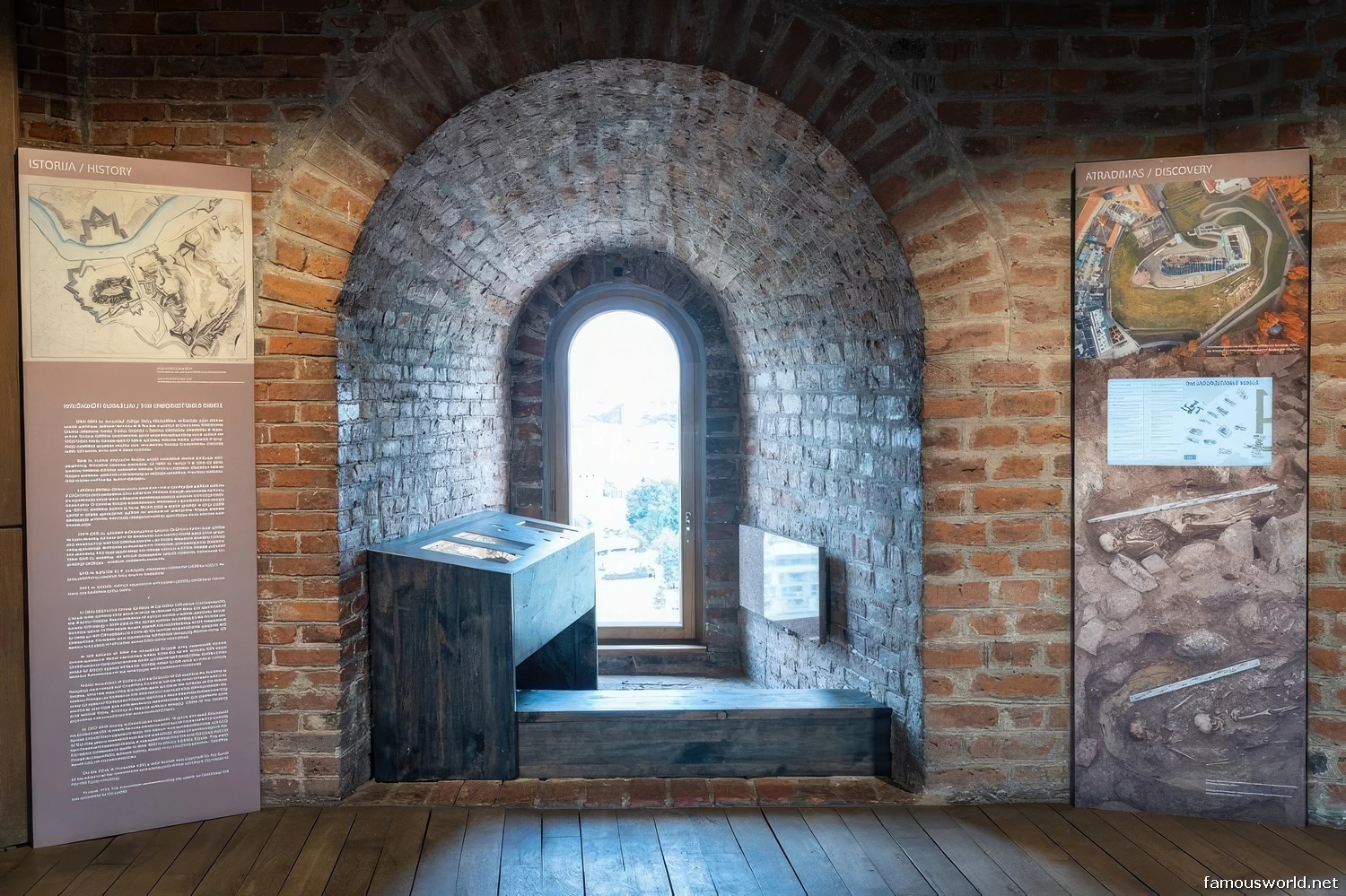
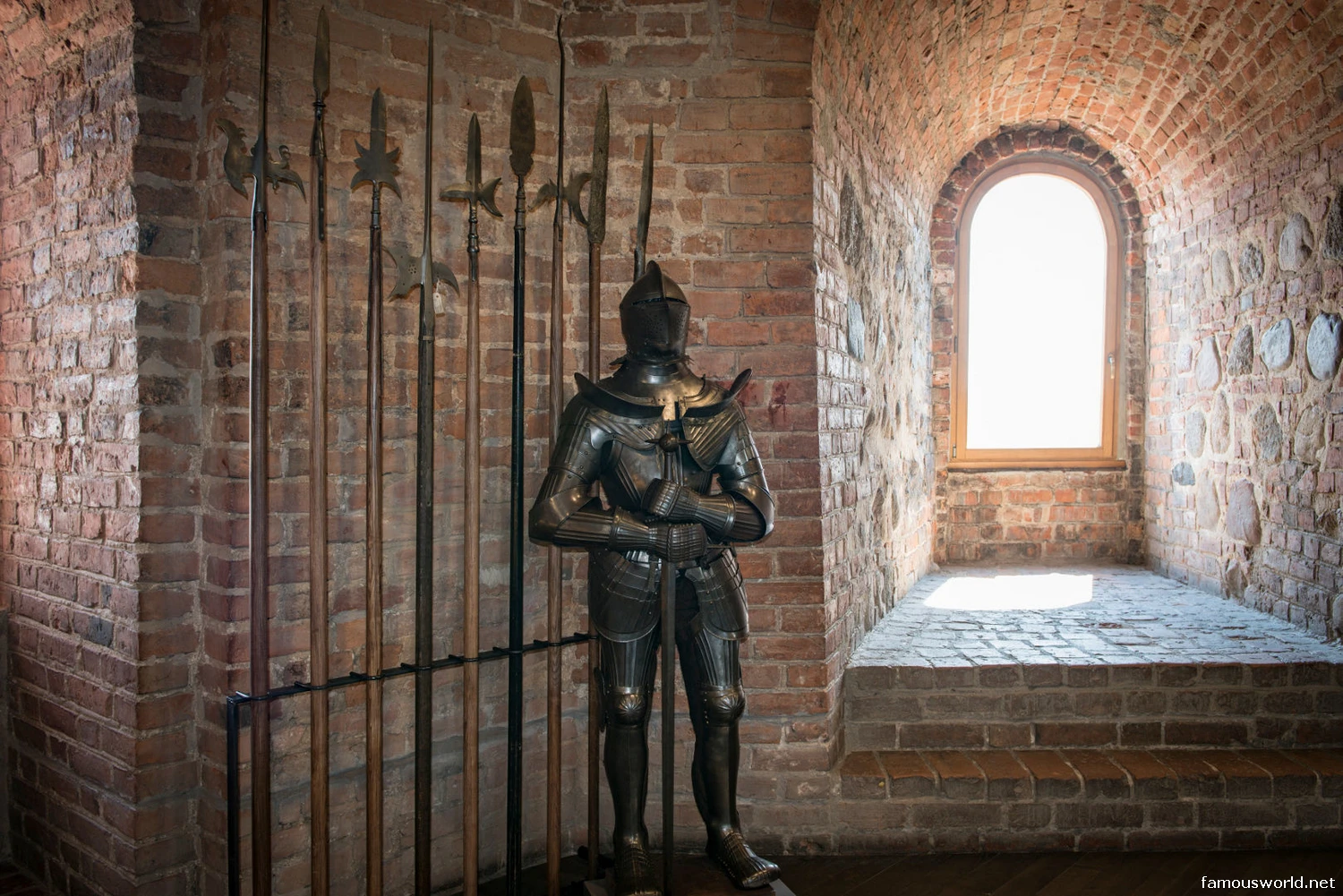
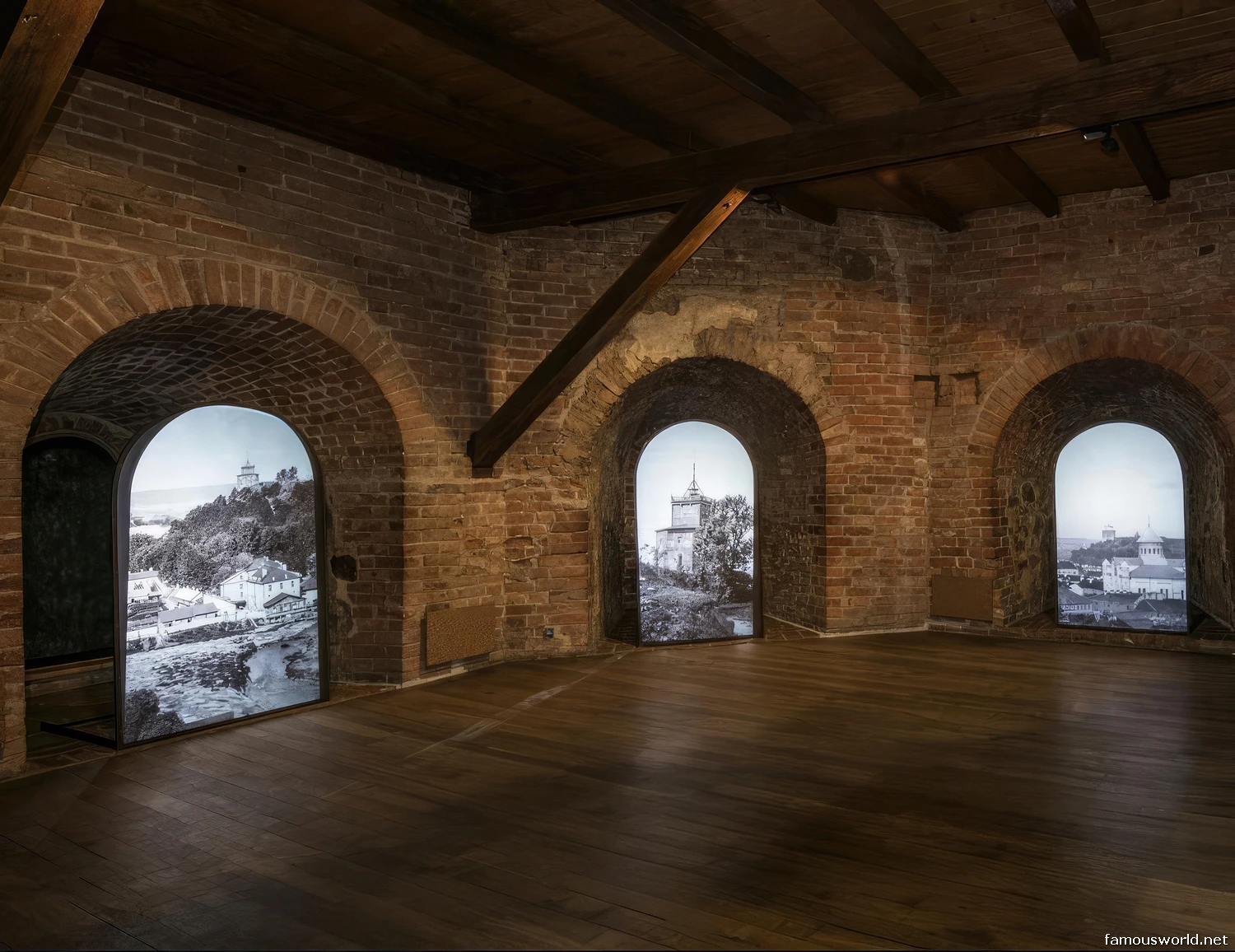
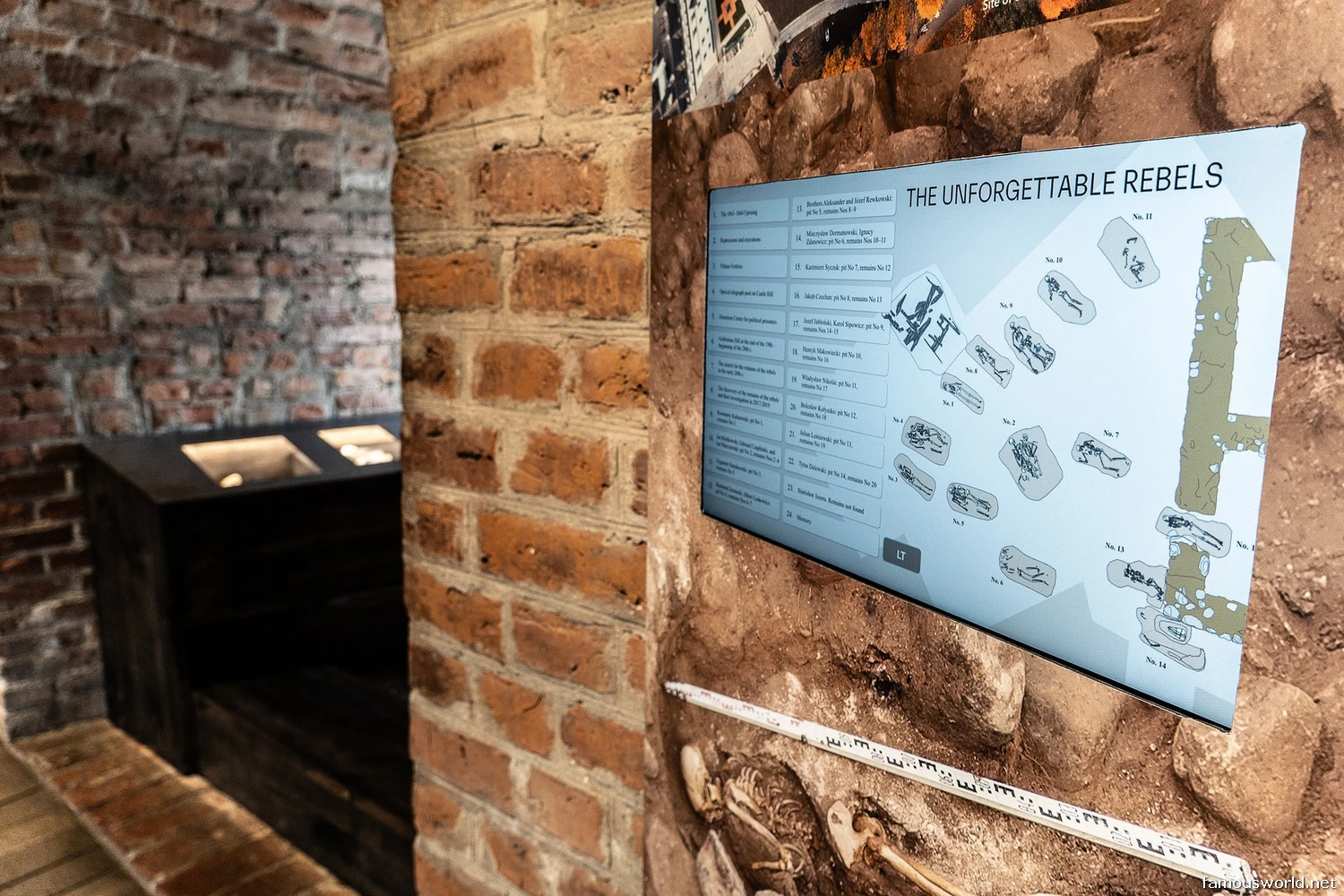
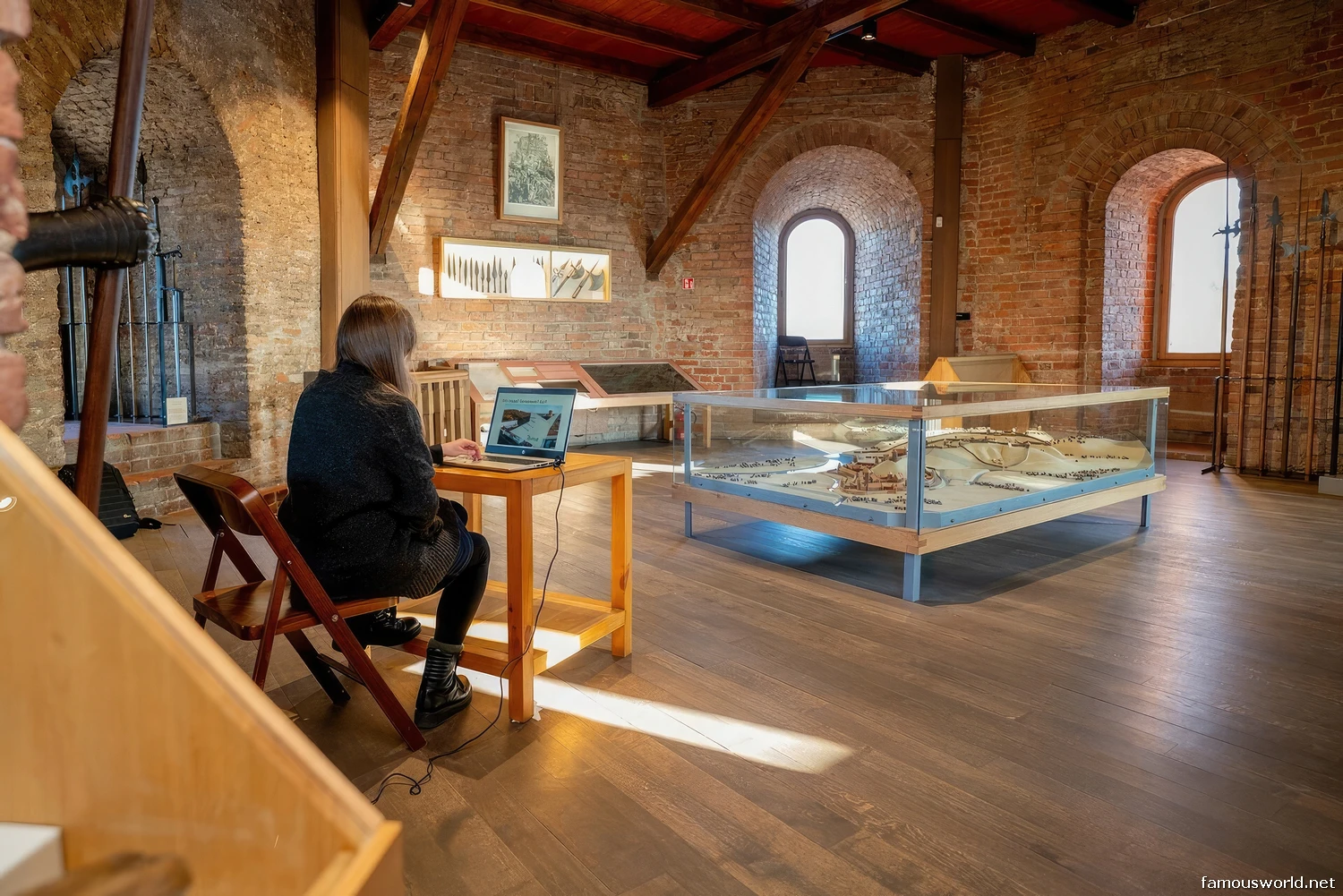
- Exposition: Inside the tower, there is a small but important exhibition from the Lithuanian National Museum dedicated to the history of the Vilnius castles. It features castle models, reconstructions, weaponry, and iconographic material.
- Observation Deck: The very top of the tower is an open-air observation deck, offering the best 360-degree panorama, covering the red roofs of the Old Town, the church spires, and the modern city center.
What Makes It Famous
Gediminas’ Castle Tower is the most famous symbol of Vilnius and one of the most important symbols of Lithuania.
- Symbol of Vilnius: It is the city’s most recognizable symbol, depicted on souvenirs, works of art, and formerly on the national currency (the litas).
- Symbol of Lithuania: The tower is a powerful symbol of the nation’s strength, history, and independence.
- City Founding Legend: The hill and castle are inextricably linked to the legend of Grand Duke Gediminas’s dream. It is said that here, at the confluence of the Vilnia and Neris rivers, Gediminas dreamed of an Iron Wolf howling on the hill, which was interpreted as a sign to found a mighty capital.
- Panoramic Views: It is the most popular spot in the city to observe and photograph the panoramic view of Vilnius’s Old Town.
Differences from Other Wonders (e.Example, Mother Farm, Japan)
A historic hilltop fortress offers a completely different experience than a modern recreational farm park.
- Environment (Historic Fortress in a Capital vs. Recreational Park): Gediminas’ Tower is a solitary, historic, and symbolic monument dominating a capital city center. Mother Farm is a vast, rurally-located entertainment park dedicated to agriculture and family fun.
- Focus (National Symbolism and History vs. Animals and Nature): The purpose of visiting the tower is to connect with national history, the city’s founding legend, and to admire the panorama. At Mother Farm, the main focus is on interactive experiences with animals and nature.
- Core Story (Founding of a Nation vs. Modern Leisure): The tower’s story dates back to the Middle Ages, telling of the origins of a state, national identity, and centuries of trials. Mother Farm’s story is modern (20th century)—a place created for city dwellers to connect with farm life.
- Atmosphere (Historic and Patriotic vs. Playful and Family-Friendly): The atmosphere at the tower is one of reverence for history, national pride, and awe at the view. The atmosphere at Mother Farm is light, playful, and educational.
Location on world map