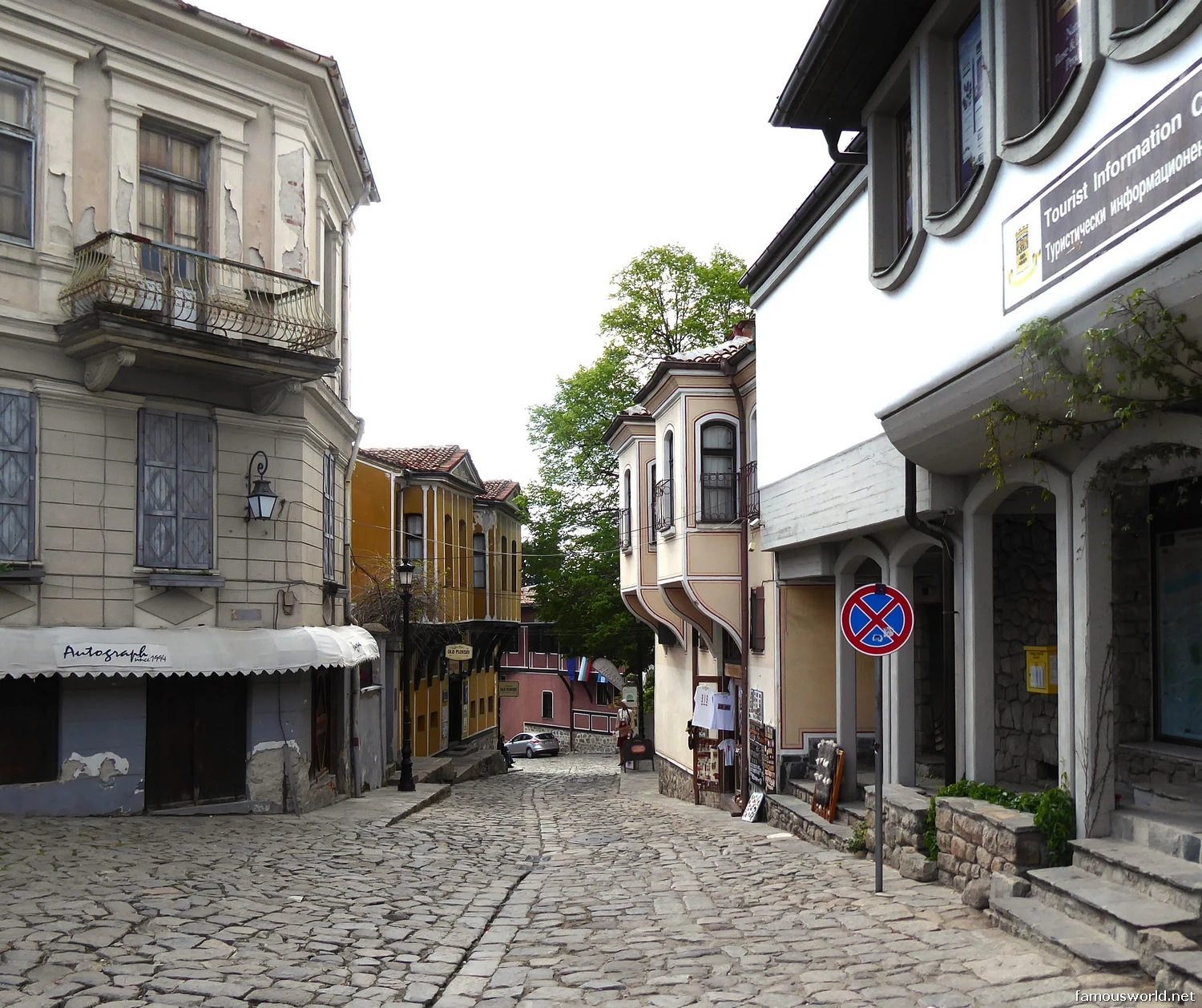
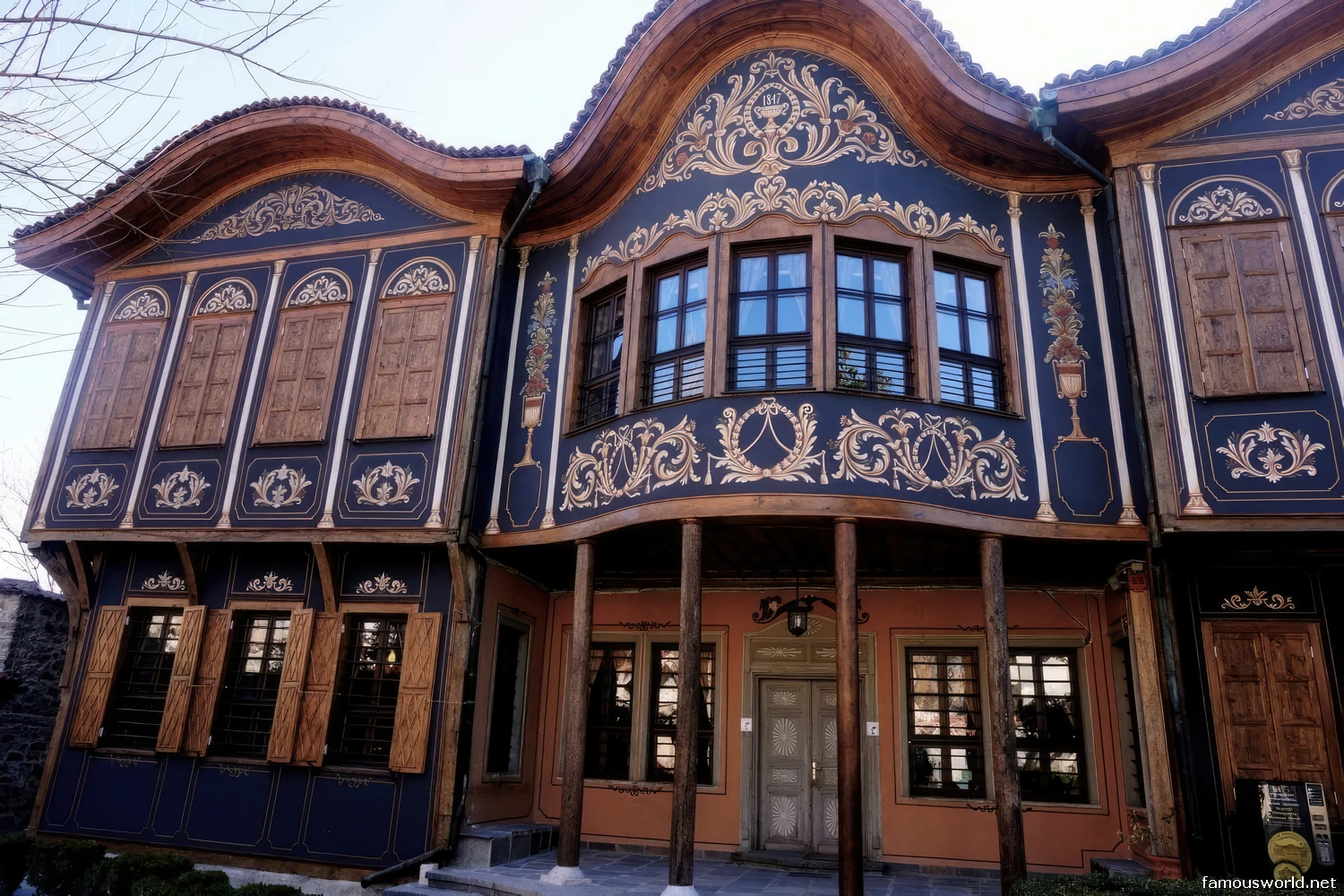


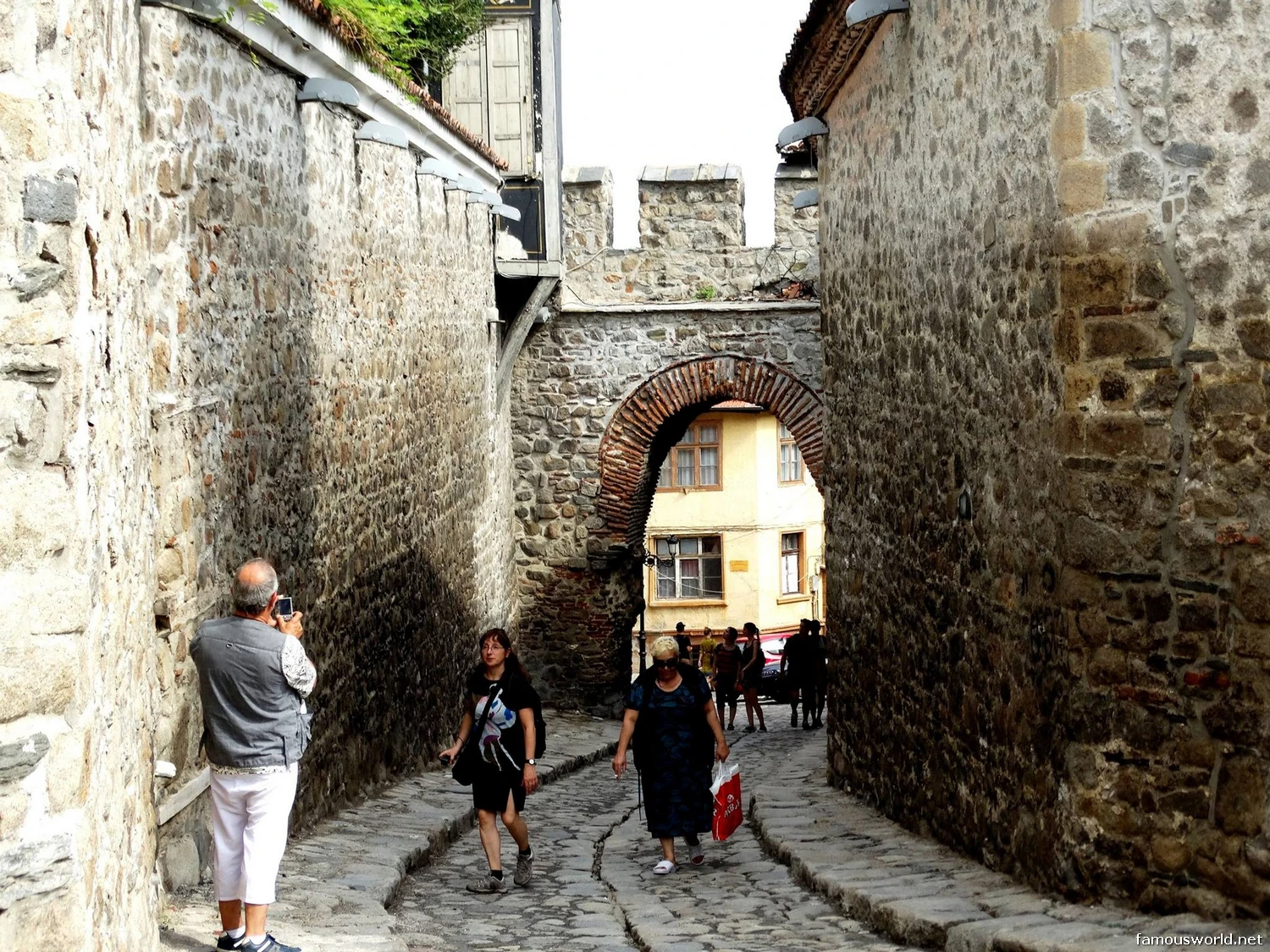

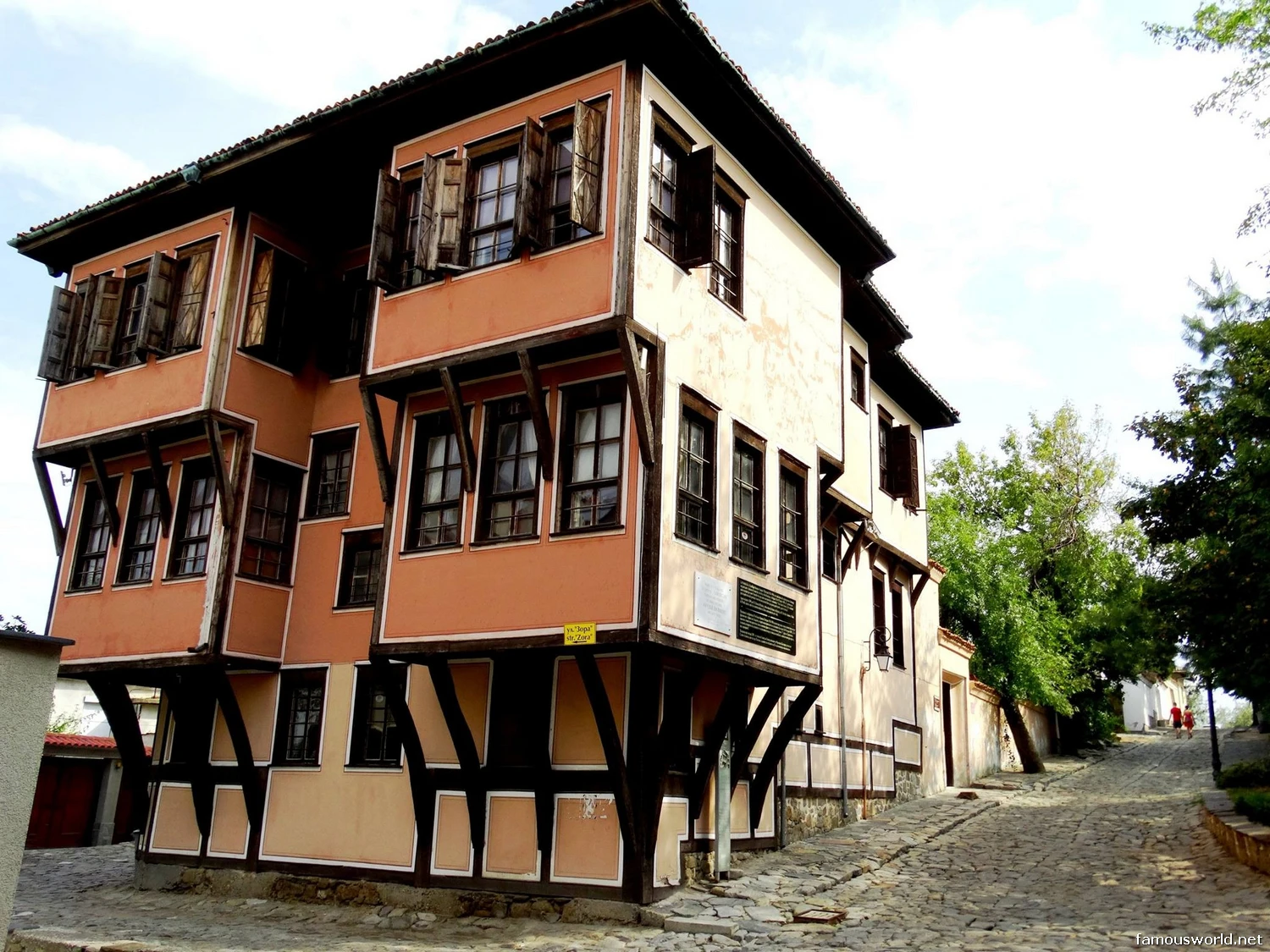


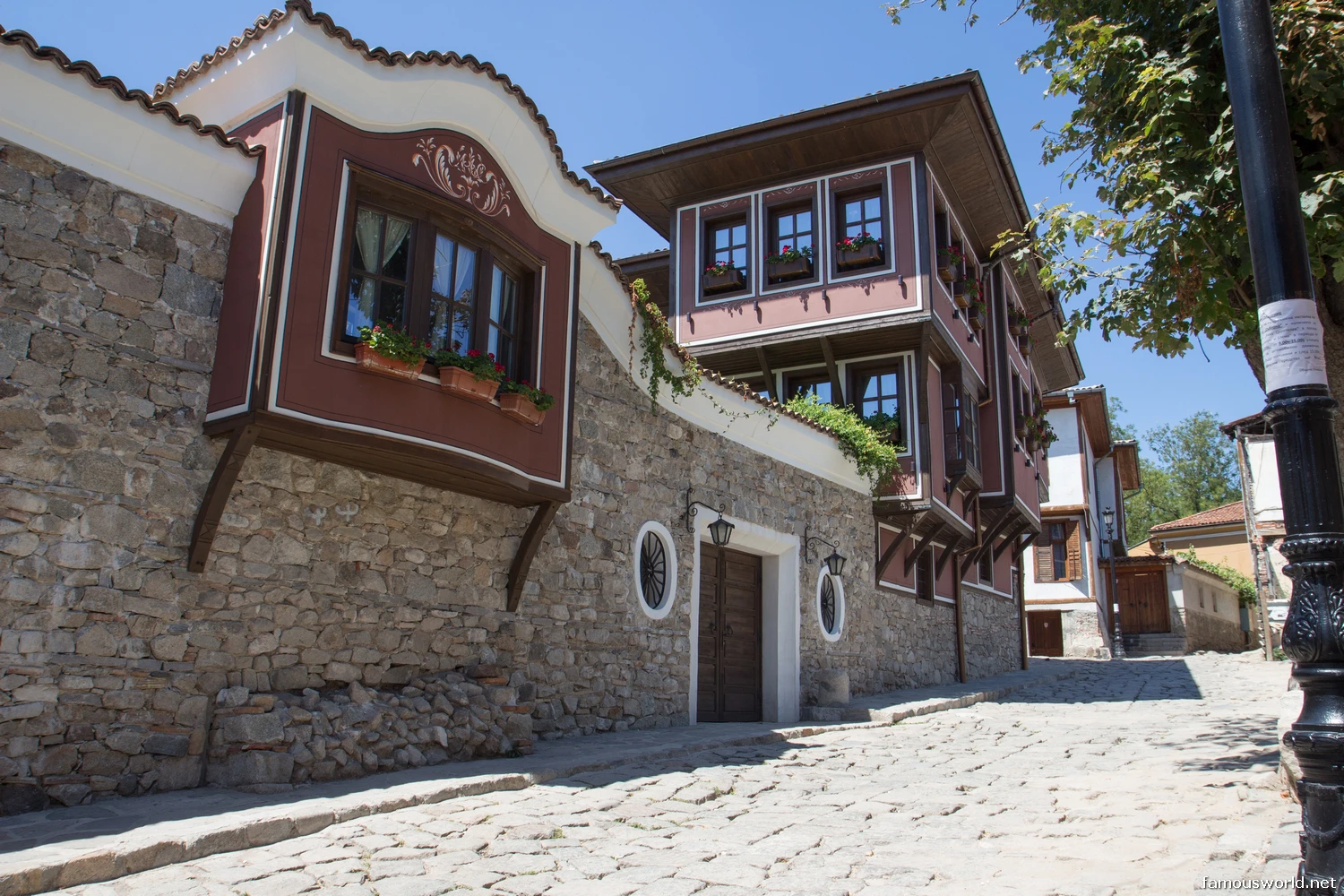

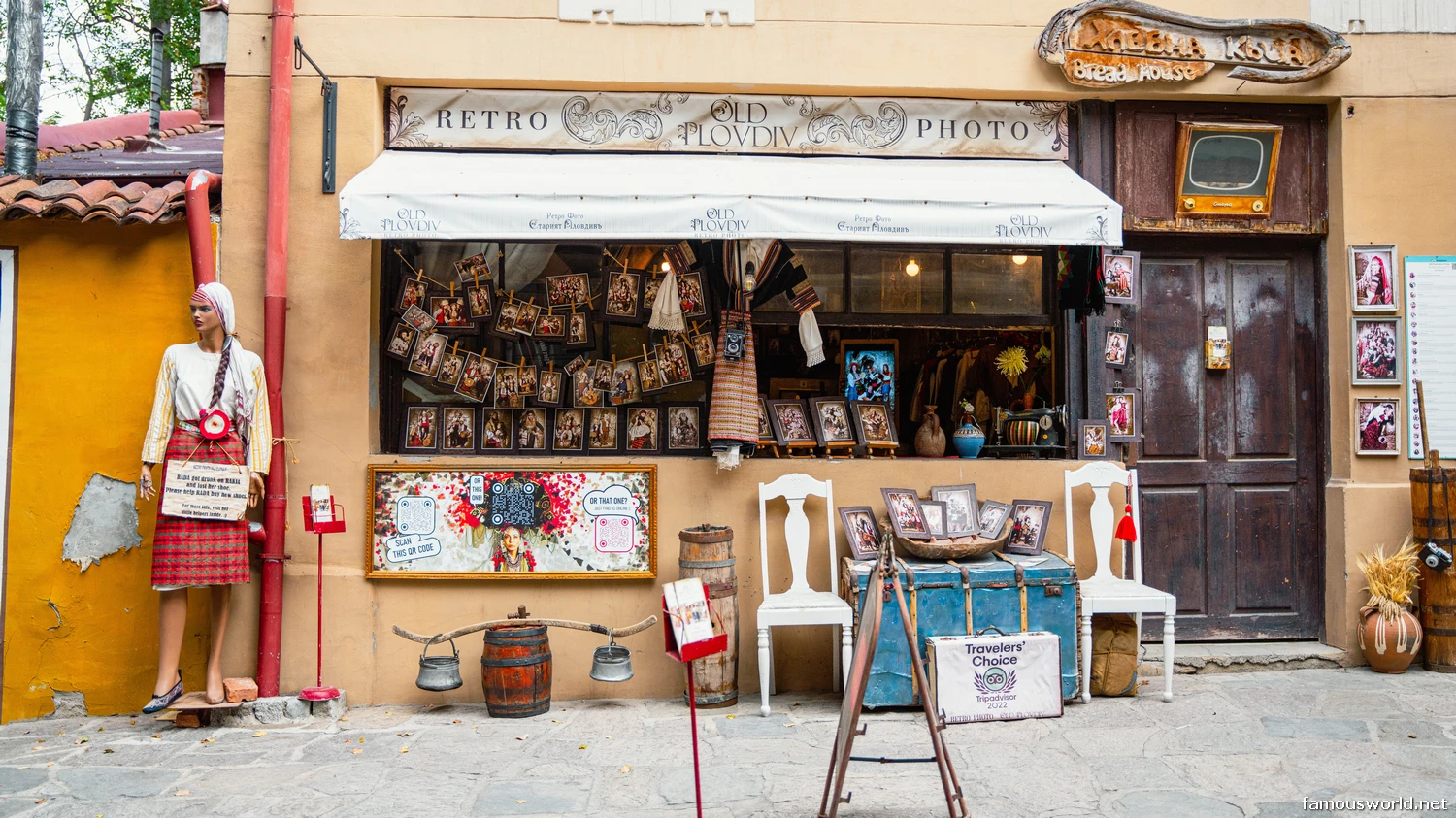
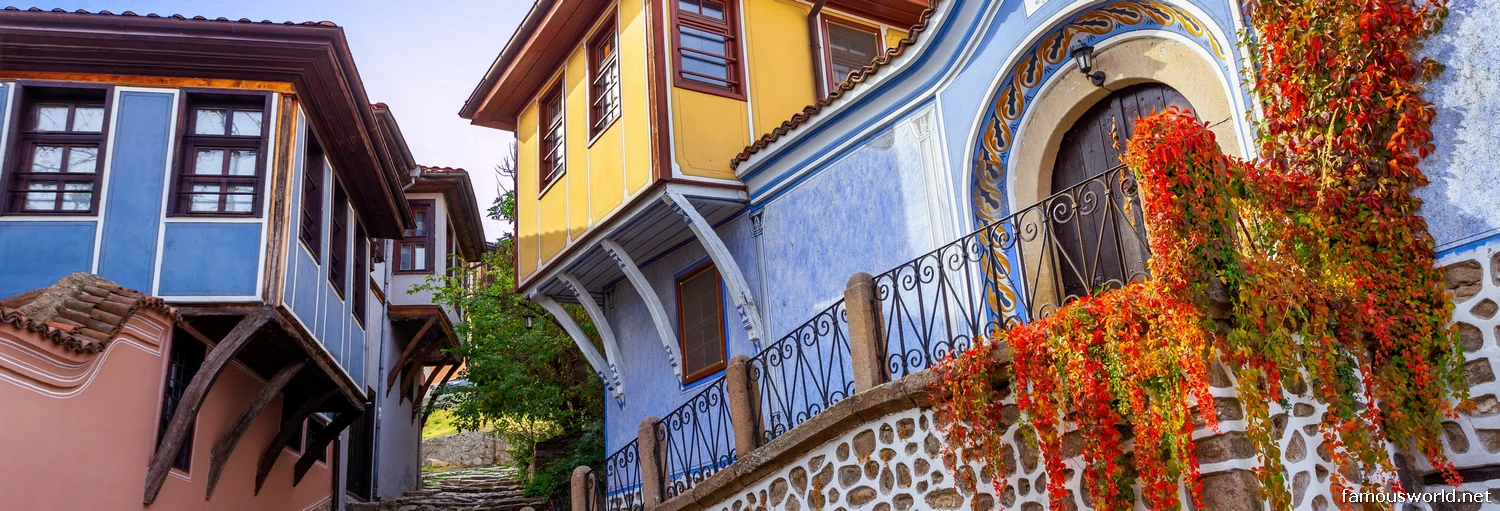

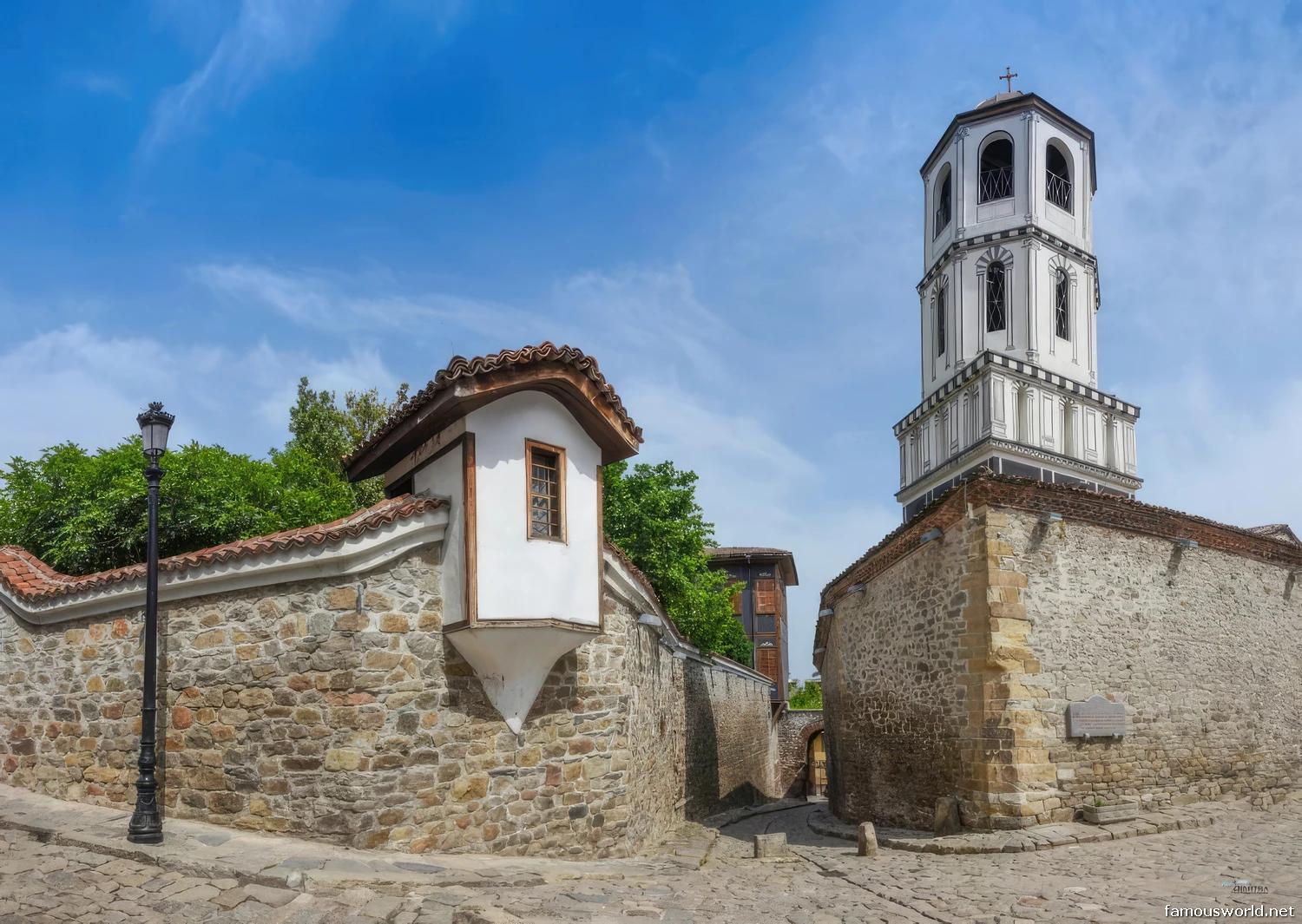

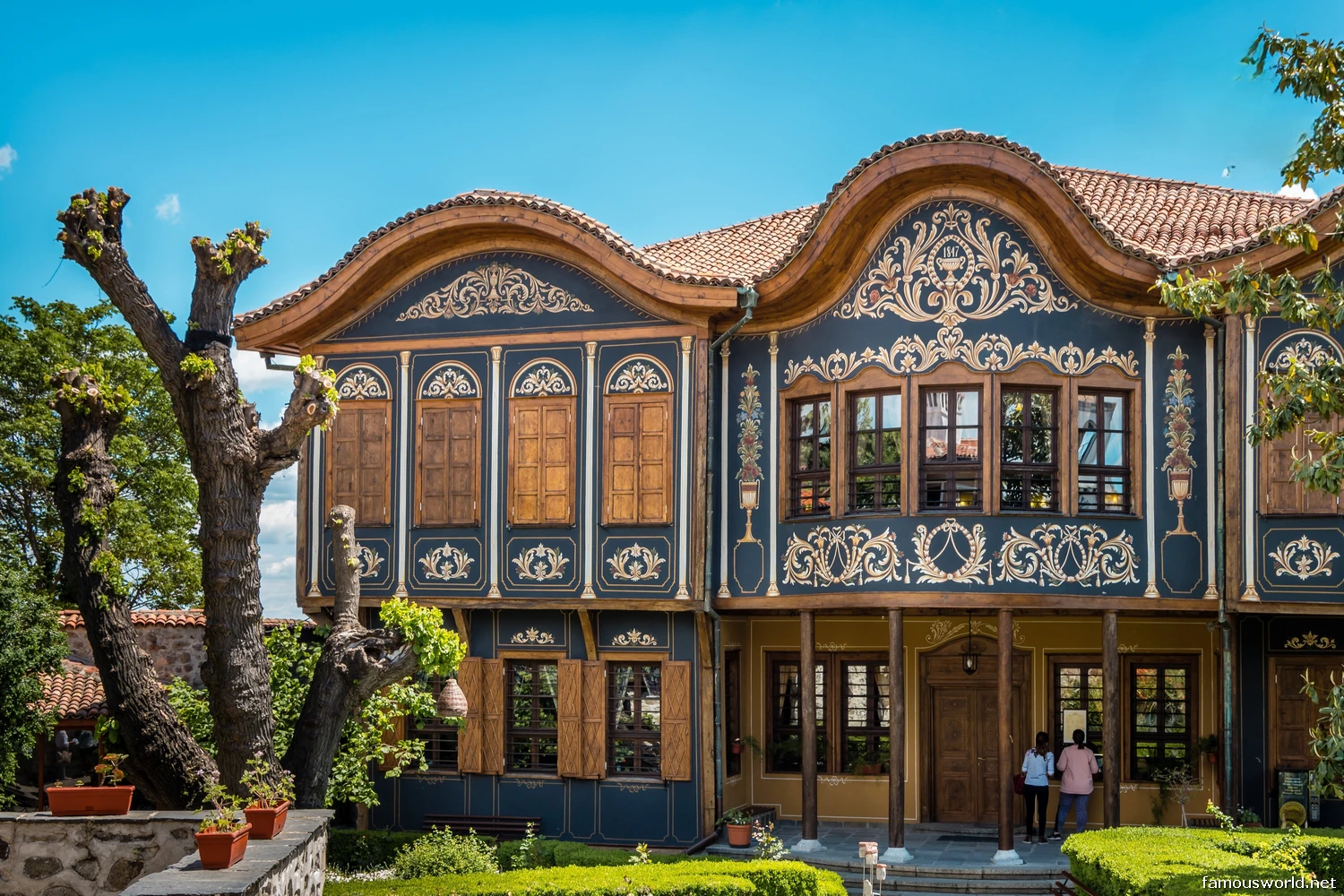

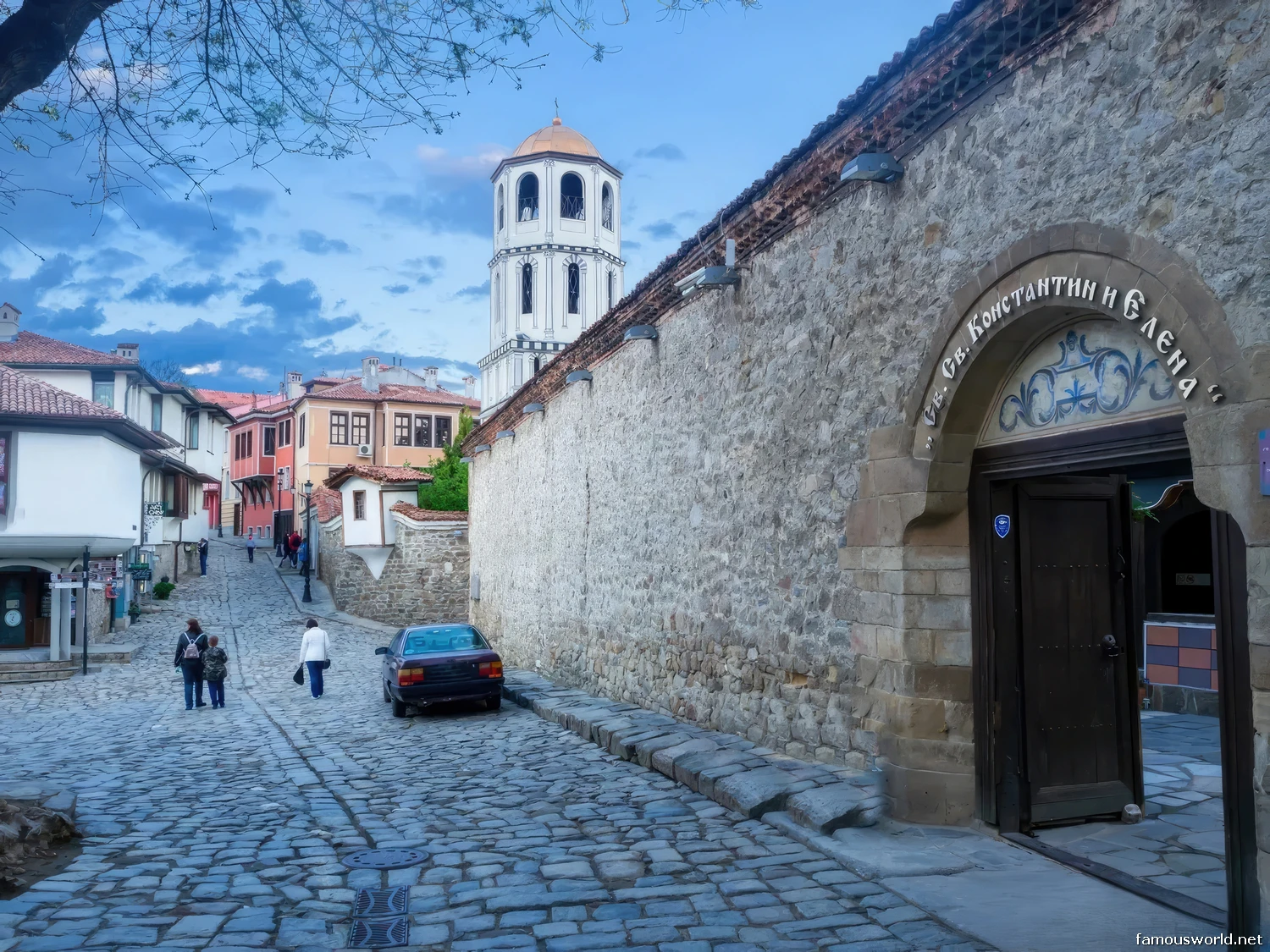


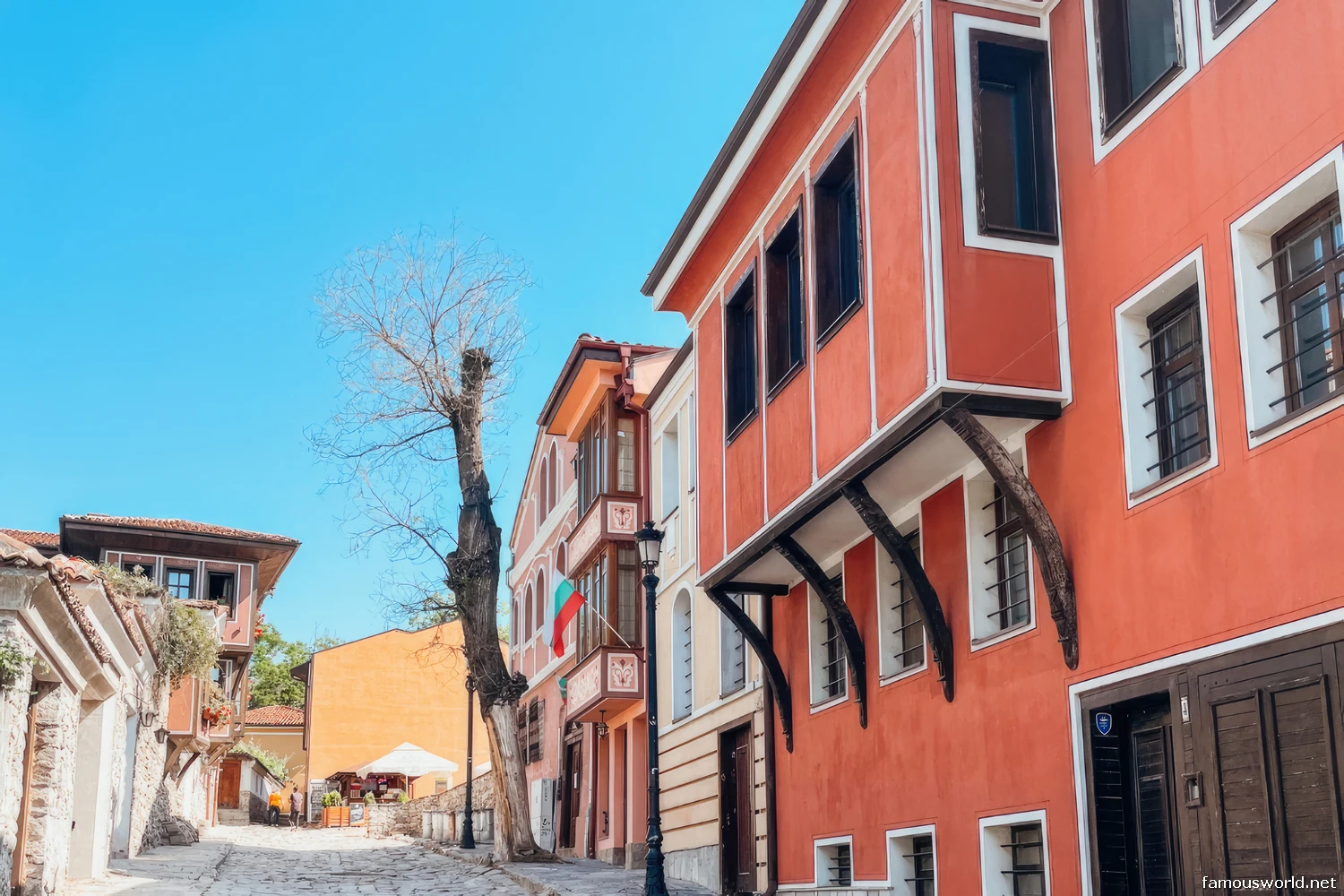
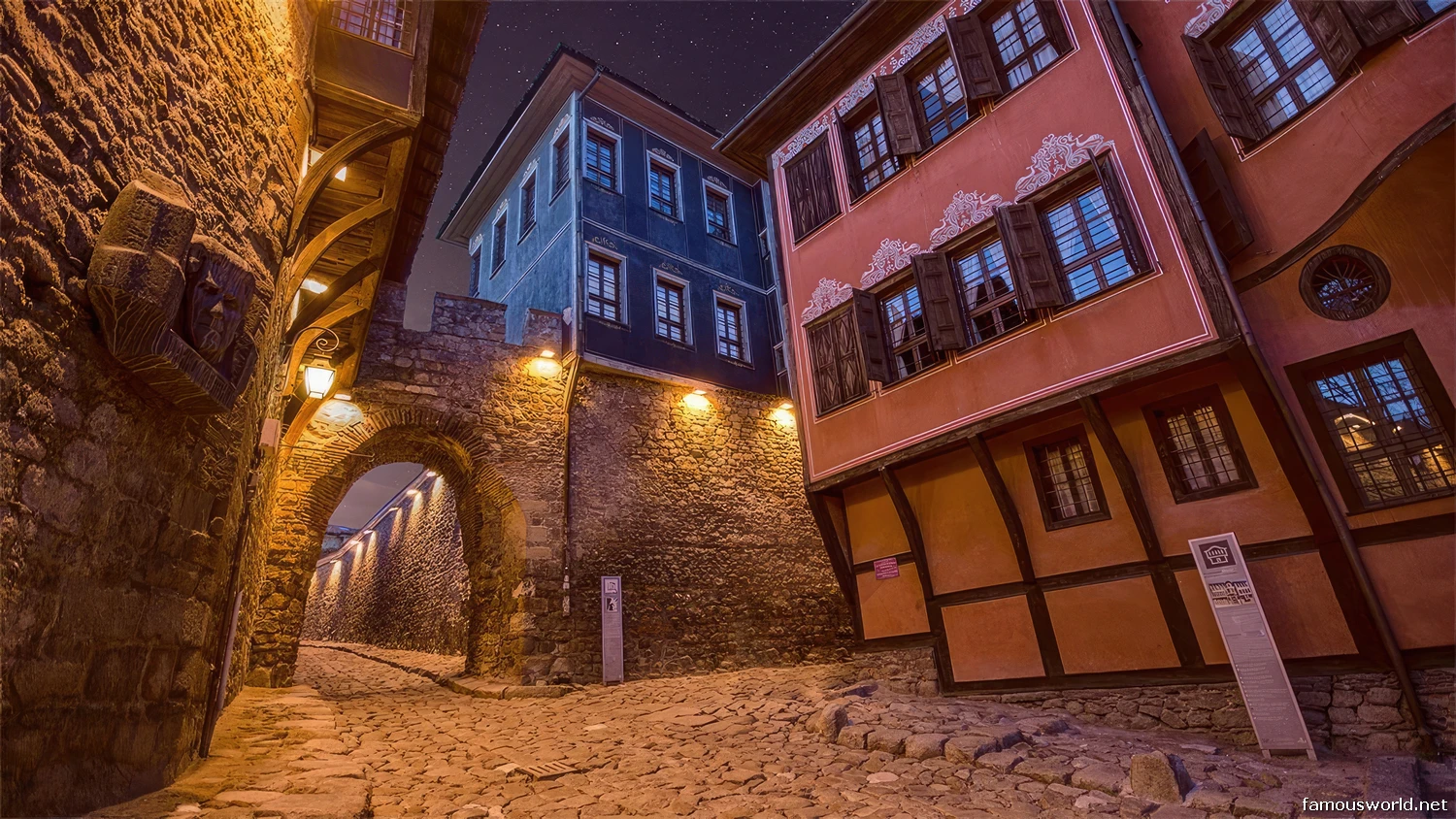
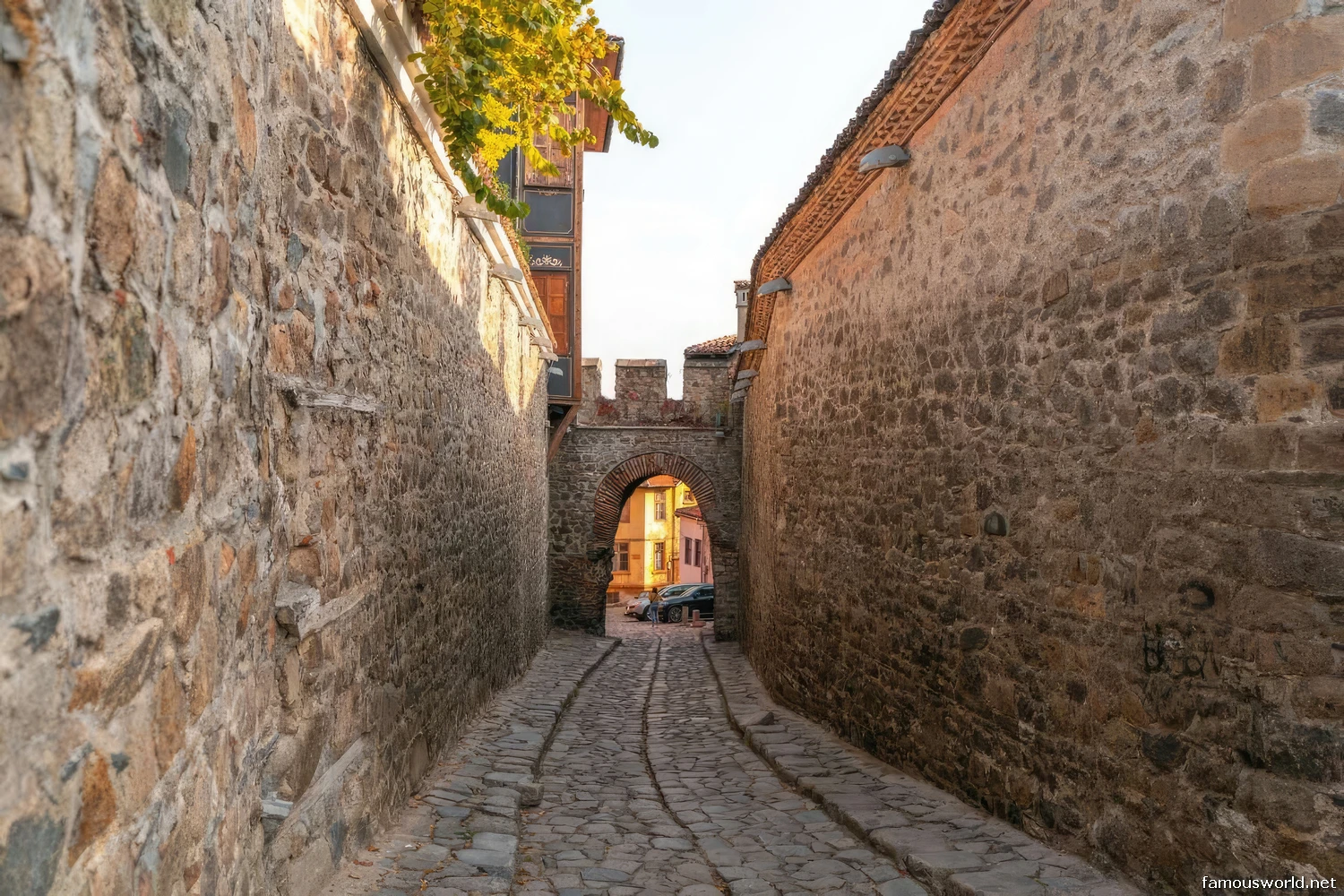

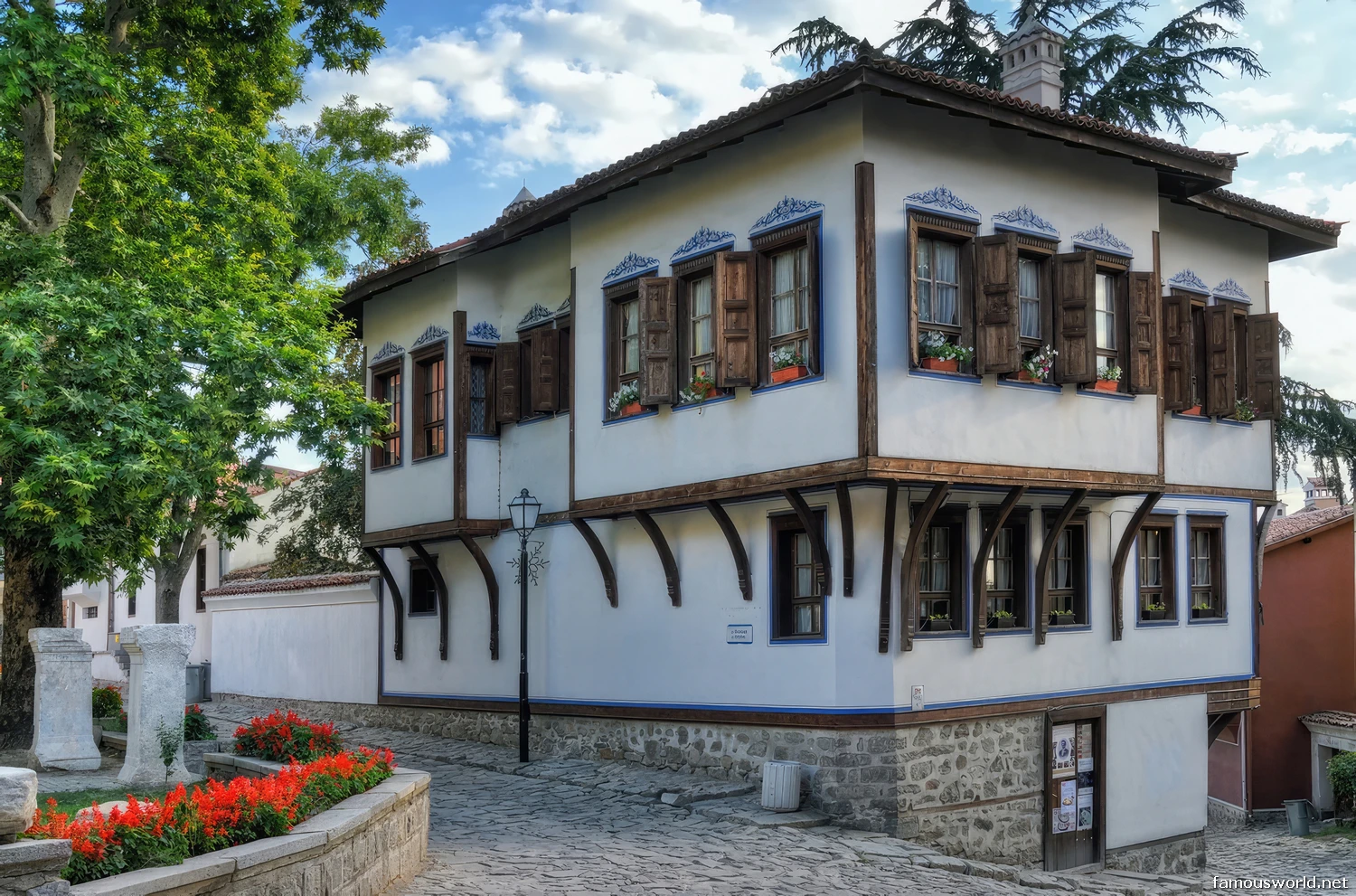

Set upon three of Plovdiv’s hills, the Old Town is a living, breathing architectural reserve and one of Europe’s oldest continuously inhabited cities. It is a stunningly beautiful labyrinth of winding cobblestone streets, ancient fortress walls, and magnificent 19th-century Bulgarian Revival houses, which are famous for their colorful facades, ornate woodwork, and projecting bay windows. This historic core also preserves a staggering amount of Roman history, most notably a spectacular ancient theatre that is still used today. A walk through the Old Town is a journey through millennia, where Thracian foundations support Roman arenas and medieval gates open onto vibrant artist quarters.
Listen to an introduction about Old Town of Plovdiv

Name and Location
- Name: The Architectural and Historical Reserve “Old Plovdiv” (Старинен Пловдив, Starinen Plovdiv).
- Location: In the central part of Plovdiv, Bulgaria, spread across three hills (Nebet, Dzhambaz, and Taksim Tepe).
How to Get There
Plovdiv is the second-largest city in Bulgaria and a major cultural and transport hub.
- By Air: Plovdiv Airport (PDV) has connections, primarily with charter and low-cost flights from Europe. Sofia Airport (SOF) is the main international gateway, about 1.5-2 hours away by bus or car.
- By Train: Plovdiv’s central railway station is a major hub with regular and comfortable train connections to Sofia and other parts of the country.
- By Bus: The city is extremely well-serviced by an extensive national bus network. Buses from Sofia are frequent and take about 2 hours.
- By Foot: Once in Plovdiv’s city center, the Old Town is easily accessible on foot, though be prepared for steep, uneven cobblestone streets.
Landscape and Architecture
The Old Town’s charm comes from its hilly terrain and its unique blend of architectural styles.
- Hilly Landscape: The entire district is built on hills, offering stunning panoramic views of the modern city below from many points.
- Bulgarian Revival Houses: This is the Old Town’s most famous feature. These are large, opulent 19th-century mansions built by wealthy merchants. They are characterized by their colorful paint, symmetrical designs, oriel windows (bay windows) that jut out over the street, and elaborate interior woodcarvings. Famous examples include the Balabanov House, the Hindliyan House, and the Ethnographic Museum.
- Ancient Roman Theatre: The most spectacular Roman ruin is the incredibly well-preserved 2nd-century Roman theatre, built into the side of a hill with a commanding view of the city. It is still used for operas and concerts.
- Nebet Tepe: The hill where Plovdiv’s life began. It’s an archaeological complex with the earliest Thracian settlement remains, later built upon by Romans and medieval Bulgarians.
- Hisar Kapia: A medieval stone gate built on Roman foundations that once served as the eastern entrance to the acropolis.
- Cobblestone Streets: The entire district is interconnected by narrow, winding, and often steep streets paved with large, smooth cobblestones.
What Makes It Famous
Plovdiv’s Old Town is famous for its age, its unique architecture, and its vibrant artistic atmosphere.
- Immense Age: It is one of the oldest cities in Europe, with a history of continuous habitation spanning more than 6,000 years.
- Bulgarian Revival Architecture: It is considered the finest and most complete collection of Bulgarian National Revival architecture in the country.
- The Ancient Theatre: It is one of the best-preserved ancient theatres in the world.
- European Capital of Culture 2019: This title brought international acclaim, significant restoration, and solidified its reputation as a major cultural destination.
- Kapana District: Immediately adjacent to the Old Town is the “Kapana” (The Trap) neighborhood, a revitalized arts and crafts district with trendy cafes, workshops, and galleries.
Differences from Other Wonders (vs. Amphitheatre of Serdica)
A living, multi-layered hilltop town is vastly different from a singular, excavated indoor ruin.
- Environment (Living Hilltop District vs. Indoor Hotel Exhibit): The Plovdiv Old Town is a large, open-air, and fully functioning residential, commercial, and artistic neighborhood spread over several hills. The Serdica Amphitheatre is a contained, indoor archaeological site preserved within a modern hotel.
- Focus (Revival Architecture + Roman City vs. Singular Roman Arena): The Old Town’s identity is equally defined by its colorful 19th-century houses and its extensive Roman ruins. The Serdica site’s focus is exclusively on the Roman amphitheater, a venue for public spectacles.
- Core Story (Continuous Inhabitation vs. Lost & Found Ruin): Plovdiv’s story is one of uninterrupted life and adaptation over millennia. The Serdica Amphitheatre is a major structure that was lost, buried, and only rediscovered in the 21st century.
- Atmosphere (Bustling and Artistic vs. Quiet and Curated): The Old Town is a vibrant, bustling area with residents, tourists, art
Location on world map