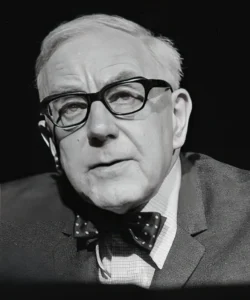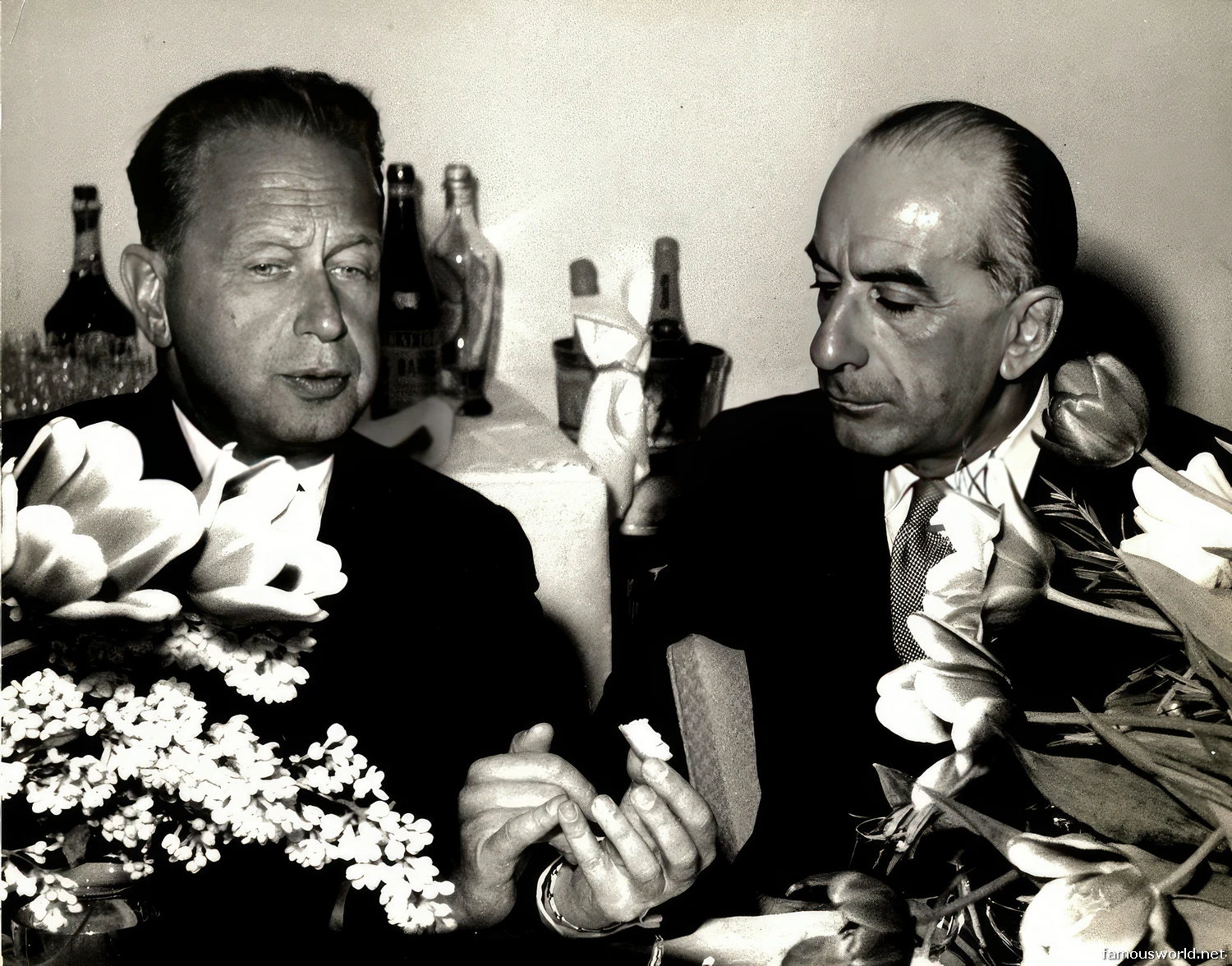
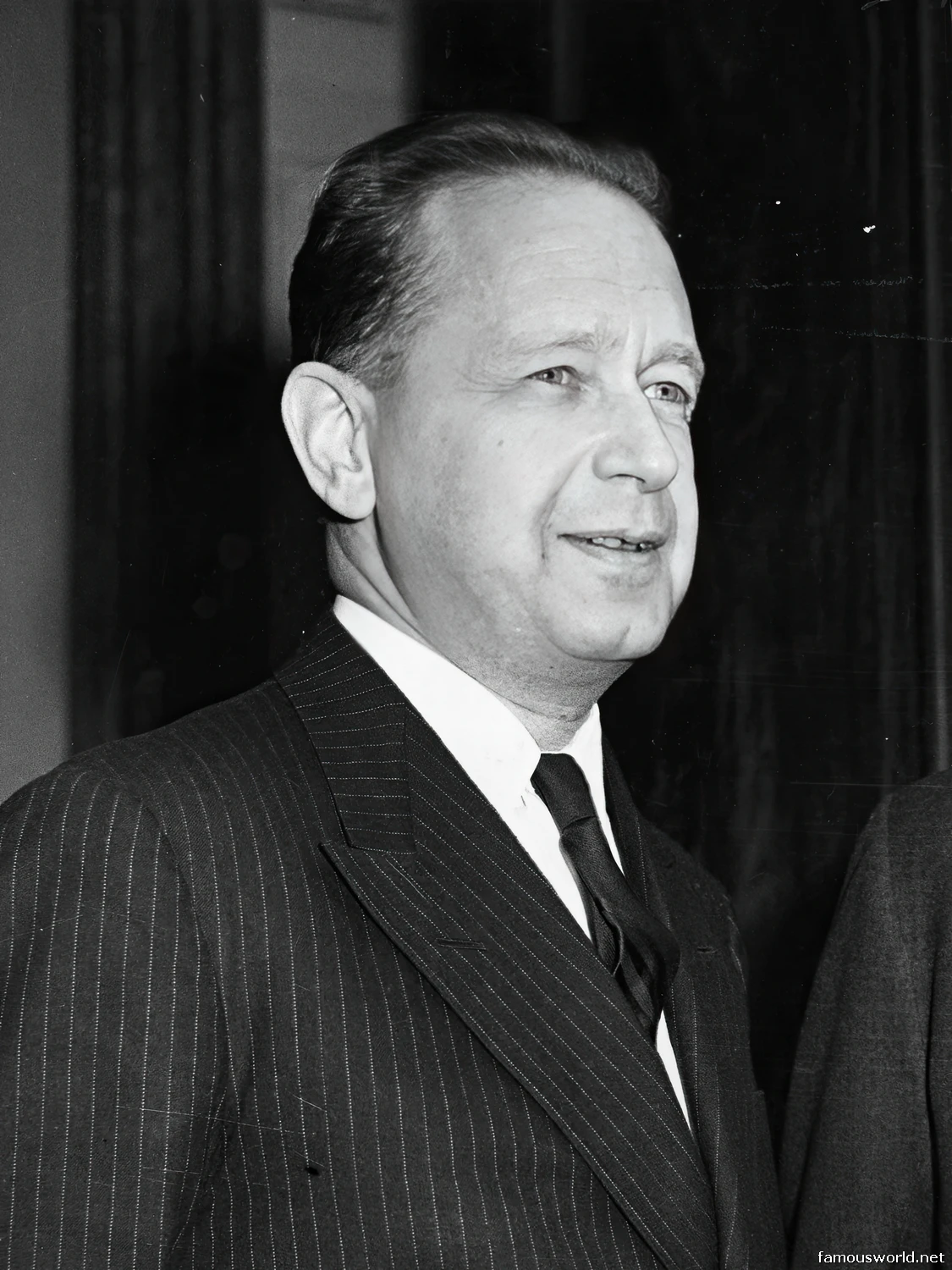

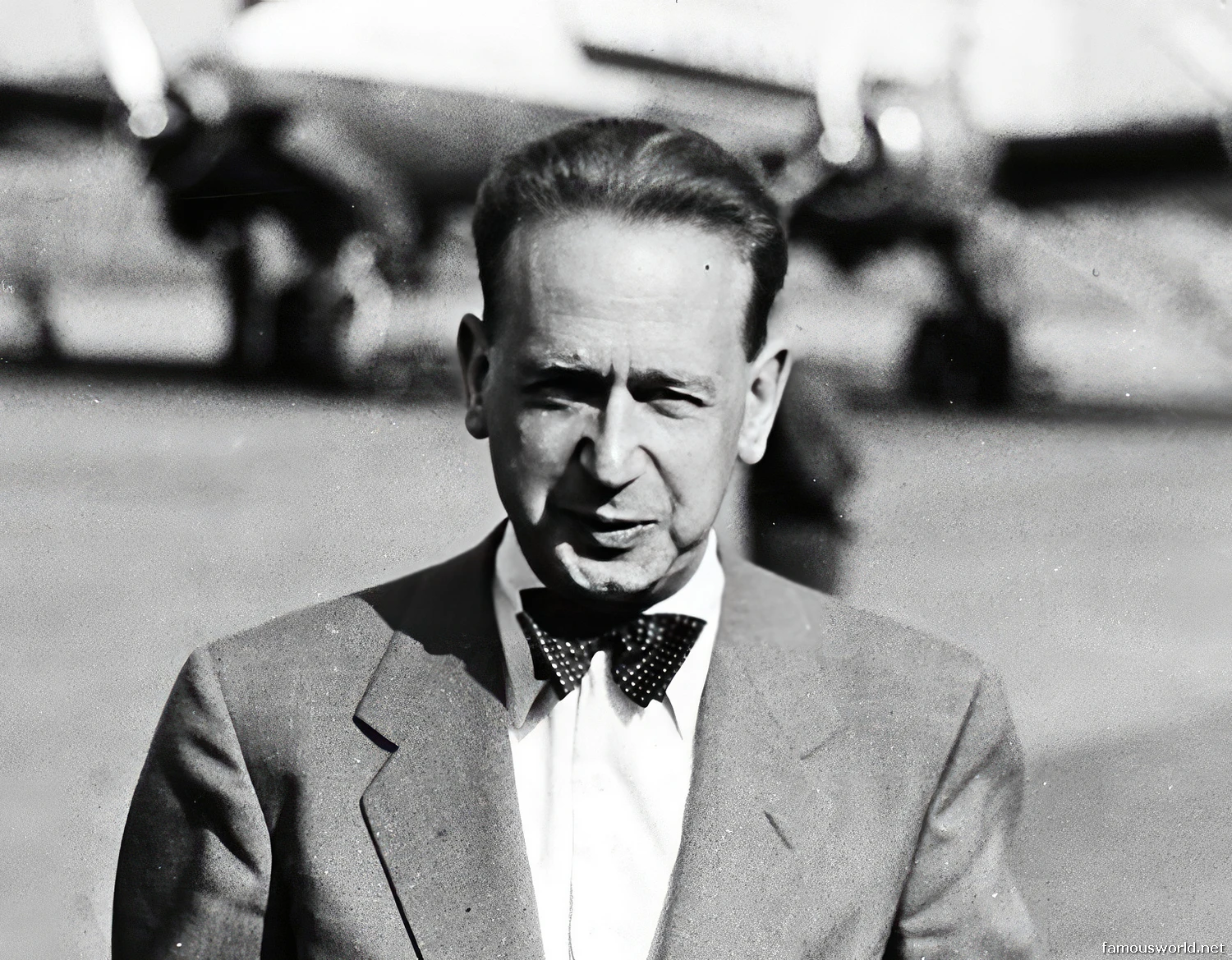
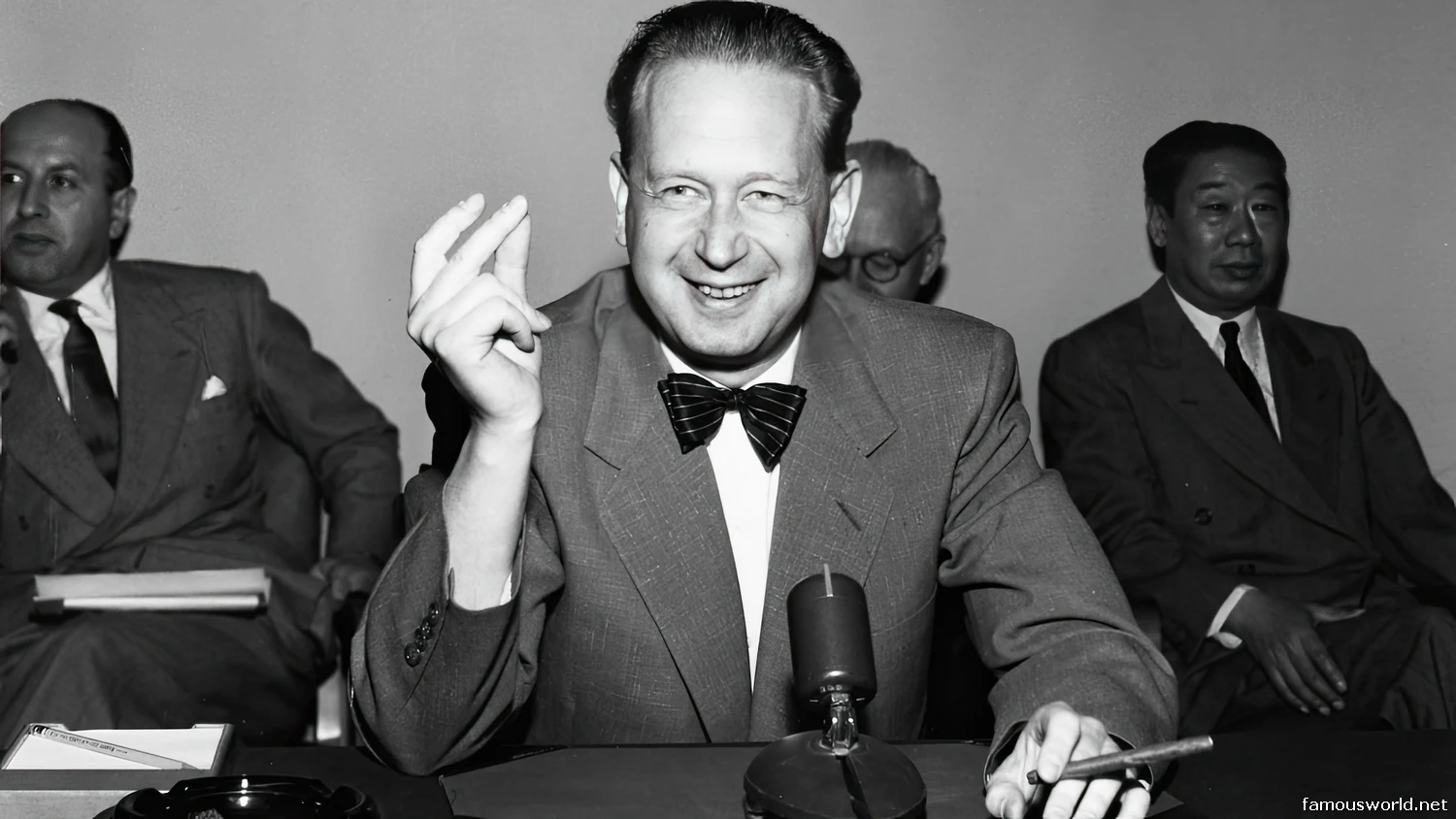
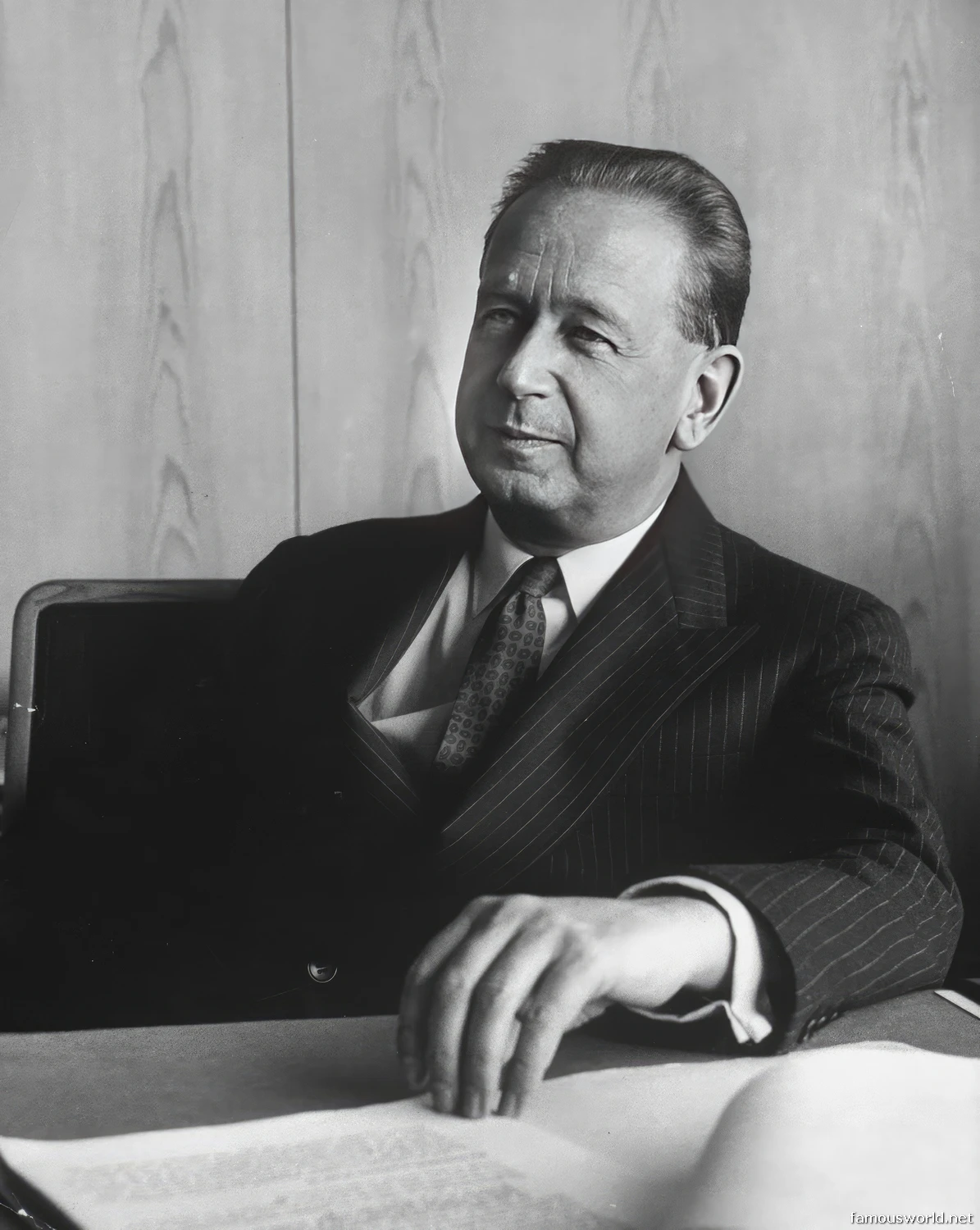


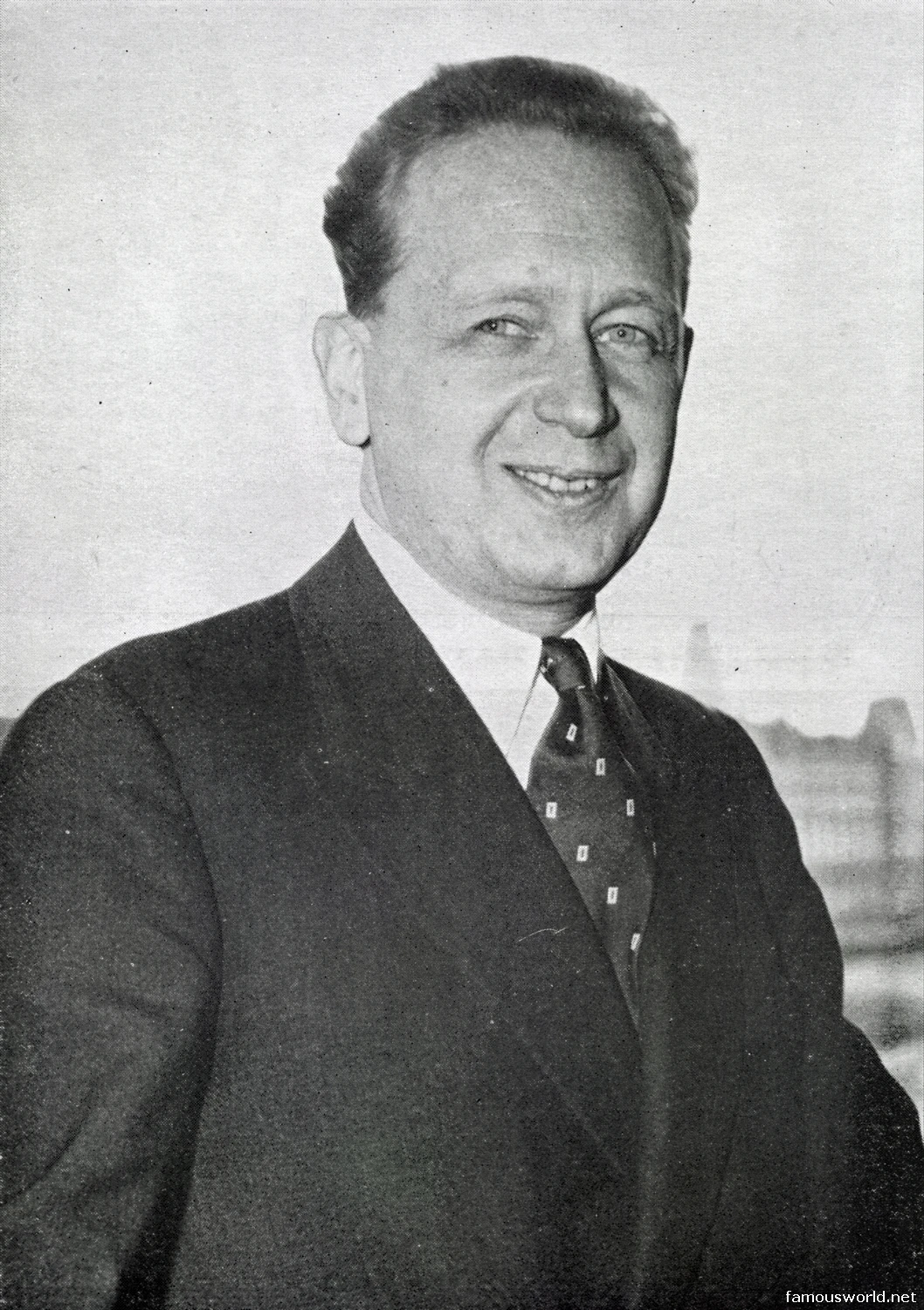
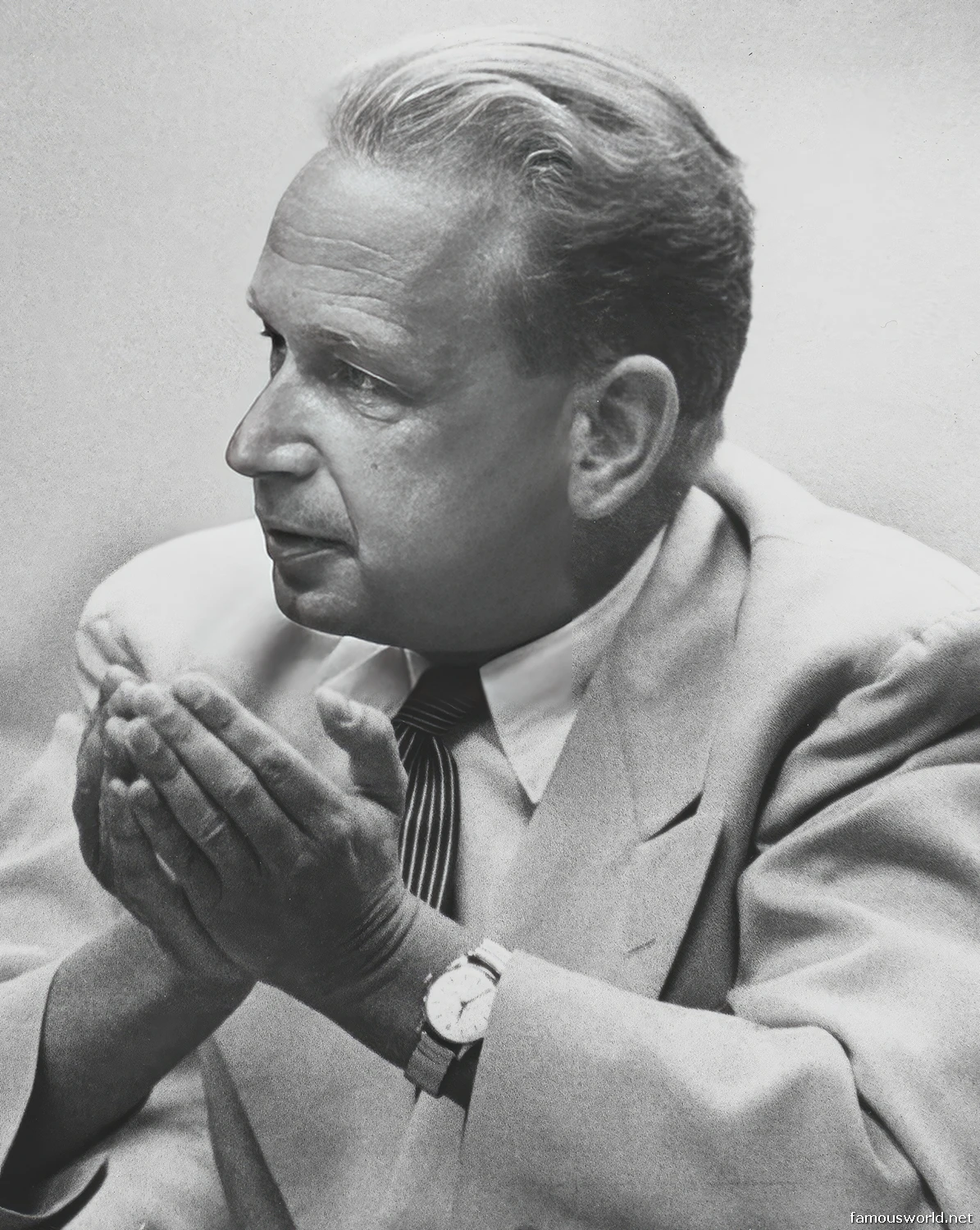

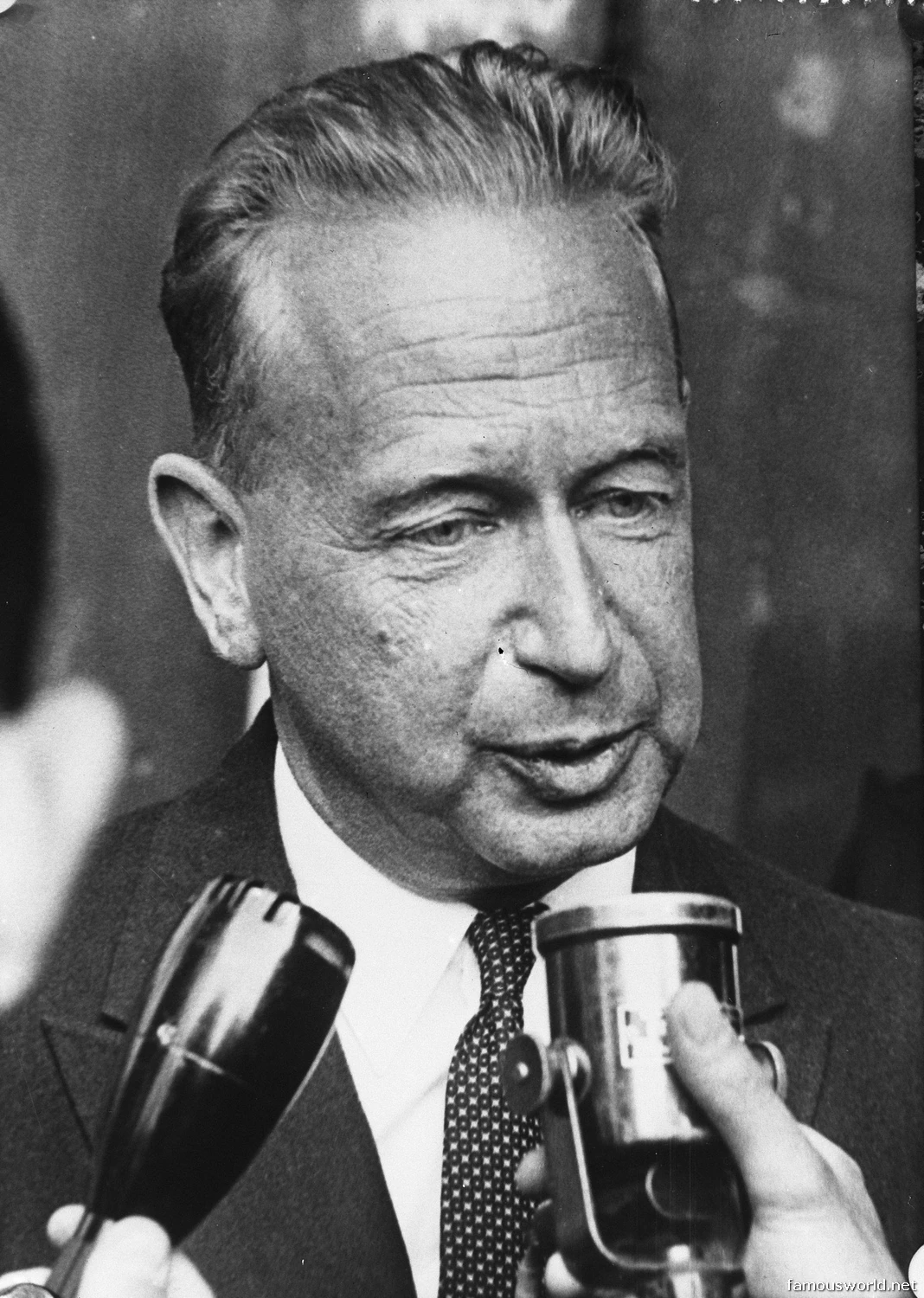
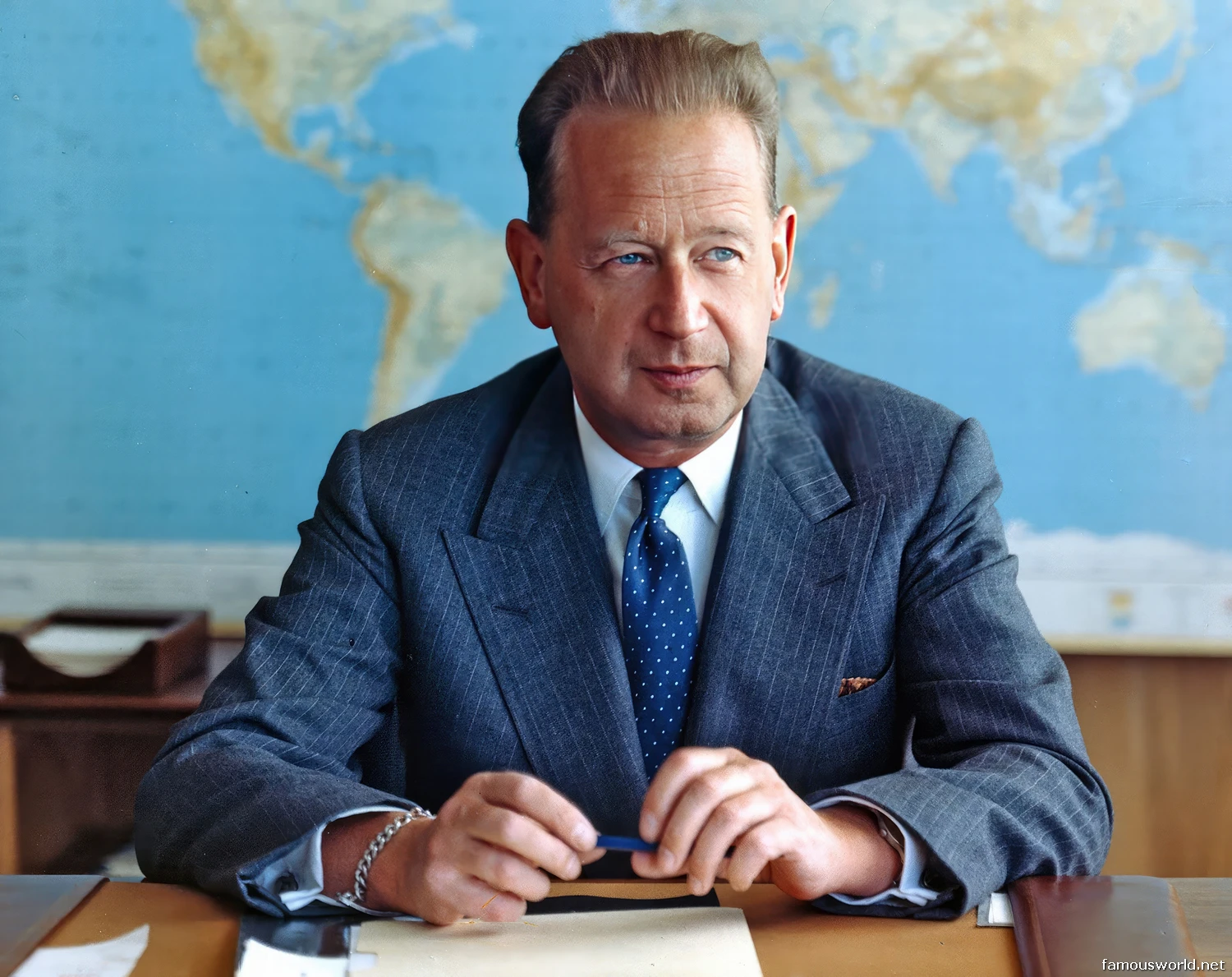
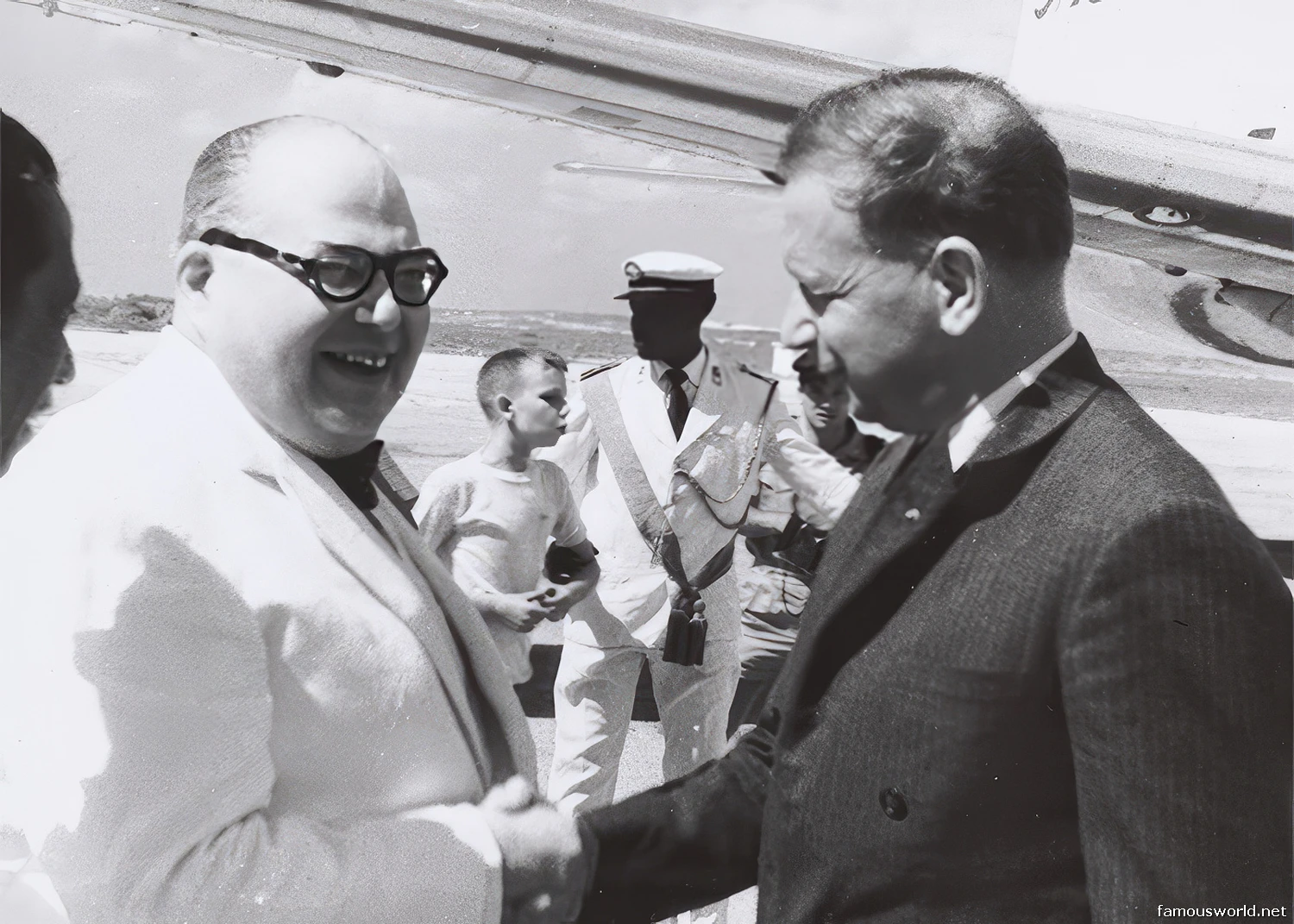
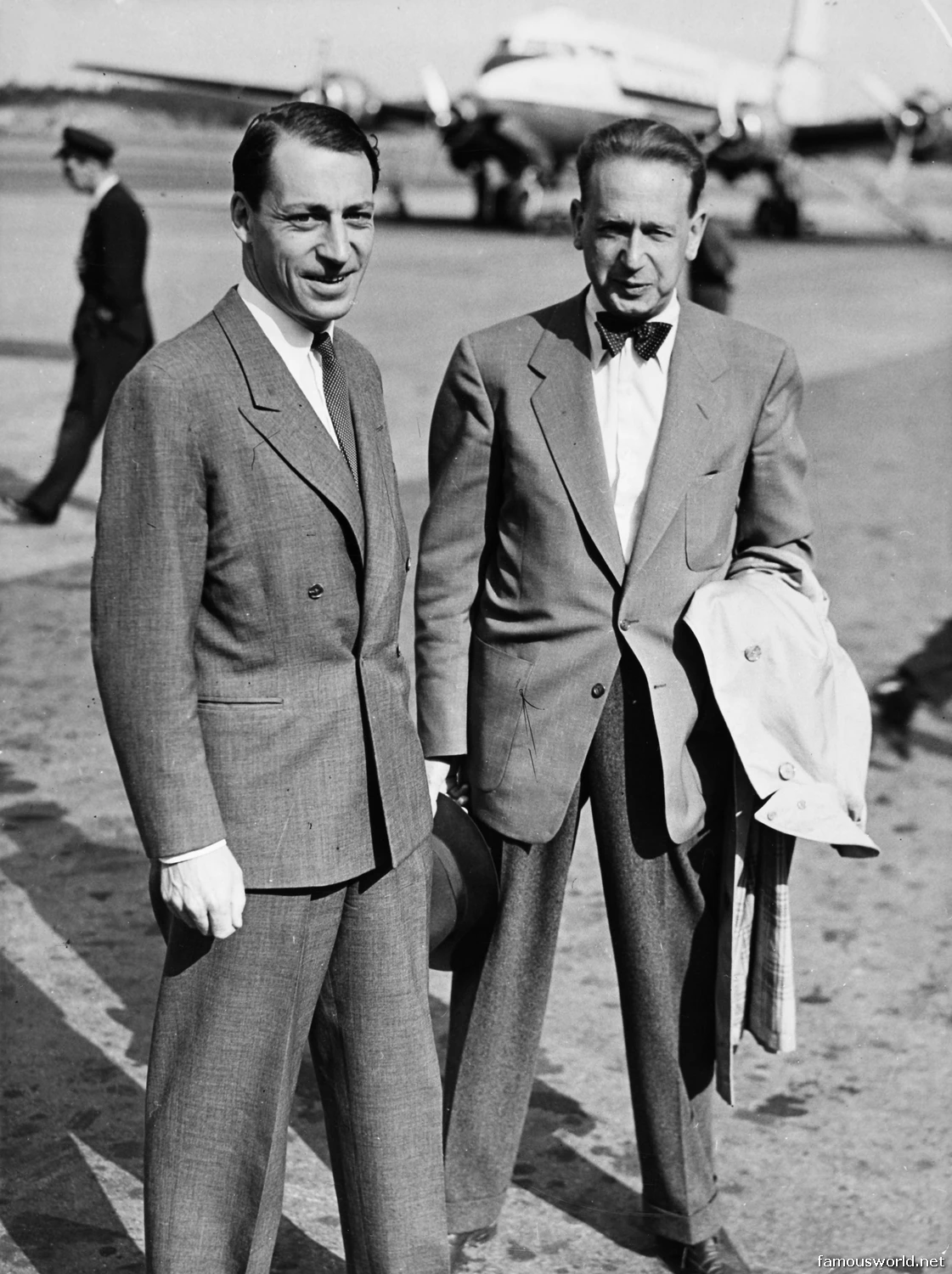

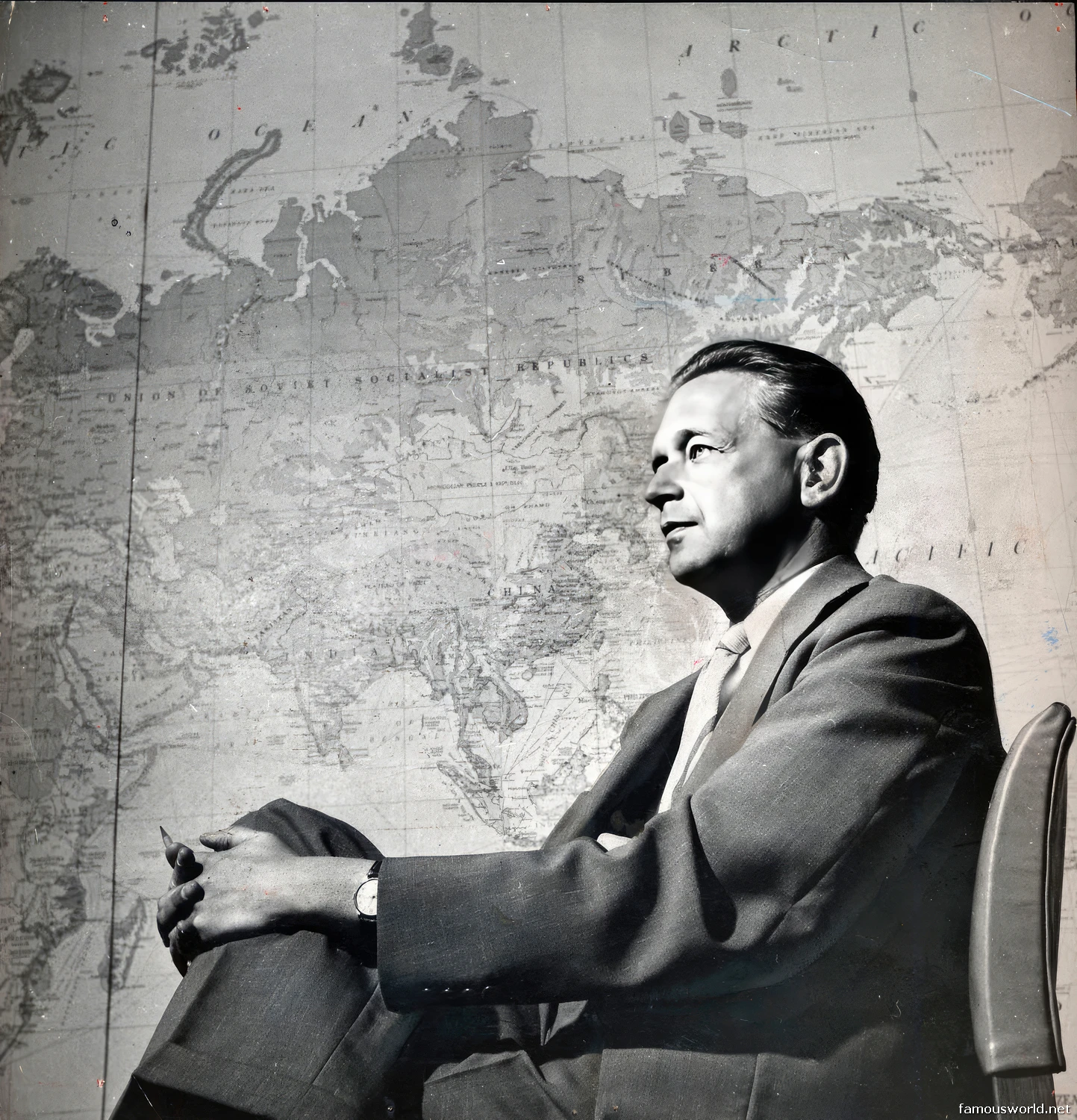
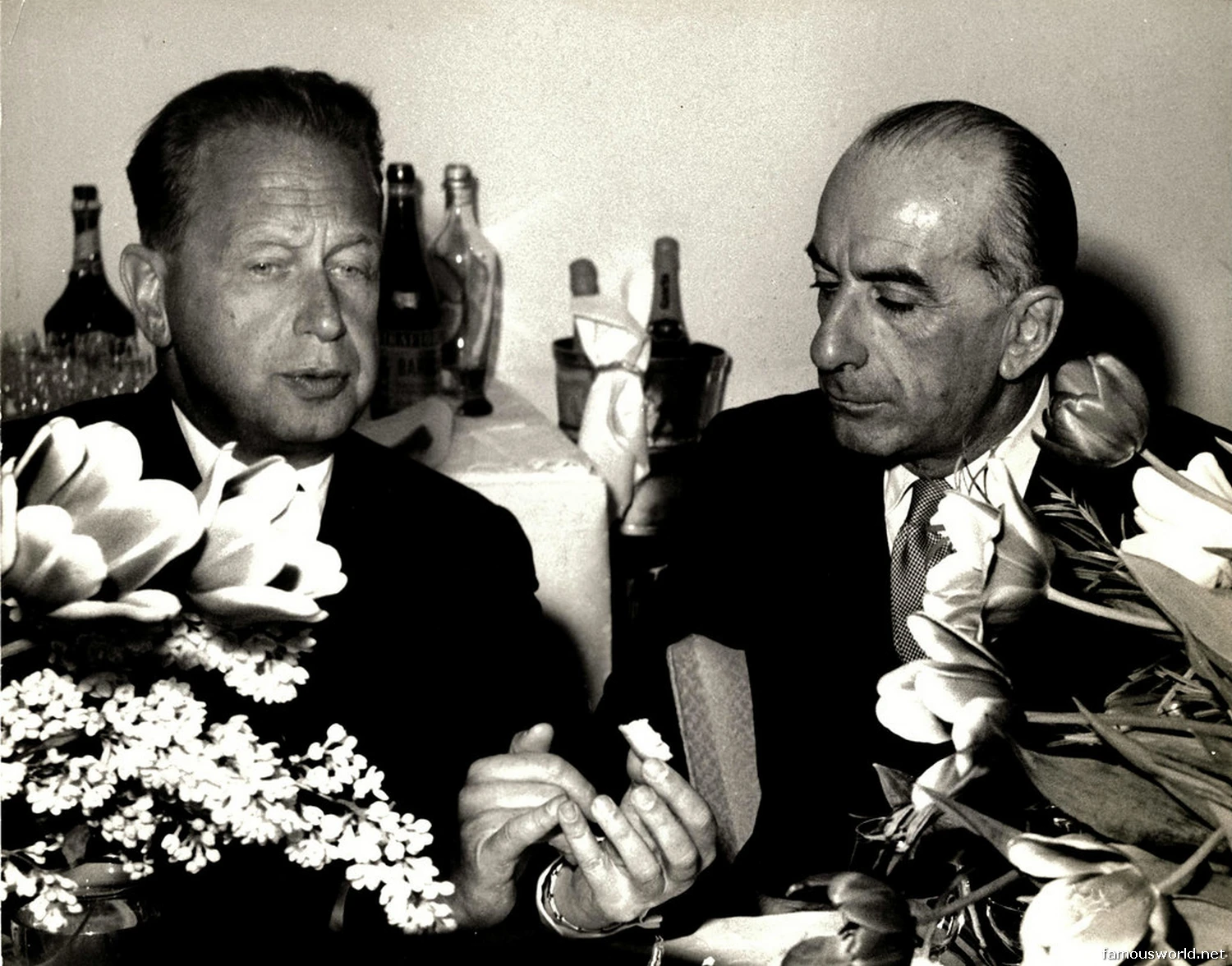


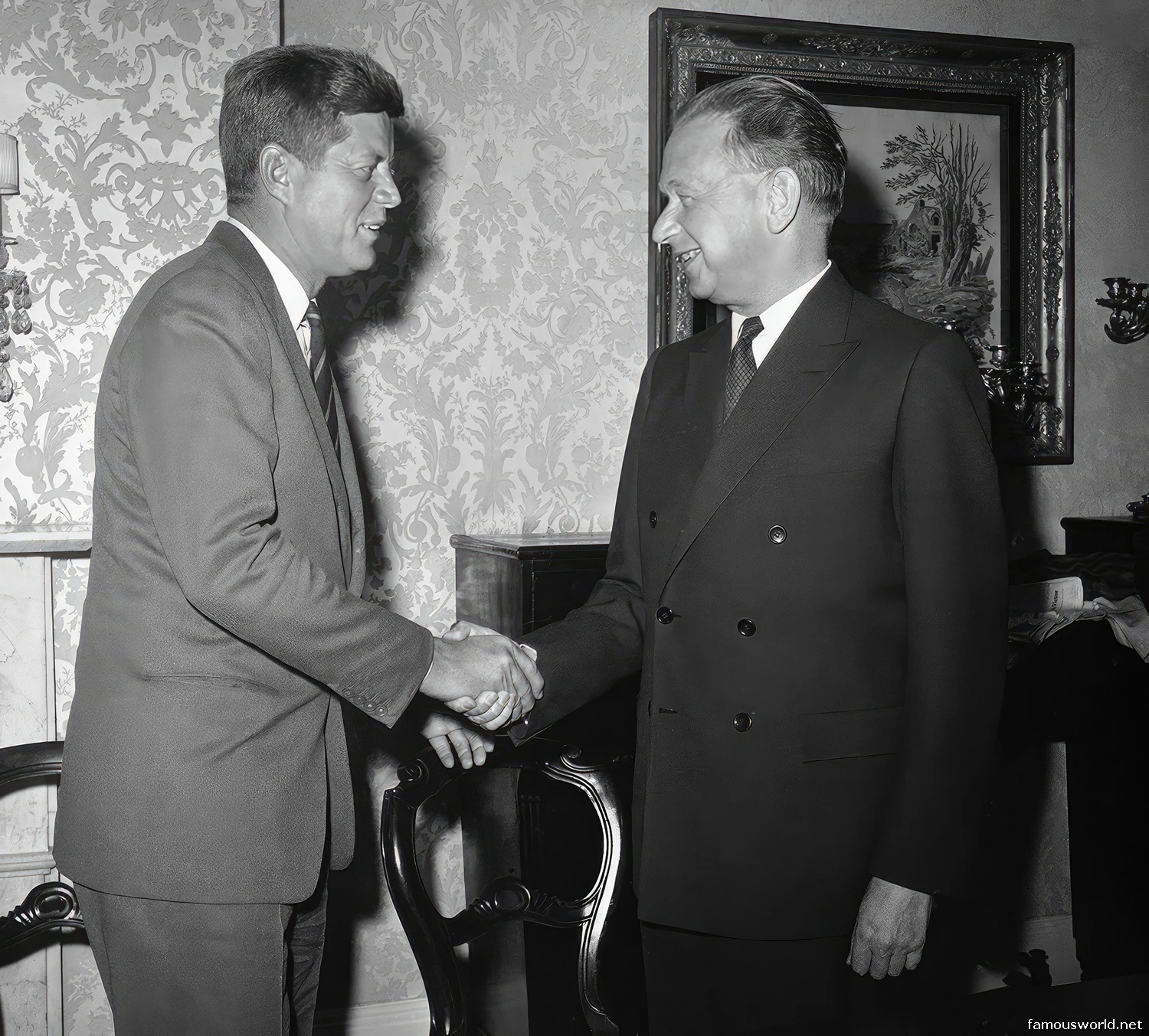
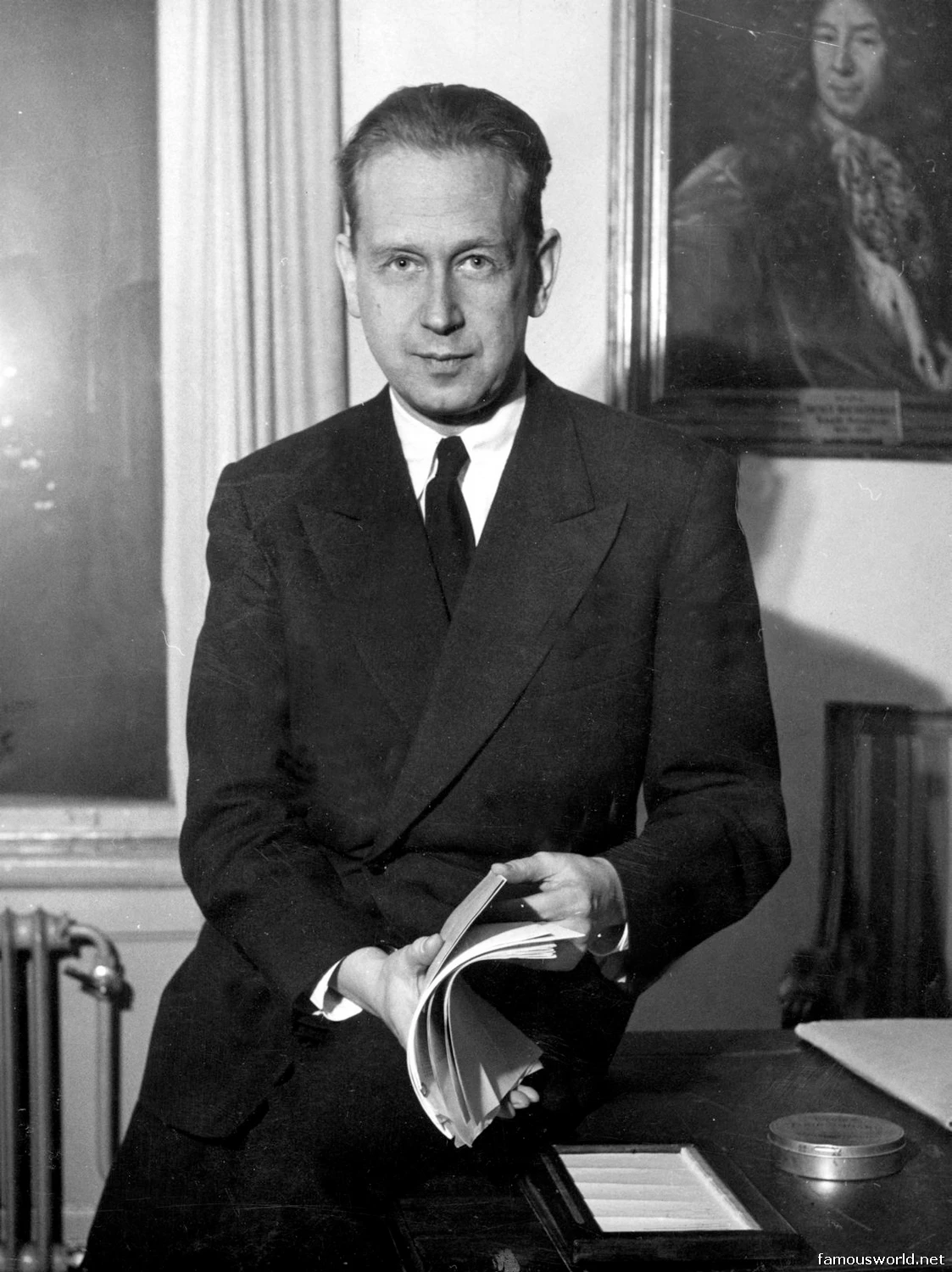
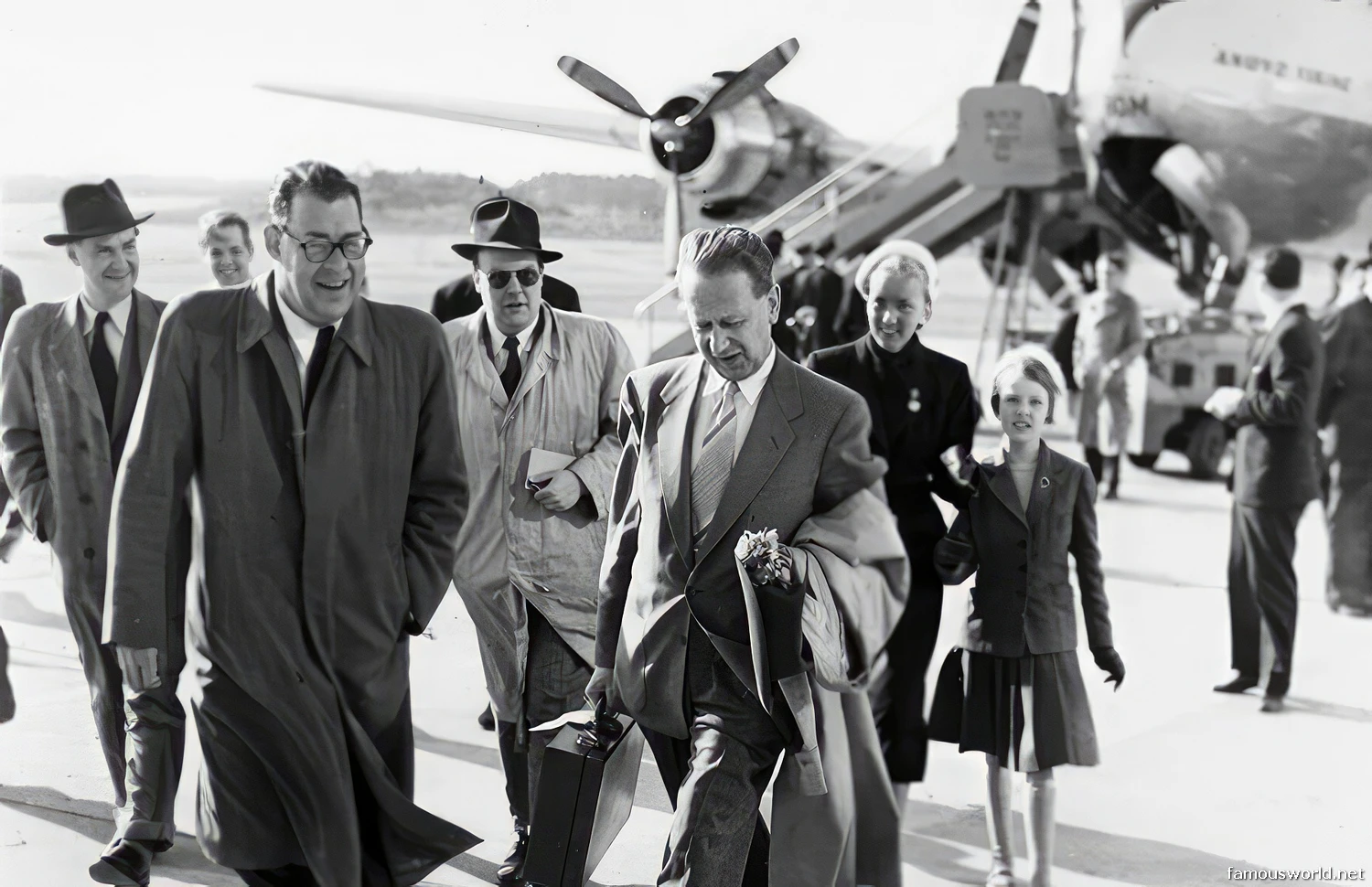

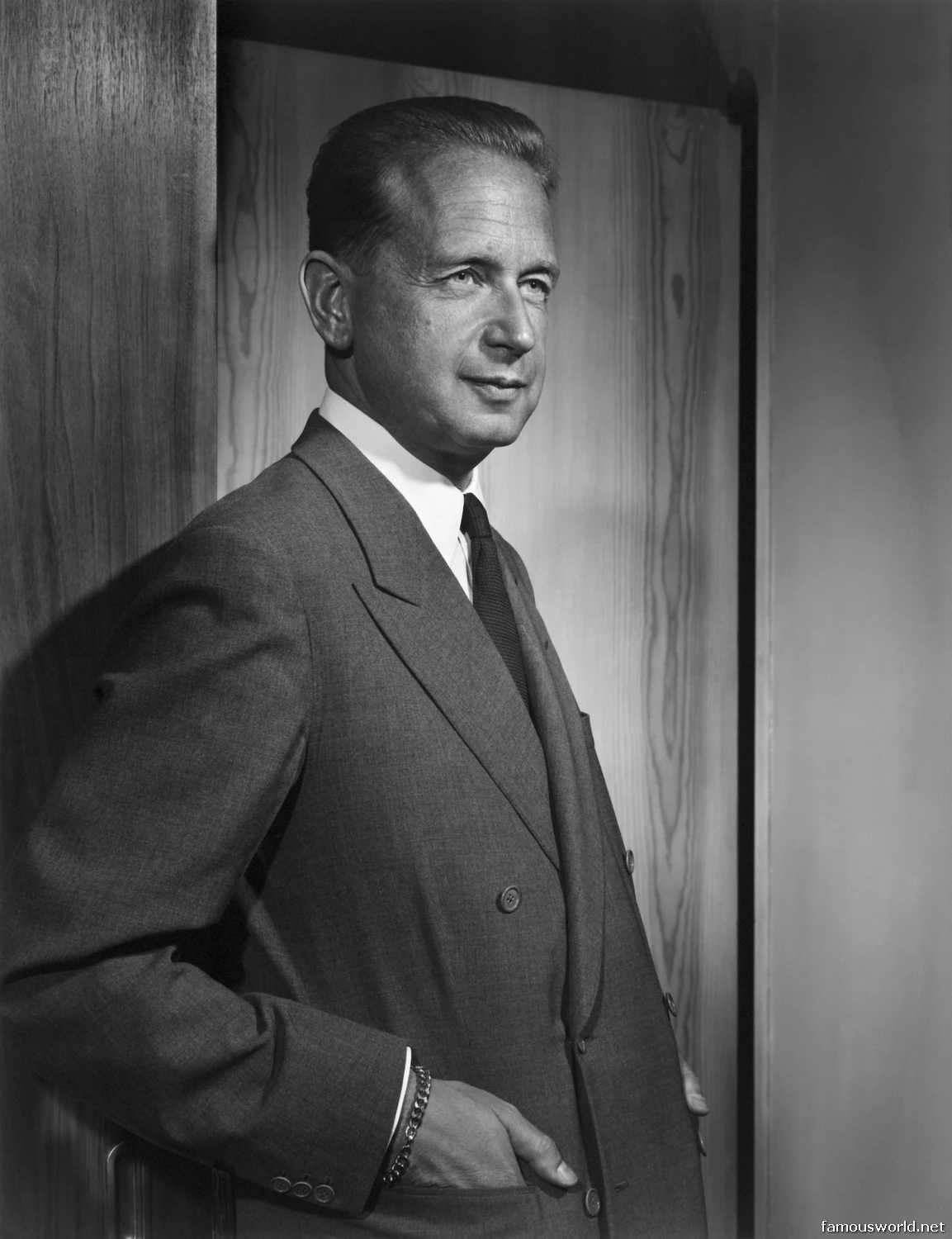
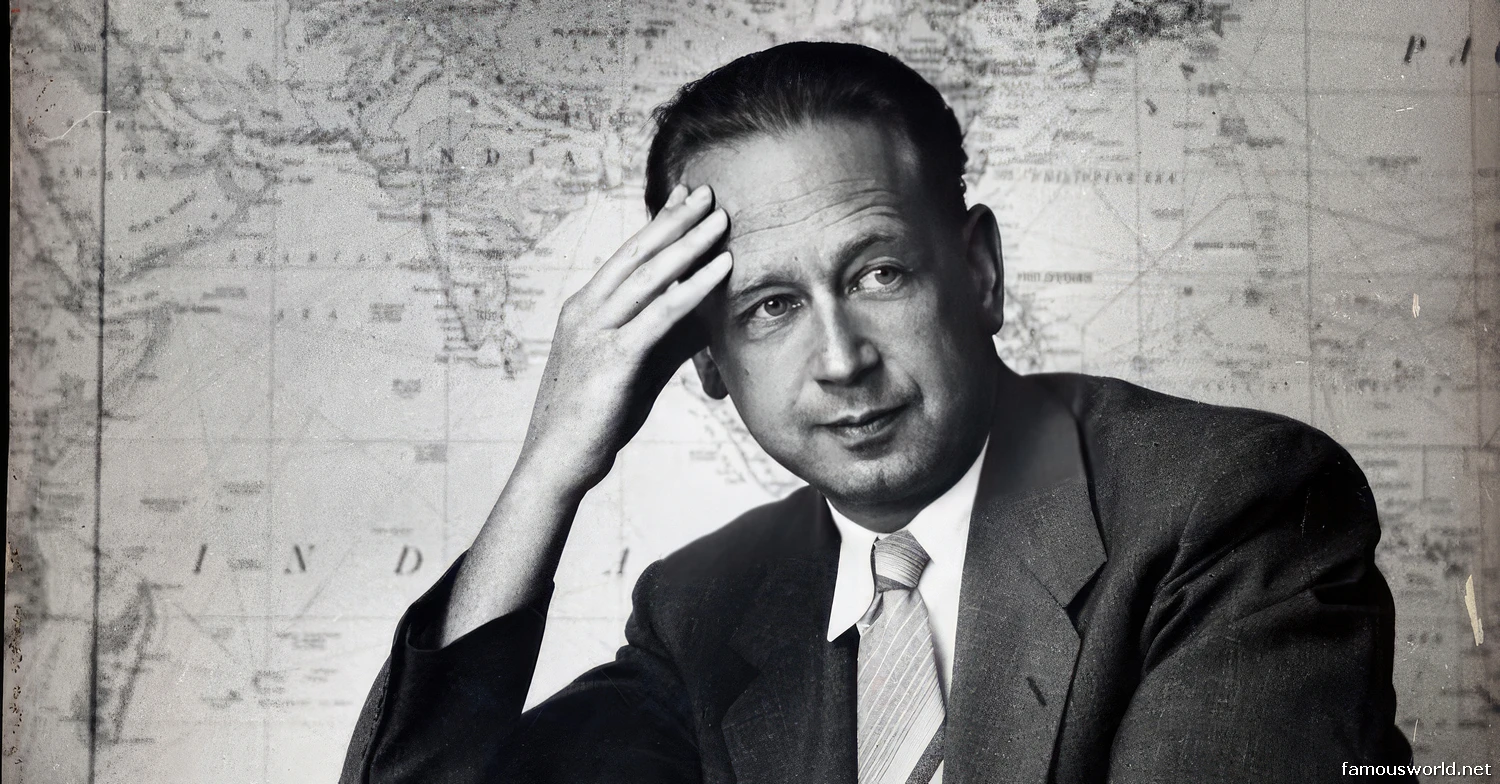

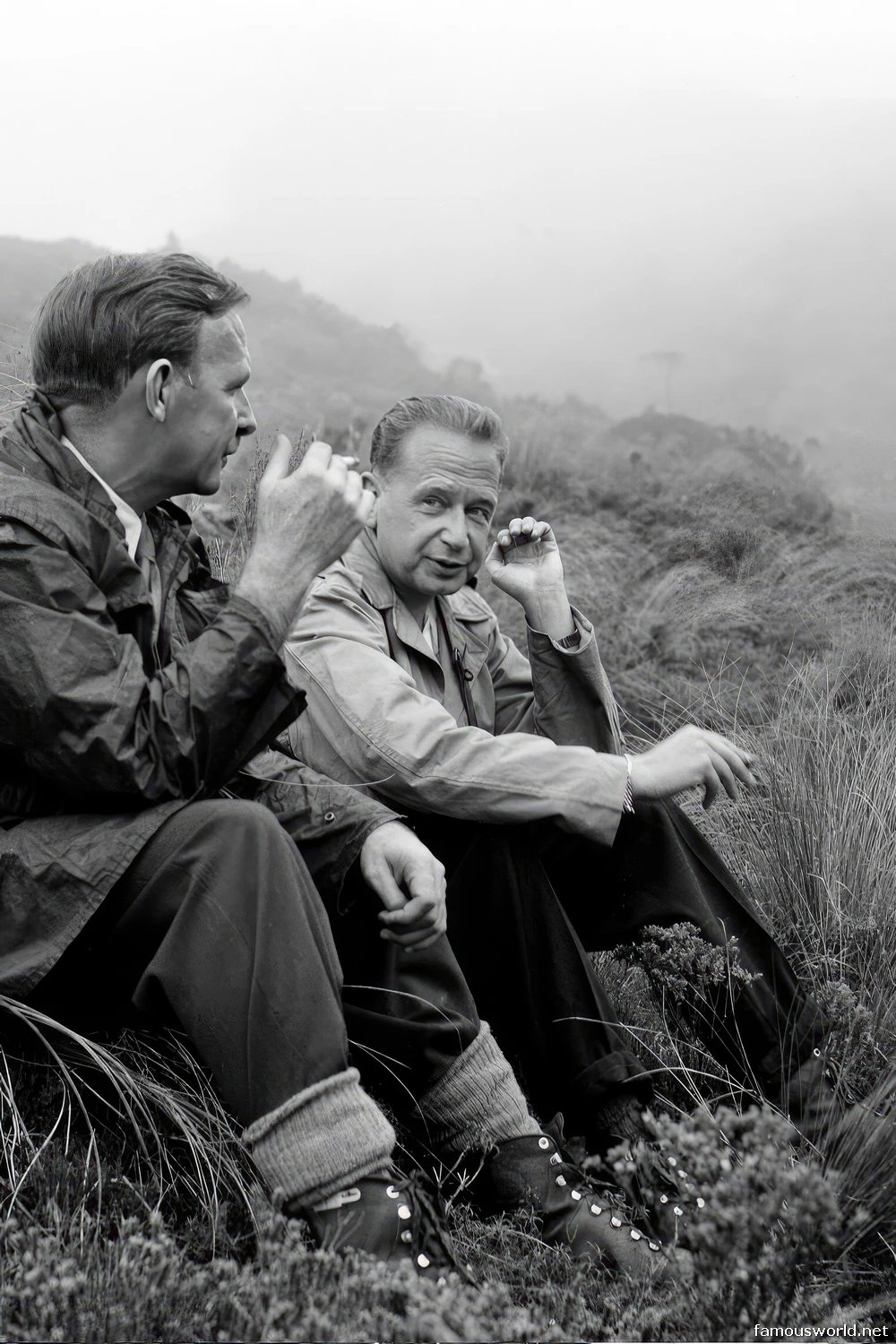
Dag Hammarskjöld was a Swedish economist, diplomat, and author who served as the second Secretary-General of the United Nations from April 1953 until his death in a plane crash in September 1961. A man of immense integrity and intellect, he is widely regarded as one of the most influential figures in the history of the UN, responsible for transforming the role of the Secretary-General into a proactive force for global peace. He was posthumously awarded the Nobel Peace Prize and remains a benchmark for leadership and moral courage in international diplomacy.
Listen to an introduction about Dag Hammarskjöld

Name: Dag Hjalmar Agne Carl Hammarskjöld
Date of birth: July 29, 1905 (Died: September 18, 1961)
Height: Information on his exact height is not widely documented.
Place of birth: Jönköping, Småland, Sweden
Family:
Parents’ names: Hjalmar Hammarskjöld (father, a prominent academic, politician, and Prime Minister of Sweden during World War I) and Agnes Almquist (mother).
Siblings: He had three older brothers: Bo, Åke, and Sten.
Spouse: Unmarried.
Children: None. He dedicated his life to public service.
Relatives: He came from a long line of Swedish nobles and public servants.
Profession: Diplomat, Economist, Public Servant, Author.
Nationality: Swedish
Religion: Lutheran (Church of Sweden). He was a man of deep, personal Christian faith and mysticism, which was largely unknown to the public until the posthumous publication of his spiritual journal, Vägmärken (Markings).
College or university attended:
Uppsala University (earned degrees in Law and Political Economy)
Stockholm University (earned a doctorate in Economics)
Biography and What Famous For:
Dag Hammarskjöld was raised in an environment of intellectual rigor and public service. The son of a Swedish Prime Minister, he was a brilliant academic who excelled in economics and law. He embarked on a distinguished career in the Swedish civil service, becoming chairman of the Bank of Sweden and a key figure in shaping Sweden’s post-war financial policies.
In 1953, following the resignation of the first UN Secretary-General, Hammarskjöld was selected as a compromise candidate, a technocrat largely unknown outside of Europe. However, he quickly proved to be a visionary and proactive leader. He redefined the office, arguing that the UN Charter implicitly gave the Secretary-General the power to take diplomatic action without prior approval from the major powers. He pioneered the concept of “preventive diplomacy” to de-escalate conflicts before they erupted into major wars.
He is most famous for his leadership during a series of intense Cold War crises:
Securing the release of American pilots (1955): He personally flew to China to negotiate the release of 15 American pilots captured during the Korean War, a major diplomatic victory.
Suez Crisis (1956): His most celebrated achievement. Following the invasion of Egypt by Israel, France, and the UK, Hammarskjöld skillfully navigated the crisis, organized a ceasefire, and conceived of and deployed the first-ever large-scale UN Peacekeeping Force (UNEF I) to secure the peace. This invention became a primary tool for UN conflict management.
Congo Crisis (1960-1961): His most complex and ultimately fatal challenge. After the Belgian Congo gained independence, it descended into civil war and became a Cold War proxy battleground. Hammarskjöld mounted a massive UN operation to prevent the country’s collapse, putting him in direct conflict with colonial interests and the major superpowers.
It was during a peace mission to negotiate a ceasefire in the Congo’s secessionist Katanga province that his plane mysteriously crashed on September 18, 1961, near Ndola, Northern Rhodesia (now Zambia), killing him and 15 others. The exact cause of the crash remains a subject of investigation and debate to this day.
For his efforts, he was posthumously awarded the 1961 Nobel Peace Prize. President John F. Kennedy called him “the greatest statesman of our century.” His enduring legacy is that of a selfless servant of peace who gave his life in its pursuit.
Have participated (Key Positions and Initiatives):
Chairman of the Board, Bank of Sweden: (1941–1948).
Swedish Delegate to the Organisation for European Economic Co-operation (OEEC): (1948–1953).
Secretary-General of the United Nations: (1953–1961).
Suez Crisis Mediation: Led the diplomatic resolution of the 1956 crisis.
Creation of UN Peacekeeping Forces: Conceptualized and deployed the first armed peacekeeping force (UNEF) in 1956, a model used ever since.
Conflict Mediation: Actively involved in mediating conflicts in China (1955), the Middle East (1958), Laos (1959), and the Congo (1960–1961).
Nobel Peace Prize: Awarded posthumously in 1961.
Author: His spiritual diary, Vägmärken (Markings), was published in 1963, revealing the profound inner life of a global leader.