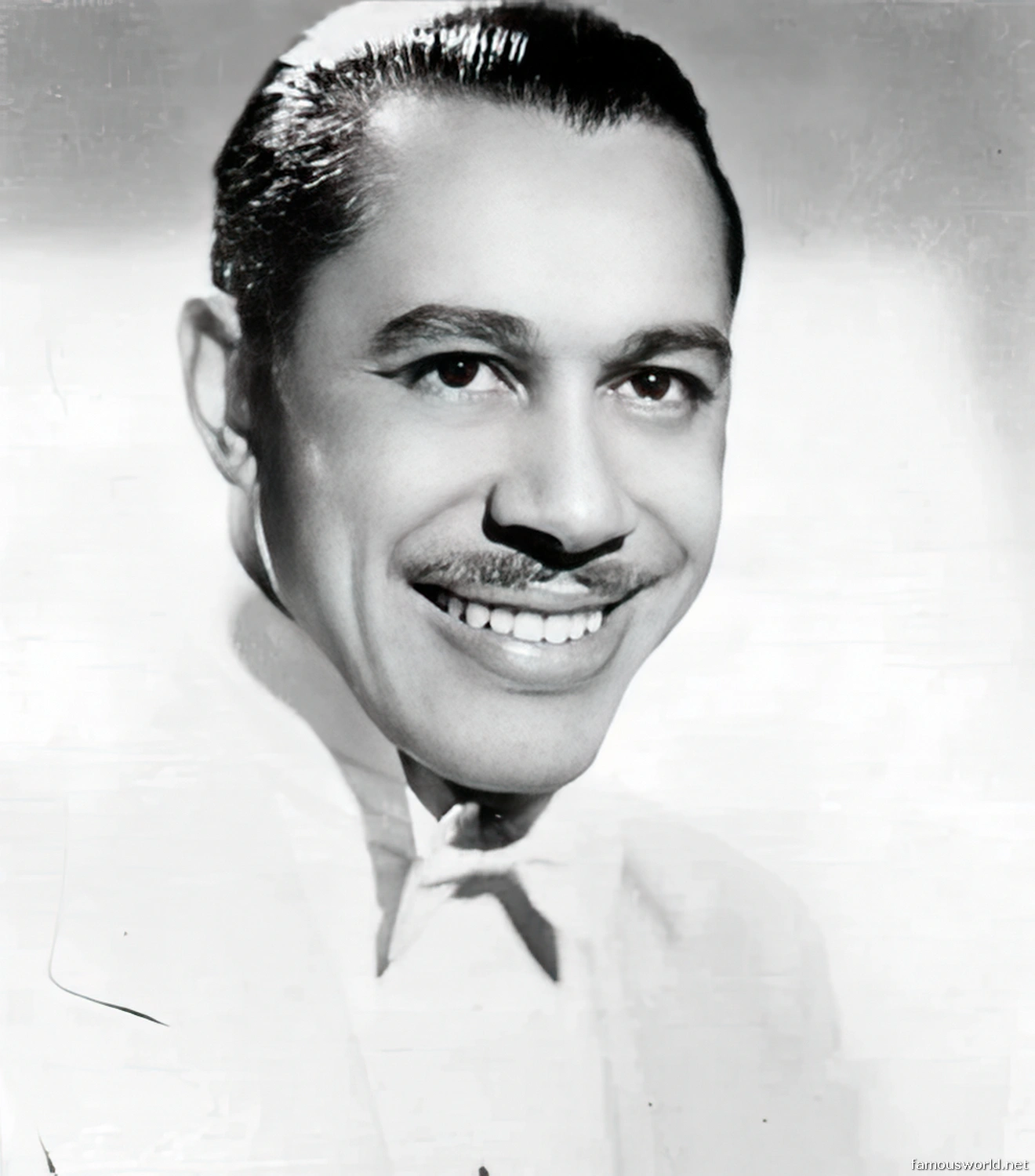
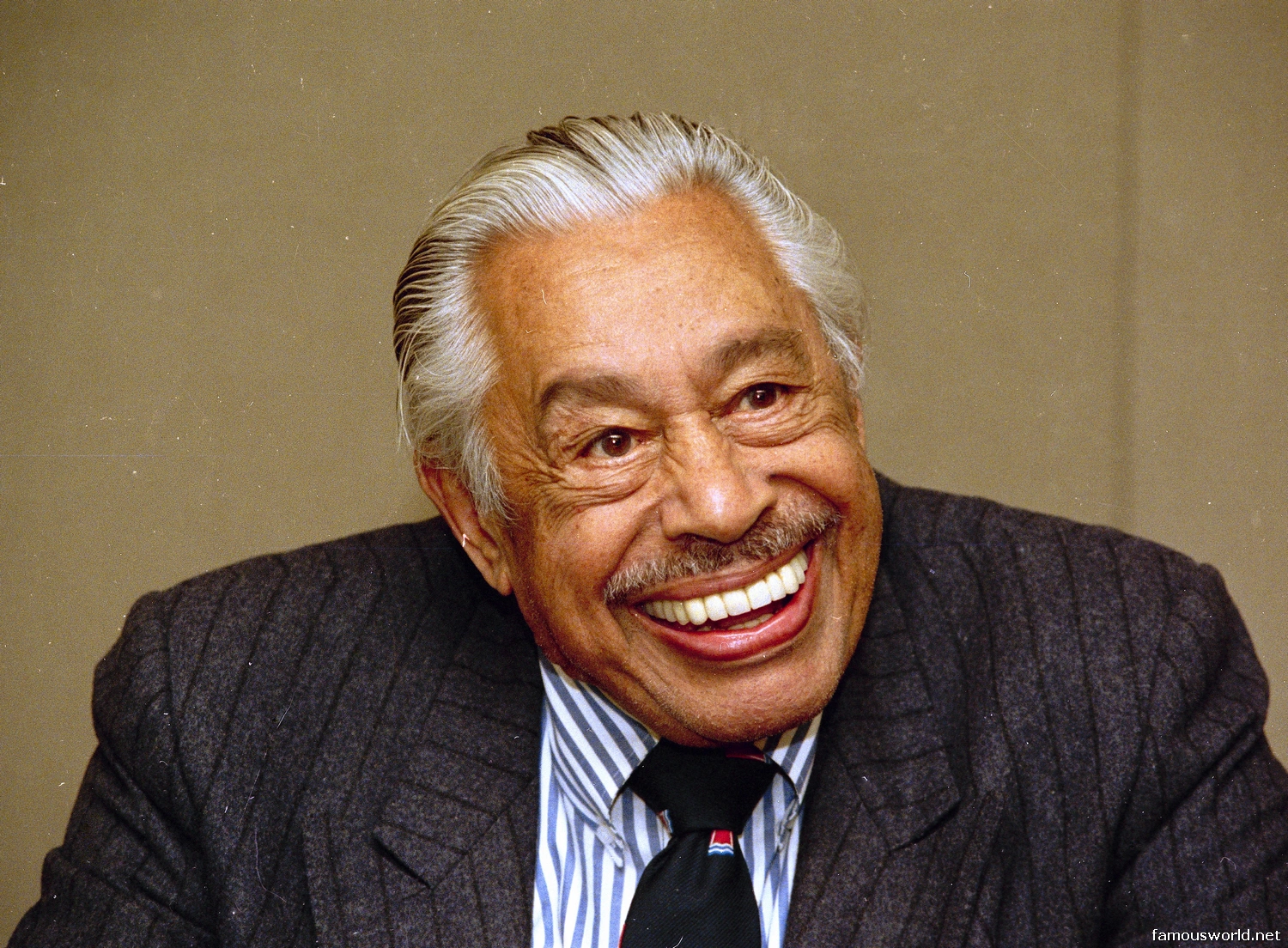
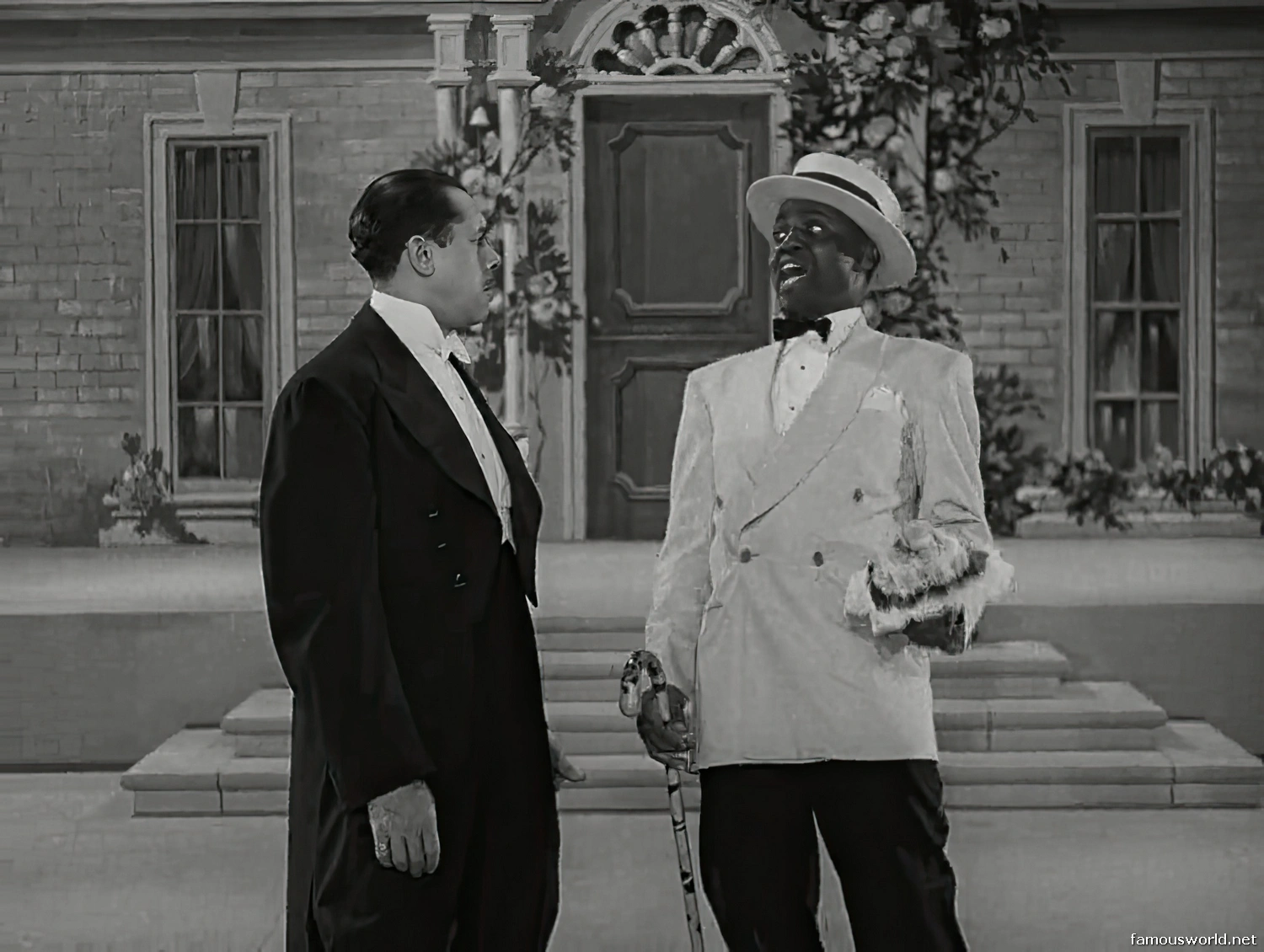
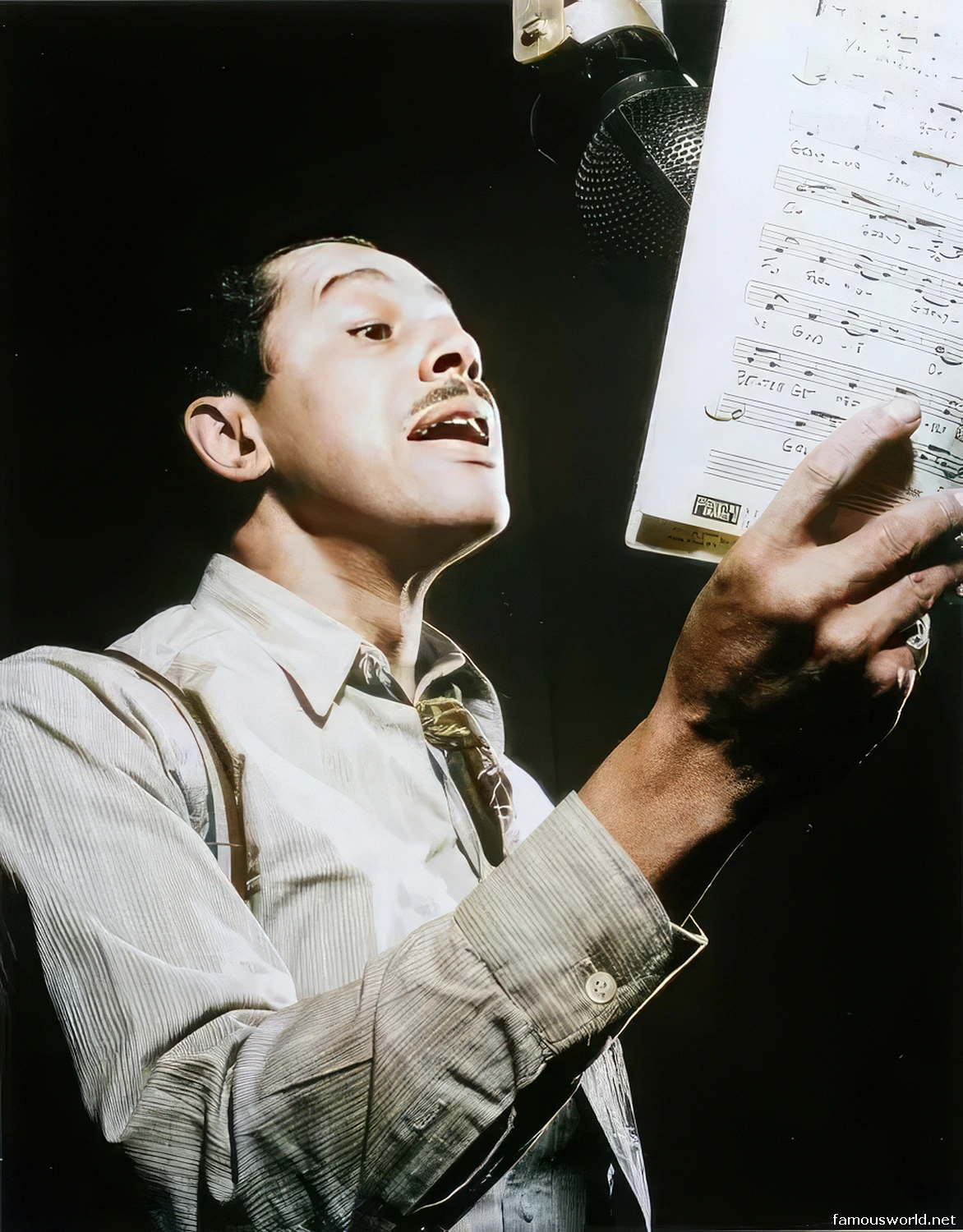
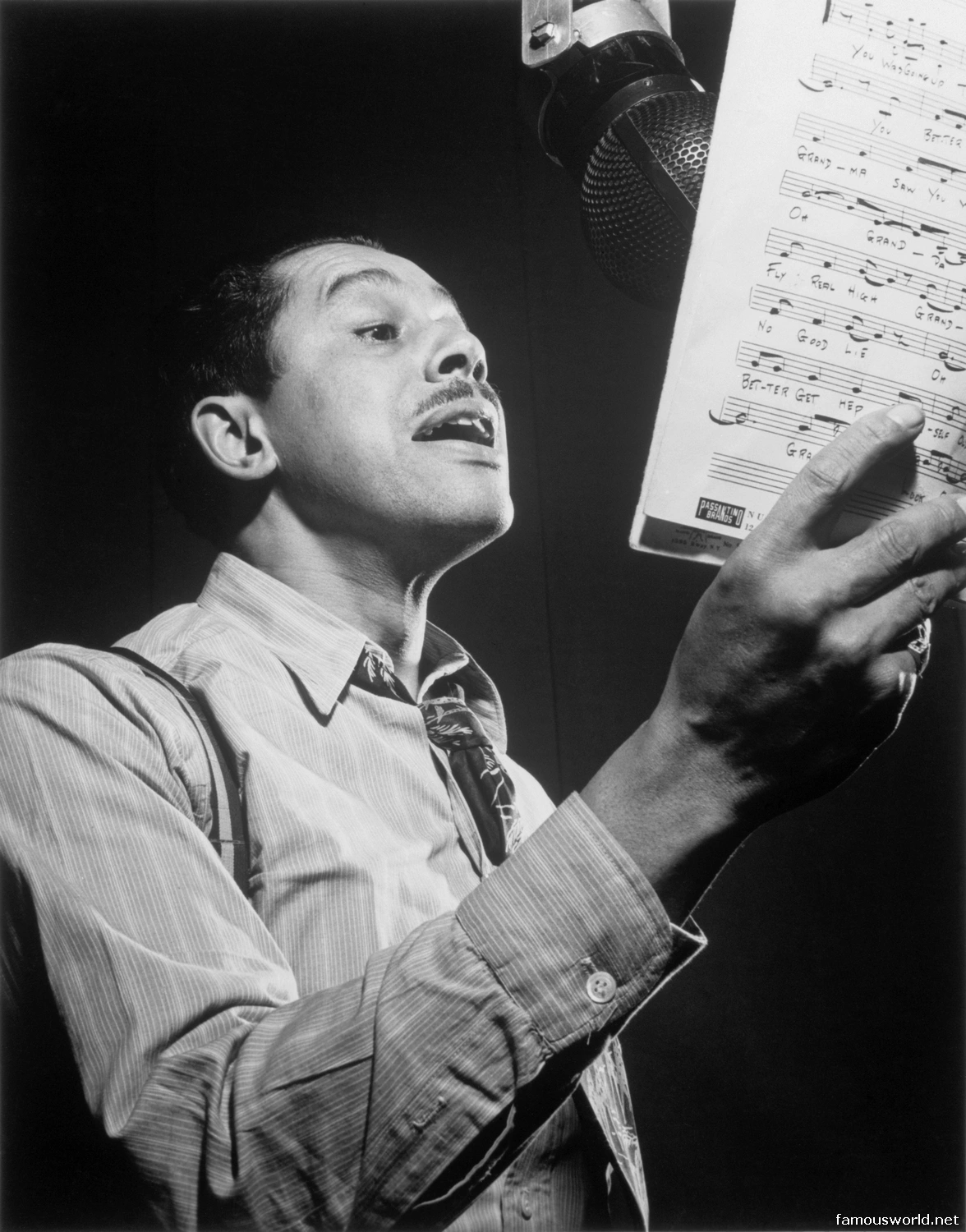
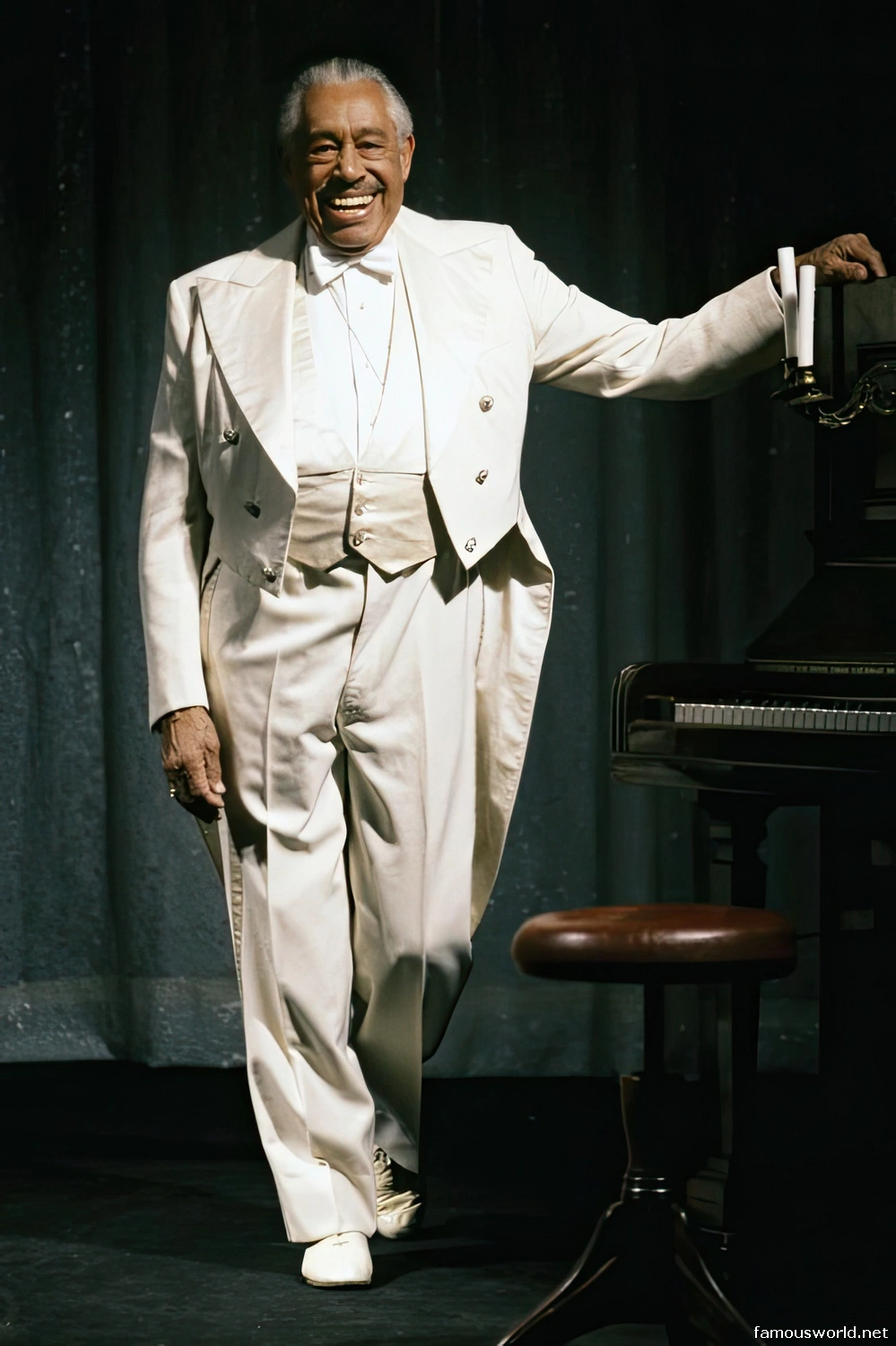
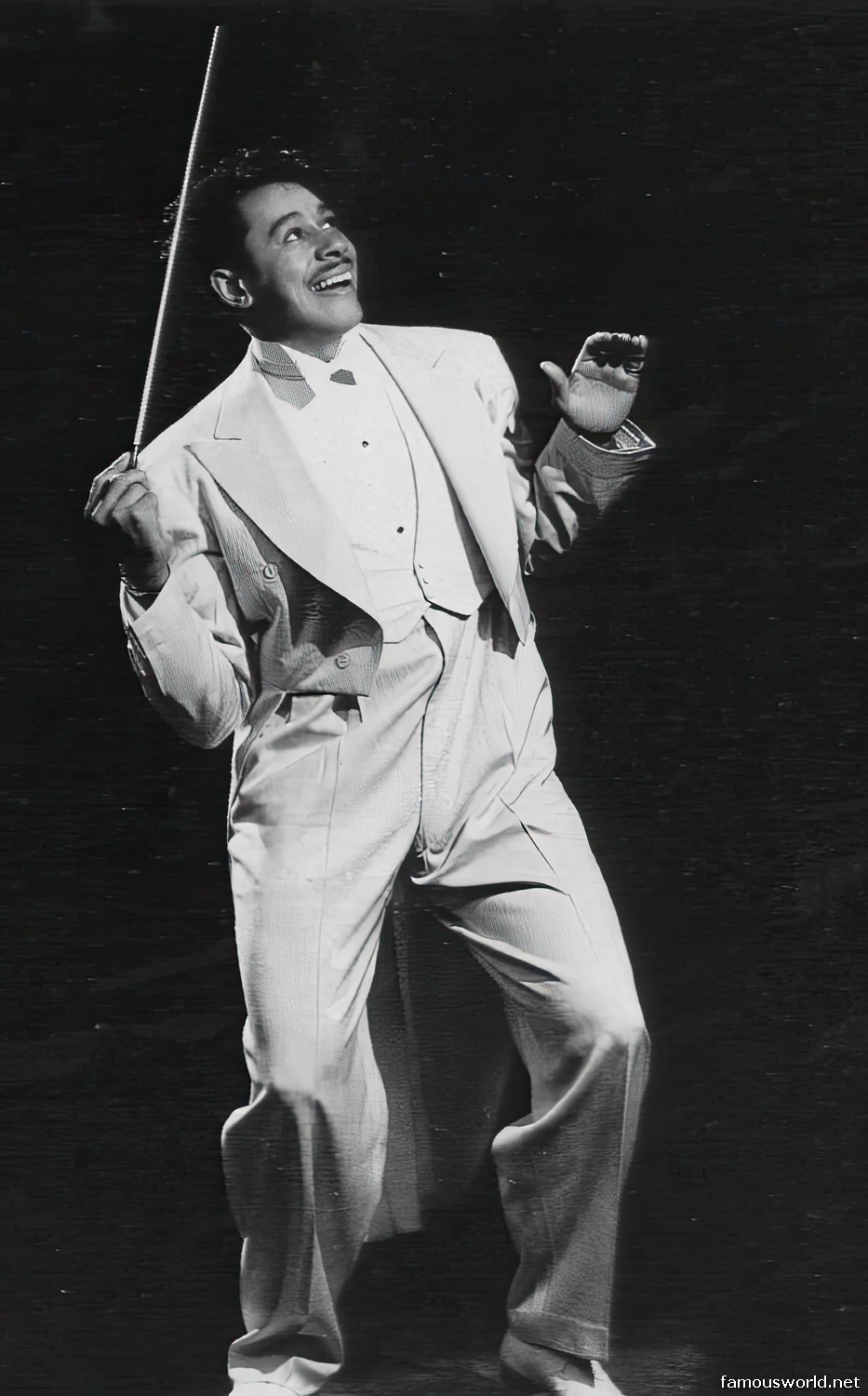
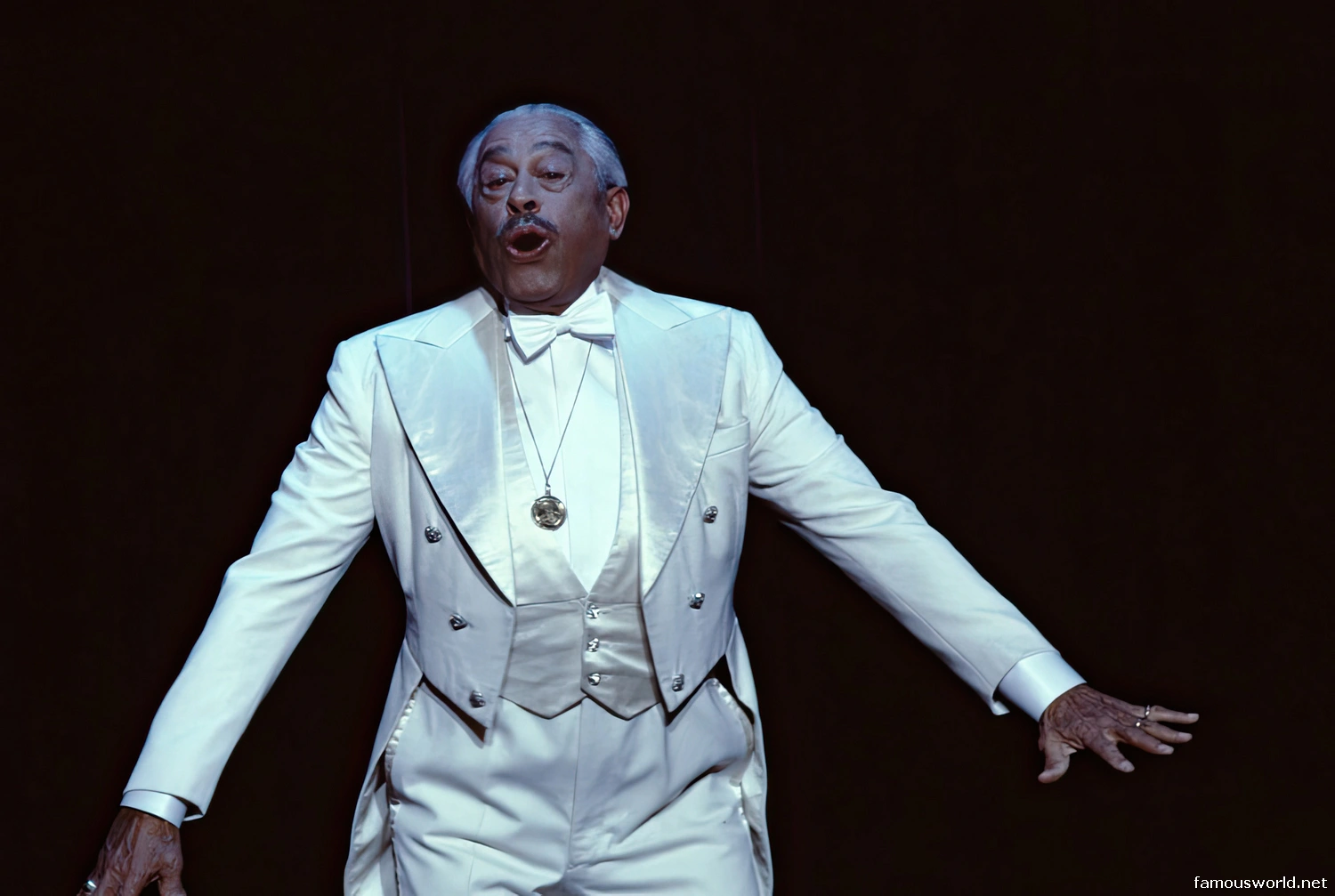
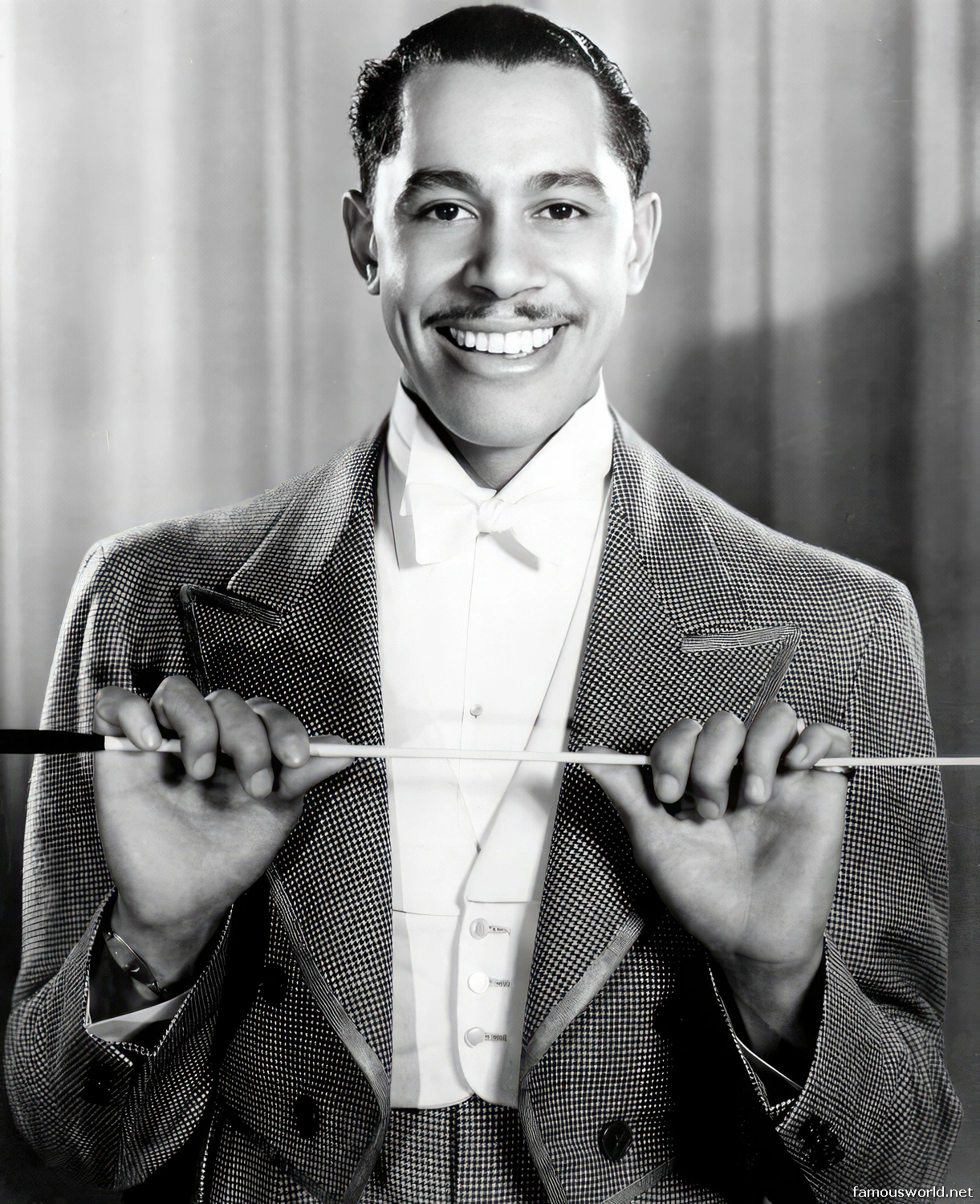
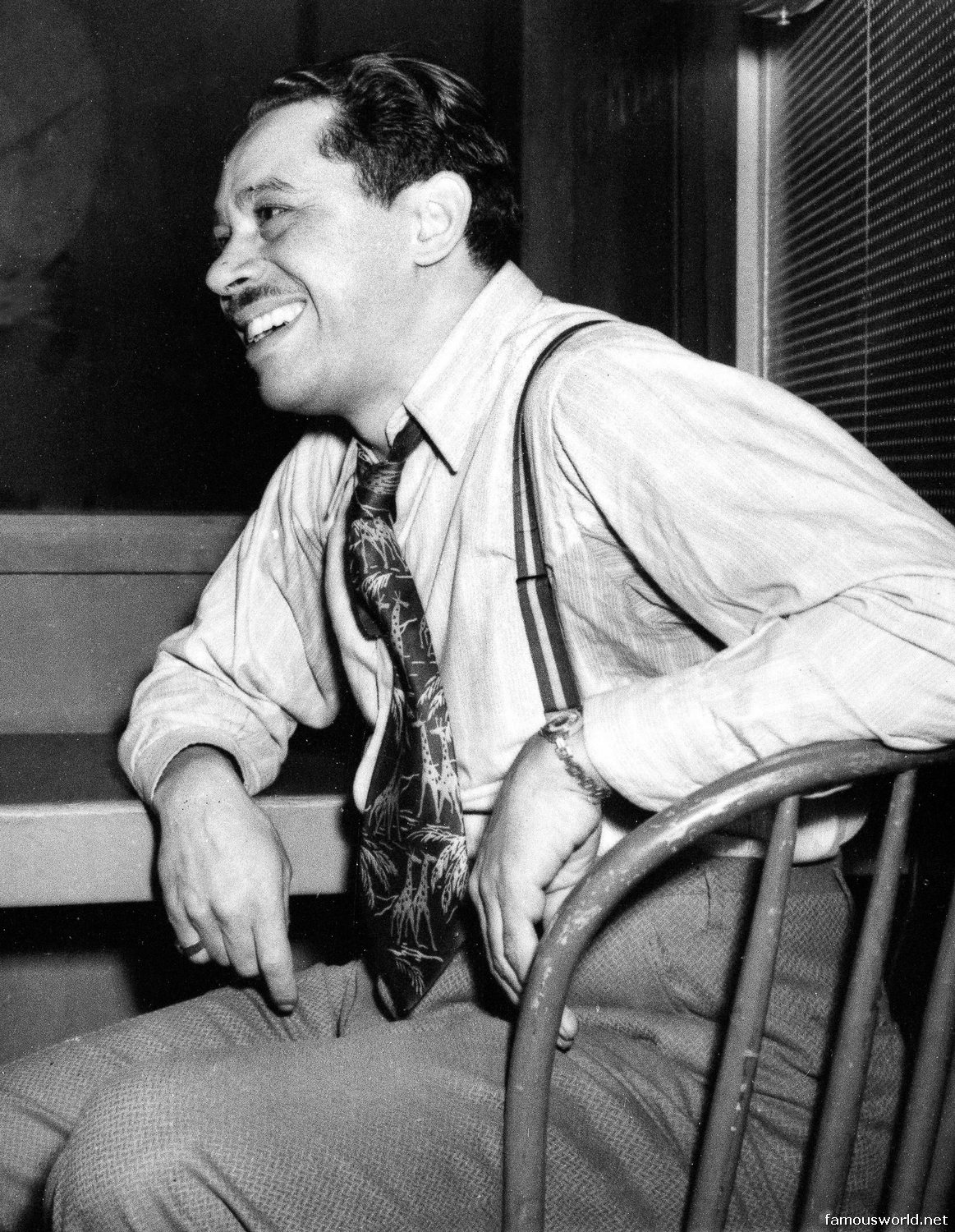
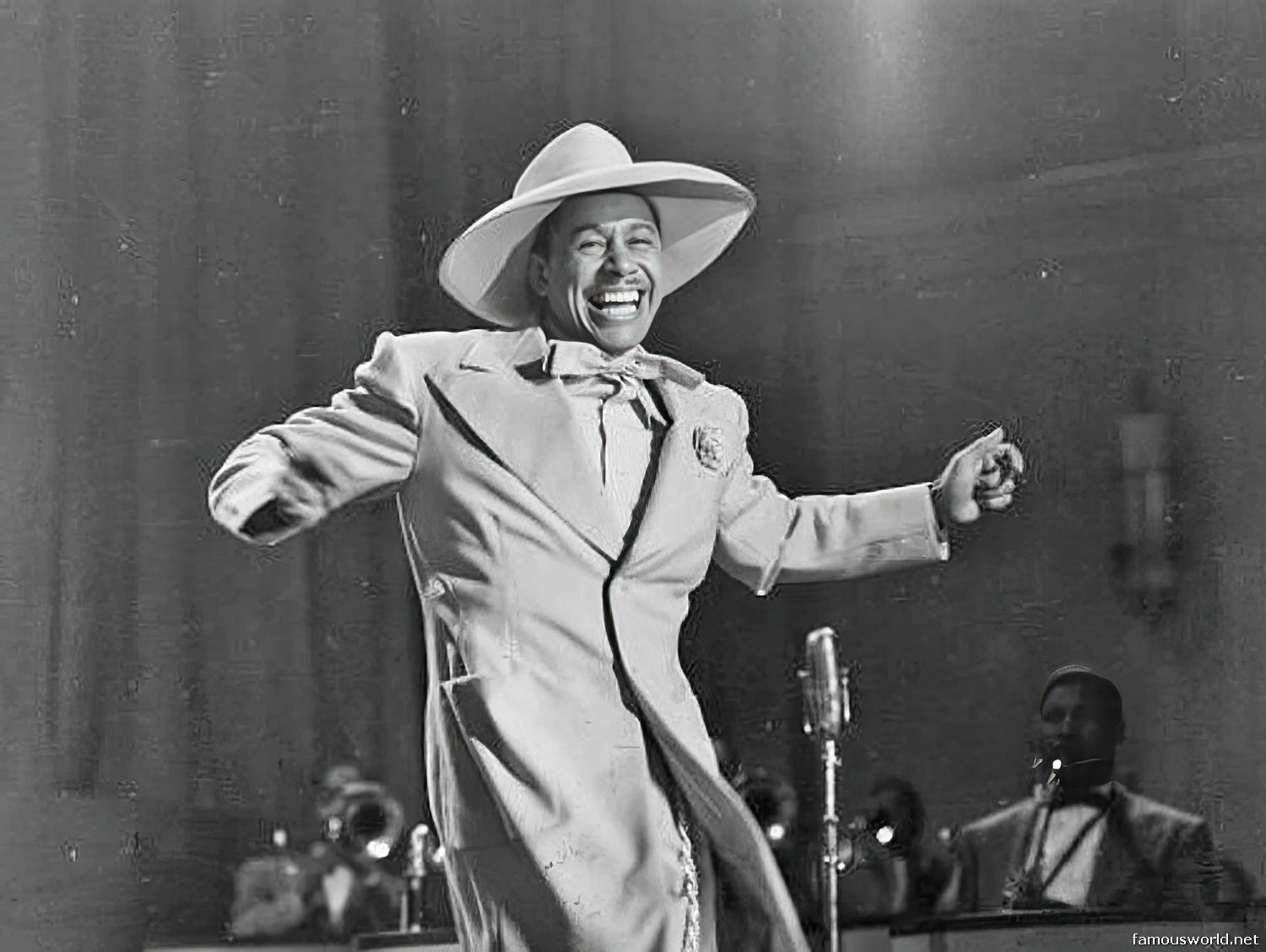
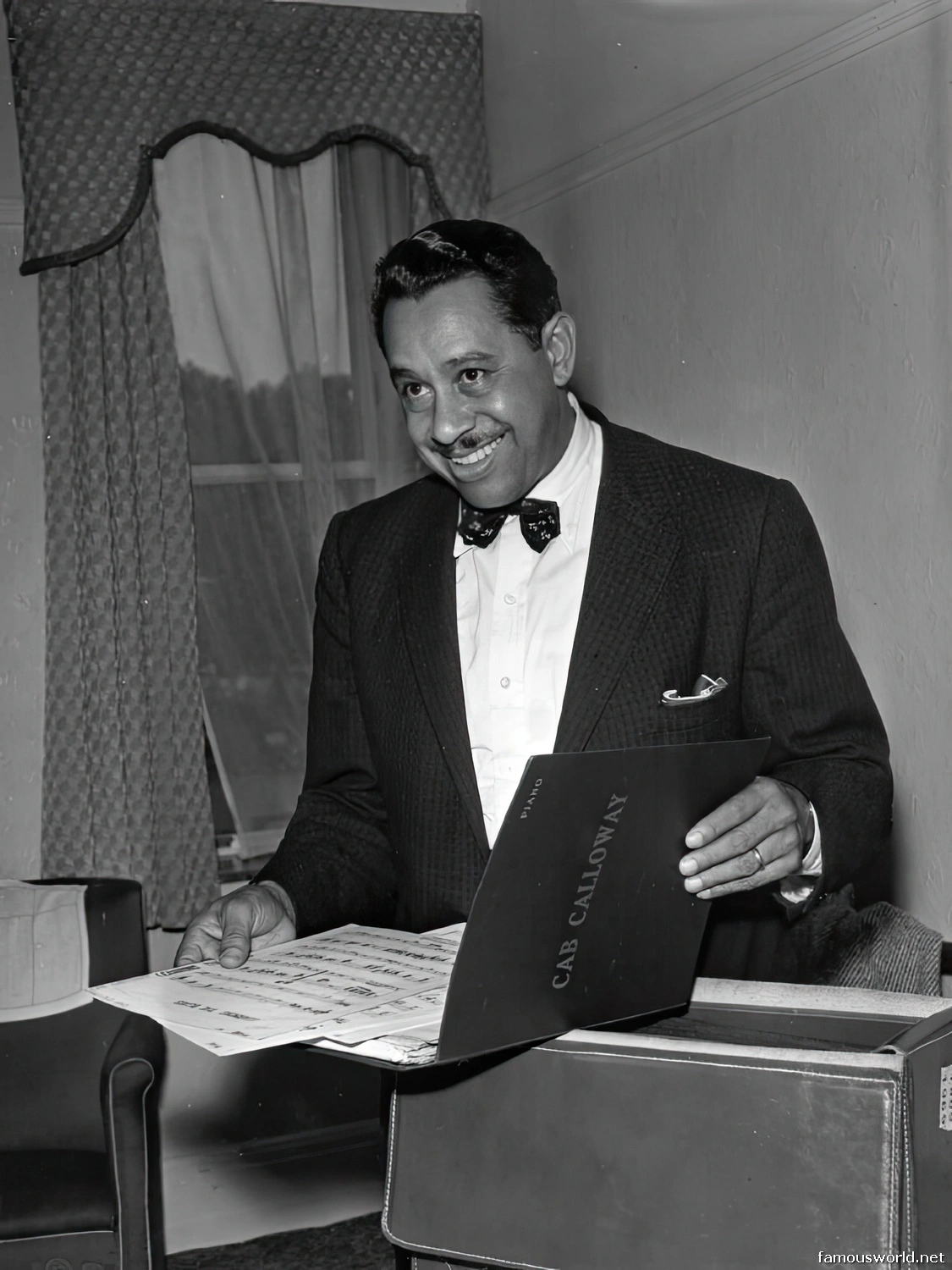
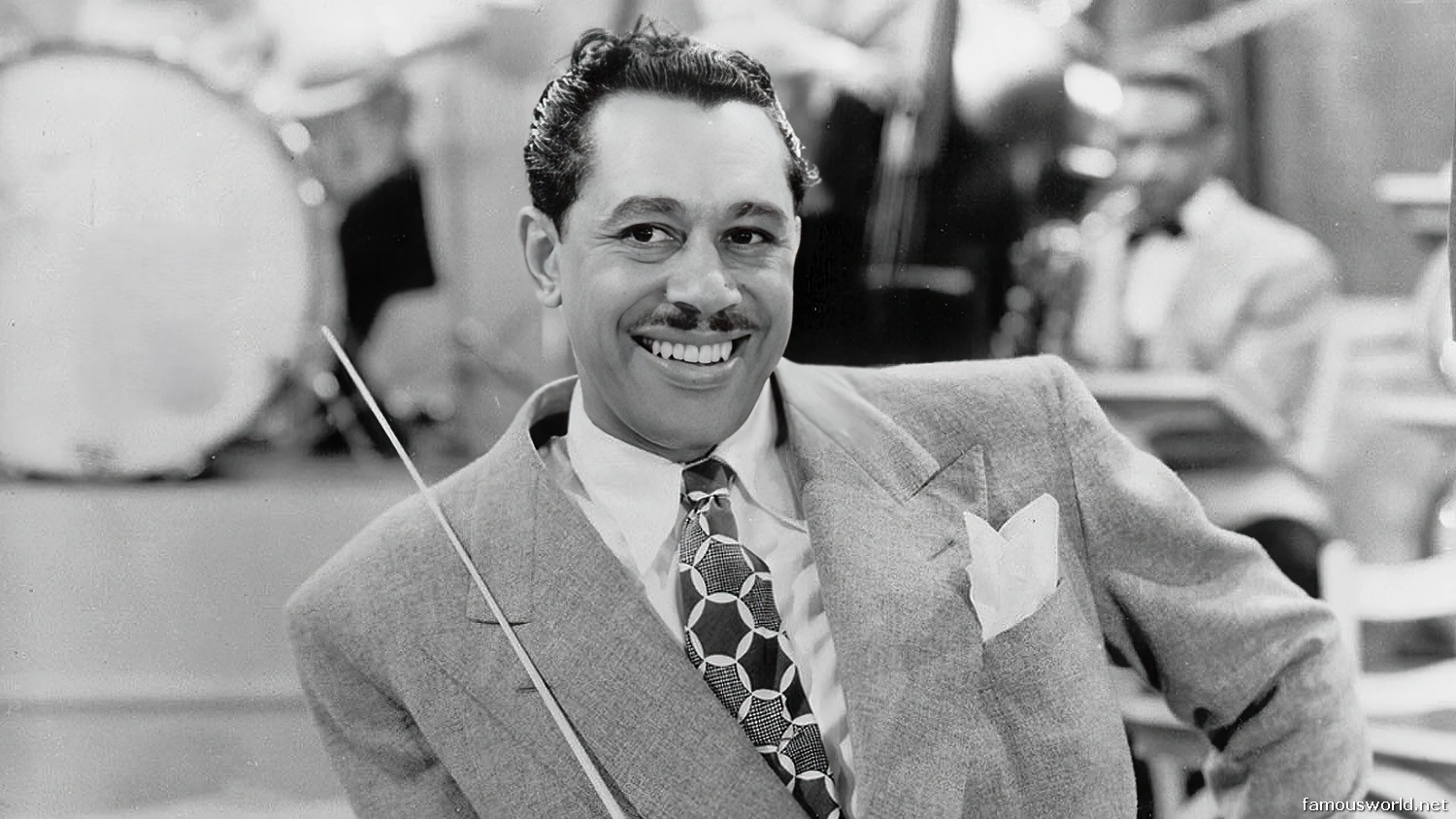
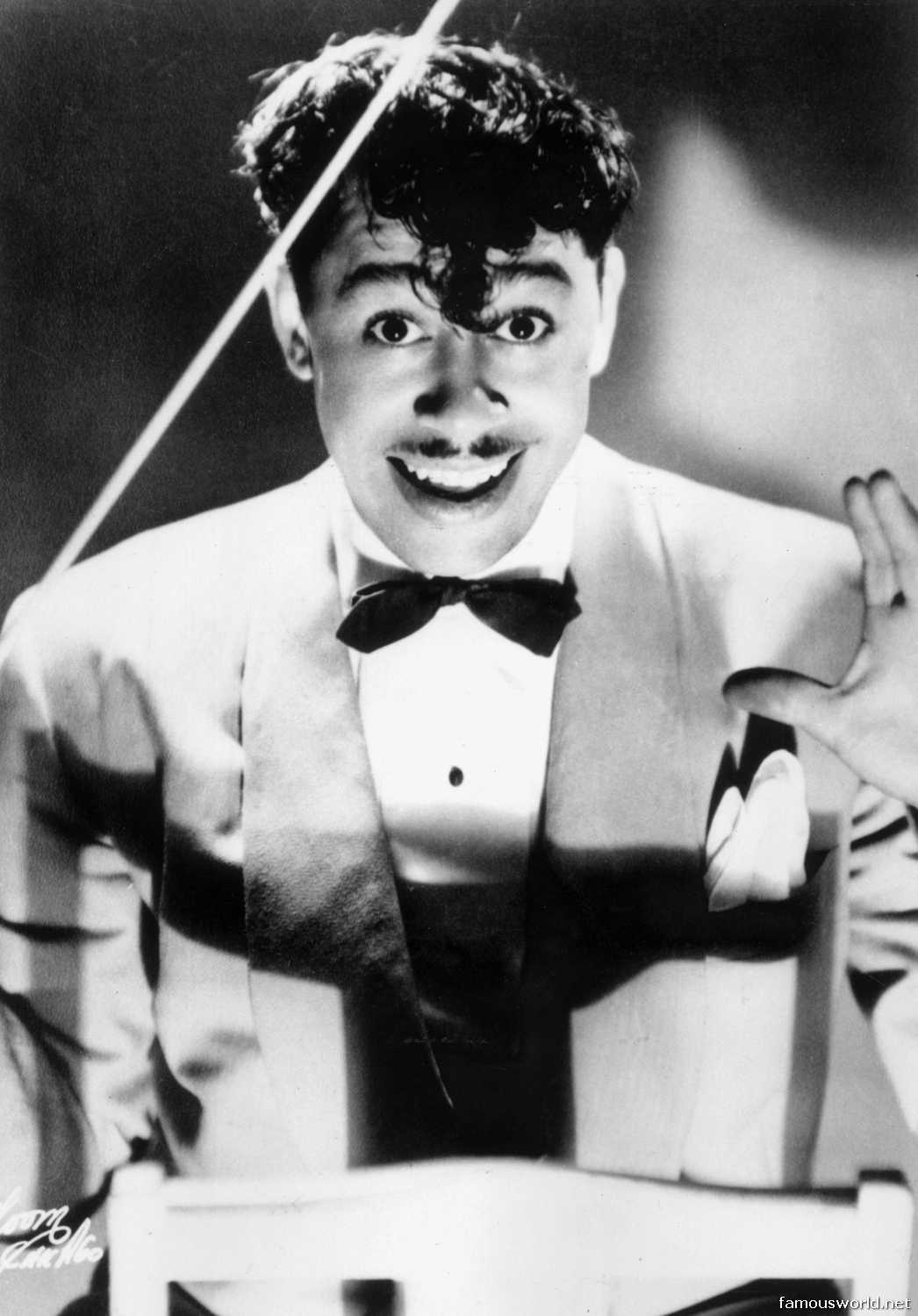
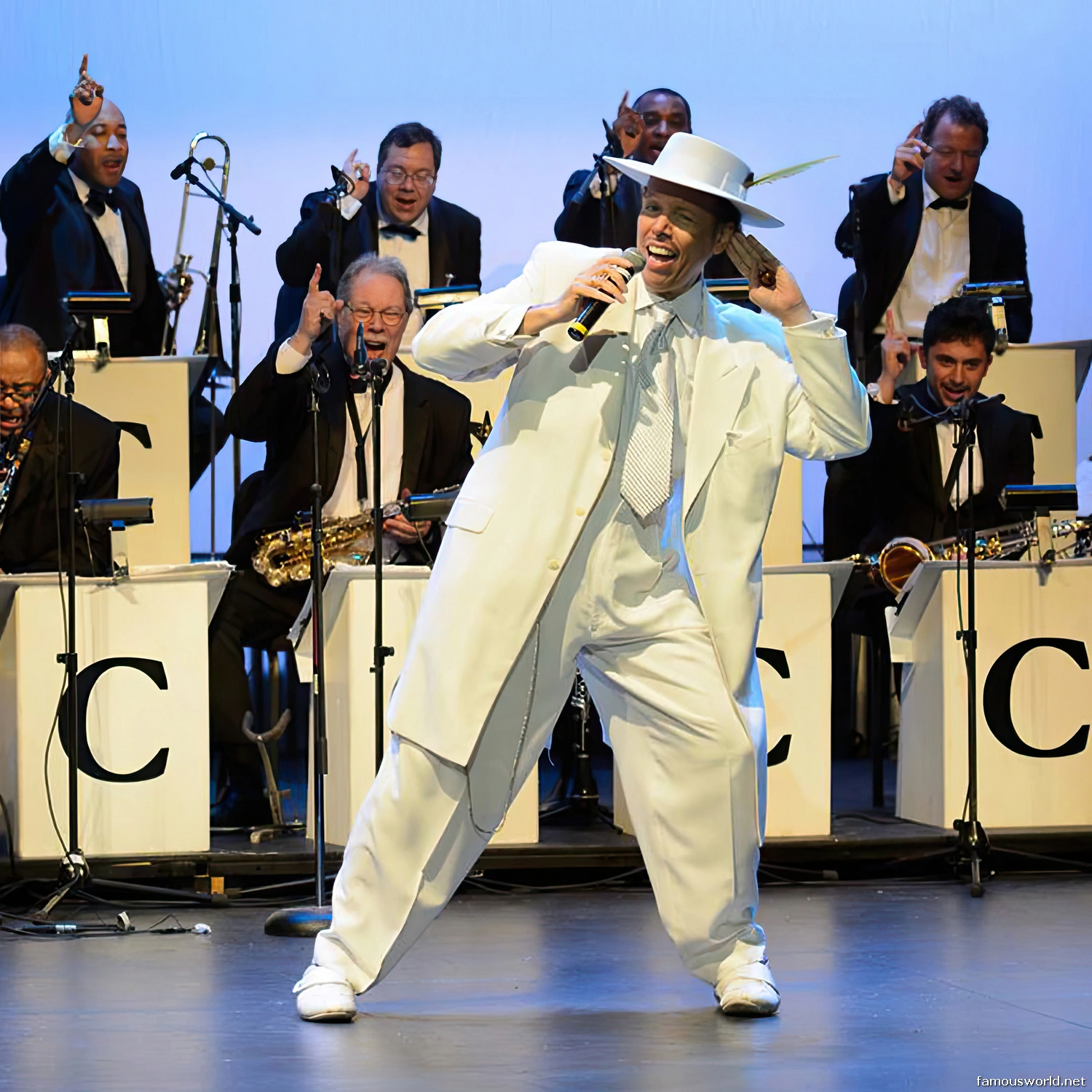
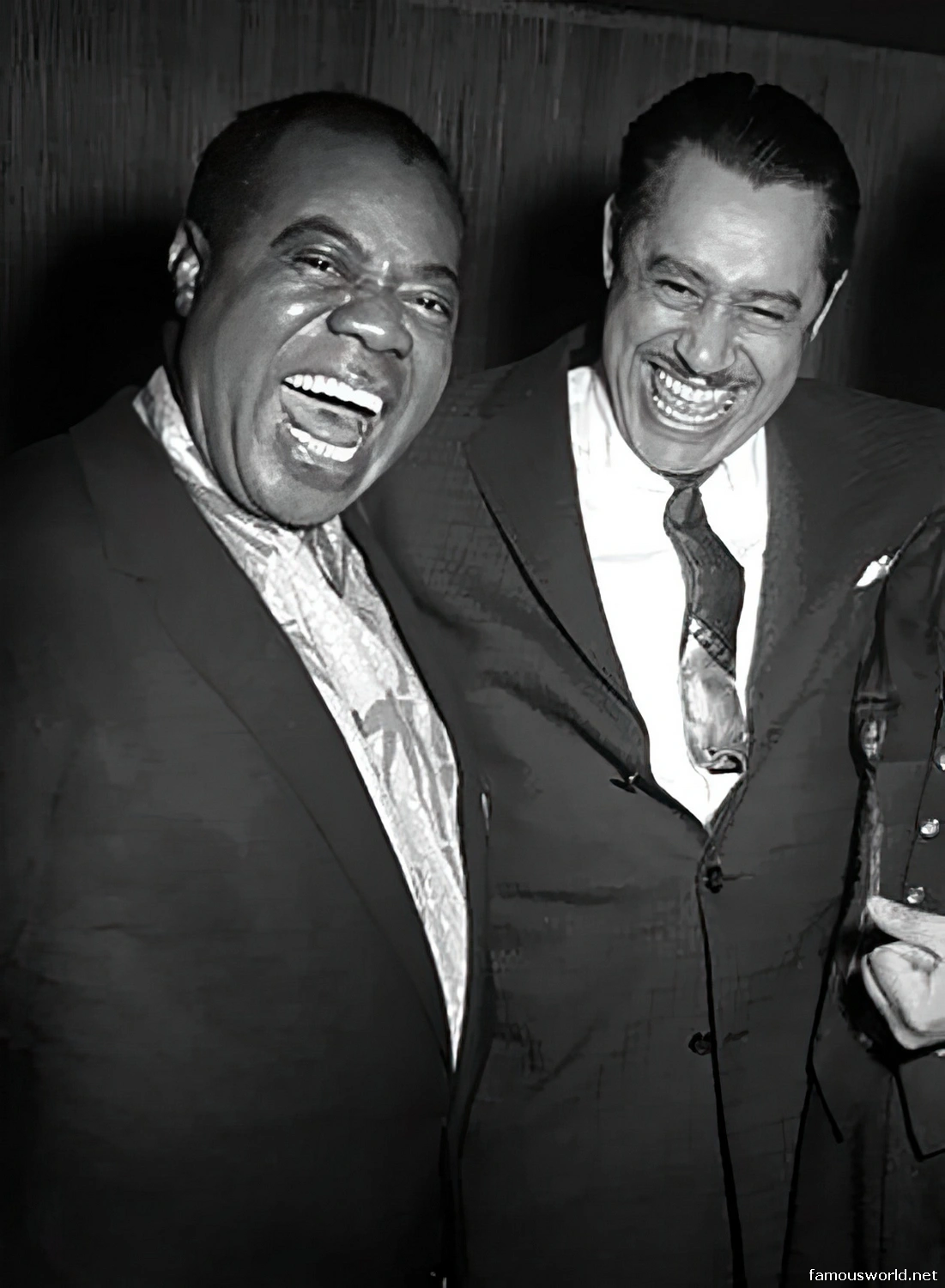
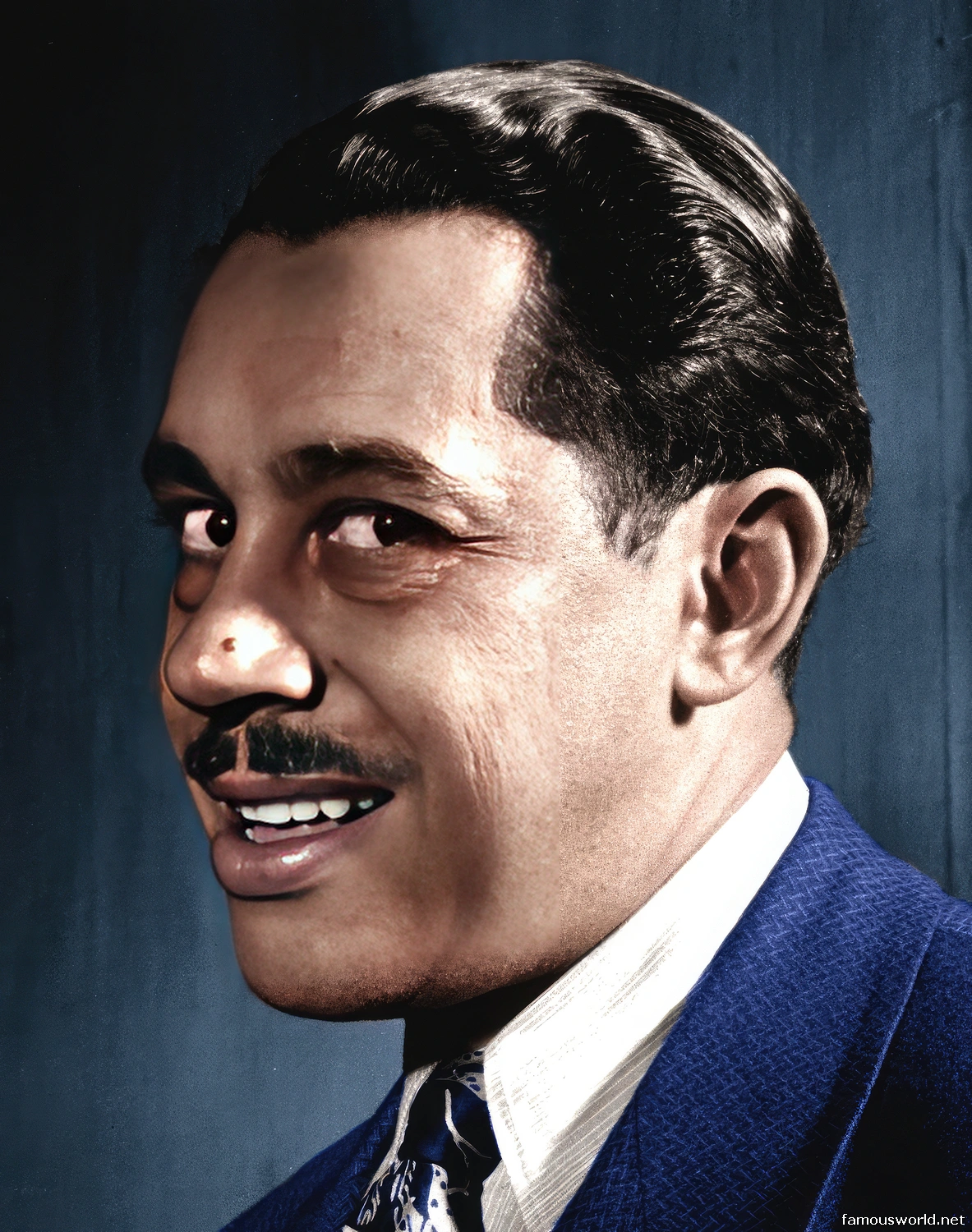
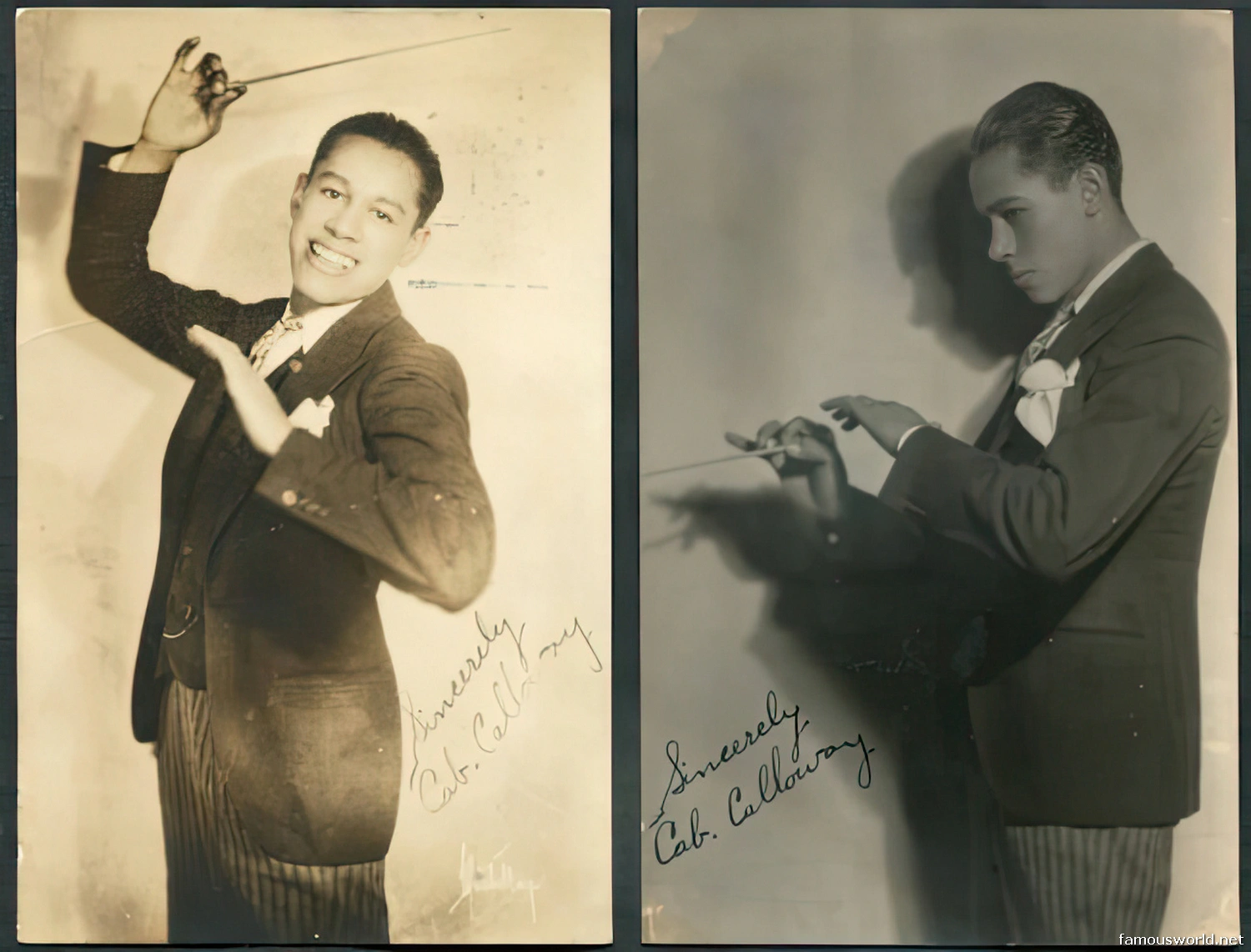
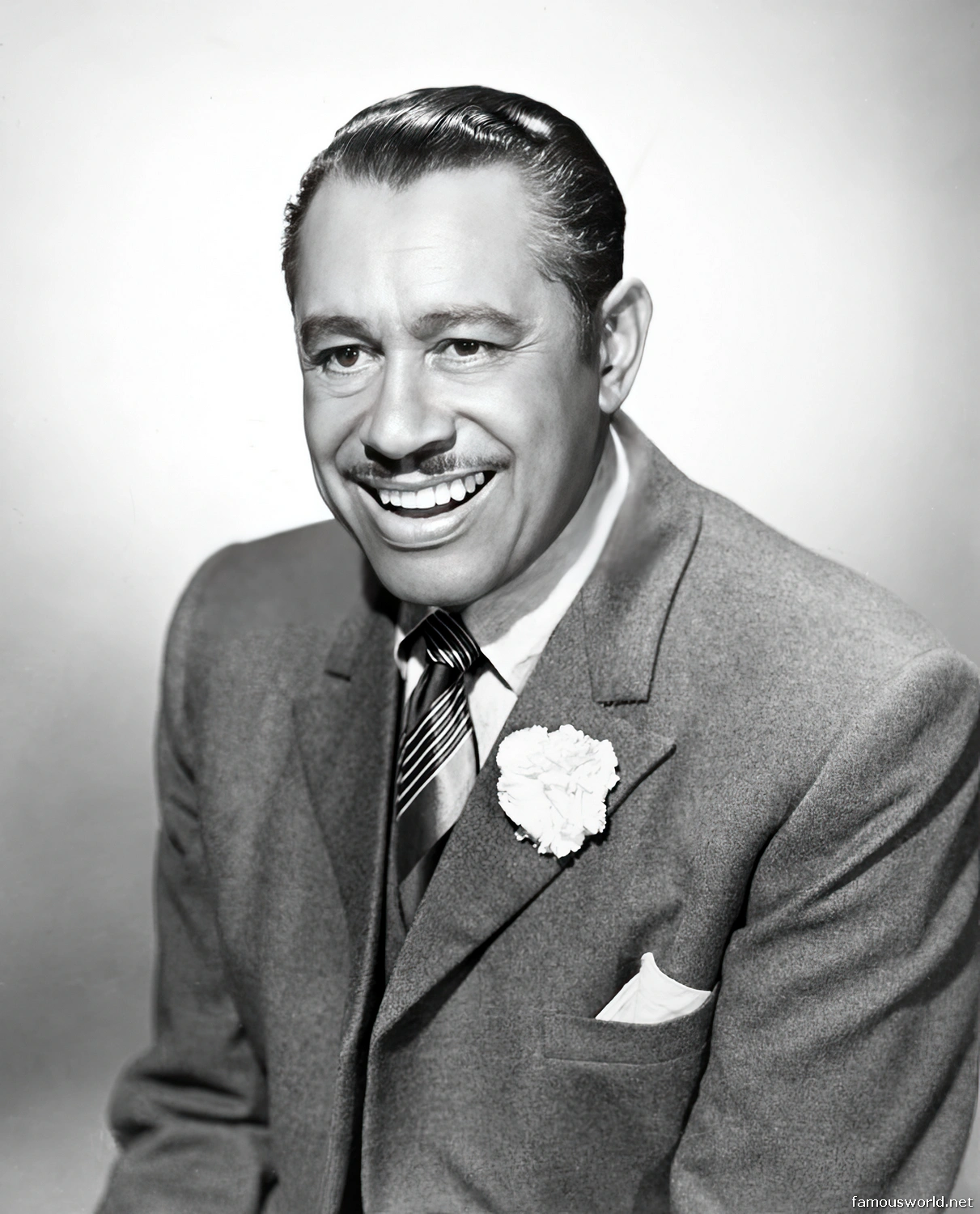
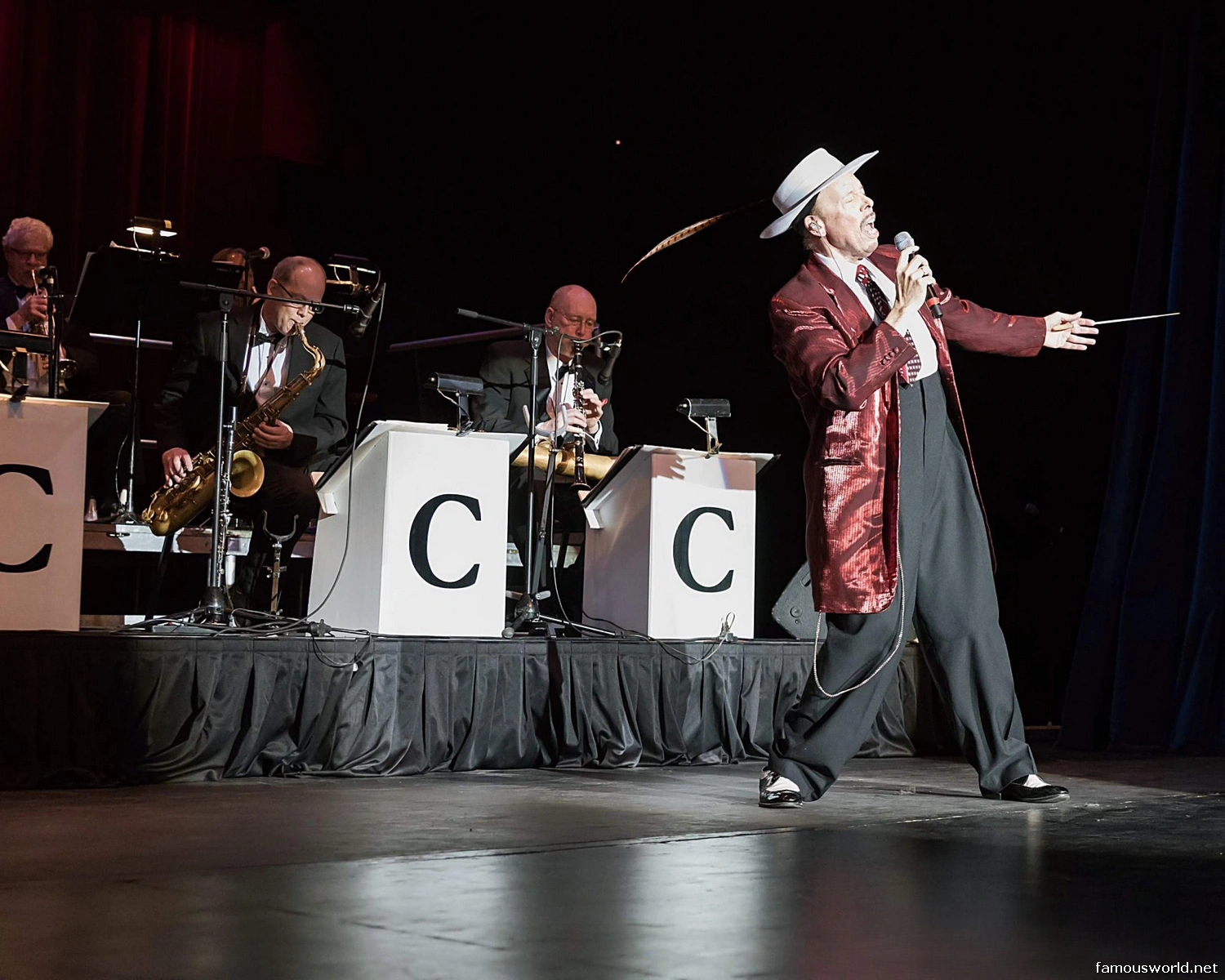
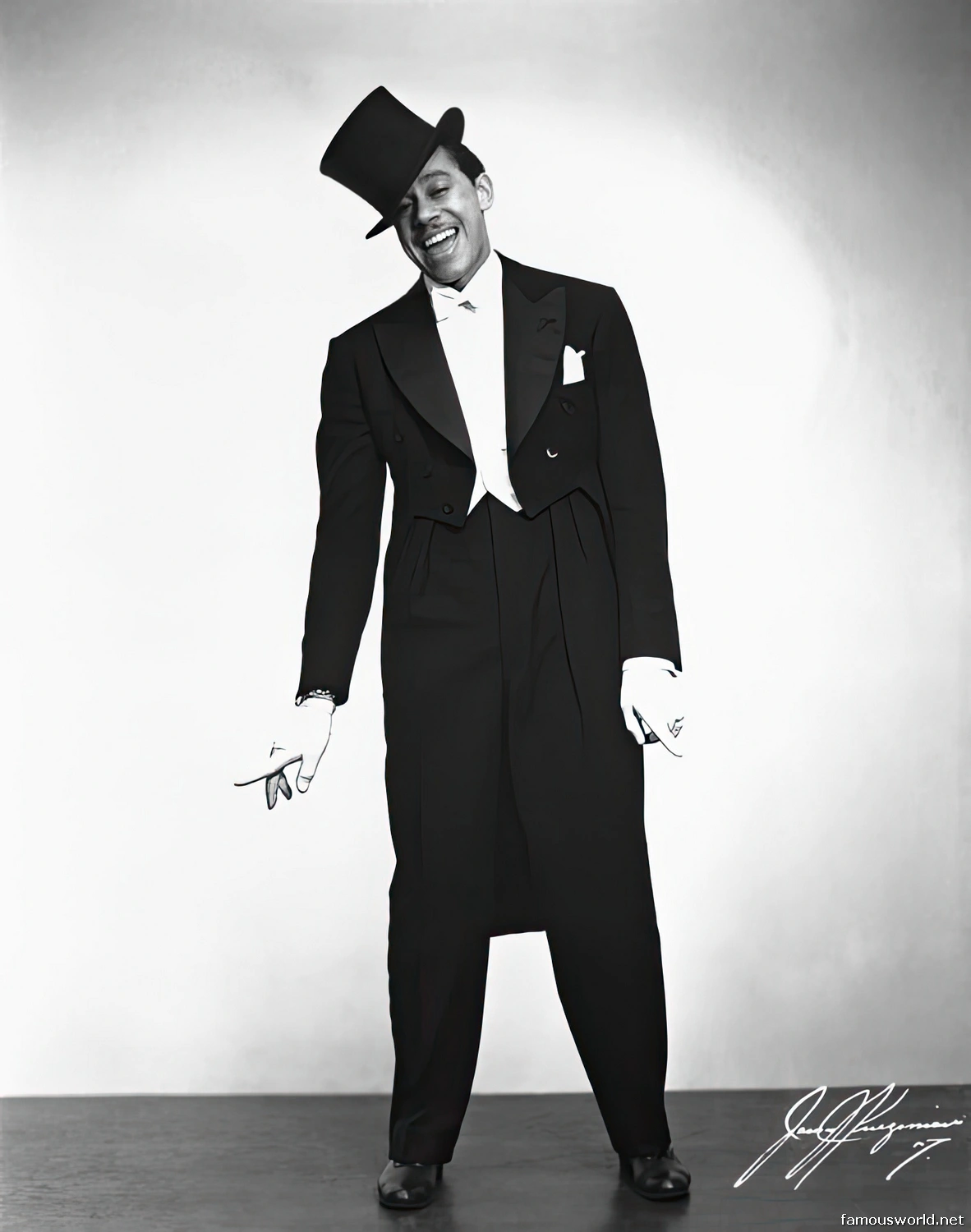
Cabell “Cab” Calloway III was a charismatic American jazz singer, bandleader, and actor. An iconic figure of the Harlem Renaissance, he was a master of energetic scat singing and led one of America’s most popular big bands from the early 1930s to the late 1940s. His flamboyant style and “Hi-De-Ho” catchphrase made him a household name.
Listen to an introduction about Cab Calloway

Name: Cabell Calloway III
Date of birth: December 25, 1907
Date of death: November 18, 1994 (aged 86)
Place of birth: Rochester, New York, U.S.
Family:
- Parents’ names: Cabell Calloway Jr. (father, a lawyer) and Martha Eulalia Reed (mother, a teacher and church organist).
- Siblings: Blanche Calloway (older sister, also a successful jazz singer and bandleader).
- Spouse:
- Wenonah “Betty” Conacher (m. 1928; div.)
- Nuffie Calloway (m. 1949).
- Children: He had several daughters, including Camay Calloway Murphy, Chris Calloway, and Cecelia “Lael” Calloway.
Profession: Jazz Singer, Bandleader, Dancer, Actor
Nationality: American
College or university attended:
- Frederick Douglass High School, Baltimore, Maryland.
- Crane College (now Malcolm X College) in Chicago, Illinois (attended briefly).
Biography and What Famous For: Cab Calloway grew up in Baltimore, Maryland, where he developed an early interest in music and performance against his parents’ wishes for him to become a lawyer. He began performing in clubs in Baltimore and later moved to Chicago, where his sister Blanche was already an established performer.
His big break came in 1930 when he was asked to take over for Duke Ellington at Harlem’s famous Cotton Club. Calloway and his orchestra quickly became the club’s co-house band, and their performances were broadcast nationally on the radio, catapulting them to stardom.
Calloway is most famous for his 1931 recording of “Minnie the Moocher.” The song, with its iconic “Hi-De-Ho” scat chorus, became his signature tune and was the first jazz record to sell over a million copies. His call-and-response style with the audience was revolutionary and cemented his status as a master showman.
He was known for his incredible energy, flamboyant zoot suits, and a unique dictionary of jive slang, which was even published as “Cab Calloway’s Hepsters Dictionary.” His band was one of the highest-paid and most successful African American big bands of its era, featuring future jazz legends like Dizzy Gillespie, Ben Webster, and Cozy Cole.
Calloway’s influence extended beyond music. He appeared in several films, most notably with Betty Boop in cartoons where his dance moves were rotoscoped for animated characters. He had a major role as the character “Sportin’ Life” in the 1950s stage production of Porgy and Bess.
He experienced a significant career resurgence after his memorable appearance in the 1980 film “The Blues Brothers,” where he performed “Minnie the Moocher” for a new generation. He continued to perform well into his eighties, receiving the National Medal of Arts from President Bill Clinton in 1993.
Have participated (Selected Works):
Signature Songs:
- “Minnie the Moocher” (1931)
- “St. James Infirmary Blues”
- “The Jumpin’ Jive”
- “Reefer Man”
- “Everybody Eats When They Come to My House”
Film Appearances:
- The Big Broadcast (1932)
- International House (1933)
- Stormy Weather (1943)
- Sensations of 1945 (1944)
- The Cincinnati Kid (1965)
- The Blues Brothers (1980)
Stage:
- Porgy and Bess (1952–1954 revival) – Sportin’ Life
- Hello, Dolly! (1967, all-black revival) – Horace Vandergelder
- The Pajama Game (1973 revival)