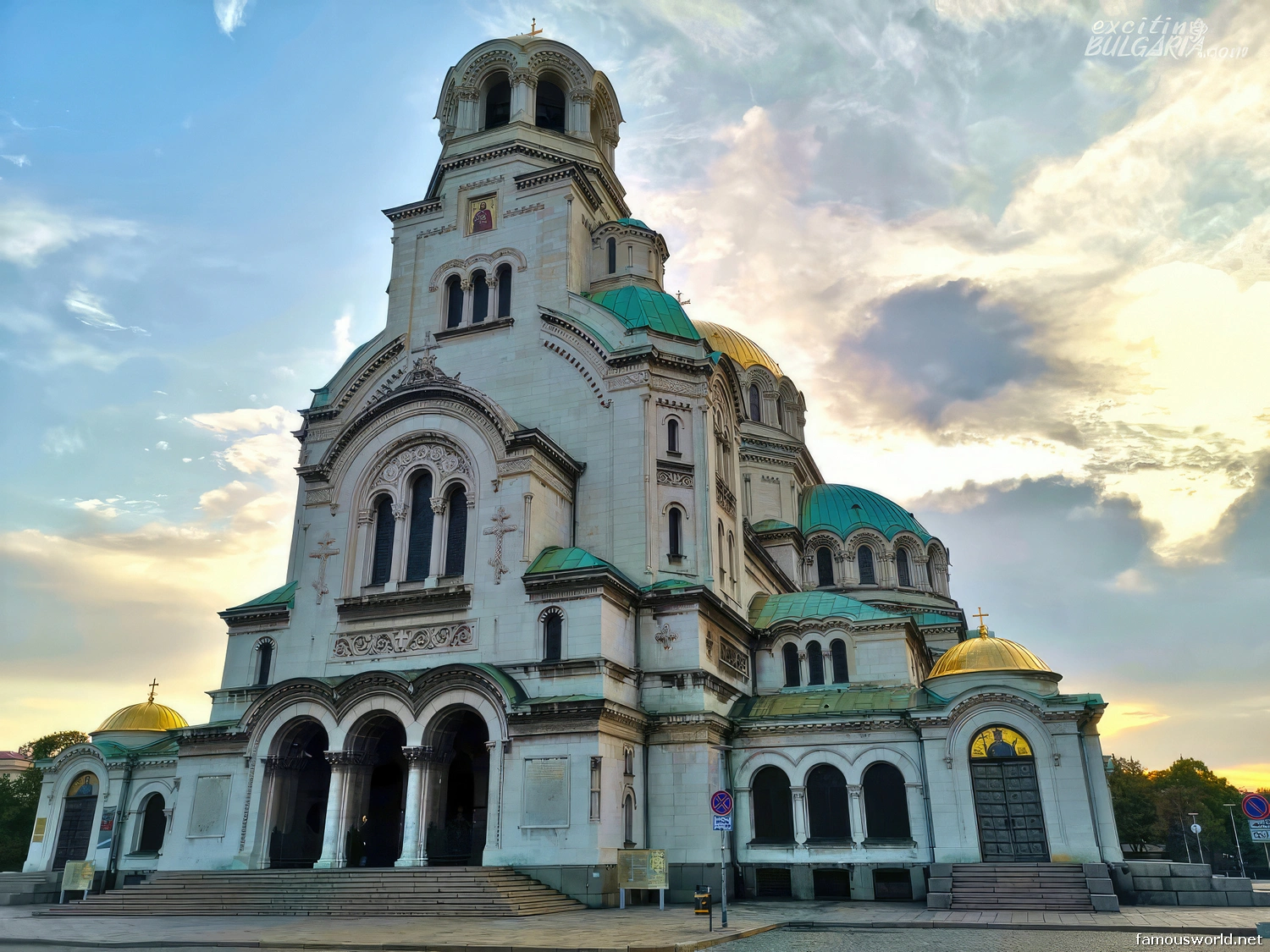

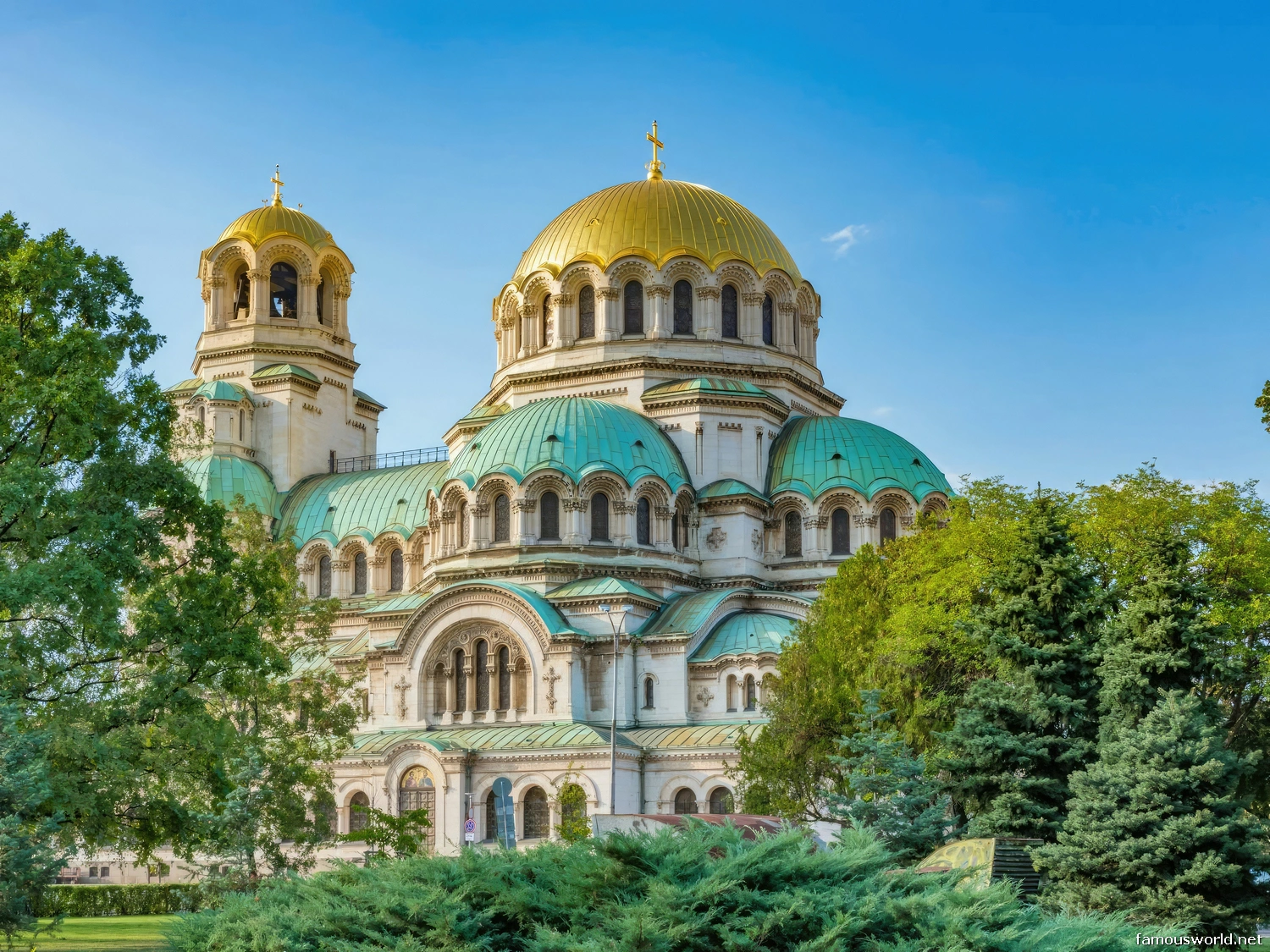
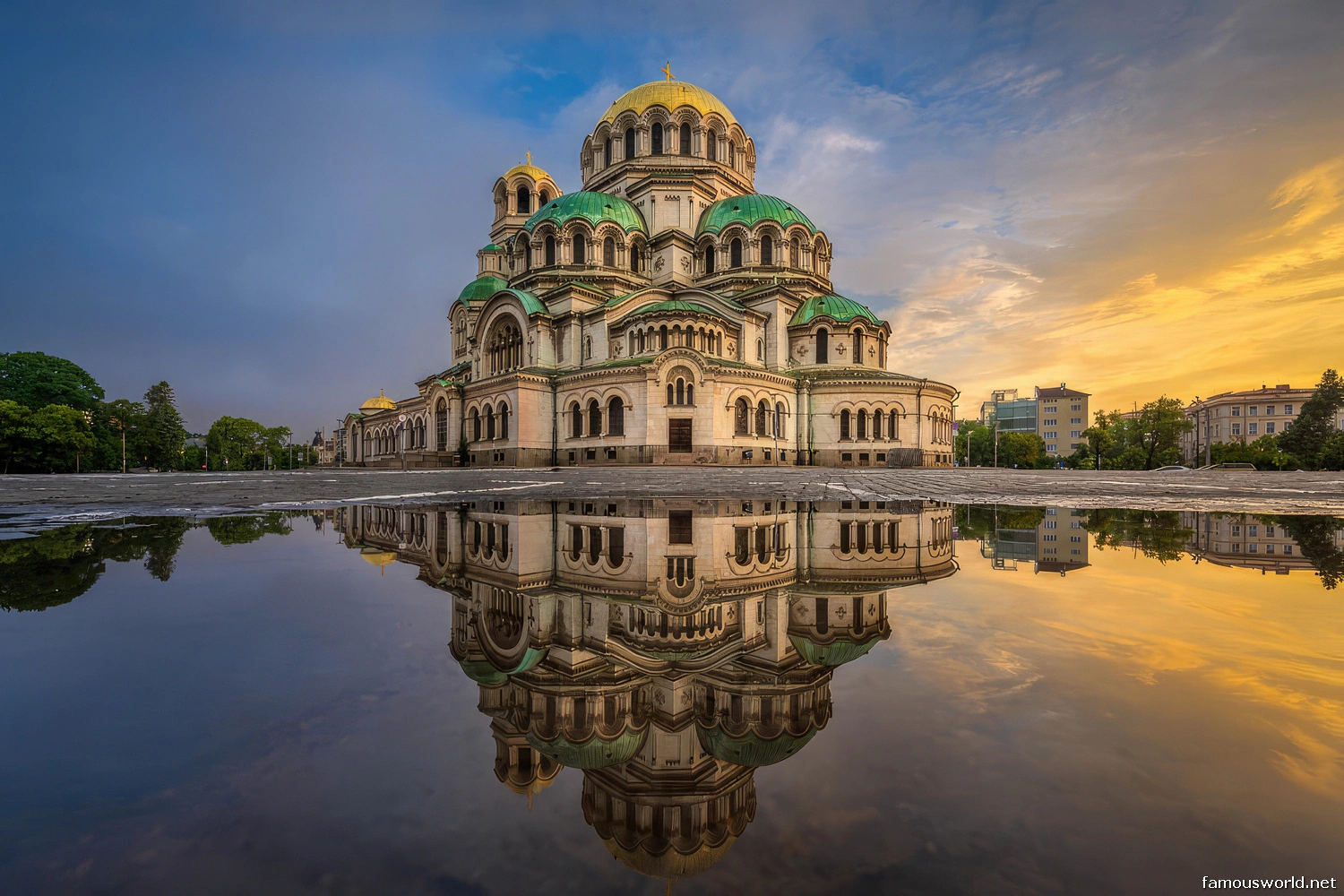

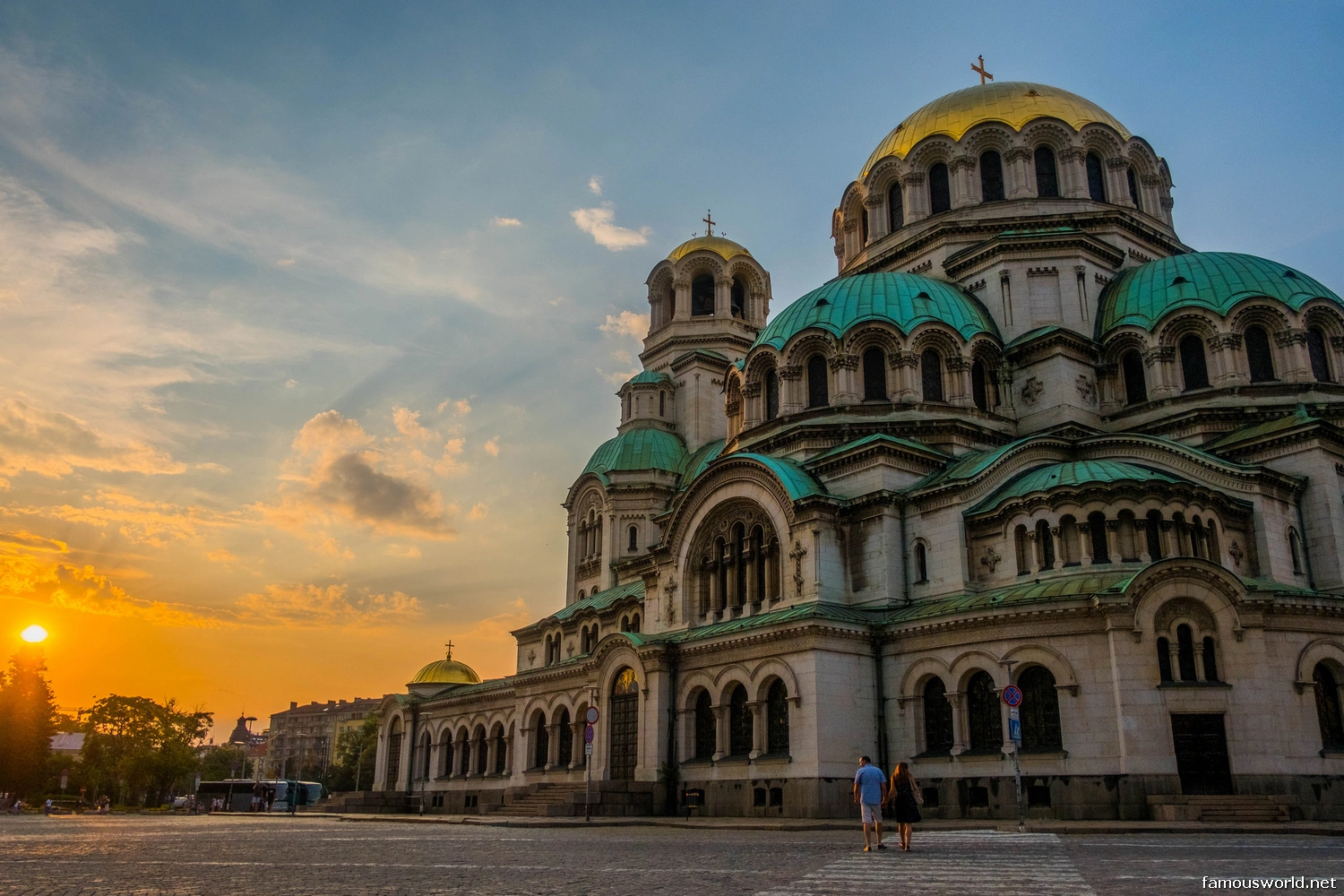
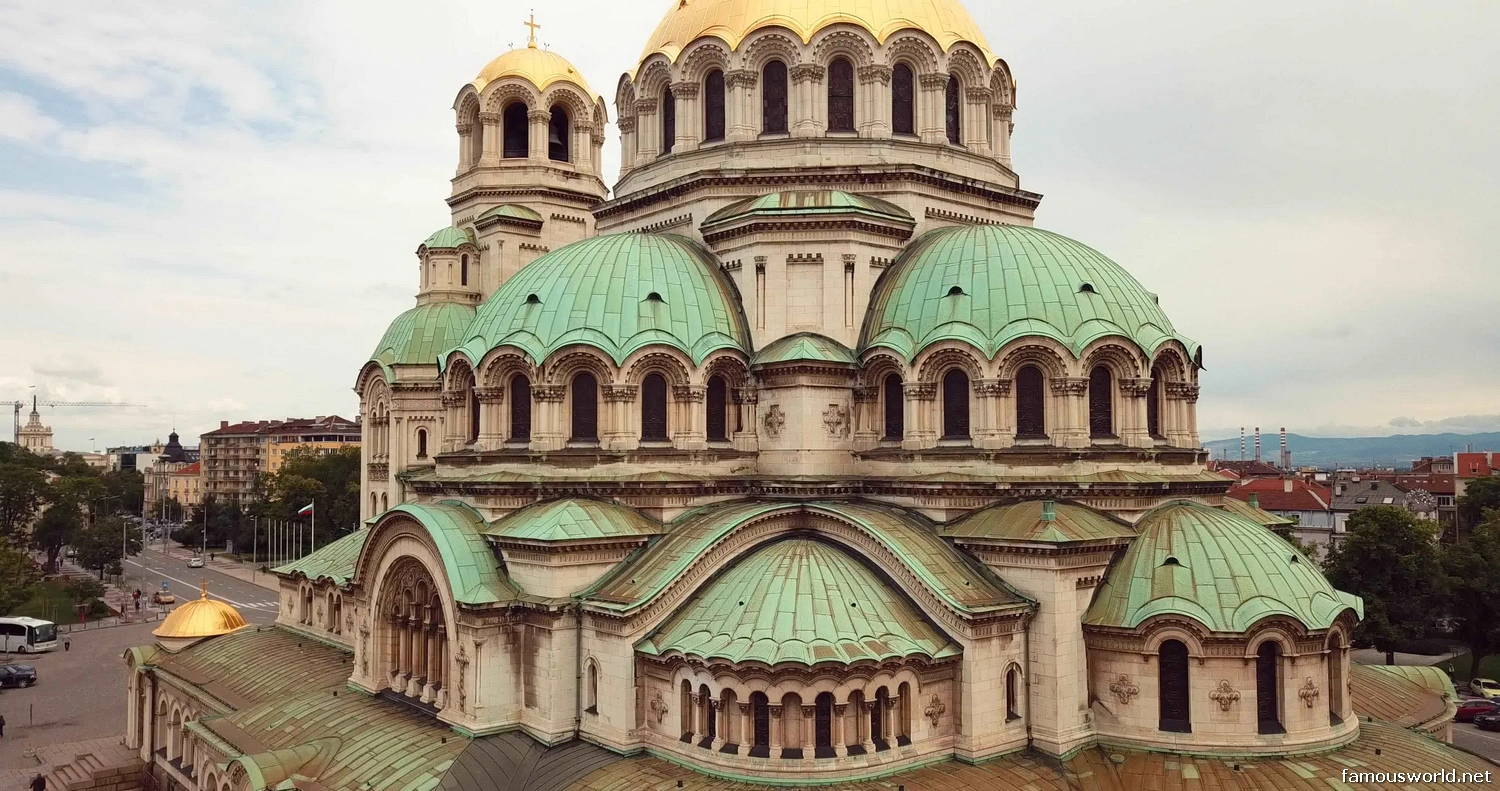
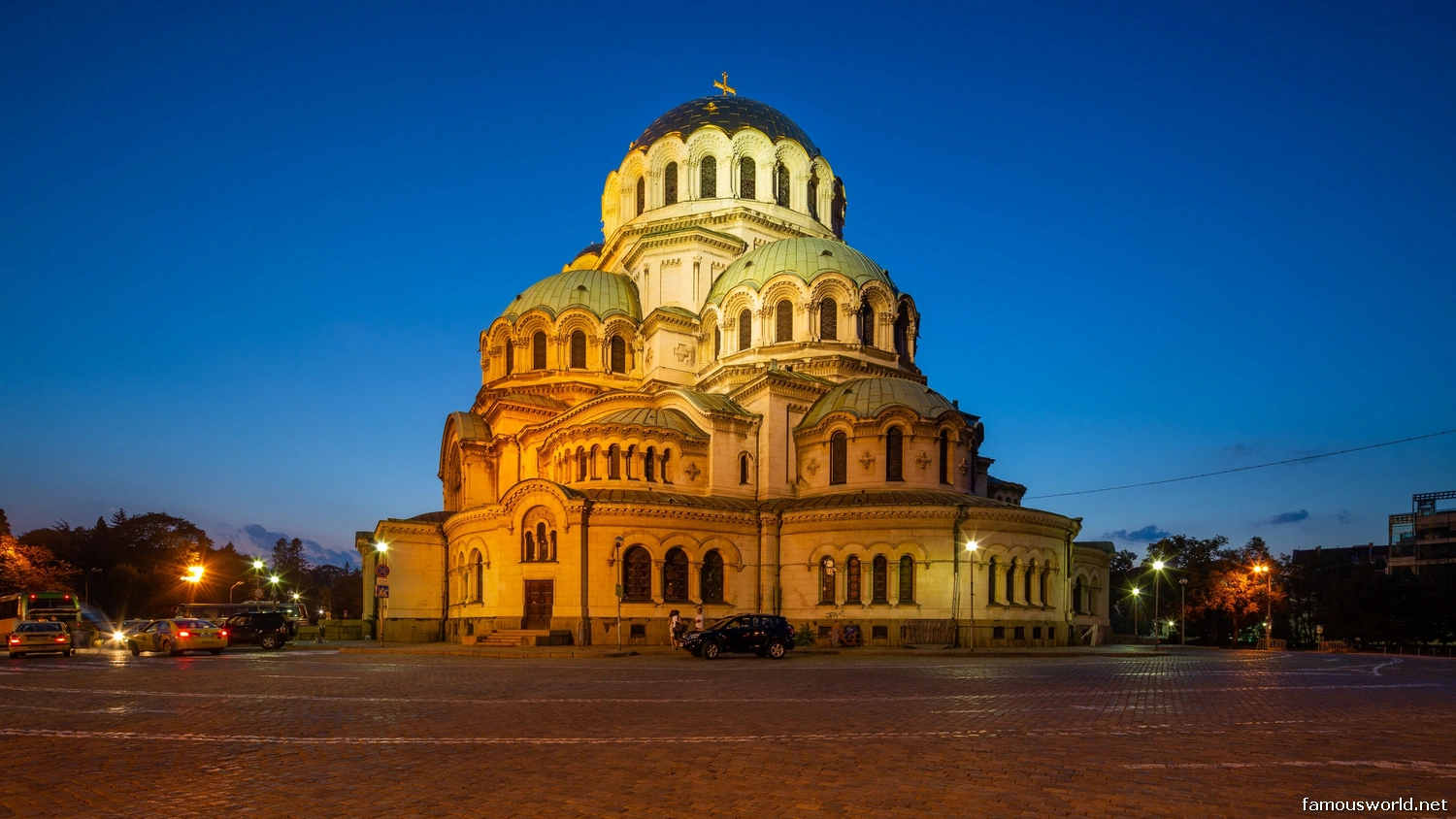
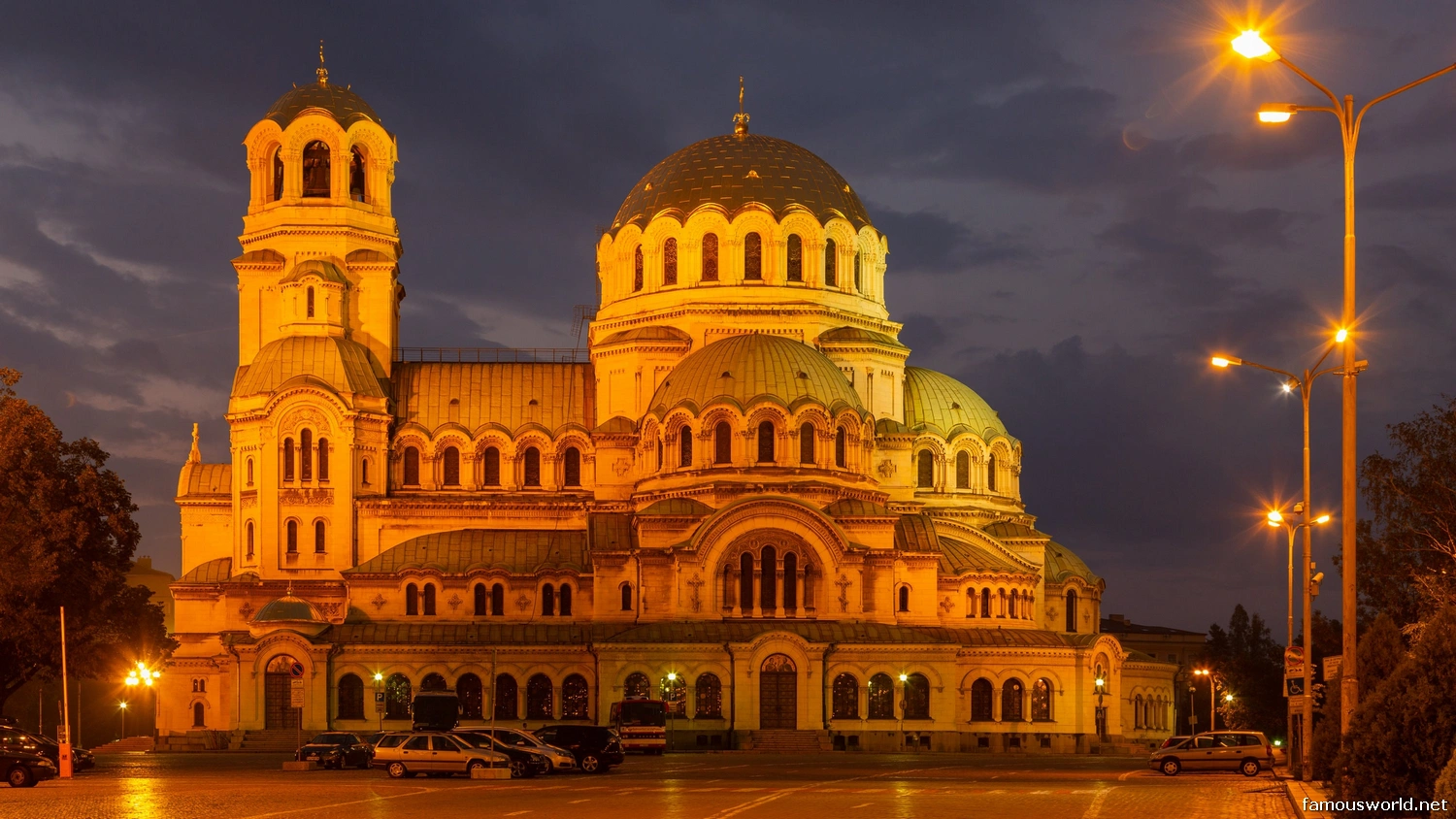
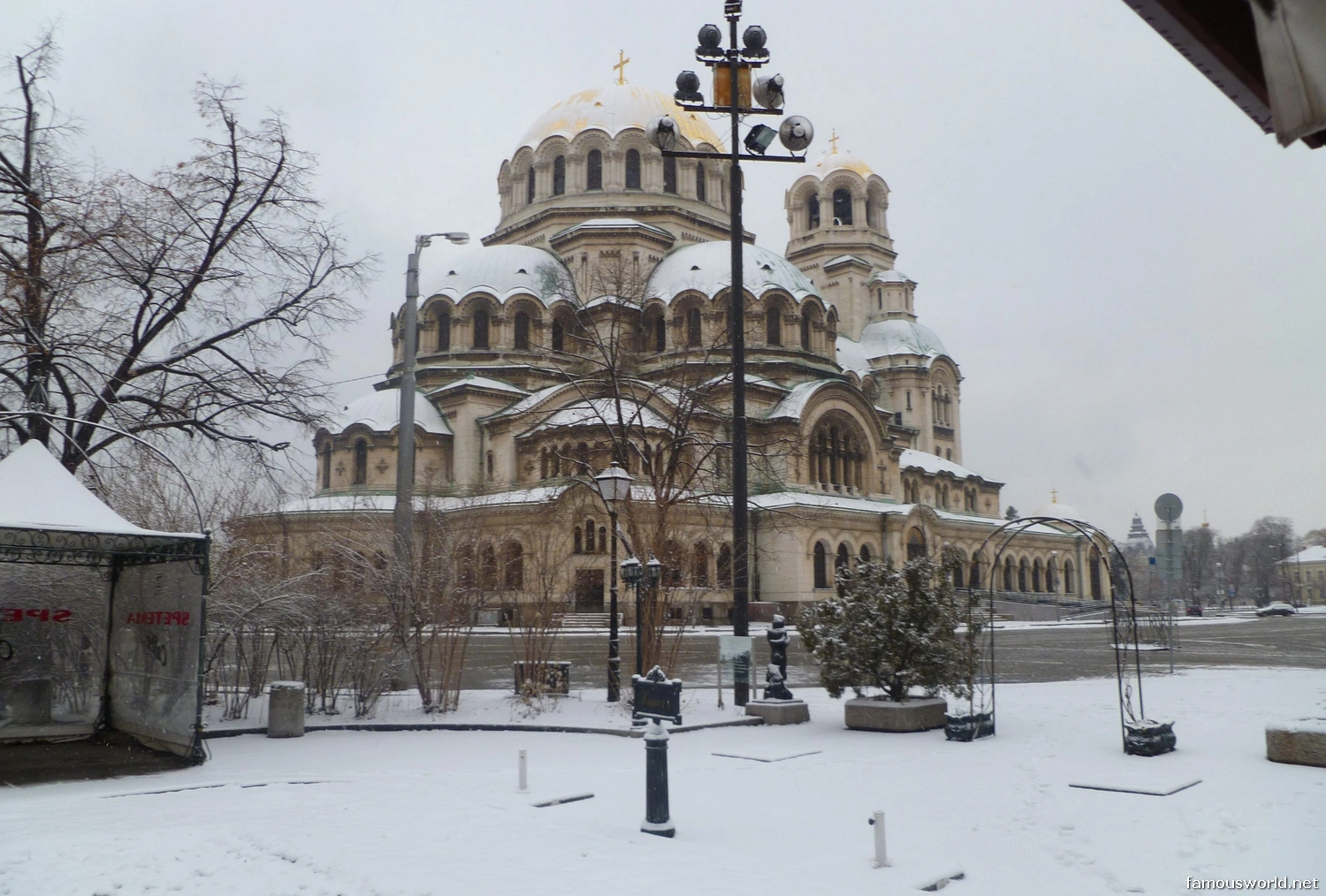
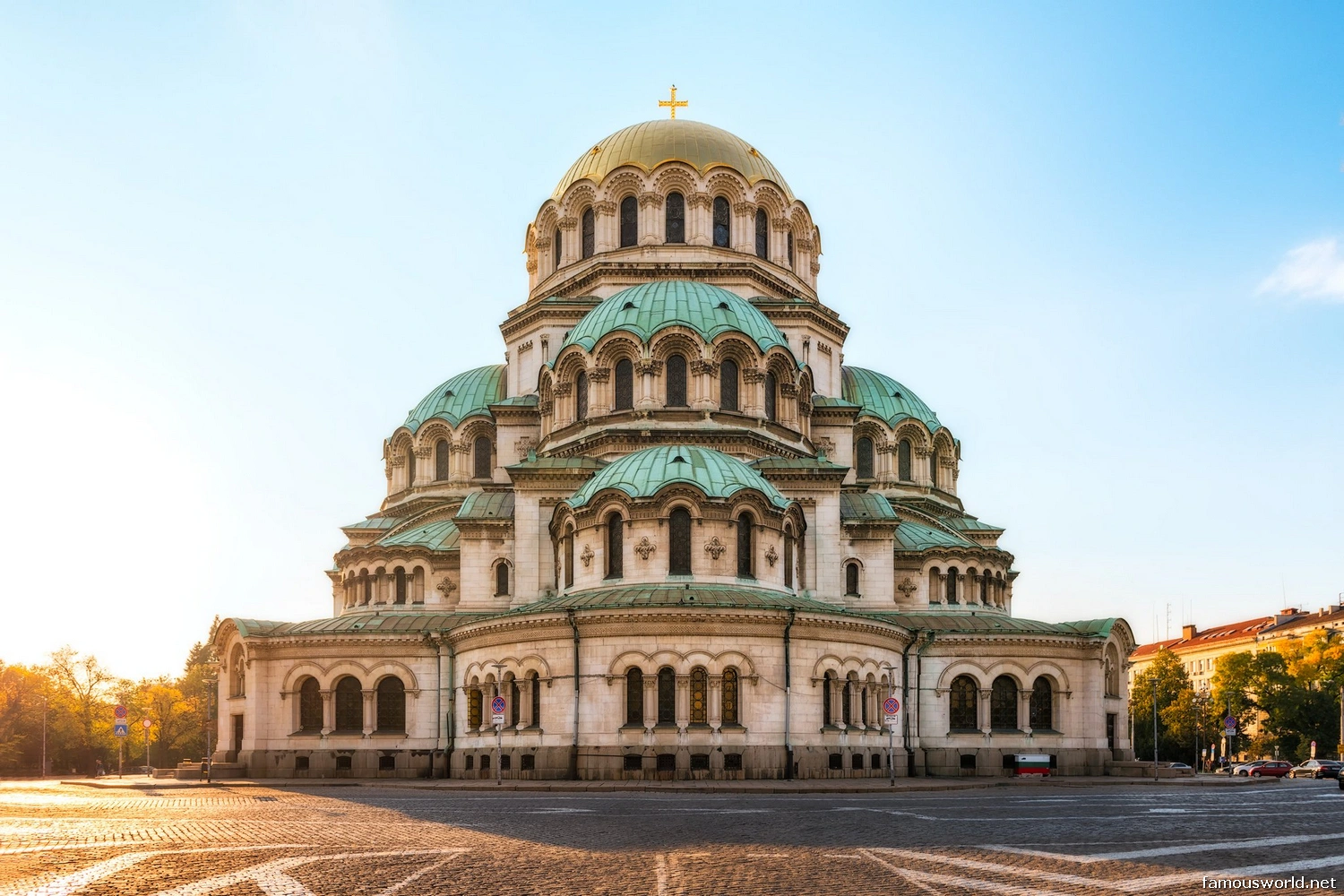
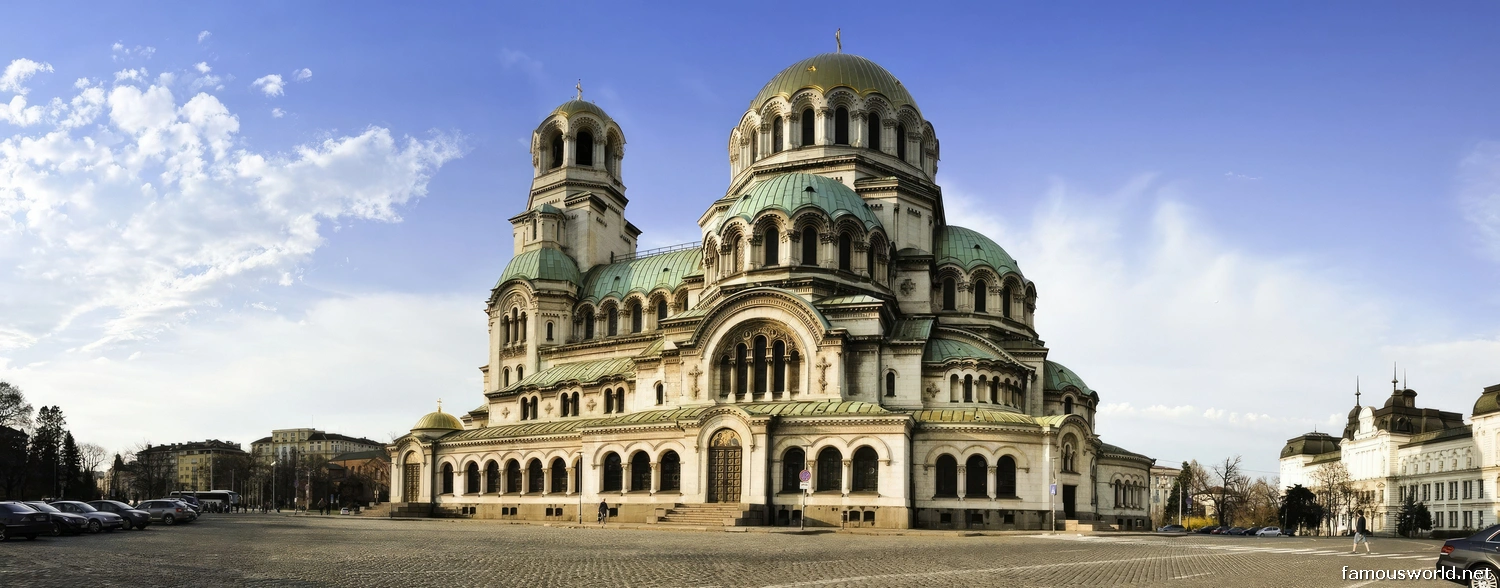
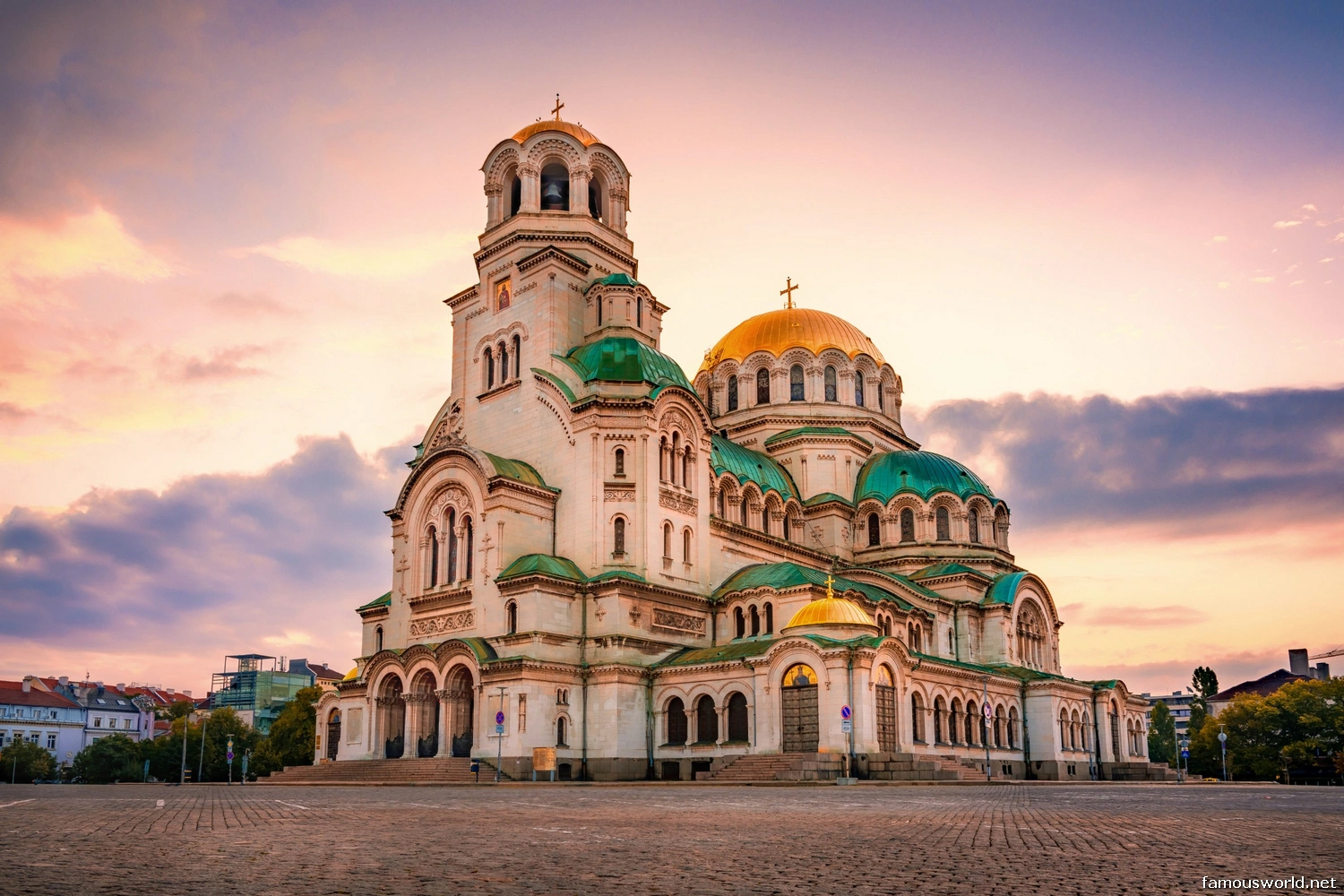

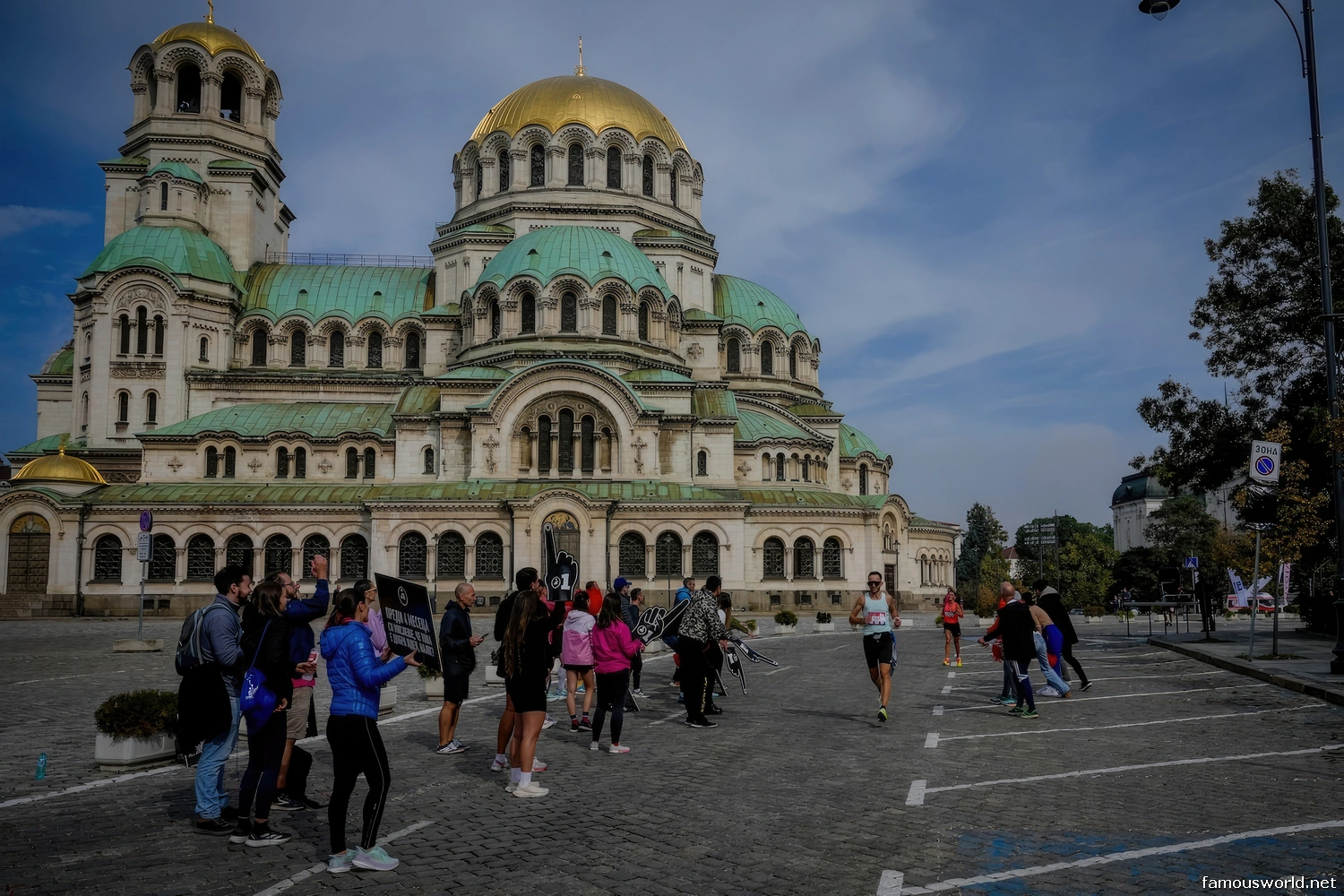
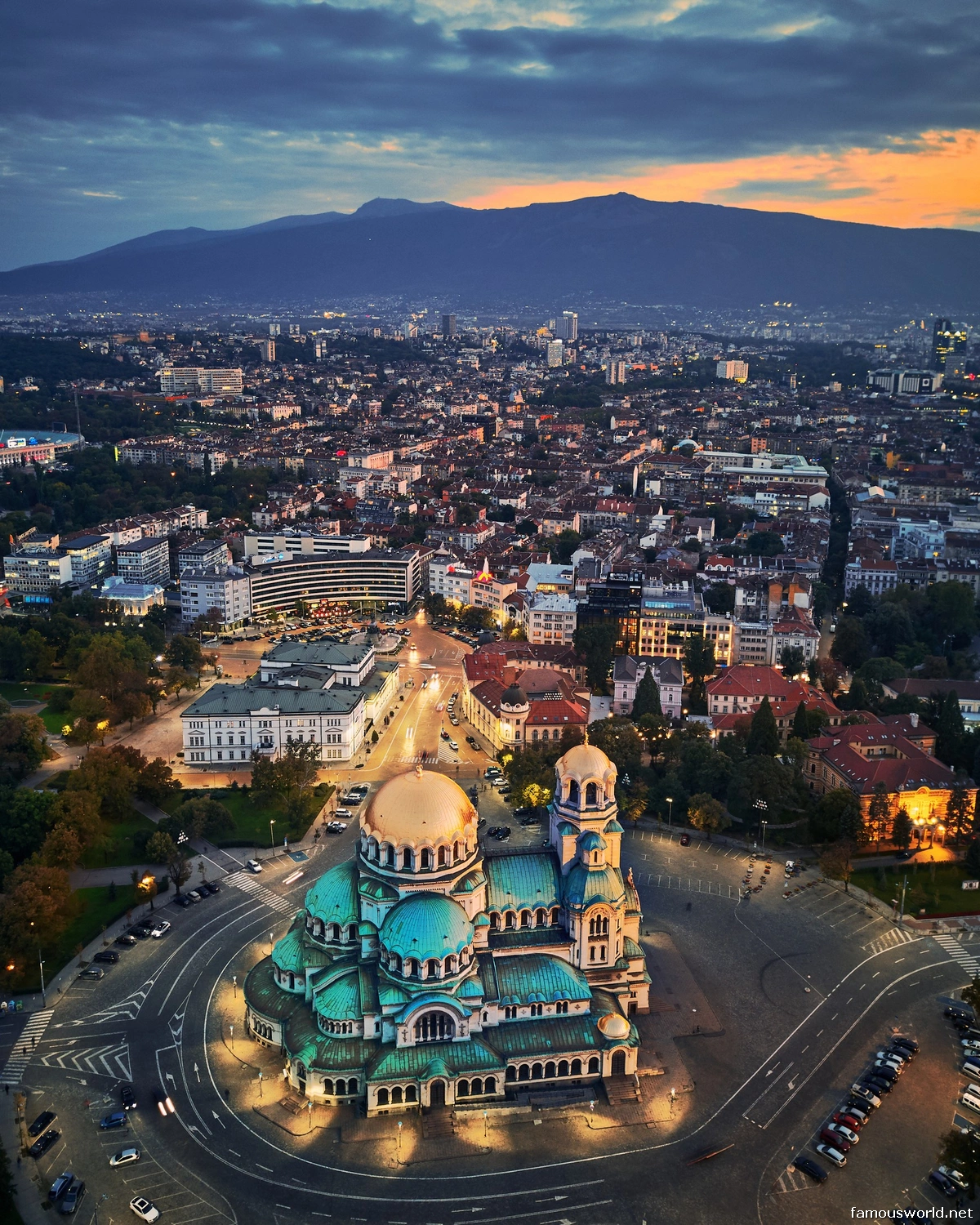
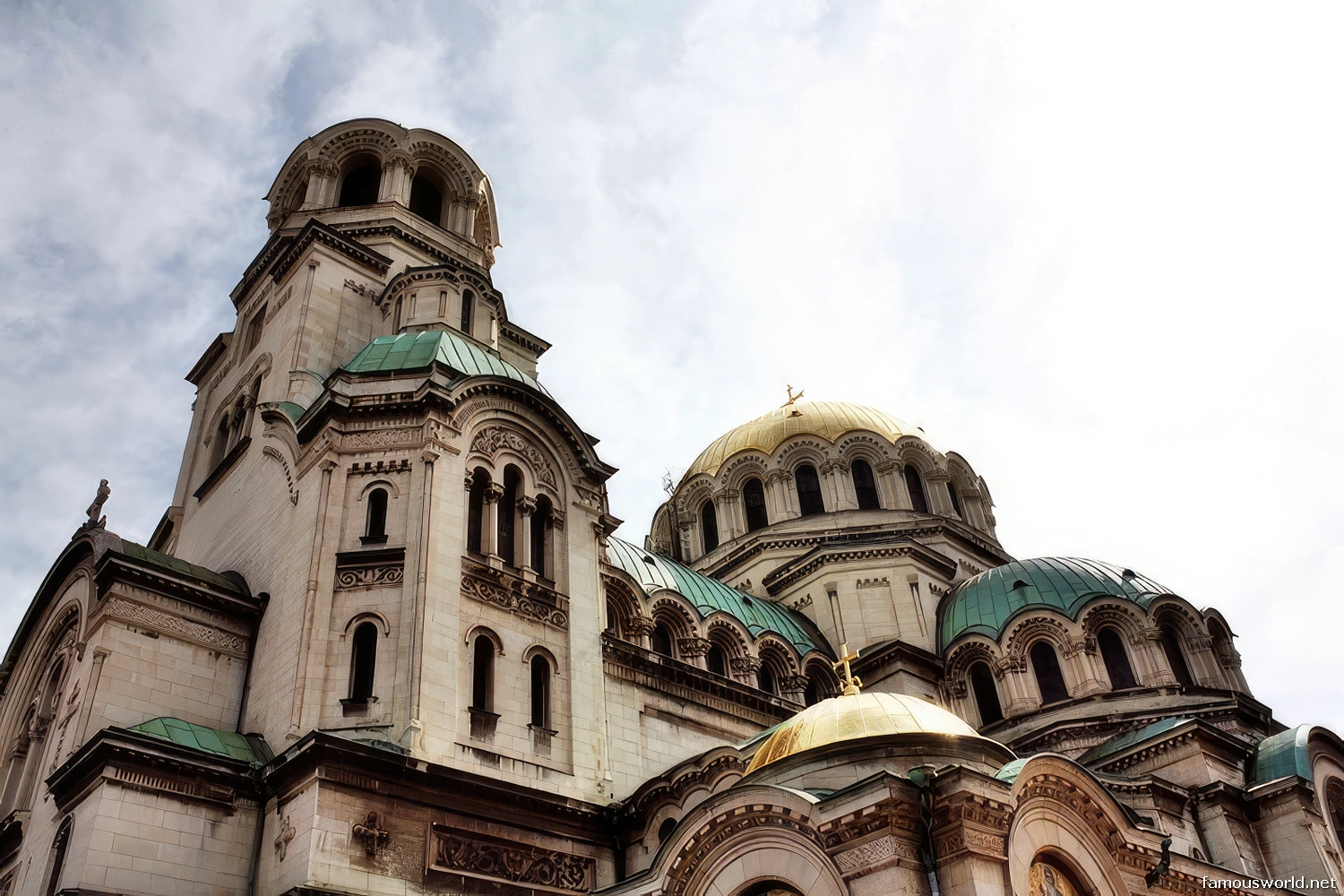
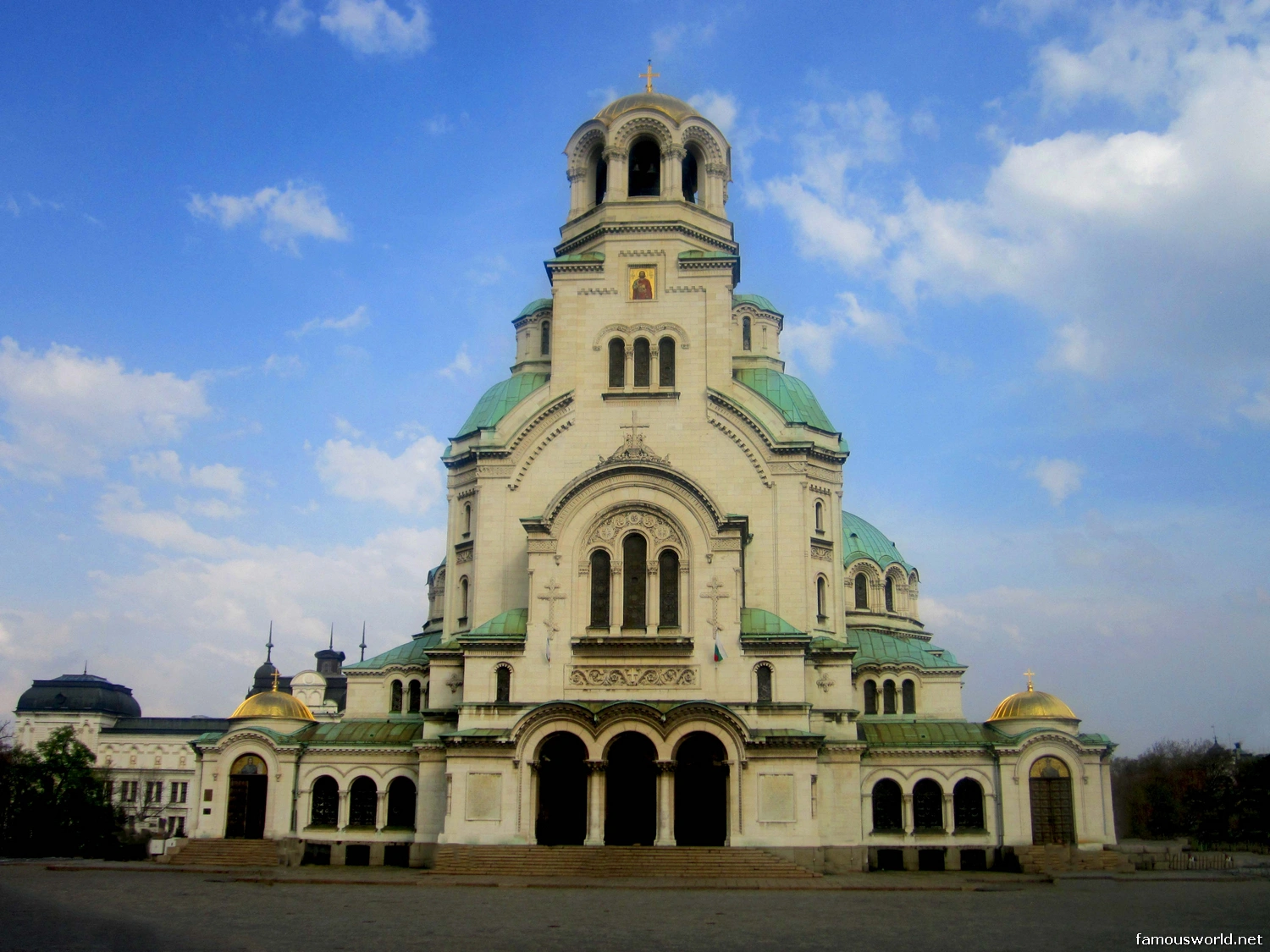
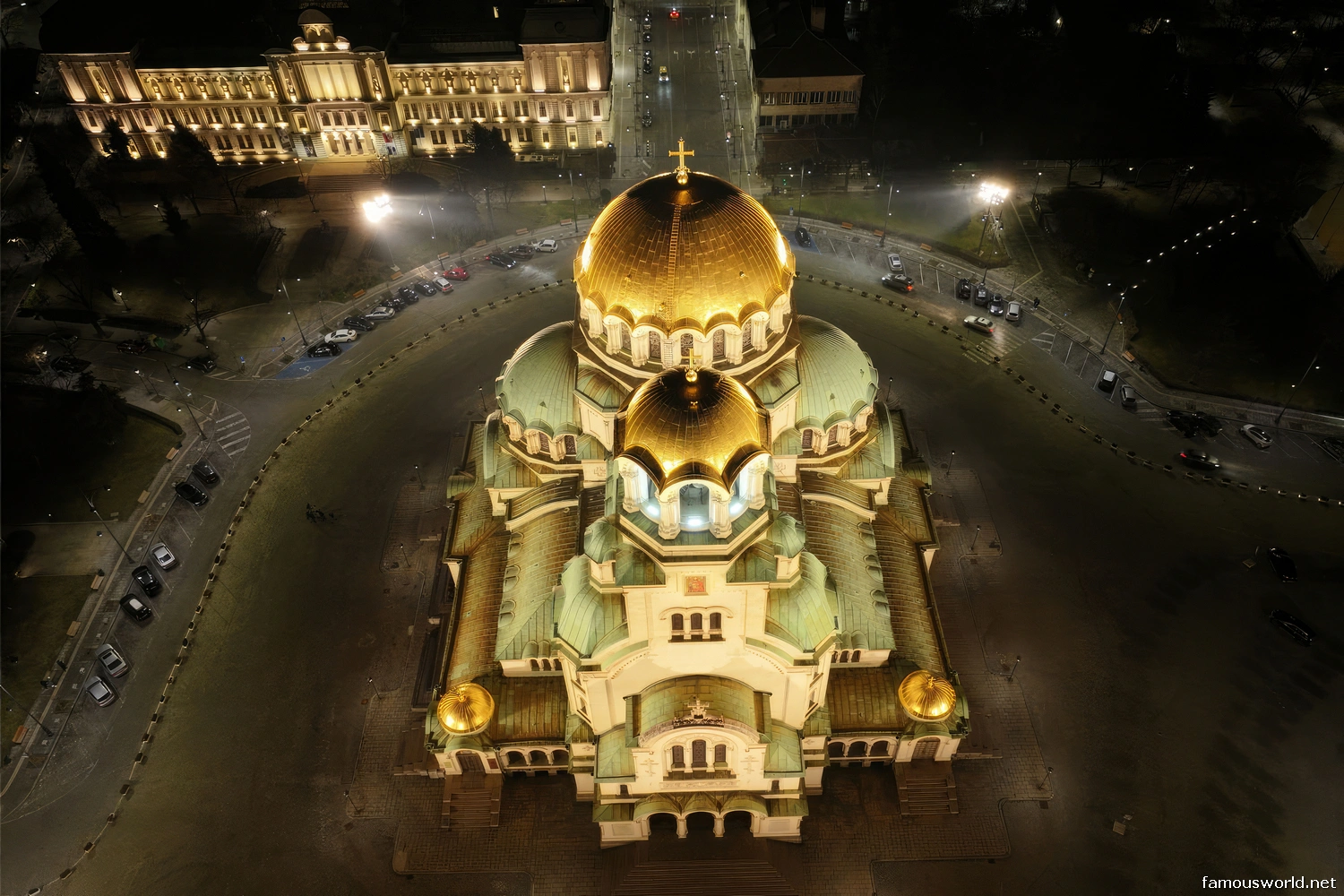
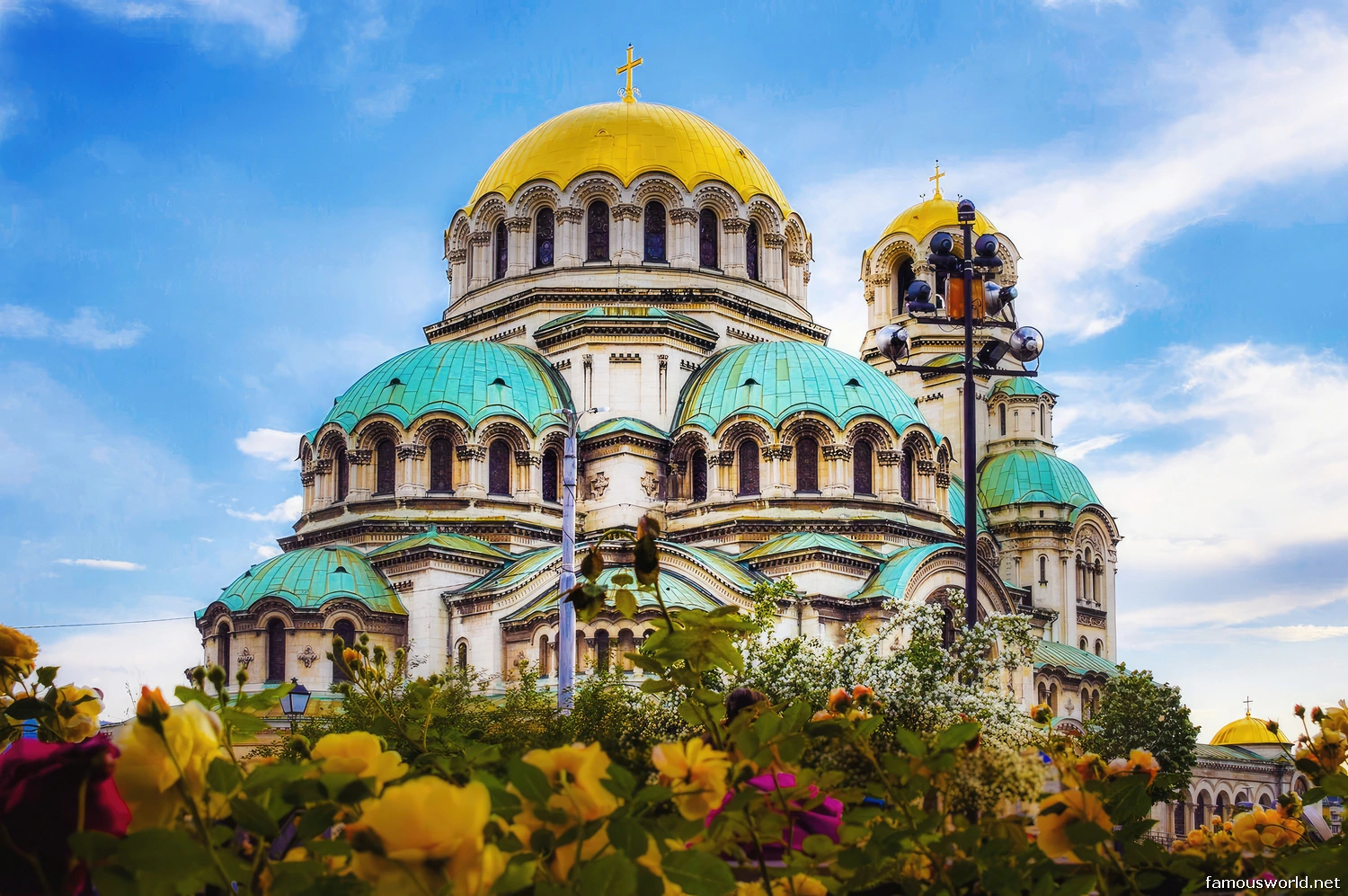
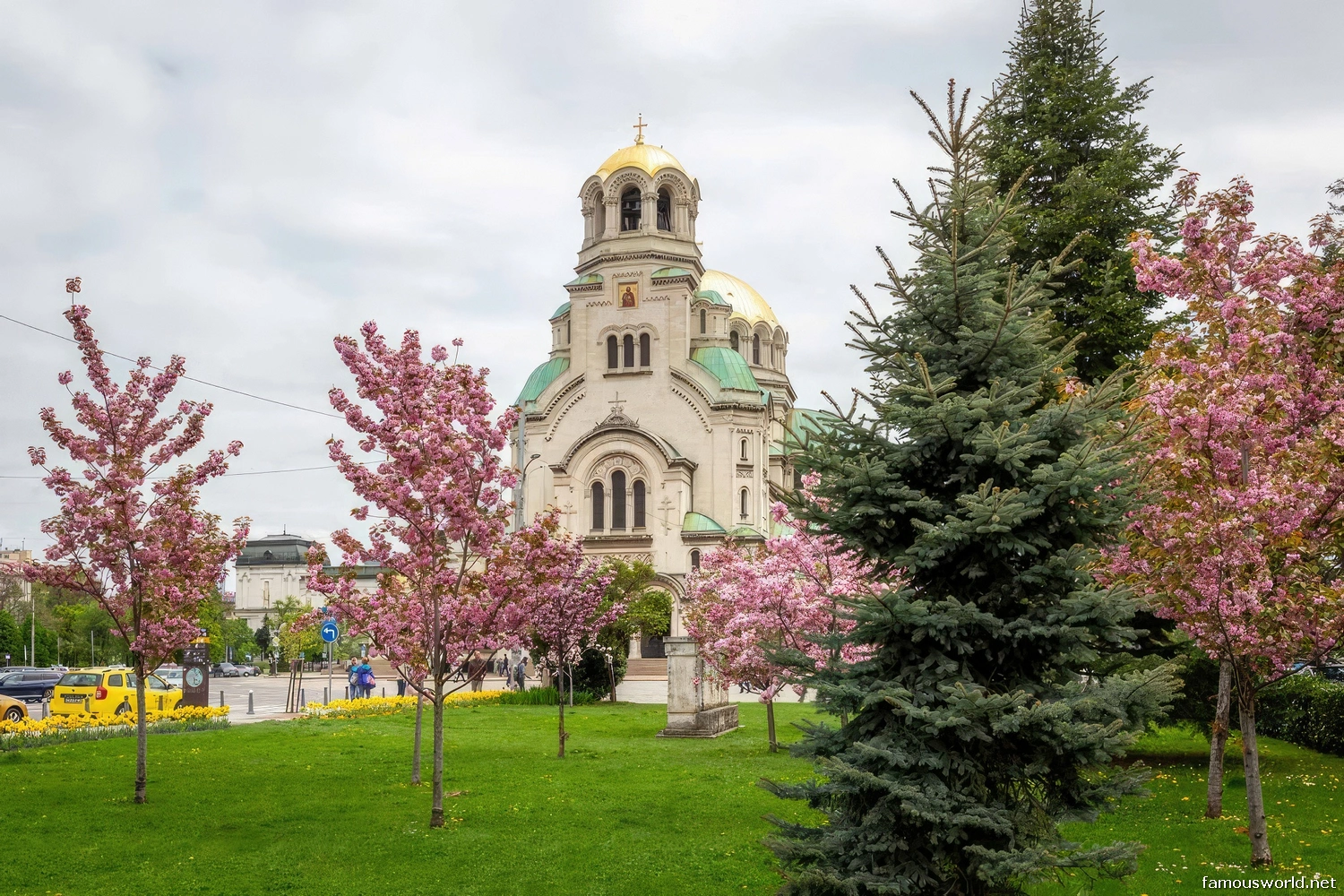
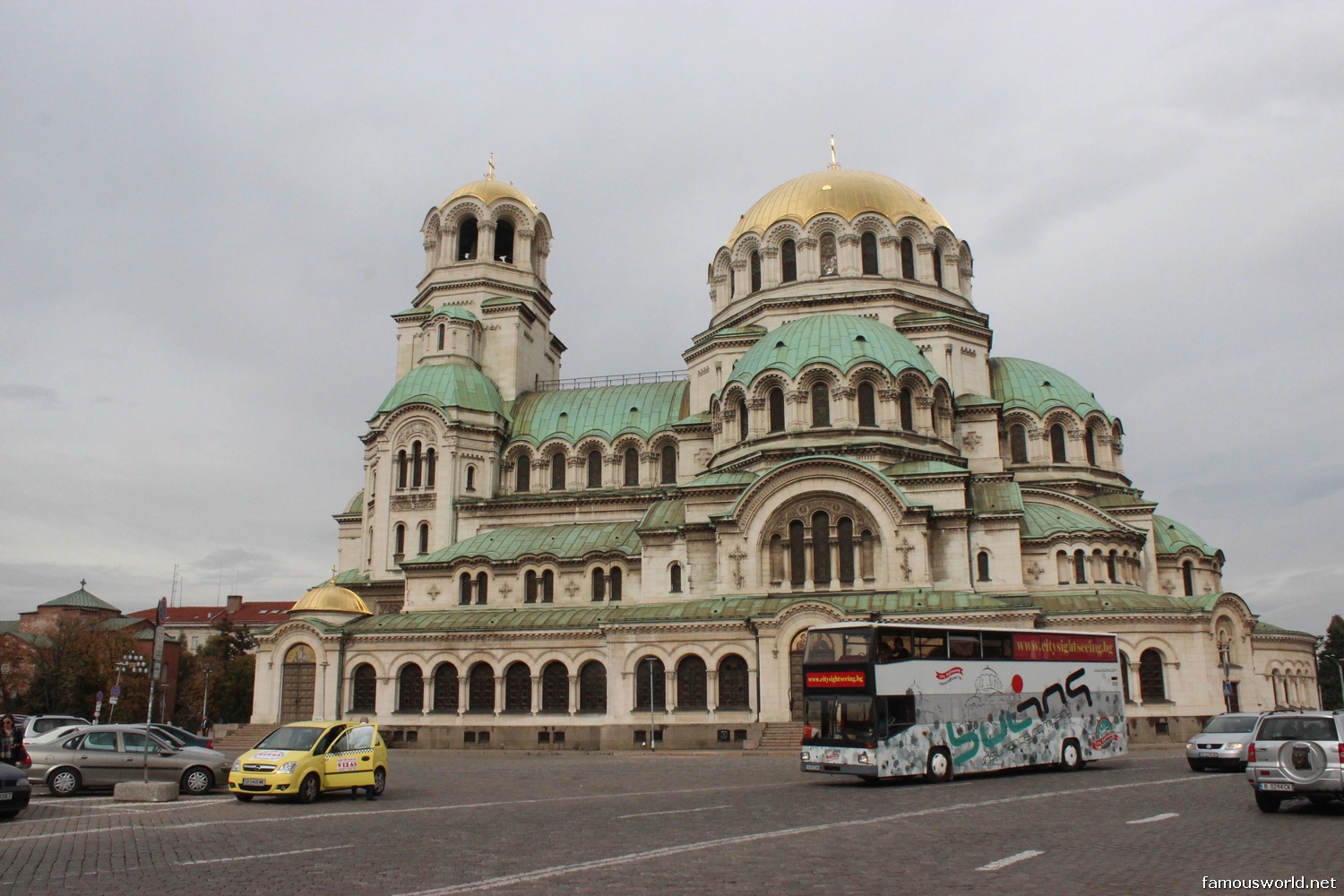
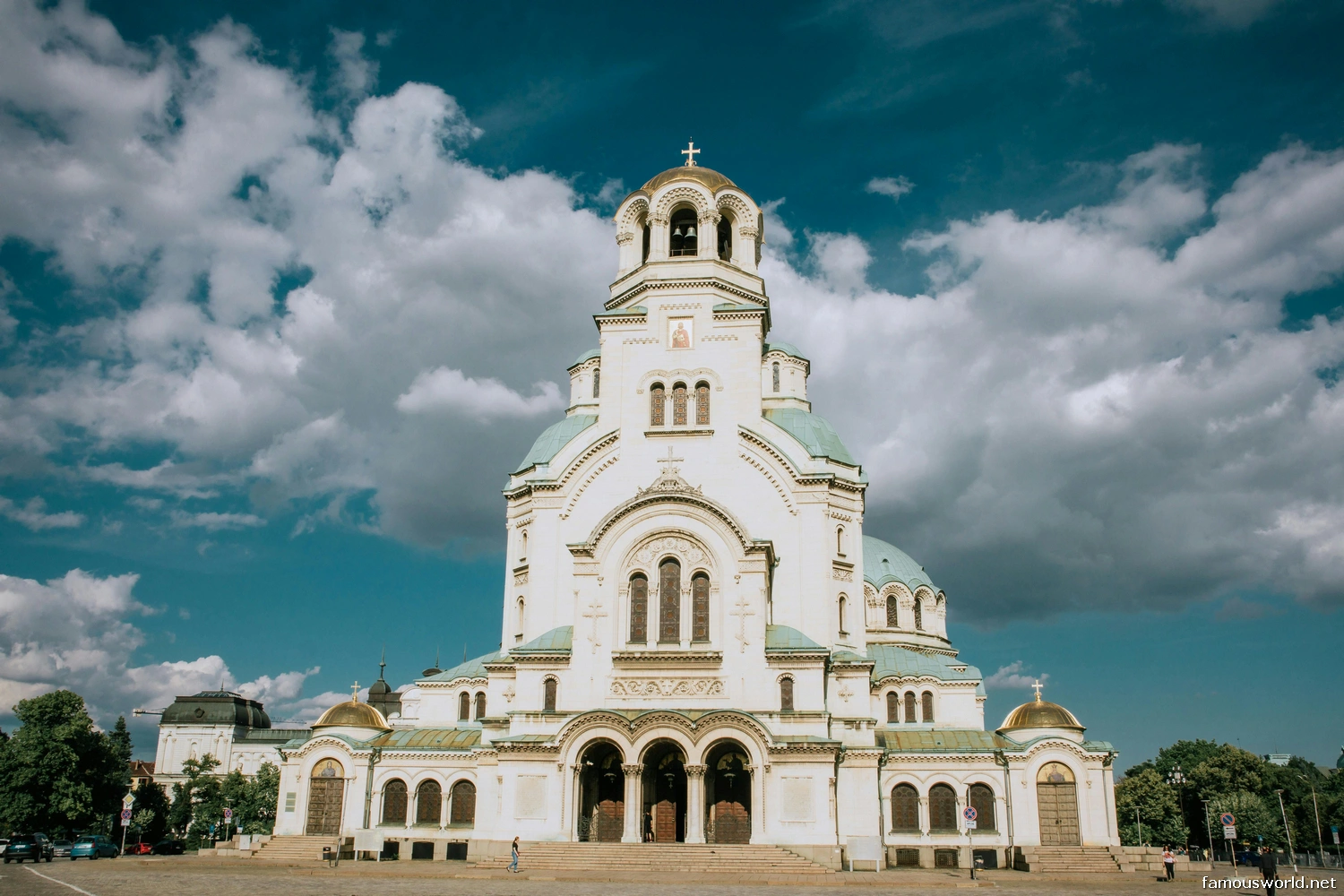
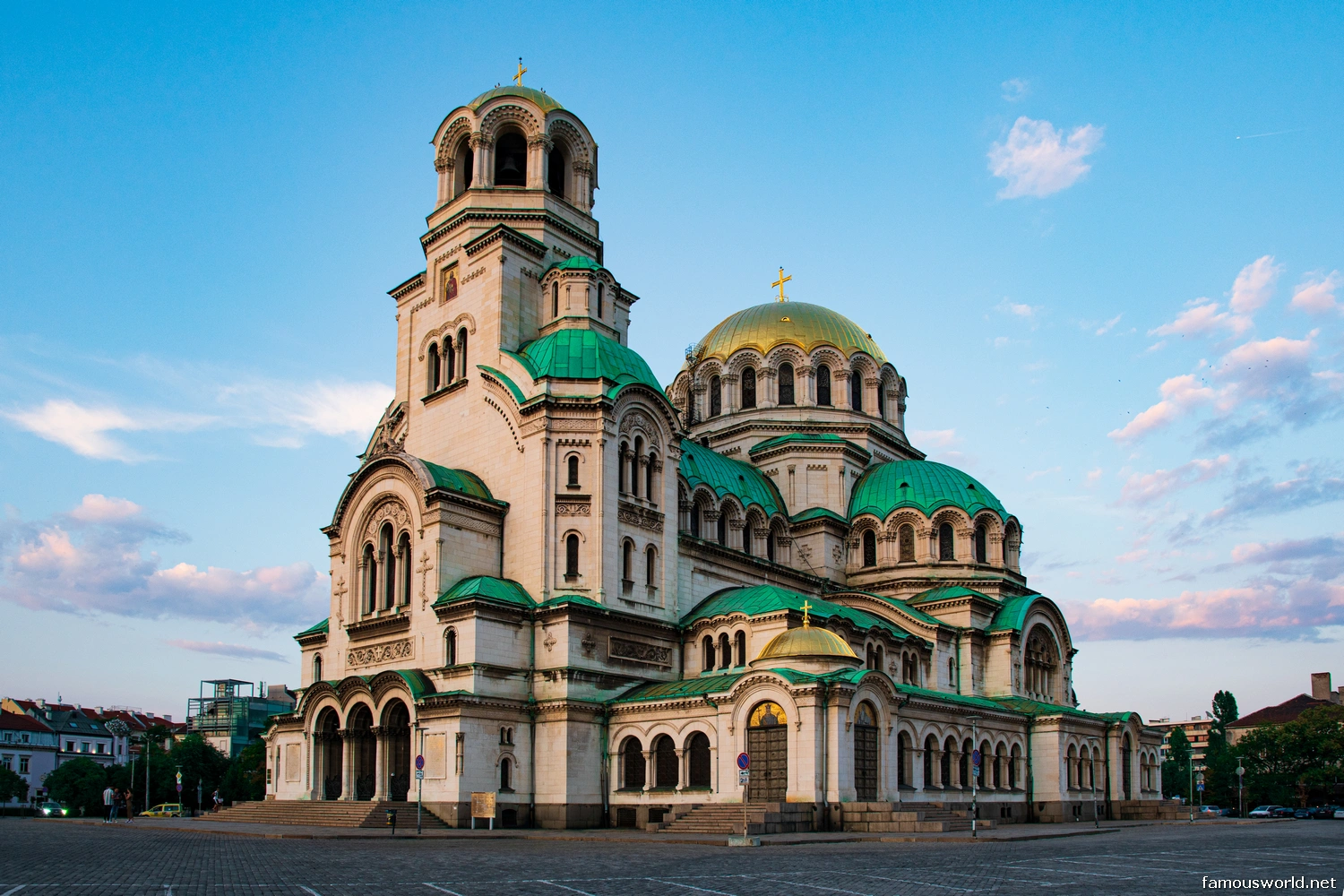

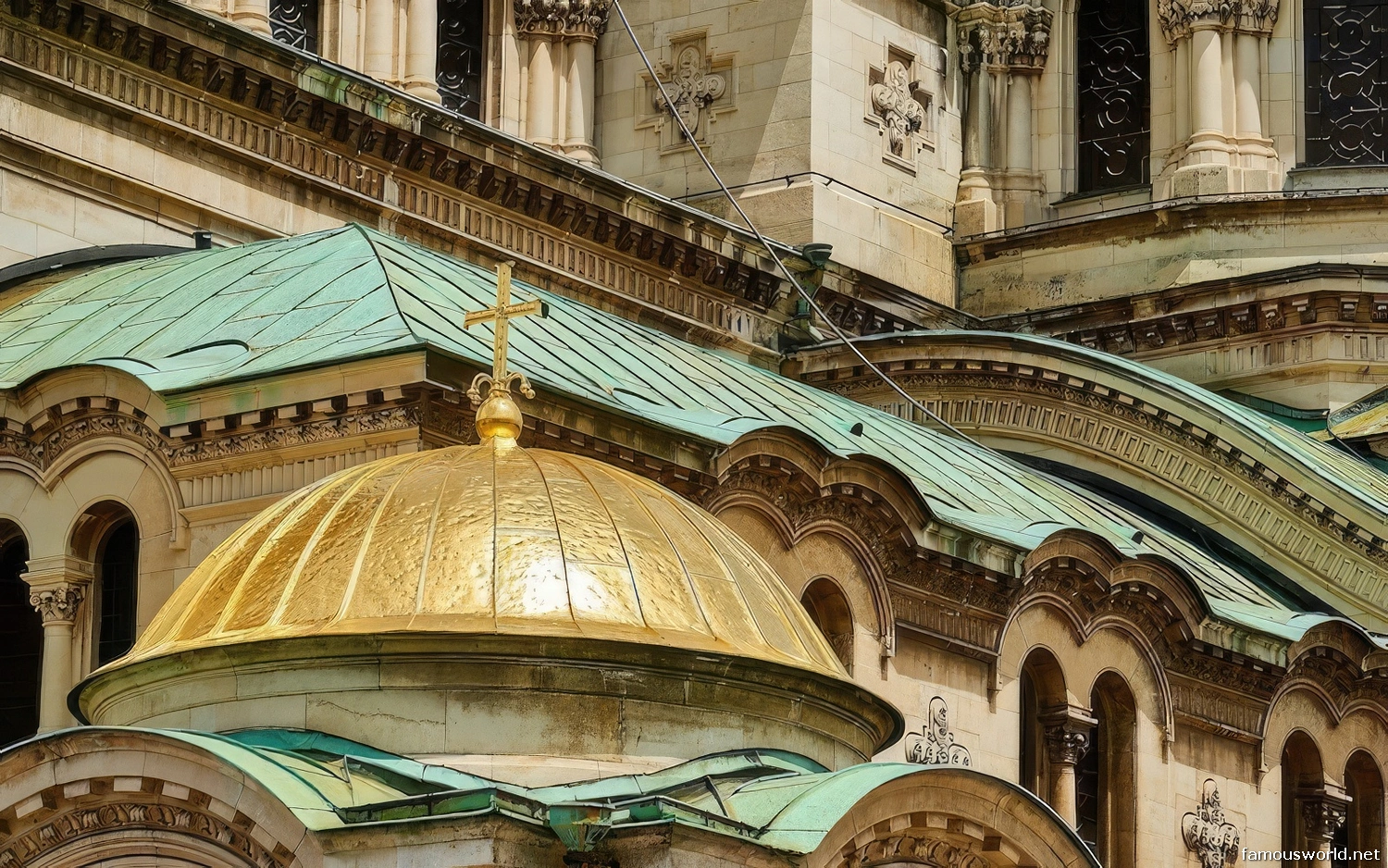
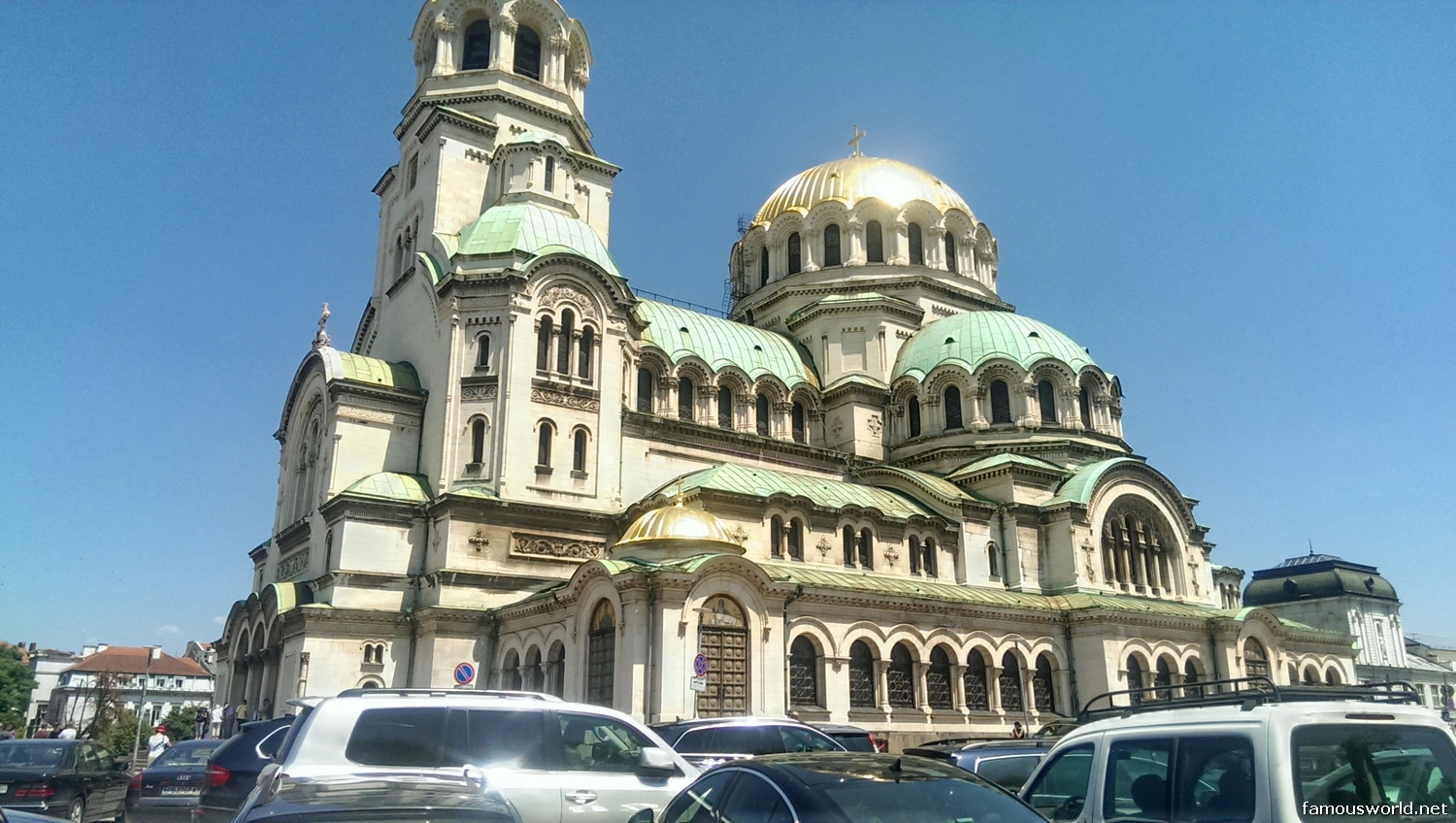
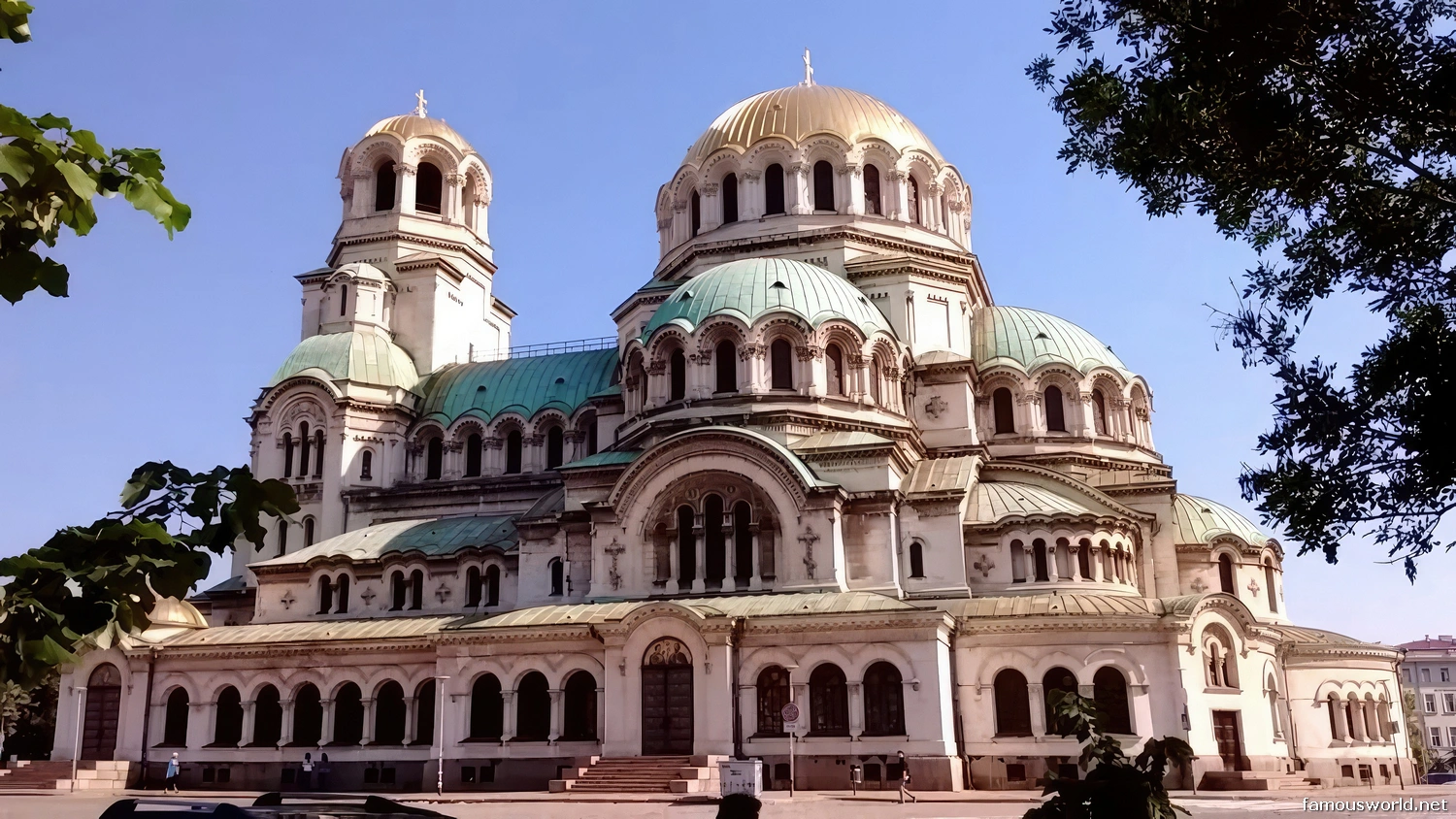
A magnificent symbol of both Sofia and Bulgarian national identity, the St. Alexander Nevsky Cathedral is one of the most spectacular and recognizable landmarks in the Balkans. Built in the early 20th century, this massive, golden-domed cathedral was constructed to honor the Russian soldiers who died during the Russo-Turkish War of 1877–1878, which resulted in Bulgaria’s liberation from Ottoman rule. Its stunning Neo-Byzantine architecture, opulent materials, and sheer scale create an unforgettable impression. A visit is an encounter with a profound expression of national gratitude, a masterpiece of Orthodox Christian art, and the spiritual heart of the Bulgarian capital.
Listen to an introduction about St. Alexander Nevsky Cathedral

Name and Location
- Name: St. Alexander Nevsky Cathedral (Храм-паметник “Свети Александър Невски”).
- Location: In the center of St. Alexander Nevsky Square, Sofia, Bulgaria.
How to Get There
The cathedral is a central landmark in Sofia and is very easy to reach.
- By Metro: The closest metro station is “SU St. Kliment Ohridski” (Sofia University) on lines M1, M3, and M4. From there, it is a short 5-10 minute walk.
- By Foot: The cathedral is located in the heart of the city and is an easy and pleasant walk from most other central attractions, such as the National Assembly and the Church of St. Sophia.
- By Bus/Trolleybus: Numerous public transport lines stop near the cathedral square.
Landscape and Architecture
The cathedral’s grand design and prominent location make it an impressive urban centerpiece.
- Alexander Nevsky Square: The cathedral dominates a large, open square, giving its monumental structure space to be fully appreciated. The square is also home to other important sites, including the ancient Church of St. Sophia, from which the city gets its name.
- Neo-Byzantine Style: The cathedral is a superlative example of this architectural style, characterized by its large central dome, semi-domes, and arched forms, echoing the grandeur of ancient Constantinople.
- Golden Domes: The cathedral’s most striking feature is its series of domes, which are gilded with gold. The main bell tower dome is 45 meters high, and the central dome is a stunning visual anchor for the entire structure.
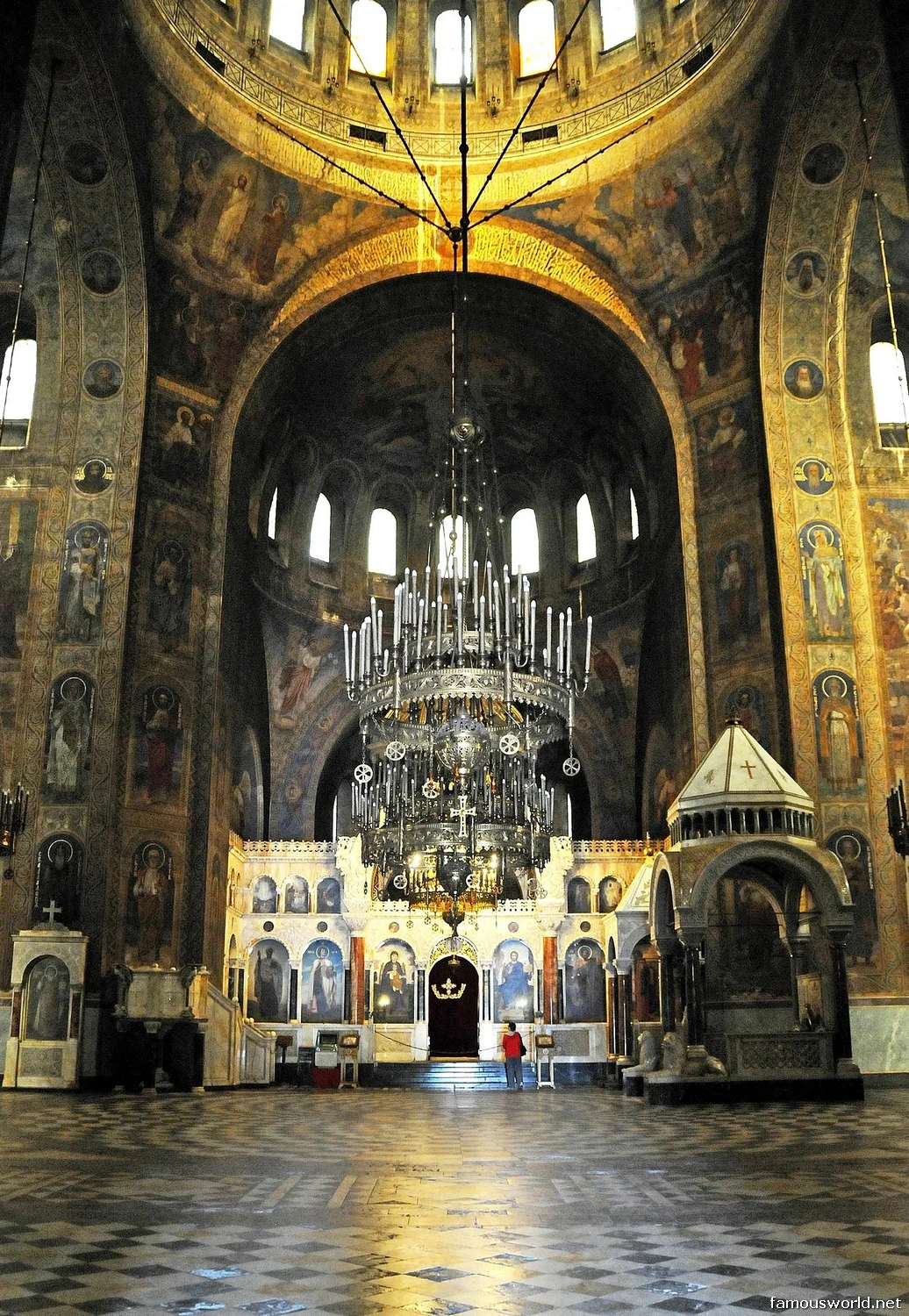
- Opulent Materials: The construction used the finest materials from around the world, including Italian marble, Brazilian onyx, and African alabaster, creating an interior of rich color and texture.
- Lavish Interior: The interior is vast and richly decorated with intricate mosaics, masterful frescoes, enormous chandeliers, and a beautifully carved marble iconostasis, creating an atmosphere of solemn grandeur. The central nave can hold thousands of worshippers.
What Makes It Famous
The Alexander Nevsky Cathedral is renowned as a symbol of Bulgaria and for its architectural splendor.
- Symbol of Bulgaria: Along with the Tsarevets Fortress in Veliko Tarnovo, it is one of the most important and recognizable symbols of the Bulgarian nation.
- Memorial Church: Its primary purpose is to serve as a memorial, honoring the 200,000 Russian, Ukrainian, Belorussian, and Bulgarian soldiers who died for Bulgaria’s independence.
- Scale and Beauty: It is one of the largest Eastern Orthodox cathedrals in the world, celebrated for the beauty of its gilded domes and the artistic quality of its interior mosaics.
- The Bells: The cathedral has 12 large bells, the heaviest of which weighs nearly 12 tons. Their combined ringing can be heard from miles away.
Differences from Other Wonders (vs. Saint Peter’s Basilica)
A monument of national liberation and Orthodox faith offers a different experience than the center of the Catholic Papacy.
- Environment (National Civic Center vs. Heart of a Sovereign State): Alexander Nevsky Cathedral is the focal point of a major square in a nation’s capital, surrounded by civic and historic buildings. St. Peter’s is the heart of its own sovereign state, the Vatican, designed to be a destination for the entire world.
- Style (Neo-Byzantine Grandeur vs. High Renaissance/Baroque Power): Alexander Nevsky embraces the domes, mosaics, and central-plan layout of Byzantine tradition. St. Peter’s is a masterpiece of the High Renaissance and Baroque, defined by its colossal scale, classical forms, and theatrical opulence.
- Core Story (National Gratitude vs. Apostolic Succession): The Bulgarian cathedral was built to express a nation’s gratitude for liberation and to honor fallen soldiers. St. Peter’s was built to assert the authority of the Papacy and to enshrine the tomb of the first apostle.
- Atmosphere (Solemn National Reverence vs. Overwhelming Universal Power): The atmosphere inside Alexander Nevsky is one of solemn, nationally-focused reverence and remembrance. The experience of St. Peter’s is designed to be universally overwhelming, communicating the immense power and reach of the Catholic Church.
Location on world map