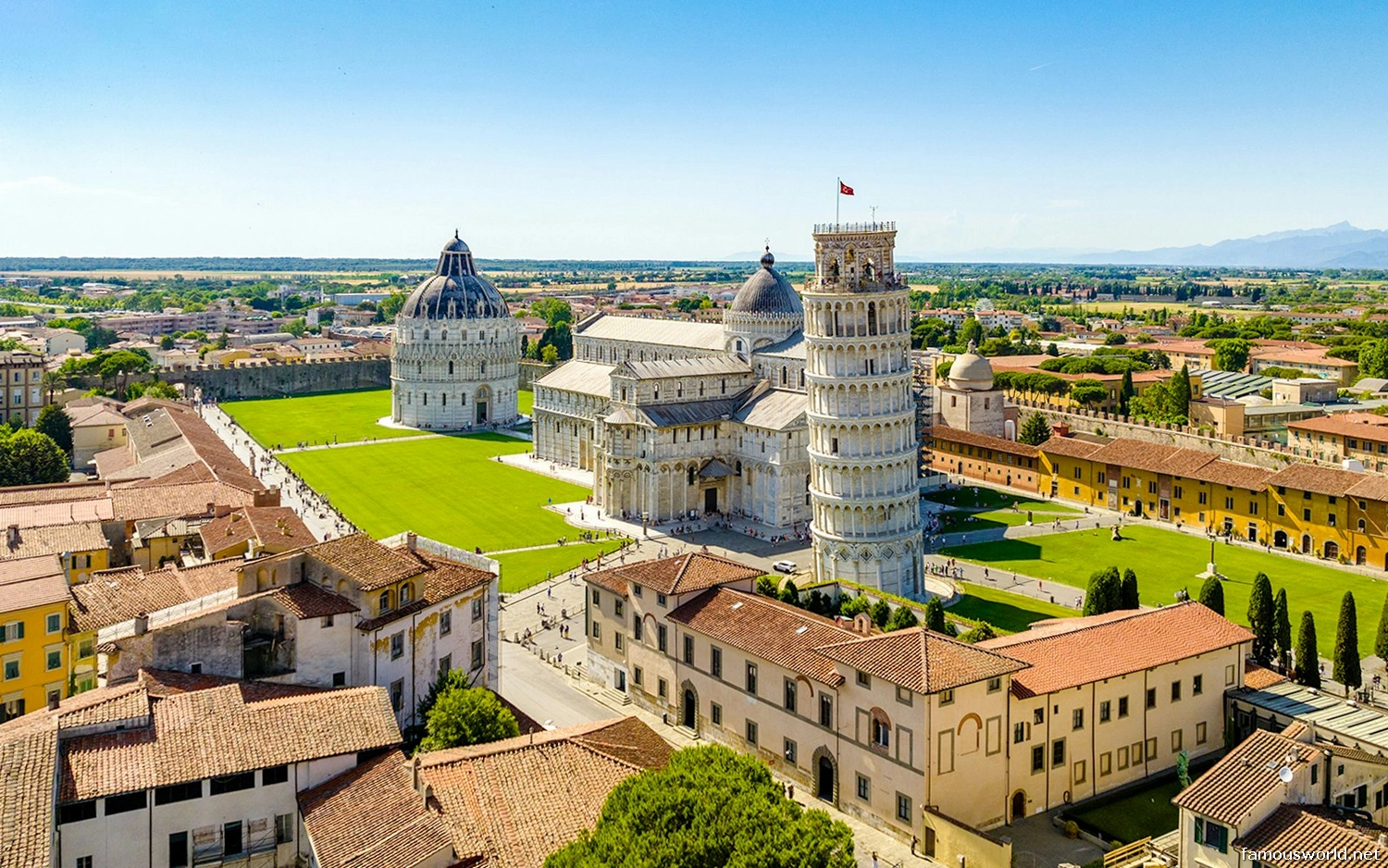
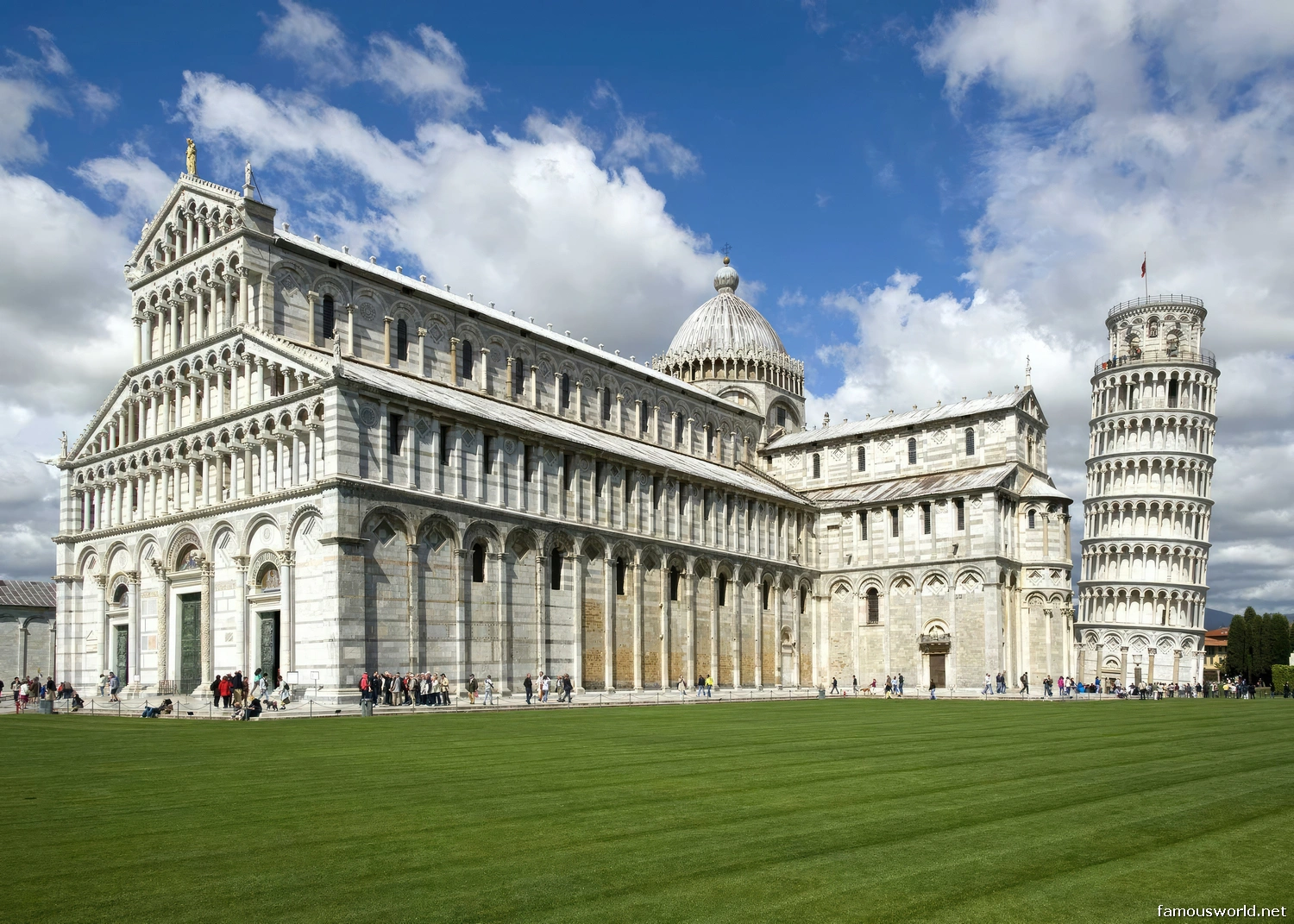
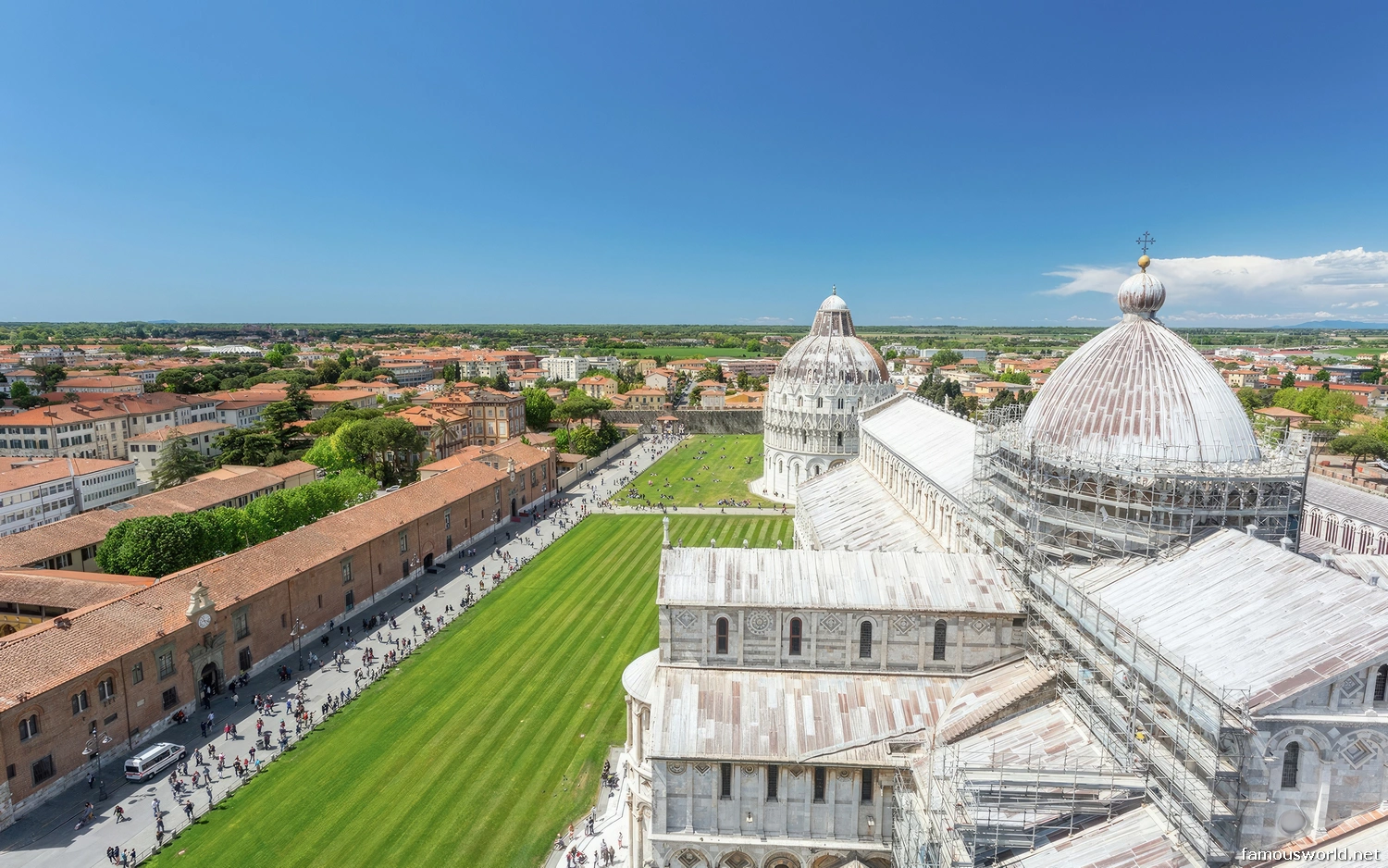
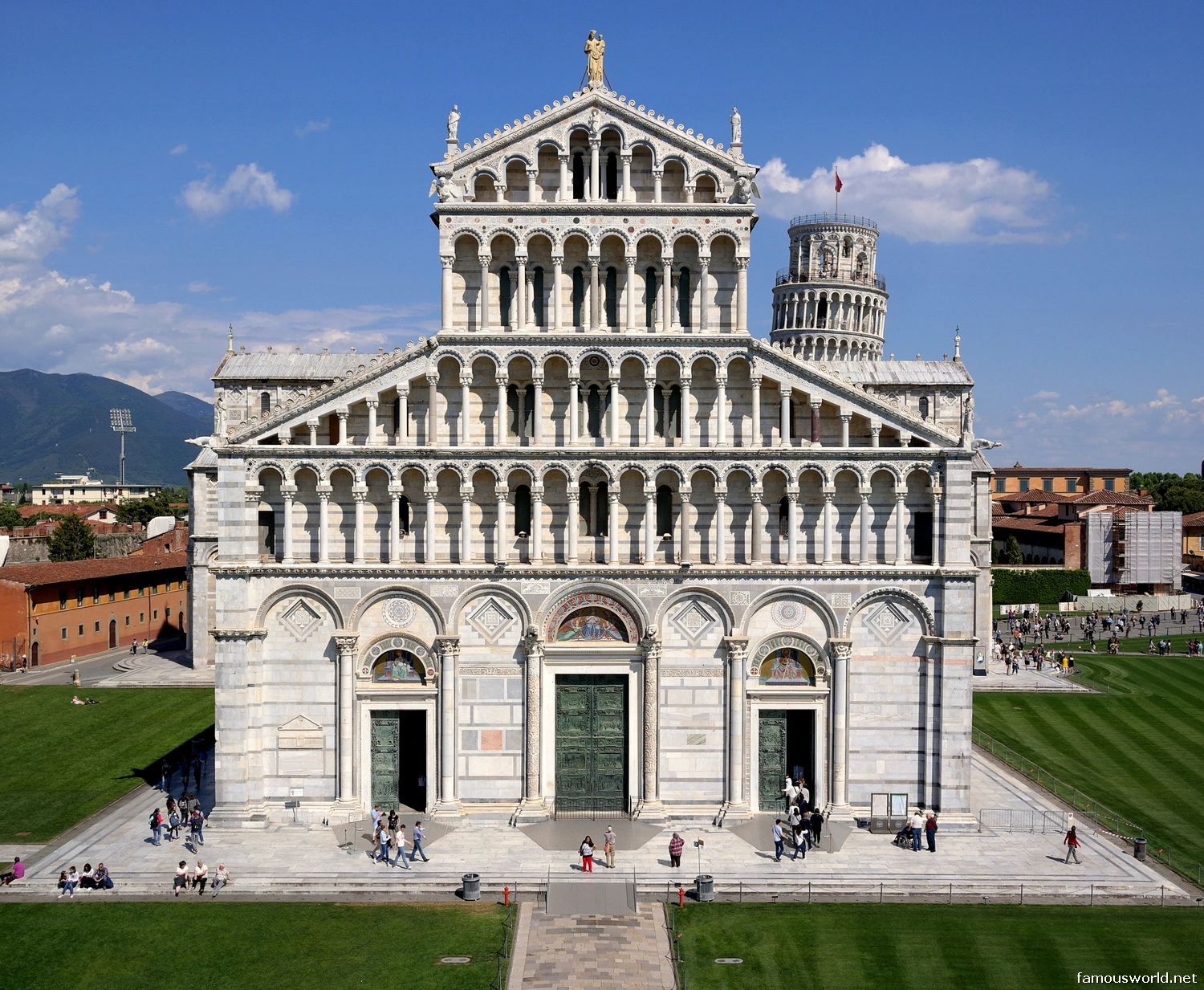

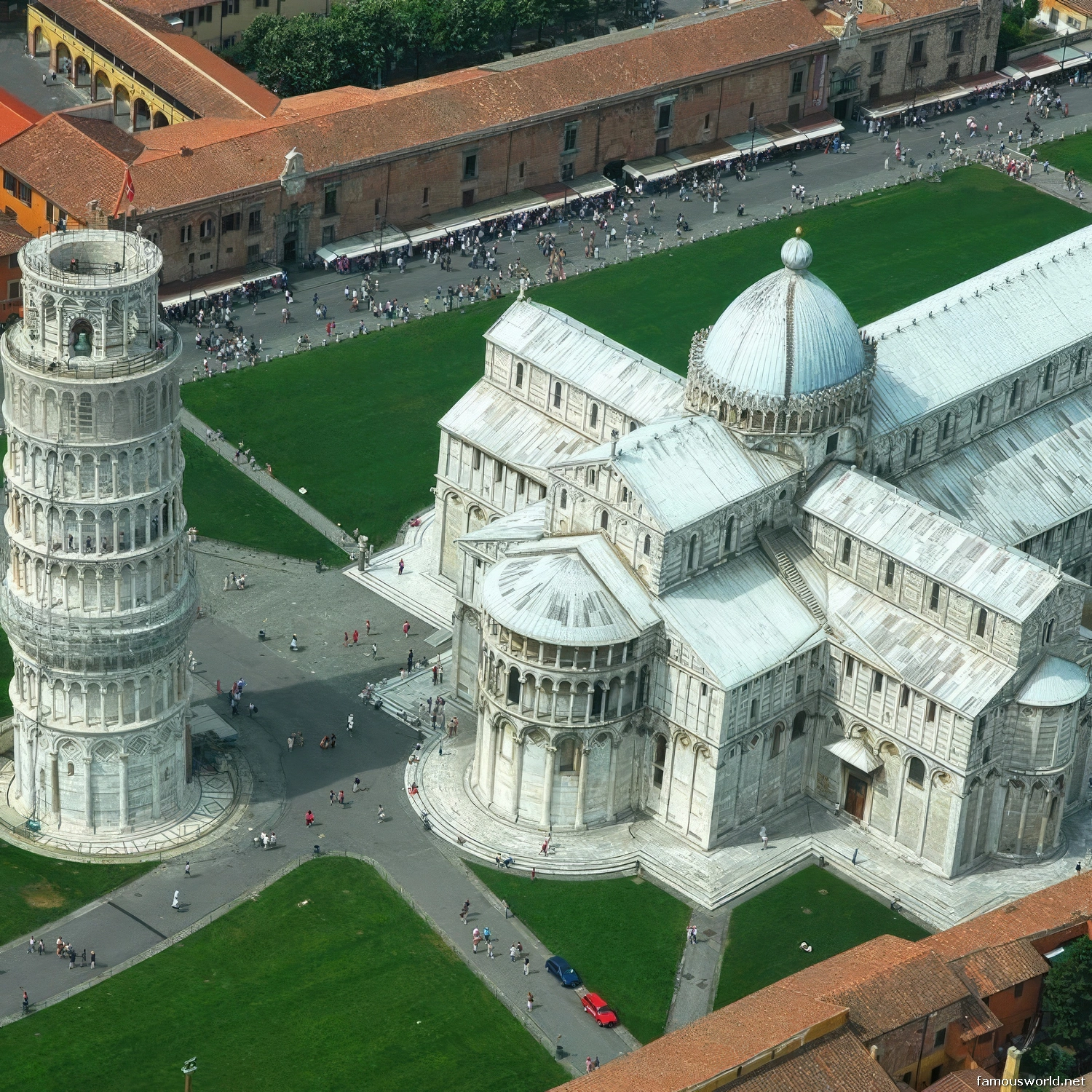
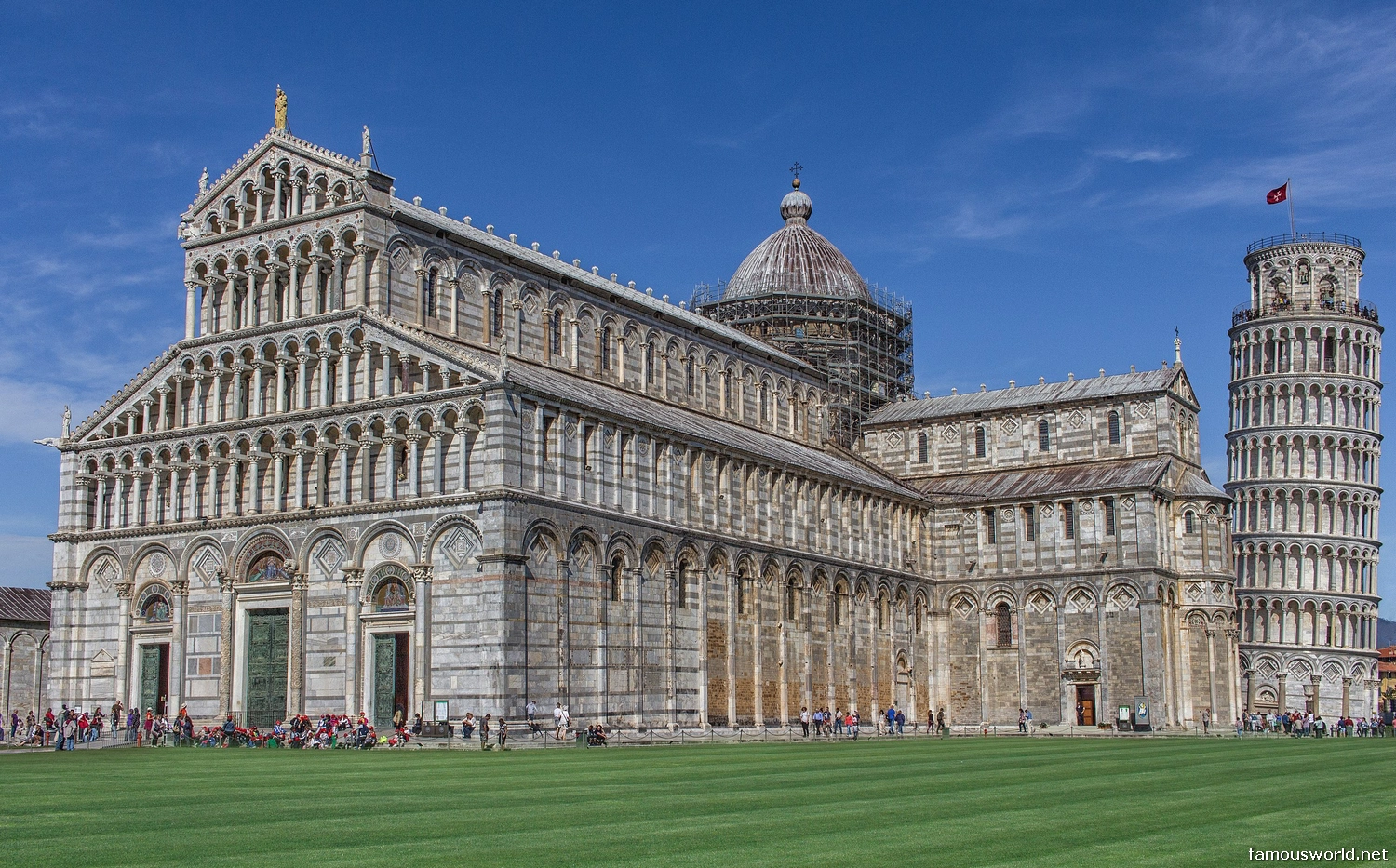
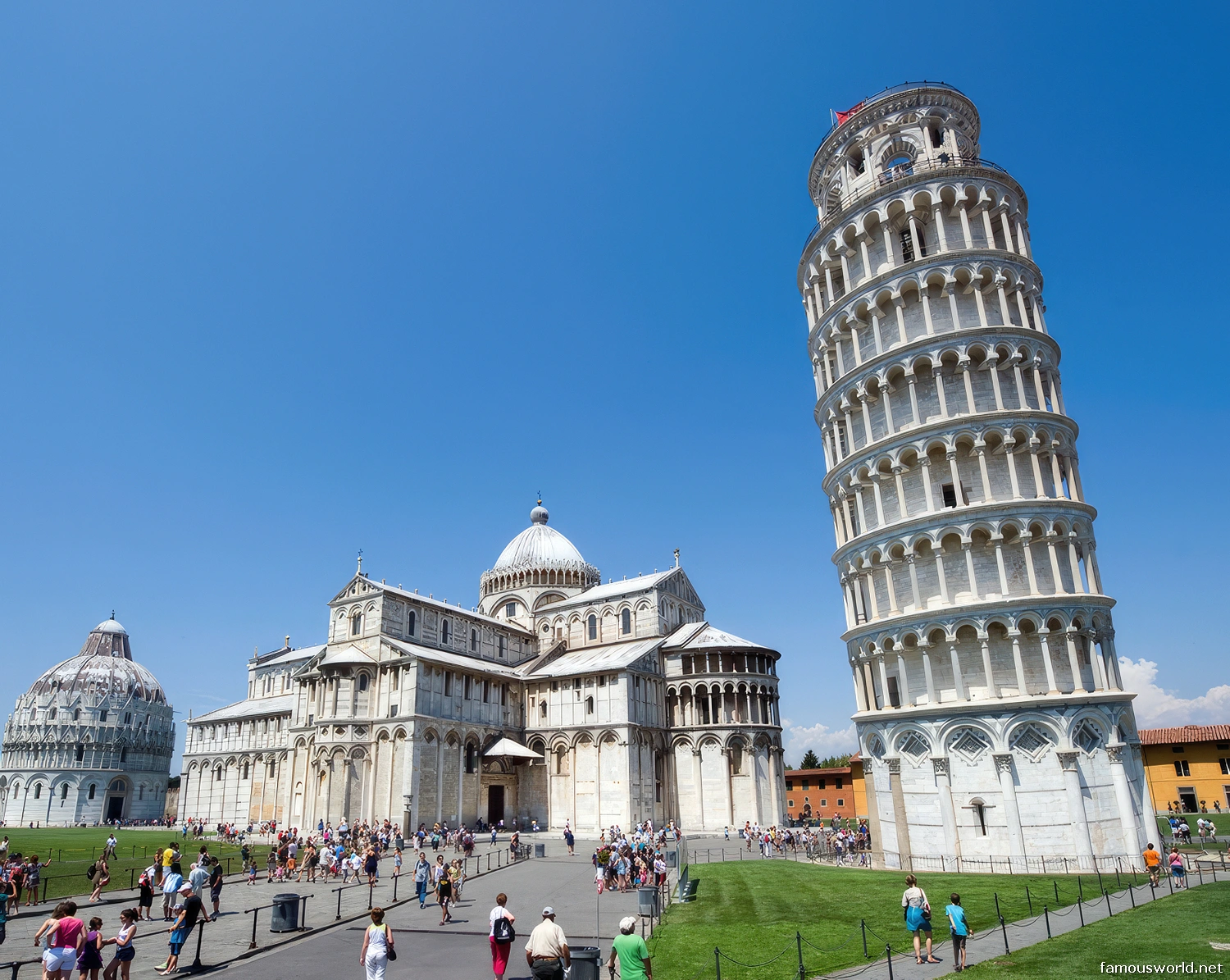
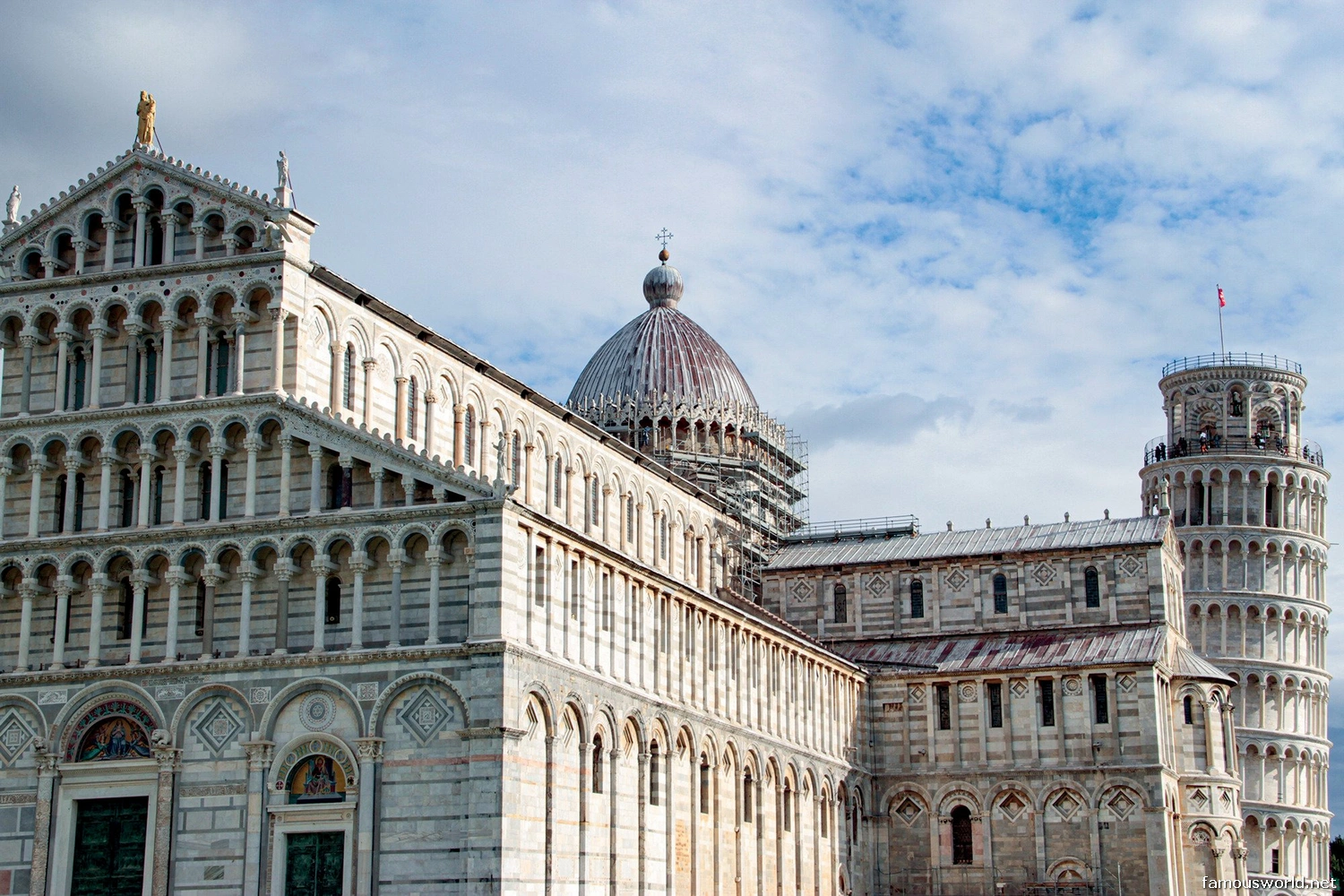
At the heart of Pisa’s world-famous Piazza dei Miracoli (Square of Miracles), the Pisa Cathedral stands as a masterpiece of medieval architecture and a testament to the wealth and power of the Maritime Republic of Pisa. While often overshadowed by its famously leaning bell tower, the Cathedral (Cattedrale di Santa Maria Assunta) is the true centerpiece of the complex. Started in the 11th century, it is the defining example of the unique Pisan Romanesque style, a harmonious blend of architectural influences from across the Mediterranean. Its magnificent marble facade, opulent gold interior, and priceless works of art create a space of overwhelming beauty and historical significance. A visit is not just about seeing a beautiful church, but about experiencing the artistic and spiritual heart of a city at the height of its glory.
Listen to an introduction about Cattedrale di Pisa

Name and Location
- Name: Cattedrale Metropolitana Primaziale di Santa Maria Assunta (Pisa Cathedral).
- Location: In the center of the Piazza dei Miracoli, Pisa, Tuscany, Italy.
How to Get There
The Piazza dei Miracoli is the main tourist destination in Pisa and is easily reachable.
- By Air: Pisa International Airport (PSA), also known as Galileo Galilei Airport, is one of Tuscany’s main hubs. From the airport, you can take a bus or the Pisa Mover shuttle to the central train station.
- By Train: The main station is Pisa Centrale. From there, it is about a 25-minute walk through the city to the Piazza, or you can take a local bus (LAM Rossa) which stops nearby.
- By Bus: City buses frequently connect the airport and train station with the area around the Piazza dei Miracoli.
- By Car: Driving into the center of Pisa is restricted (ZTL). It is best to park in one of the large lots on the outskirts of the city center and walk or take a bus.
Landscape and Architecture
The Cathedral is the anchor of one of the most stunning architectural ensembles in the world.
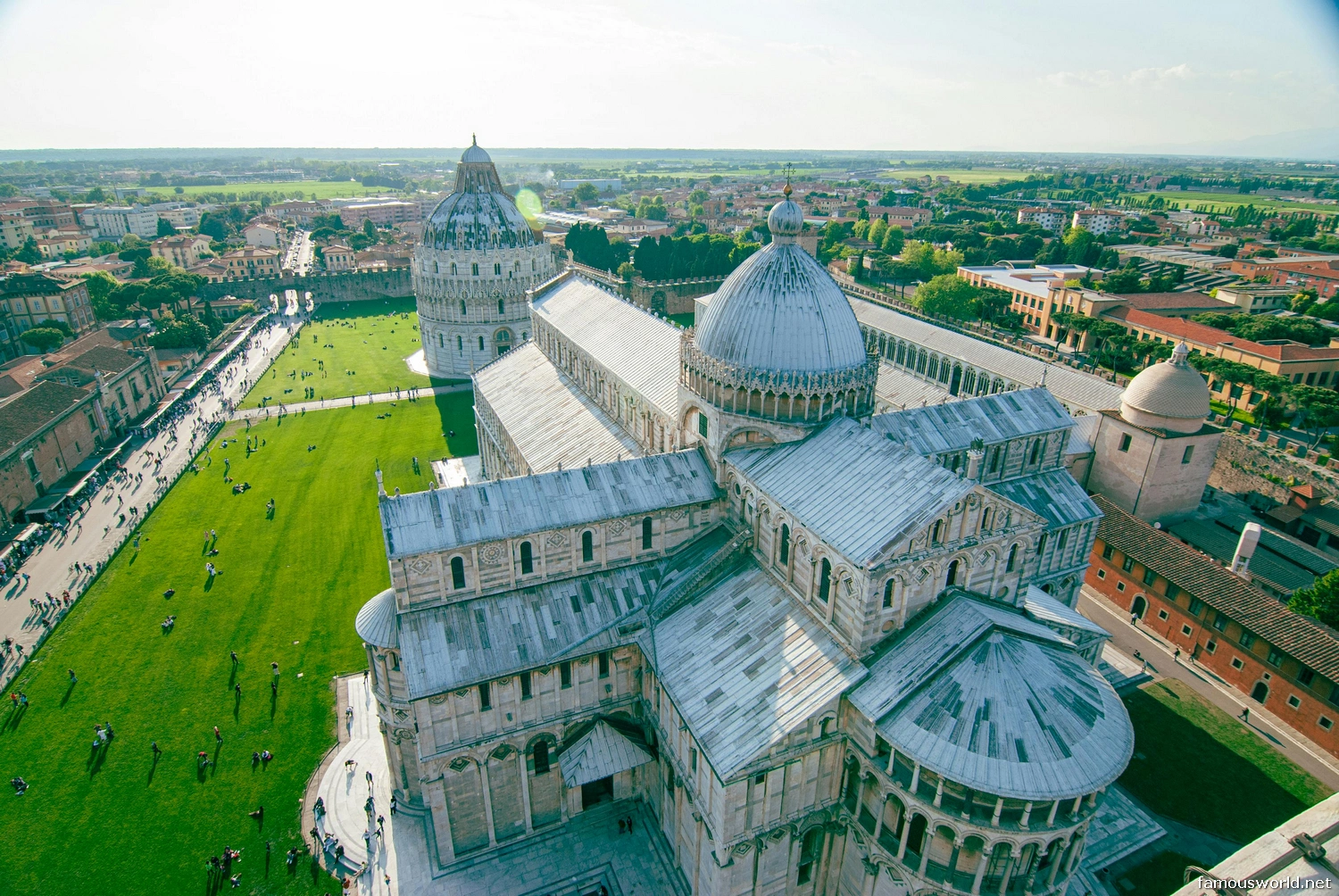
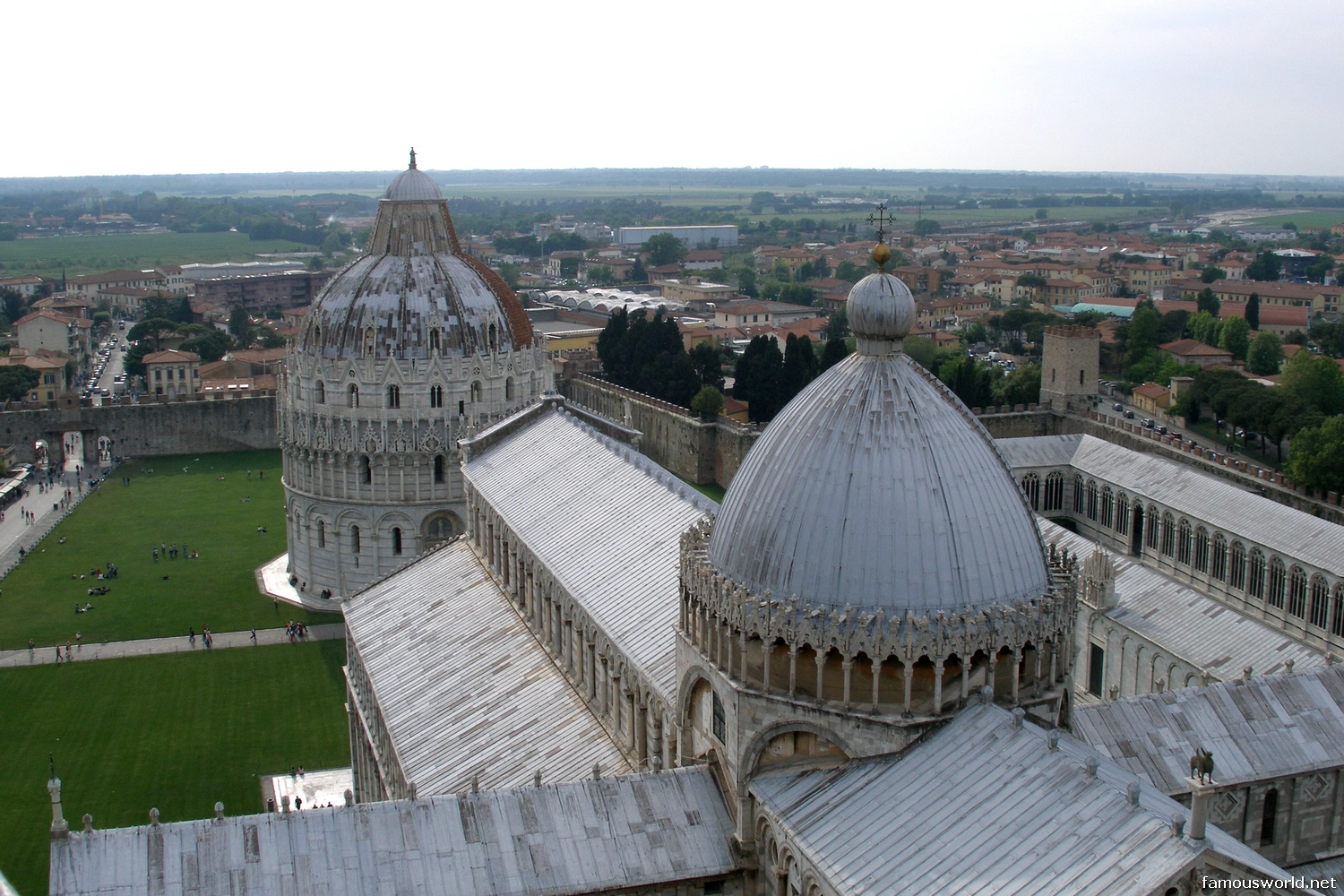
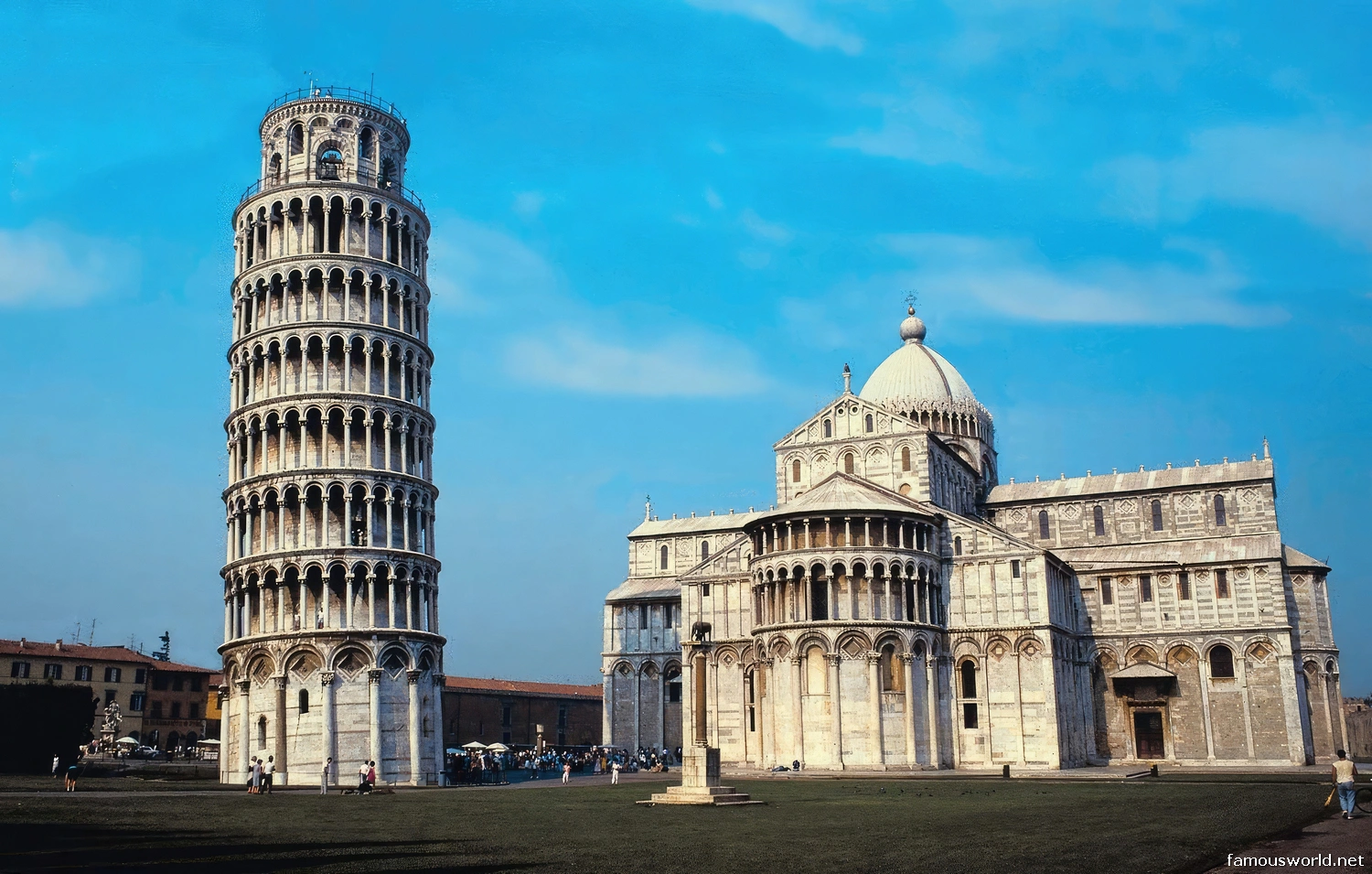
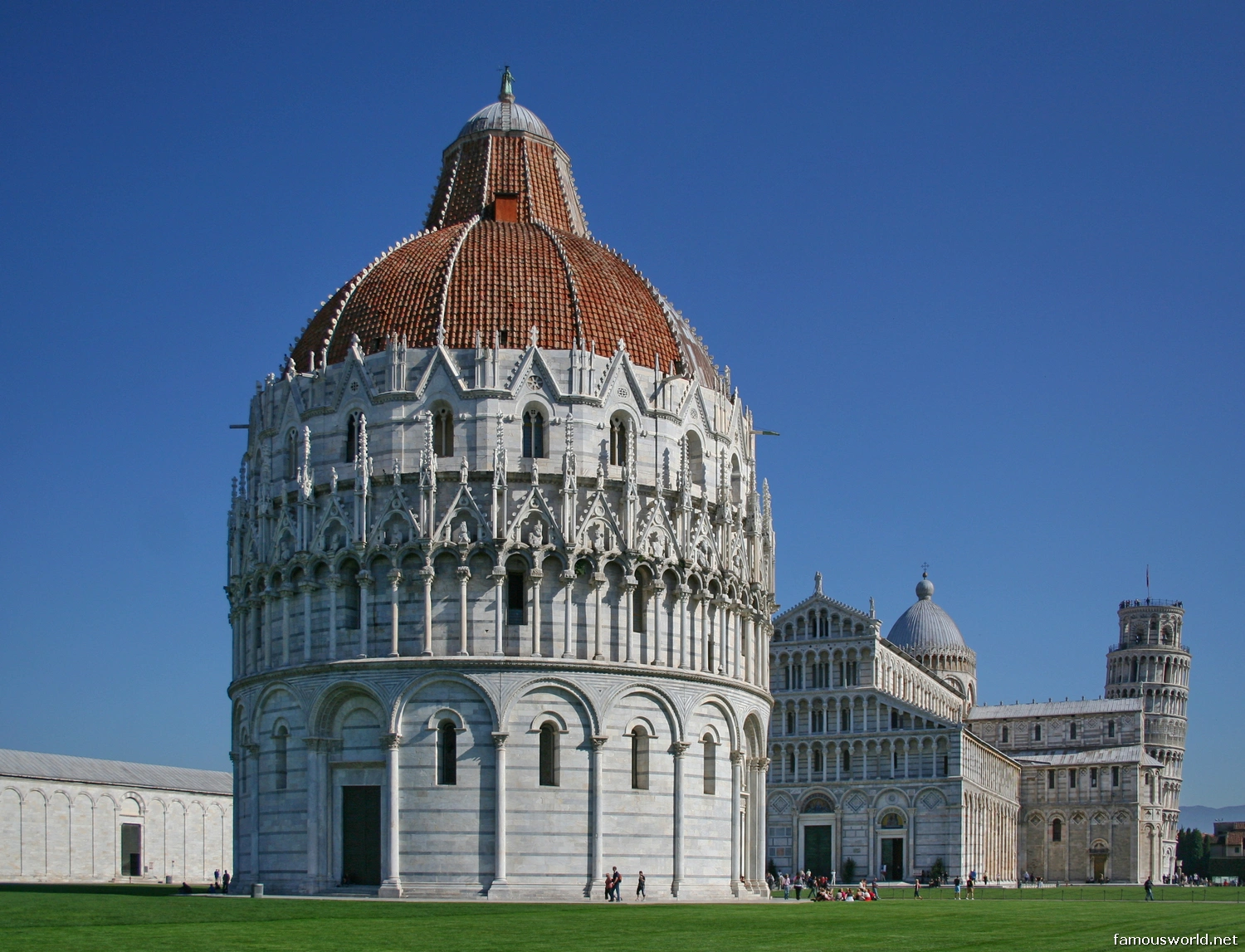
- Piazza dei Miracoli: The Cathedral is set on a vast, perfectly manicured green lawn, creating a stunning visual contrast with the brilliant white marble of the four monumental buildings: the Cathedral, the Baptistery, the Camposanto Monumentale (cemetery), and the world-famous Campanile, or Leaning Tower.
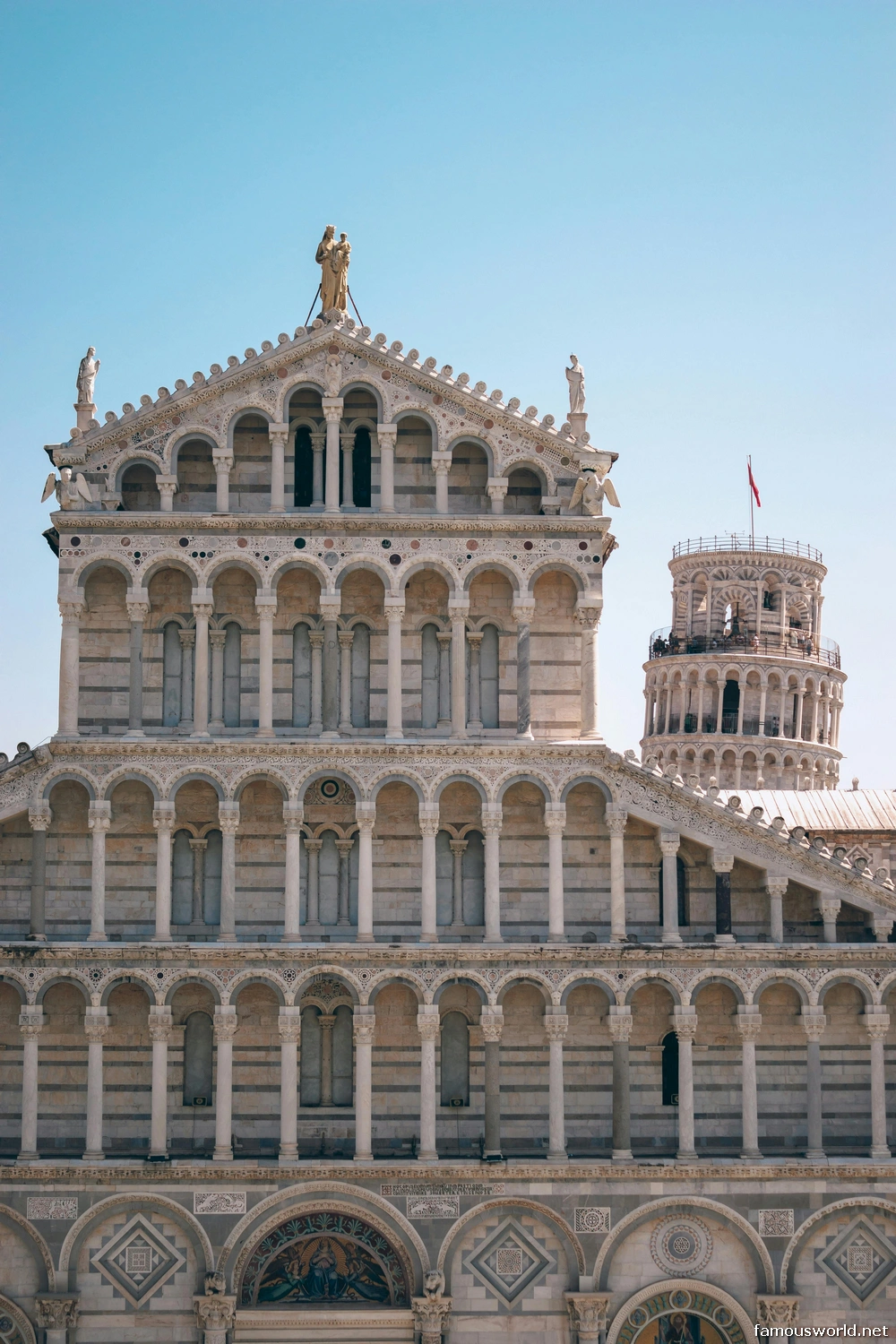
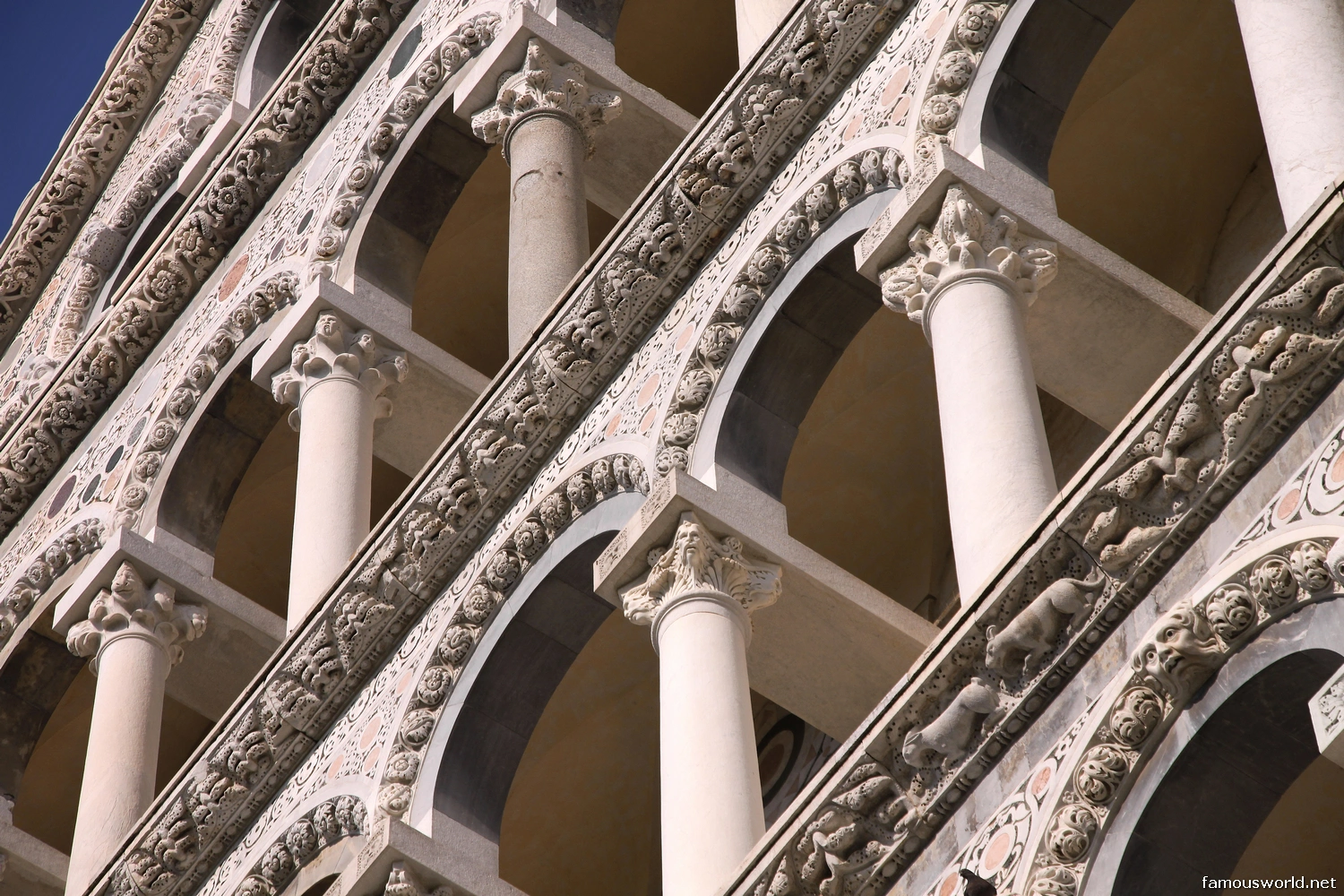
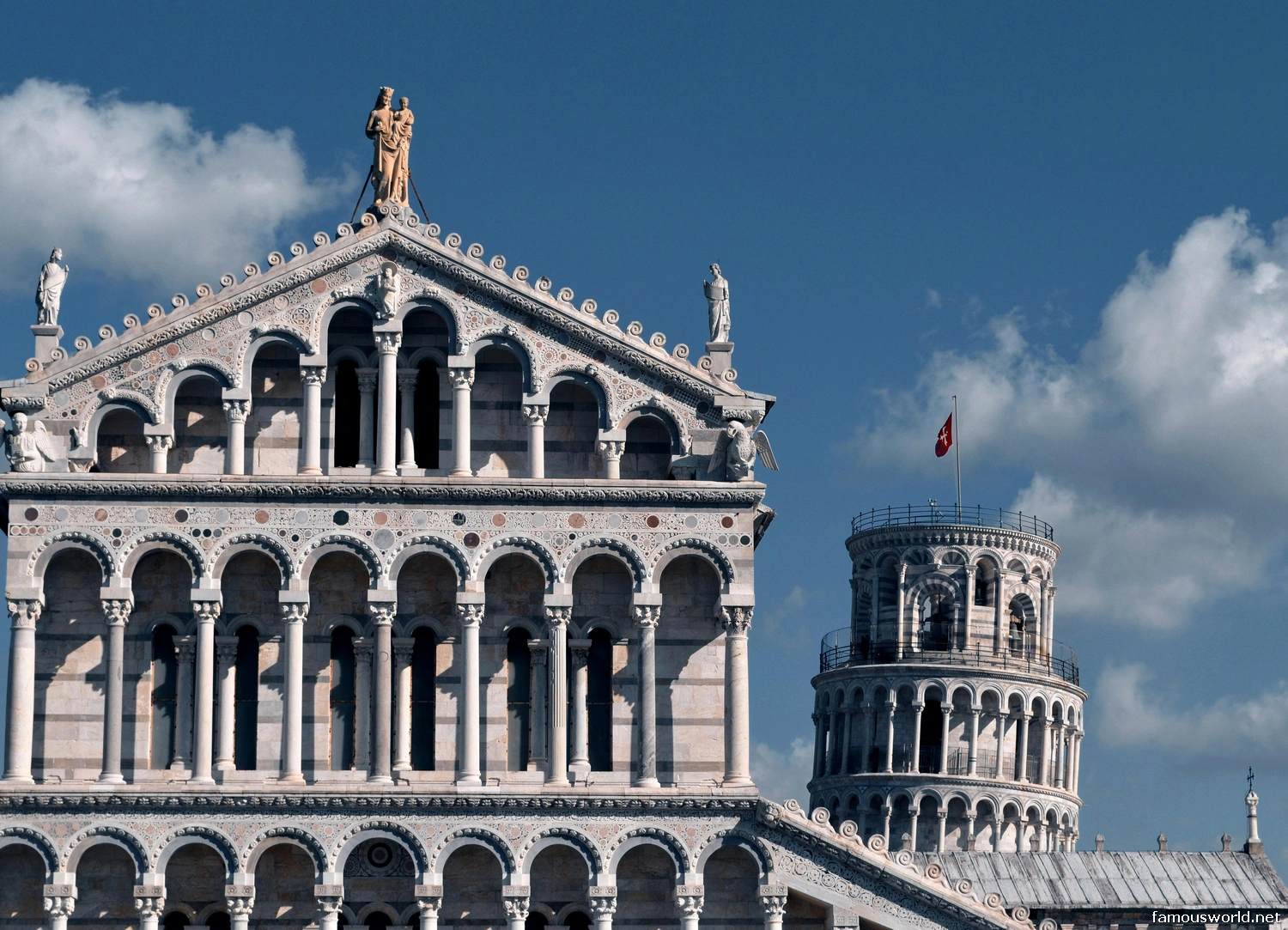
- Pisan Romanesque Style: The Cathedral is the archetype of this unique style. Its exterior is clad in bands of white and grey marble and features blind arcades, intricate marble inlays (intarsia), and influences from Lombard, Byzantine, and Islamic architecture, reflecting Pisa’s extensive trade network.
- Grand Facade: The west facade is a stunning composition of four tiers of open-air arcades rising above three grand bronze doors.
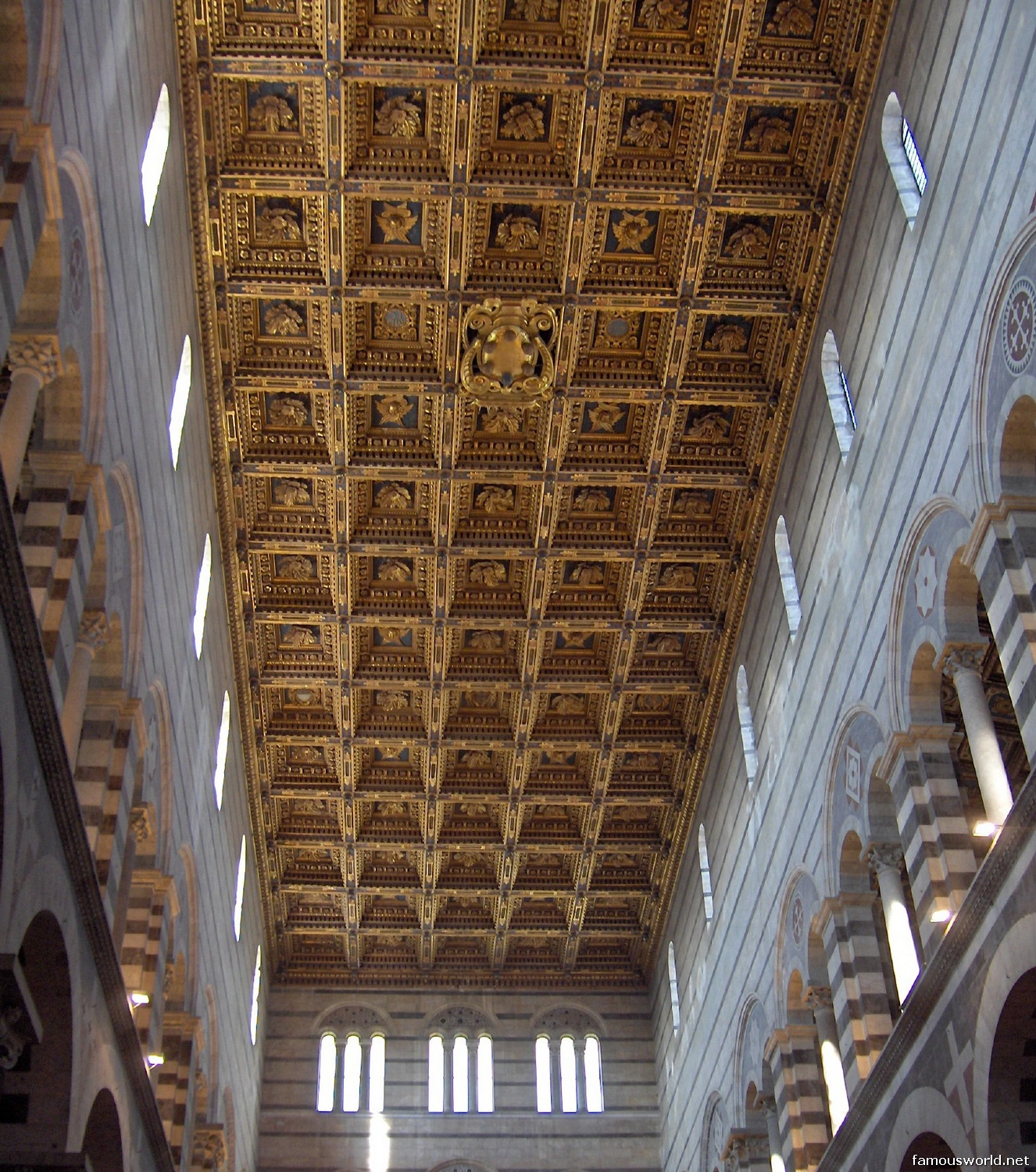
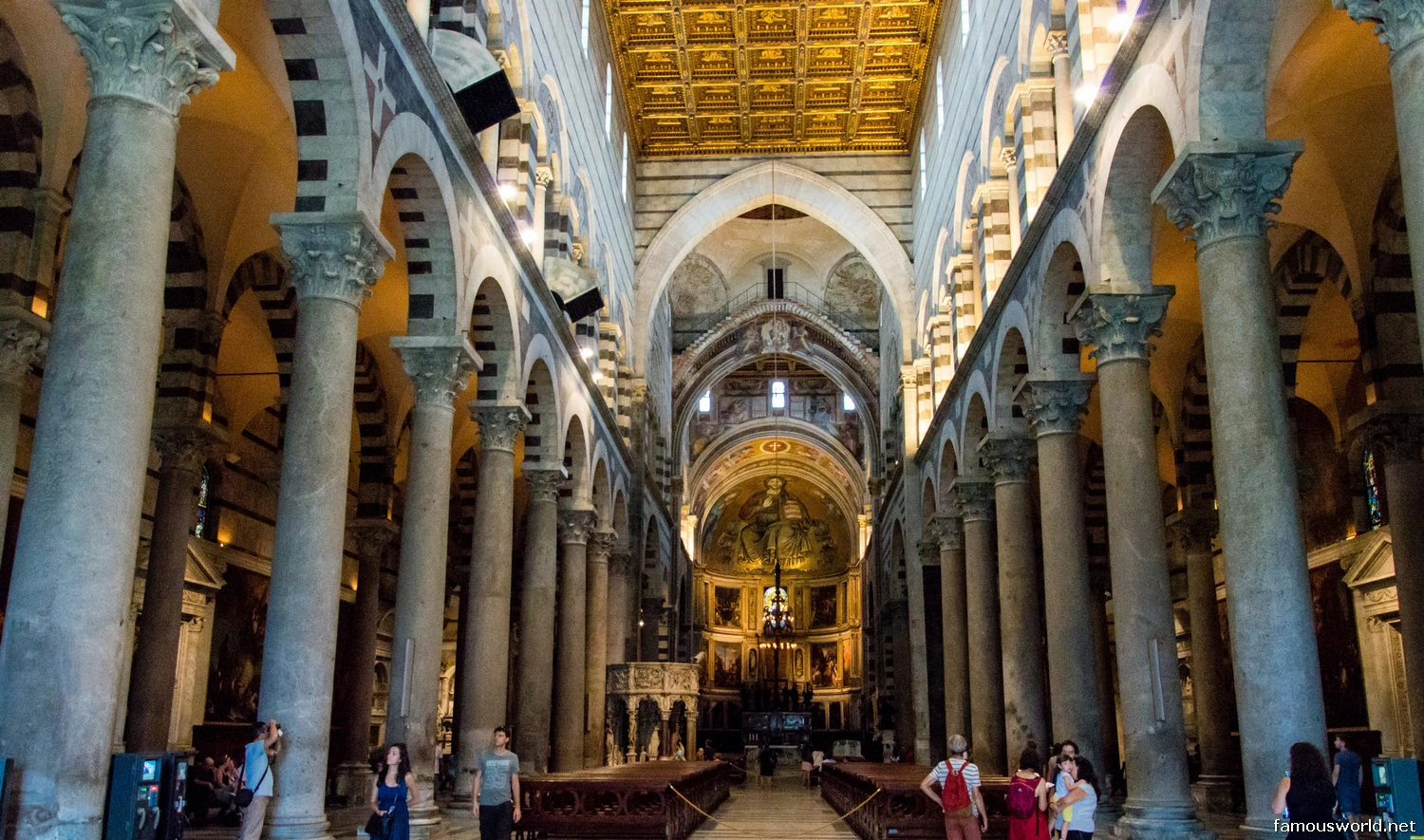
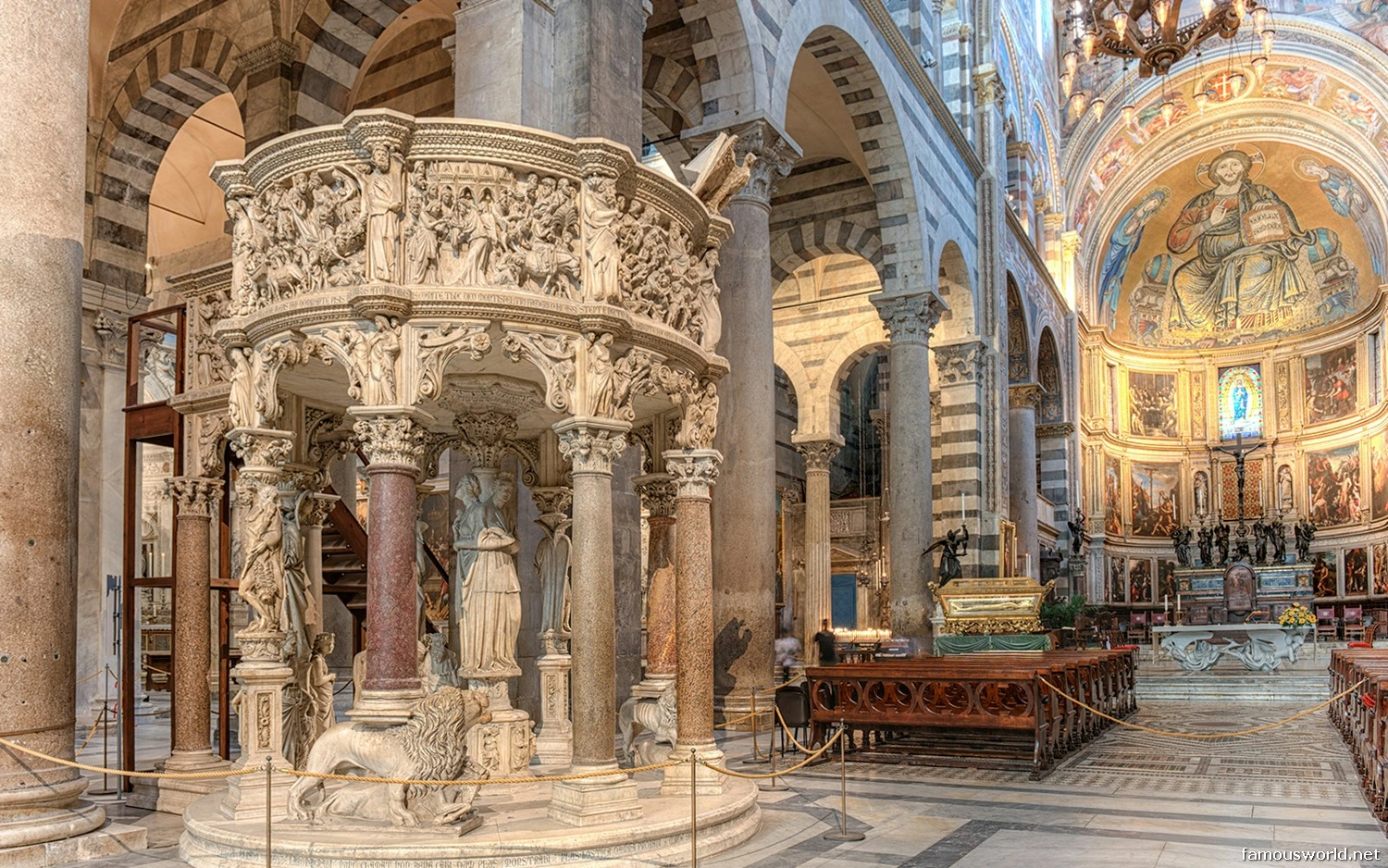
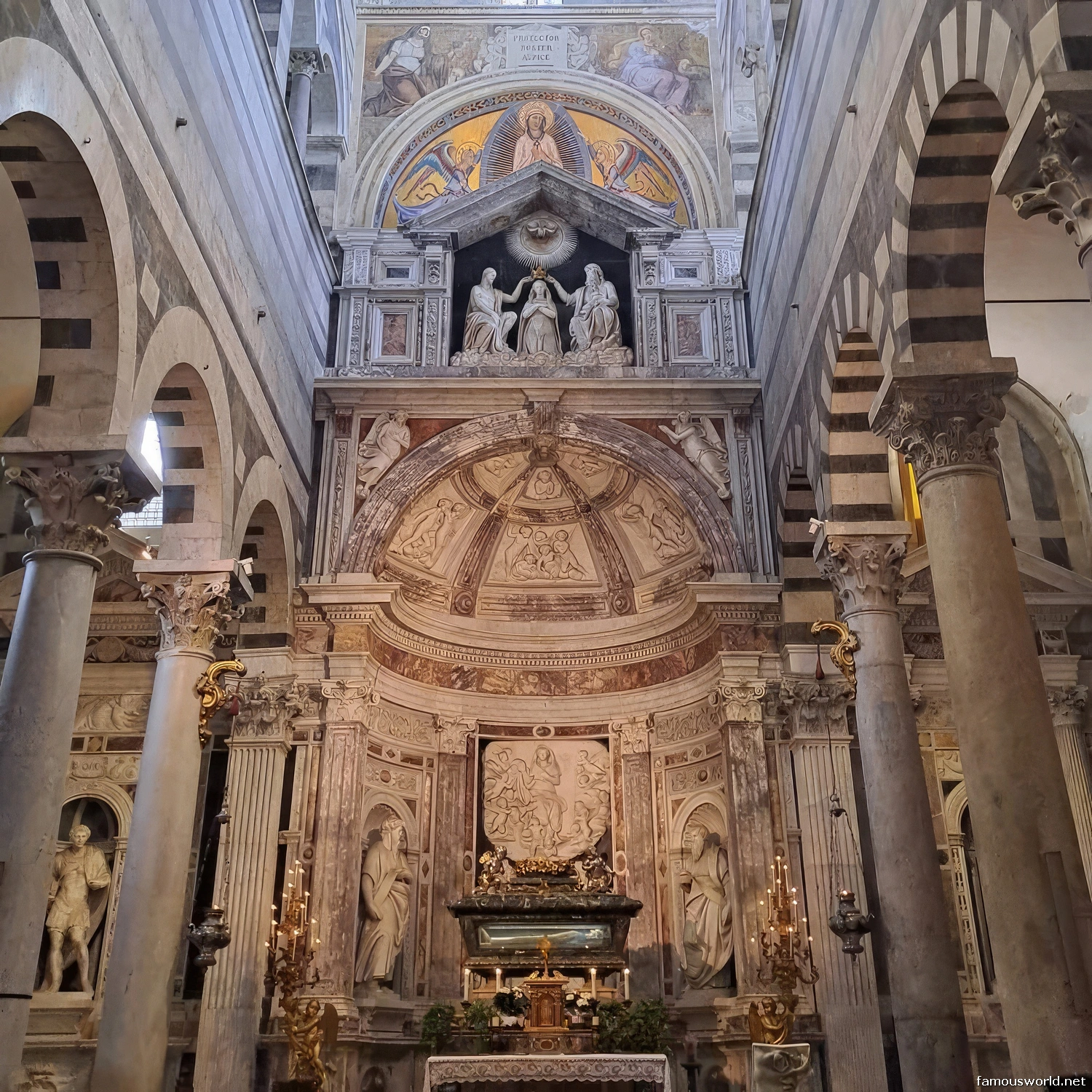
- Opulent Interior: The interior is breathtaking, with a flat, coffered ceiling gilded in gold, massive granite columns from a Roman temple, and distinctive black-and-white marble striping. The vast mosaic of Christ in Majesty in the apse glitters above the main altar.
- Pulpit by Giovanni Pisano: Housed inside the cathedral is a masterpiece of Gothic sculpture, the intricately carved pulpit by Giovanni Pisano (1302-1310), which depicts scenes from the New Testament with dramatic intensity.
What Makes It Famous
While part of a famous group, the Cathedral is a world-class monument in its own right.
- Architectural Masterpiece: It is considered the pinnacle of the Pisan Romanesque architectural style, which influenced church design throughout Tuscany.
- Piazza dei Miracoli: Its setting within one of the most recognizable squares in the world, a UNESCO World Heritage site, ensures its fame.
- Galileo’s Chandelier: According to a famous legend, Galileo Galilei conceived of the theory of the pendulum while watching a large bronze chandelier (not the one there today) swing from the cathedral’s ceiling during a service.
- Artistic Treasures: It houses incredible works of art, most notably the pulpit by Giovanni Pisano and the apse mosaic, which has a face of St. John attributed to the artist Cimabue.
Differences from Other Wonders (vs. Park of the Aqueducts)
A highly ornate, sacred architectural complex offers a completely different experience than a rustic, ancient park.
- Environment (Manicured Sacred Complex vs. Rustic Parkland): The Pisa Cathedral is part of a pristine, highly curated architectural landscape designed to inspire awe and reverence. The Park of the Aqueducts is a vast, wild, and naturalistic landscape where massive ruins are part of the scenery.
- Focus (Artistic and Spiritual Expression vs. Utilitarian Engineering): The Cathedral is a work of art, with every surface decorated to convey religious stories and civic pride. The aqueducts are marvels of functional engineering, with their beauty deriving from their immense scale and purpose.
- Core Story (Medieval Faith and Power vs. Imperial Infrastructure): The story of the Cathedral is about the faith, wealth, and artistic ambition of a powerful medieval republic. The story of the aqueducts is about the pragmatic necessity and colossal effort required to sustain the Roman Empire.
- Atmosphere (Reverent and Ornate vs. Tranquil and Timeless): The experience inside the Cathedral is one of quiet reverence, focused on intricate details, sacred art, and history. The experience in the park
Location on world map