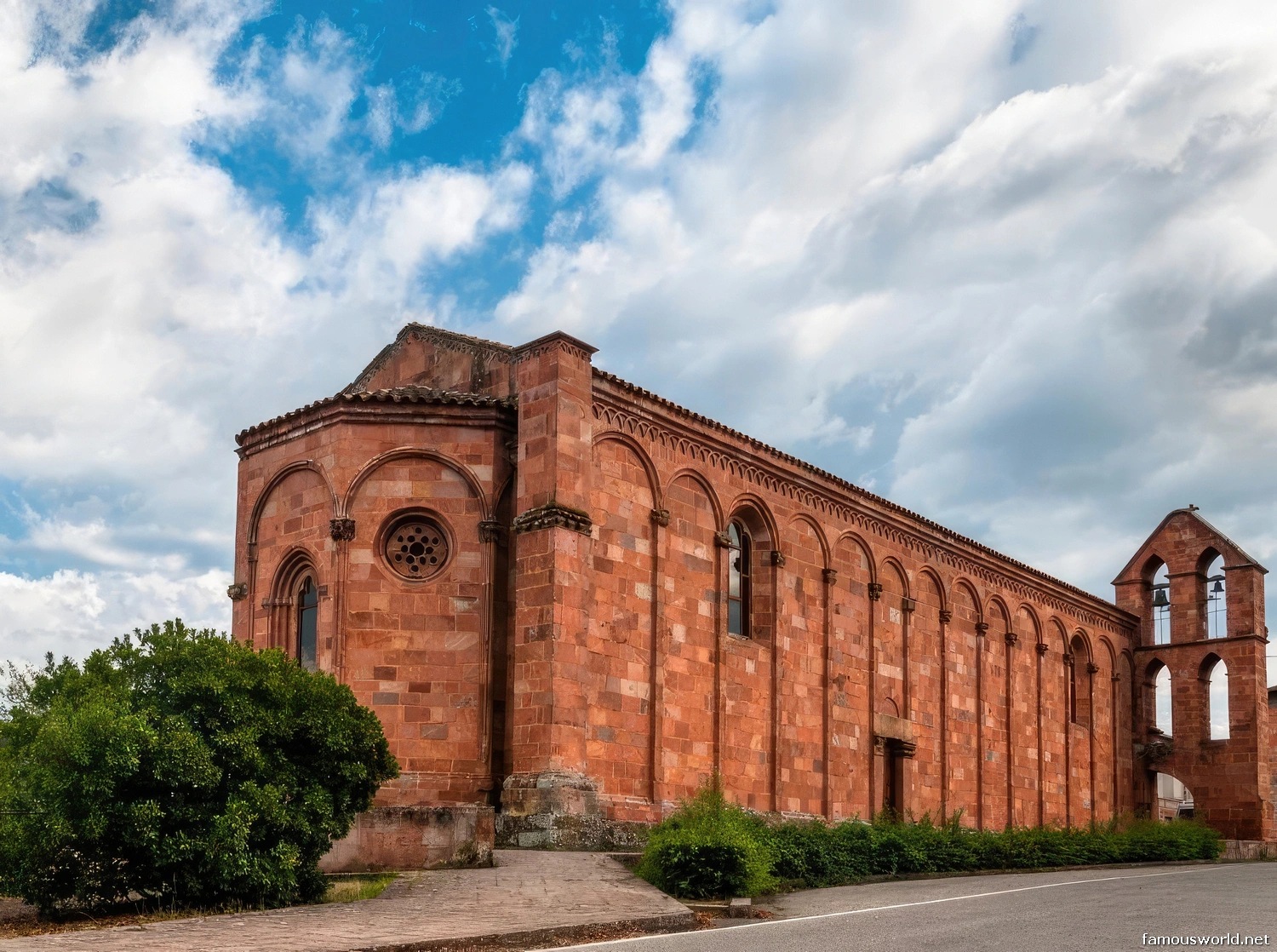
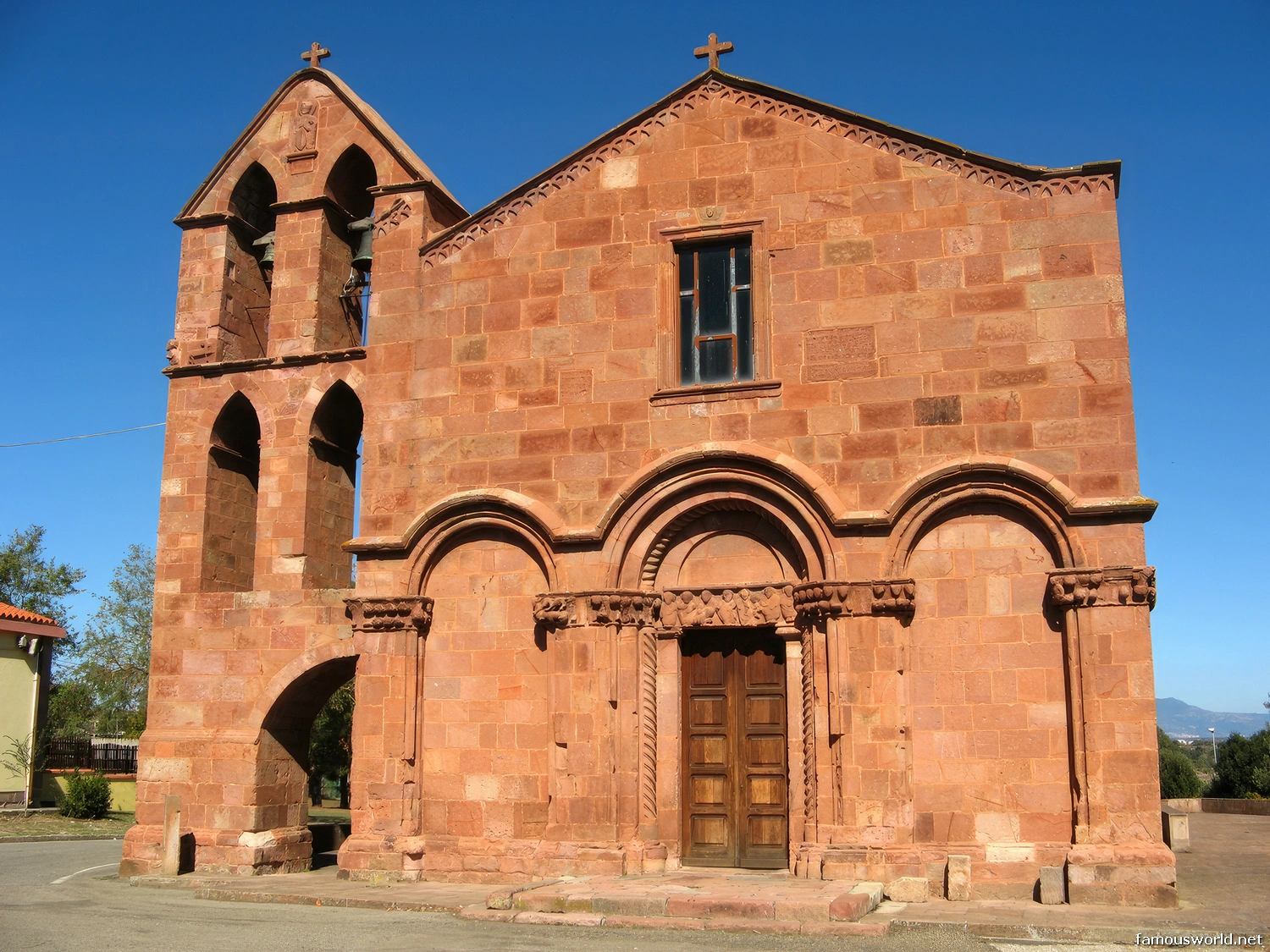
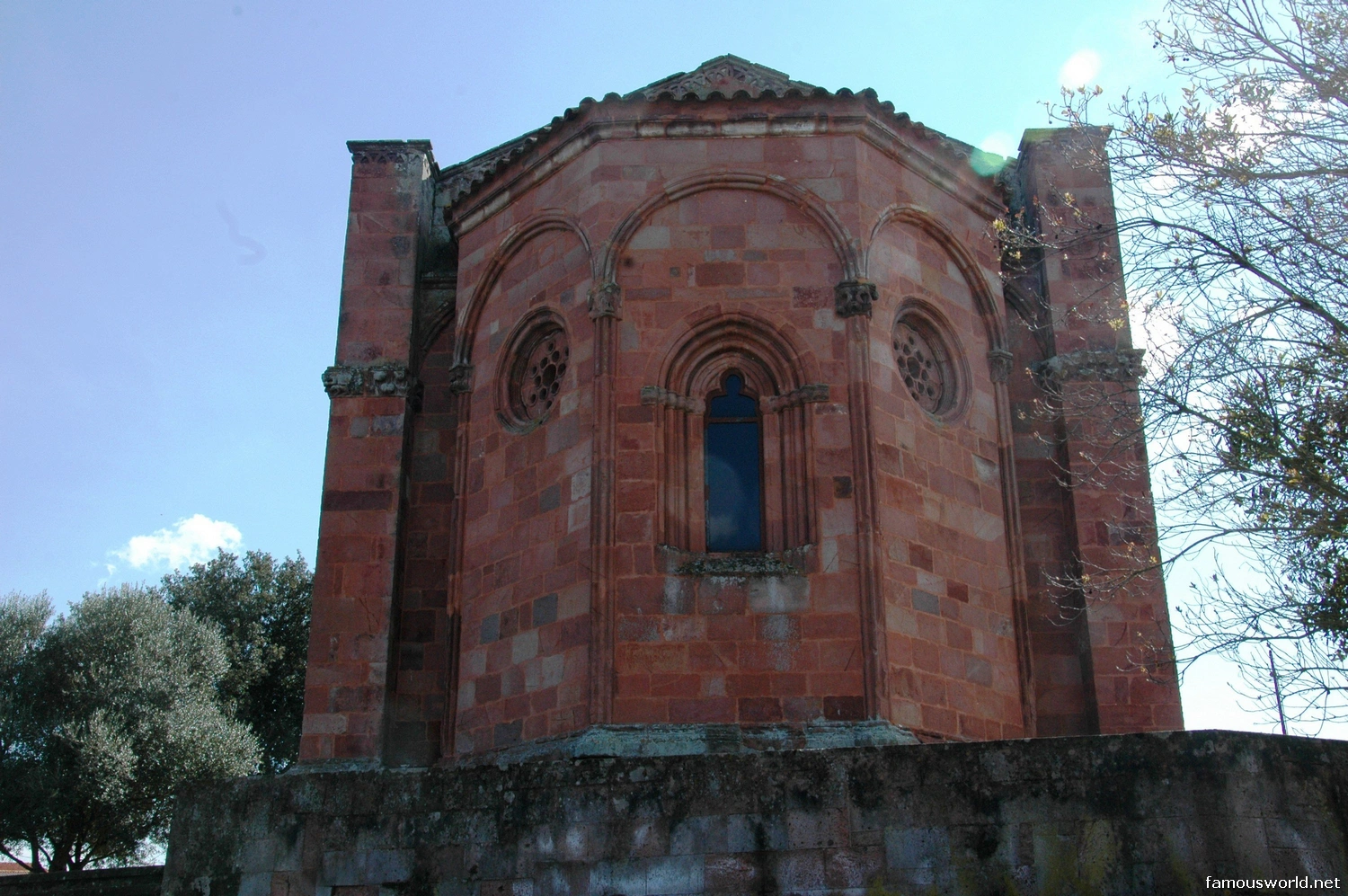
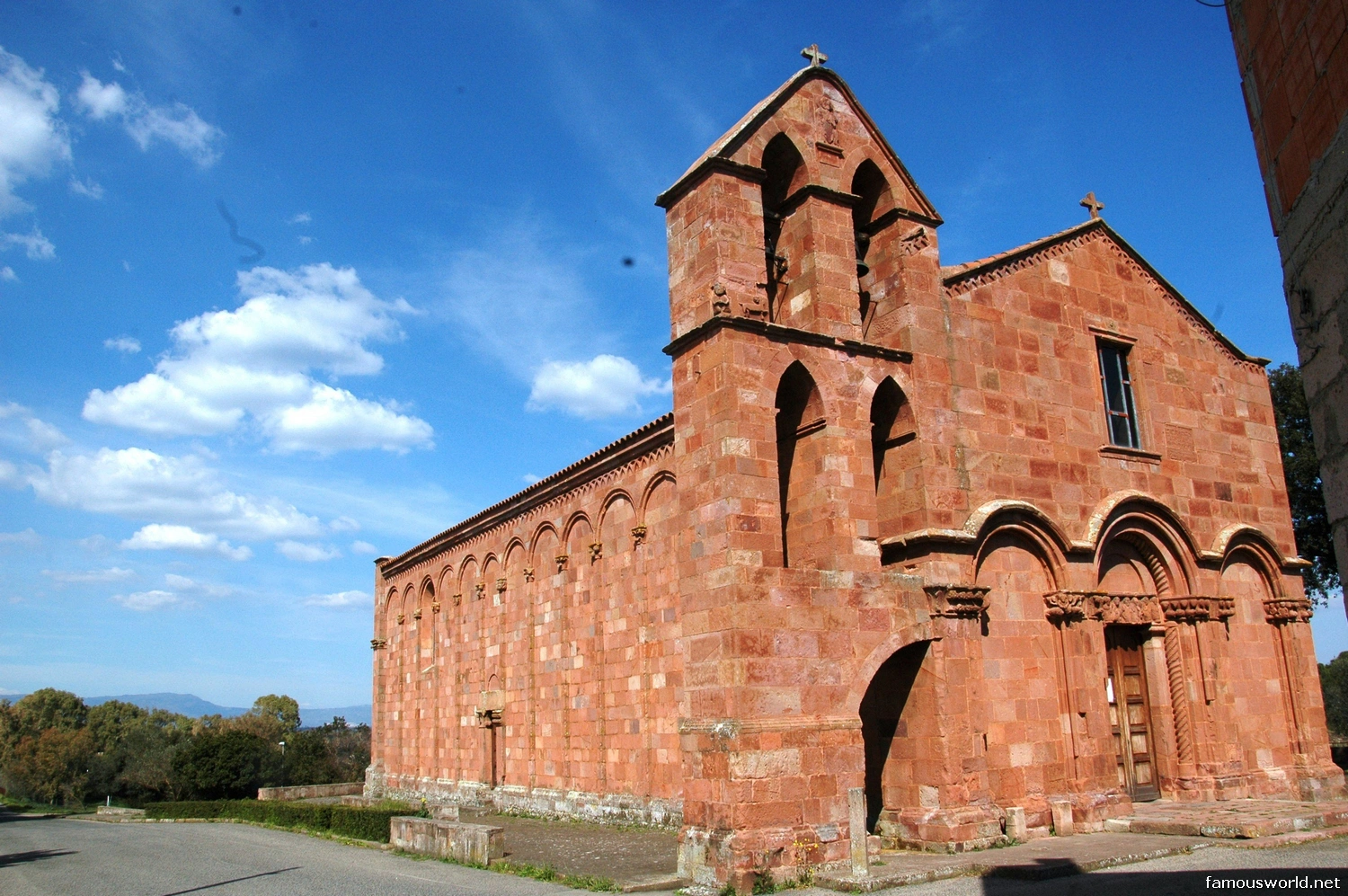
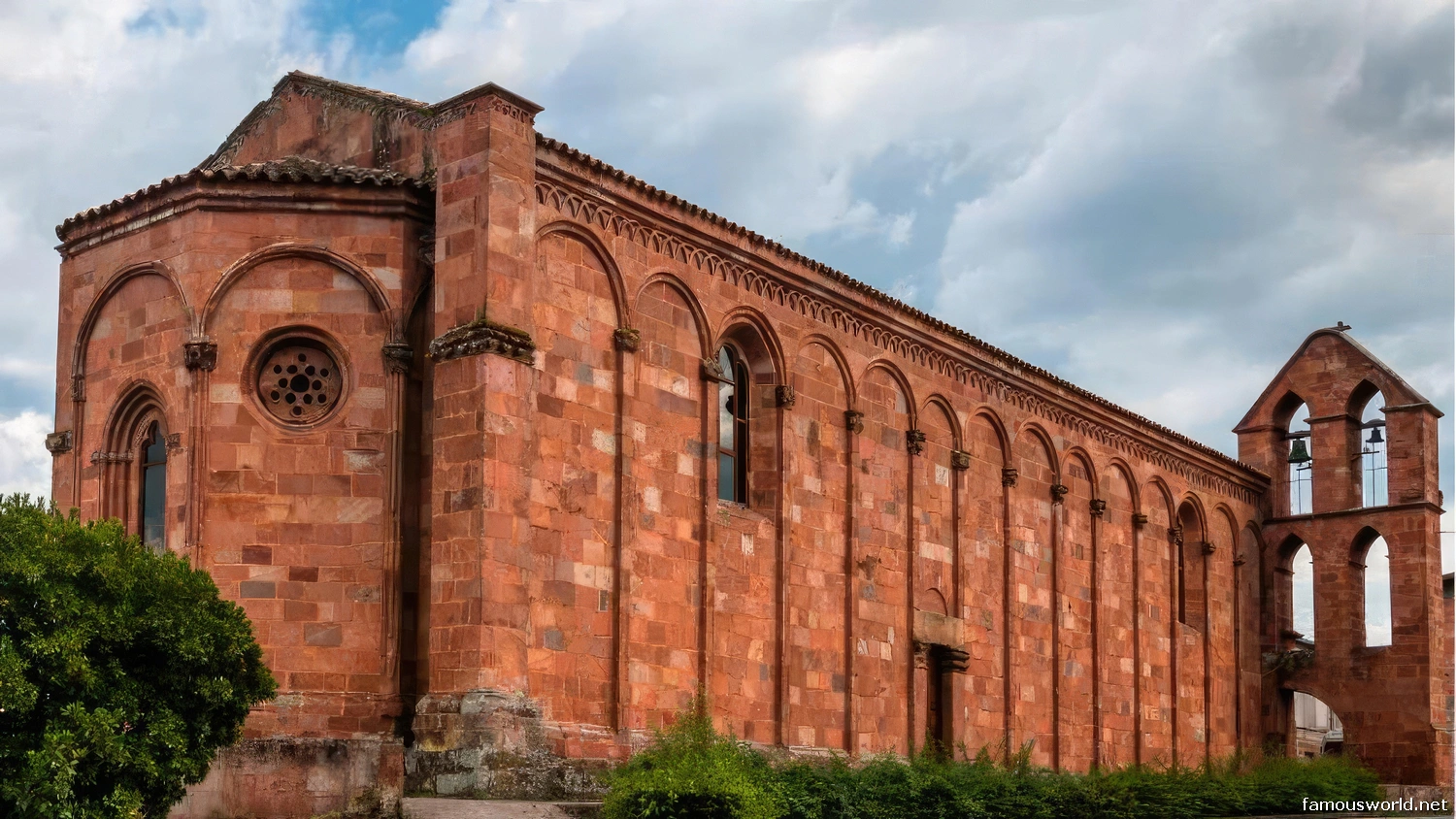
On the quiet shores of Sardinia’s largest artificial lake, Lago Omodeo, stands a church with a remarkable story of survival. The Chiesa Romanica di San Pietro di Zuri is not just a beautiful example of medieval architecture; it is a monument to cultural preservation. In the 1920s, as a new dam was set to flood the ancient village of Zuri, this church was painstakingly dismantled, stone by numbered stone, and faithfully rebuilt in its current, higher location. Today, it stands in serene solitude, its dark red stone contrasting with the blue waters, offering a peaceful atmosphere and a powerful story of a community that refused to let its heritage be submerged.
Listen to an introduction about Chiesa Romanica San Pietro di Zuri

Name and Location
- Name: Chiesa Romanica di San Pietro di Zuri (Romanesque Church of St. Peter of Zuri)
- Location: Overlooking Lake Omodeo, near Ghilarza, in the province of Oristano, central-western Sardinia, Italy.
How to Get There
The church’s tranquil, lakeside location is best reached by car.
- By Car: It is a short and scenic drive from the main SS131 highway. Take the exit for Ghilarza and follow the signs for “Zuri” and “San Pietro.” It is a convenient and rewarding stop for those visiting nearby archaeological sites like Nuraghe Losa.
Landscape and Architecture
The church is as defined by its unique history and picturesque setting as it is by its architectural style.
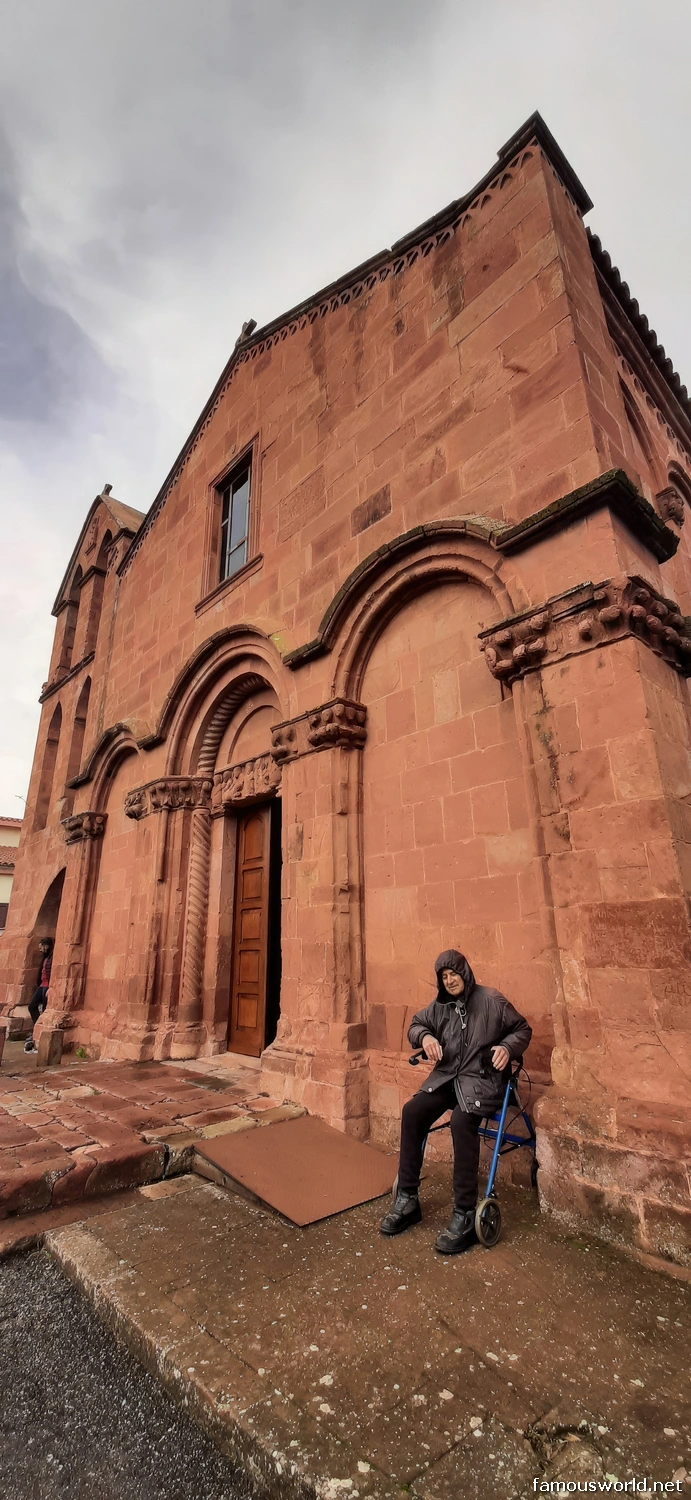
- A Lakeside Setting: The church enjoys a solitary, panoramic position on the banks of the vast, man-made Lake Omodeo. The original village it served now lies beneath the water.
- The Great Relocation: Its most defining feature is its history. The entire structure was moved from its original location in the early 20th century to save it from the rising waters of the newly created lake.
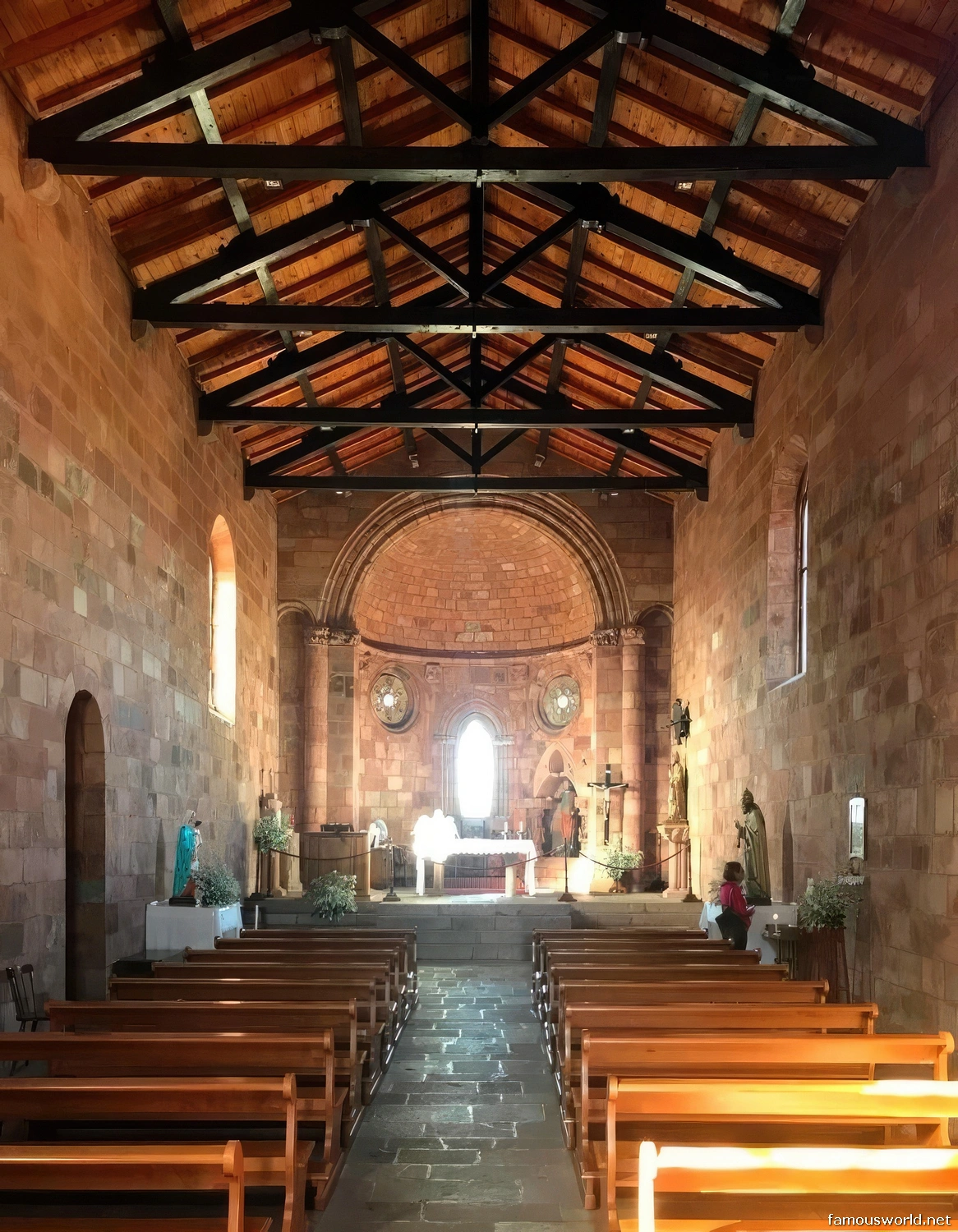
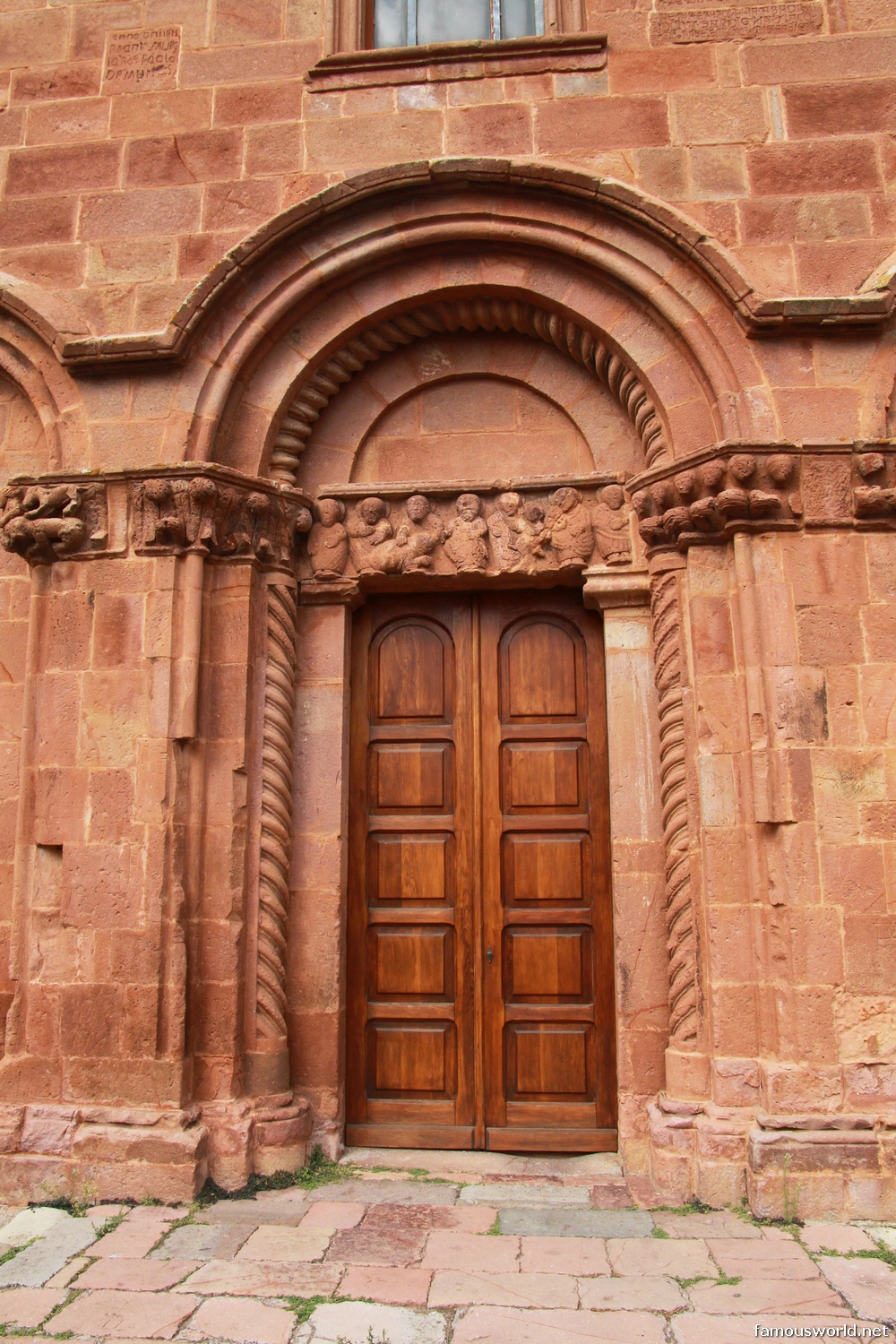
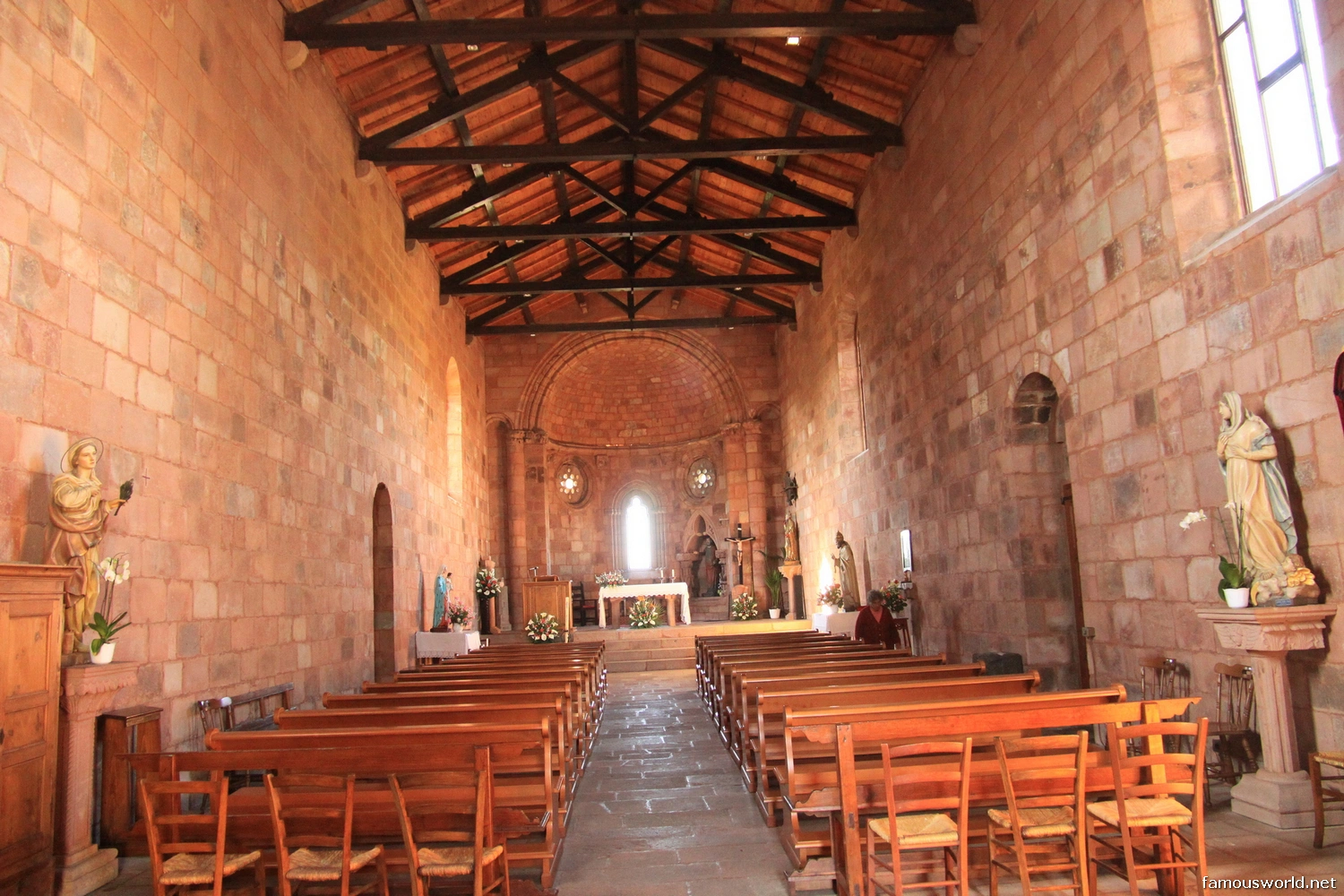
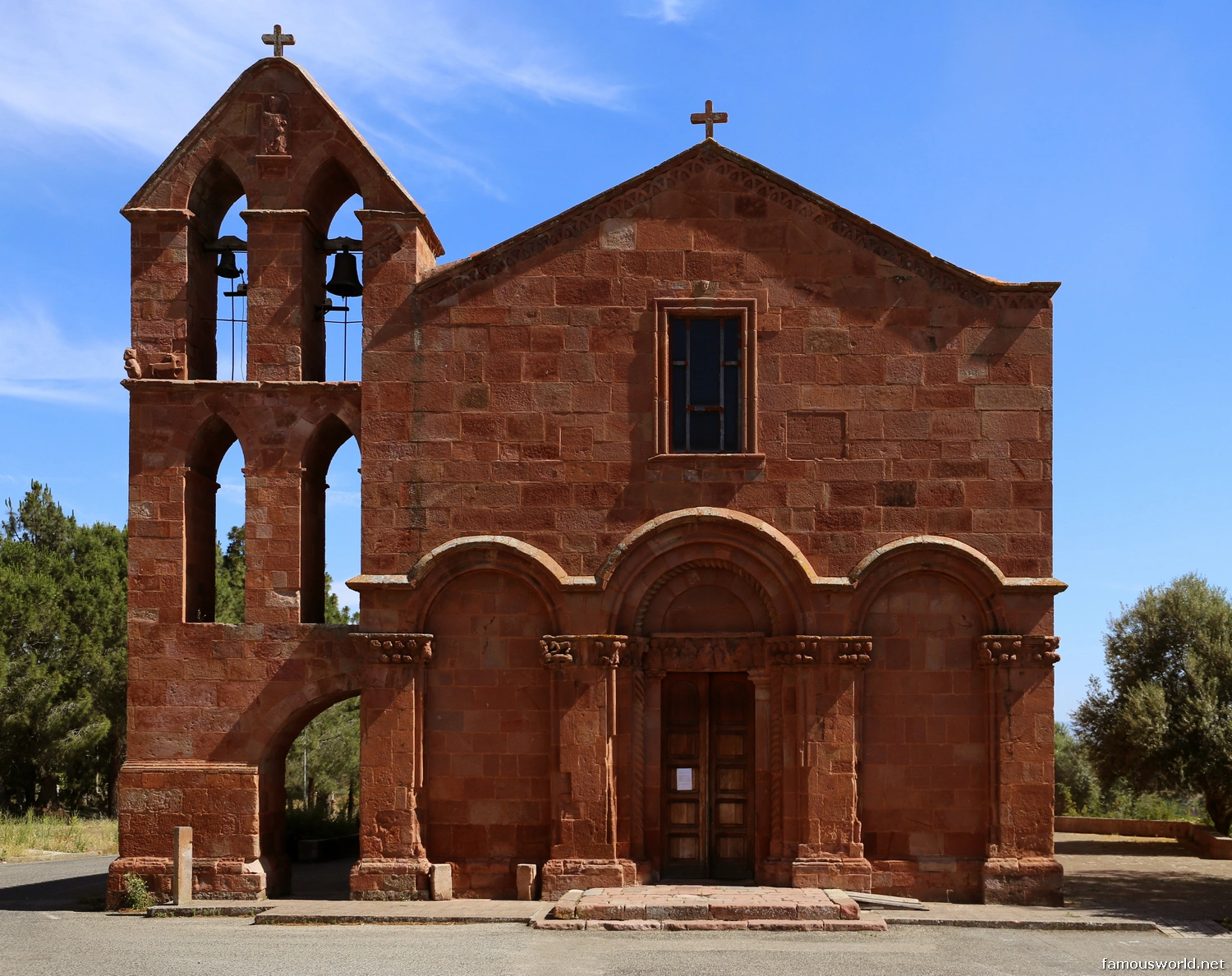
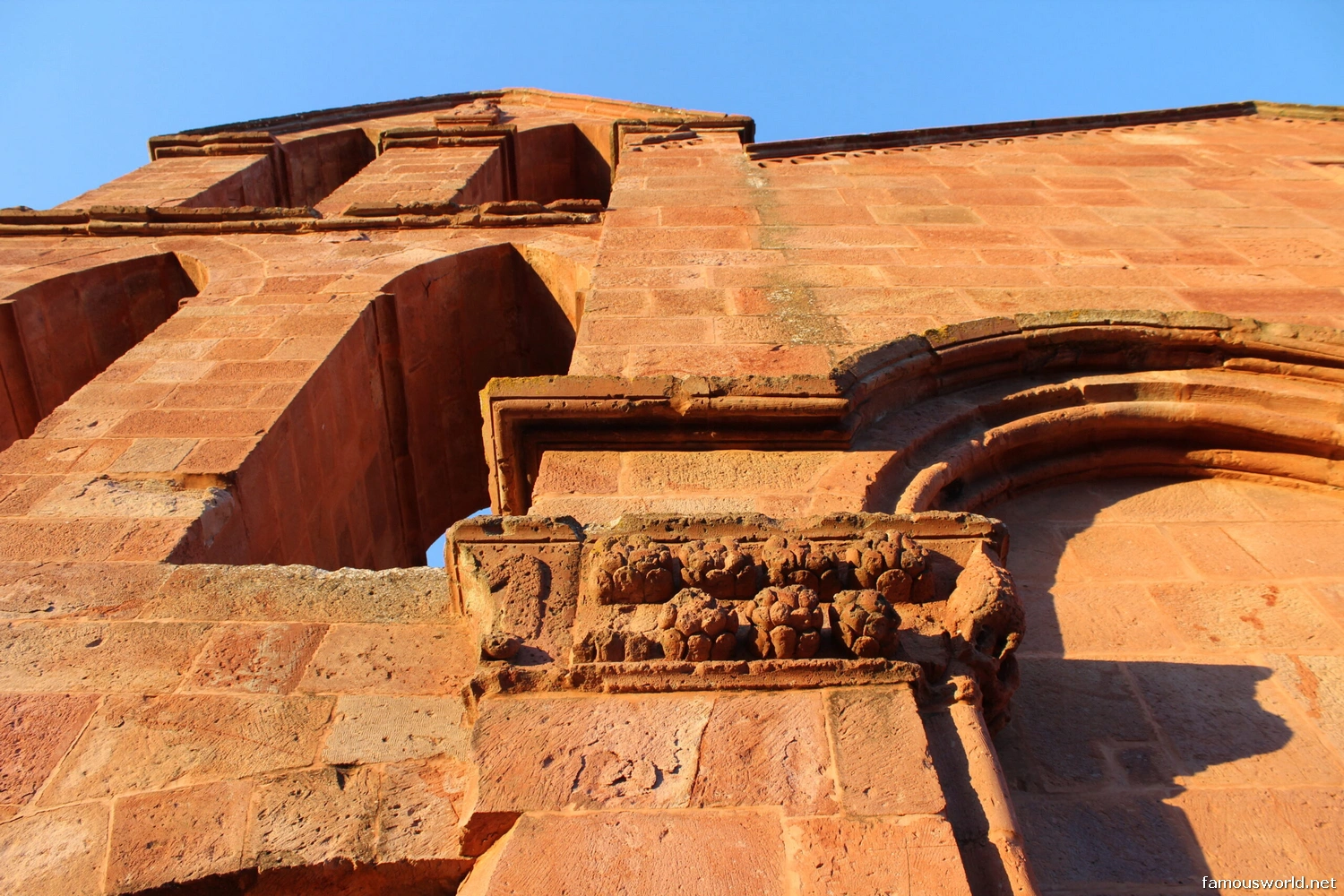
- Lombard-Pisan Romanesque Style: Built from dark red trachyte, the church is a gem of Sardinian Romanesque architecture. It features a simple, elegant facade with arches and a single-nave interior that creates a sense of intimate solemnity.
- Significant Inscriptions: The facade contains a historically important inscription that dates the church’s consecration to 1291 and names its architect, Anselmo da Como, providing a rare and valuable record for a medieval structure.
What Makes It Famous
While a beautiful piece of architecture, the church is renowned primarily for its incredible history.
- A Symbol of Preservation: It is famous for the story of its meticulous dismantling and reconstruction, a celebrated feat of engineering and cultural heritage preservation in the 1920s.
- Architectural Integrity: It is considered a beautifully preserved and authentic example of the Lombard-Pisan Romanesque style that flourished in Sardinia.
- Picturesque Location: Its current location offers breathtaking views of Lake Omodeo, making it a favorite spot for photographers and those seeking tranquility.
- Historical Documentation: The dated inscription provides a precise historical anchor, making it a key reference point for the study of medieval architecture in Sardinia.
Differences from Other Wonders (vs. Nuraghe Losa)
A medieval church saved by modern engineering offers a different experience from a prehistoric fortress.
- Environment (Relocated Church vs. In-Situ Fortress): San Pietro di Zuri is a structure defined by its relationship to a modern landscape (an artificial lake) and its history of being moved. Nuraghe Losa is an ancient monument that has stood in its original strategic position for over 3,000 years.
- Focus (Faith and Preservation vs. Power and Mystery): The focus at San Pietro is on Christian faith, medieval craftsmanship, and the 20th-century story of its salvation. The focus at Nuraghe Losa is on the raw power, defensive ingenuity, and unresolved mysteries of a prehistoric civilization.
- Core Story (A Second Life vs. Ancient Endurance): San Pietro’s story is one of rebirth—a historical monument given a second life through a remarkable act of preservation. Losa’s story is one of continuous, ancient endurance and the slow decline of a once-mighty civilization.
- Atmosphere (Peaceful and Poignant vs. Austere and Powerful): The atmosphere at San Pietro di Zuri is serene, peaceful, and slightly poignant, given the submerged village it once served. The atmosphere at Nuraghe Losa is one of austere, formidable power and deep, prehistoric mystery.
Location on world map