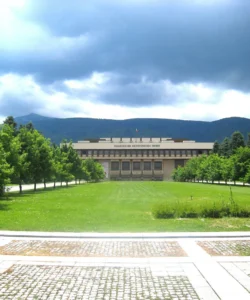
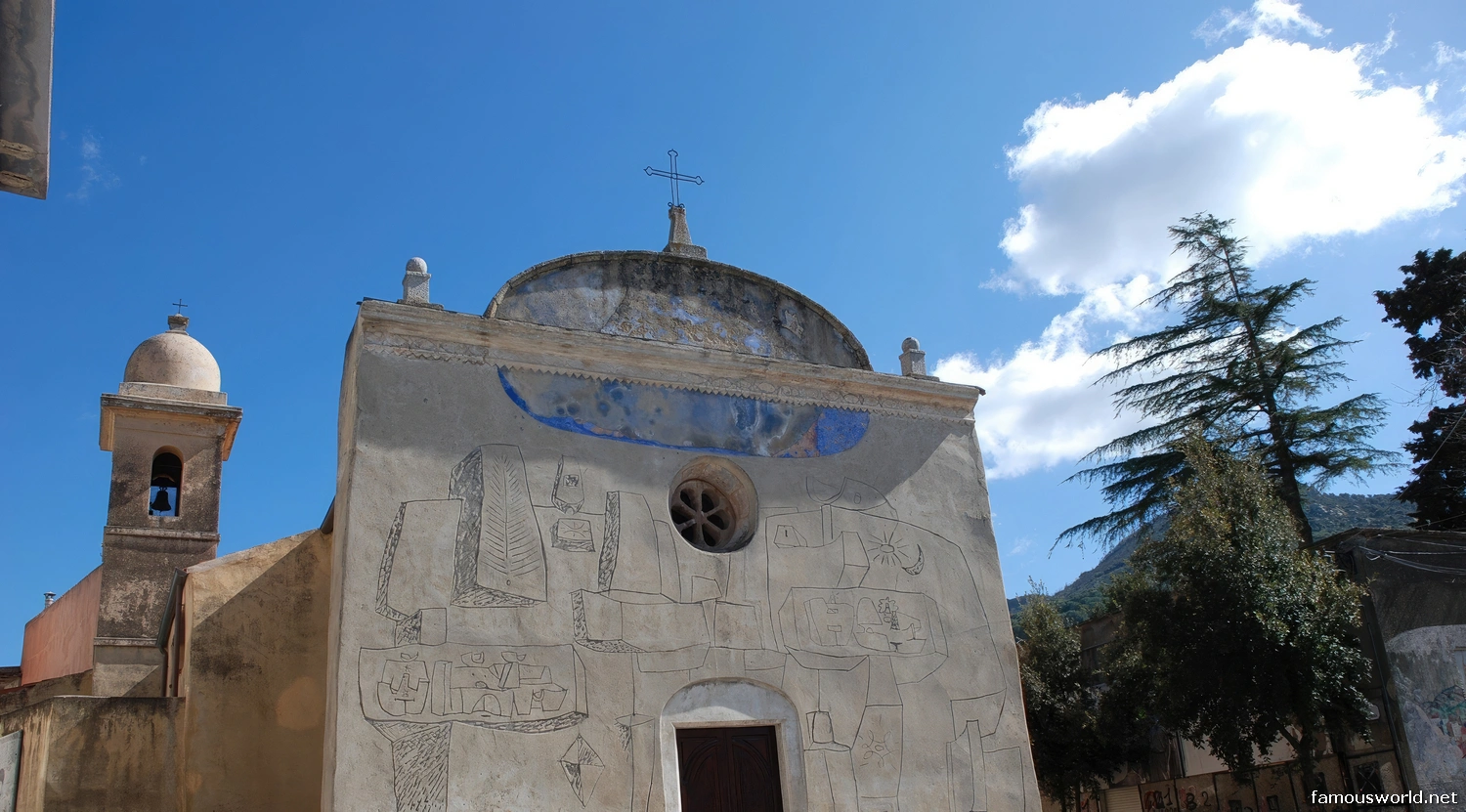
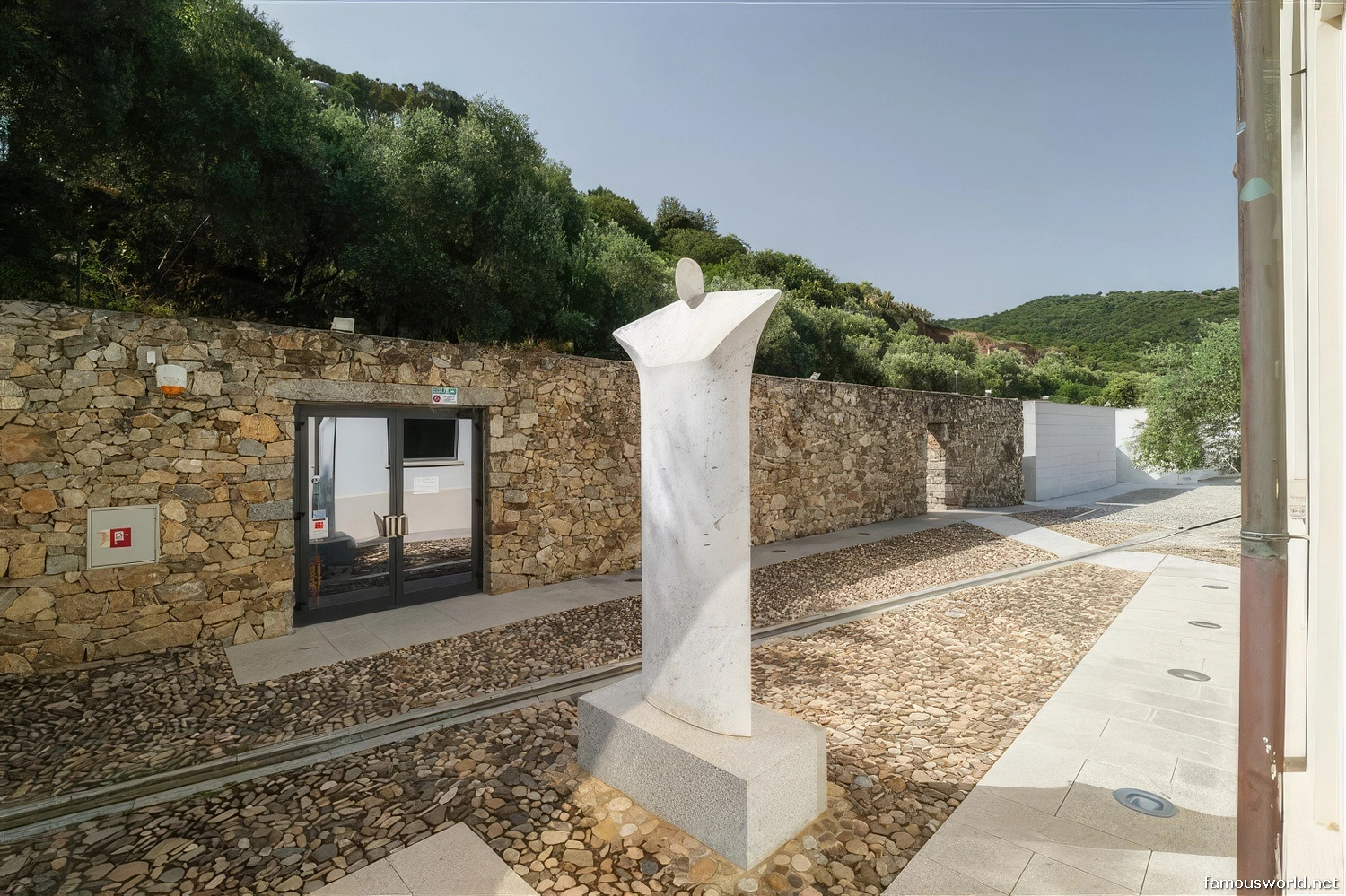
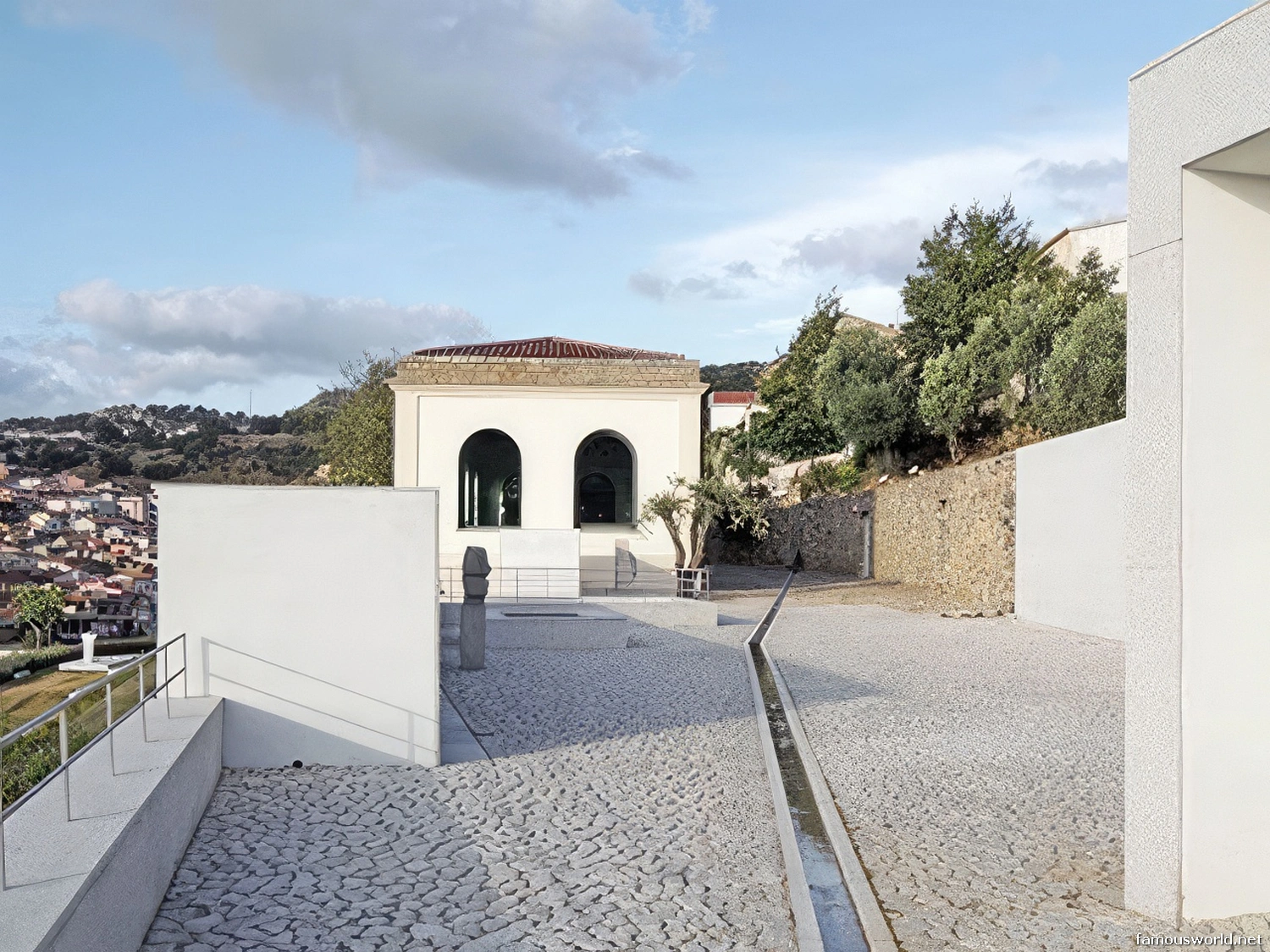
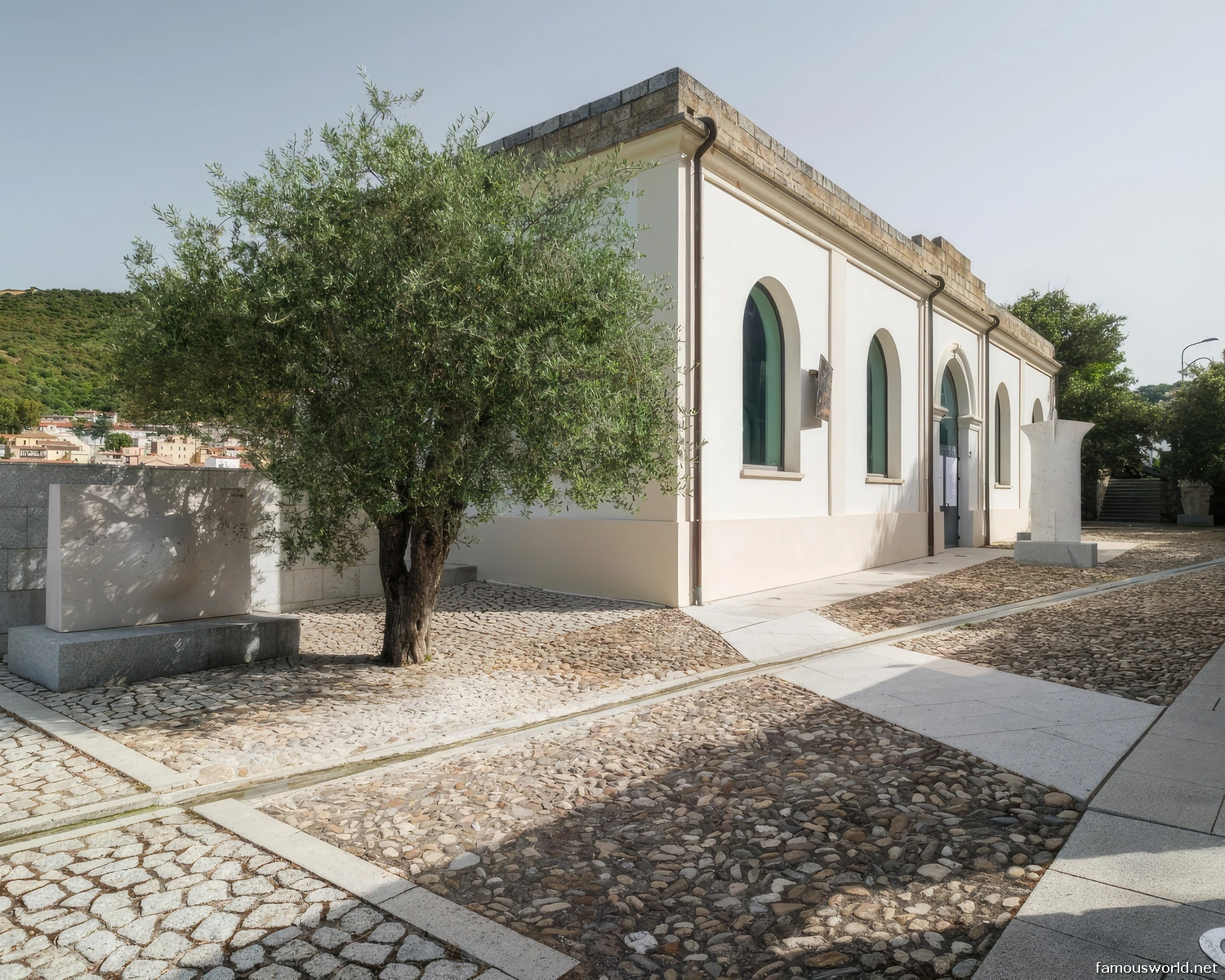



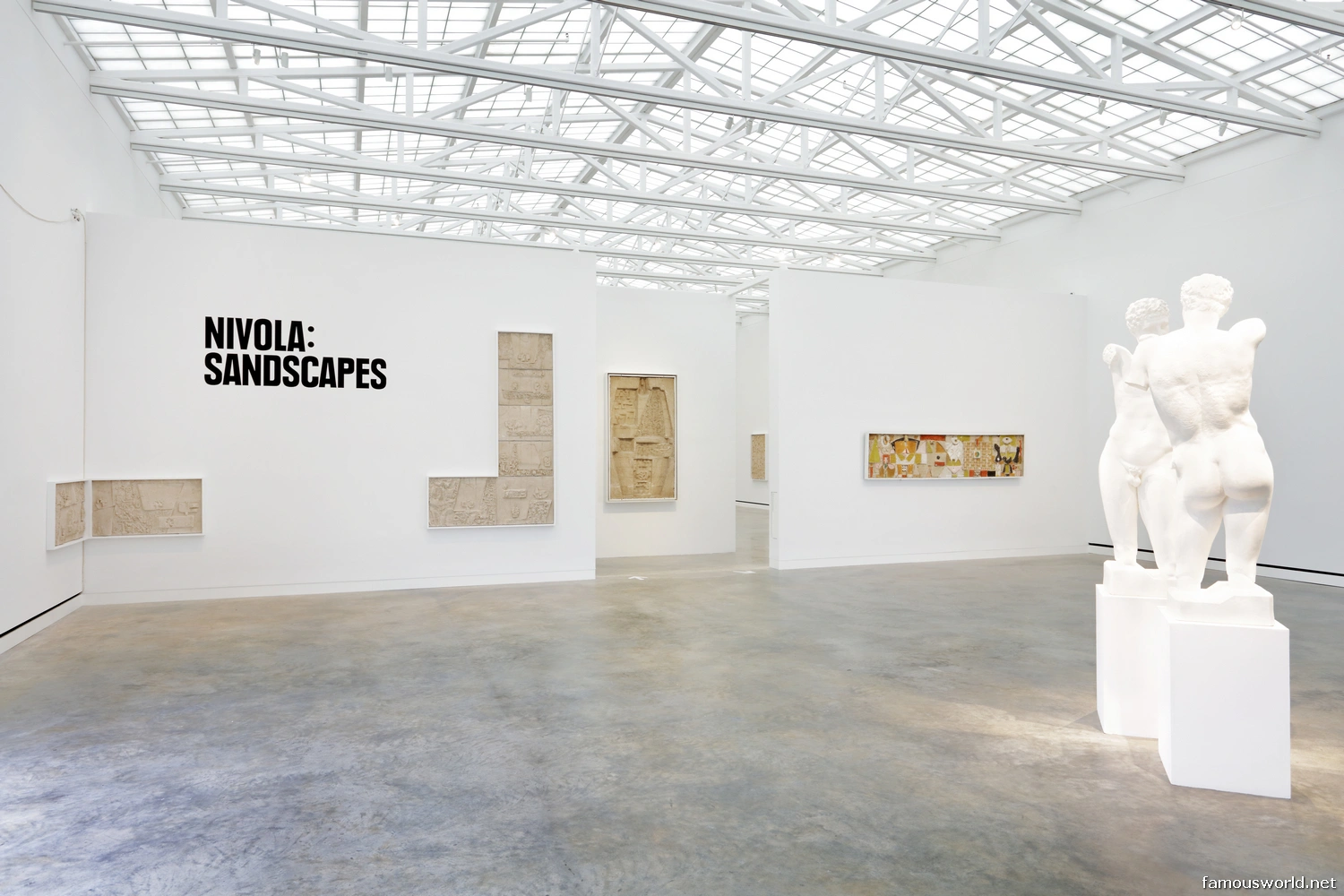
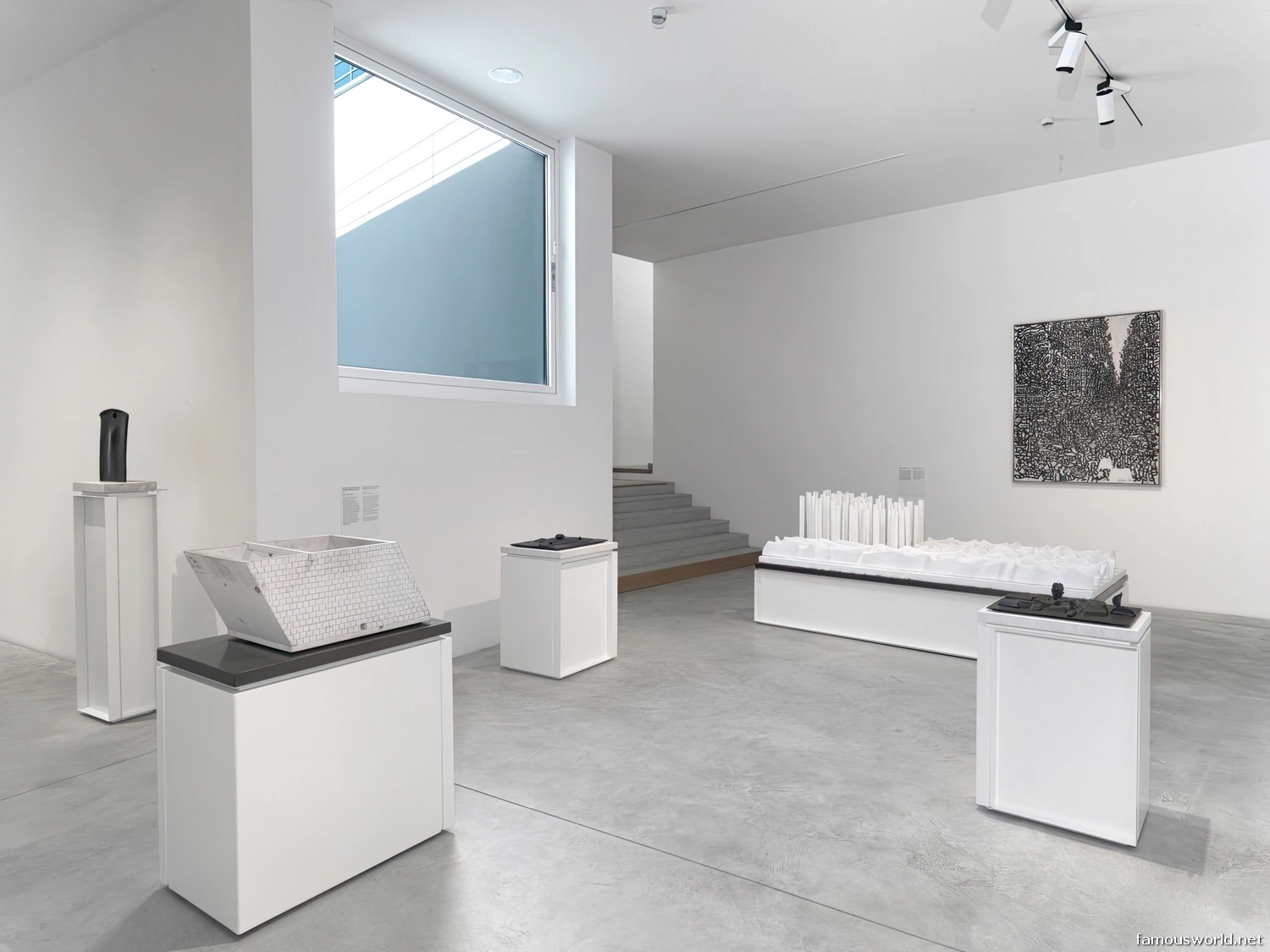
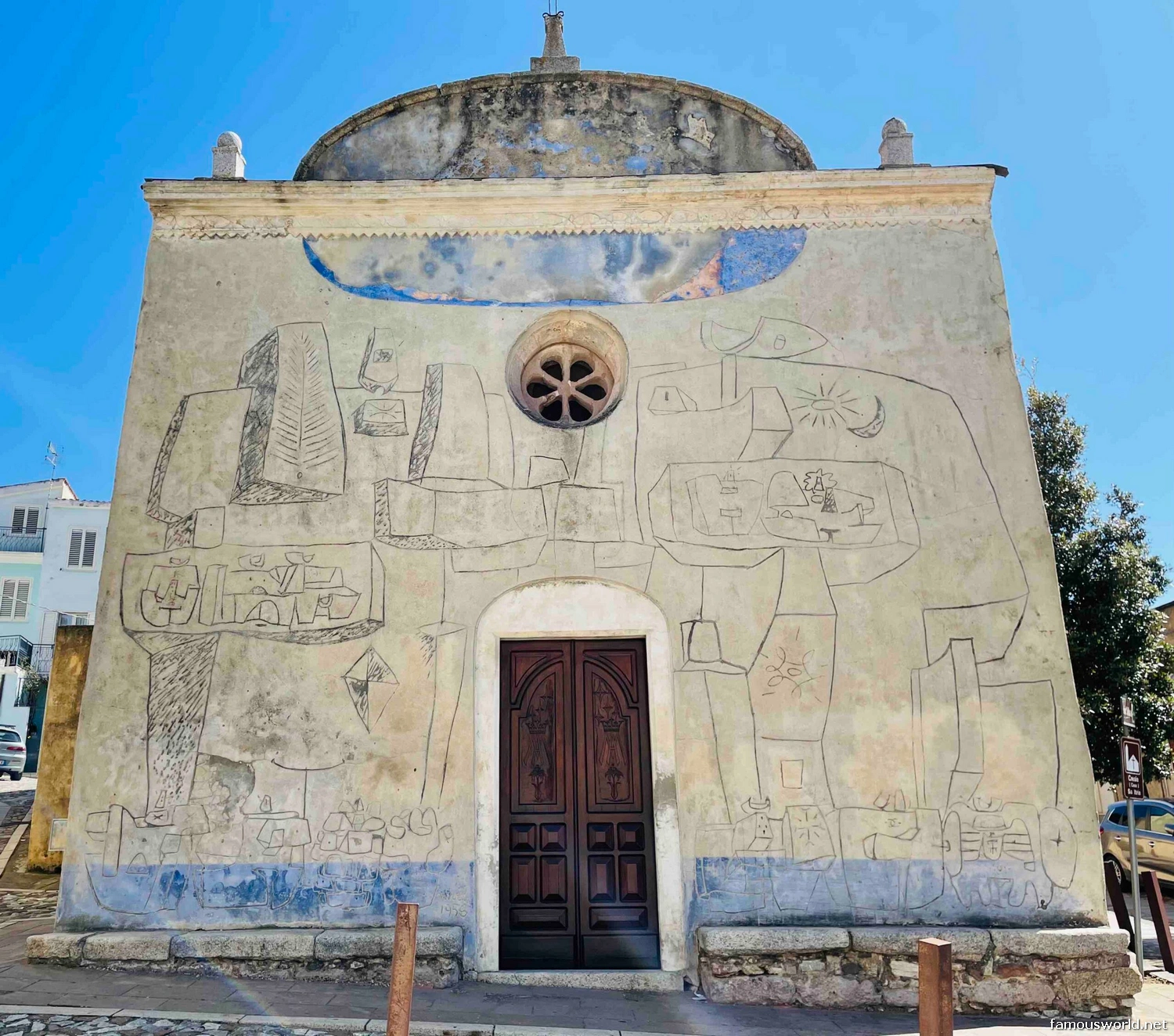
In the heart of Sardinia’s rugged Barbagia region, far from the coastal crowds, lies a sanctuary of modern art and architecture: the Nivola Museum. Dedicated to the life and work of Orani-born artist Costantino Nivola, this institution is a unique cultural landmark that explores the profound connection between art, nature, and community. Housed in a beautifully renovated complex that blends seamlessly with its hillside setting, the museum is not just a gallery but an experience. It offers a contemplative journey into the mind of an internationally acclaimed artist who never lost touch with the spirit of his Sardinian homeland.
Listen to an introduction about Nivola Museum

Name and Location
- Name: Museo Nivola (Nivola Museum)
- Location: In the town of Orani, in the mountainous Barbagia region of central Sardinia, Italy.
How to Get There
Given its location in Sardinia’s interior, the museum is best accessed by car.
- By Car: Orani is accessible via scenic drives from any of the island’s major cities. The journey from Olbia or Cagliari takes approximately 1.5 to 2 hours. A car is highly recommended as it allows you to appreciate the dramatic inland landscapes of Sardinia.
Landscape and Architecture
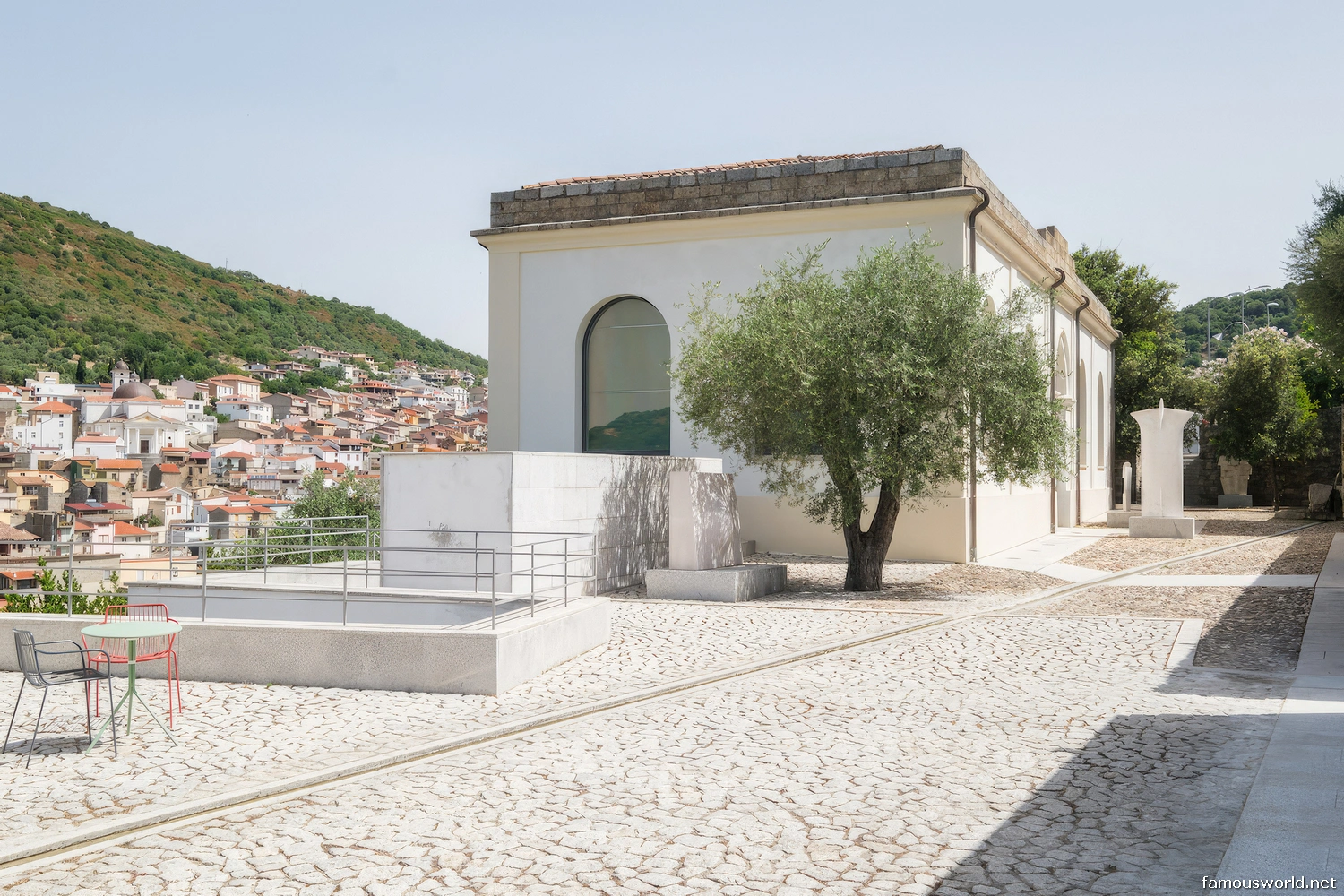
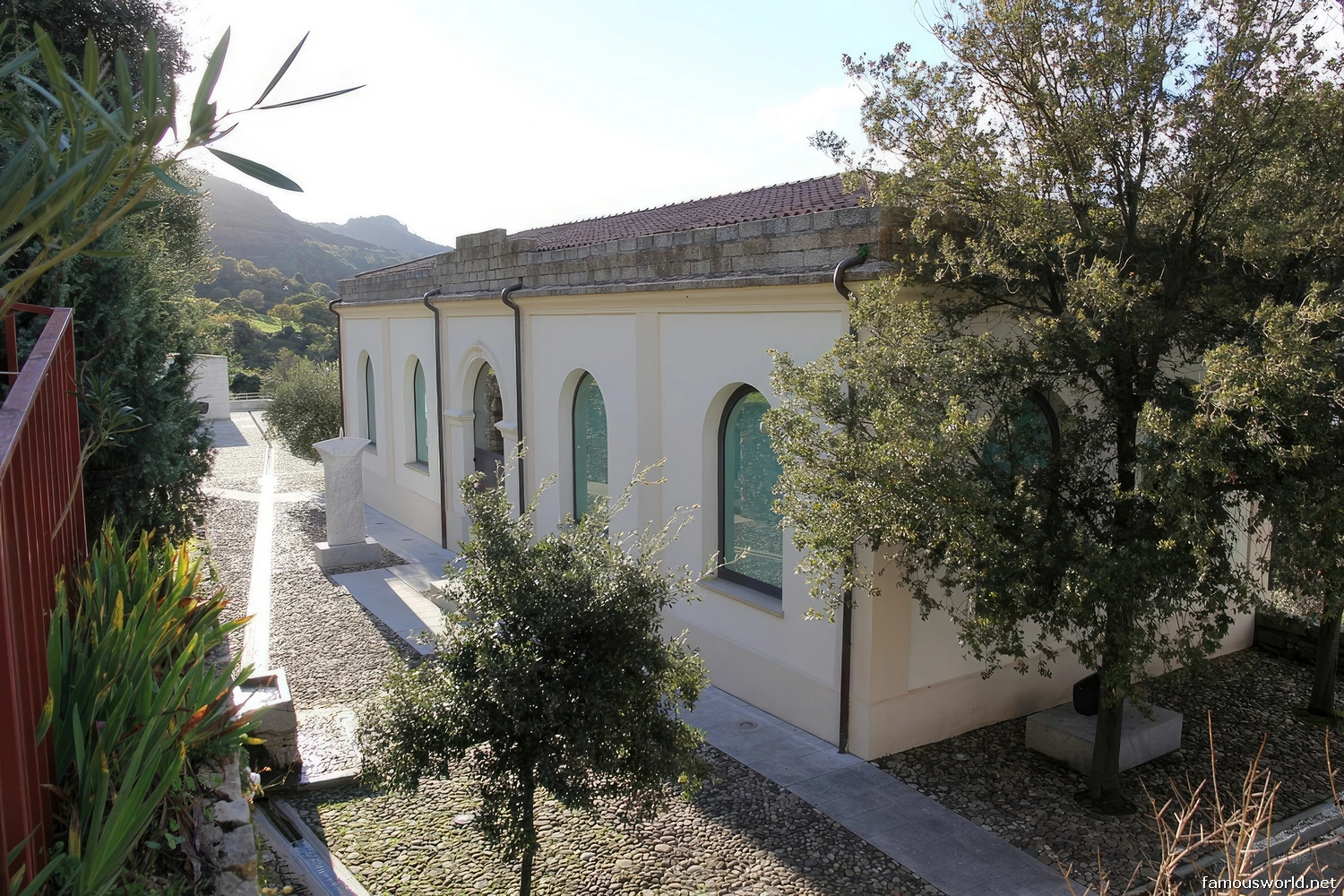
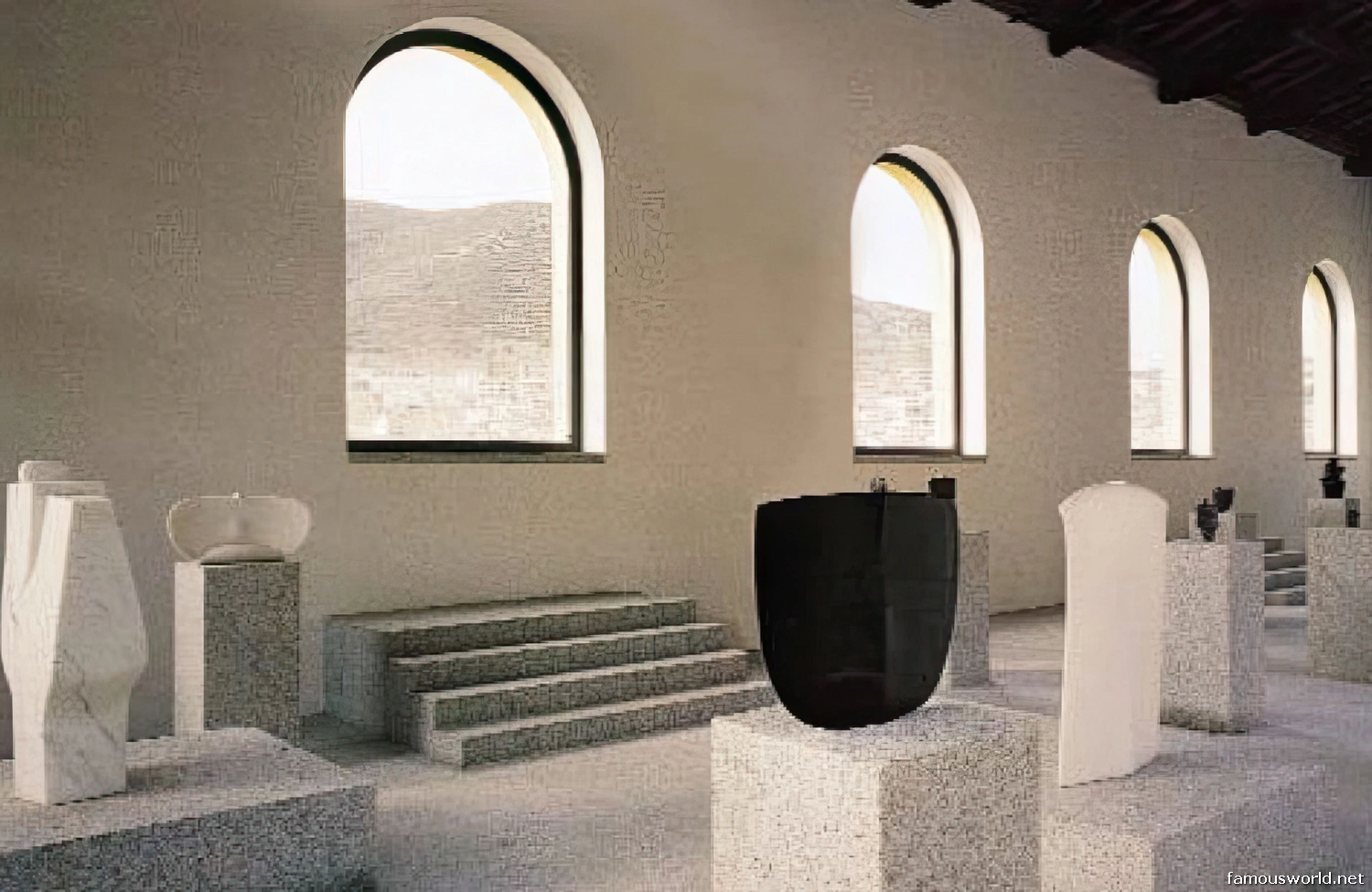
The museum’s setting and design are as much a part of the experience as the art itself. It is a masterful example of architectural renovation that respects both the local heritage and the natural environment.
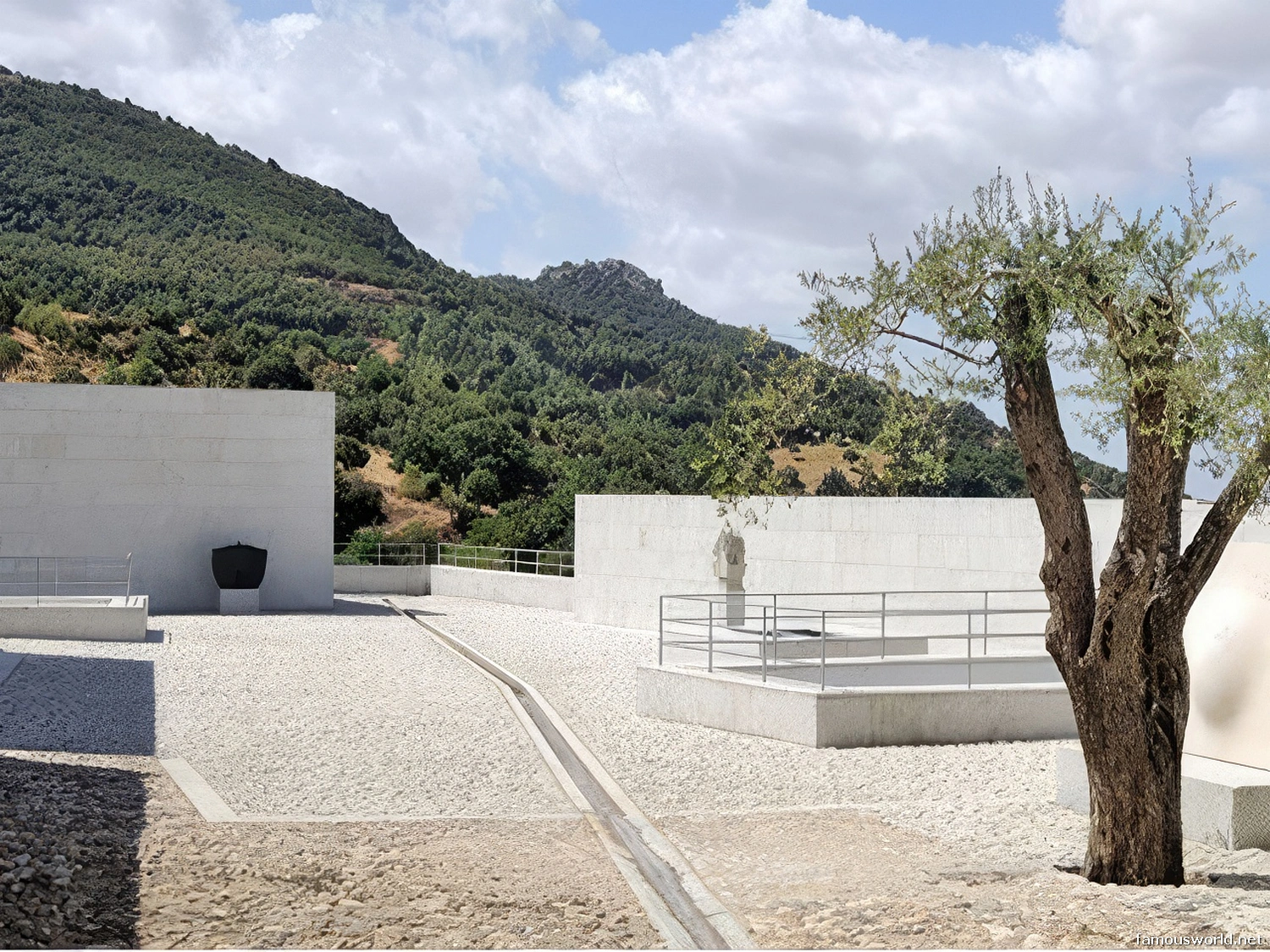
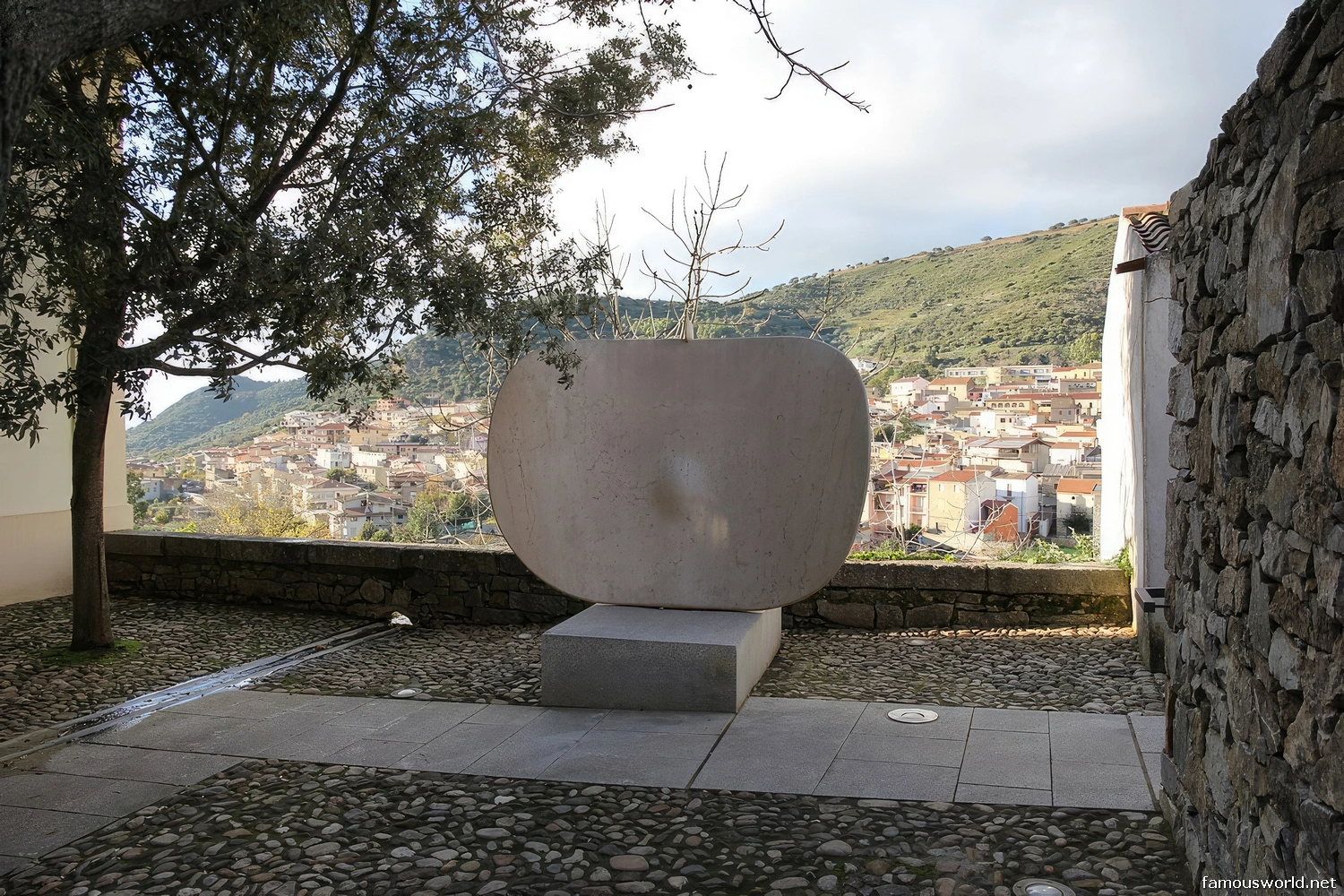
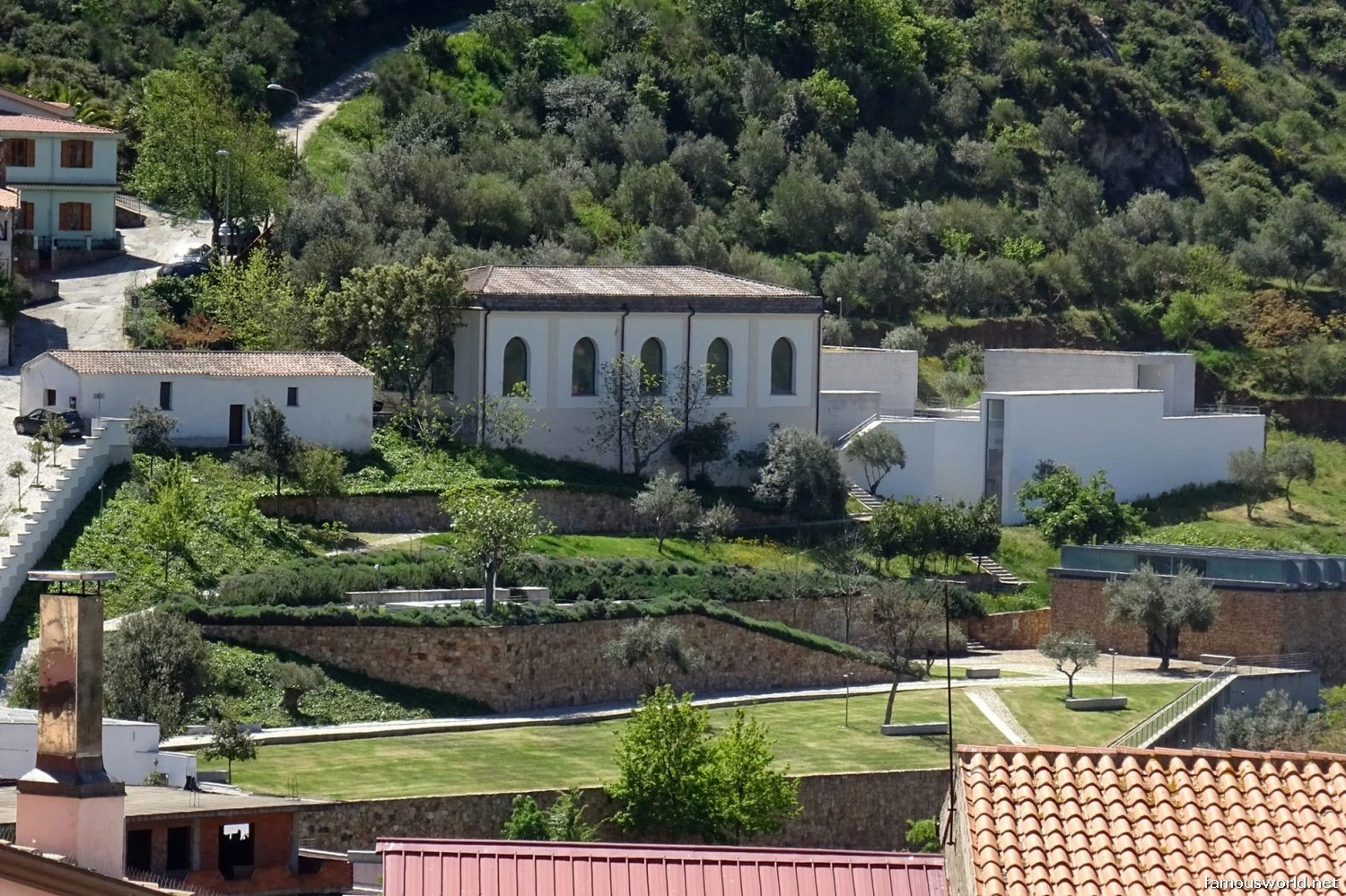
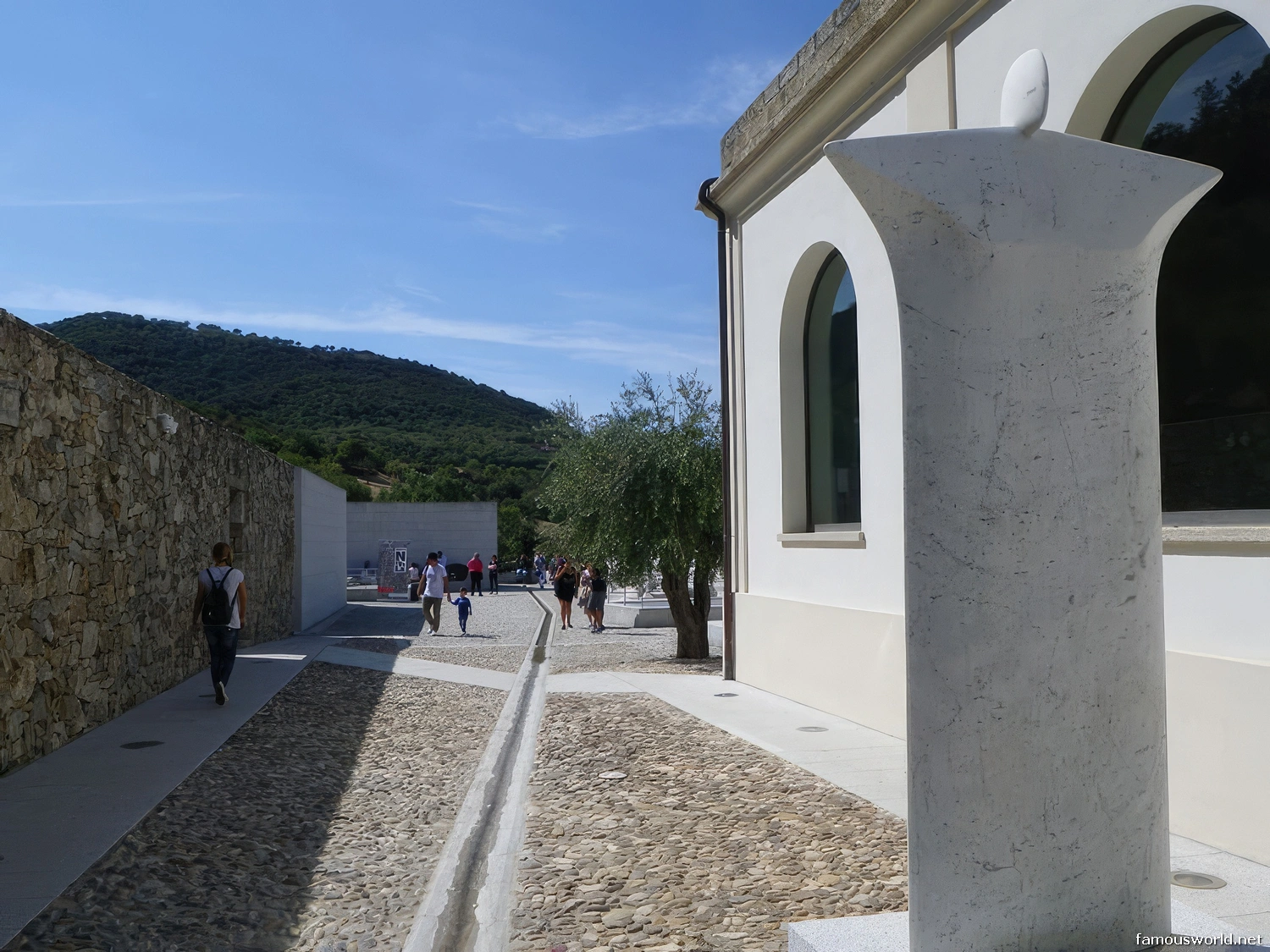
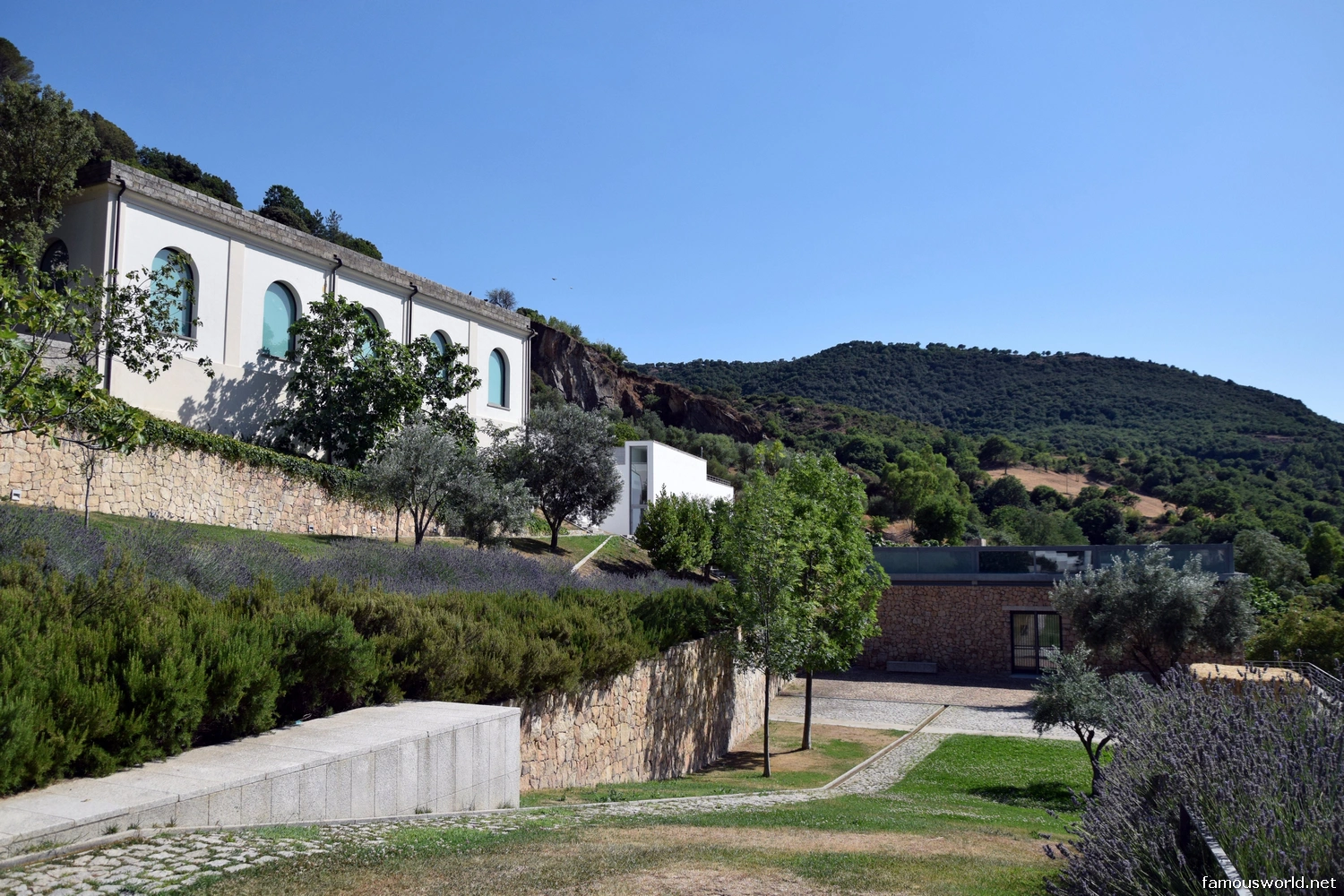
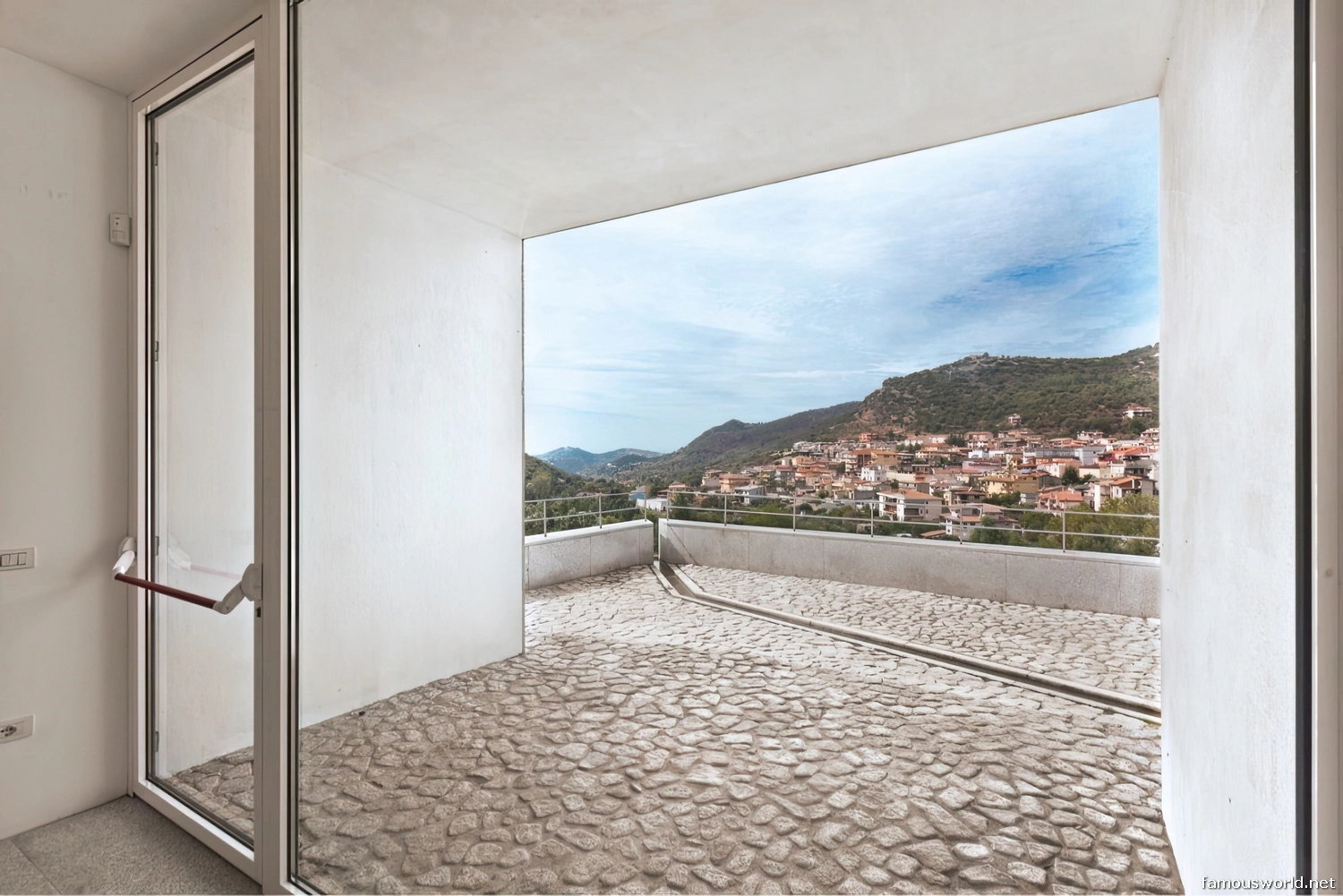
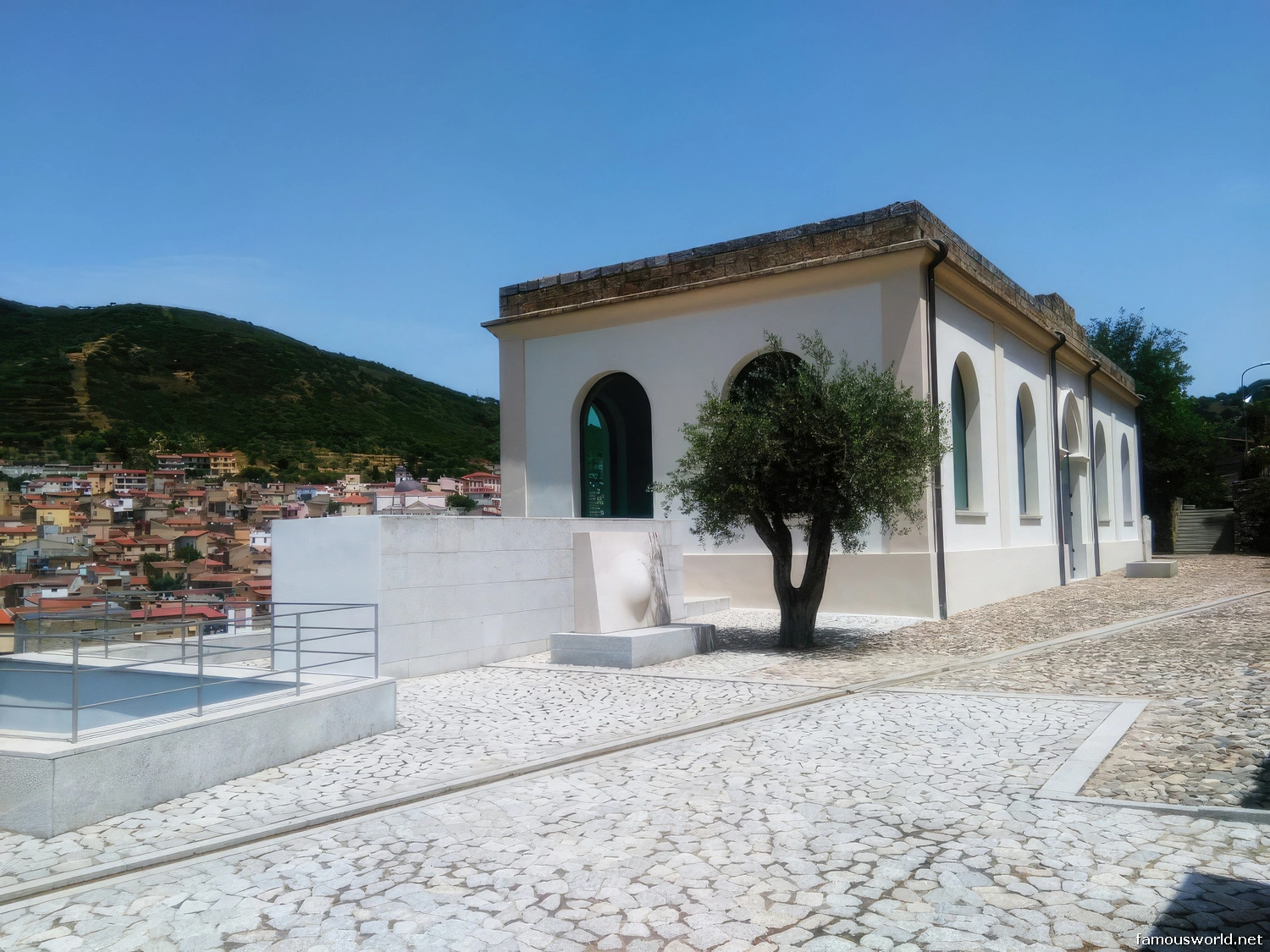
- A Hillside Setting: The museum is built on a hill overlooking the town of Orani and the surrounding valley, creating a constant dialogue between the indoor exhibition spaces and the panoramic landscape outside.
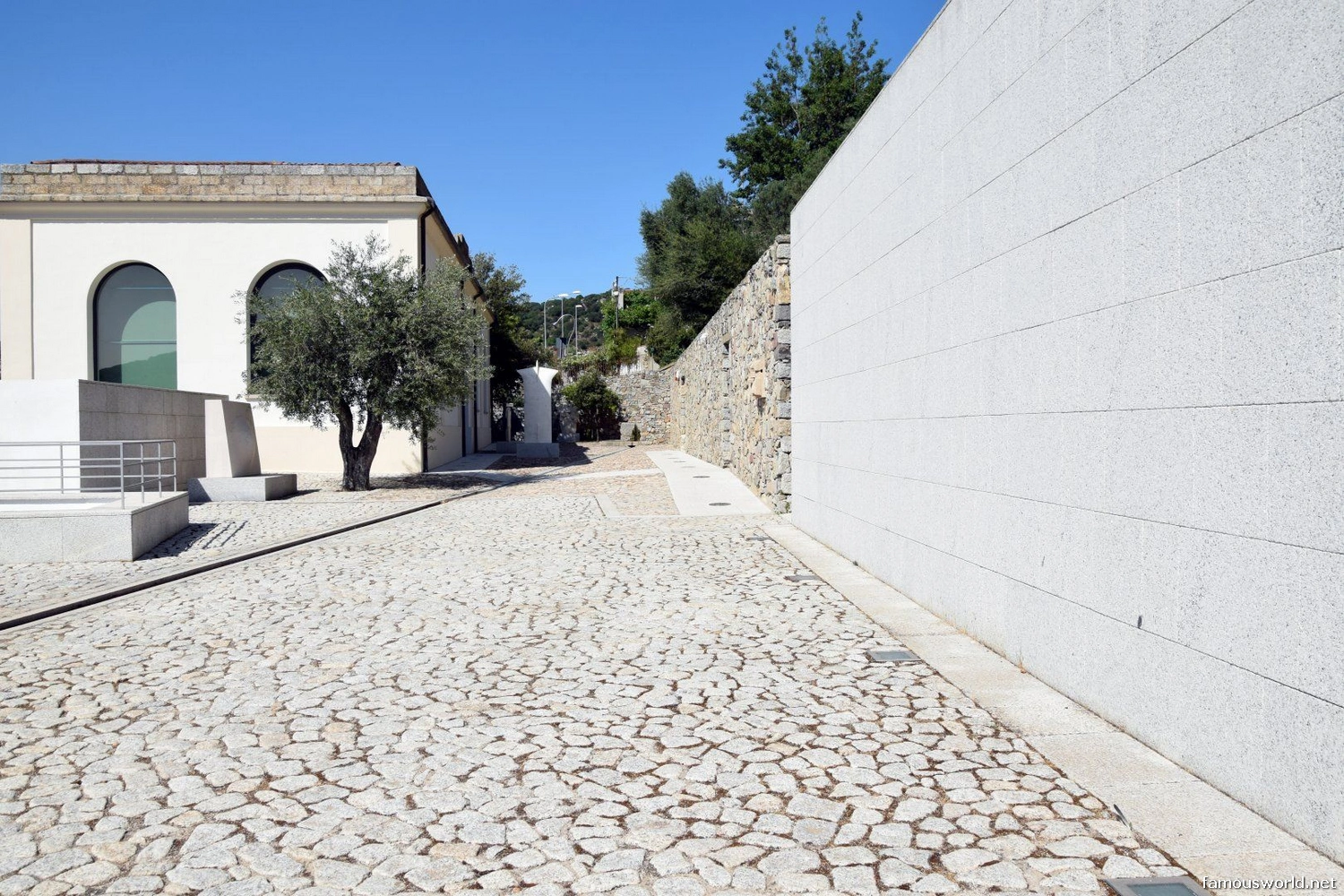
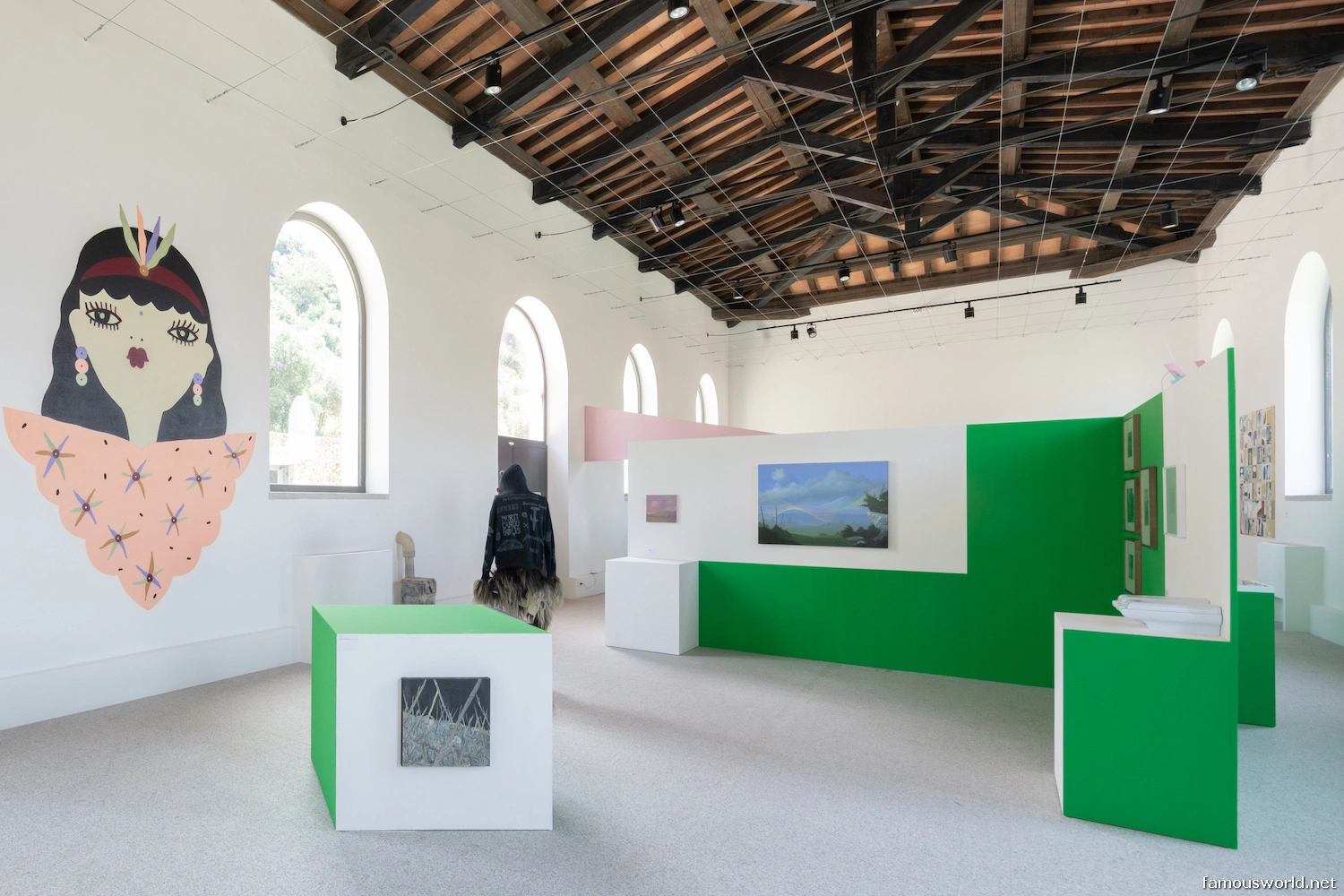
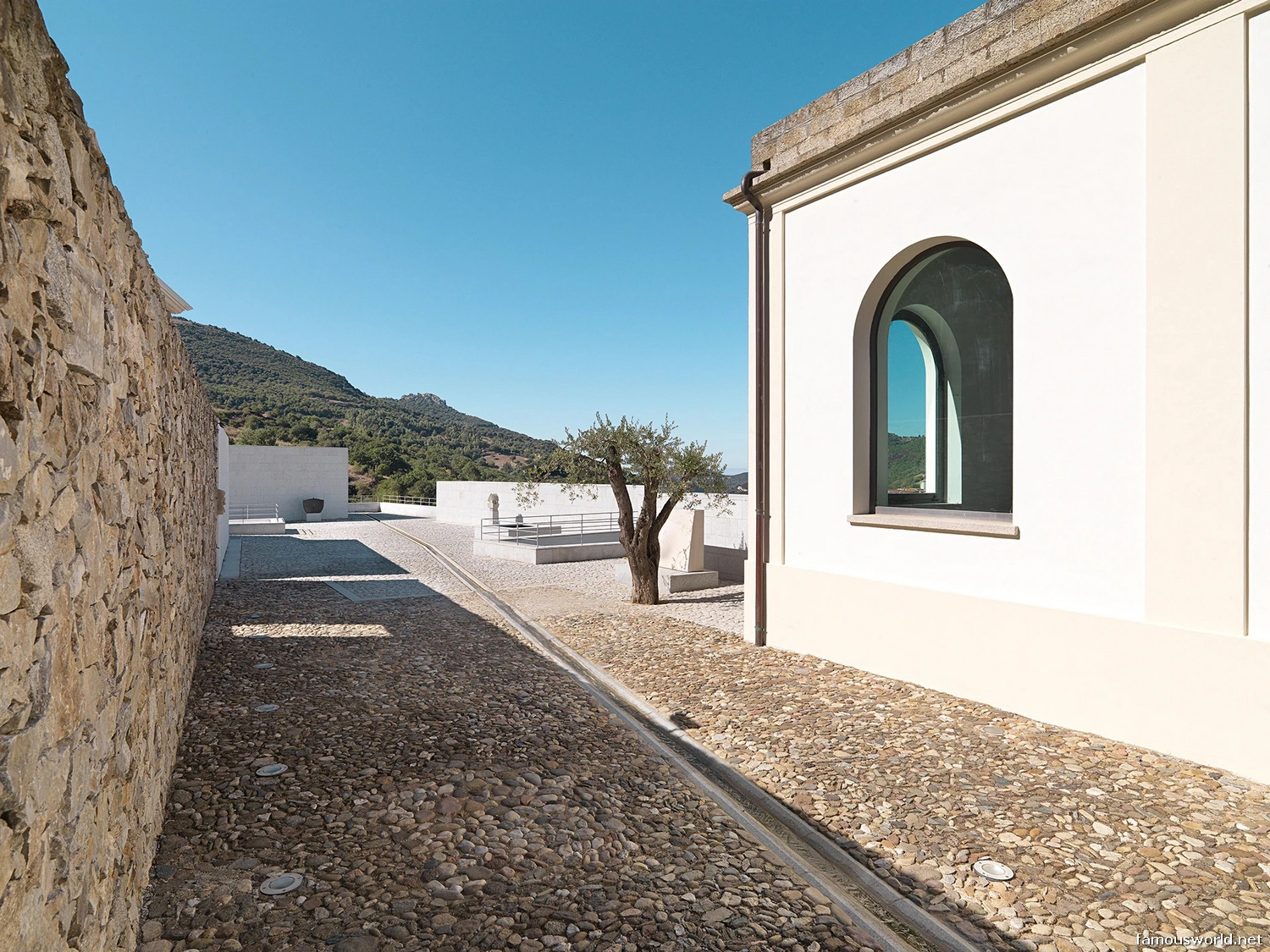
- Historic and Modern Fusion: The core of the museum is a renovated historic public washhouse (lavatoio), which has been thoughtfully expanded with minimalist, modern pavilions. This blend of old and new honors the site’s history as a place of community gathering.
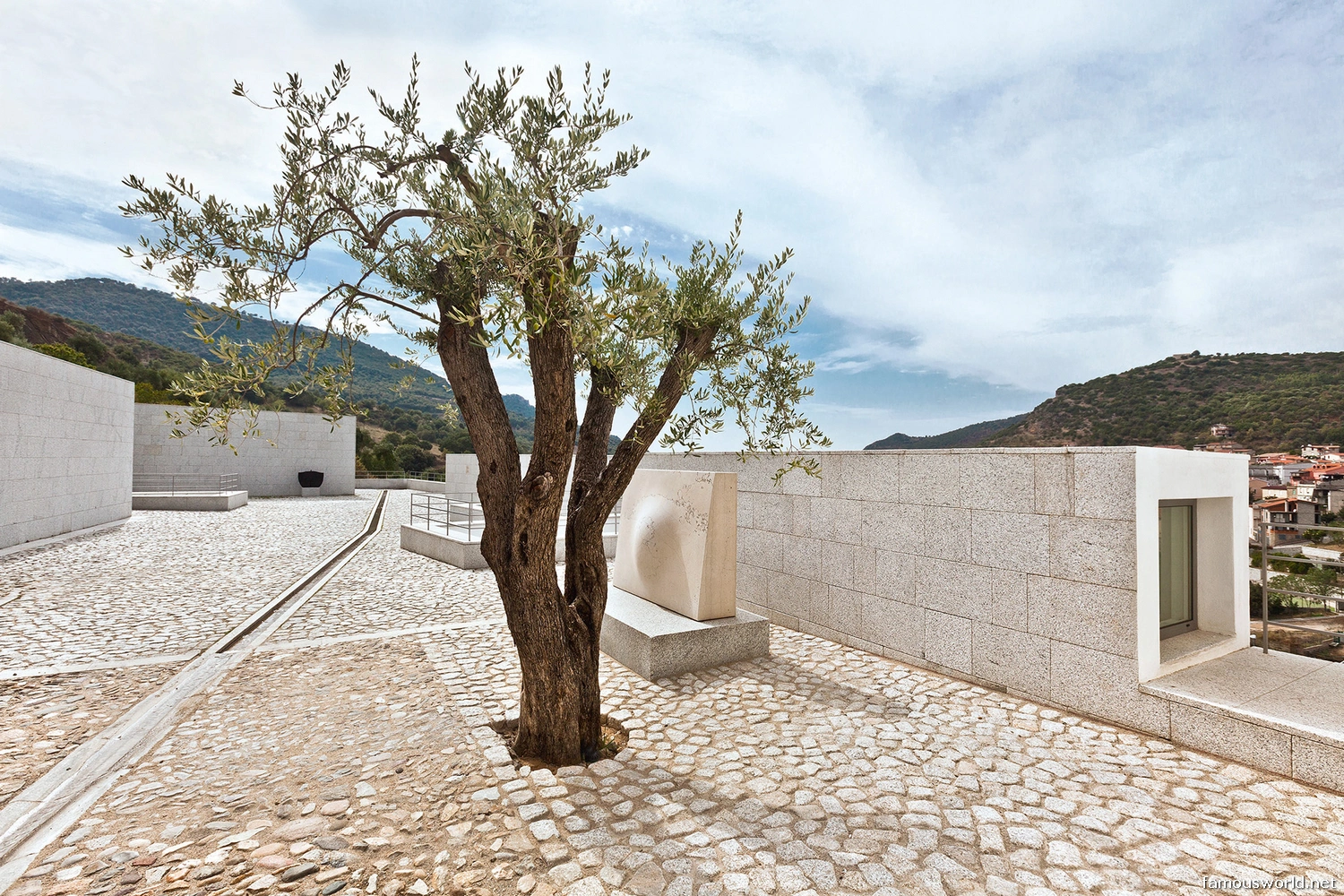
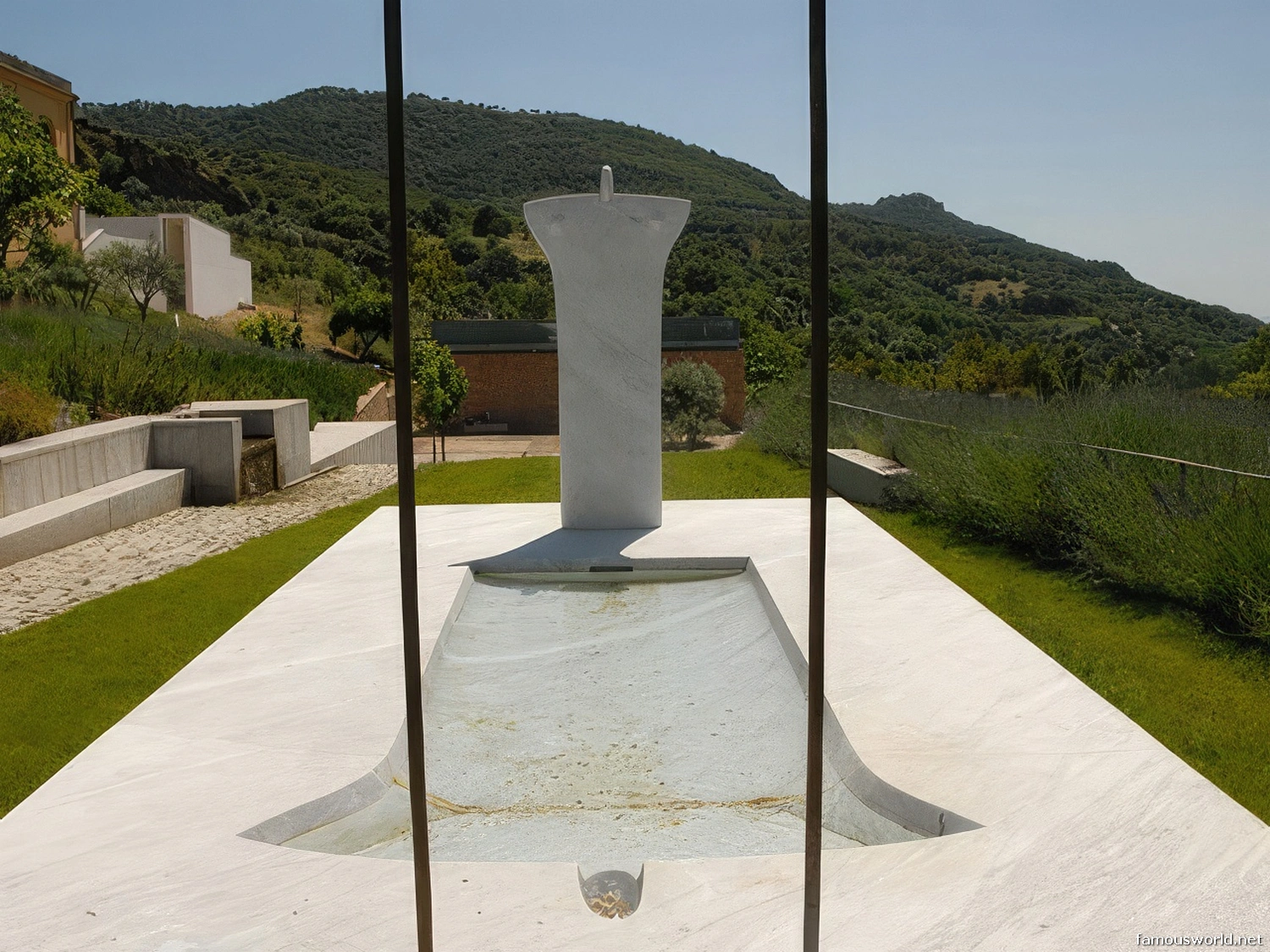
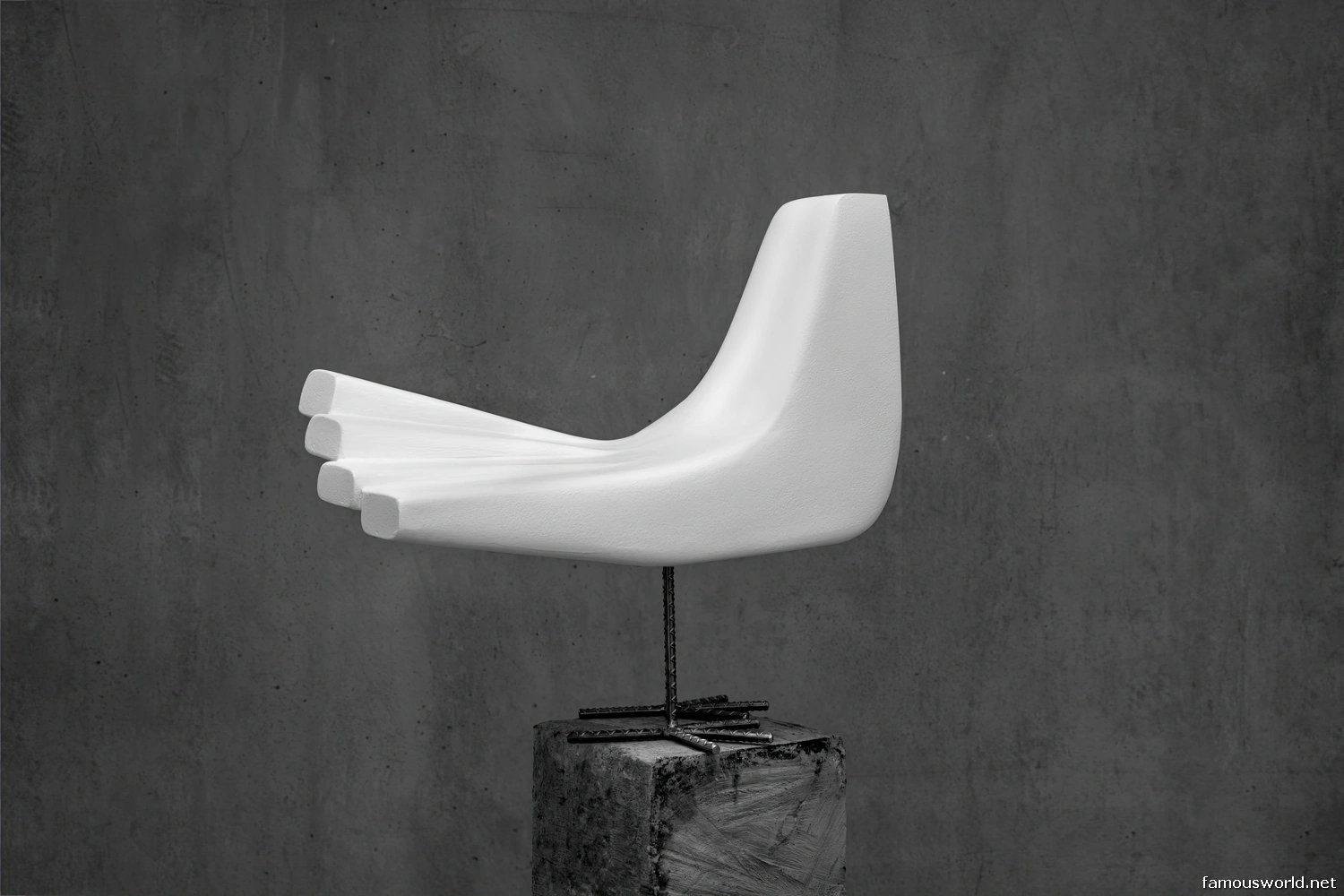
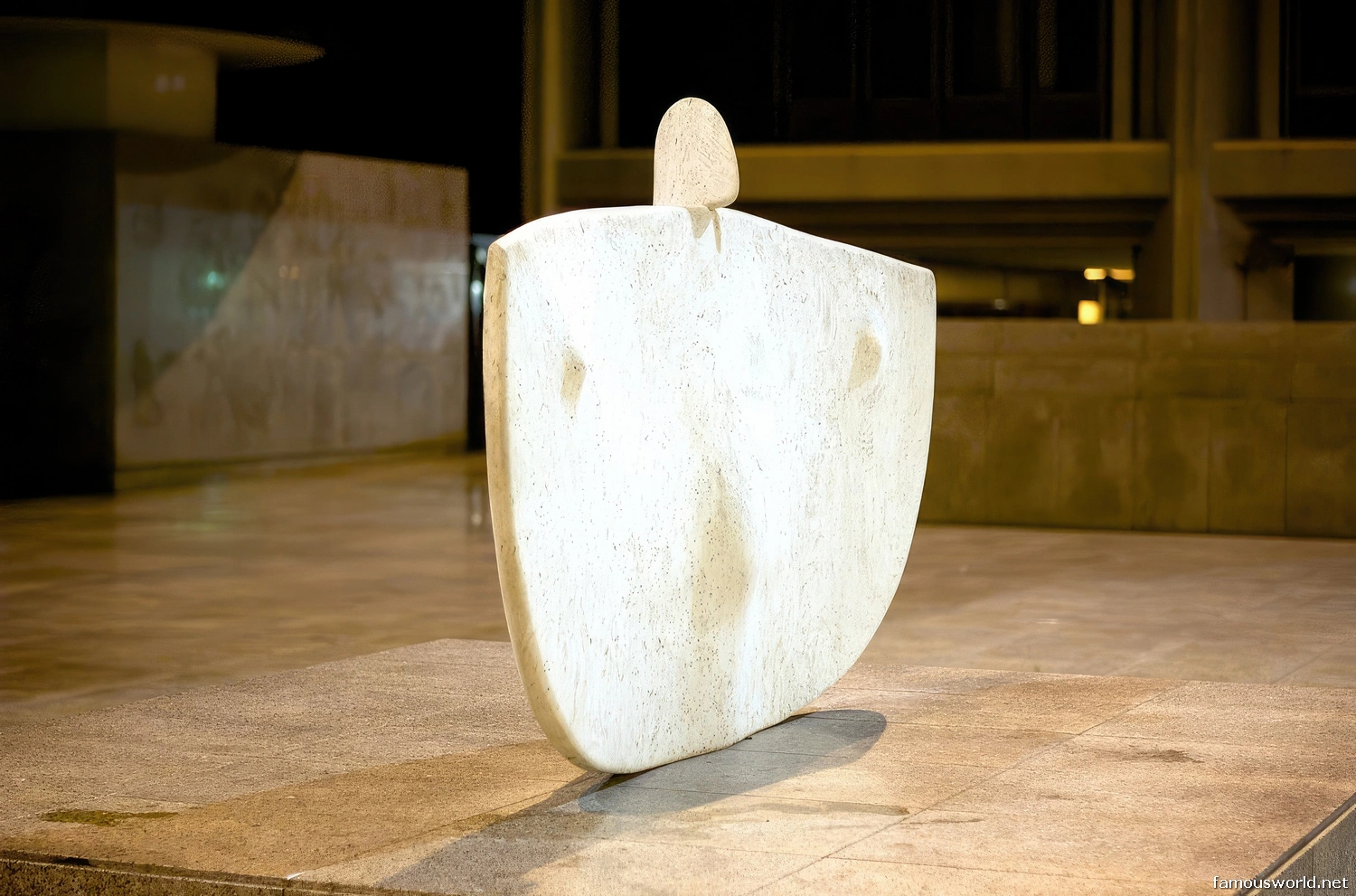
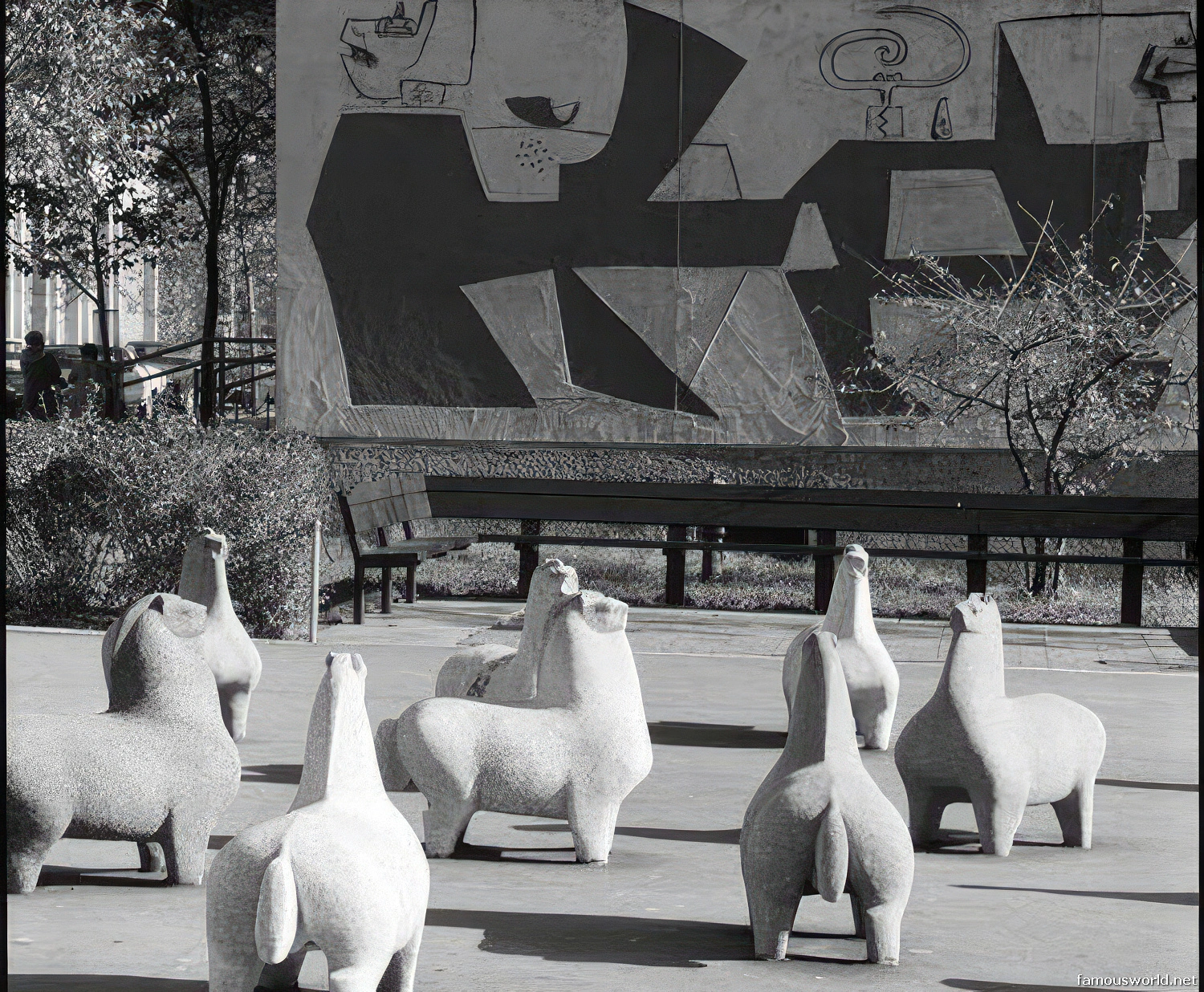
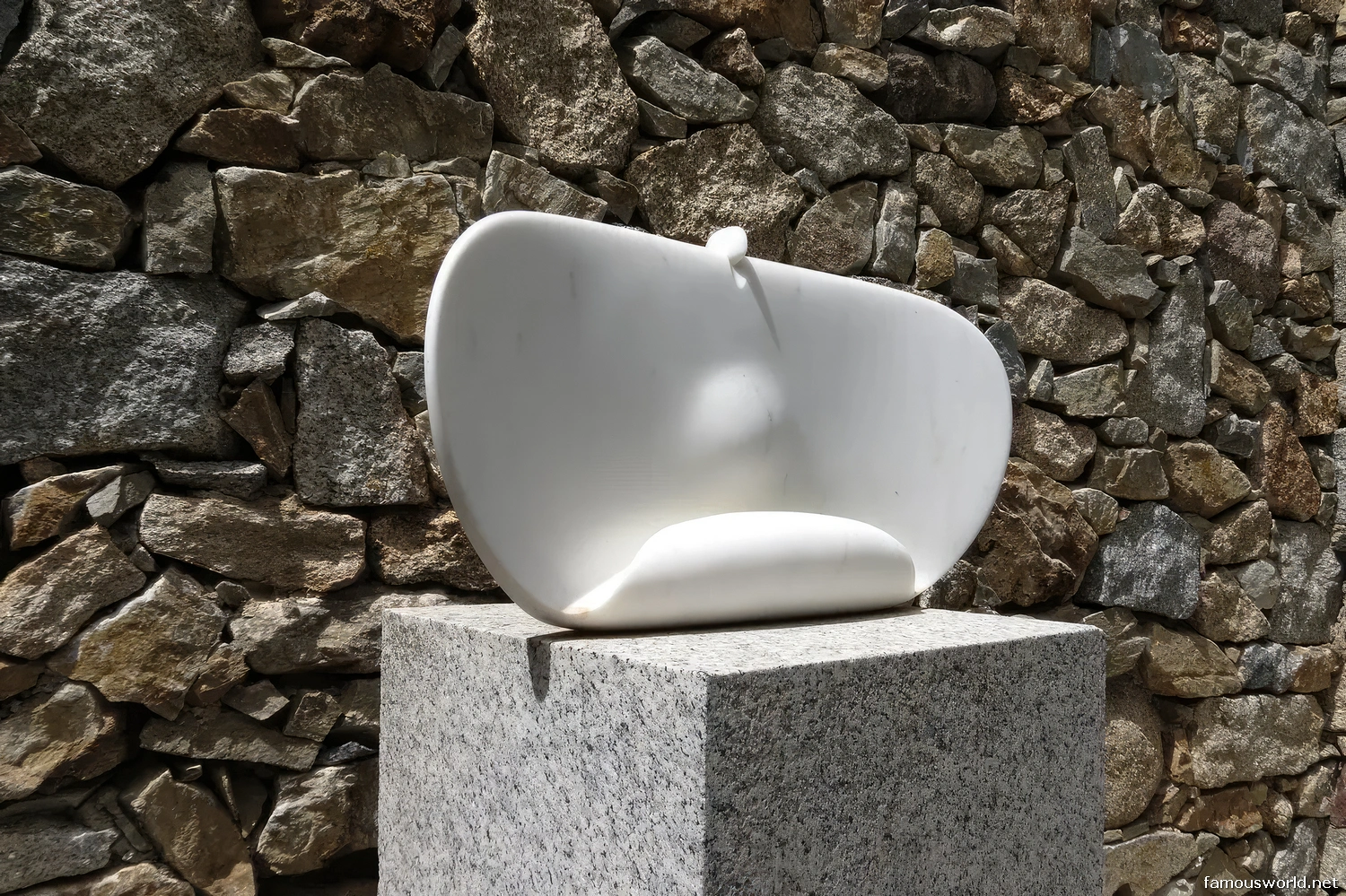
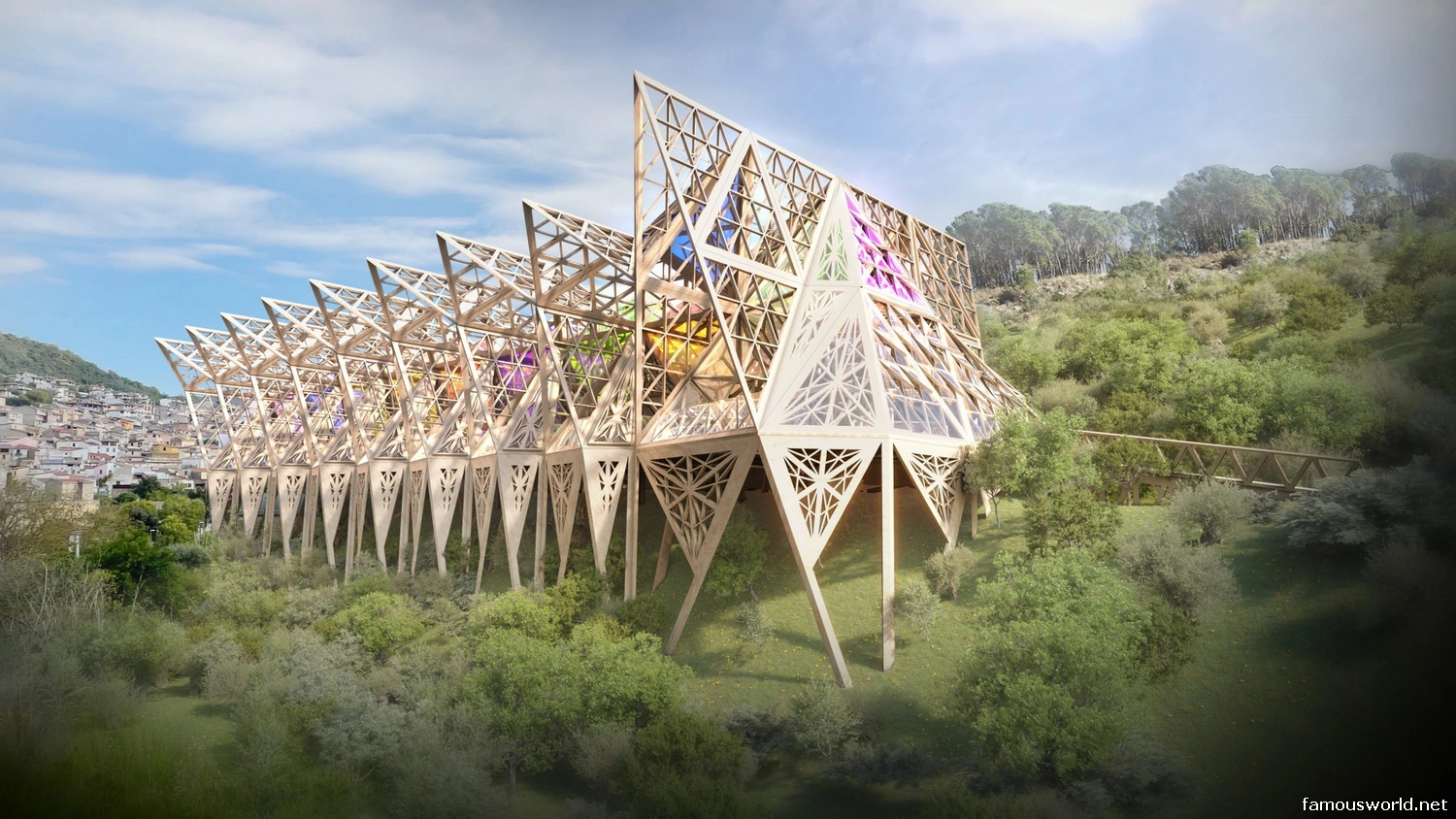
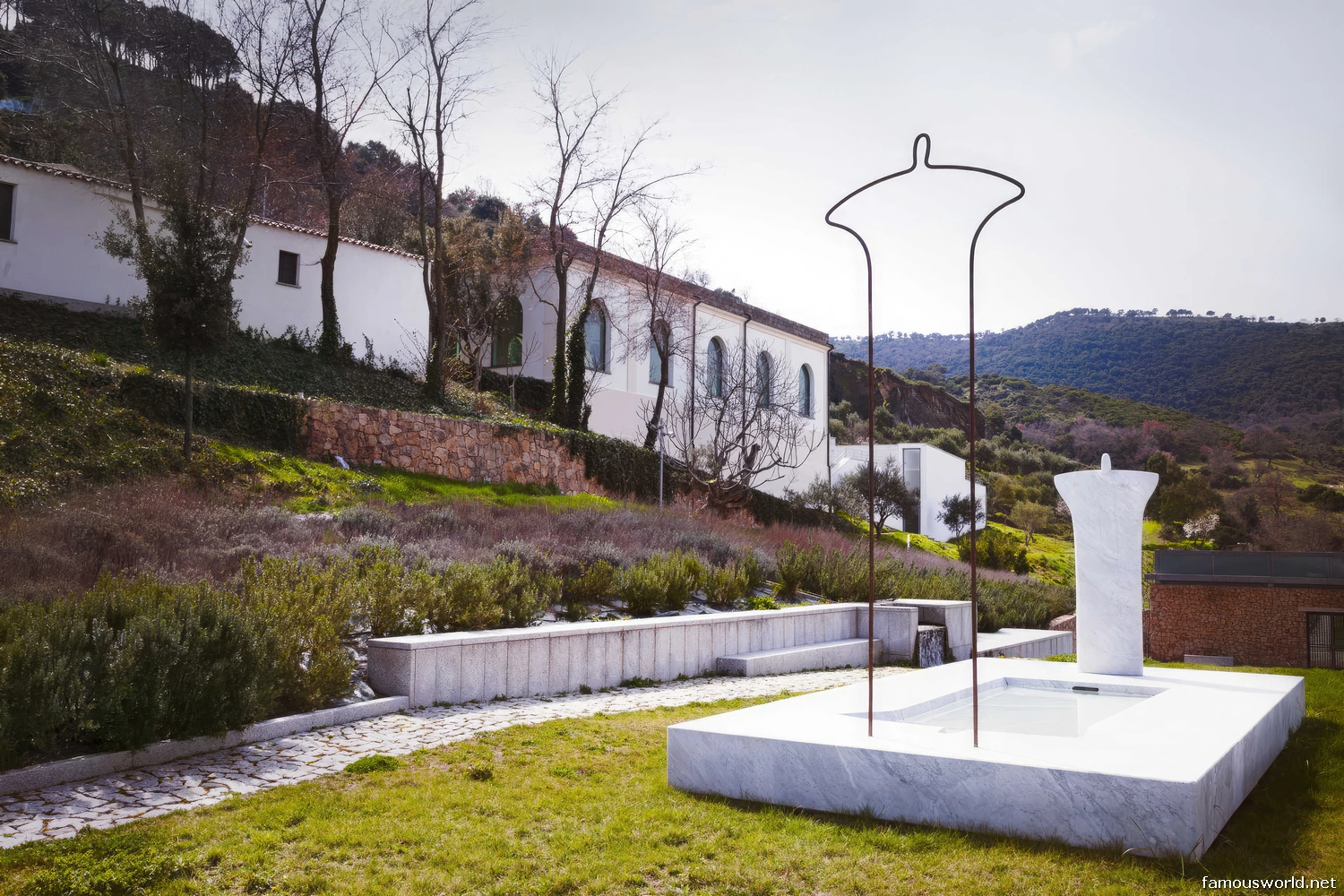
- Sculpture Park: The museum extends outdoors into a park where several of Nivola’s sculptures are displayed against the backdrop of the Sardinian hills, allowing visitors to experience the works as the artist often intended: in open, natural spaces.
- Integration with Nature: Large windows, open walkways, and intentional sightlines blur the lines between inside and out, making the surrounding landscape an integral part of the visitor’s experience.
What Makes It Famous
The Nivola Museum is a celebrated cultural institution, famous for several key reasons.
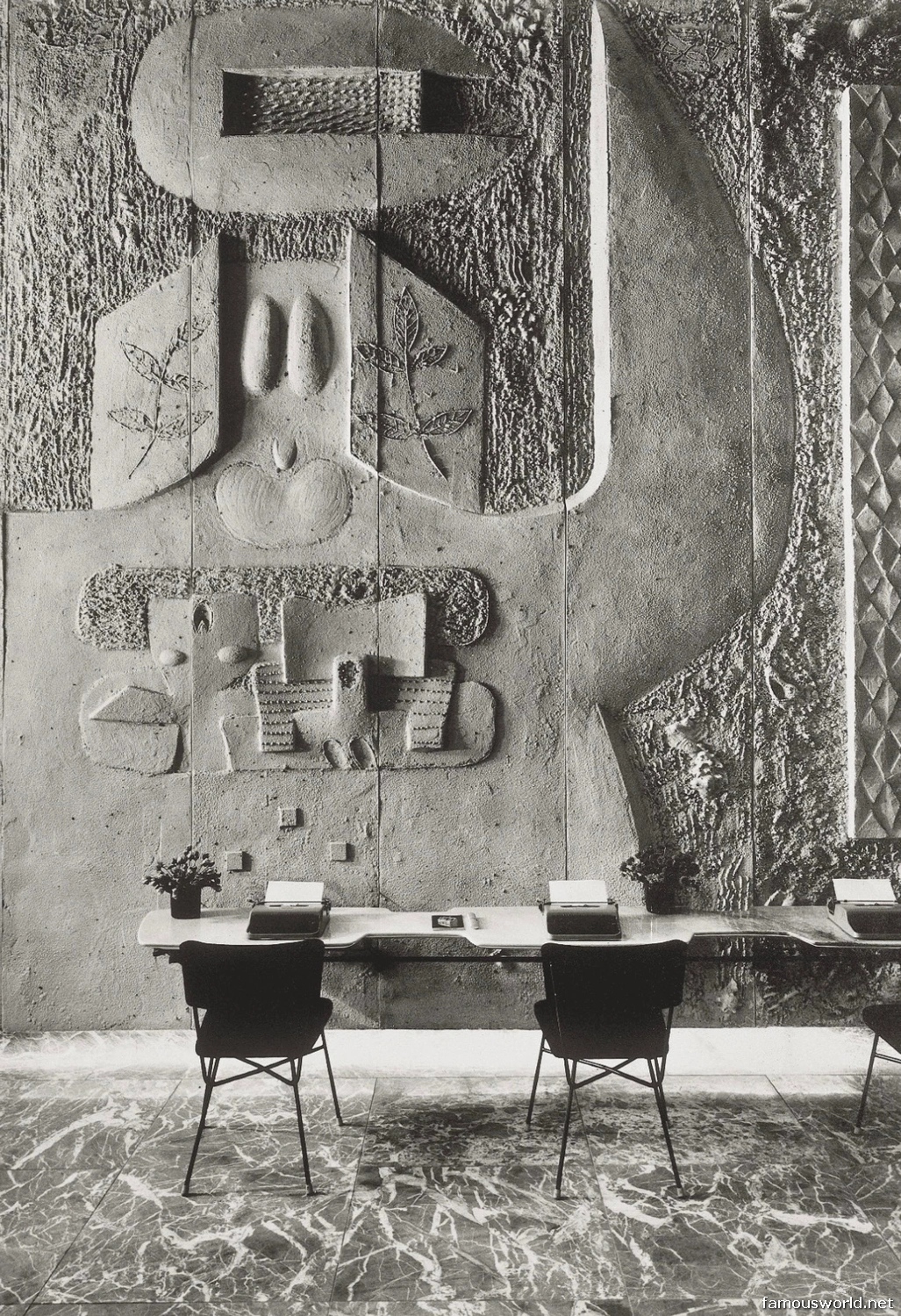
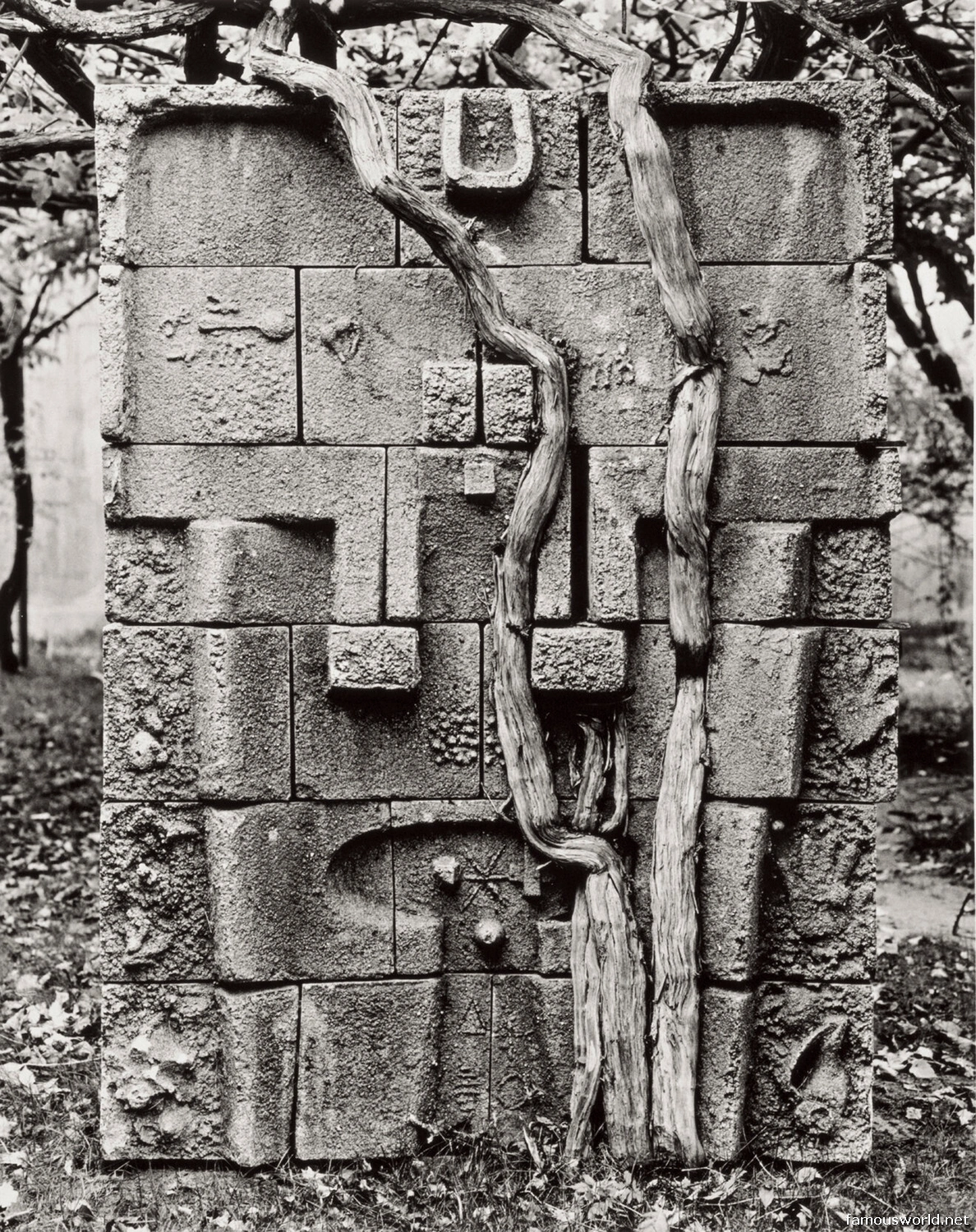
- Costantino Nivola: It is the most important institution in the world dedicated to the work of Costantino Nivola (1911-1988), a major figure in 20th-century modernism who worked closely with architects like Le Corbusier.
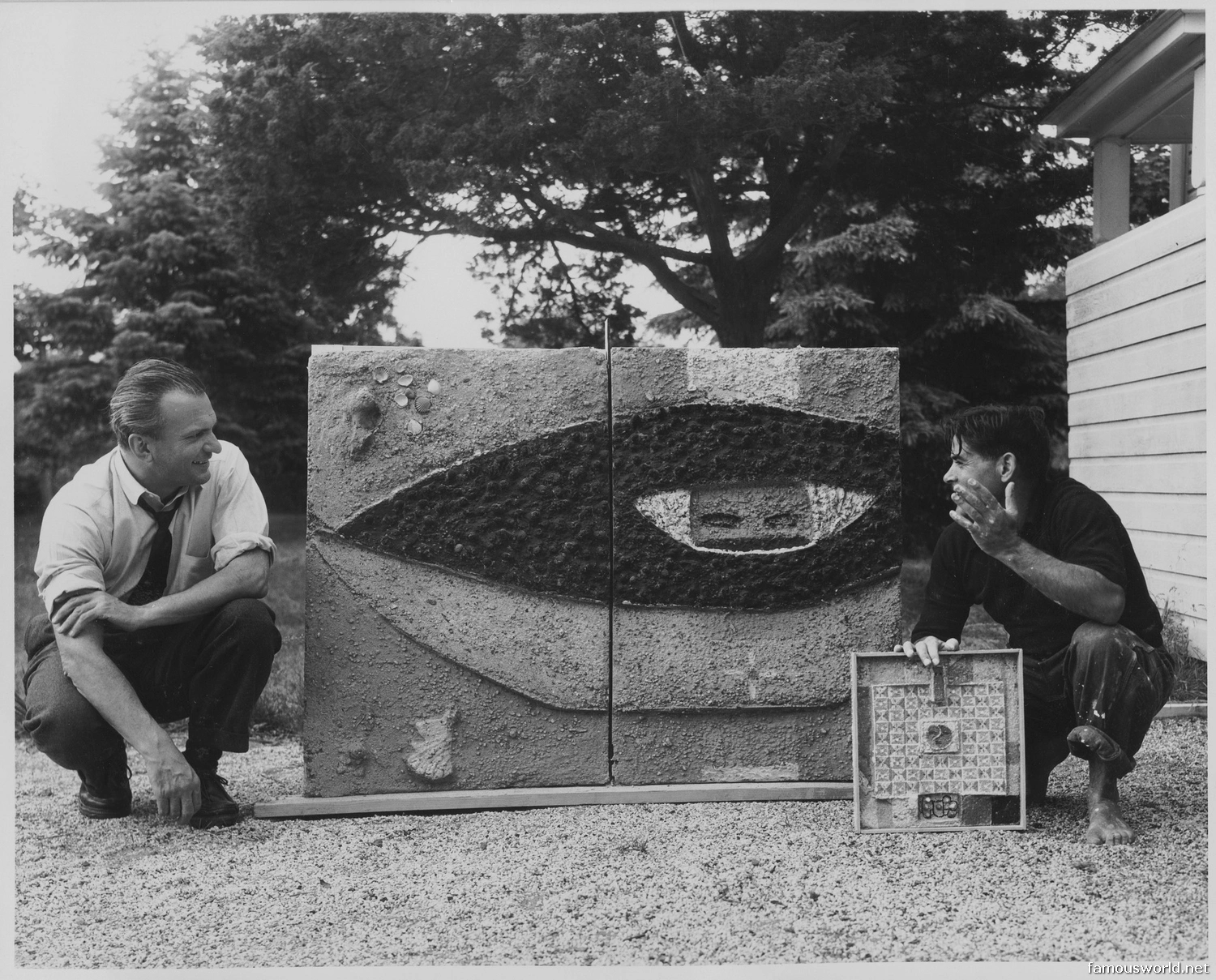
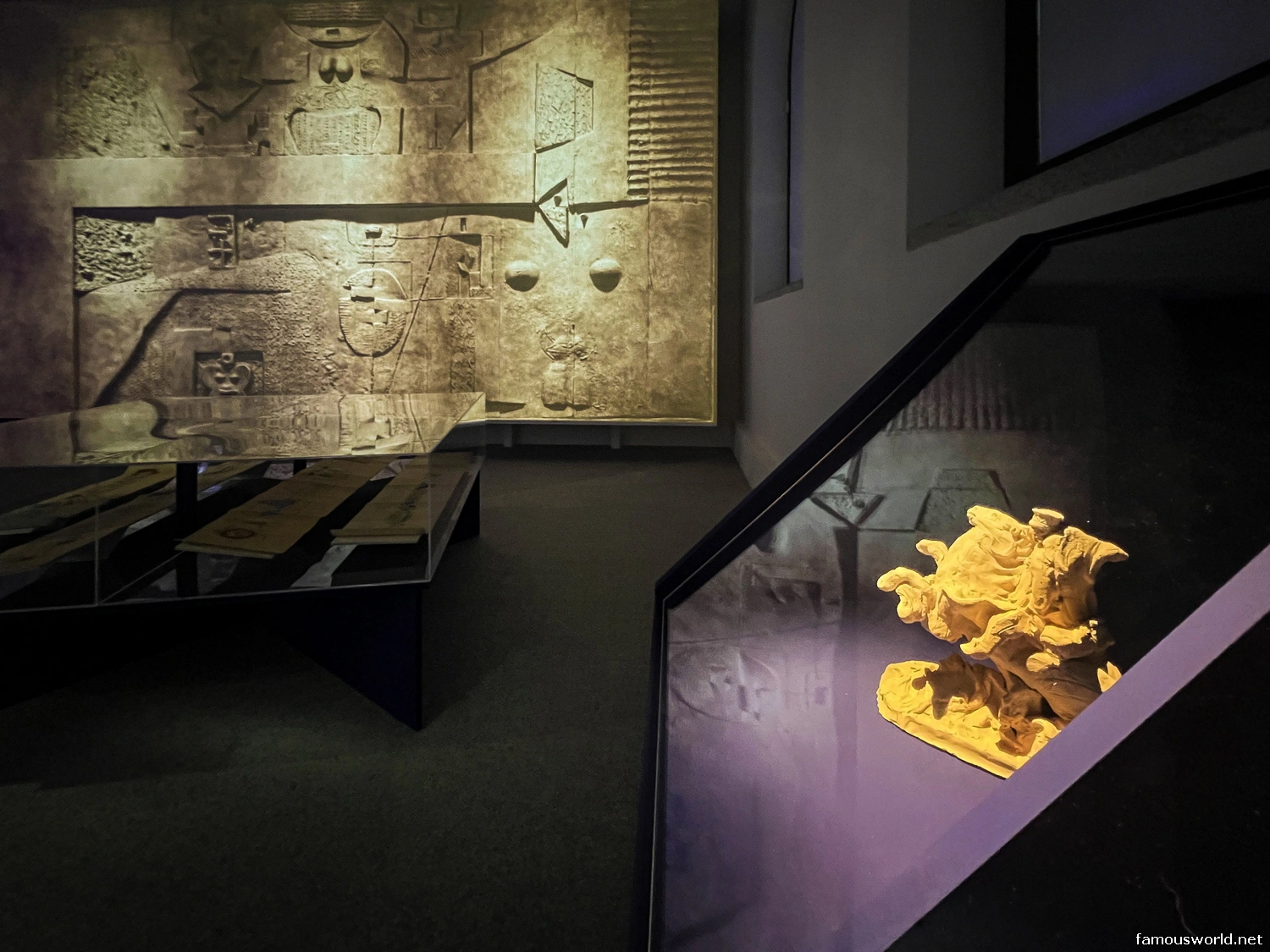
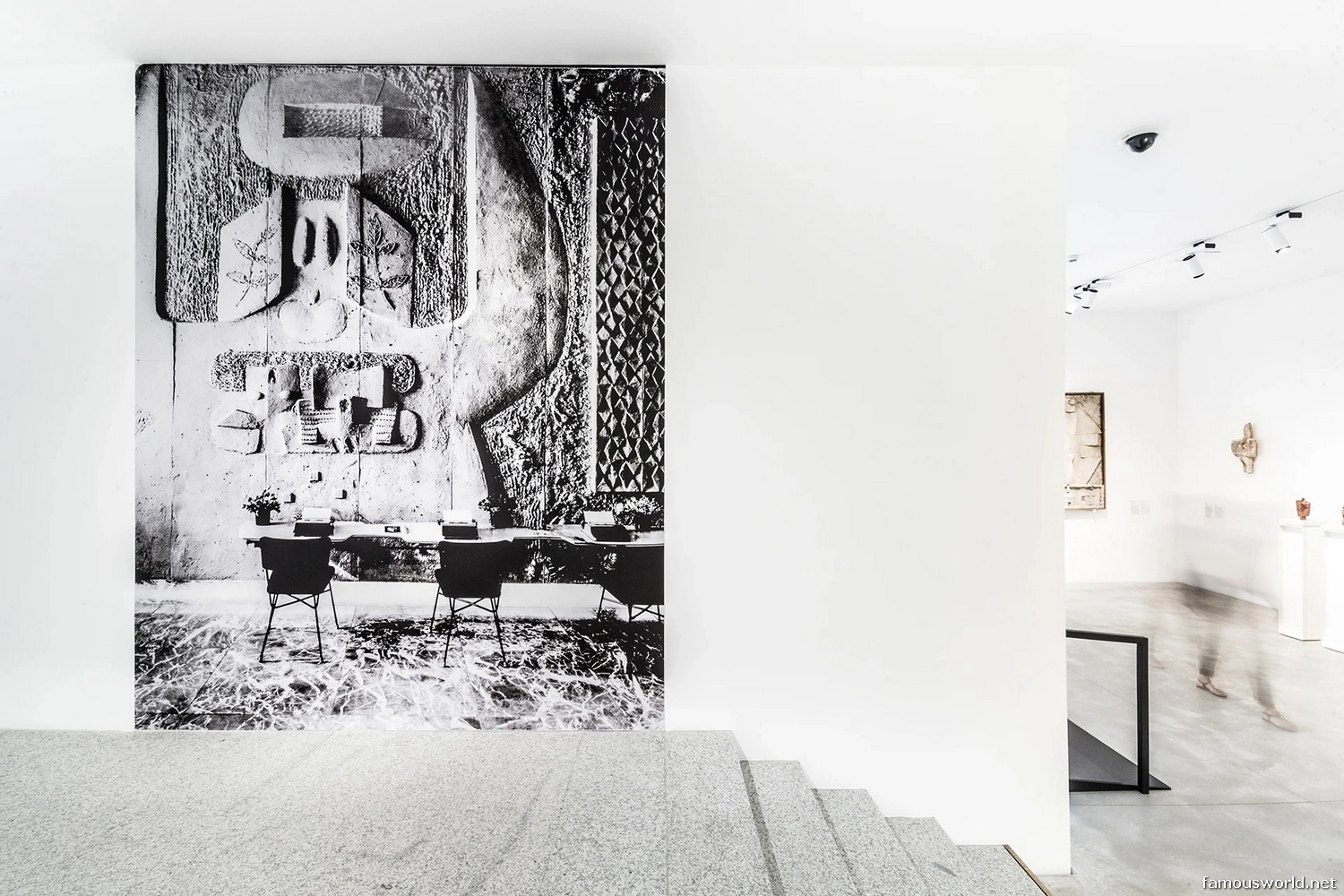
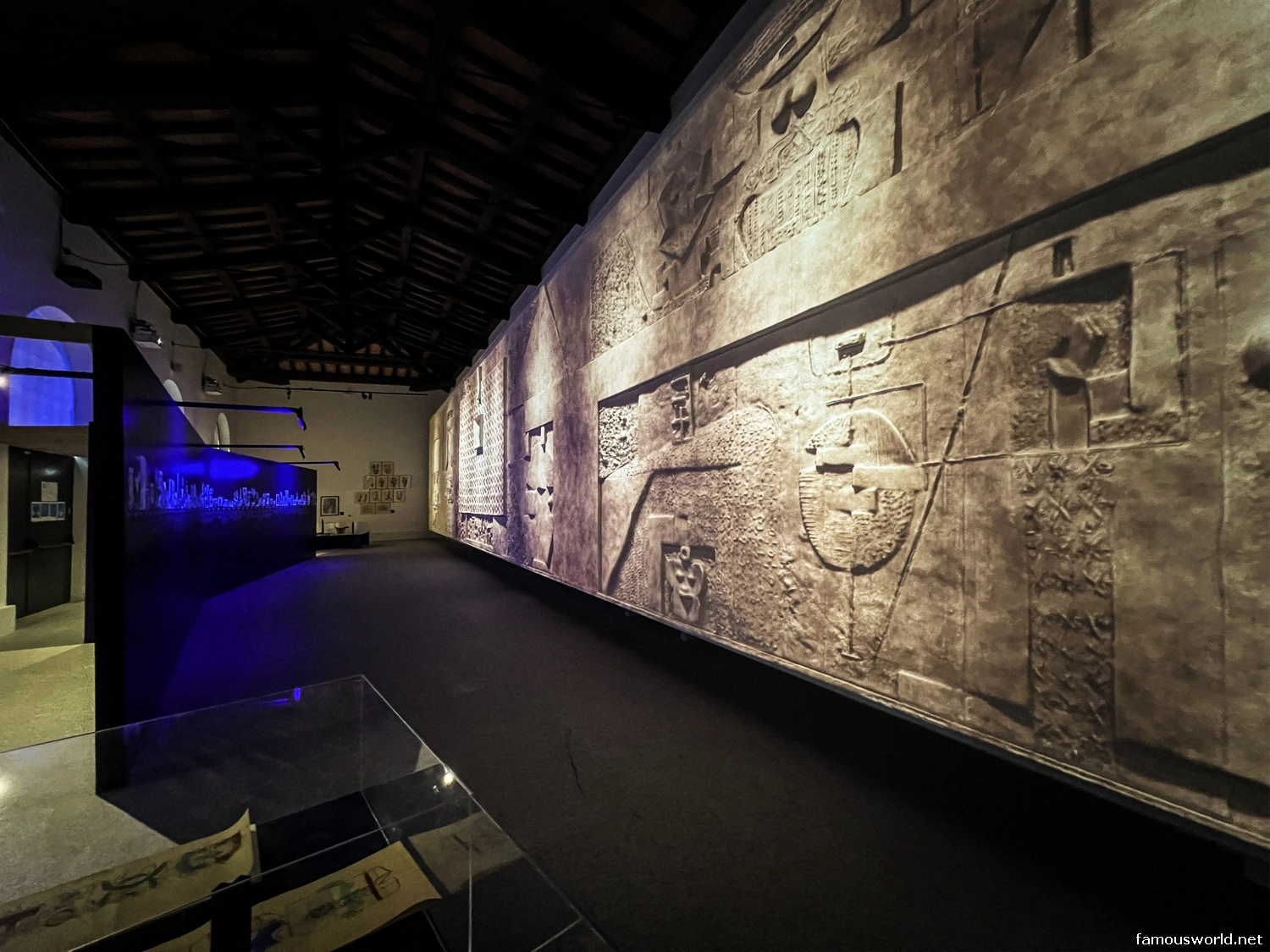
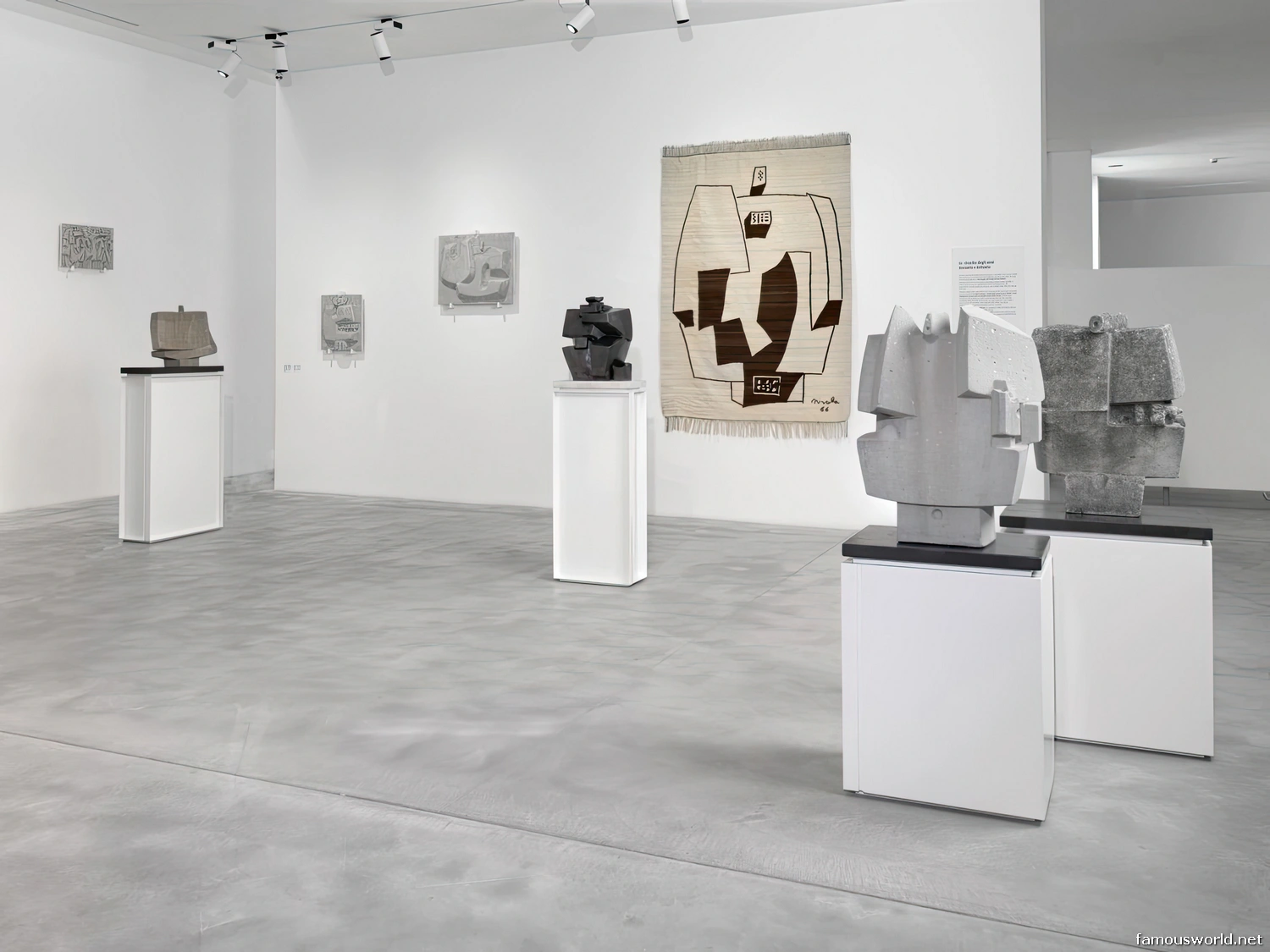
- Sandcasting Technique: The museum holds an exceptional collection of works made with Nivola’s innovative “sandcasting” technique, a process of creating concrete reliefs and sculptures using molds made of wet sand.
- Art and Architecture: It is a prime example of how art and architecture can be integrated. The museum showcases Nivola’s large-scale models and projects for architectural commissions in major cities like New York.
- A Cultural Oasis: Located deep within Sardinia’s heartland, it stands out as a sophisticated, international-caliber museum in a region better known for ancient traditions and rugged nature.
Differences from Other Wonders (vs. Uffizi Gallery, Florence)
The intimate, nature-focused experience of the Nivola Museum stands in stark contrast to a grand, classical European art institution.
- Environment (Modern Hillside Museum vs. Historic Urban Palace): The Nivola Museum is a modern structure designed to be in harmony with its natural, rural hillside setting. The Uffizi Gallery is a magnificent Renaissance palace located in the dense, historic heart of Florence.
- Focus (Single Modern Artist vs. Renaissance Masters): The Nivola Museum provides a deep, focused immersion into the life and work of a single, significant 20th-century artist. The Uffizi presents an encyclopedic collection of masterpieces spanning centuries, with a heavy focus on the masters of the Italian Renaissance.
- Core Story (Art & Nature vs. Power & Patronage): The Nivola Museum tells the story of an individual artist’s journey and his deep connection to his homeland and the natural world. The Uffizi tells the grand story of the Medici family’s immense power and their patronage of the arts that defined an entire era of Western civilization.
- Atmosphere (Intimate and Contemplative vs. Grand and Overwhelming): The experience at the Nivola Museum is personal, serene, and invites quiet contemplation. The Uffizi is a bustling, world-famous institution where the scale of the collection and the crowds can feel both awe-inspiring and overwhelming.
Location on world map