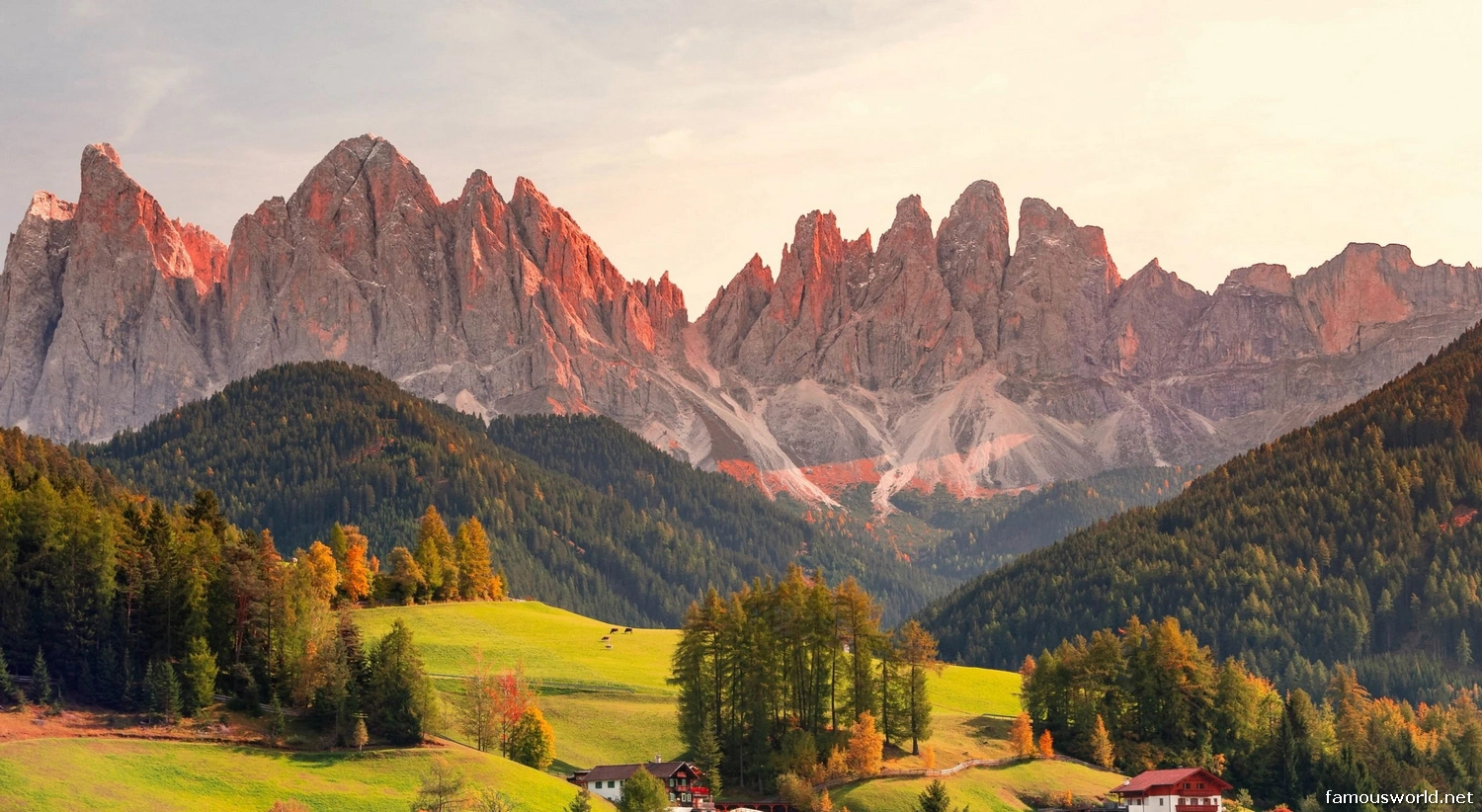


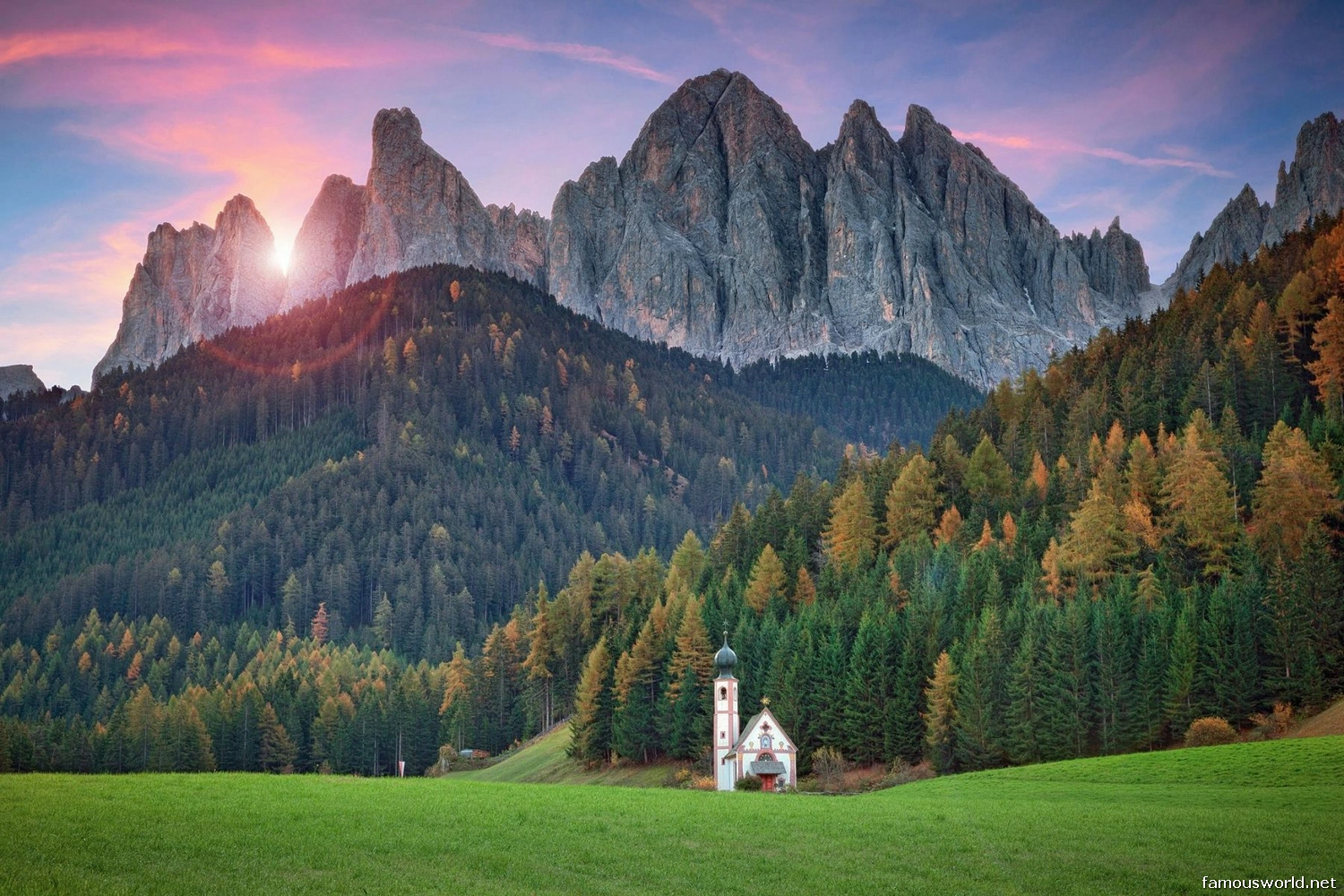




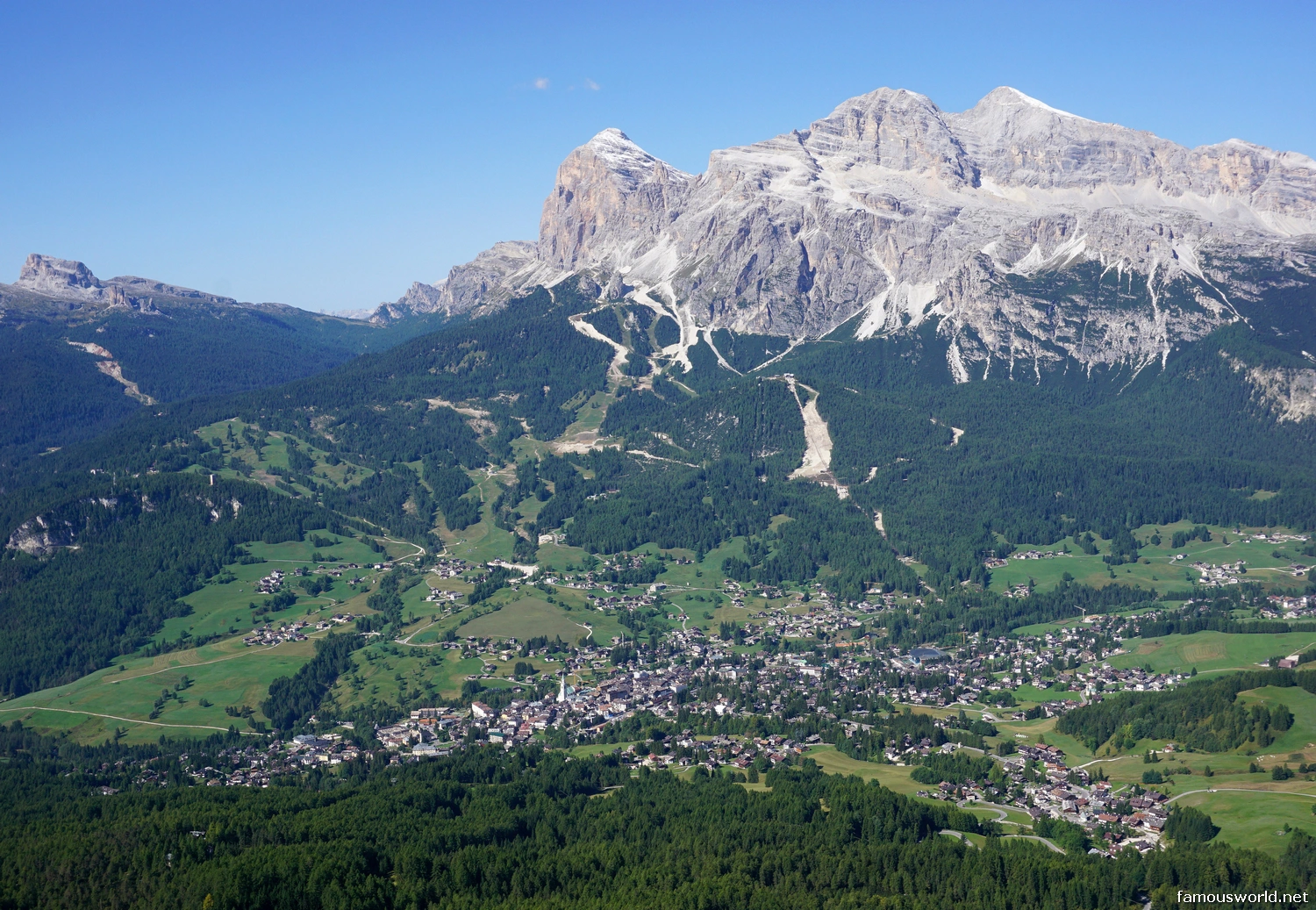


In the northern reaches of Italy, straddling the border with Austria, lies a mountain range of such unique and breathtaking beauty that it has been designated a UNESCO World Heritage site: the Dolomites. This is not the Italy of rolling Tuscan hills or ancient Roman ruins, but a realm of primordial, vertical landscapes. Here, jagged spires of pale, dolomitic rock soar thousands of feet above serene alpine meadows, dense evergreen forests, and crystalline lakes, creating a scene of unparalleled natural drama. For centuries, this kingdom of rock has captivated adventurers, artists, and nature lovers alike, offering a profound blend of high-altitude adventure, spectacular geology, and a poignant history that echoes through its valleys.

Name and Location
- Name: The Dolomites (Italian: Dolomiti)
- Location: Northeastern Italy, part of the Southern Limestone Alps, spanning the provinces of Belluno, South Tyrol, and Trentino.
How to Get There
Reaching this alpine paradise involves a scenic journey through mountain passes and verdant valleys.
- By Car: The most common route is via the A22 (Autostrada del Brennero), exiting at Bressanone/Val Pusteria. From there, state roads lead east into the heart of the Dolomites, towards hubs like San Candido and Sesto.
- By Train: The main railway runs through the Pusteria Valley, connecting Fortezza to San Candido. From these stations, an efficient local bus network serves the surrounding villages and trailheads.
- By Air: The nearest major airports are Innsbruck (INN) in Austria to the north, and Venice (VCE) or Treviso (TSF) in Italy to the south.
Landscape and Geology
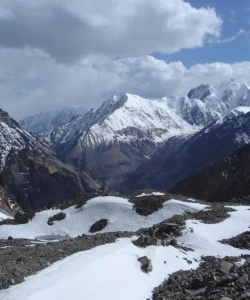
The Dolomites are a geological masterpiece, a landscape defined by iconic rock formations and pristine alpine environments.
- A Vertical World of Dolomite: The defining feature is the namesake “dolomia,” a pale limestone rock that forms the sheer, vertical walls, towers, and sharp peaks that characterize the region.
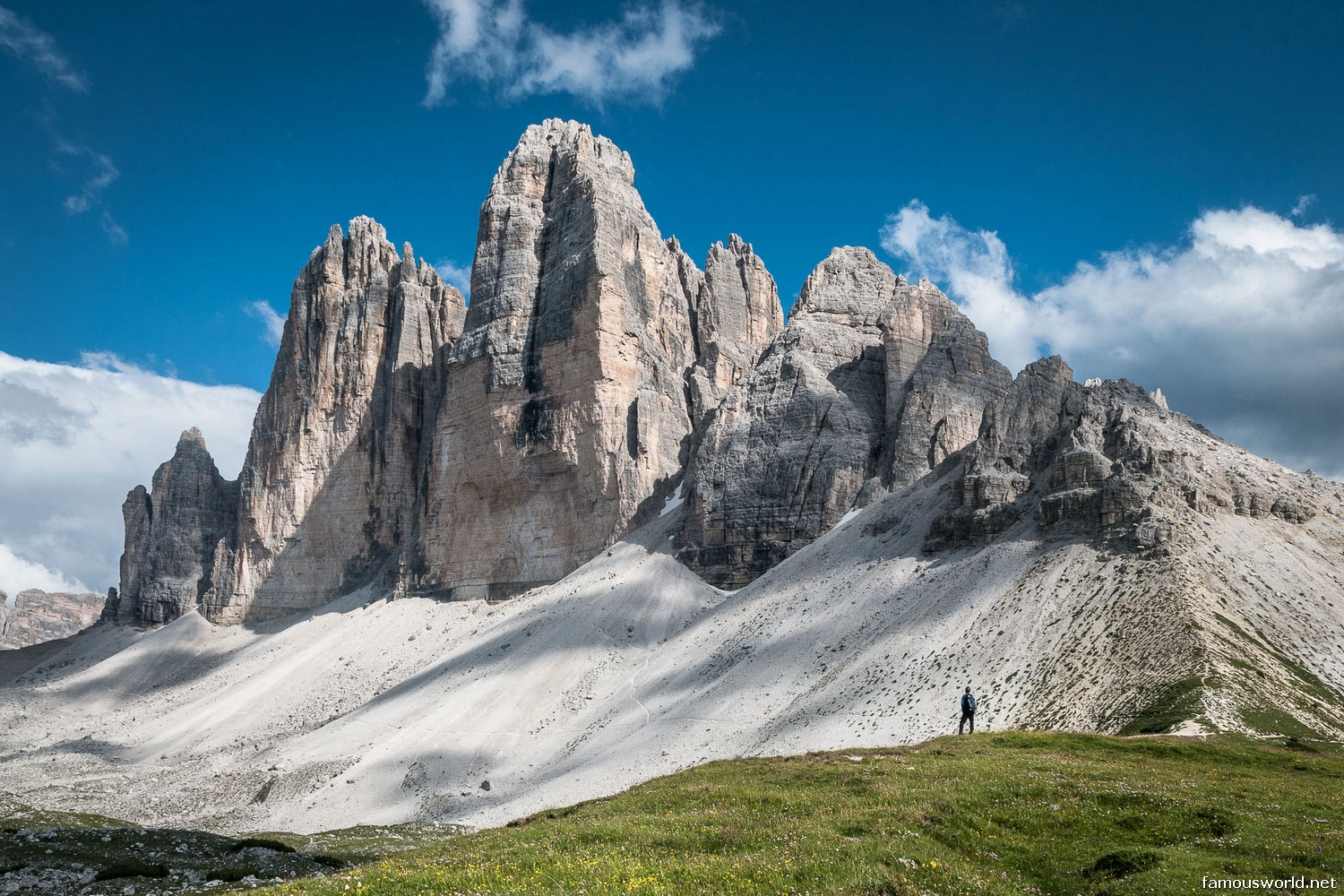
- The Tre Cime di Lavaredo: The undisputed symbol of the Dolomites. These three colossal, tooth-like monoliths are among the most famous mountain formations in the world and a holy grail for mountaineers.
- Enrosadira: The Dolomites are famous for this natural phenomenon where, at sunrise and sunset, the unique mineral composition of the rock captures the light, painting the towering peaks in a fiery palette of pink, red, and purple hues.
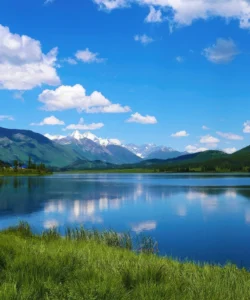
- Alpine Valleys and Lakes: Below the stone giants, the landscape softens into lush valleys, wildflower-strewn meadows, and stunning alpine lakes like Lago di Braies and Lago di Misurina, whose placid waters reflect the dramatic scenery above.
- History of the Great War: The landscape is deeply etched with the history of World War I. Many trails follow former military paths, leading past haunting remnants of trenches, fortifications, and tunnels carved directly into the rock, now forming a vast open-air museum.
What Makes It Famous
The Dolomites are renowned worldwide as a premier destination for their unique beauty, history, and unparalleled opportunities for outdoor recreation.
- Alpinism and Hiking: The region is a mecca for hikers, climbers, and enthusiasts of via ferrata (iron paths), offering an endless network of trails for all skill levels, including the renowned Alta Via routes.
- Iconic Peaks: The dramatic and universally recognized profile of peaks like the Tre Cime di Lavaredo attracts photographers, artists, and nature lovers from across the globe.
- Winter Sports: In winter, the area transforms into a snowy wonderland, with world-class ski resorts like 3 Zinnen Dolomites providing pistes for skiers and snowboarders.
- UNESCO World Heritage Site: Recognized for its exceptional natural beauty and its unique geological and geomorphological significance.
Differences from Other Wonders (vs. Amalfi Coast)
A majestic alpine range offers a fundamentally different experience from a celebrated Mediterranean coastline.
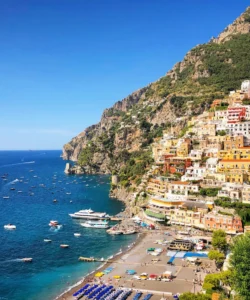
- Environment (Alpine Region vs. Mediterranean Coast): The Dolomites are a high-altitude mountain environment, defined by rock, forests, and an alpine climate. The Amalfi Coast is a seaside region, characterized by cliffs that plunge into the sea, citrus groves, and a mild Mediterranean climate.
- Primary Attraction (Mountain Adventure vs. Coastal Splendor): The core experience in the Dolomites is active adventure in nature—hiking, climbing, and skiing. The core experience of the Amalfi Coast is the sensory pleasure of its coastal views, glamorous towns, and seaside lifestyle.
- Core Story (Geology and War vs. Maritime Commerce): The story of the Dolomites is written in its unique geology and the stark realities of 20th-century conflict. The story of the Amalfi Coast is one of a powerful medieval maritime republic and a modern legacy as a luxurious destination.
- Atmosphere (Majestic and Adventurous vs. Vibrant and Glamorous): The atmosphere in the Dolomites is one of majesty, tranquility, and adventure. The atmosphere on the Amalfi Coast is vibrant, romantic, and glamorous, with a bustling energy in its famous towns.
Location on world map