


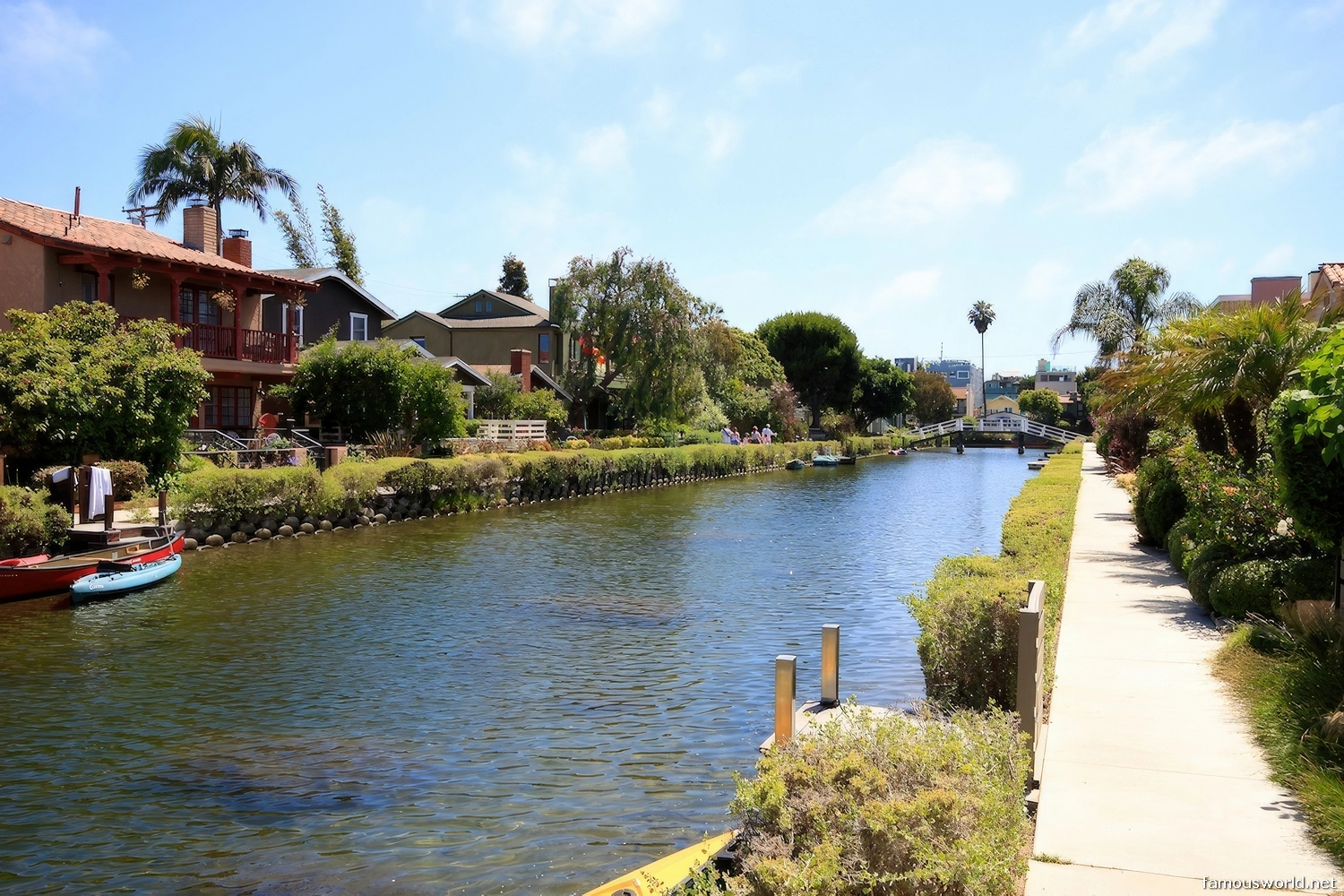




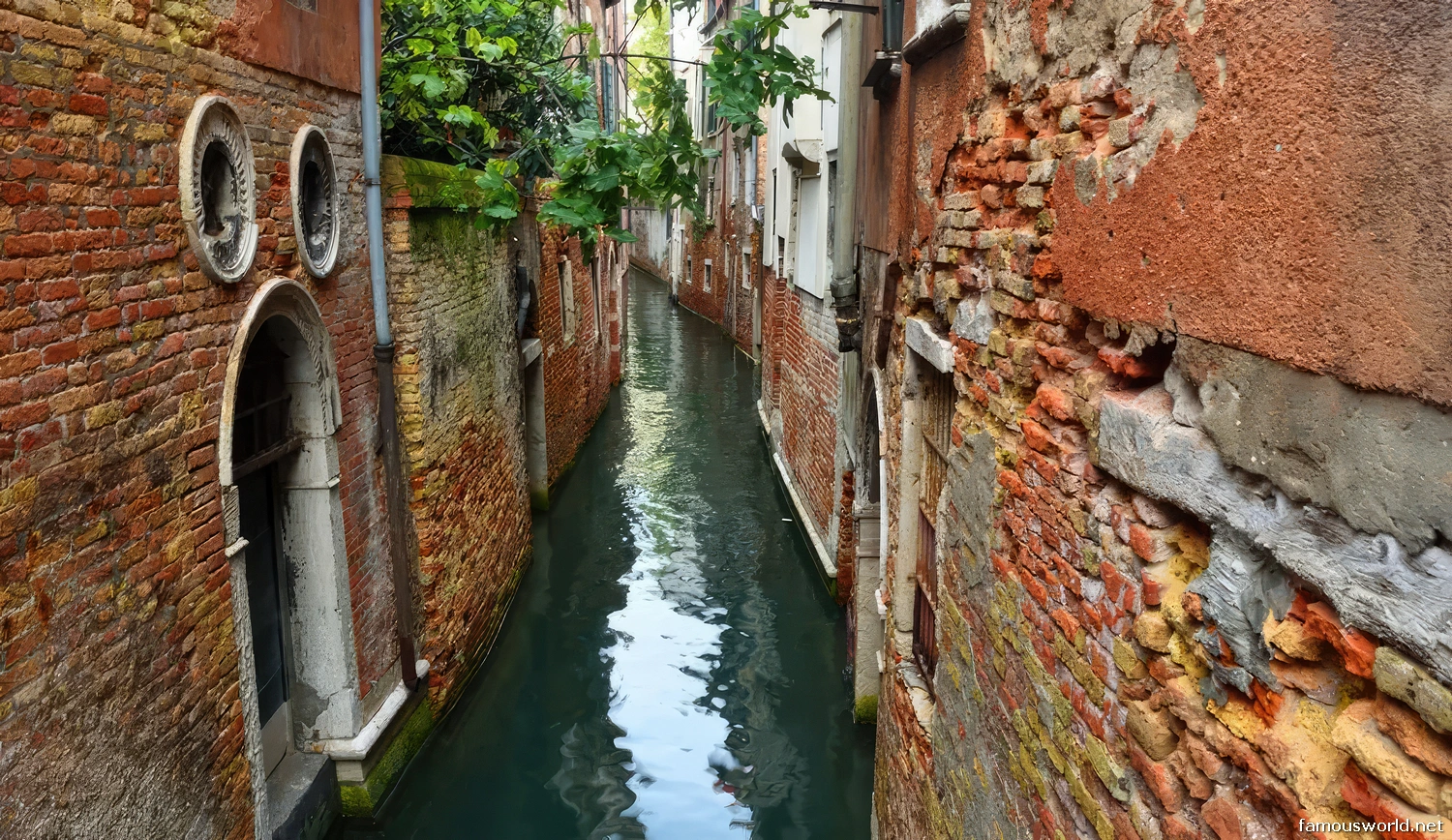
The canals of Venice are not a single attraction but the very essence of the city—a unique and intricate circulatory system that replaces roads with waterways. This enchanting network is the defining feature of a city built upon an archipelago of 118 islands in a shimmering lagoon. For centuries, these canals have served as the streets, avenues, and alleys of a powerful maritime republic, lined with magnificent palaces that rise directly from the water. To explore the canals is to experience a living masterpiece of engineering and art, a city that moves to the rhythm of the tides and the gentle glide of a gondola.
Listen to an introduction about Canals of Venice

Name and Location
- Name: The Canals of Venice (Canali di Venezia)
- Location: Venice, Italy, a city spread across a group of islands in the Venetian Lagoon at the northern end of the Adriatic Sea.
How to Get There
Venice is a car-free city; all final approaches are made by water or on foot.
- By Air: Venice Marco Polo Airport (VCE) is the main international gateway. From the airport, you can take an Alilaguna water bus or a private water taxi for a magical first approach to the city directly across the lagoon.
- By Train: The Santa Lucia train station (Stazione di Venezia Santa Lucia) is the main railway hub. Exiting the station is a breathtaking experience as you step directly onto the banks of the Grand Canal.
- By Car or Bus: All vehicles must stop at the edge of the city at Piazzale Roma or the Tronchetto parking island. From there, you must continue your journey by Vaporetto (water bus) or on foot.
Landscape and Architecture
The landscape of Venice is an unparalleled fusion of water and architectural splendor, defined by its canals and the buildings that line them.
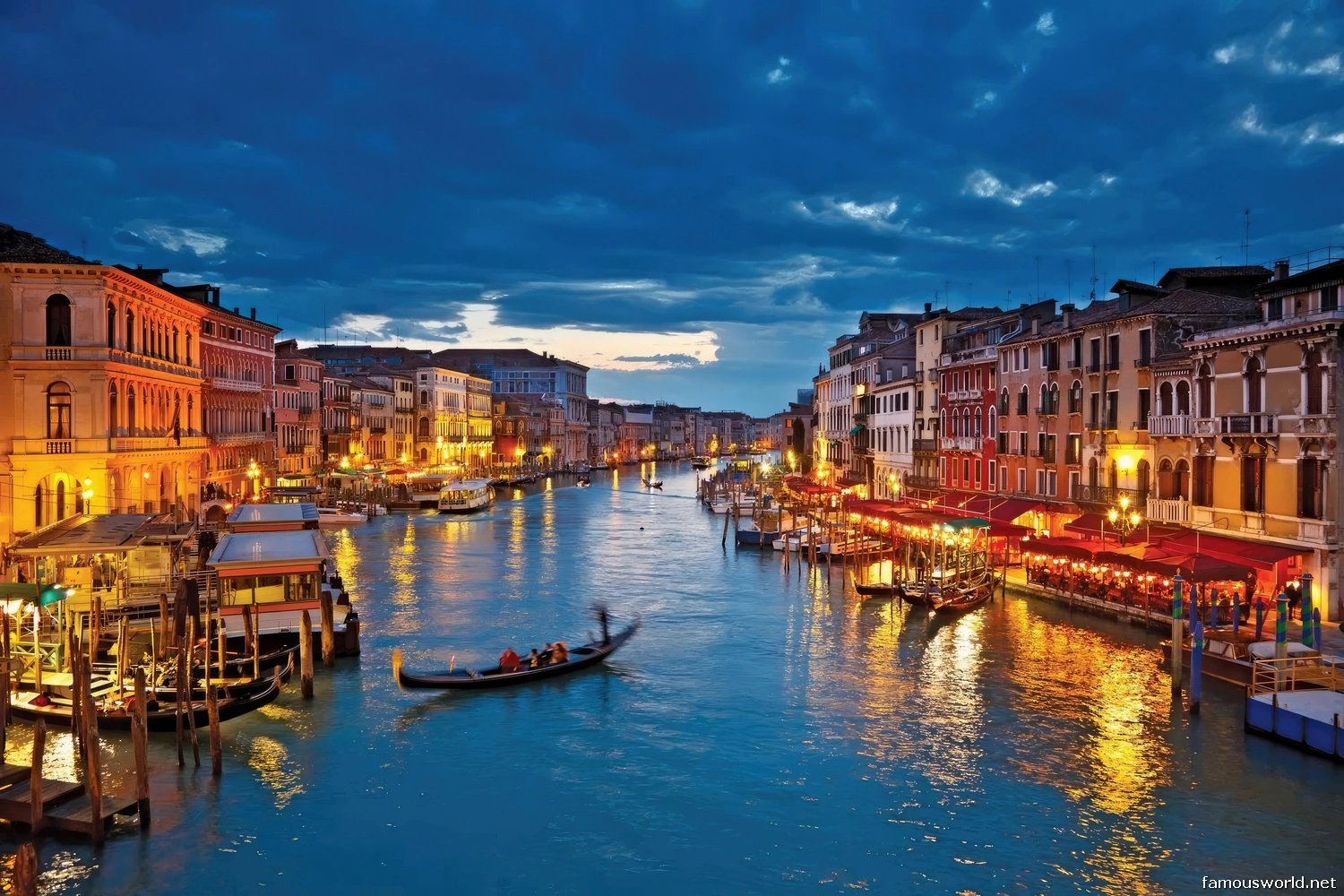
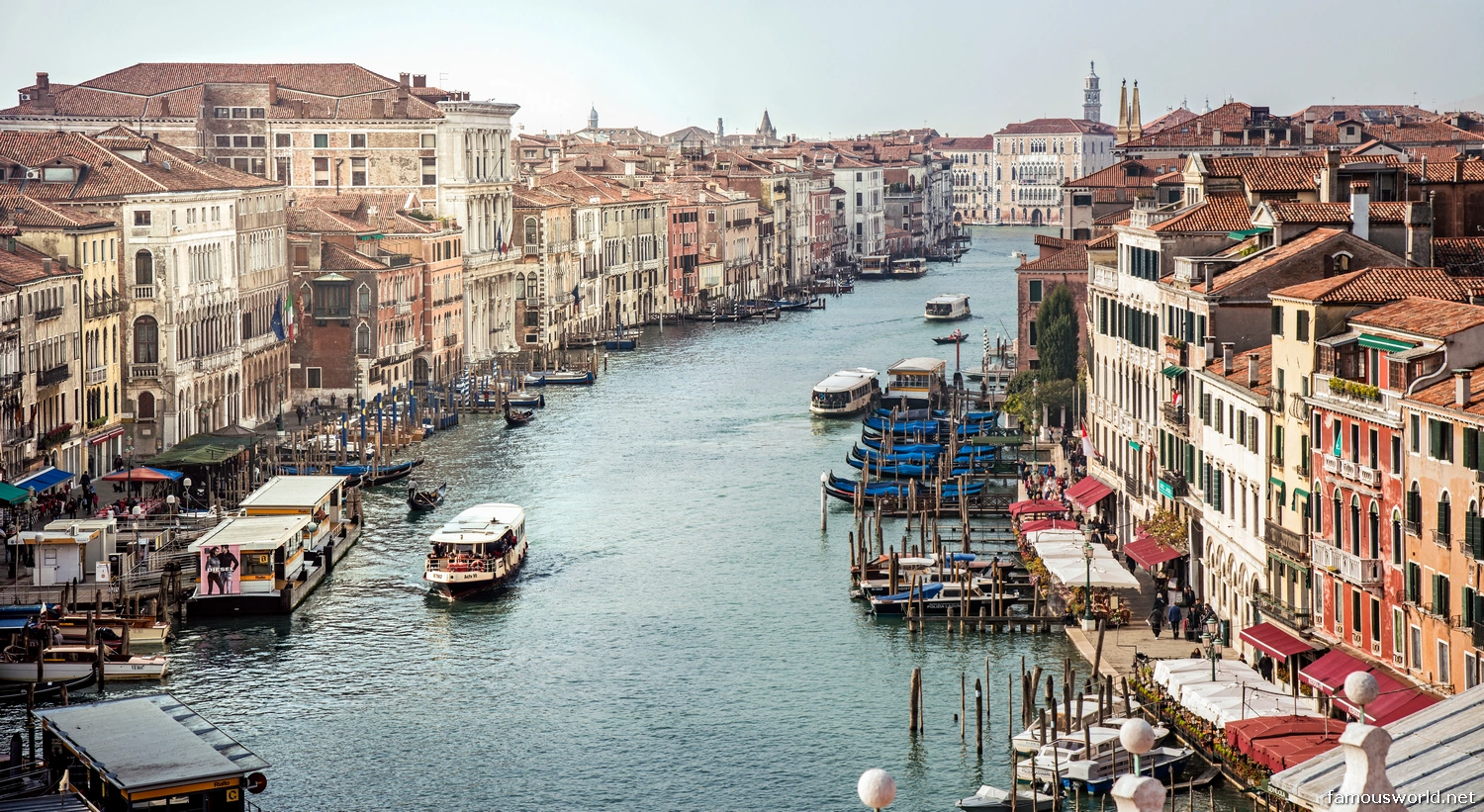
- The Grand Canal (Canal Grande): This is Venice’s main street, a wide, S-shaped waterway that sweeps through the heart of the city. It is flanked by more than 170 stunning buildings, including grand palaces (palazzi) from the Venetian Republic’s most prosperous eras, showcasing Gothic, Renaissance, and Baroque styles.
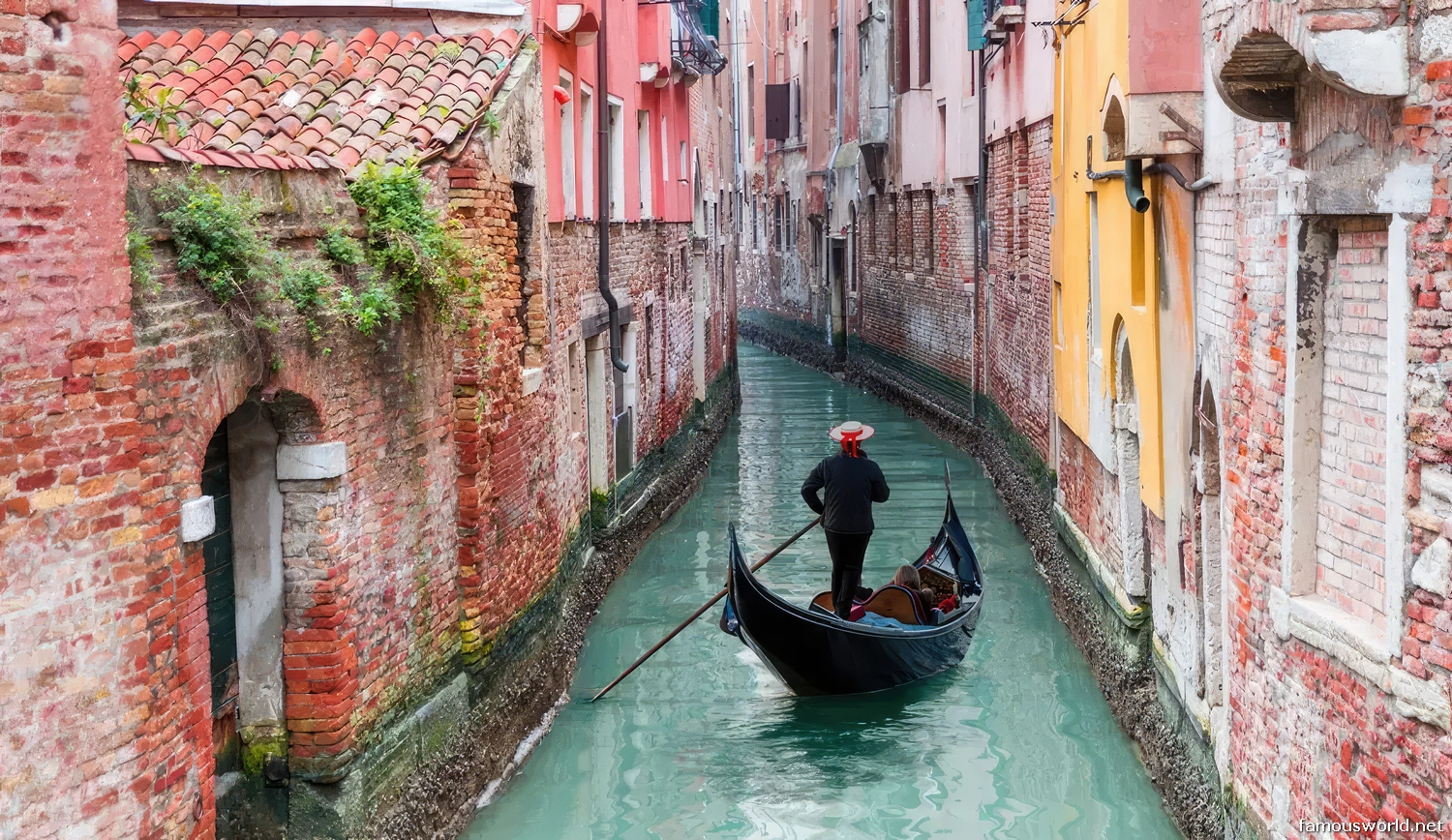
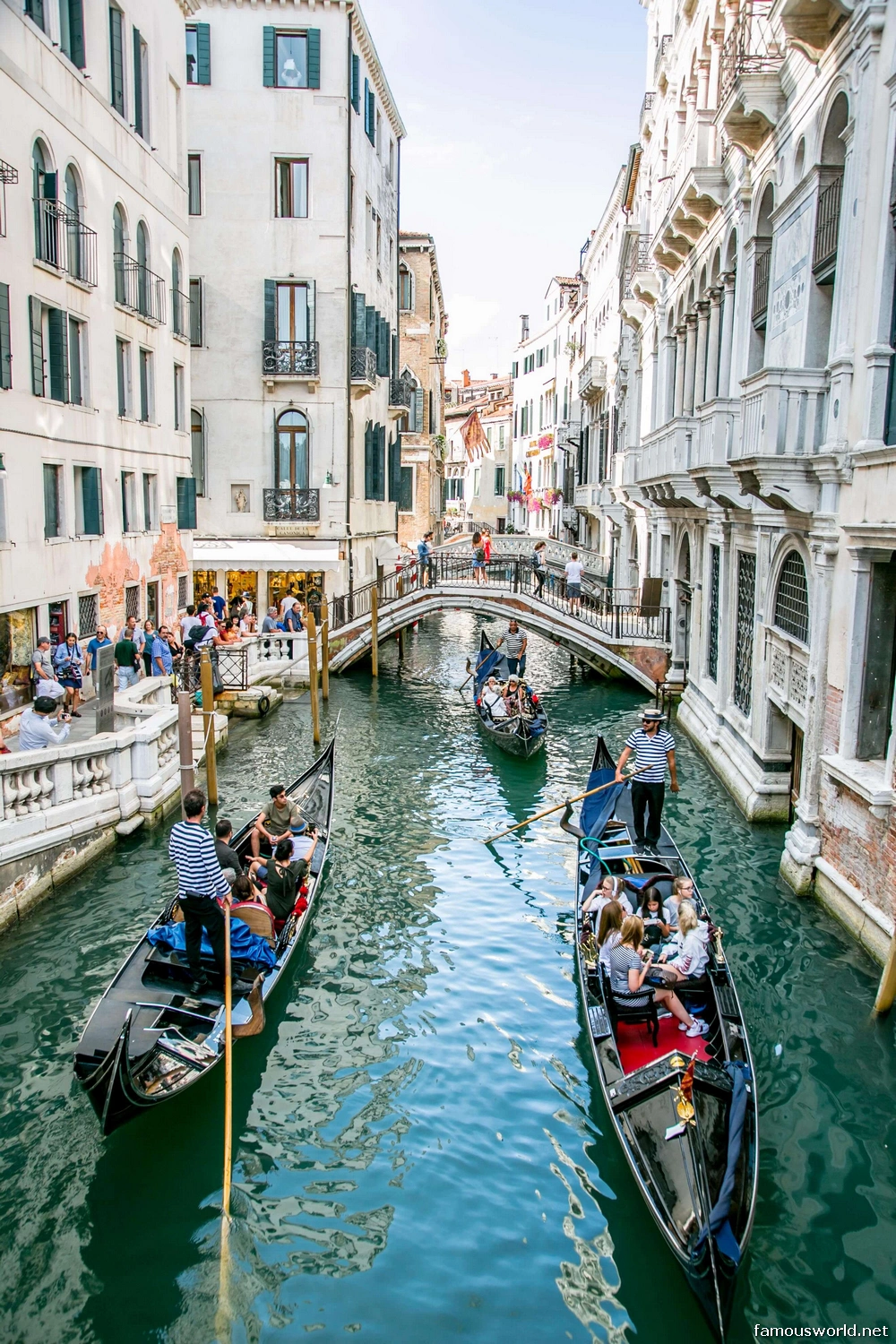
- The Minor Canals (Rii): Branching off the Grand Canal is a dense web of over 150 smaller canals. These quieter, more intimate waterways are the residential streets of Venice, crossed by hundreds of small, arched bridges. Exploring them by gondola or on foot reveals the city’s hidden charms and daily life.
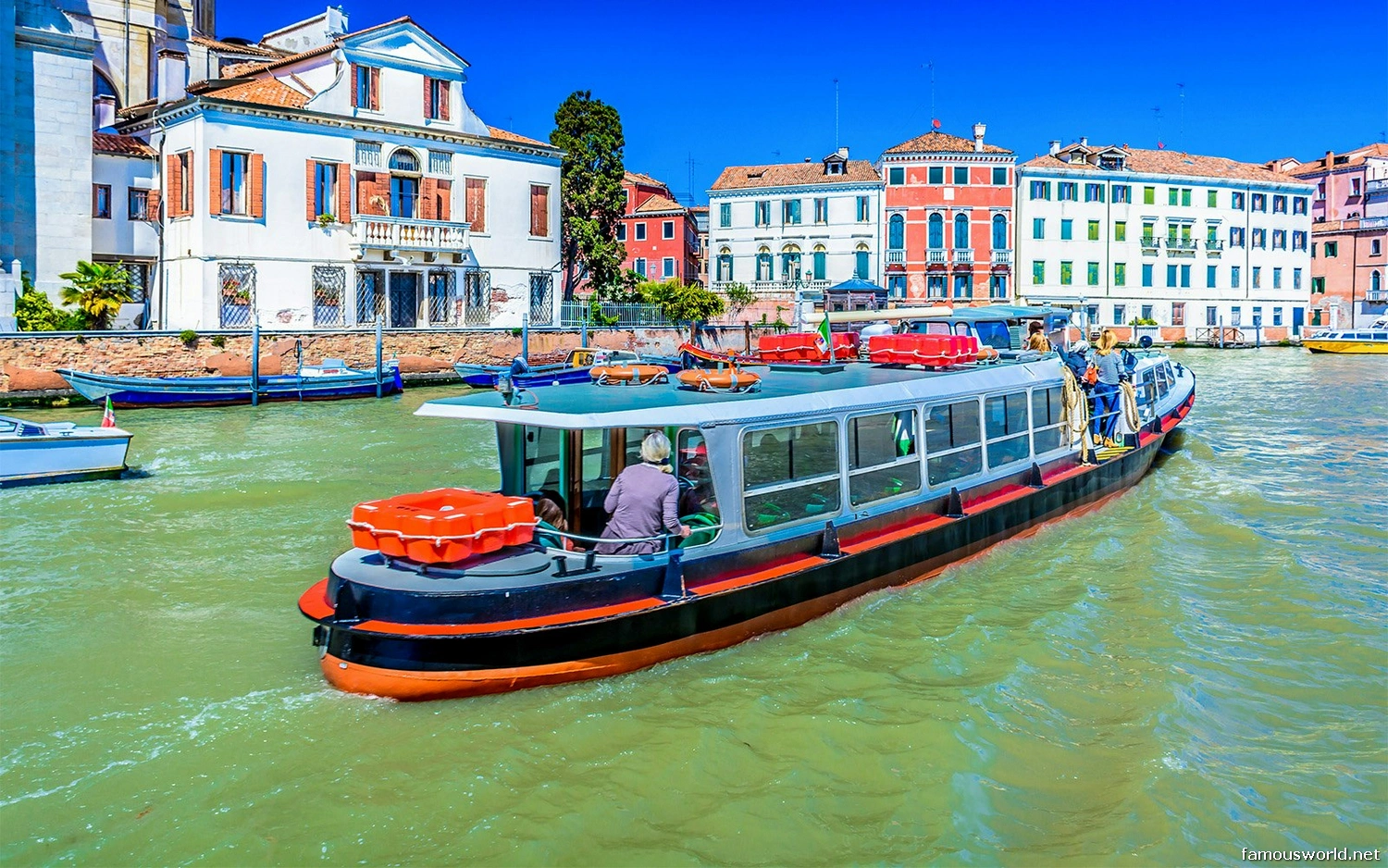
- Watercraft: The canals are animated by a variety of boats. The Vaporetto is the public water bus system, the primary mode of transport. The iconic black Gondola is a traditional, flat-bottomed boat used almost exclusively for tourist rides. You will also see delivery boats, emergency service boats, and private water taxis.
- Architecture: Buildings in Venice rise directly from the water, with their foundations built on wooden piles driven deep into the mud. This creates a cityscape of unparalleled beauty, where the reflections of ornate facades shimmer on the canal surfaces. Key architectural features are the bridges, most famously the Rialto Bridge and the Bridge of Sighs.
What Makes It Famous
The canals are famous for creating a city that is utterly unique in its construction, atmosphere, and way of life.
- A Car-Free City: Venice is the world’s most famous pedestrian city, where the primary sounds are church bells, footsteps, and the lapping of water, not traffic. This creates a serene and timeless atmosphere.
- Icon of Romance: The image of a gondolier serenading a couple while navigating a narrow canal is one of the most enduring symbols of romance in the world.
- A Feat of Engineering: The city is a marvel of human ingenuity, a metropolis built in an impossible location. Its survival and beauty are a testament to the skill of its founders.
- UNESCO World Heritage Site: The entire city of Venice and its lagoon are recognized for their unique urban fabric and immense artistic and historical significance.
Differences from Other Wonders (e.g., Castel dell’Ovo)
The experience of Venice’s canals is fundamentally different from that of a singular monument like Castel dell’Ovo.
- Environment (Total Urban System vs. Singular Landmark): The canals are not a single site to visit; they are the entire system that defines the city’s existence. Castel dell’Ovo is a distinct fortress, a landmark that stands on the edge of a conventional city.
- Function (Lifeblood of a City vs. Defensive Stronghold): The canals are the active infrastructure for transportation, commerce, and daily life in Venice. Castel dell’Ovo’s function was military and defensive, a role that is now purely historical.
- Core Story (A Republic Built on Water vs. A Fortress Built on a Legend): The story of the canals is the grand narrative of a powerful and wealthy maritime republic. The story of Castel dell’Ovo is a charming and singular myth tied to its foundation.
- Atmosphere (Immersive and Labyrinthine vs. Scenic and Singular): To experience the canals is to immerse yourself in a complex, maze-like environment where every turn reveals a new vista. To visit the castle is to appreciate a single, powerful structure and the panoramic view it provides.
Location on world map