

Within the walls of the Vatican City lies one of the most magnificent and extensive art collections on Earth: the Vatican Museums. This is not a single museum but a vast complex of galleries, chapels, and palaces that house the incredible treasures accumulated by the popes for over 500 years. A visit is a journey through the history of human creativity, from ancient Egyptian and Roman artifacts to masterpieces of the Renaissance and beyond. The experience culminates in a space of unparalleled artistic achievement—the Sistine Chapel. It is a place of pilgrimage for art lovers, a testament to centuries of papal patronage, and home to some of the most famous works of art ever created.
Listen to an introduction about Vatican Museums

Name and Location
- Name: The Vatican Museums (Musei Vaticani).
- Location: Vatican City, an independent city-state located within Rome, Italy. The entrance is on the Viale Vaticano, separate from the entrance to St. Peter’s Basilica.
How to Get There
The museums are a major attraction and are easily reached from central Rome.
- By Metro: The closest stops are “Ottaviano-S. Pietro” or “Cipro” on the “A” line, each about a 10-minute walk to the museum entrance.
- By Bus: Several buses stop near the entrance, including route 49, which stops directly in front.
- By Foot: It is a significant walk from the historic center, but manageable. Note that the museum entrance is a considerable walk around the Vatican walls from St. Peter’s Square.
Landscape and Architecture
The museums are a labyrinthine complex of interconnected buildings that are themselves works of art.
- The Landscape: Unlike a single, purpose-built museum, the Vatican Museums occupy parts of the vast Vatican Palace. The route takes visitors through long, opulent galleries, former papal apartments, and open-air spaces like the magnificent Cortile del Belvedere (Belvedere Courtyard).
- The Architecture: The complex is a stunning collection of architectural styles from different centuries. Highlights include the iconic double-helix Bramante Staircase, the breathtaking Gallery of Maps with its frescoed topographical maps of Italy, and the intensely decorated papal apartments known as the Raphael Rooms. The buildings themselves are as much a part of the exhibition as the art they contain.
What Makes It Famous
The Vatican Museums are famous for housing the Sistine Chapel and an art collection of unrivaled historical and artistic importance.
- The Sistine Chapel: The undisputed highlight and the reason for many visits. The chapel is entirely covered in frescoes by Renaissance masters, crowned by Michelangelo’s revolutionary ceiling and his powerful Last Judgment on the altar wall.
- The Raphael Rooms: A suite of four rooms frescoed by Raphael, considered one of the pinnacles of the High Renaissance.
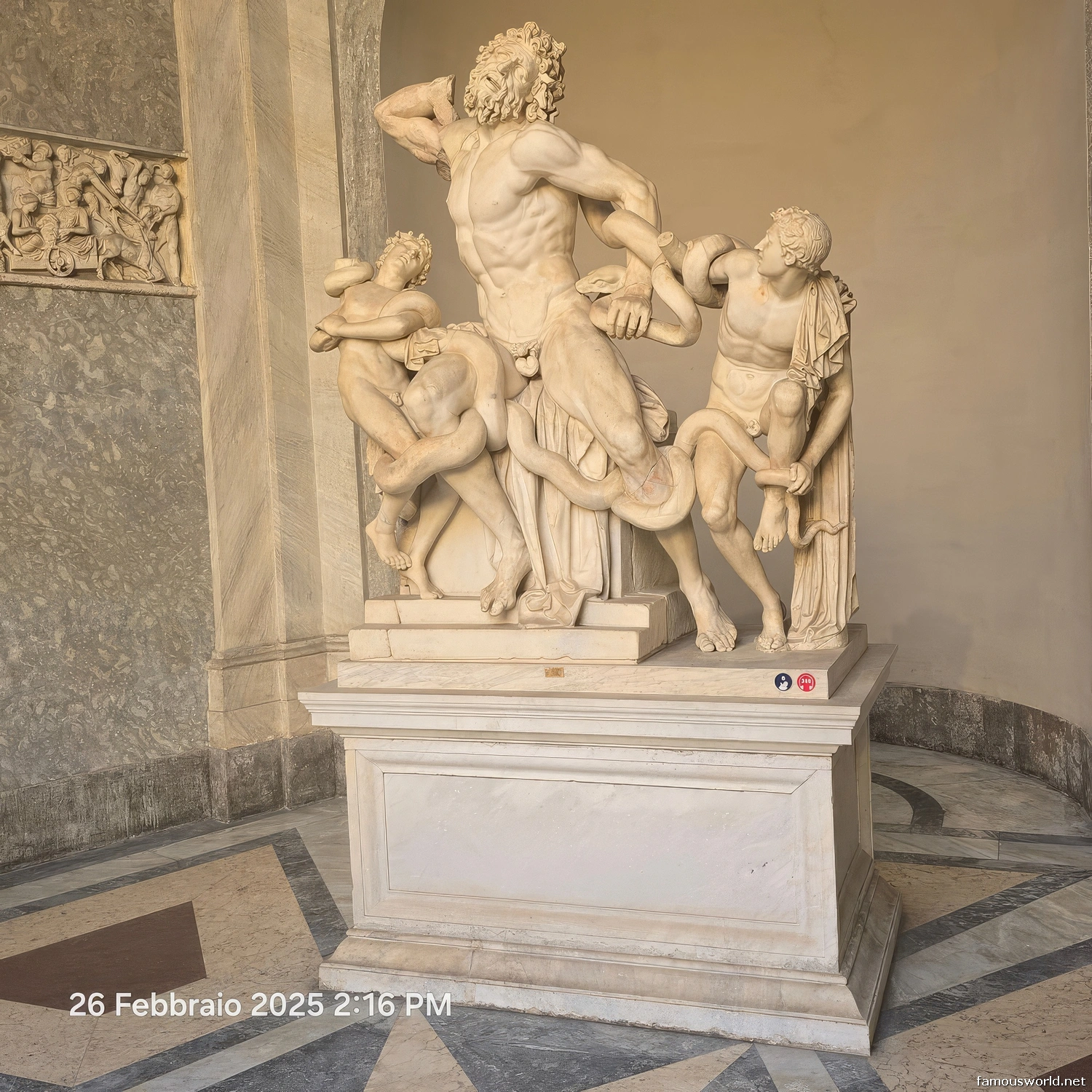
- An Unparalleled Collection: The museums contain tens of thousands of works, including one of the world’s most important collections of classical sculpture (featuring the Laocoön and His Sons), masterpieces by artists like Giotto, Leonardo da Vinci, and Caravaggio, and vast collections of Etruscan, Egyptian, and modern religious art.
Differences from Other Wonders
The museums’ identity as a curated collection of art provides a different experience from the unified spiritual purpose of Saint Peter’s Basilica.
- Environment (A Curated Artistic Journey vs. A Unified Place of Worship): The Vatican Museums are a series of galleries designed to be walked through in a specific sequence, telling a story of art history. Saint Peter’s is a single, vast, open space designed for congregational worship and spiritual awe.
- Core Story (The History of Art and Papal Collection vs. The Center of the Catholic Faith): The museums tell the story of human creativity and the power of the popes as collectors and patrons of the arts. The basilica tells the story of the foundation of the Catholic Church, built over the tomb of its first apostle.
- Primary Attraction (A Vast Collection of Masterpieces vs. A Singular Spiritual and Architectural Entity): The attraction of the museums is the sheer number and quality of individual artworks, culminating in the Sistine Chapel. The attraction of the basilica is the overwhelming and unified experience of its sacred atmosphere, scale, and architectural perfection.
- Atmosphere (Historical and Educational vs. Reverent and Sacred): The atmosphere in the museums is one of bustling, active discovery and artistic appreciation. The atmosphere in the basilica is one of quiet reverence, spiritual contemplation, and awe.
Location on world map