
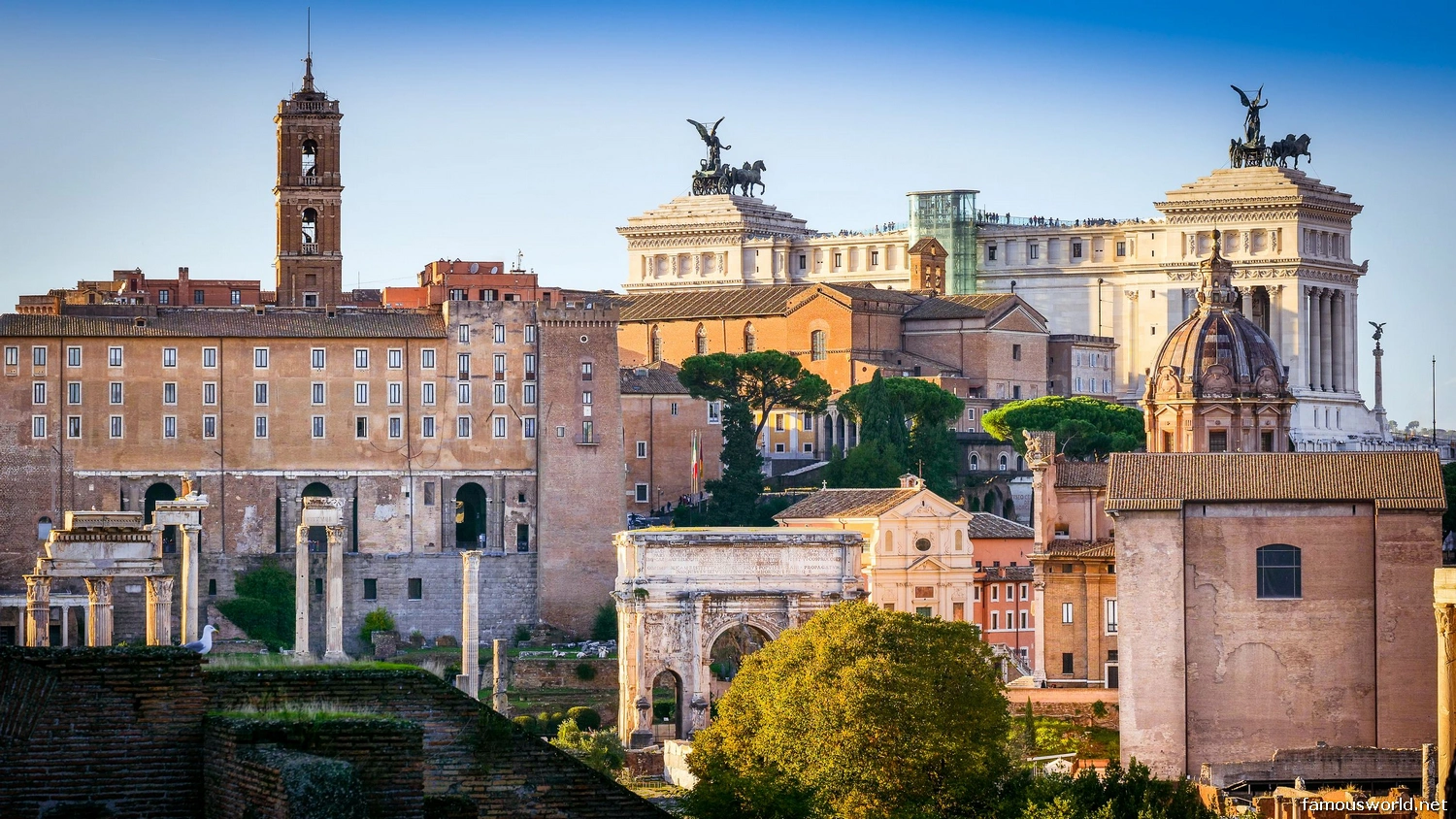
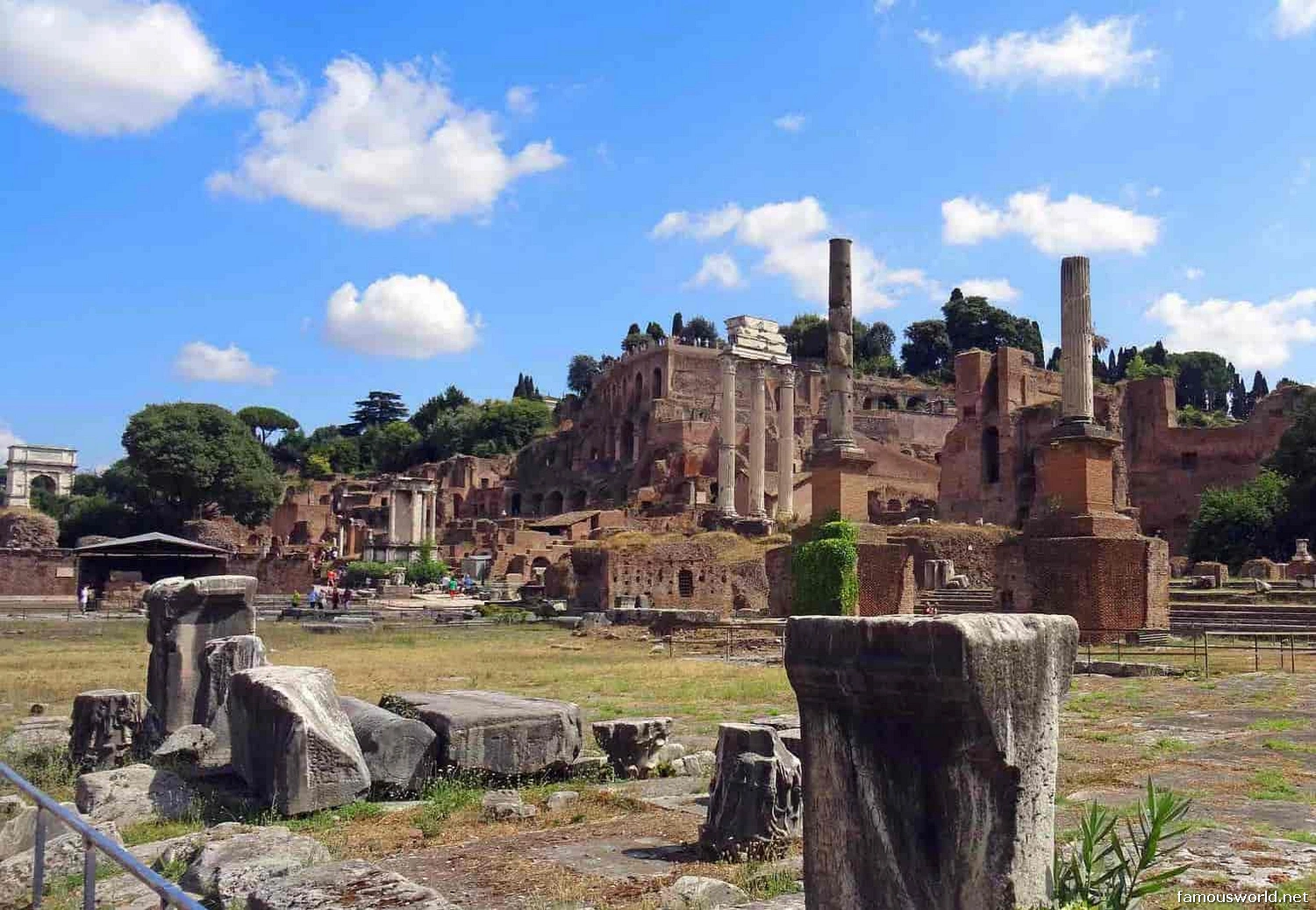

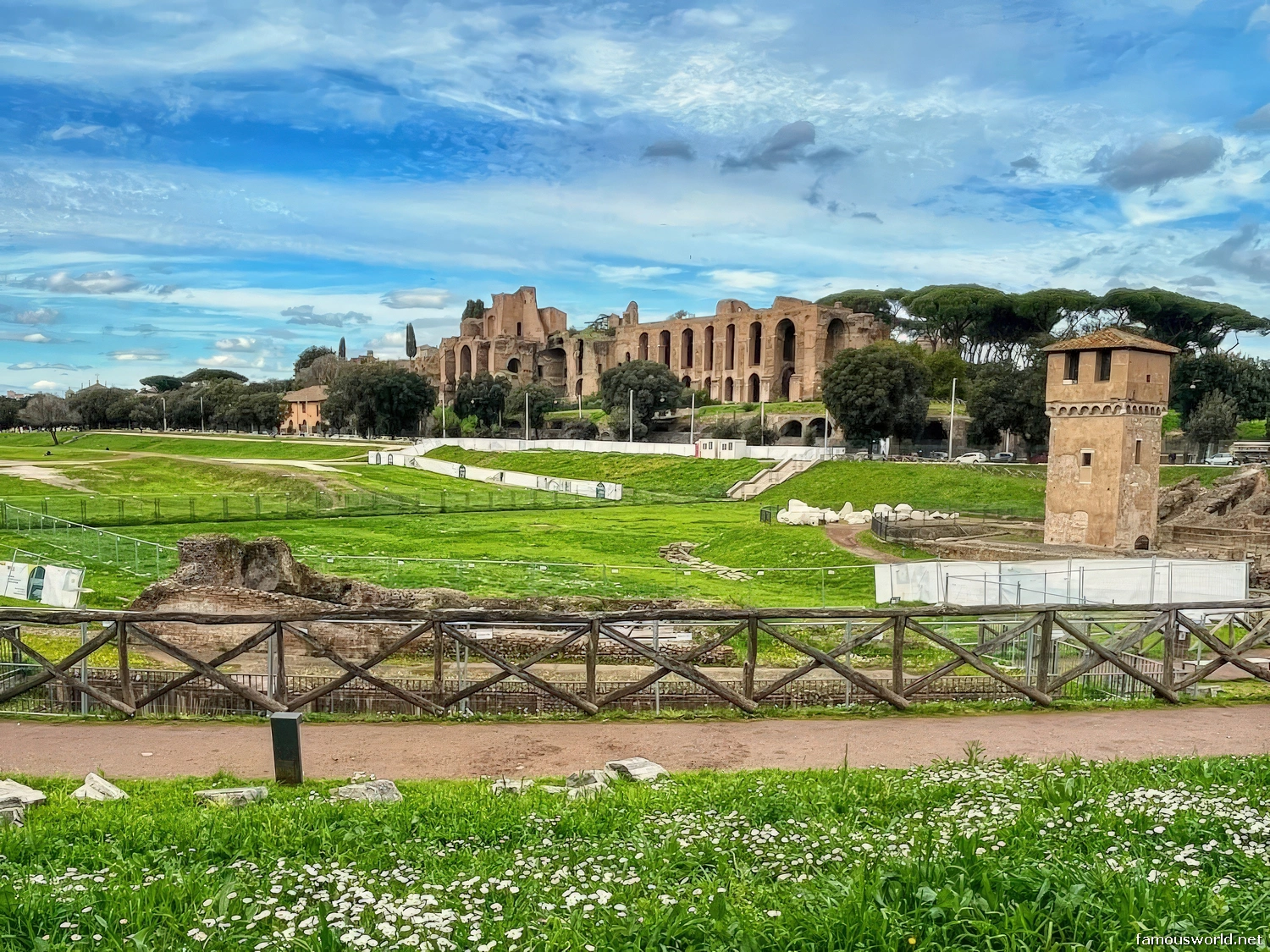

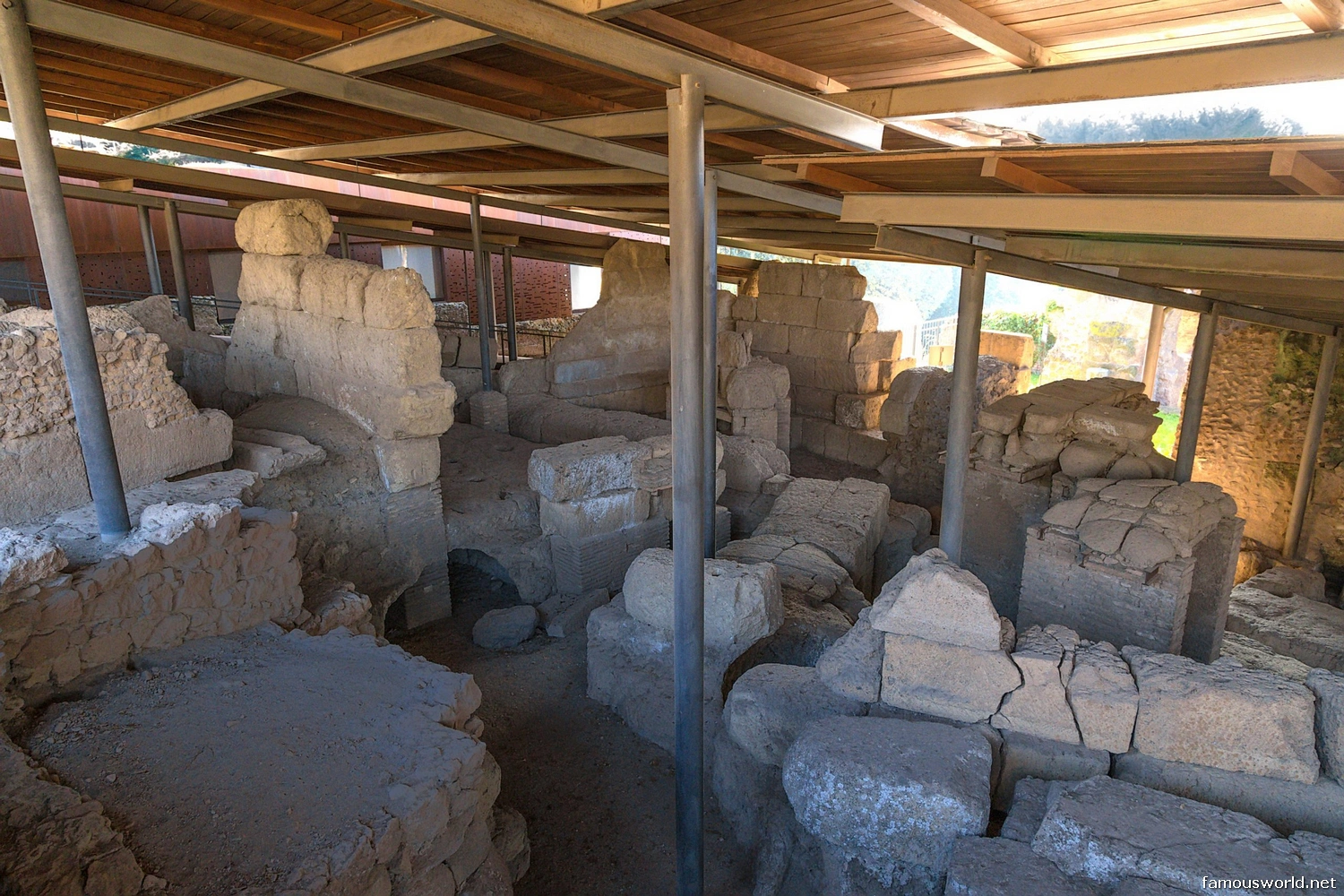
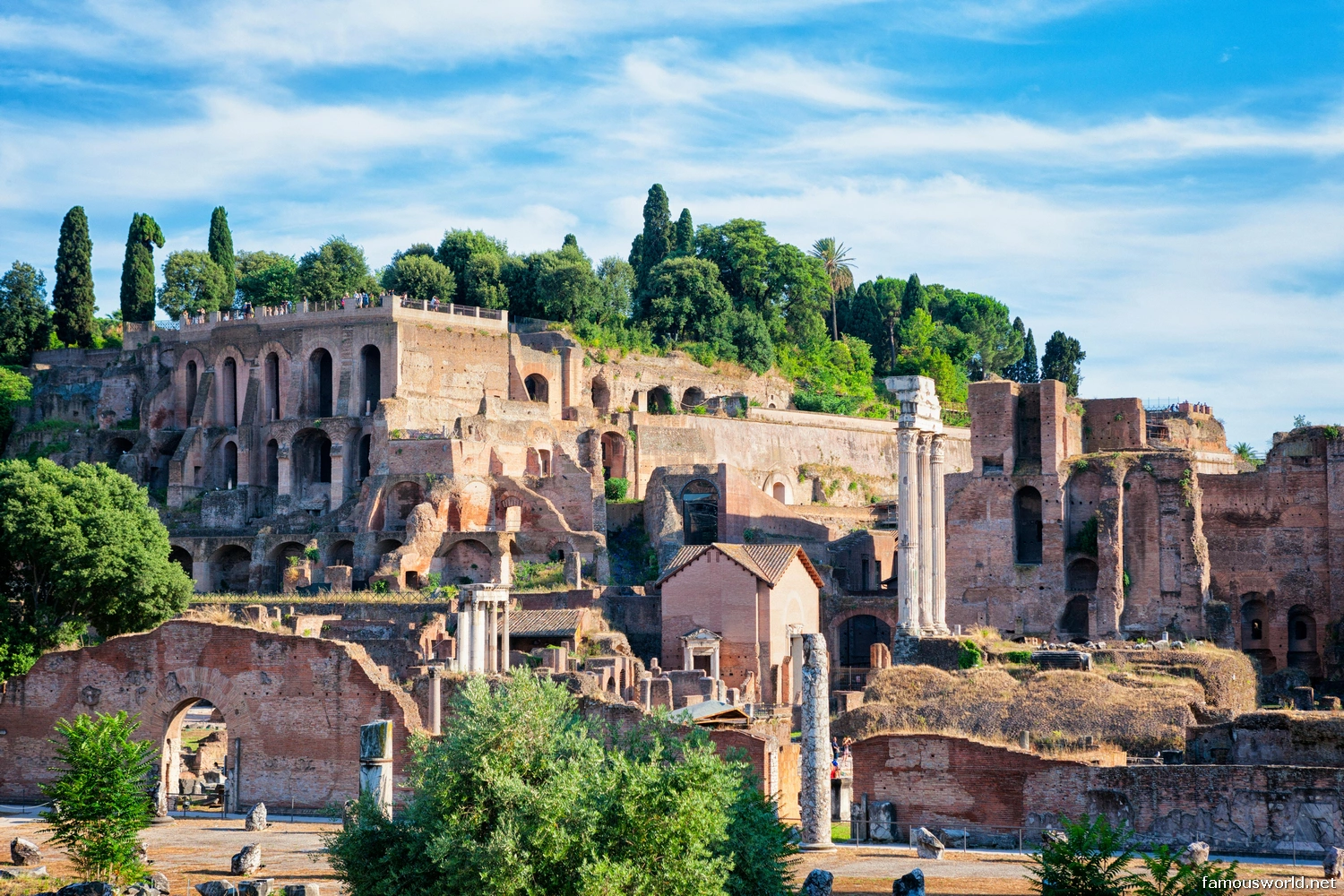
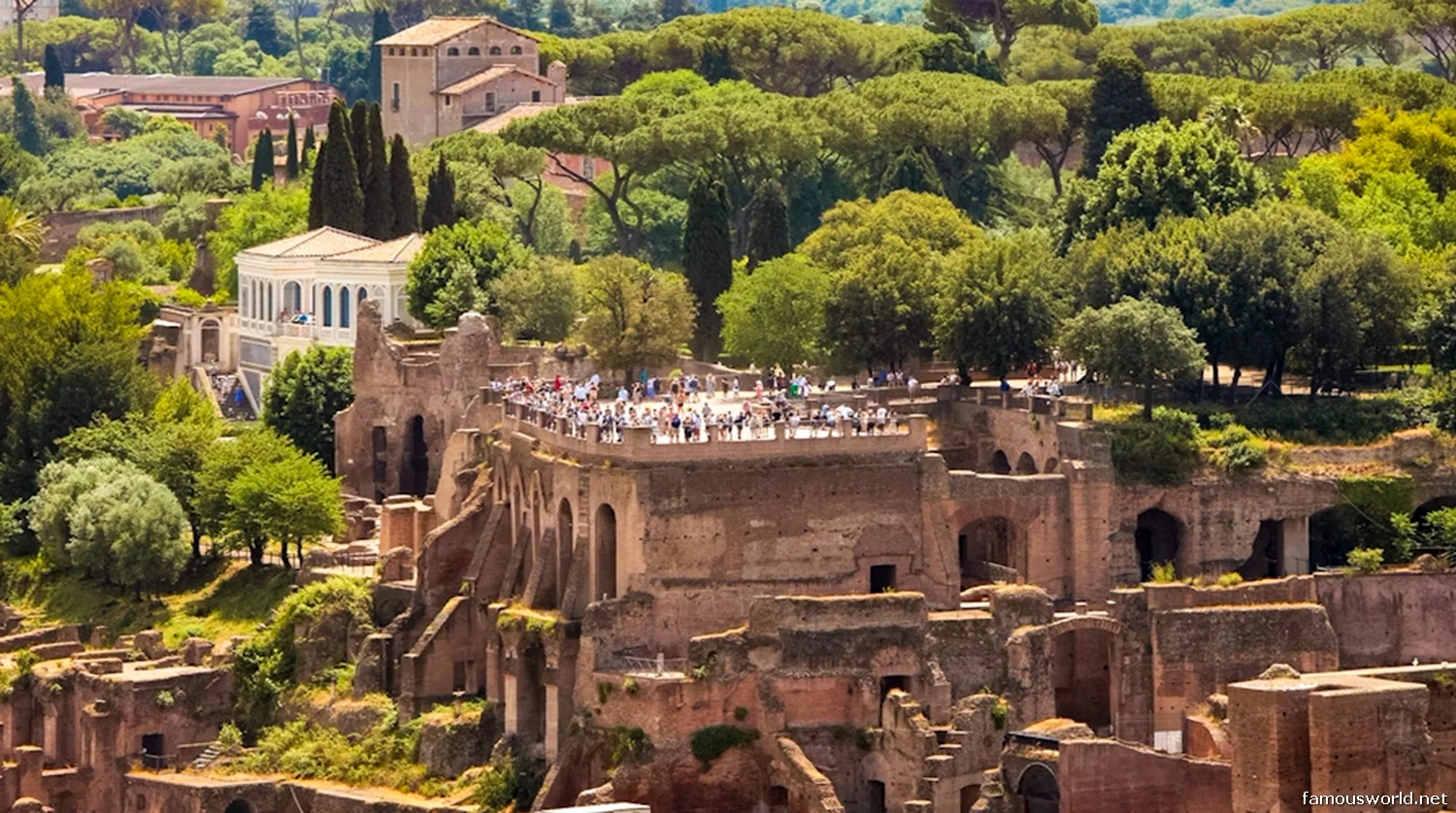
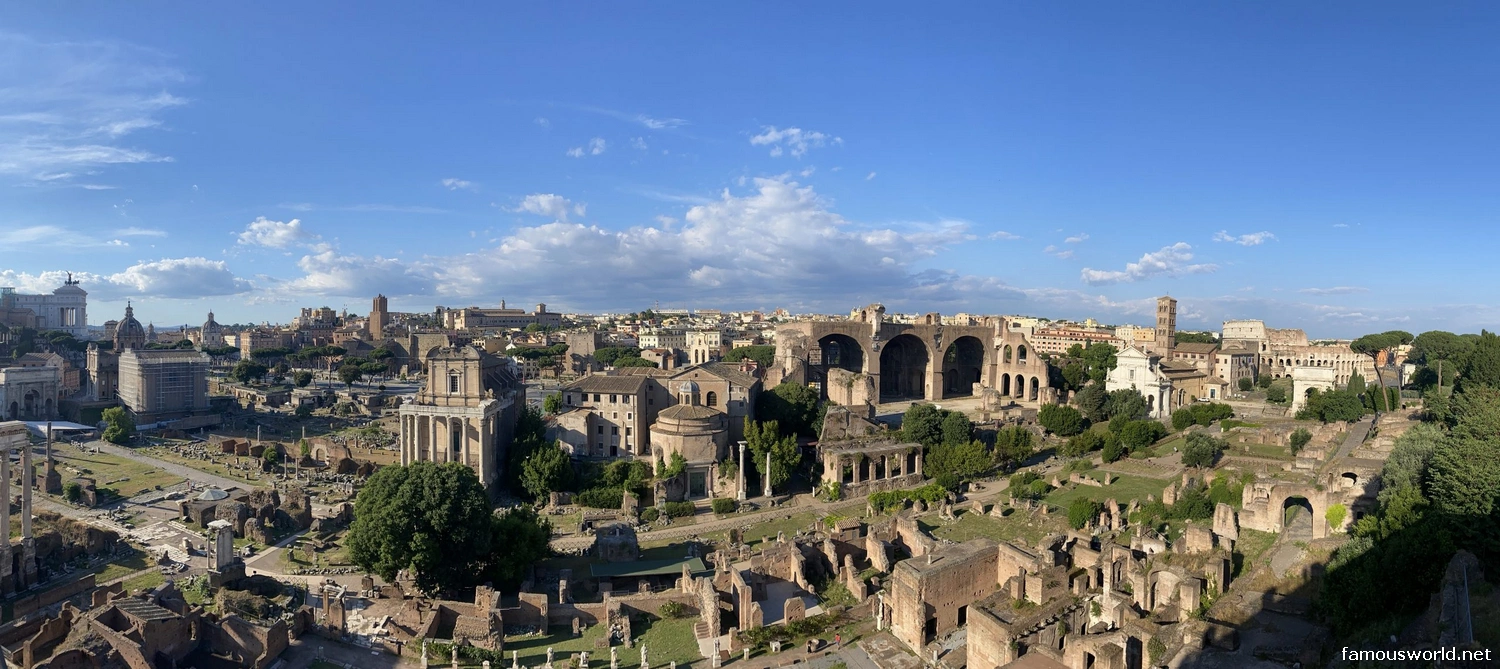
Rising above the ruins of the Roman Forum, Palatine Hill is the legendary birthplace of Rome and the most exclusive address in the ancient world. It was here, according to myth, that Romulus and Remus were discovered and where Romulus founded the city. Over centuries, it evolved from a desirable residential area for the Republic’s elite into the exclusive domain of Rome’s emperors. The hill became a sprawling complex of opulent palaces, gardens, and stadiums, so grand that its name, “Palatinus,” is the origin of the modern word “palace.” Today, it is a vast archaeological park, offering a more tranquil experience than the Forum below and providing breathtaking views over the heart of the ancient city.
Listen to an introduction about Palatine Hill

Name and Location
- Name: Palatine Hill (Palatino).
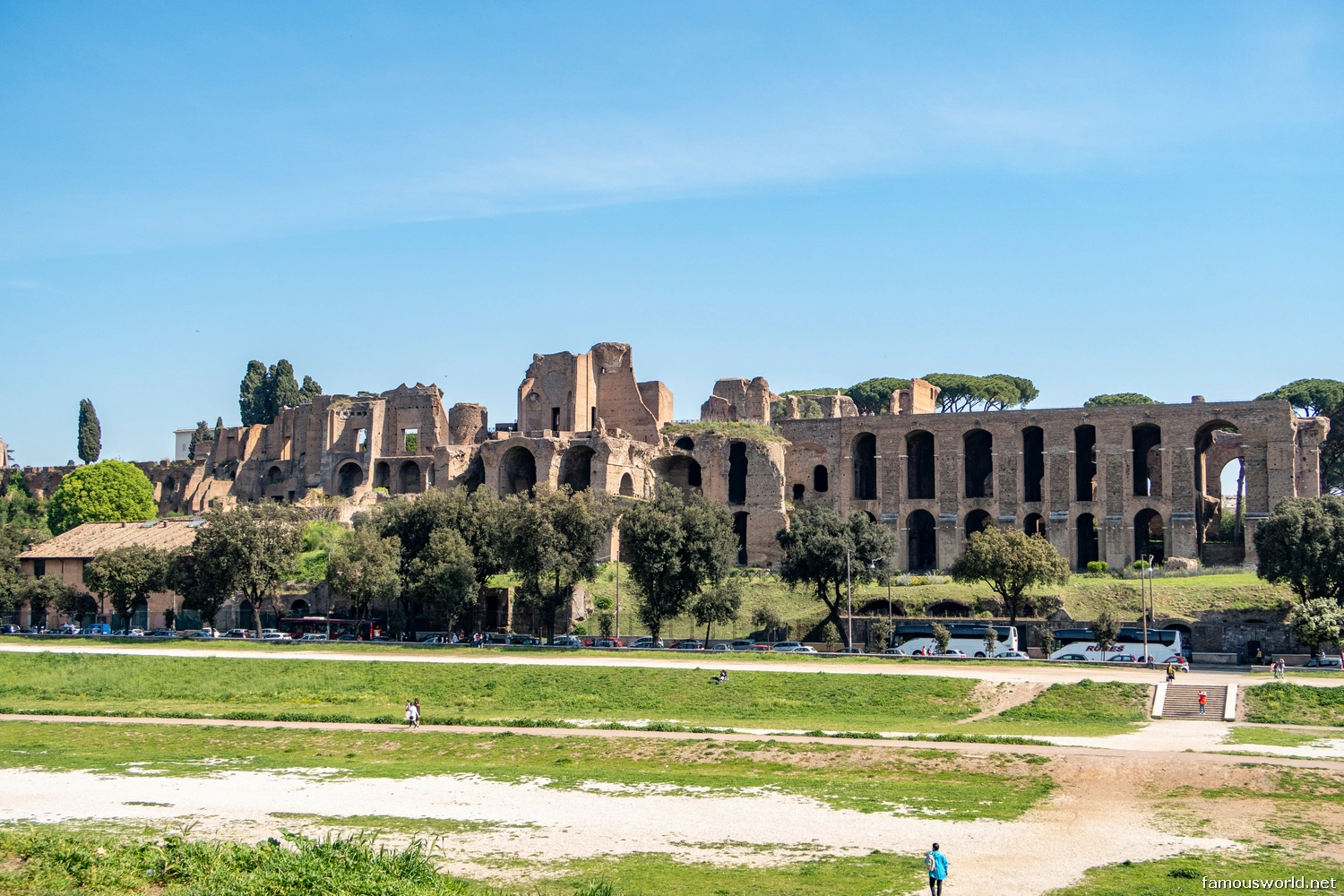
- Location: One of the Seven Hills of Rome, centrally located in the city’s main archaeological park, situated between the Roman Forum and the Circus Maximus.
How to Get There
The Palatine is part of the same ticketed area as the Roman Forum and the Colosseum.
- By Metro: The “Colosseo” station on the “B” line is the closest stop.
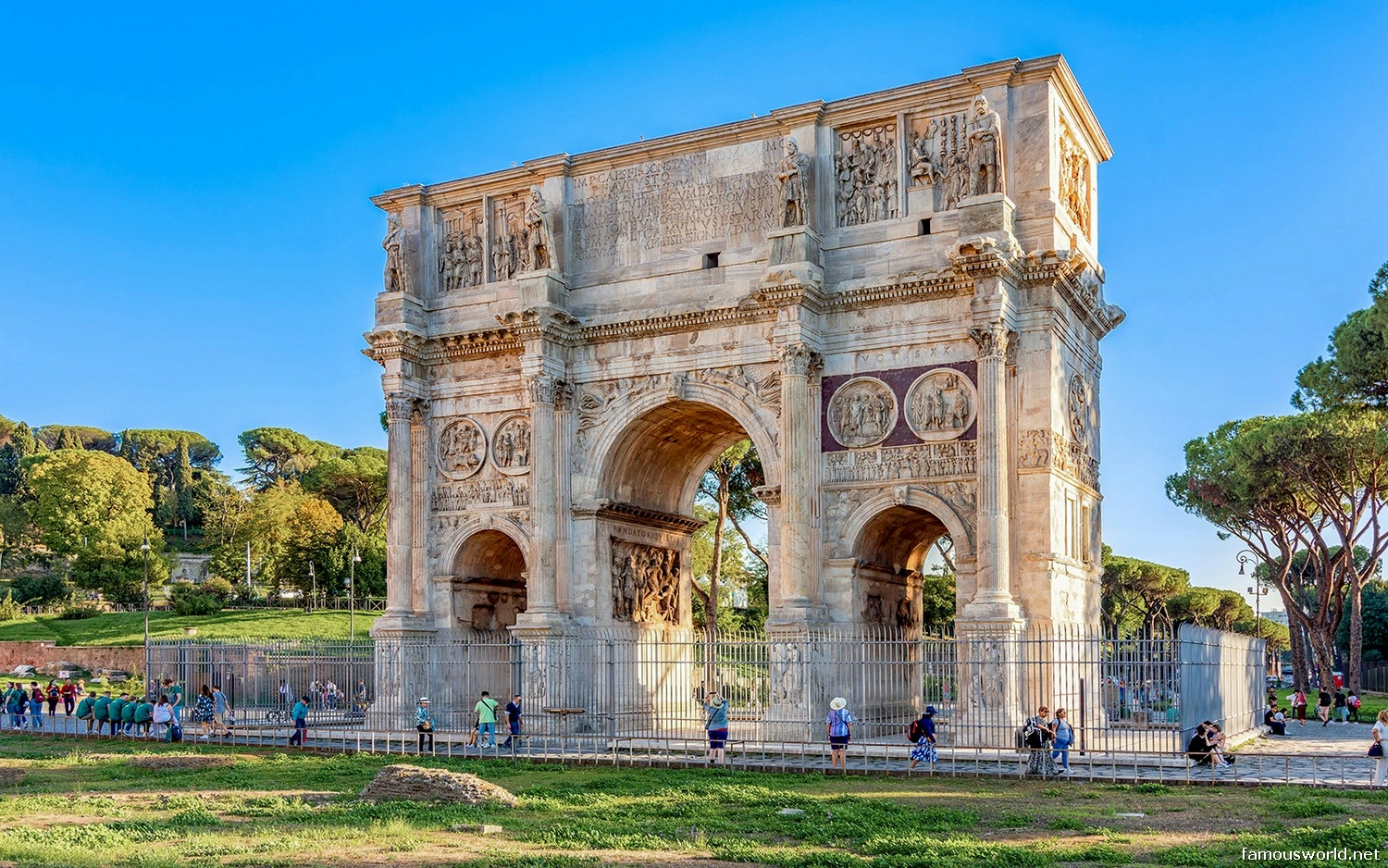
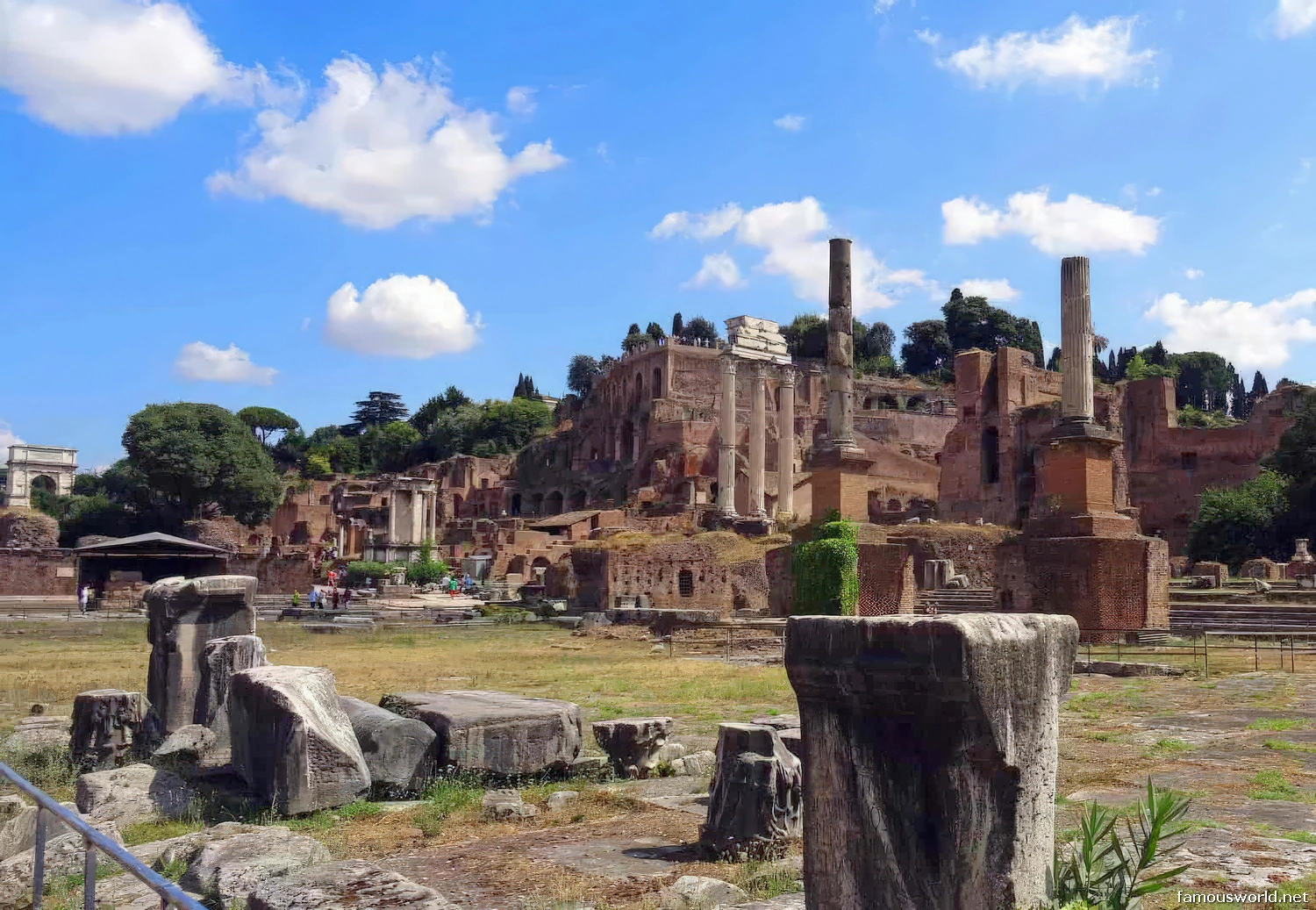
- By Foot: The main entrance is on the Via di San Gregorio, but it is most commonly accessed from within the Roman Forum, via a ramp near the Arch of Titus.
Landscape and Architecture
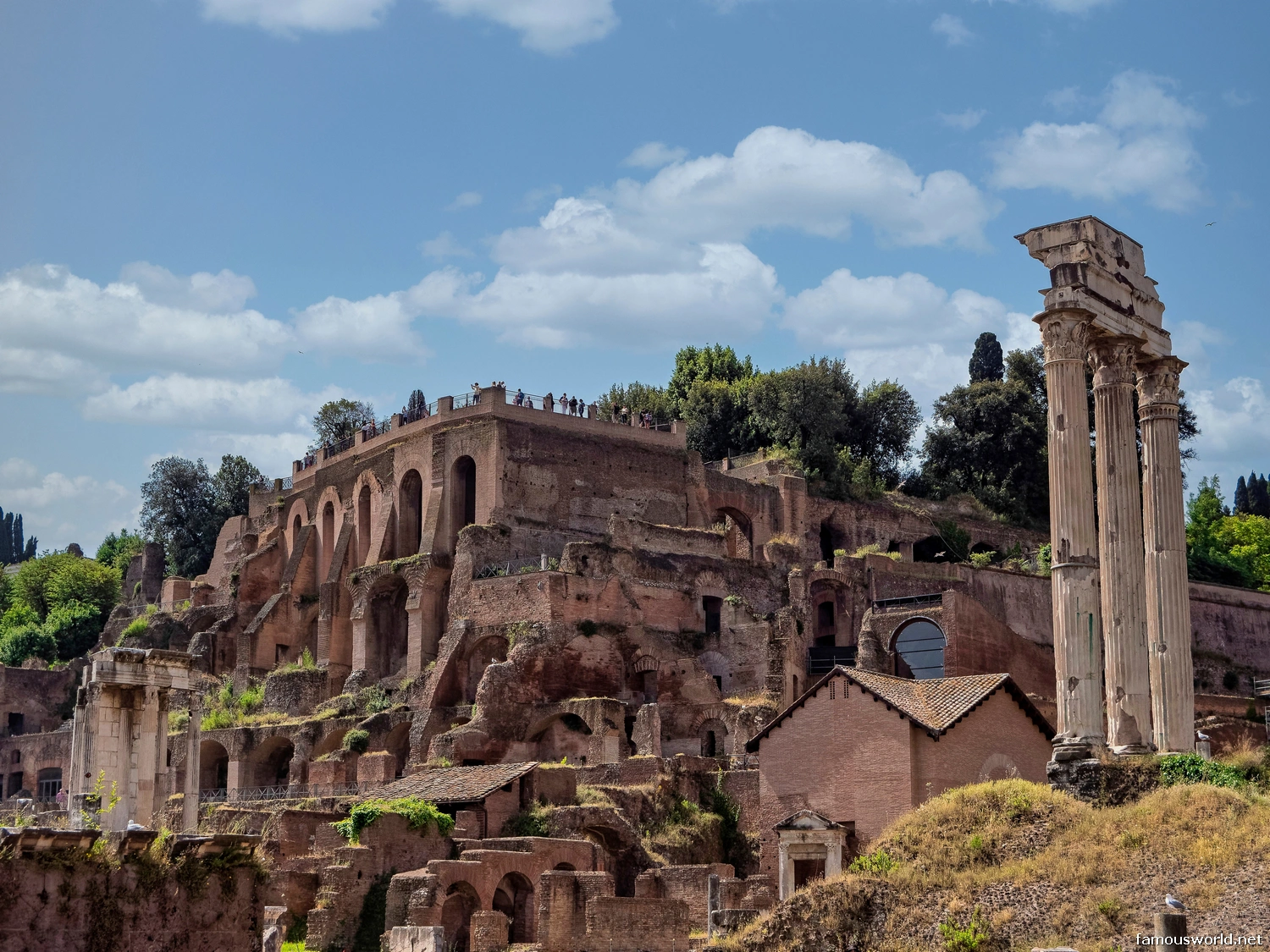
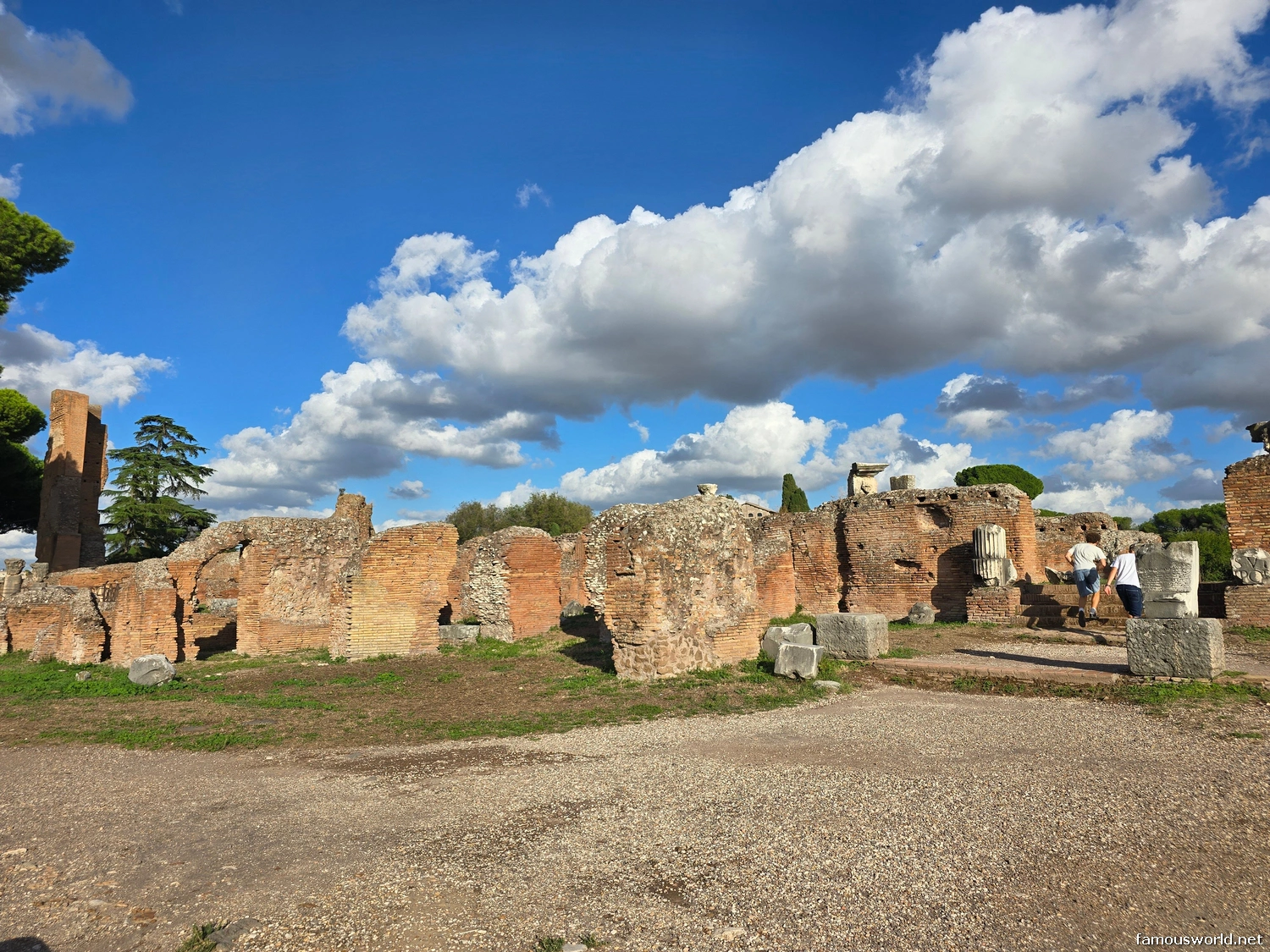
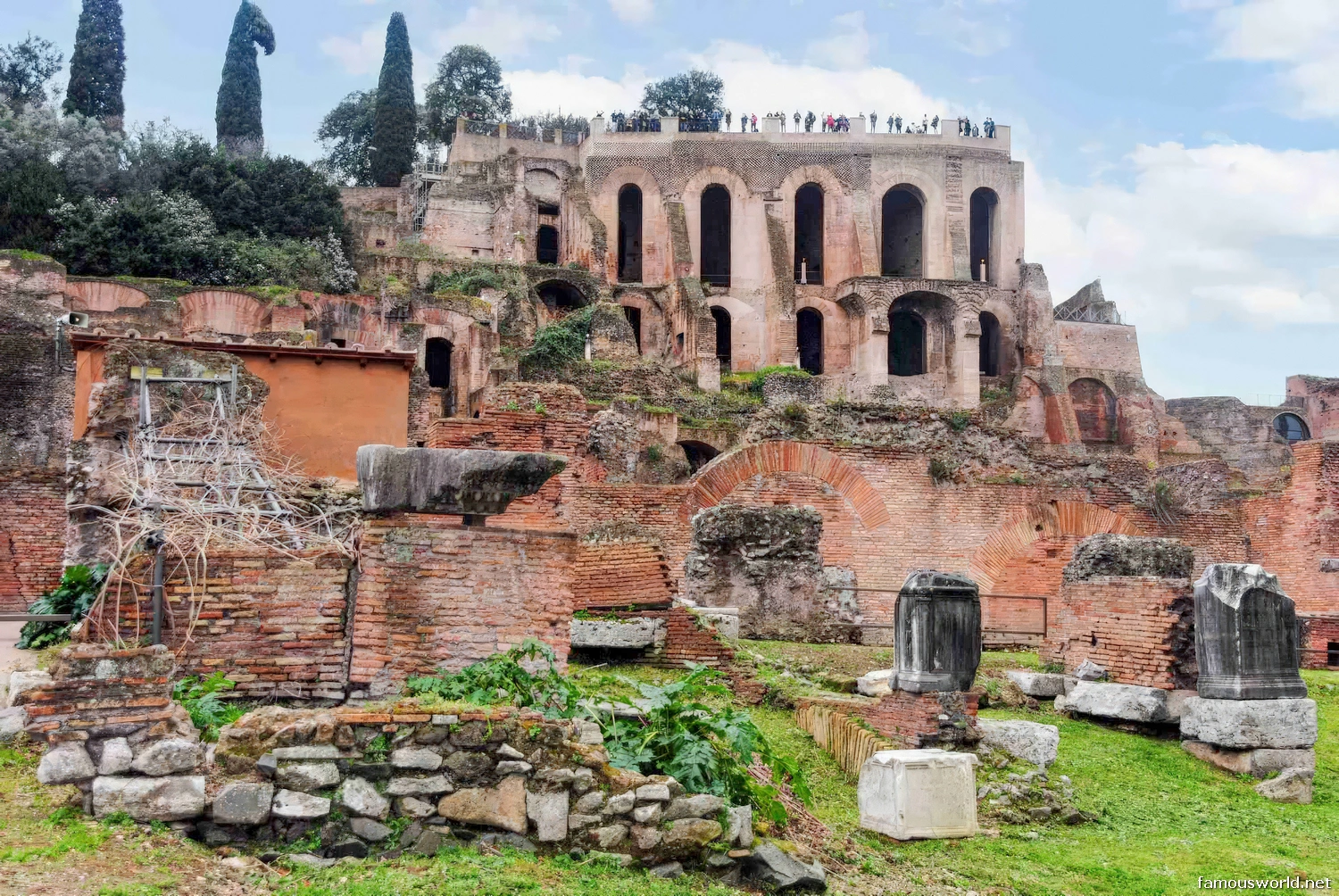
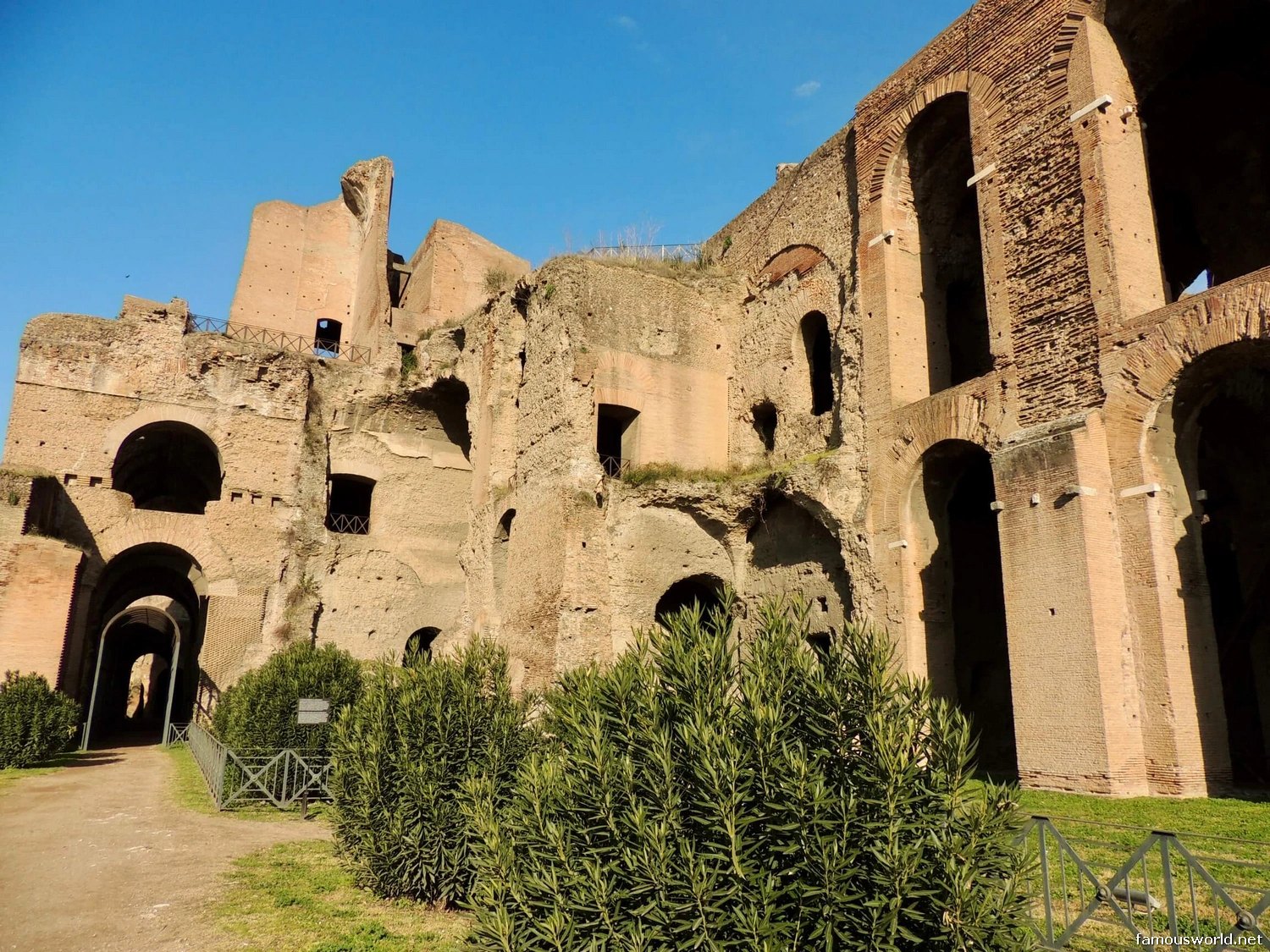
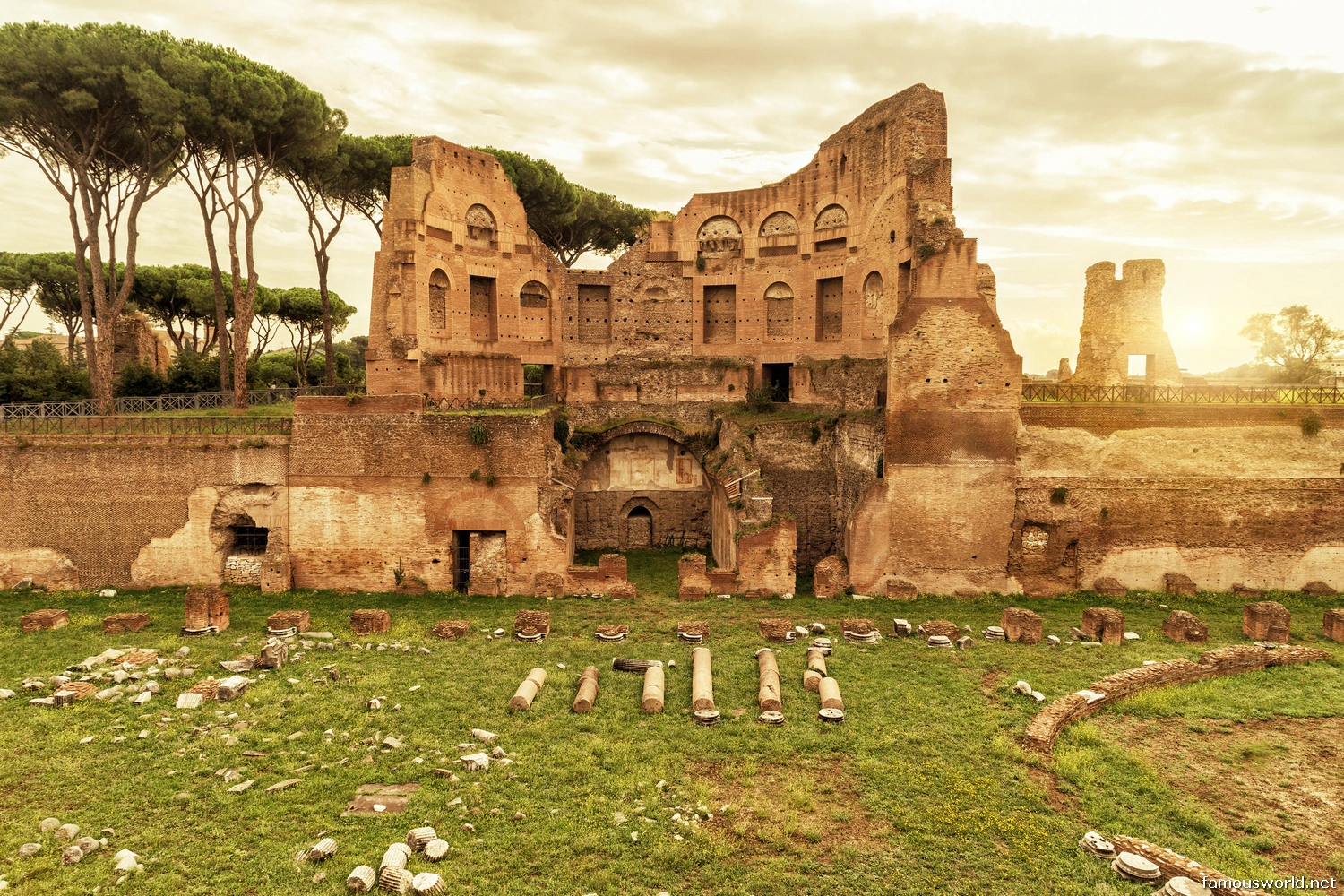
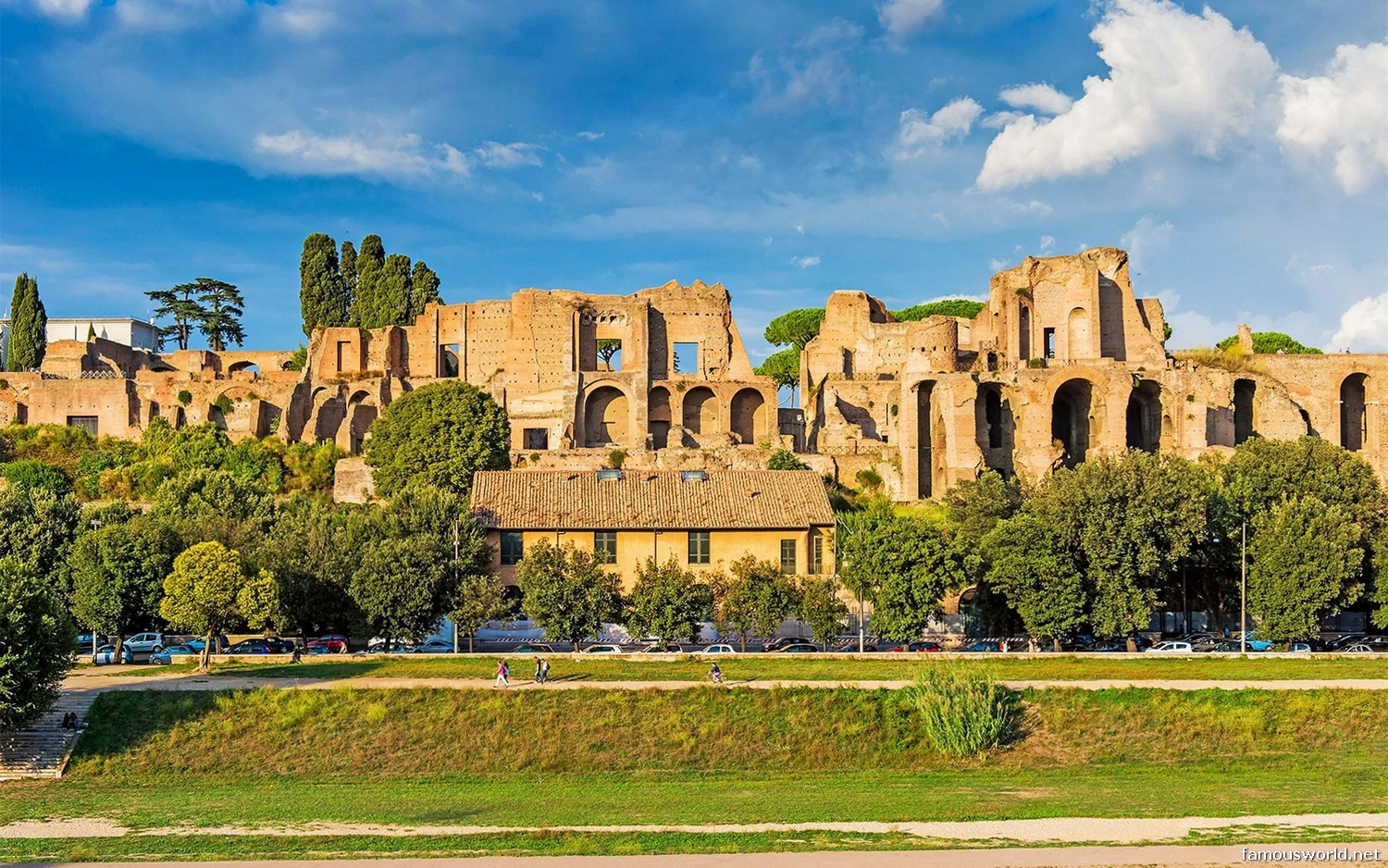
The Palatine is a park-like plateau covered in the colossal ruins of imperial residences.
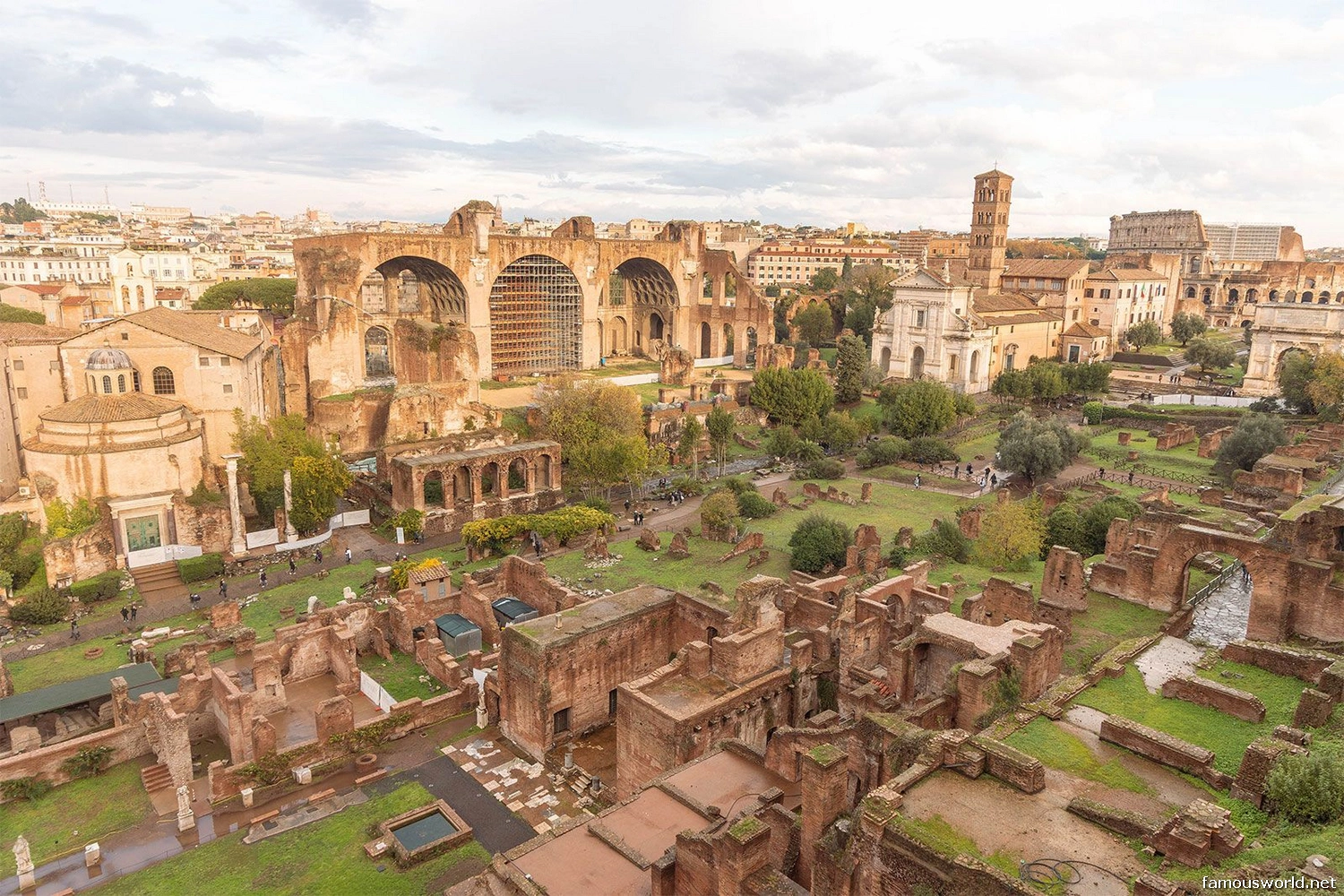
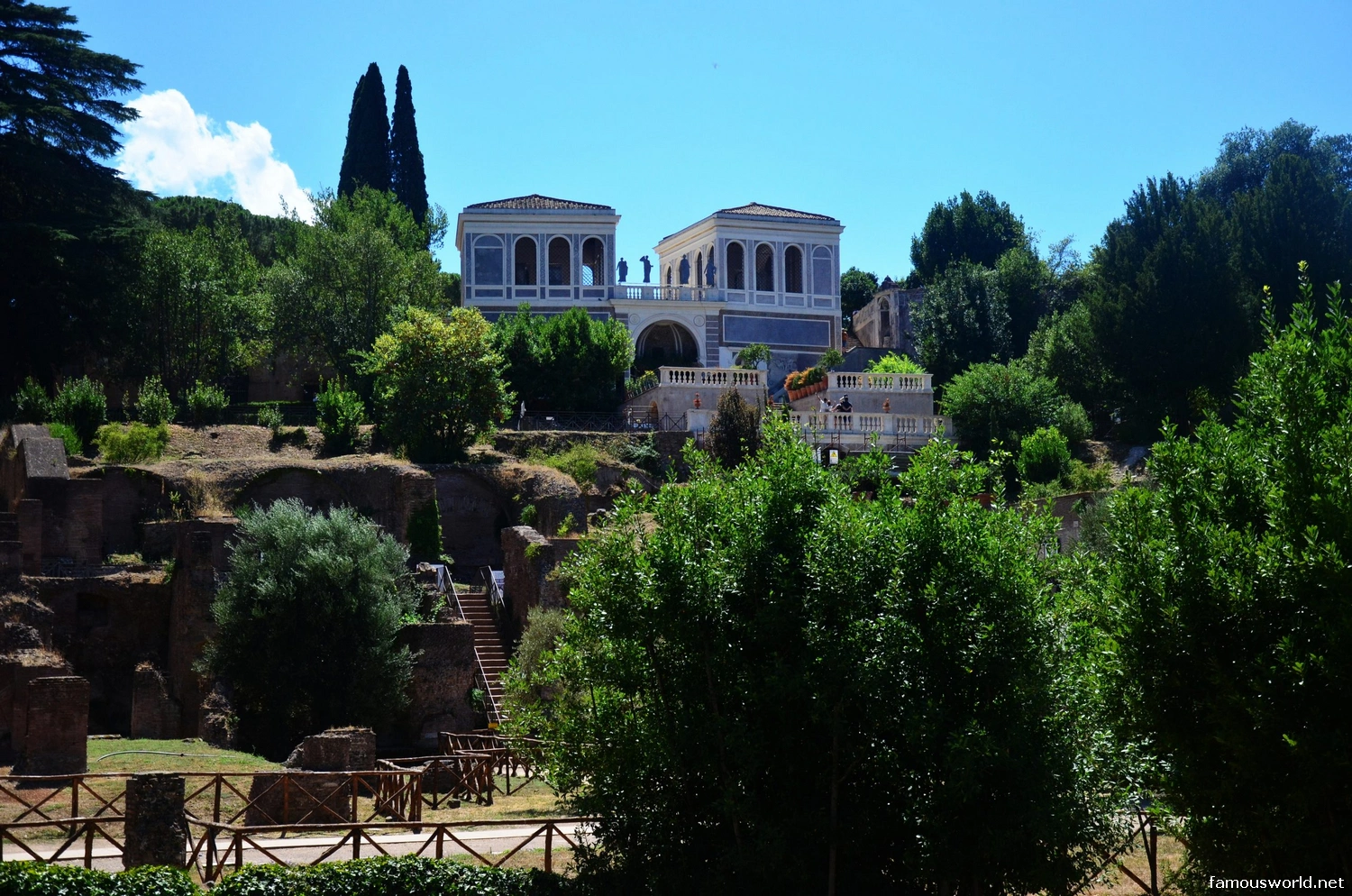
- The Landscape: Compared to the dense Forum below, the Palatine is a large, relatively green and peaceful hill with pine trees, grand open spaces, and stunning viewpoints. It feels more like a vast, aristocratic estate than a city center.
- The Architecture: The hill is dominated by the remains of immense imperial palaces built over generations. These are not single temples but sprawling residential complexes. The most significant is the Flavian Palace, which was divided into the public Domus Flavia (for state functions) and the private Domus Augustana (the emperor’s residence). Visitors can also see the remains of the House of Augustus and the House of Livia, offering a glimpse into the lives of the first imperial family, as well as the vast private stadium built by Emperor Domitian.
What Makes It Famous
The Palatine is famous as the mythological and political origin of Rome itself.
- Birthplace of Rome: It is revered in Roman mythology as the location of the Lupercal cave, where the she-wolf Lupa found and suckled the twins Romulus and Remus.
- Home of the Emperors: Beginning with Augustus, the Palatine became the official residence of the Roman emperors. Its name became synonymous with imperial power.
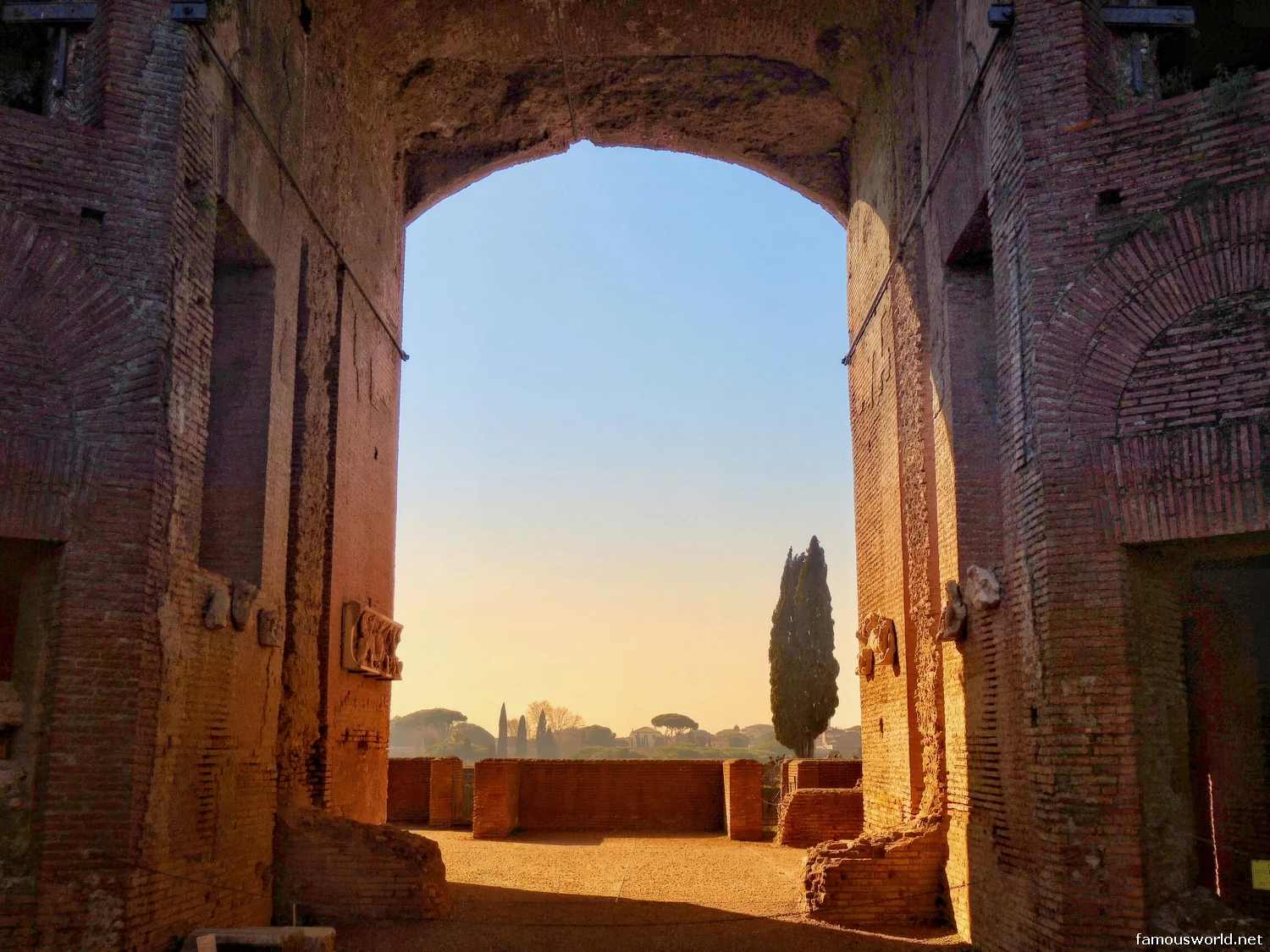
- Unrivaled Views: The hill offers some of the most iconic panoramic views in Rome, looking down upon the Roman Forum on one side and the vast Circus Maximus on the other.
- The Scale of Imperial Luxury: The sheer size and complexity of the ruined palaces give a powerful sense of the immense wealth and power wielded by the emperors.
Differences from Other Wonders
The Palatine’s history as a private, imperial residence sets it apart from the public, civic nature of the Roman Forum.
- Environment (Exclusive Imperial Residence vs. Public Civic Center): The Palatine was a gated, private, and luxurious residential complex for the emperor and his court. The Forum was a crowded, noisy, open-access public space for commerce, law, and politics.
- Core Story (The Private Lives of Emperors vs. The Public Governance of the Empire): The Palatine reveals how the rulers of Rome lived, showcasing their personal luxury and court life. The Forum reveals how they ruled, showcasing the laws, debates, and public ceremonies of the state.
- Primary Attraction (Vast Palace Ruins and Panoramas vs. Dense Collection of Civic Buildings): The main attraction of the Palatine is wandering through the colossal remains of imperial homes and enjoying the spectacular views. The main attraction of the Forum is navigating the dense cluster of temples, basilicas, and arches on the valley floor.
- Atmosphere (Stately and Park-like vs. Bustling and Historical): A visit to the Palatine is often a more relaxed, contemplative experience with a stately, almost garden-like feel. A visit to the Forum is an intellectually dense experience of moving through the heart of a bustling ancient city.
Location on world map