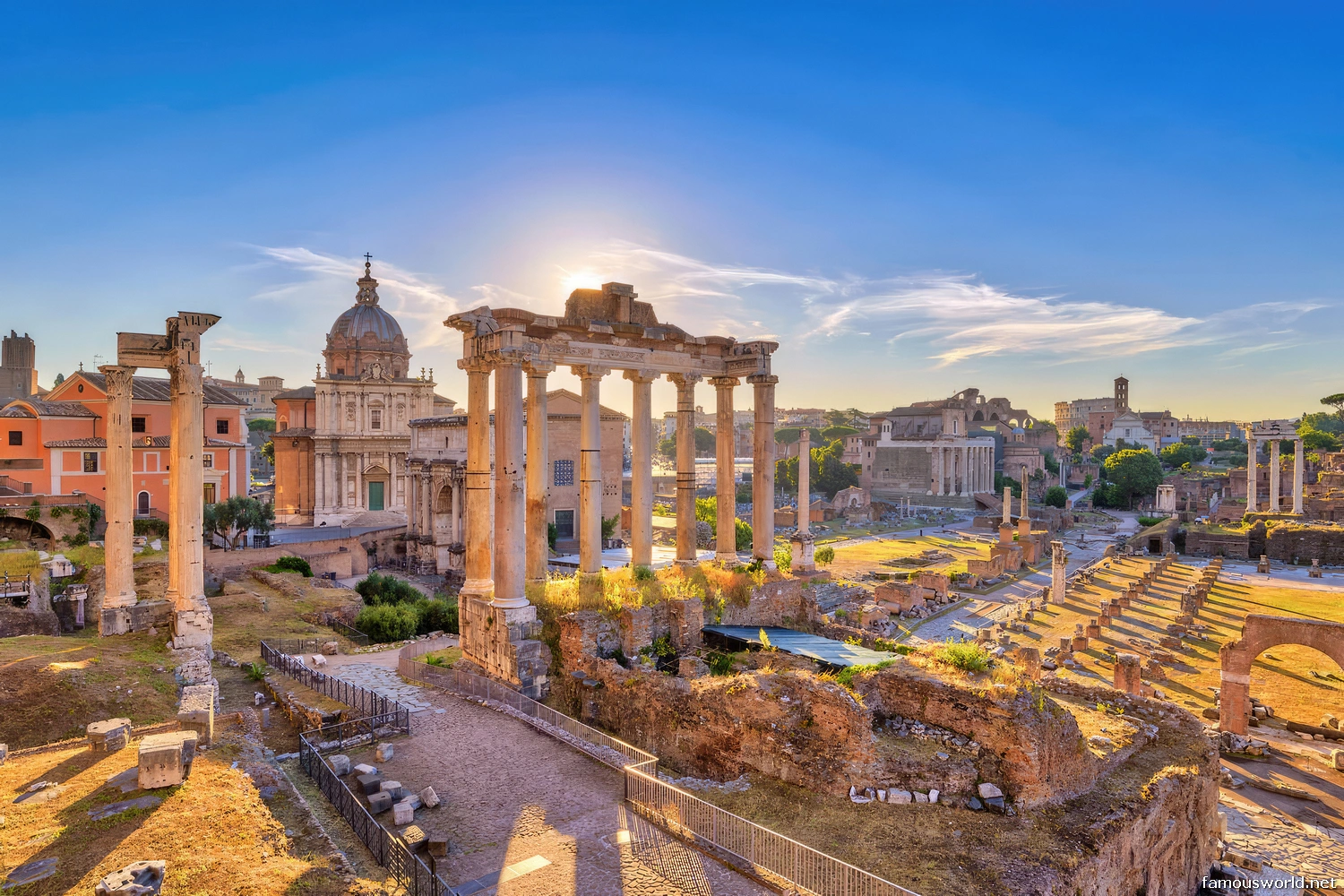
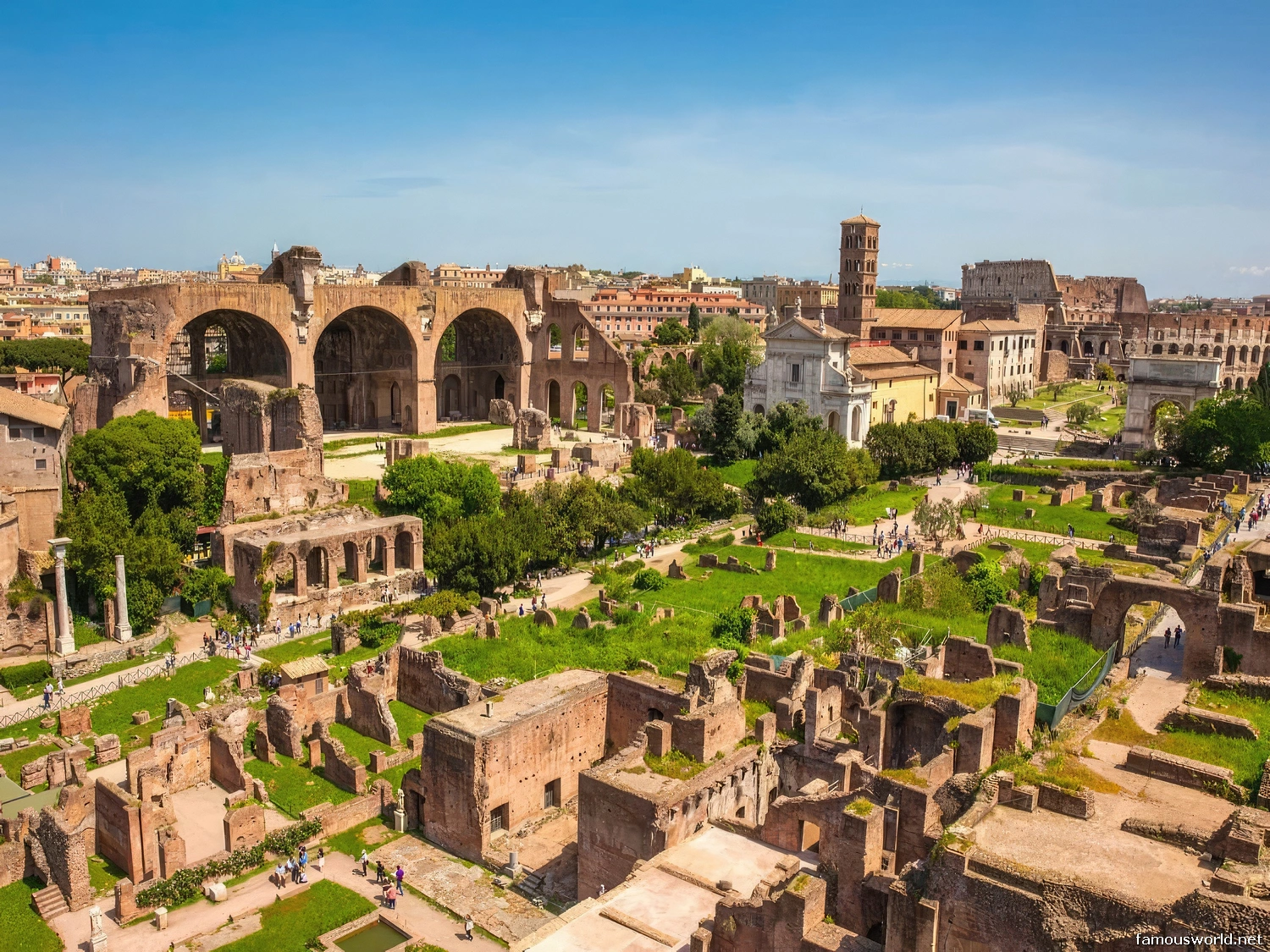
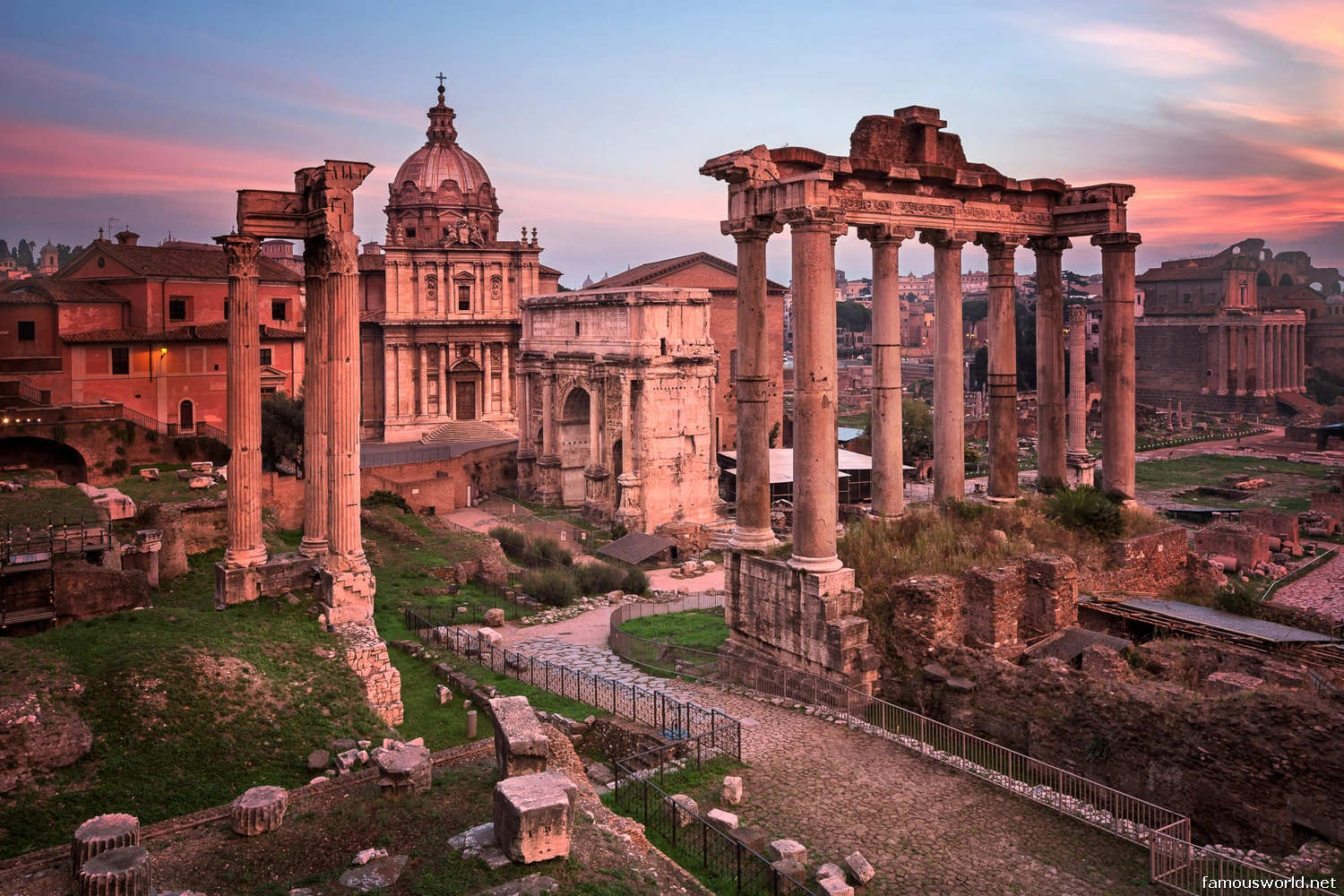
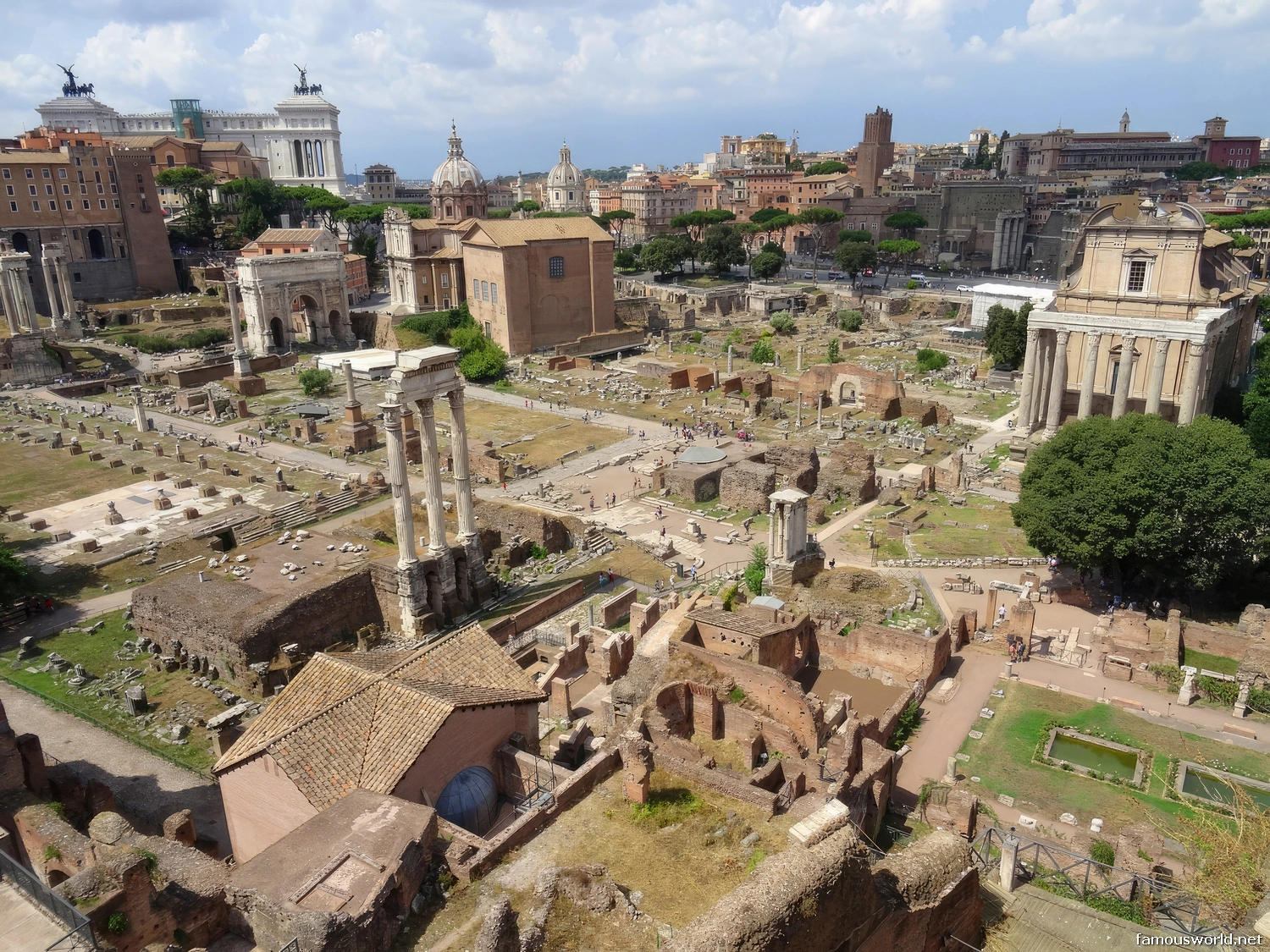
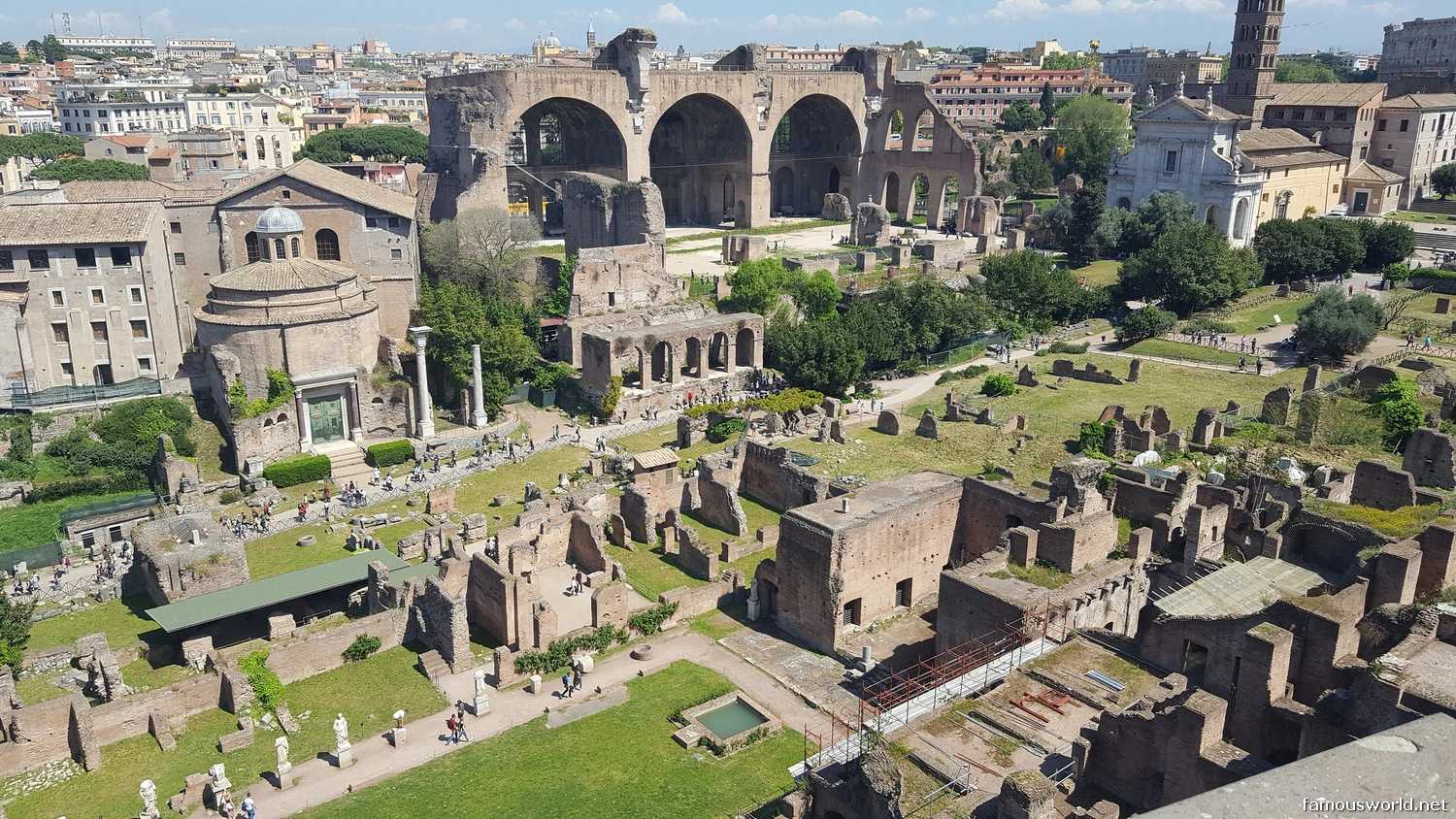
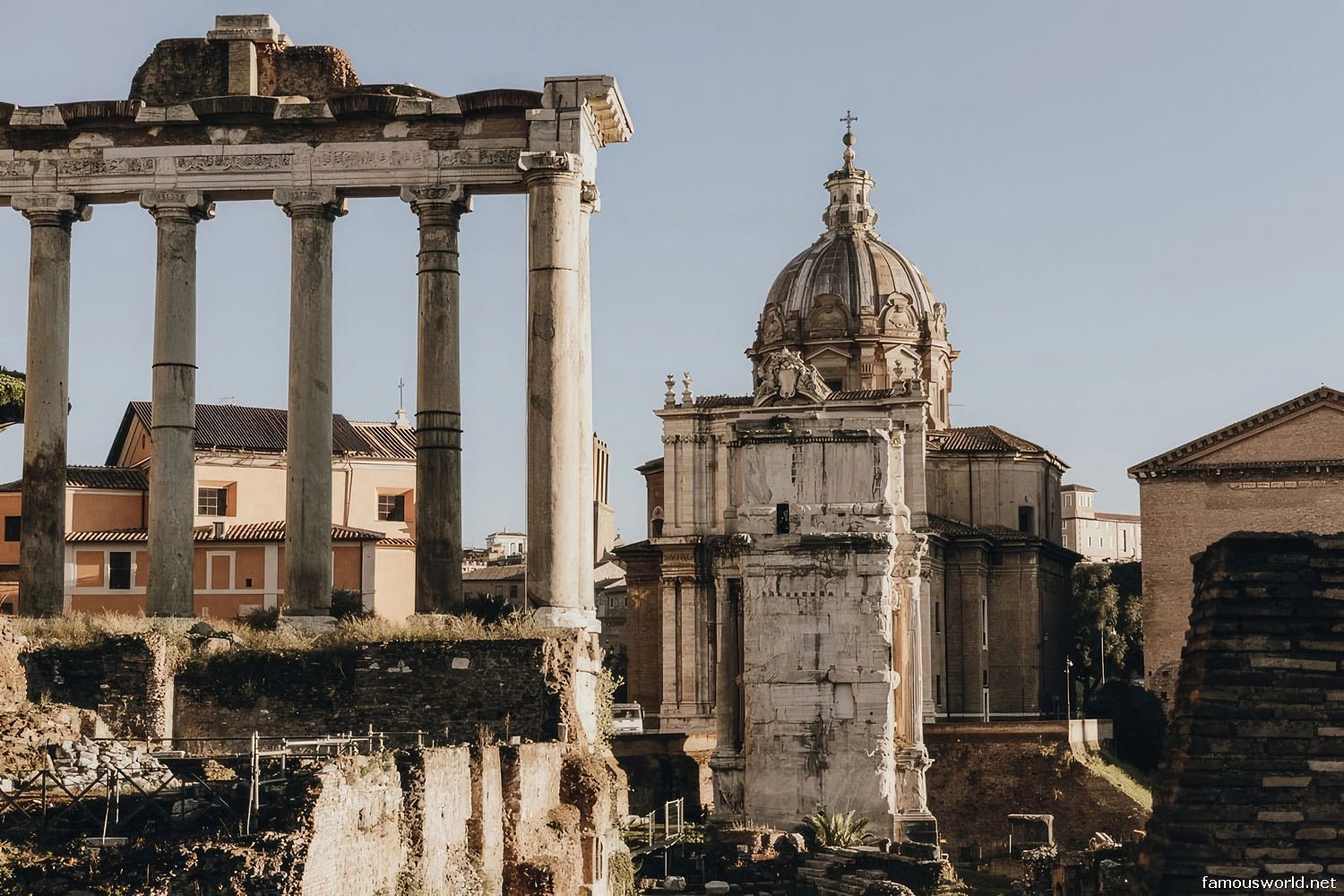
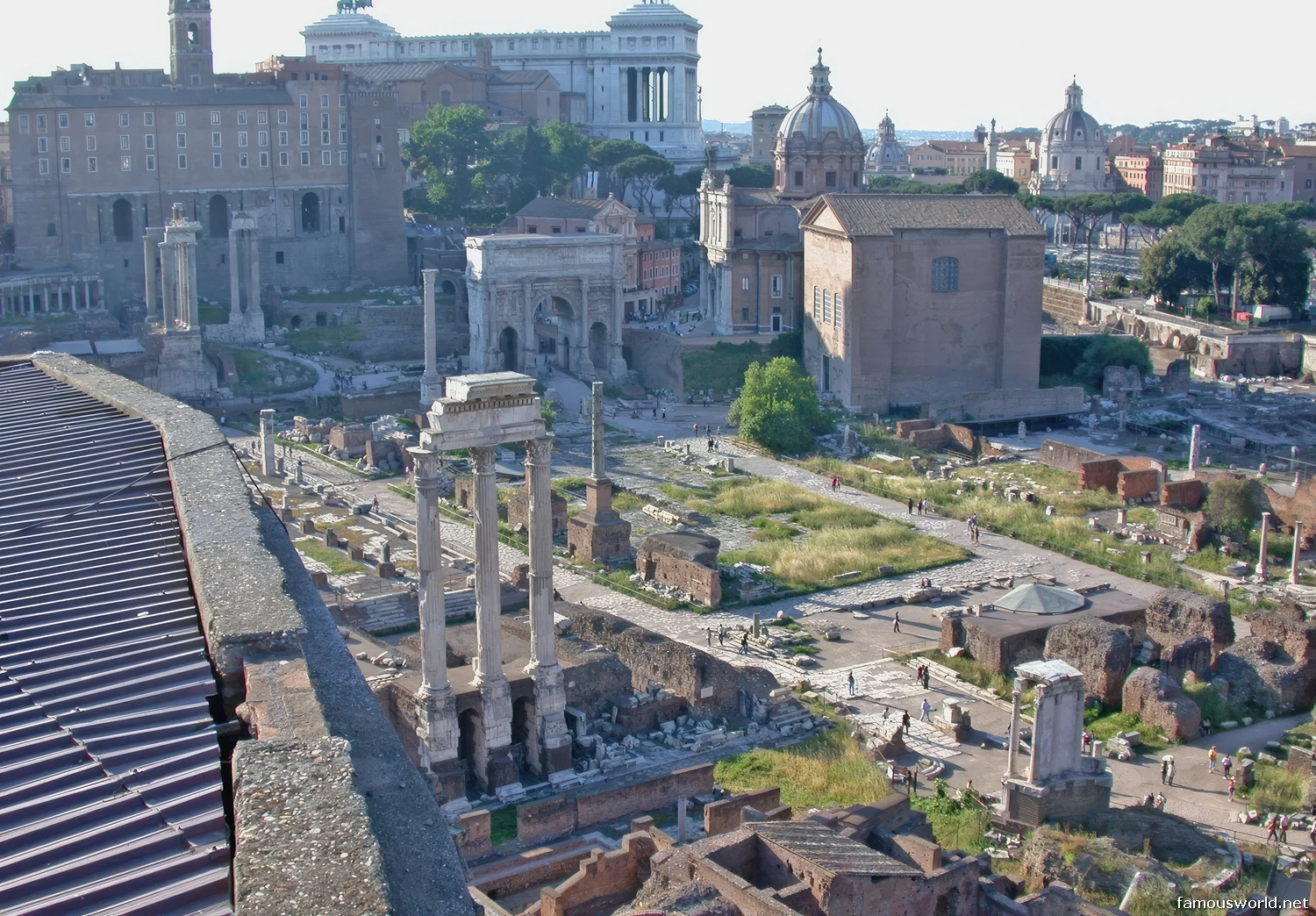
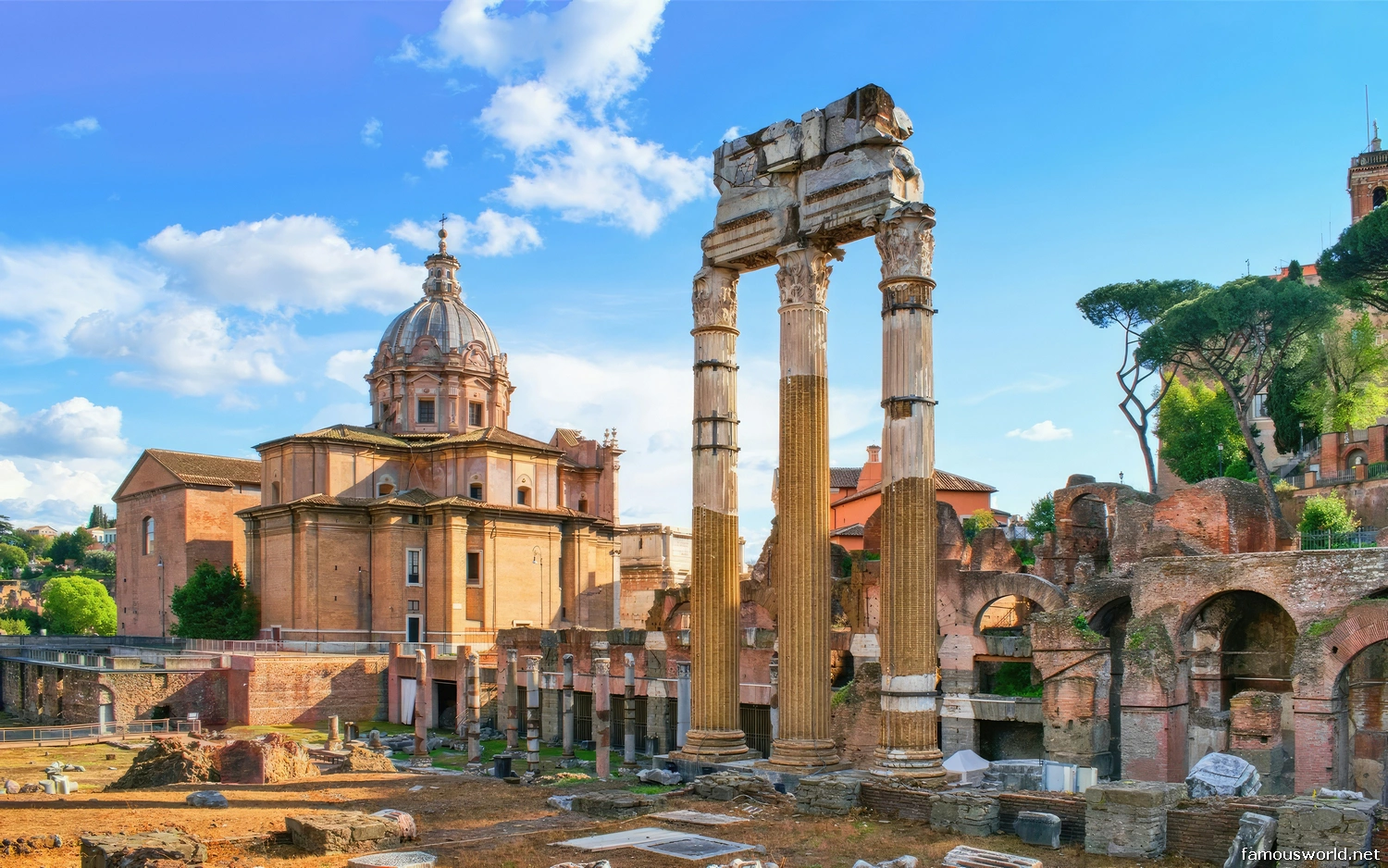
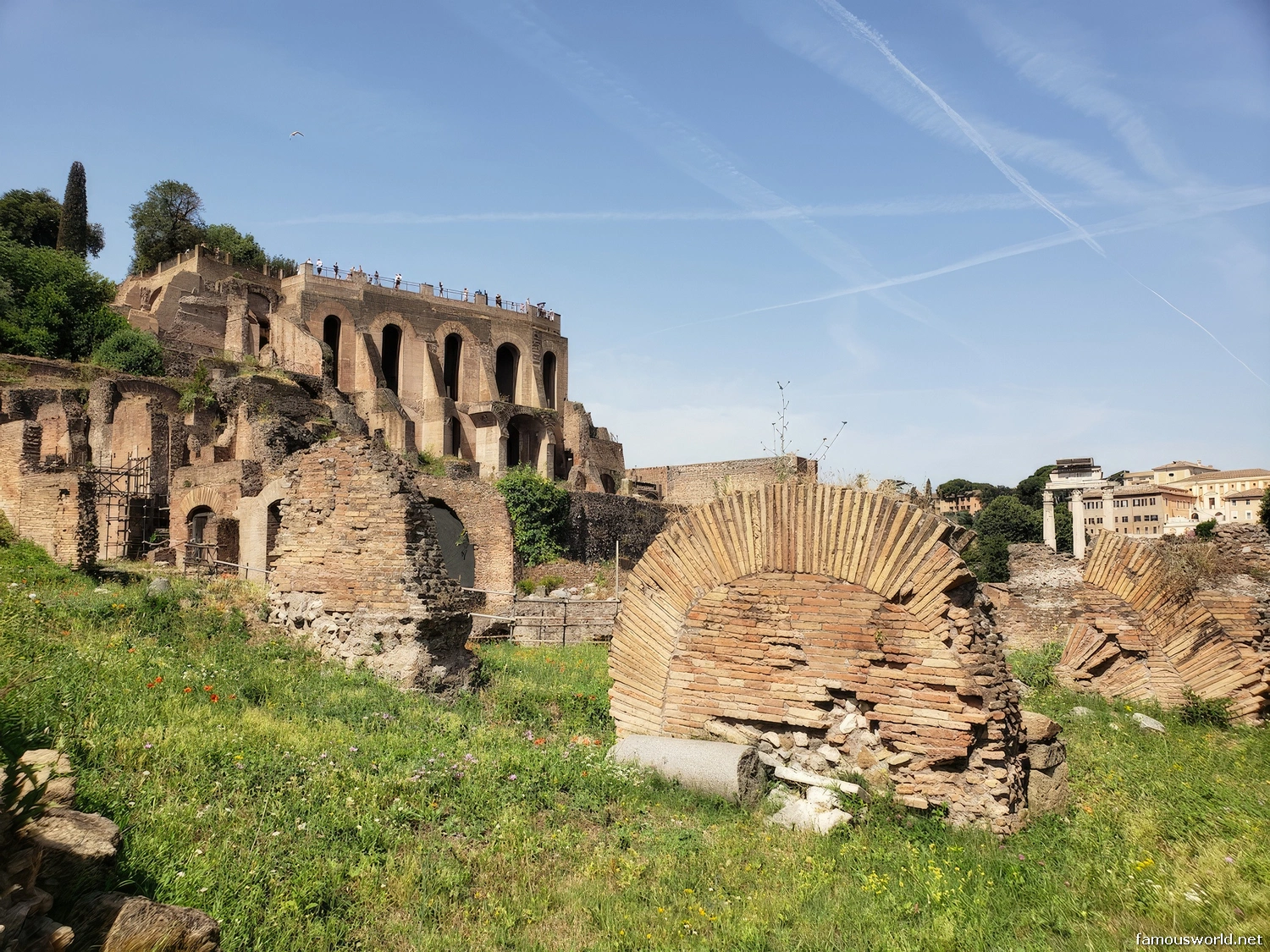
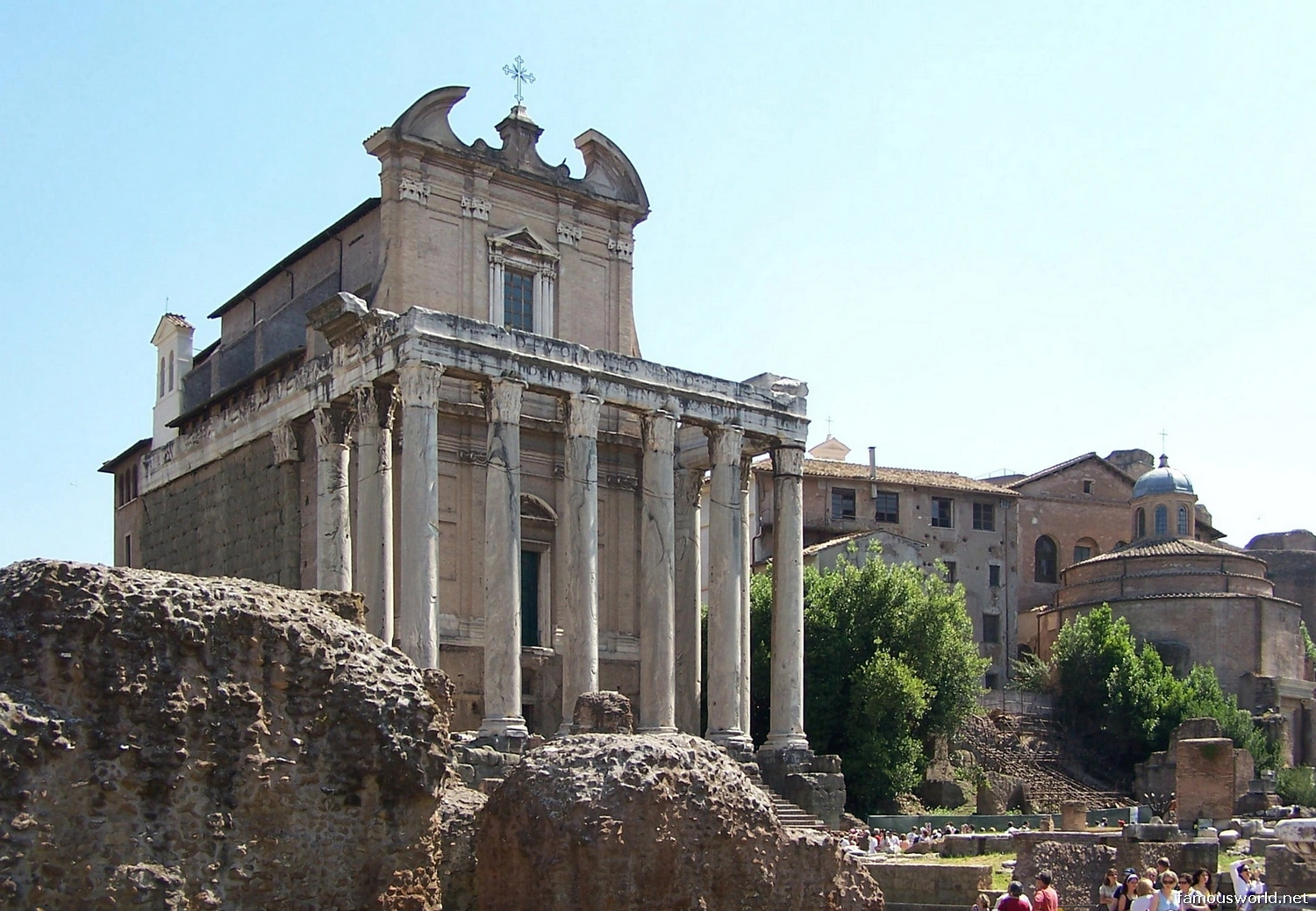
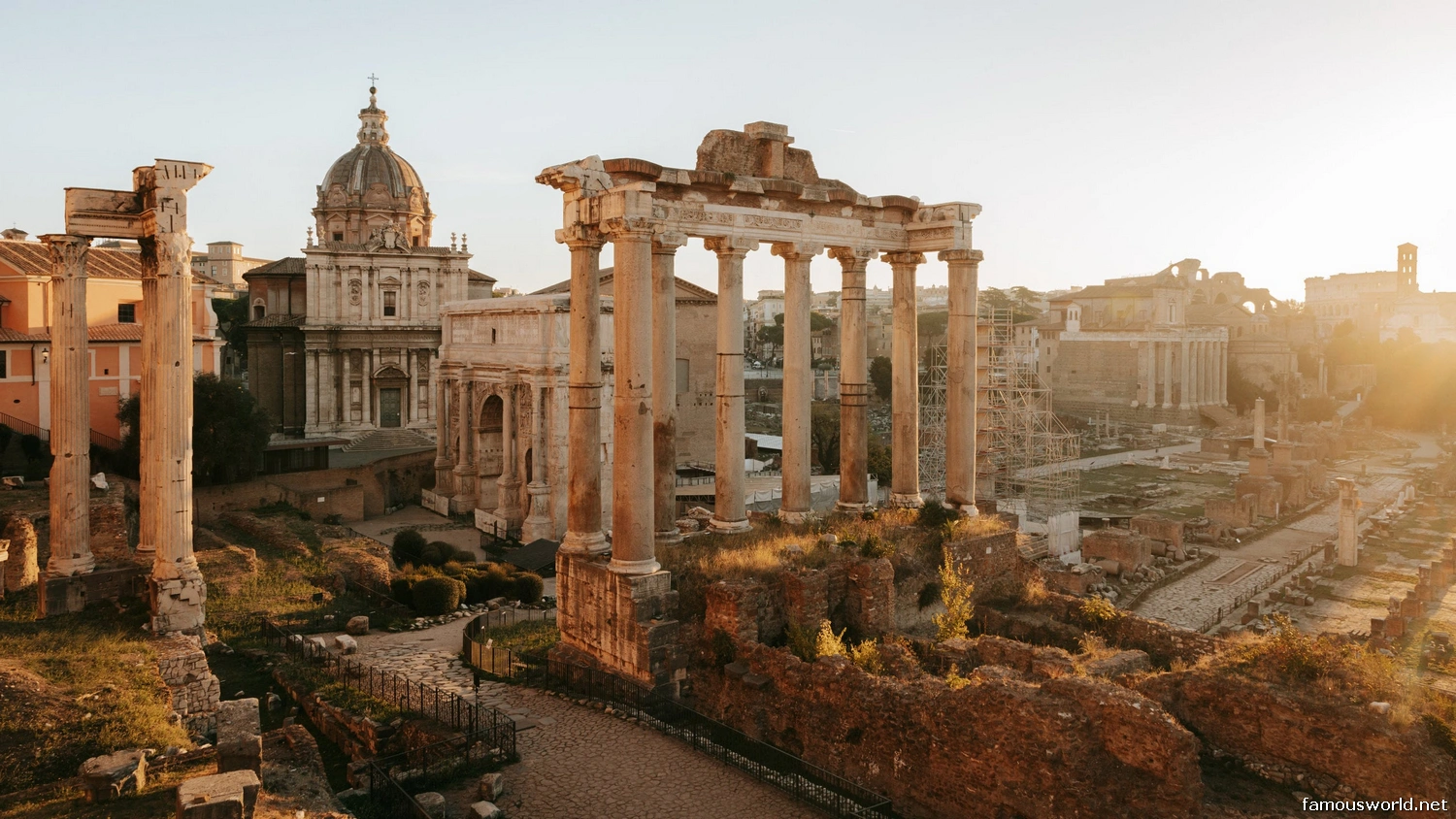
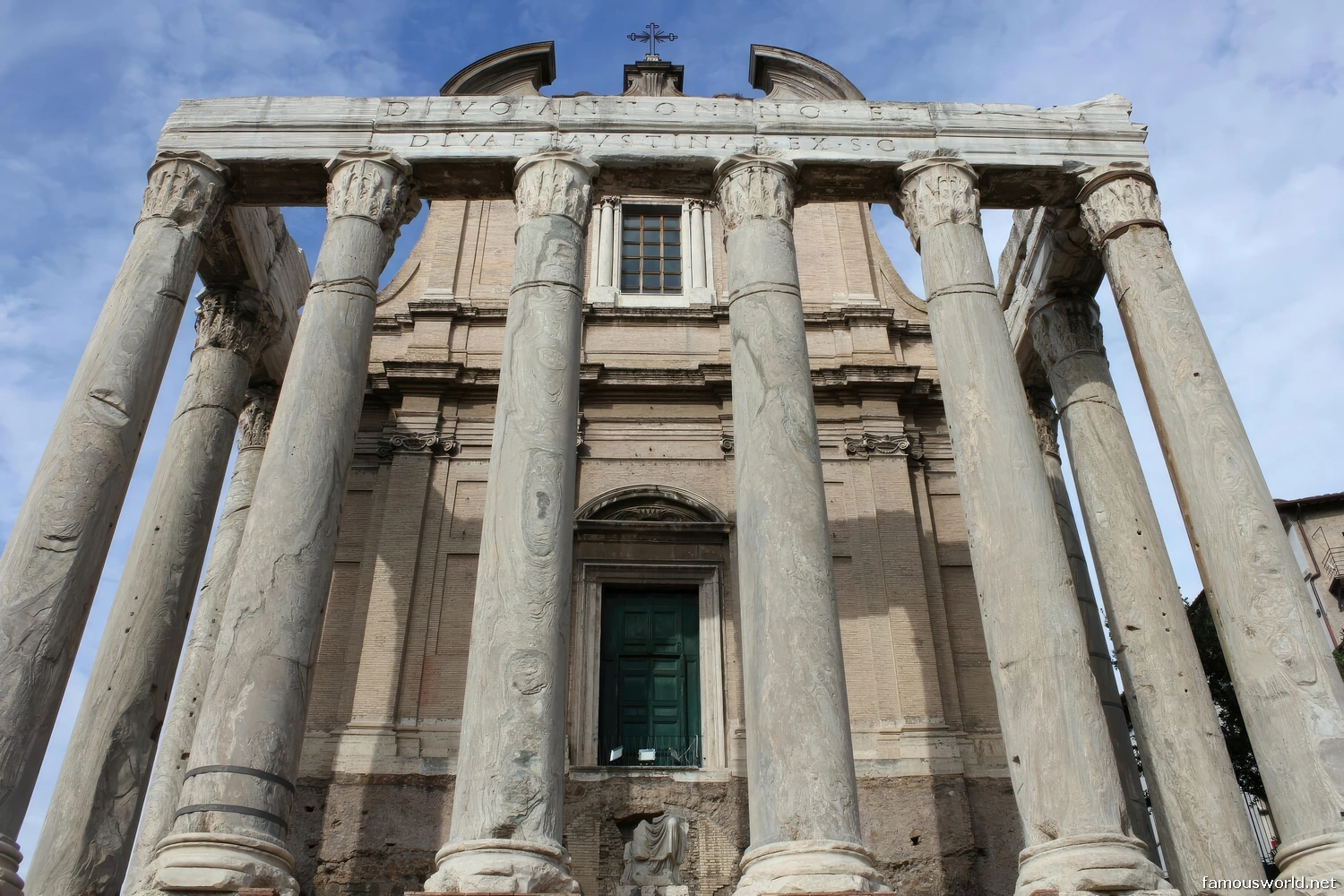
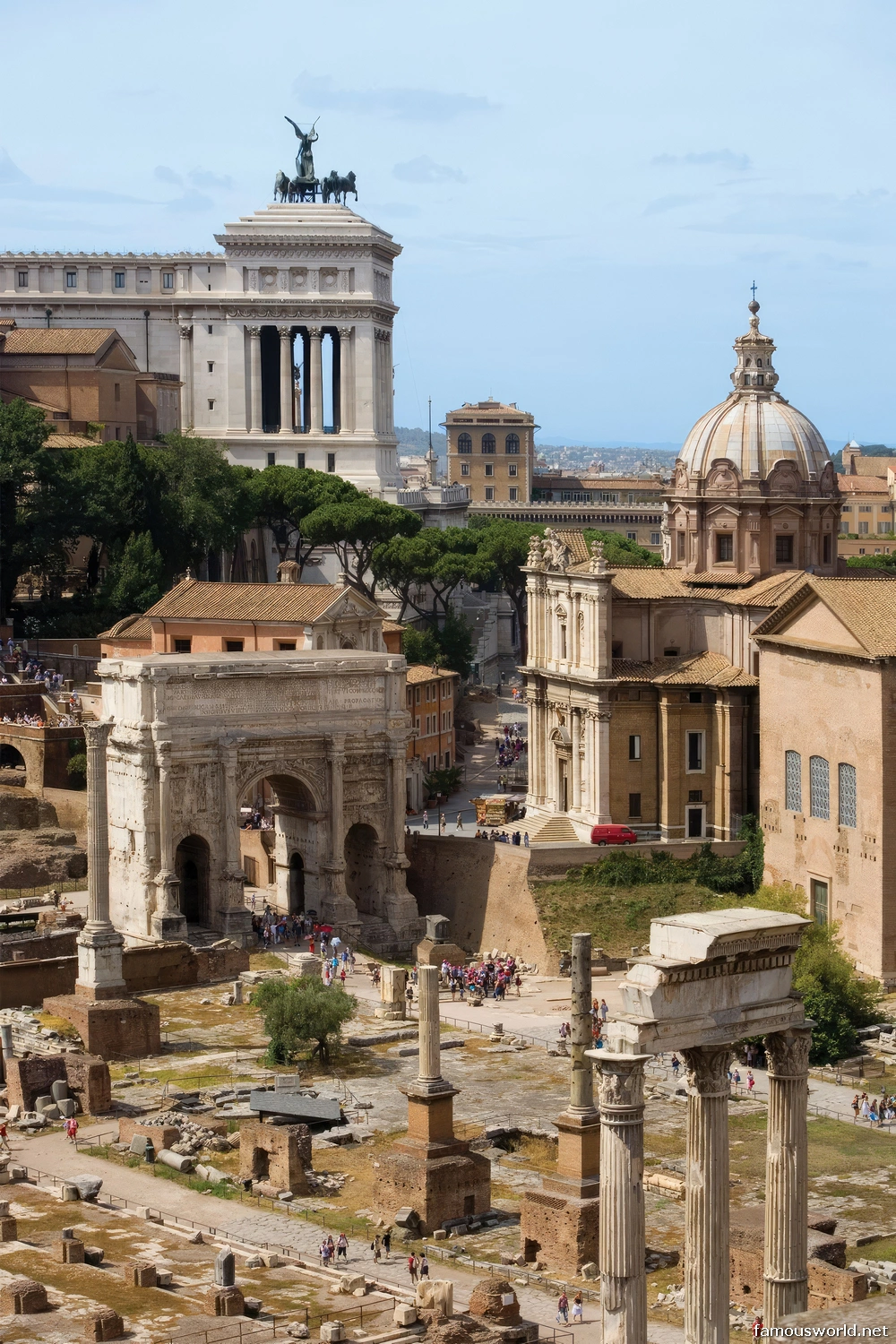
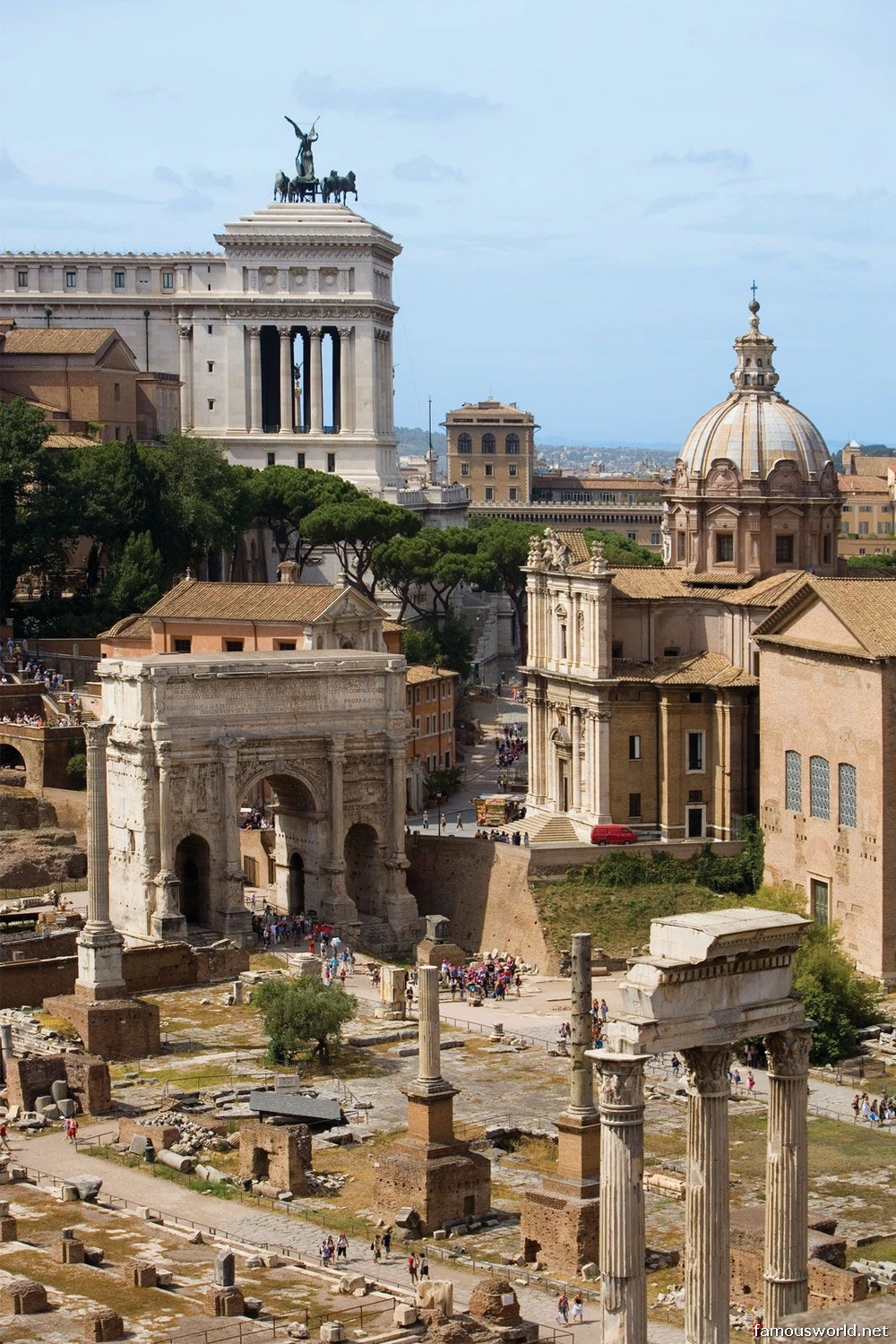
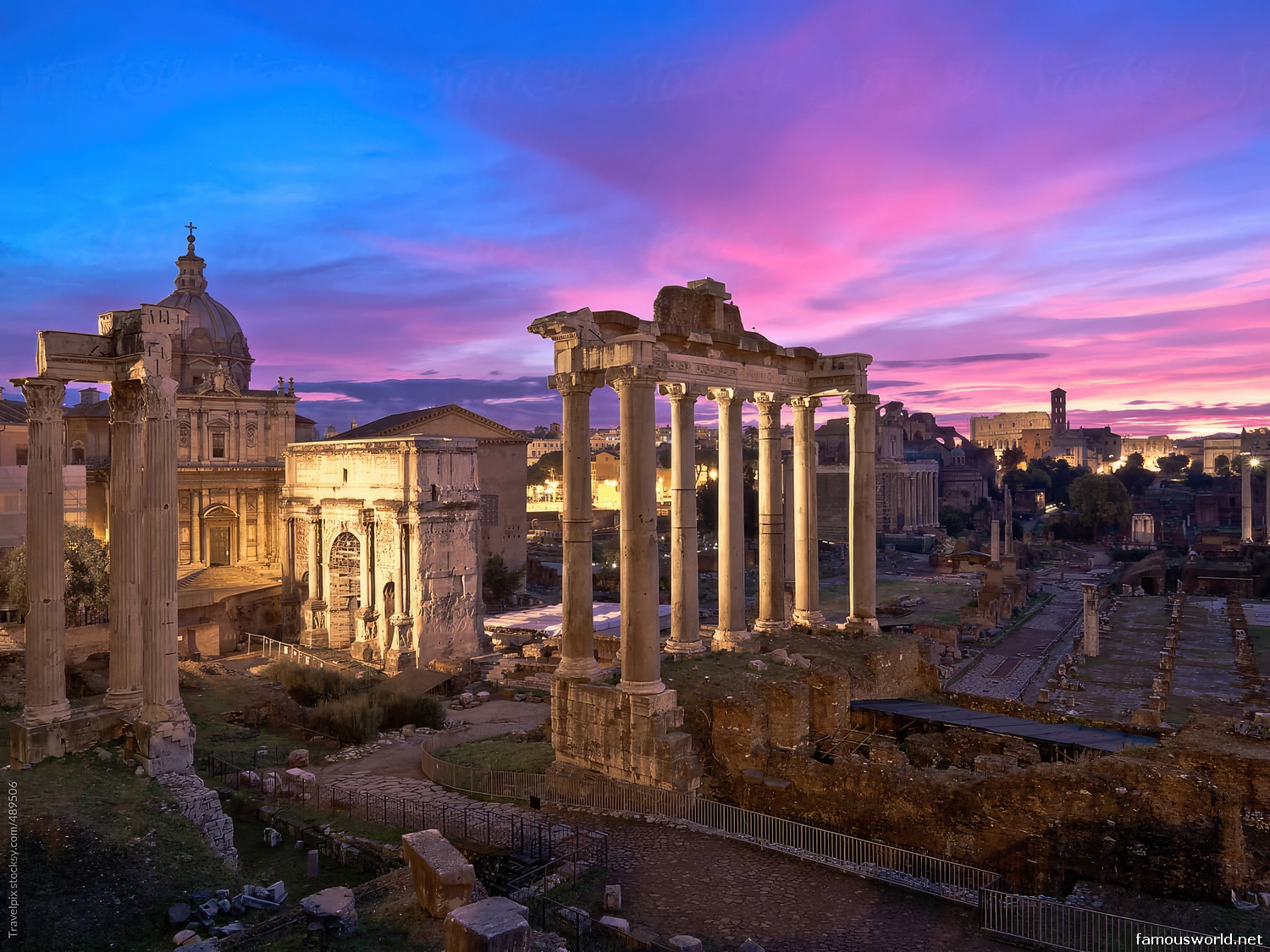
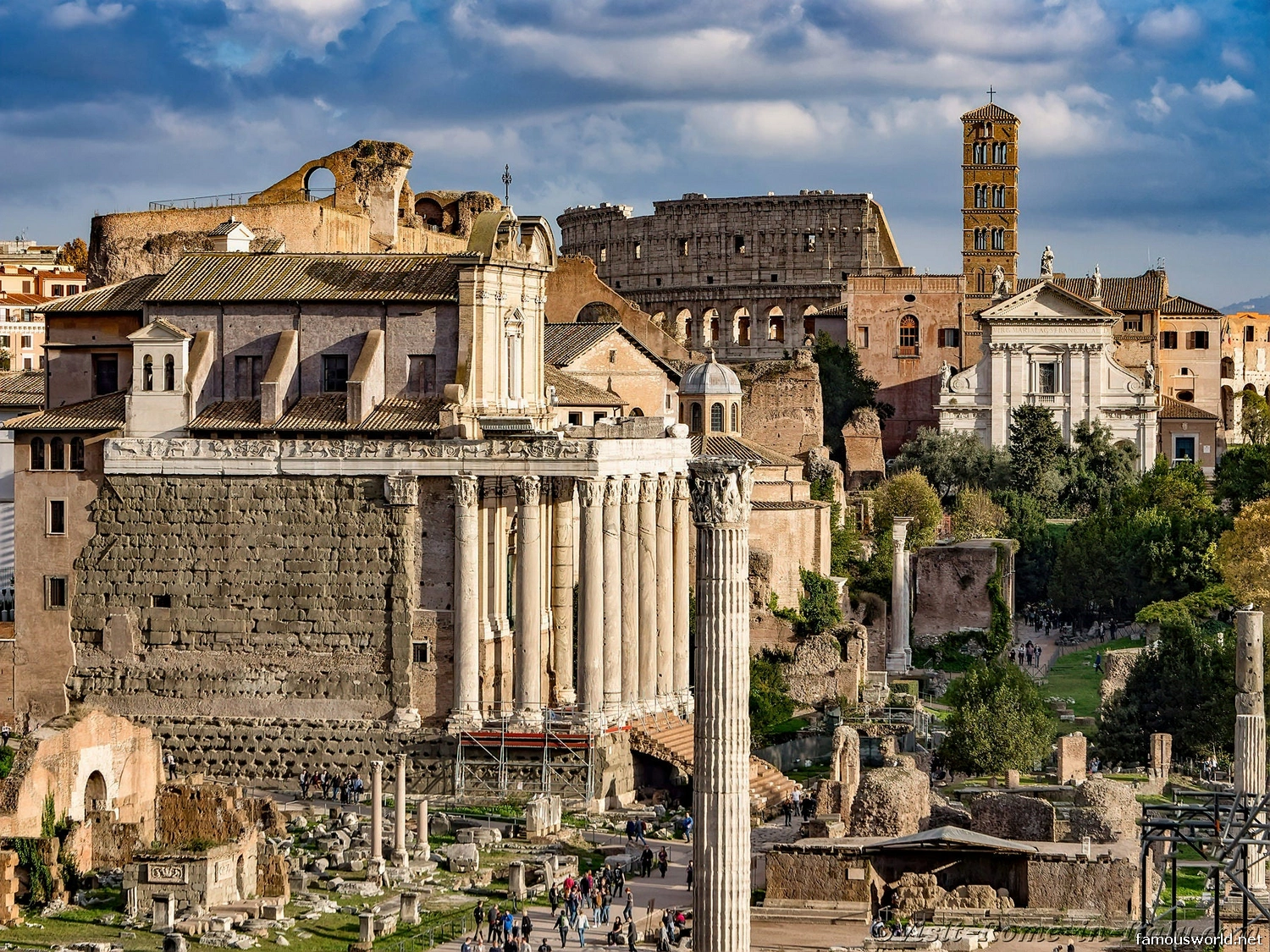
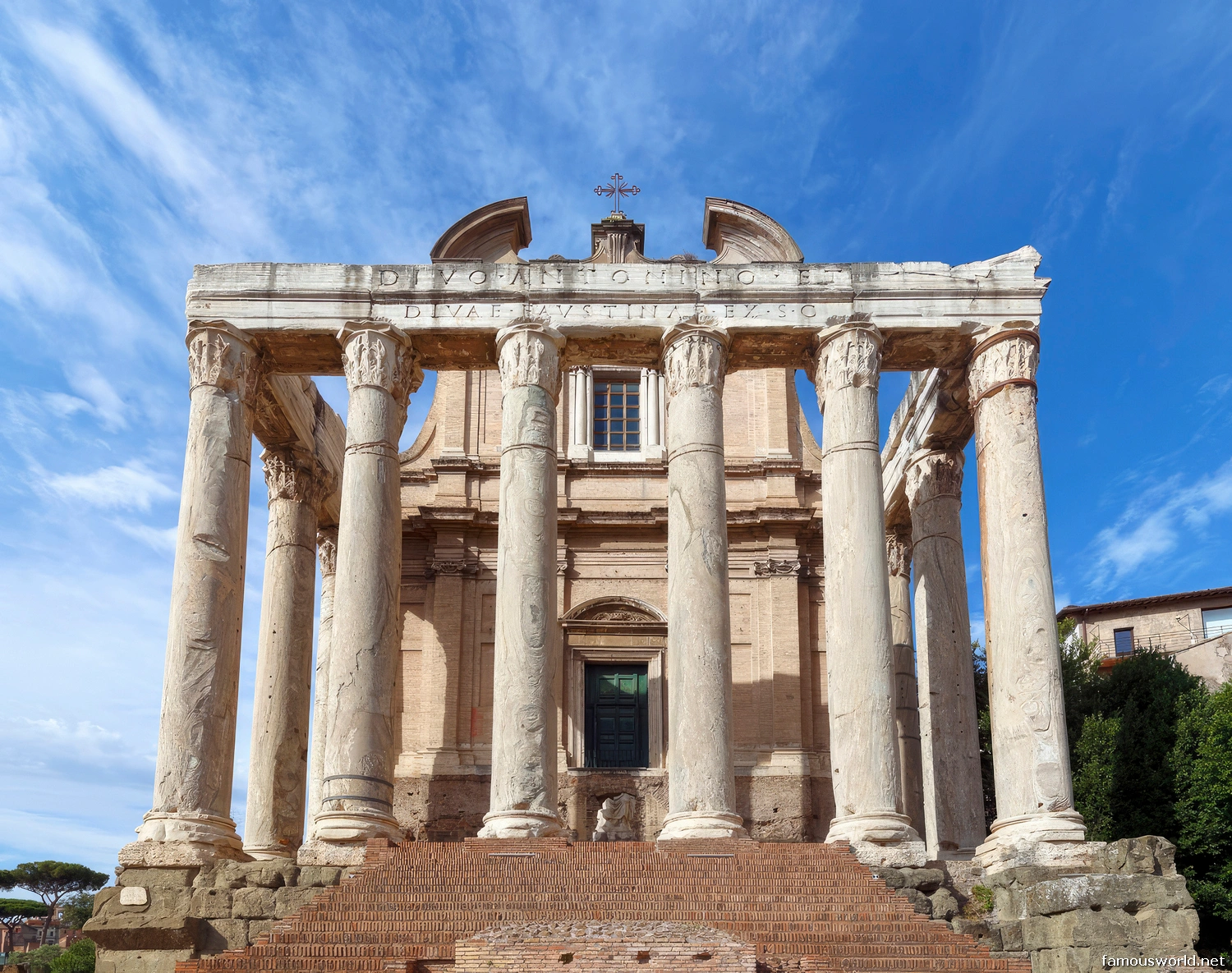
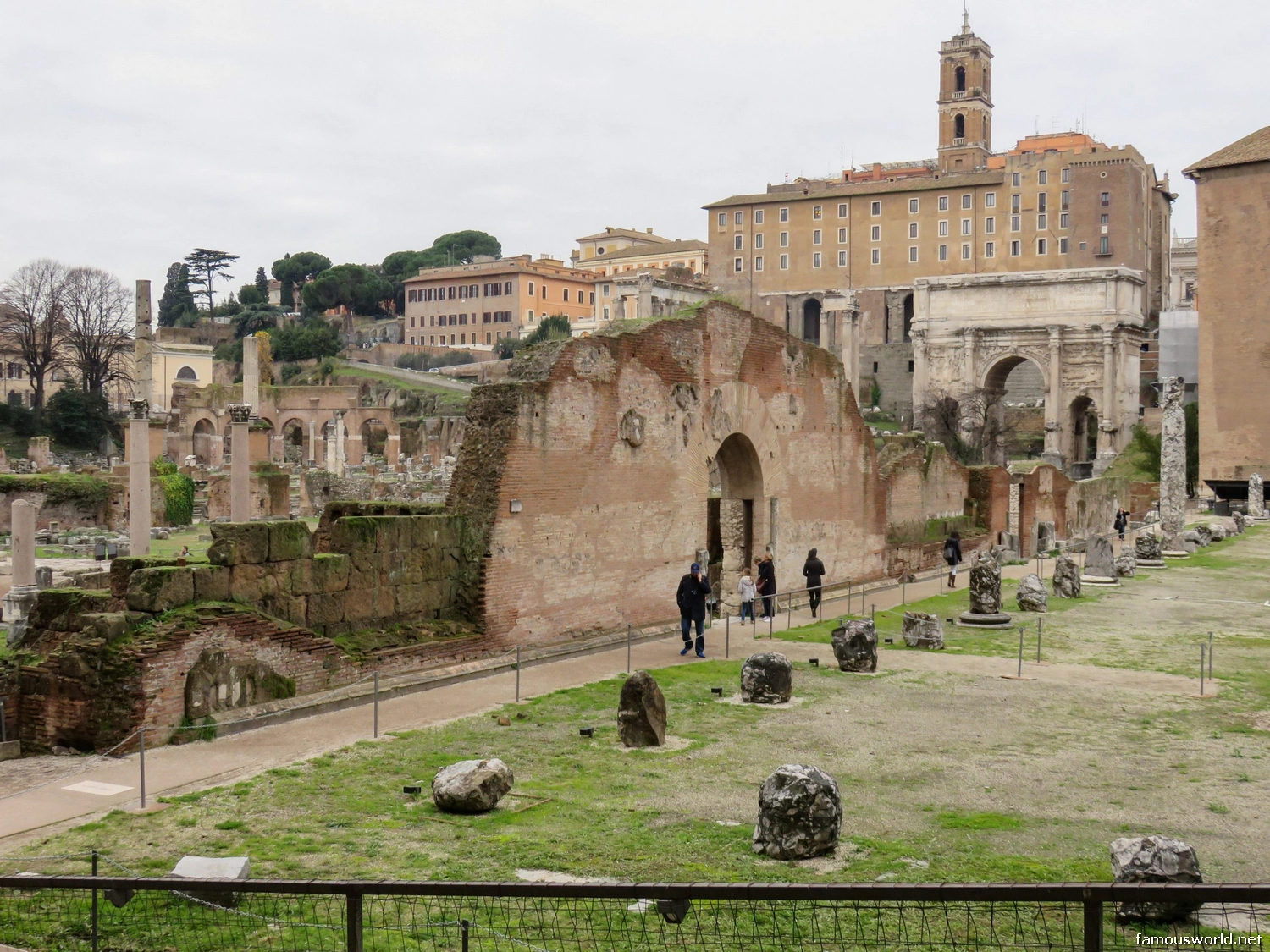
At the foot of the Capitoline and Palatine hills lies the Roman Forum, the sprawling, ruined heart of the ancient world. For centuries, this was the vibrant center of Roman public life—a chaotic and crowded district of temples, basilicas, and public spaces that served as the nucleus of the empire’s political, judicial, and commercial power. Walking through the Forum today is a journey back in time, a unique opportunity to stand among the very structures where senators debated, orators inspired crowds, and emperors shaped the course of Western history. It is the essential stage upon which the story of Rome was written.
Listen to an introduction about Roman Forum

Name and Location
- Name: Roman Forum (Foro Romano).
- Location: In the center of Rome, Italy, in the valley between the Palatine and Capitoline hills, located adjacent to the Colosseum.
How to Get There
The Forum is part of the same archaeological park as the Colosseum and Palatine Hill and shares the same main entrances.
- By Metro: The “Colosseo” station on the “B” line is the closest stop, located right next to the entrance.
- By Bus: Numerous bus routes stop along the Via dei Fori Imperiali, which runs alongside the Forum.
- By Foot: It is an easy walk from the Colosseum, Piazza Venezia, and the Capitoline Hill, forming the core of any tour of ancient Rome.
Landscape and Architecture
The Forum is a vast, open-air museum, a complex landscape of ruins from various periods of Roman history.
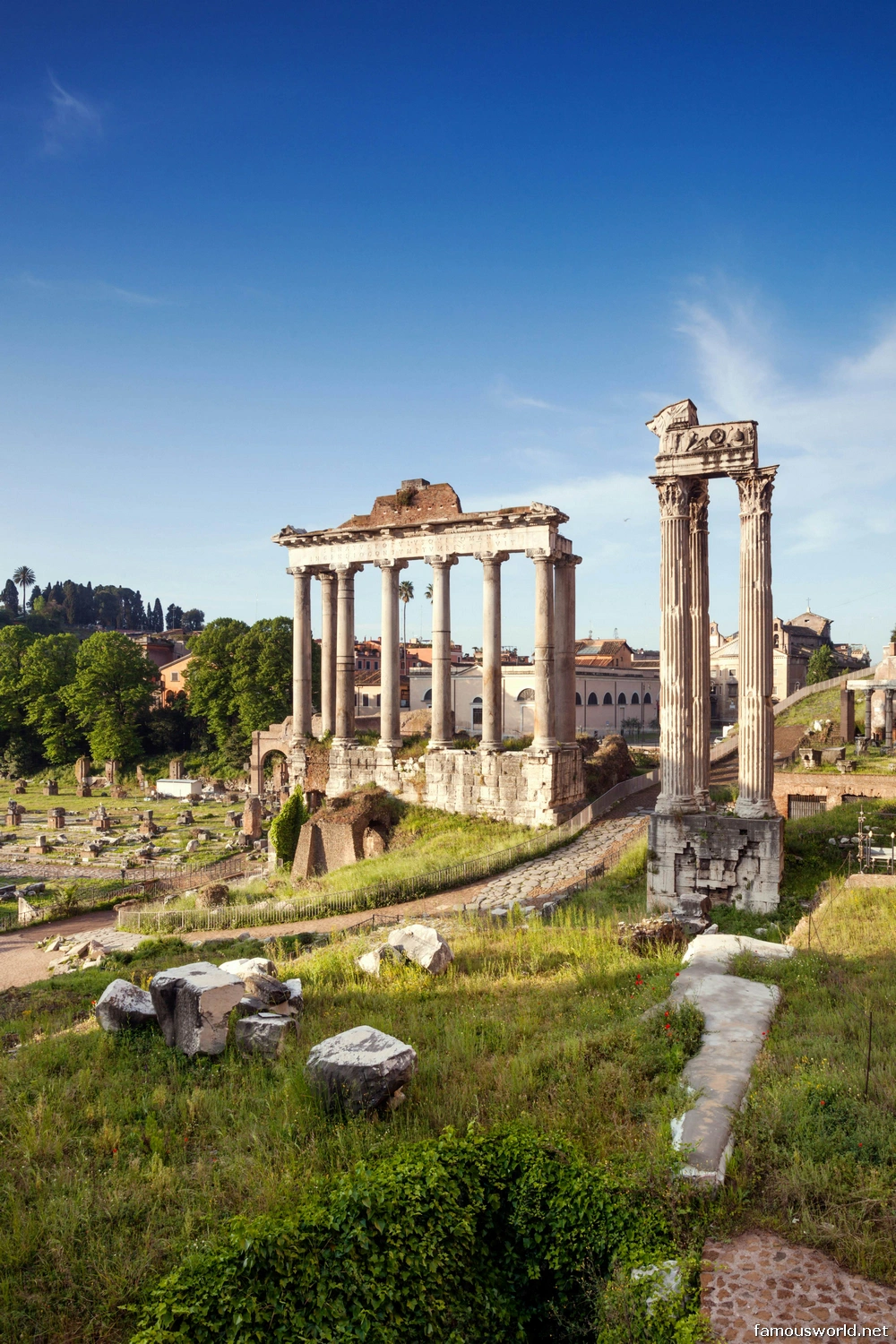
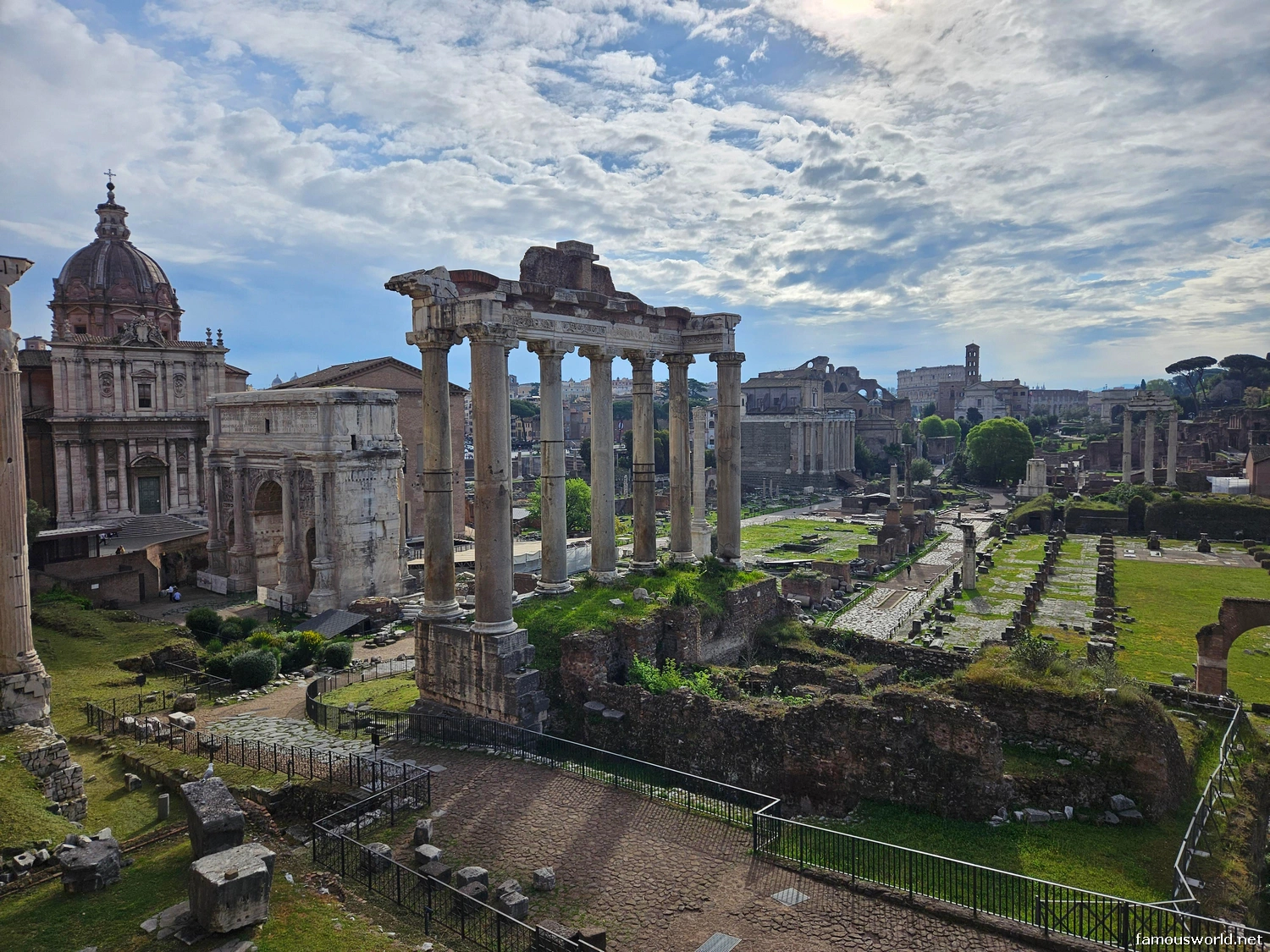
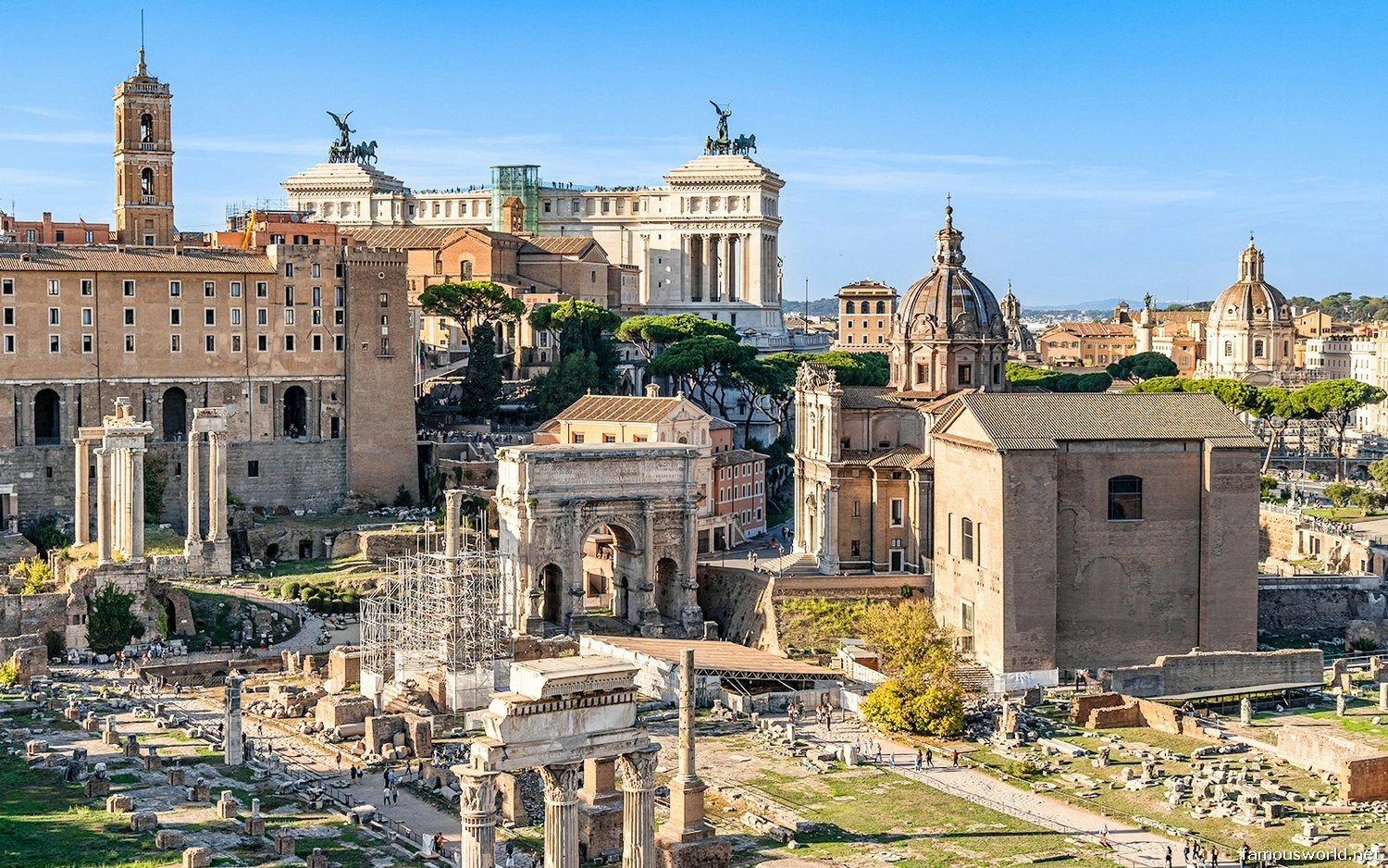
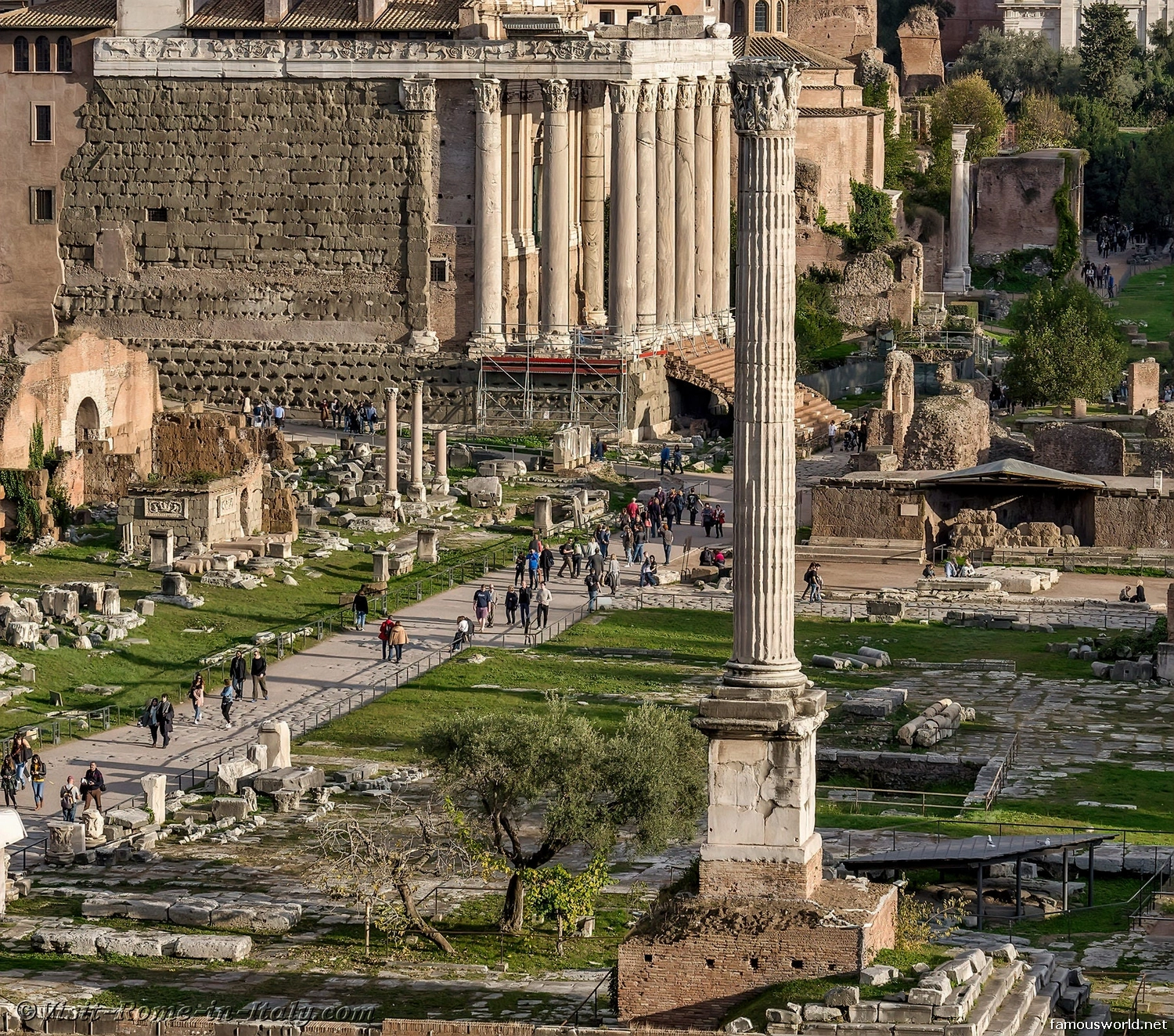
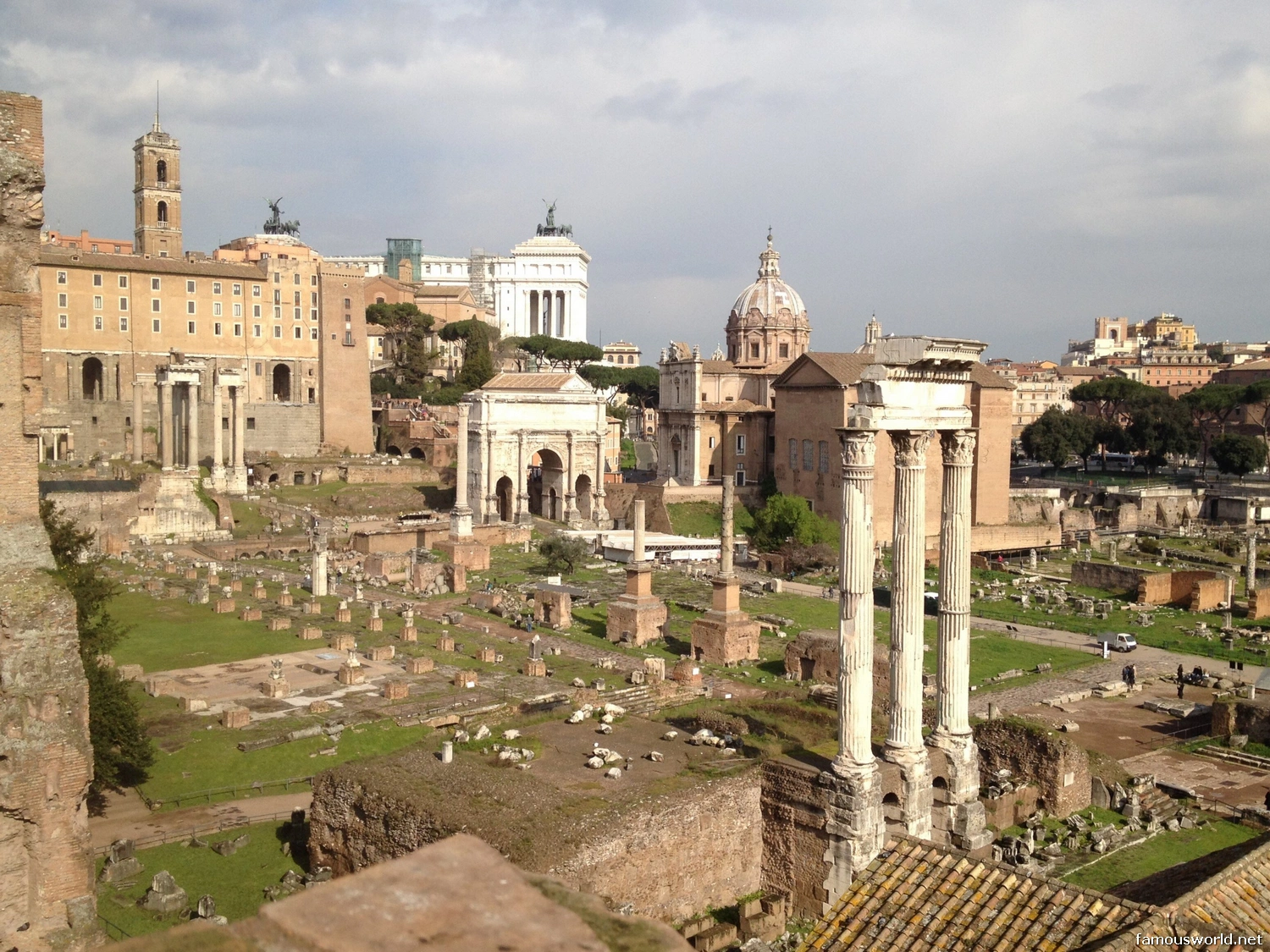
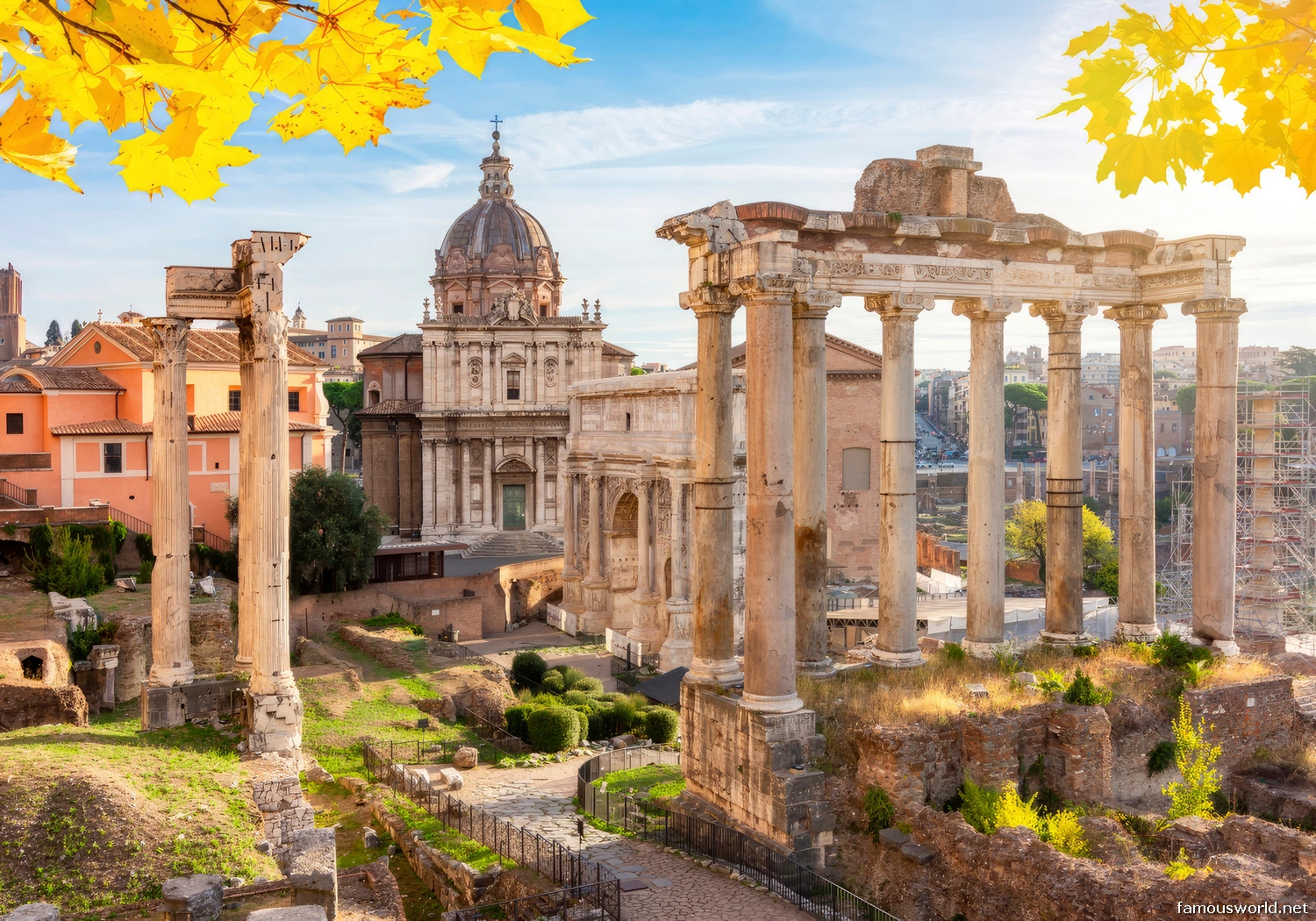
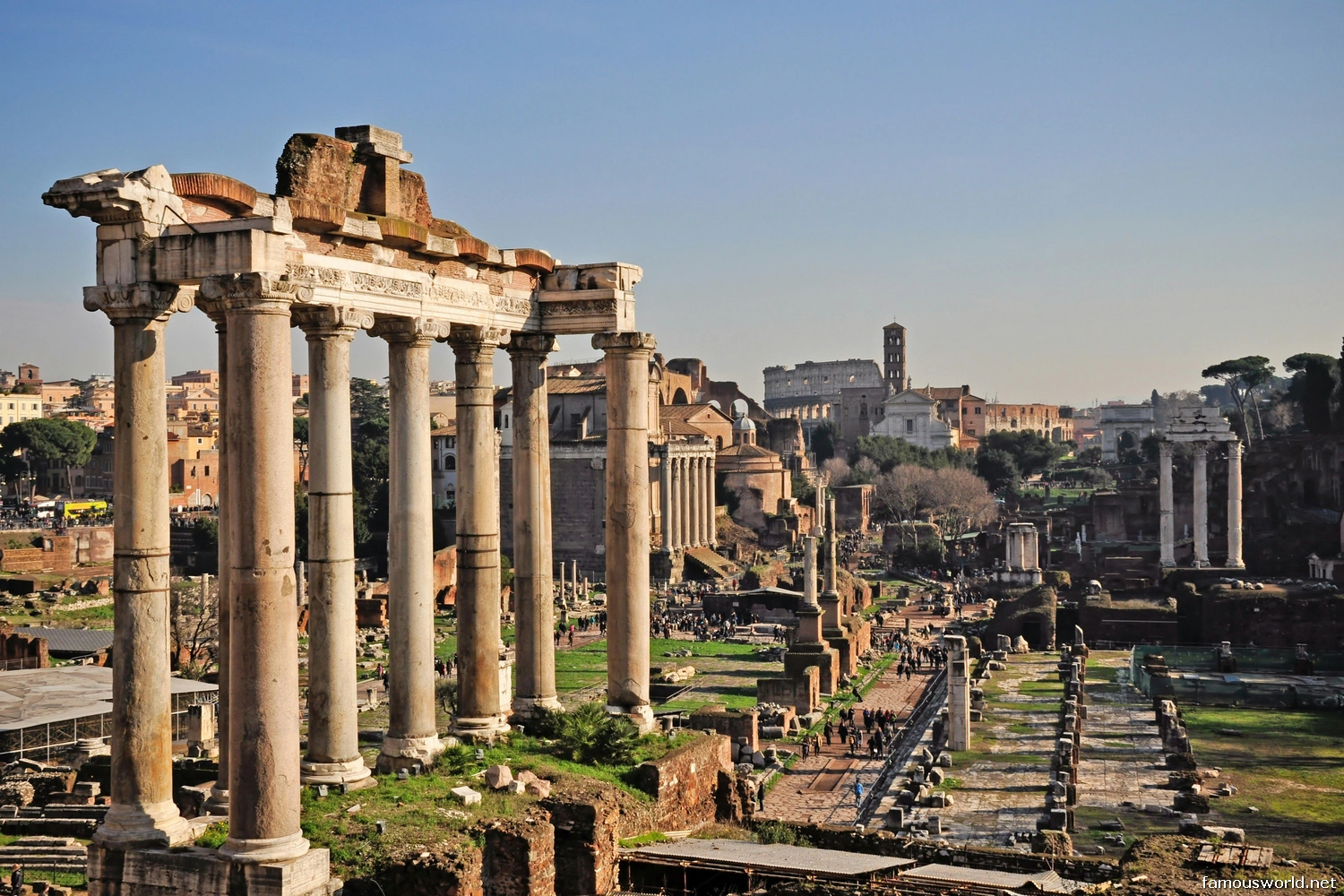
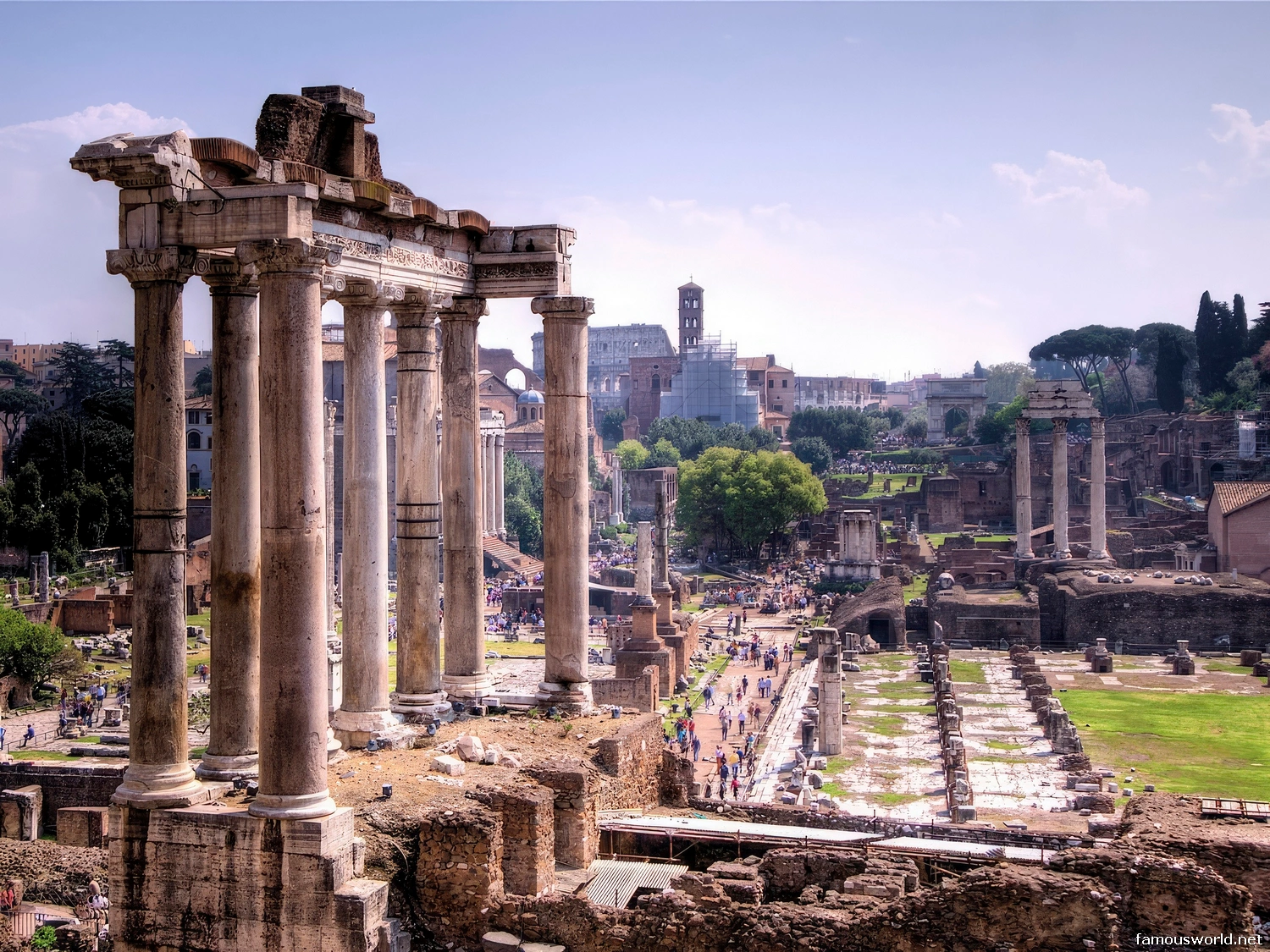
- The Landscape: The site is a rectangular plaza, now several meters below modern street level, filled with the remains of ancient structures. It is a dense collection of paved roads (like the Via Sacra), triumphal arches, temple podiums, and the foundations of massive public buildings.
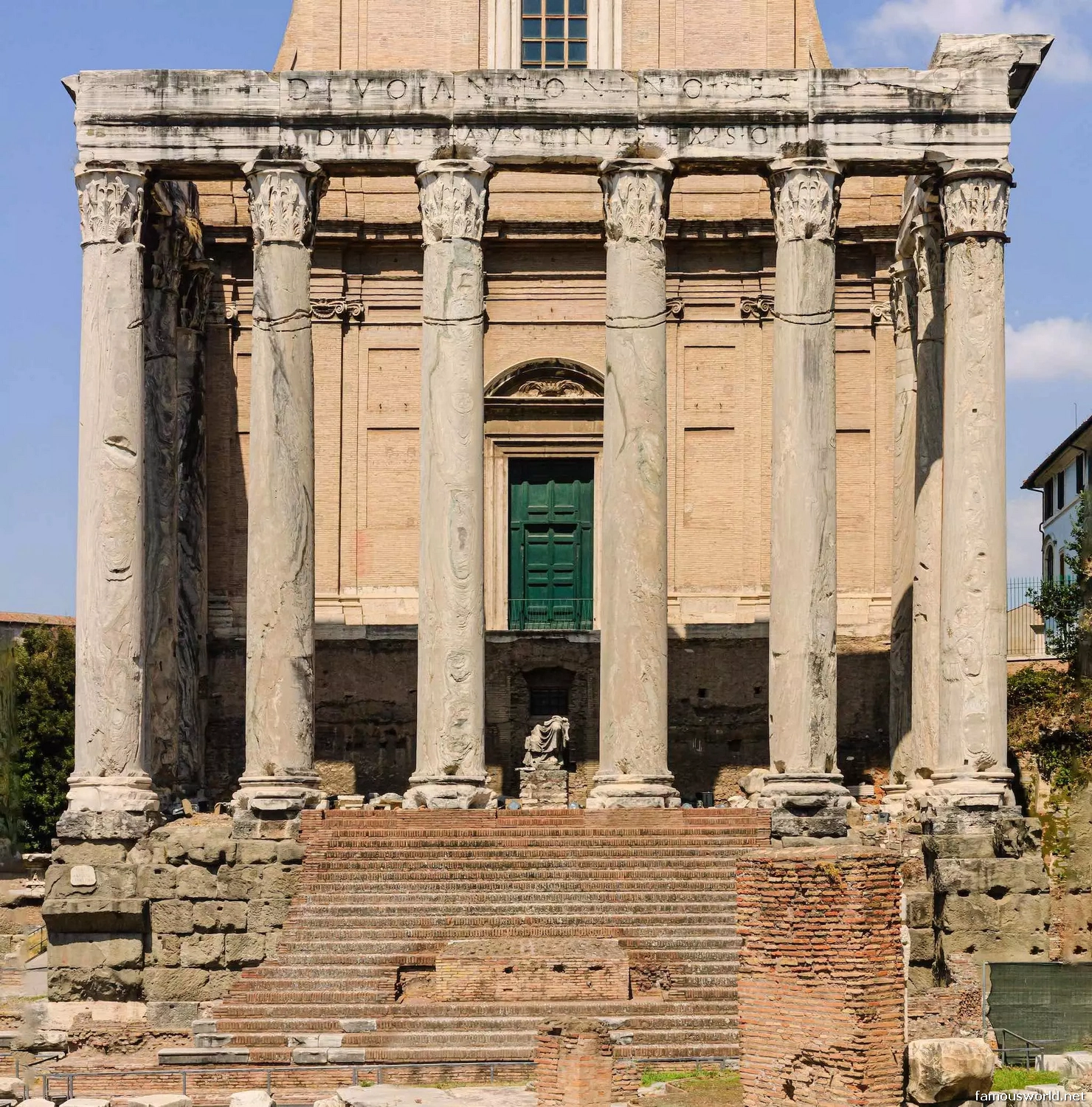
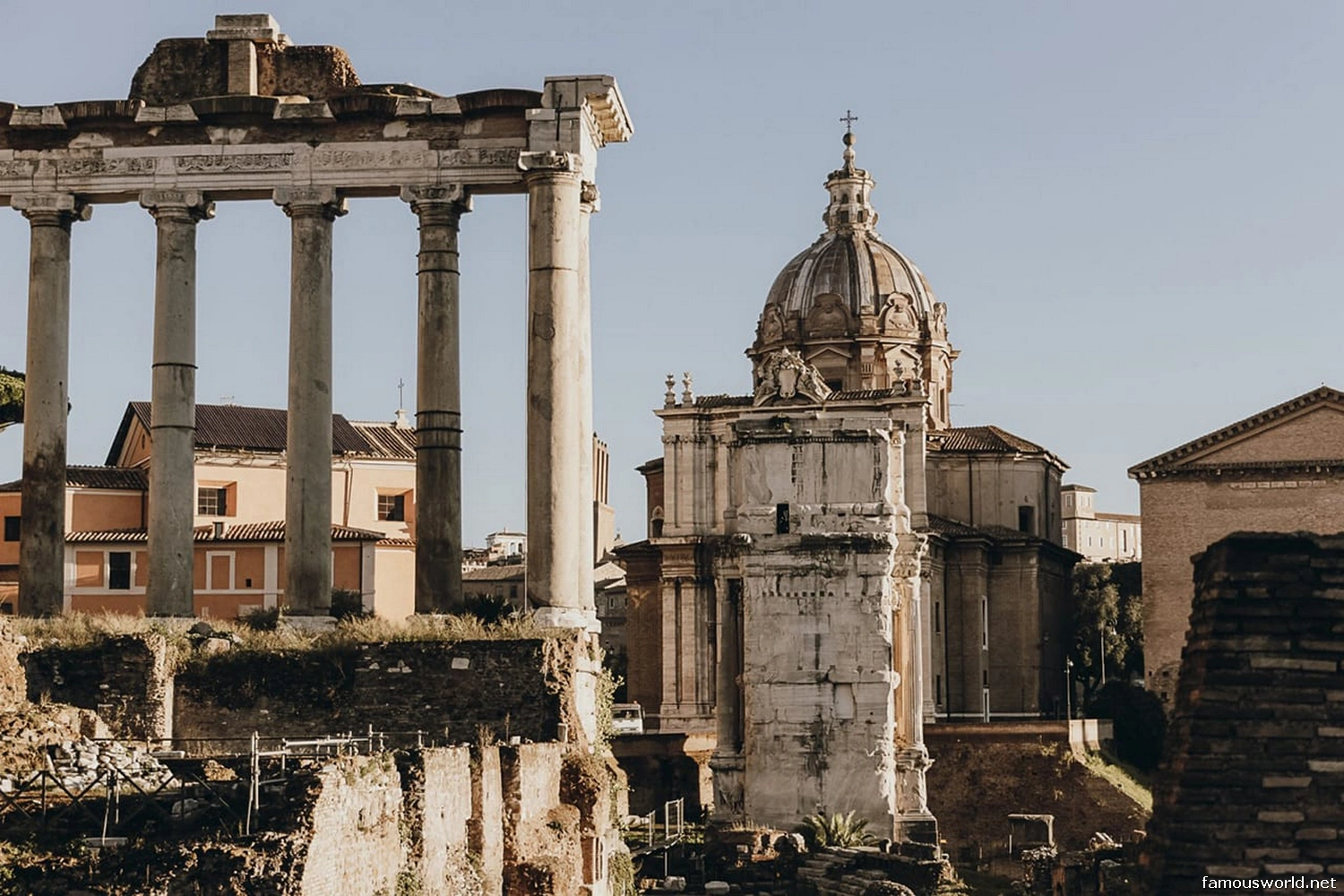
- The Architecture: The Forum is not a single building but a collection of ruins built over nearly a thousand years. Key surviving structures include the grand Arch of Titus and Arch of Septimius Severus, the eight remaining columns of the Temple of Saturn, the remarkably preserved Curia Julia (the Senate House), and the colossal arches of the Basilica of Maxentius and Constantine. The architectural styles reflect the evolution from the Roman Republic to the late Empire.
What Makes It Famous
The Roman Forum is famous for being the undisputed center of one of the greatest civilizations in history.
- The Heart of the Empire: This was the central hub for all aspects of Roman life, including politics, religion, law, and commerce. Major decisions that affected the known world were made here.
- Site of Historic Events: It was the location for public speeches, triumphal processions for victorious generals, criminal trials, and elections.
- Unparalleled Archaeological Importance: As one of the most significant archaeological sites on earth, it provides invaluable insight into the daily life, governance, and religion of the ancient Romans.
- Symbol of Roman Civilization: The image of its scattered columns and arches is a powerful and enduring symbol of the legacy and eventual decline of the Roman Empire.
Differences from Other Wonders
The Forum’s role as a civic center distinguishes it clearly from its neighbor, the Colosseum.
- Environment (Multifunctional Civic Center vs. Singular Entertainment Arena): The Forum was a sprawling, open complex with dozens of buildings serving different public functions—from politics to worship to commerce. The Colosseum was a single, enclosed structure built for one primary purpose: public spectacle.
- Core Story (The Governance of an Empire vs. The Entertainment of an Empire): The Forum tells the story of how Rome was run—its debates, laws, and markets. The Colosseum tells the story of how Rome celebrated its power and entertained its populace with brutal games.
- Primary Attraction (A Complex Historical Landscape vs. A Singular Monumental Icon): The attraction of the Forum is the intellectual challenge of exploring a complex archaeological site and imagining it in its prime. The attraction of the Colosseum is the immediate, visceral impact of its singular, massive, and awe-inspiring structure.
- Atmosphere (Intellectual and Historical vs. Dramatic and Grandiose): A visit to the Forum is a contemplative experience, inviting reflection on the mechanics of history and power. A visit to the Colosseum is more dramatic, evoking the grandeur and terror of the events that took place within its walls.
Location on world map