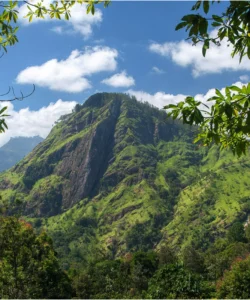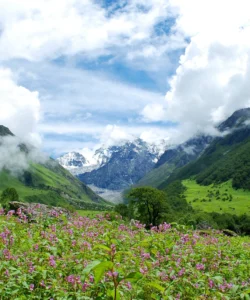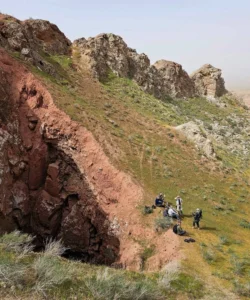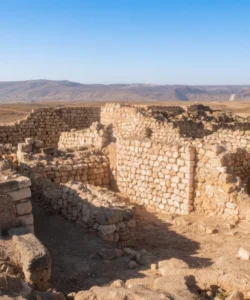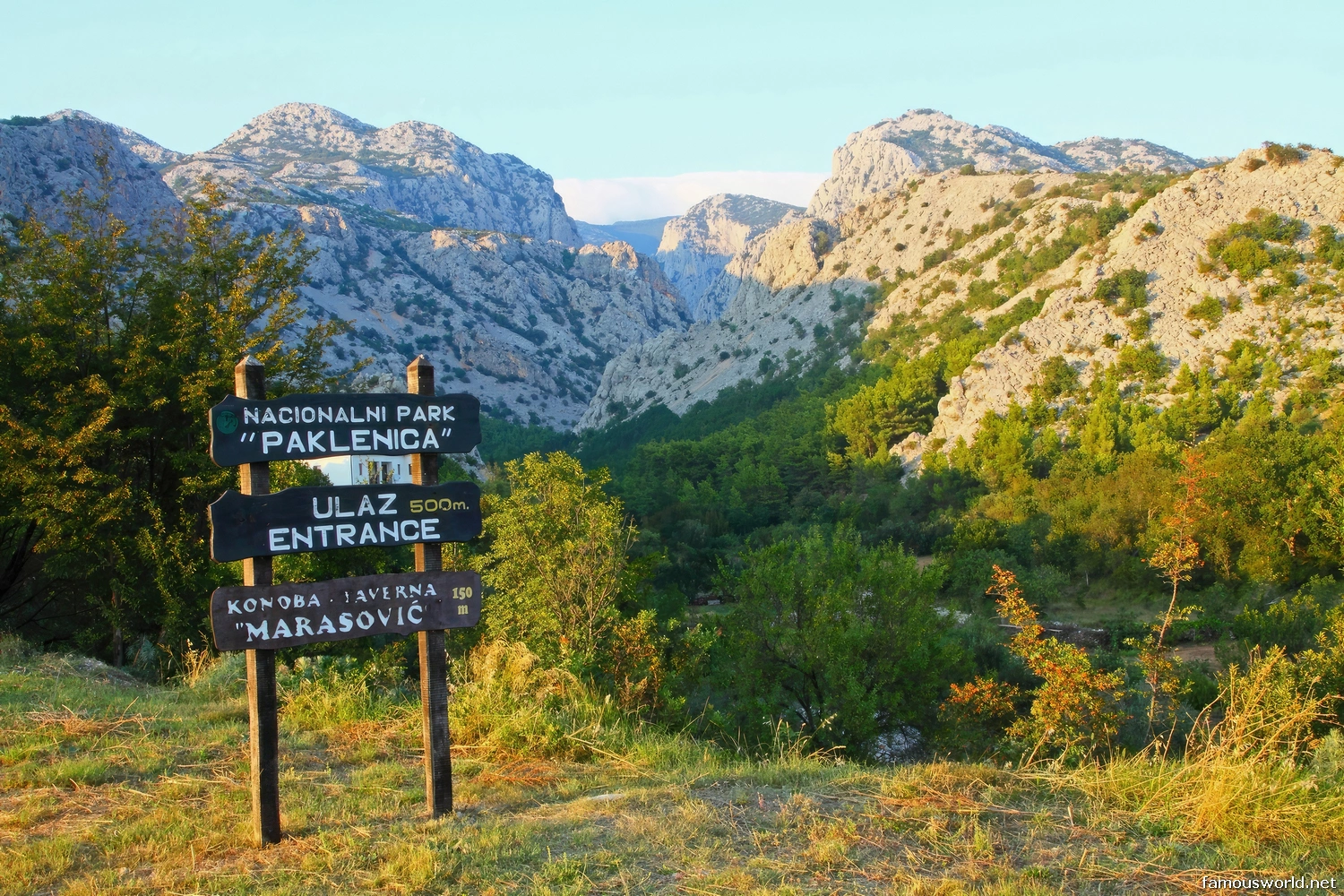
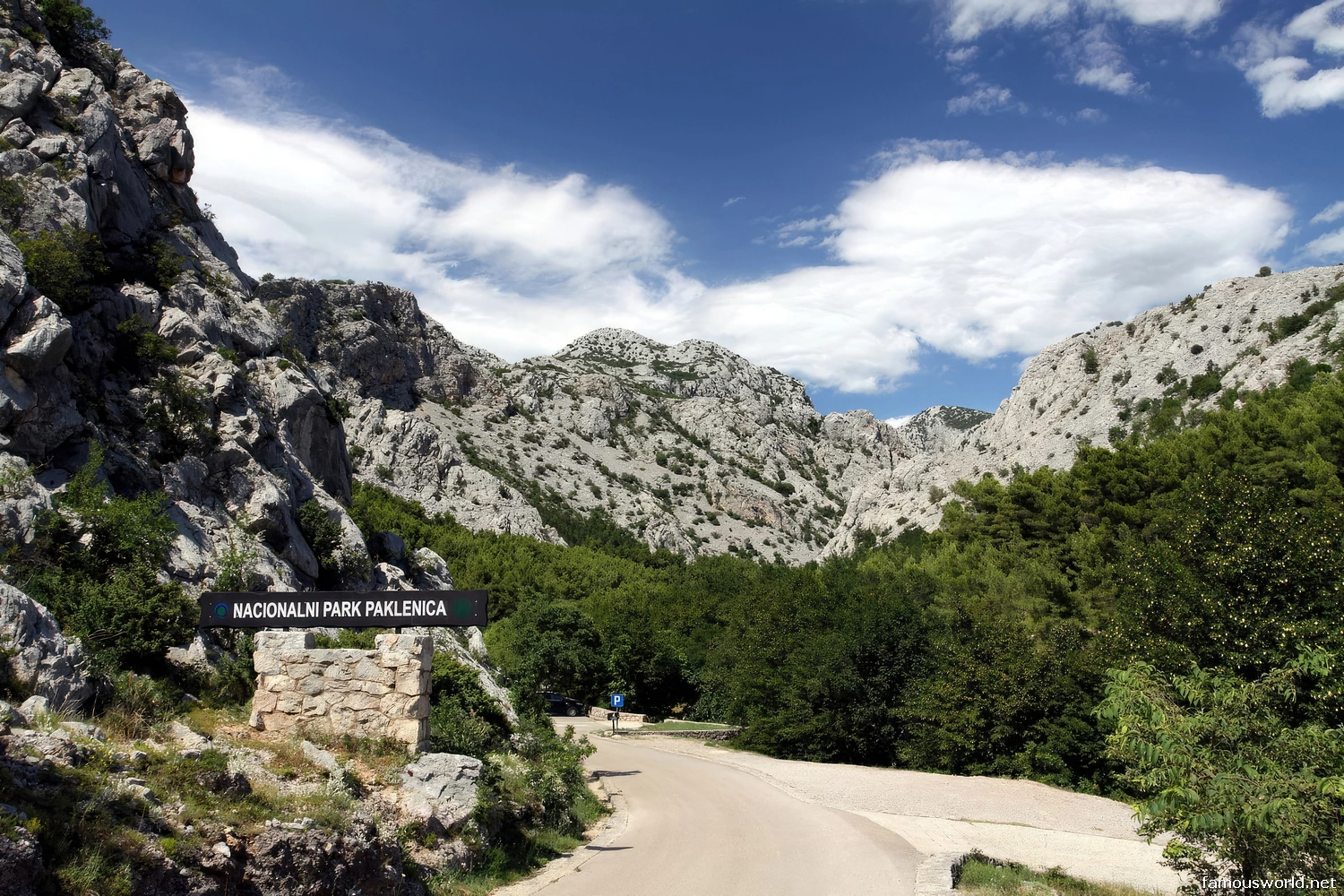
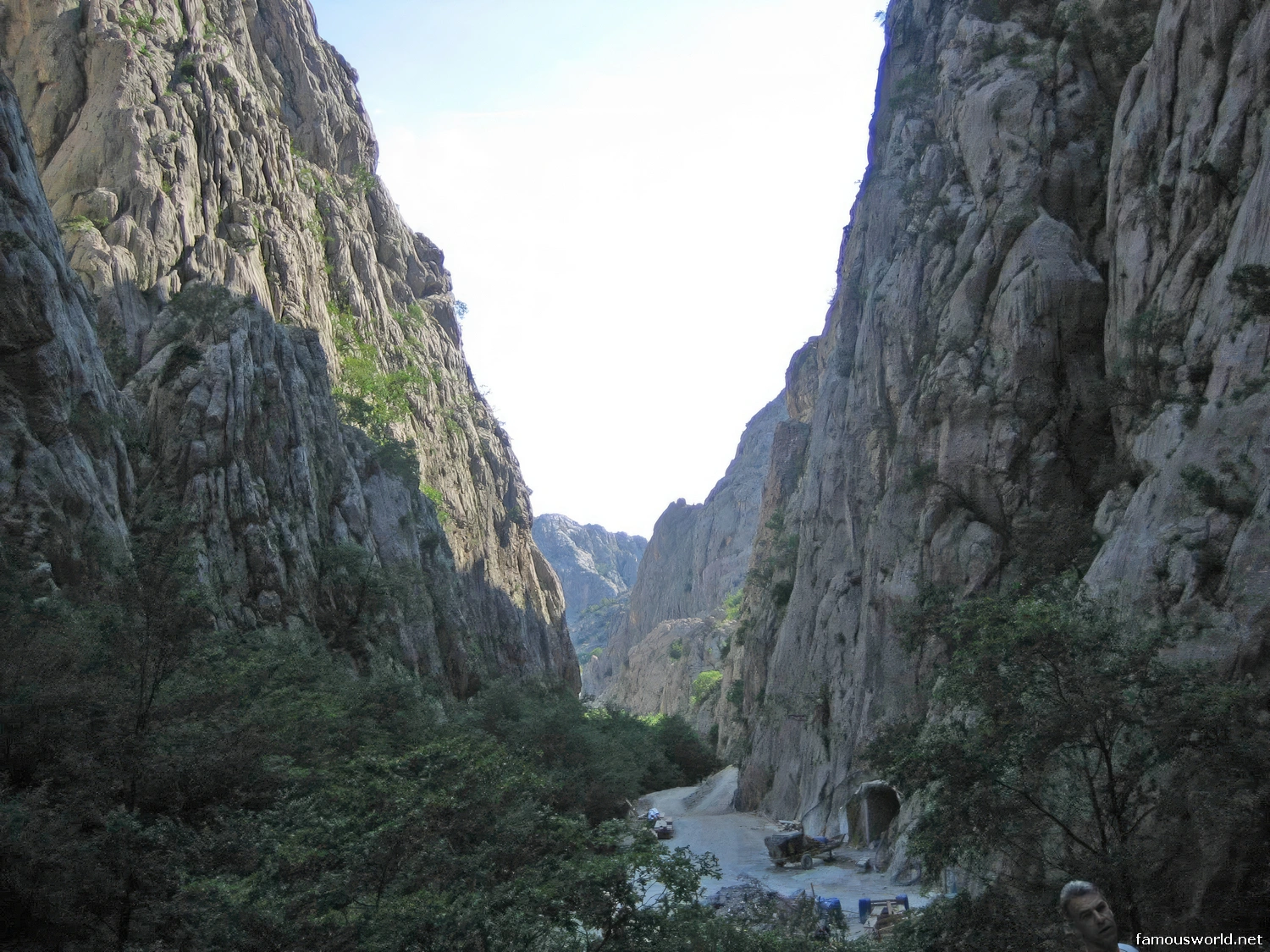
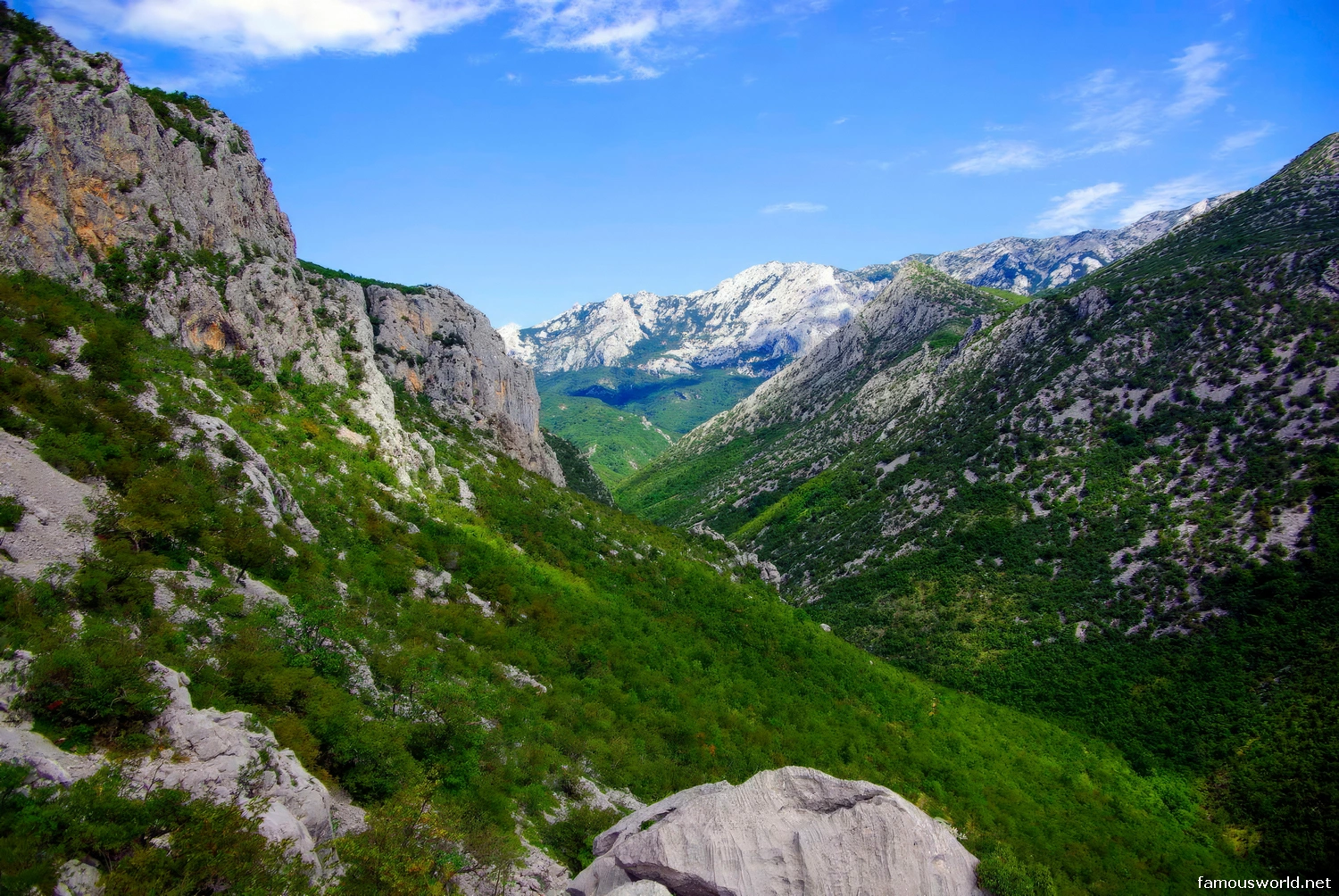
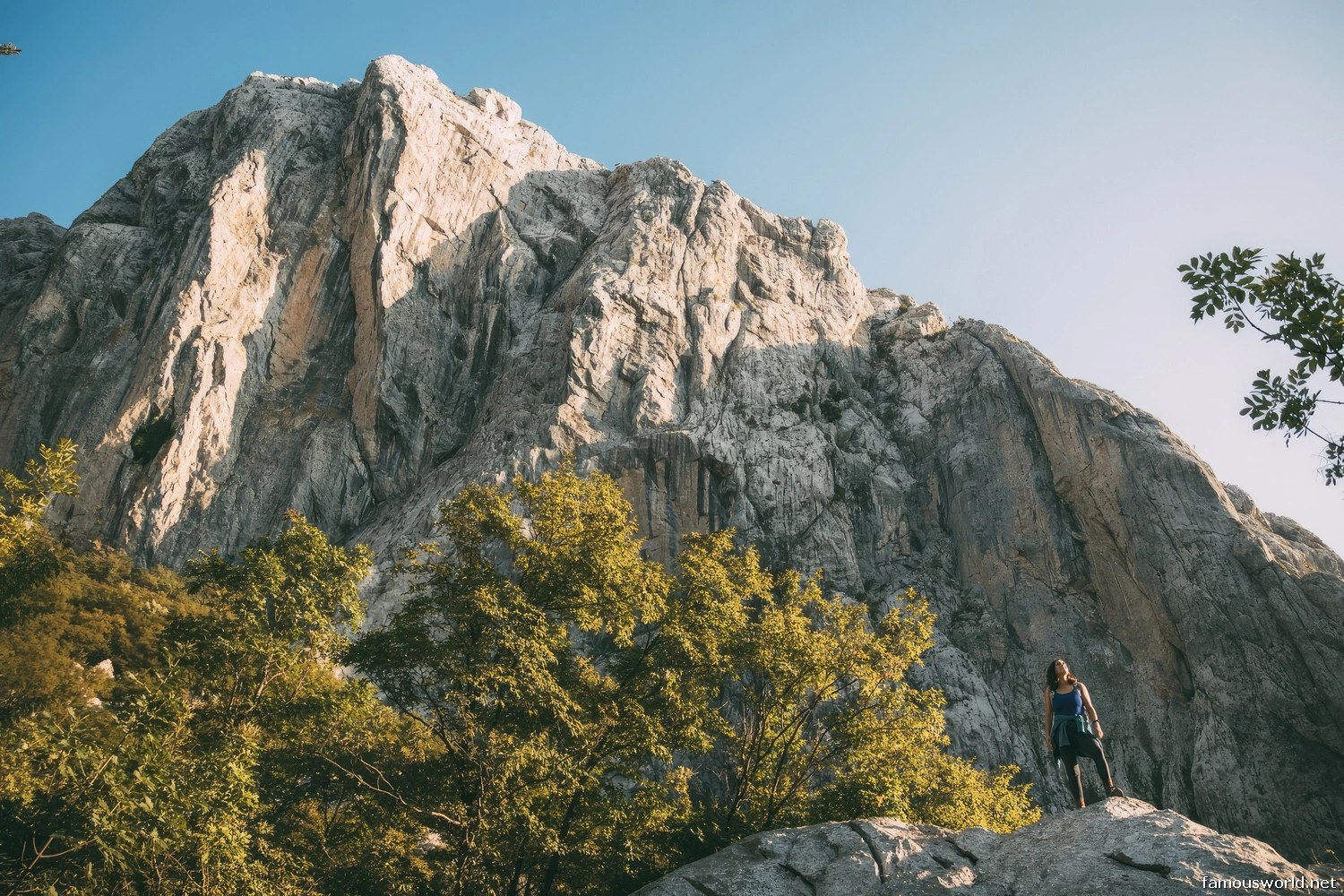
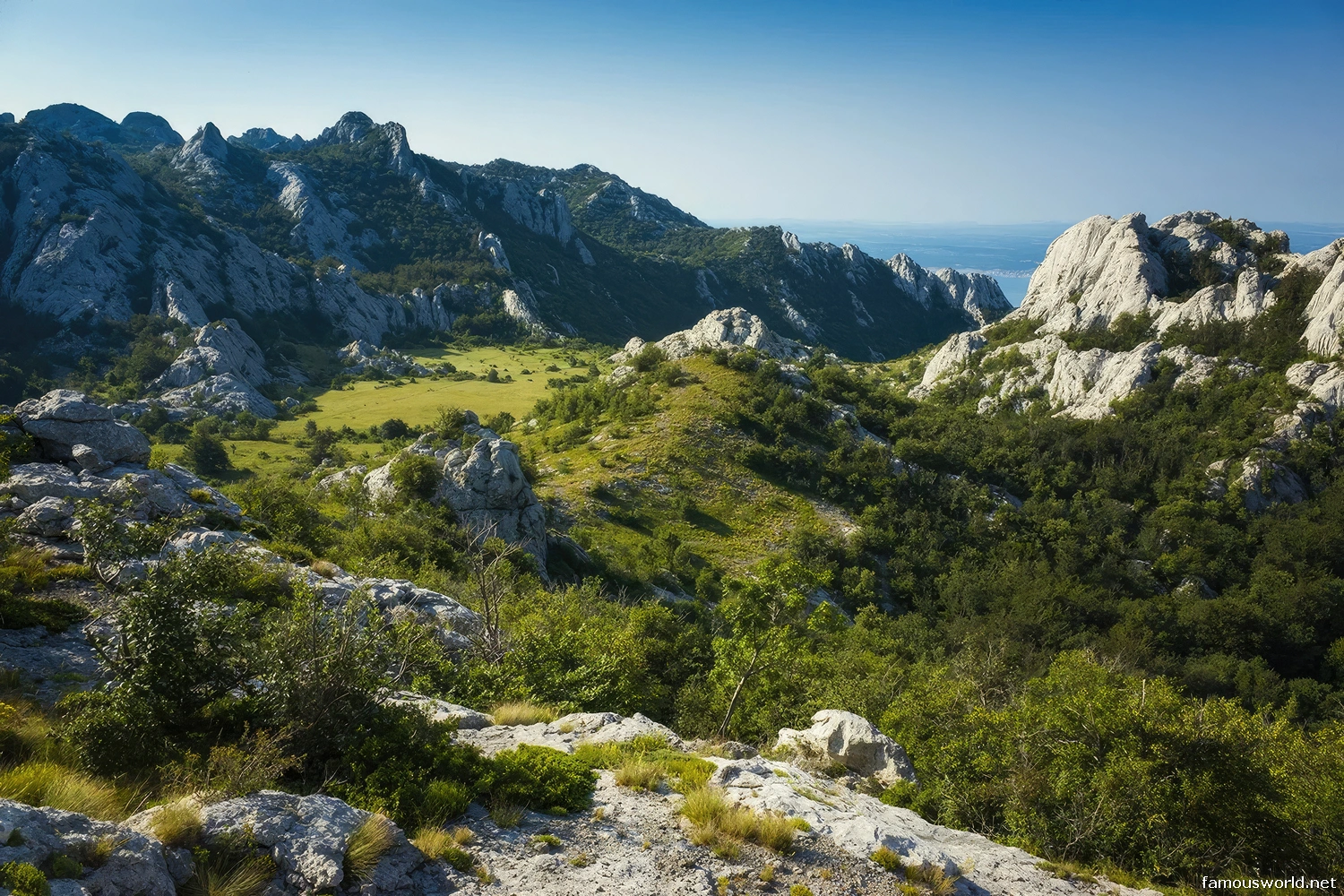
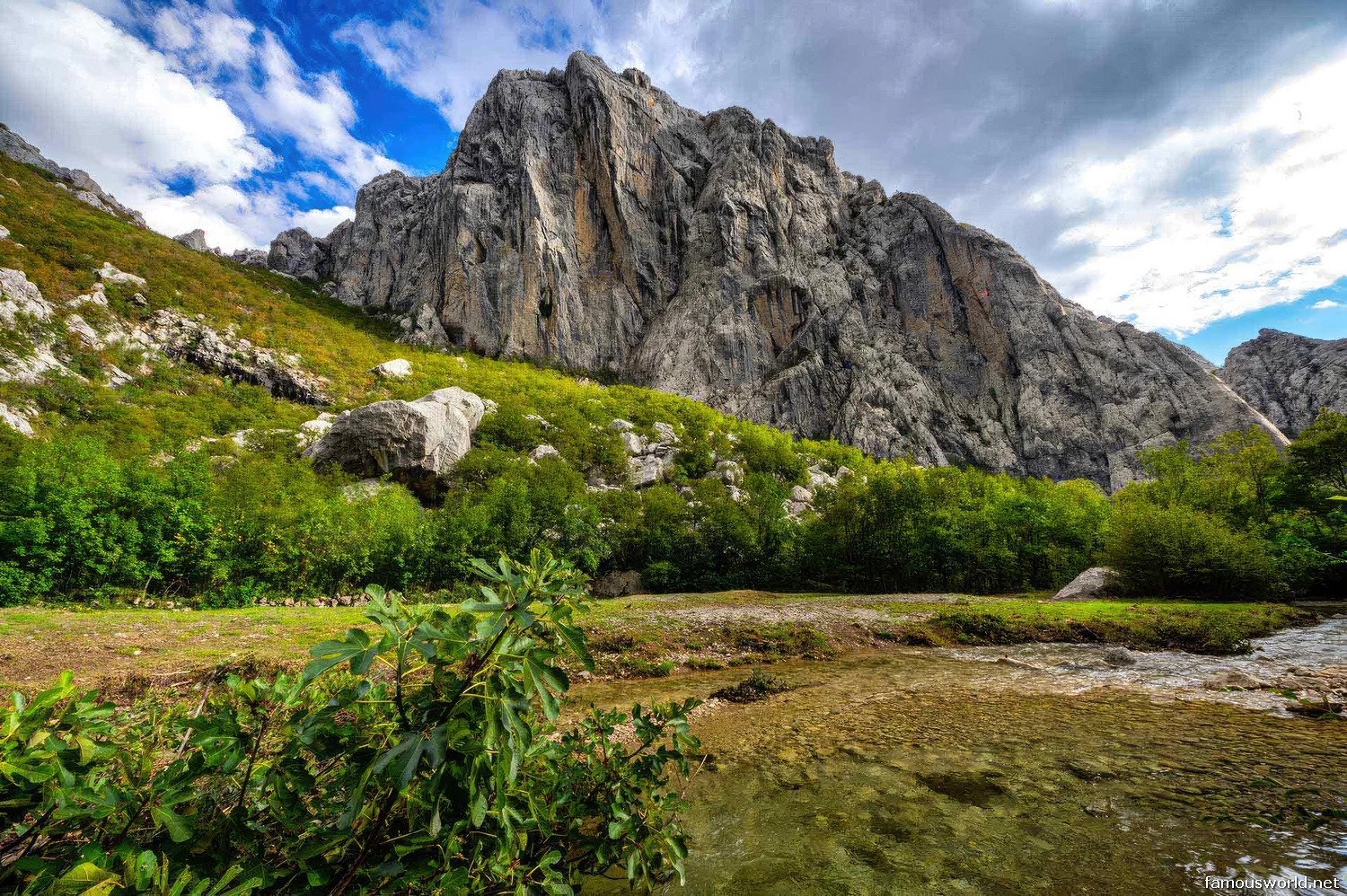
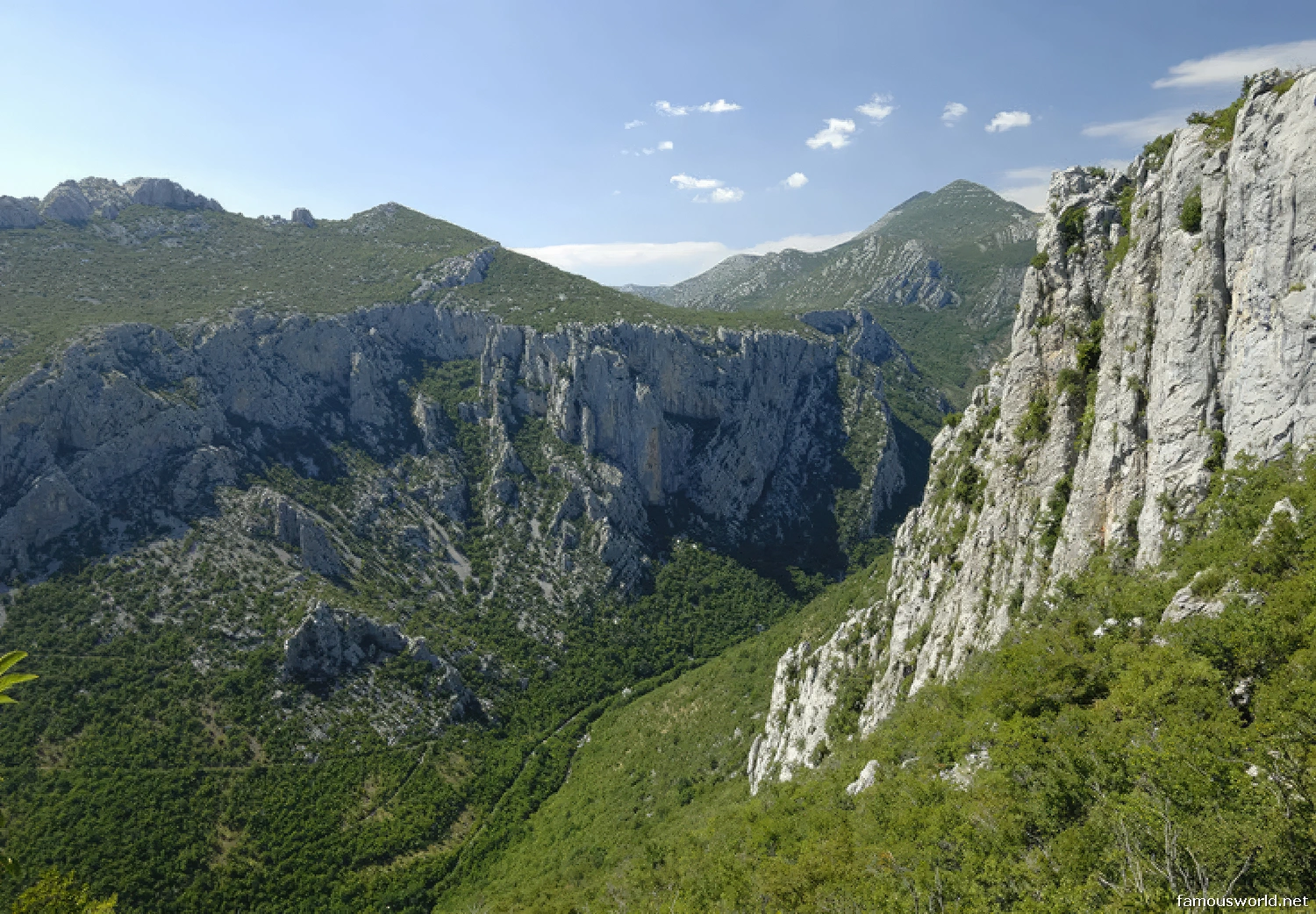
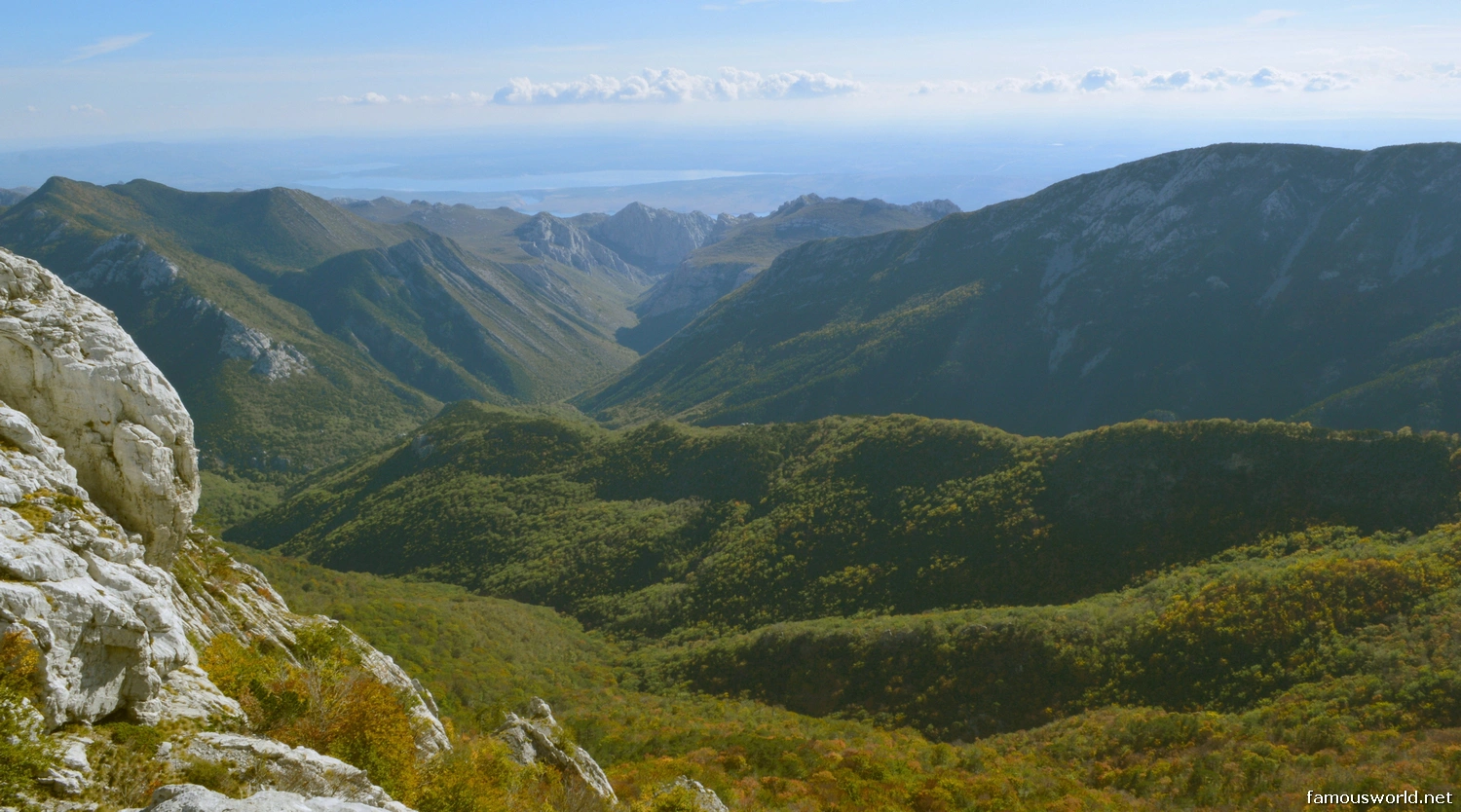
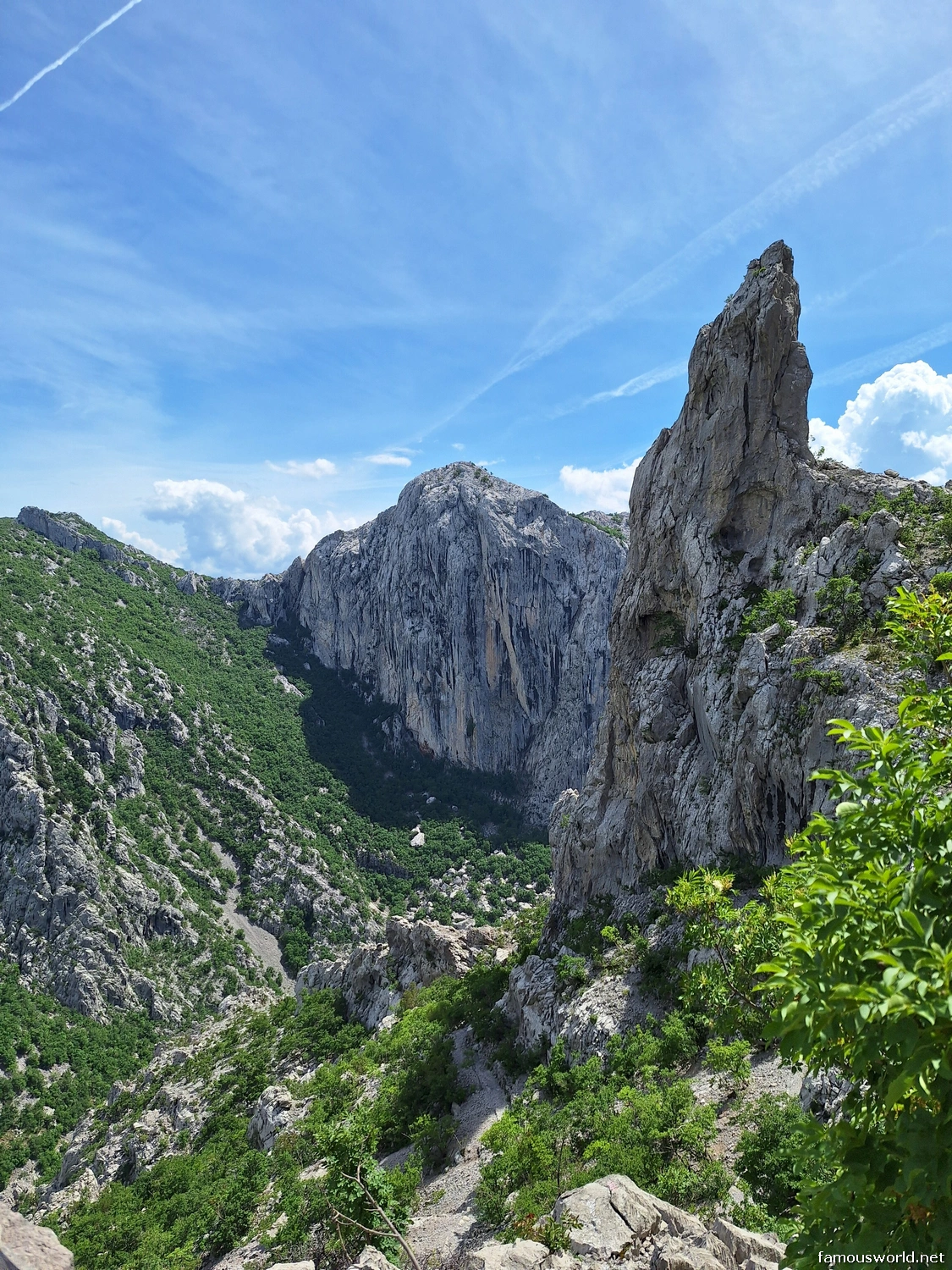
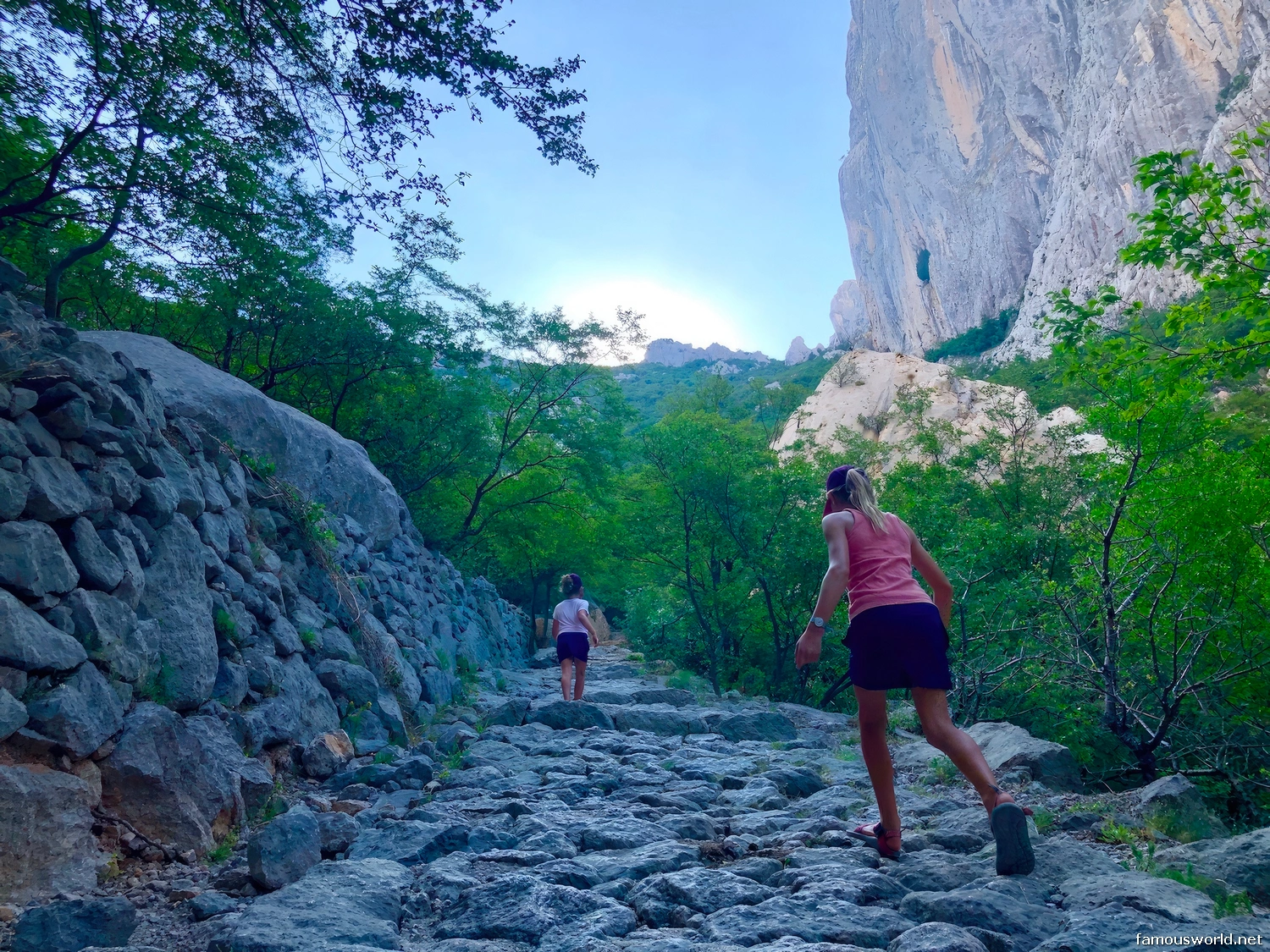
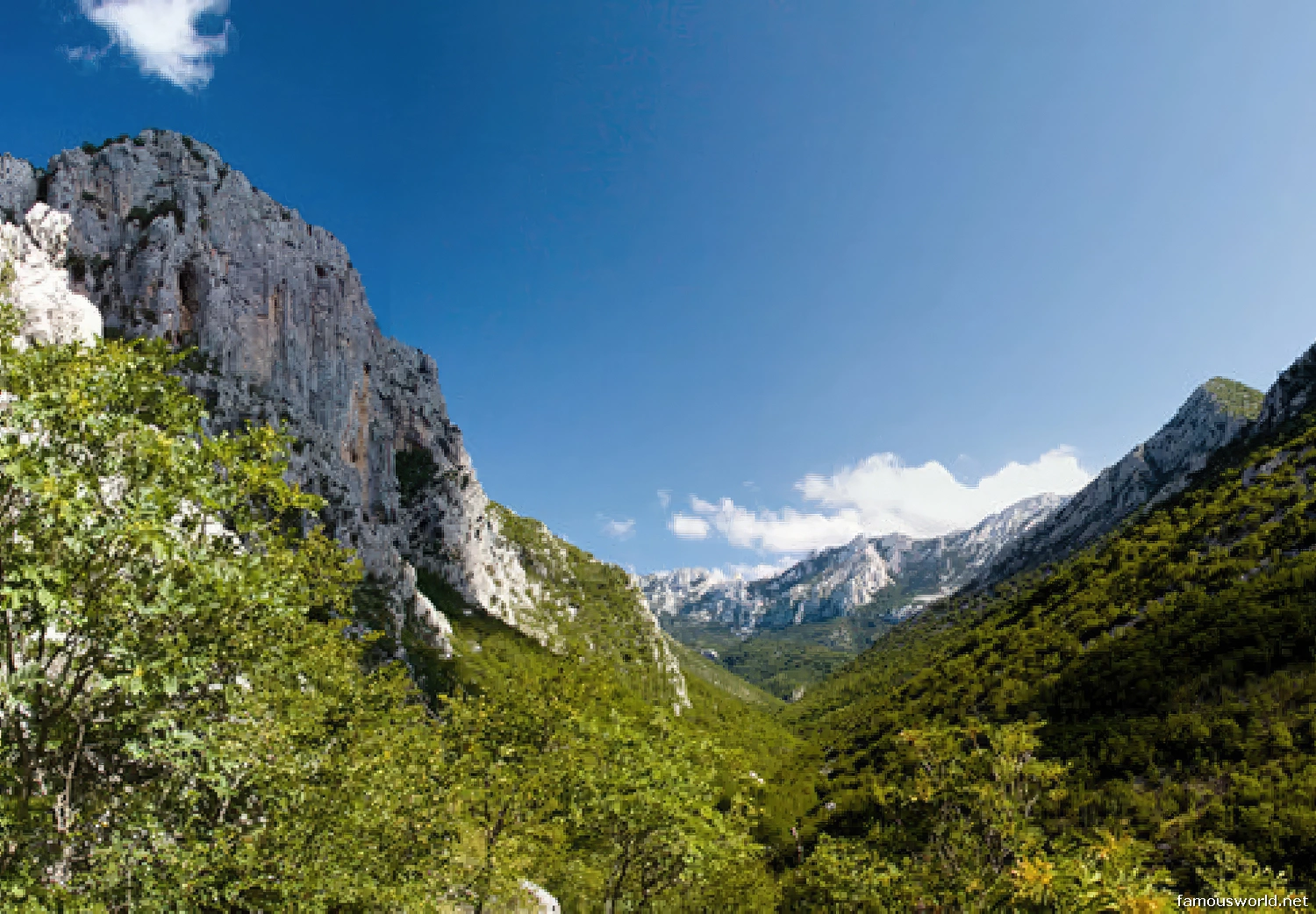
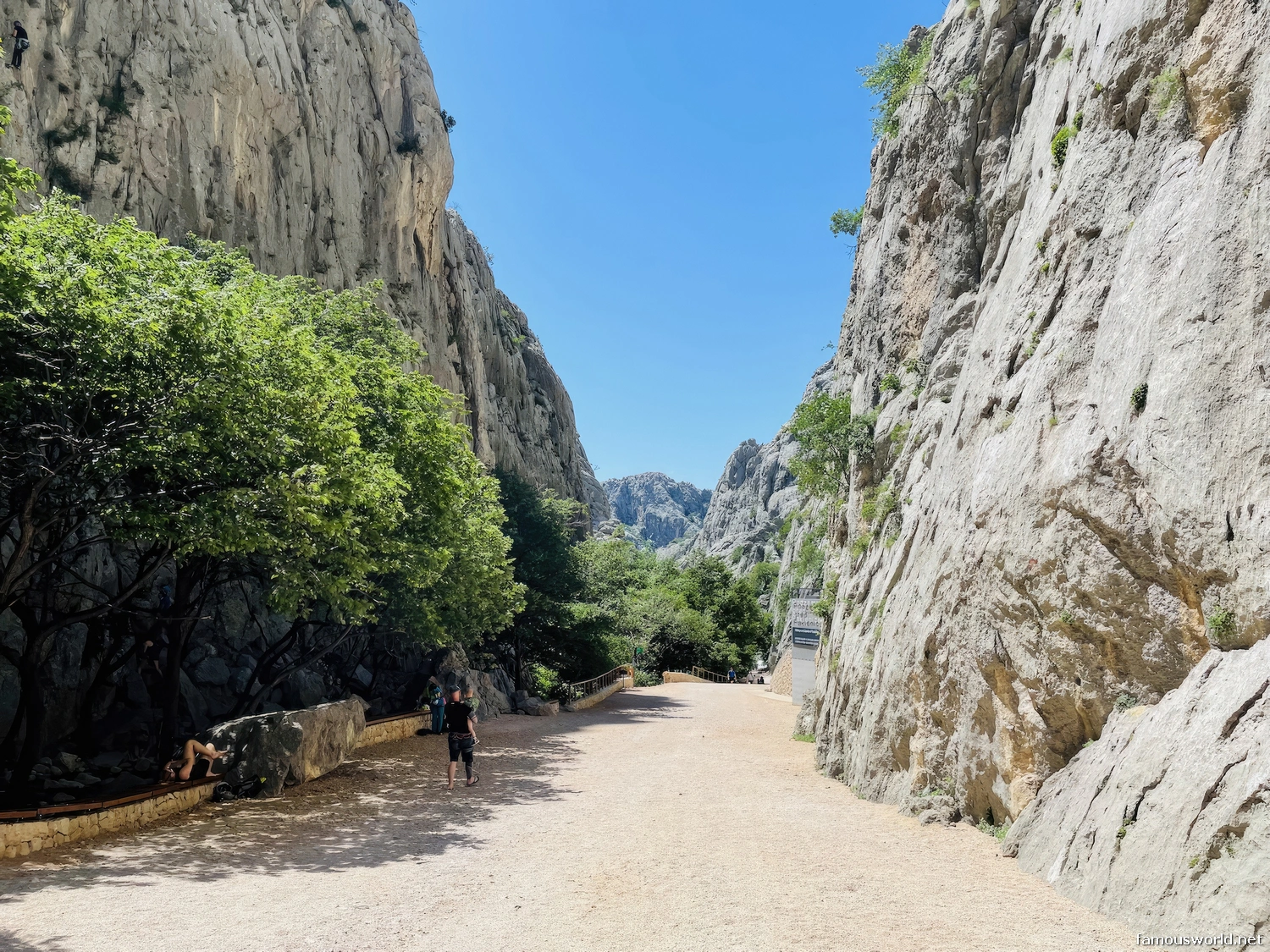
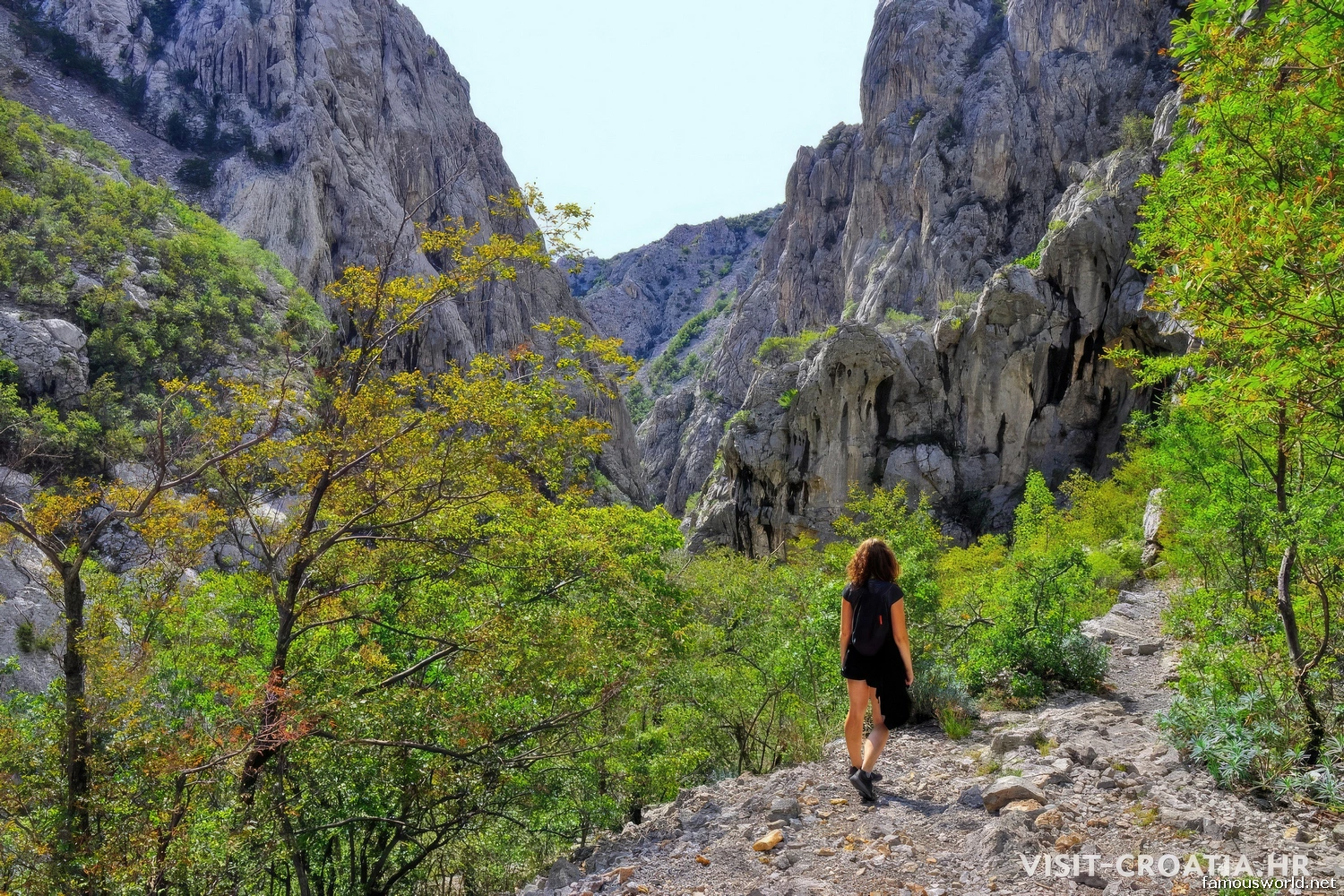
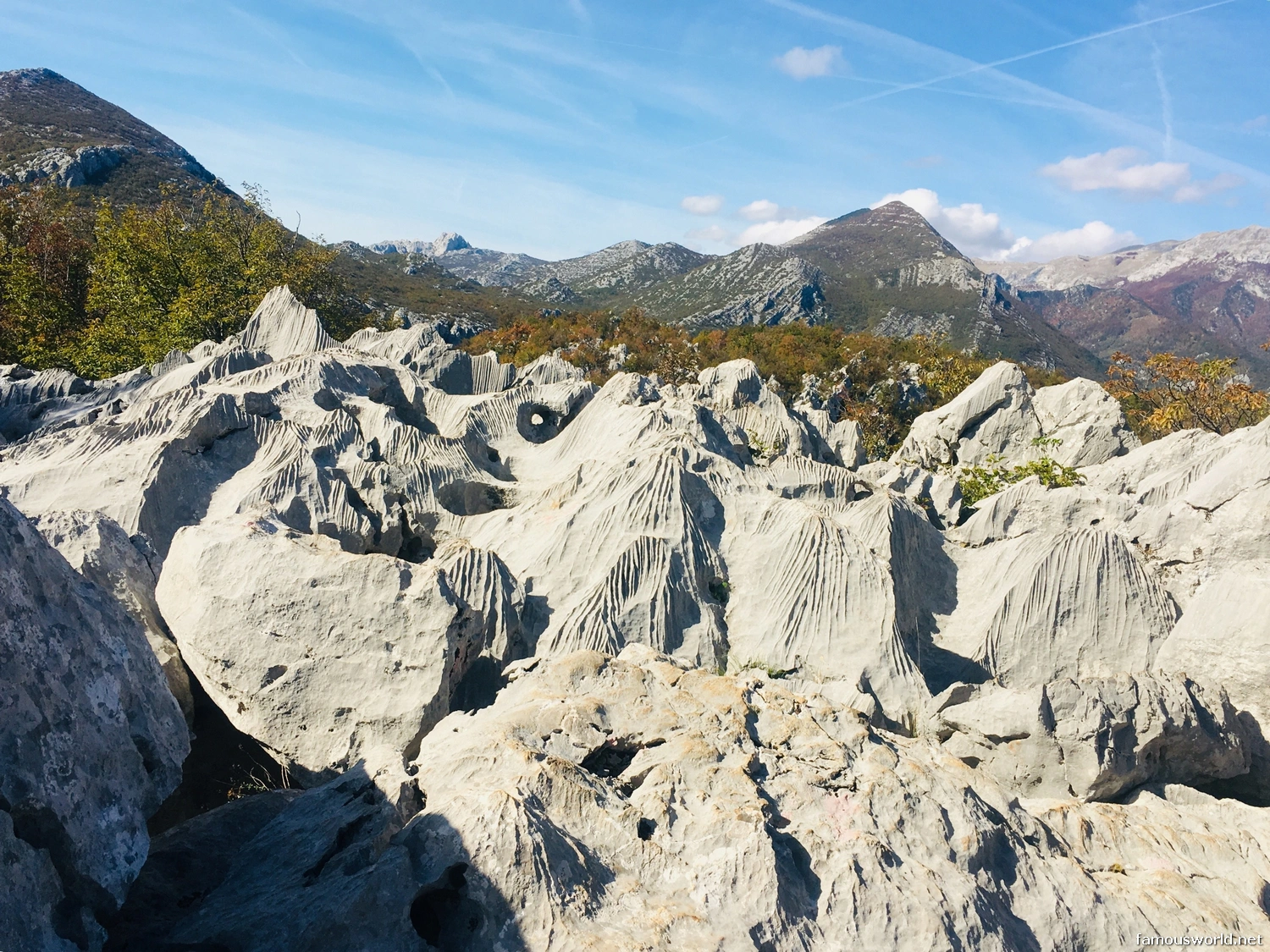
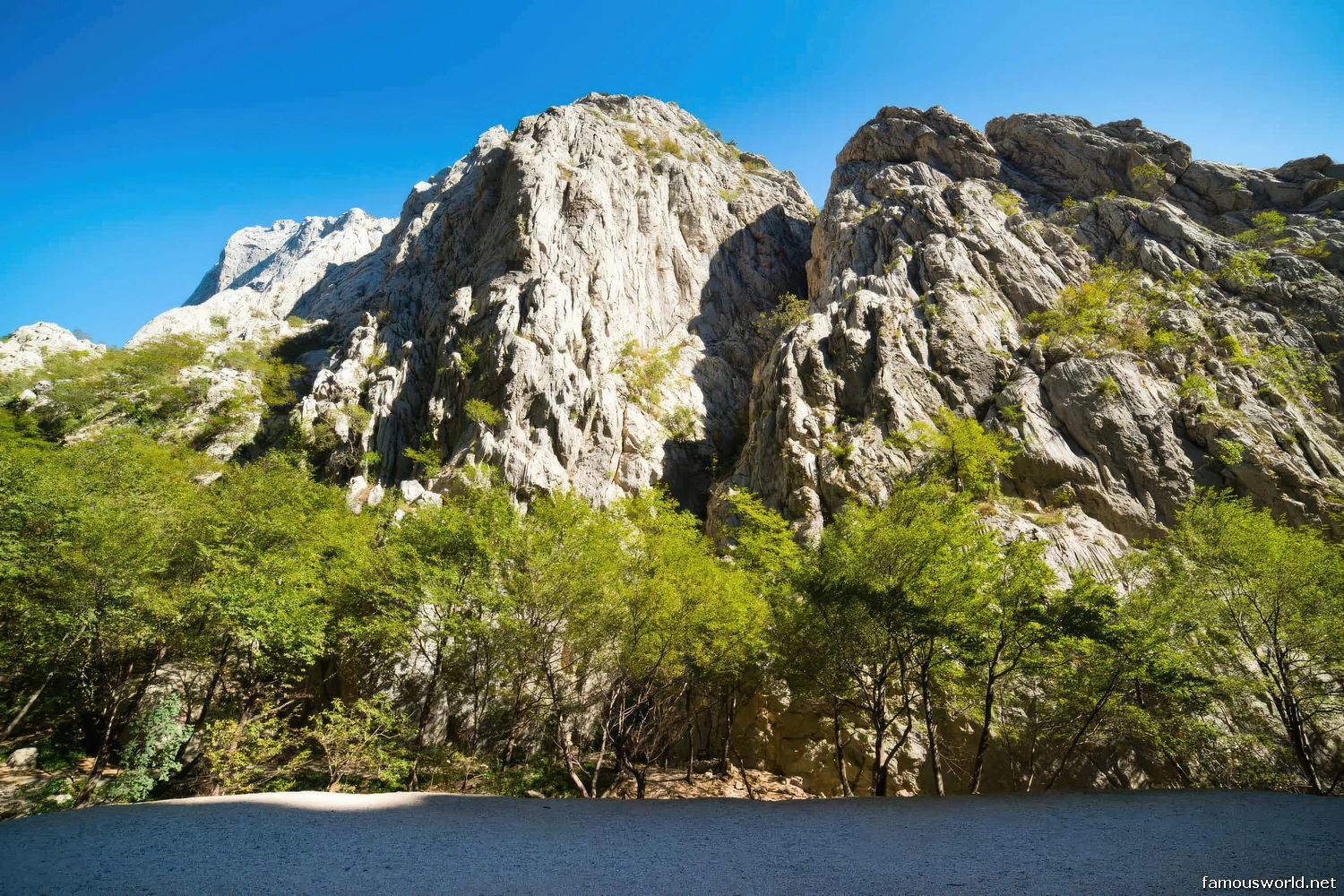
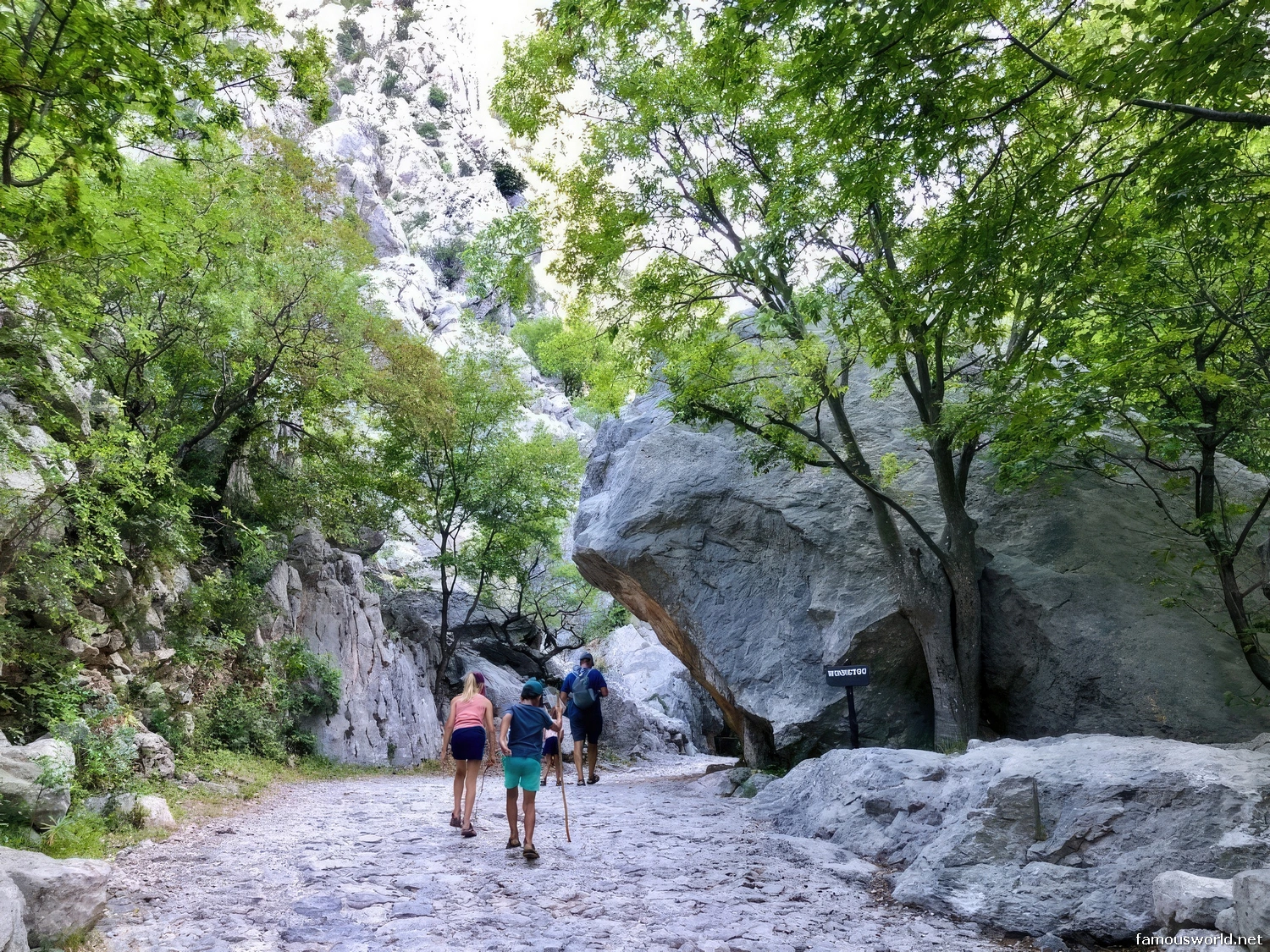
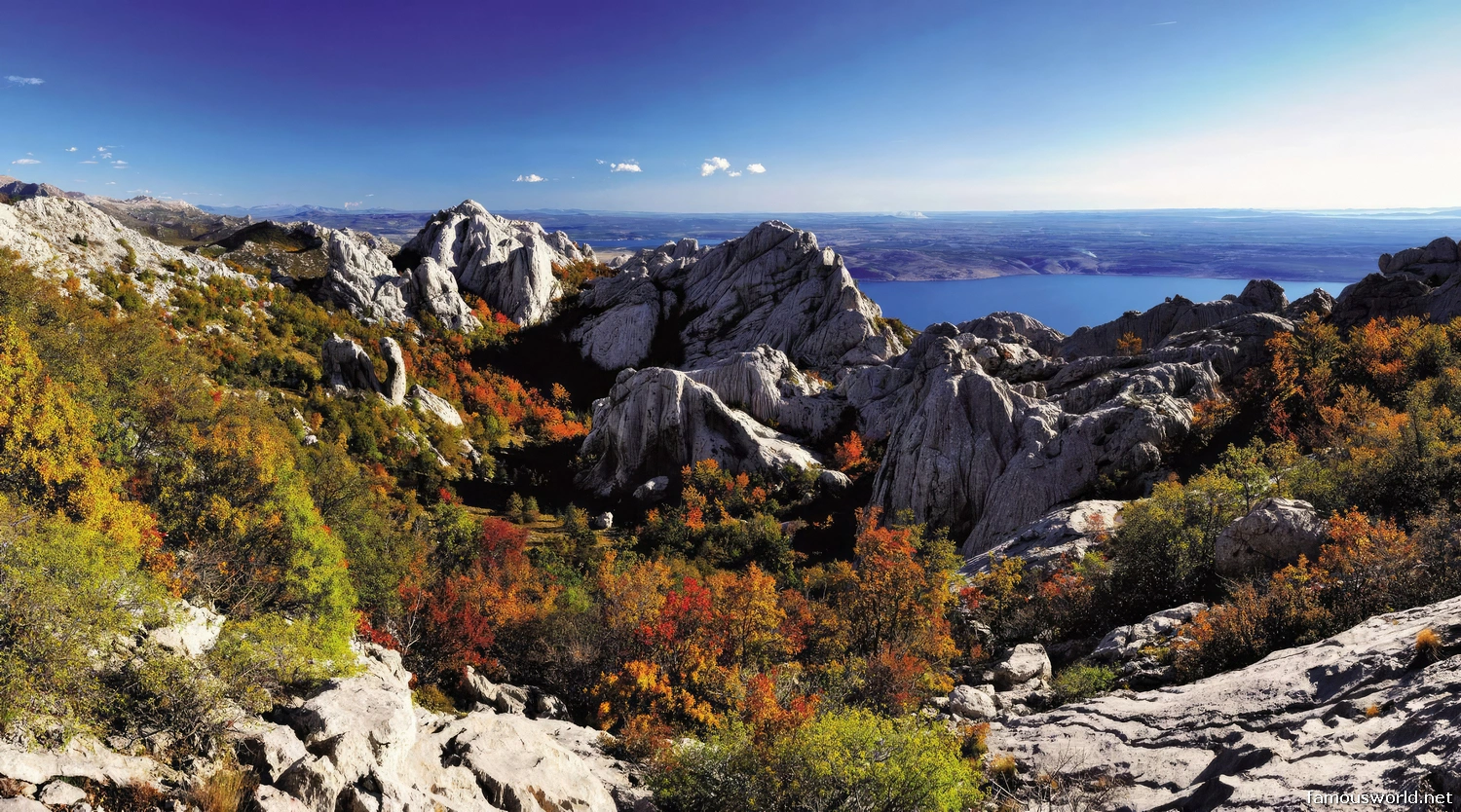
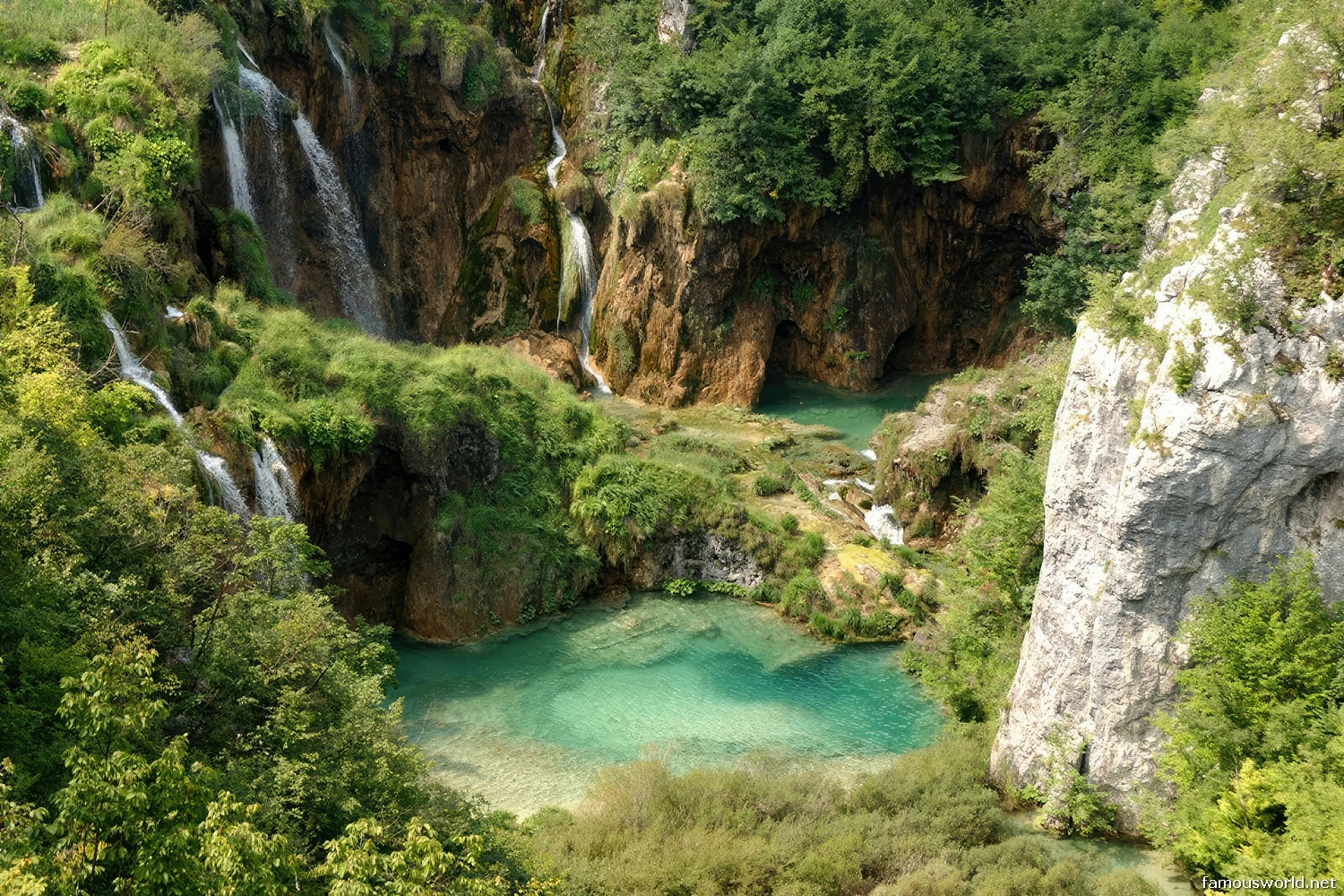
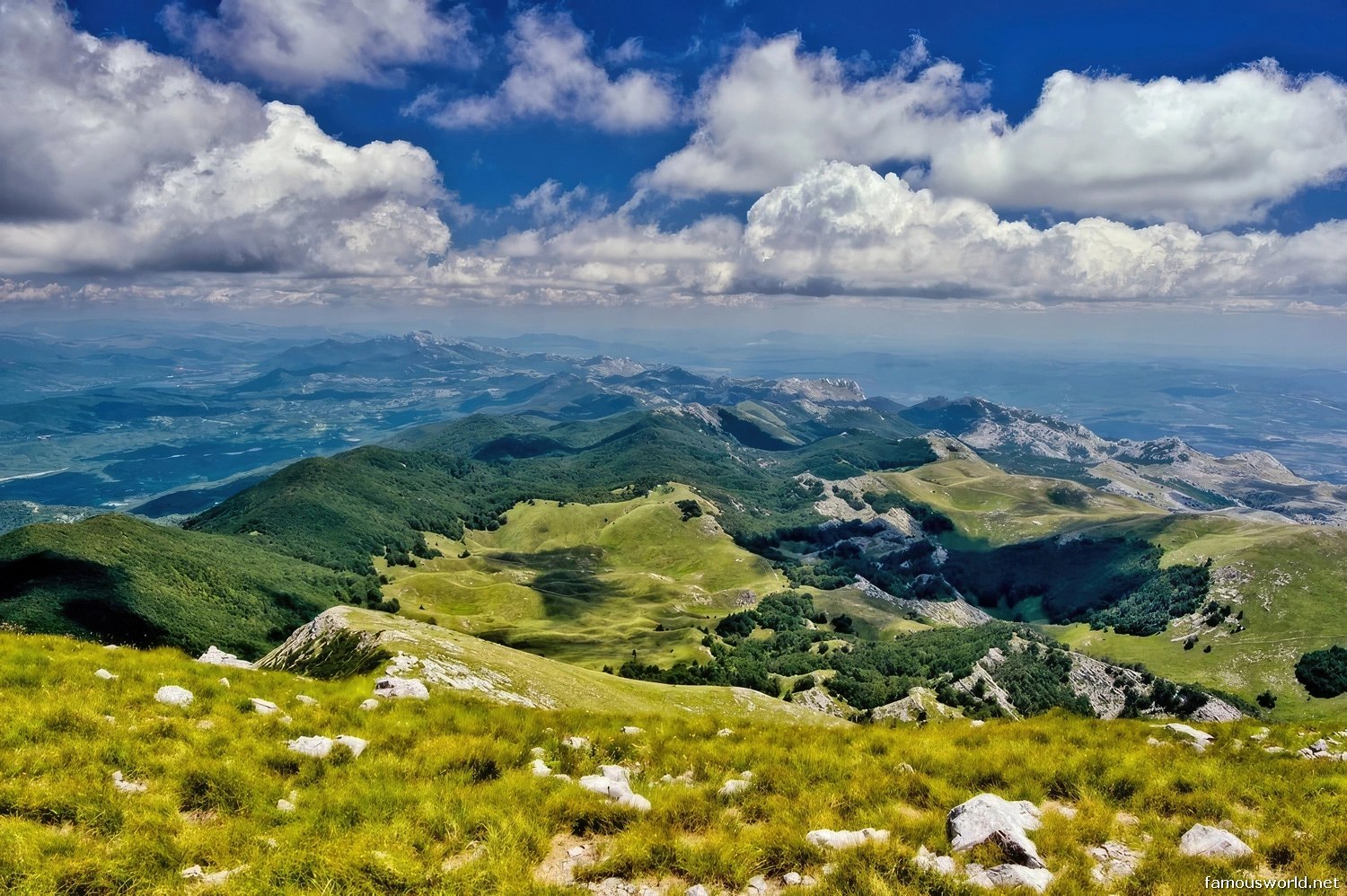
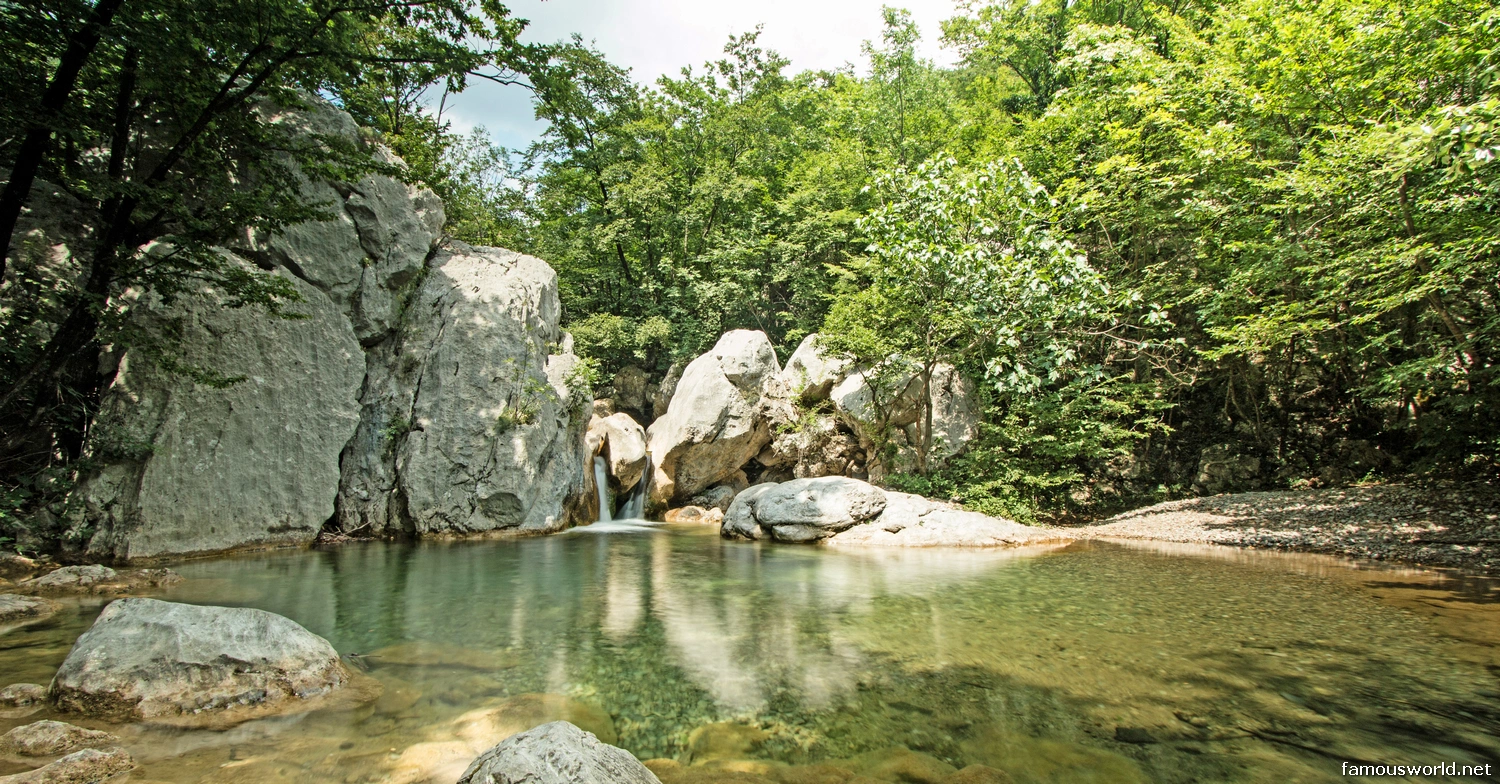
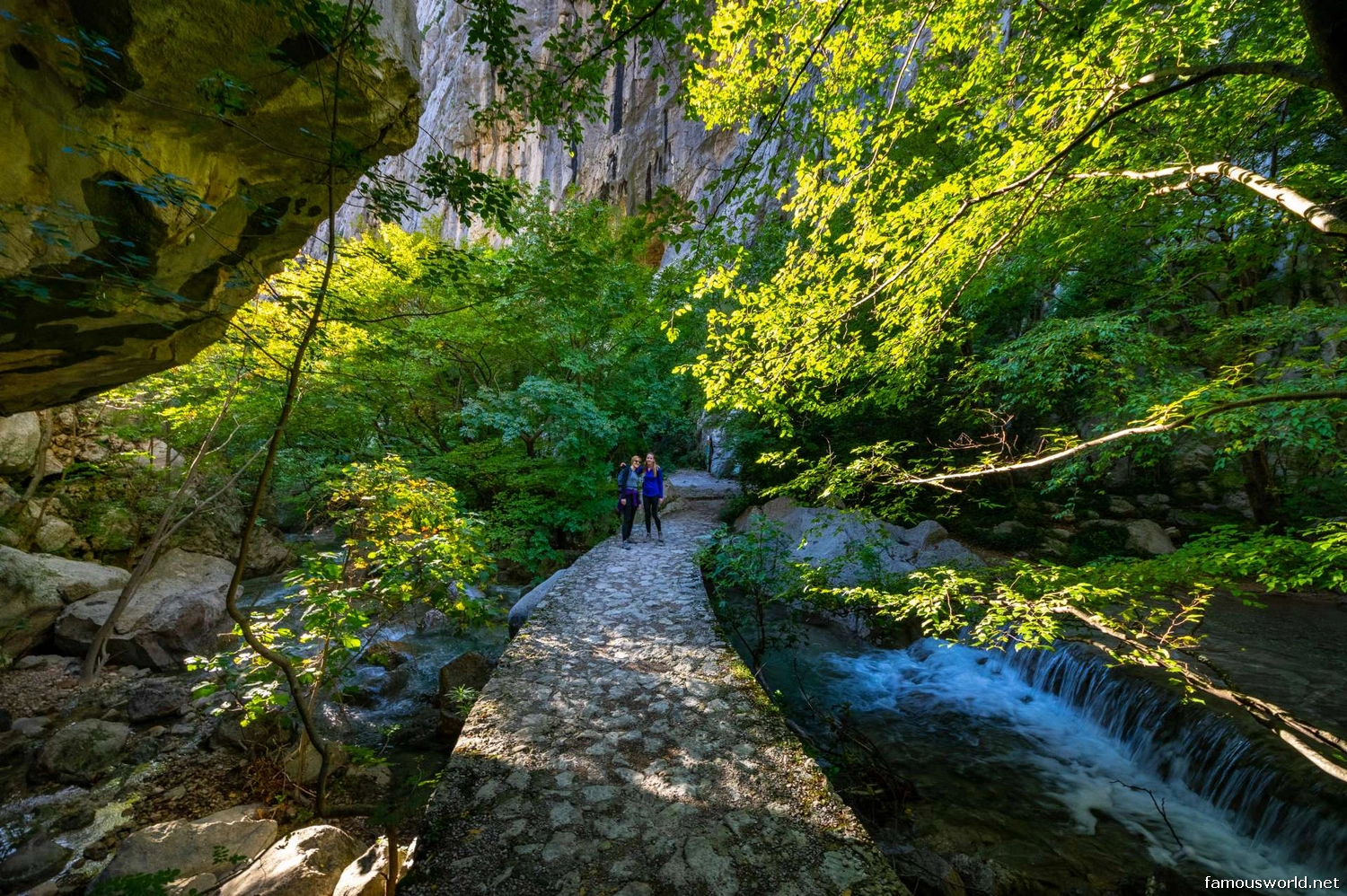
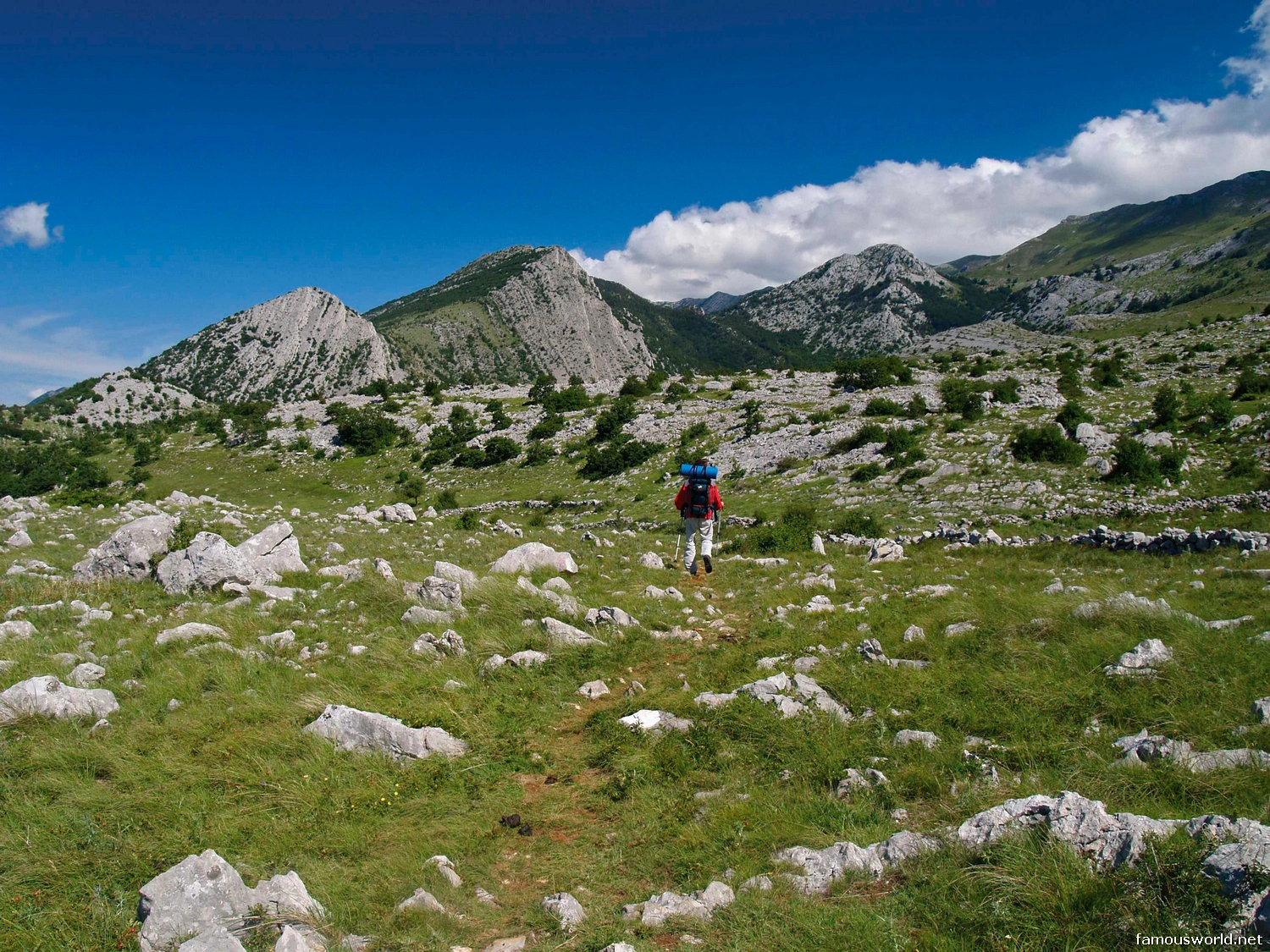
Where the majestic Velebit mountains meet the Adriatic Sea, Paklenica National Park offers one of Croatia’s most dramatic and wild landscapes. This is a realm of deep canyons, towering limestone cliffs, and ancient forests, carved out over millennia by the forces of nature. Renowned as a world-class destination for climbers and hikers, the park is a testament to the raw beauty of karst scenery. It is a place of adventure and tranquility, where visitors can challenge themselves on vertical rock faces or wander peacefully along trails that follow crystal-clear streams, all within a designated UNESCO World Biosphere Reserve.
Listen to an introduction about Paklenica National Park

Name and Location
- Name: Paklenica National Park (Nacionalni park Paklenica).
- Location: Located on the southern slopes of the Velebit mountain range, near the town of Starigrad and approximately 45 kilometers northeast of Zadar, Croatia.
How to Get There
The park is easily accessible, especially from the coastal city of Zadar.
- By Car: This is the most common way to visit. The park entrance is a short drive from the main A1 motorway (Maslenica exit) or the coastal road (Jadranska magistrala).
- By Bus: Regular bus lines connect Zadar with Starigrad-Paklenica, from where it is a short walk to the park’s main entrance.
- As a Day Trip: Its proximity to Zadar and the coast makes it a very popular day trip for tourists staying in the region.
Landscape and Architecture
The park is a natural masterpiece defined by its dramatic geology and rich biodiversity, with minimal human structures.
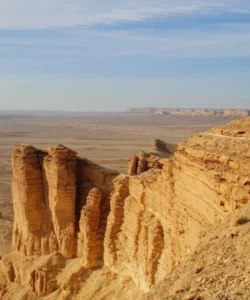
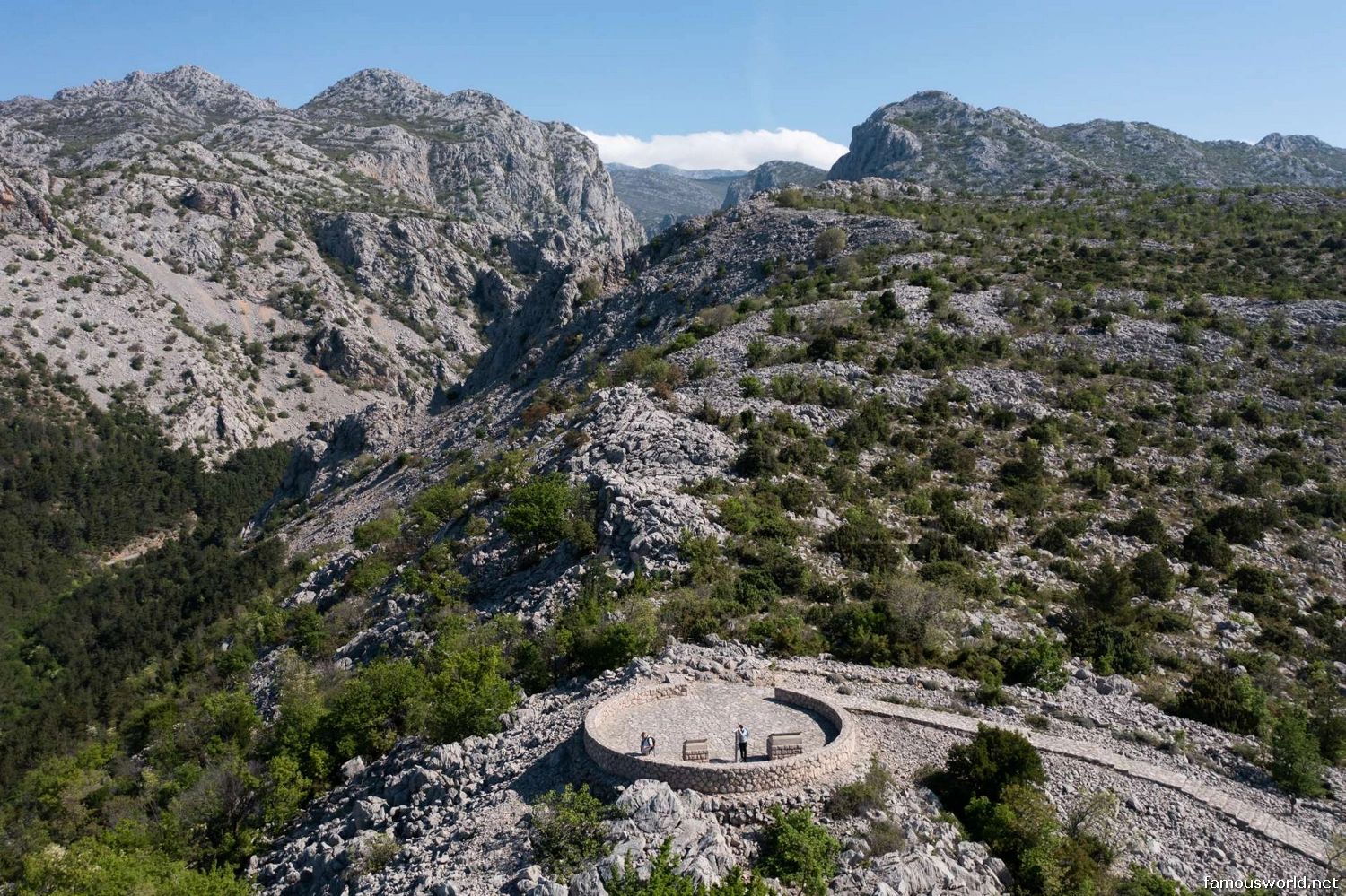
- The Landscape: The park is dominated by two magnificent canyons: Velika (Great) Paklenica and Mala (Small) Paklenica. These gorges feature towering vertical cliffs, some several hundred meters high, which cut deep into the Velebit mountains. The landscape is a classic example of karst topography, with caves, pits, and unique rock formations. The park is also home to dense forests of black pine and beech.
- The Architecture: Human-made structures are minimal and functional, designed to support park activities. They include well-maintained hiking trails, educational paths, a visitor center, and a mountain hut. The focus is entirely on the preservation and accessibility of the natural environment.
What Makes It Famous
Paklenica is renowned as a premier European destination for adventure sports and for its stunning natural beauty.
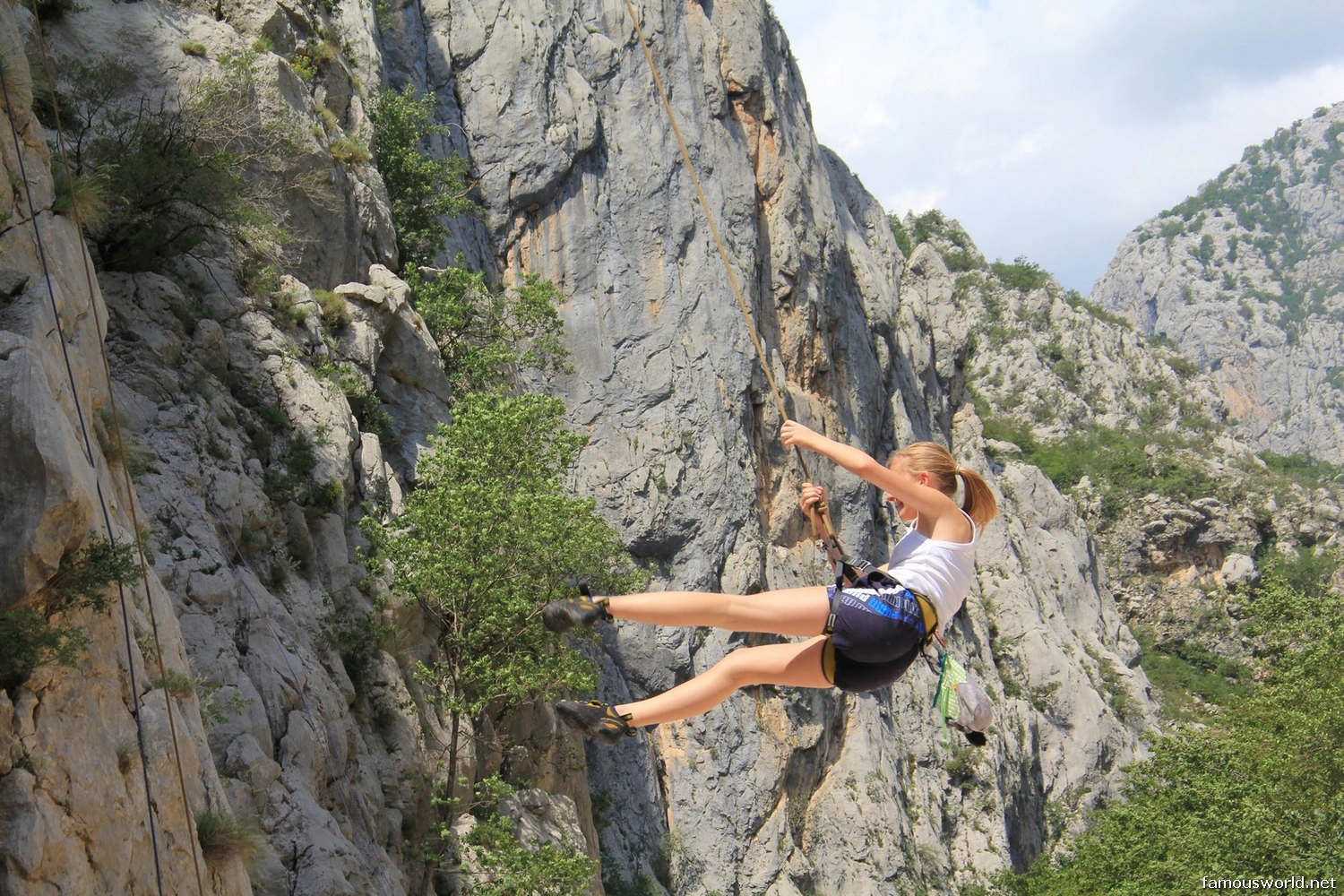
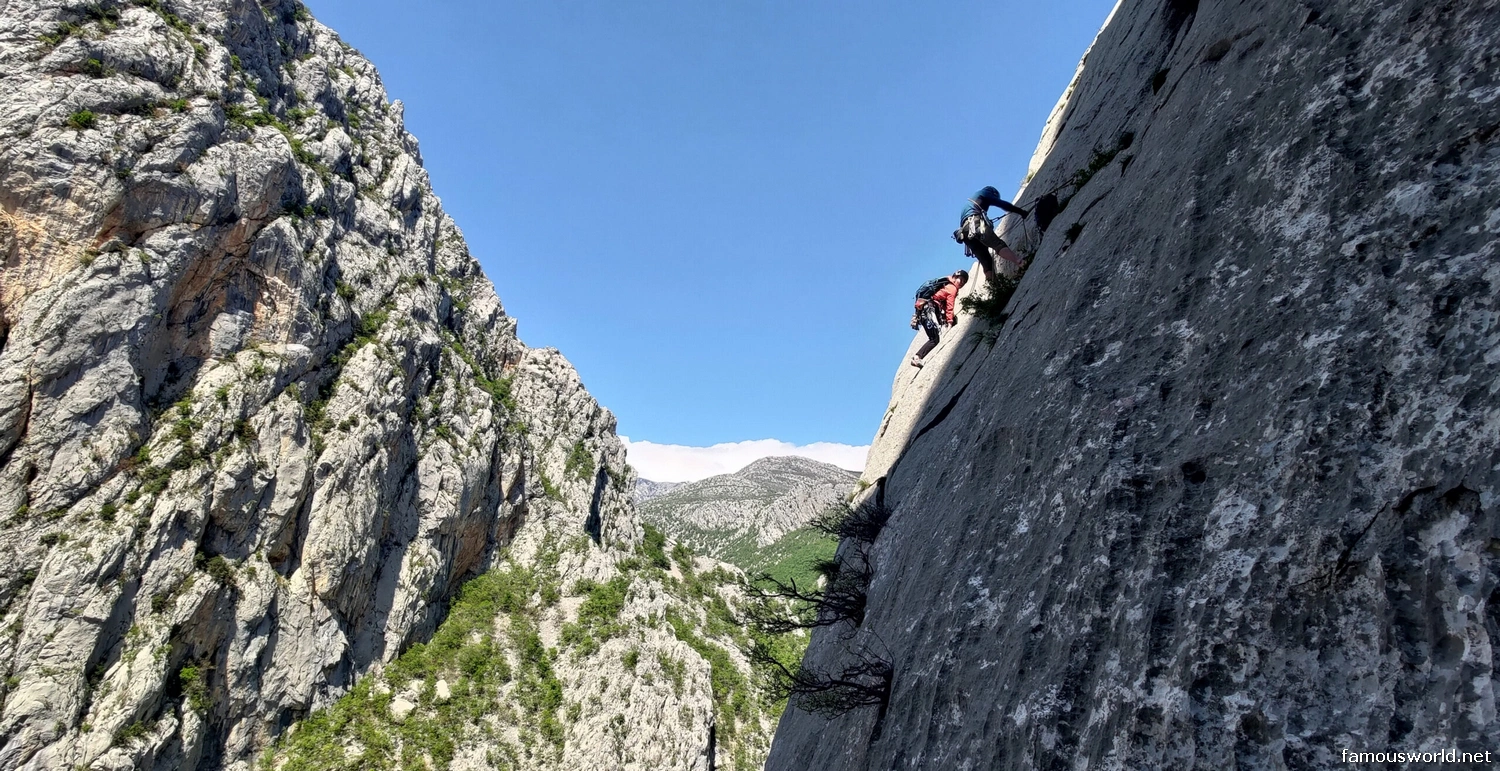
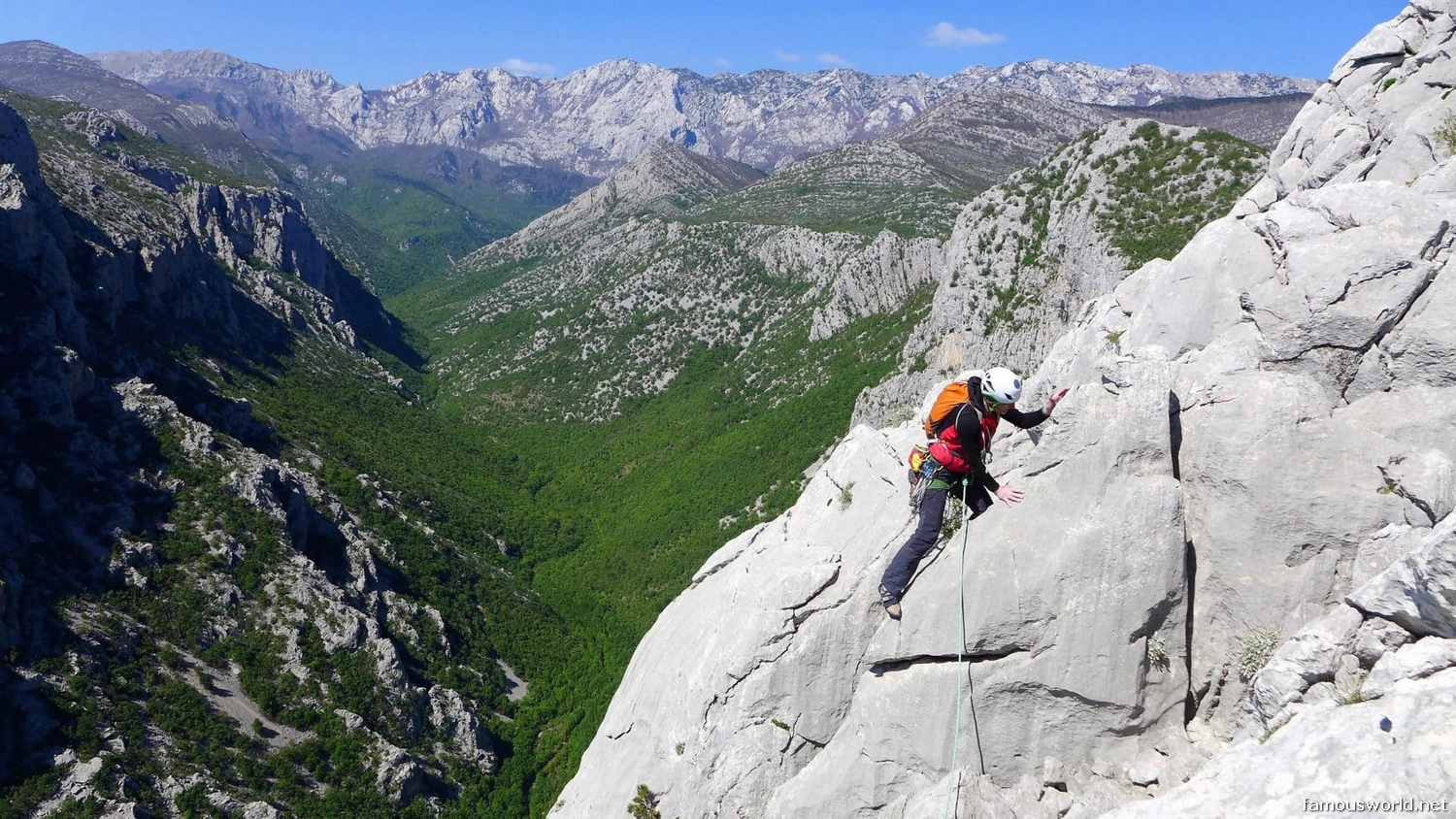
- Rock Climbing: It is Croatia’s most important and famous climbing center. The park offers hundreds of equipped routes of varying difficulty, with the massive cliff of Anića Kuk being its most iconic climbing challenge.
- Dramatic Canyons: The sheer scale and beauty of the Velika and Mala Paklenica canyons are a major draw for hikers, photographers, and nature lovers.
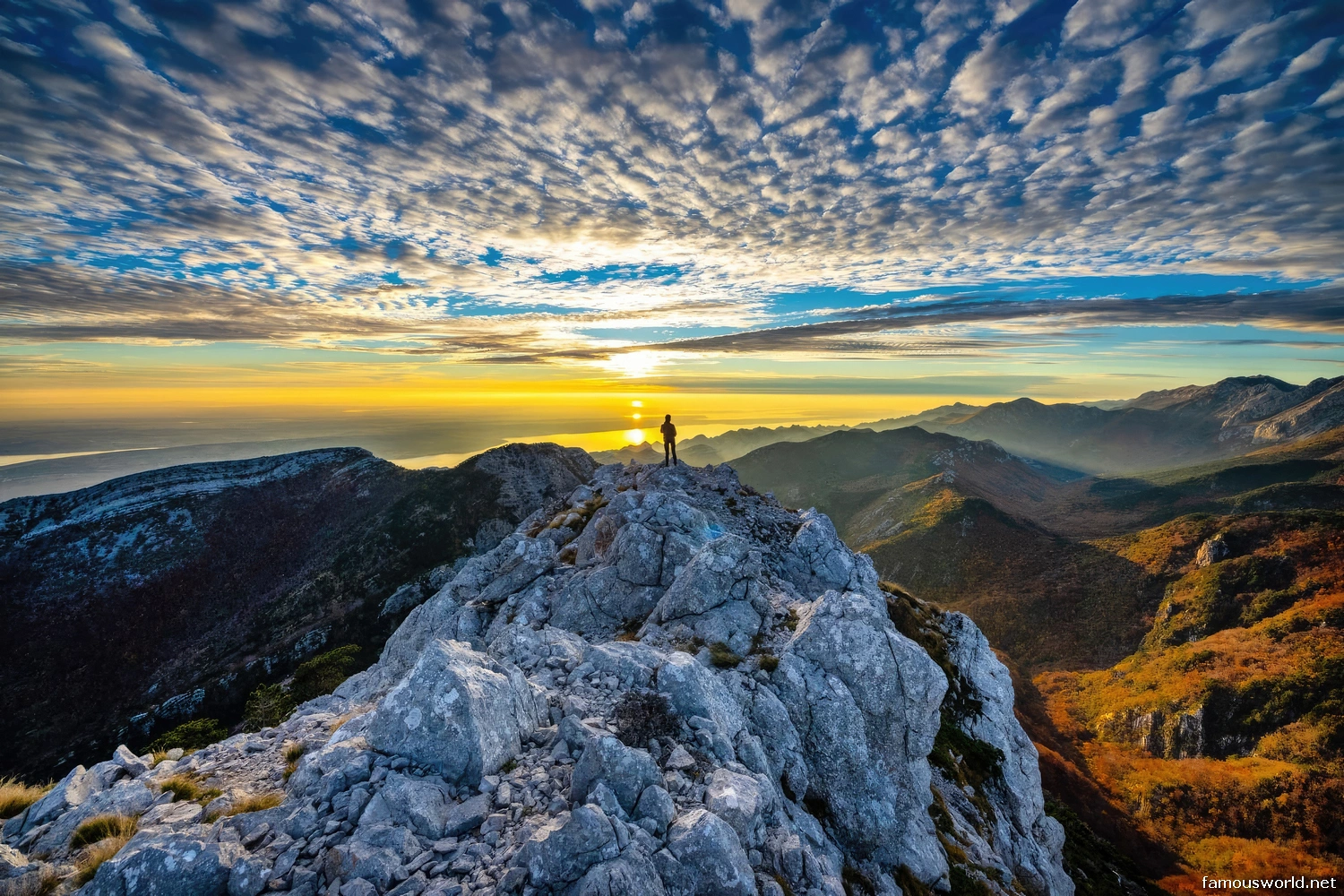
- Hiking and Trekking: The park contains over 150 km of marked hiking trails, from easy walks along the stream in Velika Paklenica to challenging multi-day treks into the highest peaks of the Velebit range.
- UNESCO World Biosphere Reserve: As part of the Velebit mountain, the park is recognized for its exceptional biodiversity, including many endemic plant species and protected animals like griffon vultures, eagles, and bears.
Differences from Other Wonders
The wild, adventurous spirit of Paklenica offers a stark contrast to the artistic, contemplative experience of Zadar’s Sea Organ.
- Environment (Rugged Mountain Canyon vs. Urban Seaside Promenade): Paklenica is a wild, inland, natural environment characterized by mountains, rocks, and forests. The Zadar installations are modern, man-made artworks situated on a calm, urban waterfront.
- Core Story (Raw Nature & Physical Challenge vs. Art in Harmony with Nature): The story of Paklenica is about the raw power of nature and the human desire for adventure through activities like climbing and hiking. The story of the Sea Organ is one of a gentle collaboration between contemporary art and the natural elements of sea and sun.
- Primary Attraction (Active Participation vs. A Sensory Experience): The main attraction of Paklenica is the active experience of exploring its terrain. The main attraction in Zadar is the passive, sensory experience of listening to the sea’s music and watching the solar light show.
- Atmosphere (Wild and Adventurous vs. Meditative and Social): The atmosphere in Paklenica is one of wilderness, physical exertion, and awe at the grandeur of nature. The atmosphere in Zadar is relaxing, contemplative, and social.
Location on world map