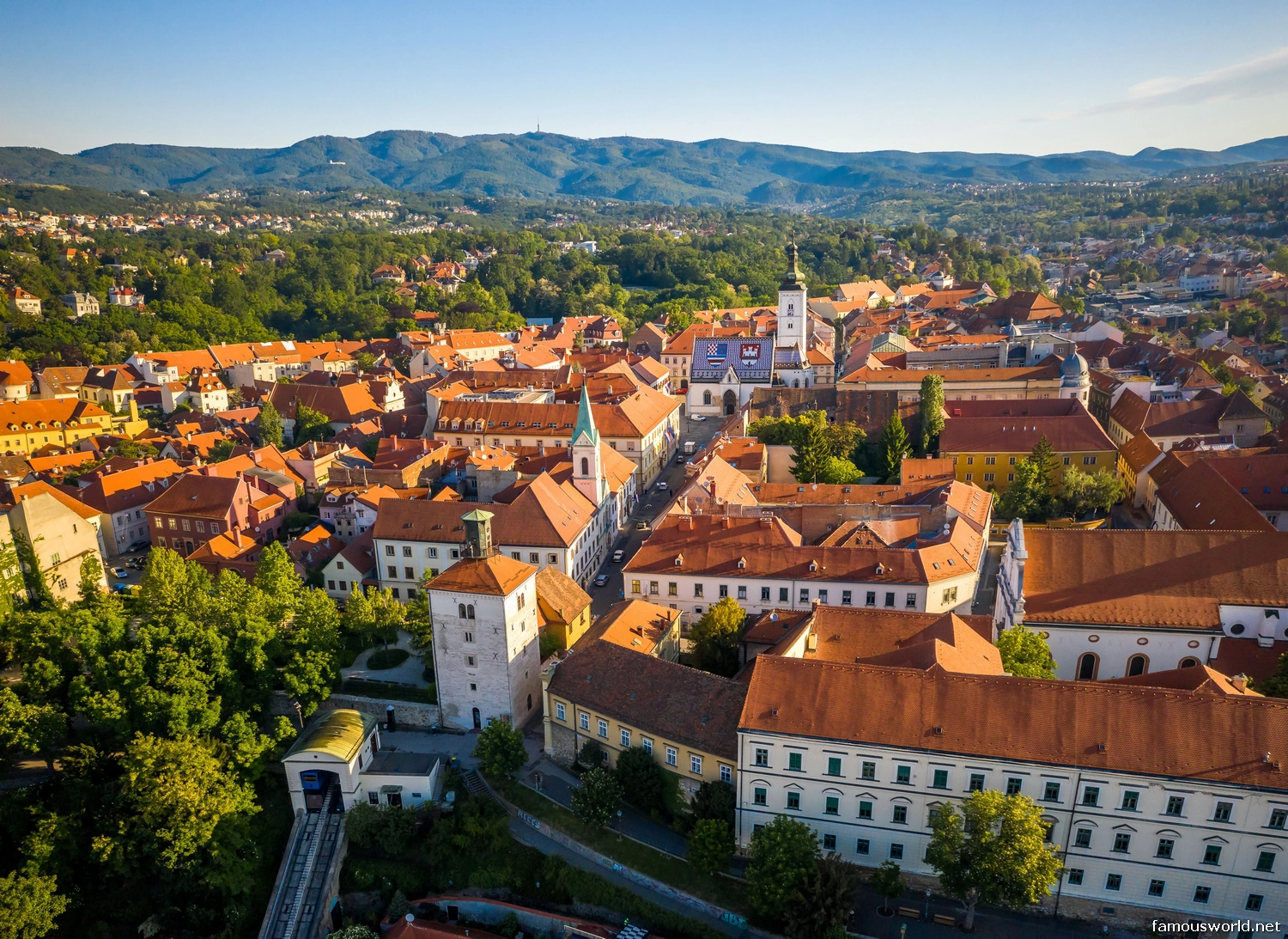
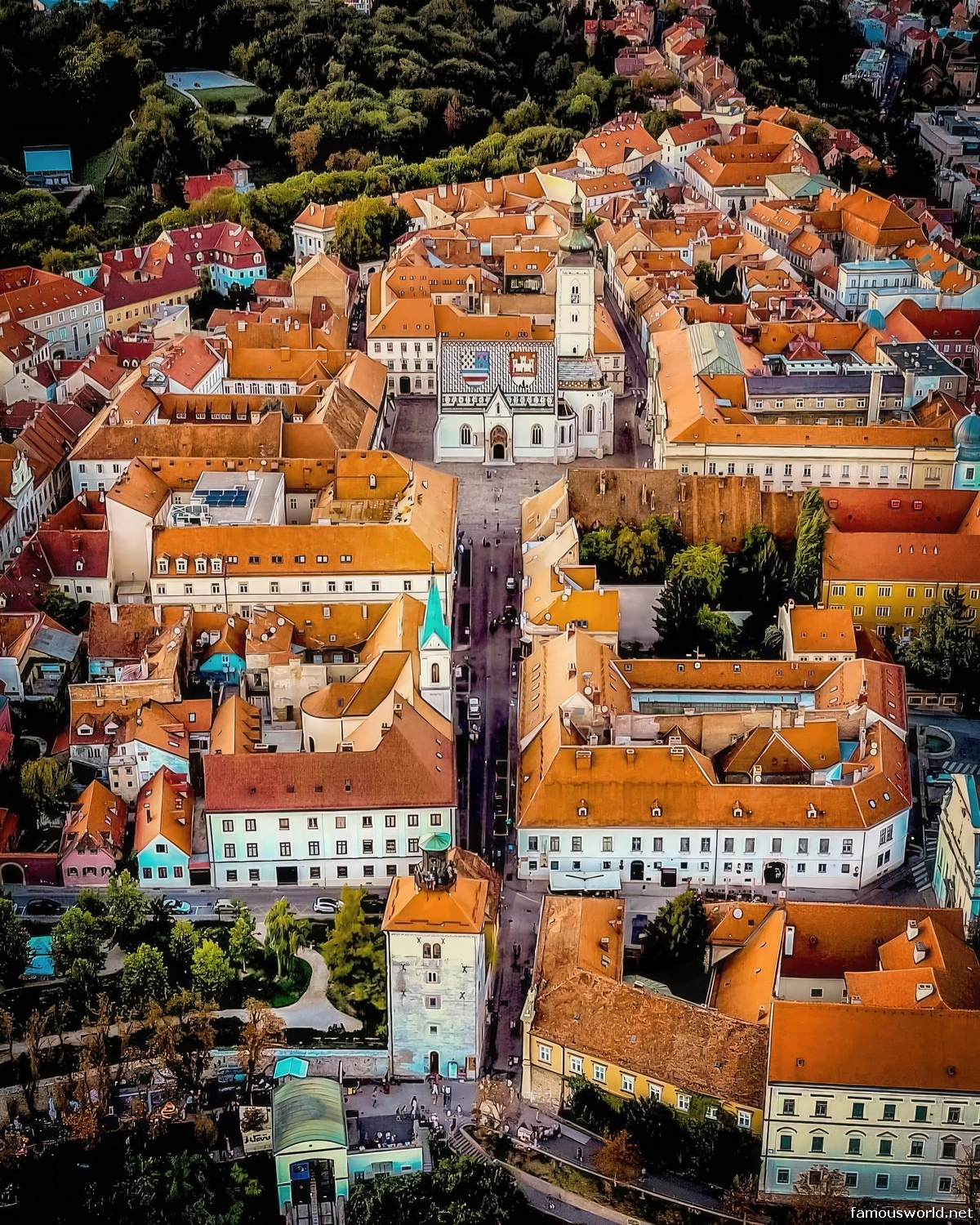
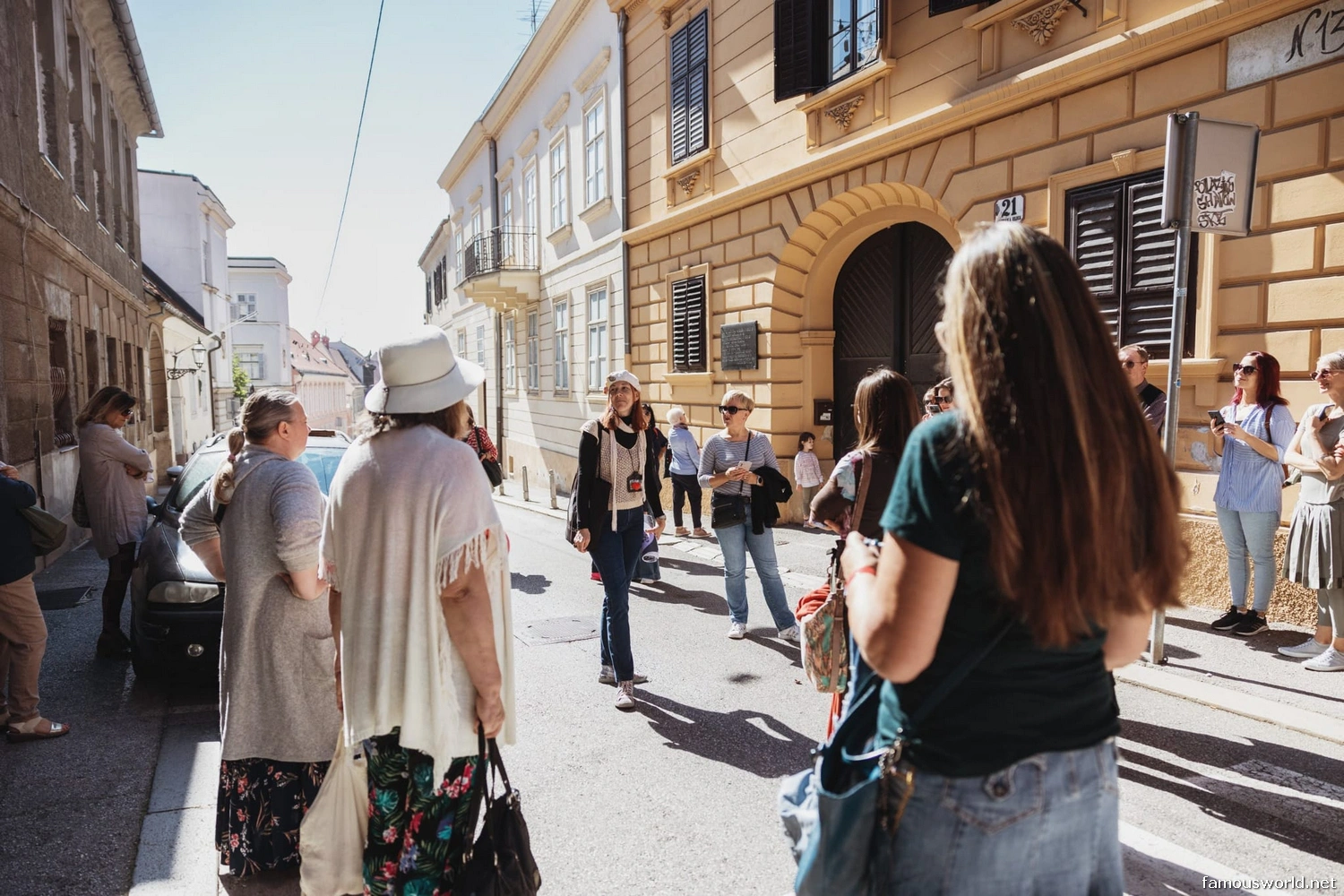
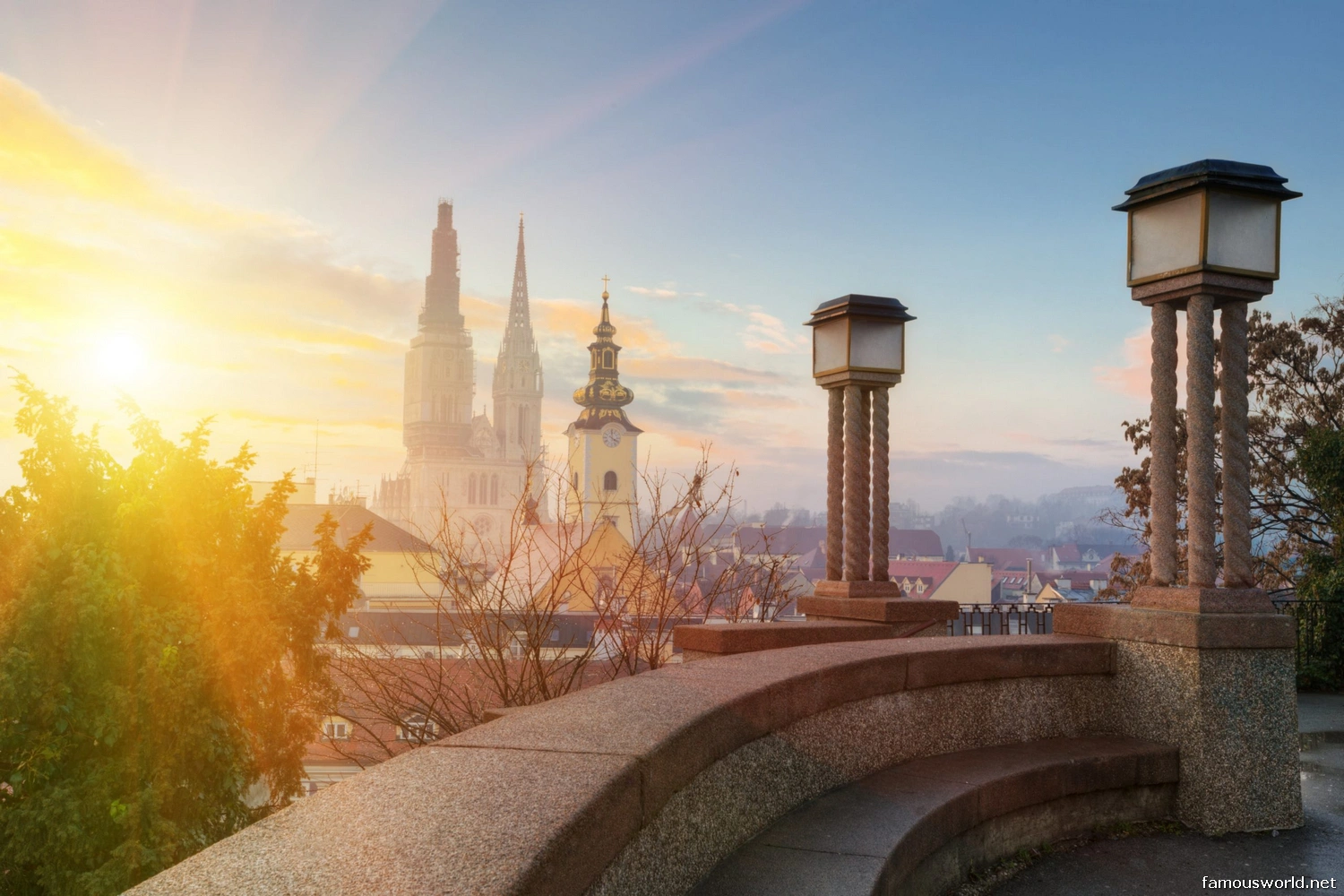
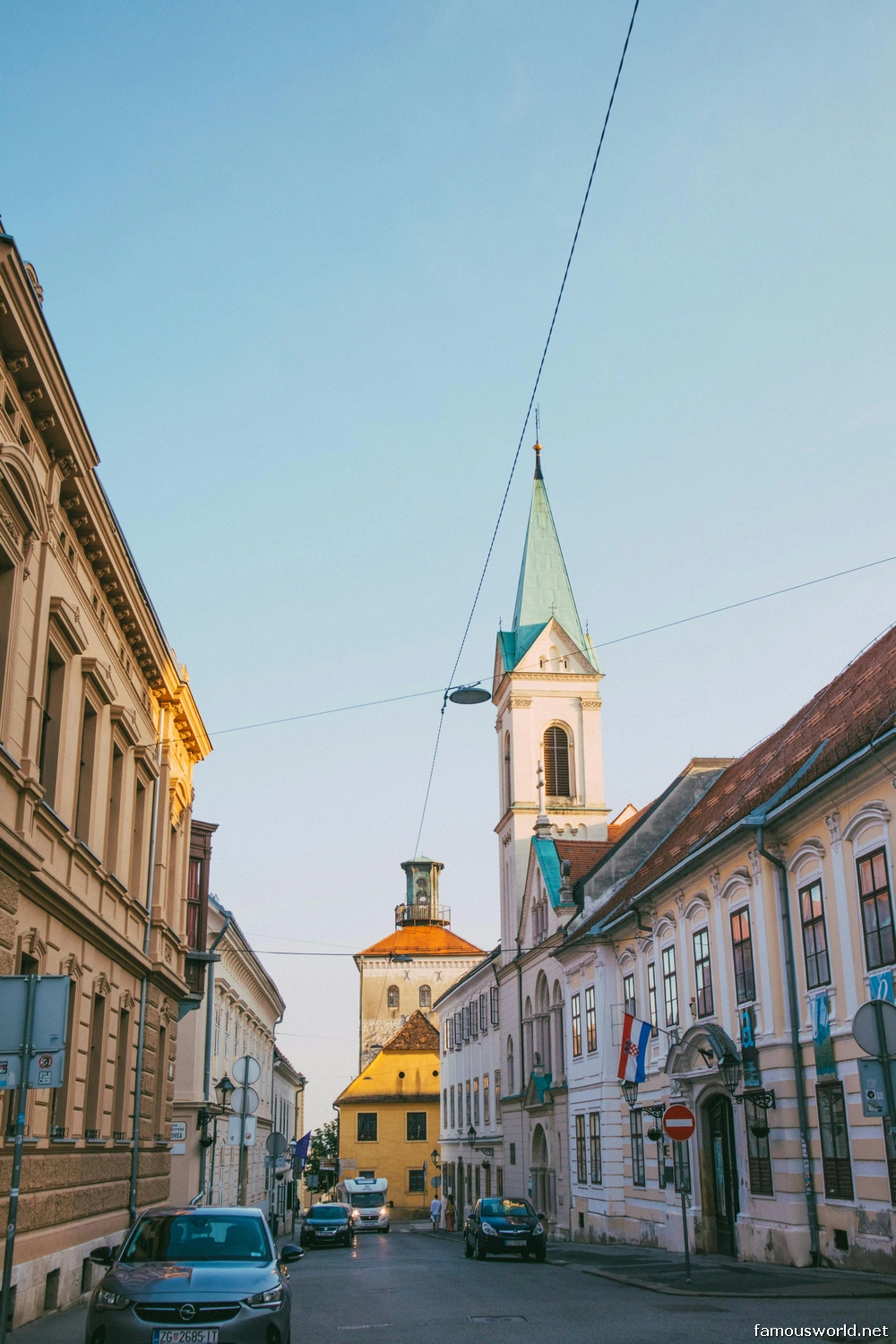
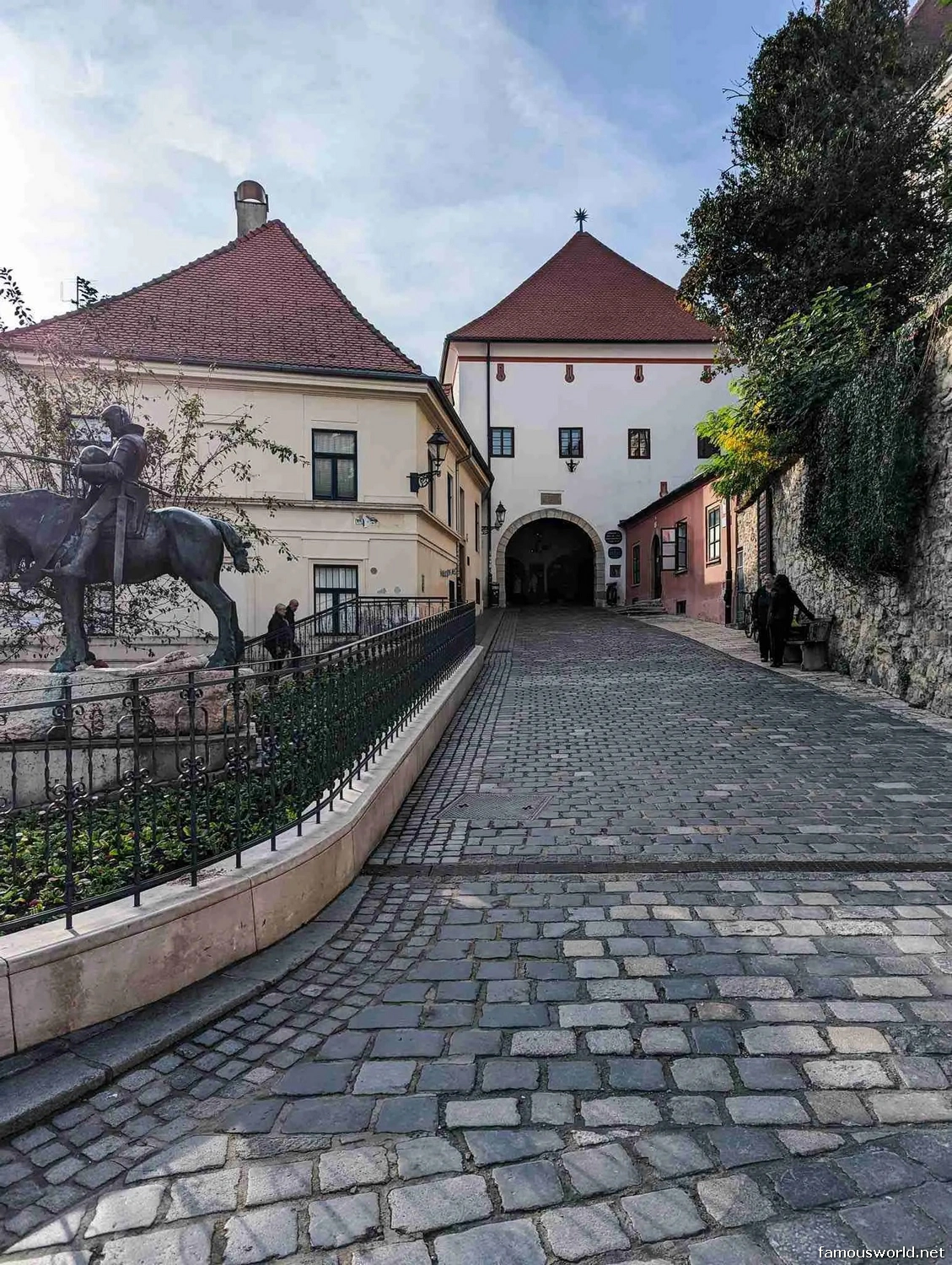
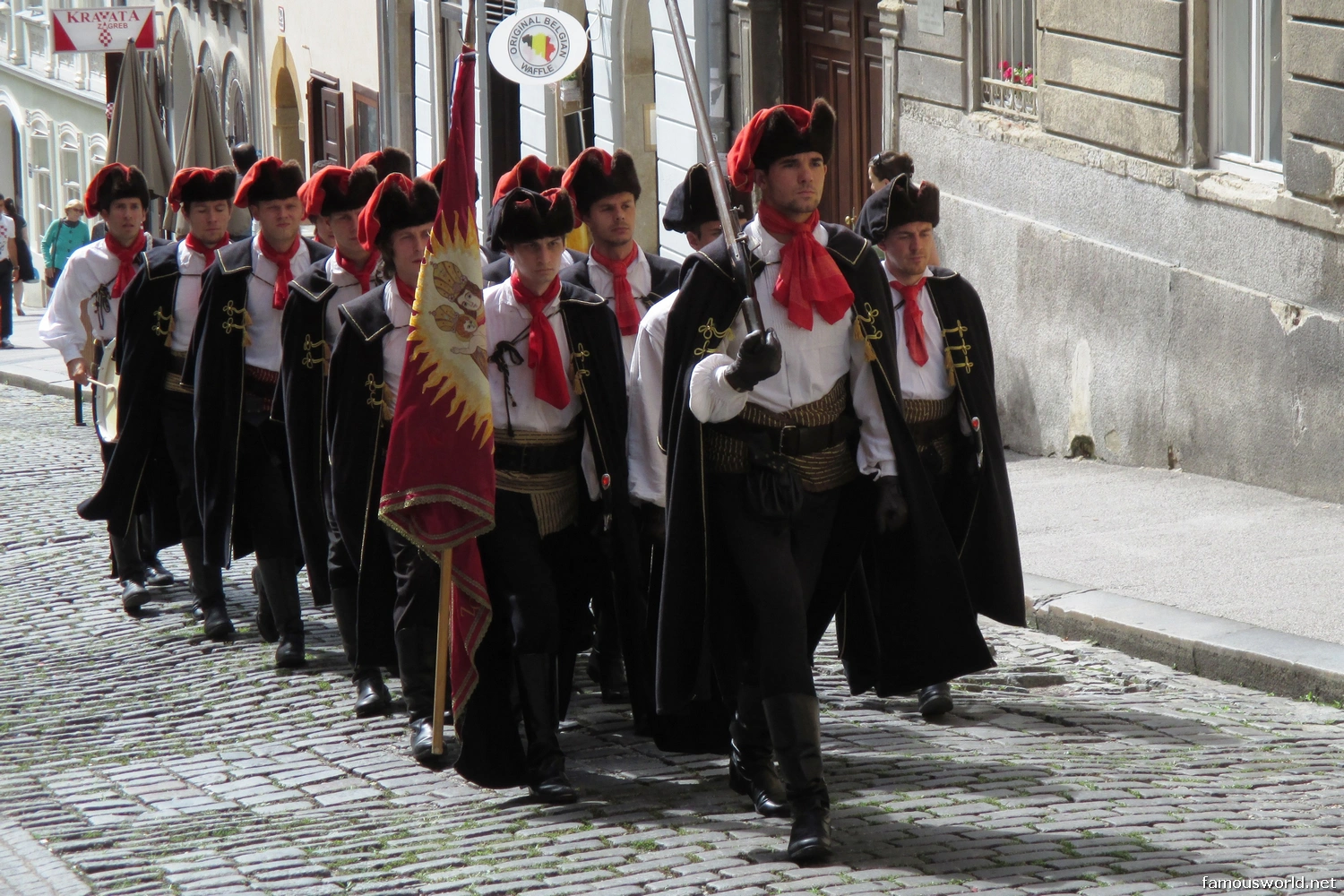
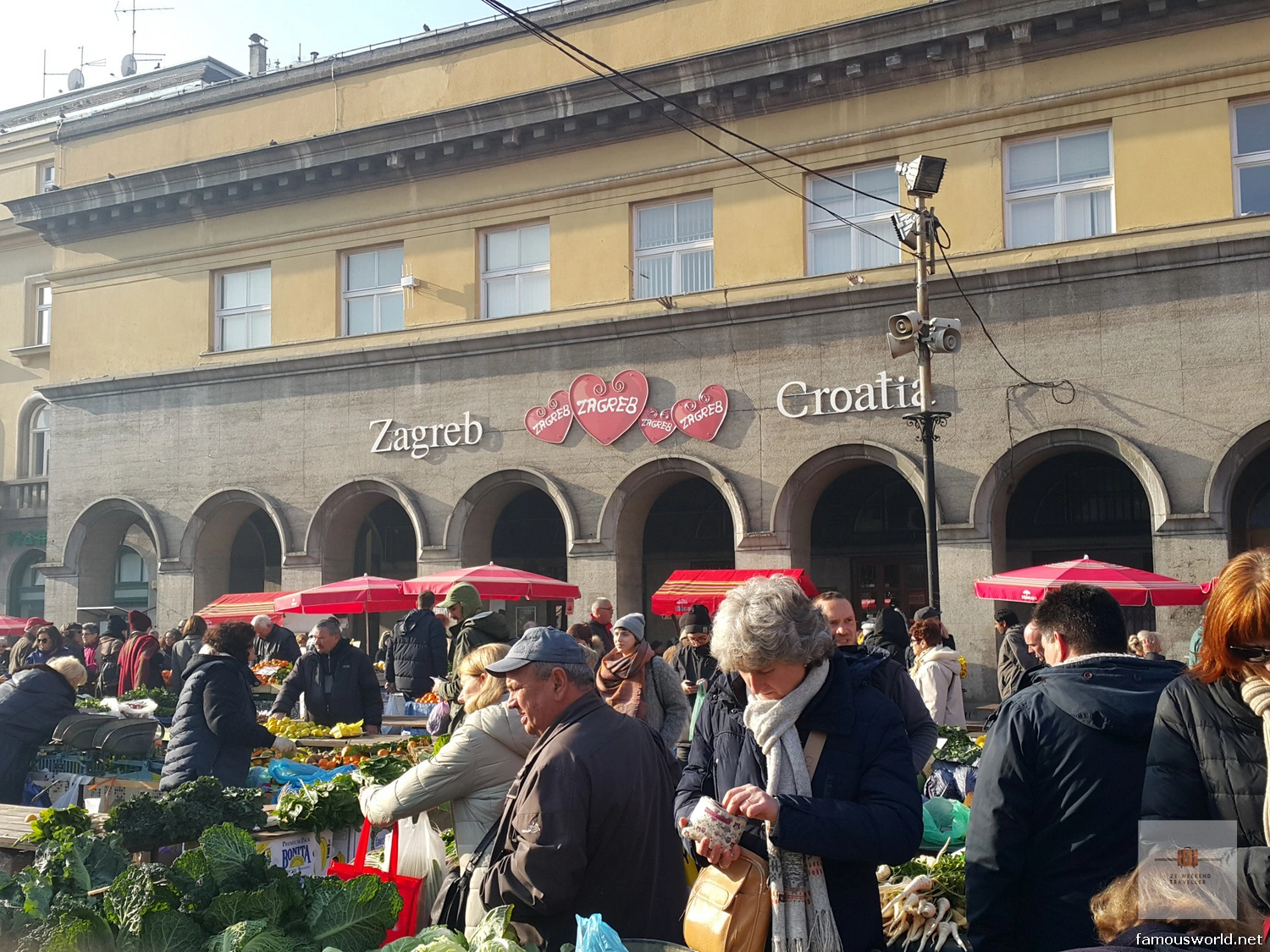
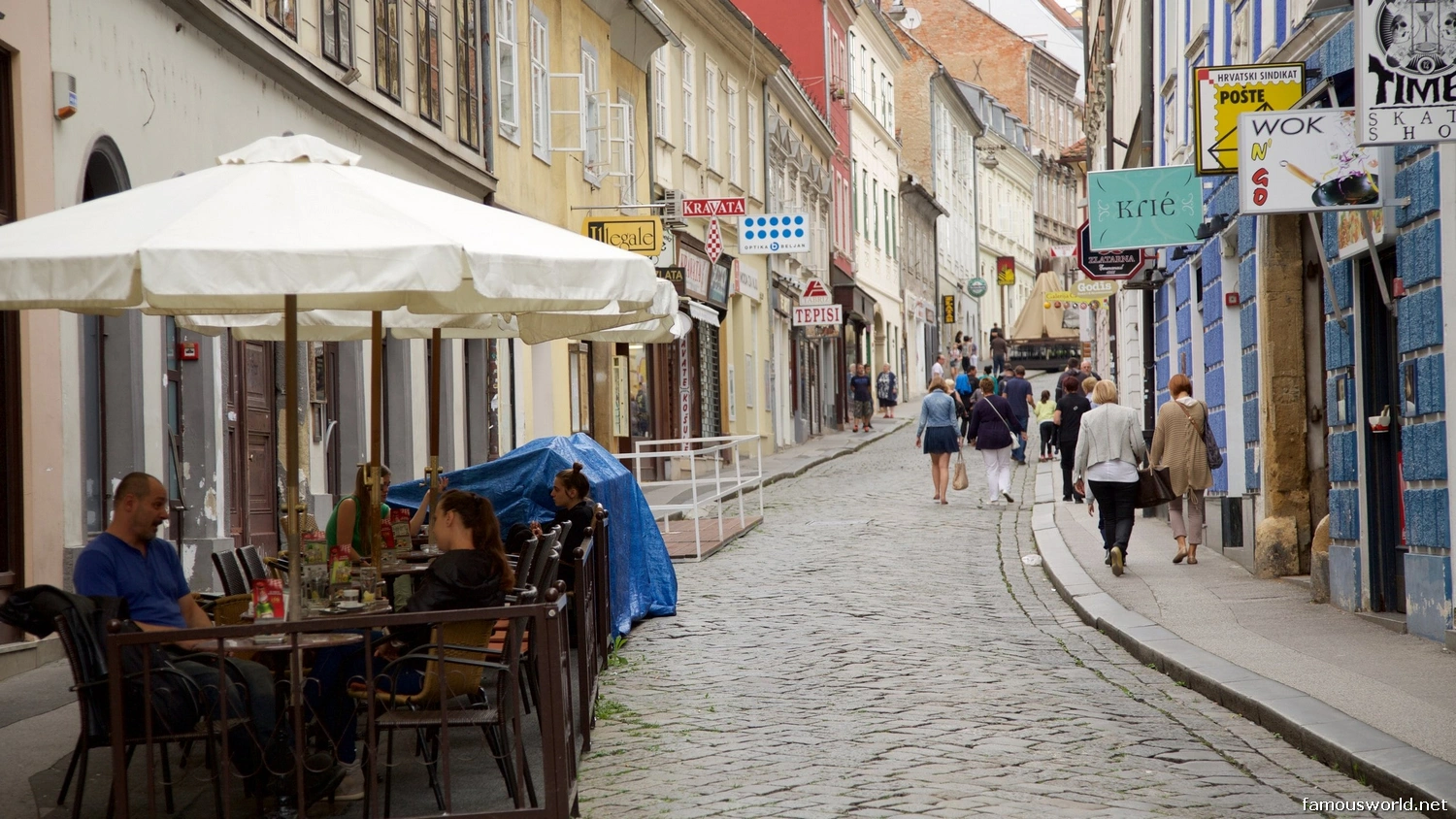
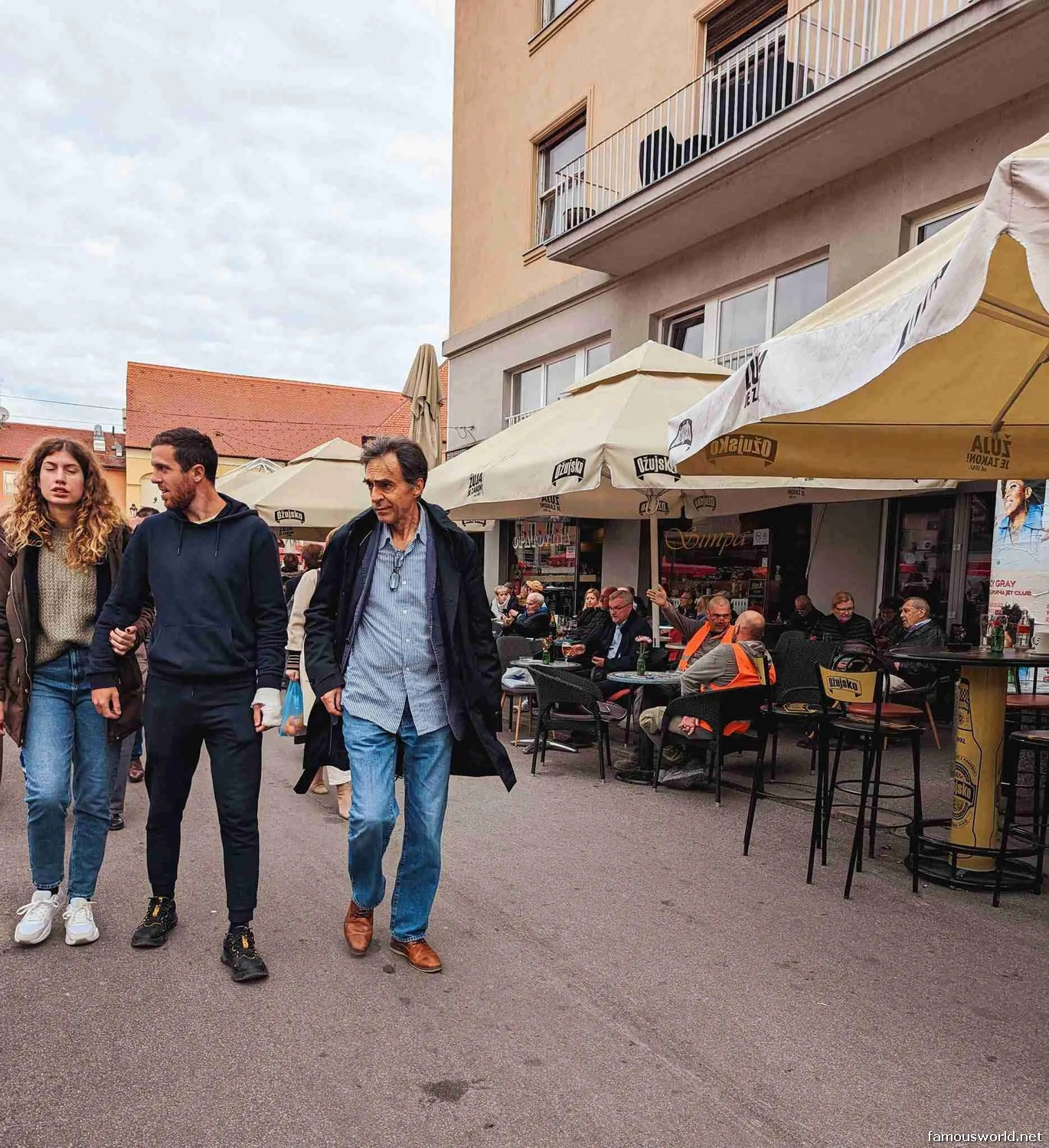
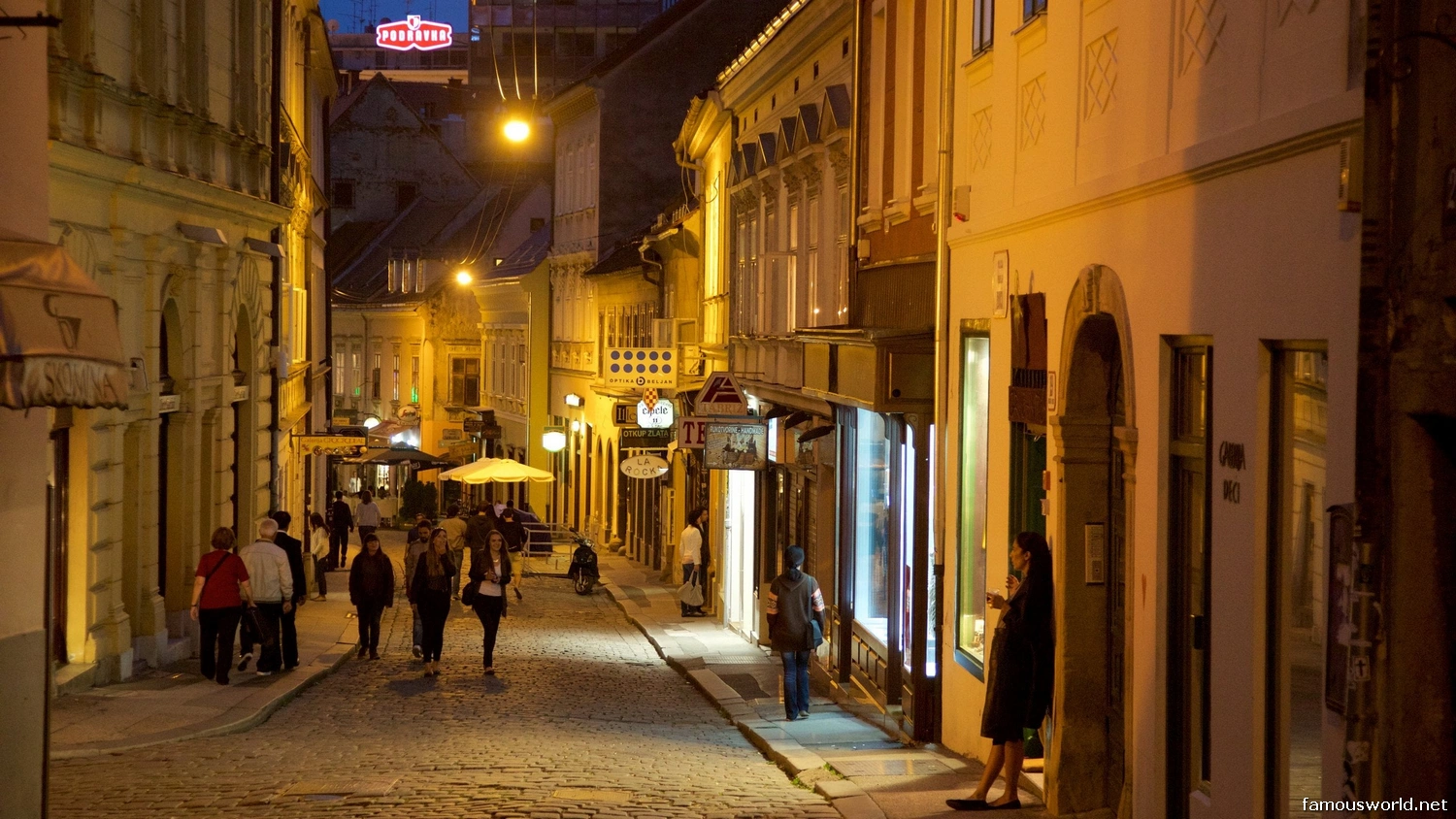
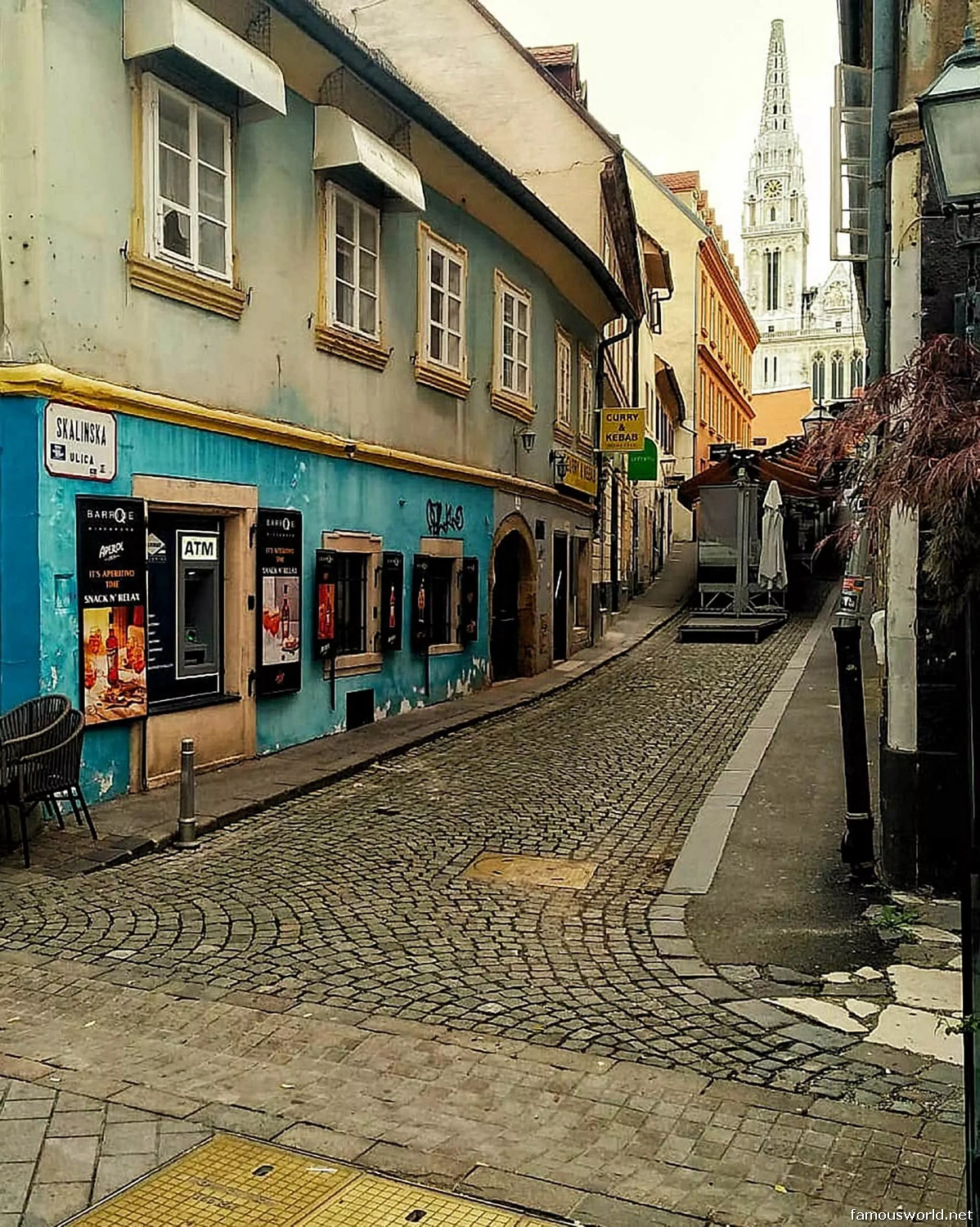
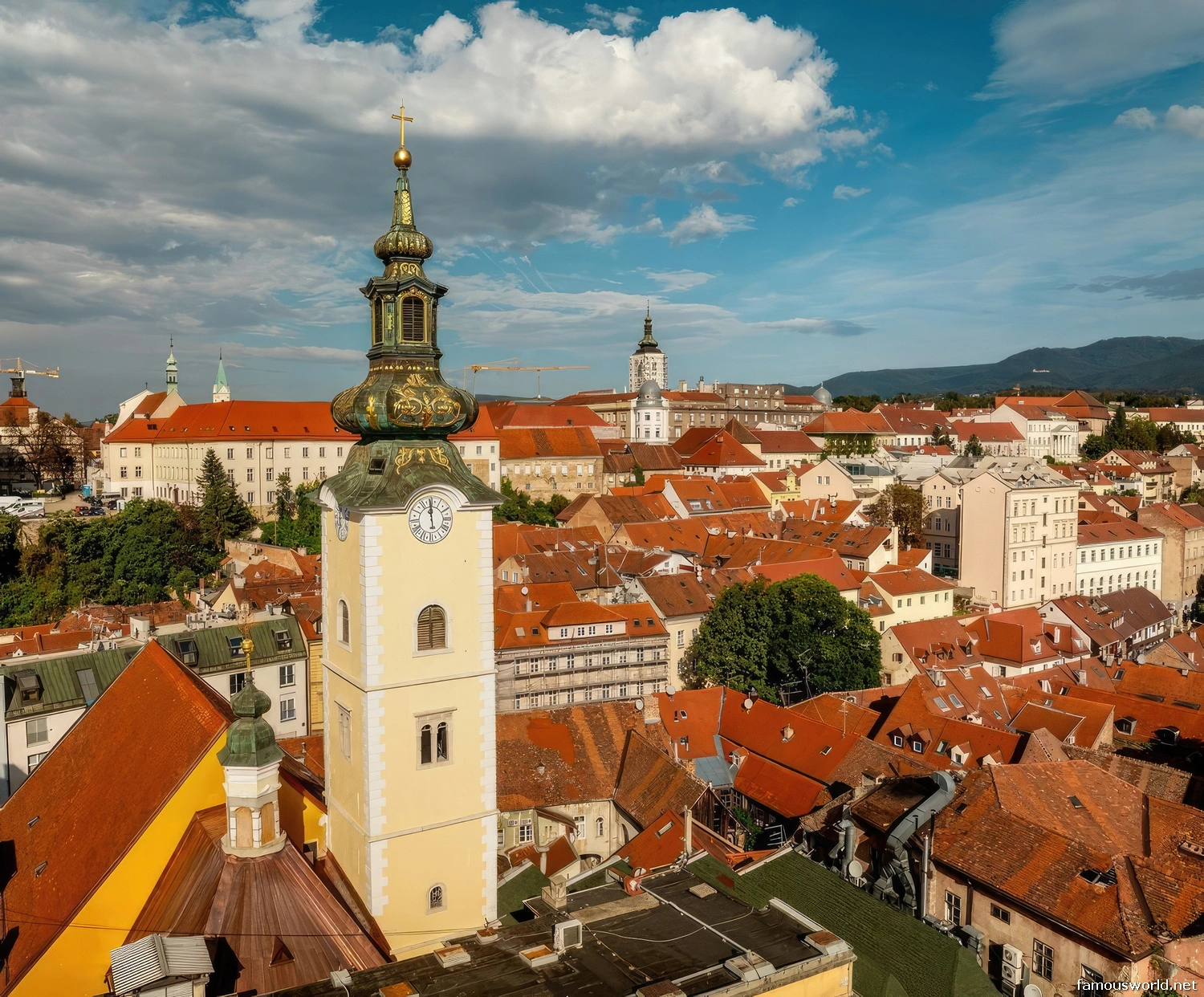
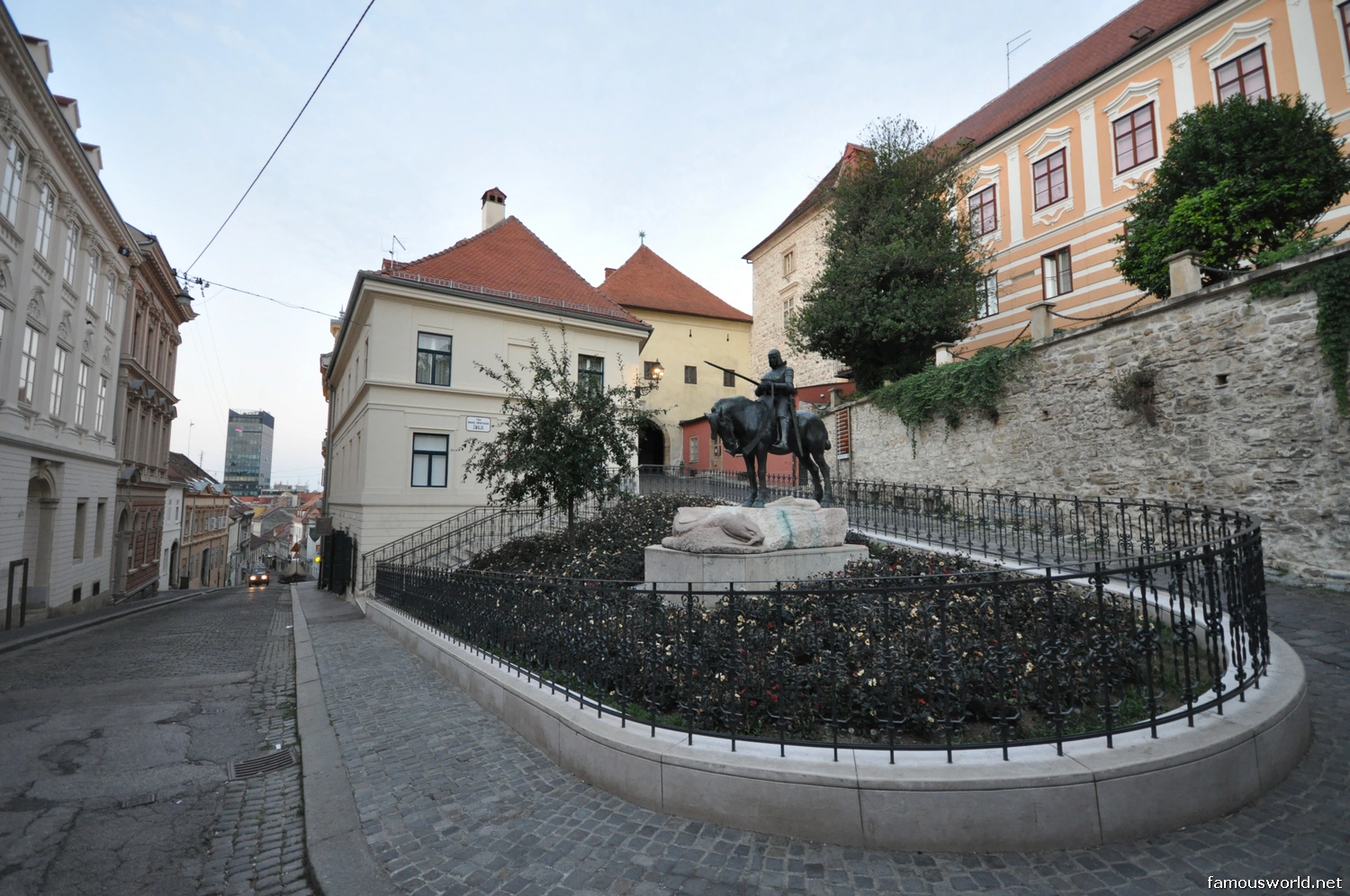
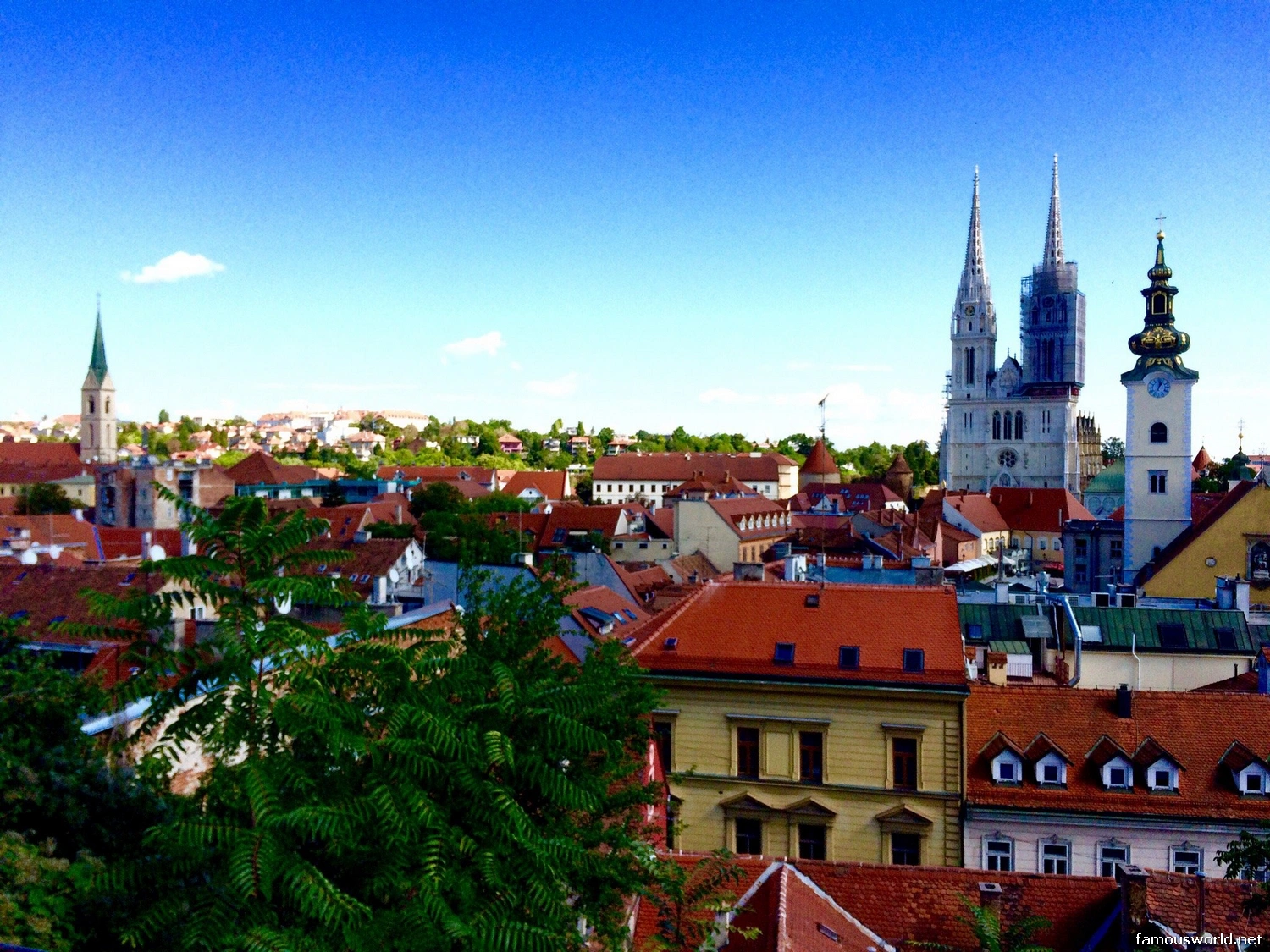
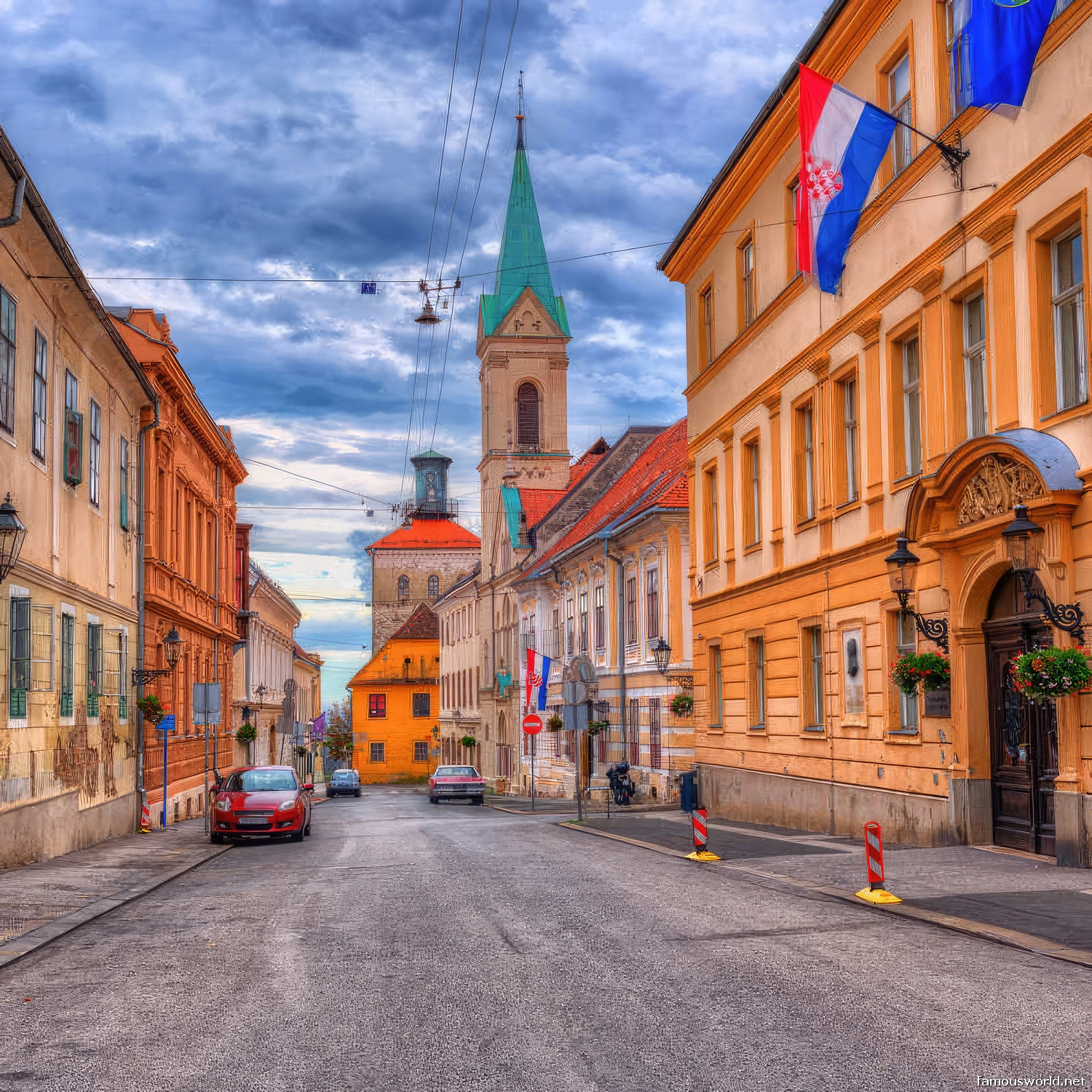
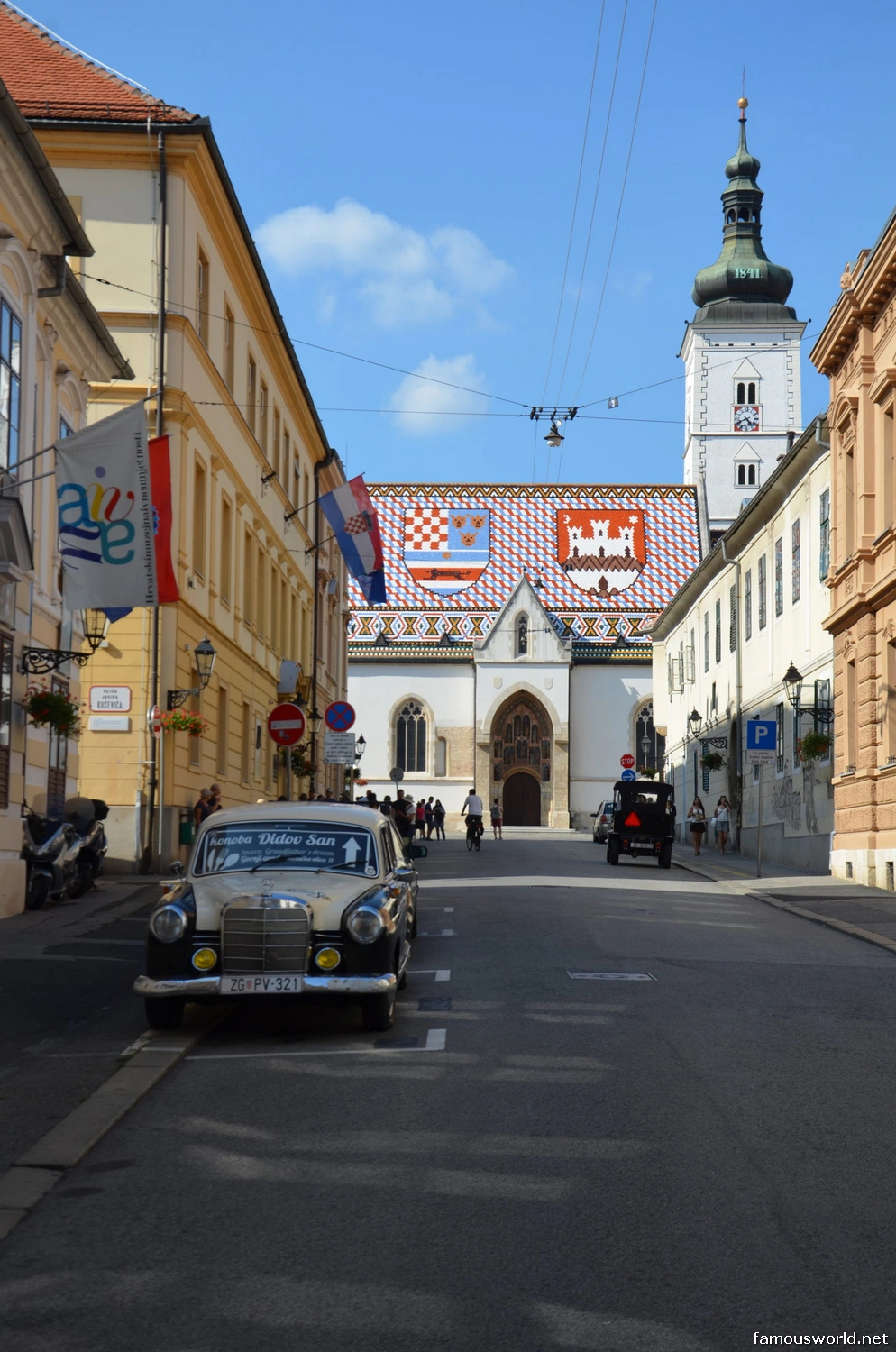
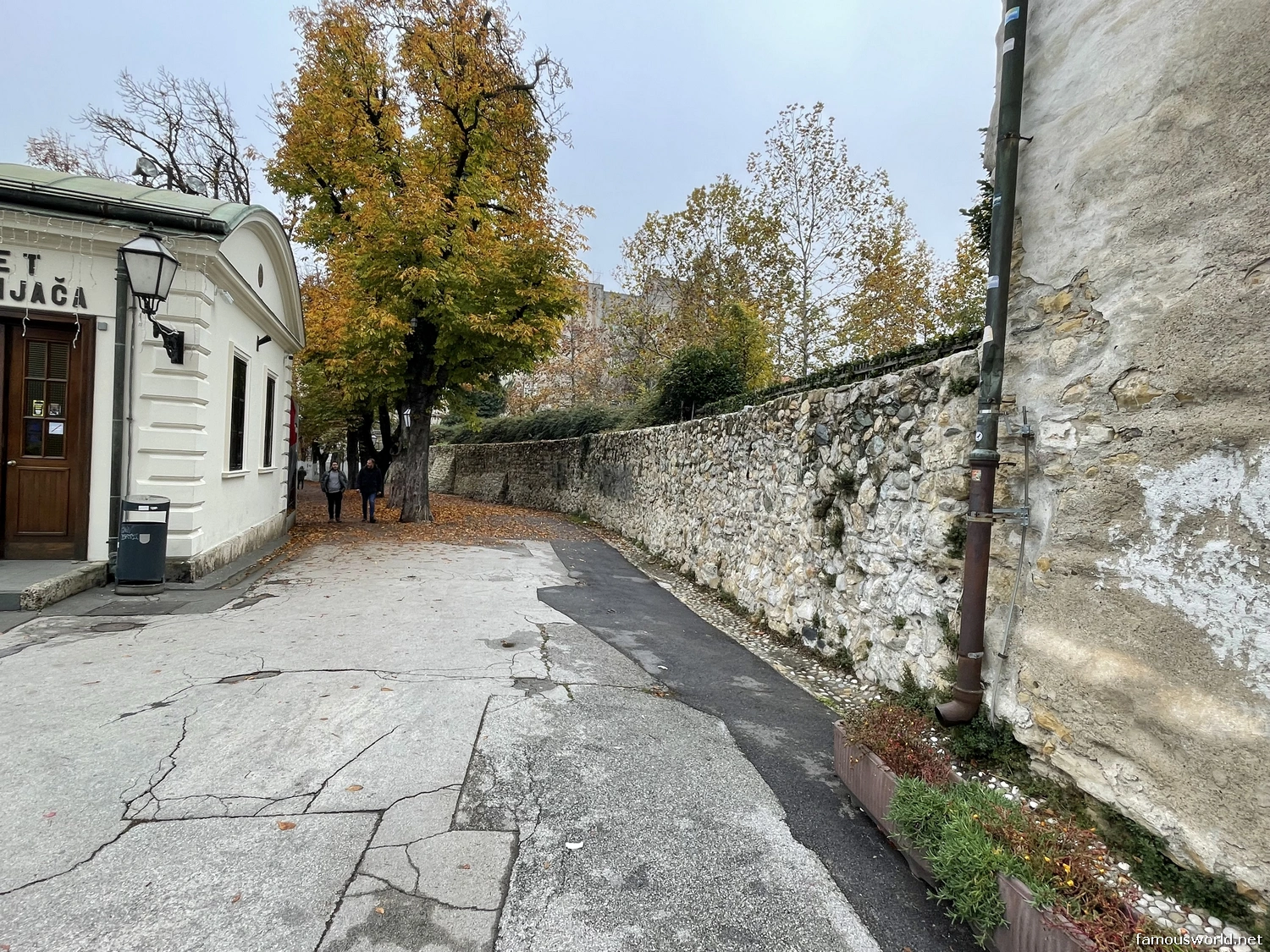
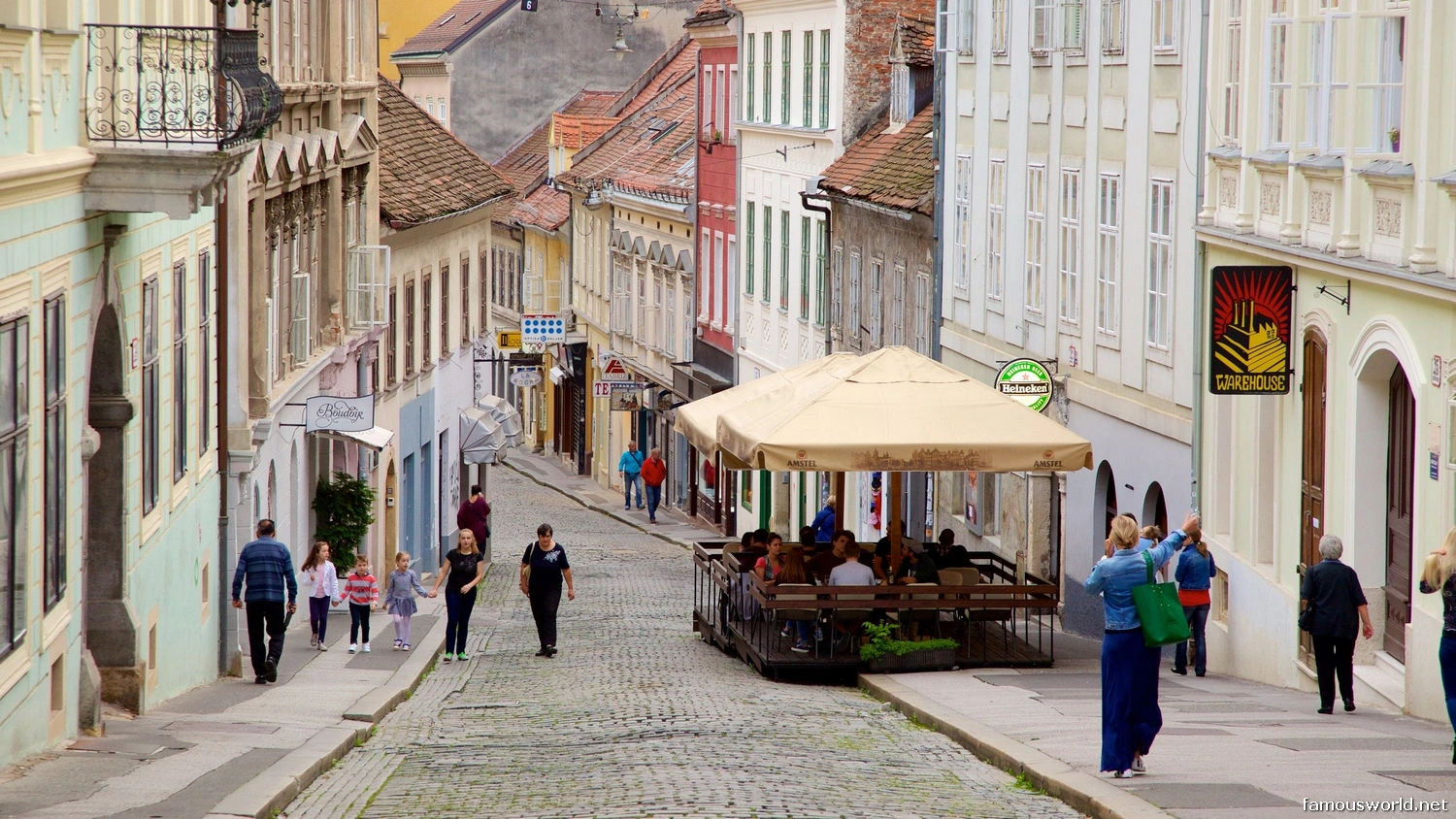
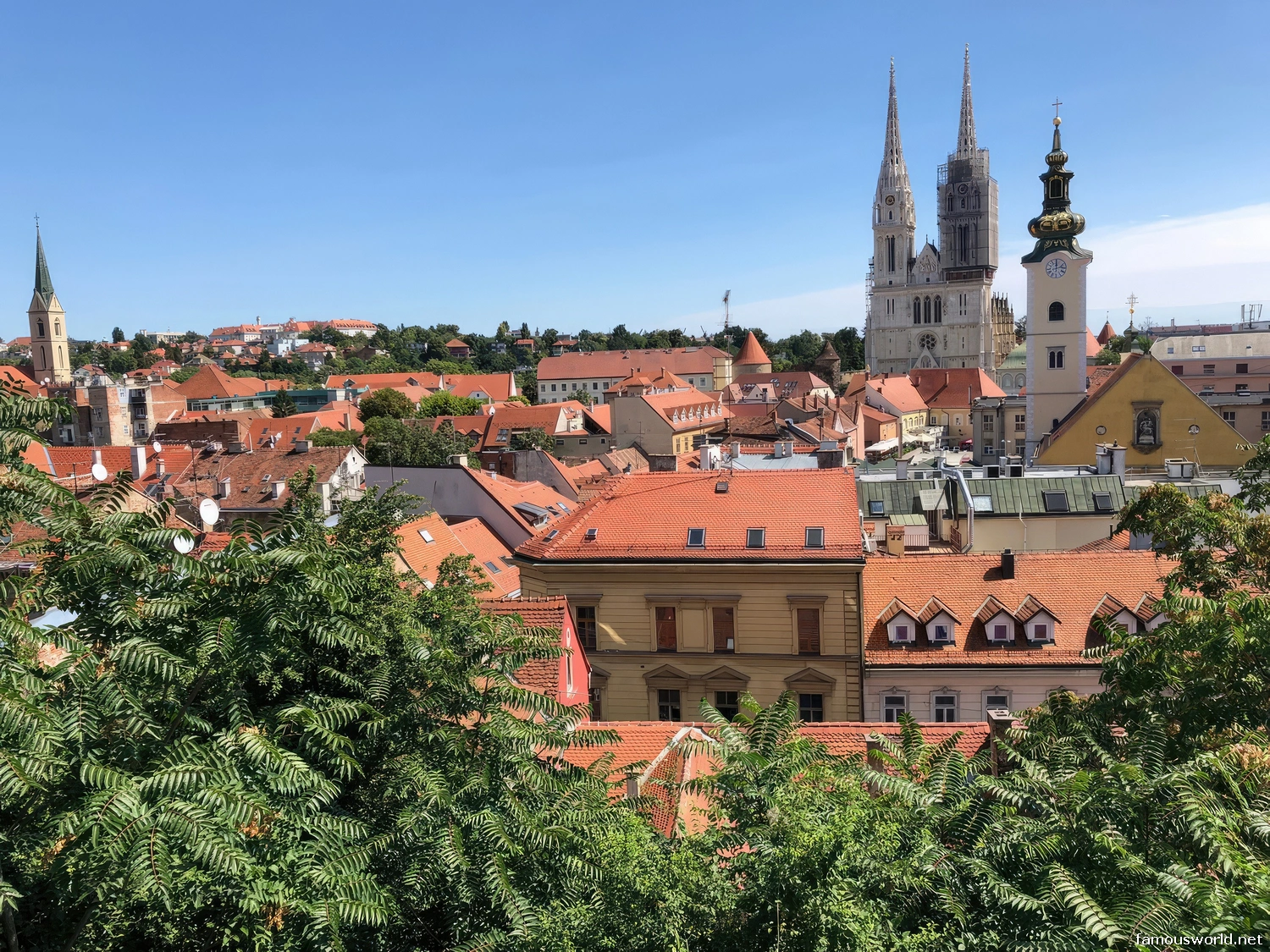
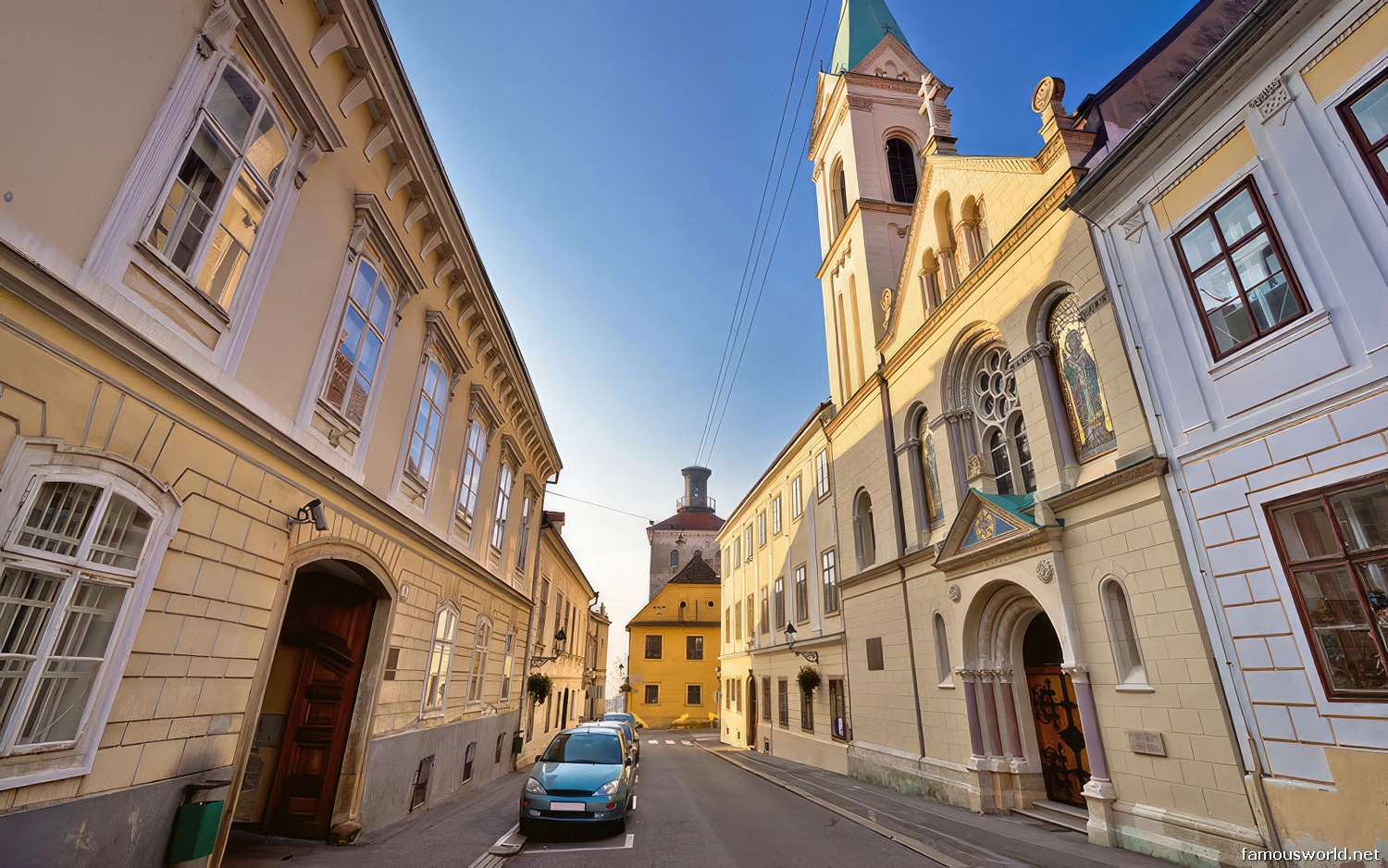
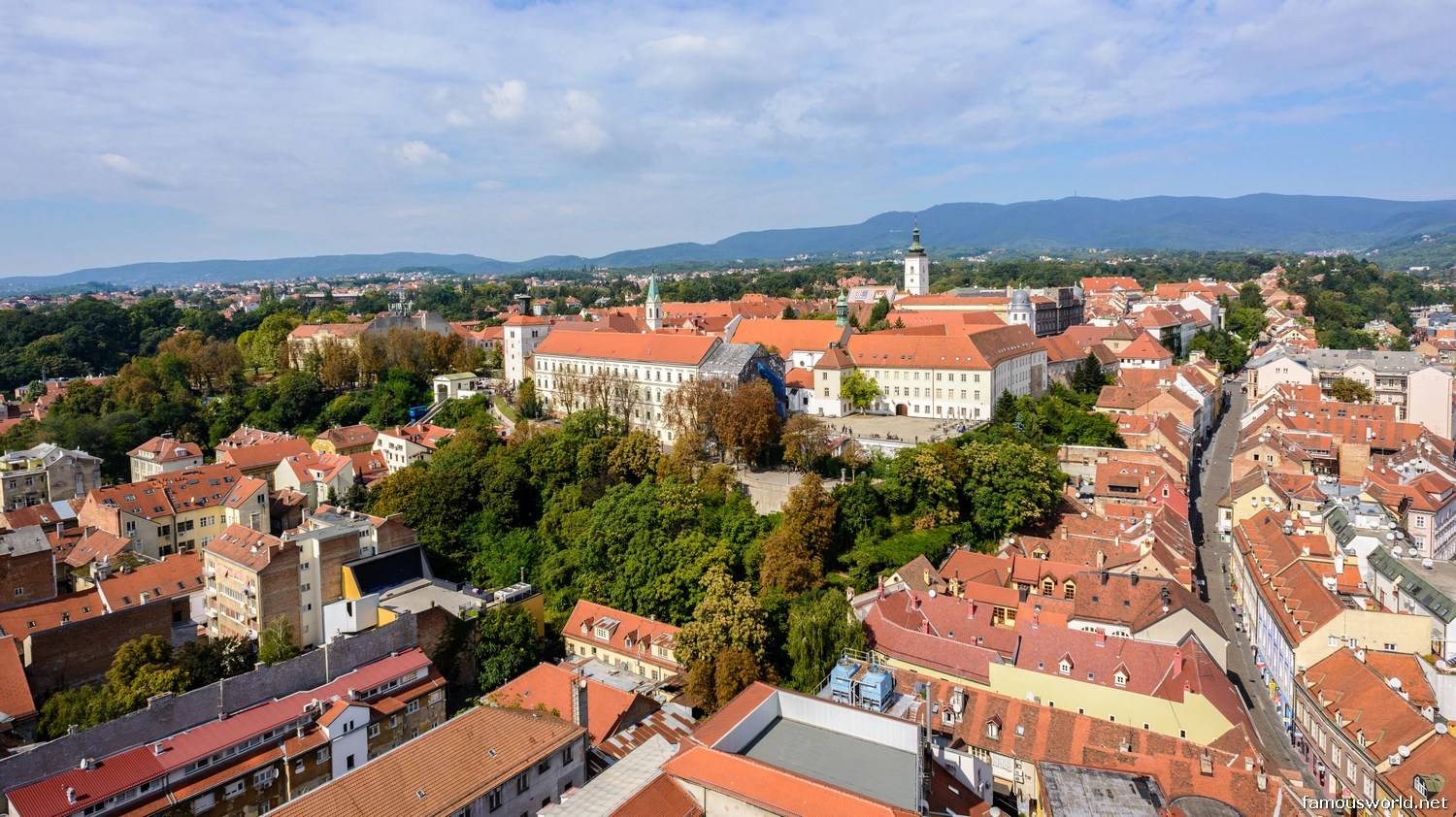
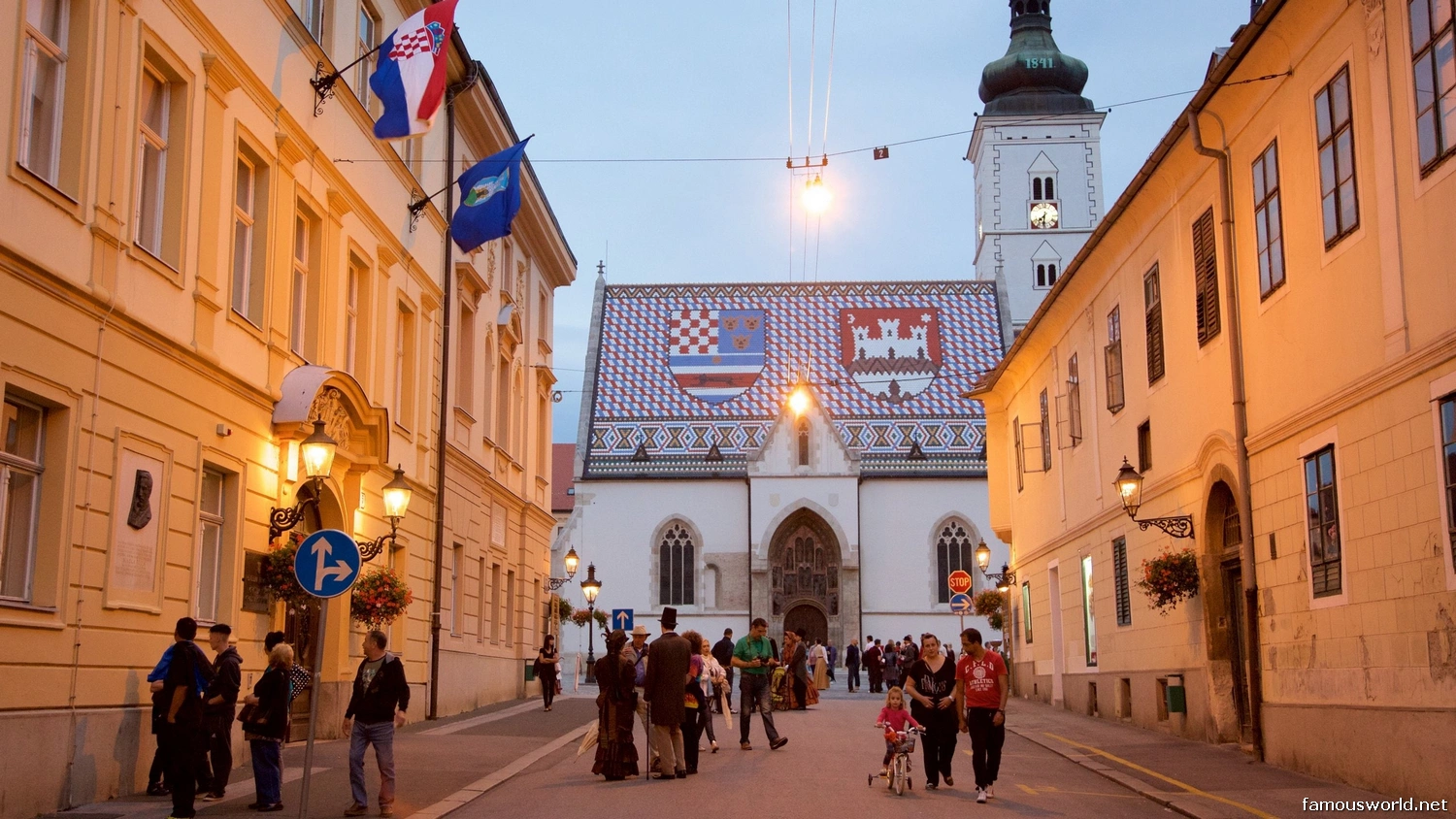
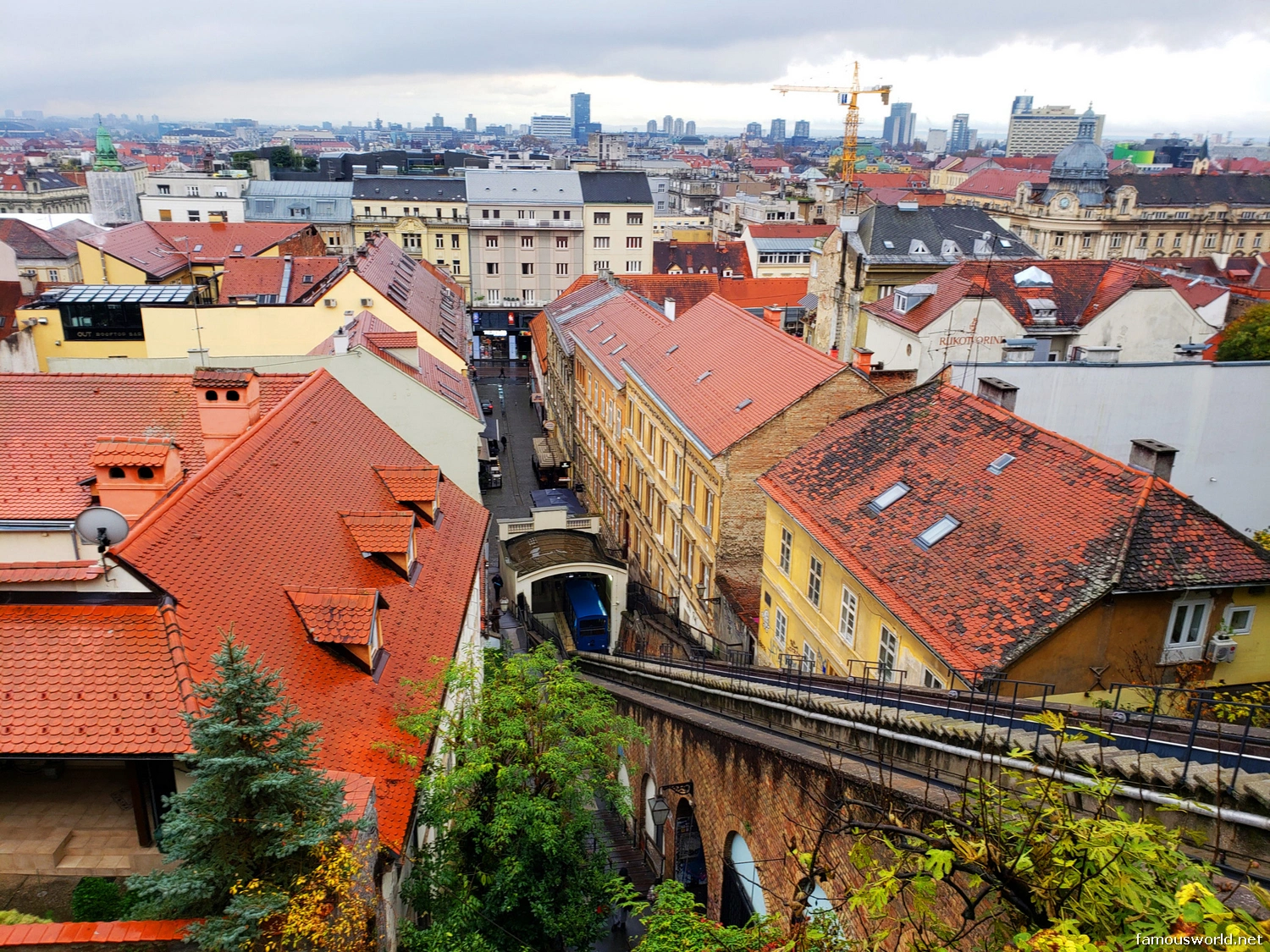
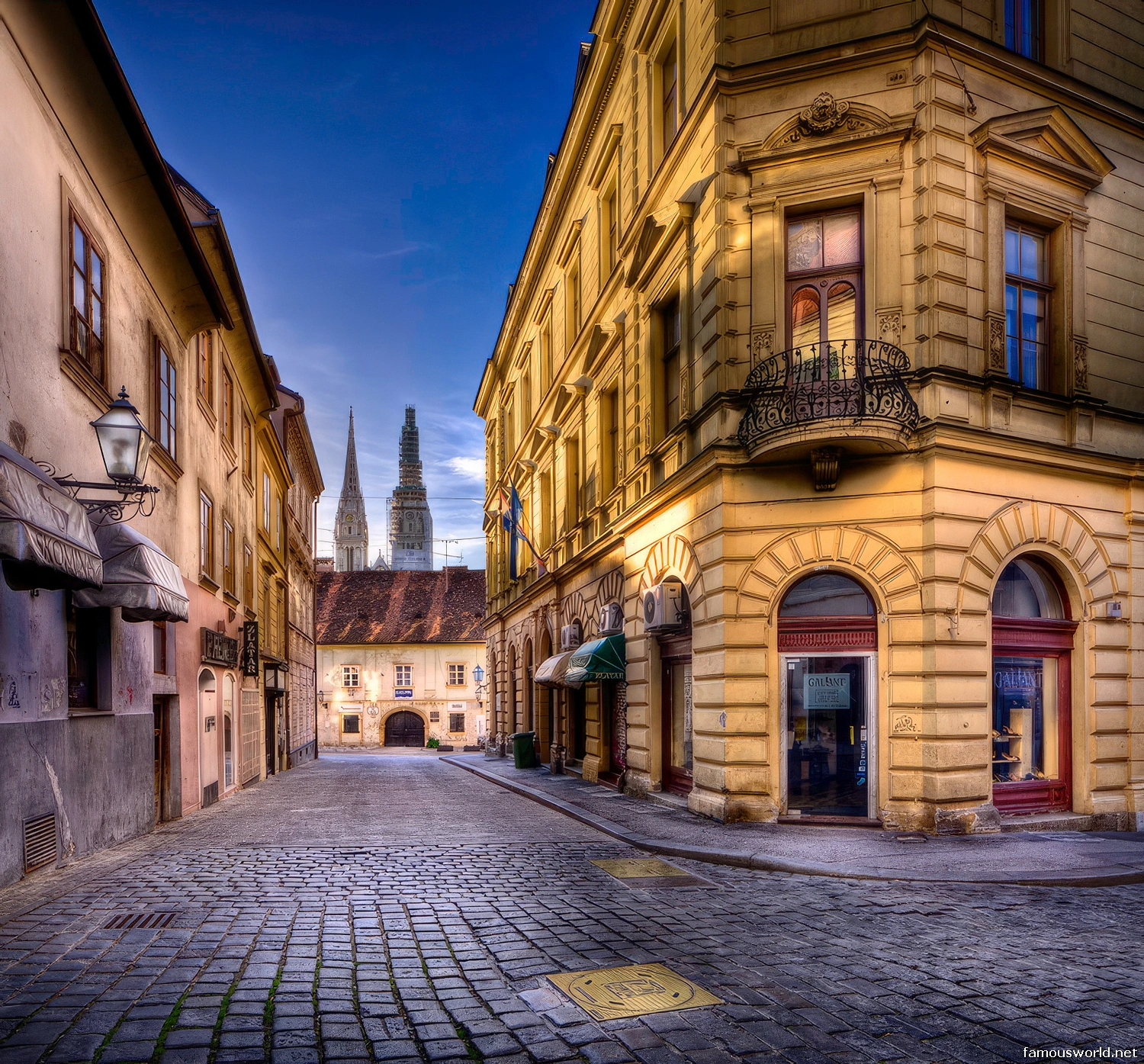
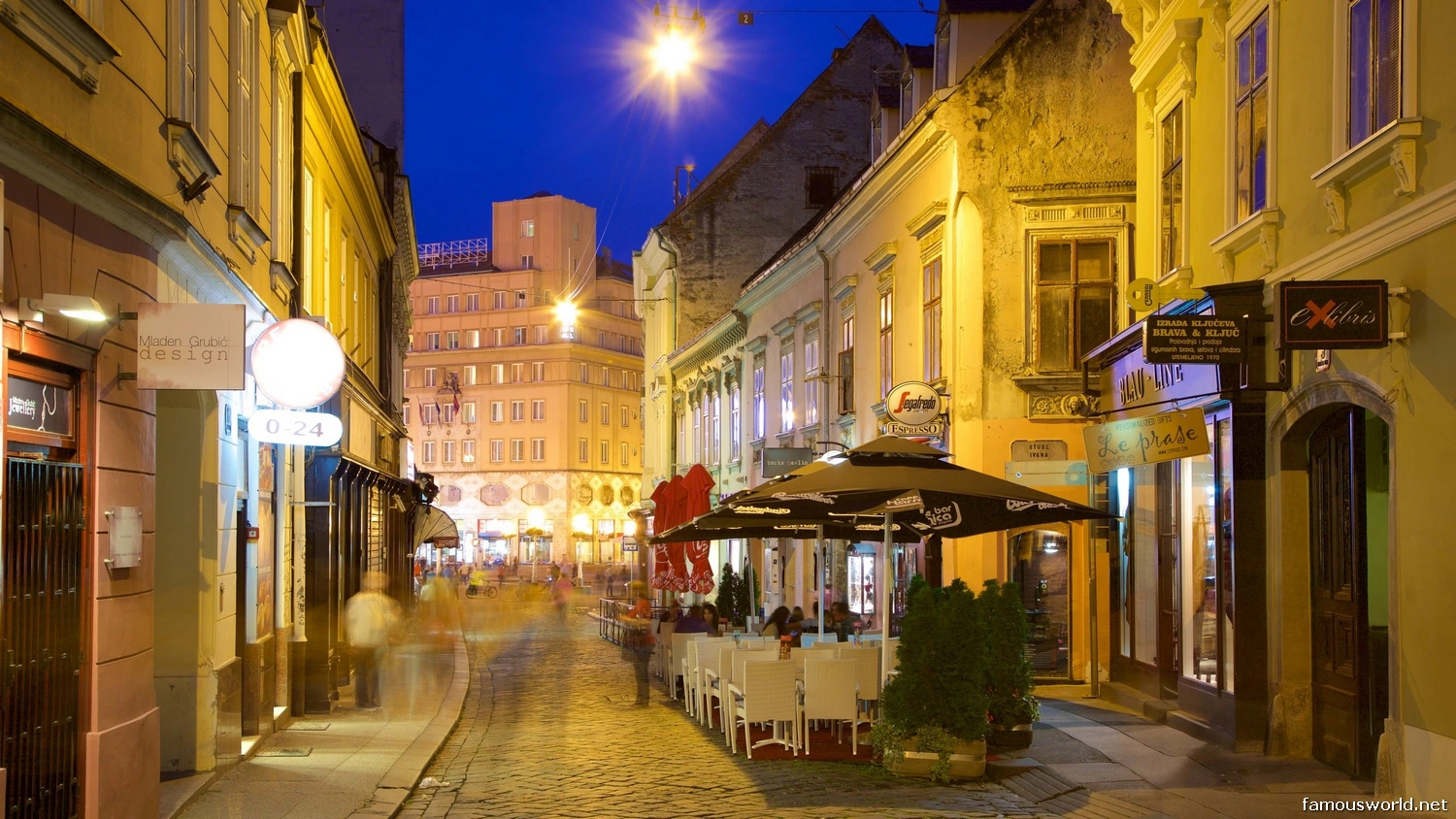
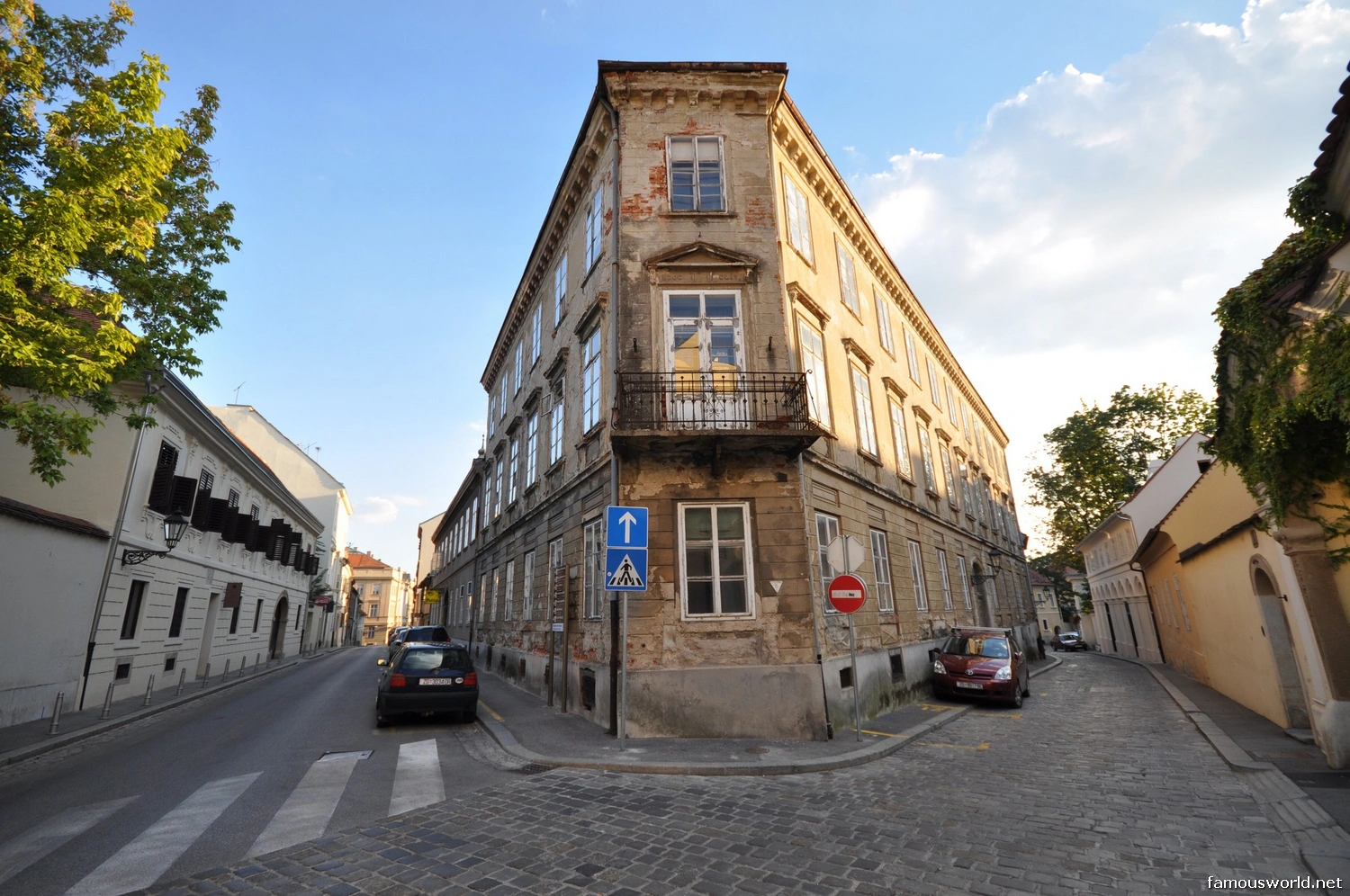
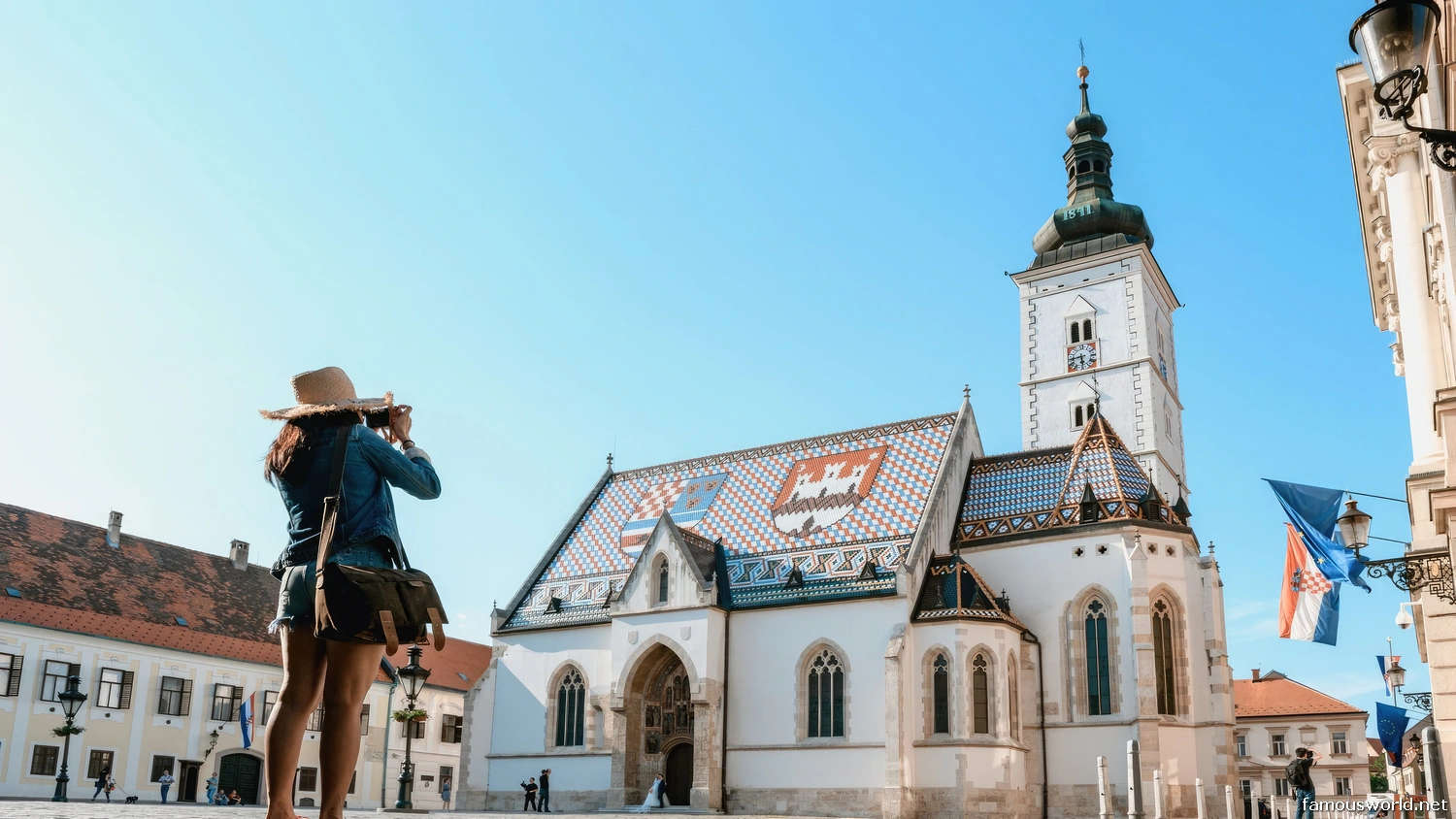
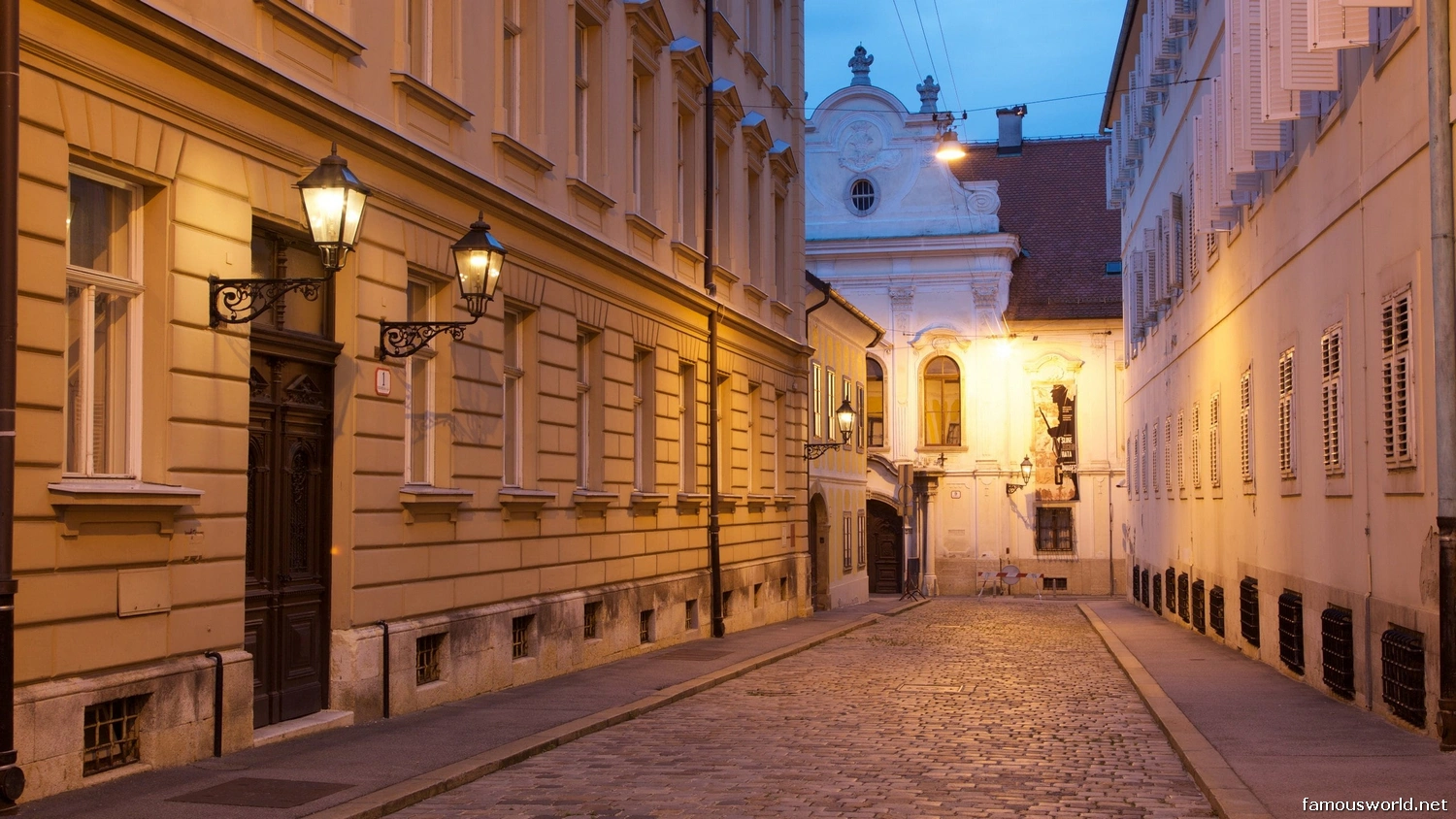
Perched on a hill overlooking the bustling modern center of Zagreb, the Upper Town, or Gornji Grad, is the city’s historic and political core. This is where Zagreb began. A labyrinth of cobblestone streets, gas-lit lanes, and charming squares, the Upper Town is a world away from the grand boulevards below. It is home to the country’s most important government buildings, iconic churches, and quirky museums, all housed within a beautifully preserved medieval and baroque architectural setting. A walk through Gornji Grad is a walk through centuries of Croatian history, art, and culture, offering an atmosphere of timeless tranquility.
Listen to an introduction about Upper Town

Name and Location
- Name: Upper Town (Gornji Grad).
- Location: The historic hilltop district of Zagreb, the capital of Croatia.
How to Get There
The Upper Town is a mostly pedestrianized zone, best explored on foot.
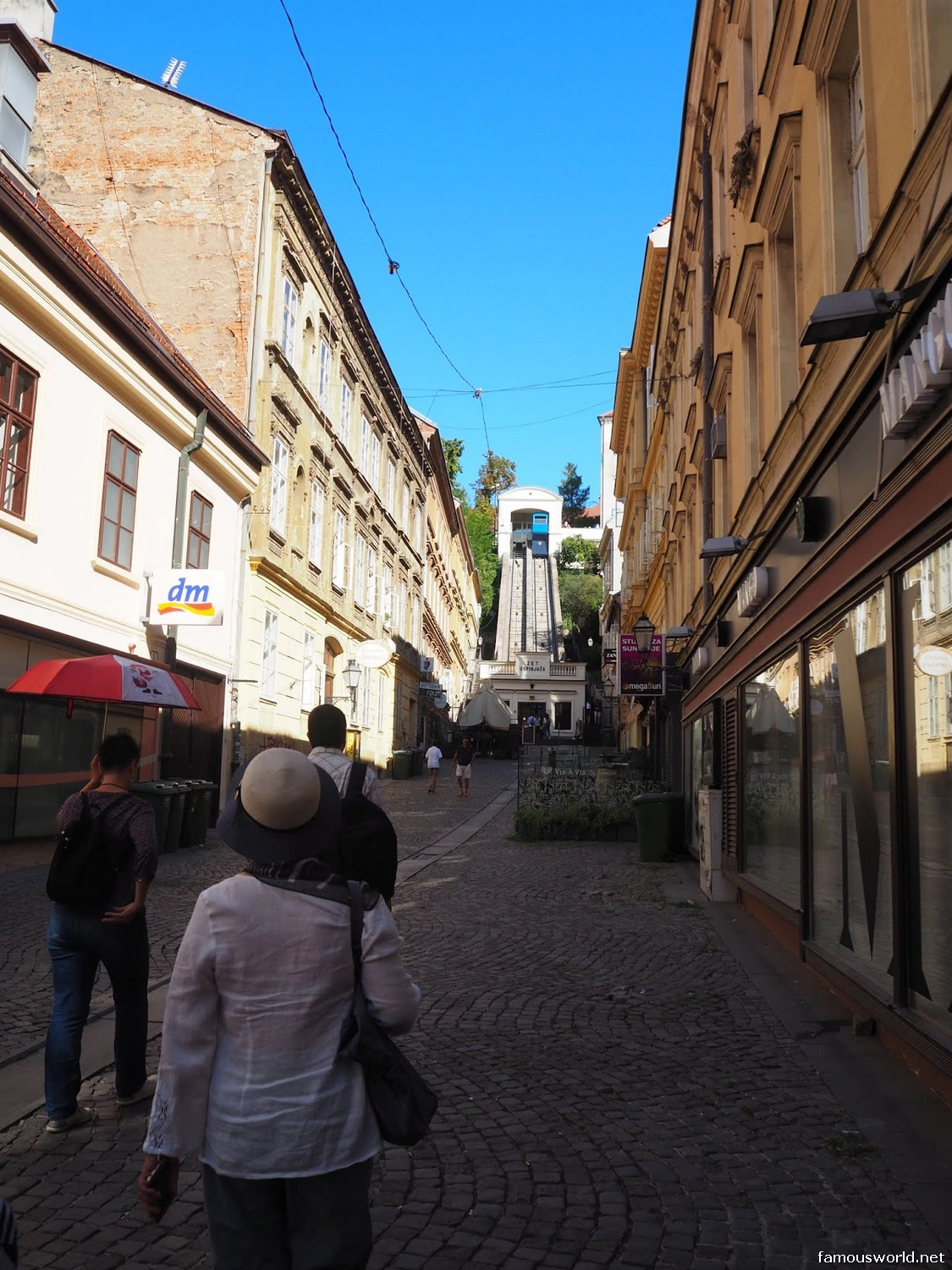
- By Funicular: The quickest and most charming way to ascend is by taking the historic Zagreb Funicular from Tomićeva Street in the Lower Town.
- By Foot: Several staircases and sloping streets lead up from the Lower Town, including the picturesque Zakmardijeve Stube near the cathedral and the walkway from Radićeva Street.
- By Bus: A small local bus line (150) circles the Upper Town from the main bus hub near the cathedral.
Landscape and Architecture
The district is a beautifully preserved example of a central European old town.
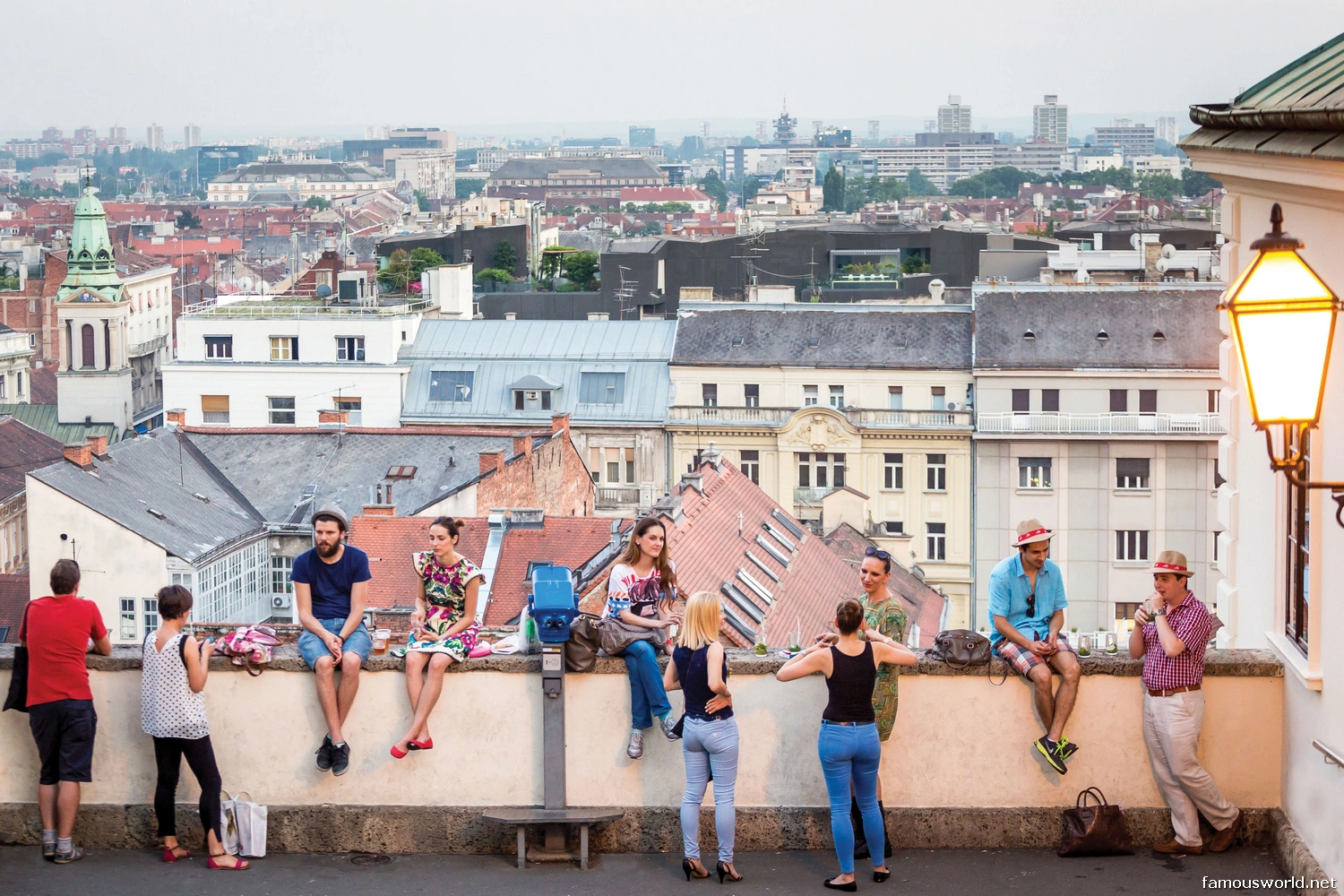
- The Landscape: The Upper Town is defined by its hilltop position, offering romantic views across the red-tiled roofs of the city. The landscape is intimate, with narrow, winding streets opening into historic squares like St. Mark’s Square and St. Catherine’s Square. It’s a place of quiet courtyards and hidden corners.
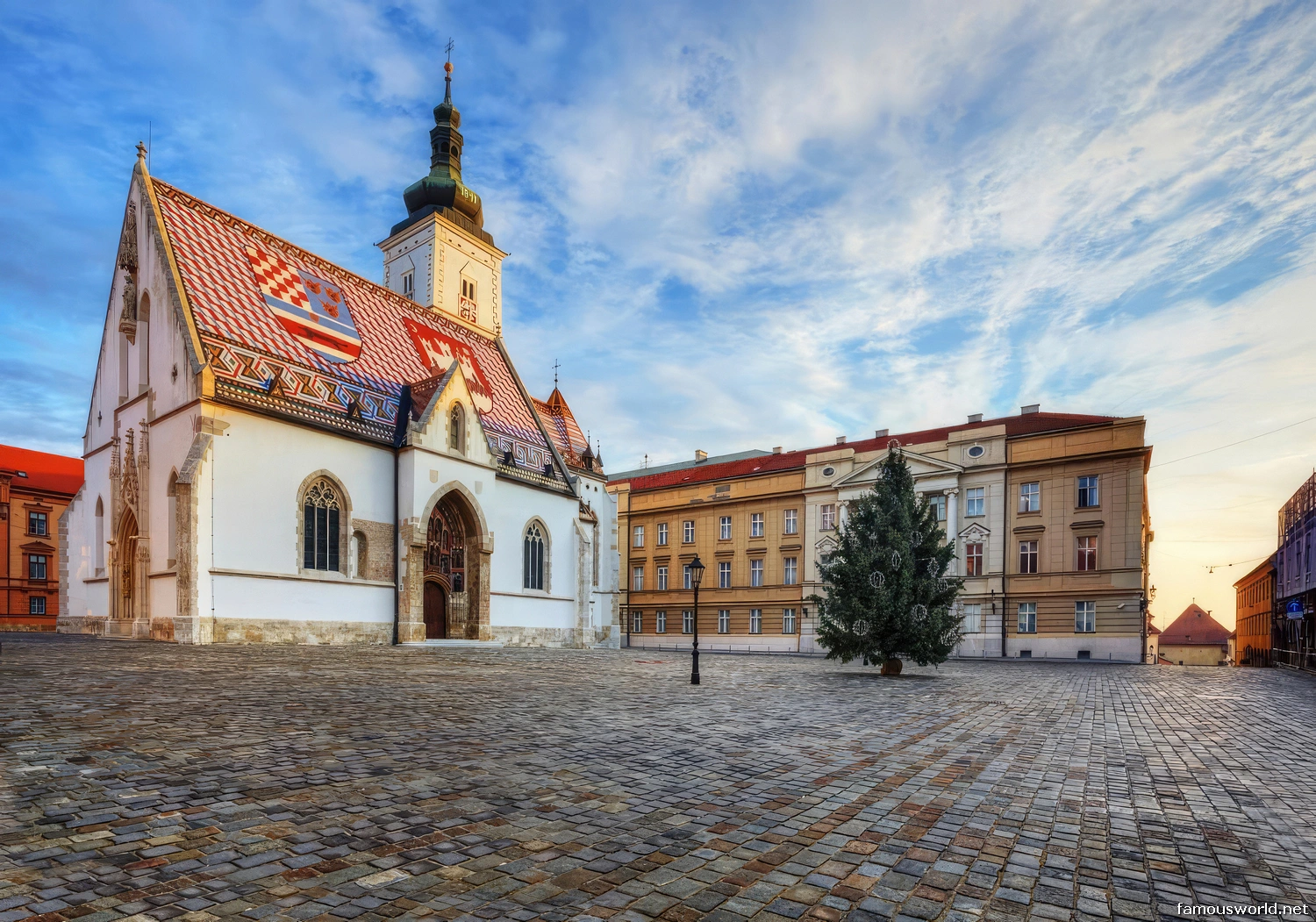
- The Architecture: The architecture is a rich blend of medieval, Renaissance, and Baroque styles. You’ll find rustic 13th-century fortifications like the Lotrščak Tower, the grand Gothic design of St. Mark’s Church, and elegant Baroque palaces that now house government offices and museums. The entire district is lit by a network of historic gas lamps, which are still lit by hand every evening.
What Makes It Famous
Gornji Grad is famous for being the historic and governmental heart of Croatia.
- St. Mark’s Square: The political center of the nation, home to the iconic St. Mark’s Church, the Croatian Parliament (Sabor), and the Government Palace.
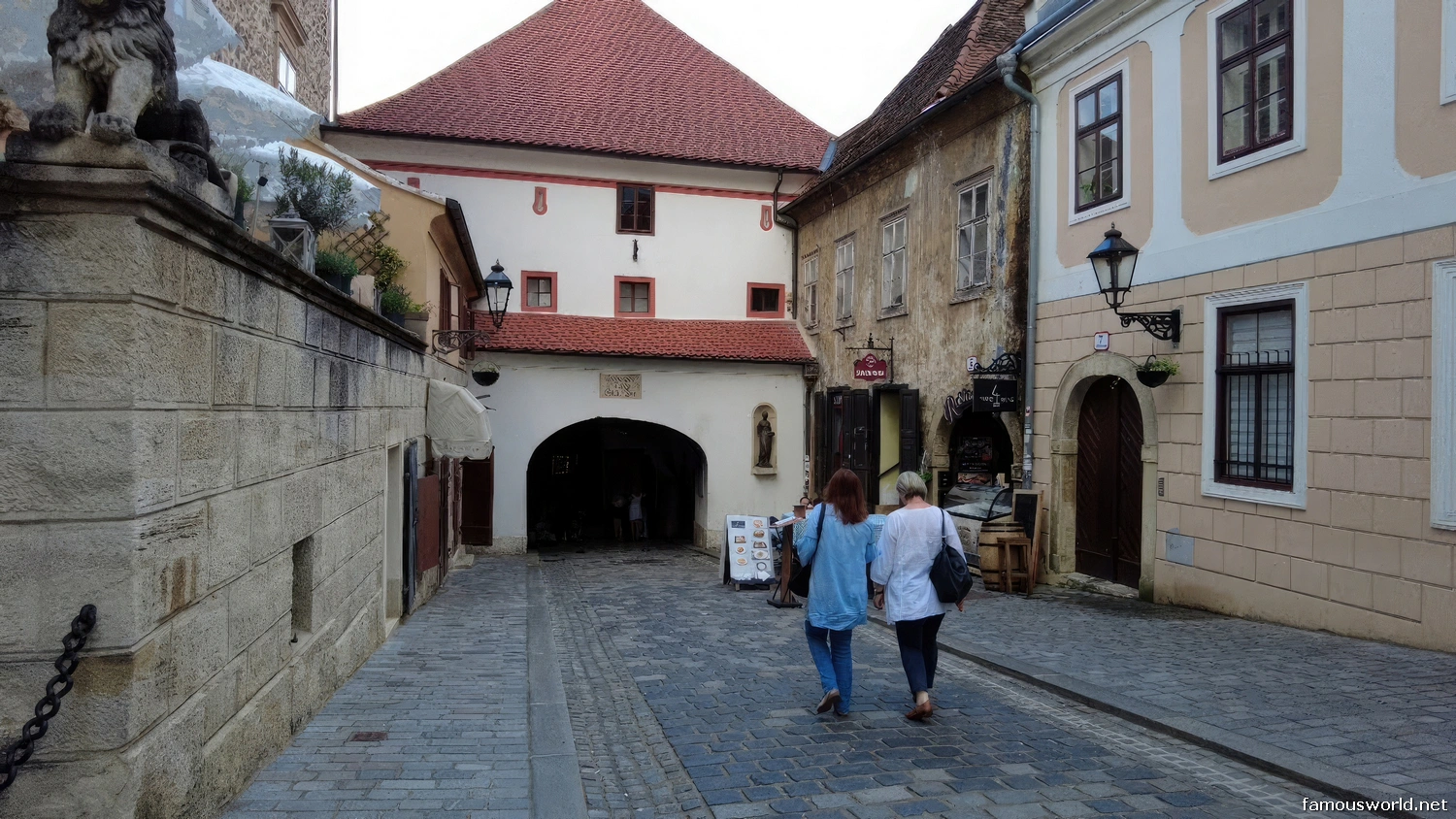
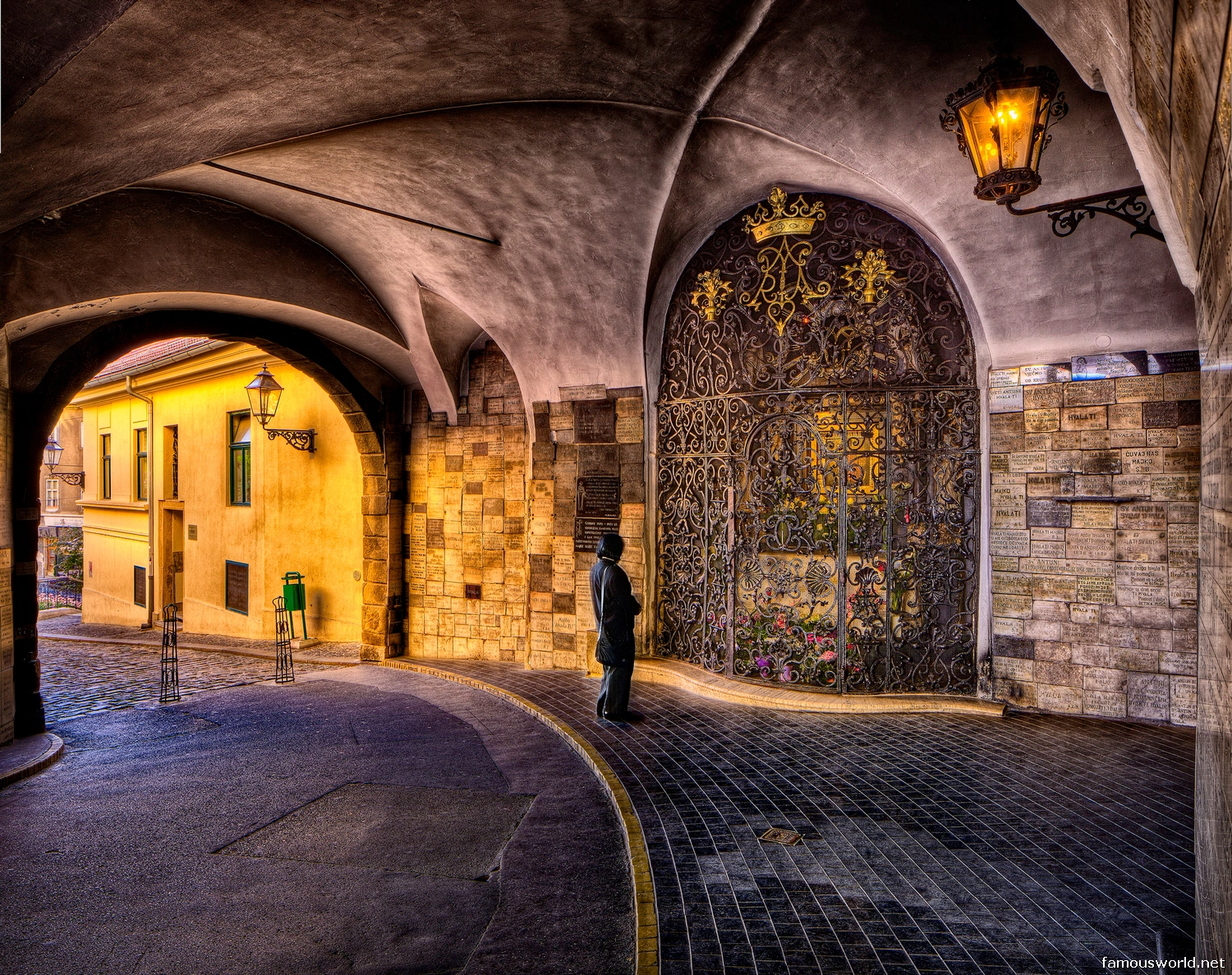
- Historic Landmarks: It contains some of Zagreb’s most famous sights, including the Lotrščak Tower and its noon cannon, the Stone Gate (Kamenita Vrata) with its shrine to the Virgin Mary, and the Zagreb Cathedral on its eastern edge.
- Museums and Galleries: The area is rich in culture, hosting the popular Museum of Broken Relationships, the Croatian Museum of Naïve Art, and the Klovićevi Dvori Gallery.
- Atmosphere: Its romantic, gas-lit cobblestone streets and historic ambiance make it a major attraction in itself.
Differences from Other Wonders
The historic, intimate character of the Upper Town is distinct from the grand, planned layout of Zagreb’s Lower Town (Donji Grad).
- Environment (Organic Medieval Hilltop vs. Planned Urban Grid): The Upper Town is a medieval settlement with an organic, winding layout shaped by its hilltop terrain. The Lower Town is a 19th-century creation, defined by a grand, formal grid of wide streets, large parks, and monumental public buildings.
- Core Story (Medieval Origins & Governance vs. 19th-Century Expansion & Culture): The story of the Upper Town is one of Zagreb’s medieval origins and its role as the seat of power. The story of the Lower Town is one of civic pride, rapid expansion, and the flourishing of arts and culture in the Austro-Hungarian era.
- Primary Attraction (Historic Atmosphere & Key Monuments vs. Grand Boulevards & Museums): The main attraction of the Upper Town is its overall historic atmosphere and key national monuments. The Lower Town’s attractions are its grand architecture, bustling cafés, major art museums, and the “Green Horseshoe” park system.
- Atmosphere (Quiet and Historic vs. Bustling and Cosmopolitan): The Upper Town is generally quieter, more intimate, and feels steeped in history. The Lower Town is the vibrant, bustling commercial and social heart of the modern city.
Location on world map