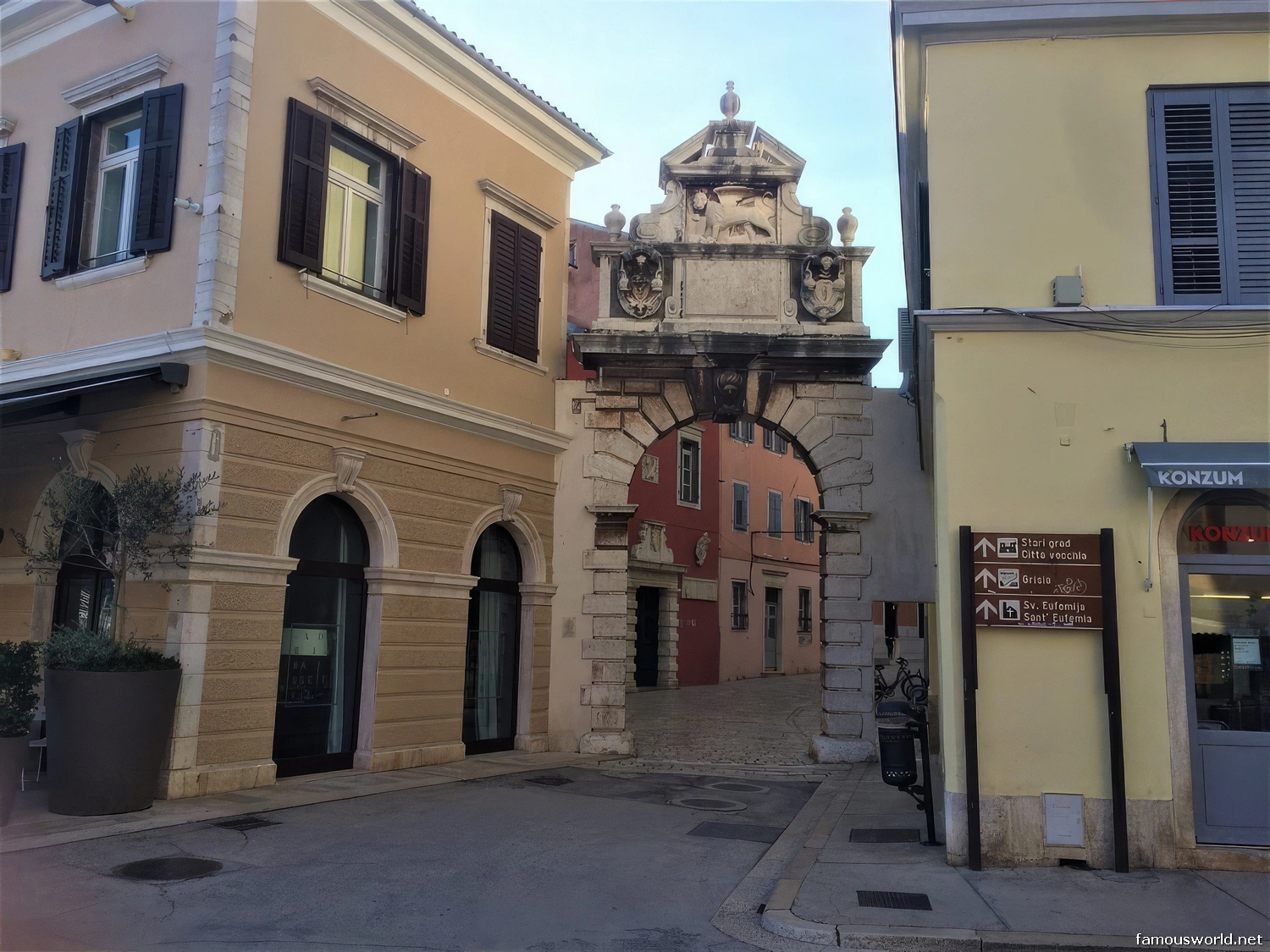
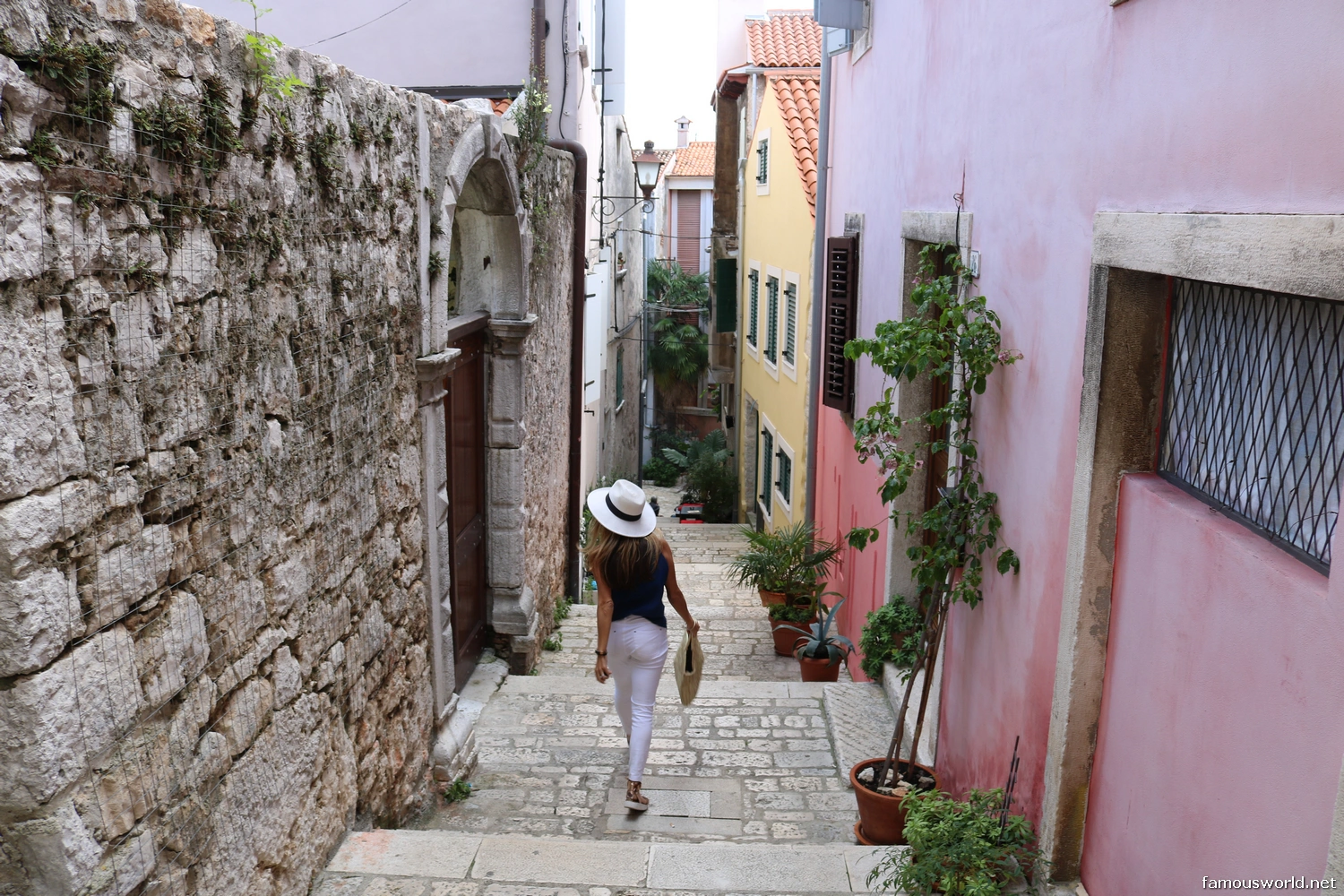
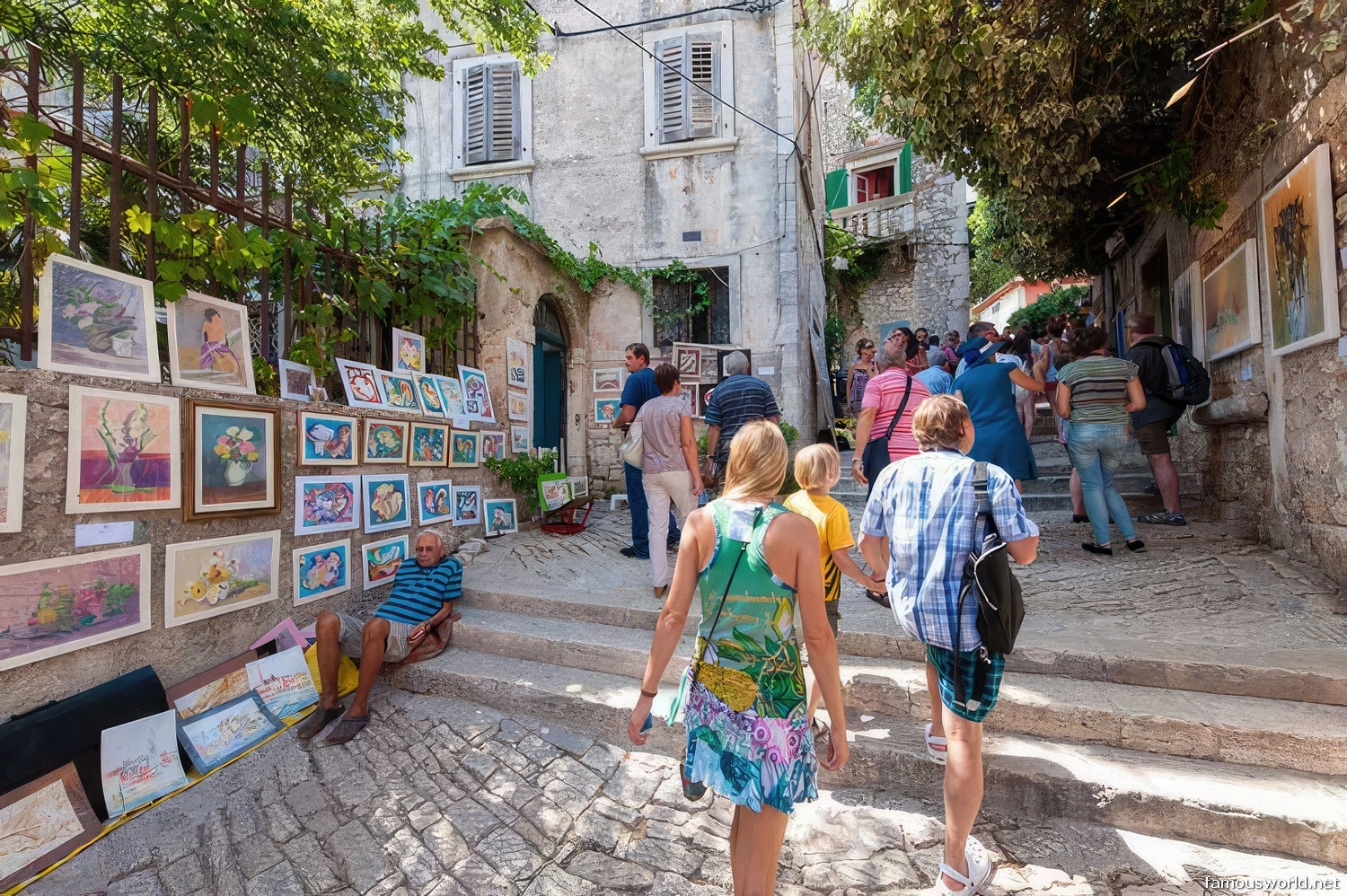
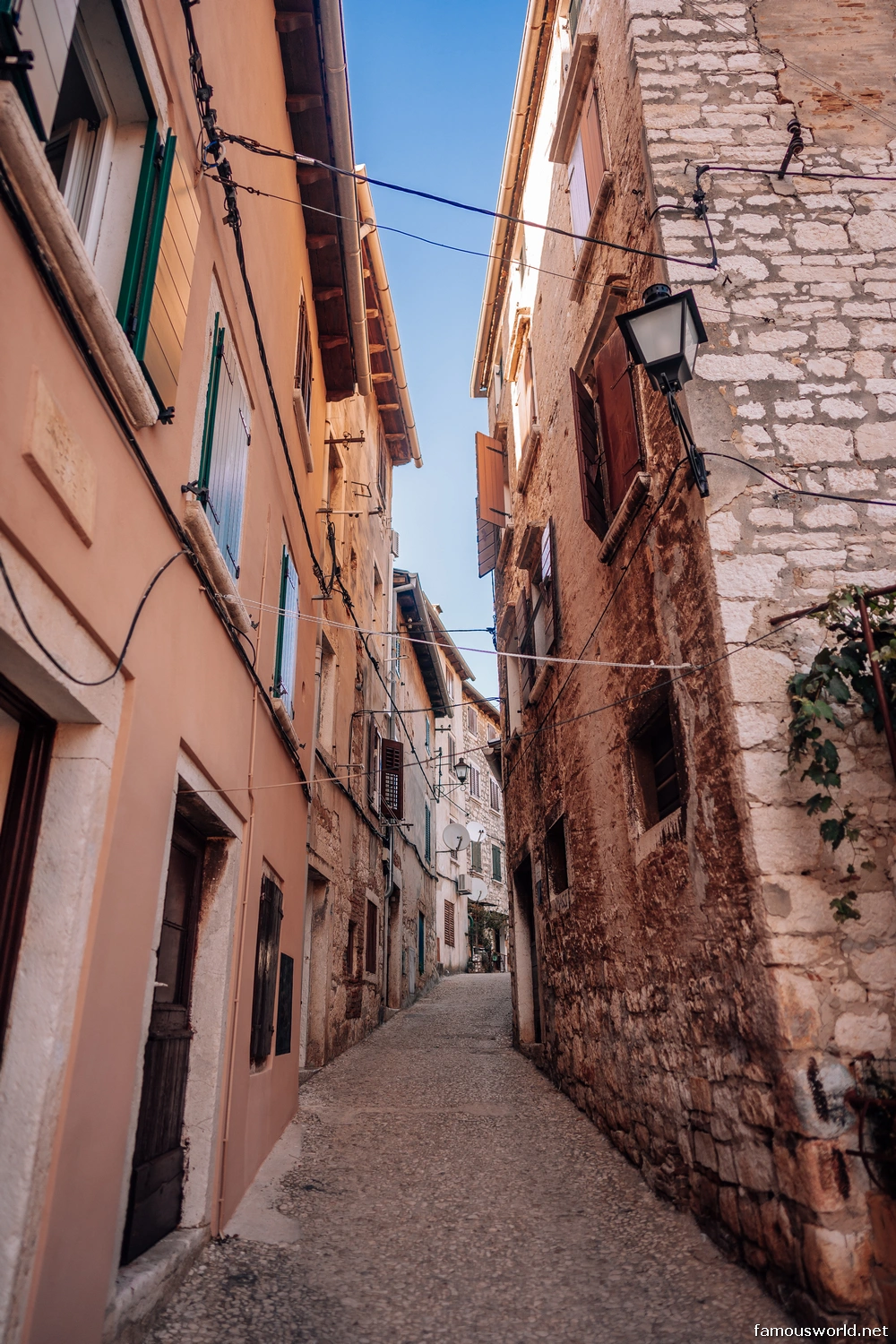
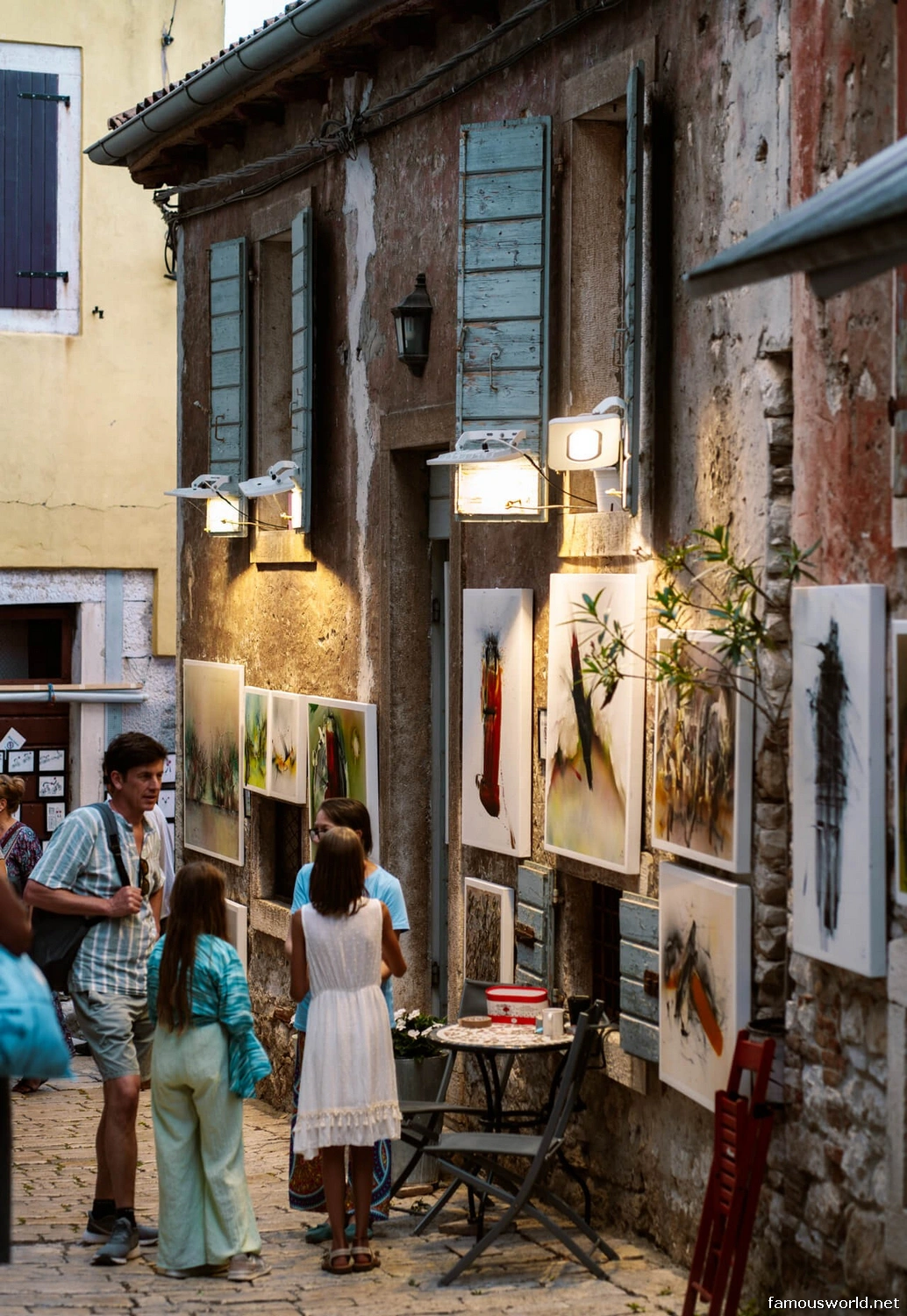
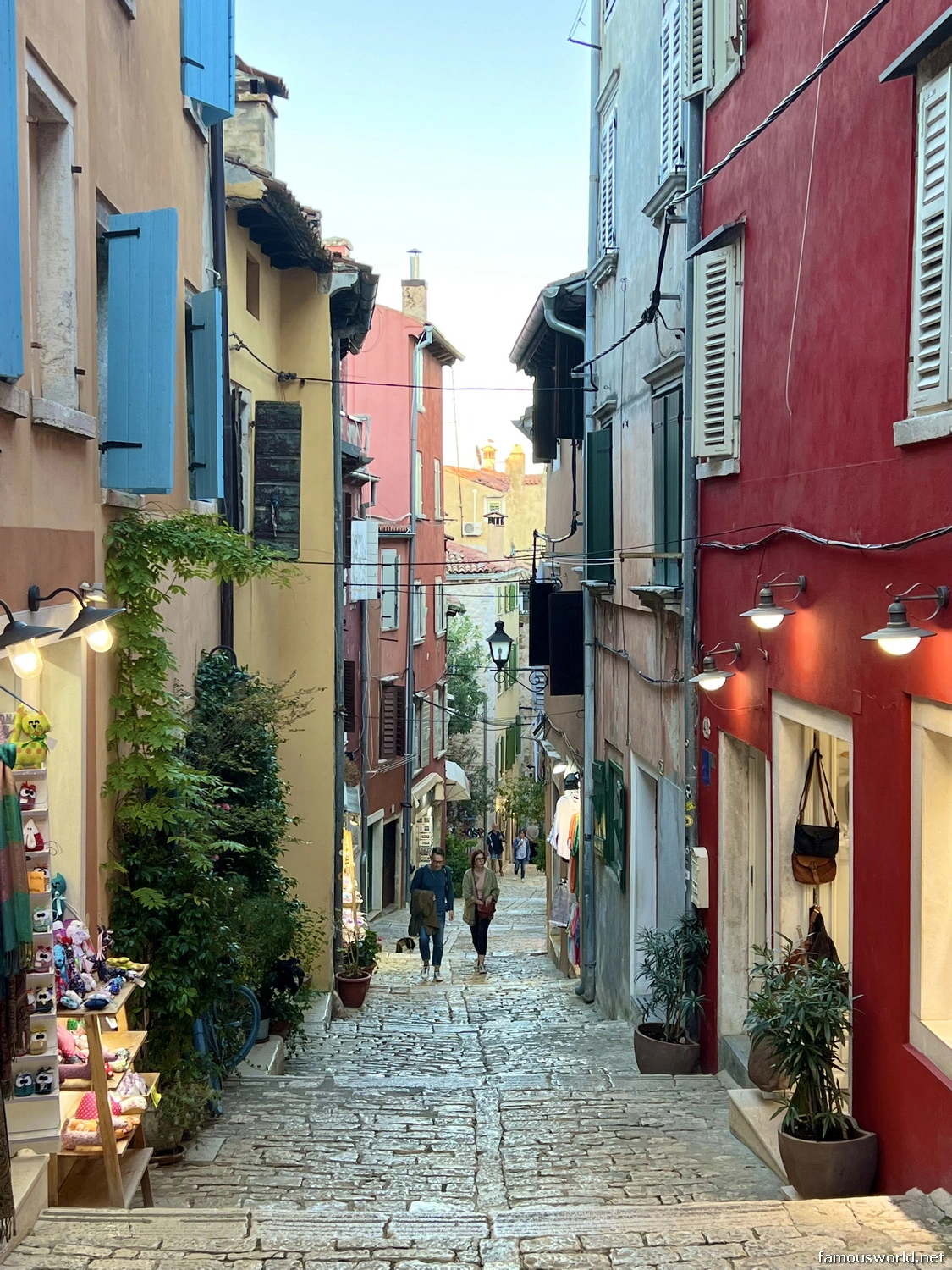
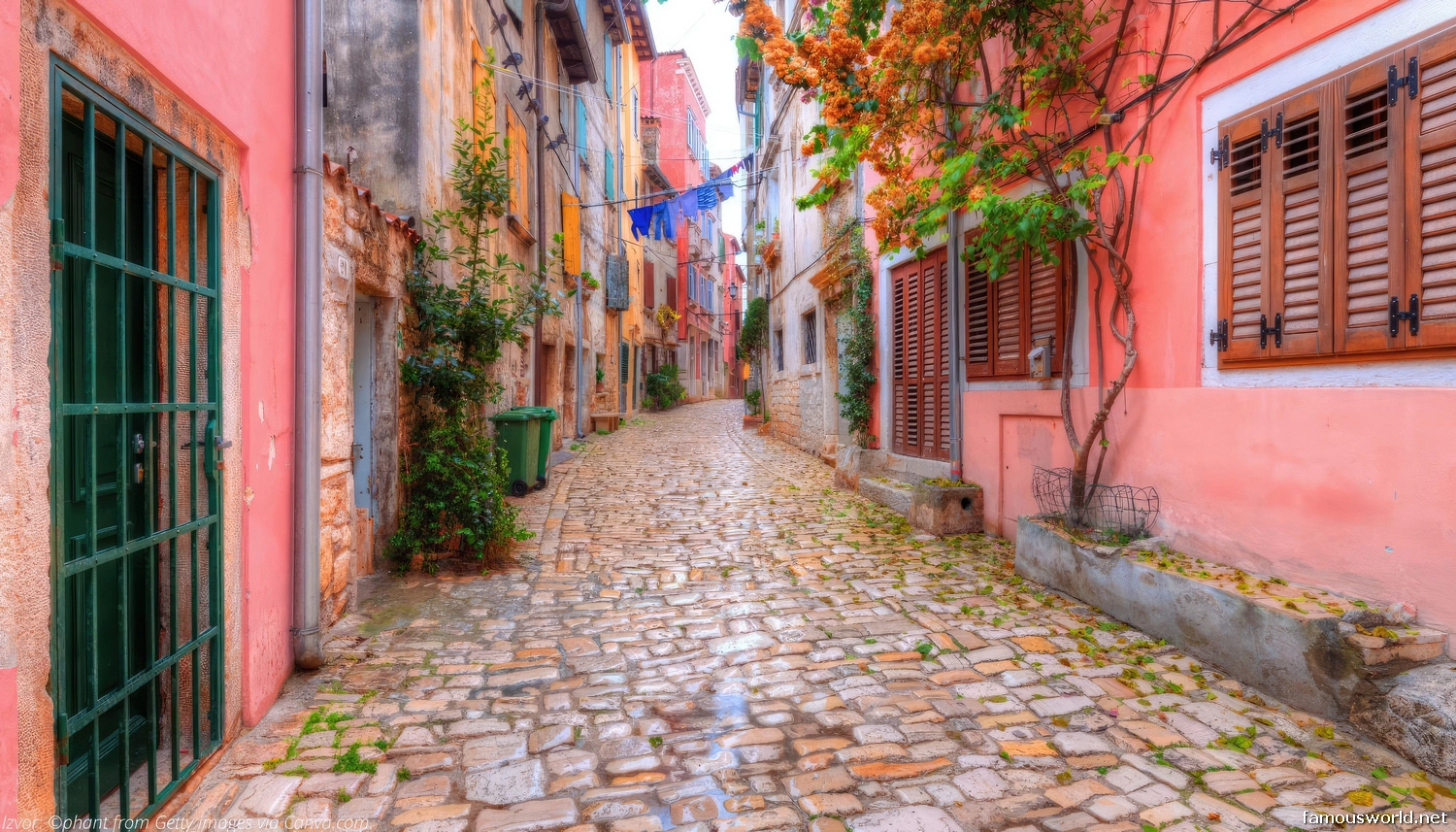
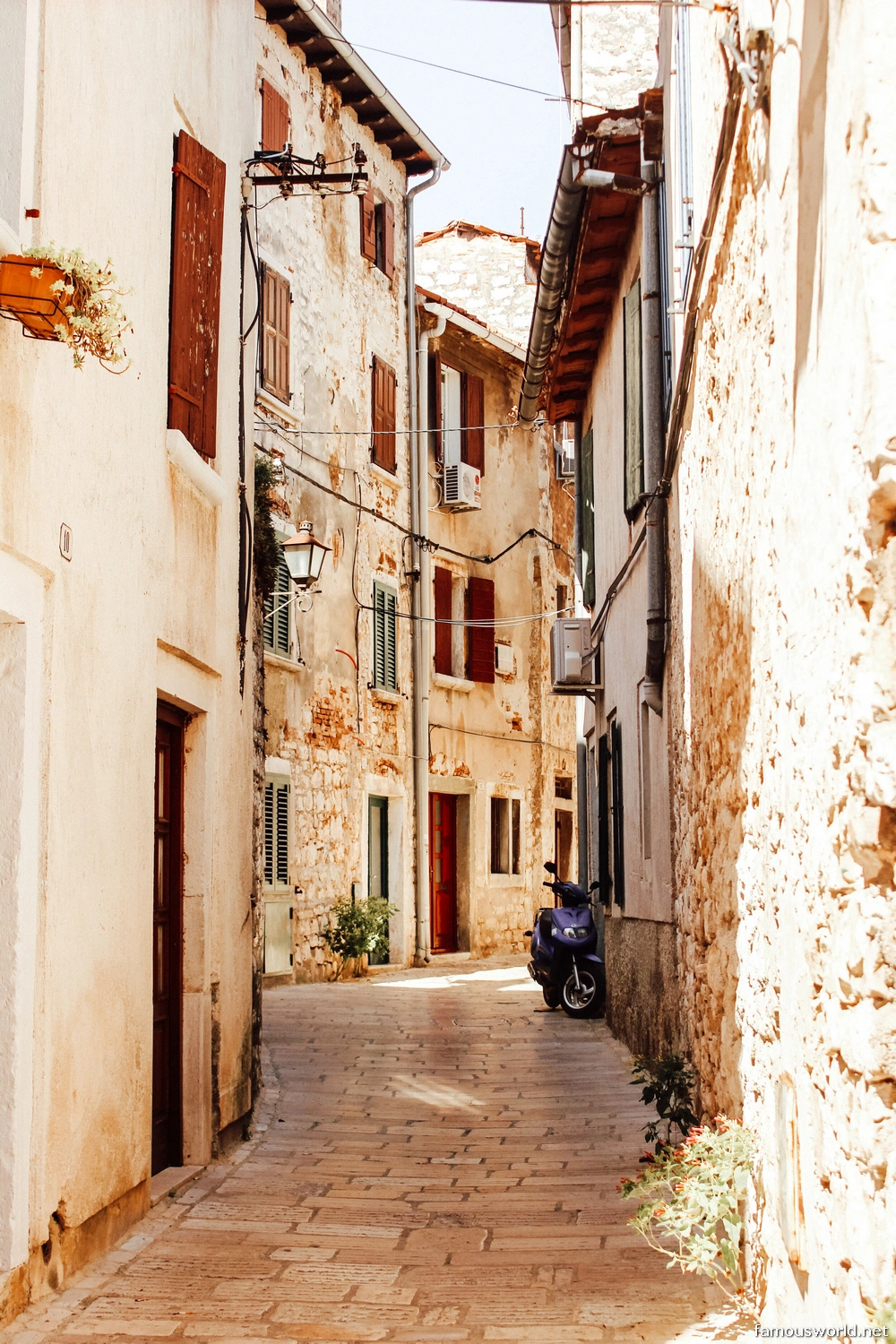
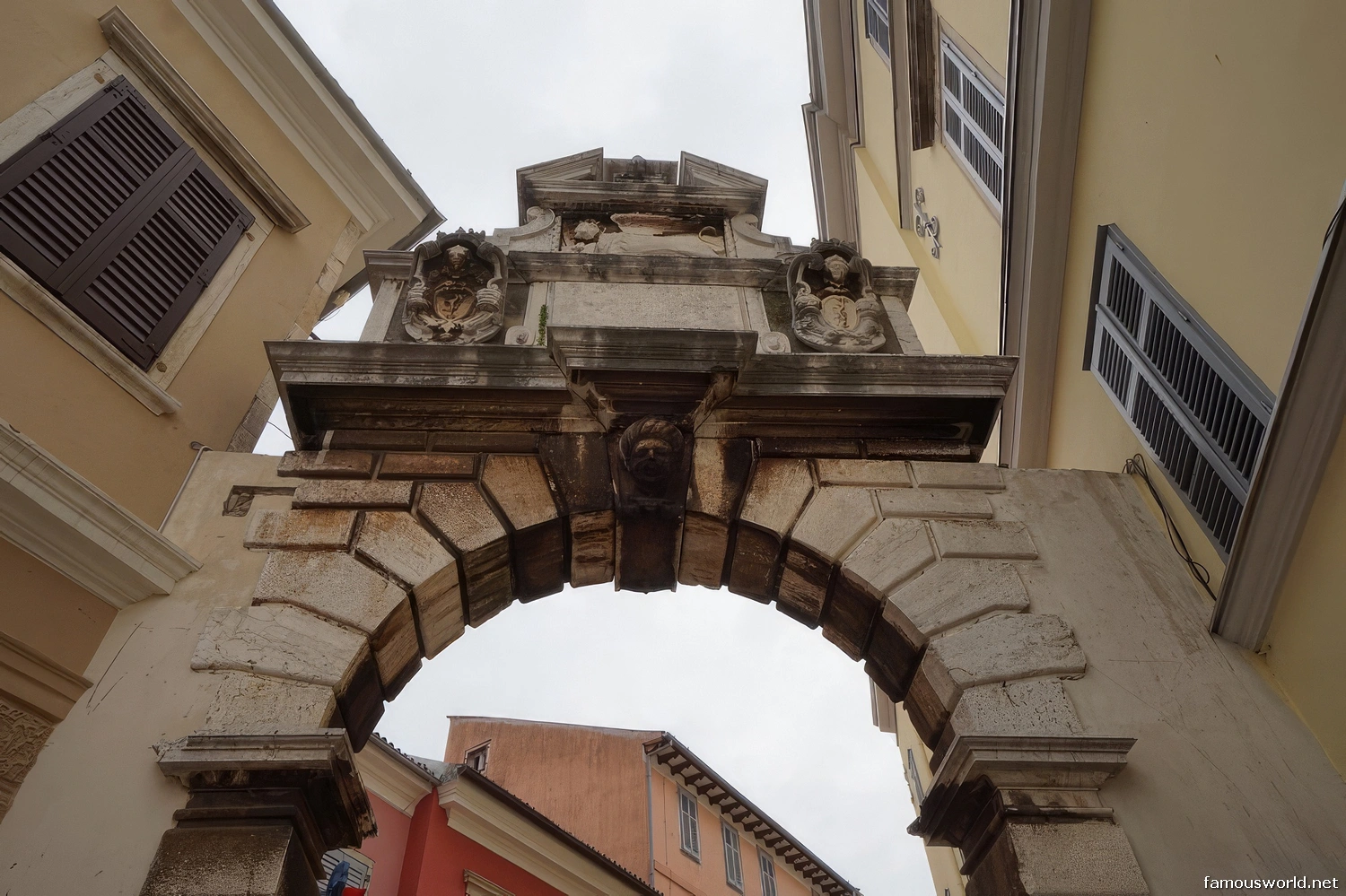
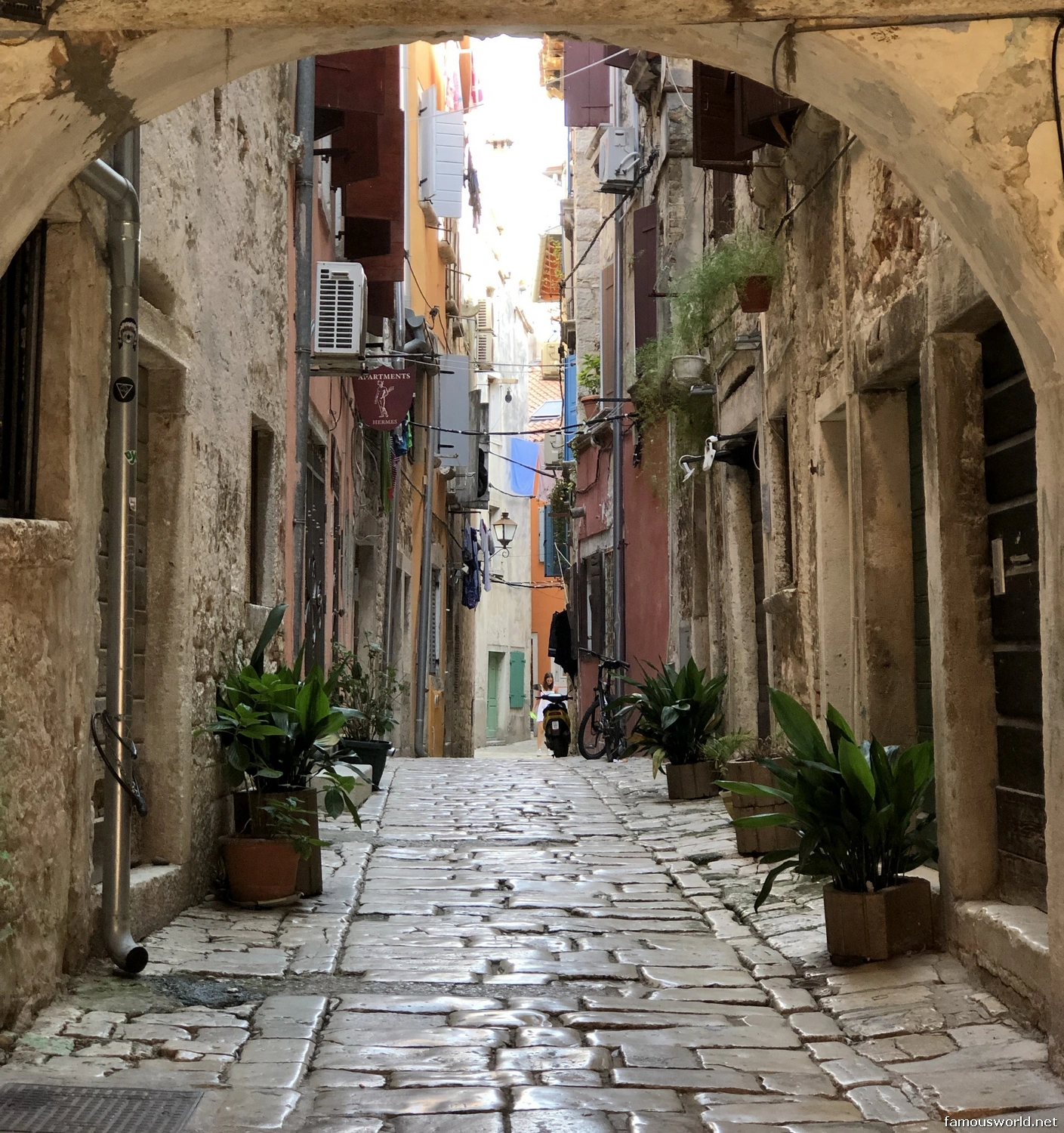
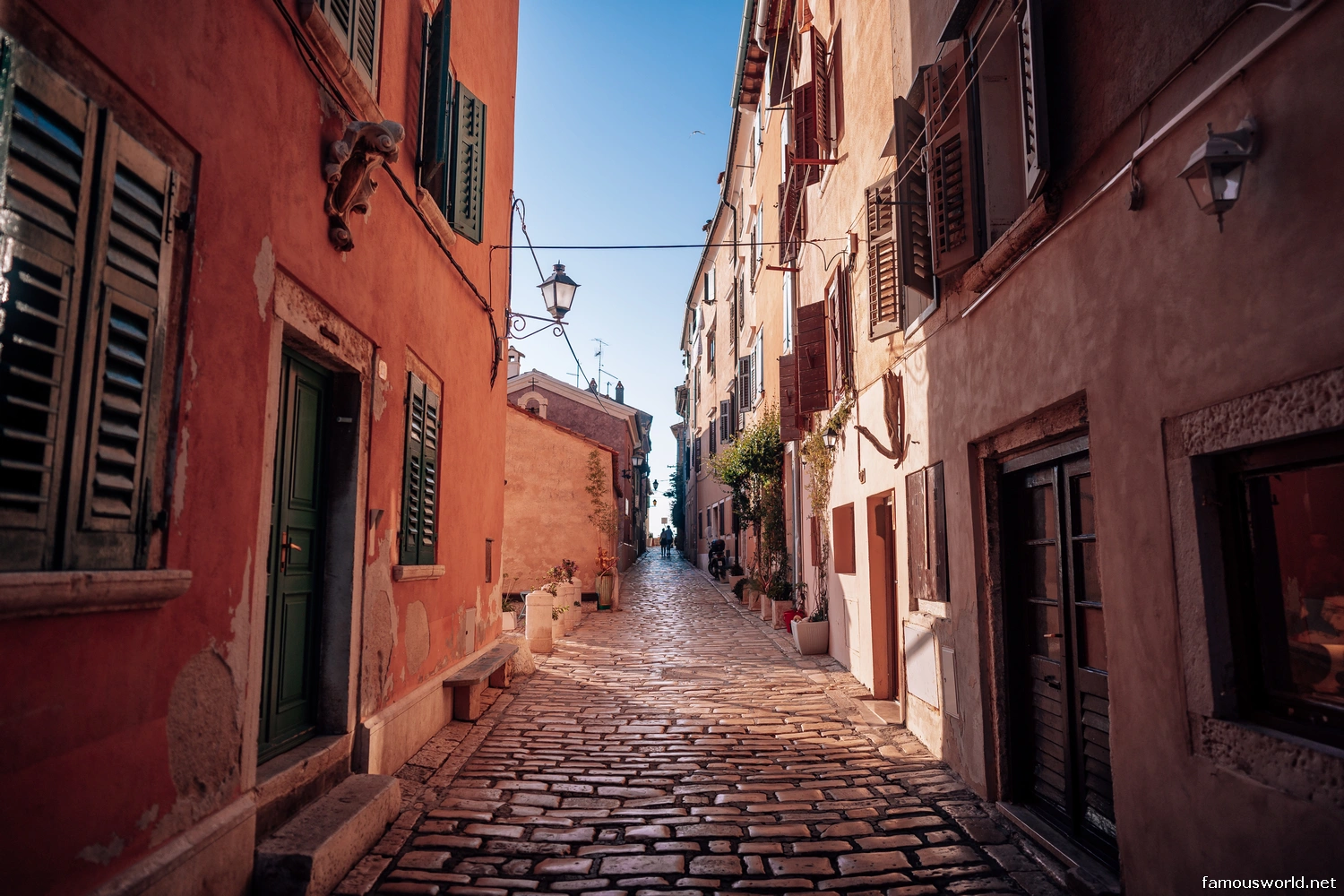
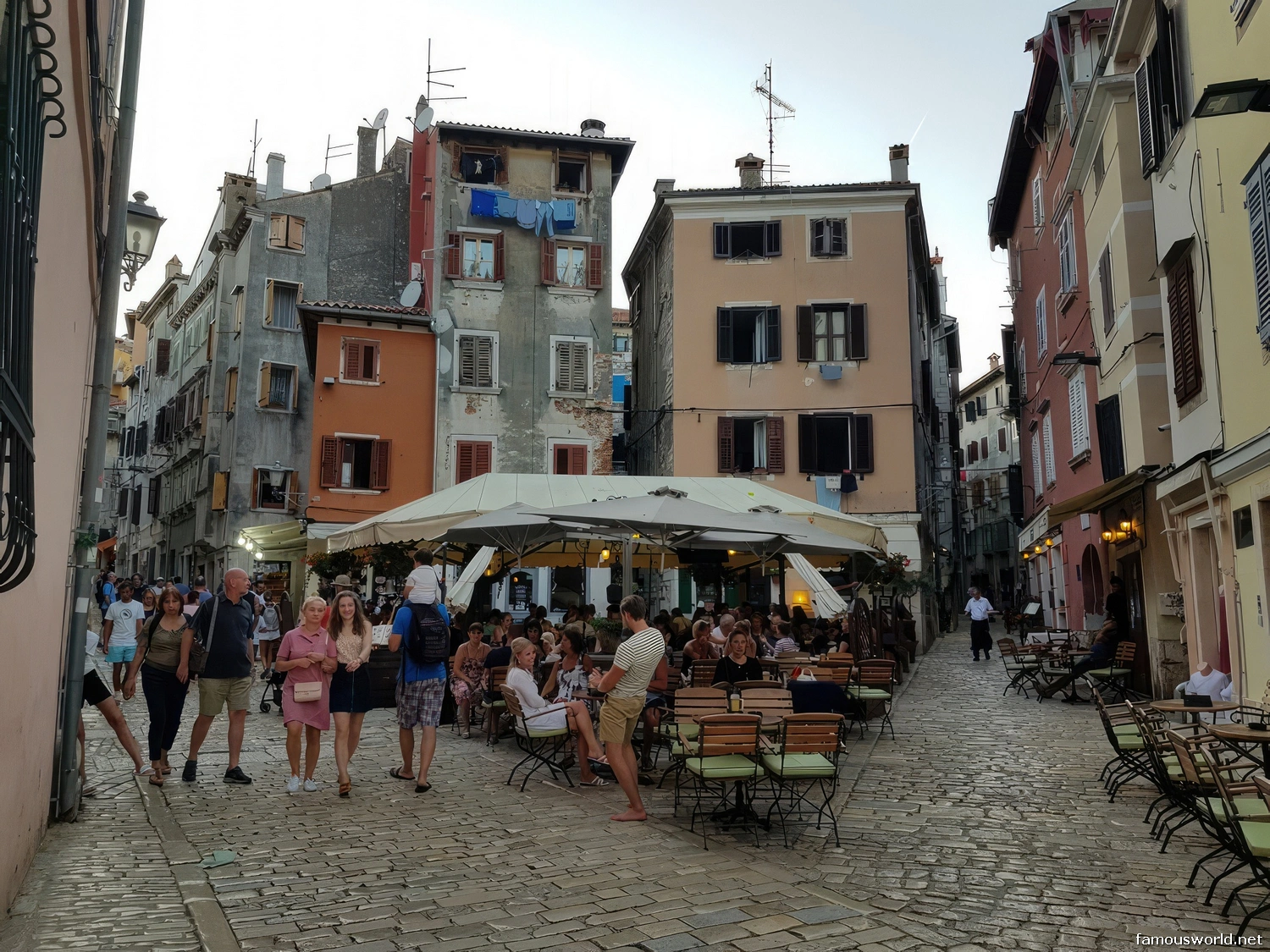
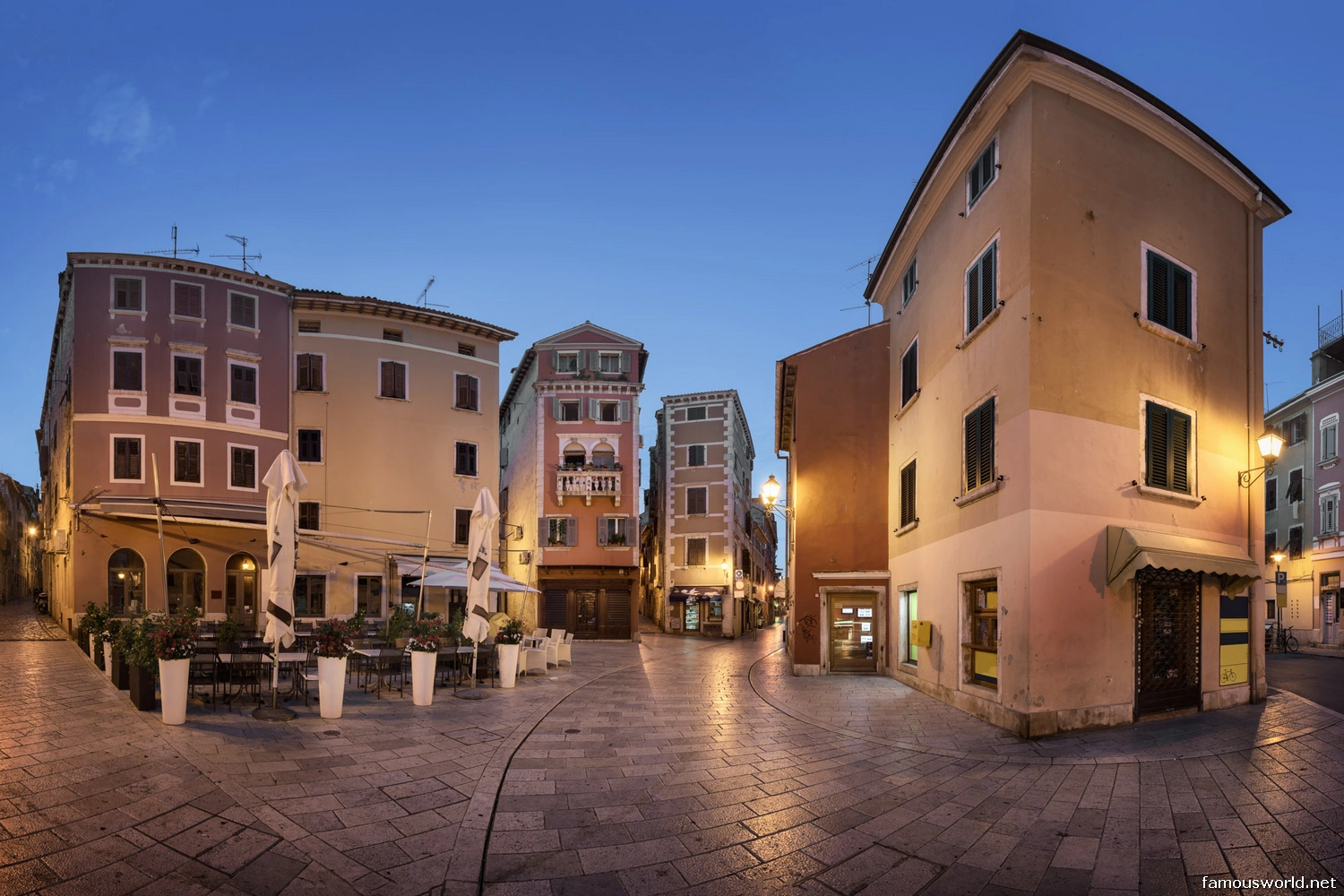
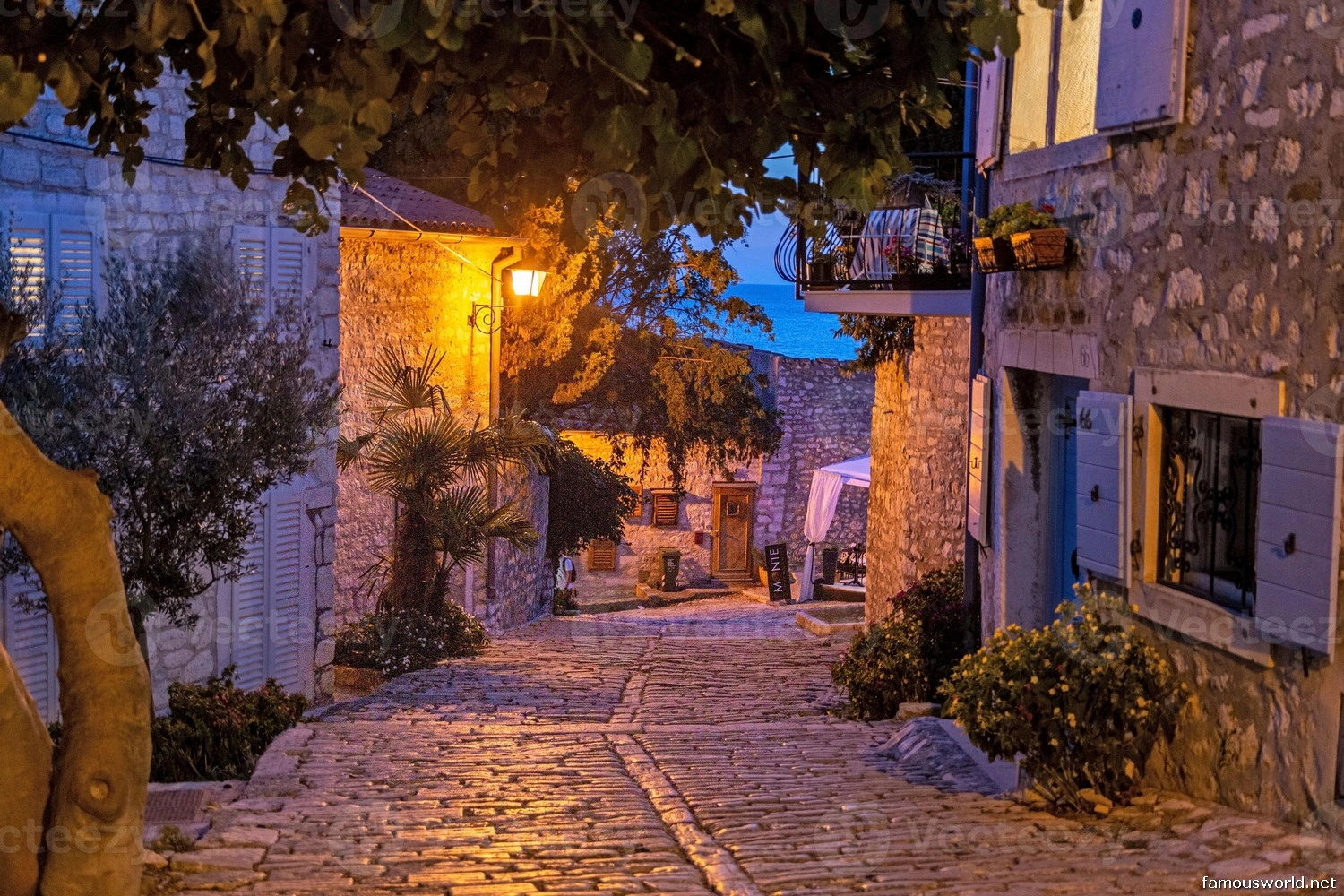
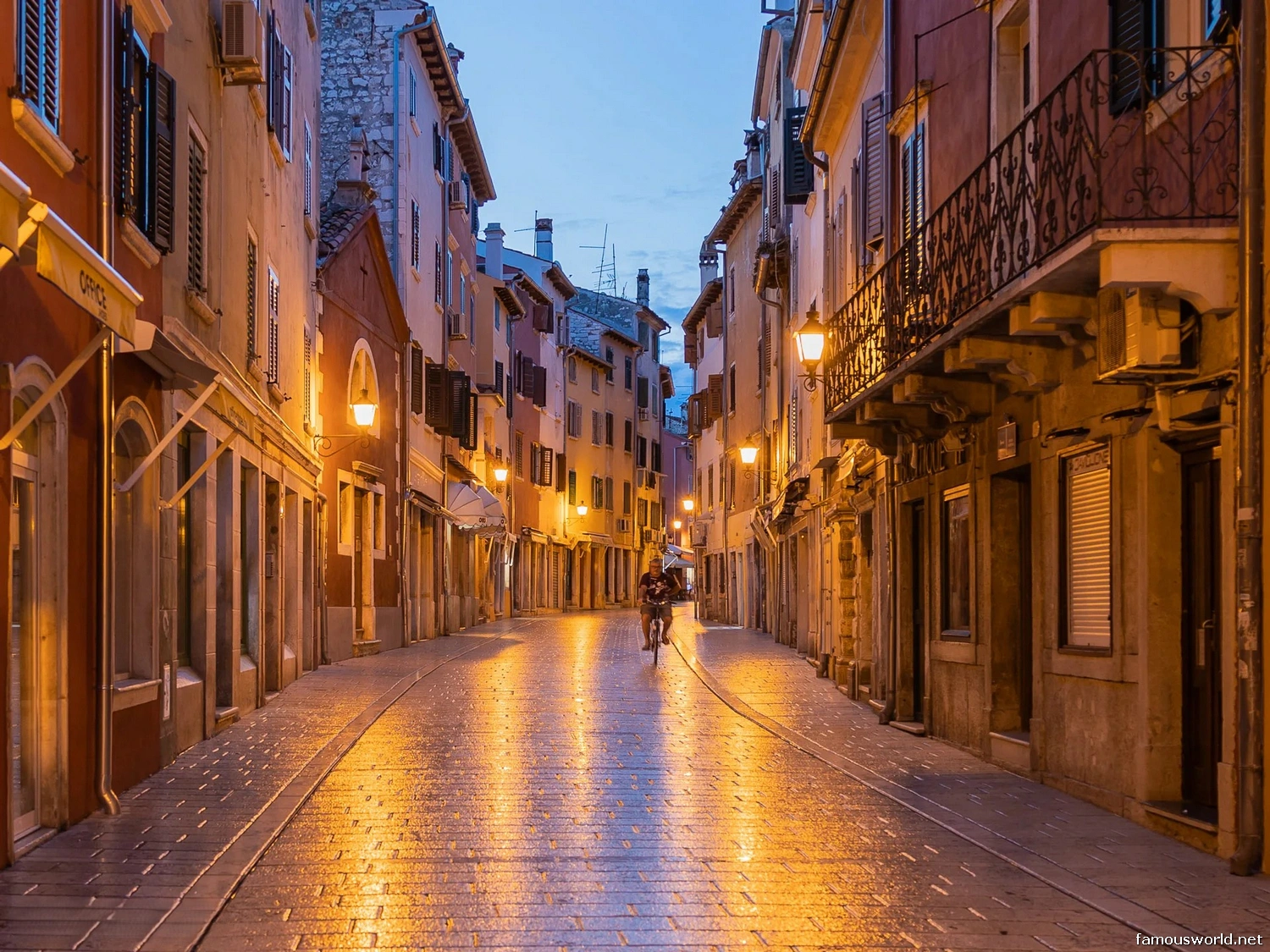
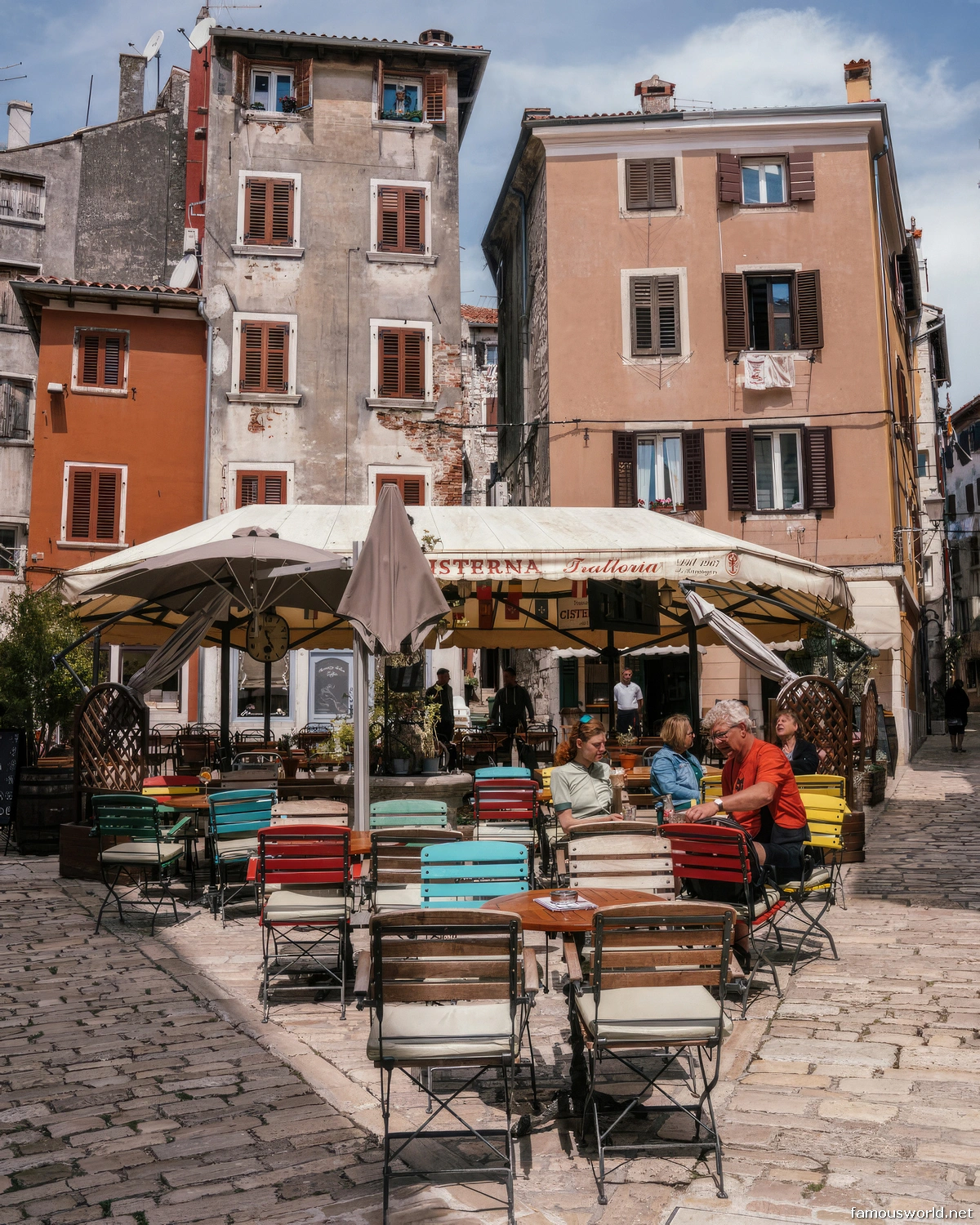
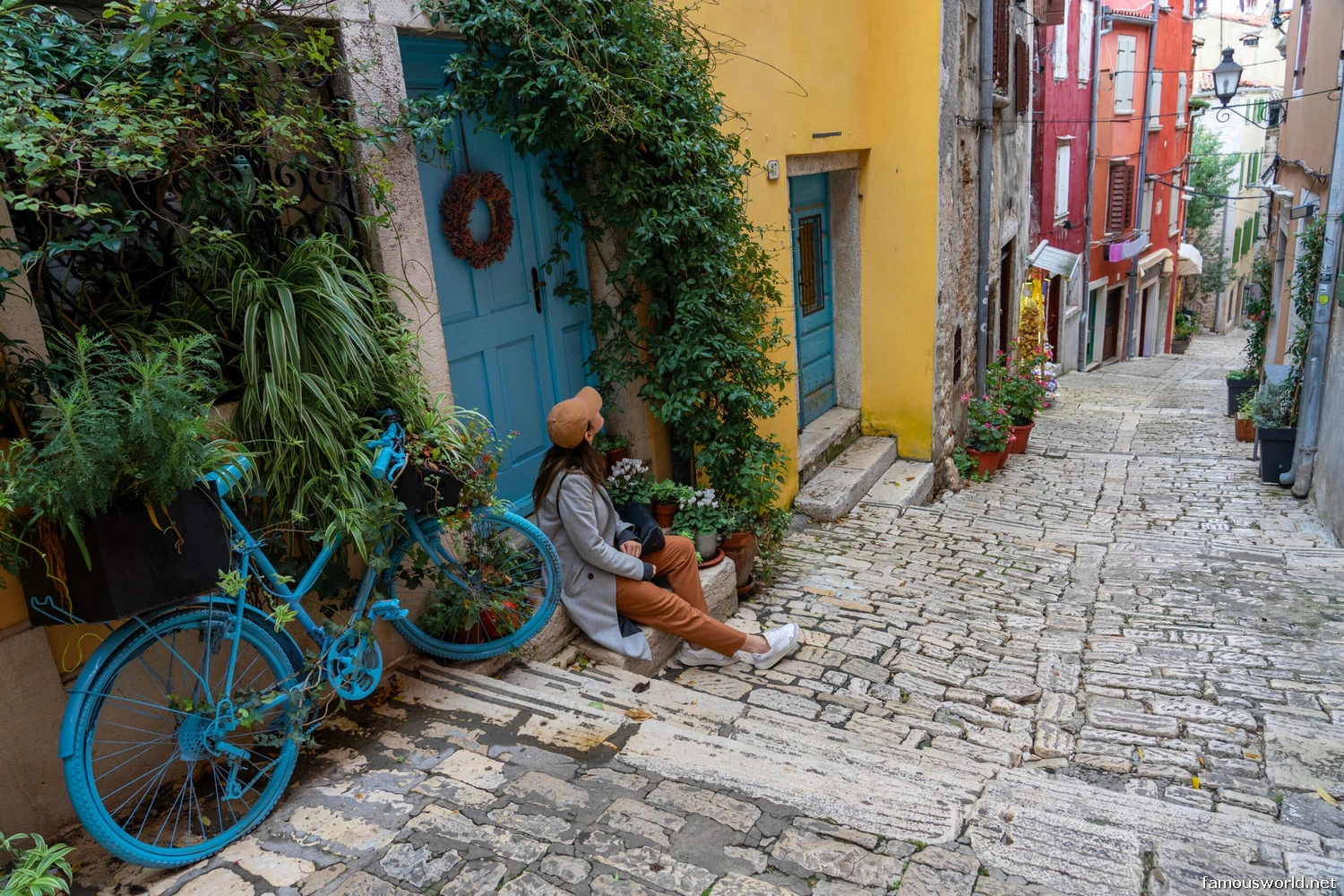
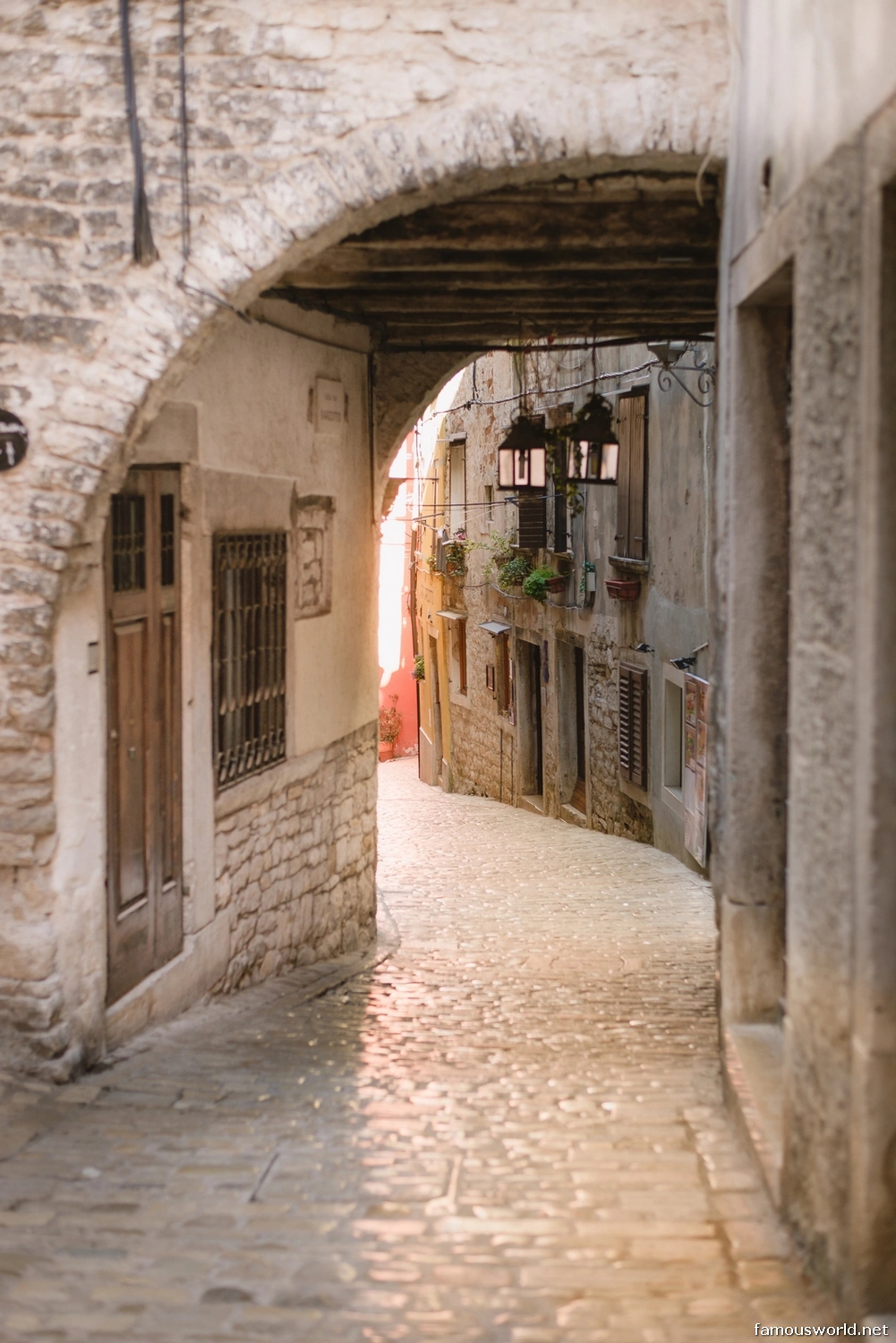
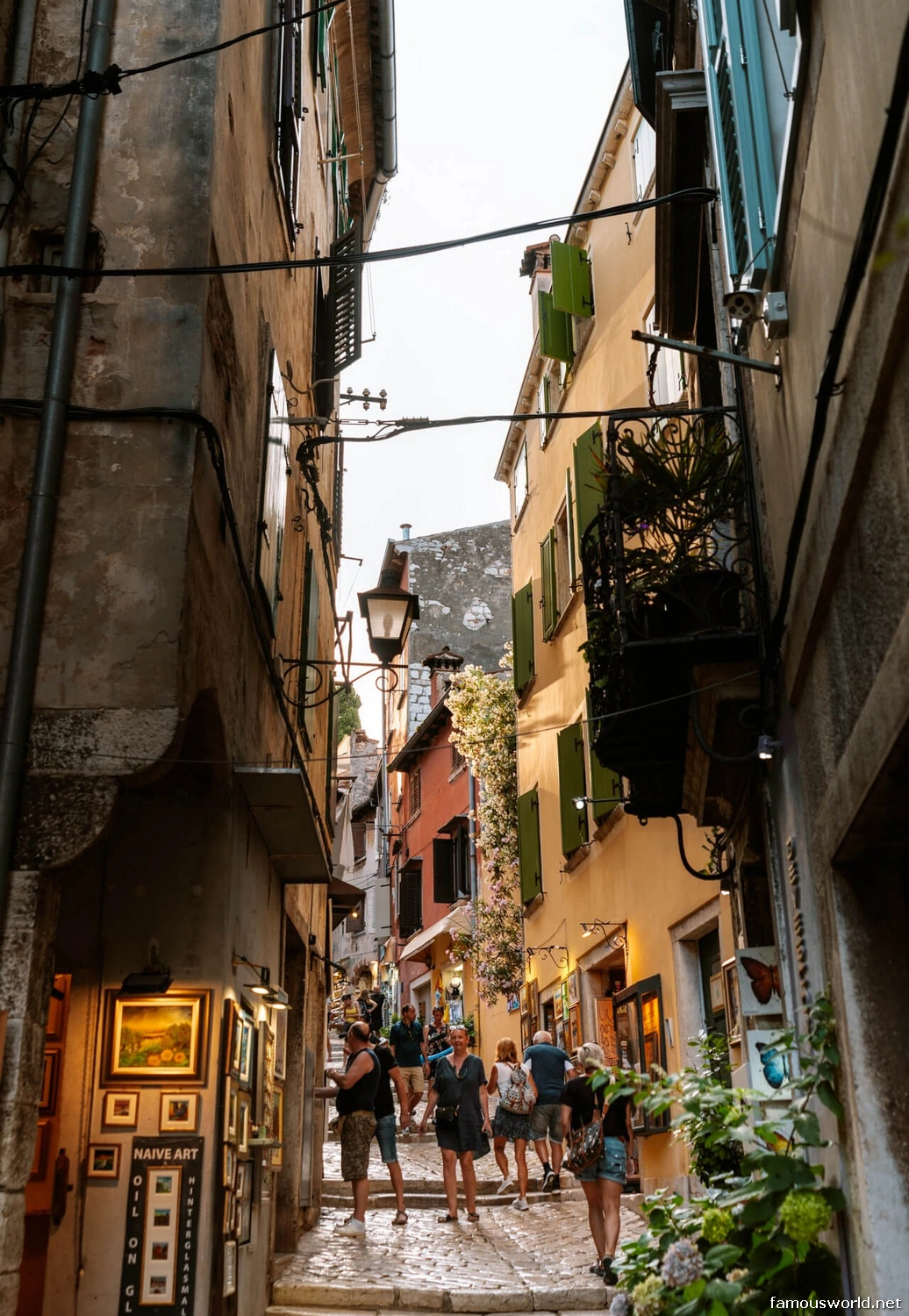
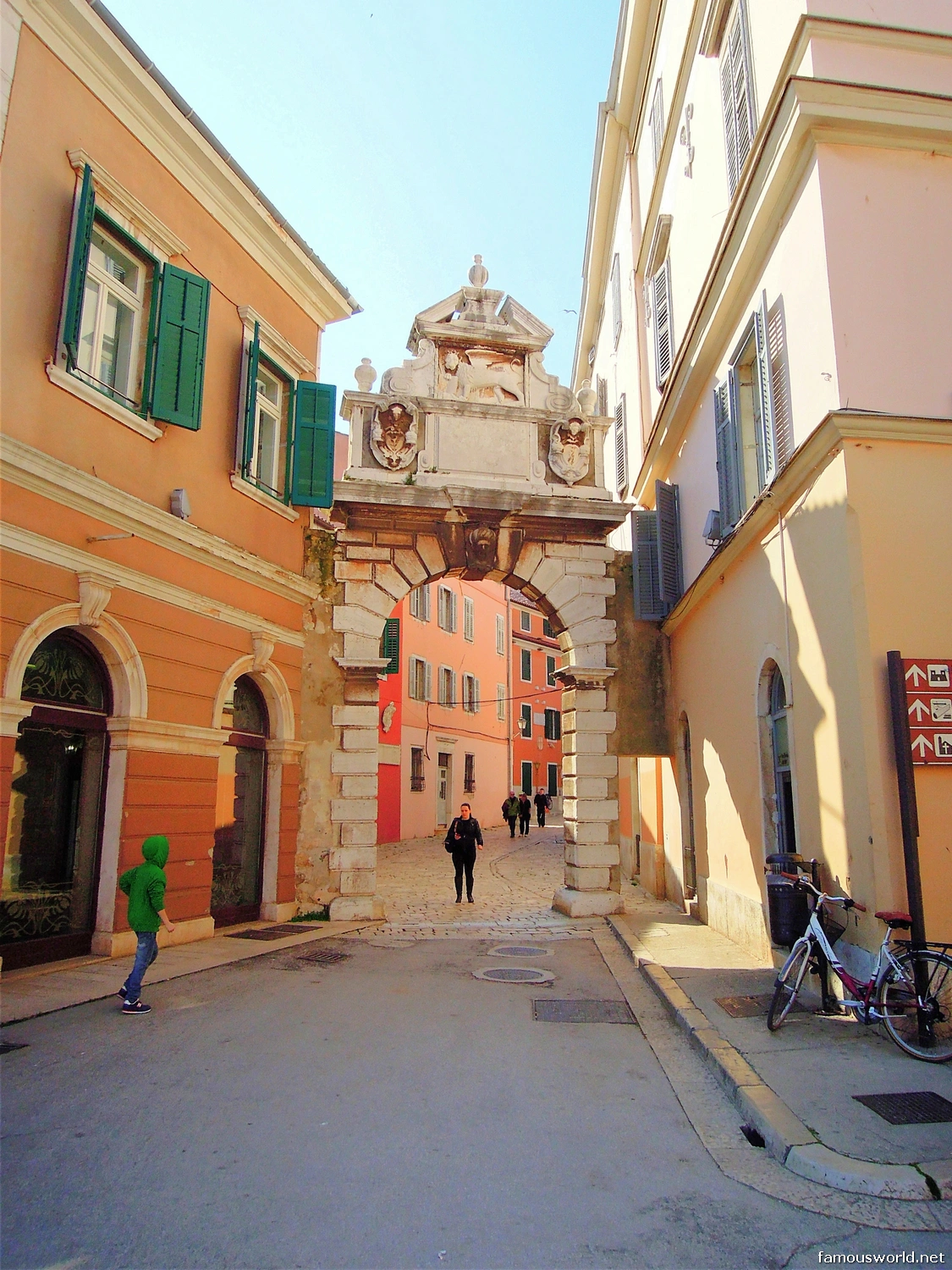
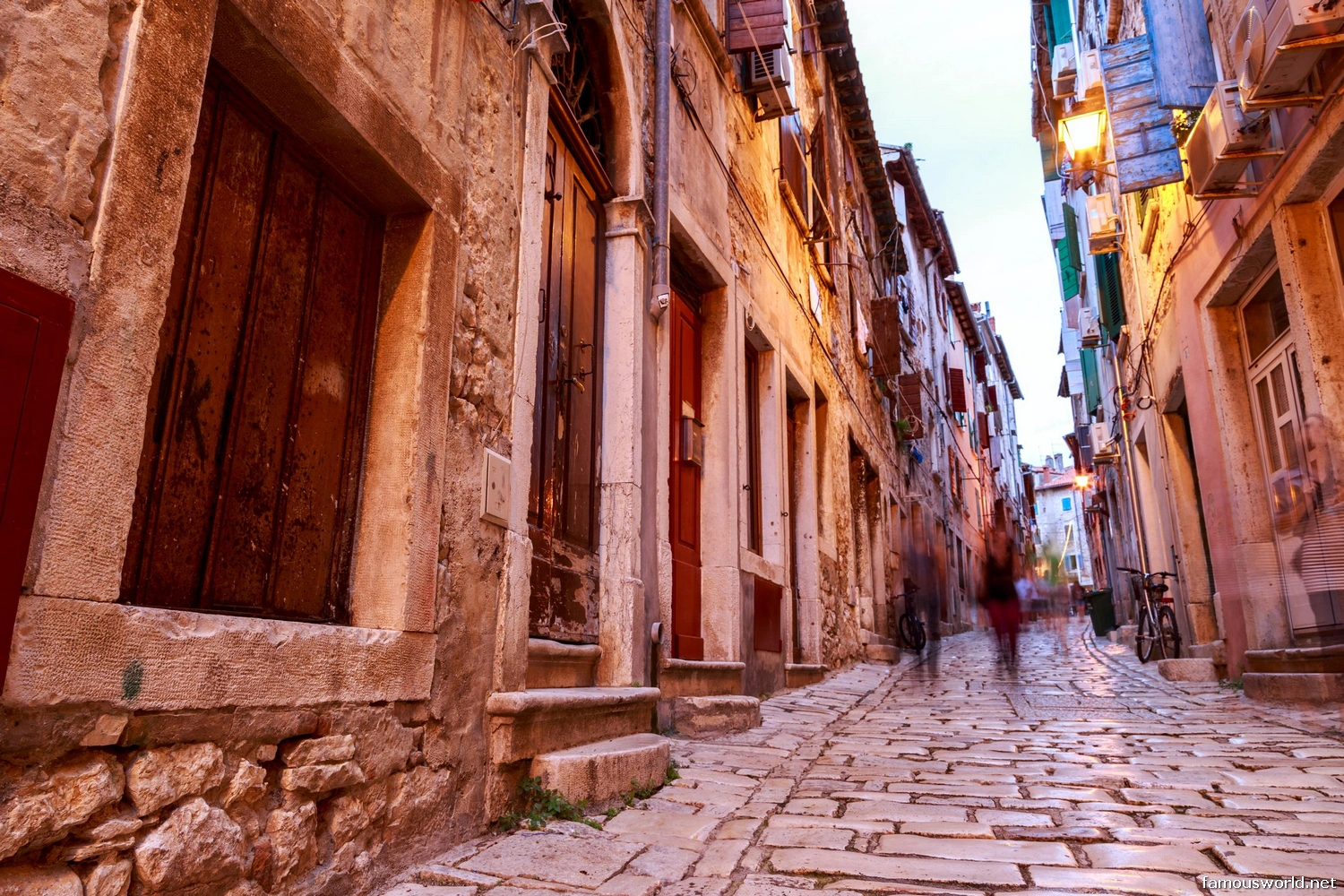
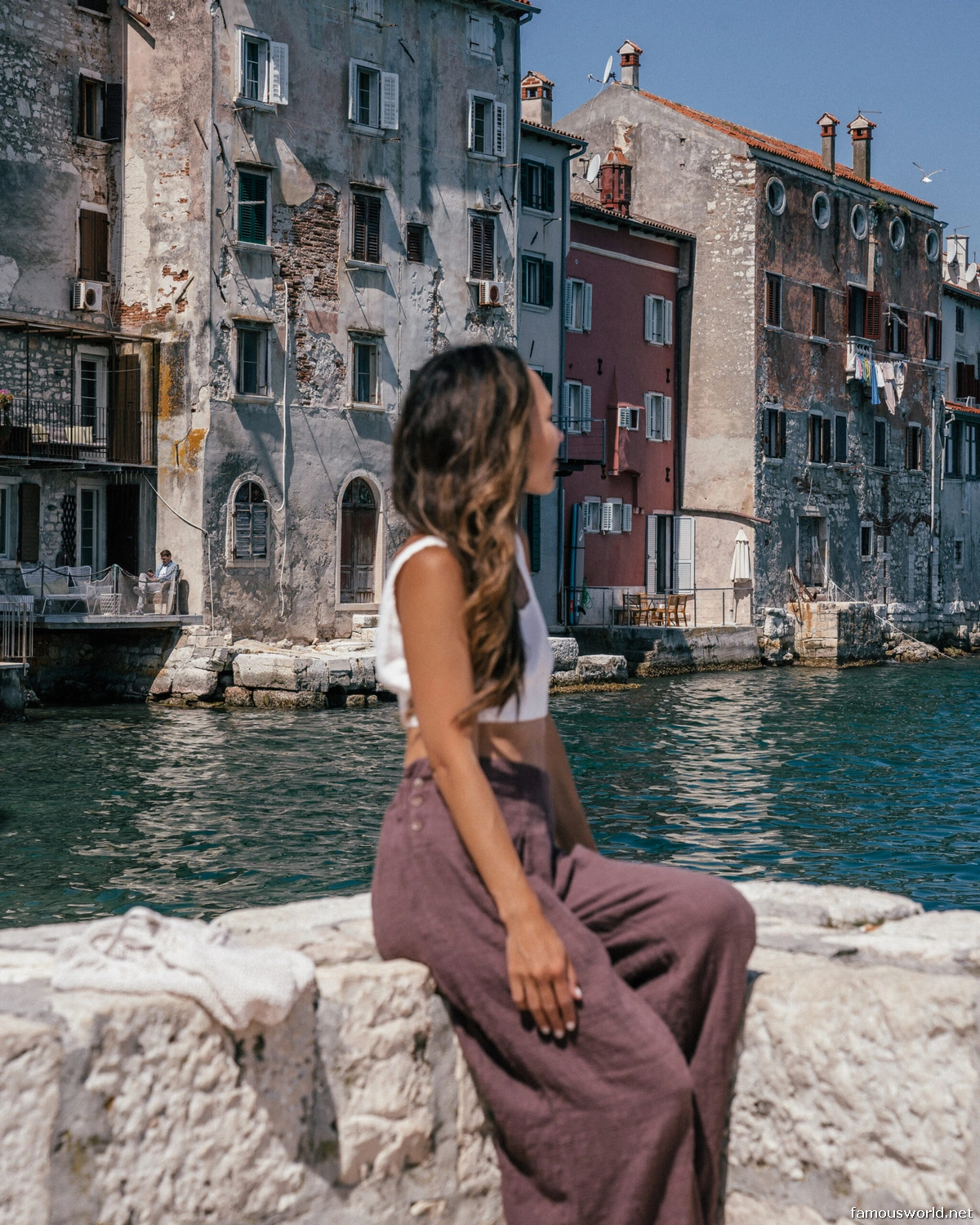
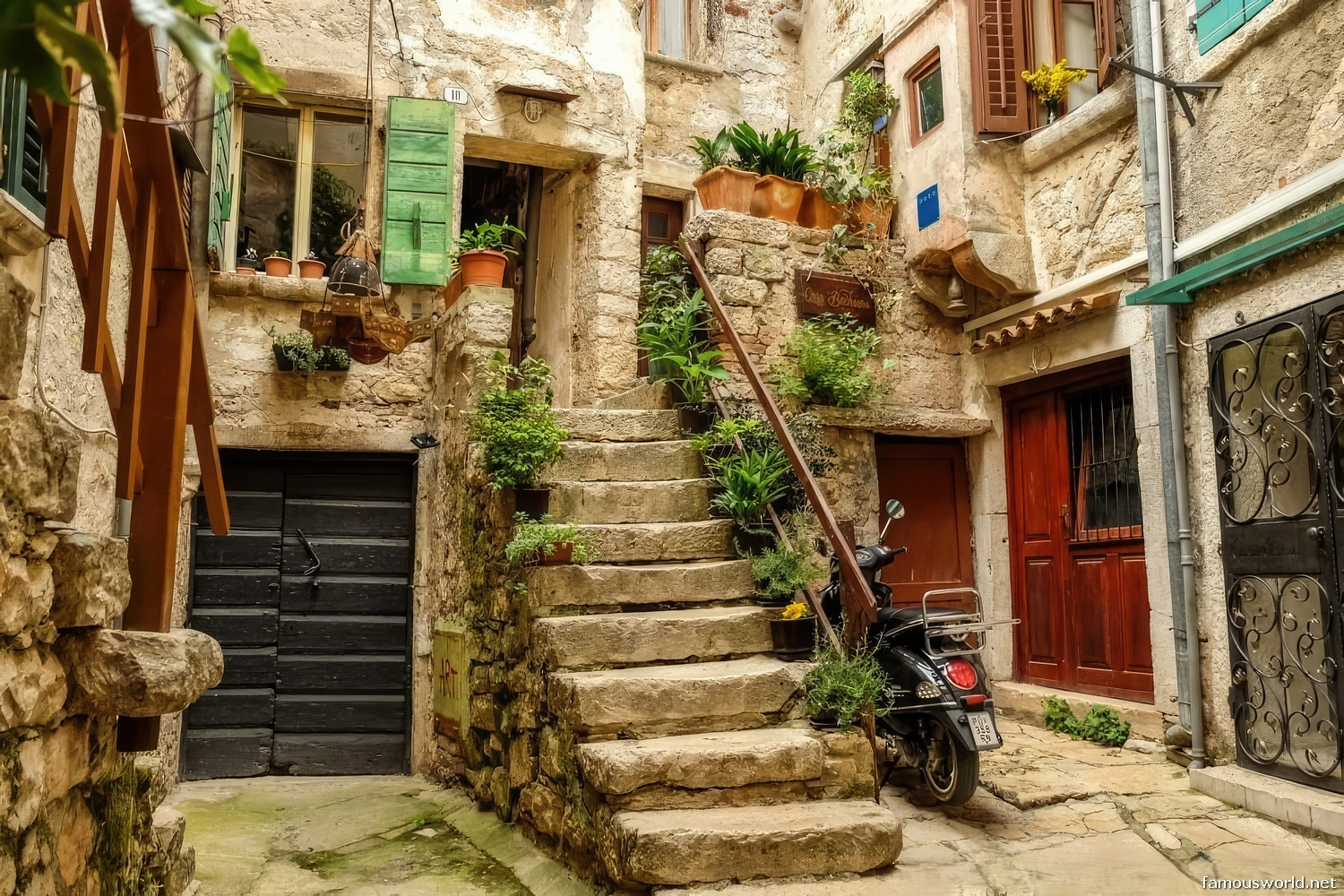
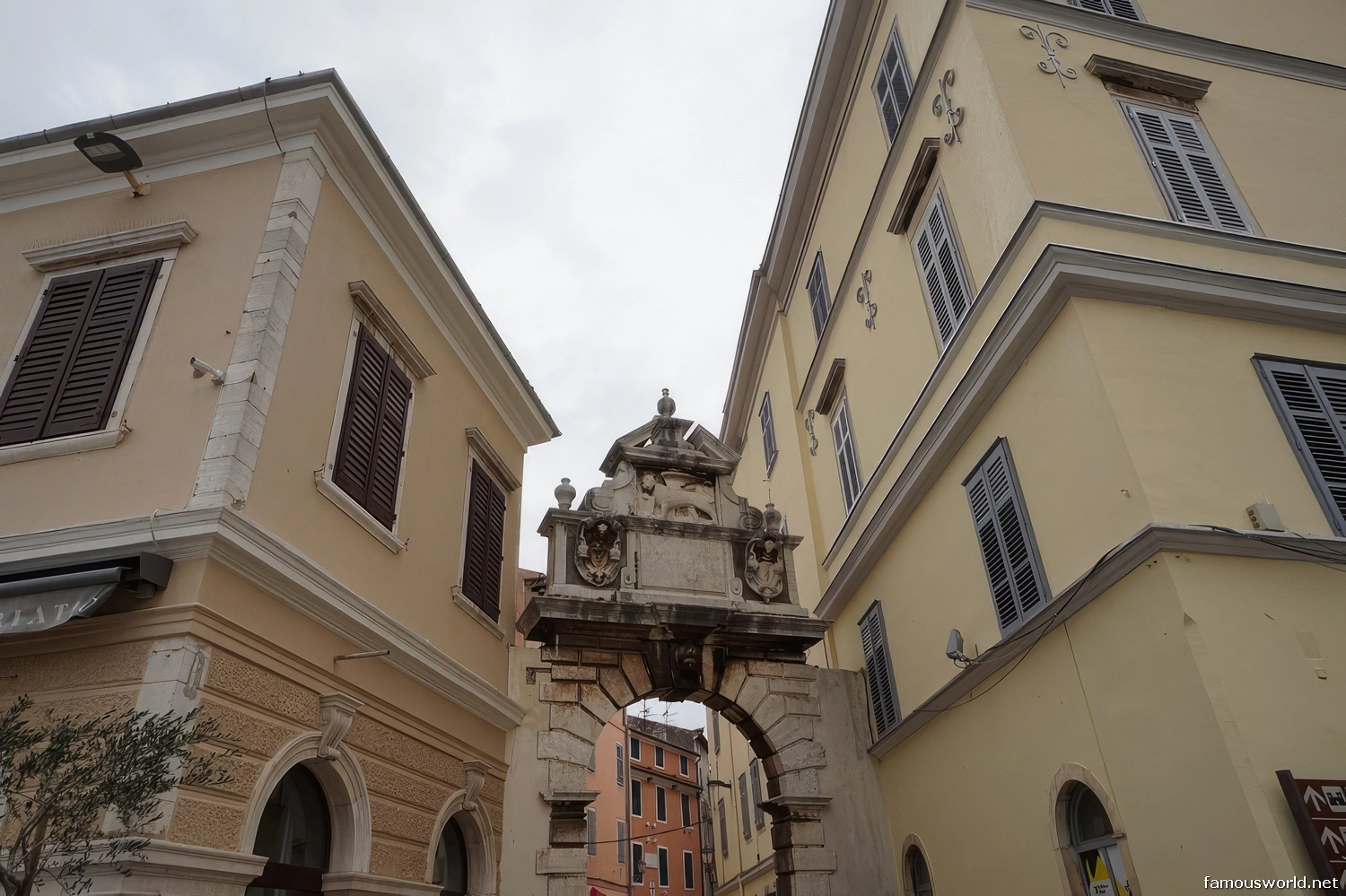
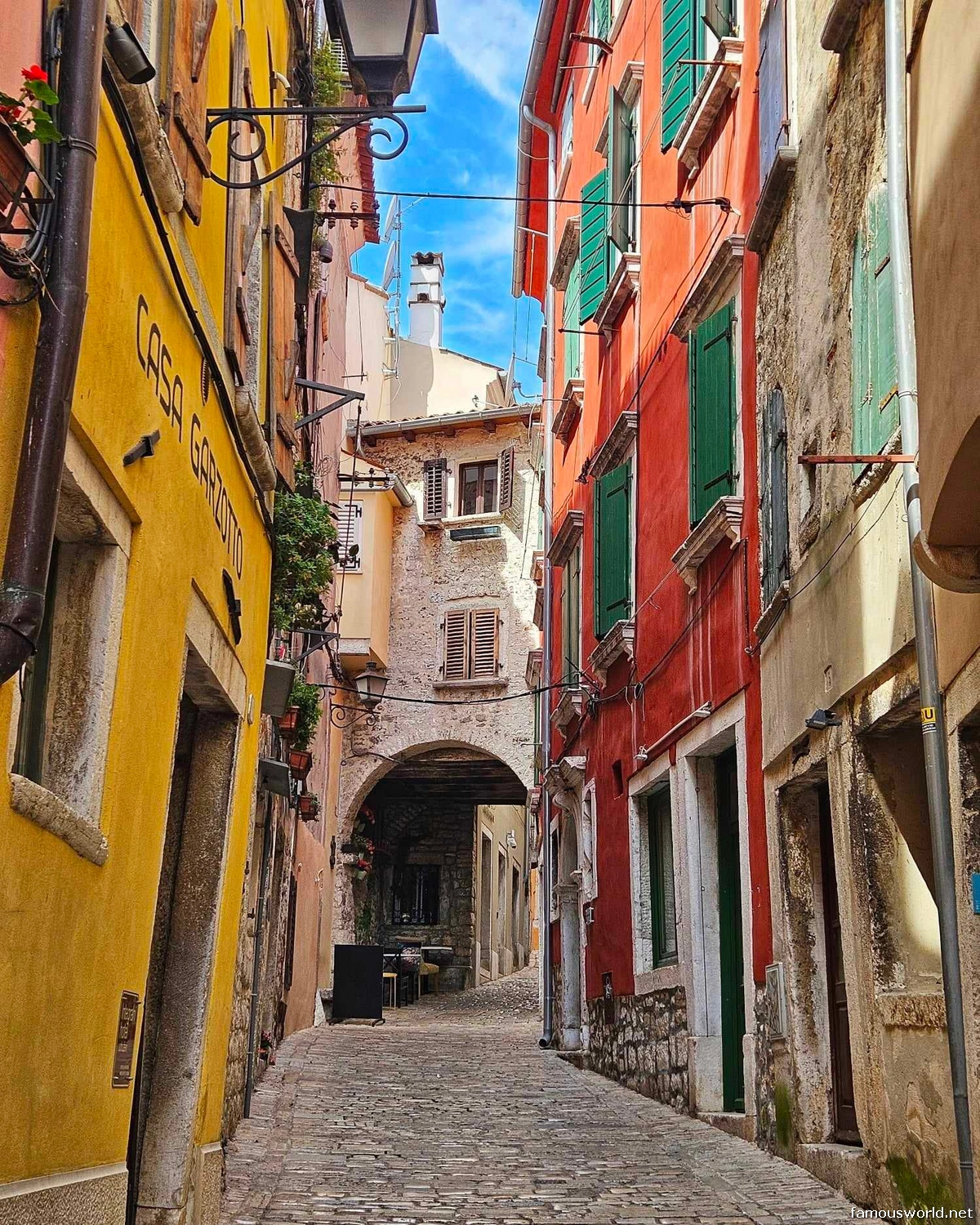
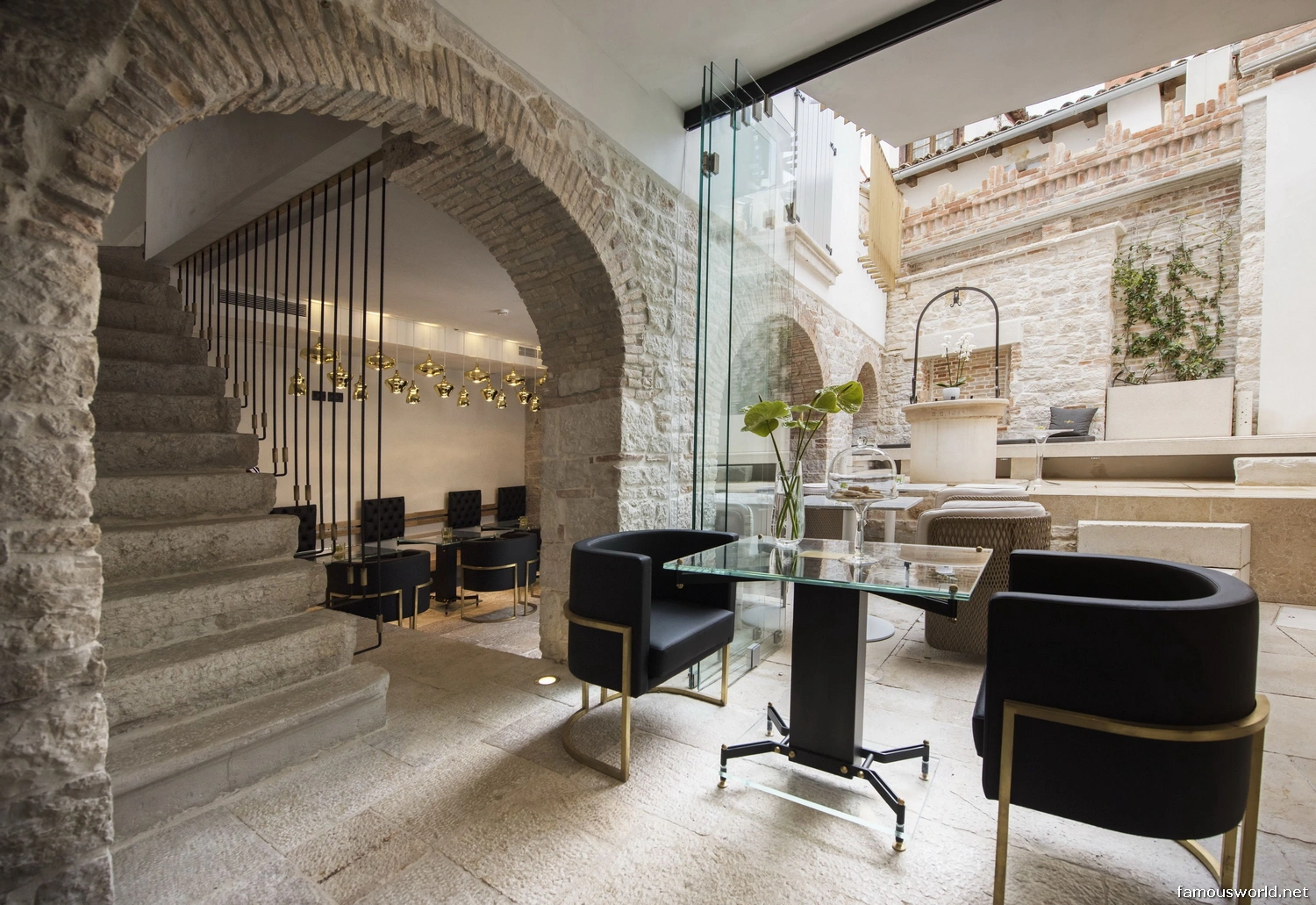
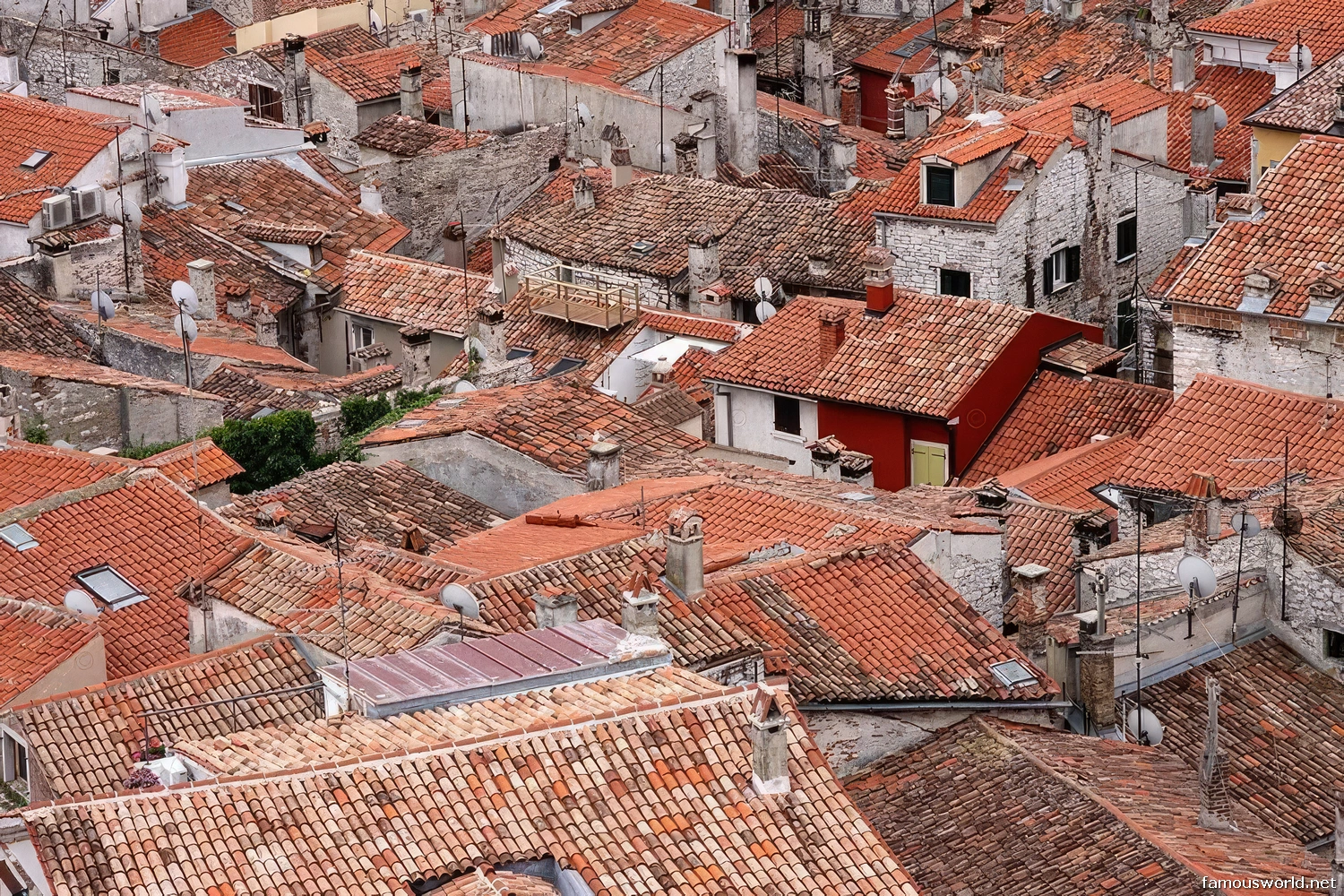
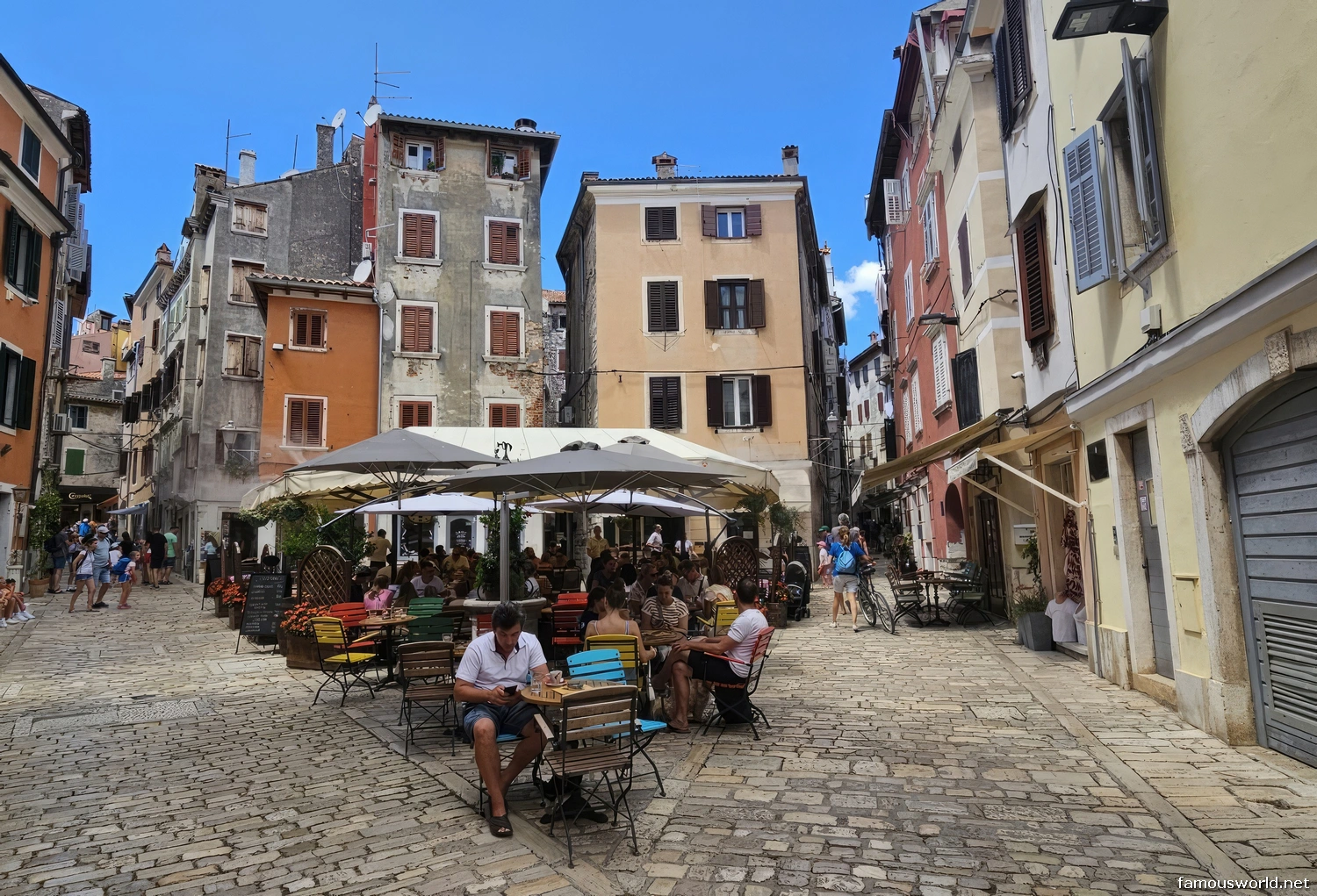
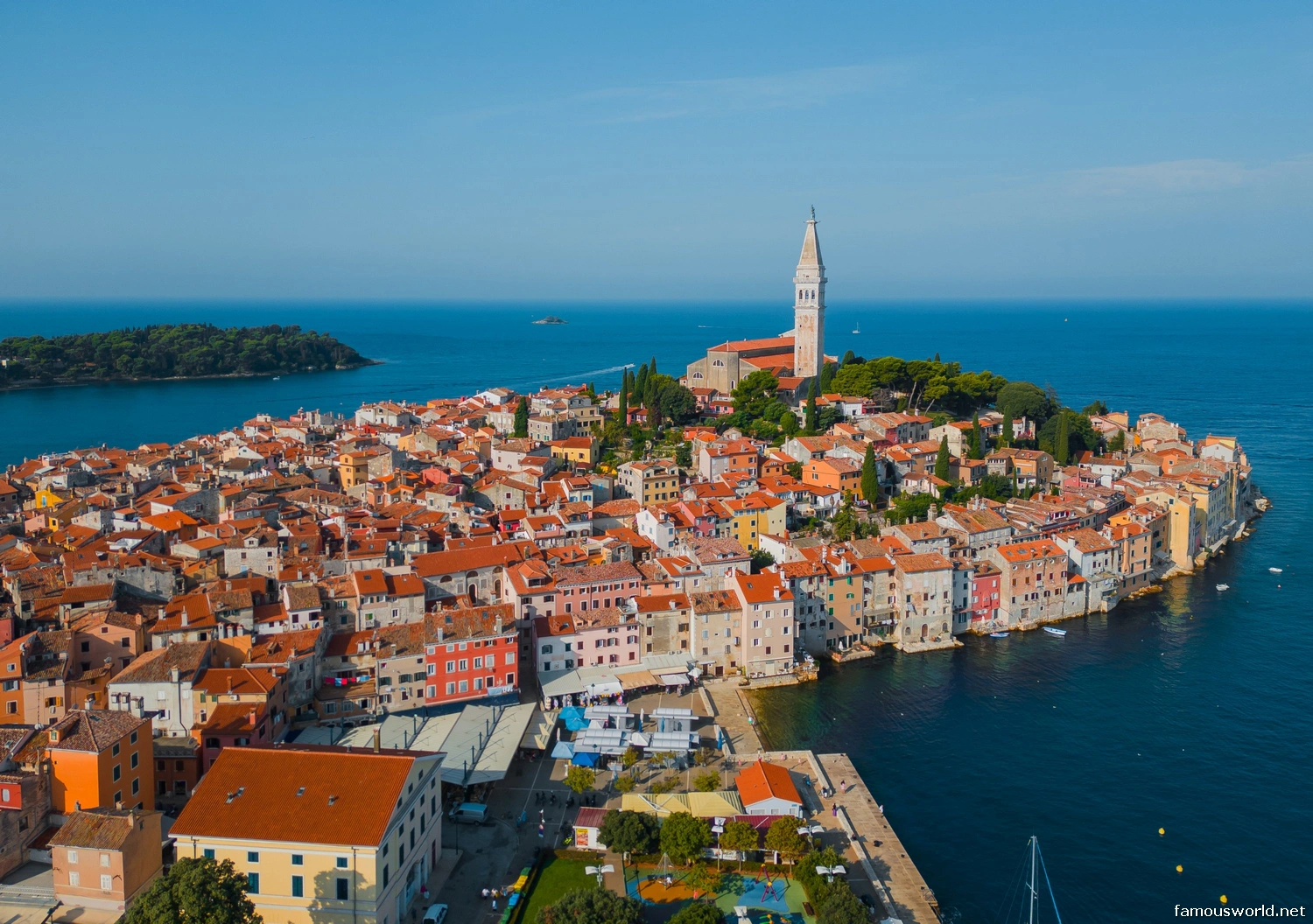
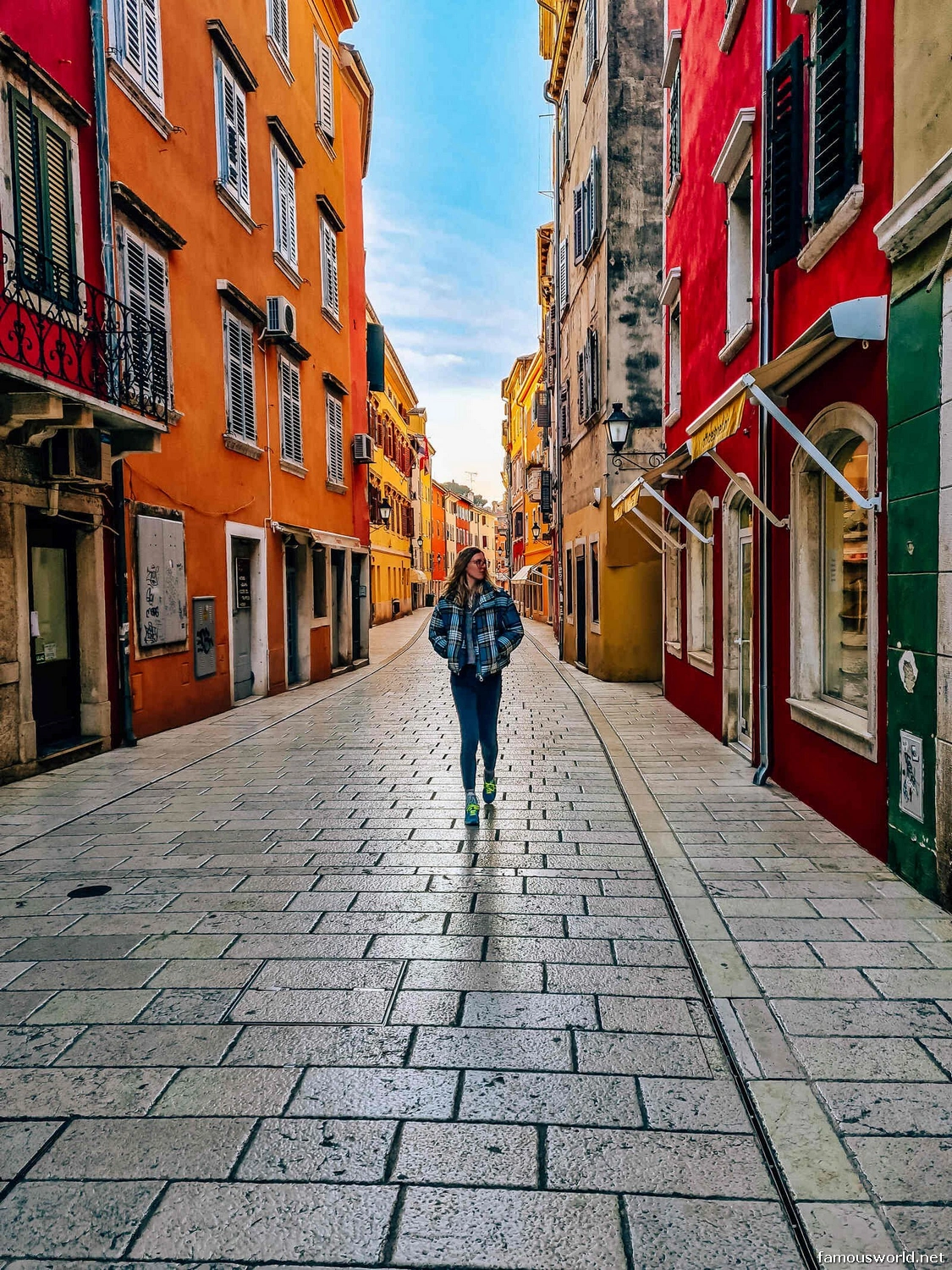
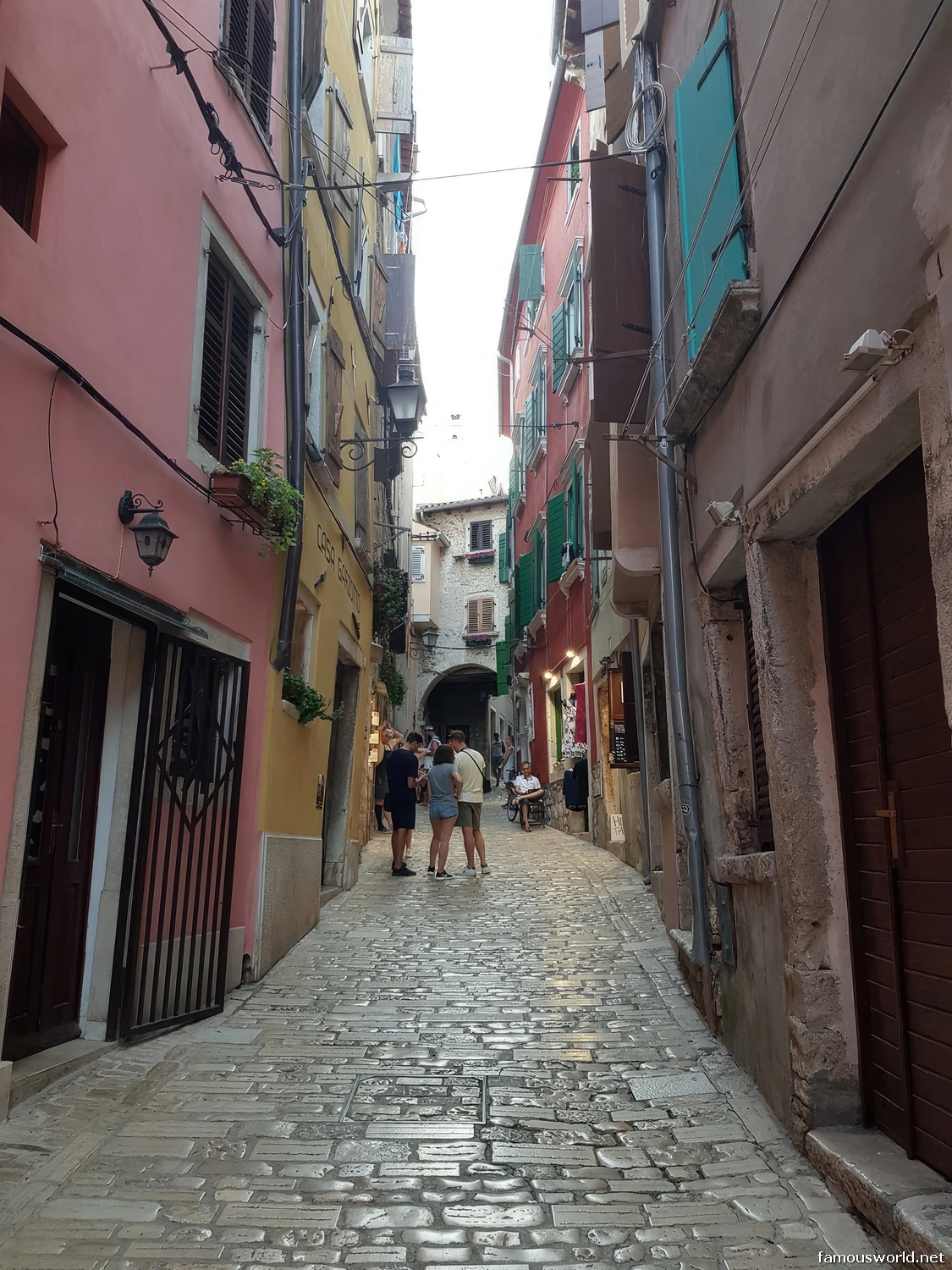
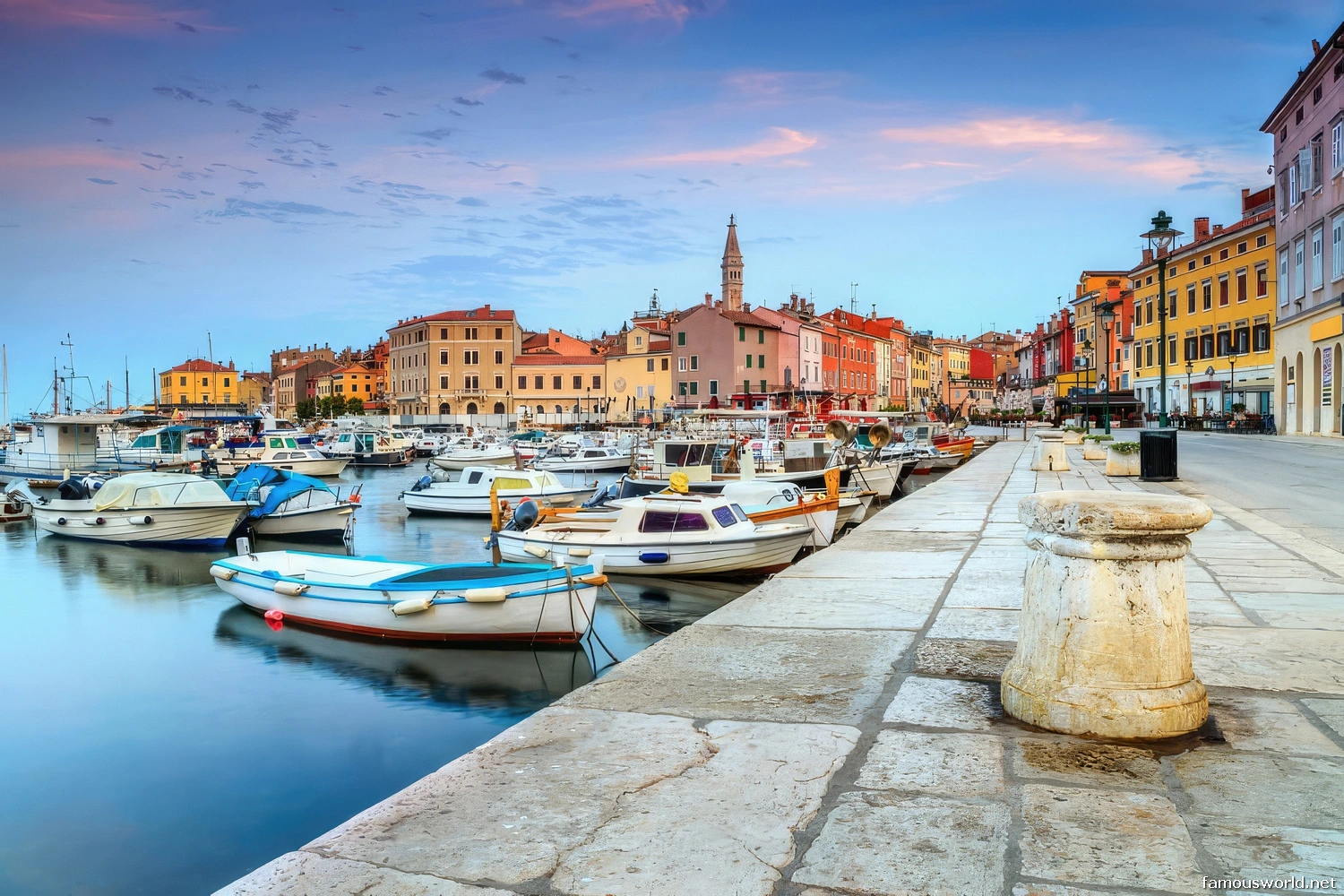
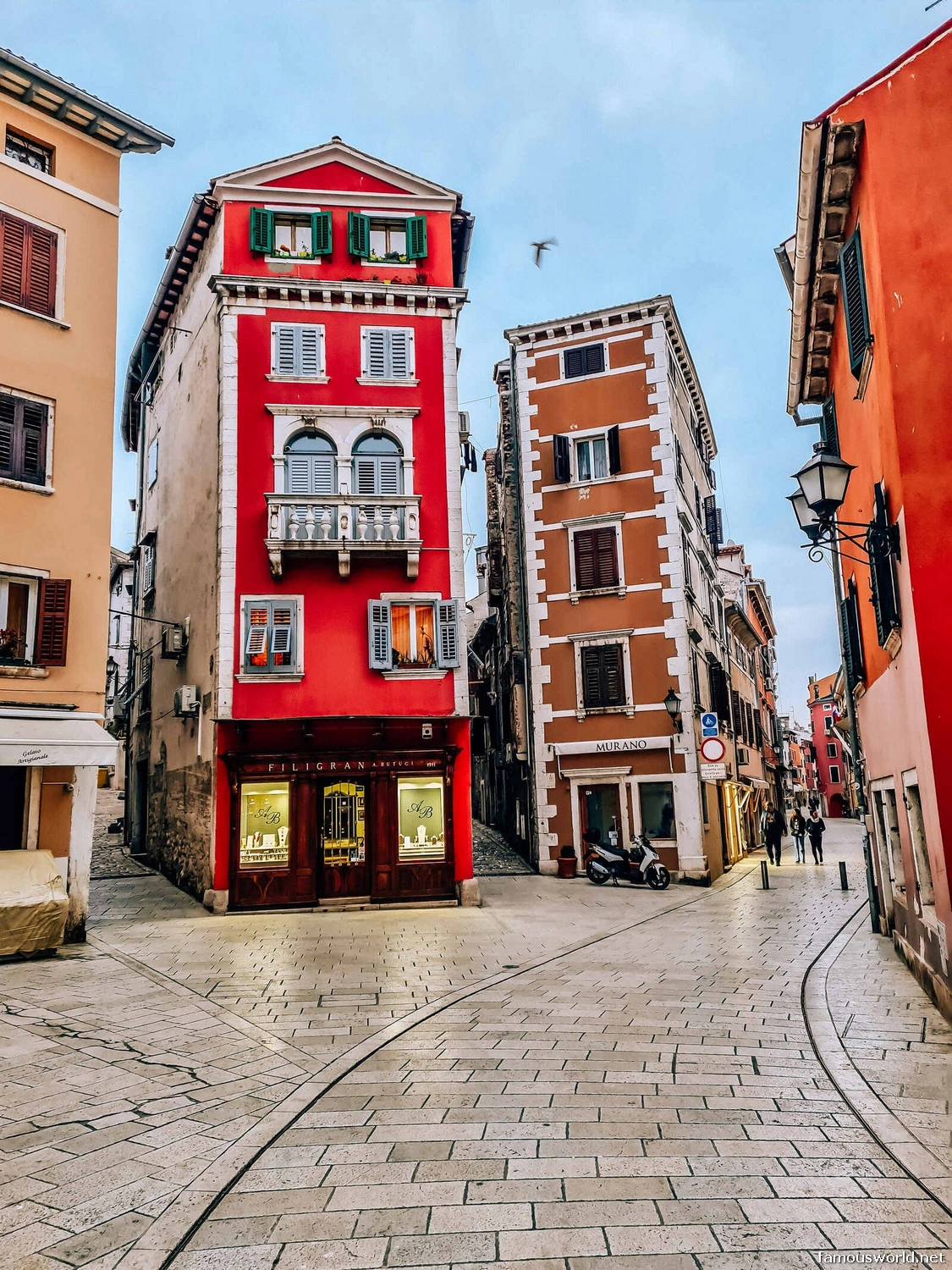
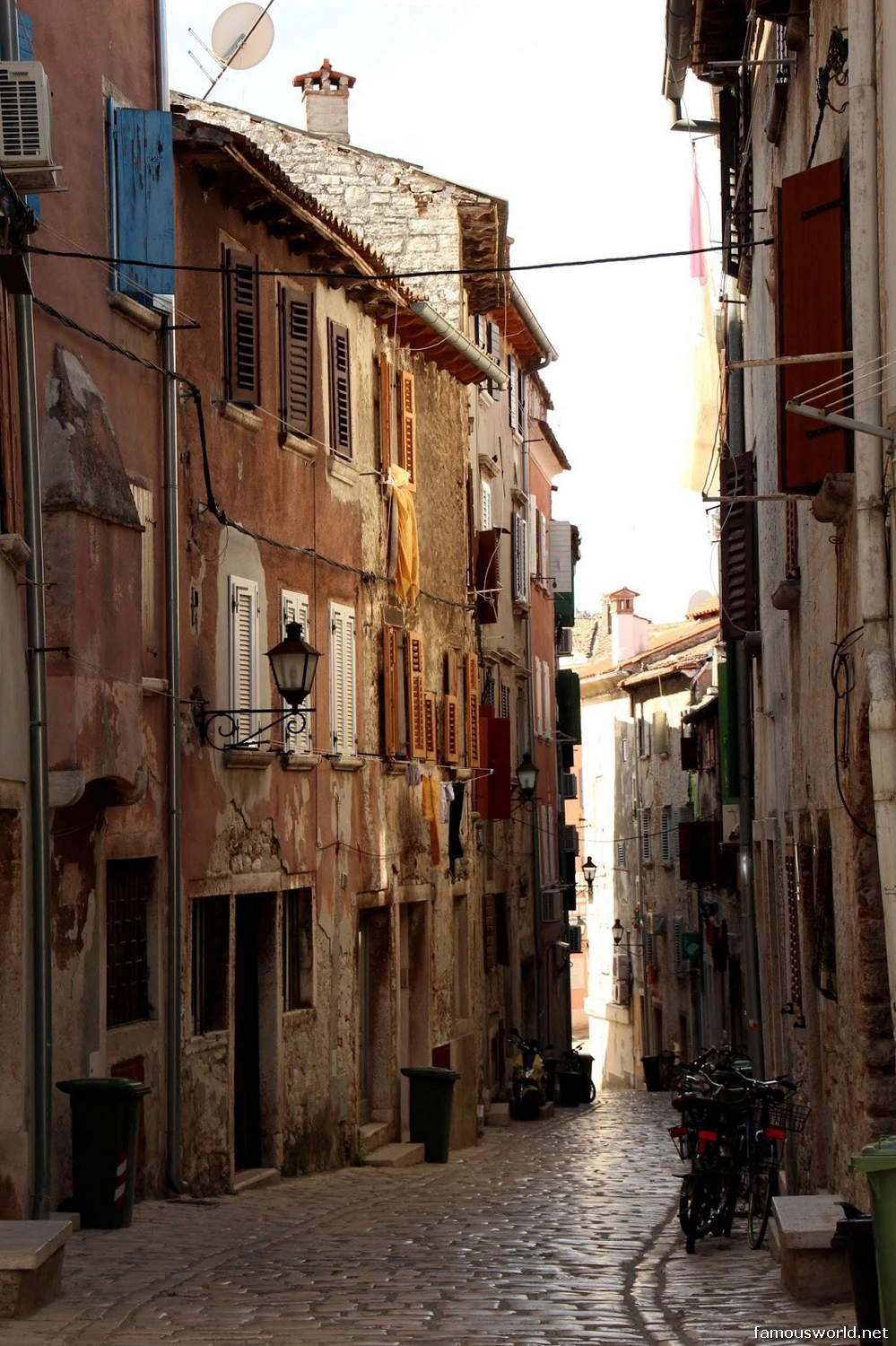
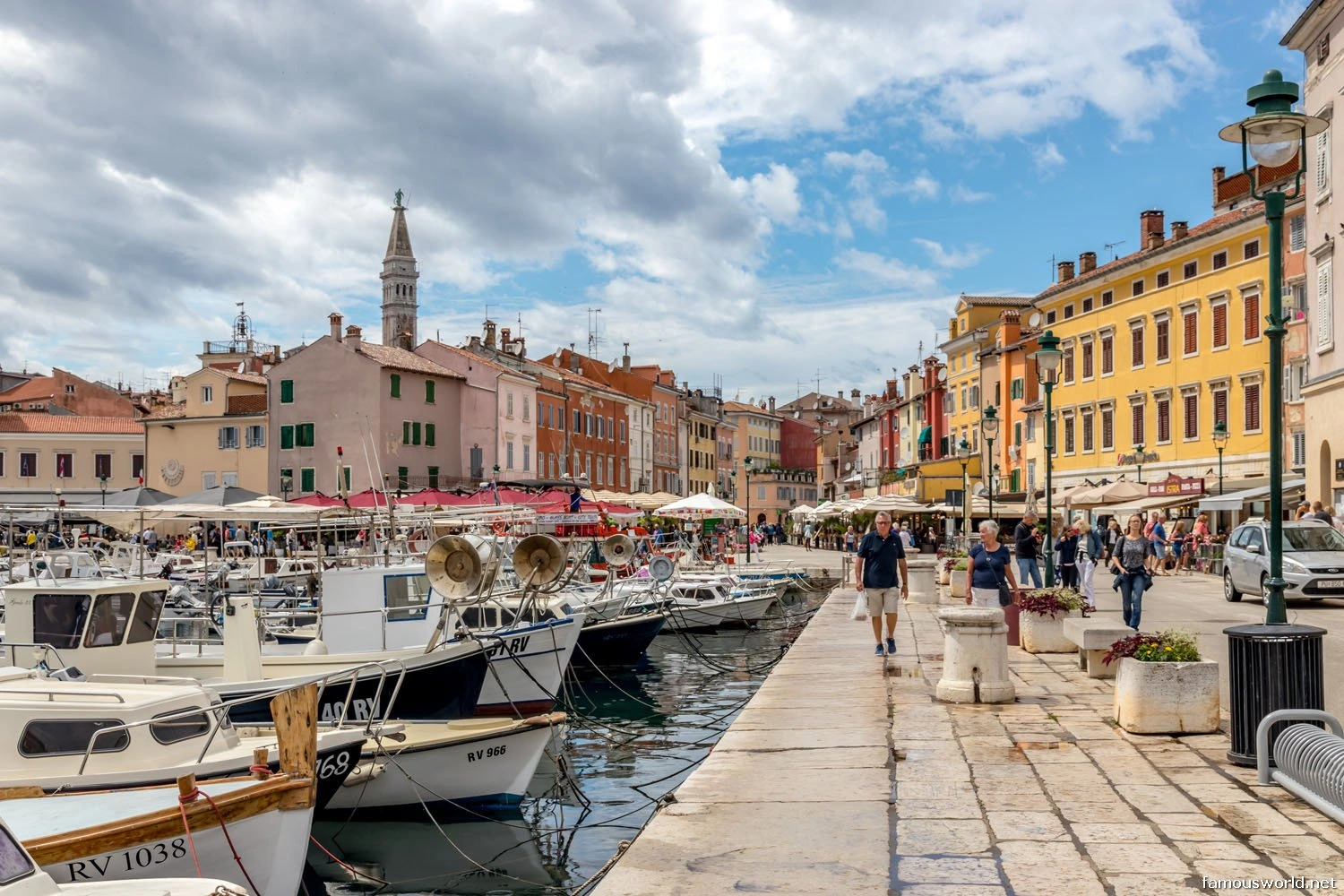
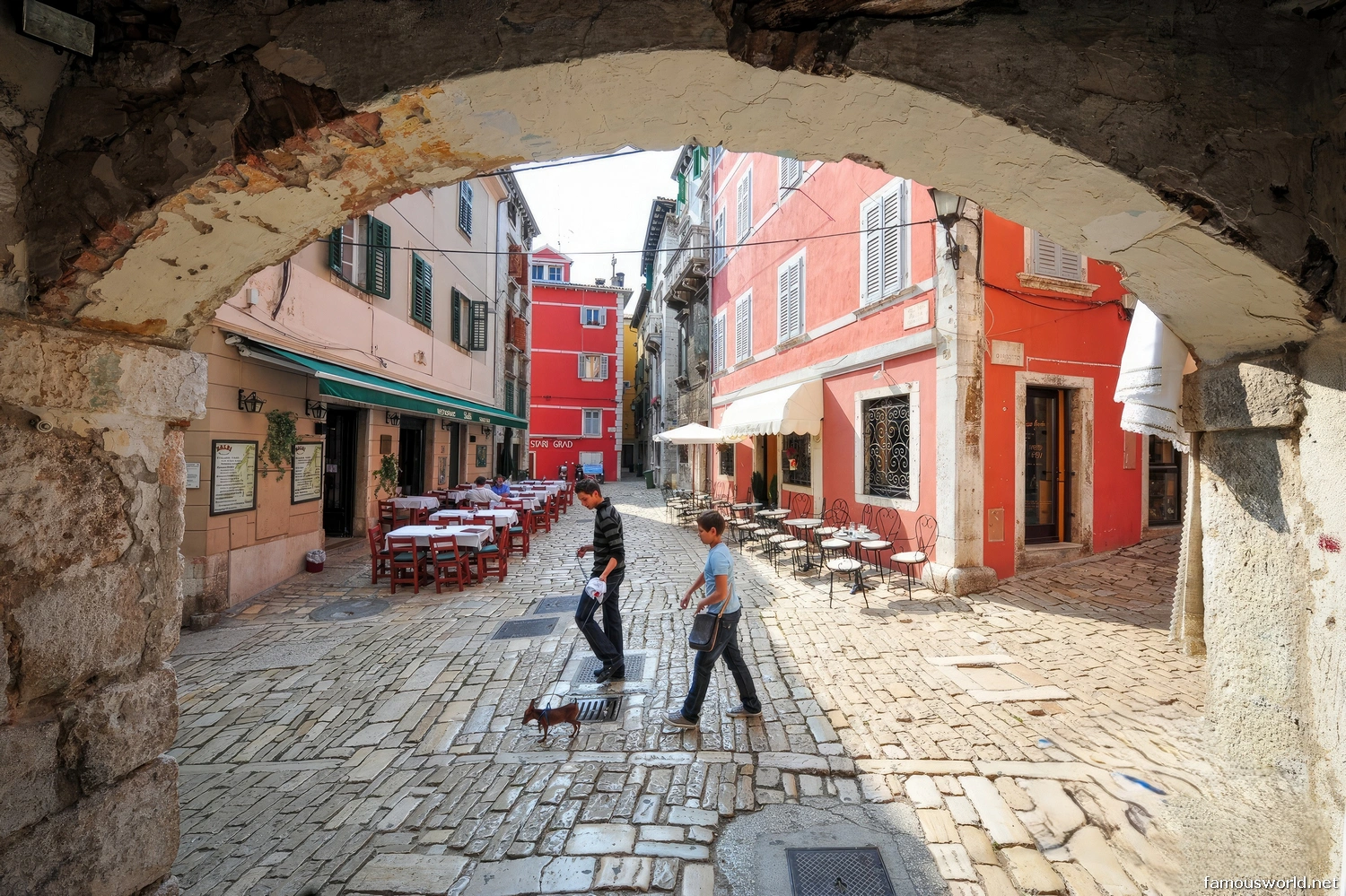
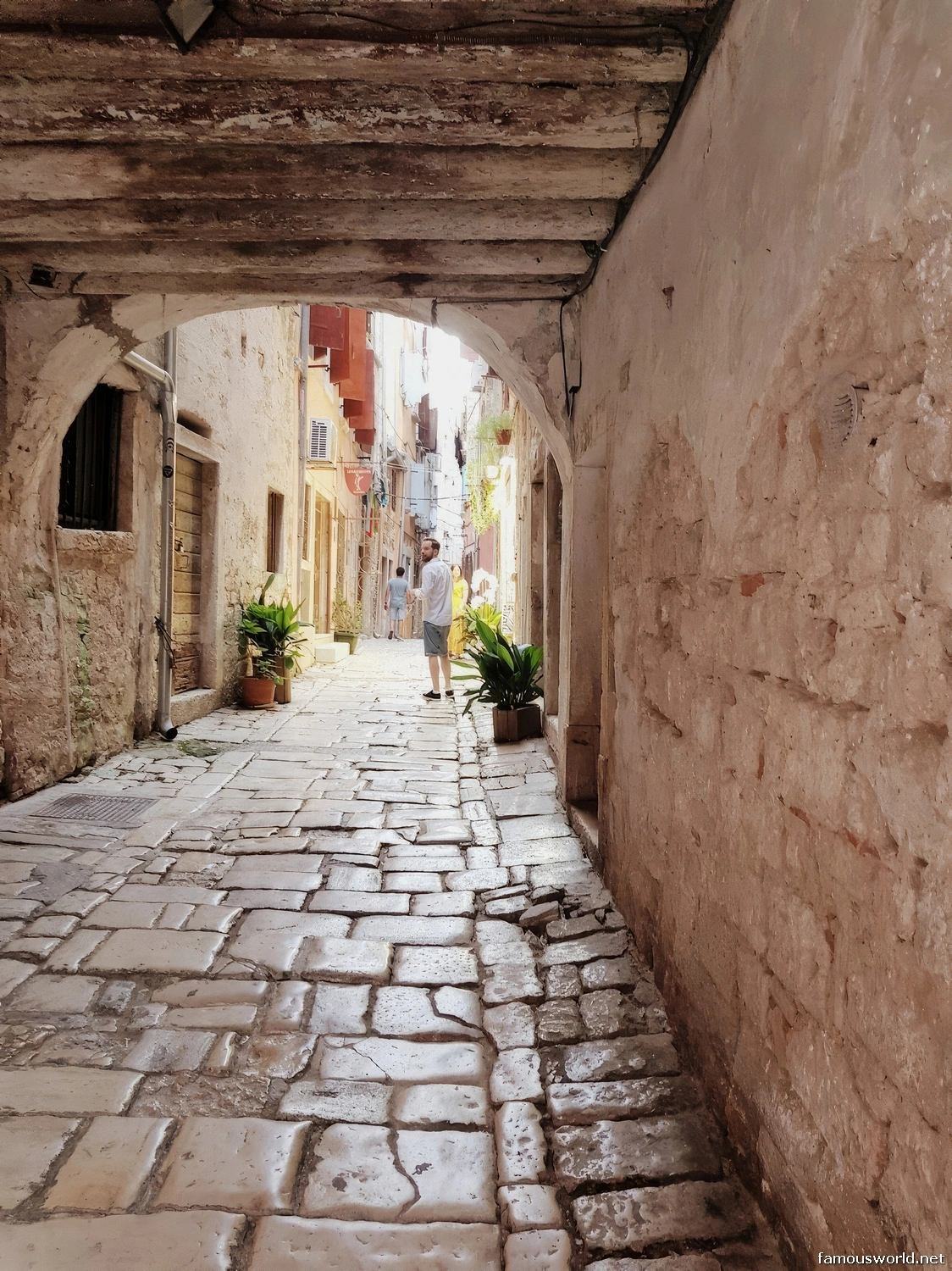
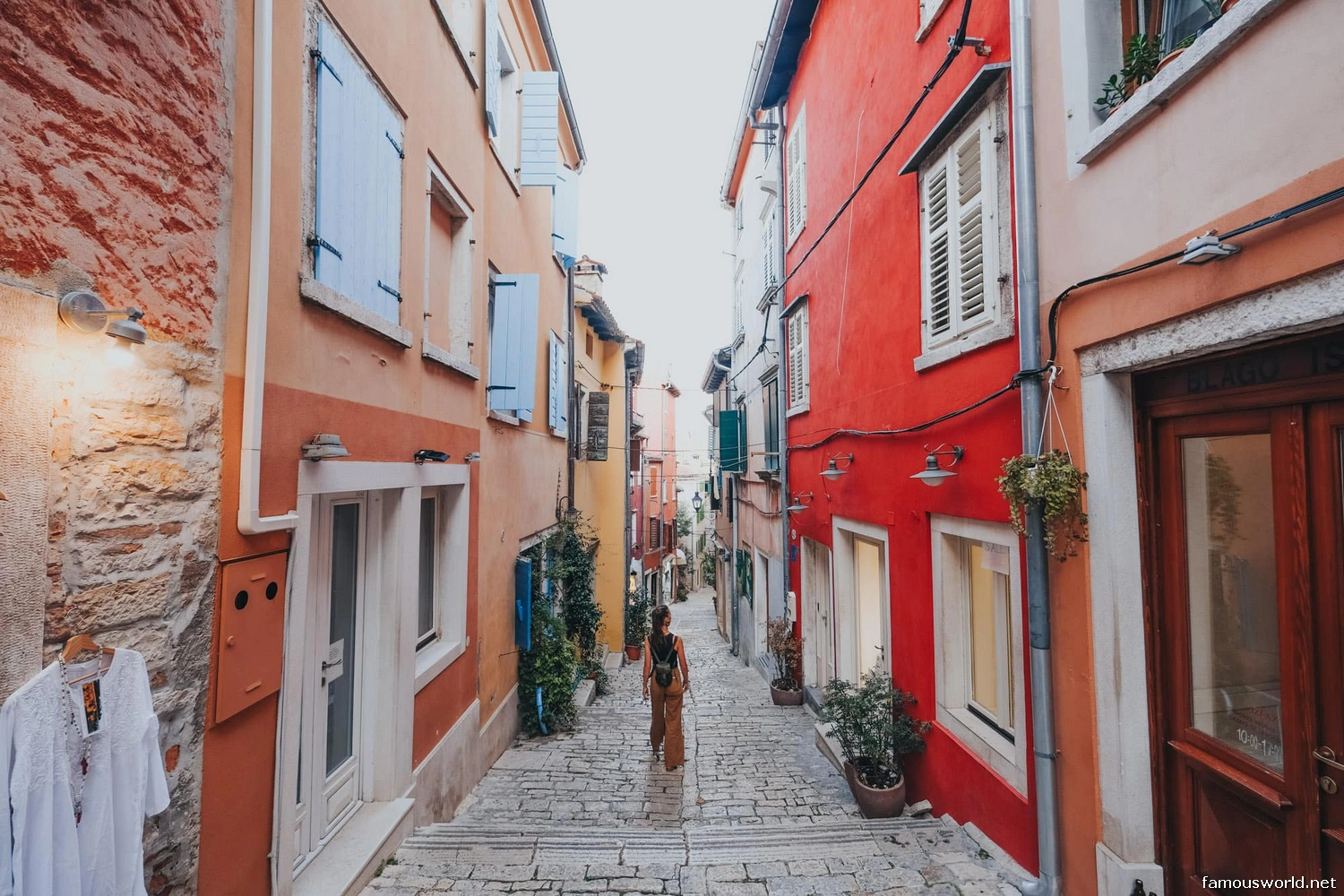
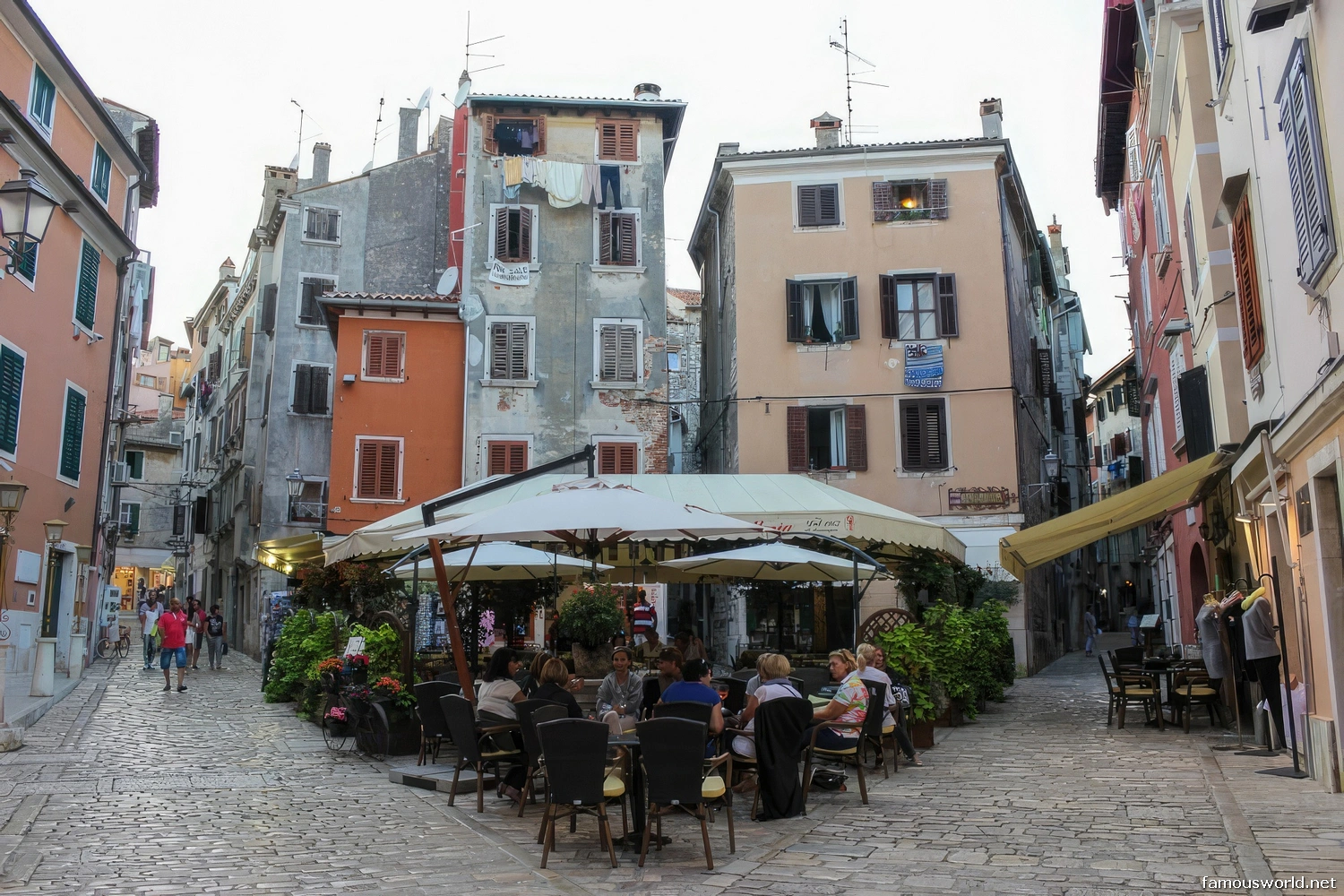
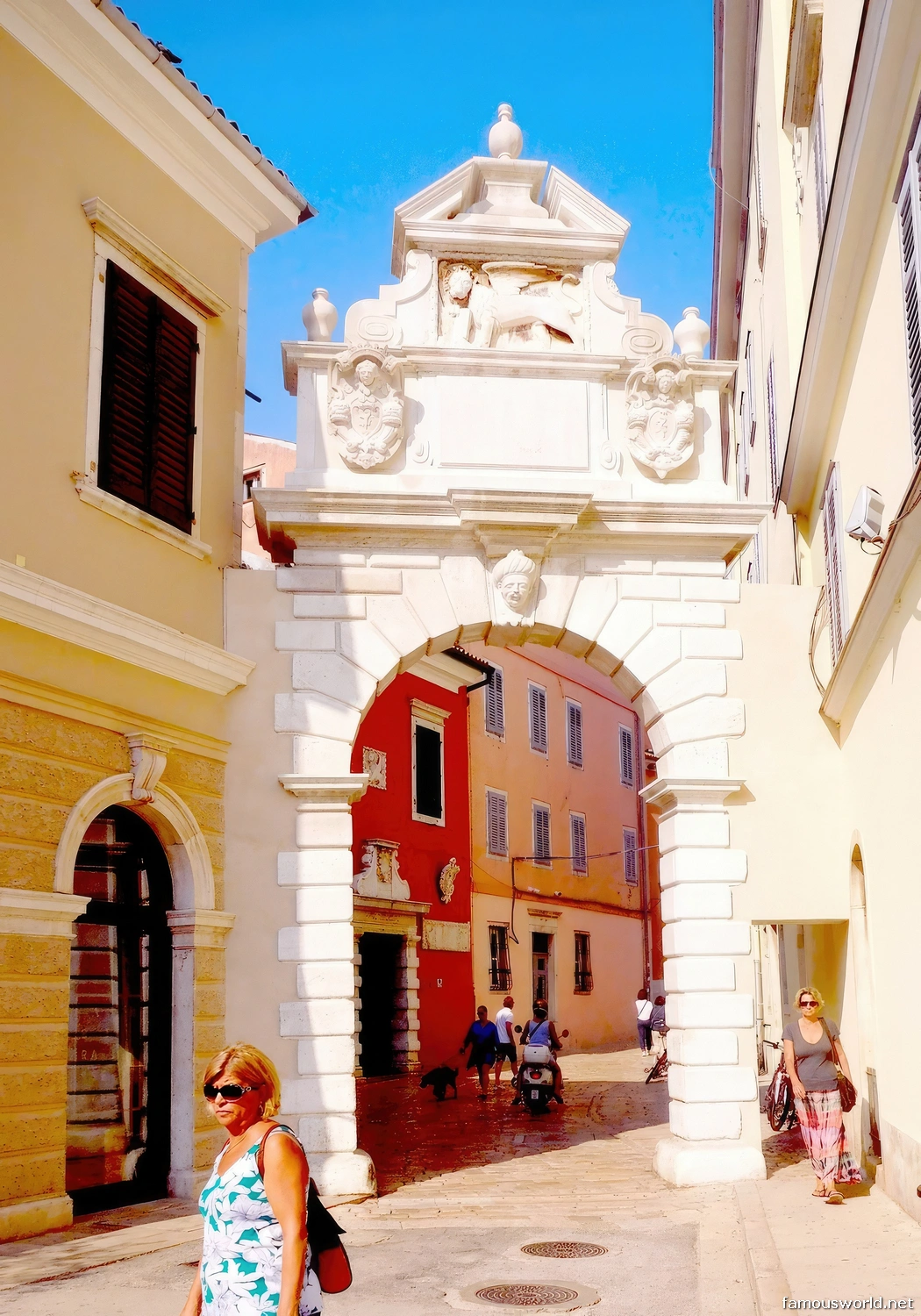
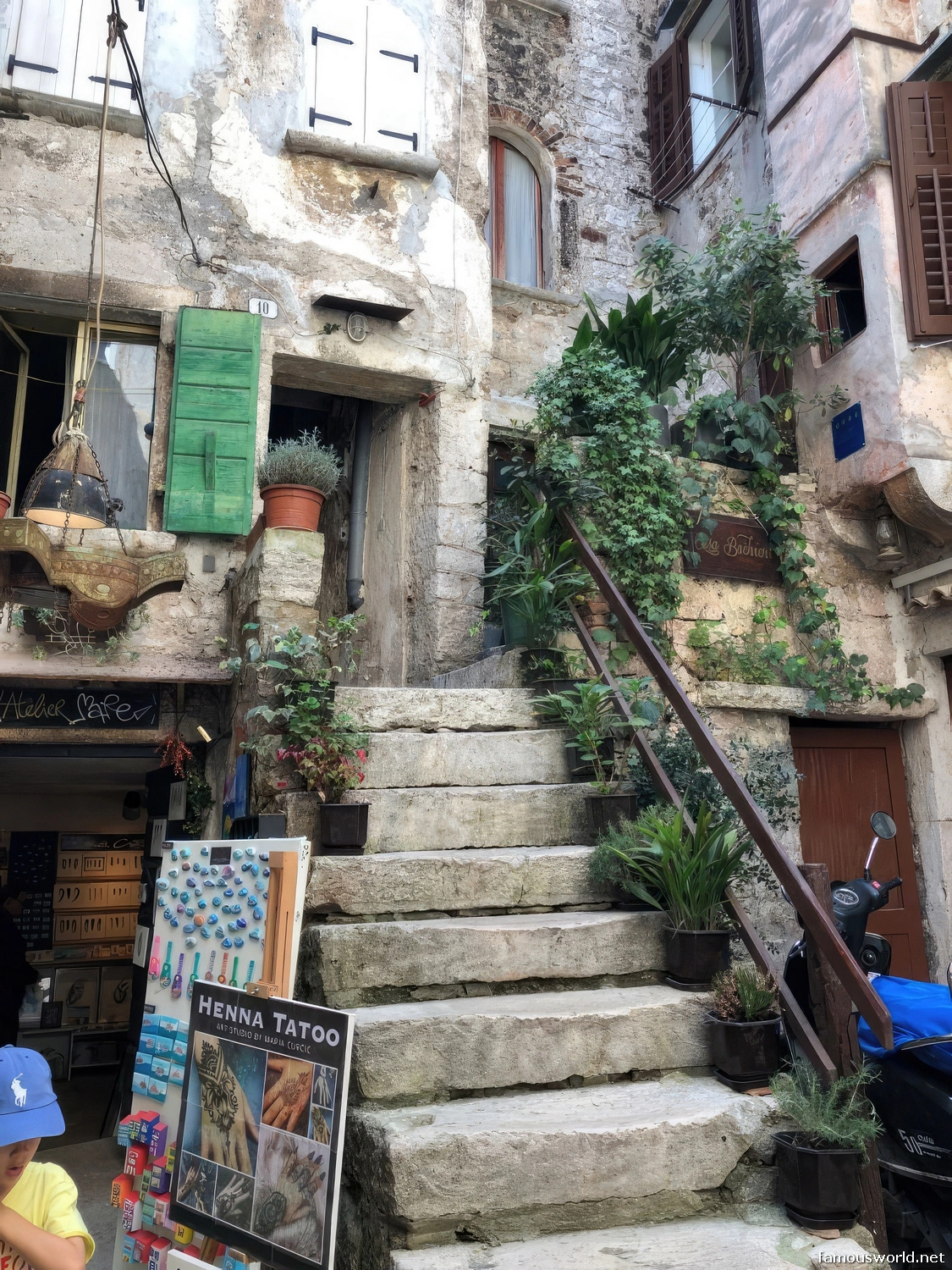
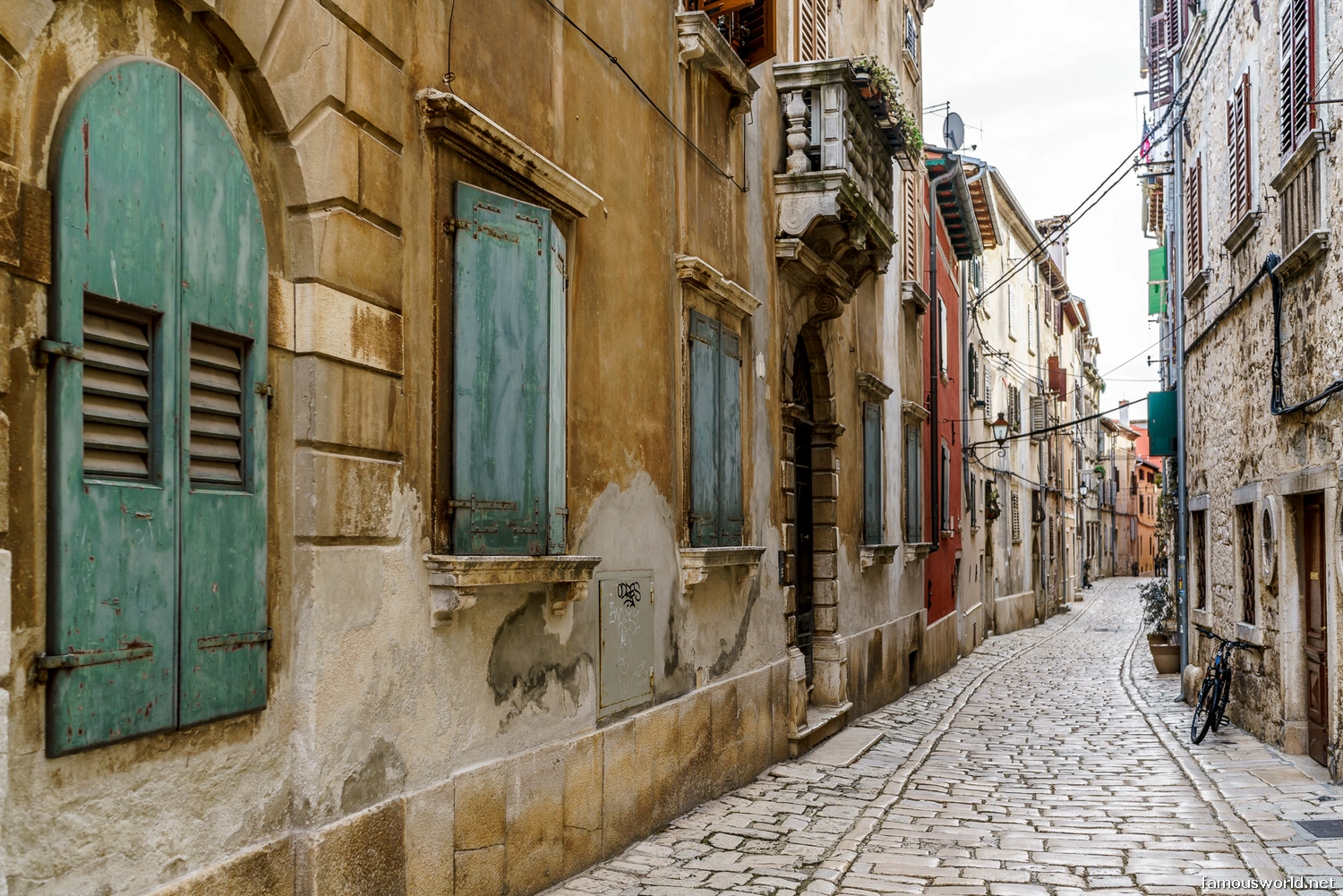
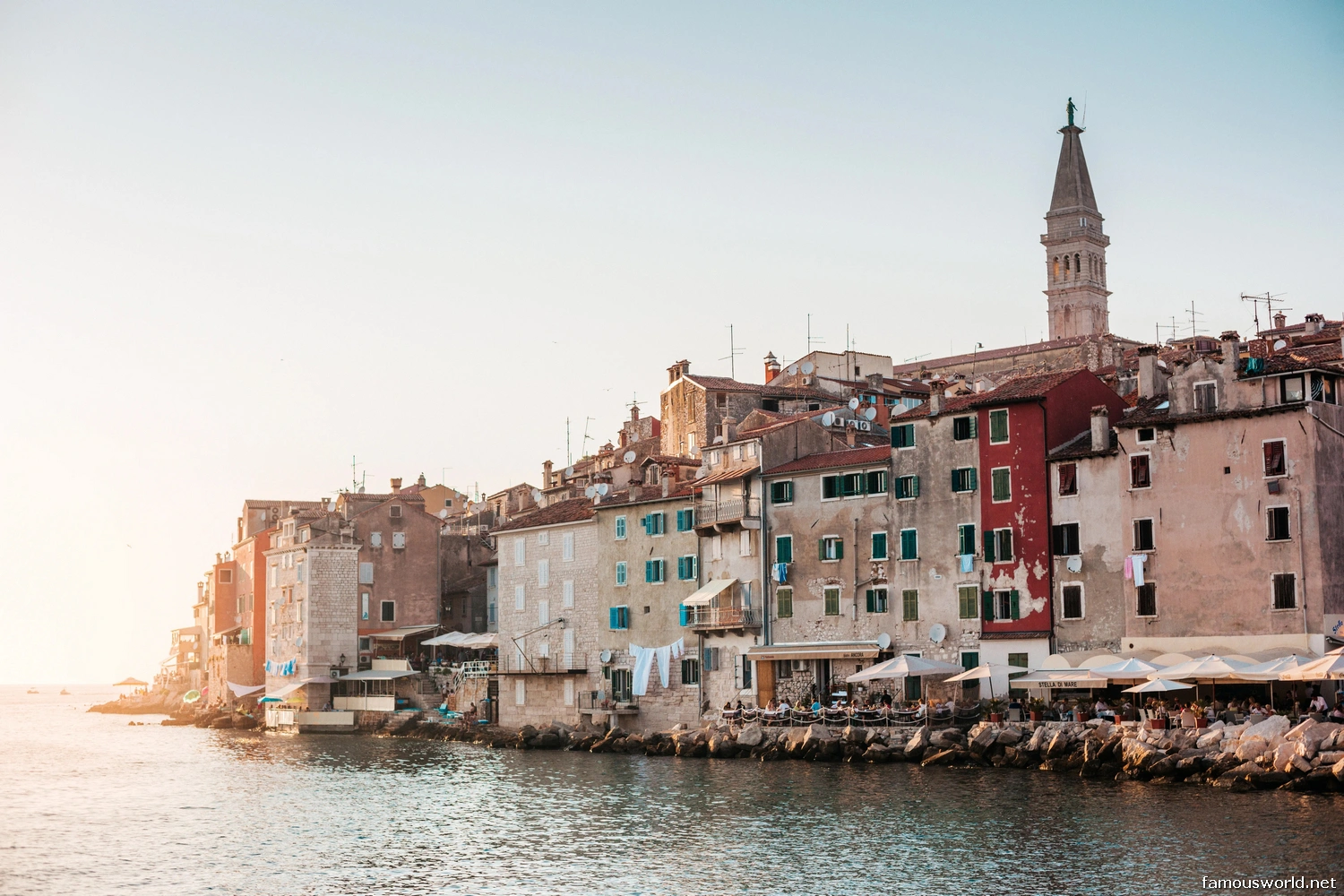
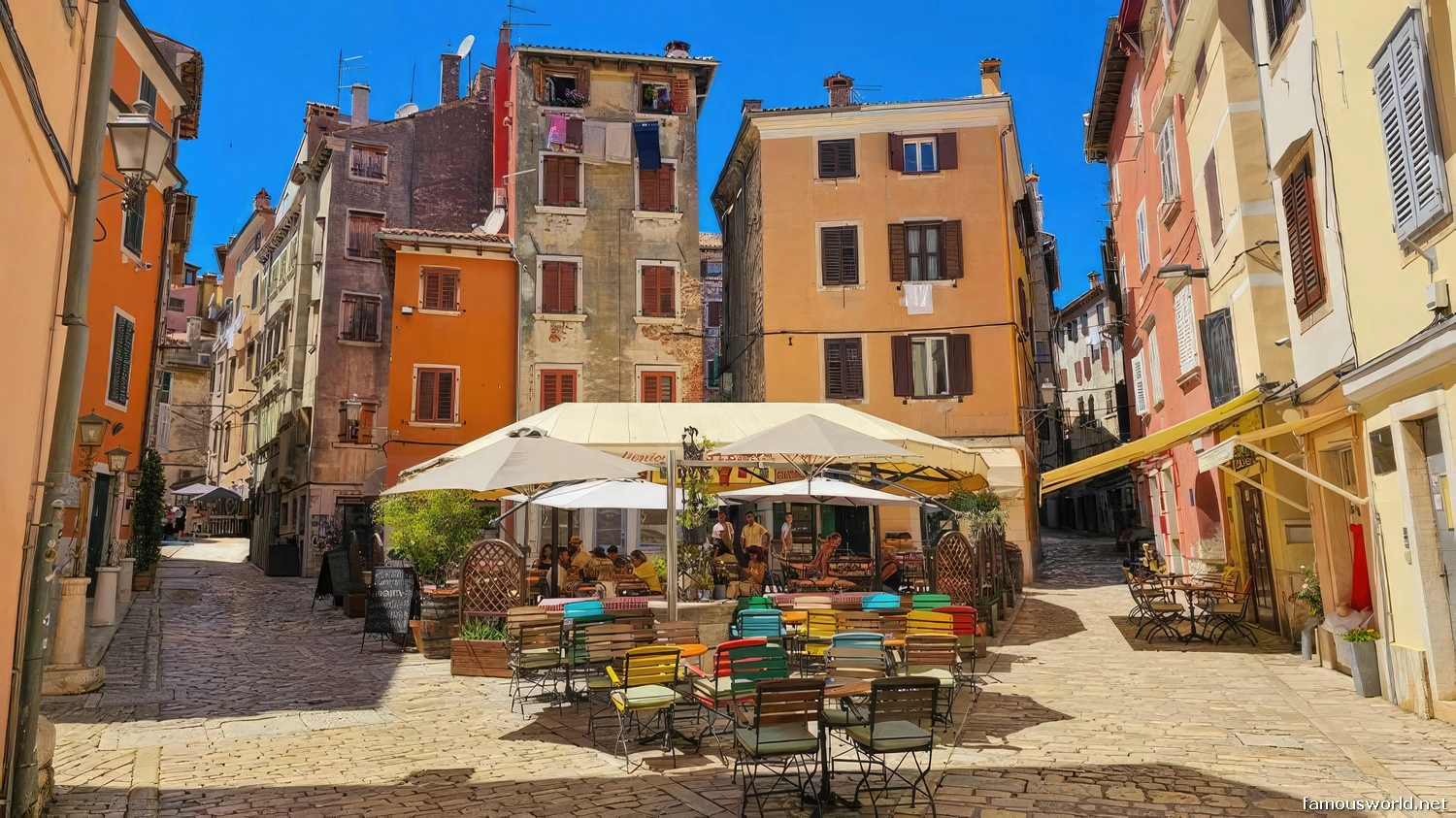
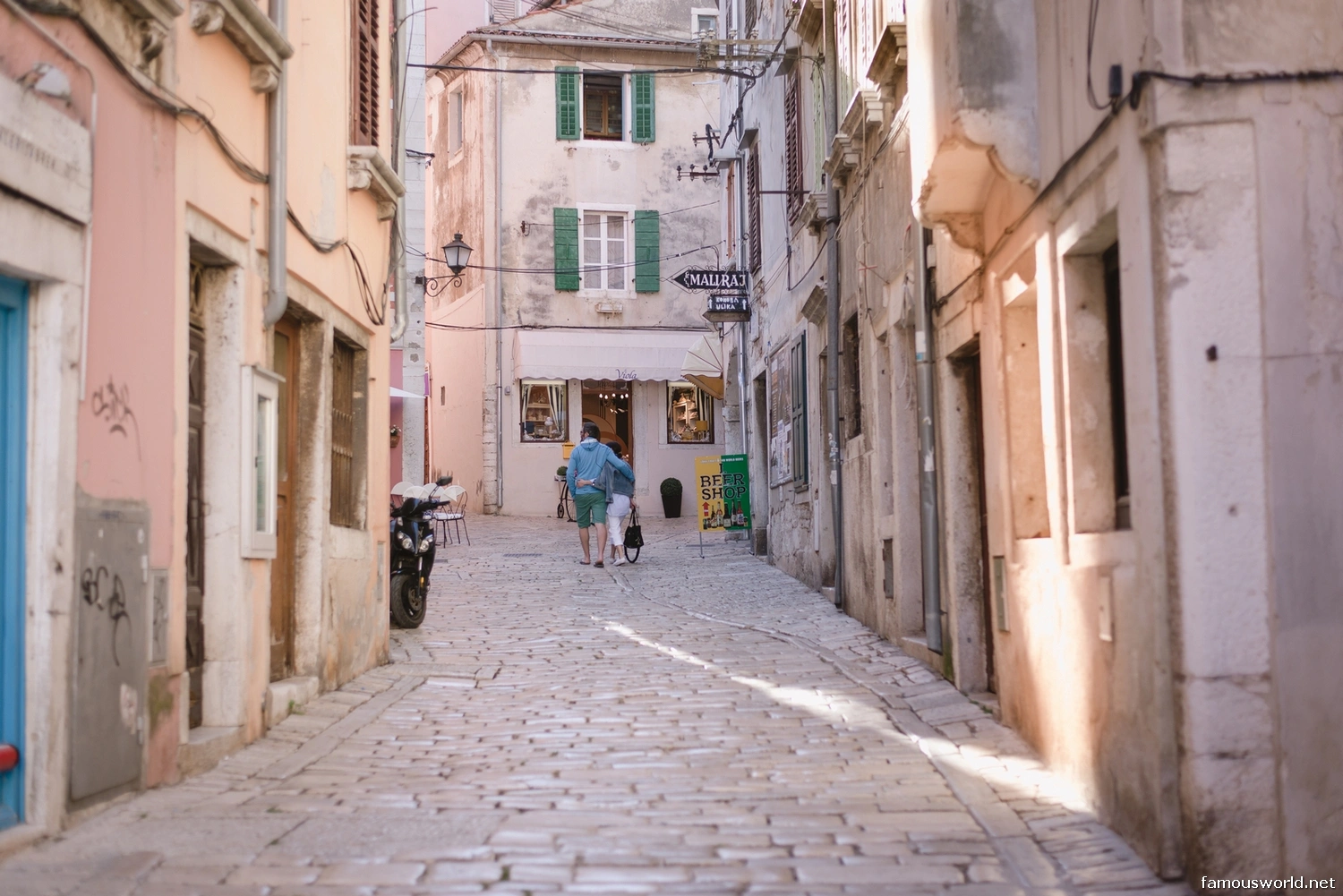
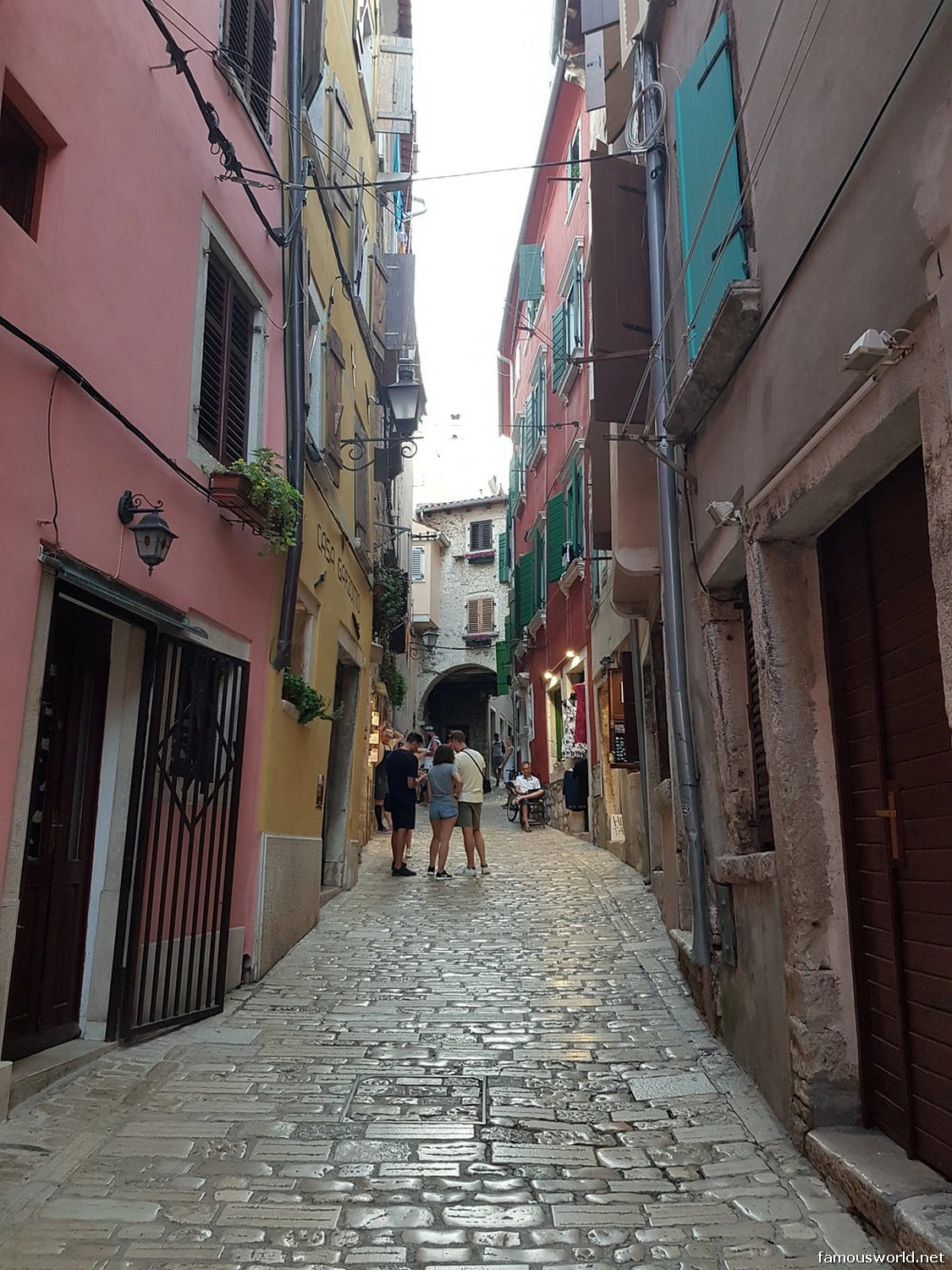
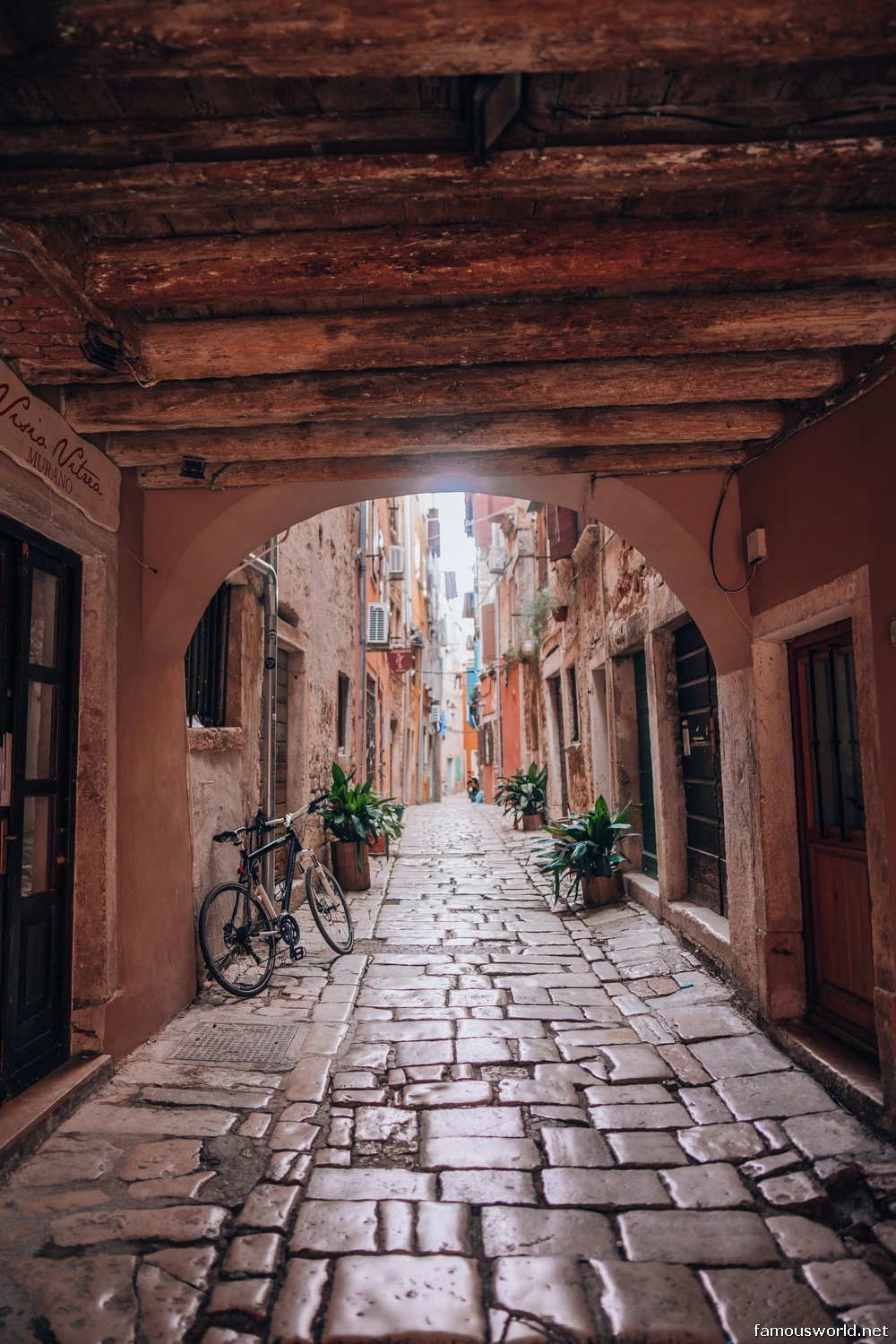
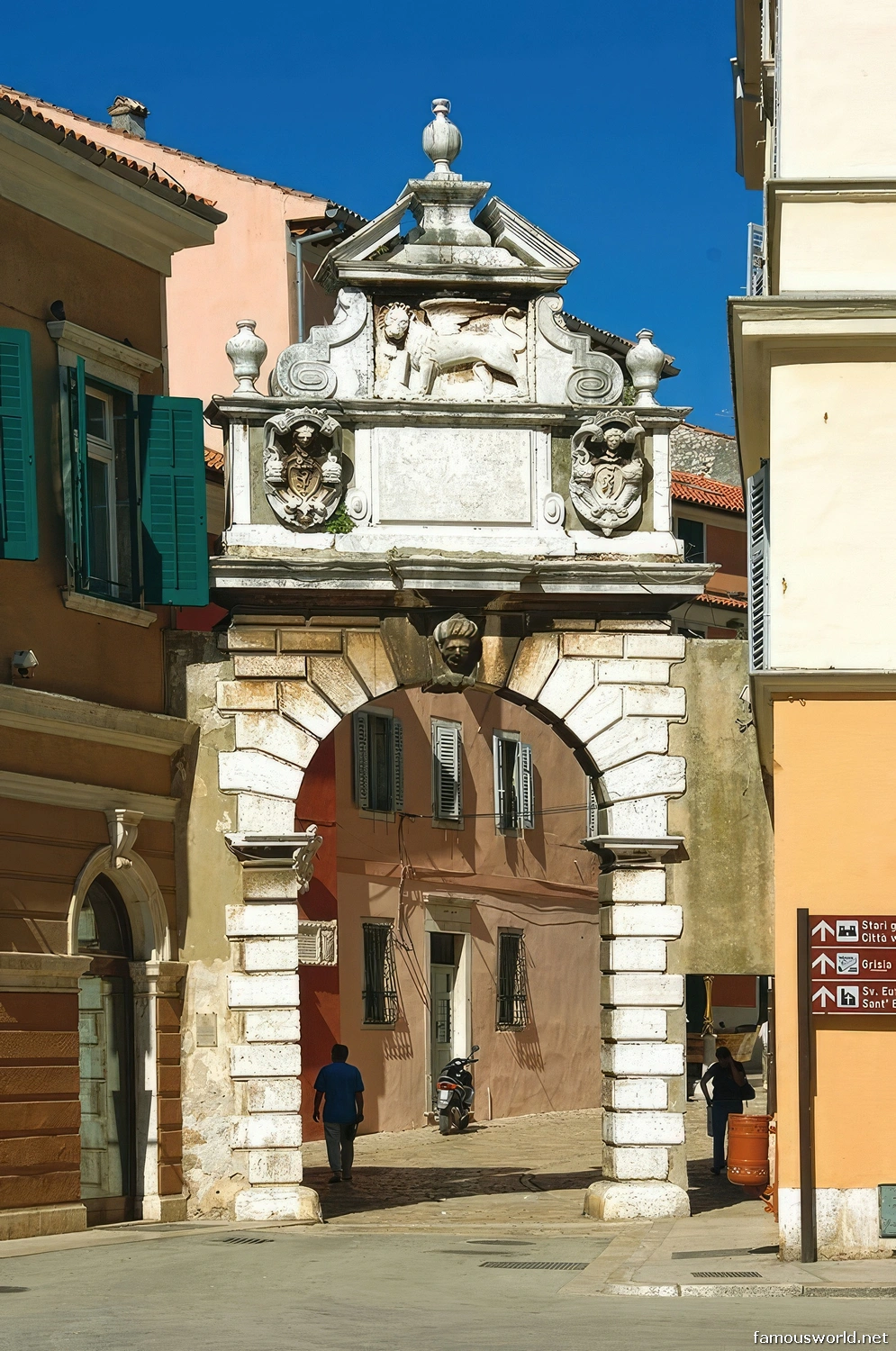
Marking the ceremonial entrance to Rovinj’s old town from the bustling main square, Balbi’s Arch is a celebrated monument of the city’s Venetian past. Built on the site of a former town gate, this ornate Baroque archway serves as a historical gateway, inviting visitors to step from the open harbor into the winding, cobblestoned world of Grisia Street. Adorned with intricate carvings, including the powerful Lion of St. Mark, the arch is not merely a passage but a proud declaration of the town’s history, artistry, and deep-rooted connection to the Venetian Republic.
Listen to an introduction about Balbi’s Arch – Rovinj

Name and Location
- Name: Balbi’s Arch (Balbijev luk).
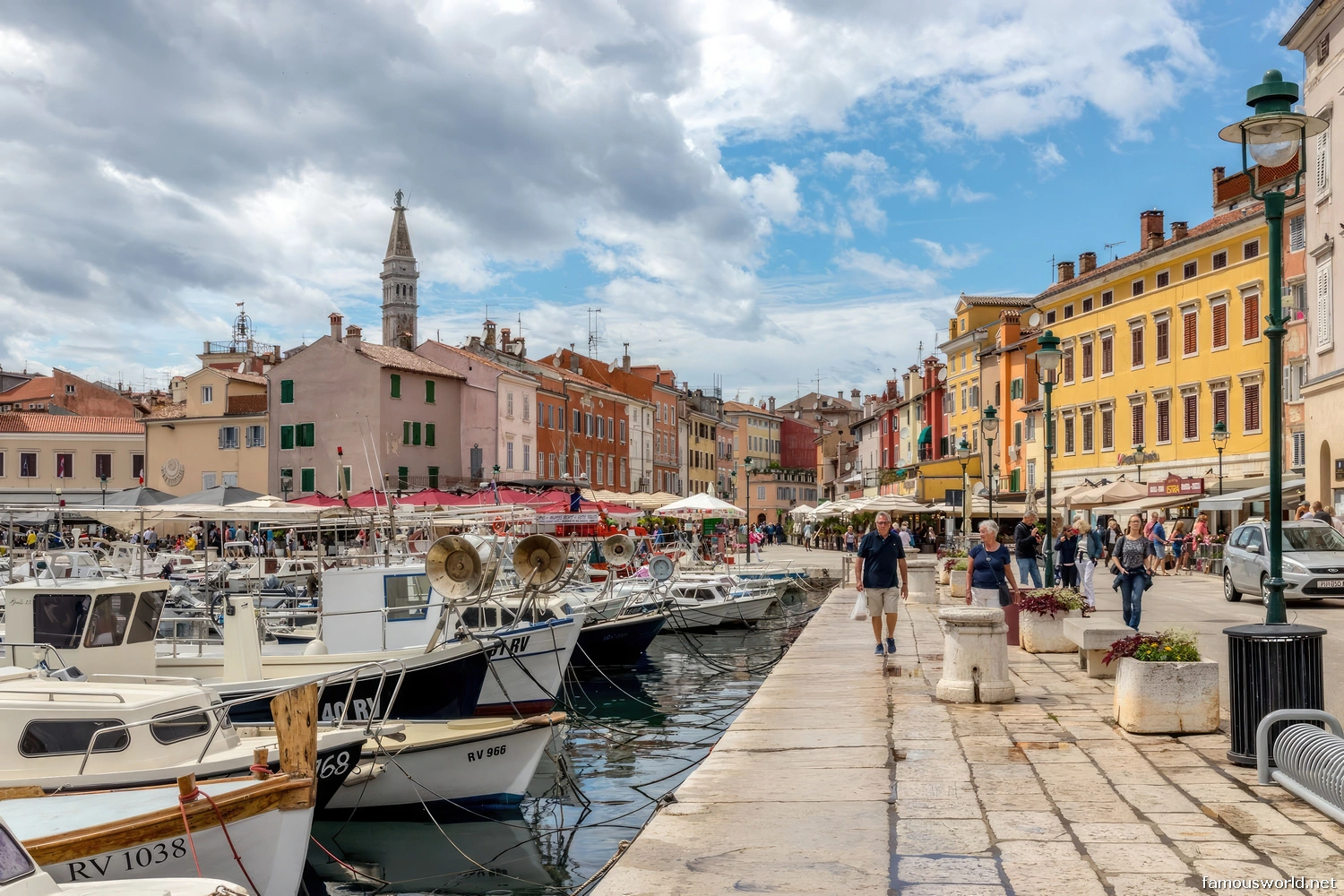
- Location: At the entrance of Grisia Street in Rovinj’s old town, connecting Marshal Tito Square to the foot of the hill leading to the Church of St. Euphemia.
How to Get There
The arch is centrally located and easily found within Rovinj’s pedestrian-only old town.
- By Air, Bus, or Car: Access to the town of Rovinj is the same as for the Church of St. Euphemia, via Pula airport or the regional bus and highway network.
- To the Arch: Once in Rovinj, head to the main square (Marshal Tito Square) by the harbor. The arch is the most prominent entrance leading from the square into the narrow streets of the old town. It is impossible to miss.
Landscape and Architecture
The arch is an integral part of the dense urban fabric of the old town.
- The Landscape: Unlike a standalone monument, Balbi’s Arch is built directly into the surrounding buildings, acting as a functional and symbolic threshold between the open, public square and the intimate, enclosed streets of the peninsula.
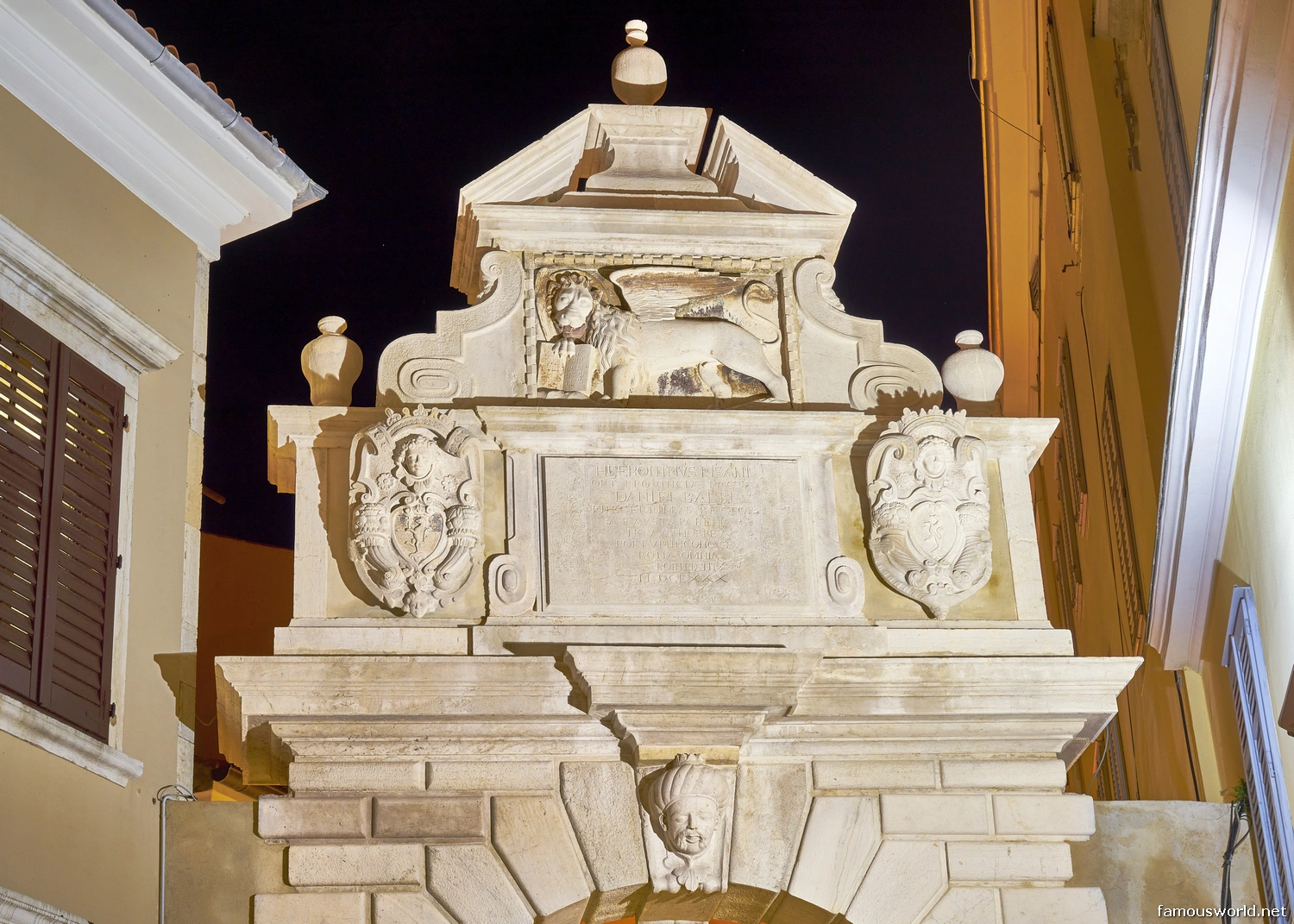
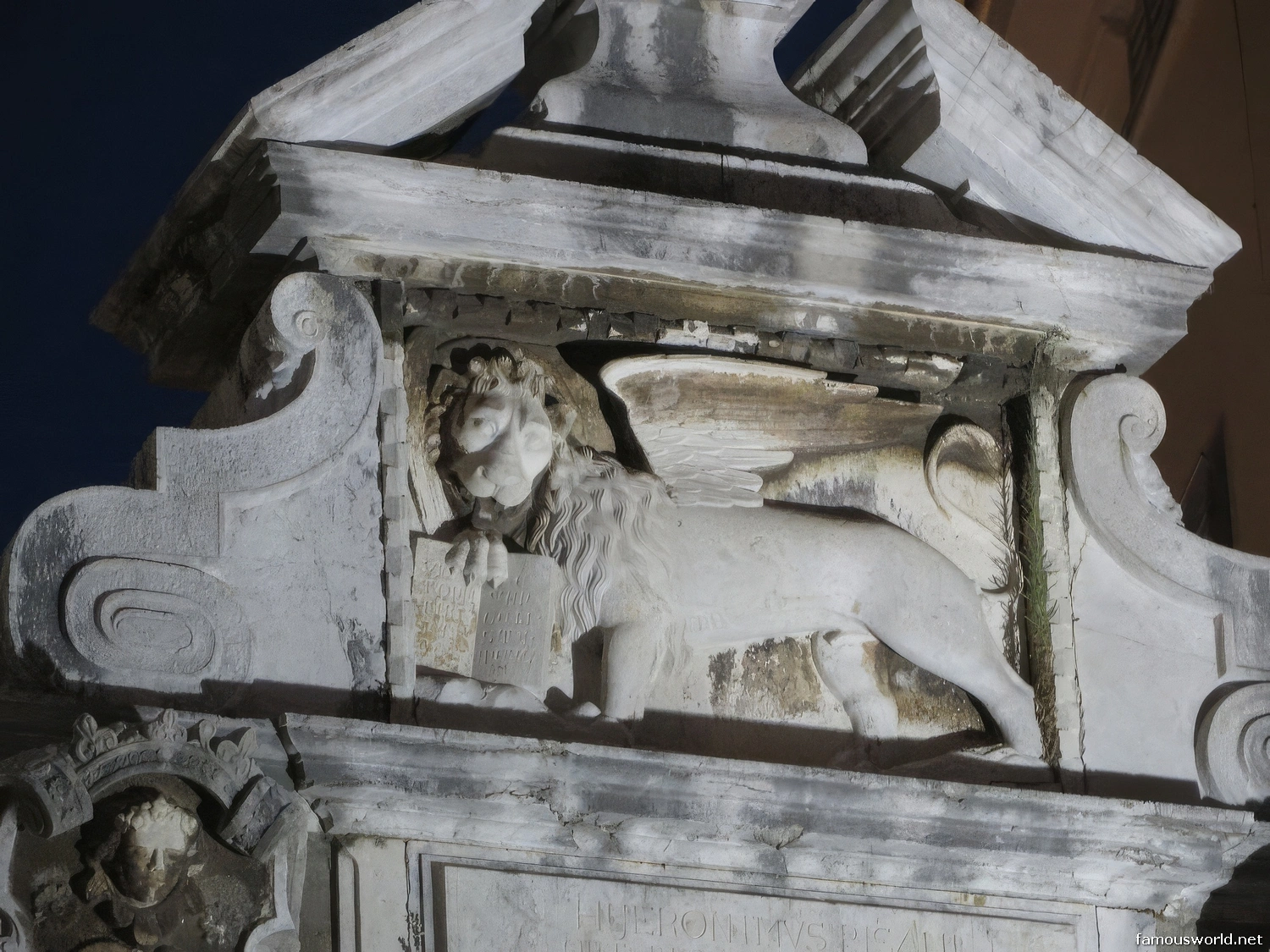
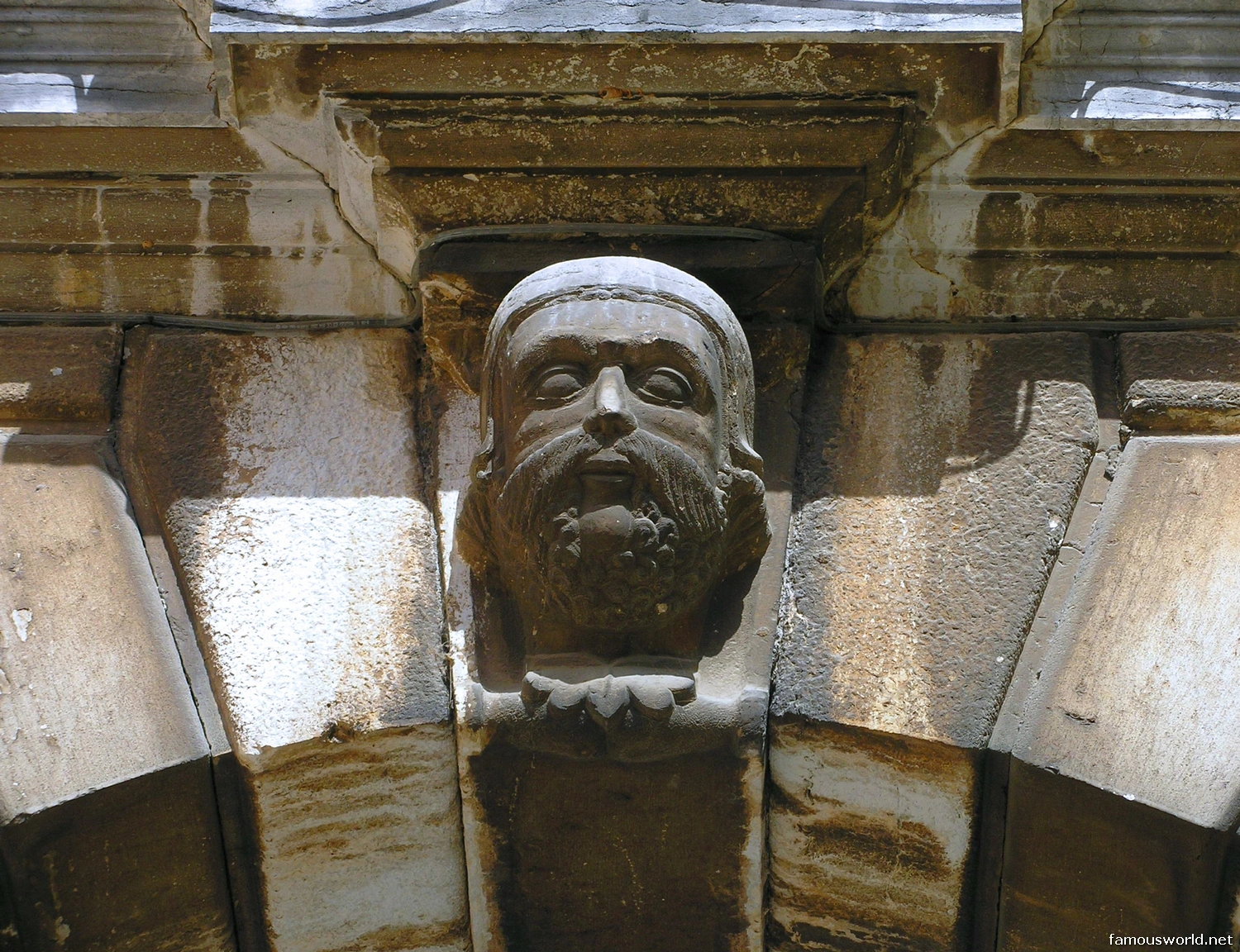
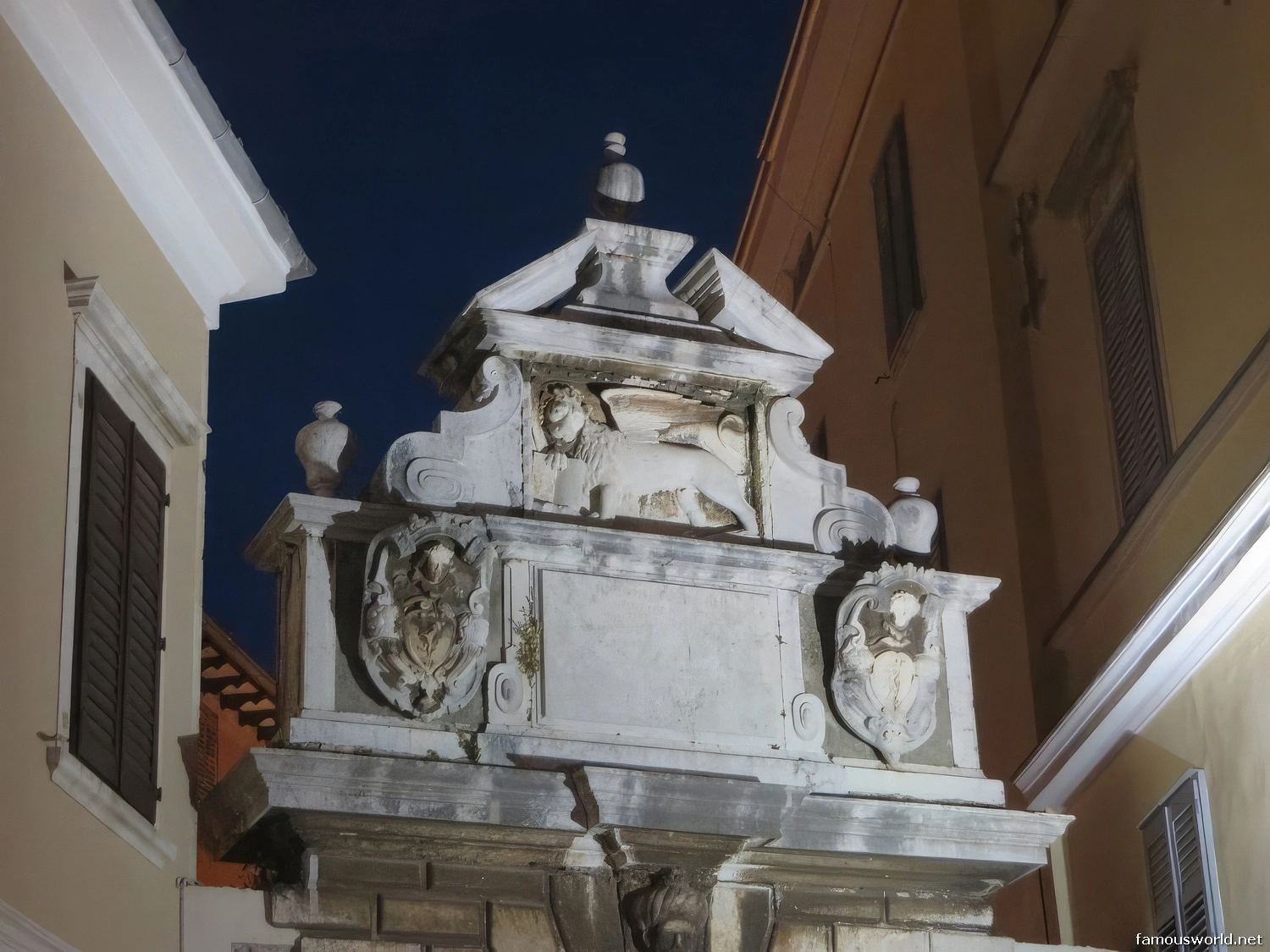
- The Architecture: The arch is a fine example of Baroque stonework, built in 1678-79. Its most notable features are the detailed carvings: the winged Lion of St. Mark (the symbol of Venice) is displayed at the apex, while the outer decorations feature a carved head of a Turk and a head of a Venetian on opposite sides. The coat of arms of the Balbi family is also incorporated into the design.
What Makes It Famous
Balbi’s Arch is famous for its historical significance and rich symbolic details.
- Historic Town Gate: It stands on the site of the former main gate of the fortified city, the Porton della Pescheria, and has served as the grand entrance to the old town for centuries.
- Symbol of Venetian Rule: The prominent Lion of St. Mark is an unambiguous and well-preserved symbol of Rovinj’s long and influential period under the dominion of the Venetian Republic.
- Detailed Stone Carvings: The arch is admired for its artistic merit, particularly the contrasting heads and the intricate decorative elements that tell a story of Rovinj’s place in a world of competing empires and cultures.
Differences from Other Wonders
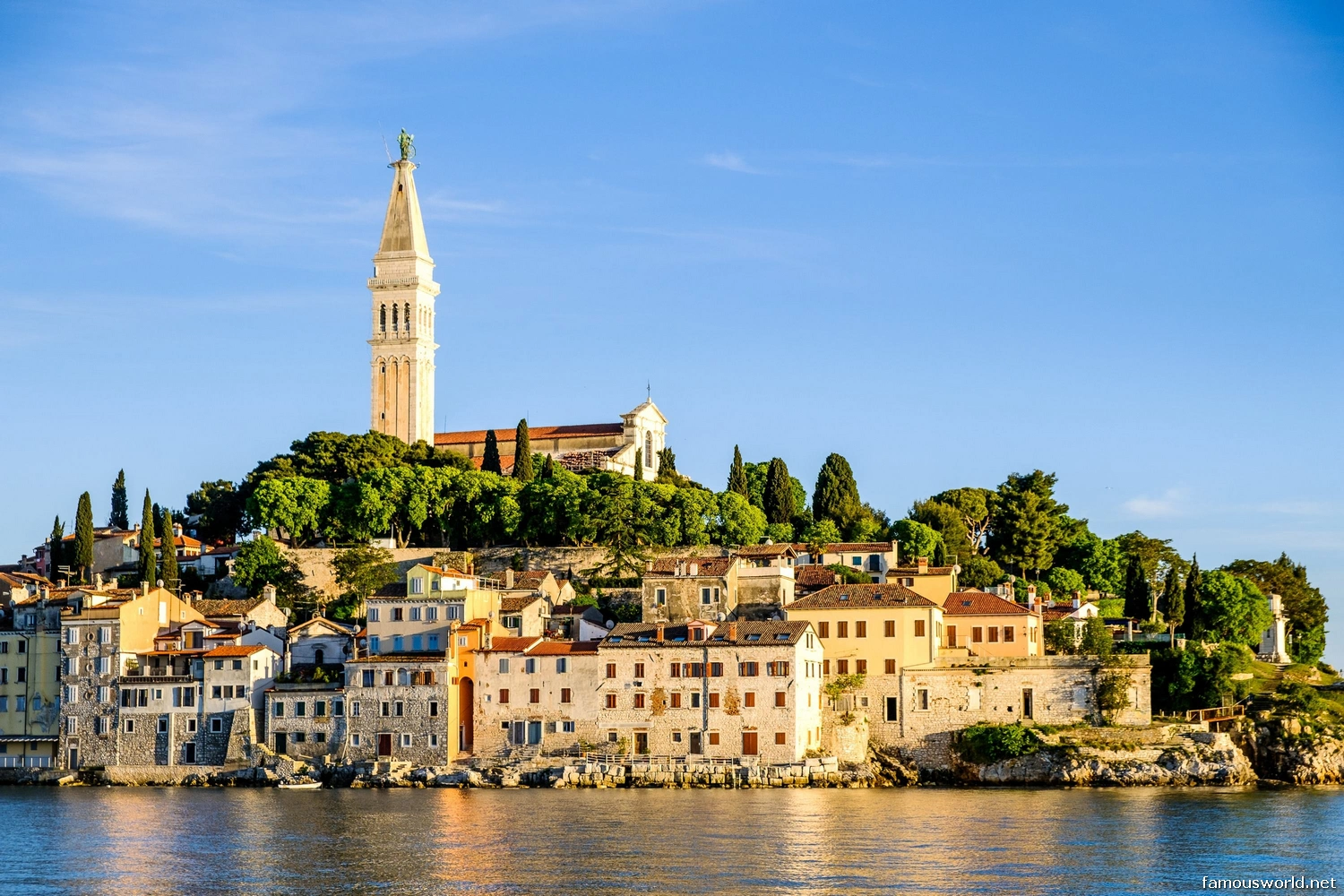
The functional, civic nature of Balbi’s Arch provides a different experience from the sacred, dominating presence of the Church of St. Euphemia just up the hill.
- Environment (Street-Level Gateway vs. Hilltop Spiritual Beacon): The arch is a terrestrial, street-level structure experienced as part of the lively, commercial flow of the town. The church is a monumental hilltop destination, set apart from the town’s daily bustle and reaching towards the sky.
- Core Story (Civic Power vs. Religious Faith): The arch tells a story of politics, civic administration, and the Venetian secular authority that governed the town. The church’s story is one of profound faith, martyrdom, and the spiritual identity of the community.
- Primary Attraction (Symbolic Passage vs. Sacred Destination): The attraction of the arch is its historical symbolism and architectural detail, which is observed as one passes through it. The attraction of the church is its grandeur as a destination for worship, its holy relics, and the panoramic views its high location provides.
- Atmosphere (Bustling and Civic vs. Reverent and Expansive): The arch is part of the energetic, noisy, and bustling heart of the town. The atmosphere at the church is one of relative quiet, reverence, and expansive tranquility.
Location on world map