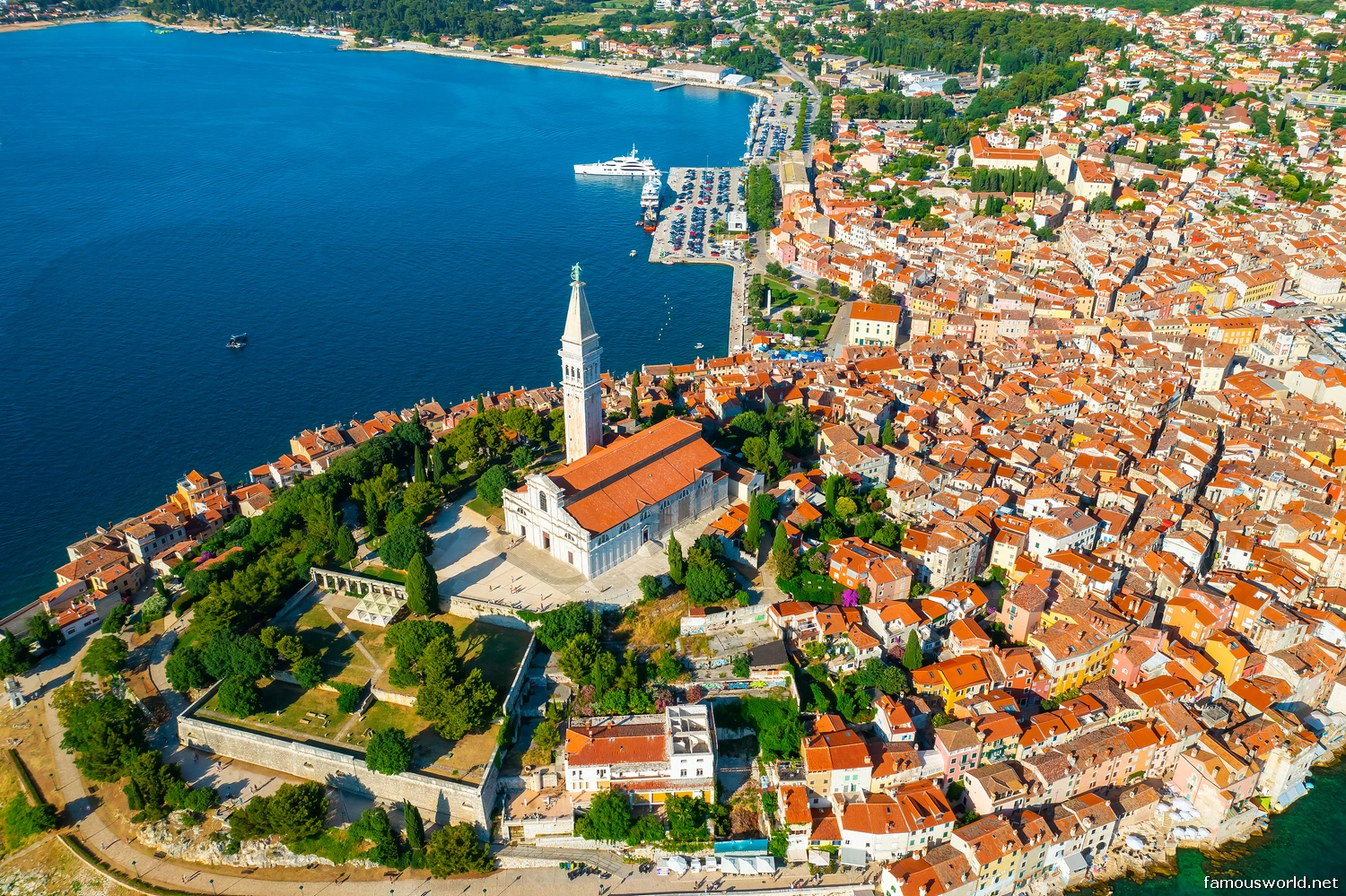
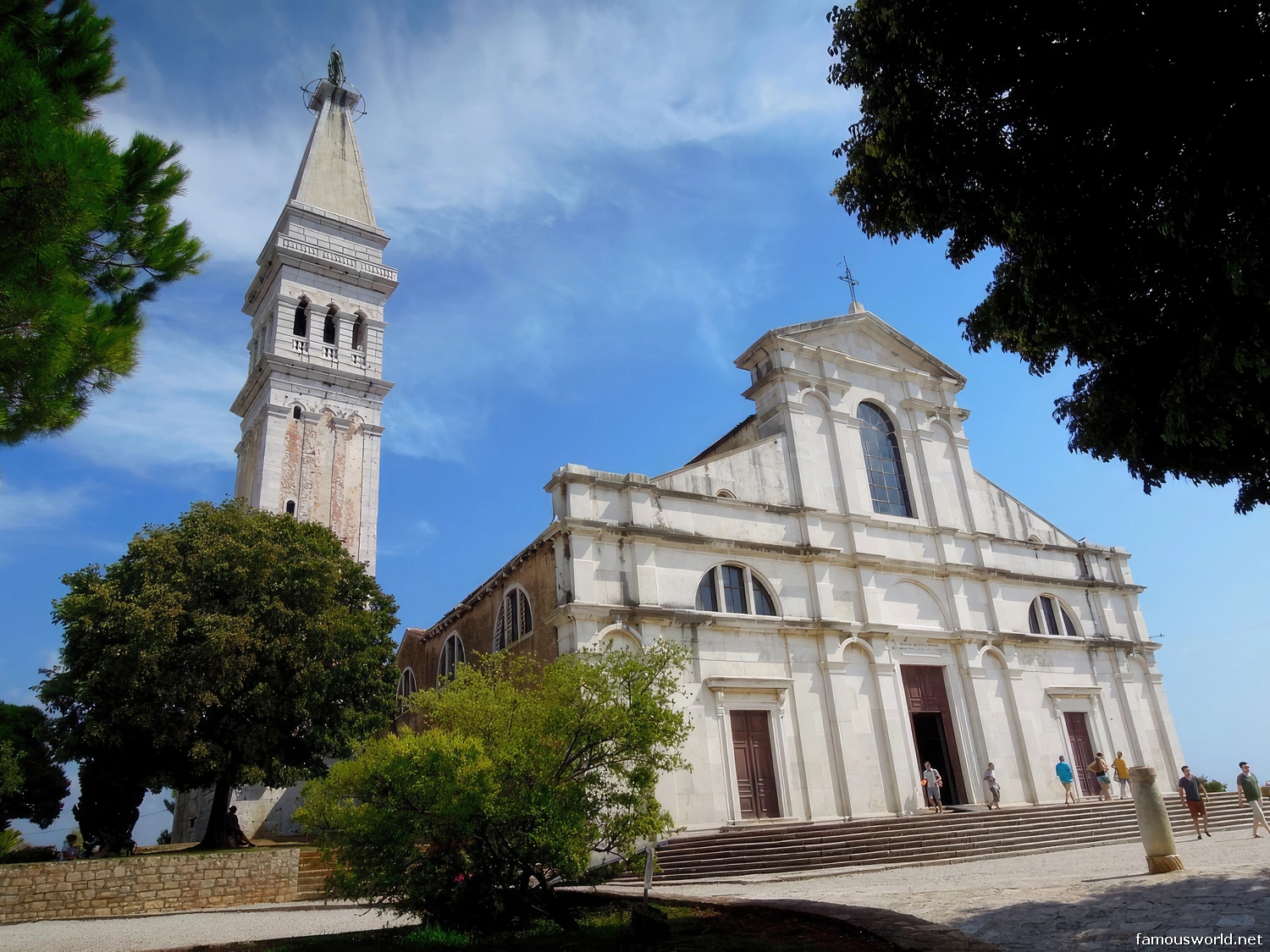
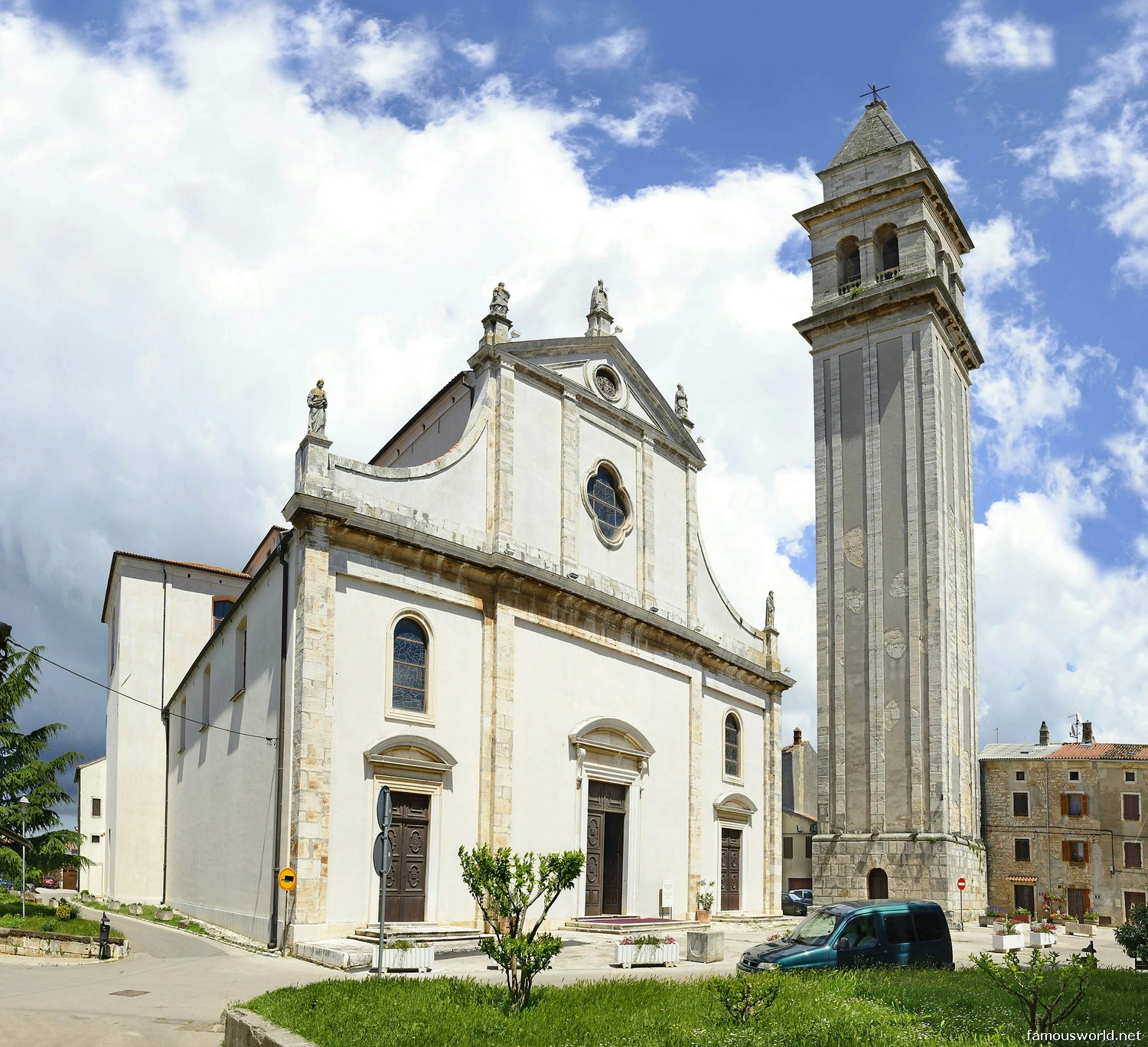
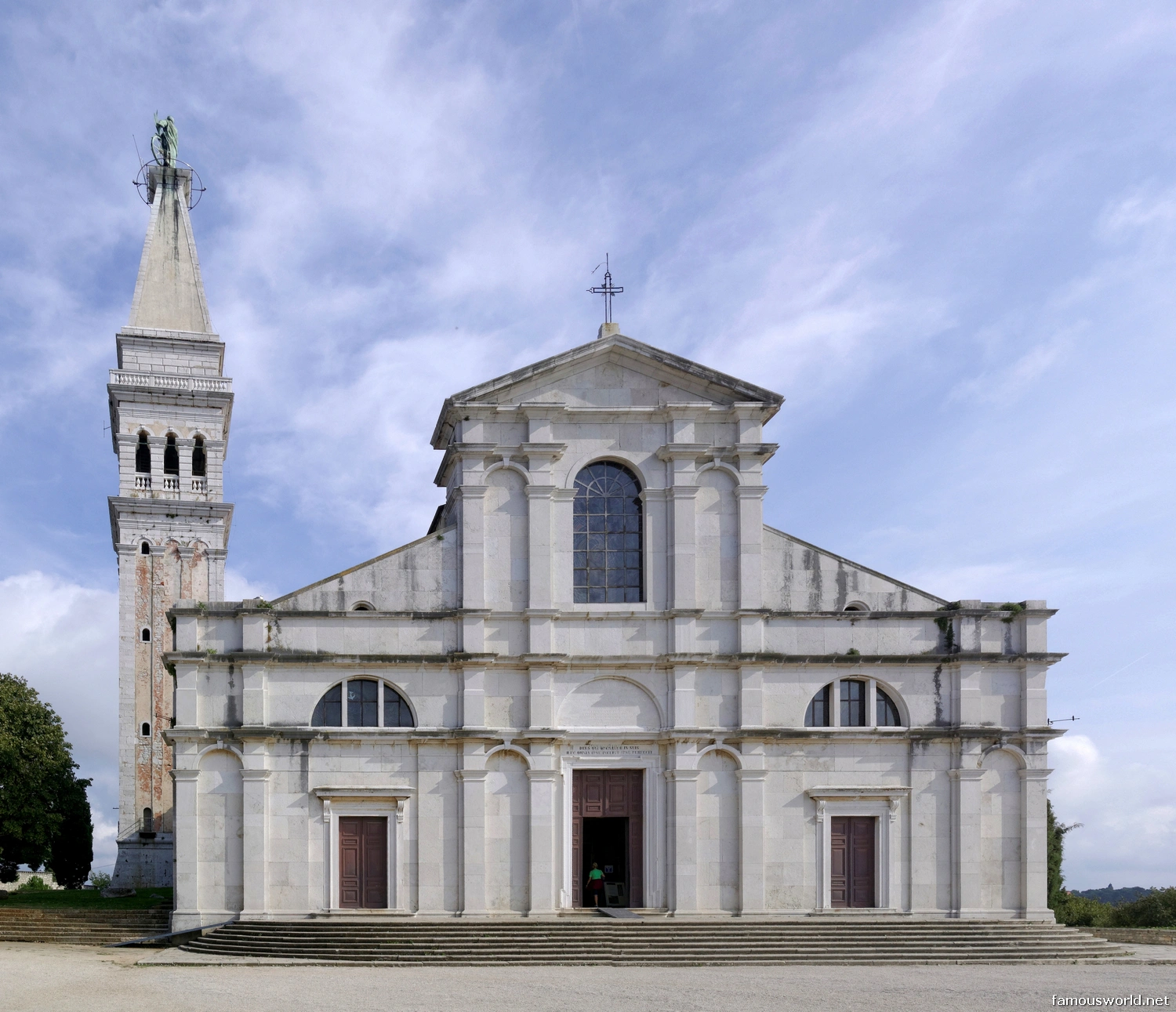
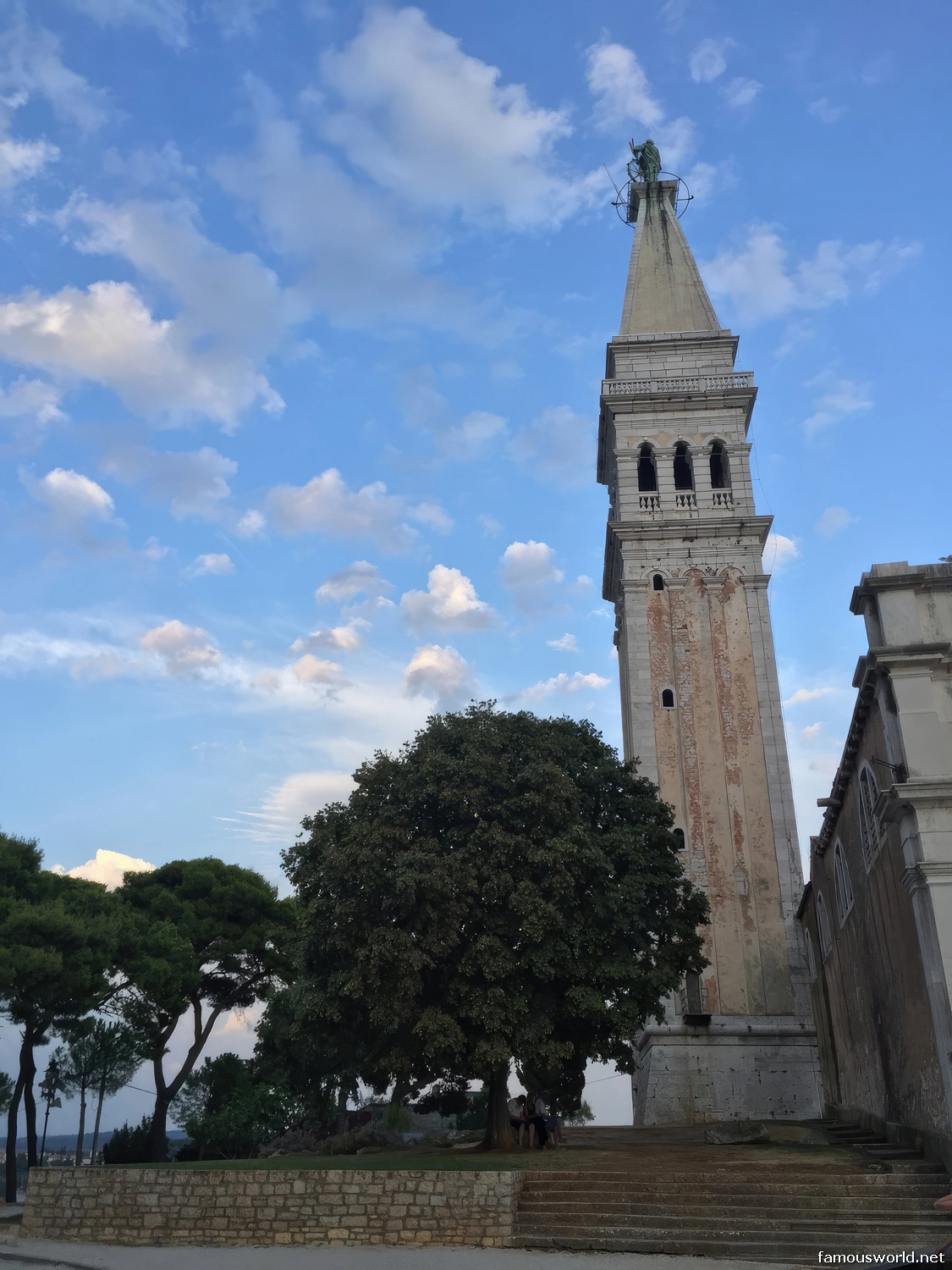
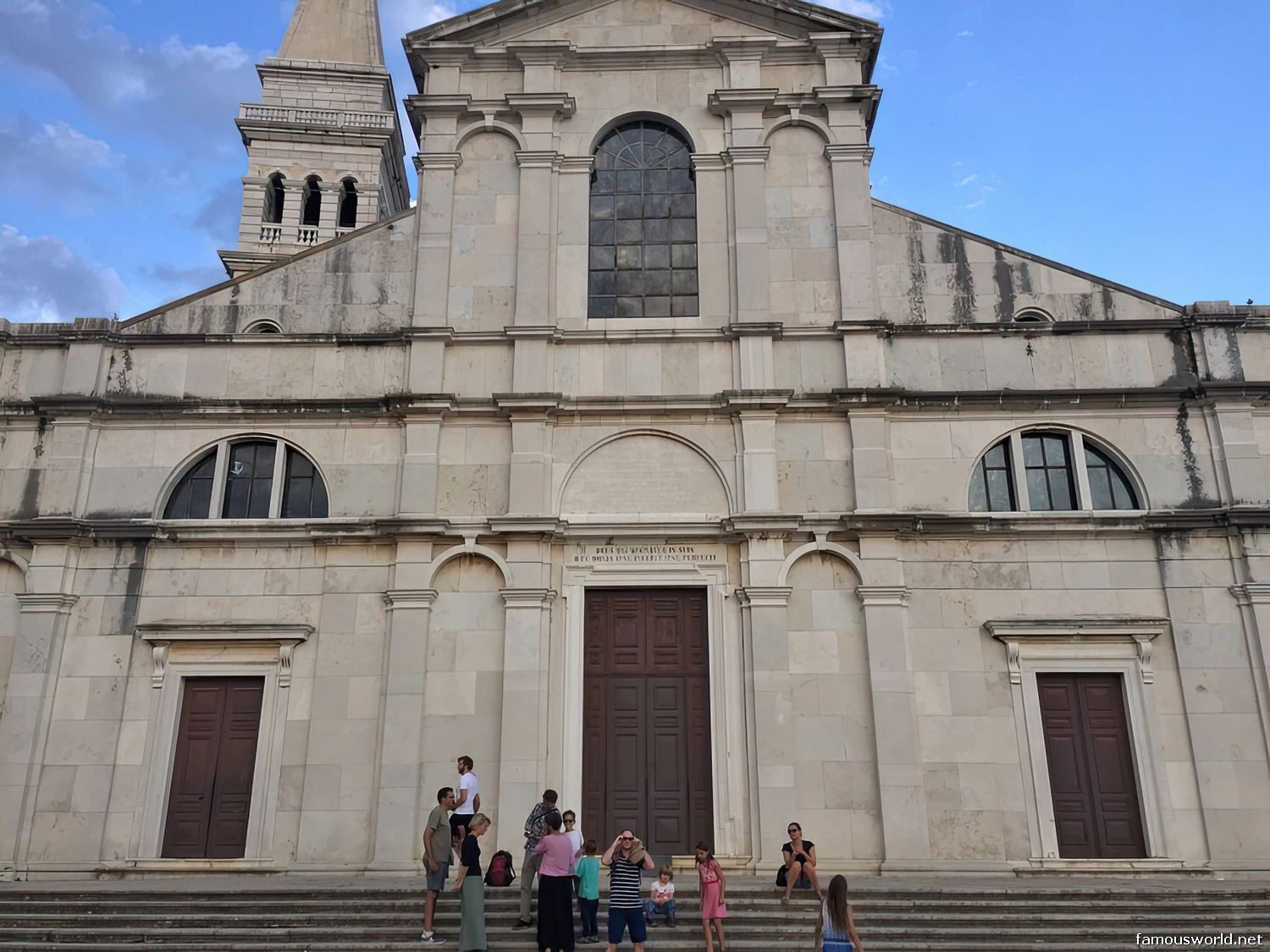
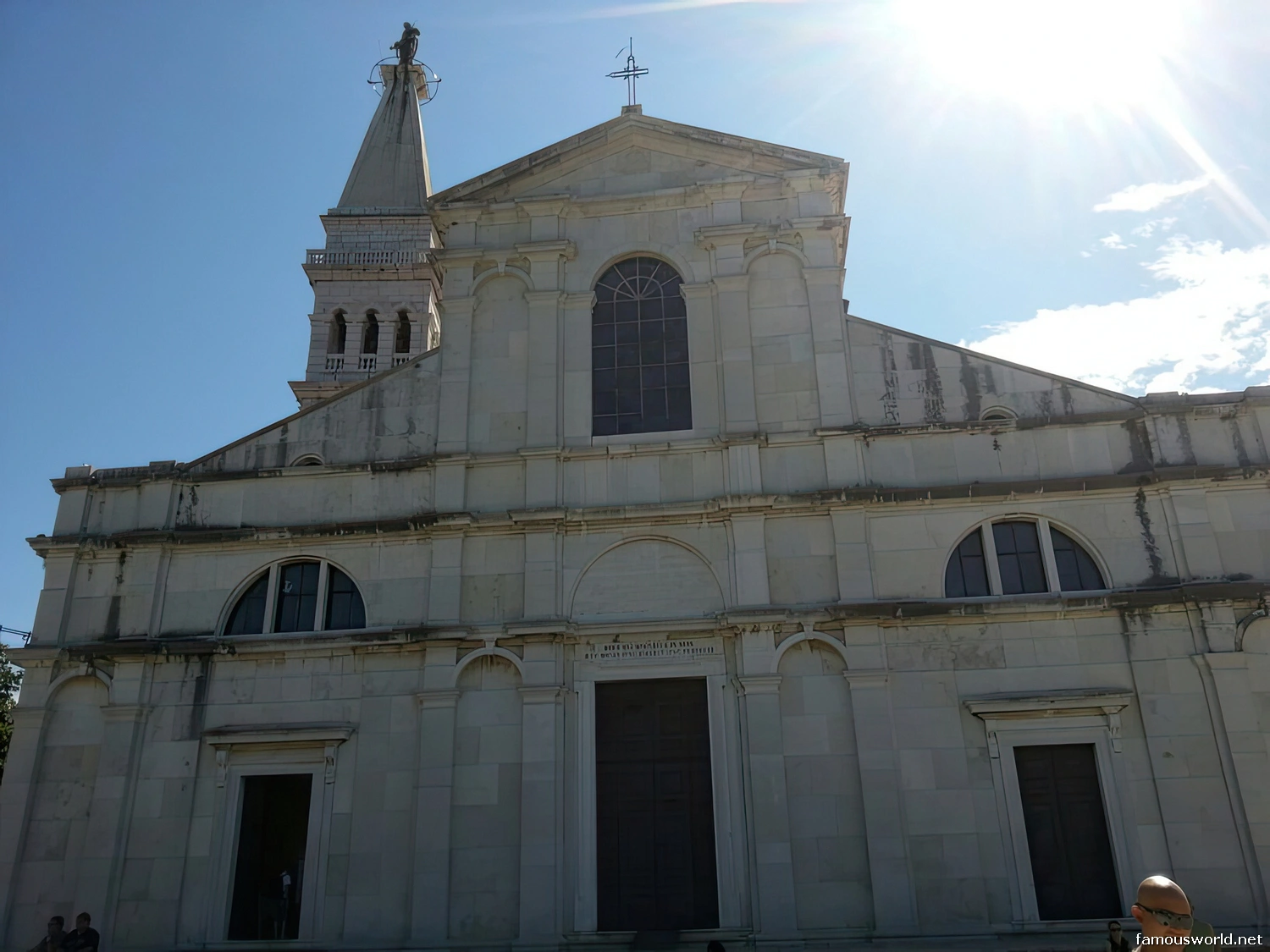
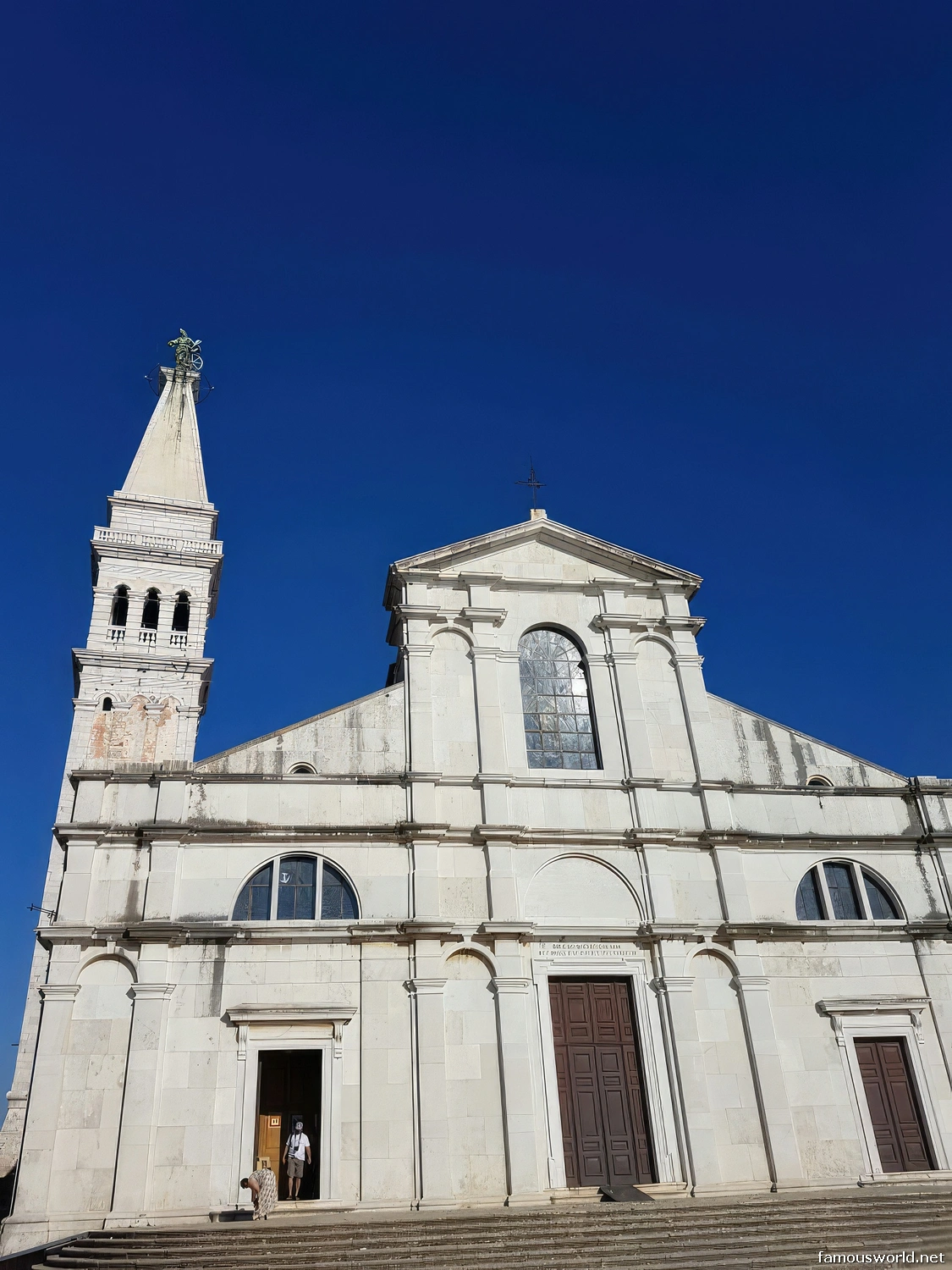
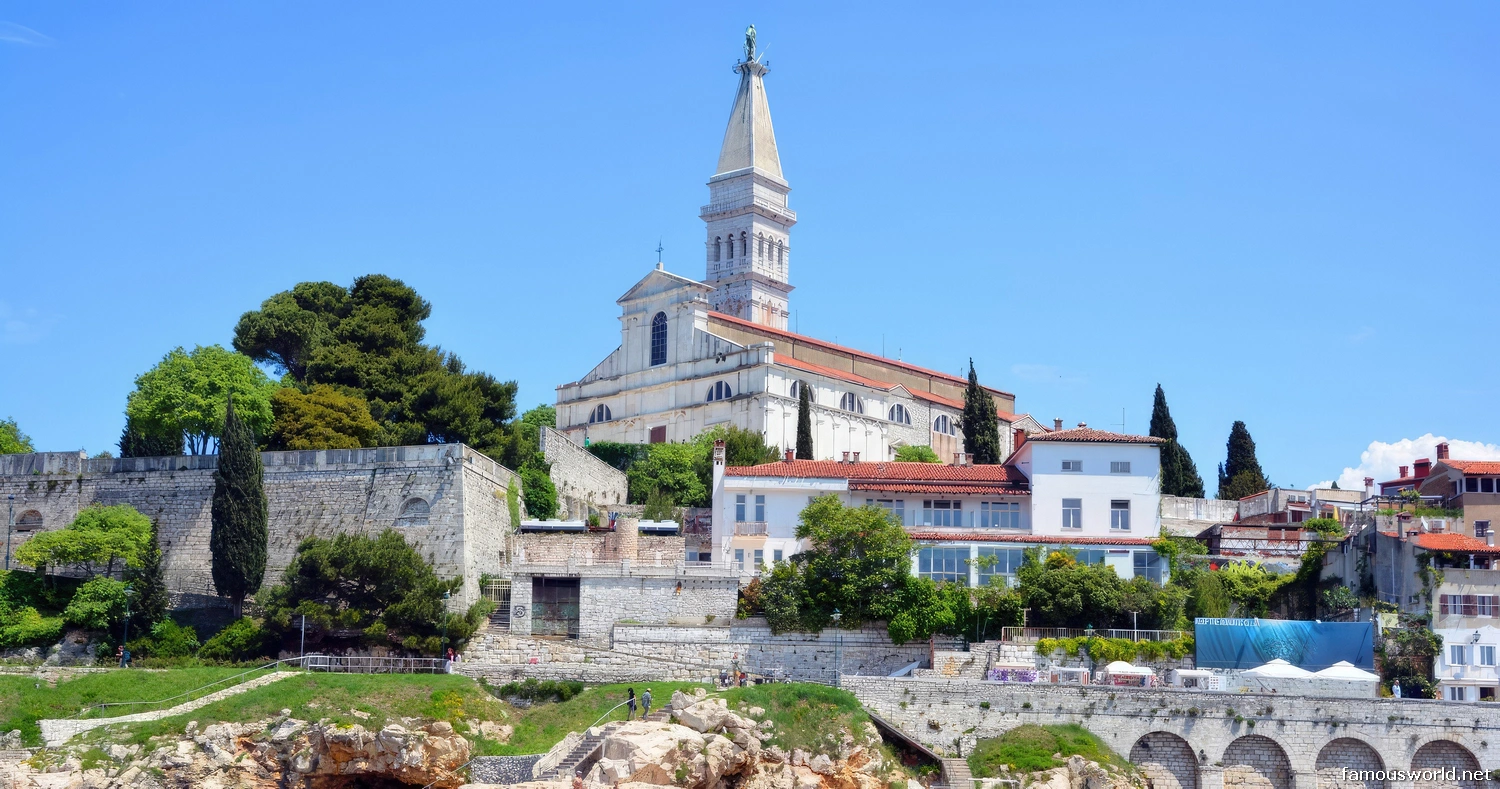
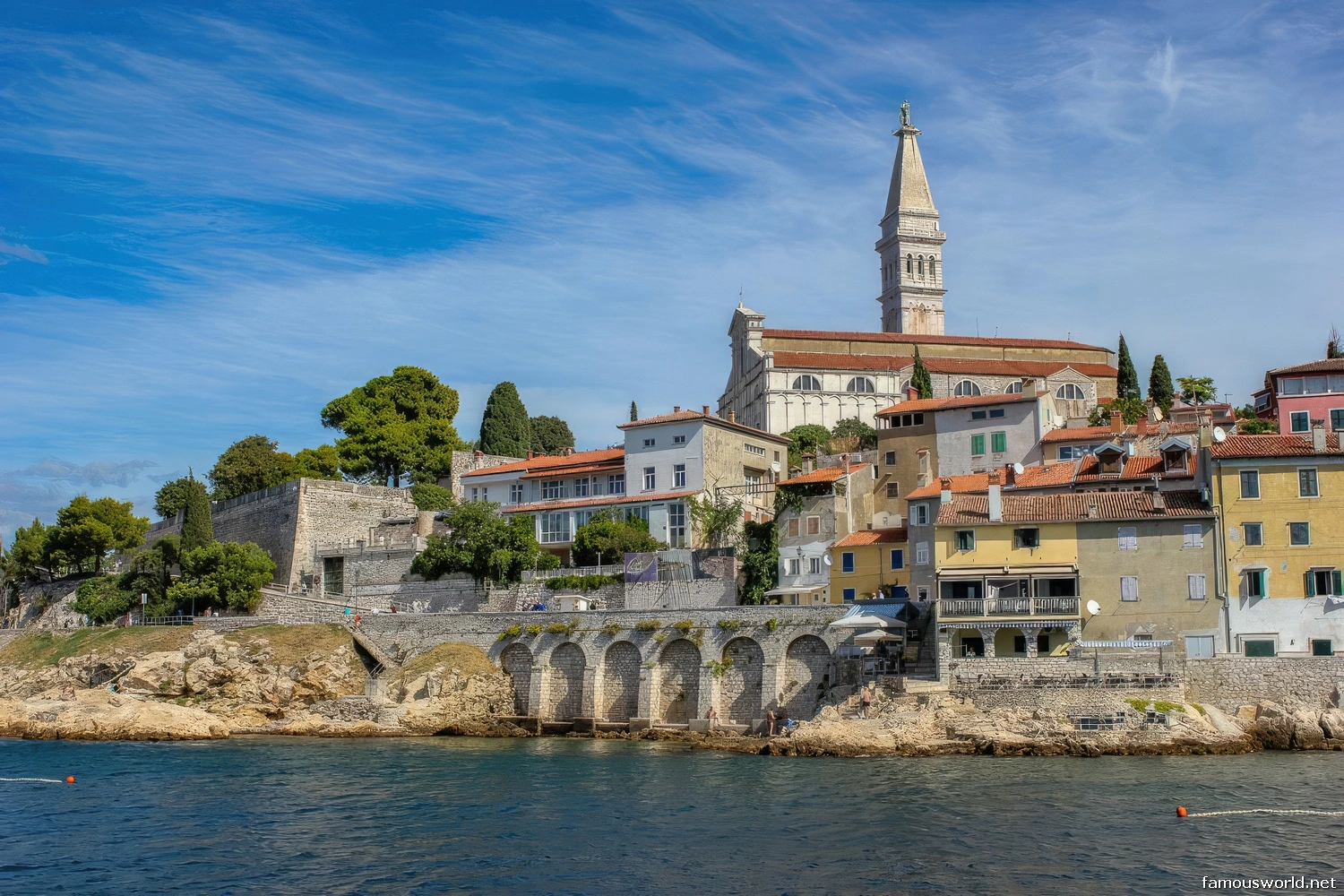
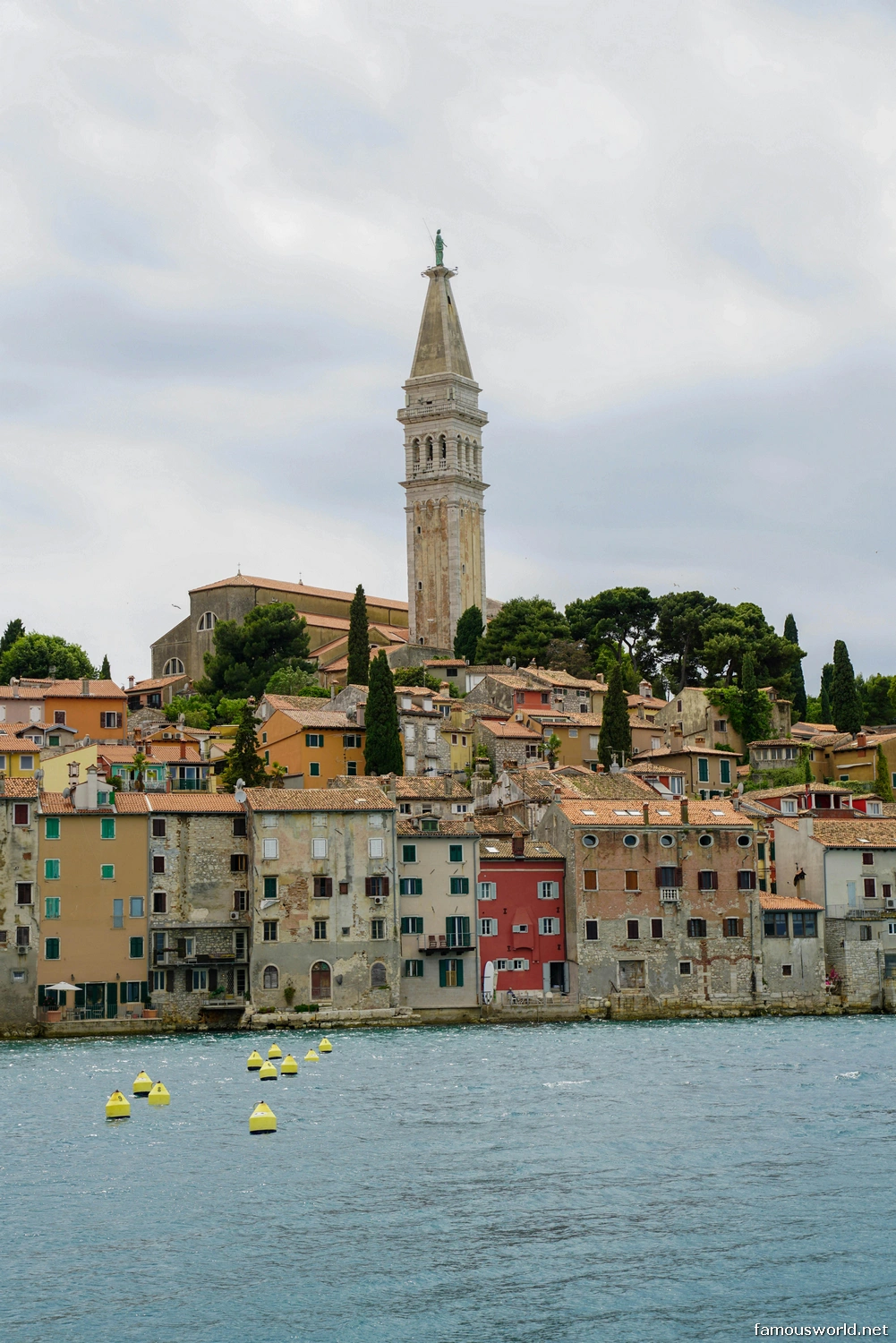
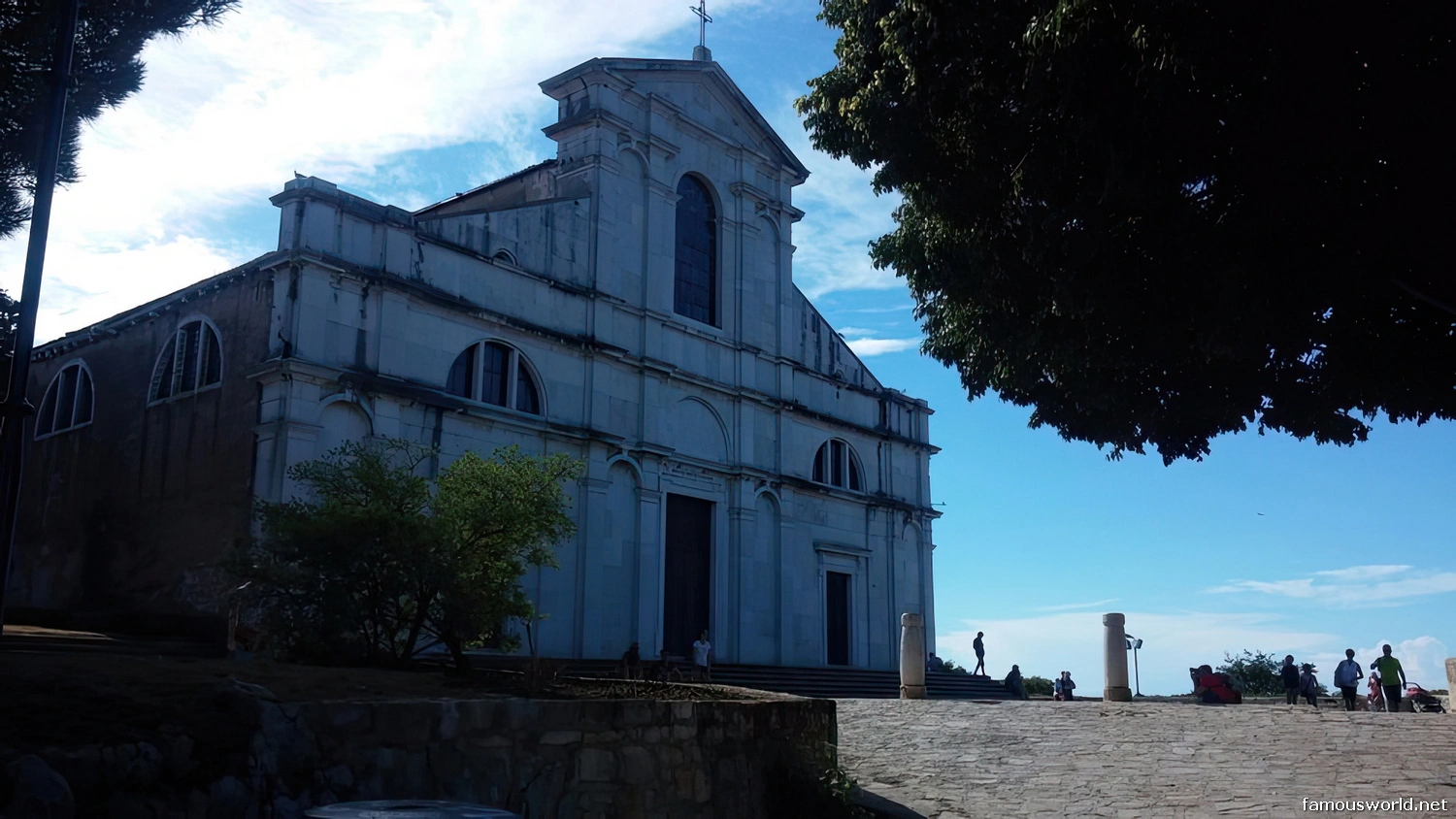
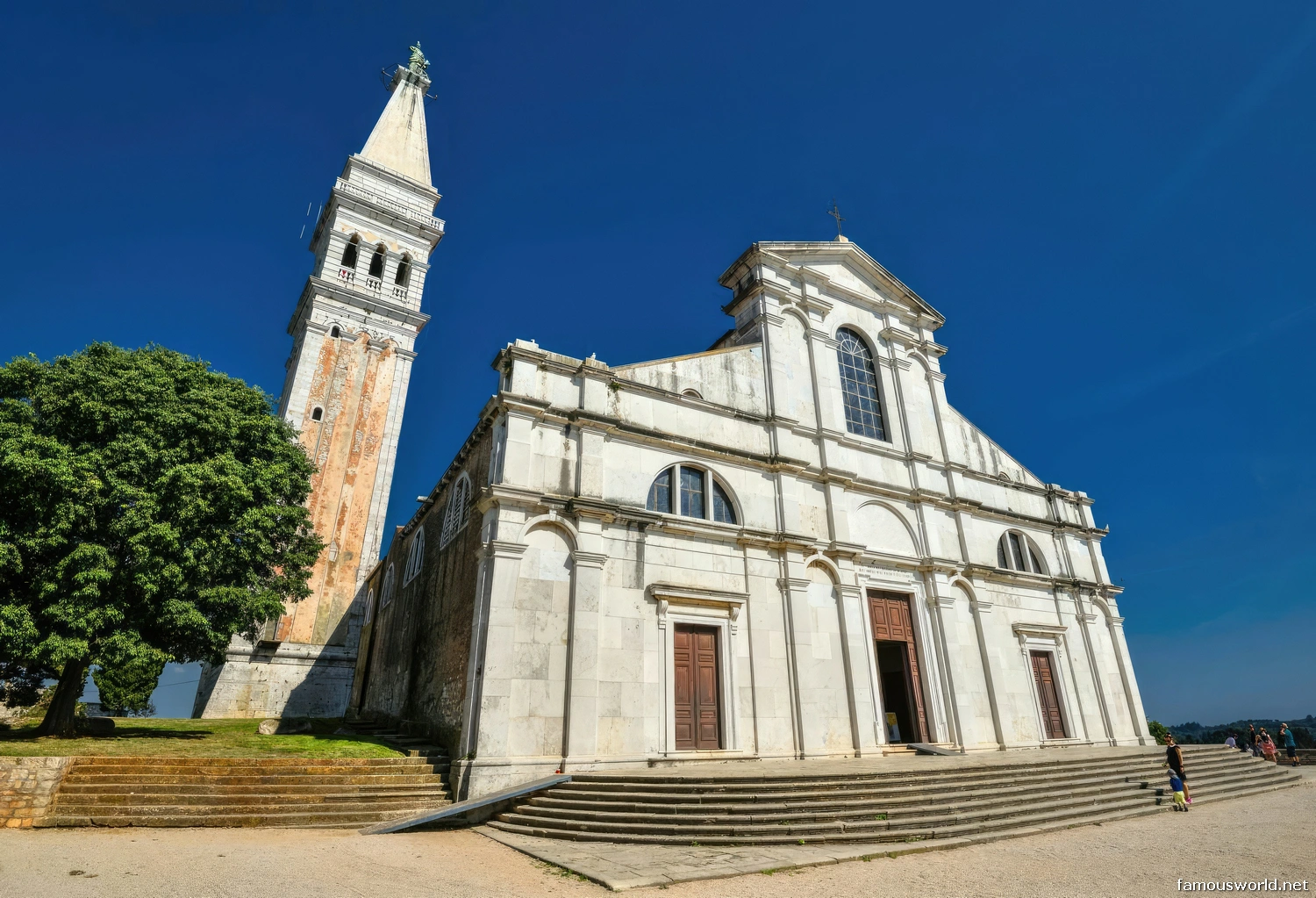
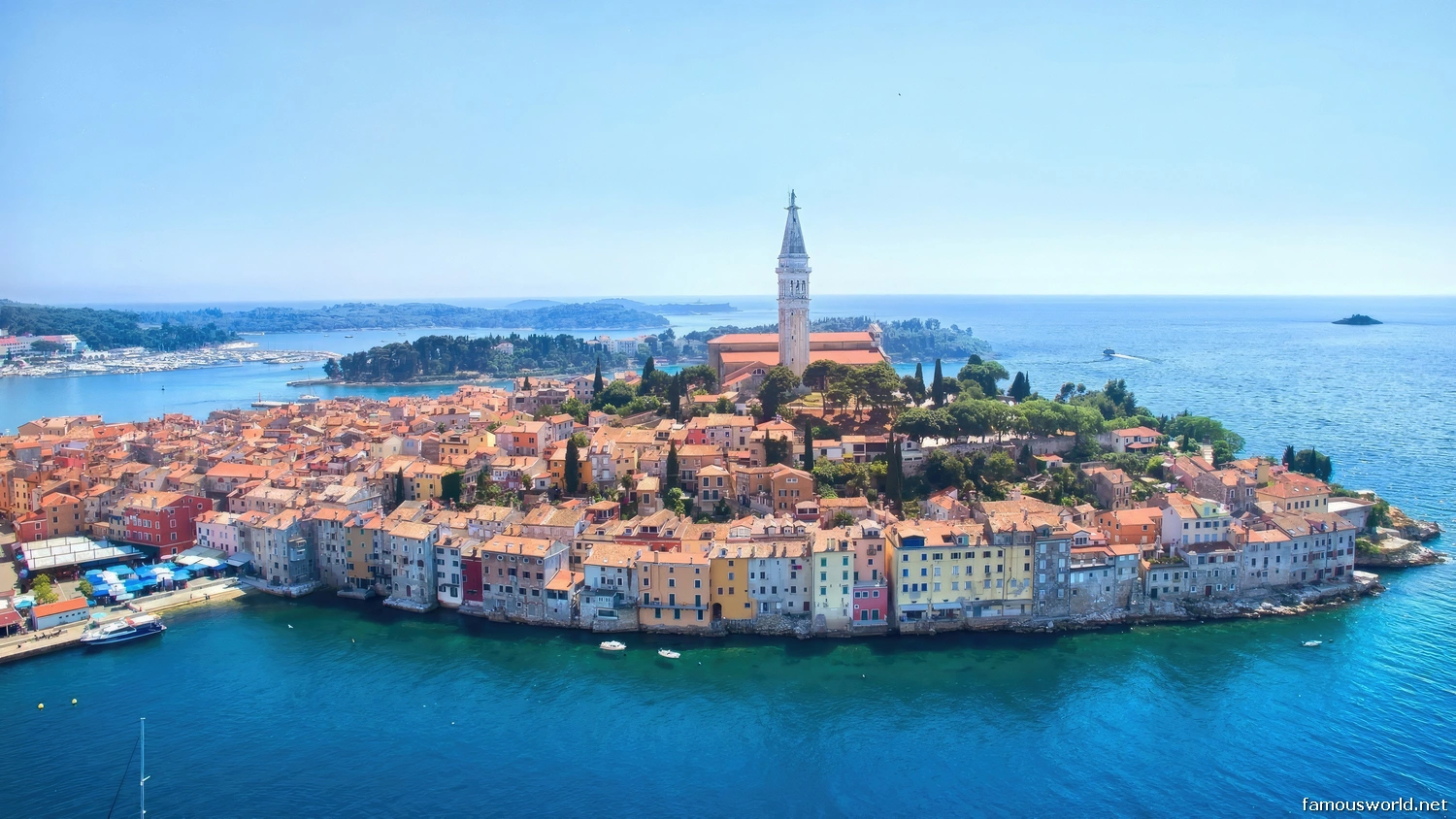
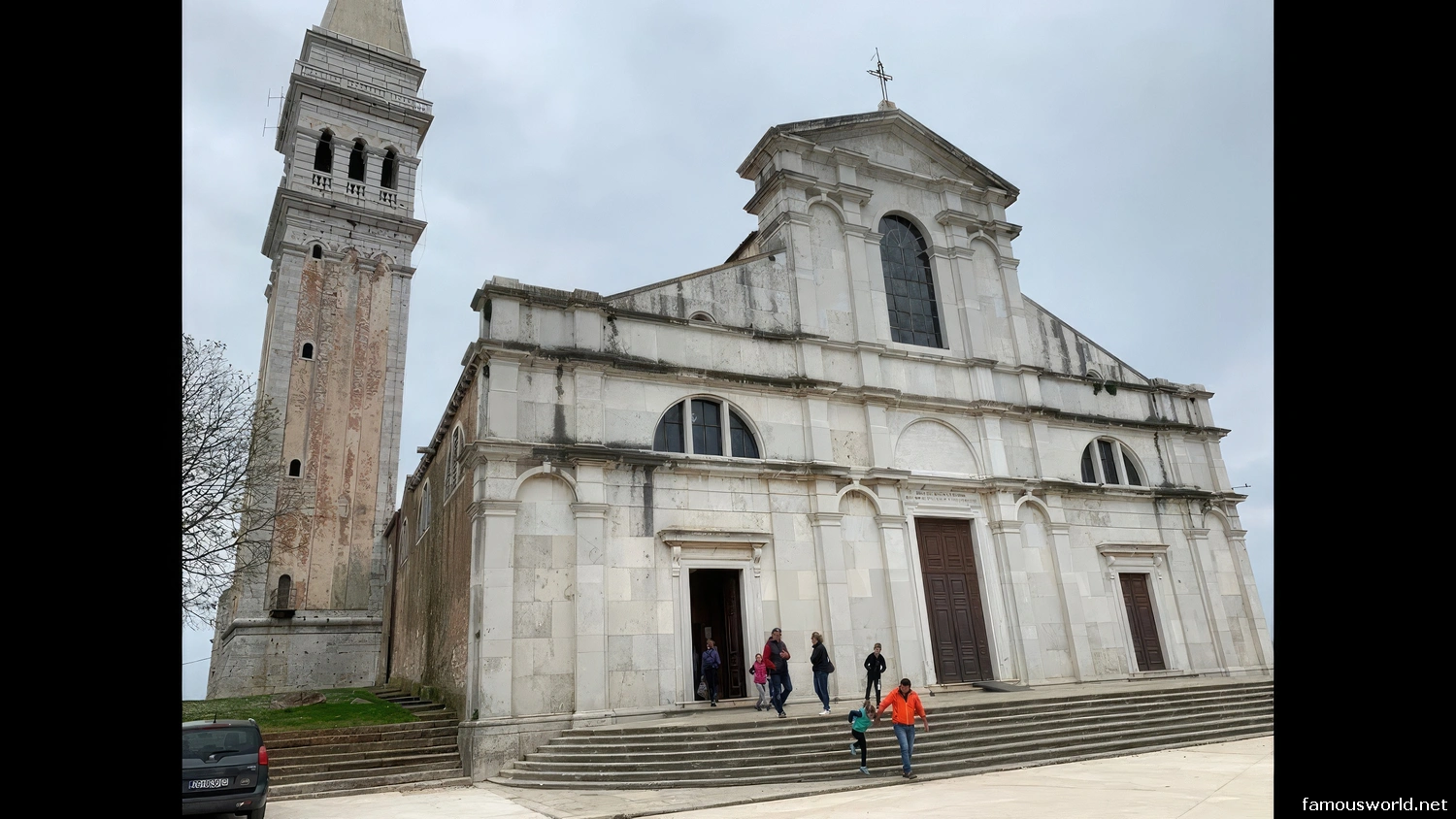
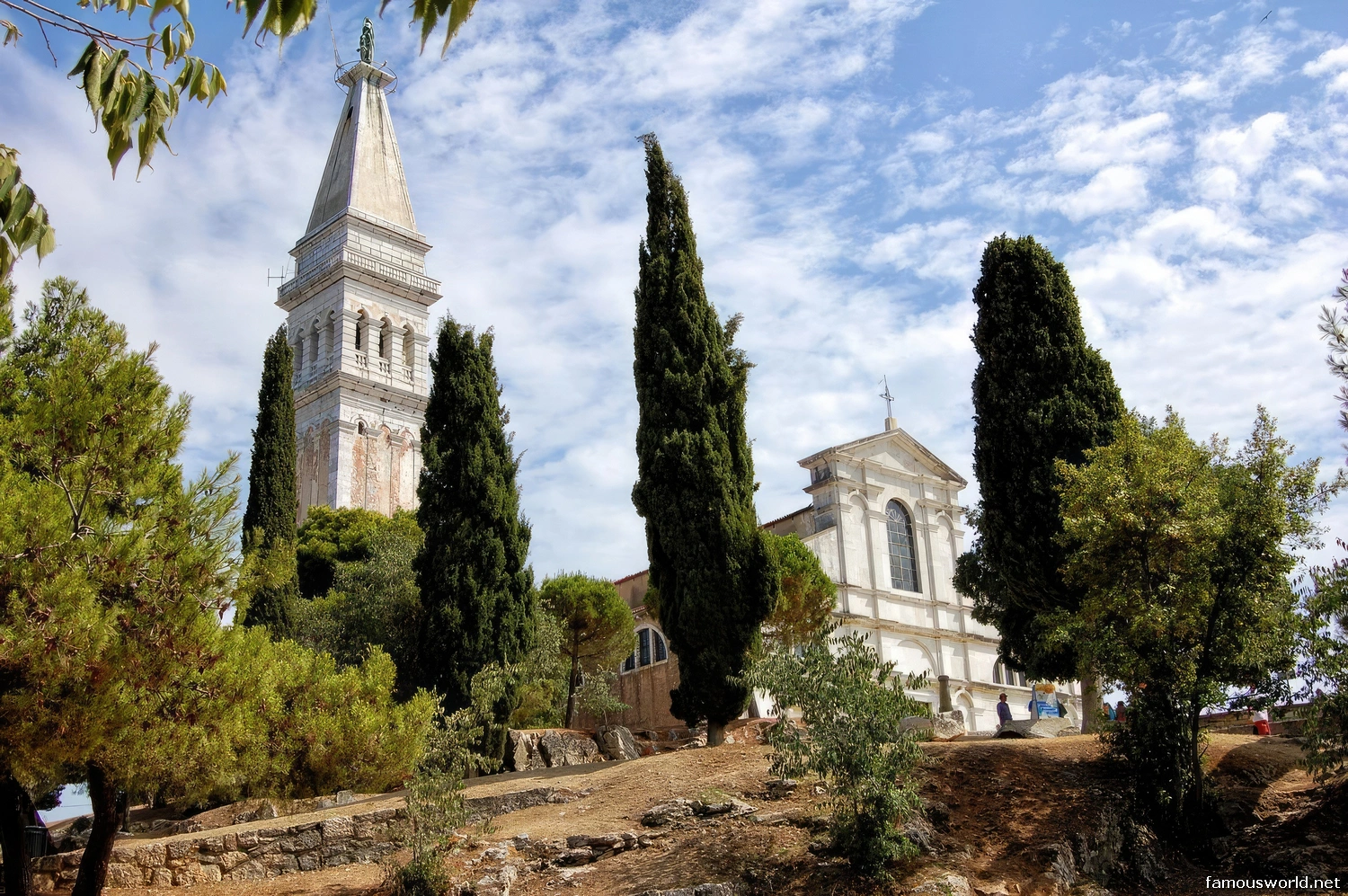
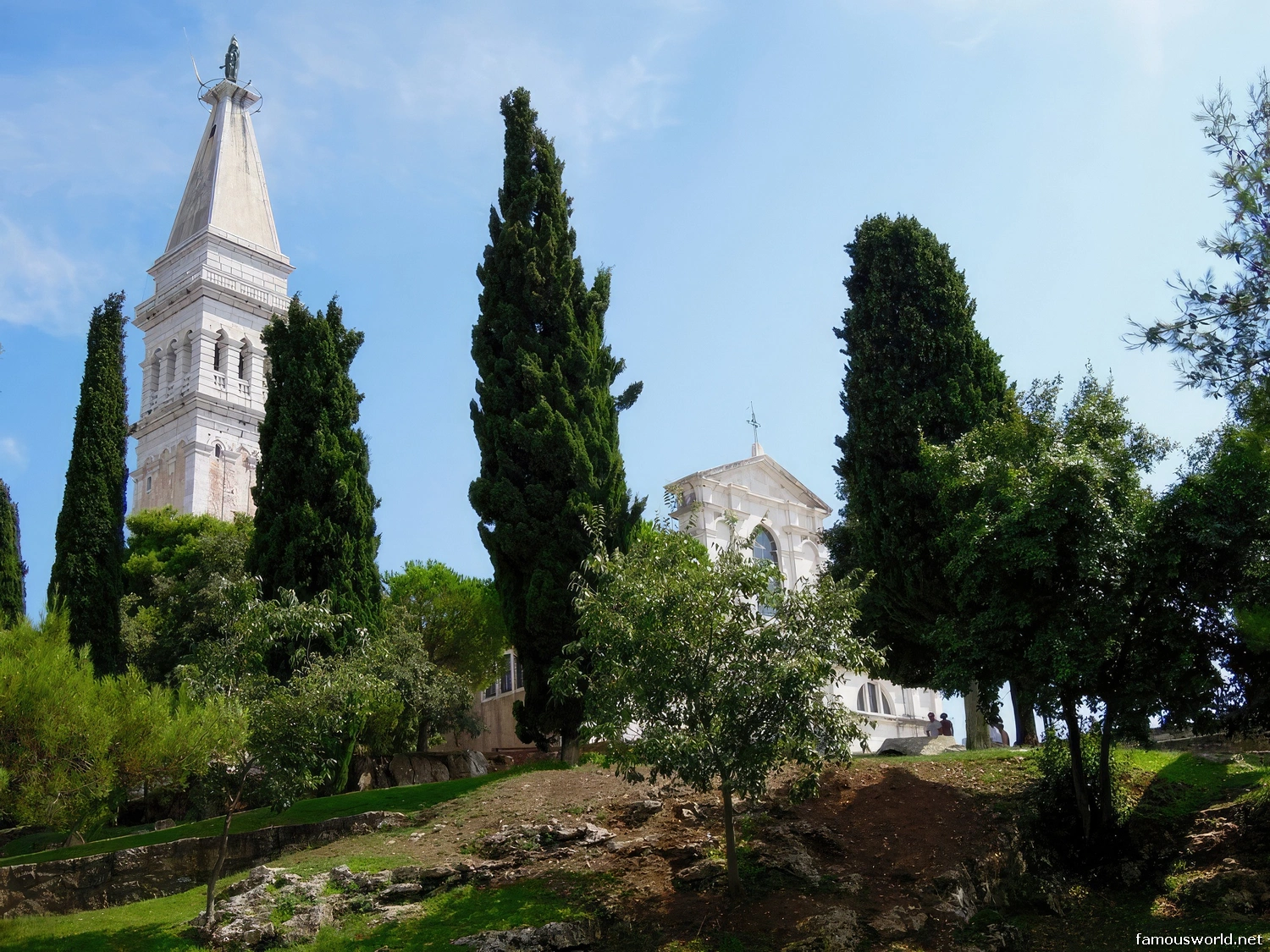
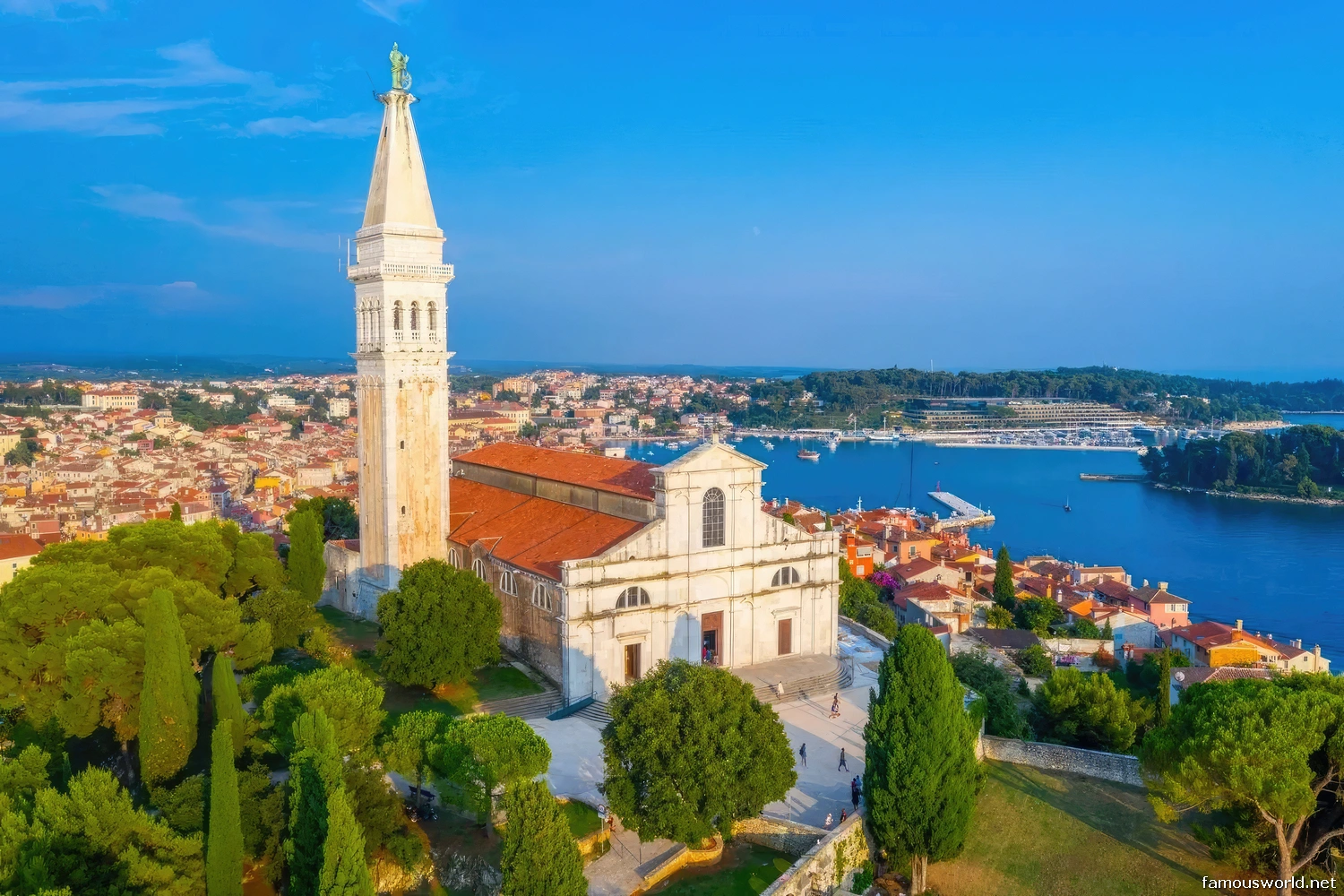
Dominating the skyline of the enchanting Istrian peninsula town of Rovinj, the Church of St. Euphemia is a monumental Venetian Baroque masterpiece and the spiritual heart of the city. Perched atop the highest hill of the old town, its magnificent bell tower acts as a beacon, visible from far out at sea. The church is more than just an architectural landmark; it is a cherished shrine holding the relics of its namesake saint, whose legendary arrival in a marble sarcophagus defines the town’s identity. A visit to the church is a pilgrimage up winding cobblestone streets, rewarded with breathtaking views and a profound connection to a story of faith and martyrdom.
Listen to an introduction about Church of St. Euphemia

Name and Location
- Name: The Church of St. Euphemia (Crkva sv. Eufemije).
- Location: In the historic old town of Rovinj, on the western coast of the Istrian peninsula in Croatia.
How to Get There
Rovinj is a popular destination in Istria and is well-connected.
- By Air: The nearest international airport is Pula (PUY), about a 45-minute drive away.
- By Bus: Rovinj has a central bus station with frequent connections to Pula, Poreč, Zagreb, and other Croatian cities, as well as international destinations like Trieste, Italy.
- By Car: Istria is well-served by a modern highway system, making it easy to drive to Rovinj.
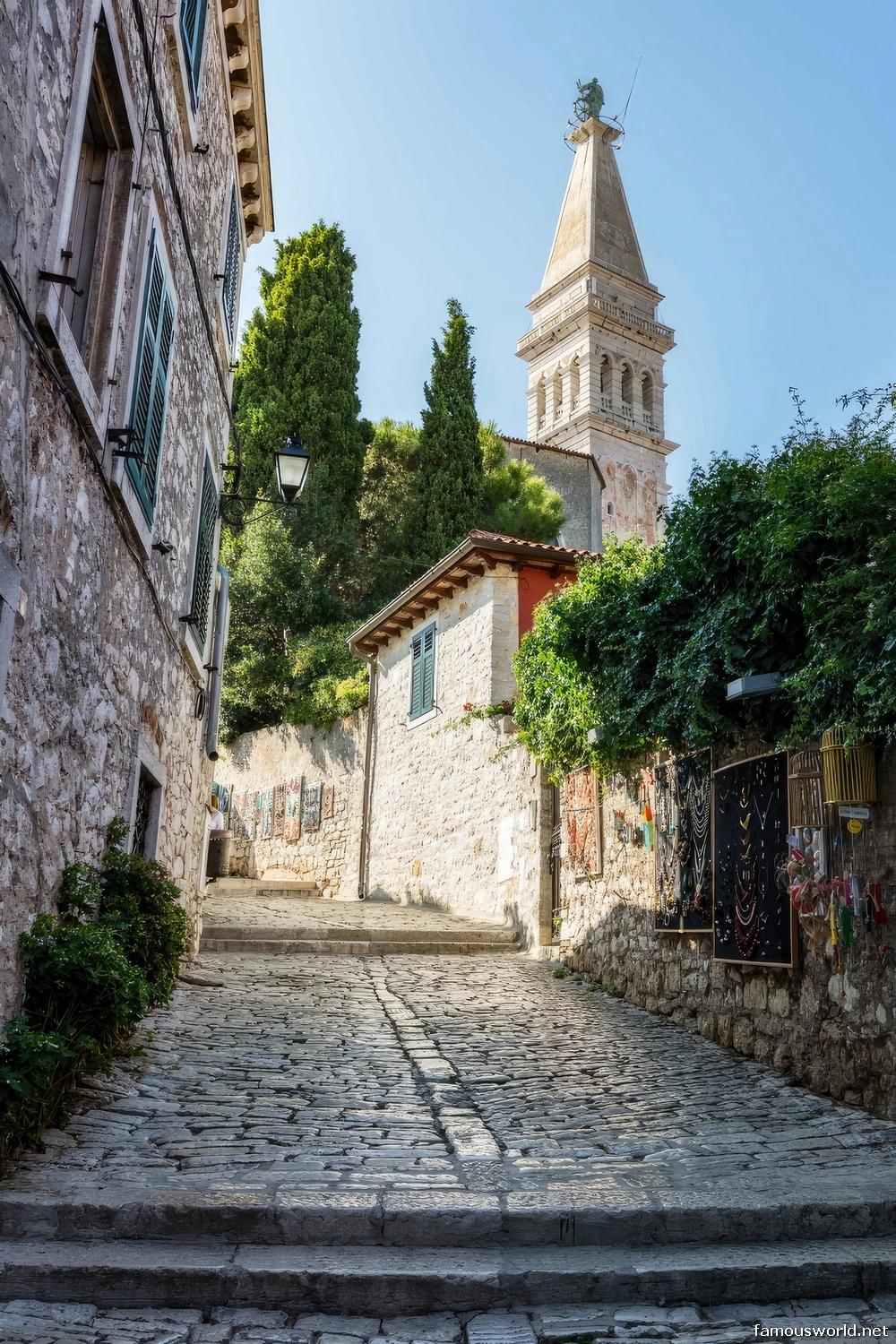
- To the Church: The church itself is located at the summit of the old town peninsula. It is only accessible on foot via a charming, steep climb through narrow, cobblestoned streets.
Landscape and Architecture
The church’s architecture and its placement in the landscape are its defining features.
- The Landscape: The church sits on the very top of a coastal hill, commanding the entire peninsula. Its location offers stunning panoramic views over the red-roofed houses of the old town, the nearby islands, and the vast expanse of the Adriatic Sea.
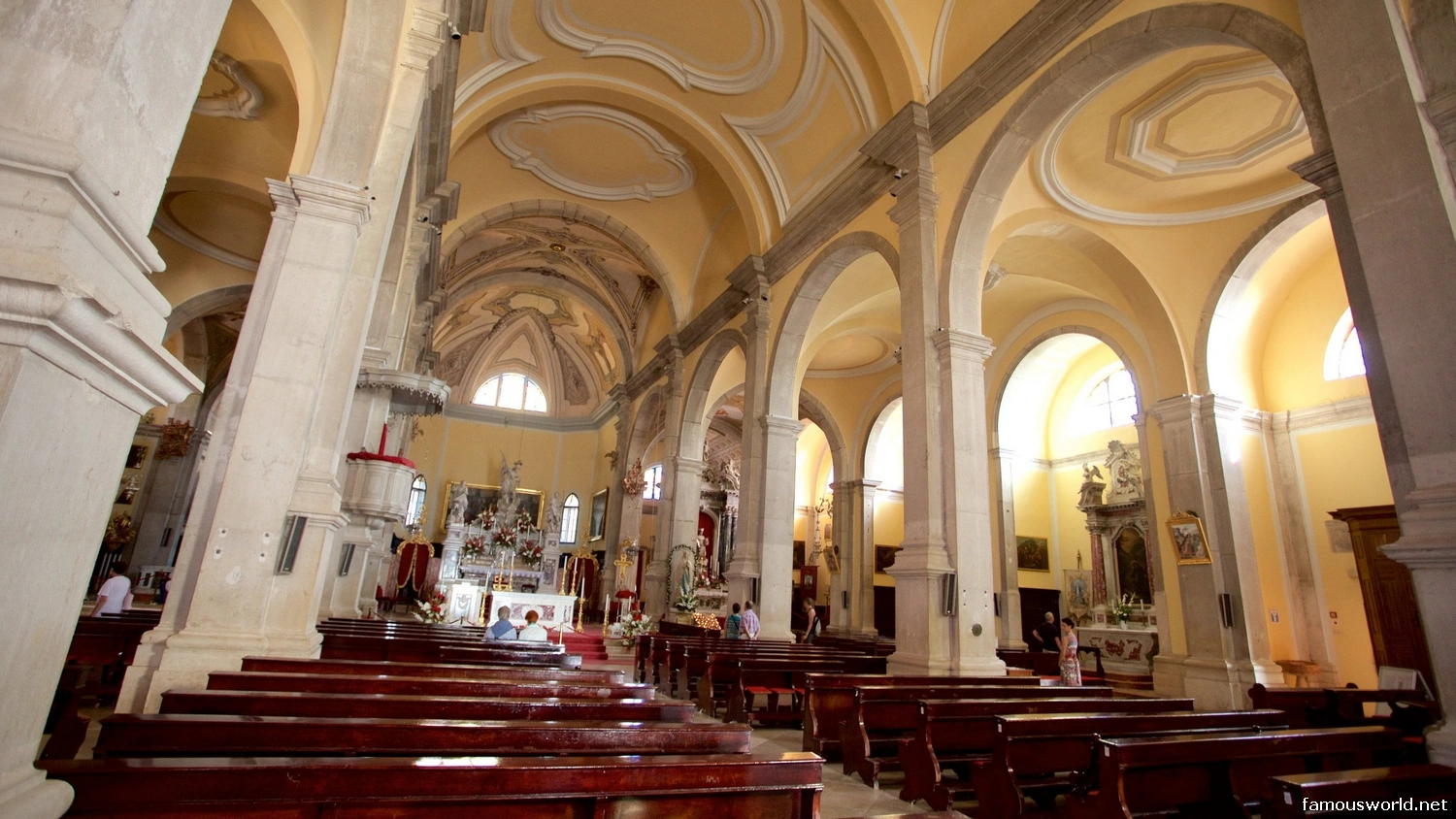
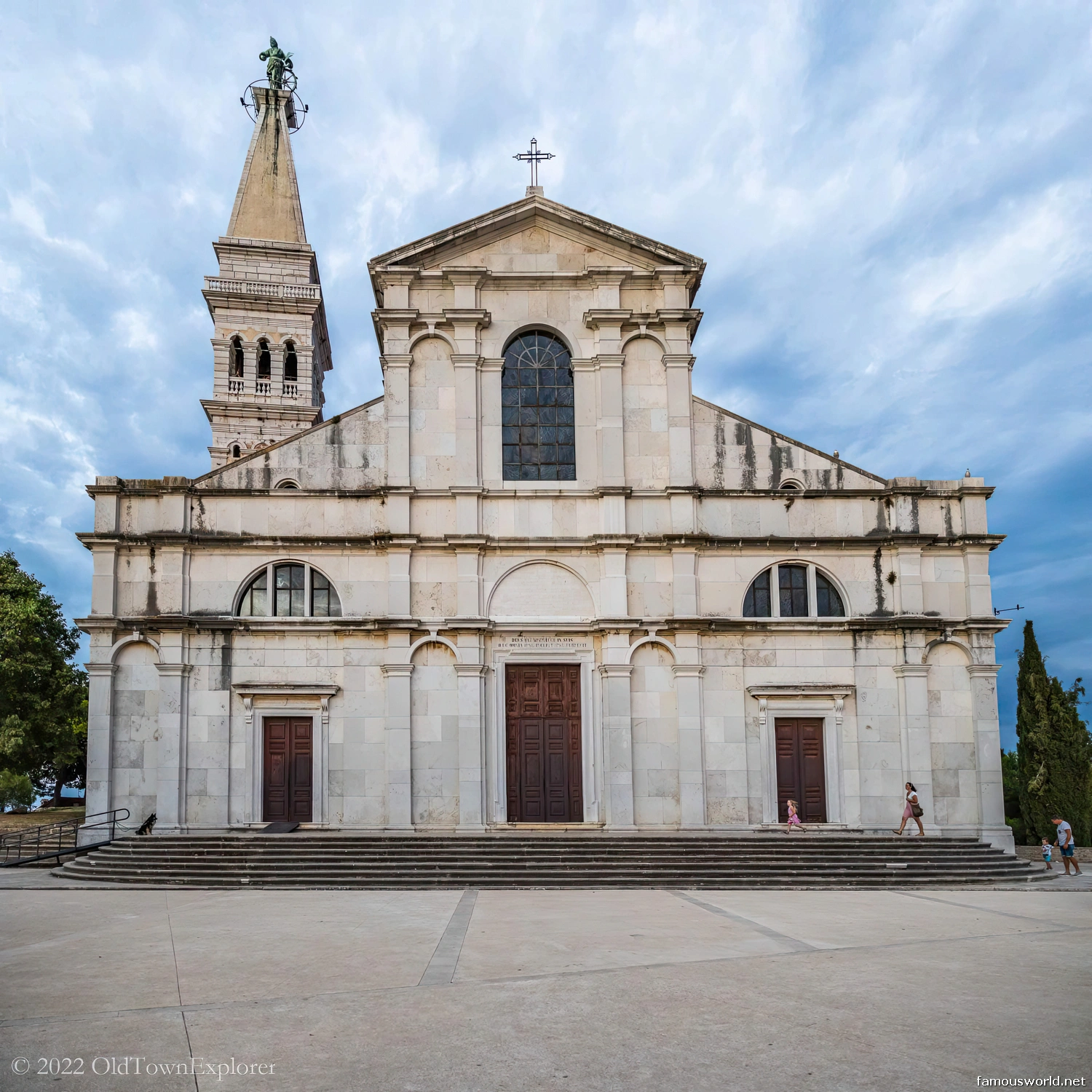
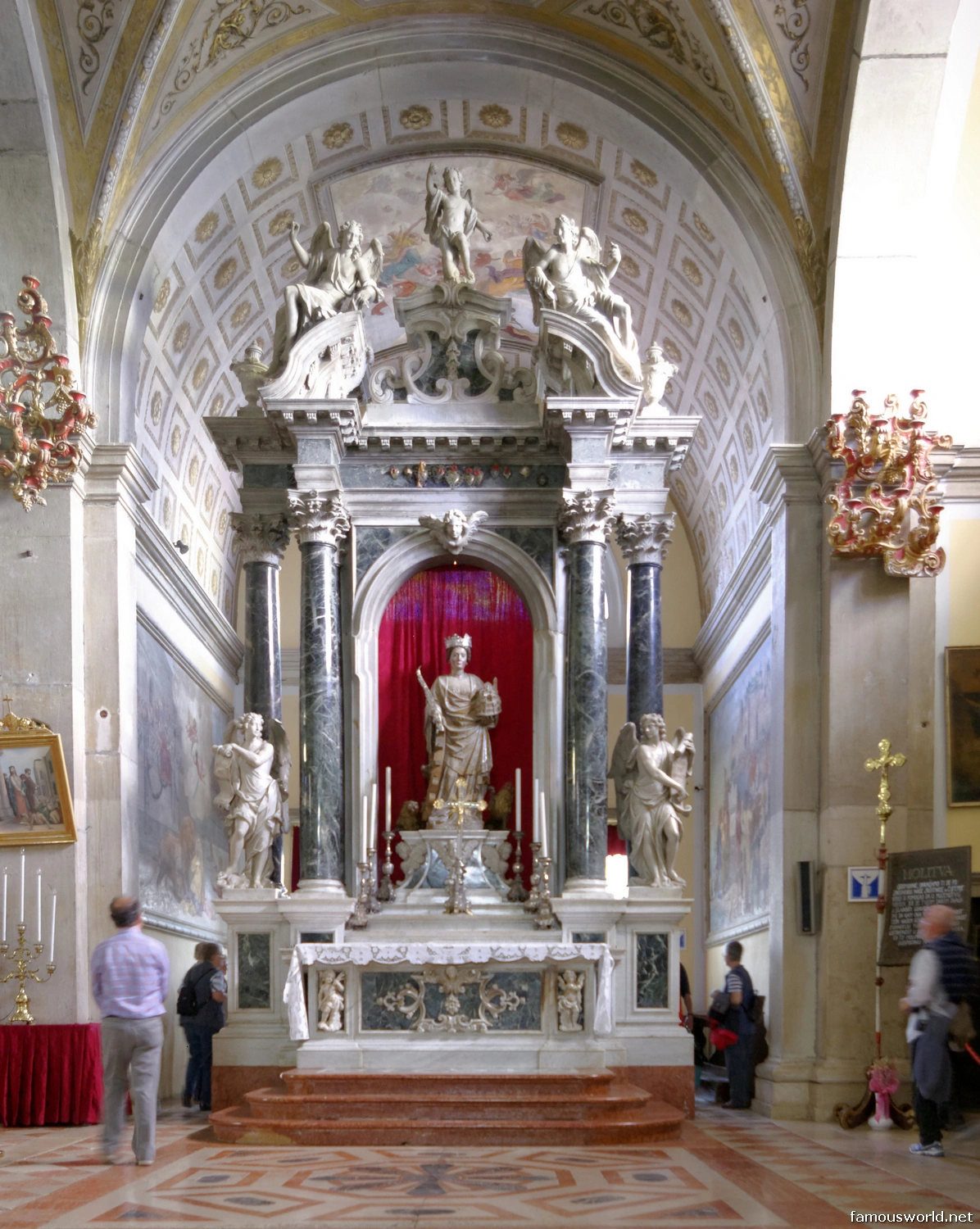
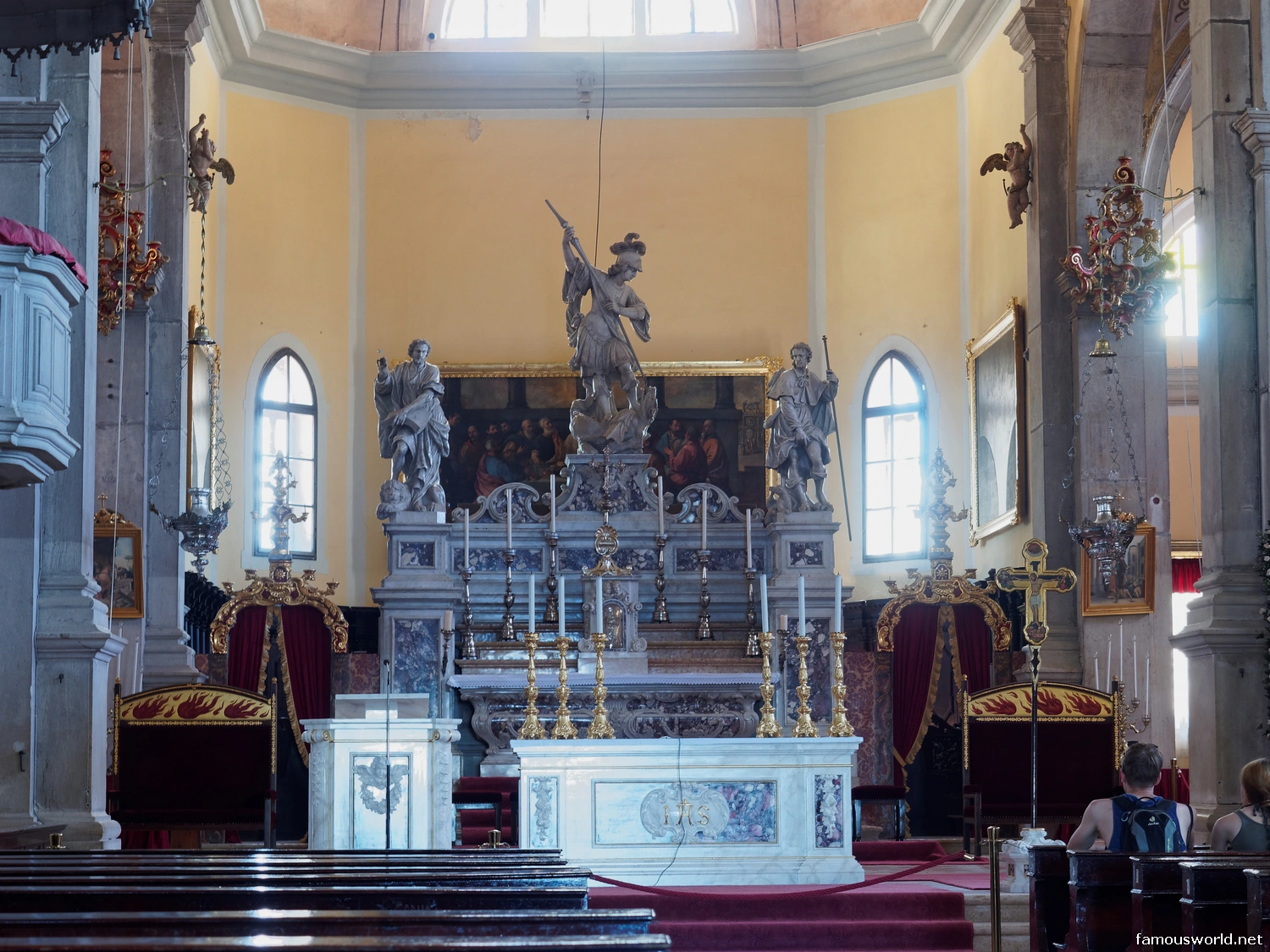
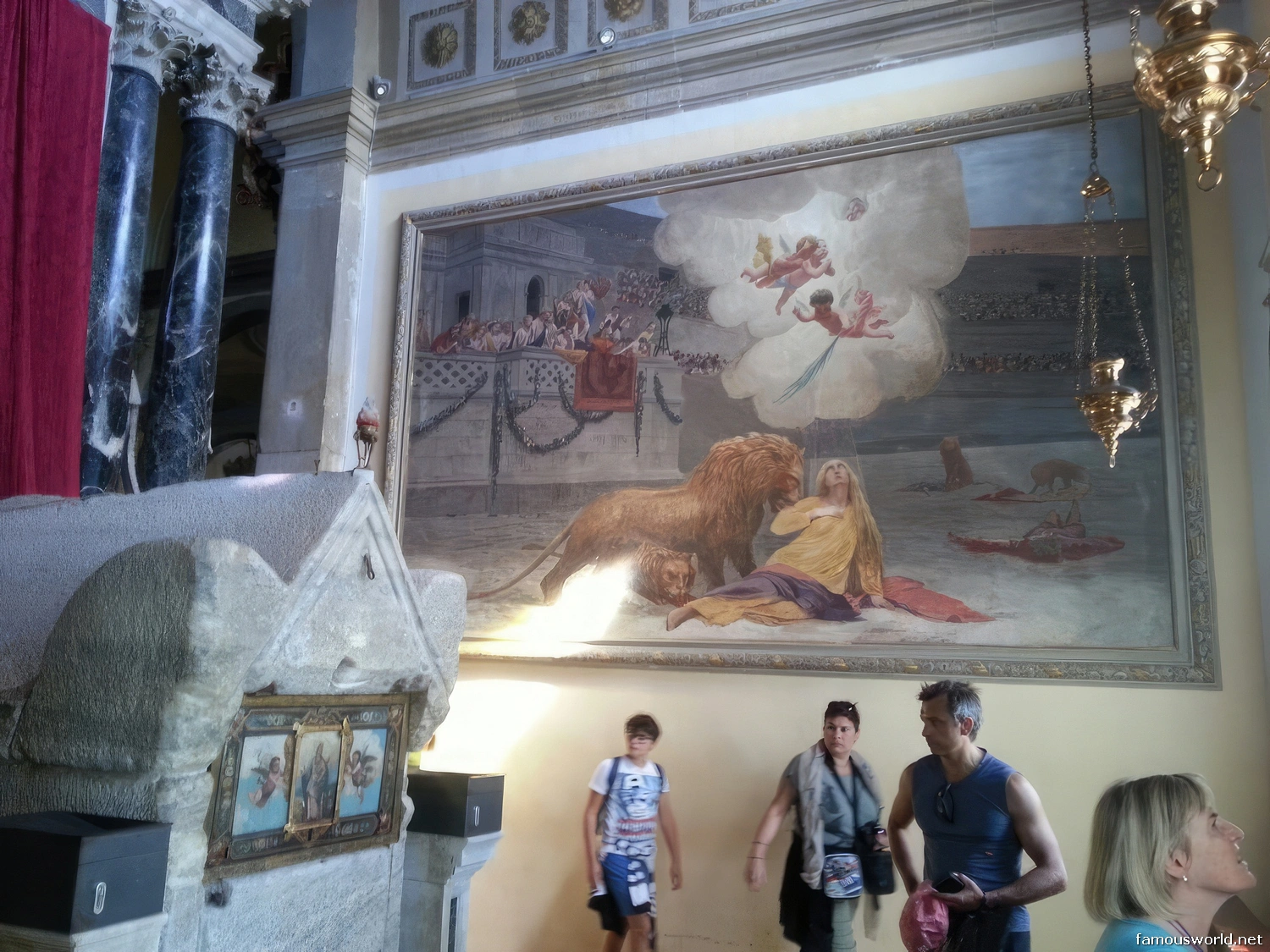
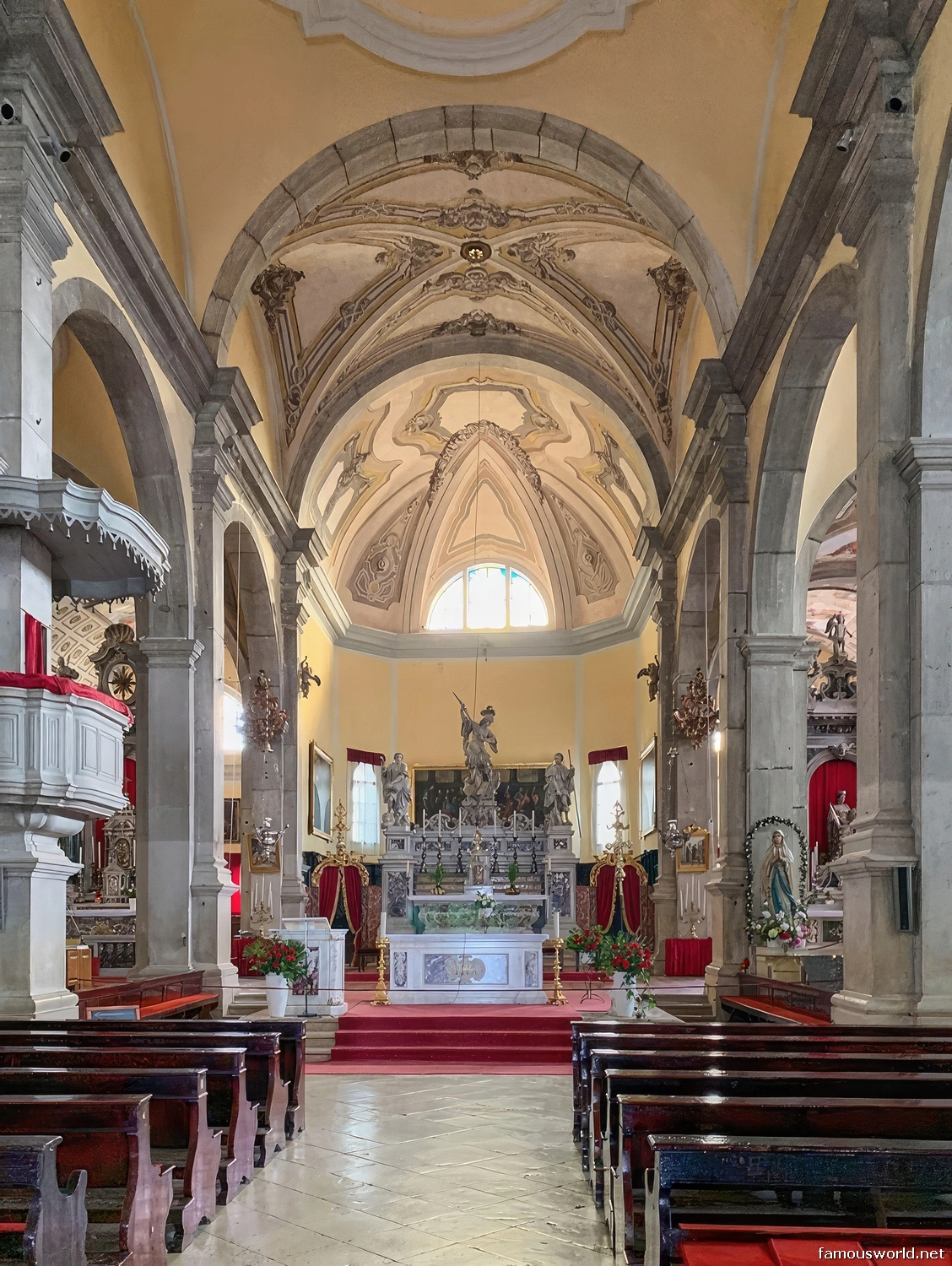
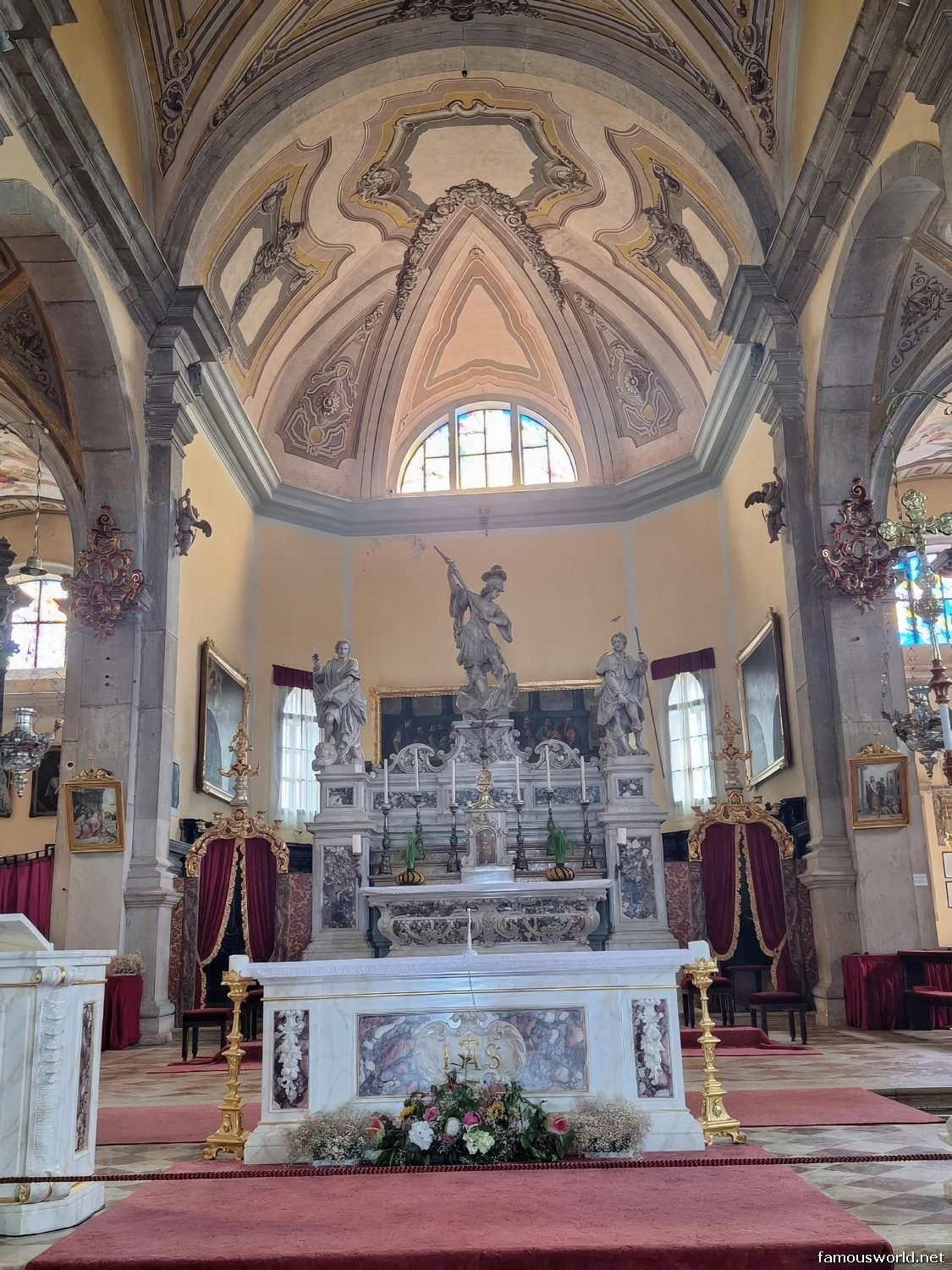
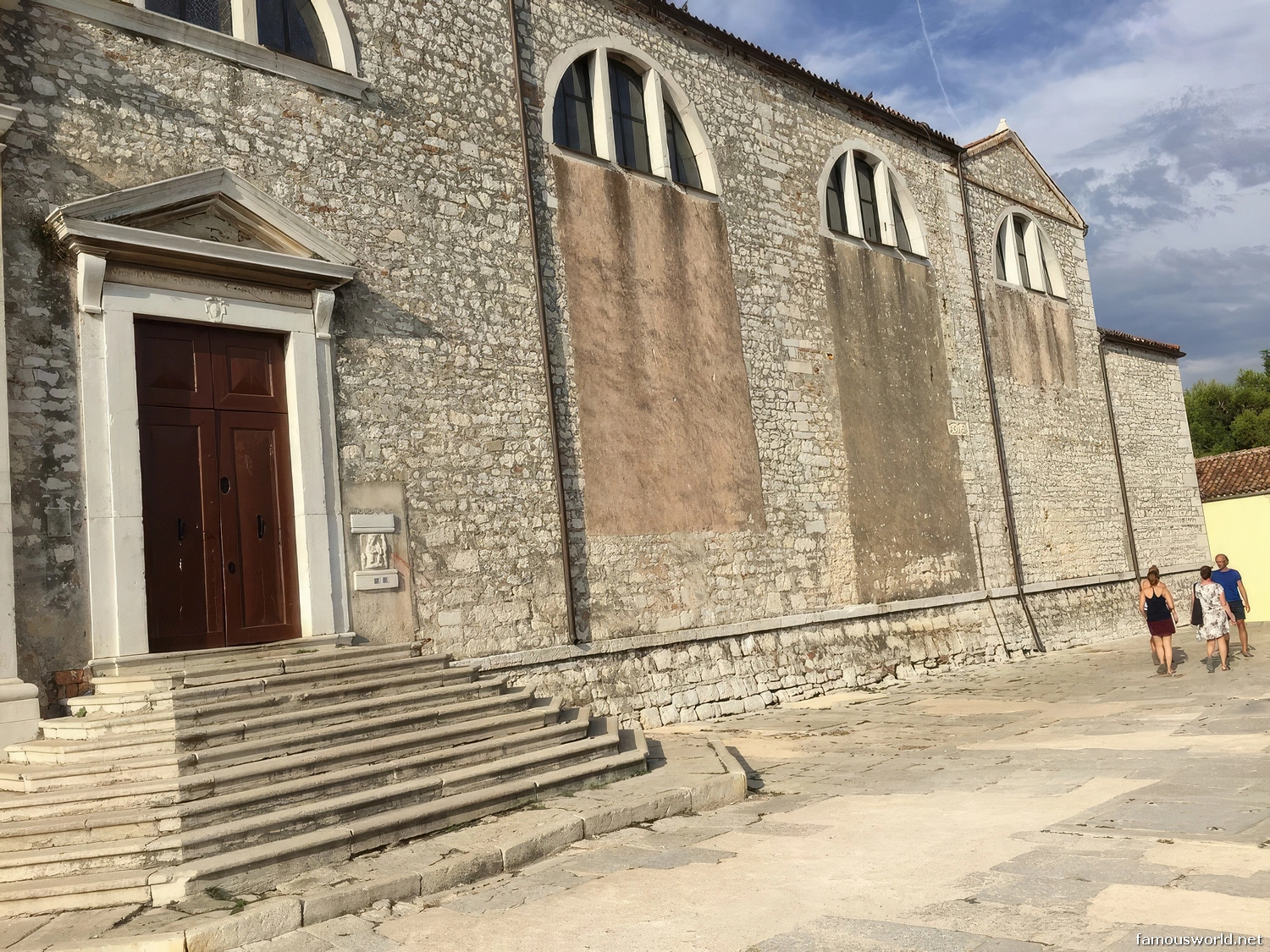
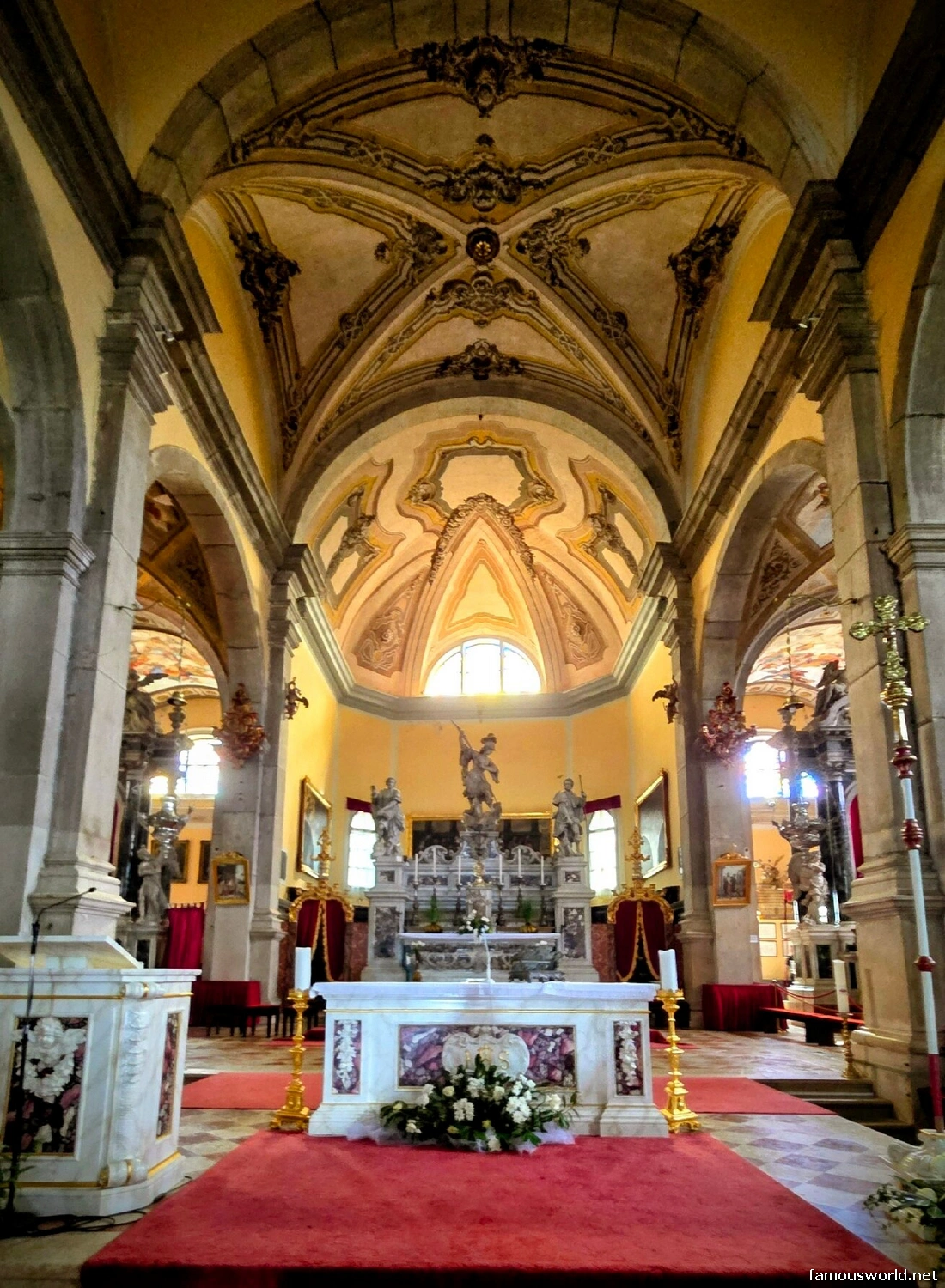
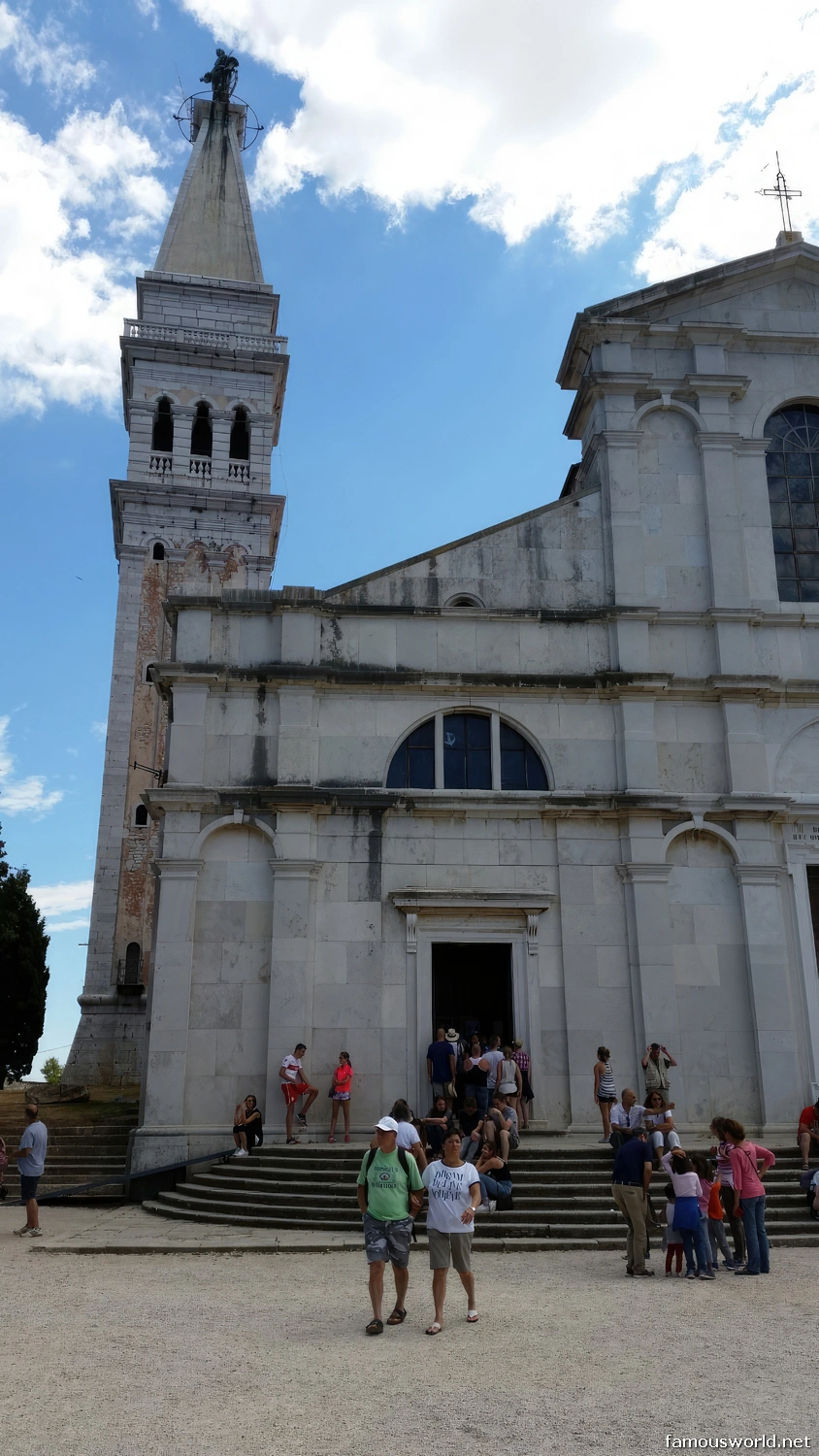
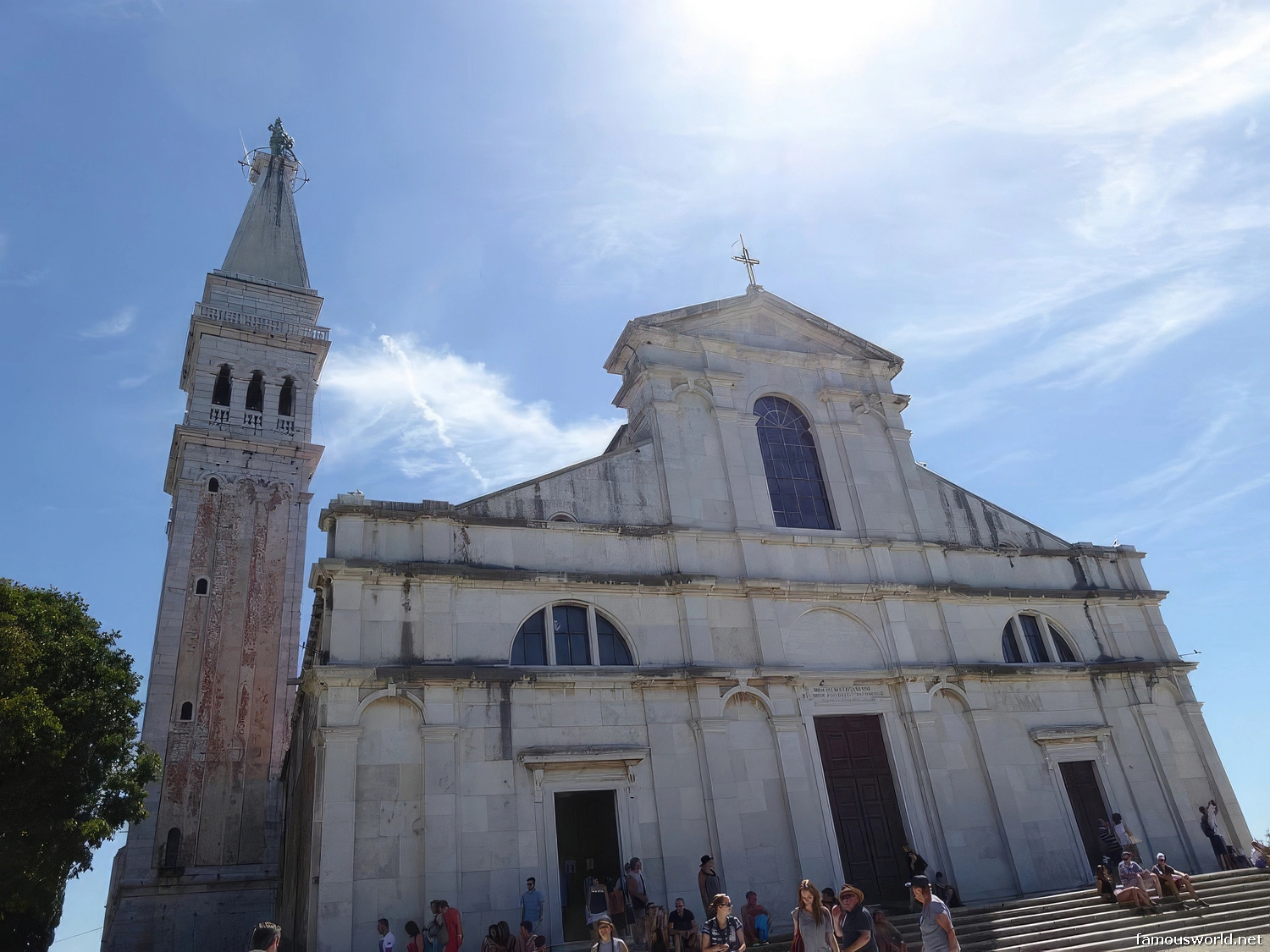
- The Architecture: The church is the largest Baroque building in Istria, built in the Venetian style. The interior is grand and ornate, housing precious artworks and the impressive tomb of St. Euphemia behind the main altar.
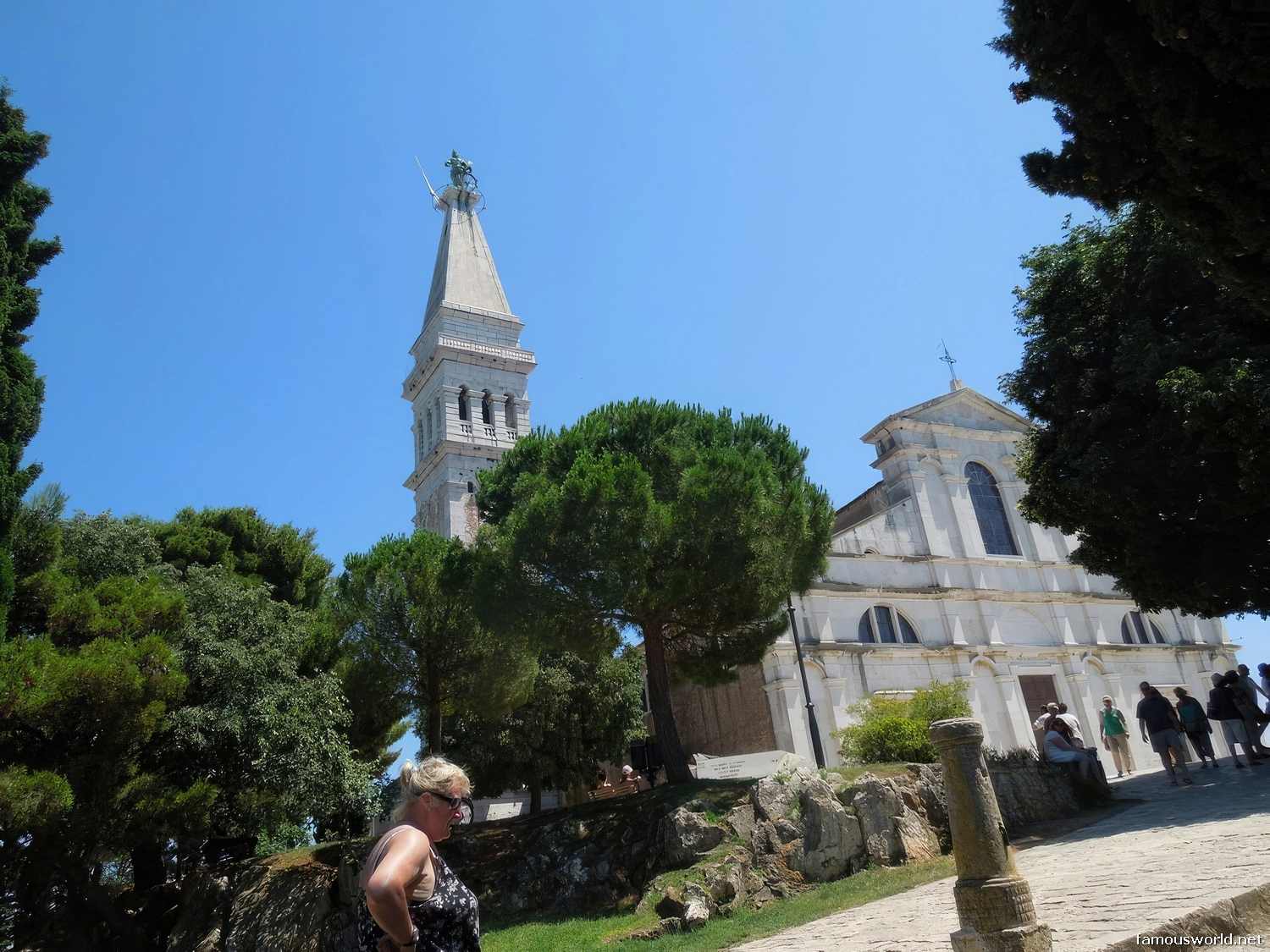
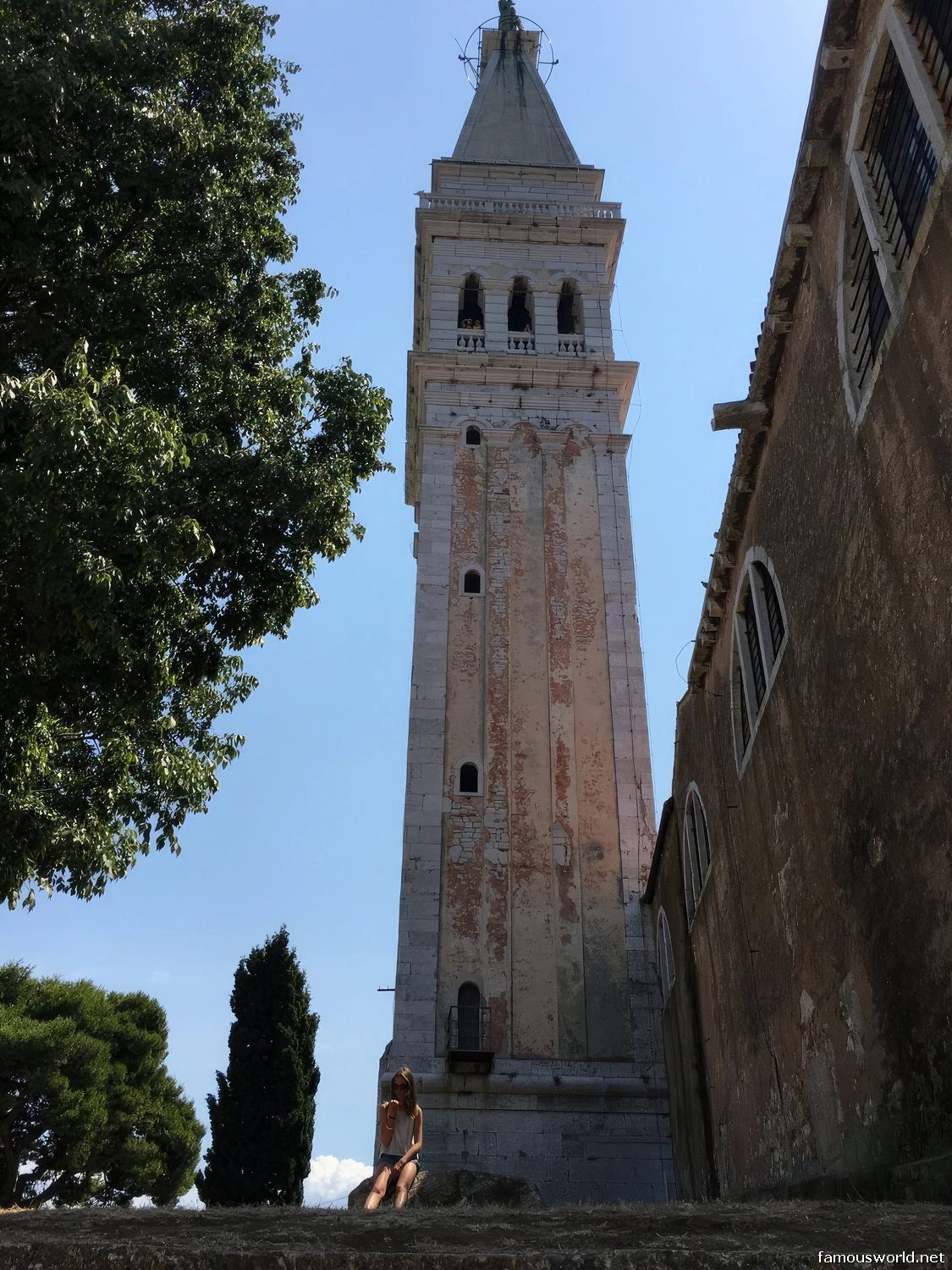
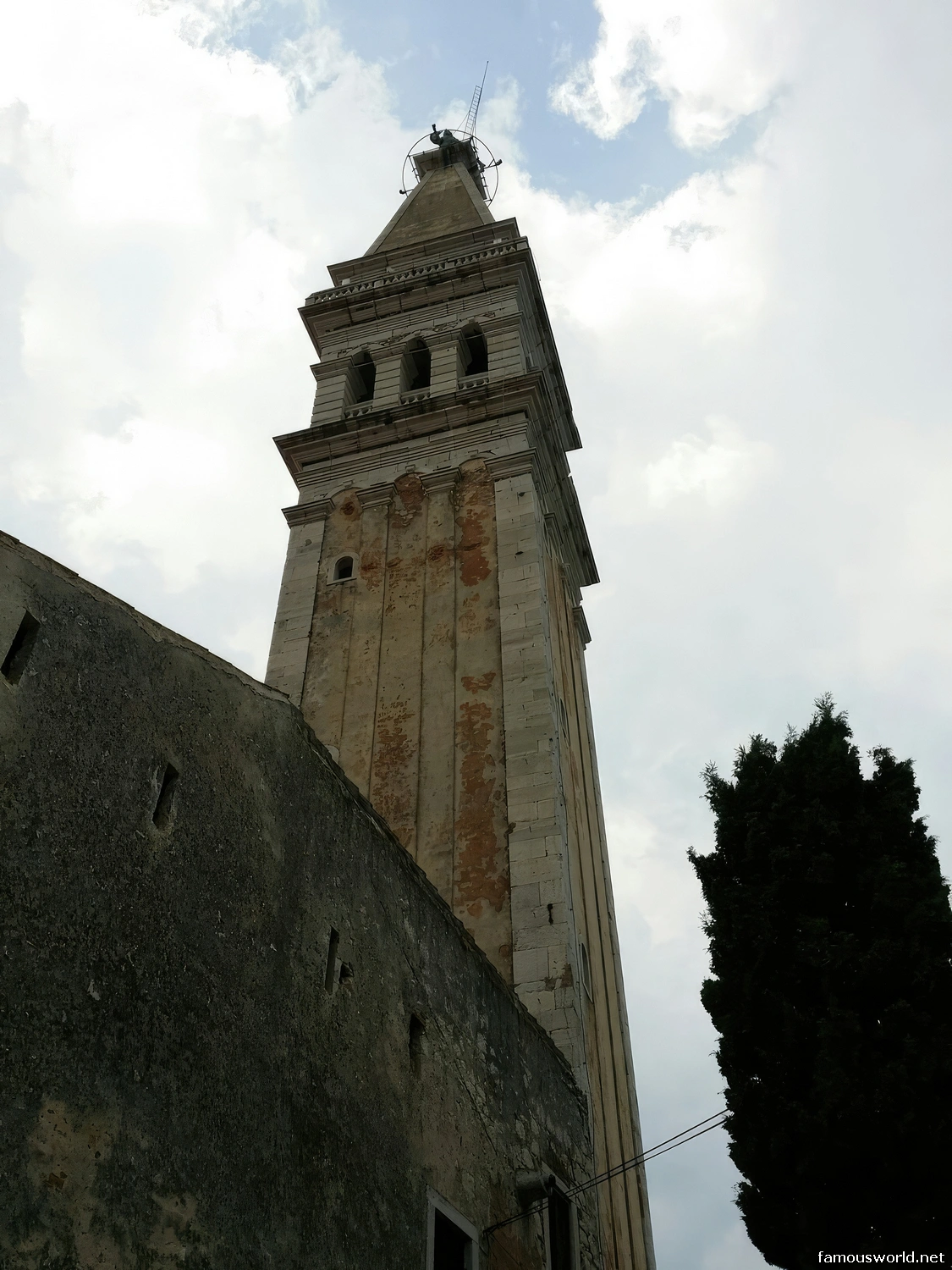
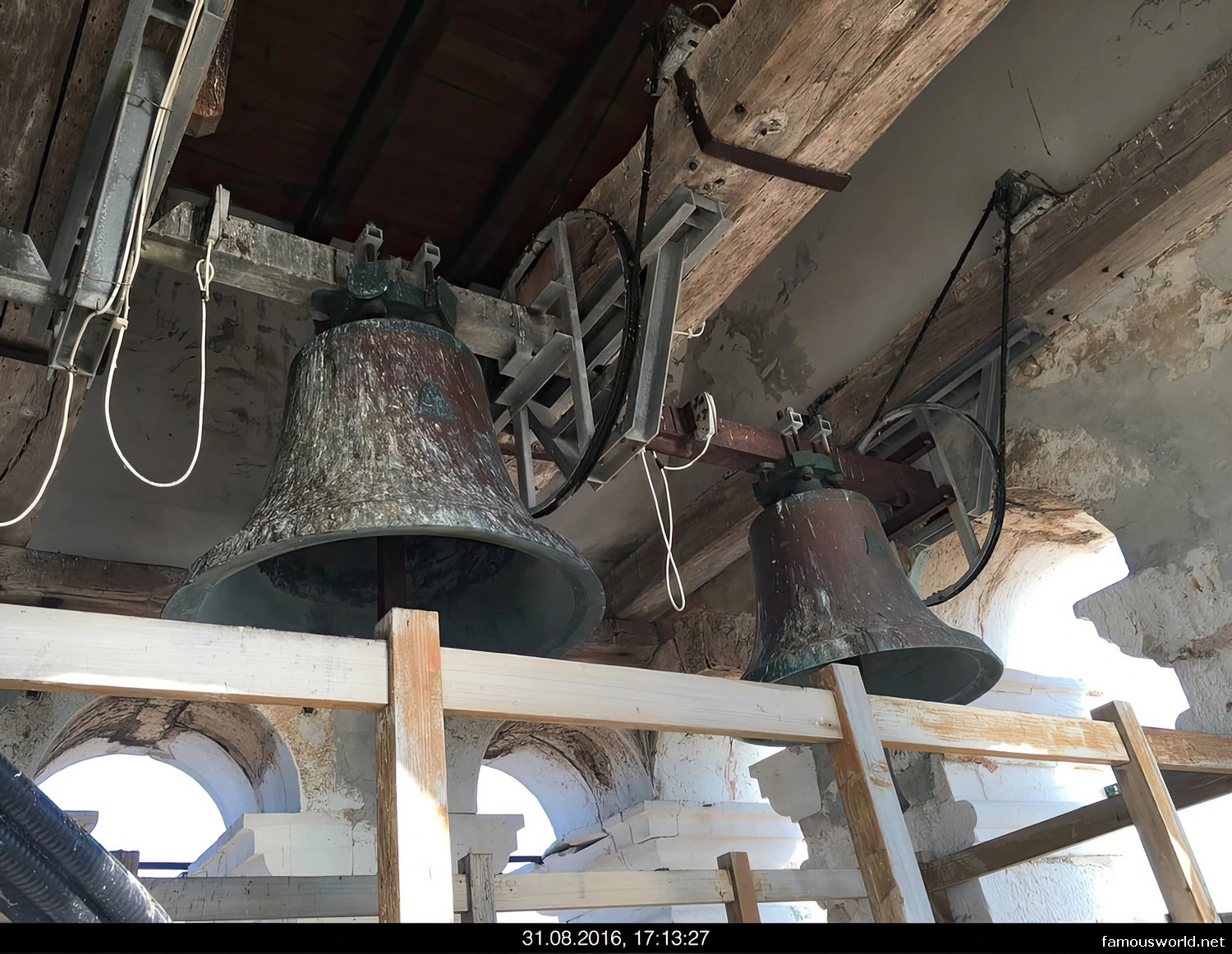
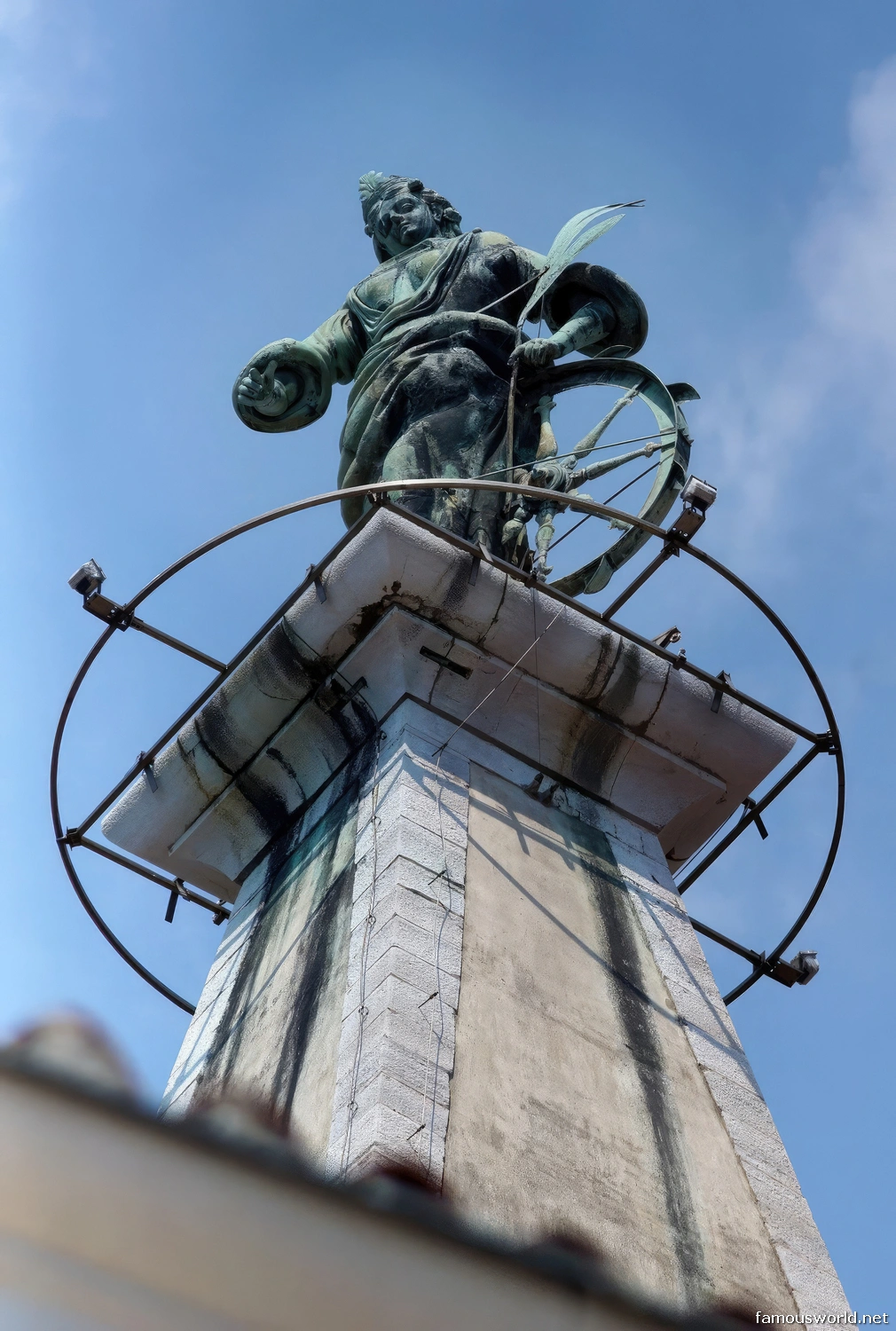
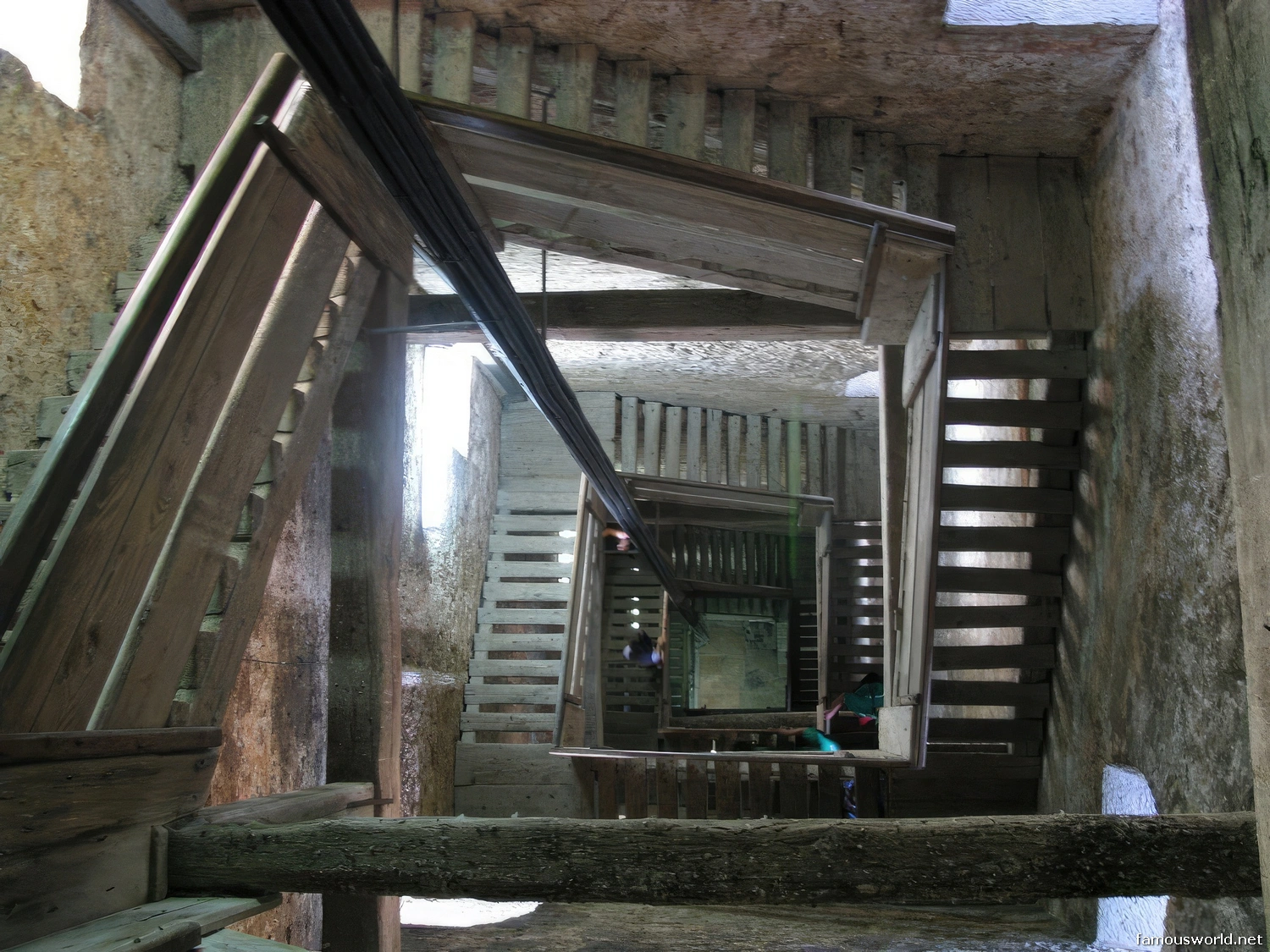
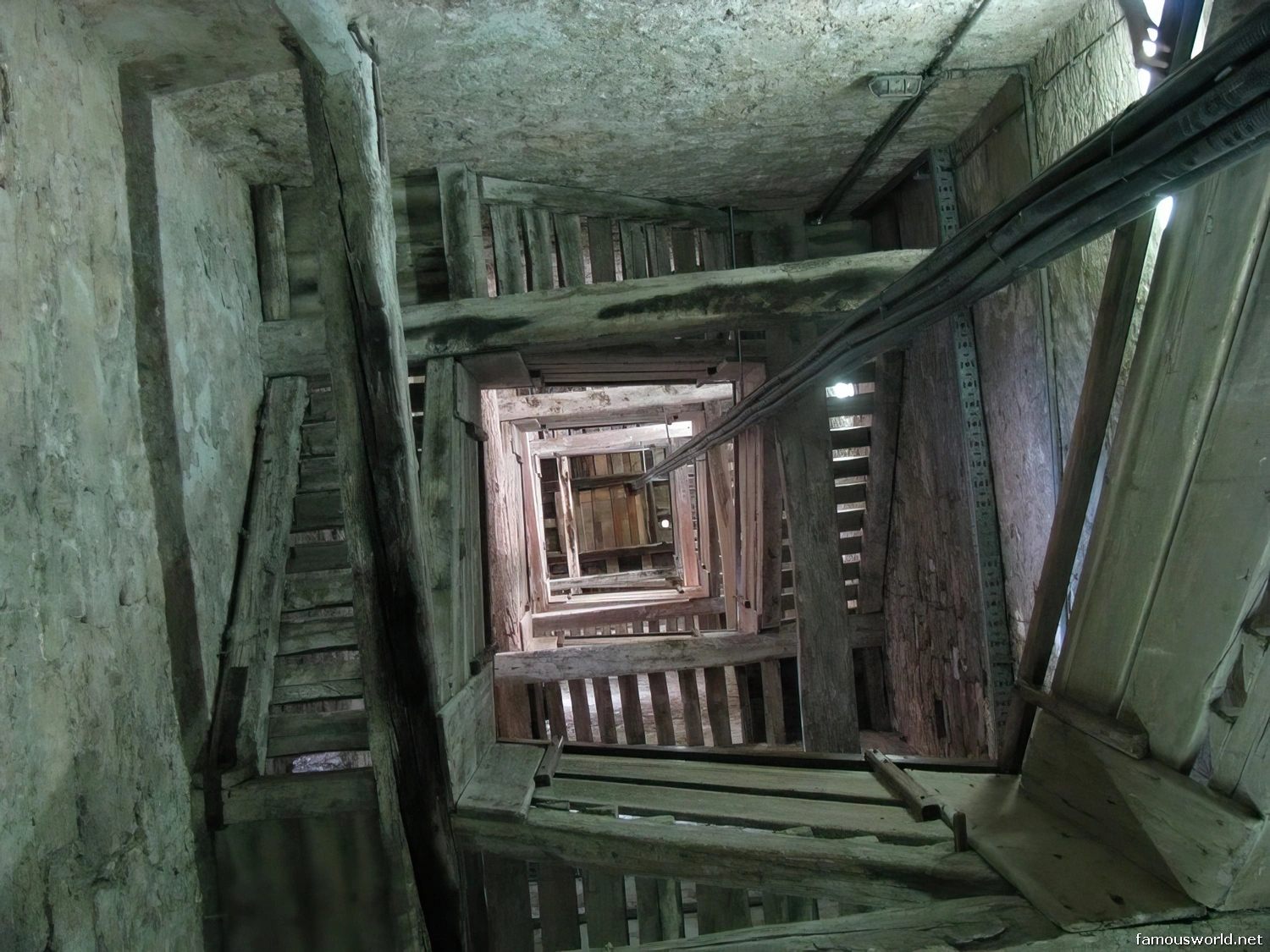
- The Bell Tower: The most iconic feature is the 60-meter-high bell tower, which was modeled on the campanile of St. Mark’s Basilica in Venice. At its peak stands a large copper statue of Saint Euphemia, which rotates with the wind, serving as a weather vane.
What Makes It Famous
The church is famous as both a major architectural landmark and a site of a compelling religious legend.
- Shrine of St. Euphemia: The church is the keeper of the relics of St. Euphemia, the patron saint of Rovinj. Her remains are housed in a magnificent Roman sarcophagus dating to the 6th century.
- The Legend of the Sarcophagus: According to legend, the marble sarcophagus miraculously floated to the shores of Rovinj from Constantinople around 800 AD. The story culminates with a small boy and his two calves succeeding in pulling the immensely heavy tomb up the hill to the church after all others had failed.
- The Bell Tower and Statue: The towering campanile and its unique rotating statue are the defining symbols of Rovinj, recognized throughout Croatia.
Differences from Other Wonders
The singular, spiritual hilltop presence of St. Euphemia’s church offers a different experience from the sun-drenched, leisurely archipelago of Hvar Island.
- Environment (Dominant Hilltop Church vs. Sprawling Island Paradise): The Church of St. Euphemia is a single, monumental religious structure that crowns a historic town. Hvar is a large island defined by its diverse natural landscapes—beaches, lavender fields, vineyards—and multiple towns.
- Core Story (Faith and Martyrdom vs. Nature and Glamour): The story of the church is centered on the profound religious legend of a Christian martyr and a miraculous event. Hvar’s story is one of agriculture, Venetian maritime culture, and its modern identity as a glamorous holiday destination.
- Primary Attraction (Architectural Shrine vs. The Island Experience): The main attraction in Rovinj’s old town is the church itself—its architecture, the saint’s tomb, the bell tower, and the views. The main attraction of Hvar is the holistic island experience: sailing, swimming, nightlife, and exploring its natural beauty.
- Atmosphere (Reverent and Historic vs. Sun-Drenched and Chic): A visit to the church inspires a feeling of reverence, history, and spiritual tranquility. Hvar is characterized by a relaxed, sun-drenched, and stylish resort atmosphere.
Location on world map